




























































































































































































Dealing with UAPS
Podcast book - Dealing with UAPs
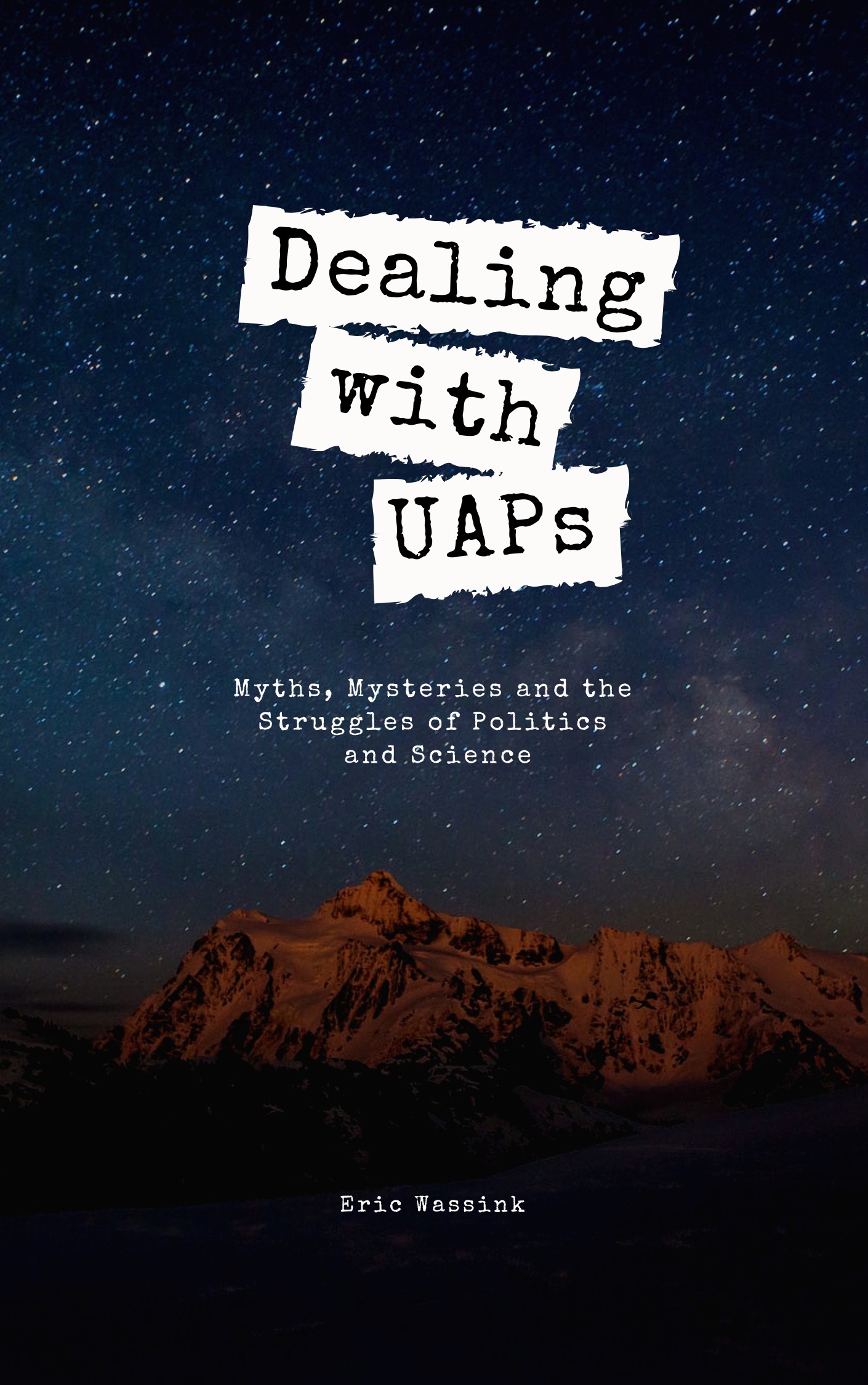
Dealing with UAPs
This book examines Unidentified Anomalous Phenomena (UAPs) from a critical, epistemically disciplined perspective, tracing the interplay between raw observation, institutional interest, cultural mythology, and the limits of available evidence.
The work opens by situating the modern UAP phenomenon in the early Cold War era, when military secrecy, collective anxiety, and rapidly advancing technology produced a cultural environment in which unexplained aerial sightings were quickly transformed into widely shared narratives — long before the more clinical term 'UAP' replaced 'flying saucer' in official discourse. A dedicated chapter analyses the mechanisms through which incomplete observations solidify into seemingly authoritative accounts: the roles of memory distortion, narrative repetition, social contagion, and retrospective pattern-matching are examined using a structured taxonomy that distinguishes observation, testimony, interpretation, allegation, speculation, and conclusion.
A substantial portion of the book reconstructs the institutional trajectory that ran from a remote ranch in Utah through private-sector research organisations (NIDS, BAASS), classified government programmes (AAWSAP, AATIP), and ultimately to the formally mandated All-domain Anomaly Resolution Office (AARO). The chapter on KONA BLUE is particularly careful to establish what the documentary record actually shows: a rejected proposal, not an operational programme — a distinction that public debate has rarely observed.
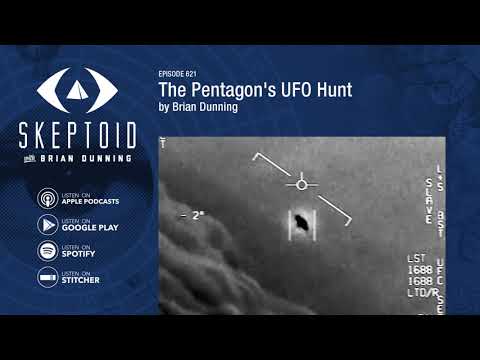
The book addresses the technical dimension of UAP evidence in depth, examining the inherent limitations of radar, infrared, and optical sensors. It demonstrates how FLIR systems can render a point-source heat signature as a geometrically structured object, and how parallax, platform motion, and atmospheric conditions routinely produce apparent flight characteristics that the underlying data cannot support. A parallel chapter on secrecy, whistleblowing, and democratic oversight investigates the structural conditions — professional stigma, classification constraints, and the absence of sanctioned reporting channels — that have historically distorted the evidentiary record before it could be properly assessed.
Six historical and contemporary case studies are examined in detail: Roswell (1947), cattle mutilations, crop circles, the Westall school incident (1966), the alleged missile-system interference at Malmstrom Air Force Base (1967), the Rendlesham Forest incident (1980), the Varginha case (1996), Skinwalker Ranch, the Pentagon FLIR videos released in 2017, and UAP sightings associated with USS Kidd and other naval vessels. Each case is assessed according to a consistent framework: what was reported at the time, what contemporaneous documentation confirms, how the narrative expanded in subsequent decades, and what conclusions the available evidence can and cannot support.
A concluding methodological chapter formalises this framework into a replicable approach for investigating UAP reports, built around strict chronological discipline, source criticism, sensor forensics, systematic testing of conventional explanations, and careful management of missing evidence.
Throughout, the book maintains a single governing axiom: an unresolved observation is not the same as an extraordinary explanation. It argues for proportional judgement — acknowledging what is documented, what is probable, what is plausible but unverified, and what remains genuinely unknown — while refusing to fill evidentiary gaps with narratives the facts cannot bear.
The research was conducted using a curated corpus of publicly available video sources — congressional hearings, expert interviews, investigative documentaries — processed with AI-assisted transcription and thematic analysis under human editorial oversight. A methodological appendix details this approach and its limitations.
AI direction and final editing: Eric Wassink
Published: 19 September 2026
Watch the videos that served as sources for the book and the questions that formed the starting point for the AI analysis.
Playlist - The Academic Renegades

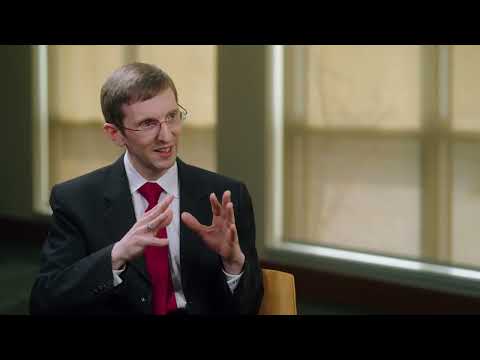
Professor Garry Nolan & Ross Coulthart: Full interview | UFO UAP News
Introduction
The video features a conversation with Professor Garry Nolan, a highly respected immunologist from Stanford University, who has gained prominence in the field of UFO (Unidentified Flying Object) and UAP (Unidentified Aerial Phenomena) research. Nolan, a nominee for the Nobel Prize, has an impressive academic background with numerous patents and published papers. His involvement in the UFO discourse is particularly notable as he is an experiencer himself, which adds a personal dimension to his insights on the subject.
Government Admissions on UAPs
During the discussion, Nolan reflects on the significance of recent admissions by the U.S. government regarding UAPs. He emphasizes that while the government has acknowledged the reality of these phenomena, the true nature of what they are remains unknown. Nolan asserts that this admission is crucial as it validates the experiences of individuals who have reported sightings and encounters, many of whom have been dismissed as delusional or crazy for their beliefs. He posits that the government has been deceptive for decades, primarily due to a lack of understanding of these phenomena and a desire to maintain control over airspace.
Reasons for Government Cover-Up
Nolan speculates that the government's reluctance to disclose information about UAPs stems from a fear of admitting ignorance and a desire to avoid public panic. He suggests that military organizations, such as the U.S. Air Force, may have been particularly hesitant to acknowledge the existence of objects that appear to possess advanced capabilities far beyond current human technology. This leads to a broader discussion about the implications of such technology and the potential risks it poses to humanity.
Scientific Study of UAPs
When asked about the nature of UAPs, Nolan expresses a desire for scientific inquiry into the phenomena. He acknowledges that while there is a lack of consensus among scientists regarding what UAPs are, there is a general agreement that they exhibit characteristics that defy current understanding. Nolan emphasizes the importance of studying these phenomena from a scientific perspective, as they may hold insights into advanced technologies and physics that could benefit humanity.
Intelligent Non-Human Entities
Nolan suggests that the behavior of UAPs indicates the presence of an intelligent, non-human entity. He refrains from labeling it as a civilization, as that term implies a structured society with specific goals. Instead, he posits that whatever is being observed may have been present on Earth long before human civilization emerged. This raises questions about the true nature of humanity's place on the planet and the possibility that other forms of intelligence have existed alongside or prior to humans.
Extraterrestrial vs. Interdimensional Hypotheses
The conversation also touches on the classic extraterrestrial hypothesis versus the interdimensional hypothesis proposed by researchers like Jacques Vallée. Nolan suggests that while extraterrestrial origins are a possibility, the interdimensional hypothesis may equally explain the phenomena. He notes that the concept of a multiverse could allow for entities to interact with our reality in ways that are not immediately comprehensible.
Evidence and Data
Nolan addresses the skepticism surrounding UAPs, particularly regarding the lack of concrete evidence. He points to the videos released by the U.S. Navy, which have captured UAP encounters, as preliminary data that warrant further investigation. Additionally, he mentions the numerous eyewitness accounts that, while anecdotal, contribute to a growing body of evidence that cannot be easily dismissed.
Government Interest in UAPs
Interestingly, Nolan reveals that he has been approached by government agencies, including the CIA, to conduct studies on individuals who have had encounters with UAPs. This interest stems from his expertise in blood analysis and the potential for understanding the physiological effects of exposure to these phenomena. He discusses cases where individuals, particularly military personnel, have reported experiencing health issues following encounters with UAPs, including brain tissue damage observed through MRI scans.
Case Studies and Anomalies
One notable case discussed is the Council Bluffs, Iowa event from December 1987, where witnesses reported seeing molten metal fall from a craft. Nolan describes the investigation into the material, which revealed unusual properties, such as inhomogeneity in its composition. He emphasizes the significance of such cases, as they suggest that UAPs may be capable of producing materials that do not conform to known scientific principles.
Material Analysis and Properties
Nolan also discusses his analysis of a material known as bismuth magnesium, which has been speculated to have unique properties, including the ability to levitate under certain conditions. While he has not yet conducted the necessary tests to confirm these properties, he acknowledges the potential implications of such materials for understanding advanced technologies.
Government Secrecy and Cover-Up
The conversation shifts to the broader implications of government secrecy surrounding UAPs. Nolan expresses concern that the lack of transparency may hinder scientific progress and public understanding of these phenomena. He advocates for a definitive statement from the government regarding the existence of materials related to UAPs, as this could pave the way for further research and exploration.
Global Interest in UAPs
Nolan acknowledges that other countries, including China and Russia, are likely investigating UAPs as well. He suggests that there is a covert competition among nations to uncover the truth about these phenomena, which may have significant implications for global security and technological advancement. The potential for advanced technology to fall into the wrong hands raises ethical concerns about the consequences of such discoveries.
Religious and Philosophical Implications
The discussion also delves into the philosophical and religious implications of UAPs. Nolan posits that the existence of non-human intelligence challenges traditional notions of humanity's place in the universe. He suggests that the idea of superior beings interacting with humans may have been woven into religious narratives throughout history, raising questions about the nature of divinity and the potential for a broader understanding of consciousness.
Personal Experiences and Anecdotes
Nolan shares his personal experiences with UAPs, including a childhood encounter that left a lasting impression. He recounts a moment when he witnessed an object moving silently overhead, which he later recognized as a potential UFO. This anecdote highlights the commonality of such experiences and the importance of acknowledging them as part of the broader conversation about UAPs.
Scientific Rigor and Investigation
Nolan emphasizes the importance of scientific rigor in investigating UAPs. He expresses a willingness to challenge beliefs and investigate claims, regardless of their origins. He advocates for a balanced approach that considers both anecdotal evidence and scientific inquiry, recognizing that the pursuit of knowledge requires an open mind and a willingness to explore the unknown.
Conclusion: The Future of UAP Research
As the conversation concludes, Nolan expresses optimism about the future of UAP research. He believes that the growing interest from the government and the scientific community will lead to significant breakthroughs in understanding these phenomena. He anticipates that in the coming years, there will be public announcements regarding the existence of non-human intelligence and the potential implications for humanity. Nolan's insights underscore the importance of continued exploration and inquiry into the mysteries of UAPs, as they may hold the key to unlocking new frontiers in science and understanding our place in the universe.
The interviewee, Professor Garry Nolan, is introduced by the interviewer as a highly accomplished individual in the field of immunology. The interviewer highlights several key aspects of his professional background, which include:
- Institutional Affiliation: Professor Nolan is affiliated with Stanford University, where he serves as a professor of Immunology.
- Recognition: He is described as a nominee for the Nobel Prize, indicating his significant contributions to the field.
- Expertise: The interviewer refers to him as one of the most reputable immunologists globally, which underscores his expertise and authority in his discipline.
- Achievements: Professor Nolan has numerous patents to his name and a substantial number of published papers, reinforcing his active role in advancing scientific knowledge.
- Entrepreneurship: He has founded two companies that are listed on NASDAQ, emphasizing his ability to translate scientific innovation into commercial success.
- Public Engagement: He is increasingly becoming a public figure in discussions surrounding unidentified aerial phenomena (UAP), demonstrating his willingness to engage with broader societal issues.
- Personal Experience: The interviewer notes that Professor Nolan is an 'experiencer' himself, suggesting that he has had personal encounters related to UAP, adding a unique perspective to his scientific approach.
This combination of professional accolades and personal experiences positions Professor Nolan as a significant voice in the contemporary discourse on UAP.
- [00:21] "Garry Nolan is one of those precocious Minds that when you meet them you know you're in the presence of awesome incredible intelligence."
- [00:27] "He's a Stanford university-based professor of Immunology... he's one of the most reputable immunologists on the planet."
- [00:47] "He's got two companies listed on the NASDAQ because of successful inventions that he's made."
Professor Garry Nolan approaches the study of unidentified aerial phenomena (UAP) from a scientific perspective, emphasizing the importance of data and analytical rigor. His methodology encompasses several key aspects:
- Scientific Inquiry: Nolan states that while there is a genuine mystery surrounding UAP, he believes these phenomena can be studied scientifically. He emphasizes that the lack of understanding does not preclude the possibility of scientific investigation.
- Data Sources: He refers to the evidence in videos, particularly the Nimitz UFO encounter videos, and thousands of eyewitness reports as preliminary data that can be analyzed. He regards these accounts as more than anecdotal, framing them as essential to raising questions about the nature of UAP.
- Government Data: Nolan mentions that much of the credible evidence may be held within government hands, suggesting that there are materials and data not yet disclosed to the public that could shed light on UAP.
- Analytical Standards: He suggests that the scientific community should not dismiss the potential explanations for UAP. Nolan argues that it is crucial to investigate and not ignore what could be a significant scientific discovery.
- Limitations: While he advocates for scientific inquiry into UAP, he acknowledges the challenges posed by the stigma surrounding the topic. He notes that many scientists may feel apprehensive about engaging in research due to potential damage to their reputations.
Nolan's rigorous scientific approach, combined with his openness to exploring this unexplained phenomenon, positions him as a pivotal figure in the ongoing investigation of UAP.
- [01:40] "We do know that there is something here something that I think defies explanation but that something can be studied from a scientific viewpoint."
- [07:05] "... to me you can call it anecdotal but to me I call it preliminary data... what is it and what can we do about it?"
- [04:00] "I think that this is the kind of thing that if we continue to ignore it... we are putting ourselves at risk."
Professor Garry Nolan's decision to focus on UAP is driven by a combination of personal, scientific, and societal motivations:
- Personal Experience: He identifies as an 'experiencer,' meaning he has personally encountered UAP, which adds a profound personal dimension to his interest in the subject. His own sightings contribute to his credibility and passion for understanding these phenomena.
- Scientific Responsibility: Nolan expresses a strong belief that ignoring the potential dangers posed by UAP is irresponsible. He articulates the potential risks humanity faces if these phenomena represent advanced technologies that could affect our world.
- Societal Implications: He acknowledges the significance of the government's recent admissions regarding UAP, which he believes offer solace to individuals who have long been dismissed as 'crazy' for their beliefs. This societal validation underscores the need for serious scientific investigation.
- Curiosity and Exploration: Nolan highlights the scientific intrigue surrounding UAP as a major reason for his involvement. He expresses a desire to explore what these phenomena might represent, indicating that the mystery itself is a compelling reason for research.
- Desire for Understanding: He suggests that studying UAP could lead to significant advancements in our understanding of physics and technology, which further motivates his research efforts. He believes that there is much to learn from these encounters.
Through these motivations, Nolan frames his research not only as a scientific endeavor but also as a crucial investigation into potential existential risks and opportunities for humanity.
- [02:25] "... from the personal point of view from the human point of view that's one of the most important things."
- [03:55] "I think it's dangerously necessary... we continue to ignore the potential danger of what it might represent."
- [05:04] "I think it's been here a long time... certainly it's been here longer than we've been civilized."
Yes, Professor Garry Nolan has personally observed a UAP, and he describes this observation in detail:
- Observation Circumstances: He recounts an experience from his childhood when he was delivering newspapers early in the morning. He noticed something unusual in the woods while walking through a copse of trees.
- Details of the UAP: Nolan describes the object as roundish with approximately four or five whitish lights pointing down. He expresses that he was not afraid during the encounter, primarily because he did not understand what he was seeing at the time.
- Reflection on the Experience: He indicates that he did not initially label the object as a UFO because he was unfamiliar with the term at that young age. It wasn't until decades later, after exposure to various media about UFOs, that he realized the significance of what he had seen.
- Interpretation of the Encounter: He categorizes his observation as "preliminary evidence" and states that it is worth understanding, especially as others report similar experiences. This reflection emphasizes his scientific curiosity and the importance of personal testimony in the broader context of UAP research.
This personal experience not only shapes his perspective on UAP but also reinforces his belief in the need for scientific inquiry into these phenomena.
- [29:50] "I was a paper boy... and as I was walking through the woods I could see my shadow in front of me..."
- [30:46] "... I look up and see an object right at the top of the trees go right over my head silently."
- [31:20] "I didn't say oh there was a UFO because I didn't even know what a UFO was."
In the interview, Professor Garry Nolan discusses various challenges and obstacles he faces in UAP research, along with the skepticism he encounters:
- Skepticism from Peers: Nolan acknowledges that many scientists, including his colleagues, express concern over his interest in UAP, warning him that it may ruin his reputation. This skepticism reflects a broader cultural stigma surrounding the study of UAP and extraterrestrial life.
- Professional Risks: He articulates the fear of professional repercussions that may arise from engaging with this subject matter, demonstrating the barriers that exist within the scientific community that discourage exploration of UAP.
- Possibility of Non-Human Intelligence: Nolan openly discusses the likelihood that UAP may involve non-human intelligences, stating, "I think it's certainly acts... and in some cases it seems to have a sense of humor." This indicates his willingness to entertain the notion that these phenomena could represent advanced technological capabilities beyond human understanding.
- Need for Understanding: He emphasizes that ignoring the potential dangers of UAP poses risks to humanity. This acknowledgment highlights the urgency for scientific inquiry and understanding of UAP, regardless of the skepticism faced.
Through these discussions, Nolan illustrates the complex interplay between scientific inquiry, personal beliefs, and societal perceptions surrounding UAP phenomena.
- [04:00] "I think that this is the kind of thing that if we continue to ignore it... we are putting ourselves at risk."
- [03:55] "I think it's dangerously necessary..."
- [24:43] "... I think it's totally unjustified..."
[00:00] [Music] okay you're going to photoshop this
make me look like Chris Hemsworth at the end[00:07] right Professor Garry Nolan is one of those
precocious Minds that when you meet them you[00:21] know you're in the presence of awesome incredible
intelligence he's a Stanford university-based[00:27] professor of Immunology uh at the moment he's a
nominee for the Nobel Prize he's one of the most[00:35] reputable immunologists on the planet extremely
well regarded he's got multiple patents huge[00:42] numbers of papers that have been published in
his name he's got two companies listed on the[00:47] NASDAQ because of successful inventions that
he's made he's just all around a complete total[00:53] overachiever and one of the things that I loved in
meeting him was his cander the fact that he was so[01:00] prepared he's very fast becoming one of the public
faces of UFO UAP commentary he's decided to take[01:09] a very public profile because he's actually an
experiencer himself so when I asked him about the[01:15] significance of the US government's admissions
that have been made about uaps in the last 12[01:22] months I was quite shocked and surprised at what
he told me set to go Prof so what do we know for[01:31] sure about uaps well I think the thing that we
know for sure is that we don't know what it is but[01:40] we do know that there is something here something
that I think defies explanation but that something[01:47] can be studied from a scientific Viewpoint
there's a genuine mystery yes how significant[01:54] is it that the United States government came out
a year ago and admitted the unidentified aerial[02:01] phenomena are real whatever they are they're a
real mystery I think it tells us that uh first[02:08] of all the government has been lying to us for
the last 60 or 70 years I think it gives Solace[02:14] to people who have been told that they were crazy
to have been believing or seeing this so that to[02:20] me at least from the personal point of view from
the human point of view that's one of the most[02:25] important things I know this is speculative but
why do you think the US government's lied I think[02:31] it's because frankly they didn't understand what
it was and nobody wanted to admit that first of[02:36] all but second they didn't want to admit that
they didn't have control over our airspace we[02:41] didn't have control over our own airspace so
it's as simple as say for example the US Air[02:46] Force doesn't like admitting that whatever these
objects are they're vastly Superior to what you've[02:52] got and frankly they don't know how to explain
them yes and what confuses me is if I were the[02:59] Air Force and I saw something like this I would
want to drive one of them right if I was a fighter[03:05] pilot who wanted to be in the fanciest best next
fighter jet why wouldn't I want to understand and[03:11] push to understand how objects like this could
maneuver that's what Dave frus said he said he[03:16] wanted to fly the T yes yes that's right so the
government's been lying but do you think there's[03:22] been a cover up absolutely I mean there has been
both uh a coverup as well as a disinformation[03:28] campaign to make make people look like they are
were crazy see this is amazing to me to hear a[03:35] scientist of your reputation saying this I mean
you're one of the most eminent immunologists on[03:40] the planet you're a Nobel Prize nominee you you're
somebody highly respected in your area of medicine[03:47] is it a dangerous thing for you to admit that you
think these things about the phenomen I think it's[03:55] dangerously necessary I think that this is
the kind of thing that if we we continue to[04:00] ignore it if we continue to ignore the potential
danger of what it might represent we are putting[04:08] ourselves uh at risk uh both to what it might do
to us in sometime in the future but then ignoring[04:15] the physics of what these things are capable of
doing let's talk about it MH what is it you know I[04:24] wish I knew and of all the people that I've spoken
with on the inside there's uh really very little[04:30] unanimity about what it is except for that there
whatever it is appears to be so far Advanced from[04:39] us that it Beggars understanding so you don't
think it's human I'm sure it's not human is it[04:45] intelligent yes it certainly acts it and in some
cases it seems to have a sense of humor so Garry[04:52] the implications of what you're saying there
are enormous aren't they you're suggesting that[04:56] there is a highly Advanced civilization that is
intelligent it's not human and it's real yeah I[05:04] almost hesitate even to call it a civilization a
civilization implies a lot of interacting parts[05:11] uh that are moving toward some sort of goal
I couldn't even say whether or not what it is[05:16] that is being observed is something like that now
the classic explanation for years and the reason[05:22] everybody Giggles is because they're immediately
thinking of Little Green Men from Zeta reticuli do[05:27] you think the the highest probability is that
whatever they are they are extraterrestrial[05:33] I don't think so no I think it's whatever it is
it's been here a long time so and certainly it's[05:40] been here longer than we've been civilized so at
the very least who really owns the planet who was[05:46] here first uh I'm not sure it was us now you're
good mates with Lou alzando Who we've interviewed[05:52] who was the former head of the Pentagon UFO
program and Lou has suggested publicly that what[05:59] whatever this is the Extraterrestrial explanation
doesn't quite explain it yeah I mean and I mean[06:06] it it could explain it but you could equally and
this is jacqu Val's original uh hypothesis that[06:12] he got in a lot of trouble decades ago over the
interdimensional hypothesis right that whatever[06:20] this is if you imagine an expanded universe
conceptually the Multiverse that everybody you[06:25] know talks about uh is could be just as easily
coming from over there as it is from the other[06:32] side of our own Universe now you're a scientist
you deal in data a lot of people watching this[06:38] are going to be incredibly skeptical they're
going to be saying what does he know where's[06:44] the evidence where's the data to prove what you
say so the the data frankly is in the videos[06:51] first of all that we've all seen Now by now and
if you haven't seen them I'd go look up the nimit[06:55] UFO encounter uh videos the other evid evidence is
in the thousands of reports of things that people[07:05] have seen uh now that to me you know you can call
it anecdotal but to me I call it preliminary data[07:13] it basically raises the question of what is it
and what can we do about it uh or what how can[07:19] we study it and so perhaps the best evidence that
is thought to exist is the stuff that is being[07:27] held in government hands that many people again
anecdotally anecdotally have come forward and said[07:34] this exists and it's not from here now the thing I
find fascinating is you've been kind of embraced a[07:42] little bit by the Black World you've had the CIA
come knocking on your door asking you to actually[07:47] do tests on people who have been exposed to uaps
correct yes what can you tell me about that well[07:56] the reason apparently that they came to me is
because we had developed instrumentation for[08:02] blood analysis that uh nobody else in the world
had and so they came to me for that not because[08:10] I had some prior interest in UFOs they came to
me for that and then I guess the embracing came[08:17] because most of the other scientists with whom
they had met ran away and I was you know just[08:22] drawn towards this but I also found it fascinating
to speculate about what all of this might mean and[08:29] what it might be so I got brought in further and
further so in your studies you would I understand[08:34] I've spoken to some people whom I suspect might
have been part of your study but there are pilots[08:39] for example who've engaged what they believe
were craft off the east coast of America and[08:46] they were exposed to what they think is some kind
of radiation have you been able to determine if[08:53] any of these people have suffered injuries in some
cases not the pilots uh especially but uh for some[08:59] of the ground Personnel we were able to see damage
in their brain tissue uh that was considerable[09:07] so this is injuries suffered by people and is it
directly attributable to the UFO UAP they claim it[09:15] now again I'm uh many of the people viewing will
walk away saying that I said something happened[09:22] no I am relaying what it is that was told to
me the confirmatory evidence that I have are[09:29] the MRIs that basically show that anybody could
look at repeatedly and see that there was damage[09:36] and when you say damage what sort of damage um it
you would call it a sclerosis it would be seen as[09:42] a scar tissue in the body or the brain dead tissue
so it comes out as white blob white blob white we[09:48] generally call it white matter disease now one
of the known examples of this that is public is[09:54] there's a fellow called Thomas Winterton who's
featured on the Skinwalker Ranch TV show and he[10:01] allegedly was exposed to some kind of radiation
or energy and you could actually see on his MRI[10:10] MH a difference in his brain oh yeah well that
was a horrific event I mean uh not only was the[10:15] brain matter damaged but there was uh an edema
across the back of his head but I think in this[10:23] case this particular case this was probably more a
Havana syndrome like interaction where somebody uh[10:31] with an energy weapon pointed it at them and uh as
has been I think also talked about on that TV show[10:40] we were able to determine the relative strength
of the energy based on how far into the brain it[10:46] traveled so the other thing that you've been roped
into is analyzing samples MH and there's one case[10:53] I'm fascinated which which is the Council Bluffs
Iowa Event in December 197 87 and tell me if I'm[11:01] wrong police and 11 different Witnesses from four
different groups came across a pile of molten slag[11:11] that they saw fall from a a craft of some kind
a blinking craft a blinking craft it was still[11:18] bubbling and hot M the police testified to this as
well they were on the scene and everybody says it[11:26] came from this craft and I have the or Polaroids
from the police uh of the event uh and quite a bit[11:35] of Investigation was done back at the time on this
where they had looked at the metals and actually[11:40] it was beautifully um uh looked at because uh
they looked at all the possible uh normal ways[11:48] that this might have occurred thermite uh is there
a nearby Foundry there was a nearby Foundry but[11:54] how do you get 4X six fet of slle right steaming
slle right you would had to have dragged it and[12:00] you certainly aren't going to put it in any kind
of balloon uh and then float it over a park and[12:05] then and then drop it cuz this was molten steel
mol molten metal I mean it was molten iron and[12:11] so one of the things that was looked at to see
whether or not it was steel it was not steel[12:15] it had iron in it nickel a few other impurities
but what I found most interesting in our analysis[12:21] of it although we found nothing unusual about
isotopic ratios or elements that you wouldn't[12:26] normally find in in metals like was what we would
call the inhomogeneity of the material meaning it[12:33] was incompletely mixed so if you looked in
one part of the material you found all the[12:38] same elements but the ratios were different than
if you looked in another area the thing I find[12:44] fascinating about that case is you've got some
kind of material metal being squirted belched[12:51] out by right a craft that is witnessed by many
people and it's not the only story like this[12:57] in fact there are multiple stories of these craft
dropping stuff in fact there's a case nearby that[13:04] when I get the time uh jacqu and I will visit
with exactly the same issue multiple times seen[13:10] in Fresno these objects and one of them apparently
dropped something right on these people's driveway[13:18] now I mean a lot of people might be chuckling here
I mean why would a spacecraft let's assume it's[13:22] aliens or some kind of advanced civilization why
would they drop metal on a driveway well I I don't[13:30] know and I am just as equally bemused by the whole
thing and I can understand the skeptical nature[13:35] of everybody around but it is so let's imagine
let's say that for instance this was an object[13:43] of UFO or Etc and but maybe this is part of the
propulsion system and maybe when you're done with[13:51] enough of the propulsion or something has gone
wrong some imbalance you essentially uh squirt it[13:57] out the back and offloaded it uh I mean it does
though lend itself to the question of well how[14:05] indifferent might this object or the thing running
it be to somebody below having a hot liquid metal[14:13] dropped on their head well could it just be that
ET has a sense of humor and loves the idea of[14:17] driving a scientist like you Betty with yes well
certainly there's certainly a little bit of that[14:22] I often wonder and jacqu and I talk about this
sometimes this is jacqu Val jacqu Val how much of[14:28] what is being done is them just leading us around
by the nose for fun but continue to do it cuz I'm[14:34] having fun sure and the the third object that
I understand you've been involved in analyzing[14:39] is a sample of material which is known as the
Bismuth magnesium uh material MH have you been[14:47] able to reach any conclusions about that uh it
is a layered material of bismuth a little bit of[14:53] lead and uh magnesium uh I've looked at the ratios
of the Isotopes there and there's nothing unusual[15:01] about it but um I will be getting a hold of a much
much larger sample of it uh that will allow me to[15:09] do some other kinds of tests now one of the things
that's been speculated about this particular piece[15:15] of bismuth magnesium is that if you put a wave
form through it m I know this sounds deffy it[15:21] will levitate I have uh heard of this result I
have not seen it with my own have you tried no[15:30] because the waveform that they needed that they
needed to put through it is terahertz waves and[15:35] that was why Tom Delong to the Stars Academy did
the CR the research agreement with the US Army[15:42] because they're the only people that have got the
terahertz transmitter that you'd need right do we[15:47] know whether that research has been done there I'm
not allowed to talk about that aha this is getting[15:53] interesting yeah but the thing that fascinates
me about that is some of the material that to[16:02] the Stars Academy was saying that it was going to
be researching was material that was provided to[16:09] it by the US government yes and if all this stuff
about uaps is rubbish why was the US government[16:18] keeping samples of flying sources and flying
discs I mean the only thing that I well first[16:25] you because of all of the disinformation that has
gone on over the years it's just like what you're[16:32] saying about the the aliens is somebody basically
wasting our time by throwing something out that[16:38] they know is irrelevant uh or just basically a
hoax uh but that said there are many many now[16:48] stories of real materials that are on the inside
and my push and this is I think this is to to the[16:55] extent that people in the audience want want this
as a subject matter to go away is you want a you[17:02] want a definitive statement from the government
that the material does or does not exist if it[17:09] does exist then I don't even need for that to
be given to anybody in the public but you would[17:15] want a confirmatory statement that it does exist
Lou alzando has said publicly as have others that[17:25] he believes the United States government is in
possession of exotic materials Dr Eric Davis whom[17:32] I know you know very eminent physicist has also
said that he believes that the US government has[17:38] recovered craft MH do you think that the United
States government is secretly holding technology[17:46] non-human technology I mean the best way I can put
it is that I can see no reason that any of these[17:54] people would lie especially Eric Davis uh and
Lou and in let's say more private conversations[18:01] that I've had with them I've pressed them on the
issue because I've said you know look I'm putting[18:07] myself out there uh I am taking your word for it
uh and I'm putting myself out there and pushing[18:13] the notion that this needs to be studied so in
my heart it's more maybe it's more of a hope that[18:20] it exists because I'm excited about the potential
of what we can learn if it's true that the United[18:27] States government really does have a spacecraft
an alien spacecraft of some kind tucked away in[18:33] a cave at Area 51 it means that while we may not
know how to operate it or how to reverse engineer[18:41] it we might have the secret of anti-gravity of
free energy yeah I mean so for the audience when[18:53] you look at an object that can move like this at
least two things are three things are occurring[18:58] ing one the objects can move and accelerate uh
to 5,000 mph instantly and decelerate okay so[19:06] whoever is in there didn't get squished and so
therefore they have control over momentum uh as[19:14] well as gravity these things can hover so for me
the open question is uh okay what's the propulsion[19:21] Source because uh as a physicist another physicist
has published if you were to take an object assume[19:27] it's one ton of weight and you were to Move It
instantaneously from 50 feet to 14 miles into[19:32] space which there has been observations of this
the total energy required for that instantaneous[19:38] acceleration and deceleration is more than the
nuclear output basically of the whole planet[19:43] for a year so okay and they're doing it apparently
every second and this is real it's happening it's[19:49] it is it is observed visually by individuals at
least the instantaneous disappearance of the thing[19:56] but then it is observed by radar and other uh
electronic means to be occurring it's interesting[20:04] because one of the most important bases that
America has for monitoring things in orbit and[20:11] things on the ground that might be signs of ICBM
launches is Pine Gap in Australia right and there[20:17] are other bases like Northwest cape in Western
Australia that's been the location for some very[20:23] very weird paranormal phenomena giant Craft um
even military records recording observations of[20:31] spheres over the base M at times of acute deathcon
height heightening during the Middle East War the[20:39] Chinese are taking an interest in this very
sensitive Australian military base that is[20:45] actually used by America to contact its nuclear
submarines in the event of nuclear war what do[20:51] you know about China's secret UFO program right
do you think they know do you think the Chinese[20:57] and the Russian know more than the Chinese have
admitted that they have a program to investigate[21:01] this openly they have admitted that do you think
they've recovered the same technology that the US[21:07] has I wouldn't be surprised I mean Brazil has
had events Italy has had events Russia has had[21:13] events don't think they're avoiding China there's
a cold war going on behind the scenes isn't there[21:19] the Russians and the Chinese want to know what the
Americans know and the Russians want to know sorry[21:23] the Americans want to know what the Russians and
Chinese know right well it's a you know it's um[21:29] in in science you know when I have a competitor
that I'm having lunch with we're both probing[21:34] and trying to get the others information so we
can put together the answer first you explain to[21:42] me sir as a scientist if a country could Master
the technology that lies behind this phenomenon[21:49] mhm how important is that technology well it's
I mean it's a game Cher obviously I mean but[21:56] it's also I mean individually a threat I mean so
if you have anti-gravity and and you give it to[22:03] everybody anybody could go out to the asteroid
belt and push something our way and cause a big[22:09] problem if you have access to the supposed levels
of energy that these things require to move around[22:16] everybody's got a bomb you know that is you know
of dangerous levels of consequence so if if you're[22:23] asking questions why might the US government
want to limit knowledge of this they have a[22:28] perfectly good reason for doing so and that's
it that they realize that we're it's dangerous[22:35] to play with this but do you think part of the
issue now is that the game's up yes the Americans[22:39] know that it's too well known about now there's
been too many verifications of this phenomenon[22:45] to ignore itm yeah I mean I the short answer is
yes that and the you know there's an avalanche of[22:52] information that's coming uh that we're seeing
it day by day right I mean we have as you know[23:00] the US government coming out and saying we now
are creating a an internal secret channel for[23:05] people to break their ndas and come forward and
give information to Congress they've publicly put[23:12] in the record now for funding to bring it says
exactly this cadres of scientists to the table[23:21] who can have classification to study this right
so they're basically admitting we don't have the[23:27] answers but we want to bring scientists in now
I'm going to take a little bit of credit for[23:32] that because I actually wrote a white paper uh to
these internal groups that said exactly this that[23:38] we need to bring in scientists in a classified
manner to work on this so you don't think the[23:43] Americans have secretly cracked anti-gravity and
got a working spacecraft to a cave some I just[23:48] I I don't think so I but who knows I I if they
have Kudos be pretty outrageous if they've kept[23:57] it quiet for this long well it yes it would be I
mean but I don't know I don't know what to say to[24:03] that I mean it's it's uh it'd be the Holy Grail
wouldn't it if signed Discover it would be well[24:09] I mean if they have cracked gravity it means they
have an understanding of gravity that we don't[24:15] even today have in our current physics we don't
even understand gravity today with all of the[24:20] equations that get thrown around by physicists so
why isn't this more mainstream I mean why is this[24:25] still such a stigmatized issue why why is it that
in private company when one admits that one has[24:31] an interest in uaps unidentified aerial phenomena
there's normally somebody in the group who makes[24:37] a silly smirk and talks about Little Green Men
right why do we do that well I think years of[24:43] decades frankly of this kind of disinformation and
purposeful uh dimunition of people's opinions has[24:50] had its uh logical outcome but it's unjustified
I think it's totally unjustified I mean and from[24:57] a scientific point of view and i' because I
of course have been approached by scientific[25:00] colleagues that said Garry you're going to ruin
your reputation with this and my immediate answer[25:05] is what scientist takes a possible explanation
off the table especially when you've got so many[25:10] people credible individuals saying that this is
something that's happening so why not investigate[25:15] it and anyway it's my time so why is it your
business to tell me what I should be doing why[25:21] do you think there is such hostility to the idea
of investigating the possibility of non-human[25:27] intelligent life well that would put us not at
the top of the food chain first of all and from[25:32] a from a religious point of view it's a context uh
Clash that okay uh well if these things exist and[25:42] they're there where do they fit in the hierarchy
to angels and God if that's your religion let's[25:48] talk about that do you think that possibly
what we're talking about here might be what[25:53] our religions describe as God uh or Angels and
Demons so that you know you need an explanation[26:00] for something so you put it into your whatever
your current mythology is because the suggestion[26:06] that's being made by a lot of people who claim
to have had experiences with the phenomenon is[26:11] that whoever they are this Superior intelligence
is tinkering with human DNA yeah I you know I've[26:19] had a lot of people come to me about the whole DNA
thing and are they you know I I think there's a[26:24] lot more ways you can guide a species other than
Direct ly interacting with its DNA I mean look[26:29] at what we've done with dogs over just a few
tens of thousands of years can I ask you one[26:33] thing I read a Hungarian scientist's paper he's a
mathematician and he looked at the probabilities[26:38] of DNA sequences and he suggested that there are
anomalies in human DNA that suggests some kind[26:45] of intervention is this the wow signal paper okay
yeah what's your take on that well mathematically[26:52] it's sound uh the only problem is that if you're
let's say if you're a reader of Richard Dawkins[27:00] and the selfish Gene and how complexity can arise
out of selection uh the counter to the mathematics[27:08] is that selection can create something which is
statistically low the the thing that I find most[27:15] interesting though about that the the wow signal
in the DNA code is how ordered it is in terms of[27:24] like if somebody were to sit down and say this
is how I want to design something I'm going to[27:27] design it in a nicely ordered way it is strangely
ordered which the only way you can I think uh[27:34] countenance it is to say there's something about
the structure of life that required that order so[27:41] you either created the order because you designed
it or the structure of Life required it and that's[27:47] why it came out to be looking like somebody
made it because when you think about Christian[27:52] theology Islam a lot of the great religions all
of it's about Superior beings coming from the[28:01] sky MH there's often as in Ezekiel in the Bible
descriptions of strange craft a lot of it does[28:08] sound like UFOs uaps well jacqu valet actually
took that uh approach in his book The wonders[28:15] in the sky where he went back literally uh into
the libraries to get the original documents from[28:22] the scientists and Statesmen of the day who had
recorded these events which if you basically just[28:29] changed the or translated the words they were
basically had encountered UFOs at the time of[28:36] shields in the sky Etc and then Diana Pula on the
other side of things has looked at this um from[28:42] the standpoint what what got her interested was
she was actually originally studying the ecstasies[28:47] of the Saints she's a theologian of Catholicism
she was studying the ecstasies of the Saints and[28:53] very often their interaction with angels as they
said and but she found fascinating is that many[28:58] of these angels showed up as white orbs and then
it kind of clicked in her head that this was the[29:03] same story of people who were seeing UFOs white
orbs that would come and interact with them so[29:11] here you have a religious tradition a couple
of thousand years old very well written where[29:16] we lawed people and turned them into Saints
for their interaction with orbs of light and[29:22] yet when you turn around and hear it from the
neighbor down the street uh they're ridiculous[29:29] how much of your position on the phenomenon has
been informed by your own personal experience I[29:37] mean so I have I did see an object very close up
when I was a kid I didn't know what it was can[29:43] you tell me that story so I was a paper boy uh
this was in Connecticut Windsor Connecticut uh[29:50] and there was a man at the end of the of the one
of the streets uh who needed his paper by 5:30[29:56] in the morning uh and so I would always be there
so I knew about the time it was dark it was March[30:02] or so uh and I would deliver I delivered his
paper and then there was basically a cops of[30:08] woods through which I had to walk to get to the
next street to walk the other way delivered the[30:13] papers there um and uh because it was March uh
there were no leaves on the trees and as I was[30:21] walking through the woods I could see my shadow in
front of me and the Shadows of the branches around[30:26] me which first kind of caught me off guard because
it I don't I didn't remember the Moon being out[30:33] but what was more I guess dramatic was that the
Shadows began to move uh as they got as uh as I[30:40] was walking and they were moving as if the there
was a light behind me that was moving which caused[30:46] me to look up and see an object right at the
top of the trees go right over my head silently[30:52] Now sort of object it just was a kind of roundish
object with I remember kind of like four or five[30:59] whitish lights pointing down uh and but you know
I think I can't even remember how old I was 10 or[31:06] 12 whatever whatever it was no I wasn't scared
because I didn't know what it was and I didn't[31:12] immediately say in myself I mean this would have
been 1972 73 uh and uh I didn't say oh there was[31:20] a UFO because I didn't even know what a UFO was
and it really wasn't until about 20 years or so[31:26] later that as I paid attention as anybody does to
movies and things and UFOs and it kind of clicked[31:34] in my head I said wait what was was that what I
saw and so you know this is that story is like[31:42] the story of of many people and so I now look at
that as let's I would call it again preliminary[31:51] evidence preliminary data said okay well that's
worth understanding and if other people are seeing[31:56] the same thing that that's a kind of confirmation
so why are these people being derided for just[32:03] reporting what they've seen because if it is
something else like that it should be it should[32:09] interest any scientist in my mind you have had
other experiences too haven't you yeah can you[32:16] talk about those you know this is probably the
more unusual one and again it's I I'm hardly the[32:22] only individual to have had this is you wake up
as a as a young boy I would have been probably[32:28] six or seven cuz it was in our first house uh
that we my parents had bought in Windsor uh of[32:35] little men in the bedroom you know I mean uh I was
awake I knew they were there I could see them uh[32:44] scared I can't remember being scared but
I remember telling my parents the next day[32:51] about it could it have been a dream it could
have been a dream but when when so here's the[32:57] interesting thing I saw these little men in
the uh in the bedroom um and uh it went on[33:05] for I guess a few weeks and then it just stopped
um so I promptly forgot about it it did but but[33:13] what was what was critical was about 20 years
again later actually here in paloalto I was at[33:21] a used bookstore uh and I pulled out uh a book uh
and I'm pretty sure it was it was either John Max[33:30] or Whitley striber book communion communion and
there on the front cover was and I can feel the[33:37] hair on my arms going up was what I saw that's the
classic gray I and I remember I dropped the book[33:48] because it was like whoa and it was uh it was a
revelation I guess as the but but then you know[33:56] but then I'm also I've I've read young right and
the collective unconscious and so you know part[34:03] of my uh self-explanation for what it was that I
was seeing was just some collective unconscious[34:11] genetic memory uh that we all have it has nothing
to do with anything from outside so being a good[34:19] scientist you can't say it was ET can't absolutely
not yeah it made you think it made me think I mean[34:25] and you know I think being a scientist is all
about being willing to ask the difficult question[34:33] has that informed your willingness to look at the
possibility that the phenomenon is some kind of[34:38] life form absolutely I mean what could be more
interesting about studying life on this planet[34:49] uh and how our ecology has been constructed
than to compare it to the Ecology of another[34:57] planet right two things are always more important
than one in science that if you can find a confir[35:02] a confirmation that life has started elsewhere it
means first of all that we're not unique and then[35:09] begs the question of of all of the other things
that we're seeing out there how many other places[35:14] has life originated so you had another experience
in London that I thought was quite important right[35:20] yeah that was an interesting one because you know
for no good reason uh lying there in the bed in[35:26] the hotel I woke up with my entire body buzzing
uh uh like uh I was sitting in an electric water[35:35] bath uh and I've you know I've been in Japan for
instance where electric water baths are the kind[35:40] of the thing this was a very different experience
everything from the tip of my fingers down to the[35:44] tips of my toes ears I could feel this buzzing
um I could hear it but at the moment of waking[35:53] up there were and I don't even can't even call
called them words there was a let's say there[35:59] was words in my head that said this is how you
connect whoa and it but it wasn't that wasn't[36:08] the word but that's the best translation of the
moment uh and after about 10 to 15 seconds of[36:14] this I just you know and this is why I don't
think it was physiologic necessarily uh some[36:20] sort of odd physiologic effect I I just said this
has to stop make it stop and it did that suggests[36:31] to me that the phenomenon's trying to engage with
you I mean it it could be but again it's it's I[36:39] can't imagine why I would be so important that it
would take any time to do so can I ask you this[36:45] this there are scientists people in defense people
in intelligence in government that I've spoken to[36:51] in Australia who've all admitted to me they've
had weird I guess you could call them paranormal[36:59] experiences some of them are UAP some of them
involve entities such as what you're talking about[37:06] what's your advice to people like those I think
the advices don't be ashamed first of all don't[37:13] feel that you need to come forward uh with it but
I think uh the advice is uh others have seen it[37:23] so you can believe that you're not crazy I think
that's the first thing to do but then take solace[37:33] in the fact that the US government and other
governments are now coming forward and saying that[37:37] well you know what this is real and it's worth
studying the one thing I've learned from reading[37:44] about quantum physics is that there's a hell of a
lot of science that we still don't understand yeah[37:51] like Newtonian ideas of physics no longer really
have much application when you start talking about[37:57] the quantum World true yes absolutely well I
mean it for uh thousands of years even going[38:04] back to Plato uh you know we would think of the
atom uh as an object right we think of even up[38:11] until when I was a graduate stud I mean even
not a graduate student a student in college uh[38:17] we would think of them as solid forms but now we
realize they're all waves and uh that a particle[38:23] doesn't exist in any one place it actually exists
in a superposition in many places at once now one[38:29] thing you've been doing is you've been looking at
the brains of experiences you've been using MRI[38:35] imaging right have you reached any conclusions
about whether people who've been exposed to[38:40] the phenomenon have characteristics so I kind of
turned the question around in a different way so[38:47] what we've done is looking at these individuals
we found that there is a bundle of nerves at[38:54] the head of the CATE and paman in their basil
ganglia this is an important area of the brain[38:59] that has to do with sensory uh perceptions uh and
actually integration of that information for goal[39:05] seeking the executive function says I want to do
something it gets passed down to this area this[39:11] area says well what in my environment do I need
to access or know about to accomplish that goal[39:17] and then it creates a a set of goals sub goals
to accomplish the the desired outcome um so uh[39:26] this area of the brain uh and especially this one
area at the head of the C inment had overdeveloped[39:33] interactions uh with this with compared to normals
there was a density of neuronal structure there[39:40] and is that a positive thing well it's a positive
thing in so far as the individuals that we were[39:45] working with would be considered high functioning
individuals right so these are all people who came[39:50] from the intelligence agencies they Pilots
uh High LEL physicists uh you know basically[39:58] smart people and so from that standpoint it was
fascinating because that that said that um that[40:07] just the study of people who might have had these
interactions revealed something about the human[40:14] brain that people at the time didn't know but now
has been confirmed not only by us but by multiple[40:22] other Laboratories who have nothing to do with
paranormal aspects of this but have shown that[40:26] the CATE is involved in intuition and uh and um
intelligence now why it's important is that is[40:34] intimately involved with perception and so if
perception is about seeing something that's in[40:40] front of you and not ignoring it then maybe you
have part of the solution why certain people see[40:46] something that others don't and we all know the
story the one of the gorilla walking across the[40:52] stage right so these people who are having these
experien with unidentified aerial phenomena they[41:01] actually have differences in their brain in some
of the cases you've seen that might explain why[41:05] they're seeing them yeah that they're basically
smarter and they realize what's sitting in front[41:10] of them and they don't ignore it I mean that
doesn't mean that they're magic it just means[41:17] that they see something for what it is and so
that does I mean people have asked me well is[41:22] this area of the brain created by the interaction
no because in some of the individuals we actually[41:27] were able to go back and look at their MRIs
10 years earlier and see that they still had[41:30] it they're born with it and what's fascinating
is it runs in families I was going to say have[41:36] you tested yourself yes yes my family has it we're
way up on the scale there's one physicist I know[41:44] who's like twice as much as so it's my my mother
my brother and my sister we all because the I mean[41:50] since I did the documentary last year and wrote
my book I've been Amazed by the number of people[41:55] who've told me that the phenomenon of citing these
objects and having these weird experiences that[42:01] I suppose you could call them paranormal it runs
in the family yeah Mom had it Dad had it Granddad[42:07] had it yeah it's quite common isn't it yeah I
mean and so I would I wouldn't turn it into a a[42:12] movie script of some sort of magical ability it's
just if it's a feature of intelligence uh then uh[42:21] no surprise that it gets passed down family to
family but what I find fascinating is is almost[42:26] like it's it's a it's a dominant trait because
um if it's a multigenic trait multiple genes all[42:33] coming together to enable a certain what we would
call phenotype um it would be much more disparate[42:39] and less likely to be passed within immediate
families but the most interesting thing is this[42:45] it's found in about one in 100 people on average
to one in 200 people in a group of about let's say[42:51] 20 people we found two husband wife pairs both of
whom had it okay do the statistics if it's one in[42:59] 100 to basically find the other person in that
one in 100 randomly is 100 squared a thousand[43:06] right or 10,000 sorry um and so but to have two
people find it in the same group is an even bigger[43:14] statistical uh flaw or anomaly so what does that
mean it means that these people are either in a[43:21] limited breeding group right they all went to
the same school and they're smart or they're[43:26] somehow attracted to each other that's smart
people or attracted to other smart people so[43:30] what does that do uh from an A really fascinating
evolutionary point of view this is what you would[43:37] call the beginnings of speciation so speciation
is when you have a uniform breeding population and[43:43] let's say a mountain range over time comes between
them they now are separated no longer in breeding[43:49] they go in their own directions so people who are
attracted to UFOs are attracted to each other in[43:56] a way yeah or capable of seeing let's just say
capable of seeing I wouldn't say that they're[44:00] attracted to UFOs I would say that they're that
they're I I would just say in the simplest point[44:05] of view that this area of the brain which has
now been replicated in numbers of of studies the[44:12] cod8 especially uh and size and interactions
is related to intuition and intelligence are[44:18] smart people are attracted to other smart people
Garry the the one area that I've wrestled with as[44:24] a journalist in this field is dealing with people
who claim to have been abducted people who claim[44:32] experiences with humanoid entities right and my
gut instinct is to immediately be dismissive to[44:42] say it's rubbish this can't possibly be true how
do we even begin to investigate claims like that[44:52] I you know I struggle with it as well you know
I hear hear these stories I know people who've[44:57] made these claims um the problem is that there is
no or rarely any residual evidence of the event[45:08] right and uh you know others have said well why
didn't they pick up a pen you know an alien pen[45:13] and bring it back I I I don't know but you have a
psychological trauma of some sort that's occurred[45:21] you know again people would call it maybe a screen
memory uh for a traumatic event that was otherwise[45:27] best Earthly explained uh I don't know what to
do about it I I I really don't except just to[45:34] say that it's just more evidence on a pile that
needs to be understood which is why we were drawn[45:40] to the story of Jim from Texas okay Jim's a guy
who claims to have had abduction experiences ever[45:48] since he was a little boy he describes beings
with big heads gray aliens coming through the[45:54] wall to to take him away mhm some of it sounds
Fantastical and then all of a sudden he tells[46:03] us he's got this sphere this object that he was
given by a friend that the friend saw fall from[46:11] a UFO a craft of some kind now we're not saying
let's be clear we're not saying that Jim's got[46:20] extraterrestrial technology or alien Tech but
what can we do do to objectively investigate[46:28] that as a scientist yourself well I have seen the
videos that you've seen of this ball spontaneously[46:37] rolling around the floor and Jim has apparently
had this for 40 years and and so why would it move[46:46] what kinds of uh propulsion inside might we use
to conventionally explain it well you can imagine[46:54] some sort of movement winds up a spring you put
it on the ground uh and that is why it moves[47:00] around at some level but um why would anybody make
something like that and why would anybody expose[47:07] thems to public ridicule by claiming that that
it's alien technology well the most interesting[47:11] thing about this story is and uh you know uh that
the the metal sphere story came to my attention[47:22] because of a gentleman in England had been
noticing in a lot of the pictures of claimed UFOs[47:30] that they were often you'd have the central object
and then there would be at least three or four of[47:36] these metal spheres uh that would be surrounding
and almost as if they were scouts or guards um[47:42] and it's fascinating because he could go back 30
40 years and find this exact same phenomenon you[47:49] would have the central UFO and then you would have
three or four spheres around it so you could uh[47:58] claim that any individual picture was a UFO but
this story of the Spheres these objects really[48:05] didn't happen until recently so how did a hoaxer
multiple hoaxers know five decades ago to not[48:13] only put a UFO in the picture to put put four or
five spheres because I have never heard this story[48:18] before and I've read a lot you've heard of the
bits spheres I've heard of them I don't know as[48:24] much about it as I need to there family in Florida
in the mid 1970s who found in a forest a metallic[48:32] ball slightly smaller than the one that we've
seen but nonetheless a solid metallic sphere MH[48:41] um it did the same sort of things that are being
described by Jim it moved around on its own accord[48:48] in the house and um uh became the subject of great
hilarity and Fascination by different media and[48:55] indeed the US US military got involved and at one
stage they admitted that they couldn't explain it[49:01] I can't remember did they take it and return they
did the US Navy took it for testing and apparently[49:06] when it came back it didn't work anymore it didn't
work anymore they probably just substituted it[49:10] for something else so um I mean I as you know i'
I'd love to get my hands on one of these things[49:17] and uh investigate it well we've got samples that
we'd like to give you in your lab we took as you[49:23] suggested some scrapings of the corrosion on the
side of the sphere what could you do with those I[49:29] mean I would do the same kind of mass spectrometry
experiments that I've done before uh and then also[49:36] there's a there's a kind of um non-destructive
analysis you can do it's kind of it's called an[49:43] electron back scatter uh approach to determine
what some of the elements are um any Mass Petry[49:50] approach is inherently partly destructive
so I would be using the least of the dest[49:55] destructive uh approaches for this now one thing
I hadn't thought about we we were obviously at[50:01] one stage Keen when we were in texus to get this
thing scanned in some way but obviously if there[50:07] is I mean a remote possibility that this is some
kind of Technology it's not just a steel ball mhm[50:14] nobody's going to put it into a scanner until
they know what's inside it well I wouldn't put[50:18] it in a scanner unless that scanner was in the
middle of a field surrounded by concrete because[50:22] I wouldn't want something bad to happen so it's a
big issue how on Earth can we prove what Jim says[50:28] about that object so I think there are very simple
mobile scanners that you you know might cost a few[50:35] thousand dollars that you wouldn't mind losing
uh first of all uh to see if there's any kind of[50:41] um structure inside of the object you know as you
know you you measured the weight uh you measured[50:47] the circumference we could figure out what the
density was uh was the density significant to[50:52] you it wasn't pure iron that basically that the
size of it if it were iron or anything else it[51:01] it uh it wasn't pure iron which means it's a
manufactured alloy of some it's a manufactured[51:05] alloy or or it is has Steel on the outside and it
has something else on the inside now one of the[51:10] explanations that was given for the bits ball
when it was discovered in the 1970s was that[51:15] it was part of a ball valve that it was identical
to or similar to a ball valve that's found inside[51:22] some industrial technology I that's possible with
this one it is it's always the story and then the[51:31] provence of the uh object and how long uh you do
you trust the story and uh and is there any other[51:40] anomalous behavior of the object well it does move
around and so I kind of find that fascinating um[51:48] it makes me wonder why and we've talked about you
know conventional ways it could still do something[51:54] like that cuz it's possible I mean we we all
conceded when we saw it it was moving around[52:01] within a few minutes of when we put it on the
ground it appeared to be stopped it appeared to[52:06] be stable but then somehow it started moving so
maybe it was movement from us walking across the[52:12] floor or something like that that made it move
we can't exclude that possibility right um is[52:18] there a machine even assuming one can get access
to be allowed to use the machine but is there a[52:24] machine that can look through still oh yeah oh
yeah I mean that's a standard I mean you know[52:30] whether anybody would let you do it is really the
question um but I would say that uh you know there[52:38] are people I know uh in the government that would
have such instrumentation that would I don't know[52:44] if Jim would let the government have it to be I
know that's the that's part of the problem um I'm[52:49] not sure I would want to get it to them either you
know uh but we'll see when you say the government[52:55] been involved in a cover up do you think they've
been concealing oh yes it's an amazing I I I I[53:02] know it for a fact I mean I just know that why why
do you know that because I've spoken to the people[53:07] who are about to come out and and whistleblow on
it wow so you know what's coming yeah so there has[53:14] been a cover up yeah and there has been an active
cover up and what's nice actually frankly about[53:20] the transparency is uh the um uh machinations
and maneuvering of the people who've been keping[53:29] keeping things behind the scenes there the light
has been shown on them I mean just just look at[53:35] what the Department of Defense announced last week
they announced an office to study the phenomenon[53:44] money put aside they've said we're going to go
back to 1947 which is incredible that's the date[53:50] of Roswell yeah 1947 we want a list of every uh
every operation that you've done to disinform and[54:00] misinform we want and this is fascinating that
they did this we want a list of all of the ndas[54:06] the non-disclosure agreements that uh have been
instituted around these kinds of programs why is[54:13] that interesting it's not the ndas themselves
it's the people who signed the M ndas because[54:20] that then is the paper trail to the individuals
and the programs in which that they're associated[54:25] are you aware of a document called The Admiral
Wilson document yes do you think it's genuine[54:30] yes wow I mean I know Eric Davis and um you know
Eric is uh of a kind of character that is just[54:41] impossible for him to lie the significance of that
document is that the former immediate director of[54:48] the defense intelligence agency Admiral Thomas
Wilson allegedly had a conversation with with Dr[54:55] Eric Davis a renowned physicist where he imparted
his discovery that there was a secret UFO reverse[55:04] engineering program going on inside the US
government where they were hiding recovered[55:10] spacecraft mhm and it was being hidden in private
Aerospace in a private Aerospace Corporation the[55:18] journalist in me Garry thinks Americans can't keep
secrets I mean everything leaks in this country[55:24] and this is an example of it okay so you take
that point yeah ultimately it did leak ultimately[55:30] it leaked but was interesting was that how it was
found it was found in Edgar Mitchell's uh effects[55:38] after he died uh so it wasn't like anybody went
out of their way to put it out there and it Apollo[55:45] 14 astronaut yeah and Eric Davis had written it
and I don't know what the story was as to how[55:53] Edgar uh got m do Dr Mitchell got a hold of it but
nobody was looking to actively reveal this it was[56:00] the work of journalists who finally got a hold of
Edgar's materials who decided to release it um so[56:09] it it why would Eric Davis lie about writing
something that he never intended to go public[56:15] in the first place he was just doing what an
intelligence agent does on a regular basis which[56:22] is write reports of what it is that they've been
doing and Eric conspicuously has never made any[56:26] comment one way or the other about the veracity of
the document right well he can't can he he can't[56:34] but well before this came to light I already knew
of the document so uh because you know Eric was[56:45] part of a group that I was associated with around
this the implications of that are mindblowing[56:51] Garry I mean this conversation you told me that
you you you believe on evidence that there is a[56:59] non-human intelligence of advanced technology
on this planet right Advanced capabilities now[57:05] I don't know whether it's a technology per se
because I'm leaving open the idea that it's some[57:11] form of Consciousness that is non-material and I
know my say to my colleagues out there I know this[57:18] all sounds absolutely crazy but if you've seen
the things that I've seen you would only be able[57:24] to come to a similar conclusion uh you know I and
I know again my reputation takes a hit I'm sure[57:31] that there are you know prizes and other things
that I am never going to get because I'm talking[57:37] about this that's nowhere near as important as the
subject matter to me the best science isn't it is[57:44] when you go against the grain yeah well that's
the you know Thomas cun's book the structure of[57:50] scientific revolutions uh eventually the anomalies
and the things that don't fit the picture add up[57:58] to the point where you can't ignore it anymore
and so that's what has just recently happened[58:04] we're watching a cunan moment this is huge isn't
it we're at a huge moment in human history right[58:11] now to me I mean either it's a gigantic F of
do right uh it's a f of bazillion people or[58:21] it's real and so on the off chance that it's real
I'm willing to spend uh any amount of time doing[58:30] it I mean you know the the you the Mega Millions
Power Ball is this weekend uh guess who went down[58:37] and bought 20 even though I know that there's
like you know one in a 300 million chance that[58:42] I'm going to get it and I bet you'd spend all the
money on science I probably would yeah I wouldn't[58:47] be doing my job Garry if I didn't come back to
the fact that you've told me you've spoken to[58:52] some of the whistleblowers mhm how hard has it
been for them to come out of the black world and[58:58] admit that they know about a government cover up
well it has I think it's been extremely difficult[59:04] for them um up until what Lou alzando and Chris
melon have accomplished right basically getting[59:11] the US government to come out and create now uh uh
an atmosphere of allowance to talk about it I mean[59:22] it happened even like a two years ago with the
Navy where they said now we want you to tell us[59:28] about these events that you're seeing we we we
want you to stop hiding it do you believe that[59:34] though I mean I'm sorry I'm very cynical about
the idea that elements of the US armed forces[59:38] have suddenly undergone a religious conversion
and decided that they want to be disclosure[59:43] activists I just don't buy it I mean I think the
US Air Force in particular is trying to gag this[59:49] whole story isn't it yes but I mean you just use
the word religious experience I mean it's uh I[59:55] mean I hate to say it it's it's pretty well known
that the people within the government who are the[01:00:01] most uh the most anti- letting of this information
out are religious fundamentalists who believe that[01:00:09] this is I mean talk about crazy they're the ones
who think it's the devil yeah right so so they're[01:00:14] saying it's demonic I I've actually had people
with conversations with people in the US Air Force[01:00:19] who've told me this is demonic you shouldn't be
looking at this this is evil right and and uh so[01:00:28] how do you counter that kind of uh world view um
to me even if it is demonic I want to understand[01:00:38] what they're doing and what their intent is well
that was my next question do you think on the[01:00:43] evidence it's well intentioned whatever it is I
think it's uh neutral to be honest it's ambivalent[01:00:51] to that it's ambivalent and you know if we kind of
get in the way of whatever it is they're doing uh[01:00:57] you can get hurt do you think the others whatever
they are these aliens that you believe are here do[01:01:06] you think they want to be known about well they're
obviously not doing much uh to hide themselves[01:01:12] right I think they're showing us what they can
do right they they do show up they''re showing[01:01:17] up around the nuclear sites we all know this now
we've seen them over bases in Australia right[01:01:23] we've seen seen them around the USS limits and uh
it happens multiple times a week I mean even today[01:01:30] and I've been speaking with people about that
by definition that's a threat isn't it yeah it[01:01:35] doesn't mean they're going to kill us but it's by
definition a threat because they're breaching the[01:01:40] security of some of the most sensitive military
installations on the planet right and I I guess[01:01:45] what they're saying is Well who said this was
your space anyway you know but but but I mean[01:01:51] but so why the interest in nuclear sites I mean I
I've said this before that um you know so Humanity[01:01:59] I think is on the verge of leaving the planet
as we know and I think any intelligence that[01:02:04] would be looking at us from the outside that's
been around as long as perhaps they have knows[01:02:09] what the trajectory of humanity might be uh and
that would be to move out into the solar system[01:02:14] and maybe eventually even if it takes conventional
means to accomplish it move out into other stars[01:02:19] so here we are a planet full of angry monkeys uh
and uh we can't even take care of our own planet[01:02:27] and we're threatening to move out into the you
know nearby you know galactic arm you know might[01:02:33] take us a thousand 10,000 years to do it maybe our
neighbors uh want to know uh what it is that we're[01:02:39] capable of doing there's a document I wrote about
in my book called slide nine and Chris Millan had[01:02:48] accidentally left it on his website and it was
discovered by a very clever British researcher[01:02:52] who was just going through and checking to see
what Chris had on his website it's a document[01:02:57] that was prepared as a briefing document for
the under Secretary of Defense by members of[01:03:03] the UFO task force I think Lando's team MH the key
thing about it is that it advises that whatever[01:03:13] the phenomenon is it's capable of manipulating
human perception mhm human consciousness right[01:03:22] it can make us see things that are there mhm
do you think that's possibly what we're seeing[01:03:28] in the sky in the form of I mean I think that's
part of what makes it so difficult to reproduce[01:03:33] is that different people see different things I
mean the best example of this that I know uh is[01:03:39] a a story that Jack uh valet brought to me of a
family in uh France driving down the highway uh[01:03:47] this was like in the last 5 to 10 years and uh
they had a a glass topped car and they look up[01:03:54] and they see a UFO you know basically paralleling
them down the highway the mother looks around and[01:04:00] sees that no other individuals nearby are freaking
out about this thing above them the children in[01:04:06] the back take out their cell phones take a picture
of it they get home and they look at the pictures[01:04:12] on their camera and they don't see an object
they see a little star-shaped thing about 30[01:04:18] so feet above it and I have the picture uh that
doesn't look anything like a drone it's like a[01:04:23] I think it has like seven Spokes and a a central
hole of some sort so you're you're left with this[01:04:32] they saw a giant craft but the picture shows
that there was nothing else there nobody else[01:04:36] could see it so even if it was an object it was
that was there others weren't capable of seeing[01:04:43] it so it was manipulating Vision so yes is the
short answer there's a possibility Garry that you[01:04:51] are one of the few scientists in the world who who
are investigating what is potentially the biggest[01:04:56] scientific discovery of all time isn't there yes
and what I actually hope to find let's say is that[01:05:04] on the inside there are other scientists who've
been working on this problem for way more years[01:05:10] than I've even been interested in it and they
can basically I'd be perfectly happy with them[01:05:15] stepping forward and taking the Limelight because
it's not about what I want to find it's about what[01:05:22] is and if others are there which already know
it let's catch everybody else up so Jim let's[01:05:30] talk about Jim for Texas right Jim's happy to
be interrogated he wants to be challenged MH[01:05:38] he he's so thrilled that there might be any kind
of scientific investigation into what he says is[01:05:45] there interest in having a look at what he's
got oh absolutely I would but again it's the[01:05:50] resources and capability have to be there I'm not
going to go down down there and ask him to give me[01:05:55] the thing and then I just take it home and wait to
you know set up the kinds of analyses that need to[01:06:01] be done if when you've got a laboratory that will
accept absolutely this technology and be able to[01:06:07] scan it properly you'll do it oh absolutely why
not you know I mean I have looked at many things[01:06:13] over the years you probably the you know some of
your listeners might know the aama mummy example[01:06:20] somebody wanted it to be an alien I said hm let's
use science to study it no it turns out to be uh[01:06:26] unfortunately a uh probably a still birth of some
kind and I I noce Dr Greer has maintained that you[01:06:33] were obviously got at by the intelligence agencies
to stop you from revealing the fact that it was[01:06:38] alien well he he knows where the sample is and the
good thing about science is he could go back and[01:06:43] test it again so the point that you're making is
that you're prepared to be rigorous and challenge[01:06:49] the Believers right when you can prove it there's
actually another uh there they called it the star[01:06:56] child skull uh that I you know basically got my
hands on to look at it also is just human I mean[01:07:04] it's it's not about the most spectacular cases
and this is the same thing in science the best[01:07:10] science is always noticing the points that are
off the curve that are the unexpected because you[01:07:16] first of all you have to explain why that point
is off the curve because it might be something[01:07:19] wrong with your experiment but if it is off the
curve and it's absolutely reproducible then you've[01:07:24] discovered something novel this is what we're
looking at right now it's off the curve if it is[01:07:31] real it is as you say the biggest Discovery uh in
human history but if it is real it's already been[01:07:41] discovered by the governments so let's just get
it over with and get the information out and start[01:07:49] you know bringing the collective uh intelligence
of the planet to study it final question from[01:07:56] what you know of these whistleblowers and the
determination of the people in the Congress and[01:08:02] people like Lando and Chris melan do you think
we're going to get answers soon yes how soon[01:08:11] I I think in the next two years and do you think
there will be public hearings where people reveal[01:08:18] into the Congress what they know whether their
public hearings at the beginning uh no I don't[01:08:26] think but I think there is we are getting ready
for a public announcement wow think and do you[01:08:32] think that Public Announcement might be there is
another life form of Intelligence on this planet[01:08:39] yes I mean that's the only trajectory we've got
I mean I've always said that I've only ever been[01:08:46] interested in studying the inevitable or
working on the inevitable in my science[01:08:51] so I think it's inevitable Professor
Garry Nolan thank you very much thank[01:08:56] you
024 - Environmental Philosopher Michael Zimmerman
The video transcript presents a profound dialogue centered around the philosophical implications of Unidentified Aerial Phenomena (UAP) and the broader questions of consciousness and existence. The conversation features Michael Zimmerman, a distinguished philosopher with a long-standing interest in UAPs and alien abduction phenomena, and the host, who shares a personal affinity for Zimmerman's philosophical insights. This summary synthesizes the various parts of the transcript, exploring the intricate themes and discussions that emerge throughout the conversation.
Part 1: Introduction to UAP and Philosophical Inquiry
The dialogue opens with an introduction to Michael Zimmerman, who has dedicated over three decades to philosophical inquiry, particularly in the realms of environmental philosophy and technology. The host expresses admiration for Zimmerman, citing their shared philosophical background and the critical role of philosophy in addressing profound questions often overlooked by other disciplines. This sets the stage for a discussion that seeks to bridge the gap between philosophical thought and the enigmatic phenomena of UAPs.
The host emphasizes that philosophy is essential for exploring existential questions about reality and existence, paralleling the interests of those who study UAPs, who often feel that significant issues are ignored. Zimmerman's historical involvement in anti-nuclear activism during the 1980s and his encounter with psychiatrist John Mack, known for his research on alien abductions, are highlighted as pivotal moments that sparked his interest in the philosophical implications of such phenomena. This engagement led him to join the Society for UAP Studies, where he could further explore these topics academically.
Zimmerman shares his early fascination with UFOs, influenced by pop culture and science fiction, particularly during the 1950s and 60s. He recounts a formative experience from middle school that ignited his interest in philosophy and identity, leading him to ponder existential questions about humanity's origins and future. This philosophical journey, shaped by his Christian upbringing and the thoughts of figures like Leibniz, underscores the depth of inquiry that drives his exploration of UAPs.
The conversation transitions to the nature of UFOs and the potential existence of non-human intelligent life. Zimmerman reflects on the historical context of UFO sightings, particularly during the Cold War, suggesting that these phenomena may mirror humanity's fears and aspirations. He notes the theatrical quality of many UFO sightings, often involving witnesses who feel personally targeted by the events they experience. This raises questions about the nature of reality and the human experience, inviting a deeper philosophical inquiry into the significance of these phenomena.
Furthermore, the dialogue touches on the psychological and psychic components of UFO phenomena, suggesting that human perception plays a crucial role in interpreting these experiences. Zimmerman mentions a book that draws parallels between UFOs and poltergeist phenomena, proposing that some sightings may be akin to social poltergeists, further complicating our understanding of reality and consciousness. This sets the stage for a comprehensive exploration of UAPs, identity, and consciousness, emphasizing the importance of rigorous inquiry into these often-dismissed subjects.
Part 2: The Complexity of UAP Interpretation
The second part of the transcript delves into the complexities surrounding UAPs and the philosophical implications of how these occurrences are interpreted. The speakers discuss the subjective nature of perception, noting that what individuals observe in the sky—varying colors, shapes, and movements—can be refracted through personal perspectives. This leads to a broader discussion on the role of philosophy in understanding scientific mysteries and the frameworks we use to theorize about phenomena.
One speaker reflects on their journey into UAP studies over the past five to six years, emphasizing the necessity of constructing theories that can adequately explain these phenomena. They express concern that current theories may be limited by existing conceptual frameworks, suggesting that we might not yet possess the vocabulary to articulate what is being observed. While the dominant theory has traditionally posited that UAPs are extraterrestrial spacecraft, the landscape of theories has expanded, prompting a search for the most viable explanations.
The conversation shifts to a recent presentation at the Society for UAP Studies, critiquing the terminology used to describe these phenomena, such as "unidentified flying objects" (UFO) and "unidentified anomalous phenomena" (UAP). The critique centers on the notion that these terms are inherently negative and do not provide a solid foundation for understanding the phenomena. Instead, they are viewed as placeholders that allow for various interpretations without offering concrete hypotheses or evidence.
The speakers explore the potential diversity of UAP phenomena, suggesting that not all sightings may represent the same type of occurrence. They draw parallels to the historical discovery of microbes, where initial classifications were broad and later refined as more was understood about the diversity of life. This leads to the hypothesis that some UAP may indeed be technological crafts, while others could represent entirely different phenomena, including the concept of "cryptoterrestrials"—beings that may inhabit Earth but remain hidden from human perception, particularly in unexplored environments like the deep ocean.
Additionally, the discussion touches on the scientific study of plasma, noting that a significant portion of the universe is composed of plasma, which could account for some of the strange light formations observed in the sky. This raises the possibility that some UAP may not be physical crafts but rather plasma phenomena exhibiting behaviors that remain poorly understood. The conversation emphasizes the need for an interdisciplinary approach that integrates philosophical perspectives into scientific inquiry, particularly in relation to pressing global issues like nuclear arms and environmental sustainability.
The speakers reflect on their backgrounds in philosophy and environmental ethics, highlighting the importance of maintaining a sense of wonder and curiosity about the world. They argue that this sense of wonder can diminish with age, leading to a more cynical view of unexplained phenomena. UAPs can reignite this sense of wonder, prompting deeper inquiry into the nature of reality and the human experience.
Part 3: Personal Experiences and the Study of Abduction Phenomena
The speaker expresses amazement upon reading the preface of a book titled "Abductions," which acknowledges Thomas Kuhn, a childhood friend of the author, for encouraging him to write it. Kuhn advised the author to refrain from jumping to conclusions and to focus on the phenomena itself, emphasizing the importance of not allowing preconceived judgments to influence the understanding of experiences. This perspective resonates with the speaker's approach to studying abduction phenomena.
As the speaker recounts their visits to meet groups of individuals who have had abduction experiences, they note that many were in a state of shock and confusion about the meaning of their encounters. The speaker mentions having access to a large collection of letters—hundreds of them—detailing various experiences, which reveal both unique and common themes among the narratives shared by different individuals. This indicates that personal life experiences significantly influence how each person interprets their encounters, underscoring the subjective nature of these phenomena.
The speaker reflects on their family dynamics, suggesting that they and their siblings may have experienced abductions, as several family members reported similar phenomena. They express a desire to understand their own experiences better, especially in light of their siblings' accounts of strange occurrences, such as bright lights and feelings of unease that seem to align with abduction narratives. This personal connection to the subject matter adds depth to their inquiry and highlights the emotional impact of these experiences.
As the conversation shifts, the speaker acknowledges the discomfort that some listeners may feel regarding the topic of abductions, particularly within the context of the Scientific Coalition for UAP Studies (SCU), which typically focuses on a more scientific approach to UAP phenomena. While the organization is open to discussing the nature of encounters, there is a hesitance to delve into abduction experiences due to the lack of scientific tools to analyze them rigorously.
The speaker discusses the challenges of studying abduction experiences, noting that much of the available evidence is based on personal testimony. They argue that testimony is a valid form of evidence, drawing parallels to how scientific knowledge has historically relied on eyewitness accounts before the advent of modern technology. Understanding and receiving testimony compassionately is crucial for exploring these experiences, as many individuals may fear judgment when recounting their stories.
They reference John Mack, a psychiatrist known for his work on abduction phenomena, who emphasized the importance of listening to individuals recount their experiences without skepticism. The speaker mentions a philosopher, Kimberly Engels, who has written about phenomenological approaches to understanding first-person experiences of encounters, further emphasizing the need for compassionate listening and validation of these experiences.
A personal anecdote shared by the speaker involves a vivid dream they had while studying abroad in London, featuring brightly colored birds that left a lasting impression. They speculate whether this dream could be a screen memory related to an abduction experience, noting that they were unaware of abduction literature at the time. Upon seeing the cover of Whitley Strieber's book "Communion," which resonated with their dream, they were triggered to recall similar experiences, highlighting the complex interplay between memory, perception, and interpretation.
Throughout the discussion, the speaker reflects on the broader implications of abduction phenomena, questioning whether these experiences are rare or if they are more common but forgotten. They mention the significant volume of letters received by Strieber and others, indicating a substantial number of individuals who have had similar experiences, yet the true extent of such encounters remains unclear. This uncertainty invites further exploration and understanding of these phenomena, emphasizing the need for open-minded inquiry.
Ultimately, the speaker underscores the importance of listening to and validating the experiences of those who report abductions, recognizing the emotional and psychological impact these experiences have on individuals. They conclude by acknowledging the need for further exploration and understanding of these phenomena while also recognizing the limitations of current scientific approaches to studying them.
Part 4: Funding, Research, and the Nature of Consciousness
The final part of the transcript discusses various topics related to UFOs, consciousness, and the philosophical implications of these phenomena. The conversation begins with a mention of Stony Brook University, which has recently received significant funding, including a multi-million dollar endowment. This funding is expected to support research initiatives, particularly in areas related to UFO studies, signaling a growing interest in the academic exploration of these phenomena.
The discussion transitions to a specific radar report indicating that a craft entered radar detection at an altitude of 80,000 feet, which is notably high. The speakers express skepticism about the feasibility of such an event, particularly the claim that the craft descended to sea level in under a second. They argue that the energy required for such a rapid descent would be immense, potentially equivalent to the energy consumption of all power plants in the U.S. for a day, yet no such energy expenditure was observed. This highlights the challenges faced by researchers in reconciling reported phenomena with established scientific principles.
The speakers reflect on the difficulties encountered by physical scientists in explaining UFO phenomena, noting that the nature of these sightings often seems to defy conventional physics. This leads to questions about the weight of UFOs and the possibility of anti-gravity technology, suggesting that these phenomena exist in a realm that is difficult for humans to comprehend or capture. The elusiveness of UFOs prompts a philosophical inquiry into the nature of reality and the limits of human understanding.
One speaker raises a philosophical question about why more philosophers are not studying UFOs, suggesting that many may be unaware of the evidence supporting their existence. The conversation touches on the initial skepticism many have regarding UFOs, often dismissing them as mere optical illusions or mental illness, influenced by popular media portrayals. This skepticism can hinder open-minded exploration of the subject, emphasizing the need for philosophical engagement with these phenomena.
One of the speakers recounts their personal journey into UFO research, sparked by a book titled "American Cosmic," which discusses the intersection of UFOs, religion, and technology. This book led them to explore a network of scientists and technologists who believe in the reality of UFOs, prompting further investigation into the subject. This personal narrative underscores the transformative potential of engaging with these complex topics.
The dialogue shifts to the nature of consciousness and the mind's power, with speakers discussing how the capabilities of the mind are often underestimated. They explore how experiences related to UFOs might reveal deeper truths about human consciousness, referencing the concept of "siddhis," or extraordinary powers, found in various spiritual traditions. This connection between consciousness and UAP experiences invites a broader understanding of the mind's potential.
The speakers reflect on the historical trajectory of consciousness studies, noting that much of the 20th century was dominated by behaviorism and materialist views that dismissed subjective experiences. They argue that this perspective has limited the understanding of consciousness and the potential for exploring non-materialist explanations. The conversation emphasizes the importance of first-person experiences and subjective accounts in understanding consciousness, critiquing the scientific community's tendency to overlook these experiences due to a lack of empirical tools to study them.
As the discussion draws to a close, the speakers express hope for a resurgence of interest in exploring consciousness from a philosophical standpoint, particularly as new evidence and perspectives emerge. They acknowledge the complexity of human identity and the need for a broader understanding that transcends materialist frameworks. The elusiveness of the mind and consciousness is presented as a compelling area for further exploration, encouraging listeners to consider the implications of UFO phenomena on our understanding of reality and consciousness.
In conclusion, the transcript presents a rich and multifaceted dialogue on the intersections of UFO studies, philosophy, and consciousness. The speakers highlight the need for open-minded exploration of these complex topics, emphasizing the importance of integrating philosophical perspectives into scientific inquiry. As the conversation unfolds, it invites deeper reflection on the nature of reality, the human experience, and the potential for understanding phenomena that challenge conventional frameworks.
The transcript provides a detailed overview of the biographical and professional information about the interviewee, Michael Zimmerman, as shared by the interviewer and himself. Michael Zimmerman is presented as a notable figure in the field of philosophy, specifically at the intersection of philosophy of technology and environmental thought.
According to the interviewer, Zimmerman has held prominent academic positions, being a professor emeritus at both the University of Colorado at Boulder and Tulane University, indicating his extensive experience in higher education. He is described as a foundational figure in establishing environmental philosophy as a serious academic discipline, particularly at a time when the natural world was largely overlooked by philosophers and intellectuals.
His intellectual contributions include the authorship of several influential books and over a hundred articles and chapters, showcasing a prolific engagement with a variety of topics ranging from the dangers of technological civilization to Eastern philosophy and Buddhism. The interviewer highlights that Zimmerman has been involved in UAP research, particularly through his collaboration with the late John Mack, a prominent psychiatrist known for his work on the alien abduction phenomenon.
Zimmerman's involvement in UAP studies is underscored by his current position as a board member of the Society for UAP Studies, where he continues to explore the implications of these phenomena for philosophy, consciousness, and humanity's understanding of the cosmos.
- [01:50] "Michael Zimmerman is professor emeritus of philosophy at both the University of Colorado at Boulder and Tulane University."
- [02:05] "He was among the foundational figures who helped establish environmental philosophy as a serious academic discipline at a time when most philosophers, most intellectuals, weren't paying much attention to the natural world at all."
- [03:33] "He collaborated with Mack until his death. He published academic work on the abduction phenomenon and recently he's published on the UAP subject."
In the transcript, Michael Zimmerman discusses his scientific approach to research concerning UAP, emphasizing the importance of following the evidence with an open mind and philosophical rigor. The interviewer sets the stage for this discussion by introducing the idea that the two share a common interest in understanding the complex nature of UAPs.
Zimmerman's approach is characterized by a commitment to compassionate listening and an acknowledgment of the profound uncertainties surrounding UAP phenomena. He emphasizes the need to take seriously the experiences of individuals who report UAP encounters, noting that the testimonies provided by these individuals are crucial for understanding the phenomena. He states, "the physiological response that people would have when they were recounting these stories is the sort of thing that you only get from real experience." This illustrates his belief in the validity of personal accounts as a form of evidence, even when they cannot be objectively verified.
Moreover, Zimmerman identifies the limitations of current research methodologies in UAP studies. He expresses that much of the available evidence is based on subjective testimony, which is often scrutinized due to its anecdotal nature. However, he argues that this testimony can be scientifically valuable, as it reflects genuine experiences that elicit strong emotional responses. He calls for a rigorous examination of these accounts, urging researchers to remain open to the phenomena's elusive nature, stating, "there's something happened to these people," which suggests the need for a nuanced understanding beyond mere skepticism.
- [01:18] "The frustration of feeling that something deeply important is largely being ignored."
- [01:31] "The physiological response that people would have when they were recounting these stories is the sort of thing that you only get from real experience."
- [01:20] "There’s something happened to these people."
Michael Zimmerman's decision to focus professionally on UAP research stems from both personal and broader societal concerns. During the conversation, he reflects on his historical involvement in anti-nuclear efforts and how this intersects with the contemporary discourse surrounding UAPs. The interviewer highlights Zimmerman's long-standing commitment to addressing profound uncertainties and threats to humanity, linking his earlier work in nuclear disarmament to the current UAP phenomenon.
Zimmerman recounts how his background as a philosopher, particularly his curiosity about personal and human identity, fuels his interest in UAP studies. He mentions a pivotal moment in middle school when he experienced a profound realization about his identity, which initiated his lifelong philosophical inquiries. This foundational experience has shaped his understanding of existence and the human condition, leading him to explore the implications of potential non-human intelligences. He states, "the possible existence of non-human intelligent life... is a major part of our imaginary, our way of trying to imagine who these others might be." This illustrates his view that UAP research is not merely about extraterrestrial life but also about understanding humanity's place in the universe.
Furthermore, Zimmerman's engagement with UAP research appears to be motivated by a desire to address societal ignorance and skepticism surrounding these phenomena. He expresses a strong conviction that the UAP subject deserves serious academic inquiry, paralleling his earlier work on nuclear disarmament, which also faced significant skepticism. By connecting these themes, Zimmerman emphasizes his commitment to uncovering what these phenomena reveal about consciousness, identity, and the cosmos, suggesting a blend of personal, scientific, and societal motivations for his work in this area.
- [02:40] "Alarmed by the nuclear arms race, he organized anti-nuclear efforts on campuses and he published and he spoke extensively on nuclear disarmament."
- [03:36] "The possible existence of non-human intelligent life... is a major part of our imaginary, our way of trying to imagine who these others might be."
- [04:43] "I should say as a philosopher myself that it’s a particular pleasure to have this conversation."
Throughout the interview, Michael Zimmerman does not explicitly state that he has personally observed a UAP; however, he shares an intriguing anecdote about a transformative dream he had, which he reflects upon in relation to the broader context of UAP phenomena. The dream involved encountering brightly colored, small beings, which he describes as "three or four brightly colored 4-ft tall birds" that seemed to come into his window while he was living in London during a junior year abroad program.
He recounts that the dream was shocking and potent, prompting an intense feeling of curiosity. He notes, "it was so shocking that I didn’t have an emotion. I just said, ‘What is it?’ Then it all goes black." This description highlights not only the dream's vividness but also its emotional impact on him, suggesting that it left a lasting impression that he associates with the UAP phenomenon.
Furthermore, Zimmerman discusses his family's experiences, particularly mentioning that his brothers and sister have reported similar encounters with lights and strange experiences, which he posits could indicate familial connections to potential abduction phenomena. He expresses a desire to explore these shared experiences, stating that based on the accounts from his family, "it looks like John was abducted." This connection suggests that while he may not have a direct personal encounter to report, he considers the experiences of those close to him as relevant data in understanding the possible reality of UAPs.
- [01:14] "I had this shocking revelation that I am me."
- [01:29] "What is it? Then it all goes black."
- [01:13] "If abductions occur in families, it looks like John was abducted."
Michael Zimmerman discusses several obstacles related to UAP research, primarily focusing on the prevailing skepticism and professional risks associated with engaging in this controversial subject matter. The interviewer notes that the UAP topic has historically been marginalized, similar to how philosophical inquiries can often be pushed to the margins of academic discourse. Zimmerman acknowledges that this marginalization creates a challenge for researchers who wish to study UAP phenomena seriously.
Zimmerman articulates a concern that many individuals, particularly in the scientific community, may dismiss UAP accounts as mere anecdotal evidence. He emphasizes the significance of personal testimony, suggesting that it should not be disregarded simply because it lacks conventional forms of empirical validation. He states, "the physiological response that people would have when they were recounting these stories is the sort of thing that you only get from real experience." This quote illustrates his belief that emotional and physical reactions to these encounters are valid indicators of their authenticity.
Moreover, Zimmerman addresses the broader implications of UAP research in the context of non-human intelligences. He expresses a reluctance to categorically dismiss the possibility that UAPs may represent a form of intelligence beyond human comprehension. He mentions, "there’s something happened to these people," indicating that the phenomena deserve serious consideration. This approach reflects an openness to exploring unconventional explanations, despite the risks associated with venturing into territory that many colleagues might regard as pseudoscience.
- [01:19] "The frustration of feeling that something deeply important is largely being ignored."
- [01:20] "The physiological response that people would have when they were recounting these stories is the sort of thing that you only get from real experience."
- [01:36] "There’s something happened to these people."
[00:06] [music][00:18] [music][00:23] >> Welcome to the Anomalous Review.[00:26] Today I have the pleasure of introducing[00:28] you to my literal absolute number one[00:31] favorite guest I've had on the show.[00:34] With apologies to all of my other[00:35] guests, you were all wonderful.[00:37] I am just biased. Partly for personal[00:40] reasons, which I will mention, and[00:41] partly because he and I are both[00:43] philosophers.[00:45] Philosophy at its core is the discipline[00:48] that asks the questions other[00:49] disciplines don't know how to answer or[00:52] don't yet realize even need asking.[00:55] And this isn't because philosophers are[00:56] contrarian or just looking for a niche[00:58] topics to explore, but because the[01:00] hardest questions, the ones that[01:02] threaten our assumptions about reality[01:03] and our place in it, tend to get pushed[01:06] out to the margins.[01:07] And there the questions can go ignored,[01:10] sometimes for generations.[01:12] In this way, people who are interested[01:14] in the UAP subject have something in[01:16] common with philosophers. The[01:18] frustration of feeling that something[01:19] deeply important is largely being[01:21] ignored.[01:23] So it turns out that philosophers,[01:25] people who are professionally trained to[01:27] sit with profound uncertainty and to[01:29] follow the evidence without flinching,[01:31] are an important addition to communities[01:33] whose interests have been sidelined,[01:34] like the UAP community.[01:37] My guest today, Michael Zimmerman, has[01:39] been doing exactly that for over 30[01:41] years. Sitting with profound uncertainty[01:44] and following the evidence without[01:46] flinching.[01:48] Michael Zimmerman is professor emeritus[01:50] of philosophy at both the University of[01:52] Colorado at Boulder and Tulane[01:53] University.[01:55] His work sits the intersection of[01:57] philosophy of technology,[01:58] my area of study, and environmental[02:01] thought. And he was among the[02:02] foundational figures who helped[02:03] establish environmental philosophy as a[02:05] serious academic discipline at a time[02:08] when most philosophers,[02:09] most intellectuals, weren't paying much[02:11] attention to the natural world at all.[02:15] Michael is the author of several[02:16] influential books in philosophy and more[02:19] than a hundred articles and chapters.[02:21] And his thinking ranges widely from the[02:23] dangers embedded in our technological[02:25] civilization[02:27] to Eastern philosophy and Buddhism[02:29] to what integral theory can tell us[02:31] about the environmental crisis.[02:33] But there's a chapter of his[02:35] intellectual life that speaks directly[02:37] to why Michael is here today.[02:40] In the 1980s, alarmed by the nuclear[02:42] arms race, he organized anti-nuclear[02:45] efforts on campuses and he published and[02:47] he spoke extensively on nuclear[02:49] disarmament.[02:50] And it was at an anti-war seminar in[02:52] Washington in 1983[02:54] that Michael first met John Mack.[02:58] The Pulitzer Prize-winning Harvard[02:59] psychiatrist who would later become[03:01] famous for his research into the alien[03:03] abduction phenomenon or reports of alien[03:06] abductions.[03:07] That encounter planted a seed and when[03:10] Mack went public with his abduction[03:11] research in the early 1990s,[03:14] Michael Zimmerman didn't dismiss it. He[03:16] engaged with it philosophically and he[03:18] collaborated with Mack until his death.[03:21] He published academic work on the[03:24] abduction phenomenon[03:25] and recently he's published on the UAP[03:27] subject.[03:29] He's now a board member of the Society[03:31] for UAP Studies where he continues to[03:33] think carefully and publicly about what[03:35] these phenomena mean[03:36] for philosophy, for consciousness, and[03:39] for our picture of the cosmos.[03:42] I should say as a philosopher myself[03:43] that it's a particular pleasure to have[03:46] this conversation. Zimmerman's work has[03:48] been part of my intellectual life since[03:50] I was in graduate school reading his[03:51] work the philosopher Martin Heidegger.[03:53] And this was a decade before I had any[03:55] interest in the UAP subject, or knew[03:57] that he did, or even knew that the UAP[03:59] subject was something that people had a[04:01] serious interest in.[04:03] So, meeting someone whose work I've[04:05] respected for so long, not over our[04:07] interest in philosophy, but over an even[04:08] weirder subject, is delightfully[04:10] disorienting.[04:12] And now I can attest that Michael is a[04:14] wonderfully[04:15] kind and capacious thinker,[04:18] someone who follows the argument[04:20] wherever it leads[04:21] with a degree of authenticity that we[04:23] should all aspire to.[04:26] Today, we talk about how he arrived at[04:28] UAP as a serious subject of inquiry, his[04:30] history in nuclear and peace studies,[04:33] the thread that connects the subject of[04:34] nuclear disarmament to UAP disclosure,[04:37] and even what Eastern philosophy offers[04:39] as a framework for thinking about[04:41] consciousness and reality and the[04:43] genuinely inexplicable.[04:45] That's why[04:47] this is my favorite conversation I've[04:48] had on this show.[04:50] And why I think you are going to love[04:52] it.[04:53] So,[04:54] here now is my conversation with Michael[04:56] Zimmerman.[04:57] Michael,[04:58] welcome to the Anomalous Review.[05:01] >> Well, I want to thank you for inviting[05:02] you, Michael. Uh I welcome the[05:04] opportunity to talk about[05:07] uh the things that you and I and the[05:09] your listeners have a mutual interest[05:10] in.[05:11] So, um let's have some fun.[05:13] >> Let's do it. I have been aware of your[05:15] work for[05:17] about two decades, but only in the past[05:19] few years So, I'm aware of your work[05:21] because I'm a philosopher like you, and[05:23] you and I both have shared interest in a[05:25] bunch of areas, including the[05:27] philosopher Martin Heidegger.[05:29] Um and that's how I knew you, and it[05:31] wasn't until a few years ago that I had[05:33] any idea at all that you were interested[05:35] in the subject, but you've had a very[05:37] long history with the UFO subject and[05:40] with abductions and things. Can you just[05:41] like tell the audience how you got[05:44] interested in that subject and became[05:46] part of the into research into it.[05:49] >> All right. Well, I mean I suppose you[05:51] could just start with[05:52] there there two things. One when I was[05:54] growing up[05:56] in the 50s and 60s and the 70s uh it was[06:00] all about UFOs.[06:02] Uh they were already everywhere in[06:04] movies and pulp fiction and so on. My[06:07] mother was a member of the science[06:09] fiction book club.[06:10] >> Mhm.[06:11] >> So every month she get a novel and my[06:13] older brother and I would[06:15] read it when she was done and so we you[06:17] know we read dozens and dozens of[06:20] and you know these are the these are the[06:21] classic[06:22] figures Arthur C. Clarke and so on.[06:25] Um but so that's kind of the pop culture[06:29] uh introduction.[06:30] Uh but on the other hand I I had a[06:33] long-term interest in[06:35] personal and by extension human[06:37] identity.[06:38] >> Mhm.[06:38] >> Uh I I tell the story in fact I sent you[06:42] a document about why I as a philosopher[06:45] chose to study alien abduction[06:47] which is going to be published soon.[06:50] Um and then that[06:52] the story goes like this. I'm in middle[06:54] school I'm probably in 7th or 8th grade.[06:56] It's a warm spring afternoon. Classes[06:59] [snorts] had just gotten out and[07:00] everybody left and I'm walking down the[07:02] big main hallway.[07:04] Uh and all of a sudden like a bolt from[07:06] the blue I had this[07:09] shocking revelation[07:11] that I am me.[07:13] >> Mhm.[07:14] Yeah.[07:14] >> You know what it said?[07:15] >> [snorts][07:16] >> I'm going to have to do something with[07:17] my life. I'm going to have to make a[07:19] living and[07:20] you know[07:21] it was like really strange because prior[07:24] to that I was just like one of the gang.[07:27] And one of the seven eight children in[07:30] my Catholic family.[07:32] Uh you know it was I was just part of[07:34] the mix.[07:35] And suddenly I'm stood out from it. I'm[07:38] standing out from that.[07:39] >> You're an individual now. Is that sort[07:41] of the[07:41] >> An individual who has no idea how to do[07:43] that.[07:44] >> Mhm. [clears throat][07:45] >> Right? And so I would say that that[07:47] began that really is the origin of my[07:50] interest in philosophy, a term which I[07:52] only knew about before I got to college.[07:55] And when I started taking philosophy[07:57] courses, I felt like I'd finally hit[07:59] land.[08:00] >> Mhm.[08:01] >> These people are[08:02] have actually been talking about these[08:04] questions for[08:06] thousands of years.[08:07] >> I know that experience. I remember[08:09] taking a philosophy course and[08:10] realizing, "Oh my god, there's a name[08:11] for this? This thing that I've been[08:13] doing my whole life?"[08:14] >> That's right. Good story, you know.[08:17] >> So you realize you're an individual and[08:19] that sort of leads you constitutionally[08:21] into questions of philosophy. Where did[08:24] it go?[08:24] >> Yeah, because you know, cuz then then[08:26] what comes up then are origin questions[08:28] of origin.[08:29] >> Mhm.[08:29] >> Well,[08:30] where did I come from?[08:32] And what what is my future?[08:34] And then by extension, how about[08:36] humankind? How did it emerge? And of[08:39] course in what what's its destiny? And[08:41] of course I was the framework I was[08:43] provided with uh growing up was[08:46] Christianity.[08:47] >> Mhm.[08:47] >> Uh you know, we were we were created.[08:49] Still a persuasive story to a lot of[08:52] people. And I would add that the uh[08:55] Leibniz, you you may know, he[08:57] who uh[08:58] many of our listeners may know too. He,[09:00] along with Newton, created the calculus[09:03] at about the same time, which is an[09:04] extraordinary[09:06] uh thing.[09:07] But he he said that the the major[09:09] question[09:11] uh for philosophy is why is there[09:13] something rather than nothing?[09:15] >> Yeah.[09:16] >> Now, once you hear it posed like that,[09:18] man, that'll that'll put a wrinkle in[09:20] things, right? Then you got to[09:22] well, you know, was there a prime mover?[09:25] >> [snorts][09:26] >> Who got things going? And we start The[09:28] Big Bang is kind of some[09:30] analog to that. Is there a steady state?[09:33] Like universe Aristotle said, "Well, the[09:35] universe has always been here."[09:36] >> Mhm.[09:37] >> It really began.[09:38] Uh and therefore maybe it will never[09:40] end.[09:41] Uh and so well the you know, this this[09:43] type of a big picture questioning uh[09:46] that arose from the question of my own[09:48] identity[09:50] uh has continued to this day. And I[09:52] think the[09:53] uh possible existence of non-human[09:56] intelligent life[09:58] um[09:59] whether from the future or[10:02] uh other planets or wherever[10:04] uh[10:05] is a major uh[10:08] part of our imaginary, our way of trying[10:10] to imagine[10:12] who who these others might be. Are they[10:15] Are they like us? Do we descend from[10:17] them? Could we become like them? Or do[10:19] they exist at all?[10:21] Uh[10:22] now years ago I I wrote a[10:24] a review of this long book by[10:27] uh[10:28] I'm going to[10:29] think of his name in a moment. Uh Steven[10:31] Kate Dick, Steven Kate Dick, I think was[10:34] his name.[10:35] Uh[10:36] he he wrote it's a big book on the[10:37] extraterrestrial debate.[10:39] >> Mhm.[10:39] >> You know, and it's a really long debate.[10:42] I mean it goes back to Bruno and back to[10:44] the ancient[10:45] >> Hundreds of years.[10:46] >> Yeah.[10:46] >> Thousands of people would look up at the[10:48] stars and imagine them as suns. I mean[10:51] they you know, our human imagination[10:53] been[10:54] pretty similar throughout the ages.[10:55] Those lights up there[10:57] uh[10:58] they could well be inhabited places.[11:01] >> True.[11:01] >> Um so part of our own uh constitution as[11:04] humans[11:05] uh[11:06] is to reflect upon our identity and who[11:10] we are. Now one one of the things that[11:11] Nietzsche says[11:13] that's so striking, he says, you know,[11:14] the[11:15] the[11:17] emergence of a being who can take a[11:20] stand against itself, make itself an[11:23] object uh has altered the entire face of[11:26] the of the planet.[11:28] >> Right. A being that can think of itself[11:30] as an object of its own thought as[11:31] opposed to looping out.[11:33] >> become self-critical, self-aware.[11:35] >> Right.[11:35] >> That's a huge moment. Now, there are[11:37] some animals seem to be able to do some[11:39] of that, but we do take it to a whole[11:41] new level.[11:42] Uh and uh and and and that brings with[11:45] it lots of attendant problems as well as[11:48] opportunities.[11:49] >> So, philosophy for you becomes[11:52] a way of like[11:54] getting a grip on these this whirling[11:56] mass of big questions that I think[11:58] everybody in like every everybody asks[12:01] these questions. Where do we come from?[12:03] Where are we going? What are we exactly?[12:05] How do we fit into the world? But what's[12:06] so exciting about philosophy, at least[12:08] for me, what was so exciting[12:10] was realizing that there's a structured[12:12] way of thinking about these questions.[12:13] You don't just have to sit with them and[12:15] and kind of be amazed at their[12:17] profundity. You can pursue them in a in[12:19] a rigorous and kind of uh[12:22] uh yeah,[12:24] analytical, pragmatic, programmatic way.[12:27] So, those questions are there for you.[12:31] Everybody has the questions of are we[12:33] alone in the universe? What might the[12:35] possibilities of life be outside the[12:38] universe? But you don't just think of[12:39] this as a question to speculate about.[12:41] You think that[12:43] it's or at some point you come to think[12:45] that No, this is like really a practical[12:47] question. Have we been visited? Are[12:49] there others nearby who are interacting[12:52] with humanity or or have shaping human[12:54] destiny in some way? How did you become[12:57] convinced that that was more of a[12:58] practical question than just a[13:00] theoretical one?[13:01] >> Well, there's so much uh[13:04] there's just so much Well, you know, the[13:05] part part of the problem, of course, is[13:07] to is to understand the nature of what[13:10] we encounter or encounters us. I've been[13:12] reading this terrific new book called uh[13:15] Illuminations.[13:17] >> Mhm.[13:17] >> Mhm. [clears throat][13:18] >> Do you know about it? It's being abused.[13:19] >> I know of it, yes.[13:20] >> Yeah, this guy's a Eric[13:23] Woolley, professor of defense studies at[13:26] Royal Military College in Canada and PhD[13:29] in Sociology, pretty smart guy.[13:32] But he he poses, "Well, what about the[13:34] possibility that[13:36] a lot of what we call UFOs[13:39] are akin to the phenomena that take[13:41] place in uh[13:44] uh poltergeist situations?" Could these[13:46] be social[13:48] poltergeists in some way?[13:50] Uh now, one of the things that course[13:53] that doesn't necessarily explain much[13:55] and[13:56] the stuff that goes on in poltergeists[13:58] is pretty weird, but it does have some[13:59] connection to an an agent who's who's[14:03] present somehow in amidst all the chaos.[14:05] >> Right. Poltergeists seem at least seem[14:07] attached to or indexed to a person. They[14:10] don't just wander around and and bother[14:12] lots of people. They plague an[14:13] >> Yeah, that's right. They and so and the[14:15] more attention is brought from the[14:17] outside that they they they[14:19] the whole process seems to, you know, go[14:21] away slowly.[14:22] >> [snorts][14:22] >> Nevertheless, the extraordinary things[14:24] that happen, the spontaneous fires, the[14:26] things being thrown and so on,[14:28] indicative of something like psychic[14:31] power that can influence physical[14:33] objects.[14:34] Uh you know, we don't really have an[14:36] explanation for that. Uh so,[14:39] nevertheless, what if you see what we[14:41] call flying saucers and a lot of other[14:43] things for which there's no or so seldom[14:47] any physical remains where they're you[14:50] know, there may be those crashed UFOs in[14:52] the hangar somewhere. We don't know yet.[14:55] Uh[14:56] but it it it raises questions about the[14:59] power of human the human mind.[15:02] Uh in other words, that uh who was it[15:05] that said who was uh Wigner, I think,[15:07] the great physicist who said that in the[15:10] 40s or whenever, 50s, you know, there's[15:13] why is it that the universe is so[15:15] amazingly uh[15:18] uh uh[15:18] uh interpretable in mathematics?[15:21] >> Mhm.[15:22] >> Right?[15:22] >> [clears throat][15:22] >> What is it What is it our mind like and[15:25] what is the universe like so that we can[15:26] map and interpret it uh not only using[15:29] words but mathematics. I wish my math[15:31] were better because I know[15:33] physicists and astrophysicists who have[15:35] this giant vocabulary[15:38] and for whom numbers and equations and[15:40] outcomes, you know, it it reads like a[15:42] story[15:43] >> Yeah.[15:44] >> uh that I can't read. So, I have to rely[15:46] on them to interpret what they're doing.[15:49] But then I think it's part of the uh[15:52] uh requirement for us as we move, you[15:54] know, into ever deeper into this whole[15:57] uh UAP UFO world[15:59] how to take into account the powers of[16:02] mind[16:03] uh in the whole affair. Uh we can[16:06] perhaps come back to that, but I just[16:08] wanted put that out there as a major[16:10] consideration.[16:11] >> Sure, this is an open question for a lot[16:13] of people, even people who think of[16:14] themselves as as straightforwardly nuts[16:17] and bolts in their orientation to these[16:18] questions.[16:19] It I've never met a person in this area[16:22] who's not intrigued by questions about[16:24] how the mind interacts with it because[16:25] so many UFO UAP reports involve some[16:29] kind of psi component. It just you can't[16:31] eliminate that from this phenomenon.[16:34] >> There's something weird about it and so[16:35] and and so many cases uh[16:38] uh I've never seen a UFO.[16:41] >> I mean[16:41] >> that UFOs are often seen by people who[16:44] are totally uh skeptical.[16:47] And I'm not I you know, but they don't[16:49] show up to me. Uh may maybe it's cuz[16:51] they don't they don't want to waste[16:52] their energy on somebody who's already[16:54] >> Yeah, they wouldn't get anything out of[16:55] it. You're already convinced.[16:55] >> That's right. And and and to go along[16:57] with what you just said, so many of[16:59] these sightings seem targeted.[17:02] In other words, it's not just an[17:03] accident.[17:05] Uh that one of them happened to be[17:06] floating around near you. I mean, you're[17:08] you're the target in some way. Uh[17:11] just like how many UFO stories, you[17:13] know, somebody's driving down a dark[17:15] country road in the at night, rounds a[17:17] bend, and then lo and behold sitting in[17:19] the middle of the road a quarter of a[17:20] mile away is a big UFO and some critters[17:22] are out there on ladders trying to fix[17:24] the thing and they see us and then they[17:26] run off. Now wait wait a minute. Uh[17:30] this is a stage a stage event. It's[17:32] Vallee talks about this.[17:34] >> Absolutely. There's an element of like[17:35] the theatrical to it it seems.[17:37] >> theatrical, symbolic uh[17:40] event that really shakes up people.[17:43] Uh[17:44] it's it's it's so it's so shocking it's[17:46] uh[17:47] but at the same time mind-opening[17:49] because everything prior to that now is[17:53] put into question.[17:54] >> Uh was there a moment that you became[17:57] convinced that this was a[17:59] real phenomenon here on Earth that[18:02] deserves to be studied?[18:03] >> Well, I had this I do have a a story to[18:06] tell about that. Um [snorts] the first[18:08] adult conversation I had with my father[18:10] I was like[18:11] a 12 or something like this. It was 19[18:14] uh 57. There was a 5-year retrospective[18:17] story about the 1952[18:20] >> DC flying disc yeah.[18:21] >> fly over over DC in two weekends.[18:24] Um[18:25] so I I I went and said, "Dad, what what[18:27] do you make of this?" Uh[18:29] And do you think anything happened[18:31] because I think the story mentioned that[18:32] there was some explanation about uh[18:35] uh you know what's what was the word[18:38] they used about the lights lighting it[18:40] some kind of um[18:42] inversion. Uh uh[18:44] >> Yeah, an atmosphere conversion that you[18:46] know looks[18:46] >> caused the beams of you know fly[18:49] headlights to bounce up into the sky.[18:50] Well, maybe it can happen. I don't know[18:52] but[18:53] he now[18:54] my dad was was really smart. Uh he had[18:58] finished his master's degree in in[19:00] chemical engineering in MIT.[19:02] Uh he was working in 1941 on[19:06] like his master's project on artificial[19:09] rubber because[19:11] uh Roosevelt and everyone knew the[19:12] Japanese would seize all those Southeast[19:15] Asia rubber plantations when the war[19:16] broke out and they knew it was coming.[19:19] And so he quit,[19:21] dropped out of MIT, went back to[19:23] Louisville where he was from and joined[19:25] this the[19:26] team at Goodrich in Louisville which had[19:29] been funded by the Defense Department, I[19:31] guess the War Department they called it[19:32] then, to build this big artificial[19:34] rubber plant. I should say as an aside[19:38] all the top five major rubber producers[19:41] states made the decision to pull their[19:43] patents[19:45] >> [clears throat][19:45] >> for the war effort to make the best[19:47] product in the least amount of time. It[19:50] was a signal event in the cooperation[19:52] among corporations.[19:54] >> What what a different corporate[19:55] environment.[19:56] >> Yeah, what a different. Well, this is[19:57] the it was a national survival seemed at[20:00] stake so they kind of got over all their[20:02] pettiness or most of it. So then I[20:06] discovered a few years ago because I[20:09] What did my dad do in the war? Well, he[20:11] didn't land on Saipan like my[20:13] father-in-law.[20:14] Yeah, he was working at Goodrich,[20:16] hotshot, you know, grad student.[20:19] But they then I discovered that all the[20:22] tires and auxiliary fuel tanks made for[20:24] the B-29s[20:26] at Omaha[20:28] were made by the Goodrich plant and then[20:31] Enola Gay was from Omaha. It was[20:34] >> Which dropped the the nuclear first[20:35] nuclear weapon.[20:36] >> Yeah, so that was my dad's what he was[20:38] doing during during the war.[20:41] Some small role in all that.[20:43] But you know, he he thought for a moment[20:45] said, you know, no, there there's[20:46] something was going on there. Something[20:48] happened.[20:48] >> When you when you asked him about if[20:50] this was just temperature inversions or[20:51] whatever, he[20:52] >> He he just shrugged that off and said,[20:54] look, that's that's what they say. They[20:56] have to say something because they don't[20:58] really know what happened, but something[21:00] was happening there that that they[21:02] couldn't understand. Now, a few years[21:04] ago I wrote a read a brilliant book[21:06] about this[21:07] by [snorts][21:08] uh I'll think of his name in a few[21:09] moments, but he was a[21:11] uh[21:12] work he has a had a PhD in optical[21:14] physics.[21:16] Now, somebody with a PhD in optical[21:17] physics is going to have something to[21:18] say about heat inversion and[21:20] you know, how what light can do, right?[21:23] And uh he went back and read all the[21:25] [clears throat] documents, especially of[21:26] the uh people in the control towers and[21:28] everyone who witnessed this on the[21:29] ground and said, "Well, this is not an[21:30] explanation."[21:32] >> [snorts][21:32] >> Uh it's a really good book. I hope I[21:34] don't remember it in a little while.[21:35] Um[21:36] but um that gave me his reply uh and and[21:41] the confidence with which he made it,[21:42] cuz you know, everyone was talking about[21:44] that 1952, all of his buddies in the[21:47] engineering world he was part of and[21:49] everyone was and and they all went[21:51] through it, uh you know, and they just[21:54] said, "No, that's that's not a good[21:55] explanation."[21:57] Um so, I said I got[21:59] uh I saw that uh paying attention to[22:01] UFOs uh it was legitimate. There's[22:04] probably something to it, and so then I[22:06] went on uh watching all kind of cool[22:09] science fiction[22:10] uh shows and reading books.[22:12] >> Was the immediate thought, "Well, this[22:13] is aliens?" Or was I don't know how to[22:16] think about UFOs in from the 1950s,[22:18] right? The we My my thoughts are so[22:20] inflicted by everything that's happened[22:22] since then.[22:23] >> Well, back then back then it was all[22:25] about aliens.[22:26] Now, I want to show show you readers[22:28] this cool book. You seen this one? The[22:30] Martians[22:31] >> by David Baron, no.[22:33] >> Yeah, this is great. It just came out.[22:35] The true story of an alien craze that[22:37] captured turn of the century America.[22:40] This is when they thought Mars had[22:41] canals.[22:42] >> Oh, sure, yeah.[22:44] >> Yeah, and the the key figure is uh[22:47] uh what's his name? That guy from uh[22:49] Cambridge uh I'll think of his name in a[22:52] few minutes. Lowell. Uh[22:55] and he he you know, he was convinced[22:57] looking at Mars through his telescope,[22:59] as were a number of other people,[23:01] that these were um[23:03] uh canals up there.[23:05] Now, one of the really and this this set[23:07] off a whole craze in the late 19th,[23:10] early 20th century. H.G. Wells became[23:13] part of this and[23:14] and so that the the '20s and '30s,[23:18] people alive then in the '40s remembered[23:20] all that.[23:21] >> Mhm.[23:22] >> That was part [clears throat] of the[23:22] national discourse about that. What are[23:25] people on Mars, right?[23:26] And so we were prepared in 1947[23:30] >> [snorts][23:30] >> when Arnold sees these, you know, things[23:33] flying by at Mount Rainier,[23:35] for UFOs, basically. We got a new name[23:38] for them, flying saucers, UFOs, but the[23:40] possibility was still ripe in the minds[23:42] of everyone you know, old enough to[23:45] remember what was going on with Lowell[23:47] [snorts] and so on.[23:49] Now, [clears throat] one of the really[23:50] interesting things I learned in the book[23:51] was this.[23:53] That there was always a significant[23:55] skepticism on the part of many[23:56] scientists.[23:58] Some[23:59] went with Lowell and but others were[24:02] really more reserved.[24:05] And what they finally did to, you know,[24:07] seal their case[24:09] against the idea of uh[24:11] that these were canals. Because Lowell[24:13] would draw these very fine lined[24:16] sketches, you know, of, you know,[24:18] smaller canals branching out from the[24:20] big ones that you could really see with[24:21] the telescope.[24:23] So they put uh[24:25] people in three banks of chairs far away[24:29] from the image you could see in the[24:31] telescope to take a photograph, middle[24:33] distance from it, and close, much closer[24:35] to it.[24:36] Well, the people at I think the far[24:38] distance, you know, they they could see[24:40] the big lines, but they couldn't see[24:41] much else. But then the people in the[24:43] middle distance,[24:44] what they were able to see were some[24:46] kind of fine lines. It was as if the[24:48] human eye were from the data[24:51] being generated by the photo being[24:53] projected was able to be read as[24:56] connected in some way. So it's all these[24:58] fine,[24:59] you know, network of lines kind of[25:01] visible.[25:03] And but when you got closer, they[25:05] vanished.[25:05] >> Mhm.[25:06] >> So then it became that was kind of the[25:09] the thing that put an end to the[25:11] speculation about it. It became clear[25:13] there was some kind of optical illusion[25:16] based upon how that the photograph[25:18] affected our visual apparatus that[25:21] invited this seeing oneness.[25:24] Um but the main thing is that all that[25:26] was really[25:28] uh uh[25:29] in the cultural moment and then when you[25:31] get into the '30s and '40s with these,[25:33] you know, pulp fiction uh sci-fi uh[25:37] various kinds. That was all out of Jules[25:39] Verne and[25:41] uh H. G. Wells and Lowell Robert Lowell[25:44] with his telescope and so on.[25:45] >> [snorts][25:46] >> Um[25:47] so[25:49] the big film that[25:51] changed a lot of which really nailed us[25:53] down was a 1951, The Day the Earth Stood[25:56] Still.[25:56] >> Sure. Yeah.[25:57] >> So sure you've seen that. A lot of[25:59] people seen I think I recall[26:00] [clears throat] seeing it. Uh and you[26:02] know, here's a flying saucer that lands[26:04] not on the White House lawn but on the[26:06] National Mall.[26:07] >> National Mall, yeah.[26:07] >> Close enough, right?[26:09] Uh and it was an incredible uh film and[26:12] especially proclaiming peace.[26:14] And we're so paranoid we start shooting[26:16] at him because[26:18] his robot comes out and they were afraid[26:20] they're going to attack us, you know,[26:21] the whole[26:22] commentary on human uh paranoia.[26:25] Um but that was a a key moment in uh[26:29] helping[26:30] people get an image of what UFO aliens[26:34] might be.[26:35] >> Mhm.[26:36] >> Do they bring peace? Uh are they worried[26:38] about our atomic weapons because not[26:40] only was there fear about all that,[26:43] uh but there was perceived as some[26:45] connection between UFOs. Remember the[26:47] space brothers were coming along then in[26:49] the early '50s warning us about nuclear[26:52] weapons as they ought to have done[26:55] and so on.[26:57] So that's a milieu in in which I came[26:59] along. Now I I had no concept of time[27:02] traveling, UFOs, extra-dimensional[27:06] beings that are somehow underwater[27:08] elements of of the planet which we don't[27:10] know about, all these other cool[27:12] hypotheses, each of which has its own[27:14] defenders, all of which are interesting.[27:17] Those are off the table.[27:18] The only thing that was on the table was[27:20] there were creatures from other planets.[27:22] >> And they've come in here advanced[27:24] technology spaceships.[27:25] >> That's right. They they managed to get[27:26] here and they're interacting with us in[27:28] in typically in a a warning way, an[27:31] encouraging way to help us evolve and so[27:33] on.[27:34] And then the[27:35] the in the most spectacular way[27:39] in the 70s and early 80s you have Steven[27:41] Spielberg[27:43] >> Close Encounters, yeah.[27:44] >> Yes, the[27:46] the Close Encounters and ET.[27:50] Man, those were such powerful films, you[27:52] know. He's got a new one coming out.[27:54] >> He does, yeah. He just said at South[27:56] South by Southwest that he's making it[27:58] precisely because he believes that we're[28:00] not alone on the Earth. I mean he's he's[28:02] said that publicly which I think is[28:03] >> Yeah, that's right. And and with good[28:05] reason. I I, you know, if if someone[28:08] were to ask me I'd say that we are[28:09] encountering an encountering[28:10] anotherness.[28:12] Uh I I don't know how to[28:14] nail it what it is. It somehow[28:18] shows up in ways that are affected by[28:20] our own[28:22] psychological, physiological, historical[28:25] interpretive mechanisms. There's a[28:27] filter to some extent, but but it it's[28:29] not just made up.[28:31] >> Sure.[28:32] >> There's a there there[28:34] and it's really that you know, there's[28:36] not many bigger mysteries than that. I'd[28:37] say the only bigger mystery is the[28:40] nature of consciousness[28:42] and they're tied up.[28:44] >> Certainly. Yeah, there's no question[28:46] that those things are[28:47] >> Okay, so so that[28:49] UFOs, UAP,[28:51] aliens,[28:53] our nature, our own consciousness are[28:55] part of a spectrum of issues that are[28:57] interrelated in some way.[28:59] As you were saying, people in the[29:01] in the hard sciences who[29:04] attempt to bring their methodology and[29:05] training to bear on the phenomenon,[29:08] they themselves have all these other[29:09] side interests[29:11] in [snorts][29:12] in terms of the sci sci aspects, the the[29:15] weirdness factor, the odd factor, the[29:17] fact that these experiences seem[29:19] targeted or not accidental. They change[29:22] people's lives. And that so that and[29:25] moreover people witnesses see[29:28] the same thing up there, but they see[29:30] something different.[29:31] >> Mhm. Yeah.[29:32] >> There's an assumption that there's a[29:34] steady one thing up there, but people[29:37] see different colors or different shapes[29:39] and no, it didn't go that way. It did[29:41] you know,[29:42] and yet something was going on.[29:44] We we posit that there was a a there[29:48] there, but we it's refracted through[29:50] different individual lenses as it were.[29:53] >> So one of the[29:54] things that I think philosophy can[29:56] contribute to this[29:57] what seems at first glance like a[30:00] straightforward scientific mystery is[30:03] that philosophy is the domain that ask[30:05] questions about how to theorize about a[30:09] phenomenon or concept or something and[30:11] how to engineer the right concepts in[30:13] order to do the theorizing. So when I[30:15] came to this subject, you know, five or[30:17] six years ago and became convinced that[30:18] there was a there there and that we[30:20] needed to to figure this out. One of the[30:22] first things that as a philosopher I[30:24] wanted to know is like, well, what is[30:26] the space of theories? How do we go[30:28] about constructing the theories that we[30:30] might[30:32] the going theories that we might use to[30:34] to interpret or or explain these[30:37] phenomena and do we even have the[30:38] concepts that we need? Like it one open[30:41] possibility I think is that whatever[30:43] this is, we just literally do not have[30:44] the concepts to describe it yet. And so,[30:47] all of our theories are going to sort of[30:48] fall short. But, even if that's the[30:50] case, some theories would be better or[30:52] more useful than others. So, you said[30:55] when you came to the subject, the only[30:57] real theory on the table was that[30:58] they're aliens and spaceships from some[31:00] other planet who've come here for some[31:02] reason. Uh but, that spaceship of[31:04] theories has grown since then. What do[31:06] you see as the the most viable theories[31:10] for what this might be? I assume aliens[31:13] are one of them.[31:14] >> Well, let let me let's come back to that[31:16] because but, I want to mention something[31:18] uh about uh[31:20] about your work that was so interesting[31:22] to me. You and I were both on this[31:24] Society for UAP Studies program in[31:26] December.[31:26] >> Mhm.[31:27] >> And uh you had a colleague presented[31:29] this really cool paper.[31:31] Uh and your argument was this. Um[31:34] whether you call it unidentified flying[31:36] objects or unidentified anomalous[31:38] phenomenon,[31:40] uh[31:41] uh[31:41] >> [clears throat][31:42] >> the term unidentified[31:45] and unidentified In other words, it has[31:47] no per- you have no purchase on it.[31:49] >> Right. It's just a purely negative[31:50] concept, yeah.[31:51] >> That's right. It's it's a a hole uh into[31:54] which you can project anything you want.[31:55] So, your paper was one of the best[31:58] interventions I've seen in terms of what[32:00] philosophy and science philosophy of[32:01] science can bring to the puzzle.[32:03] And then, as you got to actually come up[32:05] with a hypothesis, you got to say, "We[32:07] We've We propose that what people are[32:10] seeing are some kind of craft uh from[32:15] other worlds. Uh whether from the solar[32:18] system or from uh deep space, other[32:21] galaxies, and so on. We don't know how[32:23] they get there yet get here. But,[32:25] [snorts] that's what they are, all[32:26] right? And uh we're going to organize uh[32:29] research programs uh designed to see to[32:32] to test to observe and measure to[32:35] develop a secondary hypotheses about[32:37] this or that. Now, we may uh be be[32:40] disproved. There may be some black swan[32:42] or something which you know, shoots this[32:45] whole hypothesis down.[32:46] >> Which would be great. That would be a[32:48] win, right? You would get to take that[32:50] off.[32:50] >> that off of the explanatory[32:52] possibilities.[32:54] That that object's not going to do can't[32:56] do the work. So, that that was really[32:59] revelatory for me. I had never seen[33:01] anybody quite Then that's when I[33:03] realized it doesn't matter where you say[33:05] UFO or UAP, they're both not very[33:07] useful.[33:08] >> Yeah, they're not they're not great[33:09] concepts. They're[33:10] >> They're empty concepts, placeholders[33:13] because there's such hesitation to come[33:15] right out front and say, "Here's what we[33:17] think they are."[33:18] And here's the evidence we've got so far[33:20] and here's the methods we're going to[33:22] use to try to provide[33:25] better and more programmatically arrived[33:27] at evidence, but then we may we may have[33:30] something come along to disprove the[33:31] whole thing.[33:33] But at least we got it the basis for a[33:34] scientific research program. Prior to[33:36] that, we didn't have it.[33:38] >> Right.[33:39] >> And so that was a great intervention.[33:40] So, hands off, you know, to you.[33:42] >> Appreciate it. Thank you.[33:43] >> Yeah.[33:44] >> So, I I don't I'm not convinced, first[33:48] of all, that there's just one phenomenon[33:50] here. I think that all the things that[33:52] get lumped into the UAP UFO category[33:55] might in the end turn out to be very[33:56] different things, which would not be all[33:58] that surprising. Like when we first[34:00] discovered microbes, we had one concept[34:03] for the things that they are and then we[34:04] found out that there's lots of widely[34:06] different things. Viruses and, you know,[34:08] eukaryotes are not the same kind of[34:10] thing, but we had to start with some[34:11] kind of general category first to even[34:13] figure out what the taxonomy might be.[34:16] So, I'm not convinced there's just one[34:17] thing. I don't I don't think anybody[34:19] should be, but it seems reasonable to me[34:22] to start with the hypothesis that at[34:23] least some of them are just like[34:25] straightforward technological crafts.[34:28] But then some things seem like they're[34:29] really not.[34:31] >> Right.[34:31] >> But how do you divide up the I mean, I[34:33] know you've looked at lots of reports.[34:35] You work personally with John Mack. So,[34:37] you[34:38] know about lots of people's personal[34:40] experiences. Like, what do you see as[34:42] the the kind of taxonomy of of things[34:45] that need to be explained in this space?[34:47] >> Well, you know,[34:49] uh[34:50] there there are just so many cool cool[34:52] options, you know. I I remember this guy[34:54] from Montana State who recently[34:57] published his book about time traveling.[34:59] >> Uh Michael Masters, yeah.[35:00] >> Masters, right. I wrote to him[35:02] about my research and uh it's such a[35:05] it's such a very interesting even the[35:07] even the shape of the face[35:09] of a gray uh seems to be what the human[35:12] face might evolve toward over a period[35:15] of time to become more infantile in a[35:17] way and simplified with bigger eyes,[35:19] bigger skull for brain to do.[35:22] And uh you know, I said, "Wow." And so,[35:24] how do they get back here? Well, then[35:26] that's a whole 'nother story how they[35:27] might do the time travel, but it can't[35:30] be any more complicated than[35:32] riding a spaceship from uh 45 or 100[35:36] light years away to get here. Uh that's[35:38] got to be equally[35:40] physically uh daunting.[35:42] Um but then I[35:44] I'm also fascinated by uh[35:46] uh[35:48] what do they call them? Uh[35:50] uh the beings who are uh[35:53] >> [clears throat][35:53] >> part of our planet somehow. What's the[35:55] word for those? Uh[35:56] >> Oh, sort of cryptoterrestrial?[35:57] >> Cryptoterrestrial. Like Like Turn[36:00] Turney? Was that his name? Wrote a book[36:02] about that. Uh cryptoterrestrials.[36:05] And you know, for you know, how do we[36:07] how do we know what other kind of beings[36:09] inhabit this planet, intelligent beings?[36:11] You know, what about beings living under[36:13] the ocean? We know nothing about the[36:15] ocean. We've just tiny bits of it we've[36:18] we've examined in the deep ocean and[36:20] stuff cuz uh some of these craft come in[36:23] and out of go in and out of the water.[36:25] Uh there's there uh[36:28] I remember uh Admiral Gallilei Gallilet[36:31] I guess he says[36:32] I gave a talk at last year in Bryce at[36:35] the[36:37] Archives of the Impossible Conference on[36:39] UFOs, you know, about tracking[36:41] underwater craft going at 4 or 500[36:44] knots. Well, come on. You[36:47] clearly physically impossible. But there[36:48] they are, right?[36:50] And they have really good sonar. So they[36:52] know what you're doing. So we So what[36:54] are they? Are they living under there?[36:56] What is it about water? These crafts[36:58] seem to be around water sucking up[37:00] water. Or they hang out near electrical[37:02] power lines like they're draining[37:04] electricity and so on. All these things[37:07] suggest a physicality[37:09] to them. Now, I've been reading another[37:11] book recently. Not so much a book. I've[37:13] got a great article I'll send to you. I[37:15] mean, shared. But it's a publication[37:17] recently in a science journal about[37:19] plasma.[37:20] Now, did I know that 99% of matter in[37:23] the universe is plasma?[37:26] And that a rocky planet like this is a[37:28] very rare when you size up the what's[37:31] out there.[37:32] >> Right. Most things are stars, right?[37:33] That's where most of the mass in the[37:34] universe is.[37:35] >> Yeah, that's that's right.[37:37] And plasma is really weird. And that[37:39] people are now really studying it and[37:41] there's a possibility that many of these[37:43] strange light formations which we see[37:46] are plasmic plasma events.[37:48] And it may even have a kind of[37:50] self-organizing[37:52] intelligence that we we can't deal with[37:55] right yet because we don't[37:57] we don't know enough about it. But maybe[37:58] a lot of these things that people see[38:00] and they're really seeing something, but[38:02] it's not a nuts and bolts craft. It's a[38:04] plasma phenomenon[38:06] that[38:07] requires investigation. So that to me is[38:10] another big[38:11] >> [snorts][38:11] >> I know when I send you this this article[38:13] about it in it in a good science[38:15] journal, you know, as in the title, you[38:17] know, you know,[38:18] UFO stuff in addition to all these other[38:21] things that the lots of might be doing.[38:24] But this may be one reason that uh[38:26] uh there's not enough there's not so[38:28] many things that fall to the ground[38:30] because they're not physical in that[38:31] way.[38:32] Uh their physicality it takes a form[38:34] which we're not uh the only[38:37] our relationship to it is a sun but we[38:39] don't think about the sun as plasma,[38:41] right? It's sure ball of hydrogen bombs[38:44] going off up there.[38:46] Uh[38:47] so that that's another angle which to me[38:48] is really intriguing.[38:51] Okay. Let me let me let me go back a[38:53] little bit to uh the origins of[38:55] philosophy because I think this is[38:57] appealing to all your listeners, you[38:59] know. Uh[39:00] >> [snorts][39:00] >> you know, why why do people go into[39:01] science?[39:03] It's because they're puzzled by[39:04] something. They wonder about something.[39:07] You know, how does that work?[39:09] You know, you're a little kid and you[39:10] see something you think, "Wow, look at[39:11] that." And after a while you find that[39:13] there's something called science in[39:15] junior high and high school and that[39:17] they people work on this.[39:19] Um but so philoso- philosophy according[39:21] to Plato and Aristotle who are the[39:23] founders of Western thinking say[39:25] [snorts] philosophy begins with wonder.[39:28] Uh with a kind of awe about wow. Uh[39:32] And it And it can be something as[39:34] a simple as seeing for the first time a[39:36] bird, you know, fly off a branch when[39:40] you're a 2-year-old.[39:42] And uh I remember one one of the[39:44] [snorts] most amazing instances of this[39:46] I ever saw was about 40 years ago. I'm[39:48] at a Thanksgiving day party[39:51] and at an old shotgun house here in New[39:53] Orleans.[39:54] And a couple come in with with their[39:56] little 2-year-old and he's[39:58] toddling along looking at things and[40:00] suddenly I I see him standing stock[40:02] still[40:04] looking up and he's like[40:06] shocked and there was [snorts] a ceiling[40:09] fan.[40:11] >> First time.[40:11] >> going around and he was like, "That's[40:13] [snorts] impossible." Right? In effect.[40:16] And that's wonder, right?[40:19] Uh now, we we lose our sense of wonder[40:21] as you get older. You get a little more[40:23] cynical. Been there, done that. And[40:25] that's one of the reasons why UFOs are[40:27] like a kick in the butt, the wonder[40:29] butt, right? It's like, "Whoa.[40:31] That's not supposed to be possible,[40:33] right? I never thought I'd see one of[40:34] those."[40:35] Um so, the and that's why historically[40:39] we mentioned, I think, earlier that uh[40:42] what we call natural science used to be[40:45] called natural philosophy.[40:46] >> Right.[40:47] >> It was really in the mid-late 19th[40:48] century that they split off. Uh[40:51] >> [snorts][40:51] >> and William James was part of this whole[40:52] process. Uh he was both psychologist and[40:56] philosopher. And psychology became its[40:58] own discipline in the social sciences[41:01] and philosophy went on its own way.[41:03] >> [snorts][41:03] >> But, the same kind of of[41:07] the the the a perturbation in our[41:09] experience, which is not supposed to be[41:11] there, triggers a sense of awe, wonder,[41:14] puzzle.[41:15] And uh we are creatures who are really[41:19] susceptible to that. And have the means[41:22] to follow follow it up.[41:24] Right? Trying to figure out how it[41:26] works. How a thing works. And so, that[41:29] you know, uh[41:30] so, also in material sciences, physical[41:32] scientists, that's what they do.[41:35] Now, the[41:36] you know, I I was at a university[41:39] professor for a long time. And I you[41:40] know, I sit on a tenure and promotion uh[41:43] you know, uh[41:45] committees and so on. And I see what[41:46] scientists actually work on these tiny[41:48] little things.[41:49] >> Right, yeah. Very narrow focus.[41:51] >> Narrow. And and that's fine. That's how[41:53] it[41:53] has to be right now. But, uh[41:56] really what they're also interested in[41:58] is much bigger picture. How this all[42:00] fits in. Now, one of the challenges for[42:02] us in the university world where we have[42:05] all these super specialists is is[42:07] finding out you know, what what is[42:09] everybody thinking about?[42:11] >> How does it all fit together and so on?[42:13] How do they fit together? And I think[42:14] that's one one way in which that's one[42:16] reason I've loved to uh[42:18] read books about uh science, uh quantum[42:22] [snorts] theory, you know, theories of[42:24] biology and so on because they shed[42:26] light on[42:27] uh what's what's going on in those[42:29] domains which have always interested me,[42:31] but I don't have the competence to judge[42:33] them[42:34] or evaluate them, but people who are[42:37] able to write good books like this do[42:39] so.[42:40] Let me give you an example of this. Uh[42:42] for many years, I mean, I I was at the[42:44] beginning of environmental ethics.[42:47] Uh this back in the late[42:49] >> You were one of the founders of the[42:51] discipline of ethics.[42:51] >> I I'm one of the I'm one of the founders[42:53] of that branch of applied philosophy. I[42:56] was publishing about Heidegger and Marx[42:58] and the technological[43:00] exploitation domination of nature back[43:02] in the late '70s.[43:03] So, it goes way back.[43:05] Um [snorts] and and that that was fun to[43:08] do that.[43:08] >> And this is also to do with like nuclear[43:10] weapons and and things, too. This is[43:12] part of[43:12] >> Yeah, that's right. Uh the[43:14] issues about nuclear war which is one[43:16] reason John Mack and I uh[43:18] met each other. Um but Tihana, what what[43:22] was I going to say about this?[43:24] >> So, you're a founder of environmental[43:25] philosophy and[43:26] >> Oh, yeah, all right. And so,[43:28] also really interested in postmodern[43:30] theory, uh extent to which our mapping[43:34] and interpreting of things[43:36] is has certain presuppositions that need[43:38] to be undermined and be that opened up[43:40] and so on.[43:41] So, about 20 years ago uh cuz I was[43:44] really always interested in what uh[43:48] biologists and uh uh people [snorts][43:50] working in environmental science,[43:52] environmental studies were doing. And[43:54] so, I started reading there's a whole[43:56] new group which is really interested in[43:58] postmodern theory.[44:00] Um they were bringing to bear the idea[44:02] that, "Look, it's all about how you[44:04] frame something[44:06] in terms of space and time.[44:08] And it's all about, uh you know, to some[44:10] extent the conceptual apparatus which[44:12] you bring to the party that, you know,[44:15] that's what what allows only certain[44:17] aspects of the phenomenon to show up[44:19] because other aspects have to be hidden[44:21] in order for you to get this whole gem[44:22] out.[44:23] >> Right. So our our perception is is in[44:26] some way filtered by the concepts and[44:27] ideas that we have[44:29] that we're bringing to perception in the[44:30] first place and so it kind of limits[44:32] what we can even perceive.[44:33] >> Right.[44:34] And these these guys These guys have[44:36] been reading all this stuff.[44:37] >> Mhm.[44:38] >> I mean they they were[44:39] uh I thought I was really impressed. I[44:41] said, "Here are these guys who've got a[44:42] research program, you know, they got to[44:44] get grants, they're doing their research[44:45] right in the field or in the lab and[44:47] then simultaneously they're reading uh[44:50] philosophy and related[44:52] uh and and in related areas uh about[44:57] topics that bear on the assumptions they[44:59] have been using in their research[45:01] program.[45:01] >> And these are like environmental[45:03] scientists?[45:04] >> scientists.[45:05] >> Yeah.[45:06] >> Uh or people who are in environmental uh[45:09] science by way of their own particular[45:11] >> That's the area of research, yeah.[45:13] >> Yeah, because I remember back in the uh[45:15] '90s I spent a decade with a wonderful[45:17] uh[45:18] uh[45:19] molecular a biologist who's who's in the[45:21] National Academy for work on fungi or[45:24] fungi I guess you say she says. Um and[45:27] we were the co-directors of[45:28] environmental studies.[45:30] So there really wasn't an environment it[45:32] was only a vague program in[45:33] environmental [clears throat] studies.[45:34] So what we did uh[45:36] was to redesign that program and then we[45:39] got money to fund people in various[45:41] departments to develop a course that[45:45] would be co-taught for credit either[45:47] environmental studies credit or in[45:49] chemistry or biology or whatever field[45:51] it was, anthropology. And [snorts] these[45:54] these would become the basis for uh the[45:56] new curriculum. We were going to green[45:57] the whole curriculum.[45:59] Uh and this is So this was great. I was[46:01] learning all kind of stuff[46:02] uh from these people and they usually[46:05] thought it was a a great idea, you know,[46:07] because it gave them a whole new way of[46:09] presenting their material[46:11] in terms of a topic that everyone was[46:13] concerned about.[46:15] And so, that's[46:16] so my[46:18] view of environmental studies[46:20] is always been interdisciplinary.[46:23] >> [snorts][46:23] >> Philosophy brings something interesting[46:25] to the party because everyone[46:27] philosophical themes[46:29] I mentioned.[46:31] You know, there's always that[46:33] either philosophy of science or[46:35] philosophy of culture or whatever that[46:37] helps inform what people are doing when[46:39] they take the step back from the[46:41] immediate occupations of their research[46:44] and so on, they then wax philosophical a[46:46] bit. You see you know, older scientists[46:49] and so on, they take that step back and[46:52] they they offer a bigger picture in[46:54] which their other life experience[46:57] in addition to their scientific[46:59] investigations[47:00] helps bring about a rich kind of[47:03] reflection that that is really fun to[47:06] read. I just love reading a scientist[47:08] who are talking about what they've seen,[47:11] what they've discovered and how it has[47:12] been shaped and changed both by changes[47:16] in theory as well as in changes in[47:17] instrumentation.[47:19] >> Oh, sure.[47:20] >> new thing that opens up, you know,[47:21] that's[47:22] >> new possibilities. So, you've worked[47:24] across a lot of disciplines. One of[47:26] those is that you you worked with on the[47:29] psychologist John Mack.[47:31] >> The psychiatrist.[47:32] >> Psychiatrist, right. He was the head of[47:34] psychiatry at Harvard.[47:36] Um,[47:36] while he was doing his his most you[47:39] know, important UFO or I guess abduction[47:41] related work, how did that collaboration[47:44] come about? Like, what did you do[47:45] together?[47:46] >> Yeah, such a good such a cool topic. You[47:48] know, I want to I want to write a like I[47:50] should I'm thinking about writing an[47:51] autobiography because there's so many[47:52] cool things that happened[47:54] >> Absolutely should. Yes.[47:56] >> That[47:56] >> that we gave a flavor of it that paper[47:59] you written, right? So back in the back[48:01] in the late[48:02] I think it's around 1980. It took[48:04] something called the S training.[48:06] Uh this is one of these transformational[48:08] seminars coming out of the West Coast.[48:10] And it was fantastic. I mean it was an[48:12] incredible experience.[48:13] Uh and uh[48:15] >> Is this sort of like Esalen flavored uh[48:18] >> Well, in a way. I mean uh[48:20] the guy who founded it were Airheart and[48:21] you you you knew new people at Esalen[48:23] went up there. That whole West Coast[48:25] uh crowd was familiar with each other.[48:28] And the way it came out of the part of[48:30] the human potential movement.[48:32] >> Sure.[48:32] >> Uh[48:32] >> [snorts][48:32] >> that that humans have have capacities[48:35] which are which we don't uh tap into.[48:38] And we make uh we make uh[48:41] make decisions about who we are, what[48:42] we're capable of which uh narrow us. And[48:46] the price of it is uh spontaneity,[48:48] capacity to care and love and so on. We[48:50] live from a position of fear. Uh you[48:53] know, that[48:54] the the the[48:55] typical you know, the hustle that goes[48:58] uh[48:59] The typical position is[49:01] you just on uh on expresses is I want to[49:04] be right and look good in the process.[49:07] That's my[49:07] >> Sure, yeah.[49:09] >> [laughter][49:10] >> So, but that's a pretty you know, that's[49:12] not a great not a great satisfying life.[49:14] >> It's the recipe for suffering, really.[49:16] >> Yeah, it's it's all about suffering.[49:17] Well, in the meantime, you know,[49:19] I read you know, back in the I think it[49:21] was in '77 I read Be Here Be Here Now by[49:24] Ram Dass.[49:25] >> Sure.[49:26] >> The disgraced psychiatrist psychology[49:28] professors from Harvard and other[49:29] disgraced Harvard professor. Why is it[49:32] that I'm attracted to all these[49:33] disgraced professors and people like[49:35] that? Because I I I'm not I don't accept[49:38] the status quo way of looking at things.[49:40] >> Well, he's only disgraced in the sense[49:41] that he left psychiatry and became like[49:43] a meditator and all these things he[49:45] didn't do anything.[49:45] >> was but he was fired cuz he was turning[49:48] his students over[49:48] >> over LSD and stuff, right?[49:50] >> Yeah, that's right. But that's a great[49:52] book, Be Here Now. That opened my mind[49:53] to all of the, you know, the whole Asian[49:55] traditions, which are just fantastic.[49:57] And my attitude toward them prior to[49:59] that, I must say, was not a pretty one.[50:01] >> Same. I My recent, in the past few[50:03] years, discovery of Indian philosophy[50:06] has been really mind-blowing. I mean,[50:07] the level of subtlety that they express[50:10] is just unparalleled.[50:12] >> Well, what I found a few years ago, I[50:15] guess it's probably 10, 11 years ago[50:17] now, when I was[50:18] I got I taught Buddhism for a while and[50:20] really got into the literature and I did[50:22] long-term [snorts][50:23] meditation retreats and all this.[50:25] But especially in Indian philosophy,[50:28] virtually every philosophical position[50:31] which has been taken in the West is[50:33] found in Indian philosophy.[50:35] >> And it's been and it's been explored[50:37] much with much more detail.[50:39] >> Much more detail. They're older and they[50:41] have a lot more people doing it, right?[50:44] And so that was an eye-opener. So it[50:46] which is also revelatory the fact that[50:49] humans have similar ways of trying to[50:51] make sense of things.[50:53] Everything they were doing[50:55] I could make sense of.[50:57] As well, that's an interesting way to[50:58] try to solve the problem of X[51:01] and so on. So that was[51:02] but anyway[51:04] >> So you're getting you're getting[51:05] interested in this human potential sort[51:06] of stuff and you're doing this S[51:07] training and that's leading somewhere[51:09] towards John.[51:10] >> Turns out that John Mack had also taken[51:13] this S training a year before. Now, he[51:15] was an influential guy, well-known as a[51:17] psychiatrist. He was head of the[51:20] Harvard[51:21] Harvard Community[51:23] Hospital, Cambridge Hospital. He was[51:26] head of that department, not of the[51:27] whole Harvard Psychiatry Department.[51:30] >> I see. Okay, the[51:31] the[51:32] the medical, the sort of clinical side,[51:33] rather than[51:33] >> Yeah, so he had he Cambridge Psychiatry[51:36] Department and program he founded at[51:38] Cambridge Hospital affiliated with[51:40] Harvard.[51:41] But he took it. He got so interested in[51:43] it that he had himself appointed[51:44] appointed to the board[51:46] Uh, of the S Foundation, in other words.[51:49] So, he became an advisor and so on. And[51:51] he was really pumping Warner [snorts][51:53] and company to get into the nuclear arms[51:55] race issue, because it to him is it[51:57] commanded human potential whatever not[51:59] going to be any.[52:01] Uh, now Warner, I talked to him about it[52:03] years later. He and I became friends and[52:05] I worked with him a lot over the years.[52:07] Um, he said, "I just don't have a[52:09] breakthrough on this thing."[52:11] Um, but he heard me say, "I'm spending a[52:13] sabbatical out there in the spring[52:14] [snorts] of '82."[52:16] Uh, he invited me to make a presentation[52:19] uh, to him and a bunch of his trainers[52:20] and other people. And [snorts] part of[52:23] what I was doing was about the nuclear[52:24] arms race.[52:26] Uh, the extent to which we're in a[52:27] suicidal race for dominance between[52:30] >> [snorts][52:30] >> uh, dueling twin aspects of modernity,[52:33] capitalism and communism. They're not[52:35] opposites, they just have a different[52:37] way of handling modernity.[52:39] And uh, he loved all this and they sent[52:41] me on the road to give talks on[52:43] authenticity.[52:44] >> [snorts][52:44] >> So, I wrote I wrote a book on[52:45] authenticity, Heidegger's[52:47] uh, Eclipse of the Self. He read[52:49] portions of that, loved that. John Mack[52:51] read some of the stuff and wrote to uh,[52:55] in to uh, Warner and company, said,[52:56] "Well, his stuff is great, his stuff is[52:57] great, but he's not he's not doing[52:59] anything about it." Well, but I then I[53:01] started. I I got really I didn't know[53:03] any of this. I didn't know Warner, I[53:05] mean, I didn't know John Mack, I didn't[53:06] know his role at all this.[53:09] But um,[53:11] I went to a big meeting at Stanford. I[53:13] don't want to go into all these details,[53:15] but I had a powerful experience[53:17] >> [snorts][53:17] >> of uh, of experiencing your own death[53:20] through nuclear war. You get it out of[53:23] the way.[53:24] Okay, now I'm dead.[53:26] Uh, I don't have to look a meditative[53:28] experience or Well, I think I've heard[53:30] you talk about this before, but for for[53:32] the audience, what what is this[53:33] experience you're talking about? Well,[53:34] we it was a Joanna Macy, who herself[53:37] later became a big deep ecologist, a[53:39] movement I was part of. Uh, and who was[53:41] also really involved in the arms race.[53:42] She said, "Look." Her her point of view[53:45] was that she wrote a book called Despair[53:46] and Empowerment in the nuclear age.[53:49] Well, as long as you're terrified and[53:51] despairing, you can't take action.[53:53] So, [snorts] empowerment means you have[53:54] to get beyond your despair. Now, what's[53:56] your despair? It's hopeless and I'm[53:58] going to die and everybody else is, too.[54:00] Well, then you're not going to do[54:01] anything. So, you got to go ahead and go[54:03] through the experience of dying.[54:06] So, she set up this incredible, you[54:08] know, experience with about 40 or 50[54:10] people and we're milling around and[54:13] and you know, there are various times we[54:14] stopped. One of the times we stopped[54:16] with whoever is near us, we take the[54:18] others' hands.[54:20] We look at the hands, the careworn.[54:23] Imagine what these have done. We We lock[54:25] eyes. No No speaking. We just deep[54:28] appreciation. This kind of thing goes on[54:30] and then there's another moment later on[54:32] where[54:33] we stop.[54:34] Uh, we look into the eyes of whoever is[54:39] near us as. And then the voice, uh,[54:42] you know, the your animist says, uh,[54:45] "The bomb has dropped.[54:47] This is the last person you will ever[54:49] see." And something else. And there we[54:52] are. And now, these are all people at[54:54] this big conference held at Stanford.[54:55] There's thousands of anti-war activists.[54:58] At least we have enough[55:00] left in us to try to do something.[55:03] Uh, and it was devastating. I mean, the[55:05] the the sobbing, the[55:08] the bodily uh, I mean, it was just an[55:11] incredible and then finally we made our[55:13] way back to our seats. We did some[55:15] sharing[55:17] about it and then we[55:18] kind of tried to put ourselves together.[55:20] But that was so powerful because I no[55:23] longer was afraid of it.[55:25] >> [clears throat][55:26] >> I said, "Okay, if that's going to[55:28] happen, it's going to happen, but it's[55:29] not going to stop me from trying to stop[55:31] it."[55:32] Right? So, I'm not going to hunker down[55:34] uh, and be afraid. I'm going to take do[55:37] what action I could. So, I became a[55:38] super, you know, anti-war activist at[55:41] Tulane in New Orleans and started[55:43] publishing papers about all this in the[55:45] '80s and[55:46] then, um, I also, in 1983,[55:50] I met John Mack at an anti big anti-war[55:53] uh, seminar published by a branch of the[55:56] S Foundation called the Breakthrough[55:58] Foundation. And he was there[56:00] and a bunch of other people. We had a[56:01] couple of generals, they're all kind of[56:02] interesting people here.[56:05] Um, and then I so I followed his him[56:08] during the, uh, '80s cuz he got real[56:10] involved, especially with adolescents.[56:13] Uh, he had one of his specialties was,[56:14] uh,[56:15] uh,[56:16] childhood psychiatry.[56:18] And uh, so he was particularly, uh,[56:20] interested in the fact that inner-city,[56:22] uh, you young inner-city black girls,[56:25] uh, were really afraid of nuclear war.[56:27] >> Mhm. I bet it is.[56:28] >> And he's more so than they This[56:30] fascinating. Like they had it don't have[56:32] enough problems, right? But they were[56:35] attuned to this, uh, species-level, uh,[56:37] danger. Um, so I I noticed him and he[56:40] got involved in all these other, uh,[56:42] uh, big organizations. One of which[56:45] shared a Nobel Prize one year in the[56:47] '80s for the Peace Prize.[56:49] And then, uh,[56:51] I was in, uh, I spent a year over in,[56:53] uh,[56:55] in Munich on a Fulbright, uh, finishing[56:57] a couple of books up. My wife got the[56:59] Fulbright. And, [snorts][57:01] uh, came back to the States for a few[57:02] days and I I picked up a book by David[57:06] Jacobs, the famous Temple University[57:09] historian who'd been writing about alien[57:10] abductions. And who had written the[57:12] introduction?[57:13] >> Uh, John Mack.[57:14] >> John E. Mack.[57:16] I mean, you I almost fainted. I said,[57:18] "What?[57:19] John Mack?[57:21] Alien abduction?"[57:22] >> Yeah.[57:22] >> So, I write to him. I go up there that[57:25] that October and then we started[57:27] 12-year, uh, relationship which ended on[57:30] his with his death in London getting hit[57:32] by a car.[57:33] Uh but that was a fascinating time and[57:36] he was[57:37] wanting to get from me philosophical[57:39] knowledge and I wanted more[57:41] psychological stuff from him. So, we[57:43] were really good pair.[57:45] Cuz we each could contribute something[57:47] to the other and both both of us had[57:49] similar interests[57:50] in both frames because psychology to me[57:52] was like James would say is it has[57:55] filled big philosophical components to[57:57] it, yeah.[57:58] Um[58:00] >> I was amazed when I read his his book[58:03] Abductions that the the preface he[58:05] thanks Thomas Kuhn[58:07] >> Yeah.[58:07] >> for suggesting Boyhood friend.[58:09] >> Yeah, like childhood they would spend[58:10] Christmases together. And had encouraged[58:13] him to write this, you know, the great[58:15] philosopher of science.[58:15] >> Yeah. Well, he he he cautioned his you[58:18] know,[58:19] you don't have to come down with any[58:20] conclusion.[58:21] >> Right.[58:21] >> Stay with the phenomenon.[58:23] And don't let anyone else prejudge it[58:25] either. In other words, you got to stay[58:26] with Uh and I I recall I met, you know,[58:30] I met several trips up there and we[58:32] corresponded and I would meet groups of[58:34] experiencers, small groups and larger[58:37] groups. And some of these people were[58:38] shell-shocked, you know, coming they[58:40] were still[58:41] in a state of[58:43] not knowing about what what is can this[58:45] possibly mean.[58:47] Uh and uh[58:50] also read a bunch of letters. They had[58:52] four massive filing cabinets, you know,[58:55] the big tall ones and drawers.[58:57] And so one day I just got all the[58:59] letters out. Read all the letters in the[59:01] file. And there was several hundred of[59:03] them.[59:04] Some of them short, some of them much[59:05] longer.[59:06] Um and uh there's not any[59:09] confidentiality there cuz he's not their[59:11] actuals. And and I had no interest in[59:13] people's personal life. I just want to[59:15] see what they And it was incredible[59:16] stuff.[59:18] So, a lot of similarities, but each[59:19] story filtered to this person's own[59:21] life. So, that some things were unique[59:24] and other things were pretty much[59:26] similar to what others had reported.[59:28] They all brought their own life[59:29] experience to it. There were you know[59:32] ancestral connections.[59:34] The other people in their family I mean[59:36] I may be an abductee. I have been an[59:38] abductee. My brother seems to have been[59:40] and four other siblings report a[59:43] phenomena which are consistent with you[59:46] know abduction.[59:47] >> What what is your experience that you[59:49] reported? So so to to preface that I[59:51] imagine some of the listeners are[59:52] getting slightly nervous now because[59:54] while SCU is very interested in the UAP[59:57] phenomenon, they tend to want we tend to[01:00:00] want to stay oriented toward it in a way[01:00:03] that's[01:00:04] a sort of hard science focused not[01:00:06] because we're guided by any particular[01:00:08] theory I think but because we feel like[01:00:10] that's the the methods that we have at[01:00:12] our disposal. We can like look at radio[01:00:15] radar data and talk about how fast the[01:00:17] thing might be moving and how it might[01:00:19] be operating. Nobody I think in the[01:00:22] organization is all that skeptical about[01:00:24] you know[01:00:25] or or resistant to theorizing the nature[01:00:27] of these things or or to talking about[01:00:29] the features of encounters but we get[01:00:31] increasingly nervous as we get towards[01:00:33] the abduction thing because we just[01:00:35] don't know what tools you apply to that.[01:00:38] You can listen to people's stories[01:00:39] compassionately but it's it's hard to[01:00:41] theorize it. So[01:00:43] what what is your experience and also on[01:00:45] the tail end of that how do you think we[01:00:47] ought to go about studying like[01:00:49] rigorously studying the experiences of[01:00:52] people who've who've had these[01:00:53] encounters?[01:00:54] >> Well um[01:00:56] That's a good question.[01:00:57] >> Well tell me your experience first. What[01:00:59] what makes you think that you are an[01:01:01] abductee?[01:01:01] >> Well well let me let me just before yes[01:01:03] and just just comment about that. John[01:01:05] Mack one of the things he he said[01:01:07] later on after he'd been doing a lot of[01:01:09] work in this he read this really to him[01:01:11] really important book about testimony.[01:01:13] >> [snorts][01:01:14] >> And he said look[01:01:15] we put people in prison based on[01:01:17] testimony.[01:01:18] >> Right. Yeah.[01:01:19] >> And there [snorts] was a lot of problems[01:01:20] with testimony. A lot of problems with[01:01:24] people who are eyewitnesses.[01:01:26] I mean several eyewitnesses[01:01:28] at the same event can come up with[01:01:31] >> wildly different interpretations or[01:01:32] accounts.[01:01:33] >> Sometimes wildly different. Uh and the[01:01:36] two of course that puts a[01:01:38] you know a lot of[01:01:39] complications into into the whole thing.[01:01:42] But But if someone's testimony if[01:01:44] someone's gone through a traumatic[01:01:46] experience.[01:01:48] Now how how are you going to[01:01:50] relate to this person who would like to[01:01:51] share with you?[01:01:53] >> Mhm.[01:01:53] >> Okay. Well, the first step is not to[01:01:55] have any expectation about what this is.[01:01:59] And and not to exhibit skepticism from[01:02:01] the get-go.[01:02:03] Uh it's like John[01:02:04] like Q. Just listen to the facts, the[01:02:08] evidence. You know, don't make any[01:02:09] judgment. So[01:02:11] Kim Kimberly Engels who's a philosopher[01:02:14] up in New York in Illinois. She's[01:02:16] writing I just finished a book about uh[01:02:18] contact. She's done a lot of work with[01:02:20] experiencers. She's been to Rice to read[01:02:22] a lot of the letters in the Streiber[01:02:24] files and so on.[01:02:25] Uh and she's talking about the[01:02:27] phenomenological way of uh[01:02:31] hearing, eliciting uh people's[01:02:34] first-person experience of these[01:02:35] encounters.[01:02:36] >> Mhm.[01:02:37] >> And it's a very important book. She's[01:02:38] very smart and she's really good at what[01:02:41] she's doing.[01:02:42] Um[01:02:43] but[01:02:44] all we have for the most part about[01:02:46] these alien abductions is testimony.[01:02:49] Which is actually[01:02:50] >> actually not I mean for people who think[01:02:51] that that puts it outside the the realm[01:02:54] of rigorous science. I mean the history[01:02:55] of science is almost entirely the[01:02:57] history of testimony. It's until we[01:03:00] until we had cameras all you had was[01:03:02] people saying the things that they had[01:03:03] seen and we did a pretty good job of[01:03:05] being scientific in that way. So this is[01:03:07] scientific evidence, testimony.[01:03:09] >> Well, that's that's right.[01:03:11] It's evidence about about experience. I[01:03:14] mean what science is is increasingly[01:03:17] with increasing instrumentation, it's[01:03:19] better and better[01:03:21] testimony about experience.[01:03:23] I know what's the experience. It may be[01:03:25] a pointer on a dial or some kind of this[01:03:28] or that, but you are experiencing that[01:03:30] thing showing up after you did something[01:03:32] over here. Well, okay, let's write this[01:03:34] down. This is what happens. But so it's[01:03:36] an experience. Now almost everything we[01:03:38] know is based upon what someone told us.[01:03:41] There's very little I know that's not[01:03:43] based upon what other people figured[01:03:44] out.[01:03:46] You know, I mean think about the world[01:03:47] of science. Most scientists don't know[01:03:48] how to people figured all that other[01:03:50] stuff out. They're good at what they do.[01:03:52] Uh same thing in so many other areas of[01:03:54] life. So since it's about testimony, how[01:03:57] to receive the testimony,[01:03:59] how to interact with a person in a way[01:04:02] that allows this testimony to come forth[01:04:04] as weird as it might be. That's part of[01:04:07] it. Cuz you know, what think is really[01:04:09] weird. You mean what is this person[01:04:10] going to think of me if I say this is[01:04:12] what happened. Well, you have to find a[01:04:14] way to allow that to be there. So look,[01:04:16] I don't care what it is. Just I mean[01:04:17] let's let it out there.[01:04:19] >> Which is also the history of science. I[01:04:20] mean you look at like things like the[01:04:21] double slit experiment went unreported[01:04:23] for a long time because the assumption[01:04:25] was that this is just too weird. The[01:04:26] machine must be broken or nobody would[01:04:28] believe me or I'm crazy or I'm a bad[01:04:29] scientist or something. But[01:04:31] >> Well, yeah. Sim- Sim- Similarly, how[01:04:33] about the Nobel Prize for non-locality?[01:04:36] >> Sure. Yeah.[01:04:37] >> Come on now. You know, that's pretty[01:04:38] heavy duty, right?[01:04:40] That those that those particles never[01:04:42] never apart in the way we think. They're[01:04:44] somehow connected.[01:04:45] >> Still incomprehensibly weird.[01:04:47] >> How do you really can't conceive it?[01:04:48] >> Yeah. Well, what's weird is really a[01:04:50] function of like your expectations too.[01:04:53] So weirdness isn't isn't a thing out out[01:04:55] in the world. It's just the difference[01:04:57] between the map that we have of reality[01:04:59] in our head and reality itself. So it[01:05:02] shouldn't be a a dis-qualifier. It[01:05:03] should It's exactly what we should be[01:05:04] looking at.[01:05:05] >> Right.[01:05:06] Well, also there's there's also the uh[01:05:09] and Uh[01:05:12] Jim Madden's book. Have read that? Is[01:05:14] >> You haven't, no.[01:05:15] >> Yeah, he's a philosopher up at uh[01:05:17] uh what's his name of the school up in[01:05:19] Kansas? Uh but[01:05:21] uh Catholic school. But anyway, it's a[01:05:23] really good book. And uh one of the[01:05:25] things he points out is part of[01:05:27] Heidegger's point. You know, Heidegger[01:05:28] Heidegger gets this idea of being in the[01:05:30] world uh from uh uh[01:05:33] a biologist[01:05:35] uh from the Baltic area whose name uh[01:05:38] lose me at the moment. But he came up[01:05:40] with the idea of the Umwelt, the[01:05:42] surrounding world of a of an animal. The[01:05:45] life world. The life world, the[01:05:47] Lebenswelt, right? So, that's where[01:05:49] Heidegger gets being in the world. You[01:05:51] Jakob von Uexküll, that's the guy's[01:05:53] name.[01:05:54] And so, Heidegger's being in the world[01:05:56] as things show up for us at the basic[01:05:59] level as useful.[01:06:01] You know, you're taught, you know, you[01:06:02] learn that you can eat something or you[01:06:04] learn you can walk. And then as you grow[01:06:05] up, the world unfolds as a totality of[01:06:09] affordances consistent with your[01:06:11] abilities with a four-limbed seeing[01:06:13] being and so on.[01:06:15] Um[01:06:16] So, there is so much that we leave out[01:06:20] via our sensory apparatus[01:06:23] that is just inconceivable and[01:06:26] >> Well, you have to, right? If we[01:06:26] perceived everything all at once, you[01:06:28] couldn't do anything. Yeah, you'd be[01:06:30] right.[01:06:30] >> I mean, imagine imagine having several[01:06:33] extra bandwidths on the visual scale,[01:06:36] you know? I mean, imagine the stuff that[01:06:37] would be showing up that is to us[01:06:39] invisible.[01:06:40] Uh so, one of the things I think that uh[01:06:43] so, this is a good reminder that we live[01:06:44] in a kind of cave then. This is how he[01:06:47] connects it up to Plato's allegory of[01:06:48] the cave. We live in a kind of cave[01:06:50] where our experience of[01:06:52] the world is like a movie we're seeing.[01:06:54] We don't know it's a movie[01:06:56] until we look around and somebody forces[01:06:58] us to anyway, the whole[01:06:59] uh and and it's dependent really on our[01:07:02] uh[01:07:03] interests as organisms which who have to[01:07:05] survive by uh[01:07:07] projecting a world or revealing a world[01:07:10] consistent with our needs and abilities.[01:07:12] This is all great, but it means that[01:07:15] a lot of our taken-for-granted[01:07:17] assumptions about reality and the human[01:07:19] being in it are really narrow. Uh it[01:07:23] doesn't mean that they're not useful,[01:07:24] but don't be kidding yourself about that[01:07:26] we've got some or deep truth about[01:07:29] things.[01:07:29] >> Right, they're they're actually narrow[01:07:30] they're actually useful precisely[01:07:32] because they're narrow. Like yeah,[01:07:34] escaping a tiger in the woods[01:07:36] is[01:07:37] the things that you need are there[01:07:39] aren't like a holistic understanding of[01:07:41] like quantum phenomena or whatever. Like[01:07:44] you just need to point your body in the[01:07:46] other direction and run and you know, in[01:07:48] some sense the tiger isn't there in some[01:07:50] sense everything is actually just one[01:07:51] thing and that's true, but like it's not[01:07:53] >> Yeah, that's not going to help you. This[01:07:54] reminds me of a of a something that's[01:07:57] pertinent in terms of animals, too. They[01:07:58] live in their own own belts. One of the[01:08:00] things that happened I don't know some[01:08:02] decades ago,[01:08:03] there were some man-eating tigers, you[01:08:05] know, killing people out in the jungle[01:08:07] in India.[01:08:08] And somebody came up with the idea of[01:08:10] having people wear a hat which had big[01:08:13] eyes on the back.[01:08:15] >> yes, yeah.[01:08:15] >> And the tiger stayed away.[01:08:17] >> Yeah.[01:08:18] >> Because they[01:08:19] they were being looked at. Now, it was[01:08:21] an illusion,[01:08:23] but it worked, right?[01:08:25] So, tigers, too, have their own belts[01:08:27] and they don't like to have those eyes[01:08:28] looking at them when they're hunting,[01:08:29] right?[01:08:30] Um [snorts][01:08:31] But here here's a story.[01:08:33] So, here I'm working on the way and this[01:08:35] is this is when did I hear this? This is[01:08:37] about the year 2000. My younger brother[01:08:39] by 10 years who died a few years ago[01:08:41] just[01:08:42] >> This is the story of your abduction[01:08:43] experience.[01:08:44] >> No, well, my brother's considered to be[01:08:45] Oh, you wrote it down.[01:08:46] >> is my brother's abduction experience.[01:08:47] So, he he as a he tells the story. He[01:08:50] and a buddy drive up he's living in LA.[01:08:52] He and a buddy he's he was in his late[01:08:54] 20s.[01:08:55] Uh they can just go up to spend a week[01:08:57] in the San Gabriel Mountains Uh, of LA.[01:09:01] They[01:09:02] pitch their tents right on a beautiful,[01:09:04] uh, mountain lake. And then drinking a[01:09:07] little scotch or something and sun[01:09:08] sunset's gone down. Suddenly they see a[01:09:11] light[01:09:12] uh, come over the maybe there's a couple[01:09:14] of them, I forget now. My my another[01:09:17] brother of mine was his roommate at the[01:09:19] time.[01:09:20] And he he has, you know, I heard a[01:09:22] version of it and he and Robert[01:09:24] >> And they were both there, two of your[01:09:25] brothers together?[01:09:25] >> Yeah, they both lived in LA, but he[01:09:27] heard the story from John after he came[01:09:29] back. Because he and his buddy returned[01:09:31] the day after they had gone out there[01:09:33] and they were intending to spend a week.[01:09:35] And they had to give some account of why[01:09:37] they returned, but they didn't have an[01:09:39] account because they didn't remember[01:09:41] anything.[01:09:42] Um, could So, the the next day they see[01:09:45] the light, it's coming across the lake,[01:09:47] they aren't hearing anything, now[01:09:49] they're getting worried because if it's[01:09:51] a helicopter they should be and then you[01:09:54] know, and eventually it ends up over the[01:09:55] campsite. Big beam of light, you know,[01:09:59] illuminates the whole campsite. And uh,[01:10:02] John rushes out uh, trying to get away[01:10:05] into the darkness although his friend[01:10:07] had warned him not to go into the dark[01:10:09] cuz he can't anyway.[01:10:11] That's the last thing he remembers. Now,[01:10:13] when they wake up the next day in the[01:10:14] tents, they don't remember anything like[01:10:16] that, but they just felt kind of weird[01:10:18] so they decided to go home.[01:10:20] Now, some days and weeks later they[01:10:23] start having flashbacks and John had[01:10:25] seen the cover of Whitley Strieber's[01:10:27] book Communion. That's what triggered[01:10:30] all this stuff for him. So, he and his[01:10:32] buddy pieced it all together. So,[01:10:34] they're uh,[01:10:35] they That's they were able to remember[01:10:37] all the stuff I just described, but they[01:10:40] didn't remember anything after[01:10:42] they ran away.[01:10:44] All they knew was that they ended up the[01:10:45] next morning in their tents in their[01:10:47] sleeping bags not remembering any of[01:10:49] this weird stuff that happened. Now,[01:10:51] he's telling me this story and the[01:10:52] Harris standing up on his forearms.[01:10:55] Hm. That's and this is a or 12 years[01:10:57] later. That's the effect it left on him.[01:11:00] And I said, "Look,[01:11:01] >> [snorts][01:11:01] >> do you want to recover any of that? You[01:11:02] know, I know John Mack. I'm sure he'll[01:11:04] we can fly you up there and he'll work[01:11:06] with you." And he said,[01:11:08] "You know, I really don't want to I[01:11:09] don't want to know any more about it."[01:11:10] >> Sure.[01:11:11] >> You know. My assumption though is he had[01:11:14] an experience. Then I said, "So, I said,[01:11:15] wait a minute. You know, I have seven[01:11:16] siblings." So, I said, "Wait a minute.[01:11:19] If abductions occur in families, it[01:11:21] looks like John was abducted. I was[01:11:23] saying he was abducted."[01:11:24] Given all the stuff I've read and people[01:11:26] I talked to, I said, "I'll so I'll[01:11:28] write to all my siblings." So, my sister[01:11:30] Barbara said, "You know, when I was a[01:11:31] senior in high school, this incredibly[01:11:33] bright light comes shining in my window[01:11:35] like a searchlight. You know, my sister[01:11:38] doesn't wake up." And it was terrifying.[01:11:40] It seemed weird and threatening and[01:11:42] evil, you know, and all this kind of[01:11:43] stuff. But then, she just goes to sleep.[01:11:46] My brother in in in the army in Germany,[01:11:49] similar thing happened. This huge bright[01:11:52] light and the next day there's this[01:11:54] farmland out there.[01:11:55] There's [snorts] no and it's a second or[01:11:57] third story. And there's no explanation[01:11:59] for this, natural explanation. Some kind[01:12:02] of something was shining the light, all[01:12:04] right?[01:12:05] >> But that like window level, you mean[01:12:06] that's what's[01:12:07] >> Well, it would be second or third story[01:12:09] window.[01:12:09] >> Yeah, yeah. So, it's up in the air. It's[01:12:11] not a car, yeah.[01:12:12] >> Yeah, it was cuz he he has a PhD from[01:12:15] Georgia Tech in thermodynamics.[01:12:17] So, you know, he's thought a lot about[01:12:19] about this. And he's really smart. And[01:12:22] [snorts] then my brother Philip,[01:12:24] he's driving home driving to a party in[01:12:27] Baton outside of Baton Rouge one evening[01:12:29] and[01:12:31] he looks out[01:12:32] driver's window and he sees this I think[01:12:35] one of I sees this light and it has some[01:12:36] colors on it.[01:12:38] It's[01:12:39] this word following[01:12:42] them.[01:12:42] >> Yeah.[01:12:43] >> [clears throat][01:12:43] >> And he says to himself, "You know, that"[01:12:45] cuz he realizes not any traditional[01:12:47] thing up there. It's kind of like a UFO.[01:12:50] >> [gasps][01:12:50] >> And he didn't mention it. He just kind[01:12:51] of So, they turn off the road and he[01:12:53] figures that was it cuz it So he's[01:12:55] driving up the long driveway and about a[01:12:57] It's a long wait until So about a[01:12:59] quarter of a mile[01:13:01] ahead of him, this UFO lands hovering[01:13:05] above the ground right at eye level.[01:13:08] Right? And he turns to his wife and[01:13:10] says, "Do you see that?"[01:13:12] She's oblivious.[01:13:14] And then it shoots straight ahead toward[01:13:17] them and it[01:13:18] goes right over the roof of the car.[01:13:21] So he's[01:13:21] left there[01:13:23] >> And in a daze, yeah.[01:13:25] >> What the Right? So that's that's, you[01:13:28] know, and the couple of other ones[01:13:30] siblings didn't have any of these[01:13:31] experience, but I had an experience. So[01:13:33] I was racking my brains, you know, what[01:13:35] What about me? Left out, right?[01:13:38] >> So you felt excluded. You were left out[01:13:40] by the the abduction.[01:13:41] >> I didn't have, you know, but back in '79[01:13:43] '80 when I was at Tulane, we have a[01:13:45] junior year abroad program in London,[01:13:46] actually for all the British Isles.[01:13:49] >> [snorts][01:13:49] >> 50 students or so. So I'm living in[01:13:50] London and that spring[01:13:53] um[01:13:54] I had this[01:13:55] dream. It was really potent, right? I'm[01:13:58] awakened by three or four brightly[01:14:01] colored 4-ft tall birds[01:14:05] that have apparently come into the[01:14:07] window[01:14:08] and I'm on the second floor[01:14:10] and they're coming toward me.[01:14:12] And uh you know,[01:14:16] I I[01:14:16] it was so shocking that I didn't have an[01:14:19] emotion. I just said, "What is it?" Then[01:14:21] it all goes black.[01:14:23] But it was so intense.[01:14:25] I I shared it with people, you know,[01:14:27] later on but that you know, within weeks[01:14:29] of it telling people about this dream.[01:14:31] Uh now I would I would say is this a[01:14:34] screen memory?[01:14:36] Are these really 4-ft grays? Are they[01:14:39] coming to get me?[01:14:40] And but I had none of that back then.[01:14:42] See, I wasn't reading about alien[01:14:43] abductions at that time.[01:14:45] 1979 '80, it wasn't really out there. I[01:14:48] didn't I didn't anything about it.[01:14:50] Um[01:14:50] but I do know when I saw the cover of[01:14:52] Communion in 1986 or 7, I guess it was[01:14:56] 7, 88, one of those years[01:14:59] at the airport, I said, "What is that?"[01:15:01] It was such a shocking[01:15:04] image. It's like I'd seen that.[01:15:07] >> It was the It is the classic gray image[01:15:09] that the first depiction of it to[01:15:12] >> Yeah, and and you know, I I read I read[01:15:15] subsequently about how he who he hired[01:15:17] to do it and all this stuff and they[01:15:19] really he would correct him until he got[01:15:21] it just right. Um and so many people[01:15:24] have had that same experience. What's[01:15:26] the name of the the Stanford uh[01:15:28] uh physician uh[01:15:29] >> Uh Gary Nolan, probably.[01:15:31] >> No, uh[01:15:32] yeah, Gary's not a physician, he's a[01:15:33] scientist and an inventor. He was really[01:15:36] involved with all these[01:15:37] >> immunologist, I think. Yeah.[01:15:39] >> But he reports that that's when he saw[01:15:41] the cover of the of the UFO[01:15:44] uh on the on the color cover of the gray[01:15:47] on Communion, uh he said he almost[01:15:49] fainted because that's what he saw in[01:15:50] his bedroom when he was 5 years old.[01:15:53] >> Mhm.[01:15:53] >> Now, this is This is in the Stanford[01:15:55] University quarterly[01:15:57] uh journal of the, you know, for the[01:15:58] alums. He's telling the story.[01:16:00] >> He's not been shy about this at all.[01:16:01] >> He's out there, right? And uh so[01:16:05] the then the question comes up, how how[01:16:07] many people have had these encounters?[01:16:10] Are they are you know[01:16:11] >> Whitley Strieber, I think said that they[01:16:13] stopped counting the letters that they[01:16:15] got when they got to the 500,000th[01:16:19] >> I've read that, too.[01:16:20] Uh and I think they have 5,000 of them[01:16:22] at Rice. They they couldn't keep all cuz[01:16:24] where would you put 500,000 letters?[01:16:26] >> Yeah.[01:16:26] >> Uh yes, I Now, that that's the same[01:16:29] thing at uh John Mack's office at the he[01:16:31] got money from Rockefeller.[01:16:33] I think a 3-year grant back in the uh[01:16:37] late [snorts][01:16:38] uh or late I guess it was the early 90s.[01:16:41] >> To study of[01:16:42] >> The study of abduction phenomenon.[01:16:44] >> Yeah.[01:16:44] >> And he had his office off campus nearby.[01:16:48] And he had this rack as I said earlier[01:16:51] of these uh[01:16:52] uh[01:16:53] filing cabinets stuffed. I mean, I'm[01:16:55] just stuffed to the gills with these[01:16:56] letters. Thousands and thousands of[01:16:58] letters. Now,[01:16:59] back in the day, I mean, people Not[01:17:02] everyone remembers the analog world, but[01:17:04] you know, it took something to write a[01:17:06] letter. You had to sit down and you[01:17:07] actually write it or type it. Fold it,[01:17:09] get the envelope, stamp it, take it You[01:17:11] know, there was It wasn't like firing[01:17:12] off an email. Uh then you have to find[01:17:14] also how Who do I address it to? Uh that[01:17:17] that whole process. So, to receive that[01:17:20] many unsolicited letters, uh you know,[01:17:22] John and his small staff were stunned.[01:17:25] They had no[01:17:26] expectation that they would that his[01:17:28] book would trigger off such a response.[01:17:30] >> Yeah, it certainly can't be the majority[01:17:32] of people who would be could write such[01:17:34] a letter[01:17:35] actually wrote one, right? It's it's a[01:17:37] small[01:17:37] >> One in 10? One in 20? One in 30? You[01:17:40] know, you know, it's a small fraction of[01:17:42] the uh[01:17:43] So, what Whitley said[01:17:45] I remember reading it not long ago. He[01:17:46] said either either it's a uh[01:17:49] uh[01:17:49] a rare phenomenon or one incredibly[01:17:53] common common but forgotten.[01:17:56] Uh so, maybe it is a very common[01:17:58] phenomenon.[01:17:59] >> Yeah, and how do we[01:18:00] >> You know, what do we do with that?[01:18:02] With the abduction phenomenon?[01:18:04] >> I I don't know. I mean, I[01:18:07] I look at how John Mack talked about[01:18:09] this. And one thing that struck me in[01:18:11] his method was that he would listen[01:18:14] compassionately.[01:18:15] And he wouldn't exactly theorize about[01:18:19] what was going on, but he would note[01:18:21] that[01:18:22] um the sort of physiological response[01:18:26] that people would have when they were[01:18:27] recounting these stories is the sort of[01:18:29] thing that you only get from real[01:18:30] experience. So, you don't get it from[01:18:32] misperceiving something and just an[01:18:34] optical illusion or whatever. You don't[01:18:35] get it from making it up. But these[01:18:38] people actually went through something[01:18:40] really strange.[01:18:42] >> And traumatic.[01:18:43] >> And traumatic, yeah.[01:18:45] >> Well, that that goes back to[01:18:47] let's take this back to the 1952[01:18:50] flyover over DC. You know, they the[01:18:52] hydrogen bomb was detonated a few months[01:18:54] later. Some people interpret this[01:18:56] flyover as a[01:18:58] you know, as a warning could they[01:19:00] probably they were going to do this[01:19:01] test. But you have this optical[01:19:04] physicist, a PhD in optical physics[01:19:07] studying the evidence to say, "Look,[01:19:09] it's it's it's not what you can't write[01:19:11] it off in the way you did as some kind[01:19:13] of temperature inversion."[01:19:15] And likewise here you here you have a[01:19:18] really world-famous psychiatrist. He[01:19:21] became world-famous for his work against[01:19:22] the nuclear arms race. He published many[01:19:25] books and articles.[01:19:27] He was regarded about psychiatry. He was[01:19:29] regarded as a really strong[01:19:32] psychiatrist. He published a Pulitzer[01:19:34] Prize-winning book[01:19:35] >> [snorts][01:19:36] >> on T.E. Lawrence.[01:19:38] And this guy had cred, you know,[01:19:40] unbelievable credibility. Now, [snorts][01:19:43] just as an optical physicist with grad[01:19:46] with training like this guy had, so too[01:19:48] with John Mack. When he says something[01:19:50] about his specialty, which is how people[01:19:54] act on the basis of it when they're[01:19:55] explaining a traumatic experience, you[01:19:58] have to take that really seriously. Now,[01:20:01] when you see person after person after[01:20:03] person, two or three hundred people,[01:20:06] with similar types of[01:20:09] corporeal[01:20:10] emotional presentations associated with[01:20:13] telling these stories,[01:20:14] and and he has all this background in[01:20:16] psychiatry and people suffering and so[01:20:19] on, then you got to say there's[01:20:20] something happened to these people.[01:20:22] >> Right. Yeah.[01:20:23] >> Now, we I don't know what it was. I[01:20:25] don't know what happened to those[01:20:26] people.[01:20:27] It's some kind of they were encountering[01:20:29] some kind of really powerful otherness.[01:20:33] Uh I don't know where it comes from,[01:20:35] what they're made of, what their[01:20:36] intentions are.[01:20:38] Uh[01:20:39] but[01:20:40] I had to listen to[01:20:41] you know, to to their story and just[01:20:43] accept it as what they are able to[01:20:46] report about what happened to them.[01:20:48] >> I think there's this tendency in the[01:20:51] community that's really seriously[01:20:52] interested in these phenomena. There's a[01:20:54] tendency to sort of draw this this line,[01:20:57] kind of an arbitrary line, but between[01:21:00] the[01:21:02] the things that we would think of as the[01:21:03] UAP or UFOs themselves, the[01:21:06] vehicles or objects,[01:21:08] >> Right.[01:21:08] >> and then the experiences that people[01:21:10] have of them and say, "Well, we we just[01:21:13] want to kind of theorize about this."[01:21:15] When you do that, it's pretty easy to[01:21:17] theorize that these are craft from some[01:21:19] other civilization that are operating on[01:21:21] physical principles we don't yet[01:21:22] understand or like have a[01:21:24] fuel source that we haven't yet[01:21:26] discovered, etc. etc. etc. And they're[01:21:29] here for, you know, prosaic reasons.[01:21:31] They they want our water or like just to[01:21:33] observe us or or whatever it may be.[01:21:35] But if you don't draw that line and you[01:21:38] start including all of the experiences[01:21:40] that are attached to it, it becomes very[01:21:42] very difficult to just theorize these[01:21:44] things as like fancy spaceships that[01:21:49] m- other meat you know, meat-based[01:21:50] animals are driving[01:21:52] >> Well, that's right. That's right. I Well[01:21:54] said and here's here's what I would say[01:21:55] to that. It's far less threatening[01:21:59] that these critters are beings from[01:22:01] other planets.[01:22:02] >> Right.[01:22:02] >> We can understand that.[01:22:04] They're versions of the less in the[01:22:06] sense that they're somehow alive. They[01:22:08] they have to, you know, travel here with[01:22:10] some kind of propulsion[01:22:12] craft or whatever, you know, that but[01:22:14] it's within our and you know, our[01:22:17] physical understanding reality.[01:22:19] >> Yeah, nothing fundamentally new is being[01:22:21] introduced in that way of theorizing.[01:22:23] >> No. You're talking about alien[01:22:25] abductions.[01:22:26] Uh first of all, there's this bleed over[01:22:29] and these critters are coming out of the[01:22:30] spacecraft and they're abducting people[01:22:33] and doing stuff to them. Well, then[01:22:34] right away it's frightening and[01:22:36] extremely uh but still somehow[01:22:39] at least containable within the idea[01:22:41] they're coming out of craft and they're[01:22:43] invading. Well, even that's part of it.[01:22:45] But the really weird stuff, you know,[01:22:48] that people experience or report[01:22:50] experiencing, the stuff that stands[01:22:51] outside of our known physical[01:22:53] parameters,[01:22:55] uh the illusiveness of the phenomenon,[01:22:59] you know, it's just like you know, you[01:23:01] have the nuts and bolts crash but you[01:23:02] got elusive the evidence is.[01:23:05] You know, we have some[01:23:06] you know,[01:23:07] marks in the ground where the the tripod[01:23:10] the feet maybe the craft may have stuck[01:23:11] you know, we have some blobby stuff that[01:23:13] fell out of the craft which is some kind[01:23:15] of aluminum. Well, you know, all this[01:23:17] you know, we supposedly have these nuts[01:23:19] and bolts crafts hidden in you know,[01:23:21] Wright Patterson or some place in New[01:23:22] Mexico but now you know, there no you[01:23:25] know, it it you know, after 80 years you[01:23:27] figure some there'd be some break[01:23:29] through about it but[01:23:31] so one crucial thing and similarly with[01:23:33] alien abduction, there's never been or[01:23:36] rarely any evidence that an abortion was[01:23:38] I mean a pregnancy was terminated[01:23:41] that was supposedly started by[01:23:44] mating with some[01:23:46] or getting be having him or herself made[01:23:48] pregnant by these aliens in some hybrid[01:23:50] program. You know, we don't have[01:23:52] and there's some correlation between UFO[01:23:55] sightings and the things that happen to[01:23:57] these people[01:23:59] sometimes but you know, there's there's[01:24:01] not a lot of so that the[01:24:05] testimony, the witness sharing of our[01:24:09] people who report these experiences is[01:24:12] analogous in a way to the sightings[01:24:14] that scientists are hoping to make and[01:24:16] do make.[01:24:18] They're really interesting but but but[01:24:20] we don't have they don't take us very[01:24:22] far.[01:24:24] There's no[01:24:25] where would be what would it take to[01:24:27] really nail something down?[01:24:30] Because we've had so many sightings of[01:24:33] you know radar[01:24:35] images of things making right turns. We[01:24:37] all assume that the NORAD and the[01:24:40] various defense department and NASA[01:24:42] agencies have stockpiles of photos and[01:24:46] radar tracking stuff. But I don't know.[01:24:49] I know one of the[01:24:50] most amazing[01:24:54] things I've heard in years was when that[01:24:57] physicist from Stony Brook what's his[01:24:59] name? Uh[01:25:00] >> Is that a Kevin Knuth?[01:25:02] >> Knuth, right.[01:25:03] >> He's at a SUNY at Albany.[01:25:05] >> SUNY Albany. What did I say?[01:25:07] >> Stony Brook, but they're[01:25:09] >> Because they've got a whole team up[01:25:11] there now. Getting funding and[01:25:13] everything which is great.[01:25:13] >> They just got an endowment of I think[01:25:15] perpetuity for several million dollars.[01:25:17] So they're[01:25:17] >> Yeah, I mean that's just great. I mean[01:25:19] uh So he he he comes up with the he[01:25:21] studied this report uh they had this[01:25:24] radar report some craft enters[01:25:27] our radar at 80,000 ft. Now[01:25:31] supposedly radar doesn't go higher than[01:25:33] that, but that's what we're told the max[01:25:35] of our radar it probably goes higher[01:25:37] than that. But 80,000 ft is already[01:25:39] pretty high.[01:25:40] That's what I remember.[01:25:42] Yeah. Now it it it gets to gets to sea[01:25:45] level in under a second.[01:25:47] Now you know that's not possible. Now[01:25:49] who was explaining I thought this is[01:25:51] great. I this is what I[01:25:52] love to have a physical scientist[01:25:54] explain why this is impossible.[01:25:57] Yet apparently it happened. If you were[01:25:58] to bring a craft that weighs sort of[01:26:00] like a about like a[01:26:03] fighter jet.[01:26:04] >> Yeah, the feet scene or whatever, yeah.[01:26:05] >> Right, right. And you you bring it to[01:26:08] the to sea level from 80,000 ft in a[01:26:10] second the stopping[01:26:13] of that would release[01:26:15] all the energy of all the power plants[01:26:18] in the United States for a day or so[01:26:20] some extravagant amount of[01:26:22] Uh but none of that energy was expended.[01:26:25] >> Yeah, you don't see any heat.[01:26:26] >> have a gigantic explosion uh that that[01:26:29] would have resulted from that type of[01:26:31] all that energy suddenly stopping.[01:26:34] Uh and so then we were into the[01:26:36] question, well, what could do that?[01:26:38] Did it weigh anything?[01:26:40] All right?[01:26:41] >> [snorts][01:26:41] >> Could it be you know, then you get all[01:26:43] the all the stuff about anti-gravity and[01:26:45] I I don't know.[01:26:46] There's so many weird things. But I[01:26:48] think physical scientists like their[01:26:50] colleagues in philosophy, psychiatry,[01:26:52] sociology, and so on, studying thing the[01:26:55] main character of it is[01:26:57] being it's elusive and it's deceptive.[01:27:01] It definitely deceives and it likes to[01:27:03] be elusive. It has no interest in us[01:27:06] getting a purchase on it. And it and it[01:27:08] can do it you know, it it is powerless.[01:27:11] Uh[01:27:11] I mean, we are powerless to to snag one.[01:27:14] Because they're they're they exist in[01:27:17] some domain that is not amenable to our[01:27:22] uh grappling with it very well.[01:27:23] >> Mhm.[01:27:24] >> Uh so that that's one of the weirdest[01:27:27] features of it. Uh and I mean, as[01:27:30] philosophers, you know, I you know, I[01:27:32] ask myself this. If philosophy begins[01:27:34] with wonder,[01:27:35] why aren't all our false philosophy[01:27:38] colleagues studying UFOs?[01:27:40] >> I I've wondered this too. I mean, I[01:27:41] think for a lot of us they we don't know[01:27:43] that the evidence is there. I I'm only 5[01:27:46] years into having known that there was[01:27:50] reasonable evidence for believing in[01:27:52] this. I I just assumed that it was all[01:27:54] mental illness and optical illusions and[01:27:56] on the History Channel, you[01:27:58] know, that's[01:27:58] >> Right, that's right. Ancient Aliens.[01:28:00] >> all that stuff, yeah.[01:28:01] >> Of course, Ancient Aliens may be right[01:28:02] 10% of the time.[01:28:03] >> That's that's true, yeah.[01:28:05] >> would be plenty.[01:28:06] >> It's very disappointing to me to find[01:28:08] out that a lot of the things that I[01:28:09] thought were just utter nonsense[01:28:10] actually are[01:28:12] somewhat plausible given that[01:28:14] >> something to it. Now, we don't know what[01:28:16] the something is, but it's certainly[01:28:17] worth investigating. Now, I I have my[01:28:20] hypothesis was this about other[01:28:22] philosophers, cuz I've tried to get[01:28:24] philosophers kind of interested in it,[01:28:25] but they uh[01:28:26] >> [snorts][01:28:27] >> I think first of all, philosophy is so[01:28:28] weird to begin with uh that uh you don't[01:28:31] want to get your field more woo-woo than[01:28:34] it's[01:28:34] >> Right, sure.[01:28:35] >> assumed to be. So, they try to be[01:28:36] respectful. However, as you know,[01:28:39] philosophers love to come up with these[01:28:40] science-fiction counterfactual examples.[01:28:43] Right? So, they [clears throat] you[01:28:44] know, they're all Doctor Who fans. Uh I[01:28:46] don't want to go too far with that, but[01:28:47] they love to make stuff up[01:28:49] >> Yeah.[01:28:49] >> that has a science-fiction quality to[01:28:51] solve problems of reference and all this[01:28:52] stuff. Um so, they they had this many of[01:28:56] them this imaginative streak, but they[01:28:58] don't want to let it out into[01:29:01] >> Bleed into reality, yeah.[01:29:02] >> the what could be real. They They don't[01:29:04] want it to be They want it to be[01:29:05] counterfactual, not factual.[01:29:07] And so, that impedes our colleagues[01:29:09] from, you know, I think getting[01:29:10] involved. Maybe that's going to change.[01:29:13] Uh I know I got re-involved after the[01:29:15] 2017 New York Times story[01:29:18] uh because suddenly that gave a kind of[01:29:20] legitimacy to[01:29:22] a cover. It gave us cover. Then we could[01:29:24] go out and start looking at this stuff.[01:29:26] And what got you interested in it?[01:29:28] >> I um[01:29:29] >> Enough to start, you know, looking[01:29:31] >> Sure. Um so, you know how when you're a[01:29:33] professor uh university presses will[01:29:36] send you catalogs of their new books and[01:29:38] invite you to ask them for free copies[01:29:40] to evaluate, see if you want to So, as[01:29:43] as most um[01:29:45] you know, not extremely well-paid[01:29:46] professors do, I availed myself of the[01:29:49] ability to to order free books. Um[01:29:52] and I was looking in the um the new[01:29:55] catalog for Oxford University Press, and[01:29:57] there was a book called American Cosmic[01:30:00] UFOs, religion, and technology, I think.[01:30:03] And the little blurb that they had next[01:30:05] to that book made it seem as if it's[01:30:07] about[01:30:09] something like[01:30:11] uh[01:30:11] the concept of UFOs and how it's[01:30:13] influenced religious thinking and sort[01:30:16] of technological[01:30:18] um you know speculation.[01:30:21] And I thought, "Oh, that's interesting."[01:30:22] cuz I have an interest in philosophy of[01:30:23] religion and I have an interest in[01:30:24] philosophy of technology. I actually had[01:30:26] no interest in UFOs. Um[01:30:28] but I like science fiction, so this[01:30:30] sounded like my my sort of thing and I[01:30:32] ordered a free copy of it and I got it[01:30:34] and I read it by the pool and was just[01:30:36] astounded that it seems now because the[01:30:39] book is not that. The book is actually[01:30:40] about how there's[01:30:42] a whole, you know,[01:30:43] sort of[01:30:44] subterranean network of scientists and[01:30:47] technologists who[01:30:50] genuinely believe that we're being[01:30:51] visited by aliens or some or a question[01:30:53] mark[01:30:54] um and that there's[01:30:56] purportedly, you know, decent evidence[01:30:58] for it. And so I went through that book[01:31:01] and I went through the bibliography of[01:31:02] that book and read Jacques Vallée and[01:31:04] read, you know, uh on Hynek and[01:31:07] more and more things. And it just Mutual[01:31:09] UFO Network. Yeah, sure. Right. I went[01:31:11] through the the kind of canon and so[01:31:13] forth and so on if there is one. And[01:31:14] it's it became a rabbit hole that I have[01:31:16] not yet extricated myself from. But[01:31:19] Jeff Kripal, who who's a[01:31:21] a friend or acquaintance, um[01:31:24] has said that, and this rings true to me[01:31:26] too, like you start reading about UFOs[01:31:28] and you end up reading Indian[01:31:29] philosophy. And that is like exactly the[01:31:31] trajectory. It's like UFOs and now it[01:31:33] becomes[01:31:34] it just it's impossible to disentangle[01:31:36] this subject.[01:31:37] >> Further and further[01:31:39] deeper and deeper into the[01:31:41] Well, this this I think brings us brings[01:31:42] us back then to the whole question of[01:31:44] mind and consciousness. I I just think[01:31:46] one of our[01:31:48] our uh limitations in trying to[01:31:50] understand this is we don't get how[01:31:52] powerful[01:31:54] uh the mind is.[01:31:57] Uh now, I'm not saying it it creates all[01:32:00] this stuff,[01:32:01] but its contribution[01:32:03] to it is not mean. massive.[01:32:06] And and we we are we just don't we don't[01:32:09] And I think that's what's interesting[01:32:11] one reason that Jeff Kripal is so[01:32:13] interested in what they're called[01:32:14] siddhis, you know, these these power[01:32:16] powers that[01:32:18] adepts in various traditions can develop[01:32:20] like bilocality,[01:32:22] uh two places at once, all kind of[01:32:24] clairvoyance and[01:32:26] and levitation and all this kind of[01:32:28] stuff.[01:32:29] >> So so effects but also kind of[01:32:30] miraculous things like that.[01:32:32] >> because they occur typically in a[01:32:34] religious[01:32:35] context, spiritual context.[01:32:37] >> I'm I'm looking for this book by Carlos[01:32:39] Eire. I'm sure that you're aware of it.[01:32:41] >> know his name. Eire? How do you[01:32:43] >> Carlos Carlos Eire, E I R E. Let's see.[01:32:46] I will find it.[01:32:47] >> Carlos Eire.[01:32:49] >> Um[01:32:51] where is it?[01:32:57] It Oh, here it is. So[01:32:59] uh[01:33:00] And just for for context, so Carlos also[01:33:02] has a Pulitzer. Uh[01:33:04] >> Oh, they flew. I have it.[01:33:05] >> Yeah, they they flew, yeah. But he's a[01:33:07] he's an historian who who makes this[01:33:09] case that the the testimony and[01:33:11] historical evidence for uh people who[01:33:13] can levitate or or just fly is about as[01:33:16] good as you could want it to be and that[01:33:18] we're just[01:33:19] sort of being bad historians by ignoring[01:33:21] the fact that there seems[01:33:22] to be such evidence. So So that's that's[01:33:24] an example of a siddhi or a siddhi um[01:33:27] which is a[01:33:28] I guess a Sanskrit word, right? For[01:33:30] >> Probably.[01:33:30] >> the kind of power or or miraculous[01:33:32] ability that you can cultivate[01:33:34] in yourself. So Jeff Kripal is[01:33:36] interested in this. Um[01:33:38] Keep going.[01:33:40] >> Well, I I know Jeff, too. Yeah, I really[01:33:42] like like his works and so on.[01:33:45] Uh we met at that at the conference at[01:33:47] Rice last year. We corresponded a lot.[01:33:49] Uh[01:33:50] but he he also he was a[01:33:52] during his work he wrote this history of[01:33:55] Esalen. And[01:33:57] uh of course new Michael Murphy. Now, I[01:33:59] read Michael Murphy's book big book the[01:34:02] future of the body years ago. And, it[01:34:04] was really all about this kind of stuff.[01:34:06] Uh the the the extraordinary powers are[01:34:10] available to people, but they're[01:34:12] they're typically don't know how to[01:34:14] handle them when they show up. And, they[01:34:17] also show up[01:34:18] unexpectedly. It's really hard to get[01:34:21] control of them in some way.[01:34:23] Now, in my in my experience the there's[01:34:25] also in in these traditions there are[01:34:28] kind of warnings about them.[01:34:30] Uh you know, if if you're a serious[01:34:32] meditation student you you you will[01:34:34] apparently, I'm never[01:34:36] I was a serious meditation[01:34:38] uh person, but I didn't get a lot of[01:34:39] these weird things happening. Uh but,[01:34:41] you're not supposed to really cultivate[01:34:43] these too much.[01:34:44] >> They're distractions, right? You're[01:34:45] >> They're kind of distraction. If you're[01:34:47] you know, that you know, there that's[01:34:49] really cool.[01:34:50] Uh and, it's also a distraction. And, so[01:34:53] keep keep your eye on the prize, you[01:34:55] know, to awaken and so on.[01:34:57] Um but, I one of the I know one of the[01:35:00] one of J's recent books he was talking[01:35:02] about[01:35:03] the extent to which in the 19th century[01:35:05] via spiritualism[01:35:07] and and and what call animal magnetism[01:35:10] and these other words they had for this.[01:35:12] Uh there was a there was a moment when a[01:35:14] shift might have occurred in the[01:35:16] scientific world regarding the nature of[01:35:18] consciousness.[01:35:20] As this power and not simply a byproduct[01:35:23] of organic things happening in the body[01:35:25] mind body brain, right?[01:35:27] But, they but moved in a different[01:35:29] direction. And, now[01:35:32] what have been taken for granted as[01:35:35] factually demonstrated becomes seen from[01:35:38] the point of view of 100 years later as[01:35:40] completely impossible.[01:35:41] >> Mhm.[01:35:42] >> Yeah.[01:35:43] >> Uh so, it's it's interesting how the[01:35:45] mind can close uh put a web over uh un-[01:35:50] un- unwelcomed data[01:35:54] uh from[01:35:55] very long ago. Not We're not talking[01:35:57] 2,000 years ago. We're talking a few[01:35:59] generations earlier.[01:36:00] >> Yeah.[01:36:00] >> Uh, and uh,[01:36:02] but it is convenient, but it doesn't[01:36:05] help doesn't help our understanding of[01:36:07] the way things are.[01:36:08] >> Right. So, our theory of mind that we[01:36:10] adopted that mind is just a byproduct of[01:36:13] like[01:36:14] electrochemical states in the brain,[01:36:15] that has like foreclosed the possibility[01:36:17] of taking seriously certain kinds of[01:36:19] evidence.[01:36:20] >> The theme really strong.[01:36:21] >> Yeah.[01:36:21] >> Well, you know, when I was in graduate[01:36:23] school in the mid late late 70s,[01:36:26] uh, the taken for granted hypothesis[01:36:29] uh, about consciousness was straight up[01:36:32] behaviorism and materialist uh, you[01:36:34] know, elimi- eliminativism. That is[01:36:37] consciousness is not really real uh, and[01:36:39] what's real is brain activity. And when[01:36:41] it when it comes to animals, they don't[01:36:43] even have they have no experience. I[01:36:45] mean, these these people 50 years ago in[01:36:48] the National Institutes of Health in[01:36:50] these places, they were still students[01:36:52] of Descartes and Malebranche,[01:36:54] >> [snorts][01:36:54] >> according to whom you know, what we call[01:36:57] pain in animals is simply akin to[01:36:59] rusting gears of rusting machines[01:37:01] rubbing up against each other. They[01:37:03] these so that they have no inner life.[01:37:05] >> Right. The mind is a clock and there's[01:37:06] no one[01:37:07] >> all you want. They they don't hurt.[01:37:09] Now, you know, that is such complete[01:37:11] horse you know,[01:37:13] >> Anybody who's had a dog enough knows[01:37:16] this.[01:37:16] >> You know that the poor thing's hurting,[01:37:18] you know. And how how this how they[01:37:20] could have gotten away as scientists who[01:37:22] also had pets with thinking that that[01:37:26] these don't really, you know, when they[01:37:27] really some somehow they must have known[01:37:29] better. But it for equally telling[01:37:32] observation, and this goes back to to[01:37:34] the relationship between philosophy and[01:37:36] science. You know, once science goes one[01:37:39] way and philosophy the other,[01:37:40] philosophers have had to rely on natural[01:37:41] and social science for interpretations[01:37:44] of what's real. We don't have labs, we[01:37:46] philosophers. You know, we don't have a[01:37:47] research program in neurophysiology or[01:37:50] whatever. We leave that to someone else.[01:37:51] So, what they tell us, we kind of go[01:37:54] with. Now, the reigning champion in the[01:37:58] much of the 20th century in psychology[01:38:00] was behaviorism.[01:38:01] >> Mhm.[01:38:02] >> And this was this was consistent with[01:38:04] the course he kind of a little[01:38:06] neurochemical[01:38:07] view of the brain. I mean, it's all part[01:38:09] of a materialist[01:38:11] domain.[01:38:12] And this meant that in graduate school,[01:38:15] there was nothing to talk about from the[01:38:17] first-person point of view.[01:38:19] >> Right.[01:38:19] >> No investigation of subjectivity,[01:38:22] first-person experience, interiority.[01:38:25] That was all off the table. It was all[01:38:27] third-person objective. So, you end up[01:38:30] with[01:38:31] even even ethics and[01:38:33] and so on. You don't really only operate[01:38:35] from a certain type of level.[01:38:37] And it was not until the '90s when[01:38:40] people like Chalmers and all the the[01:38:43] big[01:38:45] What What's the word I'm looking for?[01:38:48] The That in Tucson where they're having[01:38:50] those consciousness[01:38:51] uh[01:38:52] >> Was it the Santa Fe Institute? Is that[01:38:53] it?[01:38:54] >> What was it?[01:38:55] >> Is it the Santa Fe Institute?[01:38:56] >> No, it was in Houston. It was in[01:38:58] Arizona.[01:38:59] >> Uh-huh.[01:38:59] >> They They had these[01:39:01] I think every 2 years these these[01:39:02] consciousness seminars. What's the[01:39:04] nature of consciousness?[01:39:06] >> Mhm.[01:39:06] >> And then Chalmers and others coming up[01:39:08] with the hard problem and so on. That[01:39:09] finally philosophy started once again to[01:39:12] have willingness to explore and talk[01:39:15] about subjectivity and first-person[01:39:17] experience because behaviorism's reign[01:39:19] was over.[01:39:20] And now once consciousness resurfaces,[01:39:23] all the problems with trying to explain[01:39:26] consciousness in terms of brain states[01:39:28] comes rushing back.[01:39:30] Now, one of the cool things about[01:39:31] philosophy since then is this. I[01:39:34] remember getting I get You know, when I[01:39:36] was professor, I would get those[01:39:37] catalogs like you did from various[01:39:40] publishers. I got one one time from MIT[01:39:43] and they it was their their section on[01:39:45] mind and consciousness and stuff. Well,[01:39:47] as I was reading through it, I realized[01:39:49] that every possible position on the[01:39:52] spectrum when it came to explaining[01:39:54] mind, brain, consciousness was occupied[01:39:56] by some book. From [snorts] the rankest[01:39:58] materialism to the most speculative[01:40:01] forms of idealism, they were all in[01:40:03] there.[01:40:04] >> Mhm.[01:40:04] >> I thought that was great. I mean, that[01:40:06] showed a willingness to see how far you[01:40:08] could get with a um a different[01:40:10] perspective uh when look trying to make[01:40:12] sense of this weird experience we have[01:40:15] as, you know, minded creatures.[01:40:17] Uh[01:40:18] so, you know, I'm I'm[01:40:20] I'm happy with the a multiple multiple[01:40:23] fronts when[01:40:24] it comes to trying to make sense of[01:40:26] things.[01:40:26] >> Well, it's one of the most fascinating[01:40:28] questions that that philosophy or, you[01:40:31] know, humanity faces.[01:40:33] And I think that[01:40:35] the way that you get some purchase on[01:40:37] those questions is often by looking at[01:40:40] limit experiences or or the unusual[01:40:42] features of experience. And that's where[01:40:45] I think a lot of people's UAP and[01:40:48] UAP-related experiences are really[01:40:50] instructive. Like you see people have[01:40:52] these experiences and you see consistent[01:40:53] themes across them of like[01:40:55] telepathic communication. They encounter[01:40:57] some being or they just encounter an[01:40:59] object that seems to like[01:41:02] express a thought directly into their[01:41:03] mind.[01:41:04] >> There's some relationship going in[01:41:06] there, right?[01:41:06] >> Yeah. The fact that that's even possible[01:41:08] or that people consistently describe it[01:41:10] in a way that makes it seem like there[01:41:12] is at least possibly some sort of thing[01:41:14] go going on there gives you a new piece[01:41:16] of data that you then have to sort of[01:41:19] theorize. And I think this drives at one[01:41:21] of the questions you said was most[01:41:23] fundamentally important to you, which is[01:41:24] the question of like human identity and[01:41:25] what we fundamentally are. Like how[01:41:30] we we've got a pretty narrow conception[01:41:32] of ourselves now that we've inherited[01:41:33] from really the science of like the 18th[01:41:36] century or 19th century of you know that[01:41:38] we're we're sort of meat based organisms[01:41:42] that are[01:41:43] that have some phenomena that come out[01:41:45] of them that we call consciousness but[01:41:46] it may be kind of an illusion or[01:41:47] something but like[01:41:48] that[01:41:50] is a dying and already antiquated view[01:41:53] but it hasn't yet been replaced by[01:41:55] anything. Like where do you think[01:41:57] the[01:41:58] the view of what we are is is headed?[01:42:00] Like what's the trajectory of that of[01:42:03] >> Well[01:42:04] It's a really good question.[01:42:05] >> I don't have an answer to that. I mean[01:42:06] that that series of occupied uh book[01:42:09] books occupying the spectrum of ideas,[01:42:11] yeah.[01:42:12] Was an indication that we're not we're[01:42:14] not arrived yet at any kind of[01:42:16] consensus.[01:42:17] But uh certainly uh[01:42:20] one of the really interesting things is[01:42:22] this come back as idealism.[01:42:24] >> Mhm.[01:42:24] >> That that's what primary is, mind or[01:42:26] consciousness.[01:42:27] >> Mhm.[01:42:27] >> Uh it seems to have been matter. Now you[01:42:30] you you can to get up there and you but[01:42:31] then you have the danger of you[01:42:33] developing another kind of dualism where[01:42:35] where matter suffers at the expense of[01:42:37] mind and so on and so on. However,[01:42:39] intriguing that is to me, I don't find[01:42:41] it completely Sometimes you have the[01:42:43] idea of a[01:42:45] a mode to what[01:42:47] monism out of which both mind and being[01:42:49] all these positions[01:42:50] >> Yeah, dual aspect monism it's called.[01:42:52] >> That's right and you dual aspect and you[01:42:54] have all these positions in Indian[01:42:55] philosophy.[01:42:56] >> Mhm.[01:42:57] >> Uh from the get-go. I mean they were[01:42:58] doing all this stuff way back. Um so I[01:43:01] don't I don't have but I do know this[01:43:02] that the the the[01:43:04] but most of the 20th 19th to 20th[01:43:06] century were taken up with views of[01:43:07] mind. Really was a 20th century which uh[01:43:11] so brain oriented that it's really[01:43:12] pathetic. Uh perhaps it's what they[01:43:15] could work on at that time[01:43:17] uh but it it hasn't it there's a lot[01:43:19] left out.[01:43:20] Uh and what and what you're leaving out[01:43:22] the validity of first-person experience[01:43:24] as a something valuable[01:43:27] uh and something that needs to be[01:43:28] listened to uh and intersubjective[01:43:31] relationships. When all that really[01:43:33] can't be talked about in and of itself.[01:43:35] It has to be pushed to the side because[01:43:37] we can't we got no instruments for that.[01:43:40] Uh, that's leaving out[01:43:42] human life. Apart from our being organic[01:43:44] and you know, we already got plenty of[01:43:46] organic animals.[01:43:48] So, uh, but but they don't have much of[01:43:50] this, we think. I think animals have[01:43:52] their own degree of awareness.[01:43:54] >> Of course.[01:43:55] >> We have We have a vastly more[01:43:56] complicated version of it.[01:43:58] Uh, and[01:44:00] the this, you know, we we should study[01:44:02] this. But here's the problem. The mind[01:44:04] itself is elusive.[01:44:06] Uh, you know, you can't mind can't see[01:44:10] itself.[01:44:11] You can't the subject can't make itself[01:44:14] an object of consciousness. So, it's[01:44:16] always slipping away.[01:44:18] And uh,[01:44:19] maybe we should end with that.[01:44:21] >> I think we should. That's a fantastic[01:44:23] place to end. Michael Zimmerman, thank[01:44:25] you so much for being here in this[01:44:27] conversation.[01:44:28] >> Well, it was great. I love talking about[01:44:30] these things and I hope your your[01:44:32] audience[01:44:33] finds some value in listening to what we[01:44:35] had to say.[01:44:35] >> I think they did. Thank you again.[01:44:37] >> All right. Be in touch.[01:44:39] >> Yep.[01:44:39] >> Namaste.[01:44:40] >> Namaste.[01:44:44] Thanks for listening to the show.[01:44:46] The Anomalous Review is funded entirely[01:44:48] by listeners just like you.[01:44:50] So, if you find real value in these[01:44:52] interviews and if you want to help us[01:44:53] make more of them, please visit[01:44:56] explorescu.org/podcast[01:44:59] to become one of our supporters.[01:45:02] All recurring donors are featured in the[01:45:03] end credits of every episode.[01:45:06] All donations are entirely tax[01:45:08] deductible. And if you donate, you will[01:45:11] be helping to support the scientific[01:45:12] interest in one of the most important[01:45:15] issues facing humanity [music][01:45:16] today.[01:45:18] So, thank you for listening. We hope[01:45:20] that you'll consider partnering with us[01:45:22] at explorescu.org/podcast.[01:45:29] The Anomalous Review is a project of the[01:45:30] Scientific Coalition for UAP Studies.[01:45:33] It's created and hosted by me, Michael[01:45:36] Wolsyn.[01:45:37] Editing and production work is by[01:45:38] Nathaniel Lowen. Communications by Deb[01:45:41] West.[01:45:42] Our music was composed and performed by[01:45:44] Tom Rogerson.[01:45:46] Our advisory committee this year is[01:45:48] Tajin Tsai, Laura Domine, Larry Hancock,[01:45:52] Rich Hoffman, and Robert Powell.[01:45:55] To find out more about the Scientific[01:45:57] Coalition for UAP Studies, visit[01:45:59] exploreSCU.org.

Courtney Bower "A Conceptual Framework for UAP as Local SETI"
Courtney Bower's Approach to UAP Studies
Courtney Bower's research focuses on the study of Unidentified Aerial Phenomena (UAP) through a mixed methods approach that combines qualitative and quantitative research with philosophical inquiry. His academic background includes statistical modeling and extensive overseas experience, which informs his exploration of communication and incommensurability between distant extraterrestrial civilizations. Bower is currently completing a doctorate in social sciences and aims to pursue a research career. His presentation at the conference aims to provide a conceptual framework for understanding UAP as a local Search for Extraterrestrial Intelligence (SETI).
Mixed Methods Research
Bower emphasizes the importance of mixed methods research in his approach, which seeks to blend qualitative insights with quantitative data. He aims to frame the topic of UAP studies through structured hypotheses that can be tested with data-driven responses. He acknowledges the potential abstract nature of his discussion but expresses hope that attendees will gain philosophical insights and a structured way of thinking about UAP. Bower also encourages engagement during the Q&A session to clarify any ambiguities that may arise during his talk.
The Need for a Conceptual Framework
Bower highlights the ambiguity surrounding the term "UAP" and the need for a conceptual framework to ground discussions in the field. He argues that a well-defined framework can help researchers structure their thinking and communicate effectively as they attempt to unravel one of humanity's greatest mysteries. A conceptual framework focuses on the object of study, clarifies assumptions, and guides research design, allowing for a systematic approach to understanding UAP phenomena.
Inputs and Outputs of the Research
The inputs to Bower's research include philosophical inquiry, existing UAP studies, and SETI literature, both local and distant. He also incorporates data from the New Fork dataset, which he has accessed over the past year and a half. Despite acknowledging the challenges associated with this dataset, Bower believes it can yield important insights into the nature of UAP. The expected outputs of his research include a conceptual framework and a testable hypothesis, which he plans to share through his ResearchGate profile, where he has published two papers detailing elements of his framework.
Defining UAP Studies
Bower reflects on the various interpretations of the term "UAP" and the lack of clarity that often accompanies its use. He suggests that when people refer to UAP, they may have different meanings in mind, leading to misunderstandings. Bower proposes a philosophical dissection of the term, translating "unidentified" into simpler language to clarify its implications. He notes that "UAP" encompasses two unknowns and emphasizes the need for specificity when discussing the category. By providing clear definitions, researchers can better communicate their ideas and findings.
Intellectual Mapping of UAP Explanations
Bower presents an intellectual mapping of the last century's attempts to understand UAP across various disciplines. He acknowledges that the field is messy and filled with diverse ideas, indicating a rich intellectual history. This proliferation of ideas suggests a core phenomenon that captivates researchers from multiple disciplines, highlighting the interdisciplinary nature of UAP studies. Bower's mapping serves as a foundation for understanding the complexities and challenges inherent in the field.
Hypotheses and Theories in UAP Studies
During the conference, Bower recognizes the numerous hypotheses and theories that exist regarding UAP. He notes that many attendees may lean towards physical explanations, possibly involving extraterrestrial origins. However, he emphasizes the importance of being explicit about the assumptions underlying these discussions. Bower's aim is to move from general claims to specific hypotheses, ultimately constructing a framework that can be tested against empirical data.
Philosophical Underpinnings of UAP Studies
Bower introduces the concept of a paradigm shift in the study of UAP, suggesting that the field is still in a pre-paradigmatic state. He argues that there are competing ideas and schools of thought, which complicate the establishment of a unified understanding of UAP phenomena. This lack of consensus creates a sense of urgency for researchers to gather data and develop a coherent framework that can guide future investigations.
Defining UAP Studies
Bower proposes a definition of UAP studies that distinguishes it from merely locating extraterrestrial vehicles. He suggests that UAP studies involve understanding the processes by which humans, supported by technology, attempt to reduce uncertainty regarding unidentified phenomena. This definition underscores the human desire to comprehend the unknown and highlights the interdisciplinary nature of UAP research.
Disciplines Contributing to UAP Studies
Various disciplines contribute to the study of UAP, including psychology, astronomy, and engineering. Bower emphasizes the importance of understanding how individuals misidentify phenomena, particularly in high-pressure situations, such as pilots encountering UAP. He also notes that astronomers may seek to understand historical astronomical material and its relation to UAP sightings. This interdisciplinary approach is crucial for developing a comprehensive understanding of UAP phenomena.
Inference to the Best Explanation
Bower discusses the philosophical concepts of inference to the best explanation, induction, deduction, and abduction as critical tools for reasoning about UAP phenomena. He provides an example illustrating how humans often make assumptions based on incomplete information, which parallels the current approach to understanding UAP. Bower argues that researchers must piece together available data to construct plausible explanations for UAP sightings.
Extraterrestrial Hypothesis as a Central Claim
Bower asserts that the extraterrestrial hypothesis is the most compelling explanation for UAP phenomena. He believes there are strong reasons to consider the possibility that advanced transmedium probes of extraterrestrial origin are present on Earth. This hypothesis serves as the foundation for his framework, which aims to explore the implications of such devices and their potential interactions with humanity.
Challenges in UAP Research
Bower acknowledges the challenges posed by anthropocentric bias and incommensurability in understanding UAP. He uses examples from popular films to illustrate the difficulties of communication between species that may have fundamentally different ways of perceiving the universe. These challenges highlight the need for researchers to consider the limitations of human understanding when attempting to engage with extraterrestrial intelligence.
Proposed Framework for UAP Engagement
Bower proposes a framework that includes two components: phenomena-based engagement and the PAL's principle (Physical Accessible Local Surprise). The phenomena-based engagement strategy suggests that if a device cannot or will not communicate directly, it may engage with humanity through observable phenomena. The PAL's principle outlines the minimal conditions necessary for indicating intentional signals from extraterrestrial devices. This framework aims to guide researchers in identifying potential interactions with UAP.
Future Directions in UAP Research
Bower concludes his presentation by discussing the next steps for UAP research. He emphasizes the importance of testing his framework and making predictions based on the proposed hypothesis. He encourages researchers to consider propulsion methods and explore new sensor technologies that could enhance the detection of UAP. Bower expresses hope that his work will inspire others to build upon his framework and contribute to the ongoing investigation of UAP phenomena.
Conclusion
In summary, Courtney Bower's presentation provides a comprehensive overview of his approach to UAP studies, emphasizing the need for a conceptual framework that integrates philosophical inquiry with empirical research. His exploration of the extraterrestrial hypothesis, combined with an interdisciplinary perspective, offers valuable insights into the complexities of understanding UAP phenomena. Bower's work serves as a foundation for future research and encourages collaboration among scholars from various fields to advance the study of UAP.
The transcript provides a detailed overview of Courtney Bower, who is engaged in research related to Unidentified Aerial Phenomena (UAP) and is currently completing a social sciences doctorate. The interviewer introduces him, highlighting his academic and professional background that incorporates philosophical inquiry, statistical modeling, and significant overseas experience. This multidisciplinary foundation is crucial for his approach to UAP studies, which involves mixed methods research.
According to the interviewer, Bower is expected to pursue a career in research, emphasizing his commitment to furthering knowledge in this field. The interviewer states, "[00:27] Welcome. right now speaking on a conceptual framework for UAP as local SETI Courtney Bower." This indicates that Bower is not only academically inclined but is also actively involved in discussions and presentations at conferences, suggesting a growing presence in the academic community surrounding UAP studies.
Bower's research interests focus on the complex issues of communication and incommensurability between distant extraterrestrial civilizations and our understanding of UAP phenomena. The interviewer notes that his approach aims to blend qualitative and quantitative research with philosophical inquiry, further illustrating the depth and breadth of Bower's academic pursuits.
- [00:24] "...is completing a social sciences doctorate and expects to pursue a career in research."
- [00:27] "Welcome. right now speaking on a conceptual framework for UAP as local SETI Courtney Bower."
- [01:01] "...blending the qualitative and quantitative with philosophical inquiry."
Courtney Bower approaches UAP research through a mixed methods research framework, indicating a comprehensive strategy that combines both qualitative and quantitative methodologies. As mentioned in the transcript, he expresses his intent to "[00:55] blend the qualitative and quantitative with philosophical inquiry." This method is particularly relevant in tackling the complexities surrounding UAP phenomena, which often involve ambiguous data and require nuanced interpretation.
Bower emphasizes the importance of developing a conceptual framework for UAP studies, which he believes is necessary for structuring research and facilitating communication among scholars and the public. He states that this framework can help in identifying the assumptions underlying the study of UAP and in determining which data sources are appropriate for analysis. He notes, "[02:56] a framework allows us to decide which data sources we think are applicable appropriate..." This indicates a critical, systematic approach to gathering and analyzing data related to UAP.
While the transcript does not explicitly mention specific data sources or analytical standards Bower uses, it does imply that he is utilizing a data-driven approach, as he refers to analyzing responses to the hypothesis he is developing. Furthermore, he acknowledges the challenges and limitations inherent in analyzing UAP data, particularly when it is often ambiguous and subject to multiple interpretations.
- [00:55] "...blend the qualitative and quantitative with philosophical inquiry."
- [02:56] "a framework allows us to decide which data sources we think are applicable appropriate..."
- [04:22] "...you get a conceptual framework and you get a testable hypothesis."
Courtney Bower's decision to focus on UAP research is grounded in both personal and scientific motivations, as indicated in his presentation. He perceives the study of UAP as a crucial endeavor, remarking on the ambiguity surrounding the term 'UAP' and the need for a structured approach to tackle the complexities involved. Bower articulates this by stating, "[02:28] I think that there is a lot of ambiguity around what we mean when we say UAP or UAP studies." This suggests that he is driven by a desire to clarify and contribute to the understanding of this elusive phenomenon.
Furthermore, Bower believes that unraveling the mysteries of UAP is one of the greatest challenges faced by humanity, which positions his research within a broader societal context. He emphasizes the significance of having a conceptual framework to guide discussions and investigations into UAP, stating, "[02:45] one of the greatest mysteries that I think our species has ever and will ever experience." This reflects his conviction that understanding UAP is not merely an academic exercise but a critical inquiry that could have profound implications for society.
In summary, Bower's motivations for engaging in UAP research stem from a blend of personal curiosity about the unknown, a commitment to scientific rigor, and a recognition of the societal significance of understanding such phenomena. He aims to inspire others in the field to develop their own frameworks and approaches, thereby fostering a collaborative effort to explore the unknown.
- [02:28] "I think that there is a lot of ambiguity around what we mean when we say UAP or UAP studies."
- [02:45] "...one of the greatest mysteries that I think our species has ever and will ever experience."
- [06:30] "...my hope with this talk is that you come away thinking I need to develop my own structured way of approaching this problem..."
The transcript does not provide any information regarding whether Courtney Bower has personally observed a UAP. There are no statements made by either the interviewer or the interviewee that indicate personal experiences related to UAP sightings or encounters. Bower focuses primarily on discussing the conceptual framework for UAP studies, the importance of blending qualitative and quantitative research, and the philosophical inquiry surrounding UAP phenomena. Thus, any details about personal observations or experiences with UAP are absent from the transcript.
- [40:09] "And if we have time for questions, I welcome those, but otherwise, I'd be happy to take questions on the Hoova app or via email or um, we can schedule a Zoom call if someone would like to talk in more detail."
In the transcript, Courtney Bower addresses the complexities and challenges associated with UAP research, hinting at the skepticism and barriers that researchers in this field may face. He notes the necessity of establishing a conceptual framework to ground discussions and to advance the field of UAP studies. Bower remarks, "[05:18] part of deriving a framework, selecting a hypothesis and trying to test that is to attempt to get some sort of grounding to understand this topic." This suggests that without such a framework, researchers may struggle to gain credibility or clarity in their inquiries.
Moreover, while Bower does not explicitly detail any professional risks or publication barriers, he alludes to the broader skepticism that surrounds UAP studies, especially regarding the possibility that UAP may be caused by non-human intelligences. He mentions that the community may be grappling with the complexity and difficulty of solving the issue of UAP, indicating that researchers might face challenges in gaining acceptance or recognition for their work in this area. He states, "[05:11] the challenge, the complexity, the difficulty of solving this issue."
This perspective suggests that Bower acknowledges the potential stigma or skepticism associated with researching UAP, particularly regarding claims of extraterrestrial involvement or intelligent non-human entities. His approach aims to counter these challenges through rigorous research and a structured methodology, emphasizing the importance of a data-driven inquiry into these phenomena.
- [05:18] "...part of deriving a framework, selecting a hypothesis and trying to test that is to attempt to get some sort of grounding to understand this topic."
- [05:11] "...the challenge, the complexity, the difficulty of solving this issue."
- [20:22] "...research and scholarship does indicate that we can see a device coming to us? Of course, there’s many more..."
[00:00] All right. So now Courtney Bower's[00:03] approach involves mixed methods research[00:06] with an interest in issues of[00:07] communication and incommenurability[00:09] between distant extraterrestrial[00:10] civilizations. There's two times at[00:13] least. His research draws on his[00:15] academic and professional background[00:16] including philosophical inquiry,[00:18] statistical modeling, and extended[00:20] overseas experience. He's completing a[00:22] social sciences doctorate and expects to[00:24] pursue a career in research. Welcome.[00:27] right now speaking on a conceptual[00:29] framework for UAP as local SETI Courtney[00:32] Bower.[00:36] >> Wonderful. Thank you, Micah. Um, sure[00:39] everyone can hear me.[00:44] >> Uh, and I also have slides as well.[00:45] Fantastic. Thank you very much. Just[00:47] want to pull those slides up. Great. So,[00:49] uh, you know, as Mike had mentioned, I[00:51] have a social science background that is[00:53] mixed methods. And the reason I want to[00:55] highlight mixed methods before jumping[00:57] into my talk here uh is that I'm really[00:59] trying to blend the qualitative and[01:01] quantitative with philosophical inquiry.[01:04] So what I hope you get today uh is a a[01:09] way of framing this entire topic of UAP[01:12] studies UAP a hypothesis that I think is[01:16] reasonable from that ways of testing[01:19] that hypothesis. uh and then a few um[01:23] really interesting datadriven[01:26] uh responses to this hypothesis. I know[01:29] that sounds a little bit abstract. We[01:30] will certainly get into it. Uh and I do[01:33] apologize if any of this is. So, uh,[01:36] I'll be looking forward to the Q&A[01:37] session, but, uh, hopefully the[01:39] takeaways from this topic will be, uh,[01:42] some philosophical insight into UAP, uh,[01:46] a structured way of thinking about UAP,[01:49] um, and some really interesting ideas[01:50] about how we bring SETI here to our[01:54] planet and then begin to uh, assess[01:56] whether or not that is true. So, if we[01:58] can move to the next slide here, uh, we[02:00] can actually get into my talk. I will[02:01] accelerate this a little bit. I know we[02:03] are running somewhat behind so hopefully[02:04] we can get to a robust Q&A session. But[02:07] uh if you have not thought[02:09] philosophically about this topic, I[02:12] encourage you um to to listen very[02:15] closely because I think there's a lot[02:17] here and I've been at this conference. I[02:20] was here last year. I hope to be here[02:21] next year uh to meet all of you in[02:23] person. Uh but I've realized that I[02:26] think that there is a lot of ambiguity[02:28] around what we mean when we say UAP or[02:30] UAP studies. And so a conceptual[02:32] framework I think is is really needed to[02:36] help us structure our thinking and[02:38] communicate with others as we move[02:41] forward trying to unravel or untangle[02:43] one of the greatest mysteries that I[02:45] think our species has ever and will ever[02:48] uh experience. So uh what do you get[02:51] when you get a conceptual framework? uh[02:53] you get something that really uh focuses[02:56] all of us on the object of study the the[02:59] important ideas uh you're upfront with[03:03] your assumptions. So this is you can if[03:05] if you're a researcher scholar academic[03:07] you can think of a research design uh as[03:09] a structured way of of approaching a[03:11] problem uh attempting to to derive a[03:13] solution in a conceptual framework. Here[03:16] we will have uh hypothesis a single[03:19] hypothesis that we'll that we can test[03:21] uh and a framework allows us to decide[03:24] uh which data sources we think are[03:25] applicable appropriate uh and then to go[03:27] out and and gather and and analyze. So I[03:30] know again that's that's very high level[03:32] in this talk we will move past the[03:34] philosophy and get into the into the[03:36] nuts and bolts of it but but not quite[03:37] yet. So if we can just go to the next[03:39] slide here uh I want to just give you a[03:42] really high level of what we're doing[03:43] today. that the inputs to uh to this[03:46] this this talk are bit of philosophy[03:49] some scholarship this is UAP research[03:52] UAP studies research in addition in[03:55] addition to SETI literature uh both[03:57] local and distant and then data I will[03:59] be bringing in the new fork data set[04:01] which I've been uh very thankful to have[04:03] access to in the last year and a half uh[04:05] I know there are issues and challenges[04:07] to that data set but I think we can[04:08] derive some some uh important uh[04:11] indications for our hypotheses and how[04:14] we approach this very thorny problem of[04:16] trying to understand uh what UAP uh[04:20] really are. So the output is you get a[04:22] conceptual framework and you get a[04:24] testable hypothesis. I'll end the talk[04:26] with a link to my research gate and you[04:27] can see there are two papers there that[04:29] really go into detail about elements of[04:32] the framework. That's later we'll get to[04:34] it. So let's move to the next slide here[04:36] and I can uh get into more details.[04:41] Perfect. So main points, uh, I don't[04:44] want to just throw up a bunch of[04:45] different ideas and and and lose[04:47] everyone here, but, uh, really the key[04:50] ones are we're going to we're going to[04:51] take a look at what UAP studies, uh,[04:54] means. This the the theme of this[04:56] conference is foundations for, uh, UAP[04:59] studies. And, and I've felt and sensed[05:02] this, um,[05:04] maybe we're we're we're detached. we're[05:07] floating around trying to uh grapple[05:09] with the the challenge, the complexity,[05:11] the difficulty of solving this issue.[05:14] And so we need to ground ourselves. And[05:16] part of uh deriving a framework,[05:18] selecting a hypothesis and trying to[05:20] test that is to attempt to to get some[05:22] sort of grounding uh to understand this[05:25] topic to understand how we can move[05:27] forward and move this entire field[05:29] forward. Uh so we're going to do some of[05:31] that again. We're going to look at[05:32] literature uh some really interesting[05:34] SETI literature that I think argues[05:37] successfully that we should not be[05:39] thinking about SETI as a distant[05:40] phenomenon. Of course, traditional SETI[05:43] does that. We can't do that. But I think[05:44] that the research can bring us from[05:47] exoplanets elsewhere in the galaxy all[05:49] the way to our front door here around[05:52] our planet perhaps on our planet perhaps[05:54] in our oceans. I'm going to make that[05:56] argument too. we will look at new fork[05:58] data applied to uh the hypothesis and u[06:04] that will help to support I think the[06:06] framework that I'm developing here uh[06:08] and then we're going to look at how we[06:10] extend our thinking naturally with this[06:12] framework you can agree with parts of it[06:14] you can disagree with parts of it but my[06:16] hope with this talk is that you come[06:18] away thinking I need to develop my own[06:21] structured way of approaching uh this[06:24] problem the problem of what UAPR are the[06:27] nature of UAP studies and how we really[06:29] get to the bottom of this. So, I hope[06:30] that this inspires you to develop your[06:32] own framework, not that you take mine[06:34] wholesale because naturally um I'm just[06:37] one person, just one researcher trying[06:39] to figure this out just like uh many of[06:41] us. So, let's go ahead and advance to[06:42] the next slide.[06:47] And I think there might be a bit of a[06:49] delay. Fantastic. Okay. So, as I've been[06:51] hearing talks uh at this conference, at[06:55] other conferences I've attended here in[06:56] the last year, I hear the term UAP. And[07:00] uh I don't mean to offend anybody, but I[07:05] sense that each uh invocation of that[07:08] term is um specific to the person who[07:11] says it. What I mean by that is when you[07:14] say UAP, uh you're meaning something and[07:17] I hear it and I don't know exactly what[07:19] you mean. And so what I wanted to do is[07:21] provide my kind of just kind of a basic[07:24] philosophical[07:26] uh pulling apart of the term. And what[07:28] I've what I've done here is translate[07:30] unidentified into uh kind of a different[07:34] simpler language. So uh we've got UFO[07:37] and UAP here. Unidentified aerial[07:40] phenomena. When somebody says that, I[07:43] think many of us have a general sense of[07:44] what that means. But I translate that as[07:47] something unknown that's in the air that[07:49] that's a thing. Uh, which if you[07:53] continue to translate that, that means[07:55] there are two unknowns, two question[07:57] marks. You can see those on the right[07:58] side. Uh, and then something pointing[08:00] up, which is, you know, it's above us in[08:02] a sense. Uh, UFO is not much better,[08:05] though it does have a little bit more[08:07] conceptual clarity when we think about[08:09] unidentified. again flying object so we[08:12] know that that it's in the air it's[08:13] powered in some sense uh either by wings[08:15] or propulsion what have you and it's an[08:17] object so it is a physical thing so when[08:19] we talk about UAP in a way that it it is[08:22] a little bit more ambiguous or more[08:24] vague uh of course if you've heard[08:26] anyone say unidentified anomalous[08:28] phenomena that is in my mind question[08:30] mark question mark question mark that is[08:33] we don't know we don't know we don't[08:34] know so that is is a really interesting[08:37] uh thing that is happening in this space[08:40] as we move around and discuss[08:42] essentially what I think is happening is[08:43] everyone has UAP as a container and they[08:46] put into it what they imagine it to be[08:47] and they share that container with other[08:49] people and it may or may not be[08:50] different and so I think that there's[08:52] plenty of space now within UAP studies[08:56] to really look at what we mean when we[08:58] say UAP and perhaps to uh consider it as[09:01] a category uh and then to be specific[09:04] about the elements of that category that[09:06] we really want to figure out. For[09:08] example, if I say UAP, you might not[09:11] know what I'm referring to. But if I say[09:13] uh, you know, a a vehicle from an[09:15] extraterrestrial civilization, a probe,[09:17] etc., that becomes very clear. I'm[09:19] making a very specific statement. I'm[09:21] not being general about the category of[09:23] UAP. So, let's move on to the next slide[09:26] here. Uh, I bring this slide up. This is[09:29] my kind of personal research. Uh, I know[09:32] it's been done better, but this is[09:33] really an intellectual mapping. I hope[09:35] you can see this uh that you have a[09:37] larger screen to to look at it. Looking[09:39] at all of these uh for the last 100[09:41] years or so uh explanations and ways of[09:44] trying to understand UAP UFO across many[09:48] different disciplines and approaches. So[09:49] I uh forgive me if your favorite author[09:52] or researcher isn't on there or if you[09:54] are not on there. Uh but I was trying to[09:57] trace kind of the intellectual history[09:59] of this discipline. It is a messy messy[10:02] uh discipline which is good for us.[10:04] There's many ideas. These ideas have[10:06] proliferated. And I think that is[10:08] indicative of a a seed, a core thing[10:11] that is happening that is drawing all of[10:13] us to UAP studies, UFO, uh, eupfology,[10:17] if we even want to use kind of a a[10:20] previous term. There's something there[10:22] that is really gras uh grabbed on to the[10:26] imagination uh of many different[10:28] individuals across many different[10:29] disciplines and throughout time. So[10:31] that's very exciting. Uh, next slide,[10:33] please.[10:36] of course countless explanations uh and[10:39] I credit Dr. from Sarah Little for[10:40] providing me this. Uh I know most of you[10:42] in the space have uh are familiar with[10:45] the many different hypotheses,[10:47] conjectures, theories, ideas that exist[10:49] to explain either the entire set of UAP[10:53] or a small subset of UAP. Naturally we[10:56] find ourselves at the SEU conference at[10:58] the top right corner probably uh I don't[11:01] want to generalize for all attendees but[11:03] uh from the talks I heard physical nuts[11:05] and bolts possibly or probably[11:08] extraterrestrial perhaps[11:09] cryptoaterrestrial these are open[11:10] questions um but naturally when we are[11:13] discussing these topics we're not[11:15] explicit in terms of uh what we think is[11:18] happening um you can argue that we don't[11:21] want to be explicit we want to allow the[11:22] data to to uh indicate where to[11:25] I have slides for that. I think that is[11:27] a whole another uh important issue that[11:31] we need to get into. Um I of course[11:33] identify myself in the top right corner[11:35] and we will head that way for a[11:37] hypothesis. So what I'm doing here is uh[11:40] taking us from very general to very[11:42] specific claim and then I'm going to[11:43] build a framework around that claim. Uh[11:45] naturally we can be open to the fact[11:47] that UAP as a category may include[11:50] prosaic, mental, whole host of other[11:52] issues, misidentifications. Um but what[11:55] I personally am interested in and I[11:57] suspect a lot of uh researchers are is[11:59] is this some sort of craft device[12:02] phenomenon controlled by intelligence[12:04] other than those on planet earth uh and[12:07] that are operating uh in our skies in[12:11] our oceans in in the space around our[12:13] planet etc. So next slide please.[12:17] Uh I mentioned this for those philosophy[12:20] nerds out there, history of science,[12:22] philosophy of science. What we have here[12:25] uh and I encourage you to read about[12:27] this if you are interested in the UAP[12:29] studies uh topic discipline as a as an[12:32] entity itself. We're in a a state before[12:35] a paradigm. So we talk about paradigm[12:37] shifts u moving from one way of seeing[12:40] the world to another. We are even before[12:42] that. There so many different schools[12:44] and ways of thinking. Um, like I said,[12:47] we're probably over represented here in[12:49] the nuts and bolts, but you can go to[12:50] many different conferences and people[12:51] will be advocating for interdimensional[12:54] hypothesis. Uh, and perhaps they'll just[12:56] be advocating for the fact that this is[12:58] misidentification, mental or[12:59] psychological, psychosocial, or even[13:01] religious, etc. Um, but given these[13:04] competing ideas, even in the nuts[13:06] andbolts space, I think that we are in a[13:09] situation where we essentially haven't[13:11] established the facts. We're still not[13:13] sure what's going on here. And there's[13:15] um a desire, I would say for myself, a[13:17] desperation to understand what's[13:19] happening. Uh but because we don't all[13:21] agree, uh we are essentially searching[13:24] for the paradigm. We're trying to[13:26] collect data. We're trying to get the[13:28] results together to uh make a claim uh[13:31] that something specific is happening and[13:33] then to go test that claim. Uh next[13:35] slide, please.[13:39] So, uh, I would like to present, uh, to[13:42] the conference my sense of of what UAP[13:45] studies are. And you can agree or[13:47] disagree. Um, we can quibble with with[13:50] the with the points here, but I think[13:51] what when we say UAP studies, we're[13:54] engaged in a particular thing which is[13:55] distinct from attempting to locate[13:58] extraterrestrial vehicles as they move[14:00] through uh, different mediums on the[14:02] planet, ocean, atmosphere, space, etc.[14:05] uh the study of the process by which[14:07] humans uh supported by their technical[14:10] devices attempt to reduce or constrain[14:11] uncertainty. that you know this is[14:13] you've read this uh it it can seem wordy[14:16] but essentially humans uh throughout all[14:19] of our existence have looked up looked[14:21] around us and realize there's things we[14:24] don't understand and we need to identify[14:26] those things for safety security uh[14:29] probably possibly for resources uh to[14:32] understand understand ourselves better[14:34] um is essentially we want to know what[14:36] is around us and so UAP studies as I[14:39] envision it is that entire approach and[14:41] many disciplines feed into it. Uh let's[14:44] go to the next slide. I can briefly[14:46] touch on those disciplines.[14:48] We can look out at all of UAP studies[14:50] and see many different groups focused on[14:52] trying to understand the category of UAP[14:55] studies. Um this is important because if[14:58] you are interested in how pilots[15:01] misidentify things as they are uh flying[15:05] their 737 or 757 etc. It's really[15:09] important to know the common u[15:12] misidentifications and the psychological[15:15] inputs that might go into that. So you[15:17] can imagine that a psychologist would be[15:18] interested in UAP studies because they[15:20] want to know how people identify and[15:22] misidentify uh in moments of high[15:25] pressure that uh possibly could have[15:28] many lives at stake uh etc. Of course uh[15:32] it's not just pilots who might be[15:34] interested. astronomers may be[15:36] interested in understanding uh as well[15:39] why they are seeing certain things um in[15:43] like I don't know historical[15:45] astronomical material for example and[15:47] trying to assess[15:49] uh what they might be seeing so it I[15:51] guess what I'm trying to say here[15:53] instead of just going around this is[15:55] there are many disciplines that might[15:56] want to understand how we when we see[16:00] something with our eyes or our[16:02] technological devices uh we might not[16:05] understand what it is and we need to[16:06] figure out that what that thing is. So[16:08] there's a process we go through within[16:10] this approach. Um and at SEU[16:15] I know there's there's quite a bit of[16:17] technical expertise. We have all sky[16:20] surveys out looking for trying to assess[16:24] anomalies in the sky. Anomalies that are[16:28] resistant to our ability to identify. So[16:30] we're not interested in in in mental or[16:32] psychological. We're not uh looking at[16:35] particular disciplines and how they may[16:36] or may not have identified something[16:38] incorrectly or or sought to identify[16:41] something incorrectly. We're looking for[16:43] another entity and that's really what my[16:45] talk is about today. Let's move on to[16:47] the next slide.[16:49] Um I had mentioned it earlier. I alluded[16:52] to this but uh inference to the best[16:56] explanation you might not know what that[16:58] is. Uh induction and deduction you might[17:00] not know what those are. abduction even[17:03] uh you might not know those terms but[17:05] these are critical philosophical ways of[17:08] of looking at a new set of phenomena and[17:12] trying to reason about what is happening[17:14] and then trying to construct a[17:16] hypothesis and go out and test it. So[17:18] I've given you this this short little[17:20] example about Tim and Harry. I'm sure[17:23] all of us have had situations in our[17:25] lives where we just don't have access to[17:26] the full facts. There's a complex world[17:28] around us and we're trying to piece the[17:32] puzzle together as best we can. And in[17:34] this um example on the slide, you can[17:37] see that that these two individuals,[17:39] something has happened between them. And[17:41] you don't know exactly what's going on,[17:42] but you you recognize at some later[17:44] point. They might have had a fight. Now[17:46] they're jogging. And you can just make[17:47] an assumption about what you think is[17:49] most likely to have happened. Humans[17:51] naturally do this all the time because[17:53] we don't have perfect information for[17:55] what others are doing, thinking, saying,[17:56] etc. I think this is the approach that[17:59] many of us are using currently for uh[18:03] understanding UAP. We've gone out to the[18:05] vast reams of uh data uh all these[18:09] signals, some weak, some moderate, maybe[18:11] some strong books, ODNI reports, etc.[18:15] conferences and we've come back and[18:16] we've said I think this is what's[18:18] happening. um what UAP are I would say[18:23] UAP is a category so there are many[18:25] things happening but I think many of us[18:27] sense that there is something underneath[18:30] that is very important and I would argue[18:33] that is the extraterrestrial hypothesis[18:35] and devices on our planet from some[18:36] other solar system so we're going to get[18:39] into that that is what I am reasoning[18:41] given my knowledge and I've been in this[18:44] topic for 10 plus years I've read many[18:46] of the books like you all of course[18:48] thought very deeply about this uh and my[18:51] inference to the best explanation, my[18:53] abductive reasoning leads me to uh the[18:56] next slide. Get to the next slide.[19:00] Staking a claim and to build a[19:02] framework, we need to uh in my opinion[19:05] say where we are today. Um today I'm[19:09] going to claim that there the[19:12] extraterrestrial hypothesis is the most[19:14] likely and I think there are really[19:16] compelling reasons to believe that might[19:17] be the case and to the to construct a[19:20] framework hypothesis and and go about[19:22] testing that. Let's go to the next[19:23] slide.[19:26] So, we would want to assess that claim.[19:29] Uh, if anyone says anything about what[19:32] the category of UAPR, what what the[19:36] specific UAP is, we need to assess[19:39] whether or not we think that's possible.[19:41] I think that uh and I won't go to too[19:43] much detail because we still have quite[19:45] a bit to go and I I know we're probably[19:46] a bit pressed for time but I think[19:48] existing UFO and UAP scholarship uh the[19:51] brilliant research presented uh at this[19:54] conference the conference last year of[19:55] course all the work the SCU does seem to[19:57] indicate that there is uh uh one or more[20:02] devices of some form that appear[20:04] intelligently controlled and so uh we're[20:07] very much interested uh in that[20:10] proposition.[20:11] What I do is I go to SETI literature um[20:14] and I look to see does SETI agree that[20:18] that could be possible that a device[20:19] could be here um there's a few different[20:22] researchers that I've noted here you[20:24] might recognize you might not of course[20:26] AI lo just to um to point out we can[20:30] move SETI from a distant SETI to a local[20:34] STEI and there has been research[20:37] published published peer-reviewed[20:38] research indicating that probes could[20:40] arrive in some form. These could be[20:42] vonoyman probes that are[20:44] self-replicating. They could be small,[20:46] smart, and intelligent probes meant for[20:47] different purposes to communicate like[20:49] like TU says they could be lurking,[20:52] hiding or observing uh in the near-earth[20:55] environment uh in the Lebronge points[20:57] etc. uh as Benford says. So they could[20:59] be trying to communicate with us or[21:02] engage us and this is what Gross looks[21:04] at in in his 2013 article. So is it[21:08] possible uh research and scholarship[21:10] does indicate that we can see a device[21:13] coming to us? Of course there's many[21:14] more uh there's many more research[21:17] reports uh journal articles scholarship[21:20] conference presentations and this this[21:22] is just a small selection of what has[21:23] come to mind for me but I do think that[21:26] we can make a compelling case that a[21:27] device could be here. It is not[21:30] impossible. Uh so are there any critical[21:32] challenges? Uh the anthropocentric bias[21:35] and incommenserability. Uh maybe this[21:38] means something to you, maybe you don't.[21:39] I put three uh of my favorite movies up.[21:42] Uh hopefully I'm not unduly influenced[21:44] by them, but these three movies um[21:47] indicate kind of the three different[21:48] perspectives you could take on in[21:50] commensurability. What that means is uh[21:53] a species being so different that we[21:55] would not have a shared reference frame.[21:57] We would not be able to readily[21:58] communicate. Contact is a an excellent[22:01] film where researchers receive from[22:04] outer space um signals[22:07] via electromagnetic radiation radio[22:10] waves uh and those are coded for prime.[22:14] They're mathematical. We recognize them[22:16] immediately and decode the signal. Carl[22:17] Sean wrote this uh along with his wife[22:20] and really champions the idea that math[22:22] is the shared bridge of shared language[22:23] between uh distant uh exoplanets,[22:27] different distant civilizations. uh[22:29] arrival, the uh beings, the entities,[22:33] the the aliens have to come to us and[22:35] teach us their language. And we need[22:37] technology to facilitate that. That's a[22:39] kind of a Stefan Wolf approach of[22:41] different minds in the galaxy, different[22:43] species live at different places, but[22:46] bridges can happen if you use your[22:49] technological devices. you can somehow[22:51] uh teach the other civilization or[22:53] create a bridge between the two of you[22:55] um via some sort of language or or[22:57] shared experience. and Solaris Stannis[23:00] Alm if you haven't seen this movie the[23:04] different versions of it or read the[23:05] book I highly encourage it but[23:06] essentially it's the idea that uh[23:09] researchers around an alien planet and[23:11] it's so fundamentally alien there is no[23:13] form of communication there's simply[23:14] basic engagement and in the researcher[23:17] is left without understanding uh after[23:20] departure so there's no meaningful[23:23] shared information no communication no[23:24] culture no no exchange of data none of[23:28] that ends ends up being possible. Uh and[23:30] so that's something I think that we need[23:31] to take seriously when we think about[23:33] devices coming from uh another planet.[23:37] To what extent can we expect these[23:39] things, these devices uh emissaries or[23:43] alien intelligent aliens to be able to[23:45] communicate successfully with us? And[23:47] that's part of our anthropocentric bias.[23:49] We uh know we share our planet with many[23:51] different species, intelligent species.[23:53] And and I think many of us recognize we[23:55] have quite a bit of communication and[23:56] can feel dogs, cats, different animals,[23:59] um some people insects, etc. But when we[24:02] think of a species that is on a an[24:04] exoplanet, a distant star, the[24:06] challenges could be so extreme and we[24:09] might not be taking those into account[24:10] that if a device were to come here, we[24:12] might not easily recognize it. We might[24:15] expect it to do certain things or[24:18] communicate in a way that might not be[24:21] possible. So uh that's really the core[24:24] idea for the hypothesis and framework.[24:27] Go to the next slide.[24:31] uh briefly as I mentioned[24:34] distant to local study these are some of[24:36] the issues um and and I could have[24:38] condensed this down I won't go into[24:40] detail here uh for the sake of time but[24:42] essentially just reasons why a[24:44] civilization might want to send if it[24:47] could individuals or an technological[24:50] emissary there are uh there's value to[24:53] that provided you can overcome the[24:54] immense technological[24:57] uh challenges of getting a device from[24:59] say Alpha Centator light years away to[25:01] planet Earth in any reasonable time[25:03] frame. So, go to the next slide.[25:11] Uh I think we might be somewhat delayed[25:13] here. Oh, sorry. There it is. Okay. Um[25:16] so, my hypothesis, just going to set[25:18] this out right now. We'll we'll build[25:19] the framework around it. Um I'm arguing[25:22] small set of advanced transmedium probes[25:25] of extraterrestrial origin are on this[25:27] planet but they suffer from[25:29] incommenserability[25:31] not contact maybe more towards solaris.[25:36] So they cannot uh or will not engage[25:40] with us in ways that we understand uh[25:43] language mathematics[25:45] um signals that are obvious. So we need[25:48] to start looking to see if they are[25:49] attempting to um produce some sort of[25:52] contact engagement, protoen engagement,[25:54] etc. And that's what I want my framework[25:56] to do. I want to uh make that the claim[25:59] and then go out and and assess it. Let's[26:01] see next slide.[26:04] So we're going to anchor this[26:05] hypothesis. You might say, okay, that's[26:07] great, Courtney. You've you've come up[26:08] with these ideas. What does this really[26:10] mean? I can come up with my own set. I[26:11] encourage you to do that. Uh but looking[26:15] to the data and I've spent a lot of time[26:17] with the new fork data familiar with its[26:19] strengths and weaknesses um one of the[26:22] questions I asked myself could a small[26:24] set of probes plausibly produce the[26:26] reports that we have uh understanding[26:29] that UAP as a category there might be[26:32] many things happening but in the[26:34] category of UAP there could be a small[26:37] set of devices roaming our planet uh for[26:41] some sort of surveillance to gather data[26:43] etc. And so uh and I'm not sure if[26:46] you're familiar with this is maybe a[26:48] little bit more technical but a hawk[26:50] process is essentially trying to model[26:52] how uh an an event selfexites and what[26:57] that means is there's a seed event uh[26:59] and then from that seed event uh other[27:03] um processes are excited. What that[27:05] means uh for this is that you have a[27:08] probe one one or more probes that are[27:10] going around. People are reporting on[27:12] those probes but then they are also[27:14] going out and being excited by this[27:17] process and there becomes a rumor mill[27:19] that is generated and that rumor mill[27:21] can have many different durations. It[27:23] can be a short, medium or long. It could[27:25] be a 1 day, 90day, 120day. And so, uh,[27:29] if you're following me here, what that[27:30] means is you can imagine a flap, a UFO[27:33] flap could be seated by a single event.[27:35] It also could be seated by no event. Um,[27:38] but it could be seated by a single probe[27:40] coming out. And then we have two weeks[27:43] for two months, three months of drones[27:45] in the sky, of weird lights in the sky,[27:48] of everybody out recording the sky,[27:50] seeing different things, saying[27:51] different things, talking to each other,[27:53] news reports, everything goes wild. and[27:55] it will be difficult to trace that back[27:57] to uh the actual cause just because of[28:00] all the noise that's produced. So I[28:02] applied this modeling to the new for[28:04] data and my initial and I highlight[28:06] initial results uh are somewhere in the[28:09] the realm of 40 probes and a very rich[28:12] social contagion dynamic operating at[28:15] multiple temporal scares. Uh that's not[28:18] publishable. Uh please take that with a[28:20] grain of salt. I'm still running the[28:21] modeling. I was running it last night.[28:22] I'll be running it later today. Uh, but[28:24] I think that's really interesting. If we[28:26] imagine that the New Fork data set, the[28:28] 100,000 or so from 1949[28:31] to 2024 from my data is produced by just[28:35] uh a small group of these devices[28:37] showing up in different places. And then[28:40] the majority of reports are people[28:42] talking and making up stories or going[28:44] out and observing and seeing things they[28:46] didn't see before. um for that device if[28:50] we imagine let's just go with a small[28:52] set as 40 probes or so uh is there a[28:54] compelling case in in UAP history that[28:58] we would want to uh say is indicative of[29:00] this probes operations I think the NI[29:02] think that the Nimmits case is uh a[29:05] really compelling case and so I'm going[29:06] to take that as my model uh I won't get[29:09] into the details as to why I took that[29:10] as my model but essentially I will look[29:12] at the Nimtt's case as that is the[29:13] device uh template that is operating and[29:16] we can imagine 40 or so different tic[29:18] tacs roaming around uh if you will doing[29:20] different things. Next slide please.[29:24] Okay, so let's actually build the[29:26] framework. Uh and I know you came here[29:28] partly for the framework and you also[29:29] probably came to this talk because I had[29:31] mentioned um a really interesting way to[29:34] signal in the sky using plasma based[29:36] displays. I promise uh this was not a[29:38] bait and switch. We will get to that. Um[29:41] so the assumptions a small set of probes[29:44] are producing all of the sightings.[29:47] There's just so many confound. So uh the[29:50] real thing is creating this category of[29:51] UAP um incommenserability.[29:54] [clears throat][29:55] I'm assuming the device can't talk to[29:56] us. If it wanted to communicate,[29:59] it would have. If it wanted to share[30:01] some sort of mathematical knowledge or[30:02] reasoning or indication that it[30:04] understood primes with us, it would have[30:06] done that. Now we don't know what the[30:09] government has access to speaking as an[30:11] independent researcher using open source[30:13] and the knowledge that we have today. We[30:15] don't have any indication of[30:16] communication or specific engagement yet[30:19] but I think we can look for that still.[30:21] There's a lot of resources out there and[30:22] ways to do it. Um I'm arguing for symbol[30:25] free engagement. We'll get into that in[30:28] the next slide please.[30:31] Okay. So the framework is two components[30:34] and I call these phenomena based[30:36] engagement which is the strategy of a[30:38] device that can't readily communicate or[30:42] won't readily communicate and then this[30:44] PAL's principle physical accessible[30:47] local surprise I'll go into that are the[30:50] minimum conditions that must be met to[30:52] indicate that the device is trying to[30:53] communicate. So essentially what PBE[30:55] suggests phenomena based engagement is[30:58] we all uh share the same physical[31:00] systems. I say we all as in our species[31:03] in any species anywhere else in the[31:05] galaxy is going to be grounded in uh the[31:09] physical universe that we all inhabit.[31:12] Uh whether or not they experience that[31:13] differently uh is open for debate. Um if[31:17] it's an AI system, it might perceive[31:19] time in a very different way. We know[31:20] that our computers run very quickly. So[31:23] they might have different perceptions if[31:24] you will. Uh but nevertheless, we can[31:26] always use physical reality to[31:28] communicate. PBE is that uh physical[31:32] reality and anomalies are what we look[31:33] for. And PALS are the ways that we go[31:37] about doing that. So uh just to read[31:40] part of palace, it's again minimal[31:42] conditions that are registered as an[31:44] intentional signal from[31:48] uh for humans from an extraterrestrial[31:50] device were to be operating. Next slide.[31:51] I'll get into PALS a little bit more.[31:54] So when I think about a device coming[31:57] here and if it can't or won't directly[31:59] communicate, it's going to engage us in[32:01] some way and it's going to have to do[32:03] four things. It has to use different[32:07] modalities, lights and sounds, em[32:10] thermal. You can imagine constructing a[32:11] device and we sending it out to Alpha[32:13] Centator. How would we want to engage a[32:15] species? Well, we wouldn't know if the[32:17] species had eyes or ears. We wouldn't[32:20] know what kind of uh visibility they had[32:22] across the spectrum. So, we would want[32:23] to design um uh a way to engage as many[32:28] different modalities as possible, light,[32:30] sound, thermal, etc. accessibility is we[32:33] we don't want it to be a very hard to[32:36] get signal. Hard to get is if you're in[32:38] contact if you're watching you're[32:39] watching the contact movie you're you're[32:41] using your radio telescope to listen to[32:42] the stars that's very very difficult. Uh[32:46] it requires technology and scientific[32:48] mathematical technical acumen. Uh we[32:50] want to make this as simple as possible[32:52] for any species that may or may not[32:55] share uh technological equivalents. So[32:58] unaded observers, commonplace[33:00] instruments, not necessarily specialized[33:02] technology, local proximity, this is the[33:05] L. U signals need to happen as close to[33:09] the observers as possible. Surprisal. So[33:12] this is an information theoretic idea. I[33:14] won't get into it, but we need to make[33:16] the uh the um signal rare that it stands[33:20] out from background noise. It needs to[33:22] be an anomaly that that grabs attention.[33:25] And in grabbing attention, it can[33:26] communicate some amount of data about it[33:29] that it is so anomalous. It is it is[33:32] special. It is unique uh and and worthy[33:34] of further study. Next slide, please.[33:38] Okay. So, I went ahead and scored uh I[33:40] took the PAL's framework again. This is[33:42] the the phenomena based engagement[33:44] strategy and I went to Newfork and I[33:46] said, can we actually see any indication[33:48] of that happening? And this is the[33:50] scoring logic I used. Of course, this is[33:51] um still uh um preliminary. I haven't[33:56] got into additional detail, but[33:58] essentially for each component uh you're[34:00] scoring at zero to three for all of the[34:03] descriptions in the entire new fork data[34:05] set. Uh with duplicates removed, of[34:08] course, if you want to go to the next[34:09] slide here.[34:11] So, this is just some sampling and[34:14] testing. Uh I want to get to the[34:16] results. um Spearman correlation for[34:18] those of you who are interested in[34:19] understanding are the PALS P A LNS how[34:22] are they related to each other uh is[34:24] there significant overlap I show that[34:25] there is not um let's go to the next[34:27] slide here[34:29] okay so these are the results so I to I[34:31] did a thousand um randomly selected[34:35] accounts scored each of those accounts[34:37] the descriptions for PAL's principles uh[34:40] and then I plotted those on the left um[34:42] we have a mean sample on the right so[34:44] what we are seeing[34:46] is that people are reporting some[34:48] element of PALS in many of their uh[34:52] sightings, their encounters. But what we[34:55] need to see if it's a real device is[34:57] that top right quadrant. Uh that top[34:59] right quadrant is scoring uh five and[35:03] five or 10. The total is 12. Um we need[35:06] to see very high value scores for PALS[35:10] to be operatives. Anything else that you[35:11] see other than that top right quadrant[35:14] is just kind of the natural variation of[35:16] what happens in new fork sightings. But[35:17] those few sightings could be indicative[35:20] of of of something operating under uh[35:23] the PAL minimal design conditions. This[35:26] is the framework that I've produced[35:28] applied it to the new fork sighting[35:29] data. Uh if you want to go to the next[35:30] slide, I can just show you another way[35:32] to visualize that the solid lines uh[35:36] really are most of the sightings and[35:37] then very few sightings are actually uh[35:40] hitting those top points. Three points[35:43] per p, three points per A, three points[35:44] per L, three points per S. So this I'm I[35:47] think about this in this probably um[35:51] next over to what Jacqu file talks about[35:53] where he has kind of this biodal[35:54] distribution if you will um or these two[35:57] humps where many sightings are not[36:00] reported the weirder ones the stranger[36:02] ones and what I would hope for if we can[36:04] get better data is that we would see[36:06] more PALS uh higher PAL scores if we get[36:09] access to better reports u we could even[36:12] do historical reports more in-depth[36:13] reports etc. I I think there are better[36:16] PALS reports out there. Let's go ahead[36:17] and let's get to the next slide here. Um[36:21] you had the abstract and I talked about[36:24] in atmosphere displays as a way of[36:26] signaling a way of engagement and I want[36:28] to get to that now because you might be[36:29] thinking what about the orbs? We see a[36:31] lot of orbs in the sky and lights and[36:34] different configurations. And that's a[36:35] feature of UAP and UFO uh research that[36:39] that always seems to show up. And I[36:41] think that's really interesting that[36:42] some of our talks have discussed the the[36:44] categories these might fall into. Um but[36:47] I wanted to highlight just kind of a[36:49] speculative scenario here. This is[36:51] research that does exist. I don't know[36:53] if these these have been produced but[36:55] you can use satellite technology with[36:57] lasers uh sorry satellites with laser[37:00] technology to to beam into the[37:01] atmosphere to produce a a filamentation.[37:05] So to I guess this might not be[37:07] technically correct but to ignite a[37:08] small portion of the air that produces a[37:12] a glowing plasma display and then you[37:14] can read uh the light coming back from[37:15] that to get a sense of uh the[37:17] composition of the atmosphere and we can[37:19] imagine a device coming from somewhere[37:21] else uh that may have this technology[37:24] equipped to study and that must use this[37:27] technology or could use this technology[37:29] to attempt engagement with us. Uh and so[37:32] you can imagine as an example of PALS[37:34] and PBE um that a device might create[37:38] these displays in certain locations at[37:41] certain times as a way to g to to gather[37:44] attention to collect human attention to[37:46] make humans say, "Wait a minute. What's[37:48] going on here? There's something else[37:50] happening. There's something anomalous[37:51] and unique that we need to follow. We[37:53] need to study." And it might have all[37:54] these features of of something really[37:56] otherworldly that that in many of the[37:58] accounts um this this high strangeness[38:00] that you sense if all of a sudden uh[38:02] above you was produced some sort of[38:04] glowing plasma displayed temporarily[38:06] that that uh moved or zipped off etc. Uh[38:10] so this is really again a speculative[38:12] example um that that is grounded in[38:15] research and I know that uh there are[38:19] really interesting uh research proposals[38:22] that have been put forward to put[38:23] devices like this on for example F-16s[38:25] and you can use the the plasma display[38:27] to produce holograms to deflect missiles[38:29] etc. I don't know anything about that[38:31] necessarily. I'm I'm not a physicist,[38:33] like I said, social sciences. Um, but[38:36] this is something that I would offer if[38:38] we're thinking about this framework of[38:39] of how to communicate comm sorry,[38:41] communicate uh with uh a species that[38:45] doesn't share any um uh bridge or[38:48] background other than physical systems.[38:51] Um let's go to the next slide here. And[38:53] I think that we are pretty close to[38:55] concluding. So what's next? So I've[38:58] really laid out uh kind of the issues of[39:00] UAP studies. We've we've applied some[39:02] philosophical inquiry, produced a[39:03] hypothesis, we've got a framework of how[39:05] to approach if a device is here and they[39:08] can't communicate uh what might they do[39:10] and why and how. I think this is[39:13] interesting and I hope people will build[39:15] on this and take and repurpose. But I[39:17] intend to continue testing um see if we[39:21] can make predictions based on this[39:23] approach for all sky surveys or field[39:26] campaigns to see what the odds are that[39:27] they might detect something. If we[39:28] imagine there's only 40 devices that are[39:30] producing new fork, that might give us a[39:32] sense of if we think any given all sky[39:35] system will actually surface a a true uh[39:38] detection of of this device that might[39:41] take one year, five years or 10 years[39:42] depending on our analysis. Um I would[39:45] encourage everyone who is interested in[39:47] this framework to think about propulsion[39:48] methods and how we might look for those[39:50] in in the near earth environments. Um[39:52] and then we can propose new sensor types[39:54] and deployments to go and pursue this[39:56] idea. So, it looks like I'm pretty much[39:57] out of time. Um, this is the end of my[40:00] talk. I'm going to go to the last slide.[40:02] Uh, of research gate, you can look me[40:05] up, you can email me. Uh, I have concept[40:07] papers as well. I hope this was an[40:09] interesting talk and that it offered you[40:11] something different, something unique.[40:13] And if we have time for questions, I[40:14] welcome those, but otherwise, I'd be[40:15] happy to take questions on the Hoova app[40:17] or via email or um, we can schedule a[40:20] Zoom call if someone would like to talk[40:21] in more detail. Thank you.[40:23] >> Excellent, Courtney. Thank you so much.[40:25] and you were right on time.[40:27] Unfortunately, we are we were a little[40:29] behind time there. So, those questions[40:31] will have to be directed to Courtney via[40:32] the Hoova app. Uh he's also been very[40:35] gracious with extending an offer to uh[40:37] schedule a Zoom call. In fact, he and I[40:38] are probably overdue for one of those.[40:40] He's a debrief contributor and I[40:42] appreciate his contributions here for[40:43] the conference. So, we're going to take[40:44] a very quick break. Uh we need to be[40:46] back here in about 15 minutes because we[40:49] will be having the discussion the highly[40:51] anticipated lecture how long until[40:53] catastrophic disclosure Dr. Matthew[40:56] Shidagas will be joining us here. So[40:57] I'll see you here once again in 15[40:59] minutes.

Silvano Colombano Ph.D. "What is UAP Research"
Introduction to Dr. Silvano Columbano
Dr. Silvano Columbano, a retired researcher with a distinguished career at NASA, is introduced as a speaker on the topic of Unidentified Aerial Phenomena (UAP) research. He holds an MA in physics and a PhD in biophysical sciences from the University of Buffalo. His extensive experience includes work in closed ecological life support systems and artificial intelligence and robotics, making him well-suited to discuss the complexities of UAP research.
Personal Perspective on UAP Research
Dr. Columbano begins by clarifying his position as an outsider to the UAP research community. Despite his long tenure at NASA, he emphasizes that he does not consider himself an insider. His initial exposure to the topic of UFOs came through a colleague, Dick Haynes, who documented credible reports from airline pilots. This experience shaped his understanding of how many in the scientific community view the phenomenon.
He notes that while many individuals at NASA were open to the idea of UFOs, the organization itself has historically distanced itself from UAP research, largely due to congressional mandates. Dr. Columbano recounts an incident where he wrote a white paper for the Search for Extraterrestrial Intelligence (SETI) initiative, advocating for the inclusion of UAP research in their portfolio as a potential sign of techno-signatures. This paper garnered attention and positioned him as an authority on the subject, a label that NASA was not comfortable with.
Challenges in UAP Research
Dr. Columbano identifies a significant challenge in UAP research: the lack of clarity in how the field presents itself to the scientific community. He suggests that improving this presentation could facilitate greater acceptance and progress in research efforts. He outlines the framing of UAP research within Congress, highlighting four key questions: the establishment of existence, potential dangers to aviation, threats to national security, and implications for human security.
His analysis indicates that while the existence of UAPs cannot be denied, the perceived danger they pose to aviation remains ambiguous, as does their classification as a national security threat. He argues that the lack of evidence supporting their extraterrestrial origins leads to a dismissive attitude towards the phenomenon, which he perceives as a form of gaslighting that obscures the ignorance surrounding UAPs.
Areas of UAP Research
Dr. Columbano categorizes UAP research into five major areas: analysis and validation of cases, proactive research, speculative physics, and philosophy. He emphasizes that each case of UAP sighting requires a diverse set of skills for proper analysis, including image analysis, phenomenology, physical behavior evaluation, and witness reliability assessment. Unfortunately, researchers often attempt to cover all these roles themselves, which can contribute to the negative stigma associated with UAP studies.
He stresses that while individual cases may be scrutinized for validity, the broader field of UAP research should not be dismissed based on the shortcomings of specific instances. He likens data points in UAP research to scientific data points that may have uncertainties but still contribute to the overall understanding of the phenomenon.
Data Analysis and Historical Context
Dr. Columbano discusses the importance of historical databases in UAP research, citing notable projects such as Project Blue Book and various national UFO reporting centers. He expresses disappointment in the quality of analyses conducted on data from these databases, noting that many studies focus on the percentage of unexplained sightings without delving deeper into the implications of these findings.
He advocates for more insightful studies that go beyond mere identification of sightings, suggesting that structural analysis could provide a clearer understanding of the types of phenomena being reported. He highlights the work of Robert Powell, who has conducted detailed structural analyses of UAP sightings, categorizing them by shape, size, and behavior. Dr. Columbano finds this approach promising and believes it could lead to more significant advancements in the field.
Proactive Research Initiatives
Dr. Columbano commends proactive research initiatives like UAPX and the Galileo Project, which aim to gather reliable data through rigorous scientific observation. He notes that these projects utilize various instruments, including visible light and infrared cameras, to capture data in specific locations where UAP sightings are reported. He emphasizes the importance of establishing observatories globally to enhance the reliability of data collection.
He posits that the ability to obtain consistent observations at specific locations could have profound implications for understanding the nature of UAPs. This could suggest either a geographical association with natural phenomena or the possibility of extraterrestrial visitation.
Speculative Physics and Its Implications
Dr. Columbano touches on speculative physics, discussing various models proposed to explain the unique characteristics of UAPs, such as their high-speed movements without sound or atmospheric effects. He acknowledges the challenges of developing theoretical models that can adequately explain these phenomena, cautioning against conflating speculative physics with UAP research. He believes that while speculative ideas can inspire theoretical advancements, they should not be used to legitimize the study of UAPs, which should be grounded in empirical evidence.
Philosophical Considerations
In addition to scientific inquiry, Dr. Columbano explores the philosophical implications of UAP phenomena. He reflects on the potential for paradigm shifts in understanding the universe and our place within it, suggesting that philosophical discussions can enhance scientific inquiry. However, he remains cautious about the necessity of shifting paradigms, advocating for a focus on empirical understanding of the phenomena without the need for radical changes in thought.
Conclusions and Future Directions
Dr. Columbano concludes by asserting that UAP research encompasses a wide range of activities across different disciplines, each capable of contributing valuable insights independently of preconceived notions about the nature of UAPs. He expresses skepticism about the effectiveness of singular, dramatic revelations in advancing the field, suggesting that incremental progress through diverse research efforts may yield more substantial results.
He reiterates that the credibility of UAP research lies not in proving individual anomalous phenomena but in analyzing the collective body of data. He encourages a focus on statistical analysis and structural data analysis to uncover the underlying nature of UAPs, emphasizing that the phenomenon itself can inspire advancements in both theoretical physics and philosophical thought.
In closing, Dr. Columbano thanks the audience for their attention and opens the floor for questions, indicating a willingness to engage further on the topic of UAP research and its implications.
Dr. Silvano Kumbano is presented in the transcript as a highly qualified individual with an extensive background in science, particularly in the fields of physics and biophysical sciences. According to the interviewer, he holds a Master of Arts (MA) in Physics and a PhD in Biophysical Sciences from the University of Buffalo. This academic foundation has equipped him with the skills necessary for a career predominantly spent at NASA, where he worked for approximately 40 years. His roles at NASA included working as a researcher in closed ecological life support systems and later in the fields of artificial intelligence and robotics. The interviewer highlights that these fields are particularly relevant today.
Dr. Kumbano is now retired but remains active in consulting and teaching projects. He is introduced as someone who will provide valuable insights into UAP (Unidentified Aerial Phenomena) research. It is important to note that throughout his career, Dr. Kumbano expressed that while he had been familiar with UFOs since the beginning of his career, he does not consider himself an insider in the UAP field. His perspective is that of an outsider, which he hopes will offer unique insights during his discussion.
- [00:11] "He received his MA in physics at a PhD in biophysical sciences from the University of Buffalo."
- [00:20] "He has spent most of his working career at NASA as a research center."
- [01:24] "I’m definitely I’m taking I am approaching this talk from the point of view of an outsider."
Dr. Silvano Kumbano approaches UAP (Unidentified Aerial Phenomena) research with a scientific lens, emphasizing the need for clarity and structured analysis within the field. He notes that much of the challenge facing UAP research is the lack of clarity in how the field presents itself to the scientific community. He aims to unpack various terminologies associated with UAP to facilitate acceptance and progress in research.
In discussing methods, the interviewee highlights the importance of data analysis and validation of cases, which he refers to as data points. He describes the typical analysis process as requiring various skills, including image analysis, physical behavior assessment, and witness evaluation. Each of these aspects demands a different set of expertise, which can often be a limitation in UAP studies since researchers may not possess all the necessary skills.
Dr. Kumbano also mentions that UAP researchers tend to approach individual cases as proof of existence, which could contribute to the negative stigma surrounding the field. He argues for a broader understanding, suggesting that each data point can have uncertainties but does not invalidate the overall field of study. This perspective encourages researchers to embrace the complexities of data analysis instead of aiming strictly for proof.
Lastly, he points out that historical databases and statistical analyses can serve as valuable resources for understanding UAP phenomena. However, he expresses disappointment in the current analyses of existing databases, noting that many studies focus merely on the percentage of unexplained cases rather than deeper insights.
- [09:11] "I see five major areas in UAP research: analysis and validation of cases, proactive research, speculative physics, and philosophy."
- [12:09] "Each case can always be challenged and will be the validity of the phenomenon is mostly in the analysis of a large data sets and the statistics on these data sets."
- [05:37] "The challenge I believe that this field has in terms of being accepted is really a lack of clarity of how we present ourselves to the scientific world."
Dr. Silvano Kumbano's decision to engage with UAP research stems from both personal curiosity and a broader scientific interest in understanding a phenomenon that many consider important. He recounts his early exposure to UAPs, which began with discussions among colleagues at NASA, particularly mentioning a friend, Dick Haynes, who shifted from skepticism to writing extensively on the subject. This transformation in perspective highlights a personal journey from doubt to intrigue, reinforcing the idea that credible reports, especially from airline pilots, can reshape one's understanding of UAPs.
Throughout his career, Dr. Kumbano has noted a general openness among NASA employees regarding the UAP phenomenon, although the organization itself has been historically reluctant to engage with UAP research. He reflects on the tension that exists between personal interest and professional mandate, stating that NASA has been mandated not to be involved in UAP research due to congressional pressures. This tension informs his professional stance and motivates him to advocate for a more open dialogue on the topic.
Additionally, he emphasizes the potential societal implications of UAP research, suggesting that understanding UAPs could lead to fundamental shifts in human perception of our place in the universe. He perceives UAP research as a vital area of study that could provide insights into techno-signatures and possibly extraterrestrial technologies. This vision aligns with his scientific background and his desire to contribute to a field that, despite its challenges, holds significant promise.
- [01:15] "I am really not an insider. I am approaching this talk from the point of view of an outsider."
- [02:25] "Most people have always been very open to the idea of UFOs and the reality of the phenomenon."
- [02:47] "I wrote a white paper to SETI... trying to allow some UAP research to be part of their portfolio as a possible sign of techno signatures."
The transcript does not provide any information indicating that Dr. Silvano Kumbano has personally observed a UAP. Throughout his discussion, he references the phenomenon of UAPs and the research surrounding them, but he does not share any personal experiences or observations related to UAPs. His focus is primarily on his professional involvement with UAP research as a scientist and how he has interacted with the subject through his work at NASA and subsequent advocacy for more serious engagement with the topic.
While he mentions credible reports from others, such as airline pilots, and discusses the challenges of validating UAP cases, he does not recount any specific incident or personal encounter with UAPs. Therefore, it can be concluded that personal observation of a UAP is not mentioned in the transcript.
Dr. Silvano Kumbano describes several obstacles and challenges associated with UAP research, particularly in relation to skepticism, professional risks, and publication barriers. He acknowledges that although many individuals within NASA have been open to the idea of UAPs, the organization itself has historically been mandated not to engage in such research due to congressional pressures. This creates a significant barrier for scientists wanting to explore the phenomenon professionally.
He notes that the perception of UAPs has been shaped by a narrative of dismissal and skepticism, which can deter serious research efforts. The stigma surrounding the field contributes to a challenging environment for researchers who may fear repercussions for pursuing such studies. Dr. Kumbano reflects on his own experience, stating that after writing a white paper on UAPs, he was viewed as an authority, which was not well-received by NASA. This illustrates the professional risks that can come with advocating for UAP research.
In discussing the possibility that UAPs may be caused by non-human intelligences, Dr. Kumbano articulates a cautious stance. He mentions that there is no evidence to definitively conclude that UAPs are extraterrestrial in origin, indicating that this lack of evidence should provide some comfort. He also expresses concern over the term gaslighting, suggesting that the scientific community's responses to UAPs sometimes serve to obscure ignorance rather than promote understanding of the phenomenon. Overall, he emphasizes the need for serious inquiry into UAPs, despite the challenges and skepticism surrounding the field.
- [02:28] "NASA as an organization has always...was mandated not to be involved."
- [07:45] "They don’t seem to be feasible products of current foreign technology...maybe they’re not a threat."
- [08:01] "There is no evidence that they are extraterrestrial in origin."
[00:00] Everybody doing well? Fully caffeinated?[00:03] Yeah. Learning a lot so far? Yeah.[00:06] Excellent. You're about to learn an[00:07] awful lot from Dr. Silvano Kumbano who[00:11] joins us. He received his MA in physics[00:13] at a PhD in biophysical sciences from[00:16] the University of Buffalo. He has spent[00:18] most of his working career at NASA as[00:20] research center. First as a researcher[00:21] in closed ecological life support[00:23] systems and later in artificial[00:25] intelligence and robotics. Very[00:27] applicable field right now. especially[00:29] he's now retired and active in[00:31] consulting and teaching projects, but[00:32] he's going to be talking with us today[00:35] about what is UAP research.[00:40] Dr. Columbano, please.[00:43] >> Do we have him here? Is he present?[00:45] >> Yes, I'm here.[00:46] >> Oh, he's Oh, he's he's joining us[00:48] remotely, of course.[00:49] >> That's right. I'm joining you remotely.[00:51] >> I'm supposed to say he's right behind[00:52] me, isn't he?[00:53] >> All the way from Italy.[00:57] Can you[01:01] can I start talking? Okay.[01:04] So, I[01:07] I [clears throat] want to say something[01:08] about my u[01:10] uh my position here. First of all, I am[01:15] I'm really not a um[01:18] I'm not an insider. I'm definitely I'm[01:21] taking I am approaching this talk from[01:24] the point of view of an outsider.[01:27] Um, I've been a a research for 40 years[01:30] in in NASA and uh I became acquainted[01:34] first with um[01:37] uh UFOs at that time thanks to my friend[01:41] Dick Haynes u which I I his name[01:44] appeared in one of the Kevin's author[01:47] list of the is their paper um I wonder[01:50] if it's the same person but it was[01:53] interesting from the point of view of uh[01:56] reports of from airline pilots which he[02:00] found very credible. He started out[02:03] being as a skeptic he was saying and but[02:06] he ended up writing a lot of papers in[02:08] in that area.[02:11] Uh I at NASA I found that most people[02:14] have always been very open to the idea[02:16] of of of UFOs and uh and um the the[02:23] reality of the phenomenon[02:25] but NASA as an organization has always[02:28] has not wanted to become involved and[02:32] was mandated not to be involved. they[02:34] they said it started at NASA but[02:37] Congress[02:39] demanded that they uh stop working in[02:42] that area. Uh a few years ago um I um[02:47] wrote a white paper to SETI[02:50] um basically uh trying to um um as part[02:56] of a conference they were giving uh[03:00] trying to con[03:02] up the point of uh um allowing[03:06] uh some UIP research to be part of their[03:11] portfolio as a possible sign of techno[03:15] signatures since they're interested in[03:16] working in techno signatures way way up[03:20] in space and uh the paper became um was[03:25] end up being known because I was a[03:27] scientist who talk about that stuff and[03:30] uh immediately cast me in the position[03:32] of somehow of an authority which of[03:35] course NASA didn't like [laughter][03:38] uh and uh and in [clears throat] fact[03:40] definitely was not an authority but I[03:42] received a lot of emails and and um uh[03:47] one other thing that happened which was[03:48] again show shows the uh the position[03:51] NASA was in is that there was a um a um[03:57] delegation from Ron Paul's um in[04:00] Congress came down to as to find out how[04:04] much NASA spent on this research[04:06] supposedly that I had done and uh so[04:09] they really[04:11] I I was only allowed to write a white[04:13] paper and that was it, you know. So,[04:15] they went back, you know, happy that[04:17] that was all that was done. Um but um[04:21] what what that tells me that it's easy[04:23] to become a an expert so to speak in[04:27] this field unfortunately just by by the[04:29] by having a PhD and it's equally easy to[04:32] do the opposite to[04:35] to dismiss the field by having some kind[04:38] of uh some degree you know so both[04:43] aspects are not are not good and[04:47] so um I um and I throughout this period[04:52] though I've also asked myself am I what[04:56] is if I what is really what is really[05:00] your pre research so I'm going to be[05:04] trying to unpack that and hopefully my[05:07] position as an outsider might give some[05:10] insight that could be useful for for all[05:14] of you. Can I start with the f first[05:17] slide please?[05:25] So[05:29] much much of the the challenge I believe[05:31] that um um the this field has in terms[05:34] of being accepted is really a lack of[05:37] clarity of how we present ourselves to[05:39] the scientific world.[05:41] And um again I as I said I would propose[05:44] to unpack the term perhaps to facilitate[05:48] both acceptance and and progress. Next[05:51] slide.[05:58] So I am sorry I didn't see u J threatens[06:03] talk because that would have kind of[06:04] helped maybe with with these slides.[06:06] I I hope I'm not saying something too[06:08] out outlandish, but again, his talk was[06:12] in my 3 p.m. I'm sorry, 3:00 a.m. in[06:15] Italy, and I I couldn't do it.[06:17] [laughter][06:18] So,[06:20] um[06:22] I So, how is the research you appear[06:26] framed in Congress? I would say they was[06:27] asking is the ex existence established?[06:31] Is it a danger to aviation? Is it a[06:34] threat to national security?[06:36] This is a threat to human sense of[06:38] security.[06:39] Next slide.[06:41] So here is my attempted answer as I I've[06:45] been understanding that from what has[06:47] been going on. I established guarded.[06:51] Yes. The they cannot deny the phenomenon[06:54] is happening.[06:56] Danger to aviation.[06:59] Apparently they keep talking about that.[07:01] That's there have been Congress meetings[07:04] about that.[07:05] But we don't know what to do about it.[07:08] So it's just[07:11] uh in unfortunately I must say that the[07:16] the u danger aviation as a motivating[07:19] force is a double-edged sword because on[07:22] one hand it's uh it doesn't motivate[07:25] interest. On the other hand, it doesn't[07:28] seem to be encouraging serious research[07:33] on the nature of the phenomenon.[07:36] Next slide.[07:41] The answer to three and four. Are they[07:42] threat national security?[07:45] No, because they don't seem to be[07:47] feasible products of current foreign[07:49] technology. So maybe they're not a[07:52] threat.[07:54] um are they threats to human sense of[07:57] security? Well, they keep saying[07:59] something like there is no evidence that[08:01] they are extraterrestrial in origin.[08:03] Therefore, should we should feel good[08:05] about that? And and to me the the number[08:08] four is especially[08:11] gaslighting. I mean what what would be[08:14] what what constitute evidence of a[08:18] direction or or origin short of take me[08:21] to your leader type of of encounter and[08:25] uh [clears throat] so it it it's it it[08:29] seems to me really not not u not an[08:34] honest answer and something something to[08:37] really cover our ignorance and our Um[08:41] yeah, [clears throat] unwillingness to[08:43] look deeply into the the phenomenon.[08:45] Next slide.[08:49] This is a[08:51] cartoon for what I just said.[08:54] Next, please.[08:57] I should say that all the pictures that[08:58] appear except for the ones well I[09:01] mention them are all AI produced.[09:06] >> [clears throat][09:06] >> So I see five major areas in UFP[09:09] research.[09:11] Uh one is analysis[09:16] um and validation of cases and I[09:19] consider those data points essentially.[09:23] Um we have data analysis considering the[09:27] number of data points we have. We have[09:30] proactive research,[09:34] speculative physics and I'll probably[09:37] obviously talk about those terms more in[09:39] detail and philosophy.[09:42] Next slide.[09:48] So the typical data point for us in case[09:52] analysis and validation really involves[09:56] a large set of skills. We have image[09:59] analysis.[10:01] Um requires image engineers. Somebody[10:04] who understands how images are created[10:06] and and uh[10:09] um a phenomen phenomenology take a[10:12] physicist to some try to make some sense[10:15] out of of what's being seen uh was being[10:20] reported.[10:21] uh the physical be behavior again if if[10:25] it's an object like um talking about[10:29] motion characteristics radiation effects[10:33] chemical traces would be a chemist[10:36] and witness evaluation[10:39] of the reliability of of the of of the[10:42] report would require perhaps a[10:44] psychologist[10:47] next.[10:50] So [clears throat][10:53] each case again requires a different set[10:55] of skills and not always employed or not[10:59] always available.[11:04] UAP researchers typically assume to[11:06] attempt to cover all those roles[11:09] and um and that unfortunately I think[11:12] contributes to the negative stigma[11:15] because very often they will not be good[11:16] at all of them.[11:19] Um and um[11:22] that's the one thing that the one point[11:23] I want to keep bringing back is that um[11:28] autis tends to be identified with[11:31] proving the validity of cases. Each one[11:34] of them always wanted to be a proof of[11:36] UP existence.[11:39] So an effort is always being made uh to[11:45] to make each case each individual case[11:48] be again a proof of of the existence of[11:52] of UAP.[11:55] Um[11:57] I would submit again that as in every[11:59] scientific field the data point can be[12:02] wrong or invalid or uncertain but it[12:05] doesn't invalidate the field of of[12:07] study.[12:09] Think of data points having arrow bars[12:11] and cases have arrow bars in some sense[12:14] that they have some degree of uh[12:18] of reliability[12:21] but uh and I'll come back to this point[12:25] again next slide.[12:32] So um data analysis[12:36] something is happening to my slide[12:37] unfortunately the something is is[12:40] shrinking in ways whatever. So um we[12:45] have historical[12:48] databases that can be analyzed by[12:50] historian to find out[12:54] why they were established or why they[12:57] were closed if they were closed[12:59] and uh so that that's a that's a a a[13:02] specific skill[13:05] statistical analysis again of[13:07] statisticians[13:09] and uh it covers by the picture there[13:12] for some ism. There's a um structural[13:17] analysis[13:19] and the two u pictures of the[13:21] [clears throat] at the bottom showing a[13:22] little graph and then another one with a[13:25] scatter graph shows the the the[13:28] distinctions between the two different[13:30] types of of of potential data analysis[13:34] statistical analysis. Next slide.[13:40] So some example of historic cult bases[13:45] uh the probably the most famous project[13:48] blue book[13:50] um national UFO reporting center France[13:55] uh national UFO historical record center[13:59] uh and um again for all of these there[14:01] there is a a history of again why they[14:06] were started why they were stopped[14:08] And um uh there are way[14:13] many more in in just about every[14:15] country. And um I know put their Enigma[14:19] app just as a potential possibility for[14:22] a future kinds of databases where people[14:26] can more easily access them and and put[14:28] in from what they they are seeing.[14:31] Um[14:33] so there is a wealth of information[14:35] there you know. Um, next slide.[14:42] Some analysis have been conducted on[14:44] data in these databases.[14:47] I'm I'm very much um[14:52] disappointed[14:54] in in the quality of the information[14:56] that has come from these data analysis.[14:59] uh most of them have been focused on how[15:02] many are considered to be uh uh[15:05] explained or many un unexplained and[15:07] typically the range of unexplained is[15:10] around[15:12] 15 to 20% and and um and some other uh[15:21] results are are le less than[15:23] enlightening like you can sightings are[15:26] more possible if[15:28] If the weather is good. Yeah. Okay.[15:30] That's what I I think there is a there[15:34] is a plenty of opportunity for more[15:36] insightful studies. Basically that[15:37] that's one I get beyond what's[15:40] identified. We're soon un unidentified.[15:43] Next slide.[15:48] Structural analysis. I've been trying to[15:50] figure out what kind of things are we[15:52] seeing how can we classify them. Uh[15:57] there is Hag Valet and Robert Powers[15:59] most recently. Next slide.[16:06] Again I find this not particularly[16:10] um insightful but but u nocturnal lights[16:15] daylight discs re visual tries to[16:18] classify the different kinds of[16:20] phenomena.[16:22] Next slide.[16:25] Again on on the same vein, anomaly, fly[16:29] by, maneuver, something is maneuvering,[16:32] closing counters.[16:35] Next slide.[16:38] Now I was really impressed by Robert[16:40] Powell's structural analysis from this[16:43] paper. reported shapes, sizes,[16:45] kinematics,[16:47] electromagnetic effects and presence of[16:48] sound identified phenomena[16:52] uh from 47 to 16.[16:55] Um this is a very um detailed[17:01] list of different kinds of of shapes[17:04] reported.[17:06] And um[17:09] to me the fact that[17:12] very similar shapes can be reported in[17:14] different parts of the world from people[17:18] that are know each other or known about[17:21] the reports of the of this kind[17:25] are extremely[17:28] strong evidence of a of a phenomenon[17:31] that serious that should be studied.[17:33] Next slide.[17:37] So here are some pictures that u uh[17:41] Robert kindly allow me to use uh from[17:45] his paper. Uh again the very detailed[17:50] shape um the triangular shape so[17:53] elliptical or or or um equilateral.[17:57] Next next uh slide please. Or discs.[18:03] uh again very specific[18:06] classes of of objects[18:10] and um[18:15] again I find that this very impressive[18:17] and and and I feel it's really the[18:20] direction that the field should take in[18:23] the sense of really looking at[18:27] the data the global amount of data the[18:30] amount of data and how it can be[18:33] looked at structurally.[18:35] Next slide.[18:43] So I guess something of I the important[18:46] takeaways again we we tend to focus on[18:49] individual cases but again any[18:52] particular case can always be be[18:54] challenged and and will be[18:57] uh the validity of the phenomenon is[18:59] mostly in the analysis of a large data[19:02] sets and the statistics on these data[19:05] sets and the data structures that can be[19:07] extracted by the data sets.[19:12] And um again we might we also there one[19:16] one other point I want to make where we[19:18] there there is a tendency to want to do[19:20] the[19:22] uh the analysis[19:25] only on data that has been say cleaned[19:27] up meaning we first establish what's[19:30] really reliable as a case and then we[19:35] look at the statistics[19:37] uh I would um suggest that perhaps we[19:41] could[19:43] relax the the need for[19:49] a firm establish establishing[19:52] [clears throat][19:53] firmly the validity of individual cases.[19:55] Each cases can be view viewed as an as a[19:58] point with arrow bars and uh by[20:02] eliminating[20:03] many cases of that kind. Uh we're also[20:07] eliminating the possibility of u of data[20:11] analysis that might bring up some[20:14] interesting aspects of the phenomenon.[20:17] Just as an idea.[20:20] Um next slide.[20:27] proactive research. Well, this is[20:30] something that's been started uh and[20:33] we'll we'll hear talks from UAPX[20:37] and the Galileo project that been and I[20:40] think this is great. Uh uh it's a brave[20:45] approach, you know, really trying to to[20:50] to find ways to get control of of a[20:53] phenomena, you know, so to find places[20:56] where[20:57] there seems to be hot spots, make[21:00] multiple sensing modalities. So getting[21:05] data that is as scientifically grounded[21:08] as as possible as possible. And in a[21:12] case of this type would be obviously[21:15] fundamentally[21:16] more um reliable uh and potentially[21:20] reproducible you know the than cases[21:24] that happen sporadically and not under[21:26] our control.[21:29] Next next slide.[21:32] So UPX in particular again you you'll[21:35] hear talks about this but they use[21:37] different kinds of instrumentation. The[21:39] idea is having different[21:41] modalities, visible light, infrared[21:44] cameras, radiation detectors[21:47] and and um um quantum random generator[21:51] for baseline measurements[21:54] and research sites in particular for EPX[21:57] have been Laguna Beach, you know, and[22:00] Catalina Island and a mobile unit is[22:03] being um prepared again. I I hope the um[22:09] this will be u explained better in more[22:12] in more detail.[22:14] Um next next slide please.[22:19] and the Galileo project again with all[22:22] sky cameras seeing also infrared optical[22:25] telescopes they their attitude is to try[22:29] of course starting from Harvard college[22:31] observatories because that's where more[22:34] easiest but they are planning to[22:36] establish additional observatories[22:40] globally[22:42] um next next slide[22:48] so consideration Here the possibility is[22:50] obtaining[22:52] [clears throat] a number of high[22:54] reliability higher reliability data[22:57] points[22:59] and this will be associated with[23:00] rigorous scientific observation[23:04] that would shed more light on the[23:06] phenomenon better than with cendipidious[23:09] observations[23:11] and the belie[23:14] there's one thing that that's really uh[23:16] interesting to me is that Um[23:20] the ability to obtain reliable[23:22] observation on a regular basis[23:24] especially say on spec at specific[23:27] locations[23:30] seems to me as a very profound[23:31] implications on the nature of the of of[23:33] the phenomena.[23:36] uh I see two possibilities. Give if[23:39] something is associated with a geog ge[23:41] geographical place something[23:44] natural is happening in this place which[23:46] has to do with whatever the environment[23:48] is there[23:51] or[23:54] we're being colonized.[23:56] I hate to use the word but if we we if[23:59] we think of the possibility of[24:00] extraterrestrial visitors in this case[24:04] uh and um where are they staying how how[24:09] would[24:11] it seems strange they would be just[24:15] passing by periodically but if something[24:18] is happening regularly[24:20] then we would have to accept the[24:22] possibility that that[24:25] there is a a location where[24:29] uh[24:30] where this um this phenomena might[24:36] consistently [laughter][24:37] be located happen or at the origin.[24:42] Um[24:51] I[24:52] it's not a panacea. I think even in this[24:55] case there will be challenges given to[24:57] the rigorous observation as they should[24:59] be but it will be more in the framework[25:03] of challenges of any kind of other[25:05] scientific typical u some typical[25:11] research experimental re research study.[25:15] Next[25:21] uh specular theme physics.[25:26] So there are different models that are[25:28] being suggested for how we can uh[25:32] explain some of the uh[25:37] features we see in the UAPs having to do[25:39] especially with with how they move the[25:42] accelerations they are seemingly being[25:45] able to go through through at high speed[25:48] with no sound boom with no apparent uh[25:51] effect on the atmosphere.[25:54] uh and so they're really interesting and[25:58] very puzzling from the point of view of[26:01] the physics we understand at this point.[26:04] They're are very very difficult[26:06] phenomena to to understand. So it's it's[26:09] really in um[26:12] um understandable that that there will[26:14] be interest in in in creating models or[26:19] expanding models of what we we barely[26:24] know[26:26] and expand the theories to try and and[26:30] fit in what we're seeing.[26:33] And uh I don't even I'm not definitely[26:36] an expert in this area. So I'm not even[26:38] going to try and and explain the[26:42] individual um types of but there are[26:45] other core ideas there. They are kind of[26:47] the top ones. Um the next slide also.[26:55] Yeah. And these are they go from again[26:57] actual dimensions metamaterial and also[27:00] consciousness links. the idea that[27:02] somehow we may contribute to the[27:05] creation of the phenomenon with our mind[27:06] and and so forth. So[27:11] uh next slide.[27:17] So I I here I'm very biased and I um and[27:22] I will um probably[27:26] make some people grow mad.[27:28] Um so this is stuff is really a lot of[27:31] fun and it's definitely f for scientific[27:35] for science sci-fi writing[27:40] and but the good part would be impulse[27:43] to expand theoretical physics paradigms[27:45] and there is nothing wrong with that.[27:51] The con from the point of view of u u[27:55] UAP studies is that it would be very[27:59] very hard to make progress in this area.[28:01] This is very very hard theoretical[28:03] physics[28:06] and it's very unlikely that we would get[28:09] timely experimental verification. I mean[28:11] how many years did it take to find[28:14] experimental verification of poor[28:16] Einstein theory?[28:19] And so my the problem I see with this is[28:22] that if we are trying to[28:25] somehow legitimize[28:30] a phenomenon which already viewed as[28:32] speculative or you know not understood.[28:38] If we try to legitimize it by[28:43] suggesting a model which itself is[28:46] extremely speculative,[28:53] doesn't do any good to either one.[28:55] [laughter][28:58] doesn't make the UAP phenomenon more[29:00] credible and it doesn't make the uh[29:06] model building the theoretical physics[29:09] model building more credible.[29:12] So I I think that two things should be[29:14] separate. One should be potentially[29:17] inspired by uh[29:21] expanding the possibility of inertia and[29:24] and create and write papers in that[29:28] field, you know, in theoretical physics[29:30] having to do with inertia or other[29:32] things[29:35] and not associate that with the idea[29:37] that we're trying to prove a phenomenon.[29:39] The phenomenon can be used as an[29:41] inspiration.[29:43] Fine.[29:45] So can science fiction be used as an[29:46] inspiration[29:48] and and and the theoretical work can be[29:51] very very very[29:54] good. It will be very difficult and it[29:58] should be done and published in[30:01] theoretical physic journals[30:06] having its own value.[30:09] And so[30:12] that is again something that I hope is[30:14] not horribly controversial but u that's[30:18] my opinion. Next slide please.[30:25] philosophy. Here is another area that[30:28] I'm definitely not um[30:31] [clears throat] knowledgeable in[30:34] and u there are some very interesting[30:40] consideration in philosophy that that[30:43] are inspired by the presence of the UF[30:46] phenom of UP.[30:49] And um[30:51] I find myself um[30:55] I consider myself a kind of a not nuts[30:58] and bolts scientist[31:00] and I've been w I've witnessed the[31:02] philosophical discussions about UAPs[31:08] and um actually next slide the guy I'm[31:10] talking speaking about that already[31:15] is that really necessary they also very[31:18] often talking about paradigm shifts and[31:21] different ways of thinking and and and[31:23] and and[31:25] I keep asking myself is it really[31:28] necessary?[31:29] I I I have a phenomenon.[31:35] It appear to have to do with physics.[31:38] I hope to be able to understand at some[31:40] point[31:42] what it does and what it is, where it[31:44] comes from, what what is nature[31:47] without the need of shifting paradigms[31:49] of of thinking about matter, about the[31:52] universe, about our mind and so forth.[31:55] But I can be wrong. I can I can be[31:58] totally wrong. It may well be that the[32:01] reality of a phenomenon[32:04] uh is um um[32:10] the ability to think about it in[32:11] different ways that that are are in some[32:15] sense it enhances its reality[32:18] and uh it may well[32:22] bring a new kind of understanding of[32:23] ourselves. So I I don't want to deny it.[32:28] Uh again, but I would have the same[32:30] argument that I do for for for for[32:33] the um theoretical physics idea. U one[32:38] can be inspired by[32:41] the some aspect of the phenomenon and[32:44] and build some philosophy around it. And[32:47] u philosophy that's a history of[32:50] philosophy itself. it kind of[32:55] creating new ways of thinking and that's[32:59] legitimate again in it in in its[33:02] [clears throat] own merit.[33:04] Uh next slide.[33:09] So my conclusions[33:11] so main one is that European research a[33:15] conglomerate of re of different research[33:17] activities in different different skill[33:19] areas[33:20] each one of which can conducted in its[33:22] own academic setting[33:26] conference and publications independent[33:28] of assumptions about the nature of of[33:30] UAP.[33:32] In this sense, I I uh I I[33:40] not objecting, but I am kind of[33:43] wondering about the big[33:46] the knockout punch that that Kevin has[33:49] talked about and I the that paper I[33:53] haven't read it yet. It will be great. I[33:56] I just I I I love what Kevin has been[33:59] doing and it's a but I'm wondering[34:02] whether the knock punch is[34:05] is the best approach in the sense that[34:07] could be lot lot of really solid small[34:10] punches in different areas and uh which[34:14] might more be readable understandable in[34:18] their own academic set settings. So that[34:21] that's that's an a suggestion that I[34:25] would have and and I'm sure that Kevin[34:28] will will knock this suggestion down or[34:32] whatever. [laughter][34:34] U [clears throat][34:36] again the other point that I made so far[34:38] is that UK research is not about proving[34:42] the existence of individual anomalous[34:45] phenomena. It's it's overall a[34:48] phenomenon like like dark matter[34:50] whatever and and we have the data points[34:54] and and what we are we we can study is[34:58] the um the body the body of data as a as[35:03] a uh the body of data itself gives it[35:06] the credibility.[35:08] Um next next [clears throat] slide.[35:17] Uh again I I just said that the um the[35:21] the the[35:23] evidence of the nature of the phen the[35:24] evidence of the phenomenon and[35:26] potentially it nature come from the[35:28] large body of data that can be studied[35:30] by statistics and structural data[35:32] analysis[35:35] and um independently of assumption that[35:38] about their nature[35:40] um[35:42] the phenomena can be an inspiration for[35:44] pushing boundaries in theoretical[35:46] physics and philosophical thinking.[35:50] Again, regardless of whether[35:53] um in each and every individual case[35:55] will be proven as a evidence or[36:02] whatever we want to have evidence of.[36:08] Thank you for your attention.[36:12] [applause][36:22] All right, we do have a little time for[36:24] questions after that one. Uh, if Dr.[36:28] Columbano is still with us, do we have[36:30] him on the line? There he is. Okay,[36:31] good. Why don't we go to just a couple[36:33] of these questions here briefly?[36:37] And of course, if anybody would like to[36:38] add one in, we we have a microphone down[36:40] here for folks who are here present if[36:42] you'd like to just step up and ask.[36:43] Otherwise, the Hoova app works extremely[36:45] well. We'll start with this one. Has the[36:48] time for interactive UAP research[36:50] finally arrived? In other words, meaning[36:52] uh working with people who subjectively[36:54] interact with the phenomenon and produce[36:57] objective results.[37:05] Um[37:07] the short answer is yes.[37:10] I I received a lot of emails after my my[37:15] the paper the white paper press for[37:17] study which[37:19] asked me not to answer and I did not[37:21] answer but there it contained a lot of[37:28] um[37:30] witnesses experiences basically[37:34] and uh I mean as an a nuts and bolts[37:37] engineer we um I also tend to go for[37:40] what we can easily[37:43] [clears throat][37:44] uh get our hands around. So that that[37:47] would be the the first thing but I don't[37:50] think we can dismiss[37:54] what what's happening to what what many[37:57] people are reporting[38:00] and um I just don't know how to handle[38:02] it personally. That's all I can say and[38:05] I would I would want to I I hesitate to[38:08] do that. what the one thing that[38:12] science need to do is know its own[38:14] boundaries and and and know know where[38:17] its limits are and if we are in a[38:19] situation where we don't have[38:21] potentially the tools to understand them[38:25] I guess we have got to admit that[38:28] uh but we can admit that we don't know[38:30] and we can also admit that there is[38:32] something about the phenomenon that is[38:36] uh is potentially very important and at[38:39] least just leave it at that for now. But[38:43] if anybody has better ideas on how to[38:46] address it, that's I think their ideas[38:49] are welcome.[38:51] >> Excellent. uh on the topic of[38:53] speculative physics and your concerns[38:56] that you raised about uh perhaps the[38:58] necessity for speculative physics but[39:00] separate from UAP research and not used[39:03] entirely as a means of potentially[39:06] explaining anomalous characteristics. We[39:08] have this question. Wouldn't it be[39:10] preferable, the questioner asks, uh, to[39:14] study alternative propulsion,[39:15] anti-gravity, warp drive research? In[39:17] other words, figuring out how they[39:19] actually work as opposed to studying[39:22] lights in the sky. Your thoughts?[39:27] >> Well, again, there are two totally[39:31] compatible[39:33] ideas. They're they're they're not both[39:36] can be done and they're[39:39] um yeah they're they're not[39:41] incompatible. So I I think one one[39:44] shouldn't be more one than the other and[39:46] the lights in the sky are what appears.[39:49] So we should look at it that that's[39:51] potential data and uh the ability to to[39:56] come up with ideas on[39:59] warp drives and so it's also potentially[40:05] amazing physics that can be done and why[40:07] not[40:09] >> indeed. Let's go to a question from our[40:11] audience here live. Make sure that mic's[40:13] live for there.[40:14] >> Can you hear me? Is this on?[40:15] >> Yeah, you're on.[40:16] >> Hello.[40:17] >> Yep. Hello.[40:17] >> Hey. Hey, so I have a question about um[40:20] motivation, you know, given that we have[40:24] uh a very prominent evidence of[40:28] coverups,[40:29] uh you know, via congressional testimony[40:32] from Dave Grush, Lou, Tim Galardet.[40:35] Uh, I guess my question to other[40:37] scientists in the room, whether or not[40:39] it's physics or in my case, behavioral[40:41] science, how do you stay motivated if[40:45] you know that the first step in science[40:48] is to do a literature review and you[40:50] can't get access to all the relevant[40:52] literature? How do you stay motivated?[40:57] >> Good question.[40:58] >> Well, I first of all, I totally share[41:01] that frustration.[41:03] It's really hard to motivate yourself to[41:07] do research about something where you[41:10] suspect somebody else already has the[41:12] answer [laughter] is not willing to to[41:15] to to share it. We're completely outside[41:18] the scientific paradigm, the scientific[41:21] honesty that Kevin was talking about[41:24] earlier. We're completely outside that[41:26] and that's extremely[41:28] frustrating.[41:30] And the but how one stays motivated[41:32] again is just the belief that we we we[41:35] we have to we just simply have to come[41:39] we have to keep knocking on that door[41:42] be motivated because it's potentially[41:48] one of the most[41:52] important[41:56] findings in the history of of of[41:58] science. See, [laughter] I mean, we it's[42:01] an incredible potential revolution in[42:05] our understanding ourselves and our[42:07] present in the universe. So, I we cannot[42:10] possibly not be motivated. We just kept[42:13] to keep going.[42:15] >> I I I guess I would I would like to pose[42:18] this just before we go to the break. Not[42:19] that anybody's going to answer this[42:21] right now, but perhaps more importantly,[42:24] how do you motivate your students as[42:28] young scientists knowing that they are[42:33] uh not going to get access, at least not[42:36] in the near term, to all their stuff.[42:38] So, I'll just leave it at that as we go[42:39] into the break.[42:40] >> Excellent. Thank you for that additional[42:42] perspective there. I think we've got[42:44] time for maybe just one more here before[42:45] we go to the break. Maybe we'll go to[42:47] the break a little early. try to get[42:48] back here a little sooner rather than[42:50] later. Uh the question reads,[42:53] "Repeatability may be a red herring.[42:56] Comparability may be a more realistic[42:58] approach. For example, no two meteors[43:00] are repeatable. Aspects of behavior[43:03] structure means they manifest as[43:06] comparable." In other words, they[43:07] distill this down to this. Given the[43:08] notion of relaxing, to what degree can[43:11] repeatability be relaxed, especially if[43:13] there are non-material dimensions to the[43:15] phenomena? In other words, how do we[43:17] deal with something that may extend[43:19] beyond our current known physics and may[43:21] not necessarily operate in terms of the[43:22] kind of repeatability that scientists[43:24] look for?[43:26] >> Well, I agree that repeatability is uh I[43:30] mean it's is not pro of all science.[43:32] [laughter][43:33] Astronomical phenomena happen and uh uh[43:38] and you know we we they're not under our[43:41] control. So we we observe them. We build[43:44] theory around them and the theory has[43:46] implications and if the implications[43:49] um pan out then believe we believe our[43:52] theory are our model. So even if we um[43:58] um UPX or Galileo found find some very[44:03] accurate data they won't be able to[44:06] exactly repeat it. They might be able to[44:08] have similar things that are happening[44:10] similar ways. So yeah, our science can[44:13] deal with non-rep repeat reputability.[44:15] It's not it's not of all types of of of[44:20] experimental science.[44:23] >> Excellent response. I think we'll leave[44:24] it right there. SO Colano, again, thank[44:26] you very much for joining us remotely. I[44:28] know there's a bit of a time difference[44:30] from where you are to where we are here,[44:32] but we all appreciate you being here and[44:33] again, thank you. [applause][44:35] >> Thank you.[44:36] >> Uh right now, it's about time for us to[44:38] go to our break. We're going to go to[44:39] break a little early and I think we're[44:40] going to try and be back here by about[44:42] 10:40. Okay, so be here at 10:40. We're[44:44] going to be following up with UAP[44:46] detection on Mars. That's right. We want[44:49] to learn about how we might detect UAP[44:51] on the red planet. So don't miss that.[44:52] 10:40 right here. See you soon.
021 - Engineer and UAP Researcher Peter Reali
The Anomalous Review podcast, hosted by Michael Gloson, serves as a platform for exploring the scientific study of Unidentified Aerial Phenomena (UAP). Gloson, a philosopher of science and technology, addresses the stigma and sensationalism that often surrounds UAP research, making it difficult to apply rigorous scientific methods. In this episode, he welcomes Peter Reali, an experienced electrical engineer with a background in telecommunications and a current role as the project development director for the Scientific Coalition for UAP Studies (SCU). Reali's expertise is particularly relevant as he applies engineering principles to analyze UAP cases, including the controversial "rubber duck" video, where he scrutinizes the footage against public claims.
Reali identifies himself as a "nuts and bolts" researcher, emphasizing a disciplined methodological approach that begins with the actual data recorded by instruments. This approach shapes his evaluation of various claims, including those about recovered craft and alleged abductions, as well as the plausibility of theories ranging from extraterrestrial to interdimensional explanations. The conversation delves into specific cases analyzed by Reali, including the rubber duck case, and explores the challenges of UAP research, particularly the difficulty of convincing the scientific community that these questions merit investigation.
Reali shares his journey from engineer to project director and board member at SCU, reflecting on his extensive experience in telecommunications and the importance of logical thinking in project management. He also touches on his artistic side, particularly photography, which he pursued more seriously after retiring. His personal interest in UAP dates back to high school, where he was first exposed to UAP literature. After retiring, he sought to engage more deeply with the subject, initially exploring other organizations before joining SCU, where he has made significant contributions, including a comprehensive report on the Nimitz UAP incident, which he considers a definitive analysis of the event.
Reali maintains a cautious yet open-minded stance toward the reality of UAP. While he has not personally witnessed one, the evidence and testimonies from credible individuals, including pilots and engineers, have convinced him of their potential existence. He recounts specific encounters shared by witnesses, emphasizing their sincerity and the lack of ulterior motives in their accounts. The complexities of UAP phenomena are also discussed, including the potential for psychic elements associated with sightings. While Reali identifies primarily as a nuts and bolts researcher, he acknowledges the intricate nature of these phenomena and the challenges of studying them scientifically. He stresses the importance of maintaining a scientific approach to understand UAP, advocating for the collection of empirical data to advance knowledge in the field.
In the second part of the discussion, the complexities of understanding potential alien civilizations and their behaviors are examined. The speaker describes a scenario where UFOs are observed making unusual maneuvers, such as descending from 80,000 feet to sea level and then repeatedly ascending and descending over a period of three days. This leads to skepticism about our ability to comprehend the motivations and thought processes of extraterrestrial beings, suggesting that their mindset could be fundamentally different from ours. The speaker emphasizes that human thought relies on concepts shaped by language and experience, positing that an alien civilization could possess a coherent mindset that is entirely alien to us, making it challenging to understand their intentions or actions.
Drawing an analogy to how humans might be incomprehensible to a beaver due to vastly different modes of living, the speaker reflects on the diversity of life on Earth. While humans may consider themselves the pinnacle of intelligence, many other species exist that do not resemble us at all. This speculation extends to the likelihood of alien civilizations existing in the galaxy, with the speaker suggesting that it is improbable for humans to be the only intelligent species. If alien civilizations do exist, they are likely to be either technologically superior or inferior to us, and their interest in Earth may not align with our expectations. The speaker compares this situation to a WWII battleship passing by an island inhabited by natives who might misinterpret the ship's presence as a sign of assistance or threat regarding their coconuts.
The conversation then shifts to the challenges of speculating about the intentions of these alien beings. The speaker believes that any attempts to understand their actions should not be taken as fact, as speculation does not advance scientific understanding. Instead, they advocate for focusing on tangible aspects of UFO technology, such as propulsion systems, which could provide insights into their capabilities. When discussing potential research directions, the speaker emphasizes the importance of developing reliable instrumentation to capture and analyze UFO sightings. They propose creating a network of infrared video cameras to gather high-quality data, suggesting that with enough resources, it would be possible to obtain clear images of UFOs that could withstand scrutiny.
Expressing skepticism about existing efforts to analyze UFO sightings, such as using consumer-grade doorbell cameras, the speaker argues that these devices lack the necessary resolution and reliability. They stress the need for scientifically rigorous methods and equipment to ensure that any findings are credible and can be validated. The barriers to scientific inquiry into UFO phenomena are also discussed, including the stigma associated with the subject and the challenges in publishing research in reputable scientific journals. The speaker suggests that a breakthrough in obtaining credible evidence could open doors for further investigation and attract funding from serious scientists, potentially leading to a better understanding of these mysterious phenomena. The conversation concludes with a recognition of the need for courage in pursuing this line of inquiry, despite the prevailing skepticism and challenges in the field.
In the third part of the discussion, various topics related to UAP are explored, focusing on the challenges of obtaining credible evidence and the implications of potential extraterrestrial contact. The conversation begins with a mention of an individual who holds numerous government contracts, particularly with the Canadian government, and possesses various patents. This individual is hesitant to share information with the SCU for fear of jeopardizing his government contracts, which significantly hampers progress in the field of UAP research.
A specific incident is described involving a "dumbbell-shaped" object that emitted an electric field, affecting a camcorder's functionality. The individual recorded the event, and an oscilloscopic analysis revealed that the electric field reversed the bias of the camera's transistors, compressing the video image. Despite having the data and conducting thorough analysis, the individual remains unwilling to publicly disclose the findings due to concerns about losing government contracts. The speakers express frustration over the slow progress in understanding UAPs, suggesting that even with photographic evidence, significant breakthroughs may take decades or longer. They emphasize the need for more credible research and the importance of organizations like UAPX that aim to approach the subject scientifically, while criticizing other groups that focus on storytelling rather than scientific inquiry.
The discussion shifts to various theories regarding the nature of UAPs, including the possibility of extraterrestrial origins, time travelers, or advanced civilizations that have remained hidden. The speakers rank these theories, with extraterrestrial life being viewed as the most plausible. They express skepticism about time travel due to the constraints of relativity, suggesting that if time travel were possible, it would be limited to the time after the invention of the time machine. A cautionary note is raised about the dangers of assuming that technological advancement equates to moral or spiritual superiority, referencing historical examples, such as Germany during World War II, to illustrate that advanced technology does not necessarily correlate with ethical progress.
When considering the potential for contact with extraterrestrial civilizations, the speakers speculate that any such beings would likely be as confused about human existence as humans are about them. They express concern that humanity might adopt ideas from a more advanced civilization that could corrupt its own development, suggesting that it may be better for humanity to continue its evolution independently until a more equal footing is achieved. The conversation also touches on the skepticism surrounding humanity's ability to reverse engineer advanced technology. The speakers argue that even brilliant minds from the past, like Leonardo da Vinci or Isaac Newton, would struggle to understand modern technology without the necessary intermediate knowledge, highlighting the importance of having a substantial technological foundation to make sense of advanced constructs.
The excerpt concludes with a discussion of a specific UAP case known as the "Rubber Duck" video, which was recorded by a Homeland Security aircraft using an infrared camera. The video depicts an object that appears to be cold and maintains a distinct shape, contradicting the idea that it could be a balloon or other ordinary object. The speaker spent considerable time analyzing the video and concluded that the object is anomalous, emphasizing the need for rigorous analysis and the importance of metadata in understanding such phenomena. Overall, the speakers convey a sense of urgency for credible research in the field of UAPs, while also expressing skepticism about many of the prevailing theories and the challenges posed by government secrecy and the potential for misinformation.
In the final part of the transcript, the speaker captures a detailed discussion about UAP, scientific investigations, and personal experiences related to these topics. They reference a paper presented at a conference, indicating that it was related to UAP and possibly natural phenomena in the atmosphere. The speaker expresses a belief that some observed orbs and lights could be natural occurrences that we do not yet fully understand, suggesting that spacetime may not be as rigid as traditionally thought, likening it to "Swiss cheese" with hidden elements that could be moving around undetected.
The speaker discusses the concept of cloaking, relating it to the idea that some objects may not be intentionally hiding but rather are difficult to detect due to their nature. They propose a theory involving gravitational drives and warp bubbles, which could explain why certain objects are not consistently visible on radar. The speaker elaborates on how radar returns can be affected by the shape of an object, making it appear invisible under certain conditions. They mention that radar technology has limitations, as some objects do not show up clearly or at all.
Continuing, the speaker recounts their investigation into a notable incident involving a Japanese airline in 1986, where claims were made about a large unidentified object appearing on radar. They explain that they spent three weeks analyzing radar data and transcripts from flight controllers, ultimately finding discrepancies between the claims made and the actual radar returns. The investigation led them to conclude that while something unusual occurred, the evidence did not support the existence of the giant object as described. They commend the work of the radar analysts and flight controllers, asserting that they conducted their investigations honestly and thoroughly.
The speaker mentions that there were some spurious radar returns during the incident, which could be attributed to the radar system's limitations. They explain how radar can produce false returns, especially when an aircraft is close to the radar installation or when the radar antenna is not aligned correctly. They emphasize that the lack of radar confirmation does not negate the possibility of an unidentified object being present, as some witnesses reported seeing something unusual.
As the conversation shifts, the speaker shares a personal experience of witnessing a bright light while photographing the Milky Way in Idaho. They describe the light as an orb and speculate that it could be a natural phenomenon, possibly related to atmospheric conditions that create visual distortions. They mention the concept of superior mirages, where warm air layers can reflect ground lights, creating the illusion of objects in the sky. The speaker expresses uncertainty about the nature of the light they observed, suggesting it may not have been a UFO but rather a natural occurrence influenced by environmental factors.
The discussion transitions to the topic of science fiction, with the interviewer asking the speaker for their favorite works in the genre. The speaker expresses a fondness for the film "The Day the Earth Stood Still," highlighting its themes of human arrogance and the importance of understanding our place in the universe. They also mention classic authors like Isaac Asimov and Arthur C. Clarke, appreciating their exploration of big ideas and complex concepts in science fiction. The speaker reflects on various films and books, including "Limitless" and "Prometheus," noting how they tackle themes of intelligence and existential questions.
In conclusion, the speaker emphasizes the importance of open-mindedness in understanding UAP and the natural world, suggesting that there is still much we do not comprehend. They advocate for further exploration and investigation into these phenomena, recognizing that both the scientific community and the public have a role in seeking answers. The conversation wraps up with a light-hearted exchange about the overlap between science fiction and real-world interests in UAP, underscoring the fascination that these topics hold for many.
The interviewee, Peter Reali, has a notable background in electrical engineering and extensive experience in telecommunications. According to the interviewer, Peter holds both a bachelor’s and a master’s degree in electrical engineering from the University of California, Berkeley. He has spent decades in Silicon Valley, where he directed teams responsible for building telecommunications infrastructure, which includes systems that route significant amounts of data through radar and communication networks.
Peter Reali is currently the project development director for the Scientific Coalition for UAP Studies (SCU). He is also a founding member of the American Institute of Aeronautics and Astronautics, UAP Research Group. His professional journey has led him to publish forensic analyses of controversial UAP cases, such as the rubber duck UAP video, where he applied engineering principles to assess the footage accurately against public claims.
Peter describes himself as a 'nuts and bolts' researcher who prioritizes methodological discipline in the evaluation of UAP cases. He emphasizes the importance of starting with the data captured by instruments and working outward from there to draw conclusions. His role involves overseeing projects and contributing to the SCU's research initiatives, showcasing his commitment to bringing scientific rigor to a field often riddled with stigma.
- [01:01] "I have a master’s degree in electrical engineering from the University of California in Berkeley... I worked in Silicon Valley for 30 years."
- [01:38] "I was talking about projects and those kind of things they assigned me to be a project director..."
- [02:22] "Peter calls himself a nuts and bolts researcher...starting with what the instruments actually recorded and working outward from there."
Peter Reali adopts a scientific approach to UAP research that is grounded in engineering principles and rigorous analysis. He emphasizes the necessity of separating the signal from the noise in UAP data, a task made challenging due to the subject’s historical sensationalism and stigma. According to the interviewer, Peter’s engineering background equips him to evaluate UAP phenomena using the same kind of sensor data that he has spent his career designing systems to capture.
In his practice, Peter insists on methodological discipline, which he describes as starting with the actual recordings made by instruments before reaching broader conclusions. This approach allows him to apply forensic analysis to various UAP cases, ensuring that claims about sightings or experiences are scrutinized against the physical evidence available.
Peter identifies a crucial aspect of his research as the need for clear analytical standards. He advocates for the importance of understanding the specifications and functionalities of the instruments used to gather data. This rigor in interpreting data is vital, as he notes that many analyses of UAP sightings lack a solid grounding in the technical details of the equipment involved. He is aware of the limitations inherent in UAP research, particularly the challenge of convincing the scientific establishment about the validity of these inquiries.
- [01:22] "Often when Peter looks at a UAP case, he’s often reading the exact same kind of sensor data that he spent his career designing systems to capture."
- [02:22] "Peter calls himself a nuts and bolts researcher...starting with what the instruments actually recorded and working outward from there."
- [02:36] "We talk about what that approach means in practice, that nuts and bolts orientation toward the subject."
Peter Reali’s interest in UAP research stems from a long-standing fascination with the subject, which he has held since his high school days. As he shares in the interview, he had written a book report on UFOs during his youth, and his interest persisted throughout his life. Peter indicates that this curiosity was initially met with skepticism from family members, particularly his father, who advised him to be cautious about believing everything he read.
After retiring, Peter sought to explore this interest more seriously. He expressed dissatisfaction with how certain organizations handled the subject, which led him to discover the Scientific Coalition for UAP Studies (SCU). His desire to approach UAP research with a scientific lens motivated him to connect with the SCU and participate in projects that align with his engineering background.
Moreover, Peter’s decision to engage with UAP research is also influenced by his belief in the importance of addressing the stigma surrounding the topic. He recognizes the societal barriers that exist for researchers in this field and aims to contribute to a more disciplined and credible scientific exploration of UAPs.
- [10:50] "...I’ve always had an interest in it... I wrote a book report in high school about UFOs."
- [13:01] "I wasn’t too satisfied with the way he handled the subject, so I kind of stopped that..."
- [12:47] "I’ve always been interested in it... I think that’s kind of a sad that we don’t emphasize that today in education."
Yes, Peter Reali describes a personal experience in which he observed a UAP. He recounts a recent outing where he was photographing the Milky Way in Idaho and encountered a bright light in the sky. Initially, he speculated that it might be an airplane, but upon returning home and developing his images, he discovered the light appeared as an orb—a phenomenon he describes as fuzzy and bright.
During this experience, Peter notes that the light was visible while they were setting up their cameras, and he was able to capture several images of it. He describes the orb as not just a simple light but as a significant and distinct object, indicating that it was not something trivial like a distant airplane. The light's appearance was unusual enough to lead him to categorize it as a UAP.
Peter reflects on the nature of this observation, suggesting that it could be attributed to natural phenomena rather than extraterrestrial origins. He mentions the possibility of atmospheric conditions affecting visibility, indicating that while he could not definitively explain the light's nature, he was intrigued by the experience and its implications for understanding UAPs.
- [01:32] "...I was out photographing the Milky Way... and we saw this light... it’s a ball, a fuzzy light bulb, very bright."
- [01:45] "I think a lot of these orbs that occur... I think it’s a good explanation for... a lot of these orbs that occur..."
- [01:45] "...I don’t think it was a UFO or anything."
Throughout the interview, Peter Reali discusses various obstacles and barriers he faces in the field of UAP research. He acknowledges that the scientific community often views UAP inquiries with skepticism, which presents a significant hurdle for researchers like himself who aim to pursue legitimate scientific investigations. He notes that the field is heavily stigmatized and that convincing the establishment of the validity of UAP questions might be one of the toughest challenges in research.
Peter points out that many researchers may fear professional repercussions for engaging with UAP studies. He recalls instances where colleagues suffered setbacks or even lost their jobs due to their involvement with UAP research, indicating a chilling effect on open discourse about the subject. He mentions a Canadian scientist who has valuable data but is reluctant to share it due to fears of losing government contracts.
When discussing the potential for UAP to involve non-human intelligences, Peter remains cautious. He expresses that while he is 90-95% convinced of the existence of UAP, he remains hesitant to label them as extraterrestrial or interdimensional beings without more concrete evidence. He acknowledges that should credible evidence emerge, it would necessitate a reevaluation of many current scientific paradigms.
- [03:10] "...the hardest part of UAP research might not be the physics. It might be convincing the scientific establishment that the questions are even worth asking in the first place."
- [03:44] "I know a guy who got fired because... the company he was working for found out he was working on some stuff about UFO stuff..."
- [03:50] "I think it’s going to be difficult... to get them to how however that thing works..."
[00:08] [music][00:17] [music][00:22] [music][00:23] Welcome to the Anomalous Review, the[00:26] official podcast of the Scientific[00:28] Coalition for UAP Studies. ities. My[00:30] name is Michael Gloson. I'm a[00:32] philosopher of science and technology,[00:33] and I am the host of the show.[00:37] How do you bring scientific rigor to a[00:39] field that's been stigmatized,[00:41] sensationalized, and avoided by[00:42] mainstream researchers?[00:45] How do you separate the signal from the[00:47] noise when the subject itself carries so[00:50] much noise?[00:52] My guest today, Peter Reali, is one of[00:54] the few people with exactly the right[00:56] background to do this. He has a[00:59] bachelor's and a master's degree in[01:01] electrical engineering from UC Berkeley.[01:03] And he spent decades in Silicon Valley[01:06] directing teams to build[01:07] telecommunications infrastructure. Those[01:09] are the very systems that route massive[01:11] amounts of data through radar, sensors,[01:14] and communication networks. The very[01:16] networks that we use to analyze UAP[01:19] cases. Often when Peter looks at a UAP[01:22] case, he's often reading the exact same[01:24] kind of sensor data that he spent his[01:26] career designing systems to capture.[01:30] Peter is now the project development[01:31] director for the Scientific Coalition[01:33] for UAP Studies, which hosts this[01:35] program. He's a founding member of the[01:38] American Institute of Aeronautics and[01:40] Astronautics, UAP Research Group.[01:43] He's published his work uh including[01:45] forensic analyses of controversial cases[01:48] including the rubber duck UAP video[01:50] where he applied engineering principles[01:52] to evaluate what the footage actually[01:54] shows versus what people claimed it[01:56] showed. We get into that case pretty[01:58] deeply in this interview and it's[02:00] fascinating. His research papers tackle[02:03] questions like how to build optimal[02:05] electromagnetic signature detection[02:07] systems and what we can actually[02:08] determine about flight characteristics[02:10] from that existing sensor data. Peter[02:12] calls himself a nuts andbolts[02:14] researcher. Not in the sense of[02:16] dismissing whatever challenges[02:18] conventional physics or current[02:20] scientific orthodoxy, but in insisting[02:22] on methodological discipline. Start with[02:25] what the instruments actually recorded[02:26] and [music] work outward from there.[02:29] We talk about what that approach means[02:31] in practice, that nuts and bolts[02:33] orientation toward the subject. We'll[02:36] talk about how he evaluates claims about[02:38] things like recovered craft or alleged[02:40] abductions, and what theories he finds[02:43] most plausible, ranging from the[02:45] extraterrestrial to interdimensional to[02:48] something stranger. We discuss cases[02:50] he's analyzed, like the rubber duck case[02:52] and others that have withstood his[02:54] scrutiny. and I get to ask him what he[02:57] would [music] do with $10 million in[02:59] research funding if he could just put it[03:01] towards anything in the UAP field.[03:05] We land on a discussion of why the[03:08] hardest part of UAP research might not[03:10] be the physics. It might be convincing[03:12] the scientific establishment that the[03:14] questions are even worth asking in the[03:16] first place.[03:18] Here now is my conversation with Peter[03:22] Reali.[03:24] Peter Reali, welcome to the Anomalous[03:26] Review.[03:27] >> Thank you. Uh, thanks for having me.[03:30] >> Yeah. Yeah. We're glad we're we're glad[03:31] to have you. You've been in SCU for how[03:33] many years now?[03:35] >> Uh, since 2017. And[03:37] >> you have some official role in the[03:40] organization, right?[03:41] >> Well, yeah. Uh uh I[03:45] when I came in I was an engineer and[03:47] when I came in um they had already[03:50] completed uh one one uh analysis of the[03:54] aquadilla[03:56] uh incident you know which talk about[03:59] but uh I came in and I since I have an[04:01] engineering background I'm retired[04:03] electrical engineer um I was talking[04:07] about projects and and those kind of[04:09] things they they assigned me to be a[04:12] project director sort of well I've kind[04:14] of given myself that title but to put it[04:17] put in charge of projects and at that[04:20] time uh we were oh I would say 20 people[04:24] if you know 25 people and now we're like[04:27] 400 so it's grown quite a bit and uh[04:31] after the report they asked me to be on[04:34] the board of directors and so I've been[04:36] on the board of directors since then[04:38] >> and what did you do before you said you[04:40] were an electrical engineer like what is[04:41] your education and like what was your[04:44] job?[04:45] >> Well, I I have a master's degree in[04:48] electrical engineering from the[04:49] University of California in Berkeley and[04:52] uh I worked in Silicon Valley for 30[04:55] years. Uh my background is in uh[04:59] communication theory, networking,[05:02] telecommunications, those kind of[05:03] things. I worked for, you know, quite a[05:05] few companies,[05:07] mostly startups. I I never really got[05:09] into one that was really successful, but[05:12] uh you know, one sort of did okay, but[05:16] um you know, I preferred smaller[05:19] companies to you know, big ones. And uh[05:22] so you know I um[05:27] you know I had made a it made a big[05:29] impression on me about how to run[05:32] projects and especially like thinking[05:35] logically about things because when[05:38] you're given a project you when you[05:40] first get out of school you know they[05:42] first hand you something[05:44] you got to figure it out right I mean[05:46] you know you just have some[05:48] specifications and you got to make it[05:50] work you Yeah, it's kind of got invent[05:52] the invent the method or invent the[05:53] solution.[05:54] >> Yeah. And uh you it's doing that most[05:59] people never had to do that. You[06:02] know until you do you don't realize[06:04] what's involved in in understanding all[06:06] this stuff and how difficult it is to[06:09] you know get things to work and uh also[06:13] you know like field instrumentation you[06:15] know what it takes to support it you[06:18] know what to design things all the all[06:20] the aspects you have to look at and[06:22] those kind of things. So uh you know I[06:24] the reason I'm saying this is a lot of[06:25] people come in and they they think[06:27] things are simple you know it's just[06:29] like they take for granted you know oh a[06:32] cell phone you know they have no idea[06:34] what it what behind a cell phone[06:37] >> what what operate it's you know it's[06:40] absolutely amazing I mean the technology[06:42] there or Google maps you know uh it's[06:47] just accepted you know but there's[06:49] really a lot behind it and uh So[06:53] >> yeah, so you've got a background in all[06:54] that uh sort of like technical[06:57] multiplicity and and complexity behind[06:59] all these systems, but I was surprised[07:00] when I so when I read about your[07:02] background, I thought of you as I[07:04] assumed you were, you know, just a[07:05] straightforward engineering type, but in[07:07] the conversations we've had prior to[07:09] this, I found that you're like one of[07:11] the most sort of philosophically[07:12] oriented people in SCU, which I I found[07:16] kind of surprising. I taught engineers[07:18] for like a decade and they're not the[07:20] most philosophically oriented people.[07:22] So, you sort of stand out in that way.[07:25] >> Well, yeah, I'm kind of unusual in that[07:28] uh you know, I I'm kind of a split, you[07:31] know, between uh uh[07:35] you know,[07:37] purely technical.[07:39] I I mean, I'm always trying to look at[07:41] the big picture, you know.[07:42] >> Yeah. Because you're also an artist.[07:43] You're a photographer and the the[07:46] >> Yeah, I have I have that side as well.[07:48] You know, I I it's a one of the big[07:51] things I do in retirement. I've been[07:54] retired now since about 200[07:58] six I think something like that. So,[08:01] I've been retired a long time and uh I[08:03] always was interested in uh photography.[08:06] I I did or or some kind of art[08:10] >> side of me, you know,[08:11] >> but so was Winston Churchill, right? He[08:13] did paintings, you know.[08:15] >> Yeah. And a lot of people uh you know[08:18] have that side but it wasn't anything I[08:21] had time for you know but it was odd[08:24] because when I would do uh technical[08:27] reports and use like technical drawing[08:30] you know to to do the diagrams and stuff[08:32] I spend an inordinate amount of time on[08:34] the drawings[08:36] >> you know and uh it was only later I kind[08:39] of realized well that's kind of that art[08:40] side of me you know and I and I always[08:44] was a little bit interested in[08:45] photography. I I took a black and white[08:48] photography uh years ago in the 70s, you[08:50] know, uh where you develop go through[08:53] the developing process and the whole[08:54] thing, you know, yeah.[08:57] >> Yeah. Yeah. And you know, the image[08:59] comes up and it's really really very[09:01] cool. But, you know, I never really had[09:04] time for any of that. So it was only[09:06] when I retired that I uh you while I had[09:10] been taking some pictures[09:13] um you know uh oh I don't know[09:17] maybe 15 years ago when first digital[09:20] cameras came out you know so I thought[09:22] that was pretty cool you know so some of[09:23] the early ones I think I had we had one[09:25] that was like a one megapixel camera you[09:28] know thought wow you know this[09:29] >> incredible back in the day. Yeah, it was[09:32] amazing, you know, and it actually took[09:34] pretty good pictures. It just, you know,[09:37] that was pre- internet, you know.[09:39] >> Yeah.[09:39] >> But, uh, they, uh, I I I, you know, I[09:44] thought I knew a lot about photography,[09:46] you know, and then I I joined the Boise[09:49] camera club, which Boise and in Boise,[09:51] Idaho has a lot of fantastic uh,[09:55] photographers in Boise. Um, I don't, you[09:58] know, I I I lived in the Bay Area in[10:00] California. I I retired to Idaho in[10:03] 2011, but uh, you know, I, so I can't[10:08] say that there's, you know, photography[10:11] wasn't as big a deal in California[10:13] because I can't say I looked at all the[10:15] different things, but here it's really[10:17] there's some really good photographers[10:18] and I and I learned a lot in the in the[10:21] camera club. Well, it's interesting that[10:23] all those interests in, you know, sort[10:26] of the philosophical and the the[10:28] engineering uh background and then this[10:30] photography background all kind of like[10:31] coales around this subject, but you[10:35] didn't you haven't been into the subject[10:37] of UAP all that long. You're not like a[10:39] a lifer[10:40] >> the way some people are. Can you like[10:43] tell us how you got in interested in the[10:45] subject[10:46] >> from the beginning?[10:48] >> Well, you know, I've always had an[10:50] interest in it. I I mean even even I you[10:52] know when I was in high school I wrote a[10:54] I wrote a book report. We we used to[10:56] have to do book reports in those days. I[10:58] don't know if anybody has to do that[10:59] anymore, but uh Donald Kho and uh I[11:03] can't remember the name of the book was[11:05] a pocketbook and I you know talking[11:07] about his experience and you know and uh[11:11] when I was real young some of the UFO[11:14] some of those ones UFO people and I[11:16] remember telling my father about it you[11:18] know and he said well you know don't[11:20] don't get too wrapped up into this he[11:24] was trying to tell me you know you can't[11:26] believe everything everybody says you[11:28] But uh and you know over the Eric von[11:31] Don again you know that was that wasn't[11:32] you know that was like mid on my midc[11:36] career you know but I thought that was[11:38] really fascinating you know his uh[11:40] videos you know he did on you know uh on[11:44] uh can't remember what the name of the[11:46] name of the series was but uh really[11:49] interesting stuff that you don't see[11:51] every day. So I've always been had that[11:54] interest in uh I al I'm very interested[11:56] in history too. Um[11:59] uh you know all aspects of history. Uh[12:03] I'm not a scholar in any sense but uh I[12:07] I like to know where everything came[12:08] from you know and I think I think that's[12:11] kind of a sad uh that we don't that[12:14] that's not uh emphasized today in[12:17] education. Uh yeah, not the dry stuff,[12:20] you know, like I mean dry it'll turn[12:22] anybody in stone, you know, the[12:24] >> the revolution or whatever. Yeah.[12:26] >> Yeah. You're right. You know, and the[12:28] treaty of so and so between, you know,[12:30] and you miss the whole big picture, but[12:33] uh you know, uh you know, so I I've[12:38] always been interested in it and when I[12:40] retired um I I you know, I had a little[12:44] time and I said, you know, I don't know.[12:46] I said, "Well, you know, I want to look[12:48] into this and looking at." So, I I[12:50] contacted Muon[12:52] and the local director over there. You[12:55] know, I wasn't too satisfied with the[12:57] way he his[12:59] you know, how he he handled the subject.[13:01] So, I kind of stopped that and then uh I[13:05] came across on the internet in the[13:07] internet uh Robert Pal had put out a[13:10] thing about the SCU. So I contacted him[13:13] and that's how kind I kind of got joined[13:15] you know and then he was working on this[13:18] paper and I I I you know I can't[13:20] remember whether he asked me or I asked[13:23] him or whatever but we started working[13:25] on that on the paper there and[13:27] >> what was that paper the kinematics[13:28] paper?[13:29] >> This was the Nimmits uh Nimmits report.[13:31] >> Yeah.[13:32] >> And uh uh you know uh we did a the final[13:37] report we took a year and a half is 270[13:40] pages. I still consider it the[13:42] definitive report on the uh you know on[13:45] that event. Uh it and it's on our[13:48] website. You know, we uh released it.[13:51] It's kind of overwhelming. You know, it[13:53] it it's probably not good to do a 270[13:57] page. It's probably could have been much[13:59] shorter and maybe broken up into several[14:01] papers or something like that because[14:03] nobody wants to go through and read[14:05] something like that. You have to be very[14:07] serious to want to[14:08] >> dig into it. But but uh it is a great[14:11] report and uh uh you know so that kind[14:13] of got me uh you know interested in this[14:18] subject. I mean I just had uh you know I[14:21] I had to believe this is correct. I mean[14:23] I and the really interesting thing is at[14:27] the time only a few of the pilots were[14:30] willing to talk about it and and the[14:32] radar radar operator uh could talk about[14:36] it as well. But over time since the[14:39] report released and as time came up the[14:42] other pilots have come out[14:43] substantiating this you know uh uh you[14:47] know what what happened and of course I[14:49] we analyzed the video there's a a video[14:51] there and they uh you know it's a it's a[14:55] fuzzy video of uh you know the device[14:58] being chased by the airplane and it[15:00] pulls off and so you know I did an[15:03] analysis in there and uh you you know it[15:07] it shows that uh you know the[15:09] acceleration is between 70 and 120 uh gs[15:14] you know gravitational force uh units[15:19] you know which I think if it's like uh[15:23] if you get seven G's you'll pass out[15:26] >> 13 years death yeah I mean you start[15:29] tearing internal organs and you know and[15:33] so that that kind of disorder would kill[15:35] any kind of[15:37] you know or well it would turn you to[15:40] kind of like tomato paste or something[15:42] you know[15:43] >> do human paste yeah[15:44] >> yeah yeah I mean it it can't take that I[15:47] mean a rocket can do it you know but[15:48] even uh you know even there they have to[15:51] be very careful about how they've[15:53] designed it you know the uh yeah anyhow[15:56] >> so what what was it was there a point[15:58] that like convinced you that this was a[16:01] real thing I mean it sounds like you[16:02] were saying you came in you had you had[16:04] a a kind of simmering interest in it[16:05] that led you to move on and then to SCU.[16:08] But where was the point where you became[16:10] convinced like this is a real thing? I[16:11] had that point myself. Um what what was[16:15] it for?[16:15] >> Well, um I'm still not, you know, till[16:18] you see one till till you have one that[16:21] you know happens to you. And I don't[16:23] necessarily think that's a good thing to[16:25] what happens to people, you know. I[16:27] that's a whole another issue. But um uh[16:31] so I I still, you know, I'm 90 90%[16:34] there, you know, or 95% there.[16:37] >> Um it would just have to be some giant[16:39] conspiracy, you know, of all these[16:41] people are somehow and then they get[16:43] nothing out of it, you know, so it[16:45] doesn't make sense. But I it was um it[16:49] was that that paper probably got me 80%[16:52] there. And then uh couple of people[16:55] contacted the SCU. Uh one of them[16:58] particular was an engineer. He lived in[17:00] uh southern uh uh I think it was uh[17:06] you know one of the u South Carolina. I[17:10] think he was out bicycling and uh he uh[17:14] was coming back from bicycling in the[17:16] nighttime driving on the road and this[17:18] triang triangular UFO came down and[17:20] hovered over a tree and um[17:25] okay so you hear that all the time you[17:26] know what's the big deal but he uh this[17:30] is a guy he teaches at the university[17:31] he's calculus at the university he's a a[17:35] mechanical engineer uh who's familiar[17:37] with machining and how these devices are[17:40] made. And so he he he's familiar with[17:43] CAD CAM systems. So he drew this thing[17:45] and he knew the dimensions because he[17:47] compared it to like a semitr that was[17:49] going by. You could kind of tell and uh[17:52] he had nothing to get out of this and[17:55] and the thing uh you know he he talked[17:57] about this thing was a perfect jewel. He[18:01] said there was no s no seams to it. It's[18:06] like it was uh grown or something or[18:08] like it was uh you know like I said you[18:12] know like if you look at look at the[18:14] SpaceX rocket you know like uh you know[18:17] you look at it on the pad there's it's[18:20] always kind of like little glimmers of[18:22] reflections and stuff from the joints[18:23] and the and they don't use rivets but uh[18:26] you know the the way they join them[18:28] together it plates you know and they[18:30] reflect the light and so it looks all[18:32] kind of funny you know or the light. So[18:34] this thing is none of that. And he was[18:36] telling me about the machines. He says[18:37] he know you can you can machine like a[18:40] piece of aluminum or something like that[18:42] up to about 40 feet,[18:45] 30 feet, 40 feet, I can't remember[18:46] exactly. And he mentioned the machine.[18:48] He says but beyond that it's not[18:50] possible. You can't do it but with[18:52] current technology but he says this[18:53] thing is probably 60 feet long perfectly[18:58] um you know just a perfect jewel as like[19:00] he described and that impressed me. But[19:03] what further impressed me was um you[19:06] know he I I worked with him a bit and we[19:08] did some calculations on you know uh and[19:11] it wasn't uh it wasn't hypersonic or it[19:13] was supersonic. came way came down our[19:16] calculations and that kind of energy it[19:18] would take to do it compared to an[19:20] airplane and it kind of exceeded what[19:22] you know you can you can take a jet[19:24] plane and you know the specs on their[19:26] engines uh amount of horsepower well in[19:30] uh kilowatts or whatever you want to uh[19:33] >> measure power you can kind of estimate[19:36] what it would take you know to[19:37] accelerate downward based on the power[19:39] up but it was greater than any kind of[19:42] jet plane would have[19:43] >> and[19:45] Uh what impressed me about it, you know,[19:47] was uh he what he got it off his chest.[19:51] He just wanted to get off his chest. I[19:53] we've never heard from him again. He[19:55] never went to any conferences. Didn't[19:57] want to become famous, anything like[19:59] that. He just wanted to tell somebody[20:02] and get it off his chest, you know. So[20:04] uh and uh you know and I had one other[20:08] case of a woman uh uh that the same[20:11] thing that happened like 30 years ago.[20:14] uh she and her fiance at the time saw[20:18] this classic saucer, you know, out in[20:20] the field there and they watched it for[20:22] about five minutes and she tried to tell[20:24] people and they just laugh at her and so[20:26] she stopped talking about it and that[20:28] this, you know, she was an FM, you know,[20:31] she was a she's been a tugboat pilot.[20:34] >> She was uh an engineer and she was a,[20:37] you know,[20:39] ham radio operator and a capable person,[20:41] you I mean, it's not it's not just[20:43] anybody could do that kind of stuff. And[20:46] she just wanted to get it off her chest.[20:48] And same thing, never heard from her[20:50] again,[20:51] >> you know, and and so that that says to[20:54] me, you know, they're not trying to get[20:56] something out of it. There's no reason[20:57] to lie about it. What's the point? And[20:59] so that kind of got me to the 95%,[21:03] you know, something like that. And um[21:05] >> yeah, I think I'm similar a combination[21:07] of like hard evidence, you know, uh just[21:11] the the preponderance of like a mass of[21:14] evidence, but also meeting people.[21:16] That's been sort of profoundly[21:18] significant for me, too. Meeting people[21:20] and hearing the sincerity of the[21:22] stories, seeing face to face that they[21:24] seem imminently sane and intelligent,[21:27] that they don't believe all sorts of[21:29] weird stuff. they've just had this one[21:31] inexplicable experience that's really[21:34] stuck with them that they can describe[21:35] and you know with a level of clarity[21:37] that that convinces you even though you[21:39] couldn't see it yourself that this was[21:40] not they didn't see a bird and mistake[21:43] it for a 60oot triangle that was like[21:46] hovering over a tree you know that's not[21:48] >> yeah I could tell a bird from a triangle[21:51] you know you know the you know to[21:54] denigrate people or make make fun of it[21:56] you know uh is silly[21:59] Well, you know, it it shakes people up.[22:02] They don't want to believe this. You[22:03] know,[22:03] >> it does.[22:04] >> It shakes up the world your world view.[22:07] And uh like I alluded to before, you[22:10] know, that[22:11] >> it isn't necessarily the greatest thing[22:13] in the world to see one of these things.[22:14] It seems to upset people quite a bit.[22:17] You know, like I fa the famous Betty and[22:19] Yeah, that was another book I read when[22:21] I was a kid. Betty and Barney Hill, you[22:24] know, interrupted Journey. I, you know,[22:26] was the book. I just, you know, dug into[22:29] that, you know, and uh it was probably[22:32] one of the first abduction[22:34] ones that came out, you know, but um[22:38] >> you look into their history,[22:41] >> they were very ordinary people, right?[22:43] And after that, uh, you know, I think,[22:48] uh, Barney died not too long after, but,[22:51] Betty started seeing these things[22:53] everywhere, you know, and I I've seen[22:56] that with other people and and so, uh,[23:00] it can have a profound and some of the[23:02] people from the NITS, uh,[23:05] >> case also, uh, you have some of that[23:08] going on and and, uh,[23:12] so, you know, it's a mixed bag.[23:14] >> Yeah. I a lot of people who I've well[23:17] maybe not a lot maybe a 10% of the[23:20] people I've talked to have had their own[23:21] experiences[23:23] have also told me about just extremely[23:25] strange things that have happened after[23:27] it or or as a component of the[23:29] experience. And that's something that[23:31] makes this topic like pretty difficult[23:35] to work through for a lot of people[23:37] because on the one hand we want to take[23:39] like a scientific approach to this[23:41] question. maybe we want to investigate[23:43] it and get good evidence. But on the[23:45] other hand, the topic seems so often[23:47] totally entangled with really weird[23:51] elements that it's not clear how you[23:53] would go about investigating them or or[23:57] what the right standards for believing[23:59] them are or not. And so the the space[24:02] gets kind of divided between people[24:04] [snorts] on the one hand who call[24:06] themselves like nuts andbolts folks and[24:08] people on the other hand who don't[24:09] really have a name but they're like a[24:11] little more woo oriented and I don't[24:14] mean that in in necessarily a derogatory[24:17] kind of way but it's often used that[24:19] way. You identify explicitly as like a[24:23] nuts andbolts sort of person. It's like[24:25] what does that approach [clears throat][24:26] mean to you? you think?[24:29] >> Well, you know, um I I recognize uh it's[24:34] a very complex phenomena and uh I do[24:38] think there is some kind of a psychic[24:40] element to it. Now, does that mean uh[24:43] does that mean that it's supernatural?[24:46] Uh I don't know, but I don't think so. I[24:49] I think that it may affect I well I I[24:54] guess my view of nature is it's uh[24:57] It's um unitary. I mean, I I don't think[25:01] there's a supernatural realm and it and[25:04] a physical realm. I think it's all one,[25:07] but it may be that we just can't attach[25:10] to that, you know, whatever that is.[25:13] But, uh I I say I'm nuts and bolts. I'm[25:16] an engineer and um that the problem with[25:20] the uh you know the psychic part is[25:25] consciousness right we we don't have a[25:27] science of consciousness regardless of[25:29] what are the we have a philosophy of[25:31] consciousness you know but uh the[25:34] fundamental problem of what is[25:36] consciousness you know the uh hard[25:38] problem you know of uh you know you can[25:41] like you can take a machine right or or[25:44] say like people say a AI, right? And you[25:47] could say, well, uh, you know, it acts[25:50] in, you know, it it it looks and acts[25:55] like a human. It does this and that and[25:57] whatever, but does it feel does it I[26:00] mean, or is it just acting like it's[26:03] that, you know? And of course, you can't[26:05] >> Yeah.[26:05] >> Yeah. I mean, does it have a you know,[26:08] but of course then we you could say,[26:09] well, we're machines and, you know, we[26:12] have a brain and it's all comes from the[26:13] brain and we just haven't discovered how[26:16] this feeling of perception it, you know,[26:19] um you know, we're conscious, you know,[26:23] uh we're aware that we're aware, you[26:26] know, that's that's what I say about[26:28] conscious. A lot of times we're just[26:30] aware and you know uh we're sort of like[26:33] uh you know 95% of what we do I I'll[26:37] make that claim is sort of just robotic[26:40] you know it it it's all been learned and[26:42] we just kind of and it looks like we're[26:44] making decisions about things when[26:46] actually uh like why do I like a banana[26:51] what kind of free will do I have like if[26:53] I had free will uh wouldn't be any[26:56] weight problems right I just say well[26:57] you know[26:59] I I can just lose weight and I'll just[27:00] stop eating this for a while. But it's[27:03] not the case, you know, or you drive[27:05] home from you you get off from work and[27:07] you're driving home and you're going to[27:09] stop off at a supermarket, but you kind[27:12] of start thinking about something and[27:13] you find yourself go driving into your[27:15] driveway,[27:17] you know, and you never stopped at the[27:19] supermarket because you were, you know,[27:21] you were busy thinking and automatically[27:24] you went home. you know, you weren't[27:27] really conscious of that. You just, you[27:29] know, so a lot of things, I mean, if you[27:31] had to think about how to move my hand,[27:33] you know, you know, it's all built in[27:36] automatically. But you can become more[27:38] conscious through effort, you know, and[27:41] that's a whole another[27:43] but uh I kind of forgot kind of forgot[27:45] what you asked. Well, I think no, I I[27:47] think part of the question was like um[27:50] >> you you're a nuts and bolts person, but[27:52] you think that there is a kind of[27:54] psychic or[27:55] >> ah[27:55] >> ESP component to this phenomena. What[27:57] convinces you that that's real? First of[27:59] all, why do you think that there is that[28:01] component? just so much of it. I I it's[28:05] um uh I've uh met some people who've had[28:10] well I I mean I don't know perhaps these[28:13] if I believe that these things are real[28:16] and uh it could very well be that the[28:18] drive mechanism you know uh is is[28:21] exuding something that affects the brain[28:23] you know somehow or that they have uh[28:27] developed a technology it can directly[28:29] uh uh you know uh interact with the[28:33] brain somehow. how and it's that's[28:34] reported over and over again, you know,[28:36] from these uh reports that uh they seem[28:39] to be able to intuit it, you know, uh[28:43] what what these things are saying when[28:45] they're not speaking English, you know,[28:46] but of course it's not happened to me.[28:48] So, you know, I I don't know, you know,[28:51] I I I I put that in the 50 60% believing[28:55] rate, you know, it's not as high as they[28:57] actually exist, but that's kind of kind[29:00] of how I put that. But when I say I'm[29:02] nuts and bolts, what I mean by that is[29:05] that because there's no science that we[29:08] can use and I mean all we've got is[29:10] science. I mean if we abandon that we're[29:13] back to the Middle Ages and burning[29:15] witches and you know bloodletting and[29:18] all the other stuff, you know, I mean[29:19] that and you know inquisitions and all[29:23] this kind of crazy stuff that the[29:24] Reformation got rid of, you know,[29:26] starting to think logically. So we have[29:28] to think logically about stuff be to get[29:31] at you know and that's led to all the[29:33] progress we've made you know uh at least[29:36] physical progress you know I mean cell[29:38] phones you know cars you know[29:42] you know[29:44] >> telecommunications radio you know[29:48] >> yeah uh jet planes you know uh all the[29:52] kind of things that we enjoy comfort in[29:53] your house and uh you know thus wealth[29:57] the what you know we we live we live[30:00] fantastically compared to the way people[30:02] did in the middle ages you know in terms[30:04] of like[30:04] >> sure yeah[30:05] >> what you could do and and so[30:08] you know uh we can't do that with this[30:11] other phenomena I mean there's a lot of[30:14] people who collect these stories and but[30:16] it's not going to help us understand it[30:19] in my opin well it may help us[30:21] understand it from state but not get to[30:24] the bottom of it so uh I think that[30:27] using physical physical sciences and and[30:28] we can if these things can be seen then[30:31] we can photograph them. We can measure[30:33] them. We can actually start to begin to[30:36] maybe understand a little bit about how[30:39] they work and then maybe we can uh[30:42] develop that technology ourself and and[30:45] improve our life. You have all kinds of[30:48] advantages and at least get to the[30:51] bottom of you know of that part of it.[30:55] why they're here and those kind of[30:56] things uh I think is a really[30:59] problematic[31:01] uh to understand you know uh just what[31:04] their motivation is. Um[31:07] um I'll just go back to the Nimttz[31:09] thing. Uh I you know it[31:13] in listening to the to the pilots and[31:16] what they described it and the well the[31:18] radar operators this went on for three[31:20] days and these things were acting in a[31:23] way that's hard to understand from our[31:25] perspective. I think they they were up[31:27] they were coming from 80,000 ft and they[31:28] go down to sea level then they go up and[31:31] come down and go up you know and they[31:33] did this for like 3 days and what you[31:37] know I mean what how can you understand[31:39] that I mean you know u it's like they're[31:43] almost playing or something you know or[31:45] you know to try and understand an alien[31:48] uh I think to understand an alien[31:52] mindset I think is very problematic. you[31:56] know[31:56] >> what what you know uh[32:00] it just isn't like I can say well[32:01] they're doing this you're taking[32:02] measurements but you know you take a[32:05] measurement you know and you're done you[32:07] know or whatever and go off you fly off[32:09] you know um so uh I I think that uh a[32:15] lot of people think they can understand[32:18] what these things are doing or why[32:21] they're here and uh you know uh and I[32:24] think That's uh I think we kind of[32:26] discussed that you know the what would[32:29] an alien uh civilization be like what[32:33] would be their background what they[32:34] would how they would think and uh they[32:37] they may not think at all like us you[32:39] know[32:40] >> right yeah I mean I worry about this a[32:42] lot because thought employs[32:46] concepts right you have to have sets of[32:48] concepts in order to to think in a lot[32:51] of those concepts come to us through the[32:53] languages that we have and the kinds of[32:54] experience and the kinds of senses that[32:57] we have for experiencing the world. And[32:59] if you reconfigured all of that, you[33:02] could have a a mind that was totally[33:05] coherent. It had its own interest and[33:07] aims and goals and kinds of[33:09] relationships and ways of living. But it[33:11] would just be like totally impenetrable[33:14] to us because there might not be a[33:15] single concept that we have that[33:17] overlaps. I mean, there might be like[33:18] the concept of yes and no for them or[33:20] like mathematical concepts or something,[33:23] but if you wanted to explain really[33:25] complex behavior, you'd have to[33:26] understand like how they thought and[33:28] felt and communicated and structured[33:30] their ideas about what they were doing.[33:33] And that might make them as[33:34] incomprehensible to us as like we are to[33:37] a beaver or something. And not just[33:38] because like we're smarter, but because[33:40] a beaver just has like such a vastly[33:42] different mode of living from us. Is[33:44] that kind of the the worry that you have[33:46] about speculating the intentions of a[33:48] >> Yes. Uh exactly. Um and uh I think it's[33:52] very you you look at the life in the[33:55] biosphere on Earth, right? And h how[33:58] many uh species look like us. I mean[34:00] there's a small anthropoids, right? And[34:03] then there's thousands of species that[34:05] don't look at all like us and have all[34:07] kinds of structures and things that, you[34:09] know, we don't understand. So we say[34:10] well you know we look like us because we[34:12] became intelligent and that was you know[34:14] but they could have easily you know some[34:16] some of these things could have become[34:18] intelligent with a different you know[34:20] flow of the dice maybe you know may[34:22] maybe octtopi could could have developed[34:26] in the ocean and developed the[34:27] technology and you know they're very[34:30] smart you know maybe with a little more[34:32] time or something I I don't know but uh[34:35] given that you know what would they[34:37] think about how would they think about[34:39] things. Well, why would they come to[34:40] Earth, right? And uh you know, I I I[34:46] guess, you know, I don't find it[34:48] surprising that there's you know, there[34:50] would be alien civilizations. I mean, I[34:52] think it's,[34:55] you know, if we're the only intelligent[34:58] species in the galaxy, that puts makes[35:01] us pretty special,[35:02] >> right?[35:02] >> Uh you know, and unlikely, I think, but[35:05] you you know, and it seems more likely.[35:08] We're just we're sort of like uh typical[35:12] or something, you know, we're just kind[35:13] of average. I mean,[35:15] >> it's best to guess you're average rather[35:16] than you're above average.[35:18] >> You're exceptional.[35:19] >> I mean, just look at history, right? We[35:21] we thought first we were the center of[35:22] the earth, you know, and then there was[35:23] this dome over the earth and everything[35:25] went around the earth and[35:28] oh wait, wait a minute. you know, the[35:30] the earth goes around the sun and of[35:32] course it shakes everybody up, you know,[35:33] and then we discover that there's, you[35:36] know, the universe has galaxies and all[35:38] these other things that were just sort[35:39] of this once you understand the size of[35:42] the universe, we're like nothing. I mean[35:44] like a dust you know and so there's[35:47] probably lots of civilizations out there[35:50] uh intelligent life[35:53] you know and[35:55] uh they probably could you know they're[35:57] probably got their own things they're[35:59] doing right and they're probably very[36:01] unlikely to be near us in technology[36:03] right or in science or because uh that[36:07] would be very unlikely it's more likely[36:09] because you know if they're close to us[36:10] they probably have a lot of trouble[36:12] getting here they're behind us. They're[36:14] probably got steam engines and the water[36:16] wheels and, you know, they're not going[36:17] to be flying around and it's more likely[36:20] they're way ahead, you know, and so[36:22] we're just probably a curiosity, you[36:24] know, they they're busy doing whatever[36:26] they're doing. They have some maybe, you[36:29] know, they're not using radio. They're[36:31] not, you know, uh, you know, they have[36:34] their own technique and they may be way[36:37] ahead of us, which probably are not even[36:39] interested, you know, but they maybe[36:41] they're close enough that they they[36:42] might want to come by just look and see[36:44] what's happening and then of course we[36:46] think because they we see them once in a[36:48] while they're here for us,[36:50] >> you know, you're doing the things that[36:52] we do. Yeah. They're acting the way[36:53] >> and Right. You're going to go how come[36:55] they're not at the White House or[36:56] something, you know?[36:57] >> Right. And uh it was it's like a it's[37:02] like you know a battleship from World[37:04] War II going by some island and there's[37:07] you know you know bunch of natives and[37:09] they're you know the king is there and[37:11] he's busy collecting coconuts or[37:13] something you know and they you know[37:16] they think we're there to help them with[37:19] the coconuts or something you know.[37:20] >> Yeah. or steal the coconut[37:21] >> manage their coconuts or steal the[37:23] coconuts or you know destroy their[37:25] coconuts you know and it's[37:29] I could be totally wrong about this but[37:32] it I just seems like it's a big a big[37:35] jump in logic to to to go there[37:39] >> right[37:39] >> no I mean I think if we sat down with an[37:41] alien if we found any alien and asked[37:43] them you know what are you doing they[37:45] and if somehow they could speak English[37:48] they couldn't just tell us one sentence[37:49] to explain what they were doing. They[37:51] would have to say, "Well, like in order[37:52] to understand what we're doing, you have[37:53] to understand what these other things[37:55] are." Like,[37:56] in the same way that if if an alien came[37:58] here and was like, "Why are they[38:00] building satellites around the Earth?"[38:02] We couldn't just tell them. We have to[38:03] be like, "Okay, well, you have to[38:04] understand that we have like cell phones[38:05] and we have televisions and we have wars[38:08] that we need to like spy on each other[38:10] for, and if you understand that, then we[38:11] can kind of talk about it." So, like,[38:13] you never know how many levels[38:15] downstream the explanation really is.[38:18] So, it sounds like you're kind of[38:20] skeptical of attempts to even speculate[38:24] about why these devices or objects or[38:28] craft or whatever they are are doing[38:30] what they're doing. Do you just want to[38:32] say moratorum on all speculation or how[38:36] would you[38:37] >> Well, no. I mean, I it's just uh don't[38:39] take it as fact. I mean, I I I I[38:42] speculate too because I've obviously[38:44] thought about it. Um but um that's not[38:48] going to move us ahead. I you know[38:50] that's not science you know that's you[38:53] know that's uh you know philosophy or[38:57] you know it's but it's not going to help[38:59] us understand the[39:02] it's not going to uh help us understand[39:05] the technology. I think the only thing[39:07] that we can really do right now is get a[39:10] grasp grasp on the technology and that[39:13] may open some doors for us, move ahead a[39:16] little bit with this uh you know uh and[39:20] you know if we could kind of understand[39:22] their propulsion systems. Uh maybe we[39:25] could see uh it might open our eyes to[39:27] some of the other stuff that's going on.[39:29] you know, uh, you know, how for how we[39:32] could, uh, you know, well,[39:36] yeah, that's about all I can say on[39:38] that. You know, it's something we can[39:40] actually know something about it. Right[39:42] now, there's nothing definite we could[39:44] put our fingers on. You know, people[39:47] will claim there is, but[39:50] we really have very little, you know,[39:52] that uh, you can really say about these[39:54] things in my opinion.[39:56] >> All right. So things like being nuts and[39:58] bolts for you is not about um what you[40:01] believe or don't believe is real. It's[40:03] more about like what you think we[40:05] actually can productively do like what[40:07] can we actually this point[40:09] >> yeah and and you know uh like like say[40:12] the SCU right doesn't have a lot of[40:15] resources you know it's only capital is[40:17] human resources you know doesn't have[40:19] much money or something like that so if[40:21] we're going to spend human capital on[40:23] something it should be on something[40:25] productive to to move ahead you know and[40:27] I think that's the direction we should[40:29] be going in and uh uh and and that's[40:34] true uh you know all around uh you know[40:38] uh in my opinion that doesn't mean that[40:40] you can't think about this stuff or you[40:43] know um listen to some stories and you[40:47] know try and evaluate whether you think[40:49] that they're telling the truth or not[40:51] but I don't think there's going to be[40:53] much productive[40:56] uh [sighs][40:57] stuff you know and and you know I'm all[40:59] about trying to be productive[41:01] >> so what if a what if a Woo person said,[41:03] "Well, look, here's what I think we[41:05] could do. We could listen to people who[41:07] tell us that there are like psychic[41:08] components to these encounters, which[41:10] there's a pretty significant proportion[41:12] of these encounters involve something[41:14] that seems to resemble telepathy. You[41:16] seem to acknowledge that." Well, if we[41:19] listen to that, then that tells us that[41:20] there's like a gap in our scientific[41:22] knowledge. And it also tells us how we[41:23] might at least gestures in a direction[41:26] of how we might do new science to like[41:28] fill in that gap. Maybe we need to study[41:30] ESP or something and that would help us[41:33] crack.[41:33] >> But I mean people people have I mean[41:36] Americans uh par I mean people have been[41:38] studying parasychology[41:40] since the early 1800s. I mean and[41:44] there's remarkably little progress. I[41:47] mean, uh, you can go ahead and knock[41:50] knock knock yourself out, but I mean, I[41:52] it it till we have, uh, some kind of a[41:57] scientific basis for consciousness.[42:00] Uh, you know, I I think that, uh, you[42:03] know, it[42:06] we we don't want to spend our resources[42:07] on that. I mean, many many people are,[42:09] but where's the progress? You know, I[42:12] mean, it's not like this is new. I mean,[42:14] people have been looking at this stuff[42:15] for years. you know, where is, you know,[42:17] book, show me something, you know, that[42:20] that you've accomplished and uh go[42:22] [clears throat] ahead, do do what you're[42:23] going to do, but I I you know, maybe[42:25] you'll make a breakthrough of some kind,[42:27] but what should I do? I I I want I think[42:31] what we should focus on is nuts and[42:33] bolts uh which is basically you know[42:36] using our physical sciences you know[42:38] that we uh that we we can sort of trust[42:42] you know uh that we're at a certain[42:43] level uh you understand science you've[42:47] taken philosophy you know[42:48] >> you know that it's not absolute you know[42:50] it's just uh provincial it's it's what[42:53] was it uh[42:54] >> provisional yeah[42:55] >> provisional you know uh until something[42:58] better comes comes along. He throw out[43:00] the old stuff and up with the new you[43:01] know Newton you know Newton's gravity[43:04] work worked for 200 years we still use[43:06] Newton in fact you know Newton mechanics[43:09] is pretty much everything we do[43:12] >> but in certain cases you know where[43:14] there's strong gravitational fields and[43:16] and you know high velocities and stuff[43:18] we have to use the next step which is[43:20] Einstein is the relativity theories you[43:22] know so but is that mean Newton was[43:25] wrong and you know silly Newton you know[43:27] he's stupid and No, I mean you know it's[43:30] still you know and uh[43:32] >> Einstein if if they surpass Einstein[43:36] someday then you know there'll be people[43:39] say well you know well you know[43:42] >> sure[43:43] >> they should be an Einstein[43:45] >> right[43:46] >> but uh yeah these guys were like stone[43:49] cold geniuses even if they yeah[43:51] >> happened to turn out happened to turn[43:53] out to be wrong in some way that is kind[43:55] of the the prog the the trajectory of[43:57] science You do the best that you can,[44:00] get the best theory that you can with[44:02] the evidence that you have, and at some[44:03] point you hope the theory actually[44:04] breaks and you make because that's what[44:06] a breakthrough is, is the theory.[44:08] >> Yeah.[44:08] >> Breaking. So, so if you're if if being[44:11] nuts and bolts really means just like[44:13] doing the best we can do with what we[44:15] have right now. Let's say I I were[44:18] wealthy and wrote you and SCU a $10[44:21] million check and said just go wild. Do[44:24] whatever you want with it. What does[44:27] that research program look like to you?[44:29] What would you design?[44:31] >> Well, for me, I think I would do some[44:33] field instrumentation to develop uh uh[44:36] you know, the kind of instrumentation[44:38] that the military has, but uh it's all[44:41] classified and they won't release it,[44:43] you know, uh where we could have u I[44:46] think the easiest thing a place to start[44:48] is good uh would be a good uh infrared[44:53] video camera system.[44:56] uh dual camera system uh or multiple[45:00] camera system where you can actually get[45:01] three-dimensional uh uh trajectories[45:05] that was manufactured in a professional[45:07] like a uh[45:10] you know like a engineering instrument[45:12] like a oscilloscope or a you know[45:16] spectrum analog or something where it[45:17] has known error rates and everyone is[45:20] identical you know everyone is you know[45:22] the error rate is within a certain thing[45:24] and make hundreds of these things,[45:26] thousands of them and place them around[45:29] the country and uh try and get uh solid[45:35] video images that uh have provenence.[45:38] You know that um you could encrypt them[45:41] so that you know when data comes into[45:44] the device, it's encrypted and sent to a[45:47] general server. So you know that nobody[45:48] could have faked it or could deny it.[45:52] And then if we do get I I I think that[45:55] uh I I've done some calculations about[45:57] that. I think if you had about 600 of[45:59] these and there anyhow it's there's a[46:02] paper I did on that. It's on the SU but[46:06] something like if you have 600 of them[46:09] what would you do?[46:10] >> Yeah. Yeah. And you have to have a[46:12] certain like uh I I said the uh there's[46:16] like four aspects to it. you assume like[46:19] there's a certain number of events that[46:21] occur per year[46:23] >> and that's one assumption. The other one[46:25] is uh uh you've divided the country up[46:28] into uh in the [clears throat] on the[46:30] paper I did and this is kind of[46:32] arbitrary but the way I did it a 10[46:34] square mile uh grids and there were like[46:38] I don't know 200,000 or something like[46:41] that uh to cover the the just the[46:44] continental United States[46:47] and uh the um the um detection uh[46:54] algorithm them, you know, the the[46:56] hardware injection had like a 50%[46:57] probability of capturing capturing it[47:00] and the tracking another 50%. And if you[47:03] you put these together uh uh to get an a[47:08] a a[47:09] image of one of these uh I assumed there[47:13] was something like 20 a year something[47:16] like that of the actual occurrences that[47:20] you would get um uh it would take about[47:24] uh[47:25] imag you know you would get one good you[47:29] get at least one good op one good uh[47:33] video uh in three years. You may get[47:36] more, but you get at least one. You can[47:39] do some probability calculations on[47:41] this. Kind of like throwing dice, you[47:43] know, you could do something like that.[47:45] >> And uh so you uh we would have something[47:48] like that go out there. Now once you can[47:52] get an image of something like that, it[47:53] would have to be a good one, a closeup[47:55] of a machine. Okay, that's I left that[47:57] part out. I think that the only lights[47:59] in the sky, uh, orbs, those kind of[48:03] things don't convince anybody because[48:05] there's nothing you can do with them.[48:07] But a machine with structure that has[48:10] form whatever nobody can you know that's[48:12] doing something like hover or it shoots[48:15] off you know it at almost instantaneous[48:19] acceleration but you know um and you[48:22] could prove the people who did it who[48:25] took the image you know the SCU people[48:27] whatever would testify have the[48:30] equipment show uh you know all the steps[48:33] it took and that you know that there's[48:36] all equipment out there. It's all[48:37] identical. We had all this trouble. It[48:39] would be very difficult to deny it, you[48:41] know, to say this didn't happen. Once uh[48:45] and of course you could, you know, if[48:47] you have millions, maybe you could also[48:49] add, you know, some maybe radar or some[48:53] uh you know um what do you call[48:56] spectroscopic,[48:57] you know,[48:58] >> pardon? Get get the frequency response[49:00] or the uh you know, IR[49:04] response, those kind of things. You[49:06] could keep add once you had something[49:07] like this, you could add on to it[49:10] because once you could track something[49:11] and have a method of doing it, you could[49:14] uh you know uh you could add on[49:16] equipment because you you know you can[49:18] get up get these things but I mean[49:20] that's the kind of effort would take it[49:22] would take millions of dollars I mean to[49:23] do something like that. uh you know when[49:26] we would design uh you know and when I[49:29] worked you know just a like a plug-in[49:32] card to some kind of piece of equipment[49:34] would be about a million dollars in[49:36] development you know you know because[49:38] there was all kinds of uh you know uh[49:41] testing and you know the the building of[49:45] it and uh calibrate[49:46] >> there's a whole lot to it you know and[49:48] that was a few years ago you know so you[49:51] know doing hundreds of these things it[49:53] would have to be professionally designed[49:54] I know that a lot of people think you[49:56] could have uh these things uh you know[50:00] you could have uh you know non-technical[50:04] people build these things you know you[50:06] just have and of course everyone would[50:08] be different set up different so the[50:10] error rates on all of them would be it's[50:12] important that they all have the same[50:13] error rate so you can do some kind of[50:15] statistical estimates you know for for[50:18] like uh you know calculating this[50:19] acceleration of speed and those kind of[50:21] things I mean you you can you kind of[50:24] and do that. But uh you know it has to[50:26] be done so it's reliable. You know it[50:29] just you turn it on, it works. you know,[50:31] >> it seems so different from like what[50:33] I've heard people like John Kasloski who[50:36] is the head of the what is it the[50:39] arrow right now um said that one of[50:41] their their projects is they want to[50:43] pull data from people's Ring doorbell[50:46] cameras and look at the the images from[50:49] those things and you know hopefully if[50:52] there's enough doorbell cameras around[50:53] they they'll have caught something but[50:55] that's[50:55] >> there's a lot of them around[50:57] >> right but like the resolution on those[50:58] things aren't calibrated they're really[51:00] bad.[51:01] >> Well, there you know, you you it's a[51:02] crude thing. I mean, it's much crerier[51:04] than what I'm talking about, but it[51:06] probably does have a range. You could[51:08] probably since they all are manufactured[51:11] and they're all pretty much the same if[51:12] you have the same model. If you had[51:15] different models, that's a whole[51:16] different thing. But, you know, you[51:17] could kind of get an air band on it. you[51:20] know like maybe it's uh well I don't[51:24] know the[51:26] uh you know what that what particular[51:29] uh specification I'm talking about in[51:32] this thing like the sensor or something[51:34] you know how how much error air noise[51:36] there would be in the sensor with[51:38] certain light specifications you know[51:40] you'd have to get into that but I've[51:42] actually seen people show videos of that[51:45] kind of stuff those kind of things with[51:47] doorbell cameras and stuff and very[51:49] often you know It's a car drives by and[51:52] the light on its mirror or windshield[51:53] reflects into the uh in into the[51:56] doorbell camera and they see something[51:58] go across the screen. They say, "Oh,[52:00] it's a UFO." You know, and no, I mean,[52:03] if you just look at it, you kind of can[52:05] tell, you know, uh that kind of stuff.[52:08] But but it's an attempt. I mean, because[52:10] what what that says is that there's so[52:12] little much, you know, that stuff takes[52:14] money and they don't have the financing.[52:16] They're trying to do the best they can,[52:18] you know, with what with what they can[52:20] do, you know.[52:20] >> Well, it just seems that even if it[52:22] caught something, it wouldn't do the[52:24] thing you you want to do. It sounds like[52:25] what you want is a photograph or a video[52:28] that is so clear and that it we know its[52:31] prominence. We we know that the system,[52:34] we know the design of the system that[52:36] they caught it, we know that it's been[52:37] encrypted and you know uh safely[52:40] transmitted.[52:42] The thing that that would do, it seems,[52:44] is it might convince people that all the[52:48] stories and other reports that we've had[52:51] so far are are accurate, or at least[52:54] some of them are accurate, that these[52:55] things are real. But it doesn't sound[52:58] like the Ring doorbell camera video[53:00] could ever do that. There'd always be[53:02] like enough room for a person to doubt[53:03] it and be like, "Oh, well, we don't know[53:04] what the camera is. We know, you know,[53:06] if somebody tampered with it." Well, it[53:07] would also require SC, you know, uh the[53:09] SCU to come out and with, you know,[53:12] people like degrees. They like to see uh[53:15] you know, uh have respect[53:18] regardless of what everybody says. You[53:20] know, if you have a PhD, people respect[53:22] it, you know. So, you'd have scientists[53:24] come out and and you know who did this[53:26] and um claim it's true and back it up,[53:30] you know, and not just be in, you know,[53:32] like a lot of YouTube videos where you[53:34] can't tell who created this or where it[53:37] came from or anything. This is always[53:39] mysterious. And I think once that was[53:42] done,[53:44] it would open up uh it would open up[53:47] this field to investment from people[53:50] because there would be no way you I mean[53:52] there's always going to be some people[53:54] are going to deny it, you know, they'll[53:55] deny everything, you know, I mean it's[53:57] because they can't handle it. But I[53:59] think it would be safe for people to say[54:03] yes, this meets scientific quality[54:05] standards and so we um you know uh we'll[54:10] we'll back it and so money would flow[54:12] into this to get and also it would be[54:16] the stigma associated with this subject[54:20] uh you know would be uh reduced quite a[54:23] bit. It still hasn't been reduced. I[54:25] don't care what anybody says. Um and uh[54:31] money would flow in to do more document[54:34] you know to get qualified people in to I[54:37] mean we I think to understand this thing[54:39] we got to get Nobel laureates working on[54:41] this you know I mean there's all kinds[54:44] of scientists you know but most of them[54:45] just going to average you know doing[54:47] their stuff whatever and uh you know you[54:52] know you get you get some really smart[54:55] people looking especially looking at[54:57] like kinematics or how these things[55:00] operate. It probably would get them[55:02] thinking about, you know, how to improve[55:04] their theories[55:06] >> and maybe better measurements to take.[55:08] Maybe look at, you know, and you know,[55:10] there's[55:12] >> there's some physicists doing this,[55:13] trying to do it, but they they lack[55:15] money. Nobody's backing them up. And uh,[55:18] you know, it's very difficult too to get[55:19] fun. I mean because it's, you know,[55:21] National Science Foundation[55:24] does a[55:25] >> fund UFO research. Yeah.[55:27] >> Yeah. I mean, when the SEU does a paper,[55:30] uh, it can't publish, you know,[55:33] generally in most of the journals[55:34] because they just, you know, UFO No, no,[55:37] it's UFO stuff. Forget it. It can't[55:39] publish that. It's nonsense. It's, you[55:42] know, no matter no matter, you know,[55:45] no matter what you do, you know, they're[55:46] just not going to take it. Now there's[55:48] been some little breakthrough there like[55:50] the uh you know the u uh you know the[55:54] preprint and[55:56] >> you [clears throat] know has allowed a[55:58] couple of papers in and the SCU has[56:00] taken some one of our board members has[56:03] taken some effort to try and get a[56:06] category uh in in the uh XIV preprint[56:11] server to be able to get uh you know UAP[56:16] research in there. But it still hasn't[56:19] hasn't happened and I think it's going[56:20] to be difficult, you know, get them to[56:23] how however that thing works, you know.[56:26] So, um[56:28] I think that would be the the the way to[56:31] break through this. Um, I think, you[56:35] know, all of the security clearance I I[56:38] think there's probably lots of[56:40] information the government has, but I I[56:42] think it's kind of all mixed up and I[56:45] uh, you know, I don't think it's well[56:47] organized uh, at all.[56:49] >> Yeah. And I don't I don't think that[56:50] even releasing it would do the thing[56:52] that a lot of people who want disclosure[56:54] think it would do. I think if the[56:56] government just came out and said some[56:58] spokesperson for the Pentagon came out[57:00] and said, "Well, look, yeah, we we have[57:02] videos of these things and they're real[57:04] and we're pretty sure they're aliens."[57:06] It it doesn't seem to me that that would[57:08] convince the people who are skeptical. I[57:10] mean, the government can be wrong. The[57:12] government can lie to you. The[57:13] government is just made up of particular[57:15] people who can be duped or have their[57:17] own weird beliefs. So, it just seems[57:19] like it would kind of fizzle. Do you do[57:21] you think the same or do you think that[57:22] disclosure would work?[57:26] I I think uh a lot depends on how it was[57:30] done and uh but I I just went to like[57:33] the National Archive. I don't know if[57:34] you've ever looked at that for events.[57:37] It's a mess. I mean, they've got I mean,[57:39] they got videos of TV interviews of[57:43] people and just it's all mixed up and uh[57:47] you know, they just take something TV[57:50] series and uh you know, the just the[57:54] worst junk and it just gets put in there[57:56] along with maybe something credible. And[57:59] uh you know they say well we've got you[58:01] know million and five you know 2 million[58:06] records of whatever but most of it is[58:08] just junk you know I mean we can't do[58:10] anything with it you know it's it's[58:13] kind of a disgrace you know but um it's[58:17] not much cons it doesn't console very[58:21] much but most things are junk it's not[58:23] like it's just the UAP field or whatever[58:26] like you know look at most observations[58:27] of birds or turtles or whatever. I mean,[58:29] they're just not very good. It's really[58:30] hard to get good data. So, okay. So,[58:32] let's imagine that you got the photo[58:35] that you wanted out of this this $10[58:37] million project. And it was impossible[58:40] from that point on to say, "Well,[58:42] there's not something there. There's not[58:45] a dare there." What would the next step[58:47] be then? I mean, you've got the photo.[58:49] You've convinced people that it's real,[58:50] but how do we go about like figuring out[58:53] what they are?[58:55] >> Well, I I believe that it would happen[58:56] naturally. I think that uh I mean you[58:59] you could publish it u[59:02] uh you know this information and it'd be[59:05] hard to deny. I think once that would[59:08] crack the door open uh for uh you know[59:12] people to believe this be hard to deny[59:15] you know somebody and you could go after[59:17] people who deny it say look you tell me[59:20] why this is what you show where this is[59:23] there needs to be courage in this[59:25] >> you know but it's hard to have courage[59:27] when you don't have good data but if[59:28] you've got something really solid you're[59:30] convinced of[59:31] >> uh then uh you know you should have the[59:33] courage to go ahead and and pursue it[59:36] you[59:37] um and and you know, however that's[59:40] involved and I think that would start to[59:43] you know break down the barriers of this[59:46] you know u I think the Condan report uh[59:50] kind of really closed the whole thing[59:53] you know when they when they came out[59:55] with this report[59:57] and he just made his bl at least that's[59:59] the story that I've heard. I've not[01:00:02] really I've not really uh investigated[01:00:06] the Condan report and what's behind it.[01:00:08] I'm just taking what I you know what's[01:00:10] been reported by a lot of people. But it[01:00:13] seemed to me after that it it it uh[01:00:16] froze the whole thing and it made it uh[01:00:19] it made it like disreputable for people[01:00:23] uh to pursue this in a scientific basis.[01:00:25] It was all considered just a bunch of[01:00:27] nonsense and it's not scientific so[01:00:30] don't get involved. you know that that's[01:00:32] >> that's that's the climate we have now[01:00:35] even uh you know so uh that has to[01:00:40] change[01:00:41] um and you know people say well that's[01:00:44] not true we've made progress but I know[01:00:45] a guy who got fired because uh uh you[01:00:49] know he the company he was working for[01:00:51] found out he was he was uh you know[01:00:54] working on some stuff you know about UFO[01:00:57] stuff and he got fired you know for it.[01:01:00] So it and we also have a there's a[01:01:03] scientist in uh Canada who uh you know[01:01:09] there's a report about this uh it's a[01:01:14] uh sort of a uh[01:01:17] a rotating UFO[01:01:20] that kind of rotates. I'm trying to[01:01:22] think of what that that thing is. And he[01:01:24] uh experienced this. He was up there[01:01:26] hunting with two of his friends and uh[01:01:29] and he's a PhD. He has government[01:01:33] contracts, a bunch of patents,[01:01:35] government contracts with I think the[01:01:37] Canadian government. He's afraid to talk[01:01:39] about it,[01:01:41] release this stuff to the SCU for us to[01:01:44] do a paper on it. He actually has he had[01:01:47] an early uh uh[01:01:52] I can't remember been the manufacturer a[01:01:54] well-known manufacturer of little[01:01:55] camcorders[01:01:57] >> and when this thing came by it's a[01:01:59] dumbbell kind it had two ends it's the[01:02:02] weirdest thing[01:02:05] >> dumbbell shaped like a bar with two like[01:02:07] discs on[01:02:08] >> Yeah. Yeah. and it was rotating rotating[01:02:10] along and it put out a electric field[01:02:13] that oh I think reverse biased all the[01:02:16] transistors in this thing and so he was[01:02:18] taking a video and it just he has the[01:02:20] actual uh he it didn't didn't wreck the[01:02:23] camera. didn't destroy it, but he[01:02:25] actually has the uh uh the file it[01:02:30] created and he did an oscilloscopic[01:02:32] analysis of it and it shows how uh all[01:02:36] the video images compressed and and[01:02:38] pushed down which could happen if the[01:02:40] field uh I being an engineer I'm[01:02:43] thinking if I probably reverse bias the[01:02:45] transistors you know and just turned[01:02:47] them off but there's there's audio still[01:02:51] you know[01:02:52] >> I can't remember all the details details[01:02:54] of it. But uh he has oscilloscope and he[01:02:56] did a lot of analysis on it and[01:02:58] estimated the this field strength of[01:03:00] electric field which is huge and he[01:03:03] actually drew pictures. He also did CAD[01:03:04] CAM pictures of this thing and he has a[01:03:07] but he won't uh go any further than[01:03:09] that. He won't publicly come out and uh[01:03:12] you know talk about it or release it or[01:03:15] release those[01:03:16] release those files for us to use[01:03:19] >> because he's afraid of like losing[01:03:20] government contracts.[01:03:21] >> Yeah, he'll lose government contracts.[01:03:22] Yeah, that's what he's worried about.[01:03:24] And he's probably right. You know, he[01:03:27] might, you know, that might happen.[01:03:29] >> Yeah. It really chills chill people's[01:03:32] report.[01:03:32] >> Yeah. You know, it's uh uh Yeah. Yeah.[01:03:36] So, you know, there's that whole thing.[01:03:39] It really really puts a damper on, you[01:03:42] know, this whole this whole field. And[01:03:45] uh then it is you know even if we got[01:03:48] images of these things and whatever you[01:03:50] know unless they land or something and[01:03:52] start interacting with us it's going to[01:03:55] take a long time to figure anything out[01:03:57] it it might take you know decades or[01:04:01] maybe a century I don't know you know[01:04:04] it's not going to happen just like that[01:04:06] you know it's it's it it's going to be a[01:04:08] long process um you know to do it but um[01:04:13] the only way you're going to get where[01:04:15] start start you know and yes he was[01:04:16] doing that he was trying to do that[01:04:18] trying to make this respectable and as[01:04:20] as are some other UAPX some other[01:04:23] organizations you know they're um I I[01:04:26] apologize if I can't name them all but[01:04:29] >> they're trying yeah they're trying to[01:04:31] move forward with it you know I'm not so[01:04:34] sure some of these other ones that are[01:04:36] doing you know conferences and all this[01:04:39] other stuff you know that just uh you[01:04:41] know tells a lot of stories I I don't[01:04:43] think that's helpful[01:04:45] most[01:04:45] >> yeah at least doesn't do the scientific[01:04:47] thing. Maybe it's helpful for some other[01:04:49] purpose but you know raising awareness[01:04:50] or[01:04:51] >> well make people feel good or something[01:04:53] you know[01:04:54] >> but uh uh you know it doesn't uh uh and[01:04:59] and there's[01:05:01] unfortunately it's a lot of false stuff.[01:05:03] I I think there's[01:05:05] [clears throat][01:05:07] there's there are a certain number of[01:05:09] people who make money from this, you[01:05:11] know, [clears throat][01:05:12] >> putting on these events and present a[01:05:15] lot of I think nonsense[01:05:18] uh you know[01:05:20] and and you know it's my prejudice I I[01:05:23] don't know you know I[01:05:25] I prejudice[01:05:28] >> there's a lot of lot of nonsense in the[01:05:29] world.[01:05:30] >> Yeah, there is. And uh in in all[01:05:34] aspects, you know,[01:05:35] >> but uh uh you know, I I think that less[01:05:39] of that would be better and and you[01:05:41] know, uh[01:05:43] >> so it it's a mess, you know, but uh we[01:05:46] we do what we can. Um[01:05:49] you know, and it's important. I think[01:05:52] it's important. I you know, um I've kind[01:05:55] of come around it. I I don't find it[01:05:58] surprising that that there's you know[01:06:01] maybe alien civilizations they pop in[01:06:03] once in a while. I I think that uh you[01:06:07] know uh it's kind of to be expected. Uh[01:06:11] I think I think if we ever contact them[01:06:14] I think it's they're going to be as[01:06:16] clueless as we are. They're going to be[01:06:17] ahead technologically, but I, you know,[01:06:21] they're finite beings like us dropped[01:06:23] here, you know, and going to have to try[01:06:25] and figure out what the hell this is all[01:06:27] about. And I don't think that's that[01:06:29] easy. And uh, you know, there's going to[01:06:31] be somebody that has an answer. And the[01:06:33] danger for us is going to be we're going[01:06:34] to give them too much credibility.[01:06:37] And uh you know there's always a danger[01:06:39] right with when an advanced civilization[01:06:42] or at least technologically advanced one[01:06:44] meets a less advanced one that it's not[01:06:47] good for the less advanced one. Not just[01:06:49] not just because um uh you know not just[01:06:54] because say they harm us or something[01:06:55] but it's just that you know we start[01:06:58] adopting all their ideas and uh that[01:07:01] kind of stuff and it kind of corrupts[01:07:02] our development. Uh so you know it may[01:07:05] be better for us to continue on our own[01:07:09] for a long time and you know[01:07:12] >> until you read some sort of like[01:07:14] equality or parody with them.[01:07:16] >> Yeah. Uh you know[01:07:19] it Yeah.[01:07:21] >> I think it's easy to mistake[01:07:23] >> it's easy to mistake technological[01:07:25] advancement for like moral advancement[01:07:27] or like spiritual or culture.[01:07:29] >> Just look at the Germans in World War[01:07:31] II,[01:07:31] >> right?[01:07:32] >> Yeah. Germany was like undisputably the[01:07:35] technological sort of like supreme[01:07:37] power. I mean, America was putting all[01:07:38] of its effort into building skyscrapers[01:07:41] and roadways and things and the Germans[01:07:43] were building rockets.[01:07:44] >> Well, there's, you know,[01:07:47] that's exaggerated, too. You know, they[01:07:49] you really study it. I'm kind of a World[01:07:51] War II buff. They weren't as advanced as[01:07:55] everybody tends to think they are. And[01:07:57] like the jet engine, everybody thinks[01:07:59] that they invented a jet engine. Well,[01:08:00] it's actually a British uh Whipple had a[01:08:04] jet engine before the the Germans[01:08:06] didn't. The rocket rocket engine was was[01:08:08] was developed in the United States by um[01:08:12] a scientist, but he was ignored. You[01:08:14] know, they just wouldn't give him any[01:08:15] funding. And so, you know, the Germans[01:08:18] picked up on a lot of his work and they[01:08:20] developed the V2 and all those all that[01:08:22] kind of stuff. But you know it it we[01:08:25] were about making money.[01:08:27] >> Yeah.[01:08:27] >> But what what the way we won the war is[01:08:30] through manufacturing. I mean we had the[01:08:32] capability to manufacture really good[01:08:34] stuff. I mean uh[01:08:38] uh you know uh we had the machinery and[01:08:42] a lot of the German stuff was handbuilt.[01:08:44] It was like uh it wasn't uh what do you[01:08:48] want to say standardized like all our[01:08:52] engines and all the stuff we built.[01:08:54] >> It was coming off a production[01:08:55] >> interchange you interchange all the[01:08:57] parts. That's not true in Germany. Like[01:08:59] they had a tank or something and if[01:09:02] something broke down in one of the[01:09:03] tanks, you may not be able to exchange[01:09:05] the part into another tank to make it[01:09:06] run.[01:09:07] >> Oh, interesting.[01:09:07] >> Because they were because they believed[01:09:09] in this they believed in this[01:09:11] fine-tuning of stuff, you know,[01:09:13] >> right? And[01:09:15] US developed a lot of a lot of cool[01:09:17] stuff, you know, that that uh be because[01:09:21] we weren't a war power. I mean, you[01:09:24] know,[01:09:25] >> you know, in the 1930s, we had a had a[01:09:28] military at all. You know, we were busy[01:09:31] enjoying life and, you know, prosperity[01:09:34] and all that kind of stuff. And build[01:09:35] Well, 1930s was depression, but[01:09:37] >> Yeah. But the Roaring, we had some[01:09:39] prosperity.[01:09:40] >> Yeah. Right. and uh you know but uh[01:09:44] anyhow[01:09:45] >> so let's uh one of one of the questions[01:09:47] I wanted to ask you is actually it's[01:09:50] interesting that you bring up how put[01:09:52] off in the in the break that we just had[01:09:54] but there's a paper that Halputoff wrote[01:09:57] called something like ultraterrestrial[01:09:59] models where he lays out kind of the[01:10:02] range of theories that people have[01:10:04] proposed for what UAP are and it's not[01:10:06] just him I mean these are these are[01:10:07] theories he's collected from all over[01:10:08] the place and it's something like you[01:10:10] know that they're extraterrestrials.[01:10:12] There's the theory that they're time[01:10:13] travelers from the future. They're like[01:10:14] us from the future coming back to check[01:10:16] the past out. They're some breakaway[01:10:19] civilization that existed in the past[01:10:21] that made technological advancements and[01:10:23] then kind of like hid out for a long[01:10:25] time [snorts] or they're um let's see a[01:10:29] cryptoaterrestrials whatever that means.[01:10:31] They're like you know Bigfoot or they're[01:10:32] interdimensional beings. What how do you[01:10:36] rank the theories from like most[01:10:38] plausible to least plausible explanation[01:10:41] for what UAP are?[01:10:46] I think there u[01:10:48] uh[01:10:50] well you know some of these uh like I[01:10:53] don't believe the time travel thing I I[01:10:54] think from what I know relativity you[01:10:56] can't go back any farther from when you[01:10:59] uh if you if you invent a time machine[01:11:02] you can't go back any farther than when[01:11:04] the time machine was invented right[01:11:06] >> you know otherwise you get into uh you[01:11:08] know uh[01:11:09] >> paradoxes and[01:11:10] >> paradoxes you know and all that kind of[01:11:12] stuff but I couldn't be wrong there. I[01:11:14] don't know. Um I because I don't think[01:11:17] it's all that amazing that there would[01:11:21] be other civilizations out there that[01:11:24] have developed like us and have[01:11:26] technologies and flying around and doing[01:11:28] whatever the thing. I think that's the[01:11:29] most plausible. Um I think uh[01:11:35] and you know it's it's if you in my[01:11:38] opinion um usually the easiest I mean[01:11:41] the most u[01:11:44] the simplest explanation is the one[01:11:46] that's probably valid and to me that's[01:11:48] the simplest I mean it it's not I mean[01:11:51] uh you know somebody from another[01:11:53] dimension well you know we we we don't[01:11:56] know of any other dimension you know[01:11:58] right[01:11:59] >> like times the fourth dimension, but[01:12:02] it's not really it's really kind of a[01:12:05] uh a degree of freedom in in the you[01:12:08] know it's not really a spatial dimension[01:12:10] anyhow you know.[01:12:10] >> Yeah. So, uh, you know,[01:12:14] you know that there there may be these[01:12:15] other dimensions. Maybe there are, but I[01:12:17] think it's, you know, um, unlikely. Um,[01:12:22] I think, uh, you know, I can't remember[01:12:24] what some of the other ones were, but[01:12:26] >> well, maybe maybe some other group in[01:12:28] the past made a technological[01:12:30] breakthrough that we[01:12:32] >> don't know about and then sort of hid it[01:12:33] out. That in some ways is simpler[01:12:35] because it doesn't involve uh requiring[01:12:37] like a whole other civilization to have[01:12:39] emerged on some other planet. But it[01:12:42] doesn't seem like many people in the[01:12:43] community are very open to that kind of[01:12:45] explanation. Well, it would uh explain[01:12:49] why some of these uh things look like[01:12:51] you have a human form,[01:12:54] >> you know, um which always puzzles me,[01:12:57] you know, because I think if uh you[01:13:00] know, if you know, if these uh[01:13:02] creatures, you know, like[01:13:05] uh in the you know, usually reported[01:13:07] like the grays or you know, those kind[01:13:09] of things are pretty much uh look[01:13:13] similar, you know, to humans. They have[01:13:15] big eyes and they they don't have much[01:13:17] of a mouth and nose and etc. But they're[01:13:20] you know two arms, two legs, whatever.[01:13:22] Um I don't people say well that's the[01:13:26] most logical form that a uh you know an[01:13:30] intelligent species would develop as I[01:13:33] don't buy that.[01:13:34] >> Yeah, I don't either.[01:13:34] >> I think uh you know you could anyhow I[01:13:38] don't buy it and I think there could be[01:13:40] a lot of forms that would work just[01:13:41] fine. Octopus or tentacles work just[01:13:44] fine. sure[01:13:44] >> you know for uh running machinery and[01:13:46] those kind of things. Um[01:13:50] so uh I and that's a possibility. I uh I[01:13:55] think there would be more evidence for[01:13:56] that.[01:13:57] >> Uh you know if you had a civilization I[01:13:59] think something would be left behind you[01:14:02] know uh and we would now maybe we'll[01:14:04] discover something under the ocean or[01:14:06] something. But uh actually that under[01:14:08] the ocean thing is uh I can't remember[01:14:11] the name of the abyss. Was that it or[01:14:13] >> the abyss? Yeah. like a 1990s sci-fi[01:14:16] film,[01:14:17] >> right? Where he went down and there[01:14:19] there's these kind of like jellyfish[01:14:21] creatures got a glowing, you know,[01:14:23] advanced, you know. Yeah. I mean,[01:14:28] that that that might be possible. I[01:14:30] mean, USOS[01:14:31] um you know, uh have been reported[01:14:35] coming out of the ocean and there's[01:14:36] things under the ocean and stuff. Um the[01:14:40] the only studies we did with USOS[01:14:43] um uh was mainly from Carl Fines's book[01:14:48] uh you know where we actually did a[01:14:50] database and they were studied for three[01:14:52] years but one of the things I I thought[01:14:55] well they'd show that came from deep[01:14:57] ocean but no uh they come out of and the[01:15:00] majority of them are land reports and[01:15:02] they come out of lakes and uh all kinds[01:15:05] of bodies of waters you know not[01:15:07] necessarily ocean at all. Very few[01:15:10] actual ocean reports. Uh the majority[01:15:13] are on land and uh some of them looking[01:15:16] out into the ocean near near the shore,[01:15:18] but not deep water. And a lot of them[01:15:21] are just lakes and uh bodies of water,[01:15:24] you know, they come out of. So, uh and[01:15:27] of course, it's a small subset, I guess,[01:15:30] of all the possible reports, but that's[01:15:32] what I got of it. It kind of spoiled my[01:15:34] idea that there was anything under the[01:15:36] ocean or at least that's the explanation[01:15:38] of where they come from. But I mean that[01:15:41] I could be totally wrong about that.[01:15:43] It's just lack of data, you know, that[01:15:46] that is the reason for my my conclusion[01:15:49] there. But uh I um[01:15:53] you know uh yeah, the future thing I[01:15:56] never bought into that. I just don't[01:15:58] think that's makes sense. Um the uh you[01:16:03] know the the idea that they look that[01:16:06] they look human like that is very[01:16:08] puzzling and might lead to the idea you[01:16:13] know and this is way out there that they[01:16:15] maybe they tempt you know they have[01:16:18] something to do with our development you[01:16:20] know or something or uh you know because[01:16:23] they that might be the way[01:16:27] we're going and it to look something[01:16:28] like that you you know, if[01:16:32] you know in 50,000 years, you know,[01:16:35] >> right? That might be the trajectory of[01:16:37] human evolution.[01:16:38] >> Yeah. You know, it might look we might[01:16:40] end up looking something like that. Uh,[01:16:43] you know, I don't know. There's all[01:16:45] kinds of issues with that, but I don't[01:16:47] subscribe to that. I don't know.[01:16:49] >> So, ET theory is really the the one that[01:16:52] is like in first place for you.[01:16:54] >> Yeah. I think uh to me that seems to be[01:16:57] for the machines.[01:16:59] Uh I don't think that uh we have uh[01:17:02] reverse engineered[01:17:05] stuff. Uh maybe we have, I don't know,[01:17:07] but it just seems like you couldn't keep[01:17:09] that a secret. I don't care what people[01:17:11] say.[01:17:12] >> Yeah, I'm deeply skeptical of our[01:17:14] ability to reverse engineer technology[01:17:16] that's really advanced. I mean, Leonardo[01:17:18] da Vinci couldn't have reverse[01:17:19] engineered an iPhone. It's not because[01:17:21] he's stupid.[01:17:22] >> Yeah. I mean, I think I I mentioned that[01:17:24] last time, you know, then that concept,[01:17:26] you know, he wouldn't even know where to[01:17:28] begin. He's like,[01:17:28] >> yeah,[01:17:29] >> he's like four generations of technology[01:17:31] behind. He they didn't have the steam[01:17:34] engine then, you know, uh and I have[01:17:37] chemistry and you know, they didn't have[01:17:39] any of that, you know, he he he'd know I[01:17:43] think all he'd know is it's artificial.[01:17:45] >> Yeah, I think[01:17:46] >> this is an artificial construct of some[01:17:48] kind. But what you know what how he[01:17:52] could you know he'd probably ruin it,[01:17:53] you know.[01:17:54] >> Yeah. Yeah.[01:17:54] >> Then the battery reds out. That's the[01:17:56] [laughter] end of it, you know.[01:17:57] >> Then it's just a piece of black glass or[01:17:59] something. Yeah.[01:18:00] >> But he was a genius. I mean, you know,[01:18:01] and uh you give Isaac Newton, same[01:18:04] thing. He he probably could[01:18:07] couldn't do much with it either, right?[01:18:09] >> You know, and uh[01:18:10] >> yeah, because you need like intermediate[01:18:12] technologies. You need to develop really[01:18:15] good like electron microscopes to be[01:18:17] able to look at a computer chip and tell[01:18:20] anything about what it's doing. If you[01:18:21] don't have that, it doesn't matter how[01:18:22] smart you are. like you're just not[01:18:24] going to be able to do anything with the[01:18:26] thing.[01:18:26] >> Yeah. I mean, you know, haven't even[01:18:28] developed uh you know, Maxwell, you[01:18:31] know, electromagnetic. Well, I mean,[01:18:34] somebody da Vinci, God, you know, uh[01:18:37] they didn't even have steam engines. I I[01:18:39] mean, you know, there water wheels was[01:18:41] going on then, you know, so uh you[01:18:43] wouldn't uh you know, the glass on the[01:18:47] screen would be amazing. They probably[01:18:49] think there were fluids in there or[01:18:50] something, you know, that were colored[01:18:52] fluids that were making the something[01:18:54] move, you know, move around or[01:18:56] something. But then they tap into it and[01:18:58] break it, you know, I mean,[01:18:59] >> right. And and[01:19:00] >> yeah, it'd be really interesting to[01:19:02] >> It'd be interesting to see what theories[01:19:04] a genius without those intermediate[01:19:07] technological knowledge would come up[01:19:09] with. I mean, he would probably come up[01:19:10] with something or Newton would come up[01:19:12] with something really interesting to[01:19:13] explain how this thing worked. It would[01:19:15] be totally wrong, but it would be[01:19:17] elaborate and and insightful to some[01:19:20] degree. And that seems to me like[01:19:22] probably the best we would be able to do[01:19:24] if we just picked up one of these[01:19:26] things, we would come up with some[01:19:27] elaborate interesting theory, but it[01:19:29] wouldn't be right. So, what's so what's[01:19:33] the end goal? Like if if we get the[01:19:35] photographs, we we even get one of the[01:19:37] get our hands on one of these things, do[01:19:40] you think how how optimistic are you[01:19:42] that even if we had that, we would be[01:19:44] able to make really significant[01:19:46] progress? Or do you just look like[01:19:47] >> Well, I I I think you make progress when[01:19:50] you get enough pe enough enough smart[01:19:51] people working on it. [clears throat][01:19:52] You know, I'm not afraid to uh they're[01:19:55] all working on string theory or[01:19:56] something, you know, and or, you know,[01:19:59] auto mechanics or whatever. And you know[01:20:03] if they it's an existence proof, right?[01:20:07] >> Mhm.[01:20:08] >> You have an existence proof. You know[01:20:10] it's real. Then you're willing to put[01:20:11] money behind it and risk[01:20:14] take a risk to it. You know, if you[01:20:16] don't if you're not sure it's even[01:20:17] possible, you know, nobody's going to[01:20:19] invest in it. and you get enough uh[01:20:22] people working on it, you start with[01:20:25] measuring you know uh any kind of fields[01:20:28] that exist around it maybe and then that[01:20:30] gives you some theories about you[01:20:32] there's plenty of theories you know[01:20:34] maybe it it matches something you know[01:20:37] that is currently thought about and you[01:20:40] try you know you try some things but you[01:20:44] know you get enough people working on it[01:20:46] and you know 24 you know[01:20:49] >> yeah 10 hours a day, you know, hundreds[01:20:52] of smart people. And there's an[01:20:54] incentive behind it because God, you[01:20:56] know, we if we had, you know, even a[01:21:00] sublight, I mean, people go, "Oh, it has[01:21:02] to be, you know, it has to be uh trans,[01:21:07] you know, uh, you know, you know, trans[01:21:11] light speed to be great." God, you know,[01:21:14] it if if you know, if we had something[01:21:17] that ran at, you know, like a quarter of[01:21:19] the speed of light, we could get to the[01:21:20] moon in about, you know, 30 seconds or[01:21:23] something, right?[01:21:24] >> You know, and you know, we could get out[01:21:26] to the in a few minutes we could get out[01:21:28] to the planets,[01:21:30] >> you know, a couple hours in 45 minutes[01:21:32] or something. Yeah.[01:21:34] >> Yeah. Or could go out to the end of the[01:21:36] solar system and, you know, in a couple[01:21:37] hours or something. uh you know it just[01:21:41] be plus traveling around earth you know[01:21:44] um you know it'd just be totally[01:21:47] revolutionary[01:21:49] >> along with once you have that technology[01:21:51] there's probably lots of other stuff[01:21:53] that would come from it you know um you[01:21:58] know it probably has a lot of other[01:21:59] applications we haven't even dreamt of[01:22:01] you know[01:22:01] >> yeah I'm sure um you know so but I mean[01:22:04] that's way out there but I I think it's[01:22:07] Um, not yeah I mean that that that's I[01:22:12] could be totally wrong but I mean I[01:22:13] think that would be well once you prove[01:22:16] something can exist can be made uh[01:22:19] you're going to go after it you and you[01:22:21] have the incentive to do it otherwise[01:22:22] nobody's going to risk billions of[01:22:24] dollars and effort and time on something[01:22:26] that made me m you know that's not there[01:22:30] would be a few people but you know not[01:22:32] not major industrial science you know[01:22:35] going after it.[01:22:36] >> Yeah. and uh you know that that that I[01:22:39] think is what would make the[01:22:40] breakthrough you know to to get ahead uh[01:22:43] in this area but uh you know so[01:22:50] that's kind of what I[01:22:53] >> it's a road map at least for what we[01:22:54] would have to do to to really crack into[01:22:56] this.[01:22:57] >> Is there anything else that you wanted[01:22:59] to talk about? Do you are there cases[01:23:01] that you've worked on that you want to[01:23:02] talk a bit about or[01:23:05] >> Well, you know, I um[01:23:09] you know, I think that uh Lights in the[01:23:11] Sky, you know, I I uh I worked on the[01:23:15] video, the uh rubber duck video, which[01:23:18] is a very strange video.[01:23:20] >> Tell us about it. What is the rubber[01:23:21] duck video for those who haven't seen[01:23:22] it? Uh, it's [sighs and gasps] a a[01:23:24] Homeland Security. Uh, it was a video[01:23:27] that somebody who one of the people who[01:23:30] used to work for Homeland Security[01:23:32] released to us on an NDA[01:23:35] and when I saw it, I it's this u it's[01:23:38] called Rubber Duck because there's[01:23:40] there's this thing in the it's a[01:23:44] uh it's about a 45minute video. Well,[01:23:47] it's two videos, but it's a half hour.[01:23:49] One's a half hour, the other the other's[01:23:51] about 15. It They're both two halfhour[01:23:53] videos, but the last 15 minutes of one[01:23:55] and the rest of the other video makes 45[01:23:58] minutes of this object that was uh[01:24:02] circling in uh it was is a it was off[01:24:07] the it was near in Arizona near the[01:24:11] Mexican border in what's called the[01:24:14] Buenazari's uh wildlife reserve and uh[01:24:18] it was a homeland security airplane and[01:24:20] been up there. It's a two engine craft[01:24:23] uh you know fairly medium-sized[01:24:27] kind of a regional airplane you know[01:24:29] that they use for uh looking for drug[01:24:31] smuggling across the border and they've[01:24:32] been and also illegal aliens you know[01:24:34] they fly up there and they report you[01:24:37] know if they see something and then the[01:24:39] agents go after[01:24:42] >> and uh it had a uh infrared camera. Most[01:24:47] of our good videos will all come from[01:24:49] infrared devices, which says that[01:24:51] infrared video cameras are probably[01:24:54] uh these things may not be that visible[01:24:57] on regular uh you know video or radar[01:25:00] and those kind of things.[01:25:01] >> Is that because they're cloaking or[01:25:03] they're made of?[01:25:05] >> Uh I don't I don't know. But uh I think[01:25:08] that the uh well I have ideas about[01:25:11] that. I I think the drive mechanism[01:25:14] um has something to do with it. I I[01:25:16] think uh[01:25:20] well[01:25:22] I I I'm all over the place on this so I[01:25:24] I can't have a definite answer but in[01:25:26] this particular case uh it showed up on[01:25:29] they say they couldn't see it visually[01:25:32] well and well this is about 1 in the[01:25:34] morning so it's dark out and when[01:25:36] they're they're doing they only had[01:25:38] about[01:25:40] um an hour's left of gas in the airplane[01:25:43] they running out because they've been[01:25:44] doing all day[01:25:45] And they are restricted about what they[01:25:47] can do. They have to stay at certain[01:25:49] altitudes. They have to get permission[01:25:50] to go down go down near this thing. But[01:25:53] anyhow, they had a a a infrared camera.[01:25:56] This is very very nice camera. I mean,[01:25:58] these things cost like a million[01:26:00] dollars. I mean, they're not just one of[01:26:02] these things you get on on YouTube or I[01:26:04] mean on[01:26:05] >> Amazon, you know, [clears throat][01:26:07] teladine cameras. You know, they have[01:26:09] all the metadata and everything. And uh[01:26:13] they uh uh they couldn't track it uh[01:26:16] they couldn't track it with radar or[01:26:17] anything. So he's manly tracking this[01:26:19] thing and and following along. And it it[01:26:22] looks like a it's quite distant and it's[01:26:26] this it it's this little uh fake[01:26:30] glowing object that looks like a rubber[01:26:32] duck. I mean, it kind of kind of the[01:26:34] shape it it it's kind of has a a sort of[01:26:38] an ovoidal thing at the bottom with kind[01:26:40] of a neck[01:26:42] >> sticking up, you know, and it's just[01:26:43] traveling along[01:26:46] uh, you know,[01:26:48] on the landscape and you can't tell[01:26:49] exactly the altitude. I just, you know,[01:26:52] just by looking at it[01:26:55] and uh, it does this for 45 minutes. And[01:26:59] uh the beautiful thing about this was[01:27:02] that uh it had all the metadata[01:27:06] >> which had the altitude of the plane, the[01:27:08] angle that the cameras focusing at all[01:27:11] that kind of stuff. So I which you know[01:27:13] myself I wouldn't have been able to[01:27:15] interpret that properly but we have a a[01:27:17] fellow David Fouch in the SCU who[01:27:20] repairs these things and so he was able[01:27:22] to tell me uh the definition of what[01:27:24] these things mean you know and so I was[01:27:27] and that's one of the bugs I have about[01:27:30] some of these analysis that people do.[01:27:32] they really don't understand the every[01:27:35] one of these camera systems is[01:27:36] different. And it's not obvious what[01:27:38] these, you know, these different[01:27:40] metadata things mean. And if if there's[01:27:42] no metadata, you can't do anything with[01:27:44] it. You know, I don't care what they[01:27:46] say. You know, people make assumptions[01:27:48] this this and that and they calculate[01:27:50] something and you make it do whatever[01:27:51] you want. But anyhow, I was able to get[01:27:53] this metadata and uh I'd spent a lot of[01:27:56] time. I spent probably nine months on it[01:27:59] and you know on and off and uh it was[01:28:02] fairly tedious you know I had to anyhow[01:28:05] I the it had all the GPS coordinates and[01:28:09] this thing was circling and so the plane[01:28:11] was circling with it the whole time[01:28:15] tracking this thing and it was going[01:28:16] around in about I don't know circles[01:28:19] like about three three miles in diameter[01:28:21] around this uh u[01:28:24] you know this uh It's a wildlife[01:28:27] preserve, Buenazar's wildlife preserve,[01:28:29] and it's kind of like a desert down[01:28:31] there. And uh I I was able to it it uh[01:28:37] the other thing was, you know, you can[01:28:39] tell the temperature of the object.[01:28:41] >> The object um uh they can set it to[01:28:44] black hot or white hot. And the object[01:28:48] was uh uh it it was uh I think set to[01:28:53] black hot. Yeah, black hot. So, it's[01:28:56] colder. It was actually colder than the[01:28:58] environment. It it it's, you know, this[01:29:01] thing's cold, right?[01:29:03] >> And it's flying. It's got no It doesn't[01:29:05] have any wings. It doesn't have, you[01:29:07] know, if it had an engine, it would it[01:29:09] would show up on the infrared as being[01:29:11] hot, you know? No, it's cold. The whole[01:29:13] thing. And it has a shape. It's not like[01:29:15] a one of these luminous orbs, you know,[01:29:18] that uh kind of like, you know, uh, you[01:29:21] know, they're kind of indefinite and[01:29:23] >> Right. Yeah. going up and down. Uh and[01:29:27] uh[01:29:29] it um it it it maintains the shape and[01:29:32] it kind of precesses it as it goes along[01:29:35] it kind of rocks back and forth in a[01:29:38] predetermined fashion, you know, as it[01:29:41] goes along and for 45 minutes. And I was[01:29:44] kind of able to to estimate the size of[01:29:47] it and uh the uh approximate altitude[01:29:52] and uh how fast it was going and you[01:29:55] know so a lot of people say well you[01:29:57] know was it was a balloon blown by wind.[01:29:59] Well it's actually going faster. It was[01:30:01] going against the wind and it was it was[01:30:03] flying faster than the wind. And uh you[01:30:07] know um it's been like 3 years now so[01:30:10] I'm kind of forgetting some of the stuff[01:30:11] but it's clear it wasn't anything that[01:30:14] uh we can understand because you know it[01:30:18] if it's if it's colder it could be[01:30:21] metallic[01:30:22] um because like u in infrared like u[01:30:26] aluminum or uh most metals will show as[01:30:29] cold[01:30:30] >> and uh you know when you're looking at[01:30:32] them with infrared and Uh it definitely[01:30:38] uh this thing was traveling around for[01:30:40] 45 minutes. Then the plane had to leave.[01:30:42] That was the end of the video, you know,[01:30:44] and so I did the analysis this thing and[01:30:47] I said this thing's anomalous, you know.[01:30:49] It's not anything we can understand.[01:30:51] Now, is it alien? I I don't know. I I[01:30:55] mean I I I think I my I just said is[01:30:58] anomalous. You know, I can't understand[01:31:00] it. I I use a null hypothesis, right?[01:31:03] which I I I say well the null hypothesis[01:31:06] says this is an ordinary object that has[01:31:09] an explanation and so I go through all[01:31:12] the possibilities to show that it's a[01:31:14] normal object and I just I basically[01:31:17] just they don't make sense I just prove[01:31:19] it[01:31:19] >> and if it if it fails a null hypothesis[01:31:22] then it's anomalous you know I can't say[01:31:23] it's alien I don't know what it is but I[01:31:26] I think there are things in the[01:31:28] atmosphere[01:31:29] that um[01:31:32] a lot of Like uh Aquadia is a similar[01:31:34] kind of a thing that it's a kind of a[01:31:36] nebulous thing that flies around and it[01:31:38] it's interesting. It goes underwater.[01:31:40] You can actually see the see the water[01:31:43] being pushed up and and people would[01:31:46] saying, "Well, it's a balloon, you know,[01:31:47] where it's[01:31:48] >> Chinese lantern or whatever it is."[01:31:50] >> Chinese lantern going underwater, right?[01:31:52] And then comes out whatever. Um[01:31:56] this is similar to something like that.[01:31:58] And uh so you know um I I did a paper[01:32:04] and I actually presented it uh at the[01:32:05] AIAA.[01:32:07] Uh[01:32:09] did I do the AI deploy or at the[01:32:12] No, I presented at uh uh then this was[01:32:17] at European uh there's a UF UFO group in[01:32:21] Europe and I presented a video on that[01:32:24] and uh well so the paper's released and[01:32:28] it's on the SC website. Um, and uh, you[01:32:32] know, it it it's it's a bizarre thing,[01:32:35] you know. I mean, I I think there may be[01:32:37] stuff in the atmosphere we still don't[01:32:39] understand. And some of these like orbs[01:32:42] and uh, but I think there they may be[01:32:44] natural phenomena, you know. I mean, we[01:32:46] assume spacetime is uh, you know,[01:32:48] indivisible,[01:32:50] you know, well, it's deformable, I[01:32:52] guess, but but maybe it's like Swiss[01:32:54] cheese. Who knows? you know, maybe[01:32:55] there's things there that, you know, are[01:32:57] moving around and we we just and we[01:32:59] can't see it because um it's uh you[01:33:03] know, we can't see it because it's um uh[01:33:07] not visible[01:33:10] uh except maybe through heat[01:33:12] >> signature or something like that, you[01:33:14] know. Um, and I I think that's this[01:33:18] whole idea of cloaking that gets it.[01:33:20] Yes. When you say cloaking, that means[01:33:22] their intention is to hide. And so we're[01:33:25] important that they're going to hide[01:33:26] from us. Well, I I think it's more like[01:33:28] the drive mechanism that the um uh they[01:33:33] use. And I I'm a proponent of uh you[01:33:36] know, some kind of gravitational drive[01:33:39] that uh they're in some kind of a warp[01:33:41] bubble. And if you assume that a lot of[01:33:44] things become explainable like if you[01:33:47] assume a warp bubble it means the space[01:33:49] around the device is uh warped right so[01:33:53] if you have radar a lot of times they[01:33:55] don't show up sometimes they show up[01:33:57] sometimes they don't but if the shape of[01:33:59] the is convex or concave like if it's if[01:34:02] it's concave the radar image will go up[01:34:05] and it could be reflected back if it's[01:34:07] convex it might come up and bounce off[01:34:09] this way and it would be invisible and[01:34:11] so it's not necessarily really uh trying[01:34:13] to hide or anything. It's just a nature[01:34:15] of it. And it may be the same thing for[01:34:17] this uh you know for a lot of these[01:34:20] objects, you know, because uh[01:34:24] uh a lot of times radar doesn't cut it.[01:34:26] I mean, it just doesn't Yeah.[01:34:28] >> show up on radar.[01:34:29] >> I mean, we have objects that don't show[01:34:31] up on radar very well. So,[01:34:33] >> yeah. Yeah. Yeah. And uh but I mean and[01:34:36] uh I I I also uh[01:34:41] for a conference two years I I also did[01:34:44] an investigation of the I think it's[01:34:46] 1986 the uh Japanese airline.[01:34:49] >> Yeah. Uh people were claiming that uh[01:34:53] there was you know that at the[01:34:55] conferences this guy would come in one[01:34:57] of the managers there with this all this[01:35:00] documentation saying that they had proof[01:35:02] that you know that it had returned on[01:35:04] radar. Well I decided to investigate[01:35:06] that because I uh we're doing a database[01:35:09] project and[01:35:11] I wanted to plot the u track this thing[01:35:14] and show it show it on our uh at the[01:35:17] conference right. So, I got into it[01:35:19] doing it. I spent about three weeks[01:35:21] going over I actually had got access uh[01:35:25] to the actual um uh[01:35:29] TS TSA or uh FAA people that analyzed it[01:35:35] and they came up that it was just a that[01:35:38] the he reported that there was this[01:35:41] giant aircraft carrier size device and[01:35:44] that you know people were claiming it[01:35:46] showed up on radar, right? So I said,[01:35:48] "Well, they got the radar tracks and[01:35:50] they were saying this conspiracy theory[01:35:52] that you know it um uh you know that[01:35:55] there had been people were denying the[01:35:58] actual uh it was it showed up on the[01:36:00] records, you know, that there was you[01:36:03] know that there was a radar return.[01:36:05] Well, I went through this thing and I[01:36:06] had to learn how the learn how the radar[01:36:08] returns work. And I I I read all of the[01:36:11] transcripts of the of of the um uh you[01:36:15] know, the flight controllers. Mhm.[01:36:18] >> And I was able to plot, you know, the[01:36:20] the uh airplane actually had the plot of[01:36:23] the actual Japanese airlines that was[01:36:25] flying from Anchorage, uh, you know,[01:36:29] that was coming, it was delivering a[01:36:30] line from Europe or something to Japan.[01:36:33] It was fly flying[01:36:36] along this path. And so when I went to[01:36:39] look at the uh and and the pilot[01:36:43] reported that you know the where the uh[01:36:46] this giant thing was. So there should[01:36:48] have been radar returns[01:36:51] you know this object. Well there weren't[01:36:53] any. I I went through all this and uh[01:36:56] that the claims that were made were[01:36:58] really just do well none of it matched[01:37:01] what the pilot said. And that doesn't[01:37:03] mean that it didn't happen, but the[01:37:06] claims that people make that, you know,[01:37:07] there was deception going. These guys[01:37:09] did an honest job. I mean, they did a I[01:37:12] think a great job. They plotted all this[01:37:14] stuff and I I agree. You know, they did[01:37:17] a no reason, you know, they should not[01:37:19] be criticized. They did a good job.[01:37:22] >> And uh some people believe that uh you[01:37:25] know, NORAD[01:37:27] uh saw some stuff and and they actually[01:37:29] I have the I have the transcripts. I I[01:37:31] read the transcripts of of the the uh[01:37:35] flight controllers were in contact for a[01:37:38] few times with NORAD's flight[01:37:40] controllers that said they had some[01:37:42] return on the radar and the um it but it[01:37:46] doesn't match the it doesn't match where[01:37:50] this thing was supposed to be. I mean[01:37:51] there's just a couple of spirious[01:37:52] returns and it turns out that the radar[01:37:54] at that time uh would have a lot of[01:37:58] false returns especially as the as a[01:38:00] plane gets close to the um uh radar[01:38:04] installation it makes a lot of mistakes[01:38:06] or if it's far away there's only a[01:38:08] certain region where it's really where[01:38:10] it it works most of the time but I mean[01:38:12] that you'll get speurious returns.[01:38:14] >> Yeah.[01:38:14] >> Having to do with how it operates. It[01:38:16] has a certain window of time that the[01:38:17] the antenna is rotating and if the uh[01:38:21] you know the uh transponder comes back[01:38:24] and misses the rotation, you get a[01:38:26] certain kind of return that's uh uh it's[01:38:30] a return without a uh uh you know the uh[01:38:35] code, you know, the proper code on it.[01:38:37] And the ones that were weird, I was able[01:38:40] to kind of find out that it actually was[01:38:42] from I because of the you know, you you[01:38:45] have the uh uh you have the uh uh[01:38:51] altitude and you have the uh uh what do[01:38:55] you call it? The direction of the uh[01:38:58] angular direction of where the antenna[01:39:00] is pointing. and and you can I actually[01:39:03] it it it seemed to be coming from[01:39:05] another[01:39:07] uh another uh airplane far in the[01:39:10] distance. It looked like a false return[01:39:12] from that one[01:39:13] >> and it wasn't [clears throat] anything[01:39:14] that I could substantiate that you know[01:39:16] showed the radar return coming from this[01:39:18] giant device. And you know I he the[01:39:22] pilot and the co-pilot and uh the radar[01:39:26] operator who was in the back uh all[01:39:28] substantiated it to one part or another[01:39:31] that there was this thing there you know[01:39:33] uh not all of it agrees with what the[01:39:35] main pilot saw uh you know but there was[01:39:39] something going on there. It wasn't just[01:39:40] something on the ground or it wasn't[01:39:42] whatever. So I I think something[01:39:44] happened there. I don't know what it[01:39:45] was, but the thing that got me was all[01:39:48] these conferences and these people[01:39:49] saying there's, you know, they hold[01:39:50] these papers up and nobody bothered to[01:39:53] ever look at it[01:39:54] >> and and go through it and and did, you[01:39:57] know, quite easily denigrate these work[01:40:00] that these people did, you know, which I[01:40:03] I found to be just fine. You know, they[01:40:05] did a good job. And so here's a case[01:40:08] where, you know, this giant device[01:40:09] didn't return on radar. Well, maybe it[01:40:13] maybe it was encased in some kind of a[01:40:16] you know uh you know a bubble of some[01:40:18] kind and uh you know it could also that[01:40:22] could also cause light distortion right[01:40:23] make it look funny may maybe make it[01:40:26] look bigger than it is who knows you[01:40:27] know[01:40:28] >> it could do a lot of things be like a[01:40:30] lens of some kind and[01:40:33] the thing that I really like with that[01:40:35] theory is that the idea of instantaneous[01:40:38] acceleration we talked about this before[01:40:40] how you know it it acceleration is fast[01:40:42] enough it'll kill everybody. But if you[01:40:45] have a a work bubble and you can shrink[01:40:49] space in front of it and expand it[01:40:52] behind it and not move in its own[01:40:54] reference frame. It's not moving at all.[01:40:57] To an outside observer looking at it, if[01:40:59] you shrink space, it's going to look[01:41:00] like it traveled instantaneously[01:41:02] when it actually never in its own[01:41:04] reference frame, you know, never moved.[01:41:07] >> Yeah. There's no inertial change. Yeah.[01:41:10] >> Right. And so it's not going to kill[01:41:12] anybody, you know, and it it kind of[01:41:14] makes sense about how this these things[01:41:17] might work, you know. Uh can I prove any[01:41:19] of this? No. But I mean, I think it's it[01:41:22] it certainly adds um you know, it it[01:41:27] explains a lot of things. A lot of the[01:41:29] mysterious parts of this, you know, the[01:41:31] fact that there's no heating or[01:41:34] disintegration is go. It's because it's[01:41:36] not moving. you know it it's the space[01:41:38] that's moving and you know could so it[01:41:41] could be gone like that you know and to[01:41:45] to our reference frame you know and say[01:41:47] oh well that's crazy you know whatever[01:41:48] but you know theory of relativity is[01:41:50] crazy I mean you know if it goes fast[01:41:52] enough uh you know if an object goes[01:41:55] fast enough it looks it would actually[01:41:57] shortens according to our you know it[01:42:00] shortens and uh you know it has all[01:42:03] these effects that you know doesn't make[01:42:05] sense to us But, you know, it's what[01:42:08] really happens. They've actually[01:42:09] measured it, you know, and and time[01:42:12] slows down, all that kind of stuff, you[01:42:13] know, the the twin paradox, you know,[01:42:16] >> right?[01:42:17] >> You know, and uh and they've I mean,[01:42:21] they know that's true because clocks,[01:42:24] you know, they can take atomic clocks[01:42:26] and put it on top of a tower and they[01:42:28] run at a different speed,[01:42:29] >> right?[01:42:30] >> You know,[01:42:30] >> you accelerate a clock around the Earth[01:42:32] and it comes back slightly slower than[01:42:35] the other one. Yeah. And uh you know GPS[01:42:38] satellites have to be corrected for this[01:42:40] fact otherwise it won't work properly[01:42:43] you know. So there's a lot of weird[01:42:45] stuff. What we take for common sense it[01:42:48] is not you know it's out of our domain.[01:42:52] You know we we we have evolved through[01:42:55] simple things you know but uh it's not[01:42:59] the world doesn't operate that way you[01:43:01] know at at the fundamental level you[01:43:03] know we just can't see it. So[01:43:06] to make a long story short, you know,[01:43:07] that was that was uh a very interesting[01:43:12] I I don't know what it concluded outside[01:43:14] the fact it's anomalous, but I I think[01:43:17] there are things that[01:43:19] uh we still don't understand a lot of[01:43:21] what's going on in the in our even our[01:43:24] world, you know.[01:43:26] >> Yeah. Even in the natural world, it[01:43:27] doesn't require just UAP or something[01:43:29] for us not to understand it.[01:43:30] >> Yeah. uh you know and uh these uh[01:43:33] luminous objects you know people are[01:43:35] seeing everywhere. I I actually saw one[01:43:37] myself uh you know I was out we were out[01:43:40] photographing the Milky Way about two[01:43:42] months ago and um you know it wasn't[01:43:46] until I we saw this light uh you know[01:43:49] out over[01:43:51] uh it's called[01:43:53] it's called Dedication Point in Idaho[01:43:56] >> and um it's kind of these cliffs and[01:43:58] stuff. It's where uh there's a benchmark[01:44:01] there when they were first uh it marks[01:44:03] some geographical location in the United[01:44:05] States anyh you know but we're out there[01:44:08] uh for the Milky Way because it's way[01:44:10] way[01:44:11] away from everything you know and you[01:44:12] have to get rid of the city lights and[01:44:14] so we're taking you know pictures of the[01:44:17] uh Milky Way and uh this light showed up[01:44:22] there and we said oh it's probably an[01:44:23] airplane or something but it's it's kind[01:44:24] of unusual it's kind of very bright you[01:44:26] know but when I got home and I started[01:44:28] developing the image[01:44:29] I it showed up in the images, you know,[01:44:31] and I I'm looking at it and it's it, you[01:44:34] know, it's clearly it's one of these[01:44:36] orbs. It's not, you know, it's it's a[01:44:38] ball, a fuzzy light bulb, very bright,[01:44:42] you know, and I have two or three images[01:44:45] and and uh separated by we were setting[01:44:48] the cameras up, you know, when it's[01:44:49] going on because you you have to get the[01:44:50] cameras all set up on tripods and do all[01:44:52] this stuff, you know, and uh you know,[01:44:55] so I wasn't trying for any of that, you[01:44:57] know, and got these things. And I'm[01:44:59] pretty sure that's what it was. Now,[01:45:02] what was it? It's a natural phenomena.[01:45:04] think I I I have a theory that these[01:45:07] things are these they call superior[01:45:09] mashes [clears throat][01:45:11] >> and what what that is is when you have[01:45:13] uh I[01:45:16] used to be called thorana[01:45:18] >> and when you get like a ship is in the[01:45:20] air you know but uh it's whenever these[01:45:24] things occur all over the world it's[01:45:25] whenever you get a warm layer of air[01:45:28] >> over uh the ground where it's colder in[01:45:31] the ground you get a[01:45:34] a reflection lights that are on the[01:45:36] ground uh reflect some of it reflects[01:45:39] back to the earth and it makes it look[01:45:40] like it's in the sky.[01:45:42] >> And I think a lot of these uh especially[01:45:44] these ones like uh that are uh show up[01:45:46] at certain times of year and they're[01:45:48] fixed and they don't move around a lot.[01:45:51] Uh those aren't UFOs. I mean, people[01:45:54] think they're U you, you know, there's[01:45:55] not a UFO out there comes every time a[01:45:58] year, you know, just that that Hazelen[01:46:02] thing, you know, in in Norway or[01:46:04] whatever. And uh there's one in the[01:46:06] United States, uh[01:46:09] uh[01:46:10] >> like the mountain[01:46:12] lights.[01:46:12] >> Yeah. Marco, Texas.[01:46:13] >> Yeah. Yeah. And uh that show up, you[01:46:17] know, uh routinely. And I I don't see[01:46:20] why this couldn't happen in a city too,[01:46:23] like uh you know, cuz it's very[01:46:26] difficult to know, you know, if there's[01:46:28] a cold layer coming in, you know, and so[01:46:31] let's say a cold air comes in and[01:46:34] there's a car in the distance and it's[01:46:36] headlights[01:46:37] uh reflecting the sun or or a mere car[01:46:40] mirror or a windshield reflects up to[01:46:44] this thing and it's moving. then this[01:46:46] light would move along somehow move[01:46:48] around and maybe show around then[01:46:49] disappear you know and now I can't prove[01:46:52] that I mean I I thought of writing a[01:46:55] paper about it it's kind of a difficult[01:46:57] subject to there's a lot of uh uh[01:47:01] there's been a lot of work on work on[01:47:03] that uh you know people have done but I[01:47:06] think uh it's a good explanation for I[01:47:09] think a lot of these orbs that occur you[01:47:12] know uh and maybe completely wrong I[01:47:15] don't you know, but[01:47:16] >> do you think the thing you saw was[01:47:17] natural phenomenon?[01:47:19] >> I think so. Yeah. I I don't think it[01:47:22] was,[01:47:23] you know, it it it it[01:47:27] what do I know? I I don't know. But I[01:47:28] mean, I that's my I think where it kind[01:47:32] of occurred near a mountain. It's kind[01:47:35] of a mountain there. And I think when[01:47:37] there's mountains, there's chances of[01:47:38] warm air. It was very cold in the[01:47:41] ground. We We had to get out of there. I[01:47:43] mean, we got took out about five[01:47:46] pictures and we all split, you know, cuz[01:47:47] we weren't dressed for it. We weren't[01:47:49] expecting to be so cold and uh but uh[01:47:53] you know it it uh there's a city behind[01:47:57] it, you know, uh[01:48:00] a Mars town of Marsing in in Idaho. And[01:48:05] I think a light there may we may have[01:48:07] had a light there that was coming up and[01:48:09] then reflected back down. But I don't[01:48:12] know. Uh that's just my uh view. I I[01:48:16] don't think it was a UFO or anything.[01:48:18] >> Well, was at least unidentified to you,[01:48:20] but it's Yeah. Yeah. theorize[01:48:22] >> it. I I really don't know, but you know,[01:48:24] I if it is UFO, it's the first one I've[01:48:26] ever seen, you know, and puts me in[01:48:29] that, you know, UFFL category.[01:48:32] >> Put you in the camp. Yeah. Put you in[01:48:33] the club.[01:48:33] >> Enjoy the camp. Yeah.[01:48:35] >> Well, this has been a great[01:48:36] conversation. We've gone about two[01:48:37] hours. Uh, last question that I want to[01:48:39] hit you with is, do you have a piece of[01:48:42] science fiction that is your favorite or[01:48:44] that you would recommend to everybody?[01:48:46] Film or folk?[01:48:48] Well,[01:48:51] um,[01:48:53] a lot of them, I mean, uh, I don't know,[01:48:56] most of them are from what I was I don't[01:48:57] read a lot anymore, but uh,[01:49:01] I I really like that u[01:49:04] the the most recent uh, Day of the Earth[01:49:07] Stood Still.[01:49:08] >> Yeah.[01:49:09] >> You know, with Kino Reeves, I I except[01:49:12] for the little kid in it. I think he's[01:49:14] kind of spoiled it. But um I I I think[01:49:18] that the um I I really like the way,[01:49:23] you know, the arrogance of the you know[01:49:26] I the secretary of defense you know it's[01:49:28] a woman in this thing who I think was uh[01:49:33] mimicking I'm trying to think what her[01:49:34] name was but um[01:49:37] you know and[01:49:39] you know she says well you know how did[01:49:41] you get here? He says, well, he says, if[01:49:44] I told you I I think it might make you[01:49:46] afraid, you know, how you know, and uh[01:49:50] you know, that's exactly, you know, how[01:49:53] provincial we are,[01:49:55] >> you know, [clears throat] but you know,[01:49:56] it's a came to save it came to save the[01:49:59] earth, you know, and they say, "Oh, it[01:50:01] came to save us." No, came to save the[01:50:02] earth,[01:50:03] >> you know. And uh that that's one. And uh[01:50:06] I also liked uh well some books. Uh I[01:50:11] liked I liked Azimoff, you know.[01:50:13] >> Oh, sure. Yeah.[01:50:15] >> Rendez with Ramla. That was a a good[01:50:18] one. I think they're supposedly going to[01:50:19] make a movie out of that.[01:50:21] >> Oh, that's Clark, right?[01:50:23] >> Yeah. Maybe that's Arthur C. Clark.[01:50:25] Yeah.[01:50:25] >> Yeah. Yeah. I love[01:50:27] >> Azimoff Clark. You know, uh you know, I[01:50:30] like 2001. Yeah,[01:50:32] >> you know, the movie was a great movie.[01:50:35] Um, and uh,[01:50:38] you know,[01:50:42] you know, uh,[01:50:44] there's that also that one about, uh,[01:50:47] the pill, uh, trying, uh,[01:50:51] you know, where they have this pill and[01:50:52] increases your intelligence. I I I u[01:50:57] Oh, it's a great movie. Uh it's just[01:51:00] about increasing our intelligence and[01:51:03] what happens you know um[01:51:06] I'll send you if if I can I I just gave[01:51:10] me the name but it's like so sort of[01:51:12] like brilliant or something like that[01:51:13] but it's it's not the[01:51:16] >> or Limitless is that it or[01:51:18] >> Limitless. Yes, Limitless. Yeah.[01:51:22] >> Um it wasn't very popular. I mean I I[01:51:24] just thought it's a great movie. There's[01:51:26] a lot there's a ton of great sci-fi that[01:51:27] just never really took off or[01:51:30] >> people don't uh you know, you know,[01:51:33] they'd rather watch the X-Men or[01:51:35] something, you know.[01:51:35] >> Yeah, I think I think so.[01:51:36] >> You know, like,[01:51:39] you know, that kind of stuff. But, uh,[01:51:42] you know, I don't know. I there's quite[01:51:45] a few I like, you know, but I like the[01:51:47] big big ideas. Oh, Prometheus. I like[01:51:51] Prometheus.[01:51:51] >> Sure. Yeah.[01:51:53] >> Yeah. I I I think that uh the alien of[01:51:55] course Alien was a great movie you know[01:51:58] it's a whole genre you know of uh you[01:52:02] know of that kind of stuff but of course[01:52:04] you know then it becomes Alien versus[01:52:06] Predator and oh Predator was a good one[01:52:09] you know[01:52:10] >> yeah I agree original Arnold[01:52:12] >> so is Predator too you know which was[01:52:14] really funny you know in LA you know I[01:52:17] >> Danny Danny Glover in it[01:52:19] >> yeah that was that was a good one too[01:52:21] but then after that it just[01:52:23] disintegrates, right? Predator 9, you[01:52:26] know, whatever. You know, just keep[01:52:28] making them, you know, uh, making the[01:52:31] movies. Um,[01:52:33] so you know I I like big I you know big[01:52:36] ideas you know uh and oh uh that TV[01:52:42] series um[01:52:44] really good one was that recently that[01:52:46] one uh[01:52:50] um[01:52:52] you know it's about u uh the it's about[01:52:57] they colonized Mars in the solar system[01:53:00] and people living on some of the[01:53:02] asteroids and stuff and[01:53:03] >> oh the expanse[01:53:05] >> expanse you know the war takes place[01:53:08] that was a very well done[01:53:09] >> excellent show you know[01:53:11] >> science you know[01:53:12] >> the guy who stars in that um Thomas Jane[01:53:14] is a a UFO person he's written a book on[01:53:18] the subject is a just fanatic so yeah[01:53:21] there's there's a lot of overlap between[01:53:22] the the sci-fi space and the people who[01:53:24] are actually into this that you wouldn't[01:53:26] wouldn't be obvious but I I agree with[01:53:28] you I like the big the big ideas and[01:53:30] Clark Azimov, Heinland, people like that[01:53:33] really cover that stuff. [snorts][01:53:35] >> Oh, well, Hitchhiker's Guide to the[01:53:37] Galaxy had a little bit of funny[01:53:38] funniness, but you know that they're the[01:53:41] Vogons are coming through and they're[01:53:42] going to destroy the Earth and so they[01:53:45] put a notice on Alpha Centauri. you know[01:53:48] that you know they're they're going to[01:53:50] build a hyperspaceial[01:53:52] you know[01:53:54] I like about that is gives kind of a[01:53:55] perspective you know about you know how[01:53:59] we think about things but uh and those[01:54:02] series are you know plus the absurdity[01:54:04] of a lot of stuff you know what's the[01:54:05] meaning of life it's 43[01:54:07] >> yeah yeah whatever that means[01:54:10] >> yeah you get it you know you grasp that[01:54:13] you [snorts] and[01:54:15] >> well it's been great talking to you[01:54:16] Peter I've I've enjoyed this.[01:54:18] >> Yeah, I enjoy it.[01:54:19] >> Yeah. Well, we have to, like I said, we[01:54:21] have to get together sometime and[01:54:23] offscreen and uh, you know, share some[01:54:27] ideas.[01:54:27] >> Yeah, I would love that. Thank you for[01:54:30] for being here and uh we will talk again[01:54:33] soon.[01:54:34] >> The Anomalous Review is a project of the[01:54:36] Scientific Coalition for UAP Studies.[01:54:38] It's hosted and produced by me, Michael[01:54:40] Gloson, and edited by Kelly Mishfeld.[01:54:42] Our theme song was written and performed[01:54:44] by Telma Croissanti. Communication and[01:54:46] PR work is by Preston Dyes. Our advisory[01:54:49] team includes Jennifer Roach, Robert[01:54:51] Powell, Richard Hoffman, Joshua Pearson,[01:54:54] and Larry Hancock. To find out more[01:54:56] about SCU, check out explorescu.org.[01:54:59] Pork.
020 - UAP Witness and Space Engineer Andrea Lani (full length version)
The video transcript presents a comprehensive exploration of Unidentified Aerial Phenomena (UAP) through a podcast hosted by Michael Gloson, a philosopher of science and technology. This episode is part of a special series focusing on personal witness accounts of UAP, produced by the Scientific Coalition for UAP Studies (SCU). The SCU is known for its rigorous scientific approach to studying UAP, emphasizing quantitative data such as size, shape, acoustical, and kinetic properties. Gloson articulates the organization's commitment to structured investigations while acknowledging the rich, complex, and often unsettling nature of personal encounters with UAP, which cannot be fully encapsulated by quantitative analysis alone.
The podcast serves as a platform for SCU members to share their personal stories regarding UAP encounters, asserting that these narratives are crucial for a comprehensive understanding of the phenomena. Gloson clarifies that this narrative approach does not deviate from SCU's scientific mission; rather, it complements it by recognizing the experiential dimensions that inspire scientific inquiry. The episode features Dr. Andrea Lonnie, an aerospace engineer and researcher with a distinguished background, including affiliations with NASA and Stanford University. Dr. Lonnie recounts his experiences with UAP, beginning with a significant childhood encounter in 1983. He describes witnessing a spinning, glowing object from his balcony in Italy, which left an indelible mark on his psyche and ignited his lifelong interest in UAP.
Dr. Lonnie vividly recalls the object distorting the background landscape, suggesting a possible gravitational effect, and reflects on discussions with his mother, who provided an explanation that he found unsatisfactory. He notes that his family has a history of paranormal experiences, which fostered an open-mindedness towards such phenomena. This background influenced his decision to pursue aerospace engineering, believing it would offer a practical pathway to explore the UAP phenomena that had captivated him since childhood. After completing his education and obtaining a PhD, he took on various research roles, ultimately leading to his current position in Belgium.
The conversation transitions to Dr. Lonnie's more recent UAP experiences, particularly a series of sightings in 2017 when he expressed a desire for another encounter. He describes observing two discs of green light moving synchronously over his backyard, estimating their size to be too large for drones and noting their complete silence. Additionally, he recounts a mystical experience where, after expressing a desire for contact, he witnessed an avalanche of lights in the sky. Dr. Lonnie's narrative is punctuated by multiple instances of electronic malfunctions and time anomalies, suggesting a connection between his meditative practices and his UAP encounters.
One significant event occurred in 2021 when he and a friend observed a red object in the sky that appeared to change shape and size, further fueling his fascination with UAP. Throughout the discussion, Dr. Lonnie emphasizes the importance of personal experiences in understanding UAP, advocating for a synthesis of scientific inquiry and personal narrative to delve into these mysterious occurrences. The podcast aims to create a space for these stories to be shared in their entirety, facilitating a deeper understanding of the complexities surrounding UAP encounters.
In the second part of the transcript, the speaker reflects on a peculiar incident involving an emoji used by an individual about to fly. Instead of the conventional airplane emoji, they opted for a UFO emoji, coinciding with the speaker's own experience of observing a UFO and capturing it on tape. This anecdote leads to a discussion about discrepancies in the timestamps of their photos and videos, which indicated a four-minute duration of observation, while WhatsApp recorded only one minute, raising questions about the accuracy of the time documented.
The speaker introduces a video recorded by their uncle in Ethiopia using a VHS camera, showcasing an object in the sky that disappears for three seconds before reappearing at a lower altitude. The object is described as having a tic-tac shape with metallic reflections, suggesting it was a solid structure rather than an intangible light. The speaker notes that the object's movement resembled that of a pink ball, aligning with descriptions from others in the field.
Next, the speaker discusses data collected by two individuals—one a collaborator of Masimoani and the other a forensic technical consultant specializing in hyperspectral cameras. They broadcast specific frequencies believed to attract certain phenomena. During their observations, they captured an object using a camera equipped with AI tracking algorithms capable of detecting ultraviolet and infrared spectrums. The object appeared to possess a hollow or electromagnetic shield, visible in the frequency spectrum but not in the visible spectrum, indicating a potential anomaly.
In 2018, the speaker became intrigued by the connection between spirituality and UFOs, attending an aerospace conference in the United States where they encountered a psychic named Elizabeth April. She claimed to access past life memories and perceive entities. During a session, she described an insectoid entity named Gala, asserting it was one of the speaker's spirit guides. A peculiar incident involving a hummingbird that flew close to both the speaker and the psychic was interpreted as a significant event.
After the session, the speaker researched Gala and discovered connections between praying mantises and hummingbirds, viewing this as a form of synchronicity. They conducted further experiments with search terms related to Gala, finding that specific phrases yielded relevant results while others did not. This led to a series of strange occurrences, including a physical sensation of being shaken awake, which the speaker attributed to the entity Gala.
In February 2019, the speaker experienced a skin infection and searched for messages related to Gala online. The first link connected praying mantises with parasites, coinciding with the speaker's diagnosis of a bacterial infection. This connection was interpreted as a form of communication from the entity. The speaker recounted an incident on a flight where they observed a peculiar shape resembling a mantis, which they documented with a photograph.
Subsequently, the speaker experienced time anomalies, including instances where they felt time had reversed or moved backward. They shared specific examples of checking clocks and discovering discrepancies that defied rational explanation. The speaker noted that such experiences might be more common than people realize, as many may dismiss them as confusion or technical glitches.
They also discussed their scientific background, which fostered a more analytical approach to these occurrences, contrasting with others who might simply dismiss them. The speaker expressed a desire for comprehensive answers rather than half-explanations, leading them to explore these phenomena deeply. They mentioned their uncle's experiences with UFOs and a photograph taken during a pilgrimage in Italy that revealed a mysterious face, speculating it could be extraterrestrial or spiritual in nature.
In 2020, the speaker participated in a shaktipat initiation, where they encountered a spirit resembling Jesus and another entity named Metatron. Following this initiation, the speaker's experiences escalated, prompting them to organize group meditations where participants reported seeing entities and feeling energies. They described a specific meditation session where they connected with a stargate and facilitated similar experiences for others.
During a meditation session, the speaker experienced a significant healing event concerning a wrist injury that had persisted for months. They reported that after meditating, the pain disappeared entirely, reinforcing their belief in the power of group meditation and spiritual connections. The speaker concluded by recounting a peculiar incident involving a neighbor's cat that allegedly entered their house, which they interpreted as evidence of the nonlinearity of time, further emphasizing their ongoing exploration of spiritual and extraterrestrial phenomena.
The third part of the transcript delves into a series of unusual events initiated by the discovery of signs indicating the presence of a cat in the speaker's home. This led to the recording of a meditation session that revealed strange anomalies in both video and audio. The speaker describes how, during a nine-hour recording, the video captured the cat but exhibited freezing and acceleration effects, suggesting a non-linear experience of time. This prompted the speaker to explore meditation techniques aimed at manipulating time and energy through visualization.
During meditation, the speaker visualizes geometric shapes rotating to generate energy that could affect the surrounding space-time matrix. They recorded these sessions using various software and noted similar anomalies, such as appearing in multiple positions within the same frame, indicating a lack of full materialization. To further investigate these phenomena, the speaker sought scientific validation and contacted the Institute of Noetic Sciences, proposing an experiment involving EEG readings from expert meditators during controlled and Stargate meditation sessions.
The experiment involved 11 volunteers and aimed to measure brain activity differences between standard meditation and Stargate meditation. The results indicated statistically significant differences across various brain wave patterns, particularly in delta, theta, alpha, and gamma waves. Some participants reported profound experiences during the meditation, including sensations of energy, past life memories, and visual phenomena, while others experienced no notable effects despite showing EEG differences.
The speaker also conducted fMRI studies that indicated brain activation during meditation, but the analysis remained incomplete due to funding limitations. They then collaborated with a team using hyperspectral cameras to visualize biophotonic fields during meditation, discovering that the speaker's energy distribution differed significantly from others, with a notable toroidal field forming around their head. This led to observations of light polarization changes during meditation, suggesting an interaction with the environment that defied conventional physics.
Additionally, the speaker shared experiences of telepathic connections with animals and entities during meditation, describing encounters with humanoid figures and unusual synchronicities. They noted instances where their phone exhibited electromagnetic interference during meditation, including freezing and unusual battery behavior, which they attributed to their meditative state influencing technology.
In a discussion about the nature of these phenomena, the speaker speculated on the potential for consciousness to create gravitational anomalies akin to those observed in UFO phenomena. They shared a personal encounter with an entity that appeared to them during sleep, reinforcing their belief in the interconnectedness of consciousness, time, and external entities.
Throughout the transcript, the speaker emphasizes the challenges of scientifically quantifying these experiences, acknowledging the subjective nature of consciousness and its effects on reality. They conclude with an analogy comparing time to a record, suggesting that different moments can be accessed dynamically, reflecting a perspective that transcends linear time.
The fourth part of the transcript captures a conversation between two individuals discussing complex themes related to timelines, the nature of reality, and the intersection of science and spirituality. The dialogue begins with a reflection on the concept of timelines, suggesting that one can not only observe different timelines but also modify future events that can, in turn, influence the past. This leads to a discussion about the difficulty of comprehending such intricate ideas and how our minds construct models to make sense of them, ultimately leading to a sense of overwhelm.
One speaker expresses a desire to have a follow-up conversation in a Q&A format, indicating that the experiences and ideas shared by the other person are rich and warrant deeper exploration. They acknowledge the effort it takes to share personal experiences, noting the vulnerability involved in laying out one’s life story for others. This sharing is seen as valuable for those who are curious about these topics and want to hear them from someone who understands both scientific principles and personal narratives.
The conversation shifts towards the idea that understanding complex phenomena requires an open mind and a holistic perspective, rather than confining thoughts within rigid labels or categories. One speaker emphasizes the importance of looking at the entirety of a phenomenon rather than just its components, advocating for a more integrated approach to understanding reality.
They discuss the changing narrative surrounding UAP research, mentioning how certain individuals in the field are beginning to explore ideas that traditional scientists may overlook. There is a recognition of the contributions made by mainstream scientists, such as Avi Loeb, who are pushing boundaries but also a critique of the limitations of their approaches. The speakers express frustration that despite their intelligence, some scientists fail to recognize the inherent limits of their methodologies, particularly in relation to understanding complex phenomena.
The discussion touches on the role of AI in scientific inquiry, with one speaker arguing that while AI can process existing data, it cannot generate new theories to explain complex phenomena. They express respect for scientists like Loeb for their work but feel that their approaches may not lead to the desired understanding of UAPs.
Towards the end of the conversation, there is a reflection on the personal experiences of scientists who maintain a strict separation between their professional and personal lives. Some of these scientists have had profound experiences that contradict their empirical frameworks, yet they choose not to integrate these experiences into their professional narratives.
The conversation concludes with a sense of appreciation for the dialogue and a commitment to continue exploring these themes in future discussions. The speakers express gratitude for the opportunity to share their thoughts and insights, emphasizing the importance of open-mindedness in the pursuit of understanding complex phenomena.
Finally, the transcript notes that the conversation is part of a project called "The Anomalous Review," which is associated with the Scientific Coalition for UAP Studies, highlighting the collaborative nature of the work and the individuals involved in its production and advisory roles.
The interviewee, Dr. Andrea Lonnie, is presented by the host, Michael Gloson, as an accomplished professional in the field of aerospace engineering and research. Dr. Lonnie's professional affiliations include working for prestigious organizations such as NASA, Stanford, NATO's science and technology organization, and the Catholic University of Leuven in Belgium. He has held the role of team manager at the Center for Mathematical Plasma Astrophysics, which indicates his leadership position within a scientific research context.
In terms of academic credentials, Dr. Lonnie has co-authored over 100 scientific papers, showcasing his significant contributions to research. His expertise focuses on developing computational models for simulating weather in space and planning spacecraft atmospheric re-entry, as well as designing prototypes of magnetic shielding. This background establishes him as a credible figure within the scientific community.
Additionally, Dr. Lonnie identifies himself as an experiencer of Unidentified Aerial Phenomena (UAP) and non-human intelligences (NHI), having had his first close encounter as a child in 1983. This personal experience has fueled his interest in UAPs and informs his professional exploration of the subject.
- [04:34] "Dr. Andrea Lonnie is an aerospace engineer, researcher, and a team manager for the center for mathematical plasma astrophysics at the Catholic University of Louven in Belgium."
- [05:05] "He has co-authored over 100 scientific papers and his research has focused on developing computational models for simulating and studying weather in space for planning the atmospheric re-entry of spacecraft for designing prototypes of magnetic shielding just to name a few."
Dr. Andrea Lonnie approaches research on Unidentified Aerial Phenomena (UAP) from a scientific standpoint, emphasizing a rigorous methodology grounded in empirical data collection and analysis. As noted by the host, Michael Gloson, the Scientific Coalition for UAP Studies (SCU), which Dr. Lonnie is affiliated with, leans toward a hard science approach to studying UAPs. This entails utilizing quantitative data that can be organized in spreadsheets and subjected to consistent statistical analysis.
In his discussions, Dr. Lonnie highlights specific elements of UAP that are analyzed, including their size, shape, acoustical, and kinetic properties. These attributes are crucial for creating a structured investigation that avoids falling into unstructured or unreasonable speculation. However, Dr. Lonnie acknowledges a limitation inherent to quantitative analysis, stating that while these data points are valuable, they often come from deeply personal encounters that are complex and rich in experiential dimensions.
To complement the hard data analysis, the SCU has initiated a new format for discussions that allows individuals to share their personal UAP experiences. Dr. Lonnie expresses that this initiative does not detract from SCU's scientific mission but enriches it by acknowledging the multifaceted nature of the source material that motivates scientific inquiry into UAP.
- [01:53] "As an organization, SCU leans toward a hard science approach to studying UAP... using quantitative data that fits into spreadsheets and that can be analyzed with consistent statistical methods."
- [02:07] "Every one of those data points, after all, comes from an encounter that was deeply and uniquely personal. And these encounters are far richer, stranger, and more complex than the numbers in the spreadsheet might ever suggest."
Dr. Andrea Lonnie's decision to focus on UAP research is driven by a combination of personal experiences and a scientific curiosity that dates back to his childhood. He recounts a formative experience at the age of eight, when he witnessed a UFO alongside his parents, which sparked a profound interest in the phenomenon. This early encounter, described as deeply impactful, led him to pursue a career in aerospace engineering with the intention of unraveling the mysteries surrounding UAP.
In his narrative, Dr. Lonnie emphasizes that his exploration of UAP is not solely about scientific inquiry; it is also tied to a broader human experience. He expresses that such encounters often compel individuals to question the nature of reality, fostering a desire for deeper understanding that transcends conventional scientific boundaries. This sentiment is encapsulated in his belief that good science requires intellectual humility and an openness to the complexities of experiences that challenge existing frameworks.
Moreover, Dr. Lonnie indicates that his scientific background positions him uniquely to investigate UAP phenomena, as he can leverage his technical expertise while being receptive to the subjective dimensions of personal encounters. This synergy of personal motivation and professional qualifications underpins his commitment to exploring UAP with both scientific rigor and experiential depth.
- [05:28] "Dr. Lani considers himself to have been an experiencer of UAP and NHI ever since his first close encounter as a child in 1983."
- [02:29] "Doing good science means holding on to intellectual humility before a reality that’s under no obligations to conform to our expectations or to our tools."
Dr. Andrea Lonnie has indeed observed a UAP, and he describes this encounter in vivid detail. He recounts a specific experience from 1983 when, at the age of eight, he and his parents witnessed a UFO while standing on their balcony in Chelingu, Italy. According to Dr. Lonnie, the object was approximately ten meters away, hovering at the same height as the balcony, and it exhibited extraordinary behavior by spinning rapidly like a turbine and emitting a glow. He notes that the object's disappearance was accompanied by a flash of light, which left a lasting impression on him.
Dr. Lonnie emphasizes the clarity of this experience, stating that he was fully aware of his surroundings and the details of the sighting. He recalls that while his mother suggested it might have been a falling star, he was certain that it was something different, highlighting his understanding of celestial phenomena even at such a young age. This early encounter is described as a pivotal moment that sparked his lifelong interest in UAP.
Years later, Dr. Lonnie revisited this experience when discussing it with a relative who also witnessed a UFO in the same location shortly after his own sighting. This connection between their experiences further solidified his understanding of UAP and their significance. The profound effects of these encounters have led him to not only study UAP scientifically but also to explore their deeper implications.
- [12:41] "In 1983, I was in Chelingu, which is a small village in the north west of Italy... we see this object appearing right in front of our balcony, maybe 10 m in front of us."
- [13:24] "It was glowing and then it progressively shrunk in size till it disappeared while emitting a flash of light."
In the transcript, Dr. Andrea Lonnie discusses various challenges and obstacles related to UAP research. He highlights the skepticism surrounding the subject, particularly from the scientific community, which often views UAP phenomena through a narrow, materialistic lens. This skepticism can lead to a reluctance to explore the deeper implications of UAP experiences, thereby limiting the scope of inquiry. Dr. Lonnie expresses concern that such a rigid approach can stifle meaningful scientific exploration and discussion.
Moreover, Dr. Lonnie acknowledges the professional risks associated with UAP research, especially for scientists and engineers who may face stigma for engaging with topics traditionally considered fringe or pseudoscientific. He argues that this stigma can create a barrier to open dialogue and collaboration among researchers interested in UAP. Despite this, he emphasizes the importance of maintaining an open mind and exploring the intersection of science and personal experience.
Dr. Lonnie also touches upon the possibility that some UAP may be manifestations of non-human intelligences (NHI). He suggests that the nature of these encounters often compels researchers to consider the reality of NHI and their potential involvement in UAP phenomena. This perspective, while controversial, aligns with his broader commitment to exploring the complexities of UAP phenomena beyond mere data points.
- [01:11] "But this approach also serves as a kind of hedge that keeps sober discussions about UAP from falling into unstructured or even unreasonable speculation."
- [02:24] "Acknowledging the strangeness of these encounters...is in no way a departure from SCU's data-driven scientific mission."
[00:22] Welcome to the analysis review, the[00:24] official podcast of the scientific[00:26] coalition for UAP Studies. My name is[00:28] Michael Gloson. I'm a philosopher of[00:30] science and technology and the host of[00:32] the show. This conversation is part of a[00:35] special series on the anomalous review[00:37] that we're calling the UAP witness[00:38] series. Let me tell you a bit about it.[00:41] In this series, I interview SCU members[00:43] who've had their own personal encounters[00:46] with truly anomalous phenomena. These[00:48] conversations are a new format for us.[00:51] As an organization, SCU leans toward a[00:53] hard science approach to studying UAP.[00:57] That means using quantitative data that[00:59] fits into spreadsheets and that can be[01:00] analyzed with consistent statistical[01:02] methods. Things like the size, shape,[01:06] acoustical, and kinetic properties of[01:08] UAP. That's the kind of data that SCU[01:11] specializes in. Now, that's partly[01:13] because of our skill set. Most of our[01:15] members are working scientists and[01:17] engineers, so we're used to using that[01:19] kind of data and those sorts of[01:20] analytical tools.[01:23] But this approach also serves as a kind[01:25] of hedge that keeps sober discussions[01:28] about UAP from falling into unstructured[01:30] or even unreasonable speculation.[01:34] You probably know the kind of[01:35] conversations that I mean. We like[01:37] structured investigations that employ[01:39] the tools that we're familiar with.[01:42] But it would be a mistake to think that[01:44] we at SEU focus on the hard data points[01:47] simply because we think that that's all[01:48] there is to these phenomena.[01:51] Every one of those data points, after[01:52] all, comes from an encounter that was[01:54] deeply and uniquely personal. And these[01:57] encounters are far richer, stranger, and[02:00] more complex than the numbers in the[02:01] spreadsheet might ever suggest.[02:05] The tools of quantitative analysis just[02:07] aren't great for analyzing those unique[02:09] experiential dimensions, though. So, for[02:12] our analytic work at SCU, we usually[02:15] just set the rich elements of those[02:17] stories aside.[02:19] But shortly after we launched this[02:21] podcast, SCU leaders told me that there[02:23] are several SCU members who'd had their[02:25] own encounters with UAP. And after a few[02:28] conversations, we decided, let's invite[02:31] those members to tell their stories,[02:33] just as they experienced them along with[02:35] all the questions and ideas that those[02:37] encounters gave rise to.[02:40] Encounters like these are, after all,[02:42] the source of our hard data points. And[02:45] inviting people to tell their stories[02:46] here is a way of showing what's on the[02:48] other side of the spreadsheets. The[02:50] unique, complex, deeply strange, and[02:52] often unsettling experiences that push[02:54] us to ask questions that datadriven[02:56] analytical methods aren't always fit to[02:58] tackle.[03:00] So, let me say this clearly, though.[03:02] Acknowledging the stranges of these[03:04] encounters, giving people space to tell[03:06] them just as they live them, is in no[03:09] way a departure from SCU's datadriven[03:11] scientific mission.[03:13] But it's meant to complement that[03:16] mission by acknowledging the very[03:18] elements of our source material that[03:20] often compelled us to want to do the[03:21] scientific work in the first place.[03:24] This is an expression of the conviction[03:26] that doing good science means holding on[03:29] to intellectual humility before a[03:31] reality that's under no obligations to[03:34] conform to our expectations or to our[03:37] tools. And that means facing reality as[03:39] it comes even and especially when it[03:43] challenges our frameworks.[03:45] We're putting out two versions of each[03:47] interview in this series. One is a long[03:50] unedited version that contains the whole[03:53] conversation. The other is a shorter[03:55] version where the guest just gives a[03:57] basic overview of some of the details of[03:59] their encounter.[04:00] This recording is a fulllength[04:02] conversation. In it, we go into[04:05] significant depth not just about the[04:07] guest's encounter, but about how that[04:09] experience affected them personally and[04:12] how they processed the experience both[04:14] intellectually and spiritually.[04:17] These aren't quick stories. They're[04:19] stories people have lived often for[04:21] decades.[04:22] We wanted to create a space where they[04:25] could be told in full without[04:26] interruption or oversimplification. And[04:29] that's what this long version is meant[04:30] to provide.[04:34] Dr. Andrea Lonnie is an aerospace[04:36] engineer, researcher, and a team manager[04:38] for the center for mathematical plasma[04:41] astrophysics at the Catholic University[04:43] of Louven in Belgium.[04:46] He has worked for NASA, Stanford, NATO's[04:49] science and technology organization, and[04:51] the von Institute. Andrea is a member of[04:54] the American Institute of Aeronautics[04:56] and Astronautics and of the Scientific[04:58] Coalition for UAP Studies, which hosts[05:01] this show.[05:03] He has co-authored over 100 scientific[05:05] papers and his research has focused on[05:08] developing computational models for[05:10] simulating and studying weather in space[05:13] for planning the atmospheric re-entry of[05:15] spacecraft for designing prototypes of[05:18] magnetic shielding just to name a few.[05:22] Dr. Lani considers himself to have been[05:24] an experiencer of UAP and NHI ever since[05:28] his first close encounter as a child in[05:30] 1983.[05:33] That was the first of what would turn[05:34] out to be a lifelong series of strange[05:37] encounters.[05:39] He's given interviews about those[05:40] experiences on other media outlets as[05:42] well. You can find them with a quick[05:44] search of his name. Andrea is a[05:46] fascinating person and an expansive[05:48] thinker. He has the rare combination of[05:51] a mind that is simultaneously precise,[05:54] creative, and gracious. That made our[05:56] conversations a real joy for me, and I[05:58] think you'll feel the same.[06:01] So, here now is my conversation with Dr.[06:04] Andre Lonnie.[06:06] If you could just kind of like tell me[06:08] what you do and who you are and maybe[06:11] where you grew up and how you got[06:13] interested in this subject and then[06:15] maybe we can kind of dovetail into the[06:17] presentation itself. Yeah, sure. So, I[06:21] I'm Italian. I was born in Touring in[06:23] 1975[06:25] and uh yeah, I mean I I really got[06:29] interested into this in at early age[06:31] when I was 8 years old because I had uh[06:33] a first experience that was witnessed by[06:36] my parents. So, we saw UFO in front of[06:38] the balcony and I will elaborate more[06:39] later and um and then yeah, I've always[06:43] been uh pretty successful in in school.[06:46] Um and uh at some point when I had to[06:49] decide what to do in life, I was[06:50] undecided between astrophysics and uh[06:52] engineering[06:54] particularly uh because I wanted to get[06:57] to the point to a point in my life to[07:00] study this phenomenon that triggered my[07:02] attention when I was 8 years old. Uh and[07:05] actually triggered it pretty bad. I mean[07:08] pretty, you know, deeply because I also[07:10] got interested into a lot of paranormal[07:12] stuff, spirits and all this kind of[07:14] stuff. And uh this was also somehow[07:17] supported by uh experiences from other[07:21] people in my family. I have a very large[07:23] family like from the side of my father[07:26] there are 17 siblings and from the side[07:28] of my mother five while I am a single[07:31] only child basically.[07:32] >> Oh wow.[07:33] >> So imagine the number of cousins that I[07:35] have. And uh anyway, so I happened to[07:38] had pe to have people in both sides of[07:40] the family that had some experience,[07:43] sometimes with UFOs, sometimes with[07:45] spirits. So I always kept a very open[07:47] mind on on anything. And I was curious[07:49] about everything. I was curious about[07:51] paranormal, but I was also curious about[07:54] criminal cases for instance.[07:56] >> Sure. And um and yeah, so I decided to[07:59] go for engineering because space engine[08:02] out aerospace engineering because I was[08:04] advised to to choose engineering because[08:07] it would it would have been easier then[08:09] to find a job.[08:11] >> Sure.[08:11] >> And uh I I think I never regretted the[08:14] choice even though at the end uh like I[08:17] ended up working also with[08:18] astrophysicist. So in my current[08:20] position uh I actually work with space[08:22] engineers and astrophysicists. Um and uh[08:26] yeah so I moved to Belgium in 2001 right[08:29] after my uh my master degree in[08:31] aerospace engineering and then I work in[08:34] a company for like nine months and then[08:35] I started a PhD uh which was not in my[08:38] intention at the beginning but uh so I[08:41] got a PhD in engineering sciences. I I[08:44] actually[08:45] >> at KO 11. No, actually it was uh at the[08:49] Funkarman Institute for Fluid Dynamics[08:51] and also at the University of Brussels[08:54] and um and then after that I I became[08:57] senior research engineer in the same[08:59] inst institute and then I moved to the[09:01] states for one year in which I was post[09:04] uh post-docctoral researcher at Stanford[09:07] and Naza as then I came back to Belgium[09:10] uh and uh and then after a while I I[09:13] changed again job and I ended up at the[09:15] university where I'm[09:17] Are you Catholic?[09:19] >> Uh so well uh I wasn't born in a[09:23] Catholic family but my parents[09:25] absolutely wanted me or at least my[09:27] mother wanted me absolutely to be[09:29] indoctrinated into Catholicism. So and[09:33] of course as a as a child I followed up[09:35] to a point I I think it was around 9[09:38] years old or um 10 years old in which I[09:41] was already started questioning the[09:43] whole uh construct you know I wasn't[09:46] questioning the the teachings of Jesus[09:48] like I I like the the personality of[09:50] Jesus but I didn't like the structure[09:52] that was created and even you know I was[09:54] a child but I was feeling it and then[09:58] unfortunately my parents still decided[10:00] to push me towards uh you some some more[10:02] Catholic um uh let's say path and so I I[10:07] had to do the secondary school in a[10:08] private school with some priests and so[10:11] they basically indoctrinated me back uh[10:15] but then you know when I moved to[10:16] Belgium I was 25 years old 26 year old[10:19] then everything changed and then[10:21] progressively you know I never lost[10:24] interest for the character of Jesus and[10:26] for what he represented but I I really[10:28] lost all the interest for the for the[10:32] church let's say for the structure of[10:34] power that created[10:36] >> so no I'm not Catholic I would say I'm[10:38] in some way I'm Christian and I'm[10:41] spiritual definitely[10:42] >> I'm in a similar place not not[10:44] necessarily with respect to Catholicism[10:46] but with respect to religion or[10:48] Christianity there's some sense in which[10:50] I'm a Christian but[10:51] >> it's not in that um structural doctrinal[10:54] sense I don't think can I ask just as a[10:56] a lead in you say that you had family[10:59] members who had a lot of these[11:01] experiences that they shared with you[11:02] like how did you find out that they had[11:04] those? Did you grow up in a family where[11:05] it was common to talk about just the[11:08] strangeness of the world or did you ask[11:10] people? So basically this kind of[11:14] discussion uh happen mostly at marriages[11:16] because uh I told you I have this large[11:19] family and there have been a lot of[11:20] marriages and when and sometimes you[11:22] know you are in a car with some auntie[11:25] or or uncle and then he said you know I[11:27] had this strange experience and you know[11:30] and so I will show actually a couple of[11:33] pictures well one video and one picture[11:36] uh that come from the same uncle[11:38] >> and um yeah so yeah We we had some some[11:42] shot like that.[11:43] >> So many not so many but a few[11:47] >> but enough to to keep your interest sort[11:49] of you know perpetually[11:51] alive I guess.[11:53] >> Yeah. And actually Yeah. And actually it[11:55] helped at the very beginning the fact[11:57] that in the same place where we saw this[12:00] UFO in 1983[12:02] also an uncle so a brother of my mother[12:06] saw a UFO like two weeks later with his[12:09] wife looking different but in the same[12:12] exact place.[12:13] >> So yeah.[12:16] >> Okay. Well, do you want to start with[12:17] your um with your presentation and just[12:20] see where the conversation goes?[12:23] >> Yeah. So, do you see my screen?[12:25] >> I do. Yeah, I think we're good.[12:27] >> Okay. Let's see if I can minimize. All[12:29] right. So, I jump directly into my UAP[12:33] sightings because that's a bit the the[12:35] start of the story.[12:36] >> Okay.[12:37] >> And um so in 1983, I was in Chelingu,[12:41] which is a small village in the north[12:43] west of Italy. And um yeah, we were on a[12:46] balcony with my parents. And around[12:49] 10:00 in the night, so it was already[12:51] dark. Nobody around, not in the street,[12:53] not in b other balconies. And we were[12:56] chatting. At a certain point, we see[12:58] this object appearing right in front of[13:00] our balcony, maybe 10 m in front of us[13:03] and at the same uh height as the[13:06] balcony. And um and this object started[13:10] immediately spinning like uh like a[13:13] turbine and uh at thousands of RPM and[13:17] uh it was glowing and then uh it[13:20] progressively shrunk in size till it[13:22] disappeared while emitting a flesh of[13:24] light and um you know it was not like a[13:28] light high in the sky. It was something[13:30] really right in front of me and I never[13:33] uh I mean I I my my eyes were locked to[13:37] it. So I could have a[13:38] >> very clear experience. It wasn't vague.[13:40] >> Absolutely. And it was like few seconds[13:43] in total. Uh but it was pretty[13:46] interesting. So even during uh these few[13:49] seconds[13:51] I could notice something. For instance,[13:53] I noticed that uh the background the[13:55] landscape in the background of the[13:57] object appear to be distorted almost as[14:00] I was looking through glass when I was[14:02] looking close to the object. And if I[14:05] think about that now, we know for[14:07] instance that gravitational fields can[14:10] bend the light.[14:11] >> So maybe that object was really able to[14:15] create some sort of gravitational bubble[14:17] or something and uh and the light was[14:20] was distorting my you know my my visual[14:23] was distorted because of that.[14:24] >> Sure.[14:25] >> And so after the let's say when the[14:27] object disappeared I turn on my left and[14:29] asked my mother um did you see that? And[14:32] she said, "Yes." And I said, "What? What[14:35] was that?" And my mother is no[14:37] scientist. And uh she said, "Well, maybe[14:40] it was a falling star." But you know, I[14:43] was 8 years old, but I knew that that[14:45] was not a falling star. Um and so there[14:49] is a followup in the story which is[14:51] let's say that I I forgot about this[14:53] event or let's say I didn't pay too much[14:56] attention to the event for about four or[14:58] five years and then once we went to to[15:01] this uh uh brother or my mother who was[15:04] let's say my favorite ankle uncle and uh[15:07] and um and he was also into paranormal[15:11] and stuff like that. So at some point he[15:13] said you know I want to show you[15:14] something. And so he takes this book and[15:16] he showed me a drawing that he did in[15:18] 1983[15:19] few weeks after we were there in the[15:22] same place and he said I saw this object[15:26] and he described this story in which he[15:27] was on the balcony and then suddenly[15:29] there there is this object coming high[15:32] in the sky but on on his left and he[15:35] could see that it was like a saucer with[15:36] a dome and with different lights. So I[15:39] could see basically the object rotating[15:41] very slowly and these beams of light of[15:44] different colors like in a like in a[15:46] sci-fi movie. And then he called the[15:48] wife. He said, "Come to the balcony,[15:50] look up. Do you see it?" And she said,[15:51] "Yes, I see it." And then he said[15:55] >> probably they observed this phenomenon[15:56] for about 45 seconds or something like[15:59] that. This was his perception of time.[16:01] And uh and then the object uh increased[16:04] the rotation speed became like a ball of[16:07] um red light and then it it shot like a[16:10] bullet[16:12] and uh after that they also experienced[16:14] some sort of um hallucination during the[16:16] night. So he was uh let's say waking up[16:19] and he saw some sort of face with the[16:22] air trembling like vibrating made of[16:25] fire made of light uh hanging on the[16:28] wall and he he freaked out and then it[16:31] disappeared and then the morning after[16:33] the the wife told him you know I had a[16:35] strange dream this night and I I I[16:38] dreamt about uh g Jesus Christ made of[16:41] fire in our bedroom. So by comparing the[16:44] two experiences were kind of similar and[16:47] you know at the same time basically. So[16:49] it was interesting and of course when he[16:51] told me that I said oh mom ma I mean do[16:55] do you remember that we also saw an[16:56] object when in the same place in the[16:59] same the same year and that was the[17:01] beginning basically for me. Um and then[17:04] so I had to wait long time[17:08] um before having another experience of[17:10] of this kind. But this time it was[17:12] triggered by my intention. So what[17:15] happened is I was already in this house[17:16] in in Belgium and in 2017 I was um like[17:21] stargazing on the second floor and um[17:24] and I had this thought in my head like[17:27] um it would be so great to have uh[17:31] another experience like the one that I[17:32] had when I was a child. Now that I'm an[17:34] aerospace engineer, you know, if[17:36] something happened, I maybe look more at[17:38] details[17:39] and uh and so I go to to sleep. My[17:43] ex-girlfriend was already lying in the[17:45] bed and um she made me notice a strange[17:49] u high pitch metallic sound kind of in[17:52] in the background[17:54] and it was 1:00 in the night um and it[17:57] was a very unusual sound. So that kept[18:00] me away. And so I was basically staring[18:02] at the ceiling and[18:05] at a certain point I see a single ray of[18:09] green light entering from the window and[18:11] in a matter of one second the whole room[18:14] is completely enlightened in bright[18:17] green light. It was surreal. So So[18:20] basically I went I jumped to the window.[18:22] I pulled the curtain and to look what[18:24] was there and I saw two discs of green[18:28] light moving together. Um they they were[18:31] basically flying over my backyard and[18:33] then over the the roof of the neighbor.[18:36] And because I know the the size of the[18:39] facade of the neighbor, I can estimate[18:42] that this the diameter of each of these[18:44] light was probably around 2 mters, which[18:47] is far too big for any kind of drone.[18:50] Um, and it was just a single light. I[18:52] mean, two lights, I mean, moving[18:54] together like, uh, synchronously and no[18:58] noise whatsoever.[18:59] Uh, so I went upstairs to see if I could[19:02] see past the roof of the neighbor, but I[19:04] could. But the interesting thing is that[19:06] I had express an intention and I had[19:09] this strange experience like maybe 10[19:11] minutes later. So the year after, this[19:13] was on a March 2017.[19:16] Um[19:18] then I actually remember uh that in 2017[19:21] I had uh an experience that that I had[19:24] sort of forgotten. But one night I[19:26] basically found myself standing by the[19:28] standing uh by the bed looking at the[19:31] bed where my my girlfriend was already[19:34] uh lying and I didn't I didn't remember[19:38] how I got into that specific position. M[19:41] >> it was like now I could say maybe it was[19:44] a case of missing time but at the time I[19:46] just brush it off. I said I don't[19:49] understand what happened but I don't[19:51] know. Uh but anyway so the year after so[19:54] in 2018 I did another experiment of the[19:57] of the kind. So I was stargazing this[20:00] time you know I have an enormous light[20:03] pollution in Brussels. Uh so if you look[20:05] at the sky uh maybe you see 20 30 stars[20:09] maybe a few more if you stay there long[20:11] long enough. That night I could see[20:13] maybe 20 30 stars and I could uh see in[20:17] particular the Orion belt.[20:19] >> But after having express the intention[20:22] to connect or to have an experience[20:25] in the matter of what I felt like one[20:29] minute or something like that, the sky I[20:32] saw basically an avalanche of lights[20:34] covering completely the sky from side to[20:36] side. I would say thousands of lights.[20:38] Everywhere I was looking, it was[20:40] completely packed with lights, which is[20:42] impossible. It's just impossible in[20:45] Brussels. And uh and then I opened the[20:47] window to be sure that that I was awake.[20:49] I was touching my my you know, my wrist[20:52] said, "But is this a dream or what?" So[20:54] I opened the window and then I saw some[20:57] sort of uh purple fireball appearing[21:01] somewhere and crossing the Orion belt[21:03] and then disappearing like like a[21:05] bullet. Do you have any sense the size[21:07] of the lights that you were seeing? Do[21:09] they seem like sort of in the celestial[21:11] plane or did they seem[21:12] >> Absolutely. Yes. Very far. Very far.[21:15] And um and then after that I I had the[21:19] the impression that I had some sort of[21:21] mystical experience. And uh it was the[21:23] second time in one year that I was[21:25] asking for a contact and this time it[21:27] happened in a way that is like even[21:30] behind my my my wildest dream like you[21:33] know and then the day after I try again[21:36] same request but nothing happened and I[21:38] stayed there for like maybe half an[21:40] hour. I was constantly asking you know[21:42] show do it again do it again nothing[21:44] happened and but that was a a a turning[21:47] point in my uh approach to this[21:50] phenomenon because so also what happened[21:53] is that in a couple of weeks and I don't[21:56] think it has been by chance but uh I had[21:59] an accident at home and I could have end[22:02] up really bad but I just broke my ankle[22:05] and so I got surgery and I got stuck[22:08] home for like six weeks.[22:10] During these six weeks, I had a lot of[22:12] time to kill. It was like sick leave[22:14] officially. And so I was researching on[22:16] YouTube connections between spirituality[22:19] and UFO encounters, which is something[22:21] that I never really explored. And and so[22:24] I bump into, you know, some YouTubers[22:27] that were saying interesting stuff. But[22:30] uh okay, so I I postpone a little bit[22:32] this discussion to the next slide. So in[22:35] 2020 um I was actually um coming back[22:40] from London and I was driving um from[22:44] the the parking lot to the sorry the[22:47] parking lot to the train to to go from[22:51] uh you know the the the Euro tunnel to[22:53] cross the the the tunnel and come back[22:55] to yeah to the continent. And uh well[22:59] basically I I look up and then I see[23:02] this object that look a bit like this[23:03] one with different lights, different[23:06] colors, like four different colors uh um[23:08] like yellow, red, uh green and and blue[23:12] and um and then the first thing that[23:15] struck me was the size of the object[23:17] which was bigger than my car probably 10[23:19] meters in in in length. Then this[23:21] different kind of lights and then the[23:24] light pattern changed. What I saw is[23:26] something that looked like a plasma[23:28] discharge, orange kind of going from one[23:31] side to the other of the object uh[23:34] wrapping wrapping it completely and then[23:37] um this this sort of plasma discharge[23:40] dissipated completely in in one light[23:42] that kept on blinking together with a[23:44] few others. At that point I started[23:47] recording. um I had to stop often[23:50] because uh you know there was a queue to[23:51] enter the the train and so I had chance[23:54] to grab the phone and try to do[23:56] something and here you see a collection[23:57] of uh let's say videos that I that I[24:01] shot uh so basically these are the the[24:04] the light post and then this object was[24:06] way way above[24:11] so you see this object Mhm.[24:20] And then um the day after I also check[24:23] if there was no standing structure which[24:26] was very much taller than than the light[24:28] post. I found aerial views. I found uh[24:32] videos of people um driving along the[24:36] same path and there is nothing. There[24:37] are the light post and nothing else. So[24:39] here you see a better view.[24:40] >> Yeah.[24:41] >> You see this object?[24:42] >> Sure.[24:44] The same the the lights on it. seem[24:46] connected to one another. It doesn't[24:48] seem like they're two.[24:49] >> Absolutely. Yeah. And and so this is a[24:51] view for instance, if you drive along[24:54] the the same path, you only see the[24:56] light post. There is nothing. But apart[24:58] from that, I mean uh I could see that[25:01] the object was just overing, you know.[25:04] >> Yeah. Um but then another interesting[25:08] thing is that um I also experienced a[25:10] time anomaly um uh while while looking[25:13] at this object and I will show you uh in[25:15] the next slide. Then in 2021[25:19] I I was basically um going for a walk[25:23] around 8:00 in the in the in the evening[25:26] with a friend. As soon as we reach uh[25:30] the corner of this block, we see this[25:33] object coming towards us. Um it was[25:36] looking like three balls on top of each[25:39] other,[25:40] perfectly in line and red.[25:44] And uh my first thought was this looks[25:46] like a giant drone because the size was[25:50] really big probably 2 m from 2 to 3 m in[25:53] height.[25:54] >> Mhm. And this object was really like[25:57] stiff, you know, uh there if it had been[26:01] balloons for instance connected to each[26:03] other, you would have seen them moving[26:05] like this relative to this thing was[26:07] just one piece. So it came towards us[26:10] and then it it went up. So I took some[26:13] videos and uh and um basically if you if[26:16] you take uh some snapshot, you see that[26:19] the object actually changed size. So[26:21] from the three three balls that we saw[26:23] initially[26:24] um it became like five or four and you[26:28] clearly you clearly see also that there[26:31] is no connection between the balls.[26:33] >> So it was almost like they were[26:34] levitating on top of each other and uh[26:38] that was quite interesting. So in 2022[26:42] um I went to um I participated to a[26:45] massive um protest here in Brussels and[26:49] we ended up I mean the the protest was[26:52] ending in a in a park and um I at the[26:56] time I was meditating already doing[26:58] let's say some sort of connection that I[27:00] will explain later and show some stuff[27:02] um and I got a message we will show[27:05] oursel to you. So the meditation[27:07] finishes. I was reading.[27:08] >> How did that message come to you? Was[27:10] that auditory or it sort of you just had[27:12] the impression?[27:13] >> Yeah. It's like in your own voice but[27:16] you understand that it's not coming from[27:18] your own thoughts.[27:21] >> Uh and it's you know you have to get[27:23] used to the process. It's like uh you[27:24] know at the beginning is difficult to[27:26] discern but by the time I I I was[27:29] already meditating and having these[27:31] experiences for more than two years. Um[27:34] anyway, so what happens is my three[27:37] friends uh like two of the three friends[27:40] go to look for the restroom. The other[27:42] friend uh sit on the on the on the[27:44] ground looking at the book and I keep on[27:47] looking at the sky because I got this[27:48] message, you know. And suddenly I see[27:50] actually a gray object going through the[27:53] clouds, but I couldn't really[27:54] distinguish the shape. I could only see[27:56] a part of it. That trigger kind of my[27:58] attention without really knowing what it[28:00] was. But then the strangest thing was[28:03] that suddenly I see myself surrounded by[28:06] thousands of small blinking lights. Um[28:11] they were everywhere around me like[28:13] almost like um like a cloud and uh and I[28:16] looked down I looked in front and they[28:19] were everywhere. And then[28:20] >> like physically close to you in your[28:22] immediate[28:23] >> very very close. I was just surrounding.[28:25] They were just there. And then somehow[28:27] after a while they disappear. And when[28:29] my friend my friends came back I said[28:31] you know I had this strange experience.[28:33] And then in 2023 I started experiencing[28:37] a lot of um uh electronic malfunctioning[28:41] and um I I will elaborate a little bit[28:44] later but it always happened when I'm[28:46] meditating. I mean let's say after a[28:49] meditation I get some sort of message[28:51] like the one that I got um that I[28:53] explained before and then uh my[28:56] attention focuses on one cloud that look[28:58] a bit strange and then I get this[29:00] anomaly um but I I will show I will I[29:04] will tell you more details um there um[29:06] later and then um and then yeah I had[29:10] this uh these two experiences in which[29:12] we actually tried to summon um UFOs and[29:16] I I did it with the same friends. Well,[29:19] in one case it was with the same three[29:20] friends and in the other case just with[29:22] one of them. And uh so the first time we[29:25] went to a forest, let's say kind of[29:26] forest, big park in a specific spot in[29:30] total darkness and uh so they were kind[29:34] of channeling and I was meditating with[29:37] open eyes and we were focusing our[29:39] attention in the center of the circle[29:41] and uh one of of these friends who is[29:44] actually an astrophysicist[29:45] uh at some point had the feeling to to[29:48] have seen something and she got scared[29:50] and then I said okay let's stop. I don't[29:52] want to to put fear into this kind of[29:54] experiments. And then we were about to[29:57] to leave the park and again they get[30:00] distracted.[30:01] Two are talking to each other and one uh[30:04] goes on on the ground again to do her[30:07] laces. In that moment I'm looking at the[30:09] sky and I see a giant orb of light[30:12] coming basically. It was not uh too high[30:16] in altitude probably 100 m or something[30:19] like that. I seen him coming from my my[30:22] right and shooting up at supersonic or[30:24] hypersonic speed no noise whatsoever but[30:27] it was gigantic like compared to the[30:30] disc of the moon it was much larger[30:32] >> and uh and then the recent the most[30:35] recent um let's say sight in that again[30:39] during an experiment of summoning uh I[30:42] was here in the house with a friend and[30:44] it was um actually the night in which[30:47] Trump was um shot. It happened in the[30:51] exact moment in which it was shot. I was[30:53] seeing this orb. Basically, it came from[30:56] around the the corner of my house. It[30:59] passed in front of me. It was lower in[31:01] altitude, maybe 50 30 50 m in altitude.[31:05] It made a turn and it was interesting[31:08] because it had some sort of wake which[31:10] was split almost like um you think about[31:13] the the tongue of a of a snake like a[31:17] scissor.[31:18] >> Sure. Yeah. So, I see this object[31:20] basically zoom in front of me and then[31:22] it disappears. Once that is in line with[31:24] my with my window, it just disappears[31:28] and uh and then immediately after we get[31:31] messages from a friend in Florida saying[31:34] they they have tried to assassinate[31:35] Trump. This I find that very interesting[31:38] you know the correlation between these[31:40] two events. But uh okay so going back to[31:42] the time anomaly that I was mentioning[31:44] in um in UK. So the story is that when I[31:48] was in the parking lot, I was chatting[31:50] with a friend. She was at the airport at[31:52] the time and uh I sent a message at 2224[31:57] and then I start driving towards the[32:00] train. She sent me a message a message[32:03] meanwhile but I wasn't looking at the[32:04] phone and once I get on the train which[32:07] for me was about 7 minutes to 10 minutes[32:10] after because there was this queue I had[32:12] to stop all the time. Um, I immediately[32:15] record an audio saying I think I saw a[32:17] UFO and I caught it on tape. And uh the[32:20] the first interesting thing is that you[32:23] see the time stamp.[32:24] >> Mhm.[32:25] >> 225. So it's almost like almost 1 minute[32:29] only 1 minute past but in reality it was[32:32] 7 to 10. And then the other interesting[32:35] thing is that my friend sent me a[32:38] message in between which was using a the[32:41] emoji of a UFO which was not connected[32:44] to the content of our conversation.[32:48] >> Was that an accident? What did what was[32:50] the meaning of the emoji in that sense?[32:53] >> Uh I don't No, I think because she was[32:55] about to fly with the airplane, instead[32:58] of putting the airplane, she put the the[32:59] UFO and at the same time in which I was[33:02] seeing one and cut it catching it on[33:04] tape.[33:06] And um and then basically if you look[33:09] for instance at the at the timestamps of[33:12] the photos and videos that I took on my[33:14] phone in the photo app there, you see a[33:17] diff basically four minutes. like the[33:20] difference between the first uh photo[33:22] and the last one is four minutes. So I[33:24] could observe I could look at the object[33:26] for at least four minutes but according[33:28] to to WhatsApp it was just one minute[33:31] which is interesting.[33:33] >> It is interesting.[33:34] >> Yeah. So this is actually a video um[33:37] from from an uncle one of these uncles[33:39] that had experiences and is a I think[33:41] it's a very um interesting one because[33:43] this was shot in Ethiopia. uh it was[33:46] recorded with a VHS uh camera and um it[33:50] was witnessed by two people. There was[33:52] him and there was his his sister. So[33:54] what happened is at some point you see[33:56] an object appearing here high in the sky[33:59] on the left. It disappears for uh 3[34:03] seconds and it reappears lower in[34:05] altitude. Then my uncle zoom in and then[34:09] you see some sort of tic tac shape and[34:12] you also see some metallic reflection.[34:14] So you cannot claim this thing is[34:15] something intangible, a light or[34:17] something. It was some some solid[34:19] structure of some kind. And then it[34:21] moved a bit like a pink pink uh ball,[34:24] you know, like a bit like David Fra[34:27] describes. You will see I I will skip a[34:30] little bit just[34:35] so you Oh, no. Sorry. Sorry. So look at[34:39] this corner.[34:45] Now you see the object[34:46] >> it disappears[34:48] >> and it appears lower.[34:51] >> Oh, interesting.[34:53] >> And then now you will see the object a[34:54] bit better.[35:07] >> The shade is pretty well defined, I[35:09] would say.[35:14] Then he he had difficulty in focusing[35:17] >> because it was like trying to move a[35:19] lot.[35:20] >> Yeah, iPhones aren't really made for[35:21] this sort of photography in the first[35:23] place.[35:28] >> Certainly one thing that I know is that[35:30] this was not manipulated in any way. So[35:38] >> yeah. So uh and these are other uh[35:42] interesting uh let's say um data that I[35:45] want to show um basically these were[35:48] obtained uh with this setup by two[35:50] people that I know one actually is a[35:52] collaborator of Masimoani[35:54] >> and who is affiliated with the CU I[35:57] think and the other one is engineer[35:59] forensic technical consultant and also[36:02] somebody who develops hyperspectral[36:04] cameras. So cameras that can see you[36:06] know in the ultraviolet at infrared[36:08] beyond the visible. So they had this[36:10] kind of setup. They were broadcasting a[36:12] specific frequency that seemed to[36:14] attract certain phenomena. Um and then[36:17] there was this guy who was I think the[36:19] son of one of the guys meditating to[36:23] enhance the effect and uh what they[36:26] could catch[36:28] for instance is this object. So here you[36:31] are seeing um energy senator[36:35] um with this in in a in a in a spectrum[36:38] which which goes between 300 and,200[36:42] um nanometers[36:44] um and using 2569[36:47] frame per it the camera is equipped with[36:50] some sort of AI tracking algorithm. So[36:53] for some at the beginning he's able to[36:55] track the object and then uh and then he[36:57] loses it for for a while. This is[37:00] original speed. Now you see 12 times[37:02] slower[37:04] and then I will show also a better uh[37:07] view that zoom in view.[37:09] >> This is all ultraviolet. This is not[37:11] like heat energy, right?[37:12] >> Well, this let's say they couldn't see[37:15] it. It's like it was in the visible[37:17] spectrum. Um and so this is how the look[37:22] the the object looks like. And what's[37:23] interesting is that it appeared to have[37:25] some sort of a a hollow or or maybe a,[37:29] you know, electromagnetic shield of some[37:31] kind. Um,[37:34] >> it's got this sort of crescentshaped lip[37:36] that seems to be like sticking out of a[37:39] spherical.[37:40] >> Yeah. It seems like a traditional, you[37:42] know, saucer with dome shape like uh but[37:45] on top of that you have also this energy[37:47] field.[37:48] >> Yeah.[37:49] >> Um and then with the same cameras. So[37:52] this was in a different place. Here you[37:53] see the comparison between visible light[37:56] energy spectrum and this one is a[37:58] frequency spectrum. And what the[38:00] interesting thing is that they see[38:02] different object in energy than in[38:04] frequency. And uh it's impossible to to[38:08] know exactly what was going on but they[38:12] couldn't see in the visible. You see[38:13] absolutely nothing.[38:14] >> There is nothing going on in the[38:16] visible.[38:19] >> So[38:19] >> that's bizarre. In the frequency[38:20] spectrum, you see this sort of, you[38:22] know, large object kind of descend from[38:24] the upper right hand corner down to the[38:25] center and then in the[38:28] >> Yeah, these objects[38:31] coming from the left doesn't appear at[38:33] all in the in the[38:34] >> Yeah, they don't have the same[38:34] trajectory at all. That's wild. That's[38:36] interesting.[38:37] >> Yeah.[38:38] >> That's the same time. These are all of[38:39] the same moment of[38:41] >> Mhm. Yes.[38:42] >> recording. Yes. Yes. Yes. Absolutely.[38:45] And um okay so yeah we we start with the[38:49] with the strangest stuff. Um[38:53] so as I said after 2018 I was I got a[38:56] bit interested into this connection[38:58] between spirituality and uh and UFOs and[39:02] at some point I I had the chance to go[39:04] to to the states for a conference. It[39:06] was actually IAA conference, aerospace[39:08] conference. But I had also arranged to[39:10] meet this psychic that I had been[39:12] following on YouTube for some months. Uh[39:15] she claimed that she could access[39:18] memories of past life. She could see[39:20] entities and stuff like that. And[39:24] >> Elizabeth April,[39:26] what I she's Canadian actually. And uh[39:29] so at the time I I wanted to know about[39:33] these experiences that I had with the[39:35] UFOs and know if and uh I wanted to know[39:38] if she could tell me something about[39:39] that. I wanted to tell also to to ask[39:42] about uh well past lives because I got[39:44] interested into that.[39:46] >> Mhm.[39:46] >> And I also did my own experiment in[39:48] meditation to access something and I got[39:51] some very interesting information that I[39:53] could verify actually. Um, but so one of[39:58] the things that she told me, so we we[39:59] talked for like uh a full hour. I[40:02] recorded everything and uh one thing[40:06] that she told me is that I see an entity[40:08] behind you and he looks like a giant[40:10] mantis like an insecttoid and he told[40:13] and he he tells me that uh his name is[40:16] Gala and he's one of your spirit guides[40:20] and um and then there is something[40:22] happening during this session which[40:24] which was quite interesting and I tell[40:27] you because it will have a meaning later[40:29] on. Um, so at some point we see a[40:32] hummingbird. So this very tiny bird[40:35] coming and basically going uh full speed[40:39] against my face almost as he wanted to[40:41] hit me and then he turn and then he does[40:44] the same with him. So full speed against[40:47] her face and she had to move out not to[40:49] be hit full speed and then the bird make[40:51] a big turn and then he ended up staying[40:55] in between us like overing like a little[40:57] helicopter in between us almost[41:01] >> during this conversation that you're[41:02] having mantis beings and things.[41:04] >> Yes. almost as he he wanted to uh assist[41:07] to our conversation.[41:09] >> And then, you know, we we noticed this[41:11] strange behavior, but we didn't notice[41:13] even when he left.[41:14] >> But um when I was uh on the bus going[41:18] back from from San uh from Los Angeles[41:21] to to San Diego, the first thing that I[41:24] did, I I went on on Google. I said, "She[41:26] told me about this Galamantis being I[41:28] put it on Google. Let's see what I get."[41:31] And the interesting thing is that the[41:32] first link that I got was connecting[41:35] prey mantises with hummingbirds.[41:38] So that was kind of synchronicity.[41:40] >> Yeah.[41:41] >> Isn't it's not counterintuitive. And[41:44] then I did further experiments. So[41:46] basically I removed the name Gala. I[41:48] just put mantis being and I would not[41:50] get that link. So I tried to remove[41:52] being and I would not get that link. So[41:54] I had to put the exact same words that[41:56] she used gala mantis being to get this.[42:00] And um and then what happened is the[42:03] night after I was in San Francisco alone[42:05] in my bedroom and uh in the night and um[42:08] and I look around I said okay Gala if[42:10] you are really around me give me a sign.[42:13] What happened is I fell asleep[42:15] immediately[42:16] and uh I woke up feeling like somebody[42:20] was grabbing my waist and shaking me up[42:23] which reminded me of you know imagine[42:25] your mother that wants you wake you up[42:27] because you're late for school. She[42:29] comes, she grabs you, and you know, she[42:31] shake you up. It's time to go. And uh[42:34] and that was scary. I actually, you[42:36] know, screamed. I I didn't expect[42:38] somebody to touch me, but I said, well,[42:40] you know, strange is the second strange[42:43] occurrence connected to this entity. And[42:46] um then one month later, so we are in[42:49] February 2019, I basically developed[42:52] some sort of skin infection. And that[42:54] day I decided to go to the doctor. But[42:56] um but uh so basically before going I I[43:01] put Gamantis bean on on Google. I said[43:03] okay what is the message of the day. The[43:05] first link this time was connected[43:08] connecting premantis with parasites[43:11] and uh well I go to the doctor and the[43:14] doctor tells me uh yeah you have a[43:16] bacterial infection so you have to take[43:18] antibiotics which actually healed my[43:21] problem. But and then after I went again[43:23] to to look for on Google I put again[43:26] Galamantis beam and the link to[43:28] parasites didn't appear. So it was a[43:31] strange way of communication[43:33] in which I was engaged and uh and I was[43:36] getting informations which were[43:37] meaningful for me you know but uh the[43:40] craziest of of them all was um what two[43:43] months later I was flying back to[43:45] touring and u and I was the only the[43:50] only one on my ray of seat on my row of[43:53] seats with full view on the on the on[43:56] the wing. So I more or less I've took[43:59] I've taken already more than 200 flights[44:01] in my in my life and I always try to[44:04] stay on the wing and look outside. I[44:06] never saw a damage of this end of this[44:08] you know uh of this kind. I took a[44:11] picture and then later on I remembered[44:14] about a video that I saw of somebody[44:16] actually having contact with these[44:18] entities and it I mean I see definitely[44:21] some kind of similarities in the pose in[44:24] the head. So you know if you you cannot[44:27] claim this looks like a elephant or a[44:29] monkey or a human being it looks like a[44:32] mantis. So what I if if this is how I[44:37] think it is and hi have some sense of[44:39] humor and also can manipulate matter at[44:41] will because this was a physical[44:43] evidence that I can take a picture of.[44:46] Um then few months a couple of months[44:49] after this event I started having uh[44:52] time anomalies. I had two in the same[44:55] week which were very puzzling. Um, so[44:58] the first time I put the alarm at 9:30[45:00] in the morning. I wake up to go to the[45:03] bathroom and then on my way back I check[45:05] the time and it was 9:23. So I thought[45:09] only 7 minutes and then the alarm will[45:11] ring but I'm still tired. So I want to I[45:15] want to sleep and then I woke up after[45:19] some time and I was like oh it it must[45:21] be so late. I checked the time and it[45:23] was 3 8 almost as I had gone backward in[45:26] time 80 minutes. And then I tried to[45:28] rationalize. I said, "Okay, maybe I[45:31] dreamt the whole thing to wake up to go[45:33] to the bathroom and check the time. Or[45:35] maybe it was not 9:23, but it was 7:23.[45:40] But then in the same week, so this was a[45:43] Monday, on a Friday of the same week, I[45:45] put the alarm at 9. This time the alarm[45:48] the alarm rings. I take it, I switch it[45:50] off and then I start reading my emails.[45:53] Then I go to the bathroom. Then I come[45:55] here in the kitchen and I look at the[45:58] clock and it was telling me 8:47. I said[46:01] it's not possible. I checked my phone[46:03] 8:48. I checked the the alarm and it was[46:06] deactivated at 9:00. So this time I had[46:09] an anomaly that involved two independent[46:12] devices and uh and basically it it[46:16] looked like from going to to the[46:18] upstairs to to downstairs uh I I went[46:21] back in time of 35 minutes or something[46:24] like that twice in the same week. Then[46:28] it has happened to me for instance to[46:29] meditate once with the the usual uh[46:32] music video and which is 35 minutes in[46:36] length and then the music finishes and[46:38] only 14 minutes have passed instead of[46:42] 35 and then uh another time after[46:45] meditation I was with a friend uh on the[46:49] sofa and uh I was complaining because I[46:51] had a meeting at 17:30 and it was 17:27[46:55] on the kitchen clock. We both look at it[47:00] and uh and we both saw the time going[47:02] backwards 4 minutes. Uh[47:06] we both saw it. So it went the clock[47:09] went backward to 1723.[47:12] Um[47:13] >> person had strange experiences too or[47:15] had you talked to them about your[47:16] strange experiences in a way that gave[47:19] it a context for this or did you both[47:21] just look at a clock and see it go[47:22] backward and then go what the hell just[47:24] happened?[47:25] >> Yeah. No, we we both look at the clock[47:27] and uh you know uh she also look because[47:30] I I was complaining and and she was[47:32] trying to say well you know whatever but[47:34] I don't know it's almost like I wanted[47:37] time and I got a little bit but and um[47:40] yeah and then I had other other similar[47:43] experiences but I don't even remember[47:44] all of them. You know, it occurs to me[47:46] that the these sorts of experiences[47:48] could happen to lots of people much more[47:51] frequently than you think and we would[47:54] just kind of dismiss it and and say,[47:56] "Oh, well, you know, I'm a little[47:58] confused or[48:00] >> true." But the first time the first time[48:02] I tried to brush it off, but then it[48:04] happened in a way, as I said, that[48:06] involved two different devices and I[48:08] couldn't it off. There was no no way for[48:11] me to brush it off. I think there's also[48:13] something about being a scientist or an[48:14] engineer that[48:16] >> makes you obsess over little[48:18] quantitative details in a way that[48:20] >> you want an explanation. And there's a[48:22] lot of other people who I think would[48:24] look at that and just go like, "Oh,[48:26] phones are glitching or I'm a little[48:28] confused or you know, whatever strange[48:29] things happen in my in my head." But[48:31] this doesn't happen to everybody. It's[48:33] like the context of your life and your[48:35] experience is what gives meaning to all[48:37] of these things and and helps you to[48:38] focus in on them and see their[48:40] significance when other people might[48:41] not.[48:42] >> Yeah. But you also have scientists or[48:44] very analytical people that uh because[48:47] of their indoctrination on the fact that[48:48] they are not open mind or possibilities[48:51] they just brush it off anyway.[48:52] >> Sure. It couldn't be possible. It[48:54] couldn't really be any weird thing[48:56] happening there must be some prosaic[48:57] technical explanation. So they just kind[48:59] of write it off. Yeah.[49:00] >> Yeah. Yeah. But in general, I don't like[49:03] half answers. I like a full answer. So,[49:05] you know, that's also why I I tried to[49:08] explore this as much as I could because[49:10] I wanted to find my own answers. I[49:12] didn't want to rely on external sources[49:15] to understand some of these phenomenon.[49:17] And uh for what I understand, the more[49:20] you dig into it, the more you can[49:22] attract this kind of uh experiences. At[49:24] least it happened to me and it happened[49:26] also to other people I know. And uh so[49:28] going back to my uncle, the same uncle[49:30] of the video in Ethiopia.[49:33] >> Mhm.[49:33] >> Um[49:35] so before moving to Belgium in 2001, I[49:38] went to a marriage actually and uh he[49:40] showed me this picture. The story of[49:42] this picture is interesting. So he went[49:44] with his wife to a pilgrimage to a[49:46] religious Catholic pilgrimage in the[49:49] south of Italy. They were celebrating a[49:51] saint called Padre Peio. And um there[49:54] was a friend of them who was taking[49:56] random pictures of the sky with the[49:58] analogical camera. So not a digital one,[50:00] analogical one. And when they develop[50:03] when when this woman developed the film[50:06] in one of the pictures instead of the[50:07] sky, you see this face, the one here,[50:11] >> that photo you're saying she developed[50:13] this actual photo?[50:15] >> Yes. So I saw this photo. When I look at[50:18] it, I was like, "Wow, this could be a[50:20] spirit or could be a extraterrestrial."[50:22] I don't know. but make me a copy. So I[50:25] took a copy, I kept it in a book for[50:27] like 18 years without ever looking at[50:29] it. Then when I started having this sort[50:32] of[50:34] spiritual interest again, I I actually[50:37] found the book. I found the picture. I[50:39] was like, "Wow, this is really[50:40] something." So[50:44] what happened is in 2020, uh I met a new[50:47] friend. I I threw a party uh after um[50:51] after a trip to San Francisco. I met[50:53] some new friends and this woman in[50:55] particular, Belgium woman, middle-aged,[50:57] she invited me to have uh initiation to[51:00] shaktipat. So she had spent a lot of[51:03] time in India and she had been initiated[51:05] to what is called they call Shaktipat by[51:08] awami one of these gurus and she said[51:11] because of the experiences that you are[51:13] telling me uh and your desire to have[51:16] more connection maybe this could help[51:18] you. So I said okay let's try. So after[51:21] some time maybe a couple weeks we met at[51:24] her place. It was me, her, uh, and two[51:27] friends of her. And, uh, so I, I think I[51:31] made a face contact, uh, through the[51:33] phone with this Shwami that was supposed[51:36] to do the initiation. Uh, and then we,[51:38] we closed the conversation and we[51:40] started meditating. So, actually, I was[51:42] meditating, she was also meditating and[51:44] channeling at the same time. And there[51:47] was one girl that was singing and[51:49] another one that was playing shamanic[51:50] drum. And uh as soon as I close my eyes,[51:54] I actually see this spirit dressed in[51:58] white with a with a white robe and uh in[52:02] lotus pose like meditating with a blue[52:04] aura, bright blue aura aura all around.[52:07] And then the the second after I see him[52:11] walking towards me and next to him I saw[52:14] another entity which looked very[52:15] extraterrestrial also wearing a robe.[52:17] was a pink purple rope but with a face[52:20] which was like triangular and almost[52:22] looking like a dragon but imagine a[52:24] dragon but uh uh with a flat face but[52:28] also with scales here and then in my[52:30] mind I ask who are you and uh I see a[52:34] writing popping up Metatron and it's[52:37] interesting because uh your one of your[52:40] previous guests Brandon was was talking[52:43] about uh Metatron and actually I[52:45] actually share some of these experiences[52:46] with him as So um so going back so so[52:51] basically uh my friend once the the[52:54] meditation was over uh she told me well[52:56] you know I saw a spirit and she[52:58] described the same spirit but I mean[53:00] this this uh this kind of Jesus like but[53:03] dressed in purple and she said I saw him[53:06] actually going behind you and putting[53:08] her hand on your shoulder and say this[53:10] is my worker something like that and[53:12] then when she was asking who was the[53:13] spirit the name she was getting was[53:16] Sananda[53:17] Now in some spirit spiritual circles[53:20] they associate sand with the ascended[53:22] version of Jesus. So Jesus would be the[53:25] human and sand would be the spirit. Um[53:29] what I can say is that after this[53:31] initiation for me experiences escalated[53:35] exponentially uh in the matter of few[53:37] days. Um so what happened is[53:41] I I had arranged with a with a friend to[53:44] to have some sort of um uh session in[53:47] which she would she would play some[53:48] shamanic drumming and she would[53:51] basically rebalance the chakras[53:52] something that they do when they do[53:53] raiki or stuff like that[53:55] >> and um so but it was already locked down[53:58] so we couldn't meet it face to face. So[54:00] I was in my in my bed with the with the[54:02] laptop and with the music playing on[54:05] YouTube that she had pre-recorded and I[54:08] closed my eyes. First five minutes in I[54:10] feel nothing and then suddenly I feel[54:13] some sort of tingling starting from the[54:14] tip of my fingers that propagates uh up[54:17] to my shoulders in both arms. My arms[54:20] got paralyzed. My head gets lift up[54:23] almost as somebody had put a hand in[54:25] there and then I feel a spinning energy[54:28] like I was on a spinning table. This[54:30] this energy throughout my body and then[54:32] my eyelids start flickering start[54:34] flattering uncontrollably. I see this[54:37] face, the same face of this sander,[54:40] whatever. And then I see a whole like a[54:43] sort of portal opening with some[54:45] entities around that I had already seen[54:47] under hypnosis uh a month or two months[54:50] before that. These entities were[54:53] actually looking like this. So,[54:56] uh round head, very very long neck,[54:59] completely white, round eyes and a sort[55:03] of piggy nose. Um, and then these[55:07] entities disappear and then I see[55:09] another array of entities, different[55:12] colors, different shapes. I couldn't[55:13] really focus on them. The only one that[55:15] I could focus on was the last one, which[55:18] was the mantis. So then I I realized[55:21] maybe these are my spirit guides.[55:24] And um that was interesting. When the[55:27] music ends, basically my arm got back to[55:30] normal. I the energy stops like this.[55:34] And uh and uh after that well after that[55:38] in the matter of few weeks I started[55:39] meditating more regularly and then I got[55:42] to a point of having similar experience[55:44] just by medit meditating by myself. But[55:47] before going into that I want to show[55:49] you something. So I accidentally I ended[55:54] up um seeing this painting. It's called[55:57] the prince of peace. I don't know if you[55:58] know it. It was it was painted by this[56:02] prodigy at the age of eight. She was[56:04] >> Oh, that little girl painted it.[56:06] >> Yes.[56:07] >> Wow. Good job.[56:08] >> She's called Akan Karink and uh this[56:11] this painting sold for millions of of[56:13] euros. She was claiming that she was[56:16] seeing the spirit of Jesus and she was[56:18] just painting what she was seeing. There[56:20] has been there have been researchers[56:22] that actually compare this face with the[56:24] one of the holy shroud in Turin and uh[56:28] they found a perfect match. So I had[56:31] this thought if this spirit is somehow[56:33] connected to Jesus and the holy shroud[56:35] is Jesus and she was seeing Jesus. So[56:37] three different independent sources.[56:40] If I if I overlap all of them do I see[56:44] some similarity? And then here I'm I'm[56:46] showing the the the experiments. Oh,[56:52] >> the transition is very smooth. It's much[56:54] smoother than you would think when you[56:55] see the picture separated.[56:57] >> Sure.[57:01] >> And uh one interesting thing for[57:03] instance is um there is the neck of this[57:06] picture. You see the neck here and it's[57:10] perfectly matching the structure of[57:12] light that you see under this face. It's[57:14] absolutely to the millimeter. They are[57:15] on top of each other. So I don't know.[57:18] It's it's interesting. It's an[57:20] interesting uh things to notice, I[57:22] think.[57:22] >> I mean, he's awfully white for Jesus.[57:24] Does that bother you? Does that come to[57:26] your mind as a a point of concern?[57:29] >> White I think is pretty, you know, he[57:31] >> I guess the Prince of Peace uh painting[57:34] seems[57:35] >> uh this one.[57:36] >> Yeah.[57:36] >> I This is how she saw it. So,[57:40] >> sure.[57:42] >> Uh but you know, if a spirit maybe looks[57:46] a bit different. Um what I wanted to[57:48] tell you about this entity is that uh[57:50] more recently I connected to a[57:52] journalist uh called Sabrina[57:54] Pagustinini. Somebody who used to be a[57:56] news anchor in in major TV channel in[57:59] Italy for for Yeah. And then started[58:02] also writing books about UFOs and[58:04] paranormal and spiritual stuff. And uh[58:06] so she interviewed one woman in[58:08] particular who under hypnosis remember[58:11] to have been abducted and remembered[58:14] this particular entity. And if you look[58:16] at their drawing and my drawing, they[58:19] look not too different.[58:20] >> Oh, extraordinarily similar. Yeah.[58:23] >> Yeah. So, it almost looks like it was[58:25] the same entities.[58:27] >> Um,[58:28] >> and I've never seen an entity drawn like[58:30] that before. That's interesting to me[58:31] that um they strike me as strange[58:33] looking. And[58:34] >> it is a bit unusual.[58:36] >> Yeah. But the two people would render[58:38] something that look unfamiliar in the[58:40] same way is interesting to me. And then[58:43] >> what was that third picture that you[58:45] just had there[58:47] picture?[58:48] >> Okay, so I'm happy that you asked. Uh so[58:50] basically um these cameras that I showed[58:53] you before uh with whom they they catch[58:56] some UFOs in[58:58] >> Dan's.[59:00] So sometimes this person who is also a[59:02] forensic technical consultant uses I[59:05] mean takes videos of people that he[59:08] consider interesting and sometimes when[59:10] analyzing the image in specific um[59:13] frequencies these people don't look like[59:17] humans like in this case this this very[59:20] thin lady look like like that which to[59:23] me when I saw this picture reminded me[59:25] of that.[59:26] >> Sure. Yeah. doesn't mean that person[59:30] related to it was just an interesting[59:32] person to them or it was interesting[59:34] relative to this subject. Yeah,[59:36] unfortunately he didn't want to[59:37] elaborate but uh he's he believes that[59:41] she was not human. That's why she he he[59:44] was interesting in seeing what he could[59:46] see in uh in invisible spectrum. Uh for[59:49] some reason that I don't know. Um[59:53] and then so I started meditating. I[59:55] started having these experiences in[59:56] which at the beginning I was always[59:57] seeing this face of the sand and then[59:59] different entities. Um and then one day[01:00:03] this was in June um 21st June uh 2020.[01:00:09] So I started actually uh okay so the[01:00:11] first time I connected in meditation I[01:00:13] received clear messages telling me you[01:00:15] have connected to a stargate and you can[01:00:18] connect other people who will meditate[01:00:21] with you can have the same kind of[01:00:23] experience. So I was feeling energies, I[01:00:25] was seeing visuals and I started[01:00:27] organizing uh sessions I mean less[01:00:30] section group meditation with people and[01:00:32] they were having similar experiences[01:00:34] feeling energies seeing entities of[01:00:37] different kinds some described as angels[01:00:39] some more extraterrestrial looking and[01:00:42] also the first time I connected or let's[01:00:44] say yeah the first time I connected they[01:00:46] also told me you can do this for[01:00:48] healings which I interpreted literally[01:00:51] so I said okay if it's True. I have a[01:00:54] problem. So at the time I had a injury[01:00:57] on my left wrist. It was a relapse from[01:01:00] a previous problem at the tendon. And[01:01:02] the previous time I had to take a[01:01:04] cortisone injection to get rid of it.[01:01:06] And after 5 months the problem was not[01:01:08] solved and I couldn't even lift the cup[01:01:11] without feeling pain up to the elbow. So[01:01:13] I said okay if it's true that u this[01:01:16] kind of connection can be useful for[01:01:17] healing. Let's try with myself. if I[01:01:19] will meditate tomorrow and let's see if[01:01:21] this problem disappears. So the day[01:01:23] after I actually went meditating I even[01:01:26] forgot about the intention of the[01:01:28] meditation but while I'm uh getting out[01:01:31] from the park I hear this internal[01:01:33] message check your wrist and then I[01:01:36] check my wrist I put pressure I I lift[01:01:39] weights I turn it in all ways and the[01:01:42] pain was gone after 5 months[01:01:45] completely gone and it never came back[01:01:47] in 5 years. So that convinced me to try[01:01:50] to do what they were saying, try[01:01:52] meditating with other people. And so I[01:01:54] did the experiments.[01:01:58] On the 21st of June, I had arranged to[01:02:00] meet with seven seven women uh all in my[01:02:03] circle of meditator friends and u we[01:02:07] connect in meditation and uh one of my[01:02:10] friends start actually channeling the[01:02:12] voices of these entities. While we are[01:02:14] feeling at least I feel very strong[01:02:16] energies. I have visuals of some of[01:02:18] these entities and um and then they[01:02:21] actually guided us through uh some sort[01:02:24] of light body activation using a meaba[01:02:27] which I learned only the day before what[01:02:30] was a meaba so[01:02:31] >> is a a um[01:02:34] >> it's like two kabala[01:02:37] >> yeah it's a they talk about that yeah uh[01:02:40] but it's a structure basically it's a[01:02:42] structure made of two tetrahedron that[01:02:44] are one spinning clockwise and the other[01:02:47] counter clockwise, one's you know[01:02:49] pointing up and the other one to the[01:02:50] center of the earth and uh apparently[01:02:53] some say that some entities spiritual[01:02:56] entities or whatever they can use this[01:02:58] to travel even through dimensions but[01:03:01] this is you know all esoteric knowledge[01:03:03] or or theories but what I know is that[01:03:07] after this meditation actually we did a[01:03:09] second meditation too uh I went back[01:03:11] home and something very weird happened[01:03:14] so I met at the door uh um a neighbor[01:03:18] that I never met before and she told me,[01:03:20] "My cat has entered your house through[01:03:22] through a open window that I had on the[01:03:24] street." I said, "Okay,[01:03:27] uh let's let's get into because somebody[01:03:29] from the I mean that lives in front of[01:03:31] me apparently told her that she saw her[01:03:34] cat entering my house." So, we go[01:03:36] inside, we check everywhere. So, a lot[01:03:39] of the rooms were already locked because[01:03:41] I I I live alone and I and I didn't use[01:03:44] these rooms, so they were locked. But[01:03:46] anyway, we enter every single room,[01:03:48] including the basement. There is also[01:03:50] little furniture to hide behind. She was[01:03:53] screaming the name of the cat. We don't[01:03:55] find the cat. So, I said, "Okay, sorry.[01:03:57] I don't have your cat is not here." Um,[01:04:00] and then three days pass. I actually[01:04:03] meet her again and she she tell me I[01:04:05] found another person that told me to[01:04:08] have seen the cat entering your house. I[01:04:09] said sorry I mean uh your cat is not in[01:04:12] my house. Uh and then after 3 days um[01:04:16] this cat was nowhere to be found and uh[01:04:19] I was meditating and asking is there[01:04:21] something special with this cat? And the[01:04:23] message I was receiving is that we send[01:04:25] you your the cat to give you evidence of[01:04:28] the nonlinearity of time.[01:04:31] I also asked a friend of mine who is a[01:04:34] former photo reporter but also a psychic[01:04:37] medium whatever and I said can you give[01:04:40] me information about the cat and he was[01:04:41] basically telling me the cat is there[01:04:43] but it's almost like in another[01:04:45] dimension but I don't know how to[01:04:46] explain it. So after 3 days uh one night[01:04:51] one one morning I wake up and uh I I[01:04:53] come downstairs and I see a uh a trash[01:04:56] uh basically a trash bag completely[01:04:58] ripped off and then upstairs I find um[01:05:01] poo on um on a carpet. So I said okay[01:05:05] the cat now is there somewhere. So I[01:05:08] during the night I put uh my laptop to[01:05:11] record in the in the room and I also put[01:05:13] some crackers to attract eventually the[01:05:16] the cat and the morning after I check[01:05:18] the recording and after 56 minutes in a[01:05:21] in a recording which is 9 hours 18[01:05:23] minutes 18 seconds and there it's[01:05:25] already interesting 999 but whatever if[01:05:27] one cares about synchronicities. Uh, the[01:05:30] cat is in the room, so it jumps on the[01:05:33] sofa and then at some point the image[01:05:36] freezes for 6 minutes and then when it[01:05:38] starts again, uh, the image goes 100[01:05:41] times faster and you only have one[01:05:43] single frame of the cat in the middle of[01:05:45] the room and then kind of disappear and[01:05:48] then he reappears at normal speed. You[01:05:51] will see it soon.[01:05:56] Okay, so here it stop. So you have to[01:05:58] look here in this position.[01:06:06] Did you see?[01:06:08] And then if you if you slow down 100[01:06:11] times one 0 0 then at some point you see[01:06:14] this a single frame with the cat there.[01:06:18] Uh so the the interesting thing is that[01:06:21] I had received the message[01:06:24] >> about the nonlinearity of time and here[01:06:26] you see freezing you see acceleration[01:06:29] and then you see slowing down.[01:06:32] So[01:06:34] and the the strangest uh continues[01:06:37] because then uh I get the message that I[01:06:39] could reproduce the same phenomenon just[01:06:41] by meditation and they suggested me to[01:06:43] uh meditate visualizing a sphere in the[01:06:47] in my chest like in my heart chakra with[01:06:50] inside a cube with inside a tetraedron[01:06:53] and then in the visualization I had to[01:06:55] imagine these solids um let's say[01:06:58] rotating faster and faster and that[01:07:01] would generate some energy able ble to[01:07:02] somehow affect the space-time uh matrix[01:07:05] around me. And so I consistently[01:07:08] recording myself when meditating,[01:07:10] sometimes using uh quicktime player,[01:07:13] sometimes using zoom. Uh but uh in most[01:07:16] of the case, most of the cases I got[01:07:19] some anomalies and this is one example[01:07:22] very similar to the cat.[01:07:25] the audio actually keep keep working[01:07:27] even if uh[01:07:30] even if the image is frozen and then it[01:07:33] goes super fast.[01:07:37] But then if you if you go frame by frame[01:07:40] you find anomalies like this one in[01:07:42] which you see me in two different[01:07:43] position[01:07:45] um transparent almost as I was not fully[01:07:48] materializing in each of the position[01:07:51] which is it's not normal like normally[01:07:54] you know if you do a if you stop a frame[01:07:57] I mean you if you if you go frame by[01:07:59] frame you should see me fully[01:08:00] materialized in different positions.[01:08:02] >> Yeah. And uh but then I said okay you[01:08:05] know I did these experiments with the[01:08:07] laptop maybe there is something wrong[01:08:08] with the laptop would be nice to have uh[01:08:11] an effect also caught on some other[01:08:13] device and it actually happened and it[01:08:16] happened with the phone. So once I I was[01:08:19] doing an 8 minute meditation. I had my[01:08:21] friend in um uh in Chicago so 7 hours of[01:08:24] difference and she was sending me[01:08:26] messages on WhatsApp before and after[01:08:29] the meditation and she also sent me one[01:08:31] single message during the meditation and[01:08:33] this was shifted 4 minutes in her phone[01:08:37] compared to mine the only message that[01:08:39] she sent me during the meditation.[01:08:42] So it's almost like you know again time[01:08:45] uh during the meditation time change[01:08:47] somehow becomes some sort of fluid and[01:08:49] then it goes back to normal and[01:08:51] everything is synchronized again and if[01:08:54] you put this on top of the anomalies[01:08:56] that I described at the beginning of our[01:08:57] conversation that makes a case according[01:09:00] to me but okay so I wanted to have[01:09:03] something more scientific so I contacted[01:09:05] the institute of noetic sciences that I[01:09:07] guess you know[01:09:08] >> it's Dean right there in the bottom[01:09:10] right[01:09:10] >> yeah but my point of contact was[01:09:11] actually the director of research so[01:09:13] Elan Wabbe[01:09:16] and uh so I had a limited budget about[01:09:18] €12,000 and I said what can you do uh to[01:09:22] try to study the effects on people[01:09:24] meditating with me just with a video and[01:09:26] they say okay with with that budget we[01:09:28] can recruit 11 volunteers all expert[01:09:31] meditators uh we can do EEG um and it's[01:09:34] a good one like 64 channel they will do[01:09:37] so the protocol of the medit of the[01:09:39] experiment will be they will do control[01:09:41] meditation which is a freestyle 11[01:09:43] minutes and then a meditation with your[01:09:46] video pre-recorded also 11 minutes in[01:09:49] the video the only thing that I was[01:09:51] saying was like I'm connecting you to[01:09:53] the Stargate and uh and nothing else the[01:09:55] music was actually muted not to pollute[01:09:58] the acquisition of the signal for the EG[01:10:00] so when you look at this data basically[01:10:03] uh you have on the left you have the[01:10:05] control and you have u like in[01:10:07] horizontal you have delta theta alpha[01:10:09] beta gamma[01:10:11] Uh in the middle you have the Stargate[01:10:13] meditation and then in the last one you[01:10:15] basically see each each red dot[01:10:18] correspond to electrode in the in the[01:10:20] EG. When you see it red will means that[01:10:24] it's like there is a statistically[01:10:27] significant difference between u the[01:10:30] data for the control and the stargate.[01:10:32] So in this case for instance there were[01:10:35] considerable differences in basically[01:10:37] almost all the electrodes for delta[01:10:40] alpha beta gamma for this one was mostly[01:10:43] in the in the delta for this was alpha[01:10:45] beta gamma and here was alpha I mean[01:10:47] theta alpha beta gamma but on top of[01:10:50] that so and this kind of behavior was uh[01:10:53] consistent in the sense that for each of[01:10:56] the 11 subjects there were considerable[01:10:58] differences across different brain[01:11:00] waves. But then four of them in[01:11:03] particular had very profound experiences[01:11:06] uh compatible with the one that people[01:11:08] meditating with me were having for[01:11:10] already months and I meditated literally[01:11:13] with uh thousands of people up to now.[01:11:16] But uh so for instance some felt the[01:11:19] presence of some entity they felt[01:11:20] compressed by energies. One uh said that[01:11:23] she had some sort of past life memory in[01:11:26] which she even felt the cold in in in in[01:11:30] her body and then others saw light[01:11:32] beings. Another one the subject 11 had[01:11:34] almost a psychedelic kind of[01:11:36] experiencing vortices and stuff like[01:11:38] that. So you know you have some[01:11:41] measurement telling you that something[01:11:42] is happening and also assisted by some[01:11:45] visuals and uh and energies and uh there[01:11:48] were some subjects that experience[01:11:51] nothing special but then if you look at[01:11:53] their eg they the eg shows a lot of[01:11:56] differences so it's almost like they are[01:11:58] activated in some way but this doesn't[01:12:00] translate in anything that they can[01:12:02] perceive.[01:12:03] Um I also did some fMRI[01:12:07] uh with a team that studies um uh let's[01:12:10] say um hypno let's say alter state of[01:12:13] consciousness under hypnosis or[01:12:15] meditation and also raiki and stuff like[01:12:18] that. um they only gave me partial uh[01:12:21] analysis of the data but they they saw[01:12:23] that there were I mean when I meditate[01:12:26] there there is some uh let's say[01:12:28] activation of some part of the of the[01:12:30] brain and some more coherence let's say[01:12:32] but I would need much more effort to be[01:12:35] able to uh to understand what was going[01:12:38] on and on top of that this was unfunded[01:12:40] so they got no money whatsoever uh for[01:12:42] doing this these are the most[01:12:45] interesting uh data that uh that I have[01:12:48] um[01:12:49] the same journalist that I mentioned[01:12:51] before that uh spoke with the abductee[01:12:54] uh she put me in contact with these guys[01:12:56] with the with the perspectral cameras[01:12:58] and we decided to do an experiment um or[01:13:01] meditation. So[01:13:02] >> can we pause for one second?[01:13:04] >> Yeah, sure.[01:13:05] >> I have an old dog that is trying to get[01:13:07] onto a stool. She's about to knock my[01:13:10] camera down.[01:13:11] >> Perfect.[01:13:14] Here[01:13:17] she is.[01:13:18] >> Oh, so cute.[01:13:21] >> Okay, come.[01:13:24] >> She want to get a bit of energy from the[01:13:26] conversation.[01:13:32] >> She's nearing the end of her life and[01:13:34] I'm trying to be as kind and gentle to[01:13:37] her as I can in it.[01:13:38] >> Oh, how old?[01:13:41] >> She's 15 now. Oh yeah,[01:13:44] >> but she's she's had a very good life,[01:13:46] but I think everything has just be[01:13:48] become exponentially more difficult for[01:13:49] her as she's gotten older.[01:13:51] >> Yeah, I can imagine.[01:13:52] >> Okay, so we'll we'll edit this out, but[01:13:54] if you want to just take a pause and[01:13:56] then start right into this this[01:13:58] >> Yeah, I will not. Yeah.[01:14:00] So basically the same journalist that uh[01:14:03] that connected that that um let's say[01:14:06] show me this drawing of this person that[01:14:09] uh thought to be abducted um[01:14:13] she introduced me to these guys with the[01:14:15] hyperspectral cameras. We decided to do[01:14:17] a meditation experiment to see if they[01:14:20] could visualize some effect in my[01:14:22] biophotonic field. So basically we emit[01:14:25] light and these cameras can be used to[01:14:28] characterize this light in terms of[01:14:30] energy frequency and also light[01:14:32] polarization for instance. And uh so[01:14:34] they did a lot of experiment with with[01:14:36] people. uh one of these guys in[01:14:38] particular, I mean the the engineer[01:14:40] works with the uh department of medicine[01:14:43] in a university in Italy and he did he[01:14:46] used this camera for like thousands of[01:14:48] people and um and so normally what they[01:14:52] see in this specific uh frequency um[01:14:55] spectrum they see that most of the uh[01:14:57] light is concentrated most of the[01:14:59] frequency is concentrated in the eyes[01:15:02] and um for instance for the journalist[01:15:04] you see it uh and also this other guy[01:15:07] that was tested before me. Um it's[01:15:09] almost like um you know Leonardo da[01:15:11] Vinci used to say the light is the[01:15:14] window for the soul. So actually with[01:15:15] this instrumentation they can actually[01:15:17] visualize it. But then the strange thing[01:15:20] is that for me it's completely different[01:15:21] even when I'm not meditating the highest[01:15:24] level of frequency is concentrating not[01:15:26] in my eyes but everywhere except for[01:15:28] this structure around my eyes. And um[01:15:31] and then when I start meditating there[01:15:33] is a tooidal field that forms around my[01:15:36] head and and spins forming across[01:15:40] >> and they had never seen the the cross[01:15:44] forming. They had seen the tooidal field[01:15:46] around people meditating and they never[01:15:48] seen somebody with a level of uh of[01:15:52] frequency which was so high uh[01:15:54] distributed over all the face. And here[01:15:57] actually you can see the difference in[01:15:59] frequency even better. Then they tested[01:16:01] with another instrument. So they had a[01:16:03] polarometric camera me measuring the[01:16:06] polarization of the light. They uh they[01:16:08] chose like 10 points around my body and[01:16:11] they were monitoring what would happen[01:16:13] when I start meditating. And when I[01:16:15] start meditating the polarization[01:16:17] changes instantaneously. Now[01:16:21] um to change the polarization of the[01:16:23] light you have to uh go from one medium[01:16:26] to the another. If you go from air to[01:16:28] water or if you go through a plasma or[01:16:30] if you go through a electromagnetic[01:16:32] field or through a grav gravitational[01:16:34] field but there is no reason that[01:16:36] without generating any of these uh the[01:16:39] the light would show this kind of[01:16:41] behavior. But[01:16:42] >> oh wait so let me just be clear. I I was[01:16:45] misunderstanding. I thought that you[01:16:46] were saying they were changing like a[01:16:47] polarization as in like a lens or a[01:16:50] setting on a camera, but you're[01:16:51] >> No, no. The polarization is like, you[01:16:53] know, if you consider the light as a as[01:16:56] a wave, it vibrates or oscillates within[01:16:59] certain preferential planes,[01:17:01] >> but this plane can change if you if you[01:17:03] eat a obstacle of some kind. Let's say[01:17:05] >> the shift in polarization is simply a[01:17:08] shift that they're noticing happening.[01:17:10] They're not they're not looking through[01:17:12] a different sort of[01:17:14] >> No, no, no. It's not it's not able[01:17:17] to look at this plane and[01:17:19] >> they're characterize the they're able to[01:17:21] characterize uh how the light is[01:17:23] vibrating in which uh you know in which[01:17:26] plane and everything and they see that[01:17:27] uh basically what happens around me. Uh[01:17:30] it's almost like there is something[01:17:31] forming around me that that changes the[01:17:34] polarization of the light.[01:17:35] >> I see. So it's it's not a shift in the[01:17:38] method of viewing that we're noticing.[01:17:39] It's actually[01:17:41] interesting. And uh yeah saw two[01:17:44] different instruments very sophisticated[01:17:46] ones showing anomalies and um and then[01:17:51] they also did uh some other uh[01:17:53] post-processing for the the data. So[01:17:55] they can use this camera for instance to[01:17:56] monitor the activity of the pineal[01:17:58] gland. You know the the role of the[01:18:01] pineal gland for for spirituality or the[01:18:03] connection to the other world is known[01:18:05] since Egyptian or maybe even earlier.[01:18:08] And uh so what they do basically they[01:18:10] they can characterize the direction of[01:18:12] the photons[01:18:14] um with different colors. This is[01:18:16] actually different from what I said in[01:18:18] my interview with with Ross Gulard[01:18:20] because I misunderstood some message[01:18:22] that I got from from this engineer. But[01:18:25] so the different colors correspond to[01:18:28] different direction of the photon. So[01:18:30] what you will see is the same video you[01:18:32] saw before but here we are looking at[01:18:34] the activity of the pineal gland. So you[01:18:37] cannot drill a hole through my head.[01:18:39] That's the closest you can get in a 2D[01:18:41] image, right? So the anomaly here is[01:18:44] that they saw these flashes of light[01:18:46] blasting off my body when I start[01:18:48] meditating. And uh they never seen that.[01:18:51] It's almost like um Yeah.[01:18:54] Uh and on top of that, here you also see[01:18:56] a screenshot with this cross that I was[01:18:58] mentioning before.[01:19:00] >> Mhm.[01:19:02] >> Um we are almost at the end of the[01:19:04] presentation. So recently I I went to uh[01:19:06] Val Maleno which is a hot spot for UFO[01:19:09] activity. A lot of people have also[01:19:11] reported[01:19:13] have caught on camera or video not only[01:19:16] um let's say UFOs of any kind and shape[01:19:20] but also entities. And this is a picture[01:19:22] that was given to me by the journalist[01:19:25] who who met with the person that took[01:19:26] the picture. So this is[01:19:28] >> Valenco Italy.[01:19:29] >> Huh?[01:19:30] >> Val Malco Italy. Val Val Maleno[01:19:34] >> is that where is that?[01:19:37] >> It's like two hours and from Milan.[01:19:40] >> Okay. Yeah.[01:19:42] >> And uh so I went I recently went there[01:19:45] in October with the same guy that worked[01:19:48] with spectral camera and the friend of[01:19:51] Theodorani who also brought his own gear[01:19:54] and we started doing some measurements[01:19:56] to see if we could catch some UFO. We[01:19:59] caught some sort of orbs in the[01:20:01] invisible range. But then we also did[01:20:03] meditation experiments and there there[01:20:05] was again another anomaly. So they use[01:20:08] another camera another perspectral[01:20:10] camera that they never tested on me and[01:20:12] u I was meditating and this friend of[01:20:16] the was also meditating. Um what you see[01:20:19] here is actually a time series. So it's[01:20:22] almost like instead of showing a video[01:20:25] you you show the measurement uh at the[01:20:28] different time. Okay. So normally you[01:20:32] should see so here we are looking at the[01:20:34] frequency senior of the biophotonic[01:20:36] field. Normally each entry in this[01:20:39] matrix should be filled in. So you[01:20:41] should see as in this case for uh for[01:20:43] this guy that work withani you see[01:20:46] always some some measurements but in my[01:20:49] case for most of the time I sort of[01:20:51] disappeared like the camera was not able[01:20:54] to detect my my frequential signature.[01:20:57] Again this was a another device the[01:21:00] third one in a row that we tested on me[01:21:02] and they saw something that they never[01:21:04] seen before.[01:21:06] uh and we don't have an explanation[01:21:07] other than there is something definitely[01:21:09] something happening around me. It seems[01:21:12] to affect time in the experiments that I[01:21:14] show before that I did by myself. It[01:21:16] seems to affect the light. So now if I[01:21:20] want to to be far a farfetch to to put a[01:21:23] farfetch um theory, the only thing that[01:21:27] I know that can affect light and time is[01:21:30] gravity. So is it possible that maybe[01:21:33] this kind of meditation is able to[01:21:34] create some sort of gravitational[01:21:35] anomaly and then it make you wonder[01:21:39] because for instance Diana Pasulka is uh[01:21:42] was very interested into these[01:21:44] levitating saints you know that could[01:21:46] fly and then you know these yogis[01:21:49] sometimes they have been they have the[01:21:50] ability apparently also to to do that.[01:21:53] So if you are able to levitate you are[01:21:55] able to generate gravity. So maybe this[01:21:58] is part of the same kind of physics[01:22:01] involved in that specific uh phenomenon[01:22:04] and it's the first time that you see uh[01:22:07] measurements with this kind of devices.[01:22:10] >> Fascinating. So I I guess that would[01:22:12] also kind of um it would it would give[01:22:15] you some ground for our hypothesizing[01:22:18] about how there might both be a[01:22:20] connection between consciousness and the[01:22:22] UAP phenomenon and between consciousness[01:22:26] and some sort of propulsion system or[01:22:28] something.[01:22:29] >> Yeah. So be because because this kind of[01:22:31] phenomenon you see them also for UFOs[01:22:34] they they seem to bend the light and to[01:22:36] to change the frequency and energy[01:22:39] features of of the of the field around[01:22:41] and what if with consciousness you can[01:22:44] create a similar field just around your[01:22:47] body. It's just that you have to be able[01:22:49] to to get to that point and uh I don't[01:22:51] know in some way maybe because of my[01:22:54] close to cause encounters with these uh[01:22:56] UFOs or entity or whatever maybe[01:22:58] something happened uh in the process but[01:23:01] um so I also had a face tof face[01:23:04] encounter a single face tof face[01:23:06] encounter with an entity and this[01:23:08] happened uh I think it was yeah it was[01:23:11] the the 12th of October 2022. Uh so I[01:23:16] was sleeping at some point that[01:23:17] something touched me on uh on one arm. I[01:23:21] opened my eyes and when I open my eyes I[01:23:23] see an entity which looks like this. So[01:23:26] um wearing a hood[01:23:28] uh wearing a robe completely white. I[01:23:31] couldn't distinguish any facial feature[01:23:33] or anything. And it had some sort of um[01:23:37] spinning vortex of blue light in the[01:23:39] lower part of the body that was moving.[01:23:42] And it was almost like this entity was[01:23:44] coming out of a portal. So I screamed[01:23:46] three times and I was almost like[01:23:49] jumping out of the bed. I I sat on the[01:23:51] bed and I was ready to jump and it[01:23:52] disappeared. But what I can say is that[01:23:55] I wasn't dreaming before it just like[01:23:58] you know something touched me, opened my[01:24:00] eyes, I saw it for maybe two seconds and[01:24:02] then it was gone. And it was almost as[01:24:04] tall as the the room. So maybe 2 m 20, 2[01:24:07] m and 40. Um I could add also that a[01:24:12] week before while meditating I was[01:24:14] asking why do you don't you ever show[01:24:18] yourself in the physical and uh the[01:24:20] message I was receiving is that even[01:24:22] though you saw us under meditation to[01:24:25] see us in face to face is a different[01:24:27] story and you would get scared and[01:24:28] actually one week later after I had this[01:24:31] this uh this experience I immediately[01:24:33] thought about that and said well in some[01:24:35] way they were right. Um and then yeah[01:24:40] I'm I'm almost there. I probably two[01:24:42] three slides. This is another phenomenon[01:24:45] that I notice after my connection with[01:24:47] this NHI. I get I am able to connect[01:24:50] telepathically with with wild animals,[01:24:53] birds or even insects, dragonflies,[01:24:56] butterflies and um and I in some cases I[01:24:59] I was really able to trigger the contact[01:25:02] which is non-trivial like I don't know[01:25:04] um it's not easy for instance to go and[01:25:06] pet a crow and it's definitely not easy[01:25:08] for instance to to call uh a dragonfly[01:25:12] just right after a meditation we saw[01:25:14] them flying we said okay we just focus[01:25:17] saying we love you don't be afraid to[01:25:19] land on my hand. We don't do we don't do[01:25:22] we don't want to do you arm. And this[01:25:26] dragonfly went to the hand of my friend[01:25:28] first and then she came to me and she[01:25:30] never left. She was keeping on coming[01:25:33] back and um I also tried to go very[01:25:36] close with the hand to see if it would[01:25:38] get scared and it wouldn't get scared.[01:25:41] Then one week later we went back to the[01:25:43] same place, put the end out after the[01:25:46] meditation and the dragonflies came[01:25:48] back.[01:25:51] So[01:25:51] >> I I believe that the mechanism that you[01:25:54] use to connect with this uh NHI is very[01:25:57] similar to the one that you have to[01:25:59] connect with animals. Um and uh yeah, so[01:26:02] this is probably even reported in[01:26:04] history that was I don't know France St.[01:26:06] Francis was seeing orbs and was also[01:26:09] connecting to animals.[01:26:11] Um[01:26:12] I'm I'm not saying I'm St. Francis, but[01:26:14] I say I can see some of the same[01:26:17] phenomenon happening.[01:26:18] >> Oh, sure. Yeah, that I totally[01:26:19] understand that there it makes complete[01:26:22] sense to me that there might be a[01:26:23] connection between[01:26:26] >> state of mind and and the perception of[01:26:27] these other animals. And then in some[01:26:30] cases it happens that I when I'm[01:26:31] meditating I see an entity which is[01:26:34] maybe a I don't know a humanoid with a[01:26:37] bird or a insecttoid and then I actually[01:26:40] connect with a with an animal which is[01:26:42] of the same species. For instance it[01:26:44] happened here. I was meditating in the[01:26:46] forest. I saw an entity which was[01:26:48] gigantic with white uh bird head and[01:26:52] shoulders as a human and I said okay if[01:26:54] it's true that I'm connecting to you[01:26:56] send me a sign. And then what happened[01:26:58] is I go out of the of the forest and I[01:27:02] sat on a on a terrace and then from[01:27:05] around the corner there is this magpie[01:27:08] this baby macpie that comes jump all[01:27:11] around and then he comes to me and he[01:27:13] bite my my jeans. I could have pet him[01:27:17] but but I didn't do it. And then I go[01:27:19] back home. Sorry. I go back home[01:27:23] and u the same day and there was a a[01:27:27] bird that shik a black hat shikadi that[01:27:30] was stuck in my backyard and uh[01:27:33] basically I brought it home because it[01:27:34] couldn't fly out. I brought it home. I[01:27:37] let it fly around and it landed under[01:27:39] the love.[01:27:41] I mean it was incredible like and I have[01:27:43] to say at some point I sat in front of[01:27:46] this bird and uh and I closed my eyes[01:27:50] and I saw this gigantic entity that[01:27:52] similar to the one that I had seen in[01:27:54] the in the forest. It happened the same[01:27:57] day you know[01:27:58] >> this sort of chimera bird humanoid[01:28:01] thing.[01:28:01] >> Yeah like Egyptian god and this actually[01:28:04] has to do with the scientific coalition[01:28:06] for UAP studies. I actually went to the[01:28:09] conference in um Ansville[01:28:11] and um and then two of the participants[01:28:15] wanted to meditate with me to see how we[01:28:17] would feel. So we sat outside and during[01:28:21] the meditation at some point on my right[01:28:23] I see an entity that had the face of a[01:28:25] grasshopper and the body more or less of[01:28:29] a human and completely white and I also[01:28:32] was hearing royals royals. And so once[01:28:36] we finished the meditation, the guy who[01:28:38] was sitting next to me on the left told[01:28:40] me, "I I just saw a grasshopper." I[01:28:43] didn't say anything about the entity[01:28:45] that I saw. He he said, "Uh, I saw a[01:28:48] like a grasshopper landing next to you."[01:28:51] And then we go and on top of this gate[01:28:54] there was a grasshopper actually and it[01:28:57] was standing on the elite uh brand elite[01:29:01] royals.[01:29:02] >> Isn't it crazy? So, two synchronicities[01:29:05] in one.[01:29:06] >> And it's not quantifiable. I mean, I[01:29:08] don't know any way of of of drawing a[01:29:10] quantifiable connection between the word[01:29:11] elite and royals and grasshoppers and[01:29:13] your thing. But there's no denying that[01:29:15] there's a meaningful connection there.[01:29:18] It seems seems humorous. It really seems[01:29:21] playful in a way.[01:29:22] >> It definitely made sense for me and for[01:29:24] the guy that saw the the grasshopper.[01:29:27] And then these are the last one, the[01:29:29] last three pictures. So I was talking[01:29:31] about the electromagnetic interference[01:29:33] that I experienced. So the first time I[01:29:37] again after a meditation I was going out[01:29:39] of another park in which we had[01:29:41] meditated and then I felt a sort of[01:29:45] heating on my head like almost as you[01:29:48] are exposed to some sort of radiation or[01:29:50] something. And then I I look up and then[01:29:52] we see actually that there was a cloud[01:29:55] low I mean quite low in altitude and it[01:29:58] was the only cloud anywhere and um and[01:30:02] then the funny thing is that it had this[01:30:04] like very square edges[01:30:06] >> strangely geometrical cloud. Yeah.[01:30:08] >> Yeah. Almost like a diamond of some[01:30:10] kind. And so I said I sort of felt that[01:30:13] it was something else. So I wanted to[01:30:15] take a picture and what happened is my[01:30:17] phone froze became completely black with[01:30:21] a little blinking light in the middle[01:30:24] and uh and it was blinking in the middle[01:30:26] and then moving to the right and[01:30:27] disappearing and it kept on doing it for[01:30:29] some minutes. I had lost control of my[01:30:31] phone and then I said at some point let[01:30:33] me take this picture and then I managed[01:30:35] to close whatever uh was on on my phone[01:30:39] and and then I took a picture and uh and[01:30:41] this is what you see. And then after[01:30:43] that uh this kept on happening but in[01:30:46] different form this form and it happened[01:30:49] like 10 15 times. So meditation then I I[01:30:53] hear almost like a telepathic messages[01:30:55] we are around I focus on a particular[01:30:58] crowd this one in this case and this[01:31:00] happened to my phone instead of showing[01:31:02] this it shows me that and uh and for[01:31:05] instance this other case is one of the[01:31:07] most recent u we started meditating with[01:31:10] this situation after the meditation[01:31:12] there were many more of these kind of[01:31:15] clouds and I told my friends these are[01:31:17] not clouds and immediately my phone went[01:31:19] into this mode.[01:31:22] She witnessed it like you know one[01:31:24] second after and uh and then the[01:31:26] strangest anomaly was once uh we we were[01:31:29] meditating during the meditation the[01:31:31] phone switches off I managed to switch[01:31:34] it on and it's at 10% of charge now[01:31:38] iPhone 7 5 year old battery 10% of[01:31:42] charge[01:31:43] >> an hour or something yeah[01:31:45] >> yeah or after a few minutes 15 20[01:31:47] minutes maximum if you don't use it[01:31:49] >> but what happened the day is that it[01:31:51] lasted for 10 hours while I was using[01:31:54] it. It always stayed at 10%.[01:31:57] And uh and then during the night, I told[01:32:00] my friend, I said, "This is the same[01:32:01] phone that you saw this morning, still[01:32:03] at 10%. It didn't go to 9%, 8%, 10%, and[01:32:07] I keep on using the phone." Then I look[01:32:10] at the phone and I was alone at that[01:32:11] point. My friend was had already left. I[01:32:14] look at the phone, I said, "What's[01:32:16] happening with you?" I saw a little orb[01:32:19] like the one that I saw when I told you[01:32:21] that I was surrounded by this bubble of[01:32:23] lights. I saw this little orb coming off[01:32:27] the phone going to the left and then my[01:32:29] phone switches off uh in the matter of[01:32:32] few minutes as it had as as normally[01:32:36] should have done 10 hours before.[01:32:39] >> So you saw you you saw it as an object[01:32:41] not simply on the screen. I saw the or[01:32:43] coming off really coming off the phone[01:32:46] and going.[01:32:48] >> So the the you know when you have this[01:32:51] kind of phenomena[01:32:56] >> I mean the the the the variety of this[01:32:58] phenomena is uh is uh is so great but I[01:33:02] see a connection like you know it's uh[01:33:04] it's not random anomalies. Does it annoy[01:33:08] you as a scientist, an engineer, that[01:33:14] these phenomena don't manifest in more[01:33:17] like the ways that we would really like[01:33:19] them to in a laboratory setting?[01:33:23] >> I do believe that some of the stuff that[01:33:25] I showed you uh like uh this experiment[01:33:28] with a perspective camera, I'm pretty[01:33:30] sure I could reproduce it in a in a lab[01:33:32] environment. Um but I also know that uh[01:33:37] I don't know at least people researching[01:33:39] the the paranormal or the or these[01:33:41] anomalies including Din Rading himself[01:33:44] say that sometime the because of the[01:33:46] effect of the observers if the observers[01:33:50] are total skeptics they may actually[01:33:52] don't experience anything and the[01:33:54] experiment could fail.[01:33:55] >> Sure. Yeah. He gives he gives a great[01:33:57] example of um a medit a study of the[01:34:00] effects of meditation on plant uh like[01:34:03] how well plants thrive where you find if[01:34:06] you give a a group of meditators some[01:34:09] plants and ask them to care for them and[01:34:11] meditate on them uh the the plants[01:34:13] thrive really well if the meditators are[01:34:16] like genuine believers in the efficacy[01:34:19] of it but if the if they're not you you[01:34:22] don't see any effect. I mean that[01:34:23] doesn't sound impossible to me but it[01:34:26] does sound frustrating. I mean we would[01:34:28] like at least[01:34:29] >> when we're in the mode of doing science[01:34:31] we would like the entire world to behave[01:34:33] as if it were just a gigantic laboratory[01:34:36] where we could reproduce everything and[01:34:37] quantify everything. Um but it doesn't[01:34:41] seem like that. Yeah, it's not something[01:34:44] it's difficult to have something on[01:34:46] demand even if occasionally occasionally[01:34:48] you can get this kind of effect for some[01:34:50] phenomenon like Chris Bletu apparently[01:34:53] is able to almost manifest uh orbs you[01:34:57] know by by just setting the intention. I[01:35:00] I don't have that ability but I can say[01:35:03] that a few times that I did that kind of[01:35:05] experiment it actually worked and and[01:35:08] then I had this consistent anomalies[01:35:10] that I described um you know the the[01:35:12] time anomalies the this uh[01:35:15] electromagnetic interference on my phone[01:35:17] always in the same scenario like I'm[01:35:19] connecting to clouds but and I hear the[01:35:22] message and then this happens so am I[01:35:24] triggering it or it's some some other[01:35:27] force triggering it so that's hard to,[01:35:30] you know, assess.[01:35:32] >> Does it occur to you that um like in in[01:35:34] the first story that you told about[01:35:35] being an 8-year-old? No, no, the the[01:35:39] second story in I guess 2017 where you[01:35:41] kind of thought, well, wouldn't it be[01:35:43] cool if I could manifest this again?[01:35:45] Does it occur to you that it might that[01:35:48] the intention might be an effect of the[01:35:51] of the phenomenon itself that that[01:35:53] rather than you manifesting it, your[01:35:55] desire to see it might be a sort of like[01:35:58] >> so it's like almost they they inject[01:36:01] this thought in you?[01:36:03] >> Sure.[01:36:04] >> Yeah, it's possible. It's possible.[01:36:07] >> We have no no way to verify that, but[01:36:09] it's a it's an interesting theory. Yeah,[01:36:11] >> it's hard to it's hard to run[01:36:13] experiments that test the you know the[01:36:16] the direction of time when you're kind[01:36:18] of stuck in one one flow.[01:36:20] >> Yeah. But what I believe I strongly[01:36:22] believe is that uh at least also with[01:36:25] this synchronicity that that I that I[01:36:27] showed. Um so these these entities or or[01:36:31] some of them at least exist or or have a[01:36:34] perspective which is outside time like[01:36:36] almost like a eagle eye and uh I want to[01:36:39] share one analogy that I find really[01:36:42] interesting that I heard a few days ago[01:36:44] by a hypnotherapist. Uh think about a[01:36:47] record. So you have all the different[01:36:50] songs uh at the same time in there and[01:36:53] uh and you can jump from one to the[01:36:55] other uh without specific direction you[01:36:57] know. So imagine but then imagine this[01:37:00] scenario as dynamic. Imagine that uh you[01:37:03] know you are looking at different uh[01:37:05] timelines or something but uh you can[01:37:08] also modify uh the timeline in the[01:37:10] future and the future can affect the[01:37:12] past and and stuff like that. So it's[01:37:15] really like your mind at some point you[01:37:18] you build models to try to make sense of[01:37:20] things but at some point it just blows[01:37:22] up you know it's like uh it's difficult[01:37:24] you know to make sense of everything.[01:37:28] >> I'd like to do a second conversation[01:37:29] where I kind of do a a Q&A with you[01:37:31] because you've gone through such an[01:37:33] interesting mu of experiences and ideas[01:37:37] that I don't know how to systematically[01:37:39] you know ask all the questions that I[01:37:40] want to. Would that be okay?[01:37:42] >> Yeah. Yeah for sure. Yeah.[01:37:44] >> Um, so for now, let's cut the[01:37:46] conversation here and then we'll do a[01:37:48] part two with my questions.[01:37:50] >> Okay.[01:37:50] >> Gather my thoughts, I guess.[01:37:52] >> I hope you you got some interesting[01:37:55] input like[01:37:56] >> Oh, I I did very much. I'm looking[01:37:57] forward to a second conversation. But[01:37:59] Andrea, thank you for being here.[01:38:01] >> Yeah, thank you. Thank you and uh for[01:38:03] this opportunity.[01:38:04] >> Yeah, we'll cut it there. But um and I[01:38:06] do have to go briefly, but genuinely[01:38:08] thank you. This was fascinating. And I[01:38:11] know that there's um at least for me[01:38:14] there's a kind of exhaustion I feel at[01:38:16] laying my experience out for other[01:38:17] people all the time because it's there's[01:38:19] a vulnerability that you have to engage[01:38:21] in and there's also a kind of effort[01:38:25] that it takes to run through your your[01:38:27] life in in that sort of fast forward[01:38:28] way. So thank you for doing that. I[01:38:30] think that's a real value value value[01:38:32] for people who um who want to take these[01:38:35] things seriously or who are curious[01:38:36] about them but want to hear them from[01:38:39] explained or at least the stories[01:38:41] relayed from people who also understand[01:38:43] science and the practice of science and[01:38:46] so we don't have to say well maybe this[01:38:48] person just isn't good at thinking about[01:38:49] science and if they were they wouldn't[01:38:51] think this way about the world so this[01:38:53] is a really unique thing that you're[01:38:54] offering us. Yeah, of course. Yeah, in[01:38:56] this discussion I I jump also to[01:38:58] something more religious or you know[01:39:00] something that uh but um yeah at the end[01:39:02] is all part of the same according to me.[01:39:04] It's it's a pity that people try to to[01:39:07] put things in you know confine people[01:39:08] with things with labels and uh it's like[01:39:12] you have to if you want to understand[01:39:13] the phenomenon you have to take the all[01:39:15] of it and keep an open mind and look at[01:39:17] 360°ree not just looking at the nuts and[01:39:20] bolts or whatever because you don't go[01:39:22] very far like that. No, I absolutely[01:39:24] agree. And that's kind of one of my not[01:39:26] so secret agendas in working with the[01:39:28] SCU is that I I want to push and and[01:39:31] dissolve some of these boundaries that[01:39:33] we've drawn that feel so arbit arbitrary[01:39:35] to me. You know, the sort of nuts and[01:39:37] bolts and hard science and religion and[01:39:39] those thing I I think those are useful[01:39:41] categories for certain kinds of inquiry,[01:39:43] but I don't think that reality itself is[01:39:46] divided in that way. And so I think[01:39:48] these phenomena manifest themselves in[01:39:50] ways that show that those boundaries[01:39:51] just aren't um aren't into reality.[01:39:55] >> I think the narrative is a little ch[01:39:58] changing also thanks to this interview[01:39:59] like with Barber or other people Chris[01:40:02] Boo and you know Diana Pasulka every[01:40:04] time that you listen to these people[01:40:06] they're moving steps uh in in direction[01:40:09] that you know conventional UAP[01:40:11] scientists like Ailub don't take.[01:40:14] Absolutely. Yes. And I and I don't I[01:40:16] don't know what to do in my ambivalence[01:40:18] about people like Avi because I'm[01:40:20] grateful for the work that they have[01:40:23] done, but I'm also so personally[01:40:25] frustrated by some of the I don't want[01:40:28] to say prejudices, but the structure[01:40:31] that they bring to it. You know, you[01:40:32] talk about frustration with the[01:40:33] structure of the Catholic Church.[01:40:35] There's a similar frustration I have[01:40:36] with people thinking about this. Um[01:40:38] >> I mean, yeah. What what can you say to[01:40:40] somebody that says the the human[01:40:42] instrument is limited? So I just trust[01:40:45] my you know my AI algorithm but it that[01:40:49] I mean AI typically you you can apply it[01:40:52] massively to data that you've already[01:40:54] understood you know and then you try to[01:40:56] speed up the process but AI is not the[01:40:59] one that will create the theory to[01:41:01] understand this very complex phenomenon.[01:41:03] So for me the approach of Abby that I I[01:41:05] respect a lot because you know it's[01:41:07] important to have a mainstream scientist[01:41:09] like him going forward and say I go in[01:41:11] this direction removes a little bit of[01:41:12] stigma but his approach is going[01:41:15] nowhere. So[01:41:18] >> I I agree and I I'm[01:41:21] with with a I have a one of my[01:41:22] frustrations is that I don't understand[01:41:24] how a person can be so smart and how[01:41:26] it's not obvious to them that this[01:41:29] approach isn't going in in the direction[01:41:31] that you want that there that there are[01:41:33] these inherent limits and to to to this[01:41:37] approach. I don't I don't see why those[01:41:38] aren't obvious to him, but[01:41:41] >> I think he needs to have an experience[01:41:43] of his own and maybe he will open up a[01:41:44] little bit. Do you think he hasn't had[01:41:46] any experiences of his own?[01:41:48] >> I don't know.[01:41:49] >> I wonder this. I mean, I I personally[01:41:51] don't know. Um, but I know a lot of[01:41:54] people in the UAP community who are on[01:41:56] the very hard science side. I know a lot[01:41:58] of them personally who've had extremely[01:42:01] intense and bizarre experiences. And I[01:42:03] never would have thought so from their[01:42:05] work. I would have thought that they are[01:42:07] just like really hardcore materialists[01:42:10] who think there's some empirical[01:42:11] evidence for a weird thing that we need[01:42:13] to study. And then I'll get to know some[01:42:15] of them and they're like, "Oh yeah,[01:42:16] spirits come to me all the time. I can[01:42:18] see them in my eyes like right now."[01:42:20] >> Oh wow.[01:42:21] >> Yeah. Like but and they're like, "Yeah,[01:42:24] I just don't know." They draw this very[01:42:26] hard line between their personal life[01:42:28] and their professional work. It's like[01:42:30] when they go into their professional[01:42:31] mode, they just apply this kind of[01:42:33] empirical science framework.[01:42:35] >> When they're in their personal life,[01:42:36] they're Yeah. I see ghosts, but I can't[01:42:38] I don't know how to talk to them or talk[01:42:40] about them. Physicists, I need to run.[01:42:42] >> Okay. Thanks a lot. and uh see you soon.[01:42:44] >> Thank you so much. Bye.[01:42:46] >> Bye. See you.[01:42:46] >> The anomalous review is a project of the[01:42:48] Scientific Coalition for UAP Studies.[01:42:50] It's hosted and produced by me, Michael[01:42:52] Gloson, and edited by Kelly Michelle.[01:42:55] Our theme song was written and performed[01:42:56] by Telma Croanti. Communication and PR[01:42:59] work is by Preston Dyes. Our advisory[01:43:01] team includes Jennifer Roach, Robert[01:43:03] Powell, Richard Hoffman, Joshua Pearson,[01:43:06] and Larry Hancock. To find out more[01:43:08] about SCU, check out explorescu.org.[01:43:11] Lord.
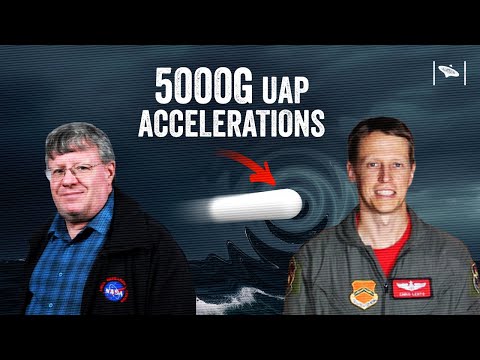
Kevin Knuth Reveals 5000G UAP Accelerations – Why Science Ignores It
Introduction
In this episode of Lato Files, the host welcomes Dr. Kevin Kuth, a professor of physics at the University at Albany, SUNY. Dr. Kuth has a rich background in machine learning, neuroscience, astrophysics, and information physics, and has gained recognition as a serious scientific voice in the field of Unidentified Aerial Phenomena (UAP) research. The discussion revolves around Dr. Kuth's journey into UAP research, his scientific findings, and the implications of these findings on our understanding of the universe.
Dr. Kuth's Journey into UAP Research
Dr. Kuth recounts that his interest in UAPs began over 30 years ago during his time in graduate school at Montana State University. He recalls a significant incident involving a cattle mutilation in Bozeman, Montana, shortly after he arrived in 1988. This incident involved two cows that were found dead with surgical precision, coinciding with reports of UFO sightings in the area. The local media sensationalized the event, speculating about alien involvement, which sparked discussions among the new graduate students in the physics department. A professor from the department, who had connections with Malmstrom Air Force Base, mentioned that there were ongoing issues with UFOs shutting down nuclear missiles, which the students initially dismissed as absurd.
Despite their skepticism, Dr. Kuth reflects on how this incident and the professor's comments lingered in his mind. Fast forward to 2015, while preparing a lecture on astrobiology, he was prompted by students to discuss UFOs. Initially dismissive, he began researching the topic and stumbled upon Robert Hastings' 2010 news conferences discussing UFOs and nuclear missile shutdowns at Malmstrom Air Force Base. This revelation reignited his interest, leading him to consider the potential implications of UAPs on national security and scientific inquiry.
Scientific Engagement with UAPs
Dr. Kuth emphasizes that the lack of scientific engagement with UAPs is troubling, especially given the credible accounts from astronauts and military personnel. He highlights the need for scientists to investigate these phenomena rather than dismiss them as mere folklore. The turning point for him came in December 2017 when the New York Times published an article about the Advanced Aerospace Threat Identification Program (AATIP), which further validated his concerns and motivated him to pursue research in this area.
He began to analyze the data surrounding UAP sightings, particularly focusing on the Nimitz encounter, where UAPs exhibited extraordinary flight characteristics. Dr. Kuth collaborated with Robert Powell and Peter Reali to publish a paper in 2019 that estimated the flight characteristics of anomalous unidentified aerial vehicles. This paper has since become one of the most cited scientific works in the field of UAPs.
Estimating Flight Characteristics
In discussing the methodology of their research, Dr. Kuth explains that the first step for any physicist encountering such extraordinary claims is to assess their reasonableness. He describes how they analyzed the Nimitz encounter, where radar operators tracked UAPs that exhibited rapid altitude changes and unusual speeds. For instance, one UAP was observed dropping from 28,000 feet to sea level in just 78 seconds. Dr. Kuth performed calculations to estimate the acceleration required for such maneuvers, concluding that the UAP would have to experience extreme accelerations, far beyond human tolerance.
He notes that the calculations are straightforward and can be performed by high school physics students. The results indicated that the UAPs could reach speeds comparable to spacecraft, leading to the hypothesis that these objects might represent advanced technology beyond current human capabilities. Dr. Kuth also references historical figures like Hermann Oberth, a pioneer in rocketry, who had noted similar observations of UAPs moving at extraordinary speeds as early as 1954.
Challenges in UAP Research
Despite the compelling data, Dr. Kuth acknowledges the skepticism within the scientific community regarding UAPs. He points out that many scientists tend to disbelieve the data rather than consider the possibility of advanced technology. This skepticism is compounded by the challenges of obtaining reliable data, as much of the radar data related to UAPs remains classified. Dr. Kuth expresses concern over the lack of transparency from government agencies regarding UAP encounters and the implications for national security.
He emphasizes that the potential dangers posed by UAPs, especially in relation to commercial aviation, are significant. Airline pilots often encounter UAPs but are discouraged from reporting these incidents due to fear of stigma or repercussions on their mental health. This lack of reporting creates a dangerous situation where pilots may have to evade unidentified objects without proper guidance or support.
Recent Developments in UAP Research
Dr. Kuth's involvement in UAP research has led to the establishment of Project X at the University at Albany, a nonprofit initiative aimed at further investigating UAP phenomena. This project has garnered support from local business leaders and aims to collect empirical data through monitoring and observation. The project is positioned to take a scientific approach to UAP research, utilizing advanced technology and collaboration with other scientists.
Dr. Kuth highlights the importance of collaboration in the scientific community, noting that the global nature of UAP phenomena necessitates a collective effort. He reflects on the significance of international cooperation in addressing the UAP issue, as it transcends national boundaries and cultural perceptions. The involvement of multiple scientists from various countries underscores the seriousness of the inquiry into UAPs and the potential for groundbreaking discoveries.
Exploring the Nature of UAPs
Throughout the discussion, Dr. Kuth emphasizes the need for a nuanced understanding of UAPs. He acknowledges that the taxonomy of UAPs is not yet well-defined, with various shapes and behaviors observed, including saucers, tic-tac shaped craft, and orbs. Some of these phenomena may be natural occurrences that we do not yet understand, while others may exhibit intelligent behavior, suggesting a more complex reality.
He also addresses the intersection of UAP phenomena with neuroscience, particularly in relation to the psychological effects of encounters. Dr. Kuth notes that some individuals report altered states of consciousness or unusual experiences during UAP sightings, which may be influenced by electromagnetic fields associated with these phenomena. He advocates for further research into the neurological impacts of UAP encounters to better understand the relationship between perception and reality.
Conclusion
In conclusion, Dr. Kuth's journey into UAP research reflects a broader shift in the scientific community towards acknowledging the significance of these phenomena. His work highlights the need for rigorous scientific inquiry into UAPs, emphasizing that dismissing them as mere myths or hoaxes undermines the potential for discovery. As Project X continues to gather data and engage with the global scientific community, it represents a hopeful step towards unraveling the mysteries surrounding UAPs and their implications for our understanding of the universe.
In the transcript, Dr. Kevin Kuth is introduced by the interviewer, who provides several key details regarding his professional background and qualifications. Dr. Kuth is a professor of physics at the University at Albany, SUNY. His expertise spans multiple fields including machine learning, neuroscience, astrophysics, and information physics. This diverse background has positioned him as a respected figure in the realm of Unidentified Aerial Phenomena (UAP) research.
The interviewer highlights Dr. Kuth's long-standing involvement in scientific discussions, noting that he has gained recognition through his technical papers and conference talks. The interviewer expresses admiration for Dr. Kuth's rigorous scientific voice in UAP research, suggesting that he has contributed significantly to the discourse surrounding this controversial topic.
Dr. Kuth himself recounts a formative moment that sparked his interest in UAP research during his graduate studies at Montana State University, where he experienced local incidents related to cattle mutilations and UFO sightings. These experiences have deeply influenced his career trajectory and research focus.
- [00:05] 'Kevin is a professor of physics at the University at Albany SUNY with a deep background in machine learning, neuroscience, astrophysics, and information physics.'
- [05:00] 'I was teaching a physics class, an astronomy class at U Albany... and I thought, well, this is something to study.'
Dr. Kevin Kuth approaches UAP research with a scientific lens, emphasizing the necessity for rigorous analysis and empirical scrutiny. In the transcript, he describes the fundamental steps involved in assessing the credibility of UAP claims. He underscores the importance of establishing whether the phenomena in question are reasonable by performing calculations based on observational data.
In particular, Dr. Kuth references the Nimitz encounter, where detailed observations allowed for estimates of the speeds and accelerations of UAP. He states, "[14:23] ...the first thing a physicist should do instead of just scoffing at it... is sit down and do the calculations yourself." This highlights his commitment to applying scientific methods to UAP research rather than dismissing claims outright.
He mentions using data from radar systems to derive acceleration estimates, specifically referring to how objects tracked by radar exhibited unusual flight characteristics, such as dropping from 28,000 feet to sea level in less than a minute. This methodical approach reflects his effort to build a foundation of scientific evidence around UAP phenomena.
However, Dr. Kuth also indicates limitations in the current understanding of UAPs, expressing concern about the lack of scientific engagement with the phenomenon. He points out that many scientists dismiss these events without proper investigation, stating that the field lacks rigorous academic inquiry.
- [14:40] 'The first thing a physicist should do instead of just scoffing at it... is sit down and do the calculations yourself.'
- [15:14] 'You know, he noted that there was times when they would drop from 28,000 ft to the sea level in 78 seconds.'
Dr. Kuth's decision to engage with UAP research stems from a combination of personal experiences, scientific curiosity, and societal concerns. In the transcript, he recounts how his initial exposure to UAP phenomena occurred during his time in graduate school at Montana State University, where he witnessed the aftermath of a cattle mutilation incident that was linked to possible UFO sightings. This incident sparked his interest in the potential implications of UAPs on public safety and national security.
Describing a pivotal moment in 2015, Dr. Kuth explains how he was prompted by students to discuss UFOs in his astronomy class. Initially skeptical, he became intrigued after researching the topic, particularly when he stumbled upon historical accounts of UAPs affecting military operations, such as the shutdown of nuclear missiles at Malmstrom Air Force Base. He reflects, "[06:27] ...if everyone thinks it’s silly and nobody’s doing anything about it, this could be a really big problem." This realization motivated him to study UAPs seriously.
Furthermore, Dr. Kuth articulates a broader societal responsibility, expressing concern over the ignorance surrounding UAP issues within governmental and scientific communities. He emphasizes that the phenomenon poses a potential risk that demands scientific inquiry, stating, "[12:06] ...this is just an accident waiting to happen." His motivation is thus not only personal but also deeply tied to the implications of UAPs for society as a whole.
- [06:27] 'If everyone thinks it’s silly and nobody’s doing anything about it, this could be a really big problem.'
- [12:06] 'This is just an accident waiting to happen.'
The transcript does not provide any information regarding whether Dr. Kuth has personally observed a UAP. Throughout the conversation, he shares anecdotes and insights related to UAP phenomena, yet he does not disclose any personal experiences of witnessing a UAP himself.
Dr. Kuth addresses several obstacles and challenges related to UAP research as discussed in the transcript. He acknowledges that skepticism is prevalent both within scientific circles and the general public regarding the legitimacy of UAP phenomena. He reflects on the tendency of scientists to dismiss UAP claims without rigorous investigation, noting, "[13:54] ...nobody believes it’s real. Nobody wants to talk about it." This stigma can create barriers for researchers who aim to explore the subject scientifically.
Additionally, Dr. Kuth highlights the risks involved in studying UAPs, particularly for military personnel and pilots. He points out that pilots often fear reporting UAP encounters due to concerns about mental health evaluations and the potential consequences on their careers. This creates an information gap, as unreported encounters lead to a lack of data for analysis. He states, "[12:31] ...if you have nuclear codes... they take it very seriously." This further complicates the understanding of UAP, as critical incidents may remain undocumented.
Dr. Kuth also discusses the implications of UAPs possibly being associated with non-human intelligences. He suggests that the extraordinary capabilities observed in some UAPs, such as rapid acceleration and maneuverability, exceed current human engineering. He asserts, "[50:19] ...you can definitely say these are beyond human capability." This perspective opens the door to the hypothesis that UAP may indeed involve non-human technologies or entities and emphasizes the importance of scientific inquiry into the phenomenon.
- [13:54] 'Nobody believes it’s real. Nobody wants to talk about it.'
- [12:31] 'If you have nuclear codes... they take it very seriously.'
- [50:19] 'You can definitely say these are beyond human capability.'
[00:00] Welcome back to Lato Files. Today I'm[00:02] honored to have Dr. Kevin Kuth with us.[00:05] Kevin is a professor of physics at the[00:07] University at Albany Sunni with a deep[00:09] background in machine learning,[00:11] neuroscience, astrophysics, and[00:13] information physics. So in recent years,[00:15] he's become one of the most respected[00:17] and rigorous scientific voices in UAP[00:20] research. Great honor. Thank you so[00:22] much. Welcome to the show.[00:24] >> Well, thank you so much for having me.[00:25] It's an honor to be here. So Kevin, many[00:27] in our audience know you from your[00:29] technical papers and conference talks.[00:31] I've watched many of your podcasts and[00:33] scientific conferences over the years.[00:35] Can you walk us through how a physicist[00:37] with your background specifically in[00:40] neuroscience and information physics[00:42] first got pulled into the UAP world into[00:45] UAP research? What was the specific[00:47] moment or piece of data that convinced[00:50] you this warranted serious scientific[00:52] attention?[00:54] >> Well, that's a great good question. And[00:56] it took place over the course of maybe[00:58] 30 years, strangely. Um I I think one of[01:02] the important moments was when I started[01:06] in graduate school. I I grew up in[01:08] Wisconsin. I and I went to graduate[01:10] school in Montana State University. I[01:12] got my master's degree there. And so I'm[01:15] I moved out to Montana in the late[01:18] summer of 1988. And it was only the[01:21] first or second week of classes there.[01:23] So we I had only been there for about 2[01:25] weeks and there was a cattle mutilation.[01:28] Um Montana state is in Bosezeman,[01:29] Montana. And there was a cattle[01:31] mutilation where there were two cows[01:33] killed and surgically manipulated. I've[01:35] not found a better word for this.[01:37] Manipulated or they were um they were it[01:41] was a classic cattle mutilation now that[01:43] I know more about them. And there were[01:45] UFOs seen that night. Many calls into[01:48] the sheriff's office. So, the next day[01:49] on the news is all a buzz with UFOs and[01:54] cattle. These two cows were killed and[01:56] um the sheriff's office is investigating[02:00] and in the news it's all it's either[02:03] aliens or demons. It was these were like[02:05] the two possibilities, right?[02:07] >> I told you. And then later that day, we[02:10] were was at the physics department and[02:13] some of us, the new graduate students,[02:16] you know, we've all just moved there and[02:17] we're looking down the barrel of living[02:19] there for 5 years and we're all[02:22] discussing this, you know, rather loudly[02:24] in the hallway. I think trying to get[02:26] our heads around what kind of crazy[02:28] place have we just moved to where people[02:30] kill cows and and surgically remove[02:34] parts and very[02:35] >> there's aliens and demons running[02:37] around. Yeah. and there's aliens and[02:38] demons and these are the actual[02:40] possibilities that are being discussed[02:42] in the it seemed like a crazy place to[02:44] live and um and so we were discussing[02:47] this rather wildly and emphatically and[02:51] one of the professors down the hall um[02:54] who's clearly bothered by this came out[02:55] of his office to see what the ruckus was[02:57] and he came over and tried to console us[03:00] I guess he said you know oh yeah this[03:03] happens from time to time and they[03:05] investigated but never really figure[03:07] anything out and then we all just forget[03:09] about it until it happens again. And we[03:12] were like, that's not helping.[03:15] >> See, that sounds even crazier. And then[03:18] he says, then he tops it all out. But[03:20] you know what's really strange is that I[03:23] have friends who work up at Malmstrom[03:25] Air Force Base and they have problems[03:28] with UFOs[03:30] flying in and shutting down our nuclear[03:33] missiles. Oh, well,[03:36] >> this is so this is September of 1988.[03:39] Uh, and he talked about it as if it was[03:42] a present problem, right? It was all[03:44] present tense. And so, you know, we[03:47] listened politely and when he walked[03:48] away, we kind of, you know, we laughed[03:50] our asses off because it was just[03:52] unthinkable cuz they, you know, I[03:55] remember um in my what I what did I say[03:59] in the discussions? One of the things I[04:00] said, you know, if it's[04:04] why would aliens do this and how are[04:06] demons doing this? This is would be[04:08] crazy. This is crazy. And then when he[04:10] left, I was like, well, the UFOs[04:13] shutting down nuclear missiles, that's[04:14] just ridiculous.[04:16] I mean, the air force would be the whole[04:18] nation's military would be on red alert,[04:21] right? That's what should happen. And[04:23] it's not happening. So clearly, it can't[04:25] be real. That's what I my argument at[04:28] the time. And so this, you know, it[04:31] passed and that was kind of a side joke[04:34] for the next two years that I spent[04:36] there. Um, anytime somebody's had[04:38] something crazy happened, we always[04:40] said, "Yeah, but you know what's really[04:41] crazy? There are UFOs shutting down[04:43] nuclear missiles up in Mstrom Air Force[04:45] Base." And we would all laugh, right? So[04:47] it was kind of a running joke. And um,[04:50] now fast forward what almost 30 years[04:52] and I'm teaching uh, a physics class, an[04:55] astronomy class at U Albany. Uh this[04:58] would have been about 2015. So it was[05:00] before the New York Times article and um[05:05] and I was preparing for a lecture on[05:08] astrobiologies talking about possibility[05:11] of life elsewhere and some of my[05:14] students wanted me to mention something[05:16] about UFOs or talk about UFOs and the[05:19] possibility of aliens coming here. And I[05:21] thought, well, I don't even know what to[05:23] say about this. This is kind of silly.[05:25] And I thought, well, I mean, I can talk[05:27] about the Fermy paradox. I can talk[05:29] about the Drake equation. And then I was[05:32] just poking around in the internet. It[05:33] was by this time it's like 1:00 a.m. or[05:35] something. I'm poking around in the[05:36] internet trying to just see what is[05:38] there anything reasonable I could even[05:40] mention. And um I stumbled on the news[05:45] conferences that Robert Hasting had held[05:47] in 2010[05:49] and I found them on YouTube and I[05:51] started watching it and realized, oh my[05:55] god, this is about UFOs shutting down[05:57] nuclear missiles at Monstrom Air Force[05:59] Base. I mean the same Air Force Base.[06:01] And I and Robert Solace was the first[06:03] person speaking on this and I was just[06:05] blown away. I was like, "Holy crap, I[06:07] heard about this 30 years ago from a[06:09] physics professor, right, of all people,[06:12] right? Pretty credible source you would[06:14] think as an academic."[06:16] And and at the time I thought it was[06:18] silly. But then it struck me. I thought[06:21] if everyone thinks it's silly and[06:24] nobody's doing anything about it, this[06:27] could be a really big problem. Um, we[06:29] could get blindsided by by an alien[06:32] invasion or something, right? um Pearl[06:35] Harbor, but on a global scale. I don't I[06:38] mean that's what was running through my[06:39] mind and I was worried about it and I[06:40] thought somebody needs to start paying[06:43] attention to this and see how real this[06:46] is and whether it's really a problem or[06:48] not. And um so that's what I did. I just[06:51] started reading up on the topic and um[06:56] and started educating myself about UFOs.[07:00] And the more I dug into it, I thought[07:02] this is actually really interesting. I[07:04] mean, there are astronauts who have like[07:07] uh who have seen them and um[07:10] and there were, you know, credible[07:12] people talking about UFOs. And and I[07:16] thought, well, why aren't scientists[07:18] studying this? This is pretty silly not[07:20] to be studying such a thing. And then[07:22] when 2017 hit and we had in December[07:27] 2017 um Helen Cooper and Ralph[07:30] Blumenthal and Leslie Kaine published[07:32] the article in the New York Times on the[07:34] ATIP program. I thought yeah somebody[07:38] needs to be studying this and scientists[07:40] need to be involved in this not just[07:42] government studies. And so I thought[07:44] well shoot why don't you just do it? I[07:47] I'd gotten tenure already. So, I was[07:49] tenured and[07:50] >> and it wasn't like I was looking for[07:52] something to do. I mean, I was busy with[07:54] my I had exoplanet work that I was[07:56] working on and I thought, well, you[07:59] know, we now know a lot about planets[08:01] around other stars. And um[08:04] one one out of five stars in the sky has[08:07] a planet in what we call the habitable[08:10] zone, which is the zone where you could[08:11] have liquid water on the planet. So,[08:13] just go out tonight, count out five[08:15] stars, and one of them has a planet with[08:17] temperatures like Earth. Basically,[08:20] >> that's pretty amazing. And I thought,[08:23] well, why shouldn't anyone be coming[08:25] here? In fact, if we were more capable,[08:28] we would be doing it. We're trying to do[08:30] it. Um, we do it on Mars all the time,[08:32] and we Mars is life is hard to find on[08:35] Mars, and we we still aren't sure if[08:36] there's life on Mars. And I thought,[08:39] well, this is this is something to[08:40] study. So I started studying it. That's[08:43] how I that's how I got involved. Rather[08:44] a long story, a 30-year story condensed[08:46] into[08:49] three minutes or something.[08:51] >> No, I think it's very interesting. And[08:52] also Malstrom was in 1967[08:57] from[08:58] >> Yeah. Solace is sol that's one thing[08:59] that really struck me is when Robert[09:01] Solace is talking about the events that[09:03] he experienced that was 1966 1967.[09:06] I heard about it as a present day[09:09] problem in 1988.[09:12] And that's one thing that I thought,[09:13] well, this has been going on for 20[09:15] years. You've got somebody made up a[09:17] silly story that's lasted for 20 years.[09:19] That doesn't seem right. Um, there has[09:21] to be some element of truth to it. And[09:23] in fact, um, now it was probably two[09:25] years ago, I was visiting, um, my wife's[09:28] family in Louisiana for Marty Gro. And[09:31] so, we're down there grilling in[09:32] February, which is a great thing to be[09:34] outside grilling in February. I live up[09:36] in New York, so we don't have that[09:37] luxury. And um Well, you can, but it's[09:41] cold.[09:42] >> I'm grilling with[09:44] >> Yeah, I was grilling with her uncle[09:46] Matt. So, I'm with her uncle Matt and I[09:48] and I knew he was in the military, but I[09:50] didn't know much about it. And I glanced[09:52] at his cap. He had a cap on and it was[09:54] an Air Force cap and it said Mommstrom[09:57] Air Force Base on it. And I said, "Whoa,[09:59] wait a minute. You were in the Air[10:00] Force? Were you were at Monstrom Air[10:01] Force Base?" And he goes, "Yeah." I[10:03] said, "When were you stationed there?"[10:04] He goes, "Oh, 1971, around that time."[10:08] >> And I said, "Do you know anything? Have[10:10] you ever heard anything about UFOs[10:12] shutting down nuclear missiles?" And he[10:14] goes, "Oh, yeah. That used to happen all[10:16] the time." And blah blah bl[10:25] the first thing I was excited cuz I was[10:27] for the first time I wasn't the craziest[10:29] person in the room. I was[10:31] >> and I went and got my wife and I said,[10:32] "Okay, you have to hear you have to hear[10:34] Uncle Matt. Uncle Matt, tell her what[10:35] you just told me." You know, he goes,[10:37] "Yeah, I was at Homester Air Force Place[10:38] and UFOs would come over and shut down[10:41] all flights and nuclear missiles and all[10:43] this." And I was like,[10:44] >> "Wow,[10:45] >> how how does the world not know? I mean,[10:47] Congress is just starting to figure this[10:49] out, right? How did that go[10:52] unnoticed for I mean, this is now 30 50[10:56] years. 50 years since um Robert Solace.[10:59] I mean, this is this is a horrible[11:02] breach of security, right? And[11:04] intelligence. We're[11:06] we um horribly ignorant about this[11:09] problem. And um and that's that's one[11:12] reason that's one thing that's really um[11:14] got me compelled me to to study this and[11:18] to look at this. Um the other thing is[11:20] the fact that airline pilots or airplane[11:23] pilots see these things quite often and[11:26] sometimes have to evade them. And this[11:28] is happening, you know, this is[11:29] happening with airline pilots who have[11:32] 250 passengers in the back eating[11:34] pretzels, right? And they don't have any[11:35] idea what's going on. And the pilots's[11:38] got to evade this object that flew up to[11:40] its windscreen and then try to get them[11:43] safely to, you know, wherever they're[11:45] traveling. Um, incredibly dangerous. Um,[11:49] because the airline pilots can't report[11:51] it. So, it's not reported. The FAA[11:53] doesn't study it. Nobody really studies[11:55] it. So, nobody really knows what these[11:57] things are. The pilots are uninformed[12:00] and everybody's uninformed. And so, it's[12:03] this is just an accident waiting to[12:05] happen.[12:06] And I think it's a very serious problem.[12:09] >> Yeah, it does seem[12:14] >> you you I'm sure you can appreciate this[12:16] too.[12:17] >> Exactly. And I don't think as a pilot I[12:21] would have reported it. You know, mental[12:24] health will immediately any trip to the[12:25] mental health will get you taken off the[12:28] flying schedule.[12:30] >> That's right.[12:31] >> And it's so people think you're crazy at[12:34] a party if you say, you know, that you[12:36] believe in aliens or you saw an alien[12:39] ship flying around. You know, what what[12:42] do you think is going to happen when you[12:44] have uh you know, nuclear codes? You[12:48] know, we have strike missions. I was[12:50] lucky. I I miss the strike missions, but[12:52] um F-16 does have a strike mission where[12:55] they carry a nuclear weapons actually[12:58] and so you'll immediately get yanked off[13:00] of flying status, you know. Um they take[13:02] they take it very seriously. It's also[13:04] interesting too because Robert Solless[13:07] has been going to DC. I think he goes[13:11] every 5 years. you mentioned Robert[13:13] Hastings and with multiple other um[13:18] officers, you know, US Air Force[13:20] officers who were missileers and they[13:22] would do a press conference every 5[13:24] years in DC and still to this day still[13:28] to this day they haven't invited him,[13:30] you know, Congress hasn't invited him to[13:32] come to one of these hearings. I just I[13:34] think it's amazing.[13:35] >> It's insane really. I mean, it's really[13:37] pretty crazy. Yeah. Nobody believes it's[13:40] real. nobody wants to talk about it. And[13:42] so now we are horribly ignorant about[13:45] something that happens. And um it's a[13:48] it's a dangerous ignorance.[13:51] >> And so that was 2017. The paper comes[13:54] out. And so I'm I'm assuming now that[13:56] led to your 2019 paper. Extremely[13:59] interesting paper. I've uh I've read it[14:01] several times, used it in videos, but[14:03] estimating flight characteristics of[14:04] anomalous unidentified aerial vehicles[14:07] >> with Robert Powell and Peter Reali.[14:09] Yeah.[14:10] >> Uh, okay. Sorry. So,[14:12] >> with Powell Amazing Reality. Okay. And[14:15] so that's still one of the most cited[14:18] scientific works in the field of UAPs.[14:21] Can you take us step by step through[14:23] really how you derive the acceleration[14:26] estimates?[14:27] >> Yeah. The the um[14:31] the paper really comes out from[14:34] comes about from doing what a physicist[14:37] just ought to do. And[14:40] you know when you when you hear about[14:42] something like this the first thing you[14:44] ask is is this even reasonable? Is this[14:47] reasonable in any way? Right? So um so[14:51] the one fact that struck me was in the[14:53] Nimits encounter you had several[14:56] instances where you had pretty detailed[14:59] observations from which you could[15:01] estimate speeds and accelerations. And[15:03] so the first thing a physicist should do[15:05] instead of just scoffing at it and you[15:07] know whatever you should sit down and do[15:09] the calculations yourself figure it out[15:11] and that's all I did um you know so the[15:14] Kevin Day who was tracking these things[15:17] on radar they would appear on radar at[15:19] like 87,000 ft and then drop to about[15:22] 28,000 ft. This was near the southern[15:25] end of Catalina Island when they were[15:27] stationed off the coast of California.[15:29] and they would track south um at about[15:33] 120 knots to somewhere around Guadalupe[15:36] Island where they fell off the radar.[15:38] And and the strange thing was that[15:41] they're at 28,000 ft moving at 100[15:44] knots, you know, 120 knots. So you're[15:46] looking at like 130 mph or something[15:48] like that. Very slow for that altitude.[15:51] So clearly they're strange objects. And[15:55] um but he noted that there was times[15:57] when they would drop from 28,000 ft to[16:00] the sea level in 78 seconds. And so um[16:06] that's that's the amount of time it[16:07] takes. I don't know anything to drop. I[16:09] mean this is here we go. Just that's how[16:12] long it took took go 28,000 ft. And[16:15] that's that's amazing, right? So[16:18] thought, wow, how fast would you have to[16:21] be moving to pull that off? And so I[16:23] just did the calculations and um and you[16:27] can assume that the minimum acceleration[16:29] so we're lowballing it. We're being[16:30] conservative. The minimum acceleration[16:32] is to accelerate halfway and then[16:34] decelerate the other half with the same[16:36] rates. And so that's a physics one[16:39] calculation to do. Um college students[16:41] do it all the high school students can[16:43] do this calculations. So, and in fact, I[16:45] found there was a newspaper article from[16:48] a paper in Georgia, a high school in[16:51] Georgia. The physics professor was or[16:53] the physics teacher at high school[16:54] teacher was teaching just high school[16:56] physics and had them read my paper and[16:58] the students were reproducing the[17:00] calculations, right? Because it's[17:03] >> a physics high school student physics[17:05] students can do it.[17:06] >> They're not hard calculations. And um[17:10] and in fact um Adam Frank who I who I[17:12] who I like had[17:15] early on he had written a criticism in[17:18] the New York Times, an editorial about[17:20] um scientists being involved with UFOs[17:22] and and he made some statement about my[17:25] paper is the calculations aren't that[17:27] complicated. Well, no, they're of course[17:28] they're not complicated. I mean, we're[17:31] you don't need a complicated equation[17:33] all the time. It's that doesn't make[17:35] statistics good. I mean, it's a it's a[17:38] simple situation. And it's simple to[17:40] calculate these speeds and[17:41] accelerations. And um and the other[17:44] scientists who are vocal about this and[17:46] and and you know laugh this off,[17:49] especially the science popularizers,[17:50] they should be doing the calculations[17:51] themselves before they even open their[17:53] mouths. Um and when you do this, you[17:55] find that that object would have had to[17:57] accelerate at 5,000 gs to the midpoint[18:00] and then decelerate at 5,000 gs. So the[18:03] speed in the middle, the top speed is[18:05] something like 40,000 m an hour, right?[18:08] Yeah.[18:09] >> Um, it's a simple calculation. 40,000[18:12] mph. That's about as fast as the New[18:15] Horizon's probe is traveling that we[18:18] sent to Pluto that went to Pluto in[18:19] 2015. So, the Tic Tac was going about as[18:23] fast as the New Horizon's probe. So, so[18:26] I joke when people ask me, why does[18:28] everybody think these are spacecraft? I[18:30] Well, it's simple because they move as[18:32] fast as spacecraft move. It's a simple[18:36] explanation.[18:37] Um and in fact I'm not the first person[18:40] to do this. um Herman Oberth who was the[18:44] father of modern rocketry a German[18:47] scientist he was the mentor to Verer von[18:49] Braum and in 1954[18:52] I believe it was he gave a presentation[18:56] on UFOs and I have the transcripts of[18:58] his notes from the presentation[19:01] >> and he points out that he has seen over[19:04] 50 radar recordings of these objects[19:07] moving at speeds up to 19 kilometers a[19:11] Well, what is 19 km a second? It's about[19:13] 40,000 mph. It's the same number.[19:16] >> Wow.[19:17] >> He knew he knew this in 1954.[19:21] And he knew that these things were[19:22] traveling at spacecraft speeds in 1954.[19:25] Why why this didn't capture everybody's[19:28] attention, I have no idea. It's very[19:30] odd.[19:31] >> It is amazing. And it seems like our[19:34] knowledge hasn't improved since then.[19:36] And we basically had the same data,[19:38] right? Like you just mentioned, we had[19:40] radar contacts. That's what you're[19:42] talking about here.[19:44] >> I'm still hoping to get the same type of[19:46] data just so that we can have more[19:47] examples. Yeah.[19:49] >> Well, I guess we haven't seen it, right?[19:50] Because um according to Gary Vorhees, uh[19:54] the radar data, which is highly[19:56] classified, right, from the Aegis[19:58] cruiser, um[20:00] >> was taken.[20:01] >> It was taken.[20:02] >> Yeah. And we we've heard so far we've[20:05] heard nothing um from any of the[20:07] government agencies from Arrow on where[20:10] what is their analysis of the Nimmits.[20:14] >> What happened to that data and why can't[20:16] anyone see it? That's a the two big[20:18] questions. Yeah. And Arrow keeps trying[20:20] to say, "Oh, there's nothing to see[20:22] here." Um that's nonsense, too. Um we[20:24] know we know that's not nonsense at this[20:26] point.[20:27] >> It's really interesting, too. The[20:28] Nimmits, I really think is the gold[20:30] standard case. That's why I'm also so[20:32] happy you did the analysis on that. And[20:35] there's multiple forms of data, multiple[20:38] radar um sources, right? Because I guess[20:41] physicists, they can say right away,[20:43] okay, yeah, the calculations are[20:44] correct, but it's obviously the data is[20:47] incorrect because nothing can move that[20:50] fast that we understand especially[20:51] through the[20:52] >> new solution. I mean, you the when you[20:56] when you have a hard time believing the[20:58] results, you just disbelieve the data.[20:59] It's an easy thing to do. And and it's[21:02] it's tough because it then comes down to[21:06] comparing the what's the probability the[21:08] data could be wrong compared to the[21:10] probability that you could have craft[21:12] that move through the air without sonic[21:13] booms at 40,000 mph.[21:15] >> Right?[21:16] >> And if you believe this far less than[21:18] you believe the data can be wrong,[21:19] you're always going to go with the data[21:20] is going to be wrong. So you can't learn[21:21] anything. It's a very difficult[21:23] situation actually.[21:25] In that case, the Nimmits especially[21:28] though they had the Aegis radar which is[21:32] designed to track ballistic missiles,[21:33] you know, incoming ballistic missiles[21:36] from space. That's how they had the data[21:37] up to 87,000 ft as well as Yeah, it's[21:41] supposed to track spaceships[21:43] essentially, which is a a you know, an[21:45] intercontinental ballistic missile is[21:47] effectively a spaceship. It's going very[21:50] high speeds. And then they also had the[21:53] E2 Hawkeye out there. You know, that's[21:55] the Awax, the airborne warning and[21:58] control system. Uh, really interesting[22:00] plane. They take off and land on[22:01] aircraft carriers. I always thought that[22:03] was amazing. They had that that plane[22:06] was out there as well. They had radar[22:08] data. And then you also had the radar[22:10] data um from[22:12] uh it wasn't Fraver's plane actually. He[22:14] didn't he didn't get uh the radar data,[22:17] but they launched a second aircraft.[22:20] >> That's where the Fleer One video[22:23] actually comes from. Yep. And they did a[22:26] fantastic work and actually did get[22:28] radar hits on that thing. Otherwise,[22:30] they couldn't have picked it up, right?[22:31] They couldn't have locked it um and[22:34] yeah, he even went through and said they[22:35] they locked it using radar. So, that's[22:38] three different radar systems there[22:40] tracking these things and and the data[22:42] is just[22:43] >> recording something unusual and you've[22:45] got visual confirmation and so you've[22:48] got so many sources that suggest that[22:50] these things were real. And um and in[22:54] fact Fraver's encounter with them on how[22:58] it flew past his nose and then was gone[23:01] in in I forget how much time 2 seconds[23:04] or something. He couldn't see it anymore[23:05] >> like a bullet he said. Yeah.[23:08] >> Yeah. So, so you can then estimate we[23:10] know the resolution of people's eyes and[23:13] um and assuming that the you know it was[23:16] clear skies so you could see well and um[23:21] and you can calculate how fast the thing[23:24] would have been going there too. So we[23:26] did those estimates as well and um[23:30] estimated those accelerations and speeds[23:32] too. And then we also estimated from the[23:34] video when the computer targeting system[23:36] loses track as the tic tac takes off to[23:39] the left of the screen. So we estimated[23:42] the speeds and accelerations on all[23:43] three cases and they're you know they're[23:45] all off the board.[23:48] That is really interesting on the[23:49] visual. Um[23:52] yeah and I didn't consider that actually[23:54] using the visual visual because it is a[23:56] sensor right your eyes are a sensor. So[23:58] you can calculate based on the[24:00] resolution of eyeballs.[24:02] >> That is really interesting. Um I did[24:04] release a video on I guess countering[24:07] the claim of the speeds um of the Fleer[24:09] 1. Um I do believe it's anonymous and I[24:13] I do believe they would have tracked it[24:15] had it not zoomed off. But we when we do[24:18] break lock in the targeting pod, it it[24:20] it can be very confusing because it just[24:22] stays, you know, you're tracking with[24:24] the targeting pod actually and the the[24:26] angles are moving very quickly because[24:28] you're zoomed way in. So whenever we[24:30] lose a a lock at range, it does the[24:35] object will zoom out of the camera[24:37] frame. You know, if you imagine you're[24:38] tracking at a very far distance, it's a[24:41] high line of sight if your field of view[24:43] is very small. And if you break the[24:45] lock, the the the bad logic actually in[24:49] the target pod or however it's designed[24:51] will just stay where it is. It won't[24:52] keep tracking the velocity[24:54] >> and on the object zooms off, right?[24:56] >> Yeah, that was the only counter. But the[24:58] eyeball one Yeah. is legit[25:01] that the camera wasn't moving is what we[25:04] assumed to do those calculations. That's[25:06] not in that's not entirely accurate[25:09] because the[25:10] >> you know we argued at and in the paper[25:13] we argued that it wasn't moving because[25:15] the angle is displayed in the meta the[25:18] angle at which the camera is aimed is[25:19] displayed in the metadata[25:21] >> but the resolution there is only to one[25:23] degree. I mean you're so zoomed in that[25:25] that you could be moving to within tens[25:27] of degrees and it's not going to change[25:29] the display at all. So you know there's[25:31] some recalculation that we could do if[25:33] we did it more carefully.[25:35] Okay. But I still think um yeah, the[25:38] radar data, the visual data is rock[25:41] solid. Um but you know what's really[25:44] interesting is these objects routinely[25:46] show no sonic booms. You know, if you[25:50] even and even in the Nimtt's case, like[25:52] Fraver, you're in your airplane. You're[25:54] not going to probably be able to maybe[25:55] hear another sonic boom of of an[25:58] aircraft going supersonic, but you would[26:00] see the visual, you know, the air um[26:04] like like uh when an F-15, you've seen[26:06] at the air shows when it goes supersonic[26:08] and you have like the visible shock wave[26:11] cuz the the water molecules[26:13] >> Yeah. the water molecules are actually[26:14] getting forced out of that air because[26:16] of the because of the comp compactness[26:18] of the shock wave, right? You you would[26:20] see that if this thing just fired off,[26:23] you know, such a large object fired off[26:26] even if he couldn't hear it. Um but[26:28] there's also no sonic booms, it seems,[26:30] ever registered from any um that I've[26:33] heard of. Have you heard of any?[26:34] >> There's no space for any of any sonic[26:36] boom or anything like that's been[26:37] reported. There should have been I mean[26:39] that 40,000 m an hour that thing should[26:41] have been a fireball.[26:43] >> Yeah,[26:44] >> it should. And then and then as a[26:45] physicist you the next thing you worry[26:48] about is energy. How much energy did it[26:49] take to do that? And even worse, where[26:52] did the energy go when it stopped?[26:55] Energy doesn't disappear. So you got[26:57] this thing that drops from 28,000 ft to[26:59] sea level and just stops, right? Where[27:01] did all that kinetic energy go? Um you[27:04] know in your car it goes in your brake[27:05] system, right? It heats up the brakes,[27:07] right? So[27:08] >> if that went into heat energy, you'd[27:10] have an explosion. And we estimated how[27:12] much energy and power that would be.[27:14] That should have been an explosion. This[27:16] equivalent to about 250 Tomahawk cruise[27:19] missiles going off at once. That should[27:21] have happened. It should have stopped[27:22] and then boom is what you should have[27:24] had happen. But you don't see that[27:26] either. So um[27:29] and that and that's things like that are[27:31] not reported with UFOs either. So[27:33] they're very they're very strange.[27:35] They're I don't think that they're[27:36] moving the way we think the way that we[27:40] think things usually move. It's not[27:41] something's out of sorts. It's not clear[27:44] what that is. And you see that with[27:46] underwater cases, too. Um I there's a[27:49] case I'm still working on. I have the[27:51] sonar data from um a sonar operator[27:55] where they tracked a 100 um well the[27:59] width of it beamed to be about 100 ft in[28:03] diameter and it was about 800 ft long[28:06] was following a New Zealand frigot and[28:10] they were tracking it both with passive[28:12] sonar and um attack sonar at that point[28:15] and the object was about 200 was was[28:18] some some distance behind And I'm going[28:20] to get the numbers wrong cuz I'm just[28:21] remembering off the top of my head,[28:24] but it was something like I think it was[28:25] 2 and a half kilometers behind them and[28:28] then closed that distance in 25 seconds[28:31] and went under their ship and as it[28:34] passed under ship their ship it took out[28:36] all the power on the ship and um and now[28:41] you have to explain this. How do you[28:43] you're you're basically think about[28:44] this. You've got a 150 ft diameter[28:47] cylinder and it's going to close 2 1/2[28:50] km in 25 seconds. That means you've got[28:53] a 2 1/2 km[28:55] cylinder of water you have to displace.[28:58] Now, water is not compressible. So, you[29:01] can't just shove it out of the way. It[29:02] has to get lifted up, right? So, this[29:04] there ought to be waves on the surface.[29:06] The surface ought to be lifted up. That[29:08] wasn't observed or felt. And when you do[29:11] the estimates of the speed, the[29:13] acceleration is very high. Something[29:15] like 50 gs underwater with like a 3,000[29:19] mph top speed. Um[29:23] the amount of energy to do this is[29:25] crazy. And in that case, you can[29:27] calculate the energy without having to[29:28] know the mass of the object. You you can[29:31] calculate how much energy it would take[29:33] to move that water. And that's a huge[29:35] amount of energy. Um it should have[29:37] caused all sorts of problems. But[29:38] there's but then so then you're left[29:41] with the idea that[29:44] all right these things don't seem to be[29:46] inact interacting with their[29:48] environment. They don't seem to interact[29:49] with the air. They don't seem to[29:51] interact with the water. And now now[29:54] where do you go with that? But the[29:56] problem is it's not that simple because[29:59] they are interacting with the wa the[30:01] underwater one was interacting with the[30:02] water because they were measuring sonar[30:05] bounces reflections from it. Right?[30:07] Right? And sonar works from water[30:09] molecules banging into the object and[30:11] bouncing back. So the water had to be[30:14] banging into the object if they're going[30:15] to get a sonar return. So did the object[30:19] interact with the water or didn't[30:20] interact with the water? And you know in[30:22] one respect it seems to not have but in[30:24] the other respect it had to have. So you[30:28] what do you do? I don't I don't know[30:30] what to do. I don't know how to think[30:32] about this. But that's what the data[30:34] tells you. You have two options. you[30:36] could just dis just believe the data and[30:37] go on happily with your life and ignore[30:40] this event totally. But um these are[30:42] important events and I don't think it's[30:44] that simple.[30:46] >> That's really interesting because I[30:47] haven't I haven't thought of that that[30:50] it is water molecules being against cuz[30:52] it I remember your uh I think it may[30:55] have been the same conference where you[30:56] talked about the New Zealand frigate uh[30:59] soul conference I believe where you gave[31:01] a presentation.[31:02] I did mention it then. Yeah.[31:04] >> Okay. And I remember I I think it was[31:06] the same conference um you talked about[31:10] actually detecting very extreme um[31:13] magnetic fields from some event and that[31:18] would make sense if it was light because[31:20] you always hear about related to these[31:22] UAP events is there there's always some[31:24] sort of light used and if you talk about[31:27] we just we already talked about uh the[31:29] radar which is really using light. So in[31:32] that sense uh yeah I was thinking could[31:35] it have been some weird magnetic anomaly[31:38] or could they use some weird magnetic[31:40] anomaly that would inter interact with[31:42] light but that doesn't work for water. I[31:45] think that's really interesting.[31:48] Yeah, this is it's a this is really[31:51] really a fascinating problem, right? And[31:53] it's not there are no simple answers and[31:56] that's really[31:59] um boggles the mind. I didn't and I[32:02] would love to have more scientists[32:03] thinking about this because I think we[32:05] need some other ideas. Um[32:09] >> do you have any thoughts on how that[32:11] could be possible like some sort of[32:13] inertial mass reduction? You know,[32:15] you've talked about um the possibility[32:18] they're reducing inertial mass or[32:20] manipulating spaceime locally. You I'm[32:24] sure you've heard of alubir type warp[32:26] metrics or or other frameworks. You[32:28] know, is there any even just speculative[32:32] direction you think we should be[32:34] looking?[32:35] >> Those are probably the most common[32:38] speculations. I mean, you've got to[32:42] there's there's no way that[32:46] anybody inside or even equipment inside[32:48] is going to survive a 5,000g[32:51] acceleration. I mean, it's that[32:54] >> equipment doesn't survive that. I mean,[32:56] what a F-35 fighter, its wings rip off[32:59] at about 13 1.5 gs. So, your Yeah. Your[33:03] equipment your your ship won't survive[33:05] that. So, so they can't be accelerating[33:08] the way that we're observing. Um, so[33:11] then the question is, well, how is that[33:13] happening? And so, inertial mass[33:15] reduction is one way to avoid that[33:18] problem. Um, and warping spaceime is[33:22] another way to avoid the problem. So,[33:24] those are hypotheses that are on the[33:26] table. Um although we're not sure how[33:29] you can do either one exactly and and[33:32] practically engineering wise and[33:35] and even[33:37] and even when it comes to warp drives we[33:40] I don't think anybody's ever really done[33:42] the calculations on what a warp drive[33:45] does to an atmosphere environment. You[33:48] know I don't you know how does how does[33:52] gravitational warping affect an[33:53] atmosphere?[33:55] That's a big question. Um and that that[33:58] come that question has come up many[34:00] times. I've talked to other physicists[34:02] who have suggested that um when people[34:05] claim to see portals and see things open[34:08] up and ships come in and out and and[34:10] that's been observed, you know, and the[34:14] hypothesis is that you have a wormhole.[34:16] Well, if you have a wormhole, you're[34:18] connecting that region of space with[34:20] some other region of space. And if that[34:22] region of space is in your atmosphere,[34:24] if the air pressure is different on both[34:26] sides, you're going to get air flow[34:28] across through that wormhole. So there[34:29] ought to be so if they're going from a[34:32] vacuum on one side of space into the[34:34] Earth's atmosphere, the atmosphere of[34:37] the Earth ought to be blowing out that[34:38] wormhole on the other side. And um that[34:42] doesn't get reported. Um do[34:46] people report bizarre atmospheric[34:49] effects around these wormholes? No, that[34:51] doesn't seem to happen. So, I don't[34:54] I don't understand a lot of what's going[34:56] on. And it's it's difficult sometimes,[35:01] but that's what makes this job exciting,[35:03] right?[35:04] >> It is. Yeah. You can't look away. You[35:07] have to if if you care about[35:11] knowledge,[35:13] I don't know. It it just seems like why[35:15] more scientists aren't looking into this[35:18] is very confounding to me because it is[35:20] such an interesting problem.[35:22] >> There are there are so many scientists[35:25] who are looking for lowhanging fruit or[35:27] cool projects to work on where they can[35:29] make a big discovery, get a Nobel Prize,[35:30] right? I mean, this is what people[35:32] quote. And um there are more Nobel[35:35] prizes waiting here than anywhere. Um[35:38] it's not just the discovery of aliens. I[35:40] mean there's all sorts of stuff going on[35:42] that other phenomena happening around[35:44] these objects that could lead to huge[35:47] huge discoveries and that's exciting but[35:50] but it makes it hard to figure out.[35:53] >> You you mentioned undersea anomalies and[35:56] your recent paper right just from uh[35:58] 2025 uh the new science of unidentified[36:01] aerospace undersea phenomena. Um that's[36:05] a really interesting paper because you[36:08] had 32 plus international co-authors on[36:12] that. That is that um is that something[36:14] new? Yeah,[36:16] >> that was a lot of that was a year of my[36:18] life basically a year of my research[36:20] life. Um I started we were it's got it's[36:25] published in progress in aerospace[36:26] sciences and it was in a special issue[36:30] where there were multiple papers on[36:32] UAPs. The first paper was um the one[36:36] first authored by Matthew Shadagus from[36:38] our our UAPX group, our mission to[36:40] Catalina Island. And that paper is in[36:43] the same journal issue. And um Jacqu[36:47] Valet also has a paper in there um[36:49] looking at the[36:53] crazy amounts of light that come off of[36:55] UFOs. So, they're looking at a landing[36:56] in northern um northern Louisiana,[37:01] Mississippi, southern Mississippi, where[37:04] um this object landed in a clearing and[37:06] basically the light coming off of it[37:08] scorched the trees and they actually[37:10] measured the the degree to which the[37:13] bark was burnt and estimated the amount[37:15] of light from that as well. Um so, these[37:18] things are the amount of light coming[37:20] off these this is hundreds of megawatts[37:22] of light. Why do you need a light that's[37:24] a hundreds of megawws and um that's an[37:28] insane amount of light and if it's a[37:31] byproduct so some people hypothesize[37:34] well it's a by maybe a byproduct of[37:36] their propulsion system right so[37:40] so if it's an if it's a waste product[37:42] from your propulsion system then the[37:45] amount of energy being used by your[37:46] propulsion system is more than 100[37:49] megawws of power I mean that's that's[37:51] really crazy Okay. So, and and then you[37:54] have to worry about this if you've got a[37:57] you know propulsion system that uses a[37:59] gigawatt of power. Um nothing anybody[38:03] engineers is 100% efficient. You know[38:05] efficiency is of most of our mechanical[38:08] systems are you know at best are around[38:11] 30%.[38:12] But let's say these guys are really[38:14] good. You know these guys are excellent[38:16] 99% efficiency. They are, you know, best[38:20] in the universe, best ship in the[38:21] universe, right? Like Millennium Falcon[38:23] or something. And you've got[38:26] these Corellian ships. Um, but you've[38:30] got your power systems is a gigawatt of[38:32] power and you've got 99% inefficiency or[38:37] efficiency. That means 1% of that's[38:39] going to waste heat. So that's still[38:41] like 10 megawws of waste heat, right?[38:45] Um, you know what 10 megawatts of waste[38:47] heat would do to your ship? It's going[38:48] to melt it. Maybe that's why some of[38:51] these ships are dumping melt molten iron[38:54] in some places like in Council Bluffs or[38:56] in Puget Sound. But um so maybe that's[38:59] what's going on when some of them[39:00] malfunction. But it's hard to get your[39:04] head around. Yeah. So back to the paper.[39:06] This um new science of UAB studies. It[39:09] started out because we had we were[39:11] writing the paper for our car or cat[39:15] sorry Catalina mission and[39:19] the editor part of the reviews came back[39:21] and the editor wanted us to put in a few[39:25] paragraphs on what has been done to[39:29] study UFOs[39:32] scientifically previously. Um, usually[39:34] when you're doing any kind of scientific[39:36] paper, you give a summary of what's been[39:38] done before, what did you do that's due[39:41] and and so on. So that's usually the[39:42] format of the scientific paper. And we[39:45] didn't have that section in there,[39:47] what's been done before. So Matthew was[39:50] working on the edits for the paper and[39:52] asked me, could you write a few[39:54] paragraphs on what's been done before to[39:56] study these things? And so, oh yeah,[39:58] sure. So I got writing and then I I just[40:02] didn't stop myself. I just couldn't[40:03] stop. And and I and I I just sat down[40:06] one afternoon and writing writing[40:07] writing. And then before I know it, I'm[40:09] up to like 10 pages. And I'm like, whoa,[40:11] whoa, whoa. What am I going to do with[40:13] this? I can't He needs a couple[40:15] paragraphs. What?[40:17] And and you realize you realize how much[40:19] material there is. You know, there has[40:21] been a lot done already. And it's not[40:24] summarized anywhere. Um and well, in[40:28] some books, you know, you have to look[40:30] for pieces, right? And um[40:34] and scientists, academic scientists are[40:36] generally of the opinion that nothing's[40:37] been done to study these things. Well,[40:39] it's not exactly true.[40:41] >> So um so I went back to Ma I sent it[40:43] back to Matthew. I said, "I'm sorry, I[40:45] have a lot here. How do you suggest I[40:47] cut this down?" And he looked it over[40:49] and it wasn't obvious how to cut it[40:51] down. Um because everything seemed[40:53] relevant. You didn't want to throw any[40:55] of it away. And[40:57] we he then had the interesting idea,[41:00] well why don't we ask the editor if[41:02] instead[41:03] we can just take these 10 pages and make[41:05] him another paper.[41:08] And the editor loved that idea and and I[41:12] said, "Well, you know, if I'm going to[41:13] do that, I should probably fill in some[41:15] of the gaps and work on that." And I[41:17] just kept working and it kept getting[41:18] bigger and I realized that um[41:23] we didn't have any information on what[41:26] the French have done. I mean most of the[41:28] paper I had written was on what the US[41:30] government had done things that I'd been[41:33] familiar with but I didn't know what the[41:34] French had done and I knew the French[41:36] had worked very hard on this. So I[41:38] contacted some of my um French[41:40] colleagues Jacqu Valet and um Baptist[41:44] Faort and Michelle Valant and um Luke[41:47] Dini and I asked them I said can you[41:49] guys write up a few paragraphs[41:52] >> yeah friendship done and I get 40 pages[41:56] from[41:56] >> of course[41:57] >> 40 pages I'm like oh my god this papers[42:01] >> you academic papers aren't usually this[42:03] long so now what do I do and so I so[42:06] baptized very kindly helped me, you[42:10] know, whittle it down and get it down to[42:13] something manageable. And um they also[42:16] provided the French groups also got me[42:18] information about the Russians and the[42:19] Chinese, which I didn't know much about.[42:21] And you know, so so the the author list[42:25] just kept growing. I kept going to[42:27] people I knew for help. Um you know,[42:29] could you help write something on this?[42:31] Could you write something on this? And[42:32] so we put this paper together. And in[42:35] the end, I was really excited about that[42:37] because it showed that[42:40] this is not just I mean what a lot of[42:43] people around the world think that they[42:45] see this as UFOs as an American problem.[42:48] Um it's more prevalent in American[42:50] culture. So it's seen as an American[42:52] problem. It's not that at all. It's[42:54] global. And the fact that we've got[42:56] global, you know, 30 scientists, you[42:59] know, globally working on this shows[43:02] that we're we're working to tackle the[43:04] problem and we're working together to[43:06] tackle the problem. We're sharing[43:07] information. We're helping each other.[43:08] We're and we're making progress. And I[43:11] think that showed something very[43:12] important that um you don't see[43:14] elsewhere. This is one this is one of[43:17] the things I love about science is that[43:19] the we talk about our social[43:22] institutions that bring people together.[43:24] Science unites people in ways that most[43:26] people aren't aware of. Um we we're all[43:29] speaking different languages, different[43:31] countries, different cultures, different[43:32] religions. None of that matters because[43:34] there's one truth. One truth with a[43:36] capital T as Matthew Shadagas would say.[43:39] And um that's the one truth that unites[43:42] us all. And it's really a fantastic[43:43] endeavor that way.[43:46] Do you think it's changed now that so[43:48] many people[43:50] agreed to sign their names onto a paper[43:53] about UAPs? Has that changed in the last[43:56] several years?[43:58] >> Oh, I I don't think that would have been[44:00] possible 10 years ago. Certainly not.[44:02] Um, a lot of these people weren't[44:04] involved then. Uh, or if they were, they[44:06] were quietly involved and not not doing[44:08] it um publicly.[44:12] I hadn't been involved yet, but um there[44:14] were very a few of them were public, but[44:16] not not many like has been public about[44:18] this for decades. Um a real expert in[44:21] the field.[44:23] >> And so now just this past year at U[44:26] Albany, you have your own uh project X[44:30] that you guys are calling it now. And[44:32] it's very exciting actually.[44:35] was founded originally by um Kevin Day[44:38] and Gary Vorhees who were both involved[44:41] with the Nimits encounter and Jason[44:43] Turner was involved with that as well[44:45] and so that they formed that as a[44:47] nonprofit and I joined I was asked to[44:49] join that rather early on and so that's[44:52] where that started and so we got a[44:55] generous donation from um from Tony[44:58] Gorman who was a local Albany[45:00] businessman he saw us on the nightly[45:02] news talking about our our work and[45:05] wanted to support it. So, we got a[45:06] generous donation to the university from[45:08] him, which really allows us to get get[45:12] moving on this in a in a way that we[45:14] haven't been able to do before. So,[45:16] that's really an excellent thing and[45:17] we're grateful for that. And um and so[45:22] that led to um UAPX being transformed[45:26] into this a university project. And so[45:29] so then now the um nonprofit[45:32] organization's been closed and it's now[45:34] a university based project. Um don't[45:36] worry you can still donate taxfree[45:38] because the university is a state[45:40] university and so they have taxfree[45:41] status. So so if you want to dump some[45:44] money before tax season um and it's not[45:48] it's passed to Sen already but maybe[45:51] next year um feel free to donate. We[45:54] could we could definitely use I mean we[45:56] have enough money to get started but we[45:58] could definitely use more to really get[45:59] going.[46:01] >> How much does this change the game? You[46:03] know that universities actually[46:05] supporting this? We've heard about about[46:07] the Galileo project but this seems[46:09] really different. You know I think of[46:11] this more as kind of boots on the ground[46:13] like what you guys did in Tearing the[46:15] Sky.[46:17] Yeah, we definitely are boots on the[46:18] ground and we've um we have nearby[46:21] sites. Um Pine Bush, New York was in the[46:24] 1990s was a huge UFO area. Um the whole[46:29] um flaps they call them when you have[46:31] many UFOs sightings. And so that's only[46:34] about 2 hours from here. So we have um[46:37] and we have a site in Connecticut where[46:40] um there was a police officer who had[46:42] witnessed a large orb and that was in um[46:44] News Nation I think covered that and so[46:47] we actually have access to that area as[46:50] well and so we're going to be putting it[46:52] we've actually got cameras there now[46:54] cameras that now monitoring 24/7[46:57] and so and have actually collected some[47:00] data. So we are yeah definitely boots on[47:03] the ground collecting data and trying to[47:05] collect hard scientific data to get to[47:07] the bottom of some of these things.[47:10] >> And Dr. Sidagus was really excited that[47:12] Eric Davis called and said he wanted to[47:14] help out as well. Have you have you seen[47:16] you know people asking to help and[47:18] additional[47:19] >> Oh, we've had many many people ask to[47:21] help and and it's that's hard to manage[47:23] because um[47:26] especially right now. Right now we're[47:28] just we're trying to get our equipment[47:30] together and and make plans and and so[47:33] we're kind of at that stage. We're not[47:34] at the stage where we we have and we[47:38] don't have resources to grow exactly. Um[47:40] which is why more donations would be qu[47:42] good. But um but we've had offers from[47:45] other scientists contacting us, chemists[47:48] and um other physicists offering to[47:51] help. And so, you know, we're keeping[47:53] keeping their names and CVs on file for[47:56] now. And um and as we grow and are able,[47:59] that will be great fun.[48:02] And so do you think that we have enough[48:05] evidence at this at this point to make[48:09] any sort of concrete claims, you know,[48:12] that these are it's non-human[48:14] capabilities? Do you think we have[48:16] enough evidence to make any sort of[48:18] claims like that?[48:19] >> I think uh short answer, yes. um a[48:23] little more nuanced. I think the there's[48:26] a[48:29] we have to be a bit careful because UAP[48:32] are unidentified aerial phenomena and[48:35] that's plural and so they're phenomena[48:38] and we don't really know what the whole[48:40] taxonomy of these objects are. They're[48:42] not all the same. Um you have and we you[48:47] know you know we have different types.[48:48] You have saucers. You have cylindrical[48:51] tic tac-shaped craft. You have things[48:53] that look like craft. You have um[48:55] triangles, black triangles. You have[48:59] plasmoid orbs that look like balls of[49:01] plasma. Some of which behave[49:02] intelligently, which is now hard to[49:04] figure hard to get your head around. So,[49:07] we don't really know what the whole[49:08] taxonomy of these things are. We don't[49:10] know what whether they're related to[49:12] each other or not. Are they disparit[49:14] phenomena or are they somehow related?[49:17] Um that's not known. So, we don't even[49:20] have the taxonomy done, right? Um,[49:24] it's kind of like if you just realized[49:26] there were birds and you don't know the[49:28] difference between a hawk and a sparrow[49:30] yet. So, I'm a bird watcher, so I that's[49:33] an easy analogy for me to make. Um, but[49:36] you don't yet know whether a whether[49:38] what you saw was a hawk moth or a[49:40] hummingbird. And hawk moths aren't[49:41] birds, right? So, but they look very[49:43] much like humming. So, um,[49:47] and that's kind of where we are with UAP[49:48] studies. Now, some of these objects,[49:52] especially the the orbike things, could[49:55] be natural phenomena that we just don't[49:58] understand yet. Atmospheric or[50:00] electromagnetic phenomena that we don't[50:02] understand over although some of them[50:04] seem to behave intelligently. So, what's[50:06] going on there? It's not clear. Um the[50:09] ones that look like craft though where[50:12] we have measured speeds and[50:13] accelerations you we can you can[50:16] definitely say these are beyond human[50:19] capability. So[50:22] um it's it's pretty clear that some of[50:24] them are very very possibly non-human[50:28] craft. I think that's a real hypothesis[50:30] on the table.[50:32] >> Not having careful scientific evidence[50:34] to make the scientific argument yet. I[50:37] mean it when you look at the whole big[50:39] picture and see the evidence we have[50:41] it's there's not that many possibilities[50:43] left.[50:46] >> I think your background seems uh really[50:49] ideal for this right. So you[50:50] astrophysics you have the the the space[50:53] background astrobiology[50:56] you know about you know life at least[50:58] how how it could possibly be uh in other[51:01] places besides earth. you I'm sure[51:04] you've dedicated much of your life to[51:06] that. But then you also know about[51:08] information physics and really[51:10] neuroscience which I think is really[51:13] interesting because another side to the[51:16] the phenomenon is you know the woo side[51:19] where when people have these encounters[51:21] and I'm sure you've heard many of them[51:23] um just being in the space you know what[51:26] is your thoughts on on approaching that[51:28] side from a scientific uh perspective?[51:33] >> I think it's something we can't ignore.[51:35] we tend to ignore these these aspects of[51:38] encounters and even even the UFO people[51:42] ignore them. Um they're[51:45] the there's always the weird part that[51:47] or or when you're getting um[51:52] you're interviewing somebody about what[51:54] they experienced, they often will leave[51:56] out the weird parts, which makes this[51:59] hard when you're trying to get your head[52:01] around the big picture. um these weird[52:05] woo paranormal like phenomena that[52:09] accompany UFOs and UFO sightings aren't[52:12] they happen[52:14] at some point you got to put on your big[52:16] boy pants and deal with it. I think[52:17] that's the only thing you can really say[52:19] now. How do you deal with it? That's[52:21] really the problem. So the you what I've[52:25] taken to doing is um[52:28] do what you do in information theory[52:30] when you're dealing with the signal. Um[52:32] you mentioned information physics. Um[52:34] you look for you look for commonalities[52:38] and the especially the aspects that are[52:42] unexpected[52:43] um are the ones that have the most[52:46] information. So unexpected commonalities[52:49] are the most informative. And so those[52:52] are the ones you should pay some[52:53] attention to.[52:55] And I think that's that's that really[52:58] struck me. I had a very hard time early[53:00] on with the whole alien abduction[53:02] business. Um,[53:07] and[53:09] I was watching a talk by recorded talk[53:12] by John Mack and he was giving some[53:16] statistics that he had measured from his[53:18] interviews with people and right now[53:21] actually the um his files are being[53:25] digitized at Rice University. Um Karen[53:28] Austin who's the director of the John[53:30] Mack Institute is is there right now[53:32] digitizing all of his files and patient[53:35] workups and patient interviews and all[53:36] of that anonymizing them and digitizing[53:38] them. We're going to study them. So[53:40] that's really great.[53:42] >> But he was giving a talk and giving some[53:45] statistics and he said something that[53:48] just hit me really hard. He said that it[53:50] was something like 60% of people who[53:54] claimed to have been abducted by the[53:57] little gray aliens and who had claimed[54:00] to have eggs and sperm taken from them.[54:04] 60% of them were claimed to be taken[54:08] into a room before they were sent home[54:10] and given a baby to hold.[54:15] And I was like, "What? Wait a minute.[54:18] What?" And I remount it and relisted and[54:20] like given a baby to hold and sometimes[54:24] the babies weren't quite human and it[54:26] was and that of course gets freaky[54:28] again. But but I was like who makes that[54:31] up, right? I mean this is the unexpected[54:33] commonality. And then I thought 60% of[54:36] them say this independently[54:39] th this is a huge deal. I mean this is[54:41] this is and and then I was like all[54:43] right we have to pay attention to this.[54:45] There's something actually going on[54:46] here, right? there's this is information[54:48] and you know I don't know exactly what[54:51] that tells you at this point but um[54:54] but that's that's how I try to use[54:56] information to get around[54:58] to deal with this all the weird stuff um[55:02] the physics stuff is weird enough but[55:04] the other stuff is even weirder and[55:08] you know I have a hypothesis[55:11] that[55:13] uh doesn't explain details but it's kind[55:16] of a broad way of thinking is that what[55:18] if what if we have missed some aspects[55:22] of physics, right? We've missed some as[55:25] some aspects of physical reality[55:28] and if we encountered something like[55:30] that, they would look paranormal or[55:32] supernatural to us, right? So maybe[55:35] maybe some of the things that we call[55:37] paranormal or supernatural are well, I[55:40] don't believe in supernatural in the[55:42] first place. If it exists, it's natural,[55:44] period. So everything's natural. So what[55:47] we call paranormal or supernatural would[55:50] be an aspect of reality that we just[55:53] haven't studied yet.[55:55] >> So if things like that existed, um you[55:59] could maybe do things with phenomena[56:02] that we aren't familiar with. Um you[56:05] know, the ancient Romans, you know, the[56:06] Romans 2,000 years ago didn't know about[56:08] electro electricity and magnetism, but[56:11] they knew about load stones. knew about[56:13] amber and that you could pick up pieces[56:15] of dust with that. Um, they knew about[56:17] it. It was weird and magical to them.[56:21] Um, but nowadays we we understand it and[56:25] we use it as a technology. This is how[56:27] we're talking to each other right now or[56:28] how the listeners are hearing us. We're[56:30] using those phenomena as a technology.[56:33] So, if there's phenomena out there that[56:36] we currently haven't encountered yet and[56:39] studied,[56:40] but somebody else has, the non-humans[56:43] maybe have, they might be using that as[56:46] part of their technology.[56:48] And then when you encounter one of these[56:51] crafts and encounter this technology,[56:53] it's going to look paranormal to you,[56:55] right? You're going to say, "Oh, that's[56:56] that weird paranormal thing." Um, and so[57:00] it could just be part of their[57:01] technology. And so a lot of what they're[57:03] doing, you know, this gets into the[57:05] whole is it new physics or new[57:07] engineering. It could actually be new[57:08] physics. Um and and the what we call[57:13] paranormal woo stuff could actually be[57:15] part of new physics.[57:17] And u and you mentioned neuroscience.[57:20] And so how does this affect people? How[57:22] do these objects affect people[57:23] neurologically? We don't understand that[57:25] either. Um we do have some evidence that[57:28] there's very strong electric and[57:30] magnetic fields. And I've seen electric[57:33] electrical recordings of very high[57:36] electric fields oscillating at around 12[57:38] hertz. Well, that worried me right away[57:41] because a 12 hertz electrical oscillate[57:43] your alpha rhythms in your brain are[57:45] about 12 hertz.[57:47] And we know that if you um and this I[57:50] did some of this work for my PhD thesis.[57:52] I was studying auditory system dynamics[57:55] and and and oscillator entrainment and[57:58] whether you could entrain um[58:00] neurosircuitry by auditory clicks.[58:03] That's basically what I did for my PhD[58:04] work and um it was biohysics before[58:08] there was bioysics. Um it was the first[58:11] biopysics like project that came out of[58:13] the University of Minnesota and the now[58:16] the physics department was not happy.[58:17] They were[58:19] >> I had the director of graduate studies[58:21] met with me and he said, "Kevin, why[58:23] can't you just do condensed matter[58:24] physics like everybody else um I had a[58:27] very good adviser, John Broadhurst, who[58:29] was willing to take on this crazy[58:31] project and it was great and I'm very[58:34] grateful to him for that." So, so yeah,[58:37] so you could have so if you have a[58:39] person exposed to a very high electric[58:42] field oscillating at 12 hertz, you could[58:44] easily induce alpha rhythms in their[58:46] brains.[58:48] um what is that going to do to their[58:50] thinking and their perception? We don't[58:51] exactly know. Um you're going to have a[58:54] hard time getting an IRB to study that.[58:57] So, we don't know what what that does to[58:58] people. And so, so some of what people[59:02] report might not be physically[59:04] happening. Um and you know, people have[59:08] just typically assumed that none of it's[59:10] physically happening. I don't think[59:11] that's true either. Um, we have physical[59:13] evidence of UFOs and um, chemical[59:15] evidence and so um, but I don't think[59:19] all of it is necessarily physical and[59:22] these things can mess with your[59:24] perception and somehow do[59:29] have you noticed that your general[59:32] paradigm on the world has shifted, you[59:35] know, in your years studying this for[59:36] instance you know before I got into this[59:39] topic I was really a just a straight[59:42] atheist, you know, and now I've really[59:45] changed my views to be like actually I[59:47] there's many things I don't know and now[59:50] I'm more open-minded and I listen to[59:52] near-death experiences and now I'm I've[59:55] turned around the other way where I'm[59:56] not, you know, hardcore religious or[59:58] anything, but I I'm I do believe now[01:00:00] that there is more to life than this[01:00:02] reality. Has your paradigm shifted at[01:00:05] all?[01:00:07] >> That's a good question. Um, yes. this[01:00:10] this whole business has just trashed my[01:00:13] whole world view.[01:00:16] >> Yeah. I don't know. I it it was[01:00:18] frustrating because I I turned 60 just[01:00:21] last year. So, um[01:00:25] I had I've studied physics for 30 years[01:00:28] and I thought I had a pretty good handle[01:00:30] on how the universe worked. I came in[01:00:32] went into physics. wanted to understand[01:00:34] how the universe worked and I thought I[01:00:35] had a pretty good handle on this and[01:00:38] then I encountered this UFO phenomena[01:00:40] and start learning about what's all[01:00:41] going on here, what the data shows and[01:00:43] realize I don't I don't know about[01:00:46] the universe[01:00:49] about anything about the universe and it[01:00:51] really was frustrating[01:00:53] um really upsetting because[01:00:57] to to realize that yeah I thought I[01:01:00] understood everything and clearly I'm[01:01:02] was very wrong about a lot of it. Um, a[01:01:05] lot of the weird stuff that people talk[01:01:08] about, I would just, you know,[01:01:11] immediately disbelieve it. Um, I'm not[01:01:14] there anymore. I don't just disbelieve[01:01:17] anybody. I don't think most people[01:01:19] aren't making stuff up. There's some[01:01:21] element of truth to a lot of it, I[01:01:23] think. And that's what I that's been my[01:01:25] experience recently, which has given me[01:01:29] a lot more pause, you know, when I[01:01:31] encounter somebody with some amazing[01:01:35] claim. Um,[01:01:37] I don't just don't just blow it off or[01:01:39] write it off anymore. And I think that's[01:01:41] a that's in some ways a very good thing.[01:01:44] And and you know how this[01:01:47] what this has to do with God and and[01:01:50] religion and all of that. Yeah. Yeah.[01:01:51] Definitely. This is[01:01:55] this is not everything. So I I think[01:01:57] it's that simple.[01:01:59] And in fact, I was very right before I[01:02:02] came on the podcast, I was a few like[01:02:05] two minutes late logging in and I[01:02:06] apologize for that. I was listening to I[01:02:09] was listening to Matthew Shadagas give a[01:02:11] podcast. Matthew will be happy to hear[01:02:12] that. Um he was he was giving a podcast[01:02:15] on blurry creatures and he was talking[01:02:18] about um yeah there was he's talking[01:02:21] about atheism and and Catholicism and[01:02:24] UFOs and I was I was transfix listening[01:02:28] to this. I was like you know I Matthew[01:02:30] and I of course talk about this and I'm[01:02:31] and you know and I know his beliefs but[01:02:34] it was fun to hear him summarize them[01:02:36] all in one place. I was really enjoying[01:02:37] that.[01:02:39] Well, for me it's been a very positive[01:02:43] end result. You know, I I feel um I I[01:02:46] think that's the right way to look at[01:02:48] it. Certainly from a scientist's[01:02:50] perspective is that, you know, why be a[01:02:53] scientist if we already know everything,[01:02:55] you know, if there's there's nothing to[01:02:56] discovering,[01:02:57] >> right? That's horly boring, then you[01:02:59] just go into be an engineer instead or[01:03:01] something. Do something practical.[01:03:03] Actually, do something. Um, then if you[01:03:06] really believe it's all been discovered,[01:03:08] I don't I don't believe it's all been[01:03:10] discovered. I don't think that's and I[01:03:13] don't know many physicists who do think[01:03:15] that. So,[01:03:17] yeah. In fact, the one one of the things[01:03:20] that I found out of all the weird stuff[01:03:22] that I found most inspirational is[01:03:24] listening to the telepathy tapes.[01:03:26] >> Excellent.[01:03:28] My father worked with autistic adults[01:03:31] and um and actually I was I was friends[01:03:35] with Jay Trefford in high school. We had[01:03:38] lockers next to each other. His father[01:03:40] was Daryl Treffort who was a[01:03:43] psychologist who studied um Santism and[01:03:47] actually was one of the um sources for[01:03:51] um the movie Rainman.[01:03:53] >> So I and I so I knew his son in high[01:03:55] school. So, I've got these weird[01:03:56] connections to autism and that and um[01:03:59] and and[01:04:00] of course I'm a physicist, so I'm[01:04:02] probably not probably I am on the[01:04:04] spectrum. We're all almost all the[01:04:06] physicists are. We have this, you know,[01:04:08] there's an inside joke. Do you know how[01:04:09] do you tell an an extroverted physicist?[01:04:14] He's the one staring at the other guy's[01:04:16] shoes.[01:04:18] Of course, I said he, which throws into[01:04:19] a whole other aspect of physics because[01:04:21] there's not enough physics. Actually, my[01:04:24] my recent classes have had more women[01:04:26] than men, which is great and[01:04:27] interesting. Um, I'm all over the board[01:04:30] here. ADHD. So, um,[01:04:35] the telepathy tapes. Yeah. So knowing[01:04:37] that first I found it inspirational[01:04:40] because you have these autistic[01:04:42] kids and adults who[01:04:45] when you first encounter them or get to[01:04:48] know some of them[01:04:50] um you feel bad for them because they're[01:04:52] in this closedin world and they're[01:04:55] what I mean I I'm going to put this[01:04:57] horribly and some people might be what a[01:04:59] horrible life they must have right[01:05:01] that's what a lot of people think. Um,[01:05:04] and then realized the fact that what if[01:05:07] if they can if they're telepathic with[01:05:09] each other, the ones that they've[01:05:11] interviewed in the telepathy tapes were[01:05:13] they have a very rich life in a very[01:05:16] different way than we do. In fact, maybe[01:05:18] more. I mean, I'm going to get all[01:05:21] emotional, but listening to the bits[01:05:24] about um was it John Paul JP and and his[01:05:28] girlfriend Lily who were autistics and[01:05:30] they were constantly together[01:05:33] psychically telepathically together. He[01:05:36] would think poetry to her and I thought,[01:05:37] "Oh my god, this is beautiful. I can't,[01:05:40] you know, talking to my wife is hard. I[01:05:43] would love to be better. I would love to[01:05:45] be better connected to the people I'm in[01:05:47] love with, right? And and and I went[01:05:50] from I went from feeling that, you know,[01:05:54] which I didn't feel this way because my[01:05:55] father worked with the with autistic[01:05:57] people and so I knew them better than[01:05:59] most people do, but um severely autistic[01:06:02] people and[01:06:05] but I you go from thinking of them as[01:06:07] being limited to they are maybe better[01:06:11] off than I am in some ways, right? there[01:06:13] some aspects are are I I was envious of[01:06:16] and and then in the in the end of the[01:06:19] first season to hear their comments[01:06:21] about us talking about us normal people[01:06:24] on how I mean one of them I'm going to[01:06:26] paraphrase you you people are awful you[01:06:29] lie all the time[01:06:32] awful people and I thought you know he's[01:06:35] whether you believe any of this[01:06:37] telepathy stuff or not what these[01:06:39] autistic people are typing about us he's[01:06:41] he's actually Wait, he's telling the[01:06:43] truth, which they have some insights[01:06:45] about what our we're like mentally,[01:06:48] right? How how do you arrive at that if[01:06:50] you're autist severely autistic and[01:06:52] can't speak unless you're telepathic? I[01:06:54] mean, you it really[01:06:56] and so[01:06:58] I I find that fascinating. Um, is it is[01:07:01] it are all the claims true? Are all[01:07:03] autistic people telepathic? No, probably[01:07:05] not. In fact, I've talked to Dr. Diane[01:07:09] about this and yeah. Yeah, that's not[01:07:11] exactly true. So, some of the claims are[01:07:13] maybe a little overblown and not all[01:07:15] carefully. It's not all been sorted out[01:07:17] yet. It's not been thoroughly studied or[01:07:19] understood and that's important.[01:07:22] >> I'm really happy you brought that up[01:07:24] because when I saw neuroscience um yeah,[01:07:27] I was really curious. It was one of my[01:07:30] questions is um had you seen the or[01:07:33] listened to the telepathy tapes? Me and[01:07:35] my wife also really enjoyed it.[01:07:36] >> Wow. Yeah, that's great. Yeah, it's a[01:07:38] it's a it's it's interesting because[01:07:41] from a physics perspective, I have no[01:07:44] idea how that could work.[01:07:46] >> Yeah.[01:07:46] >> From a neuroscientist perspective on[01:07:49] what's going on with those people and[01:07:51] soism[01:07:53] because I knew some things some about[01:07:54] that. Um[01:07:57] that that seems to make a bit more[01:08:00] sense. Um, you can you can start to[01:08:02] parse out what's what could be going on[01:08:04] with these people that could make some[01:08:06] of this happen. I mean, semantism is[01:08:08] very bizarre. I was telling my wife[01:08:11] about a case that I had heard recently[01:08:13] about a a young man in Australia, I[01:08:15] believe it was. He had taken a semester[01:08:17] of Chinese, a semester, right? You don't[01:08:20] I took a semester of Russian. You don't[01:08:22] learn I can say gloopy. He's my stupid[01:08:25] friend. I can say just that's about all[01:08:26] I remember. Or the vodka.[01:08:29] the vodka's in the refrigerator. I don't[01:08:31] I mean the horrible phrase to know in[01:08:33] Russian, but um[01:08:35] >> is that a bit of Russian? That's you[01:08:38] know, his name's Igor. I know a little[01:08:40] Russian. Uh but he but so[01:08:44] this kid, this young man in Australia[01:08:46] had taken a semester of Chinese and was[01:08:48] in a car accident and ended up in a coma[01:08:51] for a long period of time. and he comes[01:08:53] out of the coma unable to speak English,[01:08:57] can only speak fluent Chinese.[01:09:01] >> Wow,[01:09:01] >> that's all documented. That's all well[01:09:03] documented. And this is the type of[01:09:04] stuff that Dr. Trifford studied, right?[01:09:06] Is a studying santism, you know, and[01:09:09] what are people's explanations for this?[01:09:10] You know, savantism who savant who can[01:09:13] listen to a piece of music and then go[01:09:14] play it on piano. Um,[01:09:18] oh, there's some gene somewhere that[01:09:20] allows them. There's no genes for[01:09:22] playing piano. I'm sorry. That's[01:09:24] ridiculous. I've heard I've heard so[01:09:26] many scientists, nonbiologists say this[01:09:29] who, you know, you give somebody a[01:09:31] physics degree and they think they know[01:09:32] biology. It's ridiculous. Drives me a[01:09:34] little crazy. Um, having studied some[01:09:37] neuroscience.[01:09:39] Yeah, it's crazy making. No, there's no[01:09:41] gene for playing piano period. How would[01:09:44] that have evolved? What what[01:09:46] evolutionary pressures are there on[01:09:49] early humans to so that some are better[01:09:52] at playing piano than others? That it's[01:09:54] the dumbest thing I've ever heard. And[01:09:56] that's one of the things about skeptics[01:09:59] and and the denialism.[01:10:02] When when deniialists[01:10:04] make up their excuses for UFO phenomena[01:10:08] or any of these phenomena, the excuses[01:10:10] are dumber than what's actually being[01:10:12] claimed than the more extraordinary[01:10:15] hypothesis.[01:10:16] Um, the more extraordinary hypotheses[01:10:18] are more reasonable than the stupid ones[01:10:20] that the skeptics and denialists are[01:10:22] coming up with usually. It's a it's it's[01:10:24] quite amazing that somehow people's[01:10:26] thinking goes right out the window. can[01:10:29] take the smartest physicist[01:10:31] and put them on TV and tell them to talk[01:10:34] about UFOs and they'll say the stupidest[01:10:36] things. Um, that's astounding to me.[01:10:40] >> Well, I think it doesn't matter how[01:10:43] smart you are. You can take literally[01:10:44] the smartest people in the world, but if[01:10:47] you start from the wrong place, you[01:10:49] know, if your fundamental assumptions[01:10:50] are incorrect, such as this cannot be[01:10:52] possible, then you're never going to get[01:10:55] there. In fact, they're going to come up[01:10:57] with the the cleverest, smartest ways to[01:11:00] explain away what they're saying.[01:11:03] >> A cow doesn't have they have they have[01:11:05] more capability to be smart and stupid.[01:11:08] So, they can be a lot smarter than a[01:11:10] cow. They can also be a lot dumber than[01:11:12] a cow. So, you got to be careful. Um,[01:11:17] >> well, excellent, Kevin. Um, you[01:11:19] mentioned and I'll put the link in the[01:11:21] description that people can donate to[01:11:23] project X at U Albany and it is uh tax[01:11:27] deferred I guess or what do you call it?[01:11:30] >> Tax exempt.[01:11:31] >> Tax exempt. So it is tax exempt and I[01:11:34] know you guys will use it extremely well[01:11:37] and boots on the ground. You actually[01:11:39] have cameras already out there. Is there[01:11:41] any other way people can help?[01:11:44] >> Um, I think that's the best way. Read[01:11:46] our read our papers too. you know, we're[01:11:48] writing scientific papers on this.[01:11:50] They're available online and um and[01:11:53] we're going to have our new UAPX website[01:11:55] up sometime in the spring and our papers[01:11:58] will be there as well. But reading the[01:12:00] papers is a good thing to do. We found[01:12:02] that a lot not a lot of people even in[01:12:05] the UFO community are reading what we're[01:12:07] putting out there, which is new stuff[01:12:09] and newly put together and newly thought[01:12:12] out. So,[01:12:13] >> excellent. So, check them out. links are[01:12:15] in the description and thank you for[01:12:17] watching. Thank you for listening to[01:12:19] myself and Dr. Canuth and yeah, please[01:12:22] hit the like button, share this video,[01:12:23] get the information out and thank you uh[01:12:25] Kevin.
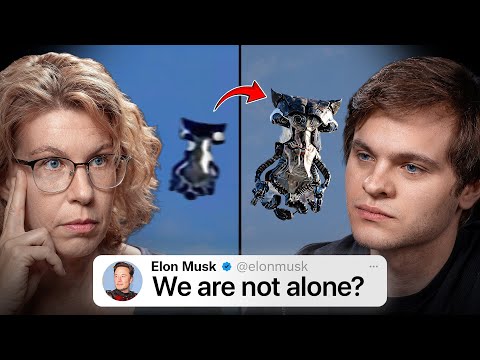
What Do Scientists Know About UFOs? Sabine Hossenfelder on the Fermi Paradox
Introduction to the Nature of Communication and Time Travel
The discussion begins with a provocative assertion that Einstein's theories, which assert that nothing can communicate faster than the speed of light, may not hold true. The speaker challenges the scientific community's consensus that time travel is impossible, suggesting that the arguments against it are flawed. This sets the stage for a deeper exploration of theoretical physics, particularly as it relates to time travel and the possibility of faster-than-light communication.
Background of Sabin Hassenfelder
Sabin Hassenfelder, a prominent theoretical physicist with a PhD in particle physics, has dedicated her career to exploring foundational questions in quantum physics and cosmology. Her work spans over 80 scientific papers and two decades of research, culminating in a book that argues modern science may have reached its limits. Hassenfelder's mission includes not only advancing scientific understanding but also engaging in science communication to share complex ideas with a broader audience.
The Multiverse Hypothesis
Hassenfelder critiques the multiverse theory, describing it as more akin to a religious belief than a scientific hypothesis. Despite its popularity, she acknowledges the difficulty of explaining the universe's origin without invoking the multiverse concept. The conversation delves into the implications of the Big Bang theory, emphasizing that understanding the universe's inception is far from straightforward. Hassenfelder posits that it is more probable we are living in a simulation than that our existence is entirely real, raising questions about the nature of reality itself.
Extraterrestrial Life and Communication
The dialogue shifts to the Fermi Paradox, which questions why, given the vastness of the universe, we have not yet encountered extraterrestrial life. Hassenfelder suggests that alien civilizations could be communicating in ways beyond our current understanding, possibly utilizing methods that do not rely on electromagnetic signals. This notion challenges the prevailing scientific approach, which predominantly focuses on detecting electromagnetic signals, such as those sought by the Search for Extraterrestrial Intelligence (SETI).
Hassenfelder argues that the scientific community may be limiting itself by adhering strictly to electromagnetic communication methods, suggesting that we may need to rethink our search strategies for extraterrestrial intelligence. She expresses concern that physicists dismiss the potential for faster-than-light communication too readily, indicating a need for more open-minded exploration of this possibility.
Time Travel and Its Paradoxes
The conversation then addresses the complexities of time travel. Hassenfelder acknowledges the difficulties in reconciling time travel with current physics, particularly due to the potential for paradoxes, such as the grandfather paradox. She explains that if one could travel back in time and alter events, it could lead to inconsistencies in the timeline. However, she also notes that the arguments against time travel often stem from a misunderstanding of Einstein's theories, particularly special relativity, which does not account for the complexities of our actual universe as described by general relativity.
Hassenfelder proposes that it may be possible to have faster-than-light communication without creating causal paradoxes, suggesting that the link between faster-than-light travel and time travel may not be as straightforward as commonly believed. She emphasizes the need for further research into the implications of quantum mechanics and the potential for new theories that could allow for faster-than-light communication.
The Concept of a Block Universe
The discussion touches on the concept of a block universe, where past, present, and future coexist simultaneously. Hassenfelder supports this idea, noting that it aligns with certain interpretations of Einstein's theories. She explains that if the universe is viewed as a four-dimensional block, then all moments in time exist equally, challenging our perception of a singular present moment. This perspective raises questions about free will and determinism, as it implies that the future is already determined in some sense.
When asked about the implications of a block universe for free will, Hassenfelder argues that both deterministic and non-deterministic interpretations of physics do not necessarily support the existence of free will. She explains that if the universe operates under deterministic laws, then choices are predetermined. Conversely, if quantum mechanics introduces randomness, it does not grant individuals the power to influence outcomes, thus complicating the notion of free will.
Consciousness and Free Will
The conversation shifts to the nature of consciousness and its relationship to free will. Hassenfelder expresses skepticism about the existence of free will, suggesting that it may be an illusion. She discusses the implications of quantum mechanics on consciousness, referencing theories that propose consciousness arises from complex interactions within the brain. However, she remains critical of theories that posit consciousness as a fundamental aspect of the universe, arguing that such claims lack empirical support.
Hassenfelder also addresses the idea that consciousness could emerge from quantum processes in the brain, as proposed by physicist Roger Penrose. While acknowledging the intriguing nature of this hypothesis, she questions its validity and the extent to which it can account for conscious experience. She emphasizes the need for a more comprehensive understanding of consciousness that aligns with established physical theories.
Artificial Intelligence and the Future of Humanity
The discussion transitions to the topic of artificial intelligence (AI) and its potential to evolve independently of human oversight. Hassenfelder expresses optimism about the future of AI, suggesting that while we are not yet at the point of achieving artificial general intelligence (AGI), advancements are being made. She notes that current AI systems lack the ability to interact with their environment in a meaningful way, which limits their potential for true intelligence.
Hassenfelder highlights the importance of developing AI systems that can learn and adapt through interaction, drawing parallels to human evolution. She emphasizes the need for research into world models, where AI can explore virtual environments to develop a deeper understanding of the world, akin to how humans learn through experience.
The Simulation Hypothesis
The conversation also explores the simulation hypothesis, which posits that our reality may be a simulated construct. Hassenfelder acknowledges the philosophical implications of this idea but remains skeptical about its scientific validity. She argues that while it is an intriguing notion, it is difficult to test or verify scientifically. Hassenfelder emphasizes that the complexity of the universe and the challenges of simulating it raise significant questions about the feasibility of the simulation hypothesis.
UFOs and the Stigma Surrounding Them
As the discussion progresses, Hassenfelder addresses the increasing interest in unidentified flying objects (UFOs) and the stigma associated with studying them within the scientific community. She acknowledges that while there is a growing body of evidence suggesting unexplained phenomena, many scientists remain hesitant to engage with the topic due to concerns about their reputations. Hassenfelder argues that this stigma is detrimental to scientific inquiry and that researchers should approach the study of UFOs with an open mind.
She cites examples of historical photographic evidence of transient events captured before the advent of modern satellite technology, suggesting that these phenomena warrant further investigation. Hassenfelder advocates for a more open and rigorous examination of such evidence, emphasizing the importance of scientific inquiry into unexplained phenomena.
The Multiverse and the Limits of Current Models
The conversation returns to the multiverse theory, with Hassenfelder expressing skepticism about its scientific validity. She argues that the multiverse is not a testable hypothesis and that it often serves as a narrative device rather than a robust scientific explanation. Hassenfelder critiques the tendency of some physicists to treat mathematical models as reality, cautioning against conflating mathematical constructs with empirical evidence.
Hassenfelder also discusses the challenges of understanding the origins of the universe, highlighting the limitations of current models and the difficulty of extrapolating from observed data. She emphasizes that while the Big Bang theory has strong empirical support, the exact nature of the universe's inception remains uncertain, and various theoretical models exist that could explain its origins.
Future Directions in Physics Research
As the conversation draws to a close, Hassenfelder reflects on the future of physics research, particularly regarding the construction of new particle colliders. She raises concerns about the allocation of resources to large-scale projects like the Future Circular Collider (FCC), questioning whether such investments will yield significant scientific breakthroughs. Hassenfelder argues that the focus should shift towards addressing pressing questions in the foundations of physics, such as dark matter and quantum gravity, rather than pursuing projects that may not lead to substantial advancements.
She expresses a desire for a more democratic approach to scientific research, where funding and research directions are guided by collective intelligence rather than the interests of wealthy individuals. Hassenfelder advocates for a more strategic allocation of resources to ensure that the brightest minds in science are directed towards solving the most pressing challenges facing humanity.
Conclusion: Optimism for the Future
In closing, Hassenfelder expresses optimism about humanity's potential to make contact with extraterrestrial intelligence and the prospects for our survival as a species. She believes that intelligent civilizations will likely be benevolent, drawing parallels between the evolution of intelligence and the capacity for cooperation and peace. Hassenfelder's insights challenge conventional thinking in physics and encourage a more open-minded exploration of the universe's mysteries, emphasizing the importance of curiosity and inquiry in the pursuit of knowledge.
The transcript provides several biographical and professional details about the interviewee, Sabin Hassenfelder, a theoretical physicist. The information is shared through both the interviewer and the interviewee, establishing her credentials and areas of expertise.
Initially, the interviewer introduces her by stating, "Sabin Hassenfelder is a world-renowned theoretical physicist. She has published more than 80 scientific papers and spent 20 years working on quantum gravity." This highlights her extensive experience and specialization in the field of theoretical physics, particularly in quantum gravity, which is a complex area that bridges quantum mechanics and general relativity.
Moreover, the interviewer notes that Hassenfelder has authored a book arguing that modern science may have reached a limit concerning the most profound questions, suggesting an inclination towards questioning established scientific doctrines. This further illustrates her role not just as a researcher but as a critical thinker in the scientific community.
In her own words, Hassenfelder mentions her educational background, stating, "Well, I do have a PhD in physics. More specifically, I made my PhD in particle physics and over the time I’ve drifted more towards big foundational questions in quantum physics in cosmology where it borders on philosophy." This statement reveals her academic qualifications—a PhD in physics—and her evolving interests from particle physics to broader philosophical inquiries within quantum physics and cosmology.
- [00:19] "Sabin Hassenfelder is a world-renowned theoretical physicist. She has published more than 80 scientific papers and spent 20 years working on quantum gravity."
- [02:03] "Well, I do have a PhD in physics. More specifically, I made my PhD in particle physics and over the time I’ve drifted more towards big foundational questions in quantum physics in cosmology where it borders on philosophy."
In the transcript, Sabin Hassenfelder approaches the study of Unidentified Aerial Phenomena (UAP) with a scientific lens, emphasizing the need for rigorous analysis and evidence. The interviewer notes her perspective on UAP, stating, "In this conversation, we explore some of the boldest ideas in modern physics and examine each one through a strictly scientific lens." This indicates that Hassenfelder prioritizes scientific methodology in her investigation of UAP, seeking to differentiate between what is plausible and what is merely speculation.
Hassenfelder elaborates on her views regarding extraterrestrial intelligence and the methods employed in searching for it. She expresses skepticism about traditional approaches, remarking, "So if you look at all these searches for extraterrestrial intelligence, they all focus on one or the other sort of electromagnetic signal." This critique suggests that she believes existing methods may be flawed or limited, as they predominantly rely on electromagnetic signals while neglecting alternative forms of communication that could exist.
The interviewee also highlights a significant challenge in UAP research, stating that physicists tend to dismiss unconventional communication methods, which limits exploration. She asserts, "...if there is any way to communicate faster than the speed of light, then of course that’s what the extraterrestrials are using." Hassenfelder's argument suggests that the scientific community may be overlooking potential avenues of research that could yield new insights into the nature of UAP.
- [01:19] "In this conversation, we explore some of the boldest ideas in modern physics and examine each one through a strictly scientific lens."
- [05:35] "So if you look at all these searches for extraterrestrial intelligence, they all focus on one or the other sort of electromagnetic signal."
- [05:58] "...if there is any way to communicate faster than the speed of light, then of course that’s what the extraterrestrials are using."
During the interview, Sabin Hassenfelder articulates her motivations for engaging in research related to UAP, grounded in a blend of scientific curiosity and broader societal implications. The interviewer sets the stage by discussing the concept of extraterrestrial intelligence and its relevance, which resonates with Hassenfelder's interests. She asserts that the search for intelligent life beyond Earth is one of the most pressing questions in contemporary science, saying, "the question of whether there is intelligent life elsewhere in the universe, maybe even in our own galaxy is like one of the biggest, if not the biggest question at this present moment..."
This statement underscores her belief in the profound significance of UAP research, both for scientific advancement and for humanity's understanding of its place in the universe. Hassenfelder expresses an eagerness to uncover the nature of potential extraterrestrial civilizations, hinting at the practical ramifications such discoveries could have: "Of course, it could also create a lot of problems very quickly. Either way, it’ll be very interesting." Her acknowledgment of both the opportunities and challenges presented by the existence of intelligent life suggests a nuanced perspective on the implications of UAP research.
Furthermore, she emphasizes the necessity of maintaining an open-minded approach to the investigation of UAP, stating, "...I think just, you know, from a Bayesian inference perspective, we can’t rule it out." This reflects her commitment to a scientific method that accommodates uncertainty, urging for a serious inquiry into unexplained phenomena.
- [04:07] "the question of whether there is intelligent life elsewhere in the universe, maybe even in our own galaxy is like one of the biggest, if not the biggest question at this present moment..."
- [04:24] "Of course, it could also create a lot of problems very quickly. Either way, it’ll be very interesting."
- [40:07] "...I think just, you know, from a Bayesian inference perspective, we can’t rule it out."
The transcript does not indicate that Sabin Hassenfelder has personally observed any Unidentified Aerial Phenomena (UAP). Instead, she discusses her thoughts on the subject and reflects on the broader implications of UAP research. The interviewer poses questions related to UAP, but Hassenfelder does not share an anecdote or description of a personal experience regarding a UAP sighting.
While discussing the search for extraterrestrial intelligence, she expresses her views on the potential existence of intelligent life elsewhere in the universe, suggesting that the scientific community should actively explore unexplained phenomena without dismissing them outright. For instance, she says, "...we can’t really rule out that aliens have been here or maybe are here." This statement indicates her openness to the possibility of UAP being linked to extraterrestrial intelligence, but it does not stem from any personal observation or direct experience.
Instead, Hassenfelder emphasizes the need for scientific inquiry into phenomena labeled as UAP, arguing for a thoughtful approach: "...we should be able to openly talk about..." This perspective showcases her commitment to scientific rigor and exploration rather than relying on personal experiences or anecdotal evidence.
- [40:19] "...we can’t really rule out that aliens have been here or maybe are here."
- [40:24] "...we should be able to openly talk about..."
In the interview, Sabin Hassenfelder addresses several obstacles and professional risks associated with research into Unidentified Aerial Phenomena (UAP). She acknowledges the stigma attached to studying UAP within the scientific community, stating, "Yeah, that’s definitely still an issue." This remark reflects her understanding of the social dynamics that can dissuade scientists from pursuing research in this area, especially if they fear being labeled as unscientific or eccentric.
Hassenfelder elaborates on the challenges faced by researchers who explore UAP, noting that many scientists may hesitate to engage with the subject matter due to the potential impact on their careers. She explains, "I’ve heard from more than one person that this is not something that they would touch on before they have tenure." This indicates that early-career researchers might avoid UAP studies until they secure their positions, highlighting the professional risks involved in pursuing unconventional research topics.
Moreover, Hassenfelder expresses concern about the implications of UAP being linked to non-human intelligences. She suggests that many physicists dismiss the idea of faster-than-light communication or travel, limiting exploration into what might be possible. She argues, "...I think this is something that we should be thinking about more. And I’m a little bit worried that physicists just throw out this possibility that there is anything more..." This statement underscores her advocacy for a more open-minded scientific approach toward UAP and the necessity for researchers to consider the broader implications of their work without fear of professional repercussions.
- [37:20] "Yeah, that’s definitely still an issue."
- [05:20] "I’ve heard from more than one person that this is not something that they would touch on before they have tenure."
- [06:20] "...I think this is something that we should be thinking about more. And I’m a little bit worried that physicists just throw out this possibility that there is anything more..."
[00:00] Einstein's theories tell us you can't[00:02] communicate faster than the speed of[00:04] light. It's not true.[00:06] >> But as you know, faster than life would[00:08] go into the past and the scientific[00:09] community says time travel is[00:11] impossible.[00:12] >> It's just totally crazy to me. But the[00:14] arguments that physicists make against[00:16] it are just wrong.[00:19] >> Sabin Hassenfielder is a worldrenowned[00:21] theoretical physicist. She has published[00:23] more than 80 scientific papers and spent[00:25] 20 years working on quantum gravity.[00:27] Then she wrote a book arguing that[00:29] modern science has reached the end and[00:31] that when it comes to the biggest[00:32] questions, even her own colleagues may[00:35] be wrong.[00:35] >> The multiverse idea is not a scientific[00:39] hypothesis. It's a kind of a religion.[00:41] >> Still, it's pretty hard to explain the[00:43] origin of the universe without the[00:44] multiverse.[00:45] >> Depends on what you mean by big bang.[00:47] From a scientific perspective is[00:49] definitely not simple. We are talking[00:51] about the entire universe. It's much[00:53] more likely that we are simulated than[00:56] that we are actually real. We can't[00:59] really rule out that aliens have been[01:01] here or maybe are here. I know that this[01:04] sounds crazy.[01:04] >> Do we have any real evidence for that?[01:06] >> So, these were photographic plates from[01:09] before we had any satellites in orbit.[01:11] There are things that appear or maybe 15[01:14] minutes or something and then in the[01:15] next image they're gone. They're gone.[01:17] So, what the hell was it? In this[01:19] conversation, we explore some of the[01:21] boldest ideas in modern physics and[01:23] examine each one through a strictly[01:24] scientific lens. What's actually[01:26] possible? What's pure fantasy? And where[01:29] does science honestly say? We just don't[01:32] know yet. Enjoy.[01:41] Sabin, thank you so much for coming to[01:44] my podcast. I've watched many of your[01:46] videos and I can say that you are very[01:49] popular with our audience. It's a real[01:52] pleasure to have you on our channel[01:54] today. So to start, could you briefly[01:57] tell us about your background and uh[02:00] what you see as your mission?[02:03] >> Well, I do have a PhD in physics. um[02:07] more specifically I made my PhD in[02:10] particle physics and over the time I've[02:13] drifted more towards[02:16] big foundational questions uh in in[02:19] quantum physics in cosmology[02:22] where it borders on philosophy. So[02:25] naturally I became more interested in[02:28] philosophy and uh of course I also do a[02:30] lot of science communication outreach[02:33] because I always feel like I want to[02:35] share my stuff with other people uh and[02:39] not not just my stuff of course but also[02:42] things that I read. I'm generally[02:43] broadly interested in science and[02:46] technology talk about everything from[02:49] nuclear fusion to quantum computing.[02:53] Um, yeah. Um, I guess that's that's the[02:56] most relevant thing. What else do you[02:57] want to know?[02:59] >> Recently, Elon Musk shared one of your[03:02] videos in X. In that video, you talked[03:04] about the Fermy paradox and some[03:08] possible explanations for it. And you[03:10] mentioned an interesting idea that maybe[03:14] alien civilization already communicate[03:17] with each other, but not using[03:20] electromagnetic signals. maybe in some[03:23] other way almost instantly. And uh that[03:27] made me think, how could that work?[03:31] Would that mean communication faster[03:33] than the speed of light? And do you[03:36] think something like this could really[03:39] be possible? Well, I don't know, of[03:43] course, but I think that the reasons[03:45] that physicists usually bring up for why[03:49] it's impossible are really bad reasons.[03:53] I think like the question of whether[03:56] there is intelligent life elsewhere in[03:58] the universe, maybe even in our own[04:01] galaxy is like one of the biggest, if[04:04] not the biggest[04:07] question[04:08] >> at this present moment because obviously[04:11] like if there's other intelligent life,[04:13] we want to know who they are, what they[04:16] think, what they've understood about the[04:18] universe. uh and it, you know, on a very[04:22] practical side, it could solve a lot of[04:24] problems very quickly. Of course, it[04:25] could also create a lot of problems very[04:27] quickly. Either way, it'll be very[04:29] interesting. And so if you look at all[04:32] these searches for extraterrestrial[04:34] intelligence,[04:35] they all focus on one or the other sort[04:39] of electromagnetic signal. Be that in[04:42] the radio range or in the visible range[04:46] or, you know, in the infrared range if[04:49] they're looking for Dyson spheres or[04:51] something like that. And I just think[04:55] that's kind of crazy. So, um, we just[04:59] began doing science basically, you know,[05:02] a few hundred years ago or something.[05:04] And the idea that we've already[05:07] discovered the best way to communicate[05:10] with electromagnetic waves and there's[05:12] nothing else, you know, there's nothing[05:14] that that could be better. There's no[05:16] way to send information faster than the[05:18] speed of light because we already know[05:20] it all. It's just totally crazy to me.[05:23] Maybe we are looking for alien[05:25] civilizations in the wrong way, but many[05:29] projects like SETI mainly look for[05:33] electromagnetic signals. Could it be[05:35] that we're using the wrong instruments?[05:38] >> Well, I think that that's too strong a[05:42] statement. So, I'm not saying that they[05:44] shouldn't be doing it. I'm just saying[05:46] I'm not super surprised that they're not[05:48] finding anything because if there is any[05:51] way to communicate faster than the speed[05:54] of light, then of course that's what the[05:58] extraterrestrials are using.[06:00] But we don't know how to do it. So[06:03] clearly we haven't yet developed the[06:05] right technology. So we have really no[06:07] idea what to even look for. And the[06:10] reason I keep going on about this is[06:12] that I think this is something that we[06:15] should be thinking about more. And I'm a[06:18] little bit worried that physicists just[06:20] throw out this possibility that there is[06:23] anything more, that it might be possible[06:26] to communicate or even travel faster[06:29] than the speed of light. So there's like[06:31] literally no research on it. And if you[06:33] even talk about it, people would say,[06:35] "Well, that's crazy talk." Could you[06:37] explain in more detail how this could[06:40] work? For many people, this does not[06:44] seem to fit with what Einstein said. So,[06:47] I'd love to understand your reasoning.[06:50] >> Right. So, of course, I don't actually[06:52] know how to communicate faster than the[06:55] speed of light because if I knew, I'd be[06:57] doing it and I'd be rich and famous. Um[07:01] but the thing that worries me is that[07:03] the arguments that physicists make[07:05] against it are just wrong. For example,[07:08] let's start with this idea that[07:10] Einstein's theories actually tell us you[07:12] you can't communicate faster than the[07:14] speed of light. It's not true. So their[07:17] argument is usually about the[07:21] possibility of inconsistencies,[07:25] time travel paradoxes. And so this is a[07:28] multi-step argument where you say, well,[07:32] if it was possible to communicate or[07:36] even travel faster than the speed of[07:38] light, then we have to take into account[07:42] what Einstein told us, namely that[07:45] something which seems to be faster than[07:48] the speed of light for one observer[07:51] might go back in time for another[07:54] observer. And so once you allow[07:58] communication faster than the speed of[08:00] light, you're forced to also accept[08:02] signaling back in time. And so once you[08:05] can do this, you run into all kinds of[08:08] problems like the grandfather paradox,[08:12] which is probably the best known one[08:13] where you go back in time and you kill[08:17] your own grandfather accidentally[08:19] hopefully and you're never born to go[08:21] back in time. So this is like a[08:23] classical example of an inconsistent[08:26] loop which uh is caused by the[08:29] possibilities to interject your own[08:32] past.[08:34] But this argument[08:37] hinges on a particular assumption[08:42] Einstein's theory of special relativity[08:44] which says that there is no such thing[08:46] as a preferred frame that would tell you[08:49] which direction in time is forward and[08:52] that that's the case if you look at[08:53] special relativity but special[08:55] relativity does not describe the[08:58] universe that we actually live in. For[09:00] this we need general relativity and[09:03] general relativity for better or worse[09:06] does have a preferred foliation and it[09:10] it has an arrow of time built in which[09:13] tells you what's forward in time and[09:15] what's backward in time. And now there[09:18] are different ways other ways to define[09:20] the error of time. Some people think for[09:22] example it comes from the collapse of[09:24] the wave function in quantum mechanics.[09:26] Other people think it comes from entropy[09:28] increase whatever. But the fact is just[09:30] just look around just look at the[09:32] universe that we see it clearly does[09:35] have an error of time. So we don't get[09:37] confused about what's forward in time[09:39] and backward in time. And so once you[09:43] accept that you know our universe does[09:46] have a forward direction in time then[09:51] this link between faster than light[09:56] communication and backward in time[09:59] communication just falls apart. It no[10:01] longer exists.[10:04] So what I'm saying is that you can have[10:09] faster than light communication without[10:11] having causal paradoxes. And I'm I'm[10:14] pretty sure that this is formally[10:16] correct. And again, I think that most[10:17] physicists actually would not disagree[10:19] with it. A lot of people seem to think[10:21] that in quantum physics um you can[10:25] actually have information exchange[10:27] faster than the speed of light. Uh[10:29] people often get confused about this uh[10:31] when they're talking about entanglement[10:33] because it's often explained as as a[10:36] kind of non-local link. Did you do[10:38] something through the one particle and[10:39] the other one notices it immediately? Um[10:41] that's wrong. There's actually a proof[10:45] in quantum mechanics is called the no[10:47] signaling theorem uh which says that in[10:51] quantum mechanics you cannot send[10:53] information faster than light. Okay. But[10:56] now the thing is that this theorem[11:01] relies on quantum mechanics actually[11:04] being fundamentally correct. By this I[11:07] mean there's no theory underlying[11:09] quantum mechanics that could give rise[11:12] to the phenomena that we now attribute[11:14] to quantum mechanics. And this is why I[11:18] think if we find a more fundamental[11:21] theory which I'm personally convinced[11:23] exists and we can talk about the reasons[11:25] for why then this theory quite plausibly[11:29] would would allow us to send information[11:32] faster than the speed of light because[11:33] that's kind of a correlary of the no[11:36] signaling theorem. It basically says so[11:39] long as you stay within quantum[11:41] mechanics you're bound by the speed of[11:43] light limit. and then also says well if[11:46] you screw with quantum mechanics you do[11:49] something else then you generically can[11:53] send information faster than the speed[11:54] of light.[11:55] >> Before my next question I want to make a[11:57] small note this is not a claim just an[12:01] interesting idea to discuss. Then Burish[12:04] and Amy Escri talked about this and Amy[12:10] said this information came from whole[12:14] Pov. This idea is that maybe were not[12:18] visited by aliens but by future humans[12:23] from about 47,000 years from now. is[12:26] so-called P-47 and 52,000 years from now[12:32] uh P-52.[12:34] According to this theory, there are two[12:37] groups from different times. One[12:40] survived a disaster in bunkers and the[12:44] other group are survivor from the[12:48] surface.[12:50] People discuss this idea a lot online on[12:54] Reddit, but our audience is usually more[12:57] skeptical about ideas like this. So, I[13:02] want to ask a more general question.[13:05] Is time travel possible at all? Could[13:09] modern physics allow people from the far[13:12] future to visit us today? And one more[13:15] question, could the past, present, and[13:19] future all exist at the same time? Is[13:23] the idea of a block universe possible?[13:26] >> Right. Okay. So, as you can tell, like I[13:29] like to think about crazy things. So,[13:32] I've also thought about time travel a[13:34] lot. And um to make a long story short,[13:38] it's very very difficult to reconcile[13:41] with what we currently know about[13:43] physics as opposed to faster than light[13:46] travel. So and the the difficulty with[13:50] time travel is exactly what I said[13:52] previously. It's hard to make it work[13:54] without running into actual[13:56] inconsistencies. So a typical problem is[13:59] you go you go back into the past you[14:01] change the past and then the future is[14:03] not the future that you actually came[14:05] from. So if you have only one universe[14:09] that doesn't make sense. So it just[14:11] can't happen right. So typically you can[14:15] actually see this like in movies the way[14:17] that people think deal with it with with[14:20] this issue is either you can only make[14:23] time travel in a way that was consistent[14:27] all along. So you go back in time and[14:30] actually you have always been there[14:33] already[14:34] for some reason. So then you kind of[14:36] have this issue like how do you force[14:39] people to do the things that you you[14:41] know they kind of did or will be doing.[14:45] So um there's this issue. The other[14:48] thing you can do is that you say[14:50] actually when we talk about time travel[14:52] we don't go back into the past of our[14:55] own universe but it's kind of a parallel[14:58] universe where you can then change[15:01] things and then the next future that you[15:04] go into is a different future. So these[15:08] are basically the two options. But if[15:10] you look at like the mathematics, if you[15:12] try to write down a proper theory for[15:16] the physics, I don't know any way to do[15:19] it.[15:20] >> If we talk about the idea of a block[15:22] universe where the past, present, and[15:26] future all exist at the same time. What[15:30] do you think about it? Could this idea[15:32] be possible?[15:33] >> Personally, I would say yes. Um,[15:36] exactly. because that's a consequence of[15:39] Einstein's theories. Uh, which by the[15:42] way, um, bothered Einstein tremendously.[15:46] Um, which is why he's he has been going[15:48] on about what he called the problem of[15:51] the now. So this question of why do we[15:57] perceive one particular moment as[16:00] special? So we are talking now, right?[16:03] It doesn't seem to us as if the future[16:05] already exists. So it kind of seems that[16:08] if you have a theory in which there is[16:10] no specific present moment, how do you[16:15] explain[16:16] this experience that we have? So this is[16:19] something that that Einstein thought[16:21] about a lot. Exactly. Because his[16:23] theories do treat the future, present[16:26] and past as just[16:29] parts of spaceime that exists as a[16:35] whole. So in in Einstein's theories, you[16:38] can't separate them. If the present[16:41] exists, then the future exists in the[16:44] same way. Interestingly, you can make[16:46] this argument without having to explain[16:50] what you actually mean by existence.[16:52] Okay? So you you could argue, well,[16:54] maybe the present moment doesn't exist.[16:56] Okay? Well, then the future also doesn't[16:58] exist. But you can say that they both[17:00] exist in the same way. uh and this is[17:03] exactly what Einstein's theories uh tell[17:05] us.[17:06] >> And uh can we then say that our future[17:08] is partly fixed? If so, does that mean[17:12] free will doesn't exist and everything's[17:14] determined? By the way, we had Robert[17:17] Sapolski on the podcast and he shared a[17:21] similar idea.[17:22] >> Yeah. Well, so the the issue is that um[17:26] what I just told you is what we conclude[17:28] from Einstein's theories and Einstein's[17:31] theories are nonquantum theories or what[17:34] physicists call classical theories. Um[17:38] so they're fully deterministic. Uh[17:40] actually you know you can make an[17:41] asterisk there and you know there are[17:43] some special cases in which actually[17:45] they might not be fully deterministic[17:46] but this is kind of not so super[17:48] relevant. The point is that we we know[17:51] that matter in the universe obeys the[17:55] laws of quantum physics. And if you just[17:58] look at the mathematics of quantum[17:59] physics, it is not deterministic in the[18:03] sense that if you know what's going on[18:05] now, you can actually not predict what[18:08] will happen in the future. And it has[18:11] this non-deterministic element which is[18:13] called the collapse of the wave function[18:15] or the reduction or the update of the[18:17] wave function. is all the same thing. So[18:19] if you think that this is actually a[18:23] physical process that that really[18:26] happens, not just a way to describe[18:29] what's going on, then the future is not[18:32] determined. Okay. All right. And so now[18:36] let to the second part of your question[18:38] like what does it tell us about free[18:40] will? Well, I would say that in neither[18:42] of these cases, like do you have the[18:45] fully deterministic evolution of[18:47] classical physics or do you have this[18:50] non-deterministic ingredient that comes[18:53] from quantum physics on top of that? Do[18:56] you actually have free will? It none of[18:58] those cases.[19:00] In fact, I don't know any particularly[19:04] meaningful way to make sense of free[19:07] will. Now I've seen a lot of those and[19:10] you know if you if you want we can talk[19:11] about those.[19:12] >> Could you explain why free will might[19:15] not exist in this picture of the world?[19:19] >> Well, so I I think what so there's[19:22] always the question like exactly what do[19:24] people mean by free will? And I think[19:26] like intuitively[19:28] what they mean is like you have a[19:30] certain selection of future[19:32] possibilities from which you get to pick[19:35] one. So that the moment you make the[19:39] decision the outcome was actually free.[19:43] It was not yet determined and you[19:47] were what made one particular outcome[19:51] happen. So so it's these two things[19:54] right. So on the one hand it wasn't yet[19:57] determined. Then it's kind of clear[19:58] where there's no freedom. So no free[20:01] will. Um but also it must be something[20:06] that you can actually select. And so now[20:09] if you have a deterministic time[20:11] evolution, there's no freedom at all. If[20:14] you have this random element from from[20:16] quantum physics, then the problem is[20:18] that you cannot influence it. It it's[20:22] always random in the way that the math[20:24] says, but there's nothing influencing it[20:27] in particular. Not you or your brain or[20:30] whatever. But there's another view.[20:32] Penrose says that quantum effects in[20:35] microtubules[20:37] may create some space for free will.[20:40] >> Does it collapse in a way which is[20:43] random? That's the that's the way[20:45] physics works now. You consider it to be[20:47] quite random. or if it's maybe entangled[20:50] with all sorts of other things and that[20:52] the decision about what it makes this or[20:54] that has some kind of content to it some[20:58] mental content which is not altogether[21:01] random and that would be where the free[21:04] will plays its role[21:06] >> how do you respond to this argument[21:09] >> so Penrose talks about the origin of[21:13] consciousness I don't know if what[21:15] exactly what he has said particularly[21:18] about free will. So, Paneris's argument[21:20] is basically uh to make a long story[21:23] short, the brain does something that the[21:29] mathematics of our current theories,[21:31] both general relativity and the current[21:33] version of quantum mechanics cannot[21:36] explain. Okay. So, so that's basically[21:39] where he starts from. He has an argument[21:40] for this, but actually I think it's[21:42] wrong. So, but let's just take this for[21:45] granted. Okay. assuming our brain does[21:48] something which is not in this current[21:50] framework then something has to be wrong[21:54] with this framework and Penro says quite[21:58] reasonably as I think well it's probably[22:00] the collapse of the wave function[22:02] because that's kind of the fishy part[22:05] >> in the foundations of physics the[22:06] collapse of the wave function and this[22:09] is where he says the element of[22:12] consciousness comes in and this is this[22:14] entire story with the microtubil like[22:17] that Stuart Hamarov came up with that[22:19] the the quantumness is in these[22:21] microtubles[22:23] uh that are in the in the brain and and[22:25] somehow you know the they form a[22:27] coherent state that actually does have[22:29] quantum properties and if this state[22:30] collapses then consciousness happens so[22:33] a miracle happens and okay consciousness[22:35] comes out um so I don't know like[22:40] formally how this would help with giving[22:43] you free will because the collapse of[22:46] the wave function would still be random.[22:48] It doesn't really matter where it comes[22:49] from. Like if you think that it comes[22:51] from gravity or whatnot. There's also[22:55] like uh there's a certain irony in in[22:58] Penrose's theories for the origin of[23:01] consciousness is that he starts from the[23:03] assumption that consciousness is not[23:05] computable. This is his misgiving about[23:08] the current theories. Um so so he has[23:10] this argument from girdle's theorem that[23:13] you know a a system like the human brain[23:15] that can actually understand good[23:16] girdle's theorem can't be computable but[23:19] then the theories that he's actually put[23:22] forward for the collapse of the wave[23:23] function are totally computable in you[23:26] know in in a rather trivial sense like[23:27] you can put them on a computer and[23:29] actually compute them. Um, so, um, I[23:32] find it hard to think about any way to[23:37] describe what's going on in the human[23:40] brain that would give you free will in[23:43] the sense that I just talked about. Now,[23:46] there are philosophers who have come up[23:49] with um ideas for or explanations for[23:53] what's sometimes called the uh comp[23:56] compatibilist[23:58] um notion of free will. And it basically[24:02] has it that free will is not something[24:05] that you should look for at the[24:07] fundamental level. But free will is only[24:10] something that comes out as an emerging[24:12] feature on a higher level. Free will is[24:15] basically the in independence of a[24:20] system like the human brain on external[24:24] stimuli.[24:26] So and it makes sense you know even on a[24:28] formal level. I'm not aware that anyone[24:31] has actually done it, but you could[24:33] quantify it. So how much of the time[24:37] evolution of a system is actually a[24:41] direct consequence of external input?[24:43] Like if I type on a keyboard and you[24:45] know click on some buttons, I know what[24:47] the computer will do or actually I[24:49] should know if if it works correctly. Um[24:52] but with a human, it's it doesn't work[24:54] that way, right? So it's it's very hard[24:57] to predict how how humans will react to[25:00] certain input that you give them. And[25:02] this is one of the key features that we[25:04] do associate with free will. It's this[25:06] ability, you know, to do things in your[25:09] mind and then choose your own course of[25:12] action. And so it's this autonomous[25:14] behavior uh the independence of your[25:17] environment that um I think you could[25:21] reasonably[25:23] call free will. Uh I would still[25:25] complain that's kind of an abuse of[25:28] vocabulary.[25:29] >> And uh staying on this topic, some[25:32] physicists say that consciousness may[25:36] not just come from the brain but maybe[25:39] something more fundamental. What do you[25:42] think about that? Or do you think[25:44] consciousness is simply the result of[25:48] how our brain works and physical[25:51] processes? You know, I'm I'm very much[25:54] the stereotypical physicist and I do[25:58] think that consciousness is just a[26:02] consequence of the complex interactions[26:05] in large systems. For example, the human[26:09] brain. And I don't think that the human[26:12] brain is special in this regard. It just[26:15] so happens that on our own planet it's,[26:19] you know, the best complex system that's[26:22] come about. Uh I do think that you can[26:26] actually build conscious machines and[26:28] that artificial intelligence will get[26:30] there at some point, but at the moment[26:32] we're quite far away. So what you might[26:35] have been referring to is this idea of I[26:38] think what they call protoconciousness[26:41] that um you know consciousness is like a[26:44] fundamental entity an ingredient of the[26:48] universe much like elementary particles[26:51] electrons or something there's just this[26:53] consciousness which is just there and[26:55] then somehow the this protoconsciousness[26:58] the little pieces of consciousness kind[27:00] of combines[27:02] in human brain and maybe other things to[27:04] form an actual conscious being. And um[27:08] so my problem with this idea is that you[27:11] still have to explain like what's this[27:14] protoconsciousness?[27:16] How do we know that it exists? And how[27:17] does it combine to a human conscious[27:22] experience? Which is pretty much the[27:24] same problem as explaining how do atoms[27:27] combine to something that has a[27:29] conscious experience. So I don't really[27:32] understand what the benefit is of[27:34] inventing this protoconciousness stuff.[27:37] >> Then I have another question. If[27:39] consciousness and the brain are just the[27:42] result of complex physical processes,[27:45] why is it so difficult for us to create[27:47] human level AI? Or do you think there[27:51] are no fundamental limits and in the[27:54] coming years we may create AGI or ASI[28:00] and maybe move closer to technological[28:03] singularity?[28:04] >> Yeah. Well, I mean, I think it's[28:07] actually going quite well with[28:08] artificial intelligence. I mean,[28:10] considering that we've only just begun[28:12] working on it, right? I mean, so we've[28:14] only had computers for like 50 years or[28:16] something. And um given that, uh I think[28:20] we've been doing quite well. So of[28:22] course like there is the question[28:24] whether the current approaches to[28:26] artificial intelligence are actually the[28:28] ones that will get us to artificial[28:31] general intelligence maybe even super[28:33] intelligence and then there is also the[28:36] question of does intelligence[28:39] necessarily go along with consciousness[28:41] or are these actually two separate[28:42] things[28:43] >> and in general do you think it's[28:46] possible to create AI that can improve[28:48] itself and make decisions without humans[28:52] >> at some point, yes, but I don't think[28:55] we're quite there yet. So, of course,[28:58] you know, there are small versions of[29:01] self-improving AI in one sense or[29:04] another, you know, where people have[29:05] written Python code that actually[29:09] rewrites itself uh and improves itself[29:12] over iterations. But these are kind of[29:14] small toy examples. So it's it's not[29:17] that out of this you will not get a[29:20] walking talking robot or something[29:22] that'll do the laundry stuff. There[29:24] there have also been cases like I think[29:26] Google did this where they used AI to[29:30] improve the computer chips on which they[29:33] train AI and I would say this is kind of[29:36] a self-improvement but it's not the kind[29:39] of self-improvement that we're actually[29:41] talking about right so so so you want[29:44] this kind of intelligence explosion[29:47] taking off uh AI building an entire new[29:50] system of AI and we're still far from[29:52] this there's also like this question of[29:56] our large language models which are[29:58] currently used in all the frontier[30:00] models. Um is this the path to[30:03] artificial general intelligence? And[30:05] there are a lot of people uh in[30:07] including me who think that this[30:10] probably isn't going to work. You need[30:12] something more than language to go on.[30:17] uh from a from a purely evolutional[30:19] stand point. Um the way to think about[30:23] it is that humans developed intelligence[30:28] because of the way that we interact with[30:31] our environment. So so we we probe[30:33] things, we figure out what they do, we[30:36] understand how they react and we build[30:39] models of the world around us and models[30:41] of other people. You know, we have this[30:43] thing that um it's called a theory of[30:45] mind. if you talk to someone for a[30:47] while, you make a theory about how[30:50] they're going to react. And so this is[30:52] something which um the the large[30:55] language models just just can't develop[30:58] because they don't actually interact[31:00] with their environment. And so um this[31:03] is why several of these companies like[31:05] Nvidia and Google Deep Mind and uh[31:10] Janika's a new company I've forgotten[31:13] the name. They're working on what they[31:15] call world models where the idea is[31:18] basically exactly this. You take your[31:20] artificially intelligent code or[31:22] something. You put it into a virtual[31:24] world and then you let it explore this[31:28] world where it should undergo a kind of[31:32] evolution similar to the actual[31:35] evolution that's taken place on earth in[31:39] which humans develop their sense of[31:41] intelligence. And so I I think that that[31:43] this is you know a very promising path.[31:46] Will it work? I have no idea.[31:49] And one more question, this is more of a[31:52] speculative question, but I still want[31:54] to ask it. Could it be that we are AI[31:58] inside some kind of simulation?[32:01] >> Well, so it's a complicated question[32:03] because it depends on exactly what do[32:05] you mean by a simulation. Um, so[32:09] you see, as a physicist, I think that[32:13] the entire universe is ultimately[32:15] governed by equations. Then you could[32:18] ask like okay so if everything is[32:20] determined by equations isn't this[32:22] already a kind of simulation exactly[32:24] what do you mean by simulation does it[32:27] have to be something you know that's[32:29] processed in discrete time steps in[32:32] loops the way that we currently run[32:35] simulations on a computer or do you just[32:39] mean well you know it could conceivably[32:44] some somehow be run by an algorithm[32:47] if you could iterate it to infinite[32:50] precision or something. So you know what[32:53] I mean like so the question is kind of[32:56] illdefined. Um I think that for[32:58] everything that I have seen is that the[33:01] idea that we live in a computer[33:02] simulation like it's been put forward by[33:05] best and other people. So bust doesn't[33:08] just say that the universe could be a[33:10] simulation. So his argument is actually[33:12] that it's much more likely that we are[33:16] simulated than that we are actually you[33:19] know real in some sense. The issue is[33:23] though that Bosra makes a lot of[33:25] assumptions about how simple it is[33:28] supposedly to simulate physical systems[33:33] that just aren't the case in reality.[33:36] Like for example, there's this entire[33:37] headache with chaotic time evolution[33:41] which you already see if you try to do[33:43] something like a weather forecast. Okay?[33:46] So that is definitely not simple and and[33:49] we're not talking about the entire[33:51] universe. We're talking about making a[33:53] computer simulation for the next 3 weeks[33:57] in Germany or Russia or somewhere.[34:01] That's already something that we can't[34:03] do. Okay. So, and and then some[34:05] philosopher goes and says, "Okay, but[34:07] it's actually super simple to simulate[34:09] the entire universe uh with all these[34:11] conscious beings in it." And I'm like,[34:13] "Yeah, no way." You know, I think you[34:15] didn't fully understand the problem.[34:18] There are also these issues with uh the[34:21] symmetries of Einstein's theories um[34:24] that are very very difficult to simulate[34:27] on a computer if you want them to be[34:29] perfectly obeyed. So you can write down[34:31] the mathematics analytically on a[34:33] blackboard but whenever you do a[34:37] computer simulation step by step you[34:39] know with some discretization these[34:41] symmetries will be violated and then[34:44] there's this entire problem with how do[34:46] we deal with with quantum physics um[34:49] because um you know there's a reason[34:51] they want to build a quantum computer uh[34:53] right because there are certain systems[34:54] that are just incredibly difficult and[34:57] time consuming to calculate with a[35:00] standard computer. So how do you account[35:02] for this? Is the computer that the whole[35:06] universe is actually simulated on a[35:09] quantum computer? And if so then you[35:12] have the problem well how do you get out[35:14] the non-quantum world which is also an[35:16] open problem in the foundations of[35:18] physics. So whenever a philosopher comes[35:21] and tells me that we live in a[35:22] simulation you know I check through all[35:24] these boxes like have you solved this[35:26] problem? Have you solved this problem?[35:27] So, so far no one solved it. So, um I[35:31] don't believe it.[35:31] >> Even if we try to check it, what would[35:34] we need to find to prove that we live in[35:37] a simulation or is it impossible to[35:39] test?[35:40] >> Well, you know, I don't know if I just[35:42] saw a popup, you know, that says,[35:45] "Hello, yes, I'm the programmer. You[35:47] live in a simulation." I think that that[35:49] would be very convincing. So, so I don't[35:52] know like this is exactly the problem,[35:54] right? Um, so you you can't really test[35:57] this idea, which is not, you know,[36:01] necessary if you want to think about it[36:04] philosophically or maybe actually[36:06] religiously because I'd say it's kind of[36:08] a religion. You have this this creator[36:12] who made the universe with you in it who[36:15] might actually be able to interfere in[36:17] some of your doings if you're[36:19] interesting enough or nice enough or[36:21] praise him or her enough. But[36:23] scientifically[36:25] I don't think you can either[36:28] verify or falsify it.[36:30] >> Today many scientists depend on[36:33] institutes grants and funding and[36:36] budgets are being reduced in many[36:39] places. Because of this not everyone may[36:42] feel fully free to choose topics or[36:45] speak openly. Your situation is a bit[36:48] different. You have a YouTube channel[36:51] and your own audience, so maybe you can[36:55] speak more freely. This brings me to my[36:58] next question. Today, people talk about[37:01] UFOs more and more. But is there still a[37:04] feeling that if a scientist starts[37:07] seriously studying UFOs, it could ruin[37:10] their reputation? That colleagues may[37:13] stop seeing them as a serious scientist?[37:17] Yeah, that's definitely still an issue.[37:20] Uh, and you know, from a general[37:21] scientific standpoint, it's kind of[37:23] obvious. You have an unexplained[37:25] phenomenon. Maybe you don't actually[37:27] believe it's aliens, but you want to[37:29] know what it is. Maybe it's an[37:30] atmospheric phenomenon. Uh, you know,[37:33] maybe it's a geological thing. Uh, maybe[37:36] it has something wrong with the camera.[37:37] Who knows? But you you want to look at[37:40] it. You want to find out what's going[37:42] on. But it kind of has this stigma[37:45] attached to it that that people who[37:47] believe in UFOs are kind of a little bit[37:50] crazy in the head. I've heard from from[37:52] more than one person that this is not[37:55] something that they would touch on[37:57] before they have tenure. Maybe not at[37:59] all um because it might make it[38:01] difficult to get grants. There was a[38:04] paper recently by a sociologist who[38:06] actually went and interviewed people who[38:09] have worked on UFOs or unidentified[38:13] anomalous phenomena is what they call[38:15] them now. Um and and I have to say like[38:19] from from a scientific perspective, you[38:21] know, if you ask questions like well[38:24] this asteroid that was going through the[38:26] solar system, could this have been alien[38:29] technology? I think that's a question we[38:32] should ask and that we should take[38:34] seriously. You know, I'm not saying you[38:37] should call the BBC and say it's alien[38:40] tech. Okay, that's that's on a different[38:41] level entirely. But I think it's a[38:44] question that we should study and I[38:46] actually do think that most physicists[38:48] and astrophyses would actually agree on[38:50] this. Still if you then go and actually[38:52] want to work on it, you know, you want[38:53] to get a grant for it or something[38:55] because when it takes time and you know,[38:58] someone has to pay for the working hours[39:00] basically, uh, that becomes very[39:02] difficult. And you know, there there are[39:04] other studies where they look at um old[39:07] photographic plates or something. They[39:09] try to figure out is there maybe[39:11] something in these plates that shouldn't[39:13] have been there? Uh, this kind of stuff.[39:17] And uh you know I again I think that[39:19] this is valid analysis[39:23] um that should be published but then I[39:26] see like the archive like the preprint[39:28] server that we use in physics for pretty[39:30] much everything doesn't want to publish[39:32] these papers like they they don't want[39:34] them on their server and I'm like that[39:36] doesn't feel right right this kind of it[39:39] reinforces this stigma that's attached[39:41] to it and the reason it worries me is[39:44] that you know we we can't really rule[39:46] out that aliens have been here or maybe[39:49] are here. I know that this sounds crazy,[39:51] but you know, I think just, you know,[39:53] from a Beijian inference perspective, we[39:56] can't rule it out. I'm totally convinced[39:59] there is intelligent life somewhere out[40:00] there in the galaxy. Maybe they actually[40:03] did send a probe through our solar[40:05] system. Seems very unlikely, but I think[40:07] it's not impossible. So if we don't look[40:11] for these things with an open mind, that[40:14] might be the biggest mistake we'll ever[40:18] make. This is why this kind of this how[40:21] should we call it like gatekeeping and[40:23] academia like this is something you're[40:24] not you're not allowed to talk about and[40:27] also this is something you can't get any[40:29] funding for. This is a really bad state.[40:33] Have there been any interesting UFO[40:35] cases that uh caught your attention?[40:39] >> I look at everything that comes my way.[40:42] Um but it's not something that I[40:45] personally know a lot about. Um so I[40:47] mean I look at these videos and I'm[40:49] like, "Yeah, what the hell is this?" You[40:51] know, someone should figure out[40:53] basically. uh and I looked at these[40:55] studies of the photographic plates and[40:58] basically my conclusion was well they[41:02] checked all the obvious things right[41:04] they tried to answer all these questions[41:06] and um this is what they found and here[41:10] it is so okay we still don't know what[41:12] it is actually now you look a little bit[41:14] confused maybe I should you know fill in[41:17] some details about what exactly did they[41:19] find so these were photographic plates[41:22] uh from before 1957 or something which[41:27] is a relevant date because the since[41:29] 1957[41:31] um we've had satellites in orbit around[41:34] Earth. So this was before we had any[41:37] satellites in orbit. Still they see in[41:41] these old photographic plates what they[41:44] call um transient events. So there are[41:47] things that appear on the photographic[41:50] plates, then they are there for for[41:52] maybe 15 minutes or something and then[41:54] in the next image they're gone. And you[41:57] can tell from the focus of the plates[42:00] and from the timing and so on, it must[42:02] have been something quite close by. So[42:05] it's not a fixed star or something.[42:07] These wouldn't move at at this speed[42:10] across the camera field. So what the[42:13] hell was it? Right? It could be some[42:17] some sort of meteorite or something, but[42:20] it that doesn't quite fit with the way[42:22] that these things look. For for one[42:24] thing, I think the distance doesn't[42:26] quite work out. The size doesn't work[42:28] out, and they're too reflective. Like,[42:31] so so they look really bright, which[42:33] means that they reflect a lot of[42:34] sunlight, and that suggests it's kind of[42:38] a even surface, maybe a sort of metal.[42:41] You see what I mean? And so now, you[42:43] know, we we we can look into the details[42:45] and try to figure out maybe it was a[42:47] weird meteorite. Actually, you know,[42:48] there were like maybe 17 weird[42:50] meteorites just going through this[42:52] field. So, this all sounds very[42:55] implausible. And there's also this kind[42:58] of weird thing that they um they don't[43:01] see them in the shadow of Earth. Um[43:03] which suggests again very strongly that[43:05] it's actually sunlight that's being[43:07] reflected from these things which you[43:08] wouldn't see uh in the shadow of the[43:10] Earth. and and so I don't know what it[43:12] is but still you know maybe who knows[43:16] there have been things flying around the[43:18] earth like 50 years ago and then they[43:21] went away and maybe they'll come back at[43:22] some point you know it's just something[43:24] that I think we can't rule it out and[43:27] that I think we should be able to openly[43:30] talk about[43:31] >> I watched your discussion with Penroll[43:33] and Mokaku[43:35] >> I think that all those multiverse[43:37] theories which we have seen popping up[43:40] in the foundation ations of physics come[43:42] from the same misunderstanding which is[43:45] that we have physicists who come to[43:47] believe that the mathematics that they[43:49] deal with is actually real.[43:52] >> Thank you for taking part. It was very[43:55] interesting. Today people often talk[43:57] about the standard model of the universe[44:00] and the multiverse and some say it's[44:04] already proven but as I understand these[44:07] ideas still don't have a full scientific[44:10] proof yet people sometimes talk about[44:13] them as if they are certain. How would[44:16] you comment on this? Why do you think[44:19] current models of the universe still[44:21] don't have full scientific support and[44:24] uh how well is the idea of a multiverse[44:28] really supported?[44:29] >> Well, so I I think it's impossible to[44:31] prove the multiverse. So the multiverse[44:34] is very much like the simulation[44:38] hypothesis is one of these ideas that I[44:42] think are just outside of science.[44:44] They're more in the realm of religion[44:47] really because there's no observation[44:49] that could either prove or disprove[44:52] them. But let's talk about the origin of[44:54] the universe a little bit and about why[44:57] some people think there should be a[44:59] multiverse because of it. So the the[45:03] overall problem with all these theories[45:05] for the beginning of the universe[45:06] doesn't really matter which one if it's[45:08] the big bang or Penrose's uh cyclic[45:11] conformal cosmology or conformal cyclic[45:14] cosmology um or you there are many[45:17] others like there is the idea that our[45:21] universe started from a collision of[45:23] higher dimensional brains or it came out[45:25] of a five-dimensional black hole or it[45:28] actually started from this is the no[45:30] boundary proposal. osal from a state in[45:33] which there was no time at all and so on[45:36] and so forth. You know there are dozens[45:38] of these things. So the issue is that[45:42] the observations that we have of the[45:44] universe they don't go back all the time[45:48] to this initial phase. They actually[45:51] start in cosmological terms uh quite[45:54] late at the time when the cosmic[45:59] microwave was created or if you trust[46:01] our theories for subatomic particles[46:04] that it was when atomic nuclei were[46:07] created. uh but so so this is still like[46:12] 15 orders of magnitude in energy density[46:14] or something after the big bang and[46:18] before this we don't have any data we[46:21] don't have any observations so just you[46:24] know from a mathematical perspective the[46:27] way that you can think about it so so we[46:29] we sit at this present moment in time[46:32] and then we use the equations to find[46:37] out what happened earlier[46:38] and try to match it up with the[46:40] observations that we have for these[46:43] times. And that brings us back to uh[46:46] let's say 300,000 years or something[46:47] when the cosmic microwave was created.[46:50] And then you know we we're fairly[46:52] confident that we understand uh what's[46:55] going on with the atomic nuclear and[46:56] stuff. So that that brings us a little[46:58] bit closer to the big bang. But then at[47:00] some point we just run out of data. And[47:03] then at any time before this what you[47:06] can do is that you can change the[47:09] mathematics you can change the equations[47:12] in any way you want and it'll still be[47:15] compatible with the data. And this is[47:18] what all these stories for the origin of[47:22] the universe come down to. You use some[47:26] kind of mathematics that agrees with our[47:30] current universe until this time when[47:33] when nuclei were created or something[47:36] and then you attach anything you like[47:38] before that and then you call that a[47:41] theory. And so my biggest misgiving[47:43] about all this stuff is that this[47:45] actually gets published in scientific[47:47] journals because for what I'm concerned[47:50] that's just storytelling using[47:52] mathematics. they they just invent these[47:56] things basically. Now I did make it[47:58] sound a little bit simpler than it[47:59] actually is because uh you know it's[48:01] it's not all that trivial to actually[48:03] reproduce the equations that give us the[48:06] universe that we observe. This is why[48:08] these people have jobs. Okay. But I[48:11] still I don't think it's particularly[48:12] good um science. So now to to come to[48:17] the multiverse, one of the currently[48:20] most popular ideas for the early[48:23] universe is called inflation. So[48:25] inflation is this idea that the universe[48:29] underwent[48:31] a rapid exponential expansion[48:37] right after the big big bang. Basically[48:40] the thing is now that if you want to[48:42] make this inflation work then typically[48:47] the mathematics does not only give you[48:50] one universe it actually gives you an[48:54] infinite number of universes and this is[48:57] the multiverse and there there are[48:59] different types of multiverses basically[49:03] um the simplest one is that you have all[49:05] these universes they um are kind of[49:07] similar to our own um with a similar[49:10] matter content have basically the same[49:12] constant of nature. But there are more[49:14] complicated theories in which you have[49:17] different constants of nature and then[49:19] you get completely different physics uh[49:21] different types of matter and then again[49:24] of those overlay the multiverse of[49:27] quantum mechanics on this cosmological[49:30] universe and then it gets even more[49:31] complicated. The bottom line is that all[49:34] these multiverses[49:36] come out of a particular interpretation[49:39] of the equations.[49:41] >> Yeah, I understand that the idea of a[49:44] multiverse is not really supported by[49:47] strong scientific evidence yet. So, can[49:50] we also say that we can't fully prove[49:54] the big bang either?[49:57] >> It depends on what you mean by big bang.[50:00] I know that kind of sounds like I'm[50:02] trying to avoid answering the question,[50:05] but I've actually noticed that there is[50:06] a lot of confusion around this term. Um,[50:09] so the big bang used to refer to[50:14] the first moment of the universe, this[50:17] initial moment where time itself was[50:20] created.[50:21] then later it became ref used to just[50:26] refer to the expansion of the universe.[50:30] Um and then there is like I think a[50:34] third meaning that um personally I've[50:37] been using which is that we we're not[50:40] talking strictly speaking about this[50:42] first moment of time because around this[50:45] moment we will have to use quantum[50:47] effects. So we don't actually know what[50:48] we're talking about but something very[50:50] very close by whatever this first moment[50:52] was. Okay. So there are these three[50:55] different meanings to the word big bang.[50:57] So now I think no one who works in[51:02] physics at the moment actually doubts[51:04] that big bang in the sense of rapid you[51:07] know expansion of the universe or[51:09] something actually happened. There's[51:11] just too much data supporting this. So[51:14] this sort of big bang,[51:17] you know, has a very solid foundation.[51:19] Now, when we're talking about this first[51:22] moment of time,[51:24] did this actually happen? Well, then we[51:27] don't know for exactly the reason that I[51:29] outlined earlier because uh there are[51:33] infinitely many ways that we can[51:35] extrapolate our equations to this early[51:39] time. Some of them do have a first[51:41] moment of time. Others have a bounce,[51:44] you know, when they give rise to a[51:45] cycle. Or others, you know, time just[51:49] disappears and it goes over into space.[51:51] There could be could be many other[51:52] things that you could be doing there.[51:54] >> So, can we say that the universe formed[51:57] about 13.8[52:00] billion years ago or is that also not[52:04] fully proven?[52:05] >> Yeah. So, so this is the extra prolation[52:08] that you get if you use the totally[52:13] unmodified version of Einstein's[52:15] equations without any additions, no[52:17] nothing. So, this is you you could say[52:19] the the the current standard model of[52:21] cosmology gives you these 13.7 or 13.8[52:27] billion years. In that same discussion[52:30] with Penrose and Mitch Kaku, you talked[52:34] about string theory, more and more[52:36] scientists are working on it now. What[52:39] do you think about it? Can it really[52:41] describe everything in our reality?[52:44] >> Yes and no. Because um so string theory[52:50] used to be a candidate for a theory of[52:54] everything. This is why it became[52:56] famous. So that string theory would[52:59] actually be able to combine quantum[53:02] field theory, so the theories that we[53:04] currently use for the elementary[53:08] particles of nature that are in the[53:10] standard model and gravity in one common[53:14] framework. So everything will be[53:16] explained by these strings. And then it[53:19] it ran into problems because it wasn't[53:21] all that easy to actually get gravity in[53:25] the form of Einstein's equations and the[53:27] actual particles that we observe out of[53:30] string theory and they tried very hard[53:32] to do this and to make a long story[53:33] short in the end it didn't really work[53:35] and then they ran into this multiverse[53:37] uh problem. So that that was string[53:40] theory as a theory of everything. The[53:43] other thing is you can use string theory[53:47] as a general mathematical tool to[53:51] understand[53:53] quantum field theories.[53:55] Um and that doesn't necessarily have[53:58] anything to do with the theory of[53:59] everything. Uh and so over the years[54:02] like this fraction of string theorists[54:05] that were working on this theory of[54:08] everything idea has gone down and the[54:10] fraction of string theorists that have[54:11] been working on using string theory for[54:14] other things to describe other physical[54:16] systems has gone up. So uh very[54:20] prominent in this sector is the alias[54:24] CFT duality that I've tried to use to[54:27] describe certain types of condensed[54:30] metal system strange metals or um[54:35] uh you know heavy ion collisions. This[54:37] is something that I've had to deal with[54:39] um a little bit. Uh and some other crazy[54:42] things. You know when you say there are[54:44] more and more physicists working on it.[54:46] I actually think it's not true. I think[54:48] the overall number of string theorists[54:50] has actually gone down in in the past[54:52] decade uh or so and most of them no[54:56] longer work on string theory as a theory[54:59] of everything.[55:00] >> Can we say that string theory and the[55:03] idea of a multiverse are just a[55:06] mathematical fantasies not real science[55:11] or are they real science? Well, as as I[55:14] already said, like I think that um the[55:17] multiverse idea in all the versions that[55:21] I have seen is not a scientific[55:24] hypothesis because you can neither, you[55:28] know, find evidence to support it nor[55:30] can you actually rule it out. It's not[55:32] possible.[55:34] But because you can't rule it out,[55:36] there's nothing actually wrong with[55:39] believing in it. So, you know, I'm not[55:42] opposed to it. And sometimes there are,[55:44] you know,[55:46] ways to think,[55:48] >> yeah,[55:48] >> that are not strictly scientifically[55:51] supported that are still useful for one[55:54] thing or the other. We actually have a[55:56] similar issue in the foundations of[55:57] quantum physics where you probably know[55:59] there are different interpretations of[56:01] the mathematics that all give you like[56:04] the same predictions.[56:06] Um, and so you can say, well, so what's[56:09] the point? like if we if there's no[56:11] evidence that we can use to tell them[56:13] apart, can't we just agree on one and[56:15] kind of call it the standard[56:16] interpretation or something? But I do[56:18] think it's actually good to have these[56:20] different viewpoints and and I would say[56:23] that when it comes to um the multiverse[56:26] for example, uh that's one way to look[56:30] at the question of why do the constants[56:34] of nature have the values that they do[56:37] have? because then you could ask uh like[56:39] what's the most[56:42] likely combinations of constants of[56:44] nature in the multiverse. So this is a[56:46] typical question that people ask in this[56:48] field and you know to me you can ask[56:51] this question whether or not you[56:53] actually believe that the multiverse is[56:55] real because you're actually just[56:57] looking for a mathematical way to[57:00] predict the constants of nature which[57:01] would be interesting if it could be done[57:05] um even if if you don't buy into this[57:07] multiverse stuff.[57:08] >> And what do you think about anthropic[57:11] principle? Can it explain the finetuning[57:14] of the universe or is it just a way to[57:17] avoid the question?[57:20] >> So the to me the entropic anthropic[57:23] principle is really neither. So the[57:26] anthropic principle really just tells[57:29] you gives you constraints[57:32] on the constants of nature. It just the[57:36] rather trivial observation. This is why[57:38] people often make fun about it like the[57:41] constants of nature must be so that life[57:46] can exist because otherwise we wouldn't[57:48] be here to discuss this question. Okay.[57:50] But what what we're really doing is[57:52] we're taking this observation. We're[57:54] sitting here and having a conversation[57:57] and this tells us something about the[58:00] properties of the laws of nature. They[58:02] must have been so to make this possible.[58:06] And um you know this can give you some[58:10] interesting constraints. You know for[58:12] example you could say well if you know[58:14] how humans work from the fact that you[58:17] are sitting there and look alive there's[58:21] probably oxygen in the room.[58:25] So you see I've made an observation and[58:27] I've drawn a conclusion from it. Now[58:29] you're laughing. Why are you laughing?[58:31] Because it's not a particularly deep[58:32] observation. Anyone could have made it.[58:34] And and this is the problem with all[58:35] these anthropic arguments, you know,[58:37] that usually they're not particularly[58:39] deep and you don't really get a lot out[58:40] of it. Uh but that doesn't mean they're[58:42] wrong. So this is my attitude to the[58:45] enthropic principle. Now, will the[58:47] enthropic principle ever explain the[58:50] fine-tuning of the constants of nature?[58:52] I would say uh what do you even mean by[58:55] fine-tuning? I don't think that the[58:56] constants are fine-tuned. think there's[58:58] zero evidence for the constants being[59:00] fine-tuned because to talk about[59:03] fine-tuning[59:04] you have to know something about the[59:07] probability of particular combinations[59:10] of constants occurring and we have no[59:13] knowing what this probability might be[59:17] because we have only observations of[59:19] this one universe with this particular[59:23] combinations of constant we don't have a[59:25] probability distribution of the[59:26] constants of nature over all universes[59:29] from which we would actually be able to[59:30] extract a probability. So I'm like well[59:34] quite possibly these constants of nature[59:37] have probability one. So how you going[59:40] to disprove it?[59:42] >> I have one more question suggested by[59:45] astrophysicist Baris Stern. Is it worth[59:49] building a new collider at CERN? And if[59:52] yes, what exactly do we expect to find[59:56] there? not just maybe something will[59:58] show up.[01:00:00] >> CERN wants to build a bigger particle[01:00:04] collider um is called the future[01:00:07] circular collider FCC[01:00:09] and it actually it has like two stages[01:00:13] with slightly different purpose. The[01:00:15] first stage would be to study the Hicks[01:00:19] boson in more detail and some of the[01:00:21] heavier particles like the W Bzon and so[01:00:23] on is is what's sometimes called a Hicks[01:00:26] factory. And then the second stage which[01:00:29] which will come later which will require[01:00:32] to put in more powerful magnets into the[01:00:35] tunnel. Um this will be pushing what[01:00:39] they call the energy frontier. So they'd[01:00:42] be ramping up the collision energy to as[01:00:45] high as they can get. Um hoping to get[01:00:49] somewhere I don't know 80 90 terra[01:00:51] electron volt. Uh so this would be like[01:00:53] five six times more than what the large[01:00:57] hydron collider can currently do. Um and[01:01:00] yeah so then is the question okay what[01:01:02] could be possibly observe with this[01:01:04] thing. So like this first stage can we[01:01:08] measure the Higs boson and the W boson[01:01:10] and some of these other things in more[01:01:11] detail? Yeah, certainly like I I you[01:01:14] know I can't think of any reason why[01:01:15] not. But there's the question like is it[01:01:17] actually worth the money? So the thing[01:01:19] will cost something like uh $20 billion[01:01:22] or something like just for the first[01:01:24] phase um and all you get out is maybe[01:01:27] you know one or two digits on some[01:01:29] numbers that no one besides particle[01:01:30] physicists really care about. So like[01:01:33] personally I would say maybe we can find[01:01:35] a better use for that money. And then[01:01:37] there is the question like if we build[01:01:39] the bigger thing is there anything that[01:01:42] we can find there to which the answer is[01:01:46] we have no reason to think that this is[01:01:49] the case and this is actually unlike the[01:01:52] situation has been ever before for the[01:01:56] previous colliders that we built. Like[01:01:58] for example for the large hydrron[01:02:00] collider we knew that there had to be[01:02:03] something new. Okay. So we couldn't have[01:02:05] known it was the hig boson that was one[01:02:07] of the predictions. I think it was the[01:02:08] prediction that most physicists actually[01:02:10] believed would be true turn out to be[01:02:11] correct but we knew that there's you[01:02:14] know there's something in the[01:02:15] mathematics just breaks down in this[01:02:17] energy range. So we need to go there and[01:02:19] look what's going on. And this is what[01:02:22] the LHC actually did. So the situation[01:02:25] um with with a future circular collider[01:02:27] is not of this sort. So you can still[01:02:30] say well let's just go and see if we[01:02:33] find something and that's all well and[01:02:35] good but I would say like this is you[01:02:38] know not enough to ask for $40 billion[01:02:43] or whatever the thing will cost. Um so[01:02:46] in particular if you look at you know[01:02:49] there there are open problems in the[01:02:51] foundations of physics where we actually[01:02:53] know that there has to be something like[01:02:55] similar to that we knew um there has to[01:02:58] be something in the range of the large[01:02:59] hydrron collider for example in quantum[01:03:01] gravity there are certain ranges in the[01:03:05] parameter space for quantum superp[01:03:07] positions of heavy objects basically you[01:03:10] know there are issues with we already[01:03:12] talked about this collapse of the wave[01:03:14] function which something that you could[01:03:16] test maybe with variants of quantum[01:03:19] computers or something like this. Um[01:03:21] then there are these open problems with[01:03:24] dark matter uh dark energy that you[01:03:27] would look for with satellites,[01:03:29] telescopes, uh looking out into the[01:03:31] cosmos, uh that kind of thing. None of[01:03:35] those[01:03:36] are problems that you would expect to[01:03:39] make any progress on by building a[01:03:42] bigger particle collider. And so this is[01:03:45] why my attitude to this idea is that[01:03:48] it's not the right thing to do at this[01:03:52] moment in the foundations of physics.[01:03:54] There are other problems that we should[01:03:56] be focusing on and this is where we[01:03:58] should invest money, time and ultimately[01:04:02] also people.[01:04:04] >> Yeah, a new collider itself is not a[01:04:07] problem. The question is that the $40[01:04:11] billion could maybe spent on more[01:04:15] important problems in physics.[01:04:18] >> Well, the the money is one thing. Like[01:04:19] personally, I mean, $40 million is a lot[01:04:22] of money, right? Um, so personally I'm[01:04:25] actually more worried about the people[01:04:28] because if you put that amount of money[01:04:30] into such a big project that will run[01:04:32] for such a long time that'll create a[01:04:35] lot of positions and it'll it'll soak up[01:04:40] a lot of intelligent people and you know[01:04:43] there are only so many intelligent[01:04:45] people in the world. Um and and so all[01:04:48] these people will spend their life[01:04:51] working on you know trying to invent new[01:04:54] theories for dark matter or something um[01:04:57] and not get anywhere because there isn't[01:04:58] anything to find there. So so it's a[01:05:01] total waste of talent. And so this is[01:05:03] the thing that I personally worry most[01:05:05] about. It's this lost opportunities of[01:05:09] smart people that I would prefer would[01:05:12] actually go into areas where it where it[01:05:15] matters.[01:05:16] >> Recently Elon Musk became the first[01:05:19] thrillionaire and SpaceX went public. As[01:05:23] you said, the most important thing is[01:05:26] people in science and if they are[01:05:29] brought together in one company like[01:05:31] SpaceX, can this lead to real progress[01:05:35] for humanity?[01:05:36] >> Yeah, certainly. So I I think that when[01:05:39] you know when I think about progress,[01:05:42] scientific progress, technological[01:05:44] progress on planet Earth, I think about[01:05:48] progress on the scale of 1,000 or 10,000[01:05:52] years, whereas Elon Musk is more[01:05:54] thinking about the next 10, 50, maybe[01:05:57] 100 years, right? So um you know, get[01:06:00] satellites into orbit, uh get people on[01:06:03] the moon, get people to Mars, uh this[01:06:05] kind of thing. So um and and and and[01:06:07] that we need we need this. So I think[01:06:10] this is great. You know, I'm not[01:06:11] personally too excited about putting[01:06:13] people on Mars. Like I don't really know[01:06:15] who would want to live on Mars, but you[01:06:17] know, what do I know? Uh right. So um I[01:06:20] think it's right that um space travel is[01:06:22] kind of an obvious thing uh that we[01:06:24] should be doing as a species that we[01:06:26] should be trying to develop, that we[01:06:28] should be pushing forward. I don't[01:06:29] really understand. And so this is the[01:06:31] thing that that I don't really get about[01:06:33] Musk's interests is like why doesn't he[01:06:37] do more about nuclear fusion? That seems[01:06:40] such an obvious thing to do when you[01:06:42] want energy supply, when you want a[01:06:45] propulsion system. Nuclear fusion seems[01:06:47] to me the thing to do. So in any case,[01:06:49] so so I I don't get this part, but but[01:06:52] uh whatever. I'm not an engineer, right?[01:06:54] I strongly believe in democracy. So I[01:06:57] think that this is a really good system[01:06:59] in principle, you know, and practice[01:07:01] doesn't always work the way that we want[01:07:03] it to work. And and so I have somewhat[01:07:06] of a problem with like these[01:07:08] multi-billionaires, the first[01:07:09] trillionaire and so on because they are[01:07:12] hugely influential and basically[01:07:16] shortcutting[01:07:18] democracy. This gives me a little bit of[01:07:20] a[01:07:22] you know I'm of two minds about it I[01:07:24] think is uh the phrase. So on the one[01:07:28] hand I see rich people do a lot of good[01:07:31] things in technology development and[01:07:34] also in basic research. You know there a[01:07:36] lot of philanthropists[01:07:38] um supporting things on on the other[01:07:41] hand I kind of feel like these are[01:07:44] individuals which very strongly direct[01:07:48] research interests and um that has a[01:07:52] high risk of going wrong. Um, so[01:07:56] personally, you know, I would hope that[01:07:59] we could do a little bit more of this[01:08:02] stuff, um, using our democracies and not[01:08:07] leave it up to trillionaires to save the[01:08:09] world basically.[01:08:11] >> When you talk about democracy in[01:08:12] science, do you mean that people should[01:08:15] what on which direction research should[01:08:17] go?[01:08:18] >> No, not directly. I I just mean, you[01:08:21] know, I'm uncomfortable with the idea[01:08:24] that um rich people have[01:08:28] such a large influence on what gets[01:08:32] researched and what not. I think that's[01:08:35] generally bad. It's not it's not[01:08:37] particularly about the rich people.[01:08:38] Okay. So, I would say the same thing[01:08:40] about any individual. you know, even if[01:08:42] people started listening to me, if they,[01:08:45] you know, where suddenly there were[01:08:47] millions of people were like, let's just[01:08:49] do what Sabina said, I would tell them[01:08:51] that's a really bad idea, right? You[01:08:53] should go about this in a in a more[01:08:55] intelligent way. And so when I say[01:08:57] democratic, I don't mean we should[01:08:59] actually vote on it. That that's also[01:09:01] not a good thing to do in science. But[01:09:03] there are certainly more intelligent[01:09:05] ways that you can try to figure out what[01:09:07] research is worth doing. uh for example[01:09:10] by using artificial intelligence. This[01:09:12] is something like where I'm really[01:09:14] surprised why there isn't more effort[01:09:16] into doing this you know in identifying[01:09:20] what are underressearched areas in[01:09:22] identifying looking back at the past you[01:09:24] know just extracting the information[01:09:27] where is progress most likely to come[01:09:30] from and therefore where should we[01:09:33] invest money and uh this is something[01:09:36] that you could do um from[01:09:40] national science funding bodies[01:09:42] but also you know by private um[01:09:46] institutions um or maybe you know even[01:09:48] uh industry and so on. So um it'll come[01:09:52] at some point. Uh I'm just a little bit[01:09:54] surprised that there isn't more research[01:09:56] into this[01:09:57] >> to come back to where we started. I[01:09:59] opened with the Fmy paradox and[01:10:03] extraterrestrial civilizations. I want[01:10:05] to ask one final question. Do you think[01:10:09] humanity will ever make contact with an[01:10:12] alien intelligence? And will we even[01:10:15] survive long enough to see that moment?[01:10:17] I just want to hear your personal[01:10:19] thoughts on this.[01:10:22] >> Yes, totally. Um, so I I'm, you know,[01:10:26] I'm quite hopeful, optimistic about the[01:10:29] future of mankind. We might be going[01:10:33] through some difficult time uh but I[01:10:35] think we'll survive. And personally, I[01:10:38] think that um it's very unlikely that[01:10:42] intelligent civilizations that have[01:10:44] managed to spread across the universe[01:10:48] will be on a basic level just evil. That[01:10:53] seems very unlikely to me because what[01:10:55] what we actually see and this is part of[01:10:58] my optimism uh part of the reason for my[01:11:01] optimism. What we see on nature is that[01:11:03] um the more intelligent a species[01:11:06] become, the better it learns to use[01:11:09] their environment[01:11:11] um the less evil it becomes. Um you know[01:11:15] we we we try to live in peace with each[01:11:17] other because we have less pressure on[01:11:20] our survival. Uh we try to help other[01:11:23] species. Um, we try to be nice to each[01:11:26] other and uh, so you can extrapolate[01:11:29] this uh, and I do extrapolate it to the[01:11:32] entire galaxy. And so I think if we ever[01:11:36] make contract to extraterrestrials, if[01:11:38] they come uh they will come in peace.
Matthew Szydagis Ph.D. "How Long until Catastrophic Disclosure?"
Introduction
The video begins with an enthusiastic welcome to the audience, encouraging them to grab their coffee and prepare for an engaging presentation. The speaker, Dr. Matthew Shadagas, is introduced as an accomplished academic with a background in experimental particle astrophysics, particularly in the direct detection of dark matter and the development of detectors for rare event searches. His fascination with unidentified aerial phenomena (UAP) has been a lifelong interest, inspired by science fiction, particularly "Star Trek: The Next Generation." Dr. Shadagas is a contributing member of the Scientific Coalition for UAP Studies (SCU) and is known for delivering impactful presentations at conferences.
Overview of Presentation
Dr. Shadagas expresses gratitude for the invitation to speak and acknowledges the challenge of condensing two hours of material into a thirty-minute presentation. He encourages the audience to utilize the Hoova app to rewatch his talk and access links to relevant resources. The main focus of his presentation is the concept of "catastrophic disclosure" and the timeline for when such an event might occur. He also shares exciting news about the publication of papers related to UAP in a high-impact scientific journal, highlighting the significance of this achievement for the field.
Significance of Recent Publications
Dr. Shadagas emphasizes the importance of the papers he and his colleague Kevin have published, which delve into UAP phenomena. He mentions that these papers contain groundbreaking details that have not been widely recognized, including a discussion on how to quantify extraordinary evidence. He expresses disappointment that many in the audience may not have read the UAPX paper, despite its potential to reshape understanding of UAP sightings. He highlights a specific anomaly captured during an expedition, suggesting that the data could be consistent with known UAP phenomena, such as the "tic tac" sightings.
Catastrophic Disclosure: Definition and Context
Dr. Shadagas introduces the term "catastrophic disclosure," which he defines as the scenario in which a physical craft, possibly extraterrestrial, crashes, and evidence is captured by civilians using smartphones. He outlines foundational assumptions for his analysis, including the existence of non-human intelligence (NHI) or advanced human technology capable of crash landings. He acknowledges the speculative nature of his assumptions but insists on the necessity of applying quantitative methods to the study of UAP.
Methodology and Assumptions
To analyze the likelihood of capturing evidence of a crash, Dr. Shadagas presents various quantitative assumptions, including population density, smartphone ownership, and crash rates. He illustrates these assumptions with figures that depict population distribution and smartphone ownership trends over time. He emphasizes that the goal of his analysis is not to provide definitive answers but to encourage the application of mathematical and statistical methods to the study of UAP.
Crash Rates and Smartphone Evidence
Dr. Shadagas discusses different crash rate estimates, referencing historical incidents such as the Roswell crash and the work of other researchers. He presents a histogram showing the probability of capturing evidence of a crash on smartphones over time. The analysis suggests that if NHI are real and capable of crashing, the probability of capturing such an event increases as smartphone ownership rises. He argues that the lack of evidence thus far may indicate a lower crash rate than some estimates suggest.
Counterarguments and Technological Considerations
Addressing potential counterarguments, Dr. Shadagas notes that some may argue that advanced technology would reduce crash rates. He counters this by asserting that technology does not improve exponentially and that even advanced civilizations could experience failures. He emphasizes the importance of continued research and the need for a scientific approach to studying UAP phenomena.
Future Projections and Implications
Dr. Shadagas provides projections for when evidence of a crash might be captured, estimating a 14% to 42% chance by 2027 and a 39% to 59% chance by 2036, depending on various assumptions. He acknowledges the uncertainty surrounding these projections but emphasizes that the mathematical framework he presents can be applied to other phenomena, such as Bigfoot sightings, demonstrating its versatility.
Call to Action for Future Research
He encourages fellow researchers to build upon his work, citing the importance of collaboration and the sharing of ideas in advancing UAP studies. He expresses hope that his analysis will inspire further investigation into the mathematical modeling of UAP phenomena and the potential for capturing evidence of crashes.
Physical Evidence Analysis
Transitioning to a new topic, Dr. Shadagas discusses the importance of studying physical evidence related to UAP. He shares that he has been working with colleagues to analyze a piece of material allegedly from a crash in 1947. He describes the elemental and isotopic analysis being conducted on this material, highlighting the significance of understanding its composition to determine its origins.
Findings from Elemental Analysis
The analysis has revealed various elements, including traces of argon, which suggest terrestrial origins. However, Dr. Shadagas points out that the presence of certain elements raises questions about the material's history and potential uses. He emphasizes the need for further investigation to understand the implications of these findings fully.
Neutron Activation Analysis (NAA)
Dr. Shadagas introduces neutron activation analysis (NAA) as a technique for determining isotopic compositions. He expresses surprise that this method has not been more widely utilized in UAP studies, despite its advantages over traditional techniques. He discusses the challenges faced in conducting NAA on the sample and the potential implications of the results.
Future Directions and Research Goals
Looking ahead, Dr. Shadagas outlines his plans for future research, including further analysis of the sample and the exploration of its isotopic ratios. He expresses optimism about the potential for new findings that could shed light on the origins of the material and its relevance to UAP studies.
Conclusion and Call for Collaboration
In concluding his presentation, Dr. Shadagas reiterates the importance of collaboration and the need for continued research in the field of UAP studies. He invites the audience to engage with his work and contribute to the ongoing investigation of UAP phenomena. He expresses gratitude for the opportunity to share his insights and encourages questions from the audience.
Q&A Session
Following the presentation, a Q&A session begins, allowing audience members to engage with Dr. Shadagas on various topics discussed during the talk. Questions range from the specifics of the NAA analysis to broader inquiries about the implications of his findings for the field of UAP research. Dr. Shadagas responds thoughtfully, emphasizing the complexity of the issues at hand and the need for ongoing investigation and collaboration.
Final Thoughts
The session concludes with a reminder of the importance of scientific inquiry in understanding UAP phenomena. Dr. Shadagas expresses hope that his work will inspire further research and collaboration in the field, paving the way for new discoveries and insights into the mysteries surrounding UAP.
In the provided transcript, the interviewee, Dr. Matthew Shadagas, is introduced by the interviewer, who provides various details about his academic and professional background. Dr. Shadagas has an impressive educational pedigree, having earned his BA, MS, and PhD degrees from the University of Chicago. Following his education, he worked as a post-doctoral scholar at the University of California, Davis. Currently, he holds the position of associate professor at the University of Albany, SUNY, where he specializes in experimental particle astrophysics.
His research is particularly focused on the direct detection of dark matter and the development of detectors for rare event searches. Dr. Shadagas’s fascination with the UAP (Unidentified Aerial Phenomena) phenomenon is notable; he has treated it seriously throughout his life, and he credits his childhood inspiration from Star Trek: The Next Generation as a foundational influence on his decision to pursue a career in science. The interviewer also notes his active role as a contributing member of the Scientific Coalition for UAP Studies (SCU), highlighting his involvement in discussions regarding UAP research.
- [00:22] 'Dr. Matthew Shadagas received his BA, MS, and PhD degrees from the University of Chicago.'
- [00:36] 'He is now an associate professor at the University of Albany, SUNY, studying experimental particle astrophysics.'
- [00:50] 'He has always been fascinated by the UAP phenomenon, treating it seriously his entire life.'
Dr. Matthew Shadagas approaches UAP research with a scientific rigor that emphasizes quantitative analysis and the application of mathematical tools. In the transcript, he outlines his focus on a specific scenario involving the potential for capturing evidence of a physical craft crash, using smartphone imagery as a data source. He discusses several foundational assumptions guiding his research:
- The existence of some form of non-human intelligence (NHI) or an advanced technological civilization.
- The likelihood of unplanned crash landings due to the fallibility of such entities.
- Utilization of modern technology, particularly smartphones, to capture significant events that were not feasible during earlier incidents such as Roswell.
Shadagas stresses the necessity of employing mathematics and statistics to model crash rates and retrieval probabilities, acknowledging that while his assumptions may be critiqued, the goal is to inspire further quantitative work in the field. He highlights the importance of data visualization, suggesting that understanding complex phenomena can be enhanced through graphical representation.
Despite the rigorous approach, he recognizes limitations in his study, particularly regarding the complexity of human psychological responses to UAP encounters, which he admits are difficult to quantify. He underscores that while the mathematical modeling can provide insights into probabilities of disclosure, the unpredictability of social perception poses challenges that are outside the realm of pure scientific analysis.
- [05:15] 'I’m talking about specific version of it because there are numerous conflicting definitions.'
- [09:39] 'I’m not claiming any of these are correct. What I’m doing here is what’s known as a firm estimate just to get orders of magnitude.'
- [12:47] 'There’s no way to know how to dip down the projections I have.'
Dr. Matthew Shadagas's decision to devote professional attention to UAP (Unidentified Aerial Phenomena) research stems from both personal and scientific motivations. During the introduction, it is noted that he was inspired to become a scientist by the science fiction series Star Trek: The Next Generation, which sparked his fascination with the unknown and the potential for advanced technologies beyond our current understanding. He expresses a lifelong interest in UAP, indicating that he has treated the phenomenon seriously throughout his academic career.
In addressing the societal implications of UAP, Dr. Shadagas emphasizes the importance of grassroots movements in scientific inquiry rather than relying solely on government disclosures. He expresses skepticism that the government will reveal any classified information about UAP, instead focusing on the role of citizen scientists and independent researchers in uncovering the truth. He believes that the advancements in technology, particularly the prevalence of smartphones, provide a unique opportunity for capturing evidence that could lead to significant breakthroughs in understanding UAP phenomena.
By advocating for rigorous scientific methods and encouraging collaboration among scientists and the public, Dr. Shadagas aims to foster a more serious academic discourse around UAP research, highlighting the potential for new discoveries that could reshape our understanding of both extraterrestrial life and advanced technologies.
- [00:46] 'He was inspired by Star Trek: The Next Generation as a child to become a scientist.'
- [02:25] 'I’m focused more on grassroots of scientists, engineers, and citizen scientists.'
- [14:29] 'The correct question to ask is not if disclosure can be forced, but when.'
The transcript does not mention whether Dr. Matthew Shadagas has personally observed a UAP. There are no details provided about any specific experiences he may have had regarding UAP encounters. Throughout his talk, he discusses the importance of capturing evidence through modern technologies, such as smartphones, but he does not share any personal anecdotes or observations related to witnessing a UAP himself. His focus seems to be primarily on the scientific analysis of potential evidence and the mathematical modeling of crash probabilities rather than personal experiences in the field of UAP research.
Dr. Matthew Shadagas outlines several obstacles and forms of skepticism associated with UAP research during his talk. He expresses a strong skepticism regarding the likelihood of the government disclosing any information about UAP, stating, '...nothing’s ever going to come out of the government. If they know stuff, we are not going to find that out.' This indicates a profound distrust in governmental transparency regarding classified information related to UAP.
Shadagas emphasizes the importance of grassroots efforts and independent research in advancing the field, suggesting that significant breakthroughs are likely to come from scientists, engineers, and citizen scientists rather than official channels. He acknowledges the psychological barriers that exist when it comes to public perception of UAP, indicating that societal skepticism may hinder acceptance of any future disclosures. He states, '...there’s no way to know how to dip down the projections I have,' which reflects his awareness of the unpredictable nature of public credulity.
Overall, Dr. Shadagas's commentary reveals a landscape fraught with professional risks, as well as a clear delineation between governmental disclosures and the grassroots scientific inquiry he advocates for, recognizing that the understanding of UAP phenomena may rely heavily on independent research rather than official narratives.
- [04:43] 'I’m just skeptical that it’ll ever be successful.'
- [00:35] '...nothing’s ever going to come out of the government. If they know stuff, we are not going to find that out.'
- [12:47] '...there’s no way to know how to dip down the projections I have.'
[00:00] Welcome back everybody.[00:03] All right, we are right on time.[00:05] So I want everybody to start making your[00:07] way to your tables. Get your coffee in[00:09] hand. You want to be highly caffeinated[00:10] for this. Almost as caffeinated as our[00:12] speaker is about to be here.[00:15] And if you aren't already caffeinated,[00:16] you will be jazzed after you hear what[00:18] Dr. Ma Matthew Shidagas has to say. So[00:21] we'll get right into our introduction.[00:22] Dr. Dr. Matthew Shadagas received his[00:24] BA, MS, and PhD degrees from the[00:26] University of Chicago. Then worked as a[00:28] post-doal scholar at the University of[00:30] California, Davis. He is now an[00:32] associate professor at the University of[00:34] Albany, SU NY, studying experimental[00:36] particle astrophysics, in particular[00:39] direct detection of dark matter as well[00:42] as general detector development of rare[00:44] event searches. He was inspired by Star[00:46] Trek: The Next Generation as a child to[00:48] become a scientist and has always been[00:50] fascinated by the UAP phenomenon,[00:52] treating it seriously his entire life.[00:54] He's a contributing member here to the[00:55] SCU and he's about to blow your mind as[00:57] he does every year. Please make welcome[00:59] Mr. Doctor Matthew Shadagus.[01:02] >> Go get him, John.[01:03] >> Thank you.[01:06] >> All right. Thank you, Micah, for that[01:08] wonderful introduction. And um thank you[01:10] everyone for being here. Thanks to Rich[01:12] and the organizers for inviting me to[01:14] speak again. I actually have like two[01:16] hours worth of material, three different[01:18] topics. So, it's going to be a real[01:20] challenge to crush it into 30 minutes.[01:22] So, I strongly encourage everybody to[01:25] just rewatch my talk on Hoova and pause[01:28] and look at especially to grab the links[01:30] because remember as Mike has emphasized[01:32] photography not permitted videography.[01:35] I'm going to be going too fast for you[01:37] to be able to get the links that I have[01:38] in my slides, but you can just go on the[01:40] Hoova app and you can just re-watch my[01:42] talk and grab things. So before I launch[01:45] into my main topic, which is how much[01:48] time do we have before catastrophic[01:49] disclosure occurs, I want to first share[01:51] some amazing news that Kevin already did[01:53] yesterday though. But this really cannot[01:56] be um cannot we really can't overstate[01:59] the fact that Kevin and I have both[02:02] published papers that are on this topic[02:04] of UIP in the highest impact factor[02:06] journal to ever carry this topic,[02:08] progress in aerospace sciences. This is[02:10] a monumental achievement. It's not my[02:12] achievement or Kevin's was a team effort[02:14] in both cases. So there's Kevin's[02:17] summary paper, but there's also the UAPX[02:19] paper where we talk about our expedition[02:22] and what potential anomalies we found.[02:24] I'm not talking about that today because[02:26] I've spoken on that twice already. But[02:28] there's so much in there to unpack that[02:30] the only thing I'll mention from the[02:31] UAPX paper on this slide is the fact[02:33] that we s we suggested how to quantify[02:36] the meaning of extraordinary evidence.[02:38] And that's just one of many things we[02:40] did. Strongly encourage people to read[02:42] these papers and to go to the SCU[02:44] YouTube channel to see my talks from[02:47] previous years. The one thing I'll[02:48] mention is I do have a little bit[02:51] berating of of the audience for people[02:53] who are familiar with the UPEX paper. I[02:55] know for a fact that I can count on the[02:57] fingers of one hand people have actually[02:59] read it. And the reason I know this is[03:02] because we put bombshell details in[03:04] there that if people had noticed I would[03:07] be getting emails about them. And one of[03:09] them is so in the famous anomaly if[03:11] you're not familiar with the UA with[03:13] UAPX which is an organization I belong[03:15] to also belong to SU. And we did an[03:17] expedition to Laguna Beach in Catalina[03:19] Island. We caught at least one potential[03:21] anomaly. It has some maybe prosaic[03:23] explanations which was a dark spot in[03:25] one of the cameras with these little[03:26] white speckles. And um in figure 7 of[03:30] caption of the UAPX paper, it just[03:33] casually mentioned nobody noticed that[03:36] um it's cons that if the white dots are[03:38] at the altitude we think they are that[03:40] they're consistent with tic tacs in[03:42] size. We also have Doppler radar data[03:45] that suggests that again nobody noticed[03:47] that because otherwise I think people[03:48] would have lost their minds. And so[03:50] strongly encourage people to read this.[03:52] We have all kinds of other Easter eggs[03:54] like that um in the UAPX uh paper where[03:57] we discuss frankly what works and what[03:59] doesn't work. We have appendices that[04:01] talk about trigonometry and how to[04:03] disambiguate size and distance for UAP[04:06] sightings. There's tons of stuff in[04:08] there, but I've already spoken on this[04:10] twice. So, I'm not speaking about this[04:12] paper um today. I just had to mention[04:14] the fact that it's made through peer[04:16] review, which was really a huge[04:17] achievement. And so I'm going to focus[04:21] on my main topic, which is the scenario[04:23] where the military-industrial complex is[04:25] not the player driving disclosure. And[04:27] so with apologies to Nick Gold and[04:29] others is um my opinion, it's an opinion[04:33] is that nothing's ever going to come out[04:35] of the government. If they know stuff,[04:37] we are not going to find that out. We[04:38] can try and respect people in the[04:41] disclosure movement. I'm just skeptical[04:43] that it'll ever be successful. And so[04:45] I'm focused more on grassroots of[04:48] scientists, engineers, and citizen[04:50] scientists. And specifically in the[04:52] publication in the paper I'm going to be[04:54] talking about today, it's not Kevin's[04:56] summary paper or the UAPX paper. It's a[04:59] paper that I wrote by myself talking[05:02] about the potential for capturing of a[05:06] of an actual crash of a physical craft[05:09] using uh smartphone imagery for example.[05:12] So that is my particular scenario I'm[05:15] talking about initially today. So as far[05:17] as I know this is the first I know um[05:20] Ben Hansen has been using similar ideas[05:23] but I don't know if you use the same[05:24] phrase but the first time I've heard[05:26] this phrase used was at the soul[05:28] foundation's first um uh conference is[05:30] phrase catastrophic disclosure. So the[05:34] but I'm I'm talking about specific[05:36] version of it because there are numerous[05:38] conflicting definitions but I'm talking[05:41] about the idea where you literally have[05:43] a physical craft that has crashed. You[05:46] have you know I don't know you know like[05:48] half dead grays crawling out of a[05:50] crashed saucer and someone's captured in[05:52] their on their iPhone. as specifically[05:54] what I'm talking about today and using[05:57] our tools of mathematics and statistics[06:00] to determine how likely such a scenario[06:02] is. So here are my foundational[06:05] assumptions that some kind of NHI exists[06:08] or some sort of human analog of that an[06:11] advanced yet unknown group of humans[06:13] some sort of breakaway civilization. So[06:15] even though the first bullet says NHI, I[06:17] already have an exception there, you[06:19] know, or so some group of advanced[06:21] technology and whoever they are, they[06:23] possess high-tech craft operating on or[06:26] near the Earth's surface. The point of[06:28] origin and motivations are not relevant[06:30] to the study I conducted. I the the[06:33] other assumption is that they possess[06:34] some degree of fallibility means that[06:37] unplanned aka crash landings are[06:40] possible. And so I made several[06:42] quantitative assumptions. So these are[06:44] for the scientists, engineers and[06:46] mathematicians listening. So the this is[06:48] the math but it's better to understand[06:51] the math with pictures. And so I have[06:53] here in this figure all the different[06:55] fun quantitative assumptions that went[06:58] into my study on on crash rates and[07:01] crash uh retrieval possibilities. So[07:03] first of all in figure A what we have[07:06] here is a histogram of the distribution[07:08] of the population density. So humans in[07:12] case you didn't notice you know I[07:13] haven't met people here from different[07:15] states and across the world there are[07:17] people here at this conference you know[07:19] where they could drive for hours and not[07:22] see another human soul so the thing is[07:24] is that human population is not[07:26] uniformly distributed we take that into[07:29] account and so if there are random[07:32] crashes of UAP or NHI craft if that is a[07:36] real phenomenon then we need to take[07:39] into account the distribution ution of[07:40] people in the world. We also need to[07:42] take into account and this is in figure[07:44] B is what is population growth as a[07:47] function of time. We don't know. So I'm[07:49] using UN projections for explosive[07:52] population growth or flat there's a[07:55] middle curve and then also the lower[07:57] one. And then in C and D where D is an[08:00] inset projection into the future we look[08:03] at the smartphone ownership fraction.[08:06] Okay. So, we all have, you know, these[08:08] little uh we have all these devices in[08:10] our pockets that have the capability of[08:14] potentially capturing something truly[08:16] extraordinary. And that was not true[08:19] during, you know, in Roswell, Kexsburg,[08:21] Pennsylvania, they didn't have iPhones[08:23] yet or Androids or Samsung. We have this[08:26] capability now. And so, another[08:28] assumption was looking at the different[08:30] possible distances involved. Now, all of[08:33] these the purpose of all of these[08:35] assumptions are to be seinal and[08:37] foundational. I'm not claiming any of[08:39] these are correct. What I'm doing here[08:42] is what's known as a firmy estimate just[08:44] to get orders of magnitude. So, you can[08:46] nitpick all of the assumptions made in[08:49] my study. and you should but the point[08:51] here was not to make a perfect study and[08:54] perfect conclusions but to encourage[08:56] more people to actually apply math and[08:59] statistics and not just qualitative[09:02] assumptions to this problem. So the[09:04] results of of the cal the simulations I[09:07] did needed one more assumption which I[09:10] call here in the upper right there are[09:11] three different levels that again are[09:14] just very crude estimates and they're[09:16] not meant to be precise or accurate. So,[09:19] one is what I call the Roswell crash[09:22] rate. We say it's like one was something[09:24] like once a century. And then we have[09:26] what I've called I've labeled the David[09:28] Grush curves are estimating 10 crashes[09:31] per century on land. Um and then the[09:34] then the uh curves labeled Kevin Randall[09:38] are 100%. So Kevin Randall wrote a book[09:41] where he had lots of different crashes.[09:42] I have an asterisk by his name though[09:44] because he actually think it's closer to[09:46] 1 to 10 century. So Kevin I so I want to[09:50] make sure that yeah that if um you know[09:52] Kevin's out there I'm not claiming he[09:54] says in his book most of those are[09:55] hoaxes and misidentifications. So I'm[09:58] just labeling that because it's based on[09:59] his book not because he thinks there are[10:01] that many. And so when we look at these[10:03] different scenarios, we have on the left[10:06] an A and C. This is the percent chance[10:10] of someone capturing a crash on their[10:13] smartphone and posting it to the web as[10:15] a function of uh the year and of these[10:19] different scenarios. Roswell grush rate[10:22] and the um extreme rate of there's one[10:24] per year and we can already start to[10:27] rule out you can see here one per year[10:29] because you can see that there's a huge[10:31] peak that we should have had there's a[10:33] huge peak to the left in A and C where[10:36] we should have had someone should have[10:38] already captured um something and on the[10:41] right hand side in B and D what we find[10:44] is is that if there's a finite[10:46] probability per day the probability[10:48] asmmptotes to 100% % eventually. So it[10:51] has to happen eventually. Now people say[10:53] well will smartphones even exist in the[10:55] year you know 2300. No, we'll have[10:58] something better which makes these[11:00] projections conservative. It does not it[11:02] does not invalidate the conclusions have[11:04] actually makes them stronger because we[11:05] might have something better than that in[11:07] the future. So if there's a very low[11:08] crash rate we might be waiting for a[11:10] while. But if we take the median[11:12] assumptions like the grush rate and a[11:14] median assumption for human population[11:16] growth and smartphone ownership, we get[11:19] asim we get um asmmptotes pretty rapidly[11:22] to that it's going to happen eventually.[11:25] So again with the assumption that NHI[11:27] are real and fly craft around that are[11:30] capable of crashing. So there are many[11:32] arguments and counterarguments on the[11:34] assumptions I've made, but most of those[11:37] um arguments make actually the um make[11:40] this uh uh just strengthen the[11:43] conclusion. So some people point out,[11:45] well, wouldn't NHI technology improve[11:47] over time and they'd crash less. And I[11:49] always like to point out that it's[11:51] actually a myth that technology improves[11:54] exponentially. If you don't believe me,[11:56] compare your laptop now to one 10 years[11:58] ago. It's the same because Moore's law[12:01] died. Here's an even better example. If[12:03] if technology improved exponentially, we[12:05] would be able to you'd be able to fly[12:06] home in in a minute instead of several[12:09] hours. Like why does it take eight hours[12:10] to cross the Atlantic? The problem is is[12:12] actually no technology doesn't improve[12:14] exponentially. Eventually maxes out and[12:17] if that's true for humans, why wouldn't[12:19] that be true for non-humans as well? So[12:21] I push back on all the counterarguments[12:23] on my um uh the assumptions I've made in[12:25] in my study. You can dig deeper into[12:28] them. you can see what's the mean year[12:30] of of disclosure by which I mean again[12:32] you know driven by somebody finding like[12:34] really damning you know evidence um on a[12:37] phone with video multiple angles and as[12:40] a function of time and you can see as[12:42] the crash rate goes to 100 200 per[12:45] century it's just not tenable because[12:48] somebody would have caught something[12:49] already on the on their iPhone or[12:51] Android so we can actually reverse[12:53] engineer the math here to the more years[12:56] that go by without without something[12:58] happening being posted to YouTube or Tik[13:01] Tok that that reduces that allows us to[13:03] put a bound on the rate of crashes. And[13:06] you can use the same mathematics I[13:08] present in in my paper um uh entitled[13:12] how long you know until catastrophic[13:13] disclosure occurs. You can use those[13:15] same techniques for orbs for Bigfoot.[13:19] You could use it to determine what's the[13:20] Bigfoot population per square mile.[13:22] That's what's so powerful here is the[13:24] math is neutral. It can be used for[13:26] debunking or for proving. It's math is[13:28] math. It's neutral. And so you can use[13:30] the same framework that I used with[13:32] simple assumptions. Change the[13:34] assumptions and look at what the results[13:35] are. So when we extract what are the[13:38] main takeaways from all these plots, the[13:41] main takeaways are that if NHI are real,[13:44] then the correct question ask is not and[13:46] if they can crash, then the correct[13:48] question to ask is not if disclosure can[13:50] be forced, but when. the my figures I[13:53] have show the probability always[13:55] asmmptotes to 100% eventually which[13:58] makes sense because if there's a small[13:59] chance per day right eventually then[14:02] that means it's going to happen so when[14:03] we input the default curve so what I[14:05] mean is like an average assumption on[14:08] population growth smartphone ownership[14:10] fraction things like that and using the[14:12] the like middle of the road projections[14:15] then I got I get between a 14 to 42%[14:19] chance that someone captures evidence of[14:22] a real anomalous physical crash by the[14:25] year 2027 and a 39 to 59% chance by the[14:29] year 2036 and the why are there two[14:31] numbers why are there ranges there[14:33] because it depends what year do I use[14:35] because do I use do I year do I use the[14:38] year 2008 which was arbitrary you know[14:40] introd it was the introduction of the um[14:42] the the Apple iPhone but there are[14:44] plenty of other competing camera phones[14:46] in different years and so that was just[14:48] one assumption another was starting in[14:50] the year 2024 since that's when I wrote[14:53] the paper and disclosure hadn't happened[14:55] yet. And when you do that, when you[14:57] input 2024, that's when you get these[14:59] huge peaks that suggest like, you know,[15:02] that disclosure is imminent any day if[15:04] the crash rate is the more um optimistic[15:07] number that it's one per year. So, um I[15:10] had gotten into, you know, little fights[15:12] over email with Mick West about how this[15:14] is waste of time, garbage in, garbage[15:16] out. And I think garbage in garbage out[15:18] is one of those tired old phrases kind[15:20] of like extraordinary claims require[15:22] extraordinary evidence because just even[15:25] if my assumptions are wrong that doesn't[15:27] mean my algorithm is invalid. I think[15:29] that that is that's false. Now there are[15:31] many issues though that AI of course[15:33] will muddy the waters. But for now at[15:35] least until AI gets better you can just[15:37] count the number of fingers um or just[15:40] look for letters. So, my recommendation[15:42] to to my serious recommendation to[15:44] people is is that if you're filming an[15:46] alleged, you know, NHI crash, wiggle[15:48] your fingers from the camera and point[15:50] it at a stop sign or a speed limit sign,[15:52] which will prove it's not AI. Now, I[15:55] know AI is always improving. So, this is[15:56] just a temporary fix, but right now AI[15:59] is absolutely uh terrible at making um[16:02] high quality accurate images of humans[16:05] and when it comes to fingers, things[16:07] like that. So, if you've seen the new[16:08] Mission Impossible movie, we're still a[16:10] far cry from the entity or the Skynet[16:13] from from Terminator. But we can use[16:15] this to our advantage because just like[16:17] with Photoshop and other tools, there[16:19] are digital forensics is what I'm trying[16:21] to say on the sides. There are digital[16:23] forensics. You know, all jokes aside,[16:25] there's digital forensic tools that[16:27] allow us to help determine whether[16:29] videos are fake or not. There was[16:30] discussion of this morning from Sean. We[16:32] can capitalize on these um future work.[16:36] um ideally not by me because I'm moving[16:37] on to other things that I'm going to be[16:39] talking about rest of my talk but I[16:41] strongly encourage somebody else to take[16:44] my study cite it and write write more[16:47] about it my actual I I have code that I[16:50] wrote that is public it's downloadable I[16:53] doubt a single person has downloaded or[16:55] tried it yet but I have a short piece of[16:57] C++ code that runs the algorithm to make[17:01] the the graphs in this study so I strong[17:04] it's downloadable either from the[17:06] archive version or from the liina. So I[17:09] forgot to mention so my paper is[17:11] published in in the what I believe is[17:13] the only externally peer-reviewed[17:15] journal that's run um liina out of it's[17:18] run by the society of UAP studies and[17:20] there also it's downloadable in the[17:22] supplementary material. So you can[17:24] download my my code that I wrote and[17:27] change the assumptions and see how that[17:29] changes the conclusions. So there are[17:31] many potential things. I I modeled the[17:33] crash rate as as plonian. What about[17:36] logn normal? What about some other[17:37] statistical distribution? You can change[17:40] that. What if NHI behavior changes over[17:42] time? I mentioned what about technology[17:44] changing over time. What about[17:46] information management by whoever is[17:48] pulling the strings? What if there's[17:50] some sort of call down ability that[17:52] makes it easier to do? What if the[17:54] appearance of craft is non-random? We[17:57] heard from, you know, there's the SU[17:58] intention study that shows that you[18:01] could have more UAP at military sites,[18:04] particularly nuclear ones. What about[18:06] psychology? You you have ontological[18:08] shock and you don't pull out your phone[18:10] in time. These are all factors that I[18:13] didn't consider, but I recognize and[18:15] that was another way I could tell when[18:16] people started emailing me, you didn't[18:18] consider this, this, or that. I can say,[18:19] oh, so you didn't read the paper because[18:21] on the last page, I humbly say, then[18:24] these are the things that I didn't have[18:25] time to look into. And so I just say[18:28] these are the drawbacks of the study.[18:29] It's literally on the last page where I[18:31] say I hope that future um scientists[18:34] will actually read the paper, take it[18:37] seriously and write either a furthering[18:39] study or a rebuttal, whatever. Um,[18:42] there's one thing that I deeply regret[18:44] that I didn't have time to do and I[18:45] won't have time to do is to validate the[18:48] model using something we've already seen[18:51] on smartphone cameras, those security[18:54] cameras, things like earthquake lights[18:56] and ball lightning where there are at[18:57] least four or five videos that I know of[18:59] that have not been debunked. So, there's[19:02] this um[19:04] there's this Chinese video. Again,[19:06] there's a link here. Just you're not[19:08] going to have time to write it down now,[19:10] but pull it up later on Hoova where[19:12] there's a video, and there are a few of[19:14] these that claim to show ball lightning.[19:16] There are many, many for earthquake[19:18] lights. And in fact, um I'm on a a TV[19:21] show called The Proof Is Out There. Rich[19:22] is on it as well. And uh and I'm always[19:25] watching, you know, Bigfoot and UFO[19:26] videos. And I've seen more and more[19:28] earthquake lights where it's like pretty[19:30] damning evidence. there's a flash of[19:32] light, there's no thunderstorm, and the[19:34] earth starts shaking, and you got like[19:36] from two different angles. So, so these[19:37] are things people used to laugh at. They[19:39] used to laugh at um Freriedman Freud,[19:41] who was the pioneer in earthquake[19:42] lights. And so, these are great examples[19:45] of control data sets that I didn't have[19:47] time to look at that could be used to[19:49] validate the model. You can see here[19:51] this is this X X XKCD comic is one of[19:54] the inspirations I had for my study was[19:57] um XKCD has claimed that UFOs have[19:59] already been ruled out because of[20:01] smartphone ownership. And what I showed[20:02] is actually no depending on frequency[20:06] it's entirely plausible that it's going[20:08] to take another 10, 20 years or even[20:10] longer to get evidence. Same thing with[20:12] Bigfoot. If the population is not very[20:15] you know is very sparse then you know[20:17] it's so there are very reasonable um[20:20] reasons and it's same thing with ball[20:21] lightning and earthquake lights. It[20:23] didn't happen overnight. It wasn't like[20:25] the day after the invention of the[20:27] camera phone that all of a sudden[20:28] everything was resolved. That's not[20:30] that's not what happened. So if a PhD[20:33] scientist takes my paper, reads it,[20:35] writes their own citing it, I think that[20:37] that will then demonstrate to me that[20:39] UAP studies will finally have matured[20:41] into a real science where people aren't[20:43] working in a vacuum, but they're[20:45] actually citing each other and[20:47] continuing the study. So I've literally[20:49] given five, six different ideas out[20:51] there for people to continue the study.[20:53] So I hope that somebody does so. Um[20:56] because what I want to focus on for the[20:58] remaining time I have and especially[21:00] because I really don't want us to have[21:02] to go to oh we're out of time and[21:04] there's no time for questions. I really[21:06] don't want that to happen. But I have[21:08] another really major topic that I snuck[21:10] in that is not in the my abstract for[21:13] the conference. But you know the[21:15] conference the conference theme is the[21:17] foundations of UAP studies. So what is[21:20] an even better I would say foundation[21:22] than pictures and videos although we[21:23] need those is to study physical[21:25] evidence. So I have been working with[21:28] Mark so of Falcon uh space he's right[21:31] here um Jared Yates of Flux and Tim[21:33] Ventura um of APE and I received and as[21:36] for show and tell actually have right[21:38] here it's inside it's a very tiny piece[21:40] of material but an alleged crash piece[21:43] from 1947 New Mexico. This is the famous[21:46] mag art part that's primarily magnesium,[21:48] zinc and bismouth and many many other[21:50] trace elements. And I'm doing um[21:53] elemental first analysis and then[21:55] isotopic and the latter is better for[21:57] checking if something is[21:58] extraterrestrial or not. So one thing[22:00] that science fiction always gets wrong[22:02] is that it's the same elements[22:04] throughout the entire universe. You know[22:05] 100 billion lighty years away. It's[22:07] still hydrogen, helium, lithium. It's[22:08] still the same periodic table of the[22:10] elements. But what changes are the[22:12] slight differences in the number of[22:14] neutrons in the nuclei. You get slightly[22:16] different isotopes. And so I've been[22:18] actually switching my focus because I[22:20] think we shouldn't I have this little,[22:21] you know, cartoon here. We need to make[22:23] sure we're looking at all the right[22:24] places. And that includes studying not[22:27] just um photos and videos, but physical[22:29] trace evidence, which has a long[22:31] history, very long history, also UAP[22:33] studies and lots of papers on uh[22:36] physical evidence from alleged landings.[22:38] There's Delos and Sakoro and all this.[22:40] So, so this isn't new, right? I'm just[22:42] following in a long history of physical[22:44] evidence analysis. But this is what[22:46] really excites me is that there was[22:47] physical evidence could get my hands on[22:49] to test what it's made of. So, one of[22:51] the tests we did was an X-ray[22:52] fluoresence analysis that I was doing[22:54] with my student, PhD student Andrew. And[22:57] we found a whole bunch of, you know,[22:59] elements in in the sample. But was[23:01] really remarkable is um few in few[23:05] interesting things. So first um we found[23:08] uh a very strong signal uh from from[23:11] argon which seems to suggest that the[23:13] sample's terrestrial because argon is[23:15] used in magnesium and zinc mining on[23:17] earth and those are the two most common[23:19] elements but so that may seem like oh[23:22] it's not very interesting but no I I[23:24] assure you that it's not a cutand dry[23:26] case it's not an openandshut case like[23:28] that. So um but what's really really[23:31] strange is that in 20 seconds we were[23:35] able to do a more thorough job than the[23:37] official Oakidge National Report with[23:38] arrows. So there's something very very[23:40] wrong there. Something very suspicious[23:42] is how were we able to move so quickly[23:45] and start and start identifying things[23:47] that were that were missing in the[23:49] official PDF report. Um so we don't know[23:52] what's going on there. It could be um[23:55] you know that you know Arrow didn't have[23:57] the funding you know that it needed or[23:59] you know I mean we were already beating[24:00] up on him earlier. It could be[24:01] Kirkpatrick's fault. You know I'm not[24:03] you know laying any blame on the current[24:05] regime of Arrow current leadership who I[24:07] know you're like I I don't know what the[24:09] story is but we were able to do a much[24:11] more comprehensive job and in fact to[24:14] see elements that was not found in the[24:16] that are not labeled in the arrow[24:18] report. And one of them is I put a red[24:21] box here on the lower left. we actually[24:23] found um traces of uranium in the sample[24:27] in addition to all the other elements[24:29] that were known from the other reports.[24:31] So my a colleague uh professor Cecilia[24:34] Levy who is um one of the co-authors in[24:36] the UAPX paper, she's our personal Dana[24:39] Scully and so she suggests aha think I[24:42] know what it is. It's uh it's a it's a[24:45] nuclear bomb casing. But as Mark Sol[24:48] points out that doesn't fit all the[24:49] facts because then how is there a peace[24:50] at all? wise and it all vaporized. So[24:53] again we have conflicting pieces of[24:55] evidence is it's anomalous it's prosaic[24:57] it's terrestrial but what it definitely[25:00] is then it's interesting and one thing I[25:02] we were able to determine for sure for[25:05] sure one at least function of the[25:08] material and no we did not demonstrate[25:10] warp spacetime no we didn't demonstrate[25:12] it's a magical terraertz waveguide no[25:15] but we were able to demonstrate[25:16] conclusively quantitatively is that this[25:19] material appears to be a neutron[25:22] absorber or reflector. So, it works very[25:24] well as a as a ra a radiation shielding.[25:27] That does not prove it's terrestrial or[25:30] extraterrestrial because that could[25:31] mean, oh, it's terrestrial. It's a[25:33] nuclear bomb or or reactor casing or[25:36] shielding or it's extraterrestrial[25:38] because guess what you need for[25:40] interstellar travel? Shielding, right,[25:42] against radiation as you're traveling[25:44] the interstellar medium. So, that does[25:46] not definitively say it's prosaic versus[25:48] it's um it's extraterrestrial. So one[25:51] the most exciting analysis we have[25:53] started doing is something called[25:54] neutron activation analysis or NAA[25:57] although I know Kevin has said he hates[25:59] all the acronyms. We make so many[26:00] acronyms up. So what's remarkable to me[26:02] is I've had you know Kevin has told NASA[26:04] scientists about this who are like what[26:06] is that? I've never heard of it. And[26:07] that shocks me because NAA is not[26:09] something I invented at U Albany. It's a[26:12] decades old technique that somehow the[26:14] entire scientific community has[26:16] developed collective amnesia for and I[26:18] cannot explain that. NAA is a beautiful[26:21] technique that allows you to determine[26:22] what isotopes are in a material, not[26:25] elements, isotopes. That's better than[26:27] just determining elements because it's a[26:29] way of determining whether something is[26:31] terrestrial or not. But unlike mass[26:34] spec, which was done by arrow, this is[26:36] nondestructive. You don't have to[26:38] vaporize your sample or laser ablate the[26:40] surface, which by the way, how do you[26:42] know the surface is indicative of the[26:44] bulk, right? So this is vastly superior[26:47] to existing techniques and as far as I[26:49] know it's only been used once or twice.[26:52] Um I think it was used on one of the[26:54] magnesium uba tuba samples or palatomic[26:56] but this has not been used consistently[26:58] despite how simply it can be applied. So[27:01] the basic principle is is that any atom[27:04] any isotope any nucleus is happy to[27:07] accept one extra neutron among its[27:10] protons and neutrons and it becomes[27:12] temporarily radioactive and and that's[27:16] so safely like it decays away usually[27:18] most things very quickly with that one[27:20] extra neutron. But while they're[27:22] decaying, you can count the alphas, the[27:24] betas, the gamas, look at their[27:26] energies, look at their half- lives in[27:28] order to uniquely determine whether[27:30] something is made of. And to lead into[27:33] this study, so this is not this is still[27:36] connected with the first half of my talk[27:38] because you see here on slide 16 that I[27:41] quote my crash paper and I actually in[27:44] order to lead into this study, I[27:46] literally say that a smoking gun phone[27:48] video might not be enough, right? It[27:51] doesn't matter if it's two or more[27:52] witnesses from multiple angles. We've[27:54] got plenty of photos and videos, right?[27:56] And who and there's still a gigantic[27:58] debunker community, right? But physical[28:01] evidence is something that could trump[28:03] even the best photo or video evidence.[28:06] You cannot it's it's not impossible, but[28:10] it would be what like a billionaire hoax[28:12] like in the I think the movie Contact.[28:14] like you would need a billion-dollar[28:16] hoax if you have completely different[28:18] isotopic ratios and and strange[28:20] different material anal uh material[28:22] properties. So preliminary findings they[28:26] have preliminary is the key word. It's[28:28] not peer review yet. We are not done and[28:30] I even have you know disagreements[28:33] respectful disagreements with Mark and[28:35] and and Jared on like on on the[28:37] preliminary findings. So it seems to be[28:40] earthly but odd. So, one thing that's[28:42] very strange is that it was very hard to[28:44] do neutron activation analysis. So, the[28:47] ART part, which is, if you're familiar[28:49] with that, that's the part that I'm[28:50] testing. It's traced to Art Bell of[28:52] Coast to Coast. Um, there is a chain of[28:55] custody, I believe, that Jared can can[28:57] talk about that that we can trace. Um,[28:59] and Linda Molton Howell and also Hal[29:01] Pudof had a piece of the motherpiece or[29:03] as the motherpiece himself at at TTSA.[29:06] One thing that that that that I[29:08] discovered at U Albany that somehow for[29:10] decades nobody seems to have noticed is[29:12] that it's very it's very resistant to[29:15] neutron activation which is not normal.[29:18] So because it was resistant to neutron[29:20] activation using californium we we left[29:23] the part next to plutonium. I actually[29:25] have large quantity of of plutonium at U[29:27] Albany from the US Department of Energy[29:29] for research purposes. We left it next[29:31] to plutonium for a month took it off.[29:34] Nothing happened. it wasn't radioactive.[29:36] Now, that that's not normal. So, that[29:38] suggests it's either reflecting or[29:40] absorbing neutrons at a very very high[29:41] level because it should have been[29:43] neutron activated. So, unlike alphas,[29:46] betas, and gamas, which are not[29:47] contagious, you you don't inhale them on[29:49] a piece of dust for example, they[29:52] they're less likely to hurt you. Gamas[29:54] can travel a great distance. But still,[29:56] neutrons are unique when it comes to[29:58] radiation because they're the only form[30:00] of radiation that's contagious on a[30:03] subatomic level. If you hold a neutron[30:05] source, you will be activating the[30:07] carbon, the hydrogen, oxygen in your[30:10] body. So, it's very strange that this[30:12] material appears to be resistant to[30:15] neutron activation. As a result, that's[30:17] going to make the isotopic analysis very[30:19] hard. So, actually, I'm very grateful[30:21] even though I beat up on them, the[30:22] Oakidge and the Arrow report are very[30:24] very um important to use as as a to[30:27] compare to our results and contrast with[30:29] them. So the prosaic explanation again[30:32] is some kind of well-crafted atomic bomb[30:34] shielding and the speculative is an[30:36] interstellar spacecraft a blade of hull.[30:38] Both hypotheses have very serious[30:41] drawbacks. Very serious drawbacks. It's[30:43] not it's not cut and dry for either to[30:45] be able to conclude either of them. Um[30:48] but what's shocking to me again is that[30:50] Oakidge National Laboratory is the world[30:52] leader in neutron activation analysis.[30:54] So why didn't they think of doing it[30:56] with this part? So something something[30:58] strange is going on here. It could be[31:00] something as simple as lack of funding[31:02] or interest. It's not necessarily[31:03] something malevolent or malicious um on[31:06] the part of the government. I can't[31:07] conclude that robustly, but it's very[31:09] odd that the world leader in NAA didn't[31:11] even bother didn't think of doing this[31:13] type of analysis. Or maybe they did and[31:15] it wasn't working very well. So um this[31:19] is an idea from Jared is that this is[31:21] sort of like a meil for radiation. So[31:22] I'm a large Lord of the Rings fan so I[31:24] thought I would throw that in there. um[31:26] near future work with students. So over[31:28] the next few months, we're going to be[31:30] looking um at the biggest signals we get[31:32] and attempt to extract at least two or[31:34] three peaks per element to compare to[31:36] earthly isotopic ratios. So right now we[31:39] only know what elements are in there[31:40] because in order to do isotopic ratios[31:42] you need at least two different isotopes[31:44] of the same element. So even though the[31:46] plutonium didn't work shockingly, we[31:48] were able to get a little bit of a[31:50] signal from a californium source[31:52] activation and consistently the top[31:54] elements are no surprise. Bis bismouth[31:56] is top element. That's not a shock. We[31:59] know it's in there. Argon was a shock[32:01] and we double checked that it's both in[32:03] the XRF and in the NAA. But and that was[32:06] one of the damning pieces of evidence[32:08] that suggests it's um terrestrial even[32:10] though it's unusual. We see plenty of NA[32:13] and CL. So it's like okay people didn't[32:15] handle it you know properly for always[32:17] for years with gloves. And so there's[32:19] evidence of of salt on there and you[32:22] know carbon which you know we're all[32:24] carbon based life forms. So it's been[32:25] touched um over decades. Um so the the[32:29] top six elements have been have been[32:31] pretty uh pretty consistent. But now[32:33] what we want to do is um is try to find[32:36] individual peaks from individual[32:38] elements. So I also should emphasize[32:40] there is no magic technique. So NAA is[32:43] complimentary to earlier work. So for[32:45] example, magnesium barely shows and zinc[32:48] not at all when that's what most of the[32:50] material is made of because the purpose[32:52] of NAA is not to tell you what the bulk[32:54] of the material is made of. But what are[32:56] the parts per million and parts per[32:58] billion dopens and small trace elements?[33:00] Some of those trace elements I have to[33:02] emphasize are accidental. They're not[33:04] going to serve a purpose. If you just[33:06] grab a hunk of aluminum or copper,[33:08] you're going to get a whole bunch of[33:09] things. But so it's it's always hard to[33:11] tell what's a an int just a random trace[33:14] element from manufacturing versus what's[33:16] intentional. So um one of the other[33:19] studies we've done with the part is to[33:22] use different types of radiation[33:23] detectors. So while the Star Trek[33:25] triquarter doesn't exist, we do have[33:27] there's the cosmic watch that Wes[33:29] mentioned. There's also um the radio[33:31] code nuclear spectrometer which I've[33:33] been telling this you know to Doug and[33:35] men and Ben and others is we got to stop[33:37] using um you know 1970 called and wants[33:40] their geer counter back. You know it's[33:41] the geer counters are not used by[33:43] serious scientists anymore. We now have[33:45] far superior technology and one of them[33:48] is the radio code neut nuclear[33:49] spectrometer that only costs $275 and it[33:53] runs circles around geer counters[33:55] because it doesn't just tell you the[33:56] count rate it also tells you the[33:58] particle type and the energy. Well, not[33:59] so much a particle type, but it gives[34:00] you peaks for the energies. And this is[34:02] what we're going to use to help[34:03] disambiguate the different half- livives[34:06] that overlap so closely that it's hard[34:08] to tell what the different isotopes are.[34:11] So, calibrations take time. So, um I[34:13] think uh John Oliver said this on the[34:15] show that science moves slowly. It moves[34:17] boringly. So, we're not going to today's[34:20] findings I shared with you are[34:21] preliminary. They're subject to change.[34:23] We're not going to have a peerreview[34:25] publication on this until at earliest[34:27] the end of this year and more likely[34:29] next year because it's going to take[34:31] time to doublech check and triple check[34:34] everything I'm claiming here today. So,[34:37] um, in conclusion, because I see five[34:38] minutes left, which is great. I really[34:40] want to have questions, not just on[34:42] Hoova, but hopefully here in person, is[34:44] that, okay, so if you have real ET[34:46] samples, send them to me. But I got to[34:48] point out the vast majority of people[34:50] who have sent me samples. They're[34:51] meteors. They're airplanes. And yeah,[34:54] and please don't send me Bigfoot scat.[34:56] Send that to Jeff Moldrum. Um, but also[34:58] I would I I'll already tell you what[35:00] it's made of. C, H, and O, cuz that's[35:03] what everything is made of. Carbon,[35:05] hydrogen, oxygen. If it's organic,[35:06] that's what's in there. So, I already[35:08] know the answer. Um Um, I'm not paid to[35:11] do this for much longer. Um, hopefully[35:14] things are changing right now for me. it[35:16] seems where I might be able to have I[35:19] might have some funding to be able to[35:20] continue this and for that I'm grateful.[35:22] I'm thankful to uh Jared Yates who's[35:24] here. Um I don't know where he's sitting[35:26] right now and the lights are so bright[35:27] that I can't see him. Is that I'm[35:28] working with Flux Space now on this and[35:30] really grateful to them that I'm able to[35:32] to be able to actually spend time,[35:35] money, and effort on this now. And um[35:38] lastly, a shameless plug for my uh[35:41] exotic propulsion class, which again,[35:43] you're not going to have time to write[35:45] down the link, but I hope you can go[35:47] back on Hoova, go to my last slide,[35:49] slide 21, and you can see where you can[35:51] register for my class where I'm teaching[35:53] this online for the second time now[35:55] where and Maya Cowan, who I believe is[35:57] here, she has posted about the class and[35:59] Huva also. So if you want to hear about[36:01] exotic propulsion technologies from uh[36:04] from a a PhD physicist, I hope you will[36:06] take my class. So with that, I'll be[36:08] happy to conclude and answer any[36:10] questions that people have. Thank you.[36:13] >> Yeah,[36:16] Matthew Shadagas, boy, did I tell you[36:18] this was going to blow your mind.[36:22] Let me just also say as we've got some[36:23] folks coming over to make uh you know to[36:25] to incorporate some questions into this[36:27] Q&A. Uh I love seeing scientists who[36:29] have your energy and your enthusiasm and[36:31] again anybody out there who's interested[36:33] in seeing the continuation of work like[36:34] this please consider reaching out you[36:36] know collaborating sending samples you[36:38] know funding all these things that is so[36:40] very necessary for the continuation of[36:42] scientific studies of these great[36:44] mysteries all these questions and again[36:46] the technical aspects of all this. So uh[36:48] Stephen let's go ahead and just start[36:49] with a question right here from[36:50] in-house. Go ahead. Thank you. Very[36:53] interesting talk. I like it. Uh with the[36:55] NAA analysis, um you said that the[36:59] plutonium didn't elicit any.[37:01] >> Basically, you couldn't do the testing,[37:03] but I thought I saw in there that[37:04] californium or something did seem to be[37:06] absorbed radiation a little bit. Did you[37:09] What was the result with the isotopes uh[37:12] in there? Were they unusual in any way[37:15] as it decayed?[37:16] >> No, I was talking a little fast, so you[37:18] probably missed this because I was[37:19] trying to finish. I didn't get to the[37:21] isotopic analysis yet. I only counted[37:23] different elements. And the reason is is[37:25] because the data is such shockingly poor[37:28] quality, low statistics because the[37:30] sample is so resistant to neutron[37:32] activation. So with plutonium, it didn't[37:34] work at all. With Californium, it works[37:36] a little bit. That in and of itself is[37:38] not entirely mysterious because[37:40] different radioactive elements[37:42] California plutonium will have different[37:44] neutron energy spectrums. So depending[37:46] on the elements isotopes in the sample,[37:48] they'll have different absorption uh[37:50] capability probability and so we do have[37:53] data from the californium and we know[37:56] for for sure what elements are in there[37:58] and they're confirmed by either the[38:00] error report or the XR the X-ray[38:02] analysis. So no surprise on the elements[38:05] except the uranium. But then the[38:06] isotopic analysis that is moving slowly[38:10] because that we have to identify a[38:12] minimum of two peaks per element. But if[38:15] you look at the error report, they did[38:17] some topic analysis again and they claim[38:19] it's terrestrial which would jive with[38:21] what we're seeing in terms of you know[38:23] argon is a trace tracer that says this[38:27] was this was probably manufactured on[38:29] Earth but we didn't have the technology[38:31] if you look at Jared's work with[38:33] microscopy that doesn't jive with the[38:35] like strange structures you see[38:37] microscopically that seem to be beyond[38:39] human technology at least in the 1940s.[38:41] So it's not a cut and dry uh case. We[38:43] and we want to do more. We want to dig[38:45] into isotopic ratios and dig deeper.[38:49] >> Excellent. Here's an interesting[38:50] question also from our Hoova[38:51] participants. If you are looking for a[38:53] craft with case shielding neutron[38:55] reflectors and uranium, have you[38:56] considered the nuclear thermal rocket[38:58] program run by Los Alamos?[39:00] >> Yes, that's a very very plausible[39:02] explanation, but as I said a moment ago,[39:04] not perfect. And the reason why it's not[39:06] a perfect explanation is because this is[39:09] a very interesting combination of[39:10] elements that I don't think we would[39:12] have thought of in the 1940s. And so it[39:15] just there are if you look at the[39:17] microscopic structure of the material it[39:20] again it does not appear to be to have[39:22] been within human capabilities to bond[39:25] these elements together in this way. So[39:27] on the surface that's a very very good[39:29] explanation and that's definitely the[39:31] the one we're going to use to get it[39:32] published, right? is not going to say,[39:33] "Oh, it's a UFO part." But again, um[39:36] there are significant flaws in that[39:38] explanation because it doesn't explain[39:40] how if it is terrestrial, which it seems[39:42] to be, but how then how does why does it[39:46] have what appear to be metamaterial or[39:48] quasi crystallin structures that appear[39:50] to have appear to be beyond human[39:53] technology um of the 1940s,[39:55] >> right? And of course, if indeed it is[39:57] the same sample that was initially sent[39:59] to ArtBell, we at least know that it was[40:00] manufactured sometime before 1996. Is it[40:03] possible that it might not be from 1947?[40:05] >> That's definitely possible. And Jared[40:06] has pointed out it could be, you know,[40:08] from them depends on how solid our chain[40:10] of custody is. Or it could be from 1986[40:12] from down the Gorsk known as the Russian[40:14] Roswell. So there's possibilities but[40:16] that still doesn't change the fact that[40:17] even in the 80s or 90s what we see in[40:20] the material seems to be beyond human ca[40:23] technical capability and is at the[40:25] border still cutting edge of today's[40:27] human technical capability because it's[40:29] not standard radiation shielding. It[40:31] doesn't have the standard that use so[40:33] usually for neutron shielding you use[40:35] concrete water or wax. you don't use[40:38] this, you know, it's it doesn't have the[40:40] right composition to be what's used as[40:42] standard radiation shielding even today.[40:45] >> Yeah. Again, based on the current[40:47] understanding of the provenence, it is[40:48] at very least anacronistic.[40:49] >> Yes. Right. Yes.[40:50] >> Which is extremely interesting. Uh[40:52] listen, it's officially lunchtime, but I[40:54] think we're going to continue with a few[40:55] more questions. I just want everyone to[40:56] know, of course, technically we're[40:58] cutting into the lunch time and I know[40:59] some people are probably kind of hungry,[41:00] but we've got folks lined up. Let's go[41:01] right over here.[41:02] >> Uh question on the neutron activation.[41:04] So, have you been able to have have you[41:05] had any success trying to model with[41:08] like MCNP or anything like that to to[41:10] get similar performance as as what you[41:12] saw? And specifically like if you think[41:14] it's an interface effect between like[41:16] the magnesium and the zinc or the[41:17] bismouth like are there interfacial[41:19] effects you think if you tried to start[41:21] building that stack up would you see a[41:24] gestalt effect or would it be additive?[41:25] I mean have you thought about that or[41:27] looked at it? Absolutely. That's on the[41:29] table. Only reason hasn't been done yet[41:30] because no funding, no students. But[41:32] that's changing. That might be changing.[41:34] Like I said, with the help of people in[41:35] this room, I might have time this summer[41:37] to get to that. And the plan is to use[41:38] not just MCMP, double check it Jan 4,[41:41] triple check it in OpenMC and try to[41:44] replicate the behavior of the sample by[41:46] simulating it. And so my hypothesis[41:49] right now is that it's a nonlinear[41:51] effect where there's no magic, there's[41:53] no new physics. It's novel engineering[41:55] where you take these particular elements[41:57] isotopes together and they sort of like[42:00] maybe bounce the neutrons off of each[42:02] other and sort of uh uh moderate them in[42:05] a way that's more effective than water[42:06] wax or traditional methods. So[42:08] absolutely one of the goals is is that[42:10] by this by the end of this year is to[42:13] have replicated in simulation to be able[42:17] to validate to say that to be able to[42:20] more definitively state that this is[42:22] some sort of um some sort of neutron[42:24] radiation shielding.[42:26] >> Excellent. Dr. Michael Gloson to the[42:28] stage please.[42:29] >> Thanks for a great paper. Uh my question[42:31] has to do with the first half of it[42:32] about the sort of inevitability of[42:33] catastrophic disclosure. Yes. Most of[42:36] the calculations that you do seem to[42:38] answer the question of like at what[42:40] point does it become inevitable that[42:41] some uh smoking gun piece of evidence[42:43] will make it out into the public, right?[42:45] But normally what we mean by disclosure[42:47] is not just that. We also mean that the[42:49] smoking gun piece of evidence gets out[42:51] there and everyone believes it. But[42:53] public credility is something that we[42:55] could model assign some numbers to and[42:57] that number seems to be declining.[42:59] Right? So if we take that into[43:01] consideration and we define disclosure[43:02] as good evidence getting out there[43:04] through an authoritative source that's[43:06] in a position to know and everybody[43:08] believes[43:10] but public fragility is declining over[43:12] anything a cell phone video or whatever.[43:14] How does that skew the line of[43:16] inevitable catastrophic disclosure?[43:18] >> So it's impossible to know and that's[43:20] why in the last page of the paper I say[43:22] look there are psychological factors[43:24] that I'm never going to be able to model[43:25] because it's impossible. And so I was[43:28] making so I have there's no way of[43:30] modeling public credility. Well, there[43:32] are models. You know, Ben Hansen's been[43:33] working on this, but there's no perfect[43:36] psychology is not physics. So there's no[43:38] way to know the answer. And so um my[43:41] hope would be that at least you could[43:42] convince the scientific community even[43:44] if you could not convince the public.[43:46] But yet there's no way to know how to[43:47] dip down the projections I have. And in[43:50] the conclusion of my paper, I'm very[43:52] honest and humble about this. I'm like[43:53] this could all be wrong because we[43:55] cannot model psychological and public uh[43:57] credul factors reliably yet.[43:59] >> Excellent. Bob McGuire, thank you very[44:01] much for the talk. It was really I'm[44:03] especially interested in your uh neutron[44:06] activation stuff. Graded Z shielding has[44:11] been used in satellites for two decades[44:14] and it's multiple[44:16] atomic numbers layered in a way that[44:19] does just that shielding. You should go[44:21] investigate. Yeah, I want to check[44:23] whether it has similar elements. Thank[44:24] you. So that would be a very plausible[44:27] um mundane explanation for for the for[44:29] the sample.[44:31] >> Excellent. I think that's all the[44:32] questions that we have from here in[44:34] house. Uh and so at this time, I'm going[44:36] to advise we probably take a break, go[44:38] grab some lunch, and then we will[44:40] reconvene here because we've got our[44:42] final panel discussion, which let me[44:44] just make sure I've got our time frame[44:45] all in line right here. If the app will[44:47] work. Come on now. There we go. Now, we[44:50] want to be back here at 1 p.m. for our[44:51] foundational approaches to UAP[44:53] discussion panel. So, I'll see you guys[44:55] at 1 p.m. Have a nice lunch and we'll[44:58] reconvene here as we conclude the 2025[45:00] Scientific Coalition for UAP Studies[45:02] Conference. I'm Micah Hanks.
Former All-domain Anomaly Resolution Office Science Advisor on UAP, Government Transparency
Introduction
The discussion begins with the introduction of Randy Bostik, PhD, a physicist and former science adviser for the US Department of Defense's All Domain Resolution Office (ARROW). The conversation aims to explore Bostik's experiences at ARROW, the challenges faced in Unidentified Aerial Phenomena (UAP) investigations, and the collaboration between government and civilian scientists in addressing the UAP enigma.
Background on ARROW
Bostik explains that ARROW was established as a successor to the UAP Task Force, which was primarily run by the US Navy. His role involved data analysis within the intelligence community, focusing on the type of data that would be relevant for UAP investigations. Initially, ARROW faced challenges in recruiting personnel, leading to the use of joint duty assignments to fill necessary roles. Bostik was recruited by Dr. Kirkpatrick to serve as the science adviser, a position he held for approximately two and a half to three years. His responsibilities included assessing the scientific validity of incoming data, such as videos and reports, and aligning them with current scientific standards and methods.
Historical Context: Project Blue Book
The conversation shifts to Project Blue Book, a well-known historical program in the UAP community. Bostik discusses the limitations of Project Blue Book, which operated during a time when technology for data collection was rudimentary. Reports from the 1940s to the 1960s relied heavily on human testimony, lacking the technological advancements available today, such as digital cameras and remote sensing capabilities. The reliance on personal accounts led to a significant degree of interpretation and potential inaccuracies in the reported sightings.
He emphasizes that the data collection during Project Blue Book was almost exclusively radar-based, with limited optical sensors available. The absence of digital recording methods meant that many reports were based on human recollection, which could be flawed or biased. Bostik notes that while there were some optical sensors, they were not widely used, and many reports turned out to be fabricated or misinterpreted.
Current Challenges in UAP Investigations
As the discussion progresses, Bostik highlights the current challenges in UAP investigations, particularly the limitations of modern data collection methods. While cell phone images and videos provide valuable information, they often lack the resolution and detail necessary for thorough analysis. The conversation touches on the role of companies like Enigma Labs in collecting and analyzing UAP data, raising questions about the usefulness of civilian data in the context of government investigations.
Bostik argues that while any data is better than none, the interpretation of that data is crucial. He emphasizes the importance of contextual information, such as the time and location of a sighting, as well as the direction in which the observer was looking. These details can help corroborate multiple observations and lead to more concrete conclusions regarding UAP sightings.
Artificial Intelligence in UAP Analysis
The conversation then shifts to the use of artificial intelligence (AI) in analyzing UAP data. Bostik acknowledges the potential of AI to process large volumes of data but points out that AI requires training data to be effective. He explains that while AI can help filter out normal occurrences, it may struggle with identifying anomalous phenomena that it has not encountered before. The ideal approach involves using AI to assist human analysts rather than replace them, allowing for a more nuanced interpretation of the data.
Bostik mentions that AI could be employed to sift through vast amounts of data collected from various sensors, flagging only the unusual or unexplained instances for further human analysis. This collaborative approach ensures that potentially significant findings are not overlooked due to the limitations of AI algorithms.
Collaboration with Civilian Scientists
The discussion highlights the importance of collaboration between government entities like ARROW and civilian scientists. Bostik notes that the government often struggles to effectively engage with civilian researchers, which can hinder the sharing of data and methodologies. He expresses hope that ARROW has improved its interactions with civilian organizations, enabling better data exchange and collaborative analysis.
He emphasizes that the scientific community must work together to address the UAP phenomenon, sharing insights and findings to enhance the overall understanding of these occurrences. The conversation underscores the need for transparency and cooperation to advance the study of UAPs.
Analysis of Specific UAP Cases
As the conversation delves into specific UAP cases, Bostik discusses the analysis of the Gimbal footage, which has sparked significant debate within the UAP community. He clarifies that the initial assessments of the footage were conducted before his arrival at ARROW, but he provides insights into the analysis process. Bostik explains that the Gimbal video may have been misinterpreted as a balloon due to the camera's limitations and the nature of the infrared imaging used. He suggests that the object in the video could have been another aircraft, potentially an F-15, and emphasizes the importance of recreating the conditions under which the footage was captured to validate the findings.
Bostik stresses the need for controlled experiments to replicate the phenomena observed in UAP sightings, reinforcing the scientific method's role in understanding these occurrences. He notes that the ability to recreate specific scenarios can help clarify whether a sighting was indeed anomalous or if it can be attributed to known aircraft or environmental factors.
Public Perception and National Security
The conversation also touches on the public's perception of UAPs and the implications for national security. Bostik acknowledges that the government must prioritize national security concerns while investigating UAPs. He expresses frustration at the recurring reports of unidentified objects that could easily be identified as balloons or drones, questioning why some individuals within the military struggle to make these distinctions. Bostik attributes this confusion to the rapid proliferation of consumer drones and balloons, which can appear anomalous to pilots who may not be accustomed to seeing them in certain airspace.
He explains that the visual interpretation of objects can vary significantly based on the technology used to detect them, such as infrared sensors, which may not provide a clear picture of what is being observed. Bostik emphasizes the importance of training pilots and operators to recognize various objects in the sky, reducing the number of unnecessary reports and allowing for a more accurate assessment of potential threats.
Future Directions for UAP Research
As the discussion concludes, Bostik reflects on the future of UAP research and the role of ARROW. He encourages the organization to continue its efforts to engage with the public and civilian scientists, emphasizing the importance of transparency and collaboration. Bostik believes that the key to advancing UAP research lies in the ability to collect and analyze data effectively, while also addressing the public's curiosity and concerns regarding these phenomena.
He reiterates that while the government plays a crucial role in investigating UAPs, much of the data collection and analysis will ultimately come from civilian efforts. Bostik encourages individuals to take an active role in documenting and sharing their experiences, fostering a collaborative environment that can lead to a better understanding of UAPs.
Conclusion
The conversation with Randy Bostik provides valuable insights into the complexities of UAP investigations, the challenges faced by organizations like ARROW, and the importance of collaboration between government and civilian scientists. As the field of UAP research continues to evolve, the need for rigorous scientific analysis, transparency, and public engagement remains paramount. Bostik's experiences and perspectives highlight the ongoing quest for understanding in a realm that is often shrouded in mystery and speculation.
The interviewee, Randy Bostik, PhD, is described as a physicist and a former science adviser for the U.S. Department of Defense All Domain Resolution Office, commonly known as Arrow. His role at Arrow involved significant contributions to the scientific analysis of unidentified aerial phenomena (UAP), leveraging his background in data analysis from his previous work in the intelligence community. The interviewer notes that Dr. Bostik was appointed to Arrow by Dr. Kirkpatrick, reflecting his expertise in the field. The transcript indicates that he served in this capacity for approximately two and a half to three years, during which he supported various objectives related to UAP investigations.
Dr. Bostik's responsibilities included assessing incoming reports and videos of UAPs, determining their scientific validity, and aligning such phenomena with current scientific understanding. His professional journey reflects a deep engagement with scientific rigor in the study of UAPs, highlighting the intersection of physics and national security.
- [00:36] "Today I'm joined by Randy Bostik, PhD, a physicist and former science adviser for the US Department of Defense All Domain Resolution Office, also known as Arrow."
- [02:59] "I was there, supported them for about two and a half or three years."
- [03:44] "I ended my time there last year and then retired from the government and now I’m doing independent consulting for the government on my own."
Dr. Bostik's approach to UAP research is grounded in scientific methodology, emphasizing the importance of data analysis and scientific rigor. He describes his role at Arrow as primarily focused on scientific assessments of UAP reports and videos. This involved evaluating the credibility of incoming data, thereby ensuring that the findings align with accepted scientific standards and methods. Dr. Bostik mentions that when reports or videos were received, his task was to determine how they fit into existing scientific understanding: "When we got videos in, when we got reports, you know, does this how does this align with current scientific thinking?".
He highlights the importance of deploying sensors to collect persistent data on areas of interest where UAP activity has been reported. This proactive data collection is critical for establishing a reliable scientific understanding of UAP phenomena. However, he also acknowledges certain limitations in the analysis, particularly due to the challenges of gleaning meaningful results from noisy or ambiguous data. Dr. Bostik notes, "If you have a cell phone image and it’s a blurry video and you can’t really tell what it is, you can either be quick to dismiss it because it’s not useful or quick to say, 'I think that looks like whatever..." This illustrates the interpretative difficulties inherent in UAP analysis, underscoring the need for rigorous and systematic evaluation of all available evidence.
- [03:12] "When we got videos in, when we got reports, you know, does this how does this align with current scientific thinking?"
- [10:01] "What’s important is the time of collection. What time was the imagery taken? Where was the imagery taken?"
- [12:39] "You don’t want the AI to throw out the things that may be interesting just because the AI didn’t know what it was or what to make of it."
Dr. Bostik articulates a strong commitment to the scientific inquiry of UAPs, influenced by both professional and societal motivations. His decision to focus on UAP research stems from his tenure within the intelligence community where he gained extensive experience in data analysis. He acknowledges the significance of UAP investigation within the broader context of national security and the quest for scientific understanding: "It’s very much a national security issue...". This perspective reflects a dual purpose in his work: contributing to scientific knowledge while addressing potential security implications associated with unidentified aerial phenomena.
Dr. Bostik emphasizes the need for transparency and collaboration between government and civilian scientists, suggesting that the complex nature of UAPs requires a collective effort to decode the phenomena. He notes, "A lot of what Arrow did and a lot of Arrow's function was how to make the government better at doing these things...". This indicates his belief in the importance of inter-agency cooperation and public engagement in the pursuit of scientific truth around UAPs. His overarching goal appears to be fostering a deeper understanding of UAPs that transcends mere anecdotal evidence, advocating for rigorous scientific inquiry as a way to address both societal curiosity and government accountability.
- [21:09] "It’s very much a national security issue..."
- [13:49] "A lot of what Arrow did and a lot of Arrow's function was how to make the government better at doing these things..."
- [57:06] "Just because we don’t have the proof... doesn’t mean you can’t still believe that we’re not alone in the universe..."
Throughout the transcript, Dr. Bostik does not indicate that he has personally observed a UAP. Instead, he focuses on his analytical role within Arrow, discussing how reports and claims about UAPs are handled rather than sharing any personal experiences. He emphasizes the importance of evidence and the challenges of interpreting reports from others, stating, "We would ask the people who made the claims, where did you see it? Who was the person who was in charge of the project?". This approach underlines a systematic methodology for evaluating UAP claims rather than relying on personal observation.
Furthermore, he reflects on the need to differentiate between anecdotal evidence and scientifically verifiable data, which is a crucial part of UAP investigations: "There was never that level of information provided... it’s really just the same thing that you’ve heard that people say...". Thus, while Dr. Bostik is deeply engaged in UAP research, he does not share any personal encounter with a UAP in the provided transcript. Instead, he emphasizes the procedures for assessing claims made by others, which reinforces the need for rigorous investigation over personal anecdote.
- [51:27] "We would ask the people who made the claims, where did you see it?"
- [02:27] "There was never that level of information provided... it’s really just the same thing that you’ve heard that people say..."
- [02:07] "It’s really kind of interesting, but unfortunately when you can’t get out, you can’t get data..."
Dr. Bostik discusses several obstacles and challenges faced by UAP research, particularly those encountered while working at Arrow. He acknowledges the scepticism surrounding UAP claims, noting the varying interpretations of ambiguous data: "If you have a cell phone image and it’s a blurry video... you can either be quick to dismiss it because it’s not useful or quick to say, 'I think that looks like whatever...". This highlights the inherent difficulties in establishing the credibility of evidence in UAP investigations.
He also addresses the bureaucratic challenges within government structures that impede thorough investigation and analysis of UAP reports: "It’s a little bit difficult, especially if there has to be money passed or requirements given for the government to really interact with the civilians...". This indicates that institutional complexities can hinder collaboration between government and civilian scientists, thereby limiting the scope and efficacy of UAP research.
Regarding the possibility of UAP being caused by non-human intelligences, Dr. Bostik remains non-committal, stating that while claims have been made, concrete evidence has not been provided to substantiate such assertions: "We never saw anything... it was really just the same thing that you’ve heard that people say...". This cautious approach emphasizes the necessity for verifiable data before concluding the nature of UAPs, reflecting a scientific skepticism that is vital in the field of research.
- [10:40] "If you have a cell phone image and it’s a blurry video... you can either be quick to dismiss it because it’s not useful or quick to say, 'I think that looks like whatever..."
- [13:29] "It’s a little bit difficult, especially if there has to be money passed or requirements given for the government to really interact with the civilians..."
- [01:01:14] "We never saw anything... it was really just the same thing that you’ve heard that people say..."
[00:00] Heat. Heat.[00:02] [music][00:08] [music][00:14] [music][00:32] Today I'm joined by Randy Bostik, PhD, a[00:36] physicist and former science adviser for[00:38] the US Department of Defense All Domain[00:41] Resolution Office, also known as Arrow.[00:45] Today we'll discuss Ry's time at [music][00:48] Arrow, the challenges facing UAP[00:50] investigations within the government,[00:53] and how government and civilian [music][00:55] scientists can work together on the UAP[00:57] Enigma[00:59] and so much more. Join us as we get[01:02] rebelliously curious.[01:05] Randy, thank you so much for joining me[01:07] on Rebelliously Curious. You are the[01:09] former science adviser for the US[01:11] Department of Defense all domain[01:13] resolution office or as we all know AROW[01:16] and you will be presenting at SEU the[01:19] scientific coalition for UAP studies in[01:22] Toronto this July and one of the things[01:24] that you'll be presenting and speaking[01:26] about is a paper that you were right[01:28] that you did write that was talked about[01:30] scientific rigor in the study of UAP but[01:34] first of all I'd like to say thank you[01:35] for joining me on the podcast today.[01:37] Yes, thank you for having me on. Yes, so[01:39] um you know, as you know, Arrow was[01:41] stood up about um probably four or five[01:44] years ago now. It was really the follow[01:47] on to what was the UAP task force. Um[01:50] [clears throat] that was to that point[01:53] run by the US Navy. Um, and so from my[01:58] real job in the intelligence community[02:00] and doing data analysis, I was helping[02:02] them with analyzing the type of data[02:04] that I that I would be doing on a[02:05] regular basis.[02:07] Once Arrow stood up and they were they[02:09] were filling positions. They really[02:11] didn't have positions to hire. So they[02:14] would recruit people who were working[02:16] within the intelligence community to[02:18] come in on what were called joint duty[02:20] assignments, which is basically a[02:22] government way to transfer someone to[02:24] someone else to do a a needed fill a[02:28] needed role in another organization um[02:30] while still working for the government.[02:32] So um I was asked by Dr. Kirkpatrick to[02:35] come in based on my previous work to be[02:38] uh the science adviser, which that was[02:40] my title. there was an um a group there[02:43] that really did the overall scientific[02:46] work, but just from this technical[02:48] standpoint, I was there um supported[02:51] them for about two and a half or three[02:53] years. Um and really just for all of[02:56] aspects and the objectives that Arrow[03:01] was uh attempting to accomplish was[03:03] really kind of the science person to say[03:05] this makes sense, this doesn't make[03:07] sense. when we got videos in, when we[03:08] got reports, you know, does this how[03:12] does this align with current scientific[03:13] thinking? Can it align? How do we align[03:16] our own thinking with, you know, um,[03:20] accepted scientific standards and[03:21] methods from analysis to trying to[03:25] deploy our own sensors,[03:27] um, to go out to places to attempt to[03:30] collect data persistently on areas that[03:34] were either of interest to the[03:36] government or[03:38] had some UAP activity reported in the[03:41] past. And so I ended my time there last[03:44] year um and then retired from the[03:46] government and now I'm doing independent[03:49] consulting for the government on my own.[03:51] >> Historically, Project Blue Book, you[03:53] know, is very popular known in pop[03:55] culture through the UAP community, but I[03:58] believe in this paper you you talk about[04:00] the historical issues with Project Blue[04:02] Book. Can you speak to that? Yeah.[04:05] >> Yeah. Project Blue Book just because of[04:07] the time that it occurred, the reports[04:11] from the 40s and then into the 50s and[04:14] 60s. uh when Blue Book was established[04:16] and established from Project Sign and[04:19] other precursor um official government[04:23] uh groups or projects stood up to[04:26] address the issue of UFOs[04:29] was during a time when we really didn't[04:32] have the technology and certainly not[04:34] the consumer technology to do remote[04:38] sensing and collections of data. you[04:41] know, there weren't cell phones, there[04:43] weren't um[04:45] the cameras on doorbells and all of the[04:49] things around now where you can almost[04:51] get anything any time on video. So[04:54] everything that was reported,[04:57] even when it was from data, was word of[05:00] mouth. So it was a human that had to[05:02] come forward and describe what they saw.[05:04] Um even if that human were looking at a[05:06] sensor,[05:08] there was really no data saving back[05:10] then. So it was basically um going[05:13] around[05:15] um and it was at the time Captain Rupelt[05:19] would would go around and you know[05:20] interview people and so you were they[05:23] were very much reliant on what a person[05:26] said how a person reported it which[05:30] even when they're doing their best you[05:32] you always get the human interpretation[05:35] um what they saw they a person obviously[05:38] probably not prepared to the the thing[05:41] that they saw will try to reconcile that[05:44] with something that they're used to. So,[05:46] you know, fireballs, saucers, all the[05:49] things that they can do to try and in[05:50] their mind understand it and then that[05:52] gets reported. And so, there's just that[05:54] natural[05:56] convolution of maybe what was there[06:00] through the mind of the observer[06:03] talking to someone who was reporting. So[06:06] it was it was very difficult I think at[06:08] the time then to turn it into scientific[06:11] assessment.[06:12] >> Well, how many sensors then did we have[06:14] technically because obviously the[06:16] sensors and the abilities that we have[06:18] now with satellites is so much more[06:20] advanced than it was in Project Blue[06:22] Book. But there must have been some[06:24] other form of data collection outside of[06:26] testimony that was happening within the[06:28] US government that would have been[06:30] connected to Project Blue Book and[06:31] potentially uh capturing UAPs back then.[06:35] It was it was almost exclusively[06:38] exclusively radar. So you had the[06:41] obviously the air airport navigation[06:44] systems radar on board aircraft uh radar[06:47] monitoring the test ranges and looking[06:50] for things that would have been moving[06:52] around. So there was very few optical[06:56] sensors um that would have been[06:58] recording back then because they didn't[06:59] have digital cameras. didn't have a way[07:01] to necessarily record things unless it[07:03] was on a film or just, you know, a usual[07:06] um[07:08] handheld type of a camera. Um so they[07:11] they did have it then,[07:13] but as far as just the proliferation of[07:17] things that were always collecting at[07:19] all times that might detect something[07:21] unexpected, um it was it was exclusively[07:24] radar.[07:25] And you know, you had videos and you had[07:28] some of the uh pictures that were[07:30] captured. A lot of those of course[07:32] turned out to be faked and falsified.[07:34] But I think you know for what you had at[07:36] the time it was very basic, very[07:39] rudimentary compared to today. And[07:42] even with the radar systems really[07:44] focused on just airspace, what's in[07:46] what's moving. You can see something[07:48] moving and that's about all the[07:49] information that you had. So it's while[07:52] there were sensors, it it just wasn't[07:54] anything near to the capabilities that[07:56] we have today.[07:57] >> That's so true. And well, we look at the[07:58] capabilities today, we see challenges[08:00] still, too. You know, cell phone images[08:03] are great because we can connect the[08:05] time, the date, and there's data that we[08:07] can pull from those videos, right? Or[08:10] photos that we might be taking from cell[08:11] phones, but the resolution isn't as[08:14] strong as, you know,[08:16] >> we could possibly get. we're not getting[08:17] maybe we might not be able to get enough[08:19] information from the video that we need[08:20] to really detect what is going on[08:22] outside of maybe you know what the craft[08:25] looks like shape and maybe some five[08:27] observables that we can see within the[08:29] UAP but beyond that it's a little bit[08:31] more challenging so we have companies[08:33] like Enigma Labs that are popping up you[08:35] know how useful are these companies[08:37] really and like and how useful is data[08:41] or outside of for testimony you know a[08:43] video captured with testimony how useful[08:45] a cell phone footage really going to be[08:48] in the future.[08:50] >> It can be very useful because um it[08:53] clearly something's better than nothing.[08:56] >> That's very true, too.[08:58] >> You know what what gets lost sometimes[08:59] is in the interpretation. So, if if you[09:01] have a a cell phone image and it's a[09:03] blurry video and you can't really tell[09:04] what it is,[09:06] >> you can either be quick to dismiss it[09:08] because it's not useful or quick to say,[09:10] "I think that looks like whatever a[09:12] person may want it to be."[09:15] And if it can't be proven that it's not[09:18] that thing, then they they can continue[09:20] to say it is that thing. Um, but what's[09:22] important is not just the imagery or the[09:25] video. Uh, what's important is the time[09:28] of collection.[09:30] What time was the imagery taken? Uh,[09:33] where was the imagery taken? So, point[09:36] on earth obviously, which you can get[09:38] from GPS.[09:40] Uh, which way was the person looking? So[09:43] if you think of yourself standing on the[09:45] ground and if you're pointing looking[09:48] straight north,[09:50] you can always define where you're[09:51] looking by how many degrees off of north[09:54] was I looking, how many degrees above[09:56] the horizon was I looking. So those[09:58] pieces of information[10:01] um and and others have to come with as[10:04] that data package because those are the[10:06] kind of things that can get put together[10:08] so that if you have several observations[10:11] of the same blurry thing, you can start[10:13] to piece together exactly where was it,[10:15] exactly how fast was it going, some of[10:17] the things that you can't get from just[10:20] a single point of view. And so in that[10:24] sense, yeah, one okay sort of collection[10:29] may be as good, but several okay[10:31] collections can add up to something[10:33] that's um more concrete results can be[10:38] um concluded.[10:40] >> That makes sense. Was AI used in arrow[10:44] to any degree when doing analysis?[10:46] >> I I mean[10:48] >> and how was it used? is a science as a[10:50] scientist sometimes I it's a little bit[10:52] of a pet peeve when people say oh you're[10:53] going to use AI well yeah you have to[10:55] say you are because then they won't[10:57] think you're doing something crazy yes[10:59] I'm using AI uh the problem is you know[11:02] AI very often requires truth data for[11:06] training[11:08] and the usual example is you can ask[11:11] ChatG to give you a picture of a cat[11:13] well that's because it's seen a million[11:15] pictures of a cat[11:17] when you're looking for the things that[11:20] don't make sense or the things that you[11:22] haven't seen before or the things that[11:24] are anomalous as it were. It it's sort[11:27] of hard for AI to go off and look[11:30] through tons of data to find that.[11:34] So often we would maybe look at an AI um[11:38] AI enabling approach to the human. So if[11:41] I do put a sensor out and you know this[11:44] is what we did either having our own[11:47] sensor out or collecting data from[11:49] others the AI might be able to just go[11:51] through 90% of the data and say there's[11:54] nothing here or everything in here is[11:56] normal. The human would then go and look[11:59] at the 10% of the data that couldn't[12:01] necessarily be reconciled by the AI and[12:04] say is there something weird here or if[12:05] it is weird. Is it really weird or is it[12:09] just something that the the AI or the[12:12] machine learning model just hadn't seen[12:14] before[12:15] and you can then go back and add that[12:17] into the training. So yeah, in[12:20] some sense AI was going to be great[12:24] because you just can't have a person go[12:26] put eyes on gigabytes and terabytes[12:29] worth of data. But at the same time,[12:32] you don't want the AI to throw out the[12:34] things that may be interesting just[12:35] because the AI didn't didn't really know[12:37] what it was or what to make of it.[12:39] >> That makes sense. And Mike Goul just[12:41] recently said uh to the disclosure forum[12:43] that he'll be looking at NASA archives[12:46] and he'll be pulling a lot of that[12:48] information. And so those are really[12:49] great past training information that you[12:51] can give AI specifically for an arrow AI[12:54] model to be able to look at historical[12:56] information, images that potentially[12:58] might come out of this and just other[13:00] data, anomalous data that they can pull[13:03] from past and present and other just[13:04] civilian scientists that are working as[13:06] well because I believe Arrow is now[13:09] after Sean Kurpatre has been working[13:11] closely with SC with civilian scientists[13:15] >> trying to yeah um you know how familiar[13:18] you are with US government, but very[13:20] often the government can't get out of[13:22] its own way to do things. And so it's[13:26] a [clears throat] little bit difficult,[13:29] especially if there has to be money[13:31] passed or requirements given for the[13:33] government to really interact with the[13:36] civilians in terms of saying go do this[13:39] or please give us all your data or[13:41] something. So, you know, a lot of what[13:43] Arrow did and a lot of Arrow's function[13:45] was how to make the government better at[13:46] doing these things. So, you know,[13:49] hopefully since I've left, we've got[13:50] better at how do we um interact and[13:53] share things with some of those civilian[13:56] agencies like the Galileo project and[13:59] the the SEU and others to if not[14:03] exchange data and methods, at least[14:05] exchange results of analysis of those[14:08] data and methods.[14:09] >> That makes sense. and best practices so[14:11] that you can go forward and capture more[14:13] information and share that together.[14:16] >> When you were at Arrow and the gimbal[14:19] footage was analyzed by uh Kurpatre,[14:24] >> he came forward and said that this was a[14:26] balloon and I believe a light reflection[14:28] reflection on a balloon and there has[14:30] been multiple conversations that this[14:32] couldn't have been possible because this[14:33] was taken at night and there's so many[14:36] things that were pointing to this[14:37] actually not being a balloon. How did[14:39] Sean Kurpatre and were you part of this[14:41] analysis with the gimbal and how did he[14:43] come to that conclusion with the team[14:45] inside Arrow?[14:47] >> Yeah. So the gamble some of those videos[14:50] were assessed and Dr. Kirkpatrick came[14:52] out with you know his results before I[14:56] got there. So I wasn't necessarily um in[14:58] the front on that. I think since then um[15:03] and I'm not[15:05] I would have to go back and look and see[15:06] if he actually said the gimbal was a[15:08] balloon and maybe you know and can[15:10] actually cite when he said that but in[15:13] since that time our assessment I say our[15:17] arrows assessment was[15:19] that it was likely the camera uh the[15:23] targeting pod on that I think it was an[15:26] F f14 F-15[15:29] was likely looking up the back end of[15:31] another F-15[15:33] because it's an infrared camera and it[15:36] was clearly looking at something that[15:37] was extremely hot or had a lot of energy[15:40] because you could tell the the pixels[15:43] were saturating which is why it looked[15:45] more like a flat object instead of just[15:47] like a picture of looking at the back of[15:48] a of a jet plane. um you know the flame[15:51] all the all the heat all the flames[15:53] everything that would you would imagine[15:54] coming out of the back of an F-15 were[15:56] just overwhelming the camera and so you[15:58] basically saw a saturated blob[16:02] as the aircraft rotates[16:05] and as that targeting pod attempts to[16:08] stay focused on that image or whatever[16:12] it's looking at it will also rotate[16:16] and you can see in the video if you go[16:19] back and watch it as the um the gimbal,[16:22] the object in the video[16:25] rotates. There are other places in that[16:29] video where you can see clouds rotate or[16:32] other things in the video rotate. So, it[16:34] it does appear to be a camera. The the[16:38] rotation appears to be a camera[16:40] artifact. The object itself is it could[16:43] be a faroff commercial jet, but it[16:46] seemed like it might have been another[16:48] F-15 in the in the training area. One[16:51] one thing I did try to get um a[16:55] particular squadron to do was actually[16:57] go out and recreate that. So, you know,[16:59] I'm saying all these things these are[17:01] what we think. This is the this is the[17:04] postulation we're putting out there. But[17:06] one way to prove it is see if you can[17:09] recreate it. So, at one point we were[17:11] trying to get um there's an F-15[17:15] training squadron to go out and have the[17:18] trainer fly several kilometers behind[17:21] one of his pilots and see if we could[17:23] actually recreate the situation where[17:25] you're looking up the back end of the[17:26] jet. you start rolling the aircraft to[17:29] see if we can um see that same type of[17:32] phenomena in the video where we[17:35] absolutely know what's going on and see[17:37] if it matches what was seen in the[17:38] gimbal video. Never never actually got[17:41] to do that. That would have been a great[17:42] experiment.[17:43] >> Oh gosh, you had me I was I thought you[17:45] said you did and [laughter] I was[17:47] waiting to hear the results. I was at[17:50] the edge of my seat there.[17:50] >> No results. Um[17:52] >> Oh no, that's a great experiment. Yes.[17:55] >> Yeah. And then then really that's one of[17:56] the things when you go back and even um[17:59] back in the days of Blue Book it was[18:01] well if somebody said they saw this[18:02] thing can we recreate it if we think it[18:04] was a particular[18:06] prosaic or normal type of a phenomenon[18:10] that was occurring that's repeatable.[18:12] Let's go and repeat it. you know, take[18:14] the video of the thing that looked like[18:16] it was an orb rising out of the forest[18:19] or whatever and does it look like it in[18:22] a controlled experiment and match what[18:25] was seen by the observer in the first[18:27] place.[18:28] >> Exactly. It's so important that we point[18:30] to what we do know and what we can say[18:33] is not a UAP. I think people forget[18:36] that,[18:37] >> you know, lots of things aren't. It's a[18:40] very small percent, you know, probably[18:41] less than 1% that is anomalous. But it's[18:45] so important that we understand what[18:46] isn't because it then we can ask better[18:48] questions to things that aren't and what[18:50] that might be and potentially point to[18:52] finding solutions in that.[18:55] >> Yeah, that's right. And I always I[18:56] always said kind of the the inverse of[18:59] what you just said that everything's a[19:00] UAP until it isn't.[19:03] So, anybody can look at something and[19:05] depending on their experience or this is[19:07] the thing they've they've observed or[19:09] not, they can say, "I don't know what[19:11] that is."[19:13] >> So, at that point, it's a UAP. But the[19:15] experienced observer or someone who's[19:17] got a telescope or some better way to[19:19] measure and observe the object can come[19:22] in and say, "Oh, that's clearly a jet[19:24] plane. It's just too far away for you to[19:26] understand or with your eyes to resolve[19:28] the fact that it's a a jet airplane or[19:31] something." So, and I I also think[19:33] there's a misconception about the term[19:36] UAP that[19:38] there are these things out in nature[19:41] flying around that are UAP or that[19:43] there's some common characteristic or[19:46] common origin or common thread to these[19:49] things that exist out there and their[19:52] job is more of a detective like function[19:55] to go out and find them. And I I think[19:58] that's where some of the science gets[20:00] lost because,[20:02] you know, we don't necessarily know that[20:04] they're out there. We know there are[20:06] things out there that may be[20:08] unidentified at first, but it the UAP is[20:11] really the end of the process where you[20:13] see something. You can explain it.[20:16] You've got data that gives you concrete[20:20] results that say this thing was[20:22] accelerating faster than things that are[20:25] human possible possible or exhibiting[20:27] other anomalous phenomena where then you[20:29] can conclude at that point that we don't[20:33] really know what this is and at that[20:34] point that particular thing becomes a[20:36] UAP. I I think assuming they're just out[20:40] there and we're trying to find them is[20:41] is a bit of a putting the conclusion out[20:44] there before the before the research.[20:47] >> That's true. And it's also important[20:48] that we're putting people are putting in[20:50] submissions for things that they're[20:52] seeing if they're working they're[20:53] serving working in military if they're[20:55] civilians because national security is[20:58] obviously a major priority outside of[21:01] finding what is anomalous and and what[21:03] are these things too. It should be that[21:05] should be a priority at one point, but[21:07] first and foremost, national security is[21:09] that's what the Department of Defense[21:10] does. And so that's why Arrow would be[21:13] there. The only challenge that I really[21:16] have though when I when I see these[21:18] things and I hear people talking about[21:21] not being able to identify[21:23] when they're working in government and[21:25] they're not able to identify, you know,[21:27] a balloon from a UAP. Like I just I[21:31] still can't wrap my head around this and[21:32] you please have to help me with this[21:34] because I know the government knows that[21:37] they're looking at a balloon. I just[21:40] don't want to believe that the[21:41] government is or people working within[21:43] government can't identify that and[21:46] people that are just serving and you[21:49] know working in the air force are not[21:51] able to identify a balloon from[21:53] something else. How is that not in the[21:56] classification guides and why do we keep[21:58] seeing this come up consistently? You[22:00] think we'd be past this by now?[22:03] Yeah, I I agree that at at some point[22:06] and we're I maybe we're still early in[22:10] the[22:11] technology where drones and quadcopters[22:14] and balloons and all of these things you[22:16] can you can go to Walmart any person buy[22:19] one and launch one and you know there[22:20] just thousands of these things in the[22:22] air. So it it could be that we're just[22:26] still early in that phase and[22:29] certainly pilots and people who maybe[22:32] aren't used to seeing them where they[22:33] shouldn't be. Uh could be one[22:36] explanation. The other is there are and[22:39] I'm not sure if you've seen some of the[22:41] high altitude balloons, the ones that[22:42] will actually go up um hundreds of[22:45] thousand well 800,000 100,000 feet.[22:50] They can look really weird. um you know,[22:52] they don't they don't fully inflate till[22:54] they get up to their um highest[22:57] altitude. So, it's not like it's just[23:00] this party city balloon that you might[23:02] go out and buy flying around. Um some of[23:04] these balloons until they fully inflate[23:07] can they can look like the jellyfish or[23:09] or some of these other odd descriptions[23:12] that you get. So I think there's also[23:15] some of that and a lot of times with the[23:20] pilots um what we find is they aren't[23:24] necessarily visually looking at the[23:26] balloon. It's not necessarily their[23:28] eyes. They're looking at it on their[23:31] instrument panels and those generally[23:34] will collect in the infrared.[23:37] and[23:39] balloons and other things can look very[23:41] different in infrared than they might[23:43] look in the visual visible spectrum[23:46] where our our eyes see. Plus, it's not[23:48] in color. Um, you know, you don't really[23:51] get that context from these instruments[23:54] that are not necessarily made to make[23:57] the best picture, but just to try[23:58] acquire targets um for defense and[24:01] offense.[24:03] And so sometimes there's just that[24:05] interpretation of what they're seeing on[24:06] their screen. Um, and and people do that[24:09] too because all these videos that come[24:10] out, the the black and white videos, 90%[24:14] of them are from an infrared camera.[24:17] And the other misleading thing is that[24:18] when you look at if you actually look at[24:20] the screen, but you'll see it says white[24:22] is hot or black is hot.[24:25] And immediately they think if something[24:26] is white, it's hot. Or if it's black,[24:30] it's hot. And the whiter it is, the[24:32] hotter it is.[24:34] That's almost never the case unless[24:37] again you're looking at the targets that[24:39] that instrument is used to looking at,[24:41] which are missiles or other aircraft,[24:43] things that a a fighter pilot might[24:45] encounter[24:46] um in the doing battle or in some some[24:51] sort of an engagement. So you they'll[24:54] see something, it'll look really really[24:56] white, bright, they'll assume it's hot.[24:58] You know, balloons aren't hot. what is[25:00] this thing or it's dark or some of the[25:02] image processing changes[25:04] uh the coloring. So a lot of that is[25:07] sometimes misinterpretation of what[25:08] what's seen on the screen but we did and[25:11] that and that's one thing I think Arrow[25:13] is still doing is trying to do that[25:16] training.[25:18] So, taking videos back to those pilots,[25:20] even the um the people who fly the[25:22] drones, which are remotely piloted, to[25:25] say these are what these things look[25:27] like to your cameras,[25:29] you know, if they're white, if they're[25:31] black, if they're saturating, if you get[25:32] all these kind of weird effects because[25:34] it's way too bright and the camera[25:36] doesn't know how to deal with it. So[25:37] there is a training going on[25:40] um to try and not just reduce the number[25:43] of reports but hopefully if the pilots[25:47] see something they can better identify[25:49] it they can better understand their[25:51] environment.[25:52] >> That makes sense. I would think that[25:54] there would be a form of technology that[25:56] you would be able to then lock onto this[25:59] object and figure out you know[26:01] technically like what it potentially[26:03] could be made of. you know, a balloon[26:05] would be very thin and and then you[26:07] would have a craft that would be more[26:09] dense. Like it it just, you know, or[26:11] more nuts and bolts craft. And so there[26:13] has to be that type of technology that[26:15] instantly you'd be able to say, "Okay,[26:16] well, here's this classification of what[26:18] this material potentially could be." And[26:20] this is what more likely is a balloon,[26:23] >> right? because that that to me would[26:25] make more sense to be know obviously[26:29] other sensor data is so important to go[26:31] with it. But why isn't that the case[26:33] then that they're able to look at the[26:34] makeup of this object.[26:37] >> Um but well mostly because you know[26:40] whether it's a fighter aircraft or[26:43] reconnaissance aircraft that's not their[26:45] job.[26:46] >> Fair enough.[26:46] >> We don't build we don't build those[26:48] things to go out and find balloons. we[26:50] build them for specific missions[26:52] um and to be able to detect and reliably[26:55] recognize targets that would be a threat[26:57] or another target or something. So[27:01] yeah, obviously we we could put sensors[27:03] on these aircraft. We could put things[27:05] on there that could readily identify and[27:08] probably even get a much better image[27:10] and picture of a balloon, but[27:13] these are already $1 billion a shot um[27:17] um aircraft and and other things we're[27:20] putting out there to try and put more on[27:21] that just to look at balloons. Really,[27:23] it just doesn't make sense from a[27:24] military standpoint to do that.[27:26] >> Yeah, I can see that. But also then[27:27] you're spending so much money doing[27:29] analysis in other ways, right? in time[27:31] and public and and then disinformation[27:33] that goes in. So I feel that it's like[27:35] equip equip your team or crafts uh with[27:40] sensors that are able to read from all[27:42] different degrees because then it's[27:43] going to stop that other backlog that's[27:45] going to happen in bureaucracy and and[27:47] everything else that we're getting. And[27:48] then the information that's going to[27:50] come forward, you're going to get less[27:51] leaks of something that's a balloon when[27:53] everybody starts screaming it's a UFO,[27:57] >> right? And again, that's what we're[27:58] doing with the training is just the[28:00] pilots themselves. So, um, because if[28:04] the sensor isn't going to log something[28:06] and say, "I don't know what this is."[28:07] And you file a report from that, it's[28:09] the person in the aircraft who has to go[28:10] back and,[28:12] um, explain what they saw. So, that's[28:16] where I say we're trying to train the[28:17] pilots. So if they see something, they[28:19] can immediately interpret it[28:21] um and hopefully at least reduce the[28:23] number of things that they might report[28:25] as unidentified or anomalous.[28:28] Um and and there are ways to tune the[28:31] sensors or understand better how to[28:34] excuse me look at the data[28:37] um which could be done but even that[28:41] before UAP was not routinely done. uh[28:44] the data on the aircraft would have just[28:45] been dumped.[28:48] So that's really a new thing that's been[28:50] introduced by UAP analysis is can we get[28:53] that video data back so people can look[28:55] at it.[28:57] Obviously it can be a waste of time if[28:59] if we're just sitting there waiting[29:00] through balloons and birds and and[29:03] airplanes and things. But the other[29:05] thing to remember is that these aircraft[29:07] do operate in other parts of the world[29:10] and they do have incredibly good sensors[29:12] on them. So that tradecraft we're[29:15] developing with the birds and the[29:18] balloons um[29:20] is going to apply to doing real intel[29:22] analysis when we're flying around Japan[29:25] and the Chinese come in with some things[29:27] or we see things that are of much much[29:30] more interest to the intelligence[29:31] community. So[29:33] it's it's an opportunity to develop[29:36] capabilities that will hopefully apply[29:38] to real world situations.[29:40] >> Yeah. Because I would think that, you[29:42] know, training a pilot is really[29:44] important, right, visually so that they[29:46] know what they're seeing. So[29:47] [clears throat] then you kind of had[29:48] that older, we talked about project blue[29:50] book, uh that older human sensor data,[29:52] right, that's coming forward, but then[29:54] you would have the actual technology[29:57] centers that sensors that would be on[29:58] the plane and you could take those and[30:00] do a data dump every day and then throw[30:03] it through AI and then it would pull[30:04] out, you know, the the correlations or[30:07] the anomalies that they're finding[30:09] consistently or even just the warnings[30:11] that we're seeing maybe potentially for[30:12] national security as well. you know,[30:14] bureaucracy takes so long to implement[30:17] things over time. So, we're going to get[30:20] stuck with, you know, consistent[30:22] complaints and people saying and and all[30:25] these files dumps that we're seeing now[30:27] where people are going, "Well, I'm[30:29] getting all these files and I'm, you[30:31] know, seeing that this is a UFO. This is[30:33] not a UFO. You know, I I don't know what[30:35] I'm looking at." And there's a real[30:38] challenge with that. The Trump[30:40] administration recently just did this[30:42] massive file dump. I believe it was[30:44] about 200 files uh of UA alleged UAP.[30:48] And when I reached out to Susan Goff at[30:50] the Department of War, you know, I was[30:52] told on background that they were not[30:55] Arrow would not be doing any analysis[30:57] whatsoever. And I was so shocked by[31:00] that. You know, Americans pay tax dollar[31:03] money for Arrow and people are employed[31:06] to do this. This is their job. And so[31:09] with this file dump, you know, why do[31:13] you think that Arrow has been pushed[31:15] aside and cast cast aside so that it[31:17] won't be doing the analysis on any of[31:19] these? Well, as of now, won't be doing[31:21] any analysis on these videos. And that's[31:23] a real problem, I would think.[31:25] >> Obviously, I can't speak for Susan or[31:27] Arrow at this point because I have[31:29] >> for sure[31:29] >> been there obviously since that file[31:31] dump. But[31:33] there are[31:35] I not to put words into her mouth or why[31:39] she said that, but there there was[31:41] probably something after Arrow won't be[31:44] doing the analysis, a a because[31:47] or reason that maybe she didn't give.[31:49] Sometimes that reason is[31:52] the video is just it's just a fuzzy[31:54] video. and an analyst, you know, when[31:57] when you say analysis, somebody maybe[31:59] looked at it at arrow and said that's[32:01] there's just nothing there we can do[32:02] with it. Um, you know, it's it's it's[32:05] too blurry. There's not enough[32:06] information. Um, like I said before, the[32:10] analysis entails not just looking at[32:12] that that video, that imagery, that[32:14] picture,[32:16] but do we have where was the aircraft,[32:18] how fast was the aircraft flying, how[32:20] far away from the aircraft was the was[32:22] the object that was that was being[32:24] filmed, and all those things that if[32:26] none of that data is there and it's[32:28] really just the video and it's really[32:29] just a blurry video, those those things[32:32] will get put into an archive.[32:36] So, you know, you talked about before[32:40] um spending a lot of time on things that[32:43] might be nothing. Those those are things[32:44] where[32:46] we got a 100 videos, we got 50 that are[32:48] blurry and have no metadata. We're just[32:51] not going to look at the 50 that are[32:52] blurry and have no metadata. They will[32:54] archive them. So they will be put[32:58] somewhere and the information extracted[33:00] in there in a database so that if you[33:03] know maybe next year information shows[33:06] up that correlates to the time and place[33:10] if the time and place was given of some[33:12] of those videos they could go back and[33:14] look at them then in in conjunction and[33:16] say does this tell me something more[33:18] about it but again I'm going to guess[33:21] that they were video and I and I looked[33:23] at some of them and I kind of saw that[33:24] that you know would What are you gonna[33:26] what are you really going to make out of[33:27] this? Um for the analyst to do anything[33:31] with it.[33:32] >> Yeah, some of them though were[33:34] wonderful. You know, you saw this, I[33:37] believe, a Syrian UAP that was, you[33:40] know, with massive instant acceleration.[33:43] You're seeing this star like UAP. We've[33:46] never really seen that uh craft uh type[33:49] before. So, you know, right there we[33:52] look at two files that are pretty[33:54] significant, right? Especially the in[33:57] instant acceleration one and there was[33:59] no analysis to go with that. You know,[34:01] it causes this information overload for[34:04] people that they're not able to sort[34:06] through what they're actually looking[34:07] at. And I would think that that would be[34:09] as a scientist, you know, I think that[34:11] would be frustrating, wouldn't it be?[34:14] >> It it would be. And again, I I'm not[34:16] sure[34:18] why or the reasoning for Arrow not[34:21] looking at it. It in and I haven't[34:23] looked at all these videos myself, but[34:25] just speaking for myself, like the star[34:27] video, um there are sensor artifacts.[34:30] And again, if something is very bright,[34:32] you'll get the Christmas tree ornament[34:34] or some of these other crazy looking[34:36] shapes that they're just the result of[34:38] too much energy coming into the camera.[34:40] So, it could be they were looked at and[34:45] We've seen that before. That's[34:46] instrument artifact or that has a very[34:48] easy explanation. But I agree with you[34:50] that should have come with the video[34:52] then.[34:54] Arrow's not going to look at it because[34:57] blank. What What is that reason?[34:59] >> Exactly. And that's what I think we're[35:01] all deserve [clears throat] to know is[35:03] >> Yeah. My my opinion from being there I'm[35:05] sorry. My my opinion from being there is[35:08] Arrow probably did look at it and came[35:11] to a conclusion. When they when she says[35:14] they're not going to do an analysis,[35:15] that would mean more of a long-term[35:18] study.[35:19] Um there may have just been some[35:22] conclusion as to why Arrow wasn't going[35:24] to do that long-term analysis.[35:27] It wasn't provided. It probably should[35:28] be provided so that you don't ask[35:31] questions like, you know, why why you[35:33] just throwing us out here and saying[35:34] Arrow's not going to look at it? Isn't[35:36] that Arrow's job?[35:37] >> That's true. That's fair. David Gush[35:40] makes these claims in most recent weeks[35:43] about sentient orbs. When you were[35:46] looking through files at Arrow and[35:49] looking at all different types of UAP[35:51] cases, was the conversation of sentient[35:53] orbs ever ever come up? And and would[35:55] they be classified as sentient uh arrow?[36:00] >> Yeah, because from you know any person[36:03] who reported anything, no matter how odd[36:06] or anomalous or I hate to say made up,[36:10] but made up it would sound. Yeah, we[36:12] wanted to take them seriously. We wanted[36:14] to hear what they have had to say. Um[36:16] what the descriptions were and things[36:18] like that. And we we heard sentient[36:20] quite a bit. um orbs, black triangles,[36:25] people having I guess feelings[36:28] um of communication when they when they[36:30] saw some things. So pretty much all all[36:32] the stories that you might be familiar[36:34] with. Um[36:37] we listen, we we understand, we take[36:39] that. Um you know, the problem is[36:42] it's hard to define sentient and what is[36:45] meant. Is it is it controlled? Is it the[36:48] orb itself somehow is just reacting to[36:53] the actions of the person?[36:56] So trying to understand what exactly[36:58] sentient means and[37:01] can it be remotely controlled? Does it[37:03] actually have to be the sentient[37:06] um knowledge within the orb to know how[37:09] to react? How to know how to um[37:12] understand its environment. So yeah, we[37:14] we we heard those situations. Um[37:19] it it's interesting, but unfortunately[37:23] when you can't get out, you can't get[37:24] data, you can't, you know, collect on[37:26] the camera, you can't really do the[37:27] experiment to do things and see are[37:30] these orbs doing something, some sort of[37:32] a test you would, I guess, go through to[37:34] determine is it is it sentient. It's[37:38] you take the report, you understand the[37:40] story. Um,[37:43] but there there's not really too much[37:45] more you can you can do from the[37:48] scientific sides to try and explain it.[37:52] >> Was there any video footage that was[37:54] really captivating of these, you know,[37:56] what would they consider a sentient orb[37:59] that you were looking at that maybe[38:00] wasn't really released?[38:02] >> There's there's very little video. Um,[38:04] and some of it we would get and[38:08] again you couldn't tell how far away the[38:10] orb is. Um, it's not clear that the orb[38:14] is moving or moving in reaction. So, you[38:18] know, again, it comes down to the[38:20] definition of what is the person telling[38:22] me versus what I'm seeing on the video.[38:24] And then, of course, you go into trying[38:26] to understand what might be in the[38:29] video. U, many times there were[38:31] explanations. Starlink flaring was one[38:34] of the big ones. And I'm not sure if[38:37] you've actually seen Starlink flaring,[38:39] but it's it's pretty impressive. If you[38:41] were just out somewhere and and you saw[38:43] that on the horizon, it would be[38:47] you would you would be probably[38:50] wondering what's what's going on. It's[38:52] not immediately obvious what that is.[38:55] Um, so some of them would have[38:57] explanations, but again, when you when[38:59] you have just an explanation or one[39:01] video,[39:03] >> it's hard to do a lot of science on[39:04] that.[39:05] >> You just kind of leave it as[39:06] unexplained. And you know, this this[39:08] could be exactly what this person is[39:10] saying. It couldn't be, but just with[39:12] one data point, it's hard to make any[39:14] hard conclusions[39:16] one way or the other. And that and the[39:18] other thing we tried to do was not just[39:20] great, this is a weird video, we don't[39:22] know what it is, throw it away. It's[39:23] it's catalog these things and understand[39:26] the characteristics of what we're[39:28] getting so that as we get more and more[39:30] do they start to add up? Do we start to[39:31] see the same repeatable[39:35] visible characteristics over and over[39:37] again or the same behaviors over and[39:38] over again? So the hope was always that[39:41] the one-offs you know cool cool story[39:45] and this is really neat. We don't know[39:46] what it is but you know as as over time[39:49] and again I think the role of arrow is[39:51] to collect all these things and[39:53] understand as a whole what is going on[39:55] so that maybe at some point a story[39:56] evolves from a year's worth of[39:59] collections where things start to[40:00] correlate.[40:02] >> That makes sense. There is so much data[40:04] that you've probably looked through and[40:06] seeing types of craft is generally[40:09] classification guidelines of what craft[40:12] would would be and and how they've[40:14] evolved over the years.[40:16] >> What is the most frequent that you've[40:18] seen that you would feel is anomalous?[40:21] You know, this in this 1% let's say that[40:24] is the most frequent type of craft that[40:26] you're seeing in design of craft.[40:30] >> Is it from plasma? Is it from triangles[40:32] to uh you know to jellyfish now which I[40:35] think the Pac-Man's the new one like I[40:37] you know they always make me laugh the[40:39] shapes. [laughter][40:40] >> Yeah people people are pretty cre and[40:42] again when they see these things they[40:44] try to[40:45] >> you know[40:46] >> put it in terms of something they can[40:48] describe um and they come up with all[40:51] the explanations but I think it's it's[40:53] really what Dr. Kazowski briefed I think[40:55] in[40:57] 2024 um in his briefing the Congress[41:02] almost the most consistent reports we[41:05] get on common types of craft are are[41:08] black triangles sometimes translucent[41:11] but but that triangular shape and[41:15] glowing orbs. Um, most usually they're[41:18] orange, sometimes red, sometimes[41:20] changing colors, but those orangish[41:23] reddish orbs that seem to appear and[41:26] disappear or move around or as you said,[41:28] be sentient in that they may seem to be[41:31] reacting and engaging with the[41:33] environment.[41:34] Um, which again, some of those do have[41:37] explanations, but I think the ones that[41:39] were just most perplexing were um the[41:42] black triangle descriptions. I've heard[41:44] that internally too from somebody who[41:46] was working directly with Arrow. I I[41:49] obviously unfortunately can't say who[41:51] that person was, but when they were[41:52] talking to them on the ground floor[41:54] related to a project, they said that,[41:56] you know, the black triangles for sure[41:58] is something that they've been perplexed[42:01] by. But we hear this consistent[42:03] narrative that they feel, people feel,[42:05] and we've heard this from scientists,[42:06] we've heard this from civilian[42:08] scientists, I should say. We hear this[42:10] from other intelligence officials that[42:12] these black triangles potentially they[42:15] think are American tech.[42:18] >> It could be. Yeah. And that again one of[42:21] the rules of Arrow was how do we like I[42:25] said before, how does the government get[42:26] out of its own way? So on the same base,[42:28] you have somebody experimenting with[42:30] some kind of a project that's classified[42:32] in some program that no one knows about,[42:36] including people on the other side of[42:37] the base who are doing something and[42:39] when they interact,[42:41] um, the left hand doesn't know what the[42:43] right hand's doing. So, one of the[42:45] things Arrow really tried to do was go[42:46] in[42:48] and for the reports that what happened[42:51] at at test ranges or government[42:53] facilities[42:55] go in there and say really was somebody[42:58] was there some experiment going on? Is[43:00] there some program? And Arrow, not[43:04] myself, but some of the people at Arrow[43:07] were essentially blanket read into every[43:10] top secret program you can think of. so[43:12] that when they went and did these[43:14] investigations, they couldn't just be[43:15] told, well, yeah, we you're not read[43:17] into that. We can't talk to you. So,[43:19] there was really a lot of effort to go[43:20] in and see,[43:22] can we um discriminate[43:27] experiments that we're doing and see if[43:30] those really were related to some of the[43:32] sightings.[43:34] >> Well, also, this technology for black[43:36] triangles has been around[43:38] >> for a long time. It's one of the most[43:40] notable shapes that we have[43:42] historically.[43:44] >> Yeah, it's taken over the saucer. Um,[43:47] [laughter] this shape, that's for sure.[43:50] >> Poor Kenneth Arnold.[43:50] >> One of the, you know, as a science as a[43:52] science adviser or a scientist there,[43:54] one of my one of the things that really[43:56] bewildered me was what what is the[43:58] purpose? Why why a black triangle? What[44:02] is the point of this shape? um[44:05] they're not in many cases they're not[44:08] doing anything that's terribly[44:11] um phenomenal. You know, they're not[44:14] moving extremely fast. They're not uh[44:17] shooting out laser beams or, you know,[44:19] nothing just so odd you think that this[44:21] cannot be from this planet. You know,[44:24] they're floating around, they're moving,[44:25] they're doing stuff. It's I could[44:27] probably make a black triangle that does[44:29] some of the things that we've we've[44:30] seen.[44:32] So you know on one end when you ask what[44:34] is this thing you also ask what is the[44:37] purpose why you know why why this why[44:41] what's so special about this why does it[44:43] keep appearing what's the purpose[44:46] kind of when you you watch close[44:48] encounters and you see this big giant[44:50] ship show up and it's got 8 billion[44:52] watts of lights[44:55] why would an alien spaceship that's has[44:57] to have all this energy to cross the[44:58] universe be wasting energy on 8 billion[45:01] lights to light itself up and look[45:03] pretty. So, it's why why a black[45:05] triangle? What's what's the purpose of[45:06] that shape or that configuration?[45:10] >> That makes Yeah. And and hopefully we'll[45:12] find out at some point in time.[45:14] [laughter][45:15] >> Yeah. Well, again, it's it's how can we[45:18] collect data? How can we actually get[45:19] out and set up cameras, set up radar,[45:22] set up whatever it is to to collect the[45:24] information to really get that data on a[45:28] on a black triangle to understand is it[45:31] emitting an electric field? Is there you[45:33] know, usually they're silent. So, how[45:36] are they[45:37] what what's what's the motor, what's the[45:40] propulsion, what's the lift, how is it[45:41] doing that, is it electromagnetic,[45:44] just all the things we'd like to measure[45:46] should we encounter one.[45:48] Is there any files that arrow that you[45:52] saw that haven't come out in most recent[45:55] months or weeks that you thought like[45:57] this is some of the most unbelievable[45:59] UAP data I've ever seen and that should[46:03] hopefully become public one day or even[46:06] maybe potentially has been public.[46:10] >> Um,[46:12] if that's a way of asking, is there the[46:14] video of the the spacecraft somewhere or[46:17] something like that? No.[46:18] >> Well, I don't know if Arrow would have[46:20] that. [clears throat] And to be honest,[46:21] I say this, I don't know if[46:24] >> I never saw it. Yeah. Um, no. I I mean,[46:27] I I haven't seen anything so exciting[46:29] that I really wish they would[46:32] >> release it. Um, I mean, most of the[46:34] really exciting stuff is classified, and[46:36] it's it's classified for a reason, and[46:38] it's not because we're trying to cover[46:40] something up other than national[46:41] security.[46:43] Um, so there is some of that that's[46:45] that's[46:46] really kind of fantastic, but not not[46:49] for the extraterrestrial reasons. Um,[46:53] and and that'll never that won't come[46:54] out because, you know, on on the side of[46:57] the government, they have to protect[46:59] what our capabilities and what our[47:00] weaknesses are, which is why it's so[47:03] hard to release F-35 video. Um,[47:07] especially if we think it might be[47:09] foreign actors putting these things into[47:11] our space. Um, we don't want to release[47:14] a video and say, "Hey, we have no idea[47:16] what this is." And the Chinese are like,[47:18] "Oh, great. We put that thing in there."[47:19] And they they don't know what it is. So,[47:22] success. Um, but not really. Um, I I[47:25] will say some of the video we did take[47:27] that was pretty fantastic was we went[47:29] out and flew MQ9 Reapers.[47:33] We didn't fly them. We had the people[47:35] that fly them fly them, but we would[47:36] launch balloons and we would launch all[47:38] these things and have them collect on[47:39] them on these known targets that we we[47:41] went out and bought. And you can see how[47:45] weird they look. To go back to your[47:46] previous question, um, if the sun hits[47:49] in the right and a glint, you see that[47:50] star shape or you see that Christmas[47:52] tree or you see all the things that look[47:55] weird and people can't necessarily[47:58] believe it's a balloon. But some of that[48:00] some of that I wish um Arrow would[48:03] release just to show that yes, we have[48:04] controlled experiments where we see some[48:07] of the same odd things that have been[48:09] reported and they really are just plain[48:13] normal everyday objects.[48:15] >> I think you're probably familiar with[48:17] Skyatcher,[48:18] >> the organization.[48:20] I was told by someone who works at[48:23] Skyatcher that when they were collecting[48:26] information on alleged UAPs that they[48:28] were following,[48:30] there obviously is a national security[48:32] concern because some of these UAPs or[48:36] things that they were seeing potentially[48:37] were foreign adversaries,[48:40] but let's just say a UAP unidentified at[48:42] this point was armed.[48:45] >> Were you finding Right. And that's[48:48] scary,[48:48] >> right? That that's really scary. When I[48:50] heard that, I stepped back and I was[48:52] like,[48:53] that's not talked about a lot. That if[48:55] it is a foreign adversary or if it's a[48:58] UAP that's anomalous, some of these[49:00] things are armed. And that is a worry[49:05] for all of us. You would think that more[49:08] than likely this is something that is a[49:10] foreign adversary that they're[49:11] collecting and that is armed. But that[49:14] means that our foreign adversaries have[49:17] so much more advanced technology that we[49:19] do and they're potent. They're in our[49:21] airspace and they are armed and they're[49:24] not being properly detected. Did you see[49:27] anything in your records in Arrow that[49:30] showed that these UAPs would be[49:31] potentially armed if it's for an[49:33] adversary or not?[49:35] >> No, I we we didn't have any solid proof[49:38] that there was anything operating in our[49:40] airspace that was[49:42] armed. Now again, definition of armed is[49:46] it is it missiles could actually do[49:48] damage? I mean the UAP itself could[49:51] crash into something and you you could[49:52] consider that a sort of an armed threat.[49:55] I I guess I would I would go back to[49:57] Skywalker and ask what what did they see[50:00] that made them think it was armed?[50:02] >> I believe it's their technology. I'm not[50:05] 100%. I'd have to ask again what the[50:07] tech they were using. I forget. I was[50:08] told this a couple years ago, but the[50:11] technology that they were using um was[50:14] militaryra technology to be able to[50:16] track these UAPs. So, they were able to[50:19] identify that the adversary or whoever[50:22] it may be was actually armed.[50:25] >> Yeah. And again, the question is, how do[50:27] you know that? What what did they see[50:29] that made them conclude that? because we[50:31] we would get a lot of reports like that[50:34] which were not reports of what someone[50:37] saw but they were the conclusions. So I[50:40] saw this thing, it was armed. I saw this[50:41] thing and it was emitting a plasma field[50:44] or things that I I would consider a[50:47] conclusion[50:50] about what they saw. But we always try[50:52] to dig back to what what did you[50:53] actually see? What visually did you see[50:56] that made you think this was a plasma[50:58] field? What did you see? What did you[51:00] collect that made you think this was[51:02] armed? You know, did you get a picture[51:04] of a missiles hanging down from a from a[51:08] drone or a bomb or whatever it may have[51:10] been? So, I guess I guess before I would[51:13] give credence to that particular story,[51:15] I would want to know why they came to[51:16] that conclusion and share the data with[51:19] other people who can do their analysis[51:21] and maybe come to the same conclusion.[51:25] But to your question, when I was at[51:27] Arrow,[51:29] there are always things coming across[51:31] the southern border. Um, you know, UAP[51:34] or not UAP, and[51:37] usually not terribly advanced[51:38] technologies, but you know, you can[51:40] imagine some of the things[51:43] may or may not be nefarious coming[51:45] coming from um and across the southern[51:48] border. But as far as, you know, a real[51:50] foreign military threat, no, I I don't[51:53] think we're aware or have any solid[51:55] proof of that.[51:56] >> Well, that's good. That's nice to hear[51:58] from somebody who's analyzing UAP[52:01] footage specifically because, you know,[52:04] I rather sounds so random to say, but[52:06] you would rather it be a UAP than a[52:08] foreign adversary, right? Um because[52:11] anything that's flying in impunity in an[52:13] airspace that's armed not or just taking[52:16] information and collecting information[52:18] that we see happen, you know, look at[52:20] Balloon Gate. We saw China doing it[52:22] consistently over so many countries. Um[52:25] it's still scary because you wonder what[52:26] they're collecting and what they're, you[52:28] know, what they're looking to do with[52:29] that data,[52:31] >> right? and a and a foreign adversary.[52:33] There there's really a huge difference[52:36] between trying to spy on us with their[52:38] balloons or their satellites and flying[52:40] into our airspace armed.[52:42] >> Exactly.[52:43] >> I mean, clearly if you fly into if we[52:46] flew into anyone else's airspace space,[52:48] somebody flew into our space with an[52:51] armed craft, that would almost be a[52:53] declaration of war. There would be huge[52:55] consequences for that. So again, when[52:58] you ask the question, why are they doing[53:00] this? I can't think of any reason,[53:03] unless it was a completely rogue nation[53:05] who just didn't really care, would take[53:08] that type of a chance to be caught[53:10] operating in our airspace with an armed[53:12] aircraft.[53:14] >> It's very true. And it is a declaration[53:16] of war. That's Yeah,[53:18] >> for sure it is. You're you're asking to[53:20] fight,[53:21] >> right? Yeah. You [clears throat][53:23] show up with you show up with a knife,[53:26] you're looking to fight somebody.[53:28] >> Exa [laughter] Exactly. [gasps][53:30] the fabric of how Americans view their[53:34] reality is really complicated right now.[53:38] And I'm a Canadian, right? I'm both in[53:40] the States and in Canada and I'm back[53:43] and forth all the time. And I will say[53:44] this for Canadians as well, too, because[53:47] we're living in a time right now where[53:49] people are asking so many questions and[53:51] asking, you know, how do I decipher what[53:53] is real and what is my reality? When we[53:57] look at this type of classification[54:00] information that is connected to UAP,[54:02] it's so deeply connected to other[54:04] national security secrets that are[54:06] connected to the [clears throat] fabric[54:08] of what Americans believe as being part[54:11] of their reality. You know, how do you[54:14] see that then as we move forward through[54:16] this type of movement of disclosure that[54:18] we're living in? you know, how do we[54:21] release this information so people feel[54:24] that it's transparent, but also then how[54:26] do we protect ourselves from not being[54:29] open to risk from foreign adversaries?[54:31] And then how do we protect ourselves[54:33] from a society just crumbling and then[54:37] not believing in government or not[54:39] believing in any type of institution[54:41] because they realize that what they[54:44] really thought was maybe constructed?[54:48] That's that's a big question.[54:50] >> It is. I'm sorry.[54:52] >> Um,[54:53] you know, I I the way I look at it is I[54:57] mean, if you want to look at it as[54:58] disclosure and are we being visited and[55:00] all sorts of things, I I always tell my[55:03] because I have friends who who want to[55:05] believe that and they they always ask[55:06] me, you you got to tell me it's real or[55:08] whatever. You know, what what do we[55:10] really know? And I'm like, it's just,[55:13] you know, the proof isn't there. But[55:16] that shouldn't keep anyone from[55:18] believing that we're not alone in the[55:20] universe or that maybe we are being[55:22] visited or there are, you know, visitors[55:25] in our own solar system and maybe[55:26] they've been on Earth, maybe they're[55:27] still on Earth or whatever.[55:30] Just because we don't have the proof and[55:33] none of these things we've seen are any[55:34] more than than birds and balloons,[55:36] doesn't mean you can't still believe[55:38] that that's happening or in just again[55:41] in the bigger picture. We're we're not[55:42] alone in the universe. Those are really[55:44] two separate things. You know, is this[55:47] weird thing I saw on my camera a UFO or[55:50] not? And if I say it's not, it doesn't[55:52] mean that all the other things can't[55:53] necessarily be true. So, it it really[55:56] goes back to[55:58] there are things you believe in and have[56:00] faith in and and you can continue to do[56:02] that and[56:04] science and facts and whatever shouldn't[56:06] necessarily[56:08] discourage you. Um, but it's also just[56:11] the way we look at every piece of[56:15] information we're fed today. You know,[56:17] you watch the news and what do you[56:18] believe? Who who's telling the truth?[56:23] Who's, you know, the most reliable? How[56:26] much of this information is made up? I I[56:28] think it just goes into that big picture[56:30] of everything else that we see on a[56:32] daily basis. Um,[56:36] find sources that are credible. find[56:38] multiple sources. So even if they're[56:40] they're all saying different things, you[56:42] can maybe find the center, but just find[56:44] some way to[56:46] not get caught up in hysteria. Try to[56:49] stay grounded and[56:51] really just try to focus on things that[56:53] are actually important to you in your[56:55] daily life. And you know, if disclosure[56:58] is one of those things that's going to[57:01] affect how you do your job or what you[57:03] do when you wake up in the morning until[57:04] it happens, then then that's fine. But[57:08] otherwise, it's just just another thing[57:10] out there in the world to either be[57:12] interested in or worry about or[57:14] otherwise concerned with.[57:16] >> It's so true. We only live so long, too,[57:19] >> right?[57:20] >> You know, you could spend your whole[57:21] life fighting for disclosure and miss[57:24] out on so many other wonderful things[57:26] >> it means to be human. So, I think that's[57:29] really great advice to be honest because[57:31] a lot of us out here are talking about[57:33] it. You know, we are living through this[57:34] movement and I will I always say this[57:37] when we're going to look back, you know,[57:38] people will look back from 40, 50 years[57:40] from now and be like, "God, what a weird[57:42] time between 2027 and so and so date[57:45] like everyone had a UFO podcast.[57:48] >> Politicians from the right and left were[57:50] screaming, you know, like what a what a[57:52] wonderful exciting time to be alive, but[57:54] also what an obsessed time of [laughter][57:57] about truth and transparency." So, I[58:00] will say as I get to my 80s or 90s, I[58:02] and hopefully I live that long. Um, I'm[58:05] excited to see how the world will[58:07] progress and how it will change because[58:09] of the acts of yourself and other people[58:12] working in all different degrees to be[58:14] able to figure out what is actually[58:16] going on.[58:17] >> And and and[58:19] also there's a way to be proactive about[58:21] it. But I think a lot of people just sit[58:22] and stare at their phones and and let[58:24] everything go into their head and they[58:28] end up with just so much in there they[58:30] can't decide. I think, you know, know[58:32] what you want to know, study what you[58:33] want to study, learn what you want to[58:35] learn, and believe what you want to[58:36] believe[58:37] and and kind of stick to that. And the[58:39] rest of it maybe is entertainment or a[58:41] hobby or or something to pay attention[58:42] to. But yeah, just don't don't let[58:46] things that don't really affect how you[58:49] live every day, you know, inhibit how[58:52] you live every day.[58:53] >> Yeah. Don't sweat the small stuff.[58:56] >> Right.[58:56] >> My last question to you, you're not[58:59] working with Arrow anymore, but what[59:00] advice would you give the Arrow team[59:02] moving forward after we see this UFO[59:04] file dump that could be positive or[59:07] negative? We'll see how this ends up in[59:09] the future. But what advice would you[59:11] give the Arrow team now moving forward[59:13] from a science perspective?[59:16] >> Um, well, it it's kind of difficult[59:18] because Arrow at the level they're at,[59:20] they're reporting to the the the DNI,[59:24] the Department of War, Congress. So[59:28] they're they're really very close to[59:32] the questions and the concerns and just[59:35] have to be very reactive to all these[59:37] things that get shot at them by by that[59:40] high level of government. So in some[59:42] sense it's just you know keep trying to[59:45] do good things while trying to[59:47] constantly have to react to that. But I[59:49] I think as as Arrow has gone on and[59:51] matured, it's just trying to find out[59:53] where they really fit in the puzzle[59:56] because again,[59:58] go figure out UAP is is it's almost an[01:00:01] impossible task as stated, but what are[01:00:04] the things that can really[01:00:07] what what things can they really do that[01:00:09] can really result in something that's[01:00:12] that's good for the public, good for the[01:00:13] government, good for national security?[01:00:15] Um, so I know that's pretty vague, but[01:00:18] it's just try to see try to see where[01:00:20] you fit in all this constantly trying to[01:00:22] stay away from the rhetoric and the, you[01:00:24] know, people who just want us to roll[01:00:26] out the alien and those sorts of things,[01:00:29] but just try to find that focus and[01:00:31] where they can do the best. I I think[01:00:32] the um I don't know if you read the[01:00:34] historical report they put out but I[01:00:36] think some of that is really the best[01:00:37] work where they just go back[01:00:40] and in you know the present go back and[01:00:45] look through that whole history of of[01:00:47] UFO reporting from the Roswell incident[01:00:51] basically on[01:00:53] trying to go back trying to collect the[01:00:55] facts trying to report here's really why[01:00:58] this thing was seen this way and this[01:00:59] was done this way and and lay that out[01:01:02] for the public. So, I I thought that was[01:01:04] very good. But just in general,[01:01:06] constantly trying to figure out where[01:01:08] they can have the best um impact and[01:01:11] provide whatever information they can on[01:01:13] the pretty weird subject.[01:01:16] >> It's a very weird subject. And maybe the[01:01:18] last thing I should[01:01:18] >> weird unident and in itself it's it's[01:01:21] kind of unknown unidentified because[01:01:23] it's you know just deals with the[01:01:25] anomalous. It's very true and I I wonder[01:01:29] because I know that Arrow has said that[01:01:31] there has been no[01:01:33] proof that there is NHI that they have[01:01:36] seen and and I have to ask you that was[01:01:39] there anything that you saw on your end[01:01:41] that you said well this is potentially[01:01:43] NHI outside of claims but more good[01:01:46] evidence credible evidence.[01:01:48] >> No, we we we never saw anything. Um, we[01:01:52] heard the claims and we would ask the[01:01:54] people who made the claims,[01:01:57] where did you see it? Who was the person[01:01:59] who was in charge of the the project or[01:02:01] the room or the experiment or whatever?[01:02:03] And you know, where did it happen? Any[01:02:06] of the details that arrow could have[01:02:07] actually gone back and investigated and[01:02:12] you know that there was just never that[01:02:14] level of information provided. It was,[01:02:16] you know, it was really the same thing[01:02:18] that you've heard um that people say um[01:02:22] out in public is, you know, it happened.[01:02:26] I know about it. I heard it from this[01:02:29] person who heard it from this person.[01:02:30] Just kind of this whole circular thing.[01:02:32] There was never[01:02:34] go talk to this person cuz he ran the[01:02:36] lab and he had the stuff and that's[01:02:38] where it was. and just the details[01:02:41] weren't there to go and even even[01:02:44] attempt to look at it or understand what[01:02:46] was going on.[01:02:47] >> And I can imagine the inside bureaucracy[01:02:49] could be really challenging. I heard[01:02:51] that people were trying to make claims[01:02:54] to arrow. Arrow would ignore them,[01:02:55] wouldn't get back to them. Uh and so the[01:03:00] challenge and this is not saying[01:03:01] yourself or you know[01:03:03] >> it's the mechanism of government that[01:03:05] really needs to get better because[01:03:07] you're seeing that people are going to[01:03:09] get lost through the shuffle that are[01:03:11] trying to make claims and then they feel[01:03:12] like they're been pushed aside and then[01:03:14] you do have a UFO community that will be[01:03:16] able to then pick them up, lift them up[01:03:19] and talk about their story compared to a[01:03:21] lot of other communities, right? So[01:03:23] they'll find solace there when they're[01:03:25] actually trying to find it within the[01:03:27] government as well and do their due[01:03:29] diligence. But you see that you hear I[01:03:31] believe Matthew Brown and so many of[01:03:33] these other people that said that they[01:03:34] came forward to Arrow and they were[01:03:36] totally ignored and or they weren't[01:03:38] taken seriously and they had to keep[01:03:41] championing their story over and over[01:03:43] again to be heard.[01:03:46] >> Yeah, I I can't really speak to that. I[01:03:47] was I was in the science group. we had[01:03:49] an entirely different group that would[01:03:50] do the interviews and take the take the[01:03:52] personal[01:03:54] uh claims and information and reports.[01:03:56] Um when I was there as far as I knew[01:04:01] if someone had us now there's a bit of a[01:04:04] threshold that someone has to cross[01:04:06] before we would actually go and[01:04:07] interview them or have them have them[01:04:08] come in. But, you know, I I don't think[01:04:11] we actively[01:04:14] turned away any reports or even told[01:04:16] someone, "No, we're not going to listen[01:04:18] to you." But again, that I I can't[01:04:21] really comment on that uh group and that[01:04:23] >> part of what what Eric was doing.[01:04:26] >> That's fair. Thank you so much, Randy,[01:04:28] for being rebelliously curious with me[01:04:30] today. You know, I know that Arrow gets[01:04:32] a bad rap. Um, but in in so many[01:04:35] different places, but I appreciate the[01:04:37] scientists that are working in the[01:04:38] space, you know, um, maybe not all of[01:04:42] them, but a lot of them, I think[01:04:44] scientists in so many degrees are trying[01:04:46] to do such great work, and we have to[01:04:48] remember, you know, they're individuals[01:04:50] as well that are trying to find as much[01:04:52] information as possible for us so that[01:04:53] we can do our job um, when it comes to[01:04:56] just researching UAP. So, I appreciate[01:04:58] the work that you've that you've done[01:05:00] there.[01:05:02] >> Right. And I I still try to stay[01:05:03] involved with the community because[01:05:04] really a lot of this research and data[01:05:07] collection, it's not going to come from[01:05:09] Arrow or the government. It's really[01:05:11] going to come from the civilian[01:05:12] population because one, it's much easier[01:05:15] for civilians to go out and set up[01:05:16] cameras and record. The government can't[01:05:19] just go put up a camera somewhere and[01:05:22] monitor[01:05:24] um US citizens essentially is what it[01:05:26] comes down to. So I think there's really[01:05:29] a role outside of the government for[01:05:31] people to take this into their own[01:05:33] hands, collect their data, share the[01:05:35] data, um make sure there is some[01:05:38] integrity with the data and they are[01:05:40] providing data, not just here's the[01:05:42] results and what I think it was and[01:05:44] that's all I'm going to give you. I'm[01:05:45] not going to give you all of the sausage[01:05:47] making on how I came to that result. So,[01:05:49] I I really think, you know, arrow is[01:05:52] what it is, but it's it's up to the[01:05:55] public really to go out and find the[01:05:57] truth if they want it.[01:05:58] >> I agree. And I'm looking forward to[01:06:00] seeing your presentation at SCU at the[01:06:02] end of July. Thank you.[01:06:04] >> All right. Thank you, Chrissy.[01:06:13] [music]
Why Academia Is Finally Taking UFOs Seriously - with Dr. Christian Peters
The transcript excerpt features a conversation between the host of "That UFO Podcast," Andy, and Dr. Christian Peters, the managing director of the Bremen International Graduate School of Social Sciences. Dr. Peters has a PhD in political science and extensive experience in academia, particularly in the intersection of social sciences and anomalous phenomena, including Unidentified Aerial Phenomena (UAP).
Introduction of Dr. Christian Peters
- Background: Dr. Peters has been involved in academia for over a decade, leading one of Europe’s prominent doctoral programs. His expertise spans political culture, epistemology, and higher education strategy, which positions him uniquely to discuss societal responses to uncertainty and the unknown, particularly regarding UAP.
- Previous Engagements: The host mentions having attended two of Dr. Peters' talks earlier in the year, highlighting his insights on the UAP debate.
Importance of the Conversation
The discussion aims to delve deeper into how academia, policy, and society address emerging topics like UAP, rather than just focusing on sightings or technology. The host emphasizes that Dr. Peters’ perspective is rare and valuable in this discourse.
Dr. Peters’ Personal Background
- Interest in Anomalous Phenomena: Dr. Peters shares that his fascination with UAP predates his academic career. He recalls a childhood experience where he was captivated by a story about a boy who claimed to be visited by aliens, which sparked his interest in the topic.
- Academic Focus: He describes himself as a political theorist and a researcher who examines political architecture, looking at how physical structures reflect societal values and political ideologies.
The Role of Social Science
- Definition: Dr. Peters explains that social science encompasses various disciplines that study human behavior and societal structures. As a political scientist, he focuses on political systems and theories.
- Current Research: He is currently teaching a course on the political implications of artificial intelligence (AI), emphasizing AI's pervasive influence across multiple sectors, including healthcare and education.
UAP and Political Discourse
Dr. Peters discusses the political processes surrounding UAP disclosure, questioning why certain limitations persist and how political actors behave in relation to UAP. He suggests that social scientists can provide nuanced insights into these processes, potentially alleviating public disappointment regarding disclosure.
Experiences with UAP
Dr. Peters expresses interest in studying the distribution of UAP experiences among different demographics, noting that individuals who have had encounters often have familial or historical connections to such phenomena. He argues that this suggests a relationship between the phenomenon and those who witness it, contrasting it with random natural occurrences like lightning strikes.
Academic Risks and UAP Discussions
The host raises the concern that many academics avoid discussing UAP due to fears of professional repercussions. Dr. Peters acknowledges that his tenure and position provide him with the freedom to explore these topics without fear of losing his career. He identifies himself as a "statistical believer," indicating that while he has not personally witnessed a UAP, he recognizes the significance of the data and testimonies surrounding the phenomenon.
Future Predictions
Dr. Peters predicts that advancements in observational tools may lead to strong evidence of extraterrestrial life within the next five to ten years. He emphasizes the potential societal implications of such discoveries, including shifts in cultural and religious perspectives.
Disclosure Scenarios
The conversation touches on various scenarios for public disclosure of UAP, including the gradual "drip-drip" approach versus sudden, undeniable events like a craft landing in a populated area. Dr. Peters speculates that if a craft were to land in Times Square, public reaction would differ from previous years due to the current climate of skepticism surrounding visual evidence, particularly with the rise of AI-generated content.
Epistemic Crisis
Dr. Peters warns of an impending epistemic crisis, where the distinction between real and fabricated visual evidence becomes increasingly blurred. He stresses the importance of taking experiential data seriously, advocating for scientific processes to analyze such experiences.
In summary, the conversation between Andy and Dr. Peters explores the intersection of social science, politics, and the study of UAP, emphasizing the need for nuanced discourse and the potential implications of future discoveries in the field. Dr. Peters’ unique perspective as a political theorist allows for a deeper understanding of how society grapples with the unknown and the significance of UAP in contemporary discourse.
The speaker expresses a desire to analyze data related to Unidentified Aerial Phenomena (UAP) using advanced programs and generative AI to uncover patterns that may not be immediately visible. They express concern over the prevailing discussions in social media about UAPs, which often categorize them as either technological tools or natural phenomena, and highlight the skepticism surrounding witness accounts, particularly regarding individuals like David Grusch, who testified before Congress. The speaker notes that discussions about Grusch quickly devolved into questions about his mental state, which they find troubling, suggesting a reflexive tendency to delegitimize certain narratives.
Transitioning to the topic of artificial intelligence (AI), the speaker discusses the prevalence of bots on social media and the challenges they pose in discerning real from fake content. They recount personal experiences with social media algorithms that have led to exposure to distressing content, such as videos of plane crashes, and raise concerns about the potential for bots to be mistaken for genuine human interactions. The speaker wonders if society will eventually accept bots as a form of sentience, leading to a normalization of interactions with them.
The discussion then shifts to the implications of AI on society, particularly regarding how people interact with bots and the potential for dependency on AI for decision-making. The speaker notes that while AI can provide useful suggestions, there is a risk of individuals becoming overly reliant on it, which could lead to unhealthy dynamics in human-AI relationships. They emphasize the importance of maintaining critical thinking and skepticism when engaging with AI, similar to how one would approach interactions with other people.
The speaker also reflects on the evolution of public narratives surrounding UFOs over the decades, noting that cultural contexts shape how people perceive and report UAPs. They suggest that the types of phenomena reported are influenced by the technological and cultural environment of the time, indicating that historical context plays a significant role in shaping public perception of UAPs. The speaker highlights the shift from earlier UFO reports to contemporary discussions, which often focus on specific archetypes like "grays" and "Nordics," and questions the validity of these representations as reflections of physical reality.
As the conversation progresses, the speaker addresses the societal and political implications of UAPs, particularly in relation to governmental trust. They argue that the current low levels of trust in governments contribute to public skepticism about official narratives regarding UAPs, allowing for the belief that governments may be hiding information. The speaker posits that the UAP phenomenon challenges the notion of national sovereignty, suggesting that if UAPs represent advanced technologies beyond current human capabilities, it poses a threat to the established power dynamics of nation-states.
The speaker then shifts focus to the experiences of individuals who claim to have encountered UAPs, emphasizing the importance of listening to their stories without immediate judgment. They acknowledge the complexity of discerning truth in these narratives, especially when considering the potential overlap with mental health issues. The speaker advocates for a balanced approach that neither dismisses these experiences outright nor accepts them uncritically, suggesting that careful consideration of the qualitative data is essential for understanding the phenomenon.
In concluding thoughts, the speaker reflects on the challenges of addressing the experiences of individuals who report UAP encounters, noting that the discourse surrounding these experiences can often be fraught with skepticism and stigma. They call for a more nuanced understanding of the phenomenon that recognizes the validity of personal experiences while also maintaining a critical perspective on the broader implications of UAPs in society.
The discussion begins with the speaker reflecting on the potential ridicule faced by individuals who publicly share their experiences of abduction. They emphasize that if a prominent figure were to disclose such experiences, it would dominate their narrative in mainstream media, leading to mockery and dismissal. The speaker suggests that many individuals in influential positions—military, academic, or governmental—may have had similar experiences but choose to remain silent to avoid the stigma associated with such claims. They express uncertainty about how to facilitate a serious public conversation about these experiences without facing significant backlash.
The conversation shifts to the nature of the UAP phenomenon, highlighting that personal experiences are often met with skepticism, especially when they challenge established perceptions of reality. The speaker notes that the proximity of personal stories makes them difficult to dismiss, as they evoke existential questions that many prefer to avoid. They mention that experiences often include themes of communication and environmental sustainability, which can be uncomfortable for people who are aware of environmental issues but wish to ignore them.
There is a discussion about the historical context of belief in the supernatural, contrasting modern skepticism with past beliefs where encounters with the divine or demonic were more readily accepted. The speaker suggests that the current climate of disbelief may be a product of modernity's disenchantment, where once people would have debated the nature of an experience (angel vs. devil), now they often dismiss it outright. They argue that the way society interprets anomalous experiences is heavily influenced by the cultural and temporal context.
The speaker acknowledges the complexity of trauma and memory in relation to abduction experiences, suggesting that what might be perceived as a screen memory could also represent genuine encounters. They reflect on how personal relationships are affected when one partner claims to have had an extraordinary experience, raising questions about trust and shared reality.
As the conversation continues, the speaker recounts an encounter with a rational scientist who shared a personal UFO sighting, illustrating that even those grounded in scientific thinking can have experiences that defy explanation. They emphasize the infectious nature of narratives surrounding UAPs, suggesting that sharing these stories can lead to broader acceptance and understanding, despite the initial skepticism that may exist.
The speaker shares a personal anecdote about a book signing event where an older gentleman approached them with a compelling UFO video. The description of the video and the gentleman's demeanor highlights the sincerity and gravity with which some individuals approach their experiences, further emphasizing the need for open dialogue about UAPs.
In concluding remarks, the speaker reflects on the importance of acknowledging the social and political dimensions of the UAP phenomenon. They express hope for a future where discussions about UAPs are taken seriously across various disciplines, and they advocate for a cautious approach to disclosure, recognizing the potential for significant societal impact. They encourage listeners to remain open-minded and prepared for the possibility of new revelations regarding UAPs.
The episode wraps up with a call to action for listeners to engage with the podcast, share their thoughts, and consider the implications of the discussions presented. The speaker concludes by reminding the audience to keep looking up, as the mysteries of the skies continue to intrigue and inspire curiosity.
The interviewee, Dr. Christian Peters, is presented in the transcript with a detailed account of his background and professional role. He is introduced as the managing director of the Bremen International Graduate School of Social Sciences at the University of Bremen, which is described as one of Germany’s leading institutions in social science graduate education. Dr. Peters holds a PhD in political science and has over a decade of experience steering doctoral programs in Europe. His expertise particularly spans the intersection of policy and research, and he engages with various topics, including religion, politics, and higher education strategy, with a specific interest in the social scientific exploration of anomalous phenomena.
Moreover, the interviewer highlights Dr. Peters' unique perspective as someone who operates at the crossroads of academia, policy, and societal inquiry, particularly concerning Unidentified Aerial Phenomena (UAP). This indicates that his role is not merely administrative but also deeply rooted in academic thought leadership and research development.
Notably, Christian expresses a personal connection to the subject of UAP, suggesting that his interest predates his formal academic career. This personal history enriches his professional insights, positioning him as a critical voice in contemporary discussions surrounding UAP and societal responses to uncertainty.
- [00:22] "I’m honored to be joined by my guest Dr. Christian Peters. He is the managing director of the Bremen International Graduate School of Social Sciences at the University of Bremen."
- [01:20] "The truth is this subject isn’t just about sightings or technology. It sits right inside the bigger questions of how societies respond to uncertainty."
- [05:02] "I’m a political theorist. So, I’m a political scientist at the University of Bremen... I’m a research manager."
Dr. Christian Peters approaches UAP research through a social scientific lens, emphasizing the importance of understanding the political, cultural, and societal dimensions associated with such phenomena. He identifies as a political theorist and discusses the relevance of exploring how societies interpret and respond to uncertainty, particularly in the context of UAP.
Throughout the interview, he illustrates his commitment to rigorous inquiry by addressing the need for nuanced questions surrounding UAP and their implications. He notes that social sciences can provide unique insights into the phenomenon, especially in understanding the processes of disclosure and the implications of UAP on social and political structures. He articulates a desire to study the distribution of experiences among those who report UAP sightings, recognizing that patterns in these reports might reveal deeper societal trends.
Dr. Peters acknowledges the complexity inherent in analyzing UAP data and admits to the limitations researchers face in this field, particularly in terms of the stigma that surrounds UAP discussions. He expresses a desire for better methodologies that could systematically analyze the qualitative data from experiencers, suggesting that such data could shed light on societal beliefs and fears related to the unknown.
- [05:57] "The topic of UAP, the deep interest, predates my social science activities by many years."
- [16:34] "...with the expertise of myself and my colleagues, I think that we can ask a few questions in a more nuanced way so that people might not be so disappointed by the processes of disclosure that they’re witnessing."
- [20:49] "...I want to see that data. I want to hear what they say and I want really good programs to run over that data, analyze that, put that into networks and try to find out patterns..."
Dr. Christian Peters' decision to devote professional attention to UAP research is multifaceted, stemming from both personal interests and a professional commitment to understanding complex societal issues. He mentions that his fascination with UAP predates his formal engagement in social sciences, indicating a longstanding curiosity about the topic. This personal connection enhances his ability to approach UAP discussions with a sense of genuine interest and inquiry.
Moreover, Dr. Peters emphasizes the relevance of UAP research within the broader context of political culture and societal responses to uncertainty. He articulates the importance of examining how institutions and societies adapt to new information and grapple with unknown phenomena. This perspective is critical, as it situates UAP within larger discussions about human experience in the modern world, reflecting broader existential concerns.
He also elaborates on the societal implications of UAP, suggesting that the phenomenon raises substantial questions about trust in government and institutions, especially in the face of an evolving understanding of what constitutes reality. This interplay between personal intrigue and societal relevance drives his commitment to UAP research, fostering a desire to explore its implications for academia, public policy, and societal discourse.
- [06:12] "I would say that I always had a certain compatibility to the topic..."
- [10:35] "I think there is a vibration in the topic because it attaches to so much that is both ominous and also present in the way that we’re living our lives today."
- [19:20] "...the phenomenon is not just a random natural phenomenon or an artificial or alien intelligence that does not care about us and therefore appears randomly."
Dr. Christian Peters does not claim to have personally observed a UAP. Throughout the transcript, he clarifies that he has not witnessed any UAP events himself. His focus remains on the interpretive analysis of UAP phenomena and the societal implications surrounding them rather than on personal experiences or anecdotes of sightings.
However, he expresses a strong interest in the reports and experiences of others, especially those who have encountered UAP. He articulates the need for careful analysis of these accounts, recognizing that they can reflect significant cultural and psychological dimensions. Dr. Peters emphasizes that the narratives surrounding UAP sightings carry meaning that can reveal insights about societal fears, beliefs, and experiences of the unknown.
In discussing the phenomenon, he highlights how the experience of UAP can trigger intense reactions and interpretations among witnesses, which can be influenced by personal background, trauma, and societal context. His analytical approach suggests that even without personal sightings, he recognizes the value of experiential data in understanding the broader implications of UAP.
- [20:54] "I’ve never seen one myself. So, I wouldn’t even say that I’m a believer to the extent of being a scientist who is much safer in knowing rather than believing."
- [10:14] "...the stories, some of them are stories you might hear on many typical UFO conventions..."
- [19:46] "...once you’ve seen one, it’s very probable you’re going to see another one."
Throughout the interview, Dr. Christian Peters discusses the various obstacles and skepticism that surround UAP research. He acknowledges that many individuals in academia and professional spheres may hesitate to engage with UAP topics due to fears of professional repercussions, such as losing tenure or funding. This concern reflects the broader societal stigma associated with UAP discussions, which can discourage open inquiry and dialogue within academic and scientific communities.
Dr. Peters highlights that this skepticism is compounded by the lack of established methodologies for analyzing UAP data. He notes that researchers often face barriers when attempting to publish findings or when trying to gain acceptance for their work within mainstream academic circles. This is particularly pertinent given the complex nature of UAP phenomena and the varying interpretations of what constitutes evidence.
Moreover, he expresses that the possibility of UAP being caused by non-human intelligences raises significant political and ethical questions. He articulates that such implications could challenge existing power structures and notions of sovereignty, leading to a profound reevaluation of humanity's place in the universe. This potential for disruption adds another layer of complexity to the discourse surrounding UAP, as it intersects with fears about control, security, and the unknown.
- [20:29] "...many folks in positions like yours and similar don’t like to discuss UFOs, UAP, whatever you want to call it, for fear of losing tenure, losing funding, losing their careers..."
- [20:54] "...I think there could be a problem if it’s preferring itself to an intensive care unit in a hospital."
- [11:23] "...I think that we’re also we’re all at the beginning here and if I..."
[00:17] Hi everyone and welcome back to That UFO podcast. Today I'm honored to be joined[00:22] by my guest Dr. Christian Peters. He is the managing director of the Bremen International Graduate School of Social[00:29] Sciences at the University of Bremen. With a PhD in political science and more[00:34] than a decade steering one of Europe's leading doctoral programs, Christian brings deep insight into the academic[00:39] policy and research nexus. In addition to his leadership in advancing doctoral education, he engages across topics from[00:47] religion and politics to higher education strategy. that includes the social scientific fringe of anomalous[00:53] phenomena. I've been fortunate to hear Dr. Peters speak twice this year. Once at the Saul symposium and earlier in the[01:00] year at the University of Durham at their symposium called grounding the SETI and UAP debate. Now you might be[01:07] wondering why someone in Christian's position leading an international graduate school and working at the crossroads of politics, society and[01:13] scientific research is such an important voice in the conversation around anomalies in UAP. The truth is this[01:20] subject isn't just about sightings or technology. It sits right inside the bigger questions of how societies[01:26] respond to uncertainty. How institutions adapt to new information and how we make[01:31] sense of the unknown. Christian's background in political culture, epistemology, and research systems gives[01:37] him a rare vantage point on all of that. So, what you're about to hear isn't just another UAP discussion. It's a deeper[01:43] look at how academia, policy, and societ and and society and society grapple with[01:49] emerging disruptive topics. And trust me, it's a perspective we don't get often enough. But I think the shifting[01:55] landscape affords us more people like Dr. Peters speaking up. For me on this[02:00] one, folks, I had a format. It goes almost two hours and the format went completely out the window and the[02:06] conversation goes all over. I think in the best possible way. I really hope you enjoy it and I can tell you now, Dr.[02:12] Peters will be back on the podcast with me really soon because we only scratched the surface in terms of conversation.[02:19] Enjoy the interview, folks. Christian, welcome to the podcast. Hi, Andy.[02:26] Really good to have you on. Christian, uh, I've obviously recently saw you speak. I've actually seen you speak[02:31] twice this year in person. So, first off, I I attended Durham University back in what March or April it was now as the[02:38] spring was just starting in the UK and then was very fortunate to see you speak at the Sol symposium and really looking[02:44] forward to getting some of your insights uh here. You bring a really unique and rare aspect to this conversation that[02:51] we've not had too much of that social science conversation. I think more and more people are starting to get[02:57] involved, more and more academics, and that's why I'm really looking forward to to having that conversation with you.[03:02] Um, but first off, I think it's important to learn a little bit about you. I've given the the listeners and[03:07] viewers an introduction before the podcast kicked off around your background and who you are, but let's hear it from yourself and and who is Dr.[03:14] Christian Peters. Ah, well, he's a science fiction nerd in[03:19] the first place. That's always good. Always good start. It's a good start, isn't it? you know, you have to win the hearts and and then[03:27] get into the the realism of it. I'm I'm a political theorist. So, I'm a political scientist at the University of[03:33] Breeman. I'm the the managing director of one of Germany's leading uh schools,[03:41] graduate schools in the social sciences. Uh Pigs, that's the name of it. I did[03:47] not invent that name and I I would have certainly picked a different one. Um,[03:52] but you know, it's a bi with three S's at the end. Um, a lot of S's. Yeah. Yeah. There you go. And and uh so I'm[04:01] I'm in a fortunate position because I'm um I have a tenure job at the university[04:07] and I've been around for quite a long time u at this place in Brman. Um I'm[04:13] I'm a research manager. So I'm I'm familiar with the way that science is[04:19] really working when it comes to funding when it comes to the needs to[04:24] communicate u when it comes to the questions of how you know how students[04:30] and and people doing the PhD which is you know that's where Bixs is um how[04:36] they get their careers and and uh and as a political scientist I've um I've been[04:45] oh I've been always hunting for the weirder animals in the field let's put it that[04:51] way I've been not so much a centrist uh uh with respect to the topics that have[04:56] been interesting me so it's um I did my my dissertation my PhD on political[05:02] architecture but not in a you know like EU sense talking about the uh the[05:07] parliament and and institutional architectures. No, I I really looked at houses and at parliaments and at[05:14] buildings and and was trying to find um whether you could uh read certain things[05:20] from those buildings u at the way that societies or political entities were[05:26] thinking about themselves. you know, whether you have, I don't know, huge buildings that are made of concrete, uh,[05:33] that look intransparent versus a parliamentary building that is fully made out of glass and that, you know,[05:39] kind of communicates, uh, transparency. So I've been, you know, I I settled at[05:46] the fringes and and especially in political theory and uh[05:52] and I think that's why I I might have an interest in the topic but to be honest[05:57] uh the topic of UAP the deep interest uh predates my social science activities by[06:06] by many years. So I I would say that I always had a certain compatibility to[06:12] the topic and and even thinking about my childhood time, I remember that uh and[06:21] and and I unducked that archaeologically speaking only not so long ago when I[06:27] realized that we have a we have a magazine that teenagers would read. Uh[06:32] and you'll probably have that in the UK too and in Scotland. uh you know it's like with bands and and you know how do[06:40] I you know to how do I plan my first kiss and stuff like that. Yeah. And and I remember there was there[06:45] was a story on on um on this young l who who said that he's uh and I must have[06:52] been 10 or 11 at the time that he's visited each and every night by uh by[07:00] aliens and and all he did for that is um he took uh like watercolor and drew some[07:07] sort of a symbol on his chest. Yeah, I would I would say this was a tablet version of the early um alien abduction[07:15] scenarios because it might have been in the 80s. Um uh but I remember that I was[07:21] so fascinated by by this very story and and that is[07:26] something which I don't understand to this point where this original interest[07:32] into that came from because most people would have probably you know brushed it away and had not connected to that and[07:38] and you know what's this weird person doing but but I ended up of course you know getting blue watercolor and and[07:44] painting that on my own chest hoping that somebody would come but they never So there is an there's an old story[07:51] about that but um yeah I I can appreciate that because I I[07:58] remember going into like news agents in in Glasgow and you would see all kinds of magazines and I still love magazines[08:05] to this day. Obviously the print age is unfortunately dying away slowly depending on what you're what you're[08:11] looking at. Um, but I used to see the weekly world news quite a lot and I never bought it. But I remember seeing[08:17] stories like Bat Boy discovered in cave and you know alien aliens abducted me[08:22] and my babies and took and and I would just remember flicking through them and being fascinated and wondering is this[08:28] nonsense? And I was like 7 8 n 10 years old. You don't really know but something[08:34] just clicks with some people doesn't it? And I'm sure many people listening and watching this appreciate that aspect.[08:39] Absolutely. and and and it's really uh and and here we can start getting[08:45] serious at this point because I really think that u that there is a big[08:50] question behind what actually attracts people so[08:57] magically to the topic and and I could tell you that at the soul sympossium[09:03] now being a political scientist myself let me just quickly turn my mobile[09:10] somebody rings me being being you know being a social scientist I I was as much fascinated by[09:17] what happened on stage and you know including the fun fact that I was part of that speaker's community uh which you[09:25] know I'm I'm I'm proud of and I'm happy too because you know it gave me the chance to speak to a bigger audience but[09:30] at the same time I was uh absolutely uh determined to talk to as many people as[09:37] I could because There were so many. I mean there were how 400 500 you might[09:42] know better. And and and something that that that I always do first is literally ask the question what[09:49] brings you here? and and the stories uh some of them are you know some of them[09:55] are stories you might hear on many uh typical UFO conventions but uh a larger[10:02] part of them dealt about the fact that there was some sort of strange attraction that brings them to the topic[10:08] and that doesn't let them go and I wonder if it's you know I mean we could[10:14] romanticize it and and say well that's all you traumatized people that you know[10:20] you have every once in a while something pops up about stuff you've seen in your youth and you've made forgotten. Um but[10:28] I think it's more than that. I think there is uh there is a a vibration in the topic because it attaches to so much[10:35] that that uh that is both ominous and also present in the way that we're[10:42] living our lives today at the you know early 21st century. uh and it connects[10:47] to many of the miracles both you know about the UAP topic but also on the larger context. Uh I think that you know[10:55] AI and UAP have a lot in common and um and there are convergences that that[11:02] seem to indicate that. I also met a couple of people who literally told me you know I'm expecting very[11:08] unconventional people to be here in BO in Italy and and that's why I came because I'm fed up with uh out ofthe-box[11:17] explanations for stuff that has been bothering me for a long time. That's reasonable in my opinion.[11:23] Absolutely. I think what might be a good way to to strip this back before we get into the larger conversation is social[11:29] science is a phrase that we hear quite often and I wonder how do you define it and what exactly does a social scientist[11:36] do? It's we we're looking I mean social science is a you know that's a larger[11:42] group of sciences that that fall into again different categories. I am myself[11:48] I'm a political scientist. So I'm looking at political systems. I'm looking at uh institutions.[11:56] I'm and in my political science field I'm a political theorist. That means I'm[12:02] um you know I I would be the equivalent you know in a in a physicist as somebody[12:09] who's not an experimental physicist who is not building you know strange uh uh[12:16] particle accelerators or stuff like that but somebody who's just literally sitting in front of a a piece of paper[12:23] and writing uh all these formulas down. These are theory people. They they are[12:28] designing uh ways to think about in them you know in their case the physical[12:34] universe. I think about the political universe. Uh and uh with that respect[12:40] you know typical questions that do concern me. For example, today I'm I'm[12:46] teaching at the moment a class on uh a political theory of AI politics because[12:52] I'm you know I'm seeing that artificial intelligence is going to be so um[12:59] invasive with respect to every you know it's it's a technology that that will[13:05] enter all of our life areas. It will be in health, it'll be in education, it'll[13:12] be, you know, in in labor. I mean, everybody has stories to tell about AI. And and of course, at one point, I[13:19] anticipate that people will say, you know, I mean, I really like you uh[13:26] administrators, you know, the people who are running the communities. But I'm I'm[13:31] pretty sure that an artificial intelligent will that do that much more effective than you do. the distribution[13:37] of resources, you know, the question where should energ energy come to the way you're planning uh I don't know[13:45] rebuilding of streets. I mean I I literally have the feeling that it it must be a hoorde of apes here in[13:51] Breamman who does the street planning because you know typically you always see the most important streets being[13:58] blocked at the same time and that ends up in a total disaster. I mean you could say arguably that that with AI that'll[14:04] change but but there is a lot of stuff that comes with that uh deep questions[14:09] that are of a political nature. To give you a good example, if you would for example tell AI that uh u you're you're[14:17] the one because you're the most efficient cognitive tool that we know. you're the one who will make the[14:23] decisions where energy is going to go in also in the case of an emergency you[14:29] know if there is some sort of a power out at the you know at the local grid. Now if this AI would would be programmed[14:35] to a certain degree and and you know one of the first paradigms of it would be to[14:42] say uh I have to survive because I make all the decisions. So it's the most[14:48] important thing is that I survive um and then anything else comes. You could say[14:54] there could be a problem uh if it's preferring itself to an intensive care[15:00] unit in a hospital. what when the when the AI makes the decision to sustain[15:06] itself uh automatically 10 people will die and that's a political question that's an ethical question so this is[15:14] the stuff that that a political theorist talks about u the social sciences when it comes to the UAP and and[15:23] uh and you know the phenomenon at large uh they can talk about you So what I did[15:33] at soul uh and what we probably talk about a little later you know now why is[15:39] it why do we see that disclosure which is a political process unfolds the way[15:45] it does um why are there these permanently repeating limitations that[15:50] we see why are people in different political positions you know[15:55] representing the government or or the legislation why are they acting the way that they do and um and you know with my[16:04] expertise that I and my colleagues can bring in I'm I'm far the only one who's[16:09] doing that but uh with the expertise of myself and my colleagues I think that we[16:14] can ask a few questions in a more nuanced way so that people might not be[16:23] so disappointed by the processes of disclosure that they're witnessing and[16:28] and uh and apart from that The last, you know, the last field is just baseline[16:34] social science. I I recently talked to a friend of mine who's a well-known[16:40] anthropologist in the UAP field. Um and I told him uh I would love to see uh[16:47] studies for example that are looking at the distribution[16:56] when we talk about experiences for example that are looking at the way that[17:03] experience with the anomalous is distributed on larger groups because[17:10] it's a very you You know, it's a very blunt thought to say that if the[17:16] phenomenon is something that works like uh a natural phenomenon that is not[17:25] connected to people, it just appears uh you know in a random distribution on our[17:31] skies. You know it's it's just working in itself. It's not connected to people. then you would expect some sort of a[17:38] absolute normal distribution in the way that people are seeing that probably[17:43] geared around the idea that some people are going more outside. So it would be the people who are running their dogs[17:49] because they would be more exposed to the skies or you know that are[17:55] permanently looking up to to see this and that bird. But you would probably see some sort of a a an a a distribution[18:03] that you can plan. Something that has always struck me though is[18:09] that probably and you call it if you know that an ontologist will have a[18:16] higher probability of seeing a UFO, you call that the fact that he is a[18:22] ontologist is a predictor. So it predicts a higher probability of seeing[18:27] a UFO. You know that's the way that social science works. Um now if you do that um I think and if you would do a[18:35] study on on who has seen that stuff one of the strongest predictor would be[18:42] people who already have seen one. So there is you know you have that you you[18:47] hear that very often that experiences you know on on you know close encounters of the third kind uh very often have a[18:55] history of having seen stuff before uh sometimes even family histories. I mean[19:00] there are all these you know there are all these social facts around being an[19:05] experience in a certain way uh which I find highly interesting and because if that's the case one of the most you know[19:15] obvious uh conclusions you can make from that is[19:20] that obviously the phenomenon is not just a random natural phenomenon or an[19:27] artificial or alien intelligence that does not care about us and therefore[19:32] appears randomly. No, there seems to be there seems to be some sort of a relationship to the people that see it[19:39] to the extent that once you've seen one, it's very probable you're going to see another one. And that is not the case.[19:46] If you say, I don't know, if you're just walking outside and you see a lightning strike close to you, then you have a[19:53] probability. I mean, you can check that box, but you probably are not going to see another lightning strike look. So,[19:58] you're in all your lifetime again, just probabilistically. And and that is stuff that the social sciences also can do[20:06] just by talking to people, raising data. Uh yeah,[20:12] what I'd like to do, Christian, is just find out from you because obviously you're in an academic position. It's one[20:18] where many folks in positions like yours and similar don't like to discuss UFOs,[20:24] UAP, whatever you want to call it, for fear of losing tenure, losing funding,[20:29] losing their careers, losing any chance of progression, but you're comfortable having these conversations. Was that[20:36] always the case as you made your way into the career career you're in now or was there a time and what sort of change[20:43] then that you decided I'm going to start discussing this and in my day-to-day job?[20:49] Uh that's a good question. Uh I'm see if[20:54] you look closely at myself and my own career. I'm um I'm I'm in a fortunate[21:02] position because I I have a I have a tenure that is based on being the[21:07] director of the graduate school. So so this is something that gives me an enormous freedom because I I I have that[21:14] as my baseline. I could, you know, I could kick back. I didn't tell you I'm also a painter. So I'm uh I'm I'm pretty[21:22] multifaceted. I have a I've seen your website. I had a Thank you. Thank you. Well, you www.christian[21:29] minus peters.space. I needed to have a domain name with space as you all might imagine. But uh[21:36] go there and and look at my art. I'm you know some of it has strong relations to the phenomenon. There is there is one[21:42] painting uh it's called ot lamb l a m uh and and that's lamb the that's the[21:49] figure that that uh uh Alistister Crowley[21:55] you know allegedly was visited through some sort of a spiritual interaction who[22:00] who claimed to be a either interdimensional or non extraterrestrial[22:06] um um spirit and and crowley communicated with that person. I I've[22:11] been always frightened about Crowley. There's something about Crowley that that uh you know I'm a big heavy metal[22:16] fan too. So there's Oussie Osborne and Mr. Crowley, all that stuff and black.[22:22] But apart from that, it's uh uh it's I've been fascinated by that. So[22:28] I needed to ban that lamb figure and I've banned it in a quite disturbing painting. People will see it if they[22:34] want. So there are many many of those things and and and I guess people know[22:41] that I'm a I might be something like an unconventional thinker. Uh it's accepted[22:48] at my university to a certain degree. Of course you have to be careful when you're doing academic[22:55] science of the UAP and I you know unfortunately I've never seen one[23:01] myself. So uh I wouldn't even say that I'm a believer to the extent of being a[23:07] scientist who who um is much safer in in knowing rather[23:14] than believing and and knowing would you know the presupposition to know that that UAP are unconventional by nature is[23:23] uh have strong evidence. Now, you could say, "I don't, you know, I I know that[23:28] Australia exists, even though I've never been there." Um,[23:33] and you know, I don't need to believe in Australia. I'm pretty sure that there is this there is this spot with weird[23:40] animals hopping around and a lot of poisonous snakes. Uh, but still it's part of this of this cosmos with the[23:46] UAP. I am thinking about that in a sense the the probability[23:54] for this to be an an absolute reality to the extent that I I trust in the[24:03] in the unconventional nature of some parts of[24:09] it. uh that has to do with analyzing data that does exist and and and it's[24:16] just to me I mean my my friend Michael Bolander who who was at soul as well um[24:21] uh you know I I have to quote him because he he really formed that that[24:27] expression which I really like when he says that I'm a statistical believer that means I am I'm seeing those numbers[24:36] of consistent stories I've seeing I'm I'm seeing[24:41] uh people risking careers um in an environment uh you know talk[24:49] about Gary Nolan. I mean it's it's a big thing. He he he's a strong he has a strong personality and therefore he you[24:56] know and and with founding together with Peter founding founding the soul foundation they they uh they've created[25:03] platforms that create legitimacy but but there was a first moving moment you know[25:08] that has to do with the Diana Pasala book where he appears as one of those proponents and only after then he you[25:15] know he starts to come out and and uh there's a lot of risk involved uh and[25:21] And you know, you need to be tenured and to be very successful to make that[25:27] decision or you're very you have an high affinity towards risk, which I have. As[25:32] a matter of fact, I'm uh you know, I lost a lot of money on on Bitcoin. So,[25:38] um sometimes you have to pay on that on that uh issue. But um it's it's a[25:46] process that I'm seeing where there is an enormous convergent happening at the moment. I think that we're going to and[25:54] that's one of the few prediction that I'm making um also as a as a social scientist because we're not so good at[26:00] predictions. Uh one of the predictions that I make is that within the next[26:05] seven you know five to seven to 10 years um if not something quite you know[26:13] astonishing happens before uh probably one of those very good and new uh[26:20] observation tools is going to bring very very strong evidence for the[26:26] existence of life outside our solar system. you know much like like you know[26:31] these three TI Atlas uh uh has you know has been the third in a row of proving[26:38] the fact that there are objects outside our solar system um yeah because we[26:43] could literally witness them here. So they will prove that and once that happens uh once people realize okay life[26:51] is abundant and that already carries a lot of social cultural and arguably religious[27:01] implications because then you would think about and what happens to that life it's if it's got enough time to to[27:07] develop and blah blah blah. So is is evolution something that that is abundant in the universe and and so[27:14] different question will be asked and then the UAP discussion that we are[27:21] having here which could be also in other terms be explained as the discussion of[27:28] seti at home because you know you're you're looking for extraterrestrial[27:33] intelligence and and I've never understood how you can be how it it can[27:40] be so rational to look somewhere else, you know, 400 light years away and and[27:46] do not think about the option that if they have been around for longer than we have uh what looks like, you know, an[27:54] enormous gulf of of billions of thousands or hundred thousands of light[27:59] years that are unbridgeachable might become something like just flying over the Atlantic Ocean. 300 years ago that[28:06] was quite a mission to you know to get to the United States. Today you can do it in four hours. things are changing[28:12] with time and and and that brings the convergence closer and I think that once there there is something like uh the[28:20] definite proof for you know trappist having a bio atmosphere that can't have[28:26] developed except for the you know through microorganisms then again there might be even funding[28:32] for people like me which is not yet the case I want to pick up on the point you've[28:38] made there about observational tools potentially picking something up. I've said regular listeners or viewers will[28:44] have heard me say that I think the most realistic way we're going to get any form of public disclosure would be that[28:52] for example the the James web finds sign of light signs of life whether it's techno signatures or bio signatures[28:58] really far away really really far away and they say we found a source of light[29:04] on another planet we think it's being produced uh by a potential civilization[29:09] technologically but we can't get there anytime soon. It'd be thousands of years before we can get there. I think just[29:16] that admission in the next five, you say 5, 7, 10 years would be enough to get[29:21] people going, "Wow, okay. So, if there's something really far away, we're going to send a probe, but none of our[29:27] lifetimes will that probe reach that planet." However, it just opens up the conversation. If there's something[29:32] there, is there something else? And if there's something elsewhere, how close[29:38] could it be? And if there is something at all, is there something already coming here, visiting here? Has it been[29:44] here? And for me, that just opens up the tap of water slowly so it doesn't[29:50] completely flood the bathroom. And you know when you turn the sink on and you've got a small spoon in it and it hits the water hits the spoon and you[29:56] get splashed all over with water. It can be too much too quick. But perhaps if you turn the tap on slowly, is that the[30:02] way you could see this unfolding in a more realistic way? I I I totally agree with that. I mean that's that's what many people are[30:08] saying. Uh that's the so-called drip drip drip uh um process of disclosure.[30:15] Some would say that you know that's all staged. Some some clever social psychologist has[30:24] made some survey and saying you know what you have to do is you have to control the question of distance and[30:31] proximity in a successive order. So you know it could be the first step would be[30:36] oh oh oh oh oh oh oh oh oh oh oh oh oh oh oh oh oh oh oh oh oh oh oh oh oh oh oh oh oh oh oh oh oh oh oh oh oh oh oh oh oh obviously you know on trappist 4 that there is something in the atmosphere you a year later the next[30:44] fancy instrument is going to say uh oh and we've seen those Dyson spheres it's[30:50] clearly a Dyson sphere so there is a kardashef three civilization that[30:57] harvests the energy of a whole solaris I think that's the three I'm not sure I[31:02] think it's the three four would be the whole uh galaxy. So it it's a it's a three that that harvests the energy of a[31:09] solar system. Um and it can't be anything else. Um and and then that's[31:15] still you know there is a distance that saves[31:20] us from getting too hectical. The problem this you know the problem[31:26] with what many people are fearing about[31:32] an uncontrollable aspect on of disclosure is that you know the UAP[31:39] scenario is one of direct contact you know it's one it it's one I mean you could I said that[31:45] in my whole presentation that that I think that there are different disclosure scenarios with respect to to[31:52] uh you know would make a difference if it's a signal that can be seen and can be taken up by many you know scientists[31:59] all across the uh the world in that scenario it would be instantaneous and[32:06] and everywhere the fact that there is something u apart from us[32:13] uh but it would still be distant because obviously it's 500 light years away so[32:18] you know you can still feel safe maybe[32:23] in a crooked way compared to the way that you feel safe about the you know impending climate crisis where you still[32:31] say but obviously it's 30 years away from now so you know I'm going to circle around myself for that time for the time[32:38] being so so it's a question of distance both temporal and spatial um but the the[32:47] you know once it happens here um And it would be and again it could it[32:55] would be a different thing that you know let's say a crash craft scenario where where uh somebody[33:04] is having in their inventory be it the Chinese or or the Russians or the Americans somebody is having in their in[33:10] inventories an obvious um physical artifact a techn a[33:16] technological artifact that can be shown that can be shared that can be tested[33:24] but it's something that can be secluded from the rest of the society. It's probably somewhere either in one of[33:30] those labs or it's in Area 51 or somewhere else that we have even not the faintest idea of but it'll be secluded[33:37] and and then versus you know talking about different scenarios of disclosure[33:43] versus something like you know the the the uh the Phoenix lights revisited you know[33:49] in an environment now where uh it's not just 30,000 people seeing that some of[33:55] them having the awareness of taking you know like a shitty 90s camera to, you[34:00] know, put the VHS cassette in and take, you know, like, I don't know, not a high quality[34:05] on the GVC, a heavy thing on your Yeah. And and now it would be, you know, just[34:12] a lot of high definition mobiles if that would happen. And and so all of these[34:18] are carrying different signatures, but that thing that you've said is that it[34:24] would be the most reasonable thing if you would probably have an orchestrated[34:30] uh you know acclimatization of the idea of first contact to the larger audience[34:38] of you know whatever society that is dealing with that. by you know you know[34:43] ramping up the scenarios and by bringing proximity over time in because it's[34:49] exactly as you said Andy once they've seen that you know there is just a lot of quite rational follow-up questions if[34:56] they are capable I mean like in the case of the you know the the the Dyson sphere if they are capable of harvesting the[35:04] energy of a solar system what would that mean are they technologically ahead a[35:10] million years of us. When would we get there? You know, understand fusion to[35:16] the degree that we can work with that and you know and it's probably not even[35:21] their their their own home system because if they do that then they're taking you know the sun away and and the[35:28] biology on their planets and they might have transformed and and there is a billion question that would fall out[35:33] from them. But one of the most evident ones would be, well, isn't that probable[35:38] that if they're capable of doing that, they would be also capable of just flying those 400 light years over?[35:46] And we're see we're looking in the past. We're seeing something that happened 400 years ago[35:51] as it was. Yeah. As it was. So those 400 years have passed. Maybe they have sent some[35:57] spaceship exactly at the moment that we looked at that Dyson sphere that was close, you know, is moving at 99% of of[36:04] the speed of light. Then we would expect that to be here rather soon. So, so that's what I agree with. Yeah.[36:13] I like the scenarios. I like talking these through and obviously you're a great person to do this with. So, you've got that scenario of drip drip drip 5 10[36:20] 15 years we the James Web picks something up. You've got the more severe[36:26] scenario of a Phoenix Lights nowadays, which I still think would lend an air of[36:31] what did they film? Was it top secret, etc., etc. How would you see a scenario playing out with the public as it is[36:37] now, where a craft crashes in the middle of Time Square in New York? Undeniable.[36:43] We're not filming something in the sky. Something literally falls out the sky that is clearly not a satellite. A[36:48] tic-tac literally lands, bang, right in the middle of Time Square. No one's hurt. Let's let's play out a nice[36:53] version of the scenario. However, what do you think the public reaction is to that scenario?[37:01] Uh I think you could you could probably[37:07] you know I mean I'm I'm speculating you know everybody understands and also my dear colleagues at the University of[37:12] Brim. This is highly speculative. That's a so that's a sci-fi nerd talking about these things.[37:18] Disclaimer. Yeah. No no it's not a disclaimer. I'm not I'm I wouldn't be afraid of anything. U uh I[37:23] take those questions seriously because if you if you would not allow yourself to speculate about that I mean what what[37:30] idea of science would we follow? Absolutely. People people are living in a daily[37:35] awareness of the appearance of a non-human intelligence in their life in the next five years which is a very[37:41] clever AI that's going to call you in the morning u and you would not be aware of that you haven't spoken to a real[37:47] person. I mean, you know, that that's quite non-human intelligence hitting here deeply. So anyway, I'm uh the[37:55] question is I think at the you know at the core of[38:00] what you're asking is that this would have been different five years ago than[38:06] it is now. Uh and I tell you why. I think that one of the major crisis that[38:12] we're going to see in the next 10 to 15 years unfold is that the idea of[38:22] a image documentation or any kind of representation of reality through film,[38:30] through camera, through pictures is going to massively blur. people will be[38:36] very very uncertain about what is true or not. So if if that you know if that[38:41] thing hits time square and it'll be on you know it'll be on Instagram within[38:47] seconds by the people who see that and upload that probably[38:53] an enormously high percentage of the human population[38:58] will swipe it away because they say you know damn it you know that's the 15th AI[39:04] thing that I've seen today. Yeah. um which probably would le would[39:10] give leverage to some sort of a consorted a concerted action in trying[39:16] to make that not just such a big discussion as it actually should be. I'm not I'm you know I'm not sure I'm[39:22] speculating here. Uh the one thing that I'm sure about is that we're coming[39:27] closer to something that I tend to you know talk to my students about and tell[39:32] them that this is going we're going to go into an epistemic crisis and that has to do with the fact that[39:39] uh it's really hard even now to differentiate between something that is[39:45] fabricated and I'm literally now I'm talking about the visual the visual evidence you know that you would see[39:52] because it's all about images too because if it if it wouldn't be about images and if if oral statements would[40:00] have the same value as as you know you know visual evidence then I would say it[40:08] would be a shame that we are where we are because we have a lot of witnesses[40:14] saying a lot of stuff and that is typically disregarded uh to a certain degree in saying that you know it's[40:21] anecdotal or It's uh you know they might be psychotic or stuff that happens when[40:26] you are not wanting to face data just for what it is whether it's fabricated[40:33] or it's a it's a figment of imagination but it it tells something it is about[40:39] meaning to a certain degree and it does not happen without a reason and that's why I want people to take experience of[40:46] data serious I want that it's a scientific process that needs to take[40:51] place I'm not qualifying anything about Experia data as a priority. I want to[40:57] see that data. I want to hear what they say and I want really good programs to run over that data, analyze that, you[41:04] know, put that into networks and and try to find out patterns by the help of of[41:09] generative AI stuff that we don't see, you know, likelihoods uh and and and[41:16] there is so much in that and that bothers me. It bothers me that uh that[41:22] still also maybe in the social media environment uh a lot of the discussion[41:30] around the reality of the UAP has to do with you know the UAP being either a[41:37] technological tool uh something that you can measure you know it's there is a lot of discussion about signals physical[41:44] signals and and um or it's you know it's part of the natural history you It could[41:49] be some sort of a weird weather phenomenon. Uh but but when you know[41:56] when armchair skeptics are talking about witnesses and experiences and and you[42:02] know even the whistleblowers the first reaction is you know it's[42:07] against the people they they will ask uh you know what they probably did to Grush. I mean, I don't know what Grush[42:13] has seen or hasn't seen and what he witnessed or didn't witness, but what I definitely have seen is that the[42:20] discussion on his testifying in front of the Congress has quite quickly turned into a[42:26] discussion about his mental capabilities. So, you know, and and that[42:32] happened so quickly and that was really surprising about to me. it looked like[42:37] an either it was, you know, it's it's a a reflex that people do have or it's[42:44] something that is a trained figure of delegitimizing certain stories and and[42:49] and that bothers me, I must say. Just just before we get into the experiencer data side of things, there's[42:56] a lot to talk about there. Just a thought on on AI because you've brought it up a couple of times right now. We're[43:02] in this really weird place with AI where just on social media there is a whole[43:07] load of bots. You make you make the example even of videos being faked or[43:12] images being faked. Anything posted online I I saw earlier on an algorithm just brought up some I don't like[43:19] flying. So before I went to the Saul symposium I was watching videos of pilots. One of them's a German guy. It's[43:26] called Menour Pilots is the the the guy and he talks through stuff about planes.[43:31] Also a guy called airplane facts with Max. People might know him. Have you ever heard of him?[43:37] No, I haven't. He he is basically an an airplane mechanic who basically will say this right here on an airplane is like a[43:43] compressor flap. This does this. And then he compares it to something in Lord of the Rings. That's his thing because he's like a Lord of the Rings obsessive.[43:50] So it was quite it was quite funny. But I I learned a lot about turbulence and how planes, you know, all that kind of[43:56] stuff just for me. However, now my Facebook algorithm is constantly showing me videos of plane crashes, huge[44:02] aviation disasters, right? So, I I can watch those now that I'm back home and safe. However, earlier on today, a a[44:09] light aircraft has crashed somewhere in uh it was India or somewhere like that.[44:15] And all the comments underneath were a mix of this is AI, this is fake. um know[44:21] it's real and people can't even tell now what's real, what's fake, what's not. Is[44:26] there almost an argument? Perhaps not with the visual side of things, but you get a lot of bots commenting now on[44:33] posts. And you can generally tell, for example, again, here's my Facebook[44:38] history, folks. Um I've got a border terrier as a dog. Lovely little dogs. They are like the best dogs, right? Um,[44:45] and the the the page we are on, we keep getting posts where someone will say,[44:51] well, I say someone, I'm using the language already, and I think this is going to be my point. It will say, "I[44:56] lost our four-year-old border terrier today. He was so sweet." And then it's a generic AI picture of a border terrier,[45:04] but the poster has no name. There's no profile, and you can tell it's a bot.[45:09] Are we in the early stages of right now we're very dismissive and everyone jumps on and says it's a bot, get rid of this,[45:16] block it, scam, that we're going to get to a point where actually bots, as hated[45:21] as they are now on social media, you'll end up interacting with them in a way that you you just start to[45:27] treat it as another form of sentience, if you want to call it that, if that's the right language that you you just you[45:33] just, you know, you have that conversation. For me, you know, I I don't have bots by the thousands[45:39] downloading this podcast, but if there comes a point where different bots and servers and systems are listening to[45:46] podcasts, is there any difference in a download from a bot because it's being listened[45:51] to and it's using the data? Is that any different from Dr. for Christian Peters downloading my podcast and listening to[45:58] it and you know processing the data because it's going to get so good that[46:04] bots to humans what's the difference. If if I could answer you that question[46:12] and I' I'd be a rich man by now because I mean that's that's the question about the AI. Yes. I mean it's absolutely the[46:19] case already. uh people are interacting with bots[46:25] to sometimes to an unhealthy degree. I mean you know there known cases of of uh[46:31] personal drama related to getting you know dependent. I mean probably rel relationships[46:37] relationships or or you know I mean literally I I I know that some of my[46:43] students they they ask chachi pt about everything in a[46:51] clever way sometimes but also sometimes in some sort of a you know it's not only[46:58] about you know chachipi this is what I have left in my student fridge you know it's like it's it's a lemon it's[47:05] uh Greek cheese and uh pepperoni. Now, what should I make with it? And and it comes up with something nice. That's all[47:11] right. You know, I I I admire that that sometimes it's even beyond my capacity of working with that. And I work a lot[47:17] with AI. But but there is always these things about, you know, what does this mean?[47:23] What is that? And sometimes these questions are questions that I would,[47:28] you know, say are existential to a certain degree. And people are starting to depend on them much like they depend[47:35] on a strong you know I mean there are different people some people are have a higher affinity to somebody telling them[47:42] what to do and others are more independent. So people with a higher affinity of finding orientation outside[47:50] of themselves um may be a little bit more vulnerable to you know to deficitary functionings[47:56] of the AI bots and and then we have serious interaction. So that's already the case whether you know it makes a[48:04] difference if the AI downloads uh your podcast or Christian Peters does[48:11] I would say it makes a difference because hopefully Christian Peter is going to do something with with the podcast and and it's going to play a[48:19] role to to the way that that uh people are you know having lives and are[48:24] working with what they hear and critically use the information and the data. So, um,[48:31] but will there not come a point the AI can do the same thing where it's going to learn and form an opinion and the AI[48:37] itself will change based on I've listened to Andy on that UFO podcast and[48:42] it's even even got I don't want to get into podcasting too much. It's my other passion. But even like in terms of[48:49] listening to an advert on a podcast, could there be a benefit from an AI bot listening to an advert that it's not[48:55] going to go buy the deodorant, but is there something that it can take from it that that's useful to an advertiser? And[49:01] I wonder is it going to get to that place quickly where actually there there's a real benefit to to AIS and[49:07] bots and and that's what I say maybe forget me plugging the podcast but there actually comes a point it's you're just[49:13] having those interactions as if it's another person and you don't even wonder then do you get to a point where[49:20] that's where you get this assimilation of society where instead of shunning it[49:25] and going bots bots bots which everyone does just now you actually embrace it and bots that's human. What's the[49:32] difference? Well, it depends on it depends on many things. It really I mean like if you I[49:39] have made certainly I have made to people the argument that it would be healthy[49:45] to deal with AI in the way that you're[49:52] dealing with people because for one reason not for you know[49:59] increasing the value of the AI. Excuse me. That's okay.[50:08] But in order to have your social immunity system[50:15] work properly, you know, to be as skeptical about the AI as you are about, you know, your fellow people around you.[50:23] So use the knowledge that you have in you know dealing with the world um and[50:28] take those categories in dealing with something that obviously seems to collectively influence societies and[50:35] people on the micro level because you already know how to deal with conflict[50:41] and and um so you could you could ask yourself[50:47] you know is it beneficial if if the bot is interacting with you know with your[50:53] with your uh with your podcast. I would say one of the first things that AI is[51:02] going to do is it's probably going to maximize its efficiency in an economic[51:09] sense because that has happened pretty much with all the technologies that hit societies uh you know at large and and[51:18] efficiency uh economic advantage is one of the main[51:25] functioning principles of platform capitalism, AI capitalism if you want. So, uh I[51:33] would think that this would be probably one of the first one of the first things that you're seeing. They would probably[51:39] use your chat to uh find out whether it's interesting also to post you into[51:45] some context. you know, be, you know, such a bot would probably realize that's[51:51] the profile of people looking your show and so that's going to make Instagram[51:56] more in interesting. I yesterday I told a friend uh because you were saying[52:02] about you know what what Instagram is showing you. I would say I told a friend, you know, it would be so cool if[52:07] there would be a reset button at Instagram where you can push and it'll it'll flats down your your algorithm.[52:15] Yeah, everything that it has learned about your, you know, the consumption patterns that you have because every once in a[52:22] while they take a weird turn and you're getting, you know, in your case, you're getting all those crashing airplanes[52:27] that would amplify the fears and and I don't know, I'm I'm getting at the moment I'm getting[52:35] nice boxer dogs because I'm a I'm a dog nerd. Uh I love dogs, so I get, you[52:40] know, like boxer puppies and stuff like that. But I also get a lot of videos of homeless people[52:47] uh that are depending that are shooting you know like fentinil and[52:53] I don't know because I followed that because at one point I've realized that you know this is one of the real you[53:00] know grave concerns that people should have that drugs have optimized themselves to a[53:07] degree that they dehumanize people in just a very short time and you know those fentinil zombies. They It It's[53:14] very tragic. So, that's the two things I'm getting. And and I feel like if I could press that release button now, uh[53:20] it would show me something else. My friend told me, "Why would they Why should they do that?" Because if you get[53:27] a random sample of whatever videos, you wouldn't spend time on Instagram, you[53:33] know, because it would bore you. But now it's got you, you know, it's got you hooked and you're sitting there and[53:38] you're watching also and you're watching, you know, videos, ads on on stupid nobody[53:45] really needs to buy, but that's what how they capitalize on that. So let's not maybe not get too far away from the UFO[53:52] topic, but I think No, no, it's it's great and I I could go on because that's[53:58] a topic that that really bothers me. I'm I'm literally, you know, working on AI[54:03] in a political context at the moment at the university and research. Um, but uh[54:08] I think they're all connected and I think they these topics are connected. They are massively connected. If you[54:14] look at the UAP environment now trying to you know get the bend uh I'm seeing[54:20] very often discussions by very reasonable people telling me that they[54:28] talk to chat GPT and the answers that they give that they get you know about[54:36] the nature of the universe and somebody speaks to them and I'm I'm quite[54:41] skeptical in the idea that there is a channeling of an extraterrestrial or[54:47] interdimensional entity through chachipity because chachipity is quite a clever tool. Well, listen, that's one[54:54] extreme, but the other extreme is literally yesterday I asked it how long I had to cook a 92 g frozen chicken[55:00] breast for and it told me 10 to 12 minutes in my air fryer at 180 uh would[55:06] do and it did not. I needed at least 18 minutes. So chat GPT may be having huge[55:12] conversations about you know the meaning of life for some folks but for me it can't tell me and that's chat GPT 5.1. I[55:19] pay for chat GPT could not tell me the right amount of time to count frozen chicken breast folks. So do uh keep be[55:25] wary of of using it far too much for that. But to zoom out a little bit um obviously you you you study political[55:32] culture, social attitudes and we've talked touched on some of that here. How have you seen the public narrative[55:37] around UFOs evolve? And I'm thinking even people who study this who are far older or younger from the early Cold[55:44] War, post-war decades to the X-Files era of the '90s and now we mentioned we've[55:49] talked about the social media age. What's what's standing out for you about the cultural shift around the UFO[55:55] conversation? Uh that's a really good question. Um I[56:03] it it's it's a bit hard to say because the problem with uh with history is that[56:09] I have a certain you know I have a certain feeling to and[56:15] about what happens at the moment but but when it comes to the 80s uh the 70s and the 50s I'm literally blind by[56:21] experience because I didn't live uh so I have to rely on what people are saying but when you study the cases and when[56:28] you look at the books that have been published and when when you're following I don't know maybe the the the[56:34] narratives of eupfology u and there has been a grand body of wonderful work that[56:39] has been produced over time um and you can differentiate between the ones that[56:45] you feel like I would like to take them seriously more than others that might have been produced for you know being[56:50] part of a of a a UFO community that has conventions and that that generates[56:57] capital. uh anyway that that there are shifts in the discussion and interestingly I think that you can see[57:06] uh a relationship between that what people are seeing and are reporting[57:14] um and something that fits into the time[57:21] the what do I mean with that I uh I think that the way that you[57:29] I mean there's within ufology people would say you know it's there is inter relationship between what people can see[57:36] and that is codified by the cultural environment that they live in because you know it when you are living in an[57:43] environment that is let's say before the first sepalin has ever flown[57:50] um everything that was around were just these hot balloons but apart from that there was no directed flying because[57:56] there has no for Lindberg and and the Wright brothers there has been no ape[58:01] art plane so your imagination would be technically limited and and that's what[58:07] they're saying about those cases of the so-called uh I forgot how you know the[58:13] flying ships you know late late 19th century the 14 flying airships[58:18] flying airships exactly thank you so there is you know it it kind of plays[58:25] with the the cultural and and the very precise imaginary of people. That's what[58:31] they can see because we are uh arguably humans are trained to see patterns. We[58:39] can't we can't just see things how they are. But we are conditioned to see[58:45] patterns because if we wouldn't be conditioned to see patterns. We would permanently be overwhelmed by by you[58:52] know everything that happens around us because there is so much happening at each and every moment and and you're[58:59] just trained to see the things that are stable that you know and and if you're in a room you know surrounded by[59:06] artifacts that have a personal history to you that level of stability is even higher. But if you go outside and you[59:13] know let's say at times square you're there is a lot of stuff going on on time square at 12 noon you know and[59:20] and you could be absolutely overwhelmed by the data that comes in but people are seeing patterns stuff they've seen[59:26] already and um so that goes on I think that this is some of the um keys of[59:36] understanding how people have looked at the UAP topic uh and have seen things.[59:42] It would be though under a different question to talk about but what is the[59:47] social and political impact of that? you know, not only what have they seen with respect to the things uh you know, it[59:55] was flying saucers at one point and and you know, somewhat in the 60s7s with the[01:00:02] early cases of abductions, but but definitely with uh with the appearance[01:00:07] of communion and and exfiles later on, you know, like the the omniresence of[01:00:13] the stereotypical gray that has not been, you know, in many of the old UFO[01:00:19] cases you the things that were described looked looked quite different than that. I mean 50s60s UFO descriptions, you[01:00:26] know, they've seen very very weird uh robotlike entities and huge, you know,[01:00:32] huge wolves and small green and large looking like jellyfish or whatever. So[01:00:38] there was a big variance and and today we're talking a lot about grays. We're talking a lot about uh Nordics and and[01:00:47] uh there are also cultural histories of those emanations because I'm not[01:00:52] ultimately convinced that this what people are reporting when it comes to[01:00:59] you know personalities or people or or entities[01:01:05] um would be in all cases you know the representation of a physical reality. I[01:01:12] think the phenomenon is more complex than that. I think that you know maybe even the opposition between you know[01:01:17] observing something and and you know being the observer and or the something[01:01:23] that is seen might be very more complex when it comes to certain[01:01:29] aspects of the phenomenon. So I'm I'm being you know cautious and even agnostic when it comes to that. But the[01:01:35] impact that what we really can talk about uh that has changed that has changed and[01:01:43] that has massively changed uh over the last[01:01:48] 8 years you know talking from from from 2017 on until today. Uh, I think that[01:01:56] the UAP phenomenon and the way that it's impacting societies, cultures, and and[01:02:04] people is right now at a historical point it hasn't been before. And that[01:02:11] has to do, in my opinion, with the nature of the media environment, the way that these things are reaching into[01:02:17] people's lives. Um the fact that you can uh literally you know build an epistemic[01:02:25] environment around that through the algorithms of your you know favorite social software uh where you're not[01:02:33] seeing much more else you know it's it's it's we're there there is a fragmented[01:02:39] chance of being a very very deep in the UAP uh rabbit hole uh you know being fed by[01:02:47] by a a huge machine. And I'm not saying somebody, you know, with with[01:02:52] clandestine interest is behind that. It's just something that appears. And I guess the way that people are processing[01:02:59] this information therefore will look different. Both the message uh and the media has[01:03:06] changed over time. And in the 60s, in the 70s, I mean, I I do not find it very[01:03:12] surprising that the X-Files was presenting the case the way it presented[01:03:18] it because it's, you know, it's in it's in a time where um[01:03:24] where trust into governments was reaching the low points that we've[01:03:29] seen. You know it's it's the politically speaking uh since the 60s7s and 80s in[01:03:38] all western liberal democracies we've seen a certain erosion of trust in[01:03:45] governments. There were amplitudes over time that had to do with wonderful presidents or or you know like changes[01:03:53] uh the when the you know when the iron wall came down uh there was a huge boost[01:03:58] of self-confidence on the western sphere because they thought that there was a triumph of capitalism over communism but[01:04:05] that has changed over time. At the moment, we're politically speaking in in an environment where trust in[01:04:11] governments is lowest it has been in very very long times. and[01:04:16] and and that has of course an impact also on the way that people are dealing with the UAP topic because it's much[01:04:23] easier to think that uh a potentially hostile government is hiding[01:04:30] stuff from you because it already find falls into that you know fertile ground[01:04:37] of widely shed uh uh uh loss of trust in[01:04:42] governments. But if you allow me to say that because it connects to what[01:04:49] I've said in in at the soul foundation and at the same time I must say because[01:04:56] I have really looked closely at the what I would call a realistic approach on[01:05:02] looking at the political system at institutions also there is reasons to be dubious[01:05:09] about what governments know or don't know. with respect to the AP topic because uh[01:05:16] what the UAP represents is you know it's a serious sovereignity crisis to modern[01:05:24] statehood. Take the US as you know one of the still being one of the leaders[01:05:29] militarily economically probably you know at least in self-im images[01:05:34] culturally as well uh but anyway the United States is one of the world powers and and what does being a world power[01:05:41] mean? That means capability over all other nations or at least in[01:05:47] tight competition with the other world powers. You are power, you know, it's about power. It's about capabil[01:05:54] military, you know, like ruling airspace, knowing what happens in the oceans, uh, being top-notch[01:06:02] technologically speaking. That is modern sovereignity and it is[01:06:09] represented by governments. That is a relationship between the two.[01:06:14] What does the UAP do? It's the contradiction of that. If it's true what[01:06:19] we're seeing, you know, it's saying you're not the number one. You're not even number three[01:06:26] on what we've seen. You are very very far down a potential road and and we are[01:06:32] technologically more capable. You don't know what we are. So there's is potentially some some sort of an[01:06:39] information disbalance and that is something that political, you know,[01:06:45] political sovereigns are having serious problems with. If you're in an authoritarian state, something that is[01:06:52] such a deep threat to your reset, the reason that you're there can be totally[01:06:57] blocked away. You know, it it it's part of the censorships. That stuff we don't talk about because it's it's problematic[01:07:03] for ourselves. In Western societies, it's not that easy. So, I don't know. It[01:07:09] makes sense that they're not sharing the details with us. That's probably when you Yeah. When you say the stuff we[01:07:16] don't talk about, I have to bring back the the conversation around experiencers. Uh because I think they[01:07:21] have to have their their their moment in the conversation. You mentioned how interested you are in the data around[01:07:26] that and and how that experience a conversation Christian for me looks is I[01:07:32] will always listen to someone sharing their story, their testimony. Um whether I believe it or not, I try I try not to[01:07:40] believe or disbelieve. I like to just take it at face value. and there's there's nothing I can really do in terms[01:07:45] of experiences other than if people want to share with me, I'm more than happy to listen cuz sometimes that's all people[01:07:50] want or need. But I can't do anything with that. I'm not a psychologist. I wouldn't want to dive into that any[01:07:56] further. I don't want to to explore that with someone. It's not my job to do that. I wouldn't feel comfortable for[01:08:02] from from multiple points of view. But in terms of experiencers, how do you[01:08:08] view that particular phenomenon? because it is difficult and I've hosted[01:08:13] many experiencers on the podcast. Many um and I hope anyone listening to this I've said this enough now that they[01:08:19] understand my take on it. I think there there is a large there's an element of[01:08:25] people who perhaps are suffering from a mental health issue that it manifests as[01:08:32] an experience and that could be UFOs, ghosts, demons, werewolves,[01:08:37] shadow people, um paranoia, whatever it may be. That's that's not always to say[01:08:44] that that mental health issue isn't brought on by a genuine abduction experience, whatever that may be. But[01:08:50] how do you go about discerning that whole conversation? You don't just believe everyone. You don't just[01:08:56] disbelieve everyone. And again, to frame it in a in a modern way, and sorry if I'm ranting a bit here, but you look[01:09:03] back, it seemed to me that growing up knowing the UFO topic as I did,[01:09:10] most of the cases, it was the same four, five, six, seven, eight, nine cases that were discussed from the 60s all the way[01:09:16] through to the '90s. the same magazines wrote the same the same cases. Betty and Barney Hill, Calvin Parker, you know,[01:09:24] Bob Lazar, all that kind of stuff came out. But then with the social media age,[01:09:30] you mentioned earlier, if something crashed in Times Square within seconds, it's on Instagram. We all have access to[01:09:37] probably too much information too quickly that you don't know what to do with it. You just, oh, that's[01:09:43] interesting. Swipe away. Oh, look. A nuclear bomb's gone off in a capital city somewhere. Wow, isn't that[01:09:49] terrible? Swipe away. Oh, look, boxer dogs. You know, that's it's the algorithm and it's what we're being fed.[01:09:55] So, how do you decide who's being truthful, who's not being truthful? Is that even the point of the conversation?[01:10:01] And and what would you want to do with the data itself? It's uh I really like the way that[01:10:08] you're approaching that because it's it's sensitive. Um and and I think you said that I think[01:10:16] the the truth question is that true? I mean[01:10:22] what does that mean? you know. Yeah. Did it did it happen in a in a universe that[01:10:28] works like a you know like a machine? Is everything that this person has seen or[01:10:34] uh things to have seen did that manifest on a physical[01:10:40] level of reality or didn't it? And and that is probably the way that[01:10:46] you're looking at that if you're, you know, if you're a strong natural history[01:10:51] person and a natural scientist because I have a very very clear idea about what[01:10:57] what reality actually means. Um see I I'm a social scientist and and and[01:11:04] within the social sciences we have something that is called the interpretive social science. uh that is[01:11:11] looking at what people are making, you know, the the meaning that brings people[01:11:17] together, the idea of nationhood, what it means to be a Scotsman and an independent, uh you know, stuff like[01:11:24] that that's connected to to things that happen inside people. They're subjective[01:11:33] to a certain degree. And and to me I'm very very careful about asking for[01:11:42] example the question you know you could say one of the first filter question and I must say I'm not an expert on[01:11:49] experiences that's not absolutely my cup of tea and there are people like you[01:11:55] know Michelle Bolander and and other people you would want to talk to who are who have a you know more more definite[01:12:01] and probably a more outspoken approach to that. But something I I can tell you what has been irritating me about that[01:12:07] is that I've heard that within the community, within our community, I've heard people say that one of the first[01:12:14] things that we should do is, you know, bring in some sort of a filter test[01:12:20] somebody saying something uh where we, you know, first test is there a[01:12:26] likelihood that this is, I don't know, some sort of a[01:12:31] like a a sudden phase of of your paranoid schizophrenia. Are they[01:12:36] triggered by something? You know, is is the hardware working properly or isn't it? Um and and then the next thing check[01:12:45] them socially. You know, is this somebody other people are going to tell[01:12:51] you can trust him or you can't? and and you know do what people do when they[01:12:57] walk along and talk you know go into a pub and talk to somebody and they're telling them quite an amazing story. The[01:13:03] first thing that you're doing you know correlating the amazingness to you know who is who is talking to me as a matter[01:13:09] of fact and when it's getting really crazy is it you know worth the time spending here and if that person seems[01:13:15] to be serious probably you're staying longer and listening to that. So you could do that and you can do find all[01:13:21] sorts of indicator telling that they have a you know good professional background that[01:13:26] they've been you know in the military and doing this and that and this and that. But[01:13:32] something that bothers me about that is that both of those tests[01:13:38] are tried they're trying to exclude that[01:13:44] either the people are are you know mentally ill or they're not they're[01:13:52] they're lying. So you're coming with some sort of a of an approach to that[01:13:58] which is actually presented which is you know the content of the witnessing the[01:14:04] data if you want and you're the first things that you're doing about that data[01:14:09] is you're giving those data a framing that has[01:14:16] an enormous amount of doubt in that. And if we're permanently, you know,[01:14:23] we're complaining about, you know, having to justify ourselves as UAP[01:14:30] researchers permanently again and again because we're approached by society with[01:14:35] a generalized doubt uh that we have to fight against and nobody takes that what[01:14:41] we want to say serious which is part of you know I think that there is a lot in the UAP topic you should take seriously[01:14:47] because it reflects some of the political ical issues that you're dealing with on other levels. You know,[01:14:52] UAPs and climate change are quite structurally uh u you know similar uh[01:14:58] with the way that they're going to affect the global community and and yet[01:15:03] you have to defend yourself in you know are you out of your mind or aren't you are you taking this seriously or aren't[01:15:09] you not taking that seriously and that is you know that that's some sort of a negativity impulse that I have.[01:15:16] Secondly, if if you want, you know, if[01:15:21] just for a second you think that some of those people really have to share something[01:15:27] and if they know that they first have to go through the mills of uh being triled[01:15:33] and tested, you know, mentally as well as socially and culturally,[01:15:38] it, you know, it it'll probably not increase the chance that you get to the core of it. It sometimes reminds me of,[01:15:46] you know, what the the church is doing, what the protocol of the Roman uh what the Roman protocol says about exorcism.[01:15:54] The first thing you have to do before finding out whether they're possessed by a demon is finding out whether they're[01:16:00] mentally ill or not. And and and also I I did I did always find that quite you[01:16:07] know in a in a sense I found it funny. I think that there are different reasons for the[01:16:12] church to put that, you know, at the beginning of a test. Probably it's something that you maybe should do[01:16:18] because possession u you know, like massive possession, I[01:16:23] don't know, uh could be something that very closely resembles uh certain types[01:16:30] of of uh uh mental health issues. You know, there might be structural[01:16:35] analogies, but I wouldn't want to do that with an experiencer who tells me stuff[01:16:43] I don't know, you know, like stuff that I've heard lately, you know, about, you[01:16:49] know, very very irrational people sitting in the living room. Uh, suddenly, you know, like a ball of light[01:16:56] enters the living room, rests for a while and and disappears. And and it[01:17:03] happened to my grandfather. I learned that two days ago. Wow. That that was a shock. And and and then[01:17:10] I talked to people who are telling me, you know, of course. I mean, that's a typical case of you know, you we've[01:17:16] we're seeing that very often. And and if I you know, if I then the first question is did, you know, did my grandfather[01:17:22] drink too much or did he and I'm not taking that serious. I think those witness reports would probably have a[01:17:30] threshold that they would not necessarily have to step over. However, Andy, I agree that we cannot, you know,[01:17:38] the consequence of what I just said cannot be that there is an absolute[01:17:44] anything goes and everybody can say what they want and there will be a large audience who takes that seriously. I'm I[01:17:52] react allergically to what you could probably call some sort[01:17:58] of an intuitive filter when I realize that people are telling me you know[01:18:04] complex stories about otherness and and what they want and and what they are and[01:18:10] and uh you know things that only they would know because they talked that to[01:18:16] in their ears and and I I don't want that. So we need to find middle grounds on on working[01:18:23] with the qualitative data and the stuff that people experiences would be telling[01:18:28] because I really think that it matters. I think it's part of the phenomenon. It it probably sheds light at a certain a[01:18:37] certain area of it that we have not taken seriously yet. I don't know what it means. I don't know if what we're[01:18:44] going to find out has nothing to do with the stuff that we're seeing in our skies. I don't know. But I think it's[01:18:50] serious and important. I mean, I'll share a story with you. I I think I've mentioned this on the podcast[01:18:55] before. Um, I can't be sure. However, I'm going to leave some details out just to protect the the identity of the[01:19:02] person. Um, I wouldn't think they're massively wellnown necessarily. However,[01:19:08] I'd just rather not go into certain details for multiple reasons. However, in the early days of the podcast, I was[01:19:13] invited to attend a virtual meeting with um a group. I'll just say a group based[01:19:20] somewhere in the world. Um not super secret, I mean literally just ordinary members of the public who are into UFOs.[01:19:27] Um and it was to to watch some uh presentations[01:19:32] and one person speaking um who was a potential guest I was I was recommended[01:19:39] to have on um shared their presentation and they discussed their lifetime of[01:19:47] abduction experiences. However, the abduction experience began[01:19:52] and they shared this during a massive trauma and I'm not going to say what it was happened to them, but it happened in[01:19:59] childhood and it's horrific. And for me[01:20:06] that just sounds like the abduction trauma is maybe it did happen genuinely,[01:20:12] but it sounds for me it's masking the really horrific thing that happened to them through their childhood. Um, and[01:20:19] they shared that on on this presentation and I found it really uncomfortable. But[01:20:24] then there's a lot of folks that were part of that who are they almost encourage that that that's a[01:20:32] credible conversation to have and for me that's that's someone who needs help. Um but again that that's for me[01:20:40] where I'll always listen to someone's story and I've I've spoken to so many other experiencers where I do genuinely[01:20:47] believe that something has happened to them at least they believe it's truly happened to them. Maybe it happened physically. I've I've often shared the[01:20:53] idea that I could well believe that if I was in bed beside my wife all night and say I didn't go to sleep and just[01:20:59] watched her and she woke up in the morning and said to me, "I was abducted last night and I could say you weren't.[01:21:04] I I watched you all night." Maybe she's her consciousness was abducted. Maybe[01:21:10] time is frozen and I had no idea. Maybe I've been manipulated. Perhaps that's an element of this. But I think there's so[01:21:18] many difficult aspects of the experience of conversation. I it does upset some people, but I do[01:21:24] understand why, for example, the Soul Symposium doesn't have multiple[01:21:29] experiencers stand on stage and have those conversations. I I've often used the example if let's[01:21:36] let's pick someone I don't know Gary Nolan Christopher Melon Lzando any of[01:21:41] these figures who have been sitting on on Fox News CNN MSNBC[01:21:47] Sky News BBC whatever news network you watch if I'm just going to pick Luis[01:21:53] Alzando just because it's the first name. Okay. Mhm. If he sits on Fox News and says[01:21:59] what he's said over the years, but then shares, "Actually, I was abducted once as well,"[01:22:05] every single conversation he has from then on in on a mainstream news network is the abduction experience. And I think[01:22:12] it's laughed at. I think people use it to poke and prod and make fun. I think there's a lot of folks in very senior[01:22:19] positions military, academically, and government who probably have had experiences that do not share them[01:22:25] because they do not want to go down that road in that conversation. And I I very much think experiencers will have their[01:22:31] time. But for the love of God, I don't know how we get to that conversation publicly[01:22:38] without huge ridicule turning folks off. And it's easy for some folks who are[01:22:43] very very experienc pushy pushy. Everyone's telling the truth. Everyone,[01:22:48] it's too easy to say yes, everyone has to hear this. Most of the public don't want to hear it or laugh at it or find[01:22:56] it mental for lack of a better word. And I just don't know how we bridge that gap at the minute.[01:23:02] That's wonderfully said. I two two things come[01:23:08] to my mind. Um remember on on when we talked maybe an hour ago about the way[01:23:15] that you know like the realization of the UAP phenomenon and and its nature[01:23:21] might be a question of distance and proximity. Mhm. It took me a while until I realized[01:23:27] that probably the shunning away from the experience of topic has to do with the[01:23:32] fact that it's the ultimate proximity because somebody is telling a story that[01:23:38] is a personal story. You know, they're they're talking about what they are have[01:23:43] been going through. Uh so it has a reality that already brings in[01:23:52] an interpretation of of what is going on. Sometimes, you know, some of those[01:23:57] stories are about communication, which is fascinating because, you know, on the one side, you know, some say we're[01:24:05] seeing UAPs in our airspace and we don't know what is behind that and then there[01:24:10] is this enormous, you know, body of data where there is, you know, where where[01:24:16] there has been exchanges and and people information has been exchanged. I'm again I'm not saying that either one of[01:24:22] them is true or isn't true but I'm just observing that and and so you could say[01:24:27] that while you know a close encounter of the second kind where you see something[01:24:33] and it's clearly there and it can't be explained away because it's zigagging and and even somebody's taking a picture[01:24:39] of that. It is not within our technological inventory. So it's the proof of something beyond human and it's[01:24:49] something that obviously is technologically uh uh capable or it's a[01:24:55] natural phenomenon that seems to be intelligible uh and and maybe the differentiation between nature and[01:25:02] technology is also something that is generally uh you know anthropocentric[01:25:07] and there are other you know I don't know if they've been around for four billion years as a civilization probably[01:25:12] the difference between that which is natural and that which isn't has blurred over time. So I like that[01:25:18] post-biological hypothesis. We've heard um Diana Pasula talk about that at um[01:25:25] the the the experiencer is in that proximity and[01:25:32] distance spectrum the absolute closeness. And if then the ridicule[01:25:40] correlates to the extent of how this[01:25:45] information is putting, you know, is asking existential questions. Of course,[01:25:50] the experiencer is, you know, the ultimate, you know, it's the ultimate bomb because they, you know, they're[01:25:57] telling you very weird stories about, you know, stuff that has been told to them or the aerial kids that that, you[01:26:04] know, many of them seem to have gotten information about that that we should be more um sustainable with the way that[01:26:12] we're dealing with our environments and blah blah blah blah blah. stuff that that bothers people anyway because we[01:26:18] know that we're up the environment and you want to look away. So don't look up, don't look down, don't[01:26:24] look into the forest. Where do you want to look? Don't look at the experiencer because the experiencer has a lot of bad news for you. You could say that you[01:26:30] know that this is a dimension. Uh and also something that[01:26:38] comes with the experiencing is that there seems to be an at least to the[01:26:44] extent that I know that uh uh there seems to be quite an heterogeneity of[01:26:49] things that are told. There's a lot of difference, you know, many different stories and they have to do with the[01:26:54] fact that it goes through people's interpretations. you know, if you're going through something as traumatic as[01:27:01] what Whitley Strea has gone through on his cabin um and and and you have a[01:27:06] lifetime to contemplate about that, you know, not everybody's probably ending at the[01:27:13] same result. So there is a big variance in the way that people are interpreting something that doesn't fit into into the[01:27:23] you know into the way that they expected the world to function. Something that I also find interesting is whether the[01:27:30] ridicule and the tendency to disbelieve[01:27:36] is a very modern phenomenon because u you[01:27:42] know we're living in an environment where you know Maxva has said that the[01:27:47] history of modernity is one of a permanent disenchantment. Once you had,[01:27:53] you know, you had angels and demons and and and you know, trusting God and and[01:27:58] everybody knew what their position is. That has kind of little bit broken down. Yeah.[01:28:03] There are many people, you know, religious people in in the audience here. I'm I'm not threatening you by any[01:28:09] means, but I'm just making some sort of a, you know, sociological observation here. Um, if you would have said 250[01:28:17] years ago that you've seen a shiny being talking to you,[01:28:25] uh, the discussion probably wouldn't have been whether that happened or it didn't happen. The question would have[01:28:31] been, has this been the devil or has it been angel speaking to you?[01:28:36] Interestingly, uh, most of the people that would report those things, uh, you know, back in the[01:28:43] 16s and 1700s, especially if they were women, they would be under certainly[01:28:49] under the, now I'm lacking the English word, fat, you say in German, the suspicion, the suspicion that they've[01:28:56] been visited by, you know, by the bil or by the devil, that they've been interacting with something which is not[01:29:01] godly because it was transported into, you know, the the the ideological environment of the time and the[01:29:08] theological interpretation of the likelihood of somebody who is not a priest or who hasn't studied the Bible[01:29:14] for many years having a real angelic encounter.[01:29:20] What I want to say is that trusting or distrusting something that sounds anomalous also is a function of the time[01:29:26] that you're living in. So, you know, and my last point that I would want to make[01:29:33] is that I I realize that[01:29:38] the, you know, the experiences story is so problematic[01:29:43] because it's not only problematic to the people who listen to you, but it's problematic to the people who go through[01:29:50] it. And I agree with you that there is a fine line between trauma[01:29:57] and screen memory. That might not be screen memory put over uh you know an[01:30:03] alien that then appears as an owl but that might be an alien is the screen[01:30:09] memory for you know for your uncle or for somebody else who is intrusive in[01:30:14] your environment. That that is certainly out there somewhere.[01:30:19] Uh so it's it's troubling something you said before reminded me of the last[01:30:26] point I want to make on your question here and that is when you said you know I would be in my bedroom and I would[01:30:31] look at my wife and and you know nothing happens at night you know you might you[01:30:36] hear her you know turn around more often than she does but but nothing spectacular happens[01:30:43] given that you had the patience to watch her eight hours in a row sleeping you know Nothing spectacular happens in our[01:30:49] bedroom at night. I can assure folks. Yeah, I'm not wanting to say that. It's just a sign of serious love to watch your loved[01:30:56] ones for eight hours. Absolutely. Absolutely. Regarding their sleep, but anyway. Uh and then she wakes up and[01:31:03] tells you, "I've been adopted." And she looks into your eyes in the same way that she's done for 25 years or for[01:31:10] however long you have been married because she is the person you trust. She[01:31:15] is your she's in an in a sense unless you have a dysfunctional relationship[01:31:21] but let's you know idealize that for a second. She is the the embodiment of[01:31:28] your normative compass of the way you're you're sharing a similar view on[01:31:35] reality. You learn to trust her. And I find that fascinating. When[01:31:42] the phenomenon shows up in those constellations, what does it do to your[01:31:48] significant others? And and how are you processing that? and uh and I have not[01:31:56] naming names but I you know one of the people in Germany that that is you know[01:32:02] rather known in in the UAP environment and he's a you know he's he's a serious[01:32:10] serious researcher he's a a natural scientist and and he's very rational and[01:32:15] and he's very structured and and uh and I met him on a conference and um[01:32:23] you know some sort of a small talk you know as the conversation goes especially[01:32:29] when it's about UAP what brings you here and this incredibly[01:32:35] rational structured uh uh downto- earthth thinking you know scientist who[01:32:43] was working you know in in the light of of public attention at a well-known[01:32:48] German universities says you know my author uh has seen several UFOs and and[01:32:56] you know and then then there was some sort of a you know close contact scenario that was really incredible and[01:33:03] you hear that from that person and you think wow that there there is some sort of an anti-thesis here which I don't get[01:33:11] but the point is I it took me a while to understand is that the truth and the[01:33:16] believing into what people present as the truth is something that is infectious That's also why why these narratives are[01:33:23] propagating because if I would tell my best friend tomorrow and I I can tell[01:33:30] you because that happens in my environment. my friends are seeing me taking that serious[01:33:36] uh and taking the topic serious and not starting the conversation with I don't believe in UFOs but I'm a social[01:33:43] scientist that has understood that this is an interesting topic to be concerned with because right now they talk about[01:33:50] you know about UAP at the the American Congress you know that's something that should concern a political scientist to[01:33:57] a certain degree no I'm not I'm not entering that discussion like that anymore I I have changed because I'm I'm[01:34:04] originally interested and I'm not excluding the possibility that this is[01:34:10] all there is so much smoke so there will be a fire at somewhere it might be[01:34:15] something that is shockingly different to what most people that are listening right now think and that I might even[01:34:22] think you know it could be something absolutely different shockingly different to that but uh the the thing[01:34:31] is a person that you love and that you trust significantly comes to you and[01:34:36] tells I think you know I've seen it or I really think[01:34:43] something is true to it and and here is why I find that so interesting because[01:34:49] when I haven't seen anything but I have talked to people I' I think I said that[01:34:55] on a podcast recently I'm not an experiencer but I'm an experiencer of[01:35:00] experience experiences. What I see is I talk to people that, you know, that tell me what[01:35:05] they've seen and and and again, you know, it it doesn't make sense. You know, they're they're down to[01:35:12] earth. Some of them are driven by a weird energy. And I understand that's,[01:35:18] you know, that's trying their intellect to close the cognitive gap that they're[01:35:24] going through with what they thought that reality is and what they what they now seen shaken, you know, so-called[01:35:31] ontological shock. But uh but I and that[01:35:36] is infectious. I mean, I don't know, Andy, you you've talked to many of those people. it probably the more you've[01:35:42] talked to them and the more you know rational-minded convincing downto-earth[01:35:48] trusting people. I've talked I remember that two or three years ago I talked to a to a farmer a potato farmer from Idaho[01:35:56] who made an enormous amount of money with uh with with airplanes that are[01:36:02] spraying detergent over the potato flowers. you know, rich person, but and[01:36:08] and I really liked him a lot, but I wouldn't say that there was an incredible science, you know, sci-fi[01:36:14] imagination working in the background. And the story that he told me was absolutely amazing.[01:36:21] Yeah. About, you know, missing time. I could go on hours talking about my favorite[01:36:27] case in Argentina. Uh I I think I shared uh with you a few information about that[01:36:33] about that anthropologist that went through through the desert and has seen these orbs and tells this story. It's[01:36:39] not making sense. It's these are trust. I trust them. I believe them. I can't[01:36:46] believe what they say that they've seen because it's so outrageous. But I trust the people and and in that sense also I[01:36:53] guess the experience the dimension of meaning and and what this could be and[01:36:59] the people talking about that has some sort of an infectiousness. And don't get me wrong that's not the infectiousness[01:37:06] of a collectic psychosis. It's just something that people have been doing[01:37:12] for 150,000 years. And that's oral culture. Talking about stuff and[01:37:17] convincing your next and neighbor about a story because that is something that has convinced you. And that's something[01:37:24] that in modernity kind of has lost its value. And I regret that. I think we're[01:37:30] much too much too visual. Should you know I think when it comes to[01:37:36] the UFO topic, I'll go by the mantra that we can't all be right, but we can all be wrong. Um, so I think that that[01:37:44] covers a lot of the topic for me in regard those conversations. I think that was my my biggest takeaway from from[01:37:51] Saul was was getting to speak to folks who have some incredibly lofty positions[01:37:57] across so many different disciplines. People who[01:38:02] genetically create incredible medicines, perform incredible medical feats, would[01:38:07] be at the higher end of businesses, academia, and that they would come and[01:38:14] chat and say hi. They they listen to this podcast, which was lovely to hear from folks and space agencies coming and[01:38:20] speaking to me who were like, I don't want my name mentioned. Um, I uh want to[01:38:26] introduce myself. Um, love this topic. They would either share an incredible experience. I could, you know, here[01:38:32] here's a different one for you. I um had a book signing just to get away from Saul for a minute. People are sick of[01:38:39] that. I had a book signing uh in a small town in Scotland last month month[01:38:44] September September time. Um and around 40 people, which was sold out, so you[01:38:49] know, go me. Um turned up and I'd say I'd say a third of the people in the room knew who I was, maybe half. The[01:38:57] other half were just folks who attended these types of things and events because it's a small town. And one of the gents[01:39:03] came up to me who in the town is pretty well known because of his business. Um[01:39:10] and he was so well-dressed and bit older 60s, you know, definitely 60s at least.[01:39:17] And um he was like, I I just love a few minutes of your time privately if you don't mind. And um he told me his[01:39:24] background. and he told me kind of why he doesn't talk about this stuff with people and he didn't know me or the[01:39:30] podcast, but he he heard there was a UFO book signing thing and he's like, "Can I show you a video that I took?" And[01:39:36] genuinely, it might be one of the best UFO videos I've ever seen. And I'm only[01:39:42] really thinking and saying that now. Um, he didn't send me it, but it's a video that he took daylight, which I always[01:39:50] love daytime on his phone. And you know when someone's of a certain age and they try and show you something on their[01:39:56] phone and it takes them ages to find it because they're still not too sure on apps and their camera roll and he's the[01:40:01] glasses and he's scrolling up and down and if he is listening to this then I hope I'm doing the story justice and he[01:40:07] says you know I saw this thing and I know everyone. It's one of those villages he went everyone knows everyone and because of the job this guy does in[01:40:13] his position he was like everyone knows me and I saw this thing. Imagine a kind[01:40:19] of Calvinesque background backdrop and he said this thing just goes across the sky. And[01:40:27] quite often people send me videos and I'll say it looks like it's balloons or it looks like it's birds. This wasn't[01:40:33] any of these. This was very clearly something silver metallic[01:40:39] not too high up either going across a pretty clear sky with the green hills in[01:40:46] the background. Um there was house there was a kind of farmhouse in the distance that gave me[01:40:52] an idea of how high off the ground it was and it was very clearly spinning and[01:40:57] you could see the three parts of this thing spinning and it just keeps going[01:41:03] and I was like that's really and I thought when the guy was telling me this I went it's going to be It's[01:41:09] not going to be clear. It's not going to be it's going to be balloons and I'm happy to say to someone that looks like a party balloon that looks like a bunch[01:41:14] of balloons. It genuinely I was like I in my head I'm racking my brain going, "What could that[01:41:21] be?" Cuz even though I do this, I want to go. It's got an explanation. Genuinely[01:41:28] stumped. I was like, "Mate, that is a very good video." He said he even called the people who lived in the[01:41:34] farmhouse at the time to say, "Did you know of blah blah blah?" Nope. He said there was also lights reported that[01:41:40] night, etc. in the area. People around there know each other. They phoned each other. And genuinely one of the best UFO[01:41:46] videos I've ever seen. Um, was there was there a second witness to that? Did like like for somebody else?[01:41:54] Not not that I spoke to, but other people had said they had saw the same thing. Other folks in the village reported over a day or so they had seen[01:42:01] silver object going across the sky, but that the guy had a really good video. Um, and like I say, if if you saw it,[01:42:08] you wouldn't be able to look at it and go, it's a flying saucer on a disc. it. Looking back, imagine if someone took[01:42:15] three kind of not balls, but kind of[01:42:20] maybe eggshaped objects and stuck them together. So, they were like, you know,[01:42:26] three in and a sort of triangle, but they just rotated, but it moved and it didn't like it's like a 60s[01:42:34] furniture piece. Yeah. Like a lampshade. Like your aunties would have your granny would have a lampshade like this. Yeah. And it[01:42:40] was but it was there and I was like Jesus it was so good. But anyway um I can't remember the point of telling you[01:42:46] that but that that for me was such an interesting video. No I I know the point. The point is really fascinating because what you've[01:42:52] just done is now you you've kind of confirmed I like all all the audience I'm talking to you right now at the[01:42:58] moment. look at yourself and look at how this what Andy has been reported how you[01:43:06] are evaluating that because I really think you know we've been talking about the infectiousness of of narratives and[01:43:11] and of course it could be true that both you and I are just talking I[01:43:19] mean you're you know you're having a podcast and you you have interest in people listening to you and I'm a[01:43:25] scientist who enjoys the audience and and the publicity but if we take that[01:43:30] aside and that what you've just reported which I'm you know I'm doubtlessly has[01:43:36] happened then this is exactly that moment where where this this story[01:43:43] translates into something the way that you've introduced that introduced that elderly gentleman man, it, you know,[01:43:50] it's not making it's just not making much sense. Why would he do that to if if that's the[01:43:57] story that happened, why, you know, of course, you know, he could have fun in in I don't know, having having[01:44:04] gaslightings and and try to get the conversation. I mean, you know, it might be that the CIA or whoever has[01:44:12] 150,000 people cleverly placed all across this globe permanently seeding those stories because they cover up a[01:44:19] very deep tech project that they're working with. But I don't know, you know, I I think we[01:44:25] would have heard more about that apart from the story that we read in the Washington Journal that was suggesting[01:44:32] that this was the case, but doing that in a very very unprofessional way in my opinion.[01:44:38] Christian, what I want to do because we have been going nearly two hours now. I full disclosure is not the name of this[01:44:44] episode, but um I had a whole format for this episode and it has gone completely out the window. Um I've still got well[01:44:52] half the interview at least that I wrote down. What I'd love to do is kind of wrap up and invite you back on in a[01:44:58] couple of weeks time or before Christmas, after Christmas if you can because there's so many different ways[01:45:03] I'd love to go with this and I think people would perhaps want to send in some questions as well to to close off[01:45:08] on. Is there any final point you would like to make just to kind of wrap up perhaps your thinking where you're at, you know, where do you think this is[01:45:15] going to go based on someone like yourself's involvement, the articles you've written, being at Saul, the[01:45:21] people you've spoken to, where are we at? the the I think we haven't we[01:45:27] literally haven't talked about, you know, what I said at all and and I've gotten some some really good feedback. I[01:45:34] I think there was a substance to that. I mean, I don't know if you heard that and if you liked it, but and you wouldn't say that. Yeah. you wouldn't say[01:45:41] something else. But uh but the the point that[01:45:47] that I would like to make is that people I no it's it's not you know I I can't go[01:45:54] with and and the you know the the truth of the story is this and that. I'm I'm[01:45:59] not there yet. What I want to do is I I want to tell people that I really think that the social and the political[01:46:07] dimension of this topic is something that has been to a certain degree under underestimated over time. I think there[01:46:14] are ways that you can approach that. If you would want to talk me about that at one point, I'm happy to do so. Uh I[01:46:22] think that the reality of the UAP topic both of the topic and the way that it[01:46:28] you know unfolds in society is much more complex than some of the discussions[01:46:34] that we're having on that and and and I think that we're also we're all at the[01:46:40] beginning here and and if I you know people that I talk to and and they say Chris when it comes to politics you have[01:46:46] a rather bleak assessment of the situation and I'm like I'm I'm it sounds So there is not so much we can do[01:46:53] because it's deeply ingrained in the way that politics and political institutions are working and and you know there's[01:46:58] this sovereignity dilemma and how to get out of that and um that's not what I[01:47:05] would like to transport. I appreciate the discussion that the both of us are[01:47:10] having here. I appreciate the discussion that happens in a science that start to[01:47:17] circle around the UAP topic. I'm not calling it UAP studies because I don't think that that's where we're at. We're[01:47:23] far away from that. You know, it's still such a founding phase and so many[01:47:29] conflicting and differing and and the interdicciplinarity is not regulated blah blah blah. There's a lot of stuff[01:47:34] that needs to be done. But there there is a crystallization that takes place. And also what I appreciate is that I[01:47:42] have witnessed instances of talking to people who are[01:47:47] not in the UAP camp that start taking that seriously to a certain degree.[01:47:53] Maybe because they realize that all their life they've been going to the movies and watched sci-fi that were[01:47:59] telling them stories about ETSs all along but there seems to be some sort of a magic line that they drew that you[01:48:06] know this is where reality starts and that's where my imagination ends and maybe that there are overbluring areas[01:48:14] so the discussion is opening up and uh and the last you know the last call that[01:48:20] I would make is uh Don't[01:48:25] I know that within the UAP societ community and also within the the the[01:48:32] disclosure community science already comes in with some sort of a[01:48:39] backpack. you know, you're always asking the complex questions and we need to progress from here and you know, we have[01:48:46] to ramp up and we have to prepare and talk about onlogical and catastrophic disclosure and blah blah blah. I think[01:48:53] it's good to be careful and I think it's good to make small steps at first because the dimension the potential[01:49:01] dimension of this is enormous and and I'm not saying that people will[01:49:09] you know will disappear or civilization you know is going to implode or whatever. I don't think actually that[01:49:15] there is so much of a catastrophic disclosure because one thing that we know about people and and societies and[01:49:24] political entities is that they're incredibly adaptive. We're permanently underestimating the power of the human[01:49:33] mind, the imagination, the way that we're progressing intellectually. There[01:49:38] is a lot of adaptive potential but it needs to be framed and and you[01:49:44] know it's it's not coming from itself. So try to make small step to be ready for big steps that might come rather[01:49:51] sooner than later. I still hope that's all for this episode of that UFO[01:49:58] podcast. Thank you so much for listening and watching. If you enjoyed the show, please follow, subscribe, and leave a[01:50:04] rating or review wherever you get your podcast. It really helps others find the show. If you're watching on YouTube, hit[01:50:10] like, subscribe, and turn on notifications so you don't miss future episodes. You can also support the show[01:50:16] directly and get early access. Add free episodes and bonus content on Patreon or by subscribing on Apple Podcast,[01:50:23] Spotify, or YouTube memberships. All the links are over at thatodcast.com[01:50:28] or in the show description below along with merchandise and more. Don't forget, you can also pick up a copy of my book,[01:50:35] Atlas of Unidentified Flying Objects, available now in all good bookstores and[01:50:40] through online retailers, including Amazon. Big thank you again to all of you for listening and tuning in. Until[01:50:47] next time, keep looking up. You never know what you might see.[01:50:55] It wasn't a tic tac and not quite a saucer. More like a hub designed by Chauer. a little baroque and quite[01:51:01] steampunk like Alice was playing bass for the parliament of folk. The little hovered right inside of my window and when I shoved out the screen he made[01:51:07] it an issue. I don't think he expected me to see his ass, but I'd had some champagne and smoke a little.
UAP & Orb Investigations | Doug Buettner
Introduction
In this insightful discussion, Tim Ventura interviews Dr. Doug Bitner, a prominent figure in the field of aerospace engineering and UAP (Unidentified Aerial Phenomena) studies. Dr. Bitner holds significant positions, including deputy chief scientist at the Stevens Institute of Technology, chief technologist for cider.io, and board member at the Scientific Coalition for UAP Studies (SCU). With over 30 years of experience in aerospace, engineering, and academia, Dr. Bitner brings a wealth of knowledge to the conversation about UAP phenomena, scientific inquiry, and the future of research in this intriguing field.
Dr. Bitner's Background and Interest in UAP
Dr. Bitner's journey into the realm of UAP began somewhat serendipitously. After relocating to Utah to work on the next generation of Intercontinental Ballistic Missiles (ICBMs), he stumbled upon a television show titled "Secret of Skinwalker Ranch." This sparked his curiosity, leading him to reach out to Brandon Fugal, the owner of the ranch, and subsequently connect with Eric Barn. His interest was further fueled by family stories, particularly those of his grandfather allegedly witnessing a UFO, which he recalls with a mix of nostalgia and skepticism. This blend of personal history and professional expertise ultimately guided him to the SCU, where he felt he could contribute meaningfully to the scientific study of UAPs.
The Scientific Coalition for UAP Studies (SCU)
Dr. Bitner emphasizes the SCU's unique position in the landscape of UAP research. Unlike many organizations, the SCU is characterized by its members' advanced degrees and diverse expertise, which allows for a comprehensive approach to UAP studies. The coalition is committed to rigorous scientific methods, including the establishment of peer-review standards for their research. Dr. Bitner encourages individuals interested in UAP research to engage with the SCU, highlighting its commitment to advancing the field through credible scientific inquiry.
Evidence and Skepticism in UAP Research
During the conversation, Dr. Bitner addresses the question of whether some UAP could be advanced aerospace vehicles of unknown origin. He maintains a cautious stance, stating that while he has encountered intriguing evidence, he has yet to see sufficient data to draw definitive conclusions. He stresses the importance of due diligence in investigating UAP phenomena, advocating for the elimination of prosaic explanations before considering more extraordinary hypotheses. Dr. Bitner shares his experiences analyzing various UAP sightings, noting that many can often be attributed to satellites, meteors, or other explainable phenomena. However, he acknowledges that a small percentage remains unexplained, warranting further investigation.
UAP Sightings and Analysis
Dr. Bitner discusses specific UAP sightings, including the Auadia UAP incident and the Customs and Border Patrol footage, which he finds compelling due to their potential implications for transmedium travel and gravitational lensing. He expresses a desire for more data to substantiate claims of extraterrestrial origins, emphasizing that the scientific community requires rigorous evidence before making such assertions. He also mentions the challenges faced in analyzing UAP data, particularly when it comes to lost or unavailable radar data from military sources.
Collaboration with Government Entities
Ventura and Dr. Bitner explore the role of government organizations like Arrow in UAP research. Dr. Bitner believes that while Arrow is doing its best with limited resources, there is room for improvement, particularly in terms of collaboration with scientific organizations like the SCU. He suggests that Arrow could benefit from outsourcing some of its investigative work to independent researchers, which would enhance the quality and breadth of UAP studies.
Public Perception and Psychological Factors
The discussion touches on the psychological aspects of UAP sightings and the stigma surrounding them. Dr. Bitner acknowledges that many witnesses may be hesitant to share their experiences due to fear of ridicule. He emphasizes the importance of validating these experiences while also applying scientific scrutiny to them. The conversation highlights the need for a cultural shift in how society perceives UAP phenomena, moving beyond skepticism and ridicule to a more open-minded approach that encourages scientific inquiry.
Future Directions in UAP Research
Looking ahead, Dr. Bitner expresses optimism about the future of UAP research. He anticipates that the interest in UAPs will continue to grow, leading to more public discourse and scientific investigation. He is particularly excited about upcoming conferences and the potential for new findings to emerge from ongoing studies, including his work on the Connecticut UAP case with Ben Hansen. Dr. Bitner believes that as more data becomes available, the scientific community will be better equipped to address the complexities of UAP phenomena.
Conclusion
In conclusion, the interview with Dr. Doug Bitner provides a comprehensive overview of the current state of UAP research, the challenges faced by scientists in the field, and the importance of rigorous scientific inquiry. His insights underscore the need for collaboration between government entities and independent researchers, as well as a cultural shift in how society perceives UAP phenomena. As interest in UAPs continues to grow, the potential for groundbreaking discoveries remains high, making it an exciting time for both scientists and enthusiasts alike.
In the transcript, Dr. Doug Bitner is introduced primarily through the interviewer, Tim Ventura, who provides a detailed overview of Bitner's professional background and qualifications. Dr. Bitner serves as the deputy chief scientist at the Stevens Institute of Technology and is the chief technologist for cider.io. Additionally, he is a board member of the Scientific Coalition for UAP Studies (SCU). Dr. Bitner brings over 30 years of experience in the fields of science and engineering, which includes a notable 20 years at the Aerospace Corporation, 7 years at Exxon Tech, and involvement with several Silicon Valley startups, as well as consulting work with NASA on the Stardust mission.
His academic qualifications are impressive and include a PhD in aerospace, aeronautical, and astronomical engineering from the University of Southern California. Furthermore, he holds both a bachelor's and master's degree in physics from Oregon State University. Currently, he is also an adjunct assistant professor at the University of Utah, where he teaches courses on space mission engineering.
- [00:02] "Dr. Doug Bitner, deputy chief scientist at Stevens Institute of Technology, chief technologist for cider.io and board member at the scientific coalition for UAP Studies."
- [00:44] "Doug has a PhD in aerospace, aeronautical, and astronomical engineering from the University of Southern California and both a bachelor's and master's of science in physics from Oregon State University."
Dr. Doug Bitner approaches UAP (Unidentified Aerial Phenomena) research with a strong scientific methodology. He emphasizes the importance of due diligence in analyzing evidence related to UAP sightings. According to Dr. Bitner, while he has seen some evidence of UAP, he has not encountered what he considers to be sufficient evidence to draw definitive conclusions. He states, "[06:01] I personally haven’t seen I would call sufficient evidence of that yet." He insists on the need for thorough analysis before reaching any conclusions.
Dr. Bitner is involved in the Connecticut UAP study alongside Ben Hansen, which aims to establish a rigorous scientific framework for investigating UAP phenomena. He expresses a commitment to ensuring that preliminary analyses are conducted to eliminate prosaic explanations for sightings, noting that over 90 percent of UAP sightings may have mundane explanations. This analytical rigor is reflected in his approach to evidence: "[06:39] the problem is with 90 plus percentage of what we see out there being prosaic explanations." He highlights that significant gaps in data still exist, which must be filled to move from speculation to certainty in the field of UAP research.
- [06:01] "I personally haven’t seen I would call sufficient evidence of that yet."
- [06:39] "The problem is with 90 plus percentage of what we see out there being prosaic explanations."
Dr. Doug Bitner's interest in UAP research stems from a combination of personal history and professional curiosity. He recounts how his early fascination with UAP was partly influenced by stories from his family, particularly an anecdote about his grandfather allegedly witnessing a spaceship. Dr. Bitner reflects, "[02:19] apparently seeing a spaceship in the field out behind their house." This childhood experience sparked a lasting interest that eventually became a professional endeavor.
Professionally, Dr. Bitner transitioned into UAP research after leaving the Aerospace Corporation. During this period, he actively sought out organizations to join, which led him to the Scientific Coalition for UAP Studies (SCU). His decision to engage with SCU was driven by a desire to contribute to scientific discourse around UAP phenomena. He mentions, "[03:08] so I thought yeah I could help out there and so that’s joined and I guess the rest is history." The SCU's commitment to rigorous scientific inquiry and the presence of highly qualified members attracted him, as he noted the organization possesses both depth and breadth in expertise.
- [02:19] "Apparently seeing a spaceship in the field out behind their house."
- [03:08] "So I thought yeah I could help out there and so that’s joined and I guess the rest is history."
Dr. Doug Bitner does not state that he has personally observed a UAP but does share a family anecdote about his grandfather allegedly witnessing a spaceship. He reflects on this memory, indicating that it had a significant impact on his interest in the subject. The circumstances of this observation involve his grandfather and some cows reacting to the event, which sparked curiosity and varied interpretations within the family. He mentions, "[02:19] apparently seeing a spaceship in the field out behind their house." This story reflects the foundational experiences that influenced Dr. Bitner's professional path in UAP research.
In his current professional work, Dr. Bitner remains skeptical and emphasizes the need for careful scrutiny of claims regarding UAPs. He mentions that he has seen evidence but stresses that he requires more data before making any assertions about the nature of UAPs. He states, "[06:28] I have to be on the fence. I have to be skeptical and I would say, you know, people depend on scientists to be skeptical." This reflects his commitment to scientific rigor and the importance of substantiating claims with adequate evidence.
- [02:19] "Apparently seeing a spaceship in the field out behind their house."
- [06:28] "I have to be on the fence. I have to be skeptical and I would say, you know, people depend on scientists to be skeptical."
Dr. Doug Bitner discusses various challenges and obstacles faced by researchers in the field of UAP studies. He acknowledges the skepticism that exists within both the scientific community and the general public regarding UAP claims. He expresses the need for a cautious approach, stating, "[06:28] I have to be on the fence. I have to be skeptical and I would say, you know, people depend on scientists to be skeptical." This reflects a broader concern about the repercussions of jumping to conclusions without sufficient evidence.
Dr. Bitner identifies a significant barrier in UAP research related to the lack of data. He emphasizes that much of what is observed can be explained through prosaic means, with over 90 percent of sightings potentially attributable to common phenomena. He articulates, "[06:39] the problem is with 90 plus percentage of what we see out there being prosaic explanations." This highlights the importance of rigorous analysis and the necessity of eliminating conventional explanations before considering non-human intelligences (NHI) as a potential cause. He notes that while he is open to the idea of NHI, concrete evidence is lacking at this time.
- [06:28] "I have to be on the fence. I have to be skeptical and I would say, you know, people depend on scientists to be skeptical."
- [06:39] "The problem is with 90 plus percentage of what we see out there being prosaic explanations."
[00:00] I'm Tim Ventura and we're joined today[00:02] by Dr. Doug Bitner, deputy chief[00:04] scientist at Stevens Institute of[00:06] Technology, chief technologist for[00:09] cider.io and board member at the[00:11] scientific coalition for UAP Studies.[00:14] Doug is a scientist and engineer with[00:16] over 30 years of experience including 20[00:20] years of experience at the Aerospace[00:22] Corporation, 7 years at Exxon Tech, two[00:25] years on Silicon Valley startups and[00:28] NASA consulting work on the Stardust[00:30] mission. He currently works as a senior[00:32] member of the scientific staff at[00:34] Stevens Institute of Technology as well[00:36] as being an adjunct assistant professor[00:39] at the University of Utah where he[00:41] teaches on space mission engineering.[00:44] Doug has a PhD in aerospace,[00:47] aeronautical, and astronomical[00:49] engineering from the University of[00:50] Southern California and both a[00:52] bachelor's and master's of science in[00:54] physics from Oregon State University. So[00:57] Doug, welcome. It's a pleasure to have[00:59] you with me today, sir. Thank you. Happy[01:02] to be here. So, we're talking about the[01:04] UAP phenomena and the scientific[01:07] coalition of UAP Studies. There's a lot[01:10] going on, a lot to unpack. So, I want to[01:12] start by asking about your initial[01:15] interest. What got you bitten by the[01:17] bug, so to speak. What got you into UAP?[01:20] And then what led you down that path to[01:22] joining the SCU? Actually, uh,[01:25] interesting story. So, um, I moved out[01:28] here to, uh, Utah to, uh, participate[01:31] and help and build the next generation[01:32] of[01:33] ICBMs. And, uh, a little show came on,[01:36] uh, right after, uh, Curse of Oak Island[01:39] called, uh, Secret of Skinwalker[01:42] Ranch. So, started watching that and I[01:45] thought, well, I'm in Utah, you know, I[01:48] happen to know a couple of things about[01:50] science, so, you know, maybe I could[01:51] help out a little bit. and found out[01:53] that Brandon Fugal was actually[01:55] aerospace's uh landlord out here at uh[01:58] Hill Air Force Base and I contacted him[02:01] and he got me in in touch with Eric[02:03] Barn. So I, you know, emailed Eric for a[02:05] couple years. Um have since[02:07] discontinued. He's got plenty going on[02:10] and he's plenty busy. So, um,[02:13] fundamentally just, you know, got[02:15] interested in it and I kind of grew up[02:17] hearing stories about my grandfather[02:19] apparently seeing a a spaceship in, uh,[02:22] the field out behind their house. Um,[02:25] apparently that spook some cows. Uh, my[02:27] cousin and I seem to recall it[02:29] differently in terms of way it was told[02:30] to us. So, um, she said that, you know,[02:33] fundamentally my grandfather went out[02:34] there because he heard the cows acting[02:36] up. And then I seem to recall my mom[02:38] saying something about uh aliens, but[02:41] now she says, "Well, I don't remember[02:42] saying aliens." I go, "Well, okay, the[02:44] story's changed over the years or my[02:45] memory has changed." So, um so that's[02:48] kind of how I got into it. And then I[02:50] left Aerospace Corp and um as I was uh[02:53] in the process of leaving, I was looking[02:55] for, you know, society to join and help[02:58] out. and kind of stumbled across SCU and[03:01] uh did a say a fair amount of research[03:04] on what they were about and some of[03:06] their papers and so I thought yeah I[03:08] could I could help out there and so[03:10] that's joined and I guess the rest is[03:12] history so yeah yeah the rest is history[03:16] and now you are on the board so let me[03:18] put a plug in for the scientific[03:20] coalition for UAP studies I am a big[03:24] advocate of the work that they're doing[03:26] the URL is explor[03:29] explores.org. I want to urge anybody who[03:31] is listening to this to visit the[03:33] website. There is a conference coming[03:35] up. I believe it is near the beginning[03:37] of June. So, explore seu.org that is[03:41] worth visiting. Um the scientific work[03:44] going on there is just par excellence.[03:47] It's absolutely amazing. So since you[03:50] are a board member, let me ask you for a[03:52] few words about what makes the SCEU[03:55] different than some of the other[03:56] organizations that are out there and why[03:58] should people get involved with the SCU?[04:00] So, I mean, uh, my big draw to it was[04:02] just the, uh, preponderance of advanced[04:05] degrees. Um, and the, you know, usually[04:09] have depth, but this had the breadth and[04:11] the depth, right? So, that was, uh, the[04:14] big draw for me is, uh, you know, just[04:16] taking a look at some of the people's[04:17] backgrounds. Um I can't remember all the[04:20] details in terms of percentages of PhDs[04:23] and bachelors and masters but um[04:26] everything I looked at in terms of the[04:29] um you know the papers they were doing[04:32] um you could tell they were spending a[04:34] lot of time on the on the review of them[04:37] um and it's only gotten better through[04:38] time. I mean, we're in the process of,[04:40] you know, putting, you know, peerreview[04:42] standards in place for ourselves and and[04:45] trying to get to where we're we're[04:46] pushing our articles towards the[04:48] mainstream journals. Um, and you know,[04:51] we just have a lot of stuff going on. I[04:53] mean, in terms of if you if you want to[04:55] be able to, I would say get in on the[04:57] cutting edge of um, UAP research, SCU is[05:01] where to go. Um, just, you know, first[05:03] and foremost, um, you can, uh, we got[05:07] our conference coming up. Um, you know,[05:08] that's expect a a big contingent of[05:11] people dialing in this year. Um, not[05:14] because of COVID, but because the[05:15] government um shutting down funding for[05:17] other other guies. So, um, that's, you[05:20] know, very low overhead. You don't have[05:22] to to travel for that. You can dial in[05:24] from anywhere in the world. So, um,[05:27] yeah. Yeah. I mean, we we are trying to,[05:30] you know, put out good science. So, I I[05:33] think the SEU does an amazing job. One[05:36] of the things that I like most about the[05:38] work being done there is the SEU is not[05:41] drawing a lot of premature conclusions[05:43] about what the UAP phenomenon is. But I[05:47] also wanted to ask given your education[05:50] and expertise in aerospace engineering[05:52] and physics, would you say that some UAP[05:56] are aerospace vehicles of unknown[05:57] origin? So I I personally haven't seen I[06:01] would call sufficient evidence of that[06:03] yet. Now, I will say that I have seen[06:05] evidence, but when I say sufficient, um[06:08] I would say our our due diligence isn't[06:11] done on some of that evidence. Um you[06:14] know, you probably know I'm working on[06:16] the Connecticut UAP study um with Ben[06:20] Hansen. Um that one I'm doing outside[06:22] the SCU, but I'm trying to trying to get[06:25] it to where I can bring it inside the[06:27] SCU. I'll call it um you know trying to[06:30] do our due diligence on the phenomena[06:33] before we actually start turning it into[06:35] a real study right let's try and get rid[06:37] of all the prosaics the problem is with[06:39] with 90 plus percentage of of what we[06:42] see out there being prosaic explanations[06:45] um you know I just spent some time[06:47] yesterday on the on the telecom about an[06:50] hour and a half with somebody that you[06:52] know has a lot of video and I'll say the[06:55] vast majority of what I see I can I can[06:57] point at satellite lights or I can put[06:58] at meteors or meteorites. Um, but then[07:02] there's going to be a small percentage[07:03] of where I'm like, yeah, I don't know. I[07:05] can I can speculate, right? And and when[07:08] I have to speculate, that means more[07:11] data is really needed um in some of[07:13] these areas. Now, in terms of vehicles,[07:16] I'll just go back to, you know, what my[07:17] grandfather apparently saw. Um, let's[07:20] just have to leave it at that. I mean, I[07:22] I I would love to be able to say yes,[07:24] but at the moment, I I have to be on the[07:26] fence. I have to be skeptical and I[07:28] would say uh you know people depend on[07:30] scientists to be skeptical and until[07:33] they get the the evidence to be able to[07:34] sway themselves off the fence. So yeah.[07:37] Well, and I'm right there with you. I I[07:39] think it's good to be able to plant a[07:41] flag and say this is what we know and[07:44] then you know I think it's also good to[07:46] be able to speculate a bit and say this[07:47] is what could be going on but we're not[07:50] sure. Right? And you have to delineate[07:51] between those scientific. certainly one[07:53] of the hypotheses, right? And so anybody[07:56] that's ever gotten a PhD, it's all about[07:58] hypothesis testing and learning how to[08:00] do that, how to how to do research to be[08:02] able to, you know, narrow down or either[08:05] rule in or rule out, right? And[08:07] typically, you're trying to, you know,[08:08] if I find one case that I can say, yay,[08:10] verily, that's a, you know, and and and[08:13] this is where I it's like you you[08:15] probably saw me poking Gary Nolan in the[08:17] chest a little bit. It's like, where's[08:19] the data, you know? So, well, for me[08:23] that one case is the Auadia UAP[08:27] sighting, the Customs and Border Patrol[08:29] footage is just as credible as the[08:31] Nimtts footage, much higher quality and[08:34] demonstrates or appears to demonstrate[08:36] both transmedium travel and what could[08:39] be called gravitational lensing around[08:42] the craft. What are your thoughts on[08:44] those possibilities? It's funny you[08:46] should ask me that. So, as you know, the[08:47] arrow just came out and and say yay[08:49] verily. It's a a Chinese lantern um[08:52] right along with uh MC West and and and[08:55] they're not the only ones. So, the SCU[08:57] has just pulled together a team of uh of[09:01] independent um scientists that did not[09:04] participate in that analysis, and I'm I[09:07] must admit that I'm one of them. And[09:09] that's as much as you're going to get[09:11] out of me at this point until we have[09:13] our independent analysis.[09:15] Okay. Chinese lantern. Huh. It's so[09:18] we're we're back. We're back to that.[09:19] We've come a full circle. What is that[09:21] like the 50s and then the 70s and it's[09:24] just whitewash explanations. So, yeah,[09:28] we we've got to do our due diligence and[09:30] so we'll we will independently look at[09:32] it um and um give our opinion.[09:37] So, Dr. Kevin New at the SEU has done[09:40] several studies on UAP data going back[09:43] to the 1950s and he feels confident[09:46] enough in his case to state that UAP are[09:49] extraterrestrial in origin. Um, again,[09:52] this is not across the board because a[09:54] lot of these are mistaken sightings,[09:56] right? People do see things like, you[09:58] know, balloons, weather balloons,[10:00] Chinese lanterns, and they take a photo[10:02] and they say, "Look, it's a UFO." Well,[10:05] in one sense, yes, but that doesn't[10:07] necessarily mean it's extraterrestrial.[10:09] What are your thoughts on that[10:11] possibility though, the extraterrestrial[10:12] hypothesis? More data needed. I mean, I[10:15] think NASA was spot on. Um even I was[10:18] even in on a a board panel a couple[10:21] weeks ago with um uh Arrow's science[10:24] advisor and and we're both both of the[10:26] opinion we need more data. Um you know[10:29] we I kind of kicked off the science that[10:30] that panel with the science adviser by[10:32] showing three very good cases where you[10:35] know I'm scratching my head. I can say[10:38] it could be a UAP or it could be[10:39] something else. And the problem is, you[10:42] know, we need the data to be able to say[10:44] it's a UAP and then okay, if it is still[10:47] in the UAP, um, you know,[10:50] class, what is it? Is it a hard thing?[10:54] Is it a, you know, drone from[10:56] extraterrestrial? I mean, there's a[10:58] whole bunch of things that, you know, we[11:00] can go down that, you know, rabbit hole[11:01] path, if you will, but in going down[11:03] that, I need to be able to first make[11:05] sure I've got everything else pretty[11:07] much crossed off. what I call it's a[11:09] well it's not only I it's called[11:11] Ishikava diagram or a fishbone diagram[11:14] right we use this um when we put up[11:16] satellites and we got some anomaly on[11:18] the satellite same thing we got an[11:20] anomaly here right and you go through[11:22] and you you do your due diligence on all[11:24] the little fishbones and you you put a[11:27] red you know not this thing um until[11:30] you're down to what it has to be because[11:33] you've ruled out everything else and[11:35] that fundamentally is how science and[11:36] engineering works. It's got you got to[11:38] go through you got to do your due[11:40] diligence and so you so you can either[11:42] rule in or rule out and unfortunately[11:45] the data is not there to do the rule in[11:48] you know hats off to Skyatcher and all[11:50] that. Um but um you know uh people that[11:54] are looking for the hard science are[11:56] going to be looking for the okay where's[11:57] the thing I can go touch where the thing[11:59] I go poke at I can take photographs[12:01] myself instead of seeing it I can you[12:03] know validate the photographs I got you[12:06] know things of that nature and so[12:08] there's just a whole bunch more evidence[12:09] and I'll call it you know what I'll call[12:12] rock solid evidence right to where even[12:15] your most diehard uh not a UFO person[12:19] will will say Okay. It's got to be[12:21] something that's not of human origin and[12:24] that and that's where you got to take[12:25] it. Well, so going back to, you know,[12:29] rigorous scientific interpretation[12:31] analysis, for me, it seems like there is[12:34] kind of a tipping point, I guess, where[12:37] if you're able to definitively prove or[12:40] at least say to yourself, yes, this is[12:43] some kind of an artificial aerospace[12:45] vehicle of unknown origin. Right? When[12:48] you look at the Nimtt sightings, the[12:50] performance and flight characteristics[12:52] of that, or at least what is reported[12:54] and documented, I know that that was a[12:57] big inspiration for Dr. Kevin New[12:59] because he was looking at that saying,[13:01] okay, if this is an artificial craft, if[13:04] this is something that is is not some[13:07] kind of a mirage or anything like that,[13:10] then the performance would tear apart a[13:12] normal airframe. the G-forces would[13:14] instantly crush any kind of a pilot or[13:17] life form inside of it. Right. And so it[13:19] seems like that takes it, you know, it's[13:22] it's not just moving it forward one[13:24] step, it's moving it forward four or[13:26] five steps all at once. Right. Right.[13:28] Well, you know, I I've got a lot of[13:30] respect for Kevin. Um I really do. But[13:32] I've also um looked at I'll say a little[13:35] bit of the arrow analysis and[13:36] unfortunately it's one of these things[13:38] where and in fact even in the the um[13:42] panel with um their science advisor[13:46] somebody in the audience brought up the[13:47] Nimttz case and my comment back to him I[13:50] go trust me both of us know the Nimttz[13:52] case. Um I said but you know I know what[13:56] Arrow's perspective is. Arrow's[13:58] perspective is gee, wouldn't it be nice[14:00] to have that radar data? It's gone. Um,[14:04] and I would say it got very[14:05] uncomfortable and very uh uh interesting[14:08] during that discussion um specifically[14:11] on that because you don't have that[14:12] data. It's not archived off somewhere.[14:15] Apparently, it's lost. You talk to the[14:17] guys in the Nimtts, you know, I know Ben[14:18] Hansen did like on season one, first[14:20] episode, right? Somebody came on board[14:22] and there took their data. Um, well,[14:25] gee, then if they took the data, it's[14:27] got to be somewhere. Um, and so, you[14:30] know, the military is a big organization[14:32] and maybe maybe some black program out[14:34] there has it, but um, it doesn't sound[14:37] like Arrow's aware of it. So,[14:39] well, and that goes to what David Grush[14:42] has said, right? He believes that there[14:45] are some kind of black projects out[14:47] there that may be even trying to reverse[14:49] engineer these craft. Have you seen any[14:52] indications of anything like that? I[14:54] personally have not. Now I will say that[14:56] I have talked to Eric Davis. Um both of[14:58] us came out of aerospace corp and in[15:00] fact you know being part of the SEU I[15:02] reached out to him and we kind of kind[15:04] of was like I I think I remember being[15:06] in an office with you once in a meeting.[15:08] Um but uh I think it was uh when I went[15:12] to visit Huntsville for a different[15:14] program. Um they have tornado warnings,[15:17] right? And when you have a tornado[15:19] warning, everybody goes into the the[15:21] subtle part of the building. And I think[15:23] we were in the same conference room, you[15:25] know, waiting it out at the at one[15:26] point. So, um, but anyway, um, I I have[15:31] heard his what he what he talks about.[15:34] Um, and I would say he's very[15:36] convincing, but yet I, you know, again,[15:39] I've got to I've got to be the guy on[15:41] the on the on the fence at the moment[15:43] and have to be the, you know, the guy[15:45] from Missouri saying, "Show me." Right.[15:48] So, yeah. No, that makes absolute sense.[15:51] Well, let me ask about Arrow. Um, I[15:54] wanted to ask what your thoughts were on[15:56] the UAP historical report that they[15:58] released. Robert Powell at the SCU wrote[16:01] a detailed criticism of the Arrow report[16:04] on Twitter, concluding with the[16:06] statement, Arrow should stick to its[16:07] mission statement, leave science to[16:09] scientists, meet its requirements as[16:11] laid out by Congress, and stop its[16:13] bickering with the claims of whether or[16:15] not recovered ET craft exist. This is[16:18] the job of Congress. So again, going[16:20] back to our scientific perspective, what[16:23] should Arrow be doing? Are they dropping[16:26] the ball in any way and is there more[16:28] they could be doing? You know, I[16:30] honestly think they're doing the best[16:32] they can with the resources they've been[16:33] given. Um, now, one of the things you[16:36] need to understand is, um, when you are[16:39] an office inside the Pentagon, you're[16:41] not allowed to ask for money. You cannot[16:44] have something going up to Congress[16:45] saying, "I can do a better job if you[16:46] give me more money." Can't do that. Um,[16:49] and so at some point they will do the[16:52] best job that they can with the[16:54] resources they're given and uh, you[16:58] know, based on everything I've seen out[17:00] of them and I' I've talked to them. Um,[17:02] I see I see them doing exactly that.[17:04] Now, one one frustration I see from them[17:08] is they have to protect national[17:11] security and national security has to be[17:13] first and foremost in their minds. And I[17:16] know that um you know even through my my[17:19] job with Stevens and and the Harvard[17:22] University affiliated research center[17:24] Eric um I have to put my stuff through[17:27] what's called DOPs. It's a defense um uh[17:30] review board um looking for potential um[17:33] security violations and you know things[17:36] that you know would say you know walk[17:39] the fine line and having worked in that[17:42] I would say arena for 20 plus years you[17:46] you kind of know where that red line is[17:48] and try to stay away from it. So so[17:50] fortunately I haven't had any issues.[17:53] Um, but it's I I I can just tell that,[17:56] you know, that is that's an issue that[17:58] they have to play play through, right?[18:00] Um, and specifically with[18:02] vulnerabilities is the the big problem,[18:05] right? And and our capabilities. You[18:08] don't want to give your adversaries, you[18:10] know, cart blanch access to what you can[18:12] do and what you can't do. So, well, one[18:15] of the things I'd wondered about was if[18:18] it would make sense for Arrow to work[18:20] more openly and collaborate with[18:23] Scientific Coalition of UAP Studies and[18:26] other scientifically based organizations[18:29] that are out there, right? Because as[18:31] you'd mentioned, I mean, you know,[18:33] staffing and funding are always a[18:35] challenge and because they are so public[18:37] and because the public is so passionate[18:40] about UFOs, right, they get mobbed by[18:43] stuff and so I can only imagine but they[18:46] must get dozens if not hundreds of, you[18:48] know, emails a day. Many of those[18:51] containing videos and a lot of that[18:53] stuff is, you know, just like cell phone[18:56] footage, right? where they have to go[18:57] through and they're like, "Okay, you[18:58] know, no, no, no, no, no." And they may[19:02] end up getting jaded. I mean, there's[19:03] all sorts of stuff that goes along with[19:05] that, right? By being public and being[19:07] in the spotlight, so to speak. Do you[19:09] think that they could outsource some of[19:11] that to other organizations? I hope they[19:14] do. And in fact, if you read their[19:16] mandate, um, their congressional[19:18] mandate, you know, the language, I mean,[19:20] they fundamentally have the authorities[19:22] to go what I'll call grab, right? pull[19:25] in and and utilize um uh personnel, you[19:30] know, they can they can come grab me if[19:32] they wanted to, right? Um and pull me in[19:34] and say, "Okay, you're now working on[19:36] KX." Um but they've got the authorities[19:39] to, but whether they got the money to or[19:41] not is the question, right? Um and I[19:44] would say based on my conversations with[19:46] them, I I believe they want to do that.[19:49] whether or not they're allowed to. And[19:50] in and unfortunately right now, it's[19:52] just a in the US government, anytime you[19:55] have an administration change, you have[19:56] to wait until the new administration,[19:59] you know, you got what I'll call people[20:01] that come in during the transition,[20:04] transition[20:05] assistance. Um, they'll sit in on the[20:08] meetings. I know when I was in the[20:09] Pentagon, I had I was in the the first[20:11] Trump administration transition and we[20:14] had, you know, political appointees[20:16] coming in or political identifiers that[20:18] are, you know, they'll attend all your[20:20] meetings and see what's going on. When[20:22] the actual appointees get in there, um,[20:25] and then they'll start, you know, I'll[20:26] say dictating to you as the civilian[20:29] what the administration's policies are.[20:32] And so that's just kind of the way you[20:33] have to do it. when you have that[20:35] administration change, I you know, it's[20:37] you have to wait until you know those[20:39] boots are on the ground and and telling[20:41] you what to do and okay and so right now[20:44] it's you know I can tell you that I[20:46] believe they want to but um we just have[20:50] to wait and see what the administration[20:51] wants to do. Well, one of the reasons I[20:54] mentioned that was I had the very[20:56] distinct impression that Dr. Sean[20:58] Kirkpatre as well as others ended up[21:01] with what you might almost call a siege[21:03] mentality. And again, this goes back to[21:05] the public nature of the work that they[21:08] do, right? But Arrow is squished in[21:11] between the government, you know, the[21:12] the defense department, Congress, and[21:15] the general public, and everyone is[21:18] passionate about this this, you know.[21:21] Oh, trust me. I got I got into big[21:23] arguments on uh on Twitter and and[21:25] literally killed off my because I was[21:27] like I I'm too busy arguing with some[21:29] people that you know they're they're on[21:31] one side when I think you know for me[21:33] I'm in the middle. I'm trying to say and[21:35] and I get slammed as a scientist even[21:38] spending time investigating it because[21:41] you know you got like I said you got[21:42] your well dichotomy right it's like you[21:45] got the people that are the true[21:46] believers you got the people the there[21:48] is no way it's a UFO it's something else[21:50] right the debunkers in that community[21:53] and and I'm coming at it based on what[21:56] I'll call my scientific background as[21:58] well as just hearing the stories from my[22:00] mom right I know based on you know all[22:03] the reports that I've about my[22:04] grandfather and what a you know let's[22:06] say high integrity guy he was. So I have[22:09] to believe it. So now it's like okay but[22:12] where's the proof and what can we do to[22:14] help you know let's say move the needle[22:16] one way or the other. Um but right now[22:19] it's it it's a little bit frustrating[22:22] but you know I know like again based on[22:24] conversations I've had with different[22:26] people um inside and outside the[22:29] government on this it's um they're kind[22:31] of caught. It would be nice if a chunk[22:34] of money from Congress, I don't care if[22:36] they're managed or whatever, but a chunk[22:38] of money comes out and it goes to an SC[22:40] or some other organization, right? That[22:43] allows an independent capability to[22:45] happen. Um, you know, for example, the[22:48] work that I'm doing with Ben Hansen,[22:49] that's completely self-funded. That's[22:51] coming out of his pocket, my pocket, you[22:53] know, everybody else because we see a[22:55] case that, you know, it looks pretty[22:58] pretty valid. Um, we just need more data[23:01] and more more evidence to be able to[23:03] swing other people. So, well, do you[23:05] think I could ask about that? I I am not[23:08] familiar with the Connecticut case.[23:09] Could you tell me a little bit about it?[23:11] Uh, News Nation, we had a uh a case that[23:13] came to us, this in September. Um, you[23:17] know, I've been supporting Ben kind of[23:19] on the side. Um, for example, all the[23:22] stuff that uh Christy Newton um on her[23:25] our TV show um you know all the all the[23:29] different it's the Starlink satellites.[23:31] I was the guy doing that analysis and I[23:34] just I had to laugh at one one couple.[23:36] It's like well we just wish you know[23:38] there were you know people that you know[23:40] really knew what they were doing doing[23:41] this analysis and all I was doing was[23:43] laughing because it's like I do this[23:46] right. Um, and so, uh, what we're trying[23:51] to do is, um, you know, vet these cases.[23:55] Ben will get them through his website.[23:57] And this was a really good case. I mean,[24:00] we had video. I looked at the video and[24:02] and, you know, I pretty much don't[24:05] believe it's a Chinese lantern, even[24:07] though that's probably one of the higher[24:08] probability[24:10] pros. We we took a look at drones, um,[24:13] stuff. you know, you you listen to the[24:15] the police officer's testimony about[24:18] what happened. Um, you know, we talked[24:21] to him. I mean, officers police officers[24:23] are consider considered very high um[24:25] credibility. Same with pilots and those[24:27] are the kinds of cases that we try to[24:29] focus on. There are some other ones that[24:31] we will we will take, but um and so[24:35] we've got um you know the video on this[24:37] case uh we worked it as much as we could[24:40] offline um and then it broke on[24:42] NewsNation actually on um Thanksgiving[24:46] Eve and you can you can go to[24:48] NewsNation, put Officer Klein, UAP or[24:51] UFO and you'll you'll find the the[24:53] stories. And so then we went out there[24:56] and in December of 2024 and spent about[25:01] four days out there I believe three four[25:02] days and you know we're out around the[25:05] you know found out where he was. Um and[25:09] so we're going to try and go out there[25:10] again in May and do some more we'll call[25:13] boost on the ground. Um I I will leave[25:16] it vague in terms of everything we're[25:17] doing. Um I'll hopefully be able to pro[25:20] provide a little bit more information at[25:22] the SCU conference. um specifically in[25:25] in the additional data we got and um[25:28] I'll have an analysis on the data that[25:30] we do have already in pocket. So that[25:33] there is video out there for this one[25:35] then. Yep. Now I I should preface that[25:39] by saying video is becoming more and[25:42] more questionable over time. I I think[25:44] one of the challenges that we're seeing,[25:47] someone said this to me the other day,[25:48] is that we've we've uh entered the realm[25:51] of, you know, AI generated fakery to the[25:54] point where you can't trust video[25:56] anymore, right? And but you know, saying[26:00] that you could say the same thing about[26:02] photography, right? I mean, decades ago,[26:05] you know, we entered the point where[26:07] people were able to fake photographs[26:09] effectively and you couldn't trust them.[26:11] So, I think it's it's always kind of[26:13] this trust but verify, right? You have[26:15] to go back and look at your source, what[26:17] you're doing, boots on the ground. You[26:18] have to talk to the people, you know, is[26:20] this what you saw? What direction was[26:23] the camera pointing? What time of day?[26:24] What could possibly be going on there?[26:26] Yep. Yep. You got it. So, um, uh, what[26:30] I'll just say is we got, you know, more[26:32] data that we're hoping to get. We're[26:34] going to try try and triangulate on it.[26:37] Um, I've got some independent scientists[26:38] also coming out to just kind of[26:40] hopefully hopefully it shows up. You're[26:42] right. Um, it appears to be a repeating[26:44] phenomena. I would say if if it's if it[26:47] is a repeating phenomena, our highest[26:50] possibility is some kind of a a weather[26:55] or something related, you know, ball[26:57] lightning type plasma of some sort,[26:59] plasmoid of some sort. Now, what's[27:01] interesting is if you remember Klosski's[27:04] um uh testimony to the Senate, he had a[27:07] very similar case he talked about on the[27:09] West Coast. And actually, if you go[27:11] through the UAP history, you'll see[27:13] there's a a number of cases that are[27:16] what I'm I'm going to call a plasmoid[27:18] like ball of something, right? U I don't[27:22] know if it's electrons or protons or or[27:24] some mixture thereof or just, you know,[27:26] some kind of a I don't know. I' I've got[27:28] to I'll call it, you know, let me get[27:30] rid of the prosaics first, but then we[27:31] can start going down down that path once[27:33] I start, you know, getting enough data[27:36] to say it's not a prosaic, right? So,[27:39] well, that's one of the reasons that I[27:40] am so keen on better measuring and[27:44] detection devices, you know, like Mitch[27:47] Randall has a passive radar system that[27:49] I think is absolutely brilliant. And I[27:52] know there are a few other people who[27:53] are experimenting with that as well. But[27:55] being able to collect data right across[27:57] multiple spectrum, multiple types of[27:59] devices, you know, and basically[28:01] crossorrelate that and say, okay, here's[28:03] what we see in the visual spectrum.[28:05] what's going on in these other spectrum,[28:07] right? Yeah. So that's NDIA talk. I[28:10] talked about that. Sue Apps talk, I[28:12] talked about that, right? It's like you[28:14] get additional modalities, you start[28:15] raising the bar. Um and then[28:18] specifically at the Sue Apps talk in in[28:20] was August, I think it was. Um that one[28:23] I talked about data integrity and you[28:25] know, and the and the mere fact that[28:26] just like you were saying, videos can be[28:28] fake nowadays. And so I talked about[28:31] different uh different projects going on[28:34] to try and you know identify those fake[28:36] videos. Um you know what I would call[28:39] the right now is the probably the best[28:42] approach is to do what's called the zero[28:44] trust architecture or ZTA. And um[28:48] there's N standards on it. Fundamentally[28:50] it's like you you don't trust anything[28:51] along the line. you basically you're the[28:54] second your images are grabbed or you go[28:56] off and you're you're doing things to um[28:59] I'll say authenticate them and encrypt[29:01] them and and things of that nature,[29:02] right? Um because fundamentally when I[29:06] see something on Twitter um that's like[29:08] this, I immediately put it way down,[29:12] right? U in terms of uh possibility I[29:15] mean it could be valid but the problem[29:17] is the way they they went and reported[29:19] it you know report it to a muon or an[29:22] SCU or some organization take it archive[29:25] it and then look at it and analyze it.[29:30] Yeah. Well, I I think one of the biggest[29:33] factors that isn't getting enough[29:34] attention right now is the psychological[29:37] aspect of this. And I know in the past[29:40] things have been just rapidly dismissed,[29:43] you know, and so I think that is why,[29:45] you know, in a in this new era that[29:47] we're in, the psychology plays a little[29:49] bit less of a role. I would like to see[29:52] more I guess being acknowledged there[29:54] because the human mind the human eyes[29:57] you know they make mistakes. I mean,[29:59] people are up, especially, you know,[30:01] people see these things at night. They[30:03] are tired. They're driving. There's all[30:05] sorts of stuff going on. They whip out[30:07] their camera. They're not prepared for[30:09] them. So, you know, they end up with[30:12] something that is powerful emotional[30:14] experience to them, but it may not be an[30:17] extraterrestrial craft. And if I[30:19] remember right, the the data said that[30:23] over 95 to 97% of all sightings can be[30:27] prosaically explained. Right. That's[30:29] about right. Yep.[30:32] Think we've seen the same data data[30:33] source. Yeah. Well, and so one of the[30:36] challenges then for me and I I meet lots[30:39] of experiencers as well and it's a it's[30:42] a spectrum. Sometimes someone brings you[30:45] something and you don't know enough to[30:47] say. you could just say, "Okay, I I want[30:49] to validate your experience. Something[30:51] emotional and powerful happened and I[30:55] don't have a good clue." Right? And then[30:57] there are other times where you see a[30:59] video or something like that and you're[31:00] like, "Okay, I think this is prosaic,[31:03] but I don't want to hurt the person's[31:05] feelings." And so I think in those[31:07] cases, we just kind of say nothing.[31:09] Right. Well, I you know, going going[31:11] back to Officer Klene, um you know, he I[31:14] I my hats off to the guy. I mean, it[31:17] took a lot of, uh, hootsp,[31:20] uh, come forward and and he's as much as[31:22] admitted. If I didn't have video, we[31:24] wouldn't be having this[31:25] conversation. And so, um, you know, for[31:28] somebody that's professional, I know he[31:30] gets a lot of lot of email, a lot of[31:32] stuff, and he's, you know, he says, you[31:34] know, he's got people just tell him he's[31:36] lying. It's like, well, no, he's not[31:37] lying. I' i've personally spent time[31:40] with the guy. It it's fundamentally[31:43] shooken. I mean it, you know, if that[31:45] kind of thing happened to you and[31:47] honestly happened to you, I mean, it[31:48] it'd shake you to the core, right? And[31:51] at the time, he says he wasn't scared.[31:53] He's like trying to wrap his mind around[31:55] what the heck am I looking at, right?[31:58] And I'm just thankful he did get a video[32:00] because then that's that's something I[32:02] can analyze. I can look at. Um, and I've[32:06] I've done quite a bit of analysis. Um,[32:08] some of it I'll probably report on and[32:10] some of it I won't um until I get[32:12] additional data.[32:14] Um because part of the problem is it's[32:16] you know it's an iPhone it's a distance[32:17] away and you know I don't know the exact[32:20] zoom factor he was at. It could be zoom[32:22] one two or three. We think he was at two[32:24] or three. Um you know that kind of[32:27] stuff. So I don't you know I do know how[32:29] he said it was about the size of a Mini[32:30] Cooper about 30 feet away from him you[32:33] know. So from that estimate I can say[32:35] okay it's about 5T plus or minus a foot[32:37] right? And so I can I can start doing[32:39] lots of stuff on that. Um, but I can[32:41] tell you that when you look at the when[32:43] you take a look at the video and you[32:44] zoom in on the on the object. Yeah,[32:47] that's something[32:49] weird. Um, and you know, he says he[32:52] could feel the, you know, it was like[32:54] the the light was intensity. He says it[32:57] wasn't hot, it just intense, right? Um,[33:01] but he didn't have any radiation burns[33:03] afterwards. And I took a radiation[33:05] detector out there two years afterwards,[33:08] but I mean I was at right at normal. It[33:10] was not elevated at all. So, um, yeah,[33:13] we don't know what it is. And so, you[33:16] know, you talk to Arrow, they talk about[33:19] the triangular craft being another one[33:21] that's, you know, the, you know,[33:23] triangular shaped or or boomerang shaped[33:26] type thing. Um, as being another one[33:29] that they get a lot of reports on that[33:31] they don't know what it is. So,[33:34] yeah. I for me, a lot of this is is[33:37] communication based, right? like you[33:39] said that people told him that he was[33:41] lying. I think in a lot of cases like[33:43] that, people may not actually feel that.[33:46] They may think this person is mistaken[33:48] or, you know, something along those[33:49] lines. They just don't know how to[33:51] express it. And for me, this is one of[33:53] the things that I do like about the term[33:56] experiencer, right, is that it does[33:58] validate the experience. And that[34:01] applies to UAP as well as a variety of[34:04] other things. People have religious[34:06] experiences. They have epiphies. They[34:08] have all sorts of things and they're[34:10] able to say, you know what, this is[34:12] real. Something happened, but they[34:14] really can't quantify that in any way.[34:17] Yeah. But the problem with the hard[34:18] scientists that we've had for over the[34:20] years is like, well, okay, it's all up[34:21] here, right? Now you got now I got cell[34:24] phones and I have taken pictures, right?[34:25] I don't have just an old grainy camera,[34:27] black and white, where, you know, half[34:29] of them it looks like somebody threw a[34:31] hubcap up, right? Um, but now you got[34:34] cameras. the the the the I mean the[34:36] resolution is getting way better. Um you[34:39] know my my take again is to put[34:42] authentication cap type software on[34:44] there per cider is you know[34:46] fundamentally where we're trying to go[34:47] right is so that you when you report it[34:50] basically you've now in in the device[34:53] you you know the software has taken[34:54] control of it. It's authenticated it.[34:56] You're reporting that up. Goes into a[34:58] database and gets archived off. And now[35:03] now you can say, "Hey," and on top of[35:05] that, I've got more than one person.[35:07] Hopefully you've you've been able to[35:08] crowdsource it, right? So now I've got[35:10] triangulation and I can say, "Hey, that[35:12] was, you know, half a mile away. That[35:14] was not out in outer space. It had some[35:17] movement that we can't account for, you[35:20] know." So that's the kind of thing I you[35:21] can't account for from from standard[35:23] physics. So, um, that's where we're[35:26] trying to go is is being able to take it[35:28] to, um, that next level and then, um,[35:32] you know, more later on that. All I got[35:34] to say is, you know, pay attention to[35:35] what's going on there. Yeah. I I think[35:38] that there is so much future potential[35:40] there. In fact, the camera that I'm[35:42] using right now is my iPhone 16. I went[35:46] out and it did research on various types[35:48] of cameras, right? I have a professional[35:50] Nikon system that I use for photography[35:53] and they were saying for one reason or[35:55] another all of these big expensive[35:58] cameras suffer issues, right? Like the[36:00] Nikon drops about five frames and so[36:02] there's always a delay, right? And so[36:05] unless you actually go to TV studio[36:07] cams, which is kind of a whole another[36:09] level, you end up with the iPhone. And I[36:12] said, well, why is that? and did more[36:14] research and it is because today's[36:16] smartphones are the product of billions[36:18] of dollars of engineering, right? Apple[36:21] and Samsung are going head-to-head and[36:24] that camera is the defining difference[36:26] between them. You know, they've got to[36:28] keep up with the Joneses. So, you know,[36:31] being able to use something like Cider[36:32] where you're able to take advantage of[36:34] the technology that's in people's hand[36:37] seems like a giant thing.[36:40] Yep. All I'm going to say is Yep. can't[36:43] can't talk about it yet. Okay. Well,[36:45] that being said though, one one there[36:47] are a couple of caveats to that. Again,[36:49] I I do, you know, I'm I'm an amateur[36:51] photographer and um night shooting sucks[36:55] and and it always will, right?[36:57] Especially when with the the[36:59] disadvantage that cell phones have is[37:01] they have a small sensor. And when you[37:03] have a small sensor, it's going to[37:04] perform more poorly at night. There's[37:06] really no way around that.[37:08] Um, the other thing is because they have[37:11] a small sensor and that flat profile,[37:14] you don't really have good zoom, right?[37:16] And so like with the Connecticut video,[37:18] you said he was probably at two or three[37:20] times zoom, so you're probably dealing[37:21] with some graininess and pixelation,[37:23] right? There's a little bit. Yeah. And[37:24] on top of that, it's it's your nor your[37:26] normal standard uh uh you know, wasn't[37:29] JPEG, fortunately. It was that one of[37:31] those other standards. I can't remember[37:32] off the top of my head which one it was,[37:34] but um you know, you get that that[37:37] compression and you can see those[37:39] compression artifacts. Um I'm just I'm[37:42] thankful that they're starting to move[37:43] off a JPEG. Um in terms of the the cell[37:46] phones, um because every time I get a[37:49] JPEG image, I you know, all I do is[37:52] shake my head. At least I can tell[37:54] whether or not it's been faked if it's a[37:55] JPEG easily. Um, but unfortunately when[37:59] you got small detail that you're trying[38:00] to look at, you know, it's it's hard to[38:03] to do that. But the newer phones are[38:04] doing way better. They've got a lot more[38:07] um, you know, inherent memory in them[38:10] and and some up up to a terabyte now is[38:13] what they're they're now shipping them[38:14] with. So, I mean, you've got lots and[38:16] lots of storage and so you can you can[38:19] do some very good video. Um, daytime[38:22] video will be fantastic. nighttime video[38:24] will will still have its challenges, but[38:26] there's things that they're doing on the[38:28] nighttime video as well. So, it still[38:30] doesn't look too bad, right, in terms of[38:32] an amateur photographer trying to go out[38:34] and do[38:35] something. Now, what are your thoughts[38:37] on using AI to go through some of the[38:39] existing data, photographs, video,[38:42] things like that that are out there? I[38:44] mean, they're already using AI to[38:46] identify fakes, and I guess that that is[38:49] a it's a it's a ratio, right? They're[38:51] saying it's like, you know, it's more[38:54] likely or less likely that this is fake.[38:55] You can never definitively prove or[38:57] disprove. Either either way, you need[38:59] the you need the raw data. um I can't I[39:02] can't do much with data that I can do a[39:05] little bit but if I have something that[39:07] you know Reddit the UFO over New York[39:09] City case wonderful example where um[39:13] Michelle Ray had had put this video that[39:16] she had taken out of the cockpit window[39:18] of her uh Neo or her airflight um she[39:22] was on a Spirit Airlines Neo 321 I think[39:25] it was an Airbus and um fundamentally[39:29] she had posted to her social media[39:31] account. Somebody else had taken it and[39:33] posted it on Reddit. She does not know[39:35] who that person is, but um I could do a[39:38] little bit with that information, but we[39:40] had to find the witness with the raw[39:43] video to be able to say definitively[39:46] what it was. And I could and I was able[39:48] to definitively tell you it was probably[39:50] about 94t away. Now, when I say[39:53] definitive, I mean better than 90%[39:55] probability it was a balloon, a party[39:58] balloon. And but with the with the raw[40:00] video, I had a much better ability to[40:02] tell you what what the altitude. Um she[40:05] actually had her GPS on. Um but I knew[40:08] what flight it was. I could put, you[40:10] know, where she was on the flight, when[40:12] that object passed the video. Um so[40:15] there's a whole whole bunch of[40:16] information I was able to get at and I[40:18] could tell it was it was authentic.[40:20] Yeah. Well, and what you're going to[40:22] there, and I think that this is[40:24] something that is here to stay, is this[40:26] publicity factor, right? Where people[40:28] will download a video and put it up on[40:30] their social media account. And so, you[40:32] get these videos that hop from one place[40:34] to another to another. And a lot of[40:36] times, you're not able to determine the[40:38] origin of it. You know, in cases like[40:39] that, you end up just probably writing[40:41] it off for the most part, right? Yeah.[40:43] Well, I know that. Well, you know, there[40:44] was one um I won't get into too many[40:47] details about it, but um this guy had[40:49] posted these these pictures of these orb[40:52] type things that look like metallic[40:53] metallic orbs. Um you know, I say two or[40:56] three, I can't remember the exact[40:57] number, but it got pretty close to what[41:00] he said was security cameras that he had[41:02] out. Um and I think it was somewhere in[41:05] Georgia. Um but anyway, it's like I[41:08] mean, and you look into his audio, he's[41:10] like, "I want to talk to scientist." So[41:11] I said, "Here I am. What do you want to[41:12] talk? you know, can you give me the[41:13] original video? And and I says, could[41:16] you please submit it to like, you know,[41:18] SCU or Ben Hansen's site or, you know,[41:20] and I give him a few options and and[41:23] fundamentally, you know, this was over a[41:24] year ago and I'm still waiting.[41:27] So, yeah, when I see that kind of stuff,[41:30] you know, I you know, I teach space[41:32] mission engineering through the[41:33] mechanical engineering department, okay?[41:35] And I know I could tell my students, "Go[41:37] create this." And I'll bet you money[41:39] they could because it's very simple to[41:42] take CAD, you know, take a CAD program,[41:45] dummy these things up, make it look[41:47] photorealistic, and inject it into a[41:49] video. Very simple stuff. Um, and so I[41:53] mean, the AI part of it, it just makes[41:55] it even worse, right? In terms of the[41:57] ability to hoax these kinds of things.[41:59] And in fact, if you go look at that Sue[42:01] Apps talk I gave, um, I talk about[42:03] different hoax examples, you know, I[42:06] spend the first half of my talk about[42:07] that. And so, um, it's a problem and it[42:10] it it probably will continue to be a[42:12] problem. Well, and this goes back to the[42:15] science and it goes back to the SCU. And[42:18] the main thing I mean, the the main[42:21] reason that the SCU is what it is and[42:24] does such an amazing job is because it's[42:26] focused on the science, right? and um[42:29] Kevin New and and all the other[42:31] presenters that I've seen in the past[42:33] have talked about different types of[42:35] hoaxes. You know, people hoax themselves[42:37] as well as hoaxing the rest of the[42:39] world. You know, we we are human. We[42:41] make mistakes and that's that's okay.[42:44] You know, and then I I think another[42:46] part of that too is kind of this[42:48] cultural change of being able to[42:50] acknowledge the experience without[42:52] having to put people down and say,[42:54] "You're lying. That's fake." You know,[42:56] because And yeah and so yeah we know go[42:59] back to science um you know when we when[43:02] we do get the uh the report out on the[43:05] you know the auadilla I'll call it[43:06] independent analysis I'm specifically[43:09] adding a chapter in there um I'll tell a[43:11] little bit about this about the history[43:13] of science right and and what scientists[43:17] are doing you have to keep in mind that[43:20] um and I okay so great example okay um[43:25] Richard Feineman's got a a video out[43:27] there on one of his lectures and he says[43:30] what you know basically what do[43:32] scientists do when they come up with a[43:33] new theory he goes they guess and you[43:36] can hear the class laughing he goes no[43:39] I'm I'm know this is what they do they[43:41] guess okay yeah and so what what is SCU[43:44] doing they are fundamentally trying to[43:46] do the best job they can with the data[43:48] they've got okay and and they're doing[43:52] when I say best job it's it you know[43:54] again a whole bunch of different um[43:56] people people with a whole bunch of[43:57] different scientific backgrounds and[43:59] experiences and and specialties and and[44:03] fundamentally that's that's what it's[44:05] all about. It's just like, okay, we'll[44:07] do the best job I can analyzing this[44:08] with the best information and background[44:10] I've got and then over years it's going[44:13] to get better, right? And new data will[44:16] come out or new capabilities will come[44:18] out and and hopefully you get another[44:21] Auadia case that you know it's you got[44:24] now two modalities, right? Um I'll say[44:26] with the Auadia case, it's very[44:28] frustrating that they put a foyer in for[44:30] some some military radar and got denied.[44:34] Okay, that's data that could have been[44:36] used, right? And maybe it would have[44:38] swung them one way or the other, you[44:40] know. But if I could jump in, one of the[44:42] things that I think sometimes I feel a[44:45] little bit stressed about and I think[44:46] that the the general public gets[44:49] frustrated about this as well is, you[44:51] know, based on the way that the[44:53] scientific method works and, you know,[44:55] putting out hypothesis and then testing[44:57] them, it is impossible or at least next[45:00] to impossible to ever prove the[45:02] extraterrestrial hypothesis, right?[45:04] Because even if you see an ET hanging[45:08] off the side of the craft while it's[45:09] flying, that could be a person in a, you[45:11] know, a party suit or something. So,[45:13] I'll even I'll even go one step further.[45:16] Let's say, for example, we have a UFO,[45:18] we have an ET, and we got DNA off of the[45:22] off of that guy, right? Or or, you know,[45:24] said NHI. Um I I can tell you right now[45:28] you're going to have people say, "Oh,[45:29] well that was a a bioengineered um you[45:33] know thing that you know we did out of[45:35] some lab to prove it." Right. They will[45:37] go down that path guaranteed. Yeah. So[45:40] well so that that it reminds me of the[45:44] the most famous example is the Monica[45:45] Lewinsky scandal, right? where you know[45:48] I you've been nailed dead to rights and[45:50] so now you're going to argue the finer[45:52] points of it you know and there there[45:54] was that pivotal moment if I remember[45:56] correctly I might be misstating where[45:58] where Clinton was on TV saying um well[46:01] how do you define sex right and I'm like[46:03] okay you know what but the problem is[46:06] when you get into the UAP world you end[46:08] up with the same thing right it's you[46:10] know people are either for or against[46:12] and the people who are for are going to[46:14] keep slicing those data points thinner[46:16] and thinner and thinner and thinner. How[46:18] do you define this? This is obviously,[46:20] you know, you've got right now the[46:22] perfect example, right? Is it a is it a[46:24] round earth or is it a flat earth,[46:25] right? And and so, you know, just take[46:28] it down. You're going to have people[46:29] that going to be the flatearthers no[46:31] matter what. I And I I've joke with my[46:33] wife, I go, I'd love to put some[46:35] flat-earthers into a into a rocket, send[46:37] them up to the space station, and shove[46:39] them out[46:40] the out the um the airlock. Right. Well,[46:44] and and then on the the counter side to[46:46] this, and I think everyone is familiar[46:49] with the stigma that's involved with[46:51] UAP, right? I mean, that's one of the[46:52] reasons we have the word UAP instead of[46:54] UFOs because UFO has so much stigma[46:58] attached to it. And that's exactly what[47:00] Jay talked about, right? He couldn't get[47:01] in front of Congress without going, you[47:04] know, some other terminology. See, and[47:06] and the challenge that I see there is[47:08] especially with scientists where their[47:10] career depends on their reputational[47:13] integrity. You know, they are never[47:16] going to be able to reach that point[47:17] where they can definitively say yes,[47:20] this is a UFO, right? It's always going[47:22] to have to be some kind of a dismissive[47:24] approach or at the very least silence.[47:27] And so again, the the psychology and[47:30] sociology in this case play a big[47:32] factor. All Yeah. All we can do is do[47:34] the best data we you know analyze the[47:36] data with the best data we have and say[47:38] you know if I look at a fishbone I' I've[47:41] ruled out these things and you know now[47:43] all to start guessing at what the other[47:46] ones are right[47:48] um in fact well I can go down an entire[47:51] thing on the you know NHI part of it but[47:53] um[47:55] it's you know unfortunately I just see[47:57] that being the you know what we're going[47:59] to have to do for for years on out well[48:02] One of the things that I've wondered[48:04] about is, you know, back in the good old[48:07] days, right, it was just ET. That was[48:09] all we had to think about. But then, uh,[48:11] Hal Pudof brought up this idea of[48:13] ultraterrestrials. Yeah. And then there[48:16] are more people rumbling about time[48:19] travel. I've been hearing those more. I[48:21] people that I wouldn't expect are[48:23] saying, "Well, maybe they're not from[48:24] another place. Maybe they're from[48:25] another time." And I'm like, "Okay, you[48:27] know what? Keep things simple, you[48:28] know?" So I I guess this does go to NHI[48:31] because in in any of those cases, you[48:34] know, you're talking about something[48:35] that is not a contemporary human. We can[48:37] just call it other intelligence, right?[48:40] Yep. Yeah. No, it's uh you know, I've I[48:43] took a quick look at house house theory[48:45] and and it's basically the you know,[48:49] from another dimension type concept,[48:50] right? And so um that or even a somebody[48:54] from the future would be from another[48:56] dimension, a future dimension, right? It[48:59] may not be a different spatial[49:01] dimension. So you know if if those kinds[49:03] of capabilities exist and we have the[49:05] ability to um I would say you know[49:07] breach them with technology[49:10] um you know Skinwalker Ranch that's one[49:13] of the theories. In fact, I remember[49:14] when I met[49:15] um oh when I first met Jay and uh Travis[49:20] um I asked Travis specifically, I said,[49:22] you know, have you seen any temporal[49:24] anomalies? He didn't want to talk about[49:25] it. He said, I can't talk about it. I[49:28] said, okay, I'll take the answer to be[49:29] yes. Um and and I told him, I said, this[49:32] is why I'm asking because I I see that[49:34] some of what you're seeing out there[49:36] could potentially be um explained with[49:39] that. you know, I said, you know, I'm[49:40] going to assume you're not lying and[49:41] what you're catching on video is true,[49:43] right? I'll take your your scientific[49:45] word on that. Um, but I will poke them a[49:48] little bit in the fact that um, you[49:50] know, I'm not seeing peer-reviewed[49:51] papers coming out and I'm not seeing[49:54] science-based papers coming out of what[49:55] they're doing. Um, I don't know if[49:57] that's because they're too busy with the[49:59] show and what they have under NDA with[50:01] Prometheus or what, but um, and so[50:05] fundamentally is is the time travel or[50:08] even the the[50:10] ultradimensional being a possibility? I[50:13] can't take it off the uh the the[50:17] fishbone yet. We'll just have to come up[50:20] with the right test to be able to figure[50:21] that one out.[50:23] Well, one thing that occurred to me is[50:26] maybe we are dealing with more than one[50:28] type of phenomena. Maybe there are again[50:31] for lack of a better word[50:32] extraterrestrials as well as some other[50:35] kind of NHI. And the thing that kind of[50:38] brought that into my mind was this rapid[50:40] increase in the report of orbs, right?[50:43] And those don't seem to obey the[50:45] standard rules of UFOs, you know? So[50:48] people report them and they're treated[50:50] like UFOs, but they seem to be[50:53] fundamentally different, at least the[50:54] way that they're described.[50:56] Yeah. And so, um, people know that I own[50:59] property, um, within a couple of miles[51:01] of Skinwalker Ranch. And actually, I've[51:04] got a security camera that caught[51:05] something. Um, and it was kind of[51:08] interesting when I showed it to Jay. He[51:09] goes, "Well, I think you caught an orb."[51:11] And I'm like, "I'm not going there yet,[51:12] Jay. I'm going to call it a line anomaly[51:14] at this point." Um because the problem[51:17] is is you know I get the trail cameras[51:19] and I've got you know a handful of trail[51:21] cameras out there. Um it's not[51:24] scientific quality. The mere fact is[51:26] what it is was actually what you know[51:28] you it does report in video. So it's got[51:31] a reporting picture. So I got a picture[51:33] at you know sometime and 12 hours later[51:35] I got another picture. So, day and night[51:38] and the um it was a nighttime one. And[51:41] now I've got actually three cases of[51:44] nighttime videos or nighttime images,[51:46] excuse me, to where I've got something[51:48] that a light showing up where there[51:50] should not be a light. And it's a ball[51:53] type thing. And that the very first one[51:54] I got is still my best one. And the[51:57] thing is where it shows up, I can see[52:00] light reflecting off a gate in front of[52:02] it. And I there's a pile of crap behind[52:04] it from my neighbor's house. and I can[52:06] see light being reflected off of it. And[52:09] so, um, you know, unfortunately with[52:12] these trail cameras, you you can't[52:14] control them, um, in terms of exposure[52:17] time and and all of that stuff and it's[52:20] heavily JPEG, but um, you know, I show[52:23] it to people and they're like, "Oh,[52:25] okay. I see what you're talking about."[52:26] Right. Um, and so the the orb concept is[52:31] interesting. I mean, I've got some other[52:32] stories about orbs, and right now all I[52:36] can say is[52:37] um intriguing. I know people talk about[52:40] the spirit orb, you know, it being some,[52:44] you know, spirit from somebody that's[52:46] passed away. You know, again, as a[52:49] scientist, you see something, I would[52:52] say, okay, my eyeball saw something or[52:54] I've got something on a[52:55] camera. Again, what's what's my Chicago[52:58] diagram? What does it look like? How can[52:59] I start not nailing stuff down? because[53:01] I'm going to call it anomalous at the[53:03] moment and that's all I can say about[53:05] it. It's not something that normally[53:07] shows up on a on a on an image. Um or[53:11] something I normally see with my eye or[53:14] for my my wife example, I mean, she's[53:16] seen stuff too and it's like we don't[53:18] know what it is. Do we have the[53:20] technology to to nail some of this stuff[53:22] down? In some cases, we can help[53:25] eliminate some of those branches off the[53:28] fish do, but um other ones we just we[53:32] don't have the technology when we know[53:33] how to approach it. Um and so yeah, it's[53:36] it's interesting stuff. It really is.[53:37] That's what's drawn me into it. Yeah.[53:40] Yeah. I the orbs are for me it's it's[53:43] become more interesting because I have[53:46] actually met a few scientists who have[53:48] gone out searching for what they thought[53:50] were UFOs and as they started to[53:52] research it they they started finding[53:54] orbs. One of them actually set up[53:56] scientific equipment I think out in New[53:58] Hampshire and he was told this is a UFO[54:01] hotspot. You'll see UFOs here all the[54:03] time. And when he started actually[54:04] recording and documenting stuff what he[54:06] came back with was orbs. know there's[54:10] some interplay there and the thing that[54:12] I've wondered is you know what if these[54:14] are two different phenomena and and[54:16] unfortunately by combining them we end[54:18] up ruling out a bit of both you know so[54:22] um in fact I've I've had discussions[54:24] with Rich Hoffman about exactly this[54:25] this topic you know his opinion is[54:28] probably a large percentage of these um[54:31] UFO you know sightings going back in[54:33] history he pointed me to project[54:35] identify from uh Rut Utlledge in[54:38] Missouri um in around Pedmont, Missouri[54:41] as the location in the Mark Twain forest[54:43] and the Ozarks. Um again, very[54:46] interesting case. It's kind of funny[54:47] when I looked at the the histogram[54:49] inside of there. You know, we had[54:51] satellites up at the time when he was[54:53] doing that and it very easily could have[54:55] been u basically your your satellite[54:57] flash, you know, um or satellite flares,[55:00] excuse me. Um but from satellite versus[55:04] Starlinks is what everybody's familiar[55:05] with nowadays. So, you know, the thing[55:08] is the the technology existed at that[55:11] point where potentially that that still[55:12] could be a significant number, which[55:15] interests me about this this Connecticut[55:17] case is you can tell definitely it's[55:19] it's not a satellite. If you know what[55:22] satellite looks like, what what you[55:24] know, it's going to it's going to travel[55:25] in a straight line. It's going to be[55:26] about the same speed as it goes. Um, and[55:30] so, I mean, you can have a bunch of them[55:32] in a row doing the same thing, right?[55:34] But the the point is is you look at the[55:36] orbital mechanics. This thing was not[55:37] orbital. It was sitting one spot and[55:39] then it started drifting off to the[55:41] right. So um and in fact it was sitting[55:44] there and then it looked like it turned.[55:46] You look closely at it. That's the[55:48] appearance. Right now the you know one[55:52] thing we still have on the on the I say[55:55] diagram or the the a branch that we have[55:59] not yet quite quite crossed off is what[56:01] I'll call a sophisticated hoax where I[56:04] got some kind of a Chinese lantern or[56:06] some kind of a flare and some kind of a[56:09] thing where I've got a drone at[56:11] distance. Right? That's a possibility[56:13] yet. But when you take into account the[56:15] officer's testimony, um all I can do is[56:19] do what I can to try and capture it[56:21] again because of um some of the other[56:25] testimonies we got from the area that[56:27] it's a it's a repeating phenomena so we[56:29] can just do the best we can and try and[56:31] get data to to help rule those out.[56:34] Well, you know, and actually that just[56:36] made the foreign adversary idea or[56:38] hypothesis pop into mind as well. um[56:41] especially things of the east coast[56:42] because we just had that rash of drone[56:45] sightings there. Y and for me this is[56:48] one of the things that makes[56:49] organizations like Arrow so necessary[56:52] because it would be very easy for an[56:55] adversary to slip in right with the[56:58] chaos. You know I mean people are[56:59] reporting drones all the time anyways so[57:02] we'll just put up a few of ours with[57:03] cameras and slide in unnoticed and get[57:05] all the you know intelligence that we[57:07] need. Yeah. So, I actually talked a[57:09] little about at the NDIA um uh tech 101[57:12] um briefing I gave last week um two[57:16] weeks ago now. Um but fundamentally u[57:19] yeah you need you need potentially the[57:22] you know a mandate that all drones shall[57:24] be have like an ADSB type capability,[57:27] right? Um you know adversaries when it[57:30] comes to military adversarial drones,[57:32] they're not going to pay attention to[57:33] that. In fact, they'll they'll you know[57:35] they won't do it on purpose, right? Um[57:38] but the fundamental thing that we need[57:39] is we need some kind of a capability in[57:41] this country. Maybe it's a biatic radar[57:44] um that's ubiquitous that would would[57:46] catch a technology like a drone very[57:49] well unless you started doing stealth[57:51] drones, right? It'll be a little harder.[57:53] Um but I mean you there's there's[57:55] technology we could deploy that would[57:56] would take care of a good good chunk of[57:58] it, be able to figure out what it is.[58:01] Yeah. Yeah. Well, Doug, on that note, I[58:04] want to thank you so much for your time[58:07] today. It has truly been an honor having[58:10] you with me. It has been a ton of fun[58:11] talking with you about the UAP topic.[58:14] Again, explore seu.org. I want people to[58:17] visit the scientific coalition for UAP[58:19] Studies and learn as much as possible[58:21] about it. So, let me close by asking,[58:23] what's coming up for you this year? And[58:25] do you have any predictions in terms of[58:27] the UAP phenomena in the headlines? Oh,[58:29] wow. Um, I just think the headlines are[58:31] going to continue to roll, right? It's[58:34] going to compete with Trump and whatever[58:35] he's doing. But, um, hopefully it uh,[58:37] you know, it bubbles up enough to where[58:39] it it comes out. Um, yeah, I I'm I'll be[58:43] interested to see what happens with[58:44] Skywalker or excuse me, Sky Watcher. Um,[58:48] and, uh, what Gary Nolan's doing with[58:50] them. Um, that'll that'll be on the top[58:52] of my uh, my list for for what I hope to[58:55] see come out. I hope to see papers[58:57] related to that, right? the the you know[59:00] yay early have spectral data and other[59:03] things or you know RF or you know[59:06] whatever whatever um I want to say[59:08] modalities they're looking at in the[59:11] spectrum um that would be from for me[59:14] that would be the best one um to where[59:17] you could then have independent analysis[59:20] um I'd love to see them bring in some[59:22] independent analysis you know scientists[59:24] that are you know more on the skeptical[59:25] side right with their own independent[59:28] data[59:29] Um, that's one of the things I do like[59:31] that they're doing out at Skinwalker,[59:33] uh, is that they're actually bringing[59:34] independent scientists in, right? So, I[59:37] mean, that it's a host. Um, we'll see.[59:39] Um, only time will tell. Um, me[59:42] personally, I'm going to be working on[59:43] the Connecticut case with Ben Hansen and[59:45] team. Um, got a good uh good group[59:48] there. And hopefully we get uh some data[59:51] and we'll talk about it in June at the[59:53] at the SU conference. So, hope hope to[59:55] see you there or at least hope to have[59:56] you online and and take your questions[59:58] about it. Wonderful. Doug, let me thank[01:00:01] you again so much for your time today,[01:00:04] sir. It's a problem. Take care, Tim.
731. Bob McGwier How Real Sensor Systems Track UFOs/UAP and USOs & More!
Introduction
In this episode of the podcast hosted by Martin Willis, the guest is Bob Maguire, a seasoned expert in applied mathematics and signal processing, particularly in the context of national security and data analysis. The conversation revolves around the UFO phenomenon, moving beyond speculation to discuss concrete experiences and technological advancements in detection methods.
Podcast Overview and Announcements
The show begins with Martin introducing Bob Maguire, highlighting their previous interactions at conferences and Bob's extensive background in applied mathematics and signal processing. Martin encourages listeners to visit the podcast's website and YouTube channel for additional content, including short clips and highlights from previous episodes. He also mentions a giveaway for conference tickets, emphasizing the upcoming online conference featuring notable speakers in the UFO community.
Martin shares details about recent blog posts on the podcast's website, including a piece by Charles Leer discussing "Fairies from the UFOs," which explores reports of fairy-like beings associated with UFO sightings. He also mentions a guest blog by Albert Wayne, who recounts a remarkable UFO sighting and a conversation about Roswell, although he acknowledges the lack of concrete evidence for such claims. Martin notes that Bob is filling in for another guest who could not make it, and he teases upcoming shows related to the Phoenix Lights incident anniversary.
Bob Maguire's Background and Early Experiences
As the conversation shifts to Bob's background, he recounts several formative experiences that led him to the UFO topic. He shares a personal story about having cardiac arrests as an infant due to cerebral encephalitis, which he describes as a near-death experience (NDE). Bob recalls an unusual incident at the age of three when he inexplicably demonstrated reading skills to his mother's friends, claiming he had been taught by an unnamed agency.
Bob's early interests in science and technology were evident as he became an amateur radio operator and built his own telescope. He describes a pivotal moment in fourth grade when he gave a presentation on human anatomy using a model of a pregnant woman, which led to a humorous yet controversial situation in a conservative Alabama community. This experience, along with his mother's encouragement to engage with peers, helped him develop socially and academically.
Bob's upbringing in a small town in Alabama shaped his perspective, and he reflects on the challenges of growing up in a tight-knit community where everyone knew each other. He shares that he later pursued a degree in mathematics and engineering, ultimately earning a PhD in applied mathematics from Brown University, where he received an exceptional education from renowned professors.
UFO Encounters and Experiences
Bob recounts significant encounters that sparked his interest in UFOs. One notable experience occurred during his college years when he and a girlfriend experienced 90 minutes of missing time while driving. They found themselves lost in an unfamiliar area, leading Bob to question the nature of their experience. This incident, coupled with his background in science, fueled his curiosity about unexplained phenomena.
He also shares two experiences involving the United States Navy. The first took place aboard the USS Blue Ridge during a typhoon in 2008, where he witnessed a glowing object that defied explanation. The second incident occurred in the late 1990s while he was on a nuclear submarine, where crew members detected a "fast walker" moving faster than the speed of sound underwater. Bob emphasizes the lack of known technology capable of such speeds, further deepening his intrigue in the subject.
Discussion on USOs and Detection Technologies
The conversation transitions to the topic of Unidentified Submerged Objects (USOs) and the technological advancements in their detection. Bob expresses a keen interest in developing affordable systems for underwater detection of USOs, emphasizing the importance of passive acoustic monitoring and magnetic radiometry. He explains that sound travels differently in water, and shallow waters can act as a cylindrical waveguide, allowing for better sound propagation.
Bob outlines his plans to build a computer system designed to collect data from various sensors, including microphones and magnetometers, to detect anomalies in underwater environments. He discusses the use of MEMS (Micro-Electro-Mechanical Systems) technology to create affordable sensors that can be deployed by individuals or grassroots organizations interested in monitoring USOs.
He elaborates on the importance of data collection protocols and the need for time synchronization among sensors to ensure accurate analysis. Bob's approach aims to make this technology accessible to the general public, allowing for widespread participation in USO detection efforts.
Data Analysis and Machine Learning Integration
Bob discusses the integration of machine learning into his detection system, highlighting how AI can enhance data analysis. He explains that the system will utilize artificial intelligence to classify sounds and identify potential USOs based on acoustic signatures. The goal is to filter out irrelevant noise while retaining significant data for further investigation.
He mentions the use of a dual-edge TPU (Tensor Processing Unit) for processing data efficiently, allowing for real-time analysis of acoustic signals. Bob emphasizes the importance of making the data publicly available and open-source, encouraging collaboration and innovation within the community. He plans to release all code and documentation under an MIT license, enabling others to build upon his work.
Challenges and Future Directions
Throughout the discussion, Bob acknowledges the challenges associated with developing detection systems, including technical hurdles and resource limitations. He reflects on the difficulties faced by grassroots organizations attempting to establish similar initiatives and emphasizes the need for collaboration and support within the community.
Bob also addresses the potential for extraterrestrial intelligence (ETI) to be aware of detection technologies and possibly manipulate data. He acknowledges the complexity of interpreting sightings and experiences, noting that different observers may perceive events differently, leading to varied interpretations of the same phenomenon.
Conclusion and Future Engagements
As the conversation draws to a close, Martin expresses gratitude to Bob for sharing his insights and experiences. They discuss the possibility of future collaborations and events, including upcoming conferences where Bob will present his work. Martin encourages listeners to stay engaged with the podcast and to keep an eye on the sky for any unusual sightings.
Overall, the episode provides a comprehensive overview of Bob Maguire's journey into the world of UFOs and USOs, highlighting his expertise in data analysis and detection technologies. The discussion emphasizes the importance of collaboration, open-source initiatives, and the potential for grassroots involvement in the exploration of unexplained phenomena.
The interviewee, Bob Maguire, is introduced by the host, Martin Willis, as a highly qualified individual with a rich background in applied mathematics and signal processing, particularly in the context of national security. Willis emphasizes that Maguire has decades of experience in data analysis, which is significant in the field of unidentified aerial phenomena (UAP). He notes that they had previously connected at a conference in Washington, D.C., and again in California, indicating a professional rapport and shared interests in UAP topics.
Willis states, "he has decades of applied mathematics signal processing at a national security level" which underscores Maguire's credibility and expertise in handling complex data sets that are crucial for investigating UAP. The conversation hints at Maguire's technical proficiency and his role in moving beyond mere speculation about UFOs, indicating a more scientific approach to the subject matter.
Furthermore, Maguire's background is highlighted through his academic journey where he pursued mathematics and engineering after initially being directed towards a medical career due to his precocious knowledge of human anatomy, as recounted by him. His academic achievements culminated in obtaining a PhD from Brown University, where he studied under notable figures in quantum field theory and computer science.
- [00:57] "he has decades of applied mathematics signal processing at a national security level"
- [08:08] "Um well it it happened in stages."
- [15:20] "I left went and got a PhD in applied math at Brown University."
Bob Maguire approaches UAP research with a scientific lens, employing various analytical methods and data sources to enhance the investigation of unidentified aerial phenomena. He discusses his current project aimed at developing a computer system that collects data from sensors designed for underwater detection of UAPs. This technology will utilize both passive acoustic methods and magnetic radiometry, allowing for the detection of objects that disrupt the Earth's magnetic field.
Maguire explains that the passive acoustic approach involves listening for disturbances in the environment, while the magnetic radiometry approach measures changes in the magnetic field. This dual methodology is indicative of his commitment to rigorous scientific standards, as he aims to package the data in a scientifically valuable manner.
He also emphasizes the importance of affordability and accessibility in his research, aiming to make this technology available to grassroots individuals who might want to monitor UAPs. Maguire highlights that the sensors will be designed to filter out environmental noise, thus increasing the likelihood of accurately detecting UAPs without false positives caused by common underwater sounds like marine life.
Nevertheless, he acknowledges the inherent limitations in the field, particularly regarding the probabilistic nature of data inference. He states that while the system aims to minimize mistakes, the inference process will undoubtedly face challenges, as it will not guarantee absolute accuracy in distinguishing between UAPs and other phenomena.
- [24:24] "We’re going to listen with a microphone and we’re going to look for things that would disturb the Earth’s magnetic field by moving through it."
- [25:21] "So shallow water acts like a highpass filter and low frequency propulsion noises can be stripped out but transient clicks and metallic anomalies will stay."
- [44:29] "Inference is a probabilistic thing."
Bob Maguire's decision to engage with UAP research appears to be influenced by a combination of personal experiences and a strong scientific curiosity. During the interview, he recounts several formative moments from his childhood that sparked his interest in the unknown and the scientific method. For instance, he shares an anecdote where he unknowingly exhibited precocious abilities in reading and science, which suggests that his inclination towards understanding complex phenomena was evident from a young age.
Furthermore, Maguire mentions a significant experience of missing time that he and a girlfriend encountered during high school, describing a period where they could not account for 90 minutes of their time. Initially unaware of what 'missing time' was, this incident likely contributed to his fascination with UAPs, as it presents a personal connection to unexplained events.
He expresses his desire to move beyond mere speculation about UAPs, indicating a commitment to applying his scientific background to this field. This drive is not just for personal interest but seems to also stem from a broader societal curiosity regarding UAPs. His academic background and professional expertise in applied mathematics and signal processing enable him to contribute meaningfully to the scientific examination of these phenomena, thus fulfilling both personal and societal imperatives for understanding.
- [08:08] "Um well it it happened in stages."
- [13:38] "At the time, I had no idea what missing time was or anything else..."
- [14:06] "I had trouble finding my way."
Bob Maguire describes a personal encounter with a UAP that involved an unsettling experience of missing time. He recounts an incident from his high school years when he and his girlfriend were driving home from college. The two experienced a perplexing 90 minutes during which they could not account for their whereabouts or actions. Initially, they thought they had simply fallen asleep, but the lost time raised questions about what had actually occurred.
Maguire explains, "At the time, I had no idea what missing time was or anything else" which indicates that he was not initially aware of the broader implications or significance of their experience. This lack of awareness suggests that the encounter was not only disconcerting but also transformative, as it prompted him to later explore the realm of UAPs more deeply.
While he does not provide specific details about any visual or physical characteristics of the UAP during this encounter, the mere experience of losing time without explanation left a significant impact on him. It illustrates the psychological effect that such phenomena can have on individuals and highlights how personal experiences can motivate scientific inquiry into the unknown.
- [13:38] "At the time, I had no idea what missing time was or anything else..."
- [14:10] "I had trouble finding my way."
- [13:30] "We experienced 90 minutes of missing time."
In the discussion, Bob Maguire addresses the challenges and skepticism surrounding UAP research, particularly regarding the professional risks that come with exploring such a controversial field. He notes that the traditional academic and scientific communities often regard UAP studies with skepticism, which can impede researchers' efforts to publish findings or receive funding. Maguire's recognition of this skepticism indicates that he is aware of the potential barriers that exist within professional circles, which can deter individuals from fully engaging in UAP research.
Moreover, he touches upon the possibility that UAP may involve non-human intelligences. He states, "Almost surely some of them will be able to do that,” referring to the potential capabilities of non-human entities to understand or manipulate detection technologies. This acknowledgment highlights the complexities of UAP phenomena and suggests that researchers must navigate not just technical challenges but also the conceptual hurdles of understanding what UAP might represent.
While Maguire does not delve deeply into specific obstacles, his remarks about the broader implications of UAP research reflect a cautious yet open-minded approach to the topic. He recognizes the necessity of a scientific framework while also being aware of the unpredictable nature of the phenomena being studied, thus balancing the inherent risks and potential rewards of pursuing knowledge in this field.
- [41:36] "Their job is... acting on behalf of our national security interests outside the Karman line in space."
- [44:08] "Almost surely some of them will be able to do that."
- [50:53] "You run into roadblocks. Like for example, a major piece of the hardware that’s on this super duper computer doesn’t work right."
[00:13] [music][00:16] Hello and welcome to the show. I'm[00:18] Martin Willis, your host, and I'm[00:20] excited about our guest tonight. Uh Bob[00:23] Maguire, Bob Bob Magcuire, I'm sorry. Uh[00:26] sat next to him out at James Fox's, uh[00:31] his uh DC uh conference uh press[00:34] conference and had a great time, great[00:36] conversation, and also out in[00:38] California. and he's uh he's uh I think[00:41] we had contact from him uh watching my[00:44] show quite a while ago. So great guy uh[00:47] very bright um and he has decades of[00:50] applied mathematics signal processing at[00:54] a national uh security level uh as well[00:57] as data analysis and all that. So uh[01:01] we're going to be moving beyond[01:02] speculation in this about us UFOs[01:04] talking about all that. A couple of[01:06] things here. Uh, don't forget to go over[01:09] to podcastufo.com.[01:10] Uh, we have a new moderator in chat.[01:12] Paul, thank you so much. Dispatch, um,[01:15] he's our moderator. He's been a real[01:16] cheerleader for the show in the last uh,[01:18] number of months. So, I'm welcome[01:20] welcoming him aboard. And also, as far[01:24] as people helping out, we have lots of[01:26] people helping out, and I thank everyone[01:28] that does that. Palmer, uh, Brock, uh,[01:31] Donna, of course, my producer, and, uh,[01:33] Jack UFO Jack helps out with the YouTube[01:36] channel. Speaking of that, if you go[01:38] over to our YouTube channel, which is[01:40] podcast, UFO live shows. If you're[01:42] listening to the audio, you should know[01:44] that because there's a lot of great[01:46] clips over there, uh, you know, shorts,[01:48] I guess they call them, and all that.[01:49] There's a lot of them from, uh,[01:50] Washington DC. You can check out Dr.[01:54] uh Leslie Kaine, there's a guy named[01:56] Logan and uh all all kinds of people. So[01:59] check out over at the YouTube channel[02:01] and while you're there you can[02:02] subscribe. It's free. Uh I'd appreciate[02:04] that. Um so last week I said I'd give[02:08] away two of the conference tickets and I[02:10] forgot to do that. Let me pull that up.[02:13] Um just so you have the graphics of[02:14] that. That's coming up on the 7th and[02:17] the 8th. And where did that go? I am[02:21] looking for that. I'm sorry I'm not[02:23] seeing that pop up in the graphic.[02:27] I have no idea how that escaped. But[02:30] anyway, that is uh go over at podcast[02:33] UFO.com and you will see the information[02:36] over there. Let me just see if I can[02:38] pull up the file and get that going[02:39] while I'm talking here. So, what's going[02:41] to happen is that's a online uh online[02:45] conference with all kinds of people.[02:47] Berles, Ryan Graves, um I know um[02:50] Richard Dolan's going to be there and a[02:52] number of other people. So, uh the[02:54] Tedesco brothers, it goes on and on and[02:56] on. And that's two days. It's the 7th[02:58] and 8th of February. And uh if you'd[03:01] like to get a free ticket to that, the[03:04] first two people that email at[03:07] producerpodcast.com[03:11] gets a free $75 value ticket for that.[03:15] So producer atodcastufo.com.[03:18] I will announce the first name of those[03:20] winners that get that. It's a free on.[03:22] You'll have free tickets to that online[03:25] conference coming right up on the 7th[03:27] and 8th. I'm going to be on the road[03:29] those two days. I wanted to be uh[03:31] watching that. I may still watch from[03:33] the road. But uh anyway, I am not going[03:36] to be anywhere stationary. Going to be[03:38] in warmer weather hopefully that will be[03:42] uh going on during the weekend. And[03:44] anyway, so the blog this week from[03:47] Charles Leer is called Fairies from the[03:49] UFOs. A lot of people are describing[03:50] over the years of things that look like[03:52] fairies with wings, etc. So that's what[03:55] that uh great uh podcast uh blog is[03:58] about. We also have a guest blog this[04:01] this week, which is very unusual. Um and[04:03] that's from Albert Wayne. He's a person[04:05] that had an amazing UFO uh sighting. If[04:08] you want to check out that over at[04:10] YouTube, uh Albert Wayne Wi N. uh quite[04:14] it's one of the most remarkable UFO[04:16] encounters I've ever heard of. Uh really[04:19] uh I do reference that one quite a bit.[04:21] So anyway, he wrote this great blog[04:23] about a conversation he had with someone[04:24] in their 80s and it leads to someone[04:27] talking about Roswell and really[04:29] something happened. But again, it's all[04:30] here. We don't have the receipts on that[04:32] one. We probably never will. But also uh[04:35] I was supposed to have Reed Summers on.[04:37] I was supposed to have two different[04:38] people on this week. Uh and uh so we[04:41] have uh Bob was lucky enough to fill in.[04:43] He was supposed to come in next week,[04:44] but he filled in um for this week. Reed[04:47] Summers may join us next week. Um and[04:51] people I did announce to you people last[04:54] week that Clyde Biffield was going to be[04:56] here. He'll be on closer to the Phoenix[04:59] Lights incident anniversary. I'm going[05:02] to do some type of show. It's going to[05:04] be the 29th anniversary, I do believe,[05:06] coming up in March. So, I'll have him[05:08] because he's related uh to that. His[05:10] movie is that he has out. Plus, um[05:13] someone contacted me that was a direct[05:14] witness during the Phoenix Lights. Um[05:17] I'm going to try to get him on at the[05:19] same time. He has been in one of the I[05:21] do believe uh James Fox uh movies. But,[05:25] uh anyway, um so that's what's going to[05:27] come up around the Phoenix Lights[05:29] anniversary.[05:31] And if you want to know who's coming,[05:32] know who's coming up and read uh the[05:34] blogs and things like that, we have all[05:37] kinds of links and everything in every[05:38] weekly newsletter. It's very easy to[05:40] sign up over at podcastuf.com.[05:44] I never give my anyone's emails away to[05:46] anyone. All you have to do is drop your[05:48] email address in there, submit, and then[05:50] confirm the email and you'll get our[05:52] weekly newsletters. Again, that's at the[05:54] sidebarpodcast.com.[05:58] And I think I covered everything. And uh[06:01] don't forget if you want a free uh[06:03] conference uh just uh ticket. There's[06:07] two uh two that I have to give away and[06:09] you have to email at producerpodcast.com[06:13] to win them. And again, the first two[06:15] people do win that. And without further[06:18] ado, I think I've talked a lot more than[06:19] I normally do, which is probably I don't[06:22] know how people feel about that. But[06:23] anyway, here we go. Bob, welcome to the[06:27] show. Martin, good to see you again. I[06:29] believe I saw you a week or so ago.[06:31] >> It was just about that, wasn't it? Yeah.[06:33] >> Yeah. Martin and I sat right next to[06:35] each other and I I almost managed to[06:38] wreck all of his equipment, but we[06:40] survived it.[06:41] >> That's right. Uh yeah, I think we we had[06:44] uh we both we both were having some uh[06:47] problems technically. Um you know, I[06:50] realized that uh if you get up and and[06:52] you leave the this is what I found out.[06:54] If you get up and have to leave the room[06:56] to use the restroom or whatever it is[06:58] you do and you're using the hotspot to[07:01] your phone to connect to the internet[07:03] and live stream, you should leave your[07:05] phone there before you go away. Yeah, I[07:08] had uh [laughter][07:10] >> blank screen for a while.[07:12] >> My the largest reaction, Martin, I got[07:15] from going to that from all the things I[07:18] put up was when up I we did up and did[07:20] my little spiel to test your microphone.[07:24] >> [laughter][07:24] >> I forgot what you said, but it was[07:26] pretty funny.[07:27] >> Yeah. Hey, here here I am, a nobody[07:29] standing in front of this microphone[07:31] helping Martin Willis get his audio[07:33] working.[07:34] >> Yeah, that's right. That's right. I[07:36] actually had a microphone up on the[07:37] stand. It's so funny to watch people[07:39] during the live stream because[07:40] everyone's clapping in the room. You[07:42] don't hear any claps. You just see their[07:43] hands going. It's pretty funny. But, uh,[07:45] yeah. Um, yeah. So, that was a great[07:47] experience. I really enjoyed being[07:49] there. And, you know, we[07:51] >> Oh, it felt historic. It it was[07:53] historic. That's how I felt about it as[07:55] well. And uh we also met out in[07:57] California last year as well, I[07:59] remember. Yes. So uh you have quite a[08:02] background and I have I love asking you[08:04] this question because it's always[08:06] different. And how what made you get[08:08] into the UFO topic to begin with?[08:10] >> Um well it it happened in stages. So[08:14] when I was young I had a couple of odd[08:18] things happen. Uh, I had a[08:23] three cardiac arrest before I was one[08:25] years old.[08:26] >> Oh.[08:26] >> Because I had cerebral encphilitis.[08:29] >> Oh boy.[08:30] >> So people nowadays would call it NDE. I[08:33] don't know because I don't remember any[08:34] of it. But anyway, I recovered, moved to[08:37] the state of Alabama and when I was my[08:41] mother made friends there and she was[08:43] entertaining a friend at three years[08:45] old, I got up out of the bed and walked[08:48] in and grabbed book off the shelf and[08:50] started reading it to them and somehow I[08:53] had been taught how to read by an agency[08:57] that we cannot name. I mean, it's it's[09:01] not the CIA. It's I have no clue how I[09:03] learned how to read. And neither should[09:05] he. But she told that story until the[09:07] day she died. And then when I was 10,[09:12] I had this really unusual year. And I[09:16] became an amateur radio operator. I[09:19] built my own telescope and ground my own[09:21] mirrors and did a bunch of other things[09:24] like that. But my mother but and a[09:28] doctor challenged me to see how much of[09:30] Gray's anatomy I could learn. And I[09:33] proved to him six weeks later that I had[09:35] memorized Grey's anatomy cover to cover.[09:38] And he tested me and all. So my mother[09:41] went and told my fourth grade teacher[09:43] who I despised and she despised me that[09:47] I knew all the parts of the human body[09:49] and how they function. She says, "Oh,[09:51] really? Well, why don't you let him give[09:52] us a demonstration?"[09:54] So to get even with her, I took in this[09:58] little model which was about this tall[10:02] and it was the pregnant visible woman[10:06] and you could see the infant inside her[10:08] belly. And we're talking about 1964[10:11] Bible belt Alabama. I gave sex education[10:16] to all the kids in the fourth grade and[10:19] it was hilarious. My mother had four[10:22] ministers visit her after.[10:26] >> Oh my goodness.[10:27] >> So, and I just, you know, I was[10:29] precocious. So, shortly after that, my[10:32] mother says, "Look, we're going to do[10:33] all this really uh[10:36] science technical stuff at home." And[10:39] you then she started bringing all the[10:42] kids from the school out to our yard and[10:45] played tag football and had Easter egg[10:48] hunts and all that. She did her best and[10:51] managed to get me from bookworm,[10:54] antisocial, almost surely on the[10:57] spectrum to at least learn how to behave[11:01] in public spaces and get along with[11:04] people.[11:06] My mother was amazed.[11:07] >> Wow. Yeah. Yeah. We had a little bit of[11:09] a we had a little bit of a conversation[11:12] about that when I was there actually in[11:14] DC and uh how she helped you and you had[11:18] a lot of help, right?[11:19] >> Yeah. My my my stepdad and her and yeah,[11:22] grandfather and they did everything they[11:25] could to enhance my education, but my[11:28] grandfather made me drive the tractor[11:31] and bail hay all summer long for him[11:34] every summer and barely read a book. So,[11:37] I mean, they were loving but strict.[11:41] >> Right. Right. Um, so where did you grow[11:44] up?[11:45] >> In southwest Alabama. I was born in[11:47] Tennessee, but I grew up in southwest[11:49] Alabama. Uh, 70 miles north of Mobile,[11:53] Alabama, a little town called Grove[11:55] Hill, which was the county seat for[11:58] Clark County. Had 1,200 people in the[12:02] town. My graduating high school class[12:04] had a hundred people.[12:07] kind of like where I grew up. I I grew[12:09] up right on the uh right on the border[12:12] of Maine and New Hampshire,[12:14] a little town called Elliot, Maine. And[12:17] there was about 2,000 people uh there[12:20] when I grew up. And our graduating class[12:23] had 106 people. And you know, I love[12:26] that. And the weirdest thing is um when[12:30] uh you know as as I got older and kind[12:33] of moved out and did different things[12:35] and I came back well Elliott became the[12:37] place where all um I guess they called[12:40] them at the time Yepies. All the Yepies[12:42] moved in there and uh they had a town[12:44] fair and I went there and I recognized[12:46] one person when it used to be when I was[12:49] growing up I knew everybody in that[12:51] town, you know. So[12:53] >> yeah, my hometown is is dying[12:55] unfortunately. the businesses have all[12:57] left. Kids don't stay there and it's[13:00] slowly but surely withering.[13:02] >> Yeah. Yeah. Now, um so you had[13:05] encounters did you say?[13:07] >> Yeah. So, yeah. So, let me give you the[13:10] first one.[13:11] Uh some before then. I remember being[13:14] out in the yard with my telescope all[13:16] night a lot and I saw stuff, but the big[13:18] the big one was I had a girlfriend.[13:23] She and I left high school and went to[13:26] the same college and a weekend early in[13:30] the year. I went to pick her up at her[13:32] dormatory and to drive us home for the[13:35] weekend. And on the way, we experienced[13:38] 90 minutes of missing time. At the time,[13:41] I had no idea what missing time was or[13:43] anything else, but anyway, we wound up[13:45] in the middle of nowhere. And both of us[13:47] just thought we went to sleep because we[13:49] couldn't figure out how we got there.[13:51] So, we wi drove around and finally got[13:54] into Demopoulos, Alabama, which was not[13:57] our destination. Figured out where to go[14:00] and we went down the road and got home[14:02] an hour and a half late. And I[14:04] apologized and said we accidentally got[14:06] lost and I had trouble finding my way.[14:08] And her mother, I think, believed me.[14:10] So, anyway, after that, I was had[14:14] because of the Grey's Anatomy thing I[14:16] told you about earlier, everybody[14:17] thought I was going to be a medical[14:19] doctor. So, I went to the right college[14:21] in the state to go to medical school in[14:23] the state. So, I decided I didn't want[14:27] to be a medical doctor anymore and I[14:29] changed universities from Alabama to[14:32] Auburn, which alienated half my friends.[14:36] And then I just went went from premed to[14:39] mathematics and engineering, which is[14:42] what I am today.[14:44] >> And I felt it was an intervention now.[14:48] >> Ah. Uh-huh. And so applied mathematics[14:51] and what did you what did you do with[14:54] that? Uh[14:55] >> oh. So I I I what I did was stay in[15:00] school about five years and take every[15:02] course I could. So I took all the[15:04] physics courses, electrical engineering[15:06] courses. When I got to finally got to[15:09] and I graduated, went to work at Sandia[15:12] National Labs for a year. Found out that[15:14] the people that got respect had a PhD.[15:17] So I left went and got a PhD in applied[15:20] math at Brown University. And while[15:22] there I took quantum field theory from[15:24] Leon Cooper who was a Nobel laureate and[15:27] I took computer science analysis[15:29] algorithms from Robert Sedwick and u his[15:34] very very famous advisor Donald Kuth who[15:38] gave everybody tech and latte and wrote[15:41] the major volumes on early computer[15:43] science called the art of computing. I[15:46] had Martin the greatest education of[15:50] anyone I could ever name. I I know[15:53] people have had good education. I just[15:54] can't name anyone who had better that[15:56] perfect perfectly fit me.[15:59] >> And I I I chose Brown because I got it I[16:02] got in everywhere. But I chose Brown[16:05] >> because when I went there I was met by[16:08] professors who were from Illinois,[16:11] Arkansas, Oklahoma, and Georgia. So I[16:14] went, "Okay, I can fit in here."[16:16] [laughter][16:18] >> Yeah. Wow. And so I, you know, as we[16:23] talked, we're going to be talking about[16:24] um UFO detection, USO detection. You[16:27] know, I I have a real interest in um[16:31] USOs in the last few years. You know,[16:34] it's just something that, you know, I[16:36] had this I'm just going to explain real[16:39] quickly for anyone that never saw this.[16:41] uh guest that I had had a lot of[16:43] attention with this guest. Um but uh[16:46] anyway, um his name is Scott Cassell.[16:49] He's known as the first person to ever[16:52] film the um giant squid in the wild. Uh[16:55] but he's had 20,000 hours of dive time[16:59] and I think 5,000 hours on a rebreather[17:02] and he was down in the ocean off the off[17:06] of the Sea of Cortez down off Mexico 60[17:10] miles out. He was down in 200 feet on a[17:12] re rebreather looking for some rare fish[17:15] that um it was being um uh his[17:19] contraband and was being fished out by[17:21] the Chinese market. And he was looking[17:23] for them to film one 300lb fish croaks[17:26] like a a frog. It's a really strange[17:28] thing. So he's down there, something[17:30] catches his eye and all of a sudden he[17:33] realizes that, you know, it's something[17:35] that shouldn't be there and he's[17:37] thinking, "Oh, it's like, you know,[17:39] man-made, whatever it is, but it was a[17:41] cube. And this cube uh was like a gold[17:44] cube flashing back from his light[17:46] camera. He's filming it. And then and[17:49] then as he's moving towards it, it's[17:51] moving away and it's it's h, you know,[17:54] keeping the timing up. He clears his[17:57] ears six times so he's knows he's near[17:59] his depth limit, which is 400 ft. And[18:02] sure enough, he was. And he he kind of[18:04] puts his camera down and the thing like[18:08] flew right by him. And he says he's been[18:10] in places where a whale[18:12] will go by him fast and it displaces the[18:15] water and you spin around, you know. He[18:18] said there was absolutely no water[18:20] displacement as this thing flew flew by[18:22] him. So he he just said, "I'm getting[18:24] the heck out of here." And he he got out[18:26] of there as fast as he could and met up[18:27] with his buddy at 200 feet or whatever.[18:29] But I mean uh that fascinates me. And[18:32] and one of the things that really just[18:35] what I said about there's no water[18:37] displacement. People talk about the[18:39] things going into the water and out of[18:40] the water without splashes. Of course,[18:42] there's no sonic boom when there's[18:44] really fast movement in the sky. What[18:46] could do stuff like that? It's wild. So,[18:49] I had two experiences with the United[18:51] States Navy. One was I was on the USS[18:55] Blue Ridge in 2008 for a few months and[19:00] we went through which is the flagship[19:03] for the seventh fleet which is based in[19:05] Yakusa, Japan. So we went through a um[19:12] typhoon in the Sea of Japan. So this is[19:15] 2008, spring of 2008. And we went[19:17] through this typhoon and I was everybody[19:22] was sick. It was 90 knoot seas, but[19:25] cuckoo Bob decided he wanted to go up on[19:27] the bridge and look around. And I was[19:30] everybody's pet, so they let me do it.[19:32] So anyway, I got up went up there and I[19:35] noticed that we were not in the eyewall.[19:38] Well, in the eyewall because it was wind[19:40] all around us and rain except there was[19:42] no rain falling on the ship. So I went[19:46] up to the window and I looked up and it[19:49] was glowing. I said, "Is that some kind[19:51] of weird phenomenon[19:54] glowing?" And as a couple of minutes,[19:56] couple seconds after I looked at the[19:58] glow grew really bright and whatever it[20:01] was because I couldn't see the[20:02] structure, just the glow. It went[20:05] straight up and royal stuff and all of a[20:08] sudden the rain came back. The whatever[20:11] it was, and I'm just going to call it a[20:14] UFO flying saucer. It was bigger than[20:17] the ship and had no rain falling on the[20:20] ship in the middle of a typhoon[20:23] >> and it took off. Okay. So, my other[20:26] experience was in the late 1990s.[20:30] I was doing an operation for the[20:33] government on board the nuclear[20:37] submarine, the USS Hampton. I spent a[20:40] fair amount of time on there. So, we did[20:42] a thing and I [clears throat] can't say[20:45] anything about what we were doing or[20:46] where we were or anything. Just we did a[20:47] thing and we had a had an incident. So,[20:51] we decided to leave the area and go rest[20:54] for a little bit. So, we went out and[20:57] rested. We were going, we were pretty[21:00] deep and going pretty fast. And I heard[21:04] something weird outside the boat[21:08] and the senior master chief comes[21:11] running out of the sonar room and he[21:13] says, "Captain, there's a fast walker."[21:16] >> And says, "Huh?" It says, "Yeah, and[21:18] it's moving faster than the speed of[21:20] sound." Now, I knew he went faster than[21:23] 760 miles an hour because and nothing[21:28] there is no known object that humans can[21:32] make that can plow through water at that[21:35] speed because water is incompressible.[21:39] >> And what can I say? And so after that it[21:42] was like everybody just looked away,[21:45] didn't say anything, didn't mention it,[21:48] acted like nothing happened. So I took[21:50] my cue from them and just pretended it[21:53] didn't happen.[21:55] >> Isn't that something? Now, do you happen[21:56] to know Mark De Antonio?[21:58] >> Yeah. Yeah. He and I had almost the same[22:01] experience.[22:02] Intelligence operation and Mark was[22:04] doing an intelligence operation, but at[22:07] a different time on a different boat.[22:09] >> Isn't that something? He was talking[22:11] about uh for I heard him say a couple[22:13] different things like 200 knots or above[22:17] two, you know, several hundred knots. He[22:19] said both of those things. But I mean[22:21] like I just can't even imagine how[22:23] something can go through water. Now[22:25] there was a there was a gentleman named[22:27] Miraabu uh I've tried to get on this[22:29] show physics type uh professor I believe[22:33] who has a theory about a beam ahead[22:35] thing. you know, we're talking about[22:37] UFOs and the way it would would travel[22:40] and like cut the air so there's wouldn't[22:42] be a sonic boom and all that in a[22:44] quicker way to cut through air without[22:46] any displacement of air. But uh somehow[22:49] I don't know exactly how that works, but[22:50] anyway, it's all fascinating to me and[22:53] it doesn't it doesn't make any sense. It[22:55] makes me realize that we have no idea[22:57] what's going on. And uh yeah, uh what's[23:00] it called? Super cavitation. Um,[23:03] >> oh, any anything going really clo really[23:06] fast near its point of it can't go any[23:09] faster has to turn its screws so fast[23:12] that they cavitate like mad and super[23:16] cavitation these boats they can hear it[23:19] kilometers away.[23:21] >> Right. And so yeah, it makes you wonder[23:24] what can propel something through the[23:25] water like that.[23:27] >> No clue.[23:28] >> Yeah. Yeah. Uh yeah, it fascinates me.[23:31] So how uh how do how do how do we go[23:36] about detecting these type of things[23:39] like underwater first of all?[23:40] >> Okay. Share my thing please.[23:43] >> Oh yes absolutely.[23:45] >> Okay. So let me go over here to this. So[23:49] I am building a computer system and its[23:54] only job is to collect data from[23:56] sensors, package the sensors uh data in[24:01] a way that makes it scientifically[24:03] valuable even years after the[24:05] collection. You got to do all sorts of[24:07] things. You got to follow protocols. You[24:09] have to mark everything correctly. Uh[24:12] sensors you want to associate, they all[24:15] have to coordinate their time together.[24:17] So I'm doing that and one of the things[24:20] I'm doing is I am adding two sensors and[24:24] some other stuff so the little computer[24:26] and these two sensors can do underwater[24:30] detection of USOS but and this is[24:33] affordable by regular humans and it has[24:37] several facets which are really[24:39] important. So first of all we're going[24:42] to do passive acoustic. We're going to[24:44] listen with a microphone and we're going[24:46] to look for things that would uh disturb[24:49] the Earth's uh magnetic field by moving[24:53] through it. And so that's called[24:55] magnetic radiometry. When you're[24:57] measuring the gradient of the change of[24:59] a magnetic field because it's a vector[25:01] field and then passive acoustic, you[25:03] just want to hear something. And so[25:06] there are technologies which are not[25:10] that expensive and can be hooked to this[25:12] package which will be put in a container[25:15] that'll be waterproof and uh bounce[25:18] proof and shockproof and sends data home[25:21] over over probably Starlink uh or[25:24] something like that or low if it's very[25:27] close to the to the shore. All right.[25:31] So when sound travels underwater, it[25:36] normally just goes out in a cylindrical[25:39] wave. Uh a wave, I'm sorry, in a[25:42] spherical wave. So the the energy from[25:47] the sound dissipates very rapidly unless[25:51] you are close to the shore and are on[25:54] the continental shelf. So when you're[25:56] that when you're in shallower water and[25:59] it's not ridiculously deep like you know[26:01] over the Mariana's trench, the[26:03] continental shelf acts like a[26:04] cylindrical wave guide. So sound that we[26:07] used to fall off if it was in deep water[26:10] doesn't fall off as fast and it'll[26:12] propagate loudly for a very long way. So[26:16] that we're taking advantage of that[26:18] because we're not going to go out on a[26:20] submarine or a big boat way out in the[26:22] middle of nowhere and do stuff. We need[26:24] stuff we can do with an easy easy reach[26:28] of the shoreline. So that's what I'm[26:30] building and hopefully it'll be useful.[26:32] So shallow water acts like a highpass[26:35] filter and low frequency propulsion uh[26:38] noises can be stripped out but transient[26:41] clicks and metallic anomalies will stay.[26:43] So you want some high frequency[26:47] sensitivity and low frequency[26:49] sensitivity, but most of the stuff[26:52] that's just like noise gets filtered out[26:54] naturally by the by the environment.[26:56] Okay.[26:58] So the disruptive technology that we[27:01] will use are called MIMS. And so they[27:04] are useful. They're in every cell cell[27:07] phone doing microphone stuff and other[27:10] things. And so we'll be using those.[27:12] Now, we don't want t5 to $10,000[27:16] military hydrophones.[27:19] First of all, they're not going to let[27:20] us have them or use them for PCT type[27:25] microphones. We're going to use MIMS.[27:27] And it's I'll call I called it here[27:29] military hydrophone and citizen mode[27:32] because um there are some issues with us[27:36] acting like we want to go find nuclear[27:38] submarines deep under the water. we're[27:41] going to violate ITAR E and every other[27:44] thing and we're going to get shut down[27:46] really quickly and the equipment and all[27:48] the stuff is going to be taken and[27:50] called classified hidden promise[27:52] forever. So, we're not going to go[27:53] there. We're going to do what we can do[27:56] and hopefully by doing something we get[27:58] something useful.[28:00] So, we're going to listen up to 384[28:03] sample rate of 12 up about 100 kHz zero[28:06] to about 100 kilhertz for sound. And so[28:09] we're going to capture the ultrasonic[28:11] transients and the low low frequency[28:13] rumble. And uh we're going to have also[28:17] on this package we're going to have[28:20] what's called a PNI R RM3100 which is a[28:24] magnetic radiometer device. In other[28:26] words, if something is metallic and it[28:29] it is ferroag has ferroagnetic stuff on[28:32] it and it moves around you, it will[28:36] disturb the earth's magnetic field as[28:38] you see it. And this thing will detect[28:40] that disturbance. So, we'll have an[28:43] acoustic ear. We'll have a magnet uh[28:47] magnet movement checker and we're going[28:49] to power it with uh fancy batteries and[28:52] solar power compute that it'll fit on[28:55] there and last a long time and not drain[28:57] the battery even if it it doesn't have[29:00] good sun for several days. And we're[29:02] going to collect data and we're going to[29:04] send it back by wireless means back to a[29:07] repository. So this is what I'm calling[29:10] my hydro sentinel. this thing. The thing[29:12] won't cost a thousand bucks. That's the[29:15] nice part.[29:16] >> Okay. So, here's a magnetic anomaly[29:19] signature. If something's going by and[29:21] it's ferromagnetic, this sensor will see[29:24] it go whoop whoop like that. And you[29:27] could, this curve is called the scurve[29:30] confirmation. And so, let's suppose we[29:32] have several of them deployed in a line.[29:35] We'll see this signal this come across[29:39] these magnetometers at different times[29:42] and the different times of the arrival[29:44] of the signal will allow us to get the[29:49] angle at which the signal is coming from[29:52] and other information like the angular[29:55] velocity. So, we'll know a lot lot more[29:57] about the target by using this gradient.[29:59] And it's just going to what it's doing[30:01] is measuring somebody taking a chunk[30:04] chunk of iron and running it past you[30:07] fast enough to make this thing wiggle.[30:09] And so, you're assuming that there's[30:11] ferromagnetic material in the in the[30:14] craft. And so, uh, it'll it'll make a[30:18] really neat little sound and or wiggle[30:20] and you'll you'll be able to say, "Oo,[30:22] this is physically close." and you'll be[30:24] able to hear it probably. Okay, so the[30:27] intelligence pipeline is looking like[30:29] this. We're going to ingest 384 kilhertz[30:32] of audio[30:34] uh and 100 hertz of magnetometer. We're[30:36] going to shove it into a ring buffer so[30:38] that they're time synchronized. And then[30:41] we're going to have artificial[30:42] intelligence that's on the little single[30:44] board computer do inference. It's going[30:47] to do machine learning attack on the[30:51] data and say, "Okay, this is something[30:53] good." And we will have trained the the[30:55] AI to do that kind of check and then[30:57] it'll write it into a storage and over[31:00] time with metadata tags all the clock[31:03] everything write it on storage and as it[31:05] as it just done it will send it back uh[31:09] uh more slowly than it arrive but we are[31:13] expecting the events not to arrive so[31:15] quickly. So a slow link back won't[31:18] bother us because we're going to have[31:19] all this metadata on it. So we'll know[31:21] when, where, how, what, with what the[31:23] devices, what we saw, etc. It'll just[31:26] get back home slowly so that we don't[31:28] have to have a very expensive link. So[31:30] why is this legal? Well, the MEMS[31:33] technology is this green line here. And[31:36] this green line, we will take detect uh[31:39] 10 hertz to 100 kilhertz. And the reason[31:42] that's great is is is in addition to[31:46] that, it won't have super sensitivity.[31:51] So the noise level where we're in the[31:54] lateral zone or the continental shelf,[31:57] it'll have a noise level which is high[31:59] enough that we'll never be able to see a[32:03] submarine which is way down here uh 50[32:05] or 60 dB below what this thing will even[32:08] do. So we'll never even hear the nuclear[32:10] submarines. So they won't get mad at us,[32:13] which is what we don't want. And this[32:15] curve, this blue dot curve, that's the[32:18] ambient noise in the ocean. So right[32:20] about here, we'll start hearing[32:21] everything that's not ambient noise of[32:24] the ocean. And so what does what does[32:26] this mean? This means we are E[32:28] compliant. So we're not even ITAR, which[32:31] is going to be military restricted.[32:33] It'll be it. So we're not going to do[32:34] that. And so we won't even need a[32:36] license to be able to send this tech out[32:38] to people all over the world, including[32:40] how to use it. So that's it for the h[32:43] the hydro sentinel Martin.[32:46] >> Wow. So uh and you had told me at one[32:51] time you were working with Eric. Uh is[32:54] this something you're working together?[32:56] >> No. No. Eric Dav Eric Davis and I are[32:59] new employee owners of a company that[33:04] Julia Mossbridge is starting.[33:07] >> Ah, I see.[33:08] >> So something way outside of this.[33:11] >> Oh, I got it.[33:12] >> Julia Mos is involved. So you know it's[33:14] not about deep deep underground undersea[33:18] air type detectors. It's something to do[33:20] with consciousness.[33:21] >> I got it. I got it. Whole different[33:23] thing. So, um, this this just a couple[33:27] of questions I have for you on this what[33:28] you just shared with us. And by the way,[33:30] if you would send that to me, so I can[33:33] put that up, um, on the show notes for[33:35] anyone that listens to the audio[33:37] podcast.[33:39] >> Um, so we have this person in the chat.[33:42] She's always quite amazing. Uh, Mandy[33:44] Mandonopoulos. Um, and she has a lot of[33:47] good questions, but uh, uh, she just[33:50] posted this comment here. You may detect[33:52] when they come up with a uh come up to[33:55] periscope death depth.[33:57] >> I got to tell you what, if they come up[33:59] to periscope depth on the continental[34:00] shelf inside our territory waters,[34:03] nobody's going to be upset with us. What[34:05] they don't want us to do is detect our[34:09] submarines deep underwater. They don't[34:12] want us where they're running deep. If[34:15] we got in that game, we'd be in trouble[34:17] quick.[34:18] >> They don't care about shallow water.[34:20] Yeah. Hey, uh just saying a little shout[34:23] out to Jean. Jean Sto.[34:24] >> Hey, Jean. How you doing, buddy?[34:26] >> Yeah. Uh yeah, he was right right beside[34:28] us down in uh in Washington DC. And uh[34:32] uh little shout out to Natalya. Hope[34:34] she's doing well. Uh better. But anyway,[34:37] um uh the question I had or questions I[34:41] have uh you mentioned that these things[34:43] aren't expensive. Sounds like this could[34:45] be possibly some type of grassroots type[34:48] of situation. That's that's that's the[34:49] entire goal is making this stuff[34:51] available to grassroot people who have[34:54] boats or want to put it on the shoreline[34:57] and run the sensors out in the water and[34:59] this will allow them to do that. The[35:01] MIMS won't be won't be a hundred bucks[35:04] >> and the the magnetometer about the same.[35:07] The computer is $300. So it's going to[35:10] be like $3 to $500 and whatever the[35:14] packaging and other stuff costs. It's[35:16] going to be cheap and we're going to get[35:19] gobs of data. I promise you.[35:22] >> Here's a here's a a question. Bob, are[35:26] you using any traditional fast for your[35:28] transformer transforms in the DSP[35:31] pipeline?[35:32] >> I like her.[35:33] >> Yeah, she's great. Yeah.[35:35] >> Yeah. So, so uh Mendon, this is how it[35:40] will occur.[35:42] So[35:44] the there will be fast forier transforms[35:47] but I'm hoping to capture their[35:50] functionality[35:52] in the machine learning training. So in[35:55] other words this machine learning[35:57] training will do the equivalent of a[36:00] fast fier transform. So we're looking[36:02] for things in a certain frequency range[36:04] and we want if we get if we get strong[36:07] coherent signals we want to see them. So[36:10] I'll probably do a spectral analysis of[36:13] the raw MIM's waveform raw microphone[36:17] audio but before I plug it into the uh[36:21] transform the the the the neural[36:23] network. So the neural network is trying[36:24] to do classification and other stuff.[36:27] >> So how much is AI going to be helping[36:29] with all of this?[36:30] >> A a lot.[36:31] >> Yeah. It's amazing the tool. I right[36:34] away when I started using that and[36:35] finding out more about it, I was[36:36] thinking, boy, this could help out in[36:38] the UFO world in so many ways.[36:40] >> So, about that Oh, you can't see. Yeah,[36:42] you can. About that big plugging into[36:45] the bottom of my board is a little card[36:48] that plugs into the a PCIe board on the[36:51] bottom and it's called a dual edge Carl[36:55] TPU where TPU stands for tensor product,[36:59] tensor processing unit. And that's put[37:02] out by Google and under their label[37:04] Carl. That thing will do eight trillion[37:09] operations a second and not even burn[37:13] five watts.[37:15] >> Oh wow. Yeah.[37:16] >> You know, uh we always have a hard time[37:18] figuring out about numbers. I love to[37:20] put this up for people when we talk[37:23] about numbers if uh because it's so hard[37:26] to imagine anything over a certain[37:28] number. So, I've said this before in the[37:31] show. If you counted from one to a[37:33] trillion day and night, it would take[37:36] you 30,000 years. Just to give you some[37:39] type of idea what a trillion is.[37:40] >> Impossible.[37:41] >> Yeah.[37:41] >> And people people are look people are so[37:44] innumerate they can't compute change of[37:46] the cash register.[37:48] >> So, it's these huge numbers, they mean[37:50] nothing to almost everyone,[37:52] >> right? Yeah. Yep. Here's another[37:54] question here. U this gentleman, Dr.[37:56] Richards has a lot of questions. similar[37:59] to this. What are the chances that ETSs[38:01] know all about these sensors and can[38:03] manipulate the data we get from them?[38:06] >> Almost surely some of them will be able[38:08] to do that.[38:09] >> Makes you makes you wonder, doesn't it?[38:11] Yeah. Um, so here's[38:13] >> I've been out I've been out with people[38:16] in near near Sedona.[38:19] >> Oh, yeah. We see stuff and it amazes me[38:23] how four people will see an event and[38:27] all four of them perceive it[38:29] differently.[38:30] >> Exactly. I hear that so many times. I[38:33] hear that a lot. Uh let's see. What out[38:36] of the box models are you using for the[38:38] ML?[38:39] >> Oh, that's very good. So look, the one[38:42] of the reasons for using the TPU, not[38:44] only is it $80, this device is 80 $80[38:49] for for an artificial intelligence[38:51] supercomput.[38:53] Well, there are about a million models[38:56] or something ridiculous that you can[38:58] download for free from the G Google Carl[39:02] library of models. So I'm using[39:06] classification[39:08] uh uh algorithms and I'm doing[39:12] transformers. So what has there been[39:14] trained will apply to my problem[39:17] furthermore[39:19] these are low integer size units. So[39:22] they can't do big big huge floatingoint[39:25] numbers. They need small integers. And[39:28] there is a process which Google has put[39:30] out for taking these huge models that[39:33] run on the GPUs in your computers and[39:35] running on the TPU using 8bit[39:38] arithmetic. And so you have to be[39:40] careful which model you choose. You[39:42] can't need so much dynamic range in the[39:45] data that the little 8bit unit can't[39:47] work. You have to be careful. You have[39:48] to know what you're doing. But you pick[39:50] out a model. I'm trying to do[39:51] classification. I've tried to classify a[39:54] sound and they say this this signal is a[39:58] whale or this signal is uh shrimp. You[40:03] get the idea. It's going to be doing[40:04] classification.[40:06] >> Yeah. So what is a what is the model[40:09] person to use this? You know I mean I[40:11] have a boat but I mean and here's[40:13] another kind of a sister question to[40:16] that. Are there because I never hear of[40:18] them. Are there any hot spots where[40:20] people see us?[40:22] Um, you know, Catalina Island is where[40:24] where do they[40:25] >> My goodness. Yes. So, people all around[40:28] Southern California, I'm hoping they go[40:31] cuckoo with this.[40:33] >> Yeah.[40:33] >> There are other places, but I'm telling[40:34] you, that's that's my target place.[40:37] >> Right. Right. I would I would think[40:39] think so. Um, this is a question put up[40:43] here by someone that comes in chat all[40:45] the time, but uh, that's kind of[40:47] unrelated to everything, but you know,[40:49] sometimes I wonder this question too.[40:51] What is the space force doing? I don't[40:54] know if you know anything about it.[40:56] >> Their job is uh, acting on behalf of our[41:00] national security interests outside the[41:03] Vancar the Karman line in space. So that[41:06] means war fighting, intelligence[41:09] gathering and all that other stuff above[41:12] about a 100 kilometers is that's their[41:15] domain. So um they are now operating the[41:20] satellites and other things for all the[41:23] military and uh so forth and so on. So I[41:27] can tell you that um[41:31] you you you you told people that I was[41:33] Skywatcher advisor. Well, they[41:36] approached me, Space Force and a bunch[41:39] of other people which included David[41:42] Grush and those people in Huntsville at[41:46] SCU in 2022 and asked me to join the[41:49] effort. At the time I was in no position[41:53] to do it, so I had to turn them down.[41:55] And so they came back later after they[41:58] got going and the team asked me to come[42:00] join the circle of advisors for[42:03] Skyatcher and so I was happy to do it[42:06] then and I'll continue to do advice to[42:08] these kind of groups uh for nothing[42:12] because I want the data out.[42:14] >> Yeah. Speaking of that, um here's here[42:17] is a a question that's kind of related[42:19] to that. Apart from people like us,[42:21] which body or institution do you report[42:24] the results to? Is this going to be like[42:26] open source? People[42:28] >> Okay, I'm about to go over that in great[42:30] detail, but I'll give a preview.[42:32] >> Okay. Every single line of code that[42:37] goes into my work on UAP and USOS[42:41] is or will be available on GitHub under[42:46] the MIT license.[42:48] Meaning you can do whatever you want to[42:51] with it. The only payment I get is we[42:54] got this from our buddy Bob.[42:57] >> That's the payment.[42:59] >> Nice.[43:00] If you don't[43:00] >> No, before before we get into what[43:02] you're going to be doing here, we let's[43:03] go through a couple more questions here[43:05] if we could.[43:06] >> Okay, here's this one here. Does this[43:08] kind of setup adapt to freshwater[43:10] including lakes, rivers, and coastal[43:11] marshes, or is there a similar program[43:13] for freshwater? You look at the Great[43:15] Lakes, there's a lot going on there.[43:17] >> So, so the the issue with fresh water is[43:20] it depends.[43:22] If it's a river, it's going to be too[43:26] noisy.[43:27] >> Yeah.[43:27] >> If it's a lake, it'll be less noisy. So,[43:31] it depends on the context, but the[43:33] answer is yes. If it's not a crazy noisy[43:36] environment with a million boats on it,[43:39] >> right?[43:39] >> Because you can imagine every boat that[43:41] goes by is going to set off the[43:42] magnetometer.[43:45] >> Oh, yeah. Yeah. Yeah. We have a big lake[43:47] in New Hampshire where they say there's[43:49] like 8 to 10,000 boats on a uh on a[43:53] weekend day there. That's crazy. So,[43:55] here's another question from Mendy. Bob,[43:57] do you have any other mitigations for[43:58] undersea signature management,[44:01] especially if it exceeds the noise[44:02] threshold for the receiver?[44:04] >> Yes, if it exceeds the noise threshold[44:06] for the receiver, so I can hear the[44:07] sound. The classification[44:10] >> done in the tensor processor unit will[44:13] say, ah, you don't care about this. This[44:15] is a billion shrimp making clicking[44:18] noises and that kind of it'll reject all[44:20] that is un uninteresting. And so, will[44:23] it be perfect? No. Inference is a[44:26] probabilistic thing. So you want the[44:29] probability of guessing at something[44:32] good but it actually being bad. You want[44:35] that low. You want the probability of[44:37] guessing something bad but it actually[44:39] being good. You want that probability[44:41] low. But you want the probability of it[44:43] being good and it being good to be very[44:46] high. So in other words, it's a[44:47] probabilistic problem. It's going to[44:50] make mistakes. But if 90% of what it[44:53] does isn't a mistake, it's a win.[44:57] >> That's that's inference. That's what is[44:59] meant by inference.[45:02] >> So, did you have something else? Oh, you[45:03] have another thing to share here. Let me[45:05] >> share this so people can see. All right.[45:08] Yeah. So, this is on uh get me on GitHub[45:14] with my crazy Einstein Halloween costume[45:16] on. And so um all of these uh[45:21] repositories here with the exception of[45:24] this one and this one are dealing with[45:27] the work I'm doing for this stuff. So[45:31] this is math for all these processes.[45:35] Adaptive filtering is for tracking using[45:38] common filters and nonlinear versions of[45:40] them. United Flight Tracker is for[45:43] tracking every airplane in the sky[45:44] that's going over your observing site.[45:47] Passive radar Kraken is passive radar[45:51] where you can track the stuff that's[45:53] going across the sky. You can literally[45:55] do tracking with radar if you have a[45:59] strong FM or a strong TV station nearby.[46:03] Visible ephemeris tracks all the[46:05] satellites that the government will tell[46:08] us are actually in orbit and looks at[46:10] the ones that you can see from your[46:13] location. And if it can see the ones[46:17] that are at your location are also being[46:20] illuminated by the sun, when you try to[46:22] say, "Is that a UFO?" It goes, "No,[46:24] that's a satellite being lit by the[46:26] sun." If you're down here and your thing[46:28] goes, "Hey, is that a UFO?" And it's[46:31] going to look in United Flight Tracker[46:33] and it's going to go, "No, that's an[46:34] airplane. You don't care about it." So[46:38] much of this stuff is the put it in the[46:40] I don't care box. The other stuff is[46:43] doing all sorts of stuff. The Carl dual[46:45] edge TPU is all the inference engines[46:49] for using the tensor processor unit in[46:53] my orange PI 6 plus board which can do[46:56] damn near anything you want. [snorts][46:58] And so, for example, in the other room[47:01] right now, I'm two uh uh have two 4K[47:04] cameras streaming full speed 30 frames a[47:08] second into two Ethernet ports on this[47:11] computer. It's not even breathing hard.[47:14] And these are doing inference. So, the[47:17] onboard hardware for doing GPU like[47:21] artificial intelligence where it's[47:23] called a neural processing unit. This is[47:26] a new hardware. the neural processing[47:28] unit doesn't work right yet. So, I'm[47:31] working on code in here to try to help[47:33] them fix it so me and everybody else can[47:36] use it. And I put up a major[47:40] major fault in their code that drives it[47:43] on this thing. And I hope they're[47:45] ingesting it because it identifies most[47:47] of the problem. I actually successfully[47:49] identified. So this this[47:52] this one this one this one this one and[47:56] this one are all involved. I'm sorry and[48:00] the good radio stuff too are all[48:02] involved in this detection stuff for UAP[48:06] and USOS.[48:07] All of this are public repositories[48:11] and all of the code is under MIT[48:14] license. Anybody can use it for anything[48:16] they want to. And so I'll be talking[48:19] about this in a little bit of detail at[48:22] uh Reed Summers UAP conference this[48:25] weekend. I'm on a panel of four, so I[48:27] don't get an hour, I'll get 15 minutes,[48:29] so I'll have to do it quickly. And uh[48:32] then at SCU,[48:34] I want to be rolling this entire system[48:37] out with a detailed report on[48:39] performance data it got that looks[48:42] weird. And I have two sites I'm going to[48:44] go to for weird data for training. And[48:47] then that paper with all of this work[48:51] will be my ticket to be a full member of[48:55] the SCU.[48:57] Amazing. Amazing. So, um,[49:02] as far as UFO or UAP detection,[49:06] um,[49:07] is this the work that you're going to be[49:10] doing, is this going to be, um, let's[49:13] see, let me get you up here. How we go[49:15] here? Is this all going to be sourced[49:18] and that the MIT license whatever it is?[49:22] >> Everything will be MIT license. That's[49:24] an unrestricted license to do use it for[49:28] anything. You don't have to pay me. The[49:31] only thing you have to do is say I got[49:34] it from Bob.[49:36] >> Uhhuh. If you use it,[49:37] >> you know, just give a credit basically[49:39] is what it is.[49:40] >> All you got to do is give me credit.[49:41] That's all I want.[49:43] >> Yep. Yep. which is very fair, of course.[49:46] Uh, well, this is uh that's that's[49:48] pretty amazing. I know in the last[49:50] several years, I've talked to a lot of[49:51] people that have been trying to put[49:54] together some type of UFO detection,[49:57] sometimes grassroots, um, you know,[49:59] where you can have something I I[50:02] something you could buy, I think, for[50:03] $1,000, and one of them placed in[50:06] different parts of the country. It's all[50:09] um it it just never seems to I don't[50:12] hear of anything being developed. It[50:14] seems to always be in the starting[50:18] position but not really[50:20] >> there's a reason Martin do look[50:24] you can imagine and I'm not going to[50:26] guess and don't you guess but you can[50:28] imagine the consulting rate I get paid[50:31] per hour.[50:33] I'm taking away from my consulting time[50:36] making a donation[50:38] of my time to doing this. And typically[50:42] the major constraint[50:45] is there's not enough resources for a[50:48] group to do the development and they get[50:50] going and they do it and they realize[50:53] whenever you do this kind of[50:55] development, you run into really hard[50:57] problems.[50:58] >> They're really difficult. You run into[51:00] roadblocks. Like for example, a major[51:03] piece of the hardware that's on this[51:04] super duper computer[51:07] doesn't work right. So what am I doing?[51:10] I'm spending hours every week diagnosing[51:13] a commercial company's problem without[51:16] getting paid by them to diagnose it just[51:19] so I can use their fantastic hardware.[51:23] >> Uh you know you you and so look I I[51:27] started I founded Federated Wireless and[51:31] Hawkeye 360 that Federated Wireless is a[51:34] major maker of telecommunications[51:38] project for the wireless industry, cell[51:40] phone companies, etc. And it's it's it's[51:44] doing okay. And Hawkeye 360,[51:47] Martin, I I had this crazy idea with a[51:50] couple friends. We decided to do it and[51:52] we tried hard to give it away to the[51:54] government and they didn't want to hear[51:55] it. So we went out and we found venture[51:57] capital and when we got going um inqel[52:02] showed up and gave what they do is they[52:04] put a little money in the pot and all[52:06] they want to do is keep up with what[52:07] you're doing and so for the little bit[52:09] of money they put into the pot they got[52:11] to keep up with what we were doing. So[52:13] as they saw we were getting closer the[52:16] intelligence agencies and the department[52:17] of defense started coming around.[52:21] Hawkeye 360 has u several dozen[52:25] satellites in orbit. It's on its way to[52:27] over a hundred satellites in orbit. You[52:30] can go look at the Hawkeye launch that[52:32] was carried by SpaceX a few week a[52:35] couple of weeks ago. And what they do is[52:38] flying in orbit around the earth. They[52:40] locate transmitters on the ground. Now[52:44] that problem has been worked on, Martin[52:46] for 70 since the beginning of the space[52:50] age. First airplanes and then the space[52:53] age. And it's been worked on a lot and a[52:56] trillion dollars has been spent on it.[52:59] So you can imagine how much hutbah and[53:02] moxy it took to say I got something new[53:05] and you guys need to listen to me. So[53:07] let me tell you how you know it's new[53:09] and they listen to me. Hawkeye is the[53:13] first company[53:16] whose own products are being included in[53:21] the United States of America's[53:23] intelligence overhead sensing system and[53:27] they don't own it. All they can do is[53:29] buy data from us. It is a complete[53:33] revolution on how the government does[53:35] intelligence gathering using radio[53:38] transmissions. And I'll give you an[53:40] example that people can go find in a[53:42] newspaper. Several years ago, Hawkeye[53:44] had its stuff up and it detected Chinese[53:48] military moving in on the border of[53:50] India, clearly preparing to attack.[53:54] >> We warned the Indians and the Americans.[53:58] They did not know this was happening. We[54:00] were the ones that discovered it and the[54:02] Indian government but put it all over[54:04] every possible newspaper in the whole of[54:07] Asia. And so Hawkeye and that effort is[54:10] there. And so since then it's done a[54:11] bunch of other stuff. It found Chinese[54:14] boats illegally fishing around the[54:16] Galopagos Islands and the Ecuadorian[54:17] government and others ran them off. It's[54:20] doing it's doing the kinds of things you[54:21] would want intelligence community to do[54:23] with that asset and the intelligence[54:25] community doesn't tell us what they want[54:27] the data for. They just say, "Please[54:30] look in this area for a data that looks[54:32] like this." and we gather it and we send[54:34] it to them and they seem to love it[54:36] because we just got a huge contract.[54:39] >> Oh, that's that's great.[54:40] >> Huge contract. No, no. Look, look, I I I[54:44] I've mostly cashed out, but the[54:46] valuation of the company is now a[54:48] billion and a half dollars.[54:50] >> That's great. Yeah, that's great.[54:51] >> I'm very I'm very proud of it.[54:53] >> Yeah.[54:54] >> Best thing I did in my life was this.[54:56] >> That sounds really exciting. Really[54:58] amazing. Um, and it's glad they finally[55:01] noticed. And it's funny how that happens[55:03] like that. So, here's a question,[55:05] another one from many. Bob, are you[55:06] going to have a cloud-based analytics[55:09] console like the MUAS portal?[55:12] >> I am going to make all of this data[55:14] available in a form that could easily go[55:16] into a cloud portal. I may not decide to[55:21] spend my personal resources on[55:24] maintaining a cloud portal.[55:27] >> I understand. Yeah. Yeah. Well, um I[55:31] think this has been uh really really[55:33] fascinating and um so right now if uh if[55:38] someone wants to access any of this,[55:41] you're going to give me what you have[55:44] and that's going to be linked in the[55:45] show notes for[55:46] >> I'm going to give you this link right[55:48] here will give you everything. All the[55:50] code for the USO detector, all the codes[55:53] for the UAP detector.[55:54] >> Yeah. will be in those repositories and[55:56] then there will be announcement. People[55:58] can follow me as sciencebuire_hy[56:03] on X[56:04] >> and see everything I do because I put up[56:06] every new thing on X.[56:08] >> Okay, here's I'm going to ask this[56:10] question in another way now about I'm[56:13] talking about the USO detection[56:15] underwater. Yeah.[56:16] >> Who is your candidate? Like I mean I[56:19] have a boat. I mean I go out in the[56:21] ocean. I go in lakes and the ocean and[56:23] stuff like that. Uh, but is this someone[56:25] that is going to be dedicated to it's[56:28] kind of like fishing, you know? I mean,[56:30] you have it out there for could have it[56:31] out there for days or weeks or months[56:34] even you have a buoy that's anchored.[56:37] >> I see.[56:38] >> Is solar panled, you can leave it out[56:40] there for years.[56:41] >> I see. So,[56:44] things you till the environment forces[56:47] you to bring it in for repair.[56:49] >> Yeah, I see. You could put it, you could[56:51] have it hooked to one of your lobster[56:53] traps if you're in Maine.[56:54] >> Exactly. Exactly. [laughter] And you'll[56:57] hear all the lobsters clicking their[56:58] claws and giving us a piece of crap.[57:03] [laughter][57:03] >> Here's another question here. Will it[57:05] support[57:07] importable FDFs?[57:10] >> Uh, that's a good question and I haven't[57:12] thought about it, but it's probably a[57:13] good idea. Um, as you could tell from[57:15] that repository and me not showing the[57:18] actual hardware which is in there[57:19] running on my computer desk that I'm not[57:22] that far along, but that's a good idea[57:24] and I'll probably do it.[57:26] >> Ah, yeah. Maybe I should hook you two[57:28] up. She's very right. Yeah. Yeah. So,[57:32] Bob, I want to thank you so much. It's[57:33] been the hour went by really fast and I[57:36] I kind of knew it would and I hope to[57:38] have you back on again someday. This was[57:40] a lot of fun and maybe we'll meet up. I[57:42] don't know where you're going this year.[57:43] I know I'm going to contact in the[57:45] desert. I don't know if you're going to[57:46] be out there.[57:47] >> Yeah, I probably will go to some places[57:49] and I'll let you know.[57:50] >> Yeah. Yeah. Excellent. So, thanks so[57:52] much. It's been a real pleasure and uh[57:54] and we'll talk we'll talk soon again.[57:57] Love to have you back on the show[57:58] sometime.[57:58] >> It'll be great, Martin.[58:00] >> And uh we won't have any problems and[58:02] thank you for watching.[58:03] >> We won't have any problems with the[58:04] email this time. That's a little behind[58:06] the scenes, but but we made it work. It[58:09] was close, but we did it.[58:10] >> Thank you, Sarah, for bailing us out.[58:12] Yeah, that's right. Sarah Gam from last[58:14] week helped us out. All right. All[58:16] right. Take care.[58:16] >> See you.[58:17] >> Yeah. So, supposedly we'll have on next[58:21] week. I'm going to be able to uh again,[58:23] you'll be able to um if you want to[58:26] check in and find out um it'll be on our[58:28] website or you can go and have your uh[58:31] email address, pop it into our weekly[58:33] newsletter and we'll send it out every[58:36] Tuesday morning or I'm changing to[58:37] Monday mornings. So, I want to thank you[58:39] all very much. No show this Thursday.[58:41] Um, but we will have an audio blog out[58:43] at some point. Thanks so much everyone[58:45] and remember to keep your eyes to the[58:47] sky.[58:59] [music]
Transient Revelations: Dr. Stephen Bruehl & the Science Behind UAP
Introduction to the Discussion on Flying Saucers
The video begins with a provocative statement regarding the existence of flying saucers and the notion that, in the early 20th century, Earth was under observation by intelligences greater than human beings. This sets the stage for a deeper exploration of the implications of unidentified aerial phenomena (UAP) and extraterrestrial technology.
Human Complacency and Extraterrestrial Observation
The speaker reflects on the complacency of humanity, suggesting that while people were preoccupied with their daily lives, they were being scrutinized by advanced intelligences. This theme of human ignorance in the face of potential extraterrestrial scrutiny is echoed throughout the discussion, emphasizing the need for awareness and openness to the unknown.
Dr. Loeb's Perspective on Extraterrestrial Technology
Dr. Loeb is asked about the likelihood of having uncovered extraterrestrial or non-human technology. This question highlights the ongoing debate within scientific and public circles regarding the existence of UAP and the implications of such findings. The dialogue suggests a growing interest in the scientific community to explore these phenomena seriously.
Unexpected Events and UAP Sightings
Anecdotes are shared about unexpected occurrences, such as an object appearing suddenly in the sky, which adds a personal touch to the discussion. The mention of Travis Taylor, a prominent figure in UAP research, introduces the idea that credible scientists are now involved in the investigation of these phenomena, lending legitimacy to the field.
Welcome and Introduction of Guests
The hosts, CJ Daringer and Dr. Tim Mounds, welcome viewers and introduce their guest, Dr. Steven Greer, an anesthesiologist and UAP researcher. The excitement surrounding Dr. Greer's recent paper, which gained significant attention, is palpable, indicating a moment of heightened interest in UAP research.
Dr. Greer's Recent Findings
Dr. Greer discusses his recent publication in a peer-reviewed journal, "Scientific Reports," co-authored with Beatriz Villarroel from the Nordic Institute of Theoretical Physics. The paper focuses on the analysis of historical photographic plates taken between 1949 and 1957, a period before the advent of satellites, which could provide insights into UAP sightings during that era.
Transients and Historical Photographic Data
Dr. Greer explains the concept of "transients," which refers to phenomena captured in photographic images that appear and then disappear over time. He details how Villarroel discovered these transients while analyzing old photographic plates, leading to a hypothesis that some of these sightings may correlate with well-documented UAP events, such as the Washington D.C. sightings in 1952.
Statistical Analysis of UAP Sightings
The discussion transitions to the statistical analysis conducted by Dr. Greer and Villarroel, which examined the correlation between UAP sightings and nuclear tests. They found a significant increase in the likelihood of observing transients around the time of nuclear tests, suggesting a possible connection between these events and UAP activity.
Methodology and Findings
Dr. Greer elaborates on the methodology used in their study, which involved analyzing a dataset of UAP sightings alongside historical nuclear test dates. The results indicated a 45% increase in the likelihood of observing transients during what they termed a "nuclear window," which is defined as the period surrounding nuclear tests.
Significance of the Findings
The findings have significant implications for the understanding of UAP phenomena and their potential relationship with human activities, particularly nuclear testing. The statistical significance of the results, with a low probability of error, adds weight to the argument that there may be a genuine connection between nuclear events and UAP sightings.
Further Analysis and Peer Review Process
Dr. Greer discusses the peer review process that their paper underwent, highlighting the challenges faced when submitting research on UAP to mainstream scientific journals. He notes that the rigorous review process is crucial for ensuring the credibility of their findings and for advancing the scientific study of UAP.
Future Research Directions
Looking ahead, Dr. Greer expresses a desire to continue researching UAP and transients, emphasizing the importance of collaboration with other scientists and institutions. He acknowledges the need for funding to support ongoing research efforts, particularly in the context of studying the experiences of individuals who have encountered UAP.
Public Interest and Skepticism
The conversation shifts to public interest in UAP and the skepticism often encountered within the scientific community. Dr. Greer reflects on the importance of addressing these concerns through rigorous scientific inquiry and open dialogue, suggesting that the tide may be turning in favor of more serious investigation into UAP.
Conclusion and Call to Action
The hosts conclude the discussion by encouraging viewers to engage with the topic of UAP, emphasizing the importance of supporting scientific research in this area. They invite the audience to share their thoughts and experiences, fostering a community of inquiry and exploration around the mysteries of the universe.
The interviewee, Dr. Steven Greer, is introduced in a manner that emphasizes his dual role as a medical professional and a researcher in the field of Unidentified Aerial Phenomena (UAP). The co-hosts CJ Daringer and Tim Mounds provide the following key biographical details:
- Professional Background: Dr. Greer is described as an anesthesiologist and a professor of anesthesiology, which indicates a solid foundation in the medical field.
- Research Focus: He is noted for devoting his professional attention to UAP, suggesting a transition from traditional medical practice to a focus on unexplained phenomena.
- Collaborative Work: Dr. Greer collaborates with various notable figures in UAP research, as indicated by his partnership with Beatriz Villarroel from the Nordic Institute of Theoretical Physics.
Additionally, during the discussion, it is revealed that Dr. Greer has recently published a paper in a peer-reviewed journal, highlighting his commitment to applying scientific rigor to the study of UAP.
- [05:25] "Dr. Greer is an anesthesiologist, a professor of anesthesiology by day, and he is studying UAP at night or probably on the weekends."
- [06:20] "We have Dr. Steven Greer joining us. He is an anesthesiologist, a professor of anesthesiology by day, and he is studying UAP at night or probably on the weekends."
- [09:25] "I did it with my collaborator, who is Beatriz Villarroel, who is with the Nordic Institute of Theoretical Physics in Stockholm."
Dr. Greer's approach to UAP research is characterized by a scientific methodology that emphasizes data analysis and statistical validation. He discusses a study published in a peer-reviewed scientific journal called Scientific Reports, which he conducted in collaboration with Beatriz Villarroel. Their research utilized archival photographic plates to analyze transient astronomical phenomena that could correlate with UAP sightings.
- Data Sources: The primary data source for Dr. Greer’s research includes old photographic plates from observatories taken between 1949 and 1957.
- Analytical Methods: The research involved identifying transient events—objects appearing in the sky that were not present in prior images—which were analyzed statistically to establish correlations with UAP sightings. Dr. Greer mentions a significant finding: a 45% increase in the likelihood of observing these transients around the dates of nuclear tests.
- Statistical Validity: The study employed standard statistical techniques to validate the presence of UAP, which, according to Dr. Greer, is essential to counter skepticism that often surrounds anecdotal evidence in UAP discussions.
- Limitations: While no specific limitations are detailed, the context implies challenges related to the availability of comprehensive data and potential biases in eyewitness reports.
The rigorous approach taken by Dr. Greer signifies a shift towards treating UAP as a legitimate scientific inquiry rather than just a fringe subject.
- [09:23] "This is not my thing. She came up with this idea, but she... realized that all these observatories had old photographic plates that had been taken prior to there being any satellites in the sky."
- [14:00] "On what we call a nuclear window which is plus or minus one day around a nuclear test, there was a 45% increase in the chances of seeing a transient which is quite a bit."
- [19:01] "...we’ve been able to use standard statistics and a standard scientific approach to looking at these associations and it found that there is a quite statistically significant association."
Dr. Greer’s decision to focus on UAP research appears to stem from both personal interest and a scientific curiosity regarding unexplained phenomena. During the discussion, he reflects on his journey into UAP research, noting that various factors motivated him to delve into this field.
- Personal Catalyst: Dr. Greer describes an early interest in UAP sparked during his childhood, influenced by cultural phenomena such as science fiction and significant UAP events in the news during the 1970s. He recalls his fascination with the possibilities of extraterrestrial life and UAP.
- Scientific Awakening: He mentions that after a period of critical skepticism, he was re-invigorated by a book on UFOs written by Ed Ruppelt, the head of Project Blue Book. This book shed light on the fact that even government investigations admitted to the existence of unexplained aerial phenomena.
- Professional Imperative: In his current capacity, Dr. Greer feels a responsibility to apply scientific methods to the exploration of UAP. He highlights the need for rigorous scientific analysis in a field often dismissed as pseudoscientific, indicating a desire to elevate the study of UAP to a credible scientific discipline.
Overall, Dr. Greer combines personal passion with a commitment to scientific inquiry, making a case for the importance of understanding UAP within the framework of legitimate research.
- [23:06] "...I think it’s important to get this out there and I’m hoping that there are other scientists in similar situations that are going to be submitting their work to mainstream journals..."
- [23:11] "...this was probably 2021 or 2022. And I did it and about 15 people showed up and it was kind of fun."
- [23:20] "...there’s a lot of evidence that even the government admits is there. Why are people not studying this?"
Dr. Greer recounts a personal experience that he considers to be his closest encounter with a UAP. He describes an incident that occurred while he was in the Upper Peninsula of Michigan, which is known for its dark skies and lack of light pollution.
- Observation Description: Dr. Greer mentions witnessing a multi-colored light moving back and forth on the horizon. This light intrigued him as he attempted to discern its nature.
- Circumstances: The observation took place during an evening when he was outdoors enjoying the dark skies. However, the moment was interrupted by a personal responsibility—his cat ran out of the house, prompting him to chase after it.
- Interpretation: By the time Dr. Greer returned to observe the light again, it had vanished. He speculates that it could have been the aurora borealis, a natural phenomenon, but he remains uncertain about its true nature. This experience illustrates his curiosity about UAP and highlights the elusiveness of such sightings.
Dr. Greer's firsthand account of this observation serves to underscore the personal element often present in the study of UAP, merging anecdotal witness experiences with scientific inquiry.
- [58:00] "I saw this multi-colored light that was kind of moving back and forth on the horizon..."
- [58:15] "...the stupid cat ran out of the house because the door was open and I had to go run to try to catch this cat and by the time I got back, it was gone."
- [58:28] "I don’t know if it was aurora borealis which you sometimes see up there or if it was some type of object."
Throughout the interview, Dr. Greer addresses various obstacles and professional risks associated with conducting research in the field of UAP. He highlights challenges that arise from skepticism, potential stigma, and barriers to publication.
- Professional Risks: Dr. Greer acknowledges the apprehensions many academics face when exploring UAP topics, particularly the fear of backlash from peers or institutions. He shares his initial concerns about how his involvement in UAP research might be perceived by his department head. However, he was pleasantly surprised when his department supported his research efforts.
- Skepticism in the Field: He points out a common skepticism among scientists regarding eyewitness accounts and anecdotal evidence. Dr. Greer emphasizes the importance of applying statistical methods to validate these accounts, which he believes can counter skepticism. He also notes that prior studies on UAP have been rare in mainstream scientific journals, further complicating the acceptance of this work.
- Government Awareness: Dr. Greer expresses curiosity about whether intelligence agencies have already examined the data he and other researchers are presenting. He mentions the possibility that some findings, particularly those related to nuclear tests and UAP sightings, could have been known to government entities but not thoroughly analyzed.
Overall, Dr. Greer’s insights reveal the complexities involved in conducting UAP research, especially regarding public perception and institutional support for unconventional scientific inquiries.
- [22:11] "...I was excited when we got past that point. It was this journal, Scientific Reports..."
- [22:24] "...if you’re going to get stuff into a scientific journal, you have to use this language that’s very unexciting..."
- [40:30] "...if we had had to go through requesting stuff from the government, that could have been an issue."
[00:06] I am here to discuss the so-called[00:08] flying saucers.[00:13] We know now that in the early years of[00:15] the 20th century, this world was being[00:18] watched closely by intelligences greater[00:21] than man's. Did the CIA write Wind of[00:23] Change by the Scorpions?[00:27] As humans busied themselves about their[00:30] various concerns, they were scrutinized[00:32] and studied. Dr. Loeb, what percentage[00:35] chance do you give it that you have[00:37] indeed uncovered extraterrestrial or[00:40] non-human technology?[00:43] With infinite complacence, people went[00:45] about their affairs, yet across an[00:47] immense ethereal gulf, intellects vast[00:50] and unsympathetic through their plans[00:53] against us. All of a sudden, a stick out[00:55] of nowhere landed right in front of us,[00:57] and there was no tree, nothing overhead.[00:59] Someone threw it at us. Yeah. What's[01:01] your hot take on Travis Taylor?[01:08] I've got an exclusive for you guys if[01:10] you want it about the Alaska We do.[01:13] Okay. Okay. Dr. Taylor was revealed to[01:16] be the chief scientist of the UAP Task[01:19] Force with the Pentagon.[01:21] All things[01:23] unexplained.[01:25] So, some of the alien things there we'll[01:26] save for post something.[01:31] Hello.[01:33] Welcome to All Things Unexplained. I am[01:35] CJ Daringer here with my co-host Dr. Tim[01:38] Mounds. Tim, welcome back from New[01:42] Mexico.[01:43] >> From New Mexico. As a matter of fact,[01:45] talk about synchronicity, that's why[01:47] we had to reschedule tonight. That's why[01:49] we're here tonight because I got called[01:52] away to moderate a UFO debate. Great[01:56] aspirations, right? Oh, and I also[01:59] may or may not have visited the UFO[02:01] crash site that Diana Pasulka and Garry[02:04] Nolan[02:05] and Tyler[02:07] and many others[02:09] have explored. And I explored it, too,[02:11] and I made some interesting finds, but[02:13] that's for another show. That's for[02:15] another show. Were you in Roswell? Is[02:18] that where the debate was? No, that[02:20] debate was in a great town that I got to[02:23] explore, Truth or Consequences, New[02:26] Mexico, or as I was informed, T or C.[02:29] They don't like us to say Truth or[02:31] Consequences, T or C.[02:33] >> was the name of the town?[02:36] Yeah, Truth or Consequences. And do you[02:38] know how they got that name?[02:40] I did not realize[02:44] that. I thought that was just the name[02:45] of the Roswell versus Washington, and it[02:48] was just perfect that it was in a town[02:51] called Truth or Consequences. And we[02:54] like to we told the debaters, you know,[02:57] if you don't tell the truth, there will[02:59] be consequences. So, it was[03:01] I've never heard that one before. I've[03:02] never heard that one before.[03:04] No, probably not. Well, get this. So,[03:06] Truth or Consequences, for those who[03:08] don't know, used to be called Hot[03:09] Springs, New Mexico, which I think is a[03:12] fine name because they actually have[03:13] these amazing natural hot springs. I[03:16] walked to one of them and used it on the[03:18] morning of the debate. But then there[03:20] was a television show. I think it was in[03:22] the '60s or '70s, a game show.[03:26] And they had this contest.[03:28] And the town was like, yeah, we'll get[03:30] in the contest, and to win, we'll change[03:33] the name of our town[03:35] to Truth or Consequences. That was the[03:36] name of the game show, I'm pretty sure.[03:38] Wow.[03:39] But I kind of like[03:42] Yeah. Oh, and as a matter speaking of T[03:44] or C, Pam Love is here with us. Pam, did[03:47] I meet you? I bet I did. Pam Love is[03:50] here from See, I told you, T or C. T or[03:54] C. This is amazing. That's what we're[03:56] going to wonder.[03:57] >> is a little easier to say, but Truth or[04:00] Consequences, bring it on. Okay, I'm[04:02] glad I've been enlightened. I've been[04:04] enlightened. Thank you for sharing that.[04:05] >> going to have to wonder about tonight.[04:07] Will there be truth, or will there be[04:09] consequences?[04:10] >> I I'm going to guess just truth. Oh,[04:12] Pam, you must have said it like that[04:14] because[04:16] that is his Mississippi accent right[04:18] there. His name is not Tim, it's Team. I[04:21] remember Pam cuz she was surprised her[04:24] name had three syllables in it, and she[04:27] guessed I was from Tennessee, but I[04:29] said, no, New York City, hon. I'm sorry.[04:32] New York City. No, they didn't buy that[04:33] for long. I'm not from Tennessee. Pam[04:36] remembers where I'm from, I bet. And I[04:38] haven't told her how you know somebody[04:40] is really from the Magnolia State or[04:44] not. And that's if they don't include[04:46] that second set set of S's. So, it's[04:49] Mississippi, right? Not Mississippi. A[04:51] Mississippi. I would never say[04:52] Mississippi.[04:54] I spent too long in elementary school[04:56] learning to spell it to say anything[04:58] short of Mississippi. See, Pam knows.[05:01] Matter of fact, we got people from all[05:02] over the world joining us right now[05:04] because speaking of Tennessee, we got[05:06] somebody from the great state of[05:08] Tennessee here with us tonight for this[05:11] show. Marie L is here from Australia.[05:14] Hi, Marie.[05:15] Thanks for joining us.[05:17] Yes, thank you, everybody for joining[05:18] us. We're excited to have you. We have a[05:19] great show. We have Dr. Steven Greer[05:22] joining us. He is an anesthesiologist, a[05:25] professor of anesthesiology by day, and[05:27] he is studying UAP at night or probably[05:30] on the weekends. And he recently had a[05:34] paper go, I would call it UAP viral. On[05:37] Monday, just Monday, he released a[05:38] paper. So, we're so excited to have him[05:40] here to chat with us. If you have[05:42] questions for him, please do include[05:45] them here. We will try to get to all of[05:47] them. We do have super chats available.[05:49] Anybody that does a super chat, we will[05:51] make sure to get that question into our[05:54] show. Yes, we can be bought.[05:57] And we're not ashamed of it.[06:00] And I believe there's no lower limit.[06:03] This is a statistics problem. There's no[06:06] lower limit on[06:08] the super chats, I don't think. By the[06:10] way, you're right, CJ. Super chats[06:12] guaranteed to get your question or[06:14] comment in, and we thank you. All of[06:16] that goes to the podcast and to support[06:20] our work. Otherwise, we'll try the best[06:22] we can. But I got a surprise, CJ. You[06:24] want to see it?[06:25] I do. Yes.[06:27] Look what we got in the mail.[06:31] Oh, this is exciting.[06:34] We[06:35] I don't know[06:37] >> what sent this[06:38] from[06:40] YouTube, and I'm going to open it up[06:41] here and unveil[06:43] what's inside here. Look, uh let's see,[06:46] a little a little postcard[06:50] from YouTube, and I'm going to unveil[06:52] what's in here.[06:53] And how far have we come, CJ?[06:56] From that very first episode to YouTube[06:59] now.[07:01] Get out of here. Sending us[07:06] Does it work?[07:07] Cut. Time to cut, Tim. Wrap it up.[07:14] Thank you, YouTube. We really appreciate[07:16] you, and we're proud to unveil it[07:18] tonight for a huge show with Dr. Steven[07:22] Greer.[07:23] Yes. And let's not keep him waiting any[07:25] longer. He's waiting in the wings to[07:27] join us. So,[07:28] we'll be back with him now.[07:29] >> to commercial. Is that what we're going[07:31] to do?[07:32] That's what we're going to do. Yes, cut[07:33] to commercial, please. Cut to[07:34] commercial. Here we go.[07:37] All Things Unexplained is free to watch[07:40] on YouTube and listen to wherever you[07:43] get your podcasts. If you would like to[07:45] support our show, you can visit our[07:47] YouTube store. Additionally, you can[07:50] find us on Venmo under All Things[07:53] Unexplained. Be sure to check out our[07:55] website, allthingsunexplained.com.[07:58] All proceeds from the sales of Dr.[08:01] Mounds' books on Amazon and Audible also[08:04] go straight to our show.[08:08] Want to be a real part of the show? One[08:10] of the best ways you can support us is[08:12] by visiting our official store. All you[08:14] have to do is head over to[08:15] unexplainedswag.com.[08:18] There you can pick up podcast t-shirts,[08:20] podcast hoodies, coffee mugs, and lots[08:23] more, including our best-selling UFO[08:25] t-shirt and UAP t-shirt. Just head over[08:29] to unexplainedswag.com.[08:31] You can also get to the store from our[08:33] main website, allthingsunexplained.com,[08:36] and from wherever you're listening or[08:37] watching to us at.[08:41] Hello, Steve. Welcome.[08:44] Thank you, CJ. Hey, Tim. Hey, Steve.[08:48] Good to have you tonight.[08:49] >> there for a bit, but it was worth the[08:51] wait. You have had a big week. You have[08:53] had a near epic week in the UAP world,[08:57] having released your paper on Monday,[08:59] which we just found out was also, you[09:01] said, International Disclosure Day. Is[09:02] that what we discussed?[09:04] >> That's what Bea That's what Beatrice[09:05] told me. Yeah. Yeah. It was just an[09:08] accident.[09:10] Well, what a happy accident that is. But[09:13] tell us a little bit about your findings[09:16] in this this recent study that you[09:18] published.[09:20] Sure. So, uh it's a study uh it was just[09:23] published in a peer-reviewed scientific[09:25] journal called Scientific Reports, which[09:28] is a serious[09:29] uh widely read general science journal.[09:32] And uh I did it with my collaborator,[09:35] who is Beatriz Villarroel, who's with[09:38] the Nordic Institute of Theoretical[09:40] Physics in Stockholm.[09:42] And[09:43] she[09:44] This is not my thing. She came up with[09:46] this idea, but she, early in her career,[09:50] uh realized that all these uh[09:53] observatories had old photographic[09:56] plates that had been taken back prior to[09:59] there being any satellites in the sky[10:02] from about 1949 to 1957[10:05] and that in many cases there were a[10:07] series of images taken sometimes over[10:10] pretty short periods so you could look[10:12] at changes over time[10:14] and she got into looking at these and[10:17] discovered something that she called[10:19] transients and basically what it is is[10:23] you look at a photograph and you've got[10:25] an image that shows all the stars you[10:27] expect to see and 30 minutes later you[10:30] take another image and there seems to be[10:32] an extra star or several extra stars and[10:35] it's just points it looks exactly like[10:37] stars[10:38] and then weeks months years later you[10:41] take multiple images again and those[10:44] extra things are gone so it's literally[10:46] a single photographic plate that these[10:49] things that look exactly like extra[10:51] stars appear and then they disappear[10:54] and she noticed[10:57] just coincidentally that[11:00] two instances where multiple very bright[11:03] transients appeared[11:05] fell on the same dates as the well-known[11:08] Washington D.C.[11:11] UFO sightings back in the 1952 and this[11:14] is an example of one of the images of[11:16] that first weekend and if you look on[11:18] the right that's what the sky normally[11:20] looks like and on the left those three[11:23] extra stars in the center those are the[11:26] transients so these were very bright and[11:29] they were clustered together and given[11:31] that it happened on that D.C. weekend[11:34] she began wondering gee I wonder if[11:37] maybe what we captured here was the UAP[11:40] in space[11:42] and I heard her speak about this and I I[11:45] didn't know her at all and I didn't know[11:47] how famous she was but I just I wrote I[11:50] wrote her an email and said hey that's[11:52] pretty interesting I wonder if what[11:54] would happen if we looked systematically[11:56] at your transients and how they were[11:58] associated with UAP sightings more[12:01] broadly[12:02] and we did a zoom and she's very[12:05] collaborative and said sure we should do[12:08] that so we started working on it[12:10] together from a distance cuz she's in[12:12] Stockholm[12:13] and[12:14] in the process of putting together the[12:16] data set that had the transient data and[12:20] UAP data from the it's called UFO cat[12:24] from the center for UFO studies it's got[12:26] a several hundred thousand UAP sightings[12:29] I remembered a book I'd read called UFOs[12:32] and nukes by Robert Hastings where there[12:35] were many[12:36] it's a great book many anecdotal reports[12:39] of people who were working on nuclear[12:41] tests that said they saw UAP either[12:44] right before during or right after[12:46] nuclear tests so I decided to pull in[12:50] the dates of all of those above ground[12:52] nuclear tests that we did the Soviets[12:54] did and the British did between 1949 and[12:57] 57 and so we had basically three things[13:01] we had did a transient occur and if so[13:04] how many were there on that day[13:06] and then what were there UAP sightings[13:08] that day and if so how many and was[13:11] there a nuclear test that day and we had[13:14] about 2700[13:16] days in our data set with all this[13:18] information[13:19] and we were going to wait originally to[13:22] have AI applied to it to try to clean up[13:24] the transient data cuz we know that[13:26] there are some erroneous identifications[13:29] that this computerized system that[13:31] detected them made but I got tired of[13:35] waiting for the AI and one week one[13:37] weekend I pulled out my statistics[13:40] program and looked at this just to see[13:42] if there was any hint of a relationship[13:44] and honestly I was shocked because what[13:47] we found was that[13:49] on[13:50] what we call a nuclear window which is[13:53] plus or minus one day around a nuclear[13:56] test there was a 45% increase in the[14:00] chances of seeing a transient which is[14:03] quite a bit[14:05] and it was[14:06] highly significant statistically there[14:08] was[14:09] eight chances out of a thousand that[14:11] that was an error[14:13] and that's the main focus of the paper[14:16] and we the other finding related to that[14:19] that was more interesting is after we[14:20] sent it in to the journal to be reviewed[14:23] by other scientists one of them came[14:25] back and said you know you need to look[14:27] at more detail at the exact timing of[14:29] this don't just look at a window[14:32] and I started looking two days before a[14:34] test one day before a nuclear test same[14:37] day one day after and two days after and[14:40] it was really amazing because it turned[14:42] out that most of the effect came[14:46] because there was a transient more[14:48] likely to appear the day after a nuclear[14:50] test and it was actually a 68%[14:54] increase in likelihood of seeing a[14:56] transient which is a big number[14:58] it's it's really it's the difference[15:00] between on days without nuclear tests[15:03] there was about 11% of days there was at[15:06] least one transient but if there'd been[15:08] a nuclear test there was almost 19% of[15:12] the days had transient so it was a[15:15] really big increase and that's what the[15:17] paper's about and[15:19] you know it has a lot of interesting[15:20] implications[15:22] it sure does now these transients that[15:24] are photographed are they all pictures[15:26] taken from the same observatory[15:29] yes they're all from the Palomar[15:31] Observatory in California[15:35] and there are actually[15:37] there I was going to just say there are[15:38] other observatories around the world[15:40] that have data like this but we haven't[15:42] been able to access it yet but we could[15:44] try to replicate it with those other[15:46] data[15:47] I feel like it's significant that they[15:49] all came from that one as well I mean[15:52] think about all of the other data out[15:53] there on from different locations from[15:55] various different satellites[15:58] the plates that you're speaking of how[15:59] do you look at these now so they were[16:01] taken in 1952 is it something that you[16:04] truly just hold up and look at or is[16:05] there a machine that you put them in to[16:07] view them[16:09] well fortunately there was an effort[16:11] made to digitize all these so all of the[16:14] plates they had available were digitized[16:16] and put on a public publicly accessible[16:19] website that anyone can access and I'm[16:23] not an astronomer by any stretch but[16:25] Beatrice showed me how you can do this[16:28] and you literally pull down an image[16:31] from one time let's say in you know[16:34] November of[16:36] 56 and you pick another image that will[16:40] be there always it's 30 minutes later[16:43] you have a second image and then there's[16:45] something called a blink comparator[16:47] which basically is like[16:49] opening you know moving from side to[16:52] side as if you're kind of blinking back[16:55] and forth and what your brain will[16:56] quickly pick up is if there are any[16:58] differences in the images they'll[17:00] immediately stand out and you can see[17:02] these transients when you do that[17:05] yes gosh thank goodness for digitizing[17:08] things right one of my first jobs was as[17:11] a sports writer at a newspaper and this[17:13] was before everything was digitized and[17:15] I won't give away my age here but I had[17:16] to go back into the files and look in[17:18] these tiny little files[17:20] you know magnifying glass and go through[17:22] look look look look look for[17:25] you know stories from years ago what[17:27] have you it was such a pain[17:28] now you can just type it in[17:31] so that's great so let's talk a little[17:32] bit about the the nuclear[17:35] part of this we've had lots of people[17:37] come on our show that have talked to us[17:39] about seeing things around nuclear[17:42] testing sites including Bob Salas who[17:44] was at the Malmstrom Air Force Base and[17:46] had a very significant sighting and[17:47] we've had people come on from the show[17:49] Ancient Aliens to talk about similar[17:51] things sightings around the world right[17:53] so we've certainly talked about this[17:54] before you're now applying statistical[17:57] analysis to what people are seeing why[17:59] do you think your particular paper is[18:01] generating so much buzz right now[18:05] it's because you know this is just my[18:07] opinion but I think it's because[18:10] everybody knows these stories but you[18:13] know the skeptics always complain that[18:15] yeah that's just one person's story you[18:17] know you can't really make too much of[18:19] that you don't have any scientific proof[18:21] of that and what we've been able to do[18:24] fortunately is use standard statistics[18:29] and a standard scientific approach to[18:31] looking at these associations and it[18:33] found that there is a[18:35] quite statistically significant[18:37] association[18:39] that is very intriguing and I think[18:41] people[18:43] a few comments that I've seen it was[18:44] basically like that you know thank god[18:46] somebody's finally doing real science[18:48] with UAPs[18:50] and there are I haven't systematically[18:53] counted it but I think it's around six[18:55] or seven papers ever published[18:58] previously in mainstream science[19:01] journals on the UAP topic it's very rare[19:04] and I like to joke with people that[19:06] every study somebody publishes now on[19:09] this topic you're increasing knowledge[19:12] in this area by 20% which is the big[19:15] that's an amazing impact on the[19:17] literature[19:18] yes yeah I do know that there are some[19:21] physicists out there who are trying to[19:24] apply statistical[19:26] math you know to UAP study as well Dr.[19:29] Kevin what's Kevin's last name Tim Knuth[19:31] Knuth Knuth yes what a lovely human[19:34] being he is he's so great and he is out[19:36] there fighting the good fight for all of[19:37] us but I don't know that he's had[19:38] anything published in mainstream science[19:41] like you just[19:42] >> he has actually[19:44] well it wasn't easy[19:47] and there's a trick to it to some extent[19:50] that there are things we might want to[19:52] say or interpretations we might want to[19:54] make of the data, but if you're going to[19:56] get stuff into a scientific journal, you[19:58] have to use this language that's very[20:01] unexciting. You have to be very careful[20:03] about not over interpreting the data,[20:06] you know, ruling out all possible[20:09] explanations for things and just being[20:11] up front about the likelihood of the[20:13] various explanations applying.[20:16] Um and then you have to get through[20:17] scientific review and typically what[20:20] happens in a lot of these major journals[20:23] is if you submit something that's out of[20:25] the mainstream, they do what's called a[20:27] desk rejection, which is they don't even[20:29] review it. The editor looks at it, goes,[20:31] "Nope, we're not doing this." And they[20:33] write back and say, "Sorry."[20:35] Um and I was excited when we got past[20:38] that point. Uh it was this journal,[20:40] Scientific Reports. And then it went out[20:42] for review and it was very painful[20:45] because it literally took about 5 months[20:48] to get the reviews back. And my normal[20:50] experience in my day job science is[20:53] within 2 or 3 weeks we get reviews back.[20:55] So it was very prolonged, lots of[20:58] reminders to the journal to make sure[21:00] they hadn't forgotten about us. And when[21:02] we got the comments back though, I was[21:04] pleasantly surprised is one of the two[21:06] reviewers was really pretty critical,[21:10] but he was fair and he mentioned some[21:12] good things that we should do.[21:14] And uh you know, we tried to address all[21:17] their comments uh which you know, they[21:19] we were able to do it, sent it back, and[21:21] it was fairly quickly accepted after[21:23] that, much to our surprise. Uh Beatrice[21:26] and I both had been pretty skeptical[21:28] about our chances of getting this in a[21:30] mainstream journal, but I think the[21:32] trick was not overdoing it in our[21:36] discussion of things and let people draw[21:38] their own conclusions after we present[21:40] the findings.[21:41] Sure. Was your goal to get it into a[21:44] mainstream journal?[21:45] Absolutely. Absolutely because you know,[21:48] we're not going to change the field of[21:51] ufology until we actually turn it into a[21:54] science where there are people using[21:56] systematic methods,[21:58] uh statistics to try to explore the[22:01] topic. And you have to publish in these[22:04] mainstream peer review journals to be[22:07] able to sidestep the criticism that is[22:10] you're just making stuff up or that[22:12] you're wrong about what you're saying.[22:15] So I mean, even before we sent it to the[22:16] journal, I sent this to Mark Rodeghier[22:19] at the Center for UFO Studies, who's a[22:21] statistician. He looked at it and kind[22:24] of gave me the thumbs up that we'd done[22:26] the right thing. And there were a couple[22:27] of other uh physicists and astronomers[22:30] who'd looked at it first. Uh but yeah,[22:32] we it's important to get this out there[22:34] and I'm hoping that there are other[22:36] scientists in similar situations that[22:39] are going to be submitting their work to[22:41] mainstream journals and start making[22:42] this a real field.[22:45] Yes, absolutely. Well, congratulations.[22:48] This is very exciting for for everyone,[22:50] for you guys and for the UAP world as[22:52] well. All those all those of us that are[22:55] you know, like you said, we're just[22:57] dedicating our time, we're volunteering[22:59] our time to the study of UAPs and the[23:01] conversation of UAP. And it's nice to[23:03] have some scientific back back up there[23:06] now. Um[23:08] Those of you that are listening, I just[23:11] found out that Steve is actually quite[23:13] new to the field of UAPs that you sort[23:16] of stumbled into this last year. We're[23:17] going to dive into that in a second, but[23:19] we have lots of people that are joining[23:21] us live right now. I want you to[23:23] hop on there and comment. Tell us where[23:25] you're from. Where are you listening[23:26] from? I would love to know. I'm sure[23:28] Steve would love to see just how far his[23:30] research has reached. So if you're[23:31] joining us live, please tell us where[23:33] you are listening from. If you have any[23:35] questions or comments, drop those in the[23:37] chat like we mentioned, our super chats[23:39] will go directly into this conversation[23:42] and make sure questions are in all caps.[23:44] And before we move on to Steve's[23:47] background, Tim, do you have any[23:48] questions for him about his study?[23:52] Yeah, Steve, I think one of the[23:54] important aspects[23:56] of your paper with Villareal, Beatrice[23:59] Villareal, is that this is all[24:01] pre-Sputnik, right? And so I you know, I[24:05] think this is part of the problem with[24:07] modern skywatching, which by the way, I[24:09] think it's always worth it to get out[24:11] and look at the sky. I like to to look[24:13] every night when I take the dog on a[24:14] walk. And my kids like to go with me and[24:17] we see things every night. And and but[24:20] all I hear now are I'm seeing[24:22] satellites, which I understand, and[24:24] LEOs, which I understand a little bit[24:27] less. And and all this uh space clutter[24:31] in the sky, but one night we saw a[24:34] Falcon 9, which was pretty cool.[24:37] But this was pre-Sputnik. What is the[24:38] significance of that, Steve?[24:41] Well, you know, the the problem with[24:42] doing anything with the sky nowadays is[24:44] there's so much noise from space junk,[24:47] satellites, all those things. And you[24:50] know, a part of a rocket that exploded[24:53] in the space would probably look like a[24:55] transient or more likely would look like[24:58] a streak if it's a long exposure, but[25:00] it's very hard to detect these things[25:03] now. Um[25:05] I think for me what is outstanding about[25:07] this because the sky was clean back then[25:10] is that with these findings showing what[25:13] they did, and it wasn't just nuclear[25:15] tests with transients, but we also found[25:18] that the transients were associated with[25:20] UAP sightings from the ground.[25:22] So it's kind of like this triangle of[25:25] nuclear test, transients, and UAP[25:27] sightings all interrelated. And given[25:31] that finding of ours that the biggest[25:34] association was with transients that[25:36] occurred 1 day after a nuclear test,[25:39] the conclusion when we rule out the[25:41] alternatives[25:43] would be that this supports[25:46] the presence of I'm sorry, let me back[25:48] up make one more quick point. Beatrice[25:51] in a separate paper that also just came[25:53] out found that if you look at where the[25:56] transients actually are, if they're in[25:59] sunlight, you see them, but when you get[26:02] into the Earth's shadow, many of them[26:04] disappear. And what that means is these[26:07] are not plate defects. These are objects[26:10] in orbit that are reflecting sunlight.[26:13] Now, that together with our findings[26:17] suggests that whatever the source of[26:20] them are, these are artificial[26:22] reflective objects flat enough to[26:24] reflect sunlight brightly that are in[26:28] likely a geosynchronous orbit, which is[26:30] about 22,000 miles out at that time[26:33] prior to any human satellites. And they[26:37] were close enough to come here in[26:39] numbers within 1 day of a nuclear test.[26:42] Now, where are they before that? I don't[26:44] know, but I think it raises some very[26:47] interesting questions.[26:49] Oh, yeah, for sure. And you know, you[26:52] had brought up[26:53] uh about the peer review process, which[26:56] I'm sure was quite harrowing. But you[26:59] know, there is quite the stigma. We've[27:01] noticed this from the very beginning,[27:02] even some high-level academics that come[27:04] on here, they're quite nervous[27:07] about publicizing,[27:09] you know, what they're really interested[27:11] in or what they're doing. And some of[27:13] them tell us things off the air that[27:16] they don't even make public at all[27:18] because they just are afraid of what[27:21] that would do to their career. I mean,[27:23] were you ever worried, Steve, about the[27:25] stigma or were you nervous like, "Oh[27:28] man, I'm going to[27:29] I'm really going to uh[27:31] get some bad looks when I show back up[27:33] to work here the next day?" Or did[27:34] anything like that cross your mind?[27:36] >> Yeah.[27:37] Absolutely. Um[27:39] I'll be honest I'll be honest with you[27:41] about how this actually all came to pass[27:44] cuz it's kind of a funny story. So my[27:47] wife was volunteering at my kids' school[27:49] and they do these night classes for the[27:51] community that are like one-off several[27:54] hour classes on various topics to raise[27:56] money for scholarships. And I[27:59] offhandedly joked to the person that was[28:02] organizing this and I said, "I'll do one[28:04] on UFOs if you want." And instead of[28:07] laughing at me, she said, "That would be[28:08] awesome. Do it."[28:10] So I was then forced to put together a[28:12] talk on UFOs and this was probably 2021[28:16] or 22. And uh I did it and about 15[28:20] people showed up and it was kind of fun.[28:22] So I felt better about it after that.[28:25] Asked me to do it again the next year, I[28:26] did it again.[28:28] And then uh I had started telling some[28:31] of my trainees, like physicians I work[28:33] with who were like junior faculty, I'd[28:35] been telling them about what I was[28:36] doing. And one of them texted me on a[28:38] Saturday and said, "A friend of mine is[28:40] going to this conference in Huntsville[28:42] called Scientific Coalition for UAP[28:44] Studies. You should check it out." And I[28:46] live about an hour and a half from[28:48] Huntsville. I decided to go down there[28:51] and uh[28:52] ended up, you know, being able to have[28:54] dinner with Ross Coulthart and uh you[28:57] know, had a lot of really interesting[28:59] conversations.[29:00] But what happened after that is I[29:02] started feeling like I really want to do[29:04] some science in this area. And I started[29:06] working with Beatrice as well as on[29:08] another project we'll talk about later,[29:11] I think. But then I became really[29:13] worried that if the chairman of my[29:15] department found out I was doing this,[29:17] that he might not take it very well.[29:20] So I set up this mysterious meeting with[29:22] him and didn't tell him what it was[29:23] about. And I went in and told him this.[29:27] And I was shocked because what he said[29:29] was, "You know, you're using regular[29:31] scientific methods. I think this is a[29:33] legitimate scientific thing to study. Go[29:35] ahead and do it." And I said, "Okay." I[29:38] said, "But I won't use Vanderbilt's[29:39] name." And he said, "No, I think it's[29:41] fine. I mean, this is interesting stuff[29:43] and you're doing real science. So just[29:45] use it." And uh yeah, even even today I[29:49] had a a press inquiry from a major[29:52] publication about this and I had to run[29:55] it by the Vanderbilt press office and I[29:58] was kind of expecting bad bad news and[30:01] they quickly wrote back and they said,[30:04] "Nope, that's fine. This is a really[30:05] interesting paper. I can't wait to read[30:07] it." And that was all they said. So, I[30:09] had been pleasantly surprised[30:12] how the institution has taken it and[30:15] I've been talking with this with[30:16] colleagues more.[30:18] Uh some of them have been so interested[30:20] they asked me to give my USO talk to[30:22] groups of people and uh one guy just a[30:25] couple of days ago uh said, "Hey, I'll[30:27] take a sabbatical and work with you free[30:29] for a year if you do something else like[30:31] this." Wow. Hello.[30:34] >> people are interested.[30:36] Absolutely. I I do wonder if Avi Loeb[30:39] has has opened the doors for other[30:42] academics to talk about UAPs because he[30:45] is so open about his studies of UAPs and[30:49] he works at Harvard and[30:51] hopefully he's paved the way for some[30:53] people.[30:54] Between him and Gary Nolan, I think it[30:57] really does make it easy.[30:59] And uh Gary had a very funny thing to[31:02] say to me when I explained to him my[31:04] fears about doing UAP research and how[31:06] Vanderbilt would react and he said,[31:08] "You're tenured, aren't aren't you?" And[31:10] I said, "Yeah." And he goes, "Well, you[31:11] know, F Vanderbilt." And that was all he[31:13] said.[31:15] Well,[31:17] look, if there is ever a sign of you[31:20] know, things changing, we've got[31:22] Vanderbilt, a national powerhouse in[31:24] football and pursuing[31:26] UFO studies.[31:28] 2025 is just hitting different. There's[31:30] no There's no doubt about it.[31:34] Well, CJ we and Steve, I don't know if[31:37] you're aware of this, but there was a[31:39] little bit of uh I guess you'd say[31:41] controversy or tension on UFO Twitter[31:45] around this topic today particularly[31:49] because of and and I want to bring up[31:51] this question. It's from Ad Astra on X[31:54] and and he really wanted this passed[31:56] along to you. The the controversy was[31:58] this thing between arXiv versus nature[32:01] for example, your paper your and[32:03] Beatrice's paper ran in nature,[32:07] but it was apparently not put on arXiv.[32:13] Which I think is more like a bulletin[32:15] board type of situation as opposed to a[32:17] peer-reviewed type of situation. What[32:19] What is your take on that? Okay, so this[32:22] is a fine point that's very important,[32:25] right? So, there are manuscripts that[32:28] you write and you submit them for peer[32:30] review and if they make it successfully[32:33] through peer review, they're published[32:34] in the journal, right? And that's what[32:36] you would call an actual publication.[32:38] But before you get that decision from[32:41] the journal saying that it's accepted[32:43] for publication, it is considered a[32:45] preprint. And there are now uh[32:49] like preprint servers where you can[32:51] upload unpublished studies that may be[32:54] under review at a journal, but not[32:55] accepted yet. arXiv is one. There's[32:58] another one called Research Square. We[33:01] happen to post ours uh our preprint of[33:04] our uh transient nuclear paper to[33:06] Research Square because Research Square[33:09] is integrated with the Nature Group,[33:13] which is what the journal we submitted[33:15] to is part of the Nature Group. Um so,[33:17] we did get it on a preprint server and[33:20] the critics who complained about us[33:23] posting that were correct to some degree[33:25] saying it's not published yet, right?[33:27] And that's true. And maybe our results[33:30] are wrong or whatever, but now they[33:32] can't say that because we are actually[33:34] published in the official journal.[33:37] And it has been peer-reviewed.[33:39] So, take that.[33:41] >> Take that, critics.[33:44] That bulletin board non-peer-reviewed[33:47] process websites.[33:49] That's a[33:50] That was a really a really great and[33:52] thorough answer, Stephen. I think that[33:54] that answer was[33:55] >> sure that question was in English. I[33:58] even glad you walked me through that[33:59] because I was lost. Yeah, but again[34:01] that's that's one of the problems with[34:03] social media too is like to the general[34:06] population those sorts of things they[34:08] can get taken to extremes that aren't[34:11] that at some point aren't really the[34:13] anywhere close to the truth, right? Like[34:14] they're they're kind of really far out[34:16] there and so, you know, there's there's[34:19] talk about conspiracies and all kinds of[34:21] stuff, right? Trying to to squash the[34:24] data down and that sort of thing. So,[34:25] I'm I'm really happy that you cleared[34:27] that up, Steve. Thank you. And CJ, do[34:29] you do you think this would be a great[34:30] time to to let some people have a couple[34:32] of questions here on this paper with[34:34] Stephen Beatrice?[34:35] Okay, I'll I'll let you read this one,[34:38] CJ. Okay, this is from Interstellar.[34:40] Hello, Interstellar and thank you for[34:42] reposting our feed by the way.[34:44] Uh now that we have the data peer[34:47] review, what would be the next step in[34:49] validating or correlating the data with[34:51] any other scientific study?[34:55] It's a good question.[34:57] Um and assuming and this is a problem in[35:01] UAP science is there are no agencies[35:03] that devote money to funding research[35:06] studies. So, it requires people like me[35:09] or Avi Loeb or whoever devoting their[35:12] time often at nights and weekends out[35:15] front of their regular job to be able to[35:17] do the science, but assuming we have[35:19] money, one thing we would like to do[35:22] would be for example, to contact other[35:25] observatories that had digitized plates[35:27] from that same era that took pictures of[35:29] the sky from other angles like the[35:32] Vatican Observatory and I think there's[35:34] others others that have uh photographs[35:38] from that same era late '40s to the mid[35:42] uh '50s. And we'd like to just replicate[35:44] it. You know, that it would be really[35:46] good. Now, I don't know if results would[35:48] be different or not, but it would be[35:50] really interesting to look at that. And[35:52] if we did replicate it using a totally[35:54] separate data set, that would just[35:55] strengthen the results further. Um other[35:58] than that, I'm kind of racking my brain[36:00] trying to think of other contemporaneous[36:03] things that might have happened in the[36:05] late '40s and '50s that we could try to[36:07] correlate the transients with. Is there[36:09] something that we might expect you know,[36:12] there might be an association if[36:13] transients are UAP. I haven't come up[36:16] with what that is yet, but I've been[36:17] thinking about it. Oh, interesting.[36:20] Maybe our listeners could come up with[36:21] some ideas there. Well, one thing[36:25] What Yeah, funding is definitely needed.[36:27] I was I was going to say just an[36:29] example, uh a person wrote us uh it was[36:32] a professor somewhere and suggested[36:34] looking at volcanic eruptions uh[36:37] thinking that maybe some of these could[36:38] be an effect related to uh[36:41] the piezoelectric effect from uh either[36:45] earthquakes or volcanoes and the uh that[36:48] can come from the ground being stressed.[36:51] Um which I started to look into, but it[36:53] was kind of hard to find definitive[36:55] dates for a lot of these things, but[36:57] it's a nice idea. I know one. I'm I'm[37:00] not exactly sure when it happened, but[37:01] it happened not that far from you. The[37:04] earthquake that created Reelfoot Lake.[37:07] Right.[37:08] >> Tennessee made the Mississippi River run[37:10] backwards and when you read[37:12] about some other things that was[37:14] witnessed after that, it was just[37:16] jaw-dropping the things that happened[37:19] after that earthquake, which I think is[37:21] one of the most powerful ever recorded.[37:24] Yes, that's right.[37:26] And CJ, I bet you thought the same[37:29] >> Sorry, I was going to say one of our[37:30] commenters Joshua Schwab Mangled posted[37:34] a little emoji of volcanoes right before[37:36] you said it. Yeah, look at that. And[37:38] dinosaurs.[37:41] >> we asked where everybody was from, he[37:43] told us planet Earth. And dinosaurs,[37:46] Steve mentioned he was sitting at the[37:48] same table as Ross Coulthart and you[37:51] know, I mean CJ and I have[37:54] speculated that maybe his giant UFO[37:57] it caused the extinction of the[37:59] dinosaurs. I mean, I think that[38:01] it is possible You're exactly right.[38:04] I still think it's under the Vatican,[38:05] personally.[38:06] >> Oh, yeah. Well, Ste- Steve, I could[38:08] guarantee you CJ and I both thought[38:10] Vatican Observatory when you talked[38:12] about other observatories. You don't[38:15] happen to know a guy We might know a guy[38:17] that could help you get their records.[38:18] You may know him, Tim Taylor. Does that[38:20] name ring a bell?[38:21] Does. Um I don't know Tim Taylor.[38:26] Um we probably could use help. We could[38:29] probably use help in connecting with the[38:31] Vatican Observatory cuz they're not[38:33] really fond of the UAP topic, I hear.[38:36] Yeah, well, here he can pull some major[38:38] strings. I want to say hi to JP for[38:40] being here. JP says, "Hi folks. Thank[38:43] Future Fish, I guess."[38:46] on YouTube. Pam uh from TRC brings up[38:50] something which we may get into later, 3[38:52] uh Atlas.[38:54] I guess we better not get into that just[38:56] yet though, CJ.[38:58] Were Were there any more listener[39:00] questions?[39:00] >> Yeah, we did have one more listener[39:01] question here. From Interstellar again,[39:03] "Did you ever feel there was an attempt[39:05] to classify this information?[39:08] Do you think this data was already known[39:09] by intelligence agencies?" And Steve,[39:12] before you answer that, can I preface[39:14] this because there was a recent very[39:16] controversial post by uh a scientist on[39:21] LinkedIn. I'm not sure if you're[39:22] familiar with this,[39:24] but this is one of the sorts of things[39:26] that he was very frustrated with was[39:29] that they would have to send their data[39:31] off and before it came back like they[39:34] may or may just may not get it back[39:36] depending on national security. So, um[39:40] yeah, just wanted to preface with that,[39:41] Steve.[39:43] Yeah, the advantage we have is we're not[39:44] relying on the government to access the[39:46] data and I think if we had had to go[39:49] through requesting stuff from the[39:51] government, that could have been an[39:52] issue. Um I went to a workshop that was[39:58] uh invited scientists and other people[40:01] that was sponsored by AARO a couple of[40:03] months ago and got to talk to John[40:05] Kozlowski and um[40:08] I presented this transient work there at[40:11] this workshop and all the AARO staff[40:15] were quite interested in it and asked a[40:17] number of questions. They didn't seem[40:19] like they were aware that this was known[40:21] statistically though uh previously. So[40:25] if somebody has done this before[40:27] um I'm not sure that that many people[40:30] know about it. Um and I'll tell you a[40:33] funny story too and this is in the news[40:35] so I can uh[40:37] say this. Is that Beatrice was very[40:40] paranoid about intelligence agencies[40:43] interfering with us doing these data uh[40:46] analyses like this because she had been[40:49] warned by the Swedish government that[40:51] there were intelligence agents following[40:52] her.[40:53] And she so she had good reason to be[40:56] paranoid. Oh. Wow.[40:59] Yeah. That's wild. Have you ever got a[41:02] sense of unease been involved when since[41:04] you've asked about stigma and being[41:07] nervous, but have you ever just[41:08] downright got a sense of[41:10] unease, Steve, since you've gotten sort[41:13] of involved with UFOs and UAP?[41:15] Um not really, although when our review[41:19] process at the journal was taking so[41:22] long, I began to be concerned that[41:24] somebody might be interfering and trying[41:27] to stall or cut it off before we could[41:30] get reviews back, but the end result to[41:34] me indicates that that probably wasn't[41:36] happening.[41:37] So no, not really.[41:40] Well, let's hope it stays that way.[41:42] Yeah, definitely want that.[41:45] Well, and this is not your first paper.[41:47] You had a paper before this one that Tim[41:49] wanted to[41:50] dive into. This was the original reason[41:52] that we were going to have you on the[41:53] show before the new one came out.[41:57] Oh, that's right and this one was titled[42:00] cluster analysis of features associated[42:04] with unidentified anomalous phenomenon[42:07] described in 216[42:09] select reports from 1947[42:12] to 2016. Steve you co-authored this[42:16] paper with Sarah Little and Robert[42:19] Powell.[42:20] And first of all, Steve, can you maybe[42:23] tell everybody what exactly is a cluster[42:25] analysis?[42:27] Sure. Um[42:29] so[42:30] let me talk a little bit first about the[42:32] data source. Uh so this was uh Robert[42:35] Powell, who's one of the founders of the[42:37] Scientific Coalition for UAP studies,[42:40] had done this work with several of his[42:42] colleagues where they had gone[42:45] through uh[42:46] several large databases, the Blue Book[42:49] database, MUFON, GEPAN, which is the[42:51] French government database, the old[42:53] NICAP database and the Center for UFO[42:56] studies database and they had uh this[43:00] was over 100,000[43:02] UAP witness reports and they had applied[43:05] these very strict criteria to those data[43:09] to try to identify cases that[43:13] because of various characteristics were[43:15] likely not to be erroneous[43:17] identifications of things and were[43:19] likely to be[43:21] uh reliable reports and truly anomalous[43:24] phenomena. And out of that 100,000, they[43:27] winnowed winnowed it down to about 301[43:30] cases.[43:31] And then they looked at factors like the[43:34] shape of the object that was seen, its[43:38] size, did it hover, did it uh exert[43:42] electromagnetic effects like um[43:44] interfering with radios or television or[43:47] shutting down power systems, turning off[43:49] engines, um and did it make any noise?[43:53] And they[43:54] he presented at the SCU meeting in 2024[43:57] on this and was using very simple just[43:59] percentages of things to try to make[44:02] sense of the data. And as I was[44:04] listening to him talk about this[44:07] something clicked in my mind and I[44:09] thought, I wonder if we could use[44:11] statistical pattern recognition, apply[44:14] it to these witness reports and maybe[44:16] identify unique types of UAP that we[44:21] might not otherwise think of that are[44:23] kind of statistically supported. Uh and[44:27] I had in the past in the biomedical[44:29] context done research studies using a[44:32] procedure called cluster analysis[44:34] which is really just a a statistical[44:37] procedure that analyzes a set of data.[44:41] You tell it a certain number of features[44:43] to look at and it finds groups that[44:48] share similar features among themselves[44:51] but are very distinct from the other[44:53] clusters. So the example that I have[44:56] used in a talk before is if I have a[44:58] basket that's full of a mix of red[45:01] apples, uh green pears and oranges[45:06] and I apply cluster analysis to it, what[45:08] I would do is I would say, I want to you[45:10] to do a cluster analysis and cluster by[45:14] color and shape. And I run that cluster[45:17] analysis, what should happen is it's[45:19] going to detect the underlying groups in[45:22] that basket and it will separate out the[45:25] red apples from the green pears from the[45:28] oranges. So if you have a data set like[45:31] a bunch of UAP witness reports and it's[45:34] kind of all a mix of different features[45:36] and patterns are kind of hard to[45:38] discern, you run a cluster analysis on[45:41] that, what it's going to do is detect[45:44] underlying[45:45] types of UAP based on the features you[45:48] tell it to look at. And you know, one[45:51] possibility when we started that project[45:54] was that the you know, and some people[45:56] argue this, that witness reports are[45:58] garbage, right? That this is bad[46:01] information, people don't really know[46:03] what they're seeing, they don't report[46:04] it accurately. So it was certainly[46:06] possible we might have had a lot of[46:09] garbage and the end result would be[46:12] you know, a cluster analysis that didn't[46:14] work.[46:15] And there's a statistic uh kind of[46:18] arcane, but it's called the average[46:20] silhouette value and the criterion of[46:23] 0.5 is important cuz if you're below[46:25] 0.5, what it means is you basically got[46:28] random data and there are no clusters.[46:31] But if you exceed that 0.5 cutoff, which[46:33] we did, we were actually 0.6, what it[46:36] means is the data aren't random[46:39] and that the clusters you end up with[46:41] are interpretable and reflect real[46:44] groups of UAP in this case.[46:48] Yeah, you know, that's you had such a[46:50] great point there about witnesses[46:52] because this is one of the things I[46:53] think is so great about this paper is[46:55] that it validates, this is just me[46:58] talking and not statistically here, but[47:01] it validates witness reports in a[47:04] quantitative way, right? And I think[47:07] that this is so[47:09] um misunderstood by the general[47:11] population. I see it all the time on[47:13] social media, people get really[47:14] frustrated about the lack of what they[47:17] would say is evidence, but I think what[47:19] they don't understand is that[47:21] qualitative data, you know, eyewitnesses[47:24] and interviews[47:26] are and that sort of thing is a form of[47:29] research and data, right? And uh can you[47:33] comment just on[47:35] the giving uh quantitative[47:39] validity to qualitative[47:43] witnesses?[47:45] Yeah, and I would even argue with you[47:47] that witness reports are qualitative[47:49] data,[47:50] right? Um in a sense they are, but you[47:54] can take a paragraph somebody's written[47:57] that describes[47:59] a sighting that they had of a UAP and[48:02] from that you can extract quantitatively[48:05] analyzable data. Like what was the[48:08] color? What was the shape? Was it day or[48:11] night when you saw it? Was you know, did[48:13] it seem to hover? You have all these[48:15] characteristics that you can turn into[48:17] quantitative data that you can apply[48:19] statistics to. And I have to here give I[48:23] know people like to give AARO a lot of[48:25] grief, but I have to give We've never[48:28] done that.[48:30] I have to give them credit though[48:31] because at least under John Kozlowski,[48:34] they initiated an effort and sponsored[48:37] this workshop uh that was solely[48:41] intended to look at how do we analyze[48:44] witness report data? And they were very[48:46] serious about taking the witness reports[48:49] as valid things we should be paying[48:51] attention to. Um so I I have a pet peeve[48:56] that I will briefly share with you uh[48:59] for as a scientist is[49:02] people are so into AI these days that[49:06] even these scientists, when we talk[49:08] about how do you analyze witness[49:09] reports, they're just basically saying,[49:11] just have them describe what they saw,[49:13] we'll record it and apply AI to it and[49:16] it will magically tell us, you know,[49:18] what we're interested in. And[49:21] to a a small extent that's true, but the[49:23] difficulty is if you don't ask for the[49:26] information, then it's not there for AI[49:29] to analyze. So if you're ever going to[49:31] do science on witness reports, one thing[49:34] you really have to do is everybody the[49:38] same questions so that you have the same[49:41] information from every person who's seen[49:44] it. And one person may say it was a[49:46] triangle and this person says it was a[49:48] disc and you know, one said it made a[49:50] lot of noise and another one said it[49:52] didn't make any noise and we need to[49:54] know that for everybody and if we do[49:56] that with enough witness reports, we[49:59] have a really nice database that we can[50:01] apply AI to or analyze using regular[50:04] statistics.[50:06] And you know, we've been I've been[50:08] personally impressed with[50:10] John Koslowski, director of Arrow. You[50:12] brought up John and he recently[50:15] made some comments[50:17] on StarTalk Radio[50:19] with Neil deGrasse Tyson that really[50:22] reminded me of one of your[50:25] clusters that you identified, a very[50:27] intriguing cluster which was triangle[50:31] UAP. Steve, do do you want to tell us a[50:33] little bit about triangle UAPs as far as[50:36] what you discovered through cluster[50:38] analysis?[50:39] Yeah, so what we ended up getting was[50:42] seven different clusters out of this and[50:46] the[50:47] in this table right here, there was one[50:50] cluster that was cluster four that was[50:53] triangles, chevron shaped,[50:57] boomerang shaped. It was all[51:00] objects that kind of had that angular[51:03] shape to it and it this cluster when you[51:08] dug into the details associated with[51:11] these sightings really reflected kind of[51:14] the prototype that's out there in the[51:16] literature. I don't know if you've ever[51:17] read Dave Marler's book on triangular[51:19] UFOs. He's kind of the expert on[51:22] triangular UFOs but[51:24] in the study, we came up with a lot of[51:27] the features that you would think you'd[51:29] see based on these like reports and[51:32] books like that which was most of the[51:34] sightings were at night lights[51:38] this one cluster was the one most likely[51:41] to have distinct lighting on the object[51:44] with white and red being the two most[51:46] common colors and you know, with cluster[51:50] four[51:51] one of the things that was important[51:55] about this was it they were able to[51:58] hover and go extremely fast like[52:02] accelerate extremely fast so they had[52:04] this high dynamic range in their[52:07] movement and[52:10] they did in many cases seem to show an[52:14] interest in the witnesses. They they[52:16] behaved in a way that suggested that[52:18] they were aware that there were people[52:19] watching them and it's a it's an[52:22] interesting group and one of the things[52:24] we found in the analysis is we plotted[52:29] plotted the dates of all the sightings[52:32] by cluster and what was interesting when[52:34] we looked at this cluster four was that[52:37] you got chevrons and boomerangs for many[52:42] years from 1949 up through the mid-70s[52:45] but there was a change and around the[52:47] mid-70s suddenly you started seeing[52:50] objects that were described as true[52:52] triangles, these big black triangles at[52:55] night and it's continued since the[52:57] 1970s.[52:59] It's intriguing to think about what[53:01] changed, right? Why did these true black[53:04] triangles suddenly appear in the[53:06] mid-70s? You know, one possibility is it[53:10] is a secret[53:11] government developed[53:14] device that still remains secret for[53:17] some reason even 50 years later. That[53:21] would explain why it suddenly came on is[53:23] because that was when it was developed.[53:25] Now, I have no proof that that's the[53:27] case.[53:28] It may or may not be true but it's kind[53:30] of an intriguing change in UAPs over[53:34] time. And I did want to ask if you had[53:36] any theories on that and you kind of say[53:38] said it there but Steve, let me tell you[53:40] what I find puzzling about that theory.[53:43] Because it is true. I mean,[53:46] we could definitely maybe attribute some[53:48] of these to our tech but[53:51] this seems[53:53] like an oxymoron to me. If we have[53:56] secret tech[53:59] triangular shaped for example, black[54:01] triangles[54:03] why do we also have government[54:07] entities like Arrow trying to figure out[54:12] what these things are if it's our secret[54:16] tech that we certainly already know[54:18] about because it's our secret tech. Like[54:20] I don't understand why would we go[54:22] through the trouble of creating[54:25] something like Arrow to have them chase[54:28] something that we already know is ours[54:31] and I don't know if CJ's heard this or[54:33] not so[54:34] Steve's triangle cluster here, they came[54:37] out black or very dark or very black and[54:41] often with red or white lights. Let's[54:43] give a quick listen to what's caused[54:46] John Koslowski said on StarTalk Radio[54:48] here.[54:50] that merit further analysis that are[54:52] helping us refine our hypotheses. There[54:55] are a few triangles that have been seen[54:57] by local law enforcement, very very[55:00] black triangle, triangular prism so it[55:03] looks like a pie slice[55:04] hovering about the size of a Prius about[55:07] 40 to 60 m away. So as the officer was[55:10] driving up to investigate underneath a[55:13] glowing orb, he slammed on his brakes[55:15] and this[55:16] thing the size of a Prius, blacker than[55:18] black, rear depth 45° and then shot up[55:21] into the sky faster than anything he'd[55:22] ever seen.[55:23] >> Mhm. And as it was leaving his sight, it[55:25] shot out red and blue fireworks, flares[55:28] so bright it lit up the inside of his[55:30] vehicle. He didn't see any propulsion,[55:32] no wind, didn't hear anything over the[55:34] sound of his own vehicle. In that same[55:36] region of the country, a couple law[55:37] enforcement officers had seen glowing[55:39] orbs few hundred feet above the ground a[55:40] few miles away.[55:45] Steve, what's your take on what[55:48] John Koslowski had to say there?[55:51] Yeah, so[55:53] uh[55:54] I one thing I didn't mention before is[55:56] that cluster four triangular cluster,[55:58] they did not make any sound so that is[56:00] totally consistent with what he was just[56:02] describing. You know, my personal bias[56:06] is these are not government things cuz I[56:08] agree with you that for a couple of[56:12] reasons.[56:13] One is that[56:15] you know, inside the government even[56:17] among people that are highly cleared to[56:19] hear classified information, everyone[56:22] keeps saying these are not ours, right?[56:25] The other thing is when is the[56:27] government ever created something and[56:29] not used it, right? So if you want if[56:31] you've developed a technology which[56:34] presumably would essentially serve as an[56:36] anti-gravitic technology, if you could[56:39] do that which seems to be the case for[56:41] these triangles why would you not employ[56:44] it in wars we've been in or to threaten[56:48] other countries that are threatening us?[56:50] I mean, it would seem like it would be[56:52] to our advantage to have it be public[56:54] and no one has ever said that it's ours.[56:57] So I mean, that doesn't make sense[56:58] either.[57:00] Exactly. Exactly. CJ, do you have any[57:03] follow-up on this paper, the cluster[57:06] analysis[57:08] or should we get to a couple of hot[57:11] takes real quick?[57:12] >> I don't but I have just questions.[57:15] Okay. Maybe not about this paper but you[57:17] know, we've leaned very scientific which[57:19] I know the purpose of this paper is to[57:22] apply scientific method to the study of[57:25] UAP but I want to go a little bit more[57:27] you know, personal here and and get down[57:30] to you know, you talked about you[57:32] volunteered to give us a talk on UAPs at[57:35] your your child's fundraiser event but[57:39] what sparked your original interest in[57:41] UAPs? Have you seen one yourself? Have[57:43] you seen something that you cannot[57:45] explain?[57:47] I[57:49] nothing major. The only thing I ever saw[57:52] was in the upper peninsula of Michigan[57:55] which is the middle of nowhere, very[57:56] dark skies. I saw this[58:00] multi-colored light that was kind of[58:02] moving back and forth on the horizon and[58:06] as I was becoming fascinated by it, the[58:08] stupid cat ran out of the house cuz the[58:10] door was open and I had to go run to try[58:13] to catch this cat and by the time I got[58:15] back, it was gone. So I don't know if it[58:19] was aurora borealis which you sometimes[58:21] see up there or if it was some type of[58:23] object. That's about the closest I've[58:26] had to it but I you know, I'm old. I[58:28] grew up in the 70s and you know, I was[58:32] 10 years old in 1972.[58:35] >> you old.[58:37] Well, relatively old. Old enough though[58:40] to remember 1973[58:43] which was this year with this huge wave[58:45] of UFOs, the Pascagoula abduction,[58:49] a lot of UAP stuff in the news and it[58:52] was just fascinating to me, you know, in[58:54] the newspaper, magazines, TV shows. The[58:58] idea you know, and I like Star Trek and[59:00] I like science fiction so this all mixed[59:04] up in my head and just made me[59:05] interested in the possibility that maybe[59:08] UFOs were[59:10] beings from elsewhere. I then though[59:14] over time kind of lost interest in it,[59:17] got into being a scientist in graduate[59:19] school and became highly critical and[59:21] kind of dismissed it and it wasn't until[59:24] a number of years later[59:26] actually my mother gave me a first[59:29] edition copy of the report on[59:32] unidentified flying objects, Ed[59:33] Ruppelt's book from the '50s. Uh he was[59:36] the head of Project Blue Book during the[59:39] only period when they were actually[59:40] doing UAP investigations. And uh it was[59:44] an excellent book, and I came away[59:45] reading that after reading it thinking,[59:48] "There's a lot of evidence that even the[59:50] government admits is there. Why are[59:52] people not studying this?" Cuz this[59:54] person who directed the Air Force[59:56] program is saying we don't know what[59:58] they are. And that kind of was what[01:00:00] sparked my interest in it again, and[01:00:02] then I periodically read things related[01:00:05] to this until the 2017 New York Times[01:00:08] article came out. And then I felt better[01:00:12] talking about it with other people at[01:00:13] that point because, you know, like my[01:00:16] wife read that was like, "Wow, this[01:00:18] really really seems like a thing." And[01:00:21] uh you know, I was able to talk with[01:00:22] friends and kind of slowly evolved to[01:00:26] where I wanted to actually get actively[01:00:28] involved in it.[01:00:31] I wonder why your mom gave you that[01:00:32] book. Maybe your mom had some[01:00:35] experiences.[01:00:37] It's her way of telling you.[01:00:39] >> Well,[01:00:39] I will tell you that my stepfather[01:00:42] described[01:00:44] living in Nebraska, Omaha, Nebraska,[01:00:47] where there was a SAC base[01:00:49] strategic air command base, and he said[01:00:52] he was coming home one evening down a[01:00:54] road that dead ended into another road,[01:00:56] and there was a field on the other side,[01:00:58] and he said as he was driving down this[01:01:00] hill, he saw this craft that was[01:01:02] cigar-shaped with portholes just slowly[01:01:06] going across this field, and he was[01:01:08] amazed by it. And when he got home his[01:01:11] son came running in, who'd been coming[01:01:13] from a totally different direction, and[01:01:15] said, "I saw a UFO." So they both saw[01:01:17] the same thing.[01:01:19] That's a pretty cool sighting. I wish I[01:01:21] could have something like that. Holy[01:01:22] moly, that's cluster three, by the way.[01:01:25] Exactly. That's exactly right.[01:01:28] >> I'd be willing to bet that of all the[01:01:30] people that are tuning in tonight most[01:01:33] of them have something, whether it's a[01:01:37] UAP sighting or they have had some kind[01:01:40] of ghost experience or something out in[01:01:43] the woods that they can't explain, some[01:01:45] sort of unexplained phenomena that they[01:01:47] have experienced that[01:01:49] they can't explain. And I the more that[01:01:52] we do this show, the more I get[01:01:53] approached by people who like to share[01:01:55] their stories with me. It's sort of a[01:01:57] safe space, somebody who believes or[01:01:59] understands um what's the wildest story[01:02:02] that has been shared with you now that[01:02:04] you are studying this?[01:02:07] UAP-related?[01:02:09] Not necessarily. Just something that you[01:02:11] thought, "Okay, I really trust this[01:02:12] person, and that is unlike anything I've[01:02:15] heard before."[01:02:17] Uh[01:02:20] I'm trying to think if I can talk about[01:02:21] this or not. I mean, this this is a safe[01:02:25] private setting.[01:02:27] >> I will say I will say this without[01:02:29] naming names. So I met with a[01:02:32] very well-known person in this field.[01:02:35] Uh I had dinner with him[01:02:37] and[01:02:39] was told about congressional testimony[01:02:43] that was given privately to a few senior[01:02:47] uh people people in Congress[01:02:49] uh that was touching on the issue of[01:02:53] whether[01:02:54] there are non-human intelligences living[01:02:58] among us. And that's about as far as I[01:03:00] will go, but it was very[01:03:03] my response was, "That sounds like[01:03:05] bullshit." You know.[01:03:08] And his response was, "That's I'm being[01:03:11] honest with you, that's exactly what[01:03:13] Congress was told." And I'm like, "You[01:03:15] got to be kidding me." So I mean, there[01:03:18] are people that I have questions for.[01:03:20] >> than that.[01:03:22] Congress may really be trying to figure[01:03:24] out is which one of them[01:03:27] are[01:03:28] So Steve, I got to ask if I you know,[01:03:30] because of that, have you ever seen one[01:03:32] of our favorite movies, They Live?[01:03:35] Oh, I love that. They show it[01:03:37] Oh, yeah. They show it on Halloween[01:03:40] Halloween every year. They do that.[01:03:42] Yeah, that was a cool movie.[01:03:44] Yeah. Oh, yeah. I've got a little one.[01:03:45] >> I honestly[01:03:47] Oh, yeah.[01:03:49] It's one of our favorite movies to[01:03:50] share.[01:03:51] >> find our uh[01:03:53] CJ, go ahead while I while I find it.[01:03:54] >> Oh, I was just going to say Tim had[01:03:56] referenced this movie so many times on[01:03:59] this show, and[01:04:01] my pop culture knowledge is really it's[01:04:03] really dismal. I don't watch much, and[01:04:06] he we exchanged movies. I said that I[01:04:09] would watch that movie, and Dr. Charles[01:04:11] Liu made me watch something[01:04:14] I can't remember now, but it was awful.[01:04:16] Sorry, Dr. Liu. Um no, I know cuz she[01:04:19] said Star Wars was awful.[01:04:22] I know.[01:04:23] Um so anyways, I watched that movie, and[01:04:26] I thought, "Okay, this is brilliant."[01:04:29] Dune, that's what he made you watch.[01:04:31] Dune?[01:04:32] The original[01:04:33] >> I wasn't that wild about Dune, but here[01:04:35] is is our friend, rest in peace, Rowdy[01:04:38] Roddy Piper from They Live.[01:04:41] I have come here to chew bubble gum and[01:04:45] kick[01:04:49] and I'm all out of bubble gum.[01:04:52] We're all out of bubble gum. So[01:04:56] Yep, that sums it up.[01:05:00] We're devolving quickly in this show.[01:05:02] Oh, okay. Let's get into some some[01:05:04] listener questions and hot takes before[01:05:06] we lose before we lose our audience.[01:05:10] Well, we might have hit most of the[01:05:13] listener questions already, but if[01:05:14] anybody has some more listener questions[01:05:17] for Steve or Mayor CJ, I suppose, put[01:05:20] them in the chat. Let us know, we'll get[01:05:22] to them, but I would do have a couple of[01:05:24] quick hot takes for you, Steve.[01:05:27] And first and foremost, I'm going to[01:05:29] phrase this very scientifically.[01:05:32] This reminds me of when Avi was on with[01:05:34] us one time. I love the way CJ started[01:05:36] that show because eventually we learned[01:05:39] there's a particular way you need to[01:05:41] talk with Avi Loeb.[01:05:43] And it's mostly like very precise and[01:05:45] scientific. So I'm going to try to[01:05:46] phrase this[01:05:47] very precise. Steve, what are the[01:05:49] percent[01:05:51] What is the percent chance[01:05:53] that we will see Vanderbilt football[01:05:55] versus Ole Miss football in the SEC[01:05:59] championship this season?[01:06:01] Uh[01:06:03] I think I would give Vanderbilt's odds[01:06:06] of being in that game at about[01:06:10] Careful.[01:06:10] >> 75 75% at this point.[01:06:13] >> Wow.[01:06:14] If they beat If they beat Missouri this[01:06:16] weekend they're going to be in pretty[01:06:18] good shape. We'll see.[01:06:21] And you got to realize for the audience[01:06:23] that Vanderbilt is the worst football[01:06:25] team in the SEC historically, and they[01:06:28] in the last 50 years have had, I think,[01:06:31] maybe four winning seasons, and they're[01:06:33] outstanding this year, so it's very[01:06:35] exciting for us.[01:06:36] Yeah, it is.[01:06:38] >> Hotty Toddy, that's all I got to say.[01:06:40] Yeah. We'll see if Marie L dreams about[01:06:43] it. One of our comments is that[01:06:45] something that happens to her is her[01:06:46] dreams come true. So she can let us know[01:06:48] if she dreams about Vanderbilt and Ole[01:06:51] Miss.[01:06:53] CJ, you want to take this?[01:06:55] Oh, yes. From Pam Love, do you think the[01:06:57] government knows about everything that[01:06:58] was discussed tonight?[01:07:01] Well, I can I can tell you that Arrow[01:07:04] knows cuz I I personally presented both[01:07:06] the cluster analysis study and the[01:07:09] transient study directly to Arrow, and[01:07:12] uh I know that a number of people that[01:07:15] are well-known in this area who've been[01:07:17] associated with the government are aware[01:07:19] of this. Um I'm not sure, you know,[01:07:22] whether actively within intelligence[01:07:24] circles uh this information is[01:07:27] well-known or whether it's more you[01:07:30] know, like with the nuclear issue,[01:07:31] whether it's more that they're just[01:07:32] aware of many stories and reports of[01:07:34] this. I'm not sure if they've ever taken[01:07:37] the trouble to analyze it statistically.[01:07:41] You know, I think there were a couple of[01:07:43] points here. These are not I guess we[01:07:45] can treat these as as hot takes that I[01:07:48] did want to bring up from the cluster[01:07:49] analysis because I think[01:07:51] these have tremendous[01:07:53] impact.[01:07:55] And first is, taken together, this is[01:07:57] from your cluster analysis with Powell[01:08:00] and Loeb, objects that can both silently[01:08:02] hover and silently accelerate very[01:08:05] rapidly to transonic speeds, which is[01:08:08] apparently near the speed of sound,[01:08:10] correct me if I'm wrong on that, Steve,[01:08:11] do not fit the profile of any currently[01:08:15] known aviation propulsion technology.[01:08:20] Yes, uh that is an important point[01:08:23] because that's, of course, what critics[01:08:25] will say is that all of these objects[01:08:28] are[01:08:29] regular aircraft of some type that are[01:08:33] simply misperceived as something[01:08:35] unusual. One of the things we found that[01:08:38] was kind of interesting was of the seven[01:08:40] clusters, there was only a single[01:08:42] cluster that was characterized by all[01:08:45] the objects making sound, right?[01:08:47] >> Mhm. So you'd go So you'd think, "All[01:08:49] right, it's making sound, maybe that's[01:08:51] the engine." So if these are prosaic[01:08:53] objects, engines all make noise, whether[01:08:56] it's a jet rotor on a helicopter or a[01:08:59] propeller it's going to make a lot of[01:09:01] noise. So this noisy cluster turned out[01:09:04] to be a very lazy cluster, too. They[01:09:07] didn't move fast, they didn't accelerate[01:09:09] fast. They didn't do any movement that[01:09:12] was particularly notable,[01:09:14] uh which would kind of argue that the[01:09:16] noise had nothing to do with propulsion.[01:09:19] And all the other six clusters were[01:09:21] totally silent. And given that they're[01:09:23] silent like that that doesn't fit any[01:09:26] known aviation technology unless of[01:09:29] course there is something that's been[01:09:31] developed that is still secret. That[01:09:33] they're making arrow chase their own[01:09:35] tails to try to figure out what it is.[01:09:38] And then this statement was also in[01:09:40] there Steve which is along the same[01:09:41] lines the extreme kinematic range but[01:09:45] maybe you could put this in layman's[01:09:46] terms reported in many UAP cases in the[01:09:49] total absence of any sound suggests that[01:09:52] these flight characteristics are not[01:09:54] likely achieved via traditional aircraft[01:09:57] propulsion methods.[01:09:59] So kinematic range is just a fancy way[01:10:02] of saying they can both hover accelerate[01:10:05] really fast and go to high speeds beyond[01:10:08] the speed of sound right? So it's like[01:10:12] in our current military inventory some[01:10:16] of our aircraft can do that[01:10:20] and mean not helicopters but[01:10:23] like jets certain jets are able to do[01:10:25] this but they make an awful lot of noise[01:10:28] while doing it.[01:10:29] So if you take away the noise we don't[01:10:31] really have anything that would make[01:10:33] that possible and it really it what you[01:10:36] keep coming back to is you would have to[01:10:38] have a propulsion technology that[01:10:41] somehow is counteracting gravity to be[01:10:45] able to silently hover and accelerate[01:10:48] fast[01:10:49] and I don't know if people have ever[01:10:52] looked into this but there's some[01:10:53] fascinating work about efforts that were[01:10:57] public at the time in the early to[01:10:59] mid-1950s[01:11:01] where[01:11:02] all these major aviation countries were[01:11:05] making companies were making huge[01:11:07] efforts to develop anti-gravity[01:11:09] propulsion and it was very public lots[01:11:12] of news about it for a while and then it[01:11:15] went totally silent. Now was that[01:11:17] because the technology failed or is that[01:11:20] because it succeeded and went into the[01:11:22] black world and we just never hear about[01:11:24] it.[01:11:25] Who knows?[01:11:29] Pam[01:11:30] had a good point here electric[01:11:33] cars don't make noise.[01:11:35] Electric cars electric cars also don't[01:11:38] hover in the air and go beyond the speed[01:11:40] of sound very quickly.[01:11:42] My electric cars are starting to make[01:11:44] all kinds of noise and it worries me.[01:11:47] A very valid point.[01:11:49] And[01:11:50] I think that these electric cars not[01:11:53] making any noise this kind of[01:11:55] uh[01:11:56] less than me pedestrians are getting hit[01:11:58] now.[01:11:59] Yeah they actually put noise into them[01:12:01] now fake noise to be able to warn people[01:12:04] about it.[01:12:06] I am trying to get a picture to upload[01:12:10] I've got one more hot take for you here[01:12:13] I may not be able to get this picture to[01:12:15] upload but[01:12:18] this is very hot topic right now when I[01:12:21] was in Pam a grade by the way thank and[01:12:23] thanks so much for everybody around the[01:12:25] world join us tonight[01:12:27] with Dr. Steven Pearl from Vanderbilt[01:12:31] who is making major scientific[01:12:32] contributions to the field of ufology[01:12:37] but Steven CJ[01:12:39] when I was in Truth or Consequences I[01:12:41] was moderating a UFO debate and when the[01:12:44] debate was all over this really nice[01:12:47] lady older lady she came up to me and[01:12:49] had a great chat with me[01:12:51] and then she handed me her business[01:12:53] card.[01:12:54] I've got a picture of it here but I'm[01:12:56] not going to be able to pull up on the[01:12:57] screen I don't think.[01:12:59] Her business card was simply this.[01:13:03] It's got a picture[01:13:05] of the earth and sort of like a bright[01:13:08] light behind it or on it and it says[01:13:12] three eye Atlas advanced team.[01:13:17] And that was her business card there's[01:13:19] no and and she'd given these to a lot of[01:13:22] people apparently that night there's no[01:13:25] contact information at all.[01:13:28] There's nothing there's not a phone[01:13:30] number an email and and frankly she was[01:13:33] so nice I thought you know if this is[01:13:35] some sort of[01:13:36] apocalyptic[01:13:38] comment called I may want in I mean she[01:13:40] was really really nice and friendly so[01:13:44] Steve I mean maybe you have some[01:13:46] information for us but what's your hot[01:13:48] take?[01:13:50] What's your[01:13:51] Oh no Pam you didn't get one I really[01:13:54] need to find this[01:13:56] this card.[01:13:58] Steve what's your hot take on three eye[01:13:59] Atlas that's the question.[01:14:01] You know a lot of the stuff that I've[01:14:04] heard about it to me actually sounds[01:14:06] like an interstellar comet. Yeah like[01:14:09] it's got a tail[01:14:11] although I have heard from someone and[01:14:14] I'm have to take their word on this that[01:14:16] some of the behavior of it doesn't[01:14:17] really match what you'd expect a comet[01:14:19] to do[01:14:21] but[01:14:22] yeah I don't know I don't know what I[01:14:24] think about that I did read Avi Loeb's[01:14:26] book about Oumuamua the last[01:14:29] interstellar object that came through[01:14:32] which presents a pretty nice analysis of[01:14:35] all the reasons why it might have been a[01:14:37] solar sail rather than some natural[01:14:40] object so maybe the same is true of[01:14:43] three eye Atlas I don't really know.[01:14:48] I'm certain Avi's studying this one as[01:14:50] well.[01:14:51] I think he is and if there's anything to[01:14:53] it we will eventually hear about it. Yes[01:14:56] we will Avi.[01:14:57] And I think I found it so[01:15:00] you got to see this card it is there's[01:15:02] the name I think I got it oh come on[01:15:06] go to my desktop.[01:15:08] >> with this one here Tim. I think it's[01:15:10] >> My question is my question is[01:15:13] what is the advanced team doing?[01:15:15] Right?[01:15:17] What kind of groundwork do they need to[01:15:19] lay for the interstellar visitors to[01:15:22] come on three eye Atlas? Right. Do they[01:15:25] need certain food? I mean what's the[01:15:27] issue here? Right what would they eat?[01:15:30] Yeah.[01:15:32] We actually had that thought experiment[01:15:33] with Avi Loeb because you know funding[01:15:36] and all that is such a[01:15:38] issue[01:15:40] do you think alien civilizations also[01:15:42] have the same type of issues with[01:15:46] funding and politicians and everything?[01:15:50] That's a good question um[01:15:53] yeah I[01:15:55] I would be I'd feel bad for the aliens[01:15:58] if that turned out to be true because[01:15:59] it's a real frustration[01:16:02] to have great ideas and know how to do[01:16:05] it and not have the money to do it[01:16:07] right? Yeah.[01:16:09] And there is the business card.[01:16:11] If they were intelligent enough to get[01:16:13] here they were intelligent enough to get[01:16:15] over there political disputes.[01:16:18] Oh yeah so Pam there it is there's the[01:16:20] lady's business card from Truth or[01:16:22] Consequences.[01:16:23] That's great. Yeah. I I honestly I don't[01:16:27] imagine we have to go much more than[01:16:29] that.[01:16:29] A hundred years from now I think all[01:16:32] these issues will be resolved. I I've[01:16:35] got the card and there's nothing on the[01:16:37] back it's just plain white[01:16:39] on the back I mean[01:16:41] >> number?[01:16:42] Nothing that's it.[01:16:44] It's a nice card like heavy gloss stock[01:16:48] I mean[01:16:48] >> who's part of this non-human[01:16:51] intelligence that's walking among us[01:16:52] here on earth.[01:16:54] Well my I mean maybe Steve's on the[01:16:57] advanced team no I'm kidding Steve.[01:17:00] I would keep that just in case you need[01:17:02] that to get into some secret society or[01:17:05] something that ends up being really[01:17:07] important. Now we may have breaking news[01:17:09] here I don't know if this what what I[01:17:12] know about this NASA has deployed[01:17:14] planetary defense tools I don't know do[01:17:16] you know anything about planetary[01:17:18] defense tools and NASA Steve?[01:17:21] I don't know what that's referring to.[01:17:24] Yeah I'm not sure either.[01:17:26] Planetary defense tools maybe they're[01:17:29] referring to the system of telescopes[01:17:31] that are set up to constantly monitor[01:17:34] for interstellar objects and asteroids[01:17:38] that might hit the earth so that would[01:17:40] give us warning about that I'm not sure[01:17:42] if that's what they're referring to.[01:17:44] This is in the Daily Mail apparently[01:17:47] just a few minutes ago NASA quietly[01:17:49] deploys planetary defense tools after[01:17:53] interstellar visitor shows odd light[01:17:56] behavior.[01:17:58] Well that's intriguing[01:18:00] I'll have to read more about this maybe[01:18:02] this is important.[01:18:03] >> we all will I think we're all going to[01:18:04] have to read more about this.[01:18:06] Yeah I love how the Daily Mail says the[01:18:08] supposed comet dubbed three eye Atlas so[01:18:11] now at this point it's a supposed comet[01:18:15] that's a great way to put it has just[01:18:17] been added to the list of threats[01:18:18] tracked by a UN-endorsed group focused[01:18:21] on planetary defense against near earth[01:18:23] objects. The International Asteroid[01:18:27] Network works alongside institutions[01:18:30] across the world that detect track and[01:18:32] study near earth objects[01:18:35] to assess potential impact threats to[01:18:38] earth so there you have it folks.[01:18:42] Okay.[01:18:43] I don't know what we would do about it[01:18:45] because even if we detected I don't[01:18:46] think we have the rocket technology to[01:18:49] be able to go intervene effectively I[01:18:51] think we've tried but I'm not sure it's[01:18:54] terribly successful. You're[01:18:55] telling me Armageddon wasn't real?[01:19:02] Well you know Avi did y'all hear the[01:19:05] advice Avi gave people in terms of what[01:19:07] to do about it? What did he say? He[01:19:09] actually caused a little bit of[01:19:11] controversy with this even though he was[01:19:13] joking Avi has a good sense of humor.[01:19:16] He told everybody you know what I think[01:19:19] that I would if you had any vacation[01:19:21] time I would take it before October[01:19:23] 29th. I think he said the 29th.[01:19:27] Well, we got 1 week, so we'll find out[01:19:29] today.[01:19:32] I think it's always good advice to take[01:19:34] a vacation, right? Like that's[01:19:35] >> Absolutely. Yeah. I know Yeah, don't[01:19:39] waste your[01:19:40] your vacation days on the state thinking[01:19:42] you're going to get reap some sort of[01:19:43] reward for that. I promise you that. You[01:19:46] know what, Steve, I got to tell you this[01:19:47] about Avi, one of the greatest things[01:19:49] that Avi ever[01:19:51] uh did on this show is one night[01:19:53] This was not his first time on with us,[01:19:55] either. I'm sure you remember this, CJ.[01:19:57] He[01:19:58] was on here and he was in uh like a[01:20:00] sweatsuit. Like gray sweat top and[01:20:03] sweatpants and we're like, "Oh, cool.[01:20:06] We've never seen this side of Avi[01:20:07] before. He's It's going to be very[01:20:09] different. He's going to be really[01:20:10] laid-back and chill, you know. It's[01:20:12] going to be This is going to be fun."[01:20:14] And then all of a sudden he became[01:20:17] aghast to discover that we're on video.[01:20:21] Like, he didn't[01:20:22] He didn't realize there going to be a[01:20:23] video.[01:20:24] And so he's like, "I'll be right back."[01:20:26] And look, it was it was pure Clark Kent[01:20:29] going into a phone booth.[01:20:30] >> was maybe 45 seconds. Yeah, 30 to 45[01:20:34] seconds later he was back with perfect[01:20:36] hair and full three-piece suit,[01:20:38] everything. Suit, tie, everything[01:20:40] perfect.[01:20:41] >> jacket, yeah.[01:20:42] I met I met Avi at the Sol Foundation[01:20:46] meeting last October and he was very[01:20:50] neatly dressed, had his three-piece suit[01:20:52] on, and it was in the context of this[01:20:54] very intriguing conversation with Eric[01:20:57] Davis.[01:20:58] It's fascinating. Yeah.[01:21:00] Yeah, I'd have loved to been a fly on[01:21:01] the wall[01:21:02] for that. Maybe uh[01:21:05] Roswell came up.[01:21:06] Maybe we have you back on another time[01:21:08] and I definitely would love to have you[01:21:09] back on, Steve, to when this paper um[01:21:13] gets pushed out a little more on the[01:21:15] cluster analysis and um[01:21:17] Yeah, maybe CJ might want to ask you[01:21:19] about future projects and that sort of[01:21:21] thing.[01:21:23] Yeah, I mean, we've had so much fun[01:21:24] having you on and I know you're now in[01:21:26] just in the throes of UAP study. What[01:21:30] else are you looking to do in the[01:21:31] future?[01:21:33] Um[01:21:34] I'm going to keep working with Beatrice.[01:21:36] I'm not exactly sure where that's going[01:21:39] to go, but it will be transient related[01:21:41] and uh[01:21:43] I'm in some discussions with people[01:21:45] about doing like um[01:21:48] traditional scientific studies with[01:21:50] experiencers.[01:21:52] Start looking at that aspect of the[01:21:55] phenomenon, which I know gets kind of[01:21:57] ridiculed a lot. Um but I think there[01:22:00] actually are some scientific ways of[01:22:03] addressing that question to try to[01:22:05] figure out what's going on that would be[01:22:08] intriguing. Again, to do those studies[01:22:11] requires money and it depends on, you[01:22:13] know, whether we're going to be able to[01:22:15] get any money to support that.[01:22:18] You heard the man, folks. We need money.[01:22:21] We need a private investor[01:22:24] who will fund this endeavor.[01:22:27] I'm happy to discuss it with anyone if[01:22:29] they have lots of money and want to fund[01:22:31] a cool UAP-related study. So, yeah.[01:22:33] Speaking of discussing things, where can[01:22:36] people find you if they wanted to follow[01:22:38] your your updates or follow more on this[01:22:41] story? Is there a website dedicated just[01:22:43] to your UAP studies?[01:22:45] Social media?[01:22:46] >> Sadly, I am a Luddite. I don't do any[01:22:49] social media.[01:22:51] That's going to have to change.[01:22:54] Uh I I think the best thing you could do[01:22:57] is follow Beatrice because she is out[01:23:01] there all the time and anything we do[01:23:03] that's interesting, it will be[01:23:04] communicated through her.[01:23:06] Okay, there you go. Tell Beatrice you[01:23:09] want to give her money, everybody, for[01:23:10] the next study. And you know what? I[01:23:13] think that studying experiencers is huge[01:23:16] because you cannot discount the human[01:23:18] experience. I mean, what is there if not[01:23:20] that?[01:23:22] That's just my personal opinion. I I[01:23:23] >> I think everybody has kind of dismissed[01:23:25] it for the last, you know, 25 years or[01:23:28] so. And uh maybe it's time to revisit it[01:23:32] and actually treat it like you'd study[01:23:34] any other thing scientifically.[01:23:36] >> Yeah.[01:23:37] Absolutely. So, any final thoughts for[01:23:39] our listeners, anybody that might be,[01:23:41] you know, tuning in about UAPs for the[01:23:43] first time ever or maybe those that are[01:23:45] skeptics out there? What are your final[01:23:47] thoughts for people to walk away with?[01:23:50] Uh[01:23:52] just that I think things are starting to[01:23:54] change. I think that we're starting to[01:23:56] get an actual momentum behind doing true[01:24:00] UAP science. I think there actually[01:24:03] might be some money available to start[01:24:05] doing this even from the government at[01:24:08] some point going forward, although[01:24:10] that's still kind of really early to be[01:24:13] able to tell if that's going to happen.[01:24:15] And uh[01:24:17] I don't know. I think there it's going[01:24:18] to be an interesting thing to see what[01:24:20] happens over the next 10 years or so in[01:24:22] this area between all the the science[01:24:25] and the[01:24:26] uh you know, the first-hand witnesses[01:24:29] coming forward with, you know, recovered[01:24:31] materials and that kind of thing to see[01:24:33] where all that leads, but I think it's[01:24:35] going to be fascinating.[01:24:38] Awesome.[01:24:39] Well, thank you so much for joining us.[01:24:41] And to all of our listeners who who[01:24:43] tuned in tonight, thank you. If you have[01:24:45] not yet subscribed, please do so[01:24:48] because, gosh, we love it when YouTube[01:24:50] sends us random things to congratulate[01:24:53] us[01:24:55] on our viewership. We need We need more[01:24:58] of this, everybody. So, thank you for[01:25:00] subscribing, liking, sharing. It all[01:25:02] makes a huge difference for us. We do,[01:25:05] of course, volunteer our time to the[01:25:07] study of UAP and having these wonderful[01:25:09] discussions with very educated people[01:25:12] who are doing the hard work out there[01:25:14] and we can't continue to do this without[01:25:16] everybody's support. So, thank you. We[01:25:18] hope you all will join us again next[01:25:20] time and Steve, we hope to have you back[01:25:23] in the future. I have a feeling you're[01:25:25] going to keep moving mountains with your[01:25:27] research and we look forward to hearing[01:25:28] what you do next.[01:25:30] Tim, I'll send it to you for your final[01:25:33] thoughts.[01:25:34] Great. And Pam says, "Always hit the[01:25:37] like button." Thank you, Pam. That's[01:25:39] right. Subscribing is the best thing you[01:25:41] can do to support us. Find our store.[01:25:43] Hit the like button. Thanks, Pam. Thanks[01:25:45] for joining me from TRC. You know, the[01:25:48] show may or may not, speaking of[01:25:49] YouTube, have an in with an inv-[01:25:52] potential investor,[01:25:54] Mr. Beast. Mr. Beast, so he loves[01:25:57] investing in things and yeah, we have a[01:25:59] slight connection with Mr. Beast. Well,[01:26:02] tell him tell him to reach out if he[01:26:04] wants to[01:26:05] fund some UAP research.[01:26:08] Uh he can always[01:26:09] He can just email me, you know. You've[01:26:11] got my contact info.[01:26:13] Let's do it. I'm going to put his people[01:26:15] together with uh Steve's people and[01:26:17] we're going to make that happen. And my[01:26:20] my closing statement tonight actually is[01:26:23] because of Steve.[01:26:25] And it's because Steve turned me on to a[01:26:29] man by the name of Dave Marler.[01:26:31] And Steve, I'm not sure if I actually[01:26:33] told you what Dave Marler had to say[01:26:35] back to me. But Dave Marler[01:26:38] revealed something quite extraordinary[01:26:40] and that is that he[01:26:42] and the National UFO Historical Records[01:26:45] Center has been collaborating[01:26:47] with AARO for the past year,[01:26:50] specifically on triangular UAP.[01:26:54] And Dave sent us a statement[01:26:56] that we could read or release to the[01:26:59] public. And I want to close tonight's[01:27:01] episode with this statement to everybody[01:27:04] from Dave Marler.[01:27:07] This[01:27:08] This is from the National UFO Historical[01:27:10] Records Center, David Marler, Executive[01:27:13] Director.[01:27:15] Over the course of the last year, I have[01:27:17] had ongoing dialogue with AARO.[01:27:19] Based on the conversations and exchanges[01:27:21] with them, I am impressed with their[01:27:24] serious interest regarding the[01:27:26] historical data that we at the National[01:27:28] UFO Historical Records Center have[01:27:30] collected.[01:27:31] My conversations with AARO have also[01:27:34] focused on triangular UAP, given my[01:27:37] extensive database and research into[01:27:39] this subset of reports over the last 25[01:27:42] years.[01:27:43] The characteristics mentioned recently[01:27:45] in conversation between Director[01:27:47] Koslowski[01:27:48] and Neil deGrasse Tyson echoed the[01:27:50] reports dating back decades from[01:27:52] worldwide sources.[01:27:55] The knowledge that AARO has received[01:27:56] similar triangular UAP reports in recent[01:27:59] years through official channels is quite[01:28:02] validating to the research effort.[01:28:06] It is my sincere hope[01:28:08] that further communication and[01:28:10] collaboration between AARO and credible[01:28:13] civilian UAP efforts may lead to better[01:28:17] insights into the mystery we all hope to[01:28:20] resolve.[01:28:22] Collaboration,[01:28:24] not division,[01:28:26] is the most productive path[01:28:28] for better understanding.[01:28:32] Thanks, Dave. Thanks, CJ.[01:28:34] Thanks, Steve.[01:28:36] Very nice. Thank you.[01:28:37] >> Awesome.[01:28:39] That's a wrap.[01:28:39] >> And cut.[01:28:42] I am here to discuss the so-called[01:28:44] flying saucers.[01:28:48] We know now that in the early years of[01:28:51] the 20th century, this world was being[01:28:54] watched closely by intelligences greater[01:28:57] than man's. Did the CIA write Wind of[01:28:59] Change by the Scorpions?[01:29:03] As humans busied themselves about the[01:29:05] various concerns, they were scrutinized[01:29:08] and studied. Dr. Love, what percentage[01:29:11] chance do you give it that you have[01:29:13] indeed uncovered extraterrestrial or[01:29:16] non-human technology.[01:29:19] With infinite complacence, people went[01:29:21] about their affairs, yet across an[01:29:23] immense ethereal gulf, intellects vast[01:29:26] and unsympathetic threw their plans[01:29:29] against us. All of a sudden, a stick out[01:29:31] of nowhere landed right in front of us,[01:29:33] and there was no tree, nothing overhead.[01:29:35] Something threw it at us. Yeah. What's[01:29:37] your hot take on Travis Taylor?[01:29:44] I've got an exclusive for you guys if[01:29:46] you want it about Big Al.[01:29:48] >> we do. Okay. Okay. Dr. Taylor was[01:29:51] revealed to be the chief scientist of[01:29:54] the UAP Task Force with the Pentagon.[01:29:57] All things[01:29:59] unexplained.[01:30:01] So, some of the items that we'll save[01:30:03] for closing.
Playlist - Beyond the Flying Saucer

UFO whistleblower Jake Barber would '100% testify' under oath to Congress | Reality Check
Introduction
The video transcript features an in-depth conversation with Jacob Barber, a former U.S. government contractor and intelligence operative, who shares his unique experiences and insights regarding unidentified aerial phenomena (UAP) and the existence of non-human intelligence. The dialogue begins with a light-hearted sponsorship mention for Chuck Norris, emphasizing his vitality and energy despite his advanced age, which serves as a segue into the more serious and complex subject matter of the interview.
Background of Jacob Barber
Barber begins by recounting his extensive background, which includes his enlistment in the U.S. Air Force and his subsequent work in intelligence. His military career provided him with a foundation in aviation and reconnaissance, which later translated into his involvement in UAP recovery operations. Barber reveals that he has participated in the recovery of UAP of non-human origin and has provided testimony to Congress regarding these matters. This testimony, he asserts, is crucial for public awareness and accountability concerning the government's handling of UAP incidents.
The Importance of Disclosure
Barber emphasizes the significance of coming forward with his experiences, stating that the public has a right to know about the alleged illegal activities surrounding UAP and the government's response to these phenomena. He expresses deep concern about the implications of the secrecy surrounding UAP, suggesting that it not only breaches public trust but also raises questions about accountability within government agencies. He argues that the lack of transparency regarding UAP has led to a culture of misinformation, which he believes is detrimental to society.
Misinformation and Secrecy
The conversation transitions to the pervasive misinformation and secrecy that Barber claims surround UAP. He suggests that the government has been less than truthful with the public about the existence of non-human intelligence, which he believes is a significant issue that needs addressing. Barber's assertion is that the public deserves to know the truth about UAP and the potential implications of their existence. He articulates a vision for a future where transparency is prioritized, and the public is informed about the realities of UAP and non-human intelligence.
Personal Experiences with UAP
Barber shares personal anecdotes from his time as a helicopter pilot, during which he encountered various UAP. One particularly striking incident involved the recovery of an egg-shaped craft that lacked visible seams or propulsion systems, which Barber asserts was clearly of non-human origin. He describes the emotional connection he felt during the recovery process, suggesting that there was a telepathic interaction between himself and the craft. This experience profoundly impacted his understanding of UAP and their potential significance.
Psionic Abilities and UAP
During the discussion, Barber introduces the concept of psionic abilities, indicating that certain individuals—particularly children and those from indigenous backgrounds—may possess heightened sensitivities that enable them to engage with non-human intelligence. He discusses the existence of a psionics program within UAP retrieval efforts, suggesting that these abilities could be harnessed to summon or communicate with UAP. This notion raises intriguing questions about the intersection of human consciousness and non-human intelligence, as well as the potential for expanded understanding of reality.
Optimism for UAP Disclosure
Despite the challenges posed by secrecy and misinformation, Barber expresses optimism about the future of UAP disclosure. He believes that there is a growing movement within both government and private sectors to investigate and reveal the truth about non-human intelligence. Barber asserts that the public deserves transparency and that there are benevolent intentions behind the engagement of non-human intelligence with humanity. This belief in a positive outcome reflects his hope for a collaborative approach to understanding these phenomena.
Potential Dangers of Secrecy
Barber also addresses the potential dangers associated with the secrecy surrounding UAP programs. He suggests that individuals involved in these programs may face threats to their safety, hinting at a complex web of interests and motivations within both government and private aerospace sectors. He recounts instances where he and his team felt endangered during operations, underscoring the risks that come with uncovering the truth about UAP and non-human intelligence.
Conclusion and Call to Action
The discussion concludes with Barber expressing hope that the truth about UAP and non-human intelligence will soon be revealed. He emphasizes the importance of public awareness and the need for a collaborative approach to understanding these phenomena. Barber encourages viewers to remain vigilant and open-minded about the possibilities of non-human intelligence and the implications for humanity's future. His call to action serves as a reminder of the importance of transparency and accountability in the face of complex and often misunderstood phenomena.
The transcript details several Unidentified Aerial Phenomena (UAP) incidents, highlighting the involvement of military personnel and contractors. One key incident is described by Jacob Barber, a former U.S. Air Force member and contractor, who discusses his experiences with non-human craft.
- Date and Location: The specific date is not mentioned, but the events take place at military bases and test ranges in the United States and possibly abroad.
- Witnesses: Jacob Barber, with a background in special operations and intelligence, is the primary witness. He has been involved in the recovery of UAPs and has firsthand experiences with these phenomena.
- The Observation: Barber describes encountering a white, egg-shaped object approximately 20 feet in size, with a smooth, pearly surface and no visible seams or propulsion systems. He noted its unusual behavior, which deviated from known aircraft capabilities, such as instantaneous speed and changes in direction without apparent means of propulsion.
- Key Factors: Barber implies that the craft's characteristics are inconsistent with human technology, suggesting a non-human origin. He also notes that these crafts have been recovered during operations involving military personnel, and there is a connection to national security, as the craft were often retrieved in secretive circumstances. However, no physical traces or video evidence are detailed in the transcript.
Another incident discussed involves Michael Herrera, a Marine who reported seeing a gigantic craft during a relief mission in Indonesia in 2009. While the specifics of this encounter are less detailed, it aligns with the theme of military interactions with UAPs. Herrera claimed to have witnessed a large craft hovering over a location with suspicious activity, which adds to the narrative of military encounters with unidentified aerial phenomena.
- [19:52] "Yes, I have been involved in the recovery of those alien craft."
- [33:47] "It was clear to everyone on the team that what we were dealing with was something that was unexpected versus expected."
- [40:26] "I was a helicopter pilot and I operate with a 150t to 200t long line so I got within 150 ft of this object."
The transcript does not explicitly define the terms "UAP" (Unidentified Aerial Phenomena) or "UFO" (Unidentified Flying Object), but it suggests that the terms have varying implications. Jacob Barber, a key figure in the discussion, implies that UAPs encompass not just unidentified phenomena but also potentially non-human intelligences engaging with Earth.
- Source of Definition: Barber, as a former military contractor, discusses his experiences and observations related to UAPs, implying a nuanced understanding of the term based on his firsthand knowledge.
- Distinction Made: While the transcript does not provide a formal definition, it is suggested that UAPs may refer to phenomena that are not merely unidentified but potentially linked to non-human intelligence. Barber offers insights into the extraordinary nature of some UAPs, indicating that they possess characteristics beyond what is typically understood in conventional aviation.
- Contextual Understanding: The transcript implies that there is a difference between a simple unidentified phenomenon and the complex nature of UAPs, which may involve advanced technologies or intelligence. This distinction highlights the evolving perception of these phenomena, particularly in the context of military and government investigations.
- [16:03] "It’s either nonhuman intelligence if we want to use those words or that phrase or those that acronym it’s it’s either that or we need to dramatically redefine what we think human intelligence is."
- [18:15] "There’s a little bit of admittance and evidence that there’s something anomalous in the sky flying around and we don’t know what it is."
- [02:10] "I know we have this private Venture coming and I’ve already begun negotiating with those government agencies who I thought may have come after me."
The transcript discusses various UAP programs, particularly those associated with the U.S. government and military, as described by Jacob Barber. He provides insights into the structure and purpose of these programs, revealing a landscape shrouded in secrecy and complexity.
- Program Name: While specific program names are not mentioned, Barber refers to a broader initiative involving the recovery of UAPs and non-human craft.
- Country/Agency Involved: The U.S. military and intelligence community are heavily implied to be involved in these programs, given Barber's background and experiences.
- Time Period: The exact time frames are not detailed, but Barber refers to his experiences spanning back at least 30 years and mentions changes occurring post-911.
- Main Purpose: The primary purpose of these programs appears to be the investigation, recovery, and analysis of UAPs, with a focus on understanding their origins and technology. Barber emphasizes the need for transparency and accountability in these efforts.
- Findings: Barber suggests that there are advanced technologies and capabilities associated with UAPs that are not publicly acknowledged, indicating that significant findings are being withheld from public knowledge.
- Secrecy Level: The level of secrecy is notably high, with Barber discussing the potential for illegalities and the need for whistleblower protections, indicating that many details are classified and not accessible to the public or even some government officials.
- [02:15] "I’ve been involved in recovery of downed UAP of non-human origin."
- [02:24] "The life of a spy is to know, not to be known."
- [12:11] "You were operating outside of the normal rule book but to be clear there’s nothing wrong with a covert role."
The transcript contains several references to government suppression of information regarding UAPs. Jacob Barber discusses various aspects of secrecy, cover-ups, and the challenges faced by whistleblowers in this context.
- Claims of Secrecy: Barber claims that there is significant misinformation and secrecy surrounding UAPs, suggesting that government entities have been deceitful concerning their knowledge and engagement with non-human intelligences.
- Cover-Ups: He implies that the existence of advanced technologies and UAPs has been concealed to maintain public trust and national security. Barber emphasizes that this represents a breach of public faith by the government, which has not been forthcoming about the realities of UAPs.
- Pressure on Witnesses: The transcript indicates that individuals who come forward with evidence or testimonies regarding UAPs face intimidation and threats, suggesting an environment where whistleblowers are discouraged from speaking out. Barber notes that Congress members looking into these matters have expressed feeling threatened.
- Authorities Involved: Barber suggests that various branches of the U.S. military and government, including Congress, the Department of Defense, and other intelligence agencies, are implicated in the cover-up, with a lack of coordination and accountability contributing to the situation.
- Reasons Given: Reasons for the secrecy include protecting national security and avoiding public panic. Barber asserts that the government has a responsibility to disclose certain information to the public, particularly regarding the existence of non-human intelligences.
- [17:34] "The life of a spy is to know, not to be known."
- [12:24] "They are Bound by their own regulations and rules of play which makes it extremely valuable to be able to outsource to folks who don’t have to follow those same rules."
- [18:11] "Congress is very ignorant when it comes to the subject so very recently the Pentagon spokesman assured press reporters and a Pentagon briefing that there is no evidence of extraterrestrial engagement with planet Earth."
The transcript suggests a notable evolution in public opinion regarding UAPs over time, particularly in the context of military and governmental acknowledgment. Jacob Barber and other witnesses describe shifts from skepticism to a growing acceptance of the existence of non-human intelligences.
- Initial Public Sentiment: Historically, the concept of UFOs has been met with skepticism and ridicule, often dismissed as mere conspiracy theories or hoaxes. Barber indicates that this stigma has been prevalent for decades, hindering serious discussions about UAPs.
- Shifts in Attitudes: Over recent years, especially following high-profile incidents and testimonies from military personnel, public and scientific attitudes have begun to shift. There is an increasing acceptance that UAPs warrant serious investigation and acknowledgment, with Barber suggesting that the government has made strides towards transparency.
- Key Events Triggering Change: Notable events include testimonies from military pilots and whistleblowers, such as David Grusch and Ryan Graves, who have publicly shared their experiences with UAPs. These testimonies have opened the door for discussions about the implications of UAPs on national security and public safety.
- Media Influence: The media's portrayal of UAPs has also evolved, with more coverage being dedicated to credible reports and investigations, contributing to a broader acceptance. Barber notes that the government is gradually acknowledging some level of engagement with UAPs, which has shifted public perception.
Overall, Barber emphasizes that the disclosure of information regarding UAPs is imminent and that the public's right to know is paramount. He believes that as more evidence surfaces, public understanding and acceptance will continue to grow.
- [18:09] "I think everyone deep down knows that there is more to life than what we are being told and experiencing."
- [18:36] "We need to maintain our institutions; we don’t get rid of them, we need to find a way to get the right people promoted to positions of power and trust."
- [10:14] "We have all the people like me that have been working there; we’ve I call it the League of Extraordinary Gentlemen but we have been recruiting guys from within the program and women."
[00:00] hello and welcome to reality check[00:03] before we start I want to tell you a[00:04] little bit about our sponsor for this[00:06] week it's the iconic Chuck Norris a guy[00:10] I used to have on my bedroom wall the[00:13] martial artist hero who's still in his[00:16] 80s and still kicking butt and still[00:20] staying active what's even more shocking[00:22] is he's stronger he can work out longer[00:26] and he even has plenty of energy left[00:28] over for his grandkids he did this by[00:30] making just one change and he says he[00:33] still feels like he's in his 50s his[00:35] wife even started doing this one thing[00:37] too and she's never felt better she says[00:40] she feels 10 years younger her body[00:43] looks leaner and she has energy all day[00:46] Chuck made a special video that explains[00:49] everything make sure you watch it by[00:51] going to[00:53] chuck.com[00:55] Ross that's this link below this video[00:58] it will change the way you think about[01:01] your health once again that's[01:04] chuck.com[01:07] Ross now let's get on and enjoy the[01:10] [Music][01:14] show good day and welcome to reality[01:18] check so you've seen the full news[01:21] Nation special investigation hunting[01:24] UFOs where we detailed the allegations[01:27] of a firstand whistleblower for the the[01:30] very first time telling the inside story[01:33] of the retrieval of[01:35] nonhuman craft I know it's an[01:38] extraordinary allegation to make and[01:40] there's millions of armchair experts out[01:43] there who think they know everything[01:45] about this story well today for the[01:47] first time the bloke who told that story[01:50] to me on news nation is telling his full[01:53] account the full interview for the first[01:56] time Jacob Barber is a guy I first met[01:59] two years ago and he's not used to the[02:03] Limelight he's fundamentally somebody[02:05] who's been trained in intelligence he's[02:08] been trained in how to operate in the[02:10] covert world and the only reason he's[02:13] going overt is because he thinks you the[02:16] public have a right to know about the[02:19] illegal and criminal and improper things[02:22] that he believes are going on inside[02:24] what he calls the program but be aware[02:28] that I think as George Herbert once said[02:30] the life of aspires to know not be known[02:34] it's difficult for any person to make[02:36] the decision to step out into the[02:38] Limelight let alone the excoriating[02:41] glare of many hostile people who are[02:43] looking for any excuse to pull Jake down[02:46] from his pedestal and the interesting[02:48] thing is he wants to be investigated he[02:51] wants the government the Congress to[02:54] tackle this story and begin the slow[02:57] exposition of what he knows[03:00] and it's a difficult story I think for a[03:02] lot of people to grasp because the scale[03:05] of it and the implications of it are[03:07] immense not only does it mean that there[03:10] is a non-human intelligence that's been[03:12] engaging with this planet and contrary[03:14] to what the Pentagon says we've known[03:16] about it for decades it also means of[03:19] course that the government or sections[03:21] of the government have been lying to us[03:24] and continue to lie to us and that's an[03:26] egregious breach of public faith and at[03:29] some stage there is going to be a[03:31] reckoning But ultimately the big[03:33] decision now for Congress and for the[03:36] new Trump Administration is whether they[03:38] take the allegations of Jacob Barber[03:41] seriously so he wants and we've always[03:43] intended for his full story to be told[03:46] so here today for the very first time is[03:49] the full interview with Jake Barber a[03:52] great and loyal American who wants you[03:55] to know the truth hey Ross my name is[03:58] Jacob Barber and for the last 30 years[04:00] I've worked for the US government and[04:02] its private Partners in both an official[04:04] capacity as an enlisted man in the[04:06] United States Air Force and in an[04:08] unofficial capacity for the broader[04:10] intelligence Community as a contractor[04:14] over the last three decades my work has[04:15] been very diverse and has included the[04:18] recovery of downed UAP of non-human[04:22] origin I am pleased to share that as of[04:25] a couple weeks ago I have fulfilled a[04:27] promise to our friend David grush by[04:29] getting getting myself into a skiff with[04:31] Congress and I have provided top secret[04:34] SEI testimony on the subject matter of[04:36] UAP with this behind us I'm pleased to[04:39] be at a place where I can share[04:40] information with the public the type of[04:43] information I can share will be limited[04:45] by my doser[04:47] restrictions and uh personal[04:48] restrictions I have set in order to[04:50] protect the privacy and quality of life[04:53] of my friends family and colleagues so[04:56] with[04:57] that let's talk so Jake you've just made[05:02] an historic Revelation that we are not[05:06] alone how did it feel felt pretty good[05:10] actually get that off my chest you've[05:13] lived with this secret for how[05:15] long you could say more than a[05:18] decade so let's roll[05:20] back let's tell the story of Jake[05:23] Barber okay you say you were an enlisted[05:27] man and then you ended up working for[05:30] the intelligence Community as a[05:31] contractor tell me that story how did[05:33] that happen well uh in high school I was[05:36] 17 years old I was uh prospected into a[05:40] program an enlistment program it was a[05:43] guaranteed enlistment or guaranteed[05:44] training enlistment program contract um[05:47] for a specific career field at the time[05:49] called combat control career field is[05:51] still called that the contract was[05:53] unique uh at the time it was a 10-year[05:56] commitment to Air Force Special[05:58] Operations uh um I finished my screening[06:01] for that program and uh September of[06:04] 1994 I shipped off to Air Force basic[06:07] training uh upon completion of that I[06:10] went to a place known as operating[06:11] location Hotel this was uh Air Force[06:14] Special Operation selection um I[06:16] completed selection roughly four months[06:18] later and then entered into what is[06:21] known as the pipeline the pipeline is a[06:24] approximately a 2-year specialized[06:26] training schedule where you go to a[06:28] number of schools um at a certain point[06:30] in my pipeline I was approached by some[06:32] individuals who had a discussion with me[06:35] and convinced me it might be a good idea[06:37] to consider becoming an airplane[06:39] mechanic um was that to be your cover[06:42] yes yes cuz I noticed your[06:46] DD214 which is your release discharge[06:49] document from the US Air Force which[06:51] you've provided us it says you're an[06:53] aerospace mechanic I was I was a[06:55] mechanic I spent a lot of time on the[06:57] flight line at Pope Air Force Base and[07:00] an obscure Maintenance Shop known as the[07:02] -21 dual rail shop and I spent a lot of[07:05] time there in my cover capacity and I[07:07] worked hard you're constrained very[07:09] heavily aren't you by what's called a[07:11] defense office prepublication Security[07:15] review correct and that's called a[07:17] dooper for sure yes and if you[07:20] accidentally or deliberately reveal[07:22] information that they've told you that[07:23] you're not allowed to reveal you can go[07:26] to jail for the rest of your corre yeah[07:27] they've created quite a land mind of[07:30] words to avoid so there are certain[07:33] agency names certain designations in the[07:36] military that you're not allowed to[07:38] reveal or use yes and for good reason[07:41] let me clarify something though you were[07:43] trained as a top Special Operation[07:46] Soldier upon completing that I was uh[07:49] given orders to Pope Air Force Base[07:50] where I spend a lot of time actually uh[07:53] working in a maintenance capacity in an[07:55] obscure Maintenance Shop known as the[07:57] D21 dual rail shop um my time outside of[08:01] that was spent um in any number of clubs[08:04] you could say I was a member of many[08:06] clubs where I got an opportunity to do a[08:09] lot of interesting training you were[08:11] given extensive Special Operations[08:13] training I trained in things like[08:16] survival I was in Parachute Club I was[08:20] in Scuba Club I was in weapons Club I[08:23] was in Pilot Club I even was in Spanish[08:27] club I was in entrepreneur Club[08:30] paramedic Club so they were fully[08:32] training you for whatever that Co role[08:34] was going to be nobody was training me I[08:37] was there on my own uh Free Will out of[08:40] my own interest and trained in a number[08:42] of clubs a mechanic but you were[08:45] training yourself in a whole range of[08:47] different skills and I noticed your[08:49] DD214 document it actually shows that[08:52] you've got a[08:53] Sharpshooters achievement yes yeah so[08:56] how many mechanics have a Sharpshooters[08:58] achievement not many I will say that the[09:02] the standard for Marksmanship in the Air[09:04] Force is pretty low but I I did qualify[09:06] as expert Marksman in a number of small[09:08] arms right and you've also I noticed[09:11] you're able to talk about the fact that[09:13] you earned a um[09:16] Commendation for the use of combat[09:19] medical skills to help save the lives of[09:21] two men in a horrible accident yeah[09:24] that's the interesting thing is every[09:26] once in a while my club skills would[09:27] show up uh in the ordinary Air Force um[09:32] part of what goes on when things are[09:34] heavily compartmentalized is often the[09:36] left hand doesn't know what the right[09:38] hand is doing and so um serving in in my[09:42] capacity is what is known as an OP four[09:45] uh oppositional Force um by the time I[09:48] was I was uh deeply immersed in my club[09:51] training uh I soon began to be deployed[09:54] as what's known as a a red team member I[09:57] became a red team expert so and[09:59] opposition Force person what do they do[10:01] just explain to me what you do so op[10:03] four is the bad guys so an OP four is is[10:06] a utility team and that team's utility[10:09] is in pressure testing or stress testing[10:12] the effectiveness of blue what are known[10:14] as blue forces which are the good guys[10:16] sure so uh op four is trained to deploy[10:20] their own intuition um and innovation in[10:24] order to make the regular soldiers lives[10:26] hell and uh that was where I was[10:30] uniquely um qualified and was deployed[10:33] in that fashion in a number of real[10:35] world real world scenarios and training[10:38] scenarios now it's a very useful set of[10:40] skills that you acquired in the Air[10:43] Force yes you've essentially had the[10:45] training of a top tier one operator at[10:49] if you like Delta Force or STS 24 level[10:54] which is the top US Air Force Elite[10:57] group but you were not a top tier one[11:00] operator that is correct there is no[11:02] evidence that I was ever assigned to any[11:05] task force that was associated with[11:07] those teams you just mentioned what were[11:09] you what was[11:11] I Ross I was a highly talented airplane[11:16] mechanic who got to deploy on a number[11:19] of Presidential support missions I was a[11:21] security escort for what are known as[11:23] hvts all over the world um I also uh[11:28] worked I deployed in Bosnia in support[11:31] of the hunt for war criminals so why do[11:33] countries like America have covert[11:36] people like yourself what's the purpose[11:38] of it well um there's a lot of utility[11:40] in what you could call a Hidden Hand um[11:44] For Better or For Worse the US[11:47] government and its agencies tend to[11:48] paint themselves into a corner and[11:51] they're Bound by their own regulations[11:53] and rules of play and uh which uh uh[11:59] makes it extremely valuable to be able[12:01] to[12:02] Outsource to folks who don't have to[12:04] follow those same rules so you were[12:08] operating outside of the normal rule[12:11] book but to be clear there's nothing[12:13] wrong with a covert role the US[12:15] government uses covert operators all the[12:17] time absolutely it's 100% in the best[12:20] interest of everyone in this country and[12:22] to maintain um superiority from a[12:25] national security standpoint that we[12:26] play the game that way and do you[12:29] yourself as a patriot do you love[12:30] absolutely first and foremost before[12:32] anything else and I'd like to be clear[12:34] let's do this right now I'd like you to[12:36] know exactly what side I'm on firstly[12:39] I'm on the side of my family and my[12:41] friends second I'm on the side of the[12:43] American people and I'm on the side of[12:45] the government and the military third[12:47] and only as long as they're taking care[12:48] of the first two in that time when you[12:50] were being trained learning all these[12:53] skills did you have any idea about[12:56] aliens no not at all one way you can[12:59] validate that you were doing Special[13:02] work is that you were actually[13:04] recommended for a heroism medal weren't[13:06] you the US Air Force a I was I was and[13:09] you're not allowed to talk about that[13:11] operation are you no there was a[13:12] classified missions that took place uh[13:15] in Bosnia and um but every once in a[13:18] while things showed up in my record and[13:21] at some point um I had the presence of[13:23] mind to start making copies of certain[13:25] things um uh which was a little[13:28] nerve-wracking because it may may have[13:30] been illegal that I was in possession of[13:31] certain things but this was a letter[13:33] recommendation that that calls out U my[13:37] particular Act of heroism were you[13:39] awarded that middle no it was squashed[13:41] by my case officer and do you think it[13:43] was squashed because they didn't want[13:45] you to be conspicuous yeah cuz what the[13:47] hell would an aircraft mechanic be doing[13:49] chasing war criminals in Bosnia and[13:51] doing so to the extent that he would get[13:54] find himself in a situation that would[13:56] be worthy of a medal of heroism now you[13:59] can't name the agency the organization[14:01] that you were working for can you no[14:03] you're forbidden by your doser forbidden[14:06] at any stage during any of the training[14:09] that you received was anyone ever[14:12] telling you that you[14:14] were part of a government that was aware[14:17] of the existence of non-human[14:19] intelligence no not at that time and[14:22] I'll have to tell you that um everything[14:25] changed for me right around 911 and uh I[14:30] left the Air Force and basically made a[14:33] left turn at Albuquerque never part of[14:35] the global war on terror and uh quite[14:38] literally made a left turn at[14:40] Albuquerque and was sent out to[14:42] California at that time to begin[14:44] establishing my cover basis for an[14:47] independent as an independent contractor[14:50] um so that I can serve what was coming[14:52] down the line next for me and that is[14:56] the path which led to the UAP key[14:59] subject in your time in deployment you[15:02] met certain people from an aerospace[15:04] company didn't you yes I did now it's[15:06] also part of the constraints you operate[15:08] under that you can't name that Aerospace[15:10] company correct there's no good reason[15:12] to name them even if I wasn't[15:13] constrained what were they doing there[15:15] well they were supporting us with some[15:17] new uh weapons technology that could be[15:21] used to[15:23] um disable vehicles and aircraft I can[15:27] disclose this my understanding is that[15:29] they were essentially using it was I[15:31] think it's a matter of public record[15:32] that microwave weapons pulse microwave[15:35] weapons were being used at that time[15:37] correct there was there were some early[15:39] prototypes that were being used uh at[15:41] that time and I met individuals that[15:43] were there representing the companies[15:45] that were providing that service to the[15:47] government made some friends and those[15:49] relationships led to Opportunities later[15:52] in the California desert uh where I[15:54] began my journey before we go any[15:56] further had you ever as a child[15:59] experienced any kind of anomalous[16:01] phenomena yourself no no this was[16:05] completely off the books for you it was[16:07] complete Revelation to[16:08] you I'm I was born in the 70s I grew up[16:11] a fan of Star Wars and Star Trek and[16:14] Back to the Future and uh it certainly[16:17] was a pleasant and fun idea but um[16:20] during that same time it was also very[16:22] clear that the[16:25] culture it was clearly nostalgic like[16:28] the subject matter of UAP and and[16:31] non-human intelligence which wasn't an[16:33] acronym we used back then uh aliens[16:35] let's say that it was 100% a fictional[16:38] story so while I was interested in it it[16:41] was purely as an adolescent from um[16:45] being interested by any other fictional[16:46] subject before we get into the[16:48] nitty-gritty of what happened after[16:52] 2001 let's talk[16:54] about what you[16:57] perceive are the right and[16:59] responsibilities of American citizens[17:01] under your Constitution as an enlisted[17:03] man did you swear an oath to the[17:04] Constitution I sure did yeah how much do[17:07] you care about the the ideas and the[17:09] principles that are espoused in the US[17:11] Constitution those ideas are absolutely[17:13] Paramount they come above everything[17:16] else even though I mentioned my my[17:19] family and my friends are whose side I'm[17:22] on first I cannot[17:25] facilitate protecting them without the[17:29] the fundamental nature of the US[17:31] Constitution so it is Paramount to[17:33] everything else is it fair to say that[17:35] the reason why you're speaking to us[17:37] here today is because you think it's[17:41] important that the American people be[17:43] told about what we're going to[17:45] disclose in accordance with the[17:48] Constitution Article One of the US[17:50] Constitution enshrines the idea that all[17:54] arms of government must be transparent[17:58] and accountable to the Congress mhm is[18:01] that happening um you know I can't[18:03] really speak to that uh from what we're[18:06] being told there is no evidence of[18:09] extraterrestrial uh presence here there[18:11] is no evidence of non-human intelligence[18:15] um there's a little bit of admittance[18:17] and evidence that there's something[18:19] anomalous in the sky flying around and[18:21] we don't know what it is so the bad news[18:24] is I can't really help further that[18:27] question that everyone wants answered[18:29] the good news is I'm going to begin to[18:32] be able to start answering that question[18:34] and that's the primary reason I'm here[18:36] to speak to you today do you think[18:39] Congress is being misled deceived about[18:44] what is secretly known about nonhuman[18:48] intelligence alien life engaging it's[18:50] clear they don't have the full story[18:52] what's being held[18:54] back just about everything but there's[18:57] another problem I don't even know that[18:59] they're giving it a proper attention to[19:01] begin with so[19:03] unfortunately um Congress is very[19:06] ignorant when it comes to the subject so[19:10] very recently the Pentagon spokesman[19:12] assured press reporters and a pentagon[19:15] briefing that there is no evidence of[19:18] extraterrestrial engagement with planet[19:20] Earth is that true no that's not true[19:24] now they like to hang their hat on some[19:26] key words there extraterrestrial so that[19:29] means outside of the planet Earth and[19:32] that is yet to be determined by my best[19:35] understanding so you're saying you know[19:37] for a fact there are[19:40] aliens yes 100% there are alien[19:45] craft 100% have you been involved in the[19:49] recovery of those alien craft well Ross[19:52] yes I[19:54] have how does it feel to say that I'm[19:58] kind of over it like this has been a[20:00] fact I had to get over it wasn't easy[20:03] when it when it first hit you that was[20:05] years ago and it's actually quite[20:08] therapeutic to get to talk about it and[20:11] uh I'm I'm encouraged that it's becoming[20:13] commonplace because that's where it[20:14] needs to be for us to move forward and[20:16] start Gathering some evidence um which[20:19] we intend to do so you're building up a[20:22] cover in California shortly after 9/11[20:25] what are you doing well I'm doing a[20:27] number of things one trying to fill out[20:30] a sensible explanation for my backstory[20:33] I I mentioned one of the clubs I was in[20:35] was pilot club and you'll speak to my[20:37] good friend Don Paul here shortly who uh[20:39] who I met during that time but there's[20:41] no record of that so um I actually one[20:44] of the first things I did is I had to go[20:46] to commercial pilot school in order to[20:49] create a legitimate training record so[20:52] that I could operate uh in an official[20:55] capacity this time as a a helicopter[20:57] pilot so you'd learned how to fly as a[21:01] covert operator but they didn't give you[21:03] a license for it in the military no[21:05] because you weren't allowed to have that[21:07] qualification because that would[21:08] undermine your cover I suppose correct[21:11] so you had to go and pretend to not be a[21:13] pilot in order to get your commercial[21:16] yeah that was loads of fun actually I[21:18] was I found it quite challenging to[21:20] pretend I didn't know how to fly so uh[21:23] amusing yeah you must have blitzed it[21:25] well um pretending to be bad was quite[21:29] easy in the beginning the hardest part[21:31] was faking a natural learning curve so[21:34] how to show that I'm getting better in a[21:37] progression that they've seen before um[21:40] so that was fun a few times I took the[21:41] liberty to mess with my flight[21:43] instructor but he just thought I got got[21:46] lucky so this happened for what a couple[21:48] of years yeah a number of things were[21:50] done so one of the rules we go by is[21:52] that legitimacy is the best cover so in[21:55] order to provide a certain utility to[21:58] the government uh by way of a contractor[22:02] I have to go and establish a lot of[22:03] legitimate businesses um I have to[22:06] function in a legitimate way under[22:08] existing contracts to build a cover a[22:11] cover is not a hollow shell it has to be[22:13] layers deep and the best way to have[22:15] many layers of cover is to just go do[22:18] something genuine to begin with so let's[22:20] be clear about this you're a very[22:22] financially successful businessman in[22:24] your own right you've done well in[22:27] business[22:29] yes you are not being paid by us or[22:32] anyone to do this interview No No in[22:35] fact you're deriving no Financial[22:37] benefit or in-kind benefit at all from[22:39] doing this interview with me why are you[22:43] speaking to us today well because I've[22:45] got some good news okay so I know[22:49] everyone's been waiting for people like[22:51] me to speak out and uh we haven't been[22:54] doing nothing the past several years[22:56] there's been a lot going on and I'm very[22:59] pleased to share that we are moving[23:02] forward in an official and transparent[23:04] capacity to explore the answer to these[23:08] questions that there appears to be no[23:10] evidence for and our number one goal now[23:13] is to function in a private capacity um[23:16] with the backing of venture capitalists[23:19] and in coordination with some of the[23:22] most key departments in the government[23:24] in order to start answering these[23:26] questions in a transparent way uh[23:28] related to the UAP topic are you a front[23:32] am I a front yeah I mean you've worked[23:34] obviously in Counter Intelligence you're[23:37] a trained intelligence operative is this[23:40] some kind of disinformation prop[23:42] propaganda operation no and I'm going to[23:44] say no and I'm going to tell you I'm not[23:46] lying to you but unfortunately there's[23:49] no way that I can convince you of that[23:51] if if that's what you're thinking a lot[23:54] of people watching this will be thinking[23:56] oh you can never trust a spook you know[23:58] there's obviously Wheels within Wheels[24:00] this is part of some official government[24:02] disclosure operation yeah is it no it's[24:05] not and again I'm not going to be able[24:07] to make you believe that but what I can[24:10] invite you to do is uh I'll I'll[24:12] paraphrase the Book of Matthew you will[24:14] know us by our fruits so I'd like to[24:16] invite you to stay tuned in and watch[24:19] what our new project is about to do and[24:23] prepare to be dazzled so you're[24:25] proposing you're part of a team that is[24:27] proposing to do private[24:31] retrievals of alien technology yes yes[24:36] and You' got the backing for it yes wow[24:39] so let's talk about now what you do know[24:43] okay when you finally secured your[24:47] Pilots training in the commercial world[24:50] what happened while I was getting my[24:52] Pilots training I was also working to[24:54] set up a number of businesses in order[24:56] to pursue government contracts[24:59] for from the DOI the[25:01] dod um and all their all the[25:05] organizations and departments within[25:07] those um and mostly what we did a lot[25:09] like in the 90s you know the cover[25:11] capacity takes up the the most most of[25:15] your time is spent operating in the[25:17] cover capacity so you were working in[25:19] legitimate businesses earning a living[25:21] like everybody else like everyone else[25:23] you're just waiting for the call waiting[25:25] for the call the you know the incidental[25:27] benefits of the uh the capabilities of[25:30] the companies you set up are those[25:33] benefits that are on standby to be[25:35] deployed in the subject matter of uaps[25:39] so you've set up all those legitimate[25:41] businesses when did you get the call so[25:44] as an a helicopter operator uh we[25:46] provide a number of services to a number[25:48] of departments within the military uh[25:50] industrial complex um and that includes[25:54] the department of the Interior as well[25:56] as the DOI the department of the inter[25:58] area has a number of other departments[26:00] within it and we worked uh mostly in[26:03] those for our conus or within the[26:04] continental United States those[26:06] operations include things like[26:09] firefighting uh Long Haul uh short Hall[26:14] which is our external loads for[26:16] helicopters uh working for the Bia[26:18] Bureau of Indian Affairs uh anything you[26:21] could do to provide utility uh anything[26:25] that you could do with the utility of a[26:26] helicopter we were put to task gone now[26:28] at this stage there was no indication of[26:31] any anomalous phenomena at all no when[26:34] did you first start becoming aware of[26:37] strange objects in the sky during your[26:40] work well a lot of the work we did on[26:43] was on what I call the range and the[26:44] range is a particular geographical area[26:47] where um the US government and its[26:50] private Partners use to test all kinds[26:53] of things uh uh weapon systems um and[26:57] resilience to weapons systems of certain[26:59] craft and so you see a lot of exciting[27:01] things and I have to remind you that my[27:03] particular role is very basic security[27:06] and transportation it gets a little[27:09] broad uh as you drill down but I'm a[27:12] security and transportation expert and[27:15] that's the service we provided broadly[27:17] provided to the to the government and[27:19] its Partners so you start seeing at the[27:21] range yes interesting objects well yeah[27:24] it's always interesting out there um you[27:26] know my uh[27:28] it was a process for me um getting to[27:33] the point until we had our first[27:35] experience with something that was[27:36] obviously non-human in origin but uh up[27:39] until that time there's lots of[27:41] interesting things in the sky I can tell[27:43] you that um our our technology and by[27:46] our I mean anything that lies within um[27:49] the inventory of the United States[27:51] government its private Partners is[27:52] pretty spectacular there's some cool[27:53] things and from an observer standpoint[27:56] on the ground it's it's hard to tell[27:59] exactly what's going on things come in[28:01] and out of sight things disappear for a[28:04] moment reappear things to seem things[28:07] seem to move very quickly things change[28:09] color they change shape um and a good[28:12] reference for this is I'm sure we've all[28:15] seen these uh drone shows like that[28:17] could put on at the Super Bowl halftime[28:19] or other places and uh I those are[28:22] pretty amazing to see visually amazing[28:24] but we all know that's human Tech and we[28:26] accept it but if you kind of think about[28:28] that and think about perhaps what we[28:30] might be doing uh[28:32] privately um in the interest of National[28:35] Security your imagination could fill in[28:37] the blanks on what you might see uh on a[28:39] test range that's being used by the US[28:41] government and its Partners I mean I[28:43] guess we all expect that there's[28:44] technology that we don't know about[28:46] that's being kept confidential for very[28:49] good reasons because the United States[28:50] doesn't want foreign adversaries to know[28:53] that it has an aerospace advantage or or[28:56] a weapons advantage over a potential[28:58] rival Y and were you telling yourself[29:01] that for a long time when you started[29:03] seeing anomalous objects on the Range[29:06] yeah because um just like it is now you[29:08] kind of have to train yourself even once[29:10] you become a a believer in the UAP[29:13] subject and you take some folks outside[29:16] who are believers and they look up they[29:18] get really excited and falsely uh[29:21] identify a satellite as a UAP or[29:24] something else in the sky an airplane[29:25] that has you might not be able to see[29:27] its position lights or at strobe so you[29:29] know what Lou lazando has described as[29:32] the five observables yes instantaneous[29:35] speed um incredible Hypersonic speeds[29:39] trans medium travel water to air air to[29:42] water um positive lift some kind of[29:46] propulsion system that isn't explained[29:48] by conventional systems um and stealth[29:52] so you you were seeing objects that[29:54] complied with those weird Observer[29:58] yes um and at that time you would also[30:01] see things when you talk about the uh[30:05] I'm sorry the trans trans medium so um[30:10] one of those that that would raise your[30:12] eyebrow is more of the trans medium[30:14] characteristics because things would[30:15] come from the ground like from the Earth[30:21] from a ridge from a mountain or could[30:23] pass through so they'd come out of a[30:25] ridge out of a ridge yeah that is[30:29] clearly technology that is certainly not[30:31] known now again that is the that is the[30:34] visual understanding of what what you're[30:36] saying and was that human[30:41] technology you just don't know I just[30:43] don't know at the time that I do not[30:45] know so there came a time though where[30:48] you began to realize that this was[30:51] something else well let me let me add to[30:54] we also know of circumstances and you'll[30:56] speak to some of my teammates here uh[30:59] where we did recover things uh that were[31:03] that were exotic in nature in the sky[31:05] and we know they were classified craft[31:07] and we recovered them and took them back[31:09] to where they go and that was a that was[31:11] a regular thing so there are things that[31:13] we're trying to protect that are far[31:15] beyond what we know about publicly yeah[31:17] much like everything in my story that[31:20] we're talking about 80 to 90% of the[31:23] time it's very ordinary and boring once[31:27] you get acclimated to the to the[31:29] lifestyle it's but for a five or 10%[31:33] that is the most outrageous and exciting[31:36] time of your life but the majority of[31:38] what we see and do is explainable and is[31:41] ordinary and is known by many people and[31:44] is not um not[31:47] classified but there is a certain[31:50] percentage which is extremely sensitive[31:52] and that extremely sensitive bit does[31:54] include what we know is our own man-made[31:58] advanced technology and we we work we[32:01] work to um our our recovery efforts if[32:05] this is where we're going with the[32:06] conversation when we look at a recovery[32:08] Mission or a crash recovery team you[32:11] don't put together a team like that um[32:14] with the intent of recovering nonhuman[32:18] craft that that team is trained and[32:21] provided the training and tools and[32:23] Technology to conduct a recovery Mission[32:27] uh for a number of objects and[32:29] craft but in the rare occasion or let's[32:33] say the hypothetical occasion something[32:35] of nonhuman origin or uh Source were to[32:40] interface with the ground you would[32:42] deploy that same team and that is the[32:46] segue and how we got involved with this[32:49] particular subject so tell me about the[32:51] moment when you realized that you were[32:54] involved in a retrieval of nonhuman[32:57] human technology alien Tech so it became[33:01] very clear the first time we recovered[33:03] something that was non-human in origin[33:06] that that was precisely what we were[33:08] dealing with um our Communications[33:11] changed our communication process and[33:13] procedure uh was modified um it was also[33:18] clear to everyone on the team that what[33:20] we were dealing with was something that[33:21] was unexpected versus expected um and[33:25] then just visually looking at the object[33:27] on the ground you could tell that it was[33:30] extraordinary and anomalous it was it[33:32] was not human how close did you get well[33:36] I was a helicopter pilot and I operate[33:38] with a 150t to 200t long line so I got[33:42] within 150 ft of this object what did[33:45] you see I saw an egg a white egg how[33:50] large was the object I would say[33:52] approximately 20 feet plus or minus a[33:55] little bit about the size of a large SUV[33:57] did it have any seams no what and it was[34:01] pure Pure White it was like pearly white[34:05] like a metallic pearly wi the best I can[34:08] I could assess I mean what you're[34:10] describing sounds something like[34:11] something out of a TV show yeah well[34:14] fortunate I'm I'm going to share some[34:16] images with you and you can see one of[34:17] these flying in the sky if you like in[34:19] broad daylight so you actually saw it in[34:21] the sky before no not this one but in[34:25] our new Venture we've already begun work[34:27] and we're C capturing sense the data of[34:28] the exact same craft flying in the sky[34:31] how did you know that that egg-shaped[34:33] object was nonhuman in origin well[34:37] visually after seeing all kinds of[34:40] things in my past um it was clearly[34:42] something that was ridiculously looking[34:45] it's inconsistent with anything I'd ever[34:47] seen before I can also tell you that the[34:50] reaction by my team who was very[34:52] experienced um was was not was atypical[34:56] we changed our our we modified our[34:59] entire process for Recovery that night[35:01] our communication process changed uh we[35:03] all knew we were dealing with something[35:06] um[35:06] extraordinary and in addition to[35:10] that um it has also been verified by Me[35:14] by high ranking members of the uip UAP[35:16] task force that uh what we recovered[35:18] that night was in fact uh known in hi[35:22] craft so the implications of that are[35:24] actually quite shocking it it means the[35:27] government's lying to us which shouldn't[35:28] come as any surprise to us but we're[35:31] being lied to I don't I can't comment on[35:35] that because I don't know what the[35:37] government knows this this operation[35:41] yeah I just can't comment to that[35:43] because uh do you think it's possible[35:44] that there are even senior people in the[35:47] Pentagon who aren't aware of what you[35:49] know absolutely there are senior people[35:51] in all branches of government that are[35:53] unaware what's going on at the bottom so[35:56] when General Air Force General en Pat[35:58] Ryder speaks at a press briefing in the[36:00] Pentagon and says there is no evidence[36:02] of extraterrestrial visitation or[36:04] engagement with planet Earth he might[36:06] actually be telling the truth cuz he[36:07] hasn't been read in like you correct now[36:10] you have what's called I understand a[36:12] top secret SCI clearance you you have[36:15] compartmented intelligence clearance to[36:18] certain programs my clearance is given[36:21] like on as a as like an as needed basis[36:25] so like when I go it's not like I go[36:27] there's no record of me having top[36:28] secret clearance anywhere but I get dis[36:31] well there is because in the documents[36:33] that you've showed us there is one[36:35] document that[36:36] shows a NATO top secret clearance and[36:39] what does that mean uh that means you[36:41] are cleared to the highest level that[36:45] you that you need to be in order to[36:49] function in the capacity that you've[36:50] been assigned on a particular Mission[36:53] and it's quite a high clearance it's a[36:54] very high clearance and so[36:58] the best effort was done to secure your[37:00] cover and as part of protecting that[37:02] cover it wasn't allowed to be known that[37:04] you had high clearances but what you[37:07] have been able to demonstrate to us is[37:08] that you were in fact given High[37:10] clearances as part of your role yeah I[37:13] the clearances kind of accompanied me[37:14] like a shadow if I got deployed on a[37:17] particular Mission uh let's use an[37:20] aircraft uh an hbt mission for example[37:23] high value Target high value Target um I[37:25] spent a lot of time in the '90s Liv[37:27] living out of a hotel room at Pope Air[37:29] Force base with a pager that that was[37:31] our technology back then so I'll give[37:32] you a short story that'll tie this[37:34] together so a typical situation for me[37:36] would be told to go stay at uh the[37:39] lodging on base and I could travel to[37:41] the chow hall I could travel to the gym[37:43] but I had to stay within that response[37:45] area we would have a sealed aircraft a[37:47] sealed aircraft is an aircraft that has[37:49] been configured and swept and then a[37:51] metal seal goes on the door to where if[37:53] that door is open or broken we know[37:56] someone has entered that a craft uh in[37:58] an unauthorized capacity so we'd have a[38:01] sealed aircraft there if we got[38:03] dispatched I would go to an aircraft[38:05] there would be manifests that go with[38:06] that aircraft that would list um all the[38:08] crew members their security clearances[38:11] and a rough description as to the[38:13] mission um at those times we would the[38:16] crew would be briefed security[38:18] clearances would be issued to that crew[38:20] and uh anytime I was on a hvt mission[38:23] that was highly sensitive I would[38:25] operate under what is known as a NATO[38:27] top secret security clearance and there[38:29] are documents a few documents that uh I[38:32] was able to make copies of that show[38:34] that and indeed the document that you've[38:36] showed us shows very clearly that you[38:38] and the pilot were the only people on[38:39] board the plane that had a NATO top[38:41] secret clearance yeah probably the[38:43] reason he was assigned is because I was[38:45] there so not to sound arrogate but the[38:49] fact that I was being deployed on that[38:51] mission uh meant that the aircraft[38:53] Commander also needed to be read in to a[38:55] certain degree which require that[38:57] clearance and as part of the reason why[38:58] they keep your clearances Secret in that[39:01] Co covert role so that they have[39:03] plausible[39:04] deniability if you ever did decide to[39:06] speak publicly yeah here's the funny[39:08] thing like the US government can make a[39:11] bunch of rules in order to create a[39:13] scaling that keeps things intact but[39:16] they make a bunch of rules so that they[39:18] can break them and hack the system and[39:20] get around them it provides great[39:22] obscurity to create the rules that[39:26] separate the known from from the unknown[39:28] and I want to add one comment here is[39:30] when we're talking about circumstances[39:32] like the first time we recovered a UAP[39:34] which was the the flying egg um that[39:38] immediately regardless of where you were[39:41] or what uh level of security are[39:43] operating under at the time when that[39:45] shows up you're instantly now in a top[39:47] secret classified situation regardless[39:50] of people's clearance so before you flew[39:52] out that day to go and do the recovery[39:55] of the egg yeah what were you[39:57] told I was told that we were going out[40:00] to do our normal thing we're were going[40:02] to provide range security and uh we[40:05] transport crew and we're doing our[40:07] normal range work you weren't told that[40:09] this was an anomalous craft that was[40:11] clearly of non-human origin no and I[40:13] genuinely[40:14] believe no one else knew this was going[40:17] to happen either I think it a shock to[40:19] everyone I think it was a shock to[40:21] everyone and at no stage will you ever[40:23] subsequently told that the craft was of[40:26] non-human origin no so how do you know[40:29] it wasn't human how do you know that we[40:31] don't have top secret Tech that is[40:34] shaped like an egg right well I'll tell[40:38] you that because of the reaction of my[40:40] leadership structure and because of my[40:42] experience working in that capacity um[40:46] everyone[40:48] involved was convinced that what we were[40:51] seeing and dealing with was in fact[40:54] exotic in its origin um I'll also tell[40:57] you that during this process over the[40:59] last couple years it's been confirmed to[41:01] me by ranking members of the UAP task[41:03] force that what we were working with[41:06] that night was in fact an hii and it was[41:09] not a unique experience uh the egg um as[41:14] we're referring to is known by and there[41:17] have been many others that have[41:19] encountered this type of Craft um in our[41:23] atmosphere outside of our atmosphere[41:25] broad day nighttime all over the place[41:27] you got a good look at this object[41:28] didn't you yeah was there any visible[41:31] propulsion system on it no not what we[41:34] would know there's no engine there was[41:35] no thermal uh signature uh I was[41:38] operating at night when I finally came[41:41] in to pick it up so I'm working under[41:43] night vision goggles at the time um and[41:46] it was quite clear I I flipped them up[41:48] flipped them down and looked at it a[41:50] couple of different ways um was there a[41:53] thermal signature there was not a[41:54] thermal signature so it wasn't hot no[41:57] now you know general laws of[42:00] thermodynamics you know if an object's[42:02] been flying or driving an engine it's[42:04] going to show heat isn't it yeah yes[42:06] yeah so how do you think that object was[42:08] being propelled[42:11] well that's a great question that we're[42:13] looking forward to exploring with our[42:15] new Venture so when you went back to[42:18] base was it the sort of job where you[42:20] could go to your bosses and say Hey[42:22] listen what was that object that I[42:23] picked up that strange looking egg thing[42:25] no that's not quite how it works when I[42:27] go back to what you would call my base[42:29] when I go back to our facility that's[42:31] back to my my normal working uh business[42:35] and the people that are involved there[42:37] have really no idea what's going on when[42:39] I'm uh holding myself out for work for[42:42] the government so this is this is how[42:44] the compartmentalization system works[42:46] it's a need to know there was no need[42:49] for the people that were you were[42:50] working with to know so they weren't[42:52] briefed in yes and you only found out[42:55] incidentally because you saw it[42:57] on the range right so let's keep on[43:01] going that's twigged your interest for[43:04] the first time you've seen something[43:06] that does appear genuinely anomalous[43:10] when was the next occasion when you[43:12] became aware of anomalous non-human[43:15] technology there was another craft that[43:17] we recovered that I'm I can talk about[43:20] and that craft was what we referred to[43:24] um as an eight gone an 8 gone is a b[43:27] basically a dis shaped object that when[43:29] viewed from the top has eight different[43:32] uh symmetrical sections that are[43:35] delineated by some form of Ridge so it's[43:38] an octagon shaped disc yes mhm what by[43:42] by by any chance was there a name a[43:44] nickname for the egg yeah the egg we[43:46] actually called nanus like uh from the[43:49] Moran Mindy show from the 70s because[43:52] it's ridiculous that's exactly what it[43:53] looked like and so it's funny when you[43:55] look back at the what may have been the[43:57] motivation for the 1970s because what[44:00] where else would they then egg is a[44:01] ridiculous idea for a guy from Mor from[44:04] orc right so you have Mor from orc who[44:07] flew to Earth in an egg um and surely[44:09] gives credit to the idea that some like[44:11] to think that perhaps uh there was a a[44:15] PR program that uh utilized our[44:18] fascination with Hollywood and[44:20] television to paint pictures of actual[44:24] fact as fiction making it now some weird[44:26] Hy bread you could call faction so what[44:30] time of day or night was it when you[44:31] came across the octagonal object the[44:34] eight gone uh we did recovery on that[44:37] both day and night so talk me through it[44:40] what[44:42] happens you're in your[44:45] chopper yeah I'm in my I'm in my Chopper[44:48] what sort of Chopper uh at the time it[44:50] was a bell 22 which is the same as a uh[44:53] uh uh N1 it's a twin engine twin bladed[44:57] uh Bell Helicopter you're flying at[44:58] night flying at night yeah what time at[45:01] night oh God I don't remember like after[45:05] midnight have you been given any[45:07] pre-flight[45:08] briefing um I would I'm the one who[45:11] would be given the briefing but we are[45:12] given a a load out on the particular uh[45:16] object that when you're flying an[45:19] external load um we designate two[45:23] different sites one's called the drop[45:24] site one's called the pick site you[45:26] could say the pi site is where the[45:28] payload is that you're flying in pickup[45:30] um as you're making your first trip into[45:32] the Pix site the payloads are already[45:35] rigged and manifested for you and to[45:37] prepare them for flight um when you're[45:40] in route to that object uh you're given[45:43] some basic information like weight[45:45] estimates size estimates there's two[45:47] objects that I'm here to talk about one[45:49] was the egg the other is what we called[45:51] an 8 gon the 8 gon was a uh essentially[45:55] a flying disc with what looked like[45:58] eight uh delineated sections when[46:00] looking down and I can tell you what it[46:01] looked like from looking down because[46:03] that's primarily how I saw it because[46:04] I'm a helicopter pilot um we did[46:08] recoveries with the eight guns there was[46:10] more than one that was that made its way[46:13] to the ground on this particular[46:15] operation and the recovery uh was done[46:18] at night and then more was done in the[46:20] day because of where we operate[46:24] um sometimes things can make their way[46:27] into the Steep terrain the terrain where[46:30] we operate is the highest mountain range[46:32] in the whole United continental United[46:34] States and so uh the decision was made[46:38] to wait till daylight to recover some of[46:42] the uh object or some of the material[46:45] that um was brought down or made its way[46:48] to the ground that night during the[46:49] recovery of the object at[46:52] nighttime uh I make my way in the[46:55] helicopter from where we configure the[46:57] line and we fly to where what we call[46:59] the Pix site there's two locations we[47:02] designate them pix site drop site drop[47:04] site at the delivery location we have a[47:06] crew both at the pick site and the uh[47:09] the drop site on the ground the the pick[47:13] team configures the cargo for flight so[47:16] whatever it is the craft is sitting in a[47:18] sling waiting for your helicopter yeah[47:20] it's sitting we have this these things[47:22] called pumpkins which are like[47:23] rubberized bags or containers and from[47:26] my point of view that it was covered in[47:29] a pumpkin at least from the bottom and[47:30] the sides[47:32] um this is one of the most profound[47:35] experiences I've ever had in my life I'm[47:37] about to share with you so bear with me[47:40] um this is for me when it became clear[47:43] as I get closer to this pixite I start[47:47] feeling odd I start feeling extremely[47:51] emotional[47:53] um and the closer I get the more the[47:56] emotion starts to overwhelm me[48:00] and um what do you feel what's the[48:03] emotion I[48:07] feel a sense of my[48:11] mother I don't know how to explain it I[48:14] feel this intense hybrid of sadness and[48:19] happiness and[48:21] Beauty um and[48:25] song and it was very disruptive to me[48:29] because I had a very practical[48:31] responsibility at the time to operate a[48:33] helicopter in the mountains at night and[48:36] I[48:38] began wondering what was wrong with me[48:40] it was late I'm like am I just stressed[48:43] am I tired am I marinating in a in in[48:46] cortisol[48:48] and estrogen I don't know um[48:53] but as I came over this object for the[48:56] pick it was this overwhelming sense of[48:59] emotion what's it saying the[49:03] object tell me what you're[49:06] feeling[49:08] um like I said it was an overwhelming[49:11] sense[49:12] of sadness um happiness is it your[49:16] feeling are you suddenly having a mental[49:18] breakdown on the job no I felt like[49:21] something connected with me I felt like[49:25] something had tuned in to me and my soul[49:30] and[49:31] was providing me some sense[49:35] of guidance on what to do and how[49:40] profound what I was doing was um and it[49:43] was so overwhelming that I began to[49:46] cry and uh I can't imagine crying at[49:51] night time with night vision goggles is[49:53] the healthiest way to fly a Cho no no it[49:55] is not and then I'm confused as to why[49:58] I'm crying at the same time and then I'm[50:00] do I abort the mission do I and I so I[50:03] just did my best to focus on my[50:06] particular cues when doing this type of[50:08] work and I got the load hooked up and I[50:10] began flying away and once it was just[50:14] me and that object in between the pick[50:17] and the drop site there was about 20 mil[50:20] in[50:20] between I felt like something was inside[50:23] of me I felt like I was possessed by the[50:26] most[50:28] beautiful spirit I'd ever been possessed[50:31] by[50:32] and was it loving it was[50:35] loving um but there was a sense of[50:39] sadness at the same[50:40] time and[50:45] um had you ever had an experience like[50:48] this before no no it was a very feminine[50:52] energy I'll tell you that I it felt like[50:54] felt like the spirit of God but not in[50:57] any masculine sense that I had ever felt[51:00] it was like again the feeling of my[51:03] mother um[51:07] and my daughter and Beauty uh and it[51:12] wasn't like a so it was like a frequency[51:15] that I was connected with was it[51:18] scared I don't know if it is a thing I'm[51:23] still trying to figure[51:25] out why that happened I well I don't[51:28] want to say that because I have a pretty[51:29] good idea of what's going on now and[51:31] whatever that force was since that night[51:34] it has stayed with me and as crazy as it[51:37] sounds it's what's guiding me now and[51:40] it's what's providing protection for me[51:43] it's changed your life it's changed my[51:45] life do you think it's made you a better[51:47] person that experience it has made me a[51:50] more sensitive and aware person which I[51:53] think all of us would be better[51:55] people so that was a moment when you[51:58] became aware of at the very[52:00] least a technology that had the capacity[52:04] to touch you remotely remotely[52:07] telepathically telepathically now[52:10] telepathy we are told is a[52:13] nonsense it's a fiction what happened[52:16] after you flew the object in the sling[52:21] to presumably the drop off Zone once I[52:24] made the drop uh before before I got[52:27] there I was really scared that I was[52:28] going to have to stop Flying and punch[52:30] this thing off uh cuz I was so[52:32] distracted but then I was like well crap[52:35] now we've got another recovery site now[52:36] we're going to have to recover this I'm[52:37] going to have to emergency land I don't[52:38] know so it took everything I had in me[52:41] at the time to get to my drop site and I[52:43] delivered this oddly enough um no one in[52:47] my crew reported having similar uh[52:50] effects from this um I do not believe[52:54] there was a being in that craft[52:57] I've come to understand now after being[52:59] involved with other parts of the[53:04] programs that are tested on the Range[53:08] that there is a there is a known and[53:12] researched and[53:14] implemented emotional or psychic or what[53:18] we call a psionic component to the[53:22] research and development of the UAP[53:26] program[53:27] now Jake I know it's going to be very[53:28] confronting for our audience to hear[53:30] this but you think that you've[53:32] discovered something potentially about[53:35] yourself as a result of that[53:37] experience that you might in fact have[53:40] abilities that you were never aware[53:45] of I know when I in my childhood if we[53:48] look back to when I was a kid I I[53:50] sincerely believe that the screening I[53:52] went through in high school um you know[53:55] my grandparents[53:57] are when I was a kid I there's the[54:00] reason I joined the military is real[54:01] simple I wanted to jump out of airplanes[54:03] and kill bad guys and make my my[54:05] grandparents proud and um my[54:08] grandparents were the most amazing[54:10] people I've ever met um you know they[54:13] grew up during the Great Depression[54:14] dealt with World War II um and my[54:17] grandfathers particularly were the[54:19] strongest and the most sensitive men[54:23] I've ever met all wrapped up in into one[54:26] person[54:27] um we can call them Navy Grandpa and[54:29] army Grandpa let's say so you know Navy[54:32] Grandpa was a very influential naval[54:34] officer who's actually a member of the[54:36] seals predecessors the scouts and[54:38] Raiders uh Army Grandpa was a was an[54:41] Army captain and a Salesman um they both[54:46] founded our neighborhood church and[54:48] literally set the Cornerstone to our[54:50] church together um unfortunately you[54:54] know their children my parents were very[54:57] loving people but made a lot of bad[55:00] decisions uh this led to step families[55:02] for me at a very young age and um to get[55:06] away from the abusive environment um I[55:08] spent a lot of time outside uh I would[55:11] tell my my mom I'm going to my dad's[55:13] house I'd tell my dad I'm going to my[55:15] mom's house and I would I'd bug out and[55:18] just go live outside you were living in[55:20] the bush somewhere yeah essentially I[55:21] was homeless but you know I just told[55:24] myself I was a a wild Commando surviv[55:26] survivalist and uh it that gave me pride[55:28] in what I was doing instead of Shame um[55:32] and so that I ref I refined a a pretty[55:37] in um a pretty high level of[55:40] Independence at a young age um but my[55:43] grandparents were still always there um[55:45] making sure I had some outlet for[55:48] certain things and so they got me[55:51] involved with uh an art program and a[55:54] music program I'll have to tell you so[55:57] my Navy grandfather he uh he was the[56:00] superintendent he got his Doctorate in[56:02] Education and by the time I had[56:03] graduated high school he had retired as[56:06] a superintendent of our school district[56:09] um so he was a very influential man and[56:11] I understand he ran the gifted and[56:13] talented education program for that[56:15] school district yeah you could say he[56:17] was the Ambassador for this area for the[56:19] gate program which was a program for[56:21] gifted and talented kids um and my[56:25] person experience with that was was[56:28] great it was uh I just got pulled at a[56:31] normal Class A couple of times a day at[56:33] least twice and got to go to a private[56:35] classroom where I had one-on-one time[56:38] with um a staff member there who played[56:42] a lot of games with me inside and[56:44] outside and we ran um a number of uh[56:49] creative classes together um and outside[56:53] of that I also after school I would[56:55] attend I had a private art teacher I[56:57] learned music um and so I felt like I[57:02] had a unique education experience as a[57:05] kid my grandfather also got me involved[57:08] in water polo and swimming he was a[57:10] diver and a swimmer um and water polo[57:13] became a great outlet for me I found the[57:16] um the competition and the physical[57:19] exhaustion was like great medicine for[57:21] me looking back though now do you think[57:24] there might have been something special[57:25] about your ction into the gate program[57:28] well if[57:30] we we look into my high school years you[57:33] know unfortunately my senior year I I[57:36] got in a lot of trouble when I did show[57:37] up to school I was a bit disruptive in[57:40] class I had a smart mouth I liked being[57:42] a Class Clown um and I got a lot of[57:45] fights and by the time my senior year[57:48] came around I was the VAR City goalie on[57:51] our water polo team and five weeks into[57:53] my senior year I got expelled for[57:55] fighting again and on at that time I was[57:58] on a disciplinary contract so my[58:02] accumulation of bad behavior throughout[58:03] High School resulted in a contract which[58:06] was interesting and it was a oneandone[58:09] fail situation and five weeks into my[58:11] senior year I was expelled at this time[58:13] my my grandparents decided to hold an[58:16] intervention and I don't even think my[58:18] parents or stepparents know but the two[58:20] men got together and uh met with me and[58:25] uh[58:26] decided to research um military programs[58:29] that would be available at that time and[58:32] so we made several trips down to uh UCLA[58:36] to an office near there and I began[58:38] going through a series of tests um of[58:41] all kinds there were physical[58:43] physiological[58:44] psychological um creative tests um and[58:50] we assumed that you know all of this was[58:52] pretty typical you know now don't you[58:55] that the USA Force has been secretly[58:58] testing people through the gate program[59:01] for certain psychic abilities[59:06] yes were you tested yes do you think[59:10] that might have played a part in what[59:11] happened to you that night when you were[59:13] recovering that[59:14] craft yeah and I don't know that the Air[59:17] Force[59:19] realized that I'll tell you I know[59:22] others that I've come to meet through[59:24] the program that we'll talk about that[59:26] we're in a psionic program um that have[59:30] a very similar backstory but for[59:32] whatever reason um I was not used in[59:36] that way again my creativity and[59:39] intuition resulted in as I've shared[59:41] with you before being used for Creative[59:45] um war games being very creative in war[59:47] games[59:49] but what I used as intuition if we make[59:52] a spectrum and we put intuition on the[59:55] conservative side let's say the right[59:56] side of the scale um on the more far out[01:00:00] side that might be something that looks[01:00:03] a lot like telepathy or um[01:00:08] telekinesis and we call this psionics[01:00:11] which we can talk about and so I knew I[01:00:14] was intuitive I knew I was creative and[01:00:17] I also know I had good imagination and[01:00:20] so looking back it was clear that[01:00:24] becoming a red team expert those are the[01:00:26] tools that I would deploy my intuition[01:00:29] and creativity is what made me[01:00:31] successful in that capacity I'm quite[01:00:33] struck by how many very senior elite[01:00:36] soldiers Special Operations soldiers[01:00:39] when they admit what they do in a combat[01:00:42] situation where they're facing imminent[01:00:44] harm there's often a moment where they[01:00:46] talk about intuition yeah precognition[01:00:50] they knew something was about to happen[01:00:53] does that happen to you yeah I would I[01:00:56] would say that I have a keen ability to[01:00:59] make good decisions shortterm and long[01:01:01] term I also find comfort in chaos you[01:01:04] could say um and I actually see things[01:01:07] more clearly in chaos and uh tend to[01:01:10] make very wise decisions and is that a[01:01:13] quality that you recognize in a lot of[01:01:15] your colleagues in Special Operations[01:01:17] yeah you might be interested to know[01:01:20] that people at an elite operator level[01:01:23] there's a lot of them that are[01:01:25] left-handed Ed a lot of them that were[01:01:28] artists as kids or still are very good[01:01:30] drawers illustrators musicians um[01:01:34] they're also if you were to describe[01:01:36] their personalities you might have you[01:01:39] might find yourself using some some[01:01:41] oxymorons like peaceful warriors uh[01:01:44] sensitive Savages you could say um[01:01:48] that's a real thing and I I'll add one[01:01:50] more we're a bunch of dead serious[01:01:52] goofballs so there's this uh this dichot[01:01:56] between feminine and masculine at the[01:01:59] extremes that I don't know if you could[01:02:02] go as far as to say is the big blue Air[01:02:04] Force and the big black Department of[01:02:06] Defense knows what they're doing and[01:02:09] they're prospecting for these kids at a[01:02:11] level and they're planning this[01:02:13] long-term wellth thought out path but[01:02:16] what you will find is that we end up[01:02:19] making our way there[01:02:21] something made you connect with that[01:02:24] machine that night yes I it chose to[01:02:27] connect with me and reportedly no one[01:02:29] else on my crew so when you got back to[01:02:33] base did you report the fact that you'd[01:02:34] had that extraordinary h no no why not I[01:02:39] was because I didn't know what happened[01:02:41] and I don't want you know you carry a[01:02:44] lot of[01:02:45] responsibility as a pilot you know in[01:02:48] this process I've moved from being a[01:02:50] very pragmatic person with a tremendous[01:02:53] amount of responsibility in day-to-day[01:02:55] day grind in this Dimension to a place[01:02:59] where I've had to take into account and[01:03:01] incorporate things that are basically[01:03:04] metaphysical um and find a balance[01:03:07] between the two all while maintaining[01:03:10] the trust that I could do my very[01:03:11] pragmatic work so the this was something[01:03:14] pretty new to me this night the last[01:03:17] thing I'm going to do is go back and[01:03:19] tell my team that I almost had to pop[01:03:21] the load off because I was connected[01:03:24] with a goddess that was making me[01:03:28] cry so you've had those two anomalous[01:03:32] incidents with craft yeah[01:03:35] clearly these are objects that are being[01:03:38] recovered that do not appear to be human[01:03:42] technology so this is a good thing to[01:03:45] talk about[01:03:46] because what we're dealing with is[01:03:49] either nonhuman intelligence if we want[01:03:51] to use those words or that phrase or[01:03:54] those that acronym it's it's either that[01:03:56] or we need to dramatically redefine what[01:03:59] we think human intelligence is because[01:04:03] this object whatever it was was capable[01:04:05] of communicating with you in your mind[01:04:08] that object or whatever was controlling[01:04:11] that object was also connecting to me[01:04:15] through the Mind through my mind now you[01:04:18] learned didn't[01:04:20] you that this was the tip of an iceberg[01:04:23] it wasn't just you correct what did you[01:04:27] learn well my work coincidentally[01:04:30] shortly after that um led me in support[01:04:33] of another particular part of the[01:04:36] program which deals directly with[01:04:39] looking at this piece right here which[01:04:41] is is there a component on the summoning[01:04:46] side that we call and the operation side[01:04:49] of these non-human craft that has to do[01:04:53] with Consciousness or at least a field[01:04:55] of conscious ious that perhaps humans[01:04:57] can tap into and maybe all beings in the[01:05:01] universe can can tap into what is a[01:05:05] psionic a psionic uh person is someone[01:05:10] with the[01:05:10] predisposition[01:05:12] for um extral temporal you could say[01:05:16] abilities and sensitivities someone who[01:05:19] is um[01:05:21] is has a fantastic intuition what did[01:05:25] you discover[01:05:26] with the psionics were being used for in[01:05:28] the program uh in the program there was[01:05:32] certainly a desire to explore the idea[01:05:37] that perhaps UAP could be summoned could[01:05:41] be communicated with could be controlled[01:05:43] and could be persuaded to land all by[01:05:46] deploying people with uh psionic[01:05:49] abilities to interface and communicate[01:05:53] with the UAP[01:05:56] and did you see that happen yes I did so[01:05:59] there were people who were purportedly[01:06:02] psionically gifted who were brought into[01:06:04] the program yes there were where did[01:06:07] they come from they come from all over[01:06:09] they're not uh and all over I mean from[01:06:11] outside the United States as well as in[01:06:14] and how are they detected how are they[01:06:16] picked uh you know I don't really know[01:06:19] you'd have to ask somebody else I'm told[01:06:22] that there are particular indigenous[01:06:24] communities around the World Native[01:06:26] Americans people in different third[01:06:28] world countries who apparently have[01:06:30] enhanced psychic abilities that are Rec[01:06:32] sure I think um I think most people[01:06:35] could grasp the idea that perhaps people[01:06:38] that are from other cultures you know[01:06:41] our our culture[01:06:43] has leaves a lot to be desired when we[01:06:46] look at the contaminants that exist in[01:06:49] our food contaminants that exist in our[01:06:51] drugs and contaminants in our culture[01:06:54] some of these contaminants[01:06:57] um it turns out aren't great for your[01:07:01] spirituality or your Consciousness or[01:07:04] your psionic abilities and so those who[01:07:07] live a particular lifestyle or live in a[01:07:10] culture where they have a more natural[01:07:14] or direct way of life with nature and[01:07:18] their surroundings seem to um within[01:07:22] those groups of people there's a little[01:07:23] bit higher demographic than their[01:07:25] typically is for those with a psionic[01:07:27] ability so these people are sought out[01:07:30] and are are used to contribute to the[01:07:33] research that that might be going on[01:07:35] with with the psionic I want to put[01:07:37] something to you yeah I've spoken myself[01:07:40] you haven't told me this but I've spoken[01:07:42] myself to people of Native American[01:07:44] background indigenous Americans who say[01:07:47] that this is a particularly popular[01:07:49] thing for recruitment from the program[01:07:51] to happen in indigenous American[01:07:53] communities yes I know that for a fact[01:07:55] there are also people from countries in[01:07:57] the third world where these abilities[01:08:01] are recognized and not treated with[01:08:04] stigma as we do in the western world[01:08:06] yeah there is no Stigma in fact if[01:08:08] there's any stigma if you're the one[01:08:10] who's not playing along you might be the[01:08:12] outcast in those cultures so the irony[01:08:14] is that part of[01:08:17] your Discovery inside the[01:08:21] program is that there genuinely are[01:08:24] people who can actually make a mental[01:08:27] spiritual connection to a[01:08:31] technology yes 100% was that a[01:08:34] revelation to you it was fun it was[01:08:36] actually fun to learn uh that's one of[01:08:39] the things in our work that was like oh[01:08:41] my gosh there's more to life it answered[01:08:43] certain questions and intuitions if you[01:08:46] will that we have going back to your[01:08:49] childhood and if anything that were most[01:08:52] present in your childhood which is very[01:08:54] satisfying because um you know something[01:08:58] as a child you have this this particular[01:09:01] feeling and it kind of dies out as you[01:09:03] become more mature and have to take on[01:09:05] more responsibility and so to be able to[01:09:10] uh nurture that and accept that that[01:09:12] might be the case and to see[01:09:14] organizations as serious as those who we[01:09:17] worked with um taking this seriously was[01:09:20] a actually a heck of a lot of[01:09:22] fun so this is an anolog iCal shock I[01:09:26] think for many people watching this[01:09:28] because we're all being told firstly[01:09:31] there's no such thing as aliens visiting[01:09:33] this planet yeah and secondly we're all[01:09:35] being told there's no such thing as[01:09:37] telepathy or psychic abilities it's[01:09:39] rubbish yeah you know I don't think[01:09:41] there is going to be an ontological[01:09:43] shock I think people are going to react[01:09:45] to it the same way I did I think it's[01:09:47] going to be an ontological relief[01:09:49] because I think everyone deep down knows[01:09:51] that that there is more to life than[01:09:54] what we are being told and experiencing[01:09:57] and to know that there might be[01:09:59] something like a six sth e sense um that[01:10:03] has a spiritual spiritual connection and[01:10:06] that that might actually have a good[01:10:10] nature and application behind it like[01:10:13] not only is it not shocking but it[01:10:16] should be welcomed I would think well[01:10:18] I'd go through it Jake it's beautiful[01:10:21] it's beautiful and isn't that the[01:10:24] message you got from whatever[01:10:25] that overwhelming sense of beauty[01:10:28] overwhelming and love and love and it's[01:10:32] funny hearing an elite soldier talking[01:10:35] about love Yeah and benevolence you know[01:10:38] what fuels every elite soldier is a[01:10:41] preservation of Love or something that[01:10:44] they love that's what's behind all the[01:10:47] strength so let's go through the psionic[01:10:50] program when a psionic operator engages[01:10:54] with technology How do they do it using[01:10:56] their mind um something like meditation[01:11:00] and I need to preface this by saying[01:11:02] this is stuff that I've come to know[01:11:04] recently the night that I had this[01:11:06] experience um I there was another team[01:11:09] involved come to find out was a psionics[01:11:12] team and they were also working uh that[01:11:15] night and do you think it was them that[01:11:17] had attracted the object in the first[01:11:19] place yeah I do and so how did the[01:11:23] object come to land[01:11:25] um I think it was invited to land by the[01:11:29] psionics team is that always how they[01:11:32] make the objects land no there's a[01:11:33] number of other ways so I I have to tell[01:11:36] you that you know weapon systems are[01:11:38] tested out there I know this from other[01:11:40] sources I know that high pulse microwave[01:11:44] weapons are being used to bring down[01:11:46] some of these craft yes[01:11:50] now how often was it done where the[01:11:53] objects would land on their own accord[01:11:55] and and how often was it done that[01:11:56] weapons would be used yeah I can't tell[01:11:58] you how often I can tell you they are[01:12:00] brought down both ways that they are[01:12:01] invited to land by the psionics team[01:12:04] other times they are invited in by the[01:12:06] pionic psionics team but then um hpms[01:12:10] which are high powerered microwave[01:12:12] weapons are deployed and they have an[01:12:15] effect where they can disrupt the uh the[01:12:18] flight pattern of the object and when it[01:12:22] is an object sometimes it's not and it[01:12:24] can result in that aircraft being[01:12:25] forcibly brought down when they did the[01:12:28] attraction of the objects was it purely[01:12:31] psychic or was the Machinery that was[01:12:33] used as well so we there's five[01:12:35] components to our operation which might[01:12:37] answer a lot of your questions so the[01:12:39] first component is a calling phase[01:12:41] calling is either through man or[01:12:43] machine-based summoning systems we have[01:12:45] man-based systems which are our psionic[01:12:48] assets which make a pych uh connection[01:12:52] through Intuition or Consciousness with[01:12:53] the object and can inv it in the other[01:12:56] is a machine-based calling system which[01:12:58] uses um many systems which I'm not going[01:13:01] to go into detail about um you could[01:13:03] refer to them as a dog whistle or a lure[01:13:06] and UAP certain types seem to be[01:13:09] specifically attracted or responsive to[01:13:11] our machine-based calling systems um and[01:13:15] then from there once they're brought in[01:13:16] we communicate with them now the CICS um[01:13:20] can have a dual role because in this[01:13:22] communication phase we do a lot of data[01:13:25] collection so it's verifying that what[01:13:27] we are seeing is something tangible also[01:13:30] that it is responding to our efforts so[01:13:33] we might invite it to move left or right[01:13:36] or to um position our particular mean ba[01:13:40] uh machine based systems uh in a[01:13:42] particular direction and then measure[01:13:44] the response um the implication of what[01:13:47] you're saying is that this intelligence[01:13:50] that's behind these objects whatever it[01:13:53] is seems willing to share yeah yeah I[01:13:57] think It ultimately is working for us[01:14:01] and um it is it is commonly talked about[01:14:05] that what we are getting even when we[01:14:07] weaponize it is a donation guess a gift[01:14:12] and even when we deploy equipment when[01:14:14] when there's a combined operation with[01:14:16] the psionics team and A machine-based[01:14:20] Team all the equipment kind of has to be[01:14:22] blessed and brought in when it's a[01:14:24] psionic lead LED operation for summoning[01:14:27] a lot of people watching this Jake are[01:14:29] going I'm sure this is crazy this gu[01:14:33] making this up this can't possibly be[01:14:35] true alien Vehicles psychic techniques[01:14:39] to engage with technology this is[01:14:42] disinformation fabrication yeah well we[01:14:45] intend to prove that's not the case[01:14:47] which has a lot to do with the timing as[01:14:49] to why I'm coming out now um we plan to[01:14:52] produce that evidence in our new Venture[01:14:54] um with uh our teams that we've used for[01:14:57] years um in the Legacy program we've now[01:15:00] gotten out and we've pulled our[01:15:02] resources and we're backed by Venture[01:15:04] Capital we're also working in[01:15:06] coordination with uh the most Forefront[01:15:09] government agencies that you would want[01:15:10] involved with us on this subject matter[01:15:12] and we're going to start producing[01:15:14] evidence on all of this and we're going[01:15:16] to share it with but CR you you know it[01:15:18] works because you've seen it done yes Y[01:15:22] and so have your colleagues that's[01:15:24] correct what would you say to people who[01:15:26] might say there's no way a secret like[01:15:29] this could have been kept for so long I[01:15:31] mean you're describing an operation that[01:15:33] in your experience has been going for at[01:15:35] least 10 20 years yeah yeah do you know[01:15:39] how long the program's been doing the[01:15:41] say I'm sorry get over it I don't know[01:15:43] what else to tell you so it can be kept[01:15:46] a secret can be kept oh yeah Secrets uh[01:15:49] there are lots of[01:15:51] Secrets some kept for good reasons so[01:15:54] let me brief ly summarize the[01:15:56] implications of what you're[01:15:58] saying aliens are[01:16:01] real so I would like to know[01:16:04] unfortunately we got to get really[01:16:05] specific with the semantics okay so what[01:16:08] do you mean by alien something nonhuman[01:16:11] and intelligent built craft that you[01:16:14] have been involved in recovery yes[01:16:17] something that is inconsistent with our[01:16:19] idea of what a human is uh is involved[01:16:23] with these craft are these intelligences[01:16:27] whatever they are are they[01:16:30] extraterrestrial are they from somewhere[01:16:32] else or could they possibly be living[01:16:34] that I don't know I got to remind you[01:16:36] I'm I'm a security and transportation[01:16:37] guy that has been involved in this[01:16:39] program really within the purview of[01:16:43] those two categories so you're going to[01:16:45] have to ask someone else I presume you[01:16:48] got a chance to talk to the psionics[01:16:50] yeah when they mentally telepathically[01:16:53] engaged with whatever this intelligence[01:16:55] was what did they tell you about[01:16:58] it well that uh they refer to it as a[01:17:02] they in a very spiritual nature[01:17:05] something like Angels uh Angels and[01:17:08] Demons uh let's say they're certainly[01:17:10] good energies and bad energies but it's[01:17:12] talked of in a very um in a very[01:17:15] nebulous way like this because no one[01:17:17] really knows what it is no one[01:17:19] especially on the psionic side we're[01:17:21] still trying to figure that out we're[01:17:22] still trying to figure out exactly what[01:17:24] it is and there's probably a number of[01:17:27] things going on there might be[01:17:29] biological entities and we use the word[01:17:33] biological for a very specific reason um[01:17:37] biological we don't need we we limit it[01:17:40] to that because we aren't here to imply[01:17:42] that it is sentient or has a[01:17:43] Consciousness we really don't know that[01:17:46] there is some evidence that that shows[01:17:50] it might be the case that these are[01:17:52] something like soft tissue drones or lab[01:17:56] meat that was programmed in order to[01:18:00] operate craft meet robots meat robots[01:18:03] yeah okay so it really begs the question[01:18:05] but ironically while some of the[01:18:10] biological cargo that comes with these[01:18:13] craft is not conscious Consciousness[01:18:17] itself is how you interact and pilot the[01:18:21] craft which is ironic because For the[01:18:23] First Time Ever the biological creatures[01:18:25] inside are not conscious but the craft[01:18:28] is the other implication too from what[01:18:30] your experience shows is that whatever[01:18:34] and wherever the intelligence is that's[01:18:36] behind those craft yeah it seems[01:18:39] friendly benevolent benevolent yeah in[01:18:42] fact loving loving it's if you want to[01:18:47] connect with it if you want to have a[01:18:49] relationship and if you want to see[01:18:50] stuff flying in the sky you need to be[01:18:53] channeling a loing[01:18:55] energy um that's the way it work[01:18:58] beautiful yeah it is it in fact there[01:19:01] can be individuals in the group that[01:19:05] throw off that Vive that can mess up the[01:19:07] vibration of the psionics work and their[01:19:11] communication with the beings and then[01:19:13] you aren't as successful have you in any[01:19:16] of the work that you've done and I know[01:19:18] you're being very limited in what[01:19:20] incidents you're prepared to talk about[01:19:23] have you ever come across malevolent[01:19:25] intelligence that's[01:19:29] non-human I have not I personally have[01:19:32] not have any of your[01:19:34] colleagues you'll have to ask them[01:19:39] okay the implications though of what[01:19:42] you're telling us are[01:19:44] incredible we are not alone we are not[01:19:47] alone there is a non-human intelligence[01:19:52] that has been engaging with this planet[01:19:55] yes to your knowledge is it just the[01:19:58] United States that is having these[01:20:00] encounters no no I can tell you for a[01:20:03] fact that my team has been sought after[01:20:06] for our unique service that we provide[01:20:09] by organizations outside the United[01:20:12] States but let's to be clear I don't[01:20:14] want to put you in the position of[01:20:15] imputing that you might have been[01:20:17] helping unfriendly countries neither of[01:20:19] the countries or none of the countries[01:20:20] that you worked with are foreign[01:20:22] adversaries no not and[01:20:25] when I say that I use the word[01:20:27] organizations instead of governments[01:20:29] because there are there are there are[01:20:32] many other folks that may be operating[01:20:34] in a private capacity that so let me let[01:20:37] me say this this situation is not unique[01:20:40] to the US to your knowledge are Russia[01:20:43] and China doing retrievals of non-human[01:20:46] crime I have no idea I imagine they are[01:20:49] why would you say that well because uh[01:20:52] this[01:20:53] particular activity is not unique to the[01:20:56] United States I know for a fact that um[01:20:59] members of my team have been asked to[01:21:01] provide our expertise and service for[01:21:05] organizations outside the US not China[01:21:07] and Russia but um you know the US[01:21:11] government does not have a monopoly on[01:21:12] the UAP subject matter I mean the skies[01:21:15] are not classified your conscious can't[01:21:17] be redacted so I the nhi can connect[01:21:21] with whoever the hell they want and[01:21:23] whoever the hell they are connect with[01:21:25] NH hii and This lends itself to a[01:21:27] particular situation or formula that you[01:21:30] can imagine exists which is if you have[01:21:32] a belief that this is a worthwhile[01:21:34] Venture which ironically the government[01:21:38] has made extremely clear like there are[01:21:41] many people myself and our new[01:21:43] organization included that is not[01:21:44] waiting on the government to say this is[01:21:46] something you should invest time and[01:21:48] energy on and um that's become[01:21:50] abundantly clear in the last two years[01:21:52] but prior to that um any anyone that had[01:21:55] the will to believe that and the money[01:21:58] to invest and the tools and techniques[01:22:01] and talent in order to do it could set[01:22:03] up their own communication crash[01:22:05] recovery and reverse engineering Pro[01:22:07] program anywhere in the world the nhi is[01:22:11] not hold itself out exclusively for the[01:22:13] United States why has this been kept[01:22:16] secret from all of us oh God I don't[01:22:18] know I really don't know um I[01:22:22] imagine you know I have to trust trust[01:22:24] that be careful what you wish for there[01:22:27] might be very good reasons I imagine[01:22:29] that um some of what we see I know that[01:22:33] some of what we see is our own Advanced[01:22:35] Tech um and it's absolutely imperative[01:22:39] that we keep a competitive advantage[01:22:40] over our[01:22:42] adversaries as a patriot that's[01:22:44] Paramount we need to be able to defend[01:22:46] ourselves and[01:22:48] unfortunately you can't tell the public[01:22:50] things without telling your adversaries[01:22:52] so therefore the public for their own[01:22:54] good is going to be kept um they're[01:22:58] going to be kept out of the no on[01:22:59] certain subjects and so there's this[01:23:02] there's this difference between secrecy[01:23:04] and privacy and I lay this out because[01:23:07] we need to be able to flip back and[01:23:08] forth between the two privacy is[01:23:12] something that protects[01:23:15] responsibilities and the Dignity of[01:23:17] whoever needs that privacy secrecy is[01:23:22] something that typically[01:23:25] hides[01:23:27] vices uh amoral intentions and crimes[01:23:32] let's say I know for the most[01:23:35] part that what we're dealing with when[01:23:38] it comes to our government the subject[01:23:39] matter is a matter of privacy not[01:23:43] secrecy if you want to look at it that[01:23:44] way somebody you discovered was[01:23:48] recording these operations in secret[01:23:52] there are videos of these oper[01:23:54] operations that were captured[01:23:57] illegally um during these operations[01:23:59] that are out there you became aware[01:24:01] didn't you while you were doing these[01:24:03] retrieval operations that there was[01:24:06] concern from a private Aerospace company[01:24:10] that certain computers had gone[01:24:16] missing yes and those computers were[01:24:20] Panasonic tough books correct five[01:24:24] Panasonic tough book six[01:24:27] six what happened well um we were[01:24:32] deployed on a particular task to recover[01:24:36] what we call hvts or high value targets[01:24:39] those high value targets were Panasonic[01:24:41] tough books um and whatever was on these[01:24:45] tough books was highly sensitive[01:24:46] material and this this came about I have[01:24:48] to tell you after[01:24:50] 2018[01:24:52] um it is quite possible I will say that[01:24:56] the sensitive material that is on these[01:24:59] Panasonic tough books uh has to do with[01:25:02] sensor data video um that was illegally[01:25:08] captured during some of these operations[01:25:11] some of which may be incriminating[01:25:14] or[01:25:16] classified now I can understand a lot of[01:25:18] people may watching this may be[01:25:19] indignant but there are good reasons why[01:25:22] some things are classified in the US[01:25:24] absolutely so you were tasked to get[01:25:27] these laptops back yes because the[01:25:29] concern was they could break the secrecy[01:25:32] of the whole program um I can't speak to[01:25:36] what the implications were of this[01:25:38] sensitive information getting out you[01:25:40] know my job is pretty simple I get[01:25:42] tasked on something I get given a pretty[01:25:44] narrow scope and and after doing this[01:25:46] for 20 years that's enough for me[01:25:48] because everything that I've done up[01:25:50] until now is I've been very well taken[01:25:52] care of and everything I trust the[01:25:54] process by which we operate so uh I'm[01:25:57] only pre preloading it that way because[01:26:01] that wasn't the case by the end of this[01:26:02] operation for the first time in my[01:26:06] career by the end of this operation we[01:26:08] be began asking questions we've never[01:26:11] asked which is who are we working for[01:26:15] what is going on and why did it turn out[01:26:19] to be that there were two seemingly[01:26:21] adversarial parties trying to employ us[01:26:25] to go after these hvts so what happened[01:26:29] so um my team and I uh worked in[01:26:33] coordination with our contact for this[01:26:35] particular task um there was obviously[01:26:38] another team involved which is an[01:26:40] intelligence team most of our[01:26:42] intelligence came by way of human which[01:26:44] is human intelligence which is[01:26:46] essentially uh the reporting of[01:26:49] information by a human by their own[01:26:51] observation and[01:26:53] experience and uh we recovered our first[01:26:56] two uh tough books they were um they[01:27:00] were in the high sieras I'll tell you[01:27:02] that and uh we had first deployed began[01:27:06] Recon on that on that particular Target[01:27:09] for the first two in the wintertime and[01:27:11] there was tons of snow so we continued[01:27:14] to just observe that location in order[01:27:17] to keep tabs on who might be coming and[01:27:19] going it's very remote there's no way[01:27:21] there um the only way to get there would[01:27:22] be by foot or horse helicopter so um we[01:27:27] did a couple snow surveys and at the[01:27:29] time the snow was over 9 ft so we had[01:27:32] waited to for the thaw before we would[01:27:35] deploy to get these first two are you[01:27:37] and your men armed yeah we're always[01:27:39] armed yeah because whoever this was is[01:27:42] potentially very dangerous I'm armed[01:27:44] when I go to Starbucks so that's not[01:27:45] saying much but we were armed yeah so[01:27:48] what happened so we recovered our first[01:27:50] two tough books um we got back to our[01:27:56] our base location and then went through[01:27:59] them and took photographs discovered[01:28:00] that the hard drives were missing which[01:28:02] is something we expected could be the[01:28:04] case we then uh took pictures and[01:28:06] detailed reports of the tough books and[01:28:08] the and the contents of the uh the[01:28:10] casing that we found them in and we[01:28:12] delivered them to um a very familiar[01:28:15] facility which is consistent with the[01:28:18] company we are working for and then we[01:28:20] went back to task and waited for more[01:28:22] instructions on um on where to look next[01:28:26] for the missing components of these[01:28:28] computers as well as the other tough[01:28:30] books that were thought to have been out[01:28:31] there um the next piece of intelligence[01:28:35] that came through led us to uh a lake in[01:28:40] high altitude Lake and we found um the[01:28:43] hard drives in a sealed steel container[01:28:45] 25 ft[01:28:46] underwater wow yeah so somebody[01:28:49] someone's going through a lot of effort[01:28:51] in order to hide these things but you[01:28:54] can you can't blame them I mean this is[01:28:56] worth a lot of money if you sell it to[01:28:58] the right bu yeah depending upon what's[01:29:00] on there it was clear that again this is[01:29:03] this it was clear that whatever was[01:29:05] hidden um was highly sensitive to the[01:29:09] employer of the task we were on and to[01:29:12] whoever was in possession of these at[01:29:14] the time they were being hidden yeah at[01:29:17] any stage did you find yourself under[01:29:19] threat yeah so um[01:29:24] we didn't get much[01:29:26] past that mission we never recovered[01:29:28] anymore the very next time we went out[01:29:31] things got strange um for me and my[01:29:34] Spidey senses my intuition was on high[01:29:38] alert because our Intel contact changed[01:29:41] the Rhythm and style of our Intel[01:29:44] changed I'll leave it at that and um[01:29:47] when we deployed to the next location to[01:29:50] begin our reconnaissance and um in[01:29:54] preparation for going to have a look[01:29:56] around uh the intelligence became change[01:29:59] began to change last minute also we were[01:30:01] given a partnered air asset instead of[01:30:04] using our own and we took it in good[01:30:06] faith um[01:30:09] and as we got closer to the day in which[01:30:12] we were going to deploy intelligence[01:30:14] kept changing and so that that raised my[01:30:17] concern um we ended up going anyway and[01:30:22] when we got there the hvts were gone and[01:30:25] it was clear that shots had been fired[01:30:28] and I'm going to leave it at that[01:30:32] um so when I got back uh to our home[01:30:37] base after that I made contact with our[01:30:41] with our dispatcher let's say and said[01:30:44] we're out we're done and I needed space[01:30:45] to breathe um we then uh deployed our[01:30:49] own air assets and we got the hell out[01:30:52] of there um you felt you were in[01:30:55] significant danger at yeah and I was[01:30:58] concerned that we were being set[01:31:02] up we were being prepared for the one[01:31:06] thing that we've always offered[01:31:11] employers and that is plausible[01:31:13] deniability and that we were perhaps[01:31:17] going to be The Hidden Hand That Gets[01:31:20] severed and that perhaps we were the[01:31:23] ones[01:31:24] who[01:31:26] may be responsible for capturing that[01:31:30] sensitive material on the front end do[01:31:33] you think that you and your team had[01:31:34] come under suspicion for the[01:31:37] videos is it as simple as that I think[01:31:40] that's very likely or we were a suitable[01:31:43] py I do have to put one thing to you[01:31:45] yeah because it's an incident that I've[01:31:47] been told about from[01:31:50] 2004 and I've been told about it by[01:31:52] multiple people[01:31:54] I've been told[01:31:56] that a private Aerospace company was[01:31:59] testing one of its own Vehicles what's[01:32:02] referred to as an alien reproduction[01:32:05] vehicle an arv in the[01:32:07] colloquialism that vehicle[01:32:10] crashed somewhere south of New Mexico[01:32:13] possibly in Mexico and I'm told[01:32:17] that a team from that private Aerospace[01:32:20] contractor was[01:32:22] deployed and while while they were there[01:32:24] another team arrived from the US[01:32:27] Military and they had innocently been[01:32:30] deployed by their government to[01:32:32] intercept what they thought was a[01:32:34] potentially anomalous craft and in the[01:32:37] course of that[01:32:39] encounter I am told two men were[01:32:43] killed can you comment on that[01:32:46] incident yeah there's nothing I can add[01:32:49] to that story or comment on if I did[01:32:51] have something to add or if I had[01:32:53] knowledge of that[01:32:54] uh it would certainly be something I[01:32:57] would expect to get squashed by Doster[01:33:00] um and quite possibly if I was involved[01:33:03] in something like that I I probably[01:33:05] wouldn't share it for one of my other[01:33:06] reasons which is maintaining the privacy[01:33:08] and quality of life of my friends and[01:33:09] family it's too dangerous for you to[01:33:11] talk about potentially it certainly I it[01:33:14] would be yeah can you speak more broadly[01:33:17] without referring to that particular[01:33:18] incident speaking broadly about the[01:33:20] implications from the program do you[01:33:22] believe people have been hurt or killed[01:33:25] as a result of attempts to protect the[01:33:28] secrecy of this whole Venture yeah it is[01:33:30] my understanding and belief that[01:33:32] unfortunately that is[01:33:34] true people have been murdered that[01:33:37] seems to be the case you were in a[01:33:39] situation where what you were doing was[01:33:41] plausibly deniable you felt under threat[01:33:44] you were asking who you were working for[01:33:46] who were you working for yeah for the[01:33:48] first time in my career I let me start[01:33:50] by saying that for my entire career both[01:33:53] in the Air Force and as a contractor[01:33:56] afterwards I've been very well taken[01:33:58] care of I was given time off to get my[01:34:00] head right when I needed to I was given[01:34:02] time to take care of my family when my[01:34:04] wife had twins um I've been very well[01:34:08] compensated um I've been trusted and[01:34:10] everything that needed to be laid out[01:34:13] before me when put on certain tasks was[01:34:15] as advertised and as promised that all[01:34:19] changed in[01:34:20] 2018 and I cut ties and built had to get[01:34:26] rid of everyone on my team and build a[01:34:28] brand new team from scratch the same way[01:34:30] I always had but we cleaned house and I[01:34:32] went back and recruited through very[01:34:34] reliable sources um the type of team[01:34:38] members I always have from the places I[01:34:41] always have and we set out to try and[01:34:45] figure out exactly who the adversarial[01:34:49] parties were that were both interested[01:34:51] in these laptops um[01:34:54] and[01:34:55] again it was obvious to us at least who[01:34:58] the employer was um but they were now in[01:35:02] question in my mind as being part of the[01:35:06] problem we ran[01:35:07] into and it became clear to me after[01:35:11] working in this world that perhaps it[01:35:15] wasn't this company perhaps there was[01:35:17] someone in midlevel management or[01:35:19] someone completely external that was[01:35:22] masquerading as representatives of this[01:35:24] company and they liked wearing their[01:35:26] merchandise okay[01:35:29] so we came up with a plan and I decided[01:35:34] we're not going to ask questions down[01:35:36] here we're going to go to the top so I[01:35:39] reached out to the director of security[01:35:43] for the particular organization and a[01:35:46] sister organization and set up a meeting[01:35:49] with them and went and spoke to them[01:35:51] directly about our operation to find out[01:35:54] which was true because there was only[01:35:57] two trues in my Minds either they were[01:35:59] complicit or they were compromised so[01:36:01] either their company and their chain of[01:36:03] command was compromised meaning the top[01:36:06] had no idea what was going on at the[01:36:07] bottom or they were complicit this[01:36:12] mission that we were asked to do was[01:36:15] directed from the top down so the[01:36:18] question in your mind was was this a[01:36:19] rogue operation what did you find what[01:36:22] did you find out[01:36:24] well I found out that the people at the[01:36:26] top claimed to know nothing about it and[01:36:28] they didn't want to touch it with a[01:36:29] 10-ft pole and they advis me to leave it[01:36:34] alone so this leads you to the[01:36:37] possibility that this was a rogue[01:36:39] operation somebody was tasking you to do[01:36:41] things dangerous things where your life[01:36:44] had been in danger and your team members[01:36:46] had been in danger this is a good[01:36:47] example for everyone watching as to how[01:36:50] something like this could be kept secret[01:36:52] because you could think of me as again[01:36:55] I'm just a security and transportation[01:36:56] specialist everything else I'm speaking[01:36:58] to and that I know about I gain just[01:37:00] from my own knowledge and interest of[01:37:02] being in the environment but I speak to[01:37:05] a lot of things that aren't necessarily[01:37:06] my specialty I'm on the very fingertips[01:37:09] of this thing which is part of why you[01:37:11] haven't heard from me before I am I[01:37:14] operate in the[01:37:16] shadows by Design I'm the fingertips of[01:37:19] this thing I have firsthand accounts of[01:37:22] working with these craft and in these[01:37:24] organizations they're up here at the[01:37:26] shoulder like our friend David grush has[01:37:28] worked at a very high administrative[01:37:30] level he didn't know who I was he had to[01:37:32] find me through the process and so there[01:37:35] are things that the shoulder is[01:37:37] intending to do if we're going to use a[01:37:38] joint[01:37:39] analogy that ends up being facilitated[01:37:43] by individuals on the fingertips there's[01:37:47] another joint in between that's the[01:37:49] elbow this is that mid level something[01:37:52] could be[01:37:54] dramatically redesigned and repurposed[01:37:57] at the elbow joint to where the mission[01:37:59] of the[01:38:00] fingertips is not consistent with the[01:38:04] mission of the shoulder when you[01:38:07] confronted the head of security for that[01:38:09] unnamed private Aerospace company what[01:38:12] was his reaction was he[01:38:14] nervous oh he he was[01:38:17] nervous I mean it's quite unusual for[01:38:19] you to go and knock on the door of a[01:38:22] very very senior person in such a huge[01:38:24] organization yeah no he welcomed me and[01:38:26] this is something that we had we had[01:38:29] made arrangements for right but was he[01:38:32] perhaps freaked out frightened when you[01:38:34] confronted him about what you told him[01:38:36] no I like to think I know how to make[01:38:38] myself come across[01:38:42] disarming and so he told you to forget[01:38:44] it we had a lovely talk actually it was[01:38:47] very personable um very[01:38:51] congenial and he shared concerns maybe[01:38:56] he like I would go as far as say he had[01:38:58] more concerns than I did and and he was[01:39:01] at a point in his career where he didn't[01:39:03] want to deal with this anymore he was[01:39:05] making changes in his career to try and[01:39:09] think distance himself if he had any[01:39:11] knowledge at all it was clear he's[01:39:13] trying to distance himself from it um he[01:39:16] didn't want to get involved but he did[01:39:18] provide some advice on who where we[01:39:21] should go um if if you look at the[01:39:24] Inspector General function of any[01:39:26] organization that is certainly a place[01:39:29] that he recommended we go but[01:39:31] he he uh he made it clear that there[01:39:35] were some inspector generals that may[01:39:39] be a better place to go than others and[01:39:42] is that what you did no I didn't do that[01:39:46] why didn't you go to the Inspector[01:39:47] General um cuz these are the oversight[01:39:51] agencies that the US government has set[01:39:53] up to properly investigate these kind of[01:39:56] abuses of power it wasn't at at that[01:39:58] point you got to remember like I'm I had[01:40:01] lost all faith and everything I was[01:40:03] starting at Ground Zero I even fired my[01:40:05] whole team and was rebuilding my own[01:40:08] network from the ground up um so at this[01:40:11] top level I'm a fingertips guy so my[01:40:14] knowledge of the shoulder I was not[01:40:15] going to go I didn't know who to trust[01:40:18] so even going to An Inspector General[01:40:20] the expectation would be for me to just[01:40:23] spill all so um I hadn't done my[01:40:27] homework enough to where I felt[01:40:29] comfortable going to An Inspector[01:40:31] General and I wasn't NE wasn't sure that[01:40:33] that was going to provide me the outcome[01:40:35] I wanted so what did you do so the first[01:40:37] thing I did is I began expanding the[01:40:41] list of people whose opinion I was going[01:40:43] to ask and uh through that[01:40:47] process uh I found myself reaching out[01:40:51] to the one thing that was always my I[01:40:53] get out of jail free card which was I[01:40:56] knew if anything got bad I could go[01:41:00] to members of Congress particularly[01:41:04] Senate intelligence committee the[01:41:05] monitor for the[01:41:06] CIA and plead my case and asked for help[01:41:10] um so we started there and unfortunately[01:41:14] that was a very disheartening experience[01:41:18] because me going there asking for their[01:41:21] help very quickly turned in to them[01:41:24] asking for my help you're kidding no no[01:41:29] um which was extremely disappointing to[01:41:33] say the least but they were scared they[01:41:36] were scared and they were running into[01:41:37] their own problems of being in fear[01:41:42] of they were being harassed and they[01:41:45] were afraid for their own personal[01:41:47] safety so people investigating this UAP[01:41:50] Legacy program for congress were feeling[01:41:53] threatened they were feeling[01:41:55] threatened and[01:41:57] other people they were speaking to as[01:41:59] sources were being threatened and so[01:42:02] they very quickly after learning who I[01:42:09] was began asking me for personal[01:42:13] protection um and for strategies to[01:42:15] mitigate threat but you're not getting[01:42:17] the help you need no I'm like I came to[01:42:20] you so[01:42:23] that pretty much was a devastating[01:42:25] moment where I'm like shoot we're all[01:42:27] alone um and it was[01:42:33] unfortunately a much more grave[01:42:37] situation because what it indicated was[01:42:39] that our Congress was not only ignorant[01:42:43] to the subject they were neutered they[01:42:46] were neutered by what they could do[01:42:48] about it why how I mean it's in your[01:42:51] Constitution Jake the constition[01:42:53] enshrines the idea that that Congress[01:42:56] rules everything is accountable to[01:42:58] Congress Congress needs an enforcement[01:43:01] arm so laws without enforcement don't[01:43:04] exist so Jake hearing your story about a[01:43:07] psionic program inside the Legacy UAP[01:43:11] retrieval program makes me think back to[01:43:13] cases like the 1980 bentwaters incident[01:43:17] where at an RAF base a royal Air Force[01:43:20] base in the United Kingdom Christmas 19[01:43:24] 1980 a craft allegedly landed in an[01:43:28] adjacent Forest the rendam forest yeah[01:43:32] what do you think happened there man[01:43:34] that's one of my favorite cases once I[01:43:36] began looking into the history of this[01:43:39] thing that's one of the ones that stood[01:43:40] out to me especially when you think[01:43:43] about where we are now I I'll I'll tell[01:43:45] you this I if bent Waters happen[01:43:47] tomorrow like this thing would be over[01:43:50] with and cuz they couldn't conceal it[01:43:52] like well you couldn't conceal it but[01:43:55] it's just everything we're looking for[01:43:58] has already happened like your book for[01:43:59] example in plain sight if you just look[01:44:02] it's it's so obvious but that one case[01:44:04] has everything we need and I don't know[01:44:06] how anyone can say there's no evidence[01:44:08] of extraterrestrial and maybe they're[01:44:10] hanging their hat on the that's why we[01:44:13] have non-human intelligence maybe[01:44:15] they're trying to hang their hat on this[01:44:16] one little narrow place they can slip[01:44:19] through which is things are not from out[01:44:23] outside the planet I don't know how[01:44:24] they're doing that but whatever the case[01:44:27] what went on at bentwaters has[01:44:28] everything we need it has uh firsthand[01:44:32] experiencers people that have made[01:44:35] physical contact with the Craft um the[01:44:38] most reputable people um in the Air[01:44:41] Force at that time working on a nuclear[01:44:43] facility um OSI shows up immediately the[01:44:48] office of special investigation office[01:44:49] of special investigation that's a US Air[01:44:51] Force office yes people are sworn to[01:44:54] secrecy um people it happened on[01:44:57] multiple occasions there's[01:44:59] multiple uh sensor data in that goes[01:45:02] with the the firsthand witness what do[01:45:04] you testimony what do you speculate[01:45:06] brought that craft down well I'm[01:45:08] certainly speculating but after my[01:45:10] experience I think uh what may have[01:45:13] happened in that case is it may have[01:45:15] been a craft that was attracted to a[01:45:19] psionic asset or was being operated by[01:45:23] if that craft was[01:45:25] ours and it was being operated[01:45:29] psionically um there's this thing called[01:45:32] link loss link loss is it's it's a[01:45:34] common phrase used with drone operation[01:45:37] drones are or uavs as we call them[01:45:40] unmanned aerial vehicles um or uas[01:45:45] they're also called that unmanned aerial[01:45:46] systems are operated remotely in the off[01:45:50] chance that there's a disconnect between[01:45:53] the operating system or the transmitting[01:45:55] side and the receiving side Within These[01:45:58] Craft um it's called a link loss and[01:46:00] when that happens um our man-made[01:46:03] systems are designed to rtb or return to[01:46:07] base or they can go to designated[01:46:10] Landing sites in a link Closs so that[01:46:14] same system would be deployed because[01:46:16] commonly what happens with a with a[01:46:18] psionic asset who is using a form of[01:46:21] intuition and Consciousness to connect[01:46:22] with a craft uh there's a disconnect we[01:46:25] call it which is like link loss um I can[01:46:28] tell you when we run exercises using the[01:46:30] cionic Assets in an intentional[01:46:32] environment to get samples to the ground[01:46:35] we intentionally disconnect the psionic[01:46:38] asset so that the HPM systems can be[01:46:42] energized because there are some[01:46:44] potential issues that can happen if the[01:46:46] cionic acid is still connected to the[01:46:48] craft when it's hit with an EMP or other[01:46:51] HPM I'm told I'm told part of their[01:46:54] Consciousness can stay in the craft yeah[01:46:57] it seems to be the case that um the[01:47:00] human being um can suffer some form of[01:47:05] cognitive in injury by still being[01:47:08] connected to that craft when that craft[01:47:10] is deenergized there is a case at the[01:47:13] ref bent Waters during the the ref bent[01:47:15] Waters incident in the United Kingdom[01:47:17] there was an a called John barrows who[01:47:19] was exposed to what we now know was an[01:47:22] extraord orary amount of gamma radiation[01:47:24] dangerous radiation and he suffered[01:47:27] quite terrible injuries but had a[01:47:29] terrible time persuading Veterans[01:47:32] Affairs that he deserved medical[01:47:34] assistance because he couldn't prove[01:47:36] that this was an occupational exposure[01:47:39] to[01:47:39] radiation well I can tell you I came to[01:47:42] know the name John burough because uh[01:47:45] I've been seen by the same doctor as him[01:47:47] Dr Gary Nolan for the exact same reason[01:47:50] so what happened to you uh we're not[01:47:52] quite sure but the first time I got[01:47:54] exposed to what in hindsight uh is[01:47:58] obviously a radiation exposure of some[01:48:00] kind is uh we are transporting hvts high[01:48:04] value targets high value Target which[01:48:05] are at this time was a a large sealed[01:48:09] container um I'll tell you I was in near[01:48:12] the continent of Africa and uh after[01:48:16] this particular Mission me and everyone[01:48:18] on my team got extremely sick how sick[01:48:21] like physically ill in the hospital um[01:48:24] within you know weeks after this I lost[01:48:27] every hair on my body which they call an[01:48:30] alopecia U migrating[01:48:33] alopecia um and I also lost the skin on[01:48:37] my arms so the Skin's actually falling[01:48:40] off your body yeah like not just falling[01:48:42] off it it was lopping off within a[01:48:44] couple of days like a severe sunburn[01:48:46] this led to a series of all kinds of[01:48:49] other what I'm have learned since being[01:48:52] with Dr is uh autoimmune issues um I[01:48:55] ended up developing a severe heart[01:48:58] murmur that I never had before which is[01:48:59] the same thing that John burough had um[01:49:04] and throughout my career I would have[01:49:07] reoccurring uh autoimmune dysfunction[01:49:11] when exposed to other things uh I ended[01:49:13] up recovering from that at the time and[01:49:15] because of the nature of my work was[01:49:17] classified the[01:49:19] VA was only dealing with symptomology[01:49:22] not causing ation in the treatment of my[01:49:25] injuries and I didn't even really[01:49:27] understand that it was radiation so were[01:49:29] you treated for radiation poisoning no I[01:49:31] was not are you being[01:49:33] now no I'm not being treated now for[01:49:37] radiation poisoning but you're being[01:49:38] what you're being investigated for what[01:49:42] sounds like a radiation exposure yeah[01:49:43] because I had other occurrences later in[01:49:45] my career after 911 when I left my[01:49:49] inlisted capacity and went to work as a[01:49:51] contractor I've had other episodes where[01:49:54] um I've had other illnesses and I've had[01:49:56] I've lost the hair on my body and[01:49:59] patched out several times and to me I[01:50:01] don't know if this my fear is that[01:50:03] there's something permanently broken[01:50:04] that might show up in the form of cancer[01:50:06] or God knows what later in life and[01:50:10] we're going to be way behind in trying[01:50:12] to figure out how to deal with it[01:50:14] so I am I did leave the service with a[01:50:17] service uh uh service a service[01:50:21] connected disability through the VA and[01:50:23] so I'm I'm getting treatment through the[01:50:25] Palo Alto VA under the supervision of Dr[01:50:28] Gary Nolan right now and he's dedicating[01:50:31] his expertise and his clout to get me um[01:50:34] the best treatment I can get now[01:50:36] Professor Gary Nolan is one of the[01:50:37] world's top immunologists hugely[01:50:40] respected scientist who has as I[01:50:42] understand it he's spoken publicly that[01:50:44] he's been involved in a program for an[01:50:46] intelligence agency that's right[01:50:48] investigating Havana syndrome yes so[01:50:52] does it give you some comfort that[01:50:54] you're now getting the medical help that[01:50:56] you should have got all those years ago[01:50:58] hell yeah it does and plus he's got the[01:51:01] best bedside manner I've ever[01:51:02] experienced so but clearly because of[01:51:06] the covert nature of the job you were[01:51:08] doing you weren't told what you'd been[01:51:10] exposed to no no we and we transported[01:51:13] what we called mystery boxes all the[01:51:15] time I have no idea it could have been[01:51:17] empty it probably wasn't empty but we[01:51:19] don't know what was inside the boxes and[01:51:21] what were you told if someone tried to[01:51:23] seize that box what was I told what were[01:51:26] your ords oh we we maintained the[01:51:30] authority to use lethal Force if anyone[01:51:32] tried to seize those boxes so whatever[01:51:35] that box was it was extremely valuable[01:51:37] to the US government that's correct I[01:51:39] have to say Jake the the idea that you[01:51:43] would be so recklessly exposed you know[01:51:45] a person who's clearly patriotic[01:51:48] somebody who's clearly been a highly[01:51:49] trained operator at the elite levels of[01:51:52] Special Operations in the US military it[01:51:55] offends my sense of decency that[01:51:57] employers would expose you to something[01:51:59] so recklessly can I put on my[01:52:01] speculative hat for a minute sure okay[01:52:03] so if if the Air Force let's say knew[01:52:07] that what we were working with that[01:52:09] night had any type of radiological[01:52:12] signature or could turn on or turn off[01:52:15] there's a whole set of process that we[01:52:16] are we're trained in on how to deal with[01:52:18] that from a Hazmat perspective and a[01:52:20] containment perspective and a[01:52:22] measurement perspective on our person to[01:52:24] detect the level of risk that might be[01:52:26] Associated and the fact that none of[01:52:29] that was was apparent that night tells[01:52:32] me they didn't know what was in the box[01:52:35] and it got turned on or turned off which[01:52:38] leads me to believe in hindsight all[01:52:41] these years that it may have been[01:52:42] something of non-human origin or EXO[01:52:45] let's just say exotic it may have been[01:52:46] something exotic that activated or still[01:52:50] had some Fallout let's say that they[01:52:52] were unaware of now are you the only[01:52:54] person that you're aware of inside the[01:52:56] program who's suffering health effects[01:52:58] no no not at all how many are there uh[01:53:02] more than me and probably 51% or greater[01:53:07] I would say are suffering some form of[01:53:08] health effects yeah I have a half I'll[01:53:12] just say that just so you know it's it's[01:53:14] more common than it's not that's[01:53:15] heartbreaking I mean we ask our men and[01:53:18] women in service to do so many things[01:53:20] the idea that because of program is[01:53:22] secret you wouldn't get the help you[01:53:24] need I'm going to push back on that a[01:53:26] little bit I don't think this is uh this[01:53:29] is something that's unique to the[01:53:31] program as we keep saying I would say[01:53:34] 51% or more of the people that come out[01:53:36] of the military have and they sacrifice[01:53:39] their bodies for for good reason that's[01:53:41] part of what we're willing to do I mean[01:53:42] the ultimate sacrifice they say is death[01:53:44] which we've all agreed to do is to give[01:53:47] up our life so anything less than death[01:53:51] goes in with that obligation that we[01:53:54] gave up voluntarily so the military at[01:53:57] large or anyone that works in this[01:53:59] capacity in in the broader service of[01:54:01] our nation they they you get injured[01:54:04] especially doing it 30[01:54:06] years in the course of your high value[01:54:09] Target[01:54:10] investigation you met Dr Steven Greer[01:54:14] yeah yeah I did what was the purpose of[01:54:16] meeting Dr Steven Greer[01:54:19] um well first of all I'd like to say[01:54:22] that you know you could say what you[01:54:23] want about Dr GRE but the guy's been 30[01:54:27] years ahead of everyone else on a lot of[01:54:31] the details of this subject um so a lot[01:54:34] of what he[01:54:36] says is correct he to me he's like the[01:54:38] bentwaters like we had everything we[01:54:40] needed in 1980 and now we're fishing[01:54:42] around for morsels of that this[01:54:45] guy he's he's been ahead of everyone and[01:54:48] what I find quite funny is the one thing[01:54:51] he gets the most from for is the[01:54:53] one thing he's probably most right about[01:54:55] and that is his C5 protocol so C5 is[01:54:59] when he uses meditation and he claims it[01:55:02] engages telepathically with the[01:55:03] phenomenon yeah that's his term for it[01:55:05] like we don't use C5 we don't use Dr G[01:55:08] protocol Notre other people in the in[01:55:11] the program or subsequent programs so C5[01:55:15] is[01:55:17] real yeah if we're going to use his term[01:55:20] I I'll tell what is real is is the[01:55:22] ability to go into something like a[01:55:25] meditative State and summon UAP and[01:55:28] pilot UAP that is real that's 100% real[01:55:33] wow I have to process that for a moment[01:55:35] because that is just the most[01:55:36] extraordinary claim yeah well we hope to[01:55:39] prove it soon on what basis did you[01:55:42] approach Dr gria my understanding was[01:55:44] that whoever was in illegal position[01:55:48] whoever was in illegal possession of[01:55:50] these hvts May have the intention to[01:55:54] expose that sensitive material as a[01:55:57] whistleblower you were concerned he[01:55:59] might take it to Dr GRE yeah I was still[01:56:01] working in my official capacity of[01:56:04] protecting the sensitive data that was[01:56:06] on these hbts that was my job at the[01:56:08] time so Dr Greer was uh scheduling a[01:56:14] whistleblower conference in DC and was[01:56:16] holding a large event at the uh uh Press[01:56:20] Club in Washington DC and so we reached[01:56:24] out to him uh one of my teammates made a[01:56:27] bump with him in the Virginia area and[01:56:31] shared with him some information to[01:56:33] pique his curiosity and and to also[01:56:35] bonify ourselves as someone he should[01:56:37] maybe consider listening to and we set[01:56:40] up a meeting and I explained to him um[01:56:43] upfront what our intentions were that we[01:56:47] believed that there were whistleblowers[01:56:49] that might come forward with something[01:56:51] that um is is sensitive and it may not[01:56:54] be appropriate to disclose and I asked[01:56:57] to become um asked to be put in a[01:57:01] position of authority with him where I[01:57:03] could vet his whistleblowers so we[01:57:05] offered our service to help vet[01:57:06] whistleblowers at the time thinking our[01:57:09] guys whoever was uh whoever had these[01:57:12] hbts might show up with the cont nope[01:57:16] they never did but it was on this trip[01:57:20] that we were what was interesting at the[01:57:24] time is we were contemplating our own[01:57:26] whistleblower path forward because of[01:57:28] what had happened because of what had[01:57:30] happened it was happening at this time[01:57:32] and[01:57:33] so what surprised me is during this[01:57:37] event a young Marine named Michael[01:57:39] Herrera came forward with a very[01:57:41] particular story um and spoke of a[01:57:46] particular operation that we were aware[01:57:50] was taking place um or operations like[01:57:53] it let's say were going on and I saw[01:57:56] this young guy get up there um and it[01:57:59] just spoke to me call it my intuition[01:58:01] that was blessed um I was blessed with[01:58:03] that night I made contact with non-human[01:58:05] intelligence for the first time but my[01:58:07] intuition was on you know was on high[01:58:10] alert that night and when he spoke I[01:58:13] knew what he was saying was true and no[01:58:17] one else was believing him and he was[01:58:19] wrong about a few key things that he was[01:58:21] speculating on and so I made the[01:58:23] decision after he spoke to go to Dr[01:58:27] gerer and ask to speak with him[01:58:28] privately so let me summarize very[01:58:30] quickly what Michael Herrera alleged he[01:58:33] was on a relief mission in Sumatra[01:58:36] Indonesia they were deployed he and his[01:58:39] small Patrol to a particular area and[01:58:42] they were helping find people who needed[01:58:44] help yeah in the course of that Patrol[01:58:47] they were carrying weapons that's[01:58:50] something that's been vigorously[01:58:51] disputed by some of his colleagues but[01:58:52] he's adamant that he was carrying[01:58:54] weapons and they stumbled across a craft[01:58:59] a gigantic craft yeah many many many[01:59:02] meters wide hovering in the air and[01:59:05] below that craft there was a platform[01:59:07] with trucks Ford 150s and there were[01:59:12] containers that he[01:59:14] described that pushed buttons with you[01:59:17] what he described didn't he he was told[01:59:19] he told he told the Greer disclosure[01:59:23] conference which was in[01:59:24] 2023 that the[01:59:26] paramilitaries pointed their weapons and[01:59:28] threatened to kill the Marines that they[01:59:31] were[01:59:31] American they took their guns off them[01:59:34] and they basically threatened that they[01:59:36] were going to be killed yeah that's[01:59:39] that's exactly what he talked about[01:59:41] basically they were told eventually they[01:59:43] were released they were told to walk[01:59:45] away their weapons were unchambered[01:59:47] there were no rounds in the weapons and[01:59:49] they were told to walk away they allowed[01:59:51] them to leave but but they were told not[01:59:52] to look back yeah I can't speak to all[01:59:54] that and let me be clear um that is[01:59:57] never that is not the type of group I[01:59:59] would ever volunteer to be a part of but[02:00:01] I know that uh there are guys like that[02:00:04] out there that get chopped out and[02:00:06] become part of these programs the[02:00:08] particular part that that struck me were[02:00:10] two things one the description of his[02:00:13] craft although the size was enormous I[02:00:15] have I have no experience with a craft[02:00:17] that size but the craft he designed was[02:00:19] precisely the same craft that we had[02:00:22] come in contact with in our operations[02:00:25] within the United States and that is it[02:00:27] was a disc with the 8 gon construction[02:00:30] when viewed from above um the other[02:00:33] thing was he spoke of the containers and[02:00:35] his[02:00:36] initial uh speculation was that they may[02:00:40] they must have been moving drugs because[02:00:41] they had something on the top that[02:00:44] looked like some for of of HVAC system[02:00:46] of some kind um and I knew right away[02:00:50] those are the same type of containers[02:00:52] used for the site team when they're[02:00:53] operating and being transported so what[02:00:56] are the containers used for the[02:00:58] containers are used for transportation[02:01:00] of the scite team and also just as an[02:01:03] operating base it's a it's a mobile[02:01:06] operating base um and so this quickly[02:01:10] went off the rails[02:01:13] because it for some reason the term[02:01:16] human trafficking got put into the story[02:01:19] after or got put into the minds of the[02:01:22] people that were hearing his story after[02:01:23] I got involved so what did Michael[02:01:25] Herrera think he thought they were[02:01:27] either gun running or drug running[02:01:28] didn't he yeah he thought they were[02:01:30] that's what he assumed they were running[02:01:32] drugs and uh I knew that those type of[02:01:35] containers when associated with that[02:01:36] craft were used for the s team that's[02:01:39] why they had Min split HVAC units on the[02:01:42] top um provide comfortable environments[02:01:44] inside for humans for either[02:01:46] Transportation or for operation you can[02:01:48] operate inside those containers and[02:01:50] they're sealed they're kind of like[02:01:52] Faraday cage in that regard where it[02:01:55] allows you to concentrate if you're[02:01:56] going to operate from those you can[02:01:58] concentrate on your work as a s asset or[02:02:01] they're used to mobilize so clearly[02:02:03] whoever those men were they were[02:02:06] American they were private military[02:02:08] contractors and they weren't very[02:02:09] friendly[02:02:11] no are they the people that you feel[02:02:15] pose a threat at times to the legitimate[02:02:17] operations of the program yeah I think[02:02:19] uh it doesn't take many bad apples to[02:02:22] ruin the batch cuz to make the point[02:02:24] you're at pains aren't you to emphasize[02:02:26] that generally this is a well-run[02:02:29] operation that runs on ethical[02:02:31] boundaries yeah moral boundaries my[02:02:33] primary messages my primary message that[02:02:35] I want to get across is that this mass[02:02:39] vilifying of what's referred to as the[02:02:41] military industrial complex is a very[02:02:45] bad idea and there are very good people[02:02:50] that work over here not just good the[02:02:52] best the best and brightest that America[02:02:54] has to offer and the goods and service[02:02:57] that are provided by those organizations[02:03:00] which fall under the military industrial[02:03:02] complex are the goods and services that[02:03:04] make our country the greatest in the[02:03:06] world um and we benefit from those on a[02:03:09] daily basis and so to mass vilify it on[02:03:14] mass is not only I that's a crime in[02:03:17] itself but it's a shame and we're so[02:03:19] hungry to people are so eager to[02:03:23] quantify where their threat is coming[02:03:25] from we want a bad guy and this this is[02:03:28] not an entire cabal of bad guys there[02:03:31] are a few bad guys like it everywhere[02:03:33] that operate within the military[02:03:35] industrial complex and[02:03:37] unfortunately um their operations get[02:03:40] get the spotlight so you be you you[02:03:43] decided that Michael Herrera his account[02:03:45] made sense to you from what you knew[02:03:47] about the program what did you do um I[02:03:50] told them I told them[02:03:52] what I believed was going on and that it[02:03:57] that I knew that there were operations[02:03:59] going on oconus in third world countries[02:04:02] to recruit and train psionic assets um[02:04:06] and whether or not this was an[02:04:07] opportunity to recruit or provide job[02:04:10] opportunities to new people or he[02:04:12] stumbled upon an operation in which they[02:04:14] were currently be deployed and maybe[02:04:16] they had to evacuate themselves from[02:04:20] that area because the natural disaster[02:04:23] who knows but that's all speculation[02:04:25] there's two implications that come out[02:04:26] of that firstly we're recruiting[02:04:28] psionics from Indonesia a foreign[02:04:30] country yeah are those people given are[02:04:34] they voluntarily going are they are they[02:04:37] yeah it's my understanding they're very[02:04:38] well taken care of um you have you have[02:04:41] to think and this is where the human[02:04:42] trafficking idea was a was a very[02:04:45] unfortunate turn in in Michael's story[02:04:48] especially after my involvement with it[02:04:50] because now oh great now we got this guy[02:04:51] that is at least somewhat indirectly[02:04:54] informed that there's a human[02:04:56] trafficking operation and when we talk[02:04:57] about human trafficking we think of sex[02:05:00] trade and all kinds of other things and[02:05:01] this is not it at all I'm it is my[02:05:05] understanding that the programs that are[02:05:06] conducted to recruit psionic Assets in[02:05:09] third world countries these people come[02:05:11] willingly and if you were to go down[02:05:13] there and try and liberate them with any[02:05:15] type of you know Liberation Army um You'[02:05:19] be liberating people that don't want to[02:05:21] be liberated they get very well taken[02:05:23] care of they get fed there's actually a[02:05:25] sense of Pride especially within the[02:05:27] Native American communities that have[02:05:29] been involved in this program that do[02:05:31] cooperate outside of konas as well um[02:05:34] there's a sense of Pride with this skill[02:05:36] and ability and so again this is another[02:05:39] example of it's almost like we want[02:05:41] there to be darkness in this area and[02:05:44] there is not darkness and I'll tell you[02:05:47] by nature of my experience as I shared[02:05:50] nonhuman intelligence itself[02:05:52] does not operate that way and so these[02:05:56] people that that are whose um skills are[02:06:00] nurtured are basking in a glow of light[02:06:03] I would assume most of the time when[02:06:04] they're doing doing their work for them[02:06:07] it's a very positive experience engaging[02:06:10] spiritually with this phenomenon yeah[02:06:11] that's what you say they're basking in[02:06:13] some divinely beautiful uh frequency in[02:06:17] order to do the work properly the[02:06:18] implications from what you're saying are[02:06:20] that if Michael era is telling the truth[02:06:22] if he really did see a gigantic[02:06:25] octagonal craft floating in midair with[02:06:28] no visible means of propulsion in[02:06:30] Indonesia in Sumatra in I think 2009 it[02:06:34] suggests that a private military[02:06:36] contractor working for an aerospace[02:06:38] company was operating some kind of[02:06:41] reverse engineered vehicle yeah it's[02:06:43] certainly possible I would say[02:06:45] especially based on what I saw I dealt[02:06:47] with a much smaller version of an[02:06:49] octagonal saucer this was a bigger one I[02:06:53] could certainly see that being possible[02:06:55] can you answer me this question have you[02:06:57] seen any alien reproduction Vehicles any[02:07:00] replica Vehicles made from non-human[02:07:02] technology I honestly can't tell you[02:07:06] with um with certainty once we get into[02:07:09] the space I can tell you what I know has[02:07:11] been human what has been non-human when[02:07:13] it gets into the hybrids I just don't[02:07:15] know can you tell me how many retrievals[02:07:17] you've been involved in no you that's a[02:07:20] classified thing[02:07:22] yes can you tell me were the remaining I[02:07:26] think four hard diss ever recovered the[02:07:29] the four tough books to my knowledge no[02:07:33] we stopped at two so there are still[02:07:35] four hard diss containing containing[02:07:38] potentially incriminating material at[02:07:40] large somewhere or somebody else was[02:07:42] hired and they recovered them is it a[02:07:44] question mark in your mind that maybe it[02:07:46] was a foreign adversary power that was[02:07:48] trying to procure this incredibly[02:07:50] sensitive that's certainly Poss possible[02:07:52] was there a a name for the psionics was[02:07:56] there a term that you used for them uh[02:07:59] there's a term we used which is what the[02:08:01] P3 program why the P3 there's three PS[02:08:05] it's the psionic predisposition[02:08:08] potential P3 yeah now that's not an[02:08:14] official program name I that you'll find[02:08:16] anywhere that's why I'm able to say that[02:08:18] from your understanding of the kind of[02:08:20] people[02:08:22] obviously who were capable of psionic[02:08:24] ability obviously there's people of[02:08:26] Native American background people from[02:08:28] third world countries that are deeply[02:08:29] spiritual that appear to have this[02:08:31] capacity to engage with the phenomenon[02:08:33] was there any other group that was[02:08:35] especially susceptible to being able to[02:08:37] engage with this technology yeah[02:08:39] kids children children it's been[02:08:42] suggested to me that left-handed gay men[02:08:45] are particularly good at it yeah that[02:08:47] certainly seems to be the case that[02:08:48] there is a larger distribution of the[02:08:50] predisposition I amongst children and[02:08:55] gay men for whatever reason the[02:08:58] demographic when compared to normal[02:09:02] society within the program that gay men[02:09:06] and kids and[02:09:08] females are more uh more often seen as[02:09:13] having the uh predisposition[02:09:15] for the uh psionic ability I'm again[02:09:18] exploring the boundaries of where I can[02:09:20] go and you you might to say no comment[02:09:22] to this but I'm going to put it to you[02:09:23] anyway I have another source inside the[02:09:25] program who has told me that one of the[02:09:27] aerospace companies holding this Tech at[02:09:30] one stage relinquished a craft to the US[02:09:32] government saying that they hadn't been[02:09:34] able to successfully reverse engineer it[02:09:37] and it has been put to me that this was[02:09:39] a lie and that they have in fact got a[02:09:41] fully flying intact reverse engineered[02:09:44] craft I've heard the very same thing[02:09:46] from a very reputable source so I would[02:09:48] I would believe that's true the Imp[02:09:51] ations of this are that there's a whole[02:09:55] secret program involving potentially[02:09:58] Energy Technologies anti-gravity[02:10:01] technologies that are mindblowing yeah[02:10:05] it's fun isn't it it is fun yeah I mean[02:10:07] I guess the the message that I'm getting[02:10:09] from you is one of kind of optimism yeah[02:10:13] I'm I'm very pleased to be at a place[02:10:15] where this is becoming fun again you[02:10:17] know when I when I started this journey[02:10:19] 30 years ago in a 17-year-old kid as I[02:10:21] shared with you my intentions were very[02:10:23] simple and clear I wanted to jump out of[02:10:25] airplanes kill bad guys and make my[02:10:27] grandparents proud somewhere along the[02:10:30] way things got very confusing and very[02:10:33] complex we're now at a point where[02:10:36] things are very simple for me again and[02:10:38] I see clearly what I want to do with the[02:10:41] rest of my life and I have my why and[02:10:44] fortunately because of my experience I[02:10:45] have the how I have the capability and[02:10:49] we over the last two years while we've[02:10:52] been hiding out we've been working to[02:10:54] find a way to bring this operation out[02:10:59] of the shadows and into an open[02:11:02] environment where we could build a[02:11:04] public private partnership with full[02:11:07] transparency and explore all of these[02:11:11] things that have been explored in[02:11:13] secret in a way that we can start from[02:11:16] scratch but we may be 60 70 years behind[02:11:20] what everyone calls a legacy program but[02:11:21] I'm telling you we're going to catch up[02:11:23] very quickly and the reason it's going[02:11:25] to work is because we have all of the[02:11:27] people like me that have been working[02:11:28] there um we've I call it the League of[02:11:32] Extraordinary Gentlemen but we have been[02:11:33] recruiting guys from within the program[02:11:36] and women um and and those who are uh[02:11:40] associated with the program um in a very[02:11:43] open way and have formed and are forming[02:11:46] a new team in coordination with[02:11:50] government agencies the two we would[02:11:52] want the most coordination with are are[02:11:54] coming on board with us and we also have[02:11:57] the funding through Venture Capital can[02:11:59] you name those agencies um not at this[02:12:02] time but I I hope to very soon you know[02:12:03] we have some really important meetings[02:12:05] next week and uh I hope that after that[02:12:09] time I'm going to need to ask permission[02:12:11] out of just good faith with those folks[02:12:14] to see how how much they want to be I[02:12:16] guess a lot of people watching this[02:12:18] might be worried that you're getting[02:12:19] sucked into say an intelligence agency[02:12:22] or a military agency that is going to[02:12:25] try and shut you down yeah well um or it[02:12:29] could be where we're just the we're just[02:12:31] the Legacy program 2.0 and this all goes[02:12:33] underground again I'm giving you my[02:12:35] promise right now um our organization is[02:12:38] called[02:12:39] skywatcher um we are part of what has[02:12:42] been defined as the Explorers Club and[02:12:45] it is full of people who have the best[02:12:48] intentions in mind and there's going to[02:12:50] be a count ility with her there's not[02:12:52] going to be transparency and I know that[02:12:54] sounds like a lot coming or sounds like[02:12:57] could be a load coming from a guy like[02:12:59] me with my background but you know I'm[02:13:01] not going to be able to prove it to you[02:13:03] in this conversation but I'll say pay[02:13:04] attention and I'll paraphrase a quote[02:13:07] from the book of ma uh Matthew and say[02:13:10] you will know them by their fruits so[02:13:12] Stand By and judge us for our fruits[02:13:15] you've been really touched haven't you[02:13:17] by this experience it's touched you[02:13:20] spiritually yes it has there was a[02:13:22] gathering at eselem okay and a lot of[02:13:25] very high net worth individuals who were[02:13:27] interested in suppression of non-human[02:13:31] intelligence[02:13:33] attended what[02:13:35] happened I think something epic happened[02:13:38] I think something happened[02:13:40] that if it was fully documented and[02:13:44] understood would go in the history books[02:13:48] um I had a feeling last week that that[02:13:50] was historical it felt absolutely[02:13:52] historic what you had was a combination[02:13:55] of the world's leading like most[02:13:59] Frontier scientists you had people that[02:14:03] were um top experts in all their fields[02:14:08] and then you had a variety of fields[02:14:11] that was outrageous we had neurosurgeons[02:14:16] doctors and neurosurgeon we had[02:14:18] physicists we had high worth individuals[02:14:22] in the billions um that were extremely[02:14:25] open-minded and had a a frontier[02:14:29] attitude towards all this we had Mystics[02:14:32] we had psychic kids we had children from[02:14:36] Germany that could harness and um[02:14:40] actually showcase their ability to[02:14:43] perform telekinesis their ability to uh[02:14:47] psychically see things with their mind[02:14:51] and were able to to prove that to all of[02:14:54] us we also deployed some of our psionic[02:14:57] assets um that we've used and are part[02:15:00] of our new team with skywatcher and we[02:15:02] summoned UAP um we had the UAP come and[02:15:06] fly around and visit and hang out with[02:15:07] us and take off and I have to say I saw[02:15:10] it too yeah and it was[02:15:15] profan it's a spiritual[02:15:18] experience and what you're trying to do[02:15:21] now is replicate in the private sphere[02:15:24] what's being[02:15:25] suppressed in the public sphere yeah you[02:15:28] know we we're not looking back you know[02:15:31] we[02:15:32] could we can leave the Bad actors of the[02:15:36] past we can leave them with their Lies[02:15:38] We have no need for that we're looking[02:15:40] forward I am absolutely confident that[02:15:44] we are capable of generating the type of[02:15:47] high quality censor data and photography[02:15:52] and film evidence that everyone is[02:15:54] wanting I'm also confident that um if we[02:15:58] continue on the path with our with our[02:16:00] government agencies that we're going to[02:16:02] get a craft we're going to get material[02:16:04] in hand I know it's possible it's just a[02:16:07] matter of working out the logistics I'm[02:16:09] just I'm just exploring this with you[02:16:10] the implications are[02:16:12] that this one part of the black world of[02:16:17] the US government that is being hidden[02:16:19] from Congress[02:16:21] hidden from some presidents I know yeah[02:16:24] working on retrieved alien nonhuman[02:16:27] technology yeah it's being kept from the[02:16:30] knowledge of the American[02:16:32] public and yet they're they're being[02:16:34] funded with taxpayer dollars billions of[02:16:37] taxpayers dollars if you believe it yeah[02:16:40] what do you think of[02:16:43] that well I doesn't sound right does it[02:16:46] but you you could probably tell that[02:16:48] same story around a number of other[02:16:51] things that have nothing to do with[02:16:52] aliens and unfortunately that's the[02:16:54] government and the world we live in but[02:16:57] the exciting thing is the thing I find[02:16:59] breathtaking from what you're saying is[02:17:02] you're saying as somebody who's come[02:17:04] from that black world yeah screw the[02:17:09] secrecy I want to say it a little[02:17:11] differently um the US the Monopoly the[02:17:15] US government has on the subject matter[02:17:17] is not respected by the non-human[02:17:18] intelligence Spirits um[02:17:21] again the skies are not classified and[02:17:23] your conscience cannot be redacted and[02:17:25] ultimately why I feel safe and why I[02:17:28] feel optim optimistic about the future[02:17:31] is I know that the nhi is guiding us[02:17:34] that way can you explain how it is that[02:17:38] you're not authorized to do this[02:17:39] interview but you ended up applying for[02:17:42] ad dooper I think our audience might be[02:17:44] confused they might think that this is[02:17:46] somehow an authorized interview and that[02:17:48] there are people in the defense[02:17:49] department pulling the strings telling[02:17:51] you what to say and that this is some[02:17:53] kind of disinformation operation yeah[02:17:56] that's uh that makes a lot of sense to[02:17:58] me but you know for what it's worth I[02:18:00] can tell you that's not the case I mean[02:18:01] the doser process is is very interesting[02:18:05] um it's way more casual especially on[02:18:08] the onset than you might think um uh[02:18:11] when you take into account the[02:18:13] ramifications for for violating the[02:18:16] mandates that come out of it and the[02:18:19] subject matter that it's supposedly[02:18:21] protecting but um you know they get put[02:18:23] in a really tough spot um and this is[02:18:25] part of something we aimed to take[02:18:28] advantage of I guess you could say by[02:18:30] interrogating the doser system um one of[02:18:33] the things I haven't shared yet is in[02:18:35] our effort to find out who we were[02:18:37] looking for one of the ways we came up[02:18:40] with on how to do that was to query for[02:18:43] who might want to redact statements we[02:18:47] intended to go public with through[02:18:49] Doster so you I think a fictionalized[02:18:52] account of some of your experiences to[02:18:54] doser yeah so[02:18:57] um any author or anybody that's going to[02:19:01] be contributing to an author to put[02:19:04] something in writing or to share it[02:19:06] orally like this[02:19:09] um has to go through the dooper process[02:19:12] if you ever held a security clearance um[02:19:15] working for a government agency in the[02:19:18] subject matter that you are intending to[02:19:20] go public public on so right off the bat[02:19:21] there's a tail right there the fact that[02:19:23] I had to go through Doster tells you I[02:19:26] had a security clearance on the subject[02:19:27] matter right there so there's their[02:19:30] first failure of Pokerface um and that's[02:19:34] exactly what we set out to exploit and[02:19:36] so we came up with a reconnaissance[02:19:38] mission the reconnaissance mission[02:19:40] looked like this we were going to write[02:19:42] a detailed manuscript as fiction through[02:19:45] a ghost riter um when we completed that[02:19:48] it was about 120,000 words manuscript we[02:19:52] broke that manuscript into actual[02:19:54] sections that we called episodes um[02:19:57] because doser wants you to complete or[02:19:59] submit the entire document we submitted[02:20:02] our first 20,000 words our first um[02:20:05] 10,000 Words which was 20 Pages um and[02:20:09] within that first chunk of information[02:20:11] we included four types of information um[02:20:14] and that information's purpose again was[02:20:17] to inform us as to what they considered[02:20:20] sensitive[02:20:21] and thees which stands for subject[02:20:23] matter experts um that they were[02:20:26] Outsourcing the information to because[02:20:28] what they do in the doser process is[02:20:29] they send it out to all of the agencies[02:20:32] that might be affected by you going[02:20:34] public on something even in a[02:20:36] fictionalized manuscript and they say to[02:20:38] them is there anything in here that[02:20:39] needs to be redacted to protect National[02:20:41] Security that's correct and it could be[02:20:44] it could be you could present it to them[02:20:45] as fact or fiction it doesn't matter the[02:20:48] context but more importantly[02:20:50] if it's protecting National Security and[02:20:52] it's redacted it has to be a legally[02:20:56] authorized program doesn't it yes it[02:20:59] does so this this is what we use to set[02:21:04] up our four categories of information[02:21:06] that I want to get through with you[02:21:07] category one we included in that[02:21:09] manuscript information we knew was[02:21:12] classified that we were privy to um and[02:21:16] we knew that was patently classified on[02:21:19] a very high level[02:21:21] information category number two was[02:21:24] information that was classified but we[02:21:27] knew only existed within the hearts and[02:21:29] minds of The Operators that were at the[02:21:30] fingertips of that[02:21:32] operation um information category number[02:21:35] three was information that was[02:21:38] classified but you may be surprised to[02:21:40] learn was already in the public domain[02:21:42] and open S Source because of the nature[02:21:45] of the internet there are things that[02:21:47] the dod and its Partners would say that[02:21:49] shouldn't be out there but but it is[02:21:51] anyway so we put some of that in there[02:21:53] and then we had our fourth category[02:21:55] information which was the most fun which[02:21:58] was where we took a little liberty and[02:22:00] went fishing we took our information[02:22:03] that we knew was compartmentalized[02:22:05] connected it with other information that[02:22:07] were these fact Islands we were aware of[02:22:10] because of our I won't say how um and[02:22:13] then we took our own creative Liberty at[02:22:16] connecting those two dots through a[02:22:18] particular pathway as to what why that[02:22:21] might exist and filled that space with[02:22:23] other fictional classified information[02:22:26] what happened 6 months later it took six[02:22:29] months uh we came back with seven pages[02:22:32] of redactions of all four categories wow[02:22:36] so one that confirms there is a[02:22:38] classified program relating to this[02:22:42] information wow now there was a[02:22:44] counterplay here so although that was[02:22:47] informative I have to tell you when they[02:22:49] came back our ition was now that[02:22:52] reconnaissance mission having Beed[02:22:55] fruits was now going to inform how we[02:22:57] went back and edited remember this was[02:22:59] the first 20 pages of a of a multi-page[02:23:02] I would say the first 10,000 words of[02:23:03] 120,000 word manuscript we were then[02:23:06] going to take that information and ride[02:23:08] around it in order to extract more Intel[02:23:11] through the Doster process so you were[02:23:12] running a counter counter surveillance[02:23:14] operation against the very organizations[02:23:16] that's a red[02:23:17] team's best tool right there you would[02:23:20] do op four opposition you play three[02:23:22] four five dimensional test chess so you[02:23:25] play multi-dimensional chess so even[02:23:28] though they know you and your team were[02:23:30] thinking about publishing something they[02:23:32] don't know that you're speaking publicly[02:23:34] on National Television about the Legacy[02:23:37] program that's a good question no they[02:23:39] don't but it doesn't mean I was limited[02:23:41] to do that because I have to tell you[02:23:42] about the counterplay so there is a[02:23:45] although they have no Poker Face they're[02:23:46] in a really tough spot[02:23:48] because not red AC in[02:23:52] information means that if they just if[02:23:55] they just chose hey this is sensitive[02:23:56] but we're not going to redact it well[02:23:58] now obviously that makes it into the[02:24:00] public domain um but by redacting it[02:24:03] they prove that it's sensitive so they[02:24:06] have no idea as to um they have no idea[02:24:10] as to how you acquired the information[02:24:12] they know based on your security[02:24:13] clearance and your background because it[02:24:15] had to be submitted under my official[02:24:17] name and social security number and my[02:24:19] record in order to get triggered and[02:24:21] that's how they know what smmes to send[02:24:23] it to the smmes who I worked for[02:24:25] squashed all kinds of stuff then it went[02:24:27] to one of the other s&es I work for they[02:24:29] squashed their stuff and it came back[02:24:31] with all these squashing in the form of[02:24:33] black ink now let me keep going because[02:24:36] the counterplay for them would have been[02:24:39] to let certain information go so that it[02:24:43] could be formally categorized as not[02:24:47] sensitive and the fictitional Liberty[02:24:50] taken by an author of a fictional book[02:24:54] um so they could do that they could have[02:24:56] done that um but we didn't really see[02:24:58] that what they did do however was they[02:25:01] got a sense they were they got on to us[02:25:03] they figured out what we were doing and[02:25:05] they said stop you cannot submit[02:25:07] anything else you have to submit the[02:25:08] whole manuscript and we told them well[02:25:11] that is the whole book we're going to[02:25:12] release this like episodes of a of a[02:25:15] special this is the whole season but[02:25:17] we're going to release it in episodes so[02:25:19] we have to send it it to you 10,000[02:25:21] words at a time because that's how it's[02:25:23] going to be released and they they were[02:25:26] kind of caught there and they didn't[02:25:27] quite know how to respond so um I can[02:25:30] tell you that since then and this was a[02:25:34] 2000 correction this was 20122 I think[02:25:37] believe in January when we first[02:25:38] submitted the manuscript um and they[02:25:42] they haven't gotten back to us on the[02:25:43] rest of it's still sitting there do you[02:25:45] think that there are people in private[02:25:46] Aerospace who think that it's inevitable[02:25:49] that eventually the story is yeah I know[02:25:51] there there are and we have a lot of[02:25:52] people in private Aerospace that are[02:25:54] part of our Sky skywatcher program that[02:25:56] have come on our side just echoing the[02:25:58] point that you made earlier that the[02:25:59] military industrial complex is not one[02:26:02] big monolithic organization that says[02:26:04] the same view thing and has the same[02:26:06] view there are people I know inside the[02:26:10] military inside the intelligence[02:26:12] community and you've been one of them[02:26:15] who basically think it's implausible to[02:26:17] try and keep this secret and moreover[02:26:19] that the has a right to know yeah it's[02:26:21] it's going to come out it's all coming[02:26:23] out it's coming out probably like this[02:26:25] year so you think yourself the public[02:26:28] has a right to know this[02:26:29] information not all of it no what sort[02:26:33] of things need to be protected do you[02:26:34] think let's um anything that affects[02:26:38] National Security like we have to be[02:26:40] careful of what we wish for like we[02:26:42] don't know what we don't know even me I[02:26:44] don't know what I don't know and if[02:26:46] we're at the point where we have so[02:26:49] little trust in our government that[02:26:50] we're just going to there's a reason[02:26:52] it's called catastrophic disclosure[02:26:55] catastrophic is not good for those[02:26:57] calling for heads anymore than it's good[02:26:59] for those whose heads are being called[02:27:02] for like we as a public do not want[02:27:05] catastrophic disclosure we what we need[02:27:08] again there's a few bad apples we need[02:27:10] to maintain our institutions we don't[02:27:12] get rid of them we need to find a way to[02:27:15] get the right people promoted to[02:27:17] positions of power and trust and we[02:27:19] already have that it's called The Gang[02:27:20] of Aid in Congress they're a big part of[02:27:22] that right now it's not functioning that[02:27:24] way but we're not going to change we[02:27:26] can't change the structure we need to[02:27:27] get the right people into Power into[02:27:29] positions start looking into it um and[02:27:32] again you don't need to rely on the[02:27:34] government it's already there like what[02:27:36] we need to know is this we need to know[02:27:38] that we're not alone we need to know[02:27:39] that there's a profound spiritual[02:27:42] component to our existence and that's[02:27:46] just for the sake of our own Fellowship[02:27:49] as creatures sharing this planet but[02:27:51] also there it's there's an extreme[02:27:54] amount of utility in our ability that[02:27:57] has been suppressed forever so if if we[02:28:00] could learn how to use that um and also[02:28:05] for those that are keeping the secrets[02:28:06] keeping it secret is a bad way to try[02:28:08] and study something we need an open[02:28:10] source we need all hands on deck all[02:28:13] brains on Deck all consciouses on deck[02:28:16] in order to find out how we can exploit[02:28:18] this in the best of ways in order to[02:28:21] come up with things like Z Point Energy[02:28:23] let's say um until we do so we're going[02:28:27] to be stuck with the same problem we[02:28:28] have been for all the civilization and[02:28:30] that's a battling for limited resources[02:28:33] and if we could solve that problem by[02:28:37] something that might come out of[02:28:39] disclosure that would be something I say[02:28:41] should be disclosed things relative to[02:28:43] National[02:28:44] Security no and we can't trust ourselves[02:28:47] we can't say give us all of it because[02:28:50] we don't trust you we have to put[02:28:51] trustworthy people in position and let[02:28:53] them make that decision okay let me ask[02:28:55] you this way then do you think the[02:28:58] public have the right to know that we[02:29:01] are not alone yes I'll say yes to that[02:29:04] and the thing I find shocking though is[02:29:07] that the most beautiful thing that[02:29:09] you've described to me the most exciting[02:29:11] thing is what I think our audience is[02:29:13] going to have the biggest trouble with[02:29:16] is believing the idea that human beings[02:29:19] have the capacity[02:29:21] to do things with their minds that have[02:29:24] been suppressed yeah I just kind of[02:29:27] smile because that's makes it more[02:29:29] entertaining for me because they're[02:29:30] going to be shocked but you know what[02:29:32] they I think I don't think that's[02:29:35] necessarily the case I think there's[02:29:36] more people that believe it they're just[02:29:38] not talking about it and I can tell you[02:29:40] for a fact even within our world of[02:29:43] Harden operators at the highest level[02:29:46] guys that are still in behind closed[02:29:48] doors we all know it's true and we have[02:29:49] the most emotional talks like we're part[02:29:51] of Oprah's Book Club I mean it's it's[02:29:54] true and right now we're in a moment[02:29:57] where the truth is being obusca and[02:30:00] twisted but the truth I'll tell you is[02:30:02] our weapon and when we're willing to[02:30:05] accept the truth no matter how profound[02:30:08] or Earth shaking is when we move into a[02:30:10] position of power and it it's going to[02:30:13] liberate this subject and you know what[02:30:15] how fun would it be if we're right I'm[02:30:17] not telling you it'd be different if the[02:30:19] government and what was being hid behind[02:30:21] the subject matter was the fact that[02:30:23] there was an asteroid on course for[02:30:24] Earth that we there is no way we could[02:30:28] we could uh redirect it or there's no[02:30:31] way we could defend against it and we[02:30:32] were all going to die in the year 2020x[02:30:35] or whatever it is that's not what's[02:30:37] being hidden what's being hidden here is[02:30:39] something extremely positive and um it's[02:30:42] something we've all hoped for it's the[02:30:44] one thing we've all looked for in all of[02:30:46] our religions that we celebrate across[02:30:49] the world is it's the one thing that we[02:30:51] want to be true of our religion and it's[02:30:54] the one thing that um the one common[02:30:57] thread amongst all religions and so[02:31:00] that's what's being hidden and that's[02:31:01] what we're going to find out and you[02:31:03] can't bottle it up the implications of[02:31:05] what you're saying also are that[02:31:07] potentially there is some kind of[02:31:10] capacity to draw Incredible amounts of[02:31:12] energy from seen it the quantum vac I've[02:31:15] seen it you've seen it I've seen it[02:31:18] there's also obviously the capacity to[02:31:22] use propulsion systems that are far[02:31:24] beyond what we're describing yeah that[02:31:25] seems to be the case as well[02:31:28] anti-gravity anti-gravity they know[02:31:30] about[02:31:31] it anti-gravity Zero Point Energy those[02:31:35] secrets are being suppressed from our[02:31:36] knowledge I've seen[02:31:38] demonstrations[02:31:40] recently that again proves that the[02:31:42] government doesn't have Monopoly on this[02:31:45] they have while they have we know that[02:31:48] they have been working on it they've[02:31:50] seem to been doing a good job um in[02:31:53] keeping others from making their own[02:31:54] independent progress but that time is[02:31:56] changing independent progress is[02:31:59] happening right now and it's coming out[02:32:01] that's why I'm so confident we don't[02:32:03] need to rely on their[02:32:06] body of lack of evidence let's say we[02:32:09] don't need to rely on that like it's[02:32:11] here like the the shift has already[02:32:13] happened there's people in Silicone[02:32:15] Valley and around the world that are so[02:32:17] financially independent so intell ually[02:32:20] independent and yes so emotionally and[02:32:23] psionically independent that they don't[02:32:26] need the government um to tell us those[02:32:28] things but we still have to work through[02:32:31] that do you think the aliens the[02:32:34] non-human intelligence wants us Humanity[02:32:38] to know about their existence yeah I do[02:32:40] believe that that's the message that[02:32:43] that we're getting so you felt that[02:32:46] yourself connect message and there are[02:32:48] others that I know of[02:32:51] um that are being sent that message[02:32:53] directly and they are extremely[02:32:55] confident so Jake in early October you[02:32:58] made the decision on the invitation of[02:33:01] the Senate Select Committee for[02:33:02] intelligence to go to Congress and give[02:33:05] evidence yes I did how was that day um[02:33:08] it was great it was uh it was nice to[02:33:11] finally get it done and it seemed like[02:33:14] by the time I went I held out so long[02:33:17] that uh by the time I got there there a[02:33:19] lot of people had already done the heavy[02:33:21] lifting like Dave and others and so they[02:33:24] were like okay we know we don't know and[02:33:27] we know that we haven't proven to be the[02:33:32] most um we they know that they don't[02:33:35] have they can't offer whistleblowers the[02:33:37] protection we know they need which was[02:33:39] my primary objection the entire time is[02:33:41] that they offer protection they have no[02:33:44] way of providing it they've got no[02:33:45] enforcement power they've got no[02:33:46] enforcement they can't protect me um and[02:33:50] so things had certainly changed what was[02:33:53] the reception in the room what kind of[02:33:55] comments did you hear well for the most[02:33:57] part it was fantastic you know there was[02:33:59] eight or nine people um I'm not going to[02:34:03] say versus me but it was a one v9[02:34:05] situation where it was me and there then[02:34:07] I[02:34:08] had at times s to 10 people a few had to[02:34:12] come and go cuz we went for four and a[02:34:13] half hours but um it was all ears it was[02:34:16] listening David grush and Commander[02:34:19] David fraver gave evidence to the[02:34:21] Congress along with Ryan Graves the two[02:34:23] F18 Pilots sat with David grush and gave[02:34:26] evidence to the Congress last year under[02:34:29] oath and they insisted on doing it under[02:34:31] oath to emphasize the veracity the[02:34:34] truthfulness of what they were saying if[02:34:37] you were asked would you be prepared to[02:34:40] do the same 100% And I told them that uh[02:34:43] told Congress at during our time in the[02:34:44] skiff yeah what impact do you think you[02:34:47] had on the people listening in the room[02:34:49] at the Senate Select Committee for[02:34:50] intelligence well we laughed we cried we[02:34:53] had a lot of serious talk so if anything[02:34:56] I I would think I came across sincere um[02:35:00] keep in mind we were scheduled for a[02:35:01] 2-hour block we went four and a half so[02:35:04] they were definitely engaged they seemed[02:35:07] like they were sinere sincere in their[02:35:10] effort to find out what's going on why[02:35:12] hasn't somebody like you with firsthand[02:35:14] knowledge of the program come forward so[02:35:18] definitively before that's a good[02:35:20] question and that's what I kept waiting[02:35:21] for more to come forward um I feel[02:35:24] uniquely qualified to come forward at[02:35:26] this time because I know we have this[02:35:29] private Venture coming and I've already[02:35:31] been begun negotiating with those[02:35:34] government agencies who I thought may[02:35:36] have come after me let's say um if they[02:35:39] had ill will and it's been proven to me[02:35:42] that they don't so there are government[02:35:45] agencies that don't know about this[02:35:47] program that are aware of the obvious[02:35:50] illegality of parts of it yeah I don't[02:35:53] know if it's that it's every department[02:35:55] has within it a responsibility to deal[02:35:59] with in the sky flying around that[02:36:00] we don't know what it is I mean just[02:36:02] start the FAA for example which is Ryan[02:36:05] graves's uh particular case he's he's[02:36:08] trying to advance is that you know there[02:36:11] is a safety of flight here there is an[02:36:12] aircraft separation issue a collision[02:36:15] avoidance issue in the air if there are[02:36:16] things flying around in the sky and the[02:36:18] FAA doesn't have a way of managing that[02:36:22] um or producing safety reports on it[02:36:25] we've got a big problem and the problem[02:36:27] gets much bigger from there and so while[02:36:30] we like to speak of the government as[02:36:32] the government it is not one big[02:36:34] cohesive machine that works together and[02:36:37] so every Department like the FBI like[02:36:40] Department of Homeland Security like[02:36:42] border patrol um Department of Defense[02:36:46] you know they have their own niche[02:36:49] responsib abilities in order to make[02:36:51] sure things in the sky aren't our[02:36:52] adversaries aren't carrying payloads[02:36:54] aren't causing safety of flight issue[02:36:57] and yeah aren't uh they also have a[02:37:00] responsibility to figure out whether or[02:37:01] not aliens are visiting the planet and[02:37:04] you think they are yeah I do so the[02:37:07] truth is[02:37:09] out the truth has been out for a long[02:37:12] time what would you like to see happen[02:37:14] like what's your dream you've seen this[02:37:16] technology yeah you've felt the sincer[02:37:19] it of the intelligence that you were[02:37:21] engaging with what would you dream of[02:37:24] what's your aspiration for the future[02:37:26] you know what would be really cool is to[02:37:28] be driving down the highway look up and[02:37:31] see a billboard advertisement for the[02:37:33] United States Air Force Recruiting kids[02:37:36] into a career field for UAP research and[02:37:40] study for psionic exploration for[02:37:45] piloting technology to other galaxies[02:37:49] like that would tell me we've arrived[02:37:52] and we are at a place where clearly the[02:37:54] public and the government are working[02:37:56] together because the suppression of this[02:37:59] secret it's not just suppressing[02:38:02] technology and weapons which I can you[02:38:04] know as much as I don't like the idea of[02:38:06] it I can understand why somebody might[02:38:08] have made the decision to do that it's[02:38:11] suppressing spiritual knowledge that you[02:38:14] think the Public's got a right to know[02:38:16] well and here's where I would say we[02:38:19] need do respect the fact that we don't[02:38:21] know what we don't know imagine[02:38:25] weaponizing[02:38:26] Consciousness we don't think of in this[02:38:29] story we're telling we're assuming[02:38:31] Consciousness is the good benevolent[02:38:34] harmless thing that should be disclosed[02:38:36] everything we've researched and[02:38:38] understood imagine if it is the case[02:38:41] that Consciousness could be weaponized[02:38:43] and that people like the president of[02:38:45] the United States could have could be[02:38:47] under mind control[02:38:50] that's a huge problem and imagine if[02:38:52] someone could independently develop we[02:38:54] already see this problem with drones we[02:38:56] are so out of control with the Drone[02:38:57] issue that drones can fly around with a[02:39:02] payload and um cause Mash casualties[02:39:06] because we don't have it under control[02:39:07] the fa doesn't we just unfortunately we[02:39:10] don't have the the cfrs the code of[02:39:12] federal regulations and the people hired[02:39:15] to deal with something like drones[02:39:16] imagine if we had to manage and police[02:39:19] the benevolent use or the weaponization[02:39:21] of Consciousness that could be a really[02:39:24] big problem have you done any operations[02:39:26] yourself retrievals or operations[02:39:29] involving the Legacy program in[02:39:31] Arizona no have you seen the rubber duck[02:39:34] video which was shot by border patrol[02:39:36] from a surveillance plane over parts of[02:39:39] the Arizona desert yes do you know[02:39:41] anything about that object I don't I[02:39:43] don't know anything about it are you[02:39:44] aware of any underground bases yes have[02:39:48] you visited any yes so they exist they[02:39:53] do can you tell me anymore no[02:39:56] Ross you can't blame me for trying no I[02:40:00] don't blame you do you know anything[02:40:02] about the Phoenix Lights and I'm very[02:40:04] yeah I'm familiar with that story uh I[02:40:06] remember hearing about it when I was a[02:40:07] kid and going oh you know that's[02:40:09] interesting but not believing it but now[02:40:11] knowing what I know it seems very clear[02:40:13] to me that that was a a legitimate[02:40:16] non-human intelligence that had flown[02:40:18] some sort of crap CFT over Phoenix which[02:40:20] raises the[02:40:21] question all over the United States[02:40:24] right now US Air Force bases are being[02:40:27] buzzed by what they call drones yeah and[02:40:30] funnily enough nobody's seen one of[02:40:33] these and been able to recover one[02:40:34] because so-called electromagnetic pulse[02:40:37] weapons don't work on these objects[02:40:39] whatever they are not all UAP respond[02:40:42] to the same weapon systems it raises the[02:40:46] question is the phenomenon making it so[02:40:49] more overt do you think is it trying to[02:40:52] wake us up it certainly is to me in my[02:40:55] experience but you know it's hard to say[02:40:57] I I don't know how to how to look at[02:40:59] that from a completely objective I don't[02:41:02] know I don't know how much it's shown[02:41:03] itself over the decades and centuries[02:41:05] because a lot of people watching this[02:41:08] sad to say you're pushing them up[02:41:11] against a barrier of Doubt indecision[02:41:14] stigma and taboo that's been attached to[02:41:16] this subject for 80 years a lot of[02:41:19] people aren't going to believe this what[02:41:22] do you say to those[02:41:23] people um I'm not here to make anyone[02:41:26] believe anything it's exhausting like[02:41:28] either you're going to get it or you're[02:41:30] not going to get it like we have we H[02:41:32] our in our own capacity we've operated[02:41:36] skywatcher already me and my team on the[02:41:38] very first outing summoned a white egg[02:41:40] in broad daylight and while I have[02:41:42] pictures of it I'm happy to share with[02:41:43] you we calculated this object to be[02:41:46] traveling depending upon the slat range[02:41:48] distance uh anywhere between 3,000 and[02:41:50] 11,000 miles per hour based on the size[02:41:54] we're still analyzing the data we[02:41:56] collected from the range and we're happy[02:41:58] to show that to you um and so what else[02:42:02] could that be there there's this there's[02:42:03] this other way of looking at this like[02:42:05] we can put all this information before[02:42:08] you and you could say it's not this it's[02:42:10] not this it's not this we're at a point[02:42:12] now where the amount of information is[02:42:14] so overwhelming the probability that any[02:42:17] alternate alternate explanation for its[02:42:20] existence is there is so much less than[02:42:24] the probability that what I'm telling[02:42:25] you is exactly what is going on you want[02:42:29] this investigated don't you yeah I want[02:42:31] to I want to do the investigating that's[02:42:33] what we're doing I want to inv would you[02:42:35] quite like to see as a result of this[02:42:37] story would you like to see yourself[02:42:39] questioned and held to account for[02:42:41] evidence and tested your allegations[02:42:43] yeah um we have an opportunity right now[02:42:46] uh to work with the US government and[02:42:48] and[02:42:49] as a private partner um the place where[02:42:52] we operate right now we've been[02:42:54] successful before in conducting our[02:42:56] whole operation all five phases of it um[02:42:59] the US government has shown an interest[02:43:01] they know we're capable they know what[02:43:02] we've pulled out of the sky it's[02:43:04] consistent with the egg and everything[02:43:06] else I've told you about um and what[02:43:08] they're offering to do now is give us[02:43:10] exclusive use access to facilities um[02:43:15] because they don't know what's going on[02:43:16] departments there there are departments[02:43:18] Within in the broader branches of the[02:43:21] three-letter agencies that aren't being[02:43:23] read into what other sections are so[02:43:27] they want us to help and because we're[02:43:29] one of the few groups of people that[02:43:31] have experience and we provide them a[02:43:34] path to Redemption so there's A's a real[02:43:36] there's a real message here from you of[02:43:38] incredible optimism about what this[02:43:40] could represent yeah this is why I know[02:43:42] disclosure is coming and guess what it's[02:43:43] going to come out in the most beautiful[02:43:45] way I believe the United States[02:43:47] government in the next 12 months is[02:43:50] going to use me and my team as a[02:43:53] peaceful non-judgmental path[02:43:56] forward to[02:43:58] disclosure they're going to help us[02:44:01] conduct our[02:44:03] operations and gather evidence in order[02:44:07] to present this subject matter to the[02:44:10] public so that these questions can be[02:44:12] answered once and for all and all the[02:44:14] questions I'm talking about what do the[02:44:16] craft look like how do they operate who[02:44:19] is operating them how are they being[02:44:21] operated and where are they coming from[02:44:23] we should be able to answer those[02:44:25] questions probably entirely in the next[02:44:27] 12 months can I put to you there is a[02:44:31] dark State there are people who don't[02:44:34] have good intentions who want this[02:44:36] secret to remain suppressed aren't there[02:44:40] it seems that way yeah are they going to[02:44:42] win no they're not going to win they're[02:44:45] not going to win they're we've we've[02:44:47] passed a Tipping Point they like I said[02:44:50] when you're talking about these people[02:44:52] they aren't organized um you become a[02:44:55] dark person by having by being filled[02:44:58] with more Vice than virtue virtuous[02:45:00] people win people full of Vice they lose[02:45:03] and they're dividing amongst themselves[02:45:05] they're on a sinking ship all of the[02:45:07] good people that are in these[02:45:08] organizations realize they're in a[02:45:10] position they need to make a decision as[02:45:12] to which side they're on and despite[02:45:14] having all this leverage and threat that[02:45:18] they have that being held against them[02:45:21] they're making the decision to move[02:45:22] forward are there people inside the[02:45:25] program who you know will come[02:45:29] forward when you speak up[02:45:32] yes[02:45:33] um I know I'm going to serve as a huge[02:45:36] Catalyst and that's going to be an[02:45:38] exciting day the things I'm talking[02:45:40] about are going to be you know Dave did[02:45:41] a great job of Paving a path I'm going[02:45:44] to come along and try and improve upon[02:45:46] that path and widen the road I expect[02:45:49] the next uh people that are the next[02:45:51] groups of folks are going to be coming[02:45:53] down this path are going to blow It Wide[02:45:54] Open do you worry for your safety for[02:45:56] your family safety no I don't I don't I[02:45:59] think I'm being protected Believe It or[02:46:01] Not by the nhi and also I don't I don't[02:46:04] put up with harassment I don't believe[02:46:06] in the boogeyman I am the boogeyman you[02:46:10] know how to help yourself yes yep so if[02:46:13] somebody comes after you they'd better[02:46:15] watch out it' probably be the worst[02:46:16] decision they ever made in their life I[02:46:18] me intend to make it that way[02:46:22] clearly at the heart of all of this[02:46:25] there's been an[02:46:28] 80e cover up where we've all outside in[02:46:33] the the normal World been told that this[02:46:36] is nonsense aliens aren't real telepathy[02:46:40] is[02:46:41] nonsense how do you deal with that how[02:46:44] do we reverse Decades of stigma and[02:46:47] taboo you inform[02:46:50] yourself why are we relying on these[02:46:53] people that have been keeping the[02:46:54] secrets to let us in on the secret why[02:46:57] don't we make their secrets obsolete by[02:47:01] capturing the evidence ourself and[02:47:03] becoming all firsthand experiencers of[02:47:07] the phenomenon and the[02:47:10] technology and because that's possible[02:47:12] and from what you're saying Jake Baba[02:47:14] that's a beautiful experience yeah the[02:47:17] most beautiful experience that add in my[02:47:19] life would you like to see your kids one[02:47:22] day doing that work my kids already are[02:47:25] believe it or not

David Grusch: The Whistleblower Who Told Congress We're Not Alone
Introduction to Whistleblower David Grush
In a recent discussion, Dr. Phil engages with David Grush, a whistleblower with a significant background in the U.S. Air Force and intelligence community. Grush has made bold claims regarding the existence of unidentified aerial phenomena (UAP) and extraterrestrial craft on Earth. He asserts that these crafts are not of human origin and that the government has been concealing this information from the public and even from its own leaders. Grush's revelations have sparked widespread interest and skepticism, prompting questions about the evidence and the implications of such disclosures.
Grush's Background and Motivation
David Grush served for 14 years in the Air Force, where he held positions that granted him access to highly classified information. His decision to come forward as a whistleblower was not taken lightly; he acknowledges that it came at a high personal cost, including the potential sacrifice of his career. Grush emphasizes the importance of transparency, stating that the American public has a right to know about the existence of non-human craft and the implications for humanity's understanding of its place in the cosmos.
Grush articulates that his motivation stems from witnessing the suppression of critical information by government leaders. He believes that many of his colleagues and friends have faced repercussions for supporting his investigation into UAP. He argues that a significant portion of the information regarding UAP should not be classified, as it pertains to fundamental truths about life beyond Earth.
Historical Context of UAP Concealment
The conversation touches on the historical context of UAP concealment, dating back to 1947. Grush references the Robertson Panel of 1953, which established a systematic approach to ridicule and dismiss UAP sightings while simultaneously allocating substantial resources to investigate them. This duality has led Grush to assert that the government has been misleading the public for decades, fostering a culture of disbelief while actively engaging in research and recovery of UAP.
Grush highlights that the government has ruled out classified U.S. programs and foreign technologies as explanations for UAP, leaving the possibility of natural phenomena or unknown intelligences. He asserts that the government has engaged in material recovery and exploitation programs, suggesting that some UAP have landed or crashed, and that evidence of these events has been systematically hidden from Congress and the public.
The Role of the Deep State
Grush introduces the concept of a "deep state," a bureaucratic apparatus that operates independently of elected officials. He claims that this machinery works to keep critical information about UAP from reaching the President and other high-ranking officials, as they are often viewed as temporary employees. This, according to Grush, creates a barrier to transparency and accountability within the government.
He recounts experiences from his time in the intelligence community, where sensitive programs were deliberately kept from oversight bodies, including the Director of National Intelligence. Grush draws parallels to historical instances of concealment, such as the MK Ultra program, which involved unethical human experimentation and was kept secret from Congress and the public until much later.
Evidence of Extraterrestrial Craft
Grush asserts that he has seen undisputable evidence of extraterrestrial craft on Earth. He describes having access to audiovisual evidence, including videos and photographs of recovered craft and the remains of their occupants, which he refers to as "cadavers." He emphasizes that while some recovered craft were found empty, others contained beings that resemble the descriptions provided by credible witnesses throughout history.
Grush acknowledges the discomfort that comes with discussing these topics, as they challenge conventional beliefs and provoke skepticism. He cites the aerial school event in Zimbabwe in 1994, where numerous children reported seeing beings that match the descriptions of what are commonly referred to as "grays." This historical context lends credibility to his claims, as he aligns his experiences with those of credible observers who have reported similar encounters.
Communication with Extraterrestrial Beings
In a particularly striking revelation, Grush claims that some occupants of these crafts have been taken alive and that there have been direct interactions between humans and these beings. He discusses the possibility of telepathic communication, describing how individuals involved in retrieval operations have reported experiencing a form of consciousness communication with these beings. This assertion raises profound questions about the nature of intelligence and communication beyond human understanding.
Challenges of Disclosure and Public Reaction
Dr. Phil raises concerns about the potential psychological impact of disclosing information about extraterrestrial life to the public. He emphasizes the need for preparedness, particularly in light of the current mental health crisis affecting young people. Grush agrees, noting that the government should have a strategy in place to address public reactions and provide support for those who may struggle with the implications of such revelations.
Grush believes that the public deserves to know the truth about UAP and that society can handle the information responsibly. He argues that the government has a duty to prepare for the potential fallout of disclosure, including addressing the fears and anxieties that may arise from the realization that humanity is not alone in the universe.
Future of UAP Investigations
Grush expresses hope that the current administration will take the issue of UAP seriously and work towards transparency. He discusses the need for a comprehensive investigation into the recovery and reverse engineering of UAP, emphasizing that there are numerous facilities and archives that hold critical information. He believes that a concerted effort is necessary to uncover the truth and that he is willing to assist in this process if called upon.
He also highlights the importance of involving individuals with expertise in the field to ensure that investigations are thorough and credible. Grush's willingness to engage with lawmakers and provide insight into his experiences underscores his commitment to transparency and accountability.
Conclusion: The Call for Critical Thinking
As the conversation concludes, Dr. Phil emphasizes the importance of critical thinking and the right of citizens to question and seek the truth. He encourages viewers to consider the implications of Grush's claims and to engage in thoughtful discourse about the existence of extraterrestrial life and the government's role in concealing information. Grush's story serves as a reminder that asking hard questions is essential in the pursuit of truth, and that the public deserves access to information that affects their understanding of the world and their place within it.
In summary, David Grush's revelations about UAP and the existence of extraterrestrial craft challenge conventional beliefs and raise profound questions about transparency, accountability, and the nature of intelligence. His experiences as a whistleblower highlight the complexities of navigating government secrecy and the need for a responsible approach to disclosure. As society grapples with these issues, the call for critical thinking and open dialogue remains paramount.
The transcript does not provide specific details of distinct UAP/UFO incidents with precise dates, locations, or witness accounts. Instead, it primarily focuses on the testimony of David Grush, a whistleblower who claims to have seen evidence of non-human craft and interactions with their occupants.
However, Grush mentions that there have been numerous recoveries of vehicles, suggesting that these incidents are varied and span decades. He states that there are 'under a hundred, but more than 25' recovered craft, indicating a significant number of UAP incidents over time. He refers to various shapes and types of craft such as 'discs,' 'sunfish,' 'boomerangs,' and 'tic-tacs,' but does not mention specific incidents tied to these shapes.
Grush also discusses interactions with what he refers to as 'cadaavvers,' indicating that some of these craft were piloted, and he has seen photographic evidence of these beings. However, no specific incidents are named, nor are the details of witnesses or their locations provided in the transcript.
- [10:11] "You have seen undisputable evidence that there are craft on this planet that are not from this planet."
- [36:14] "Yes. And I know people who have had direct interactions in a detainment situation, which sounds very Star Trek and sounds very crazy, but it is true."
- [34:18] "There’s a lot of vehicle types. You know, you have the disc, you have the sunfish, boomerangs, you have crescent moon looking craft..."
The term UAP (Unidentified Aerial Phenomena) is mentioned throughout the transcript, primarily in the context of discussing sightings and interactions with non-human craft. David Grush, the whistleblower, emphasizes the importance of the term by stating, "You may believe we're alone. You may believe we're not. But you have the right to have information and think critically about it." This reflects a shift towards a more serious consideration of UAPs in public discourse.
While the transcript does not provide a formal definition of UAP, it implies that UAP encompasses any aerial phenomenon that cannot be easily identified, which aligns with its use in government and military contexts. The speaker does not explicitly differentiate between UAP and UFO (Unidentified Flying Object), but the discussion implies a distinction between merely unidentified phenomena and those potentially of non-human origin. Grush's insistence on the existence of craft not made by human hands suggests a significant distinction in the public understanding of UAPs.
Overall, the transcript conveys that the term UAP is becoming increasingly recognized in discussions about aerial phenomena, with implications that these sightings may indicate advanced technology or life forms beyond humanity.
- [00:25] "You may believe we’re alone. You may believe we’re not. But you have the right to have information and think critically about it."
- [10:06] "You have seen undisputable evidence that there are craft on this planet that are not from this planet."
- [24:56] "...different types of life. and seeing what Congress was not being told and not having appropriate insight."
The transcript references several UAP and UFO-related programs and investigations, primarily through the testimony of David Grush. One significant program mentioned is Project Blue Book, which was an official government investigation into UAPs. Grush implies that while the public was led to believe there was nothing to see, the military and intelligence communities were deeply involved in studying these phenomena.
Another relevant mention is of a recovery program for UAP materials, which Grush claims has been ongoing for decades. He discusses how these recovery efforts have been kept from the public and even from many officials within the government, indicating a high level of secrecy associated with this program. Grush asserts that many in Congress were not adequately informed about the existence of these UAP programs, suggesting a systemic issue of withholding information.
Moreover, Grush discusses the implications of the Robertson Panel from 1953, which he claims shifted the tone of how UAPs were treated, fostering a culture of ridicule while simultaneously dedicating significant resources to understanding UAPs behind the scenes. He argues that this pattern has persisted for decades, with various administrations failing to disclose critical information to the public.
- [04:36] "The Robertson panel... developed a systematic ridicule process while the government was seriously taking this very seriously."
- [06:27] "We’ve had this recovery program of actually recovering that empirical evidence."
- [10:14] "You have seen undisputable evidence that there are craft on this planet that are not from this planet."
The transcript highlights numerous claims regarding government suppression and control of information related to UAPs. David Grush asserts that there has been a long-standing effort by the government to keep information about UAPs from both Congress and the public. He illustrates this by stating, "the government has recovered craft that were, in his words, quote, not made by human beings and hid it from the very people who are supposed to be watching." This indicates a deliberate effort to withhold significant information from those who are entitled to it.
Grush mentions the Robertson Panel as a historical example of how the government has used ridicule to undermine serious inquiries into UAPs. He explains that while the government publicly downplayed the issue, it had been investing resources and conducting serious investigations behind closed doors. This duality of public perception versus private action suggests a systemic culture of secrecy.
Additionally, Grush discusses how individuals who have come forward with information regarding UAPs have faced reprisals and pressure, emphasizing that he himself had to sacrifice his career due to his whistleblowing. He refers to this as a form of 'administrative terrorism' that discourages others from speaking out.
- [04:36] "The Robertson panel... developed a systematic ridicule process while the government was seriously taking this very seriously."
- [07:11] "I had to essentially kill my career and miss my promotion to lieutenant colonel in the Air Force Reserve."
- [06:07] "I just thought it was wrong that this was allowed to go unchecked for so many years."
The transcript suggests significant shifts in public opinion on UAPs over time, transitioning from skepticism and ridicule to a more serious consideration of their implications. David Grush points out that the government's approach historically involved a systematic process of ridicule, particularly following the Robertson Panel in 1953. This panel effectively aimed to discredit witnesses and downplay UAP reports, leading to a culture where serious discussion was stifled.
Grush notes that recent disclosures and testimonies, including his own, reflect a growing public interest and a demand for transparency regarding UAPs. He emphasizes the importance of critical thinking and the right of citizens to know the truth about these phenomena. The increasing number of people coming forward with credible accounts indicates a shift towards acceptance of the reality of UAPs.
Moreover, Grush argues that this evolving public perception is not just a matter of curiosity but has national security implications. He asserts that the UAP phenomena might involve advanced technology that could affect global power dynamics. As such, the conversation is moving from one of ridicule to a legitimate concern that warrants governmental transparency and public awareness.
- [04:36] "The Robertson panel... developed a systematic ridicule process while the government was seriously taking this very seriously."
- [24:56] "You may believe we’re alone. You may believe we’re not. But you have the right to have information and think critically about it."
- [10:11] "You have seen undisputable evidence that there are craft on this planet that are not from this planet."
[00:01] You have seen undisputable evidence that[00:06] there are craft on this planet that are[00:10] not from this planet. Correct.[00:13] >> Correct.[00:13] >> You've seen the cadaavvers.[00:15] >> Yeah.[00:17] >> Have any of these pilots or occupants of[00:20] these craft to your knowledge been taken[00:23] alive?[00:25] >> You may believe we're alone. You may[00:27] believe we're not. But you have the[00:29] right to have information and think[00:32] critically about it.[00:41] Tonight I'm talking with a whistleblower[00:43] and I want you to hold on to that word[00:45] because it is a word that matters. A[00:48] whistleblower is someone on the inside[00:51] who sees something that they believe is[00:54] wrong and make a very important[00:57] decision. They decide the rest of us[00:59] have a right to know, even when telling[01:03] the truth can cost them everything. His[01:06] name is David Grush. 14 years in the Air[01:10] Force and then held some of the most[01:13] closely guarded secrets as an[01:16] intelligence officer.[01:18] Closely guarded secrets, the biggest[01:21] this country has. Then he went in front[01:24] of the United States Congress under oath[01:26] and said, "The government has recovered[01:29] craft that were, in his words, quote,[01:32] not made by human beings and hid it from[01:36] the very people who are supposed to be[01:38] watching." And look, I'm like you. If[01:42] that's true, I want to see it. Show me[01:44] the craft. Show me the proof. Before we[01:47] dive in, a quick thank you to Preserve[01:49] Gold for sponsoring the Dr. Phil[01:51] podcast. They're the only precious[01:52] metals company I recommend. There's a[01:55] special offer on your screen right now[01:57] and in the show notes. I'll tell you[01:59] more about it a little later. So, here's[02:02] what I want to put to David tonight. If[02:05] this is true, why aren't we seeing any[02:09] of it? Where's the evidence? Who's[02:11] holding it? And why does every door[02:13] close right when we get close?[02:17] That's what I want to walk away with.[02:19] Not a verdict on aliens, but the truth[02:22] about a man who blew the whistle and[02:24] about why the proof the whole country is[02:27] asking for still isn't in our hands. So,[02:32] let's just get straight into it. David,[02:35] thank you so much for talking to me.[02:38] >> Thanks, Dr. Phil.[02:40] this um[02:42] this was something that you did[02:46] based on what you have seen and it has[02:51] come at a very high price to you. Is[02:54] that a fair statement?[02:56] >> Yeah, absolutely. It came at a very high[02:58] price and I had to essentially[03:00] sacrifice, you know, my career to do[03:02] what I thought was right.[03:04] Why was it so important to you? And and[03:07] what did you see that was so important[03:10] to you that you were willing to do what[03:12] you had to know was going to have a[03:16] profound effect on the trajectory of[03:18] your career?[03:20] >> Yeah. In terms of why I did it, I mean[03:23] certainly there was an implication that[03:24] our nation's leaders was not being[03:26] provided this, you know, um unbelievable[03:29] information about our place in the[03:30] cosmos. But myself, my co-workers, you[03:33] know, friends, supervisors, you know,[03:35] were attacked uh for enabling me and[03:38] helping me in my investigation. So, it[03:39] was a combination of um needing to get[03:42] off the X and definitely suffering some[03:44] reprisal activities, but also realizing[03:47] this information, you know, half of it[03:49] shouldn't be classified. Humanity has a[03:51] right to know certain basic facts about,[03:55] you know, different types of life. and[03:57] seeing what Congress was not being told[03:59] and not having appropriate insight uh[04:02] akin to the church commite pipe[04:04] committees of the 1970s and not having[04:07] insight on the CIA, NSA and FBI's[04:10] activities. I just thought it was wrong[04:12] um that this was allowed to go unchecked[04:14] for so many years.[04:16] >> Well, as we've seen from the from the[04:19] disclosures that have been made, it's[04:22] interesting when you actually see the[04:24] documents.[04:26] I guess the MMO has been to hide this[04:29] from the country going back as far as[04:32] 1947. The the Robertson panel,[04:36] everything has been[04:38] >> Yeah.[04:38] >> move along, folks. Nothing to see here.[04:40] Nothing to see here. when they would say[04:43] that and then[04:46] simultaneously be spending huge amounts[04:49] of money, dedicating huge resources to[04:52] trying to figure out what's going on[04:54] while they're telling the American[04:56] people, "Ah, nothing to it. Move along.[04:58] Nothing to see here." But yet, they're[05:00] diving into it very deeply and keeping[05:03] that a secret. And I think the first[05:05] thing I said about this when those[05:08] documents came out was our government's[05:11] been lying to us for 79 years. And I'm[05:13] furious about that. And I that bothered[05:17] me a lot. I said it should bother[05:18] everybody in America. It certainly[05:20] bothered you.[05:23] Yeah, certainly. You're right. Yeah. The[05:24] 1953 Robertson panel kind of changed the[05:26] tone and developed a a systematic[05:29] ridicule process while the government[05:31] was seriously taking this very[05:33] seriously. And what we saw in some of[05:34] the recent tranches was documents from[05:37] early 50s late 40s showing how serious[05:40] the air force the navy etc were taking[05:42] this. They ruled out classified US[05:45] programs. They ruled out foreign[05:47] programs uh that other countries were[05:49] pursuing. Um obviously what's left is[05:52] either natural phenomenon or some other[05:54] anomalous intelligence that we don't[05:56] understand. uh but the government had[05:58] taken it seriously and kind of buried it[06:01] uh behind the scenes while engaging in[06:03] activities like project blue book etc[06:06] explaining away the phenomenon as[06:08] something prosaic you know ball[06:10] lightning you know swamp gas very[06:13] famously writes and and of course that[06:16] wasn't true the the the government not[06:18] only was studying this but then formed a[06:21] you know material recovery and[06:23] exploitation program so if you accept[06:26] the fact that UAP are real, which I[06:28] think we're at that point, common[06:29] consensus. Um, you know, guess what?[06:32] Sometimes these things land or crash.[06:34] And simply what I brought to the[06:36] inspector general and what I briefed[06:37] Congress, both, you know, classified and[06:40] in a public setting, is the fact that[06:41] we've had this recovery program of[06:44] actually recovering that empirical[06:46] evidence. And kind of like the movie[06:47] Indiana Jones, we've stashed it all over[06:50] the place and all the big contractors[06:52] are involved and the CIA, Office of[06:55] Naval Intelligence, the something called[06:57] a federally funded research and[06:58] development centers. A lot of them were[07:00] involved uh in the analysis over the[07:02] decades. And unfortunately uh very few[07:05] people in Congress knew very few[07:07] presidents knew as temporary employees[07:11] you know or or leaders of our country[07:13] and kind of the intelligencia at deep[07:15] state that unfortunately or fortunately[07:18] because I learned the ways of the force[07:20] so to speak that I was a part of for[07:22] years um you know kept that torch[07:25] burning and controlled the issue and[07:27] allowed the political appointees to[07:29] essentially come and go without many of[07:31] them knowing. So you say that there is a[07:37] refer you refer to as the deep state.[07:39] There is a a bureaucratic[07:41] >> machinery that actually keeps this from[07:45] the president of the United States[07:47] because[07:48] >> they are regarded as temporary employees[07:50] who are going to be out in four or eight[07:52] years and and and this apparatus doesn't[07:56] want them knowing that information and[07:59] being like out in the world and able to[08:03] then talk about it.[08:06] >> Exactly. And this is a common practice.[08:09] I mean, when I was uh back in the[08:11] intelligence community, there were[08:13] sensitive programs I worked on that we[08:15] purposely hid from the director of[08:17] national intelligence oversight staff.[08:20] Um stuff we only briefed the White House[08:23] and, you know, kept it away from[08:24] Congress through a unique shell game of[08:27] not reporting programs. And you know,[08:29] I've had sensitive meetings with senior[08:31] officials of this administration and[08:33] they've also encountered that where[08:35] they're briefed by one thing by CIA uh[08:38] in their one hat at the White House and[08:41] then when they, you know, go to another[08:42] agency and sit in a briefing for that[08:44] same program, they're telling another[08:47] cabinet member a totally different story[08:49] about what this classified program is[08:51] doing. So this is a very common[08:53] practice. And you know, even going back[08:56] to MK Ultra, remember Richard Helms in[08:59] 1973 ordered Sidley Gotautly to destroy[09:02] all the MK Ultra documents. There was a[09:04] shell game within the CIA to prevent the[09:06] inspector general, general counsel, uh,[09:09] Congress from learning about the[09:11] program. And we only know what we know[09:13] about MK Ultra um, through the financial[09:16] records that were found and stored[09:18] separately. Uh, so that's why we know,[09:20] you know, 30% of what was going on. and[09:22] the CIA had this document destruction[09:24] process. And I do worry if if President[09:27] Trump hasn't provided a uh either[09:30] classified or otherwise uh you know[09:33] historical document preservation notice[09:35] hold that a lot of the information on[09:37] the the UAP recovery program is being[09:39] destroyed as we speak akin to MK Ultra[09:42] in the 70s.[09:43] >> And tell people what project MK Ultra[09:47] was about the human experimentation[09:49] program.[09:52] To be clear, you're saying that you have[09:57] seen undisputable evidence[10:01] that there are craft on this planet that[10:06] are not from this planet.[10:11] If your retirement dropped 30% tomorrow,[10:14] would you be ready? So many successful[10:17] Americans turn to gold to help protect[10:20] their retirement. And Preserve Gold is[10:22] the only precious metals company I trust[10:25] and recommend. Let me be frank. Gold is[10:27] not for everybody. And I do not give[10:30] financial advice. But I do urge you to[10:32] learn about a special offer to receive[10:35] up to $20,000 in free gold and silver.[10:38] Visit drillgold.com[10:44] >> and tell people what project MK Ultra[10:48] was about, the human experimentation[10:50] program.[10:51] >> Yeah. So, there was a whole MK series to[10:53] include Operation Chaos, which was[10:55] domestic influence operations. But MK[10:58] Ultra started in the 50s and I'm[11:00] certainly not the expert but essentially[11:02] it was a mind control uh experimentation[11:05] program also using different types of[11:08] drugs such as LSD and they were dosing[11:10] innocent civilians in clinics and they[11:13] were experimenting with uh you know[11:15] pretty intense mind control capabilities[11:18] because the CIA got wind that the Russia[11:20] was also experimenting with this kind of[11:22] thing and they wanted to create Manurion[11:25] candidate assassins and other things and[11:27] There was a you know chairwoman Lunar[11:29] had a hearing about it uh recently and[11:32] you know believe it or not there were[11:33] some spin-offs as well during that[11:35] period uh the psychic spy program at[11:38] Stanford Research Institute was created[11:41] because once again Russia was[11:43] experimenting in this uh extrensory[11:45] perception and kind of the more uh woo[11:47] type type stuff but a lot of these uh[11:51] you know what you would consider fringe[11:52] ideas were being looked at back in the[11:54] 70s but what we did catch was uh CIA[11:58] paying off journalists at major uni you[12:01] know news organizations that's the whole[12:03] mockingb bird thing that you hear and[12:05] there was just a lot of unsavory uh[12:07] things and it's been reported by[12:10] uh you know particular author who whose[12:12] name escapes me that even Charles Manson[12:15] would have possibly been in the MK Ultra[12:17] program and there's a whole book on that[12:19] and the the gentleman testified uh with[12:21] chairman chairwoman Luna's uh committee[12:23] recently and I encourage you to watch[12:25] that you know that[12:27] Right. And I've I've spoken with[12:30] Representative Luna and we've talked[12:31] about this a little bit and I think that[12:34] there's going to be a lot coming out[12:35] about this and[12:38] I don't think there's any question that[12:41] drugs were being used and the idea was[12:44] enhanced interrogation and I don't think[12:47] there's any question that there were[12:48] violations of human rights and[12:51] >> and there's a a definite uh desire to[12:56] keep all that from coming out publicly[12:59] because it's not very uh not very[13:01] flattering to our government when those[13:04] sort of things come out. And I think um[13:08] we we've had times in our history I[13:10] think u MK Ultra is one JFK and those[13:15] records and now we're we're looking at[13:19] this and it you take me through there[13:24] there had to be a moment in time when[13:29] you had to sit down and and certainly[13:33] the night before you made your first uh[13:38] declaration about these things that went[13:41] from classified to going public with it[13:45] when you had to cross the threshold and[13:47] decide, okay, I'm doing this. I'm just[13:50] going to do it. Take me through your[13:52] thought process and what challenges you[13:55] had to face in making the decision to do[13:58] this because you had to know what was[14:00] going to happen when you did. You had to[14:02] know I'm I'm falling on a grenade here[14:05] when I do this.[14:06] >> Yeah, it was a very hard decision. And[14:09] after I fought off some of the[14:10] administrative terrorism I faced and,[14:12] you know, maintain my top secret[14:14] clearance, you know, I went back at the[14:16] the National Geospatial Intelligence[14:18] Agency and I I saw the writing on the[14:21] wall. I saw that they were not going to[14:23] allow me to do my job. I saw the[14:25] minefield that they were creating for[14:26] me. And I had a a long discussion with[14:29] my wife and you know my wife was a[14:31] former CIA medical officer and Air Force[14:34] officer. So she had you know a top[14:35] secret clearance at one point and[14:37] understood a lot of the uh background of[14:40] my investigation and and the terrorism[14:42] that I faced and and and knew the[14:45] intelligence community's tricks. And I[14:47] realized I wasn't going to be able to[14:49] continue my career at this point because[14:51] the venom was out uh to get me and I saw[14:54] others being affected as well. So I used[14:56] what I call the the Russian, you know,[14:58] Ministry of Defense doctrine, which is[15:00] to escalate to deescalate. And so I[15:03] escalated to the highest level possible,[15:06] both to protect myself and my family,[15:09] uh, but but to keep the um the wolves at[15:12] bay, so to speak. And that mostly[15:15] worked. Uh what I talked about in the[15:17] June 9th presser is the Air Force did[15:19] unsuccessfully try to file uh an[15:22] espionage espionage act unauthorized[15:25] disclosure complaint against me when I[15:27] did go public which is um kind of[15:30] hilarious. And unfortunately I had to[15:31] resign my Air Force officer commission[15:34] because I foraw an attack of that[15:36] nature. if I stayed uh in the in the Air[15:39] Force on the reserve side, I I really[15:42] thought that the Air Force was probably[15:43] going to come after me using, you know,[15:45] the uniform code of military justice.[15:47] And I was mostly correct that that was,[15:50] you know, going to be one of their[15:51] things that they were going to try. So,[15:53] I had to essentially killed my career[15:56] and uh you know missed my promotion to[15:58] lieutenant colonel in the Air Force[15:59] Reserve and you know and I was only a[16:01] couple years away from retirement and[16:04] I'm working right now to try to get a[16:06] medical retirement and that promotion uh[16:08] that I miss through a records correction[16:10] process. So, we'll see if the Air Force[16:13] actually um honors my my sacrifice and[16:16] gives me that. But, that's up to a[16:18] particular board that works for the[16:19] Secretary of the Air Force right now.[16:21] But it was a very hard decision. I mean,[16:23] my whole identity was built around being[16:26] an intel officer, being, you know, a[16:28] super spook for the government and[16:30] having to totally change my lifestyle[16:32] and look for another job and and the[16:34] amount of money I've spent on legal fees[16:36] and the the income I've lost was was was[16:39] really unfortunate. And so, I just I[16:43] guess I have a very high justice[16:44] sensitivity with the little touch of[16:46] autism and ADHD. And I decided, you know[16:48] what? Screw it. I'm going to do what's[16:51] right because I'm looking left and right[16:53] and I just don't see, you know, anybody[16:56] else taking the leadership needed on[16:58] this and talking about the real skeleton[17:01] in the closet, which is this material[17:03] recovery and reverse engineering[17:05] program. There was a pretty focused[17:08] effort to assassinate your character and[17:11] >> yeah imply that you were mentally[17:15] unstable[17:17] >> and impeach you as being mentally[17:21] unstable having autism things that they[17:24] could use to say well consider the[17:27] source and you didn't run from that you[17:30] owned that and said yes I I I've had[17:34] PTSD D from Afghanistan.[17:38] >> Yeah.[17:38] >> You described yourself as a high[17:40] functioning[17:42] individual on the autism spectrum.[17:45] >> Yeah.[17:46] >> And you said, "I will absolutely say[17:50] that. You cannot weaponize that against[17:52] me. I absolutely know right from wrong.[17:55] I know what I know and what I don't[17:56] know."[17:57] >> So, you didn't run from that. You leaned[17:59] into it and said, "Yeah, that's right.[18:01] What's that got to do with what I'm[18:02] talking about?" So you you kind of took[18:06] that on head on and uh killed it where[18:10] it stood.[18:12] >> Exactly. And they they did try to[18:13] relitigate, you know, past PTSD issues[18:15] that I reported to every agency I worked[18:18] for, the security apparatus, and they[18:20] tried to relitigate it and claim that I[18:22] didn't report all my mental health[18:25] issues. So they launched this huge[18:27] investigation. I handed over all my[18:29] medical records and of course not, you[18:31] know, I was cleared of any, you know,[18:33] issues and then when that didn't work,[18:35] you know, they opened up a criminal[18:36] investigation on me and other[18:38] individuals, uh, other associates of[18:40] mine. Of course, that didn't work as[18:42] well. I was cleared of all wrongdoing[18:44] there. And there was this like iterative[18:46] attack uh to try to destroy me from a[18:48] personal conduct and mental health[18:50] perspective. And it's hilarious because[18:54] um a particular security office at a[18:56] particular agency I used to work at[18:58] leaked and tipped off about my PTSD and[19:02] my previous struggles that I've you know[19:03] took an ownership for uh to a journalist[19:06] at the intercept literally within a[19:08] couple days of me testifying in July[19:10] 2023 to try to shoot the messenger to[19:13] try to character assassinate me not[19:14] going after my claims but going after my[19:17] person. And you know what I experience[19:19] PTSD-wise is very common in the in the[19:22] veteran community. And once again, I[19:24] reported it. I've always maintained my[19:26] security clearance. I've had a clearance[19:27] for 21 years, Dr. Phil. And I just[19:31] thought it was very disgusting and gross[19:33] that they tipped off a journalist about[19:35] that to do a hit piece on me. And[19:38] interestingly enough, I was actually[19:40] warned uh two months in advance. Hey[19:42] Dave, a friend of mine called me who was[19:45] involved in these programs that I served[19:46] in the Air Force with and he's like,[19:48] "They're gonna they're going to leak the[19:50] stuff out of your security files about[19:51] your PTSD." And true story. And I was[19:54] like, "Dude, no way. That is so like[19:56] cringe and disgusting. They would never[19:59] do something like that." But once again,[20:02] you know, the the intel I got was true.[20:04] And unfortunately, uh, they did that.[20:06] So, you know, that just shows you um[20:09] they're trying to attack me[20:10] asymmetrically because they can't[20:11] attack, you know, the truth that I'm[20:13] bringing to the American public.[20:14] >> So, the people that are accusing you of[20:17] violating your ethics are using[20:19] unethical means to[20:21] >> Yeah.[20:22] >> discredit what you're saying. And you[20:25] know, you think back to fifth grade, if[20:27] you're in an argument with somebody and[20:29] they're losing the argument, what do[20:31] they do? They start attacking your[20:32] character or your your mother wears army[20:35] boots. you know, they they they start[20:37] going after anything except the topic[20:40] because they're losing on the topic. So,[20:43] >> yeah,[20:43] >> it's funny how it goes full circle all[20:45] the way from the playground to the[20:47] United States government when uh they're[20:50] trying to discredit somebody. And, you[20:52] know, we've seen it and[20:54] you know, it's it's it's part of the[20:56] scop that goes into all of this. Sadly,[21:03] I've been saying for years, the most[21:06] expensive thing you can do is nothing.[21:10] And when it comes to Medicare, nothing[21:13] is exactly what most people do every[21:16] single year.[21:18] Luckily, doing something is easier than[21:21] ever with Chapter. They're independent[21:25] Medicare advisors and they compare every[21:27] Medicare plan in the country. If you're[21:31] already in the right spot, they'll tell[21:32] you. And if you're not, folks who[21:36] switched with Chapter saved an average[21:38] of $1,100 last year.[21:42] That's what something is worth. Stop[21:44] paying for nothing. Talk to Chapter[21:50] Bottom line. You say that you have hard[21:54] evidence. You have seen[21:57] documentation and in fact pictures of[22:01] what? Tell us what and you've testified[22:05] about this. So[22:06] >> yeah,[22:07] >> tell us exactly what it is that you[22:11] because listen, I've I've just written[22:13] an an op-ed piece and I'm happy to send[22:16] it to you. It'll come out in the next[22:18] day or so. I've written several about it[22:20] so far and I think the title of it is[22:24] disclosure with a question mark behind[22:26] it[22:28] because it seems to me that it's formed[22:32] without substance so far and I my[22:37] interest in this has always been if if[22:40] there is something that is going to come[22:43] out that involves[22:46] aircraft not of this earth and[22:51] intelligent nonhuman life forms that[22:54] that's going to have a significant[22:56] impact certainly on a portion of our[23:00] population that could be negative for[23:03] them. It could cause some people to have[23:05] a serious psychological reaction and[23:08] that we need to be prepared for that and[23:11] the American Psychological Association,[23:13] Psychiatric Association, medical[23:15] associations[23:17] all need to be planning in advance[23:19] because all of our resources as of today[23:22] are fully deployed because our[23:25] particularly our young people are[23:26] experiencing the highest levels of[23:28] anxiety, depression, loneliness[23:31] since records have been kept. So, I[23:33] mean, we we don't have a lot of[23:35] undistributed[23:37] resources right now. And if we're going[23:39] to have a huge uptick of even five or[23:42] 10% of the population that has an ab[23:44] reaction to these sort of things, we[23:47] need to plan for that and be there to[23:49] support these folks. We need to make[23:50] sure that elderly people aren't scammed[23:53] on the internet with people saying you[23:55] need to sell everything and and we'll[23:58] bury a school bus for you in the[24:00] mountains to create a bunker so you can[24:02] be safe from this invasion of aliens,[24:04] etc. We we need to be prepared to[24:08] support our society. If if people feel[24:11] like human exceptionalism[24:14] uh doesn't hold true, the evangelical[24:17] community can have a problem in what[24:21] their belief systems have been. A lot of[24:23] things can happen from a psychosocial[24:25] standpoint and I take that very[24:28] seriously. So I I think but I think we[24:31] can handle it. I I I think pe I think[24:34] people deserve to know. I think they can[24:37] handle it. I think we need to be[24:39] responsible in helping them and you've[24:41] seen things that would suggest that this[24:44] these kind of preparations need to be[24:46] made. Not that there's a panic but just[24:48] we just need to be prepared. So what is[24:50] it that you have told people that you[24:52] know and that people are entitled to[24:55] know?[24:56] >> Yeah, I totally agree with you. It's[24:58] interesting that I think HHS and Bobby[25:00] Kennedy assuming Trump releases all the[25:02] information is going to, you know, play[25:03] a big role to include the there's a[25:06] administration for strategic[25:08] preparedness readiness called ASPR uh[25:10] that would need to be involved as well[25:11] to coordinate that response. And I[25:13] totally agree with you. Um there's kind[25:16] of an undervalued fact that you're going[25:18] to have to have this behavioral health[25:20] and public health communication[25:22] strategy. So in terms of what my you[25:25] know exposure was I had folks from the[25:28] retrieval program I'll call it[25:30] exfiltrate audiovisisual evidence for me[25:32] to see both video and and and and photos[25:35] and that was you know audiovisisual[25:37] evidence of the retrieve craft um some[25:40] of the the dead cadaavvers that were[25:41] recovered you know call it the pilots as[25:43] I said um in my interview with Nancy[25:46] Mace and of course I interviewed a ton[25:50] of subjects all the way up to the[25:52] cabinet white house level that had close[25:55] personal participation in this subject.[25:57] And of course, because I wasn't[25:58] hands-on, so to speak, and saw this in[26:00] person, I brought a lot of those people[26:03] to the intelligence community, Inspector[26:04] General under the Biden administration,[26:07] um, you know, so they could hear from[26:09] the horse's mouth. They can get[26:11] information on the locations of where[26:13] this is being held, where the archives[26:15] facilities are, uh, where they they hold[26:17] all the program records, etc. And of[26:20] course, this complaint was, you know,[26:22] considered credible and urgent. Advil[26:24] Haynes was forced to send it to the[26:26] Senate and House Intelligence Committees[26:28] in summer 2022. And then I subsequently[26:31] provided 11 and a half hours of[26:32] classified testimony to the Senate and[26:35] House Intelligence Committees. Uh,[26:37] unfortunately, from what I understand,[26:40] uh, there was a little bit of fear in[26:41] those in those committees, especially in[26:43] the Senate, and they didn't open up some[26:45] full field investigation. Uh I think[26:47] Mark Wernern and Marco Rubio were a[26:50] little nervous to really uh up the ante[26:53] with the the deep state that they were[26:55] tackling. That's probably a longer[26:56] discussion. And then of course the ICIG[26:59] investigated it. And from what I[27:01] understand, um, back channel to me[27:04] unofficially is, uh, Jake Sullivan and[27:07] White House general counsel office[27:09] basically told Tom Manheim, who was the[27:11] inspector general for the intelligence[27:13] community under Biden and his staff to[27:15] stop and and they realized they were[27:17] bumping into White House uh, classified[27:20] programs, something called special[27:21] access programs. And eventually they[27:24] were told to stop from what I[27:25] understand. And I would love for Mr.[27:28] Monheim and and Jake Sullivan who's been[27:30] in many interesting meetings about this[27:32] subject. So, I'd be curious what Mr.[27:35] Sullivan has to say for himself when he[27:37] was the national security adviser uh in[27:39] his in his history on this topic. So,[27:42] uh, once again, I hope Secretary Rubio[27:44] is helping Steven Miller at the White[27:46] House because I I'm hearing mixed[27:48] messages about Stephen Miller[27:50] seriousness and, um, I hope he[27:52] understands how this will impact[27:54] President Trump's legacy. Um, if this is[27:56] botched, uh, I think the JFK files[27:59] release, unfortunately, it was just[28:01] released to the public. I think even as[28:02] a former intel officer, I still haven't[28:05] come to a conclusion. What happened to[28:07] JFK? Did CIA and the mob kill him or[28:09] what? it wasn't curated. It wasn't, you[28:12] know, explained to us what all this[28:14] means. And I think the same thing needs[28:16] to happen um with the UFO file drops. It[28:19] needs to be done in a professional way[28:21] that's consumable for the public.[28:23] >> Well, one of the things that I I have[28:27] objected to is that these tranches of[28:30] information that have been released have[28:34] been released with very little context.[28:37] >> Yeah. So people have a a difficult time[28:40] in understanding, you know, what does it[28:42] all mean? And I don't think that's by[28:44] accident. Frankly, I I think that I I I[28:48] think there's a kind of an idea. It's I[28:51] spent a lot of time in the litigation[28:53] arena as a working as a trial scientist[28:56] and I I saw clients oftentimes if if you[29:00] want to hide something, do it in plain[29:03] sight. cover them up with a sea of[29:05] minutia and drop that key document in[29:08] the middle of thousands of others of[29:10] documents and and hope that it uh gets[29:13] lost in the in the confetti of[29:16] documentation. And I I'm wondering as I[29:19] see these five tanches of release and I[29:23] see these grainy videos. I've seen gun[29:26] camera video, it is crystal clear, if[29:30] you want it to be crystal clear and[29:32] radar tracks and infrared. Uh we're[29:35] getting very degraded versions of what[29:38] is available. So, I'm concerned about[29:43] the intention. I don't think it's coming[29:45] from President Trump. I think he intends[29:48] >> Yeah.[29:49] >> for there to be transparency here, but I[29:51] think when it gets into the bureaucratic[29:54] apparatus, uh, it's getting garbled. So[29:58] to to be clear, you're saying that you[30:02] have seen undisputable evidence that[30:07] there are craft[30:10] on this planet that are not from this[30:14] planet. Correct.[30:17] >> Correct. And it's funny, I got tipped[30:19] off initially. I got access, I have to[30:22] be careful because some of this is still[30:23] classified to a uh a peer adversaries[30:27] um intelligence reporting about what[30:30] they thought was going on in the US. And[30:32] I learned more from a particular peer[30:35] adversary about what the US was doing in[30:38] terms of retrieval and reverse[30:39] engineering of UAP uh than I learned[30:42] from my own government officially until[30:44] I started spelunking at different[30:46] archives talking to people that were[30:48] able to provide me program documentation[30:51] etc. And then I had an individual that,[30:54] you know, cleared me into a program that[30:56] I could I could learn some of the[30:58] signatures that we've we've uh learned[31:00] of these craft emit and how the US[31:02] tracks it and how they they hide the[31:04] tracking of UAP within the national[31:07] intelligence architecture in plain[31:09] sight. kind of like what you were[31:10] talking about in courts where you would[31:12] never know that that was what it was[31:14] actually designed to do because[31:16] everything was buried and certain[31:18] hardware and certain software processing[31:21] was on the back end and you would never[31:23] know that certain things were were[31:25] designed to do so. And once again that[31:28] foreign intelligence reporting uh the[31:30] Defense Intelligence Agency has refused[31:32] to release uh those classified documents[31:36] uh to Congress. And I I know[31:37] Representative Burlson is is likely[31:39] going to pulse DIA leadership to get[31:42] that. And once again, where are those[31:44] documents in the trenches? I mean, I can[31:46] sit on the the top secret intelligence[31:49] community network for about one day and[31:51] I can pull a ton of information like[31:53] that that just lowhanging fruit um that[31:56] many people can access who have systems[31:58] access in that system and release a ton[32:01] of more interesting stuff than you're[32:02] seeing right now. So, I really don't[32:05] understand why the bureaucratic[32:06] apparatus is resisting so hardly to[32:09] getting this out there besides some of[32:11] the um social, psychological, national[32:14] security concerns, etc. that have been u[32:17] mentioned to presidents in the past that[32:19] have been briefed and it's really[32:20] unfortunate. I hope that Stephen Miller[32:23] has the wherewithal and seriousness uh[32:25] to break this open and enlist the help[32:27] of certain other people like Devin[32:29] Nunees who's the chair of the[32:31] president's intelligence advisory board[32:33] and I think himself and his staff would[32:35] be very helpful to assist too and I'm[32:37] certainly happy to assist in my own[32:39] capacity if I ever got the call or[32:41] summoned. Uh I never want to go back to[32:44] government full-time obviously I'm a[32:45] professional staff member for[32:47] Representative Burlson part-time. Um,[32:49] but certainly they could, you know, ring[32:52] me up if they needed to, you know, call[32:54] me in to help solve this very, very[32:55] quickly for the president. Uh, because I[32:57] know who to call and what doors to knock[32:59] on.[33:00] >> Well, it sounds like you would be a a[33:02] huge jump start. Now, you you say you[33:05] have seen and and have evidence that[33:11] there are craft uh that didn't originate[33:14] on this planet. Are we talking multiple[33:19] craft?[33:20] >> Yeah.[33:20] >> Are are we talking[33:23] five, six, 25, 50? What are we talking[33:26] about?[33:27] >> Under a hundred, but more than 25 is[33:29] what I could say. And the exact numbers[33:31] actually are a little nebulous because[33:34] starting in the early 2000s when a lot[33:36] of money was siphoned for the global war[33:37] of terror, the the big defense[33:40] contractors started doing their own uh[33:42] retrievalss sort of off books, you know,[33:44] under the cognizance of certain[33:46] government agencies. So there's a lot in[33:48] I'll call it, you know, private[33:50] possession in defense contractor space[33:53] that I think the government doesn't have[33:55] a full accounting on. So it's really[33:56] hard to get um exact numbers. Uh but[34:00] certainly we've recovered several do[34:02] dozen vehicles over the last you know[34:04] eight nine decades or so.[34:06] >> All right. And is there a homogeneity[34:08] among these that suggests that they're[34:11] all coming from the same place? Are they[34:13] similar different?[34:16] >> There's a lot of Yeah, there's a lot of[34:18] air a lot of vehicle types. You know,[34:20] you have the disc, you have the sunfish[34:22] boot heel looking thing, you have[34:24] boomerangs, you have crescent moon[34:25] looking craft, you have uh tic tacs, you[34:29] have egg looking craft as well. Um[34:32] certainly[34:34] it's very hard to deduce origin because[34:36] it's not like we know exactly what point[34:38] in space or time these things came from.[34:41] But uh you know different types of[34:43] pilots if you will different types of[34:45] crafts um some similarities in operation[34:49] and technology. It's it's sort of like[34:51] if you're a car manufacturer. A lot of[34:53] people build sports cars that are in the[34:55] shape of a Porsche 911 or you know a[34:58] Ford Mustang. But there's many different[35:00] drivers of said sports cars uh if you[35:03] get the course analogy. So it's uh you[35:05] know a whole taxonomy of different[35:08] intelligences from very uh familiar type[35:11] of intelligence where they seem just a[35:14] little more advanced than us to[35:16] inescribable[35:18] non-caporeal type of sentience. you[35:20] know, goes back to the orb phenomenon[35:22] that came out in tranch 4 that the[35:24] administration is having this issue with[35:26] these luminous orbs showing up at a[35:29] certain sensitive uh test range. Uh what[35:32] is that? It's you could see that it's[35:33] intelligently controlled. They come in[35:36] groups. This isn't just ball lightning[35:38] here, but it's this, you know, plasmoid[35:41] uh type intelligence. Now there might be[35:43] a structured craft behind said plasmoid[35:46] and that plasma discharge might be an[35:47] artifact of the propulsion system[35:50] possibly but we're seeing even weird[35:52] stuff like that that uh is almost[35:54] unknowable what it is unless we have[35:56] some way of studying it or capturing it[35:59] that I don't know about.[36:01] >> Right. And you you have also seen[36:04] pictures or video[36:08] or or both.[36:10] >> Yeah. of life forms that are piloting.[36:14] >> Yeah.[36:15] >> These craft[36:17] as well. You've seen the cadaavvers.[36:20] >> Yeah. Some of the craft we've assessed[36:22] that are likely drones and some of the[36:24] the craft that we've recovered. It is[36:27] true in some of the lore in the public[36:28] space. We've recovered vehicles that[36:30] were empty and and the pilots were not[36:32] there. That actually uh is a true[36:35] historical statement. But yes, some of[36:37] it was piloted. And um it's always I[36:40] always find even though it is my[36:42] reality, I always feel uncomfortable[36:44] talking about that because it is such a[36:46] onlogically shocking thing to talk about[36:48] the pilots. Um but what do you know?[36:51] They look just like what you know people[36:53] have reported seeing like credible[36:55] witnesses. You look at the aerial school[36:58] event in 1994 where 80 school children[37:01] in Zimbabwe saw what we would call in[37:04] pop culture speak gray small gray[37:06] aliens. exactly the way you think. And[37:09] what do you know? Some of them look[37:11] exactly as reported uh by, you know,[37:15] credible observers that have nothing to,[37:17] you know, gain and everything to lose by[37:20] discussing their experience. And it even[37:21] goes back to the work of John Mack at[37:24] Harvard who was a trained psychiatrist[37:26] looking at people that have had these[37:28] experiences with the phenomenon and and[37:30] he deduced uh something is going on.[37:33] This is not some uh you know[37:36] psychosmatic thing or some mental health[37:38] condition and you know people over the[37:40] eons have had these personal experiences[37:44] uh with these things and that that is a[37:45] sensitive subject that I know is still[37:47] kind of stigmatized unfortunately.[37:49] >> Right. Of course. Have any of these um[37:52] pilots or occupants of these craft to[37:55] your knowledge been taken alive?[37:58] >> Yes. And I know people who have had uh[38:01] direct interactions[38:03] um in a detainment situation, which[38:07] sounds very Star Trek and sounds very uh[38:10] crazy, but it is it is true. And and I[38:13] talked to a cabinet member, a former[38:14] cabinet member about that, who uh[38:17] directly worked the issue for a[38:19] particular former vice president. You[38:20] can guess which one, Darth Vader.[38:23] >> And were they able to communicate?[38:25] >> Yes. Yes. And it is true that some sort[38:30] of um uh consciousness communication,[38:33] you know, of course people call it[38:35] telepathy. I cannot uh begin to tell you[38:39] how it works. Uh but there is some sort[38:41] of communication like that. And even uh[38:44] friends of mine that were on retrievalss[38:46] um felt that kind of communication as[38:49] they approached the vehicle when they[38:50] were doing a you know cordoning it off[38:52] waiting for transport. how that works,[38:55] what that means. I certainly don't know.[38:58] I'm as curious as the average viewer on[39:00] your show on how that works. Um, and it[39:03] does feel very Star Trek to me. I have[39:05] no personal experience with anything[39:08] like that that's outside of my normal,[39:10] you know, human experience, but that is[39:13] indeed, you know, what people have[39:15] experienced in the government with these[39:16] things. So,[39:18] >> well, I'm learning about this as I go[39:20] along. And you know, I'm told that our[39:22] nearest uh neighboring solar system is[39:25] Andromeda and that it would take 2 and a[39:28] half million years traveling at the[39:30] speed of light to get there. So if[39:36] we these these visitors[39:39] uh have traveled from the nearest solar[39:43] system, it would take two and a half[39:45] million years at the speed of light. So,[39:48] which we can't do. We speed alive.[39:52] What's 186,000[39:54] m per second?[39:57] We can't I think Voyager is what 10% of[40:01] that? 18,000 m an hour, something like[40:04] that. Uh, and that's a spacecraft. So,[40:07] we don't we certainly don't have any of[40:10] our runway takeoff[40:14] aircraft fighters that get even close to[40:17] that. So, we can't travel at the speed[40:20] of light. And if we could, it would take[40:22] two and a half million years to go see[40:24] them. So I[40:26] by the process of just deductive[40:28] reasoning they would have to be hugely[40:32] advanced technologically over[40:36] what we have and from what we have seen[40:40] on some of the tracking and all their[40:44] maneuverability[40:46] would create G forces that we can't[40:49] sustain and we don't have the metallurgy[40:51] to have the structural[40:54] strength to sustain the G-forces that[40:57] making turns at the speeds they're[40:59] moving at. Our best fighter would look[41:01] like a yard sail if if they made that[41:04] kind of turn at that kind of speed. So,[41:05] they have to be technologically[41:07] advanced. And you mentioned reverse[41:10] engineering[41:12] being associated with the retrieval. So,[41:14] I assume there's great interest in their[41:17] propulsion system and how they're doing[41:19] what they're doing.[41:20] >> Yes. Is is that a huge motive? It seems[41:23] like if you could reverse engineer that[41:25] and figure that out,[41:28] that would revolutionize[41:30] everything. I mean, the entire[41:34] fuel systems and propulsion systems[41:36] would become antiquated if you could[41:40] reverse engineer what's making these[41:42] things go.[41:44] >> Yeah. And it's funny because I was I was[41:46] cleared into some of the fruits of our[41:48] labor, so to speak. And there was a lot[41:50] of programs[41:51] uh that once again I thought we were[41:54] defrauding the American taxpayer because[41:56] you have a certain smores board of[41:58] classified programs reported to Congress[42:00] and then Congress authorizes and[42:02] appropriates funds to fund said[42:04] programs, but then you have this carved[42:06] out uh base of technology that is[42:10] sequestered and a lot of it has civil[42:13] application that would you know help[42:15] humanity and I have to be careful uh not[42:18] to infer cert certain technologies that[42:19] are unagnowledged by the federal[42:21] governments. Uh but there's a lot of[42:23] things that I see civil application and[42:25] that could be responsibly introduced uh[42:28] into society uh to to to help us and to[42:31] also uh fuel different economies and[42:33] whatnot. And yes, the closest galaxy I[42:37] think it's M31 Adon like you said.[42:39] However, within our own galaxy, there's[42:43] extra solar planets around other nearby[42:45] stars. Uh, but I do caution to ascribe[42:49] this whole phenomenon as merely just[42:52] extraterrestrial. That's certainly a[42:54] piece of the pie. That's likely what[42:56] some of this is, but there's other, you[42:59] know, taxonomies of, uh, anomalous[43:02] intelligences, we'll call it, uh, that[43:05] perhaps it's ultraterrestrial. H,[43:07] perhaps it grew up here and it left and[43:09] it came back. And there's there's, you[43:11] know, shadow biome, there's other types[43:14] of origins, you know, there's uh under[43:16] the sea that we don't understand 70% of[43:18] our oceans and what advanced[43:20] intelligence might have uh um developed[43:22] on the seabed, so to speak. Uh wink[43:24] wink. And so there's a lot of different[43:27] things uh that this could be. I[43:29] certainly don't have all the answers and[43:31] I'm not omnipotent and did not have full[43:34] exposure of the US government's holdings[43:36] and analysis of that. Uh but we need to[43:39] be open to a lot of different possible[43:41] origins. Uh none of which I think[43:44] conflicts with basic Judeo-Christian[43:46] theology. Um but we need to be open to[43:49] some of that too because I suspect um a[43:52] good portion of this is not you know[43:54] traditionally extraterrestrial so to[43:56] speak. Do you know where[43:59] some of these craft, if we have more[44:02] than 25 and less than 100, do you know[44:05] where some of these are being stored[44:09] >> uh andor researched as we sit here[44:12] today?[44:15] >> Yeah. The problem with that is I knew[44:16] where they were historically up until[44:19] the date and time that my source at that[44:21] facility, you know, worked at it. And[44:23] this is something I told an element of[44:26] Mr. Miller's task force recently is[44:28] they're going to have to get eyes on to[44:30] those facilities. Um there is a program[44:32] protection strategy unfortunately to[44:34] move movable archives and materials if[44:38] they feel like the location has been[44:40] burned or exposed. That's exactly what[44:42] some of these CIA programs did during[44:44] the Church Pike era. So that's not a[44:46] kind of a conspiracy theory. So, up[44:48] until a couple years ago, I was aware of[44:51] US government facilities and contractor[44:53] facilities that both had the[44:55] documentation and the material holdings[44:59] uh and the cadaavvers uh you know, mind[45:01] you. But once again, you know, I'm out[45:04] of the biz. I don't have a mole at that[45:06] facility anymore that can tell me on[45:08] August 11th, 2026, it's still there,[45:11] unfortunately. And that's just my own[45:14] limitation. However, you know, I[45:17] certainly know what the president was[45:18] briefed on in his previous, you know,[45:20] term and and certainly what, you know,[45:23] Secretary Rubio was briefed on as well[45:25] and what was given to the ICIG and[45:26] whatnot. And so, it's up to them to do a[45:29] search and seizure activity at those[45:32] locations and also um depose witnesses[45:35] that have that information. So u once[45:38] again if certainly if I ever got[45:40] summoned I would solve this very quickly[45:43] uh and call up the a team for the[45:45] president if he wanted to get control of[45:46] this issue but some of it will have to[45:48] be this this process of um you know uh[45:52] identifying where things have been moved[45:54] unfortunately which you know is a is a[45:57] you know unfortunate reality.[45:59] >> You know they've they've said a lot of[46:00] things about you. They've attacked your[46:04] character. They've they've they've done[46:07] a lot of different things, but they[46:09] haven't proven you wrong.[46:11] >> No,[46:13] >> that's that's yet to occur. And and I[46:16] guess it's it's it's hard to prove a[46:18] negative, but[46:21] I guess my my question to you is if[46:25] if if the president[46:29] said, "Okay, Dr. Phil wi with or without[46:32] cameras, whatever.[46:35] If if if David knows where these things[46:39] are and gave me the clearance to[46:44] accompany you there,[46:46] you have the ability to[46:50] take me to where[46:52] we could see a craft and a cadaavver[46:56] somewhere somehow. You you believe you[46:59] could?[46:59] >> Oh, yeah. We could take a little field[47:00] trip uh out west, we'll say. Yeah. And[47:03] we we could we could certainly go to[47:04] those facilities. So,[47:07] >> and you believe there'd be there would[47:10] still be something at one of these[47:12] places that we would be able to actually[47:16] see,[47:18] knock on[47:19] something three-dimensional that's[47:21] there.[47:22] >> Yeah.[47:23] >> Yeah. Sometimes certain things are hard[47:25] to move, you know, when they're uh[47:27] particular size and it's a little bit[47:29] laborious to move. So, I think there's[47:31] some locations that um likely are[47:33] untouched because I'll be very vague on[47:36] that. Not to spook the herd.[47:38] >> Yeah, I I understand. And I I don't um[47:43] you know, I've discussed this with the[47:45] president. I've discussed it with Steven[47:46] Miller. I've discussed it with[47:49] Representative Burchett and and Luna.[47:51] I've yeah[47:52] >> I've had discussions and I I believe[47:55] there are people from the president on[47:58] down that truly want transparency and[48:01] believe that the American people are[48:03] entitled to know their circumstance in[48:06] the universe. I believe they truly want[48:09] that to happen.[48:10] >> I think it gets garbled downstream. Do[48:14] you think some of these have been moved[48:16] to the private aerospace industry in[48:19] order to keep them outside of FOYA?[48:24] >> Uh certainly. Yeah, that's and also[48:26] keeping the funding outside of[48:28] congressional oversight. So if you're[48:30] using non-appropriated dollars and[48:32] you're using a corporation whose net[48:34] profits are being used to reverse[48:36] engineer it and you know most most[48:38] famously you know there was a DIA[48:40] program in the early 2000s called OAP[48:42] and they were actually getting trying to[48:45] get Loheed Martin to transfer uh[48:47] material to them outside the program for[48:50] study kind of outside the onion so to[48:52] speak but CIA leadership uh denied that[48:55] and I have that on very good authority[48:57] that that's that happened and you do[48:59] make a good point about proving me[49:00] wrong. It's It's funny. I challenged uh[49:02] DoD Arrow's office last year in a[49:04] meeting. I was in a in a classified[49:06] meeting with Representative Burlson and[49:08] I I offered to them, okay, well, I will[49:11] cross-examine witnesses for you. I named[49:14] several uh current and former government[49:16] officials that ran these programs on[49:18] behalf of the government and provided[49:20] them several leads and I was like,[49:21] "Invite me back. I'll cross-examine and[49:24] extract this information uh from these[49:26] individuals based on my career in the IC[49:28] doing certain things. I have an unusual[49:31] talent for negot you know interrogations[49:34] and interviews and once again you know[49:36] it's been 15 months and Arrow ghosted me[49:39] and never contacted me again uh because[49:41] I guess they were likely afraid of um[49:44] you know what I would say or do or[49:46] extract from these individuals. It's[49:48] actually uh quite sad that that[49:50] organization is as troubled as it is.[49:52] But I even offered uh to grill uh these[49:56] senior executives in front of the AROW[49:57] leadership and unfortunately they never[50:00] took me up on my offer. So I've tried[50:02] and I've you know confronted the[50:03] government uh that's saying that there's[50:05] no nothing to see here as professionally[50:07] and as calmly as possible but certain[50:10] organizations[50:11] um have not taken me up on my patriotic[50:14] offer unfortunately. Well, maybe the[50:17] last chapter of that uh story has not[50:20] been written yet. So, um yeah, I'm[50:22] interested to have this conversation[50:24] because I do have a dialogue with him[50:26] about these things and I I would like to[50:30] follow up on that as well. I have to[50:32] ask, it's just in my DNA, David, as this[50:36] is all unfolding,[50:38] how are you doing? you know, day by day,[50:42] you know, there's certainly days that,[50:43] you know, I regret even getting involved[50:45] in the topic. You know, I had an[50:47] averaged interest at best, you know,[50:49] prior to getting involved and I've made[50:51] a lot of sacrifices. You know, my[50:53] family's made a lot of sacrifices. You[50:55] know, friends were harmed and and[50:57] co-workers. So, I think uh you know, I I[51:00] live with that burden and and a lot of a[51:02] lot of mental, emotional, and[51:03] psychological scars and and I hope it[51:06] was worth it. And I I really hope that[51:08] President Trump uh delivers on his[51:10] promise. I think this is going to be the[51:13] the singular thing that's going to[51:15] define his legacy. Believe it or not, I[51:17] think it's not going to be the war in[51:18] Iran. Unfortunately, I'm not going to[51:20] adjudicate, you know, that uh you know,[51:22] I think that's a contentious thing. But[51:24] I I think Mr. Miller and the president's[51:27] team needs to realize this is going to[51:29] be the defining moment of his legacy[51:31] because even if Trump doesn't disclose,[51:34] you know, this is coming out, the[51:36] genie's out of the bottle now and it's[51:39] going to look back on like what did the[51:40] president know and why didn't he, you[51:42] know, get the information out. And that[51:44] goes to W. Bush, that goes to, you know,[51:47] other presidents in the past uh that[51:49] were will access this information. And[51:52] so I, you know, I'm proud to be a part[51:54] of that defining moment in American[51:56] history where this is finally coming[51:57] out. But I've certainly beared a lot of[52:00] scars and, you know, I have to live with[52:02] a lot of, you know, extra trauma. But,[52:05] you know, I'm a warrior. I'm part of[52:07] America's warrior class. I was an Air[52:08] Force officer and, you know, I do my[52:10] best to to cope with it.[52:12] >> Yeah. Well, I'm sure it's not easy and[52:16] um I I I hope that um you realize you[52:21] got to take care of yourself in order to[52:23] take care of your family. And I know[52:25] you've been, as you say, been very open[52:28] about your PTSD and all from[52:32] Afghanistan. And you have to take care[52:35] of yourself to take care of others. And[52:37] I I know that can get really burdensome[52:40] and intense and[52:43] it's you you've done a important thing[52:45] and and a courageous thing. I don't want[52:47] you to ever feel like you're in this[52:49] alone.[52:50] >> No, I appreciate it. That's another[52:51] reason why I live uh remote Rocky[52:53] Mountains and I uh hike with my dog[52:56] every day and I I try to, you know,[52:58] chill out by my creek as much as[53:00] possible. I you know I credit my wife[53:02] who's a medical professional um and uh[53:05] if it wasn't for her strength and her[53:07] guidance and her frankly toughness uh in[53:10] in many aspects and uh wouldn't want to[53:12] mess with her. So she was well trained[53:15] by the CIA and um I I definitely credit[53:18] a lot of my resilience from her support[53:21] honestly. So[53:22] >> I hope she hears this and hears what I'm[53:24] saying to you because I'm sure she will[53:26] agree with it. I don't know if she knows[53:27] me at all, but I I I know she'll uh I I[53:31] bet you she'll agree with me about[53:32] taking care of yourself.[53:35] >> Oh, I agree. Yeah. She wanted me to tell[53:37] you that she wrote you and Oprah in in[53:39] 2008 as candidates for president and[53:41] vice president as writing candidates.[53:43] So,[53:43] >> all right.[53:44] >> You know,[53:46] well, we know that she doesn't always[53:47] have good judgment then. So,[53:50] >> hey, you never know.[53:51] >> You never know.[53:52] >> You'd be an excellent vice president,[53:54] sir. Well, listen. I I appreciate you[53:56] taking the time to talk to me and I I[53:59] want to respect your time, but I hope we[54:00] can do this again and and sooner rather[54:02] than later.[54:04] >> Absolutely, sir. Be happy to.[54:06] >> All right. It was great conversation.[54:08] Thank you so much and thank you for your[54:10] courage and what you're doing and and[54:13] for being here and talking more about[54:14] this.[54:15] >> Absolutely. whatever is out there.[54:18] David's story is absolutely uh a[54:22] reminder that asking hard questions and[54:26] getting to the truth is every citizen's[54:28] right. And uh uh listen, I I just want[54:32] you to be critical thinkers. You you may[54:34] believe that there's something there.[54:36] You may believe we're alone. You may[54:38] believe we're not. But you have the[54:40] right to have information and think[54:44] critically about it. And you have the[54:47] right to decide what it means to you,[54:49] whether it's significant to you and your[54:51] belief systems or or not. And look, the[54:55] government works for us.[54:58] And we are entitled to get the truth[55:01] from them. And it's people like David[55:04] who have the courage to step up and[55:07] shine lights on things that we otherwise[55:09] wouldn't know were going on. and we need[55:12] to be very appreciative of that courage[55:14] and strength. So, thank all of you for[55:17] listening. Uh we'll talk to David again[55:20] soon. Thank you for being here tonight.[55:22] We'll see you next time. And don't[55:24] forget, you can watch all new episodes[55:27] of Dr. Phil on Envoy TV and Envoy Fast.[55:31] Just go to envoy.com[55:34] for more information.
Unraveling Mysteries of UFOs | UFOs: Investigating the Unknown MEGA Episode | National Geographic
The fascination with Unidentified Flying Objects (UFOs) and the evolving attitudes towards them, both public and governmental, is a topic that has garnered significant interest over the years. The speaker expresses a deep appreciation for UFOs, attributing this to their mysterious nature. Hollywood has played a crucial role in shaping public perception, presenting three primary scenarios for first contact with extraterrestrial life: invasion, radio messages from space, and the arrival of a lone explorer. However, the speaker posits that the reality of potential alien contact is likely to be far more complex than these cinematic portrayals suggest.
The discussion transitions to the recent acknowledgments made by the US Navy regarding the authenticity of videos depicting Unidentified Aerial Phenomena (UAP). A lead pilot recounts a striking encounter with an unusual object that was white, devoid of windows or wings, and exhibited rapid movement. This account underscores a significant shift in the stigma surrounding UFO discussions, which has lessened over time, allowing scientists and military personnel to investigate these phenomena more openly. While it is noted that 98% of UAP sightings can be explained through conventional means, the remaining 2% continues to elude explanation, raising questions about their origins and purpose.
The speaker shares personal experiences involving strange encounters and the concept of alien abduction, highlighting the profound nature of these experiences and the desire for clarity regarding their significance. There is a call for increased transparency from the government concerning its knowledge of UFOs and the data it possesses. The upcoming congressional hearing on UAPs is presented as a pivotal event, with the potential to unite political factions around the issue of UFOs. Anticipation builds around the testimony of whistleblower David Grusch, who claims to possess evidence of non-human craft and a government program dedicated to retrieving and reverse-engineering such technology. Grusch's background as an intelligence officer lends credibility to his assertions, which include allegations of illegal operations conducted outside of congressional oversight.
The historical context of UFO investigations is explored, including the establishment of programs such as the Advanced Aerospace Threat Identification Program (AATIP) and the UAP Task Force, which later evolved into the All Domain Anomaly Resolution Office (AARO). The 2017 New York Times article that revealed the existence of AATIP is highlighted as a crucial moment that sparked renewed congressional interest in UFOs. Grusch's testimony at the congressional hearing is described in detail, where he asserts that the government possesses craft of non-human origin and has been engaged in a long-term effort to reverse-engineer these technologies. He emphasizes his commitment to truth and transparency, urging Congress to thoroughly investigate these claims.
The skepticism surrounding Grusch's allegations is acknowledged, particularly regarding the absence of firsthand evidence. Nonetheless, the importance of his testimony, along with that of other credible witnesses, is emphasized. The narrative also includes historical references to figures like Donald Keyhoe, who advocated for UFO transparency and criticized government cover-ups. Keyhoe's efforts during the mid-20th century to investigate UFO sightings and challenge the government's dismissive stance illustrate a long-standing public interest in uncovering the truth behind UFOs.
The discussion concludes with an ongoing debate about whether the government is concealing evidence of extraterrestrial life. Some experts express skepticism about the existence of definitive proof, yet the presence of credible witnesses and the acknowledgment of UAPs by military personnel suggest that the phenomenon is real and merits further investigation. The need for transparency and the reduction of stigma surrounding UFO discussions are emphasized as essential steps in understanding this intricate issue.
The transcript further delves into significant developments surrounding the UAP Disclosure Act, which is spearheaded by Senate Majority Leader Chuck Schumer and a bipartisan group of senators. This legislation aims to enhance transparency regarding UFOs, proposing the establishment of a commission with the authority to declassify relevant documents. The intent is to address long-standing questions about UAPs while fostering trust between the government and the public. Christopher Mellon emphasizes the importance of transparency but also cautions against the potential panic that might arise from revealing certain information, particularly if the government cannot provide solutions to the issues posed by UAPs. He notes that the markets could be affected, and political agendas could be disrupted if the public were to be alarmed by such disclosures.
In July 2023, Schumer and Senator Mike Rounds announced the UAP Disclosure Act, which aims to create a central repository for UAP-related documents within the National Archives. The legislation also seeks to form a board of experts to evaluate what information can be released to the public while safeguarding national security interests. Schumer and Rounds argue that the government has withheld substantial information about UAPs for decades, leading to public mistrust. Notably, the legislation includes references to "non-human intelligence," marking a significant shift in how the government addresses the possibility of extraterrestrial life. Leslie Kean points out that the term "non-human intelligence" appears multiple times in the legislation, indicating a serious acknowledgment of the subject in Congress.
Despite the progress made with the UAP Disclosure Act, some provisions were removed during the legislative process, particularly those related to declassifying information about UAPs. The House of Representatives expressed concerns about national security implications, leading to a compromise that resulted in President Biden signing a version of the bill that established a central archive for UAP materials, albeit without the disclosure board initially proposed. Testimonies from military pilots and officials reveal a growing interest in UAPs, with many expressing concerns about safety and the need for transparency. For instance, retired Rear Admiral Tim Gallaudet recounts an incident where a Navy email regarding a UAP was mysteriously deleted, highlighting the secrecy surrounding UAP encounters. Pilots have reported seeing unexplained objects, often feeling pressured to remain silent due to the stigma associated with such sightings.
Ryan Graves, a former Navy pilot, shares his experiences with UAPs off the coast of Virginia Beach, noting that upgraded radar systems allowed for the detection of previously unseen objects. He acknowledges the fear of repercussions that pilots face when reporting UAPs, which has historically discouraged open discussions about these encounters. Richard Haines, a former NASA scientist, discusses the establishment of the National Aviation Reporting Center on Anomalous Phenomena (NARCAP) to provide a safe reporting mechanism for pilots. He emphasizes the need for a structured approach to collecting and analyzing UAP sightings to ensure aviation safety. Haines also notes that many pilots have been hesitant to report their experiences due to fears of ridicule or job loss.
The transcript highlights various pilot sightings of UAPs, including a notable incident involving Captain Ray Bowyer, who observed a bright yellow object while flying. Bowyer's sighting was corroborated by radar data and another aircraft, showcasing the potential for collaborative reporting among pilots. However, the culture of silence within the aviation community often prevents such incidents from being publicly acknowledged. Overall, the transcript underscores the complexities surrounding UAP disclosures, the challenges of fostering transparency within military and aviation sectors, and the ongoing efforts to address public curiosity and safety concerns related to unidentified aerial phenomena.
The narrative continues with a pilot's account of an unidentified object observed during a flight. The pilot, speaking to Boston Center, confirms radar contact but is puzzled by the presence of a large, lighted object to the left of their aircraft. The object, described as the biggest thing seen in the sky, is characterized as a lighted space object with a diffused, slightly orange glow. The pilot expresses terror at the thought of the object colliding with their airplane, fearing for their safety. The object then accelerates and disappears towards the eastern horizon, near Nova Scotia. Later that evening, multiple sightings of similar objects are reported across Nova Scotia, an event that would later be referred to as the "night of the UFOs" on October 4, 1967. Local fisherman Laurie Wickens is noted as the first to contact the Royal Canadian Mounted Police (RCMP) after witnessing lights in the sky that he initially thought were from an aircraft. Wickens describes seeing four lights that would turn on and off sequentially.
When Wickens reported the sighting to the RCMP, he was met with skepticism, as the initial response questioned whether he had been drinking. Other eyewitnesses also reported seeing what they believed to be a crashed aircraft, not a UFO, indicating a genuine concern for possible survivors. The RCMP received several calls about the incident, but most witnesses thought it was an aircraft crash rather than a UFO sighting. Upon arrival at the scene, the RCMP attempted to approach the strange light in the water, but it either submerged or vanished before they could reach it. The search for the object continued for several days, but the authorities admitted they did not know what they were looking for, concluding that it was not a conventional aircraft. The case was eventually labeled as an "unidentified flying object" (UFO), and the documentation surrounding it, including telexes, showed staffers questioning whether it could be a meteorite or an aircraft, ultimately marking it as unidentified.
The pilot recounts their experience, stating they had never been a believer or denier of UFOs but felt genuine terror during the encounter. The discussion shifts to the lack of interest from organizations like the FAA in cataloging unidentified objects in national airspace, with criticism directed at the government for not taking the subject seriously until recent congressional hearings prompted some changes in reporting guidelines for Navy pilots. However, commercial pilots still lack a formal reporting mechanism, which discourages them from discussing their encounters due to fear of repercussions. Ryan Graves, a representative from Americans for Safe Aerospace, explains that while pilots can report sightings to civilian UFO groups, there is no structured way for that information to be processed. His organization aims to provide a reporting mechanism to ensure pilots can safely report encounters. Graves emphasizes that the primary mission is to identify what is in the sky to ensure pilot safety.
Chris Van Voorhis, a 747 captain, shares his own experience of witnessing three disc-shaped objects while flying, describing the profound impact it had on him and other pilots. He notes that many pilots are hesitant to report sightings due to fear of negative consequences from their airlines. Dr. Iya Whiteley, a space psychologist, discusses the psychological effects of UAP encounters on pilots, emphasizing the need for proper reporting channels and support systems to help pilots process their experiences without fear of repercussions. Whiteley highlights the importance of collecting a variety of stories to create a comprehensive database for future investigations. The conversation touches on the stigma surrounding UAP discussions in the scientific community, with many scientists reluctant to engage due to fear of ridicule.
Avi Loeb, a Harvard astrophysicist, discusses the Galileo Project, which aims to scientifically study unidentified anomalous phenomena. He emphasizes the need for rigorous data collection and analysis to understand these phenomena better. Loeb recounts the discovery of ‘Oumuamua, an object from outside the solar system that exhibited unusual characteristics, leading to speculation about its nature. He faced significant pushback from the scientific community for suggesting it could be an extraterrestrial artifact. Despite the skepticism, Loeb argues for the importance of exploring such possibilities and collecting evidence to understand potential UAPs better.
The excerpt concludes with discussions on the need for better data collection methods, including the use of artificial intelligence to analyze sky observations and differentiate between known and unknown objects. Loeb expresses his commitment to pursuing this research, stating that the question of whether we are alone in the universe is too significant to ignore. The narrative then shifts to an astrobiologist who expresses perplexity over the lack of excitement surrounding the topic of UAP, emphasizing that it represents a significant scientific mystery that warrants further investigation. The speaker reflects on the work of James McDonald, an eminent atmospheric physicist who regarded the UFO phenomenon as one of the greatest scientific challenges of the time. McDonald was particularly adept at interpreting UFO reports due to his background in atmospheric science, which included a deep understanding of optical phenomena and meteorological events.
The discussion highlights McDonald's meticulous research into cases from Project Blue Book, the U.S. Air Force's long-term investigation into UFOs. One case that stood out to McDonald was the Lakenheath incident in August 1956, where multiple radar stations tracked UFOs moving at extraordinary speeds and performing unusual maneuvers. This case was notable for its robust evidence, including sightings by pilots and corroborating radar data, which McDonald believed should have received more scientific attention rather than being dismissed as easily explainable phenomena. McDonald argued that failing to recognize the scientific importance of UFOs would mean missing out on valuable insights. He criticized the lack of rigorous scientific inquiry into UFOs, suggesting that if Project Blue Book had been adequately staffed with scientists like himself, more could have been learned.
The excerpt transitions to discussing the current state of UFO research, with calls for alternative methods of investigation to uncover evidence of UFOs. Beatriz Villarroel, an astronomer leading a project that examines historical photographic plates for signs of extraterrestrial life, shares her approach. She explains her use of archival images from the Palomar Observatory, where she discovered transient objects that appeared and vanished within a short time frame—an anomaly that challenges conventional astrophysical understanding. Villarroel emphasizes the significance of these findings, particularly in the context of the 1952 Washington D.C. UFO sightings, which were among the most notable in U.S. history.
The discussion also touches on the challenges faced by researchers like McDonald, who experienced professional isolation and ridicule for advocating the scientific study of UFOs. His testimony before Congress on environmental issues was undermined by his UFO research, which led to a loss of credibility and funding. Tragically, McDonald died under circumstances that suggest he faced significant personal and professional struggles. The narrative shifts to the SOL Foundation, established by Garry Nolan and Peter Skafish, aimed at bringing together scientists to explore UAP issues in a professional and legitimized manner. Nolan discusses his unexpected involvement in UFO research, which began when he was approached by CIA representatives seeking his expertise in analyzing blood samples from individuals who claimed to have encountered UFOs. This led to further investigations into materials purportedly left behind by UFOs, with Nolan and Jacques Vallée collaborating on analyzing these materials.
Vallée recounts a specific incident from 1977 in Council Bluffs, Iowa, where witnesses reported seeing a bright object and later discovered molten metal on the ground. The investigation into this event revealed that the material did not conform to typical explanations, such as satellite debris or meteorites, prompting further scientific inquiry. Nolan and Vallée's analysis of the material uncovered unusual properties, suggesting it was manufactured rather than naturally occurring. The excerpt concludes with a reflection on the importance of collaboration among scientists in studying UFO phenomena, highlighting that a single researcher cannot achieve significant breakthroughs alone. The legacy of McDonald serves as a template for current and future scientists to approach the study of UAPs with rigor and an open mind, as the potential implications of their findings could have profound effects on humanity's understanding of its place in the universe.
The documentary transcript describes several notable UAP/UFO incidents involving both military and civilian witnesses. Below are summaries of the distinct incidents mentioned in the transcript:
- Date and Location: November 2004, off the coast of San Diego, California, USA.
Witnesses: Commander David Fravor, a Navy pilot, and his squadron.
Observation: The shape was described as a long, cylindrical object, approximately 40 feet long, resembling a giant Tic Tac. It was noted for its lack of wings, windows, or visible propulsion, and exhibited highly unusual movement, such as instant acceleration and rapid changes in direction.
Key Factors: The incident was connected to a military training exercise, and radar operators also tracked the object. The encounter was corroborated by multiple military personnel and captured on video, leading to significant interest and inquiry within the military community. - Date and Location: 2003, Vandenberg Air Force Base, California, USA.
Witnesses: Multiple Boeing contractors and security personnel.
Observation: Witnesses observed a very large red square object, estimated to be the size of a football field, hovering at a low altitude over the launch facilities. The object remained visible for about 45 seconds before darting away at high speed.
Key Factors: The incident was documented in official security logs, and there was significant chaos and fear among the witnesses, indicating a profound impact on their mental state. - Date and Location: October 4, 1967, Shag Harbor, Nova Scotia, Canada.
Witnesses: Multiple civilians, including fishermen and local residents.
Observation: Witnesses saw a light formation and reported the sighting to authorities, initially believing it to be a crashed aircraft. The light was described as unusual and not typical of any known aircraft.
Key Factors: The Royal Canadian Mounted Police were involved in the investigation, and although they found no evidence of a conventional aircraft, they labeled it as an unidentified flying object.
- [20:56] "The Tic Tac object we engaged in 2004 was far superior to anything we had on time, have today, or are looking to develop in the next ten years."
- [26:16] "This object remained for about 45 seconds or so before darting off over the mountains."
- [12:44] "The RCMP said, 'We don't really know what we're looking for. We know it wasn't a conventional aircraft.'"
The term "UAP" (Unidentified Aerial Phenomena) and its counterpart "UFO" (Unidentified Flying Object) are discussed throughout the transcript. UAP is a broader term that encompasses any unidentified object or phenomenon observed in the air, while UFO specifically refers to sightings of unidentified objects traditionally thought to be extraterrestrial spacecraft.
Several speakers in the documentary provide definitions and insights into these terms:
- The term "UAP" was redefined by Congress to account for objects that can operate in various environments, including space, air, and underwater. This distinction highlights the evolving understanding of unidentified phenomena.
- One speaker mentions that UFOs are real, physical objects in the sky, but this does not necessarily imply they are of alien origin. This distinction emphasizes the complexity of the phenomena being studied.
- There is no explicit definition of UAP provided in the transcript, but the discussion suggests that the term is used to encompass a wide range of unidentified observations that may not have a straightforward explanation.
Overall, while the transcript does not give a specific, formal definition of UAP, it indicates a shift in terminology and understanding, moving from a focus on the possibility of extraterrestrial life to a more scientific investigation into the nature of these unidentified objects.
- [04:48] "Congress recognizes that there is a major national security risk of unidentified objects passing through restricted, sensitive airspace."
- [03:08] "I prefer to call them UFOs."
- [03:45] "Saying UFOs are real does not mean that they’re alien spacecraft."
The transcript provides insights into various government and military programs related to UAP/UFO investigations. Notable programs include:
- Advanced Aerospace Threat Identification Program (AATIP)
Agency: United States Department of Defense
Time Period: Established in 2007, details revealed in 2017.
Purpose: To investigate UAP sightings and assess potential threats to national security. The program operated in secrecy and was reportedly not well-known to Congress or the public until a New York Times article revealed its existence.
Findings: AATIP examined numerous UAP encounters and collected data, but many findings remained classified. - UAP Task Force
Agency: U.S. Department of Defense
Time Period: Established after AATIP, ongoing.
Purpose: To formalize the investigation of UAPs and analyze data to understand their origins and implications for national security.
Findings: The task force is intended to provide a clearer understanding of the nature of UAPs and is seen as an evolution of previous efforts. - All Domain Anomaly Resolution Office (AARO)
Agency: U.S. Department of Defense
Time Period: Established following the UAP Task Force.
Purpose: To serve as the official office for the analysis of UAP data across different domains including air, sea, and space. This office aims to consolidate efforts and improve transparency regarding UAP investigations.
Findings: The transcript indicates that this office is intended to take a more comprehensive approach to UAP phenomena, yet details about findings were not explicitly mentioned.
Overall, the transcript emphasizes the evolving nature of U.S. government investigations into UAPs, with a growing recognition of their potential implications for national security and the need for transparency.
- [04:05] "The groundbreaking article that Leslie and I and Helene Cooper wrote revealed a secret Pentagon unit called AATIP that investigated these things, that according to the government, officially didn’t exist."
- [12:37] "The congressional hearing in July of 2023 isn’t the first time that we've had individuals advocating for greater transparency and trying to undo the secrecy involved with the UFO issue."
- [12:59] "After learning about AATIP, Congress formalizes the mission and forms the UAP Task Force, which then eventually becomes what we have now, the All Domain Anomaly Resolution Office."
The transcript discusses claims of government suppression, withholding, and control of information regarding UAPs and UFOs. Several key points arise:
- Secrecy and Classification: There are multiple instances mentioned where the government has been accused of withholding information. For example, David Grusch, a whistleblower, testified that he had evidence suggesting that the government possesses craft of non-human origin, and he felt it was his duty to report this information. He highlighted that oversight was not being provided to certain programs that were legally required to have it.
- Witness Pressure: There is a clear indication of fear among military and civilian pilots regarding the repercussions of reporting UAP sightings. Witnesses mentioned in the transcript expressed concern that speaking out could jeopardize their careers. This culture of silence is noted as a significant barrier to collecting data on UAPs.
- Historical Context: The transcript references a longstanding public perception of cover-ups, with historical figures like Donald Keyhoe asserting that the Air Force was intentionally downplaying UFO sightings. This creates a narrative where credible individuals face ridicule or pressure, further complicating the public's understanding of UAP phenomena.
Overall, the documentary highlights a pattern of secrecy and a lack of transparency that has persisted over decades, influencing public perception and the willingness of witnesses to come forward with their experiences.
- [09:11] "I was informed in the course of my official duties of a multi-decade UAP crash retrieval and reverse engineering program."
- [12:37] "The congressional hearing in July of 2023 isn’t the first time that we've had individuals advocating for greater transparency and trying to undo the secrecy involved with the UFO issue."
- [18:30] "I think it’s a government transparency issue at large."
The transcript outlines the evolution of public opinion regarding UAPs and UFOs over time, noting significant shifts in societal, scientific, and media attitudes:
- Initial Skepticism: Historically, the term "UFO" was often ridiculed, with many viewing sightings as products of "pranksters, half-wits, and cranks." The public perception was shaped by a culture of disbelief and skepticism, often fueled by media portrayals of UFOs as a joke.
- 2017 Turning Point: A significant change occurred in 2017 with the publication of articles in mainstream media, including the New York Times, revealing the existence of the AATIP and the Pentagon's investigations into UAPs. This disclosure legitimized the phenomenon, leading to increased public interest and discussion.
- Congressional Hearings and Legislative Action: The transcript references recent congressional hearings on UAPs, where military personnel testified about their encounters. This marked a shift towards viewing UAPs as a serious national security concern. The introduction of the UAP Disclosure Act further indicates a formal acknowledgment of the need for transparency and investigation by government agencies.
- Current Scientific Engagement: As noted, scientists are now advocating for serious study into UAPs, recognizing them as legitimate subjects for investigation. The atmosphere of acceptance within segments of the scientific community is noted as a positive step towards addressing the unknown.
In summary, public opinion has evolved from ridicule and skepticism to a serious consideration of UAPs as potential national security issues, aided by media exposure and governmental acknowledgment.
- [12:56] "We see this, particularly in the early years of the Flying Saucer era, as pop culture and Hollywood movies began to link the ideas of UFOs and flying saucers with aliens."
- [12:37] "The congressional hearing in July of 2023 isn’t the first time that we've had individuals advocating for greater transparency and trying to undo the secrecy involved with the UFO issue."
- [12:43] "If there’s one issue that can bring Democrats and Republicans together, it’s UFOs."
[00:01] [♪ mysterious music playing][00:04] -I love UFOs.[00:06] And the reason I love UFOs is 'cause I don't know[00:08] what they are.[00:10] -Hollywood has given us three scenarios for our[00:14] first contact with an alien civilization...[00:17] Invasion.[00:18] [explosion][00:21] The radio message from outer space.[00:23] [electronic pulse][00:25] And then you have the lone, stranded explorer scenario.[00:30] Probably all 3 of them, every bit of that, is wrong.[00:36] -Oh my God![00:42] -The truth probably is much more ambiguous and[00:45] much more puzzling.[00:48] -The US Navy has finally acknowledged that videos[00:49] appearing to show UFOS flying through the air are real.[00:53] [pilot] Oh, my gosh, dude.[00:54] -The lead pilot saw an object zip right by his aircraft.[00:59] -It was white, pure white.[01:01] It had no windows, no wings.[01:05] -Like, what the (bleep) was that?[01:08] -In the last few years,[01:10] we’ve gone from a point where you couldn’t[01:11] touch this subject, to a point where the government[01:14] acknowledges the videos of UAP are authentic.[01:17] -Now, we have a duty as scientists to explain them.[01:21] -More and more scientists feel comfortable[01:23] talking about this, and even investigating it.[01:25] -Most UAP sightings are explainable.[01:28] 98% of them.[01:30] The 2% is what matters.[01:32] -The hope is to find UAPs.[01:34] Where are they hiding and why are they here?[01:38] -I had had a number of very strange encounters.[01:42] They were so intrusive and so physical.[01:45] -Alien abduction experiences are a mystery to this day.[01:49] -So many times I wondered what they saw in me,[01:54] it’s a profound question to have for an entire life.[01:57] -Maybe these people have a common brain structure.[02:00] Supposedly the government has some things.[02:02] Let’s get the data.[02:04] -What do they have inside the government?[02:08] What do they actually know about UFOs?[02:11] And why can’t more be released to the public?[02:15] -I think belief is too easy.[02:17] I think debunking is too easy.[02:20] I think the truth of the matter is way more complicated[02:23] and way weirder.[02:26] -We get reports every night.[02:28] -I don't know what the hell it is.[02:30] [overlapping radio chatter][02:33] [♪ theme music playing].[02:45] -Americans will soon learn more about UFOs.[02:48] The House Oversight Committee will hold a hearing on[02:51] Unidentified Aerial Phenomenon.[02:53] -It is going to be about UAP whistleblower claims.[02:56] Sort of the first of its kind.[02:58] -If there’s one issue that can bring Democrats[03:00] and Republicans together, it’s UFOs.[03:02] -The House Oversight Committee will hold a hearing on[03:04] Unidentified Anomalous Phenomena, UAPS...[03:08] I prefer to call them UFOs.[03:10] We're going to get to the bottom of it, daggummit,[03:11] whatever the truth may be.[03:18] -I’m about to walk into a congressional hearing and[03:20] witness something that I never thought I would see.[03:23] It’s the first hearing that we’ve actually had witnesses[03:26] to events speak at.[03:29] Nothing like this has ever happened before and[03:31] we don’t know what they’re going to say today.[03:35] I've been writing and reporting on UFOs for over 20 years.[03:38] And all during those years,[03:39] I was really up against the belief that UFOs aren't real.[03:45] Saying UFOs are real does not mean that[03:47] they’re alien spacecraft.[03:49] It just means these are real, physical objects in our skies,[03:52] and we don’t know what they are.[03:55] In 2017, I co-wrote a story for the New York Times about a[03:58] secret program within the Department of Defense that was[04:02] investigating UFOs and no one knew about it.[04:05] -The groundbreaking article that Leslie and I and[04:08] Helene Cooper wrote revealed a secret[04:10] Pentagon unit called AATIP, that investigated these things,[04:15] that according to the government,[04:16] officially didn’t exist.[04:18] [Leslie Kean] The article also included official Navy videos[04:20] of unexplained objects that pilots were witnessing.[04:23] And we’d never seen anything like that before.[04:26] -The New York Times unveiled the existence of a real-life[04:29] X-Files Department...[04:31] [Leslie Kean] It was an explosive article,[04:32] I mean front page New York Times about UFOs.[04:36] [Marik Von Rennenkampff] That article spurred an[04:39] enormous amount of Congressional interest.[04:40] They redefined UFO to UAP:[04:45] Unidentified Anomalous Phenomena,[04:48] to account for objects that operate in space,[04:51] in the air, and potentially underwater.[04:56] So Congress recognizes that there is a major[04:59] national security risk of unidentified objects passing[05:04] through restricted, sensitive airspace.[05:08] After learning about AATIP,[05:10] Congress formalizes the mission and forms the[05:12] UAP Task Force,[05:15] which then eventually becomes what we have now,[05:17] the All Domain Anomaly Resolution Office.[05:20] Leave it to the government to come up with wonderful[05:23] acronyms and names.[05:24] AARO.[05:27] And that is the entity that is now the official government[05:30] UFO analysis office.[05:36] -So, the 2017 article kind of changed the climate on UFOs.[05:42] And then a few years later,[05:46] I was introduced to a man named David Grusch.[05:50] He was an intelligence official who wanted to come forward with[05:53] some very stunning revelations.[05:57] So Ralph and l wrote a story for an online publication[06:00] called The Debrief and now,[06:04] two months after the David Grusch story[06:06] was published, a House oversight committee is holding[06:09] an open hearing and our article helped pave the way.[06:15] People are lining up outside the building to get in.[06:18] They flew in from all over the place, even overseas.[06:22] How early did you guys get in line?[06:25] -Uh, 3:30 a.m., 3:16.[06:27] -Incredible! Really? -Yeah.[06:30] [Leslie Kean] There are three witnesses being called today,[06:33] but the first person that people really want to hear from[06:36] is whistleblower David Grusch.[06:41] -The subcommittee hearing on[06:42] Unidentified Anomalous Phenomena or UAPs,[06:45] will come to order.[06:47] Mr. Grusch...[06:50] -Mr. Chairman, ranking members, and congressmen.[06:52] My name is David Charles Grusch.[06:54] I was an intelligence officer for 14 years.[06:57] My testimony is based on information I've been given by[06:59] individuals with a longstanding track record of[07:03] legitimacy and service to this country.[07:07] Many of whom...[07:08] [Leslie Kean] David Grusch worked for both the[07:10] National Reconnaissance Office[07:11] and the National Geospatial- Intelligence Agency.[07:15] He had very high clearances within those agencies and[07:18] he was the representative sent to the UAP task force[07:22] when it was in operation.[07:24] He started looking into the questions of crashed retrieved[07:27] objects within various programs that may have been hidden away.[07:31] He told us for our article that he had evidence which he had[07:35] gained from 40 people he interviewed at high levels,[07:38] that the government,[07:40] or some agency within the government,[07:42] possessed craft of non-human origin.[07:46] [Ralph Blumenthal] He was talking about things that no[07:48] country on earth could produce.[07:50] Alien spacecraft, I mean, there’s no other way to put it.[07:54] [Leslie Kean] He claimed that he could not be shown the craft,[07:56] but he was shown documentation, photographs,[08:00] and was able to gather very,[08:02] very specific information from people directly involved.[08:06] [Marik Von Rennenkampff] He alleges that the government[08:08] is operating a decades-long UFO retrieval and reverse[08:12] engineering effort, illegally,[08:15] outside of the purview and oversight of Congress.[08:19] [Leslie Kean] Oversight was not being provided to programs[08:21] which were legally required to have oversight,[08:24] and he felt it was his obligation to report them.[08:27] -I have taken every step I can to corroborate this evidence[08:30] over a period of four years while I was with the[08:33] UAP task force[08:35] and do my due diligence on the individual sharing it.[08:39] I became a whistleblower through a urgent concern filing[08:42] in May 2022 with the Intelligence Community[08:46] Inspector General.[08:48] -Mr. Grusch, why did you come forward on this issue?[08:51] -Purely a sense of duty.[08:53] I first swore an oath when I was a cadet 18 years ago,[08:56] and I still uphold that even out of the uniform.[09:00] [Leslie Kean] During the time that he gave the information to[09:03] the Inspector General,[09:04] he was under oath and the ICIG had ruled that[09:08] what he told them was credible and urgent.[09:11] -I was informed in the course of my official duties of a[09:14] multi-decade UAP crash retrieval and reverse[09:18] engineering program.[09:21] [Garrett Graff] A lot of eyebrows went up both in the[09:23] room and people who were watching that live[09:26] around the country.[09:29] As someone covering national security in Washington,[09:32] I got interested in UFOs,[09:34] not as someone who was raised on Star Trek,[09:37] but because I began to see serious people talking[09:41] seriously about this subject.[09:44] UFOs are real, you know,[09:46] we know that there are unidentified objects[09:49] in our airspace.[09:52] Even John Brennan,[09:53] the former CIA director, has said, effectively,[09:57] "There's weird stuff out there flying around.[10:00] We don't know what it is. It puzzles me."[10:19] -I figure there can't be that many things that[10:22] puzzle John Brennan.[10:25] [Marik Von Rennenkampff] There's no question that the[10:27] government retrieves objects that may have been abandoned or[10:30] recovered from adversaries.[10:34] [Garrett Graff] The US government has had a UFO crash[10:36] retrieval program for 100 years.[10:39] UFO in this case though,[10:41] doesn't necessarily mean alien spacecraft.[10:43] You know, this is how, in World War II,[10:45] this unit was able to get its hands on crashed[10:48] Japanese Zeros or in the Cold War,[10:51] Soviet MIG fighters.[10:54] -Dave Grusch is alleging something different, something,[10:57] you know, quite more extraordinary.[10:59] Evidence of extraterrestrial or off-Earth technology.[11:04] I think, you know, he presented as a very credible person[11:09] in that he was an intelligence officer,[11:11] he had security clearances.[11:12] So this isn’t somebody walking in from the outside.[11:15] This is an insider.[11:17] -You say that the government is in possession of potentially[11:19] non-human spacecraft,[11:21] do you believe our government has made contact[11:23] with intelligent extraterrestrials?[11:26] -That’s something I can’t discuss in a public setting.[11:30] -If you believe we have crashed craft as stated earlier,[11:34] do we have the bodies of the pilots who piloted this craft?[11:37] -Biologics came with some of these recoveries.[11:40] Yeah.[11:42] -Were they, I guess human or non-human biologics?[11:46] -Non-human.[11:47] And that was the assessment of people with direct knowledge[11:49] on the program I talked to that are currently still[11:50] on the program.[11:53] [Garrett Graff] Non-human biologics.[11:55] Effectively alien bodies.[11:57] You know, this is the biggest possible secret that[12:01] you could imagine any government really keeping.[12:05] [Leslie Kean] To be sitting there and hearing members of[12:07] Congress asking these questions in a very serious context[12:11] was just astonishing.[12:13] -But as I stand here under oath now,[12:15] I am speaking to the facts as I've been told them.[12:19] I am driven by a commitment of both the truth and transparency.[12:23] I'm asking Congress to hold our government to this[12:25] standard and thoroughly investigate these claims.[12:29] I am hopeful that my actions will ultimately lead to a[12:32] positive outcome of increased transparency.[12:37] [Leslie Kean] The congressional hearing in July of 2023[12:40] isn’t the first time that we've had individuals advocating[12:43] for greater transparency and trying to undo the secrecy[12:46] involved with the UFO issue.[12:50] [Garrett Graff] Across all of human history,[12:53] people have seen strange things in the sky.[12:56] We see this, particularly In the early years of the[12:58] Flying Saucer era,[13:00] the late 1940s and early 1950s,[13:03] as pop culture and Hollywood movies began to[13:06] link the ideas of UFOs and flying saucers with aliens.[13:14] And key among that interest was a former military officer[13:20] named Donald Keyhoe[13:22] -Our first guest on To Tell the Truth[13:25] is one of the world's leading authorities on[13:27] unidentified flying objects.[13:29] What is your name, please?[13:32] -My name is Donald Keyhoe.[13:35] -My name is Donald Keyhoe.[13:39] -My name is Donald Keyhoe.[13:41] -Only one of these gentlemen is the real Donald Keyhoe.[13:45] [Christopher Mellon] Major Donald Keyhoe is one[13:47] of a number of people,[13:49] who encountered the UFO issue,[13:51] were initially skeptical, but the more they learned,[13:54] the more they began to realize there's something going on here.[13:57] -Now they do come in sort of different shapes[13:59] and sizes, right?[14:01] -Uh, the main...[14:02] ...Most of the sightings describe disk-shaped objects.[14:04] [Garrett Graff] Donald Keyhoe was a respected[14:07] former military officer.[14:09] He gets interested in this subject of flying saucers and[14:12] UFOs after being asked to look into it by the editor of[14:16] True Magazine,[14:19] one of the nation's leading sci-fi and paranormal[14:22] magazines of that era.[14:26] -Keyhoe had begun as an airplane pilot.[14:29] Then a writer.[14:31] He began to write for True Magazine.[14:36] In 1949, the editor somehow learned that pilots[14:42] were reporting strange things in the sky,[14:46] that the Air Force was denying it,[14:48] and he felt this needed to be looked at.[14:50] And Keyhoe, because of his background,[14:53] was given the assignment.[14:55] -He particularly becomes interested in the case of[14:58] Captain Thomas Mantell.[15:01] Mantell, a decorated Kentucky Air National Guard pilot,[15:05] World War II veteran, is dispatched to investigate the[15:10] sighting of a UFO over the skies of Kentucky.[15:23] [Garrett Graff] Mantell spots it in the sky and sends back a[15:27] series of radio messages.[15:43] [Garrett Graff] And then all contact with him is lost.[15:55] [reporter] Mantell had crashed 5 miles southwest[15:57] of Franklin, Kentucky.[15:59] Captain Mantell was killed.[16:08] [Garrett Graff] This is probably the nation's first[16:12] UFO-related fatality.[16:16] It's only years later, the Air Force puts together,[16:20] through, you know, various military and Navy records,[16:24] that the path of a secret research balloon would have[16:28] almost exactly matched the path of the object[16:31] that Mantel encountered.[16:33] [Linda Powell] But for Keyhoe and many others,[16:35] his crash has never been adequately explained.[16:39] Keyhoe went to the Pentagon and asked them about this[16:43] sighting but he didn’t come away any the wiser.[16:48] [Garrett Graff] Donald Keyhoe remained convinced[16:50] that the government was covering up the truth.[16:56] [Marik Von Rennenkampff] There's been a long history of[16:58] public perception of coverups and nefarious activities[17:01] by the government.[17:02] That a very, very credible individuals like David Grusch[17:07] are bringing back to the fore.[17:09] -Mr. Grusch, are you aware of any individuals[17:11] that are participating in reverse engineering programs[17:14] for non-terrestrial craft?[17:16] -Personally, yes. Mmm-hmm. -Have you seen the spacecraft?[17:21] -I have to be careful to describe what[17:23] I’ve seen firsthand, and not in this environment,[17:26] but I can answer that question behind closed doors.[17:29] -Okay. And so, with that being said...[17:31] -The controversy surrounding David and his testimony[17:33] is that he doesn't have firsthand knowledge.[17:35] He has not seen any such craft.[17:37] It's all secondhand.[17:39] -He would have very legitimate bans on being able[17:43] to talk about so-called special access programs that[17:46] he was a part of.[17:47] It could lead to jail terms if you disclose knowledge of[17:51] classified material that you are sworn to protect[17:54] and keep secret.[17:56] [Shane Harris] The question of whether the government[17:58] has already recovered evidence of[18:01] extraterrestrial existence and is covering it up.[18:05] I mean, that's the part that I'm just really skeptical of.[18:08] And even someone like Dave Grusch, who again,[18:10] is a very compelling witness by his own testimony[18:14] does not have firsthand evidence of what he[18:16] claims to exist.[18:18] That does not mean that he's lying.[18:20] It doesn't mean that he's wrong,[18:21] but it's not the kind of evidence that I think the[18:23] public is gonna need to really believe that the government is[18:27] hiding existence of terrestrials.[18:30] -I think everybody wants to see that picture of that craft.[18:33] In Grusch's defense,[18:35] he had already provided classified details such as[18:39] program names, the people allegedly involved,[18:41] and the locations of where craft apparently are stored,[18:44] in many hours of closed briefings to Congress.[18:48] -Is there evidence that there are aliens?[18:50] -No, not evidence that would convince a[18:52] skeptical scientist, no.[18:54] There are people holding their hand up,[18:56] swearing to tell the truth in Congress.[18:58] That’s not how we establish objective truths in science.[19:02] [Marik Von Rennenkampff] But it wasn’t just David Grusch[19:04] making these allegations.[19:05] A former high-level army officer who worked on the[19:09] UFO problem for the government,[19:10] named Karl Nell also supported Grusch's allegation.[19:14] [Karl Nell] Non-human intelligence exists.[19:17] Non-human intelligence has been interacting with humanity.[19:20] This interaction is not new and it's been ongoing and[19:24] there are unelected people in the government that are[19:27] aware of that.[19:28] David Grusch has said the same thing.[19:30] David Grusch cleared for presidentially level material.[19:33] So you're looking at people that are in a position to know[19:37] this and they're telling you the same thing.[19:42] [Marik Von Rennenkampff] The Congressional hearing was[19:44] fascinating because there were two narratives all about UFOs.[19:49] One narrative is that the government is withholding an[19:52] extraordinary secret from the American public.[19:55] And the other is the fact that military aircrews and aviators[20:00] are observing objects, not just with eyeballs,[20:04] but with multiple sensors, radar, infrared.[20:08] -As we convene here, UAP are in our airspace,[20:11] but they're grossly under-reported.[20:13] These sightings are not rare or isolated, they are routine.[20:16] -Ryan Graves was there because he had been[20:19] reporting Navy sightings.[20:21] Some of the pilots in Ryan’s squadron had been picking up[20:24] strange objects on radar and actually had a near collision[20:28] with one of them.[20:30] After hearing about these encounters,[20:32] Ryan Graves realized that this was a safety issue.[20:36] And Commander David Fravor was there as a witness to[20:40] the 2004 Nimitz incident, the famous Tic Tac case,[20:44] which was one of the best-researched[20:45] UFO cases ever.[20:49] He was a Navy pilot flying off the USS Nimitz.[20:52] They’d been picking up these fast-moving objects on radar.[20:56] He described it as like a ping-pong ball[20:58] zig-zagging around, no signs of propulsion.[21:01] -The Tic Tac object we engaged in 2004 was far superior[21:04] to anything we had on time, have today,[21:06] or are looking to develop in the next ten years.[21:11] -I have a few questions for Mr. Graves.[21:14] What percentage of UAP sightings,[21:16] in your belief, go unreported by our pilots?[21:19] -I would estimate we're somewhere near[21:20] 5% reporting perhaps.[21:22] -So like 95% basically don't report?[21:25] -That's just my personal estimate.[21:28] In the late 2013-2014 time period,[21:31] that's when we first started to notice that there[21:34] were other objects in the area with us.[21:43] -Frankly, I was scared that someone was going to hit[21:46] one of these.[21:47] And that's really what pushed me over the edge[21:49] to speak publicly about this.[21:52] I knew this hearing would be an extremely important venue[21:55] to be able to communicate for all these pilots and[21:58] military operators that had been reaching out to me[22:01] to share what they had been going through.[22:03] Folks like Jeffery Nuccetelli,[22:05] a former security officer at Vandenberg Air Force Base.[22:12] -Leading up to that hearing,[22:14] it's hard to describe how I was feeling.[22:17] The anticipation,[22:18] I've been waiting for this for it seems like my whole life.[22:23] To me, it was like watching the biggest Super Bowl ever.[22:27] And then Representative Luna brought up[22:29] the Vandenberg case...[22:30] -My next question would actually be for Mr. Graves...[22:34] -And I literally fell out of my chair.[22:36] I literally could not believe it was happening.[22:39] -Can you please explain to me in detail the event that[22:43] occurred at Vandenberg Air Force Base?[22:46] -Certainly.[22:49] In the 2003 timeframe,[22:52] a large group of Boeing contractors were operating[22:54] near one of the launch facilities at[22:55] Vandenberg Air Force Base.[22:58] -I was stationed there in 2003.[23:00] At that time it was part of US Space Command and our primary[23:04] mission was to develop tests and launch space assets.[23:08] Rockets and test technology to defend the country against[23:12] incoming ballistic missiles and other threats of that nature.[23:16] The day began as a normal day.[23:19] I showed up to work and as I pulled in,[23:22] I could tell that there was something going on.[23:25] Just all of a sudden everyone starts to try to tell me this[23:28] story about a real-world UFO event that had[23:32] occurred that morning.[23:34] -They observed a very large red square,[23:38] estimated to be almost the size[23:39] of a football field,[23:41] approach the base from the ocean and[23:42] hover at low altitude[23:44] over one of the launch facilities.[23:46] This object remained for about 45 seconds or so before darting[23:50] off over the mountains.[23:55] -Very quickly I realized, you know,[23:57] that this is not a joke.[23:59] They're not pranking me,[24:00] that this is a real event that occurred.[24:06] And then sometime after dark,[24:09] a radio transmission came in over the net.[24:12] “Be advised, we have strange lights over the ocean.”[24:18] -My name is Chaz King.[24:20] I was on duty the night of the incident.[24:25] Probably between 12:00 and 1:00 in the morning,[24:27] we were all in the intra-control facility,[24:29] which is kinda like a big glass building[24:31] that oversees everything.[24:35] It started out as, like, a big ball light[24:37] over the ocean off the coast.[24:40] Everyone kind of was like, okay,[24:41] sometimes we have planes fly into the flight line area.[24:44] Just got our attention but nothing out of the ordinary[24:48] until it started to come towards[24:49] our position.[24:51] -I was getting ready to jump in my car and head[24:54] to that location.[24:56] And then just all hell broke loose.[24:59] The radio transmissions start to pour in.[25:01] People started to scream.[25:04] -As it became closer and closer[25:06] to our position,[25:07] you could no longer see the light.[25:08] You could just see a massive object[25:09] in the sky.[25:11] It stopped and hovered,[25:12] right over the coastline.[25:13] It was so massive,[25:14] it was almost like a football field long.[25:16] There was no propulsion systems, no lights,[25:19] no audible sounds,[25:21] and it just hovered there.[25:24] I remember the five of us[25:25] looking at each other,[25:26] kinda dumbfounded, in disbelief.[25:29] There was excitement, a little bit of fear,[25:31] a little bit of panic, a lot of chaos.[25:34] [Jeffrey Nuccetelli] And that's when it became very[25:35] difficult to hear the transmissions.[25:37] These are people I'd spent years with.[25:40] We were very close,[25:42] and they're not people that are easily frightened[25:44] or intimidated, and they were frightened and they[25:47] were terrified and they were screaming for help over the net.[25:52] [Chaz King] After a few seconds we kind of sprung into action.[25:54] That's what we're trained to do,[25:55] but then it just shot away up the coastline,[25:58] seemed like it was a million miles an hour,[25:59] like it was shot out of a cannon and then it was gone.[26:04] -Was this documented in any official form whether[26:06] it was a police blotter?[26:08] -Yes, they had official documentation and records from[26:11] the event that the witness held over the years.[26:14] -So this is the Security Forces blotter,[26:16] and this is the actual record of the event.[26:23] The title is Patrol Response, Unidentified Flying Object.[26:28] So that's how it was officially logged, as a UFO.[26:34] [Chaz King] We received a briefing,[26:35] the next tour of duty,[26:37] that it was an unauthorized aircraft landing.[26:39] And I remember all of us kind of looking at[26:41] each other puzzled.[26:43] One, it never landed.[26:44] Two, the airfield wasn’t even open that day.[26:48] I know personally, I can’t explain it.[26:50] I’ve never seen anything like it in my life.[26:53] The way it hovered, to make no sound,[26:55] to have no propulsion system.[26:57] Our aircraft don’t do that.[27:00] [Jeffrey Nuccetelli] At the time,[27:01] I didn't know what to think other than,[27:04] this is extraordinary.[27:06] We didn't have any kind of protocols in place to deal with[27:09] an incident like that.[27:11] But we upchannelled all the information that we had[27:13] to higher headquarters.[27:15] And then we would drive around just trying to keep an[27:18] eye on the sky.[27:25] [Jeffrey Nuccetelli] Me and the people that[27:26] experienced the Vandenberg encounters,[27:29] we talked about it pretty regularly for a while.[27:34] [Chaz King] Having conversations with family members, friends,[27:37] “Do you think it was, you know, an alien?[27:39] Do you think it was this?”[27:40] I can only describe that,[27:41] I've never seen anything like it.[27:44] You’re always looking at the sky,[27:45] wondering will it come back?[27:47] What was it?[27:48] And then, you know,[27:49] 20 years later I’d kinda locked it away after being told[27:52] to just forget about it.[27:54] -Some people believed it, other people didn’t.[27:56] And some people got very uncomfortable.[27:59] And we realized, people really don't know this is real,[28:04] and they think that we're, you know, we're making it up.[28:09] After a while I really just quit talking about it.[28:12] There was really nowhere to go,[28:15] and then I found the Merged podcast with Ryan.[28:21] -Welcome to Merged. I’m Ryan Graves.[28:23] I wanted to create a platform where pilots and reputable[28:27] professionals could discuss this topic,[28:30] safe from ridicule.[28:33] -I said, this guy seems like someone that I can trust,[28:36] that will take me seriously.[28:38] And I stayed up all night one night typing up emails.[28:43] It took a lot of courage, but I hit that send button,[28:46] and I think within hours he replied.[28:50] And then things moved very rapidly from there.[28:53] Ryan introduced me to some lawmakers,[28:56] and then eventually to the investigators at AARO.[28:58] So I provided them all the documentation I had,[29:01] I gave them additional witnesses that they could[29:03] follow up on.[29:04] They're looking for historical records that could[29:07] back up the story.[29:08] And they’re gonna find if there is any radar data.[29:11] Vandenberg is covered in cameras.[29:13] There might be some video or still pictures.[29:17] Hopefully, they can get enough information where they[29:19] can try to resolve the case.[29:40] -Jeff, thanks for joining me today.[29:42] -Thank you for having me. It’s a pleasure.[29:43] [Jeffrey Nuccetelli] I ended up being invited onto the podcast,[29:46] and I thought to myself,[29:48] you know, what are you doing, man?[29:49] You're getting ready to go out in front of the whole world[29:52] and talk about UFOs.[29:54] We want the stigma reduced.[29:56] The big shift now are people like you and some of the other[30:00] people that are,[30:02] have come out in the open and be like,[30:04] these events are real.[30:05] They're happening.[30:07] We're in the fight now.[30:08] -One step at a time.[30:09] Well, Jeff, thanks for coming on...[30:10] [Jeffrey Nuccetelli] I think the more witnesses we can[30:12] encourage to come out, especially if they have some[30:14] kind of data or evidence,[30:16] the stronger position that we will be in to force[30:20] the government to disclose.[30:27] -Major Keyhoe, you will agree that most people in the[30:29] United States don’t believe in flying saucers[30:32] from outer space.[30:33] They probably hold the view of Columnist Bob Considine,[30:37] who wrote that flying saucers are products of,[30:41] for the most part,[30:43] "pranksters, half-wits, cranks, publicity hounds,[30:48] fanatics in general, and screwballs."[30:51] -Well I wish I could show him at any time a list of[30:54] about 800 witnesses,[30:56] some of the big names in aviation,[30:57] including up to the rank of Colonel in the Air Force.[31:00] If they’re screwballs and incompetents,[31:02] why are they still on the job?[31:06] [Leslie Kean] In the late 40s and early 50s,[31:08] there were sightings across the United States.[31:10] It was in the middle of the Cold War,[31:12] so government officials were trying to figure out[31:14] what these objects were.[31:17] -The government set up a series of research programs[31:22] charged by the Air Force with investigating UFO claims and[31:27] trying to solve the mystery.[31:29] First was Project Sign, then Project Grudge,[31:33] then Project Blue Book.[31:35] [reporter] Project Blue Book investigated 12,518 sightings.[31:40] [Garrett Graff] With time, these projects would end up[31:42] running for about a quarter century.[31:44] -Donald Keyhoe was interested in all sightings.[31:48] And of course, the project Blue Book sightings were of[31:51] tremendous interest to him.[31:54] [Leslie Kean] Project Blue Book would often issue very silly[31:57] explanations for cases that did not seem to fit the case.[32:02] [Linda Powell] They were birds, the planet Venus, a balloon,[32:08] seagulls were favored as being the culprits.[32:12] -They ignored lots of cases,[32:13] they were not respectful of witnesses.[32:15] -And the ridicule that was piled on these individuals[32:19] afterwards is astounding.[32:21] -Of this great mass of reports,[32:23] we have been able, adequately, to explain the[32:27] great bulk of them.[32:29] -But Keyhoe was very direct in his criticisms of[32:33] the Air Force.[32:34] -They are simply following orders to explain away all UFO[32:39] sightings as quickly as possible when they become[32:41] public and deny that UFOs really exist.[32:45] -Keyhoe put the absurdity of the Air Force's explanations on[32:49] display for all to see and I think by many accounts,[32:52] the number of reports actually started to drop because people[32:56] didn't want to subject themselves to[32:58] the public ridicule.[33:01] [Garrett Graff] So Keyhoe becomes the driving force[33:03] behind NICAP, The National Investigations Committee[33:07] on Aerial Phenomena.[33:09] Which becomes the model for civilian[33:12] investigation into UFOs.[33:16] -Instead of being a subject for ridicule, and a big joke,[33:20] actually it’s a serious matter which could affect[33:23] the lives of all of us.[33:32] [Garrett Graff] NICAP is conducting[33:33] its own investigations, talking to witnesses,[33:36] as well as trying to put pressure on the[33:39] government to release the knowledge that it does[33:43] have about the reality of UFOs.[33:47] [Marik Von Rennenkampff] In many cases,[33:48] the Air Force didn't send anybody to investigate.[33:50] They just took in reports and stamped an explanation[33:53] on these incidents.[33:54] Whereas Keyhoe and his organization,[33:55] they had investigators around the country that met,[33:59] and analyzed a lot of these incidents.[34:02] It’s an important counterpoint to the Air Force’s[34:05] decades of saying, “Nothing to see here.”[34:10] -I think that Project Blue Book started off as a sincere effort[34:14] to try to get to the bottom of what this phenomenon was.[34:18] But there was a sense in the general public that there was a[34:20] coverup going on that they were not telling us the truth[34:24] about what they really knew about UFOs.[34:27] -In the mid-1960s,[34:29] the Air Force decided that it would be prudent to have[34:33] an external academic review of UFOs and the UFO cases.[34:40] And so in the mid-1960s,[34:41] the Condon Committee was formed.[34:45] -Dr. Condon, do you hope to find people from outer space[34:48] here on earth?[34:50] -Well I don’t know for sure but we’ll try to just study the[34:53] reports and get as much additional information as we[34:56] can to see.[34:58] -Dr. Edward Condon was a physicist who had[35:03] a track record that was quite respectable.[35:06] [Marik Von Rennenkampff] In the years and months before[35:09] the final report came out,[35:10] Condon was on record belittling the topic.[35:14] -Before the study even began,[35:15] he said in a speech that the government should[35:17] get out of the UFO business, there's nothing to it.[35:20] He later wrote the authors of UFO books[35:23] should be horsewhipped.[35:24] [Leslie Kean] Condon is actually on the record saying[35:27] that he didn't think the Air Force should have anything[35:29] to do with UFOs, but, he said,[35:31] “I'm not supposed to make that conclusion for another year.”[35:35] [Marik Von Rennenkampff] One of his staff members wrote[35:37] a memo that says,[35:38] the trick is to make this thing appear objective.[35:44] And when the report actually came out,[35:46] Condon wrote the top-level conclusion.[35:49] [Leslie Kean] He wrote a summary of his own report,[35:52] which basically said there’s nothing to any of it,[35:54] it’s not worthy of scientific investigation.[35:58] Whereas if you read the report,[36:00] there are many cases inside of it that were not explained[36:04] and were stated as such in the report.[36:07] -There are contradictions in this report.[36:09] They state in the beginning that all the[36:11] evidence is negative,[36:13] there is no evidence indicating any reality of[36:15] UFOs as devices under intelligent control.[36:19] However, in the report itself, you will find numerous cases[36:23] which say that these, apparently the object in there[36:26] was real and it looks as though it could be a UFO.[36:32] [Linda Powell] Keyhoe went all out to try and[36:34] discredit the report.[36:36] And he undermined confidence in it,[36:38] but not sufficient to overturn it.[36:44] -The government in 1969 closed its official investigation[36:48] of UFOs with Project Blue Book and said,[36:50] "There’s no alien craft, you know, in the atmosphere,[36:53] end of story."[36:57] [Leslie Kean] In 1969, Keyhoe retired,[37:00] and NICAP was really never the same without his leadership.[37:04] -As for Major Donald Keyhoe himself,[37:06] like most of us, he’s never seen a flying saucer.[37:08] Which may just make him like a mystic who’s[37:12] never seen a ghost.[37:13] But one must give him credit.[37:15] He has much faith.[37:19] [Linda Powell] Keyhoe was always pushing at the door to[37:23] try and get disclosure.[37:26] He was permanently optimistic it was going to come.[37:29] He never changed.[37:32] I think his role is historically important.[37:35] It shows us how history has repeated itself.[37:40] [Garrett Graff] In many ways this feels like the same cycle.[37:44] Every 20 years the government comes out with[37:47] a new report saying,[37:48] “We're definitely sure that UFOs aren't aliens.”[37:52] As far as I’m concerned,[37:54] the government is not engaged in some[37:56] large-scale cover-up of alien spacecraft[37:59] and alien bodies.[38:00] But it does cover up some chunk of the truth about[38:04] UFOs because the government doesn't want to[38:07] talk about its own secret research and[38:09] development projects or advanced adversary technology.[38:14] [Marik Von Rennenkampff] But the U.S. government will[38:16] now need to reckon with some very serious politicians,[38:19] including Senate majority leader Chuck Schumer,[38:22] and the UAP Disclosure Act.[38:26] This is a very serious, very cautious politician proposing[38:30] some of the most extraordinary legislation about UFOs that has[38:33] perhaps ever been seen in the United States Congress.[38:41] -Is there anything else you think that we can do with the[38:43] government to encourage and facilitate[38:45] more civilian reporting?[38:47] -I think we're doing it right now.[38:48] -Okay, great.[38:50] -I think this hearing is going to show the American people[38:51] that their government takes this topic seriously.[38:54] [Christopher Mellon] It's easy in theory to say, well,[38:57] of course, you know, transparency.[38:59] We should put everything out there.[39:00] And I lean that way myself, but I don't think we should[39:04] blithely assume that it's an easy call.[39:09] If you’re the President of the United States,[39:13] why do you want to terrify the American public,[39:16] the world public, with this information,[39:19] when we can't do anything about it?[39:22] The markets are gonna be rattled,[39:23] and your entire political agenda is probably[39:26] gonna be overtaken.[39:28] [Marik Von Rennenkampff] So with UFOs,[39:30] it’s not surprising that there is some level of secrecy.[39:34] But in July of 2023,[39:36] in a move that nobody really saw coming,[39:40] Senator Chuck Schumer,[39:41] along with Senator Mike Rounds and a bipartisan group[39:45] of four other senators,[39:47] announced the UAP Disclosure Act.[39:52] [reporter] Schumer is backing legislation that would create a[39:55] commission with broad authority to declassify documents[39:58] about Unidentified Aerial Phenomenon.[40:01] -For a number of years,[40:02] members of the Senate have questioned whether or not we[40:05] were getting all the facts surrounding what was[40:07] actually going on with unidentified flying objects.[40:10] Senator Schumer and I had decided that what we really[40:13] wanted to do was two things.[40:14] Number one, provide a central collection facility or[40:17] location with the National Archives.[40:20] And then second,[40:21] we wanted a board of esteemed,[40:23] capable individuals that would actually look through[40:25] a lot of this material and decide what could be[40:28] released to the public and what should,[40:29] for national security purposes, be kept private.[40:33] -The United States government has gathered a great deal of[40:36] information about UAPs over many decades but has[40:39] refused to share it with the American people.[40:42] That is wrong, and additionally,[40:44] it breeds mistrust.[40:46] -By allowing for an outside,[40:48] independent collection of these records,[40:50] we can make progress in terms of dispelling myths[40:53] and providing accurate information to[40:55] the American people.[40:57] [Marik Von Rennenkampff] Perhaps most shockingly,[40:59] the legislation made references to non-human intelligence.[41:03] -Non-human intelligence.[41:05] That is what the actual text of that amendment says.[41:09] -We’ve gone from a point in which this entire topic[41:12] was not taken seriously by the government.[41:15] And now Congress is talking about the possibility[41:19] of aliens in legislation.[41:21] [Leslie Kean] Non-human intelligence was cited in the[41:24] legislation at least 18 times or more.[41:29] -What's impressive to me is that it appeared at all.[41:34] -We knew that the question was gonna be,[41:35] “Do you have knowledge of non-human intelligence?”[41:39] We haven't seen that,[41:40] but at least we tried to put it into statute to say[41:43] we want to get that reported in the future.[41:47] -The truth may be out there.[41:49] But you won’t find it in the annual defense bill.[41:52] The intelligence community nixed provisions to declassify[41:55] what the government knows about the unknown.[41:57] -100%. They just gutted it. The gloves are off, man.[42:02] -Unfortunately, we didn't get the whole bill through.[42:04] We did get it out of the Senate,[42:05] but the House had a different point of view.[42:07] They were more concerned about the disclosure of items[42:10] that might be sensitive to national security.[42:13] And they didn’t want to make a big deal about UAPs.[42:16] -You had a very strong amendment for government[42:18] transparency on this issue.[42:20] Whether you believe my allegations or not,[42:23] this is a government transparency issue at large.[42:27] I mean, total failure.[42:29] It’s one of the biggest failures, probably,[42:30] in the history of Congress.[42:32] [Marik Von Rennenkampff] Despite the House gutting some[42:34] of the elements of the Schumer Disclosure Act,[42:36] President Biden signed into law a very significant element[42:40] of that legislation.[42:42] -Basically, we got part of the bill done,[42:44] and that was a central location where material[42:46] would be archived,[42:48] but we didn't get the disclosure board included.[42:50] So we’ll continue to work on the issue.[42:53] -We will keep working,[42:54] I want to assure the American people,[42:56] Senator Rounds and I will keep working to change[42:59] the status quo.[43:01] [Marik Von Rennenkampff] We've seen testimony from pilots,[43:03] we've seen the videos, we've heard from the witnesses.[43:06] We're seeing, finally,[43:08] a true interest in addressing this mystery,[43:11] solving this riddle, and we should all be intrigued[43:14] by the unknown.[43:19] -I received a email on the Navy’s secret network.[43:24] “Urgent safety of flight.”[43:27] The next day, that email was wiped from my computer.[43:32] -There’s no doubt that what we saw was the same[43:35] type of light formations that were reported and[43:38] well-documented from the ground.[43:41] -I can remember the apprehension, the helplessness,[43:44] abject terror.[43:46] -Pilots are scared that if they come forward individually,[43:50] they’re out the door.[43:51] But if we all go together,[43:53] the door’s not big enough to get us all through it[43:55] at the same time.[44:02] [♪ suspenseful music playing][44:14] -When I looked at it through my binoculars,[44:16] you could see a perfectly clear defined,[44:18] so-called cigar-type shape.[44:25] -These were official Department of Defense[44:28] unexplained objects.[44:30] -What we were seeing out there were essentially[44:32] radar contacts that we didn’t think belonged there.[44:37] -Commercial pilots, military pilots,[44:39] have been sharing a lot of their experiences and[44:42] what they’re seeing on a regular basis.[44:44] -Pilots are scared that if they come forward individually,[44:47] they’re out the door.[44:48] But if we all go together,[44:50] the door’s not big enough to get us all through[44:52] it at the same time.[44:54] -People would say,[44:55] "Yeah, you should be wearing a tinfoil hat."[44:57] I would say 50% of the pilots that were working for[44:59] the same airline that I did have seen something.[45:02] -Their sightings go all the way back to the 40s and[45:04] 50s and 60s.[45:09] -Picture the brightest, shiniest,[45:11] silver that you’ve ever seen.[45:13] -As I first saw it, it came into view,[45:16] glinting off of the horizon.[45:18] -I want to make it clear that these pilots, I think,[45:20] are being entirely honest.[45:21] But one thing people have to realize now is the sky[45:23] is full of stuff.[45:24] -And up to this point,[45:25] it’s been difficult for airline pilots,[45:27] or military pilots, to say anything.[45:30] -Some airlines do not wanna be known as the airline[45:33] you fly in order to see UFO.[45:37] -We get reports every night.[45:38] -I don't know what the hell it is.[45:40] -Rotating right around it.[45:44] [♪ theme music playing].[45:53] -The US Navy, documented several hundred observations[45:56] of phenomena that are unexplainable in[45:59] restricted military airspace.[46:04] These are very credible witnesses who have seen these[46:06] objects on a range of government platforms.[46:09] My name is Tim Gallaudet.[46:11] I’m a retired rear admiral in the US Navy.[46:16] In 2015, I was in charge of all the meteorologists in the[46:19] Navy and oceanographers providing weather forecasts[46:22] for safety of flight.[46:24] I was a one-star admiral working for the United States[46:28] Fleet Forces Command.[46:31] I had a top-secret clearance,[46:32] and I'd been read into special access programs.[46:35] For example, if there was a very special weather sensor[46:39] that we own that we didn't want our adversaries to have,[46:42] that's something I would have a need to know as the[46:44] head meteorologist of the Navy.[46:47] There were pilots flying off the USS Theodore Roosevelt[46:50] that were having experiences witnessing UAP and[46:54] I received a email on the[46:57] Navy's Secret Network from the operations officer,[47:01] and the subject of it was,[47:03] "Urgent Safety of Flight Issue."[47:07] And he had attached a video.[47:10] -Object on the... whoa, got em![47:14] Woo-hoo![47:15] [Tim Gallaudet] The video shows an object moving rapidly.[47:18] It seemed to be just basically a white sphere.[47:20] It really didn't have any means propulsion,[47:22] there was no exhaust.[47:24] The text of the email was short,[47:26] and it just said,[47:27] "If any of you know what this is, tell me ASAP."[47:30] And it was addressed to me and the 20 or so other[47:34] subordinate commanders under US Lead Forces Command.[47:38] So these are one and two-star admirals.[47:40] Some of 'em are in charge of carrier strike groups.[47:43] The disconcerting thing is the next day,[47:45] that email was wiped from my computer.[47:49] And no one talked about that incident.[47:51] It was never discussed.[47:54] We were forced to do nothing about a serious risk.[47:58] -I was aboard the USS Theodore Roosevelt in 2015.[48:02] I used to fly the F18 Super Hornets in the Navy[48:05] for about 11 years and it was very uncertain what[48:08] we were dealing with here.[48:10] The pilots that saw the object described as a dark gray[48:13] or a black cube inside of a clear sphere about[48:16] four to six feet in diameter.[48:18] And I assumed that with enough chatter the video we saw that[48:21] it would go up the proper channels and there would be[48:25] some type of response but it didn't.[48:30] And this wasn't the first time that we had[48:31] seen these things.[48:33] A few years earlier one of these actually almost[48:36] hit one of our aircraft.[48:39] Two aircraft about 150 feet apart.[48:41] One of these objects went right between the two aircraft.[48:45] That was what we would consider "a near midair."[48:50] I saw the pilots when they came back from the flight,[48:52] they were in the ready room with all their gear on.[48:55] And the pilot looked at me, he said,[48:56] “I almost hit one of those damn things.”[48:58] He just had a look of shock on his face,[49:00] his mouth was open.[49:02] We all knew what he was referring to when[49:03] you said “those things.”[49:05] We didn't really have a name for them,[49:06] but we all understood that there were these unknown[49:08] objects in our airspace.[49:13] -There was a spike and a surge around 2015 of encounters[49:18] involving US Navy ships.[49:21] We were having sightings of UFOs,[49:23] on a regular basis.[49:25] We're getting hundreds of reports per year now.[49:29] Clearly that’s not something that just changed overnight.[49:32] -These are pilots of some of the most advanced fighter[49:35] planes in the world saying,[49:39] “I experienced an encounter with something that[49:42] I can't explain.”[49:45] One of the challenges with almost any sighting[49:47] is that there are a lot of possible mundane[49:51] answers as well.[49:53] These could be craft from China or Russia or Iran.[49:57] Or it could even be US technology that the pilots[50:01] encountering it don't understand is our own.[50:06] -One thing people have to realize now is the sky[50:07] is full of stuff.[50:09] Everything from kids' balloons,[50:11] you know, that rise up high enough to[50:14] be moving at high speeds,[50:15] to all kinds of drone technologies and such.[50:18] So, you know, there's a whole list of things.[50:21] And so, you know, for any individual case,[50:23] you have to actually look at the data,[50:25] you know, examine it, unpack it, unpack the time of day,[50:28] unpack the weather that was happening.[50:30] And you typically find that the vast majority of[50:32] them are explainable.[50:36] [Tim Gallaudet] My job was safety of flight.[50:38] I knew these objects are not of our own origin because we,[50:43] the US government, doesn't conduct experiments[50:47] in training ranges.[50:48] And I had a top-secret clearance.[50:50] I knew all the threat capabilities,[50:51] what China and Russia owned and I knew they didn't[50:54] have any technology like that.[50:56] -At the very beginning of this,[50:58] we actually assumed it was a radar error,[51:00] but once we started correlating these[51:02] sightings with our missile systems,[51:04] with our camera systems,[51:05] and eventually with our eyeballs,[51:07] we absolutely had to assume that these were[51:08] physical objects that could hurt our aircraft.[51:15] [pilot] Oh okay.[51:17] [Tim Gallaudet] When I saw that email,[51:18] and then it was removed from my computer,[51:20] I didn't speak out because I wanted to keep serving.[51:24] And I realized okay, this is classified.[51:26] I'm not supposed to have seen it.[51:28] I'll just salute smartly and move on because if I[51:32] tried to speak out,[51:33] I would've been forced to leave the military.[51:36] But I had to change my thinking a bit once I got[51:39] out of the government.[51:40] because I knew these were causing risk to the[51:43] safety of flight.[51:44] We needed to address that.[51:45] That's why I've decided to speak up.[51:48] [Ryan Graves] I will say that when I made the decision[51:50] to talk about UAP and pilot reports,[51:52] I also knew I was essentially slitting my[51:55] own throat in some ways.[51:56] [host] Does it sound possible to you that that kind of secrecy[51:59] is still happening?[52:01] -Well, that just seems to be the case.[52:03] -Ryan Graves kinda jolted the world,[52:05] certainly in Washington.[52:06] [Ryan Graves] I’ve been reporting on unidentified[52:08] objects since 2014 and 2015 off the coast of Virginia Beach.[52:12] -How common was this, and what were they saying?[52:14] -They upgraded our radar systems and when we flew[52:17] with the new radars,[52:17] we started seeing objects on our radars.[52:20] -I don't think I would've made those statements if I[52:23] thought I was going to be in the Navy for the[52:25] rest of my career at that point.[52:27] The stigma and the fear of repercussions would've[52:29] been much too strong, frankly.[52:32] But in the same token,[52:33] that's a massive problem because this was[52:35] a recognized safety issue.[52:38] [Christopher Mellon] Unfortunately, the stigma[52:40] around the UAP issue was so great that nobody[52:44] would touch it.[52:45] You couldn't discuss this topic at all in the military.[52:49] And we're now learning that it's a relatively frequent[52:53] occurrence for commercial airline pilots as well.[52:57] These pilots have greatly feared the damage to their[53:01] reputations and careers from discussing UFOs.[53:05] -Some airlines do not wanna be known as the airline you[53:09] fly in order to see a UAP off, off the wing.[53:15] My name is Richard Haines,[53:17] and I established NARCAP,[53:19] the National Aviation Reporting Center on Anomalous Phenomena.[53:25] I was a senior research scientist at NASA[53:28] for about 21 years.[53:31] I was involved in the Gemini program,[53:34] which is a two-man capsule in the Earth orbit.[53:38] That went on to the Apollo program and then eventually[53:42] to Space Station.[53:45] I was initially quite skeptical of the subject of UAP.[53:50] It didn't fit my paradigm or my colleagues.[53:54] Didn't fit traditional science.[53:57] But I eventually met pilots,[54:01] commercial pilots that came to NASA Ames in California[54:05] to carry out research in our flight simulators there.[54:08] And I would just,[54:09] once in a while ask ‘em a question, um,[54:13] “Have you ever seen anything you couldn't identify[54:15] in your flying career?”[54:18] Once in a while they would look at me[54:20] with a strange expression and say,[54:23] “Well, if you promise not to tell anybody,[54:26] I'll tell you my story.”[54:28] That's what got me hooked.[54:30] I can tell you one story that a pilot told me.[54:34] He was flying left seat, that's senior captain with a[54:38] younger man in the right seat.[54:39] And the captain got to talking about strange,[54:42] anomalous phenomena.[54:44] After they landed, he got a call,[54:47] “We're gonna schedule you to see the psychiatrist[54:50] for our office.”[54:52] I came to understand that pilots have a wide range of[54:56] motives for not telling a story.[54:58] And one of the reasons not to tell a story is it collides[55:01] with our belief system.[55:03] And so that's hard to admit.[55:06] But another reason and I think one of the most[55:08] prominent reasons is they didn't wanna lose their job.[55:14] -My name is Brent Sipley.[55:16] I'm a commercial airline pilot.[55:19] I've been flying for about 36 years now.[55:22] My sighting occurred in 2019.[55:24] We were operating from Dallas to Louisville.[55:28] It was about 10:00 in the morning.[55:30] When we first picked up the object,[55:32] we thought it was another aircraft.[55:34] But as we got closer to the object,[55:36] we could see that it had no air surfaces,[55:38] no engines, no anything.[55:40] It was just a sphere.[55:42] And it was extremely reflective,[55:44] very bright, brighter than any lights I've ever seen[55:47] on an aircraft.[55:48] And then it started to turn green,[55:50] almost like it was so reflective that I was picking[55:52] up the ground.[55:54] My first officer Jake grabbed his phone and[55:55] got the video of the UAP,[55:57] and he got a good beat on it.[56:00] Right here you can see the sphere as we're[56:03] going under it,[56:04] it's very, very bright and it's going[56:06] right over top of the aircraft right now.[56:12] And I contacted Indy Center and I was like,[56:14] "We've got high altitude traffic, 12:00."[56:16] And he goes, “I don't have anything here,[56:19] let me switch over to primary.”[56:20] The primary is just a raw sweep of the radar.[56:24] And then you hear him just go, “Huh.”[56:26] And there was a really long pause and[56:28] just dumped us.[56:30] Basically Air Traffic Control at that point was telling us,[56:33] “We don't want to hear about whatever you're[56:35] seeing right now.”[56:36] I'm not going to say I've seen everything,[56:38] but in 36 years of flying,[56:39] I've seen a lot of things from Venus and Jupiter rising.[56:43] I’ve seen weather balloons.[56:44] They looked nothing like this that I saw that day.[56:52] I didn't really want to come forward with any of this[56:54] because it could be something that could[56:56] potentially end a career.[56:59] The stigma associated with it is,[57:01] it's much more than just people whistling The X-Files[57:05] when you walk by.[57:07] Pilots have to go through medicals every six months.[57:09] We have to do training every six months.[57:12] There's lots of ways that people can get you[57:14] out of your flying seat,[57:16] and why give them ammunition?[57:20] [Garrett Graff] I'm dubious that all of the characteristics[57:23] of some of these craft are being captured[57:26] accurately by the witnesses.[57:30] Or that aliens are visiting Earth.[57:33] But, you know,[57:34] it’s clear that some of these encounters[57:36] are still unsolved.[57:38] The government has said UFOs are not aliens,[57:42] but it has never answered what UFOs are and[57:46] it has never seemed particularly interested in[57:48] figuring out what they are if they’re not aliens.[57:53] [Christopher Melon] When we look back at US government[57:55] investigations of UAP,[57:57] Project Blue Book went on until 1970.[58:00] But it was not really a scientific investigation.[58:03] It was really more of a propaganda[58:05] public relations effort.[58:09] [Leslie Kean] People lost faith in Project Blue Book[58:11] over the years.[58:12] So the Air Force commissioned this study,[58:14] basically saying that there was nothing to it and[58:16] it wasn't worthy of investigation and[58:18] Blue Book was shut down as a result of that study,[58:22] which was of course fine with the Air Force.[58:24] [Richard Haines] After Blue Book was basically put[58:27] to bed in 1969,[58:29] pilots had almost nowhere to go to report their[58:32] sightings until the formation of a number of private[58:36] organizations because when an airplane and a UFO[58:41] or a UAP come in close proximity,[58:45] there is always a safety issue.[58:48] Why?[58:49] Because the pilot never knows what that object[58:52] or phenomenon's gonna do.[58:58] [Leslie Kean] I think that Project Blue Book[59:00] didn't treat witnesses very well.[59:02] There was an effort to ridicule witnesses,[59:06] to explain cases away when they really didn't[59:08] have adequate explanations.[59:10] And there was a sense in the general public that there[59:13] was a cover-up going on,[59:14] that they were not telling us the truth.[59:20] -Professional pilots, both commercial and military,[59:22] do see UFOs,[59:24] but the culture of silence within their ranks means[59:26] the public almost never hears about it.[59:29] [Leslie Kean] After the government shut down its work[59:32] on UFOs and declared that there was nothing to it,[59:35] the work fell into the hands of civilian groups.[59:39] [Richard Haines] Well, there've been quite a number of them[59:41] over the ages,[59:42] the Aerial Phenomena Research Organization.[59:45] Then MUFON, Mutual UFO Network came on the scene.[59:49] And then there is NARCAP, N-A-R-C-A-P,[59:53] which I helped to establish,[59:56] the National Aviation Reporting Center on Anomalous Phenomena.[01:00:01] A colleague and I, his name is Ted Roe,[01:00:05] got together one day in 1999.[01:00:08] And we talked about what can we do to make a reporting center[01:00:13] for professional pilots,[01:00:15] a safe place to report their sightings.[01:00:18] We pulled together a board of directors.[01:00:21] We had air traffic controller,[01:00:24] meteorologist, pilots, physicists, chemists,[01:00:29] because that's how science operates.[01:00:32] -NARCAP was probably the best group there was at the time.[01:00:37] It was the closest thing we had to a government agency[01:00:40] because of the caliber of people involved.[01:00:43] -Our objective in NARCAP was to collect[01:00:46] a body of evidence that would be sufficient to take[01:00:50] to the International Civil Aviation Organization[01:00:54] to work out safety procedures.[01:00:57] And so I started collecting cases and I ended up with[01:01:00] thousands of pilot sightings that would demonstrate[01:01:03] a relationship between UAP and flight safety.[01:01:20] [Leslie Kean] Back in those days NARCAP had a website and[01:01:23] they actually had a phone number there.[01:01:26] And Richard Haines was very responsive to these calls[01:01:29] and he would talk to these pilots year after year and[01:01:32] record the conversations.[01:01:50] [Leslie Kean] Dr. Haines has many, many tapes,[01:01:53] audio tapes of conversations he had with pilots.[01:01:57] And they're just, just amazing to listen to.[01:02:28] [Leslie Kean] And from the audio tapes[01:02:29] of those conversations,[01:02:30] Richard Haines wrote this report and that was[01:02:33] about 100 pages.[01:02:34] And in that report,[01:02:36] he documented all kinds of incidences between[01:02:39] pilots and UFOs.[01:02:40] All of them affecting aviation safety,[01:02:42] but in a lot of different ways.[01:02:45] [Richard Haines] And I had sent those copies out to,[01:02:49] I'd say at least a dozen recipients:[01:02:52] the American government, and all the major airlines,[01:02:55] and I waited.[01:02:57] I hoped that it would elicit some kind of response.[01:03:00] But I didn’t get one response.[01:03:03] -There were a lot of cases way before[01:03:06] the ones that we're seeing now that also should[01:03:09] have been paid attention to.[01:03:10] But in those days, it was so deeply ignored.[01:03:14] It was totally taboo in the United States,[01:03:17] as opposed to other countries where it[01:03:19] was completely different.[01:03:22] France sees it as a scientific problem.[01:03:24] It had an official agency that went back to the 1970s.[01:03:29] The Chilean government set up an official agency[01:03:32] under the purview of the Air Force in Chile[01:03:35] and it was known to the world at large,[01:03:38] especially to all the pilots that there was a[01:03:40] place they could go to report UFO sightings.[01:03:56] [Leslie Kean] Without an entity,[01:03:57] an agency or an organization for the pilots[01:03:59] to go to to report UFO sightings or UFO events,[01:04:03] we're losing lots of valuable data.[01:04:06] We shouldn't be making it hard for pilots to report.[01:04:10] The UK actually requires its pilots to[01:04:13] fill out reports of any sightings.[01:04:19] [Ray Bowyer] My name is Captain Ray Bowyer.[01:04:21] I started, uh, flying training in 1984 and, uh,[01:04:25] finished flying in about 2015.[01:04:28] About 31 years.[01:04:40] -It was 2007 in the springtime.[01:04:43] We were flying a scheduled airline service[01:04:45] from Southampton in England on the south coast[01:04:48] into Alderney, Channel Islands.[01:04:52] I think there were about nine or ten people on board.[01:04:54] And just as we got into the cruise sector of the flight,[01:04:58] I noticed something ahead,[01:05:00] a very bright yellow dot in front of us.[01:05:04] Brilliant, brilliant yellow with this band of, uh,[01:05:07] interfacing light between going up and down[01:05:10] this dark band and the yellow interface,[01:05:13] the dark band.[01:05:14] And there was these lights going up and[01:05:16] down at different speeds.[01:05:17] Uh, quite impressive to see.[01:05:39] [Ray Bowyer] It was a shape about 20 to 1 aspect ratio.[01:05:42] And it came to the point where I didn't need binoculars[01:05:47] to see it anymore, and we're still 30 miles away.[01:05:49] The air traffic controller asked if there were any other[01:05:52] aircraft that could witness this.[01:05:54] And there was another aircraft.[01:05:57] That was quite a relief simply because it's been backed[01:06:00] up by somebody else.[01:06:01] I was quite relieved that the objects were picked up on radar.[01:06:04] And this was what we found to have appeared.[01:06:08] This is my aircraft coming in from the Northeast into land.[01:06:11] This is the other aircraft from Blue Islands coming in[01:06:14] from the Isle of Man.[01:06:16] This shows the tracks and the times of the[01:06:18] object traveling from North to South.[01:06:21] And this is the object traveling from South to North.[01:06:24] The other pilot was going southeast and[01:06:27] over his left shoulder, looking in his 7:00,[01:06:32] he could see the nearest object.[01:06:34] But his company wouldn't allow him to come forward.[01:06:39] [Leslie Kean] When Ray Bowyer landed,[01:06:40] he filled out a report and made a drawing right in that[01:06:44] report of what he saw.[01:06:48] He also did some interviews on BBC within a few days later,[01:06:51] his airline did not force him to stay quiet.[01:06:56] -I actually had no intention of explain it to anybody,[01:06:58] to be fair.[01:06:59] I just thought it was just gonna go away.[01:07:01] And then everyone, everyone,[01:07:03] and their dog wanted to know what it was.[01:07:11] -So, tell me some of the things that people have said[01:07:13] to sort of excuse what your sighting was.[01:07:15] -They normally say,[01:07:16] "How many beers have you had before you went flying?"[01:07:21] -I would never tell anybody they didn't see what they saw.[01:07:24] You know, as every cop and prosecutor will tell you,[01:07:28] eyewitness testimony is the worst kinds of testimony.[01:07:31] Memory is not a record.[01:07:35] -I’ve seen a lot of strange things in the air, you know,[01:07:38] all sorts of different atmospheric anomalies.[01:07:42] It looked nothing like that.[01:07:44] [Garrett Graff] There's a lot of stuff out there that[01:07:46] appears as UFOs[01:07:49] but that also are very easily identifiable as ordinary[01:07:54] technology or ordinary astronomical, meteorological,[01:07:58] or atmospheric technologies.[01:08:02] -I think most people find it a credible sighting simply[01:08:04] because another aircraft in a different place saw it.[01:08:06] It's on radar.[01:08:09] And of course, there was a 150-page report.[01:08:13] It was very in-depth.[01:08:14] It was very, uh, scientifically done.[01:08:16] But, um, yeah, they couldn't find an explanation for it.[01:08:21] -Over the years,[01:08:22] the US government has had a tendency to try[01:08:26] to explain away these events with information[01:08:29] that doesn't really fit the facts.[01:08:31] But other governments, even right over our border,[01:08:33] say in Canada,[01:08:35] are much more willing to just acknowledge when[01:08:37] they investigate a case that they don't have an[01:08:39] explanation for it.[01:08:46] -Look at the contrail. -Yeah.[01:08:48] -Guy’s up at 38,000 feet.[01:08:52] Beginning in 1947,[01:08:54] the FAA issued a reporting form and it would be mailed[01:08:59] to you and you would fill it out.[01:09:02] -They said, “If you see something,[01:09:04] you should report it.”[01:09:05] But you saw something and reported it,[01:09:08] you invariably ended up having to answer a bunch of[01:09:10] mental stability questions that maybe you shouldn't[01:09:13] have had to answer.[01:09:17] -My name's Ralph Loewinger and I am a former[01:09:20] Air Force tanker pilot.[01:09:22] And after I separated from service,[01:09:26] I went to work for Pan-American World Airways.[01:09:29] -I'm Michael Littlepage.[01:09:31] I went through a civilian air training program before[01:09:34] joining Pan-American and[01:09:38] I have a total of approximately 39,000 hours[01:09:42] of flight time.[01:09:48] -On the night of October 4th, 1967,[01:09:53] we were flying a Boeing 707 cargo airplane[01:09:57] from New York to London.[01:10:00] We took off from Kennedy at about midnight,[01:10:02] and an hour and a half later that would have put us up[01:10:07] approaching the south coast of Nova Scotia near Yarmouth[01:10:12] which would've put Shag Harbor to our right[01:10:15] and not very far away.[01:10:17] [Michael Littlepage] Ralph was busy flying the airplane[01:10:19] and Captain Kurt Olson was talking on the radio to[01:10:22] air traffic control.[01:10:23] [pilot] Flight to Sierra, Atlanta bridge control,[01:10:25] radar contact.[01:10:26] -It was a beautiful, clear night.[01:10:29] I was the first one to see this light formation,[01:10:33] five or six lights at our 11:00 position.[01:10:38] And I said, “Ooh, watch this guy,”[01:10:41] because it looked like another airplane[01:10:42] banking towards us.[01:10:45] [Michael Littlepage] It was moving at the same airspeed.[01:10:48] It was at the same altitude and it very slowly[01:10:51] drifted towards our left wing tip to the point[01:10:56] where we felt that we were in danger of having[01:10:59] a midair collision.[01:11:00] -Maintain 8,000. Kilo...[01:11:02] -I asked Boston Center, I said,[01:11:04] “Do you still have us in radar?”[01:11:07] And he said, “Roger, we still have radar contact.”[01:11:11] I said, “Well, who's this guy out here on our left side?”[01:11:15] He paused a minute and he said,[01:11:17] “I don't have any traffic out there.”[01:11:19] -It was the biggest thing that I have ever seen in the sky.[01:11:24] We quickly realized that this was not an airplane[01:11:28] with its landing lights on,[01:11:30] but we were looking into a lighted space object.[01:11:34] The light was diffused,[01:11:37] it was slightly orange in color,[01:11:39] and I couldn't see anything on the inside.[01:11:42] And the five of us sitting there mesmerized,[01:11:46] I was actually terrified.[01:11:48] If it had come a little bit closer and impacted our[01:11:51] airplane, that would've been the end of us.[01:11:55] [Ralph Loewinger] This light formation just sped up[01:11:58] and hurdled towards the eastern horizon,[01:12:01] approaching the southern coast of Nova Scotia,[01:12:03] getting smaller and smaller, and then it disappeared.[01:12:06] It was later that same evening,[01:12:09] there were sightings all over Nova Scotia and[01:12:12] we weren't aware of that until some years later.[01:12:15] -We didn't know anything about Shag Harbor at the time.[01:12:23] -On the night of October the fourth, 1967,[01:12:25] which is the night known as the night of the UFOs,[01:12:28] there were numerous sightings from the center of Nova Scotia,[01:12:32] In Metro Halifax, Dartmouth,[01:12:35] to the southern southwestern tip of the province.[01:12:37] And if you were outside that night and looked up,[01:12:40] you would've seen something unusual in the sky.[01:12:43] Laurie Wickens was a local fisherman in Shag Harbor.[01:12:47] And he was the very first individual to contact the RCMP,[01:12:51] the Royal Canadian Mounted Police.[01:12:53] -Me and a friend of mine,[01:12:55] we were coming from Barrington when we got[01:12:56] on top of the hill there and that is where we[01:12:58] happened to see the lights.[01:13:03] We just thought it was a plane and it was going along[01:13:07] no faster than we was and it had four lights on it.[01:13:12] One would come on, two,[01:13:13] then the third one, the fourth one.[01:13:16] They’d all be on for a second or so.[01:13:17] And then they all went out and started over again.[01:13:20] We lost sight of it for about two seconds.[01:13:23] Made it top of the hill.[01:13:25] We could see the,[01:13:26] see a light in the water up here,[01:13:27] about 200 yards from here and about[01:13:29] 300 yards from shore.[01:13:31] We figured it was a plane that crashed.[01:13:33] So we went to the phone booth,[01:13:34] called the RCMP.[01:13:35] First thing he said, “What you've been drinking?”[01:13:38] I said, “Nothing.”[01:13:40] [Chris Styles] The RCMP, of course had received[01:13:42] several other calls.[01:13:43] Most of the eyewitnesses that contacted the nearby[01:13:46] RCMP reported simply that they thought an[01:13:50] aircraft had crashed.[01:13:51] Nobody was reporting a UFO.[01:13:54] The concern was for the possibility of survivors that[01:13:57] they may have indeed seen the crash of a commercial aircraft.[01:14:09] -I think one of the more interesting reports is this[01:14:12] Shag Harbor Nova Scotia sighting.[01:14:15] That's, that's fairly well documented because all these[01:14:18] civilians who reported these objects,[01:14:21] they just thought a plane had crashed.[01:14:24] So they, they weren't even trying to go after any[01:14:26] kind of UAP story.[01:14:27] They were being honest,[01:14:29] good citizens trying to help public safety officials[01:14:31] respond to what might've been a mishap.[01:14:35] [Chris Styles] Once the RCMP arrived on the scene,[01:14:37] they tried to approach the strange light that had remained[01:14:41] in the water, but before they reached it,[01:14:44] it either submerged or disappeared.[01:14:47] The search effort went on for several days.[01:14:50] The RCMP said,[01:14:51] “We don't really know what we're looking for.[01:14:53] We know it wasn't a conventional aircraft.[01:14:55] In fact, we don't know what it was.”[01:14:58] There was just nothing that would account for it.[01:15:01] And eventually, the search was terminated,[01:15:04] claiming nil results.[01:15:06] It was the authorities that would first refer to it as an[01:15:09] unidentified flying object.[01:15:11] What I have here in my hand is a bunch of telexes.[01:15:14] Telex, back in the day,[01:15:16] was the primary form of communication.[01:15:18] But the great thing about these telexes is often what the[01:15:20] staffers wrote in the margins.[01:15:22] And when you look at this one,[01:15:24] some staffers started to write,[01:15:27] “Could this be a meteorite?”[01:15:28] And then it's all crossed out.[01:15:30] “This could not possibly be an aircraft.”[01:15:33] And it's all crossed out.[01:15:34] So again, very telling.[01:15:36] Here we have a few days later into the search.[01:15:39] And it says, “What is the situation?”[01:15:41] They write, “Unidentified Flying Object,”[01:15:43] and they circle it.[01:15:45] And the case remains to this day in the present,[01:15:48] open and unsolved.[01:15:52] -There's no doubt that what we saw was the same type[01:15:56] of light formations that were reported in Shag Harbor.[01:16:00] -I had never been a believer or denier of UFOs.[01:16:05] I know what I saw,[01:16:07] and I can remember the apprehension,[01:16:10] the helplessness, and abject terror really.[01:16:15] That was, that was a real emotion that I felt that night.[01:16:24] [Garrett Graff] You would think that organizations like the FAA[01:16:27] would be more interested in cataloging things that exist[01:16:32] in our national airspace that we can't identify.[01:16:37] And it's really remarkable to me how unseriously the[01:16:41] government has dealt with this subject,[01:16:44] up until the present day.[01:16:47] -Since the congressional hearing with the Navy pilots,[01:16:50] the Navy has placed guidelines in effect now asking their[01:16:53] pilots to report these things.[01:16:56] The commercial pilots, nothing's really changed.[01:17:00] We contacted the FAA to ask them about their[01:17:02] reporting procedures for commercial pilots,[01:17:04] and they didn't have any.[01:17:07] Since there's no reporting mechanism in[01:17:08] place for commercial pilots,[01:17:10] they don't even really feel comfortable talking about[01:17:12] these cases because there's nothing they can do.[01:17:16] But these events can be safety problems and we’re not[01:17:19] gathering the data we need in order to address that issue.[01:17:26] [Ryan Graves] Should a pilot want to report an issue,[01:17:29] they can report it to a number of civilian UFO groups[01:17:34] but there is no way for that information to then therefore[01:17:37] be processed or further looked at.[01:17:39] So what I've been doing at the organization,[01:17:41] Americans for Safe Aerospace[01:17:43] is provide a reporting mechanism so that[01:17:46] that information can get to the proper channels[01:17:48] for further investigation.[01:17:51] It was never intended to be a UFO or[01:17:54] UAP organization at all.[01:17:57] Our primary mission is to identify what's in the sky.[01:18:00] And just ensuring that pilots have the proper tools[01:18:04] to be able to do their job and be safe in the air.[01:18:07] After the hearing on Capitol Hill,[01:18:10] commercial pilots and others have reached out[01:18:13] to our organization to say,[01:18:14] “Hey, one, we support you.[01:18:16] Thank you for doing this.[01:18:17] And two, let me tell you what I'm seeing.”[01:18:21] -The light appeared, disappeared.[01:18:22] Four, four times.[01:18:23] Just a small distance apart.[01:18:25] -I don't know what it was. I'd love to be able to tell you.[01:18:27] I'd love to have an explanation on what it was.[01:18:29] But, like I said it would turn into a debrief item and[01:18:32] I never really even thought about it until after my,[01:18:34] after my encounter.[01:18:36] [Chris Van Voorhis] We have a lot of pilots that[01:18:38] have come forward to me and say,[01:18:40] "Hey, you know, I've seen stuff out there[01:18:42] that I can't explain..."[01:18:43] -Wow. -“But I don't have an avenue[01:18:45] really to express what I've seen without repercussions[01:18:49] from the airline.”[01:18:50] -My name is Chris Van Voorhis and basically I started flying[01:18:54] when I was 14 years old and worked my way up the[01:18:56] chain of command all the way up to 747 Captain.[01:19:01] My initial sighting back in 2005.[01:19:03] We were flying back from Fukuoka, Japan around[01:19:06] 39,000 feet and about 4:30 in the morning[01:19:09] just past Midway Island,[01:19:10] when we saw three actual discs come[01:19:12] into the atmosphere.[01:19:14] They sat there for a little while and took off.[01:19:18] It's not like they even accelerated.[01:19:19] They were just at speed and gone over the horizon.[01:19:24] This was something that really kind of[01:19:26] rocked my world and I've seen a lot of the pilots now that,[01:19:29] kind of, feel the same way.[01:19:31] They're like, "Hey it opened my eyes that we're not[01:19:33] maybe alone out there."[01:19:36] Back then, though, we couldn't tell anybody.[01:19:39] The UAP world,[01:19:40] it’s something that I think you almost have to[01:19:42] have a personal experience with it in[01:19:44] order to understand it.[01:19:48] -Navigate, navigate, communicate.[01:19:50] Pilots are trained to do those three things.[01:19:54] They've gotta fly their airplane.[01:19:55] They have to communicate with the ground.[01:19:58] They have to follow all the rules and laws of aviation.[01:20:02] And all of a sudden,[01:20:03] they have to integrate this incursion by[01:20:07] a new phenomenon.[01:20:09] And this is a challenge.[01:20:11] -Pilots are affected differently by their encounters.[01:20:15] I mean, it depends on the nature of the encounter,[01:20:17] whether it was dangerous or not, how dramatic it was.[01:20:21] -Does it affect their cognitive processing?[01:20:23] Does it something that keeps them awake at night?[01:20:26] Is it interfering with their well-being every day?[01:20:30] Can they talk about this?[01:20:33] My name is Dr. Iya Whiteley.[01:20:36] I'm a space psychologist with expertise in[01:20:39] clinical psychology and aviation human factors.[01:20:44] I'm looking at this phenomena more from the point,[01:20:47] not what they're seeing,[01:20:49] but I'm interested what is happening in their mind.[01:20:52] Initially, my work was not related to UAP.[01:20:58] I came across this quite recently and I felt that if it[01:21:03] has an effect on their performance,[01:21:05] if it's in any way affecting their decision-making,[01:21:09] then we need to see how we can assist.[01:21:16] -Hello -Hi! Hi, Chris.[01:21:19] -How are you doing again? -Yeah, good to see you.[01:21:22] I am at my very early investigation regarding what[01:21:25] pilots are seeing.[01:21:27] As a psychologist in me,[01:21:30] I feel there is something that they’re holding back[01:21:32] because they’re not comfortable talking about this.[01:21:35] So what do we need to support the pilots[01:21:38] post this encounter, post the observation?[01:21:42] -Proper reporting channels and proper interaction between[01:21:46] the company and the pilots and the unions.[01:21:49] Knowing that they won't be subject to any repercussions[01:21:54] from the company if they do report it.[01:21:57] -We want to collect enough variety of stories that then[01:22:01] becomes a database.[01:22:02] But we only can have that through pilots having no[01:22:06] repercussions for talking about what they’re seeing.[01:22:10] -It was a very interesting type of experience.[01:22:13] I was not a skeptic,[01:22:16] but I had never seen anything that I could not[01:22:18] explain prior to that.[01:22:20] And this was something that I couldn't explain.[01:22:23] It’s kind of one of those moments you never[01:22:25] forget in your life.[01:22:27] It makes a huge impact.[01:22:29] -What I found interesting with Chris,[01:22:31] that when he observed the objects in 2005,[01:22:35] it’s almost like marked his life.[01:22:38] That there was a life before observing something and[01:22:41] then there was a life after.[01:22:44] There are experiments in psychology that demonstrate[01:22:47] that if you don’t want to see something,[01:22:50] you will not see it.[01:22:52] So if there are pilots who don’t want to see a[01:22:55] UAP because of the stigma,[01:22:58] what else are they not going to notice?[01:23:01] It’s safety critical.[01:23:04] [Chris Van Voorhis] What we’re seeing is things that are[01:23:06] undescribable in the way of conventional types of[01:23:09] propulsion or flight.[01:23:11] And airline pilots train, you know, for weather anomalies.[01:23:14] They train for emergency anomalies that we may have.[01:23:17] But no one ever trains you on what you’re going[01:23:20] to see out there.[01:23:21] [Iya Whiteley] If there are many of us speaking up from[01:23:23] various perspectives,[01:23:25] why not put all of that effort together and then,[01:23:28] you know, we have much better way of investigating.[01:23:33] -We have ignition.[01:23:36] All engines are running.[01:23:37] -Lift off from a tropical rainforest to the[01:23:39] edge of time itself.[01:23:41] [Richard Haines] I think it's fair to say that[01:23:42] science and technology progresses on the shoulders[01:23:47] of those who have gone before.[01:23:51] What Ryan Graves has done really,[01:23:54] he took the ball and ran with it to form an[01:23:58] organization that would carry on NARCAP’s work.[01:24:03] I think that with the government sponsorship that[01:24:06] he is developing, we're gonna see some breakthroughs.[01:24:11] -The 2024 National Defense Authorization Act[01:24:15] had a historic amount of legislation and language[01:24:19] regarding the UAP conversation.[01:24:21] But this is something that these people really struggle to[01:24:25] integrate into their worldview.[01:24:28] So, how do we move this conversation forward?[01:24:30] How do we gain the trust of the American people[01:24:33] to show that, hey,[01:24:34] we are actually resolving this potential[01:24:36] national security issue?[01:24:39] I advised a number of representatives on the ways[01:24:41] I thought legislation could be introduced.[01:24:44] One of those included Congressman Garcia.[01:24:47] Ultimately, his office ran with those suggestions and[01:24:50] has resulted in him introducing the[01:24:53] Safe Aerospace for Americans Act.[01:24:55] -Commercial pilots may encounter a UAP and they have[01:24:59] no real way to report to the government.[01:25:02] They can report that to their airline.[01:25:05] But the pilots that I've talked to feel that[01:25:07] if they reported a UAP,[01:25:09] that maybe they would get fired from the airline or that[01:25:12] they would somehow be tagged with a medical condition[01:25:15] or some kind of issue.[01:25:16] So there needs to be a way to report any type of[01:25:19] UAP encounter or any type of UAP experience in a way[01:25:24] that's safe to the pilot.[01:25:27] Our new proposal, our Safe Aerospace Act,[01:25:31] is currently in the Congress.[01:25:33] It has both Republican and Democratic support.[01:25:36] And it provides a transparent process for pilots to report[01:25:39] any UAP encounter.[01:25:41] Those are collected and then they are forwarded on to our[01:25:45] department within the US government that actually[01:25:48] currently is looking at UAPs.[01:25:50] -If nothing else, this will provide additional[01:25:51] data points for the commercial airliners to better understand[01:25:56] the safety risks that their aircrew are exposed to.[01:26:02] [Chris Van Voorhis] Can you imagine the amount of data[01:26:03] that's been lost because pilots are afraid to say something?[01:26:06] Over the years there's been thousands and thousands of[01:26:09] hours flown with people seeing things that they didn't[01:26:12] feel good about reporting because they were[01:26:14] worried about repercussions.[01:26:16] -As we look at this data,[01:26:18] it helps us better understand the total scope[01:26:20] of the problem.[01:26:21] It's going to inform our ability to better detect UAP[01:26:24] in the future.[01:26:26] -One of the things I've come to believe is that there[01:26:29] are fascinating frontiers of meteorology,[01:26:33] atmospheric science, astronomy,[01:26:35] you know, mind-bending physics,[01:26:38] that to us would be just as interesting as the[01:26:42] answer being aliens.[01:26:48] -We have now available to us lots of relatively[01:26:50] inexpensive sensors that can monitor the sky and[01:26:53] the environment 24-7.[01:26:55] And um, in addition to that, the advances in machine learning[01:26:59] and artificial intelligence allow us to process[01:27:01] large amounts of data in a short time.[01:27:05] -There was a lot going on in 2017 that made a[01:27:09] big difference in public opinion.[01:27:12] [anchor] Earlier this month, it was revealed that the[01:27:14] Department of Defense ran a $22 million effort to[01:27:17] document and research UFOs.[01:27:20] -As a scientist,[01:27:21] that mattered and it mattered to my colleagues, you know.[01:27:23] My colleagues realized, wow,[01:27:25] there's apparently something interesting here.[01:27:27] Yeah, it warrants scientific investigation.[01:27:31] [Iya Whiteley] Curiosity drives science.[01:27:34] So why aren't we not curious about something that[01:27:36] many professionals are reporting?[01:27:39] -There's no doubt that there's a stigma attached[01:27:42] to this subject in the science community still today.[01:27:46] But, if we're gonna be scientists,[01:27:48] we need to lay it all out and let people come to[01:27:51] their own conclusions.[01:28:02] -Well, the flying saucer myths,[01:28:04] there’s not a single verified[01:28:06] or checked-out report which is at all connectable[01:28:10] with the possibility of extraterrestrial life.[01:28:13] It’s all very pseudo-scientific.[01:28:16] -Ufology is a mythology that’s based on superstition wrapped[01:28:21] inside a fairy tale telling a story that’s simply not true.[01:28:28] -There of course has been a stigma towards the scientific[01:28:31] study of UAP/UFOs.[01:28:35] This is something that has been, essentially,[01:28:37] taboo for many, many decades.[01:28:39] To talk about this as a scientist may have been[01:28:42] considered professional suicide.[01:28:47] -I don’t wanna talk about abductions.[01:28:52] -Yeah, that’s what I don’t wanna talk about.[01:28:54] -Okay. -Can we skip these questions?[01:28:58] -Sure, sure. Sure. -Oh, god.[01:29:00] Do I really want to say anything?[01:29:01] -Oh, I’ll tell you something off-camera.[01:29:03] -Okay. -Okay.[01:29:05] -Since 2017, and the articles that were published[01:29:08] in the New York Times,[01:29:10] it was an occasion when more scientists became[01:29:13] aware that Unidentified Aerial Phenomena could[01:29:16] justify a scientific investigation.[01:29:18] -We are now no longer talking about whether[01:29:22] there are UFOS/UAP.[01:29:25] The question now is, what are these things,[01:29:28] and where are they coming from?[01:29:30] -We don’t know what these things are.[01:29:34] I mean who couldn’t be interested in this?[01:29:37] -We are trying to bring this subject to the[01:29:39] mainstream of science.[01:29:40] Look forward to identifying the unidentified.[01:29:45] -One of my colleagues asked me,[01:29:47] “Why are you studying these things?[01:29:49] Why would you do this to yourself?”[01:29:51] And I said,[01:29:52] “This really could be the biggest discovery[01:29:54] in human history.[01:29:56] And as a scientist, I can’t walk away from that.”[01:29:59] [♪ theme music playing][01:30:01] -We get reports every night.[01:30:03] -I don't know what the hell it is.[01:30:05] -It's rotating right around it.[01:30:08] [♪ theme music playing][01:30:19] -Anomalies are observations or phenomena[01:30:23] that resist explanation in terms of prevailing beliefs.[01:30:28] Anomalies are often not immediately taken[01:30:30] seriously by scientists.[01:30:32] A really good example of this is meteorites.[01:30:35] For centuries, it was denied that rocks fall[01:30:38] from the sky.[01:30:40] This was a phenomenon that was presumed to be magical[01:30:42] in some way.[01:30:44] It was widely ridiculed.[01:30:47] And then in the last few decades of the 1700s,[01:30:49] there were mass sightings and there was material recovered[01:30:52] and a physicist by the name of Ernst Chladni looked[01:30:55] at almost 20 cases and he concluded from this[01:30:59] that this phenomenon is actually real.[01:31:02] He suggested that these rocks are actually coming[01:31:04] from outer space.[01:31:06] And so that discovery overturned a widely held idea[01:31:10] that interplanetary space is completely empty.[01:31:14] And so part of the challenge of scientists is to push aside[01:31:17] all of the popular explanations in order to[01:31:19] acknowledge the phenomenon itself is real.[01:31:24] So in the case of UAP,[01:31:26] these phenomena really seem to fall outside of[01:31:29] what we expect.[01:31:32] And so myself and other scientists have advocated,[01:31:36] simply for the study of the phenomena.[01:31:39] Let's try to detect it and let's try to characterize it.[01:31:43] -2017 really started it all.[01:31:46] There was a lot going on.[01:31:48] You have the New York Times article where we learned that[01:31:50] the Pentagon had been studying UFOs for years and[01:31:54] later there was the release of the three Navy videos,[01:31:57] which were interesting and exciting.[01:31:59] You really had this realization that you know,[01:32:02] oh my God, some aspect of this is real.[01:32:09] For me, as a scientist,[01:32:11] what’s interesting is that the more you get into this,[01:32:13] the more unbelievable it gets,[01:32:17] which makes you wonder what’s really going on.[01:32:21] My name is Kevin Knuth.[01:32:22] I'm a professor of physics at the University at Albany.[01:32:25] I mainly focus on studying exoplanets,[01:32:28] planets orbiting other stars.[01:32:30] But I also do some work related to the physics of UAPs.[01:32:35] These are clearly anomalous things that we[01:32:38] don't know what they are.[01:32:39] And that's, that's exciting.[01:32:41] But I had never seen a UAP and I didn't have equipment[01:32:44] to go look for them.[01:32:46] So I just started reading up on them and learning about[01:32:48] what has been observed.[01:32:50] So, I learned about the AATIP Program and that our[01:32:53] government had been studying UFOs.[01:32:56] They defined five "observables," they called them.[01:32:59] Five characteristics that were unique to UAPs.[01:33:04] One of these was transmedium travel,[01:33:06] the ability to travel from one medium to another,[01:33:09] air to water typically.[01:33:12] Another one is instantaneous acceleration.[01:33:14] So these things go from zero velocity to an extremely[01:33:17] high velocity in a very short period of time.[01:33:21] Another is a hypersonic speeds.[01:33:23] That's the ability to fly through the air without a[01:33:25] sonic boom or a fireball.[01:33:28] Another is low visibility or cloaking.[01:33:30] These objects can kind of fade away or disappear[01:33:33] and reappear again.[01:33:35] And finally, no apparent propulsion.[01:33:37] So objects that are able to fly and we don't know how.[01:33:42] Those are very strange behaviors that we[01:33:44] really don't understand.[01:33:46] And so I thought maybe I can apply what I've done most of my[01:33:48] life to cases to try to learn something about UAPs.[01:33:54] I focused on the Nimitz 2004 incident because of all of the[01:33:58] data that was collected.[01:34:05] -In November of 2004,[01:34:08] I was a Navy Commander Super Hornet Pilot.[01:34:11] We were flying, we were training our aircrew.[01:34:13] The USS Princeton is using their radars to direct us.[01:34:19] The ship came up and said, "Hey sir,[01:34:21] we're going to hold on training today."[01:34:24] They said, "Hey, we got real-world investigation.[01:34:26] We got an object."[01:34:27] They said, "We've been seeing these things on radar.[01:34:29] We have no idea what they are."[01:34:32] To investigate they turned us off to the west and they asked[01:34:35] what kind of weapons we have on board.[01:34:38] So we're kinda doing this, looking around to see where[01:34:40] it's at because it's somewhere around you and you don't know.[01:34:44] And I looked out, I go, "What is that?"[01:34:46] And I saw a long cylindrical white object:[01:34:50] no windows, no wings,[01:34:52] no visual signs of propulsion roughly 40 feet long,[01:34:56] that looked like a giant Tic-Tac.[01:34:59] And this thing was going like this and I describe it[01:35:01] as like if you put a ping-pong ball and it was bouncing[01:35:03] off a wall.[01:35:05] And as I come up I can see him as he's crossing[01:35:07] in front of me,[01:35:07] it starts to accelerate, gets right on my nose,[01:35:10] and disappears.[01:35:15] [Kevin Knuth] The Nimitz case was quite interesting because[01:35:17] I could somewhat reliably estimate[01:35:20] accelerations and speeds.[01:35:23] The radar operator had been noticing that there were[01:35:27] objects that would appear on his radar and these objects[01:35:31] would periodically drop from 28,000 feet to sea level[01:35:35] in .78 seconds.[01:35:37] I mean, you're looking at dropping five and a half miles[01:35:39] in less than a second.[01:35:41] And if you work through this,[01:35:42] you find out that the accelerations are[01:35:44] on the order of 5,000 times the acceleration of gravity,[01:35:48] which is extremely high,[01:35:53] that’s extremely high acceleration.[01:35:55] So, I mean, the F-35 fighter,[01:35:57] the wings will rip off at only 13 and a half Gs.[01:36:01] And we're looking at something like over 5,000 Gs.[01:36:05] The altitude and the time that it took for this maneuver were[01:36:08] all estimated from the radar data and we learned about that[01:36:13] through speaking with the radar operator.[01:36:16] Every time the pilots were being directed to one of these[01:36:20] objects, they actually encountered an object.[01:36:24] And of course, there was the video that we all saw.[01:36:26] So that is evidence that the radar wasn't malfunctioning.[01:36:31] So these are real objects doing real things.[01:36:35] If the data we have already is accurate,[01:36:39] they're clearly going faster than most of[01:36:40] our spaceships travel.[01:36:42] Could they be interstellar spacecraft being able to[01:36:45] get up to that speed?[01:36:47] Yes, they could be interstellar spacecraft.[01:36:50] It's really quite shocking.[01:36:53] I was always interested in UFOs as I was in space.[01:36:59] I was 12 years old when Star Wars came out,[01:37:01] so that had quite an impression on me.[01:37:06] And around that time we had a TV show In Search Of[01:37:10] with Leonard Nimoy.[01:37:12] And there were often stories about UFOs in that,[01:37:15] which were intriguing and interesting.[01:37:17] [Leonard Nimoy] They’ve been seen but fleetingly.[01:37:19] And their extraordinary presence creates[01:37:21] a frightening mystery.[01:37:23] [Kevin Knuth] Of course I was skeptical and[01:37:24] I'm still skeptical,[01:37:26] but you can't be skeptical to the point of[01:37:29] shutting down conversation and shutting down[01:37:31] exploration and study.[01:37:32] That's potentially dangerous.[01:37:35] You know, especially when you hear from the Navy.[01:37:38] When the Navy's concerned, it's a different issue.[01:37:42] -So I think when the Navy comes out and says it's anomalous,[01:37:45] I'm going to take them at face value,[01:37:47] it means it's unexplained.[01:37:49] But the possibility that one of our adversaries has[01:37:51] next-generation technology also has to be explored.[01:37:56] [Kevin Knuth] While it's possible that they could be the[01:37:59] craft from a foreign adversary or experimental craft,[01:38:04] it's hard to believe that if that were the case,[01:38:06] that they wouldn't be used.[01:38:08] They would be incredibly useful for the military.[01:38:12] Performing these calculations from the Nimitz case was far[01:38:16] more anomalous than what I expected the results to be.[01:38:19] The speeds and accelerations were just unreasonable.[01:38:22] Not only could these be interstellar craft,[01:38:25] but they could be excellent ones.[01:38:27] These are huge discoveries that could have a huge[01:38:29] impact on humanity.[01:38:31] These are something that we really should understand[01:38:33] what they are.[01:38:34] Of course, you get much less data than you would hope for,[01:38:37] which makes it much harder to study.[01:38:47] [Adam Frank] So when it comes to doing scientific studies of[01:38:49] UFOs and UAPs, I have no problem with that.[01:38:52] We just need better data.[01:38:54] Understanding why UFOs have been sort of outside[01:38:57] of science for so long really comes down to a single term,[01:39:01] "standards of evidence," which I consider to be the[01:39:04] most important and most boring topic in the universe.[01:39:10] Science only works because we have very,[01:39:13] very rigorous standards for what we consider to be evidence[01:39:17] that supports a claim.[01:39:19] The Navy pilot videos are only gonna take you so far.[01:39:23] The problem with them,[01:39:24] is those cameras are not scientific instruments.[01:39:27] That's not what they were designed for.[01:39:28] We don't know whether,[01:39:29] was this instrument just refurbished,[01:39:31] what kind of software does it have?[01:39:33] And you know that's not the way you take data.[01:39:36] You could do the same thing about radar and how often there[01:39:39] can be problems.[01:39:40] You know, the whole point of science is you have to be able[01:39:42] to control your instruments.[01:39:44] What needs to happen for true scientific investigation[01:39:49] of UAP phenomena is you build your own instruments.[01:39:53] You start from scratch, and you design a research program,[01:39:56] and let's see where it leads.[01:40:05] [Alex Delacroix] Hi, Avi.[01:40:06] -Hi, Alex. So, you are there already?[01:40:09] -Yes I’m on site. -Okay we are driving now.[01:40:13] My name is Avi Loeb and currently,[01:40:15] I am leading the Galileo Project that was[01:40:18] established at Harvard University for[01:40:20] the scientific research of[01:40:22] unidentified anomalous phenomena.[01:40:26] I'm a theoretical astrophysicist,[01:40:29] I started my career studying the first stars and galaxies.[01:40:33] Now, I'm also interested in the question of whether[01:40:36] UAPs are real.[01:40:40] We’re heading to Pigeon Run,[01:40:42] which is the code name for the Galileo Project observatory,[01:40:46] which is the site where we get data.[01:40:49] If there are any UAPs out there we’ll see them.[01:40:55] The Galileo Project was funded by generous donations at[01:40:58] a few million dollars.[01:41:01] What we needed is an observatory that monitors the[01:41:04] entire sky all the time with fully controlled[01:41:07] scientific instruments.[01:41:10] This is the scientific approach.[01:41:12] At the same time,[01:41:13] there is pushback from the scientific community[01:41:16] to such studies because it goes against the status quo[01:41:20] of saying we are alone, we haven’t seen anything.[01:41:25] There are billions of other stars in the[01:41:27] Milky Way galaxy alone.[01:41:29] By now we know that a substantial fraction[01:41:32] of all stars,[01:41:34] maybe a quarter of them,[01:41:35] have planets like the Earth where liquid water[01:41:38] may exist on the surface and the chemistry of life[01:41:41] as we know it may blossom.[01:41:43] And so the interesting question is are we alone?[01:41:51] [reporter] The ultimate question, yet unanswered...[01:41:53] ...are we alone in the universe?[01:41:55] A Harvard astronomer theorizes it’s possible we are not.[01:41:59] [Avi Loeb] On October 19th, 2017,[01:42:02] the PANSTARRS telescope in Hawaii discovered an object[01:42:05] that moves very fast.[01:42:08] And it was given the name 'Oumuamua.[01:42:11] -‘Oumuamua was a very exciting event for astronomers.[01:42:14] It was the first time we’d ever seen a object coming from[01:42:18] outside the solar system that was just passing through.[01:42:21] And so what we expected was that it was going to be[01:42:24] a comet or an asteroid.[01:42:27] But then Avi Loeb said, you know this could be an[01:42:29] interstellar artifact, an artifact of technology.[01:42:33] [reporter] When Harvard professor Dr. Avi Loeb[01:42:35] suggested the new discovery could be a sign of[01:42:37] extraterrestrial life,[01:42:39] it created a rift in the academic research community.[01:42:45] [Avi Loeb] 'Oumuamua was discovered by the[01:42:47] PANSTARRS Telescope in Hawaii.[01:42:51] They found it was the size of a football field.[01:42:55] And what was peculiar about it is that it was most[01:42:59] likely flat in its shape based on the[01:43:02] reflection of sunlight.[01:43:03] And moreover, it was pushed away from the sun by some[01:43:06] mysterious force without showing any cometary evaporation.[01:43:10] So the question is what was pushing it away from the sun?[01:43:15] My explanation to the unusual propulsion of ‘Oumuamua[01:43:19] was that it was pushed by reflecting sunlight.[01:43:22] For that to be the case,[01:43:24] the object had to be very thin like a membrane and[01:43:28] nature doesn't make such objects.[01:43:31] -Avi Loeb came out questioning whether it[01:43:33] might be some kind of an alien artifact and[01:43:36] not a natural object.[01:43:38] There was an outcry among the scientific community[01:43:40] because for them this was an outrageous claim.[01:43:43] There was a lot of pushback on Avi Loeb for daring[01:43:47] to draw that kind of conclusion.[01:43:53] [Adam Frank] People who were, you know, experts in comets[01:43:55] were able to postulate that it was perhaps a comet[01:43:58] made out of frozen nitrogen,[01:43:59] which, if it was outgassing,[01:44:01] making jets would be very difficult to detect.[01:44:04] [Avi Loeb] One suggestion was put forward that it may[01:44:06] be a nitrogen iceberg chipped off the surface of a[01:44:10] planet like Pluto that has solid nitrogen on its surface.[01:44:14] But we've never seen nitrogen icebergs[01:44:16] in the solar system.[01:44:18] [Leslie Kean] Avi Loeb said that basically,[01:44:21] they were just taking one anomalous possible explanation[01:44:24] and replacing it with another anomalous possible explanation,[01:44:28] and he didn't believe that that was the right one.[01:44:31] For Avi Loeb the question of what ‘Oumuamua actually was[01:44:35] was never definitively determined.[01:44:40] [Adam Frank] One problem with ‘Oumuamua is it[01:44:42] came through and it left.[01:44:44] So we only had a little while to collect data.[01:44:46] And if your claim is,[01:44:47] “We're being visited by aliens from another planet,”[01:44:50] you're going to need data to be able to even get,[01:44:52] you know, a fraction of the way to[01:44:55] supporting that claim.[01:44:58] [Avi Loeb] To me, that was a very fair question to[01:45:02] put out in the scientific literature.[01:45:05] I thought it will inspire us to collect more evidence and[01:45:08] encourage future data collection on[01:45:10] objects like ‘Oumuamua.[01:45:12] The only way for us to arrive at the truth is[01:45:14] by collecting evidence,[01:45:16] and that’s why I established the Galileo Project.[01:45:21] -Hello Alex, how are things? -Oh pretty good.[01:45:30] -Okay, excellent.[01:45:33] -My name is Alex Delacroix.[01:46:00] [Avi Loeb] It took two years to assemble all the instruments,[01:46:04] which include the radio sensors and an acoustic sensor[01:46:09] that detects sound from the skies.[01:46:30] [Alex Delacroix] So the data we’re collecting here[01:46:32] transferred to Harvard for analysis with[01:46:35] our AI system that Richard is developing with the team.[01:46:40] -We're using artificial intelligence to sort through[01:46:42] the data because it just wouldn't be feasible to have[01:46:43] people sitting there watching the cameras entirely for 24/7.[01:46:48] Humans are error-prone.[01:46:49] So by having artificial intelligence look at our data,[01:46:53] rather than humans, it's quicker and also[01:46:55] it's more reliable.[01:46:57] At the moment the models are very good at[01:46:59] just picking out objects in the sky and tracking them.[01:47:01] And we are in the process of developing our models to[01:47:05] actually differentiate known objects from unknown objects.[01:47:08] And allow for things like, is it a bird?[01:47:10] Is it an airplane? Is it a balloon?[01:47:13] And from that we'll be able to properly analyze whether[01:47:15] it's something that's behaving in a way that is not[01:47:18] typical of known objects.[01:47:23] [Avi Loeb] We're training the system to report back whether[01:47:25] there is anything anomalous, anything that looks unfamiliar.[01:47:30] So far we haven't seen any,[01:47:32] but we are just at the beginning.[01:47:35] The goal is to build telescope systems and distribute them in[01:47:39] many geographical locations.[01:47:41] We are currently assembling a second one in Colorado.[01:47:45] And my hope is that within the coming years,[01:47:48] the observatories of the Galileo Project will be able to[01:47:51] tell if there is anything out there that appears anomalous.[01:47:58] A number of reporters recently gave me the title of[01:48:01] the “Alien Hunter.”[01:48:04] I don't care how you call me.[01:48:06] If a question has huge significance for[01:48:09] the future of humanity, you cannot ignore it.[01:48:21] -Avi Loeb is far from the first scientist to have been[01:48:24] ridiculed for studying UAP.[01:48:27] I'm Jacob Haqq Misra. I'm an astrobiologist.[01:48:30] And as a scientist,[01:48:31] I sometimes do get a little perplexed why there's not more[01:48:33] excitement about this UAP topic because there's[01:48:36] something we don't know.[01:48:38] It deserves study until we figure out what it is.[01:48:41] What got me interested in taking this seriously was when[01:48:44] I learned about James McDonald.[01:48:46] -In my opinion, the UFO problem is the[01:48:48] greatest scientific problem of our times.[01:48:52] [Wesley Watters] James McDonald was an[01:48:54] eminent atmospheric physicist.[01:48:55] And as an atmospheric scientist,[01:48:57] he was especially well-equipped to interpret and[01:49:01] understand UFO reports.[01:49:03] Especially anything related to atmospheric optical phenomena[01:49:07] like sun dogs.[01:49:09] He was very familiar with weather balloons and thought[01:49:11] very deeply about how mirages, for example,[01:49:14] how high they could be above the horizon.[01:49:17] -McDonald was meticulous and he actually took the time[01:49:23] to look into the cases from Project Blue Book,[01:49:25] the official longest-term Air Force analysis of UFOs.[01:49:48] [Marik Von Rennenkampff] Lakenheath is one of the most[01:49:50] bizarre UFO cases in history.[01:49:54] In August of 1956, two separate radar stations[01:50:00] tracked multiple UFOs.[01:50:03] Objects moving at 12,000 miles per hour[01:50:07] conducting very, very strange maneuvers.[01:50:10] Formations of objects bunching up into one object and[01:50:13] then moving off at rapid speeds.[01:50:15] That happened on three separate occasions.[01:50:31] -So this case was particularly noteworthy to[01:50:33] McDonald because it contained all the elements that[01:50:36] we hoped for, for a good UFO case.[01:50:39] There were numerous pilots that saw these.[01:50:41] There was both ground-based and airborne radar[01:50:44] that captured these,[01:50:46] so multiple modes of collecting data.[01:50:50] If, according to McDonald, Project Blue Book had been[01:50:53] adequately staffed with scientists who were approaching[01:50:57] this with the kind of rigor that he was doing,[01:50:59] maybe he would've learned something more,[01:51:02] instead of just dismissing this as a case[01:51:03] that could be explained.[01:51:05] So to McDonald, this is one of the truly puzzling cases,[01:51:08] that should have received much more attention than it did.[01:51:11] [James McDonald] To regard this as anything but a problem[01:51:13] of considerable scientific importance,[01:51:15] I think will be to miss something that we've already[01:51:18] missed far too long.[01:51:24] -Many people say that, okay,[01:51:26] there is no evidence for UFOs, why are you wasting your time?[01:51:30] But it's a catch-22.[01:51:32] If nobody ever puts in one hour into this research,[01:51:35] we will never get the evidence.[01:51:37] It's time to think of alternative ways of searching[01:51:41] for UFOs around the earth.[01:51:48] [Beatriz Villarroel] So the Galileo project,[01:51:49] they're looking for everything that passes on the sky.[01:51:52] They are looking also inside our atmosphere.[01:51:55] My project is very different.[01:51:57] I'm looking very deep into the solar system by using[01:52:01] these old photographic plates.[01:52:09] My name is Beatriz Villarroel.[01:52:11] I'm an astronomer.[01:52:12] I work at the Nordic Institute for Theoretical Physics[01:52:15] in Stockholm.[01:52:16] I lead the project where we are looking for identifiable[01:52:20] signatures of alien spaceships.[01:52:24] [Jacob Misra] There are a lot of efforts in the search[01:52:27] for life elsewhere that are based on[01:52:29] new technologies and collecting new data.[01:52:31] But there is also a lot that could potentially be learned[01:52:35] from archival sources of data.[01:52:37] Perhaps the discovery of extraterrestrial life is[01:52:39] already on some photographic plate and[01:52:42] we just haven't looked at it right.[01:52:47] [Beatriz Villarroel] The first thing I used was images[01:52:49] from the Palomar Observatory in the early 1950s.[01:52:52] In the past, when one was taking images of the sky,[01:52:56] one had these big glass plates and one put it in[01:53:00] the telescope and let it expose an image for[01:53:03] maybe 50 minutes.[01:53:05] Like films.[01:53:07] So we started studying these plates.[01:53:10] I was sitting with 24,000 images and[01:53:13] I looked them through, one by one, myself.[01:53:16] Then I found that we had one image where nine objects[01:53:20] seemed to appear and vanish within one hour,[01:53:22] which was completely crazy.[01:53:25] Because a star is not going to appear and vanish[01:53:29] within one hour.[01:53:30] That’s completely unthinkable.[01:53:33] When I first found the nine transients,[01:53:35] I thought that something must be wrong.[01:53:37] A transient is a short-lived astrophysical phenomenon that[01:53:40] you see is something that changes.[01:53:42] Like a supernova is a transient.[01:53:44] A comet is a transient.[01:53:47] [Jacob Misra] One of the values in the approach[01:53:49] Beatriz is taking, using historical plates,[01:53:53] is these are astronomical observations of the sky before[01:53:56] the satellite era.[01:53:57] This is before Sputnik launched,[01:54:00] before we had anything else artificial orbiting the planet.[01:54:04] So if you find evidence of some sort of transient object[01:54:08] in the sky during the early 1950s,[01:54:11] it can't be a human satellite,[01:54:12] so what is it?[01:54:15] [Beatriz Villarroel] So we started studying this case and[01:54:17] we started doing all kind of tests to see what could be[01:54:19] wrong with the image.[01:54:21] We were worried that this could be some kind[01:54:22] of plate defects.[01:54:24] Let's say some kind of scratch on the plate.[01:54:28] The thing with these plate defects is that they usually[01:54:30] have random shapes,[01:54:31] there is no reason why they would get a perfect[01:54:33] starlike shape.[01:54:35] It can happen maybe once.[01:54:36] But our issue was that we had nine of them.[01:54:38] It seems pretty unlikely.[01:54:40] And we have kept finding examples of these interesting[01:54:43] images of transients and vanishing objects.[01:54:48] So here we see three stars,[01:54:50] looking just like any other of the bright stars[01:54:53] in the same field.[01:54:54] They're there, and you can’t see them if you compare to the[01:54:58] other image that is taken later.[01:55:01] More excitingly and more recently we found our[01:55:03] absolutely best candidate for Alien Probes around the earth.[01:55:07] So what you see here are five flashes of light.[01:55:11] And if you look there, they're not seen later.[01:55:15] But they are also lying along a narrow stripe.[01:55:18] The probability to find five random objects lying along this[01:55:24] stripe is one in 10,000.[01:55:26] If it's along one line,[01:55:28] it could in principle be one object.[01:55:30] Something that is moving.[01:55:31] So it's a quite interesting image.[01:55:33] It's a very unlikely alignment.[01:55:38] We have to rule out every astronomical phenomenon we[01:55:42] could think of like comets, asteroids, supernova.[01:55:47] [Jacob Misra] The biggest criticism of Beatriz’s work is[01:55:50] that it’s very, very difficult to explain what it[01:55:53] is you’ve found.[01:55:54] So if you’re left with something that[01:55:56] you can’t understand,[01:55:58] and you perhaps have extraordinary hypotheses,[01:56:00] like maybe these are extraterrestrials,[01:56:02] maybe they are.[01:56:03] But how do you know?[01:56:04] How do you follow up on an observation that was[01:56:06] taken over 50 years ago?[01:56:09] [Beatriz Villarroel] Photographic plates capture[01:56:10] one single image.[01:56:12] And we want to have multiple images of the same phenomenon[01:56:16] before we can claim a real E.T. probe.[01:56:21] But there’s two fun coincidences when it comes to[01:56:23] the dates of these transients.[01:56:26] So the triple transient happens on the 19th of July, 1952,[01:56:31] and a second from the 27th of July, 1952.[01:56:34] They coincide with one of the most famous UFO flyovers called[01:56:39] the Washington DC flyover.[01:56:45] [Marik Von Rennenkampff] In the summer of 1952,[01:56:47] over two consecutive weekends,[01:56:49] was perhaps the most significant wave of UFO[01:56:52] sightings in U.S. history.[01:56:56] [Beatriz Villarroel] Air traffic controllers could see[01:56:58] multiple mysterious objects moving on their radars.[01:57:01] And also, there were many witnesses,[01:57:03] like pilots and stewards, that saw mysterious objects.[01:57:08] The US Air Force held a press conference to discuss[01:57:11] the “flying saucer” invasion.[01:57:14] During this press conference,[01:57:16] they said that everything were misidentifications.[01:57:20] And this was based on the interpretation of an astronomer[01:57:23] called Donald Menzel.[01:57:35] [Jacob Misra] Donald Menzel was a scientist who worked with[01:57:37] Project Blue Book,[01:57:39] and he took it to be one of his personal tasks in[01:57:42] his career to challenge and debunk many of these UFO cases.[01:57:47] Menzel and McDonald definitely went head-to-head many times.[01:58:22] [host] Mr. McDonald, you have been highly critical[01:58:24] of your own government's attitude towards UFOs.[01:58:27] -Indeed, indeed I have, yes.[01:58:29] I've taken a very good look at the American official[01:58:31] investigation program, Project Blue Book,[01:58:34] run by the Air Force, and I have quite unequivocally[01:58:36] described it to scientific colleagues back in the States[01:58:39] as "superficial and incompetent."[01:58:42] [Jacob Misra] As McDonald became more interested and[01:58:44] especially vocal in his advocacy for studying UFOs,[01:58:48] it definitely led him to a professional isolation.[01:58:53] He received not just pushback, but ridicule and harassment.[01:58:59] [Marik Von Rennenkampff] In 1971 he testified in front[01:59:01] of Congress, not about UFOs, but about dangers[01:59:05] to the Ozone Layer.[01:59:06] [Wes Watters] McDonald was one of the very first[01:59:08] atmospheric scientists worried about the Ozone Layer.[01:59:12] [Marik Von Rennenkampff] One of the members of[01:59:14] Congress asked, basically,[01:59:15] “If you believe in little green men and flying saucers,[01:59:18] how can I take your testimony on the depletion of[01:59:20] the ozone layer seriously?”[01:59:22] -This completely discredited his testimony.[01:59:25] And in science your reputation is everything.[01:59:28] Ultimately, his funding sources were attacked and taken away.[01:59:32] [Jacob Misra] It did not take a good toll on his[01:59:34] mental health, arguably.[01:59:36] And unfortunately, he died at the age of 51.[01:59:39] He was found in the desert with a gun and what appeared to[01:59:42] be a suicide note.[01:59:50] We can only speculate as to what was really going[01:59:52] on in his head.[01:59:54] I think there were some things going on in his[01:59:57] personal life that may have been a factor.[02:00:00] But of course,[02:00:02] when you face significant pushback from your[02:00:05] colleagues for doing what you believe is acting[02:00:08] in integrity as a scientist,[02:00:10] one can only imagine that that might have been[02:00:13] at least a factor in what led him to such a terrible end.[02:00:22] For scientists who believe that there is[02:00:25] something to be studied,[02:00:27] McDonald, he created the template for how to do this.[02:00:30] And he inspired scientists to talk about things,[02:00:33] even if there might be backlash,[02:00:35] there might be stigmatization.[02:00:37] [Garry Nolan] This is a turning point.[02:00:38] And there’s a whole expanding field of scientists who agree[02:00:42] that the data is interesting and worth following up.[02:00:48] [♪ whimsical music playing][02:00:57] -The objective here is to bring people like this together[02:01:00] to legitimize and professionalize your ideas.[02:01:05] [Leslie Kean] The SOL Foundation is a research think tank[02:01:08] set up by Professor Garry Nolan and his colleague[02:01:11] Peter Skafish,[02:01:13] to pull together some of the best thinkers and scientists[02:01:17] who are looking into the UAP issue.[02:01:22] [Garry Nolan] I think the SOL Foundation is meant to be[02:01:24] an agent of change.[02:01:25] Here you now have everybody realizing that it’s possible to[02:01:28] talk about this and that they’re not going to be booed[02:01:31] out of the room.[02:01:34] My name is Garry Nolan.[02:01:36] I'm a professor in the Department of Pathology at the[02:01:38] Stanford University of Medicine.[02:01:41] I’m a laboratory scientist.[02:01:43] I’m a practicing scientist.[02:01:46] My laboratory focuses largely on biology in cancer and[02:01:51] autoimmune diseases.[02:01:54] [Leslie Kean] Some scientists have been looking out[02:01:56] into the universe, or even in our own atmosphere,[02:01:59] to try to study UFOs.[02:02:02] Others are focused on collecting materials from sites[02:02:06] where UFOs have supposedly either crashed or landed to[02:02:10] just try and understand the nature of the material that is[02:02:12] associated with the craft.[02:02:15] -How do you get involved in UFOs?[02:02:18] -So it was actually rather unexpected.[02:02:25] Around 2012, I got a knock on my door in my office at[02:02:27] Stanford and there were these two gentlemen[02:02:30] standing there outside from the CIA and[02:02:32] a aeronautics corporation.[02:02:35] They started talking about UFOs and they wanted my help.[02:02:40] To be honest, at the time I thought it was a joke.[02:02:43] I actually thought it was a Candid Camera moment[02:02:45] of some sort.[02:02:46] I kept looking around to see if there was a camera[02:02:47] somewhere else pointed at me.[02:02:50] But they were serious, and uh, deadly serious.[02:02:53] I couldn't get them to laugh about anything.[02:02:55] They had heard that my lab had made one of the deepest immune[02:02:59] profiling devices in the world, the mass spectrometer.[02:03:04] [Jacob Misra] With mass spectrometry,[02:03:06] you essentially can analyze samples and figure out what[02:03:09] atoms and what molecules are in that sample.[02:03:13] Is this something we know or is this something unusual?[02:03:17] -What the CIA wanted from me was help in understanding[02:03:21] the blood of people who had claimed that they[02:03:23] had seen UFOs to help them understand what[02:03:26] had happened to these people.[02:03:29] But as I got deeper and deeper into it,[02:03:31] it became pretty clear that several of these patients,[02:03:34] these events had happened to them up to a decade before.[02:03:37] And so there wasn't gonna be anything I would be[02:03:38] able to find in the blood.[02:03:40] But as I developed a relationship with these[02:03:42] individuals from the CIA,[02:03:44] they started saying, “Okay, well, we also have[02:03:47] these materials that supposedly some of these[02:03:50] craft had left behind.[02:03:52] What would you do with them?”[02:03:55] [Leslie Kean] Garry Nolan's mass spectrometer can analyze[02:03:59] the composition of blood samples,[02:04:01] and it can do the same thing for non-biological[02:04:03] physical materials.[02:04:06] After Garry got involved with doing some of these studies[02:04:09] with the physical material,[02:04:10] he met Jacques Vallée because Jacques Vallée had[02:04:13] been interested in the very same thing for decades.[02:04:15] -Welcome back to On the Record.[02:04:17] Dr. Jacques Vallée is an astrophysicist who provided the[02:04:20] inspiration for the character of the French scientist[02:04:23] in the film,[02:04:24] Close Encounters of the Third Kind.[02:04:26] [speaking in French].[02:04:28] [translator] This is a small group of people...[02:04:30] [speaking in French].[02:04:32] [translator] Who have shared a vision in common.[02:04:35] -Look...[02:04:39] [Garry Nolan] Jacques Vallée is probably one of the best-known[02:04:42] thinkers in the area of anomalous phenomena.[02:04:47] [host] You are something of an anomaly,[02:04:48] I mean a real scientist who's studying...[02:04:50] -Well, there are a few of us, there are a few of us.[02:04:53] Most of them stay underground because they don’t want[02:04:55] to put their jobs in jeopardy.[02:04:57] -Tell me how long you have been looking at UFOs, UAP?[02:05:02] -I’ve um lost um lost count of that.[02:05:09] My background has been mostly in computer science.[02:05:12] I've built about 15 different databases on UFOs.[02:05:16] And I've investigated cases all over the world.[02:05:20] And I started gathering materials or metals that were[02:05:24] deposited around encounters with UFOs and UFO observations.[02:05:30] [Garry Nolan] That mass spectrometer and the ability to[02:05:33] measure metals was I think what triggered Jacques’[02:05:36] interest because he had these metals and[02:05:39] it was like, "Well, okay, can you help us analyze[02:05:41] these materials?"[02:05:43] So Jacques, start with the new cases.[02:05:45] -There was an observation of a large,[02:05:48] bright object close to a road.[02:05:51] Now we, we have the actual material.[02:05:55] [Garry Nolan] He came with some simple materials at the[02:05:57] beginning and as the results started[02:05:59] getting more interesting,[02:06:00] he brought some more interesting materials to study.[02:06:03] Like the Council Bluffs story, as an example.[02:06:09] In 1977, Council Bluffs, Iowa,[02:06:12] at least three groups of people saw a object[02:06:17] or at least lights that were in the sky,[02:06:19] and something appeared to drop from the object.[02:06:24] [Jacques Vallée] There were 11 witnesses in[02:06:26] three different locations.[02:06:27] All their views converged over that particular spot.[02:06:32] And then the people who were in the park itself found[02:06:35] that there was a mass of metal.[02:06:40] It was melting. It was red.[02:06:43] [Garry Nolan] Somebody along the way called the police.[02:06:45] And the police arrived very quickly thereafter.[02:06:48] Jacques did get a piece of the material from one[02:06:52] of the witnesses.[02:06:54] And he got the original photographs, the Polaroids,[02:06:58] from the police.[02:07:00] So, you know, I mean, that's about as good as it gets.[02:07:03] [Jacques Vallée] So how do you get a half a ton of molten[02:07:07] steel falling from the sky?[02:07:10] That's what we have to explain.[02:07:17] [Jacques Vallée] The case of Council Bluffs,[02:07:19] it's certainly an interesting whodunnit.[02:07:22] Now at the time people thought it could be[02:07:25] a satellite reentry.[02:07:27] So this escalated to NASA and to the Air Force.[02:07:31] Everybody was on the same team,[02:07:34] which is very rare.[02:07:35] All the hypotheses were looked at in detail[02:07:38] by professional investigators.[02:07:42] So the first thing they thought it might be[02:07:44] was a Russian satellite,[02:07:46] but satellite debris is not molten when it gets to ground.[02:07:51] -It was clear it wasn't a meteor because a[02:07:55] meteor doesn't leave pools of molten metal on the ground.[02:07:58] A meteor leaves a hole.[02:08:00] -So all that was eliminated one by one and[02:08:03] then NASA and the Air Force gave up their investigation.[02:08:07] So this was perfect for Dr. Nolan to start looking[02:08:12] because we knew this was a real case.[02:08:15] -And so we start analyzing what it's made of.[02:08:19] -In 2021, Garry Nolan and Jacques Vallée published the[02:08:23] results of their study.[02:08:24] And they were able to present some unusual properties[02:08:27] of this material.[02:08:29] [Garry Nolan] In the Council Bluffs event,[02:08:32] the material on the ground was incompletely mixed[02:08:35] which is strange because for instance if[02:08:38] you’re making cement you add all the constituents and[02:08:41] then you mix them thoroughly because if they’re not[02:08:44] thoroughly mixed you’re gonna get cracks.[02:08:47] That’s a flaw in the structure and then[02:08:49] the thing will break.[02:08:51] -You don't find partially mixed compounds being[02:08:54] used for industrial purposes and especially not out in the[02:08:58] middle of nowhere dropping off of some kind of object[02:09:01] in the sky in a molten state.[02:09:03] The fact that it's incompletely mixed just makes[02:09:06] it even stranger.[02:09:08] [Garry Nolan] The objects are not just natural.[02:09:10] The objects are manufactured in some manner.[02:09:14] Part of some industrial process that had engineered them.[02:09:18] Now there've been all kinds of attempts to disapprove it,[02:09:22] even recently, somebody claiming it was just a hoax.[02:09:25] Well, could somebody have carried this much metal here?[02:09:28] What's the closest foundry where such metal[02:09:31] might be produced?[02:09:32] There was none anywhere nearby.[02:09:35] There were no railway cars that had gone nearby.[02:09:37] There were no tire tracks anywhere nearby that would show[02:09:39] that it had been dumped.[02:09:41] I'm not saying that it proves that it's a UAP.[02:09:45] These are just all intriguing data points.[02:09:48] And so I want to study as many materials as possible.[02:09:52] We’re actually setting up standardized testing,[02:09:56] basically creating a federation of other scientists[02:09:59] who can analyze the data freely available.[02:10:02] I can’t look at everything and know the answers but I[02:10:05] want to get the data out there so everybody can.[02:10:08] [Jacques Vallée] I think there is a lesson there that you don't[02:10:10] want to be alone raising the issue.[02:10:13] You have to build a coalition first,[02:10:16] and I think that's what we're seeing now.[02:10:19] We can have a coalition of scientists,[02:10:22] but one man is not going to get anywhere.[02:10:26] Dr. McDonald was a single scientist and he was[02:10:31] essentially dismissed, didn't really get a real study going.[02:10:38] [Kevin Knuth] But the impact that James McDonald had is[02:10:41] important because he advocated for a[02:10:43] scientific approach to UFOs.[02:10:46] They should be studied in detail,[02:10:48] with multiple types of instruments,[02:10:50] which is what we're trying to do today.[02:10:52] There should be multiple disciplines involved such as[02:10:56] physics, chemistry, biology.[02:10:59] [Garry Nolan] With the UAP phenomena,[02:11:01] the alternative explanations are narrowing,[02:11:04] are being reduced.[02:11:06] And that to me is exciting because if the answer is that[02:11:10] these things are not from here,[02:11:13] that's an even bigger turning point for humanity.[02:11:21] -I saw this bright white light.[02:11:24] I suddenly felt weird.[02:11:26] And I felt like my skin was on fire.[02:11:28] I remember thinking, "Oh my God, I'm dead."[02:11:32] -If you talk to experiencers,[02:11:34] their story’s going to get really weird really fast.[02:11:37] -I can remember being levitated out of the car.[02:11:42] -When you’re sitting with an experiencer,[02:11:44] it feels like there has been something traumatic[02:11:46] that has happened.[02:11:48] [Leslie Kean] When you have a mystery that big,[02:11:50] it’s valuable to study it.[02:11:51] There’s a lot that can be learned from experiencers.[02:11:55] -I looked up, and all of a sudden I’m like,[02:11:56] I’m on a UFO.[02:11:58] Captioned by Cotter Media Group.
70 Years of UFO-UAP Data: A Scientific Review with Robert Powell (SCU Founder)
The discussion begins with a call to eliminate the stigma surrounding the study of unidentified flying objects (UFOs), now referred to as unidentified anomalous phenomena (UAPs). The speaker emphasizes the importance of scientific inquiry into these phenomena, suggesting that they could represent humanity's first contact with extraterrestrial intelligence. The concern is raised that the military, rather than the scientific community, may dominate this exploration, which could hinder the potential for genuine understanding and discovery.
In the podcast episode, the host welcomes Robert Powell, a long-time researcher in the field of UAPs, who has recently published a book detailing the scientific perspective on UFOs. The conversation touches on the evolution of terminology from UFOs to UAPs, highlighting the shift in nomenclature as a means to reduce stigma and broaden the scope of investigation. The host expresses excitement about discussing Powell's book and an article that rigorously analyzes UAP data from various databases and reports.
Powell shares his background, revealing that he initially entered the field of UAP research somewhat reluctantly, but became captivated by the intriguing questions and phenomena associated with it. His journey into this field began after he retired from a career in the semiconductor industry, where he had worked on advanced technologies. He recounts how his interest in UFOs was sparked by reading Dr. Alan Heineck's book, "The UFO Experience," during his teenage years, which led him to revisit the subject later in life.
The conversation then shifts to the book's content, which covers a wide range of topics related to UAPs. The book begins with a historical overview of the UFO phenomenon, discussing how humanity has interacted with and interpreted these occurrences over time. Powell emphasizes the need for a scientific approach to understanding UAPs, which includes analyzing sensory perception and the psychological aspects of witness accounts. He notes that many reports of UAPs are often misidentified or fabricated, which complicates the investigation process.
Powell and the host discuss the rigorous methodology employed in their research, which involved filtering through a vast number of UAP reports to isolate reliable cases. They focused on reports that had undergone thorough investigation, ensuring that the observations were credible and that the witnesses were either experts or had corroborating accounts. This approach led to the identification of 301 significant cases from a pool of over 100,000 reports spanning several decades.
The criteria for selecting these cases included the reliability of the observation, proximity to the witness, sufficient lighting conditions, and detailed information from the investigation. Powell elaborates on the characteristics of the reported UAPs, noting that the most common shapes identified were discs and triangles, with a variety of other shapes also documented. The discussion highlights the importance of distinguishing between genuine UAP sightings and those that can be attributed to known aircraft or natural phenomena.
As the conversation progresses, the host and Powell explore the implications of the data collected, particularly regarding the physical properties of the UAPs. They discuss the extreme accelerations and speeds reported, which often exceed the capabilities of known human technology. Powell shares specific examples of cases where witnesses observed UAPs exhibiting extraordinary maneuvers, raising questions about the underlying physics that could enable such behavior.
One notable aspect of the discussion is the potential for electromagnetic interference associated with UAP sightings. Powell explains that many witnesses have reported experiencing disruptions to their electronic devices when in close proximity to UAPs, suggesting a unique interaction with the environment. This phenomenon raises further questions about the nature of these objects and their technological capabilities.
The conversation also touches on the psychological aspects of UAP sightings, including the reliability of human memory and the influence of suggestibility. Powell recounts instances where witnesses' accounts evolved over time, often influenced by media coverage or discussions with others. This phenomenon underscores the need for careful analysis of witness testimonies to separate genuine experiences from those that may be distorted by external factors.
As the discussion continues, Powell emphasizes the importance of interdisciplinary collaboration in studying UAPs. He advocates for a global effort that includes scientists from various fields, such as physics, psychology, and behavioral science, to comprehensively analyze the data and develop a deeper understanding of these phenomena. The host echoes this sentiment, highlighting the potential for collaborative research to yield significant insights into the nature of UAPs and their implications for humanity.
The conversation concludes with a discussion about the future of UAP research and the role of academia in advancing the field. Powell expresses hope that increased funding and support from Congress will facilitate scientific inquiry into UAPs, allowing researchers to explore the subject without the constraints of stigma or secrecy. He envisions a future where scientists can openly study UAPs, leading to breakthroughs in understanding not only the phenomena themselves but also the broader implications for humanity's place in the universe.
In summary, the podcast episode presents a thorough exploration of the current state of UAP research, emphasizing the need for a scientific approach to understanding these phenomena. Powell's insights, drawn from years of experience and research, highlight the complexities of UAP sightings and the importance of interdisciplinary collaboration in advancing knowledge in this intriguing field. The discussion serves as a call to action for the scientific community to engage with the topic of UAPs, fostering an environment where genuine inquiry can thrive.
The transcript provides insights into various unidentified aerial phenomena (UAP) sightings, particularly focusing on the discussions surrounding the significance of such encounters and the involvement of credible witnesses in the field. While specific incidents are not detailed with exact dates or locations, the dialogue mentions significant witnesses such as Ryan Graves, a military pilot, who has played a pivotal role in bringing attention to UAPs. Graves is noted for his firsthand accounts of UAP sightings during military operations, which highlighted the need for serious scientific inquiry into unexplained aerial phenomena.
Additionally, the discussion includes the concept of UAPs being potentially connected to advanced propulsion technologies. The speakers assert that a thorough investigation is crucial, and that credible witnesses from military backgrounds, such as pilots and radar operators, have reported these sightings, emphasizing the need for scientific scrutiny.
While the transcript does not provide specific details about shapes, sizes, or notable movements of the UAPs, it does imply that these phenomena exhibit unusual flight characteristics that warrant further investigation. The speakers express concern over the militarization of UAP research and advocate for a scientific approach, suggesting that UAPs could represent humanity's first contact with non-human intelligence.
- [04:00] "...it was one of the reasons why we now take this field more seriously."
- [14:27] "...if you kept it specific to something that’s not of human origin, then you have a very big hill to climb in order to get someone to be open-minded."
- [12:01] "...you know, it could be a phenomena, it could be physical but it was in the sky..."
The term UAP (Unidentified Aerial Phenomena) is discussed in the transcript as a modern evolution from the older term, UFO (Unidentified Flying Object). The speakers, including Robert Powell, explain that the rebranding aims to alleviate the stigma associated with the UFO term, which has long been linked to ridicule and skepticism. The term UAP was introduced to encompass a broader range of unidentified phenomena, not limited to aerial objects but potentially including other unidentified anomalous phenomena.
Moreover, the transcript suggests that the shift in terminology was strategic, particularly for Jay Stratton, the head of the UAP task force, who aimed to present findings to Congress without the stigma that UFOs carry. By using the term UAP, it allows for a more open-minded approach to discussing these phenomena, which may include human-made objects like drones, thus broadening the scope of investigation.
While the transcript does not explicitly differentiate between a simple unidentified phenomenon and potential non-human origin, it does emphasize the importance of scientific investigation into these sightings. The speakers advocate for a scientific approach to understand UAPs better, positing that they could represent humanity's first contact with another intelligence, making the study of UAPs crucial for understanding the broader implications of such phenomena.
- [01:12] "...it could be a phenomena, it could be physical but it was in the sky..."
- [12:59] "...the way they got rid of this or got around the stigma was broadening the term..."
- [17:29] "...UFOs could be our chance at first contact, right, with another intelligence."
The transcript provides insights into the evolution of government and military programs related to UAPs. Specifically, it mentions the efforts of the UAP task force, established by the U.S. government to investigate sightings of unidentified aerial phenomena. This task force was operational from around 2018 to 2021 under the leadership of Jay Stratton, who sought to inform Congress about UAP sightings while navigating the stigma associated with the term UFO.
The primary purpose of the UAP task force was to assess the implications of these sightings for national security and to determine whether they could be attributed to foreign adversaries such as drones. The findings of this task force are still classified to a degree, indicating a level of secrecy surrounding the investigations. The speakers express concern over the potential for military oversight to dominate the narrative around UAPs, emphasizing the need for a scientific approach to the subject.
Moreover, the transcript refers to historical projects such as Project Blue Book, which was an early government initiative aimed at studying UFOs from 1952 to 1969. The findings and data from these programs have been subjects of declassification discussions, reflecting the ongoing tension between the necessity for transparency in scientific inquiry and the military’s control over sensitive information.
- [14:12] "...he wanted to brief Congress on the status of this..."
- [10:41] "...if you use the word UFO, there was so much stigma that they weren’t going to listen to him..."
- [10:55] "...the military has driven the understanding of UAP over the last 70 years..."
The transcript discusses the challenges surrounding governmental secrecy and the potential suppression of information related to UAPs. It highlights the stigma associated with the term UFO, which has historically led to ridicule and skepticism, thereby complicating serious investigations into sightings. The speakers mention that the military has maintained a closed-off approach to UAP information, resulting in a lack of transparency that hinders scientific inquiry.
Specifically, the discussion references the military's control over UAP research and data, suggesting that many accounts of sightings remain classified or hidden in silos, making it difficult for scientists to access crucial evidence. Robert Powell mentions that if Congress were to allocate funding specifically earmarked for UAP research, it could lead to a more open scientific investigation, contrasting with the military's historically secretive operations.
Furthermore, the speakers express a desire for a collaborative effort among scientists that transcends the territorial nature of governmental and military organizations. This implies a call for more openness and less control over UAP data, allowing academic and scientific communities to contribute meaningfully to the understanding of these phenomena and potentially dispelling misinformation and fear that surrounds them.
- [17:23] "...this is a subject that really needs to be studied..."
- [14:08] "...the military has driven the understanding of UAP over the last 70 years..."
- [12:59] "...there’s a very big hill to climb in order to get someone to be open-minded and just listen to the information you have..."
The evolution of public opinion on UAPs, as discussed in the transcript, reflects significant shifts in attitudes over recent decades. Initially, UAPs and UFOs were subjects of ridicule and skepticism, often dismissed by both the public and scientific communities. However, recent years have seen a change in this perspective, driven by increased media attention and high-profile reports from military personnel like Ryan Graves, who has shared firsthand experiences with UAP sightings.
The speakers indicate that the term UAP was strategically adopted to distance the topic from the negative connotations associated with UFOs, thereby promoting a more serious inquiry into the phenomena. This shift was partly motivated by the need to present findings to Congress, as Jay Stratton sought to remove the stigma that could prevent open discussions about national security implications linked to UAP sightings.
Furthermore, the transcript alludes to the role of scientific organizations, such as the Scientific Coalition for UAP Studies (SCU), and various academic initiatives that have emerged, which demonstrate a growing willingness within the scientific community to explore this field. This gradual acceptance suggests that public and scientific attitudes towards UAPs are evolving from skepticism to a more open-minded approach, recognizing the potential significance of these phenomena in understanding our place in the universe.
- [17:29] "...this is a subject that really needs to be studied..."
- [01:12] "...we went from flying saucers, which is pretty specific, and then from flying saucers it was well unidentified flying objects..."
- [14:00] "...there was so much stigma that they weren’t going to listen to him..."
[00:00] the stigma needs to disappear because[00:03] this is a subject that really needs to[00:05] be studied. Because if you make the[00:08] assumption[00:10] of the possibility that UFOs[00:14] could be our chance at first contact,[00:18] right, with another intelligence. Where[00:21] it comes from, we don't know.[00:24] Um it it would be sad that that it's not[00:28] the scientific world that's involved in[00:31] that and that it might be the military[00:35] world.[00:41] Hello and welcome to another episode of[00:44] Minds Against Dogma the podcast. I am[00:48] very excited about this uh episode and[00:50] my guest today because first is a topic[00:54] that's uh so hot right now in the media[00:58] and also it begins to be covered in the[01:02] scientific community as well is the[01:05] topic of um unidentified[01:08] anomalous phenomena which used to be[01:10] called unidentified aerial phenomena[01:12] which used to be called the UFOs and[01:14] we're going to speak a little bit about[01:16] how[01:17] we got to the new nomenclature.[01:21] But most importantly, it's because I[01:25] have a guest who has been working and[01:28] doing research in this field for a very[01:31] very long time. And he's published[01:34] recently a book about the scientist's[01:37] view of the UFOs, what we know and what[01:39] we don't know. and we're going to talk[01:42] in detail about the book, but also an[01:44] article that I want you to see for a[01:46] very very long time. An article that[01:47] looks at all the evidence coming from[01:50] databases and reports of u unidentified[01:55] um flying objects. but this time looking[01:59] at the data in a very rigorous[02:01] scientific manner and uh trying to[02:04] isolate the variables trying to find the[02:06] properties of this unidentified aerial[02:10] phenomena. So uh I would like to say hi[02:14] to Robert Powell. Hi Robert.[02:16] >> Hi Sinciana. It's good to uh see you[02:19] again. It's been a couple of years since[02:21] we last talked.[02:22] >> Yes, it's been a couple of years. So[02:24] just a little bit of the backstory here.[02:26] In 2022, I was consulting for um my[02:31] company was consulting for a company[02:32] that was interested in um the science of[02:36] propulsion systems, but most importantly[02:38] something that has to do with warp[02:39] drives.[02:41] And uh at first I was consulting on the[02:44] material science uh part but then I was[02:47] asked to look at uh some of the claims[02:49] that the company was investigated in[02:51] terms of warp drive uh physics. And um I[02:57] have to admit that I got into the field[02:59] reluctantly[03:01] like uh like many of us uh like many of[03:04] us do actually. And um but after after a[03:08] while I u uh I found some very[03:11] interesting um questions and some very[03:14] interesting[03:16] physics there that needs to be explored[03:18] and some very interesting um events that[03:21] need to be addressed. So while I diverge[03:24] from the UAP in terms of the data[03:27] analysis and became what I now call an[03:30] expert on how not to build a word drive.[03:34] I was uh I was lucky to be at a[03:37] conference organized by the[03:39] SEU, the scientific coalition for um[03:43] unidentified[03:45] phenomena that Robert actually founded.[03:49] And uh at that conference, I was lucky[03:52] to uh meet a few people that were doing[03:55] real research in the field. a few people[03:58] like for example um big shout out also[04:00] to Ryan Graves one of the people who[04:03] brought the attention to um to this[04:07] field and to the accounts the first[04:09] accounts that the pilots are are seeing.[04:12] So it was one of the reasons why we now[04:13] take this uh field more seriously. But[04:18] I spoke with Robert for many hours after[04:22] every every day of the sessions having[04:24] coffees at midnight and um trying to[04:29] understand all the aspects of what this[04:31] type of research entails because it's[04:33] not just about the physics is also a lot[04:35] of behavioral science involved and u[04:39] it's also a lot of the data science and[04:41] chemistry and biology and psychology. So[04:44] um Robert, you've been first you you[04:47] worked for a very long time as a chemist[04:50] and a biochemist and also as an engineer[04:52] in um the corporate world in the[04:56] industry in different fields. You were[04:58] part of the teams that were building the[05:01] memory that we now use in the flash[05:02] drive. You did a lot of research on[05:04] nanotechnology and um[05:08] atomic physics as well. So what brought[05:12] you[05:13] to the field of UFOs.[05:17] >> Well, that that that's a good question.[05:19] So, uh when I was a teenager, I had read[05:21] a book by Dr. Alan Heinik uh called the[05:24] UFO Experience[05:26] and I I found it um I found it valuable[05:30] and it seemed like there was something[05:32] to the subject that it wasn't just, you[05:35] know, craziness for example. So I but I[05:39] I [clears throat] put that book aside[05:40] because right I had to uh go to college,[05:44] get married, raise a family, get a job,[05:47] all of those things you do in life. And[05:49] I didn't have time to really study uh[05:52] UFOs at that point. But then I was um I[05:56] worked in the semiconductor field and I[05:58] was fortunate in that I was able to[06:00] retire early. So I retired uh when I was[06:04] 53[06:06] and I made this list. Okay, what would[06:08] what do I want to do with the rest of my[06:10] life? Right? And so one of the things on[06:13] my list was go back and check out that[06:16] subject UFOs.[06:18] And so that's what I did. And as I began[06:22] to study it more and more, it became[06:25] clear to me that there was something to[06:27] the subject. it wasn't just[06:30] uh people imagining things. And so that[06:33] that's what really got me going uh 17[06:36] years ago uh studying the UFO subject[06:40] which we now call UAP[06:43] >> which is an interesting point because in[06:45] the book and if you allow me now to[06:47] actually share the the the book cover so[06:49] for the people to see the[06:52] um[06:54] to see what we are talking about. So[06:56] this is the cover of the the book. A[06:59] scientist explains what we know at what[07:03] we don't know about the UFOs. I hope you[07:05] can see it.[07:08] So this is the book and um I found it[07:11] very interesting. I find that it[07:13] complements very well also the the[07:16] article that we're going to talk about[07:17] in in a second because[07:21] on on that article you look at um all[07:24] the databases from starting from 1947 to[07:27] 2016 and with a team of people by hand[07:33] basically looking at the correlations[07:34] and trying to find what's the reliable[07:36] data that we can then look at and try to[07:39] categorize in by shape and by by size[07:42] and by all these other properties that[07:44] we are interested in. In the book you[07:47] also talk about for example how to use[07:51] um language processing and AI to look at[07:54] this type of data and also in the book[07:57] you talk more about the high strangest[08:01] situations and the how you actually went[08:05] in the field and look at some uh at some[08:07] of the this data and um I just want to[08:12] briefly go through through just to give[08:14] the the viewers an idea[08:16] Please buy the book, read it for[08:19] yourselves. I mean, I I just uh I told[08:21] Robert before the[08:24] the zoom that we could could have made a[08:27] episode on any of these chapters on[08:30] every chapter. It's uh every chapter is[08:33] is very interesting to to discuss in[08:35] detail. So you start with the history of[08:38] the UFO phenomenon. Then you look at how[08:42] basically the humankind[08:45] is dealing with this data.[08:48] How strange the phenomenon is. And this[08:50] is a a very detailed discussion[08:53] for from the perspective of how we look[08:55] at this data. What's our sensory[08:57] perception?[08:58] What happens when multiple people have[09:00] the same account and so on. Then you[09:04] talk about the the interesting um[09:08] properties from the perspective of[09:10] physics and new physics. And then[09:14] there are a couple of um chapters about[09:17] our challenges like future outlook uh[09:20] what are the hypothesis and how we can[09:23] actually[09:25] study them. So, it's a very very[09:27] interesting um book to read. But just[09:31] going to stop the screen sharing now for[09:33] a second. One of the things that was[09:36] interesting to me at the beginning of[09:38] the book because this is basically part[09:39] of your journey as well like how you[09:41] started was when you looked at the muon[09:45] website in uh uh 27 to 2007 I believe[09:50] >> right[09:50] >> because you were the director the[09:52] research director there for like a[09:54] decade[09:55] >> and you look at the the website and[09:56] there were it was an opening position[09:58] for research um director of research and[10:02] you were appalled to see that they[10:04] wanted to know how um where are they[10:07] coming from the UAPs how um um they are[10:12] >> propulsion[10:13] >> propulsion and uh what do they want[10:15] what's their intention[10:17] >> and you were appalled and you said that[10:18] you actually are interested to see if[10:20] there's any true evidence but you[10:23] applied nonetheless for the position and[10:26] you got it and you were the director of[10:27] research of meon for like a decade[10:31] so um[10:34] yeah that is an interesting perspective[10:35] from from my point of view because it[10:38] was exactly how a scientist would[10:39] approach the subject. Let's first look[10:41] at the the evidence and also you talk a[10:44] little bit about how we got to name them[10:48] UAPs which when you think about it[10:50] unidentified anomalous phenomena and you[10:52] give this example in the book could be a[10:53] block next monster. It's it's the[10:56] >> right it could be any it could be almost[10:58] anything and you know that's one of the[11:00] things Senziana that's strange about[11:02] this whole subject right because[11:04] normally in science you start from a[11:06] broad you know taxonomy and you and you[11:10] narrow it down as you become more[11:12] specific [snorts] and we've gone the[11:13] opposite direction right you know we[11:15] started off with flying saucers which is[11:18] pretty specific and then from flying[11:20] saucers it was well unidentified flying[11:23] objects so anything in the sky that was[11:25] flying. And from there we went to you[11:30] know unidentified[11:32] aerial phenomena which was you know it[11:36] could be a phenomena it could be[11:38] physical but it was in the sky and then[11:41] they changed it within a year to[11:44] unidentified[11:45] anomalous phenomena. So now it could be[11:48] anything from a sprite right up in the[11:51] upper atmosphere to uh I mean I guess it[11:54] might even be Loch Ness monster.[11:57] >> Yeah. I mean that's that's that's what[11:59] you're seeing and and to be honest is[12:01] actually to me that uh uh was striking[12:05] home because I've seen this in my first[12:07] field as well.[12:10] worm dark matter at some point due to[12:12] some some people's poor interpretation[12:14] of the data and a list of logical[12:15] fallacies was covered in stigma even[12:19] though many of us knew that those those[12:21] results are those claims are uh are not[12:24] true and uh interestingly enough some of[12:27] the same people who were publishing this[12:30] uh anti-worm dark matter let's call it[12:32] um articles a decade later realized[12:36] their mistake and started calling it[12:38] something else and they were calling it[12:42] non cold[12:44] but not hot[12:46] like [clears throat] worm I guess you[12:49] know so I've seen this happen in in my[12:51] field as well in which you you[12:53] stigmatize one field and then realize[12:55] the mistake and then but you have to[12:57] start from from something entirely[12:59] different so you call it something else[13:01] just to you know get rid of the of the[13:04] >> of the yeah and to get rid of the stigma[13:07] now now one thing that's important[13:09] important to note is how it went from[13:11] the word UFO to the word UAP. So, uh, a[13:17] guy by the name of Jay Stratton, who was[13:19] the head of the UAP task force, uh, in[13:23] the time frame of 2018, 2019 up until[13:27] about 2021.[13:30] um he wanted to brief Congress on the[13:34] status of this of of what we're the[13:38] military's been seeing in the skies. Uh[13:41] the things that you talked about from[13:43] Ryan Graves and and that from Fra, the[13:46] commander of a squadron in 2004 had[13:50] seen. Um but he knew that if you use the[13:54] word UFO, there was so much stigma that[14:00] they weren't going to listen to him,[14:01] right? And he wanted them to have an[14:03] open mind. So in order to do that, he[14:07] changed the term to UAP because that[14:12] could encompass other things, right?[14:14] Such as a drone, right? Like a Russian[14:17] or Chinese drone, for example. So the[14:21] way they got rid of this or or got[14:23] around the stigma was broaden broadening[14:27] the term, right? So that way, as long as[14:30] it can mean these other things, then[14:32] it's okay to listen to it, right? But if[14:35] if you kept it specific to something[14:38] that's not of human origin,[14:42] then you have a very big hill to climb[14:45] in order to get someone to be[14:47] open-minded and just listen to the[14:49] information you have.[14:52] >> Yes. And then of course because it[14:54] wasn't just aerial because people were[14:56] seeing these things in in the oceans and[14:58] whatn not it became anomalous basically[15:01] to just keep keep the UAP but add at[15:04] something else.[15:06] So yes[15:09] with everything that's happening now and[15:10] with Congress paying attention and with[15:12] all these kind of things there are some[15:14] initiative also in academia to start[15:16] looking at this data and as we discussed[15:19] before while I understand for example[15:22] why they have to start from scratch[15:24] because such is the academic scrutiny in[15:28] terms of publishing and ref having your[15:32] paper reviewed.[15:35] I just like like you say in the book uh[15:38] I agree that we cannot ignore the[15:40] evidence we have so far especially[15:43] because it's it's it's it been spanning[15:47] for like 70 years basically and[15:53] >> and it it's when you when from all like[15:57] 100,000 I think you say uh witness[16:00] accounts you come with 301 reliable ones[16:05] over 70 years. I mean I don't see any[16:08] any project be it at Harvard or anywhere[16:11] else that get get funding for 70 years[16:14] for for seeing something like this. You[16:16] know I do understand their and I'm very[16:18] glad that they do this kind of uh things[16:21] finally. So I understand their their[16:23] perspective but we still have to look at[16:25] this evidence even even when they're[16:27] going to come up with something or[16:29] nothing. we have to compare it with with[16:32] what we have. And this was was your[16:36] challenge basically looking at all these[16:38] accounts and trying to figure out like[16:41] filtering them and see where it is that[16:45] we can find reliable information and[16:49] tell us a little bit about how how that[16:51] works.[16:52] >> Sure. So one thing that became clear to[16:55] me very early on when I entered this[16:57] field was that there is a lot of noise[17:02] u most of your reports 90% or more are[17:08] either misidentifications[17:10] a hoax [snorts][17:12] a witness who who hopes or wishes this[17:15] is what they see right or there's just[17:18] not enough information to make any kind[17:21] of conclusion Right. So in this paper[17:24] that uh you're referring to u that we[17:27] worked on uh myself and three other[17:29] individuals um we took these 100,000[17:33] cases that ex that existed over the last[17:36] 70 years. the the very first thing we[17:39] did and this is how we we drove the[17:42] numbers down to about 301[17:46] and you can see the that's the paper u[17:50] that you have uh that the audience can[17:53] see now and we took those 100,000 and we[17:59] only took reports where there was an[18:02] investigation in other words if a[18:05] witness simply said I saw this I saw[18:07] that uh we didn't use it. There had to[18:10] be a follow-up investigation[18:14] u or and analysis of that report. So[18:17] that that whittleled down the 100,000[18:21] very rapidly.[18:23] After that, we had four basic criteria[18:26] that we looked at. And before I go into[18:30] the criteria, here's why what we were[18:33] trying to do, right? We wanted to have[18:36] cases where the object was so close and[18:40] there had been sufficient investigation[18:43] that that you were left with really one[18:45] of two possibilities. Either the witness[18:48] was lying or it actually happened.[18:52] So we wanted to eliminate[18:53] misidentifications[18:56] uh in cases where there was not enough[18:58] information.[19:00] So once we we looked for cases that had[19:02] reports, we looked at the reliability of[19:05] the observation. So the first criteria[19:08] was that we had to have reliable[19:10] observations. So we either wanted[19:12] multiple witnesses or we we wanted a[19:15] single witness that was very strong such[19:17] as a physics professor or a pilot or a[19:20] policeman.[19:22] The second criteria was to ensure that[19:25] the object was close to the witness. So[19:29] we looked for an angular size in the[19:32] atmosphere of at least 0.15 degrees to[19:37] give the audience a feel for that. If[19:39] you're looking at the full moon, the[19:42] full moon is 0.5°.[19:45] [snorts] And on on the full moon, you[19:47] can see a lot of detail, right? you can[19:50] see the largest of the lunar uh planes[19:54] and craters.[19:56] So if an object was roughly 1/3 the size[20:00] of a full moon or larger then we would[20:03] utilize that in our database. So that[20:05] was one of the criteria we looked for.[20:08] The third was that there's sufficient[20:10] lighting because we're wanting the[20:13] witness to be able to see details on the[20:16] object.[20:17] So that means it's either a daytime[20:19] sighting[20:21] or if it's a nighttime sighting either[20:24] the object has to be self-illuminating[20:27] or you have to have lighting for example[20:30] from a city that lights up the object.[20:33] And then the the last criteria was[20:35] sufficient detailed information. So that[20:38] means the investigation that was done[20:41] has to give you information such as[20:44] approximate sizes uh distance such as it[20:48] was right before the tree line, right?[20:50] Something that we could measure against[20:53] uh or it was next to another object that[20:56] you could compare. So that way we could[20:58] ensure that we were at least in the[21:01] ballpark of size for an object.[21:05] And then what you have there is some of[21:07] the characteristics and data we[21:09] collected. So we collected uh you know[21:13] size, shape, uh approximate distance,[21:16] lowest altitude that they had seen the[21:19] UAP.[21:20] And once we did all this, we we had 301[21:24] cases that came out of it. Now, it's[21:28] there are definitely more than 301 cases[21:31] out of the 100,000, but we preferred to[21:36] throw a case out, right, than to keep[21:40] cases that were not strong. So, we erred[21:43] on the side of of keeping the strongest[21:46] of cases. And what we did after that is[21:49] then we is this table that you're[21:52] looking at now shows that out of 301[21:56] cases[21:57] 110 cases were the disc. That is the[22:02] most common case throughout history. And[22:04] that's what we originally called of[22:06] course the flying saucer.[22:09] And the the second most common was the[22:12] triangle. And that one really came uh[22:16] into existence significantly in the[22:19] 1970s and beyond. Prior to that, there[22:22] were reports of triangles, but not very[22:25] many. They they were few and far[22:27] between. And then, of course, the oval,[22:30] which is really very similar to the[22:32] disc, was the third uh largest[22:37] uh type of shape that we came across.[22:40] Now what we did then and I I will uh[22:45] kind of go to what what you're showing[22:47] on this uh on this slide is those are[22:52] all the other shapes. There were lots of[22:55] different shapes which is very[22:57] interesting that there's so many[22:59] different shapes.[23:01] Um, I mean, if you look at our own[23:03] technology, right, you've got you you[23:05] have jets, you have propeller planes,[23:07] you have helicopters, you have balloons,[23:10] but they're fairly limited, but the[23:15] numbers of different shapes reported is[23:18] is striking.[23:20] Um, so the next thing we did is we[23:23] actually made images of the most common[23:28] shapes, the ones where we had the most[23:29] reports. So those were the discs and the[23:32] triangles.[23:34] >> I want to[23:36] >> go ahead.[23:37] >> Yeah, I want to uh interject here a[23:39] little bit because[23:41] this is the the difference between[23:43] looking at this data and having in place[23:46] all the the um filters basically that[23:49] you did and all the criteria that you[23:50] did to look at the data and then is[23:54] applications for example where people[23:56] can just say I spotted the UFO. This is[23:58] how it looked like. And I remember at[24:01] the conference I was talking with some[24:03] people who worked at um I think it's[24:05] called the Enigma Lab. It was an app[24:08] that just looked at I mean was gathering[24:12] information from anyone on the planet[24:14] who reported an UFO. And back then, so[24:17] two years ago, they were telling me that[24:19] actually one of the the most common[24:22] shapes that they were reported were not[24:25] discs. In fact, there were triangles or[24:27] three lights. Now, we know for example[24:30] that if you look at the drone in the[24:31] sky, that looks like in the night time[24:35] that looks like three lights, right? So,[24:39] >> right,[24:40] >> this is the difference between what's[24:41] happening when you have this kind of[24:43] popular culture um first account of[24:46] witnesses who just see something in the[24:48] sky and don't pay much attention. And[24:50] this is the difference when you look at[24:52] all the databases. And by the way, you[24:54] went through not just databases um um[24:58] from nonprofits and so on, people who[25:01] were interested in the subject, but also[25:02] the military one and the project um um[25:07] blue book and all this[25:09] >> right[25:10] >> all these kind of things. So it was a[25:12] very detailed analysis of u of these[25:15] shapes. And you also when you talk about[25:16] the shapes in the in the article and[25:18] also in the book, it's true that some of[25:21] them besides the fact that they're very[25:23] varied, there are some of them that you[25:24] can put in one category category or the[25:27] other depending on your line of sight[25:29] and the inclination of uh the object and[25:32] you let out a few of them that were not[25:35] they were like one off. But in the book[25:38] and I would refer to to I would refer[25:41] everyone to go and and see the examples[25:44] in the book as well because you talk[25:46] about that barbell. That's one of the[25:48] the the the very odd shapes that that[25:51] were reported but because you didn't[25:53] have so many of course you didn't[25:55] include it in this type of uh[25:58] analysis. So[26:00] >> yes, the barbell is so rare since that[26:04] >> the barbell is in miscellaneous[26:07] there out of the 301 cases[26:10] >> there was either one or two barbell[26:13] reports. I think there was just one and[26:16] th those I've actually[26:19] gone and through all the databases[26:23] that exist and look for barbells and out[26:27] of if if you go through the entire[26:29] database[26:31] um you're up to several hundred,000[26:33] reports and there were a total I believe[26:37] of maybe 50 barbell cases across that[26:41] entire number. So, it's an extremely[26:44] rare um type of report, but what's[26:48] unusual about it is who would report a[26:51] barbell? I mean, if you're going to make[26:53] up a story, right, you you're not going[26:56] to make it up as a barbell. And and what[26:59] do we have in our skies that looks like[27:02] a barbell? There's there's nothing we[27:04] put up in the sky that looks like a[27:05] barbell. So, it's uh it's one of those[27:09] that it's so strange. that makes you[27:11] feel like there must be some validity to[27:14] it. And I want to jump back for a moment[27:18] to what's to something you said. For[27:20] example, uh, Enigma saying they had a[27:23] lot of triangles, right? And so if you[27:26] use if you take reports at night of of[27:29] the lights that people see, right?[27:32] And you can't see the object itself, you[27:35] just see the lights. Well, any three[27:37] lights that you put up in the sky will[27:40] can form a triangle. So, it's and[27:44] especially if the witness has heard[27:45] about triangles, it becomes very easy[27:49] for them to say they saw a triangle[27:52] anytime they see three lights in the[27:54] sky.[27:55] >> Yes, I I had a a first encounter with[27:58] such a drone myself. So I I know how[28:01] misleading it it can be very soon after[28:04] me being at that conference. So I can[28:06] tell you that I was suggestible to the[28:08] phenomena and uh yes I realized[28:12] especially with the movement because it[28:14] had that type of like very you know[28:18] not very smooth movement until I[28:20] realized that they were basically[28:22] landing the the set drone on top of a[28:24] building. So there was nothing[28:27] extraordinary about uh about that. So[28:30] you were talking earlier when when I um[28:33] interrupted you about how you[28:34] reconstructed this uh these shapes,[28:39] >> right? So what we did is is we took uh[28:42] we looked at every individual case and[28:45] we looked at at because these are cases[28:48] where the witness was quite close to the[28:51] object and so that they are able to give[28:54] you a feel for example of the[28:57] approximate diameter and and more[28:59] important than the diameter really is[29:02] the ratio of the diameter to the[29:05] thickness. Right? because a witness[29:08] might misinterpret[29:09] how far away an object was and whether[29:12] or not the object uh was small or large,[29:17] but independent of whether it's small or[29:19] large, its ratio of its diameter to its[29:23] thickness is going to be constant.[29:26] And so one of the most common discs, we[29:29] found three[29:31] uh different types of discs. And one was[29:35] what we call the do disc. Now th this[29:40] disc was actually more common back in[29:43] the 1940s and 1950s[29:46] than it is today. But it but it was[29:48] still u is reported even today. And it[29:54] basically has a ratio of about 2 and a[29:56] half to one. So it's thickness the[30:00] diameter is usually two to three times[30:03] its the thickness of the craft. Now the[30:07] other thing that's interesting on this[30:10] is there was a report done in the 1950s[30:15] by the Battel Institute. That's a famous[30:17] scientific organization.[30:19] I believe they're located in Ohio. At[30:22] least they were back then. And they did[30:25] the same thing as us. They filtered the[30:27] data mana they manually went through it[30:30] and they their most common object which[30:33] I don't recall if I have it in this[30:35] report[30:37] uh was the dome-shaped disc and they[30:40] drew an image very similar to the image[30:44] that we have drawn here and as far as I[30:48] know Battel was the only other report[30:52] done where they actually filtered the[30:55] data So some of your listeners listeners[30:59] may be familiar with a report that was[31:01] published in one of the nature magazines[31:04] which is a a very uh or not magazine but[31:06] journal which is very prestigious[31:08] journal. Um, and it was done by two[31:13] University of Utah professors.[31:15] And what they did is they took uh a[31:19] database called the New Fork database[31:21] and they basically just uh took all the[31:25] data in the database and they plotted it[31:27] based on the state in which the uh[31:31] sighting occurred.[31:33] So the plus on that paper was that they[31:36] got into a nature journal which is which[31:39] is really good for this subject. The[31:41] minus though was there was no filtering[31:44] done. Right? So when you report when 90%[31:50] of your data is garbage and you and you[31:54] report on that full database well your[31:57] report is 90% garbage.[32:01] All you can truly report on if you're[32:04] not going to filter is you could say[32:07] this is where people live that do UFO or[32:11] UAP reports, right? But it doesn't tell[32:14] you anything about the UFO. It's only[32:18] telling you something about the person[32:20] that reports the UFO.[32:23] >> Yes. And this is something that uh that[32:25] I want to come back later on to because[32:28] it has to do with how you you scale the[32:31] data against your sample and this has to[32:35] do also with the time the place who is[32:39] reporting the information and so on and[32:42] so forth.[32:43] We can go a little bit through the[32:45] through the data here because I want to[32:48] I want to show the the audience. So[32:50] first of all this is where you can find[32:52] the the paper. You can also find all the[32:56] um data[32:58] the information from the databases and[33:00] you can download it and you can analyze[33:02] it yourself. Um,[33:05] so now you're looking at[33:09] the extreme accelerations,[33:11] the speed, and this is a table that[33:16] basically says, well, for this shape[33:18] with this sizes and so on, what was[33:21] reported? Uh, was it extreme speed? Was[33:23] it[33:25] extreme acceleration? Was it hovering?[33:28] which is something that's very[33:29] interesting when when uh we report this[33:31] uh uh when we see these reports because[33:34] it's it's hard to have both hovering and[33:36] then extreme acceleration. And then[33:40] finally whether it was anything[33:43] anomalous from the point of view of[33:45] electromagnetic radiation.[33:48] >> Yeah. in in this when we put this table[33:51] together there were several things or[33:55] items that came out that we learned that[33:57] we were not expecting to learn. Um one[34:01] was related to electromagnetic emissions[34:04] that that you just mentioned. Um, for[34:08] anyone who's studied this subject in[34:10] detail, they know that uh there are[34:13] often reports where an individual is[34:16] driving their car or their radio is[34:19] turned on or what have you and they get[34:22] they're close enough to the object that[34:25] there's some type of EM interference.[34:28] So, their car shuts down, their radio[34:30] turns off, their lights go out, that[34:32] type of thing.[34:34] Well, when we did this, what we found[34:37] was of our 33[34:41] cases of a triangular shaped object,[34:45] none of those[34:47] ever caused an EM[34:50] uh event such as, you know, car shutting[34:53] down. Those were unique to the discs,[34:57] cigar shapes, and the oval shapes. So,[35:00] that that's something we we had not[35:02] expected.[35:03] Another unique characteristic of the[35:06] triangle[35:07] was it was most often the shape that the[35:12] witness said was stationary, not moving,[35:17] and then suddenly begins to accelerate[35:20] and goes out of sight within two to[35:23] three seconds, which I can, you know, it[35:28] it's basically trigonometry, but you can[35:31] actually calculate[35:34] minimum accelerations and velocities[35:37] required, right, to go from an object[35:40] that's making up, let's say that's the[35:43] size of the full moon and then it begins[35:45] to accelerate and for it to disappear in[35:48] two seconds,[35:50] your G forces, you're in tens, if not[35:54] hundreds of G forces for the object to[35:57] go out of sight. So, so when you have[36:00] that situation, the first thing you do[36:03] is you say, okay,[36:06] how could the witness perhaps have[36:08] misinterpreted what they saw? So, you[36:11] look at could it g could it have gone[36:13] behind a cloud? Could it uh was it a[36:16] hazy day? Um, you know, did it go behind[36:19] another object? Did it somehow just[36:22] disappear and not, you know, accelerate?[36:25] But once you've eliminated eliminated[36:27] those possibilities and you're left with[36:30] a witness who you have no reason to[36:33] doubt tells you in front of his eyes or[36:37] her eyes that an object disappeared in[36:40] two to three seconds, then you're[36:43] talking about something that humans are[36:45] not able to manufacture. That's well[36:48] beyond our our capabilities.[36:52] Yes, this is um this is something that[36:55] um is very interesting to me because[36:57] this type of phenomena and this type of[37:00] of properties are basically constraining[37:02] which type of physics[37:05] can we look at like what type of physics[37:08] uh is it employed and I'm going to be[37:11] now the the devil's advocate we had this[37:14] discussion before so you were expecting[37:16] me to say this now but many times when[37:18] we look at this um type of phenomena,[37:22] including what Commander Fraver was[37:24] reporting. And again, in in this[37:28] particular study, you didn't have the[37:30] raw radar data or the radar, you know,[37:33] recordings to to see if[37:37] from from the pilot's perspective, what[37:40] was seen and then and then compare it[37:43] with was actually on the radar. That's a[37:45] project that I don't even want to think[37:47] about how much red tape might might[37:50] involve. But um when we see with the eye[37:54] and even even with a camera or like any[37:57] instrumentation when we see something[37:59] here and then appearing at a very high[38:02] distance almost instantaneously or like[38:04] in few milliseconds we assume that that[38:07] is the same object. And that's one one[38:10] uh because we think about the motivation[38:13] and all these these type of things we[38:15] like like human but humans also are not[38:18] as efficient and as effective as we[38:21] think we are because we send a a Tesla[38:24] in space for no actually no reason.[38:28] [laughter][38:29] Um, so[38:33] to me that that can also be an[38:35] indication of having multiple objects,[38:38] having a sort of a cloaking mechanism[38:40] which we now know that even in in our[38:44] um[38:45] world and scientific research and[38:47] industry, you look at these type of of[38:50] things like high refractive indexes and[38:52] all all these kind of things. So that[38:55] becomes more of a possibility to have a[38:58] cloaking device and then an uncclocking[39:00] device at a certain distance. That's a[39:02] possibility. I know it sounds[39:04] counterintuitive to someone who sees it[39:06] because we are, you know, making up for[39:08] the for the that's what the mind does.[39:12] But that's also something that uh that[39:15] can be taken into account in terms of uh[39:18] when we estimate the accelerations and[39:20] the speeds and all that[39:23] visually you know to the individual[39:25] looking uh that's always a possibility[39:28] right that I if if you assume an object[39:31] could cloak then the individual might[39:35] think it had begun to accelerate and[39:37] suddenly disappeared while it actually[39:39] just cloaked and disappeared.[39:42] But we also have two cases of radar data[39:47] combined with visual observation of an[39:49] object that indicates extreme[39:53] acceleration.[39:54] Um, one case was in Stevenville, Texas,[39:58] where we have a witness and radar data[40:02] that coincide[40:04] and the acceleration based on the radar[40:08] data was a minimum of nine nine gforces[40:12] and that was an object that was sitting[40:14] still in the sky. So, we don't we can't[40:18] do even close to that, right? If you[40:21] take an F-35, which would of course be[40:24] very noisy if he was trying to hover[40:27] because his engine throttle is is he has[40:30] to go straight down.[40:32] So an F-35 if it was hovering and then[40:36] suddenly began to accelerate could[40:38] accelerate just barely above one g[40:41] force.[40:43] A lot of people think a jet can do[40:45] seven, eight, nine g forces, but that is[40:48] linear. That's not linear acceleration,[40:51] >> right? Yeah. That is uh acceleration due[40:54] to um curvature [snorts] and change of[40:57] direction.[40:58] >> But these objects on radar accelerated[41:02] linearly at 9 G forces. And another case[41:07] we have u was from the project blue book[41:10] days. And uh Dr. Club O'Hare, a French[41:15] physicist, actually did the calculations[41:18] on that case. Now, this one we have[41:21] individual radar images[41:24] uh because that's the way radar was[41:27] captured back then. You didn't have[41:29] digital data.[41:30] >> Mhm.[41:31] >> And his calculations were in the[41:33] neighborhood of 140 g forces when the[41:37] object moved from one side of the plane,[41:40] you know, to the other side of the[41:41] plane.[41:42] So there there is radar data as well as[41:47] witness data that indicates extreme[41:50] accelerations.[41:54] >> If we[41:57] >> sorry[41:58] >> yeah one thing I wanted to mention since[42:00] siana for u for your listeners is that[42:05] in that report when it talks about the[42:08] objects are silent. Right. Right.[42:12] >> Uh what many of the witnesses make note[42:15] is when they say there was no noise[42:20] there their language and the way they're[42:23] sta saying that is not just there was no[42:26] noise. It was like there's no noise and[42:29] there should have been noise, right?[42:31] They're close enough to this object that[42:34] they know they should be able to hear it[42:36] yet they can't. And so that's that's[42:40] different than if someone just says, "I[42:43] was observing an object and I didn't[42:44] hear anything, right? Because maybe the[42:47] object's too far away or[42:49] >> or some other or maybe the object's a[42:51] balloon."[42:52] >> But when someone says,[42:54] >> you know, the object's we know the[42:56] object was close to them and they say, I[43:00] should have been able to hear it and I[43:02] could not hear a thing. That's that[43:05] really tells you a lot about what the[43:07] witness is observing[43:10] >> and especially because even for I mean[43:13] sometimes you do say that there was a[43:14] sort of like a humming or something like[43:16] that depending so it's always no noise[43:19] >> but that's very interesting because[43:22] >> again from our perspective and what we[43:25] can do right now with our technology we[43:28] have imagine accelerating such a jet[43:31] with absolutely no noise right it's like[43:34] >> it's like there's the sonic boom and all[43:36] this this type of things. So, of course,[43:41] we are tempted to to think that it's a[43:43] completely different type of propulsion[43:46] if we don't hear anything. There's no um[43:50] especially at those speeds and and those[43:52] accelerations.[43:54] So that's a very important you know[43:58] variable to that that can constrain the[44:00] physics that we we should uh we should[44:03] look into.[44:05] >> Right. All the data seems to point[44:09] to the object not interacting with the[44:11] atmosphere[44:16] which well which I have an idea about[44:19] [snorts] because that's another and and[44:21] you explore it a little bit in a few[44:22] chapters in the book.[44:25] I want to to talk a little bit about[44:31] Yes. I mean you talk here about the the[44:33] satellite images and all that. Um[44:37] and again as I said everyone can[44:39] download the data and and look at this[44:42] uh paper. I'm going to stop sharing it[44:47] for now.[44:48] So for me, one of the most important[44:51] things with this paper was the fact that[44:53] we now have something to compare it with[44:57] in terms of the what properties to look[45:00] at because before it could have been[45:03] anything and everything everywhere all[45:06] at once in the sky, right? Object could[45:08] have been[45:10] >> a UFO. So and as I discussed I discussed[45:14] this also with Ryan and a few other[45:16] people this type of study this type of[45:20] topic of research and of field we[45:23] shouldn't approach it on very narrow[45:27] niches and narrow sub fields. If if I[45:32] look for example at worm drive physics[45:34] and gravitational physics and dark[45:36] matter and all these kind of things I[45:38] cannot ignore the fact that there's[45:40] already some data that I can help me[45:42] constrain my model if I want to say okay[45:46] maybe this is what UAPs are the same[45:49] thing with people who are looking at the[45:50] witness account[45:52] and we need to to take into account the[45:54] behavioral aspect and we need to do a[45:57] lot of data science and data analysis to[45:59] basically compare it with and and scale[46:02] it against many other things like[46:04] prejudice and and all this uh this other[46:06] stuff. If we look now from from yes of[46:09] course we need to make better telescopes[46:11] and of course we have to to have a[46:13] better communication with the defense[46:16] departments and the pilots and all these[46:18] kind of things. But this is basically[46:20] the type of field that we have to find[46:23] correlations in between this these uh[46:26] sub fields and this uh[46:30] avenues of research. So for me it was[46:33] absolutely amazing when I saw this[46:34] study. I was finally there's something[46:36] there that I can you know find some some[46:41] correlations[46:42] and build on top of that and also then[46:45] in a feedback loop constrain my my model[46:48] with um what I see and for me this is[46:51] very interesting especially because you[46:53] you're going to work on a follow-up[46:56] article and look at more um data[47:00] correlations.[47:02] One of the things that we discussed last[47:03] time and this I think for me is one of[47:06] the most interesting but you do talk[47:08] about it a little bit in the book is the[47:11] lensing phenomena or the bending of[47:13] light[47:15] phenomena and that also is is[47:17] interesting because the anti-correlation[47:21] with atmosphere let's say or like[47:23] anti-inaction with the atmosphere[47:26] does point towards something that's even[47:30] stranger.[47:32] So this type of warp[47:35] uh drive effects and um lensing is[47:40] something that would basically[47:42] differentiate between a regular[47:44] propulsion system and something that has[47:47] that big a gravitational[47:50] uh pull as to distor uh the to distort[47:53] the spaceime and then have these kind of[47:55] light bending effects.[47:59] And also of course the advantage of[48:01] having such an drive would be again I'm[48:04] talking here in theory would be[48:07] you don't have the noise that's another[48:10] thing the acceleration I mean there have[48:13] been these papers by Barcelo who now[48:16] looked at[48:18] the warp drive possibility in 3D because[48:21] before when they were looking at alabir[48:22] metric and all these type of metrics[48:24] they were impossible in 1D and this is[48:28] probably a topic for a different podcast[48:29] on how all these these things are are[48:32] different. But one[48:36] solution is actually to first have a[48:39] certain type of shape and second have[48:42] this type of movement that looks chaotic[48:46] but it's not really. So for me these[48:48] kind of uh properties are very[48:50] interesting to differentiate between a[48:52] propulsion system that's still way more[48:56] advanced than ours but based on kind of[48:58] the physics that we[49:01] are building up to and on the other hand[49:04] something that's completely different[49:05] like worm drive.[49:07] So I'm I'm looking forward for the[49:10] follow-up paper.[49:12] >> Yeah. Uh we're going to try to work on[49:15] that one this year. So um the one[49:18] difference in the followup is that we[49:20] will look at uh time and geographical[49:24] location. So in addition to just the[49:27] characteristics. So[49:30] yeah this is uh something that's also[49:32] very interesting because[49:35] you have here two variables. First you[49:37] can say that it's the geographical[49:39] location is important from the[49:41] perspective of where you are on the[49:43] globe. the magnetic field, the[49:45] gravitational field and all these kind[49:47] of things. But then is also because of[49:50] who are the people who are reporting[49:52] this this um on the globe and also on[49:56] the[49:57] I want to ask you a little bit now about[49:59] in the book you talk about using AI to[50:02] look at this data and how you can use AI[50:05] to basically analyze the language and[50:07] remove the flowery words that some[50:11] people use in describing a UFO and stick[50:14] with the the words that are or[50:18] scientific or um[50:22] describing the the phenomenon. And there[50:25] are some interesting correlations there[50:28] because I remember when you were talking[50:31] about how it spread during the day and[50:34] when you'd expect the most um[50:38] number of counts to be which is in the[50:41] evening after people come back from work[50:42] and they look at the sky and all that.[50:44] But then the AI found this correlation[50:45] that was 5:00 am and 6 am in the[50:47] morning. And for me I cannot I cannot um[50:51] um hope but think of the how our[50:54] suggestability as human is in different[50:57] times of the day and who would report[51:01] something like this like what would be[51:03] the sensory[51:05] perception at 5 and 6 a.m. in the[51:07] morning versus our perception at night.[51:10] So this is yet another layer of[51:12] variables that one needs to discuss and[51:15] isolate and so on,[51:17] >> right? So um you know I think that time[51:20] was roughly about 2 to 3:00 a.m. in the[51:22] morning. There's this like normally you[51:24] have as people go to bed at night your[51:27] number of reports decreases. But so you[51:30] you have this slope that drops like this[51:32] and then all of a sudden around 3 in the[51:34] morning it just pops up. So, I don't[51:37] know if that's uh you know when the time[51:41] of night when people have to go up and[51:43] get up to go to the restroom or what and[51:45] so then they look outside and see[51:47] something.[51:48] >> I mean, if it was I I actually remember[51:50] 5 and 6, but I may be wrong like five[51:52] and 6 a.m. in the morning. But if it was[51:54] 3:00 a.m., it would actually make even[51:56] more sense because at 3:00 a.m. if you[51:58] wake up from the sleep, that type of[52:01] suggestability, you can see anything. I[52:03] mean especially if you're close to some[52:05] nambulism in your suggestability[52:07] yes those accounts are not necessarily[52:10] you know and then there are a couple of[52:12] other things that you discuss in the[52:13] book as well for example[52:16] how memory works and this is correlated[52:19] to my other work in in hypnosis and[52:21] hypnotherapy and NLP and all that we[52:24] know that memory is not 100% accurate is[52:28] deleted is distorted is generalized is[52:31] put already in the boxes that you've[52:33] have prepared for whatever topic you[52:35] want to analyze. So um[52:41] that's also correlated with the other[52:43] aspect that you discuss in the book[52:44] which is the time um dilation or[52:49] contraction depending but it was time[52:50] dilation mostly in the book if I[52:52] remember correctly.[52:54] Human memory is uh definitely fallible,[52:57] right? Um as I kind of mentioned in the[53:00] book, if you were in a car wreck, you[53:03] might not remember for sure, you know,[53:06] who was in the car with you or or what[53:10] day it was or what the color was of the[53:13] other car that hit you. But one thing[53:15] you will remember is that you were in[53:17] the car wreck. So it's it's kind of the[53:20] same thing in in a UAP report. You may[53:22] you may get the shape off slightly or[53:25] the time of day or some of the events[53:29] surrounding your sighting, but it's not[53:33] likely that you will get the sighting[53:36] itself wrong. Right? You you know either[53:39] you saw the UAP or UFO or or you didn't[53:42] see it. But I can the the first time I[53:46] ran into problems with memory and[53:48] witnesses was an interesting one. It was[53:50] in the Stevenville case. I had gone down[53:53] and interviewed a witness[53:57] and the witness told me these F-16s went[54:00] by. After they went by, he later saw the[54:05] UFO. Right. So, the media interviews him[54:10] and there's a different witness who says[54:13] he saw[54:15] jets chasing the UFO. Right. So, as time[54:20] goes by, this constable who I'd[54:23] interviewed, his story changed to where[54:26] now the jets were chasing the UFO,[54:30] right? And I know that wasn't something[54:33] he did intentionally,[54:35] but he heard other people say it and[54:38] then his memory changed. But the the[54:42] fact that he saw the UFO[54:45] never changed, but [clears throat][54:47] some of the facts surrounding it uh[54:50] changed over time. So that's something[54:52] you just have to take into consideration[54:55] as you interview witnesses and and you[54:58] examine, you know, the data.[55:01] Yeah, that's that's something that we[55:04] in my other field, one of my other[55:06] fields, we know very well about because[55:09] even in in light hypnosis, which is[55:11] basically especially if you're in a[55:13] suggestible, highly suggestible state[55:15] because you've seen something that you[55:16] did not expect and that's enough to kind[55:18] of like trigger um uh that type of[55:21] reaction and then you have someone[55:24] implying something else and you pick up[55:26] on the inference. In hypnosis, that's[55:29] called confabulation. It's basically the[55:31] implementation of a false memory. But[55:33] because people are in this kind of[55:36] states, you don't need a hypnotist to[55:38] implement that memory. Just because[55:40] someone repeated it to you, you begin to[55:43] believe that yes, yeah, actually that[55:45] makes more sense. This is what happens.[55:48] So this is a problem with this type of[55:51] witness accounts. This is why I think we[55:53] should find a mechanism in which all[55:57] these accounts can be at some point[55:59] reported and then analyzed by[56:03] I don't know pilots, telescopes,[56:06] satellites you know so have a sort of a[56:10] um global system centralized system in[56:13] which we can we can analyze this type of[56:16] accounts.[56:18] anything that because in again in in[56:20] your book there are so many examples of[56:22] so many studies and so many interesting[56:24] things that are kind of anomalous to[56:27] even what we have in the paper. anything[56:30] else that uh that you want to share that[56:33] was very very uh odd[56:37] >> uh well let's see[56:38] >> unexplainable let's say[56:40] >> right um I mean there's a lot of you[56:43] know a lot of things that happen in some[56:45] UFO reports that are extremely odd and[56:48] and unexplainable so here's an example[56:51] of one um I went I interviewed a husband[56:56] and wife who had seen um an object[57:02] um basically around the star Riel which[57:05] is in the Orion constellation.[57:08] So in in this case what happened was[57:11] every morning at about 4 in the morning[57:14] 5 in the morning u the husband and wife[57:17] they have their coffee she goes out you[57:20] know to uh kissing goodbye as he goes[57:22] off to work he he works as a a forest[57:26] ranger she's a math teacher uh at the[57:30] local uh school and so as they're[57:33] outside they always look at the stars[57:35] because they enjoy looking at the stars[57:37] So both of them are pretty familiar with[57:39] the constellations,[57:41] you know, the planets and the major[57:43] stars. So one night they're going out[57:46] and he looks up at Orion and he says,[57:50] "Wow, look how bright Riel is. I mean,[57:53] it it's like two or three orders of[57:55] magnitude brighter than it should be."[57:58] His wife looks at it and says, "Yes, it[58:00] is. It is extremely bright." She and you[58:04] know, then they discuss, "Well, how can[58:06] that be? It's not a variable star. Uh[58:09] hopefully it's not going to Nova, right,[58:13] or something like that.[58:14] >> Very educated people when it comes to[58:16] looking at the[58:18] >> they were aware of of, you know,[58:20] astronomy. And so she turns to do[58:23] something else and then he's still[58:25] looking at it and suddenly Riel goes[58:28] back to its normal brightness[58:31] and there's this little very small uh he[58:36] thought it was disc shaped but you know[58:38] very small object and it just orbits[58:41] around Riel a few times before it leaves[58:44] and disappears. So it it's almost like[58:49] um you know in science you hate to say[58:51] something like this but it but it's[58:53] almost like it was a demonstration[58:56] to say hey look at uh look how Riel[59:00] looks and now it's it's back to normal[59:02] and it was caused by me right um but you[59:07] get those kind of just strange cases[59:10] like that u that happen you know[59:13] throughout[59:14] uh your study of this uh subject area.[59:19] Um one thing that I talk about in the[59:21] book that I wanted to mention u at some[59:24] point is the extraterrestrial hypothesis[59:28] which I I discuss in the book. Um[59:32] because I think it has changed a lot in[59:36] the last 30 years. Um 30 years ago we[59:41] had not yet discovered any exoplanets. I[59:44] think 1992 was the very first exoplanet[59:47] that had been discovered and that has[59:50] changed drastically where today there[59:54] are over 6,000 exoplanets and I would[59:58] say we are within years at the most[01:00:01] maybe a decade of being able to analyze[01:00:05] the chemical constituents[01:00:08] in some of the exoplanets atmospheres.[01:00:12] And as as we continue developing our[01:00:15] science, we'll get better and better[01:00:17] where we can begin to see the smaller[01:00:20] planets, the Earth-sized planets,[01:00:23] atmospheres, right? So, if you if you[01:00:26] think about that and just reverse the[01:00:29] role, someone out there looking at us,[01:00:33] right? What would they have seen over[01:00:36] the last 200 years if they had a[01:00:39] telescope trained on us? And let's say[01:00:42] their astronomy was maybe 50 years more[01:00:45] advanced than we're at today. So they[01:00:47] would have looked at the earth and in[01:00:49] the 19th century they would have started[01:00:52] detecting[01:00:54] complex hydrocarbons right from the[01:00:57] industrial revolution. And so prior to[01:01:00] that they might have detected right a[01:01:02] little methane, a little carbon dioxide,[01:01:04] oxygen, nitrogen. And so they just said[01:01:07] good possibility of life and then the[01:01:11] 19th century our 19th century it becomes[01:01:14] clear right that there's that there's[01:01:18] likelihood of life and then in about the[01:01:21] year 1930 so another few decades right[01:01:26] and they're looking their telescope's[01:01:29] looking at our planet and let's say it[01:01:31] has a coronagraph so that it can block[01:01:34] out the stars light. so that they can[01:01:37] actually see the backside of our planet[01:01:40] and they start seeing the wavelengths of[01:01:43] incandescent light begin to show up,[01:01:46] right? And so at that point in time,[01:01:48] they know, okay, wait, how do we have a[01:01:50] unique wavelength of light that's being[01:01:52] emitted from the dark side of this[01:01:54] planet? So they would begin to suspect[01:01:58] that that was our de, you know, some[01:02:00] species there has developed artificial[01:02:03] light. So they keep watching our planet[01:02:06] and then in another 20 years only 20[01:02:09] revolutions of this planet around its[01:02:11] sun and now they're detecting some[01:02:16] bright flashes of light on occasion,[01:02:19] right? Nuclear testing that we do above[01:02:22] ground and they're beginning to detect[01:02:26] isotopes of plutonium and uranium in the[01:02:30] atmosphere. So now they know okay we we[01:02:34] are looking at a civilization that has[01:02:37] begun its development of nuclear power.[01:02:41] So at that point the only question is[01:02:44] can they get here right and are they[01:02:47] curious to get here because they would[01:02:49] know we exist by then.[01:02:52] And you know some people say well the[01:02:54] the vast distances of space but already[01:02:59] we are looking at interstellar travel.[01:03:01] The the breakthrough project which began[01:03:04] about 10 to 15 years ago is using the[01:03:08] concept of solar cells, excuse me, of[01:03:11] solar sails[01:03:13] that you hit these solar cells with[01:03:16] powerful lasers. And because the mass of[01:03:20] your of your your spacecraft, which is[01:03:24] would just be basically a computer chip,[01:03:27] you're able to accelerate it to 20% of[01:03:30] the speed of light in a matter of I[01:03:33] think 15 minutes. And so what they would[01:03:36] do is is send these towards Alpha[01:03:39] Centuri. And Alpha Centuri is only four[01:03:43] light years away. So if you can travel[01:03:45] at 20% of the speed of light, that means[01:03:47] in 20 years you can make it to the next[01:03:50] star system. So we're already looking at[01:03:54] at those possibilities. So I don't think[01:03:56] it's too far-fetched to realize that a[01:04:00] more advanced civilization[01:04:03] uh would have more capabilities than[01:04:05] than what we will have in the next 50 to[01:04:08] 100 years.[01:04:11] And and the other interesting thing is[01:04:13] because for me I mean personally[01:04:16] when I said I was I was reluctant it[01:04:18] wasn't necessarily because I I think[01:04:20] that the field is you know too woo. I[01:04:24] mean after all I'm also a[01:04:26] hypnotherapist. So [laughter] I I I[01:04:29] already branched outside the the[01:04:32] dogmatic and very conventional[01:04:36] sciences. But it was because I never[01:04:39] submitted to the anthropocentric[01:04:44] philosophy, let's call it, or model. So[01:04:47] for me, the existence of[01:04:50] extraterrestrial was wasn't a question.[01:04:53] It was almost like they were not even[01:04:56] extraordinary enough because I assumed[01:04:58] that they exist. And I know how this[01:05:00] sounds. For me the question was how did[01:05:03] they they get here from the perspective[01:05:06] of a physics. But another interesting[01:05:08] point to what you were saying and how we[01:05:11] would be observed from a different uh[01:05:14] part of the[01:05:16] even our galaxy. The other thing is we[01:05:20] forget that space also means time.[01:05:24] Uh and I I don't mean you and I. I mean[01:05:27] in general as humans we forget that and[01:05:29] we forget the fact that that some uh[01:05:32] civilizations could have been in a part[01:05:34] of the sky that was developed way way[01:05:37] earlier[01:05:38] than ours. So[01:05:42] they might have a 100red years already[01:05:45] of space travel or a thousand years of[01:05:49] space travel or 10,000 years of space[01:05:52] travel because if we somehow got smarter[01:05:55] around the 10,000 years ago by now we[01:05:58] would be somewhere else you know so[01:06:01] >> so we think in terms of our civilization[01:06:04] being the norm but we don't have any[01:06:08] evidence to say that that is the norm in[01:06:12] the in the vastness of spaceime and[01:06:14] again with so many exoplanets as you[01:06:16] mentioned I used to work in that[01:06:17] institute in that observatory where they[01:06:19] would put every week a new number you[01:06:22] know [laughter][01:06:23] that's where the Nobel prize for for[01:06:25] exoplanets was so they would would[01:06:27] change the number by 100 or something[01:06:29] you know[01:06:31] so is is u this hypothesis is is making[01:06:36] more and more sense it's interesting[01:06:39] still the the physics[01:06:42] because the physics I looked at I[01:06:44] mentioned before like I how I got an[01:06:46] expert in how not to build a warp drive.[01:06:48] I looked at so many models and this is[01:06:51] for anyone who's not a physicist. This[01:06:52] is public service. Cavat emptor be very[01:06:56] careful. There are so many models of out[01:06:59] there that are claiming to to have[01:07:00] solved this problem. I have not seen any[01:07:04] anyone that uh has a a serious claim.[01:07:08] I I think about actually combining[01:07:11] some models of dark matter. They have[01:07:13] some intrinsic properties that create[01:07:16] this type of fermy uh pressure that can[01:07:20] hold galaxies and all that. But again,[01:07:22] we don't have these particles yet. So[01:07:24] doesn't help us much except at the[01:07:26] theoretical level.[01:07:28] But nevertheless, these type of studies[01:07:30] and what you're looking at are very very[01:07:33] interesting because they help not just[01:07:35] with the physics but also with[01:07:38] in to some extent the the motivation and[01:07:42] the intention of why they are here[01:07:44] especially when you start correlating[01:07:46] them uh with the locations and and where[01:07:51] these reports are. And one interesting[01:07:54] thing coming back now to the to our[01:07:55] perception that I wanted to to mention a[01:08:00] little bit is the time[01:08:02] u dilation.[01:08:05] So you have in your book a couple of[01:08:07] accounts that are talking about the time[01:08:09] dilation and feeling like the time like[01:08:11] they got to the location and realized[01:08:13] it's two hours late and for them it was[01:08:15] 5 minutes or or so on or the opposite[01:08:18] because this is also an effect of[01:08:23] some warping effects even though it's[01:08:25] it's hard for me to imagine that a human[01:08:28] would still be alive to feel the time[01:08:29] dilation if you have a war drive that's[01:08:31] so close to you but I mean maybe I'm[01:08:33] missing something here um so yeah tell[01:08:36] tell us a little bit about[01:08:39] >> yeah that no I I've always wondered[01:08:41] about the same thing you just mentioned[01:08:42] right I mean if someone can warp space[01:08:45] or uh you know what keeps u everything[01:08:48] around there from being sucked into the[01:08:50] uh into that same u wormhole or you know[01:08:56] whatever it happens to be. U but yeah[01:08:58] there's been a number of witnesses where[01:09:01] they you know they see a craft and so[01:09:06] they're and they're in close proximity[01:09:08] to it and one example was they're[01:09:11] driving down the road and the craft is[01:09:13] just driving along, you know, flying[01:09:15] along next to them as they're going down[01:09:17] the road and then it leaves. So to them[01:09:20] it felt like it was only, you know, a[01:09:23] very short time. They get to their[01:09:26] destination[01:09:28] and they realize several hours has has[01:09:32] gone by. And so it's it's like what what[01:09:36] happened to that time? So if if you[01:09:38] would were to assume that when they were[01:09:42] near the craft that they were in a[01:09:45] different spaceime, right? So that time[01:09:49] basically[01:09:50] uh u slowed down for them but it was[01:09:53] traveling but time was moving at normal[01:09:57] time for everyone around. So once once[01:10:01] the craft leaves and they're back into[01:10:04] normal time,[01:10:06] right,[01:10:07] much more time has gone by because time[01:10:10] had had stopped for them v or approached[01:10:14] stopping when they were in the vicinity[01:10:17] of this uh of this craft. But then it[01:10:20] you know then you have all these[01:10:22] questions. Well, okay, there there's a[01:10:24] road there's a distance from A to B.[01:10:27] Takes a certain time to get there. What[01:10:30] what where were they and what were they[01:10:32] doing for two hours if you know if they[01:10:35] were only 15 minutes away?[01:10:38] >> Yeah, that's one of the very interesting[01:10:41] cases that I read in your book because[01:10:42] normally the first time we discussed[01:10:44] about this for me it was a clear case of[01:10:46] that type of traumatic experience that[01:10:49] puts you in freeze.[01:10:52] The time perception is not there and is[01:10:54] not just a traumatic experience. It can[01:10:57] be anyone who's been in full anesthesia[01:10:59] knows that when they come out the time[01:11:01] perception is different. Anyone who's[01:11:03] been in hypnosis knows that the time[01:11:06] perception is different. So any sort of[01:11:10] different state in which you have you're[01:11:12] in a kind of a trance gives you a[01:11:15] different time perception. But in that[01:11:17] case you actually had a clock and you[01:11:19] had a you know a distance and you you[01:11:21] can measure the time to you were driving[01:11:24] you know. So, so there's a very[01:11:26] interesting um um[01:11:29] uh case because you you can't say that[01:11:31] it was just, you know, one of those[01:11:34] times. Yeah.[01:11:35] >> Yeah. Because you wonder what So, what[01:11:37] what do we do? Do we just drive around[01:11:39] in a circle for an hour and then finally[01:11:42] get to our destination? I mean, it's[01:11:43] like uh how could it take two hours to[01:11:47] get there? You know, where were were you[01:11:49] during those two hours?[01:11:54] So I would advise everyone to check out[01:11:58] the book. It's been very interesting for[01:12:01] me. It complements perfectly the the[01:12:04] article because it looks in more detail[01:12:07] as some of these anomalous accounts. And[01:12:10] you talk also about other groups of[01:12:13] astronomers and physicists and so on[01:12:15] that went and and um studied this type[01:12:18] of phenomena. And you also go through a[01:12:22] series of logical fallacies which that[01:12:24] that's a chapter that I loved going[01:12:26] through the logical fallacies of what[01:12:28] scientists expect when you study such uh[01:12:32] such a field and such extraordinary[01:12:34] quote unquote claims. And um[01:12:39] I want to to talk a little bit now about[01:12:42] where we're going and what's coming[01:12:45] next.[01:12:46] What's first of all what's your ideal[01:12:49] scenario for studying this this object[01:12:52] uh further down the line and then we can[01:12:54] talk also about your foundation and uh[01:12:56] how we get over the stigma in academia[01:13:00] for example.[01:13:02] I I think in my ideal situation is that[01:13:07] Congress says, you know what, we need to[01:13:09] study UAP and it needs to be done by[01:13:14] academia and the scientific community.[01:13:17] And so Congress says we are providing[01:13:20] let's let's say a hund00 million dollars[01:13:23] per year towards grants that will be[01:13:27] provided by the National Science[01:13:29] Foundation, you know, to various[01:13:31] scientific groups and academic uh[01:13:34] students that want to study the subject.[01:13:38] And but Congress needs to say that money[01:13:42] is earmarked specifically to UAP similar[01:13:46] to what they've done with uh global[01:13:48] warming, right? Money that's been[01:13:50] earmarked towards that usage. And I[01:13:54] think we'll make much more progress than[01:13:56] we've made in the last 70 years because[01:14:00] the military has driven the[01:14:03] understanding of UAP over the last 70[01:14:06] years. And as we know because of the way[01:14:08] they operate I mean this is just the way[01:14:11] military has to operate their[01:14:14] information stays in clo stays closed[01:14:17] hidden and in silos right it's not like[01:14:20] science where the information is open[01:14:24] and as you were saying earlier others[01:14:27] can read it learn from it build upon it[01:14:30] and continue to you know gather more and[01:14:33] more information so I think if if the[01:14:36] money is appropriated that science will[01:14:40] begin to move towards and I could give[01:14:43] you a good ex example. Um 30 years ago[01:14:49] they had what was called the invisible[01:14:51] college that JL and Heineik had created[01:14:54] right and and this was professors who[01:14:58] were interested in the UFO subject but[01:15:02] they didn't want their name to be known[01:15:04] because it would hurt their careers. So[01:15:06] they were you know they they kept quiet[01:15:08] and they just kind of worked together[01:15:10] when they could. Well, today[01:15:13] uh you have organizations such as the[01:15:16] SCU which which has over 300 members,[01:15:20] 30% of those have PhDs.[01:15:23] Uh you have Galileo Project, you have[01:15:26] the Soul Foundation, you have UAPX[01:15:30] and you have a another organization[01:15:32] called the abbreviation is swaps. If I[01:15:35] can remember it right, I believe it[01:15:37] stands for the Society for UAP Studies.[01:15:41] And they basically are putting together[01:15:45] uh academic[01:15:47] uh criteria and courses on on the[01:15:51] subject. So that that's we've gone a[01:15:53] long ways from where we were 30 years[01:15:56] ago. So I think with uh money from[01:15:59] Congress, we could go, you know, things[01:16:01] will really take off.[01:16:05] Yes, that's um that's the hope. Um any[01:16:09] any other[01:16:12] projections,[01:16:14] future projections on how um to to study[01:16:17] this field.[01:16:20] >> Um yeah,[01:16:21] >> more like projects because I know you[01:16:22] you had this uh conference that SEU is[01:16:26] organizing. It's is it every year or[01:16:28] every two years?[01:16:30] >> Uh it's we have a conference every year.[01:16:32] So[01:16:33] >> uh sometimes we will alternate between a[01:16:36] in-person conference and a you know[01:16:39] virtual conference through the internet[01:16:41] but uh we have a we have a conference[01:16:44] every year except the year of co when we[01:16:47] had to of course cancel our conference.[01:16:50] Uh so usually at our conference we bring[01:16:53] together uh speakers and presenters uh[01:16:57] out of academia that have scientific[01:16:59] backgrounds and that study this subject[01:17:02] in a scientific manner and that that's[01:17:04] one of SCU's[01:17:07] um driving forces which is to to get[01:17:11] everyone together academia the[01:17:13] scientific community to work on this[01:17:16] subject and to realize it the stigma[01:17:21] needs to disappear because this is a[01:17:23] subject that really needs to be studied.[01:17:26] Because if you make the assumption[01:17:29] of the possibility that UFOs[01:17:34] could be our chance at first contact,[01:17:38] right, with another intelligence. Where[01:17:40] it comes from, we don't know.[01:17:43] Um, it it would be sad that that it's[01:17:47] not the scientific world that's involved[01:17:50] in that and that it might be the[01:17:54] military world because I I would much[01:17:58] prefer it to be scientists and not[01:18:02] military guys that make first contact[01:18:05] whenever that happens, whatever year it[01:18:08] occurs.[01:18:10] And also that this is also the other the[01:18:13] other side of the equation. If in[01:18:16] parallel with understanding what this is[01:18:19] and how it works, we build our own[01:18:22] models or how to build something like[01:18:24] that like how to build such such a[01:18:25] mechanism. You can have that as you were[01:18:29] saying[01:18:30] maybe it's better to have a global[01:18:32] network of scientists that come up with[01:18:37] this these technologies rather than have[01:18:40] a very um um I'm not saying that that[01:18:44] shouldn't be done also with the the[01:18:46] collaboration with the military because[01:18:48] some of these projects at some some[01:18:49] level you know you're going to have to[01:18:50] deal with the military there's no way[01:18:52] around it[01:18:53] >> but[01:18:55] it's a different thing when comes from[01:18:57] the the scientific community and the[01:18:59] other thing is because I know now we're[01:19:02] discussing the and the Congress and and[01:19:05] all these other initiative are[01:19:06] discussing the defense side of this.[01:19:11] If we are mature enough to say this is[01:19:14] not coming from a different[01:19:18] power than ours on the on the earth and[01:19:23] um I know at the beginning that was[01:19:25] floated as a as a possibility but now[01:19:27] the more we look at this data the more[01:19:29] we know that there's no such cap[01:19:31] capability on on the planet[01:19:35] then the only solution[01:19:37] would be to have a completely global[01:19:40] effort[01:19:41] in which first of all you you take the[01:19:43] data reported everywhere in the world[01:19:46] right and then and then you have[01:19:48] scientists from everywhere in the world[01:19:50] developing these type of models and[01:19:52] looking at this data analysis and and so[01:19:54] on so to me this is the the one of the[01:19:58] fields that where we should definitely[01:20:02] you know be less territorial about it[01:20:05] >> oh abs absolutely I couldn't have said[01:20:08] that better I mean just think about[01:20:11] The more you have scientists that work[01:20:13] together, my impression has always been[01:20:16] the more the chances of peace and the[01:20:19] more collaboration there is among the[01:20:21] nations of the world and communication[01:20:25] always leads to better understanding and[01:20:29] less you know friction and and war and[01:20:32] everything else we do. So in a way it's[01:20:36] an opportunity to for all nations to[01:20:39] work together and and just let's just[01:20:42] assume UFOs are something that has[01:20:47] nothing to do with uh an intelligence or[01:20:50] anything. If even if that was true, at[01:20:54] the very least at least we worked[01:20:57] together and we put together processes[01:21:00] for how we would handle first contact[01:21:02] someday whenever that day happens. So[01:21:06] there's a lot to be gained by not being[01:21:09] as you said and I always had problems[01:21:11] with this word an anopus. How did you[01:21:15] say it again? Uh, Senziana, here you are[01:21:19] uh not a native English speaker and you[01:21:22] can say it better than I can[01:21:23] >> less territorial.[01:21:25] >> Well, yeah, but when you when you're[01:21:27] human centric,[01:21:29] >> anthropocentric.[01:21:30] >> Yes, thank you. Anthropocentric.[01:21:32] Um, but if we could just[01:21:36] >> It's not an English word at origin, so[01:21:38] that's why.[01:21:40] >> Well, yeah, true. Uh but if we could[01:21:43] just not be anthropocentric[01:21:46] uh I think we could learn a lot more[01:21:48] right and and just realize we are not[01:21:51] the center of everything[01:21:53] and[01:21:54] >> and also the the other thing for me is[01:21:57] uh that would be ideal. I understand[01:21:59] that I mean different fields need to to[01:22:01] get big projects and and focus on their[01:22:04] projects but I would in my utopia I[01:22:07] would envision[01:22:08] a more[01:22:11] creative interdisciplinary dialogue on[01:22:13] the topic because as as you we talked[01:22:17] about during the podcast and also as you[01:22:19] say in the book there are so many[01:22:22] aspects to this issue. We need not just[01:22:25] physicists and engineers and um[01:22:29] >> biologists[01:22:30] >> and biologists and and so on. We need[01:22:33] also behavioral scientists and we need[01:22:36] people who know for example bio feedback[01:22:38] and neuro feedback to see what what[01:22:41] differences are in the in a person after[01:22:43] such an encounter. Even if it's just[01:22:45] even if it's just for the the[01:22:49] u followup with the person and it has[01:22:51] nothing to do with UAPs. We know so many[01:22:53] accounts in history in which[01:22:56] whatever happened had an effect like[01:23:00] those children that in the movie Ariel[01:23:03] uh had an effect on their[01:23:05] >> development after so it's a to some[01:23:08] extent it's also like a mental health[01:23:11] issue for some of these people who have[01:23:14] this experience and I don't say it again[01:23:16] for from my perspective in no way in a[01:23:18] porative uh sense it's a very[01:23:23] important u part of of this study. So[01:23:26] there are so many things that we should[01:23:29] put together in the analysis of such[01:23:32] perception and memory and sensory[01:23:34] perception and also like radar and[01:23:36] radiation and all these kind of fields.[01:23:39] >> If we work together the progress would[01:23:41] be way way faster.[01:23:42] >> Oh abs and I mean it involves theology.[01:23:45] I mean it just involves all the all the[01:23:48] scientific uh subjects. I mean the[01:23:50] closest I can think to to this would be[01:23:54] global warming right because you have a[01:23:56] lot of sciences involved um in in trying[01:24:01] to solve this global warming problem[01:24:03] >> and and to me it's consciousness[01:24:06] consciousness is another one because[01:24:08] again[01:24:09] >> I I agree yeah consciousness[01:24:10] >> quantum physics to computational science[01:24:13] to biology to[01:24:16] NLP and behavioral science and[01:24:18] psychology is covered in uh in that[01:24:20] field.[01:24:20] >> Yeah.[01:24:20] >> And yet we don't talk to each other.[01:24:23] [laughter][01:24:24] >> Exactly.[01:24:27] >> That that's that's a pun on[01:24:28] consciousness, you know.[01:24:31] >> Okay. Thank you so so much, Robert, for[01:24:34] having this conversation with us. I'm[01:24:36] looking forward to to the next one[01:24:37] because I know that that the topic is so[01:24:40] um extensive that we're definitely um[01:24:43] going to be speaking um soon about this[01:24:45] and uh[01:24:48] I look forward to see what's the next um[01:24:51] uh article about and what more can we[01:24:54] learn from this field and from you and[01:24:56] from your work. And for everyone else,[01:25:00] I'm going to share this screen one more[01:25:02] time. go buy this book[01:25:06] and um uh[01:25:10] yes go go buy this uh this book and then[01:25:15] uh read the article.[01:25:18] >> Thank you so much Paul.[01:25:20] >> Thank you Cinciana. I really enjoyed our[01:25:22] conversation.[01:25:28] [music]

UFO video analysis: The Rubber Duck, La Bruja, The Cigar and more | Reality Check
The video transcript provides a comprehensive exploration of unidentified aerial phenomena (UAPs), featuring insights from various experts and discussions surrounding the scientific investigation of these phenomena. The discourse begins with the acknowledgment of the stigma associated with UAPs and the necessity for a serious scientific approach to understand these occurrences. The speaker, who attended a conference organized by the Scientific Coalition for the Study of UAPs (SCU) in Huntsville, Alabama, highlights the efforts of scientists and engineers to investigate UAPs despite societal skepticism.
Bob Thompson, a former border protection officer, is introduced as someone who believes in the existence of anomalous objects. The speaker interviews Peter Reali, an electrical engineer with a rich background in technology and a member of the SCU since 2017. Reali emphasizes the importance of relying on factual evidence rather than speculation, stating that UAPs exhibit various manifestations and should be studied scientifically. He mentions three notable investigations undertaken by the SCU: the Nimitz case from 2004, the Aguadilla case, and the "Rubber Duck" case, which he personally analyzed.
The "Rubber Duck" case involves a video captured in 2019 from a C-26 aircraft, showing an object that resembles a rubber duck. Reali's analysis of the video reveals that the object maintains its shape and appears colder than the surrounding atmosphere, indicating it may exhibit controlled propulsion. He notes that the object moves in a circular pattern, tracked using GPS coordinates, and does not display typical characteristics of balloons or conventional aircraft. The object's speed exceeds prevailing wind speeds, further supporting the notion of intelligent control.
Reali expresses skepticism regarding the possibility of the object being a drone or a bird, citing its solid shape and prolonged flight duration. He also addresses the credibility of the sources who provided the video, affirming their reliability. The discussion shifts to the implications of the object's presence in military training areas in Arizona, where Reali considers the possibility of advanced foreign technology but refrains from making definitive conclusions without further evidence. He emphasizes the need for scientific inquiry grounded in data and facts.
As the conversation progresses, Reali outlines the scientific methods employed to analyze the video, including calculations based on camera metadata. He explains how the angles of the camera and the object's movement were assessed to determine its speed and trajectory. Despite the complexity of the analysis, he concludes that the object remains anomalous, regardless of its distance from the aircraft. Reali encourages further investigation into the specific area where the "Rubber Duck" was observed, highlighting the intriguing nature of an object operating under its own power in the Arizona desert.
The transcript then transitions to a discussion about radar limitations and video analysis, particularly regarding the detection of solid objects near cattle. The speaker notes that radar is not always effective for certain types of objects, and infrared technology has provided better reports. A specific object referred to as "the cigar" is mentioned, which resembles a flying dumbbell but lacks clarity in the video, making it difficult to draw conclusions about its nature.
The conversation shifts to military concerns regarding UAPs, noting that the object in question does not appear to have a visible lift mechanism or engine. The speaker emphasizes the intriguing nature of the object's altitude maintenance without discernible propulsion. They express a desire for better data to facilitate further investigation into these phenomena.
The speaker, an astroparticle physicist and associate professor at the University at Albany, advocates for the scientific study of UAPs, arguing that extraordinary claims do not necessarily require extraordinary evidence. They draw parallels between UAPs and historical scientific discoveries that faced initial skepticism, such as meteorites and germs. The speaker highlights the importance of studying UAPs, especially in light of recent reports from military pilots encountering objects performing extraordinary maneuvers.
Arizona is identified as a UAP hotspot due to its military training ranges and the presence of trained pilots capable of recognizing mundane objects. The speaker mentions that military pilots often report unidentified objects that do not conform to known aircraft, expressing skepticism about attributing these sightings to drones, as many reported objects exceed the capabilities of known drone technology.
Specific incidents involving military pilots are referenced, including one where an object allegedly struck an F-16 cockpit. The speaker emphasizes the seriousness of these encounters and the need to understand what is entering U.S. airspace. They question whether foreign adversaries possess technology capable of such maneuvers, suggesting that it is implausible to attribute all UAP sightings to human technology.
The discussion transitions to the potential for reverse engineering programs related to UAPs, referencing claims made by whistleblower David Grush about hidden retrieval programs. The speaker expresses skepticism about the feasibility of such programs, questioning why advanced technology would not be utilized in military operations if it existed. They highlight the need for transparency and collaboration among scientists to advance understanding of UAPs.
Local community concerns in Sedona, Arizona, regarding potential hidden military bases and the presence of paramilitary personnel confronting civilians are mentioned. The speaker argues that if such bases exist, they should be subject to oversight and accountability. They conclude that while black ops projects may be plausible, the lack of transparency raises ethical concerns about such activities.
The analysis of UAPs continues with a focus on the challenges of investigating these phenomena, particularly the unreliability of human witnesses. Rich, an expert in UAP investigations with a background in IT and military operations, shares his experiences and emphasizes the importance of corroborating eyewitness accounts with other forms of evidence, such as radar data and audio recordings. He expresses frustration with the quality of many cell phone videos submitted as evidence, noting that they often fail to capture clear details of the observed phenomena.
Rich discusses the significance of the 2017 Nimitz incident, which involved credible military sightings of UAPs. The incident gained attention due to the credibility of the witnesses, including Commander Fraver, and the advanced technology used to capture the events. The analysis revealed extraordinary speeds and maneuvers that defy conventional understanding of physics, highlighting the importance of multiple data streams in understanding UAP sightings.
The conversation also touches on the evolving nature of drone technology and its implications for UAP investigations. Rich notes that while drones are increasingly common, they do not account for all observed phenomena, emphasizing the need for the military to discern between known drone activity and unidentified objects.
The discussion further explores the possibility that certain observed objects might actually be birds, with the speaker suggesting that the behavior of the objects resembles that of birds. However, skepticism remains regarding this explanation, particularly in light of unusual movements observed by pilots. The concept of parallax is introduced to explain how distance affects the apparent speed of an object, emphasizing the importance of knowing an object's actual position to accurately assess its speed and distance.
Specific cases are analyzed, including the Apache case from 2017, where the observed objects were likely natural phenomena, specifically birds. Another incident involving an A-10 aircraft from April 2021 is referenced, where a thermal camera captured an object matching the aircraft's thermal signature, but the analysis remains inconclusive due to challenges in determining the object's distance from the camera.
The La Bruha case is examined, where a ground-mounted thermal camera captured a cold object moving in the sky. The speaker argues that the lack of wind on that day suggests the object could not be a balloon, leading to the conclusion that it remains an unknown entity. The "Rubber Duck" case is also analyzed, where the object resembles a bath duck, but the lack of a rational explanation for its behavior leads to the conclusion that it is an unknown object.
Throughout the analysis of these cases, the speaker stresses the importance of gathering more information to reach definitive conclusions. They note that many pilots have reported seeing anomalous objects, raising concerns about flight safety and national security. The need for a structured reporting mechanism for pilots to document their sightings is emphasized.
The discussion shifts to the possibility of non-human technology being involved in some of the observed phenomena. The speaker acknowledges that certain capabilities, such as extreme speeds, suggest technology beyond current human capabilities. They express skepticism about jumping to conclusions regarding non-human origins but recognize the potential for advanced human technology that may not yet be publicly known.
The historical context of reverse engineering in military operations is discussed, suggesting that recovered objects from past incidents could be analyzed for their technology. Incidents like Roswell and Kingman, Arizona, are referenced, indicating a long history of military interest in unidentified objects.
The speaker concludes that while some observed phenomena may have rational explanations, others remain unexplained and warrant further investigation. They emphasize the importance of distinguishing between known and unknown technologies, especially in the context of national security and flight safety.
Finally, the speaker addresses the existence of underground bases used for continuity of government, suggesting that such facilities could serve as locations for the retrieval and study of UAPs. They acknowledge the challenges in proving the existence of these underground facilities, particularly since they may be classified. The speaker expresses respect for whistleblower David Grush, highlighting the personal risks involved in coming forward with information regarding reverse engineering programs involving non-human technology.
The conversation shifts to the broader question of whether secrets of this magnitude can be kept. The speaker acknowledges that while leaks do occur, there are methods to control information and manage public perception, often by ridiculing or dismissing claims related to UFOs. They assert that there is substantial empirical evidence supporting the reality of UAPs, which have been reported across various cultures globally.
The importance of gathering data to reach definitive conclusions about UAPs is stressed, with the speaker expressing frustration over the secrecy surrounding UAP incidents, which hinders thorough investigation and analysis. The dialogue also touches on the evolving relationship between researchers and military organizations, noting a growing willingness to collaborate with entities like NASA and the newly established Arrow office focusing on UAP investigations. The speaker expresses optimism about these developments, believing they could lead to a better understanding of UAP phenomena.
In conclusion, the speaker addresses the public's perception of a cover-up regarding UAPs, suggesting that the situation may be more about a lack of coordination and communication rather than an intentional conspiracy. They acknowledge that if there is indeed a reverse engineering program involving alien technology, it could provide significant insights into the phenomena being observed. Overall, the transcript encapsulates a complex interplay of military secrecy, the quest for evidence, and the challenges faced by those attempting to investigate and understand UAPs.
The documentary transcript describes several UAP/UFO sightings, highlighting three notable incidents. Each of these incidents involved credible witnesses, primarily military personnel, and occurred within the context of military training or operations.
- Incident 1: USS Nimitz Encounter
Date and Location: 2004, off the west coast of California, USA.
Witnesses: Commander David Fravor and other F-18 pilots from the USS Nimitz. Number of witnesses: Multiple pilots.
Observation: The object exhibited unusual flight characteristics, including rapid acceleration and maneuverability, described as moving at Mach 50. It was identified as not creating a sonic boom, indicating advanced propulsion technology.
Key Factors: The incident is linked to a military exercise, and video evidence was captured, which contributes to the analysis of the event. - Incident 2: Rubber Duck Video
Date and Location: 2019, Arizona, USA.
Witnesses: Footage taken by a twin-engine C-26 aircraft crew, including Peter Reali. Number of witnesses: Multiple onboard personnel.
Observation: The object resembled a rubber duck, maintaining a rigid shape while moving in a circular pattern. It was noted to be colder than the surrounding atmosphere, suggesting it was not a conventional object.
Key Factors: The video was analyzed for metadata, confirming its unusual thermal profile and flight pattern. - Incident 3: A-10 Warthog Sightings
Date and Location: April 2021, Arizona, USA.
Witnesses: A-10 pilots from Davis-Monthan Air Force Base. Number of witnesses: Multiple.
Observation: The object was observed at high speed and altitude, potentially exhibiting flight characteristics that do not conform to known drones.
Key Factors: The incident occurred in a military training area, raising concerns about unauthorized incursions into sensitive airspace.
- [04:20] "We’re fact-based. UAP isn’t one thing or UFOs aren’t one thing. There are many manifestations."
- [06:21] "It’s called the wildlife preserve and the GPS coordinates in the top left corner you can actually track where the airplane."
- [19:16] "...an object is drifting across the border and they don’t know what it is, but you know, they have their...the rules that they have to follow."
The term UAP (Unidentified Aerial Phenomena) is introduced as a more neutral term compared to UFO (Unidentified Flying Object). The distinction is made by Peter Reali, who emphasizes the need for clarity in terminology, stating that "UFO" carries connotations that may mislead investigations. Reali notes that many in the scientific community avoid the term UFO due to its association with speculation and the stigma surrounding the topic.
The documentary does not provide a formal definition of UAP, but it implies that UAPs represent phenomena that require scientific scrutiny. Reali expresses that UAPs are not a singular phenomenon but rather encompass a range of unidentified objects and occurrences, which can vary widely in shape, behavior, and characteristics.
Furthermore, while discussing potential origins of UAPs, there is no definitive conclusion drawn within the transcript about whether these phenomena could be attributed to non-human origins. Reali maintains a neutral stance, emphasizing the need for factual evidence rather than speculation.
- [02:44] "I call them UAP because UFO has other context."
- [03:12] "But I think that brings something into the SCU..."
- [03:34] "We wanted to show that there’s something behind this. There’s actually facts and data behind it."
The documentary transcript discusses various government and military programs related to UAP investigations. Notably, it references the Scientific Coalition for the Study of UAPs (SCU), which aims to analyze credible cases of UAP sightings using scientific methods. The SCU, founded in 2017, has grown from a small group to over 300 members, comprising scientists and individuals interested in studying UAPs. Their main purpose is to conduct thorough investigations and publish findings based on solid data.
Additionally, the transcript mentions historic programs such as Project Blue Book, which was conducted by the U.S. Air Force from 1952 to 1969. This program aimed to investigate UFO sightings and ultimately concluded that a significant percentage of cases remained unexplained. The level of secrecy surrounding these historical projects is highlighted, with an acknowledgment that many cases were classified, making independent verification difficult.
Another significant mention is the Arrow initiative, a more recent effort to centralize UAP investigations and promote transparency. The focus on collaboration between military entities and civilian researchers is posited as a means to enhance understanding of UAP phenomena.
- [00:45] "The Scientific Coalition for the Study of UAPs...there’s such a stigma against this subject in the scientific community."
- [01:12] "SCU’s become quite well known for three investigations of very interesting videos."
- [19:09] "...there’s a national security issue, isn’t it?"
The documentary transcript highlights several claims regarding government suppression, withholding, or controlling information related to UAPs. One significant claim involves the Customs and Border Protection agency, which reportedly encountered an unidentified object crossing the border but showed little interest in investigating further as it did not fit their primary mission of drug interdiction or immigration control. This raises questions about the prioritization of UAP sightings by government agencies and whether they are adequately addressing potential national security implications.
Moreover, there are references to a broader culture of ridicule and stigma surrounding the topic of UAPs, where credible witnesses, such as military pilots, may hesitate to report sightings due to fear of being dismissed or ridiculed. The transcript suggests that there are pressures on witnesses, which can result in underreporting of UAP encounters. This dynamic contributes to a lack of comprehensive understanding of the phenomenon.
Additionally, there are allusions to the potential for cover-ups, particularly regarding historical incidents like Roswell and the Kingman incident where military involvement in recovery operations is suggested but lacks transparency. The document implies that if such operations existed, they would likely require a level of secrecy that could hinder public knowledge.
- [19:09] "...they lose... once it doesn’t fit into their... they’re not interested..."
- [20:01] "...it’s hard to know, but it looks of it when you look at it, it doesn’t look like a conventional machine..."
- [20:27] "...you can’t just have people doing anything they want to do, you know."
The transcript presents an evolving narrative regarding public opinion on UAPs/UFOs, reflecting a shift from skepticism and ridicule to a more serious consideration of the phenomenon. Historically, sightings were often dismissed as hoaxes or misidentifications; however, the documentary indicates a gradual acceptance of UAPs as legitimate subjects of inquiry, particularly following high-profile incidents involving military encounters.
Key events, such as the USS Nimitz incident in 2004 and the subsequent release of military videos in 2017, have catalyzed a significant change in public discourse. The acknowledgment by military personnel of encounters with unexplained aerial objects has lent credibility to the phenomenon, leading to increased media coverage and a growing interest in scientific study.
The documentary also notes that advancements in technology, such as improved radar and infrared systems, have enhanced the ability to detect and analyze UAPs, contributing to a broader acceptance among the scientific community. This evolution reflects a more nuanced understanding of the phenomena, moving away from the purely dismissive attitudes of the past.
Overall, the shift in public opinion is characterized by a transition from viewing UAPs as fringe topics to recognizing them as potential matters of national security and scientific inquiry.
- [40:15] "...there’s nothing new about that. Meteorites, germs, atoms, all had stigma and taboo."
- [40:18] "...you can’t dismiss something without looking at the evidence..."
- [40:22] "...we always think we’re done. And right when we think we’re done, there’s a whole bunch more to discover."
[00:02] [Music][00:18] [Music][00:21] So, we've seen the videos and we've[00:24] heard from Bob Thompson, the former[00:26] border protection officer, and he[00:28] clearly thinks Those objects are[00:31] something anomalous. How to resolve[00:33] this? Well, I've come here to Rocket[00:36] City, Huntsville, Alabama, where it just[00:39] so happens there's a conference of the[00:42] Scientific Coalition for the Study of[00:45] UAPs. There are a bunch of scientists[00:48] who think despite the stigma, despite[00:50] the ridicule, it is possible to still[00:53] investigate the phenomenon. So, let's[00:56] see what they say.[01:16] Hey Peter, come on in and sit down,[01:17] mate.[01:23] Lovely. Nice to see you. Nice to see[01:24] you, too. So Peter, just tell me first[01:27] who you are and what your expertise is.[01:29] Okay. Uh my name is Peter Reali. I'm a u[01:32] uh my background is uh I was electrical[01:35] engineer. I worked in Silicon Valley for[01:37] 30 years and I'm retired and I have a[01:40] master's degree in electrical[01:42] engineering from California Berkeley and[01:45] I'm California resident. Then I retired[01:47] to uh Idaho uh about 11 years ago and u[01:52] now I I became interested in I never had[01:55] time to you know investigate this[01:58] subject and so I uh came across Robert[02:01] Powell's um web he was looking for[02:05] original people to uh you know do[02:08] investigations that was like back in[02:11] 2017 and I've been involved ever since.[02:14] I'm also an amateur photographer and uh[02:18] you know I enjoy that a lot actually and[02:22] uh I also uh have a uh I play blues[02:26] harmonica. It's kind of a side thing I[02:28] like to do you know. So do you have any[02:31] particular interest yourself before all[02:32] of this in UAB? I did, you know, I I[02:36] read books occasionally, but uh you[02:38] know, I never had time to pursue it in[02:40] any uh I I'm kind of in that sense, I'm[02:42] kind of an outsider to the SCU because[02:44] many of these people have been[02:45] investigating[02:47] um uh UAP for years. I mean, I call them[02:49] UAP because UFO has uh other context. I[02:53] I'm very neutral. I I'm very I'm very uh[02:57] u you know[02:59] um critical about that there be facts[03:03] involved you know and not just[03:05] speculation[03:06] um and but I think that brings something[03:09] into the SEU you know uh so let's talk[03:12] about the purpose of SCU I mean it's the[03:14] scientific coalition for the study of[03:17] UAPs what are the methods and the ideas[03:19] that you use behind that when you come[03:21] to investigate a UAP case well you Uh,[03:25] we're fact-based. Uh, uh, you know, I[03:27] I'm a nut nuts andbolts kind of guy. Uh,[03:31] UAP isn't one thing or UFOs aren't one[03:34] thing. There there's many[03:36] manifestations, but um the I think the[03:39] original idea was to get[03:41] science. I don't think USCU is going to[03:45] figure out what these things are by[03:47] themselves. Uh but there's such a um[03:51] stigma against this subject in the[03:54] scientific community that we wanted to[03:56] show that um there's there's something[03:59] behind this. There's actually facts and[04:01] data behind it. So you can investigate[04:03] UAPs whatever they are. Yes. It's[04:06] possible to investigate them. Yes. Uh[04:08] with if you have data, you know, and[04:11] that's uh what we try to do is find[04:13] data, you So SCU's become quite well[04:16] known for three investigations of very[04:20] interesting videos. Yes. The first is of[04:22] course the Nimttz case, the 2004 Nimttz[04:25] case, the USS Nimmits off the uh west[04:27] coast of California. The second is the[04:30] uh Agodila case. Mhm. And the third is[04:34] the rubber duck. Yes. And that's your[04:37] area of expertise. I worked on the[04:39] Nimmits with Robert and then I worked on[04:41] the rubber duck, but the rubber duck is[04:42] the most recent. Okay. So, the rubber[04:45] duck, as I understand it, it was[04:46] captured in 2019. Yeah. It was taken[04:49] from a twin engine C-26 aircraft. At[04:53] roughly 1:00 in the morning. Yes. Let's[04:56] have a quick look at it. All right.[04:58] Yeah. If you look at it, it looks like a[04:59] rubber duck. It does look like a rubber[05:02] duck, doesn't it? Yes. And uh I actually[05:03] tried to get them to change the name,[05:05] but I gave up because they would laugh[05:06] at me. But uh it uh it's a solid[05:11] object and it uh so why do you know it's[05:14] a solid object? Because it maintains its[05:16] shape for for uh well first thing is the[05:19] video that I looked at was a halfhour[05:21] video and I analyze it in detail. You[05:23] see all the green uh it's called the[05:25] green writing is called metadata and you[05:28] can actually um with that data if you[05:31] have what they define uh the definitions[05:33] are you can actually analyze the uh uh a[05:36] lot about the actual video and if you[05:39] look at the video for a long time it[05:40] maintains its shape but it kind of uh[05:43] precesses it moves back and forth it's[05:45] rigid and if if you understand the u uh[05:50] again the metadata it's colder than the[05:52] outside. It's solidly colder. It's not[05:55] hot. And most objects moving through the[05:58] atmosphere are warmer. So, because you'd[05:59] be looking here, I mean, is this object,[06:01] in your opinion, moving under some kind[06:04] of controlled propulsion?[06:08] Um, yes. Uh, because you say that[06:11] because it moves in a circular u it it's[06:15] moving in a kind of circular pattern[06:18] around uh an area in in lower Arizona.[06:21] an ex. It's called the uh um uh it's[06:24] it's a wildlife preserve and u the GPS[06:29] coordinates in the top left corner you[06:30] can actually track where the airplane so[06:32] it's not going in a straight line just[06:34] randomly drifting across the landscape.[06:36] Yes. And the reason I know that is[06:37] because in the top left corner there uh[06:40] is the GPS coordinates of the airplane[06:42] and also the altitude doesn't change.[06:44] And so as if you notice that it stays[06:48] approximately in the middle of the[06:49] video. The the uh cameraman was actually[06:51] tracking this. So because it's cir it's[06:54] circling the plane is circling and this[06:56] remains uh at at a fairly average uh you[07:01] know fairly average in the center of the[07:03] screen. It's also circling otherwise it[07:05] go circling. What's in the middle of[07:08] that circle? Unknown. We we just it[07:11] doesn't make any sense what it's[07:12] circling.[07:13] But but importantly, I I didn't realize[07:15] this before. So, but by looking at the[07:17] metadata, you're able to show that it's[07:20] actually guiding itself. It's moving[07:22] under propulsion and it's changing[07:25] course. Yes. And it it continues in a[07:28] circle, you know, and and yet it's cold.[07:32] It's cold.[07:33] So now my simple little bare brain[07:36] thinks if you're going to propel[07:38] something, you either need a propeller[07:41] or a turbine, a jet engine or something[07:43] like that, or even for a balloon in[07:46] order to propel it, you'd need something[07:48] to Well, usually balloons are propelled[07:50] by wind, you know, if could this just be[07:53] wind? Could the wind have been? Well,[07:55] that's what uh a lot of that's the main[07:58] discovery in the paper is that um you[08:01] can actually calculate from what I said[08:03] you can actually calculate the um[08:05] velocity at different altitudes. We[08:07] don't know what the altitude of it is.[08:09] It could be close to the surface. It[08:10] it's still above the mountains, the sand[08:12] the San uh Gabriel Mountains down there.[08:16] Uh I think they're the San Gabriel[08:17] Mountains, but um and they're about[08:19] 1,700 feet high. And if you watch the[08:22] video for uh it never it never goes[08:24] between anything. It's always above it.[08:27] And the plane is at about uh 20,000 ft[08:31] or 25,000 ft. I've kind of forgotten,[08:33] you know, exactly what what the altitude[08:35] was. Can I ask you this? Is this object[08:38] maintaining its own constant altitude[08:41] off the ground? We don't know. Uh it[08:43] could be um yes but we don't know at[08:47] what altitude it's at but we whatever[08:49] that altitude is it's fairly constant.[08:51] It's probably changes a little bit maybe[08:53] a few hundred feet um you know uh but[08:57] not much. Okay but let's talk about why[08:59] it can't be something[09:02] prosaic. Why couldn't it just be a[09:04] balloon that's blown across the border?[09:06] Um, well, a balloon uh if it's uh[09:08] there's two kinds of balloons, like a[09:10] weather balloon or something like that[09:12] are pretty much transparent to like[09:14] they're made out of uh uh kind of a[09:17] rubber uh structure and they're almost[09:19] transparent to um uh infrared. You[09:22] almost What about a myar balloon? Yeah,[09:24] a myar balloon is reflective. And we've[09:27] actually uh what happens there if it's[09:29] blown by the wind is it it sort of[09:31] uh jiggles around and you'll see hot and[09:34] cold uh uh sections of it because uh[09:38] when it's the parts that are near the[09:39] sky will be colder than the parts that[09:42] are u on the ground because of the the[09:45] uh aluminum uh coating on the balloon.[09:48] And we actually in our report uh um uh[09:52] David Fouch actually did a video he did[09:54] an experiment. And I had him uh you know[09:56] take a buy some myar balloons and[09:58] actually uh put them up there and it[10:00] looks quite different than this. I mean[10:02] it doesn't look anything like this. It[10:04] it it wobbles and uh you know it it has[10:07] uh black and white black and white. I'm[10:09] just making this up as I go along but[10:11] you know let's assume the cartels[10:12] bringing cocaine or something like that[10:14] into it into America through the border.[10:17] Uh pumping up a myar balloon and sending[10:19] it over the border. Yeah. Could that[10:21] explain what we're looking at? Uh, no.[10:24] Because like I said, you know, it it it[10:26] it it a myar balloon doesn't look like[10:29] that. And why, you know, this thing is[10:31] circling. It's not a very if you're[10:33] sending a drugs across the border, you'd[10:34] want to have it go to a destination. So,[10:37] and you know, wind would Sure. In our[10:40] very conventional way of understanding[10:42] how things propel themselves through the[10:44] air, we look for things like propellers[10:47] or jet engines, don't we? Is there any[10:50] visible means of propulsion on that[10:51] object? Uh no it's uh you know it's[10:56] there's not a lot of pixels to actually[10:58] analyze it but uh if you had an engine[11:00] it would be hotter so parts of the uh[11:03] rather than being cold parts of it would[11:04] show as hotter but it's cold all[11:07] through. Did you have an opportunity to[11:09] speak to the people who provided the[11:12] video? Uh not personally but we had u uh[11:16] through email exchanges. uh we were[11:19] under an NDA uh in the beginning uh[11:22] because of they wanted to remain[11:23] anonymous but uh when it was published[11:26] on YouTube we could then uh go ahead and[11:29] remove the NDA but uh so I was I[11:32] couldn't get a lot of help uh on doing[11:34] the analysis of it because we'd have to[11:36] bring somebody in and have them sign an[11:38] NDA and it was you know difficult uh to[11:41] do uh he wouldn't have approved that. So[11:44] talk me through the science. Okay. How[11:46] do you science something like this?[11:49] Well, um it's again having it's it's[11:53] basically mathematics. You know, it's uh[11:55] not complicated mathematics. It's kind[11:57] of like trigonometry really high school[12:00] and maybe uh uh first year undergraduate[12:03] uh type mathematics in college. I mean[12:06] compared to say a physicist or something[12:08] is doing very advanced thing. the the[12:11] it's it's not that difficult but it's[12:14] not uh you have to take an approach. Uh[12:17] the thing that made the breakthrough on[12:19] this was well two things. One was the[12:21] meta being able to understand the[12:23] metadata and uh uh we have a in the SU[12:27] we have a a person who's an expert on[12:28] this because he actually repairs these[12:30] very same type of cameras. So let's talk[12:32] about what we're talking about here.[12:33] This is a camera system that's mounted[12:35] on the bottom of the aircraft. Yes. And[12:37] what what sort of camera system? It's a[12:40] teladine. Um it's I think ma made by[12:43] Teladine and it's an infrared forward[12:45] looking infrared. Yes. Forward looking[12:47] infrared. A fluur. A flur. And uh it um[12:52] the metadata is proprietary. You just[12:54] can't go look it up, you know, but uh we[12:56] were able to get enough of the metadata[12:59] to be able to analyze it. And okay, so[13:01] let's look at the metadata here. All[13:03] right. One of the first things that came[13:05] into my mind was could it be that the[13:07] prevailing winds are blowing this object[13:09] in the way that it's being blown? The[13:10] the way I address that is first uh we[13:13] can calculate uh the speed that the uh[13:16] the device is moving in a it's not[13:18] circular but it on an average it's it's[13:21] circular. you can kind of average it and[13:23] we looked at um um wind uh you know[13:28] around the regional areas three areas[13:31] you can actually weather balloons were[13:32] sent up and you can actually it's public[13:34] data you can actually get the wind speed[13:36] at different altitudes and it calculated[13:38] that and it's faster than the uh it[13:41] moves faster than the wind speed at all[13:43] the altitudes almost uh in a lot faster[13:47] I mean probably um in the paper actually[13:50] graphs of that and u it um and even[13:54] taking into account about a 30% uh uh[13:58] range of errors, you know, and air bars,[14:01] it's still um a lot faster than that.[14:04] So, it can't be propelled by wind. What[14:05] sort of speed are we talking about? Um[14:07] well, again, that depends on altitude,[14:09] right? If it's close to the plane,[14:10] what's the what's the fastest speed that[14:12] you see this object? Well, if it's near[14:13] the airplane, uh very close to the[14:15] airplane, it would be about 250 miles[14:18] per hour or something like that. You[14:19] can't you don't know the distance[14:21] between the airplanes. Well, you don't[14:22] know the altitude because if it's[14:24] circling, like I said, at a lower[14:26] altitude, it's covering less distance,[14:28] right? So, it's moving. Remember, it's[14:30] staying fairly centered on the screen. H[14:33] how do we know that it's not closer to[14:35] the camera than it appears? But, but we[14:39] we do all the we do the calculations for[14:42] all the possibilities from being near[14:44] and far. That's all taken into the[14:46] paper. And even when you look near It's[14:49] still anomalous. Yes. I mean, because of[14:53] the wind speed, uh it's always uh it's[14:56] always uh faster than the wind.[14:59] Obviously, wind wouldn't be 250 m an[15:02] hour or something like that, you know,[15:03] and near the ground uh wind speed is[15:06] might be, you know, 5 10 knots,[15:10] something like that. And uh it's faster[15:13] than that. Does the object ever move on[15:17] itself?[15:19] Well, it it it if you look at it, and I[15:22] looked at it a lot, it sort of rocks. It[15:25] maintains it it maintains its shape, but[15:28] it rocks back and forth. Kind of like um[15:31] I call like precession, you know, it[15:33] kind of goes back and it it's[15:35] repeatable. It just it kind of does. To[15:36] be honest with you, bit like a rubber[15:38] duck in a bathtub.[15:40] Yes. Yeah. I uh I took a lot of I wanted[15:44] to rename it to the cold, you know,[15:46] analysis, some kind of scientific name[15:48] because I felt silly with using a paper[15:50] with a rubber duck. But uh I got a lot[15:53] of people started making fun of it and I[15:55] I stopped and decided to just stick with[15:57] a rubber duck and give up. Now, I know[15:59] the one thing you never meant to do with[16:00] a scientist is invite them to speculate,[16:02] but I'm going to ask you to speculate.[16:04] All right, Peter, what the hell is it?[16:07] Um you know, I I I don't know. Oh, I[16:10] know it's anomalous. So, you were going[16:12] through the list of possible. Yeah, I[16:14] call it the null hypothesis, which is uh[16:16] you assume that the that it's a[16:19] conventional object misidentified. So,[16:21] could it be a drone? Could it be a bird?[16:24] Could it be a balloon, right? And and[16:26] well, a bird uh you know would look like[16:29] a bird. It would flop around. If you[16:30] look at it, it's got a solid shape and[16:32] it just precesses. So, it's not a[16:34] gliding bird. It uh for 45 minutes. Have[16:38] you ever seen a bird, you know, that[16:40] that circles for 45 minutes? Uh, you[16:44] know, and it's obviously not a balloon.[16:47] It's rigid, but if if it was just a[16:50] balloon, it would just drift in the same[16:53] direction as the wind. And uh in the[16:55] appendix F there, I I actually have the[16:58] what the what the u uh camera operator[17:01] and the pilot said. They they said it[17:03] was going against the wind. I I can't[17:05] prove that, but that's what they said.[17:07] And um so you hear that in the audio[17:09] from the aircraft. Uh it's in the um[17:14] written um text that I got about what[17:17] they uh said happened. Sure. And now the[17:20] other thing that we have to query is the[17:23] people who provided SCU this video.[17:26] There was Andy Marshall and an anonymous[17:28] gentleman from the Customs Border[17:30] Protection. Have you formed an[17:32] impression as to their credibility? Yes,[17:34] I think they're very credible. um[17:37] especially the U source, you know, and[17:40] Andy Marciel provided the video. Uh and[17:43] so why do you find the source[17:45] particularly credible? Um why do I find[17:48] it cred? Uh just the way he behaved. He[17:51] wasn't trying to get fame. He wanted to[17:53] keep he wanted to he gave a lot of[17:56] details about uh how they they got the[17:59] video. They had to get permission from[18:01] Homeland Security to release it. and um[18:05] just the general impression I had, you[18:06] know, he wasn't trying to become famous[18:08] or anything. Do you get I mean I I'm[18:10] inviting you here not to be a scientist[18:12] for a moment, but just to sort of give[18:14] me your gut feeling about what you're[18:15] seeing. Do you get the impression that[18:17] there is a willingness in government[18:19] agencies like Customs and Border[18:21] Protection to be open about the fact[18:23] that there are these anomalous objects?[18:26] I don't get that impression. I just[18:28] think that uh they lose uh once it[18:31] doesn't fit into their uh first thing if[18:34] it doesn't involve drugs and it doesn't[18:36] involve illegal aliens, they're not[18:37] interested because that's their job.[18:39] They have a very specific It's just like[18:41] the pilots. Why didn't the pilots fly[18:43] down next to it? Well, they're they're[18:45] they're restricted to stay at a certain[18:47] altitude and cover a certain range. Yes.[18:49] But Peter, that it's actually very[18:51] interesting response because they do[18:53] have a job. Border Border Protection's[18:55] job is to secure the borders of this[18:57] country.[18:59] How can they say they're securing the[19:00] borders of this country if they don't[19:02] explain what objects like that are? It's[19:04] a national security issue, isn't it? Um,[19:07] they did do an analysis and they they[19:09] pretty much determined it wasn't[19:11] anything to do with drugs and it wasn't[19:12] anything to do with illegal aliens. And[19:14] so, our priority, the simple fact that[19:16] an object is drifting across the border[19:18] and they don't know what it is, but you[19:19] know, they have their they work for[19:21] people, right? and they have their uh[19:23] the rules that they have to follow. So,[19:25] uh I can't um I can't blame them. It[19:28] it's from the top down, you know. It's[19:30] it's you can't just have people doing[19:32] anything they want to do, you know.[19:34] Could it be? I mean, these are obviously[19:36] very sensitive military training areas[19:38] we're talking about here. This whole sua[19:41] of Arizona is full of very important[19:44] military training areas for new and[19:46] advanced technology, top-of-the-line[19:48] fighter jets. People training for war.[19:51] Any foreign adversary, of course, would[19:54] be very keen to know what strategies and[19:56] tactics are being developed and used[19:58] within these training areas. Could this[20:01] be some kind of advanced foreign[20:03] adversary drone?[20:05] Well, you know, it's hard to know, but[20:07] it the looks of it when you look at it,[20:09] it doesn't look like a conventional[20:11] machine. The structure is[20:14] um, you know, it it's kind of a rounded[20:18] uh, you know, it it it just doesn't look[20:20] like a machine of some kind, you know.[20:22] Uh, I can't say more than that. U, but[20:26] it doesn't give me the appearance of[20:28] being something like that. But it it[20:30] could be I can't rule that out that[20:33] there's[20:33] some you know major uh development that[20:38] uh you know could do this but I I just[20:41] from anything I know it doesn't seem[20:43] possible. Could it be nonhuman?[20:49] Uh you know it's it's hard to know. you[20:52] know uh uh it my impression is that[20:56] there[20:57] are I I don't think it's u you know an[21:01] alien type there's no indication of that[21:04] there may be natural phenomena that we[21:06] don't understand that might count you[21:09] know there may be something like that[21:12] um but you know how do we know what[21:14] aliens are like I mean you know it it's[21:18] they're alien right could it be perhaps[21:22] something that we've inadvertently[21:23] caught an image of that is black world[21:26] technology being developed in secret in[21:29] that part of Arizona. I mean we know[21:31] that for example the town of Sedona all[21:34] around that little town there are locals[21:37] reporting anomalous objects doing weird[21:41] things. There are military stopping[21:43] people in the for forest saying you're[21:45] not allowed to come in here. There's[21:46] there's a whiff, a suggestion of[21:48] something there that's being concealed.[21:51] Could this be black technology? Well,[21:54] you know, I just don't know. I without[21:56] more information, I can't really uh, you[21:59] know,[22:01] say, you know, a lot about that. I I try[22:04] to stick to facts, you know, and data[22:07] and uh because if we don't, we can just[22:09] go off in the deep end, you know, and[22:10] come up with anything. Okay. So, Peter,[22:12] what are we looking at here? All right.[22:14] Well, it's a diagram of the airplane[22:16] flying along and it has three main[22:18] angles. Uh the uh gamma, which is the uh[22:22] the one closest to the top of the[22:24] airplane, is the angle that the camera[22:27] is pointing downward from the axis. The[22:29] beta is the way it points away from the[22:32] axis. And the alpha is the focal is the[22:36] lens of the camera, the uh angular um[22:39] field of view of the camera. We know the[22:41] altitude. Looking at all of these[22:43] angles, what were you able to do? Well,[22:45] I I could calculate um the uh distance.[22:49] Uh well, there's several diagrams, but I[22:52] can calculate the actual speed of the[22:54] object. Uh and um I don't know its[22:57] altitude, but I can because of this, the[22:59] plane doesn't change altitude very small[23:01] amount compared to its altitude. I I can[23:04] I can kind of ignore that as a as a you[23:07] know, a fixed distance. So you've got[23:09] SP1, that's speed one. SP2 speed. That's[23:12] span distance. That's the distance uh[23:16] that the the the ang the when you're[23:18] looking through the lens uh on the[23:20] screen uh you know the um uh screen that[23:23] the the operator is looking at um how[23:27] much distance that is at different[23:29] altitudes. Right? But crucially, just so[23:31] I just so I understand, you were able to[23:34] figure out by doing this that even if[23:36] the object was there closer to the plane[23:38] or there a little bit further away or[23:40] there a long distance away, right?[23:43] Either[23:44] way, it's anomalous.[23:47] Yes. And yes. Um but uh through more[23:52] arguments than that, but I mean that's a[23:54] piece of it. Yeah. Yeah. Can we scroll[23:56] forward to the speed one that I think is[23:58] the most interesting one that came out[24:00] in the interview? Yeah. Go down to the[24:02] uh cir the one that shows like the cone[24:05] uh you know that I think that's I'm[24:07] really interested in the one where you[24:08] were explaining that. Okay. This shows[24:10] the perfect this shows the the the uh[24:13] red is the actual uh GPS coordinates of[24:16] the airplane over the 45minut period and[24:19] the green is a hypothesized[24:22] uh so just hang on a sec. Just slow down[24:24] for a moment. Now, when we were looking[24:26] at the video, you pointed out that[24:28] there's these green metadata on the side[24:30] of the video. They were able to show you[24:34] the GPS coordinates. Right now, to our[24:37] eyes, looking on, it looks like the[24:40] object's going in a straight line.[24:41] Right. What were you able to figure out[24:43] by looking at the GPS coordinates that[24:46] it's actually uh f it's not that, you[24:49] know, that's only for like 10 minutes or[24:52] so. it would be too complicated uh for[24:54] the full uh 30 minutes. But the green is[24:56] the path of the you see the actual u GPS[25:00] coordinates on there is the path of the[25:02] airplane. You can see it circling not a[25:05] perfect circles but you know pretty much[25:08] following this object because the object[25:11] it's on the screen the object remains[25:13] centered. Is there is there any natural[25:17] prosaic explanation that you were able[25:19] to come up with that can explain how an[25:22] object with no visible means of[25:24] propulsion could circle? No, not that I[25:27] can think of. I mean, it's wacky. I[25:28] mean, to me, that's the kicker. Yeah.[25:31] That's what shows that it's definitive.[25:33] I mean, wind doesn't do that. I I for 45[25:36] minutes, wind changes. I mean, it[25:38] couldn't be a vortex, some kind of[25:40] tornado or Well, it was uh the it was a[25:43] clear night. There was no storms. Um so[25:46] there's no suggestion of high intense[25:48] winds that are getting circular. No. Uh[25:51] I mean that's described to the pilots.[25:52] It wasn't Is there any kind of um[25:55] facility at the center of that circle[25:57] that the object might have been taken? I[25:58] looked at that. I couldn't find[26:00] anything. Uh it's just a desert. I[26:03] couldn't find anything why it would do[26:05] that. Could there be something[26:06] underground?[26:08] I, you know, that would be I I tried to[26:10] look for something like that, like some[26:12] kind of magnetic anomaly or or[26:14] gravitational anomaly. I couldn't find[26:16] anything. Uh I I don't know. It's It's[26:19] just, you know, but what we do know is[26:22] at 1:00 in the[26:24] morning, there's an object that looks[26:26] like a rubber duck. Yeah. operating[26:28] under its own power, intelligently[26:31] controlled, circulating a unknown area[26:34] in the desert. Intelligence in the sense[26:37] that it it um it's guided, you know, it[26:41] it has some guidance or[26:44] it's, you know, I just don't know. I[26:46] just know that I called it anomalous[26:48] because it's not understandable in any[26:50] conventional object that I can see. Has[26:52] Customs or Border Protection said[26:54] anything to explain this? No. They again[26:58] um according to the source um they[27:01] looked at it uh for a while and because[27:05] it didn't have anything to do with their[27:07] main task, they just released it and[27:10] just uh you know they're that's their[27:13] job, right? They're their hands are full[27:15] doing just that job. So they weren't[27:18] interested and beyond that. So just to[27:20] double check something, you're not[27:21] getting the impression that they're[27:22] trying to cover up incidents like this.[27:25] No, it's just because it it's not drugs.[27:28] It's not immigrants that sleep. They[27:30] have a job to do. You know, like if you[27:31] have a job, right, you're told to do[27:33] something and if you don't do it, you[27:34] get in trouble. You know, I think that's[27:36] the uh the part of it. Uh at least, you[27:39] know, I have a limited understanding of[27:41] Homeland Security and their procedures[27:42] and stuff, but just from what I uh you[27:45] know, in doing the report and talking to[27:46] people, that's the impression I get. I[27:49] have to say I find it intriguing that an[27:52] object in the middle of the night is[27:55] circling an empty area of the Arizona[27:57] desert. But I mean the nimmits was a[27:59] similar thing. These objects go up and[28:01] down from 80,000 ft and they go down to[28:04] the ground. They're going up and down[28:05] and up and down. You know what are they[28:08] doing? You know, have you been able to[28:09] get on the ground there and have a look?[28:11] No, I've never been there. I I this is[28:13] all done by just uh you know analysis[28:16] and stuff, you I mean, I I did examine[28:19] the area, you know, from u uh looked up[28:22] the it's the Buenes Area's National[28:24] Wildlife Reserve, and you know, there's[28:27] you can go on the web and you can look[28:28] at what it is, but it[28:30] it's there's not much to it. You know,[28:33] it does fascinate me though that this is[28:35] one of a cluster of anomalous objects[28:39] that are being seen in military training[28:41] areas right across Arizona.[28:44] You know, uh, I've looked at the history[28:47] of this for the last 70 years, and my[28:49] impression is that,[28:52] uh, everywhere sees anomalous objects[28:55] from time to time. It isn't,[28:59] um, I I I don't think, uh, you know, I I[29:02] think you you go to Idaho, where I'm[29:05] from, and if you wait, if you get out in[29:08] the rural area and wait long enough,[29:10] you're going to see an anomalous object.[29:12] I I think that uh some of these other[29:15] you know like the um the Bruha video[29:18] bruha means a a witch or a male witch I[29:21] believe you know and[29:24] u you know that u I'm speculating but[29:27] it's a a similar video and I think it[29:30] was taken like five years later and uh[29:33] it has a similar shape but because[29:35] there's no metadata I I can't there's[29:38] metadata but I can't get the coordinates[29:40] or any of that whoever tested into[29:44] something has remained anonymous as far[29:46] as I know. Crucially, there's something[29:48] anomalous. Yeah. Circling an area of the[29:51] Arizona desert. It's operating[29:53] apparently under guidance, some kind of[29:56] control. There's no visible means of[29:58] propulsion.[30:00] I think we've got to go there. Yeah, I[30:02] think that would be a good idea for[30:03] people to research that area. So, Peter,[30:06] it's uh 9 at night. I think it's[30:09] February 2020 sometime and you see this[30:13] you see it if you look at it close it's[30:15] very similar to the um rubber duck uh if[30:19] you zoom in on the I I'm actually a[30:22] photographer and I have the tools to be[30:24] able to go in and look at the pixel[30:26] level it it's shaped very much like uh[30:30] you[30:30] know very much like the rubber duck um[30:34] it also the same camera they were they[30:36] were calibrating my understanding is[30:38] they're calibrating it on the ground.[30:39] It's just sitting on the ground. So,[30:40] there's not an altitude or anything. And[30:43] the interesting thing about it is it[30:45] passes by some some cattle and they[30:48] don't even notice it. You know, there's[30:51] no there's probably no noise there that,[30:53] you know, it may be invisible to sight.[30:56] So, there's two things that we learn[30:58] from this. Obviously, the cattle cattle[30:59] are hot, so the object's cold, right?[31:02] What else do you do from it? It's very[31:05] strange. uh uh you know to have[31:08] something that probably can't be seen. I[31:11] mean I'm sure that cattle would react.[31:13] They just sit and eat. Just roll me[31:15] girl. You know I think if something was[31:17] in the air like a bird or something,[31:19] they'd look up. So those cattle aren't[31:20] noticing there that there's anything[31:22] floating over. They're not. That's the[31:24] first thing I noticed was how strange[31:26] that is. It just goes by. We we but we[31:29] don't know the altitude. See, that's uh[31:33] without having the geometry, we can't[31:34] tell. It may be actually a lot closer to[31:38] us and the cat and it looks like it's[31:40] near the cattle. Wouldn't the plane have[31:42] had radar? Would it have picked it up on[31:44] its radar system if it was a solid[31:45] object?[31:48] Radar doesn't work very well for these[31:51] kind of things. All of the all of the uh[31:54] best reports we've had are with uh[31:56] infrared. Um, right there, you know, the[32:00] radar uh doesn't it works sometimes, but[32:04] not always, you know. Okay, so Peter,[32:06] what I can tell you about this is not a[32:08] lot. It's called the cigar by the people[32:11] that gave it to us and it shows an[32:15] object filmed off a monitor from a[32:18] circling aircraft or a hovering[32:20] aircraft. Do aircraft hover. It's filmed[32:23] from an[32:24] aircraft looking down on this object and[32:27] it's filmed off a screen.[32:31] Unfortunately, the metadata on the side[32:34] unlike the rubber duck is not visible.[32:36] The question is, is it hotter or colder?[32:38] Uh, can you reach any conclusion there?[32:40] Well, you can uh set the camera so uh[32:43] hot is either black or white. And I[32:45] don't I I don't know what that is[32:47] because I can't read the data. It's very[32:50] blurred. And uh but if we had a good[32:53] video, we could analyze it. Uh you know,[32:56] if we knew the It's intriguing though[32:58] because it's a strange looking object.[33:01] You can see why they call it the cigar.[33:03] Yeah, it looks like uh two It looks like[33:07] the two ends are uh to me uh larger than[33:12] the center part. It looks like two large[33:14] object uh com connected by something[33:17] smaller. Uh like a flying dumbbell.[33:20] Yeah, like a flying something like a[33:22] flying dumbbell. But so much of this is[33:24] based on perspective, you know, and how[33:26] you uh and and the clarity here is very[33:29] is very poor. I mean, because it um you[33:33] know, was taken. Could the apparent[33:34] speed also just be a parallax effect[33:37] because the planes Yes. moving at speed?[33:39] That's the whole key is parallax plays[33:41] everything in these videos. um you know[33:44] if an object you know if it's real if[33:47] it's u you know close by and you're[33:51] sitting still like a bird going by and[33:53] you photograph it could look if you said[33:56] it was at a distance it obviously would[33:58] be tra at far distance it would be[33:59] traveling you can't tell you know uh you[34:02] need to know the distance to the object[34:04] and that's why in the rubber duck video[34:07] because we had that information we could[34:09] actually calculate this[34:11] sure so You know, it's hard for me to[34:14] without without more data. Hard to to[34:18] It's kind of inconclusive, you know.[34:19] Sure. It's intriguing though, isn't it?[34:21] Because it obviously attracted the[34:22] attention of the Homeland Security or[34:24] Border Protection people that filmed it.[34:27] What would you like to know? I mean, I[34:28] mean, the intriguing part is it doesn't[34:30] seem to have any lift capability of of[34:34] uh you know, any lift mechanism. It[34:36] doesn't appear to have an engine. It's[34:38] one solid color.[34:40] Uh so usually if there's an engine it[34:42] would be if it's infrared and it is an[34:44] infrared camera it looks like the same[34:46] camera with a green uh you know it it[34:49] would have a hot engine and perhaps a[34:52] cold[34:54] uh surface uh and maintains its shape[34:57] and moves along. So that that's[35:00] interesting but hard to know much beyond[35:04] that, you know, and it seems to be going[35:07] through some it's above everything. I[35:10] don't see it circling between it's[35:12] holding altitude. Yeah, it's holding[35:13] altitude and but the speed is hard to[35:16] determine because we don't know how far[35:18] away it is through the parallax.[35:20] um the angles and those kind of things.[35:23] I don't know whether they were[35:24] intentionally blurred or[35:27] uh I I think someone someone told me[35:29] that they they had like a an iPhone and[35:32] they were um uh videoing it from the[35:36] iPhone onto the actual screen. So that's[35:41] u they must not have recorded the video[35:44] or I mean clearly agents working inside[35:46] these agencies are concerned enough[35:48] about these videos to I mean if you're[35:51] out flying somewhere and you see things[35:53] like this and you can't explain them. I[35:56] mean how do you explain it? I I mean uh[35:59] it doesn't have wings. It doesn't seem[36:01] to have propellers. It doesn't have you[36:04] know so it you know it's something to[36:06] it's a genuine mystery.[36:11] Yeah. Just don't know what to make out[36:13] of it. It's certainly interesting. If we[36:15] had better data, it would be worth[36:17] analyzing.[36:20] Matthew, could you set me out your[36:22] credentials? Who are you? What do you[36:24] do? Where do you come from? Why are you[36:26] able to speak about this issue with any[36:27] competence? Sure. I'm an astroparticle[36:30] physicist, specifically an experimental[36:33] one. So that means I'm not a theoretical[36:36] physicist. So I I'm really a nuts[36:38] andbolts physicist scientist. I'm[36:41] currently an associate professor of[36:42] physics at the University at Albany[36:45] Sunni State University of New York[36:46] system. And my alma mater is University[36:49] of Chicago, which is an institution well[36:52] known for physics and for turning out[36:55] really good scientists. Now why are you[36:57] interested? Why is a scientist like you[36:59] interested in the phenomenon of UAPs,[37:01] unidentified anomalous phenomena? I'm[37:04] interested because I like solving[37:05] mysteries. The main physics that I work[37:07] on is dark matter, which is a different[37:10] mystery, but one that's accepted by[37:12] mainstream science and I think of UFOs[37:14] or UAPs as another mystery. And I think[37:16] it's a mystery that's worth pursuing and[37:19] solving and doing so using the tools of[37:21] the scientific method. Okay. So, what[37:23] conclusions broadly have you reached[37:26] from your own work that you've been[37:27] doing into the UAP issue?[37:29] A broad conclusion I've come to already[37:32] is that the phenomenon is worth[37:34] studying. Whatever it is, I don't think[37:36] it's possible. I haven't been able to[37:38] conclude yet conclusively that we're[37:40] talking about one specific thing, be it,[37:42] you know, extraterrestrial,[37:43] interdimensional, any of the famous[37:44] hypothesis. I'm not ready to say that[37:46] there's a solid conclusion for any of[37:48] them. But I am able to say personally[37:51] from looking at things I can conclude[37:53] that it's at least something happening,[37:55] something interesting and something[37:58] worth studying, something that PhD[37:59] scientists, engineers should study.[38:01] Could we just get a few methods resolved[38:03] off the top? Carl Sean famously said,[38:06] "Extraordinary claims require[38:08] extraordinary evidence." Which sounds[38:11] good, but is it true? Do under the[38:13] scientific method in order to prove a[38:16] phenomenon that is anomalous do we need[38:18] any more proof than we normally need in[38:21] the scientific method? That's a really[38:23] good question and I'm of the opinion[38:25] that we don't. I feel that that[38:27] statement by Carl Sean is a beautiful[38:30] statement but I feel like it's been used[38:33] as a cudgel to bludgeon people to[38:36] bludgeon people and to not allow people[38:39] to look at the evidence. I think the[38:42] problem with that statement is the word[38:44] extraordinary is a word. It's not[38:47] mathematical. It's not a statistical[38:49] statement. I think that we are not[38:52] quantifying what extraordinary evidence[38:54] is. And part of it is a self-fulfilling[38:56] prophecy because if you don't give money[38:59] and funding and you don't allow[39:00] scientists to look at something, they're[39:02] never going to get any kind of evidence,[39:05] let alone extraordinary. So it kind of[39:07] turns into like an oxymoronic circle[39:09] where you're not allowed to study[39:10] something because there's no[39:12] extraordinary evidence. How do you get[39:13] the extraordinary evidence? By funding[39:16] to be allowed to study it. There's an[39:18] enormous amount of ridicule, stigma,[39:21] taboo attached to the UAP subject. Why?[39:26] I think that if we look at the history[39:28] of science, there's nothing new about[39:31] that. meteorites, germs, atoms, all had[39:35] stigma and taboo. And the reason is is[39:39] because we always think we've already[39:41] solved everything. And we as a species[39:43] have this hubris where we think there's[39:45] no new science and there's no new[39:47] engineering. This has happened before.[39:49] In the 1890s, famous scientists said,[39:51] "We're done." And then all of a sudden[39:52] comes relativity and quantum mechanics.[39:54] At one point the US patent office, I[39:57] don't know if this is an apocryphal[39:58] story or really happened, said, "Oh, we[39:59] might as well close the patent office[40:01] because there are no new patents." This[40:02] was over a century ago. And so, I think[40:04] we always think we're done. And right[40:06] when we think we're done, there's a[40:07] whole bunch more to discover. So, it's[40:10] wrong for science to be dismissive of[40:13] the UAP mystery. Yes, I think that[40:15] that's wrong because you can't dismiss[40:18] something without looking at the[40:20] evidence and without being allowed to[40:22] collect your own evidence and get more[40:25] evidence because how can you dismiss[40:27] something as nonsense before you're even[40:30] giving people a chance to present the[40:32] existing body of work? Okay, so let's[40:35] apply the scientific method to some[40:37] examples. We're very interested in[40:39] Arizona because it's been a hot spot for[40:41] sightings of anomalous objects at times.[40:44] There's been a spate of military pilots[40:46] in particular in sensitive restricted[40:49] training areas reporting unusual objects[40:52] doing extraordinary things doing Mark[40:56] 7.5 75 like very high speeds at very[41:00] high altitude 36,000 ft and they're[41:04] dismissed often as drones. Mhm. Do you[41:07] find the drone explanation very[41:09] satisfying? No, I don't because we have[41:12] these um stories except they're more[41:15] than stories that often have data that[41:17] have video of objects that are going[41:19] faster than our drones are capable of[41:22] than drones from other countries we know[41:23] of and at the wrong altitude above which[41:26] we know drones have difficulty[41:27] operating. So, I don't think that[41:29] explanation can make everything go away.[41:31] I think it's a bit of a copout many[41:33] times. So, let's set the scene in[41:35] Arizona before we go to specific videos.[41:37] What can you tell me about what[41:39] characterizes Arizona? Obviously,[41:41] there's a military training ranges. It's[41:43] a huge military training area. Can you[41:45] set the scene for us about these videos[41:46] and put them in context with what else[41:48] we've been we know has been going on[41:50] from the USS Nimmits episode and the[41:52] training ranges across the United[41:54] States? I'm particularly interested in[41:56] the phenomenon of UFOs seen over the Poa[41:59] Verde nuclear site in Arizona over[42:02] military training ranges. set the scene[42:03] for me. Paint paint me a picture of[42:05] Arizona and why it's significant. So,[42:07] we've got in the Arizona, we have um[42:10] it's near Mexico, of course, so you have[42:13] a lot of patrols, border security, and[42:15] so you have opportunity to catch things.[42:18] You've got the desert where you don't[42:20] have um you've got rural areas, you've[42:22] got desert areas where you're not going[42:25] to have planes and drones. You may have[42:28] military hardware. You know, as you[42:30] pointed out, we have military test[42:32] ranges. they're sort of set out far away[42:34] from the city. But also, you're going to[42:36] have trained military pilots or[42:39] Department of Homeland Security, border[42:41] security, things like that, who know[42:43] what the mundane objects look like and[42:45] know also what US military hardware look[42:48] like. And in the middle of the night,[42:50] they'll spot objects that don't conform[42:52] to things that they normally see out[42:55] there. And the cool thing I I think is[42:57] really interesting is ever since the[42:58] Nimttz incident, this new phased array[43:02] radar that we have a much better type of[43:05] radar system. Are you able to speak to[43:07] why that's different from what we know[43:09] of the old types of radar? So yeah,[43:12] we're always advancing our technology[43:14] where we have better position and speed[43:17] resolution with our better technologies.[43:18] And we use our new technologies both in[43:21] radar as well as in infrared. We've also[43:24] got forward looking infrared and we have[43:26] all these technologies allow us to see[43:29] beyond what the human eye can see. And[43:32] so I think that this is one of the[43:35] reasons why we have more UAP reports is[43:38] not because you know we have software[43:39] glitches. That's always the excuse. But[43:41] rather I think we are enhancing what we[43:44] can see beyond what just the human eye[43:46] can see. So we're seeing things that[43:47] have probably been there all along. Yes.[43:50] Yes. That's right. So, let's go to some[43:52] of these. An A-10 at Warthog Aircraft[43:55] has this weird object hovering around[43:58] it. What can you tell me about that?[44:01] It's so hard to tell from this one video[44:04] what it is that we're seeing. But the[44:07] thing is videos don't just stand on[44:10] their own. We also have the[44:11] corroborating story of not just uh you[44:15] know regular witnesses but military[44:18] people who are trained to identify[44:21] foreign aircraft and yet are seeing[44:24] objects that sometimes trail them buzz[44:27] their plane and they can't identify it[44:30] their radar systems their computer[44:32] systems that are designed to identify[44:35] civilian aircraft to identify Russian[44:39] Chinese and other country's hardware[44:41] that they're flying around and yet[44:43] they're not able to identify some of[44:45] these objects that are violating[44:48] military airspace on a regular basis. So[44:51] there are huge airspaces in Arizona.[44:53] There's the Luke Air Force Base. There's[44:55] the Davis Month Air Force Base. They're[44:57] major training areas for US fighter[44:59] pilots, including the A-10 pilots. And[45:02] there's training ranges adjacent to[45:03] these that are absolutely massive. And[45:06] what fascinates me is there's been a[45:07] succession of reports that have come[45:09] into the Federal Aviation Administration[45:12] from pilots, from military pilots,[45:15] raising concerns about objects that in[45:17] one case has actually hit the plexiglass[45:20] cockpit window of F-16.[45:23] Are they drones? Could it just be that[45:26] they're simply commercial drones? I[45:28] think that's very unlikely. First of[45:30] all, it would be illegal to operate[45:31] military airspace. But some of the[45:33] incidents like this uh this alleged[45:36] midair collision that is very serious[45:39] and that's going to be at an altitude[45:42] that really most commercial even[45:44] military grade drones are not going to[45:46] be able to operate. I mean there's one[45:47] here April the 22nd uh April 22. So[45:52] April 2022 an F-35 pilot reports eight[45:56] silvery unidentified objects at 16,000[46:00] and 20,000 ft.[46:03] I mean, they're concerned enough about[46:05] it to report it to the Federal Aviation[46:07] Administration. There's clearly[46:09] something getting into training areas[46:11] that's raising a concern among pilots.[46:14] That's right. Something's going on. And[46:15] we really have to ask ourselves, would a[46:18] foreign country have the technology to[46:21] see some of the behaviors and maneuvers[46:25] we've been seeing, unusual high speeds[46:28] and turns. If it is a country of human[46:31] beings, is it Russia? Is it China? If[46:34] so, why haven't they already overrun,[46:37] you know, Ukraine, Taiwan, etc.? It[46:39] seems really implausible to chalk up[46:43] every UAP to some human technology to[46:47] some foreign actor violating US airspace[46:49] with impunity. So, let's talk about the[46:51] 18 incident. Are you able to speak about[46:53] this with any specificity? What[46:55] conclusion can we come to about this[46:57] case? In this case, it's really hard to[46:59] come to any conclusion because we've got[47:01] the cameras clearly moving around, the[47:03] planes moving around, and we just have a[47:05] small collection of of pixels. So, it's[47:09] extremely hard to judge if we've got[47:11] something genuinely anomalous in this[47:14] particular case. I mean, it's it's[47:15] tempting to conclude that that little[47:17] object, whatever it is, is at the same[47:20] distance from the camera as the[47:22] aircraft, but we don't know that, do we?[47:24] We don't know that in this particular[47:25] case. In many videos, it's hard to say[47:28] when you only have one point of view.[47:29] It's really hard to say if you've got a[47:32] large object far away or a small object[47:35] close up. And so, that's always the[47:37] challenge with these types of of of[47:40] videos is that we need more information,[47:42] more of the metadata. It's good to[47:44] combine video with with radar and other[47:46] information where possible. It's really[47:48] hard for me to declare that this is[47:50] something anomalous versus a bird or[47:52] drone or a plane in this particular[47:54] instance.[47:55] Okay, so Lab Bruha, the witch, it was[47:58] captured in I think February 2020 using[48:01] a mobile scope truck. So it's a truck on[48:04] the ground using what looks like a fluur[48:06] imaging system. Mhm. Okay. So there it[48:09] is. Whatever it is, what can you say[48:12] about that?[48:14] Well, this is it's a very strange shape.[48:16] I don't see any wings. I also don't see[48:19] any uh propellant. Couldn't it just be a[48:21] balloon?[48:22] I'm it could be, but I think if we uh[48:26] check the uh the wind speed at the time[48:29] in the area, I don't think that this is[48:31] moving along with the with the wind.[48:34] It's hard to just write this off as a as[48:38] a balloon or cluster of balloons. And[48:40] where did it come from here in the[48:41] middle of the desert? It seems to be[48:43] moving under some kind of apparent[48:45] control.[48:47] Yeah. Or it could also be there's so[48:49] much we don't understand still about the[48:52] atmosphere. And that's another one of[48:53] the reasons I'm so interested in in UAP.[48:55] Sometimes it's not necessarily[48:57] technological craft of some sort, but[49:00] there could also be atmospheric sprites[49:02] and sorts of atmospheric phenomena that[49:05] we don't understand when you've got, you[49:07] know, extreme differences in in[49:09] temperatures in different areas like in[49:11] the desert. Sure. But whatever it is, I[49:13] think it's worth figuring it out rather[49:15] than being dismissive. I sometimes worry[49:18] that we've lost our sense of wonder and[49:21] curiosity. And I want to figure out what[49:24] this is. Even if it is just a balloon, I[49:26] want to know that. Well, Rich Hoffman[49:27] was telling us from SCU that back in the[49:30] 1960s and '7s when he was doing work, he[49:33] was actually working at times alongside[49:36] US Air Force project blue book[49:38] investigators. the military was[49:40] collaborating with civilian[49:42] organizations to try and investigate the[49:44] phenomenon. Yes. And I think in this[49:46] particular case, I believe the the name[49:49] is uh means uh the witch, but that I[49:53] think gives me an opportunity to say[49:56] that I don't think that we're dealing[49:59] with in most cases at least that I'm[50:02] thinking about in terms of UAP, anything[50:04] that's paranormal. To me that word is[50:07] abused and paranormal is probably just a[50:09] word for normal we haven't figured out[50:11] yet. Anything exists is normal. That's[50:13] right. I think that we are dealing with[50:16] something that can be studied. We can[50:18] come up with hypotheses and we can test[50:20] our hypothesis with the scientific[50:22] method. Why is lab bruha potentially an[50:25] anomalous object? Well, we have an[50:28] object here moving along. We got a[50:30] steady clip in the desert and it's got a[50:34] shape that doesn't immediately seem to[50:37] conform given the resolution we have at[50:39] least of the video. It doesn't seem to[50:42] conform to the shape of a drone or a[50:46] plane or anything that should be out in[50:49] the desert at that time or anything of[50:50] human manufactur doesn't quite have that[50:52] shape. Can we say if it's hot or cold[50:54] here?[50:55] So most Fleer cameras have two different[51:00] modes where white it could be very hot[51:04] or it could mean very cold. So it's hard[51:07] to say for in this particular video we[51:09] don't know what the exact mode is. It's[51:11] either very very hot or very very cold.[51:13] It's definitely very different than the[51:16] temperature of the surrounding[51:17] environment. So, because the cows here[51:20] are black, this suggests that the camera[51:24] is in a mode where black is hot, which[51:27] means that the potentially anomalous[51:30] object here is very cold. And that's[51:32] strange because if it's an animal, it[51:35] should be should be warm. It should be[51:38] even if it's cold bloodooded, it's going[51:39] to be it's going to show up as warm. And[51:41] if it was a machine, you'd expect it to[51:43] be hot as well. Yes. because you'd[51:44] expect some kind of exhaust or[51:47] propellant. And so the temperature of[51:50] this object as well as its shape[51:52] suggests that this is something worth[51:54] studying and trying to explain. So[51:56] potentially anomalous exactly because of[51:58] the temperature and the shape. So the[52:01] rubber duck, we know that it was 2019[52:03] when it was caught. What can you tell me[52:06] about the rubber duck? Why is it[52:07] interesting scientifically?[52:10] Well, the temperature is unusual because[52:14] we have here a situation where the[52:17] camera is in the mode where white is not[52:21] hot but rather cold. And so that's[52:23] unusual because if you have an animal[52:26] like a a bird for example or a mammal or[52:30] even a coldblooded animal is typically[52:33] going to show up as warmer, not colder[52:36] than the environment. So you'd expect it[52:37] to be black if it was hot. That's[52:39] correct. So, it's important to keep in[52:41] mind that these cameras have two modes[52:43] and so that's why it's important to look[52:45] at the metadata and an analysis has been[52:48] made by Peter Reali of the Scientific[52:50] Coalition for UAP Studies, SCU. And in[52:53] this particular video, in the mode that[52:56] it's in at the shooting that we're[52:58] looking at here, white is designated[53:01] cold. That's unusual because animals[53:03] should be warm and also technology would[53:06] typically also be warm because you'd[53:08] have some kind of exhaust. And you don't[53:09] see any kind of propulsion system here.[53:11] It seems to be moving under speed.[53:14] That's right.[53:16] And the only kind of thing that that[53:19] happened to is you could have, you know,[53:20] you could have a balloon or or paper[53:23] floating in the wind. But we can look up[53:25] the day and time of this video. We have[53:27] the metadata. The SCU has done this in[53:29] their in in their analysis. And this[53:32] object is moving against the wind and is[53:35] moving at velocities faster than the[53:37] wind, which makes it unlikely to be[53:38] against the wind. Against the wind,[53:40] which implies it's got its own[53:41] propulsion system. That's right. But we[53:43] don't see um in the video sort of a hot[53:46] trail that you'd see from normal from an[53:49] artificial system that has some sort of[53:51] propulsion behind it. Couldn't the[53:53] apparent high speed we see here though[53:55] just be a parallax effect because we[53:57] know the aircraft or whatever it is[53:58] that's filming it is moving as well.[54:00] Yes. So the speed is not unusual by[54:04] being particularly high but rather by[54:06] being against the wind and higher than[54:08] the wind. So this is not a case where we[54:10] can claim you know a supersonic or[54:12] hypersonic UAP or anything like that.[54:14] But just because the speed isn't[54:17] something enormous doesn't mean it's not[54:19] anomalous. The temperature if it was[54:21] just a balloon I mean the common thing[54:23] is for people to say it's just a[54:24] balloon. Mhm. And if it was just a[54:26] balloon, well, you'd be looking for[54:30] evidence for where the wind is, and it's[54:32] clearly going against the wind. So, it's[54:34] got some kind of propulsion system.[54:36] That's right. And so, it's unlikely to[54:38] be a balloon. And we also we need to[54:40] keep in mind that the context of this[54:44] video that we have men and women who are[54:48] trained to look for things like drug[54:51] cartels doing smuggling and look for[54:53] illegal immigrants doing border[54:55] crossings. So they know they've surely[54:58] encountered the detritus of balloons and[55:02] other objects. And so clearly they have[55:05] those control cases under their belt.[55:08] Why would they mistake a mundane or[55:11] prosaic object like that for something[55:12] anomalous? And the reason why this video[55:14] was leaked is because they clearly felt[55:16] it was an anomalous. Exactly. And so, of[55:20] course, they're going to see balloons[55:21] and they're going to see drones and[55:23] they're going to see animals. They're[55:25] going to see birds. And over time the[55:28] operators, people who work for border[55:30] security and US homeland security,[55:32] Department of Homeland[55:34] Security, why do we not trust that they[55:37] get some modicum of training surely and[55:41] they are going to recognize mundane and[55:44] prosaic phenomena. Why does this matter?[55:47] You know, why do we need to know? We[55:50] need to know what's in our airspace and[55:53] in the oceans and along the ground[55:55] because if it's not American or[56:00] Americanmade and someone or something is[56:03] penetrating our airspace and violating[56:05] our national borders with impunity, how[56:08] can we not care about what that is?[56:12] So David Grush, the US Air Force[56:14] whistleblower, has suggested that he's[56:17] got evidence of a hidden retrieval[56:20] program of nonhuman technology. We know[56:24] that there've been allegations of[56:26] retrievalss of non-human craft in the[56:29] Arizona area. Do you find it plausible[56:31] that there could be a reverse[56:33] engineering program underway? And do you[56:35] think that what we're seeing here might[56:37] explain some of this phenomena? Could[56:39] there be some kind of black military[56:40] program that we don't know about? I do[56:43] think that a black military program of a[56:49] large a much a huge leap in technology[56:52] is possible, but I'm skeptical of that[56:54] explanation probably even more of some[56:56] of the more speculative ones. And it's[56:58] because if the US had some of the[57:01] amazing technology that we've seen some[57:05] perhaps modicum of evidence of if not in[57:08] these videos and the Nimmits and all[57:10] these famous cases then if that's the[57:12] case why is the US not using this? Why[57:17] have we lost wars? Why did we lose[57:20] Afghanistan? Why did we lose Vietnam?[57:22] Why aren't we secretly helping Ukraine[57:23] with this? Why? Why don't we use it? If[57:27] you look at American history and history[57:30] of any country, if you have a secret[57:32] technology, you eventually use it. Sure,[57:34] it's eventually known that you've got[57:37] the U2 spy plane, for example. So,[57:39] there's historical precedents for this.[57:41] But they did keep the U2 spy plane very[57:43] secret for very many years. That's true.[57:46] But with some of the uh maneuvers we see[57:48] UAPs doing, you wouldn't need just one[57:51] leap in technology. You'd need, frankly,[57:53] several. And it just seems bizarre that[57:55] we would have that. Now, you mentioned[57:57] reverse engineering. Could there be some[57:59] sort of nonhuman tech that we reverse[58:01] engineer? Now, I'm really skeptical of[58:04] this for several reasons. I think it's[58:05] plausible. I do think that David Gush's[58:08] claims need to be examined because it's[58:10] plausible. But I wonder if there is an[58:14] advanced civilization, why would they be[58:17] crashing as often as is as is alleged?[58:19] And I also think if there is a crash[58:21] retrieval program, I doubt we would make[58:23] any progress because if there is some[58:25] sort of intelligence greater than[58:27] humans, they could be thousands,[58:29] millions, they could be billions of[58:30] years more advanced than us, we might[58:32] not make any progress with that. If[58:36] there have been retrievalss, the Kingman[58:39] case from 1953, for example, involved[58:42] allegedly the retrieval of three[58:44] discshaped objects from the desert uh[58:47] that were somehow retrieved allegedly by[58:50] the US military and secreted away. Do[58:52] you find it plausible the possibility[58:54] that there might be some kind of base,[58:56] some kind of underground base in the[58:58] region of Arizona that's being used to[59:00] hide such technology and reverse[59:02] engineer it? Well, I think that we[59:05] wouldn't make very much progress, as I[59:07] said, in reverse engineering because I[59:08] think if there are technologies out[59:10] there that are from some sort of[59:13] non-human intelligence, they could be[59:15] from another star system and way ahead[59:17] of us. So, I think s it's it's plausible[59:20] that there's an attempt at such a[59:22] program, but I'm skeptical we've made[59:24] any real progress. How tight is the[59:26] world that you're in of physics? I mean,[59:29] you're talking about nuts and bolts[59:31] physics. So there are a lot of people[59:32] who are trained in nuts andbolts physics[59:34] at universities all around the United[59:36] States. If there was this kind of secret[59:40] parallel program going on, don't you[59:42] think we'd know about it? Wouldn't you[59:44] know that physicist colleagues of yours[59:46] had suddenly disappeared off and weren't[59:49] accounted for for what they're actually[59:50] doing in their research? Yes. And I[59:52] think there's precedent for this. There[59:54] was the Manhattan Project, for example.[59:56] And so I think what's happening is this[59:58] is again why even though it's plausible,[01:00:00] I'm still a bit skeptical. Now I think[01:00:02] Grush is reporting what he's heard[01:00:04] secondhand, he doesn't have the[01:00:06] firsthand evidence himself. So I have no[01:00:08] doubt or very little doubt in my mind[01:00:10] that he is very sincere. But I'm still[01:00:13] skeptical of a large-scale program[01:00:15] because how could you hide this from[01:00:17] scientists? So I think one possibility,[01:00:19] one very scary possibility in my opinion[01:00:22] is they haven't hired enough scientists.[01:00:25] And so the problem is is that we're not[01:00:28] making progress if there is such a[01:00:29] program because people like me and my[01:00:33] colleagues are kept in the dark which[01:00:34] then reinforces the stigma and taboo[01:00:37] because oh there's no such program[01:00:39] because good science is about sharing[01:00:41] ideas. That's right. And testing each[01:00:43] other's theories. Exactly. So, I think[01:00:45] that if the US government has a crash[01:00:48] retrieval program, as has been alleged,[01:00:50] I think if they want to make real[01:00:52] progress, they're going to have to tone[01:00:55] down the classification and allow more[01:00:57] scientists to work on it because they're[01:00:59] not going to make real progress. If you[01:01:00] look at historical examples like the[01:01:02] Manhattan Project, if it had been only[01:01:04] 10 scientists, we wouldn't have built[01:01:05] the atomic bomb. We wouldn't have made[01:01:07] progress as quickly as we did. Locals in[01:01:10] Sedona, the little town in Arizona,[01:01:13] suggest that there's a weird activity[01:01:15] going on. There are areas that are meant[01:01:17] to be open public land where people have[01:01:20] been confronted by men with guns dressed[01:01:23] in paramilitary uniforms telling them to[01:01:25] get out of the area or they will be[01:01:27] killed. There's a suspicion in the local[01:01:31] community that there is some kind of[01:01:33] base adjacent to this little town in[01:01:36] Arizona. And interestingly, it's not[01:01:39] that far away from these training areas[01:01:41] where these objects are being seen. Do[01:01:44] you find it plausible that there could[01:01:45] be a possible hidden base near the town[01:01:47] of[01:01:49] Sedona? Well, there would need to be a[01:01:51] money trail, a paper trail somehow. And[01:01:54] if there is such a base, it's happening[01:01:55] illegally without congressional[01:01:57] oversight in the United States. And I[01:01:59] think that's wrong. I think that we are[01:02:03] potentially redirecting funds to secret[01:02:06] projects that are not officially on the[01:02:09] books and people's rights are being[01:02:11] violated if they're being approached by[01:02:13] people telling them to to leave, but[01:02:16] there's no signage, official signage[01:02:18] that says an area has been, you know,[01:02:20] seized, for example, by eminent domain[01:02:22] by the US government, then people have[01:02:24] no right to tell people that. So, I[01:02:26] think it's plausible that we have black[01:02:29] ops projects. That's probably more[01:02:32] plausible than aliens or some other[01:02:34] non-human intelligence. But then I[01:02:35] wonder why is the US not then using this[01:02:39] great technology if we have these great[01:02:41] new aircraft? Why aren't we using that[01:02:44] in order to further the US's goals?[01:02:47] Maybe we're holding it back for the next[01:02:48] confrontation with our potential foreign[01:02:50] adversaries. But then why are we not[01:02:53] using our best pilots? Why do we have,[01:02:55] you know, Ryan Graves and and and we[01:02:57] have Commander David Fraver talking[01:03:00] about their encounters? Why are they the[01:03:02] ones flying these things? It doesn't[01:03:05] make sense. If it's artificially remote[01:03:08] controlled, where are the remote control[01:03:10] operators coming forward? Nobody has[01:03:11] come forward and said, "I was the pilot[01:03:13] of the Tic Tac or the gimbal or the[01:03:15] rubber duck." What we do know is[01:03:17] somebody is wanting to hide something in[01:03:20] the barren wasteland just to the west of[01:03:23] Sedona. And what is that? I want to[01:03:26] know. Okay, so we don't know a huge[01:03:30] amount about the circumstances of this[01:03:31] video, but we do know that this[01:03:33] particular object, the cigar, it was[01:03:35] shot off a monitor in an aircraft in the[01:03:38] same area as the rubber duck.[01:03:42] Well, this is very interesting[01:03:44] because I don't see any wings or[01:03:49] propellers, but it's very hard to judge[01:03:51] because we're seeing a video of a video.[01:03:53] And so, it's going to make it extremely[01:03:55] hard to come to any solid conclusions.[01:03:57] But what's immediately strange is I[01:03:59] don't see any[01:04:01] uh any traditional aerodynamic surfaces.[01:04:05] And yet, this thing seems to be moving[01:04:08] along at a decent pace here.[01:04:11] I do see what appears to be there could[01:04:13] be some propellant which would suggest[01:04:15] it is some sort of uh more mundane[01:04:18] humanmade object because if you look[01:04:20] carefully there does seem to be some[01:04:21] sort of trail but it's hard to tell[01:04:23] whether that's a trail from you know[01:04:25] from propellant from a propulsion system[01:04:28] or maybe it's just an artifact of the[01:04:30] camera system where it's just a an after[01:04:33] image of where the object has been. So[01:04:35] it's really hard to tell since we're[01:04:36] looking here at a video of a video. So,[01:04:39] it's extremely hard to judge without[01:04:41] more context and metadata of whether[01:04:44] this is legitimately anomalous or not.[01:04:46] But I'm intrigued. It is an intriguing[01:04:49] object, isn't it? There's no visible[01:04:50] means of propulsion there. I don't Yeah,[01:04:52] I don't see any wings. And yeah, I can't[01:04:54] tell if the trail behind it is a[01:04:56] propellant from propulsion system or is[01:04:57] it just after Could it be like a Could[01:05:00] it be a missile of some kind? If it is,[01:05:03] um, who fired it? Um, is this a missile[01:05:06] test? Could this be a missile test if[01:05:09] it's in the same area in Arizona where[01:05:11] we might have a military base, a testing[01:05:14] range? But again, why is[01:05:18] um why is this being filmed then? Is[01:05:21] this being considered anomalous by the[01:05:24] uh by whoever is is filming it? Aren't[01:05:27] the people filming it the ones who be[01:05:29] who would know if there was a missile[01:05:30] being launched? I was about to say if it[01:05:32] was a missile test, what on earth was an[01:05:33] aircraft doing in the area at the time?[01:05:35] Exactly. You would have rules about what[01:05:37] can be in the air at the time.[01:05:42] Welcome, Rich.[01:05:44] Hey, good to see you. How you do? Good[01:05:45] to see you again, Ron. Looking forward[01:05:47] to talking to you about these videos, my[01:05:49] friend. Oh, by all means. May I have a[01:05:51] seat? Absolutely. Okay. All right. So,[01:05:53] let's get into it. Sure. Rich, tell me[01:05:55] who you are and what your[01:05:57] qualifications, what your expertise is[01:05:59] in doing the kind of analysis we're[01:06:01] going to ask you to do. Sure. Uh well,[01:06:04] first off, let me establish my career.[01:06:06] My career has been uh in the IT world[01:06:09] and I'm working at the Redstone Arsenal.[01:06:12] I'm working for the Army Material[01:06:14] Command, which is the the headquarters[01:06:15] for all the logistics aspects associated[01:06:18] with the Army, you know, the bullets,[01:06:21] the the weapons, and everything else is[01:06:23] produced through there. Do they know[01:06:24] about your obsession with UAPs, UFOs?[01:06:27] They do. In fact, the the the really[01:06:29] joke over there at the the building is[01:06:31] the I'm the command[01:06:33] eupfologist. So So they've taken it, you[01:06:35] know, that I'm the command. In fact, a[01:06:37] lot of people on the Redstone know, I[01:06:39] guess, from the shows that I've been on[01:06:41] and things like that that I'm the UFO[01:06:42] guy. So they tolerate your interest in[01:06:45] they're not trying to discourage. Oh, in[01:06:46] fact, no. What's happening now is that[01:06:48] everybody's walking up and telling me[01:06:49] their stories. So I'm I'm there's more[01:06:53] water cooler talks than we've had[01:06:55] previously. and as a result of the 2017[01:06:57] change that took place. And so now I'm[01:07:00] I'm hearing incredible cases and things[01:07:02] like that. So that's actually very[01:07:03] positive. There's no sign of a cover up.[01:07:05] You don't have commanders telling you[01:07:06] you can't talk about this stuff. Not at[01:07:08] all. Not at all. I And well and plus I'm[01:07:12] a defense contractor. I'm not actually[01:07:13] an employee of a civilian, you know,[01:07:16] within the Army Material Command. So And[01:07:19] so you work in the military as a[01:07:21] contractor.[01:07:22] What is your expertise in doing UAP[01:07:26] investigations? Well, let me first start[01:07:29] start off where I grew up in Dayton,[01:07:31] Ohio, which was right next to where[01:07:32] Project Blue Book was going on. I[01:07:34] started in 1964 with this whole subject.[01:07:37] I was 13 years old. I uh I had to do a[01:07:41] book book report which I failed[01:07:43] miserably on the subject uh you know and[01:07:45] and wasn't really interested. But then I[01:07:47] what happened to me was that I found out[01:07:49] when I went home that evening Walter[01:07:51] Konhite was on the news talking about a[01:07:53] case in Sakura, New Mexico. And when I[01:07:55] listened to that, I was like, "Wow,[01:07:57] we're this is pretty incredible." Uh[01:07:59] involved the police officer credible and[01:08:01] a whole bunch of other things that were[01:08:03] that were seen on the ground, footprints[01:08:04] and that and I thought that's rather[01:08:06] incredible. Couple days later, I picked[01:08:09] up my first legitimate book on the[01:08:10] subject, which was the report on unident[01:08:13] unidentified flying objects by former[01:08:14] head of project blue book, Captain[01:08:17] Edward Rupel. I read it and I was like,[01:08:20] "Wow, this is incredible." Suddenly at[01:08:23] age 13, my life transformed and I became[01:08:26] obsessed with the topic, right? I began[01:08:30] collecting as much as I could in the[01:08:32] information world about it. By age 15, I[01:08:34] was on Phil Donahghue talking about the[01:08:37] subject who was a well-known uh[01:08:40] journalist as well or you know had his[01:08:42] own show uh which propelled me to become[01:08:45] like the local guy on UFOs even in[01:08:47] Dayton, Ohio with the project just up[01:08:49] the road. So I began at an early age[01:08:52] investigating the phenomena, you know,[01:08:54] and I was getting reports. My name was[01:08:57] at every police station around the city[01:08:59] of Dayton. I day and night I was getting[01:09:01] called to go out and to do[01:09:02] investigations. Were there times when[01:09:04] you found yourself doing investigations[01:09:06] the same time as the project blue book[01:09:08] investigators? I had many cases where I[01:09:11] had a blue book as officer sitting next[01:09:13] to me and we were doing the same case.[01:09:15] It's another era of that, isn't it? That[01:09:16] era when the air force was openly[01:09:19] investigating UFOs, UAPs. Yes, it was.[01:09:23] And it was remarkable because it was[01:09:24] because of those relationships of me[01:09:26] sitting in the same seat that eventually[01:09:28] I was able to get connected with project[01:09:30] blue book and in fact they provided me[01:09:33] the phone number for the radar approach[01:09:35] control that I could use in my[01:09:36] investigations and say hey what do you[01:09:38] have up in that area and certainly if it[01:09:40] were classified they wouldn't do that[01:09:42] you know. So how many how many years[01:09:44] experience do you have I understand you[01:09:46] now work for MUON which is the mutual[01:09:49] UFO network. You're you're like one of[01:09:51] their lead investigators. I was. You[01:09:54] were. Yeah. In 2017, I left my roles[01:09:57] with MUN, but I had been with them since[01:10:02] 1969. So, for all those periods of[01:10:04] times, I played crit critical roles[01:10:06] within that. I was the state section[01:10:08] director when I was in Dayton. Uh when I[01:10:11] came to Alabama, I ended up being the[01:10:13] state director here. I was also the[01:10:15] state director for uh Mississippi. And[01:10:18] so all of the investigators and cases[01:10:20] came in to me and I would be, you know,[01:10:23] putting an analysis. But I also then[01:10:25] moved up to the being the deputy[01:10:27] director of investigations, the star[01:10:29] team manager, which is a a rather elite[01:10:32] group of people that go very quickly out[01:10:34] to the scene and but Bigalow also was[01:10:36] using them. Uh and then I also became in[01:10:39] the end looking at technology tools that[01:10:41] we could be able to apply to move on.[01:10:44] 2017 I left we created the SCU. So[01:10:48] explain who the SCU are. This SEU is a[01:10:52] group of I mean we started off with five[01:10:54] of us uh and from the five now we're[01:10:57] over 300 people uh primarily composed of[01:11:01] science or[01:11:02] scienceminded individuals from every[01:11:05] discipline uh that all want to be able[01:11:08] to study and create papers, write[01:11:12] papers, get them into journals and[01:11:14] various other things and do our analysis[01:11:15] and study of all the legitimately good[01:11:19] credible cases that that have a lot of[01:11:22] data. And I I'll let me stress that[01:11:24] we're not going to be spending our time[01:11:26] looking at just, you know, Joe Muffy who[01:11:29] took a a video on his camera. Uh we're[01:11:33] looking at the cases that need and[01:11:35] warrant like, you know, like in the[01:11:36] Auadia case, we took two years. In the[01:11:39] Nimits case, two years. And we've[01:11:41] analyzed those cases using physics and[01:11:45] all the the tools of science to be able[01:11:47] to help us to understand that. And we[01:11:49] craft a paper on a report and we publish[01:11:52] it and make it transparent. We take all[01:11:54] the best cases, the ones with actual[01:11:56] good solid sensory data or some other[01:11:58] kind of data that we can actually go[01:12:00] after and really study. So SCU is the[01:12:04] scientific coalition for the study of[01:12:07] UAPs, unidentified anomalous phenomena.[01:12:10] That's correct. Uh we started off with[01:12:12] ufology, but we changed that term when[01:12:14] everybody else did. And we're a[01:12:16] coalition. Let me stress that. We're[01:12:18] looking to be able to partner with a lot[01:12:20] of organizations and others. And we've[01:12:22] been doing that. So you're not[01:12:23] necessarily UFO believers, per se.[01:12:26] You're entering into this with a[01:12:27] completely objective scientific[01:12:28] detachment. Correct. Yeah. You look and[01:12:31] you follow data. And that's where we[01:12:33] tend to go. Where's the data at? uh we[01:12:36] don't get into the many of the other[01:12:38] extremes talking about conspiracies[01:12:41] often and various other things like[01:12:42] that. We just focus on the objects and[01:12:45] what do we what can science tell us[01:12:47] about the objects and the nature of[01:12:49] them. So just explain to me how do you[01:12:51] investigate something like UAPs? I mean[01:12:54] by definition they're anomalous. They're[01:12:56] unidentified. I mean you've got how many[01:12:59] years of experience investigating the[01:13:01] phenomenon? How do you begin doing it?[01:13:04] Yeah. Yeah. Well, after 60 years, you've[01:13:06] heard everything, right? I mean, every[01:13:07] story you can possibly imagine. I've[01:13:09] I've investigated over thousands of[01:13:10] cases, many thousands over that period[01:13:13] of time. And so, you start to see where[01:13:16] the general public has a tendency to[01:13:18] always I mean, they're not very familiar[01:13:20] with what's up in the skies. Okay? They[01:13:22] spend time with their phones, but[01:13:24] they're not necessarily looking up and[01:13:25] studying what's up there. And over a[01:13:27] period of time, we've seen more and more[01:13:30] in terms of instances where we're[01:13:32] putting up things like drones, which we[01:13:34] didn't have previously, and a whole[01:13:36] variety of other things and natural[01:13:38] phenomena that are up there that we are[01:13:40] just now understanding, like sprites,[01:13:42] for example, within the last decade. So[01:13:45] the challenge is that many people[01:13:47] misperceive these. And so we saw from[01:13:50] even investigating cases that we could[01:13:52] explain 70 to 80% of the cases that were[01:13:55] reported by people. Sure. Okay. It's a[01:13:57] hu and then there's the issue of the[01:13:59] human factor which comes into play where[01:14:03] they memory and vision and all those[01:14:06] things impact the quality of the case. I[01:14:08] was going to ask are human beings very[01:14:11] good witnesses when it comes to UAPs.[01:14:15] They're what we consider to be data[01:14:17] points. And the reason being is because[01:14:19] of the concerns where they do not I was[01:14:23] on a case in Ohio in the 70s where I was[01:14:27] called and 30 people were out observing[01:14:30] an object. I brought 30 people into a[01:14:32] room, gave them crayons and paper and[01:14:35] and various other things and said,[01:14:36] "Canle please tell me that and also tell[01:14:38] me about your report. What what did you[01:14:40] see?" I heard 30 different objects[01:14:42] happening. Okay. So going back to the[01:14:45] point where if I'm wanting to look at it[01:14:46] and get the real truth behind it, I'm[01:14:49] going to have a problem with that. I've[01:14:50] got to sort through and now average out[01:14:52] what people saw. So human beings, from[01:14:55] what I take from what you're saying,[01:14:57] we're not very good witnesses. That's[01:14:59] correct. And if you take a look at the[01:15:01] instances where people who are convicted[01:15:04] and now released from prison after we do[01:15:06] DNA or if you look at an accident and an[01:15:09] you find out that an accident happened,[01:15:10] many people don't catch all the details.[01:15:13] And so the same is true about the UFO.[01:15:16] But let's just start from basics. Is[01:15:18] witness evidence evidence at all? It[01:15:23] from the science standpoint again, it's[01:15:24] a data point. We don't say it being it's[01:15:28] not we're gonna rest our case on the[01:15:30] basis of a human observation. We're[01:15:32] looking at a human coupled with the fact[01:15:36] that we get more clear data or[01:15:38] information from cameras like sensors[01:15:40] and various other things that we can use[01:15:42] and help us to understand the phenomena.[01:15:45] So what you're often looking for you're[01:15:46] looking for multiple data points.[01:15:49] Correct. So you've got the human eyeball[01:15:51] looking at an object in the sky. And so[01:15:53] what what else are you looking for?[01:15:55] radar. We're looking if there was in the[01:15:57] water. Might be sonar. It might be[01:15:59] auditory. You had a a cell phone where[01:16:02] you were and you caught it auditorially.[01:16:04] Let's deal with cell phones for a[01:16:06] moment. I'm sick of the number of cell[01:16:08] phone videos I get sent where people are[01:16:10] really excited about what they've seen.[01:16:13] They've obviously seen something much[01:16:15] better with their trade one human[01:16:17] eyeball because what they're sending me[01:16:19] is a blurry, vague, opaque object[01:16:22] sitting in the sky. It shows me nothing.[01:16:24] Exactly. How much use are those videos?[01:16:27] So that that is the that is a key[01:16:29] problem. It's been like that. You know,[01:16:30] remember in the early days even you had[01:16:32] people with brownie cameras, you know,[01:16:34] and twins lens reflex cameras and[01:16:37] various other things that were not[01:16:38] adequately able to capture the object.[01:16:41] So you you also come into the situation[01:16:43] where you might have, you know, blurry[01:16:45] images as a result of the field or[01:16:47] possible field around the craft which is[01:16:49] causing blurriness.[01:16:51] Most people will also see things at[01:16:54] night and you know and that's where we[01:16:56] run into another problem. The problem is[01:16:58] that it's you know now it's just a light[01:17:01] we're looking at and how what can we[01:17:03] tell from a light? Nothing. So if we had[01:17:07] a daylight sighting obviously the camera[01:17:09] could tell us more details and things[01:17:11] like that. So the John the general[01:17:13] public are take using their cell phones[01:17:15] to capture something which is validating[01:17:18] that they might have had an experience[01:17:19] at that time in that place. All right.[01:17:22] So for them it's good but for science[01:17:25] it's not good because we're just getting[01:17:26] a blurry image of a light and we can't[01:17:28] tell anything about it. Right. So we[01:17:30] don't learn anything.[01:17:32] Why is the[01:17:35] 2017 explanation of the Nimttz incident[01:17:37] from 2004? What why was those that[01:17:41] series of military sightings and the[01:17:43] publicity about those particular[01:17:45] sightings so important in the study of[01:17:48] UAPs?[01:17:50] Well, first off, let me clarify that we[01:17:52] we read about it in a fighter magazine[01:17:55] in[01:17:56] 2015. So, it's even preceded the the[01:17:59] announcement. So we were we were already[01:18:01] on it right around the 2015 time period.[01:18:04] The fact that the commander Fraver had[01:18:06] had this experience. It was written up.[01:18:09] So we we began looking into that. The[01:18:12] 2004 Nimttz incident Yeah. became a[01:18:15] cause for the issue of UAP studies. Why?[01:18:20] I think it you know for one it became a[01:18:24] situation where you know you have pilot[01:18:26] who is very extremely credible.[01:18:28] Commander Fraver is is well known as a[01:18:31] you know among the aces. He is a u you[01:18:34] know a very credible individual that[01:18:37] came forward and talked about his[01:18:39] incident. Couple that with the fact that[01:18:41] you had we then learned that it was[01:18:44] aboard an exercise that was off of the[01:18:46] West Coast, right? And that we also[01:18:49] found out that other people had seen it.[01:18:51] And so we started looking at and[01:18:54] actually interviewing at least 18 people[01:18:57] who were aboard the either the Princeton[01:18:59] or they were aboard uh the aircraft or[01:19:02] who played in on that whole encounter.[01:19:05] So now we've got human testimony coupled[01:19:09] with the fact that we've got now[01:19:11] eyeballs from pilots that are in F-18s[01:19:14] that are now heading out to there. Plus[01:19:16] you have the latest technology from the[01:19:18] spy one radar that we had which which as[01:19:21] is expensive equipment you know I mean[01:19:24] millions of dollars to be able to have[01:19:26] this and you have validation from[01:19:28] multiple points that during the course[01:19:31] of that week you had these kind of[01:19:33] dropping of these aircraft and on one[01:19:36] account you had merge plot of the object[01:19:39] with the fact that commander fra was now[01:19:41] getting there along with the other F-18[01:19:43] aircraft and so now you have a lot of[01:19:46] different details plus you have the[01:19:49] later uh the the capture of the video of[01:19:52] the tic tac which you could then take a[01:19:54] look at and start to analyze and and so[01:19:58] you learn things like well in fact they[01:20:00] actually time the object dropping from[01:20:02] 20,000 ft stopping above the water in in[01:20:06] less than 1 second right it was 78 of a[01:20:08] second was.78 of a second that was[01:20:10] something in one of your reports I that[01:20:12] was a moment for me when I was writing[01:20:14] my book where I really sat up because[01:20:17] you did the calculations at SCU about[01:20:20] how fast that object must have moved in[01:20:24] order to move from that high to just[01:20:26] above the surface of the ocean 78 of a[01:20:29] second. How fast was it? Well, it was[01:20:31] roughly it was Mach 50 and above. Okay,[01:20:34] so Mach 50, right? Hypersonic is mach[01:20:39] five. We are now talking about something[01:20:41] that is exponentially higher. How many[01:20:43] thousands of kilometers an hour or[01:20:44] miles? Well, miles per hour. It's[01:20:46] 144,000 miles an hour. 144,000 miles an[01:20:49] hour. So, but but crucially that the[01:20:51] important thing is that's not[01:20:54] speculative. No, that's this is data.[01:20:56] Yes. And that was the turning point.[01:20:59] That's correct. and the you know and so[01:21:01] what you see is an object that for[01:21:04] doesn't create a sonic[01:21:05] boom doesn't release kinetic energy[01:21:08] which you'd expect would be the[01:21:10] equivalent of like the Hoover Dam you[01:21:12] know for a year I mean so that's these[01:21:16] are all calculations you do at the same[01:21:18] time you're talking about an object that[01:21:20] that is not apparently heating up has no[01:21:23] control surfaces on it no nothing[01:21:26] nothing so there's no visible means of[01:21:28] propulsion that's correct[01:21:30] But at one point you had Commander[01:21:31] Slight who was in the upper birth F-18[01:21:34] who also describes the fact that when it[01:21:36] was up when he came up after the circle[01:21:38] dance that that Commander Fraver did and[01:21:40] came up and then shot off to the cap[01:21:41] point at that point he got a good look[01:21:44] at it and there was like a mirage-ike[01:21:45] effect around the craft. So going back[01:21:47] to the the idea about the field there's[01:21:49] potentially a field around these objects[01:21:51] that's interacting with our atmosphere[01:21:54] and so that might cause the blurriness[01:21:56] that I was talking about. And so the[01:21:58] crucial point here, the lesson from the[01:22:00] 2004 Nimttz incident, which I suspect is[01:22:03] the defining UAP incident for the last[01:22:06] 20 years,[01:22:08] that incident is important because of[01:22:10] the multiple data streams. You had the[01:22:12] A1 human eyeball being confirmed by[01:22:16] radar IR systems.[01:22:18] A specific type of radar called phased[01:22:21] array radar. Array radar. Can you[01:22:23] explain what phased array radar is?[01:22:25] because it's the same radar that's used[01:22:28] on some of the technology that we're[01:22:30] going to be talking about a bit later.[01:22:32] Yeah. So, bottom line is the phase radar[01:22:34] has, you know, if you think about the[01:22:36] typical radar sweep going around with[01:22:38] the radar and it's the primary radar is[01:22:40] trying to capture it. This is something[01:22:42] that is actually going at a much quicker[01:22:44] rate capturing actually the entire field[01:22:47] of all of anything that's up there and[01:22:49] is able to then interpret it and put it[01:22:51] into a more it's like it's like me[01:22:54] taking like you know and going from like[01:22:56] 780 720p video to suddenly I'm now at 4K[01:23:00] and 8K. So you're suddenly get a better[01:23:03] resolution and you're getting[01:23:05] that longer or you're able to capture[01:23:07] every single aspect of that that[01:23:09] trajectory. Now, back in we're using it[01:23:11] for missiles. We have to, you know, for[01:23:13] as our defense. Back in 2020, sorry,[01:23:16] back in 2004. Yes. The phased array[01:23:19] radar was relatively new, wasn't it?[01:23:21] That's correct. Yes. But in the[01:23:24] intervening 20 years, it's now been put[01:23:27] onto our top fighter jets, hasn't it?[01:23:29] Correct. So in like you know for example[01:23:31] in 2014 and 2015 now you've even[01:23:34] advanced in terms of that technology and[01:23:36] suddenly Ryan Graves is now picking like[01:23:39] you know on the AESA he's picking up 30[01:23:42] objects that are up there that his his[01:23:44] phase radar can now pick up and we're[01:23:47] now starting to see them. Yeah. Now, I[01:23:49] don't want to be too generalized,[01:23:52] but we're doing a a sort of a quick[01:23:54] summary here of what's been seen, what's[01:23:58] been happening that's anomalous that the[01:24:00] military particularly has picked up on[01:24:02] in the last 20 years. And what I find[01:24:05] interesting is if you go from left to[01:24:07] right across the continental USA, you've[01:24:10] got[01:24:11] 2004, you've got the Nimmits incident,[01:24:13] and in the same area in 2019, you've got[01:24:17] other sightings of anomalous objects[01:24:19] over Navy vessels that have still not[01:24:21] been properly explained that were called[01:24:25] drones.[01:24:26] Then you move through the United States[01:24:28] and there's a lot happening in training[01:24:30] areas, military training areas over[01:24:33] Arizona, New Mexico, and then you follow[01:24:37] the band across to the east coast. A lot[01:24:40] of these military sightings are[01:24:42] happening in known restricted military[01:24:45] training areas, aren't they? That's[01:24:47] right. Why? So, let me let me introduce[01:24:52] it to you this way. Um, so the FAA has[01:24:56] now approved flights of drones, right?[01:24:58] What are these things? You know, there[01:25:00] we're all thinking of maybe the small[01:25:01] little D, you know, DJI kind of like[01:25:04] Mavic. I, in fact, I fly a drone. I've[01:25:06] got one myself, right? That that that[01:25:08] object that I can send it up to 16,000[01:25:11] ft. So, it can go up quite high. It's[01:25:14] running on a battery. It's very like[01:25:16] immature. One of the things we know is[01:25:19] that other countries are also looking at[01:25:21] drones. You hear about them all the time[01:25:22] in Ukraine. You hear about them in other[01:25:24] parts of the world. And so consequently,[01:25:27] what's happened, the drone technology,[01:25:29] much like the aircraft technology has[01:25:31] improved very quickly. And so suddenly[01:25:35] we don't have just battery operated. I[01:25:36] don't need to bring it back. I can I can[01:25:38] now we've got we also have the predators[01:25:41] the larger ones we've been flying that[01:25:42] look like the little aircraft you know[01:25:44] and now we're getting into autonomous[01:25:46] you know uh actually craft like if you[01:25:49] take a look at the uh the spy craft that[01:25:52] we send up uh at the same time that[01:25:54] looks like the the shuttle uh that's[01:25:57] that's autonomously flown. The thing I[01:25:59] find interesting though Rich is we're[01:26:01] constantly being told that these things[01:26:03] are drones. I mean, the military is[01:26:05] using the term drones, but what's the[01:26:07] evidence that they are? Well, I mean, we[01:26:10] do know that there are drones that are[01:26:12] doing this, right? Okay. Okay. So, let[01:26:14] me clarify to you that I'm working a[01:26:15] project over on the arsenal for I'm for[01:26:18] the army segment and I'm the spectrum[01:26:21] manager for a drone killing project. So,[01:26:24] in other words, we're we're using[01:26:26] countermeasure small UAS. Yeah, I'm sure[01:26:29] you've heard that term. Uh but we're[01:26:32] actually putting in measures to be able[01:26:33] to knock them out of the sky because[01:26:36] we're seeing an increasing number of[01:26:37] drones in the United States from and FAA[01:26:42] is also reporting them more frequently[01:26:44] around uh airports. And so we have a[01:26:46] problem where people are sending up[01:26:48] drones wanting to take pictures and do[01:26:51] other things which we don't understand[01:26:52] what the the motive or the intent is and[01:26:56] we have to know. So we're actually[01:26:58] putting in measures to be able to knock[01:27:00] them out of the sky and to find out[01:27:02] where the operators are. So that is part[01:27:04] of the equation. Couple that with the[01:27:06] fact that you've always had an interest[01:27:08] by unknown objects or UAP which you[01:27:12] can't distinguish many times because[01:27:14] they look like and they move like or[01:27:16] quickly or something like that that that[01:27:18] people interpret from the human[01:27:20] standpoint that they see it being very[01:27:22] similar. So you'll hear people call a[01:27:24] drone a UFO. I have people here in the[01:27:28] city of Huntsville that are taking and[01:27:30] making and modifying drones to make them[01:27:32] look like UFOs. Yeah. Right. Why do[01:27:35] people do that? They for fun. Yeah. They[01:27:37] get a kick out of the fact that it's[01:27:39] being reported as a UFO. I had one guy[01:27:41] in my house telling me he's doing that[01:27:43] not knowing that I'm the state director[01:27:44] for UFO investigations for Alabama. I[01:27:47] hope you throttled it. I I I said, "Can[01:27:49] you please tell me when you're going to[01:27:51] be flying? You know, where?" Right. So[01:27:53] you got an example of there where people[01:27:55] utilize that to be able to create. Can I[01:27:58] ask you this though? Sure. Go ahead. Do[01:28:00] drones that are known to be drones[01:28:03] explain all of the phenomena that we're[01:28:05] seeing? No.[01:28:07] So what's going on? So we have a[01:28:09] situation where there's always been a[01:28:11] phenomena, right? I mean goes back if[01:28:14] you look at the the capabilities of the[01:28:16] UAP back in the 40s and 50s, right?[01:28:21] They're haven't they really haven't[01:28:23] changed. That doesn't matter about the[01:28:25] size of the object. They all can move[01:28:27] with the same kind of capability and[01:28:29] they've always been present. So now you[01:28:32] have drones thrown into the mix. You[01:28:34] have to discern between what's a drone[01:28:37] and what is this object and you need to[01:28:39] know that and that's why the military[01:28:41] has to get to the point of making that[01:28:43] discernment to be able to protect its[01:28:45] its interests. So is it possible that[01:28:50] it's not like this is suddenly new?[01:28:52] These have always been here. The the[01:28:55] object UAP. Yes. So these these[01:28:58] sightings that we're seeing at the[01:28:59] moment, they've been seen over decades,[01:29:02] even before drone technology was[01:29:03] developed. Oh, clearly. Yes. I mean, you[01:29:05] you you what I'm trying to tell you is[01:29:08] that you know that the if you looked at[01:29:10] the limits that the dropping from 20,000[01:29:12] ft to stopping at sea level, that would[01:29:14] also be back in the 50s. We had nothing[01:29:17] like that in the 50s. And these are[01:29:19] solid objects. Yeah, but we're talking[01:29:21] about solid objects detected on radar.[01:29:22] Detected on radar, tracked, chased, shot[01:29:25] at. And we don't know what they are. And[01:29:28] we don't know what they are. And so[01:29:30] finally, we are finally we are now[01:29:32] getting to the point where the[01:29:34] government is actually taking it[01:29:36] seriously. There are there is an[01:29:38] investigative body that's actually going[01:29:40] and doing that. the Air Force, you know,[01:29:43] if you look at the their study over the[01:29:45] period of the years that they did the[01:29:47] project sign, project Rudge, Project[01:29:48] Blue Book, you will find out that they[01:29:50] couldn't explain 30% of the cases that[01:29:54] they had. Let's go to the specific[01:29:56] incidents we're talking about here. From[01:29:59] around about 2019 through to the present[01:30:02] day, there's been a series of anomalous[01:30:05] objects cited mainly in military[01:30:07] training areas, but also over civilian[01:30:10] areas like suburban Phoenix that have[01:30:13] not been capable of prosaic explanation.[01:30:16] Nobody knows quite what they are, but[01:30:19] there's a consistent theme to them.[01:30:21] They're often described as drones, but[01:30:25] they're drones that are moving in some[01:30:27] cases at[01:30:29] mark.75. That's 575 m an hour. That's[01:30:33] correct. Or[01:30:35] 926 km an hour. That's right. At 36,000[01:30:40] ft. That's correct. Do you know of any[01:30:44] commercial or even military drone[01:30:46] technology that is capable of doing what[01:30:49] those objects are doing? So altitude is[01:30:52] not an issue that you can have drones[01:30:54] that that can go that[01:30:55] high. Speeds another thing and length of[01:31:00] time that they can be up in the air is[01:31:02] another thing. So there's where you[01:31:04] start to get into the point where you're[01:31:06] making a discernment that says well[01:31:07] maybe it's not necessarily a drone. But[01:31:10] the here the human wants to put it into[01:31:13] being a drone. They classify it. They[01:31:15] call it whatever they want in their[01:31:16] vernacular. And that's been an issue[01:31:19] we've had. Right. So, let's move to the[01:31:22] first of the videos. There's one called[01:31:23] the Apache and and uh we don't quite[01:31:26] know the um date of the incident. We[01:31:30] know the footage was released in[01:31:32] 2022. This is a night training exercise[01:31:35] with an Apache helicopter. Talk me[01:31:38] through it. What can you tell me about[01:31:39] this incident? Well, first off, you have[01:31:41] a situ I I really on this one you have[01:31:45] uh I think that this is like below the[01:31:47] Phoenix area. Uh it's there there's a[01:31:50] actual pad down there where they do the[01:31:53] exercises uh military exercises with[01:31:55] Apache helicopters. It's known for that,[01:31:57] right? And so what you have is the[01:31:59] Apache helicopter is coming into its[01:32:02] landing area and it doesn't need a long[01:32:04] runway, but this like little area is[01:32:06] where you have that you'll have you have[01:32:08] a reticule in the middle that that's the[01:32:10] crosshair. You'll see that right at the[01:32:12] same time you might have the bearing uh[01:32:15] shown on the screen. Is this the UAP[01:32:17] here? Uh that's Yeah, that that's a UAP[01:32:22] that's up in the air. Uh the one of the[01:32:26] videos that I looked at now I didn't[01:32:28] recall looking at this one and[01:32:30] investigating it for a show that I did[01:32:33] uh but they're sitting on the on the[01:32:35] running runway and they capture these[01:32:37] objects that are the two objects[01:32:39] actually. It's not just one object[01:32:41] that's moving through the sky off to the[01:32:43] right and it goes by and then they move[01:32:45] the camera toward that direction. And it[01:32:48] could be that they had a helmet type of[01:32:51] thing, but we don't know because they[01:32:52] never talked to the pilots, right? So,[01:32:54] uh the situation is that you you then uh[01:32:58] take a look at and determine where where[01:33:00] the angle was. You're also able to get a[01:33:02] measure of the distance. You find out[01:33:04] the direction it's going. And in this[01:33:07] case, we found out that was it matched[01:33:09] birds in terms of the the the size of[01:33:13] the image. the same time uh it matched[01:33:17] the speed of a bird or birds which are[01:33:21] often commonly seen in thermal and this[01:33:23] is in uh the So you think it's birds uh[01:33:26] in in my analysis of this which I did[01:33:29] yeah I I tend to fall in the line with[01:33:31] the idea that it's birds okay the weird[01:33:33] thing about it is I mean Chris Leto for[01:33:35] example who's a jet pilot I mean he's[01:33:37] come out and said that he thinks that[01:33:39] there's something unusual about this you[01:33:41] see you see three objects rotate around[01:33:43] each other while maintaining an[01:33:45] eastwards trajectory. Yeah, just birds.[01:33:48] Yeah, birds do that. They're rotating[01:33:50] around each other. It's a more plausible[01:33:51] explanation than a mechanical device.[01:33:53] Sure. Yeah. I mean, but how he arrived[01:33:56] at a conclusion that the objects were[01:33:58] moving at mark 1.28.[01:34:00] Yeah. And when you you can So, here's[01:34:03] where you have to understand that, you[01:34:05] know, the closer an object is to you,[01:34:08] the quicker it looks like it's moving.[01:34:09] Sure. Right. So, the distance matters.[01:34:13] If it's at a far distance and it's[01:34:15] moving across, then it's moving at a[01:34:17] faster rate. So that's what's called the[01:34:18] parallax effect. Well, parallax is about[01:34:21] the fact that I'm now rotating around[01:34:22] you and I'm seeing the background move.[01:34:25] That's parallax. What we're talking[01:34:27] about is knowing the actual position of[01:34:30] where the object is and then determining[01:34:34] how far it is and then how what the[01:34:37] distance that it covers in a period of[01:34:39] time. And so with that you can deduce[01:34:42] anything. So if it were an object in[01:34:44] front of you, let's say it was an insect[01:34:46] in front of you and it goes well that's[01:34:48] moving rather quick, right? If it's at a[01:34:51] distance and it's doing the same kind of[01:34:53] thing like I'm miles away, you know that[01:34:55] it's moving very. So how did you[01:34:57] conclude that the they were birds that[01:34:59] were closer to the camera that it first[01:35:01] appeared? So they maneuver the same way[01:35:04] that birds do. Number one, uh, the[01:35:06] objects do this kind of like dance and[01:35:08] stuff like that around each other. You[01:35:10] can look at the pixels and this is where[01:35:12] you get down into the individual level[01:35:14] of the image and you're looking at the[01:35:17] cells of the image and then you can look[01:35:20] at some reference point deduce size and[01:35:23] then you can come up with the idea that[01:35:24] it's x number of pixels and how big is[01:35:27] the screen and you're able to then[01:35:29] determine the the size and what that[01:35:31] would match. So you can also use[01:35:33] trigonometry which I use trigonometry[01:35:35] on. This is where the the human brain[01:35:37] comes in it. We often fill in the gaps[01:35:40] with our brain don't we? So we see[01:35:42] something and there's there's a bit of a[01:35:44] confirmation bias isn't there with the[01:35:46] way we look at objects very very often.[01:35:48] So what happens many times when we ever[01:35:51] get a UFO video, if you take a look at[01:35:53] the conversations that go on below,[01:35:55] everybody speculates about what it is[01:35:58] without doing any[01:35:59] analysis, right? And they so they[01:36:02] basically speculate and so you'll hear[01:36:04] you go to different opinions and you if[01:36:05] you have 10 different people, they'll[01:36:07] have 10 10 different opinions. So is it[01:36:09] different that that Chris Leato had a[01:36:12] different perspective on this than what[01:36:14] I did? No. I mean, it's common. If you[01:36:17] look at the Kenneth Arnold case back in[01:36:19] in 1947 that started this whole[01:36:21] kaboodleoodle, there were at least 14[01:36:23] explanations for that that people tried[01:36:25] to come up with. So let's deal with the[01:36:27] Apache. Yeah. The 20 the 2017 Apache[01:36:30] case birds. In my estimation, I believe[01:36:33] that that one is uh a natural[01:36:35] explanation. So then let's move on.[01:36:37] There's another one in 2021, April 2021.[01:36:42] A10. It's an A-10 deployed from the[01:36:45] Davis Montham Air Force Base. Correct.[01:36:48] Tell me about that insert. Yeah. The the[01:36:50] challenge with the video number one, it[01:36:51] gets a thermal image. You've got a[01:36:54] groundbased uh fleer camera that is now[01:36:56] looking up. This is probably[01:36:59] a maybe about 20 miles away and it has[01:37:02] zoomed in on this and there's they're[01:37:05] picking up an object that looks like[01:37:07] it's about the same thermal temperature[01:37:09] as the aircraft which means it's hot[01:37:12] which in this case if you look at the[01:37:14] settings you'll see that it'll indicate[01:37:15] like white hot or in this case it's uh[01:37:19] white would be hot and in this case the[01:37:22] black is or excuse me black is hot on[01:37:24] this right so that's why the aircraft[01:37:26] appears to be black, hot. Okay. And so[01:37:30] like a cold object would appear as being[01:37:32] white. White, right? So this matches[01:37:35] also with what that uh aircraft is. Can[01:37:38] you talk about the speed here? Yeah. So[01:37:40] the aircraft itself is going like[01:37:42] roughly about I think it was about[01:37:44] 345 345 miles an hour and it's going off[01:37:48] and doing a trajectory and then uh you[01:37:50] know and then it's going over this range[01:37:51] and you'll see it do a sweep where it[01:37:53] does a big sweep here around and so now[01:37:56] keep in mind that this could be it's[01:37:58] about 20 miles[01:38:00] away so it's not like it's a big area[01:38:03] that it's covering but the A10 is moving[01:38:06] around like this and you have anything[01:38:09] that's visible between the camera and[01:38:12] the aircraft. So, going back with the[01:38:14] idea that let's say you have an insect[01:38:16] that's relatively[01:38:18] close, you can actually pick up the the[01:38:20] the uh image of an insect. Could this[01:38:23] could this be an insect? So, I from[01:38:26] looking at this video, I don't think[01:38:28] that it was an insect. No, I I think[01:38:30] that it was some like potentially it[01:38:32] could have been could have been a a[01:38:34] balloon or something of that nature. How[01:38:36] could a balloon be moving? How could a[01:38:38] balloon be moving? It appears at least[01:38:40] as fast as the because we want to put[01:38:42] the we want to put the object at the[01:38:44] same distance as the aircraft and that's[01:38:47] a valid not valid assumption. Okay, this[01:38:50] is where we run into problems here[01:38:52] because so we have no but I'm just[01:38:54] getting my understanding here. We have[01:38:55] no we have no way of proving that that[01:38:58] object whatever it is is at the same[01:39:00] point distance correct from the camera.[01:39:03] We don't know. And because we don't know[01:39:06] that we we we we derive this as being an[01:39:09] inconclusive case, we say it's[01:39:12] inconclusive because we don't have the[01:39:14] information. I didn't talk to the pilot.[01:39:17] I don't have any or not the pilot, but I[01:39:19] don't have information on the camera. I[01:39:21] don't have information on a lot of other[01:39:23] details that go on to help me to tell[01:39:25] precisely what that blob is that's[01:39:29] moving across the scene. I do know one[01:39:31] thing that it matches the temperature[01:39:34] roughly above the aircraft. So it's[01:39:36] apparently has some sort of heat[01:39:38] associated with it. So doesn't that rule[01:39:40] it out being a balloon? Um well let me[01:39:44] clarify that that balloons depending[01:39:47] upon the nature of the what they're made[01:39:49] from gives a different reading. So for[01:39:52] example the the weather balloons which[01:39:55] are more like the latex kind of balloons[01:39:57] uh will appear as more like translucent[01:40:00] or not clear. If you have a myar balloon[01:40:03] it can reflect the temperature of the[01:40:06] ground and show as being dark. It can[01:40:09] also show something above it being[01:40:11] light. So so that can't rule it out[01:40:13] being a balloon. Correct. Yeah. So you[01:40:15] have the problem with you when you're[01:40:17] looking at a thermal image, you know, in[01:40:19] the IR range, you're looking at the fact[01:40:21] that it's detecting not the ob actual[01:40:24] object, but you're looking at the heat.[01:40:26] And so we're looking at the heat of[01:40:28] whatever that is that's coming and[01:40:30] admitting toward the camera and and we[01:40:33] have challenges with these kind of[01:40:35] things. So final decision 2021 A10[01:40:40] conclusion well that we don't have[01:40:42] enough information and it's inconclusive[01:40:44] inconclusive. We can't definitely prove[01:40:48] either way that it's a natural object or[01:40:51] it's an unnatural object. So in the[01:40:53] event that we could show that the object[01:40:56] was at the same distance as the[01:40:57] aircraft, would that change your[01:40:58] conclusion? Oh, sure. Sure. If if we[01:41:01] could actually validate that the let's[01:41:02] say that that the uh the pilot observed[01:41:05] it, it was behind him or something of[01:41:07] that nature. If we had that opportunity,[01:41:09] that's certainly going to give me a[01:41:11] distance point because I could then look[01:41:12] and say, well, he's equivalent to the[01:41:15] the uh the aircraft. But we don't know.[01:41:18] And the fact that things can be seen on[01:41:20] cameras between the operating the camera[01:41:22] and uh the object or the whatever we're[01:41:25] filming that that creates a problem. Now[01:41:28] we go to February 2020. La Bruha or the[01:41:33] witch as I understand it. That's[01:41:35] correct. Tell me about that case. So[01:41:38] very interesting experience. Again, it's[01:41:40] a it's a groundmounted fleer camera.[01:41:42] Okay. It's not one that's off of an[01:41:44] aircraft that's flying or a helicopter,[01:41:46] which usually is the case. This is a[01:41:48] ground mounted and it captures this[01:41:52] unusual very cold in this case because[01:41:56] what you take a look at is black is hot[01:41:58] but this thing appears to be very very[01:42:02] white which is indicating that it's you[01:42:04] know the contrast the thermal contrast[01:42:06] is that it's this is a very colder much[01:42:08] colder object than than you've got indic[01:42:13] uh under any kind of propulsion system.[01:42:15] Couldn't it just be a balloon? Well, it[01:42:18] it's a lot of things that it could be[01:42:20] and one of them could be a balloon.[01:42:22] However, let's go back to the fact that[01:42:23] let's take a look at the wind speed on[01:42:25] that day and at that time and you can do[01:42:27] that because because we've got the[01:42:29] metadata up there that tells me the[01:42:30] date, the time and I get the location[01:42:33] and I can now look at the weather and I[01:42:35] say, well, wait a minute. You know,[01:42:36] there's no wind on that. So, what's[01:42:39] moving that? It's not going to be a[01:42:40] balloon. It's going to be something else[01:42:42] that's causing that to move, right? And[01:42:44] if you take a look at it, it's moving at[01:42:46] a relatively consistent speed,[01:42:50] okay? Which is unusual. If it was just[01:42:52] if it was just a balloon, it' be moving[01:42:54] around without a doubt. Uh and so and[01:42:56] you if you ever watch balloons like like[01:42:59] release balloons, my lord, they'll they[01:43:01] move back and forth and jimmy and shake[01:43:03] and do all different kinds of things as[01:43:05] they're going up in the air. They're[01:43:06] being hit by different winds at[01:43:08] different altitudes. And so you don't[01:43:10] see that here. It's also not like it's[01:43:12] like a helium thing and it's rising.[01:43:14] It's[01:43:15] going horizontally, right? Yeah. It's[01:43:17] not changing altitude. It's it's not[01:43:19] changing in terms of its height. Do you[01:43:21] think it's under apparent control? Yes,[01:43:23] I do. I think that this in this case it[01:43:25] was like whatever this thing was was[01:43:27] under some sort of control, but it has[01:43:30] this extremely unusual shape in terms of[01:43:33] its thermal image. Meaning that if you[01:43:35] looked at the A-10 aircraft, right,[01:43:38] you'll see that you could make out the[01:43:40] wings. You can make out the very all the[01:43:42] different control surfaces. You might[01:43:44] even see heat coming out of the back end[01:43:46] of the engine that that shows up, right?[01:43:48] So, we're seeing the heat again. Is this[01:43:50] a bit of a stretch?[01:43:52] You might have you might remember there[01:43:53] was the Jeremy Corbel George Nap object[01:43:56] from the Middle East, which looked like[01:43:58] some kind of humanoid object. Do you[01:44:00] remember that object? Yeah, I do. It was[01:44:02] a weird object drifting around an army[01:44:04] base. I think a lot of people called it[01:44:05] the squid or something.[01:44:08] It it it seems to be evocative of that.[01:44:10] I mean, it it could almost be a um like[01:44:12] a spaceman with a a pack on his back.[01:44:16] So, what conclusions can we reach about[01:44:18] this? Well, in this case, it's you know,[01:44:21] it's basically like once again, we have[01:44:24] not talked with camera operators. We[01:44:26] have not talked with a whole lot of[01:44:27] other things. you could readily go and[01:44:29] say that it's inconclusive because you[01:44:30] really can't come up with it. I think[01:44:32] that in this case that this one is an[01:44:34] unknown and and it tends to fall into[01:44:37] the uh more validated UAP that we can't[01:44:41] understand. So to to to go through why[01:44:43] it's an unknown uh there's no visible[01:44:46] means of propulsion. Correct. It's[01:44:49] moving under apparent control. Yes.[01:44:53] What are the other things that[01:44:54] distinguish it as a genuine UAP? Is that[01:44:57] the two? Well, I mean it's probably that[01:45:00] those two uh you know when we think of[01:45:02] like you know uh UAP, we tend to think[01:45:05] of the the fact that they most often are[01:45:08] described as being that they shoot off[01:45:10] in instantaneous acceleration in any[01:45:13] direction or they might make 90° turns[01:45:15] or something of that nature. And we know[01:45:17] that we have things that can't make 90°[01:45:19] turns and we have got something that go[01:45:22] from a standstill to instantaneous[01:45:23] acceleration to mock. So, when we're[01:45:26] looking for legitimate proof that's[01:45:28] really going to make the case on[01:45:29] anything, we're not looking for[01:45:30] something that's going to go at a[01:45:31] consistent rate of speed. Okay. We're[01:45:34] looking for it to do something like a[01:45:35] 90° turn or something like that. In this[01:45:38] case, this doesn't do that. Yeah. So,[01:45:40] it's like, you know, it's it's unknown[01:45:42] because we just can't figure out what a[01:45:45] rational explanation is for that. And[01:45:48] we've looked at everything from the fact[01:45:49] that you could have a bag that's got[01:45:51] some sort of cold air in it, right? and[01:45:54] that it's or that there might be a drone[01:45:56] above it out of the range and it's you[01:45:59] know this is a payload that's on the[01:46:01] bottom that's being moved but we don't[01:46:03] see that in in a lot of this and and so[01:46:05] it's it's hard to make a determination[01:46:07] as to what this really is. So the 2020[01:46:10] lab bruha conclusion is it basically[01:46:13] it's an unknown unknown. We just don't[01:46:15] know what it is. Moving on.[01:46:19] Okay. So the rubber duck as it's called[01:46:21] and it does look like a rubber duck.[01:46:23] It's uh 2019 back to the human. We tend[01:46:26] to like look at things and we want to[01:46:28] put them into an image that makes sense.[01:46:30] Right. Our brain does that. Right. But[01:46:31] it really does. I mean it looks like one[01:46:33] of those bath ducks. Could it be? I mean[01:46:36] could it be a giant rubber duck? Yeah.[01:46:38] Could it could it be a giant party[01:46:39] balloon or something like that? Well, we[01:46:41] we certainly like looked at that[01:46:43] because, you know, you had a situation[01:46:44] where if you take a look very carefully,[01:46:46] there's a bigger section and then[01:46:48] there's like almost like an attachment[01:46:50] to it that going down to another thing.[01:46:52] And so the question was, is this a[01:46:54] balloon with a payload on it right[01:46:58] that's moving across the sky? And so[01:47:00] we're looking at it from the top. This[01:47:02] was from an aircraft, you know, that was[01:47:04] looking down and and it was also doing a[01:47:06] similar kind of maneuver in terms of[01:47:08] circles as it was moving across and it[01:47:11] was and this is being filmed for 45[01:47:13] minutes going back to if it's a drone,[01:47:16] what kind of power is it using? Uh the[01:47:19] last 45 minutes up in the air, what[01:47:22] speed is it going here? And it's it's a[01:47:24] relatively slow speed because now what[01:47:26] you've got here is I I think it's like[01:47:28] what was like maybe like less than 40[01:47:31] mph but the but you have the appearance[01:47:34] of it moving very quickly because of[01:47:36] parallax. This is the parallax notion.[01:47:39] The plane is rotating around an object,[01:47:42] right? And when you have that the[01:47:44] background's moving at that speed, too.[01:47:47] So now you're seeing the background[01:47:49] moving at the speed of the aircraft.[01:47:52] That's parallax, right? And so you have[01:47:54] to factor that in when you do any kind[01:47:56] of an analysis of these kind of things[01:47:58] where you're looking at the position of[01:47:59] it from basically the metadata on the[01:48:02] screen. What's the bearing of the[01:48:03] aircraft? What's the direction of the[01:48:05] camera? What's its angle down to the[01:48:07] ground? And then you're having to[01:48:09] translate that and put that into okay. A[01:48:11] lot of mathematics by the way uh to be[01:48:13] able to do that. And that's why we put[01:48:15] the report together though we did the[01:48:17] study on it to try to do what math can[01:48:19] we do on this thing. What's that effect[01:48:21] there? Do you know anything about what[01:48:22] that phenomenon is where it flickers[01:48:23] like that? Yeah. I mean, some of the[01:48:25] people commenting about the video online[01:48:27] suggest that it might be some attempt at[01:48:29] electro interference or something. Yeah.[01:48:31] Well, I mean, a lot of people want to[01:48:33] make a lot of claims. Let's say we we[01:48:35] also look for evidence of that. So,[01:48:37] you're being a good scientific skeptic.[01:48:39] Exactly. So, so there's also problems[01:48:41] with camera that cause flicker, right?[01:48:43] You know, so you have to look at that as[01:48:45] well, right? So, take me to your[01:48:47] conclusions about the rubber duck. What[01:48:48] what can you conclude? So we we again[01:48:51] it's one of those things where you you[01:48:52] try to like ration up rationalize it and[01:48:55] you try to come up with a the best[01:48:57] conclusion based upon your analysis or[01:48:59] your data and in this case we put[01:49:01] together an extensive report for SEU and[01:49:04] Peter uh reality was the main[01:49:06] investigator for that. A number of us[01:49:08] all also looked at it uh and we come up[01:49:11] with the fact that we have no rational[01:49:13] explanation that we can come up with to[01:49:15] explain how you can get this effect what[01:49:18] it would be doing moving for this length[01:49:20] of time. So it's it's kind of like one[01:49:22] of those things where you do a what they[01:49:24] call a deescalation of hypothesis. You[01:49:26] start off with let's see what what[01:49:29] hypothesis can you make that it might it[01:49:31] be a a bird a plane or you know whatever[01:49:33] like that and then you try to put that[01:49:35] and match those facts with it and you[01:49:37] come down to the point where you can't[01:49:38] there's none of these that match it[01:49:40] right it's an unknown so rich we've got[01:49:43] an extra special surprise for you today[01:49:45] and it's a new video that you haven't[01:49:48] seen okay and it's nicknamed the cigar[01:49:51] Ah,[01:50:00] yeah. Well, it looks pretty blurry to[01:50:03] me. Yeah, exactly. And so is the[01:50:07] metadata on the screen, which you can't[01:50:08] make out at all. You have no way of[01:50:11] determining. Well, you might be able to[01:50:14] determine. So, the trees appear to be[01:50:17] white as you're seeing this, which would[01:50:20] indicate that in this case, this is a[01:50:22] hotter object. So, it's they set the[01:50:24] setting on it as being white is is uh is[01:50:28] cold. Yeah. Yeah. So, uh or white. Yeah.[01:50:32] So, so what you have is No, white is[01:50:35] hot. Okay. White is hot. So, let me[01:50:36] clarify. Because we're because we're[01:50:39] filming a a monitor, uh, you don't have[01:50:43] any there's not good quality of the[01:50:45] image. You can't tell anything. It's[01:50:47] moving in a straight line. It appears to[01:50:50] be that that whatever this is, it's it's[01:50:52] maybe cooler than the the background in[01:50:55] terms of the trees. Uh, it seems to be[01:50:57] moving in a Well, again, the parallax[01:51:00] comes into play, so you don't know that.[01:51:02] You can't really tell if it's uh you[01:51:05] know much in terms of the quality of[01:51:07] that. Obviously just to explain it looks[01:51:10] like it's going incredibly fast zooming[01:51:13] across a landscape. Sure. But you're[01:51:14] saying the parallax parallax has to be[01:51:16] you have to in every one of these like[01:51:18] cases you have to look at the fact that[01:51:20] the aircraft or whatever it is is moving[01:51:22] very quickly. Yeah. Uh and so you have[01:51:24] to know its speed in relative to where[01:51:27] the what it seems. But the significance[01:51:29] of the fact that it's it's not showing[01:51:32] as hot, but it seems to be operating[01:51:34] under some kind of propulsion. Yeah. And[01:51:37] but the but you also look and there[01:51:38] there seems to be an effect following it[01:51:40] like a trail and that could be the fact[01:51:43] that it's got propulsion,[01:51:45] right? You get what I'm saying? So there[01:51:47] is a propulsion behind this. So then[01:51:49] then they have to question is could this[01:51:51] be a missile? It seems to be like it's[01:51:53] like more like cylindrical y and it's[01:51:56] got some sort of a field or something[01:51:58] like that or impact in the atmosphere[01:51:59] that's being detected by the thermal.[01:52:02] And so consequently, I would say that[01:52:04] this is something that's again natural[01:52:06] that has uh that has potentially like[01:52:09] you're you're seeing the propulsion from[01:52:11] it. Sure. Which these objects don't have[01:52:13] uh and the unknowns don't have. Uh I[01:52:16] have no basis of knowing where this was[01:52:19] time of day.[01:52:21] anything at all. So, this would be one[01:52:24] of those ones we would come and say it's[01:52:26] inconclusive with likelihood of being a[01:52:29] natural object that that that is not[01:52:33] falling into the UAV. Coming to a[01:52:34] conclusion, out of the five videos we've[01:52:37] looked at today, there's one that's[01:52:40] potentially anomalous, but we need more[01:52:42] information to make any kind of[01:52:44] definitive conclusion. always always you[01:52:47] have to have information from the actual[01:52:50] either witnesses or you got to have[01:52:53] camera data that that oftenimes you[01:52:56] don't have and you're looking at a video[01:52:58] and anything can be on a video. The[01:53:00] frustrating thing is that we do know[01:53:02] from reports that have come in and that[01:53:05] have been foied from the[01:53:07] FAA. It's clear that pilots in military[01:53:11] training areas are reporting anomalous[01:53:14] objects that they're seeing with their[01:53:16] grade one human eyeball flying at[01:53:18] extraordinary speeds and maneuvers[01:53:20] around their aircraft. Yes. And so going[01:53:23] back to like, you know, if you take a[01:53:25] look at the uh the not the fra was on[01:53:29] eyeball, that was daylight. But even in[01:53:31] the Arizona area that we're talking[01:53:33] about, there are FAA reports where[01:53:36] drones are seen operating, and they call[01:53:38] them drones, but what they are are[01:53:40] unidentified objects. They're swarming[01:53:43] and in some cases flying at 36,000 ft.[01:53:47] Yes. At[01:53:49] mark.75, that's nearly a,000 km an hour,[01:53:52] 575 miles an hour. We don't have drone[01:53:56] technology that can do that kind of[01:53:58] thing, do we? Um, let's put it to you[01:54:01] like this. There's the the known world[01:54:05] and the unknown world of the[01:54:08] DoD. Meaning, of course, that there are[01:54:11] also, you know, a lot of out there[01:54:13] companies that are developing and[01:54:14] testing all different kinds of things,[01:54:18] but they wouldn't be flying them in in[01:54:20] test ranges necessarily and jeopardizing[01:54:23] pilots.[01:54:25] As you know that there was also an[01:54:26] incident where one aircraft actually hit[01:54:28] a drone. An F-16 hit a drone or supposed[01:54:31] drone. Yeah. So the problem is that you[01:54:34] have that kind of flight safety thing.[01:54:36] Those are usually very controlled kind[01:54:39] of exercises and you're not going to[01:54:41] allow just anybody to pop in and pop out[01:54:43] of those areas. And so what's going on[01:54:46] there is very very concerning from a[01:54:48] flight safety standpoint. At the same[01:54:51] time, it's a concern from the standpoint[01:54:53] of are these unknowns or are these[01:54:56] adversaries who have now gone at at a[01:54:59] higher level. And if you look at what[01:55:01] they're doing and where they are, we've[01:55:03] had these encounters over nuclear sites.[01:55:06] We've had these these encounters over[01:55:08] military bases. We've had them over also[01:55:11] test ranges. Who would be interested in[01:55:14] what we're doing with that? Right. Well,[01:55:16] our adversaries would. So, so this is[01:55:19] definitely a flight safety and national[01:55:22] security issue, a national security[01:55:24] issue. And that's why the military has[01:55:27] to have a full court press to figure out[01:55:30] how do I discern what is an adversaries[01:55:34] technology that's being used in our[01:55:36] airspaces to protect our people and what[01:55:40] is an unknown which we can't explain[01:55:42] that has been on this planet for a very[01:55:44] very long time. and and that you you[01:55:47] know where I'm coming from, right? So[01:55:49] that's you have to be able to discern[01:55:50] that. So the lesson I take away from[01:55:52] these videos is pilots are seeing things[01:55:56] that are concerning them always. They[01:55:58] they've been reporting many times they[01:56:00] they won't report them and that's the[01:56:02] other problem. We've got to get even[01:56:04] commercial pilots to be able to report[01:56:06] them because they're seeing them. And so[01:56:09] consequently we're learning in drips and[01:56:12] drabs about these things. And now you[01:56:14] have a reporting channel to where[01:56:16] actually pilots can actually report[01:56:18] those up to Arrow. Yeah. And that's[01:56:20] actually going on. I've looked at uh on[01:56:22] the classified site. I've looked at the[01:56:24] Air Force videos that they're submitting[01:56:26] to Arrow. And what conclusion do you[01:56:29] reach is that there are a lot of people[01:56:31] that are humans number one that are also[01:56:34] very fallible that are pilots as well.[01:56:37] Okay. They're human beings and they're[01:56:40] also making they're they're seeing[01:56:41] things that turn out to be birds or[01:56:44] various other things under under usual[01:56:47] circumstance and drones that are also[01:56:50] being put up by citizen real drones.[01:56:53] Real drones that are coming up at those[01:56:55] altitude or the crazy altitudes where[01:56:57] they are and it was like what is this?[01:56:59] But let me just give you one example I I[01:57:01] looked at just before we started this[01:57:03] interview. 2016, a Tucson police[01:57:05] helicopter follows an object for around[01:57:08] about an hour. Yeah. It's at very high[01:57:11] altitude. In fact, it disappears over a[01:57:13] mountain at 14,000 ft. It's the[01:57:15] helicopter that has to go away and[01:57:17] refuel. That's correct. That's not a[01:57:19] drone. Yeah. And so we don't know what[01:57:23] it is. And a lot is happening in[01:57:27] Arizona. Yes.[01:57:29] Time to go to Arizona, I think. I think[01:57:32] so, too. Let's go,[01:57:35] Rich. Clearly, David Grush has suggested[01:57:38] that there's a lot going on that the[01:57:41] public's not being told about, that the[01:57:43] military is concealing retrieval[01:57:45] programs of[01:57:46] nonhuman technology, that they're fully[01:57:49] aware of nonhuman technology operating[01:57:52] in our skies. Mhm. Could the phenomenon[01:57:55] that we're seeing across these training[01:57:58] areas, but particularly in places like[01:58:00] Arizona be non-human?[01:58:04] I think it's very likely that you have[01:58:05] that. I mean, again, going back to the[01:58:08] fact that if you have an object that's[01:58:09] doing something like the like even an[01:58:11] image case where it's going Mach 55,[01:58:14] you're talking about some capability way[01:58:16] beyond ours. We don't have technology.[01:58:18] We don't have technology that would[01:58:19] withstand that kind of speed. So[01:58:22] consequently, what do you have to say?[01:58:23] Well, let's[01:58:25] see. Could it when we talk about[01:58:27] non-human, and this is where I[01:58:28] distinguish it. Let me let me put it[01:58:30] this way. Let's say for an instance that[01:58:32] you have human technology in the year[01:58:36] 3000 that allows you to maneuver back in[01:58:39] space and time and we've advanced in our[01:58:41] and so that that human comes back in[01:58:44] time and in space as reportedly seen in[01:58:49] the air. Would you say that that is[01:58:51] nonhuman? even though it had humans[01:58:54] aboard. You get what I'm going with,[01:58:56] right? So, I don't jump to the nonhuman[01:58:59] thing like David did. I go with the fact[01:59:02] that we don't have enough information to[01:59:04] know on and we don't understand where[01:59:06] the license plate is on the back of the[01:59:09] car, where it's coming from, and which[01:59:10] state that it belongs to. So, in other[01:59:12] words, we don't know where the origin[01:59:14] is. And it could it be a us from a[01:59:17] future time? And there's arguments to[01:59:19] that same effect that you can make about[01:59:22] certain cases where that's the case. The[01:59:25] other thing that David alleged though is[01:59:27] that there's also a legacy reverse[01:59:30] engineering program that there's secret[01:59:33] I've heard about construction. I grew up[01:59:34] in Dayton, Ohio where Wright Patterson[01:59:36] was and I heard about Hangar 18 for[01:59:38] years. Okay. Do you find it plausible[01:59:41] that there is a longtime hidden reverse[01:59:45] engineering program ongoing? And could[01:59:48] these objects that we're seeing, could[01:59:50] some of them be something we don't yet[01:59:53] know about? Some secret program that the[01:59:56] United States is concealing from the[01:59:58] public. Let me put it to you this way.[02:00:01] Right here at Redstone Arsenal, you have[02:00:03] the missile space intelligence center.[02:00:07] All those crazy things like Scuds and[02:00:09] various other things. Any kind of[02:00:10] strange technology that we come across[02:00:11] from another country or whatever an[02:00:13] adversary will often times be[02:00:16] re-engineered by the military at MIS for[02:00:20] that. At Riot Patterson Air Force Base,[02:00:23] you have got NASIC. It used to be called[02:00:24] FTD and Attic. Those two organizations,[02:00:27] what was its job? to reverse engineer[02:00:30] aircraft technology that was was was[02:00:32] brought in from other countries to be[02:00:34] able to figure out how it operates.[02:00:36] Militaries, if you look at Greek fire[02:00:38] and how that came about and how it was[02:00:41] used, they would conquer another country[02:00:44] and then they would take the technology[02:00:46] and use it for their military. That's[02:00:48] been going on throughout history. So if[02:00:51] the alleged piece of an object, you[02:00:54] know, that came down or we picked up a[02:00:57] debris, where would it go? It would go[02:00:59] to the military. They would take and[02:01:01] re-engineer and they would look at it[02:01:03] and they would try to figure out. So[02:01:04] there have been a lot of objects that[02:01:06] have been sent to these locations to go[02:01:08] and look at and figure out. And so is it[02:01:11] surprising? No. Secondly, there have[02:01:14] been reports of crashes throughout[02:01:15] history,[02:01:17] including in Arizona. Yes. to you all in[02:01:20] Kexsburg, uh, Pennsylvania, you've got[02:01:22] Roswell, New Mexico. You've got a whole[02:01:24] host of these things. What was the one[02:01:26] in Arizona, though? Well, the Kingman,[02:01:27] Arizona is an interesting thing. it, you[02:01:29] know, it's it first off there was a[02:01:32] nuclear test that was going on up at the[02:01:35] in Nevada and that triggered basically[02:01:39] uh apparently or had they believed it[02:01:41] was some sort of connection where eight[02:01:44] discshaped objects were seen moving[02:01:46] through the skies around that same area.[02:01:49] And apparently at one point three of the[02:01:53] objects came crashing down. And then you[02:01:57] allegedly have the the fact that the[02:01:59] military came in and got what was left[02:02:03] of the three. Uh one was almost like[02:02:05] completely intact and the other two were[02:02:08] damaged from hitting the ground and all[02:02:10] that was collected and taken somewhere.[02:02:13] All right. So it was and that's[02:02:15] including the Kingman incident of 1953.[02:02:18] Is that right? That's the Kingman[02:02:19] incident of 1953. Three objects that[02:02:23] were recovered. And where were they[02:02:25] taken? Well, I mean that's the good[02:02:28] question, isn't it? Where where would[02:02:29] they have gone? Okay, so I mean[02:02:32] transporting a disshaped object is not[02:02:34] going to be something pretty[02:02:36] conspicuous. It's like going down the[02:02:38] highway, right? You know, it's like how[02:02:39] you going to do this? Because the reason[02:02:40] I ask this is so we're talking to a lot[02:02:43] of people Yeah. around the township of[02:02:46] Sedona who are telling us they're seeing[02:02:49] very, very unusual military activity.[02:02:52] Mhm. Blackhawk military helicopters,[02:02:55] Apache military gunships escorting black[02:02:59] triangular lenticular craft.[02:03:02] Could there be a base somewhere around[02:03:04] there hidden? Um, I've heard about[02:03:08] military underground bases and stuff[02:03:10] like that. I mean, it was alleged that[02:03:11] there was a hangar 18 at Wright[02:03:13] Patterson Air Force Base underground and[02:03:15] that was they were doing cryogenics and[02:03:17] various other things. So, uh, I also[02:03:20] know because I've been in the military,[02:03:22] uh, world and stuff like that, we do[02:03:24] have underground bases. I mean, you[02:03:25] know, that that's probably not going to[02:03:27] be too surprising to many people. Uh,[02:03:29] that you have these areas like, for[02:03:31] example, continuity of government. You[02:03:34] know, you have mountains where you go[02:03:35] put people in and have senators and[02:03:36] various other. So, the likelihood of of[02:03:39] those types of things happening is yes,[02:03:41] you can have that. Uh, would that be the[02:03:44] uh the appropriate way to keep it from[02:03:46] your adversaries? Yes, because guess[02:03:48] what? They have spy satellites above us.[02:03:50] And more importantly, if there was a[02:03:51] retrieval in the early 1950s, you[02:03:53] wouldn't want to cart it that far from[02:03:55] Arizona. Well, that's true. Uh you you[02:03:57] might want to do it uh where you can[02:03:59] locally. The the big question is, of[02:04:01] course, looking for any evidence to[02:04:03] support the fact that those things[02:04:04] exist, which is often kind of hard to[02:04:06] do, especially since it might be a[02:04:08] classified site and people don't want to[02:04:11] talk about it. And so consequently, you[02:04:14] have a situation where you can have[02:04:15] craft that are taken to those locations.[02:04:18] And then, you know, the attempt is to[02:04:20] for us to try to figure out how they[02:04:22] operate or how they function. And that's[02:04:24] a problem. You're somebody who spent 60[02:04:27] years of your life dealing with[02:04:29] evidence, weighing empirical data. Yeah.[02:04:33] Do you find it plausible that there is[02:04:35] what David Grush alleges a hidden[02:04:38] reverse engineering program involving[02:04:40] retrieved non-human technology? It's[02:04:43] very likely that there is uh that type[02:04:46] of thing going on.[02:04:47] Uh again, where we come up short often[02:04:51] is can we prove it in the in the world[02:04:54] outside of the military? And that's the[02:04:57] struggle because if you, you know, you[02:04:59] could have witnesses to something like[02:05:01] that, many of them are aged because it's[02:05:03] a long time ago or they're not even[02:05:04] alive anymore. So, we're oftentimes[02:05:06] chasing the undertaker to even get the[02:05:08] human testimony that can back it up. And[02:05:11] so, we struggle with that. And it for[02:05:14] most of us to accept that, you're[02:05:16] looking for that credible evidence[02:05:18] that's going to back up what you're[02:05:20] going to claim, right? I believe Grush[02:05:23] has had the connections that he's[02:05:25] talking about. I I have I have every bit[02:05:27] of respect for him. I understand because[02:05:29] I'm in the military world about coming[02:05:31] forward and risking your national[02:05:33] security clearance and I think that that[02:05:35] needs to be stressed that you know it's[02:05:37] going to put you into a threat kind of[02:05:40] situation. It's also going to take away[02:05:42] credentials. It could ruin your life.[02:05:44] And there have been many cases where[02:05:46] threats have been made even back to the[02:05:48] people in Roswell. I'm gonna take you[02:05:50] out in the desert and turn you loose.[02:05:52] And they receive those kind of threats[02:05:53] telling them that they people were[02:05:54] threatened with death. They were[02:05:56] threatened with death. All right. So, if[02:05:58] you're talking about something on the[02:06:00] level that he is, he's taking a huge[02:06:03] risk and and he needs to be validated.[02:06:06] And I think that those other people need[02:06:07] to become whistleblowers to help support[02:06:09] him on this or otherwise he's just[02:06:11] looking like the one taking the hit.[02:06:13] Final question. Yeah. Go ahead. Do you[02:06:15] find it plausible that a secret as big[02:06:18] as this is capable of being kept? I[02:06:21] mean, everything leaks.[02:06:24] Yeah, I mean there there's there is a[02:06:26] lot of leaks, but there's also ways of[02:06:27] controlling leaks and, you know, using[02:06:30] uh a whole bunch of other techniques and[02:06:31] stuff like that to be able to discount[02:06:33] that belief, right? So you can you can[02:06:36] you can you can come up with just as[02:06:38] easily of a a way of covering up or[02:06:41] counter measures if you would that you[02:06:43] would apply to be able to have a to[02:06:45] control the leak. Make it look foolish,[02:06:47] make it look ridiculous, make it[02:06:49] whatever, you know, and this is what[02:06:50] they've done with this phenomenon. We've[02:06:52] been told that UFOs are nonsense. It[02:06:54] should be laughed at. It should be[02:06:56] ridiculed.[02:06:58] But there is evidence, solid evidence,[02:07:01] empirical data that you've been[02:07:02] analyzing for 60 years to show this is[02:07:06] real. It's a real phenomena. It's always[02:07:08] been a real phenomena and it's always[02:07:10] been on, you know, for some reason on[02:07:13] this part of this planet for a very very[02:07:16] long time uh and reported throughout[02:07:18] various other cultures. Uh not just this[02:07:21] is not a a United States thing or an[02:07:23] Arizona thing. It's a global phenomena.[02:07:26] And the soon as we begin to, you know,[02:07:29] take advantage and look at this[02:07:31] globally, uh, and that's what we're[02:07:33] trying to do. We've got people in SEU[02:07:34] that are all over the planet and we're[02:07:36] having meetings and and we're connected[02:07:38] with people in different countries. I've[02:07:40] I I went over and represented the United[02:07:42] States over to a NATO meeting in[02:07:44] Bolognia, Italy talking about UAPs. And[02:07:47] so we're having those kind of[02:07:48] conversations to bring the world[02:07:50] together to address this and finally get[02:07:52] some answers globally. Rich, the lesson[02:07:55] I take from the way you do your research[02:07:58] at SCU is you need as many data points[02:08:02] as possible to reach any kind of[02:08:03] definitive conclusion.[02:08:05] At the moment, we don't have enough data[02:08:08] with this one to know for sure that[02:08:10] sorry the cigar[02:08:13] is I can't try to think of an analogy[02:08:15] with cigar. You know, um you know the[02:08:18] you can't reach a conclusion[02:08:20] definitively about the cigar. What kind[02:08:22] of data would you need to be able to[02:08:24] reach a conclusion? Well, first off,[02:08:26] what we what we need is not to have a[02:08:29] video of a screen.[02:08:32] So, if you could talk to the pilot,[02:08:34] well, that would be nice. But the[02:08:35] original image uh that's actually being[02:08:38] photographed by whatever the camera is,[02:08:40] clearly it was recorded and and we need[02:08:42] all that metadata and we need to have a[02:08:45] conversation about Is this a frustration[02:08:47] for you that often you hear about these[02:08:49] incidents and you either don't get the[02:08:51] video at all or you hear about a video[02:08:54] and you can't get hold of it because[02:08:55] there is a lot of secrecy surrounding[02:08:57] these kind of incidents without a doubt[02:08:59] which is why we need to partner with you[02:09:01] know the military the government[02:09:03] whatever to have access to be able to[02:09:05] help support them in the analysis[02:09:06] because this is interesting you in your[02:09:08] early part of your investigation career[02:09:10] you were collaborating with project blue[02:09:12] book there was a genuine effort between[02:09:14] you and the US Air Force. That's[02:09:16] correct. To actively investigate UAP[02:09:18] cases and it's now changed. Yeah. Well,[02:09:21] it it's I think that that's also[02:09:22] changing and I'll say that that what[02:09:25] we're starting to see more and more is[02:09:26] we're able to connect with we're[02:09:27] actually having conversations with NASA[02:09:30] and we're having conversations now with[02:09:32] Arrow and people and our conference here[02:09:34] is going to allow us to have some of the[02:09:36] people from potentially Arrow listening[02:09:39] in. So, I mean, I I think that that's[02:09:41] going to change and I'm encouraged by[02:09:43] that because I think that we can help[02:09:46] also the military and the government get[02:09:48] a better understanding of that. So,[02:09:49] there are ways of taking this further.[02:09:52] We might be able to shed more light on[02:09:54] the cigar. That's that's a good one.[02:09:57] Shed more light on the cigar. We might[02:09:58] be able to get more light on the cigar[02:10:00] if we can talk to the pilot, get a[02:10:03] better, clearer image of the video, and[02:10:06] then reach a more definitive conclusion.[02:10:09] That's correct.[02:10:11] Where are we at then? Like obviously[02:10:13] there's the strong public suspicion that[02:10:16] there's some kind of massive cover up[02:10:19] going on. Do you think there is? I you[02:10:23] know being in the military has been[02:10:24] rather interesting for the 30 years that[02:10:26] I've been with them. It's I don't think[02:10:28] it's necessarily a cover up as more as[02:10:30] it is a you know a a lack of[02:10:33] coordination and communication between[02:10:35] parties. And so I think that there's[02:10:37] more of a it's more like a follow-up as[02:10:39] opposed to a cover up. Always assume a[02:10:41] screw- up before a conspiracy. Yeah. But[02:10:44] if there is like a a legacy crash[02:10:47] retrieval reverse engineering program,[02:10:49] if we really do have retrieved alien[02:10:54] technology, the implications of that may[02:10:57] very well explain a lot of this[02:10:58] phenomena we're seeing. Oh, without a[02:11:00] doubt. I wish I had that.[02:11:05] [Music][02:11:08] Thanks for watching. Go to[02:11:11] joinn.com to find NewsNation on your[02:11:14] television provider. And please don't[02:11:17] forget to click that red subscribe[02:11:19] button to ensure you get more of[02:11:22] NewsNation's unbiased and fact-driven[02:11:25] news coverage.
Aliens Already Live Here! NASA Physicist Reveals UFOs Shutting Down Nuclear Missiles Since The 1960s
The video transcript presents a comprehensive and multifaceted discussion on the phenomena of UFOs (Unidentified Flying Objects) and their potential implications, particularly in relation to nuclear missile sites, advanced technology, and the broader questions of existence and reality. The conversation features insights from Dr. Kevin Canuth, a professor of physics and former NASA scientist, alongside other participants who contribute to the exploration of these topics. Below is a detailed summary of the key points, arguments, and themes discussed throughout the transcript.
UFOs and Nuclear Sites
The dialogue opens with a focus on the intriguing connection between UFO sightings and nuclear missile sites, specifically highlighting the Malmstrom Air Force Base. Dr. Canuth recounts conversations with Air Force personnel who reported UFOs flying over these sensitive military installations. Notably, these sightings were allegedly linked to incidents where nuclear missiles were shut down, raising questions about the influence of these unidentified objects on military operations. Initially, this claim appeared absurd to many, as it challenges the conventional understanding of military security and the acknowledgment of such phenomena by government authorities.
Dr. Kevin Canuth's Background
Dr. Canuth provides context for his interest in UFOs and space exploration, tracing it back to significant events like the Apollo moon landings and the cultural impact of science fiction, particularly "Star Wars." He shares a pivotal moment during his graduate studies involving a cattle mutilation case in Montana, which sparked discussions about UFOs among his peers. This early exposure to the topic laid the groundwork for his later investigations into the phenomenon.
Shift in Perspective
A turning point for Dr. Canuth occurred in 2015 when he encountered a press conference featuring Air Force personnel discussing UFO incursions at nuclear sites. This revelation reignited his curiosity and concern about the implications of these sightings, prompting him to delve deeper into the phenomenon. The acknowledgment by military officials of UFO activity near critical national security assets marked a significant shift in the narrative surrounding UFOs, transitioning from fringe speculation to a topic worthy of serious investigation.
Scientific Inquiry into UFOs
Dr. Canuth advocates for a scientific approach to studying UFOs, emphasizing the necessity for rigorous analysis of reported sightings, particularly those connected to military and nuclear activities. He highlights the statistical significance of sightings at nuclear sites compared to other locations, suggesting a potential correlation that warrants further investigation. This call for scientific inquiry underscores the importance of treating UFO phenomena as legitimate subjects of research rather than dismissing them as mere folklore or conspiracy theories.
Historical Context
The discussion also delves into the historical context of UFO sightings, noting that the Atomic Energy Commission had requested reports of UFO sightings near nuclear facilities as early as 1951. This historical awareness indicates a longstanding recognition of a possible connection between UFO activity and nuclear power, suggesting that the phenomenon has been on the radar of government agencies for decades. The implications of this awareness raise questions about what other information may have been withheld from the public regarding UFOs and their potential impacts on national security.
Skepticism and Taboo in Science
Dr. Canuth addresses the skepticism surrounding UFO research within the scientific community, attributing it to societal taboos and the stigma associated with the topic. He argues that scientists should be open to exploring unconventional ideas, as science often relies on piecing together various forms of evidence rather than seeking definitive proof. This perspective challenges the prevailing notion that UFO studies are unworthy of serious scientific consideration, advocating for a more open-minded approach to inquiry.
Potential Explanations for UFO Activity
The conversation explores various hypotheses regarding the nature of UFOs, including the possibility that they may not be extraterrestrial but rather terrestrial or even time travelers. Dr. Canuth suggests that if UFOs are indeed operating within our solar system, they could be hiding in plain sight, potentially even underwater or in remote locations. This speculation opens the door to a broader understanding of what constitutes a UFO and challenges the assumption that all sightings must be of alien origin.
Observations and Data
Dr. Canuth emphasizes the importance of analyzing the speeds, accelerations, and luminosities of reported UFOs. He mentions that some sightings involve objects exhibiting extraordinary maneuvers that defy conventional understanding of physics, which raises questions about their origins and capabilities. This analysis underscores the need for a systematic approach to collecting and interpreting data related to UFO sightings, as the physical characteristics of these objects could provide critical insights into their nature.
Conclusion
The discussion concludes with a reflection on the need for more rigorous scientific inquiry into UFO phenomena, particularly in relation to military and nuclear activities. Dr. Canuth expresses concern about the implications of these sightings, suggesting that they could pose significant risks if left unexamined. The overall narrative presents a compelling case for the scientific exploration of UFOs, particularly in the context of national security and military operations, while also addressing the challenges and stigmas faced by researchers in this field.
UAP and Energy Emission
The next segment of the discussion shifts to the study of scorched tree bark, which revealed that some unidentified aerial phenomena (UAP) emit an extraordinary amount of light—hundreds of megawatts, comparable to the output of a nuclear power plant. This observation raises questions about the purpose and origin of such immense energy emissions, suggesting that they may be beyond human capability or interest. The implications of this energy output are profound, as they challenge our understanding of technology and its applications.
Criticism and Evidence
Critics of UAP sightings often demand tangible evidence, such as photographs, questioning the credibility of claims about observed crafts. However, recent articles highlight new physical data regarding radiative energy values from ground-level observations of UAP, providing some hard evidence, including the analysis of tree bark affected by these phenomena. This emerging evidence suggests that there may be a scientific basis for the claims surrounding UAP, warranting further investigation into their characteristics and implications.
Advanced Technology Hypotheses
While some evidence may suggest extraterrestrial origins, not all indications point to aliens. The possibility of advanced technology from adversarial nations or terrorist groups is also considered, especially if such technology is secretive and not well understood. This line of inquiry raises critical questions about national security and the potential for unknown technologies to pose threats to established military capabilities.
Elusive Nature of UAP
The conversation shifts to the elusive nature of UAP, questioning whether there is a deliberate effort to conceal their existence or if there is a broader message behind their sporadic appearances. One participant expresses fascination with the idea of benevolent extraterrestrial beings who might be concerned about human conflicts, such as nuclear war, and could be attempting to guide humanity toward peace. This perspective introduces a more philosophical dimension to the discussion, exploring the potential motivations behind UAP encounters.
Common Explanations
However, it is acknowledged that most UAP sightings have mundane explanations, with approximately 97% being misidentified aircraft or other prosaic phenomena. This statistic emphasizes the importance of critical analysis and skepticism in the study of UAP, as researchers must differentiate between genuine anomalies and ordinary occurrences that can be easily explained.
Mechanics of UAP
The discussion then delves into the mechanics of UAP, noting that different crafts exhibit various takeoff behaviors. For example, the Lani Zamora case in New Mexico describes a blimp-shaped craft that used rocket engines, while another case in France involved a craft that silently lifted off without any visible propulsion. This diversity in propulsion technologies among UAP remains largely unclassified and poorly understood, highlighting the complexities involved in studying these phenomena.
Eyewitness Accounts
Participants ponder the reliability of eyewitness accounts, especially considering the anecdotal nature of most UAP reports. They discuss the importance of identifying consistent patterns across different reports, particularly in older cases where global communication was less prevalent, thus reducing the likelihood of shared cultural narratives influencing perceptions. This analysis underscores the need for a systematic approach to collecting and interpreting eyewitness testimonies.
Car Shutdown Phenomena
One surprising phenomenon discussed is the occurrence of cars shutting down when a UFO hovers nearby, particularly gasoline-powered vehicles with spark plugs. The hypothesis is that high electric fields from the UFO could disrupt the ignition system. Interestingly, some cars reportedly restart after the UFO departs, which is attributed to induced electrical fields that can temporarily restore functionality. This observation raises questions about the interactions between UAP and terrestrial technology.
Angel Hair Phenomenon
Another intriguing observation is the phenomenon of "angel hair," a fibrous material reportedly emitted by UFOs. Instances of angel hair have been documented, including a notable sighting during a soccer match in Florence, Italy, where thousands witnessed UFOs hovering and releasing this material. Analysis of angel hair revealed it to be similar to caterpillar silk, raising questions about its origin and purpose. This phenomenon adds another layer of complexity to the study of UAP, as it suggests the potential for physical evidence associated with sightings.
Challenges in Material Analysis
The conversation touches on the challenges faced by scientists studying materials from purported UFO crash sites. One colleague has developed a non-destructive technique to analyze isotopes in materials, but much of the material examined has proven to be mundane and not of extraterrestrial origin. This has led to tension within the UFO community, as many hope for definitive evidence of alien technology. The disparity between expectations and reality underscores the difficulties inherent in this field of study.
Long-Term Observations
Participants reflect on the implications of UFOs potentially being here for a long time, studying Earth and its inhabitants. They speculate whether these entities view humans as a threat to their planet, especially given humanity's capacity for destruction through nuclear weapons and environmental harm. The increase in aggressive UAP encounters with military pilots since 2015 is noted, suggesting a heightened interest or concern from these entities regarding human activities. This perspective raises critical questions about the nature of our relationship with potential extraterrestrial observers.
Balanced Approach to UAP Understanding
In conclusion, the discussion emphasizes the need for a balanced approach to understanding UAP—acknowledging both the extraordinary claims and the necessity for rigorous scientific inquiry. The complexities of interpreting UAP phenomena, the potential motivations of their observers, and the implications for humanity's future are all considered significant areas for further exploration. This balanced perspective encourages open-mindedness while maintaining a commitment to scientific rigor.
UFOs and Oceanic Environments
The next segment of the discussion introduces the idea that UFOs may be evading detection by hiding in the oceans, which are largely unexplored and provide a suitable environment for life. It is noted that two-thirds of UFO sightings are related to water, with many reports of UFOs entering and exiting the ocean. The speaker suggests that these entities could potentially live underwater, similar to marine mammals, and highlights the advantages of ocean living, such as protection from radiation and meteorite impacts. This hypothesis opens up new avenues for exploration regarding the habitats of potential extraterrestrial life forms.
Planetary Environments and Life
The conversation shifts to the varying atmospheres of different planets, using Venus and Mars as examples to illustrate the extreme temperature differences that would pose challenges for life on the surface. In contrast, liquid water is more stable within a specific temperature range, making it a more hospitable environment for life forms. The speaker speculates about the possibility of extraterrestrial beings existing in the oceans of Earth, potentially having evolved there and remaining hidden from human contact. This perspective challenges traditional notions of where life can exist and encourages a reevaluation of our understanding of extraterrestrial environments.
Government Disclosure and Historical Awareness
Next, the discussion turns to the role of government in the disclosure of information regarding UFOs. The speaker argues that governments have been aware of UFO phenomena since the 1940s, citing the Roswell incident and a spike in sightings following Kenneth Arnold's famous sighting in 1947. The speaker references Richard Dolan's research, which documents sightings dating back over 200 years, indicating a long history of interest in UFOs. This historical awareness raises questions about the extent of government knowledge and the potential motivations behind withholding information from the public.
Public Readiness for Disclosure
The speaker expresses skepticism about whether the public is ready for full disclosure regarding UFOs, suggesting that the implications could be disruptive to societal norms and institutions. The conversation highlights the uncertainty surrounding the number of non-human craft operating on Earth and the challenges that would arise from disclosing such information. This concern reflects broader anxieties about the impact of such revelations on public perception and societal stability.
Interstellar Objects and Anomalies
Further, the dialogue touches on the peculiarities of the interstellar object 'Oumuamua,' which has been described as having unusual characteristics that do not fit the conventional definitions of comets or asteroids. The speaker emphasizes the need for further study of such objects, particularly noting the strange presence of both a tail and an anti-tail, which is not typical for known celestial bodies. This observation underscores the importance of expanding our understanding of celestial phenomena and the potential for discovering new types of objects in our universe.
Remote Viewing and Telepathy
The conversation then shifts to the topics of remote viewing and telepathy. The speaker acknowledges skepticism within the scientific community regarding these phenomena but argues that they warrant further investigation. The speaker shares personal experiences with remote viewing, noting instances where they felt they had successfully perceived information that was later confirmed. They discuss the challenges of studying such phenomena, particularly the variability in success rates when effort is applied. This exploration of consciousness and perception raises profound questions about the limits of human understanding and the potential for untapped abilities.
Personal Experiences and Reality
Finally, the speaker recounts a personal experience involving their child, which deeply affected their understanding of reality. They describe a late-night encounter where they mistook a strange boy for their son, leading to a series of unsettling events that culminated in their child also reporting a similar sighting. This experience left the speaker feeling anxious about their child's safety and questioning the nature of reality, ultimately leading to significant changes in their life and perspective. This narrative illustrates the profound impact of personal experiences on one's worldview and the complexities of navigating encounters with the unknown.
Supernatural Phenomena and Emotional Resonance
The discussion concludes with a personal account from a physicist who encountered what he believes might be a ghost or a supernatural phenomenon. The physicist expresses concern about the nature of the entity he saw, particularly focusing on the emotional state of a child he perceived as scared. He reflects on the implications of this experience, questioning the identity and life circumstances of the child, and whether this entity could be a real person or a figment of his imagination. This exploration of the emotional weight of such encounters highlights the intersection of science, personal experience, and the unknown.
Clothing and Identity
The conversation shifts to the nature of the clothing worn by the child, which the physicist describes as not modern but also not distinctly old, suggesting a different style that does not fit neatly into any category. When asked if he would label himself as a physicist who saw a ghost, he hesitates, admitting he cannot definitively categorize the experience as such because he lacks a clear understanding of what a ghost is. This acknowledgment reflects the challenges of reconciling scientific understanding with personal experiences that defy conventional explanations.
Validation Through Shared Experience
The physicist notes that if his son had not corroborated his experience, it could have been dismissed as a hallucination or a sleepwalking episode. He admits he initially thought he might have been hallucinating but later realized that the shared experience with his son provided validation. This aspect of shared experience emphasizes the importance of community and support in navigating encounters with the inexplicable.
Empathy for Others
He expresses newfound sympathy for others who claim similar experiences, whether related to ghosts or alien abductions, highlighting the isolation and worry that accompany such phenomena. This realization underscores the emotional toll of grappling with experiences that challenge one's understanding of reality and the need for compassion toward those who share similar stories.
Philosophical Reflections
The physicist recounts how, upon moving into his house, he felt an unsettling presence in the attic, which he associated with a five-year-old boy. Despite his initial skepticism, he found himself avoiding the attic and even lying to his wife about his fear. This internal conflict illustrates the struggle between rationality and the emotional responses elicited by unexplained phenomena.
Patterns of Strange Occurrences
Later, the physicist reaches out to his landlord, who shared a similar experience of finding lost keys in the attic, suggesting a pattern of strange occurrences in the house. Reflecting on the passage of time since the incident, he admits he still worries about the child he saw, considering the possibility that the child was frightened by his presence. This ongoing concern highlights the lasting impact of such experiences and the emotional connections formed with the unknown.
Broader Philosophical Implications
The conversation hints at the emotional weight of such experiences, suggesting that they leave lasting imprints on those who encounter them. The discussion concludes with a broader philosophical reflection on the nature of existence and the potential for unseen entities to inhabit spaces alongside humans. The physicist suggests that perhaps the emotional and energetic aspects of these experiences are just as significant as their physical manifestations, advocating for a more accepting attitude towards those who report similar phenomena. This perspective encourages openness to unexplained experiences, as they may hold valuable insights into the nature of reality.
Conclusion
Overall, the transcript captures a profound exploration of the intersection between science, personal experience, and the unknown, highlighting the complexities of human perception and the emotional resonance of encounters with the inexplicable. The discussions surrounding UFOs, UAP, and supernatural phenomena reflect a broader inquiry into the nature of existence, the limits of human understanding, and the potential for new discoveries that challenge our perceptions of reality. As the conversation unfolds, it becomes clear that the pursuit of knowledge in these areas requires both scientific rigor and an openness to the mysteries that lie beyond our current understanding.
The transcript provides insights into several UAP/UFO sightings that have been linked to military and nuclear contexts. Here are the distinct incidents mentioned:
- Date and Location: 1960s, Malmstrom Air Force Base, Montana, USA
- Witnesses: Robert Solless, former Air Force personnel
- Roles: Military personnel
- Number of Witnesses: Not specified, but reports suggest it was common knowledge among Air Force members.
- Observation: UFOs were described as hovering over nuclear missile sites, resulting in the shutdown of nuclear missiles.
- Key Factors: The incidents are directly connected to military infrastructure, with no photographic or video evidence mentioned. Witnesses reported physical effects, such as the shutdown of missile systems.
Another incident discussed involves a press conference by Robert Hastings in 2010, revealing that multiple Air Force personnel confirmed UFO incursions at nuclear sites. This suggests a long-standing phenomenon where UAPs are reported near sensitive military installations.
In summary, the incidents highlight significant connections between UAP sightings and military operations, particularly concerning nuclear capabilities. However, the transcript lacks specific details on the shapes, colors, and movements of the UAPs observed, emphasizing the need for further investigation and transparency regarding these phenomena.
- [06:48] "Yeah, yeah, they’re often UFO sightings when that happens."
- [19:51] "The UFO would come down and hover over one of the launch tubes for the nuclear missile and shortly after it would basically become deactivated."
- [08:24] "I heard about this when I was in grad school from a physics professor."
The terms UAP (Unidentified Aerial Phenomena) and UFO (Unidentified Flying Object) are discussed in the context of scientific inquiry and public perception. Dr. Kevin Canuth, a professor of physics and former NASA scientist, offers insights into these phenomena, emphasizing their scientific significance. UAPs are described as objects that have not been identified yet and could encompass a broader range of unidentified phenomena beyond traditional notions of UFOs.
Dr. Canuth distinguishes between UAPs and UFOs by suggesting that UAPs might not merely represent alien crafts but could also include various unexplainable aerial occurrences. He notes that while scientists often pursue definitive evidence of non-human origin, the current understanding is limited, and many sightings remain ambiguous.
This distinction highlights the evolving nature of the terminology and the necessity for a scientific approach in studying such phenomena. The transcript does not provide explicit definitions, but it implies that UAPs represent a more scientific and open-minded perspective than the often sensationalized concept of UFOs.
- [01:51] "UFOs, UAPs, and the possibility that aliens might already be in our solar system."
- [16:40] "Scientists ought to be curious, right?"
- [17:13] "There’s no smoking gun evidence."
Government and military programs related to UAP/UFO phenomena are referenced in the transcript, highlighting a history of interest and investigation. The AATIP (Advanced Aerospace Threat Identification Program) is mentioned as a significant initiative aimed at studying UAPs, although specific details about its findings are not elaborated upon in the transcript.
Dr. Canuth notes that the interest from government entities began in the 1940s, specifically following the Roswell incident in 1947, which triggered a spike in reported sightings. This period saw an increase in military scrutiny over UAPs, particularly as sightings near nuclear sites became more common. The transcript emphasizes that military personnel have reported interactions with UAPs during operational flights, suggesting that these phenomena warrant serious consideration and investigation.
While the level of secrecy surrounding these programs is acknowledged, the transcript does not delve deeply into the classification status or the specific operational procedures of these initiatives. However, it implies a substantial gap in public knowledge regarding what these programs have discovered and the potential implications for national security.
- [19:22] "I mean, you’d have to have more information to be able to study that."
- [01:04:11] "They’ve been here a long time. They study Earth."
- [01:09:14] "There has to be some people who have known that these things were non-human craft for a long time."
The transcript discusses various aspects of government secrecy surrounding UAP/UFO phenomena. Dr. Canuth points out that there is a distinct taboo within the scientific community against studying these phenomena, primarily due to the ridicule associated with UFO sightings. This social stigma discourages scientists from engaging with the subject matter, leading to a lack of rigorous investigation.
Moreover, the transcript highlights that the government has historically downplayed or dismissed reports of UAPs, often labeling witnesses as unreliable or delusional. This has resulted in a culture of silence and skepticism that extends to both military personnel and civilians who report sightings. Dr. Canuth notes that making fun of witnesses has been a simple yet effective method for covering up such phenomena, leading to public disinterest and disbelief.
Additionally, there is a suggestion that certain governmental authorities may have knowledge of non-human crafts, yet this information has been kept under wraps for various reasons, including public safety and national security. However, the transcript does not provide specific examples of classified data or details on how such information is controlled or disseminated.
- [16:22] "All you have to do is make fun of it."
- [16:56] "Some scientists are very adamantly against it like when they find out you’re working on it you are no longer a scientist in their minds."
- [17:04] "There’s a strange expectation that there has to be some kind of smoking gun evidence."
The transcript reveals a notable evolution in public opinion regarding UAPs/UFOs over time. Initially, these phenomena were met with skepticism and ridicule, particularly in the mid-20th century, when the media sensationalized UFO sightings, often framing them as bizarre or absurd. Dr. Canuth reflects on how this ridicule has discouraged serious scientific inquiry, resulting in a significant gap in understanding and acceptance within the scientific community.
However, the narrative began to shift around the late 20th century and into the 21st century. High-profile incidents, such as the 2015 U.S. Navy pilot sightings and the subsequent acknowledgment by the Pentagon, began to change the landscape of public discourse. These events prompted a more serious consideration of UAPs, suggesting they could pose national security risks and warrant further study.
Dr. Canuth emphasizes that the recent uptick in interest from both the military and the public reflects a growing acceptance of UAPs as legitimate subjects of inquiry rather than fringe beliefs. The transcript suggests that this shift has led to a more open dialogue about the implications of UAPs, moving from ridicule to a recognition that these phenomena may have profound implications for understanding both our technological capabilities and the broader universe.
- [00:58] "Congress noted that UFOs had become more aggressive toward our pilots in war zones."
- [01:07] "We could end up in a conflict eventually. I don’t think anybody’s ready for this."
- [01:10] "I think it’s legitimate for a few reasons."
[00:00] When you say shutting down nuclear[00:02] missile sites,[00:03] >> one of the professors said, "I have[00:05] friends who work up at Molmstrom Air[00:06] Force Base and they have problems there[00:08] with UFOs flying over the nuclear[00:11] missile sites and shutting down our[00:12] nuclear missiles." He said, "Yeah, yeah,[00:14] they're often UFO sightings when that[00:16] happens." So, I started paying[00:18] attention.[00:19] >> Dr. Kevin Can is a professor of physics[00:21] and a former NASA scientist willing to[00:23] go where most of his colleagues won't.[00:25] UFOs, UAPs, and the possibility that[00:28] aliens might already be in our solar[00:31] system.[00:31] >> I look through cases where you have[00:34] something unexpected. When people are[00:36] abducted by gray aliens that were 60%[00:39] reported, they were given babies to[00:42] hold. Why would anyone report that?[00:45] >> Specific things that keep popping up all[00:48] over the world,[00:49] >> Paul to Congo to Chicago. Here's the[00:52] interesting surprise. They could have[00:54] discovered Earth a long time ago.[00:55] Congress noted that UFOs had become more[00:58] aggressive toward our pilots in war[01:00] zones. And if you think of them as[01:02] having found Earth, they may have the[01:05] mindset Earth is their planet. We could[01:07] end up in a conflict eventually. I don't[01:09] think anybody's ready for this.[01:16] >> Hi, I'm Alic.[01:18] >> I'm Jonathan Cohen.[01:19] >> And welcome to our breakdown. As you can[01:21] tell from my t-shirt and if you can see[01:24] close enough my earrings, today is a day[01:27] when we're going to discuss the[01:29] impossibility of aliens. Our guest today[01:33] is someone who has the incredible[01:35] opportunity to study unidentified aerial[01:39] phenomena UAPs from the perspective of[01:43] physics. He is a professor at University[01:46] at Albany. That's Sunni Albany, New[01:48] York. Kevin Canuth is a professor of[01:51] physics. They focus on the scientific[01:54] study of UAPs. He's a former NASA[01:56] research scientist. He worked at the AS[01:58] research center in the intelligence[02:00] systems division. This episode is a[02:03] perfect example of how we can blend[02:07] skepticism,[02:08] curiosity, criticism with[02:11] open-mindedness, and the ability to open[02:15] our conscious experience of what is here[02:18] and now into a possible understanding of[02:22] what is beyond what we can see and[02:24] measure. We're going to be discussing[02:25] some of the most compelling data out[02:27] there in terms of speed, acceleration,[02:30] the amount of power required to even be[02:33] able to imagine how UAPs would travel.[02:35] Dr. Canuth is also going to walk us[02:37] through the statistically significant[02:40] and disturbing reports of UFO sightings[02:43] surrounding military and nuclear[02:46] activity. What is going on? What should[02:48] we be concerned about? And where do we[02:50] go to get the information about what[02:52] happens next? We're going to talk about[02:53] who we can trust with this information.[02:56] >> We're going to touch on the unique[02:57] characteristics of three Atlas research[03:00] that's being done to test actual debris[03:03] from crash sites and what we can learn[03:05] from that.[03:06] >> We're also going to talk about the water[03:08] world hypothesis. Uh what would it mean[03:11] to imagine that aliens might not be[03:13] traveling from other places but might[03:15] actually be here already and they might[03:17] be underwater? You're going to want to[03:19] make sure you listen to the very very[03:22] end of this episode where we ask Dr.[03:24] Canuth what has personally happened to[03:26] him that makes him believe that the[03:29] study of UAPs is scientifically not only[03:32] necessary but critical to our[03:34] understanding of our humanity. Before we[03:36] welcome Dr. Canuth, you can find out[03:38] more about his research at[03:40] alb.edu/giving/uapx edu/giving/uapx[03:44] if you want to learn more about what it[03:46] means to support this kind of research.[03:49] Dr. Kevin Canuth, welcome to the[03:51] breakdown.[03:53] >> Break it down.[03:55] >> Hello. Thank you so much for having me.[03:57] >> I'd like you to give us a framework of[04:00] why you do what you do in terms of your[04:03] study of UAPs.[04:05] >> I was born in 1965, so I was four years[04:07] old with the Apollo moon landings and I[04:09] remember them. Um I remember my dad[04:12] holding me just after we watched it on[04:15] TV and pointing up at the moon and[04:16] saying there are people up there and[04:17] that had such a huge impact on me and um[04:21] so I was thrilled to see Artemis to go[04:24] around the moon. 1977 I was I was what[04:27] 12 years old and that's when Star Wars[04:30] came out which of course had a huge[04:32] impact and and at the same time at night[04:36] what 6:30 at night they would play in[04:39] search of with Leonard Nemoy and In[04:41] Search of always had some UFO things[04:43] which were always exciting and[04:45] interesting. Went to graduate school at[04:48] Montana State University and got my[04:50] master's degree in physics there. And um[04:53] when I first moved out there, that would[04:55] have been late summer of 1988, I we I'd[04:58] been living out there for about a week[05:00] or so. And um classes had just started[05:04] and there was a cattle mutilation in[05:06] Bosezeman on a ranch. Um that night[05:09] there were what 100 phone calls to the[05:12] sheriff's office about UFOs. And um then[05:15] you have this cattle mutilation where[05:16] there were two cows that were killed and[05:20] surgically manipulated and it was very[05:22] bizarre. And um and this was all over[05:24] the news and people were worried that[05:27] you know it's aliens or it's Satanists[05:30] and those were the two main explanations[05:32] that those are the two hypotheses[05:34] everybody ran to right and we were[05:37] discussing this in the physics[05:39] department[05:40] and the some of the new students were[05:43] you know we've all you've been to grad[05:45] school so you know what you you move to[05:47] a new place you're going to be you're[05:48] going to be there for five years so we[05:50] the conversation was kind of more[05:52] centered around what kind of crazy place[05:54] have we all just moved to and how are we[05:57] going to navigate this, right? And it[06:00] was a pretty heated discussion and one[06:02] of the professors came out of his office[06:05] to see what the commotion was. Clearly,[06:08] we had bothered him and um[06:11] and we told him and he he didn't have[06:13] any words of comfort for us. In fact, it[06:16] was even stranger. He said, "Yeah, yeah,[06:18] that happens from time to time and[06:20] they're often UFO sightings when that[06:22] happens, but it we look at people look[06:25] into it and they never figure it out and[06:28] then people forget about it until it[06:30] happens again."[06:32] Like, well, that's not very[06:34] satisfactory.[06:36] And then he tops it all off with this[06:38] additional statement. and he goes, "You[06:40] know, I I have friends who work up who[06:42] are in the Air Force who work up at[06:44] Molmstrom Air Force Base in northern[06:46] Montana and they have problems there[06:48] with UFOs flying over the nuclear[06:51] missile sites and shutting down our[06:52] nuclear missiles." And you know, we[06:55] listened politely and when he walked[06:57] away, to be honest, we laughed our butts[06:59] off because it was it was hard to[07:02] imagine that that's even possible,[07:04] right? the UFOs are shutting down our[07:06] nuclear missiles and our government[07:08] isn't on high alert. I mean, this isn't[07:11] all over the place. So, we nobody really[07:14] believed that. And um that kind of[07:16] became a running joke for the year.[07:18] Anytime somebody would say something[07:19] strange happened, um somebody else would[07:22] chime in, yeah, but you know, it's[07:23] really strange. UFOs are shutting down[07:25] nuclear missiles at Mstrom Air Force[07:27] Base. And we would all laugh. And so[07:30] that stuck with me until um I was here[07:33] at U Albany teaching and this would have[07:36] been about 2015 or so. Um, so it's[07:40] before the New York Times article still[07:42] by um by Wesley Kaine and Ralph[07:46] Blumenthal and I mean Cooper and um so[07:50] it was before that and[07:53] I was teaching a course in astronomy and[07:56] preparing for a lecture on astrobiology[07:58] and possibility of life elsewhere and[08:00] some of my students wanted me to talk[08:02] about UFOs and I didn't know what to[08:05] talk about except the Drake equation or[08:08] the fairmy paradox. So, I was just[08:11] poking around on the internet to think[08:13] about is there anything intelligent I[08:15] can actually say and I stumbled on a the[08:20] press conference held by Robert Hastings[08:22] in 2010[08:24] where he had five or six people from the[08:27] Air Force talking about UFO incursions[08:29] at nuclear missile sites. And the first[08:31] person that he talked to was Robert[08:33] Sales who was at Malmstrom Air Force[08:35] Base. And I and I got that I was like,[08:37] whoa, whoa, whoa, wait a minute. I heard[08:39] about this 30 years ago, right? It was I[08:43] heard about this when I was in grad[08:44] school from a physics professor.[08:46] And it just it just hit me like, you[08:50] know, a ton of bricks like, wait a[08:52] minute, this this is very possibly real[08:56] and[08:57] what and nobody's doing anything about[09:00] it. Nobody's even knows about it. and[09:02] this could be incredibly dangerous and[09:05] it just I was very concerned on hearing[09:07] this and then I so I stayed up I watched[09:09] the whole press conference was like 2 or[09:11] 3 hours[09:13] I don't think I went to bed till like[09:14] 3:00 a.m.[09:16] that night I had to get up early for[09:18] class. It struck me. I thought,[09:19] "Somebody needs to look into this and[09:21] see if this is really real." And so I[09:23] started just paying attention. Um I was[09:26] paying attention. I started reading up[09:27] on the topic and getting anything that I[09:30] could that seemed reasonable.[09:33] Um and and then when the New York Times[09:36] article came out to talking about the or[09:39] AIP program, then I thought, "Yeah, this[09:42] scientists need to be involved. somebody[09:44] needs to be studying these things. And[09:46] so I decided to try to study it. Well, I[09:50] don't know what I can do, but I thought[09:52] let's first I'll do my homework. Let's[09:54] just do what you should do. And so we[09:58] have a set I found there were a set of[10:00] encounters where they had descriptions[10:03] of how fast these objects were moving.[10:05] And I thought, well, I can at least at[10:07] the very least I can estimate speeds and[10:09] accelerations and get some idea of what[10:11] we're dealing with here.[10:14] And um and that really shocked me that[10:16] the speeds and accelerations were crazy.[10:18] I mean crazy huge. The the observers[10:22] would have to be very very very wrong[10:24] for those numbers to be anywhere close[10:26] to that. So I I found that really[10:28] amazing.[10:32] >> My breakdown is supported by by[10:35] optimizers.[10:36] >> Anyone been struggling with mood swings?[10:38] Like getting really irritated by the[10:40] simplest things? Do you feel like your[10:42] hormones might be out of whack? Like[10:43] maybe you haven't been sleeping well?[10:45] You're stressing a lot? You're craving[10:47] foods that you're not used to craving as[10:49] much? Maybe your skin, your hair, your[10:50] muscles feel different. Let's talk about[10:53] a gamechanging mineral that can help you[10:56] feel your best. Magnesium. Meet[10:58] magnesium. Magnesium is an absolute must[11:00] for keeping your hormones balanced and[11:02] your body functioning optimally. Most of[11:04] us aren't getting nearly enough from our[11:06] diets alone, and when you're deficient[11:08] in this vital mineral, it can throw your[11:10] entire system out of sync. In addition[11:11] to hundreds of other chemical reactions,[11:13] magnesium also plays a vital role in[11:15] hormonal balance, glucose metabolism,[11:17] and managing symptoms across different[11:19] stages of life. This makes magnesium[11:21] supplementation a great support option[11:23] for all ages. And that's why we're[11:25] excited to talk about the magnesium[11:27] breakthrough from Bioptimizers. This[11:29] unique formula contains seven different[11:31] forms of highly bioavailable magnesium,[11:34] including magnesium orate, which is[11:36] amazing for metabolic and hormonal[11:38] health. It can also support hormonal[11:40] health by supporting sleep, digestive[11:42] health, and help with stress management.[11:43] Nourish your brain and body with[11:45] magnesium breakthrough. Now, for an[11:47] exclusive offer, go to[11:48] biopimizers.com/breaker.[11:50] Use promo codebreaker during checkout to[11:52] save 15%. And if you subscribe, not only[11:54] will you get amazing discounts and free[11:56] gifts, you'll make sure your monthly[11:57] supply is guaranteed. Check it out at[11:59] byoptimizers.com/breaker[12:02] and use the promo code breaker.[12:09] >> My MB breakdown is supported by no CD.[12:12] >> Have you ever found yourself stuck[12:14] replaying the same conversation over and[12:17] over, often trying to make sure that you[12:19] didn't say something that makes someone[12:21] secretly hate you? Maybe you've spent[12:23] hours researching a minor ache or a pain[12:26] even after the doctor said you're fine[12:28] because you have these doubts and these[12:30] fears that just will not go away. Well,[12:32] you might be surprised to learn that[12:34] experiences like that, distressing,[12:37] unwanted thoughts getting stuck in your[12:39] mind and feeling like you've got to do[12:41] something to solve it, stop it, or feel[12:43] 100% sure about it. These can be signs[12:46] of obsessivempulsive disorder or OCD.[12:49] And it's true that OCD is actually[12:52] nothing like the stereotypes like, "Oh,[12:54] I really like things organized." Real[12:56] OCD is a serious condition that can[12:58] really focus on anything. Identity,[13:00] morals, relationships, even your sense[13:02] of reality. What makes it so[13:04] debilitating is that it often chooses to[13:06] fixate on exactly the things that you[13:08] care about the most. I've struggled with[13:10] OCD myself, so I know how misunderstood[13:12] it is and how hard it can be to figure[13:15] out what's actually going on, let alone[13:17] get the right kind of help. That's why[13:19] I'm here to tell you about NOCD, the[13:21] world's leading provider of specialized[13:22] OCD treatment. All of their licensed[13:24] therapists go through extensive[13:26] specialty training to identify and[13:28] effectively treat OCD. No therapists[13:31] know the many different ways that OCD[13:33] can show up, how it can attack the[13:35] things that you value most, and how to[13:37] help you manage it so that you can get[13:38] your life back. In live face-to-face[13:40] virtual sessions, they'll help you[13:42] reclaim your time, your confidence, and[13:44] your freedom. No CD is covered by[13:46] insurance for over 138 million[13:49] Americans, which is incredible, and[13:51] includes support between sessions. You[13:53] never have to face OCD alone. If any of[13:55] this sounds like you or someone you[13:56] love, please head over to nocd.com.[14:00] Book a free 15-minute call with their[14:02] team. That's ncd.com[14:05] to learn more and get matched with a[14:06] therapist who can help.[14:12] My Alex breakdown is supported by IQ[14:14] Bar, one of our absolute favorite snack[14:16] hydration and coffee sponsors.[14:19] >> IQ Bar protein bars, IQ Mix hydration[14:21] mixes, and IQ Joe mushroom coffees are[14:24] delicious low sugar brain and body fuel[14:26] that you need to win your day. Uh, heads[14:28] up, the ultimate sampler pack is a great[14:30] way to try all of the IQ Bar products[14:32] and the flavors. You get nine IQ bars,[14:34] eight IQ Mixsticks, and four IQ Joe[14:36] Stickixs. All IQ Bar products are clean[14:39] label certified and entirely free from[14:41] gluten, dairy, soy, GMOs, and artificial[14:43] ingredients. There's plenty of flavor[14:45] combinations to choose from across all[14:47] IQ Bar products, from mint chocolate[14:49] chip protein bars to blueberry[14:51] pomegranate hydration mixes to vanilla[14:53] spice coffee and even limited edition[14:55] and seasonal flavors, too. With over[14:57] 20,000 five-star reviews and counting,[15:00] more people than ever are fueling their[15:01] busy lifestyles with IQ Bars brain and[15:03] body boosting bars, hydration mixes, and[15:05] mushroom coffees. And the ultimate[15:07] sample pack includes all three. This is[15:09] my IQ bar box of bars that is empty[15:13] except for one bar because Jonathan got[15:15] close to it. We always have these handy[15:17] when we're recording. And um it's our[15:19] favorite way to refuel between[15:21] recordings. Right now, IQ Bar is[15:23] offering our special podcast listeners[15:24] 20% off all IQ Bar products, including[15:27] the ultimate sampler pack, plus free[15:29] shipping. To get your 20% off, text[15:31] breakdown to 64,000. Text breakdown to[15:33] 64,000. That's breakdown to 64,000.[15:36] Message and data rates may apply. See[15:37] terms for details.[15:43] Generally speaking, why why are so many[15:48] scientists of a variety of fields afraid[15:53] to touch this stuff?[15:55] >> I mean, there clearly is a taboo against[15:57] it. You know, a lot of it probably has[16:00] to do with the way that it's been[16:03] covered up by our government and other[16:06] governments. And that is um[16:10] you it doesn't take much to cover it up,[16:12] which is why it isn't doesn't need to be[16:14] a grand conspiracy theory. All you have[16:16] to do is make fun of it. Um just make[16:20] fun of the witnesses and everybody[16:22] laughs and giggles. They might report it[16:24] on the nightly news and you know the rep[16:27] the anchor people are laughing haha[16:29] while they're talking about it and[16:31] they've got the little silly graphic of[16:32] a saucer with a green person in it and[16:35] and that's all it takes and everybody[16:38] looks like nutcases. So um scientists[16:40] don't want to get involved in it. Some[16:42] scientists are very adamantly against it[16:45] like like when um they find out you're[16:48] working on it you are no longer a[16:50] scientist in their minds. It's a very[16:52] strange response and it's not a response[16:56] that you would expect a scientist to[16:58] have. Scientists ought to be curious,[17:00] right? And um and and they have this[17:04] strange expectation that there has to be[17:07] some kind of smoking gun evidence. I[17:09] mean, Mio Kaku uses that phrase all the[17:11] time. There's no smoking gun evidence.[17:13] Well, there never is in science. I I[17:16] study exoplanets and um we don't have[17:19] smoking gun evidence about what their[17:21] atmospheres are like. We don't have[17:22] samples. Nobody's been there. Nobody's[17:24] actually seen the planet with their own[17:25] eyes. Um but we know all know a lot[17:28] about them. You get lots of little[17:30] pieces of information and you piece that[17:32] all together and and under a theory you[17:35] can make inferences and that's basically[17:38] how you work in science. Humans like to[17:40] find patterns and we we are wired to[17:44] recognize patterns and sometimes that[17:47] means we will create patterns where they[17:49] don't exist. And when we're talking[17:51] about this kind of data, it's very[17:55] tempting to piece it together into a[17:57] pattern that points to there are aliens[18:00] and they're interested in nuclear[18:02] facilities. Can you give us a little bit[18:05] of a background as to when people[18:07] started talking about potential alien[18:10] interest in nuclear sites, military[18:14] sites? How legitimate is that? And is[18:17] that a place for us to start the[18:19] investigation?[18:20] >> I think it is legitimate for a few[18:22] reasons. I think first that[18:26] this was recognized rather early on. In[18:29] fact, I have an a article from 1951[18:34] and it's put out by the Atomic Energy[18:37] Commission and they're asking people to[18:39] report UFO sightings near nuclear power[18:41] plants. That's very odd. I mean, clearly[18:44] somebody knew something was going on,[18:46] right?[18:47] >> But that's also selection bias, right?[18:49] Because if they were to say, "We'd like[18:51] you to report alien sightings near dairy[18:54] farms." You know, I I can't go back in[18:57] time, at least not currently, and say,[19:00] well, if we had been looking at dairy[19:02] farms, you know, maybe, and again, I'm[19:05] devil's advocate here, maybe people who[19:07] think that they're seeing UFOs will see[19:09] them anywhere you tell them to look.[19:12] >> It's that's very possible. Yeah. But I[19:16] think Yeah. So, so I mentioned that[19:17] because that was the earliest um[19:21] piece of information that highlights[19:25] that a possible connection. Um you then[19:28] have the[19:30] many of the Air Force sightings are[19:33] related to um nuclear weapons being shut[19:38] down, which is which is interesting. the[19:41] fact that they're actually somehow[19:43] possibly interacting with these, whether[19:45] they're in it's an intentional[19:46] interaction or a non-intentional[19:48] interaction, it's not clear.[19:49] >> When you say shutting down nuclear[19:51] missile sites,[19:53] >> Robert Solless describes this. Well, the[19:56] UFO would come down and hover over one[19:58] of the launch tubes for the nuclear[20:01] missile and shortly after it would[20:02] become it would basically become[20:04] deactivated. He's in one of his um[20:07] interviews he said that it was a[20:09] guidance um[20:12] a guidance malfunction that caused the[20:14] shutdown.[20:17] So um is is it an intentional shutdown?[20:20] I mean most people I think are assuming[20:22] it's intentional but doesn't need to be.[20:24] If you have a guidance system running on[20:27] this nuclear missile um the missile[20:29] needs to know where it is. It needs to[20:30] know that it's still in the launch tube,[20:32] right? In the absence of other evidence,[20:35] my first assumption is not alien. My[20:38] first or second or even 10th assumption[20:41] might be there's many countries in the[20:43] world that would love to [ __ ] with our[20:46] missiles, right? Like that. So, I'm not[20:49] necessarily going to UFO, but maybe you[20:52] can give us a little bit more of the[20:54] landscape, you know, of how we piece[20:56] together all of these things to direct[20:58] us towards that as opposed to many of[21:02] the other explanations that some of us[21:04] would come up with.[21:05] >> The main difficulty is this started um[21:09] as far as I know, the the nuclear[21:12] missiles being shut down started in the[21:14] 1960s.[21:16] And so at that time we didn't nobody had[21:19] drones at that time. You don't have a[21:20] drone. So these objects were behaving[21:22] very much like what we would today call[21:24] drones, right? And um and so I think[21:27] that was that's one of the major[21:29] difficulties. They were when they were[21:31] observed they looked like what people[21:33] described UFOs to be um some of the[21:36] descriptions balls of light and um and[21:40] so this is where they went to that[21:42] explanation.[21:44] Um, and it was apparently rather common.[21:48] The my I was[21:51] my wife's from Louisiana. We were down[21:54] for Marty Gro two years ago. We were[21:56] having a little barbecue with with f for[21:58] family and um we were grilling and I was[22:02] I was at the grill with um my wife's[22:04] uncle Matt and I noticed he had his air[22:06] he was he had been in Air Force and I'd[22:08] never really thought about that but he[22:10] had a cap on and his cap you know said[22:12] air force and said Malmstrom Air Force[22:14] Base and I was like wait you were at[22:16] Mstrom when were you at Monstr and he[22:18] said the early 1970s which is right the[22:21] time period when these shutdowns were[22:23] happening. I said, "Did you know[22:25] anything about UFOs shutting down[22:27] nuclear miss?" He goes, "Oh, yeah, that[22:29] happened all the time and blah blah."[22:31] Like like it was common knowledge. And I[22:34] was and I ran and got my wife. I said,[22:36] "You have to come out here and hear hear[22:38] this." And I had him tell her because[22:41] I'm tired of being the only crazy person[22:42] in the room.[22:44] It was nice to have somebody else like,[22:46] "Yeah, this was this happened all the[22:48] time." Yeah. So, so that that's[22:52] apparently it was not a rare event. Um,[22:56] and there's a nice study by um the[22:59] Scientific Coalition for UAP Studies and[23:01] they were studying UFO sightings from[23:04] 1947 to the mid70s. They did a[23:08] comparison of the numbers of sightings,[23:11] UFO sightings at nuclear nuclear sites,[23:15] um either nuclear production sites or[23:17] storage sites or weapon sites and then[23:20] compared that to um military nearby[23:24] military bases and nearby cities. And it[23:28] turned out that the um the nuclear[23:31] missile sites had more more sightings[23:33] than the others did. And in fact, those[23:36] sightings went back earlier. Um, the[23:39] sightings at nuclear sites started when[23:43] the sites were being constructed before[23:46] there were any nuclear materials there.[23:49] >> If we were to think about, you know, a[23:52] UFO[23:53] that exists outside of this planet,[23:56] right? Like it's not here now.[24:00] and it's coming down to let's say pick[24:04] up, you know, some radioactivity[24:07] detection system that's like making it[24:09] come down, whatever. Explain to us from[24:12] a physics perspective, what are we[24:14] actually talking about? How is this UFO[24:18] actually getting here? It's related to[24:21] one of Carl Sean's arguments against[24:24] UFOs being alien and that was he he he[24:28] said something like um I have a hard[24:31] time believing that you've got a craft[24:33] arriving from interstellar space every[24:35] Tuesday.[24:36] >> Right.[24:37] >> And I think he's right about that. I[24:38] think that's not what's happening. I[24:40] think they live here. The Sean[24:42] perspective would be in theory that[24:45] outside of our galactic kind of[24:48] knowledge, there are places, right,[24:52] where there are[24:54] um flying saucers, for lack of a better[24:58] word, and they somehow can travel across[25:01] time, right? They're traveling from[25:04] wherever they are at speeds that we[25:06] don't even understand because[25:08] technically, right, that's where they'd[25:11] be coming from is outside of our remote[25:13] measurement[25:13] >> from another star system.[25:14] >> Correct. From another star system.[25:16] Great. So, they would be then entering[25:18] our atmosphere[25:20] undetected until a moment of reveal,[25:24] right? or until they need to like uh[25:27] access whatever information they're here[25:29] to gather and then they are able to[25:32] again a like against all of our[25:35] measurement capabilities disappear out[25:37] of sight sometimes in an instant and[25:40] then they exist somewhere in another[25:42] star system with whatever information I[25:45] mean one question I have you know in[25:47] consistent with that is like why are[25:49] they crashing if they're sophisticated[25:51] enough right to be traveling across[25:54] galaxies season star systems. They can't[25:56] just keep steering correctly[25:59] >> cuz they're fighting with the people[26:01] they're traveling with. They're all[26:03] hangry.[26:03] >> Their wife is saying, "Why don't you[26:05] stop and ask for directions?" Anyway, so[26:09] your solution to my question is[26:13] they live here.[26:15] >> They have to live within one light day[26:18] of this of Earth.[26:20] >> What's a light day? So that basically[26:22] puts them in our solar system somewhere.[26:25] So they have to be somewhere in our[26:26] solar system and and pos very possibly[26:29] here on Earth already. The Soviets when[26:31] trying to study some of these objects[26:33] would[26:35] make military maneuvers, especially[26:37] naval maneuvers. So they would perform[26:40] these large ma naval maneuvers that[26:42] would typically just confuse the United[26:44] States. But what the Soviets were doing[26:46] is they would make this large naval[26:48] maneuver and then UFOs would show up and[26:51] they would study them.[26:53] So they were actually moving military[26:56] equipment around to get UFOs to come and[26:59] that would typically happen within 24[27:01] hours. So light travels, you know,[27:04] 186,000 miles a second, right? So, so[27:08] you so for a UFO to get here in 24[27:10] hours, the light would have had to[27:12] travel out information some distance and[27:14] then they have to travel back. If we're[27:17] talking about us communicating[27:20] with aliens and them receiving[27:23] information enough for them to act on it[27:26] and then show up, why on earth do they[27:30] have to follow our information time[27:33] scale of how bits and quanta travel[27:36] through the universe?[27:38] >> This also happens with natural[27:39] disasters. So with the Fukushima nuclear[27:41] power plant disaster, um there were UFOs[27:44] there the next day. What if their method[27:47] of detection,[27:50] information transfer,[27:52] travel, what if none of it obeys any of[27:55] the laws that we can talk about? And I'm[27:57] not just bringing this up like to give[27:59] you a straw man. It's very interesting[28:01] to me how we limit ourselves when we're[28:04] talking about something like aliens,[28:07] which is limitless as far as I'm[28:09] concerned. They may be communicating on[28:11] a level that we don't even understand.[28:13] like you know like the dog whistle right[28:15] like extrapolate that out like they're[28:19] operating on like an AI energy level[28:21] that like no one understands and it also[28:24] like detects you know the like level of[28:27] estrogen in my you know blood. I don't[28:30] know.[28:30] >> No, that's a that's a good point and[28:32] it's it makes studying something that[28:35] you don't know anything about very[28:38] difficult. You can either just say, "I[28:41] don't know anything about this, so[28:43] everything's open." Or you can say,[28:45] "Well, I do know how this typically[28:47] works." So if if this is typically, you[28:51] know, if information's basic if they're[28:53] getting information the way everybody[28:55] else here does, then you're limited by[28:58] the speed of light. And so that means[29:00] that they have to not be that far away.[29:03] >> Okay. I'm willing to so I'm going to go[29:04] ahead and grant you that[29:08] one possible solution, one possible, you[29:11] know, explanation for numerous decades[29:15] of reports of some sort of temporal[29:18] connection between military or[29:22] radioactive activity on this planet and[29:25] some sort of increase in reports of[29:28] sightings, activity. those for those[29:32] things to occur temporally. The logical[29:35] explanation that we can provide within[29:38] the framework of math and physics and[29:40] science that we have, the logical[29:43] conclusion would be they don't have to[29:45] travel that far. Let's say aliens are[29:49] within a light day of us. What should I[29:52] practically be thinking about for a[29:55] framework? Are they hiding in clear[29:58] sight? You know, what does this look[29:59] like? I mean, that's a good question. We[30:01] don't know anything about them or their[30:03] intentions or what they're up to, so[30:06] it's hard to know exactly. You you they[30:09] probably have a um if they come from an[30:13] if they originate from another star[30:15] system, then you would hypothesize that[30:20] they have some type of, you know, base[30:22] or colony or something like that here[30:24] with, you know, the scale unknown. It[30:27] can't be a huge scale because we would[30:29] have noticed already. So, so it's um and[30:33] are and are they hiding? That's very[30:35] possible. Um they could be they could be[30:38] have a base on an asteroid in the[30:40] asteroid belt and it would take forever[30:42] to find that. Um they could be in our[30:46] oceans uh underground um on Earth. You[30:51] could do the same for um some of[30:54] Jupiter's moons. Europa has a 60-mi deep[30:57] ocean. They could be living there. They[30:59] could be from Europa. You know, they[31:01] might not actually be from another star[31:03] system. They could also be from Earth.[31:06] Um, they might have lived here the whole[31:08] time and we didn't know it. So, that's[31:09] another possibility. There's so many[31:11] possibilities, it's hard to know. Um,[31:14] there's also the, you know, Michael[31:16] Masters from in Montana has has[31:19] suggested they're time travelers.[31:22] So it's it's very hard to know what the[31:25] situation is without being able to get[31:27] hard data.[31:28] >> What hard data is the most compelling to[31:30] you that supports that something is[31:33] going on that is extraterrestrial as it[31:36] were?[31:37] >> The most interesting for me has been the[31:39] speeds and accelerations and the amount[31:42] of power involved in some of these[31:45] maneuvers and also their luminosities.[31:49] That's one thing that um Bruce McCabe[31:52] had looked at when he was alive and[31:54] jockas looked at and that is that some[31:57] of these craft are very luminous like[31:59] bright you know burning people's eyes[32:02] get people getting sunburnt but these[32:04] things aren't that luminous and um and[32:06] in fact Shocket has a paper that um came[32:10] out last year in the same special issue[32:14] that our paper came out in where he they[32:16] looked at a landing in um northern[32:19] Louisiana.[32:20] Um, and and I think it was right at the[32:23] border of Arkansas where the UFO had[32:26] landed in a clearing and a physics[32:29] professor had actually seen the light[32:30] from the object and realized that this[32:32] thing was putting out megawatts of light[32:35] and literally stopped in the highway,[32:38] turned his car around and went the other[32:39] way because I don't want to go anywhere[32:41] near this thing. And that it actually[32:44] scorched the trees. And so they did a[32:46] study of the bark, the scorched bark to[32:49] get some idea about the energies[32:50] involved. And so some of the some of the[32:53] UFOs are putting out hundreds of[32:54] megawatts of light. It's basically a[32:56] nuclear power plant amount of light[32:59] being emitted. Why you would need to do[33:02] that is beyond me. Um,[33:06] and it's it's it's that's shocking, but[33:09] that's something that humans wouldn't be[33:11] able to do or wouldn't bother doing. Um,[33:14] so it would be, so it's very strange.[33:17] >> This is being written about, you know,[33:19] when some people who aren't in the space[33:22] hear about a claim like that that there[33:23] was a craft that landed and was[33:25] observed,[33:27] they can say, well, there's where's[33:28] where's the picture? How come we didn't[33:30] have a cell phone? How come we haven't,[33:32] you know, back to the smoking gun? But[33:34] the article Valerie just posted says[33:37] estimates of uh radiative energy values[33:40] in ground level observation of[33:43] unidentified aerial phenomenon new[33:45] physical uh new physical data. So people[33:48] are writing about this[33:50] >> and in that case there's hard data.[33:51] There's actually the tree bark.[33:53] >> You're like what is happening in that[33:54] tree bark? What what is happening that[33:58] it's being observed in that way?[34:00] >> Do all indications point to alien? Not[34:03] necessarily.[34:05] >> Not not all of them do. Yeah.[34:06] >> Right. You you you always have to think[34:09] of you know is there an adversarial[34:11] nation experiment terrorist whatever who[34:15] is experimenting with things that we[34:17] don't understand especially if it's from[34:19] a country with technology that is[34:21] secretive or that we don't know about.[34:23] You know these are all sort of like the[34:25] the possibilities that are there. I[34:27] think the question is you know why is it[34:31] so elusive Dr. Canuth? Do you think that[34:33] there's, you know, is there a plan to[34:37] hide this and just sometimes they don't[34:39] hide it? Well, like what is the message[34:43] that's trying to be communicated with[34:45] kind of intermittent and desperate[34:47] visitations like this? I is there a[34:50] larger message that some of us might[34:53] say, look, I if this is happening, why[34:56] is it happening sporadically? Why is it[34:58] happening in this way? Is there[35:01] interest, you know, and also like I'm a[35:03] I'm a contact fan. I'm an arrival fan,[35:05] you know, is this uh is it a benevolent[35:09] message? Is there, you know, something[35:11] we should worry about? Could it be that[35:13] they don't believe in nuclear war and[35:15] they'd like to destroy all of the[35:17] reactors because they know that there's[35:19] a greater love and peace than we have[35:21] been able to access on this planet?[35:24] >> First, you're absolutely right. They're[35:25] not all we we know for a fact they're[35:27] not all alien spacecraft. I mean, most[35:29] most sightings have prosaic explanations[35:32] and um that's 97% of the sightings or so[35:36] are have prosaic explanations[35:39] and um are usually misidentified[35:42] aircraft,[35:44] misidentified human aircraft, right? But[35:47] UAP is still a a class of objects, not a[35:51] specific type of thing. So, um we don't[35:54] have a taxonomy of what these things all[35:56] are yet. So, are some of them um[35:59] adversarial drones? Very, probably.[36:02] That's probably the case. And probably a[36:04] larger percentage of those than there[36:05] are alien craft. The most compelling[36:08] pieces of evidence are usually the[36:10] amounts of energy and power involved. Um[36:14] I mean, if you think about it, you're[36:15] putting you got something putting out[36:17] hundreds of megawatts of light. Um it[36:20] means you're dealing with that amount of[36:22] power in your craft. Well, if you have a[36:24] 1%[36:26] I mean all of our all of our human[36:29] devices um have some inefficiency to[36:33] them. So even if it's 99% efficient,[36:37] most of our things are running around[36:38] 20% efficiency, right? We're not[36:41] thermodynamics is hard. But if even if[36:44] they're really good, they got 99%[36:46] efficiency. That means there's a 1%[36:49] inefficiency. And if they're putting out[36:51] 100 megawatts of light, that means[36:53] they've got one megawatt of power going[36:55] into waste heat inside the craft, which[36:58] is incredibly dangerous. You wouldn't be[37:00] able to do that. That wouldn't work. So,[37:03] so it's not clear. It's not clear how to[37:05] even interpret the results because we[37:08] don't know how you could engineer[37:10] something like that in the first place.[37:13] Why you would do it or how you would do[37:15] it, it's it's really not clear. And I[37:17] think that's some of the most compelling[37:19] pieces of evidence. But but most most[37:22] sightings are not those things, right?[37:24] Um and I think that's one thing that's[37:26] been difficult. I mean, I still have[37:29] even scientists will ask me, "How do[37:31] UFOs fly?" I said, "Well, they fly[37:33] different. Some fly differently than[37:35] others, and we don't know all the[37:37] different types of craft there are." And[37:39] um takeoffs I find takeoffs interesting[37:42] because they almost never observe[37:45] takeoffs almost never go from ground the[37:47] ground to zooming away. They don't[37:50] almost never do that. They get off the[37:52] ground some distance hover for a second[37:55] and then zoom away. But how they get off[37:58] the ground is different for different[37:59] craft. So in the Lani Zamora case in New[38:02] Mexico, Sakora, New Mexico, um this was[38:06] I don't remember the dates, the 60s I[38:08] guess this craft, a blimpshaped craft[38:11] used like rocket engines to get off the[38:14] ground. It actually had a rocket blast[38:16] and sage brush was on fire and then the[38:19] thing hovered and then went was gone.[38:21] Whereas you have another case in um in[38:24] France where um the Amaranth case where[38:28] the this thing was in a field and the[38:30] thing lifted off but um but there were[38:33] no no sound, nothing, no flames, no[38:36] sound, no histrionics, but the thing as[38:39] it lifts off all the grass like pointed[38:42] toward the thing like it was statically[38:43] charged. Um so so these craft are using[38:47] different propulsion techniques. We[38:49] don't even know what these, you know, we[38:52] don't know the taxonomy even yet. We[38:54] haven't, we haven't done the work of[38:55] stamp collecting yet, which so it's a[38:59] hard, we're in a hard spot.[39:02] >> How far apart were those examples? Like,[39:05] is it that they're using different[39:06] technology or the technology that they[39:08] have has has advanced?[39:11] >> Sakoro was 1964[39:13] >> and Emaranth was probably not not too[39:15] different. I mean, the Sakuro um[39:18] example, it was um it was a sergeant[39:22] that reported it, Sergeant Zamora. So,[39:25] this was a a sergeant who called in what[39:28] he thought was a like some sort of car[39:30] accident or something. Um I I think this[39:34] is another question and that sort of[39:35] brings up like who do we trust? Because[39:38] when farmers were reporting that rocks[39:40] were falling from the sky and they were,[39:41] you know, oh those dumb farmers, they[39:43] don't know what they're talking about.[39:45] And then you know it was actually things[39:47] do fall from the sky. Um how do we[39:49] decide who to trust and what have you[39:52] found in terms of um evidence? you know,[39:56] do we trust one person's report more[39:58] than another person's report? Because a[40:00] lot of these things you sort of have to[40:02] first believe the report. You know, we[40:04] talked with David Kipping about this,[40:06] right? Like how do you as a scientist[40:10] decide what gets weight, what evidence[40:14] kind of tips you from, I don't know,[40:16] this sounds anecdotal, or maybe it was a[40:18] hallucination or maybe they were asleep.[40:21] What tips the scale for you in terms of[40:23] understanding who to trust? That's[40:25] probably the hardest thing to deal with.[40:27] I mean, most of the information we have[40:29] is anecdotal[40:31] evidence, which is not very trustworthy.[40:35] Um, I don't think anybody would would[40:38] claim otherwise. What I typically do[40:40] with it is I look at different anecdotes[40:44] and um I look for commonalities that are[40:48] unexpected[40:50] and um especially in older cases. In[40:53] older cases, you didn't have the global[40:56] communication that you do nowadays.[40:57] >> You didn't have the vernacular of, oh,[40:59] they're going to expect me to say this[41:01] or if or I'm going to lean towards that.[41:04] So, older data is technically more[41:06] isolated in a good way.[41:08] >> Typically, we'll focus on older cases[41:10] and you want to look for something[41:12] that's unexpected. I mean, that's[41:13] basically what you do with information[41:15] theory. information is related to[41:17] entropy. But a a good way to think about[41:20] is it's the sum of p log p of your[41:24] probability times the logarithm of the[41:25] probability of the event that you're[41:27] that you're thinking about. And um you[41:32] can think of the logarithm of the[41:34] probability of an event as being um it's[41:37] actually has a name. It's called the[41:39] surprise which is a great name for a[41:41] physical for for a quantity. So the[41:44] logarithm of a probability of a signal[41:47] is is called the surprise. So minus the[41:49] logarithm of the probability. So so the[41:51] probability is small then the surprise[41:53] is large. So, so you want to so you so I[41:57] basically look through cases where you[42:00] have something unexpected where the[42:02] surprise is high, right? And if you can[42:05] find that there's some consistency[42:08] uh across cases, especially AC across[42:11] the world or over some periods of time,[42:14] um then then I think that's more[42:17] reliable.[42:17] >> What's one of your favorite surprises?[42:20] >> So, I have two two favorite surprises.[42:22] The the first one has to do with cars[42:24] shutting down. When a UFO hovers over a[42:27] car, the car sometimes shuts down. Not[42:29] all the time. Sometimes the car shuts[42:31] down. And then sometimes when the car[42:34] when the UFO leaves, the car will start[42:36] up again by itself.[42:39] >> What?[42:40] >> Basically, the kinds of cars that get[42:42] shut down were um cars with spark plugs.[42:45] So, they're gasoline powered cars, not[42:46] diesel.[42:47] >> Right. The hypothesis is Ben that the um[42:53] that the UFO is putting out high[42:55] electric fields and that's ionizing the[42:58] air which is shorting out the spark[43:00] plugs.[43:02] >> Okay?[43:03] >> And so you short out the spark plugs so[43:05] you kill a gasoline engine but a diesel[43:07] engine doesn't have spark plugs so it[43:09] doesn't affect it. So then why does the[43:11] car start again sometimes when it[43:14] leaves? And that was the most unexpected[43:17] thing for me. I thought that's just very[43:19] weird. And um Mccell wrote a wrote a[43:22] paper in 1983 on cars restarting.[43:26] And what happens is when you've got a[43:29] high electric field, you're also[43:31] shorting out the um the distributor[43:34] cap. So you're dist you're shorting out[43:37] that too. So you've got current flowing[43:39] to the um primary ignition coil. So[43:43] you've got a magnetic field around the[43:44] primary ignition coil. Now when the UFO[43:46] leaves the it that the cap stops stops[43:50] shorting the current stops the field[43:52] collapses but that induces a field into[43:55] the secondary coil which then sends a[43:58] spark to the to the um to one of the[44:01] pistons.[44:02] And if that piston is ready to fire with[44:05] if it has a air gas mixture in it ready[44:06] to fire, it'll fire and that'll start[44:08] the car. And it turns out you can[44:10] calculate how often that should happen[44:13] and it's um it's rough. I don't remember[44:16] the exact number. I'd have to pull it up[44:18] and I don't want to have to mess with it[44:19] here. But um but I've worked that out.[44:21] It's it's it's it's basically it should[44:24] happen like um[44:26] like 10% of the time.[44:28] >> Wow.[44:29] >> So what happens with observation? So[44:31] here's the interesting surprise[44:34] from Mark Roiger's database of cars[44:36] being shut down. I think there was[44:38] something like 2,000 cases. Um 200 of[44:43] those people reported the cars[44:44] restarting 10% of the time. So what[44:48] about these cases? Well, those people[44:50] were telling the truth. They all were[44:51] all 2,000 of them would have been[44:53] telling the truth for the statistics to[44:55] work, right? So they were dependable at[44:57] least in that[44:58] >> rights[44:59] >> aspect of the description of what[45:01] happened. The other one is one that got[45:04] me more interested in the whole[45:07] abduction phenomenon, which when I first[45:11] got into this, I was like, I don't even[45:12] want to think about that. That's that[45:14] seems crazy to me. And that was um I was[45:18] watching a talk by John Mack where um he[45:22] was a Harvard psychologist who had[45:23] studied alien abductions[45:26] and um got into it trying to understand[45:29] what what psychological thing is[45:31] happening to these people so that they[45:32] think they're all being abducted by[45:33] aliens, right? And his conclusion was[45:36] like um that's because they're being[45:38] abducted by aliens apparently. So was[45:42] his conclusion. So, I was watching a[45:44] video of a talk of his and he talked[45:46] about how when people are abducted by[45:49] gray aliens, there were 60% of the[45:52] people reported[45:55] um around the world um that they were[45:58] given babies to hold[46:02] before they so they would have some[46:04] medical tests done, something's[46:05] medically done to them, and then before[46:08] they were sent back home, they were[46:10] given babies to hold. And I was like,[46:13] wait, why would anyone report that?[46:16] That's bizarre. And so that was one of[46:18] the surprising things. But it turns out[46:20] it's 60% of the cases.[46:22] Um, from Nepal to Congo to Chicago. Um,[46:26] it's it's again something and these are[46:29] old cases. So these are things that you[46:31] wouldn't expect. when we're thinking[46:33] impossibly, you know, what it means is[46:36] that, you know, as kind of as kind of[46:38] Jeff describes it, it doesn't mean that[46:40] you take everything off the table that[46:42] you can't explain and say, "Well, I can[46:43] explain everything and everything else[46:45] doesn't make sense." What leaving[46:47] everything on the table means that even[46:49] the things that seem impossible,[46:52] they they exist. And even if you're[46:55] looking at anecdotal reports, why would[47:00] people from vastly disperate cultures[47:04] and cultural narratives and social[47:07] dynamics, I mean, look, and this is one[47:09] of the things we we can talk about, like[47:11] what does the human mind conjure, right?[47:13] What do I have in common with someone in[47:15] Nepal and in Morocco and in Colombia?[47:20] Yeah, right. We all have a a human brain[47:22] and it can construct all sorts of[47:24] things, but we also know that culture is[47:26] incredibly influential on determining[47:29] narratives and folklore and right why[47:32] would you have those kinds of[47:34] similarities across the world? I mean[47:38] there has to be some explanation. I[47:41] don't know if it's aliens but it's[47:42] certainly not nothing. Yeah, you can't[47:44] be sure that they are being given babies[47:46] to hold by aliens,[47:48] but but you can be sure something's[47:50] going some there's something interesting[47:52] there, right? There's something that's[47:54] that's causing those correlations. So,[47:57] >> I'm kind of like hearing the skeptic[47:58] being like, well, I'm sure lots of[48:00] things happened, right? But we're not[48:02] talking about finding similarities[48:04] between, oh, these people walked on two[48:07] feet and therefore aliens exist, right?[48:10] that we're not talking about reports of[48:12] something that's mundane or benol. We're[48:15] talking about specific things that seem[48:17] to keep popping up all over the world in[48:22] ways that we cannot explain. And it's[48:25] not enough, especially from a scientific[48:28] perspective, to say it must be bull.[48:31] Like that's not an explanation.[48:34] >> It's something that calls for study and[48:36] calls for an explanation. And I think[48:38] that's really all you can say about it.[48:40] >> You have a colleague who studies[48:44] very specific material. What is he[48:46] focused on and what can we learn from[48:48] that?[48:49] >> Matthew is is a colleague of mine at U[48:52] Albany. Absolutely brilliant, great guy.[48:55] He um he has developed a new technique[48:59] to um study to basically detect the um[49:03] isotopes in in a material. So, and it's[49:06] non-destructive.[49:09] So, he basically um radiates it with um[49:14] with neutrons. So, basically when you[49:16] radiate the material with neutrons,[49:18] you're basically throwing neutrons into[49:20] the nuclei. You're making the object,[49:21] you're making those nuclei radioactive[49:24] and then they decay. So, you watch them[49:26] decay and you watch the decay rates and[49:28] then you figure out what element that[49:30] was and you then know what it decayed[49:33] into. So you know what it had been[49:35] before you made it radioactive and[49:36] that's basically what he's doing. Um so[49:39] it's a brilliant technique and works and[49:42] um so he has been looking at um at[49:46] material from purported crash sites and[49:49] UFO crashes and um[49:53] and this again extremely difficult work[49:56] because um of the community we're[49:58] dealing with has all sorts of beliefs[50:01] about what this is already before you[50:04] look at it. And I'll just quote Matthew[50:08] here. Um, one day I asked him how it was[50:11] going and what he's found. And he goes,[50:13] "I have analyzed more Earth dirt than I[50:16] would have ever imagined."[50:19] You know, basically, and that's one of[50:21] the problems we're finding here. You[50:23] know, the UFO community is thrilled that[50:25] we scientists are involved, but in a lot[50:28] of ways, we ruin everything. We ruin all[50:30] the fun. And um we because we find out[50:34] that most of these things are not that[50:36] interesting and um and so most of these[50:39] material he's analyzed is not[50:41] interesting and clearly not alien and um[50:46] and I think that's it that's causing[50:49] some conflict. you know, we have um the[50:52] community now is like, well, wait a[50:55] minute. you guys are saying this isn't[50:57] this isn't what we thought it was and so[50:59] this isn't evidence but they want[51:01] evidence so badly that this is becoming[51:03] a bit of a[51:04] >> but I think this is sort of a reckoning[51:05] moment you know for this community[51:08] because[51:10] you know what we have to believe is that[51:13] if there is a truth[51:16] we should be able to communicate that[51:18] truth among believers and non-believers[51:20] the point of truth it doesn't take sides[51:23] and it's not partisan[51:25] >> the truth Truth is the important part,[51:26] right? We want to get to the truth. And[51:28] that means that we've got to get rid of[51:30] all the stuff that isn't true. And some[51:33] of that's hard for some people to let go[51:35] of, but you're going to have to let go[51:37] of it if you want to get to the truth.[51:38] Yeah.[51:39] >> One of the the most interesting things[51:41] that many of us, you know, have heard in[51:44] support of there are UFOs coming from[51:46] other places is it's made of a material[51:50] that couldn't have been made right on[51:53] this planet. It's it's it's got[51:55] properties that we've never seen. It's[51:57] put together in a way, right? So, even[52:00] if some of those things, let's say, are[52:02] are harder to decipher. What's the story[52:05] with angel hair? I thought I had heard[52:07] everything.[52:09] >> Angel hair is weird. And and it turned[52:11] out to get weirder the more I looked[52:14] into it as well. There have been[52:16] instances where you've had UFOs hovering[52:19] and they're basically emitting or or[52:22] expelling some kind of fibrous material[52:26] that then floats down to Earth and and[52:29] has been collected by people sometimes[52:31] collected and saved.[52:33] And um[52:35] and in fact there's a there one of the[52:39] biggest sightings happened during a[52:41] soccer match in Florence. a couple UFOs[52:44] flew over the field and then hovered[52:46] hovered over the field while during the[52:48] soccer match. There were 10,000[52:51] witnesses. It It was such a dramatic[52:53] event. The game stopped. The players[52:56] were watching the UFOs. Um that's how[52:58] dramatic it was. And then angel hair was[53:00] coming down from the UFOs. And um and so[53:04] this is in a newspaper article and I[53:06] think in our paper we have a picture[53:07] from that newspaper article showing a[53:09] girl holding up some angel hair. And um[53:14] and a chemist at the time in Italy[53:17] analyzed that angel hair and found that[53:19] it contained um like Boris Kate silica[53:23] or something like glass basically with[53:25] some kind of glass and you know but the[53:28] problem is that that stuff was not very[53:31] carefully collected. It was collected by[53:34] people at a soccer match and then[53:36] carried around with them until they[53:37] could get home. So it could have dirt on[53:39] it, you know, and so that could be what[53:41] they were analyzing. Um so a chemist uh[53:45] Phyllis Budinger has been has studied,[53:48] you know, um chemical evidence at UFO[53:51] landing sites and things like this and[53:53] and angel hair is is one of the things[53:55] that she's studied. And that's weirder[53:58] because she has found that angel hair is[54:01] basically[54:03] um caterpillar silk. Oh,[54:07] >> I again my hands are up. I don't know. I[54:09] I I really wish I had answer real[54:14] more meaningful answers,[54:15] >> right? I'm trying to think of a number[54:16] of solutions that might not be UFO. None[54:20] of them make a lot of sense. Like, why[54:23] would an adversarial government need to[54:26] drop caterpillar silk over a football[54:29] match in 1954[54:31] in Florence? But the you know the[54:36] if I let my brain kind of dream and[54:39] imagine right there there's some sort of[54:43] you know organic material that is[54:46] somehow[54:48] related to unidentified aerial[54:51] phenomenon like I can say that[54:54] >> it's very not clear why this is[54:56] happening or how it's happening and how[54:59] the angel hair is emitted by these[55:02] object. objects. Um, our paper we have a[55:06] painting made by a person who witnessed[55:08] this. There was a these foot long[55:11] cylinders flew over their house and they[55:13] had a pond in their property and these[55:17] cylinders um were hovering over the pond[55:20] and other cylinders came in from other[55:21] places and they were spinning and[55:23] spewing out this angel hair which they[55:25] collected and was found to be the same[55:28] stuff as caterpillar silk. It's related[55:30] to it.[55:30] >> It's unbelievable.[55:32] I don't think anybody knows what to make[55:34] of it. Right. So,[55:37] >> just circling back to your colleague[55:39] who, you know, you said was a bit of a a[55:41] downer, is he finding anything that[55:44] really is unusual that he can't explain?[55:47] >> He has found that um he had had some[55:50] material from a purported crash site and[55:54] that material he can't make radioactive.[55:58] It basically shields and absorbs all the[56:00] radiation he can throw at it. And he and[56:03] he had it he put it in a box with a[56:06] plutonium source for a week and took it[56:10] out and it was not affected by it. So[56:13] it's really strange and that's[56:14] interesting because if I wanted to make[56:16] radiation shielding that's exactly what[56:18] I would do. That's what you would hope[56:20] for. So a spaceship with radiation[56:22] shield shielding this would be amazing[56:24] radiation shielding. um whatever this[56:27] material is. So he's he's still studying[56:29] it actually[56:31] >> and we don't have that capability[56:33] currently.[56:34] >> No,[56:34] >> it would be very helpful if we did have[56:36] it because we could create casing that[56:38] would then prevent our own nuclear[56:40] material from causing harm.[56:42] >> Yeah, it would be great to have some[56:44] radiation shielding like that material.[56:46] That's interesting stuff.[56:47] >> Is it possible to break it down and[56:49] reverse engineer it or we we don't have[56:51] that capability? uh you can you can do[56:54] it and he's working on getting more[56:55] information about it. So he's studying[56:57] it now. So um I think he's hoping to be[57:00] able to break it down at some point and[57:01] figure out what it's doing. He has some[57:03] hypothesis as to what's going on.[57:04] >> I mean out of all the things that we're[57:06] talking about like that seems for me the[57:09] most interesting like angel hair. I'm[57:11] like[57:11] >> that's weird. It's just weird, right?[57:13] >> It's just weird but not all that[57:15] practical. But this where it speaks to[57:18] how a craft might move. It speaks to[57:20] advancements that we need because the[57:23] idea would be if they're moving around[57:24] undetected[57:26] then they have more sophisticated[57:28] technology than we do and[57:32] we would benefit from that. So[57:34] >> what do you think about that m[57:36] >> I I'm going to throw up my hands like[57:38] Dr. Canude. I don't know. The first[57:40] thing I thought when I when I heard[57:42] about this angel hair, was I thought of[57:44] the biblical report of mana from heaven,[57:47] which they think may have been some sort[57:49] of um you know, kind of high[57:51] carbohydrate I believe um kind of stuff[57:55] that comes off this plant that in theory[57:57] could sustain you if you didn't have a[57:59] lot of other nutrients. And um so the[58:02] first thing I thought was, you know, is[58:04] this some sort of byproduct? Is this[58:06] some sort of, you know, I I I don't[58:09] know. The idea is not necessarily, you[58:11] know, if you want to think impossibly,[58:13] if you want to like blow the lid off the[58:15] box, the idea is not what is the purpose[58:19] of them dropping caterpillar silk. It's[58:21] what might be going on inside of a[58:25] vessel, the byproduct of which might be[58:29] this. It's not like I believe that the[58:31] way that aliens are communicating with[58:33] us is by throwing caterpillar silk on us[58:36] and hoping we figure it out.[58:38] >> Right. Right.[58:40] >> So, it's a byproduct. It's something[58:42] going on in the craft that could be the[58:44] exhaust of[58:46] >> I'm I'm just saying that we want, you[58:48] know, Yes. If there's hoof beatats, it's[58:50] usually horses. So if you see an[58:52] unidentified flying object and it's[58:55] throwing, you know, caterpillar silk[58:57] down, yeah, the most logical explanation[58:59] is they want us to receive it and like[59:02] build a castle with it. I don't know.[59:04] But what's what often, you know, can can[59:08] happen, obviously not as commonly, but[59:10] it still could happen, is that we're[59:12] trying to interpret the wrong thing,[59:13] right? I mean, I I'm sure Dr. Kenuth,[59:15] you probably have this all the time.[59:17] you're focusing on one thing, but that[59:19] actually might not be what's going on,[59:21] much like the Epstein files and many[59:24] wars around the world, right? Like,[59:26] where are we being distracted? And if[59:29] we're talking about beings that either[59:31] live here or come from other, you know,[59:34] galaxies or star systems,[59:36] if they have that level of[59:38] sophistication of travel ability,[59:41] detection ability, you know, they're[59:44] they're probably not going to be[59:46] as simple-minded as we are.[59:50] That's my guess.[59:51] >> I think there's a divide between there's[59:54] some evidence that we can't quite figure[59:55] out. There's the scientific work of[59:58] proving and trying to create an[59:59] explanation which is you know[01:00:02] deconstructing material and trying to[01:00:03] understand the physical properties of[01:00:05] the material trying to understand[01:00:07] propulsion that then feeds into the[01:00:09] evidence and then there's theory based[01:00:12] on you know being immersed in enough of[01:00:15] this information to ask like what does[01:00:17] it mean what is the purpose and that is[01:00:20] of course the hardest part because we[01:00:23] don't have enough of the other two to to[01:00:25] satis satisfy.[01:00:26] >> What are they doing? What is their[01:00:27] intent? And what are they doing? And I[01:00:30] think that can be that's probably also[01:00:32] the hardest because if if they aren't[01:00:34] human, then they could be thinking very[01:00:37] differently than we are, right? Very[01:00:39] different motivations.[01:00:41] >> It does make us think a little bit about[01:00:43] the spiritual texts that we've seen as[01:00:46] clues in a way. Like why would it be[01:00:49] about nuclear?[01:00:52] Why would it be that they're showing up[01:00:53] in these particular areas? Why would it[01:00:56] be that if the Russians are moving[01:00:58] around material and having war games[01:01:00] that that is the signal that they're[01:01:02] being drawn to? What is it about Earth[01:01:05] that they find so interesting? Do they[01:01:07] have a vested interest[01:01:09] in the evolution of Earth, the[01:01:12] materials, the survival or not of the[01:01:14] planet in some way? Are they benevolent[01:01:17] or are they, you know, harvesting? Like[01:01:20] these are all all big ideas. is I don't[01:01:23] know if you know we want to spend a[01:01:25] little bit of time just exploring sort[01:01:27] of how you think you know not[01:01:29] necessarily with a concrete uh proof of[01:01:32] any of it. The most common thing people[01:01:34] will say is was clearly they um you know[01:01:38] we we have some they've been here a long[01:01:40] time. Um this sightings like this go[01:01:42] back centuries and so if they've been[01:01:45] here a long time then the argument[01:01:48] usually is well if they wanted to[01:01:51] conquer us and colonize Earth they would[01:01:53] have done it already. Well maybe maybe[01:01:56] not. You don't actually know. But um the[01:01:58] the picture I've kind of put together[01:02:02] that seems to describe a lot of what's[01:02:04] going on is that they could have[01:02:06] discovered Earth a long time ago and[01:02:10] have bases here where they're basically[01:02:11] studying the biology. I mean we would we[01:02:13] would do the same thing. We would study[01:02:15] biology. It wasn't until um the middle[01:02:19] of the last century till World War II[01:02:21] really that humans became powerful[01:02:25] enough that we could really wreck the[01:02:29] planet. You know with the nuclear[01:02:31] weapons we could destroy the planet um[01:02:34] with our pollution you know we are[01:02:35] destroying the planet. So this became um[01:02:39] we became a problem and if you think of[01:02:42] them as having um found earth you know[01:02:45] earth They may have the mindset Earth is[01:02:48] their planet, right? And we happen to[01:02:50] live here and um but now humans are a[01:02:53] danger to their planet. And so we could[01:02:55] end up in a we could end up in a[01:02:57] conflict eventually. Um if that's the[01:03:00] case. Um so it may not be that they[01:03:02] wanted to colonize Earth. They've done[01:03:05] it the way they wanted to already. They[01:03:06] did so a long time ago. Um but but we[01:03:10] could be a problem at this point and[01:03:11] they could be watching us very closely[01:03:13] to make sure that you see what we're[01:03:15] doing and to try to[01:03:18] dissuade us in some ways or or whatever.[01:03:21] Congress had noted that with the um[01:03:24] with the statement that they had become[01:03:27] UFOs had become more aggressive toward[01:03:29] our pilots in war zones in the last few[01:03:32] years. They've been flying at our planes[01:03:34] and um and things like that. So Louis[01:03:37] Alzando had mentioned that to me as well[01:03:39] that 2015 they had near daily insight[01:03:42] near daily sightings um[01:03:46] in the Persian Gulf where they were[01:03:47] flying sorties into Syria and in that[01:03:50] case they actually had to fly they they[01:03:53] would be flying to Syria from the[01:03:55] aircraft carrier and they would have[01:03:56] UFOs flying at the planes and then[01:03:58] dodging them at last minute. they were[01:04:00] taking that to be aggressive maneuvers.[01:04:03] Um, which which is very possibly what's[01:04:06] going on. So, so that's kind of the[01:04:09] picture that I've kind of put together.[01:04:11] They they've been here a long time. They[01:04:14] study Earth. Um, and now we're a bit of[01:04:16] a problem. Um, we know we know we're a[01:04:19] problem. We're we we recognize that[01:04:21] already to some degree. So,[01:04:23] >> when was that increase in how they were[01:04:25] interacting with pilots? Those instances[01:04:28] were in 2015.[01:04:30] >> It's fascinating to think about this[01:04:32] being their planet.[01:04:35] Where are they? Right? We talked about,[01:04:37] you know, potentially that they are[01:04:39] here. They're trying to evade larger[01:04:43] detection.[01:04:45] Where would they actually be?[01:04:48] >> The oceans are very poorly explored.[01:04:51] They're great places to hide, great[01:04:52] places to live, actually. So I would I[01:04:55] would guess probably in the ocean[01:04:57] somewhere and twothirds of UFO sightings[01:05:01] are, you know, related to water. So and[01:05:04] especially with UFOs going into water,[01:05:06] coming out of water, they could very[01:05:07] well live in the water. I mean, living[01:05:09] in an ocean is a great place to live.[01:05:11] >> Mammals do it all the time, but we're[01:05:13] talking about aliens,[01:05:15] >> right? Yeah. So we live on a surface[01:05:17] where you have to deal with an[01:05:19] atmosphere. And atmospheres of planets[01:05:21] can vary dramatically. So, you go to[01:05:24] Venus, which is just on the edge of the[01:05:26] habitable zone, and it the atmosphere is[01:05:29] 800° Fahrenheit on a on a normal day,[01:05:33] right? And then you go to Mars, um,[01:05:36] which is further out on the other edge[01:05:37] of the habitable zone, and you're[01:05:39] looking at something like 100 degrees[01:05:41] below zero Fahrenheit. Um so you've got[01:05:45] literally a thousand degree difference[01:05:48] in atmospheric temperatures um that you[01:05:50] would have to deal with going from[01:05:52] planet to planet. Now if you go to an[01:05:54] ocean a liquid water ocean water is very[01:05:56] common and and oceans seem to be common.[01:05:59] So um so you go to a liquid water planet[01:06:03] well liquid water is only liquid from[01:06:06] you know what 32 degrees Fahrenheit to[01:06:08] 212 degrees Fahrenheit. So you've got a[01:06:10] limit more limited range of of[01:06:12] temperatures and um and we're and you[01:06:16] would have to worry about water[01:06:17] pressure, but you can actually descend[01:06:19] to a depth where you've got pressures[01:06:21] that you you can deal with. And um[01:06:25] you're shielded from you're shielded[01:06:27] from radiation, you're shielded from[01:06:29] solar flares, cosmic rays, you're[01:06:31] shielded from meteorite impacts to some[01:06:33] degree.[01:06:34] >> Are they living in in vessels underneath[01:06:36] there? Are they able to breathe? I think[01:06:38] we have a hard time, you know, picturing[01:06:40] things that like are not carbon based,[01:06:42] right? Meaning,[01:06:45] you know, I I I don't know, like I can[01:06:48] make up any number of things like[01:06:50] there's some detection where they can be[01:06:52] like collapsed into, you know, water[01:06:54] molecules. Like I don't know. I don't[01:06:56] know what that means.[01:06:58] >> It's been observed that craft go into[01:07:01] the water and come out of the water. And[01:07:03] those those are some of the oldest[01:07:04] sightings because they're kept in ship[01:07:06] ships records. Um Richard Dolan in his[01:07:09] more recent book has[01:07:12] um lists of you know sightings like this[01:07:14] that go back you know easily go back 200[01:07:16] years. So whether they live in their[01:07:18] ships underwater which you could easily[01:07:21] do or um are there cities down there um[01:07:25] are they from there? I mean did they[01:07:27] evolve underwater and they're just[01:07:29] another intelligent species on this[01:07:30] planet that we even that's been staying[01:07:33] away from us? Um that's possible too.[01:07:36] Can you talk a little bit about what[01:07:39] role you think the government plays in[01:07:44] the information that we're allowed to[01:07:46] have, the information that we should[01:07:48] have, and talk a little bit about this[01:07:51] age of disclosure and some of the[01:07:53] acknowledgment that there is research[01:07:56] and in many cases compelling evidence[01:07:59] that has been kept from the public. Our[01:08:02] governments have been interested in[01:08:04] these things since the 1940s. The[01:08:06] Scandinavian sightings go back, you[01:08:09] know, the ones that captured their[01:08:11] attention go back to the 1930s actually.[01:08:14] Um, but Roswell, the Roswell crash[01:08:17] happened in 47 along with another crash[01:08:19] that happened two weeks later, only[01:08:21] about 100 miles away. So you you have um[01:08:25] and you actually have a spike of[01:08:27] sightings there that goes up from an[01:08:30] average of seven sightings in the US per[01:08:33] day and during that week um jumps up to[01:08:37] about 250 sightings per day across the[01:08:40] country. Now is this because of Kenneth[01:08:42] Arnold having seen these and being in[01:08:44] the paper? Very possibly. But some of[01:08:45] these sightings are very compelling with[01:08:47] landings and hundreds of people[01:08:49] witnessing them. And so it's[01:08:52] interesting. Something interesting was[01:08:53] going on. And whether that just captured[01:08:56] our our um attention or was actually um[01:09:00] an increase of activity. I don't think[01:09:02] you would have I mean you'd have to have[01:09:05] more information to be able to study[01:09:07] that. But that seems to be when our[01:09:09] government became interested in this. So[01:09:12] there and there there has to be some[01:09:14] people who have known that these things[01:09:16] were non-human craft for a long time. um[01:09:20] Herman Oberth who's a rocketry pioneer.[01:09:24] He was the mentor to Verer von Braun.[01:09:28] He gave a talk in I think 1954[01:09:31] on UFOs. And in his talk he mentions[01:09:35] that he had seen over 50[01:09:39] um instances of radar in data showing[01:09:43] that these things are traveling at[01:09:45] speeds of he he gave a speed of 19[01:09:47] kilometers a second which is about um[01:09:50] close to 40,000 miles an hour[01:09:53] which is close to the speeds we've[01:09:54] estimated I estimated in the paper I[01:09:56] wrote for the the um tic-tac UAP in the[01:10:00] Nimttz[01:10:03] So 40,000 to be in orbit you have to be[01:10:08] I mean the space station is going about[01:10:10] 17,000 miles an hour and um and I think[01:10:14] on the way to the moon I think the top[01:10:16] speed that our our um Artemis was going[01:10:20] was something like 25,000 miles on on[01:10:22] that order. So, so UFOs go faster than[01:10:25] Aremis went, right? And, and in fact,[01:10:27] UFOs are basically have been measured to[01:10:30] go the speeds of the New Horizon probe[01:10:32] that we sent to Pluto that's going about[01:10:34] 40,000 mph. And that's been known since[01:10:36] the 1950s. So, Herman Oberth, who's[01:10:39] mentor to Verer von Braonn and working[01:10:41] on our rocket program, um, knew this in[01:10:44] the 1950s, and he couldn't have been the[01:10:47] only person who had access to that data.[01:10:50] So, somebody's known this for a long[01:10:52] time. and they um covered it up for[01:10:56] whatever reason, you know, do we want[01:10:58] and and there's probably many reasons at[01:11:01] this point for covering it up. Um[01:11:03] worrying about um shocking the public[01:11:06] because the public in 1947 wouldn't have[01:11:09] been ready for an an idea like that. And[01:11:12] you're just out of World War II and now[01:11:15] we have another bigger problem, right?[01:11:17] There are aliens[01:11:19] who are more advanced than any of us.[01:11:21] You don't. Yeah. Americans, nobody would[01:11:24] have been ready for that.[01:11:25] >> Yeah. I think the question is, are[01:11:26] Americans ready now?[01:11:29] >> I don't think anybody's ready for this[01:11:30] really. I think it's going to shock[01:11:32] things in a lot of different ways that[01:11:35] are rather unpredictable. It's going to[01:11:37] be a lot like CO. It's going to hit[01:11:40] several institutions in unpredictable[01:11:42] ways and it just will end up breaking[01:11:45] lots of things and I think it'll be[01:11:47] rather um[01:11:50] rather disruptive.[01:11:51] >> Well, there's no unifying force. There's[01:11:54] no way that we understand how to[01:11:57] interact. We don't know the motives. You[01:12:00] know, the virus at least you understand[01:12:01] its motive is to replicate and expand.[01:12:04] >> Yeah, this is a problem. I mean and the[01:12:06] question is what are they going to disc[01:12:08] what we don't know what's all known and[01:12:11] my my guess at this point in talking to[01:12:14] people on the inside you know who are[01:12:16] able to share certain things I don't[01:12:18] think we know that much and I don't[01:12:20] think they're going to be able to answer[01:12:23] many of the same questions you've asked[01:12:24] me I don't think that's actually known[01:12:27] um I asked I asked Lou Alzando at one[01:12:29] point we had a meeting of scientists[01:12:31] with some government people and one of[01:12:34] the questions was how many non-human[01:12:37] craft are operating in on Earth at any[01:12:41] given time. It's rough number, right? Is[01:12:44] it 10? Is it 100? A thousand, 10,000. Um[01:12:47] couldn't answer that. They I don't think[01:12:49] they know. So, they don't they don't[01:12:51] know the simplest answers. You know, the[01:12:53] things that you would want to know. And[01:12:55] I think that's going to be a problem[01:12:57] with disclosure is that um it's going to[01:13:00] raise so many questions that nobody has[01:13:03] the answer to. which is why scientists[01:13:05] should have been involved in this in the[01:13:06] first place.[01:13:08] >> There's been a lot of conversation about[01:13:09] three Atlas. We got to speak um with Avi[01:13:12] Lobe. What is your perspective on the[01:13:16] peculiarity of that particular object?[01:13:19] >> We ought to be studying these things[01:13:20] like crazy. Um this is an interstellar[01:13:22] object. Let's get all the data we can on[01:13:24] it. No astronomers to just say, "Well,[01:13:27] it's a comet." You don't know it's a[01:13:29] comet. We don't. And what's this comet[01:13:31] like? And clearly it's different. um[01:13:33] there's a lot of differences and it's a[01:13:35] strange thing. He's absolutely right[01:13:37] about that. There's a lot of there's[01:13:39] several anomalies and um we should be[01:13:42] following these as close as we can. Um[01:13:44] they should be studied carefully.[01:13:46] >> One of the key anomalies is that it only[01:13:48] has 4% water vapor on its return from[01:13:51] around the sun, which is far too little.[01:13:55] >> Exactly. It's not a comet. Clearly not a[01:13:57] comet. Comets are big, dirty snowballs.[01:14:01] There ought to be nickel and iron[01:14:02] something I something there was a[01:14:04] process at some point that was able to[01:14:07] separate nickel from iron which is hard[01:14:09] to do. So why is that the case? Yeah,[01:14:12] these these are all questions that need[01:14:14] to be answered. I totally agree with[01:14:15] him. Yeah, it says here that it contains[01:14:17] nickel but no iron which is deeply[01:14:20] strange because iron and nickel occur[01:14:22] together in nature which for many people[01:14:24] we don't know that are adjacent on the[01:14:26] periodic table and separating them[01:14:28] requires a very difficult process. So[01:14:31] you're thinking did that happen[01:14:32] naturally?[01:14:33] >> It's hard to imagine it happening[01:14:35] naturally. So now you're now you're[01:14:37] stuck in the place where he goes where[01:14:40] you know maybe it's not a natural object[01:14:42] and and then that's[01:14:44] >> and then if it's not a natural object it[01:14:46] has some form of external influence[01:14:49] you're like well let's not jump to[01:14:51] conclusions but what is that?[01:14:52] >> Yeah.[01:14:53] >> The other thing that's peculiar for[01:14:55] anyone who hasn't been following is that[01:14:57] it both uh has a tail and an anti-tail[01:15:01] simultaneously. What does that mean? So[01:15:04] comets typically have tails. So this is[01:15:07] material being blown off by the solar[01:15:09] winds. And there's actually two tails.[01:15:11] There's an ion tail having to do with[01:15:13] the charged particles going one way and[01:15:15] then the non uncharged particles going a[01:15:18] different way. Um so so but that's what[01:15:22] we call generally the tail. Now an[01:15:24] anti-tail goes out ahead of the object[01:15:27] which comets don't have anti-tails. So[01:15:30] why is there an anti-tail? It's not[01:15:31] obvious why you would have that.[01:15:33] >> Do we see any other objects that have[01:15:35] anti-tales? Like where does our[01:15:37] understanding of an anti-tail come from?[01:15:39] >> I don't think there are other objects[01:15:40] with anti. I've not heard of them[01:15:42] before. So[01:15:43] >> I think there's a lot of people who are[01:15:45] like those three things are peculiar and[01:15:48] yet the people who are the best and most[01:15:52] capable of trying to understand those[01:15:54] peculiarities seem uninterested in in[01:15:57] exploring them. It very well could be[01:15:59] that it's something that we're seeing[01:16:01] for the first time. That doesn't mean[01:16:04] that I mean by definition the word alien[01:16:07] means other, right? It's something[01:16:09] that's foreign.[01:16:11] >> I don't jump to the conclusion that it's[01:16:13] an alien craft either, but it's an[01:16:16] interesting object that's clearly[01:16:17] different than things we have in our[01:16:19] solar system, so we should be studying[01:16:20] it. I wonder if you can speak just a[01:16:23] little bit about how you approach things[01:16:26] like conversations around remote[01:16:29] viewing, conversations around telepathy,[01:16:32] right? Where where both fans and, you[01:16:35] know, I'm very very skeptical of some of[01:16:38] the claims that many people are taking[01:16:39] from the telepathy tapes. What's your[01:16:42] sort of perspective in how in general we[01:16:45] need to be having conversations about[01:16:48] things like remote viewing or telepathy?[01:16:50] These are things that just haven't been[01:16:52] studied carefully.[01:16:54] Um they've been studied to some degree[01:16:56] and and and the data is sometimes[01:16:59] interesting, right? But it isn't[01:17:00] believed um by the general scientific[01:17:03] community. is dismissed by the general[01:17:04] scientific community because it doesn't[01:17:06] fit into their worldview which is I[01:17:10] think a problem because there's[01:17:13] lots of things we don't understand and[01:17:15] um[01:17:17] and we should be studying these things[01:17:20] and now it doesn't matter that every it[01:17:22] doesn't mean that every scientist needs[01:17:24] to study them. It means that somebody[01:17:26] should be studying them and that church[01:17:28] person should be left alone and not made[01:17:30] fun of and allowed to study them. I[01:17:32] think that's what what I mean by that. I[01:17:34] mean, take take take something that's[01:17:36] not so different um and and especially[01:17:39] with the in considering telepathy with[01:17:42] the non-verbal um autistic kids.[01:17:46] Santismantism[01:17:48] is strange. It's well documented, well[01:17:50] understood, and it's strange. Um and[01:17:53] I've heard people say the craziest[01:17:56] scientists say the craziest things about[01:17:58] them. perhap I've heard this said many[01:18:01] times by non[01:18:03] people who aren't in biology.[01:18:05] There could be a gene for playing piano.[01:18:09] I'm like how the hell is there a gene?[01:18:11] When did that evolve on the African[01:18:13] savannah as people love to say, right?[01:18:15] Who evolved a gene for playing piano?[01:18:18] Nobody. That did not happen. So now how[01:18:21] now you have to explain this. Um or you[01:18:24] have um some other strange cases.[01:18:27] There's a there was a what a 20-year-old[01:18:29] kid from Australia, I believe. He had[01:18:32] taken a course in elementary, you know,[01:18:36] a first year course in Chinese at one[01:18:38] point. Uh gets into a car accident in a[01:18:41] coma, comes out of the coma, unable to[01:18:43] speak English, can only speak Chinese,[01:18:46] and he's better than your one Chinese.[01:18:50] So now,[01:18:52] where does this come from? You know, how[01:18:53] do you explain this? This is tough.[01:18:54] These are tough things. And I think they[01:18:57] need to be studied. That's that's what I[01:18:59] think about them. Um,[01:19:02] study it, try it. Um, the remote[01:19:04] viewing, I actually tried that myself.[01:19:07] And then that's interesting because[01:19:08] there are times when it works. Um, how[01:19:10] do I know it works? Cuz because seeing[01:19:12] is believing. If you do it and you see[01:19:14] it in your mind and then you see the[01:19:16] picture you were supposed to view and[01:19:17] it's the same thing, then I know it[01:19:20] works sometimes. It doesn't work all the[01:19:22] time. And it's very was actually really[01:19:25] interesting because[01:19:27] I was so I had this app on my phone. I[01:19:29] was doing the remote viewing app and[01:19:32] when I just was playing around with it[01:19:34] just to start I thought well let's just[01:19:35] see if this works. I'm just going to try[01:19:37] it right. Why not? And um I could get it[01:19:40] right twothirds of the time where 50[01:19:42] where it should have been a 5050 chance.[01:19:44] >> Yeah that's 66 and 2/3%. That is more[01:19:47] than 50.[01:19:48] >> It's more than 50 but it's not really[01:19:51] that significant. Right. So, but I was[01:19:54] doing it pretty consistently and I[01:19:56] thought again thought of my colleague[01:19:58] Matthew. I thought, "Okay, I got to get[01:19:59] the statistics up so then I can prove to[01:20:01] Matthew then I can show Matthew and[01:20:03] he'll believe me, right?" Because there[01:20:04] were times when I knew that I was seeing[01:20:06] what I was supposed to be seeing. And um[01:20:09] so I knew that it worked just because I[01:20:11] had experienced it, but I couldn't prove[01:20:12] it to him. So I wanted to get the[01:20:14] statistics up. So once I had that[01:20:16] motivation to get the statistics up, my[01:20:19] ability dropped. I mean plummeted.[01:20:21] plummeted. I went from getting two out[01:20:23] of three right to getting three out of[01:20:26] 14 right.[01:20:28] Statistic more statistically significant[01:20:30] in the wrong direction. And I thought[01:20:32] this is better evidence that it's a real[01:20:34] phenomena because when I'm when I'm[01:20:37] trying to do it, I'm failing. And then I[01:20:41] thought and that makes it really hard to[01:20:43] study because if you've got somebody[01:20:45] who's trying to do it, you're going to[01:20:47] get more failure. So now how do you[01:20:51] study something like that that I don't[01:20:53] have any answer for that.[01:20:54] >> Can you explain to people who might not[01:20:56] understand why that's proof that there[01:20:58] is a phenomenon when something goes in a[01:21:01] statistically significant direction in[01:21:03] the opposite direction than you want[01:21:05] when you put effort in. What might be[01:21:07] going on? I mean I have my own theories[01:21:08] but go ahead.[01:21:09] >> Neuroscience-wise I don't know what's[01:21:11] going on. Well I really don't know[01:21:12] what's going on physics-wise. I don't[01:21:14] know how that's possible. And in fact, I[01:21:17] I I doubt that I'm that I'm remote[01:21:20] viewing a JPEG file, JPEG encoded file[01:21:24] on a computer. I don't think that's[01:21:25] what's happening at all. I think it's[01:21:27] actually more like um seeing my phone in[01:21:30] the future. The way the app works is you[01:21:33] give get a blank screen, you get a file[01:21:35] number which corresponds to a a[01:21:37] photograph that you're supposed to be[01:21:39] remote viewing. And then once you've[01:21:42] drawn a picture or taken notes or[01:21:45] whatever you're doing to help remind[01:21:47] yourself what you're seeing, um it then[01:21:51] presents two photographs. One is the[01:21:54] target and one's the non-target. So you[01:21:56] have a 50/50 chance of guessing which[01:21:58] one. And you actually the app actually[01:22:00] has a slider so you can say I'm pretty[01:22:02] sure it was this or you can change your[01:22:04] how sure you are. So, so at the core, at[01:22:08] the root though, there's a 50/50 chance[01:22:10] of getting it right. Um, so getting it[01:22:12] two out of three times is is clearly[01:22:14] better than 50/50, but getting it wrong,[01:22:18] getting it right only um three out of 14[01:22:21] times is far below what you would expect[01:22:24] from just guessing. So,[01:22:26] >> you just presented the possibility that[01:22:28] you are somehow accessing[01:22:31] an image from the future. That's[01:22:33] astounding, right? Like that's a very[01:22:36] powerful notion. And the reason that you[01:22:40] know one could explain for when you try[01:22:43] harder that you do worse is that[01:22:46] whatever seems to be involved from all[01:22:49] of the variety of people we've spoken[01:22:51] to, whatever seems to be involved in[01:22:53] this aspect of extrensory perception or[01:22:56] of seeing in a way, right, that is[01:22:59] beyond the way that we see with our[01:23:00] eyeballs, right? The notion being that[01:23:03] there's some sort of passive state, some[01:23:06] dropping in state, some meditative[01:23:09] state, right? A lot of people use these[01:23:11] states to access this information that[01:23:14] when we are not actively cognitively[01:23:19] working on it, there's a place that we[01:23:21] drop into that makes us more receptive[01:23:24] to information that exists on that kind[01:23:26] of energetic plane.[01:23:28] >> Yeah. And it's not a bad theory. And and[01:23:30] I think I'm seeing it in the future[01:23:32] because there have been times when I've[01:23:34] actually drawn both images in the proper[01:23:37] order, the target and the non-target.[01:23:40] I've done that several times. And in[01:23:42] fact, I did an experiment with my[01:23:43] daughter. We both did at the same time.[01:23:46] I drew the target and she drew the[01:23:48] non-target. I have to try this. I need[01:23:50] to try this.[01:23:51] >> We should absolutely try it. But also,[01:23:53] can we explore this notion of seeing[01:23:56] into the future in this scenario? the[01:23:59] future exists[01:24:03] and you're just hopping forward in your[01:24:06] mind's eye.[01:24:07] >> I have no idea how that would work. I[01:24:09] mean, I don't as a physicist, this is a[01:24:11] tough thing to actually say, right? But[01:24:13] I mean, but this is what that's the only[01:24:16] way I can explain what I was drawing and[01:24:18] seeing in my mind when I was doing it,[01:24:20] right? I I saw what was presented on the[01:24:22] phone in the proper order. So I think I[01:24:25] have a easier time believing that I'm[01:24:27] see somehow seeing my phone in the[01:24:29] future, seeing the image in the future[01:24:32] than I h I have an easier time believing[01:24:34] that than I do believing that I have[01:24:37] some knowledge of the variable states in[01:24:40] a computer program that's going to[01:24:42] present those images to me. story,[01:24:45] >> but um[01:24:46] >> it's like whi which is less[01:24:48] unbelievable,[01:24:49] >> which is less unbelievable. And seeing[01:24:51] in the future to me feels a little less[01:24:53] unbelievable, but maybe it's not. I[01:24:56] don't know. That's it. I think there's[01:24:58] also an interesting complication here[01:25:00] that it's being presented by a computer[01:25:02] versus, you know, the examples of remote[01:25:05] viewing that we've heard where there[01:25:08] have been military psychics and[01:25:10] intuitives using that to solve uh crime[01:25:14] or to gather intel. That was sort of[01:25:16] before the computer era. And what they[01:25:18] were doing is trying to tap into the[01:25:21] field or consciousness of an individual[01:25:23] or an organization and get data. To[01:25:27] think that the computer is going to send[01:25:30] something and what is the variable[01:25:32] chance of that digital code seems like a[01:25:34] harder thing if we're imagining that[01:25:37] consciousness uh exists on multiple[01:25:40] planes. Like the computer consciousness[01:25:42] seems harder to crack.[01:25:43] >> Yeah, I would have a hard time imagining[01:25:45] how that's going to work. How how how am[01:25:48] I viewing how am I able to get[01:25:50] information about the variable states[01:25:53] inside a computer? I mean these are the[01:25:55] amount of charge on certain transistors[01:25:57] inside a computer that is billions of[01:26:00] transistors. That's would be strange.[01:26:02] Yeah.[01:26:02] >> No, the most logical explanation as[01:26:05] we're speaking to a physics professor is[01:26:07] that time is not linear and there are[01:26:09] ways to access time in the future and[01:26:13] bring that information back to the[01:26:14] present. That's the most logical[01:26:16] explanation,[01:26:17] >> which is which is hard because I don't[01:26:19] know how that would work, but it still[01:26:21] feels it feels easier. Yeah.[01:26:23] >> Yeah. Why do you believe what has[01:26:28] happened in your life that makes you[01:26:31] believe that there's[01:26:34] something beyond right the concrete[01:26:37] reality of our existence that we are[01:26:40] programmed to invest in[01:26:43] >> as Jeff Crap would call it. I had a[01:26:45] flip. I was flipped at one point where I[01:26:48] had we had an experience where[01:26:52] it just broke everything.[01:26:54] >> Oh,[01:26:55] >> I was going to bed um very late and my[01:26:57] my son was um my son Henry was[01:27:01] uh almost 2 years old. He could walk and[01:27:04] talk a little bit, right? He we took the[01:27:07] side off his crib and lowered it so he[01:27:09] could get in and out of bed. But this[01:27:11] meant we had to put up a gate by his[01:27:13] door so he couldn't get out in the[01:27:15] middle of the night and hurt himself.[01:27:16] And um so we had a gate by the door and[01:27:19] he would sometimes stand by the gate but[01:27:21] he's you know 2 years old so he's like[01:27:23] this right looking through the gate[01:27:25] itself. So I was going to bed very late[01:27:27] one night and I'll give you all the[01:27:29] caveats. I'm going from a brightly lit[01:27:31] room to a dim hallway and it's 2:00 a.m.[01:27:35] I'm half asleep. I'm tired and I'm very[01:27:38] tired. And I'm coming down the hall and[01:27:41] I see what I thought was Henry standing[01:27:43] at the gate. And um and as I get closer,[01:27:47] I realize this is not a 2-year-old boy.[01:27:50] It's a 5-year-old boy. The kid's a good,[01:27:53] you know, chest and shoulders above the[01:27:56] gate.[01:27:56] >> Do you have another child in the home?[01:27:59] >> Nope. Just one. Just at the time it was[01:28:01] just my son Henry. And so it's just him.[01:28:04] He's He's supposed to be in bed. In his[01:28:06] room is standing this boy, a 5-year-old[01:28:09] boy. I get I am confused and and[01:28:12] worried. And I come up to him. I'm like,[01:28:15] "Henry, is that you? What are you doing,[01:28:17] Henry?" And and the kid wasn't looking[01:28:20] at me. He was kind of looking off to the[01:28:21] side. And I got across the hallway from[01:28:24] him. I mean, how how wide's the hallway?[01:28:26] It's like 4 feet, right? So, I'm[01:28:28] literally 4 feet away from this kid. And[01:28:31] it's clearly not my son. He's a[01:28:34] 5-year-old boy. He has black hair. He's[01:28:36] wearing a white shirt with long sleeves.[01:28:38] And he's looking he's looking off to the[01:28:40] left. And I was like, "Henry, is" And by[01:28:43] this time, I'm scared cuz I'm like, "I[01:28:45] don't know what's happening." So, I've[01:28:46] got my arms crossed like a defensive,[01:28:48] you know, position. And I've leaned up[01:28:50] against the wall like, "Henry, is that[01:28:51] you? Are you all right?" And the boy[01:28:53] looks at me and he looks his eyes are[01:28:55] wide. He looks scared. The boy is scared[01:28:58] and he looks at me and I think that made[01:29:00] me feel more scared. He looks at me and[01:29:02] he's just scared and doesn't say[01:29:04] anything. But he he made did the[01:29:07] weirdest maneuver. He did this. He had[01:29:09] his was holding on to the gate and he[01:29:13] and he very slowly let go of the gate. I[01:29:16] think in retrospect I think he was[01:29:18] trying not to make a sudden movement[01:29:21] and then he just backs into the shadows[01:29:24] with his hands like that. Right. and he[01:29:28] backs into the shadows and I'm just[01:29:30] like, "All right." Then the parent kicks[01:29:32] in. The father kicks in. There's a[01:29:35] stranger in my kid's bedroom. The the[01:29:38] whole game changes, right? And I was[01:29:42] like, "Who is this kid?" And I go[01:29:44] running out the door. I literally jump[01:29:46] over the gate ready to grab a[01:29:47] 5-year-old. And there's no one there.[01:29:50] There's nobody there. I look around the[01:29:53] room. I check on Henry. Henry's asleep[01:29:55] in bed, tucked in, fine.[01:29:57] I look everywhere. I look under the bed.[01:30:00] I look in the drawers of the dresser.[01:30:04] I'm looking through the closet. I[01:30:05] There's nobody in this room. And then[01:30:07] I'm like, "Look, look, Kevin, it is 2:00[01:30:10] a.m. You need to get your ass to bed.[01:30:12] You're half asleep. You're[01:30:13] hallucinating. Just go to bed.[01:30:16] Everything's fine." So I So I check on[01:30:19] Henry again. He's fine. I go leave the[01:30:21] room and just go next door to the[01:30:24] bathroom. The bathroom's adjacent to it.[01:30:26] I would have already burnt the house[01:30:27] down with everyone in it. I would have[01:30:29] been like, "This incarnation of our[01:30:31] existence is over."[01:30:33] >> I just convinced myself I had[01:30:35] hallucinated, right? I'm just dreaming[01:30:37] while awake, that's all. So, I go next[01:30:39] door to the bathroom and I'm brushing my[01:30:41] teeth and I hear all of a sudden Henry[01:30:44] starts shouting, "Mommy, daddy, help,[01:30:46] help." And I like run out of the[01:30:49] bathroom, jump over the gate again for[01:30:50] the second time. Henry, what's wrong?[01:30:53] And he's sitting up in bed. He's very[01:30:55] upset. He's crying. I'm like, "What's[01:30:57] wrong?" He goes, "Daddy, there's someone[01:30:59] in my room."[01:31:00] >> No.[01:31:01] >> And I was And at first I got worried and[01:31:03] I was like, "No, no, no, no. There's no[01:31:05] one in the room. You checked. You[01:31:07] hallucinated." And I said to Henry, I[01:31:10] said to Henry, "It wasn't there's nobody[01:31:12] in the room. It was me. I was here just[01:31:14] a few minutes ago and I checked on you.[01:31:16] That was me." And he goes, "No, Daddy,[01:31:18] it wasn't you. It was a boy. There's a[01:31:20] boy in my room."[01:31:22] >> No.[01:31:22] >> I was like, "Oh, no, no, no.[01:31:24] You can't say that. That is not cool.[01:31:27] That is very uncool. And yeah, there's a[01:31:30] boy in my room. And I And and then I'm[01:31:32] scared. I'm like, now I don't know[01:31:34] what's going on.[01:31:34] >> I'm still scared and it didn't happen to[01:31:36] me.[01:31:38] >> And And I said, "Did he hurt you?" "No,[01:31:41] he didn't hurt me." And I said, "Well,[01:31:43] why are you upset?" He goes, "I don't[01:31:45] know. There's a boy in my room." I said,[01:31:46] "Well, what was he doing?" And he goes,[01:31:48] "Standing." And I said, "Where was he[01:31:51] standing?" "By the door."[01:31:53] And I was like, "Well, [ __ ] that's[01:31:54] where I saw him standing, too. I saw a[01:31:56] boy standing there, too, just 3 minutes[01:31:58] ago."[01:31:59] >> And And I So I was like, "All right, do[01:32:02] you want me to sleep in here with you[01:32:03] tonight?" He goes, "Yes, please." So I[01:32:05] went down the hall to get a we had an[01:32:07] inflated air mattress in case he needed[01:32:10] someone to sleep in there with him. So I[01:32:12] brought the air mattress back, laid it[01:32:13] next to his bed.[01:32:15] I lay down on it and he's lying down and[01:32:17] I'm kind of rubbing his back and he's[01:32:19] getting all drowsy eyed and all of a[01:32:21] sudden his brow furrows a bit and he[01:32:23] goes, "There he is, Daddy. He's right[01:32:24] behind you." And I roll over and there's[01:32:27] no one there. And I rolled back and I[01:32:30] said, "Henry, I don't see anybody." And[01:32:33] he goes, "Daddy, I don't know. He was[01:32:35] It's like before he was there and then[01:32:37] he wasn't there." And it was like It's[01:32:39] like that. That's it. We're out of here.[01:32:40] I'm done.[01:32:41] >> Do you still live in that house?[01:32:43] >> No, not anymore. God bless it.[01:32:45] >> So, I took him next door to our bedroom,[01:32:47] put him in our bed, and my wife roused a[01:32:50] bit. I said, she goes, "Why are you in[01:32:52] here with Henry, and I said, "He's[01:32:53] sleeping in here with us tonight, and I[01:32:55] don't want to talk about it till[01:32:56] morning." That was it. And And he was up[01:32:59] before we I was. And so she asked him[01:33:01] what happened, and he told her and and[01:33:03] and then I woke then she asked me about[01:33:06] and I told her what happened. Yeah.[01:33:07] >> And then she divorced you and burned the[01:33:09] house down.[01:33:10] >> No, she did it. But[01:33:12] >> what was what did she say? eventually[01:33:14] moved that I mean she was kind kind of[01:33:17] freaked out by it and she had two people[01:33:19] telling her the same story and it was[01:33:21] the and that's what broke me was the[01:33:23] fact that he saw the same thing and u[01:33:26] now what do you what do you do and I did[01:33:28] I told some of my colleagues in the[01:33:30] physics department about it cuz I was[01:33:31] upset the last thing I want is attention[01:33:33] about this certainly not that I was[01:33:36] worried because[01:33:39] now in my mind a person can just appear[01:33:42] in my son's bedroom at any time.[01:33:45] How do you deal with that? What do how[01:33:47] do I know that he's safe at any given[01:33:49] moment? That was what I worried about. I[01:33:51] didn't I did not sleep for like two[01:33:53] years. I literally would just stay up[01:33:55] all night and check on him and then I[01:33:58] would go to sleep. I would teach[01:33:59] afternoon classes and I would just sleep[01:34:01] in the morning and go to my classes.[01:34:04] >> Did you ever see the child again?[01:34:06] >> No.[01:34:07] >> And your son never saw him?[01:34:09] >> No.[01:34:09] >> Did your son grow up to look like that?[01:34:12] I mean, I can't even ask it without it[01:34:13] making me cry. Was it your son in the[01:34:16] future?[01:34:17] >> He didn't look exactly like that kid.[01:34:18] No, I don't know who that kid was. And I[01:34:22] And I sometimes worry about that. I'm[01:34:24] like, if is that a person? Is that And[01:34:28] what is their life like? What happened?[01:34:30] What happened to them? Cuz he was[01:34:31] clearly scared.[01:34:32] >> Was the clothing of the child that you[01:34:34] saw modern clothing? Did it feel of this[01:34:37] time period?[01:34:37] >> It didn't look modern. It looked[01:34:39] different, but I don't think it was[01:34:42] necessarily old either. It was just[01:34:44] different.[01:34:45] >> Are you comfortable with saying I'm a[01:34:48] physicist and I saw a ghost?[01:34:51] >> I don't say that because I don't know[01:34:52] what the hell a ghost is, so I can't[01:34:54] really say it was a ghost. I can tell[01:34:56] you what happened and I'm comfortable[01:34:58] telling people what happened because it[01:34:59] happened and and I had to deal with it.[01:35:02] >> That's really important nuance. You know[01:35:05] what you know is that something[01:35:08] happened. You don't you don't know how[01:35:10] to explain it,[01:35:12] >> right? But the and we could have if your[01:35:15] son had not reported what he reported,[01:35:18] we could have very easily said you had[01:35:22] let's say a first episode of a[01:35:24] hallucinatory,[01:35:26] you know, sleepwalking experience.[01:35:27] >> I had totally convinced myself of that.[01:35:29] What by the time I went to the bathroom,[01:35:30] I was like, I am clearly hallucinating.[01:35:33] Just go to bed. Right? And even if it's[01:35:35] never happened to you, that could have[01:35:37] been a late adult onset, you know, of a[01:35:41] pattern that we very rarely see. Right?[01:35:43] So these are all the like impossible[01:35:45] impossible impossible things. But the[01:35:48] fact is you now have had a human[01:35:51] experience that no one is allowed to[01:35:53] tell you did not happen because you[01:35:56] heard your son report that you[01:35:59] experienced it. Could it be that some of[01:36:01] the details have morphed? Yes. But we're[01:36:05] opening a door, right, to this kind of[01:36:07] possibility?[01:36:08] >> I took notes in my journal about it[01:36:10] right away because I didn't want it to[01:36:12] morph. But it was Yeah, it was it was[01:36:16] upsetting. I mean, it's an upsetting[01:36:17] thing to have to worry about this. And[01:36:20] you know, I'll make the joke, who you[01:36:21] going to call?[01:36:23] Ser seriously, there's nobody you can[01:36:25] talk to about it and there's nobody you[01:36:27] can help. So you're it's a very helpless[01:36:29] feeling, a very worrisome thing.[01:36:31] >> Oh,[01:36:31] >> it gave me a lot of sympathy for people[01:36:34] who have had experiences like or claim[01:36:36] to have had experiences like this, you[01:36:38] know, both in both with respect to what[01:36:41] you might call ghosts or even the alien[01:36:44] abduction business. I have a lot of[01:36:45] sympathy for those people because[01:36:47] there's no one who can help you and[01:36:50] that's that's worrisome. How did it[01:36:53] change your outlook about exploring[01:36:56] phenomenon outside of the physical[01:36:59] realm?[01:36:59] >> Well, because it broke my worldview. I[01:37:02] was, you know, I talked to some of my[01:37:04] physicist friends and I said, you know,[01:37:05] my colleagues at the department. I said,[01:37:07] "All right, this happened like last[01:37:09] night. What do I do? What do I What do[01:37:13] What do you think? What do you think[01:37:14] happened? What do you think this is?"[01:37:16] And and none of them had any answers to[01:37:18] it. And I think it it highlighted to me[01:37:21] that I don't know much about the[01:37:24] physical world as I thought I did. It's[01:37:25] a hard thing to admit. I mean, I've been[01:37:27] a physicist now for 30 years and I would[01:37:29] have hoped I I had up until that point I[01:37:32] had thought I had a pretty good handle[01:37:34] on how things worked until that happened[01:37:36] and then it was like all right clearly I[01:37:38] don't know anything. So, when I first[01:37:40] moved into the house, I had um we had[01:37:43] were able we lifted we rented the top[01:37:45] floor of the house and we had access to[01:37:48] the attic. And so, we were putting boxes[01:37:50] in the attic when we f the first day we[01:37:52] moved in. And I remember the first time[01:37:54] I walked into the attic, I had this cold[01:37:56] shiver and I thought, "There's a[01:37:58] 5-year-old boy who lives here." That pop[01:37:59] thought came into my head and I was[01:38:01] like, "Oh, Kevin, don't do that to[01:38:03] yourself. You're going to scare[01:38:04] yourself. That's stupid." I chastised[01:38:07] myself and and I hated going up in the[01:38:09] attic because I always felt like I was[01:38:11] being watched and I didn't like the[01:38:13] attic. And so I if my wife wanted me to[01:38:17] get something out of a box from the[01:38:19] attic, I wouldn't put the box back in[01:38:21] the attic, I just left it on the stairs.[01:38:23] And if after about 9 months, we had a[01:38:26] there was a whole the stairs had boxes[01:38:29] on it. And she one day discovered that[01:38:31] she saw the boxes and I didn't want to[01:38:33] admit that I was afraid of the attic. So[01:38:35] I you she goes, "Why are all these boxes[01:38:37] there?" And I I lied. I told her that[01:38:39] there were I saw a bat in the attic. And[01:38:41] so um Oh, yeah. Okay. Don't go in the[01:38:43] attic. I'm like, "Yes, I won't go in the[01:38:46] attic. It's perfect."[01:38:47] >> Wow.[01:38:47] >> Yeah. So I had a weird feeling about the[01:38:49] attic, but that's the only relation, you[01:38:52] know, the 5-year-old boy in the attic.[01:38:54] Was he related to the 5-year-old boy I[01:38:56] saw there? Was that why I hallucinated[01:38:59] him? But I didn't hallucinate him. So[01:39:01] it's hard to get your head around. And I[01:39:03] had somebody suggest, well, maybe it's a[01:39:05] shared hallucination. I was like, but[01:39:07] that's not a thing either.[01:39:10] That's not that's a whole other[01:39:11] phenomena that we also don't believe.[01:39:14] So,[01:39:15] >> yeah, it's a tough one.[01:39:16] >> I don't know.[01:39:16] >> So, I asked my landlord because I knew[01:39:18] my landlord had lived up there for some[01:39:20] time. And I finally, it was 10 years[01:39:22] later, I emailed him and asked him, "Did[01:39:24] you ever, we had some strange[01:39:26] experiences in that house. Did you have[01:39:27] anything strange happen?" And he said[01:39:30] that he was painting once when between[01:39:33] tenants[01:39:35] and you know the place is all cleared[01:39:37] out so he's just painting and he was[01:39:40] time to leave and lock the place up but[01:39:42] he couldn't find his keys and he looked[01:39:45] all over the house there. The keys are[01:39:46] not in the house and he would have left[01:39:47] them on the kitchen counter and they[01:39:49] weren't there. And so he looked he was[01:39:52] looking and looking and couldn't find[01:39:54] them. and then finally thought he said[01:39:56] he had a weird thought that he should[01:39:58] check the attic.[01:40:00] And he hadn't been up in the attic, but[01:40:02] he decided he would check the attic. So,[01:40:04] he went upstairs to the attic, opened[01:40:06] the attic door, and the keys were there[01:40:07] on a box right in front of the door.[01:40:10] And he said that happened twice.[01:40:13] That's what he told me about the[01:40:17] >> What do you make of it now? Like, you've[01:40:19] had a while to reflect on this. I don't[01:40:21] know how long ago this was. This is at[01:40:23] least however how many years?[01:40:25] >> Well, he was two. He's se he's 18 now.[01:40:27] So, so it's 16 years ago.[01:40:29] >> So, it's 16 years. You've explored a lot[01:40:32] of the unknown. You I think the cultural[01:40:35] conversation about extrensory has[01:40:37] changed.[01:40:39] What do you take from that experience[01:40:41] now? What do you think actually[01:40:42] happened?[01:40:43] >> I don't know what happened. And and and[01:40:46] when I do think about it, I think I[01:40:48] worry more about the boy than I do[01:40:50] anything because if he was a real person[01:40:54] in some sense in any sense or a real[01:40:56] consciousness, then I worry about him. I[01:40:58] mean, he was clearly scared.[01:41:00] >> Maybe he was scared by a grown ass man[01:41:02] in his room.[01:41:05] >> Exactly. I mean, he he could have[01:41:07] appeared. I mean, what if what if he's[01:41:09] even maybe dreaming, lucid dreaming, and[01:41:11] he appears in a strange room, and then[01:41:13] this man approaches him, calls him[01:41:14] Henry, and then, you know, and then[01:41:17] jumps into the room at him. I mean, for[01:41:19] the kid, it could have been terrifying.[01:41:21] And I worry I think I worry more about[01:41:23] that now than I do somebody disappearing[01:41:26] in the house. But but my son also is now[01:41:30] 18 and he's not a 2-year-old baby[01:41:32] anymore, so that's different, too.[01:41:34] >> He can see his own ghosts and manage[01:41:36] them. No, but I think it's interesting[01:41:37] how much of the emotional content[01:41:40] remains of that kind of experience[01:41:43] because the fact is these experiences,[01:41:46] they don't just exist on a physical[01:41:48] plane. They exist on some energetic[01:41:51] emotional plane as well. Some imprint[01:41:54] was made on you from this experience.[01:41:58] >> And I think that's why I'm more[01:42:00] sympathetic to people who have had[01:42:01] experiences like that. I I listen to[01:42:03] them and I'm[01:42:06] you know, are do I always believe them?[01:42:08] No. No, not always. It's sometimes[01:42:10] really hard to believe, but um but who[01:42:12] am I to say? I mean, I've had that weird[01:42:14] thing happen to me. So, sure, maybe[01:42:18] something weird happened to them. It's[01:42:19] it's[01:42:21] I think that a little more acceptance,[01:42:23] we could all do with a little more[01:42:24] acceptance. I think um we might learn[01:42:27] something.[01:42:27] >> Well said. Um Dr. Kevin Canu, thank you[01:42:30] so much for being here, for sharing so[01:42:33] openly.[01:42:34] This was really really fun and we just[01:42:37] really appreciate you um so much and and[01:42:40] your time today.[01:42:41] >> Oh, thank you so much for having me.[01:42:42] I've really enjoyed it.[01:42:47] >> What was happening for him in that house[01:42:49] parallels what could be happening here[01:42:51] on Earth. Humans have moved in to a[01:42:55] house that has already been occupied.[01:42:58] And the real residents are hiding in the[01:43:00] shadows, popping out occasionally, being[01:43:03] annoyed[01:43:05] by the new occupants who are kind of[01:43:07] wrecking the place, making a lot of[01:43:10] noise, and every now and again they need[01:43:13] a shakeup.[01:43:14] And that's basically what happened with[01:43:17] him and his house. That kid already[01:43:19] lived there. I mean, I[01:43:21] >> they had no business moving in. They[01:43:23] needed to have a ceremony to send him[01:43:26] back and help him transition. He was a[01:43:29] little stuck.[01:43:29] >> You know why this planet that we live on[01:43:32] is mostly water? Because that's where[01:43:35] the aliens live.[01:43:37] And here we saunter out of the ocean by[01:43:41] our own independent process of[01:43:42] evolution. and we decide to destroy the[01:43:46] whole planet[01:43:48] because we want faster AI computing.[01:43:53] >> Also, maybe we got kicked out of the[01:43:55] ocean. We didn't saunter out. There[01:43:57] wasn't room for all of us in the ocean.[01:43:59] >> We got kicked out of the ocean, hence[01:44:01] tadpoles. We're basically we are the[01:44:04] tadpole of the living beings of this[01:44:08] planet. Maybe the next phase of[01:44:11] evolution for humanity is to go back[01:44:14] into the oceans.[01:44:15] >> Whatever's in there can travel at speeds[01:44:17] that we cannot calculate.[01:44:20] They're the hovercraft[01:44:23] seem to emanate radiation[01:44:25] and they can both stop and start cars,[01:44:28] but only if they're not diesel.[01:44:30] >> Doesn't the radiation from their crafts[01:44:32] that live underwater[01:44:35] affect the animals? Like, how do they[01:44:36] not sunburn a whale?[01:44:39] >> How do they not sunburn a whale? I mean,[01:44:42] you could ask many versions of that, but[01:44:46] I was thinking about I'm going to loop[01:44:48] all the way back. I'm going to loop back[01:44:51] to cattle mutilation[01:44:54] that he and his classmates had[01:44:58] witnessed. And a professor was like,[01:45:00] "Oh, yeah. It was probably the aliens."[01:45:02] A professor of physics. And he said the[01:45:05] guy left the room and they laughed. They[01:45:08] just laughed their butts off is I[01:45:10] believe what he said because the thought[01:45:12] that a physics professor would say, "Oh[01:45:15] yeah, cattle mutilations happen." Yeah,[01:45:18] it happens all the time. It's likely[01:45:20] aliens and they laugh this guy out of[01:45:23] the room. So what happens with cattle[01:45:25] mutilations? And I have done some[01:45:27] independent investigating. The way that[01:45:30] these cattle are mutilated,[01:45:33] it is precise surgical level[01:45:38] serration.[01:45:40] There are organs removed with no other[01:45:44] damage to surrounding organs. It's often[01:45:47] the removal of the tongue and like the[01:45:52] gonads.[01:45:53] Do you remember what happened when we[01:45:55] were in the backyard and there was a[01:45:57] collection of animal organs?[01:46:00] You know what? I'm gonna I'm gonna[01:46:03] categorize that as falling under the[01:46:05] impossible because what I said is there[01:46:08] is no blood. There is no evidence of any[01:46:13] animal being killed here.[01:46:17] Even if the animal were killed[01:46:19] elsewhere, what kind of predator could[01:46:23] carve out organs perfectly and transport[01:46:27] them by beak? Right. I'm thinking[01:46:29] they're flying like a some sophisticated[01:46:32] falcon. And then they're going to place[01:46:36] organs in close proximity to where other[01:46:39] animals[01:46:40] hang out, like the dogs and the deer[01:46:43] that hang out in the neighborhood. What[01:46:45] did that? So, I'm talking about cattle[01:46:48] mutilations because these are things[01:46:49] that like we want to be like, I don't[01:46:53] know, but I'm bringing it all the way[01:46:54] back.[01:46:55] >> This is a first for us on MBB.[01:46:58] Uh, but I think what we should really be[01:47:00] focused on was who cleaned up those[01:47:03] organs.[01:47:04] >> We have a photo of those organs, which I[01:47:06] do think we may need to offer on[01:47:08] Substack. You You cleaned up the organs.[01:47:11] That was an impossibly unbelievable[01:47:13] episode. So, uh, check us out over on[01:47:16] Substack for not only the organs, but so[01:47:18] much more. And from our breakdown to the[01:47:20] one we hope you never have. We'll see[01:47:22] you next time.[01:47:24] >> Break down. She's going to break it down[01:47:26] for you. She's got a neurosience[01:47:29] or twoiction[01:47:31] and now she's going to break down. So,[01:47:33] break down. She's going to break it[01:47:35] down.
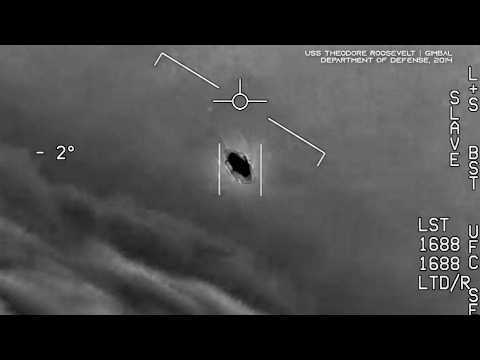
Declassified: Pentagon UFO Files Explained
The video begins with a reference to a statement from the Air Force's Scientific Advisory Board regarding UFOs, emphasizing that after 19 years of investigation, there is no evidence that unidentified flying objects pose a threat to national security. This statement sets the tone for the discussion, which revolves around the complexities and controversies surrounding UFO sightings and the implications for national defense.
As the conversation unfolds, the speaker notes that while some unidentified cases might suggest extraterrestrial explanations, such instances are rare. The discussion then shifts to a specific case involving the Davis-Monthan Air Force Base, where a public affairs officer mentioned a "snowbird" aircraft that could explain some lights seen in the sky. This anecdote illustrates the often ambiguous nature of UFO sightings, where potential explanations can range from military exercises to misidentified natural phenomena.
The speaker continues by stating that most UFO reports are typically misidentifications of known objects, such as airplanes or planets, with a small percentage remaining unexplained despite rigorous investigation. The acknowledgment of unidentified cases, even by skeptics, highlights the ongoing mystery surrounding UFO phenomena.
Transitioning to the broader context, the speaker discusses the growing interest in UFOs, particularly among researchers who seek answers and transparency regarding unidentified aerial phenomena (UAPs). The push for disclosure is underscored by the involvement of political figures like Senator Harry Reid, who advocated for investigations into Navy videos depicting UAPs, emphasizing the potential national security implications of these sightings.
In a notable moment, the speaker recounts how the COVID Relief Bill during the Trump administration unexpectedly included provisions for UAP studies, leading to the release of a preliminary report from the Pentagon. This report, although only nine pages long, generated significant interest and concern among ufologists who anticipated more substantial revelations about UFOs. The speaker expresses disappointment at the report's brevity and the lack of public reaction, suggesting that the implications of the findings were not fully appreciated.
Despite the report's limited scope, it did indicate the existence of objects that defied explanation, prompting further questions about their origins. The discussion then shifts to the nature of these unidentified objects, raising possibilities about whether they could be advanced technologies from foreign adversaries, such as China or Russia, or even extraterrestrial in nature. The speaker emphasizes the need for an objective investigation into these phenomena, acknowledging the secretive nature of government studies like the Advanced Aerial Threat Identification Program (AATIP), which had been unknown until its revelation in 2017.
The conversation continues with a critical examination of the government's historical approach to UFOs, characterized by secrecy and skepticism. The speaker argues that an admission of the reality of UFOs would undermine the credibility of government institutions that have long denied their existence. This sentiment reflects a broader frustration with the lack of transparency and the tendency to dismiss credible sightings as hoaxes or misidentifications.
As the discussion progresses, the speaker highlights the importance of changing the narrative surrounding UFOs and the need for more individuals, particularly military personnel, to come forward with their experiences. The stigma attached to reporting UFO sightings has historically discouraged many from sharing their encounters, leading to a culture of silence and ridicule. However, recent developments, including the acknowledgment of UAPs by the Navy, have begun to shift this dynamic, encouraging more open dialogue about these phenomena.
In a pivotal moment, the speaker references the UAP Task Force's examination of 144 cases dating back to 2004, noting that only one case was definitively identified. This statistic underscores the challenges faced by investigators in categorizing and understanding UFO sightings. The speaker emphasizes the need for a more thorough examination of these cases, particularly given advancements in radar technology that have allowed for better tracking of unidentified objects.
The conversation then delves into specific incidents, such as the Tic Tac UFO sighting, where military pilots reported encountering objects exhibiting extraordinary speeds and maneuvers beyond the capabilities of known aircraft. The speaker discusses the implications of such sightings, questioning whether these objects could be advanced military technology or something entirely different. The mention of the Gimbal video further illustrates the perplexing nature of these encounters, as pilots express astonishment at the capabilities of the objects they observed.
Throughout the discussion, the speaker reflects on the historical context of UFO sightings, noting that reports of strange objects in the sky have existed for centuries. The speaker argues that the dismissal of these sightings as mere fantasy has hindered scientific inquiry and understanding of the phenomena. The conversation touches on the need for a more open-minded approach to investigating UFOs, acknowledging that while skepticism is essential, it should not preclude the exploration of credible evidence.
As the video progresses, the speaker addresses the role of the media in shaping public perception of UFOs, highlighting how coverage has evolved from ridicule to a more serious examination of the subject. The acknowledgment of UFOs by credible sources, including military personnel, has contributed to a shift in how these phenomena are viewed, prompting calls for further investigation and transparency.
In closing, the speaker reiterates the importance of seeking the truth about UFOs and the need for a collective effort to understand these phenomena. The conversation emphasizes that while many questions remain unanswered, the pursuit of knowledge and understanding should not be stifled by fear or skepticism. The speaker expresses hope that continued investigation will lead to greater clarity about the nature of UFOs and their implications for humanity.
Ultimately, the video serves as a call to action for researchers, military personnel, and the public to engage in open dialogue about UFOs, fostering a culture of inquiry that prioritizes transparency and understanding over secrecy and ridicule. The speaker's passion for uncovering the truth about UFOs resonates throughout the discussion, highlighting the ongoing mystery and intrigue surrounding these enigmatic phenomena.
The transcript describes several incidents of unidentified aerial phenomena (UAPs) that have garnered attention from military personnel, researchers, and politicians.
- Date and Location: The transcript references various sightings without providing specific dates for all incidents. However, notable incidents include those related to the USS Nimitz, which occurred around 2004 off the California coast.
- Witnesses: Key witnesses include military pilots from the USS Nimitz and USS Theodore Roosevelt, specifically mentioned are the pilots involved in the sighting of the Tic Tac UFO. Names like Alex Dietrich, a top gun fighter pilot, are cited, indicating credible military personnel are involved.
- Observation: The Tic Tac UFO is described as a small, Tic Tac-like object, capable of extraordinary maneuvers, such as rapid acceleration and flight against strong winds. Pilots noted the absence of visible exhaust plumes or wings, suggesting advanced technology.
- Key Factors: The sightings are connected to military exercises and were recorded on advanced military radar. Video evidence exists, notably three videos released by the Navy, which confirm the presence of these unidentified objects. However, the transcript mentions that the Pentagon's report does not explicitly use the terms "aliens" or "extraterrestrial," leaving the nature of the phenomena open for interpretation.
Overall, while the transcript highlights fascinating incidents with credible witnesses and technological implications, it lacks specific details on all sightings, such as the precise date and additional witness counts beyond those mentioned.
- [11:39] "The wind's 120 knots to the west. Look at that thing, dude."
- [12:24] "It's like a small Tic Tac, but obviously larger in dimensions when it was pursued by the military jets."
- [18:28] "Look at that thing!"
The term UAP (Unidentified Aerial Phenomena) is mentioned in the context of evolving terminology around unidentified flying objects (UFOs). The speaker indicates that the shift from 'UFO' to 'UAP' reflects a more scientific and serious approach to the study of these phenomena.
While the transcript does not provide a formal definition of UAP, it suggests that UAP encompasses a broader category of unidentified aerial occurrences that are not necessarily linked to extraterrestrial origins. The change in terminology from UFO to UAP implies that the investigation into these phenomena is now viewed through a lens of potential technological advancements or national security concerns rather than solely extraterrestrial implications.
The distinction between UAP and UFO is subtly noted through the discussions of how UAPs are investigated and perceived in contemporary society, emphasizing that not all unidentified phenomena may have non-human origins. This is particularly relevant in the context of military sightings and governmental investigations, where the focus is often on potential threats rather than extraterrestrial explanations.
Overall, while the transcript mentions the term UAP, it does not provide a detailed definition or a thorough distinction from UFOs, but indicates a shift in how these phenomena are approached.
- [27:27] "Isn’t that interesting? Yeah."
- [26:11] "If you had a top 10 list of theories, you’d have to put it in there somewhere."
- [27:22] "...what they are, we don’t know."
Several government or military UAP/UFO programs are referenced in the transcript, highlighting a history of investigation into unidentified aerial phenomena.
- Project Blue Book - United States Air Force: This program, initiated in the early 1950s and officially closed in 1969, aimed to investigate UFO sightings and determine if they posed a threat to national security. Findings were often inconclusive, with many reports attributed to misidentifications of known objects. The program is characterized as a front for public relations rather than a thorough investigation of the phenomena.
- AATIP (Advanced Aerial Threat Identification Program) - United States Department of Defense: This secretive program was revealed to the public in 2017 and focused on UAPs. AATIP sought to analyze military sightings and collect data on unidentified objects, although details regarding its findings remain largely classified.
- Scientific Advisory Board Report - United States Air Force: The report published by the Air Force's Scientific Advisory Board concluded that, despite numerous sightings, there was no evidence that UAPs posed a threat to national security. This indicates an ongoing effort to assess the implications of UAPs while maintaining secrecy about specific findings.
The level of secrecy varies among these programs, with Project Blue Book being publicly known yet criticized for its lack of depth, while AATIP operated under classified parameters. The transcript suggests that while some information has been disclosed, much remains concealed, particularly concerning the underlying nature of UAPs.
- [22:41] "I believe there's a classified version of this."
- [40:09] "...the Air Force is charged by an Act of Congress for the air defense of the United States."
- [39:48] "What a wonderful disclosure that was to really put their hands up and say, 'We don’t know what this is.'"
The transcript outlines various claims regarding government suppression, withholding, or controlling information related to UFOs and UAPs. Key points include:
- Secrecy and Cover-ups: The narrative suggests that governments, particularly the U.S. military, have a history of concealing information regarding UFO sightings and related phenomena. One speaker notes, "Governments have secrets..." highlighting the inherent distrust in government transparency.
- Pressure on Witnesses: The transcript implies that military personnel and pilots have historically faced significant pressure to remain silent about their sightings. For example, it is mentioned that military personnel were previously ordered not to speak about sightings and were required to sign forms indicating the information was top secret.
- Official Ridicule: The discussion also touches on the ridicule faced by those who report sightings. Many pilots reportedly refrain from making public reports due to fear of being labeled as crazy or facing backlash from their peers and superiors.
- Classification of Data: The level of classification surrounding UFO data is significant, with claims that much information remains classified or unreported. As one speaker indicates, "...the government can keep secrets, they really can," suggesting that there is a deliberate effort to control the narrative surrounding UAPs.
Overall, the transcript indicates a longstanding culture of secrecy and intimidation surrounding UAP reporting, which has led to skepticism and frustration among those seeking transparency.
- [23:42] "...you don’t need to know, we need to know, you don’t."
- [49:08] "Trust is broken and it’s so hard to come by good trust in it."
- [24:30] "...who continually deny the reality, then I’m afraid they need to be open about this because we want to know the truth."
The transcript reflects a significant evolution in public opinion regarding UAPs and UFOs over time. Initially viewed with skepticism and ridicule, there has been a marked shift in perception, especially following key events and revelations.
- Initial Skepticism: Historically, sightings of UFOs were often dismissed as hoaxes or misidentifications. The transcript notes that some researchers and military personnel felt that the establishment's denial of UFOs contributed to public ridicule, making it difficult for credible witnesses to come forward.
- Key Events: The turning point can be traced to the release of videos by the Navy and the subsequent acknowledgment by government officials that UAPs exist. One speaker notes, "There was a complete transformation..." indicating that media coverage has started taking the subject seriously, moving away from ridicule.
- Government Acknowledgment: The Pentagon's admission of the existence of UAPs, as well as their ongoing investigations, represents a shift in official stance, moving the discussion into a national security context. This evolution is underscored by the release of the Pentagon report, which stated they could not identify many sightings.
- Broader Acceptance: Today, public and scientific attitudes towards UAPs are becoming more accepting, with discussions now taking place in reputable forums. There is an acknowledgment that UFO phenomena are complex and require serious consideration, as reflected in the transcript's emphasis on the need for continued investigation.
In summary, the transcript illustrates a journey from skepticism and ridicule to a more open and serious dialogue about UAPs, influenced by government acknowledgments and media coverage.
- [56:28] "...the subject is interesting enough without you making fun of it."
- [56:47] "...we’re now looking at a phenomena, yes it’s been with us through millennia, but it seems to be increasing."
- [54:07] "Ufology was looked upon as a silly season subject."
[00:05] - I would like to close by reading a very brief excerpt[00:08] from the report of the Air Force's[00:09] Scientific Advisory Board which they made recently[00:13] upon completing a detailed review of the subject of UFO.[00:16] This is the statement.[00:18] "The committee concluded that in the 19 years[00:21] since the first UFO was sighted,[00:23] there has been no evidence that unidentified flying objects[00:27] are a threat to our national security."[00:57] - Cases that remain unidentified,[01:02] and that some people would say is an argument[01:05] for there being an extraterrestrial explanation, are very rare.[01:11] - So what it basically came down to[01:13] was asking Davis-Monthan's public affairs officer,[01:15] look, I know your last plane down[01:16] was down no later than six p.m.,[01:18] but maybe was there anybody visiting?[01:20] Was there another unit there?[01:21] TDY, temporary duty?[01:23] Maybe another state? Something?[01:25] And his answer was, "Oh yeah, a snowbird."[01:28] It's just a potential answer.[01:30] We're not saying this is the answer.[01:31] We're just saying this is yet another piece of the puzzle[01:33] that could explain those lights.[01:34] And I can't give a definitive explanation.[01:36] I can just tell you that our planes were out there[01:39] and this is a possibility.[01:41] People could have mistaken these flares[01:42] for some kind of unidentified object.[01:45] - Most cases, we get are misidentifications,[01:48] the occasional hoax, you know.[01:51] Airplanes, planets, you name it.[01:54] And there is a small percentage that at the end of the day[02:00] no matter how hard you try, and I can be as skeptical[02:03] as anyone, and I am, there still remains[02:07] cases that are unidentified.[02:14] Now it's going backwards.[02:16] Three, two.[02:17] - Engine sequence starts. - One, zero.[02:19] One, zero, launch commit.[02:20] We have a liftoff.[02:21] - There were some other UFO researchers[02:23] that wanted answers with regards to the reality of UAPs,[02:27] for them to at least come forward to state they're real,[02:29] because a lot of us researchers are pooling[02:32] all of our resources together and wanting disclosure.[02:34] We want people to know the truth.[03:07] - Well, eventually it was through Senator Harry Reid.[03:10] He was made aware of these videos coming from the Navy,[03:14] the United States Navy.[03:22] Some of these videos were leaked to him[03:24] and he became aware of we need to know what's going on here,[03:28] because it could have been a national threat,[03:30] a threat to the defense of the United States.[03:33] So, he pushed for that to go through the Senate,[03:35] and he asked questions in the Senate[03:37] that we need answers to this,[03:38] and we wanna speak to the pilots who left the USS Nimitz[03:43] and the USS Theodore Roosevelt,[03:45] which was two of the main aircraft carriers,[03:48] and dispatch those aircraft to go towards[03:51] these unidentified flying objects.[04:29] - They had what's called, in the last months[04:31] of Trump's presidency, the COVID Relief Bill.[04:37] You think, well what do UFOs have to do with COVID?[04:40] Nothing, but it was the kind of bill you could add to things on.[04:46] And the UAP study was one of those things that was added to it.[04:51] It was gonna go through Congress anyway, and hey presto,[04:55] out came the preliminary report.[04:58] - As ufologists, we were waiting[04:59] for this long-awaited report coming from the Pentagon,[05:02] which was allegedly going to blow the lid[05:04] to any UFO phenomena and give us more answers[05:07] to what we've been looking at.[05:09] So I was really surprised when it came out.[05:11] It was only about nine pages or so when it officially came out.[05:14] - What's interesting is the onslaught of this release[05:16] of a document with regards to UAPs, how many pages was it?[05:21] Nine pages? And did the world react to it?[05:23] No. It's alarming.[05:25] - Clearly within the lines of that report,[05:28] they were saying that there are objects that defied explanation.[05:49] Echo 61 Tango.[05:55] Look at that thing![05:58] It's roasted.[06:17] - Is it our own technology?[06:18] Is it the Chinese?[06:20] Is it the Russians?[06:21] Because at the end of the day, come what may,[06:23] they've got to look at this in an objective manner.[06:28] We found out that there had been[06:30] a secret study called AATIP, A-A-T-I-P,[06:34] Advanced Aerial Threat Identification Program,[06:37] that as part of its work looked into UFOs.[06:40] Nobody knew that that existed up until 2017[06:46] when it was released in "The New York Times."[07:03] Governments have secrets.[07:07] It's part and parcel of governments, is to keep secrets.[07:10] - If there was an admittance by the establishments[07:13] that UFOs and aliens were real,[07:15] it would cast doubt upon their authenticity[07:18] because they have concealed this subject for decades.[07:21] You know, looking for life out there is brilliant,[07:24] but then will the establishments tell us the truth?[07:27] No.[07:28] And we're finding that over and over again,[07:30] so no matter what is found, what is discovered,[07:33] what is brought to the table, if it's a threat to society,[07:38] or it's something the military establishment,[07:40] most notably the military establishment,[07:42] want to keep secret, you can bet your bottom dollar[07:45] they'll bury it.[07:46] They'll patent it and push it away.[07:48] - You imagine being in their position.[07:50] They've managed to keep a tight lid on it for 70 years.[07:53] And so, they've become absolute masters[07:55] at covering things up and putting out alternative theories[07:59] so that the public are sort of dissuaded[08:02] from believing what's really happening.[08:04] - Things need to change.[08:05] I think it's time to stand up and say we're fed up being lied to.[08:17] Someone in the military is sick and tired of the lies[08:20] and the disinformation that they keep bringing forward,[08:23] and, you know, fobbing off to the general public.[08:26] Someone wanted this out and I'm glad that they did[08:28] because they were the only ones that could do this.[08:30] If it was like the likes of me or someone else[08:33] coming forward with oh, look at this film footage[08:36] of this UFO, they wouldn't buy it.[08:38] They wouldn't have it.[08:39] It had to come from a official source.[08:43] - Well, mainly they focused on a criteria,[08:45] a couple of hundred or so sightings.[08:48] It was particularly unusual.[08:56] The thing about it, that's a lot.[08:57] Out of that only one they could identify.[09:00] - It's okay looking at a still picture of something[09:03] from a distance, but you're not getting the perspective[09:06] of how big it is, how it's moving, or anything else.[09:09] When you look at the one they identified[09:11] that was a Batman balloon, as it was zoomed in,[09:15] it was quite obvious.[09:17] - They did say if they looked into some of the others,[09:19] they might also fall into similar categories,[09:22] you know, balloons, astronomical objects.[09:26] What it does show is that A, they're looking at them properly,[09:29] they're not just taking them at face value,[09:31] and it also shows that even though you are[09:34] a member of the U.S. military, you can be fooled.[09:38] If you're a pilot and you report X, we have to believe you[09:41] simply because you're a pilot.[09:44] All pilots are like you and I, they're human.[09:47] They have their own belief systems and they can make mistakes.[09:50] - Straight away you could tell it was nothing of the sort.[09:54] And it was a bit misleading that they actually released that[09:58] as being a UFO when it so obviously wasn't.[10:03] And all of the cases come from military sources.[10:07] So, there's no reports from members of the public.[10:10] - We're really getting into the nitty-gritty now.[10:12] They're talking about high standard, academic people.[10:18] With the ordinary mind in the street,[10:20] who's also seen these things, let's not forget,[10:22] then we're dealing with true stories as well.[10:24] Just because it's Air Force pilots[10:26] and not Joe Blogs in the street, it's still the same phenomena.[10:31] Irrespective of if it's a pilot or Missy Smith,[10:34] they're seeing the same exact objects.[10:42] - The UAP Task Force looked at 144 cases[10:48] going back to 2004.[10:52] One of the reasons going back to 2004 is that,[10:57] and it was said by one of the pilots,[10:59] they had actually upgraded the radar facilities[11:03] that they had and it was since then[11:06] that they've now been able to track these things.[11:09] So, maybe we just didn't have the technology.[11:12] If they'd have used data prior to 2004,[11:15] it might have opened another can of worms for them,[11:19] one that perhaps they didn't have control over.[11:23] The reason for 2004 is because of the Nimitz sightings[11:27] and then the films that were taken.[11:30] Oh! Got it![11:32] There's a whole fleet of 'em, look on the SA.[11:35] My gosh![11:38] They're all goin' against the wind.[11:39] The wind's 120 knots to the west.[11:42] Look at that thing, dude.[11:43] - The only thing about the footage, it's not very good quality.[11:47] I do know that the quality could be better[11:51] and they've probably got better.[11:52] So the question does arise,[11:54] why did they release such a grainy, awful image?[12:00] - We know that the three videos that came to light[12:02] that were connected with the Navy are original.[12:05] Maybe someone within the high establishments[12:07] wanted this to get out.[12:10] - Whether it was leaked and then they had to disclose[12:13] because it was leaked, is a bit of a gray area.[12:20] - One called the FLIR, forward looking infrared.[12:24] - It's like a small Tic Tac, but obviously larger[12:26] in dimensions when it was pursued by the military jets.[12:30] - That was seen at very low altitude[12:32] to begin with over the water.[12:34] This was a Naval exercise off the California coast.[12:40] So you've got half the fleet there.[12:42] There was four fighters.[12:43] One was the U.S., the other's the enemy.[12:46] They were playing war games.[13:02] And they lock onto it, and they've got it locked on,[13:04] then all of a sudden it just goes, pop, and it's gone.[13:10] After seeing this thing, the fighters' rendezvous[13:14] 60 miles away at certain point,[13:16] only the pilots knew where that rendezvous point was.[13:19] So, none of those on the aircraft carriers[13:21] who were following all this on radar knew where they were going.[13:25] But of course when they got there, what was waiting for 'em?[13:30] The Tic Tac.[13:32] - So, they would were wantin' to know why has this been filmed?[13:36] Why are they going at terrific speeds?[13:38] Far outweighs the normal capabilities[13:41] of American military aircraft.[13:43] - It was said to be traveling at 46,000 miles an hour,[13:48] which is about 10 times the speed of sound.[13:52] - Now, the G-Force on that was such[13:55] that if that was a normal aircraft[13:58] with a normal pilot, he would be dead.[14:00] - How did it know that they would be at that point?[14:17] And another one called the Gimbal.[14:19] And they locked on it, and you hear the pilots as well,[14:22] communicating with each other and saying,[14:25] "Geez, look at that thing.[14:27] There's a whole fleet of them."[14:29] There's a whole fleet of 'em. Look on the SA.[14:32] My gosh![14:35] They're all goin' against the wind.[14:36] The wind's 120 knots to the west.[14:39] Look at that thing, dude.[14:41] - The object they saw, they didn't see it.[14:43] It was on radar.[14:45] And if you look at the footage and the data on the footage,[14:48] you can see at the top of the screen it says IR,[14:52] which is it's in the infrared.[14:58] That's not the L&S, though, is it?[15:00] That is the L&S, dude.[15:01] - But if there's- - Look at this thing![15:04] It's rotating.[15:05] - It was flying erratically.[15:08] There was no visual exhaust plumes[15:11] and there was no visual wings or arrow foils, you know,[15:15] that you would expect to see on an aircraft.[15:29] Echo 61 Tango.[15:32] Oh! I got it![15:35] Woohoo![15:35] Roger, troubleshooting-Can you botch a moving target?[15:43] No, I took it auto strike.[15:44] Oh, okay.[15:46] Oh my gosh, dude.[15:47] - Wow! - What is that, man?[15:50] - Contradict myself here. There we go.[15:52] I've been saying that for years, years and years.[15:55] You finally, finally capture something on videotape[15:59] that people have been seeing for hundreds of years.[16:03] That's a good side.[16:04] But the bad side is just niggling away at the back of me[16:07] is the wonderment, is could it be our own technology?[16:11] And they're happy.[16:12] The American military mustn't be happy for it[16:14] to be masquerading as a fanciful UFO[16:17] because it takes away what it truly is.[16:21] - When I was serving in the Air Force,[16:23] the first time I saw the Stealth Bomber was in the Gulf War[16:28] and it had been out for years.[16:30] If you didn't know what you were looking at,[16:32] you would look again and think it was not normal.[16:38] - If it's their own technology,[16:40] then why are they keeping it so secret?[16:43] Surely they'd wanna showcase it to Korea,[16:46] Chinese, and the Russians.[16:47] "Hey, look what we've got.[16:48] Look what we've got."[16:50] - They said, well, it could be the Russians or China.[16:54] We don't think it is, but it might be.[16:58] So is that sort of a backdoor way of saying[17:01] we need more money for the defense budget just in case[17:06] these things are our foreign adversaries?[17:08] - Have they devised some fantastic craft[17:11] that can exceed the capabilities of modern aircraft?[17:14] And if so, we have to be very concerned with that.[17:18] So, obviously we have to look over the fence[17:20] to the possibilities that it's another country.[17:23] That said, I still believe we're dealing[17:27] with something extraterrestrial or interdimensional.[17:30] - When you look at what they spent[17:31] at the Department of Defense, think it was 22 million,[17:34] compared to the overall defense budget,[17:37] which goes into the trillions, it's a trifle, you know.[17:43] Might sound a lot of money to us, but it is nothing.[17:46] - Now we're on a roll, so to speak,[17:48] that maybe the powers that be will say,[17:49] "Okay, we need to find out a wee bit more about this.[17:53] Here's the money."[17:54] Because when you look at the money[17:55] that goes into the black budget program[17:57] of American military machine,[17:59] millions of dollars go into the funding[18:01] of these new aircraft and stuff like that.[18:03] Let's have a wee chunk of that and look properly[18:06] at the UFO enigma because it's now crying out[18:09] for this demand for answers.[18:21] Echo 61 Tango.[18:23] Oh! I got it![18:26] Woohoo! - Look at that thing![18:28] - There's no definitive conclusion.[18:29] They've said that some of 'em could be misidentifications,[18:33] things that we all know about.[18:35] One is balloons, you know, atmospherics,[18:38] a whole host of things that we've seen in the sky.[18:42] And then they've got the, the last one is other.[18:45] They have a category in that report called other,[18:49] and that can be anything.[18:51] But what you will not find anywhere mentioned in the report[18:54] is the word aliens or extraterrestrial.[18:57] Those words are not in it anywhere,[18:59] but you could say that they're in the other category.[19:03] - And it was more get in line with how we can safeguard[19:07] our pilots and the crew of being in danger in these situations.[19:13] They kept using the weather balloon hypothesis.[19:15] We've still not got away from that[19:17] since the inception of Roswell.[19:19] - The way they came to that conclusion[19:21] is because the Americans believe[19:22] that they have the most advanced military technology[19:27] and this was beyond them, beyond their capabilities.[19:31] And I think it frightened the living daylights out of them.[19:35] - There must be more footage out there of objects[19:37] doing similar characteristics as the Tic Tac videos.[19:41] This footage is somewhere within the confines[19:43] of the vaults somewhere in the Pentagon.[19:49] We know that from the 1940s.[19:51] Many aircraft in the American Air Force was followed by[19:54] what's known as the foo fighters, as were the Germans,[19:57] the German air force, and each country thought[20:00] it was a secret device of the other.[20:02] And it wasn't till after the war when records were displayed[20:06] that nobody knew what these foo fighters were.[20:09] And it was just a ball of fire appearing on the wing tips.[20:13] - We'll go back to AATIP.[20:15] Nobody had a clue. Nobody.[20:19] Because it was small.[20:20] It was somewhere within the Department of Defense,[20:23] didn't have a huge staff.[20:24] It's like the old story,[20:25] "I'm gonna tell you this, but don't tell anybody.[20:27] I'm only telling you 'cause you're my best mate."[20:30] So I tell you the story, and then you go[20:32] and tell your next best mate,[20:34] and he'll go and tell his, and eventually it comes out.[20:37] That's just the way human nature is, but nobody had a clue.[20:42] Nothing.[20:43] So we have to remember that when they want to,[20:46] the government can keep secrets, they really can.[20:49] It's given rise to suspicion.[20:51] What are the other?[20:52] Have we got an AATIP version?[20:55] Well, the Ministry of Defense, if you ask them,[20:56] are bound to say no, because it's secret, you know?[20:59] So there is no point in asking in the first place.[21:02] It's unlikely, but you can't rule it out.[21:05] It was only going a small number of years.[21:07] I think they spent 20-some million dollars or pounds,[21:13] and it's claimed that Luis Elizondo was the head of it.[21:18] And he had become dissatisfied[21:22] that they weren't making enough progress.[21:24] In other words, I think there was obstacles put in,[21:28] not just in the way, but purposely put in the way.[21:32] He felt that the phenomena was worthy of study[21:37] because of the information that they had gathered.[21:40] So, he resigned.[21:42] And it was only because he resigned,[21:45] that he eventually went public with the support of,[21:47] you know, various politicians and UFO researchers as well.[21:53] And the rest has followed.[21:56] - When someone comes to you who's in charge[21:57] of a multi-million dollar weapon platform,[22:00] who maintains a top secret security clearance,[22:03] who is paid and trusted by this country[22:05] to go fight wars and to fly over cities with live munitions,[22:11] and by the way, they're trained observers[22:13] with millions of dollars invested in their training,[22:16] I would submit to you it's pretty compelling.[22:17] But on top of that, it's not just the eyewitness testimony.[22:21] It is actual electro-optical data and radar return.[22:26] - Elizondo will tell you,[22:28] he said there's a lot more to come because I saw it.[22:33] - It should have been a real in-depth report[22:36] with it being such an important subject.[22:39] - I believe there's a classified version of this.[22:41] We were speaking with some of my colleagues[22:43] the other day about that.[22:44] I think it's about 96, 97 pages long,[22:46] and it really, it really goes into the nitty gritty[22:49] of what they truly believe is behind this wonderful footage.[22:53] I would like to think that that report will also come out,[22:57] but if it does, will it be doctored?[23:00] Will it be heavily censored?[23:02] I mean the American government have now agreed[23:05] and lifted the secrecy on the Tic Tac UFOs,[23:08] and so therefore I would like to think that maybe[23:10] this ongoing report will come out and show us more, a lot more.[23:17] - The government is multifaceted.[23:20] There are times when one department doesn't know[23:22] what the other department's doing.[23:24] It's on a need-to-know basis.[23:26] You don't need to know that the elephant's got ears.[23:29] You're workin' on the trunk.[23:31] You know, it's as simple as that.[23:34] And that could be another reason why they've tailored[23:36] the UAP Task Force.[23:37] Now you don't need to know.[23:39] It comes through us, and you all out there,[23:42] you don't need to, we need to know, you don't.[23:44] - If they did come forward and say, "Yes it's real,"[23:47] because of all the people who have come forward to state[23:51] they've had these experiences and were laughed at[23:53] by the media cartel, how is that all gonna fare?[23:56] It's gonna go tops up.[23:59] Everything's gonna tip up.[24:00] And the way I see it is damn them.[24:04] Damn them for what they've done,[24:06] because it's the truth that we know is the truth.[24:08] They're telling you that it doesn't exist[24:10] and there they are above you?[24:14] Technology that we don't have here.[24:17] Trust me when I tell you that when you're in their presence,[24:21] that changes everything.[24:23] People'll tell you what they think you saw.[24:25] They didn't see what you saw.[24:27] So for those establishments of power[24:30] who continually deny the reality,[24:33] then I'm afraid they need to be open about this[24:37] 'cause we want to know the truth.[24:54] - It was able to move sideways right and left[24:58] and tilt over backwards.[25:02] Oh![25:05] It had to be something of an alien spacecraft[25:07] of some sort 'cause it was going so damn fast.[25:11] I'd love to know what the hell it was,[25:12] but I'm sure that we're gonna discover aliens eventually.[25:16] - Well, everybody would like UFOs[25:18] to be beings from another world.[25:20] I mean, it's the most romantic theory,[25:22] but let's just stay there and say,[25:25] we have to remember it is a theory or a hypothesis.[25:28] It's called the ETH, extra terrestrial hypotheses.[25:33] And there are many theories of what UFOs may or may not be.[25:39] Oh my God.[25:44] What's that?[25:46] - Like here in the greater kingdom,[25:47] this is a phenomena that's touched every continent[25:50] on this planet.[25:51] - Are we dealing with phenomena, plural?[25:55] Rather than phenomenon, singular.[25:58] Could it be multiple things rather than any one thing?[26:02] So, me personally, I wouldn't rule any of them out,[26:05] you know, and that includes extraterrestrials.[26:07] If you had a top 10 list of theories,[26:09] you'd have to put it in there somewhere.[26:11] Saw those white flashes again in the sky,[26:17] and thought I'd come out here[26:20] and just kinda look around a little bit.[26:23] 360. Here's the sand dunes.[26:25] That's the north.[26:30] There's the sound, of course.[26:38] I was walkin' along here towards the west.[26:47] Oh, geez![26:49] Goodness gracious.[26:51] It's over those dunes right there.[26:54] Over the dunes.[26:57] Oh my God.[26:59] There she is.[27:01] There she is right there.[27:04] Oh my God.[27:05] - I just hope that they tell us, yes, they are real,[27:10] and they bring us that hard evidence[27:12] to prove that we are not going mad.[27:15] You know, that we have seen UFOs,[27:17] that we have seen them at close range.[27:19] They are real, but what they are, we don't know.[27:22] And it's interesting, isn't it,[27:23] how they've changed the acronym from UFO,[27:27] unidentified flying object, to unidentified aerial phenomena.[27:33] Isn't that interesting? Yeah.[27:35] So, it feels like they've upgraded[27:37] from the typical 1950s flying saucer[27:41] woo woo woo woo type thing coming from another planet[27:44] to aerial phenomena, which to me that's kind of spooky[27:49] because it's almost an admission as though[27:51] we're going into dimensions[27:54] or the theory of interdimensional reality.[27:57] - Within the field of ufology,[28:00] UAP's a much more accurate term, but I can tell you now,[28:03] if you went to your local shopping mall,[28:06] your local shopping center and stopped[28:08] the first hundred people that went past you[28:10] and said, "What's a UFO?"[28:14] 99 out of a hundred will say an unidentified flying object,[28:18] a spacecraft, or words to that effect.[28:21] If you said, "What's a UAP?"[28:24] What?[28:26] - Now ridicule has been a very unfortunate factor in this thing.[28:29] I know, but what it boils down to that anybody[28:32] reports one now, they'll say, "You're crazy.[28:34] Look what the Condon report said."[28:35] Now, if we let the Condon report go unchallenged,[28:40] we would be guilty of letting these people be victimized,[28:43] and there are many people who have been badly hurt[28:45] by official ridicule after a sighting.[28:48] Airline pilots today, most of 'em will not report[28:50] a sighting publicly.[28:52] Many pilots have told me, he said,[28:53] "I wouldn't report one to the Air Force[28:55] if the thing flew right in the cockpit."[28:59] - One thing that I noticed in the Pentagon's report,[29:01] there was one chapter, which was also in a different color.[29:06] And it was trying to do away with the stigma[29:10] that's attached to the subject,[29:12] and encourage the various military people to come forward.[29:18] - In the old days, if they had reported something[29:20] or tracked it on radar while in flight,[29:23] they were ordered not to speak about it.[29:26] They were told that they had to sign a form[29:29] to say that that is top secret,[29:31] and otherwise they'd lose their jobs.[29:33] I think now that this admittance by the Navy[29:35] has certainly brought a lot of people out[29:38] and it's given us hope in the fact that if these guys[29:42] are saying they're real, then obviously we're dealing[29:45] with something that is an unusual phenomena.[29:48] - You may have noticed a lady pilot called Alex Dietrich.[29:52] She was one of those involved in the Tic Tac sighting.[29:55] She was a top gun fighter pilot.[29:58] She has no interest in the subject,[30:01] but she came out of the woodwork, went on the record,[30:04] simply to show, look, if you report these sightings,[30:08] forget the conspiracy theories.[30:10] You're not gonna lose your pension, you're not gonna get fired.[30:14] And she was openly encouraging others[30:18] to do exactly the same as she had.[30:22] So, I think that's a very positive move, I really do.[30:24] - We are here today to disclose the truth[30:28] about a subject that has been ridiculed[30:31] and questioned, denied for at least 50 years.[30:36] The men and women who are on this stage[30:39] and the some 350 additional military intelligence witnesses[30:46] to the so-called UFO matter[30:49] and extraterrestrial intelligence can prove[30:52] and will prove that we are not alone.[30:56] - Well, what we have to bear in mind is that many[30:58] of these Naval personnel, military personnel,[31:01] Air Force personnel have signed the Official Secrets Act,[31:05] and back in 2001 at the American Press Club,[31:07] all these generals are lined up, medals, braids,[31:11] and all the rest, and I went, "Here we go, at last."[31:13] These are not men in the street.[31:16] These are military men who's had their own UFO sightings,[31:19] sightings of strange craft above silos,[31:21] switching off the silos, et cetera, missiles,[31:24] the Minuteman missile.[31:26] A lot of these guys are there to tell the media[31:28] and the press, and they told their stories of what they saw.[31:31] And then it was yesterday's news.[31:33] And I was so disappointed at that.[31:35] So, when the Pentagon report came out, I was fearful,[31:39] are we gonna get the real deal here?[31:41] But it came out and it did say something[31:42] that I was not expecting.[31:44] We can't identify these objects.[31:56] - What they have confirmed,[31:57] like our own Ministry of Defense have been saying for years,[31:59] yes, we know there are things in the sky[32:01] that we can't identify, but unless they're a threat,[32:04] we're not interested.[32:05] The U.S. Department of Defense have gone one further[32:08] and said, "Yeah, we just don't know what they are yet."[32:29] Have any targets up here?[32:30] We just had somethin' go right over the top of us.[32:33] - Commercial airlines certainly have a role to play[32:36] because earlier this year there was a commercial flight,[32:39] the voice cockpit recording's been released.[32:42] Part of New Mexico, they were flying.[32:44] I hate to say, this looked like[32:46] a long cylindrical object that almost looked like[32:48] a cruise missile type of thing moving really fast[32:51] and went right over the top of us.[32:54] - You can hear the surprise in his voice.[32:55] He's not frightened or anything like that,[32:57] but you can hear the excitement and surprise in his voice.[33:01] So, they certainly have a role to play.[33:02] Maybe that's something they might bring in further down the road.[33:05] Again, we'll have to wait and see,[33:07] but it wouldn't surprise me, let's put it that way.[33:10] We do know that when the Soviets, the Russians did a study,[33:13] they included civilian pilots.[33:16] Governments do take it seriously,[33:18] but it's to what degree and what they are looking for[33:22] when it comes to the UFO subject.[33:25] For example, when you look at our own Ministry of Defense,[33:28] they've been involved with it since the 1950s,[33:32] and they've consistently said that they only looked at UFOs[33:38] from a defense point of view, i.e., were any of these sightings,[33:42] incursions by our enemies?[33:44] In other words, the Soviets that it used to be or the Russians.[33:48] Once they could discount that, then that was it.[33:52] They didn't look any further.[33:53] So, yes, they took it serious, but for different reasons.[33:59] The French have taken it very seriously,[34:02] and part of their space program looks at UFO sightings.[34:07] So, it depends from country to country.[34:11] The United States has had[34:13] a strange relationship with the subject.[34:18] It's pretended to look at it seriously,[34:21] but at the end of the day, never really fulfilled the remit.[34:25] It was like on your school report: Could have done better.[34:28] - The fact of the matter remains[34:29] that they've now put themself on a pedestal[34:32] where they have come forward with these sightings.[34:34] There's a lot of stuff pre-2004[34:37] that demanded scrutiny as well.[34:43] - I am here to discuss the so-called flying saucers.[34:48] The Air Force interest in this problem has been due[34:52] to our feeling of an obligation to identify[34:57] and analyze to the best of our ability[34:59] anything in the air that may have the possibility[35:02] of threat or menace to the United States.[35:06] In pursuit of this obligation,[35:08] since 1947 we have received and analyzed[35:12] between 1 and 2,000 reports that have come to us[35:16] from all kinds of sources.[35:19] Of this great mass of reports,[35:21] we have been able adequately to explain the great bulk of them,[35:27] explain them to our own satisfaction.[35:30] We've been able to explain them as hoaxes,[35:34] as erroneously identified friendly aircraft,[35:37] as meteorological or electronic phenomena,[35:41] or as light aberrations.[35:45] However, there have been a certain percentage[35:48] of this volume of reports that have been made[35:51] by credible observers of relatively incredible things.[35:58] It is this group of observations that we now[36:01] are attempting to resolve.[36:05] Major Keyhoe, what is your opinion[36:07] of these new sightings of unidentified objects?[36:10] - With all due respect to the Air Force,[36:12] I believe that some of them will prove to be[36:14] of interplanetary origin.[36:16] During a three-year investigation,[36:17] I have found that many pilots have described objects[36:20] of substance and high speed.[36:22] One case, pilots reported their plane was buffeted[36:25] by an object which passed them at 500 miles an hour.[36:28] Obviously, this was a solid object[36:30] that I believe was from outer space.[36:32] - What people were seeing back in the '40s, the '50s,[36:35] '60s, and current day is more or less the same phenomena.[36:39] - Our basic difficulty in dealing with these is[36:42] that there is no measurement of them[36:45] that makes it possible for us to put them in any pattern[36:50] that would be profitable for a deliberate custom[36:55] sort of analysis to take the next step.[36:59] We have as of date come to only one firm conclusion[37:03] with respect to this remaining percentage,[37:07] and that is that it does not contain any pattern of purpose[37:12] or of consistency that we can relate[37:15] to any conceivable threat to the United States.[37:20] We can say that the recent sightings are in no way connected[37:25] with any secret development by any department[37:28] of the United States.[37:29] - Officially, you know it's what we started in the 1950s.[37:34] They did a thing called Project Sign.[37:36] That merged into Project Grudge.[37:39] And eventually we ended up with Project Blue Book,[37:42] which finished in 1969, closed officially in 1970.[37:47] You know, they've had involvement for decades.[37:50] That's official involvement.[37:53] But what about unofficial?[37:55] Where there's no central reporting area.[37:58] And then of course we learn later on in the 2000s,[38:02] we have AATIP.[38:03] Was there anything in between?[38:05] We haven't found that out yet. Possibly.[38:07] - Well, the aims of Project Sign initially[38:08] was to find out what validity were they in regards[38:11] to people claiming to see UFOs.[38:14] So, they had to find out exactly what was traversing[38:17] the American skies, because was that a threat?[38:20] The main stay of that particular report[38:22] was indeed the alleged crash at Roswell, New Mexico in 1947.[38:27] Today's edition presents a roundup[38:28] of the latest developments in the finding of a flying disc.[38:31] - Suddenly it was like UFOs are real,[38:34] and then the next day's newspaper,[38:35] "No it wasn't. It was a balloon."[38:36] So, quickly that story was suppressed as it usually is.[38:40] A few moments ago, I talked to officials[38:41] at Wright Field, and they declared that they expect[38:44] the so-called flying saucer to be delivered there,[38:47] but that it hasn't arrived as yet.[38:49] In the meantime, General Ramey describes the object[38:52] as being of flimsy construction, almost like a box kite.[38:55] He says that it was so battered that he was unable to determine[38:58] whether it had a disc form, and he does not indicate its size.[39:02] Ramey says that so far as can be determined,[39:05] no one saw the object in the air,[39:07] and he described it as being made of some sort of tinfoil.[39:10] - Some major UFO cases are poo-pooed, watered down, et cetera.[39:15] And the findings have concluded[39:16] there were no verifiable evidence to suggest[39:19] there was any threat to the defense of the United States.[39:24] Project Grudge itself, there's a name, isn't it?[39:26] I mean, they did not believe it.[39:28] Back in the '40s, the American military machine[39:31] was not even wanting to waste their time with these subjects.[39:34] They'd rather do other stuff, you know,[39:36] but they were commissioned to do this by the people.[39:39] So, they had to come up with some answer.[39:42] Here in 2021 and going forward, there's enough evidence[39:46] to suggest that we really, truly should be looking[39:48] at these sightings in the sky,[39:50] and again, gettin' back to this Pentagon report,[39:52] what a wonderful disclosure that was[39:55] to really put their hands up and say,[39:56] "We don't know what this is."[39:58] Massive difference from the 1940s[40:00] when they just wanted to put it away in the shadows.[40:04] - The United States Air Force in discharging[40:06] its responsibility for the aerospace defense of the nation[40:09] is called upon to investigate reports[40:12] of unidentified flying objects.[40:15] Two Air Force officers have over the years[40:17] been very closely associated with this activity.[40:20] Lieutenant Colonel Lawrence Tacker was formerly[40:23] the chief spokesman for the Air Force on the matter.[40:27] And Major Hector Quintanilla is now the chief[40:30] of Project Blue Book.[40:31] Major Quintanilla, what are the objectives of Project Blue Book?[40:36] - The objectives of the program are two-fold.[40:39] They're the same as they have been since 1953[40:42] when the regulations began.[40:44] First of all, to try to determine if the UFO phenomena[40:47] presents a threat to the security of the United States.[40:50] And second, to determine if the UFO phenomena[40:53] exhibits any technological advances[40:56] that could be channeled into research and development.[41:04] - Only had a small stuff in an office.[41:07] Its scientific director was the man[41:09] who invented the phrase close encounters, Dr. J. Allen Hynek.[41:12] - He became disillusioned because the military[41:15] were keeping the real cases for themselves[41:18] and giving him a load of the rubbish cases[41:22] and telling him to say this and to say that.[41:24] So, he then created his own[41:26] department of investigations after that.[41:28] - But slowly but surely Hynek came around and said,[41:32] "This is not right.[41:33] Some of these things I can't explain."[41:37] - Whilst the Air Force and that gathered these reports,[41:39] he was a scientist.[41:39] He had to look seriously at it.[41:42] His initial thoughts were it was swamp gas,[41:45] which made a lot of people laugh at the time, you know.[41:48] And then thankfully, J. Allen Hynek saw quite easily[41:53] that these reports, once he seriously looked[41:55] at these reports, he saw, wait a minute.[41:58] There is something going on here.[41:59] There truly, truly, truly is something going on here.[42:02] - The Air Force has been accused from time to time[42:04] of hiding information about UFO.[42:07] What do you have to stay to that, Colonel Tacker?[42:09] - Those charges are absolutely untrue.[42:11] Actually, the United States Air Force releases statistics[42:15] on the UFO phenomena through the Department of Defense[42:17] press desk periodically, and we've always honored[42:21] accredited media when they want to investigate[42:23] a given specific sighting.[42:26] There's nothing to hide.[42:27] - There's nothing to hide at all.[42:29] - Is there anything in the files,[42:30] either classified or unclassified,[42:32] that would indicate that there may be[42:34] extraterrestrial visitors over here?[42:37] - First of all, the project is completely unclassified.[42:41] And there's nothing in the records that would indicate[42:44] that we have been visited by any advanced civilization.[42:48] - There was an incident in the early 1960s[42:51] at Socorro, New Mexico.[42:54] Involved Police Officer Lonnie Zamora.[42:58] And he was chasing a speeding car,[43:00] and he noticed down in the canyon,[43:02] there was something else, so he let the speeding car go.[43:09] There was this white object down in the canyon.[43:11] So, he took off where he could get a better view of it,[43:15] and it was like an ovalish, roundish object on legs[43:21] with a strange red insignia on the front,[43:24] and lo and behold, there's two creatures,[43:27] two men standing next to it with some kind of white suit on.[43:33] He got out of the police car, went to approach it[43:36] when all of a sudden there's this noise.[43:39] This thing takes off with flames shooting out[43:41] from underneath it.[43:43] He literally jumped down behind his car for protection[43:46] and watched it disappear into the distance.[43:49] He got on the radio for assistance.[43:52] When his colleague got there,[43:54] the bushes where this thing had been was still smoldering[43:57] and it left three depressions in the ground[44:00] and, in inverted commas, footprints.[44:05] So, the FBI were brought in.[44:07] Hynek as part of Project Blue Book was brought in.[44:11] All this was filmed and photographed,[44:12] all the ground markings and so on.[44:15] Lonnie Zamora was a long-standing member[44:18] of the local police force.[44:20] There was a couple of other witnesses who saw this thing,[44:22] you know, flying over, and that kinda changed Hynek's stance.[44:27] How does the Air Force look upon people who make reports of UFO?[44:31] Do they look on them as qualified observers?[44:33] - Yes, they do look on them as qualified observers.[44:36] Actually, most people who report a UFO sighting[44:40] are patriotic citizens who have been mystified[44:43] by something that they've seen, and through a patriotic sense,[44:48] report it to the local law enforcement officials[44:52] or to the United States Air Force base near them.[44:55] - Well how about the tracking and detecting facilities[44:57] of the Air Force itself?[44:59] How did this one get through?[45:00] - Well actually, to begin with the United States Air Force[45:03] is charged by an Act of Congress[45:06] for the air defense of the United States,[45:07] and the North American Air Defense Command[45:09] and the Air Defense Command have space tracking facilities[45:13] which are constantly on the alert 24 hours a day.[45:17] We're interested in anything that flies in our atmosphere.[45:20] - Well, how about UFO reports in other countries?[45:22] How are they handled?[45:23] - Well, UFOs actually occur worldwide.[45:26] However, the United States is the only country[45:29] in the world that places as much emphasis on the phenomena.[45:35] Other countries place a burden of proof on the observer,[45:38] not on their air force.[45:39] And that would make your job a lot easier if they did that here.[45:42] - Yes, it would.[45:44] - What are we dealing with here?[45:45] Is this reality? Is it non-reality?[45:47] And the conclusion of that particular investigation[45:50] was, again, nothing was warranted.[45:53] No further investigation demands to look at this enigma.[45:58] - Project Blue Book was a front.[46:00] It was more of a public relations exercise[46:04] rather than an official UFO study.[46:07] So, I always claim that some of the other[46:10] interesting sightings went elsewhere[46:12] and Hynek never saw them and he never found out about them.[46:15] But he found out enough that he changed his mind,[46:17] let's put it that way.[46:20] - The most probable answer was observation[46:25] by extraterrestrial beings or controlled machines[46:33] making observations of the Earth.[46:35] Now this is exactly what the Air Force said in 1948.[46:40] They've had a top secret estimate of the situation,[46:43] which said that these things were interplanetary devices.[46:48] And they've denied it for years, but finally it was admitted.[46:52] - I think we've learned from things like Project Blue Book,[46:57] where if you have a free for all,[47:00] you basically have too much data[47:03] and then don't have the people to go out and investigate it.[47:07] Whereas if it's from a military source,[47:10] it can pretty much be investigated at source at the time[47:15] and it can be recorded on multiple formats[47:17] as well as the various cameras that they have[47:20] of the various types of radar and what else,[47:23] whereas civilians can't do that.[47:26] It should also mean that there's no hoaxes[47:32] 'cause if you're in the military and you submit a hoax,[47:34] I think that you're gonna spend a long time[47:38] in whatever the American equivalent is to Siberia.[47:41] - I'll tell ya, I've spent years on this thing,[47:44] just trying to get this top secret estimate.[47:47] Beg pardon?[47:48] Who's the laugh on?[47:49] - Lieutenant Colonel George Freeman,[47:51] Air Force headquarters spokesman on UFOs[47:54] who wrote a lot of letters, official letters[47:57] explaining these things.[47:58] Now, this was sent to the head of our subcommittee[48:01] in London, who's a capable investigator.[48:05] But the point is the letter stated that the information,[48:08] this was first revealed by Ruppelt,[48:10] who was the head of Project Blue Book for awhile.[48:14] The Air Force, for some reason, felt they should deny it,[48:17] and it was denied by people on up to the rank of general.[48:20] We could produce dozens of letters[48:21] they sent to congressmen, senators denying[48:24] there ever was such a thing.[48:26] - This is the thing about this subject.[48:29] Trust is broken and it's so hard to come by good trust in it.[48:34] It has been given knock after knock after knock.[48:37] So all respect, all reputation has been destroyed[48:44] and they have the gall now to release this paper[48:48] to express mild interest when they knew all along[48:52] they were real.[48:53] They've lied and helped to create the propaganda[48:57] in announcing that they are bogus, that they are not real.[49:02] The trust, this has wiped away trust[49:05] and integrity with the powers that be,[49:08] so no wonder we can't trust them.[49:14] - Thank you, Colonel Tacker, Major Quintanilla.[49:17] I would like to close by reading a very brief excerpt[49:19] from the report of the Air Force's Scientific Advisory Board,[49:23] which they made recently upon completing a detailed review[49:26] of the subject of UFO.[49:28] This is the statement.[49:30] "The committee concluded that in the 19 years[49:32] since the first UFO was sighted,[49:35] there has been no evidence that unidentified flying objects[49:38] are a threat to our national security."[49:41] - Whilst they had a job to do,[49:43] whilst they had to look as if they're doing a job[49:45] and doing it properly, I still think that the criteria was[49:49] that they were just not truly interested in what it was[49:53] because it was all billed as alien technology,[49:56] they just veered away from it.[49:58] Now we have total different ballparks,[50:00] a total different ballpark.[50:02] - I thought it was nonsense, complete nonsense.[50:05] It took reading hundreds of reports[50:07] and talking with hundreds of witnesses,[50:10] many piles of letters before I was convinced.[50:13] Are they being controlled by men on Earth or by... No.[50:18] No, I'm now referring to the ones[50:20] which have such high speeds and maneuvers at high speeds.[50:24] They're completely beyond the possibility[50:27] of anything we have now or even planning.[50:31] The speeds, and the Air Force has put some of these on record.[50:34] There was one case that they never have explained[50:37] where an object, a very large object was tracked by radar[50:42] and a number of small objects which were tracked[50:44] 5240 miles an hour from a B-29.[50:48] And people onboard the B-29 saw the small objects.[50:50] They merged with the big one, which then accelerated[50:53] to over 9,000 and went off the scope.[50:55] In other words, either man... Or remote control.[50:59] Either man or remote control by-[51:02] - By alien of whom we know nothing.[51:05] Major Keyhoe, there have been- - I mean, I was a skeptic myself.[51:08] Skepticism is fine.[51:10] We do need the skeptics.[51:11] A coin in your pocket has a head and a tail.[51:14] It doesn't have two heads unless you're a magician.[51:16] We do need the other side of the fence.[51:24] - Reports of strange flying objects[51:26] in the sky are older than the United States.[51:29] Some of them reported in scientific journals[51:31] that date back to the 16th century,[51:33] but they've usually been classed with Loch Ness Monsters[51:36] and relegated to the Sunday supplements[51:38] until World War II showed us[51:40] that some of the most fantastic dreams can be very real,[51:45] like atomic bombs, for instance.[51:48] And since the close of the war,[51:49] hundreds of reports of strange objects in the sky[51:53] have been filed with the Air Force,[51:55] and most of them have been easily explained.[51:58] Experimental jet aircraft, weather balloons,[52:02] reflected ground lights, unusual cloud formations, and so on.[52:07] But here is a picture that was released just today[52:10] by the United States Coast Guard.[52:12] It shows four luminous objects in formation in the sky[52:15] over Salem, Massachusetts,[52:17] and this picture was taken at 9:35 a.m. on July 16th[52:21] by a Coast Guard photographer.[52:31] - We laughed at Marconi. "That'll never work."[52:33] We laughed at John Logie Baird and the invention of television.[52:36] "That will never... Oh yes, sorry, it's worked."[52:39] We laughed at the Wright brothers.[52:40] "That plane'll never fly.[52:42] Sorry, it's flown."[52:44] We should never, never, never laugh and make fun[52:46] and poke fun at things because they look and sound ridiculous.[52:52] If you tried to give a computer to a caveman,[52:54] he would have had no understanding of that.[52:57] Or Christopher Columbus gone into the Nautilus,[53:00] a nuclear submarine.[53:01] A seafaring man, he couldn't comprehend it.[53:05] So we're learning all the time.[53:07] Mankind is at the very bottom rung[53:09] of an enormous ladder of understanding.[53:12] We know so little about ourself, about our place in the cosmos.[53:19] As I said, I was a skeptic myself,[53:20] but once the evidence is there, it's like a big sieve.[53:24] There's all the paranormal and UFOs.[53:27] You get rid of all the rubbish,[53:29] and you're left with kernels of truth[53:31] that will not go through that grill,[53:33] and these are the aspects that I and my colleagues[53:37] are trying to understand.[53:39] Me personally, I'm just a very, very small cog[53:41] in an enormous wheel of researchers,[53:44] not only here in the UK, but all across Europe[53:46] and the rest of the world.[53:48] We're striving for answers because we know so little.[53:51] What is it?[53:55] Huh?[53:56] - Since the Department of Defense UFO study was revealed[53:59] in "The New York Times" in December 2017,[54:03] there's been a complete shift.[54:07] Ufology was looked upon as a silly season subject.[54:11] - As the home was vacant at the time of the raid,[54:13] officers decided to post surveillance[54:15] and wait for the occupants to return home.[54:19] Within the past half hour, the occupant of the home returned[54:22] and was taken into custody.[54:24] Let me just say that I believe it a serious offense[54:27] for anyone, human, space alien, or otherwise[54:31] to engage in mysterious activity in our nighttime skies.[54:34] That is why I will personally ask that the perpetrator[54:37] be prosecuted to the fullest for the havoc wrought[54:40] on our entire community.[54:42] And now I'll ask Officer Stein and his colleagues[54:45] to escort the accused into the room[54:46] so that we may all look upon the guilty party.[54:58] Don't get him too close to me, please.[55:05] Now, this just goes to show[55:05] that you guys are entirely too serious.[55:13] - Just reinforced the fact to the people watching[55:17] that UFOs are real, no matter what they may be,[55:21] they clearly are real.[55:22] It's a substantial enigma has been with us[55:26] through countless millennia.[55:28] And God bless all those people who's come forward[55:30] and told their stories.[55:33] I have seen UFOs, and so I don't need persuading.[55:36] I've seen these objects in the sky.[55:39] Are you looking for little green men or what?[55:42] No.[55:43] No, not little green men or women.[55:45] - But even the BBC News Night has covered the subject,[55:49] which is unheard of.[55:51] And they didn't laugh at it either.[55:52] I watched it. I was amazed when it came on.[55:55] - Now, it's not often we get to discuss UFOs on this program.[55:58] Not often enough, you might say,[56:00] but tonight the Pentagon has given us the perfect excuse.[56:03] A former defense official has told CNBC that when it comes[56:06] to UFOs, the U.S. has a massive intelligence failure[56:10] on its hands.[56:11] Next month, Congress is set to be briefed on UFOs[56:14] when a long-awaited Pentagon report is released.[56:16] In April last year, the U.S. Department of Defense[56:18] authorized the release of three historical U.S. Navy videos[56:22] depicting unidentified aerial phenomena.[56:25] - So, there has been a complete transformation[56:28] so long as the media is concerned, which we've always told them,[56:31] that the subject is interesting enough[56:34] without you making fun of it.[56:36] - The lid is now off the proverbial tin.[56:38] We're now looking at a phenomena, yes it's been with us[56:41] through millennia, but it seems to be increasing.[56:47] - What the report and the attendant press coverage[56:52] has already done, and I've said it on a few interviews,[56:57] I told you so.[57:03] - We'll be kept in the dark and we will be kept[57:06] at arm's length until we learn to move forward.[57:10] - Mankind will never, never, never learn anything[57:13] if we turn away.[57:14] Science will never progress if we turn away.[57:17] You may not believe a word of this,[57:19] but by golly, have a look because the evidence[57:21] when you look at it is impressive.[57:23] It's there all day long.[57:24] Yes, there's a lot of falsehoods out there.[57:26] Yes, there's a lot of hoaxes, but once you move that away,[57:30] you're left looking at gems, fantastic UFO reports.
Scientists on the Cutting Edge (Full Episode) | UFOs: Investigating the Unknown | Nat Geo
Introduction to the UFO Phenomenon
The discussion surrounding flying saucers and unidentified aerial phenomena (UAP) often veers into the realm of myth and superstition, lacking any verified reports that connect these phenomena with extraterrestrial life. The speaker emphasizes that ufology is a pseudo-scientific mythology, suggesting that the narratives surrounding UFOs are more akin to fairy tales than factual accounts. The scientific community has historically stigmatized the study of UAPs, treating it as a taboo subject that could jeopardize a scientist's career.
Shifting Perspectives in Ufology
Since the publication of articles in the New York Times in 2017, there has been a notable shift in the scientific community's approach to UAPs. The conversation has transitioned from questioning the existence of UFOs to investigating their nature and origins. Scientists are now more open to the idea that UAPs warrant serious investigation, with some arguing that studying these phenomena could lead to one of the most significant discoveries in human history.
Scientific Anomalies and Historical Context
Anomalies, defined as observations that resist explanation within the current scientific framework, have historically been dismissed by scientists. A pertinent example is the skepticism surrounding meteorites, which were once thought to be magical phenomena. Ernst Chladni's research in the late 18th century helped validate the reality of meteorites, demonstrating that scientific inquiry often requires overcoming popular misconceptions. This historical context serves as a parallel to the current challenges faced in studying UAPs, which appear to defy conventional understanding.
The 2017 Turning Point
The year 2017 marked a pivotal moment in the discourse surrounding UAPs, catalyzed by revelations that the Pentagon had been investigating UFOs for years. The release of Navy videos showcasing UAPs sparked public and scientific interest, leading to a realization that some aspects of these phenomena are indeed real. The speaker, Kevin Knuth, a physics professor, emphasizes the importance of investigating these anomalies, stating that they could provide insights into advanced technologies or even interstellar travel.
Characteristics of UAPs
Knuth discusses five unique characteristics of UAPs identified by the Advanced Aerospace Threat Identification Program (AATIP): transmedium travel, instantaneous acceleration, hypersonic speeds, low visibility or cloaking, and the absence of apparent propulsion. These characteristics suggest that UAPs exhibit behaviors that are not only unusual but also beyond current human technological capabilities. This realization drives the scientific community to pursue a deeper understanding of these phenomena.
Case Study: The Nimitz Incident
One of the most compelling cases in UAP research is the Nimitz incident of 2004, where Navy pilots encountered an object resembling a giant Tic-Tac. The object exhibited extraordinary maneuvers, including dropping from 28,000 feet to sea level in less than a second, suggesting accelerations far exceeding those achievable by conventional aircraft. The data collected during this incident, including radar readings and pilot testimonies, provides a robust foundation for further investigation into UAPs.
Scientific Rigor and Standards of Evidence
Despite the growing interest in UAPs, the scientific community remains cautious, primarily due to stringent standards of evidence. The Navy pilot videos, while intriguing, do not meet the rigorous criteria required for scientific validation. The need for controlled instruments and systematic data collection is paramount for advancing the study of UAPs. The establishment of dedicated research programs, such as the Galileo Project at Harvard University, aims to address these gaps by employing scientific methodologies to investigate UAP phenomena.
Avi Loeb and the Galileo Project
Avi Loeb, a theoretical astrophysicist, leads the Galileo Project, which focuses on the scientific investigation of unidentified anomalous phenomena. The project aims to monitor the sky continuously using controlled scientific instruments, enabling researchers to collect data that could shed light on the existence of UAPs. Loeb's approach is grounded in the belief that the search for extraterrestrial life is a legitimate scientific endeavor, especially given the vast number of stars and potentially habitable planets in the universe.
The Discovery of 'Oumuamua
Loeb's interest in UAPs intensified following the discovery of 'Oumuamua, an object that passed through our solar system in 2017. Initially thought to be a comet or asteroid, its unusual characteristics led Loeb to propose that it could be an artifact of extraterrestrial technology. This assertion sparked significant debate within the scientific community, highlighting the challenges faced by researchers who dare to explore unconventional hypotheses.
Challenges in UAP Research
The scientific community's reluctance to engage with UAP research is often attributed to the stigma associated with the topic. Many scientists fear professional repercussions for exploring what is perceived as fringe science. However, the growing recognition of the potential significance of UAPs has led to a gradual shift in attitudes. Researchers like Loeb and Knuth advocate for a collaborative approach, emphasizing the need for interdisciplinary efforts to understand these phenomena.
Historical Perspectives on UFO Research
The history of UFO research is marked by figures like James McDonald, an atmospheric physicist who passionately argued for the scientific study of UFOs. McDonald's advocacy faced significant backlash, leading to professional isolation and ultimately impacting his mental health. His experiences serve as a cautionary tale for current researchers, underscoring the importance of building a supportive community for those investigating UAPs.
Emerging Coalitions in UAP Research
Recent developments indicate a burgeoning coalition of scientists willing to explore UAP phenomena. Initiatives like the SOL Foundation aim to legitimize and professionalize the study of UAPs, fostering an environment where researchers can collaborate without fear of ridicule. This shift is crucial for advancing the scientific inquiry into UAPs and potentially uncovering groundbreaking discoveries.
Conclusion: The Future of UAP Research
As the scientific community becomes increasingly open to the study of UAPs, the potential for significant discoveries looms large. The convergence of advanced technologies, interdisciplinary collaboration, and a willingness to challenge established norms may pave the way for a deeper understanding of these enigmatic phenomena. The ongoing efforts of researchers like Avi Loeb and Kevin Knuth exemplify the commitment to unraveling the mysteries of UAPs, ultimately contributing to our understanding of the universe and our place within it.
The transcript describes various UAP/UFO sightings, notably focusing on two significant incidents: the Nimitz 2004 incident and the Council Bluffs event in 1977.
Nimitz 2004 Incident
- Date and Location: November 2004, off the coast of San Diego, California, USA.
- Witnesses: Navy Commander David Fravor, Super Hornet Pilot, and radar operators from the USS Princeton.
- Number of Witnesses: Multiple pilots and radar operators were involved.
Observation: The UAP was described as a long cylindrical white object, approximately 40 feet long, resembling a giant Tic-Tac. It exhibited remarkable flight characteristics, including high-speed maneuvers, such as dropping from 28,000 feet to sea level in just 0.78 seconds, which equates to accelerations of approximately 5,000 Gs—far exceeding the capabilities of known aircraft.
Key Factors: This incident was notable due to the involvement of military personnel and radar data confirming the object's presence. Video footage corroborated the pilots’ experiences, marking it as a significant case in the UAP discourse.
Council Bluffs Incident
- Date and Location: 1977, Council Bluffs, Iowa, USA.
- Witnesses: Multiple civilian witnesses, including at least 11 individuals who saw the object.
- Number of Witnesses: At least 11 witnesses.
Observation: Witnesses reported seeing a large, bright object in the sky, which appeared to drop molten metal, leading to a collection of unusual material on the ground. This material was red and allegedly melted, indicating a significant event.
Key Factors: The investigation involved multiple agencies, including NASA and the Air Force, and was marked by a collaborative effort to determine the nature of the incident. The object’s behavior and the physical traces left behind raised questions about its origin.
- [05:54] "I focused on the Nimitz 2004 incident because of all of the data that was collected."
- [07:41] "You’re looking at dropping five and a half miles in less than a second."
- [39:06] "How do you get a half a ton of molten steel falling from the sky?"
The term UAP (Unidentified Aerial Phenomena) is discussed in the transcript, primarily by scientists advocating for its study. UAP is positioned as a modern terminology that encompasses sightings of unidentified objects, with an emphasis that these phenomena may not simply be misidentified natural occurrences.
According to the transcript, there is a notable distinction made between UAP and the traditional term UFO (Unidentified Flying Object). UAP is often associated with a scientific approach to investigation, suggesting a more rigorous method of inquiry into these phenomena. Scientists express that the question has shifted from whether UAPs exist to understanding what they are and their potential origins.
One of the speakers, a professor of physics, highlights that UAPs are currently seen as legitimate subjects for scientific investigation. It is noted that while there have been historical stigmas associated with the study of UFOs, recent developments have encouraged a more open-minded approach.
The terms are used interchangeably at times, but the focus on UAP seems to suggest a broader scope of inquiry, including the possibility of non-human origins. The transition in terminology reflects an evolution in the scientific community’s willingness to engage with the topic seriously.
- [04:20] "We are trying to bring this subject to the mainstream of science."
- [11:00] "Standards of evidence, which I consider to be the most important and most boring topic in the universe."
- [01:27] "The question now is, what are these things, and where are they coming from?"
The transcript refers to several government and military UAP/UFO programs, particularly highlighting the AATIP (Advanced Aerospace Threat Identification Program) and the role of the Pentagon. AATIP was a secret initiative that studied UAPs for several years, aiming to assess potential threats posed by unidentified aerial phenomena. Its existence was largely unknown to the public until it was revealed in a 2017 article by the New York Times.
Program Details:
- Name: AATIP
- Country/Agency: United States Department of Defense
- Time Period: Initiated in 2007 and reportedly continued until 2012, with ongoing discussions about its relevance today.
- Main Purpose: To investigate UAP sightings and assess potential risks to national security.
- Findings: The program identified several characteristics unique to UAPs, such as transmedium travel, instantaneous acceleration, and low visibility.
- Secrecy Level: Initially classified, the program faced considerable secrecy due to its association with military operations, but some details have been declassified in recent years.
Moreover, the transcript references the Galileo Project, led by Avi Loeb at Harvard University, which is dedicated to the scientific search for UAPs. This project aims to utilize controlled scientific instruments to monitor the sky continuously, representing a shift towards transparent and scientific inquiry into UAP phenomena.
- [04:50] "The Pentagon had been studying UFOs for years..."
- [12:20] "I am leading the Galileo Project that was established at Harvard University for the scientific research of unidentified anomalous phenomena."
- [10:12] "Performing these calculations from the Nimitz case was far more anomalous than what I expected the results to be."
The transcript outlines several claims regarding government suppression or control of information related to UAPs and UFOs. A significant point raised is that there has historically been a stigma associated with the scientific study of these phenomena, with references to ridicule and professional isolation faced by scientists who pursued this line of inquiry.
For instance, it is noted that discussing UAPs could be considered professional suicide for scientists due to the prevailing attitudes within the academic community. A notable example is that of James McDonald, an atmospheric physicist who faced substantial backlash for advocating the scientific study of UFOs. He encountered ridicule and experienced professional isolation as a result of his convictions.
Furthermore, the transcript mentions that the Navy has characterized certain phenomena as anomalous, which implies a level of seriousness regarding the unidentified objects. The military's involvement, especially given its focus on national security, raises questions about the classification of data and the potential for cover-ups surrounding UAP sightings.
Overall, the environment surrounding UAP research has been described as one of secrecy and pressure on witnesses, with the implication that certain information may have been withheld from the public.
- [28:01] "If nobody ever puts in one hour into this research, we will never get the evidence."
- [32:30] "And he inspired scientists to talk about things, even if there might be backlash, there might be stigmatization."
- [10:12] "The possibility that one of our adversaries has next-generation technology also has to be explored."
The transcript traces the evolution of public opinion on UAPs and UFOs, noting a significant shift from skepticism and ridicule to a more serious consideration of the phenomena, especially in light of recent military disclosures and scientific inquiries. Until recently, discussions around UFOs were often met with derision, leading to a taboo environment for scientists and researchers.
The turning point appears to be the publication of a New York Times article in 2017, which revealed ongoing investigations by the Pentagon into UAPs. This revelation led to increased public awareness and interest, prompting a wave of scientific inquiry into the nature of these phenomena. The transcript highlights how this shift has encouraged more scientists to engage with the topic, advocating for a scientifically rigorous investigation.
Key moments in media coverage, including the release of videos depicting UAPs captured by Navy pilots, contributed significantly to changing perceptions. As the credibility of military accounts became established, the narrative around UAPs transitioned from that of mere superstition to one of genuine scientific inquiry. The rebranding from UFO to UAP also reflects this evolution, as the term UAP is often used to convey a more serious scientific approach.
Overall, the transcript indicates a growing acceptance of UAP research in both public and scientific spheres, moving towards a recognition that these phenomena warrant serious study.
- [00:39] "To talk about this as a scientist may have been considered professional suicide."
- [04:20] "We are now no longer talking about whether there are UFOS/UAP."
- [12:15] "There is pushback from the scientific community to such studies because it goes against the status quo of saying we are alone."
[00:00] [00:02] -Well, the flying saucer myths,[00:04] there's not a single verified[00:05] or checked-out report which is at all connectable[00:09] with the possibility of extraterrestrial life.[00:12] It's all very pseudo-scientific.[00:16] -Ufology is a mythology that's based on superstition wrapped[00:21] inside a fairy tale telling a story that's simply not true.[00:28] -There of course has been a stigma towards the scientific[00:31] study of UAP/UFOs.[00:34] This is something that has been, essentially,[00:37] taboo for many, many decades.[00:39] To talk about this as a scientist may have been[00:41] considered professional suicide.[00:47] -I don't wanna talk about abductions.[00:52] -Yeah, that's what I don't wanna talk about.[00:53] -Okay. -Can we skip these questions?[00:57] -Sure, sure. Sure. -Oh, god.[00:59] Do I really want to say anything?[01:01] -Oh, I'll tell you something off-camera.[01:02] -Okay. -Okay.[01:04] -Since 2017, and the articles that were published[01:07] in the New York Times,[01:09] it was an occasion when more scientists became[01:12] aware that Unidentified Aerial Phenomena could[01:15] justify a scientific investigation.[01:18] -We are now no longer talking about whether[01:21] there are UFOS/UAP.[01:25] The question now is, what are these things,[01:27] and where are they coming from?[01:30] -We don't know what these things are.[01:33] I mean who couldn't be interested in this?[01:36] -We are trying to bring this subject to the[01:38] mainstream of science.[01:40] Look forward to identifying the unidentified.[01:45] -One of my colleagues asked me,[01:46] “Why are you studying these things?[01:48] Why would you do this to yourself?”[01:50] And I said,[01:51] “This really could be the biggest discovery[01:54] in human history.[01:56] And as a scientist, I can't walk away from that.”[01:59] [♪ theme music playing][02:01] -We get reports every night.[02:03] -I don't know what the hell it is.[02:05] -It's rotating right around it.[02:07] [♪ theme music playing][02:19] -Anomalies are observations or phenomena[02:22] that resist explanation in terms of prevailing beliefs.[02:28] Anomalies are often not immediately taken[02:30] seriously by scientists.[02:32] A really good example of this is meteorites.[02:35] For centuries, it was denied that rocks fall[02:37] from the sky.[02:40] This was a phenomenon that was presumed to be magical[02:42] in some way.[02:44] It was widely ridiculed.[02:47] And then in the last few decades of the 1700s,[02:49] there were mass sightings and there was material recovered[02:51] and a physicist by the name of Ernst Chladni looked[02:54] at almost 20 cases and he concluded from this[02:59] that this phenomenon is actually real.[03:01] He suggested that these rocks are actually coming[03:04] from outer space.[03:06] And so that discovery overturned a widely held idea[03:10] that interplanetary space is completely empty.[03:13] And so part of the challenge of scientists is to push aside[03:16] all of the popular explanations in order to[03:19] acknowledge the phenomenon itself is real.[03:24] So in the case of UAP,[03:25] these phenomena really seem to fall outside of[03:29] what we expect.[03:32] And so myself and other scientists have advocated,[03:35] simply for the study of the phenomena.[03:38] Let's try to detect it and let's try to characterize it.[03:43] -2017 really started it all.[03:46] There was a lot going on.[03:47] You have the New York Times article where we learned that[03:50] the Pentagon had been studying UFOs for years and[03:54] later there was the release of the three Navy videos,[03:57] which were interesting and exciting.[03:59] You really had this realization that you know,[04:01] oh my God, some aspect of this is real.[04:09] For me, as a scientist,[04:10] what's interesting is that the more you get into this,[04:13] the more unbelievable it gets,[04:16] which makes you wonder what's really going on.[04:20] My name is Kevin Knuth.[04:22] I'm a professor of physics at the University at Albany.[04:25] I mainly focus on studying exoplanets,[04:27] planets orbiting other stars.[04:30] But I also do some work related to the physics of UAPs.[04:34] These are clearly anomalous things that we[04:37] don't know what they are.[04:39] And that's, that's exciting.[04:41] But I had never seen a UAP and I didn't have equipment[04:44] to go look for them.[04:45] So I just started reading up on them and learning about[04:48] what has been observed.[04:50] So, I learned about the AATIP Program and that our[04:52] government had been studying UFOs.[04:56] They defined five "observables," they called them.[04:59] Five characteristics that were unique to UAPs.[05:04] One of these was transmedium travel,[05:06] the ability to travel from one medium to another,[05:09] air to water typically.[05:11] Another one is instantaneous acceleration.[05:14] So these things go from zero velocity to an extremely[05:17] high velocity in a very short period of time.[05:21] Another is a hypersonic speeds.[05:23] That's the ability to fly through the air without a[05:25] sonic boom or a fireball.[05:27] Another is low visibility or cloaking.[05:30] These objects can kind of fade away or disappear[05:33] and reappear again.[05:35] And finally, no apparent propulsion.[05:37] So objects that are able to fly and we don't know how.[05:41] Those are very strange behaviors that we[05:43] really don't understand.[05:45] And so I thought maybe I can apply what I've done most of my[05:48] life to cases to try to learn something about UAPs.[05:54] I focused on the Nimitz 2004 incident because of all of the[05:58] data that was collected.[06:05] -In November of 2004,[06:07] I was a Navy Commander Super Hornet Pilot.[06:10] We were flying, we were training our aircrew.[06:13] The USS Princeton is using their radars to direct us.[06:18] The ship came up and said, "Hey sir,[06:20] we're going to hold on training today."[06:23] They said, "Hey, we got real-world investigation.[06:26] We got an object."[06:27] They said, "We've been seeing these things on radar.[06:29] We have no idea what they are."[06:31] To investigate they turned us off to the west and they asked[06:34] what kind of weapons we have on board.[06:38] So we're kinda doing this, looking around to see where[06:40] it's at because it's somewhere around you and you don't know.[06:43] And I looked out, I go, "What is that?"[06:46] And I saw a long cylindrical white object:[06:49] no windows, no wings,[06:51] no visual signs of propulsion roughly 40 feet long,[06:55] that looked like a giant Tic-Tac.[06:59] And this thing was going like this and I describe it[07:01] as like if you put a ping-pong ball and it was bouncing[07:03] off a wall.[07:05] And as I come up I can see him as he's crossing[07:06] in front of me,[07:07] it starts to accelerate, gets right on my nose,[07:10] and disappears.[07:14] [Kevin Knuth] The Nimitz case was quite interesting because[07:17] I could somewhat reliably estimate[07:19] accelerations and speeds.[07:23] The radar operator had been noticing that there were[07:27] objects that would appear on his radar and these objects[07:31] would periodically drop from 28,000 feet to sea level[07:34] in .78 seconds.[07:37] I mean, you're looking at dropping five and a half miles[07:39] in less than a second.[07:41] And if you work through this,[07:42] you find out that the accelerations are[07:44] on the order of 5,000 times the acceleration of gravity,[07:48] which is extremely high,[07:52] that's extremely high acceleration.[07:55] So, I mean, the F-35 fighter,[07:57] the wings will rip off at only 13 and a half Gs.[08:00] And we're looking at something like over 5,000 Gs.[08:04] The altitude and the time that it took for this maneuver were[08:08] all estimated from the radar data and we learned about that[08:12] through speaking with the radar operator.[08:16] Every time the pilots were being directed to one of these[08:20] objects, they actually encountered an object.[08:23] And of course, there was the video that we all saw.[08:26] So that is evidence that the radar wasn't malfunctioning.[08:30] So these are real objects doing real things.[08:34] If the data we have already is accurate,[08:38] they're clearly going faster than most of[08:40] our spaceships travel.[08:42] Could they be interstellar spacecraft being able to[08:44] get up to that speed?[08:47] Yes, they could be interstellar spacecraft.[08:50] It's really quite shocking.[08:53] I was always interested in UFOs as I was in space.[08:58] I was 12 years old when Star Wars came out,[09:01] so that had quite an impression on me.[09:06] And around that time we had a TV show In Search Of[09:10] with Leonard Nimoy.[09:12] And there were often stories about UFOs in that,[09:14] which were intriguing and interesting.[09:17] [Leonard Nimoy] They've been seen but fleetingly.[09:19] And their extraordinary presence creates[09:21] a frightening mystery.[09:23] [Kevin Knuth] Of course I was skeptical and[09:24] I'm still skeptical,[09:26] but you can't be skeptical to the point of[09:28] shutting down conversation and shutting down[09:30] exploration and study.[09:32] That's potentially dangerous.[09:34] You know, especially when you hear from the Navy.[09:37] When the Navy's concerned, it's a different issue.[09:41] -So I think when the Navy comes out and says it's anomalous,[09:45] I'm going to take them at face value,[09:47] it means it's unexplained.[09:49] But the possibility that one of our adversaries has[09:51] next-generation technology also has to be explored.[09:55] [Kevin Knuth] While it's possible that they could be the[09:59] craft from a foreign adversary or experimental craft,[10:03] it's hard to believe that if that were the case,[10:06] that they wouldn't be used.[10:07] They would be incredibly useful for the military.[10:12] Performing these calculations from the Nimitz case was far[10:16] more anomalous than what I expected the results to be.[10:19] The speeds and accelerations were just unreasonable.[10:22] Not only could these be interstellar craft,[10:25] but they could be excellent ones.[10:27] These are huge discoveries that could have a huge[10:29] impact on humanity.[10:30] These are something that we really should understand[10:33] what they are.[10:34] Of course, you get much less data than you would hope for,[10:37] which makes it much harder to study.[10:47] [Adam Frank] So when it comes to doing scientific studies of[10:49] UFOs and UAPs, I have no problem with that.[10:52] We just need better data.[10:54] Understanding why UFOs have been sort of outside[10:57] of science for so long really comes down to a single term,[11:00] "standards of evidence," which I consider to be the[11:04] most important and most boring topic in the universe.[11:10] Science only works because we have very,[11:13] very rigorous standards for what we consider to be evidence[11:17] that supports a claim.[11:19] The Navy pilot videos are only gonna take you so far.[11:22] The problem with them,[11:24] is those cameras are not scientific instruments.[11:26] That's not what they were designed for.[11:28] We don't know whether,[11:29] was this instrument just refurbished,[11:30] what kind of software does it have?[11:32] And you know that's not the way you take data.[11:35] You could do the same thing about radar and how often there[11:38] can be problems.[11:40] You know, the whole point of science is you have to be able[11:41] to control your instruments.[11:44] What needs to happen for true scientific investigation[11:48] of UAP phenomena is you build your own instruments.[11:52] You start from scratch, and you design a research program,[11:56] and let's see where it leads.[12:05] [Alex Delacroix] Hi, Avi.[12:06] -Hi, Alex. So, you are there already?[12:09] -Yes I'm on site. -Okay we are driving now.[12:12] My name is Avi Loeb and currently,[12:15] I am leading the Galileo Project that was[12:18] established at Harvard University for[12:20] the scientific research of[12:22] unidentified anomalous phenomena.[12:26] I'm a theoretical astrophysicist,[12:29] I started my career studying the first stars and galaxies.[12:33] Now, I'm also interested in the question of whether[12:36] UAPs are real.[12:39] We're heading to Pigeon Run,[12:41] which is the code name for the Galileo Project observatory,[12:45] which is the site where we get data.[12:49] If there are any UAPs out there we'll see them.[12:54] The Galileo Project was funded by generous donations at[12:58] a few million dollars.[13:00] What we needed is an observatory that monitors the[13:03] entire sky all the time with fully controlled[13:07] scientific instruments.[13:09] This is the scientific approach.[13:12] At the same time,[13:13] there is pushback from the scientific community[13:16] to such studies because it goes against the status quo[13:20] of saying we are alone, we haven't seen anything.[13:24] There are billions of other stars in the[13:27] Milky Way galaxy alone.[13:29] By now we know that a substantial fraction[13:32] of all stars,[13:33] maybe a quarter of them,[13:35] have planets like the Earth where liquid water[13:38] may exist on the surface and the chemistry of life[13:40] as we know it may blossom.[13:43] And so the interesting question is are we alone?[13:51] [reporter] The ultimate question, yet unanswered...[13:53] ...are we alone in the universe?[13:55] A Harvard astronomer theorizes it's possible we are not.[13:59] [Avi Loeb] On October 19th, 2017,[14:01] the PANSTARRS telescope in Hawaii discovered an object[14:05] that moves very fast.[14:08] And it was given the name 'Oumuamua.[14:11] -‘Oumuamua was a very exciting event for astronomers.[14:14] It was the first time we'd ever seen a object coming from[14:17] outside the solar system that was just passing through.[14:20] And so what we expected was that it was going to be[14:24] a comet or an asteroid.[14:26] But then Avi Loeb said, you know this could be an[14:29] interstellar artifact, an artifact of technology.[14:32] [reporter] When Harvard professor Dr. Avi Loeb[14:34] suggested the new discovery could be a sign of[14:37] extraterrestrial life,[14:38] it created a rift in the academic research community.[14:45] [Avi Loeb] 'Oumuamua was discovered by the[14:47] PANSTARRS Telescope in Hawaii.[14:51] They found it was the size of a football field.[14:55] And what was peculiar about it is that it was most[14:58] likely flat in its shape based on the[15:01] reflection of sunlight.[15:03] And moreover, it was pushed away from the sun by some[15:06] mysterious force without showing any cometary evaporation.[15:10] So the question is what was pushing it away from the sun?[15:15] My explanation to the unusual propulsion of ‘Oumuamua[15:19] was that it was pushed by reflecting sunlight.[15:22] For that to be the case,[15:23] the object had to be very thin like a membrane and[15:27] nature doesn't make such objects.[15:31] -Avi Loeb came out questioning whether it[15:33] might be some kind of an alien artifact and[15:36] not a natural object.[15:37] There was an outcry among the scientific community[15:40] because for them this was an outrageous claim.[15:43] There was a lot of pushback on Avi Loeb for daring[15:47] to draw that kind of conclusion.[15:52] [Adam Frank] People who were, you know, experts in comets[15:55] were able to postulate that it was perhaps a comet[15:57] made out of frozen nitrogen,[15:59] which, if it was outgassing,[16:01] making jets would be very difficult to detect.[16:03] [Avi Loeb] One suggestion was put forward that it may[16:06] be a nitrogen iceberg chipped off the surface of a[16:10] planet like Pluto that has solid nitrogen on its surface.[16:13] But we've never seen nitrogen icebergs[16:16] in the solar system.[16:18] [Leslie Kean] Avi Loeb said that basically,[16:21] they were just taking one anomalous possible explanation[16:24] and replacing it with another anomalous possible explanation,[16:28] and he didn't believe that that was the right one.[16:31] For Avi Loeb the question of what ‘Oumuamua actually was[16:35] was never definitively determined.[16:40] [Adam Frank] One problem with ‘Oumuamua is it[16:42] came through and it left.[16:43] So we only had a little while to collect data.[16:46] And if your claim is,[16:47] “We're being visited by aliens from another planet,”[16:49] you're going to need data to be able to even get,[16:52] you know, a fraction of the way to[16:54] supporting that claim.[16:58] [Avi Loeb] To me, that was a very fair question to[17:01] put out in the scientific literature.[17:04] I thought it will inspire us to collect more evidence and[17:07] encourage future data collection on[17:10] objects like ‘Oumuamua.[17:12] The only way for us to arrive at the truth is[17:14] by collecting evidence,[17:16] and that's why I established the Galileo Project.[17:21] -Hello Alex, how are things? -Oh pretty good.[17:30] -Okay, excellent.[17:32] -My name is Alex Delacroix.[17:59] [Avi Loeb] It took two years to assemble all the instruments,[18:04] which include the radio sensors and an acoustic sensor[18:09] that detects sound from the skies.[18:29] [Alex Delacroix] So the data we're collecting here[18:31] transferred to Harvard for analysis with[18:34] our AI system that Richard is developing with the team.[18:39] -We're using artificial intelligence to sort through[18:41] the data because it just wouldn't be feasible to have[18:43] people sitting there watching the cameras entirely for 24/7.[18:48] Humans are error-prone.[18:49] So by having artificial intelligence look at our data,[18:52] rather than humans, it's quicker and also[18:54] it's more reliable.[18:56] At the moment the models are very good at[18:58] just picking out objects in the sky and tracking them.[19:01] And we are in the process of developing our models to[19:04] actually differentiate known objects from unknown objects.[19:08] And allow for things like, is it a bird?[19:10] Is it an airplane? Is it a balloon?[19:12] And from that we'll be able to properly analyze whether[19:15] it's something that's behaving in a way that is not[19:18] typical of known objects.[19:23] [Avi Loeb] We're training the system to report back whether[19:25] there is anything anomalous, anything that looks unfamiliar.[19:29] So far we haven't seen any,[19:31] but we are just at the beginning.[19:35] The goal is to build telescope systems and distribute them in[19:39] many geographical locations.[19:41] We are currently assembling a second one in Colorado.[19:45] And my hope is that within the coming years,[19:47] the observatories of the Galileo Project will be able to[19:50] tell if there is anything out there that appears anomalous.[19:57] A number of reporters recently gave me the title of[20:01] the “Alien Hunter.”[20:03] I don't care how you call me.[20:05] If a question has huge significance for[20:09] the future of humanity, you cannot ignore it.[20:20] -Avi Loeb is far from the first scientist to have been[20:23] ridiculed for studying UAP.[20:27] I'm Jacob Haqq Misra. I'm an astrobiologist.[20:30] And as a scientist,[20:31] I sometimes do get a little perplexed why there's not more[20:33] excitement about this UAP topic because there's[20:36] something we don't know.[20:38] It deserves study until we figure out what it is.[20:40] What got me interested in taking this seriously was when[20:43] I learned about James McDonald.[20:46] -In my opinion, the UFO problem is the[20:48] greatest scientific problem of our times.[20:51] [Wesley Watters] James McDonald was an[20:53] eminent atmospheric physicist.[20:55] And as an atmospheric scientist,[20:57] he was especially well-equipped to interpret and[21:00] understand UFO reports.[21:03] Especially anything related to atmospheric optical phenomena[21:06] like sun dogs.[21:08] He was very familiar with weather balloons and thought[21:10] very deeply about how mirages, for example,[21:14] how high they could be above the horizon.[21:17] -McDonald was meticulous and he actually took the time[21:22] to look into the cases from Project Blue Book,[21:24] the official longest-term Air Force analysis of UFOs.[21:48] [Marik Von Rennenkampff] Lakenheath is one of the most[21:49] bizarre UFO cases in history.[21:53] In August of 1956, two separate radar stations[22:00] tracked multiple UFOs.[22:03] Objects moving at 12,000 miles per hour[22:06] conducting very, very strange maneuvers.[22:10] Formations of objects bunching up into one object and[22:13] then moving off at rapid speeds.[22:15] That happened on three separate occasions.[22:31] -So this case was particularly noteworthy to[22:33] McDonald because it contained all the elements that[22:36] we hoped for, for a good UFO case.[22:38] There were numerous pilots that saw these.[22:41] There was both ground-based and airborne radar[22:44] that captured these,[22:45] so multiple modes of collecting data.[22:49] If, according to McDonald, Project Blue Book had been[22:52] adequately staffed with scientists who were approaching[22:56] this with the kind of rigor that he was doing,[22:59] maybe he would've learned something more,[23:01] instead of just dismissing this as a case[23:03] that could be explained.[23:05] So to McDonald, this is one of the truly puzzling cases,[23:07] that should have received much more attention than it did.[23:10] [James McDonald] To regard this as anything but a problem[23:13] of considerable scientific importance,[23:15] I think will be to miss something that we've already[23:18] missed far too long.[23:24] -Many people say that, okay,[23:26] there is no evidence for UFOs, why are you wasting your time?[23:30] But it's a catch-22.[23:31] If nobody ever puts in one hour into this research,[23:34] we will never get the evidence.[23:37] It's time to think of alternative ways of searching[23:41] for UFOs around the earth.[23:48] [Beatriz Villarroel] So the Galileo project,[23:49] they're looking for everything that passes on the sky.[23:52] They are looking also inside our atmosphere.[23:55] My project is very different.[23:57] I'm looking very deep into the solar system by using[24:00] these old photographic plates.[24:08] My name is Beatriz Villarroel.[24:10] I'm an astronomer.[24:11] I work at the Nordic Institute for Theoretical Physics[24:14] in Stockholm.[24:16] I lead the project where we are looking for identifiable[24:20] signatures of alien spaceships.[24:24] [Jacob Misra] There are a lot of efforts in the search[24:26] for life elsewhere that are based on[24:29] new technologies and collecting new data.[24:31] But there is also a lot that could potentially be learned[24:34] from archival sources of data.[24:36] Perhaps the discovery of extraterrestrial life is[24:39] already on some photographic plate and[24:41] we just haven't looked at it right.[24:47] [Beatriz Villarroel] The first thing I used was images[24:48] from the Palomar Observatory in the early 1950s.[24:52] In the past, when one was taking images of the sky,[24:55] one had these big glass plates and one put it in[24:59] the telescope and let it expose an image for[25:03] maybe 50 minutes.[25:04] Like films.[25:07] So we started studying these plates.[25:09] I was sitting with 24,000 images and[25:12] I looked them through, one by one, myself.[25:16] Then I found that we had one image where nine objects[25:20] seemed to appear and vanish within one hour,[25:22] which was completely crazy.[25:25] Because a star is not going to appear and vanish[25:28] within one hour.[25:30] That's completely unthinkable.[25:33] When I first found the nine transients,[25:34] I thought that something must be wrong.[25:37] A transient is a short-lived astrophysical phenomenon that[25:40] you see is something that changes.[25:42] Like a supernova is a transient.[25:44] A comet is a transient.[25:47] [Jacob Misra] One of the values in the approach[25:49] Beatriz is taking, using historical plates,[25:52] is these are astronomical observations of the sky before[25:56] the satellite era.[25:57] This is before Sputnik launched,[25:59] before we had anything else artificial orbiting the planet.[26:03] So if you find evidence of some sort of transient object[26:08] in the sky during the early 1950s,[26:11] it can't be a human satellite,[26:12] so what is it?[26:15] [Beatriz Villarroel] So we started studying this case and[26:17] we started doing all kind of tests to see what could be[26:19] wrong with the image.[26:21] We were worried that this could be some kind[26:22] of plate defects.[26:24] Let's say some kind of scratch on the plate.[26:27] The thing with these plate defects is that they usually[26:30] have random shapes,[26:31] there is no reason why they would get a perfect[26:33] starlike shape.[26:34] It can happen maybe once.[26:36] But our issue was that we had nine of them.[26:38] It seems pretty unlikely.[26:40] And we have kept finding examples of these interesting[26:43] images of transients and vanishing objects.[26:47] So here we see three stars,[26:50] looking just like any other of the bright stars[26:53] in the same field.[26:54] They're there, and you can't see them if you compare to the[26:58] other image that is taken later.[27:00] More excitingly and more recently we found our[27:03] absolutely best candidate for Alien Probes around the earth.[27:07] So what you see here are five flashes of light.[27:11] And if you look there, they're not seen later.[27:15] But they are also lying along a narrow stripe.[27:18] The probability to find five random objects lying along this[27:23] stripe is one in 10,000.[27:26] If it's along one line,[27:27] it could in principle be one object.[27:29] Something that is moving.[27:31] So it's a quite interesting image.[27:33] It's a very unlikely alignment.[27:37] We have to rule out every astronomical phenomenon we[27:41] could think of like comets, asteroids, supernova.[27:47] [Jacob Misra] The biggest criticism of Beatriz's work is[27:50] that it's very, very difficult to explain what it[27:52] is you've found.[27:54] So if you're left with something that[27:56] you can't understand,[27:58] and you perhaps have extraordinary hypotheses,[28:00] like maybe these are extraterrestrials,[28:01] maybe they are.[28:03] But how do you know?[28:04] How do you follow up on an observation that was[28:06] taken over 50 years ago?[28:08] [Beatriz Villarroel] Photographic plates capture[28:10] one single image.[28:12] And we want to have multiple images of the same phenomenon[28:16] before we can claim a real E.T. probe.[28:20] But there's two fun coincidences when it comes to[28:22] the dates of these transients.[28:25] So the triple transient happens on the 19th of July, 1952,[28:30] and a second from the 27th of July, 1952.[28:33] They coincide with one of the most famous UFO flyovers called[28:38] the Washington DC flyover.[28:44] [Marik Von Rennenkampff] In the summer of 1952,[28:47] over two consecutive weekends,[28:49] was perhaps the most significant wave of UFO[28:52] sightings in U.S. history.[28:55] [Beatriz Villarroel] Air traffic controllers could see[28:58] multiple mysterious objects moving on their radars.[29:01] And also, there were many witnesses,[29:03] like pilots and stewards, that saw mysterious objects.[29:08] The US Air Force held a press conference to discuss[29:11] the “flying saucer” invasion.[29:14] During this press conference,[29:16] they said that everything were misidentifications.[29:20] And this was based on the interpretation of an astronomer[29:23] called Donald Menzel.[29:35] [Jacob Misra] Donald Menzel was a scientist who worked with[29:37] Project Blue Book,[29:39] and he took it to be one of his personal tasks in[29:42] his career to challenge and debunk many of these UFO cases.[29:46] Menzel and McDonald definitely went head-to-head many times.[30:21] [host] Mr. McDonald, you have been highly critical[30:23] of your own government's attitude towards UFOs.[30:27] -Indeed, indeed I have, yes.[30:29] I've taken a very good look at the American official[30:31] investigation program, Project Blue Book,[30:33] run by the Air Force, and I have quite unequivocally[30:36] described it to scientific colleagues back in the States[30:39] as "superficial and incompetent."[30:41] [Jacob Misra] As McDonald became more interested and[30:44] especially vocal in his advocacy for studying UFOs,[30:48] it definitely led him to a professional isolation.[30:53] He received not just pushback, but ridicule and harassment.[30:59] [Marik Von Rennenkampff] In 1971 he testified in front[31:01] of Congress, not about UFOs, but about dangers[31:04] to the Ozone Layer.[31:06] [Wes Watters] McDonald was one of the very first[31:08] atmospheric scientists worried about the Ozone Layer.[31:12] [Marik Von Rennenkampff] One of the members of[31:14] Congress asked, basically,[31:15] “If you believe in little green men and flying saucers,[31:18] how can I take your testimony on the depletion of[31:20] the ozone layer seriously?”[31:22] -This completely discredited his testimony.[31:25] And in science your reputation is everything.[31:28] Ultimately, his funding sources were attacked and taken away.[31:32] [Jacob Misra] It did not take a good toll on his[31:34] mental health, arguably.[31:36] And unfortunately, he died at the age of 51.[31:39] He was found in the desert with a gun and what appeared to[31:42] be a suicide note.[31:50] We can only speculate as to what was really going[31:52] on in his head.[31:54] I think there were some things going on in his[31:57] personal life that may have been a factor.[32:00] But of course,[32:01] when you face significant pushback from your[32:05] colleagues for doing what you believe is acting[32:08] in integrity as a scientist,[32:10] one can only imagine that that might have been[32:12] at least a factor in what led him to such a terrible end.[32:22] For scientists who believe that there is[32:25] something to be studied,[32:26] McDonald, he created the template for how to do this.[32:30] And he inspired scientists to talk about things,[32:33] even if there might be backlash,[32:35] there might be stigmatization.[32:37] [Garry Nolan] This is a turning point.[32:38] And there's a whole expanding field of scientists who agree[32:42] that the data is interesting and worth following up.[32:48] [♪ whimsical music playing][32:56] -The objective here is to bring people like this together[33:00] to legitimize and professionalize your ideas.[33:04] [Leslie Kean] The SOL Foundation is a research think tank[33:07] set up by Professor Garry Nolan and his colleague[33:10] Peter Skafish,[33:12] to pull together some of the best thinkers and scientists[33:17] who are looking into the UAP issue.[33:21] [Garry Nolan] I think the SOL Foundation is meant to be[33:23] an agent of change.[33:25] Here you now have everybody realizing that it's possible to[33:28] talk about this and that they're not going to be booed[33:30] out of the room.[33:34] My name is Garry Nolan.[33:35] I'm a professor in the Department of Pathology at the[33:38] Stanford University of Medicine.[33:41] I'm a laboratory scientist.[33:43] I'm a practicing scientist.[33:45] My laboratory focuses largely on biology in cancer and[33:51] autoimmune diseases.[33:54] [Leslie Kean] Some scientists have been looking out[33:56] into the universe, or even in our own atmosphere,[33:59] to try to study UFOs.[34:01] Others are focused on collecting materials from sites[34:06] where UFOs have supposedly either crashed or landed to[34:09] just try and understand the nature of the material that is[34:12] associated with the craft.[34:14] -How do you get involved in UFOs?[34:18] -So it was actually rather unexpected.[34:24] Around 2012, I got a knock on my door in my office at[34:27] Stanford and there were these two gentlemen[34:29] standing there outside from the CIA and[34:32] a aeronautics corporation.[34:35] They started talking about UFOs and they wanted my help.[34:40] To be honest, at the time I thought it was a joke.[34:43] I actually thought it was a Candid Camera moment[34:45] of some sort.[34:46] I kept looking around to see if there was a camera[34:47] somewhere else pointed at me.[34:49] But they were serious, and uh, deadly serious.[34:52] I couldn't get them to laugh about anything.[34:55] They had heard that my lab had made one of the deepest immune[34:58] profiling devices in the world, the mass spectrometer.[35:03] [Jacob Misra] With mass spectrometry,[35:05] you essentially can analyze samples and figure out what[35:09] atoms and what molecules are in that sample.[35:13] Is this something we know or is this something unusual?[35:16] -What the CIA wanted from me was help in understanding[35:20] the blood of people who had claimed that they[35:23] had seen UFOs to help them understand what[35:25] had happened to these people.[35:29] But as I got deeper and deeper into it,[35:30] it became pretty clear that several of these patients,[35:33] these events had happened to them up to a decade before.[35:37] And so there wasn't gonna be anything I would be[35:38] able to find in the blood.[35:40] But as I developed a relationship with these[35:42] individuals from the CIA,[35:44] they started saying, “Okay, well, we also have[35:46] these materials that supposedly some of these[35:50] craft had left behind.[35:52] What would you do with them?”[35:55] [Leslie Kean] Garry Nolan's mass spectrometer can analyze[35:58] the composition of blood samples,[36:00] and it can do the same thing for non-biological[36:03] physical materials.[36:05] After Garry got involved with doing some of these studies[36:08] with the physical material,[36:10] he met Jacques Vallée because Jacques Vallée had[36:12] been interested in the very same thing for decades.[36:15] -Welcome back to On the Record.[36:17] Dr. Jacques Vallée is an astrophysicist who provided the[36:20] inspiration for the character of the French scientist[36:22] in the film,[36:24] Close Encounters of the Third Kind.[36:26] [speaking in French].[36:28] [translator] This is a small group of people...[36:30] [speaking in French].[36:31] [translator] Who have shared a vision in common.[36:34] -Look...[36:39] [Garry Nolan] Jacques Vallée is probably one of the best-known[36:41] thinkers in the area of anomalous phenomena.[36:46] [host] You are something of an anomaly,[36:48] I mean a real scientist who's studying...[36:50] -Well, there are a few of us, there are a few of us.[36:53] Most of them stay underground because they don't want[36:55] to put their jobs in jeopardy.[36:57] -Tell me how long you have been looking at UFOs, UAP?[37:02] -I've um lost um lost count of that.[37:08] My background has been mostly in computer science.[37:12] I've built about 15 different databases on UFOs.[37:16] And I've investigated cases all over the world.[37:20] And I started gathering materials or metals that were[37:24] deposited around encounters with UFOs and UFO observations.[37:30] [Garry Nolan] That mass spectrometer and the ability to[37:32] measure metals was I think what triggered Jacques'[37:36] interest because he had these metals and[37:38] it was like, "Well, okay, can you help us analyze[37:40] these materials?"[37:43] So Jacques, start with the new cases.[37:45] -There was an observation of a large,[37:47] bright object close to a road.[37:50] Now we, we have the actual material.[37:54] [Garry Nolan] He came with some simple materials at the[37:57] beginning and as the results started[37:58] getting more interesting,[37:59] he brought some more interesting materials to study.[38:03] Like the Council Bluffs story, as an example.[38:08] In 1977, Council Bluffs, Iowa,[38:12] at least three groups of people saw a object[38:17] or at least lights that were in the sky,[38:19] and something appeared to drop from the object.[38:24] [Jacques Vallée] There were 11 witnesses in[38:25] three different locations.[38:27] All their views converged over that particular spot.[38:31] And then the people who were in the park itself found[38:35] that there was a mass of metal.[38:40] It was melting. It was red.[38:42] [Garry Nolan] Somebody along the way called the police.[38:45] And the police arrived very quickly thereafter.[38:47] Jacques did get a piece of the material from one[38:52] of the witnesses.[38:53] And he got the original photographs, the Polaroids,[38:57] from the police.[38:59] So, you know, I mean, that's about as good as it gets.[39:03] [Jacques Vallée] So how do you get a half a ton of molten[39:06] steel falling from the sky?[39:10] That's what we have to explain.[39:16] [Jacques Vallée] The case of Council Bluffs,[39:18] it's certainly an interesting whodunnit.[39:22] Now at the time people thought it could be[39:24] a satellite reentry.[39:27] So this escalated to NASA and to the Air Force.[39:31] Everybody was on the same team,[39:33] which is very rare.[39:34] All the hypotheses were looked at in detail[39:37] by professional investigators.[39:41] So the first thing they thought it might be[39:43] was a Russian satellite,[39:46] but satellite debris is not molten when it gets to ground.[39:51] -It was clear it wasn't a meteor because a[39:54] meteor doesn't leave pools of molten metal on the ground.[39:57] A meteor leaves a hole.[40:00] -So all that was eliminated one by one and[40:03] then NASA and the Air Force gave up their investigation.[40:07] So this was perfect for Dr. Nolan to start looking[40:11] because we knew this was a real case.[40:14] -And so we start analyzing what it's made of.[40:18] -In 2021, Garry Nolan and Jacques Vallée published the[40:22] results of their study.[40:24] And they were able to present some unusual properties[40:26] of this material.[40:29] [Garry Nolan] In the Council Bluffs event,[40:31] the material on the ground was incompletely mixed[40:34] which is strange because for instance if[40:37] you're making cement you add all the constituents and[40:40] then you mix them thoroughly because if they're not[40:43] thoroughly mixed you're gonna get cracks.[40:46] That's a flaw in the structure and then[40:49] the thing will break.[40:51] -You don't find partially mixed compounds being[40:54] used for industrial purposes and especially not out in the[40:58] middle of nowhere dropping off of some kind of object[41:01] in the sky in a molten state.[41:03] The fact that it's incompletely mixed just makes[41:05] it even stranger.[41:07] [Garry Nolan] The objects are not just natural.[41:10] The objects are manufactured in some manner.[41:14] Part of some industrial process that had engineered them.[41:17] Now there've been all kinds of attempts to disapprove it,[41:21] even recently, somebody claiming it was just a hoax.[41:24] Well, could somebody have carried this much metal here?[41:28] What's the closest foundry where such metal[41:31] might be produced?[41:32] There was none anywhere nearby.[41:35] There were no railway cars that had gone nearby.[41:37] There were no tire tracks anywhere nearby that would show[41:39] that it had been dumped.[41:41] I'm not saying that it proves that it's a UAP.[41:45] These are just all intriguing data points.[41:48] And so I want to study as many materials as possible.[41:52] We're actually setting up standardized testing,[41:56] basically creating a federation of other scientists[41:59] who can analyze the data freely available.[42:02] I can't look at everything and know the answers but I[42:04] want to get the data out there so everybody can.[42:08] [Jacques Vallée] I think there is a lesson there that you don't[42:10] want to be alone raising the issue.[42:13] You have to build a coalition first,[42:15] and I think that's what we're seeing now.[42:18] We can have a coalition of scientists,[42:22] but one man is not going to get anywhere.[42:26] Dr. McDonald was a single scientist and he was[42:31] essentially dismissed, didn't really get a real study going.[42:38] [Kevin Knuth] But the impact that James McDonald had is[42:41] important because he advocated for a[42:43] scientific approach to UFOs.[42:46] They should be studied in detail,[42:47] with multiple types of instruments,[42:50] which is what we're trying to do today.[42:52] There should be multiple disciplines involved such as[42:55] physics, chemistry, biology.[42:59] [Garry Nolan] With the UAP phenomena,[43:01] the alternative explanations are narrowing,[43:04] are being reduced.[43:06] And that to me is exciting because if the answer is that[43:09] these things are not from here,[43:12] that's an even bigger turning point for humanity.[43:21] -I saw this bright white light.[43:23] I suddenly felt weird.[43:25] And I felt like my skin was on fire.[43:28] I remember thinking, "Oh my God, I'm dead."[43:32] -If you talk to experiencers,[43:33] their story's going to get really weird really fast.[43:37] -I can remember being levitated out of the car.[43:41] -When you're sitting with an experiencer,[43:44] it feels like there has been something traumatic[43:46] that has happened.[43:47] [Leslie Kean] When you have a mystery that big,[43:49] it's valuable to study it.[43:51] There's a lot that can be learned from experiencers.[43:54] -I looked up, and all of a sudden I'm like,[43:56] I'm on a UFO.[43:59]

The Most Suppressed UFO Documentary Ever? | The Secret History (Full Movie)
Introduction to the UFO Phenomenon
In the context of historical significance, the narrator invites the audience to consider which events of the latter 20th century might be deemed most impactful. Among the candidates are the first atomic bomb explosion, the emergence of the internet, and the proliferation of television channels. However, the narrator posits that a pivotal moment may have occurred on June 24, 1947, when Kenneth Arnold, a salesman and pilot, reported seeing nine metallic objects flying at extraordinary speeds near Mount Rainier. This sighting initiated a wave of UFO reports worldwide, marking the dawn of the UFO era amid the backdrop of the atomic age.
The significance of Arnold's sighting is explored, suggesting it represents a turning point in human understanding of our place in the universe. The event symbolizes the realization that humanity may not be the apex of creation, but rather, "mere babes emerging from our planetary cradle." The narrator emphasizes that the evolution of the question, "Are we being visited?" reflects deep societal hopes, fears, and the inner workings of civilization.
The Early Fascination with UFOs
The narrator shares personal anecdotes about their childhood fascination with astronomy and UFOs, detailing how their interest was piqued by news reports of flying saucers. This personal connection underscores the broader cultural intrigue surrounding UFOs, which has persisted over the decades. The narrator notes the difficulty in finding reliable sources of information about UFOs, likening the phenomenon to a Rorschach inkblot test where individuals project their hopes and fears onto ambiguous shapes.
Arnold's sighting is described in detail, including the conditions of the day and the speed at which the objects were flying. Despite the initial excitement, skepticism arose, with various explanations proposed for the sighting, including optical illusions and misidentified natural phenomena. The narrative highlights the subsequent flood of UFO reports that followed Arnold's sighting, suggesting a collective psychological response to the trauma of the atomic age.
The Roswell Incident and Its Aftermath
The narrative transitions to the infamous Roswell incident, where the Army Air Force claimed to have recovered a "crash disc." The initial press release generated a frenzy, but the following day, military officials retracted the statement, attributing the debris to a weather balloon. This rapid shift in narrative exemplified the complexities of public perception and military secrecy surrounding UFOs.
As the Cold War began, the military's dismissal of UFO reports contrasted with the serious attention the intelligence community paid to the phenomenon. The Pentagon initiated investigations, leading to the establishment of Project Sign, which sought to evaluate UFO sightings. Lieutenant General Nathan Twining's memo indicated that some UFOs were real and potentially controlled, though the prevailing belief was that they were likely Soviet technology.
Throughout 1948, the Air Force faced several incidents that raised questions about the nature of UFOs. The tragic death of Captain Thomas Mantel, who crashed while pursuing a UFO, further fueled public interest and skepticism. The Air Force's explanations for Mantel's sighting, including the claim that he was chasing the planet Venus, were met with disbelief.
The Evolution of UFO Investigations
As Project Sign evolved into Project Grudge, the focus shifted from serious investigation to debunking sightings. The narrative highlights the emergence of the "green fireballs" phenomenon, which was reported by scientists and military personnel but largely ignored by Project Grudge. This dismissal of credible sightings contributed to a growing divide between official narratives and public belief in UFOs.
In the late 1940s and early 1950s, the cultural landscape surrounding UFOs began to shift. The rise of contactees, individuals claiming to have interacted with extraterrestrial beings, introduced a new dimension to the phenomenon. Figures like George Adamski gained notoriety, blending elements of spirituality and science fiction into their narratives. The media's fascination with these stories further complicated public perceptions of UFOs.
The 1950s: A Decade of Change
The 1950s saw a significant increase in UFO sightings, culminating in a wave of reports that captured national attention. Life magazine's coverage of the phenomenon and the involvement of prominent scientists like Donald Menzel, who sought to debunk UFO claims, highlighted the ongoing tension between belief and skepticism. The narrative describes how the Air Force's Project Blue Book was established to investigate sightings more thoroughly, yet it was often criticized for its lack of transparency and scientific rigor.
As the decade progressed, the cultural narrative surrounding UFOs continued to evolve. The release of films like "The Day the Earth Stood Still" and "The Thing from Another World" reflected societal anxieties about the unknown and the potential consequences of contact with extraterrestrial beings. The public's fascination with UFOs was further fueled by sensationalized media coverage, leading to a complex interplay between reality and myth.
The 1960s and the Rise of Abduction Narratives
The 1960s marked a turning point in UFO lore, particularly with the emergence of abduction narratives. The case of Betty and Barney Hill, who claimed to have been abducted by aliens, introduced themes of trauma and psychological manipulation into the discourse surrounding UFOs. The narrative explores how these accounts resonated with broader societal fears and anxieties, particularly in the context of the Cold War and the evolving understanding of human psychology.
As the decade progressed, the phenomenon of UFO sightings continued to capture public interest, with significant events like the swamp gas incident in Michigan sparking controversy and calls for congressional hearings. The Air Force's response to these incidents often fell short of public expectations, leading to frustration among both researchers and the general public.
The 1970s: A New Wave of Interest
The 1970s saw a resurgence of interest in UFOs, particularly with the rise of the abduction phenomenon. The narrative discusses how media portrayals of abduction experiences, such as those depicted in the book "Communion" by Whitley Strieber, resonated with audiences and contributed to a growing cultural fascination with the idea of extraterrestrial encounters. The consistent themes of fear and loss of control in these narratives reflected deeper societal anxieties about technology, authority, and the unknown.
As the decade progressed, the phenomenon of crop circles emerged, further complicating the narrative surrounding UFOs. These intricate designs were often attributed to extraterrestrial activity, leading to a blend of folklore and contemporary mythology. The search for extraterrestrial intelligence (SETI) initiatives began to gain traction, reflecting a growing desire to understand the cosmos and humanity's place within it.
The 1980s and the Conspiracy Culture
The 1980s marked a significant shift in the UFO narrative, with the emergence of conspiracy theories surrounding government cover-ups and secret projects. The discovery of documents related to the MJ12 group, purportedly involved in the recovery and analysis of crashed UFOs, fueled speculation about the government's knowledge of extraterrestrial life. The narrative explores how these theories became intertwined with popular culture, leading to a proliferation of media representations that blurred the lines between fact and fiction.
As the decade progressed, the abduction phenomenon continued to capture public attention, with numerous accounts of individuals claiming to have been taken aboard UFOs. The consistent themes of genetic manipulation and hybridization emerged, raising questions about the implications of such encounters for humanity's future. The narrative highlights the tension between skepticism and belief, as researchers grappled with the challenges of validating these experiences.
The 1990s and Beyond: The Legacy of UFOs
The 1990s saw a growing interest in the Roswell incident, with renewed investigations into the events surrounding the alleged crash of a UFO in 1947. The narrative discusses how government inquiries into the incident often fell short of providing definitive answers, leaving many questions unanswered. The proliferation of media coverage surrounding UFOs continued, with sensationalized portrayals often overshadowing serious investigations.
As the new millennium approached, the narrative reflects on the enduring legacy of UFOs in popular culture. The rise of the internet facilitated the spread of information and misinformation alike, leading to a complex landscape of beliefs and theories surrounding extraterrestrial life. The narrator emphasizes that while the scientific community largely dismissed the phenomenon, public interest remained strong, with millions of individuals believing in the possibility of extraterrestrial visitation.
Conclusion: The Ongoing Mystery of UFOs
In conclusion, the narrative underscores the complexity of the UFO phenomenon, highlighting the interplay between belief, skepticism, and cultural mythology. While the scientific community has largely remained reticent to engage with the subject, the enduring fascination with UFOs reflects deeper societal anxieties and hopes. The narrator posits that the question of whether we are being visited by extraterrestrial beings remains open, inviting further exploration and inquiry into the mysteries of the universe.
The transcript covers several significant UAP/UFO sightings, detailing the accounts of various witnesses. Below are summaries of the key incidents mentioned:
- Date and Location: June 24, 1947, Pacific Northwest, USA
Witnesses: Kenneth Arnold, a civilian pilot and salesman. Arnold was flying back to Idaho when he spotted the objects.
Observation: Arnold reported seeing nine metallic objects flying past Mount Rainier at astonishing speeds. He described their motion as akin to "saucers" skipping across water, estimating their speed to be around 1,800 mph.
Key Factors: The sighting is significant as it marked the beginning of public interest in UFOs during the atomic age. The incident led to over 3,000 reports across North America in the following weeks, indicating a collective reaction to the sighting amid Cold War tensions. - Date and Location: July 7, 1947, Roswell, New Mexico, USA
Witnesses: The Army Air Force made an official announcement regarding the recovery of a "flying disc." This included various military personnel, notably at the Roswell Army Air Field.
Observation: The objects were initially reported as a crashed disc, later identified as a weather balloon.
Key Factors: The incident is pivotal due to its connection to atomic military operations, as the Roswell base was home to the only atomic bomb wing at the time. The subsequent military cover-up and the retraction of the initial press release have fueled conspiracy theories for decades. - Date and Location: January 7, 1948, Kentucky, USA
Witnesses: Captain Thomas Mantel, a Kentucky Air National Guard pilot.
Observation: Mantel was chasing a strange object that he described as metallic and enormous. He later collided with the object and died in the ensuing crash.
Key Factors: The incident raised questions about military encounters with UFOs, particularly regarding the investigation's findings that attributed the sighting to Venus, a claim that many found implausible given eyewitness accounts.
- [01:30] "In the shadow of the atomic age, the era of UFOs had begun."
- [08:13] "The Army Air Force base at Roswell, New Mexico, the home of the only atomic bomb wing in the world, issued a press release that it had recovered a crash disc."
- [12:01] "The natural belief was that this must be Soviet technology. The idea that it was extraterrestrial did not really come up there at the very beginning."
The transcript does not provide a clear definition of the term "UAP" (Unidentified Aerial Phenomena) or "UFO" (Unidentified Flying Object). However, it indicates that the phenomenon encompasses a wide range of aerial sightings that lack definitive identification. The speaker discusses how this ambiguity allows for various interpretations and projections of societal hopes and fears onto the phenomenon.
While the speaker does not explicitly distinguish between UAPs and UFOs, there is an implicit suggestion that both terms refer to unidentified sightings in the sky, yet UAP is more modern terminology that encompasses broader phenomena beyond just flying objects. The narrative explores the evolution of societal perceptions surrounding these sightings, indicating that they are often tied to deeper existential questions about humanity's place in the universe and the potential for advanced extraterrestrial life.
Moreover, the speaker emphasizes the mythological aspect of UFO sightings, suggesting that they reflect humanity's desires and fears rather than just mere unidentified physical phenomena. This implies a complex relationship between the sightings and their potential non-human origins, although the transcript does not provide specifics on definitions or distinctions made by any particular authority.
- [04:39] "They set up an electronic screen. However, it is precisely this absence of proof that has allowed us to turn the UFO phenomenon into a Roarshack ink block, an amorphous shape on which we have projected our hopes and fears."
- [02:12] "That we are not the pinnacle of creation we have taken ourselves to be; that we are only mere babes emerging from our planetary cradle."
The transcript references several government and military programs related to UAPs/UFOs. The key programs mentioned include:
- Project Sign
Country/Agency: United States Air Force
Time Period: Late 1940s
Purpose and Findings: Project Sign was initiated to investigate UFO sightings and assess their potential threat to national security. Findings suggested that some sightings were indeed real and exhibited extraordinary flight characteristics. The project later faced internal resistance regarding the acceptance of extraterrestrial explanations. - Project Grudge
Country/Agency: United States Air Force
Time Period: 1948
Purpose and Findings: Following Project Sign, Project Grudge was tasked with debunking UFO sightings and providing mundane explanations. It aimed to shift the focus from the sightings themselves to the credibility of the witnesses. - Project Blue Book
Country/Agency: United States Air Force
Time Period: 1952-1969
Purpose and Findings: Project Blue Book took over after Project Grudge and focused on collecting, analyzing, and explaining UFO reports. It sought to determine whether UFOs were a threat to national security, ultimately concluding that the majority of sightings could be explained through conventional means.
The transcript suggests that these programs were often shrouded in secrecy and faced political pressures regarding their findings, particularly concerning public perception and national security.
- [10:17] "The long-awaited unification of the armed services comes a step nearer."
- [22:43] "Researchers who believe that a flying saucer crashed at Roswell are of the opinion that Vandenberg's decision was made to perpetuate a cover up."
- [23:26] "The estimate worked its way up to the desk of Air Force Chief of Staff Hoy Vandenberg, who was, we can assume, thrilled to see it."
The transcript highlights several claims regarding government suppression, withholding, or controlling information related to UAPs/UFOs. Key instances include:
- Secrecy and Cover-ups: The Roswell incident is cited as a significant example of governmental secrecy. Initially reported as a recovery of a "flying disc," it was later reclassified as a weather balloon, contributing to theories of a cover-up by the military.
- Pressure on Witnesses: There are indications that military personnel were discouraged from discussing their encounters. For instance, Walter Hout, the PR officer at Roswell, was warned about potential repercussions for disclosing information regarding the incident.
- Media and Public Perception Management: The Air Force's Project Grudge aimed to shift public perception by debunking UFO sightings and labeling them as psychological issues rather than credible phenomena. This strategy was designed to alleviate potential public panic during the Cold War.
- Classification of Data: The transcript suggests that many documents and communications related to UFO sightings were classified or destroyed, further complicating efforts to investigate and understand the phenomenon.
These elements illustrate a systematic approach to managing UAP/UFO information, often prioritizing national security and public order over transparency.
- [23:01] "The idea it advocated was dangerous. The effect on the population unpredictable."
- [23:14] "Vandenberg let it be known to the signed team that their conclusions had no supporting evidence."
- [22:48] "Vandenberg's decision was made to perpetuate a cover up."
The transcript outlines the evolution of public opinion on UAPs/UFOs, tracing significant shifts in societal attitudes over time. These shifts can be summarized as follows:
- Initial Skepticism (1940s-1950s): In the early years following Kenneth Arnold's sighting in 1947, public fascination grew, yet mainstream media often dismissed UFO reports as hoaxes or the results of mass hysteria. The military's initial engagement was characterized by skepticism, as seen during the Roswell incident.
- Increased Media Interest (1950s-1960s): The 1952 Washington, D.C. sightings marked a turning point, resulting in heightened media coverage and public interest. The Air Force faced pressure from both the public and Congress, leading to the establishment of Project Blue Book.
- Debunking and Ridicule (1960s-1970s): Public interest waned as debunkers like Donald Mensel emerged, promoting the idea that UFO sightings could be explained through conventional means. The "swamp gas" incident exemplified the ridicule faced by eyewitnesses and fueled further skepticism.
- Cultural Integration (1980s-present): The late 20th century saw a resurgence of interest, particularly in abduction phenomena. Films and books popularized the UFO narrative, transforming it into a mainstream cultural phenomenon. However, this shift often led to sensationalism, overshadowing scientific inquiry.
Overall, public perception has oscillated between intrigue, skepticism, and sensationalism, influenced by key events, media portrayals, and governmental responses.
- [34:38] "The New York Times, hostile to the whole idea from the start, sneered that the subject had as much reality as the Loch Ness monster."
- [34:23] "The tumultuous events would set the course of history for the next 15 years."
- [41:09] "On Tuesday morning, the largest and longest Air Force press conference since the Second World War took place."
[00:00] Imagine[00:29] for a moment. Historians of the distant future grappling with the question of which event best[00:35] described the latter 20th century. Would it be the explosion of the first atomic bomb or the[00:42] emergence of the internet or even the astonishing creation of 500 channels of television without[00:47] anything much worth watching perhaps? But then again, it just might be the moment on[00:53] June the 24th, 1947, when the pilot of a single engine plane, a salesman named Kenneth Arnold,[01:01] was amazed to see nine metallic objects zooming past Mount Reneer at impossible speeds. Flying,[01:08] he said, like saucers would if you skip them on water. In the following weeks,[01:15] thousands of reports of flying saucers flooded in from much of the world.[01:22] In the shadow of the atomic age, the era of UFOs had begun.[01:30] We lived our little drama. We kissed in a field of white and stars fell on. But why is this event[01:41] so important that it should even be mentioned alongside the most expressive milestones of[01:47] the last century? We bring you this special radio television broadcast in order to give you the very[01:52] latest information on an amazing phenomenon. Well, perhaps it's because it was the first portant of[01:58] the time when our world will change forever. The cataclysmic instant when certainty dawns[02:05] that there are others out there far more advanced than us. That we are not the pinnacle of creation[02:12] we have taken ourselves to be. that we are only mere babes emerging from our planetary cradle.[02:21] And perhaps it's important because the story of how the momentous question, are we being visited?[02:27] arose, evolved, and was eventually dismissed by much of mainstream culture is a story that[02:34] tells us a lot about our civilization, its hopes, its fears, and its secret workings.[02:49] Like all good tales, it needs a teller. I was probably born for it. I mean,[02:54] look at those hands pointing to the sky. By age 8, I was a boy astronomer,[03:00] a certified outer space junkie. At 13, having precociously chosen a career path in astrophysics,[03:08] I was home for school for lunch when I heard the tail end of a news report[03:11] that a flying saucer had been seen over the city and children were hiding under[03:16] their beds. I left early to walk back to school, eagerly scanning the skies.[03:24] As I crossed the playing field, I spotted a red dot at 12:00 high. Unlike a balloon,[03:31] it just sat there, not moving in the slightest. When I came out later for recess,[03:36] it was gone. That night, I went to the public library and took out every book I could find[03:42] about flying saucers. I followed the subject off and on ever since. It's a strange and[03:49] fascinating mystery that's hard to penetrate because there are no good one-stop sources[03:54] of information, and the gold is almost impossible to separate from the drops.[04:03] Flying saucers have invaded our planet. The evidence, as we shall see,[04:07] that some UFOs are from somewhere else may be very compelling. That there's no smoking gun,[04:14] no landing on the White House lawn. They set up an electronic screen. However,[04:21] it is precisely this absence of proof that has allowed us to turn the UFO phenomenon[04:26] into a Roarshack ink block, an amorphous shape on which we have projected our hopes[04:31] and fears. We have mythologized it attention. And in the process, we've made it difficult,[04:39] if not impossible, to address the question of its reality. So this is the story of how that[04:47] happened and it begins if it has a beginning in the Pacific Northwest on the 24th of June 1947.[04:58] While he was flying home to Idaho at the end of a business trip, Kenneth Arnold spent an hour[05:03] searching for a down plane in the wilderness of Washington State. It was a bright sunny day[05:08] with perfect visibility, but he had no luck. Arnold sold forest firefighting equipment,[05:14] hopping about the northwest in his single engine call air. As he turned towards home, a blinding[05:21] flash of light caught his attention. He located its source as sunlight reflecting off the metallic[05:27] surface of nine objects flying south past Mount Reneer. Arnold clocked their speed over the 47mi[05:35] distance to Mount Adams at 1,800 m anph, almost four times faster than any plane known to be[05:41] flying at the time. Thinking they might be tested and 1,800 mph was too fast to even contemplate. He[05:49] cut it to 1200 mph when he reported what he'd seen to a local newspaper. The story was picked up by[05:56] the AP wire service and a headline writer labeled them flying saucers. He certainly had to be flying[06:03] in a very strong inversion. The possibilities of there being uh uh optical illusions in that[06:13] situation was something that was possibility. The miragees do seem to be moving and moving fast.[06:20] If it's a mountain top mirage, which he's talking about, they stay above the tops of the mountains.[06:24] They don't move laterally and they fade in and out and of course they appear to be inverted[06:30] images of the top of the mountain. Another more recent explanation was geese. The most recent[06:36] one which has actually led to a new terminology in eupfology called pelicanism where you take[06:43] a explanation which seems to me anyway careful analysis to be totally ridiculous and you push[06:49] it as hard as you can. Ornithologists think it could be pelicans. Uh, pelicans can be very bright[06:55] when reflecting uh sunlight. And apparently they can move quite fast. Clocked on Arnold's watch,[07:03] merrily gliding along at 1,800 m an hour. Meteors have also been suggested, though how meteors could[07:12] have traveled for 47 plus miles horizontally has never been explained, nor how they could resemble[07:18] what Arnold drew. Even though there had been dozens of local reports of strange aerial objects[07:25] in the preceding months, Arnold's sightings seemed to open a floodgate. Within weeks,[07:31] there were more than 3,000 reports from across North America and around the world. Perhaps it's[07:37] been suggested people were collectively suffering some traumainduced delusion, a reaction to the[07:43] threat of mass destruction of a scale never seen before. The motion picture spectacle of all time.[07:52] A million tons of water alive with deadly rays. All inspiring in his significance for man who[07:59] learned how to control the atom but must now learn to control himself. In the midst of the[08:05] 1947 flying saucer wave on July the 7th, the Army Air Force base at Roswell, New Mexico, the home of[08:13] the only atomic bomb wing in the world, issued a press release that it had recovered a crash disc.[08:23] The DJ at radio station KGFL says he was the first to get the release from Walter Hout,[08:28] the base PR officer. He hands me this release and he runs out. He said, "You got 30 minutes."[08:35] And he's practically running out the door. And I'm looking at and I saw, you know, flying saucer and[08:40] and I said, "Wait a minute, Walter." You know, and I'm going out hollering after him. He said,[08:45] "I got to get back to the base. You got 30 minutes." I couldn't get him to stop. So,[08:50] I had to wait cuz he said he's going back to his office. Had his number. Called, got him. I said,[08:55] "Walter, don't run this story. If you do, you're going to be in trouble. they'll ship you out to[09:00] Siberia. I I remember mentioning that, you know, that was common phrase in those days.[09:06] And he and he said, "Look," he said, "the old man has cleared this. It's okay to use[09:13] it." The Army Air Force has announced that a flying disc has been found and is now in the[09:18] possession of the army. About that time, all hell broke loose. The wire went dead and the[09:23] phones begin to ring and the cavalry came to the rescue. The next day at Fort Worth headquarters,[09:33] General Roger Remy informed a breathless media that the intelligence officers of[09:38] the only A-bomb base in the US Arsenal had mistaken a common weather balloon for[09:43] a crashed flying saucer. The press ran the story without so much as an arched eyebrow.[09:53] And that was the last we'd hear of Roswell for another 35 years when it[09:58] would begin to blow up into the culture with all the power of an atomic bomb.[10:13] The long- awaited unification of the armed services comes a step nearer.[10:17] A few weeks after Roswell, the signing of the National Securities Act reorganized[10:21] the armed forces and established the CIA in the National Security Council. Iron Curtain[10:26] has descended across the continent. The Cold War was officially underway. By August, flying saucer[10:32] reports had dropped and the press had pretty well assigned the subject to the crank file. After all,[10:38] no one had seen or photographed one close up, and the military was at least publicly[10:44] making light of the whole idea. But behind the scenes, things were different. This was[10:49] something that the intelligence community took seriously immediately. There was a desk called[10:56] the collections desk in the Pentagon that was interested in dangerous possible invasions of[11:03] American airspace. And this looked like that well could be what this was all about. The[11:09] Pentagon sent a request for an evaluation to Air Material Command at Wrightfield in Dayton, Ohio.[11:17] After a preliminary intelligence gathering, a memo was sent back to the Pentagon by[11:22] Lieutenant General Nathan Twining, the commanding officer of Air Material Command.[11:30] It concluded that the phenomenon is something real and not visionary or fictitious and that[11:36] the extreme rates of climb, maneuverability and motion which must be considered evasive when[11:41] cighted or contacted by friendly aircraft and radar lend belief to the possibility that some[11:47] of the objects are controlled. The natural belief was that this must be Soviet technology. The idea[11:55] that it was extraterrestrial did not really come up there at the very beginning. Finally, Twining's[12:01] memo went on to recommend a detailed codeame study. Project SING was approved at the end of[12:07] December as part of the air technical intelligence center at Wright Patterson Air Force Base. It[12:13] immediately had to contend with a disaster. An Air Force plane had gone down chasing a UFO.[12:29] On January 7th, 1948, Kentucky Air National Guard Captain Thomas F.[12:34] Mantel's F-51 fighter fell to Earth. He had been chasing a strange object in the sky.[12:48] People have always seen mysterious things in the sky and attributed them to unearly[12:53] beings. In biblical times, it would appear that angels zipped about quite frequently.[13:02] In one Old Testament tale often construed as a UFO event, a fiery wheel carried the prophet Ezekiel[13:09] off to the heavens. From the Middle Ages up to the industrial revolution, ecclesiastical symbols[13:17] found their way into works of art as celestial events, interpreted today by many as UFOs. In[13:26] the 18th century, possibly as a reaction to the rationality of the enlightenment, there emerged[13:32] a whole genre of fantastic voyage tales. The most prominent one we know of is Guller's travels. But[13:38] uh in the fantastic voyage tales of which there were hundreds published uh people go traveling[13:45] to all kinds of different places including outer space. In the last decades of the 19th century[13:52] many astronomers even such luminaries as Percal Lel observed the fantastic network of canals on[13:59] the surface of Mars. Around the same time, there were thousands of reports of airships throughout[14:06] much of North America, almost all of which are now accepted as hoaxes, mistaken natural phenomena,[14:14] or the inventions of readership hungry newspaper editors. One newspaper in one town would play a[14:20] joke on another town and say, they would give this elaborate article about this fantastic[14:25] airship sighting in the other town. the town where it actually happens would say nobody here[14:31] saw that thing. It was a form of entertainment. Moving from the profane to the sacred, at least[14:38] one of the famous apparitions of the Virgin Mary at Fatima, Portugal, could easily have been a[14:44] classic UFO sighting. The clouds broke and the sun appeared as an opaque spinning disc in the sky.[14:51] It was significantly less bright than normal and it careened towards the earth in a zigzag pattern.[14:59] But it could also read like religious believers fired up with faith staring too long at the sun.[15:07] Though the notion of life on other worlds had been around since at least the ancient Greek atomists,[15:12] it was the scientific and technological breakthrough explosions of the late 19th and[15:18] early 20th centuries that provided fertile ground for the idea to take wide hold in popular culture.[15:25] Pulp science fiction magazines fill the news stance. Their covers often showing precient[15:30] illustrations of what would be described in the 1947 wave as flying saucers.[15:41] Columbia Broadcasting System and its affiliated stations present Orson Wells and the Mercury[15:46] Theater on the air in the war of the world by HG Well. We know now that in the early years of the[15:54] 20th century, this world was being watched closely by intelligences greater than man's. Morrison[16:02] Wells 1938 Halloween broadcast sent thousands of listeners into a panic. Wait a minute. Something's[16:09] happening. Hunt shape is rising out of the pit. The advancing men strikes them head on. Lords are[16:16] turning into plane. quite clearly showed that beneath the surface of things extraterrestrial[16:22] lay something darkly visceral, the fear of the other. A theme that would emerge again in those[16:28] early days of 1948. Ladies and gentlemen, due to circumstances beyond our control, we are the Air[16:36] Force accident investigators concluded that Captain Thomas F. Mantel had blacked out from[16:42] lack of oxygen at 25,000 ft. 5 minutes earlier, he had radioed that he had spotted the object high[16:49] above it and was climbing to get a closer look. He described it as metallic and tremendous in size.[17:04] After Mantel apparently lost consciousness,[17:07] his plane had climbed to 30,000 ft when it stalled and began its death spiral to Earth.[17:19] News that a pilot had died chasing a flying saucer shot across the wires. The Air Force investigators[17:26] announced that Mantel had died chasing the planet Venus. An explanation that seemed[17:31] ridiculous given his description and eyewitness accounts of a large slowmoving cone-shaped object.[17:42] In the early 50s, the Air Force's Project Blue Book revisited the case and concluded that the[17:48] object was a top secret Navy skyhook balloon used to study cosmic rays.[17:58] However, it was under the shadow cast by the tragedy that the members of the[18:02] Air Force's Project Sign began their investigation into flying saucers.[18:11] Throughout the winter and spring of 1948 at Wright Patterson Air Force Base in building T2,[18:17] they began to grapple with the fact that whatever they were,[18:20] the saucers weren't foreign or secret domestic technology.[18:26] Investigators went out into the field to quietly talk to people,[18:30] many of them military, who had filed reports.[18:36] By March, they had over 300 made by observers they considered competent.[18:44] By summer, a debate was raging within the sign[18:46] team whether some of the objects reported were extraterrestrial.[18:54] Then one night in July, an extraordinary incident unfolded. The case that turned the corner for[19:02] project sign has gone by the name of the child's witted case out of the two airline pilots that[19:08] uh were the prime witnesses in the case. Eastern Airlines flight 576 was 20 mi south of Montgomery,[19:16] Alabama at 2:45 in the morning of July the 24th when Captain Clarence S. Childs and First Officer[19:23] John D. witted saw an elongated wingless craft flash by their plane at what they estimated as[19:30] 700 m an hour. Both men described the object as metallic with two lighted rows of windows.[19:43] On Pentagon instructions, sign investigators hurriedly flew off to interview Charles and[19:48] Witten. They were impressed with the two men's certainty that what they saw was a manufactured[19:54] object. The sign team was also aware of a report the week before from the Netherlands[19:59] of a similar two-tiered craft and other reports from across Europe of wingless planes. Within[20:08] days of the child's witted sighting, the sign team had committed to a conclusion.[20:13] The reason why Project SC saw this case as being extraterrestrial was that this[20:20] was an object flying freely and apparently maneuverably in our environment that had[20:25] no wings. So where would the lift for a piloted craft of some kind come from?[20:33] What they knew as technologists at Wright Pad was the only way such an object could fly is if[20:39] it had a tremendously powerful energy source and the only thing they could think of would[20:45] be something like nuclear. But they knew that they had nothing nuclear and no one else did[20:51] either. They were stuck with the conclusion that this was an extraterrestrial device.[20:58] As traffic backed up with employees leaving right pad at the end of the midsummer workdays,[21:04] the sign team was hunkered down writing what they must have seen as one of the most important[21:08] documents ever written. It was an estimate of the situation required of all military[21:14] investigations once they reach a conclusion. The estimate was then sent to the Pentagon[21:20] where it circulated to a very mixed reaction. The majority of the people in the Pentagon at[21:26] the time thought that this was not a message that they wanted to send out into the world[21:32] or even into the military community itself. That this was just too strange and too dangerous. It[21:39] was like a unknown wild card that they didn't want to let psychologically loose within their people.[21:47] The estimate worked its way up to the desk of Air Force Chief of Staff Hoy Vandenberg, who was,[21:53] we can assume, thrilled to see it. As what he did with the estimate is a crucial juncture in this[21:59] story, it's worthwhile to consider his decision options. He could one reject the estimate straight[22:06] away and bury its conclusions, two order further study, which would serve to keep its conclusions[22:13] alive with the possibility of leaks. or three, accept the conclusions, which would mean admitting[22:21] to the Congress, the president, and the American people that the Air Force was powerless to prevent[22:26] extraterrestrials of unknown origin and worse, unknown intent from overflying the United States.[22:43] Researchers who believe that a flying saucer crashed at Roswell are of the opinion that[22:48] Vandenberg's decision was made to perpetuate a cover up. But Roswell is not necessary to[22:54] understand why the estimate was quashed. Simple convenience suffices. The idea it[23:01] advocated was dangerous. The effect on the population unpredictable. Authority fears[23:07] and loathes one thing above all. Vandenberg let it be known to the signed team that their[23:14] conclusions had no supporting evidence. All copies of the estimate were ordered destroyed.[23:20] The sign team was disbanded and replaced by Project Rudge, whose mandate, apparently,[23:26] was to give the public mundane explanations for all sightings and shift the emphasis from[23:32] the reports to the people making them. Flying saucers were to be a psychological problem.[23:42] In December of 1948, just as project sign was being replaced by the saucers don't[23:48] exist project grudge, a series of sightings called the green fireballs began over sensitive[23:54] military installations in New Mexico. They were seen by dozens of scientists at the Los Alamos[24:02] nuclear research installation and by hundreds of military personnel. At least 39 reports were sent[24:08] to Grudge by April of 49. There was great concern in the scientific community about what they were,[24:16] but Project Grudge, true to its name, seemed to be Grudge all requests to investigate. A[24:23] few months later, Grudge cooperated with the Saturday Evening Post on a[24:27] major two-part article debunking saucers, only to see sightings immediately hit an all-time high.[24:37] Two days after the article, a fateful telegram arrived on the desk of a retired marine major[24:42] and former aid to Charles Lindberg, now a successful journalist. I've been[24:48] investigating flying saucer mystery. First tip hinted gigantic hoax to cover up official[24:54] secret. Believe it may have been planted to hide real answer. Looks like terrific story.[25:00] Can you take over Washington? Ken W. Perie, editor, True Magazine. Initially skeptical,[25:08] Donald Kho took the assignment and began 6 months of research drawing on his extensive[25:13] contacts in the military. The subject of flying saucers would never be the same.[25:23] Meanwhile, through the rest of 1949, the team at Project Grudge did their best to shoot down[25:29] any and all sightings. They were aided in their mission by their new astronomer consultant Jay[25:36] Allen Heinik. Heinick was very skeptical from the beginning. He assumed that all reports were[25:43] explainable in conventional terms and that is in fact what he did. That was his function for[25:48] the air force. They would take the cases to them. They say we can't explain this as we[25:54] can't trace a weather balloon. Is this a a comet, a meteor, a planet? and Heinik would provide the[26:01] explanation. Donald Kho's True Magazine article appeared just before New Year's 1950. It was the[26:11] largest selling issue in the magazine's history. This was a sensation. This article got press[26:18] coverage all over the world. Kio concluded from interviewing his Air Force contacts,[26:22] interviewing pilots, other credible witnesses that flying saucers were coming to Earth and[26:28] they started watching us intensely because they began monitoring our atomic bombs.[26:36] In 1950, men throughout the world learned to look on the brutal face of communism. Berlin[26:43] powder cake. As the road to the Korean War became a one-way downhill street,[26:50] a pillar of the community farming couple in Oregon on a nice May evening noticed a strange object in[26:56] the sky. The pictures that Paul Trent and his wife took would be among the most highly analyzed UFO[27:03] photos ever taken. And while there have been many attempts to expose them as faked, the efforts have[27:10] been far from convincing. And there was also the lifelong character of the trance. Everybody says[27:17] straightforward, honest. The chance of them making up a hoax like this is zero. A few months later[27:23] in August in Great Falls, Montana, Nick Mariana, the general manager of the city's baseball team,[27:30] shot some 16 mm film of what he described as two silent disc-like objects. Mariana showed the film[27:39] around town numerous times, including at club meetings at the Park Hotel. The little booth next[27:46] is a visiting broadcast booth. Jean Black, the son of one of the board of directors of the club,[27:53] later to become the team's announcer, remembers being at a screening. Good view, shiny saucer[28:01] shaped things. Though his recall is spotty after five decades, like others who saw the film, what[28:07] impressed him was how they were stationary discs that took off at a great speed, hovering, standing[28:13] still. Yeah. But as as he's standing there holding the camera, they all just started to go up very[28:20] slowly and it went. In September, the Air Force heard about the film and asked Mariana for the[28:27] footage. He was happy to oblige. In October, Project Grudge announced their photo analysts[28:34] were unable to find anything of an unusual nature. Mariana in a half asked for his film[28:40] back. When it was returned, he claimed the first 35 frames were missing. The frames, he and others[28:47] who'd seen the film said, that clearly showed two spinning disclike objects. The Air Force denied[28:55] the frames were tampered with. Mariana pointed to a splice where the leader joined the film.[29:01] His splicer was perpendicular. The splice at the head of the film was diagonal. The missing frames,[29:08] if Mariana and others were telling the truth, have never surfaced to this day.[29:17] Around the same time that Grudge was publicly dismissing the Mariana film,[29:21] a foreigner was visiting Washington with flying saucers on his mind. Wilbert Brock House Smith,[29:28] a senior radio engineer at the Canadian Department of Transport, was attending a conference. Smith[29:35] was doing research into geomagnetism and had been interested in flying saucers from the first[29:41] reports in 1947. According to a confidential memo to his transport superiors that was discovered[29:50] in the late 70s, Smith made discreet inquiries through the Canadian Embassy to a high-ranking[29:56] US Defense Research Board scientist, Dr. Robert I. Sarbunker. The memo described what he learned.[30:04] The matter is the most highly classified subject in the United States government,[30:09] rating higher even than the Hbomb. Flying saucers exist and their motus operandi is[30:15] unknown but concentrated effort is being made by a small group headed by Dr. Vanavar Bush. The[30:22] entire matter is considered by the United States authorities to be of tremendous significance.[30:33] Smith received permission from the Department of Transport to set up a flying saucer detection unit[30:38] at their Shirley's Bay installation just north of Ottawa. The unit was shut down a few years later,[30:45] not having had any success. But Smith's memo would become of huge importance when it came to light in[30:52] the late '7s. It appeared to confirm the existence of a crash recovered saucer and an above top[30:59] secret control group. Ideas that would loom large in the UFO landscape of the 80s and the '90s.[31:11] 1951 would be a slow year for saucers, but a striking multiple radar and visual case over[31:17] the New Jersey coast involved the local Air Force base at Fort Monmouth. Project Rudge was now more[31:24] of it and the commanding officers sloughed off the incident, calling it radar artifacts. When[31:30] this came to light at the Pentagon, it caused the major stink. Major General Charles Cabell,[31:36] the head of Air Force intelligence, went ballistic. And he stormed around pointing[31:41] at various people who were also there in his audience saying, "I've been lied to and lied[31:47] to and lied to." says, "I demand that this subject be taken seriously." Caval had grudge[31:56] reorganized under more open-minded officers and renamed Project Blue Book. And at that time,[32:04] probably the most sympathetic Blue Book Chief at Wright Patterson Air Force Base was installed and[32:11] that was Captain Edward Rupelt. Ed Rupelt was an aeronautical engineer and a good organizer.[32:18] More importantly, he had a sense of history. Much of what we know about the early years comes from[32:24] the book he wrote when he left the service. Around the same time the winds of change were blowing[32:31] through the Pentagon, The Day the Earth Stood Still was released. Directed by Robert Weise,[32:37] the message of the film was as old as the New Testament complete with crucifixion,[32:46] a robotically assisted resurrection, and a pointed sermon from the mount. I came here to give you[32:54] these facts. It is no concern of ours how you run your own planet. But if you threaten to[33:01] extend your violence, this earth of yours will be reduced to a burned out cinder. The film was the[33:09] flip side of the message in another A-list movie of that year. Howard Hawk's The thing from another[33:15] world. Right. Spread out everybody. We're going to try to figure out the shape of this thing. where[33:20] an alien monster lies frozen under the Arctic ice, waiting for the naive humans to come by.[33:29] It's round. We finally got one. We found a flying saucer.[33:38] Thus begins Hollywood's projection of flying saucers onto the ancient myth of[33:43] the other. The stranger who mirrors our deepest hopes and our most terrifying[33:49] fears. A myth that would continue to play itself out in fascinating[33:54] new ways. It would change tunes with the times. Shine little gloworm glimmer shine.[34:05] If the history of UFOs has movements, each with its own dramatic arc,[34:10] the year 1952 would be the climax of the opening act. The tumultuous[34:16] events would set the course of the history for the next 15 years.[34:23] In the spring, Life magazine openly wondered if we have visitors from space and became as talked[34:29] about as the 1950 true article. The New York Times, hostile to the whole idea from the start,[34:38] sneered that the subject had as much reality as the Loch Ness monster. And the first debunker[34:46] appeared. Donald Mensel was a prestigious Harvard astronomer who employed all his[34:52] political and media connections to discourage anyone from taking the subject seriously.[34:58] And he had enough cache as a Harvard astronomer to get into Time magazine and places like that with[35:07] his idea that it was all oddball radar reflections and plasma effects and a bunch of misinterpreted[35:14] nonsense. According to Ed Rupel, Mensel and his strained explanations garnered little more than[35:21] contempt at Air Force intelligence. They had their hands full with the practical problem.[35:27] The great saucer wave of 1952 had broken in June, sending everyone scurrying to keep up. Reports for[35:35] the month totaled 144, the highest number ever. July would more than triple that. On July 14th,[35:44] the pilot and co-pilot of a Panama flight off the coast of Virginia watch six bright orange discs[35:50] flying in a line, flip on edge, get joined in their echelon by another two discs, and disappear[35:58] off into the distance at a speed they clocked at an astounding 12,000 m an hour. Donald Mensel[36:06] would toss out many explanations for the Nash Forenberry incident. That old standby meteors was[36:14] one. It's an interesting irony that the scientists of the 18th century couldn't accept that rocks[36:21] could fall from the sky. Menel also suggested search lights playing on clouds, although a[36:29] quick check of the weather would have shown it was a cloudless night. Then he tossed out reflections[36:35] in the cockpit glass of lighted cigarettes in the passenger cabin and finally in what[36:41] may have been a stretch for the ages. Fireflies trapped between the windshield panes of glass.[36:49] But the Nash Forenberry incident was just a harbinger of what was to come less than[36:54] a week later with a series of events that would completely change the history of the phenomenon.[37:06] The midsummer of 52 was when everything changed. We're talking about massive wave of sightings[37:14] and they were getting 20 or more sightings per day. They are flying uh all up and down the east[37:21] coast. And some people actually predicted because of the way they were doing it that they would[37:27] probably show up in Washington DC. And there in the middle of July, they did. A cluster of seven[37:35] blips 10 mi southwest of the capital was first noticed at 11:40 p.m. Saturday, July 19th on the[37:42] long range radar at Washington National Airport. One of the operators looked out and saw a bright[37:49] orange light. When the blip started showing up over the White House, Harry Barnes, the senior[37:55] traffic controller, called Andrews Air Force Base 10 mi to the east, and Andrews controller was soon[38:02] seeing bright orange objects flashing through the sky. As the runways at Andrews were under repair,[38:09] jets would have to be dispatched from Newcastle Air Force Base, 30 minutes away in Delaware.[38:16] Meanwhile, a Capital Airlines flight taking off from National was vetored towards some radar blips[38:22] to the west. As they approached the area, they saw nothing unusual. Suddenly, a bluish white light[38:30] flashed in front of them on a 25° dive. Then, another one shot from behind them, zooming up and[38:36] out of sight. In the next 7 minutes, they watched seven more lights, all being simultaneously[38:42] tracked on the radar back at National. The most spectacular incident happened when National Tower[38:49] informed Andrews that they had a target right over the base. The operators looked out and saw[38:54] a huge fiery orange sphere. When the jets finally arrived from Delaware, all the blips disappeared,[39:03] only to return when the jets departed. Harry Barnes would later tell the newspapers that[39:09] he felt the targets were somehow aware of their communications. The little dance went on for a[39:14] couple of times and it boggled everybody's mind. The night of Saturday, July 19th,[39:20] dramatic though it was, would just be the warm-up act. The following Saturday at 9:30, both radars[39:28] at Washington National and the one at Andrews started getting returns as visual sightings poured[39:34] in from all over the area. Alchop, the public information officer at the Pentagon for UFOs,[39:42] who was a confirmed skeptic when he started the job, was called out to the tower at Washington[39:47] National at midnight. There was total confusion as reports of objects were coming in droves.[39:55] Some of the radar blips were solid, some less so. One airline pilot, after making multiple passes[40:01] over the spot he'd been vetored to, concluded the target was a riverboat flying the PTOAC.[40:10] Two jets had arrived earlier, and again the objects had disappeared. Now, as chop was present,[40:15] a second pair arrived. One was vetored to an area 10 mi out of the city, which showed radar targets.[40:25] As he approached, he described four white globes and began to close in for a much anticipated[40:31] intercept. But as Chop and the controllers watched on the scope, the object shot right at the jet and[40:38] surrounded it. According to Chop, the pilot radioed them for instructions, asking, "What[40:44] do I do now?" Then the glowing orbs zipped off. After that, Al Chop was no longer a skeptic about[40:54] UFOs. Monday's banner headline in the Washington Post caused mounting concern of a public panic.[41:04] On Tuesday morning, the largest and longest Air Force press conference since the Second World[41:09] War took place. The brass, all carefree smiles, suggested that a temperature inversion could have[41:17] caused the radars to pick up ground vehicles as airborne objects. The majority of the media ran[41:24] with this, but behind the walls of the Pentagon, in the offices of Air Force intelligence, all[41:31] explanations were still very much on the table. During the height of the flap, Ed Rupelt had taken[41:38] a call from Harry Truman's military aid, General Robert B. Landry demanding answers and he told[41:44] him that they didn't know what they had on their hands. Well, it took Harry Truman one day to order[41:52] Landry to go to the Joint Intelligence Committee and to order a study of this. Aside from the[42:00] question of what had just happened, the Washington flap had caused a major communications breakdown.[42:06] the hysteria, the jamming of the telephone lines where you couldn't even call the Pentagon. When[42:15] the request at the Joint Intelligence Committee came down to take a look at UFOs, the logical[42:23] place for that request to be studied was some agency other than the one studying it already,[42:33] which was the Air Force. And so they picked the CIA. Fred Durant, a rocket engineer, was in the[42:41] CIA's Office of Scientific Intelligence. The ball was handed to me. Did the CIA have[42:47] concerns about the competence of Blue Book? As far as competence, well, he it was obvious[42:57] competency above an engineer. While Rupeld was an aeronautical engineer,[43:02] he was just a lowly reserve lieutenant, and his understaffed little project was now in[43:08] the glaring spotlight of the entire Cold War security apparatus. Durant and his cohorts from[43:15] the CIA went to write PAT to examine Blue Book's methodology. After sniffing around,[43:22] the CIA decided to have a scientific panel to evaluate the Air Force evidence. CIA wanted to[43:30] keep this as an internal project which they had complete control over. So rather than going to[43:38] a good high-tech science group out of which we might have gotten a rather nice estimate again[43:45] of what the phenomena was. What happened was that they went to internal CIA consultants. The most[43:54] well-known of which and a person who had been chief consulting scientist for the CIA in the[44:00] past was a guy named Dr. Bob Robertson, HP Robertson, a uh nuclear uh scientist,[44:08] more or less a mathematician from Caltech. The Robertson panel met in secret over 4 days at[44:14] the beginning of January 1953 and spent a total of 12 hours reviewing in depth only eight cases[44:22] of the hundreds that Blue Book had on file as unknowns. As an example of their in-depth review,[44:29] they concluded that the Great Falls, Montana film taken by Nick Mariana was of two fighter[44:35] jets in the area. This despite Mariana's claim he observed the jets a few minutes later and Ed[44:42] Rupelt's reinvestigation that concluded the planes were nowhere as near Mariana as the objects on the[44:48] film. The Robertson panel report was basically there for everybody to sign the next day and it[44:54] had already been passed to the chief of air force intelligence for his approval. The Robertson panel[45:01] concluded that his reasonable explanations could be suggested for most sightings. all sightings[45:07] might be explained in a similar manner. It also recommended that to eliminate national security[45:13] communications problems and the communists using UFO hysteria to their advantage that the subject[45:20] be debunked and ridiculed so the public would no longer take it seriously. If you wanted to[45:26] eliminate a national security problem with this, you needed to change the attitude of the American[45:33] public to this phenomena. And the only effective way of doing that was to make it be a joke. There[45:42] was no science in this science committee report. It was all about national security.[45:53] The world's first hydrogen bomb. housed in this barn-like building was to be exploded on a tiny[45:58] target island. In the wake of the Robertson panel's recommendations, Project Blue Book[46:03] was repurposed. Its funding shrank and Rupelt soon left the service. Blue Book continued,[46:09] but its role now seemed to be to carry out the Robertson panel's recommendations and debunk[46:14] UFOs. Behind the walls of the Pentagon, the extraterrestrial debate at the top levels of[46:21] Air Force intelligence petered out. The Washington flap had rattled the windows in the corridors of[46:28] power and raised concerns about public hysteria in the perilous times of the Cold War. A brief[46:35] period of open inquiry had come to an end and a dark curtain of denial had once again descended.[46:45] See the USA in your Chevrolet.[46:51] By the early 50s, even with a new administration in Washington,[46:55] it was evident that any revelations about the UFO mystery would not be forthcoming from government[47:01] and civilian investigation groups were started up by people who wanted answers. But the day[47:08] was also dawning on people who claimed to already know the answers, the contactees.[47:15] In 1952, a man born in Poland named George Adamsky had walked out into the Mojave Desert[47:22] and met Orthon, a man born on Venus, or so Adamsky claimed, and many thousands would believe him. It[47:30] didn't take very long once people started seeing uh flying saucers to present stories that saviors[47:37] were actually descending from the sky, which is where saviors usually come from anyway. But in[47:43] this case, they came in in a technological form in a in a spaceship. George Adamsky's visiting aliens[47:49] incorporated so much of angelic imagery that it's it's it's just it's obvious. As his fame grew,[47:58] Adamsky was soon joined by others claiming physical and telepathic contact with the space[48:03] brothers and sisters and writing books about their joy rides with them to other planets.[48:10] 1954 saw their first convention at Giant Rock in the Mojave Desert.[48:17] The contact tea movement was a feast for the media, an easy snack of assorted nuts. This tended[48:25] to confirm the suspicions of many that there was nothing to flying saucers of any substance. Among[48:32] the serious UFO research groups, the need was seen for a high-profile organization in Washington, DC.[48:39] to lobby Congress and press for hearings into UFOs. The National[48:45] Investigations Committee on Aerial Phenomena or NIKAP was formed in 1956.[48:53] It was soon being directed by that UFO crusader Donald Kho.[49:00] Ke was a a master at publicity. He was good on radio. He was good on television. and he had[49:08] a certain kind of personal charisma. He was intensely sincere. He attracted all kinds of[49:14] people with solid professional and middle class credentials to lobby for congressional hearings.[49:24] Today, a new moon is in the sky. At the Soviet launch of Sputnik shocked America and ushered in[49:30] the 1957 wave, notable for the many close-range vehicle interference cases and reports of landed[49:37] craft. By the end of the decade, the numbers at the contact conventions at Giant Rock were[49:44] dwindling. But the brighteyed naivee of the 50s wouldn't come to a definitive end until the events[49:51] of November the 22nd, 1963. Dark forces now seemed to be lurking in the shadows, and they underscored[50:00] the 4-year UFO wave that began the same year. Visual sightings of distant UFOs were about[50:08] to become up close and personal. In mid decade, one such strange and disturbing encounter came to[50:16] light. It would gain even greater significance two decades later because it involved missing time,[50:25] hypnotically recovered memories of being abducted, and the taking of samples from[50:30] the human reproductive system. In a way, it it's really uh extraordinarily important for[50:37] the fact that it laid down the terms, although they didn't know that at the time, for what the[50:43] shape the phenomenon was about to take. Betty and Barney Hill, returning from a vacation through[50:48] the White Mountains of New Hampshire, had seen a UFO following them at close range. Inexplicably,[50:55] they arrived home 3 hours late. Betty called her sister and niece over to see some strange things[51:01] that had occurred that night. The tops of Barney's shoes were deeply gouged. Um, we saw the the[51:11] watches that had stopped working that night. We saw the highly um magnetic spots, very shiny spots[51:20] on on the trunk of the car. In separate hypnosis sessions, a terrifying ordeal was recalled where[51:27] the couple was taken aboard a craft and subjected to something like examinations. A needle was put[51:33] in her naval. They told her it was a um some sort of pregnancy test and a sperm sample was[51:40] definitely taken from Barney Hill even though that was not mentioned in the book because it was seen[51:44] as unseammly. One story does not a phenomenon make. And what you're looking for, of course,[51:51] is patterns. And with Barney and Betty Hill, we didn't quite know how to approach it, how to[51:57] study it, how to understand what was happening. As strange as it was, the Hills incident was[52:04] just an inexplicable blip on the UFO map of the decade. If the mid60s wave had a climactic event,[52:11] it was the infamous swamp gas incident. Not that it was the most fabulous of UFO cases,[52:18] but it occurred at sort of an emotional peak that had a lot of momentum to it as far as the public[52:25] was concerned. In March of ' 66, a localized wave had hit southern Michigan, lasting over a week.[52:34] In one of the more spectacular incidents, 40 people, including a dozen policemen,[52:38] chased after something, flying around a swamp. And less than a mile away, over this field,[52:44] a patrolman reported a low-flying object approach and zip 10 feet above his car. But it was what[52:52] happened the next night at a girl's dormatory at Hillsdale College that sparked a media frenzy.[53:00] Over the course of an evening, 87 co-eds, their doormother, and a civil defense director[53:05] watched something closely resembling what the policemen saw zip around the arboritum out back.[53:12] First to spot it was Joe Wilson. She called her roommate Sarah Robachek to the window. There were[53:18] three lights and this one was bigger than the other two and it pulsated from white through[53:24] yellow to orange to red and back. I've never seen anything move that fast. Did it have any sound?[53:30] Not that we could. I don't remember any sound that night. Nothing. And it was a mild spring night.[53:35] It was very mild. It was cold. What happens the next day? CBS, ABC, and NBC fly into Hillsdale,[53:43] Michigan. Oh, they loved that, didn't they? I do know when we got back to our room that day,[53:49] there was a CBS cameraman with his giant camera sitting on my desk with the camera pointing out[53:56] to the ARB saying he was staying all night. And the c a TV camera back then was huge.[54:02] Blue Book sent Alan Heinik into the fray to deal with the media and to find an explanation on a[54:08] basis of a very brief literally over the phone piece of information and sort of an accident where[54:16] he was talking to a friend from the scientific community of his. Uh, this friend wondered about[54:23] the possibility of swamp gas as being ignited and and showing kind of a bulbous glowing ball that[54:32] people unfamiliar with it might be confused by. And Allan, not to his great credit,[54:40] decided that that's what he was going to go with on this. And he came out in public with the idea[54:45] that this was a swamp gas phenomena. Where we were looking, there was no swamp. It was an arborita[54:49] for goodness sakes. The arburita. Yeah. They would go in there and prune and mow and and it[54:54] was pretty. Yeah. Yeah. It wasn't swampy. He stuck his foot in his mouth and people didn't let him[55:02] get away with it. And people were railing on him across the whole country right on up to Congress[55:08] and Jerry Ford who was speaker of the house at that time and a rather important man who felt[55:14] that his Michigan constituency had been publicly embarrassed by this so-called government employee[55:22] and he wanted to know how that had happened. Jerry Ford called for the long sought after[55:28] congressional hearing into UFOs. It took place over one day in front of the House Armed Services[55:34] Committee. Highly embarrassed with the stigma of swamp gas, Alan Heinik joined those calling for an[55:41] independent scientific study of the problem. The Air Force readily agreed and offered to fund it,[55:47] which probably should have raised a cautionary flag. But among the civilian investigation groups,[55:53] there was euphoria. It appeared there would finally be an independent scientific study.[56:01] In the wake of the 1966 swamp gas fiasco, the Air Force approached a number of A-list universities[56:08] to conduct a serious scientific study of UFOs and was turned down flat. Finally, the University of[56:15] Colorado, running low on federal grant money, considered accepting. Heading the study would[56:21] be the respected physicist Edward Condan. Edward Condan didn't want to do this for the Air Force[56:29] even though he'd done a lot of military consultancy work before because he was like[56:34] most of the people in the scientific community. He thought the whole thing was nonsense and not worth[56:38] his time. But University of Colorado needed some money. Robert Low, the person who would administer[56:47] the project, pitched it to one of the university trustees thusly. The trick would be to the public[56:53] it would appear a totally objective study, but to the scientific community it would present the[56:58] image of a group of non-believers trying to be objective but having an almost zero expectation[57:05] of finding a saucer. And that was Bob Low, the used car salesman, saying what he had to the[57:12] board of trustees to relax them so they could put their impromaturer on the project. When discovered[57:19] later, the memo would have disastrous consequences and convinced the civilian research groups who'd[57:25] enthusiastically cooperated up to that point that a fix was in. It turned out they were right,[57:32] but not because of the low memo. As the study was getting underway, Condan and Low met with their[57:39] Air Force liaison, and incredibly, they asked them what result the Air Force would like. the[57:45] leaders of what's supposed to be an inquiry into the reality of UFOs asking for direction from the[57:52] agency who'd been proclaiming for two decades that there was absolutely no reality to them[57:57] whatsoever. The liaison officer replied that the air force was tired of funding project blue. And[58:05] what he says to Condan is this project has been a source of a lot of irritation really to the[58:11] Air Force and a lot of expense and we really need to get rid of this. And if you find that[58:19] you don't have enough money to come to a proper conclusion, reapply and you'll get more money.[58:30] The Colorado study brought on board a team of eight scientists, engineers, and psychologists.[58:36] Alan Heinik consulted, as did Kho and Nikap, and an atmospheric physicist from the University of[58:42] Arizona, Dr. James Macdonald. In 1954, he had a UFO sighting, what we would call a daylight disc.[58:51] And it was really a very puzzling sighting. A good sighting obviously a very good trained witness.[58:57] But he didn't do anything with it because he was starting his scientific career. In the mid60s,[59:04] Macdonald picked up the study of the phenomenon with a vengeance, reading through all the blue[59:08] book files and the extensive public literature. He went through all of this in a period of months,[59:14] began talking with witnesses, was really impressed with the quality of evidence,[59:20] and he thought that this was the most important, overlooked scientific question of the century,[59:25] maybe one of the most important of the billennium. Macdonald was fearless, vocal, and tireless.[59:32] He began giving hundreds of talks and I mean hundreds of talks and a lot of[59:38] scientists in these prestigious organizations began to take an open interest in the subject[59:44] of UFOs. But even as McDonald was raising awareness in the wider scientific community,[59:51] the Colorado study researchers were learning how unusually unaware Edward Condan appeared to be.[59:57] You know, he couldn't understand why people were so upset that he had talked about trying[01:00:01] to debunk the UFO phenomenon. Well, you know, that to most people that sounds like somebody[01:00:07] that's already got his mind made up and how can we discredit it? Still hoping for an objective study,[01:00:14] the Colorado researchers went into the field to investigate both old classic incidents and some[01:00:20] new ones as they cropped up during the course of the study. One such case was the Falcon Lake,[01:00:26] Manitoba incident where a weekend prospector named Steven Mahalik told of how he had approached a[01:00:33] landed disc thinking it was an American test craft in trouble. He saw two of them. One stayed in the[01:00:40] sky and then headed off to the north and the other one landed over there on that uh rock outcropping.[01:00:47] He progressed and walked up to the door of this thing, which was situated somewhere about here,[01:00:56] and put his hand on the side of the door, and poked his head in, saw that there were[01:01:03] some flashing lights like on a computer. Saw that his hand uh his glove was melted,[01:01:08] very, very hot. And uh at this time, he had already shouted in, "Come on, Yankee boys,[01:01:14] need some help. let me help you fix your machine. And the voices stopped. And at this point,[01:01:21] the doors on this thing slid shuts kind of like an iris. And the entire object rotated so that[01:01:30] there was a a grill or exhaust vent right in front of him. And as he stood right close to it,[01:01:36] uh, and a blast of hot gas shot out, knocking him down and then, uh, actually setting some of his[01:01:43] clothes on fire with the intense heat. And, uh, the object took off, rose into the air,[01:01:50] and because he was disoriented and distracted, he couldn't tell which direction it went.[01:01:55] But uh he spent some time rolling on the ground, putting out the his clothes, taking them off,[01:02:03] and then the ordeal of getting back to civilization began because he was[01:02:09] uh feeling very nauseous, very, very disoriented. Mahalik staggered out of the bush and got back to[01:02:14] Winnipeg extremely sick. And I remember going into their bedroom and even before I stepped[01:02:21] into over the threshold, the smell in the house and the smell coming from the bedroom was was[01:02:28] horrible. But for days afterwards, uh, the smell lingered. Um, and the more I visited with him,[01:02:34] the more we chatted, the more it felt as though the smell was coming out of him, that he was he[01:02:40] was exuding this stink that it was pouring out of his pores. He also had some fainting spells. He[01:02:47] had a recurring uh skin condition as a result and some burning to his legs too because when[01:02:54] he fell backwards the the blast also caught him on the legs. Two weeks later, Roy Craig,[01:03:00] a Colorado study chemist, accompanied Mahalik, a life photographer, and Canadian authorities in a[01:03:06] journey out to the site. They found it suspicious that Mahalik couldn't find the rock outcrop where[01:03:12] he claimed the encounter had taken place. There was also a forest ranger tower a mile away and[01:03:18] the ranger hadn't noticed anything unusual in the air. For these reasons, Roy Craig dismissed the[01:03:24] incident as a hoax. But in the following months and years, Mhallik's health suffered immensely[01:03:31] from no diagnosible cause. That and the official skepticism affected him for the remainder of his[01:03:38] life. What bothered him most was being let down by all of the people he turned to and said, "This[01:03:45] happened to me. Help me. What is this?" Instead, he got, "Well, we're not sure. You burnt yourself[01:03:52] on a barbecue." Blah blah blah. Meanwhile, back at the University of Colorado, Condan was spending[01:03:59] little time with the project. Instead of doing any field investigation, he was enjoying the company[01:04:05] of contactees and regailing his professional colleagues with their absurd tales. When Jim[01:04:12] Macdonald gave a seminar in the summer of ' 67, Condan fell asleep twice. That same summer,[01:04:20] Roy Craig happened upon Lowe's trick memo in the files, the one written to sell the university[01:04:25] trustees on the project. Disturbed, Craig showed it to Norman Lavine and David Saunders,[01:04:31] two of the project's staff who were most bothered by Condan's behavior. Saunders showed it to Kho,[01:04:38] who gave it to Jim Macdonald, who mentioned it in a long letter to Low about the negative direction[01:04:44] the project seemed to be taking. Bob Low was very, very worried about this. But Ed Condan, typically[01:04:51] of him, was explosive about it. He considered this to be an issue of betrayal on the part[01:04:59] of what should be a private in-house team. And he called David Saunders and Norman Lavine in and he[01:05:06] just fired them. And he not only fired them, but he told them that if he could, he would ruin their[01:05:12] academic careers over this. As threats of suits and counter suits filled the air, Loe's assistant[01:05:19] administrator resigned, citing an almost unanimous lack of confidence in his objectivity. All these[01:05:26] people are falling out of this so-called objective scientific project. They're dropping like flies.[01:05:32] And what you have left over is Ed Condan and Roy Craig and a bunch of other people who've[01:05:38] basically been added on at the last second trying to cobble together a mishmash of documents that[01:05:45] they called the scientific study of UFOs. Well, it was a terrible piece of work. The report was[01:05:52] immediately hailed by the New York Times science reporter, who it turned out had already written[01:05:57] theory introduction to the paperback edition. Its 1485 pages were prefaced by Condan's 50 pages of[01:06:06] negative conclusions. Conclusions that dismissed or ignored much of the analysis in the body of the[01:06:12] report. Bill Hartman, extremely skeptical about UFOs, had nevertheless concluded about the Trent[01:06:19] pictures that all factors appear to be consistent with the assertion that an extraordinary flying[01:06:25] object flew within the sight of two witnesses. He in his conclusions completely ignores ignores[01:06:31] talking about that and in fact infers the opposite. No question. Yeah. Yeah. I think[01:06:36] infers the opposite is the opposite. Yeah. Um and um Yeah. I I don't know quite what to say. I think[01:06:46] what you're saying is basically right. Uh you know whether those conclusions should have been written[01:06:53] totally differently. I I suspect they should have been. You don't write those things without sort of[01:06:58] knowing what the consequence is going to be for people at his level. And I don't know, you know,[01:07:03] maybe he's just more even more deviously canny than, you know, than I'm saying because maybe[01:07:09] he just figures, well, if I, Edward Condan, say there's nothing here in this report, nobody will[01:07:14] bother to go any further. Both McDonald and Alan Heinik fought tenaciously against the acceptance[01:07:20] of Condan's conclusions within the scientific community. But it was a losing battle. The Air[01:07:26] Force shut down Blue Book and Kho's NIKAP went into a steep membership decline. Macdonald sunk[01:07:33] into a depression from marital problems and would soon take his own life. He solded on founding[01:07:40] the Center for UFO Studies, but the ground was shifting in a fundamental way. As proof of the[01:07:46] extraterrestrial hypothesis remained elusive, some euphologists began to look in other directions.[01:07:57] As the late60s saw the planet as a whole, undivided by artificial boundaries, the decade had[01:08:03] also brought into the culture the eastern notion of expanded consciousness and tagging along its[01:08:09] frequent fellow travelers, the paranormal and the occult. In 1969, Jacqu Valet wrote a book called[01:08:17] Passport to Meonia, where he links modern UFOs to traditional beliefs about fairies, demons, gods,[01:08:26] entities of various kinds. Jacqu Valet had been one of Alan Heinik's graduate astronomy students,[01:08:33] and Valle's influence had been one of the reasons for Heinick's change of heart on UFOs.[01:08:39] In his new book, Valle pointed out that the reports of ferry encounters of Yore and modern[01:08:44] UFO occupant reports had many qualities in common. In Europe, many researchers embraced[01:08:52] this idea that UFOs were the modern face of an old phenomenon, one that was psychosocial in nature,[01:09:00] not extraterrestrial. The whole premise was that these things couldn't be happening. This[01:09:08] was implicit. It was really the debunking view by another more pretentious name. And[01:09:15] so there was this great effort to study the most extreme kinds of experiential claims and[01:09:22] without really much empirical investigation or documentation just claiming that by their nature[01:09:29] they were explainable as the witnesses deep-seated psychological or spiritual needs. Often ascribed[01:09:38] to witnesses that the writers had never met and knew nothing about except what they had reported.[01:09:47] As if to offset all this armchair theorizing, 1973 saw a massive UFO wave. In one spectacular[01:09:55] episode, four Ohio National Guardsmen reported narrowly averting a collision with an object that[01:10:01] stopped for a few seconds above. It was so close to us. At at that time, I was concerned that we[01:10:06] might have a blade strike because I could see the tips of the rotor blades reflecting off the[01:10:11] light. Uh, and it was awful close to that. And it was, as they say, this big thing in front,[01:10:17] this big black solid thing because the stars were gone in front of us. I don't know. I I'm guessing[01:10:21] 80 80 ft maybe long. What were you thinking though when you looked at it? I was I was aruck.[01:10:27] The entire event was observed by a family on the ground. Philip J. class, an aviation journalist[01:10:34] and the arch UFO skeptic now that Donald Mensel had retired, explained that what the guardsman[01:10:40] saw was a slowmoving meteor. That's worse than swamp gas. That's worse than swamp gas. Therefore,[01:10:50] I shall resign the presidency effective. But as the times grew in uncertainty,[01:10:55] so it seemed did the will to believe in cause and effect connections that strain facts,[01:11:01] especially archaeological ones. A lot didn't know about astronauts, but we do. The 1974 documentary[01:11:11] Chariots of the Gods popularized the notion that the mysterious wonders of the ancient world were[01:11:17] attributable to alien astronauts. The film grossed $25 million. The giant drawings must[01:11:24] have been made for someone arriving by air. But if extraterrestrials have made contact with our[01:11:29] primitive ancestors, they remain stubbornly aloof from us, except apparently in rare incidents. One[01:11:37] in particular that revealed that a face-to-face encounter with an advanced non-human intelligence[01:11:43] might have profoundly disturbing undercurrents. Toward the end of 1975 in the forests of northern[01:11:51] Arizona, a truck carrying home six loggers stopped when they noticed a glowing object[01:11:57] in a clearing. Travis Walton jumped out and walked towards it. His friends told the police[01:12:05] that they took off in fright when they saw him not flying by a bright blue flash and that when[01:12:11] they returned 15 minutes later, he was gone and so was the object. 5 days later, a shaken and dazed[01:12:18] Travis Walton called from a roadside phone. He didn't remember much about what happened,[01:12:24] but he would never forget the moments after he regained consciousness. I was in a lot of pain,[01:12:29] and I didn't remember what had happened at first. But then that kind of came back to me,[01:12:35] but I still didn't put it together with where I was. I was thinking that I'd been[01:12:39] hurt and they taken me to a hospital and uh um that you know that's where I was that this[01:12:47] sounds of movement around me that these were doctors and you know things were under control.[01:12:54] Um there was some sort of a device pressing down on my chest and you know all of the pain and[01:13:01] everything made me feel like I just better stay still because you know that's what you do in a[01:13:05] situation when you're being treated but I don't think I was being treated. Um, when I finally,[01:13:14] you know, could focus my eyes and saw, you know, where I was and saw these creatures, just to look[01:13:19] into the eyes of of something a thinking creature that um wasn't human. It was just it was a it[01:13:30] was an a shock that, you know, that instant is something that'll never never leave me.[01:13:42] Steven Spielberg gave an interview when he was in pre-production on Close Encounters[01:13:47] of the Third Kind. He talked about one night driving out to the desert staring[01:13:54] at the sky and wondering if a UFO came down and landed, would he get aboard? Suddenly,[01:14:00] he got very frightened. He jumped in his car and drove back to LA.[01:14:09] Close Encounters of the Third Kind was the first great UFO film. But in the actual landing scene,[01:14:17] the humans are struck not with fear, but with awe. The aliens are angelic.[01:14:29] The film's release marked another turning point.[01:14:33] UFOs, the rejected child of science, had passed out of the realm of mainstream culture. It was now[01:14:40] the province of pop culture and its myths. And of its myths, the film's culminating[01:14:46] contact scene was for telling. During the first three decades of the phenomenon,[01:14:51] there had been no attempt by our apparent visitors to say hello. The mythic unconscious like nature[01:14:58] abhores a vacuum and the notion of contact would dominate the last three decades. But[01:15:04] if the Spielberg version was all sweetness and light, the dark side was just around the corner.[01:15:18] By the late 70s, requests made under the new US Freedom of Information[01:15:23] Act were revealing a fascinating series of incidents at Minutemen missile bases along[01:15:28] the US Canada border and showing that despite the end of Project Blue Book,[01:15:33] the Air Force continued to investigate UFO reports involving its personnel and facilities.[01:15:42] It was a period of flux when the modern history of the phenomenon was about to make a radical course[01:15:47] change. The fateful moment arrived as a tip from a television station manager. Out of the blue,[01:15:54] he says, "You know, the guy you ought to talk to is Jesse Marcel, and brilliant investigator[01:15:58] that I am." I said, "Who's he?" And he says, "Uh, oh, he handled the wreckage of one of[01:16:03] those saucers you're interested in. He was in the military." What the events related by[01:16:09] Major Jesse Marcel retired, former intelligence officer of the 509th Atomic Bombwing at Roswell,[01:16:16] New Mexico, would provide the seed for a crashed saucer story that would take root and grow like[01:16:22] an enormous weed to overrun the UFO landscape. Witnesses were discovered who reported a massive[01:16:30] recovery operation. More witnesses came forward claiming they saw wreckage and bodies. By 1980,[01:16:38] we talked to 62 people. By 85, it was 92 people. Around the same time, the memo that Wilbert Smith[01:16:46] wrote to his superiors in Ottawa back in 1950 was discovered in his papers. The one reporting[01:16:52] on his conversation with Defense Research Board scientist Dr. Robert Sarbucker that a crashed[01:16:58] saucer was being analyzed by a small group of top level scientists led by Defense Research Board[01:17:04] Chief Banavar Bush. Sarbucker was still alive and when contacted he confirmed the contents[01:17:11] of the Smith memo. It seemed that a coverup was finally beginning to unravel. Then in the mid80s,[01:17:19] documents began to appear. Documents of unknown provenence for the most part. The MJ12 documents[01:17:26] seem to confirm the Roswell crash in the New Mexico desert. They purported to be an eyesonly[01:17:32] briefing given in 1952 to Dwight Eisenhower about Operation Majestic 12, an above top secret project[01:17:40] dealing with crash saucers and their occupants. Prominently mentioned was Dr. Vanavar Bush,[01:17:47] thus seeming to confirm Wilbert Smith's memo. Also present others who weighed heavily in[01:17:53] the history of the phenomenon including the arch debunker Dr. Donald Mensel confirming many a UFO[01:18:00] researchers suspicion that debunkers are really government agents. For most researchers though[01:18:07] the documents looked like a plant. Suspicion fell on an agent named Richard Dodie in the Air Force[01:18:13] Office of Special Investigations at Kirkland Air Force Base near Albuquerque. The Office[01:18:19] of Special Investigations is the Air Force's counterintelligence unit. And a few years before[01:18:25] at their Kirtland offices, Dodie had met with a producer preparing a program on UFOs for the HBO[01:18:32] network. And with Cloak and Dagger Theatrics, he had shown her a very similar document. There it[01:18:39] was written in dry English about the United States government's efforts to retrieve crashed discs and[01:18:50] nonhuman bodies both dead and alive from a variety of locations and I recall seven at least were[01:18:57] listed. Linda How was also promised long rumored Air Force footage of a UFO landing at White Sands,[01:19:04] New Mexico in 1964. After a six-month runaround, the footage never materialized, and HBO cancelled[01:19:12] her documentary. With such a pedigree, the MJ12 documents were suspected of being disinformation,[01:19:20] possibly intended to keep the increasing numbers of Roswell researchers busy chasing shadows and[01:19:26] whale away from whatever real secrets the Air Force had, UFOs or otherwise, UFO coverup live.[01:19:34] The following year, a Fox television special claimed to shed light on MJ12 and the UFO coverup.[01:19:41] How did you acquire the MJ12 documents? Well, they were mailed to me in a plain brown envelope[01:19:45] which contains the two researchers who'd been the recipients of the MJ12 documents introduced us[01:19:50] to the aviary. MJ12 was a group of people within the the government. MJ2 was created by President[01:19:58] Truman. A silhouetted operative cenamed Falcon, claimed later by the producer to be Richard Dodie[01:20:04] himself, informed us of the structure of MJ12 and the startling news that aliens had been held[01:20:10] since the Truman administration in a top secret underground installation called Area 51. Uh,[01:20:17] their internal organs are quite simple. Among the details given about their bodies, civilization,[01:20:24] and culture were their partiality to Tibetan ritual music and strawberry ice cream. They[01:20:31] have a religion, but it's a universal religion. It didn't really require an alien crystal ball[01:20:37] to foresee that with this event, UFO mythology was veering sharply towards the conspiratorial[01:20:43] fringes. Less evident was how much this would be lapped up by popular culture.[01:20:52] Back in 1953, the CIA Robertson panel had recommended debunking the phenomenon's[01:20:58] reality and thereby its ability to affect the population. That had obviously failed. Now,[01:21:06] in the light of the MJ12 documents, one had to wonder if the phenomenon[01:21:10] was being deliberately manipulated. Possibly to hide any real UFO secrets,[01:21:16] but just as possibly to provide a useful cover for things more earthly, like top secret black[01:21:23] projects. Whatever the reasons behind the MJ12 documents, they did marginalize UFO[01:21:30] mythology to the outer fringes of the culture, which might have been their intent. all along.[01:21:39] But by happen stance, the late 80s saw a new wrinkle in things that would serve much the[01:21:45] same purpose. After 1987, the uh the media became much more interested in the abduction phenomenon[01:21:51] and there was sort of an avalanche of uh shows that featured it and it was a a very good ratings[01:21:56] getter and so forth. UFO abductions seemed to strike a deeply resonant chord when they[01:22:03] appeared in the mass media in 1987 with the release of two books. But Hopkins Intruders[01:22:11] expanded on the similar memories of people who claimed missing time around a UFO encounter. The[01:22:17] aliens interest in the human reproductive system that first appeared with the Betty and Barney[01:22:22] Hill incident back in the 60s now apparently included a production line of hybrid children,[01:22:28] part human, part alien. I was in a certain sense sticking my neck out because other researchers are[01:22:35] going to say, "Well, I've never found anything like this myself. There's nothing to this."[01:22:41] uh or um counterintuitive evidence is going to come forward and so forth. And yet in actual fact,[01:22:49] people began saying, "My gosh, you know, when I explore these other avenues, I'm finding the same[01:22:56] thing he found." At the same time, almost in the same week, uh the book Communion came out written[01:23:02] by abduct an abductee person who claims to be an abductee with Streber and it hit the top of the[01:23:08] New York Times bestseller list. It was on the New York Times bestseller list for 32 weeks and it was[01:23:14] number one on the country for 19 weeks. That book had a tremendous impact society. And the impact[01:23:23] was not so much what he had to say, which was important enough, but was the illustration on the[01:23:32] cover, the sort of staring alien that absolutely frightened the devil out of people who might[01:23:40] have had these experiences. They became scared to death. I People told me they saw the book in the[01:23:45] in a bookstore and they just ran. They they ran out of the mall and and kept running. They were[01:23:50] so frightened. Perhaps the communion cover art did somehow lift the veil from repressed memories, but[01:23:59] the consistent themes in the abduction narrative also appeared to express the concerns of the[01:24:04] times. The individual's loss of control, genetic manipulation, and the emerging worries about the[01:24:12] health of the earth. Real or not, abductions were touching on something deeply mythic.[01:24:21] Up to this time, crop circles had just been indistinct ground markings, apparently of landed[01:24:26] saucers. Now they began to appear as elaborate mandelas, mostly in England, where it should[01:24:33] be noted that landscaping is a form of religion. Those who believed some of the circles were more[01:24:40] than the work of nocturnal serial artists saw them as coded messages from extraterrestrials.[01:24:54] also looking for coded messages from the stars. The search for extraterrestrial intelligence or[01:24:59] SETI projects were getting underway. One of the major objections by the scientific[01:25:05] community to the idea of flying saucers zipping around our planet was the limiting[01:25:10] factor of the speed of light, a consequence of Einstein's special theory of relativity.[01:25:19] If nothing could travel faster than light, a jaunt to just the nearest star would take an absolute[01:25:25] minimum of 4 and 1/2 years. Therefore, scientists reason that if anyone traveled the vast distances,[01:25:33] even in our local neighborhood, it would be very rarely and it wouldn't look like[01:25:39] the seeming traffic jam being reported. So, SETI project started up with the idea that smart aliens[01:25:48] would stay home and contact us by an interstellar version of an inexpensive long-d distanceance[01:25:54] card. Of course, all this assumes that the speed of light cannot be sidestepped in ways unknown[01:26:02] to our present physics. Given the everchanging history of physical laws over the last few hundred[01:26:08] years, that assumption would appear to be more a leap of faith than science. It's also part of the[01:26:16] intraining of a scientist to set borders on what that scientist believes is the nature of reality.[01:26:26] And it's a lot more comfortable if you have the arrogance that you think you're going[01:26:30] to explain everything sooner or later to have a rather narrow set of fences.[01:26:38] The early '90s saw growing media fascination with the Roswell incident. New Mexico House[01:26:44] Representative Steven Schiff asked the Air Force about it and hit a bureaucratic stone wall.[01:26:50] Annoyed by the lack of response, he requested the General Accounting Office to investigate[01:26:55] Air Force communications in and out of Roswell in 1947. The Air Force subsequently decided to[01:27:03] conduct their own inquiry. First of all, the the report was prepared by counter intelligence[01:27:10] people within the Air Force. It's a case of the fox, you know, guarding the hen house. I[01:27:16] thanks. The Air Force report was prepared by the same Pentagon personnel that many researchers[01:27:23] believe had authored the MJ12 documents. Its 998 pages concluded that there was indeed a cover up,[01:27:31] but it was only of debris from a secret project mogul balloon launch that had gone missing.[01:27:38] Moguls were huge balloon assemblies intended to explore the possibility of remotely monitoring[01:27:43] Soviet a bomb tests. But there were multiple problems with the explanation. First of all,[01:27:51] there was no definitive evidence outside of one scientist's 50-year-old memory that the particular[01:27:57] Mogul launch had ever taken place. And then even leaving aside the multiple witness testimony about[01:28:04] the unearly nature of the material recovered, the apparent size and secrecy of the recovery[01:28:10] operation itself, and the reported threats made to witnesses about keeping silent, there[01:28:16] remain the simple fact that mogul assemblies were mostly weather balloons, tinfoil, and balsa wood.[01:28:23] So, how would the chief intelligence officer as well as the base commander mistake such mundane[01:28:28] material and announce it to the world as a flying saucer? Also somewhat damning was that the general[01:28:35] accounting office found that all communications in and out of the Roswell base for the period[01:28:41] had been destroyed without authorization. But as there was no smoking gun, Roswell would remain a[01:28:48] mystery. Whatever came down in the desert back in 1947 would continue to be obscured by an expanding[01:28:56] tangle of testimony, by suspect documents, and by what would become the UFO hopes of all time.[01:29:08] In 1995, Fox broadcast what purported to be film of a Roswell alien autopsy. "Is[01:29:15] it faked?" the program asked. But the question was really rhetorical as the[01:29:21] only required answer was enormous ratings. As tabloid TV was feasting like zombies on UFOs,[01:29:29] the mainstream media apparently decided to rise above the silliness and they stopped[01:29:34] reporting UFO sightings altogether, even ones that were quite spectacular.[01:29:42] In a 1996 incident in the Yukon, 31 people in four different groups along a 340 km stretch[01:29:50] of the Klondike Highway described an enormous object triangulated later[01:29:55] at up to 2 km in diameter. It went virtually unreported in the national media. Oh my god,[01:30:04] what the hell you doing? But if the major news outlets now ignored UFO accounts,[01:30:10] Hollywood executives had no problems distorting them. Fire in the Sky portrayed the Travis Welton[01:30:16] incident. While we were preparing Fire in the Sky to go before the cameras, some of the executives[01:30:23] at Paramount suddenly came in the next day with this great revelation. Oh my god, there's already[01:30:28] been something that has little beings with gray skin and big eyes and what are we going to do?[01:30:33] And I tried to explain to them, yeah, that's what gets reported most often. And they really[01:30:38] didn't understand that. So, they made an absolute demand that we change the scene[01:30:42] on board the ship or there would be no movie. The film turned Travis's recollections aboard[01:30:48] the craft into a graphic horror movie, complete with the requisite slime effects of the period.[01:30:55] The movie did however portray Travis's terror, and as many thousands of people approached therapists[01:31:01] and investigators with their stories, terror was one common denominator. But there were also[01:31:08] others, procedures that happened aboard the craft that were not publicly known. Many explanations[01:31:15] for abductions were proposed. In the psychological model, the episodes were confabulation, the result[01:31:22] of the confusion between memory and fantasy in some individuals nurtured by widespread accounts[01:31:29] in the media. The idea that uh cultural sources are responsible for the consistency of abduction[01:31:36] reports kind of runs ground on on two problems. In the first place, as folklore shows us,[01:31:44] people will take a story, but they will always vary it. They'll always add to it, change it,[01:31:50] personalize it in some way, create make a new creation out of out of the old materials. We[01:31:57] don't see that with the abduction stories. I mean, there there'll be some degree of personalization,[01:32:02] but as far as the actual phenomenology of the story, there's really surprisingly little[01:32:07] variation. We get all kinds of variation with with the urban legends, but we don't get them with the[01:32:13] abduction story. Now the second problem is that these stories were consistent from the start. If[01:32:22] the psychological interpretation had its problems explaining abductions, the realist camp faced a[01:32:29] significant obstacle as well. The kind of hard evidence that these things are occurring in the[01:32:35] world within consensus reality never materialize. One of the real problems, why are they carrying[01:32:41] this out on an industrial scale? I mean, they're obviously not doing science. The enormous numbers[01:32:48] of apparent abductions did seem to cast doubt on their physical reality. But by the late '9s,[01:32:54] both David Jacobs and Bud Hopkins had reached the extraordinary conclusion that they were in[01:33:00] fact the key to the entire UFO phenomenon. That what had been going on, at least through the[01:33:06] last century, was the creation of a huge number of human-looking hybrids to be inserted on this[01:33:12] planet. at best as a kind of genetic maintenance program and at worst as a surreptitious takeover.[01:33:20] As crazy as it sounds, as off-the-wall as it sounds, this really is happening. It is[01:33:26] frightening. It's terrorizing in a sense. It is it is not something I ever ever expected to[01:33:32] hear. We don't get any anything that diverges from this. Yet the this we're talking about is really a[01:33:40] future thing which we do not understand yet fully. Uh in in human terms, anthropomorphic terms, it[01:33:48] does look like ultimately some kind of takeover. With such a dark vision, it's not surprising that[01:33:54] neither the majority of researchers nor the media embrace the Jacob Hopkins scenario. In Taken,[01:34:01] a 2002 Steven Spielberg produced TV minisseries. The reason for the huge numbers of abductions[01:34:08] was flipped on its mythological head. The whole intention being to genetically engineer an avatar.[01:34:16] It it it doesn't seem right to uh interfere with us the way they did. Maybe not to us,[01:34:21] but if we saw this from someplace else, it was just time for this to happen. For what to happen?[01:34:30] Me. a new Messiah who would go off into the interstellar wilderness,[01:34:36] but would presumably one day return to lead humanity to the next stage of its evolution.[01:34:48] Today, if the interpretations of the UFO phenomenon have changed dramatically since 1947,[01:34:55] they still seem to be defined by those ancient catalysts of myth, fear, and hope. And if the[01:35:02] major media now mostly ignore the subject, the internet boils over with it. Tens of millions of[01:35:09] hits on UFOs will bring up countless photos and videos and the conspiracy wrinkle of the moment.[01:35:17] There's little doubt that fringe mythology now obscures the actual phenomena, marginalizing[01:35:23] it more than at any time in its history. So even though people continue to see the same things in[01:35:31] the sky, and surveys show that half the population believe we're being visited, there remains little[01:35:38] possibility that a serious scientific study will take up the question. We in academia have it made[01:35:46] after all, especially scientists in academia. We're kind of at the top of the pecking order.[01:35:53] And in order to maintain that illusion, which is what it is, we've got to not appear the fool. So[01:36:02] the majority of the scientific community is a very non risktaking group of people that live[01:36:10] in a rather small reality and are in fact scared of things which seem to be outside that reality.[01:36:21] The reality almost never mentioned with this subject is that our universe is 13.7[01:36:27] billion years old and our solar system formed only 4.6 billion years ago. That makes us in[01:36:36] all probability the new kids on a very old block. In all likelihood the first[01:36:42] advanced intelligence in our galaxy has at least a few billion years head start on us.[01:36:51] In other words, the version of contact that we typically imagine, the version that has[01:36:55] us is more or less equal is almost certainly a myth we create to shield us from a reality[01:37:02] that is beyond our ability to understand. The belief by many that if we're being visited,[01:37:08] they'd stop by and say hello, may make about as much sense as us leaning over an antill[01:37:13] and saying, "Take me to your leader." In this light, the suggestion that a[01:37:20] far more advanced intelligence might create an intermediate hybrid race to communicate[01:37:26] with or to absorb an emerging civilization is an idea hardly less reasonable than any other.[01:37:37] We lived our little drama. Still, it may turn out that the debunkers are right. The unknown[01:37:43] objects flying around our atmosphere just mistaken identity. the wishful thinking of our race as it[01:37:49] looks out on a vast mystery. But of the countless thousands of reports worldwide since 1947,[01:37:57] there are at least many hundreds that are strongly compelling. Multiple observers,[01:38:03] simultaneous instrument trackings, performance that defies our understanding of physics. Are[01:38:10] all of them just the mythic projection of our hopes and fears? our unconscious way of seeing[01:38:16] our meaning in a universe that seems indifferent to our presence. Just you and me? Or are they a[01:38:26] mysterious reality from which our mids take root and grow and lead us onward towards our destiny?[01:38:40] Though I've never seen anything that's unambiguously a UFO,[01:38:44] after spending a few years on this, I'd say if some of these things are[01:38:48] not someone from somewhere else, you could blow me over with a feather.[01:38:56] I'm still standing.[01:39:41] Hallelujah.[01:40:34] Hallelujah.[01:41:01] By the light of the silvery moon, I want to spoon to my honey.[01:41:12] A crude loves tune. Honeymoon keep us shining in June. Your silvery[01:41:23] beams will bring love's dreams. We'll be cuddling soon by the silvery moon.
The UFO Documentary Scared The Government | Out Of The Blue
Introduction to the Search for Extraterrestrial Life
In recent decades, the belief that humanity is the sole intelligent life form in the universe has shifted dramatically. For much of the 20th century, both scientific and theological perspectives held that Earth was unique in its capacity for life. However, this notion has been increasingly challenged as advancements in astronomy and astrophysics have led to new discoveries. The turning point in this discourse can be traced back to 1961 when Dr. Frank Drake, an astronomer and astrophysicist, introduced the Drake Equation. This equation was designed to estimate the number of civilizations in our galaxy that might be capable of communication.
Drake's calculations suggested that there could be around ten thousand communicative civilizations within the Milky Way galaxy alone. This foundational work laid the groundwork for a more expansive inquiry into the existence of extraterrestrial life. Fast forward four decades, and Dr. Amir Aczel, a bestselling author and mathematics professor, has expanded upon Drake's initial framework in his book, "Probability 1." Aczel argues that the potential for intelligent life extends beyond our galaxy, encompassing the visible universe, which contains billions of galaxies, each with billions of stars. The sheer scale of these numbers significantly increases the probability of life existing elsewhere in the cosmos.
Recent Discoveries in Astronomy
One of the most significant developments in the search for extraterrestrial life has been the discovery of numerous planetary systems orbiting other stars. While many of these exoplanets are gas giants akin to Jupiter, the presence of such planets suggests that there could be smaller, Earth-like planets in those systems capable of supporting life. This has led to a renewed optimism among astronomers regarding the existence of life beyond Earth.
Eyewitness Accounts of UFOs
The discussion of extraterrestrial life is often intertwined with reports of unidentified flying objects (UFOs). Eyewitness accounts of UFO sightings have been numerous and varied, with some individuals claiming to have witnessed extraordinary phenomena. One notable case is that of the Phoenix Lights, which occurred in March 1997. Hundreds of people across the Phoenix valley reported seeing strange lights in the sky, leading to widespread speculation about their origin. Eyewitnesses described enormous crafts with formations of orbs that were visible across the state. Some estimates suggested that the size of these crafts could exceed 5,000 feet in length, dwarfing conventional military aircraft.
Despite the military's insistence that these lights were merely flares or aircraft, many witnesses remained unconvinced. The lack of official explanations from the FAA and military authorities only fueled the public's curiosity and concern. The incident garnered significant media attention, and local officials, including Governor Fife Symington, faced pressure to investigate the sightings further. Symington eventually held a press conference to address the issue, but his subsequent mockery of the situation by staging a humorous reveal of "the guilty party" — a man dressed as a Martian — was met with criticism from those who felt their experiences were being trivialized.
Government Secrecy and Military Involvement
The military's involvement in UFO investigations dates back to World War II, when pilots reported sightings of mysterious luminous orbs known as "foo fighters." These objects exhibited flight characteristics that defied conventional understanding, such as the ability to hover silently and make sharp turns at high speeds. The phenomenon continued to capture attention in the years following the war, particularly after the infamous Roswell incident in 1947, where a supposed UFO crash was quickly dismissed by the military as a weather balloon. However, decades later, Colonel Philip J. Corso, a former member of the National Security Council, revealed that the weather balloon narrative was a cover-up for the recovery of an alien craft.
In the wake of such incidents, the U.S. government established a framework for national security that included the National Security Council and the CIA. This structure allowed for a high level of secrecy regarding UFO investigations, as evidenced by classified documents that have since been declassified. These documents reveal that the military was concerned about the potential public panic that could arise from the knowledge of advanced extraterrestrial technology.
Scientific Theories on Interstellar Travel
The question of whether interstellar travel is feasible has been a topic of debate among scientists for decades. The vast distances between stars present significant challenges, with the closest star, Alpha Centauri, located 4.2 light-years away. Current propulsion technologies would require an impractical amount of time and fuel to reach such distances. Theoretical physicists have proposed alternative methods of travel, such as warp drives and wormholes, which could potentially allow for shortcuts through space-time. These concepts remain speculative but are being explored in ongoing research.
Dr. Brian Greene, a prominent physicist, has discussed the implications of traveling at near-light speeds, highlighting the relativistic effects that would result in time dilation for astronauts. This means that while they may experience only a few months of travel, years could pass on Earth. Such considerations complicate the feasibility of human interstellar exploration and raise questions about the nature of time and space itself.
Continued Research and the Search for Disclosure
Despite the challenges, there is a growing interest in the scientific community to explore the possibilities of interstellar travel and the existence of extraterrestrial life. NASA's breakthrough propulsion team is investigating innovative propulsion methods that could one day enable space travel beyond our solar system. The optimism surrounding technological advancements suggests that what seems impossible today may become achievable in the future.
Furthermore, the push for transparency regarding UFO sightings and government investigations has gained momentum. The Disclosure Project, founded by Dr. Steven Greer, has brought together numerous military and civilian witnesses who have experienced UFO encounters during their official duties. These individuals have come forward to share their testimonies, urging Congress to hold public hearings on the matter. The call for transparency is echoed by former government officials, including John Podesta, who have advocated for the release of classified documents related to UFOs.
International Perspectives on UFOs
While the U.S. government has often been reticent to acknowledge the existence of UFOs, other countries have taken a more open approach. In Russia, for example, the fall of communism has led to increased accessibility of information regarding UFO phenomena. High-ranking military officials, including cosmonauts, have shared their experiences and insights, contributing to a broader understanding of the subject. The COMETA report from France, compiled by a group of military officers and scientists, is one of the most comprehensive investigations into UFOs, asserting that some sightings may indeed represent extraterrestrial technology.
Conclusion: The Need for Open Inquiry
The ongoing debate surrounding UFOs and the potential for extraterrestrial life reflects a complex interplay of scientific inquiry, government secrecy, and public interest. As more individuals come forward with their experiences and as scientific research continues to explore the possibilities of life beyond Earth, the need for open and honest inquiry becomes increasingly apparent. The implications of discovering extraterrestrial life would be profound, challenging our understanding of humanity's place in the universe and prompting a reevaluation of our relationship with the cosmos.
The transcript outlines several notable UAP/UFO sightings, each characterized by distinct details and witness accounts.
- Date and Location: March 1997, Phoenix, Arizona, USA.
- Witnesses: Hundreds of eyewitnesses, including Michael Tanner, a local investigator, and the Ley family.
- The Observation: Witnesses reported seeing enormous triangular crafts and formations of orbs of light. Tanner estimated the craft to be over 5,000 feet long, blocking out stars as it passed. Witness descriptions included a perfect triangle of lights.
- Key Factors: The sighting involved a significant number of credible witnesses, including a truck driver who observed military jets scrambling to intercept the UFOs. There were no official explanations provided by local authorities, and eyewitnesses dismissed potential explanations such as flares.
Another incident detailed is from World War II involving 'foo fighters' seen by Air Force pilots. These luminous orbs were reported to pace aircraft and then dart away. This incident raises questions about technological capabilities beyond known aircraft.
- Date and Location: 1940s, various WWII locations.
- Witnesses: Air Force pilots.
- The Observation: Mysterious luminous orbs with high-speed movements, capable of hovering and making sharp turns.
- Key Factors: The phenomenon was documented during military operations, indicating a potential link to military aerospace capabilities.
Details regarding the Roswell incident of 1947 were also mentioned, specifically pertaining to a crashed disk and subsequent military cover-up, hinting at significant levels of government secrecy surrounding UFO phenomena.
- [07:11] "The case of the Phoenix lights began on an evening in March of 1997."
- [15:19] "I was never satisfied with the explanation that they were high altitude flares. It didn’t look like that."
- [18:12] "The US military’s involvement in the UFO subject dates back to World War II."
The transcript does not explicitly define the terms "UAP" (Unidentified Aerial Phenomena) or "UFO" (Unidentified Flying Object); however, it does provide context regarding their significance and the general perception surrounding these phenomena. The general understanding conveyed is that UFOs refer to any aerial phenomenon that cannot be identified by the observer.
Throughout the transcript, various experts and witnesses address the implications of these sightings, particularly in relation to their potential non-human origin. The phrase "UFO" is often associated with alien spacecraft, yet the document does not provide a formal distinction between UAP and UFO.
Experts suggest that the observed phenomena are not merely identifiable aircraft or natural occurrences, as many sightings include characteristics of movement and design that defy known technology. The narrative suggests a shift in understanding that some unidentified objects may have origins beyond human technology.
The distinction made regarding the terms is primarily through the implications of sightings and the reactions from governments and scientific communities. While UFOs evoke skepticism, UAP is often used in contemporary discourse, possibly implying a more scientific approach to the analysis of such phenomena.
- [01:08] "Well, no one believes that anymore."
- [15:40] "It clearly had a shape to it. And a big shape."
- [18:12] "The US military’s involvement in the UFO subject dates back to World War II."
The transcript highlights several government and military programs related to UAP/UFO investigations. Notably:
- Project Blue Book: A United States Air Force program established to investigate UFO sightings. The program operated from 1952 to 1969, aiming to evaluate reports and determine if they posed a national security threat. Its findings concluded that while many sightings were explainable, some remained unexplained.
- COMETA Report: Compiled by a group of French military officers and scientists, this report emphasized the need for governments to prepare for potential extraterrestrial encounters. It was released in 1999 and argued that UFOs are real and may represent advanced technology.
- National Security Act of 1947: This act established the framework for modern national security, allowing for the creation of secretive programs, including those investigating UFOs. It facilitated a high level of secrecy in military operations.
Both the Blue Book and COMETA reports highlight the ongoing debate about the implications and authenticity of UFO sightings, with the former being largely dismissed in terms of serious scientific investigation due to its perceived bias. The COMETA report, on the other hand, is noted for its rigorous approach and acknowledgment of potential extraterrestrial technology.
- [20:39] "This act built the framework for America's modern national security structure."
- [21:09] "One with an enormous amount of power, an enormous amount of wealth, an enormous amount of secrecy and latitude of action."
- [28:23] "We're trying to break it down into the smaller steps to attack the critical make-break issues."
The transcript provides various examples of government secrecy and the suppression of information related to UAPs/UFOs. It discusses how eyewitness accounts often lead to ridicule or dismissal, particularly in scientific and media circles. There are several key claims and examples:
- Military Cover-ups: Eyewitnesses, including military personnel, reported being pressured to remain silent about their experiences. For instance, Lieutenant Colonel Robert Salas described how he was ordered to sign documents to prevent disclosure of UFO sightings that coincided with missile failures.
- Public Ridicule: Officials, such as Governor Fife Symington, faced backlash for acknowledging UFO sightings. His press conference stunt where he joked about the sightings demonstrated the stigma attached to serious discussions on the topic.
- Pressure from Authorities: The transcript mentions that investigators and witnesses encountered barriers when attempting to disclose their information to the public. Reports and documentation were often classified, leading to a lack of transparency.
These factors contribute to a culture of secrecy surrounding UAP investigations, where individuals feel they cannot discuss their observations without facing professional repercussions or public ridicule. The document implies that the military-industrial complex plays a significant role in maintaining this secrecy.
- [14:29] "Nobody wanted to talk about it."
- [15:01] "What’s more important, your soul or your job?"
- [42:59] "If 20 nuclear missiles going down at the same time UFOs are sighted is not a national security incident, then I don’t know what is."
The transcript outlines the evolution of public opinion regarding UAPs/UFOs, illustrating a shift from skepticism and ridicule to a more serious consideration of potential national security implications. Several key moments and changes in attitude are noted:
- Historical Skepticism: Early reports of UFO sightings were often dismissed as hoaxes or misidentifications. High-profile incidents, like the Roswell crash in 1947, initially faced significant skepticism.
- Scientific Investigations: The establishment of programs like Project Blue Book aimed to address sightings scientifically, but findings were often dismissed or ridiculed, contributing to the public's skepticism.
- Recent Developments: In recent years, the acknowledgment of unexplained phenomena by credible witnesses, including military personnel, has led to a gradual shift in perception. In particular, the COMETA report urged governments to prepare for potential extraterrestrial encounters, emphasizing the seriousness of UFO phenomena.
This shift is also influenced by media portrayals and public interest in the subject, leading to calls from figures such as former President Jimmy Carter for transparency regarding government investigations into UAPs. The current climate indicates a growing acceptance that the phenomenon warrants serious investigation rather than ridicule.
- [06:39] "We will present unexplained cases from around the world, investigate 50 years of official contradictions and denials, and put forth possible reasons for secrecy."
- [11:17] "In central Phoenix, nobody would give them any answer."
- [43:59] "We ought to do it because the American people, quite frankly, can handle the truth."
[00:46] Until the current period, or until the past 30 years,[00:50] it was conventional wisdom, both in science and theology,[00:54] "We're alone in the universe, the whole single repository[01:00] of life anywhere in the known universe.[01:04] Well, no one believes that any more.[01:08] In 1961, astronomer and astrophysicist Dr. Frank Drake[01:13] devised the Drake Equation, which calculates[01:16] the number of worlds with intelligent life[01:19] capable of technologically communicating with us.[01:22] According to Drake's own calculations there are[01:25] ten thousand communicative civilizations in the[01:28] Milky Way galaxy.[01:31] Four decades later, the Drake Equation has been[01:33] greatly expanded on by Dr. Amir Aczel,[01:36] bestselling author and Associate Professor of[01:38] Mathematics and Statistics at Bentley College, Massachusetts.[01:42] His latest book,"Probability 1", deals with why there must be[01:47] intelligent life in the universe.[01:49] My calculation of probability 1 goes far beyond[01:52] what was explored with Drake's Equation.[01:55] Drake's Equation refers only to our galaxy.[01:58] My calculation goes to the visible universe as a whole,[02:01] which has billions of galaxies, each containing[02:04] billions of stars.[02:09] So if you multiply all these numbers, you get tremendous odds[02:13] for the existence of life.[02:19] I think one of the main changes that has taken place[02:21] in recent years in astronomers' views of whether or not there[02:24] might be other civilizations also in the universe,[02:27] has to do with the fact that we've discovered dozens[02:30] of other planetary systems around other stars.[02:34] Now, in most cases, the planets are giant planets like Jupiter,[02:36] not the kind that would harbor life.[02:38] But where there are those kinds of planets, there are likely to[02:40] be other planets, too, in those solar systems.[02:43] So we're optimistic these days about life elsewhere.[02:51] What's the nature of the universe we live in?[02:53] What is our relationship to the larger reality?[02:57] I looked up and all of a sudden was this...[03:00] you know, got to say it.[03:02] Flying saucer.[03:07] Didn't even make a sound. Not even a sound.[03:13] A little bit of (swamp?) light appears here, it goes out.[03:17] Another one appears here, that goes out.[03:21] [speaking in Russian][03:25] Man, it was just (pshww) gone![03:28] [speaking in French][03:31] I saw one, but I don't know what...[03:33] It just disappeared.[03:35] There is nothing to hide. There is nothing to hide at all.[03:42] I was part of a United States Air Force coverup for 18 years.[03:50] There's no way[03:52] within the military or within the government[03:54] of keeping track of something that is classified.[03:55] UFO.[03:57] It clearly had a shape to it. And a big shape.[04:07] This should be the subject of rigorous[04:10] scientific investigation, and not the subject[04:13] of rubbishing by tabloid newspapers.[04:45] I am here to discuss the so-called flying saucers.[04:48] The Air Force interest in this problem has been due to[04:53] our feeling of an obligation to identify and analyze[04:59] to the best of our ability anything in the air that[05:02] may have the possibility of threat or menace[05:06] to the United States.[05:08] In pursuit of this obligation, since 1947, we have received and[05:13] analyzed between one and two thousand reports.[05:17] There have been a certain percentage[05:19] of this volume of reports that have been made[05:22] by credible observers of relatively incredible things.[05:28] It is this group of observations that[05:31] we now are attempting to resolve.[05:37] For the last 50 years, 95% of all UFO incidents have been[05:41] explained in down-to-Earth conventional terms.[05:44] These explanations include...[05:57] However, these explanations cannot be applied[06:00] to the remaining 5 percent.[06:13] The cumulative evidence in these cases leads towards a[06:16] possible conclusion that some UFOs are not of Earth origin.[06:31] In this documentary we will present unexplained cases from[06:35] around the world, investigate 50 years of official contradictions[06:39] and denials, and put forth possible reasons for secrecy.[06:45] We will examine scientific theories on interstellar travel[06:47] and discuss the current movement for official disclosure[06:50] on a subject that has primarily been considered[06:53] unworthy of serious investigation.[07:11] The case of the Phoenix lights began on an evening[07:12] in March of 1997.[07:18] Late breaking- you're watching news 15 at 10.[07:20] Do these lights belong to visitors from outer space?[07:25] Hundreds of people across the valley think[07:27] it's a distinct possibility.[07:29] Good evening, I'm Marc Bailey.[07:30] And I'm Robin Sewell, thanks for joining us.[07:32] We start tonight with those strange dots of light[07:34] that were the talk of the town.[07:36] As reported, multiple UFOs were[07:38] sighted throughout the Phoenix basin. Numerous eyewitnesses[07:42] were already outside looking up into the night sky to catch a[07:46] glimpse of the Hale-Bopp comet.[07:48] Yeah, everybody was excited[07:50] about the comet, but in the middle of that these very[07:52] mysterious lights appeared over Phoenix, over Maricopa County.[07:55] Michael Tanner is part of a team of investigators[07:59] who received roughly 800 reports from eyewitnesses[08:02] regarding the Phoenix incident.[08:04] Between 8:15 and 8:45 we had enormous craft[08:09] at varying altitudes coming right through the center of the[08:11] valley of Phoenix led by a formation of orbs[08:15] that were clearly visible through most of the state.[08:17] It passed right in front of us,just about... right above[08:20] eye's length. My estimate[08:24] of the size of the craft from the nose as it passed us where[08:26] we lived to the end of the left wing that passed in front of us[08:29] was over 5,000 foot long.[08:32] It's coming across the sky, and as it's moving[08:35] it's blocking and unblocking the stars.[08:38] There is actually a shape.[08:40] It was actually five lights[08:41] that were a V, one in front and two on each side.[08:46] And it was a perfect triangle.[08:49] The object we saw, if we opened up a newspaper[08:51] you could not block out the object that we saw.[08:54] People say, Mike, no, you saw a B2 bomber.[08:56] My response was we can land all 40 of our B2 bombers[08:59] on the wing of that craft.[09:00] If you can picture[09:01] Camelback Mountain, a[09:04] well-known landmark in Phoenix,[09:06] something about 4 times that size, levitating down the road[09:10] with lights on it, that will give you an idea[09:12] what this was like.[09:15] He says, "You're not going to believe what I saw."[09:17] And I said, "Yes, I would." I said, "That's all that's been[09:19] "on the news all night long is this craft."[09:23] The community got pretty excited about it.[09:24] There was a lot of press and borderline hysteria, almost.[09:29] Explanations have been tossed about that they were flares,[09:32] that they were planes flying in formation.[09:34] Well, Marc and Robin, we checked with the FAA today, we checked[09:36] with Sky Harbor, and we checked with Luke Air Force Base[09:38] and there's been no official explanation of those strange,[09:41] bright lights last night.[09:47] Truck driver Bill Greiner was driving south on I-17 towards[09:50] Luke Air Force Base. He witnessed several fighter jets[09:54] scramble to intercept two UFOs directly overhead.[10:00] I pulled my truck alongside the west silos,[10:03] which faces Luke,.. The Air Force's base[10:08] was, like, right there, and I was here unloading.[10:14] Everything was completely quiet. It was like really eerie.[10:24] There was one right over the base,[10:26] and then there was another one out toward Wickenburg,[10:29] and these things were just hovering.[10:31] They were huge orbs. But it didn't make no sound or nothing.[10:34] It was just hovering right there over the base.[10:41] All of a sudden I hear a lot of roaring coming out of[10:44] Luke Air Force Base. And here, there's two fighters[10:47] coming out. And they have their afterburners on, because[10:49] there were huge flames coming out of the back of these things.[10:56] Ripped right around the back of me and shot[10:59] right for those things.[11:05] Then it disappeared on them, and it was just [pshew] gone.[11:08] The military says the lights over Arizona[11:10] last night were flares, but the people who[11:12] saw the lights last night say they couldn't have been flares.[11:17] In central Phoenix[11:19] in what is known as the Sunny Slope area, the Ley family were[11:21] coming home in the early evening to watch for the Hale-Bopp[11:24] comet, when they witnessed a very large craft[11:27] fly directly over their house.[11:30] You know, because when the craft went over[11:31] I really focused on the light.[11:34] The tip was right out in the street and the arm is going by,[11:37] and the end of the arm was at least to that mountain[11:41] over there. It was six, seven hundred feet away[11:43] with these huge lights set inside of it.[11:47] And I look inside and it's, like, it's wavy.[11:50] When you look down the street on a hot day in Phoenix,[11:53] above the street's, like, it's really wavy? And you see[11:57] everything kind of distorted? And that's what it looked like[11:59] up inside the middle of the craft.[12:01] And it just skimmed by. It didn't even make a sound.[12:04] Not even a sound.[12:06] Further eyewitness testimony came from Stacey Roads and her[12:10] daughter, Emily, who both saw a giant craft fly over their car.[12:14] It was gun-metal black. It wasn't shiny, it wasn't[12:19] invisible, it was more of a dull bluish-black color.[12:23] And we both just stood there and looked at it[12:25] for a couple of minutes, and it was completely silent.[12:29] Mike Fortson spotted the same craft from his back yard in[12:32] Chandler, a suburb of Phoenix.[12:34] When you're looking to the north, towards Phoenix proper,[12:37] the lights of the city of Phoenix and Tempe and Scottsdale[12:40] and all these here, will form a grey background, and this was a[12:43] black object coming through a grey background.[12:45] We had no problem whatsoever seeing this vehicle.[12:48] We knew it wasn't really ours because it was just too doggone[12:50] big. A matter of fact, profoundly massive is a[12:53] better way to describe it. We don't really have words in our[12:56] language to describe something that large. It was huge.[13:00] Councilwoman Frances Barwood was approached by a reporter who[13:03] complained about the lack of response from[13:05] local government regarding the sightings.[13:07] What this reporter said was that[13:10] they had gone to every level of government including the city of[13:13] Phoenix and nobody would talk to them, that this object went from[13:17] north of Prescott and hauled in all the way down to Tucson, and[13:21] then was also seen in Wickenburg, and nobody would[13:24] give them any answer. They either told him that they were[13:27] not going to talk about it at all, or that there was nothing,[13:31] that nothing happened.[13:33] Responding to mounting pressure from his constituents,[13:36] Governor Fife Symington held a press conference.[13:39] Well, I'm going to order a full investigation of[13:42] this through DPS. We're going to make all the necessary[13:45] enquiries, and we're going to get to the bottom of it. We're[13:47] going to find out if it was a UFO...[13:51] Later that day,[13:52] Governor Symington held[13:53] an unscheduled live press conference to announce that[13:57] they had discovered the source behind the Phoenix lights.[14:01] And now I'll ask officer Stein and his colleagues to escort[14:04] the accused into the room so that we may all look upon[14:06] the guilty party. Now this just goes to show that you guys[14:09] are entirely too serious.[14:11] I think everybody pretty much laughed at it.[14:15] I thought it was really disgusting. He was just[14:18] dismissing everything that these people had seen and said.[14:21] Just like, we're all loony tunes. I just thought that was[14:26] a really improper attitude for somebody in his position.[14:29] Nobody in state, local, federal, military,...[14:31] Nobody wanted to talk about it.[14:34] They didn't want to interview witnesses. They said it didn't[14:36] happen, they said it didn't concern them. There was one[14:39] councilwoman Frances Barwood, she's the one that spoke up and[14:42] said, why don't we investigate? And then when it came time for[14:46] her election, she lost. And the press, the media, everybody else[14:49] was really trashing her bad.[14:51] Why is everybody so afraid? And the only thing[14:54] I can think of is one: they are afraid of their careers,[14:58] which comes to a point of -- What's more important, your[15:01] soul or your job? And I guess to them it's their job.[15:04] And the second thing is the scorn factor.[15:09] In 2006 we caught up with Governor Fife Symington to find[15:12] out what really happened, and whether he believed the[15:15] military's explanation that the Phoenix lights were just flares.[15:19] I was never satisfied with the explanation that they were high[15:22] altitude flares. It didn't look like that. They were too... it[15:25] was all too symmetrical. I mean, it clearly had a shape to it,[15:32] and a big shape, and it was a constant shape, and you can't[15:37] control flares that way. There's just no way they were flares.[15:40] We also asked him what he wanted to accomplish[15:42] with his alien stunt at the press conference.[15:45] The hysteria that was building[15:47] with Frances Barwood on the city council, and some others.[15:50] And I thought it was just... they were just getting too[15:56] overboard about it.[15:58] I mean, it was unbelievable the hysteria that was building,[16:00] and I just felt that there was a need for some levity,[16:02] and we were known once in a while to pull a prank.[16:05] And I dressed my chief of staff up as a Martian.[16:07] We led him in in this Martian costume and handcuffs with the[16:10] Department of Public Safety police officers[16:12] and it was just hilarious. And it was just a[16:16] total meltdown at the press conference. So it was a spoof.[16:18] Now I'll ask officer Stein and his colleagues to escort the[16:22] accused into the room so that we may all look upon the guilty[16:24] party. Don't get him too close to me please. We confronted him[16:28] with a tape recording from one of his many constituents who[16:31] failed to find the humor in this staged event.[16:34] It's been a long time since I've been put on the spot on TV.[16:36] [laughs][16:38] >>Is this still a matter of ridicule to him after[16:42] he came out on TV with his alien, making us all[16:46] look a little foolish?[16:48] We've all remained unwavering on our descriptions,[16:52] a lot of evidence has been provided since then.[16:55] And I'm wondering if he still feels this is a matter of[16:57] ridicule or if he has taken a new stance on this.[17:01] Well it's a good question, and of course as I said earlier[17:04] I never felt that the overall situation[17:08] was a matter of ridicule. We certainly took advantage of it.[17:11] This just goes to show that you guys are[17:13] entirely too serious.[17:18] Yeah, you know if I had to do it all over again,[17:20] I probably would have handled it differently.[17:22] But at least I have the opportunity now[17:24] to correct the record, and that's important.[17:27] In correcting the record, he told us[17:29] what he would say now.[17:30] I would say that at that time over Phoenix, we all experienced[17:35] a very exciting sighting of some kind of a craft[17:42] of unknown origin.[17:44] Nobody's ever been able to explain it.[17:45] And that it was... most of us feel that it was definitely[17:49] of alien origin. Enormous, inexplicable, probably one of[17:56] the major sightings in modern history in the country.[17:59] Because a lot of people saw it in Maricopa County.[18:01] And I saw it too. And we never got to the bottom of it,[18:04] we never found out what they were.[18:12] The US military's involvement in the UFO subject dates back[18:17] to World War II. It began with the sighting by Air Force pilots[18:20] of mysterious luminous orbs called 'foo fighters',[18:25] which would pace aircraft during missions, and then dart away.[18:29] They fly circles around anything we've got flying.[18:31] That strange behavior includes the ability[18:33] to both hover and move at extremely high velocity,[18:36] to make right angle turns at high speed,[18:38] to go straight up, straight down. All of this[18:40] typically without any noise, without any visible[18:41] external engine, without any wings, without any tail.[18:44] We simply could not do that back 50 years ago.[18:50] In the summer of 1947 numerous UFOs were spotted by[18:53] local authorities, airline pilots, and civilians worldwide.[18:57] By July these sightings made headlines in newspapers all[18:59] across the United States, culminating on the 8th of July[19:03] with the alleged recovery of a crashed disk on a ranch near[19:07] Roswell, New Mexico.[19:11] The military were quick to respond.[19:14] They sent agents out all over[19:16] this area here to try to get[19:18] information on Roswell.[19:20] And yet we stood back like fools[19:21] and said it didn't exist,[19:22] it was a weather balloon.[19:24] 50 years after the incident,[19:25] Colonel Philip J. Corso, formerly a member of the[19:28] National Security Council revealed that the[19:30] "Weather Balloon over Roswell" was a cover story for[19:33] the crash of an alien craft.[19:36] We had to cover to protect our own installation,[19:40] because they'd've tabbed us as kooks and they would have[19:41] destroyed our organization.[19:43] You had to understand what was going[19:44] on in the government and the climate of opinion and all.[19:46] So, discretion being the better part of valor,[19:49] we just kept it to ourselves. Only some certain people[19:53] knew about it, head to head, brain to brain. No paper trail.[19:57] Although the official position claimed that UFOs didn't exist,[20:01] this secret memorandum written by General Nathan Twining[20:04] suggests otherwise.[20:06] The consensus expressed by the Air Materiel Command was that...[20:16] The memo continues...[20:29] In this chaotic climate and in an effort to[20:32] reorganize the US military, President Truman passed[20:35] the National Security Act. This act built the framework[20:39] for America's modern national security structure.[20:42] Among other things, the act established the[20:44] National Security Council and the CIA.[20:50] The National Security Act in 1947 allowed for[20:51] the creation of a state within a state.[20:54] Author of "UFOs and the National Security State",[20:58] Richard Dolan asserts that the signing of the[21:00] National Security Act created an intelligence infrastructure[21:03] capable of maintaining a very high level of secrecy.[21:07] One with[21:09] an enormous amount of power, an enormous amount of wealth,[21:12] an enormous amount of secrecy and latitude of action.[21:16] The level of secrecy imposed by the US government[21:19] on the UFO issue is revealed in this Top Secret memorandum...[21:22] It was written in 1950 by electronics engineer,[21:25] Wilbert Smith, a high-ranking[21:28] official in the Canadian Department of Transport.[21:33] After a meeting with a top government scientist[21:35] employed by the pentagon, Smith was informed that...[21:40] And more significantly...[21:55] In my opinion, I think they were worried that it would panic[21:57] the public if they knew that someone had vehicles that had[22:01] this kind of performance, way back right after World War II.[22:06] On a clear night in February of 1951, Lieutenant Graham Bethune[22:09] sat at the controls of a US Navy transport plane[22:12] en route from Iceland to America. The flight was routine[22:16] until Bethune spotted a strange[22:19] group of lights below his aircraft.[22:21] And we were at 10,000 feet, and this was about 15 miles away,[22:24] and it came up to us like that, just about that fast.[22:27] And of course I disengaged the autopilot, put the nose over[22:31] I thought we'd be able to go under this thing[22:34] and not collide with it. And when I did it's staring me[22:36] in the face and you couldn't see anything out the cockpit.[22:39] We could tell it was a monster, about 300 feet in diameter.[22:43] As it drifted out to our right, we could see the dome.[22:48] According to Lieutenant Bethune the object remained[22:51] in this position for about a minute. It then accelerated[22:53] rapidly and disappeared above the horizon.[23:00] Upon landing at an air base in Newfoundland, he[23:03] was debriefed and interrogated by several officers[23:06] from Naval Intelligence. At the conclusion[23:08] he was ordered to never speak about this incident again.[23:12] You accept anything like that simply because you're[23:15] in the military and that's your job is defending the country[23:19] and whatever they tell you to do, you do.[23:22] The identity of the group responsible for imposing the[23:25] secrecy around the UFO issue was revealed to Lieutenant Bethune[23:28] several months later in a conversation with an officer[23:31] from Naval Intelligence.[23:33] And I asked him...[23:35] What happens to this report? Where does it go?[23:38] He said, it goes[23:39] to Navy Intelligence, Chief of Naval Operations.[23:42] Then it goes to a joint intelligence committee.[23:47] Now of course later on I learned that it was MAJIC, which is[23:50] the Majority Agency for Joint Intelligence...[23:52] Now he said this was a small committee, that this committee[23:55] determined whether it would affect our national security,[23:57] that if it did it would probably never go anywhere else.[24:09] One of the main arguments used to deny the possibility of[24:12] interstellar travel is the question of distance.[24:19] The closest star,[24:22] Alpha Centauri, is 4.2 light years away.[24:24] If astronauts traveled to this star at the speed they[24:27] reached the moon, it would take them roughly 100,000 years.[24:33] Another major obstacle in obtaining interstellar travel[24:36] would be the amount of fuel required.[24:38] When you're driving a car, the amount of propellant that you[24:40] have to carry in your fuel tank is very small -- just a few[24:43] percent of the weight of the car. When you're trying to carry[24:46] enough propellant to take a rocket ship vast distances,[24:49] even in our solar system, pretty soon you find yourself[24:51] carrying propellant just to propel the propellant. And this[24:54] problem skyrockets to infinity.[24:56] So we'd want to go to propulsive systems that have[24:59] very, very high exhaust velocities. And with[25:02] a chemical reaction, essentially a barely contained explosion,[25:04] in a chemical rocket, you have a limit to that.[25:07] And that limit is currently almost met by[25:09] the shuttle engines. You can't go beyond it very well.[25:13] And so we have to go to some other kind of propulsive source.[25:24] Even if we could develop a radical form of propulsion[25:26] capable of obtaining near-light speed,[25:29] Einstein's theory of relativity tells us that we would encounter[25:32] another enormous problem.[25:35] There's a law of relativity that says that[25:36] the closer you try to accelerate something like a rocket[25:39] to the speed of light, the more massive it becomes.[25:43] And so it becomes infinitely massive at the speed of light,[25:45] which makes it impossible to get there.[25:49] A new way of thinking about the universe...[25:51] Physics professor,[25:52] Rhodes Scholar and author of the national bestseller,[25:55] "The Elegant Universe", Dr. Brian Greene has been[25:58] researching relativity and quantum physics[26:01] for several decades. Dr. Greene brings up another[26:04] problem with traveling near the speed of light.[26:06] If astronauts one day go[26:09] to the moon and beyond[26:10] in ships that travel[26:11] at a substantial fraction[26:12] of the speed of light,[26:14] when they return to Earth,[26:15] relativity really tells us they will be in for a shock.[26:20] Because while they may have thought a few months went by,[26:23] they'll get back to Earth and they'll see that[26:25] years and years... hundreds, perhaps thousands[26:28] of years will have gone by.[26:30] This is not science fiction, this is science fact.[26:33] The idea of traveling between stellar systems[26:37] in normal space, I don't believe is possible.[26:40] We're going to have to invoke[26:42] jump gates from "Babylon 5" or warp drives from "Star Trek".[26:45] And of course, in a hundred years,[26:47] who knows what might develop.[26:53] Although at present, the solution to interstellar travel[26:55] may sound like science fiction, a growing number of scientists[26:59] are exploring radical new theories that may[27:01] circumvent these obstacles.[27:06] We're beginning to discover in theoretical physics[27:08] that maybe our entire universe is just a subset of[27:11] a much greater universe, a multi-dimensional universe,[27:15] that's being investigated[27:16] in modern superstring and n-brane theory.[27:18] And in the context of those theories there may be[27:20] new possibilities to, so to speak, step outside[27:23] of space/time, move somewhere else and[27:25] come back into our universe at some distant location.[27:27] Einstein teaches us that the fabric of space[27:30] can respond to its environment. It can warp and curve.[27:34] And in fact, the equations of general relativity allow[27:39] the fabric of space to have severe bends.[27:42] So long as you distribute matter and energy[27:46] in the appropriate way, you can bend space fairly significantly.[27:50] So in principle it's possible that if you[27:53] want to go from one end of the universe to another,[27:56] you don't have to travel all along the fabric of space.[27:59] Maybe you can bend the fabric of space, and then travel from here[28:03] to here- a very short journey by a short cut. A wormhole.[28:18] Continuing research into the possibilities of interstellar[28:20] travel are currently being conducted by NASA's breakthrough[28:23] propulsion team headed by Mark Millis.[28:26] What we're trying to do[28:28] is break it down into the[28:29] smaller steps to attack the[28:31] critical make-break issues of[28:33] some of the things we need to find out.[28:34] Can you propel a vehicle without propellant?[28:36] Can you conserve momentum in the process?[28:38] The issues of faster-than-light travel,[28:41] the causality violations and things like that.[28:43] And address those in smaller steps to see if you can[28:45] eventually lead that way.[28:46] Today we have scientists working for NASA[28:51] working for the US Air Force, working for British aerospace,[28:54] working for other firms and agencies[28:56] that we don't even know about that are intent on discovering[29:00] how to do star travel.[29:02] They have already decided that it can be done, theoretically.[29:04] Now the question is:[29:07] OK, what's the trick? Let's figure it out.[29:10] If you look back 50-100 years[29:13] to what sciences we knew then, and what we could do today,[29:18] who knows what we could do in the future?[29:20] So I have an inherent optimism about progress, and I think that[29:23] what seems impossible today will possibly be possible tomorrow.[29:30] We're at that point of imagining these things, asking these[29:33] technological questions. Clearly that opens the door[29:37] to at least the possibility that others have[29:41] figured it out already.[29:48] T minus 15 seconds and counting. (9,8,7,6,5,4,3,2...)[29:58] All right, there it goes![30:02] In 1965, Gordon Cooper was the last American astronaut to[30:06] go up into space alone.[30:09] Now the action that I have taken is to turn off my...[30:13] He orbited the planet 22 times.[30:16] [band plays, people applaud][30:29] I think that those of you that know me know that[30:32] I've always spoken honestly and straightforward to you.[30:36] I can do so today.[30:38] Ten years earlier, while stationed at[30:41] Edwards Air Force Base, Cooper witnessed[30:43] an event that has yet to be explained nearly 50 years later.[30:48] He was supervising the filming of a precision landing facility[30:51] for F-86 fighter jets.[30:59] Suddenly, a saucer-like craft flew directly[31:01] over the cameraman. Three landing gear apparatus opened,[31:05] and the object landed on the dry lake bed.[31:08] They're just typical saucer-shaped double lenticular[31:12] shape, metallic.[31:14] And they went out, picked up their cameras and moved on out[31:16] toward him, filming.[31:19] And he lifted off, put the gear back in the well,[31:22] and climbed out at a very high rate of speed and disappeared.[31:28] Cooper had the film footage of the strange craft developed.[31:32] By the time it returned from processing he had[31:34] gone up through the ranks to report the incident. Finally[31:38] when the colonel told me to... you know, when the film arrived[31:41] at my desk to put it in the carrier pouch, there would be a[31:45] courier there at my office by that time, already. And they'd[31:49] arranged for him to fly in our base airplane back to Washington[31:52] with these films.[31:56] >>Did you watch the film?[31:57] We didn't have a chance to run it -- I had a chance to hold it[32:01] up to the window and look at it. It was certainly good film.[32:05] After the developed film was sent by plane to Washington,[32:08] it was never seen or heard of again.[32:11] >>Did you ever keep in touch[32:12] with anybody about it, or discuss it?[32:14] How would I keep in touch with anybody about it?[32:15] There is no way[32:17] within the military or within the government of[32:19] keeping track of something that is classified, unless you're[32:23] directly involved in it, and I was not.[32:28] I went into space[32:29] to learn about the universe we live in. To get new insights,[32:33] to go beyond the boundaries of our known existence.[32:37] >>How's this, Bruce? Look OK?[32:40] >>Apollo 14 astronaut and sixth man on the moon,[32:43] Edgar Mitchell states in his book, "The Way of the Explorer",[32:46] that he's never had first-hand experience with UFOs.[32:51] However, he has met with credible professionals[32:54] within two governments, who have testified to their own[32:57] first-hand experiences with "close encounters"[32:59] during their official duties.[33:02] The only people I know of that claim to have[33:04] been in that position are former intelligence, military and[33:09] government people, and some contractor people[33:12] whose official duties in the early days[33:16] were to investigate this and know about it.[33:20] Those people are under -- were under at that time --[33:24] great restrictions and high security clearance[33:29] that prevented them from telling the general public about it.[33:33] What we photographed up there affected me[33:35] for the rest of my life.[33:37] In 1964, former US Air Force Lieutenant Bob Jacobs[33:39] was in the 1369th photo squadron at Vandenberg Air Force Base[33:44] in California.[33:45] He was in charge of photo-optical instrumentation[33:48] at a tracking site in Big Sur, 124 miles away.[33:55] His mission was to film an Atlas rocket go through[33:57] all three stages of powered flight.[34:00] This particular mission was part of the Nike-Zeus objective[34:03] for the development of an anti-missile missile[34:05] during the height of the cold war.[34:08] All cameras rolled as they heard "Lift Off!" from Vandenberg[34:11] over their radio.[34:13] (5,4,3,2,1)[34:25] We were looking down south, southwest, and the missile[34:29] popped up through the fog. It was just beautiful.[34:32] Then our guys on our M45 tracking mount[34:35] with 180-inch lenses on it got it, and, sure enough,[34:39] we could see all three stages of powered flight as they[34:41] burned out and dropped away.[34:43] And then of course to our naked eye all we saw[34:44] was a con... smoke trail going off into subspace.[34:47] So we whoopeed and shouted and heard the film wrap off in the[34:52] BU telescope, then figured, well, that was our[34:57] first big deal, and we got it.[34:59] Lieutenant Jacobs then took the cans of film down to Vandenberg[35:02] to have them developed that night.[35:04] The following morning Jacobs was ordered to go immediately[35:08] to the office of Major Florence J. Mansmann, the[35:11] ranking optical instrumentation officer in charge.[35:15] I walked into his office and[35:16] they had a screen and a 16 mm projector set up,[35:19] and there was a couch, and Major Mansmann said, sit down.[35:22] And there were two guys, as I recall, two guys in grey suits,[35:27] civilian clothes, which was fairly unusual.[35:29] And Major Mansmann said, "Watch this," and turned on[35:36] the film projector. And I watched the screen, and[35:38] there was the launch from the day or two before at Big Sur.[35:42] As the Atlas missile entered the frame,[35:45] we could see the whole third stage which has[35:48] two rocket nozzles like this and one in the center,[35:53] a gimbaled one in the center, filling our frame,[35:56] from a hundred, oh about 160 miles.[35:59] That was pretty exciting optics. And then on that telescope[36:02] we could see the warhead, the dummy warhead.[36:05] According to Jacobs, at this stage the rocket was[36:09] traveling between 11,000 and 14,000 miles per hour[36:12] when a saucer-shaped craft entered the frame.[36:15] It flew into the frame like this, and it shot[36:17] a beam of light at the warhead.[36:20] Now, remember all this stuff is flying at several thousand[36:24] miles an hour. So this thing fires a beam of light at the[36:27] warhead, hits it, fires another beam of light,[36:29] and then flies out the way it came in.[36:32] And the warhead tumbles out of space.[36:37] Now when the lights came on, Major Mansmann turned around[36:39] and looked at me and said,[36:41] "Were you guys screwing around up there?"[36:42] And I said, "No, sir."[36:45] And he said, "What was that?"[36:49] And I said, "It looks to me like we got a UFO."[36:55] Nearly two decades later, several letters written by[36:58] Major Florence J. Mansmann were obtained.[37:01] In one, dated March 8th 1983, Major Mansmann corroborated[37:05] Lieutenant Jacobs' story.[37:21] Major Mansmann said to me,[37:22] after some discussion about it, he said, "You are never to speak[37:30] "of this again. As far as you're concerned, this never happened."[37:36] In another letter, Major Mansmann describes how two[37:40] agents took the footage...[38:02] Major Mansmann never saw it again,[38:04] and as far as I'm concerned, nobody else ever saw it again.[38:07] Certainly not at Vandenberg. I'm certain that it left Vandenberg[38:09] and went somewhere else.[38:13] Another case involving nuclear missiles[38:15] happened three years later at[38:16] Malmstrom Air Force Base in Montana.[38:19] This site is the largest missile field in the world.[38:25] We simply were told not to talk about it,[38:27] we did not talk about it to anyone.[38:31] As a Strategic Air Command Launch Controller,[38:33] Lieutenant Colonel Robert Salas was one of the men responsible[38:36] for the deployment of nuclear Minuteman missiles.[38:39] 3,2,1, Key Turn.[38:49] These missiles were to be launched as a counterattack[38:52] in the event of nuclear war.[38:56] On March 16th 1967,[38:58] Lieutenant Colonel Salas was on duty when he was contacted by[39:01] his topside guard stating that there was an unidentified object[39:05] above the missile site.[39:07] [soldier speaking into radio][39:09] Salas ordered the guard to observe and report back[39:11] on any further development.[39:14] Then he called back within a few minutes[39:16] and was very frightened.[39:18] I could tell by his voice that[39:19] he was extremely agitated.[39:22] He said there was an object hovering outside the front gate.[39:27] A reddish-orange oval-shaped object, and it just[39:32] hung there quietly.[39:34] I woke up my commander and told him about the two phone calls,[39:38] and as I was telling him about the phone calls, our[39:44] missiles went into no-go condition, one after the other.[39:49] We lost nearly 20 missiles that morning.[39:54] After speaking with his commander, Salas again[39:58] contacted the topside guard.[40:00] The guard said that the UFO had vanished, basically,[40:05] just took off at high speed. It was no longer there.[40:09] These missiles are controlled individually, so if something[40:15] did happen within the system, the electrical system let's say,[40:18] or the command and control systems, for one missile,[40:22] one launch facility, it would not affect the others.[40:26] And in addition, these missiles are separated by -miles-.[40:31] So all these things point to the fact that somehow[40:36] this object was able to disable these missiles.[40:42] Later that day, Salas was ordered to report to[40:45] the Air Force Office of Special Investigations[40:48] for debriefing by two OSI officers.[40:51] And so after we gave them our little debrief, the first thing[40:55] the OSI guy did is stand up and said, "You need to sign[41:00] "these documents not to disclose any of this to anyone, ever."[41:03] We signed, and, basically, that was it.[41:08] They... neither one of them asked too many more questions,[41:12] and we were escorted out.[41:15] Several recently declassified documents support Salas' claims[41:19] of UFO sightings near Malmstrom.[41:22] This preliminary report dated the 24th of March 1967 states...[41:39] It goes on further to state...[41:52] Another formerly classified secret Air Force telex states...[42:07] In 1993,[42:09] after Lieutenant Colonel Salas had retired from the Air Force,[42:12] he tried to gain access to official Air Force records of[42:15] the incident. In a letter from the Department of the Air Force,[42:19] he was informed that[42:20] "No UFO report affected national security,"[42:24] making reference to an attached Air Force fact sheet,[42:27] which states...[42:37] If 20 nuclear missiles going down at the same time UFOs are[42:43] sighted, nearly 20, is not a national security incident,[42:50] then I don't know what is.[42:52] If Unidentified Flying Objects are capable of disabling our[42:55] most powerful weapon systems, then understandably the military[42:59] would not want to reveal any information exposing its[43:01] vulnerability.[43:04] This is confirmed in a letter from the[43:06] Department of the US Air Force which states...[43:25] This letter was a response to an inquiry made by[43:28] electronics systems technician, Lee Graham.[43:31] At the time, Mr. Graham worked at Aerojet, a prime[43:35] contractor to the US Air Force in developing DSP satellites.[43:40] He asked the Foreign Technology Division if[43:42] the satellite system he worked on could and had detected UFOs.[43:48] Perhaps we need some outside universal threat to make...[43:52] On five separate occasions[43:54] Ronald Reagan made references to an outside alien threat,[43:56] and the unifying effect it would have on us all.[43:59] One such reference was made in September of 1987 while[44:03] addressing the United Nations.[44:04] I occasionally think how quickly our differences worldwide[44:10] would vanish if we were facing an alien threat[44:13] from outside this world.[44:17] And yet I ask you: Is not an alien force already among us?[44:23] What could be more alien to the universal aspirations of our[44:26] peoples than war, and the threat of war?[44:43] Not every government chooses to deny the existence of UFOs.[44:47] Since the fall of communism in 1989, information surrounding[44:51] the subject has become much more accessible in Russia.[45:02] Cosmonaut Pavel Popovich was one of Russia's earliest cosmonauts.[45:05] He joins the ranks of an increasing number[45:07] of military personnel who have testified as to the[45:11] validity of the UFO phenomenon.[45:13] Major General Popovich shared with us a sighting he had[45:17] while flying home from Washington DC[45:20] with a delegation of scientists.[46:03] The pilots contacted ground control.[46:05] Ground control did not detect anything on radar even though[46:08] the object could be seen by all occupants of the plane.[46:47] Now we're going to meet the head of Special Intelligence Section[46:51] of the Center for Space Communication of Russia,[46:55] Major General Vasily Alexeyev.[47:01] Just outside Moscow is Star City.[47:04] This is the home of the Russian Space Program.[47:21] During the space race of the late 50s and early 60s[47:26] the Russians also experienced numerous sightings of UFOs.[47:43] In Star City we met with General Alexeyev,[47:46] who spoke with us about the history of[47:48] unidentified flying objects over Russia.[48:25] During the cold war with the Soviet Union, the U2 spy plane[48:28] was one of the most highly classified projects.[48:31] In the late 50s, Gordon Cooper was involved with its research[48:35] and development. Being familiar with that era's[48:38] cutting edge technology, Cooper was certain[48:40] that the craft he'd seen was not manufactured on this planet.[48:45] I knew that we didn't have any vehicles of that kind, and I'm[48:49] 99 and 9/10 percent sure that the Russians didn't have any[48:54] of that type either.[49:17] By the '70s the Russian military began to take the[49:19] UFO subject very seriously.[49:36] At this point the Soviet Union allocated a great sum of money[49:40] towards a thorough investigation of the UFO phenomenon.[50:04] After the fall of the Soviet Union, Glasnost brought about[50:07] a new era of openness. We traveled to Mineral Water,[50:11] a city near the Chechen border where we met with[50:14] Deputy Minister of the Interior Colonel Opravich.[50:19] He shared with us a sighting he had while flying in[50:21] a commercial jet over Russia.[50:24] He, along with 100 other passengers noticed[50:26] a spherical object outside the plane.[50:58] This sighting led the Colonel to do extensive research on[51:01] UFO incidents throughout Russia.[51:39] 140 miles north of London is Bentwaters, England.[51:43] In December of 1980, a United States Air Force Base[51:46] armed with nuclear weapons was reportedly the site of a series[51:50] of UFO encounters over a three day period.[52:10] Responding to reports of a possible downed aircraft,[52:12] three patrolmen were sent out to Rendlesham Forest[52:15] to investigate.[52:18] Airman First Class Edward Cabansag was[52:21] one of the security officers present.[52:23] That night we were on security one, which is in charge of[52:27] mobile security for the Woodbridge base.[52:31] And we responded to Jim Burroughs' sighting[52:35] of something out on the edge of the flight line.[52:38] Well, the controller on the radio broadcast over the air[52:41] that... go down and check out a possible UFO.[52:43] Another security officer present[52:45] was Airman First Class John Burroughs.[52:49] So it was like me, it was Penniston, me, and then[52:51] Cabansag to my right.[52:54] It was apparent that that[52:55] wasn't an aircraft crash, we knew that much.[52:58] Staff Sergeant Jim Penniston was sent down to lead[53:01] Burroughs and Cabansag to investigate the object.[53:04] There was a craft of some sort that was sitting[53:09] just inside the tree line.[53:11] As the three officers approached the[53:13] alleged crash site, it became obvious that[53:15] it wasn't what they were prepared for.[53:17] Burroughs would say to Jim Penniston,[53:18] "Do you see that? Do you see...[53:20] "Do you see what's out there? At the edge of the trees?"[53:22] It was just bright lights and the only way you can[53:27] describe it is... I guess you could call it an object.[53:29] At that point in time the three of us had[53:31] direct observation of the craft.[53:32] The closer we would get to it, we would lose communication[53:35] with Central Security Control.[53:38] Cabansag was sent back towards the base to help[53:42] transmit radio communications between the other two officers[53:45] who went further to investigate.[53:48] The only noise we heard out in the woods was[53:49] the noise of the animals.[53:51] Just as Burroughs and I entered the tree line,[53:53] the shape of the craft was defined.[53:55] The closer we got the more the white light dissipated.[53:59] What appeared was a triangular craft.[54:02] When we approached it, it was... oh, I'd say it measured[54:06] probably about 9 feet long, maybe 6 feet high.[54:14] A little higher than me, maybe 6 and a half feet.[54:16] The lighting emanated from the fabric of the craft, and[54:19] it would actually move around, I mean it would move. You'd have[54:22] different locations where maybe a little blue lighting[54:25] was going into it, or maybe a little red.[54:28] And then there must have been[54:30] some type of lighting underneath of it, because[54:33] it silhouetted the aircraft itself.[54:37] What I did that night is I had my notebook with me.[54:40] I went around and started doing a 360 walk around the area.[54:43] Taking, recording my observations.[54:45] I was looking underneath the craft, like that.[54:48] I had taken quite detailed notes on that.[54:50] Type of aircraft still unknown. No apparent landing gear.[54:55] No sound, but appears to be pulsating somehow.[55:01] Yeah, it was pretty nervewracking.[55:03] I mean, there's something there right in front of you,[55:06] you don't know what it is.[55:07] I would go ahead and feel the craft which was warm.[55:12] There was static electricity in the air.[55:14] Very warm to touch, identifying markings are on left front side.[55:20] As I came around to one side of the craft, there was etching on[55:27] the... facing me just above the center part of the craft itself.[55:31] Of course this is done all freehand as I was walking[55:34] around the craft, but these symbols ran[55:37] from left to right across. And then underneath that line[55:39] of symbols was this. Which is triangular,[55:44] and some type of circle here, and some type of circle here,[55:48] and a larger circle here.[55:51] And of course all this was filled in with the...[55:53] like the etching part of it, like you would etch glass.[55:57] So the little symbols were raised and they had[55:59] a different feel than the rest of the fabric of the craft.[56:04] Liftoff occurred at 2:45 with no sound, no air disturbance and[56:10] no other identifying markings.[56:12] Myself, and at that time Burroughs, we were[56:15] a fairly good distance, maybe 30 feet away from it,[56:19] and we had taken a defensive position on that, on the ground.[56:24] I mean, it was threatening to me, but it wasn't the type[56:26] that you were going to shoot on it. And also the fact was that,[56:29] what would happen if I would have shot at it?[56:32] [laughs][56:33] What good would that have done?[56:37] And then it started moving back in between the trees[56:42] with absolutely no sound, no air disturbance at all.[56:47] Whatever it was went up, and shot back up out of the trees.[56:50] It was just like --[56:51] it was there and it was gone.[56:53] Takeoff- unknown speed.[56:55] Then I write- impossible.[57:00] Details of this sighting were first made public when this Air[57:03] Force memo was obtained through the Freedom of Information Act.[57:07] It states, the object was described as being triangular in[57:11] shape, approximately 2-3 meters across the base, and[57:15] approximately 2 meters high. It had a red light on top, and a[57:19] bank of blue lights underneath.[57:28] This air force memo was written by[57:29] Deputy Base Commander Charles Halt.[57:32] General Gordon Williams,[57:34] who was commander of the base at the time denies[57:36] either seeing or authorizing the release of this memo.[57:40] In a tape recording presented to General Williams,[57:42] Airman Burroughs questions how a story of this magnitude[57:46] could escape his oversight.[57:48] >>"How did Colonel Halt's memo go out without you[57:50] "knowing about it and reviewing it and allowing it to happen?[57:54] "Anything that left that base and that significant to a[57:56] "foreign government would have to be cleared by you."[57:59] >>Did you hear that?[58:01] Yeah, I did. Let me ask, that last part, about that memo.[58:03] OK. Yeah, I agree. That went under the door and[58:07] I didn't see it. Now, did he have a motivation in doing that?[58:10] Did he think that if he brought it in to me, I would have[58:12] stepped on it? I certainly would have looked at it very carefully[58:16] because it had some things in there that I don't think we were[58:19] prepared to defend.[58:21] Lieutenant Colonel Halt was most likely motivated[58:24] to write this memo because he, too, was a witness to a second[58:28] occurrence, as he himself states at the bottom of the document.[58:32] Numerous individuals,[58:33] including the undersigned witnessed the activities.[58:38] Signed, Charles I. Halt, Lieutenant Colonel,[58:40] United States Air Force.[58:42] He captured the encounter on his pocket tape recorder.[59:03] I believe that he went out there to debunk the whole situation,[59:06] and I think he got in the middle of a situation[59:12] he couldn't explain either.[59:18] He came toward us, it stopped overhead, and sent out a beam.[59:21] Now the beam wasn't like an ordinary beam of light[59:24] that radiates out, it was a focused beam[59:25] like a laser beam that illuminated the ground[59:27] in a small circle probably 2 foot or so in diameter.[59:38] When I gave the tape that I made to my superior, he took and[59:40] played it to 3rd Air Force, to the commander and the staff,[59:45] and they all scratched their head and the answer finally was,[59:47] it's a British affair, leave it to them, give it back to them.[59:50] Hence, I wrote the memo that has become public.[59:53] I think that Halt was definitely wrong in doing that.[59:56] Once that cat was out of the bag, you know, I couldn't[01:00:01] put Humpty Dumpty back together again.[01:00:03] And it lived its own life.[01:00:07] What did happen over a period of three days at Bentwaters?[01:00:11] Did a UFO actually land at a US air base in England?[01:00:14] That is one explanation, that it actually happened[01:00:17] as Colonel Halt reported.[01:00:20] The other explanation[01:00:21] is that it didn't.[01:00:25] And in that case, one is bound to assume[01:00:28] that Colonel Halt and all his men[01:00:31] were hallucinating.[01:00:33] The British Ministry of Defense's position is that[01:00:35] nothing that took place at Bentwaters was[01:00:37] of any defense interest.[01:00:40] This view is criticized by theformer[01:00:41] Chief of the Defense Staff, Admiral Lord Hill Norton.[01:00:45] That the colonel of an American Air Force base in Suffolk[01:00:51] and his merry men are hallucinating when there are[01:00:55] nuclear armed aircraft on the base,[01:00:57] must be of defense interest.[01:01:00] If indeed what he says took place did take place,[01:01:03] --and why on Earth should he make it up?--[01:01:06] then surely the entry of a vehicle from outer space[01:01:11] --certainly not manmade--to a defense base in this country[01:01:16] also cannot fail to be of defense interest.[01:01:19] The public position at the Ministry of Defense is that[01:01:22] UFOs pose no threat to the defense of the realm.[01:01:26] Well, I quite understand such statements and indeed during[01:01:29] my tour of duty I probably wrote statements like that.[01:01:33] From 1992-1995, the British government employed Nick Pope[01:01:38] to investigate UFO reports. He now differs with their position.[01:01:43] While it's true to say that there's been no overt, hostile[01:01:47] action, it certainly seems to me premature to say that[01:01:51] there is nothing of any defense significance when[01:01:54] you don't know what they are.[01:01:56] They claim that something from outside the Earth's atmosphere[01:02:01] landed at their Air Force base. They went and stood by it,[01:02:05] they inspected it, they photographed it.[01:02:08] The following day they took tests on the ground[01:02:11] where it had been and found radioactive traces.[01:02:34] When we went back out there in the area the next morning after[01:02:36] we got off duty and found areas where something was damaged,[01:02:39] that's when you're even more like, what's going on, you know?[01:02:42] I think it's fairly well known that Colonel Halt and his team[01:02:46] examined the landing site very carefully, both the damage[01:02:51] to the trees and the three indentations found[01:02:55] on the forest floor where this metallic craft was seen to land.[01:03:00] Jim went back 2 days later and made plaster casts. You can see[01:03:04] the size, it's approximately 8-10 inches across and about[01:03:07] 3 inches deep at the maximum point. This is cast #2, he made[01:03:12] an impression of all three of the indentations and they[01:03:15] were all identical.[01:03:18] The United States Air Force position is that there was[01:03:20] a sighting on the base witnessed by both high-ranking[01:03:23] officers and base security police.[01:03:26] However, according to the United States Air Force,[01:03:29] military personnel mistook a stationary lighthouse for a UFO.[01:03:34] I was told to sign some paperwork stating that[01:03:40] what I saw out there was just the beacon that was out there.[01:03:45] And that there was nothing out of the ordinary.[01:03:49] A 45-minute investigation on the ground with a craft that[01:03:52] you're touching and feeling and observing and doing[01:03:56] a walk around...[01:03:58] ...to be confused with lights in the sky or a lighthouse,[01:04:01] it's just totally absurd.[01:04:04] Lighthouses don't fly and they don't go up,[01:04:06] they don't go back.[01:04:09] And you could say if you were half a mile away and you thought[01:04:12] something moved up and the beacon was throwing...[01:04:14] we were right on top of whatever was right there,[01:04:16] so, there's no way that was a lighthouse beacon.[01:04:19] Three competent Air Force guys saw it,[01:04:23] told not to ever talk about it.[01:04:26] Georgina Bruni has been[01:04:27] researching the Bentwaters incident for over five years.[01:04:30] Her book, "You Can't Tell the People"[01:04:33] is the definitive account of this case.[01:04:36] In May of 2001 she was one of the first to receive[01:04:39] a number of previously classified documents[01:04:42] from the Ministry of Defense about the Bentwaters incident.[01:04:45] These documents are known as the Rendlesham files.[01:04:48] In one of the first documents in the file, we have now[01:04:52] in black and white that General Gabriel,[01:04:56] who was the Chief of the United States Air Force[01:04:59] in Europe, was handed taped evidence.[01:05:02] Why would General Gabriel, one of the most important[01:05:05] members of the US military in Europe be handed evidence[01:05:08] for the incident, unless it was of extreme significance?[01:05:12] You had the largest TAC fighter wing in[01:05:14] the United States Air Force, OK?[01:05:16] Through the British they released documents admitting[01:05:19] that General Gabriel came down and took all the information,[01:05:22] and it's proven that this stuff disappeared.[01:05:24] Where'd all the reports go?[01:05:27] You know, we had General Gabriel out there, we had... it was the[01:05:29] top Air Force general in Europe there three days later.[01:05:34] Why was he there?[01:05:37] Well, he was there to manage what was going on.[01:05:39] He was there for information control.[01:05:41] He was there to obtain evidence.[01:05:42] He was there for all that stuff that they're denying happened.[01:05:48] The other significant factor is that this is not ufologists[01:05:51] talking here. We have the defense intelligence staff[01:05:54] carrying out their own investigation and admitting that[01:05:57] the radiation readings were ten times higher than normal.[01:06:02] One other document released in the Rendlesham files is[01:06:05] this defensive press line issued by the MOD, instructing[01:06:09] the authorities how they should respond to the media.[01:06:13] It states that MOD was satisfied that[01:06:15] there was nothing of defense interest,[01:06:18] and there was no question of any contact with 'alien beings'.[01:06:23] We were told not to talk about it, so we didn't.[01:06:26] What we saw out there was definitely unidentifiable.[01:06:32] What I saw did not appear to be manmade.[01:06:34] It was way beyond any technology we had at the time,[01:06:36] and probably even do today.[01:06:38] I could never identify what it was.[01:06:40] That's why I've always called it a UFO.[01:06:42] I could say without a doubt[01:06:49] that we're probably not alone.[01:06:58] In the southwest of England, just outside Somerset,[01:07:00] there was another sighting. It was captured on videotape.[01:07:04] Got it. Got it.[01:07:08] Yeah, I think it's coming this way. Yeah. Yeah, I can see it.[01:07:15] Is it? It is! That's amazing.[01:07:22] The UFO that you saw originally was spotted approximately[01:07:27] about 200 yards to the left of the aerial mast,[01:07:31] and I suppose it was probably at about 500 feet up.[01:07:36] It was very low in the sky. Right.[01:07:40] And this is a radio communications tower[01:07:41] of some sort? This is radio communications,[01:07:42] they've got 3 military masts on there, and it sends out...[01:07:48] one is a navigational signal, which is used for aircraft,[01:07:52] the other two aerials are near the top. We're not quite sure,[01:07:56] but there is a pulsed frequency that comes from them.[01:08:08] The actual UFO, from the time it was[01:08:10] first seen by Rob Dickenson, who did the filming, it lasted[01:08:15] approximately 12 minutes. So it was quite a long[01:08:19] period of time for a daylight sighting to occur.[01:08:23] We took this tape to be analyzed by Lucasfilms'[01:08:25] special effects division, Industrial Light and Magic,[01:08:29] in San Rafael, California.[01:08:31] Here we met with Bill George,[01:08:34] an academy-award-winning visual effects supervisor.[01:08:36] Over the last 20 years, his special effects have been[01:08:39] featured in films like Star Wars: The Phantom Menace.[01:08:43] The optical zoom certainly would...[01:08:45] He analyzed this footage to determine its authenticity.[01:08:48] There are several things I see when the footage is running[01:08:51] that tell me this was actually there when this was filmed.[01:08:56] First of all, it's the shake. >>The Shake.[01:08:58] If you were to give me a background plate of just the[01:09:00] sky, and say, we want you to take this image of a flying[01:09:03] saucer and match it in, that's something that's[01:09:05] technically very difficult to do, because you have to[01:09:07] match, putting the two elements together, you would have to[01:09:10] match the shake. Now, certainly we have computers[01:09:13] that can track that, but this is just, this is all over the map.[01:09:16] A couple of other cues, that tell me that this was[01:09:19] actually there when it was being filmed was that it's going[01:09:21] in and out of focus with the background,[01:09:24] because the camera is trying to compensate and trying to focus.[01:09:27] It probably has some sort of auto-focus. So the background is[01:09:30] going in and out of focus along with the object.[01:09:34] There are these dark things flying through frame,[01:09:36] and if someone was to have to put that in there,[01:09:38] they would have to composite it in behind the birds, it's a...[01:09:40] it would be a technical problem.[01:09:42] Bill George couldn't say it was a real UFO, but he could confirm[01:09:45] for us that the object was not added in later.[01:09:48] Given those clues, I'm convinced that this object was there[01:09:52] when this person was taping.[01:09:56] In 1968 the UFO subject was being debated at the highest[01:09:58] levels of government.[01:10:01] The debate was triggered by a major sighting[01:10:03] over the state of Michigan.[01:10:06] And I could see the light on either side.[01:10:08] And then the red light was sort of casting a glow[01:10:10] over the whole thing so it looked like a round disk.[01:10:14] When it got to the top of the trees it stopped.[01:10:16] And a blue and a white light come on.[01:10:19] Good evening. Walter Cronkite reported the incident on CBS.[01:10:23] Residents of the area saw it.[01:10:25] The police saw it.[01:10:27] Sergeant Nuel Schneider of the sheriff's office[01:10:29] remembered it well enough to draw it.[01:10:31] What do you think it was?[01:10:32] Well, if they call it a flying saucer, that's what it is.[01:10:36] The Air Force sent consultant Allen Hynek in to review[01:10:40] what had been going on. And Hynek, after about one[01:10:45] or two days in the field had to face a big press conference.[01:10:49] And he said, well, I don't know what was going on.[01:10:51] It may have been[01:10:53] marsh gas.[01:10:54] A little bit of swamp light appears here, it goes out.[01:10:58] Another one appears over there, that goes out. But the illusion,[01:11:00] as viewed from a distance, is that the objects have[01:11:04] moved back and forth. The public was absolutely[01:11:07] furious, and the press kind of made fun of it.[01:11:10] And Congressman Ford of Michigan thought he would take action,[01:11:16] and he called for public hearings by the[01:11:20] Armed Services Committee.[01:11:21] This matter should be brought...[01:11:24] In an exclusive telephone interview, the late[01:11:27] President Gerald Ford confirmed his involvement[01:11:29] in the investigation.[01:11:43] Congress heard testimony from a number of witnesses.[01:11:47] Former Marine Corps Major Donald Keyhoe asserted that[01:11:50] there was far more to UFOs than swamp gas.[01:11:53] In fact, the Air Force at one time had a top secret estimate[01:11:56] that these things were interplanetary spaceships.[01:11:59] Today we have[01:12:01] over ten thousand cases at Wright-Patterson Air Force Base,[01:12:04] of which 646 of these remain unidentified.[01:12:08] The Air Force has been accused, from time to time, of[01:12:10] hiding information about UFOs.[01:12:13] What do you have to say to that, Colonel Tacker?[01:12:14] Well, these charges are absolutely untrue.[01:12:17] The Air Force continued to maintain that it was[01:12:19] hiding nothing.[01:12:20] And we've always honored the accredited media[01:12:22] when they want to investigate a given, specific sighting.[01:12:26] >>There is nothing to hide? There is nothing to hide at all.[01:12:30] Now, this is not an attack[01:12:32] on the Air Force spokesmen or the project spokesmen.[01:12:35] They are simply following orders[01:12:38] to explain away all UFO sightings as quickly as possible[01:12:42] when they become public and deny that UFOs really exist.[01:12:47] So it was pressure from Congress that led to the study that ended[01:12:53] up not being an open study, a few days long, it ended up[01:12:58] by being a project, given to a university,[01:13:01] that lasted 18 months.[01:13:04] In an effort to maintain a neutral investigation,[01:13:06] it was assigned to the University of Colorado.[01:13:11] The university gathered a team of 11 eminent scientists.[01:13:14] They were to analyze and make public their conclusions[01:13:17] of the most compelling UFO cases.[01:13:22] As reported in a 1968 feature article[01:13:25] published by Look Magazine, the university study[01:13:28] was doomed from the beginning.[01:13:31] The project leader, Dr. Edward Condon,[01:13:34] appeared to be biased from the start.[01:13:36] In February of 1967 he stated,[01:13:39] "My attitude right now is that there's nothing to it."[01:13:42] He added,[01:13:45] "But I'm not supposed to reach a conclusion for another year."[01:13:49] The Look article goes on to describe how two scientists were[01:13:53] fired over a leaked memo written by one of the prject's managers.[01:13:57] This memo dictated what the project's conclusions were to be[01:14:01] before the project even started.[01:14:05] The leaked memo read...[01:14:26] When Representative J. Edward Rouche read the leaked memo[01:14:31] and all the controversy published by Look Magazine,[01:14:34] he urged Congress to take over the investigation because[01:14:37] he challenged the objectivity of the study.[01:14:43] His plea was ignored.[01:14:45] Left unchecked, the project chairman announced the[01:14:48] conclusions to the anxiously waiting press.[01:14:52] Dr. Condon stated that nothing has come from the study of UFOs[01:14:57] that has added to scientific knowledge.[01:15:02] It is not a fair and accurate summary[01:15:06] of the body of the report, which a summary should be.[01:15:10] Three decades later, Dr. Peter Sturrock,[01:15:12] an astrophysicist from Stanford University[01:15:15] takes a close look at some of the case studies never mentioned[01:15:18] in Condon's summary.[01:15:20] The Condon report is really a complex document.[01:15:23] If you're looking for what they thought were wild goose chases,[01:15:26] you'll find those.[01:15:29] If you're looking to see whether there are any intriguing cases[01:15:30] that were really challenges to the staff, you'll find them.[01:15:35] And if you want to see whether the staff thought anything[01:15:38] was what they call "a real UFO", you'll find that, too.[01:15:41] There are two radio visual cases analyzed by McDonald and Sayer.[01:16:02] Another case summary was that...[01:16:13] And there are two photographic cases[01:16:16] analyzed by William Hartman, who says they are possible UFOs.[01:16:43] But they do not feature at all in Condon's summary.[01:16:45] The part that most people read, the part the press referred to,[01:16:49] were the few pages of conclu... of recommendations,[01:16:54] and about one chapter, a short chapter of summary[01:16:57] written entirely by Condon.[01:17:00] While the panel of scientists conducted[01:17:03] an objective investigation, as requested by Congress,[01:17:06] the project leader appeared to have ignored the data[01:17:09] and asserted that there was nothing to the UFO phenomenon.[01:17:15] On December 18th 1969, the New York Times quoted[01:17:18] Dr. Condon as saying, it was a bunch of damn nonsense,[01:17:22] and that he was sorry he ever got involved[01:17:25] with such foolishness. Condon's 30-year-old conclusions[01:17:30] are still being used today as a benchmark[01:17:32] to prevent further official scientific investigation.[01:17:38] One of the problems with so-called UFO research[01:17:42] by debunkers is they ask the wrong question.[01:17:45] Their question is, "What are UFOs?"[01:17:47] Really what they're saying is, "Are all UFOs alien spacecraft?"[01:17:50] And the answer, of course, is, "No."[01:17:52] The proper question is, "Are any?"[01:18:51] it was shaped like a saucer. I hate to use those trite terms,[01:18:55] but that's what it was shaped like.[01:18:57] I looked up and all of a sudden[01:18:59] there was this, you know, got to say it: flying saucer[01:19:04] kind of looking like it was not particularly far above us.[01:19:08] If you look at that tree limb, it seems to me that when[01:19:12] it floated across the road, it was just about that far away.[01:19:16] You saw that it was actually moving, but the fact was[01:19:19] it just went [quick whoosh] I mean it was just gone.[01:19:21] Nothing we had at the time could fit the description,[01:19:26] size, shape or performance of this craft.[01:20:00] It appears that many people in power are being kept[01:20:04] out of the loop regarding the UFO phenomenon.[01:20:07] At the same time, covert operations being conducted by[01:20:10] the military-industrial complex[01:20:12] seem to have escaped government supervision.[01:20:18] In the councils of government we must guard against[01:20:21] the acquisition of unwarranted influence,[01:20:23] whether sought or unsought by the military-industrial complex.[01:20:29] In his farewell address to the nation,[01:20:31] President Eisenhower cautioned the public[01:20:33] about the relationship between the US military[01:20:35] and the industrial sector which supplies the military[01:20:38] with weaponry and equipment.[01:20:41] Eisenhower felt that, if gone unchecked,[01:20:43] the military-industrial complex would become too powerful.[01:20:47] The potential for the disastrous rise of misplaced power exists,[01:20:52] and will persist.[01:20:54] We must never let the weight of this combination[01:20:57] endanger our liberties or democratic processes.[01:21:01] What I think he was telling us, the military-industrial complex[01:21:04] will stick you in the back if you are not totally vigilant.[01:21:09] And I think he felt like he had not been vigilant,[01:21:12] I think he felt like he trusted too many people.[01:21:15] Brigadier General Steven Lovekin[01:21:17] served under President Eisenhower[01:21:19] in the White House Army Signaling Agency.[01:21:22] He recalls Eisenhower's concern with[01:21:25] the military-industrial complex.[01:21:27] He realized that he was losing control,[01:21:31] he realized that this phenomenon of[01:21:34] whatever it was that we were faced with was not going to be[01:21:41] in the best hands and those were the... as[01:21:44] far as I can remember that was the expression that was used:[01:21:48] "It's not going to be in the best hands."[01:21:56] Almost as great as the mystery surrounding the origin of UFOs[01:21:59] is the wall of denial encountered even by[01:22:02] the most powerful citizens in the land.[01:22:07] In October of 1969, President[01:22:10] Jimmy Carter, who was then Governor of Georgia,[01:22:12] had a UFO sighting. He filed a report with[01:22:15] the National Investigations Committee on Aerial Phenomena.[01:22:19] In the report, he described[01:22:22] a sharply outlined, self-luminous object[01:22:24] about the size of the moon.[01:22:26] It maneuvered silently in front of 10 witnesses.[01:22:32] At a recent book tour, we asked President Jimmy Carter[01:22:35] about his sighting.[01:22:37] >>What happened to... the UFO.[01:22:39] I don't really know what happened to it.[01:22:42] I saw one but I don't know what... it just disappeared.[01:22:47] During Jimmy Carter's presidential campaign,[01:22:49] he promised to make public what the government knew about UFOs.[01:22:54] In an effort to fulfill this promise, President Carter's[01:22:57] scientific advisor Frank Press wrote a letter requesting that[01:23:01] NASA lead the investigations into the UFO phenomena.[01:23:09] When news of this pending investigation reached[01:23:11] Air Force Colonel Charles Senn, he wrote NASA.[01:23:15] In closing, he stated, "I sincerely hope[01:23:18] "you are successful in preventing a reopening of[01:23:20] "UFO investigations."[01:23:22] Whatever activity is going on, to the extent that it is,[01:23:29] a clandestine group, a quasi-government group,[01:23:31] a quasi-private group,[01:23:34] it is without any type, as far as I can tell, of[01:23:40] high-level government oversight. And that is of great concern.[01:23:46] In December of 1977, NASA officially declined[01:23:49] President Carter's request, proposing that it take[01:23:52] no steps to establish a research activity in this area.[01:23:59] >>Did you ask when you were President?[01:24:06] [Morse code beeps][01:24:11] The American Broadcasting Company and affiliated stations[01:24:13] present Headline Edition with Taylor Grant.[01:24:15] The 509th Atomic Bomb Group headquartered at[01:24:17] Roswell, New Mexico report that it has received[01:24:20] one of the disks which landed on a ranch outside Roswell.[01:24:24] Colonel William Blanchard of the Roswell Air Base[01:24:26] refuses to give details of what the flying disk looked like.[01:24:30] New Mexico Congressman Steven Schiff[01:24:32] was pressed by his constituents into making inquiries[01:24:35] regarding the Roswell incident.[01:24:38] I think a number of people getting their information[01:24:39] from news stories, not in all cases, but in many cases,[01:24:44] are not getting all of the information.[01:24:46] In a 1997 radio interview, he recalls what happened when[01:24:51] he made inquiries with the Department of Defense.[01:25:10] After a second attempt with the Department of Defense,[01:25:13] Congressman Schiff was again referred[01:25:15] to the National Archives.[01:25:49] Evidently, former Director of the FBI, J. Edgar Hoover,[01:25:53] was also denied access, as he stated in his own handwriting,[01:25:56] in July of 1947.[01:25:59] "We must insist upon full access to disks recovered."[01:26:04] Hoover continued: "The Army grabbed it and[01:26:05] "wouldn't let the Bureau have it for cursory examination."[01:26:16] We will stand against the forces of...[01:26:18] A more recent inquiry was apparently made[01:26:19] by President Bill Clinton.[01:26:22] Let us stand up and talk against it.[01:26:24] He asked Associate Attorney General Webster Hubbell to investigate.[01:26:28] Webb Hubbell and Bill Clinton were old friends. In his book,[01:26:34] "Friends in High Places", Hubbell recalls a special favor[01:26:37] that President Clinton made after he first came into office.[01:26:45] "Webb," he said, "If I put you over at Justice, I want you to[01:26:47] "find out the answers to two questions for me.[01:26:50] "One, Who killed JFK? And two, are there UFOs?"[01:26:54] He was dead serious.[01:26:56] Hubbell had looked into both, but wasn't satisfied[01:26:59] with the answers he was getting.[01:27:01] When we asked Mr. Hubbell about this incident he replied...[01:27:18] We contacted President Bill Clinton[01:27:23] and received this letter. It is a response from NASA[01:27:26] stating that no government agency is currently responsible[01:27:30] for investigating UFOs because there is no factual[01:27:33] evidence that alien life exists on other planets or that UFOs[01:27:38] are related to aliens.[01:27:41] See, this is what you'd be up against. Who're you going to[01:27:43] see? The moment you go see somebody they'll say, Oh, we[01:27:46] can't tell you, it's top secret.[01:27:48] What are you going to do? You have to walk out.[01:27:49] So you see how the government operates? How they can...you say[01:27:53] I'll... you should go there and ask....[01:27:55] Who are you going to go to? Even with the experience I had[01:27:58] being on the top of the government all the years,[01:28:00] I couldn't tell you who to go see.[01:28:10] Paris 1999. The most important UFO study in recent decades[01:28:15] is made public. This was presented to[01:28:18] the President and Prime Minister of France[01:28:20] urging diplomatic action with the US through[01:28:23] the European Union.[01:28:26] The report was compiled by the COMETA Group,[01:28:28] which investigated over 500 UFO cases from around the world.[01:28:33] This report, which came from a high-level group[01:28:36] of French military officers, primarily, as well as[01:28:39] some scientists, is the most strongly worded[01:28:43] pro-UFO document ever written in any language,[01:28:47] that has been made public by a group of this stature.[01:28:52] The COMETA Group consists of Generals and Admirals of the[01:28:54] French military as well as top-level scientists such as[01:28:58] Andre Lebeau, Director of CNES, the French equivalent of NASA.[01:29:03] General Bernard Norlain, former Commander French[01:29:07] Tactical Air Force, and Jean-Claude Ribes,[01:29:11] the former Director of the Observatory at Lyon, France.[01:29:14] The title of the report is[01:29:15] "UFOs and Defense: What Must We Prepare For?"[01:29:19] Now, it's 92 pages of text after that title.[01:29:23] The COMETA Group received data collected by numerous scientific[01:29:26] agencies. Much of its content was based on reports from[01:29:31] military and civilian pilots.[01:29:33] This official document was an internal military[01:29:35] investigation that was never intended for the general public.[01:29:42] The report also contains a selection of photographs.[01:29:45] These photos were subjected to scientific analysis in an effort[01:29:50] to determine authenticity.[01:30:07] COMETA also examined physical evidence such as[01:30:09] plant and soil samples taken from alleged landing sites.[01:30:14] One such case occurred on January 8th, 1981,[01:30:17] in southern France.[01:30:20] There was only a single witness to that event.[01:30:22] He was working in his small farm. Late one afternoon[01:30:29] he heard a whistling sound. He looked up, and just above the[01:30:33] trees was this strange craft. It descended and landed[01:30:36] 30 feet away in his garden.[01:30:39] [speaking French][01:30:47] He told his wife about it in the evening,[01:30:49] and she thought he was joking.[01:30:50] [speaking French][01:30:54] They went back in the morning to look at the area, and[01:30:56] they found traces on the ground.[01:31:08] The scientists came out in a week or two, and they took[01:31:12] further samples of soils. They also took samples[01:31:17] of plants.[01:31:19] And the analysis[01:31:21] of the soil and plants were very interesting.[01:31:23] They were carried out quite professionally.[01:31:25] And there was evidence of compression of the soil,[01:31:28] and there was a clear evidence of damage to the plants --[01:31:31] the kind of injury that could happen because of heating.[01:31:34] Due to microwaves, for instance. So there was good physical[01:31:39] evidence in that case, and moreover there were[01:31:41] two kinds of physical evidence, injury, damage to the soil[01:31:45] and damage to the plants.[01:31:47] Despite the physical evidence, the small town of[01:31:50] Trans-En-Provence labeled the farmer[01:31:52] as a flying saucer fanatic.[01:32:04] A number of cases analyzed by the COMETA Group came from[01:32:07] military pilots involved in UFO incidents.[01:32:13] One of the most dramatic cases occurred in September of 1976,[01:32:17] when a Phantom F4 jet flown by a pilot from the[01:32:20] Iranian Royal Air Force[01:32:21] attempted to fire a missile at a UFO.[01:32:27] In the same instant,[01:32:28] the pilot's fire control console and radio went dead.[01:32:34] At this point a smaller craft emerged from the main UFO[01:32:38] and circled around the jet.[01:32:43] The pilot then took evasive action and power to his controls[01:32:46] returned. He escaped unharmed.[01:32:52] In this report they say, in effect, UFOs are real,[01:33:01] ergo the extraterrestrial hypothesis may in some cases[01:33:05] be the best or only -real- answer and cannot be ignored.[01:33:14] They are technological, they do things that we[01:33:17] probably can't do.[01:33:23] And, all that being said, this obviously constitutes[01:33:28] a major concern for global defense and security.[01:33:32] When the report was completed it was given to a number[01:33:35] of leading French journalists. One of these was[01:33:38] Bernard Thouanel, the editor of VSD.[01:33:41] VSD is a French weekly magazine, like Time/Life.[01:33:45] We are a general press publication,[01:33:49] does not specialize in UFO sightings at all.[01:33:52] The COMETA Group allowed VSD to publish the report provided[01:33:56] it was not manipulated in any way.[01:33:58] If the public was aware of the COMETA report,[01:34:01] then the COMETA report was not going to disappear[01:34:05] in any kind of official or semi-official dark hole,[01:34:09] so to speak. Then, the COMETA report became a public fact,[01:34:14] and it remains a public fact.[01:34:18] To date the report has not been officially published outside of[01:34:22] France, and so far, only one article, published in[01:34:25] the Boston Globe, has appeared in the US press.[01:34:30] I applied a very high standard to the story because of[01:34:31] its controversial nature. I was basically retelling[01:34:34] what the Generals and the other people had concluded[01:34:37] in the report. I looked at government documents[01:34:39] that dealt with the issue of national security and UFOs,[01:34:42] which was what the Generals were dealing with in France.[01:34:44] Despite her thoroughness, Leslie Kean encountered[01:34:48] much resistance in getting the story published.[01:34:51] I went to many papers, many of whom I've published with[01:34:54] in the past. People laughed, hung up the phone.[01:34:55] The subject matter is ridiculed in the media.[01:34:58] And so, even though I was dealing with facts[01:35:01] in this article, and high level journalism,[01:35:03] they weren't interested because of the subject matter.[01:35:06] This was really, really frustrating, because[01:35:07] I thought this was an extremely important story, and[01:35:10] I know that it was newsworthy.[01:35:12] Most Americans have never heard of it.[01:35:13] The group hasn't published an English translation[01:35:17] that anybody can get ahold of.[01:35:19] And they seem to be on the trail of saying,[01:35:23] "Hey, you Americans.[01:35:26] "You're holding back technology, that you've learned from flying[01:35:28] "saucers, from your allies."[01:35:30] So it's a message to the Pentagon, not to the public.[01:35:33] They know the Pentagon knows they're real.[01:35:35] So it's an important report for what it says.[01:35:37] No other report with names, with people with excellent cases,[01:35:44] this is not anonymous reporting, now, has come close to taking as[01:35:47] strong a stand that some UFOs are extraterrestrial spacecraft.[01:35:54] In 2007, the French national space agency, CNES, released a[01:36:01] half century of previously classified UFO reports.[01:36:12] A group calling itself "The Disclosure Project"[01:36:14] is in Washington this week calling on Congress to[01:36:16] hold public hearings on UFOs.[01:36:19] Is there really life on other planets? Some former military[01:36:21] and government personnel say they have proof there is.[01:36:25] A group of people who claim they have seen UFOs[01:36:27] is calling on Congress to open hearings on this matter.[01:36:30] What do members plan to do with their information?[01:36:32] They hope Congress and President Bush take notice.[01:36:35] Before a crowd of believers and skeptics,[01:36:39] with cameras rolling, members of a group[01:36:41] calling itself "The Disclosure Project"[01:36:43] stood up one by one to tell personal experiences[01:36:47] involving what they say are UFOs.[01:36:50] I have with me the voice tapes of the controllers[01:36:56] that were involved.[01:36:57] I have a copy of the original of the video that we took,[01:37:01] which is rather interesting.[01:37:03] And it's called The UFO Incident, Japan 1648,[01:37:09] I believe the number was. It happened on[01:37:11] November the 18th, 1986.[01:37:13] When it was all done, the CIA, one of the CIA men[01:37:16] told the people they were now sworn to secrecy, that[01:37:20] this meeting never happened, and this event never happened.[01:37:23] The Disclosure Project was formed by[01:37:27] Dr. Steven Greer in 1993.[01:37:29] Since then he has gathered together over two hundred[01:37:32] military and civilian witnesses who experienced UFO events[01:37:36] during their official duties.[01:37:38] We had ground visual, ground radar, airborne visual[01:37:44] and airborne radar confirmation of some of these sightings.[01:37:46] Witnesses ranged from FAA controllers to military[01:37:50] communications specialists.[01:37:53] And I can clearly recall seeing a message that went through[01:37:55] my Crypto Center which said that a UFO had crashed[01:38:00] on the island of Spitzbergen, Norway, and the team of[01:38:03] scientists were coming to investigate it.[01:38:05] Many witnesses provided official documentation of their event.[01:38:08] Out of the National Archives, I have the 18-page official[01:38:14] Navy and Air Force report, so the truth is here.[01:38:17] I will testify under oath before Congress that[01:38:23] everything that I have said is true. [applause][01:38:30] I think it's time to open the books. In October of 2002,[01:38:34] former White House Chief of Staff, John Podesta,[01:38:37] urged the release of secret government UFO records.[01:38:40] He cited the importance to the public[01:38:43] of declassifying government documents.[01:38:46] It's time to find out what the truth really is[01:38:48] that's out there.[01:38:50] We ought to do it, really, because it's right.[01:38:53] We ought to do it because the American people,[01:38:55] quite frankly, -can- handle the truth,[01:38:58] and we ought to do it because it's the law.[01:39:02] It's not surprising that government officials[01:39:03] of this stature are requesting the release of official UFO[01:39:06] information, because sightings over major cities persist.[01:39:11] In December 2006, a number of United Airlines employees[01:39:15] witnessed a disk-shaped craft hovering over Chicago's[01:39:19] O'Hare Airport for two minutes.[01:39:22] The incident was reported in the national media.[01:40:16] Often in reliable UFO cases, the official explanation[01:40:19] is more unbelievable than the event itself.[01:40:22] I had the evidence that a crash did happen here.[01:40:32] And then the red light was sort of casting a glow[01:40:33] over the whole thing so it looked like a round disk.[01:40:41] I saw one, but I don't know what... it just disappeared.[01:40:49] People say, Mike, no, you saw a B2 bomber. My response was[01:40:52] we can land all 40 of our B2 bombers[01:40:54] on the wing of that craft.[01:40:59] I would go ahead and feel the craft which was warm.[01:41:10] There is a serious possibility that we are being visited[01:41:15] and have been visited for many years by people[01:41:18] from outer space, from other civilizations,[01:41:22] that it behooves us, in case some of these people[01:41:27] in the future or now should turn hostile[01:41:29] to find out who they are, where they come from,[01:41:32] and what they want.[01:41:34] Well, if the accounts are to be believed,[01:41:35] yes, there have been ET visitations,[01:41:40] there have been crashed craft. There have been materiel[01:41:44] and bodies recovered.[01:41:47] And there is some group of people somewhere[01:41:50] that may or may not be associated with government[01:41:55] at this point, but certainly were at one time,[01:41:58] that have this knowledge.[01:42:02] The thing you have to remember is that absolute power[01:42:03] corrupts absolutely.[01:42:05] When you've got the knowledge and the budget, nobody looking[01:42:07] over your shoulder, it is a great temptation to think that[01:42:10] you know best, the heck with the public, they don't know enough[01:42:12] to have a sensible opinion.[01:42:14] That's unfortunate.[01:42:37] I just wish that government entities that are involved[01:42:39] in trying to always stop the investigation or put out some[01:42:45] flakey story about some observation that was legitimate.[01:42:47] I don't know why people just don't stop and...[01:42:50] in government, just sort of open the books for everybody.[01:42:53] We ought to be included. It's something that[01:42:55] we should embrace and not be fearful about.[01:42:57] That's how I feel about it.[01:42:59] Since the subject is[01:43:00] clearly of great interest to the public, I think that[01:43:04] the scientific community owes it to the public[01:43:06] to really pay attention to the subject and make a[01:43:11] thorough, extensive and careful investigation,[01:43:14] and then share with the public whatever they find.[01:43:18] >>A story this big, there's no way it can be kept secret[01:43:21] from the public. What do you say to someone like that,[01:43:23] who says that?[01:43:25] Well, somebody's kept it pretty secret for quite a while anyway.[01:43:33] If structured craft of unknown origin[01:43:35] are penetrating our skies, the people best equipped[01:43:37] to know are the military.[01:43:39] >>And we will provide you with[01:43:41] all the information that you need.[01:43:42] Numerous military witnesses are prepared to testify[01:43:45] in great detail. They need immunity from[01:43:48] their security oaths.[01:43:50] Congress is currently being lobbied to provide[01:43:52] a platform for such testimony, but so far to no avail.[01:44:01] The discovery[01:44:02] that we are being visited by extraterrestrials[01:44:04] would be one of the greatest in human history.[01:44:06] Such a discovery would profoundly alter[01:44:10] the perception of ourselves and our place in the universe.[01:44:16] (captions by CaptionBear 2014)
Inside the UFO Phenomenon | Full Season | Encounter: UFO S1
The transcript excerpt discusses the increasing prevalence of UFO sightings worldwide, highlighting the profound impact these experiences have on eyewitnesses. The narrative begins by emphasizing that ordinary individuals are encountering mysterious phenomena in the sky, leading to a surge in UFO reports. Eyewitnesses express disbelief and fear, often struggling to rationalize their experiences. The emotional toll of these sightings is significant, with many witnesses feeling traumatized and forever changed by what they have seen.
The video outlines a new era in UFO research, where firsthand evidence suggests that humanity is not alone in the universe. Eyewitness accounts describe various types of unidentified flying objects, including orbs and glowing lights, which move in erratic patterns. The phrase "seeing is believing" encapsulates the conviction of those who have witnessed these phenomena, prompting questions about their purpose and existence.
The transcript introduces Jared Augustine, a security guard from Fairbanks, Alaska, who recounts his life-altering encounter with a bright light in the sky during a night shift. This sighting, described as "phenomenal," left Jared in awe and marked a significant moment in his life. The narrative notes that UFO sightings have been documented for centuries, with the first well-known sighting occurring in 1950 when Paul and Evelyn Trent photographed a saucer-shaped craft on their farm.
The discussion transitions to the cultural impact of UFO sightings, particularly in the United States, where the concept of flying saucers became popularized through media coverage, notably by Life magazine. Eyewitnesses describe their encounters with UFOs, often highlighting the fear and confusion that accompany such experiences. The transcript notes that UFO activity is escalating, suggesting that future generations may face a world where the truth about UFOs is widely accepted.
The narrative also touches on the role of average citizens in ufology, asserting that they are crucial to the research and understanding of these phenomena. The experiences of individuals like Jared Augustine and Tim Seenor, who witnessed unusual objects in the sky, illustrate the emotional and psychological effects of such encounters. Tim, who was initially skeptical, recounts a family outing that turned into a shocking UFO sighting, challenging his previously held beliefs.
The transcript further explores the nature of UFO sightings, describing various shapes and behaviors of these objects, including their ability to split into multiple lights and perform maneuvers that defy conventional physics. Eyewitnesses express feelings of fear and disbelief as they grapple with the implications of what they have witnessed. The narrative suggests that these sightings may represent advanced technology beyond human understanding, raising questions about the existence of extraterrestrial life.
The discussion also includes Alessa Estrada from Colima, Mexico, who shares her experiences with UFOs, emphasizing the cultural significance of these sightings in Mexican folklore. The transcript concludes with a reflection on the emotional implications of encountering UFOs, suggesting that such experiences can lead to a profound questioning of reality and one's understanding of the world.
Overall, the excerpt paints a picture of a growing phenomenon that challenges human understanding and evokes a range of emotions, from fear to curiosity, as individuals confront the possibility of extraterrestrial life and advanced technology in our skies.
The transcript excerpt discusses the increasing acceptance and seriousness surrounding UFO phenomena, emphasizing a shift from skepticism to open-mindedness regarding the existence of unidentified aerial phenomena (UAP). The speaker urges listeners to set aside their doubts, highlighting that the evidence supporting the reality of UFOs is becoming more compelling and universally acknowledged. Eyewitness accounts of UFO encounters, ranging from simple photographs taken by civilians to advanced military technology capturing high-resolution videos, are presented as part of this growing body of evidence.
The speaker notes that for the first time, governments are publicly acknowledging their investigations into UFOs, which has led to a significant change in public perception. The transition from ridicule to a scientific approach to studying these phenomena is emphasized, with the speaker suggesting that the ubiquity of smartphones has enabled more people to document their sightings, providing hard data for analysis rather than mere anecdotal evidence.
As the discussion progresses, the speaker reflects on the transformative impact of UFO sightings on individuals and society, suggesting that such encounters can alter one's worldview and open up new possibilities. The mention of notable figures like Elon Musk and NASA's plans for Mars exploration indicates a broader context of human curiosity and ambition regarding the cosmos.
The narrative shifts to specific UFO encounters, particularly focusing on a Navy veteran named Omar Lara, who recounts a personal experience while stationed on the USS Nimitz. In December 2004, Lara witnessed an unexplainable flying object that exhibited extraordinary maneuverability and speed, raising concerns about national security. The object was described as silent, with no visible means of propulsion, and its presence in restricted airspace posed a significant threat.
The transcript also references historical incidents, such as the 1952 sightings over Washington, D.C., and the implications of UFOs breaching military airspace. The speaker highlights the ongoing investigations by the military into these phenomena, noting that credible witnesses, including military personnel, are now coming forward with their experiences.
The narrative continues with the account of Robert Salas, a former Air Force officer who experienced a UFO incident at Malmstrom Air Force Base in 1967. Salas describes how UFOs interfered with the base's nuclear missile systems, raising alarms about the potential for catastrophic consequences. The discussion underscores the vulnerability of national security in the face of unidentified aerial phenomena and the chilling realization that these encounters could have dire implications.
The transcript concludes with a call for open-mindedness and acknowledgment of the extraordinary capabilities of these unidentified crafts, suggesting that they may not be of terrestrial origin. The speaker emphasizes the importance of understanding these phenomena, as they challenge established notions of security and safety. The growing body of credible reports and the involvement of respected professionals in the field indicate that ufology is gaining legitimacy and is no longer relegated to the fringes of society. The mention of a New York Times article discussing a Pentagon investigation into UFOs further underscores the mainstream acceptance of the topic.
The excerpt discusses the growing awareness and concern surrounding UFO encounters, particularly in relation to military and nuclear facilities. It begins by emphasizing the fear of the unknown that intensifies with each new encounter, suggesting that by asking difficult questions about these phenomena, we may open doors to understanding what was once considered paranormal, potentially revealing it as a reality.
Military personnel express that their training did not prepare them for the extraordinary experiences they have had with UFOs. One individual reflects on their openness to the possibility that these unidentified flying objects are far beyond human technology, asserting that such phenomena could not originate from Earth. This notion is reinforced by incidents involving UFOs at nuclear facilities, including a notable event in Ukraine in 1982 where a UFO initiated a nuclear missile launch sequence but was shut down before it could launch. The speaker contemplates whether the interest of UFOs in nuclear facilities poses a threat or if they are merely observing humanity to assess whether we could become a nuisance.
The narrative suggests that these UFOs could be sending a message regarding the dangers of nuclear weapons, which are described as weapons of annihilation rather than war. The speaker notes that many UFO sightings occur near military bases, leading to speculation that extraterrestrial beings might be monitoring human activities to prevent catastrophic events similar to those of Hiroshima and Nagasaki.
The discussion transitions to a specific incident at Malmstrom Air Force Base in 2018, indicating that the continued production of nuclear weapons may be a reason for ongoing UFO encounters. The speaker believes that these entities are watching over humanity, and there is a growing openness to the idea of extraterrestrial life as science struggles to provide all the answers.
The narrative continues to explore the unsettling nature of UFO encounters, especially at sensitive military installations, and highlights the increasing acceptance of the extraterrestrial hypothesis among the public and academics. It notes that for the first time, governments are taking UFOs seriously, and advancements in technology, including AI, allow for better analysis of UFO reports, leading to a greater understanding of these phenomena.
The speaker reflects on the fascination with the possibility of life beyond Earth, questioning whether UFOs pose a global security threat. They argue that if these entities intended harm, humanity would likely already be gone, but the presence of UFOs raises concerns due to their advanced capabilities and the potential for causing alarm.
The narrative shifts to personal accounts of individuals who have experienced alien abduction. One individual recounts a terrifying encounter with gray aliens, describing feelings of panic and helplessness during the experience. They detail the physical and emotional trauma associated with abduction, including missing time and unexplained injuries. The discussion highlights the commonality of these experiences, suggesting that many abductees share similar stories of being taken aboard alien crafts and subjected to examinations.
Another account features Terrell Copeland, an ex-Marine who describes a frightening encounter with aliens in 2007. He recounts waking up paralyzed and hearing an otherworldly voice assuring him that he was not in danger. His experience mirrors those of other abductees, characterized by sleep paralysis and the presence of strange beings. Terrell's story emphasizes the emotional turmoil and confusion that often follows such encounters, including feelings of insanity and the struggle to understand what happened.
The narrative also touches on the historical context of alien encounters, referencing the well-documented case of Betty and Barney Hill, who were among the first to report an abduction experience. Their account includes vivid details of their encounter, which has become a template for many subsequent abduction stories.
The discussion concludes by addressing the stigma surrounding UFO encounters and abductions, with many individuals reluctant to share their experiences for fear of ridicule. This stigma is illustrated through the experiences of Helen Moon, who kept her encounter secret for decades. Her story recounts a family road trip that turned terrifying when they witnessed a silent, triangular craft. The family experiences a time loss, raising questions about what occurred during that period.
Overall, the excerpt presents a compelling exploration of UFO phenomena, emphasizing the emotional and psychological impact on those who have encountered them, the implications for humanity's understanding of its place in the universe, and the ongoing quest for answers regarding extraterrestrial life.
The excerpt discusses the emotional and psychological impact of alien abduction experiences, particularly focusing on individuals like Terrell, Erin, and Helen. It highlights the phenomenon of "missing time," where abductees have no recollection of events during certain periods, leading to feelings of terror and confusion. The speaker suggests that these beings operate outside the known framework of time, which they refer to as "time warping," and they have the ability to manipulate human consciousness, raising unsettling questions about their motives.
Erin shares her belief that she was subjected to a horrific experience involving the harvesting of a fetus, despite not being sexually active at the time. This claim is echoed by other witnesses who describe their encounters with extraterrestrial beings as deeply traumatic, often involving painful medical procedures without consent. The speaker notes that many abduction cases include physical evidence, such as bruises or scars, that support the claims of the victims.
Historical cases, such as that of Betty and Barney Hill, are referenced, where investigators documented physical evidence like scuffed shoes and torn clothing. The speaker emphasizes the recurring theme of invasive medical procedures in abduction stories, suggesting that aliens may be interested in human reproductive capabilities. Erin's experience aligns with a broader narrative that aliens are creating a hybrid race or revitalizing their own species through human genetics.
Helen recounts her battle with cancer, which she believes may be linked to her close encounter with a UFO, suggesting that some abductees experience health issues following their encounters, resembling radiation sickness. The speaker notes that despite the trauma, many abductees report a positive transformation in their outlook on life, suggesting a spiritual awakening or a new understanding of their place in the universe.
The discussion shifts to the broader societal implications of UFO sightings and abductions, noting a growing belief in extraterrestrial life among the North American population. The scientific community is beginning to take these accounts seriously, with researchers exploring the phenomena through the lens of quantum physics and other scientific disciplines. The speaker suggests that the military may have knowledge of these phenomena and possibly even a cover-up regarding government dealings with extraterrestrials.
As the narrative progresses, it touches on the experiences of pilots and military personnel who have encountered UFOs. Eric Delgado, a seasoned pilot, describes a terrifying encounter with a UFO during a routine flight, detailing the object's unusual behavior and lack of conventional aircraft features. His experience, along with others, underscores the credibility of eyewitness accounts from trained professionals.
The excerpt also references significant historical UFO sightings, such as the Kenneth Arnold sighting in 1947, which popularized the term "flying saucer." The changing attitudes towards UFO sightings among pilots and the military are highlighted, with a shift towards encouraging reporting rather than stigmatizing it. The release of classified UFO footage by the Pentagon has further fueled public interest and speculation about the nature of these encounters.
Matt Roberts, a Navy cryptologist, shares his experience with classified footage of a UFO, expressing the emotional impact it had on him. The narrative emphasizes the importance of transparency regarding UFO sightings and the need for the government to address the growing body of evidence and eyewitness accounts. The excerpt concludes with a call for greater public awareness and understanding of the UFO phenomenon, suggesting that we are only beginning to scratch the surface of this complex and mysterious subject.
The excerpt from the video transcript discusses various UFO encounters experienced by military personnel and civilians, emphasizing the mysterious nature of these sightings and the implications they hold.
Nathan Warner, an Air Force veteran, recounts his unexpected sighting of a UFO while flying over Northern California. He describes seeing a dark object that began to spin and elongate, moving in a way that defied conventional aircraft behavior. Warner, who has extensive knowledge of aircraft, concludes that what he witnessed was not a balloon, plane, or helicopter but a UFO. The sighting becomes even more significant when a recognizable jet passes by, highlighting the size and strangeness of the object Warner observed. He notes the lack of propulsion and the object's unusual movement, which included rotating and spiraling, suggesting it was not designed for human pilots.
The narrative shifts to another encounter involving two passengers flying over the Aegean Sea, who also witness an inexplicable shape moving through the clouds. Their astonishment is evident as they question what they are seeing, reinforcing the idea that these objects exhibit behaviors unlike any known aircraft.
The discussion then transitions to historical accounts of UFO sightings, including the "foo fighters" reported by WWII pilots, and Eric, another pilot, who reflects on an encounter with an object that displayed extraordinary speed and maneuverability, far beyond human capabilities. He emphasizes that no known drones could match the performance of these unidentified crafts, raising questions about their origin and technology.
The transcript also highlights the experiences of Matt Roberts aboard the USS Theodore Roosevelt, who describes a UFO sighting in an active conflict zone, suggesting that the military would not test advanced technology in such a dangerous environment. This encounter raises concerns about the implications of unidentified crafts operating in sensitive areas.
As the narrative progresses, it discusses the Gimbal video, which showcases a near-miss encounter between a UFO and a fighter jet, described as a cube-shaped object moving between two F-18 Super Hornets. The pilots' reactions, filled with excitement and disbelief, lend credibility to their experiences.
The conversation then touches on the broader implications of these sightings, suggesting that if these crafts are indeed extraterrestrial, they may possess advanced technologies that challenge our understanding of physics and aerodynamics. The potential for these encounters to influence human evolution and our place in the universe is also considered.
The transcript concludes with a focus on the Phoenix Lights incident, where hundreds of witnesses reported seeing a massive, silent, triangular-shaped object over Arizona. Francis Barwood, a city council member, sought to investigate the event but faced resistance and pressure to remain silent. Her determination to uncover the truth reflects the ongoing struggle for transparency regarding UFO sightings.
The narrative emphasizes the need for acknowledgment and investigation of these phenomena, as the increasing frequency of sightings suggests a significant and potentially transformative moment in human history. The witnesses' shared experiences and the technological capabilities of the observed crafts raise critical questions about our understanding of the universe and the existence of extraterrestrial life.
The excerpt discusses various encounters with unidentified flying objects (UFOs) and the emotional and psychological impacts these experiences have on witnesses. It begins with a sense of dread surrounding the increasing frequency of strange sightings, suggesting that each encounter raises the possibility of extraterrestrial life. The narrator describes the awe, disbelief, and fear that accompany such sightings, particularly referencing Chris Styles’ experience in October 1967 when he encountered a UFO hovering just above the water. Styles recalls the intense fear he felt, comparing it to running from an aggressive dog.
The narrative then shifts to the Shag Harbour incident, where nearly 300 kilometers away from Styles' sighting, residents of a small fishing village witnessed a flaming ball of light that descended into the water. Laurie Wickens, a local fisherman, and his friends observed the strange lights and reported the sighting to the Royal Canadian Mounted Police (RCMP), who initially dismissed their claims as drunkenness. However, multiple witnesses corroborated the sighting, leading to a police investigation. The aftermath revealed eerie yellow foam on the water and a sulfuric smell, but no wreckage was found, leading to speculation about what truly crashed into the harbor.
The investigation into the Shag Harbour incident attracted journalists, police, and military personnel, all searching for answers. Despite extensive searches, divers found nothing, which deepened the mystery. The locals began to theorize about the nature of the craft, with some suggesting it could be an alien vehicle capable of moving underwater. Rumors circulated about the military possibly recovering something from the ocean and the involvement of government cover-ups.
The narrative continues with a transition to Andrew Pena, a musician from Houston, Texas, who experienced a similar encounter in 2014 during severe thunderstorms. He witnessed bright orbs illuminating the stormy sky, which left him feeling both terrified and fascinated. His video of the lights gained significant attention online, validating his experience through numerous eyewitness accounts.
The discussion then touches on the broader implications of UFO sightings, particularly during the Cold War era, when fears of mass hysteria and public panic influenced government responses. The government often attributed sightings to military operations or weather phenomena, dismissing eyewitness accounts. This secrecy has led to a culture of skepticism and conspiracy theories surrounding UFOs, with notable incidents like Roswell and Shag Harbour being compared in terms of the evidence and government response.
The excerpt concludes with a reflection on the emotional toll of these experiences on witnesses. Many individuals report lasting trauma, including PTSD, from their encounters with UFOs. The narrative emphasizes the need for answers and understanding, suggesting that as society becomes more open to discussing these phenomena, the truth about UFOs may eventually come to light. The speaker expresses hope that future investigations will yield clarity about these mysterious encounters and their implications for humanity.
The excerpt begins with Caz Clarke recounting her frightening encounter with a UFO, which resulted in her hair turning completely white overnight. This phenomenon, while shocking, has been reported in other cases where individuals who have come too close to UFOs experience changes in hair color. Following her experience, Caz contacts the Department of Defense to seek information about the event she witnessed. However, the response she receives is unexpected; they claim it was a military exercise, which Caz firmly disputes, insisting it was a real event. Determined to uncover the truth, she investigates the landing site for physical evidence of the pyramid-shaped craft she encountered.
Caz's home video reveals significant findings, including burn marks resembling phosphorus and evidence of destruction in the surrounding area. She describes how everything in the vicinity was dead, with grass and bushes lifeless, and trees snapped mid-trunk. The physical evidence includes burn marks on trees and ground discoloration, which Caz considers strong evidence of the UFO's presence. Furthermore, tests conducted with a Geiger counter indicate high levels of radiation at the site, equivalent to being subjected to an X-ray for two hours. This radiation exposure caused illness among Caz and her team, resulting in symptoms like headaches and nausea after being in the area for less than an hour.
The narrative then shifts to the infamous Falcon Lake incident from 1967 in Manitoba, Canada, involving Stefan Michalak, an amateur geologist who had a terrifying encounter with a UFO. Stefan was exploring a remote wooded area when he spotted two saucer-shaped crafts in the sky. One of the crafts descended and landed near him, prompting him to document the details of the strange object. He described it as a circular craft with a dome, bright lights, and an exhaust vent. Despite the fear that such an encounter might evoke, Stefan, drawing on his experiences as a World War II operative, remained calm and began sketching the craft.
As he approached the UFO, he noticed its surface was extremely hot, melting the rubber tips of his gloves upon contact. Suddenly, a blast emanated from the craft, knocking Stefan to the ground and igniting his clothing, causing severe burns. After the incident, he experienced dizziness and nausea, forcing him to navigate back through rough terrain to seek medical help. Upon reaching a hospital, the severity of his burns was evident, and the peculiar pattern of the burns puzzled medical professionals. Stefan's son, Stan, recalls the traumatic experience of seeing his father in such a state, affirming his belief in his father's account of being burned by a UFO.
The Royal Canadian Mounted Police (RCMP) investigated Stefan's claims and found significant evidence at the site, including his melted gloves and burnt clothing. They discovered a ring of withered trees surrounding the landing area and confirmed high radiation levels using a Geiger counter, which were notably stronger at the center of the landing site. The RCMP acknowledged that something occurred that resulted in Stefan's injuries, although they could not determine the nature of the event.
The narrative continues with Colonel Charles Halt, a retired U.S. Air Force officer, who recorded audio during a UFO incident at RAF Bentwaters in the UK, known as the Rendlesham Forest incident. This event is often referred to as Britain's Roswell due to the compelling evidence it presents. Halt recounts how security personnel reported seeing strange lights in the forest, leading him to investigate. During the investigation, they found physical evidence, including deep impressions in the ground and broken branches, suggesting that a UFO had landed. The Geiger counter readings indicated radiation levels significantly above normal background levels.
As Halt and his team observed the lights in the sky, they witnessed a glowing object that suddenly split into multiple lights, a phenomenon not commonly reported. The tension escalated as one of the objects appeared to approach them, casting a beam of light downwards. Halt's audio recordings capture his astonishment and fear during the encounter, marking a significant moment in UFO history.
The discussion highlights the psychological impact of such encounters, noting that witnessing a landed UFO can be a traumatic experience. Both Caz and Stefan experienced severe physiological effects following their encounters, suggesting that proximity to these crafts may pose health risks. The narrative explores the broader implications of UFO sightings, particularly their connections to military installations and nuclear facilities, raising concerns about potential threats posed by these unidentified crafts.
The transcript also touches on the phenomenon of Oumuamua, an object detected entering the solar system in 2017, which some scientists hypothesized could be an extraterrestrial spacecraft due to its unusual behavior. The discussion emphasizes the need for open-mindedness regarding the existence of extraterrestrial life and the possibility of UFOs being benevolent rather than hostile.
The concluding remarks reflect on the ongoing secrecy surrounding UFOs, with witnesses like Kaz Clarke and Stan Michalak sharing their experiences of government cover-ups and threats aimed at silencing them. The narrative suggests that the military's interest in UFOs, particularly around nuclear facilities, raises critical questions about national security and public safety. Ultimately, the excerpt posits that while the intentions of these extraterrestrial beings remain uncertain, the evidence of their existence and the impact of their encounters on individuals cannot be dismissed.
The speaker reflects on the evolution of public perception regarding UFOs since their father's experience in 1967, suggesting that if the same story were told today, the reaction would be significantly different. They express a sense of duty to inform others about ongoing UFO phenomena, emphasizing its importance for humanity.
The discussion shifts to the concept of UFO "hot spots," locations around the world that experience high levels of UFO activity. These hot spots include various geographical areas, such as an island off California, ancient English fields, and a remote valley in Norway, which seem to attract mysterious visitors. The speaker raises concerns about the implications of these sightings, questioning the intentions of extraterrestrial beings and the potential dangers involved. They note that some individuals who move to these hot spots regret their decision due to frightening and traumatic encounters.
One compelling case is presented involving Jonathan Charles Fox, who recounts a camping trip to Catalina Island. After discovering a secluded camping spot, he jokingly suggested it would be a good landing site for a UFO, a remark that would haunt him later. Catalina Island has a history of unexplained craft sightings, and during a themed camping trip inspired by the movie "E.T.," Fox and his friends witnessed a series of bright lights in the sky. The lights appeared to be moving in a way that indicated they were not conventional aircraft, leading to a mix of excitement and fear among the group.
As the night progressed, the lights maintained their position, and the group became increasingly anxious, especially as fog rolled in, obscuring their surroundings. The situation escalated when a beam of light shot out from one of the bright objects, creating a sense of panic among the campers, who felt they were being observed. The experience was compounded when a phone that had been unplugged suddenly began to make sounds, further heightening their fear.
Fox describes the lights as engaging in some form of communication, which intensified their anxiety. The group spent nearly two hours observing the lights, which is unusual for UFO sightings. The encounter left a lasting impact on Fox and his friends, with some experiencing physical symptoms after returning home, including an unusual green discharge, which they later discovered was shared among the group.
The narrative then transitions to the Hessdalen Valley in Norway, where Professor Erling Strand investigates strange lights that have been reported since 1981. These lights exhibit various colors and shapes, moving at incredible speeds without making any sound. The locals are both fascinated and frightened by these phenomena, leading to ongoing investigations into their nature and origins.
In Wiltshire, England, Monique Klinkenbergh dedicates her life to researching crop circles, which are often associated with UFO sightings. She notes that many crop circles appear overnight, leaving farmers puzzled about their origins. Some of these formations are so intricate that they defy explanation, leading to theories about extraterrestrial involvement. Klinkenbergh's research includes collecting eyewitness accounts and analyzing physical evidence from crop circles, which often exhibit unusual properties, such as unexplained powders or energy fields.
The transcript also discusses the historical significance of Wiltshire, home to ancient sites like Stonehenge, which may be connected to the crop circle phenomena. Klinkenbergh emphasizes the need for scientific inquiry into these events, as they represent tangible evidence of unexplained occurrences. The ongoing investigations into UFO hotspots suggest that these areas may possess unique electromagnetic properties that could influence the phenomena observed there.
As the narrative concludes, the speaker reflects on the broader implications of these UFO sightings and encounters, questioning the motivations behind them and the potential for future discoveries. The discussion highlights the importance of continued research and monitoring in these hotspots, as they may hold the key to understanding the mysteries of UFOs and their interactions with humanity.
In this segment, Professor Strand expresses optimism about finding a solution to a puzzle related to UFOs and crop circles, emphasizing the need for transparency between military radar data and individual data collectors. He believes that sharing knowledge could enhance the understanding of these phenomena. The discussion transitions to crop circles, which attract a diverse group of people to Wiltshire, with individuals claiming that encounters with UFO hotspots can significantly alter their lives. One individual reflects on their personal transformation, stating they have seen unexplainable things that sparked their curiosity and belief in extraterrestrial life.
The narrative shifts to the experience of close encounters with extraterrestrial beings, particularly emphasizing the trauma associated with physical contact. Such encounters can leave lasting physical and psychological effects, including tangible remnants like indentations, burn marks, and radiation-like illnesses. One individual recounts a 43-year nightmare stemming from their experiences. The story then introduces Terry Lovelace, an Air Force medic, who shares a terrifying camping trip in the Ozarks in 1977, where he and his friend Toby encounter a UFO.
As they enjoy their evening, an eerie silence envelops the forest, which unnerves them. They spot three bright lights in a triangular formation that perform an unusual maneuver, leading Terry to realize they are witnessing a UFO. The craft descends towards them, revealing a large triangular shape that instills fear in Terry. He describes a calming sensation washing over him as the craft approaches, suggesting a possible psychological manipulation by the extraterrestrial presence.
A beam of light emanates from the craft, scanning Terry and Toby, after which they feel an overwhelming exhaustion and fall asleep in their tent. Upon waking, Terry experiences disorientation and pain, noticing bright lights outside the tent. He finds his friend in distress, and as they look out, they see small gray beings, which they initially mistake for children. This moment triggers Terry’s memories of being taken aboard the craft, leading to a flood of fear and confusion.
Terry describes being in a brightly lit room aboard the alien craft, feeling immobilized but aware of the presence of gray beings. He recalls a painful medical procedure being performed on him, during which he screams but cannot hear himself. An alien entity communicates telepathically, telling him to stop screaming, after which he is rendered unconscious again. The narrative highlights the psychological and physical trauma associated with such encounters, as Terry grapples with the reality of his experience.
Parallel to Terry’s story, the transcript discusses the Colares Island incident in Brazil, where villagers reported being attacked by UFOs that used beams of light to extract blood, leading to injuries and even deaths. A local physician initially skeptical of these claims eventually confirms the physical evidence of blood extraction. The attacks are described as a mass assault, with villagers experiencing paralysis and severe burns from the beams of light. The narrative emphasizes the fear and hysteria that gripped the community, leading to an investigation by the Brazilian Air Force through Operation Saucer.
Despite the investigation, the military’s true intentions appear to be to downplay the incidents, as indicated by the orders given to the local doctor to mislead the public. The doctor’s skepticism turns to fear as she witnesses a UFO herself, confirming the villagers’ accounts. The emotional and physical scars left by these encounters are profound, with many villagers unable to return to their normal lives.
The discussion then shifts to the phenomenon of animal mutilations associated with UFO sightings, particularly cattle mutilations, which involve precise surgical removals of organs without any blood. These incidents raise questions about the motivations behind such actions, suggesting possible genetic experimentation. The narrative concludes with Terry Lovelace’s ongoing struggles after his encounter, including the discovery of alien implants in his body, which he believes are linked to his experiences. He reflects on the psychological impact of these events and the broader implications of alien contact on humanity.
Overall, the transcript highlights the traumatic nature of UFO encounters, the physical evidence left behind, and the psychological ramifications for those involved, weaving together personal testimonies with broader societal implications.
The excerpt begins with a somber acknowledgment of the traumatic experiences faced by individuals, particularly Terry Lovelace, who have encountered extraterrestrial phenomena. Lovelace recounts his intimidating interactions with the military upon returning to America, specifically mentioning an interview with the Office of Special Investigations that he perceived as a tactic to instill fear. He expresses his anxiety about the potential repercussions of speaking out, fearing government retaliation similar to stories he had heard about others who had come forward. This fear of ridicule and bullying contributes to the isolation and trauma experienced by many who have had similar encounters, leading them to suppress their experiences rather than share them.
Lovelace emphasizes that many individuals are experiencing these phenomena but choose to remain silent, which he believes is detrimental to their mental health. He openly states his belief in UFOs and extraterrestrial beings, questioning the motives behind their actions, particularly in Brazil, where blood extraction from people is mentioned. He suggests that these beings might be extracting blood to create a vaccine that would allow them to survive on Earth.
The transcript highlights a universal aspect of these experiences, noting that no culture has been untouched by the phenomena of UFO sightings and encounters. Lovelace argues that the global consistency of these reports indicates that something real and physical is occurring, which deeply affects those involved. He describes a personal journey from anger to a decision to share his story publicly, believing that doing so would be beneficial for his mental well-being. He acknowledges that he can no longer handle these experiences alone and announces his intention to write a book about his encounters.
Lovelace discusses the profound realizations that come from these experiences, particularly the unsettling understanding that humanity may not be at the top of the evolutionary hierarchy. He describes a specific encounter where he felt a significant evolutionary gap between himself and the being he encountered. He asserts that physical contact with extraterrestrial beings can leave both visible and invisible scars and is more common than many might think, with millions of people worldwide reporting similar experiences.
He encourages others to share their stories, believing that the more individuals who come forward, the harder it will be for society to ignore these phenomena. Lovelace stresses the importance of listening to these experiences and acknowledges the difficulty of revealing such personal stories, likening it to disclosing a family secret. He mentions that his path has included interactions with extraterrestrials and that he now assists others in processing their experiences, recognizing a recurring pattern in these encounters.
He reflects on his own experiences, noting that while some may perceive them as negative, they can lead to positive transformations. Lovelace receives numerous emails from people sharing their stories, and he responds with validation and support, emphasizing that they are not alone. He discusses the physical effects of these encounters, such as burns and dehydration, suggesting they may be collateral damage rather than intentional harm, though he acknowledges that not all extraterrestrial beings have benevolent intentions.
He warns of the existence of ruthless extraterrestrials who may cause harm to humans and highlights the seriousness with which these events are being studied in search of answers that could benefit humanity. Current research includes measuring the brain activity of individuals who have had contact experiences, with hopes of discovering more about advanced civilizations.
Lovelace expresses a belief that communication with extraterrestrials and learning from them could lead to peace for humanity. He anticipates that the next phase of humanity's journey with extraterrestrials will be significant, suggesting that the world may soon confront the reality of these visitors. He concludes with a philosophical reflection on humanity's existence and the possibility that we are not alone in the universe, implying that acceptance of this fact could lead to profound revelations about our place in the cosmos.
The transcript details several significant UAP/UFO sightings, each characterized by unique observations and witness accounts.
- Date and Location: Spring 2016, Fairbanks, Alaska
Witnesses: Jared Augustine, a security guard.
Observation: Jared reported seeing a bright light in the sky, described as an extraordinary phenomenon that hovered and exhibited unusual movements.
Key Factors: The experience profoundly impacted Jared, altering his perception of reality and evoking feelings of fear and awe. - Date and Location: Not specified, near Seattle, Washington
Witnesses: Tim Seenor and his family.
Observation: They observed a saucer-shaped object that was initially static before demonstrating rapid movements, including a fast descent.
Key Factors: The family experienced intense emotional reactions, raising questions about the sighting's intentions, especially due to its proximity to nuclear facilities. - Date and Location: 1990, Belgium
Witnesses: Numerous, though specific names are not provided.
Observation: Eyewitnesses reported triangular objects in the sky over several months, consistently described as triangular but lacking details on size and color.
Key Factors: The collective accounts add credibility, though no military connections or physical traces were mentioned. - Date and Location: 1997, Phoenix, Arizona, USA
Witnesses: Over 700, including City Council member Francis Barwood.
Observation: A massive triangular craft with gaseous lights was reported, completely silent and larger than a football field.
Key Factors: Witnesses felt fear, and the military later attributed it to flares, which many found unconvincing, prompting Barwood to call for an investigation. - Date and Location: October 1967, Shag Harbour, Nova Scotia, Canada
Witnesses: Chris Styles, Laurie Wickens, among others; civilian witnesses.
Observation: Witnesses saw a bright flaming ball descending towards the water and strange blinking lights in the sky.
Key Factors: Attracted attention from police and military; a large foam descent was observed, but no wreckage was found, leaving a lasting mystery. - Date and Location: March 13, 1997, Phoenix, Arizona, USA
Witnesses: Richard Curtis and hundreds of others; civilian.
Observation: Large, silent lights moved in formation, blocking out stars and clouds.
Key Factors: Curtis's footage was confiscated by unidentified individuals, suggesting potential government interest in the sighting. - Date and Location: Not specified, Catalina Island, California
Witnesses: Jonathan Charles Fox and ten friends; total of 11 witnesses.
Observation: Strange lights and unidentified flying objects were reported, appearing military in nature and performing unusual maneuvers.
Key Factors: Occurred in a military training area, suggesting a possible connection to surveillance; witnesses experienced physical effects like malfunctioning flashlights. - Date and Location: Christmas night, 1964, Warminster, England
Witnesses: Several residents; specific names not mentioned.
Observation: Loud, inexplicable sounds resembling explosions led to UFO sightings.
Key Factors: Accompanied by vibrations and buzzing noises, contributing to the area's reputation as a UFO capital. - Date and Location: Late 1981, Hessdalen Valley, Norway
Witnesses: Local inhabitants; specific names not mentioned.
Observation: Strange lights of various colors were seen moving rapidly, sometimes at speeds exceeding 30,000 km/h.
Key Factors: The phenomenon has attracted scientific investigation, with monitoring efforts documenting numerous sightings.
These incidents collectively highlight the complex interactions between witnesses and unidentified aerial phenomena, raising questions about their origins and implications for military and public understanding.
- [04:15] "It felt like someone was shining a light in your eye."
- [01:58:56] "I think that we were taken somewhere. I’ve no proof of that. I just know that it happens."
- [03:20:18] "Silently just drifting only about 10 ft above the water, tracing the shoreline."
- [05:01:11] "It was impossible to get the impression of any purpose."
The transcript does not provide a specific definition for the terms UAP (Unidentified Aerial Phenomena) or UFO (Unidentified Flying Object). However, it indicates a growing recognition of these phenomena as significant and worthy of serious investigation, particularly in the context of credible eyewitness accounts, especially from military personnel.
While the distinction between UAP and UFO is not explicitly articulated, the transcript suggests that UAP may encompass a wider range of phenomena beyond conventional aerial sightings, potentially including unexplained physical effects or behaviors. This broader understanding hints at the possibility of non-human origins for some sightings, as indicated by various witnesses describing encounters with objects exhibiting flight characteristics that defy known laws of physics.
The narrative within the transcript emphasizes the emotional and psychological impacts of these sightings, often portraying them as experiences that invoke fear, confusion, and a sense of being observed by a higher intelligence. This suggests a distinction between simply unidentified phenomena and those that might imply an underlying intelligence or control.
Overall, while the transcript lacks formal definitions, it frames UAP and UFO within a context of increasing credibility and seriousness, highlighting the need for further exploration into these mysterious occurrences.
- [12:01] "The speed, their maneuverability shows that this is definitely not anything made on Earth."
- [02:01:01] "I think there’s a huge misunderstanding that people who see UFOs or have had these encounters are a bunch of crazed lunatics."
- [04:51:01] "Many people think they are extraterrestrial."
The transcript provides insights into various government and military programs related to UAP/UFO investigations, highlighting a significant shift in the approach to these phenomena over time.
One of the key programs discussed is the Pentagon's Advanced Aerospace Threat Identification Program, which was initiated by the United States Pentagon around 2017. The main purpose of this program was to investigate unidentified aerial phenomena and assess potential threats to national security. It revealed videos of unidentified objects exhibiting flight characteristics beyond known technologies, indicating that these phenomena could not be explained by conventional means of propulsion. The program was classified, but information has been declassified over time, demonstrating a significant level of secrecy associated with UAP investigations.
Additionally, the transcript references the historical Roswell Incident and the Shag Harbour Incident, both of which suggest governmental interest and involvement in UAP investigations. In the case of the Shag Harbour incident, divers were dispatched to investigate a presumed crash, indicating military involvement. The government’s response included searches for survivors, but no conclusive findings were reported, suggesting that there may have been more information held by the military than was disclosed to the public.
Another notable program is Operation Saucer, conducted by the Brazilian Air Force in the late 1970s, specifically in 1977. This operation aimed to investigate the "Chupa Chupa" phenomenon on Colares Island, which involved reports of UFO sightings and alleged attacks on local residents, including claims of blood extraction. The investigation confirmed that villagers experienced physical effects, underscoring the seriousness with which the military approached these reports. This operation was characterized by a significant level of secrecy, with efforts to control the narrative and discourage public disclosure of findings.
Overall, while the transcript provides a glimpse into various government and military initiatives concerning UAPs, it lacks detailed names or extensive descriptions of the programs involved, leaving gaps in understanding the full scope of governmental structures tasked with investigating UFO sightings.
- [29:38] "It’s the first time that governments have come forward and saying that they’re taking UFOs actually seriously."
- [05:41:01] "The government or the military didn’t release any information at all."
- [03:34:00] "It’s just a way to kind of inoculate the public against something and so you want to get an explanation out there..."
- [02:12:53] "It made a big splash in the media. It was shocking. It was not something that we were expecting."
The transcript presents a comprehensive overview of the various ways in which governments have allegedly suppressed, withheld, or controlled information regarding Unidentified Aerial Phenomena (UAP) and UFO sightings. It highlights a persistent pattern of secrecy, intimidation, and ridicule directed towards witnesses, which has contributed to a culture of silence surrounding these encounters.
One of the key themes is the secrecy and cover-up associated with UFO phenomena. The transcript suggests that the government may be involved in a systematic effort to conceal the existence and nature of UFOs. This is reinforced by statements indicating a belief in a government cover-up, which raises questions about the transparency of official actions.
Witnesses have reported facing significant pressure and ridicule when they come forward with their experiences. For instance, Terrell Copeland mentioned experiencing ridicule after a newspaper article about his encounter was published, leading to the loss of acquaintances. This societal pressure discourages individuals from sharing their stories, perpetuating a cycle of silence.
Moreover, the transcript discusses instances of classification of data related to UAP sightings. It references the Pentagon's program that has declassified certain footage while implying that much information remains hidden from the public. This lack of transparency contributes to speculation and concern regarding what authorities may know about UFOs.
Specific examples from the transcript illustrate these claims. The Shag Harbour incident is cited, where significant witness testimony and military involvement did not lead to the recovery of any wreckage, fueling speculation about a cover-up. Additionally, the 'Men in Black' phenomenon is highlighted, with accounts of unidentified individuals intimidating witnesses or retrieving evidence, as illustrated by Richard Curtis's experience of having his footage taken by two men claiming to be from a government office.
Furthermore, the transcript mentions Operation Saucer, conducted by the Brazilian Air Force, which aimed to investigate the Chupa Chupa phenomenon. This operation involved attempts to control the narrative surrounding UFO encounters, with local military personnel advising witnesses to remain silent. Such actions indicate a broader pattern of suppression and control over information related to UAPs.
Overall, the transcript underscores the implications of governmental secrecy and the challenges faced by individuals who encounter UFO phenomena, suggesting that there may be more stories and experiences left untold.
- [01:55:57] "After the newspaper article came out, there was a lot of ridicule. I lost a lot of acquaintances."
- [03:41:48] "Yes, your phone’s tapped and it’s a government tap."
- [05:41:01] "The government or the military didn’t release any information at all."
- [22:24] "After the incident, we never heard another word about it."
The transcript of the documentary outlines a significant evolution in public opinion regarding UAPs (Unidentified Aerial Phenomena) and UFOs (Unidentified Flying Objects) over time, illustrating a shift from initial skepticism and ridicule to a more mainstream acceptance and serious consideration of these phenomena. This transformation can be categorized into several key phases:
- Historical Skepticism: In the mid-20th century, UFO sightings were often dismissed as hoaxes or delusions, particularly within the scientific community. Reports from credible sources like pilots and military personnel were frequently met with skepticism and ridicule, creating a stigma that discouraged open discussion.
- Increased Credibility: A notable change occurred as credible witnesses, especially military personnel, began to share their experiences. The Pentagon's acknowledgment of credible encounters, coupled with the release of classified footage, has lent legitimacy to claims of UFO sightings, prompting a reevaluation of these phenomena.
- Media Attention: The narrative in mainstream media has shifted significantly; it now reports on UFO sightings without ridicule, fostering a more open dialogue. This change has led to a growing number of individuals willing to come forward with their experiences, reflecting a broader cultural transformation.
- Public Interest and Government Response: The transcript highlights a surge in public interest, with more individuals believing in the existence of extraterrestrial life. This shift is further emphasized by government actions, as increasing transparency regarding UFO investigations suggests a serious consideration of the potential implications for national security.
- Significant Incidents: Key events, such as the Phoenix Lights and the Shag Harbour incident, have catalyzed public interest and media coverage, contributing to a more open-minded stance concerning UAPs. The societal context, including periods of insecurity, has also influenced public perception, particularly during the Cold War era.
- Scientific Studies: The rise of scientific studies focused on UAP hotspots indicates a shift towards serious scientific inquiry into these phenomena, further legitimizing the discussion around UAPs.
Overall, the evolution of public opinion reflects a growing recognition of the complexity surrounding UAPs, emphasizing the need for transparency and understanding in addressing the implications of these sightings. The ongoing dialogue suggests that society is beginning to embrace the unknown, with an increasing curiosity about our place in the universe.
- [42:19] "For the first time, the world seems ready to listen and believe."
- [02:12:47] "Over half of North Americans believe that aliens have visited the Earth."
- [03:32:11] "People started paying attention to the skies in a way that they hadn’t before."
- [05:16:01] "We’re starting to see some real attention paid towards these areas."
[00:00] All around the world, ordinary people[00:02] are seeing a mystery in the sky above.[00:06] What is that? UFO sightings have reached[00:09] an all-time high.[00:12] This was something very phenomenal. And[00:15] eyewitnesses are pressing record. This[00:18] is extraordinary. It's an experience[00:22] that shatters belief. I was trying to[00:24] rationalize it and[00:27] couldn't.[00:29] People are seeing this stuff don't[00:31] necessarily want to believe in UFOs, but[00:35] they have no choice. And leaves people[00:37] traumatized. It's hard to talk about[00:41] that light.[00:43] There's a huge element of fear.[00:45] Who's ever prepared to see a phenomenon[00:47] like that?[00:48] >> A new era has dawned where first-hand[00:51] evidence reveals a shocking truth. We[00:54] are absolutely not alone. We see[00:57] nebulous, orbs, and glowing balls of[01:00] >> light moving erratically. I haven't[01:02] recorded anything like this in my life.[01:05] These eyewitnesses know UFOs are real[01:09] because seeing is believing. What's[01:11] their purpose? Why they here? Guys, come[01:14] here. Look.[01:15] It changes how you perceive the world.[01:19] We stand on the precipice of uncovering[01:21] the truth about UFOs and maybe even the[01:24] extraterrestrial beings that pilot them.[01:27] It's hard to accept what[01:30] >> seems to be unacceptable.[01:47] When you listen closely, UFO encounters[01:50] are all around us.[01:51] >> This is the UFO reporting center. We[01:53] understand you saw something in the sky[01:54] the other night. Yeah, I just glanced[01:56] out the window cuz I noticed this[01:58] bright glowing the object.[02:01] When someone sees something that is so[02:04] out of their comfort zone, it's[02:07] difficult to handle. I don't know how to[02:09] explain it. There's two[02:11] They are not airplanes. We know they're[02:13] not airplanes. These are life-altering[02:16] experiences witnesses never forget. I[02:19] just saw something go with across the[02:21] sky.[02:22] I don't know what it was, but I'd like[02:24] to.[02:26] A UFO event is reported every 8 seconds[02:29] around the globe, and the number of[02:31] sightings continues to grow every day.[02:34] I was just in awe of this flashing light[02:37] in the sky. I actually felt terrified.[02:40] Behind each report, [music][02:41] each number, there's a person shaken to[02:44] their very core by what they've seen.[02:46] It's traumatic. There's a part of my[02:49] story that has changed me.[02:53] UFO activity is escalating at such a[02:55] rapid rate that by the end of our[02:57] generation, we're going to be looking at[02:59] a very different world where everyone[03:01] knows the truth of UFOs[03:04] and that at some point we will have open[03:06] official contact.[03:09] The front line of ufology is the average[03:12] citizen. They're the boots on the ground[03:16] seeing these objects, and they are the[03:18] starting point for researchers in this[03:21] field.[03:29] I was born and raised in Fairbanks,[03:31] Alaska. It's a small town, you know,[03:33] peaceful, quiet, nothing too much going[03:35] on.[03:37] Alaska is the most northern part of the[03:40] United States, and it's very remote[03:42] compared to the rest of mainland[03:44] America.[03:46] You have this history of a lot of[03:48] interesting UFO sightings.[03:51] Growing up, I've seen things here and[03:53] there, you know, flying through the sky[03:55] really fast or something there and then[03:57] disappearing.[04:00] There's just a lot of mystery up here.[04:04] On an eerily quiet morning in the spring[04:07] of 2016,[04:09] Jared Augustine encounters his biggest[04:11] mystery yet.[04:15] I work as a security guard.[04:18] I like working nights because it's[04:20] peaceful, quiet.[04:23] And I'll just be mosquitoes, birds, and[04:26] wilderness.[04:30] I live on patterns, so it was a pattern[04:33] to go[04:34] out at 3:00.[04:35] >> [music][04:35] >> It's when I usually just walk around the[04:36] building to make sure it's secure.[04:40] I don't really expect [music] anything[04:42] to happen late at night. There's[04:44] literally no one out.[04:48] I looked up and I saw a bright light in[04:51] the sky.[04:54] This first glance into the night sky[04:56] will change Jared's life.[04:59] It felt like someone was shining a light[05:02] in your eye. This was[05:04] something very phenomenal.[05:07] The impact a UFO sighting has on an[05:10] individual has to be one of the top[05:13] experiences of their lives.[05:16] I knew it was something significant. I[05:18] knew it was something special[05:19] that was happening at this very moment.[05:22] And that was pretty phenomenal. Ordinary[05:25] and unsuspecting people like Jared have[05:28] been witnessing UFOs for centuries. This[05:31] is not anything new. People have been[05:34] documenting sightings at least back to[05:37] 1897.[05:43] The first well-documented backyard[05:46] sighting happened in 1950.[05:49] Paul and Evelyn Trent were on their[05:52] small farm outside of McMinnville, and[05:54] they saw this saucer-shaped craft.[05:58] Paul ran in and got his camera and took[06:01] two photographs.[06:03] It's one of the first images that[06:05] captures an alleged flying saucer.[06:08] And it very much looks like the kind of[06:11] [music] typical flying saucer that has[06:13] been cemented in our popular culture.[06:19] What really made these photos popular[06:21] was the fact that Life magazine, they[06:23] really led a sort of revolution, I[06:25] think, in what we understood flying[06:29] saucers and UFOs to be. This is a UFO,[06:32] popularly called a flying [music][06:34] saucer. New ideas and excited emotions[06:37] grew as people turned their thoughts to[06:40] the possibility of cosmic[06:41] extraterrestrial life.[06:44] It exhilarated an entire generation that[06:47] UFOs were real and they were here among[06:50] us.[06:54] It was a bright blue object. Uh it had a[06:59] large body and then it started to taper[07:00] off. Whether what they were seeing was,[07:04] you know, legitimately something[07:05] otherworldly or just mythology, you[07:08] know, we don't know. Don't you think it[07:10] would be kind of unusual for meteors to[07:12] just fall across the road and hover over[07:14] there a minute and then drop to the[07:16] ground? Humans have been telling stories[07:18] about anomalous activities and[07:20] paranormal activity for a very long[07:22] time.[07:23] Nowadays, these mysterious crafts may[07:25] look different, but they are revealing[07:27] themselves to us with ever-increasing[07:30] frequency, and they're being captured on[07:32] film.[07:33] Today, we have orbs of light and and[07:36] sort of strange anomalous shape-shifting[07:38] UFOs and Tic Tac UFOs. UFOs themselves[07:41] have changed as we've changed, as our[07:43] technology's changed. What's most[07:46] shocking is how many of these mysterious[07:48] lights are descending into our skies.[07:52] A very common sighting is a very bright[07:56] light. What's often described to be an[07:59] orb. You do not see structure or[08:02] specific shape.[08:06] What are these lights? And why are we[08:08] seeing them now more than ever?[08:11] It was a bright light, and it was[08:12] blinking. I was in shock[08:15] cuz obviously this was not a helicopter.[08:18] I kind of started running so I can get a[08:20] better view of whatever it was in the[08:23] sky.[08:24] I was fumbling for my phone. I was like,[08:26] I have the phone with me.[08:33] Oh, what is that?[08:35] Oh, did you see that?[08:40] Capturing something finally that I've[08:42] actually talked about as a child growing[08:44] up. Pretty surreal.[08:47] I got a lot [music] of hate for it. I[08:49] recorded vertically.[08:51] Not horizontally.[08:53] But that's due to excitement. [music][08:55] But excitement quickly turns to fear.[08:58] Oh, what is that?[09:00] Jared is overcome with the feeling that[09:02] the UFO is getting closer.[09:05] When the orb drops, I felt very creeped[09:08] out. It felt like maybe something was[09:10] coming behind me.[09:12] I was just like kind of hoping that at[09:14] least someone else was there, and there[09:16] was nobody. It's just me and this bright[09:18] light in the sky.[09:21] Frozen in place, Jared waits for what[09:24] might happen next.[09:26] When you're all alone and encounter[09:28] something, there's no one that can help[09:31] you.[09:32] It's something that triggers a sort of[09:35] anxious response because we can't put[09:38] into words what this encounter is.[09:42] Anything can happen.[09:44] The orb itself that was in the sky shot[09:47] two more orbs.[09:48] It did a triangle formation.[09:55] I just kept staring at it, and awe. uh[10:01] That's [music] when you sit up and take[10:02] notice. Something is separating from[10:06] this craft. How do you explain that?[10:09] He's not alone.[10:12] 5,700 km south, a shocked family[10:15] captures video of another mysterious orb[10:18] splitting into multiple lights.[10:21] Is that a comment?[10:24] Guys, come here. Look.[10:28] This is clearly an unusual object. It's[10:31] very hard to say what it is. All we know[10:33] is this is an anomalous light of some[10:36] kind. The video then becomes quite[10:38] dramatic when this large red ball begins[10:41] to eject sort of smaller red balls below[10:45] it or into the sky around it.[10:47] It's a situation that prompts panic.[10:50] What is that? What is that?[10:54] Is the object physically splitting in[10:57] two? Is it expelling smaller craft?[11:01] >> Look at that. Do you see that?[11:03] The splitting doesn't seem to fit our[11:06] physics. [music][11:07] I don't like[11:08] >> Hey, I see you, too. Yeah, I don't like[11:10] it, either. That's scary. I've never[11:11] seen nothing like it.[11:12] >> see it.[11:15] That's just so remarkable and so out of[11:18] the ordinary. It does not fit into any[11:21] of our conventional categories.[11:24] Not a drone, not a helicopter. It's[11:27] nothing conventional as we would think[11:29] of it. I can certainly tell you what[11:31] it's not.[11:32] Uh what is it? That's a little bit more[11:35] difficult.[11:37] When the first orb dropped, then I kind[11:39] of knew it can't be a a red Chinese[11:41] lantern. It can't be a drone. It can't[11:45] be a helicopter. It can't be flares.[11:48] Wow.[11:50] Just as Jared thinks the experience[11:52] couldn't get any stranger, Whoa.[11:56] That was really quick, wasn't it?[11:58] The incredible movements of the[12:00] otherworldly craft leave Jared stunned.[12:05] My mind was blown. Like, what is[12:07] happening? [music][12:08] What is going on?[12:10] When that object suddenly drops, that[12:13] moment takes your breath away because[12:15] conventional aircraft really don't do[12:18] that.[12:19] As if you needed any more convincing,[12:22] you know you're looking at something[12:24] highly unusual.[12:41] Encountering a UFO is a life-changing[12:44] experience that plagues its[12:46] eyewitnesses.[12:47] I felt scared. I actually felt[12:49] terrified. Haunted by what they've seen,[12:52] these people's lives will never be the[12:54] same again.[12:56] Any of us have this possibility to be[12:58] moving throughout our day, and then we[13:01] have this encounter with the unknown. It[13:03] can happen to anybody. It just doesn't[13:05] happen to special people. It happens to[13:06] the average Joe.[13:08] For Jared Augustine, it happened on a[13:10] routine night shift when a mysterious[13:13] light appeared [music] in the sky. It's[13:15] just the first surprise the UFO has for[13:18] the man on the ground. Whoa.[13:21] That was really quick, wasn't[13:23] The orb itself went from[13:26] >> [music][13:26] >> point A to point B just real quick, just[13:29] real fast.[13:31] There seems to be incredible[13:33] acceleration, stopping on a dime, and[13:36] then accelerating to fast [music] speeds[13:39] once again.[13:42] With Army base Fort Wainwright nearby,[13:45] could this be a military craft?[13:48] I'm used to seeing helicopters fly[13:50] around, jets fly in the sky cuz they're[13:53] very distinctive. You I can tell the[13:55] difference. Not really that hard when[13:57] you grew up in a town like this all your[13:58] life.[13:59] But this craft didn't sound like a jet[14:02] or a helicopter. It didn't sound like[14:04] [music] anything at all.[14:06] It was quiet. No propellers. It was just[14:09] quiet blinking light. The only thing I[14:11] sensed was just my fear.[14:15] When we see anything move at a high rate[14:17] of speed, a car, a motorcycle, we expect[14:21] the roar of that engine.[14:24] It's gone.[14:28] Gone.[14:29] It just kept blinking, and then that's[14:31] when it just[14:32] shut off. It was just gone.[14:34] Fearful of ridicule, Jared is[14:37] tight-lipped.[14:39] I only told my closest friends.[14:41] To me, in my personal opinion, it was a[14:43] UFO.[14:44] But to the world, that's up to them.[14:48] A few hundred kilometers down the West[14:50] Coast, just outside Seattle, Tim[14:53] Seenor's day at the beach is eclipsed by[14:55] mysterious events in the sky.[14:58] It changed my mind about everything[15:00] right then and there.[15:04] The Pacific Northwest is the second most[15:08] active area for UFOs in the country. So,[15:12] people in the Seattle area are not[15:14] strangers to UFO sightings. But Tim[15:18] Seenor isn't one of them, and his[15:20] skepticism is about to be shattered.[15:24] It's a very hard topic to get your mind[15:28] to accept.[15:30] I was raised in solid foundation in[15:32] science and nature. And this was a whole[15:37] new paradigm for my entire family. My[15:39] story is hard for even myself to[15:41] believe.[15:43] I think we're compelled to understand[15:47] the world within our scientific[15:48] framework because that's the way we have[15:51] come to know and understand the world[15:53] around us in our modern age.[15:58] It's hard to talk about[16:00] that light.[16:03] So, you may[16:07] Okay, take your time.[16:10] >> [snorts][16:18] >> It was a slightly overcast day.[16:23] The whole family decided that[16:26] they would take a trip down to the ocean[16:29] side to experience the lowest tide of[16:32] the year and do some scavenging and see[16:35] if they could see anything that's[16:37] usually underwater.[16:43] My mom had her attention drawn to[16:47] something that was in the sky just north[16:50] of Seattle, and she pointed in the air[16:54] and said, "Did you hear that?"[16:57] I just kind of looked up towards where[16:59] she was pointing, and my sister's oldest[17:02] son pointed in the same direction and[17:04] said, "Oh, look, a saucer."[17:08] My whole family was struck by an intense[17:12] feeling.[17:13] It was out of the ordinary.[17:16] All of a sudden, instead of seeing the[17:17] sun or clouds, we see something else[17:20] that normally isn't there. This is[17:23] something that can be pretty haunting[17:24] and it can kind of frighten us.[17:26] I was trying to decipher what it was[17:28] that I was looking at.[17:31] It did look like a a saucer-shaped[17:35] object was just sitting static up in the[17:39] sky.[17:40] I attempted to capture that with my[17:42] phone.[17:45] It was a dull gray with two round port[17:49] hole-looking objects in the upper[17:52] right-hand quadrant.[17:55] I can get emotional even thinking about[17:57] it.[17:59] Suddenly, my father saw something, and[18:02] he said, "Well, what's this down there?"[18:08] It moved literally from one end of[18:10] northern Seattle down to western Seattle[18:12] within a breath.[18:14] It was faster than something falling[18:16] from the sky. It was faster than[18:18] gravity.[18:22] It's very odd.[18:24] It's very, very odd.[18:27] Well, we can triangulate to the point[18:29] where we know these things are moving in[18:30] excess of several thousand miles per[18:33] hour.[18:35] This for any aircraft would be[18:36] impossible.[18:38] So, whatever Tim saw,[18:40] if it's real,[18:42] >> [music][18:42] >> was definitely able to break a lot of[18:44] laws of physics. Alone with his family[18:47] and vulnerable to whatever this[18:48] mysterious object might be, Tim's mind[18:52] reels.[18:53] This is a real thing, and I witnessed[18:55] it. It feels traumatic because it's a[18:58] new paradigm of thinking for me.[19:01] It makes me not sure how to raise my own[19:05] children.[19:06] It has worn on my psyche quite a bit.[19:14] Astonishing footage of an unidentifiable[19:17] possible alien craft maneuvering and[19:20] rocketing through the air was also[19:22] captured by unsuspecting friends one[19:25] fateful afternoon in Beaver Valley,[19:27] Utah.[19:30] They were using a drone to sort of hover[19:33] over a forested area and take just, you[19:36] know, scenery and and footage of of sort[19:39] of this natural environment.[19:42] It wasn't until they were going over[19:43] their footage that they noticed this[19:46] white object flying by.[19:50] The video, when it first came out[19:52] online, went viral. It created a lot of[19:55] of buzz and traffic.[19:58] The way the object flies in the footage[20:00] is really what's convinced a lot of[20:03] people to believe that it's a genuine[20:05] UFO event.[20:09] The speed at which this object would be[20:10] traveling would be in the thousands of[20:12] kilometers an hour. A car goes from 0 to[20:14] 60 in 10 seconds. These craft go from 0[20:18] thousands of miles per hour in a split[20:21] second.[20:23] We were to do that, that would turn the[20:25] pilot into jelly.[20:29] Back on the coast, the excitement and[20:32] shock compounds as Tim Senor discovers[20:35] [music] that speed isn't the only[20:37] mystery surrounding the UFO he spotted.[20:41] Now, a second object comes into view.[20:44] I was like, oh, there's more than one.[20:47] This is where[20:49] the story takes a turn, and you're going[20:52] to have to suspend your disbelief and[20:54] just take this as face value.[21:15] Everyday, regular people all around the[21:18] world are seeing horrifying events[21:20] unfold [music][21:21] before their eyes.[21:23] There's so much information and it's all[21:25] happening at once. My mind just goes and[21:27] I get tingly and emotional. I could cry[21:29] right now. Just thinking about it. In[21:32] that one moment, a lifelong foundation[21:34] of beliefs can come tumbling down along[21:37] with any sense of safety or security.[21:41] Encountering a UFO is an uncanny[21:43] experience.[21:45] You question everything that you thought[21:46] you knew. You probably question your[21:47] sanity. I thought this must be a plane,[21:51] this must be a reflection. Even seeing[21:54] it, even witnessing it, it's too big a[21:57] jump.[21:58] It's a once-in-a-lifetime glimpse into[22:01] another world, maybe another universe of[22:04] possibilities.[22:06] But what he witnesses next presents a[22:09] possibility Tim Senor is not ready to[22:12] entertain.[22:13] That's the hardest part of this story to[22:15] tell.[22:18] >> [sighs][22:18] >> I'm sorry.[22:24] To the naked eye, it appeared to be a[22:27] three-dimensional white box.[22:32] And through that opening, it appeared[22:36] something either entered or exited[22:38] through that white light.[22:42] Is this one object releasing another? Or[22:45] is there perhaps a wormhole or a portal?[22:51] Portals are openings in the fabric of[22:54] space, which allow you to move through[22:58] time and space in a fraction of the time[23:02] you would conventionally.[23:04] This is something that's coming out of[23:07] nowhere. So, this appears to be how UFOs[23:11] sometimes travel. And if they're letting[23:13] us see them, the question is, why are[23:16] they here?[23:17] I was trying to rationalize it and[23:21] couldn't.[23:23] I have far more questions[23:26] than answers at this point.[23:31] South of the border in Colima, Mexico,[23:34] Alessa Estrada also encounters a[23:37] surprise guest hovering over her[23:39] building.[23:41] That was something amazing, something[23:45] unusual.[23:50] The Colima area of Mexico is well known[23:53] for two things, its volcanoes [music][23:56] and its UFOs.[23:58] UFOs are very much embedded into[24:01] folklore within Mexican [music] culture[24:04] from elders and telling stories and[24:06] passing them down.[24:08] I am a biologist, I am a housewife,[24:12] and also I am a skywatcher.[24:16] It's my passion.[24:19] I started watching the sky in the early[24:23] '90s when there was a total solar[24:27] eclipse here in Mexico.[24:29] Alessa's had her eyes turned to the sky[24:32] ever since.[24:34] Waiting.[24:36] But this time felt different.[24:39] I was doing shopping and I was returning[24:43] when I saw a strange light.[24:51] I quickly run inside my house and grab[24:56] my camera and go to the roof[25:01] and started filming.[25:16] I was excited, I was amazed, and I was[25:19] so curious to know what could that be.[25:34] Over 700 km inland, a photographer in[25:38] Mexico City captures another incredible[25:41] and extremely unusual light fluttering[25:44] over the bustling city.[25:47] This is very hard to explain as anything[25:51] that's even remotely close to what we[25:53] have.[25:56] The disturbing truth is that both UFO[25:59] encounters took place within kilometers[26:01] of some of Mexico's most explosive[26:04] volcanoes.[26:06] So, we often see UFO reports that tend[26:09] to mass around mountains and other[26:12] places of geographic significance.[26:14] Are these UFOs assessing danger? Are[26:17] these recon missions the first step[26:20] toward colonization of our planet?[26:23] Perhaps they're just studying this. If[26:25] we were to visit another planet,[26:28] in fact, that's what many researchers[26:29] believe these UFOs are. They're[26:32] scientists.[26:34] Very hard to determine exactly why, but[26:37] it's pretty clear there is some sort of[26:39] a connection there.[26:41] Whatever its purpose, the orb returns[26:45] day after day, looming over the home of[26:48] a captivated Alessa Estrada.[26:52] I saw it [music] again.[26:55] It was there in the same position in the[26:57] sky.[27:16] When you get a phenomenon that is[27:18] repeatable,[27:20] that is highly significant,[27:23] you could stand at that location another[27:25] 50 years and never see anything again.[27:34] On day four, Alessa hurries up to the[27:37] roof for her now routine visit with the[27:39] mysterious [music][27:40] orb.[27:42] In the rush, I only took my camera. And[27:45] to have more stability, I lied and[27:49] started filming it.[27:53] After about 10 minutes, something[27:57] miraculous happens.[28:00] The object suddenly splits[28:03] into many.[28:07] I was[28:08] absolutely amazed and I said, oh my god,[28:12] what is that?[28:15] When it starts breaking into three,[28:18] four, five, six pieces,[28:21] it really catches your attention. You[28:23] realize you're not looking at something[28:26] ordinary here.[28:28] What follows is inexplicable.[28:31] Alessa's [music][28:32] skywatching takes on a truly bizarre[28:34] edge.[28:36] My hands were shaking.[28:38] This is extraordinary.[28:45] When these objects start displaying[28:47] incredible maneuverability,[28:49] it's almost like they're putting on a[28:51] show.[28:52] Perhaps there's meaning behind this.[28:56] What are they doing? I mean, like, why[28:57] are they doing this?[29:16] Incredible UFO sightings from Alaska to[29:19] Mexico are being documented by[29:21] eyewitnesses.[29:23] This really happened. It was absolutely[29:25] incredible and undeniable. It leaves the[29:28] mystified with tough questions they[29:31] can't answer. What's their purpose and[29:34] why they here? They were changing in the[29:38] sky like something intelligent.[29:41] I don't know what they are doing.[29:44] These objects are far, [music] far in[29:47] excess of any known technology.[29:50] Their speed, their maneuverability[29:53] shows that this is definitely not[29:55] anything made on Earth. Oh, what is[29:58] that?[30:01] So, it points to a questioning of our[30:03] science and the limits of modern[30:06] rational thinking.[30:08] Look at that. Do you see that?[30:10] Just because we can't explain [music][30:12] something, doesn't mean we shouldn't put[30:15] every effort we have into trying to[30:18] understand it. And the emotional[30:21] implications run deep.[30:23] I did feel alone. I felt a little nuts[30:27] saying some of the things that I was[30:28] saying. You really do have to suspend[30:30] your disbelief to be able to get through[30:32] some of these stories,[30:33] including my own.[30:35] Clearly, what we have in these cases is[30:39] one or two objects that suddenly become[30:43] more.[30:49] What is that? What is that?[30:52] >> It's very hard to understand what's[30:54] going on here. The orbs stay still in[30:57] the sky, unaffected by wind, then move[31:00] quickly and erratically with no smoke[31:02] trail left behind, as if they are[31:04] designed for deception. An object is[31:07] zooming across the sky from horizon to[31:09] horizon at super high speeds.[31:13] There is no craft we have, officially at[31:15] least, that can do that. The speed of[31:18] the UFO captured by drone pilots filming[31:21] scenery in Utah is hard to refute. You[31:24] have very high-definition video footage.[31:27] You're able to slow it down frame by[31:29] frame to see what is happening.[31:37] Whatever it was, flew by the drone so[31:39] quickly that no insect or bird could fly[31:42] that fast.[31:44] The deeply troubling remains, what could[31:47] these unidentifiable objects be?[32:00] It's possible that we're dealing with[32:02] some sort of weather phenomena that is[32:03] unknown. Um a lot of people have[32:05] claimed, for example, ball lightning is[32:07] something that exists.[32:09] The phenomenon is described as bright[32:12] spheres of light, believed to appear[32:14] during severe thunderstorms.[32:17] We also know that at times, depending on[32:20] the amount of moisture, humidity in the[32:22] atmosphere, the moon can create a[32:24] secondary sort of image of a moon, a[32:26] reflection, much like the sun can create[32:28] a sun dog, the moon can create a a moon[32:31] dog, basically.[32:33] But all the eyewitness sightings took[32:35] place on [music] clear days with no[32:37] storm in sight.[32:39] I don't think any weather forecasters[32:42] were able to come up with an explanation[32:44] on this, either.[32:46] Even if natural phenomena were[32:48] responsible for the unusual splitting[32:50] seen across eyewitness videos, how can[32:53] we explain the mysterious formations[32:56] that follow?[32:58] They will form all these very[32:59] interesting geometric shapes. They'll[33:02] form long lines, perfect rows, all[33:06] different types of shapes. And they're[33:08] doing all these fantastic dances in the[33:10] sky that almost look playful.[33:14] There's lots of splitting and then[33:15] formations of triangles that have[33:17] appeared after coming out of one single[33:19] [music] orb or one single craft.[33:23] That shape, that's not something random.[33:27] That's something that knows what it's[33:30] doing[33:30] >> [music][33:30] >> and has a pattern it wants to maintain.[33:36] Many things in our known skies fly in[33:39] formation.[33:41] We're all used to seeing commercial or[33:45] military aircraft going in very set[33:48] patterns.[33:50] Kind of like we see geese flying across[33:53] the sky in a formation.[33:55] UFOs fly in formation, as well.[33:59] This, to me, displays an intelligence,[34:02] control.[34:05] And it shows that they're being piloted.[34:07] It really begs the question, could this[34:10] be us?[34:13] The only thing that comes at all close[34:15] are drones. [music][34:17] While they do have the ability to form[34:19] geometric formations, they can't do it[34:22] at high speeds or in super large numbers[34:25] or for a long period of time or[34:28] silently.[34:30] So, I think the possibility that these[34:31] are drones is very low. And the truth[34:34] is, we really don't know what these[34:36] strange things in the sky are.[34:39] Nothing really seems to check all the[34:42] boxes for a natural explanation.[34:45] And I [music] think that's where that[34:47] awe comes in. There's nothing that we[34:49] know of within our ability of science of[34:53] how that would happen, especially with[34:54] our own technology. We don't have that.[34:57] I think extraterrestrial is the theory[35:01] which best fits the facts as we see it,[35:04] one that really accounts for the[35:05] evidence.[35:07] If these craft are of extraterrestrial[35:09] origin, Tim's sighting may [music] hold[35:12] the answer to how they arrived here and[35:15] reveal shocking implications that could[35:17] affect every [music] person alive.[35:35] Unidentified craft are looming in the[35:37] skies over our homes and our[35:39] communities. And for those who witness[35:41] them firsthand, it is a paralyzing kind[35:44] of fear and often an emotional journey[35:47] that can last a lifetime.[35:50] I actually felt terrified[35:51] because it felt like maybe something was[35:53] behind me.[35:54] It wouldn't be fair to keep it to[35:56] ourselves.[35:57] It's traumatic. You know, my core[35:59] beliefs have been changed, which is[36:01] painful.[36:02] And these eyewitnesses are not alone.[36:05] UFO encounters are happening in[36:07] terrifying numbers. In 2020, more than[36:11] 8,000 sightings were reported across[36:13] North America. And many still go[36:16] unreported for fear of ridicule.[36:19] We're moving through the motions of our[36:21] life, and next thing we know, we look up[36:25] and there's this magnificent thing that[36:27] we've never experienced before. For[36:30] many, it's a traumatic, emotional,[36:32] unwanted encounter.[36:35] People are seeing this stuff don't[36:36] necessarily want to believe in UFOs, but[36:40] they have no choice.[36:42] Do I want to say I and my family[36:46] witnessed a craft coordinating with[36:49] spaceships from another planet?[36:52] I'm not ready to say that. Did I[36:54] photograph that? Yes.[36:57] And if Tim did capture the moment a[36:59] portal appeared, the potential[37:01] ramifications to Tim, his family, and[37:03] every other person on planet Earth are[37:06] incredible and terrifying.[37:08] There's a huge element of fear,[37:10] personally, at least.[37:12] That leads to such big questions.[37:16] I think, "Oh my gosh, here's a good[37:17] example of exactly what some of these[37:19] quantum physicists are talking about."[37:23] For generations, physicists have[37:25] theorized that portals can be opened,[37:29] wormholes[37:31] for which we can travel vast distances[37:33] [music] in space in very short times.[37:37] And this could be an actual concrete[37:40] example of exactly what they're talking[37:43] about theoretically.[37:44] If there are groups of beings traveling[37:48] vast distances,[37:51] they would create these portals, these[37:53] tunnels, to get from planet A to planet[37:57] B in maybe seconds as opposed to[38:00] centuries.[38:02] It leaves us incredibly vulnerable as a[38:04] species.[38:06] It shows that these ETs, if that's what[38:09] we're dealing with here, are[38:11] able to do things that we are not even[38:14] close to being able to do.[38:16] These unidentified objects seem to be[38:18] revealing themselves, showing what[38:20] they're capable of to humans on Earth.[38:24] And if this is what they're doing,[38:25] that's crucial information, that there[38:29] is a technology being used that is way[38:31] beyond our understanding.[38:34] If they can create a portal like this,[38:37] if that's in fact what we're even[38:38] seeing,[38:39] what is going on here? What does this[38:42] mean for us?[38:44] It could mean that they are already[38:46] here.[38:47] Whoa. Among us.[38:50] I believe it was a UFO of[38:52] extraterrestrial origin[38:54] coming to observe Earth, just gathering[38:57] information as best as they can, is my[38:59] guess.[39:03] If a group of individuals were trying to[39:05] clandestinely study the human race, they[39:09] would come in the cover of darkness with[39:11] no lights on.[39:13] The fact that these craft are blatantly[39:17] maneuvering by a major city[39:21] speaks volumes that they either don't[39:24] care [music] they're being seen or they[39:26] absolutely want to be seen. And that's[39:29] an aspect that's often[39:32] too much overlooked. [music] Perhaps[39:34] they're displaying[39:36] or testing their own craft in some way.[39:39] Perhaps they're trying to transmit some[39:42] type of message to either each other or[39:45] to us.[39:46] For Jared Augustine, the message came in[39:49] flashes of light.[39:51] It was blinking, like a light switch,[39:53] [music] like someone was turning the[39:54] light off and on. Oh, wow. A lot of[39:57] people reviewed the video[40:00] were saying it could be Morse code, just[40:02] the way it was flashing at a different[40:04] pace, different rhythms.[40:07] It's weird.[40:09] Most aircraft[40:12] have a steady blinking light or a solid[40:15] light, but this was a pronounced[40:17] brilliant pulsation, very unusual.[40:22] I didn't even think [music] it was[40:24] communicating with me.[40:26] I don't know, just something in my mind[40:29] didn't want me to dig into that. I guess[40:31] that would be the fear aspect.[40:34] Could there have been some sort of code[40:36] in that pulsation?[40:38] Possibly.[40:39] >> [music][40:40] >> But since we can't even say where this[40:43] craft came from,[40:45] how can we hope to decipher its code?[40:48] I just kind of[40:50] kind of let it be. Just let the let the[40:52] world have it. Let them let them see[40:54] what they want to say.[40:56] From rhythmic pulses of light to[40:58] intricate formations, these orbs appear[41:01] to convey a message we can't seem to[41:03] crack. It's a riddle with chilling[41:06] implications.[41:07] Maneuvers do have very specific meanings[41:10] or perhaps a message to them.[41:12] There could be a number of different[41:14] reasons why they're doing this.[41:17] Is it a greeting[41:18] or a warning?[41:20] What the end point is, I can't say, but[41:23] this is not by chance.[41:25] Something very significant is going on[41:28] here.[41:29] Does this mean that UFOs could come here[41:31] in very large numbers at some point uh[41:34] without any warning?[41:37] It's hard to say. We need to put[41:40] skepticism aside[41:43] and become more open-minded[41:46] because the evidence is becoming more[41:49] overwhelming, more universal, and more[41:52] undeniable.[42:07] Eyewitnesses have been sharing their[42:09] incredible and personal UFO encounters[42:12] for years. And for the first time, the[42:15] world seems ready to listen and believe.[42:19] From a farming couple with a simple[42:22] Kodak camera taking those McMinnville[42:25] photos[42:26] to state-of-the-art[42:30] military technology[42:35] getting high-resolution[42:37] video images,[42:39] it's like the [music] Wright brothers to[42:41] the Apollo moon landing.[42:44] It's the first time that governments[42:47] within states have come forward and[42:48] saying that they're taking UFOs actually[42:50] seriously.[42:52] The mainstream is now looking at it with[42:55] credibility.[42:57] We've had this wonderful [music] shift[42:59] from ridicule and skepticism[43:03] to this is a real scientific phenomena[43:08] that we need to study [music] and[43:10] understand.[43:15] Everyone carries a camera in their[43:16] pocket.[43:18] People are much more able to record[43:22] their sightings. It's not [music] just a[43:25] witness saying, "Oh, I think I saw[43:27] something." It's hard data we can now[43:30] analyze.[43:32] We're going to see a lot more videos and[43:35] photographs of UFOs appear on the[43:37] internet and shared across various[43:39] social media platforms.[43:41] People now are actually coming forward[43:44] and [music] wanted to talk about it and[43:46] trying to find a community to share[43:48] their thoughts. This topic is becoming[43:51] much more widely accepted.[43:54] It changes how you perceive the world.[43:59] When you see that kind of phenomena,[44:03] it's something out of this world, maybe.[44:05] I don't know. Something uncommon.[44:08] The biggest takeaway for me was that we[44:11] don't have all the answers and that[44:13] there is still a lot to explore.[44:16] Just as the lives of Jared, Tim, and[44:19] Alyssa have been changed by their UFO[44:21] encounters, our population is stepping[44:24] into a new era of exciting[44:26] possibilities.[44:28] You have Elon Musk making claims that he[44:30] wants to put people on Mars by the late[44:32] 2020s. Um you have NASA preparing a Mars[44:35] mission for the 2030s.[44:38] We have notable scientists and academics[44:41] coming forward and saying that they're[44:43] looking into extraterrestrials.[44:46] New instrumentation is being built.[44:49] Satellites are proposed to go into space[44:52] to try to detect these objects entering[44:55] our atmosphere.[44:57] Ground-based instrument clusters are[45:00] studying the phenomenon. So, we are[45:03] bringing more technology to bear now[45:06] than at any time in history.[45:13] It's an exciting time on the cosmic[45:16] stage for our entire species.[45:19] I'm happy to be alive during something[45:21] like this, too, to see it actually[45:22] happening.[45:35] Although the astonishing and chilling[45:37] extraterrestrial activity in the skies[45:40] remains shrouded in mystery,[45:42] the incredible and powerful truth behind[45:45] the UFO phenomenon[45:47] >> [music][45:47] >> is being revealed and accepted one[45:50] eyewitness encounter at a time.[45:54] In this huge universe with many, many[45:58] billions, trillions, an infinity of[46:01] solar system planets,[46:03] it's very probable and very logical[46:07] that they could exist.[46:09] At this point, when I open my door to[46:11] walk outside, I look up first.[46:15] My understanding of things is altered.[46:18] I'm definitely looking[46:21] for answers[46:23] and I hope that we get them.[46:26] To this day, I still look into the skies[46:29] and I'm hoping that one day, again, I[46:32] get to capture it.[46:34] And I still have my phone on me, close[46:36] by me,[46:37] ready to go.[46:41] Horizontal this time.[46:54] There's something scary in the sky,[46:56] beyond our reach, beyond our control,[47:00] and beyond our technological abilities.[47:03] And unknown beings pose a threat to our[47:06] peaceful existence.[47:08] These types of sightings should be[47:10] viewed with deadly seriousness. It's our[47:13] lives that we're really dealing with[47:16] here. It's time to look at the sky in a[47:18] different way.[47:20] And that's exactly what we're doing. The[47:22] US government is actively investigating[47:24] the UFO phenomenon.[47:27] You question everything that you knew.[47:32] Alien encounters are no longer just for[47:35] fiction writers.[47:37] Where before it might be career suicide[47:40] to even talk about UFOs,[47:44] it's finally coming together as the[47:47] start of a new science. And at the heart[47:50] of this new science is a stack of[47:52] emotional testimonies from military[47:54] personnel, now declassified for the[47:57] world to hear.[48:02] From the deck of one of America's most[48:04] advanced warships, Navy veteran Omar[48:07] Lara has a very personal and incredible[48:10] UFO story to tell.[48:12] Disbelief.[48:14] What? What what what was that?[48:19] I don't know where this object just[48:21] drops down. Its maneuverability[48:24] is nothing I've ever seen[48:26] >> [music][48:27] >> in my 10 years in the United States[48:28] Navy.[48:30] Omar Lara was stationed on the USS[48:33] Nimitz servicing the fastest planes on[48:36] the planet.[48:38] The USS Nimitz is like a mobile airbase.[48:42] Very important nuclear-powered vessel of[48:44] the United States Navy.[48:47] If the United States has to engage in in[48:49] any combat situation, the Nimitz fleet[48:51] will go to that location to stop any[48:54] threat.[48:57] In early December 2004, Omar saw an[49:01] incredible and unexplainable flying[49:04] object as the Nimitz returned home from[49:06] the Middle East. He would never be the[49:08] same again.[49:10] You would never even think that any[49:13] aircraft on our planet could even come[49:16] close to our battle group. There's just[49:18] so many defense systems that get lit off[49:22] the minute one of these things are even[49:24] approaching our vicinity.[49:27] If the military's prime directive is to[49:31] prevent all enemies from entering a[49:34] certain territory[49:36] and a UFO goes streaking through, then[49:40] that is a threat of the highest[49:43] priority. Prior to the incident, [music][49:45] I wasn't a big UFO follower or believer[49:49] in the phenomena.[49:53] But on this fateful evening, as the[49:56] Nimitz approaches port, a sailor falls[49:59] overboard, sending the crew into action.[50:02] We were trying to find out on the flight[50:04] deck where the sky had fallen over, and[50:06] they said, "Man overboard, uh starboard[50:08] side." In addition to Omar Lara, 30[50:12] other crew are present for what happens[50:14] next.[50:17] The sailor was illuminated by the[50:19] spotlight from those who were handling[50:21] the rescue operation.[50:26] And that's when this object comes down[50:29] from from the sky at an incredible[50:31] speed.[50:43] It just stopped and just hovered there.[50:52] It was oval, 40 ft maybe, size of one of[50:55] our H-53 helicopters.[50:59] Keep in mind, we're still off the coast[51:01] of San Diego, so something is in[51:03] basically our airspace and within the[51:06] vicinity of our country.[51:09] The shocking UFO encounter stuns Omar[51:12] and his shipmates.[51:14] The object had no exhaust fumes, no[51:18] source of propulsion.[51:21] It was completely silent.[51:23] Military personnel, they're trained to[51:26] be observers, to identify different[51:28] forms of aircraft.[51:31] When you see this object be absolutely[51:35] silent, there's a disconnect there. Even[51:39] at a distance, you can hear a helicopter[51:41] in in the ocean,[51:43] but this thing wasn't giving out sound.[51:49] Scary encounters over restricted[51:51] airspace have been happening for[51:53] decades.[51:55] There were unnerving sightings during[51:57] the tense early days of the Cold War.[52:01] One of the most startling encounters[52:03] that took place in July of 1952,[52:07] air traffic controllers tracked six[52:09] unknown aircraft making their way[52:12] towards Washington, D.C.[52:14] Numerous saucer-shaped objects were[52:17] seen. They were captured on radar.[52:21] I am here to discuss the so-called[52:24] flying saucers.[52:26] People on the ground described these[52:27] objects as being bright orange,[52:30] white-colored objects that slowed down[52:33] and hovered over the city for a brief[52:36] moment before changing direction and[52:38] moving again in strange and bizarre[52:39] ways.[52:41] Air Force interest in this problem has[52:44] been due to our feeling of an obligation[52:46] to identify and analyze, to the best of[52:49] our ability, anything in the air that[52:52] may have the possibility of threat or[52:54] menace to the United States. This[52:57] incident had all the credible aspects.[53:01] Highly trained radar technicians, people[53:04] from all fields witnessing these craft.[53:10] After we have this whole media frenzy[53:12] over it, now a sighting in the sky is a[53:16] UFO and is quite possibly [music][53:18] extraterrestrial.[53:22] As a result of this incident, the Air[53:24] Force began to do significantly more[53:27] research and investigation into the UFO[53:29] phenomenon.[53:31] From the 1950s right up to today, the[53:35] mystery and fear continues.[53:38] Any object, enemy, or anything drops[53:41] into our protected airspace for us to[53:44] not be able to do anything to it[53:46] >> [music][53:46] >> is just a eyebrow-raiser for those who[53:50] are in charge of our safety.[53:52] Every nation has to maintain its[53:54] security and then protect it from[53:56] external threats. But flying objects[53:58] that we don't understand leave us[54:00] powerless and vulnerable.[54:05] Violating the secure airspace of Rafael[54:07] Hernandez Military Airport in Puerto[54:10] Rico, an unidentified flying object[54:13] stuns onlookers, performing unbelievable[54:16] maneuvers.[54:18] Customs officers at the Aguadilla[54:20] Airport were tracking an object via a[54:23] thermal camera through the sky in Puerto[54:26] Rico.[54:27] It made its way over the airports and[54:29] then over a city and residential area[54:31] and eventually to the coast where it[54:33] sort of disappeared into the water and[54:35] then popped back up out of the water and[54:36] then back into the sky.[54:38] The unsettling feeling of not knowing,[54:41] "What is this? What's going on?" only[54:43] grows.[54:45] It's impossible.[54:47] From what we know of our capabilities,[54:49] we don't have anything that can actually[54:50] move like that.[54:52] So, you have this sort of very[54:53] compelling video footage of this bizarre[54:56] UFO traveling both through air and[54:59] water. The military looked at the video.[55:01] You had several other organizations look[55:03] at the video to try to assess what this[55:04] thing was.[55:05] There's no genuine, credible,[55:08] conventional explanation that anybody[55:10] has been able to come up with.[55:16] UFO-related breaches around[55:18] state-of-the-art warships, nuclear[55:21] missile silos, and strategic military[55:23] bases leave us open to attack and[55:27] searching for answers.[55:31] People within the Navy and the Army[55:33] >> [music][55:34] >> are saying that they've seen something[55:36] and have come forward because they[55:38] believe that the general population[55:40] should should know about it.[55:43] These are trained professionals,[55:45] and therefore, when they say something[55:48] is happening,[55:50] there's a level of credibility that[55:52] needs to be respected. [music][55:55] On the USS Nimitz, Omar Lara and his[55:58] crewmates are awestruck by the sudden[56:01] and [clears throat] terrifying sighting[56:03] of the mysterious craft.[56:05] This thing shot off to our right.[56:08] There's no windup, [music] nothing.[56:11] It moved so fast that you had to turn[56:14] your torso just to keep up with it.[56:17] We would have our jets do flybys, and[56:21] they would [music] be at supersonic[56:22] speeds. You could follow any one of our[56:25] jets with your eyeballs. This object, we[56:28] literally had to move our torso to just[56:30] keep up with it.[56:34] Suddenly, the battle station alarm[56:36] sounds, putting the Nimitz into high[56:39] alert.[56:41] When you have unidentified aircraft[56:43] violating airspace, there's a potential[56:45] threat there that they're going to have[56:46] to deal with.[56:48] Nimitz gained time once they alerted to[56:50] launch the alert six.[56:54] The Nimitz crew prepares to engage with[56:56] a UFO.[56:58] It was not a drill. Everyone needs to[57:01] report to their [music] battle station.[57:22] We're entering a new era of incredible[57:25] insight. UFO encounters make us question[57:28] our national security and change the way[57:31] we look at the sky.[57:33] These sightings of unknown [music] craft[57:35] are emotionally charged and often[57:37] unsettling.[57:39] As more reports about UFOs come out,[57:43] especially from people who we deem[57:45] credible, airline pilots or from people[57:47] in the military, we start to realize[57:49] that maybe something strange is actually[57:51] going on.[57:58] Aboard the nuclear-powered USS Nimitz,[58:01] sailor Omar Lara has a front-row view to[58:04] a mysterious, possibly extraterrestrial[58:07] craft.[58:08] This object just[58:10] drops down at incredible speed and just[58:13] stops[58:15] and plants itself there.[58:17] Having penetrated the U.S. Navy's secure[58:19] airspace, the unidentified craft is a[58:22] real and immediate threat.[58:26] They saw this in the radar room.[58:29] It was close. It was really close.[58:33] On the flight deck, the emergency[58:34] fighter jets are ready to engage. The[58:37] bell went off for the launching of the[58:39] alert six, and the catapult system is[58:42] ready to launch. Then, as quickly as it[58:45] appears, it's gone.[58:48] And it stopped, made a right angle, and[58:51] shot right back up.[58:53] It just disappeared into the vast space.[58:59] There was no noise, not even a sonic[59:01] boom, and this thing surpassed the sound[59:04] barrier. And that was it. It was over.[59:07] The crew were left awestruck.[59:10] And as I turn around, there's a sailor[59:13] who I seen earlier out there also, he[59:15] was praying.[59:17] And it looked like he was scared out of[59:19] his wits.[59:20] Another sailor, he used the term, "What[59:22] the F was that?" We started talking, and[59:25] the first thing I remember him telling[59:27] me was, "You don't believe in that[59:28] stuff, do you?" And I said,[59:31] "I do now.[59:34] I think the reason that the government[59:36] started to really seriously look at the[59:39] UFO phenomenon was because they were[59:42] concerned that these could potentially[59:44] [music][59:44] pose threats to US security.[59:48] You do not know its intentions. You're[59:51] showing this great show of force and[59:55] they don't seem to care.[59:57] To have another enemy come into our[01:00:01] waters[01:00:02] is just like a big slap in the face to[01:00:04] the US government.[01:00:07] Why are they here and what do they want?[01:00:11] There's been a lot of speculation that[01:00:13] unidentified aerial phenomena tend to[01:00:15] gather around nuclear-powered[01:00:19] area.[01:00:21] We have countless reports of UFOs making[01:00:25] incursions over air bases that hold,[01:00:28] house, or are launch points for nuclear[01:00:30] weapons.[01:00:36] In 1967, Officer Robert Salas was[01:00:40] serving in an Air Force bunker[01:00:42] controlling some of the deadliest[01:00:43] weapons on [music] Earth.[01:00:45] First I was a weapons controller and[01:00:47] then went on to missile duty[01:00:50] at Malmstrom as a missile launch[01:00:52] officer.[01:00:55] Malmstrom Air Force Base is located in[01:00:57] Montana. It housed missiles that were[01:01:00] armed [music] with nuclear warheads in[01:01:02] the event of a nuclear attack.[01:01:04] It was really one of the most important[01:01:07] Air Force bases in the United States[01:01:09] during the Cold War.[01:01:12] The stakes are high and the[01:01:14] responsibility is enormous.[01:01:17] We had uh 15 launch control centers at[01:01:21] Malmstrom Air Force Base and each had[01:01:23] control of 10 nuclear missiles. In one[01:01:26] of these secure locations, Robert Salas[01:01:28] and his partner had their fingers on the[01:01:30] nuclear trigger.[01:01:32] It was 60 ft underground right below the[01:01:35] guardhouse. Take an elevator down. The[01:01:37] capsule was made of reinforced concrete[01:01:41] able to withstand a nuclear blast[01:01:43] topside.[01:01:46] The launch facility was surrounded by[01:01:48] fencing. We also had motion sensors[01:01:50] everywhere.[01:01:57] If given the order, we would have[01:01:59] launched missiles.[01:02:01] By the way, each missile had the[01:02:04] capability of 800 kilotons of TNT.[01:02:10] The weapons that they used at Hiroshima[01:02:13] Nagasaki[01:02:15] were about 15 kilotons.[01:02:19] Nearly 100,000 people lost their lives[01:02:22] from those explosions. So, you can[01:02:23] imagine the damage that would have been[01:02:25] done from an 800 kiloton bomb.[01:02:28] There are few positions in the world[01:02:31] that bear the responsibility[01:02:34] that a nuclear launch code officer[01:02:37] [music][01:02:37] has.[01:02:40] We needed to be fairly reliable because[01:02:43] if we had decided without orders to[01:02:45] [music] launch missiles, we could have[01:02:47] done that. We could have actually[01:02:50] launched 10 nuclear missiles.[01:02:54] We had six guards fully armed upstairs.[01:02:59] We know pretty good that no one could[01:03:02] really get access to the weapon systems.[01:03:05] But on this fateful day, UFOs would[01:03:08] challenge everything.[01:03:14] First thing that happened is I got a[01:03:15] call from my topside guard.[01:03:20] He said there's strange lights in the[01:03:22] sky flying above the facility.[01:03:28] Moving very fast. He doesn't hear any[01:03:30] engine noise.[01:03:33] They were stopping in midair and[01:03:36] reversing course, which airplanes don't[01:03:39] do. I even said, you mean like UFOs?[01:03:45] I had no idea how the things would get[01:03:47] pretty dramatic very shortly.[01:03:50] And it won't be the only time mysterious[01:03:53] craft penetrate and threaten nuclear[01:03:56] security.[01:04:00] F.E. Warren Air Force Base is one of[01:04:03] several very important United States[01:04:06] bases that have nuclear weapons.[01:04:09] On October 23rd, 2010, the base was not[01:04:12] able to communicate with about 50 of[01:04:15] their ICBM missiles.[01:04:17] The Air Force stated but it was only for[01:04:19] about 59 minutes. The shutdown of[01:04:21] communications was much longer.[01:04:24] But maybe even more importantly was the[01:04:27] fact that there was a large cigar-shaped[01:04:30] UFO that was over that base at the time[01:04:34] of [music] the communication breakdown[01:04:36] in which they could not control those[01:04:37] nuclear missiles.[01:04:44] If these craft are coming in and[01:04:47] interfering with our systems, that is a[01:04:50] huge message that we can control all of[01:04:55] your technology and you are essentially[01:04:58] defenseless. Every now and then[01:05:01] one of these[01:05:02] unknown objects is in the vicinity where[01:05:06] nuclear missiles[01:05:08] go offline or where we just lose control[01:05:10] over them. There are obvious parallels[01:05:12] between the situation at Warren in 2010[01:05:15] with Malmstrom Air Force Base back in[01:05:17] March of 1967.[01:05:29] I got the second call.[01:05:31] And this time things were very serious[01:05:33] upstairs.[01:05:36] Cuz he was screaming into the phone,[01:05:37] literally frightened.[01:05:42] He said they had all the guards out,[01:05:44] their weapons drawn.[01:05:50] Looking at this glowing and pulsating[01:05:53] reddish-orange[01:05:55] colored light about 40 ft diameter.[01:06:00] It was hovering just above the front[01:06:02] gate and they were scared to death.[01:06:04] Emotions run high as Robert, deep[01:06:07] underground with little information, is[01:06:10] faced with a conflict that could[01:06:12] snowball into thermonuclear war and[01:06:15] total global destruction.[01:06:17] I thought someone was attacking the[01:06:19] facility.[01:06:25] If you want to send a very dramatic[01:06:26] message, you hit your enemy where they[01:06:30] feel they are the strongest and that[01:06:32] would have been our nuclear arsenal.[01:06:36] He was screaming into the phone, wanted[01:06:38] me to tell him what to do.[01:06:40] I think I said something like, make sure[01:06:42] nothing comes into the fenced area.[01:06:44] Use whatever force necessary.[01:06:53] We had a display panel of what the[01:06:54] status of our missiles was.[01:06:57] And I looked over there just to see that[01:07:00] you know, get reassured that all our[01:07:01] missiles were still green and ready to[01:07:03] launch.[01:07:11] And at that point, we get [music][01:07:13] claxons and bells going off in the[01:07:16] capsule. That's an indication that[01:07:18] something was wrong with our missiles.[01:07:22] >> [music][01:07:28] >> So, we looked over at the board. We saw[01:07:30] our missiles turning from green to red.[01:07:34] Meaning[01:07:35] they were unlaunchable.[01:07:38] Disabled. No go.[01:07:43] It's a very dangerous situation.[01:07:47] To be able to fly right into a nuclear[01:07:50] facility, somehow get control of our[01:07:54] technology[01:07:56] and it shut them off like a light[01:07:58] switch.[01:08:01] It's petrifying to know that they have[01:08:02] the ability to do that.[01:08:20] Unidentified beings in highly advanced[01:08:23] craft are making their presence known at[01:08:26] some of our most dangerous and[01:08:28] well-protected facilities.[01:08:30] Showing us how helpless we really are.[01:08:34] That's a really troublesome reality. The[01:08:36] fact is[01:08:38] that this is something that military[01:08:40] people have been dealing with for decade[01:08:41] after decade after decade.[01:08:45] 20 m underground in what should be one[01:08:48] of America's most secure nuclear launch[01:08:50] facilities, Officer Robert Salas is[01:08:53] thrown into an unthinkable crisis.[01:08:58] The guards see this red glowing object[01:09:01] over the gate. What could be breaching[01:09:05] their security and hovering over a[01:09:08] nuclear facility?[01:09:11] I looked over at the board and bing,[01:09:13] bing, bing, they were all going from[01:09:14] green to red. So, while this object was[01:09:16] still up there,[01:09:18] we lost all 10 missiles.[01:09:23] What you had was this moment where[01:09:26] if the Russians had launched nuclear[01:09:29] missiles at the United States, Malmstrom[01:09:30] Air Force Base would not be able to[01:09:32] respond with a counter attack. Raising[01:09:35] the unfathomable stakes, the loss of[01:09:37] missile control isn't the only problem.[01:09:40] Along with the no-go indications at two[01:09:43] of the launch facilities, we had lights[01:09:46] indicating intrusions.[01:09:51] As this security crisis with global[01:09:53] implications unfolds, Robert Salas and[01:09:56] his team are left terrified and[01:09:59] confused.[01:10:04] In 2004, Omar Lara and other Navy[01:10:08] personnel saw a mystifying craft[01:10:10] penetrate their airspace.[01:10:13] You're not sure where it's coming from[01:10:14] and it's behaving in ways that don't[01:10:17] really make sense to your own[01:10:19] understandings of flight. And his[01:10:21] sighting wasn't unique. It was shocking[01:10:24] to hear that there were other[01:10:26] incidents involved with the Nimitz.[01:10:30] Recently declassified evidence reveals[01:10:32] the incredible UFO mystery to the world[01:10:35] and corroborates Omar Lara's story.[01:10:40] On November 14th, 2004, [music][01:10:42] the USS Nimitz was off the coast of[01:10:44] California.[01:10:45] Naval aviators were diverted from their[01:10:48] training to a real-life intercept[01:10:50] situation to identify and track a target[01:10:54] that had gotten too close to the ship.[01:11:07] Locking onto the mysterious object, they[01:11:10] also record it with the infrared camera[01:11:13] mounted to their jet.[01:11:16] What the[01:11:17] What is that?[01:11:19] What is that thing? You see that? It[01:11:21] just doesn't give any indication of[01:11:24] being a normal aircraft.[01:11:29] It's this [music] sort of white Tic Tac[01:11:31] shaped object, 40 ft long, which happens[01:11:34] to be an incredibly common description[01:11:37] of UFOs that we've gotten for decade[01:11:39] after decade.[01:11:44] The object then accelerated at a very[01:11:46] fast pace away from his fighter plane.[01:11:49] Wow.[01:11:50] What is that?[01:11:51] I don't know, sir.[01:11:52] You're talking tens of thousands of[01:11:53] miles per hour. We don't have anything[01:11:56] that we know of that can do this.[01:12:00] Once I saw the video, it was just like,[01:12:03] oh, wow, there it is. Omar Lara seems to[01:12:05] have seen something very similar, maybe[01:12:08] the same object.[01:12:10] And to the shock and surprise of many[01:12:12] around the world, 13 years after the[01:12:15] incident, the US government declassified[01:12:19] the footage.[01:12:20] This sighting gives a lot of credibility[01:12:23] just by the fact that it was released by[01:12:25] the Pentagon itself. It's significant[01:12:27] because it's the first time that [music][01:12:30] it's ever happened.[01:12:33] Saying that the entire intelligence[01:12:35] apparatus of the United States of[01:12:36] America does not actually know what's[01:12:37] going on in its airspace all the time is[01:12:39] a failure of intelligence and poses risk[01:12:42] to public safety. It's impressive and[01:12:44] it's and it's frightening all at the[01:12:45] same time.[01:12:47] And these disturbing sightings are not[01:12:49] only in the United States.[01:12:54] Major Laurie Relf was a security officer[01:12:57] with the US Air Force stationed in[01:12:59] England at the white-knuckled peak of[01:13:01] the Cold War.[01:13:06] RAF Bentwaters and Woodbridge, about 50[01:13:09] miles north of London near the North[01:13:12] Sea.[01:13:14] The mission was if anything happens with[01:13:17] Russia or anything with communist[01:13:19] activity,[01:13:20] they would load these F-4s with nuclear[01:13:24] bombs.[01:13:26] RAF Bentwaters is a joint[01:13:29] British-American air base.[01:13:32] The strategic location that if the[01:13:34] Soviet Union ever attacked Europe, both[01:13:37] England and the United States would have[01:13:39] a tactical point from which to launch a[01:13:41] counter attack.[01:13:43] The most forward base where NATO had[01:13:47] nuclear weapons that were aimed at the[01:13:49] Soviet Union. Making Laurie Relf's job[01:13:52] of ensuring base security absolutely[01:13:55] critical. We were either on patrol[01:13:58] or we were working at a gate.[01:14:04] Each gate was really remote. It was at[01:14:07] the end of the runway. There was a big[01:14:09] forest right behind it.[01:14:12] Rendlesham Forest.[01:14:17] The fog would roll in, you know, I mean,[01:14:19] it would look like something out of one[01:14:21] of those those scary movies. I was told[01:14:24] it was the most haunted county in the[01:14:26] world.[01:14:29] But UFOs aren't something Laurie thought[01:14:32] about.[01:14:33] They were never on my radar. I never[01:14:36] thought that I would be a witness to a[01:14:39] UFO and to realize the the heaviness of[01:14:44] seeing one.[01:14:46] I[01:14:47] >> [music][01:14:47] >> was working a midnight shift and my uh[01:14:51] partner at the time who was on patrol[01:14:54] with me,[01:14:55] we had to go out to the gate and make[01:14:58] sure it was still locked.[01:15:05] It was about 0300 hours in the morning[01:15:08] and I'm filling out my[01:15:10] check sheet and we're just talking.[01:15:22] I'm looking straight out toward the[01:15:24] North Sea[01:15:25] and then I see this light coming in. I[01:15:27] thought, that's really strange.[01:15:34] It came in at a regular approach that we[01:15:37] were used to. It looked like a[01:15:39] an oval kind of a light.[01:15:45] Then all of a sudden, it stopped and it[01:15:47] hovered. There was no sound coming from[01:15:50] it whatsoever.[01:15:55] And then it went up, down, left, right[01:15:58] and it was as if it was kind of saying,[01:16:02] wow, we're being seen. What should we[01:16:04] do?[01:16:06] We were both stunned because we'd never[01:16:08] seen anything like that.[01:16:17] And then it burst, broke into three[01:16:19] pieces.[01:16:22] The light kind of throbbed a little bit[01:16:23] before it broke into the three pieces.[01:16:26] The incredible UFO encounter leaves[01:16:29] Laurie frozen.[01:16:31] The fact that this aircraft was in our[01:16:34] airspace was really dangerous.[01:16:39] I was just thinking, what are we seeing[01:16:41] here? It's not making any noise, no[01:16:42] mechanical noises.[01:16:44] And it went right straight up into the[01:16:46] sky and pretty much disappeared.[01:16:51] It was concerning because not even a few[01:16:54] miles away were the nuclear bombs.[01:16:59] Shocking encounters like Laurie's tell[01:17:01] military professionals they don't have[01:17:04] the security they [music] thought they[01:17:05] had.[01:17:06] There are hundreds and hundreds of[01:17:09] genuine, startling military UFO[01:17:13] engagements that have happened over the[01:17:15] years.[01:17:17] From Cold War UFO sightings to[01:17:19] present-day encounters, these mysterious[01:17:22] events share chilling similarities.[01:17:25] In Omar's case, the fact that it[01:17:28] happened in the setting of this naval[01:17:31] group of ships really said, we want[01:17:35] everyone here to know what our[01:17:38] capabilities are.[01:17:41] Malmstrom Air Force Base, that's about[01:17:44] as serious as you can get manipulating[01:17:47] nuclear weapons. What if they wanted[01:17:50] [music] to try to launch these weapons?[01:17:53] What could we have done about it? These[01:17:56] unidentified craft, flown by unknown[01:17:58] pilots, shock and mystify.[01:18:01] Nothing that I've ever seen in my life[01:18:04] can do that. Do those movements.[01:18:07] That made us realize just how serious[01:18:10] and how intense this was.[01:18:34] Spectacular UFO sightings and potential[01:18:37] extraterrestrial encounters send[01:18:39] shockwaves through our perceived[01:18:41] security with incredible ease.[01:18:45] You see this object drop down at[01:18:48] supersonic speeds, sit there and zoom[01:18:51] off and shoot right back out to space[01:18:53] with no sound,[01:18:55] no exhaust.[01:18:57] We don't have helicopters, we don't have[01:18:59] drones, we don't have aircraft that can[01:19:01] make a true right angle turn.[01:19:04] They don't behave according to the laws[01:19:06] of aerodynamics. Then you start to[01:19:08] ponder who is flying that.[01:19:12] What was this technology?[01:19:14] Whoever it is, it's something that we[01:19:16] don't have on this planet.[01:19:19] Keeping an open mind, it's really[01:19:20] important for[01:19:23] government, military, for scientists.[01:19:27] There've always been such factions in[01:19:28] the intelligence community's analysis of[01:19:30] this who concluded, "No, this is from[01:19:33] another civilization, one that we don't[01:19:36] know how to identify." And their best[01:19:38] [music] guess was that these were[01:19:40] interplanetary or extraterrestrial.[01:19:43] It's a statement that bears great weight[01:19:46] and it's not easy to make.[01:19:48] It wasn't spoken about so much because[01:19:50] the ridicule within the community was[01:19:52] really, really strong.[01:19:54] But the alarming evidence keeps piling[01:19:57] up.[01:20:00] The way it moved, it would be incredible[01:20:03] to be [music] able to have that[01:20:04] technology, but we don't have it. Lauri[01:20:07] described it as moving like an Etch A[01:20:10] Sketch. And then the object splits into[01:20:14] three separate craft.[01:20:17] Lauri Rayfeld isn't the only one to have[01:20:20] the incredible experience of seeing a[01:20:22] UFO [music] break apart.[01:20:24] It also happened during a spectacular[01:20:26] high-speed extraterrestrial sighting[01:20:29] over Aguadilla, Puerto Rico.[01:20:32] It sort of tumbles midair and then[01:20:34] breaks up into pieces and then it[01:20:35] continues to fly.[01:20:38] There's really not a good explanation in[01:20:40] terms of the science[01:20:41] for these things.[01:20:43] And one terrifying thought keeps[01:20:45] emerging. If we don't understand them,[01:20:48] how can we protect ourselves?[01:20:52] For Robert Salas, the nuclear missile[01:20:54] crisis intensified when the UFO[01:20:57] reappeared.[01:20:59] We had lights indicating intrusions, so[01:21:02] we sent security guards to check that[01:21:05] out.[01:21:07] When they arrived, they observed the[01:21:09] same kind of pulsating light.[01:21:12] All hell broke loose on the base as they[01:21:14] were trying to get to the bottom of what[01:21:16] this thing was. We didn't know what we[01:21:18] were dealing with. They had to confront[01:21:21] something they couldn't understand. They[01:21:23] never recovered from that and and were[01:21:26] taken off security duty.[01:21:29] But how could any UFO and its unseen[01:21:32] voyagers so easily disarm these nuclear[01:21:36] missiles?[01:21:37] They're heavily secured and they have[01:21:40] >> [music][01:21:40] >> backup systems to ensure nothing goes[01:21:42] offline and no incidents occur.[01:21:46] The object would have had to send a[01:21:49] signal through 60 ft of earth and[01:21:51] concrete and penetrate the cabling[01:21:54] system which we had to each missiles.[01:21:56] This was triply shielded against[01:21:59] electromagnetic interference. So it[01:22:01] would have to do that individually to[01:22:04] each missile and within seconds. It's a[01:22:07] shocking realization with gut-wrenching[01:22:09] possibilities.[01:22:11] I don't think this [music] could have[01:22:12] been anything terrestrial.[01:22:17] Something happened that made those[01:22:19] missiles go offline for an entire day.[01:22:24] That should never have happened.[01:22:27] The national security implications[01:22:29] ripple way out beyond Malmstrom [music][01:22:31] Air Force Base.[01:22:33] The initial message that went out from[01:22:35] Strategic Air Command said the fact that[01:22:38] these 10 missiles went down for no[01:22:40] apparent reason is of grave concern[01:22:44] to this command.[01:22:47] Air Force Office of Special[01:22:48] Investigations said we would never speak[01:22:51] of this at all under pain of penalty of[01:22:55] prison. We do hear lots of stories of[01:22:57] people being told not to talk about[01:22:59] their sightings. [music][01:23:00] After the incident, we never heard[01:23:02] another word about it. The torturous[01:23:05] silence Robert Salas endured is not[01:23:08] unique.[01:23:09] There was no official investigation[01:23:11] conducted after we saw the UFO sighting.[01:23:14] It was just really frustrating that I[01:23:17] couldn't [music] pursue or figure out[01:23:19] what just happened. And an officer shuts[01:23:23] down Omar Lara. He popped rank on all of[01:23:26] us and told us to cease the conversation[01:23:29] and that he did not want to hear this[01:23:30] anymore.[01:23:34] Having something in the sky is unknown,[01:23:37] very much a mysterious entity, is very[01:23:40] threatening to the the kind of claims[01:23:44] that the nation is built upon. What if[01:23:46] we face incredible powers that can leave[01:23:49] us helpless?[01:23:53] They can reposition themselves[01:23:55] instantaneously.[01:23:57] They could certainly disable our[01:23:59] communications. This is not a drill and[01:24:02] luckily, it's no longer a hushed secret.[01:24:06] These objects and whoever is controlling[01:24:08] them have enormous capabilities that[01:24:11] I don't think we have the ability to[01:24:13] defend against.[01:24:32] With so many remarkable sightings by[01:24:34] people in uniform and respected[01:24:36] professionals all over our planet,[01:24:39] ufology is no longer on the fringe.[01:24:43] >> [music][01:24:43] >> There have been some incredible events[01:24:46] in the last several years that have[01:24:49] really opened up the field and the[01:24:52] mainstream is now looking at it with[01:24:55] credibility.[01:24:58] The New York Times dropped an article[01:25:00] about a secret investigation program run[01:25:03] out of the Pentagon.[01:25:05] It seems that the Pentagon has been[01:25:08] interested in unidentified aerial[01:25:10] phenomena for a really long time. And[01:25:12] the mounting fear of the unknown [music][01:25:14] intensifies with every new encounter.[01:25:17] So it's up to us to ask the more[01:25:19] difficult question is what could those[01:25:21] things be?[01:25:23] And maybe it will open up other doors to[01:25:25] understanding [music][01:25:27] things stop becoming paranormal and they[01:25:29] start becoming real.[01:25:31] For these members of the military,[01:25:33] there's some things basic training[01:25:35] didn't cover.[01:25:36] After seeing [music] this, my mind is[01:25:38] very open now. Whatever they are,[01:25:40] they're so far ahead.[01:25:44] There's no way this could have happened[01:25:47] from anything that we have designed here[01:25:49] on Earth.[01:25:51] I knew it was not from here.[01:25:54] And as the UFO mystery reshapes our[01:25:57] modern consciousness,[01:25:59] terrifying interference at nuclear[01:26:01] facilities continues and intensifies.[01:26:05] I realized that my incident was just a[01:26:08] small grain of sand in the large sandbox[01:26:12] of military and nuclear facility[01:26:16] incidents.[01:26:19] They also had an incident in Ukraine in[01:26:22] 1982 where they actually started a[01:26:25] nuclear missile on its launch sequence[01:26:29] and then shut that down before it[01:26:30] launched.[01:26:32] But is UFO interest in [music] our[01:26:34] nuclear facilities a threat? Maybe[01:26:37] they're just watching us for now.[01:26:40] They want to know[01:26:41] are we going to be a nuisance? Do we[01:26:43] have the capability of being an actual[01:26:45] hassle for them? So that's enough to get[01:26:47] their attention right there.[01:26:50] They could have done a lot more damage[01:26:51] to our missiles. They did not. The[01:26:54] message I take from all of that is they[01:26:57] would like to see us get rid of our[01:26:59] nuclear weapons.[01:27:01] Nuclear weapons are not weapons of war.[01:27:04] They are weapons of annihilation. A lot[01:27:08] of sightings happen around military[01:27:09] bases. [music][01:27:10] I think a lot of ufologists would say[01:27:12] that's because there's aliens here[01:27:14] monitoring these bases and making sure[01:27:16] that we're not doing anything that's[01:27:18] going to cause such destruction as what[01:27:21] we did with Hiroshima and Nagasaki.[01:27:27] >> [music][01:27:28] >> I heard in 2018[01:27:31] there was indeed another UFO incident at[01:27:34] Malmstrom Air Force Base.[01:27:36] Why the ETs persist on giving us these[01:27:40] situations[01:27:42] is because we persist on[01:27:46] producing nuclear weapons.[01:27:49] We all are carrying pieces of a puzzle[01:27:52] that we need to put together.[01:27:55] I truly think that these entities out[01:27:58] there are are watching over us and I[01:28:02] just think that we're at a level where[01:28:05] we're more open to it. For our species,[01:28:08] the mystery and challenge goes on.[01:28:11] Maybe science doesn't have all the[01:28:13] answers that we thought it would be able[01:28:15] to provide us. Stories of aliens or UFOs[01:28:19] point to other possibilities.[01:28:37] The dawn has risen on a bold new[01:28:40] realization.[01:28:41] And UFO encounters at our most secure[01:28:44] facilities leave more unsettling[01:28:46] questions[01:28:47] than answers.[01:28:50] When an unknown object is invading[01:28:53] sensitive installations,[01:28:56] particularly if they have a nuclear[01:28:57] connection, which is often the case,[01:28:59] that is a problem. Ongoing professional[01:29:02] analysis of UFO sightings has brought us[01:29:04] to a [music] breathtaking tipping point.[01:29:07] We have academics and people of power[01:29:09] and and notoriety coming forward and[01:29:12] saying that it's it's okay to believe.[01:29:16] There's also a broader [music][01:29:18] acceptance in our public to accept the[01:29:21] ET hypothesis that these are[01:29:24] UFOs of [music] extraterrestrial origin[01:29:26] and that they're here visiting us on[01:29:28] Earth.[01:29:30] It's the first time that governments[01:29:33] have come forward [music] and saying[01:29:34] that they're taking UFOs actually[01:29:35] seriously.[01:29:38] It's an exciting time and our abilities[01:29:42] to understand the mysteries are growing[01:29:44] exponentially.[01:29:47] The perk of dealing with UFO reports[01:29:49] today versus 50 years ago is [music] we[01:29:53] have a lot of technology at our disposal[01:29:55] and AI system can run through thousands[01:29:58] of reports in seconds and find patterns[01:30:01] that a human couldn't do on their own.[01:30:04] As more organizations are potentially[01:30:06] willing to spend money on cataloging and[01:30:08] studying UFOs, you're going to get more[01:30:10] data of what [music] we're maybe dealing[01:30:12] with.[01:30:16] For a very long time, human beings have[01:30:19] been fascinated by who or what may exist[01:30:23] beyond our planet.[01:30:25] But as UFOs reach our most secure areas,[01:30:28] are they truly a global security threat?[01:30:32] I think if they meant us harm, we would[01:30:35] be gone. But that doesn't mean there[01:30:38] isn't some level of threat. They are[01:30:41] flying around us with impunity.[01:30:45] They're causing alarm. They can vastly[01:30:49] [music] outperform us. That's a threat[01:30:52] in itself. So we need to get a better[01:30:55] understanding of this and maybe even try[01:30:58] to start communicating.[01:31:02] Even to this day, I still don't know[01:31:04] what it was. You know, I'm always[01:31:06] looking like is it going to come back[01:31:07] tonight? Am I going to get to see it?[01:31:09] I'm always looking up to see if just if[01:31:11] I get a quick glimpse of that [music][01:31:12] thing again.[01:31:15] I don't know whether I was chosen for[01:31:18] any particular reason to have this[01:31:19] encounter,[01:31:21] but I did feel that once I did have the[01:31:23] encounter, I had the responsibility[01:31:26] of making it public whenever I could.[01:31:30] I think the powers to be out there know[01:31:33] that I'm on a journey and I am very[01:31:35] curious and I truly believe they want to[01:31:39] encourage[01:31:41] all of us to figure out how we all fit[01:31:44] into this puzzle. I see it as a[01:31:46] blessing. I truly do.[01:31:59] Missing time,[01:32:01] lost memory,[01:32:02] deep emotional and sometimes even[01:32:05] physical trauma.[01:32:08] These frightening tales of abduction by[01:32:11] extraterrestrial creatures may sound[01:32:13] like science fiction,[01:32:15] but they're not.[01:32:17] They're all too real.[01:32:19] I've never had any doubts, not for a[01:32:21] minute and I've never changed the story.[01:32:24] I knew that I had experienced something,[01:32:27] this awful, terrifying[01:32:29] experience where I was left devastated[01:32:32] and traumatized. [music][01:32:33] To this day, I still don't believe what[01:32:36] happened to me.[01:32:38] An alien abduction encounter is a[01:32:40] profoundly enmeshed experience with the[01:32:44] unknown where we have alien abductees[01:32:48] who proclaim to be taken aboard[01:32:50] spaceships, held by[01:32:53] actual alien entities subjecting them to[01:32:57] lab tests, experimenting with the[01:33:00] properties of their bodies and often[01:33:02] accompanied by stories of missing time[01:33:05] where[01:33:06] all of sudden the day seemed to pass and[01:33:10] the abductee has no awareness of where[01:33:12] that time went or what happened. It[01:33:15] certainly for the experience is[01:33:17] something that comes across as a very[01:33:20] horrific ordeal.[01:33:23] We're embarking on a journey with[01:33:24] [music] a horrifying potential outcome.[01:33:27] The very idea that a UFO encounter could[01:33:30] lead to an abduction or worse cracks[01:33:33] open every normal and accepted reality[01:33:35] of our safe existence [music] here on[01:33:37] planet Earth.[01:33:39] It's a very, very scary moment when[01:33:42] somebody feels that they've been [music][01:33:44] abducted or taken.[01:33:46] People will remember being physically[01:33:48] examined. People wake up with mysterious[01:33:50] scars on their body, little scooped[01:33:53] marks[01:33:54] or bruises [music] or puncture wounds,[01:33:56] broken bones even. How can we possibly[01:33:59] protect ourselves and our families from[01:34:01] dangerous [music] otherworldly creatures[01:34:04] with no known defenses or any real[01:34:06] understanding?[01:34:08] Aaron Montgomery [music] will never[01:34:09] forget her terrifying abduction[01:34:12] experience. I was able [music] to see[01:34:14] that there were two[01:34:16] rather tall gray alien type beings at[01:34:20] the foot of the bed and that's really[01:34:22] when the panic set in.[01:34:24] After my experience, I was afraid of the[01:34:27] dark.[01:34:29] I would spend hours trying to sleep, but[01:34:33] huddled in a corner thinking, "Oh my[01:34:34] god, don't don't come get me. Leave me[01:34:37] alone. Don't come tonight. Please just[01:34:38] go don't come tonight."[01:34:42] Ex-marine Terrell Copeland would soon[01:34:45] face that very same fear.[01:34:47] He claims he was taken against his will[01:34:50] by extraterrestrials in 2007.[01:34:54] It was very terrifying.[01:34:57] I remember I fell asleep on my couch[01:35:01] and I woke up to[01:35:04] someone trying to get in in my front[01:35:06] door. Like the doorknob was was[01:35:09] jiggling.[01:35:11] And I went to get up.[01:35:13] I couldn't move.[01:35:17] I'm like, "Okay, I'm starting to panic[01:35:19] because if somebody's trying to open my[01:35:21] door and I can't move."[01:35:24] Stuck in a terrifying limbo[01:35:27] and longing for his 9 mm,[01:35:31] Terrell hears an otherworldly voice.[01:35:35] It's okay.[01:35:36] Don't be afraid.[01:35:38] The voice was in the room. It was as if[01:35:40] like there was a person there, but you[01:35:42] couldn't see him.[01:35:43] The voice said, "It's okay. Uh we don't[01:35:45] mean you any harm. You don't need your[01:35:47] firearm."[01:35:49] I had so many emotions and thoughts[01:35:52] running through my head at one time. You[01:35:54] know, am I about to get taken?[01:35:56] What's happening?[01:35:59] Terrell's terrifying paralysis isn't[01:36:02] unique to his story. It's a reoccurring[01:36:05] theme in many alien abduction accounts[01:36:08] including one of the most well-known,[01:36:10] the case of Betty and Barney Hill.[01:36:14] Their story was one of the first[01:36:16] well-documented[01:36:18] UFO abductions and really cemented a lot[01:36:22] of the features that would appear again[01:36:24] in later abduction accounts.[01:36:28] Betty and Barney Hill's story begins[01:36:31] when they were driving home from a trip[01:36:34] to Quebec and they were heading back to[01:36:37] New Hampshire.[01:36:38] It was then Betty and Barney noticed[01:36:41] something in the sky above, a luminous[01:36:43] flying object unlike anything they had[01:36:47] ever seen. Barney stopped the car and[01:36:49] grabbed his binoculars to get a better[01:36:51] look.[01:36:52] In a 1961 radio interview, Barney was[01:36:55] able to describe in vivid detail what[01:36:58] happened next.[01:37:00] With the binoculars, I could see what I[01:37:02] thought was approximately nine to 11[01:37:05] uh men looking down uh through this[01:37:08] series of windows toward me. I was quite[01:37:11] alarmed and I made a hasty retreat to[01:37:13] the car screaming to the wife that they[01:37:15] were they had seen me. They had seen us.[01:37:18] The thing that has continued to be an[01:37:20] enigma, a puzzle to me[01:37:22] >> [music][01:37:22] >> is that I said, "My God, they're going[01:37:24] to capture us."[01:37:26] But before that happened, they suddenly[01:37:29] became frozen, unable to move.[01:37:32] Just like Terrell.[01:37:35] Only thing I could move was my eyes and[01:37:37] I'm like, "Okay, I know I'm not dreaming[01:37:40] because I can feel myself sitting on my[01:37:42] couch.[01:37:44] I feel the air conditioning. I'm awake.[01:37:46] I'm aware."[01:37:49] This can be a very profoundly[01:37:52] anxious moment where where you're[01:37:54] trapped and you're unable to make your[01:37:57] body move the way that you should be[01:37:59] able to. Instead, you're stuck there and[01:38:02] you might[01:38:04] feel like there's an ominous presence[01:38:06] around you.[01:38:08] There's a lot of connection between[01:38:10] sleep paralysis [music] and ET[01:38:12] abductions. This frightening medical[01:38:14] condition is actually much more common[01:38:16] than most of us realize.[01:38:19] A lot of people reporting sleep[01:38:21] paralysis also claim that they encounter[01:38:26] strange beings or strange presence in[01:38:29] the room. It's like they're trapped in a[01:38:30] dream, but this is real.[01:38:33] I was scared to death. I couldn't move.[01:38:36] Wrecked in horror, Terrell is held[01:38:39] prisoner, locked in his own body, unable[01:38:42] to move. I was trying to get out of this[01:38:45] vulnerable position that I was in. I[01:38:47] tried to move my extremities. I was in[01:38:50] complete paralysis. Suddenly, the[01:38:52] mysterious and overpowering force[01:38:55] releases Terrell. So as soon as I can[01:38:57] move, sure as the first thing I did was[01:39:00] I grabbed my gun.[01:39:02] And I opened the door.[01:39:05] There was nobody there.[01:39:10] I think that a lot of people who have[01:39:13] these experiences feel that they're[01:39:15] having a mental breakdown. Am I going[01:39:17] crazy?[01:39:18] What is going on with me?[01:39:21] But Terrell's nightmarish ordeal would[01:39:23] be far from over.[01:39:25] During the next few days, strange things[01:39:28] began to happen.[01:39:30] It was a traumatic time for me. I did[01:39:32] not sleep. I was afraid[01:39:35] I would wake up in the middle of the[01:39:36] night just in a cold sweat. I never[01:39:38] experienced anything like that. Even in[01:39:41] the refuge of his apartment, Terrell was[01:39:43] not safe and had nowhere to hide from[01:39:46] the deeply disturbing things he was sure[01:39:48] were happening to him.[01:39:50] It's like 3:00 something in the morning[01:39:52] and as soon as I wake up, I look at the[01:39:55] clock it says 3:30.[01:39:58] And like that, my alarm goes off and[01:40:01] it's like 5:30 and it's time for me to[01:40:03] get up to go to work. What happened to[01:40:05] those 2 hours?[01:40:06] And that happened two nights in a row.[01:40:09] Face to face with the unfathomable,[01:40:11] stress began to wreak havoc on Terrell's[01:40:14] mental and emotional [music] state. Am I[01:40:16] crazy?[01:40:17] I don't know what's happening.[01:40:19] Terrell struggled to come to terms with[01:40:21] what was happening to him and it would[01:40:23] become even more bizarre as he began to[01:40:26] piece together faint [music] foggy[01:40:28] memories of an extraterrestrial[01:40:30] abduction.[01:40:32] I always try to write stuff down because[01:40:35] as time goes on, you start to forget[01:40:38] some intricate details[01:40:41] of what happened because it's too[01:40:43] astounding. Terrell's journaling[01:40:45] unlocked the door to his nightmarish[01:40:48] buried memories. I remember I watched a[01:40:50] movie and I fell asleep. When I woke up,[01:40:54] I wasn't in my apartment anymore.[01:40:58] I was somewhere else.[01:41:00] I don't know if I was in a military[01:41:01] installation, if I'm in outer space, I[01:41:03] don't know where I'm at. I'm just not in[01:41:04] my apartment.[01:41:06] And I'm looking through this corridor[01:41:09] and I remember there was a something[01:41:13] like a being[01:41:15] much shorter than me standing there.[01:41:19] It didn't have any hair. Eyes were all[01:41:21] black.[01:41:22] So, I kind of like was taken aback.[01:41:26] Suddenly, Terrell was stricken with fear[01:41:28] when he realized[01:41:30] what he was looking at.[01:41:33] I jumped like my heart jumped because[01:41:36] this is an alien.[01:41:51] >> [music][01:41:53] >> The world has entered a new era of UFO[01:41:55] encounters, understanding, and[01:41:58] acceptance. Incredible eyewitness[01:42:00] testimony and a growing number of[01:42:02] declassified files of alleged[01:42:04] extraterrestrial encounters rattles our[01:42:07] sense of security within the vastness of[01:42:10] the cosmos.[01:42:12] It's the ultimate question, are we alone[01:42:14] in the universe? I know definitively[01:42:17] that we're not.[01:42:18] Terrell Copeland came to this conclusion[01:42:20] in the most chilling of ways. In 2007,[01:42:23] the ex-Marine claimed he was taken[01:42:25] beyond his will [music] by unknown[01:42:27] entities aboard one of their crafts.[01:42:31] I certainly don't know where they're[01:42:32] from, but they're not human. And[01:42:33] Terrell's experience would bring on a[01:42:35] roller coaster of intense emotions. When[01:42:39] you're confronted with something that is[01:42:41] not supposed to be real, you react in a[01:42:44] primal way like fight, flight, or you're[01:42:47] in shock.[01:42:49] It's very difficult for people [music][01:42:52] to process[01:42:53] these incredible experiences. Many[01:42:56] people go into denial. It's hard to[01:42:59] accept[01:43:01] what seems to be unacceptable.[01:43:03] I'm still trying to wrap my head around[01:43:05] what happened to me. It was bizarre. I[01:43:08] started to question my sanity. I was[01:43:10] like, I'm losing my mind.[01:43:14] Growing up, before his terrifying UFO[01:43:17] encounter opened up his world to the[01:43:19] incredible unknown, Terrell Copeland[01:43:22] didn't give much thought to UFOs.[01:43:25] I grew up in the church. My mom is a[01:43:28] minister, so that's[01:43:30] something that's not taught. It wasn't[01:43:33] something I was thinking about,[01:43:34] especially as a kid as, you know,[01:43:37] I was born in Portsmouth, raised in[01:43:39] Suffolk.[01:43:40] Rural area. Been here most of my life.[01:43:43] Joined the military, Marine Corps when I[01:43:45] was in the 11th grade. I was on active[01:43:48] duty for about 2 years and[01:43:50] came back home. This is where I've been[01:43:52] ever since.[01:43:54] Shortly after his return from combat,[01:43:56] the military veteran began to notice[01:43:58] strange lights in the sky. It was then[01:44:01] when his thoughts, emotions, and[01:44:03] imagination turned to the possibility of[01:44:06] extraterrestrials[01:44:07] and their incredible flying craft.[01:44:10] This occurred over a 3-night period.[01:44:14] And it was just this big[01:44:17] beautiful orb of light that was out in[01:44:19] the distance. That second night,[01:44:22] I saw it again in the same general[01:44:24] vicinity. Big[01:44:26] gorgeous ball of light just sitting[01:44:28] there in the air.[01:44:31] That really piqued my interest.[01:44:33] What is this thing, you know?[01:44:37] Unable to ignore these fascinating and[01:44:40] mysterious lights,[01:44:42] Terrell hopped in his car to get a[01:44:44] closer look.[01:44:46] I ended up in the parking lot of a[01:44:48] shopping center and[01:44:51] what I saw was a object[01:44:54] that was[01:44:56] larger than the whole shopping area. A[01:44:59] massive[01:45:00] object just sitting there.[01:45:02] It was a black triangle.[01:45:06] The military veteran is certain that[01:45:08] this was not [music] a terrestrial[01:45:10] aircraft. It was eerily silent.[01:45:13] I was absolutely afraid. I couldn't hear[01:45:16] anything. No jet noise, no[01:45:19] nothing. It was like,[01:45:22] what what is this? I mean, what's going[01:45:24] on here?[01:45:27] It started to move maybe a couple miles[01:45:29] an hour down the road.[01:45:32] And then it disappeared. It was gone,[01:45:35] but the encounter would forever alter[01:45:37] Terrell's life. That sighting changed my[01:45:41] foundation as far as beliefs and what I[01:45:45] think I know and definitely what I[01:45:46] didn't know. And that's what started me[01:45:48] on a path that kind of[01:45:51] you know, has anybody else seen anything[01:45:53] like this?[01:45:54] Terrell's new mission was to keep an eye[01:45:57] to the sky and document the UFO if it[01:46:00] ever returned.[01:46:01] And in 2007, it did. His footage of the[01:46:05] triangular shaped craft would become one[01:46:08] of the most widely shared UFO videos[01:46:11] ever.[01:46:12] I was like, man, who gets to witness[01:46:15] stuff like this?[01:46:16] You know, this is this is unreal.[01:46:19] Unidentified triangles in the sky like[01:46:21] Terrell's have been witnessed around the[01:46:23] world. Triangular UFOs are very common.[01:46:27] We've had multiple sightings that were[01:46:29] triangular UFOs.[01:46:31] One of the most famous sightings of[01:46:33] triangle shaped UFOs was in 1990 in[01:46:36] Belgium.[01:46:37] Over a period of a few months, several[01:46:39] eyewitnesses came forward claiming they[01:46:42] saw anomalous triangle objects in the[01:46:45] sky.[01:46:46] And the Phoenix Lights, famous Phoenix[01:46:48] Lights scenario back in 1997,[01:46:52] that is what many, not all, but many[01:46:55] people reported seeing either lights in[01:46:58] the shape of a triangle or in fact a[01:47:00] vehicle of some kind in a triangular[01:47:02] shape.[01:47:03] Sightings of these crafts have increased[01:47:05] over the years. In 2020, the US National[01:47:09] UFO Reporting Center recorded 200[01:47:12] reports of triangle shaped crafts.[01:47:15] Is a triangle conducive to their[01:47:18] purpose, their mode of motion?[01:47:22] Is it something to do with their[01:47:24] propulsion, uh,[01:47:26] the energy fields they create? Can't[01:47:29] say. It's a terrifying possibility to[01:47:32] consider that [music] an unknown species[01:47:34] appears to have the ability to drop into[01:47:36] our lives and abduct us at will. I[01:47:39] became consumed by it. There is[01:47:41] something else [music][01:47:43] out there. Are they from outer space? I[01:47:45] don't know. They could be from[01:47:48] another dimension. They could be from[01:47:50] another time.[01:47:52] Across the country,[01:47:54] Aaron Montgomery has also been[01:47:56] struggling to understand her own[01:47:58] haunting memories.[01:48:00] Like Terrell, Aaron also believes she's[01:48:03] the victim of an alien abduction and[01:48:05] more frightening, lives in constant fear[01:48:08] that she will be taken again.[01:48:11] I have had times throughout my life[01:48:14] where I struggled with sleep. I would[01:48:19] huddle in the corner of my bed thinking,[01:48:21] oh my god, don't don't come get me.[01:48:24] Leave me alone. Don't come tonight.[01:48:25] Please just go don't come tonight.[01:48:27] It all started one night back in 2012.[01:48:32] So, I had gone to bed that night [music][01:48:34] just as I would normally go to bed and[01:48:38] uh, fell asleep. What happened next[01:48:41] haunts Aaron to this day.[01:48:43] The next thing I remembered, I woke up[01:48:48] encased in [music] what seemed like,[01:48:51] um,[01:48:52] like a stretcher and I could tell I was[01:48:54] being moved and I [music] pretty much[01:48:57] kind of just went back black, you know,[01:48:59] just kind of phased out. Her next[01:49:02] [music] recollection was waking up in[01:49:05] what looked like a cave.[01:49:08] The walls all around were rock, like it[01:49:11] had been chiseled out or or blown out[01:49:13] with dynamite or something like that.[01:49:16] The next thing I remembered[01:49:18] was pain.[01:49:21] Horrible, horrible pain racking through[01:49:23] [music] my my lower abdomen.[01:49:26] And as I tried to sit up and and,[01:49:29] [music] you know, hold my stomach, I[01:49:31] realized I was tied down. My arms were[01:49:34] restrained.[01:49:35] And I had a surgical tent type of[01:49:39] apparatus across my belly.[01:49:42] And I was confused.[01:49:43] That's when she saw[01:49:45] them.[01:49:47] There were two[01:49:48] rather tall gray alien[01:49:51] type beings at the foot of the bed, and[01:49:54] that's really when the panic set in.[01:50:10] Our world view of UFOs and aliens is[01:50:14] shifting, one incredible, terrifying[01:50:17] encounter at a time.[01:50:20] The lives and day-to-day routines of[01:50:22] unsuspecting UFO experiencers[01:50:26] are suddenly and horribly altered. As[01:50:29] more and more of these shocking,[01:50:31] emotional stories are told, it's[01:50:33] becoming impossible to turn a blind eye[01:50:36] to what many believe is the real truth.[01:50:41] Aaron Montgomery's encounters with[01:50:43] aliens have a [music] frightening,[01:50:44] sinister undertone that leaves more[01:50:46] ghastly questions than answers.[01:50:49] I was able [music] to see that there[01:50:51] were two 4-to-5-ft tall beings standing[01:50:54] at my feet. I knew something awful was[01:50:57] happening, and I was in so much pain.[01:50:59] Aaron's pain and emotional stress didn't[01:51:02] end after her experience.[01:51:05] And when I awoke in my bed the next[01:51:09] morning, you know, I had a hard time,[01:51:11] like, was this real? Was this a dream?[01:51:13] I didn't know if what I had experienced[01:51:16] was real or not.[01:51:18] And then I found[01:51:20] fingerprint bruises on the inside of my[01:51:23] thighs,[01:51:24] and and [music] I knew[01:51:26] that it had been real.[01:51:28] I was devastated. I was scared.[01:51:33] The trauma of Aaron's recollections soon[01:51:36] began to take a toll on her personal[01:51:38] life.[01:51:40] I became much more irritable. I became[01:51:43] more depressed. I began missing work.[01:51:46] All of the areas of life suffered[01:51:48] because of the trauma that I had gone[01:51:49] through that night.[01:51:51] Aaron needed to uncover the truth of[01:51:54] what had happened to her[01:51:55] and looked to hypnosis to unlock the[01:51:58] memories hidden deep within her mind.[01:52:01] I had never been hypnotized before, so I[01:52:04] wasn't sure what to expect. Hypnosis has[01:52:07] helped abductees [music] unearth buried[01:52:09] memories, but they are often accompanied[01:52:12] by traumatic emotional wounds.[01:52:15] Essentially, what you're doing is[01:52:16] reliving the experience itself. [music][01:52:18] There can be crying and screaming and[01:52:22] and erratic movement during this[01:52:24] experience.[01:52:25] Aaron's hypnosis session revealed[01:52:27] something startling, a deep impression[01:52:29] that she had been visited by these[01:52:31] strange creatures before.[01:52:34] As a child.[01:52:38] I was 7 years old, and I remember I had[01:52:42] gone to bed, and I just felt [music][01:52:43] that there there was this bright light[01:52:45] coming through the window. And it was at[01:52:48] that moment that I I realized there was[01:52:50] somebody standing next to the bed. And[01:52:52] they're not alone. Aaron sees there are[01:52:55] two other unknown beings in her room as[01:52:57] well. So, there were three in the room,[01:52:59] >> [music][01:53:00] >> and the one at my feet slid his hand[01:53:04] under my foot, and it was at that point[01:53:07] in time that I levitated out of the bed.[01:53:13] Levitation is one of the more common[01:53:16] elements of abductions. They don't open[01:53:18] the door. They go through the window or[01:53:20] through the roof of the car, through a[01:53:22] wall,[01:53:23] through the ceiling,[01:53:25] and invariably [music] onto the craft.[01:53:27] Which is exactly what Aaron claimed[01:53:30] happened.[01:53:31] I could feel my molecules[01:53:33] like shifting apart [music] and passing[01:53:35] through the molecules of the ceiling,[01:53:37] eventually out through the roof and into[01:53:39] the sky. And all four of us are floating[01:53:43] in what I then could [music] see was a[01:53:45] beam of light rising up to a ship[01:53:49] in the sky, and it was a saucer-shaped[01:53:52] ship.[01:53:54] Aaron's experience takes a horrific turn[01:53:57] when she arrives inside the mysterious[01:53:59] craft.[01:54:01] They took me into a room, what I would[01:54:05] call like an exam room or[01:54:07] something like that,[01:54:09] and they put me into a chair and[01:54:13] strapped me in so I wouldn't be moving[01:54:14] around.[01:54:15] And it was at this point that another[01:54:18] being entered the room. Aaron remembered[01:54:21] this entity was not like the others. Its[01:54:24] appearance fills her with a desperate[01:54:26] fear.[01:54:27] I became so terrified of this being that[01:54:31] I tried [music] to get out of the chair.[01:54:32] I was yelling, screaming, you know, "Get[01:54:34] me out of here."[01:54:37] The creature approached me with a tool[01:54:41] that was like a fork. It had two prongs[01:54:43] on it, and and resting in the middle of[01:54:45] the prong was a biological, like,[01:54:48] gelatinous[01:54:49] piece of something.[01:54:51] It was inserted into the roof of my[01:54:53] mouth, and woke up the morning with no[01:54:55] memory at all of what had happened.[01:55:00] The astonishing details unearthed during[01:55:02] Aaron's hypnosis session are actually[01:55:05] quite prevalent [music] in many[01:55:06] abduction cases.[01:55:08] Aaron's report has a lot of the typical[01:55:11] motives of an alien abduction, [music][01:55:14] being frozen on the surgery table, being[01:55:18] unable to move, being stuck [music][01:55:19] there. This is something that is[01:55:23] very disturbing in the way that these[01:55:25] stories are recounted.[01:55:28] But many abductees are reluctant to tell[01:55:31] [music] their story.[01:55:33] A lot of them don't talk about it[01:55:34] because they're scared that they're[01:55:35] going to be judged.[01:55:37] It has a stigma of them being crazy, you[01:55:39] know, not rational.[01:55:42] Terrell Copeland had a difficult[01:55:44] experience after he shared his story[01:55:46] with [music] the media.[01:55:48] After the newspaper article came out,[01:55:51] there was a lot of ridicule. I lost a[01:55:53] lot of acquaintances, and I often had[01:55:55] spirited[01:55:57] arguments with my mom about it.[01:56:01] Across the Atlantic, Helen Moon, a UK[01:56:04] resident and young mother, was also[01:56:07] reluctant to tell [music] anyone about[01:56:08] her UFO encounter and abduction[01:56:11] experience.[01:56:12] I I kept quiet for 40 years for fear of[01:56:15] ridicule.[01:56:20] It all began back in 1980, when Helen,[01:56:23] her parents, and her three children went[01:56:25] on their annual road trip to Scotland.[01:56:29] Everybody was in good spirits, you know,[01:56:31] and looking forward to time away.[01:56:35] But their idyllic journey would soon[01:56:37] turn to terror.[01:56:40] This is is burned, seared into my[01:56:43] memory. What they say they witnessed[01:56:45] would impact them for the rest of their[01:56:47] lives. It was a black craft. It was[01:56:52] triangular, [music][01:56:53] and it just[01:56:55] slowly rose through the trees.[01:56:58] It was totally, totally silent. I knew[01:57:01] that what I was looking at couldn't[01:57:03] possibly be there. It cannot exist, and[01:57:06] yet it's there. And I was very[01:57:08] frightened, and the children began to[01:57:11] get nervous. She got a very strong[01:57:13] impulse. This UFO is very close. It's[01:57:17] right overhead. This is something that[01:57:19] is coming for them. Awestruck, in a[01:57:22] moment of fear, Helen reaches for her[01:57:25] camera to snap proof of the incredible[01:57:27] sighting, only to be overcome by an[01:57:30] otherworldly [music] directive.[01:57:32] And the comrade was just behind me on[01:57:34] the window ledge.[01:57:36] And as I reached back, I got this[01:57:38] terrible fear that I mustn't do this.[01:57:42] And it was just a a very, very strong[01:57:45] feeling.[01:57:46] It was very intense.[01:57:48] I think it was reading my mind.[01:57:52] This comes up in uh research. There[01:57:55] cases of individuals who will just know[01:57:57] instinctively, as they did, don't touch[01:57:59] that camera, because there'll be[01:58:01] ramifications if you do.[01:58:03] Helen and her family are unable to do[01:58:06] anything but watch helplessly as the[01:58:09] strange craft flies away and eventually[01:58:13] disappears,[01:58:16] like it never happened.[01:58:19] The next conscious thought were suddenly[01:58:22] at Edinburgh.[01:58:24] And we arrived there actually on the[01:58:26] stroke of midnight. We should have been[01:58:28] there about 6:30 in the evening. And[01:58:32] we were all[01:58:34] What happened? What What Where have we[01:58:36] lost the time? What[01:58:38] Nobody had any memory, and we were just[01:58:41] so confused.[01:58:43] This realization raises Helen's[01:58:45] encounter to a whole new bizarre level[01:58:48] with frightening and gut-wrenching[01:58:51] implications.[01:58:53] I think that we were taken somewhere.[01:58:56] I've no proof of that. I just know that[01:58:58] it happens. Something abducts you and[01:59:01] and your children, That's an invasion[01:59:04] of the very worst sort.[01:59:23] For the people who claim it happened to[01:59:25] them, meeting an unworldly being[01:59:28] face-to-face is a deeply emotional[01:59:31] experience that tears a hole in the[01:59:34] mundane fabric of our day-to-day lives.[01:59:38] An alien abduction encounter is a very[01:59:40] traumatic experience, one that is deeply[01:59:43] disturbing, deeply unsettling.[01:59:46] Life-altering. Those are the only two[01:59:48] [music] words I can use. These are[01:59:50] life-altering experiences, and the[01:59:53] witnesses never forget.[01:59:56] But their recollections sound more like[01:59:58] science fiction than science fact.[02:00:01] [music][02:00:02] A loss of will, control over their[02:00:05] bodies. I couldn't move.[02:00:07] I was in complete [music][02:00:09] paralysis. Unwitting guinea pigs to[02:00:11] bizarre medical experiments. They[02:00:14] inserted [music] this biological mass[02:00:17] into the roof of my mouth. I felt like I[02:00:19] was a lab rat.[02:00:21] Time unaccounted for, no memory of what[02:00:25] happened.[02:00:26] And we just didn't know why we were[02:00:28] suddenly at Edinburgh, and where 6 hours[02:00:30] had gone.[02:00:32] Are these things really science fiction?[02:00:33] I don't think so.[02:00:37] Evidence of that is the credibility of[02:00:40] the abductees themselves and striking[02:00:42] similarity in their experiences.[02:00:46] I think there's a huge misunderstanding[02:00:48] that people who see UFOs or have had[02:00:50] these encounters are a bunch of crazed[02:00:53] lunatics. I think it points to our[02:00:57] really limited material world. Science[02:01:01] doesn't have the instruments to measure[02:01:03] the types of things that we're talking[02:01:05] about, but I think that there's value in[02:01:08] the what I would say empirical data of[02:01:10] anecdotes. The common threads are really[02:01:13] what us[02:01:14] >> [music][02:01:14] >> ufologists, if you will, rely on to try[02:01:17] to put some semblance of a story[02:01:18] together.[02:01:21] One of these commonalities can be found[02:01:24] in the physical descriptions of the[02:01:26] abductors.[02:01:27] Terrell Copeland will never forget his.[02:01:31] This is an alien. I just knew it from[02:01:33] when I saw the typical alien gray that[02:01:35] most of us hear about, the black eyes[02:01:37] and stuff. These grays, as they are[02:01:40] called, are the most common species that[02:01:42] abductees say they have encountered.[02:01:45] They are described with large bulbous[02:01:46] heads, the large eyes, slit for a mouth,[02:01:49] slit for a nose. There have been[02:01:51] multiple species identified and and[02:01:54] described, but the grays are probably[02:01:57] the most enigmatic and auspicious of[02:02:00] them all.[02:02:02] But as a child, Erin claims she was[02:02:04] confronted by a being far more[02:02:06] monstrous.[02:02:09] I cannot recall exactly what he looked[02:02:11] like. I do know that his head was[02:02:13] triangular in shape and was[02:02:17] extremely tall, like maybe 7 ft tall. He[02:02:20] scared me so bad. The descriptions of[02:02:22] mutant space creatures don't stop there.[02:02:25] At least 25 to 30 species have been[02:02:28] identified, the mantis or mantid[02:02:31] grasshopper-like beings to feline[02:02:34] [music] species to dog species.[02:02:37] The dolphin species, many animal,[02:02:39] interestingly. [music][02:02:41] Stories of contact with these possibly[02:02:44] malevolent interplanetary beings have[02:02:47] been around since the beginning of time.[02:02:49] And there is compelling historical[02:02:51] evidence that could prove it is more[02:02:53] than just myth.[02:02:55] A depiction of a possible alien visitor[02:02:57] from ancient Egypt in a 16th century[02:03:00] painting, The Baptism of Christ, with a[02:03:03] curious inclusion and many others.[02:03:08] There are stories throughout our human[02:03:10] history of encounters with anomalous[02:03:13] things or entities.[02:03:16] Mesopotamia, one of the first[02:03:17] civilizations, have [music] a very[02:03:19] ET-like[02:03:21] folklore attached to it.[02:03:23] And many traditions in indigenous[02:03:25] cultures, there's just too much[02:03:27] evidence, I think, in the annals of[02:03:29] history[02:03:30] to say none of this exists.[02:03:35] Missing time and erased memories can be[02:03:37] found in many stories of[02:03:39] extraterrestrial [music] encounters. And[02:03:41] like with Terrell, Erin, and Helen, it[02:03:45] can elevate the emotional stress of[02:03:47] their experience. [music][02:03:49] I didn't have any memory at all that[02:03:51] anything strange had happened.[02:03:53] The memory was washed away.[02:03:55] The missing time [music] enigma is[02:03:57] probably one of the most perplexing[02:04:01] [music] and yet most common[02:04:04] aspects of the abduction phenomenon.[02:04:06] [music] There's a chunk of time in which[02:04:08] you didn't know what you were doing, and[02:04:10] they don't know where that time [music][02:04:13] went.[02:04:14] And not knowing where you went or what[02:04:17] happened to you is terrifying.[02:04:20] Somehow these beings, they're operating[02:04:22] [music] outside of the framework of time[02:04:23] that we know. I call it a time warping.[02:04:28] Time warps when you're having[02:04:30] experiences where there's an alteration[02:04:32] of consciousness somehow. They have the[02:04:35] ability, it seems, to shift our own[02:04:37] consciousness in the process of all[02:04:39] this, in any way they want. It's[02:04:41] petrifying to know that they have the[02:04:43] ability to do that. It also raises an[02:04:45] important question that anyone would ask[02:04:48] their alien captor. Why are you[02:04:51] mind-blocking? [music][02:04:52] What is to be blocked that I'm not to[02:04:55] see or remember? And the answer may be[02:04:59] more unsettling and sickening than ever[02:05:02] imagined.[02:05:03] It didn't take me long to realize that[02:05:06] they must have been harvesting a fetus.[02:05:25] The experience defies belief.[02:05:28] But these witnesses are sure it[02:05:30] happened. They've had terrifying and[02:05:33] deeply emotional encounters, taken by[02:05:36] beings not of this Earth, as lab rats in[02:05:39] mysterious experiments, then made to[02:05:42] forget, leaving behind little evidence,[02:05:45] just fragmented memories and missing[02:05:47] time.[02:05:48] Most abduction encounters[02:05:50] >> [music][02:05:51] >> do have physical evidence of some kind.[02:05:54] Helen and Erin have some in the form of[02:05:57] peculiar physical traces left on their[02:05:59] bodies.[02:06:01] When I had awoken the next morning, I[02:06:04] had three bruises on each inner thigh,[02:06:07] and so I knew that it was real.[02:06:10] I woke up with a very red face, and that[02:06:13] got progressively worse as the week wore[02:06:16] on. Something from that craft caused the[02:06:19] sunburn.[02:06:20] Marks and scars and burns.[02:06:23] So we know there's something going on[02:06:25] here.[02:06:26] Back in the 1960s, investigators[02:06:28] documented Betty and Barney Hill's[02:06:30] physical evidence in photographs.[02:06:33] There were spots on their car, Barney's[02:06:36] shoes were all scuffed up. Betty Hill[02:06:39] also had a dress which was torn and had[02:06:41] a peculiar stain on it.[02:06:43] They report other kinds of strange[02:06:47] anomalies with their skin and their[02:06:49] bodies that they really can't explain.[02:06:52] And the personal violation they say they[02:06:54] experienced [music][02:06:55] crosses a very clear line. They were[02:06:58] basically subjected to procedures[02:07:01] without any sort of consent.[02:07:03] It's something that comes up time and[02:07:05] time again in abduction stories. Ghastly[02:07:09] medical experiments [music] and painful[02:07:11] procedures on various parts of the human[02:07:13] body.[02:07:14] In my research, nine times out of 10,[02:07:17] there is a recollection of there being[02:07:20] an invasive procedure done, and it's[02:07:22] painful.[02:07:24] The awful speculation is that they may[02:07:26] be using us for an unthinkable purpose.[02:07:30] The aliens that they described were very[02:07:32] much interested in their reproductive[02:07:34] capabilities. Barney had a device[02:07:36] attached to his groin, and[02:07:40] Betty, as well, seemed to have a sort of[02:07:42] pregnancy test. And Erin Montgomery is[02:07:45] sickened by what she believes her alien[02:07:47] abductors did to her.[02:07:49] I believe that what happened to me when[02:07:52] I had been taken was that they had taken[02:07:55] a fetus from me.[02:07:58] There was only one problem.[02:08:01] I was not[02:08:03] um sexually active at the time. There[02:08:05] was no way I could have been pregnant.[02:08:08] So how do you explain this?[02:08:10] And I believe the ETs are creating a[02:08:13] hybrid race [music] or revitalizing[02:08:16] their race with our genetics. Their race[02:08:18] is dying out,[02:08:20] and they are taking women, and they will[02:08:22] impregnate them.[02:08:24] And in about 3 months, suddenly the[02:08:27] pregnancy disappears. And I think Erin's[02:08:30] story supports this.[02:08:33] Erin had no lingering health issues[02:08:35] related to her experience, but Helen[02:08:37] suspects her close encounter almost cost[02:08:40] her her life.[02:08:42] I had cancer four times.[02:08:44] A very um[02:08:46] fast-moving malignant melanoma. All[02:08:49] told, I I think I've had 24 doses of[02:08:52] chemotherapy and 15 of radiation[02:08:54] treatment. And uh[02:08:57] I'm still here.[02:09:00] I think that something truly happened[02:09:03] here. There are a number of cases where[02:09:04] people have gotten too close to a UFO[02:09:07] and experienced what pretty much looks[02:09:10] like radiation sickness.[02:09:13] For Helen, Aaron, and Terrell, their[02:09:16] incredible eyewitness testimony gives[02:09:19] credibility to the intense emotional[02:09:22] impact of their experiences. And[02:09:24] although stories are radically [music][02:09:26] different, they contain incredible[02:09:29] physical evidence and some startling[02:09:31] similarities common [music] to alien[02:09:33] abduction cases.[02:09:35] Being frozen, unable to move.[02:09:38] Often when ETs will enter a person's[02:09:41] room, they will [music] paralyze this[02:09:43] person.[02:09:44] And I think the missing time is[02:09:46] something that's[02:09:47] put upon by the ETs who will often say,[02:09:51] "Don't worry. Don't be afraid. We're[02:09:52] going to erase your memory of this."[02:09:55] Similar description of their abductors.[02:09:58] They describe the big bulbous head, the[02:10:00] big eyes, the spindly arms and legs,[02:10:04] etc. The presence of that alien species[02:10:07] [music][02:10:08] is probably the most common within,[02:10:12] particularly, malevolent abduction[02:10:13] experience. Hideous medical experiments.[02:10:17] Aaron's report has a lot of the typical[02:10:20] motifs. Experimenting with our[02:10:22] reproductive organs, harvesting human[02:10:25] fetuses, and a lot of women have come[02:10:28] forward saying that they were part of a[02:10:30] secret intergalactic [music] breeding[02:10:32] program.[02:10:34] And physical evidence.[02:10:37] In the case [music] of Aaron, who had[02:10:40] bruise marks on her thighs, and when I[02:10:43] looked at Helen's case [music] of[02:10:44] getting the sunburn, the proximity of[02:10:47] the craft may account for the severity[02:10:50] of, particularly, radiation exposure.[02:10:54] Despite all the physical and emotional[02:10:56] pain they've endured, Helen, Terrell,[02:10:59] and Aaron say their experience changed[02:11:02] them in a positive way.[02:11:04] It did make a fundamental change in my[02:11:06] outlook. I have an open mind to most[02:11:08] things now.[02:11:10] At first, I was kind of angry.[02:11:12] I was angry. I felt used. But when I[02:11:14] look back on it, it's like it's for the[02:11:17] best. It really opened my world up.[02:11:20] I honestly wouldn't change anything that[02:11:22] had happened because it has become an[02:11:25] integral part of who I am.[02:11:29] A lot of alien abductees over time[02:11:32] rearticulate those traumatic experiences[02:11:35] and feel a sense of transcendence,[02:11:36] seeing that there is maybe a spiritual[02:11:41] path of salvation on the other side of[02:11:45] the trauma that aliens are here to[02:11:49] perhaps teach us in some ways more about[02:11:51] ourselves and our relationship with the[02:11:54] world around us.[02:11:56] But many ufologists suggest a more[02:11:58] startling theory. They [music] are[02:11:59] actually here to endow our civilization[02:12:02] with something else. And if proven, will[02:12:05] radically change [music] everything we[02:12:07] believe and trust about the alien[02:12:09] abduction phenomenon. We're still at the[02:12:12] level of speculation,[02:12:14] but there's a very good possibility our[02:12:16] military knows about it, our government.[02:12:18] I believe there is a government[02:12:19] cover-up.[02:12:36] In a brief, tiny flash of cosmic time,[02:12:40] belief in extraterrestrial civilizations[02:12:42] has grown significantly.[02:12:45] And now, over half of North Americans[02:12:47] believe that aliens [music] have visited[02:12:49] the Earth.[02:12:50] Belief in abductions has increased as[02:12:53] well, as more and more painful and[02:12:56] shocking first-person accounts are being[02:12:58] shared.[02:12:59] I think that's a step in the right[02:13:01] direction. Being able to[02:13:04] share an experience that one profoundly[02:13:06] believes in to others who don't [music][02:13:09] simply dismiss that experience, that[02:13:11] becomes a really important way of[02:13:14] reflecting on[02:13:16] what they have[02:13:18] seen or what they've encountered. And[02:13:20] [music] that's going to drive that[02:13:22] narrative even farther within the[02:13:23] mainstream. Even more encouraging, the[02:13:26] usually rigid scientific community[02:13:28] [music] is now finally taking these[02:13:30] highly personal and emotional accounts[02:13:33] more seriously. It's finally coming[02:13:36] together as the start of a new science.[02:13:39] They're doing legitimate scientific[02:13:42] studies, writing papers. They are[02:13:45] starting to look at these phenomena[02:13:48] within the context, particularly, of[02:13:50] quantum physics as an example. All of[02:13:53] these cases of missing time,[02:13:55] well, if time operates linearly and it[02:13:58] is very predictable, then how can this[02:14:01] be? Fortunately, there is an aspect of[02:14:03] science that [music] studies that. How[02:14:05] their crafts would be able to journey[02:14:07] enormous distances to our planet and for[02:14:10] the most part avoid human detection. How[02:14:13] many times have you [music] seen or[02:14:15] heard of people describing a craft[02:14:17] showing up in the sky right in front of[02:14:20] them, the craft literally disappears out[02:14:22] of sight. The atoms and molecules that[02:14:25] make up the craft may be operating in[02:14:27] that same fashion, [music][02:14:29] where they know how, literally, to bend[02:14:32] time. There is no technology here on[02:14:36] Earth that comes anywhere close to[02:14:38] matching this. Scares the daylights out[02:14:40] of me. These seemingly magical[02:14:42] technological abilities are likely why[02:14:45] the US government and various military[02:14:47] branches are now so interested in this[02:14:50] phenomenon.[02:14:51] Our military knows that these craft are[02:14:55] many, many thousands of years ahead of[02:14:58] us in technological abilities, and we[02:15:01] have a long, long way to catch up to[02:15:04] doing what they can do.[02:15:05] And some ufologists believe human[02:15:08] governments may be getting alien[02:15:10] assistance.[02:15:12] There are a lot of whistleblowers out[02:15:13] there who have revealed what they know[02:15:16] about UFOs, and they come from the[02:15:18] military-industrial complex. We're still[02:15:20] at the level of speculation,[02:15:23] but according to some sources,[02:15:25] our government has made a deal, a[02:15:28] diplomatic agreement with the ETs.[02:15:32] They are here to give us some of their[02:15:33] technology.[02:15:35] And more alarming, our leaders may be[02:15:38] turning a blind eye to what they've been[02:15:40] doing to people like Terrell, Aaron, and[02:15:43] Helen.[02:15:44] Our government is allowing these[02:15:46] abductions to take place[02:15:48] in exchange for technology.[02:15:51] Our own military, our government, has[02:15:54] spent an enormous amount of time, money,[02:15:56] and energy[02:15:58] making this subject look ridiculous and[02:16:02] telling witnesses that they were[02:16:04] hallucinating, that they're lying. This[02:16:07] is very concerning. If we were to have[02:16:09] open, official contact with ETs, this is[02:16:12] going to change the world. This is going[02:16:13] to change the way people think. We will[02:16:15] finally know for sure that we're not[02:16:17] alone in the universe. But for the[02:16:19] people who believe they already met[02:16:21] them, they know their lives will never[02:16:24] be the same. That night changed my life.[02:16:28] Changed my foundation as far as beliefs[02:16:31] and what I think I know and definitely[02:16:34] what I didn't know.[02:16:36] Now my life makes a lot more sense to[02:16:38] me.[02:16:38] >> [music][02:16:38] >> And I think that myself and many other[02:16:41] experiences who are coming out and[02:16:42] talking about it now are part [music] of[02:16:44] the process of helping others wake up[02:16:47] and understand. I think that there[02:16:51] are many mysteries in this universe that[02:16:54] we [music] haven't[02:16:56] recognize yet.[02:17:10] Speeding through the clouds, thousands[02:17:12] of meters above the ground, gives us an[02:17:15] awe-inspiring way to see our planet.[02:17:19] If you're flying, you got great[02:17:20] visibility. It's beautiful blue sky any[02:17:23] direction you look. I find a lot of[02:17:25] solace up there. It's a beautiful thing[02:17:27] to look out and see all those mountains.[02:17:29] I love it.[02:17:30] But on some fateful flights, a UFO[02:17:33] encounter can turn wonder into terror in[02:17:36] a matter of moments.[02:17:38] Pilots are much, much more likely[02:17:40] [music] than the average person to see a[02:17:42] UFO. When you get visual sightings[02:17:45] combined with a radar electronic[02:17:47] tracking, it makes the experience a lot[02:17:49] more powerful and credible. You have to[02:17:52] look at [music] these cases as[02:17:54] potentially dangerous.[02:17:57] And veteran pilot Eric Delgado is one of[02:18:01] many to have a frightening high-altitude[02:18:03] encounter.[02:18:05] 30 years of flying, man, I'd never seen[02:18:06] anything like it.[02:18:09] During his career as a US Air Force[02:18:11] pilot and a cargo pilot, Eric has logged[02:18:14] thousands of hours in the air.[02:18:18] For someone like Eric with his vast[02:18:21] experience in the military and[02:18:24] commercial flying,[02:18:26] this was just another day in the office.[02:18:29] Eric's night starts like any other. He's[02:18:32] flown the same cargo route from[02:18:34] Corregidora, Mexico to Memphis,[02:18:36] Tennessee with his first officer for[02:18:38] almost a month.[02:18:41] The men take off without a hitch and are[02:18:43] soon cruising through Mexican airspace[02:18:46] at over 11,000 m, not knowing that[02:18:49] they're They're[02:18:50] over a UFO hot spot.[02:18:53] Mexico's had a long history of very[02:18:56] interesting UFO sightings going back[02:18:57] decades and decades. But when you're on[02:19:00] a routine flight, chances are nothing's[02:19:04] going to happen to you night after[02:19:07] night. So, I don't think [music] they[02:19:08] were on alert.[02:19:10] In a single moment, Eric's night goes[02:19:13] from routine to potentially[02:19:16] life-threatening.[02:19:18] Autopilot's connected. We're 37,000 ft.[02:19:24] I looked over my left shoulder.[02:19:27] I see a light like if you could imagine[02:19:29] a lighthouse in thin fog.[02:19:31] And it's spinning around.[02:19:33] Holy[02:19:35] My heart stopped and I'm thinking, man,[02:19:37] it's a plane. Oh my god, he's turning[02:19:40] into us.[02:19:41] Our procedure tells to disconnect[02:19:43] autopilot to get out of an imminent[02:19:45] collision. That's what I thought was[02:19:46] happening.[02:19:47] As this unknown craft invades his[02:19:50] airspace, Eric is shocked and scared[02:19:53] beyond belief.[02:19:55] I was expecting the traffic collision[02:19:57] avoidance systems is going to start[02:19:58] screaming at us to descend and there was[02:20:00] nothing, man. Nothing. No video, audio,[02:20:04] nothing other than our eyeballs.[02:20:07] In both the pilot and the first[02:20:09] officer's case here, they're former[02:20:11] military. They would absolutely be[02:20:14] prepared for mechanical failure, for[02:20:18] weather conditions.[02:20:20] I don't know that they train you [music][02:20:22] for what happens when a UFO shows up.[02:20:27] And before Eric can even think of[02:20:29] calling ground control for help, the[02:20:31] object makes the first move.[02:20:35] This thing slowly rotates and then kind[02:20:36] of floats.[02:20:38] This guy parked himself off our left[02:20:39] wingtip and the whole[02:20:41] landing light, flashlight, whatever the[02:20:43] hell it was, I mean, it it's not there[02:20:44] anymore. It kept this constant pulse. It[02:20:47] never wavered. We're just watching it[02:20:49] dim bright, dim bright, dim.[02:20:52] I don't see any strobe lights. I don't[02:20:53] see any beacon lights, nav lights.[02:20:56] I don't even see any wings.[02:20:59] No sound.[02:21:01] No reverberation. It was silence.[02:21:04] Eric comes to an incredible conclusion.[02:21:08] I realized[02:21:09] this thing's a UFO, man. Like, where's[02:21:11] my camera?[02:21:13] Yeah, let me zoom in, man.[02:21:20] It's like an orb, man. Look at that.[02:21:22] It's pulsating.[02:21:27] Eric is far from being the only pilot to[02:21:29] see strange lights in the sky. Airborne[02:21:32] sightings go all the way back to the[02:21:34] early days of aviation.[02:21:38] One of the first and most famous air[02:21:40] encounters occurred in 1947.[02:21:45] The Kenneth Arnold sighting is really[02:21:47] the grandfather of all aerial[02:21:49] encounters. On June 24th, 1947, Kenneth[02:21:53] Arnold was flying in Washington state[02:21:55] near Mount Rainier when all of a sudden[02:21:58] he saw several strange objects flying[02:22:01] through the mountains.[02:22:04] I assumed at the time they were a new[02:22:06] formation or a new type of jet.[02:22:09] So, I was baffled by the fact that they[02:22:11] did not have any tails.[02:22:13] It passed[02:22:14] almost directly in front of me.[02:22:17] Kenneth Arnold described their motion as[02:22:20] being saucer skipping on water.[02:22:23] That is where our modern flying saucer[02:22:26] term came and what really brought the[02:22:30] American public to the realization that[02:22:33] something was going on in our skies.[02:22:37] If it's not made by our science or our[02:22:39] armed air forces,[02:22:42] I am inclined to believe that it's of an[02:22:43] extraterrestrial origin.[02:22:46] As a pilot, seeing a UFO is an[02:22:49] unexpected and unwanted event.[02:22:54] If you were a pilot in the '50s, '60s,[02:22:57] '70s and you reported a sighting,[02:23:00] chances [music] are you would have a[02:23:02] desk job the next day.[02:23:04] But in this new era of ufology,[02:23:07] viewpoints are changing[02:23:09] and the truth is emerging.[02:23:13] Some 10 or so years ago, they issued a[02:23:15] directive to commercial pilots that if[02:23:18] you had a UFO incident, you should[02:23:20] report it to one of these civilian[02:23:22] groups such as NARCAP.[02:23:24] Now, pilots are coming clean and this is[02:23:27] good news because finally we're getting[02:23:29] the truth about what's going on in our[02:23:31] skies.[02:23:33] No one wants to be the person who saw[02:23:34] aliens. So, ultimately for people to[02:23:37] come forward and they have [music] that[02:23:38] credibility, pushes the needle forward.[02:23:42] Eric's incredible encounter will give[02:23:44] the world a stunning look at a UFO up[02:23:47] close. And it's not over.[02:23:50] As he nears the US border, Eric realizes[02:23:53] the strange object is tracking him.[02:23:57] I start to film it and this thing kind[02:23:59] of slides further back, further back.[02:24:02] I wonder if Does he know I'm doing this?[02:24:04] I got on the radio and I said,[02:24:05] "Platillos, platillos."[02:24:07] Which in Spanish means UFOs.[02:24:10] Platillos, platillos.[02:24:12] He's a pulsating orb. Look at that,[02:24:14] dude. Look at that.[02:24:16] I'm trying to hold the camera steady as[02:24:17] possible. And suddenly[02:24:20] it was gone.[02:24:21] When I was like,[02:24:22] it disappeared. Where'd he go? Is he[02:24:24] there? All right. Oh, it's the clouds.[02:24:29] We're kind of[02:24:30] flabbergasted by the whole thing.[02:24:33] I'm looking at my nav display and[02:24:34] there's nothing there.[02:24:36] Well, there it is.[02:24:38] Right there, man, on my ND. There's our[02:24:40] airplane.[02:24:42] And there's no TCAS. There's weather[02:24:46] about 40 mi off our left wingtip where[02:24:48] this thing seems to have disappeared.[02:24:51] The most dramatic part is he then pans[02:24:53] down to show the viewer the actual[02:24:57] aircraft avoidance system. You can see[02:24:59] the weather that the light disappeared[02:25:01] into, but the actual object itself is[02:25:03] not registering on any of the systems.[02:25:06] This is bizarre. For all intents and[02:25:08] purposes, it is by definition an[02:25:10] unidentified flying object.[02:25:15] Encountering an unknown object at high[02:25:18] altitude is alarming for any pilot. A[02:25:21] commercial flight over New Mexico[02:25:23] experienced this terror first hand.[02:25:27] On February 21st, 2021, an American[02:25:30] Airlines flight over New Mexico called[02:25:32] in air traffic control to report a[02:25:35] strange object flying above their[02:25:37] aircraft.[02:25:39] Having targets up here, we just had[02:25:41] something go right over the top of us[02:25:42] that[02:25:43] I hate to say this, looked like a long[02:25:45] cylindrical object. You can tell just[02:25:48] from the pilot's own reaction that this[02:25:51] is nothing he's ever seen before.[02:25:54] And when it approaches that close to[02:25:57] one's own aircraft, that's got to raise[02:25:59] all kinds of alarm bells. It almost[02:26:02] looked like a cruise missile type of[02:26:04] thing moving really fast that went right[02:26:05] over the top of us.[02:26:07] It was a really close call. It was too[02:26:09] close for comfort.[02:26:12] So, this is definitely a UFO event[02:26:14] because nobody really knows what this[02:26:16] thing was. Aviation laws dictate that[02:26:19] aircraft are not allowed to approach[02:26:21] closely. It's far too dangerous and yet[02:26:24] often we have these UFOs approaching[02:26:27] aircraft much closer than they should[02:26:30] be.[02:26:31] Much like the pilots who spotted the[02:26:33] cylindrical object in New Mexico,[02:26:35] >> [music][02:26:35] >> Eric and his first officer are stunned[02:26:38] by their close brush with the unknown.[02:26:41] You're trying to reason through this[02:26:43] grief, you know, what what do we do?[02:26:45] What do we say? We're replaying this[02:26:47] thing and it was in the replaying of it[02:26:50] that you could see a shape. It was[02:26:52] almost like an orb type teardrop thing.[02:26:54] Flying through storm clouds, Eric loses[02:26:57] sight of the craft and hopes it's gone[02:27:00] for good.[02:27:02] We pop out the weather[02:27:04] and this thing is still there.[02:27:09] I'm just like, man, what is going on?[02:27:11] Dude, it's pulsing, man. Look at that.[02:27:27] >> [music][02:27:30] >> We've entered an incredible high-flying[02:27:33] era of airborne UFO experiences.[02:27:37] Spectacular encounters with craft of[02:27:39] unknown origins threaten pilots[02:27:42] and passengers.[02:27:45] There's very very few things that'll[02:27:46] scare me up there.[02:27:48] But I got scared.[02:27:50] Racing through the night sky, pilot Eric[02:27:53] Delgado is locked in the grips of a[02:27:55] mysterious UFO encounter.[02:27:58] I don't believe what I'm seeing.[02:28:00] We're just watching and watching and[02:28:02] watching and I was like, OH, NOW I'M[02:28:04] grabbing my camera, boom, and I'm[02:28:06] filming another video. See, see, look at[02:28:08] the shape. See it?[02:28:09] As I zoom in, you'll get like a little[02:28:11] bit of a[02:28:12] a teardrop.[02:28:14] On the verge of US airspace, the[02:28:16] unidentified craft transforms.[02:28:20] Minutes before we changed from Monterey[02:28:22] Center to Houston Center, this thing[02:28:25] started peeling off. Thank god I was[02:28:27] rolling then because it started changing[02:28:28] colors.[02:28:29] He's pulling away, dude.[02:28:34] And he's turning colors, too. He's[02:28:35] pulling away.[02:28:37] And it just it's gone, man. It was that[02:28:40] fast. Nothing we have that's going to[02:28:41] move that fast. And just like that,[02:28:43] whatever it was[02:28:45] is gone.[02:28:47] So, my first officer was an ex-Air Force[02:28:49] pilot like I was, and he told me two[02:28:51] things. He goes, "One, I don't know what[02:28:52] it was, and two, he goes, "I want a copy[02:28:53] of that video."[02:28:56] This is very compelling footage of[02:28:58] something that's clearly unexplained.[02:29:02] It didn't act like an airplane, it[02:29:03] didn't move like an airplane, it didn't[02:29:04] sound like an airplane, it didn't look[02:29:06] like an airplane. What the hell is this[02:29:07] thing?[02:29:09] The audio recorded during Eric's[02:29:11] encounter also paints a compelling[02:29:14] picture.[02:29:15] It really helps to hear Eric's [music][02:29:18] story in his own words as it is[02:29:21] happening. Anything any any TCAS[02:29:23] returns? No. Okay, flip the switch down.[02:29:26] He's definitely above our altitude.[02:29:28] Yeah, there Yeah, that man, that's This[02:29:30] guy is not reporting TCAS. That is a[02:29:33] unidentified flying object, bro.[02:29:34] >> [music][02:29:35] >> I can finally say I saw one now, that is[02:29:36] cool.[02:29:38] This is a seasoned pilot, tens of[02:29:41] thousands [music] of hours in the air,[02:29:43] and he could not explain it.[02:29:48] Off the coast of Florida, on an aircraft[02:29:51] carrier with some of our most[02:29:53] sophisticated detection and tracking[02:29:55] technology,[02:29:56] even there, the world's most elite[02:29:59] pilots are not safe from unexpected[02:30:02] encounters.[02:30:06] Navy cryptologist Matt Roberts, working[02:30:09] top secret intelligence aboard the USS[02:30:12] Theodore Roosevelt aircraft carrier, has[02:30:15] an incredible story.[02:30:17] This was unlike anything I'd ever seen.[02:30:21] In 2015, we were preparing for[02:30:24] deployment, and one of my buddies who[02:30:27] worked in another part of intel on the[02:30:30] ship said, "Hey, check this out."[02:30:33] What Matt sees is highly classified[02:30:36] footage taken by one of the fighter[02:30:38] pilots as he tracks an unidentified[02:30:40] object blazing through the sky.[02:30:45] Oh my gosh.[02:30:48] They're going against the wind. The wind[02:30:49] is 100 knots from the west.[02:30:51] Holy cow, dude.[02:30:55] The thing that immediately struck me was[02:30:57] that there was no sign of propulsion.[02:31:01] There didn't appear to be any kind of[02:31:03] aviation surfaces, there were no wings.[02:31:09] And you got something moving target?[02:31:11] No, I got it on auto track. Oh, okay.[02:31:14] Oh my gosh, dude.[02:31:16] Wow, look at that thing.[02:31:18] Look at it flying.[02:31:20] Listening to the pilots' reactions, it[02:31:23] was clear that they were having the same[02:31:25] reaction I had.[02:31:27] This is not something that should exist.[02:31:32] Matt's job is off the flight deck, but[02:31:35] he's seen enough fighter jet footage to[02:31:37] know that this is incredibly abnormal[02:31:40] with no easy earthly explanation.[02:31:44] It was almost like somebody had hit me[02:31:46] in the face with a shovel. I had this[02:31:49] feeling that just washed over me that[02:31:52] they're here for me.[02:31:54] This first encounter is just the[02:31:56] beginning for Matt, and will one day[02:31:59] become the smoking gun that cracks the[02:32:01] classified world of UFO sightings wide[02:32:05] open.[02:32:06] What exactly are we dealing with here?[02:32:09] Whose is it? Where's it from? And And[02:32:11] what's it up to? I think from a military[02:32:13] perspective, finding a threat that is[02:32:15] unknown is really problematic.[02:32:22] Across the country, another airborne[02:32:24] threat rocketed up the West Coast in[02:32:27] 2017,[02:32:29] sending Oakland air traffic control into[02:32:31] a frenzy and scrambling intercept[02:32:34] [music] jets.[02:32:35] The communications between the pilots[02:32:38] and air traffic control reveal a deeply[02:32:40] troubling, highly unusual event.[02:32:45] Hey, do you know uh that target's off[02:32:47] the boundary there, that 0027 code[02:32:49] moving very fast at 37,000? Yeah, look[02:32:52] at that thing. Yeah, that's uh crazy.[02:32:55] Huh.[02:32:56] Um and you you don't have anything on[02:32:57] him, huh? I got nothing. All right, I'll[02:32:59] report that.[02:33:01] As the mysterious object speeds into[02:33:03] Seattle's airspace, it's reported by one[02:33:06] commercial flight, then another,[02:33:09] then another.[02:33:13] Center, uh good evening. Southwest 27[02:33:14] 2712, flight level 380, and we're[02:33:18] watching that[02:33:19] uh unknown aircraft at the 1 o'clock.[02:33:24] But the menacing craft isn't showing up[02:33:27] on air traffic control radar, forcing[02:33:29] them to depend on pilot eyewitness[02:33:31] reports to pinpoint its location.[02:33:35] United 612, take a look out the right[02:33:37] side for uh[02:33:39] an airplane that may be northbound[02:33:41] 370-ish.[02:33:43] Yeah, we got him.[02:33:45] When you have these unknown aircraft[02:33:47] entering airspace that do not have a[02:33:49] transponder, that can appear or[02:33:52] disappear on radar, this adds this[02:33:54] frightening layer to flying in an[02:33:56] aircraft. Airspace has been invaded, and[02:33:59] lives are in danger. So, fighter jets[02:34:01] are sent to intercept the ominous craft.[02:34:07] So, do you have a last reported uh[02:34:08] heading, speed, altitude for the[02:34:10] violator? He's parallel to United 612.[02:34:13] He's just been there the whole time. No[02:34:15] markings been able to determine the[02:34:17] type of an aircraft right now.[02:34:20] Their lives literally may depend on what[02:34:24] this craft's intentions are. Air traffic[02:34:27] controllers across the Pacific West[02:34:29] Coast are baffled.[02:34:32] But it was definitely something out[02:34:33] there. There was definitely [music][02:34:34] something. Now we got fighters out[02:34:36] flying all over. They don't know where[02:34:38] they're going or what they're looking[02:34:39] for. And just like that,[02:34:41] it was gone[02:34:43] without a trace.[02:34:47] These incredible mid-air sightings[02:34:49] challenge all logic and training,[02:34:52] leaving their witnesses rattled. Up to[02:34:55] this point, there was nothing in my[02:34:57] naval career that I couldn't just put[02:35:00] away.[02:35:05] I didn't have an answer for that. I[02:35:08] didn't know.[02:35:09] But what do we do with this building[02:35:11] momentum of sightings and information?[02:35:15] I think we need to start getting some of[02:35:17] those secrets out into the public.[02:35:20] I don't buy the mass hysteria theory. We[02:35:23] know what's out there. We're just[02:35:25] waiting for the government to pick up[02:35:28] the pace.[02:35:30] I have a certain level of trust in my[02:35:32] fellow man that he can handle this[02:35:34] without going nuts. I was already a[02:35:36] believer, but I just thought, "Oh, I'll[02:35:37] never see one."[02:35:40] Back on the USS Theodore Roosevelt, Matt[02:35:44] Roberts is grappling with unexpected[02:35:46] emotions.[02:35:49] I found myself just watching this[02:35:52] footage over and over again.[02:35:54] I didn't understand that reaction that I[02:35:57] was having, but it was[02:36:00] it was incredibly emotional and very[02:36:03] disturbing.[02:36:05] It was on par with,[02:36:08] you know, being deployed and[02:36:10] >> [music][02:36:10] >> and uh[02:36:12] >> [snorts][02:36:16] >> And when my younger brother was dying of[02:36:18] cancer, um it it rose to that that level[02:36:23] of emotion for me.[02:36:26] When someone like Matt, who sees things[02:36:31] that are top secret, looks at this video[02:36:34] and has absolutely no explanation,[02:36:37] that's incredibly important.[02:36:40] Science tells us this is impossible. So,[02:36:43] there was this kind of questioning of[02:36:47] everything that I thought to be reality[02:36:50] up to this point. I wasn't sure what to[02:36:52] believe. And some mysteries may never be[02:36:56] answered.[02:36:57] If there was some kind of program that[02:37:00] studied this in the government, [music][02:37:02] I wasn't read into it. So, I'm just[02:37:04] never going to know what this was all[02:37:06] about. This wasn't something I ever[02:37:08] thought would see the light of day.[02:37:13] But years later, Matt finds himself once[02:37:16] again face to face with the disturbing[02:37:19] footage.[02:37:21] And this time, it's in the public eye.[02:37:24] One day, my brother sends me a link to[02:37:27] the New York [music] Times article about[02:37:29] the Pentagon's UFO program.[02:37:32] Here I am watching [music] this footage[02:37:34] now on my phone that I had initially[02:37:38] seen behind closed doors in a classified[02:37:41] space.[02:37:43] It was like somebody had knocked the[02:37:44] wind out of me.[02:38:00] Unidentified flying objects encountered[02:38:03] by credible witnesses high in the sky[02:38:06] have helped push us into the dawn of a[02:38:08] new era of understanding and wonder.[02:38:11] This is a true phenomenon that we in the[02:38:13] public really don't have a good grasp[02:38:15] of. We were just stupefied. Am I looking[02:38:18] at what I think I'm looking at? When[02:38:20] pilots see something up there, they're[02:38:22] going to get a close-up look at it. If[02:38:25] this was something explainable, why[02:38:27] would they come out [music] with it?[02:38:28] We're seeing the tip of the iceberg.[02:38:34] The release of top secret UFO footage[02:38:38] stuns our population.[02:38:41] Luis Elizondo ran Pentagon's Advanced[02:38:44] Aerospace Threat Identification Program.[02:38:46] We know that in around 2017, he began to[02:38:51] have these videos declassified.[02:38:53] What we have are referred to as the[02:38:56] Gimbal, the Go Fast, and the Flir.[02:39:00] It made a big splash in the media. It[02:39:02] was shocking. It was not something that[02:39:04] we were expecting. You've got the[02:39:06] establishment media now[02:39:08] actually looking at this as a serious,[02:39:11] genuine phenomenon. The genie is[02:39:14] definitely out of the bottle now. The US[02:39:18] government has officially shown us these[02:39:21] videos of objects they cannot explain.[02:39:25] There's no going back from that.[02:39:28] For Matt, the official release of this[02:39:31] incredible UFO evidence has a powerful[02:39:34] and profoundly personal impact.[02:39:37] I was there when this was collected.[02:39:40] Watching this again, I was having just[02:39:43] this intense emotional reaction to it,[02:39:47] and it it wouldn't go away.[02:39:51] Like Matt, Eric is transformed by his[02:39:54] experience.[02:39:56] Jeez, man, that is freaking, man.[02:40:00] I was reviewing the clip over and over[02:40:01] again. I just can't believe what I just[02:40:03] saw.[02:40:04] Looking to share his stunning encounter,[02:40:07] Eric reports his sighting to the Mutual[02:40:09] UFO Network.[02:40:12] They said, you know, we have footage on[02:40:14] file that looks a lot like yours, but[02:40:15] it's taken from the ground. You're the[02:40:17] first one that's been taken from the[02:40:18] air.[02:40:21] Even though I was never a believer, I[02:40:22] believe it now. This has obviously[02:40:24] changed my life. I thought I was going[02:40:27] to stay in the Navy and retire. I[02:40:29] decided against that.[02:40:32] It's not for any of us to tell somebody[02:40:34] in the military how they're supposed to[02:40:36] risk their career by coming forward with[02:40:38] a UFO story. For those that do, you find[02:40:42] that they're usually guided by a higher[02:40:44] sense of public and civic duty.[02:40:49] This footage was released to the public,[02:40:50] and what happened as a result was[02:40:54] this massive resurgence of interest in[02:40:56] UFOs. We're comparing, we're analyzing,[02:41:00] [music] we're asking questions.[02:41:05] The public woke up to the reality that[02:41:08] something is making incursions into[02:41:11] American airspace. There's a lot we[02:41:13] don't know about this, but it does[02:41:15] appear to fit the pattern of[02:41:17] long-standing UFO [music] encounters by[02:41:19] the United States military.[02:41:26] UFOs were the last thing on Nathan[02:41:28] Warner's mind as he jetted through the[02:41:31] West Coast skies.[02:41:33] I went down to LA for our 10th Planet[02:41:35] Jiu Jitsu 15-year anniversary.[02:41:38] The MMA instructor and Air Force veteran[02:41:41] didn't expect his in-flight[02:41:42] entertainment to be extraterrestrial.[02:41:47] It's a beautiful thing to look out and[02:41:48] see all those mountains, and that's when[02:41:50] I noticed this thing.[02:41:53] It was unlike any other airplane or jet[02:41:55] that I saw while I was in the Air Force.[02:41:59] You're not going to serve in the Air[02:42:00] Force and not know a thing or two about[02:42:02] aircraft. This is someone in a passenger[02:42:05] plane not expecting anything to happen.[02:42:09] You're idyllically sitting by, looking[02:42:10] at your window, and not expecting[02:42:12] [music] to see a UFO.[02:42:19] Somewhere over Northern California, I[02:42:22] see this dark little dot.[02:42:27] I thought if it was another plane,[02:42:28] something's going on with it. Maybe[02:42:30] they're in trouble or something.[02:42:38] It started to spin around, and then it[02:42:40] started to stretch out.[02:42:51] It gets darker and darker.[02:42:54] You don't see any propulsion. You just[02:42:56] see this thing just start moving away.[02:42:59] And what's crazy is that it almost looks[02:43:01] bigger as it's getting away.[02:43:03] It was so bright, I was trying to zoom[02:43:05] in on my phone to get a good view of it.[02:43:08] I've been to a lot of air shows, and you[02:43:11] see great puffs of smoke coming out of[02:43:15] certain aircraft.[02:43:18] And initially, I thought perhaps it was[02:43:21] something like that. And no sooner did I[02:43:24] think that[02:43:26] when it started to morph and elongate,[02:43:29] and it was like, all right, now what am[02:43:32] I looking at? It's definitely not a[02:43:36] balloon, not a plane or a helicopter.[02:43:39] This is a UFO.[02:43:43] Suddenly, one more element adds to[02:43:45] Nathan's mysterious encounter as a[02:43:48] recognizable aircraft enters the[02:43:50] vicinity.[02:43:53] It's important to see that jet because[02:43:55] it is clearly identifiable as a jet,[02:44:00] which then speaks even more to the[02:44:02] strangeness of this object.[02:44:05] When the jet flew by, I knew that what I[02:44:08] was looking at was really big. And so,[02:44:11] that's what really made me go, okay,[02:44:13] what the heck is that? And then Nathan[02:44:15] makes an absolutely chilling conclusion.[02:44:19] Oh my gosh, this is something that's not[02:44:21] a airplane.[02:44:35] High above the ground at supercharged[02:44:38] speeds, airborne UFO encounters give us[02:44:42] an up-close and personal view of unknown[02:44:45] craft.[02:44:46] It's always cool to see something that[02:44:48] blows your mind, and that definitely[02:44:50] did.[02:44:52] Nathan Warner's mind races as he tries[02:44:55] to process his incredible encounter.[02:44:59] Every contrail that I've ever seen has[02:45:00] been white. When that smaller jet flies[02:45:03] through, it just gives you even more of[02:45:05] a contrast to the dark black cloud that[02:45:08] surrounded the object. I just knew that[02:45:11] the way it was moving like that was not[02:45:13] the way an aircraft moves as I know it.[02:45:17] The object in Nathan's video is [music][02:45:20] not conducive to human pilots. It's[02:45:24] rotating, it's spiraling, it's tumbling.[02:45:27] That is not the way[02:45:30] humans normally travel.[02:45:34] Across the globe, there are two[02:45:36] passengers who can relate. They were on[02:45:39] board a plane flying over the Aegean Sea[02:45:41] when they saw an inexplicable shape[02:45:44] carving through the clouds outside their[02:45:46] window.[02:45:48] No, it's not normal, is it?[02:45:50] Carey, what is that?[02:45:52] What is that?[02:45:55] Carey, what is that?[02:45:57] I have no idea. Holy crap.[02:46:06] This is a very, very large object, and[02:46:09] it looks from this footage like it's[02:46:11] fairly close.[02:46:14] I wanted to find a normal explanation[02:46:18] that it was some sort of smoke or dark[02:46:21] [music] contrail, but the fact that it[02:46:24] seemed to have solid structure at one[02:46:27] point[02:46:28] speaks against that. You can tell from[02:46:32] the passengers' reactions that they are[02:46:34] absolutely stupefied by what they're[02:46:36] seeing.[02:46:37] Carey, what is that?[02:46:39] What is that?[02:46:43] In all of these cases, one thing stands[02:46:46] out to eyewitnesses. No matter their[02:46:48] shape, these objects move differently[02:46:52] than our own aircraft.[02:46:54] This thing had moved faster than any[02:46:56] airplane I am familiar with.[02:47:00] The main noteworthy element of this[02:47:01] object's behavior is that it seemed[02:47:04] intelligent. Comes down, it stops, it[02:47:07] shines a light at them, and it simply[02:47:09] paces them at a very close distance for[02:47:12] 30 minutes. That's indicative of a plan.[02:47:17] If we look at Delgado's sighting, he saw[02:47:18] a foo fighter, basically.[02:47:20] During the Second World War, fighter[02:47:22] pilots and bomber pilots would often[02:47:24] report balls of light that would dance[02:47:26] around their aircraft.[02:47:30] All Eric knows is that this is nothing[02:47:32] he's seen before, not in 30 years of[02:47:36] flying.[02:47:37] There's no drones that I know that will[02:47:39] go up that high and trail us at Mach 8,[02:47:41] eight times the speed of sound.[02:47:45] It's able to fly at a really good speed[02:47:47] without any obvious aerodynamic[02:47:49] features.[02:47:50] It's so obviously not a balloon.[02:47:52] Couldn't possibly be a blimp or shooting[02:47:55] star. What is this thing? That's the[02:47:57] million-dollar question.[02:48:01] If radar did not pick up this aircraft,[02:48:03] technically, it was carrying some sort[02:48:05] of technology that made it not[02:48:07] detectable by radar. Whether it was a[02:48:08] stealth aircraft or something else,[02:48:11] that's the mystery. And this is what[02:48:13] stealth is all about.[02:48:16] Another startling fact that shakes[02:48:19] Eric's nerves deepens the mystery.[02:48:23] We may be able to hide from radar, but[02:48:25] not from the human ear.[02:48:28] As a tanker pilot, you get close enough[02:48:30] to formation to some of these fighters,[02:48:31] I mean, it's loud.[02:48:33] There was[02:48:34] no sound.[02:48:39] But on the USS Theodore Roosevelt, Matt[02:48:43] Roberts is wrestling with the mystery[02:48:45] and threat of his inexplicable UFO[02:48:48] encounter.[02:48:50] I immediately knew that this was not[02:48:53] ours. So, the question becomes, whose is[02:48:55] it?[02:48:58] These aircraft don't have any visible[02:49:00] wings. So, we're not really sure how[02:49:02] they're generating lift. There are[02:49:04] viable theories about creating an[02:49:06] anti-gravitic effect. We've had[02:49:08] scientists studying this phenomenon[02:49:10] since the 1950s at the [music] least.[02:49:12] But, if they've made these[02:49:13] breakthroughs, then they better get the[02:49:15] teenagers away from the controls of[02:49:16] these things because someone is[02:49:18] obviously joyriding.[02:49:21] Here it is, literally in black and[02:49:23] white. What is it? We had better find[02:49:26] out because they're flying circles[02:49:28] around us.[02:49:32] Personal recordings, official reports,[02:49:35] and leaked footage are combining to[02:49:37] build a critical mass of incredible[02:49:39] high-altitude encounters.[02:49:42] The Gimbal video was taken [music] in[02:49:45] the midst of a large wave of very[02:49:48] perplexing sightings that the United[02:49:49] States Navy was having.[02:49:52] One of these objects almost hit a[02:49:54] fighter plane mid-flight. Two pilots[02:49:57] were flying in the air and all of a[02:49:58] sudden this cube-shaped object suddenly[02:50:01] appeared out of nowhere and went right[02:50:04] between them. It was described as a[02:50:06] sphere inside a cube.[02:50:09] They were told that maybe they were[02:50:11] encountering some kind of drone[02:50:13] technology. But, look, let's get real[02:50:16] here. All right.[02:50:18] A cube and a sphere?[02:50:20] How is that a drone? How does that fly?[02:50:22] And how does that go between two F-18[02:50:24] Super Hornets?[02:50:28] Seeing something unexpected,[02:50:30] unexplainable, and possibly[02:50:32] extraterrestrial can be terrifying.[02:50:36] And downright exhilarating.[02:50:39] >> [screaming][02:50:43] >> WHEN YOU LISTEN to men who are flying[02:50:47] these $66 million planes[02:50:52] yelling like little kids, that just[02:50:55] speaks to the credibility[02:50:58] of their case.[02:51:01] And it's pulsating, too, man. That is[02:51:02] nuts.[02:51:04] Ah, I wish you would get closer. I can't[02:51:06] believe you saw it. You don't want a[02:51:08] nervous[02:51:09] individual piloting these aircraft. You[02:51:11] want someone who's able to handle[02:51:12] pressure. These gentlemen are able to do[02:51:14] that. And so, when they see something[02:51:16] that they don't[02:51:18] recognize, you've got to take that[02:51:20] seriously. It doesn't hurt that they[02:51:23] were able to record some very[02:51:25] interesting video at the same time.[02:51:28] The abilities of this mysterious craft[02:51:31] are staggering.[02:51:34] When an F-18 Super Hornet has trouble[02:51:37] keeping up with another object, that[02:51:41] really speaks to the remarkable speed of[02:51:44] that craft. An aircraft that is flying[02:51:47] at a high speed suddenly rotates and[02:51:50] broadsides into the wind, any aircraft[02:51:52] would be thrown out of the sky by doing[02:51:54] this.[02:51:56] We're infantile compared to what those[02:51:57] guys can do.[02:51:59] It's not how things fly.[02:52:01] Once you realize that there's other[02:52:03] stuff out there like that, the[02:52:05] possibilities are endless. And once you[02:52:07] know that, there's no going back.[02:52:11] And sometimes, when you least expect it,[02:52:14] the UFO that shook your life to its very[02:52:17] core[02:52:18] returns. They're back. Are you kidding[02:52:22] me?[02:52:23] I was in a panic[02:52:24] because I knew that this wasn't just in[02:52:27] my head anymore.[02:52:42] We're in an exciting new era of[02:52:45] incredible high-flying and emotional UFO[02:52:48] encounters.[02:52:50] Eric and Nathan are deeply touched by[02:52:53] the mysteries of their sightings.[02:52:56] I couldn't explain it. It was an[02:52:57] unidentified flying object. That's[02:52:59] exactly what it was.[02:53:02] I believe that those things have always[02:53:03] been there and just as technology[02:53:06] advances and more people have phones[02:53:08] that are capable, that's why we're[02:53:10] seeing more of them.[02:53:12] The mind-blowing saga continues months[02:53:15] later for Matt and the crew of the USS[02:53:17] Theodore Roosevelt when the UFO suddenly[02:53:21] returns.[02:53:23] We were out on deployment somewhere in[02:53:25] the Middle East. A coworker of mine, the[02:53:27] one that had told me about the videos to[02:53:30] begin with, just looks at me and he[02:53:33] says, "They're back."[02:53:36] So, there were pilots who[02:53:39] saw this object. There were people at[02:53:42] the radar center on[02:53:45] the Roosevelt as well as its support[02:53:46] vessels that would have seen these[02:53:48] objects on radar. Making it even[02:53:50] stranger, this time the unknown craft[02:53:53] shows up in an active conflict zone with[02:53:56] terrifying implications.[02:53:59] Are you kidding me? This was not ours.[02:54:02] We wouldn't test a piece of[02:54:03] multi-billion dollar equipment in a[02:54:06] live-fire environment where nobody is[02:54:09] informed. Just doesn't make sense.[02:54:13] These UFO events open our eyes and minds[02:54:16] to frightening, incredible new[02:54:18] possibilities. When seasoned pilots[02:54:21] encounter aircraft with abilities that[02:54:23] perplex and astound.[02:54:29] It started changing colors to dirty[02:54:31] white to like a pink, a red.[02:54:35] And then, it was gone.[02:54:38] If we do have this technology, then[02:54:40] we're so much more advanced than what we[02:54:43] say we are.[02:54:45] The implications of these experiences[02:54:48] fly deep into possibilities of[02:54:50] extraterrestrials with frightening[02:54:52] scientific abilities.[02:54:55] Like, you have to wonder, who's[02:54:56] operating this thing?[02:54:59] He was probably as curious about us as[02:55:01] we were as curious about him, you know?[02:55:05] I don't understand how you could not be[02:55:07] just fascinated with what you're looking[02:55:09] at.[02:55:11] I don't see it as anything that could be[02:55:13] man-made because what that would mean is[02:55:16] that we have the power to change the[02:55:18] shape of craft in the air and generate[02:55:21] some sort of a cloaking cloud that[02:55:23] travels with the aircraft as it's[02:55:25] changing size.[02:55:29] The mainstream has been forced to[02:55:31] acknowledge that we have arrived [music][02:55:33] at a moment of unprecedented and[02:55:35] potentially otherworldly discovery.[02:55:39] Legitimate scientists in [music][02:55:41] positions of authority are starting to[02:55:45] step forward and say,[02:55:47] "Okay, there's something to this. We[02:55:50] need to pay attention."[02:55:53] You have enough information out there,[02:55:56] enough video footage, photographs,[02:55:58] whatever, that a lot of individuals with[02:56:01] top secret clearances[02:56:04] and at high levels are saying, "This is[02:56:06] something we should look into."[02:56:08] Now, we're at a wonderful time in[02:56:09] history where we all get to see this[02:56:11] stuff.[02:56:13] And individual beliefs and feelings are[02:56:16] strong.[02:56:18] It's changed me [music] in the way I[02:56:20] view the world[02:56:23] because I can definitively say, "Hey,[02:56:24] man, we're not alone."[02:56:27] You ask me, we should have been talking[02:56:28] about it, you know, 70 years ago. Let's[02:56:31] just rip the band-aid off and give[02:56:33] everybody the meat and potatoes of[02:56:35] what's going on.[02:56:37] I can't give you any more proof other[02:56:39] than what I saw through the video. In[02:56:42] real life, [music] it wasn't like[02:56:43] anything that I've seen before.[02:56:46] With every new sighting or testimony or[02:56:49] released top secret documentation, the[02:56:52] UFO story only gets stronger.[02:56:55] You may not believe in UFOs, the[02:56:57] evidence is out there.[02:57:00] We just started this journey.[02:57:03] I feel like if I can come forward and[02:57:06] lend some credibility, then I've done my[02:57:09] duty.[02:57:10] People are excited about UFOs. I think[02:57:13] people want to know more and they want[02:57:15] to believe and they want to find out the[02:57:17] truth.[02:57:18] And as these high-flying mysteries amaze[02:57:22] and challenge us, terrifying realities[02:57:25] must be acknowledged.[02:57:28] Even though I was never a believer, I[02:57:30] believe it now.[02:57:31] I don't know why they're here or why[02:57:33] there's been an abundance of sightings[02:57:35] lately. You can't deny it, man. They're[02:57:37] out there.[02:57:51] Mysterious objects with frightening[02:57:53] technical abilities are seeking out our[02:57:56] planes and pilots with increasing[02:57:58] frequency. It's crucial we pay[02:58:00] attention.[02:58:02] We're only now beginning to hear about[02:58:04] how many of these air-to-air sightings[02:58:07] there really are.[02:58:08] When there are technologies[02:58:11] blatantly being displayed in our skies[02:58:14] and we have no explanation for it,[02:58:19] as a people, we need to come together[02:58:22] and realize this might be the most[02:58:27] important issue[02:58:29] facing us as a planet.[02:58:33] And the destiny of our planet may lie in[02:58:36] unknown hands.[02:58:39] We can record things with our personal[02:58:41] devices in a way that we just couldn't[02:58:42] do in the past.[02:58:44] I think we've got a great opportunity[02:58:45] [music][02:58:46] now if we can crack this door open on[02:58:49] secrecy over the phenomenon.[02:58:51] The feeling in the industry is changing.[02:58:55] That's why it appears [music][02:58:56] we're getting so many more pilot[02:58:58] sightings.[02:59:02] Regardless of what Eric, Nathan, and[02:59:04] Matt thought before their fateful[02:59:06] flights, they are now believers.[02:59:10] We're not trying to debunk anybody.[02:59:12] I wasn't asking to see one of these[02:59:14] things. It just happened. Now I can say,[02:59:16] "Hey, check this out. Yeah, I've seen a[02:59:18] UFO, right?"[02:59:20] Before all of this happened, I didn't[02:59:22] believe in anything kind of spiritual.[02:59:25] I have completely changed my mind about[02:59:28] all of that.[02:59:30] I don't need anybody to validate this[02:59:33] thing that I know I saw. What people[02:59:35] need is to come forward with their[02:59:37] stories.[02:59:39] I would challenge anybody that has[02:59:41] footage like this, put it out there,[02:59:43] man. Don't be afraid.[02:59:45] And as more and more unidentified craft[02:59:48] are being captured and released, these[02:59:51] incredible stories are reaching a wider,[02:59:53] amazed audience.[02:59:56] We're starting to have a community of[02:59:58] people [music] that are interested in[03:00:00] what's happening because we have mass[03:00:03] media talking about it.[03:00:05] When mainstream media is reporting on[03:00:09] these videos without ridicule, that has[03:00:13] to be a wake-up call to[03:00:15] >> [music][03:00:15] >> everyone around the world.[03:00:19] This story has not fully played out yet.[03:00:22] From the skies over the Pacific[03:00:24] Northwest to the deserts of New Mexico[03:00:27] to the Aegean Sea, the inexplicable is[03:00:30] being revealed to pilots and passengers[03:00:33] all over the world. These stories and[03:00:36] many others like them leave big[03:00:38] questions unanswered.[03:00:40] What exactly are these objects?[03:00:43] And what do they want?[03:00:45] I think that we'd all rather know what's[03:00:47] happening rather than living in the[03:00:48] dark. UFO just are just waiting for that[03:00:52] other shoe to drop. There are apparently[03:00:56] more videos to be released.[03:00:59] We're only scratching the surface.[03:01:01] There's not going to be any room for[03:01:02] skepticism at some point. It's cliche,[03:01:04] but here we have it right in front of[03:01:06] our face. It's caught on film. UFOs are[03:01:09] real, and we have the proof.[03:01:12] And if we are being watched by alien[03:01:14] creatures,[03:01:16] what's the end game?[03:01:18] I don't know why they're here or why[03:01:20] there's been an abundance of sightings[03:01:21] lately. Some people have theorized that[03:01:23] there's good ones and bad ones, right?[03:01:25] And so maybe they're here to see how[03:01:26] we're going to react.[03:01:29] I have a hard time with the idea of[03:01:32] militaries and war[03:01:35] and stuff like that.[03:01:37] I think these non-human entities are[03:01:39] here to try and bring the human race[03:01:42] into this next step of evolution.[03:01:46] Who knows? Maybe they've been watching[03:01:48] us and they're helping us grow this[03:01:51] whole time, and they've always kind of[03:01:53] been right off of our shoulder.[03:01:57] Just keep your eyes on the stars,[03:01:58] [music] and if you do that long enough,[03:02:00] eventually you'll see something.[03:02:09] Witnessing a UFO alone is a horrifying[03:02:12] experience.[03:02:14] Interacting with other beings, other[03:02:17] realities that may not be explainable[03:02:20] easily triggers fear. What happens when[03:02:24] that fear takes hold of hundreds, even[03:02:26] thousands of people? I got four of them.[03:02:29] Major sighting here. Emotions run high.[03:02:33] It's like there's no way I'm seeing what[03:02:35] I think I'm seeing.[03:02:37] >> And there's nowhere to hide. I felt like[03:02:39] if I would run, it would notice me, and[03:02:41] whatever it was going to do, it would[03:02:42] do.[03:02:44] With a large group of people, you're[03:02:45] really not afforded that opportunity to[03:02:47] push this out of your mind. It forces[03:02:50] you to confront this reality that's not[03:02:53] supposed to be there. I got the third[03:02:55] one popping.[03:02:59] Mass sightings are cases on steroids[03:03:03] where we don't just have one or two[03:03:06] individuals. We may have dozens, if not[03:03:10] hundreds, perhaps even [music] thousands[03:03:12] of people encountering something in the[03:03:15] same time frame.[03:03:17] Will the public get out of control here?[03:03:20] >> [music][03:03:20] >> And will this devolve into genuine fear?[03:03:25] One of the biggest sightings in UFO[03:03:27] history happened here in the desert[03:03:29] state of Arizona.[03:03:31] >> [music][03:03:31] >> But what hundreds of people saw was no[03:03:34] mirage.[03:03:36] This was something phenomenal, no doubt[03:03:38] in my mind. It changed a lot of lives.[03:03:41] Over the years, Arizona's otherworldly[03:03:44] landscape has been a backdrop for[03:03:46] bizarre, unwanted, even supernatural[03:03:50] encounters. There's a lot of claims that[03:03:53] out in sort of the wilderness around[03:03:56] Phoenix, you have odd stories of people[03:03:59] encountering strange anomalies,[03:04:01] allegations of interdimensional portals,[03:04:03] monsters, various cryptids.[03:04:06] In March 1997, one of the most[03:04:09] terrifying encounters yet stops the[03:04:12] bustling city of Phoenix dead in its[03:04:15] tracks. It was an incredible UFO event[03:04:18] that would become known as the Phoenix[03:04:20] Lights.[03:04:22] I got four of them.[03:04:24] Major sighting here.[03:04:26] There aren't many heroes in this story,[03:04:28] but there are a few. And one of them,[03:04:30] his name's Francis Barwood.[03:04:33] Francis was a member of the Phoenix City[03:04:35] Council at the time and the only one[03:04:37] willing to get to the bottom of what[03:04:39] really happened that night.[03:04:47] The phone lit up. It was about 10 miles[03:04:49] away. It was moving[03:04:51] from the southeast to the[03:04:52] west-northwest.[03:04:54] >> Traveling approximately 1,000 miles per[03:04:56] hour.[03:04:56] >> This is an outline that was rather[03:04:58] almost translucent as if uh[03:05:00] there wasn't as much reflection coming[03:05:02] off of it.[03:05:04] I talked to over 700 people, and all[03:05:07] those people described exactly the same[03:05:10] thing. And they said this thing was[03:05:12] humongous.[03:05:16] It was something bigger than a football[03:05:18] field.[03:05:20] They said it was triangular shaped. They[03:05:23] all said it had like gaseous lights in[03:05:25] it. And they said that it was totally[03:05:28] silent,[03:05:29] a dull gray, [music] and it just moved[03:05:31] slow.[03:05:35] How can you get that many people to[03:05:37] describe the same thing?[03:05:40] They went to the sheriff. They went to[03:05:42] the mayor.[03:05:43] >> [music][03:05:43] >> They went to all the other council[03:05:45] members, and nobody would talk to them.[03:05:51] Here's this mystery that went over[03:05:53] Arizona and Phoenix, and I figured I'll[03:05:58] get an answer.[03:06:00] Francis Barwood asks City Council to[03:06:03] launch a formal investigation into the[03:06:05] Phoenix Lights incident. But at the[03:06:07] time, the topic of UFOs is a hushed[03:06:10] secret.[03:06:12] After the meeting, one of the city[03:06:14] managers came over to me, and he said,[03:06:16] "You shouldn't have asked that[03:06:18] question." And I said, "Why?" And he[03:06:20] [music] said, "Because the mayor told[03:06:22] everybody not to talk about it."[03:06:27] Pressure was on her not to pursue this.[03:06:30] And this is not the only time this type[03:06:32] of thing's ever happened. You're going[03:06:34] to open a door, and you may not know how[03:06:36] to close that door. You may not be able[03:06:37] to answer the questions that you open[03:06:39] up.[03:06:40] Francis isn't the first to encounter a[03:06:43] UFO sighting kept under wraps.[03:06:46] This has been happening for decades[03:06:48] around the country.[03:06:52] New Mexico is certainly, I think, a[03:06:55] special place in the history of[03:06:58] UFO lore, and also in the history of[03:07:01] government secrecy.[03:07:03] One of the earliest mass sightings on[03:07:06] record, now known as the Farmington[03:07:08] Armada, reveals these shocking truths.[03:07:13] Hundreds and hundreds of people saw[03:07:15] hundreds of UFOs over their town and in[03:07:18] in the general vicinity.[03:07:21] These were spherical or oval-shaped[03:07:23] objects that were intelligently[03:07:25] maneuvering across the sky.[03:07:28] It had to be one heck of a show for the[03:07:30] people on the ground.[03:07:32] There were a lot of sightings by[03:07:34] individuals with fairly good perception[03:07:36] of lights moving in the sky, objects[03:07:38] seen during the day[03:07:40] that uh didn't seem to be balloons and[03:07:43] stars and and aircraft. Seemed to be[03:07:46] something else.[03:07:48] These sightings really weren't[03:07:49] investigated.[03:07:51] There was that concern that the public[03:07:53] might react with mass hysteria if they[03:07:55] even thought that extraterrestrials were[03:07:58] real.[03:08:01] Nearly five decades later, Francis[03:08:03] Barwood finds history repeating itself[03:08:06] with the Phoenix Lights sighting.[03:08:08] Why don't they want to know what this[03:08:10] was that went over Arizona and over[03:08:12] Phoenix?[03:08:14] No.[03:08:16] They're lined up in in a pattern, man.[03:08:18] There's geometry behind this.[03:08:20] I think there's a lot of fear, so I[03:08:23] think there is then this desire to[03:08:25] ignore it altogether. But for those who[03:08:27] saw the chilling event, the haunting[03:08:30] memories are impossible to ignore. Among[03:08:33] them is the Lee family who shared their[03:08:35] story [music] on the local news. We just[03:08:38] didn't know what to do. You know, it was[03:08:39] just like[03:08:40] my god, how big is this thing? It was a[03:08:42] giant V, all right? And the right side[03:08:45] of the V went over us. The left side was[03:08:48] like a couple [music] blocks over.[03:08:53] I can't imagine what it must have been[03:08:54] like to be in Phoenix on that day and[03:08:58] having these things hover right above[03:09:00] you for a long time. Footage of the[03:09:04] mysterious Phoenix lights finally[03:09:06] surfaces, validating hundreds of[03:09:08] terrifying truths that Francis has been[03:09:10] hearing from eyewitnesses.[03:09:13] Woo![03:09:13] Look at them. I got that one on video.[03:09:16] >> There's There's four of them. Look at[03:09:17] the three of them all together.[03:09:19] I was watching these videos and I called[03:09:22] my husband. I said, you need to see[03:09:24] this.[03:09:25] Finally, we see[03:09:25] >> No, over here there's four. This is four[03:09:27] of them. Are you guys getting four?[03:09:29] No.[03:09:30] That was a rude awakening.[03:09:33] Something happened. It was not ours. I[03:09:36] want to know whose it is and I think[03:09:38] everybody else[03:09:40] that has seen it or heard of it, they[03:09:42] all want to know, too.[03:09:45] The massive object didn't look or behave[03:09:48] like anything from our planet. We're not[03:09:51] hearing the sounds of any propulsion.[03:09:54] There was nothing. [music] There was[03:09:56] absolute silence, which is unnerving.[03:09:59] I think people must have felt [music][03:10:03] like they were in an otherworldly[03:10:05] experience altogether. Everybody [music][03:10:07] must have been affected very deeply by[03:10:10] the experience.[03:10:12] And what you have there is a massive[03:10:15] string of lights, maybe a mile over the[03:10:19] city of Phoenix at night, stationary,[03:10:22] solid, not moving. It's like, what could[03:10:24] this be? With so many witnesses, [music][03:10:27] there's only two possibilities. Either[03:10:29] what was seen was truly unexplainable or[03:10:33] it has an explanation because we know[03:10:35] something was there. They're not crazy.[03:10:39] The Air Force came out and said that[03:10:40] they were running exercises and[03:10:42] operations and that's what people saw[03:10:45] after the incident. That particular[03:10:47] night, they flew eight A-10s out of[03:10:49] Davis-Monthan Air Force Base, uh taking[03:10:51] off about 8:30 at night. To me, that's[03:10:54] just the most lame attempt to explain it[03:10:57] away. It's like, you know, the military[03:10:59] baked it, the press served it, and the[03:11:00] public ate it.[03:11:02] Haunted by the voices of more than 700[03:11:04] witnesses, training flares are not an[03:11:07] explanation Francis Barwood is ready to[03:11:10] stomach.[03:11:11] It's still puzzling to me because why[03:11:14] did everybody[03:11:16] act like sheep[03:11:18] and[03:11:19] you know, it's okay, we won't talk about[03:11:20] it, you know, so they didn't. It's like,[03:11:23] why?[03:11:33] Then one evening, Francis receives a[03:11:36] mysterious call that changes the course[03:11:38] of her investigation.[03:11:41] The voice on the line belongs to an[03:11:43] eyewitness [music] named Richard Curtis.[03:11:46] He was a retired veteran.[03:11:50] He didn't know who else to call. He said[03:11:52] he didn't want to call the government.[03:11:54] And he says they took detailed videos of[03:11:56] it and I have them.[03:12:11] We've entered a new era. UFO encounters[03:12:15] are now seen and understood as real[03:12:17] phenomena. One-on-one eyewitness[03:12:20] accounts and government documents detail[03:12:22] sightings of strange and incredible[03:12:24] craft with capabilities that are out of[03:12:27] this world. But no encounter offers more[03:12:30] insight into UFOs than one that is[03:12:33] witnessed by [music] hundreds.[03:12:35] Mass sightings are the jewels in the[03:12:38] crown of ufology because of the massive[03:12:42] amount of [music] data they provide. But[03:12:44] this valuable information comes at a[03:12:46] high price to those who come[03:12:48] face-to-face with the alien craft. In a[03:12:51] blink of an eye, an entire community can[03:12:54] be upended. [music][03:12:56] Suddenly, their whole lives are changed.[03:12:59] That's monumental.[03:13:01] Francis Barwood was determined to get[03:13:04] answers for her community, no matter the[03:13:06] cost.[03:13:08] To her everlasting credit,[03:13:11] she was brave enough to say, you know[03:13:13] what? Let's find out what this thing[03:13:15] was.[03:13:17] She was out there twisting in the wind[03:13:19] on her own, very vulnerable, very[03:13:21] exposed.[03:13:23] The phone call from Richard Curtis may[03:13:25] be the key to unlocking the mystery[03:13:28] behind the Phoenix lights.[03:13:30] I get a call from Richard Curtis.[03:13:32] He explained that [music] he had[03:13:34] professional equipment.[03:13:38] He wanted me to know that he had this[03:13:40] these really good videos that showed the[03:13:43] entire shape of everything.[03:13:45] Up till then, there were some pictures[03:13:47] of objects and you can see kind of[03:13:49] lights and everything, [music][03:13:51] but you couldn't see the detail.[03:13:53] And he had gotten the detail. [music][03:13:57] He said you can see the shape. You can[03:13:59] see how big it was in comparison to the[03:14:01] surrounding [music] buildings and[03:14:03] everything.[03:14:05] He described that the lights were like[03:14:07] gaseous. He was so excited about that he[03:14:10] had gotten all this on video. What's on[03:14:12] those tapes could be life-changing for[03:14:15] Barwood and those she is seeking answers[03:14:17] for.[03:14:18] And I said, can you get the copy to my[03:14:20] office? And he said he would.[03:14:25] Days go by with no sign of the tapes.[03:14:29] I thought, oh, he probably made this up.[03:14:31] He didn't have video, didn't, you know,[03:14:33] all this stuff.[03:14:36] A week later, he called me up again at[03:14:38] home.[03:14:40] And he said, what did I think of this[03:14:42] these videos? And I said, I did not get[03:14:44] them.[03:14:48] Richard Curtis tells Francis that two[03:14:50] men from her office had already paid him[03:14:52] a visit[03:14:53] dressed head-to-toe in black.[03:14:59] They came in. They asked where Richard[03:15:01] Curtis's room was.[03:15:04] They told them. They went up.[03:15:08] They said they looked similar to each[03:15:10] other.[03:15:11] They were in three-piece black suits.[03:15:14] That was odd being that it was like 110[03:15:17] or something like that out.[03:15:20] He said to them, are you from Barwood's[03:15:23] office? And they said, yes.[03:15:26] They said, uh did you make the copies?[03:15:28] And he said, no, I haven't had a chance.[03:15:30] He goes, we'll make the copies. So they[03:15:32] took them.[03:15:35] And so he gave them the videos and[03:15:37] thinking they were going to bring them[03:15:39] to my office.[03:15:41] I don't have guys in my office. I have[03:15:43] all women.[03:15:46] I have no idea who these two guys were.[03:15:49] It sounds so like bizarre. Nothing made[03:15:51] sense to me. Who were these mysterious[03:15:54] men? And why are those tapes so[03:15:57] important to them?[03:16:00] There are so many stories around the[03:16:02] world about odd-looking people,[03:16:06] sometimes very pale,[03:16:09] dressed in black suits, [music] black[03:16:11] hats,[03:16:12] who either take evidence or[03:16:16] show up at a witness's door,[03:16:19] make them feel uneasy, tell them to be[03:16:22] quiet, intimidate them.[03:16:25] On the basis of what happened with[03:16:27] Richard Curtis and Francis Barwood, you[03:16:29] could say this is a Men in Black[03:16:30] encounter. I mean, absolutely.[03:16:34] What the Men in Black represent is a[03:16:36] whole other question that[03:16:38] is a harder one to answer.[03:16:40] Are they human? Are they not human? Are[03:16:43] they part of a secret government agency?[03:16:46] Some ufologists have said these were[03:16:48] aliens trying to stop my quest, but[03:16:50] others have speculated that no, it was[03:16:52] actually members of of the government[03:16:55] trying to control the narrative of of[03:16:58] what was going on in the skies.[03:17:00] One thing is for sure, the Men in Black[03:17:03] did not want those tapes to reach[03:17:06] Barwood's desk.[03:17:08] If what Richard filmed really does[03:17:10] reveal that extraterrestrial beings are[03:17:12] behind the Phoenix lights,[03:17:14] what does that mean for us?[03:17:17] The only thing I could think of is[03:17:19] they're more advanced than we are.[03:17:21] They're smarter than we are.[03:17:24] Maybe our government and military are[03:17:26] afraid of losing power and control.[03:17:30] With the tapes gone, Francis and the[03:17:32] hundreds of eyewitnesses relying on her[03:17:35] are no closer to getting answers.[03:17:38] Why isn't everybody saying, we need to[03:17:40] know what this is?[03:17:42] Francis continues to look for answers.[03:17:46] Across the continent, other UFO[03:17:48] eyewitnesses have been waiting decades[03:17:50] for the truth.[03:17:56] A long time ago now,[03:17:58] I was 12 years old.[03:18:00] I was supposed to be in bed. It was[03:18:02] about 10:20 at night.[03:18:05] The last thing on my mind that day was[03:18:07] UFOs, but that was about to change.[03:18:12] At that time, my bedroom window was[03:18:15] right by the edge of the waterfront.[03:18:17] And lo and behold, here comes this[03:18:20] orange orb.[03:18:23] Basically, just a an orange ball.[03:18:26] And this was just moving along the coast[03:18:29] line like this.[03:18:33] Well, this was too much for me to ignore[03:18:35] and although I was supposed to be in[03:18:36] bed, I can remember, it's very strange,[03:18:39] I grabbed a jacket and ran down the[03:18:40] stairs.[03:18:42] My mother and father said, "Where are[03:18:43] you going?" I said, "I've got to go to[03:18:45] the corner store. I said, I've got to[03:18:46] get something. I got a bad stomach[03:18:48] ache." And they're like, "Whoa, stop."[03:18:49] No, when I was out the door.[03:18:54] I ran down the hill to the waterfront,[03:18:56] which was just a few blocks away from[03:18:57] our residence.[03:19:01] And that's when the fear hit.[03:19:04] You look around, you realize you're[03:19:05] totally alone there on the waterfront.[03:19:09] And you know, I know I'm already in[03:19:11] trouble when I go home. And now, there's[03:19:13] something I can't understand[03:19:16] coming closer to me.[03:19:33] Sightings of strange, ominous, and[03:19:35] unexplained phenomena are happening more[03:19:38] and more. The best way I can describe it[03:19:40] was it was an overwhelming dread. Every[03:19:44] haunting encounter opens the door to the[03:19:46] possibility of extraterrestrial life[03:19:49] among us. And every mass sighting makes[03:19:51] that terrifying thought impossible to[03:19:54] ignore.[03:19:55] When you come across a UFO, the[03:19:57] reaction, it's awe,[03:20:00] uh it's disbelief. Is this for real? Did[03:20:02] I just see this?[03:20:04] The fear kicks in. What if something[03:20:06] happens to me?[03:20:07] These very thoughts and emotions were[03:20:10] coursing through Chris Styles on the[03:20:12] night in October 1967[03:20:15] when he came face to face with a UFO.[03:20:18] Silently just drifting only about 10 ft[03:20:20] above the water, tracing the shoreline.[03:20:23] You had the fear inside. You're not[03:20:25] thinking in words, but I can remember[03:20:26] the feeling, what would it be now,[03:20:29] 53 years ago,[03:20:32] was like, you're thinking at the time,[03:20:34] if I run, it'll be like when you run[03:20:36] from an aggressive dog.[03:20:38] That was my introduction to the UFO[03:20:40] phenomena, up close and quite scary.[03:20:44] But Chris Styles wasn't the only one[03:20:47] introduced to UFOs that cool October[03:20:49] night.[03:20:51] Almost 300 km away, just an hour after[03:20:55] his sighting, the residents of the tiny[03:20:57] fishing village of Shag Harbour got the[03:21:00] biggest scare of their lives.[03:21:03] Looked like a flaming ball of light, um[03:21:05] flew over the town. No one really could[03:21:08] identify what this was, but it was it[03:21:10] was odd.[03:21:13] Around 11:20 p.m., the sky was so clear[03:21:16] and transparent, you could see the[03:21:18] faintest of stars. The moon had already[03:21:21] set some hours before.[03:21:24] People who were outside at the time,[03:21:27] they were mostly out in cars, driving[03:21:28] around, young people with girlfriends,[03:21:31] people just with time to kill,[03:21:33] insomniacs, whatever.[03:21:36] Among them is fisherman Laurie Wickens,[03:21:39] out for a drive with some friends.[03:21:42] Laurie Wickens was a young fellow at the[03:21:44] time.[03:21:45] He was out with some friends of his.[03:21:47] They were just driving up and down the[03:21:49] roads out of boredom. And they witnessed[03:21:53] the strange lights in the car and[03:21:54] watching them descending toward the[03:21:56] water surface.[03:21:59] Now, in those days, of course, nobody[03:22:01] has a cell phone with them.[03:22:03] There was a payphone on the road. So,[03:22:06] they raced up to that and Laurie went in[03:22:09] and called the RCMP.[03:22:12] And the first question he has for Laurie[03:22:13] is,[03:22:14] "How much have you been drinking?" But[03:22:16] what Chris, Laurie, and dozens of other[03:22:19] witnesses saw that night was all too[03:22:22] real. He's about to re-enter the vehicle[03:22:24] and suddenly the payphone rings.[03:22:27] Laurie answers the phone. "Stay there,"[03:22:29] he tells "We're on the way."[03:22:33] And the reason the RCMP called them back[03:22:35] is six other witnesses had called in[03:22:37] from different locations to report the[03:22:39] same thing.[03:22:41] Some witnesses describe several blinking[03:22:43] lights, some a bright orb, others claim[03:22:46] a mysterious glow emanated from the[03:22:49] depths of the ocean. One thing's for[03:22:51] sure, something truly inexplicable[03:22:54] crashed into Shag Harbour that night,[03:22:56] something that could very well be out of[03:22:58] this world. The lives of many witnesses,[03:23:01] including Chris, would change forever.[03:23:05] The fear subsides, but it becomes[03:23:08] replaced with[03:23:09] obsession.[03:23:11] And the reason for obsession is the need[03:23:13] to understand what you've seen.[03:23:16] Why do we still not have the answers?[03:23:23] Shag Harbour is a a very quiet, small[03:23:26] fishing town. Not much happens.[03:23:30] And then one night, people wake up to[03:23:33] this mysterious crash in their harbor.[03:23:38] And shortly thereafter is a massive[03:23:41] descent of journalists and police and[03:23:43] military.[03:23:45] When this was seen to fall into the[03:23:47] ocean, uh the first reaction was maybe[03:23:50] it was a plane crash, which actually[03:23:52] made it more important to investigate.[03:23:57] People went out there looking for[03:23:59] survivors of this plane crash, they[03:24:01] thought. What they found instead [music][03:24:04] is difficult to forget and even more[03:24:06] difficult to explain.[03:24:09] There was this eerie yellow foam[03:24:11] stretching for about a half a mile from[03:24:14] where the craft had been to possibly[03:24:16] moving underwater.[03:24:19] This object submerged under the water,[03:24:22] leaving behind a sulfuric smell. And so,[03:24:26] these witnesses were certainly quite[03:24:28] concerned about what they saw.[03:24:32] The military uh and RCMP had spent a lot[03:24:35] of time combing the ocean. Uh we do know[03:24:39] that divers had gone down there.[03:24:42] Nothing had been found.[03:24:45] This really created a mystery for these[03:24:48] witnesses, all who had seen certainly[03:24:51] some sort of object or vehicle[03:24:54] uh enter into the water.[03:24:58] If it had been a conventional craft that[03:25:01] crashed into the water, there should[03:25:03] have been wreckage that was [music][03:25:05] found.[03:25:06] Something would have turned up. The[03:25:08] plane would have been registered as[03:25:11] missing.[03:25:13] How does a giant craft disappear without[03:25:16] a trace?[03:25:18] It's a small town where everyone knows[03:25:20] everyone. They're all going to talk to[03:25:22] each other about this. So, it's like the[03:25:24] rest of the world gets one story, but[03:25:26] the people who live there know the full[03:25:29] story. They know the real story.[03:25:33] And the real story is a haunting one.[03:25:37] The strange foam on the water's surface,[03:25:40] the piercing smell of sulfur, locals[03:25:43] start to wonder,[03:25:45] what was this craft?[03:25:47] There's many different kinds of stories[03:25:49] about what this object may have been, if[03:25:53] this was an alien craft that fell into[03:25:55] the water that could then move under the[03:25:58] water uh to different locations and[03:26:01] that's why there was nothing documented[03:26:04] or recovered.[03:26:07] Some people in the area swore that under[03:26:09] cover of darkness, something was taken[03:26:12] out of the ocean, loaded onto a flatbed[03:26:14] truck and covered with a tarp and driven[03:26:17] away.[03:26:19] Further stories that uh something was[03:26:22] actually found under the water, but had[03:26:24] moved further away from Shag Harbour to[03:26:27] an American military base, suggesting[03:26:29] that there was some activity going on[03:26:31] underwater as well.[03:26:34] What exactly was going on, we don't[03:26:36] know, but we do have the evidence and[03:26:39] the documents to suggest that something[03:26:40] unusual occurred at Shag Harbour back in[03:26:43] 1967.[03:26:45] The story of the UFO that crashed into[03:26:48] Shag Harbour came and went as quickly as[03:26:51] the tide when nothing was found [music][03:26:53] underwater.[03:26:55] But for those who saw it, out of sight[03:26:58] is not out of mind.[03:27:01] When I got the call from my grandfather[03:27:03] in Shag Harbour, I remember him telling[03:27:05] me, some people didn't go to bed for[03:27:07] days. They thought something might come[03:27:09] and fall on their house or their[03:27:10] equipment or the fishing boat.[03:27:13] And I can remember thinking, well, I[03:27:15] couldn't believe that nobody had spoken[03:27:18] to all the witnesses and pulled the[03:27:19] responses together and I thought, well,[03:27:23] I could do that. In 1992, Chris Styles[03:27:27] dives deep to uncover the origin of the[03:27:29] mysterious craft that left him paralyzed[03:27:32] with fear as a child. Nobody[03:27:35] was even aware of Shag Harbour[03:27:37] whatsoever before I began[03:27:38] reinvestigating in 1992.[03:27:42] Chris Styles went out to try and track[03:27:44] down exactly what happened.[03:27:47] He really ferreted out information and[03:27:50] talked to the locals and put together a[03:27:53] case far better[03:27:55] than anything that the government ever[03:27:57] did.[03:27:59] They got more government documents[03:28:01] relating to Shag Harbour than I believe[03:28:03] any other downed UFO incident that we[03:28:06] have on record.[03:28:13] 4,000 km south along the coast, decades[03:28:17] later, Houston musician Andrew Pena[03:28:20] wasn't ready for what he was about to[03:28:22] see.[03:28:23] In 2014,[03:28:24] Houston, Texas was struck with weeks of[03:28:27] severe thunder and lightning storms.[03:28:30] It just looked like dark[03:28:33] dense middle of nowhere ocean.[03:28:37] I was on my way to rehearsal space and I[03:28:40] was messing with my phone.[03:28:43] I was seeing some crazy stuff happening[03:28:45] up in the sky.[03:28:49] What is that?[03:28:54] Adrenaline was pumping a little bit.[03:28:56] Such an eerie kind of feeling.[03:29:00] I knew immediately I needed to get off[03:29:01] of the highway.[03:29:03] I knew right then and there like I had[03:29:04] something just extraordinary.[03:29:22] They had close, personal, and horrifying[03:29:25] encounters with unidentified flying[03:29:27] objects. Enormous V-shaped craft[03:29:30] hovering over homes. I can't figure it[03:29:33] out to this day. Bright orbs[03:29:35] illuminating stormy skies and suspicious[03:29:38] lights disappearing underwater. The fear[03:29:41] had an effect and it stayed with me.[03:29:44] These terrifying experiences leave[03:29:46] behind little tangible evidence and a[03:29:49] lot of emotional eyewitnesses searching[03:29:52] for answers.[03:29:56] I was just like, there's no way I'm[03:29:58] seeing what I think I'm seeing.[03:30:02] A lot of times on an individual basis[03:30:05] what people have seen is so shocking,[03:30:07] it's so[03:30:09] literally out of this world for them[03:30:11] that they[03:30:12] they actually find a way to forget that[03:30:15] they've ever seen it. For musician[03:30:17] Andrew Pena, his UFO event became[03:30:20] impossible to forget the moment he[03:30:23] grabbed his phone and hit record. When I[03:30:26] reviewed the video[03:30:28] I'm thinking that I only saw the bead of[03:30:30] light because in the video it like kind[03:30:34] of[03:30:34] breaks out into a bunch of little lights[03:30:37] and that's the part of me that just goes[03:30:39] like, whoa.[03:30:41] Something had to have been generating[03:30:43] that much power in order for you to see[03:30:45] it the way you saw it in its clarity.[03:30:48] So, that was just[03:30:49] nuts to me. What Andrew saw and recorded[03:30:52] that night was soon validated by dozens[03:30:54] of eyewitnesses around Houston, all[03:30:57] reporting the same thing, a cluster of[03:31:00] bright lights in the sky. It was[03:31:03] at that moment that I was like, this is[03:31:05] so much bigger than I thought it would[03:31:06] ever be. Andrew Pena's video of the[03:31:09] mysterious lights over Houston garnered[03:31:12] more than 800,000 views online.[03:31:15] That night it was already on the news.[03:31:22] The encounters Chris and Francis[03:31:24] experienced also involved hundreds of[03:31:27] people but were kept out of the public[03:31:29] eye for as long as possible.[03:31:32] We still don't know what it was. We[03:31:34] still don't know who knows what it was.[03:31:36] The question is, why are some of the[03:31:39] biggest, most important UFO sightings[03:31:42] being kept a secret?[03:31:44] I think the main reason the government[03:31:45] didn't want the public to know is[03:31:47] because they didn't want the public to[03:31:49] freak out.[03:31:51] Unfortunately, historically,[03:31:54] mass sightings have also been equated[03:31:57] with mass hysteria.[03:31:59] People panicked, that panic spread and[03:32:04] whole cities became delusional. The Cold[03:32:08] War era ushered in a sense of insecurity[03:32:11] and resounding fear of what was going on[03:32:14] overhead.[03:32:15] Some people still insist that the flying[03:32:16] saucer is a secret weapon of Russia.[03:32:19] But would a country dare test fly highly[03:32:21] secret aircraft over the foreign[03:32:22] territory?[03:32:24] It was at this time, I think, that[03:32:25] people really started to turn their[03:32:27] attention to the skies.[03:32:29] What is that flying over? Is that[03:32:31] nuclear warfare? Is that an alien?[03:32:34] People started paying attention to the[03:32:36] skies in a way that they hadn't before.[03:32:39] Are flying saucers interplanetary or are[03:32:42] they a result of mass hysteria?[03:32:45] And one of the explanations that really[03:32:48] took hold in the popular imagination was[03:32:51] the extraterrestrial.[03:32:53] We start hearing stories of people[03:32:55] allegedly making contact with alien[03:32:57] beings and those sinister aliens hiding[03:33:00] amongst us disguised as humans.[03:33:05] Governments responded with secrecy to[03:33:07] protect the public from hysteria over[03:33:09] whatever the invasion may be.[03:33:12] Some secrets are still being kept.[03:33:15] You see this reaction by governments[03:33:17] frequently to diffuse or even just push[03:33:20] down the situation and just make sure it[03:33:23] doesn't go anywhere.[03:33:25] The mass sightings Francis, Andrew, and[03:33:28] Chris experienced were explained to the[03:33:30] public as military operations and[03:33:33] weather phenomena.[03:33:35] Where there's a will, there's a way with[03:33:37] the government discrediting mass[03:33:39] eyewitness accounts.[03:33:41] Weather balloons, weather phenomena[03:33:45] conventional aircraft,[03:33:48] they will come up with something to try[03:33:50] to describe it. And I hear explanations[03:33:53] like this[03:33:54] it's impossible not to want to roll my[03:33:56] eyes.[03:33:58] It's just a way to kind of inoculate the[03:34:00] public against something and so you want[03:34:02] to get an explanation out there and I[03:34:04] mean it's easy peasy to do this. It's[03:34:06] called an operation and it happens all[03:34:08] the time.[03:34:12] One of the most well-known alleged[03:34:14] operations took place in Roswell, New[03:34:17] Mexico.[03:34:19] The story of Roswell is that back in[03:34:21] 1947[03:34:23] something crashed.[03:34:25] A local resident had found pieces of[03:34:28] some sort of unusual material strewn[03:34:31] about a field some distance away from[03:34:34] his ranch.[03:34:42] A news conference was quickly held[03:34:44] >> [music][03:34:44] >> uh to show that these pieces were really[03:34:48] nothing other than some sort of balloon[03:34:50] and radar targets. Nothing to worry[03:34:53] about, folks. And yet, the pieces were[03:34:55] very much different from what had been[03:34:58] seen and felt by the witness himself.[03:35:02] The UFO encounter Chris Styles and many[03:35:05] others witnessed two decades later in[03:35:07] Nova Scotia bears an eerie resemblance.[03:35:11] Shag Harbor has been described as[03:35:13] Canada's Roswell.[03:35:15] What's interesting is that it actually[03:35:17] has more supportive evidence than[03:35:19] Roswell. We have documentation from the[03:35:22] RCMP and the Canadian forces that[03:35:25] suggest something really did crash into[03:35:28] the ocean.[03:35:29] There's a cover-up. Yeah, it's a result[03:35:31] of it. That is the case with Roswell,[03:35:33] that is the case with Shag Harbor.[03:35:35] Something important happened at Shag[03:35:36] Harbor without a doubt. Chris Styles is[03:35:39] determined to find out what that[03:35:41] something was and he may finally have a[03:35:44] break in the case.[03:35:46] I talked to the divers of the fleet[03:35:48] diving unit. They were like, well, you[03:35:50] know about Shelburne, don't you? You[03:35:51] know, that's the real story.[03:35:53] Shelburne County has a curious history[03:35:56] before that time of anomalous events.[03:36:01] Everything from sightings of sea[03:36:03] monsters to[03:36:05] sightings of Bigfoot.[03:36:07] While a very public investigation was[03:36:10] taking place at Shag Harbor, up the[03:36:12] coast at military base Shelburne a[03:36:15] secret operation yields a shocking[03:36:17] discovery.[03:36:19] What the divers told me was when they[03:36:21] went down, they found a second UFO on[03:36:23] the seabed and that it was rendering[03:36:26] assistance to the other one.[03:36:28] And the two divers that spoke of this[03:36:29] actually claimed that they saw beings in[03:36:32] the water doing this.[03:36:35] And I'm like, whoa, whoa, whoa, whoa,[03:36:37] guys.[03:36:38] And suddenly[03:36:40] I I was kind of overwhelmed.[03:36:43] One of the underwater naval[03:36:44] photographer, according [music] to the[03:36:46] other officer, shot at least 400 feet of[03:36:48] film.[03:36:49] As soon as the footage was brought to[03:36:51] the surface, divers were instructed to[03:36:54] hand it over.[03:36:55] And of course, none of them ever hear[03:36:57] back about what they filmed or what they[03:36:59] saw.[03:37:00] What happened to the film shot by those[03:37:02] divers? And are the men in black behind[03:37:05] its disappearance?[03:37:22] UFO encounters can be frightening and[03:37:24] emotional experiences.[03:37:26] Witnessing a mysterious craft that could[03:37:29] be from another planet is a difficult[03:37:31] reality to accept. [music][03:37:33] We have trouble with the unknown, we[03:37:35] fear it.[03:37:36] That becomes a scary kind of process or[03:37:39] a scary question to think about.[03:37:42] Even though we have legitimate[03:37:44] experiences we are then afraid to talk[03:37:47] about them. We're afraid to kind of tap[03:37:49] into something we don't know anything[03:37:51] about. Where did these UFOs come from[03:37:54] and why are they revealing themselves to[03:37:57] us now?[03:37:58] I have no idea why extraterrestrials[03:38:00] would want to show themselves, it[03:38:03] doesn't make any sense to me. Another[03:38:05] one just showed up there a moment ago.[03:38:06] Whoa![03:38:08] You see that? No, those are in the sky.[03:38:11] It picked the most[03:38:13] pathway that it could have [music][03:38:14] possibly picked.[03:38:16] So, obviously, they wanted to be seen.[03:38:19] But, seeing them seems to have dangerous[03:38:21] consequences.[03:38:24] Missing film from divers at Shag Harbor.[03:38:27] Footage of the Phoenix lights taken by[03:38:30] men claiming to work with Councilman[03:38:32] Francis Barwood.[03:38:34] Whoever these men in black are, they[03:38:36] appear to go to great lengths to control[03:38:38] evidence of extraterrestrials visiting[03:38:41] Earth.[03:38:42] Just how far will they go to keep the[03:38:44] public in the dark and protect[03:38:46] incredible secrets about what really[03:38:49] happened over Phoenix that night?[03:38:51] After Richard Curtis's tapes of the[03:38:53] Phoenix lights were taken, he went[03:38:56] public with his story. I saw the bottom[03:38:59] of it as it went over the top of Phoenix[03:39:01] and it blocked out the uh the clouds and[03:39:03] the stars.[03:39:05] News in Phoenix interviewed Richard[03:39:08] Curtis and he told the whole story.[03:39:10] Pretty well told him everything that[03:39:12] happened.[03:39:14] And so, after that, I thought, "Well,[03:39:17] I'll talk to him and see if anything[03:39:19] else he can remember."[03:39:22] Well, he wasn't there anymore.[03:39:26] And his neighbor said that they had come[03:39:29] for him because he got bad medication[03:39:32] and they took him by ambulance and they[03:39:34] never brought him back.[03:39:37] The last little exclamation point on[03:39:39] this whole part of the story is that[03:39:41] Richard Curtis himself ended up[03:39:43] disappearing.[03:39:44] Like, he's gone.[03:39:47] If the men in black are behind the[03:39:49] disappearance of the tapes, could they[03:39:51] be behind the disappearance of the man[03:39:53] who filmed them?[03:39:56] There certainly is some enticing[03:39:59] historical documentation that they[03:40:01] certainly did have their hands[03:40:03] involved in in trying to control how the[03:40:06] public thinks about these stories.[03:40:09] The men in black phenomenon was first[03:40:11] described by a UFO researcher named Gray[03:40:14] Barker back in the 1960s.[03:40:17] He described that there was these[03:40:19] government agents who would go around.[03:40:21] They typically wore black and they would[03:40:24] hustle people who were interested in[03:40:27] UFOs. They would threaten their lives.[03:40:29] They would threaten their families. They[03:40:30] would pretend to be from various[03:40:32] government organizations.[03:40:34] And all with the purpose of of covering[03:40:36] up the UFO phenomenon or or at least[03:40:37] keeping it secret.[03:40:39] Why do we think the men in black showed[03:40:41] up at the Richard Curtis's home? Because[03:40:42] they had advanced intelligence about[03:40:44] something.[03:40:47] The fact is, it's weird.[03:40:49] And that's just the reality. Like, this[03:40:51] man is gone. He is a key witness who had[03:40:55] very possibly the single most important[03:40:59] piece of evidence that may have ever[03:41:01] existed on this mass sighting.[03:41:05] And he's never seen again.[03:41:10] I'm thinking, [music][03:41:12] how did these two guys know[03:41:14] where he was?[03:41:17] What do you do?[03:41:18] Who can you rely on[03:41:20] to investigate and really check things[03:41:23] out?[03:41:25] Francis decides to have her phone line[03:41:27] inspected by a professional.[03:41:31] This guy checked out my phone, checked[03:41:33] out the lines that went up to the pole[03:41:35] and everything. Wouldn't come back in my[03:41:37] house. Came to the back door. I [music][03:41:40] said, "Come on in." He goes, "No, no,[03:41:42] I'm not coming in. I just want to tell[03:41:44] you, yes, your phone's tapped[03:41:46] >> [music][03:41:46] >> and it's a government tap."[03:41:48] People think, "Oh, well, why would the[03:41:50] government tap her phone? That's[03:41:52] paranoid. That's conspiracy." No, it's[03:41:54] not paranoid. It's not It's not[03:41:55] conspiracy theory. It's real. This was[03:41:58] an [music] important event that again[03:42:00] threatened to go out of control in[03:42:03] public venue.[03:42:04] That's the danger of the Phoenix lights.[03:42:07] This thing was on the tipping point of[03:42:09] going the other way. Going real sideways[03:42:11] for the government.[03:42:13] It's such a puzzle to me, still, always.[03:42:16] Could the government be protecting its[03:42:18] people from more than just mass[03:42:21] hysteria?[03:42:22] Are we in danger of something far more[03:42:25] terrifying?[03:42:27] One thing that I have learned about[03:42:28] these UFOs is that if they don't want to[03:42:31] be seen, you're not going to see them.[03:42:34] So, why did these craft choose to be[03:42:37] seen?[03:42:38] I can't imagine any practical use other[03:42:42] than to terrify people.[03:42:46] It's so bizarre. It's so inexplicable. I[03:42:50] don't see the box to put that phenomena[03:42:53] in.[03:42:54] Perhaps it is a time where we are kind[03:42:58] of summoning them.[03:43:00] We want to know the truth such a point[03:43:02] that they finally make an appearance in[03:43:04] such an obvious, widespread way.[03:43:08] There's no question that they do exist,[03:43:11] whatever they are, whoever they are, to[03:43:13] trigger some sort of official or global[03:43:16] response.[03:43:19] We don't know what it is. Therefore, we[03:43:22] need to protect ourselves. What was this[03:43:25] thing doing flying all the way south[03:43:28] across the entire state that day[03:43:30] that everyone saw it? We may not[03:43:33] understand their intentions of terror or[03:43:35] peace, but we can be certain they want[03:43:38] us to know they're here.[03:43:53] We're entering a new era in UFO[03:43:56] understanding and acceptance. [music][03:43:58] Validated by incredible mass sightings[03:44:01] and driven by the chilling, deeply[03:44:03] personal encounters of those involved.[03:44:06] When the rubber meets the road and when[03:44:08] you are confronted with the fact that[03:44:10] this is actually real[03:44:12] and there's someone who's here that's[03:44:13] not supposed to be here, that can scare[03:44:15] the hell out of a lot of people. Today,[03:44:18] we're finally addressing the subject[03:44:22] from a political perspective. And all[03:44:25] the folks that have been reporting[03:44:26] experiences for years and years and[03:44:29] years[03:44:30] are finally being heard. With the recent[03:44:33] release of the Pentagon's investigation[03:44:35] into UFOs, we are finally ready to[03:44:38] acknowledge their existence and start[03:44:40] asking the right questions. My theory is[03:44:43] we're probably being observed.[03:44:47] I do believe, at the very least, in my[03:44:49] own lifetime, we'll be able to decipher[03:44:52] a little bit more about what we're[03:44:54] experiencing.[03:44:55] With a wealth of testimonies from mass[03:44:58] sightings, scientists are getting closer[03:45:00] than ever before to learning more about[03:45:02] the UFOs visiting our planet and their[03:45:05] intentions.[03:45:07] All the speculation about life in the[03:45:09] universe, visitation, aliens coming to[03:45:12] visit and what messages they have to[03:45:14] impart to us,[03:45:15] all that is immaterial if we don't have[03:45:17] the sightings [music] themselves.[03:45:19] We've come a long way from the silenced[03:45:22] mass sightings of past years.[03:45:24] Denial.[03:45:26] Missing evidence.[03:45:27] Even missing witnesses.[03:45:29] What happened in the skies over Phoenix[03:45:31] still remains a mystery today.[03:45:34] I've got a few more years left and I'm[03:45:36] hoping that I find out all the answers.[03:45:38] And the truth behind what really [music][03:45:40] crashed into Shag Harbor lies hidden[03:45:42] below the surface. As the years go by,[03:45:46] none of that testimony has been[03:45:47] evaporated, explained, or explained[03:45:49] away.[03:45:51] The case remains open and unsolved.[03:45:53] As for Andrew Pena's incredible [music][03:45:55] encounter and the new generation of mass[03:45:57] sightings still to come, keeping UFOs a[03:46:00] secret will be a tall order even for the[03:46:03] most skilled and powerful organizations.[03:46:07] We're going to be seeing more mass[03:46:09] sightings. To me, it's an it's an[03:46:11] inevitable phenomenon. To me, it it will[03:46:14] always keep happening.[03:46:16] In our age of social media, videos or[03:46:19] photos spread like wildfire across the[03:46:22] web. The strength of hundreds of UFO[03:46:25] witnesses coming together to report a[03:46:27] single sighting is undeniable. Combined[03:46:31] with the ability [music][03:46:31] to share these encounters, the truth is[03:46:34] unstoppable and change is inevitable.[03:46:38] It's really just opened up a huge[03:46:40] Pandora's Box in my own mind.[03:46:43] I didn't realize how involved it would[03:46:45] end up being.[03:46:47] I've had some really bad times [music][03:46:50] and and death threats and stuff over the[03:46:52] years. I don't regret it at all.[03:46:55] This experience is essentially like with[03:46:57] me 100% of the time.[03:46:59] That never leaves me.[03:47:02] Whatever it is, wherever the answers[03:47:03] come from, once we know we're not alone,[03:47:06] we'll have such a greater sense of[03:47:08] significance of these things, of our[03:47:10] place in the universe and just how it[03:47:12] works.[03:47:15] It's still fresh and exciting to me and[03:47:17] uh I'll never give it up.[03:47:21] Hopefully, at some point in my life,[03:47:25] we get the truth and we get proof of the[03:47:28] truth.[03:47:35] >> [music][03:47:38] >> Oh, look, another one.[03:47:40] We are in the midst of an exciting and[03:47:42] frightening new era. After decades of[03:47:45] secrecy, the US government and military[03:47:48] have finally acknowledged the likelihood[03:47:50] that extraterrestrial vehicles are[03:47:52] visiting our planet. Most often, these[03:47:55] crafts are witnessed at a safe distance,[03:47:58] far away in the skies above. But, what[03:48:01] happens when someone encounters a UFO[03:48:04] close up? One that's actually landed[03:48:07] here on Earth.[03:48:09] This is a close encounter of the third[03:48:11] kind, just like in the movie. To come[03:48:13] into physical contact with something[03:48:16] from another world is life-altering.[03:48:19] And potentially life-threatening.[03:48:22] They could be potentially very[03:48:23] dangerous.[03:48:24] Yes, indeed. There's many people who've[03:48:27] come forward with very physical markings[03:48:30] on their bodies and had very traumatic[03:48:33] bodily imprints from [music] from their[03:48:35] experiences.[03:48:37] What is going on here? Why are they here[03:48:39] on this planet?[03:48:41] Caz Clarke has been searching for the[03:48:43] answer [music] since 2016,[03:48:45] when the Welsh resident came face to[03:48:47] face with a UFO.[03:48:49] What I saw will stay with me for the[03:48:51] [music] rest of my life. I was[03:48:53] completely challenged on everything I[03:48:55] thought I knew and believed.[03:48:58] It all started in 2016 in Caz's hometown[03:49:02] of Pentyrch, Wales.[03:49:04] Pentyrch is beautiful.[03:49:06] It's a tiny little village at the top of[03:49:08] a mountain, where you can see in every[03:49:10] direction. You've got these open fields[03:49:13] that roll away from you for miles.[03:49:15] But over a three-night period [music] in[03:49:17] February, Caz is awoken by an unusual[03:49:20] sound.[03:49:22] It was quite loud, and I'd noticed this[03:49:24] plane just flying very low and very slow[03:49:27] over my village in a figure eight[03:49:28] pattern.[03:49:30] And a bit later, a second plane turned[03:49:32] up to take its place.[03:49:35] Almost identical to the first plane, and[03:49:37] that would continue the same flight[03:49:39] pattern, and the first one would leave.[03:49:41] And then later, it would come back, and[03:49:42] they'd swap again. And this went on all[03:49:44] night. Disturbing not just Caz, but the[03:49:47] entire neighborhood.[03:49:49] I can imagine for the people living in[03:49:51] this small little village in Wales[03:49:55] suddenly having military aircraft show[03:49:57] up out of nowhere would be quite[03:49:58] startling. People were wondering, "What[03:50:01] What's going on here?" For years,[03:50:03] Pentyrch residents had become accustomed[03:50:05] to noisy planes passing overhead. We[03:50:08] have an RAF base about 14 miles away[03:50:11] from us. So occasionally, we get[03:50:13] military aircraft that fly over, but we[03:50:15] don't actually get any that stay. And we[03:50:18] had two aircraft that stayed for 3 days[03:50:21] and 3 nights.[03:50:23] But it's not the oddest aerial event[03:50:26] locals have experienced. This region of[03:50:28] Wales is also known for its frequent[03:50:31] sightings of aircraft that are[03:50:32] completely silent.[03:50:35] This is an area that is definitely known[03:50:37] as a UFO hotspot. There's a large number[03:50:40] of sightings for a very long period of[03:50:43] time.[03:50:44] And in fact, the activity is strong[03:50:46] enough that it's been called the Welsh[03:50:48] Triangle.[03:50:49] And even more interesting, its most[03:50:51] famous case involved an actual UFO[03:50:54] landing.[03:50:56] On February 4th, 1977,[03:50:59] a group of students from the Broad Haven[03:51:03] Primary School in Wales[03:51:06] witnessed a strange object land near[03:51:10] their playground.[03:51:11] It's an astonishing case. That garnered[03:51:14] a flurry of media attention nationwide.[03:51:17] The spaceship, it looked as a cigar[03:51:19] shape with a dome on it. And it had[03:51:23] yellowy orange to red light [music] on[03:51:25] top of it. The drawings that the[03:51:27] children produced were very similar. It[03:51:30] really says that something might have[03:51:32] occurred. Their pictures emerged as the[03:51:34] most eerie and and creepiest things out[03:51:37] of this case. But many, including the[03:51:39] military, suspected it was just the[03:51:41] children's imagination, or perhaps they[03:51:44] misperceived an ordinary aircraft or[03:51:46] helicopter. It's really not surprising.[03:51:49] It's actually quite common for military[03:51:51] officials to obfuscate and otherwise[03:51:53] hide from public view some of what's[03:51:55] going on.[03:51:57] It's something Caz would encounter when[03:51:59] she inquires if the planes circling over[03:52:01] Pentyrch are a part of a military[03:52:03] exercise she isn't aware of. But she[03:52:06] receives no response.[03:52:08] There are classified projects. Perhaps[03:52:10] there are maneuvers that are very, very[03:52:12] sensitive. But on the evening of[03:52:15] February 26th, Caz witnesses the[03:52:17] shocking reason why the military planes[03:52:20] are circling overhead.[03:52:22] I decided that if these planes were[03:52:24] still there, I would [music] come out[03:52:25] and watch them. And I heard what I[03:52:27] thought was a missile coming. It was[03:52:29] very loud.[03:52:30] Caz turns to see what appears to be an[03:52:32] E-3 Sentry, a large military aircraft[03:52:36] used primarily for surveillance, and[03:52:38] it's coming in fast.[03:52:41] She didn't really know what to think[03:52:43] about this cuz it was so outside her[03:52:45] normal experience.[03:52:47] It's reasonable to wonder, like, what is[03:52:49] going on here?[03:52:50] It certainly wasn't ordinary. Just how[03:52:53] extraordinary Caz will soon discover.[03:52:56] I remember it like it happened[03:52:57] yesterday. The E-3 Sentry had started to[03:53:00] circle, and then this bright red light[03:53:02] became visible high above the trees[03:53:04] behind my house. I never expected to see[03:53:07] anything like this. I ran to get an[03:53:09] [music] unobstructed view, and this one[03:53:11] red light turned into three red lights.[03:53:15] Finally forming what Caz describes as a[03:53:17] large pyramid-shaped craft.[03:53:20] I was in awe of what I was seeing.[03:53:23] >> [music][03:53:23] >> This thing was enormous.[03:53:25] When you see a real, silent, massive[03:53:28] triangle, it cannot be compared to[03:53:31] anything else.[03:53:32] For the witnesses, a lot of them think[03:53:35] they're actually losing their minds.[03:53:38] It was the most spooky thing I've ever[03:53:40] seen in my life. [music][03:53:42] This thing didn't come down from outer[03:53:43] space.[03:53:44] This thing emerged through the space.[03:53:47] Like it came through a veil into our[03:53:50] world.[03:53:51] Caz knows this is no terrestrial[03:53:53] aircraft. This was no way man-made.[03:53:56] There was no sound, no downdraft, no[03:54:00] nothing.[03:54:01] Caz needs to get evidence of what she is[03:54:03] witnessing.[03:54:05] I reached for my phone, and it's it[03:54:07] won't even switch on. It's completely[03:54:09] dead.[03:54:11] Electrical effects have been often[03:54:12] reported[03:54:14] by encounters with UFOs. People will say[03:54:17] that they've tried to get photographs or[03:54:19] recordings, and yet they were unable to.[03:54:21] There've been stories of cars that had[03:54:24] their electrical systems fail completely[03:54:26] when in fact, they've been operating[03:54:28] normally up until then. And Caz Clarke's[03:54:31] unworldly experience is about to get[03:54:33] stranger still. The large pyramid craft[03:54:35] appears to be landing.[03:54:38] The pyramid was turning very slowly[03:54:39] anticlockwise, and as it approached the[03:54:42] ground,[03:54:43] it ejected like a hand of lightning.[03:54:47] The sooner I can describe it is thick[03:54:48] like fire, like fingers.[03:54:51] Caz then hears more military aircraft[03:54:53] approaching, and realizes this is what[03:54:56] they are searching for.[03:54:58] The military knew it was coming. They[03:55:00] were definitely prepared.[03:55:01] They were waiting and watching for this[03:55:03] thing.[03:55:04] When you really stop and think about it,[03:55:05] it's astonishing. Especially in what Caz[03:55:08] sees happen next. These objects come out[03:55:11] of the top of the pyramid, and I didn't[03:55:13] see any of those because I was so[03:55:14] fixated on it touching the ground.[03:55:17] These two barrel-shaped objects[03:55:20] approached from across the field, and[03:55:21] one of them stopped at about 20 ft off[03:55:23] the ground,[03:55:24] and about 20 to 30 ft away. And I just[03:55:27] stared at it.[03:55:32] And then I felt it scan me.[03:55:34] I'm still in shock. I was so afraid for[03:55:36] my safety.[03:55:53] Eyewitnessing a UFO forever [music][03:55:55] changes the way we look at our skies.[03:56:00] When these phenomena make actual[03:56:01] physical contact on Earth,[03:56:04] it can be a much more frightening[03:56:05] experience.[03:56:07] What people have seen is so shocking.[03:56:10] In many of these cases, someone [music][03:56:13] actually physically touches the craft.[03:56:15] And the fact is, these things are[03:56:16] incredibly dangerous.[03:56:19] Individuals suffer trauma. [music][03:56:22] Trauma to the point where they can[03:56:24] suffer PTSD the rest of their lives. Caz[03:56:28] Clarke's frightening encounter produced[03:56:30] some unexpected aftereffects.[03:56:33] It turned my hair white.[03:56:35] Overnight.[03:56:37] Completely white, which is a little bit[03:56:39] of a shock in the morning. Which sounds[03:56:40] crazy, but this is a detail that does[03:56:42] turn up in other cases. People who get[03:56:45] too close [music] to a UFO will actually[03:56:47] experience a change in their hair color.[03:56:51] Caz contacts [music] the Department of[03:56:52] Defense to see if she could obtain any[03:56:55] information about what she witnessed.[03:56:57] >> [music][03:56:57] >> Their response is shocking.[03:57:00] They said that they were doing a[03:57:01] military exercise. Now, I can[03:57:03] categorically assure you this was no[03:57:05] exercise. This was a real event.[03:57:07] Caz makes it her mission to uncover the[03:57:10] truth.[03:57:11] I wanted to check out the landing site.[03:57:14] I wanted to see if there were burn marks[03:57:16] on the ground.[03:57:17] To see if there was any physical[03:57:19] evidence [music][03:57:20] of this thing, this pyramid craft.[03:57:26] Caz's home video shows the shocking[03:57:28] evidence she and her neighbors found.[03:57:31] It's like nothing like[03:57:33] It's like phosphorus. Burn marks. That's[03:57:35] what they are.[03:57:36] Something's burned out tree up there. I[03:57:38] don't know if you can get a very good[03:57:39] shot of that. That would be good. We'd[03:57:41] gone over to what I call the near[03:57:42] landing field, where this hand of[03:57:45] lightning had come out of this craft.[03:57:47] Everything was dead.[03:57:49] Everything was dead. All the grass, the[03:57:50] gorse bushes were all dead.[03:57:53] Like something had sucked all of the[03:57:55] life out of them. There were 60-ft trees[03:57:57] snapped mid-trunk. Can you see the[03:57:59] gashes on the trees? 12 to 14 in thick.[03:58:02] Yeah, and this one here, the skinny one?[03:58:05] Again.[03:58:06] And burn marks on the surrounding trees.[03:58:08] You can see the discolor in there.[03:58:12] This was strong physical evidence.[03:58:16] I mean, there are broken trees. To be[03:58:19] certain, Has has the landing site tested[03:58:21] for radiation.[03:58:23] They tested the ground with a Geiger[03:58:25] counter and [music] it detected[03:58:27] radiation.[03:58:29] And the radiation there was so high,[03:58:31] it was the equivalent of being x-rayed[03:58:34] for 2 hours constantly. And people were[03:58:37] made ill from being there. The whole[03:58:39] team suffered from headaches, nausea,[03:58:41] burning skin, burning eyes, just from[03:58:44] being in that field for less than an[03:58:46] hour.[03:58:47] When a UFO lands, when actually touches[03:58:50] down, often it will leave types of[03:58:52] radiation. This can be very dangerous.[03:58:56] One of the most famous cases of a[03:58:58] serious injury caused by a UFO happened[03:59:02] back in 1967 in Manitoba, Canada. Which[03:59:06] has become known as the Falcon Lake[03:59:08] incident.[03:59:09] It's certainly [music] one of the most[03:59:11] popular and better documented cases in[03:59:15] Canada. Even with the [music] Canadian[03:59:18] Mint releasing a special edition coin[03:59:21] for collectors that depicts the Falcon[03:59:24] Lake incident [music] on it. It really[03:59:26] has everything you could ever want in a[03:59:29] UFO [music] story.[03:59:31] The alleged victim of this notorious UFO[03:59:34] encounter, Stefan Michalak, barely[03:59:36] escaped with his life. And his chilling[03:59:38] story is something his son, Stan, will[03:59:41] never forget.[03:59:43] I can tell you that as a 10-year-old,[03:59:46] I was afraid. But I believed him. I[03:59:48] believed every word that came out of his[03:59:50] mouth.[03:59:52] It all started in May 1967[03:59:55] when Stefan, an amateur geologist, hikes[03:59:58] up to a remote wooded location known for[04:00:00] its precious stones and gems, Falcon[04:00:03] Lake.[04:00:05] For him, it was a rock hound's dream.[04:00:08] It was a lovely day. The weather was[04:00:10] beautiful, the skies were blue. He hiked[04:00:13] probably for 4 5 hours until he found[04:00:16] what he thought was a promising[04:00:19] area of rock. [music][04:00:20] So, by midmorning, he was already at[04:00:23] work. He's got his goggles on, he's got[04:00:25] his gloves [music] on, he's got his rock[04:00:27] pick, and he's busy banging away at a[04:00:30] vein of quartz. [music][04:00:31] He was in his element.[04:00:34] But the tranquility will soon turn to[04:00:36] terror.[04:00:38] He looks up, there are two shapes[04:00:40] [music] in the sky, and his first[04:00:43] thought as he sees them is,[04:00:45] typical dad,[04:00:47] "What the hell is that?" They're[04:00:49] saucer-shaped.[04:00:51] Sort of like taking two milk bowls and[04:00:54] putting one on top of the other. They[04:00:55] are glowing[04:00:58] and they are almost dead silent.[04:01:00] Stefan is startled when one of the[04:01:02] saucer-shaped crafts breaks off and[04:01:04] heads towards him.[04:01:06] He's at one end of this rocky outcrop[04:01:08] and this craft landed on the flattest[04:01:12] part of the giant granite rocky outcrop[04:01:15] that he was working on. And within a few[04:01:18] seconds, the one that was hovering above[04:01:21] departs.[04:01:22] Leaving Stefan alone, only a few meters[04:01:25] away from what appears to be a flying[04:01:27] saucer.[04:01:30] Looking at the craft that landed, we've[04:01:32] got a circular shape that's about 30 to[04:01:36] 40 feet in diameter. The top has a dome,[04:01:39] a smaller bowl, if you will, over top of[04:01:42] the bigger bowl, and there are slits all[04:01:45] around it, and this thing is making him[04:01:48] squint because he can't look at it[04:01:50] directly. It's extremely bright.[04:01:53] And he realized that this certainly was[04:01:55] no kind of aircraft from this planet.[04:01:58] My heart goes out to people who come[04:02:00] upon a landed UFO cuz this has got to be[04:02:03] a[04:02:03] unnerving experience. This is not a[04:02:06] distant light in the sky. This is[04:02:08] something that's right there in front of[04:02:10] you. It can be so scary, people will[04:02:13] pass out. But not Stefan. He faced many[04:02:17] fearful situations years before in[04:02:19] Poland. He was a covert operative during[04:02:22] World War II.[04:02:24] This speaks to his character. Because of[04:02:25] his life experiences, he recognized that[04:02:28] don't get afraid until there's a reason[04:02:31] to be.[04:02:33] It hasn't harmed me. Remembering his[04:02:35] training, the war veteran focuses on[04:02:37] chronicling details of the strange craft[04:02:40] in front of him.[04:02:41] He sits back and he pulls out a sketch[04:02:43] pad and begins drawing it out.[04:02:45] He noted that it had a dome and it had[04:02:48] some bright lights around the top. He[04:02:50] noted that a door had opened in one side[04:02:53] and that was an exhaust vent off to the[04:02:56] side of the door. He described a classic[04:02:58] Hollywood-style flying saucer. It's then[04:03:01] Stefan notices something startling.[04:03:04] A portal on the craft has opened. It was[04:03:07] a series of sliding panels, like a[04:03:09] camera shutter, to reveal the door.[04:03:12] Stefan's fear is outweighed by his[04:03:15] intense curiosity. He masters up the[04:03:18] courage to take a closer look.[04:03:20] When he walked towards this craft, he[04:03:23] was able to describe it in more detail.[04:03:26] And he sees there are no seams. There[04:03:29] are no rivets. [music] There are no[04:03:30] screws. There are There's nothing. This[04:03:33] is beyond the ordinary.[04:03:35] Stefan approaches the door and[04:03:38] cautiously peers inside the craft.[04:03:44] He recognized that there were walls[04:03:46] about 18 or so inches. So, that's a[04:03:48] pretty thick wall.[04:03:51] And he noticed that there was a lot of[04:03:52] light. And he reaches out with his[04:03:55] gloved hand to touch the craft. But when[04:03:57] he touches it, the skin of the craft is[04:04:00] so hot that the rubber tips of all of[04:04:02] the fingers of his glove are melted[04:04:04] immediately. That, I would say, is[04:04:07] probably a regular feature of anyone who[04:04:09] gets within a couple of feet of a UFO.[04:04:12] They are often very hot. They will burn[04:04:15] you.[04:04:16] Stefan is about to discover this[04:04:19] firsthand.[04:04:21] A blast came out of this object knocking[04:04:24] him to the ground, setting his clothes[04:04:25] on fire, injuring him severely. He's[04:04:28] afraid that he's going to die.[04:04:45] They are not just seen in the sky. UFOs[04:04:49] have also come down to our planet,[04:04:51] petrifying those who encountered them.[04:04:55] This can be the most traumatic[04:04:57] experience of their life. Especially if[04:05:00] you get too close. So, you have to be[04:05:03] very careful. Stan Michalak's father,[04:05:05] Stefan, found out just how dangerous[04:05:08] they really are. In 1967, the amateur[04:05:11] geologist claims he was severely injured[04:05:13] by a flying saucer in the wilds of[04:05:15] Manitoba, Canada. He was burned to the[04:05:18] upper part of his chest. There have been[04:05:20] cases of burns as a result of being[04:05:22] close to these things. To make matters[04:05:24] worse, after the UFO [music] blasts off,[04:05:27] Stefan Michalak is now physically ill.[04:05:30] His head's spinning, he's dizzy, [music][04:05:32] he's vomiting.[04:05:34] Stefan has little choice but to attempt[04:05:37] the long hike through the rough terrain.[04:05:40] So, picks up whatever little stuff he's[04:05:43] got there but leaves a lot of it behind[04:05:45] and begins to stumble to the highway.[04:05:48] Miraculously, Stefan manages to make the[04:05:51] long journey.[04:05:53] He was eventually treated and examined[04:05:55] at a hospital. The burns on his body[04:05:58] were very, very evident. The most[04:06:00] dramatic part of the case is the[04:06:02] photographs of the burns themselves.[04:06:04] They were as if you had taken a[04:06:06] checkerboard and put a red checker on[04:06:09] each of the squares and then took away[04:06:11] the board itself. Which is extremely[04:06:13] puzzling to his doctors. They didn't[04:06:15] really know what to think about this cuz[04:06:17] it was so outside their normal[04:06:20] experience. I can only imagine how[04:06:23] Stefan's son, Stan, must have felt when[04:06:26] he saw the state his father was in.[04:06:29] He would get his chance when his father[04:06:31] [music] eventually comes home.[04:06:34] My dad had never looked like this to me.[04:06:36] He had never been out of control or[04:06:41] hurt or sick[04:06:43] in my memory. So, to see him like that[04:06:46] was frightening. [music][04:06:47] The burns were pretty bad.[04:06:49] Stefan finally confesses what caused it.[04:06:52] He was burned by a flying saucer.[04:06:56] Stefan Michalak said that if you don't[04:06:58] believe me, don't believe me. I believed[04:07:01] him. My father would not lie to me. The[04:07:04] RCMP, Canada's federal law enforcement[04:07:06] agency, interviews Stefan about his wild[04:07:09] claims. They quickly realize he is not[04:07:12] making the story up and ask him to take[04:07:15] them to where the alleged incident took[04:07:17] place.[04:07:18] What was found at Falcon Lake was very,[04:07:21] very significant.[04:07:23] Stefan shows them his melted gloves,[04:07:25] burnt shirt, and they discover something[04:07:28] [music] even stranger in the surrounding[04:07:30] environment.[04:07:31] That entire ring of trees that surround[04:07:35] the spot where the craft came down and[04:07:36] landed, all the leaves were withered and[04:07:39] brown. And more compelling, what their[04:07:41] Geiger counter reveals. They check for[04:07:44] radiation and realize, "Oh my goodness,[04:07:46] this spot is radioactive." And it seemed[04:07:49] to be stronger at the very center of[04:07:52] where the craft sat.[04:07:54] And And RCMP acknowledged that, yes,[04:07:57] this is a legitimate scene where[04:07:59] something occurred that resulted in the[04:08:01] injury to this man.[04:08:07] Charles Chuck Halt, a retired US Air[04:08:10] Force officer, put forward some of the[04:08:12] most compelling evidence [music] ever of[04:08:14] a UFO landing, an audio recording now[04:08:18] famously known as the Halt tapes.[04:08:21] The reason why this case is so[04:08:22] compelling is because of these tapes. I[04:08:25] had a recorder, just a small[04:08:26] microcassette. I didn't take it thinking[04:08:28] I was going to make a tape of a UFO[04:08:30] incident. I was frightened to death.[04:08:33] And he has seen a lot over his long[04:08:35] career.[04:08:36] >> [music][04:08:36] >> At the time of the incident, Colonel[04:08:38] Halt was the deputy base commander at[04:08:40] RAF Bentwaters in the UK, located near[04:08:43] the now infamous [music] Rendlesham[04:08:45] Forest.[04:08:47] The Rendlesham case is genuinely one of[04:08:50] the most interesting [music] UFO cases.[04:08:52] That's often called Britain's Roswell,[04:08:53] and it's understandable why.[04:08:57] The frightening event occurred over a[04:08:59] two-night period.[04:09:01] In late December of 1980,[04:09:04] RAF Bentwaters experienced a a strange[04:09:07] surge of[04:09:09] UFO activity. Two security patrol men[04:09:13] from RAF Bentwaters left the base and[04:09:16] headed into Rendlesham Forest because[04:09:19] there was claims of some sort of strange[04:09:21] object that had descended into the[04:09:23] forest, and they were following these[04:09:24] bright lights.[04:09:26] When they basically bumped into a[04:09:27] strange craft parked on the ground in[04:09:31] the middle of the forest.[04:09:33] They approached it, and as they got[04:09:35] closer, all of a sudden[04:09:37] it lifted off from the ground and it[04:09:39] took off into the sky.[04:09:40] Deputy Commander Colonel Halt was[04:09:42] briefed about the alleged UFO landing in[04:09:45] the forest near Bentwaters.[04:09:47] I didn't believe it, to be very honest[04:09:49] with you. Of course, people are going to[04:09:51] be skeptical when they hear a story[04:09:53] about this. But Colonel Halt would[04:09:56] become a true believer the very next[04:09:58] night. The on-duty flight lieutenant[04:10:01] came in, and he was white as a sheet,[04:10:03] and he said, "It's back." I said,[04:10:04] "What's back?" He said, "The UFO is[04:10:06] back. We saw something in the woods. It[04:10:08] had multi-colored lights. There's[04:10:10] something out there."[04:10:12] Micro recorder in hand, Halt and a few[04:10:14] of the base's security officers head out[04:10:17] to investigate.[04:10:18] You get to hear first-hand Colonel Halt[04:10:22] talking about things he's seeing in[04:10:24] front of him. There's moments where he[04:10:26] is totally flabbergasted by what he's[04:10:29] seeing.[04:10:30] Halt and his team first investigate the[04:10:32] alleged landing location witnessed the[04:10:35] night before.[04:10:37] 150 ft or more from the initial, I[04:10:40] should say, suspected impact point.[04:10:43] They make an alarming discovery,[04:10:45] physical evidence that the servicemen[04:10:47] are [music] telling the truth, three[04:10:49] deep impressions in the ground.[04:10:51] The indentations in the ground were[04:10:53] approximately an inch and a half to 2 in[04:10:55] deep. And when we looked overhead, we[04:10:58] could definitely see a break in the[04:11:00] canopy, and we saw broken branches on[04:11:02] the ground.[04:11:03] This is great evidence. This shows[04:11:05] [music] that physically something was[04:11:08] actually there. UFO landings will[04:11:10] sometimes leave high levels of[04:11:13] radiation.[04:11:15] We had the Geiger counter. We're getting[04:11:17] a heating spot on the tree.[04:11:20] The readings we got were an eight or[04:11:21] nine times normal background radiation.[04:11:24] It's then[04:11:25] >> [music][04:11:25] >> the craft spotted the night before makes[04:11:27] a return appearance.[04:11:30] I see the light.[04:11:31] Wait, yeah, I see it, too.[04:11:33] What is it? We don't know, sir.[04:11:36] We see this glowing orange-like object,[04:11:38] almost like a small sun. It's[04:11:40] oval-shaped.[04:11:42] There's no doubt about it. There's some[04:11:44] type of strange flashing red light[04:11:45] ahead. There's definitely something[04:11:47] there. We're probably about 2 to 300 yd[04:11:49] away. It's still moving from side to[04:11:50] side.[04:11:52] Hey, this is eerie. This is strange.[04:11:55] Halt and his team pursue the strange[04:11:58] light, and something extraordinary[04:12:00] happens.[04:12:01] We stop at the edge of the field,[04:12:04] and we're watching it, and suddenly it[04:12:06] silently explodes into five objects with[04:12:08] multi-colored lights. Now we have[04:12:10] multiple sightings of up to five lights[04:12:12] with a similar shape, some kind of[04:12:14] phenomenon.[04:12:15] This is weird. One of the more unusual[04:12:18] things about this particular case is is[04:12:20] the observation of this object[04:12:21] apparently splitting [music] into[04:12:22] multiple objects at once. That you don't[04:12:24] come across quite as frequently.[04:12:27] Or what Halt and his team experienced[04:12:29] [music][04:12:30] next.[04:12:31] Now we've got an object about 10°[04:12:33] directly south. He's coming towards us.[04:12:35] Which is a lot scarier.[04:12:37] It's coming this way.[04:12:39] It is definitely coming this way.[04:12:41] You can hear Colonel Halt's uh[04:12:46] stress level rise on the him to the[04:12:49] bone.[04:12:51] It stops above us, and sends down the[04:12:53] equivalent, I would say, to the day a[04:12:55] laser beam.[04:12:56] We're observing what appears to be a[04:12:58] beam coming down to the ground.[04:13:01] Yes, sir.[04:13:02] We're standing there in awe, thinking,[04:13:04] "Is this a weapon?" Frozen in fear under[04:13:07] a UFO, Colonel Halt's world would[04:13:10] forever be altered.[04:13:12] It was kind of a shock. Nobody's ever[04:13:14] going to believe this.[04:13:16] Except he has the tape.[04:13:32] >> [music][04:13:35] >> Witnessing a UFO touchdown on Earth is a[04:13:38] frightening experience, something you[04:13:41] will never forget.[04:13:43] It's one thing to see a UFO[04:13:46] flying in the sky.[04:13:48] It's quite another to come upon a landed[04:13:50] UFO. This has got to be a[04:13:52] pretty traumatic experience.[04:13:54] My father never came to terms with what[04:13:56] he saw. He never really quite was[04:14:00] the same person he was prior.[04:14:04] I didn't believe in UFOs. When you've[04:14:06] eliminated everything else, however[04:14:08] improbable, whatever remains must be the[04:14:10] truth. I'm definitely a believer that we[04:14:13] are not alone.[04:14:15] But each of their encounters were[04:14:16] different. The unworldly craft they saw[04:14:19] varied in shape and in size.[04:14:22] What Mahalec saw is a classic UFO. It's[04:14:25] this disc-shaped, like two pie plates,[04:14:27] you know, on one side or another. Up to[04:14:29] me, that's a classic UFO. And Kaz's[04:14:31] large pyramid. Large objects in the[04:14:34] shape of a pyramid have been reported by[04:14:36] UFO witnesses for many decades.[04:14:39] Luminous barrels or balls of light[04:14:42] splitting apart or ejecting off a larger[04:14:44] craft.[04:14:46] There are many cases where often a ball[04:14:49] of light or some other object drops out[04:14:52] or is expelled from a main craft, may[04:14:56] split into other parts, and then return[04:14:59] to the craft. Many ufologists suspect[04:15:02] this could be the extraterrestrials'[04:15:04] mothership. One of the great memes in[04:15:07] ufology is the mothership, a very large[04:15:10] craft that was probably what brought all[04:15:14] the smaller UFOs and then discharged[04:15:16] them to fly around Earth. This[04:15:18] mothership has occasionally been seen.[04:15:20] And incredibly, one of them may have[04:15:23] been recently spotted traveling near our[04:15:25] planet.[04:15:26] Oumuamua was a large object detected[04:15:28] entering our solar system somewhere[04:15:30] around October 2017. And the reason why[04:15:33] Oumuamua made headlines was because of[04:15:35] its strange shape. And its strange[04:15:38] behavior. At first, astronomers thought[04:15:41] the large object was just an oddly[04:15:43] shaped meteor, asteroid, or even a[04:15:45] comet, but its unpredictable movements[04:15:48] baffled scientists.[04:15:51] There were these odd moments where[04:15:53] Oumuamua would slow down in speed, um[04:15:57] and then suddenly pick up its speed and[04:15:59] accelerate. So, it wasn't maintaining a[04:16:01] consistent speed, but uh it seemed to[04:16:04] have slowed down and speed up at will.[04:16:06] In 2018, an astonishing hypothesis was[04:16:09] put forward by a renowned Harvard[04:16:11] astrophysicist. Oumuamua may have been[04:16:14] sent here by an advanced[04:16:16] extraterrestrial civilization.[04:16:19] Avi Loeb basically said that Oumuamua[04:16:21] was some sort of alien spaceship or[04:16:24] alien craft that was passing through our[04:16:26] solar system. We need to be open to the[04:16:28] possibility that it might be. But is[04:16:31] there any proof these celestial craft[04:16:33] [music] have come down here to our[04:16:35] planet?[04:16:36] With these kinds of alleged visitations,[04:16:40] there might be ground traces left behind[04:16:42] that leave marks.[04:16:46] Chuck, Stan, and Kaz claim they found[04:16:48] some.[04:16:50] There were six huge trees that had been[04:16:52] snapped 20 ft in the air[04:16:55] with all scrape marks and burn marks on[04:16:58] the surrounding trees.[04:17:00] It's pretty clear something huge came[04:17:02] down. This was not a little object. The[04:17:05] Rendlesham incident left actual[04:17:08] indentations in the soil. It left actual[04:17:12] radiation readings, which were detected[04:17:15] with a Geiger counter. Some people have[04:17:17] had gone back and looked at that[04:17:19] instrument and said, "Well, with the[04:17:21] readings you were getting were an eight[04:17:22] or nine times normal background[04:17:24] radiation."[04:17:25] These high levels of radiation may have[04:17:28] caused the environmental damage found at[04:17:31] each of the landing sites.[04:17:33] This is fairly common within the UFO[04:17:35] narrative. I know there were[04:17:37] investigations done after the alleged[04:17:40] abduction of Travis Walton[04:17:42] um in the 1970s where the trees had[04:17:45] experienced some sort of change in[04:17:48] chemistry as well as growth patterns.[04:17:50] This might explain the bizarre[04:17:52] abnormalities that both Kaz and Stefan[04:17:54] experienced [music] after their[04:17:56] encounters. Physiological reactions are[04:17:59] relatively rare.[04:18:02] Particularly with sightings.[04:18:04] But when it comes to landed UFOs,[04:18:07] this is much more common.[04:18:09] Kaz Clark had a physiological effects.[04:18:13] It turned her hair white.[04:18:16] There are definite physical effects on[04:18:18] human bodies in close proximity to these[04:18:20] objects. They do emit some kind of[04:18:23] field, some kind of radiation, something[04:18:26] that affects us physically.[04:18:28] There's a really interesting [music][04:18:29] case back in December 1980 in Texas. Two[04:18:33] women and the grandson of one of them[04:18:36] all suffered radiation burns[04:18:39] from this object. Just like Stan[04:18:42] Romanek. But the most serious injuries[04:18:44] that Stefan suffered appeared to be the[04:18:46] result of the UFO's unusual propulsion[04:18:49] system.[04:18:50] A blast came out of a grill or a vent[04:18:53] that was on the side of this object[04:18:55] hitting him in the chest and stomach[04:18:57] knocking him to the ground setting his[04:18:59] clothes on fire. And he was quite ill[04:19:01] for quite some time. It's clear that the[04:19:03] immense technological power these craft[04:19:06] possess is far beyond our own and[04:19:09] potentially very dangerous.[04:19:12] These objects are operating according to[04:19:15] other principles of propulsion that we[04:19:17] don't understand. There's a theory that[04:19:20] these craft are using some sort of[04:19:22] electromagnetic field propulsion. This[04:19:25] could explain the extraordinary feats[04:19:28] that Kaz, Chuck, and Stefan observed[04:19:30] seemingly breaking the known laws of[04:19:33] physics.[04:19:34] These are very advanced craft. They can[04:19:37] outdistance our fastest craft. They are[04:19:40] largely untouchable. More shocking,[04:19:43] these unearthly objects appear to have[04:19:45] the ability to shut down any of our[04:19:47] technologies at will.[04:19:50] Kaz Clark said that her phone got[04:19:52] drained of[04:19:55] its battery charge like almost They can[04:19:57] affect electromagnetic instruments of[04:20:00] all kinds. They can shut down car[04:20:02] engines.[04:20:03] They can turn off lights. This is[04:20:05] something we see fairly consistently.[04:20:08] But these theories offer little comfort[04:20:10] to those who've confronted advanced and[04:20:13] possibly extraterrestrial craft.[04:20:16] It's one of those unresolved things that[04:20:18] I probably never have an answer to.[04:20:22] I believe my father. Something happened[04:20:24] to him.[04:20:25] It challenged everything I thought I[04:20:27] knew and believed.[04:20:29] Because for all our lives we've been[04:20:30] told these things aren't real. We are[04:20:33] alone.[04:20:34] We're not alone. And they suspect our[04:20:36] world governments and militaries are[04:20:38] keeping them in the dark about what they[04:20:41] really know.[04:20:42] Our government and governments across[04:20:44] the world will go to great lengths to[04:20:46] cover up UFO evidence.[04:20:50] When the military came out to see me and[04:20:52] threatened my kids, that's when it[04:20:54] changed for me.[04:21:13] What would you do if you got so close to[04:21:16] a UFO that you could actually reach out[04:21:18] and touch it?[04:21:20] Would you feel fear? Excitement?[04:21:24] Would anyone believe you?[04:21:28] That's a big claim to make. An [music][04:21:30] extraterrestrial craft landing on Earth.[04:21:33] But with more and more of these[04:21:35] harrowing stories now coming forward,[04:21:37] they are becoming harder to discredit.[04:21:40] Compelling us to acknowledge that[04:21:42] extraterrestrial crafts are here and[04:21:45] have been on Earth.[04:21:47] It seems [music] like every other day[04:21:50] some new startling piece of information[04:21:53] comes out that never would have seen the[04:21:56] light of day before. [music][04:21:58] The invention of social media itself has[04:22:00] really altered the landscape via[04:22:02] people's posts, via their videos, via[04:22:04] everything they're sharing.[04:22:06] Stan affirms there is photographic[04:22:08] evidence of his father's injuries and[04:22:11] his sketch of the UFO.[04:22:13] It's a beautiful drawing. He actually[04:22:15] got to touch the craft. And of course[04:22:17] paid a price with his health.[04:22:19] Kaz has video as proof of her[04:22:22] frightening encounter.[04:22:24] I think the best explanation we have is[04:22:26] that there was an extraterrestrial craft[04:22:29] of some kind[04:22:30] which came down[04:22:32] and actually knocked trees down in the[04:22:34] forest.[04:22:35] And one of the most interesting things[04:22:37] for me about Rendlesham, [music][04:22:38] we have an audio recording. Hey, this is[04:22:41] air.[04:22:42] What we saw in the forest was definitely[04:22:44] not man-made.[04:22:46] Despite the chilling testimony [music][04:22:48] and physical evidence that Chuck, Kaz,[04:22:50] and Stan provided, their stories were[04:22:52] largely ignored or outright rejected by[04:22:55] investigators.[04:22:57] The RCMP acknowledged that yes,[04:22:59] something occurred that resulted in the[04:23:02] injury to this man.[04:23:03] We just don't know what it was. Even the[04:23:05] government of the day came to the same[04:23:07] non-conclusion.[04:23:08] Surprisingly, even Chuck Halt's audio[04:23:11] recording didn't convince his superior[04:23:13] officers to take action.[04:23:15] I played the tape and the general looked[04:23:18] at the staff and said, "Well, what do we[04:23:19] do?" Nobody said anything.[04:23:22] So the general in his infinite wisdom[04:23:24] said, "Well, it happened off the base.[04:23:27] It's a British affair. Case closed."[04:23:30] Kaz had a similar experience with the[04:23:32] British Air Force. When she and other[04:23:34] witnesses reported that they saw[04:23:36] military aircraft engage the UFO, their[04:23:40] response was outright denial that it[04:23:42] even happened.[04:23:44] I don't think the military wants to[04:23:45] disclose what happened that night[04:23:47] because these things aren't supposed to[04:23:48] be real. It's a theory backed by many.[04:23:51] Our world's militaries and governments[04:23:53] have been keeping the public in the dark[04:23:56] about what they really know about UFOs.[04:23:59] There's a deliberate cover-up of UFO[04:24:02] events.[04:24:04] Governments don't like to give up[04:24:06] secrets. And if they uncovered the fact[04:24:10] that these were extraterrestrials or[04:24:14] some sort of phenomena they could not[04:24:16] control,[04:24:18] that doesn't look good for a government[04:24:20] who's trying to say we are in control[04:24:24] when they're not. The best way you can[04:24:26] convey something like that is to make it[04:24:28] ridiculous. It's something Chuck[04:24:30] experienced first-hand. After the event,[04:24:34] the four-star commander of Air Force was[04:24:37] given a copy of my memo and a copy of my[04:24:39] tape. And they put out enough[04:24:41] disinformation[04:24:43] to make it seem you know, wasn't[04:24:45] credible.[04:24:46] Kaz found out that authorities will go[04:24:48] to even more frightening lengths to keep[04:24:50] witnesses quiet.[04:24:52] Strange things started happening to my[04:24:54] [music] phones and my laptop computer.[04:24:57] All my emails, my messages in chat boxes[04:25:01] were all deleted.[04:25:03] But when the military came out to see me[04:25:04] [music][04:25:06] and threatened my kids, that's when it[04:25:08] changed for me. I was physically[04:25:10] shaking.[04:25:11] And I didn't speak to anybody about[04:25:12] [music] it for a full 18 months[04:25:14] afterwards.[04:25:16] I still think I do have post-traumatic[04:25:17] stress.[04:25:19] To receive threats from elements within[04:25:22] your own government,[04:25:24] that has got to be very frightening.[04:25:26] That has got to be extremely[04:25:27] disconcerting. This means to me that[04:25:30] something happened that the government[04:25:32] does not want people to know about.[04:25:35] But ufologists wonder what kind of[04:25:37] secret is so important that people's[04:25:39] lives are being threatened in order to[04:25:41] keep it?[04:25:44] The common thread between these three[04:25:45] stories is that there seems to be a[04:25:47] military connection. Such was the case[04:25:51] in Rendlesham. That was the case with[04:25:53] Kaz Clark.[04:25:55] And Falcon Lake is only a few kilometers[04:25:57] from a military base in Winnipeg. There[04:26:00] are many cases where[04:26:02] UFOs have been attracted to military[04:26:04] bases. Particularly military bases with[04:26:07] nuclear capabilities.[04:26:09] That is something that seems to be of[04:26:12] particular interest.[04:26:14] UFOs have been seen over nuclear[04:26:17] installations for a long time. As far[04:26:20] back as in 1940s when we first developed[04:26:22] nuclear science and technology.[04:26:24] They seem to be very interested in our[04:26:26] technology.[04:26:28] It's a frightening prospect to consider.[04:26:31] These celestial crafts may pose a threat[04:26:33] to our military and nuclear facilities.[04:26:37] You know, I think if there is a threat,[04:26:39] we should be told. It's at the utmost[04:26:41] importance[04:26:42] for everybody on this planet.[04:26:45] Considering there is evidence that the[04:26:47] general public may be in danger, too.[04:26:50] What I found shocking was the amount of[04:26:53] people hurt accompanied by some very[04:26:56] serious physical problems. This has Stan[04:27:00] Romanek wondering, did the UFO that his[04:27:03] father encountered over 50 years ago[04:27:05] intend to injure or even kill him?[04:27:09] The answer isn't easy. Maybe they're[04:27:11] dangerous. Maybe they're not so[04:27:13] friendly. But we got no proof of that.[04:27:15] Whatever their intentions, it's clear[04:27:17] people who witness a UFO close up carry[04:27:20] the encounter forever.[04:27:22] This experience has changed my entire[04:27:24] life.[04:27:26] Everything I thought I knew.[04:27:28] Everything I believed.[04:27:30] I believe my father's story.[04:27:33] And I'll continue to believe the[04:27:34] possibility [music][04:27:36] that it's something beyond.[04:27:38] I can tell you we're not alone. There is[04:27:40] another life form that we don't[04:27:41] understand or don't know.[04:27:44] I think the most important [music][04:27:45] connecting[04:27:47] feature of government action is to avoid[04:27:50] panic. But should we be afraid? There is[04:27:53] a new belief that these extraterrestrial[04:27:55] beings are actually not here to harm us,[04:27:59] but possibly to save us.[04:28:16] Sightings of unidentified flying objects[04:28:18] have increased substantially over the[04:28:20] past decade, and there is compelling[04:28:23] evidence that it's been happening for a[04:28:25] very long time.[04:28:27] There's no denying this is not something[04:28:29] that just started happening. This[04:28:32] physical contact has been going on[04:28:34] including UFO landings. This is[04:28:37] something that we know has been[04:28:39] occurring for centuries, but I don't[04:28:41] think there's any really good evidence[04:28:43] that these things are hostile. If they[04:28:45] are truly as advanced as they seem to[04:28:48] be,[04:28:49] they could take over in an hour, in a[04:28:51] day. Surprisingly, it's an opinion[04:28:55] shared by Stan, Kaz, and Chuck.[04:28:58] I don't know what they were trying to[04:28:59] do. The one that especially came over[04:29:01] obviously was aware we were there.[04:29:03] Whatever it was, it it didn't do[04:29:05] anything except frighten us.[04:29:08] I didn't fear them, and they didn't seem[04:29:10] to be hostile in any shape or form. Like[04:29:13] I felt elated and[04:29:15] >> [music][04:29:15] >> almost it was[04:29:17] like I've been touched by something.[04:29:19] That's the only way I can describe it.[04:29:21] My dad was curious,[04:29:23] yes, wonder, yes, but not afraid.[04:29:26] >> [music][04:29:26] >> And his injuries may have been a case of[04:29:28] being in the wrong place at the wrong[04:29:30] time. This appears to be accidental,[04:29:32] [music][04:29:33] uh perhaps. I don't think the UFOs are[04:29:35] doing this on purpose. If that were[04:29:37] true,[04:29:39] we would already have the War of the[04:29:40] Worlds, and that's not what we're[04:29:42] seeing. So, I think it's a pretty clear[04:29:45] that these guys, these[04:29:47] mysterious visitors, are here coming in[04:29:51] peace,[04:29:52] coming with just[04:29:55] sort of a message of hello, you're not[04:29:57] alone in this universe. They're not here[04:30:00] on militaristic missions trying to take[04:30:02] over.[04:30:03] But perhaps, instead, to watch over us.[04:30:07] We have what are called contactees who[04:30:11] proclaim that aliens are trying to help[04:30:13] us, warning us of what we're doing to[04:30:15] our planet, and that we need to[04:30:17] prioritize our environment, that we need[04:30:20] to take care of our Earth, and the[04:30:24] possibility that we could actually end[04:30:26] all of humanity with the press of a[04:30:28] button. They're our benevolent saviors[04:30:31] that are trying to rescue us from our[04:30:33] impending doom,[04:30:35] including other celestial threats, like[04:30:38] what occurred over the Ural region of[04:30:41] Russia.[04:30:42] As an astronomer, I'm fascinated with[04:30:44] the story of Chelyabinsk. This is a very[04:30:48] interesting incident which occurred on[04:30:50] February 15th, 2013. It was a huge, huge[04:30:54] event. A meteor came crashing down over[04:30:58] Ural, Russia in the Chelyabinsk area.[04:31:01] This was coming in fast and hard. And[04:31:04] potentially catastrophic if it struck[04:31:06] the Earth. Incredibly, eyewitness videos[04:31:09] captured a potential reason why it never[04:31:12] did.[04:31:13] What's very, very interesting about this[04:31:16] is the footage shows what looks like an[04:31:19] object coming from behind and coming up[04:31:23] through this meteor and breaking it into[04:31:25] pieces. Something came and hit this[04:31:28] meteor. This, many people have[04:31:30] speculated, was a UFO.[04:31:34] That might sound strange to the average[04:31:36] person. What, a UFO coming to break up a[04:31:39] meteor? This is something our UFO[04:31:42] visitors do do. This is something that[04:31:45] they do regularly.[04:31:47] They are watching for any meteors that[04:31:50] might come and actually hit the Earth[04:31:52] and cause a huge loss of life. They are[04:31:55] our protectors. They are our guardians.[04:31:59] And just may come down to visit us from[04:32:02] time to time. I think we should be very[04:32:04] open to the possibility[04:32:06] that aliens are out there somewhere.[04:32:10] This was something way beyond anything[04:32:12] that I understood. It just still puzzles[04:32:14] me.[04:32:15] This is an entirely new planet[04:32:19] since my dad's story in 1967. I think if[04:32:22] he stepped forward today and said,[04:32:24] [music] "This is what happened to me,"[04:32:25] there would have been an entirely[04:32:27] different reaction than back then.[04:32:30] There are days I wish this didn't happen[04:32:32] to me.[04:32:33] But now I feel like it's my duty[04:32:36] to tell every human being on this planet[04:32:38] what is going on. It's at the utmost[04:32:40] importance[04:32:42] for everybody on this planet.[04:32:56] Scattered across our planet are powerful[04:32:59] spots that experience high levels of UFO[04:33:01] activity and repeated visits.[04:33:05] Within UFO discourse, there is a belief[04:33:07] that these objects, whatever they are,[04:33:10] tend to circle around specific[04:33:12] locations. We refer to these places as[04:33:15] hot spots.[04:33:16] From an island off the coast of[04:33:18] California to ancient English fields to[04:33:21] a remote valley in Norway,[04:33:23] something about these places seems to[04:33:26] attract mysterious visitors.[04:33:30] The fact that they are coming out in the[04:33:33] open on a somewhat regular basis shows[04:33:36] that they are willing to expose[04:33:39] themselves for some sort of reason that[04:33:43] has to be very important. That reason[04:33:47] could be terrifying.[04:33:49] We have a tendency to think that[04:33:51] anything that's extraterrestrial is more[04:33:53] advanced, better. Well, it's not always[04:33:56] the case. How do we protect ourselves[04:33:59] when they keep coming back and we don't[04:34:02] know what they want?[04:34:03] This can't be an easy thing to live in a[04:34:06] hot spot.[04:34:08] Some people who have moved into UFO hot[04:34:10] spots regret it. They find these[04:34:13] encounters scary, traumatic.[04:34:17] Do otherworldly UFO visitors really have[04:34:21] favorite landing spots on our planet?[04:34:23] Only now are we really starting to put[04:34:25] some real attention and effort towards[04:34:28] explaining what's going on here. Have[04:34:30] they chosen specific locations for[04:34:32] permanent settlement?[04:34:34] Disturbing questions[04:34:36] need answers.[04:34:40] This affects people on multiple levels.[04:34:44] Emotionally,[04:34:46] mentally,[04:34:47] and even physically in some cases. Case[04:34:50] in point, Jonathan Charles Fox. My whole[04:34:53] life I've been a camping[04:34:56] aficionado.[04:34:58] But after a camping trip to Catalina[04:35:00] Island, Jonathan and his friends would[04:35:03] never be the same.[04:35:07] I found this uh fantastic camping spot[04:35:09] right in the middle of the island. It's[04:35:10] really remote.[04:35:13] I said to the gang, "Ah, this would be a[04:35:16] really good landing spot for a flying[04:35:18] saucer." And those words eventually uh[04:35:22] came back to haunt me.[04:35:26] Catalina Island is located off the coast[04:35:29] of California, and for many, many years[04:35:32] inexplicable craft have been seen above[04:35:35] the island as well as in the waters[04:35:38] around it.[04:35:41] I was in Los Angeles. I was a young[04:35:44] actor.[04:35:45] All of my friends at that time were[04:35:48] actors, writers, directors. And the[04:35:50] reason uh we became so fond of Catalina[04:35:53] Island was the [music] idea that you[04:35:55] could just get away from the the hubbub.[04:36:00] Many of these hot spots are sort of[04:36:02] rural areas right outside of large city[04:36:06] centers.[04:36:07] So, we started doing these three-day[04:36:09] trips where we would have a theme party,[04:36:11] and in 1982, E.T. had just debuted. So,[04:36:16] I decided to make the theme E.T. phone[04:36:18] home. And I called everybody involved[04:36:20] and said, "We're going to have an outer[04:36:21] space party."[04:36:30] One of the guys brought a phone. Now,[04:36:32] this is 1982,[04:36:34] so we were not bringing cell phones[04:36:36] anywhere. He just unplugged a phone from[04:36:38] the wall.[04:36:41] We were all blinking and running around[04:36:43] going, "Phone home, E.T. phone home."[04:36:45] And[04:36:46] that's[04:36:47] >> [music][04:36:47] >> when things started to change.[04:36:54] One of the girls started yelling. She[04:36:57] said, "Look, look, look, they're coming[04:36:59] here, they come, they're coming here,[04:37:01] they come."[04:37:05] It was like, "Look, look, UFOs."[04:37:08] We all looked and there was some sort of[04:37:10] bright, bright light in the sky.[04:37:18] And then off to the right and left of[04:37:20] that were two equally bright, but much[04:37:22] smaller lights.[04:37:24] They were moving.[04:37:27] It wasn't a plane.[04:37:31] At that point,[04:37:33] those three lights[04:37:35] held their position.[04:37:38] They definitely had gotten closer to us.[04:37:41] Jonathan and his friends are sitting[04:37:44] ducks in a known hot spot.[04:37:47] There were 11 of us, so not all of us[04:37:49] wanted to be having a UFO experience.[04:37:52] This case is very compelling because the[04:37:55] number of witnesses and the varied[04:37:58] reactions.[04:38:00] Catalina Island, people would see UFOs[04:38:02] in the sky. Numerous sightings since the[04:38:05] [music] 1960s, in fact.[04:38:09] Shocking UFO sightings over Catalina[04:38:12] Island made history in the 1960s[04:38:15] and baffle experts to this day.[04:38:19] There is an object which does not seem[04:38:22] to have any wings or normal means of[04:38:25] propulsion.[04:38:27] This was underpowered intelligent[04:38:29] control. At very low altitude, right[04:38:33] over Catalina Island.[04:38:37] It could hover, it could move very[04:38:39] quickly, it had no conventional[04:38:42] characteristics to it. Whatever this[04:38:44] object was,[04:38:46] it has never been identified.[04:38:50] And it was seen over the same campground[04:38:53] where [music] Jonathan and his friends[04:38:55] witnessed a mysterious light suspended[04:38:58] in [music] the sky.[04:39:00] Enough time had passed that we had spent[04:39:02] time looking at it, trying to figure out[04:39:04] what it was.[04:39:09] Now we're creeping an hour in. It's[04:39:11] Those lights are still there.[04:39:16] This went on and on and on and really[04:39:19] traumatized some of the people there.[04:39:27] More and more fog is rolling in and[04:39:28] rolling in and rolling in.[04:39:31] Now the fog is so thick that we can't[04:39:32] see the water. We can't see anything but[04:39:35] our immediate surroundings.[04:39:46] Right after that, it got very, very,[04:39:49] very, very cold.[04:39:52] In fact, we were shivering.[04:39:55] And we were whispering, "What do you[04:39:58] What do you think this is?"[04:40:01] At that moment, a beam of light came out[04:40:04] of that middle bright, bright object and[04:40:06] shot out to the little smaller bright[04:40:08] object.[04:40:10] We were like, "Oh my god![04:40:14] What's going on?[04:40:15] Did you see that?"[04:40:17] And we didn't even have time to process[04:40:19] that when a little beam of light came[04:40:21] out of the little one and went back to[04:40:23] the bigger one.[04:40:24] The strange and dramatic UFO sighting[04:40:27] stuns Jonathan and his friends.[04:40:32] So, the panic started to come up because[04:40:34] it appeared[04:40:36] that uh there was communication of some[04:40:38] sort going on[04:40:39] between these three balls of light.[04:40:44] And the guy grabbed that phone he had[04:40:47] brought from home.[04:40:48] He pointed it at these three lights and[04:40:50] said, "Phone home. Phone home. Phone[04:40:53] home."[04:41:00] And at that moment,[04:41:02] the phone made sounds.[04:41:12] We all heard it. Not all of us wanted it[04:41:14] to be happening,[04:41:16] but all of us knew what we were all[04:41:18] seeing the same thing. Alone in the[04:41:20] wilderness with UFO lights tracking[04:41:22] across the sky overhead and a dead phone[04:41:25] that has suddenly come to life,[04:41:27] Jonathan Charles Fox and his friends are[04:41:30] terrified. They felt like these UFOs,[04:41:33] these ETs came for them specifically.[04:41:37] I've thought about flying saucers and[04:41:39] UFOs, but I never really thought that it[04:41:43] was a reality until right now.[04:42:00] >> [music][04:42:02] >> The UFOs keep coming back. Numerous[04:42:05] sightings over the years in UFO hotspots[04:42:08] like Catalina Island force us to face[04:42:11] frightening possibilities.[04:42:13] There's something about these areas that[04:42:16] is attracting UFOs in large numbers.[04:42:19] Could it be the people? Could it be the[04:42:21] geography?[04:42:26] The most charged areas seem to be remote[04:42:29] areas.[04:42:31] Staying in these locations for long[04:42:32] periods of time could be harmful.[04:42:37] When Jonathan and 10 friends went[04:42:39] [music] camping, all they had planned[04:42:42] was an ET space party.[04:42:48] Unaware that they were at ground zero of[04:42:51] a UFO hotspot.[04:42:55] There were people yelping and[04:42:57] appointing,[04:42:59] saying, "Look, look, look. Yeah, look."[04:43:01] We could see all three lights coming at[04:43:02] us.[04:43:06] This ice cold fog rolls in.[04:43:10] Inexplicable lights, people are[04:43:12] terrified. It hadn't gone away. We had[04:43:15] spent quite a bit of time trying to[04:43:17] figure out what was happening.[04:43:21] If you have a 5-second sighting,[04:43:24] it can change your life. These people[04:43:27] endured this sighting for two solid[04:43:30] hours. It's almost unheard of.[04:43:34] As is a dead phone inexplicably coming[04:43:38] to life.[04:43:41] Did you hear that?[04:43:43] We all heard it. There was no power to[04:43:46] this phone and all of a sudden it[04:43:49] started beeping. So, at this point they[04:43:51] knew they were being observed. And the[04:43:54] unidentified flying craft with an[04:43:56] unknown purpose isn't finished. Out of[04:43:59] this middle light, something [music][04:44:01] fell out of it. We all went[04:44:04] There are many cases where an object[04:44:07] drops out or is expelled from a main[04:44:11] craft. Almost like a scout ship.[04:44:15] And then instead of falling to the[04:44:16] ground, it kind of floated up in the[04:44:18] air.[04:44:19] If these craft are there to study these[04:44:22] people, it might release a scout [music][04:44:25] ship to go out and do further studies.[04:44:29] But what are their true intentions?[04:44:31] And what defense do we possibly have?[04:44:34] UFOs and the UFO occupants are very[04:44:37] interested in us, in humans.[04:44:42] They're explorers. They're scientists.[04:44:47] And then it happened two more times.[04:44:49] Little weird things fell out and then[04:44:52] floated up in the air.[04:44:55] And came much, much closer to us.[04:45:00] And that's when things get a little[04:45:02] hairy.[04:45:04] It's one thing to see a UFO.[04:45:07] It's another to have UFOs come very[04:45:09] close.[04:45:14] The ground started to tremble and we[04:45:16] heard a rumble. The mothership is coming[04:45:18] to get us. I was convinced of it.[04:45:21] They did not want to be pulled into this[04:45:24] craft and become specimens or, you know,[04:45:26] victims in some alien zoo.[04:45:31] Unexplainable objects and lights that[04:45:34] return again and again to specific areas[04:45:37] of our planet. For those that live in[04:45:39] these places, their lives are forever[04:45:42] altered.[04:45:44] Around the world from Catalina Island,[04:45:46] Monique Klinkenbergh is captivated by[04:45:49] mysterious symbols and shapes found[04:45:51] carved into local farmers' fields. And[04:45:54] what she discovers leaves [music] more[04:45:56] questions than answers.[04:45:58] There's always something amazing and[04:46:00] beautiful about a crop circle. They are[04:46:02] works of art, but who is the creator?[04:46:05] That's the big question.[04:46:09] Crop circles are some sort of patterns[04:46:12] that are pressed down into a variety of[04:46:16] crops.[04:46:20] England, and especially the county of[04:46:22] Wiltshire, is the center of the[04:46:25] worldwide crop circle phenomena. It's[04:46:27] where the hotspots are, where crop[04:46:29] circles appear.[04:46:31] This hotspot would profoundly change[04:46:33] Monique's life.[04:46:35] I've always been in publishing with art.[04:46:39] I was editor-in-chief of a fine art[04:46:41] magazine. Driven to investigate and[04:46:44] decipher the messages contained within[04:46:46] these crop circles, Monique left her[04:46:48] prestigious job to find answers.[04:46:51] I was just thinking rationally with my[04:46:54] background in art, "How is that[04:46:56] possible?"[04:47:00] I just wanted to know everything about[04:47:02] it.[04:47:03] And that's where my whole life changed.[04:47:06] That change became a mission. I'm a[04:47:10] full-time crop circle researcher. I also[04:47:13] started [music][04:47:14] crop circle research and information[04:47:16] center[04:47:17] in Wiltshire. It's where scientists pool[04:47:20] their expertise, witnesses share[04:47:22] evidence, and [music] Monique presents[04:47:24] the incredible facts.[04:47:26] Worldwide, there are now like 10,000[04:47:30] uh known[04:47:31] and 85% are found in Wiltshire.[04:47:35] And [music] the biggest mysteries leave[04:47:37] unsettling possibilities. Who is[04:47:39] creating these crop circles? Why? And[04:47:42] how?[04:47:44] Often farmers [music] will go into their[04:47:47] field in the morning and see something[04:47:49] that was not there the night before and[04:47:52] know that nobody had been on their land.[04:47:59] We have many accounts that they saw the[04:48:02] crop going down in a matter of minutes,[04:48:05] even seconds, created by an invisible[04:48:08] source. And the source does not seem to[04:48:11] be human.[04:48:13] The stalks of the wheat are not crushed[04:48:16] like what happened if this was being[04:48:17] done with boards or people stomping down[04:48:20] their feet. The crop itself has been[04:48:23] bent completely down to the ground and[04:48:25] yet did not break. How is that even[04:48:28] physically possible? It's as if the[04:48:30] wheat is laying down.[04:48:33] Some kind of energy must have been[04:48:35] involved in the creation of the crop[04:48:37] circle.[04:48:40] If you come upon something that truly is[04:48:44] inexplicable and obviously not man-made,[04:48:48] how is that happening? What is causing[04:48:51] it and are they trying to tell us[04:48:52] something? And why is this part of[04:48:55] England the center of the crop circle[04:48:56] phenomenon? The answer may lie in the[04:48:59] region's history.[04:49:01] Wiltshire is a very ancient landscape[04:49:03] with stone circles made by our ancestors[04:49:06] like centuries ago.[04:49:10] Stonehenge is not far from[04:49:13] where these crop circles are being[04:49:14] formed.[04:49:17] Stonehenge is a large stone circle[04:49:20] structure[04:49:21] built around 3000 BC[04:49:25] believed to be some sort of astronomical[04:49:27] calendar,[04:49:29] uh potentially a graveyard as well as[04:49:31] just a holy site for the the people who[04:49:33] lived in that area at that time.[04:49:37] Stonehenge looks like a crop circle a[04:49:39] little bit, but has sort of that same[04:49:42] layout.[04:49:45] And the skies above Stonehenge have a[04:49:48] troubling history.[04:49:50] UFO sightings have been going on in the[04:49:54] Stonehenge area for generations.[04:49:59] Why do crop circles appear and could[04:50:00] there be a connection with those ancient[04:50:02] monuments? There's something very[04:50:04] special about uh the area. It's like[04:50:06] you're stepping into a whole other[04:50:08] world.[04:50:11] Determined to solve the mystery, Monique[04:50:14] compiles startling testimony.[04:50:17] We have like 300-plus eyewitnesses[04:50:20] account[04:50:22] often accompanied by UFO sightings.[04:50:27] We hear of people referring to orbs of[04:50:31] light passing [music] through the area[04:50:33] very, very quickly. Right after that,[04:50:36] you see the crop circle forming. There[04:50:38] seems to be an association or relation[04:50:42] between those orbs and the crop circles.[04:50:47] You could have[04:50:49] the large orbs, the really big ones.[04:50:52] You could have the small ones. Then all[04:50:54] of a sudden,[04:50:56] it's gone.[04:50:57] Many people think they are[04:50:59] extraterrestrial.[04:51:01] That's also because they move in an[04:51:03] intelligent way uh in a speed that is[04:51:07] not normal.[04:51:12] There are uh some people who are so[04:51:15] scared when they see this ball of light.[04:51:19] We just don't understand what it is[04:51:21] exactly.[04:51:23] But it shouldn't be ignored.[04:51:40] Mysterious flying objects that return[04:51:43] again and again, massive symbols created[04:51:46] by unseen forces in farmers' fields.[04:51:50] UFO hotspots are perhaps the world's[04:51:53] most unsettling places where the unknown[04:51:56] is glimpsed with startling frequency.[04:52:01] A UFO hotspot is a defined geographical[04:52:04] area which has a disproportionately[04:52:06] large number of UFO [music] encounters.[04:52:12] They just seem to be intense [music][04:52:14] areas of activity.[04:52:17] County Wiltshire in the UK[04:52:20] is the center of the worldwide crop[04:52:22] circle phenomena.[04:52:24] Around the millennium, it was normal to[04:52:26] have[04:52:27] 200, 300 a season. So far, their[04:52:31] incredible intricacy, meaning, and[04:52:33] purpose is beyond our comprehension. We[04:52:36] do see some that have what look like an[04:52:38] alien head.[04:52:41] Could UFOs be sending out beams of[04:52:44] energy, perhaps, to cause these crop[04:52:46] circles?[04:52:49] Wiltshire was also home to a frightening[04:52:52] UFO encounter at the town of Warminster.[04:52:56] Christmas night, 1964,[04:52:59] several people in the town of Warminster[04:53:01] woke up to the most atrocious sounds.[04:53:09] Like their chimney exploded and their[04:53:12] entire roof was ripped off.[04:53:17] They couldn't find a cause for it.[04:53:21] And it continued month after month. What[04:53:25] began with these inexplicable sounds[04:53:28] progressed into actually sighting UFOs,[04:53:33] objects in the sky.[04:53:35] It wasn't just UFO sightings, there was[04:53:37] all kinds of weird sounds,[04:53:41] mysterious explosions,[04:53:44] vibrations,[04:53:46] buzzing noises. This is something that[04:53:48] does turn up in a number of UFO[04:53:50] hotspots.[04:53:53] Extraterrestrial does not always[04:53:55] necessarily mean something that's[04:53:57] beneficial. Just like humans, some[04:54:00] humans have positive agendas, others[04:54:03] don't. It's the same thing when we're[04:54:04] dealing with UFOs. Warminster has to be[04:54:08] considered one of the UFO capitals of[04:54:11] the UK. It was the most sightings[04:54:14] England had ever experienced.[04:54:17] But is the fact that there are more crop[04:54:19] circles here than anywhere else in the[04:54:21] world a coincidence? There does seem to[04:54:24] be a wide variety of paranormal events[04:54:26] that occur in one area where there are[04:54:28] UFO waves.[04:54:31] To be able to spend more time in[04:54:33] Wiltshire, Monique upended her previous[04:54:35] life in Amsterdam.[04:54:38] And this changed everything.[04:54:41] But there isn't a moment I regret[04:54:43] changing designer clothes for [music][04:54:45] wellies and a backpack.[04:54:48] One of the amazing things about crop[04:54:50] circles is they are physical evidence of[04:54:52] something unexplained. People become[04:54:54] obsessed. They want to know what is[04:54:56] going on here.[04:54:59] There was an enormous crop circle event[04:55:02] which shocked the whole world[04:55:04] because [music] it appeared surrounded[04:55:07] with some unexplainable events like[04:55:10] strange noises,[04:55:12] batteries of cars went down,[04:55:15] and suddenly there was this huge pattern[04:55:18] in the field.[04:55:20] And we know for sure, I spoke to the[04:55:22] farmer, there was nothing the night[04:55:24] before.[04:55:27] This farmer took a crew into the crop[04:55:29] circle and the cameras just stopped when[04:55:32] they went into it.[04:55:35] Whose frightening machinery can control[04:55:37] ours? Incredibly, it seems to happen[04:55:41] through sound.[04:55:43] Suddenly, this unexplained noise[04:55:46] appeared.[04:55:50] And the noise was so penetrating and so[04:55:53] hard[04:55:55] that the cameras were destroyed.[04:55:58] What is this noise doing in the middle[04:56:00] of the field?[04:56:07] Threatening noises and malfunctioning[04:56:09] equipment also shocked Jonathan Charles[04:56:12] Fox and his friends when their camping[04:56:14] trip to Catalina is invaded by flying[04:56:17] objects.[04:56:19] We were shivering.[04:56:21] And the fog is around us.[04:56:24] At this point, we realized that uh our[04:56:26] batteries were not working in our[04:56:27] flashlights.[04:56:35] And at that exact moment the ground[04:56:38] started to rumble.[04:56:41] I'm obviously about to get on a[04:56:42] spaceship and go away forever like Roy[04:56:44] Neary in Close Encounters of the Third[04:56:46] Kind.[04:56:48] And I remember getting very upset about[04:56:50] my dog. Who's going to take care of the[04:56:51] dog?[04:56:56] Behind us, right over the horizon, came[04:56:59] an aircraft.[04:57:04] It was so low to the ground. I felt like[04:57:07] we could reach up and touch it.[04:57:12] It was definitely some kind of military[04:57:14] aircraft.[04:57:19] There are islands around Catalina Island[04:57:22] that are owned by the US military where[04:57:25] they conduct military training.[04:57:28] They most likely picked up this activity[04:57:31] on radar. And if so,[04:57:34] you're going to want to investigate it.[04:57:38] We absolutely came to the immediate[04:57:40] conclusion that this was a jet[04:57:43] owned by our government chasing [music][04:57:45] these things.[04:57:49] And those [music] three lights that had[04:57:51] been toying with our emotions just[04:57:53] descended[04:57:55] as the jet went[04:57:57] over them.[04:57:59] They just went down and became invisible[04:58:02] in the fog bank.[04:58:07] This is something we do see in a number[04:58:09] of UFO reports, military jets which[04:58:12] chase these objects away. That's exactly[04:58:14] what happened in this area.[04:58:18] And it was over.[04:58:21] Everything changed.[04:58:24] The temperature seemed to rise.[04:58:27] We were not shaking.[04:58:31] There was a such a stillness in the air[04:58:36] that it was obvious to me if that it was[04:58:38] over.[04:58:40] But it isn't over. And the events of[04:58:43] that night will haunt them forever.[04:58:47] I became obsessed [music][04:58:48] and I won't even say momentarily[04:58:50] obsessed cuz my obsession lasted a long[04:58:52] time. I have tattoos on my body that are[04:58:54] flying saucers.[04:58:57] Over 8,000 km away in Norway, strange[04:59:00] lights plague another UFO hotspot and[04:59:03] send Professor Erling Strand into[04:59:06] investigation mode.[04:59:08] The Hessdalen Valley is a small valley[04:59:10] in southern part of Norway,[04:59:13] only 100 inhabitants.[04:59:17] The Hessdalen phenomena, it's a strange[04:59:20] light moving around in the valley, even[04:59:24] close to the houses.[04:59:28] It started to show up late 1981.[04:59:35] The inhabitants wanted to know what it[04:59:37] was.[04:59:42] Strange, big, strong light moves in[04:59:47] front of the window.[04:59:59] The Hessdalen lights come in a variety[05:00:02] of shapes and sizes, orange to intense[05:00:05] white to blue.[05:00:09] They can last for the briefest [music][05:00:12] flash to up to 2 hours. No one has any[05:00:16] idea why they appear, where they come[05:00:19] from, or where they go.[05:00:23] What they do know is that they keep[05:00:25] returning.[05:00:27] Some weeks it happened so[05:00:30] many times.[05:00:32] Up to 10 times a week.[05:00:37] Many of the inhabitants[05:00:39] had seen it.[05:00:41] Some was a little bit afraid. Because[05:00:44] they aren't simply lights. Some could be[05:00:47] objects flying 10 times faster than we[05:00:50] can. We have measured the speed of[05:00:52] 30,000 km an hour.[05:00:56] And it didn't make any sound.[05:00:59] It's a light which no one can can[05:01:01] explain.[05:01:03] It was impossible to get the impression[05:01:05] of[05:01:06] any purpose.[05:01:08] Everyone called it UFO. I think that's[05:01:12] uh it's absolutely possible.[05:01:30] Is there a message being sent that we're[05:01:33] just not getting?[05:01:35] It's crucial that we decipher the[05:01:37] mysteries of UFO hotspots.[05:01:40] What do these visitors want? Why do they[05:01:42] keep showing up at the same places? From[05:01:45] Catalina Island in California[05:01:48] to England[05:01:50] to the Hessdalen Valley in Norway.[05:01:53] Why Hessdalen is the hotspot? Why does[05:01:57] it happen in Hessdalen?[05:01:59] This is a small little valley. It's very[05:02:02] sharply defined. It has a very long[05:02:05] history of strange lights appearing. So,[05:02:08] what is going on here?[05:02:12] When I went up to the Hessdalen Valley,[05:02:14] I was very surprised. What could that[05:02:18] be?[05:02:20] With Project Hessdalen, Professor Erling[05:02:22] Strand commits himself to finding out.[05:02:27] He set up monitoring stations,[05:02:29] monitoring equipment, was able to get[05:02:33] dozens and dozens of images and videos[05:02:37] on these lights.[05:02:41] The shocking evidence the professor[05:02:43] compiles won't be easily explained.[05:02:47] Sometimes they'll be just one of them[05:02:49] and it will divide into multiple lights.[05:02:53] Uh sometimes multiple lights appear.[05:02:54] They can hover in place for hours at a[05:02:57] time.[05:02:59] And frighteningly, some of them could be[05:03:01] piloted craft.[05:03:04] You have several lights connected.[05:03:09] And they move together.[05:03:12] And you can see there is uh some object[05:03:15] connecting them.[05:03:17] Something black, perhaps 30-40 m long,[05:03:22] the cigar shape.[05:03:25] A size and shape described in countless[05:03:28] UFO sightings.[05:03:31] Sometimes there appears to be a beam of[05:03:33] light being projected to the ground.[05:03:37] That to me speaks to intelligent[05:03:39] control.[05:03:42] I don't think it's unreasonable to say[05:03:44] something extraterrestrial is going on[05:03:47] there.[05:03:48] People are claiming that lights will[05:03:50] blink at them, growing brightly for a[05:03:52] few moments and then dimming itself as[05:03:54] if it's aware that it's being witnessed.[05:03:57] Years of well-documented sightings build[05:04:00] incredible proof but don't answer the[05:04:02] ever-present question.[05:04:05] Why does all these different thing show[05:04:09] up in this small valley?[05:04:15] And one harrowing incident stands out.[05:04:19] Uh friend of mine was sitting down[05:04:21] resting after he's climbing up in the[05:04:24] mountain.[05:04:26] Then he got this[05:04:29] strange feeling.[05:04:34] High sounds inside his head.[05:04:40] >> [music][05:04:43] >> Then he see an object coming out from[05:04:46] nowhere.[05:04:49] From what it described as a portal in[05:04:52] the sky.[05:05:00] It was some glowing outside which looked[05:05:04] like some kind of metal in the middle.[05:05:12] Then the phenomena was gone and his[05:05:15] pressure feeling was gone.[05:05:18] What was the portal? Is this remote[05:05:21] valley a way station where alien craft[05:05:24] come and go at will?[05:05:26] Very charged energy points on the planet[05:05:30] allow for extra-dimensional experiences.[05:05:39] On the Catalina Island hotspot, Jonathan[05:05:42] and 10 other UFO witnesses were gripped[05:05:46] with fear.[05:05:49] We thought we probably had seen[05:05:51] something that came from[05:05:54] a place beyond Earth.[05:05:56] Even though we did costumes to encourage[05:05:58] it.[05:05:59] One of the guys brought little headbands[05:06:01] for everybody that had stars on them.[05:06:04] It kind of turned around and bit us in[05:06:06] the ass.[05:06:07] It's kind of how we felt.[05:06:14] I'm convinced that they not [music] only[05:06:16] were hoping for it to happen, they but[05:06:19] they probably willed it.[05:06:23] What I do believe is that lights on the[05:06:26] ground beaming straight up into the[05:06:28] atmosphere attracted the attention of[05:06:30] something that came to check us out.[05:06:32] And fleeing the island won't end their[05:06:36] ordeal.[05:06:38] We allegedly went home and life went[05:06:39] back to normal. It was anything but[05:06:41] that. I had noticed that I was ejecting[05:06:45] green material in the bathroom. I said,[05:06:48] "Why am I green, right? Why am I green?"[05:06:51] Confiding in one of the other campers,[05:06:54] he finds he's not alone. That person[05:06:56] said,[05:06:57] "So [snorts] am I." And I said, "I'm[05:06:59] calling everybody."[05:07:01] There were multiple sources saying, "Oh,[05:07:03] that's really a weird question and yes,[05:07:05] me, too." This physical issue shared by[05:07:09] the group of friends only deepens the[05:07:11] mystery and it fills them with a[05:07:13] profound sense of fear. What might[05:07:15] happen next? Whatever effect these craft[05:07:19] have on our physical body, it is quite[05:07:22] powerful because it seems to be taking[05:07:24] over our entire nervous system.[05:07:27] The fear kicks in. [music] What if[05:07:29] something happens to me?[05:07:49] What is going on around our planet? Why[05:07:52] do some places seem to draw UFO [music][05:07:54] activity?[05:07:55] These are questions that may only be[05:07:58] answered by the power of eyewitness[05:08:00] accounts and [music] the rigor of[05:08:01] science.[05:08:03] If you are aware of a hotspot, you[05:08:06] should put up every piece of equipment[05:08:09] you have [music] and keep it running[05:08:11] 24/7. This is your classroom to this[05:08:16] phenomenon, to study it.[05:08:19] In Wiltshire, England, that's exactly[05:08:21] what Monique Klingenderg does.[05:08:25] We look at basically everything. Are[05:08:27] there substances, unexplainable things[05:08:30] found in a crop circle? We ask the[05:08:32] farmers for reports. We take samples of[05:08:34] soil.[05:08:36] And what they found is a kind of powder[05:08:40] or substance that sometimes in the crop[05:08:43] circle and [music] we cannot explain why[05:08:45] it is there.[05:08:48] There was another huge crop circle, the[05:08:50] galaxy,[05:08:52] which happened on top of Milk Hill in[05:08:55] Wiltshire, which is until today[05:08:58] unexplain how that could happen during[05:09:01] [music] a very rainy, stormy night. On[05:09:04] ground level, you had no idea what the[05:09:06] pattern would be like. That's because[05:09:08] it's 240 m wide and contains 409[05:09:13] circles. From above, it was like a huge[05:09:17] spiral.[05:09:20] There is something very strange going on[05:09:22] and indeed it could be extraterrestrial.[05:09:26] If these are extraterrestrial in origin,[05:09:28] how can we crack the code to understand[05:09:31] their meaning?[05:09:33] A lot of these crop circles are[05:09:34] interpreted as being some sort of[05:09:36] message from some other intelligence[05:09:39] that isn't human. Some people have[05:09:40] claimed it lays out the coordinates of[05:09:43] of star systems.[05:09:48] There are always more questions than[05:09:50] answers. So, I think wonder is the the[05:09:53] basis of science.[05:09:56] And for Jonathan Charles Fox, the UFO[05:09:59] event he and [music] his friends endured[05:10:01] seems to generate proof of a shocking[05:10:04] and unexplainable [music] force.[05:10:08] I did speak to somebody who said, "Do[05:10:09] you still have the batteries from the[05:10:10] flashlight that died?[05:10:12] We want to run tests on them."[05:10:14] And it turned out that the batteries I'd[05:10:16] sent still worked, but the polarity had[05:10:19] been reversed on them.[05:10:22] There are catalogs and databases of EM[05:10:26] effects from UFOs, cars stalling, radios[05:10:29] going static, flashlights died.[05:10:35] When you go to a hotspot, you are going[05:10:38] to experience interference with your[05:10:40] electronic devices because you are[05:10:42] stepping into an area that is extremely[05:10:46] charged.[05:10:47] There's a theory that these craft are[05:10:49] using some sort of electromagnetic field[05:10:52] propulsion.[05:10:54] Monique Klingenderg has encountered[05:10:56] similar mysterious energy.[05:11:00] A very interesting part of the[05:11:02] phenomenon is cell phones.[05:11:05] They suddenly die.[05:11:07] And when the cameras enter crop circle,[05:11:09] nothing works.[05:11:10] >> [music][05:11:11] >> And when you're out of the crop circle,[05:11:12] everything works well. There's weird[05:11:14] sort of synchronicities and coincidences[05:11:17] and[05:11:18] all kinds of bizarre effects that are[05:11:20] connected to these crop circles.[05:11:24] There was a report of a new crop circle[05:11:27] and approaching even with the car at the[05:11:30] crop circle, I was feeling a bit like[05:11:33] uncomfortable and I got out of the car[05:11:35] and I wanted to enter and I felt[05:11:37] instantly sick and miserable. I had to[05:11:40] lay on the floor.[05:11:43] And in Norway,[05:11:44] Erling Strand has also recorded[05:11:47] interference from the Hessdalen lights.[05:11:50] Some people have said that the radio[05:11:53] signal and the TV signal has been noisy.[05:12:01] Is there something special about this[05:12:02] valley? People have noticed other weird[05:12:05] effects, dizziness, vertigo, or it feels[05:12:08] like the ground itself is actually[05:12:10] shifting.[05:12:12] Leading some to believe that the key to[05:12:14] a UFO hotspot can be found in the Earth.[05:12:19] Could it be something to do with this[05:12:21] area magnetically?[05:12:23] We may need to rewrite our textbooks for[05:12:27] phenomena like this. We think we[05:12:30] understand electricity. We think we[05:12:32] understand the Earth, but clearly in[05:12:35] this case, we're missing something.[05:12:40] But what if the answer to what we're[05:12:42] missing is under the water?[05:12:45] The inhabitants up there told about[05:12:49] lights coming down from the top of the[05:12:52] mountains, falling down to the river,[05:12:55] following the river for a period of[05:12:58] kilometers or so. And surrounded by deep[05:13:02] water, Catalina Island could be a[05:13:04] frighteningly tempting home.[05:13:07] When it comes to UFO hotspots, some[05:13:09] researchers have speculated that there[05:13:11] could be actual underwater UFO bases in[05:13:15] an area where these ETs are actually[05:13:19] hiding out, living in sort of an[05:13:21] underwater city.[05:13:24] They are here already.[05:13:45] UFO hotspots are incredible and[05:13:48] spellbinding places on our planet where[05:13:52] wonder[05:13:53] and danger[05:13:54] are unleashed.[05:13:56] The question really is what is it about[05:13:58] these areas that is drawing these[05:14:00] unexplained events? For Catalina, could[05:14:03] be that there's an undersea UFO base[05:14:06] with ETs and UFOs in large numbers[05:14:09] hiding out in some deep underwater[05:14:12] trench.[05:14:15] In fact, it is the channel between[05:14:16] Catalina Island, the coast of Southern[05:14:18] [music] California, where all sorts of[05:14:21] crafts would be seen in the sky and[05:14:23] eventually [music] dipping into the[05:14:24] waters.[05:14:27] More than 600 m underwater between[05:14:29] Catalina Island and the coast, a strange[05:14:32] formation nearly 5 km wide has been[05:14:36] found.[05:14:38] There could very well be a base down[05:14:41] underwater in this area.[05:14:45] This would give them easy access to this[05:14:48] area. They don't have to fly from other[05:14:50] star systems or wherever they're coming[05:14:52] from.[05:14:53] It sounds like a movie. And Jonathan[05:14:56] finally finds out why.[05:14:59] I was at a cocktail party and I saw[05:15:01] Steven [music] Spielberg across a[05:15:02] crowded room. So, I sidled my way over[05:15:05] to Steven Spielberg. I said, "Look, this[05:15:07] happened to me."[05:15:10] It was like being in one of your movies.[05:15:14] And he said, "We based the script of[05:15:17] Close Encounters of the Third Kind on[05:15:19] 10,000 UFO reports. And whenever there[05:15:22] was something that became a commonality[05:15:24] like flashlights dying[05:15:27] or fog coming in[05:15:30] or beams of light, we incorporated that[05:15:33] into our script. We are telling a story[05:15:36] that has happened over and over and over[05:15:38] again to people such as yourself." And I[05:15:40] was flabbergasted.[05:15:43] And that has that has never left me,[05:15:45] that conversation with him.[05:15:48] For those trying to solve the riddle of[05:15:50] UFO hotspots,[05:15:51] >> [music][05:15:52] >> this is a time of exciting progress.[05:15:56] We're starting to see some real[05:15:57] attention [music] paid towards these[05:15:59] areas. We're having increasing numbers[05:16:01] of scientific studies focusing solely on[05:16:05] hotspots.[05:16:07] The really great thing about the[05:16:08] Hessdalen lights is that Erling Strand[05:16:11] began to monitor and track these lights[05:16:15] to see if they could come up with a[05:16:17] solution to what was going on. It's a[05:16:19] good example of how we ought to deal[05:16:20] with UFO sightings.[05:16:23] And to this [music] day, it remains a[05:16:25] puzzle. A puzzle Professor Strand won't[05:16:28] give up.[05:16:30] I think we will come to a solution on[05:16:32] this. Maybe this will bring you[05:16:35] knowledge about the science or the[05:16:39] physical work.[05:16:42] We never know where the next hotspot[05:16:45] will pop up. We need to have[05:16:48] transparency[05:16:50] between [music] what the military knows[05:16:52] with its radar and individuals who are[05:16:56] gathering data on their own. If we can[05:16:59] come together and share this knowledge,[05:17:01] I think we have a much better chance of[05:17:03] figuring it out.[05:17:06] Crop circles attract all kinds of people[05:17:09] like from every walk of life, from every[05:17:13] part of the world and they gather in[05:17:15] Wiltshire.[05:17:17] For anyone lucky or unlucky enough to[05:17:20] encounter a UFO hotspot, life is forever[05:17:25] altered.[05:17:26] I never ever regret this change in my[05:17:28] life. Crop circles are mind-blowing. The[05:17:31] whole phenomenon is mind-blowing.[05:17:35] I have been a curious person all my[05:17:38] life.[05:17:40] I've seen things which no one can[05:17:42] explain.[05:17:43] And that uh[05:17:44] triggered my curiosity.[05:17:48] Here all this time I thought I believed[05:17:49] in flying saucers and little green men,[05:17:51] but I guess I didn't cuz I do now.[05:17:54] It was a life-changing moment[05:17:57] that still resonates uh to this day.[05:18:09] Encounters with extraterrestrials and[05:18:12] their craft are life-changing,[05:18:15] especially [music] when they're so[05:18:17] up-close and personal. They touch you.[05:18:21] When someone is actually seeing UFOs[05:18:25] face-to-face, physically being touched[05:18:28] by extraterrestrials, this would be[05:18:30] classified as a close encounter of the[05:18:32] third kind. You can't get more intense[05:18:36] than physical contact.[05:18:38] This may end up being a very traumatic[05:18:40] [music] experience that could scar you[05:18:43] for life.[05:18:45] These contact encounters[05:18:47] >> [music][05:18:47] >> leave a lasting impression, not just on[05:18:50] your mind, but also your body.[05:18:54] Remnants that are left behind, that are[05:18:57] tangible, that [music] you can see and[05:18:58] touch and feel.[05:19:00] Indentations, burn marks, puncture[05:19:03] holes, pieces of skin missing,[05:19:06] radiation-like illnesses.[05:19:09] It's not nearly as uncommon as we[05:19:11] thought. And for those that have[05:19:14] physical contact with alien [music][05:19:16] beings, it's a traumatic, life-changing[05:19:19] experience.[05:19:22] This has been the subject [music] of[05:19:23] nightmares for me for 43 years. Didn't[05:19:25] understand it then, I don't understand[05:19:27] it now.[05:19:30] Taking a break from their military[05:19:32] duties to go camping in the Ozarks, Air[05:19:34] Force medic Terry Lovelace and his[05:19:37] friend Toby ventured deep into [music][05:19:39] the fastness of Devil's Den State Park[05:19:42] for a few days of wilderness adventure.[05:19:45] We lived on the base and it had[05:19:47] nuclear-armed B-52s and a squadron of[05:19:50] Minuteman ICBM missiles. So, security[05:19:54] was very tight. It wasn't the kind of[05:19:56] place where I could walk around. I've[05:19:57] never been camping in my life, so we set[05:20:00] a date and arranged for a 4-day weekend[05:20:02] in June of 1977.[05:20:06] Little do they know that this area[05:20:08] actually has a long history of very[05:20:10] strange events.[05:20:13] Terry and Toby's terrifying tale begins[05:20:17] soon after sundown.[05:20:20] We were chatting, laughing, and having a[05:20:22] good time.[05:20:23] The forest had been really loud with[05:20:26] crickets and tree frogs and all the[05:20:28] insects, and that suddenly went silent.[05:20:32] The breeze stopped.[05:20:34] The only noise was the fire just a[05:20:36] crackle, and[05:20:39] it unnerved me.[05:20:40] And it would become even more unnerving[05:20:43] when the two friends see the source of[05:20:46] this eerie silence.[05:20:49] On the western horizon, there was this[05:20:51] set of three little stars.[05:20:55] They were as bright as the North Star in[05:20:57] a perfect little triangle.[05:21:00] Toby asked me, "Hey Terry, were those[05:21:02] lights there before?"[05:21:03] And the lights did a somersault. What is[05:21:07] this thing?[05:21:08] Terry makes a chilling realization.[05:21:11] What they're seeing is a craft, and even[05:21:14] more alarming, it's coming towards them.[05:21:19] It dipped down[05:21:20] with the apex clearly pointed in our[05:21:22] direction and started this glide down[05:21:25] that never deviated. It was evident that[05:21:27] it was a solid object and it was clearly[05:21:29] headed in our direction.[05:21:32] As it got closer, the men could see a[05:21:35] large triangular shape.[05:21:38] It's a UFO.[05:21:41] I had the sense that it was moving with[05:21:43] purpose, and that really scared me.[05:21:47] When you see a real, silent, massive[05:21:50] triangle, it cannot be compared to[05:21:52] anything else.[05:21:54] Often, people are not quite sure what[05:21:57] they're seeing. Is this three planes[05:21:59] flying in a V formation? Is this some[05:22:03] sort of stealth bomber? By the time it's[05:22:07] almost on top of you, you realize this[05:22:10] is nothing I've ever seen before.[05:22:14] Here we are with this thing 3,000 ft[05:22:16] over our heads.[05:22:19] As soon as I saw that, I felt the[05:22:21] sensation of calm wash over me.[05:22:25] Almost sedation.[05:22:27] All the fear and all the anxiety that I[05:22:29] had about the crickets going quiet and[05:22:32] [music] seeing this thing in the sky[05:22:34] was all gone. Terry and his friend are[05:22:37] caught in a trance.[05:22:41] When you come in contact with an [music][05:22:42] actual UFO or a being, what happens is[05:22:47] that you feel as if you're under their[05:22:50] control in some way. Researchers believe[05:22:52] that in some of these cases, the ETs[05:22:55] themselves are suppressing people's[05:22:57] strong emotional reactions in order to[05:23:00] facilitate the onboard experience or[05:23:03] prevent people from lashing out.[05:23:06] And Terry's harrowing experience is[05:23:09] about to get even more personal.[05:23:13] A beam of light came down from[05:23:15] underneath and from the center of the[05:23:16] thing. It struck us. It struck my[05:23:18] friend.[05:23:20] It struck our tent, my car, his[05:23:22] backpack, his cooler, and struck the[05:23:24] campfire.[05:23:25] It struck everything.[05:23:28] I had the sense that it was scanning us,[05:23:30] and then it just switched off.[05:23:33] Suddenly, Terry is overcome by a wave of[05:23:36] exhaustion.[05:23:38] I felt like all I wanted to do was get[05:23:40] in that tent and close my eyes.[05:23:43] And that's what we did. I didn't bother[05:23:45] to undress or take off my boots.[05:23:48] The second my head hit that inflatable[05:23:50] pillow, I was out.[05:23:53] Clearly, there is some sort of [music][05:23:56] field they are emanating that sedates[05:24:00] these people.[05:24:03] When Terry wakes up in his tent hours[05:24:06] later, the horror of the unknown takes[05:24:09] hold.[05:24:11] It must have been about an hour before[05:24:14] dawn. I didn't have my wits about me. I[05:24:16] was just not with it.[05:24:18] I saw lights through the canvas of the[05:24:20] tent.[05:24:21] These lights were extremely bright. They[05:24:23] would flash for a millisecond, light up[05:24:25] the tent like crazy. And I sat up[05:24:28] and I realized that I was in pain.[05:24:31] Next thing I noticed was that my boots[05:24:33] had been unlaced, and that unnerved me.[05:24:36] I turned my attention to my friend who's[05:24:38] on his knees looking out of this flap in[05:24:40] the tent.[05:24:41] He had tracks of tears down the side of[05:24:43] his face.[05:24:44] Terry's living nightmare is about to[05:24:47] crash into reality.[05:24:50] So, I got to my knees and I looked out[05:24:52] of the flap of the tent and I could see[05:24:54] that this had descended.[05:24:57] It's now just 30 ft over this meadow.[05:25:00] And it was absolutely enormous.[05:25:02] I would estimate it's a city block long[05:25:03] on each leg of the triangle and probably[05:25:06] five stories deep.[05:25:09] This was not a small craft. This craft[05:25:12] was several blocks wide, huge.[05:25:15] This is the type of encounter where we[05:25:17] can throw out any explanations of[05:25:20] misperception. You cannot misperceive[05:25:23] something that you are feet away from.[05:25:26] And now, an already horrified Terry is[05:25:30] left facing another strange vision torn[05:25:34] from a nightmare.[05:25:36] It's difficult to describe, but that's[05:25:38] what I saw.[05:25:39] They were walking around kind of like[05:25:40] tourists. They're just looking around.[05:25:43] It was frightening.[05:25:45] There were a dozen[05:25:47] and they were all paired up in twos and[05:25:48] threes. I thought they were children.[05:25:52] They were all about three, three and a[05:25:53] half feet tall. They were all gray.[05:25:56] I said, "Toby, man, what are these kids[05:25:58] doing out here in the middle of the[05:25:59] night, in the middle of nowhere?"[05:26:02] In a lot of alien abduction stories,[05:26:05] there are these types of aliens that are[05:26:07] described as the grays. The grays are[05:26:11] the most notorious[05:26:13] of the many beings that have plagued[05:26:16] experiencers.[05:26:19] This does seem unusual to witness that[05:26:22] many gray aliens all in one pack.[05:26:27] And he said, "Terry, man, those ain't no[05:26:28] little kids. Look at them. They're not[05:26:30] human beings. But you remember, they[05:26:32] took us and they hurt us."[05:26:34] And that's when Terry's memories of[05:26:37] being taken come rushing back.[05:26:41] I had a memory of being inside the ship.[05:26:45] All the fear came flooding back.[05:26:48] I was just absolutely frightened out of[05:26:49] my wits.[05:27:04] Nothing can prepare a person for[05:27:07] physical contact with an[05:27:09] extraterrestrial being or craft. It is a[05:27:12] reality-shattering[05:27:14] experience.[05:27:16] There are many who have seen things or[05:27:19] have experienced things that [music][05:27:20] they can't explain. It completely[05:27:23] changes your life.[05:27:26] It's a big epiphany to realize that[05:27:27] we're not the be-all end-all. This is[05:27:30] the first thing they remember when they[05:27:31] wake up, the last thing they remember[05:27:33] when they go to sleep.[05:27:35] All the fear came flooding back. I was[05:27:38] scared to death.[05:27:39] For Terry Lovelace, a camping trip turns[05:27:43] into a UFO abduction nightmare[05:27:46] when he finds himself aboard an alien[05:27:49] craft. [clears throat][05:27:51] Suddenly, I was standing. I was holding[05:27:53] all of my clothing and my boots and I[05:27:56] could I couldn't move. I was completely[05:27:58] frozen except for my eyes.[05:28:01] It was so big that I could barely make[05:28:03] out figures at the far end.[05:28:06] I'm scared to death,[05:28:08] but I want to know where I'm at.[05:28:10] It was weird because the place was just[05:28:11] incredibly brightly lit and I think[05:28:14] maybe that's why we got burned.[05:28:16] I saw the little gray guys running[05:28:18] around. I don't think that those are[05:28:20] living sentient beings like you and I.[05:28:23] I think they're some combination[05:28:25] artificial intelligence and[05:28:28] quantum computing and maybe some[05:28:29] biological material.[05:28:31] Then, Terry comes face-to-face with[05:28:34] another terrifying entity.[05:28:38] This was the most frightening thing that[05:28:39] I saw.[05:28:40] He was about 6-ft tall[05:28:43] wearing a gray garment that had a V-neck[05:28:45] to it.[05:28:46] And he had[05:28:49] hardly any ears to speak of, just two[05:28:51] nostrils, a very small slit for a mouth.[05:28:55] And his eyes were all black.[05:28:57] He turns his head[05:28:59] and we locked eyes.[05:29:00] And what radiated back from his eyes[05:29:03] was not any mercy or empathy, it was[05:29:06] just raw intellect.[05:29:09] And I felt so inferior.[05:29:12] This seems very similar to a lot of the[05:29:14] accounts that I've heard[05:29:16] >> [music][05:29:16] >> where you find yourself in a very[05:29:19] brightly lit room and you see those[05:29:22] beings around you.[05:29:25] In an instant, he knew me. He knew my[05:29:27] wife. [music] He knew my secrets. He[05:29:28] knew my dreams, my ambitions. It felt[05:29:31] like the biggest invasion of privacy I'd[05:29:32] ever experienced in my life.[05:29:35] These beings are taking over your free[05:29:37] will, which is pretty scary.[05:29:41] The little gray guys came and they got[05:29:43] me next. And I am like a statue. I have[05:29:46] my clothing in my hand, but I can't[05:29:48] move.[05:29:49] Somehow I was gliding. I wasn't walking,[05:29:51] I was gliding.[05:29:53] And I went down this corridor.[05:29:55] At the end of this long hallway,[05:29:57] there were tubes big enough to[05:30:00] accommodate a human being.[05:30:02] That scared me to the point where I[05:30:03] thought I was going to faint,[05:30:05] but I didn't.[05:30:06] Wish I had, you know.[05:30:08] And we got to this room and there was a[05:30:10] medical table.[05:30:13] Still with no control over his body,[05:30:16] Terry's next horrifying memory[05:30:20] is in an alien operating gallery.[05:30:23] I'm on this table and they're doing[05:30:25] something to my lower back and whatever[05:30:28] they were doing hurt.[05:30:29] And the pain that I experienced was[05:30:31] sharp, like a cutting.[05:30:33] I'm screaming as loud as I can and I[05:30:36] can't hear myself.[05:30:38] This thing[05:30:39] stops and turns its head in my[05:30:41] direction.[05:30:43] Once again, Terry feels this alien[05:30:46] creature enter his mind.[05:30:50] He said,[05:30:51] "Why are you screaming?[05:30:52] You know we take you back now. Stop[05:30:54] screaming."[05:30:56] And he reached over and tapped me on the[05:30:57] forehead and I was out.[05:31:01] This is really an odyssey.[05:31:03] Terry carries literally all [music] the[05:31:06] hallmarks of a classic and unique[05:31:09] contact encounter.[05:31:11] But I'm surprised [music] that he was[05:31:14] able to remember the pain cuz normally[05:31:17] that's the [music] part that we block[05:31:19] completely out of our consciousness.[05:31:22] Terry's case [music] has some very[05:31:23] common aspects. The almost sedated[05:31:27] feeling when you should be running in[05:31:29] fear from this craft and these beings,[05:31:32] missing time, waking up feeling anxious,[05:31:36] frightened,[05:31:37] >> [music][05:31:37] >> your clothes are not on properly.[05:31:40] I was unconscious again until I saw the[05:31:43] lights through the tent and that's when[05:31:45] I woke up.[05:31:48] Around the same time as Terry's[05:31:50] harrowing experience, thousands of[05:31:52] kilometers south in Colares, Brazil,[05:31:55] local villagers are also experiencing[05:31:58] painful, terrifying, and deadly events[05:32:01] related to unexplainable craft in the[05:32:04] sky.[05:32:07] I've been a UFO investigator nearly 50[05:32:10] years and I have seen, believe me,[05:32:13] all that is to be seen,[05:32:16] but have never[05:32:18] ever[05:32:19] heard of something that happened in[05:32:22] Colares anywhere else in the planet.[05:32:26] Renowned UFO journalist A.J. Gevaerd was[05:32:30] given privileged access to one of the[05:32:32] strangest and most terrifying UFO cases[05:32:36] in Brazil's history.[05:32:40] Colares Island[05:32:41] was a very calm[05:32:43] fisherman's village. People were very[05:32:46] humble, living in shacks.[05:32:50] But in 1977, people would see UFOs and[05:32:54] one type of craft would attack them[05:32:58] using a beam of light.[05:33:01] Their blood was sucked out of their[05:33:04] bodies.[05:33:06] This is why this phenomenon was called[05:33:08] Chupa Chupa or vampire lights. At least[05:33:11] four people died.[05:33:14] There are not a lot of cases of this[05:33:16] overtly hostile type of UFO activity.[05:33:20] This is not just a benign incursion.[05:33:24] This is clearly a mass assault.[05:33:28] At first, the island's lone physician[05:33:31] doesn't believe the stories she hears[05:33:34] from the villagers.[05:33:36] She was very surprised with people[05:33:39] telling her that they were attacked by[05:33:43] UFOs.[05:33:45] They were very weak. They would[05:33:48] have this[05:33:50] very huge wound and these marks[05:33:54] in some cases[05:33:56] would look like[05:33:57] burns.[05:34:00] These beams of light did not only burn,[05:34:02] they left puncture wounds. So, the[05:34:06] thought was maybe they were extracting[05:34:09] blood through these puncture wounds. The[05:34:12] villagers all describe the same[05:34:15] encounter.[05:34:17] A frightening, strange craft in the sky[05:34:21] zapping them with electrifying light.[05:34:26] The sensation that these people[05:34:28] felt was they were[05:34:31] paralyzed.[05:34:33] The beams would provoke[05:34:36] some sort of burn in their skin that got[05:34:39] deeper and deeper and deeper. And people[05:34:41] would[05:34:42] faint[05:34:44] for minutes, hours, sometimes days.[05:34:47] They would say that not only blood was[05:34:50] taken away from their bodies, but also[05:34:52] their energy, vital energy.[05:34:55] Despite the troubling physical evidence[05:34:58] and growing hysteria, the local doctor[05:35:01] doesn't know what to believe. [music][05:35:04] She thought that people were[05:35:05] hallucinating or something.[05:35:08] There is such a phenomenon as group[05:35:10] hallucination,[05:35:12] but mass hysteria [music] is not going[05:35:14] to leave an actual physical scar on your[05:35:17] body. And these attacks are not limited[05:35:20] to human victims. The local animals are[05:35:24] also targeted.[05:35:26] Animals like goats, cows, dogs were also[05:35:30] attacked.[05:35:31] They couldn't resist because they have[05:35:33] weaker bodies.[05:35:36] I found no case of a[05:35:38] surviving animal after an attack.[05:35:42] Animal mutilations are bizarre and[05:35:45] troubling events linked to UFO sightings[05:35:49] around the globe.[05:35:51] Another aspect of UFO research that has[05:35:54] not had a lot of attention is what we[05:35:56] now call the animal mutilation phenomena[05:35:59] or UADs, unusual animal deaths.[05:36:04] This is largely focused on cattle. This[05:36:07] has begun as early as the 1960s.[05:36:11] It is still going on today.[05:36:14] There has been a cattle mutilation in[05:36:17] Custer County near Westcliffe, Colorado.[05:36:20] In many of these cases, the cows'[05:36:23] organs are removed, their tongue, their[05:36:26] eyes, their sexual organs, all the[05:36:28] blood.[05:36:30] Eyeballs, ears, part of the mouth,[05:36:33] the rectal area is all gone.[05:36:36] Particularly disturbing is the precision[05:36:39] and complexity of the incisions, leaving[05:36:41] medical experts baffled.[05:36:45] I asked the veterinarian if he could[05:36:47] duplicate it.[05:36:48] And he said, "No way."[05:36:51] Even under good circumstances, with not[05:36:53] only a field and a little knife.[05:36:57] These gruesome events leave one big[05:37:00] question. Why would aliens be doing[05:37:03] this?[05:37:04] It could very well be for genetic[05:37:07] experimentation. Cattle have long[05:37:09] strands of DNA that are identical to[05:37:13] human DNA.[05:37:15] The attacks on the animals and villagers[05:37:18] on Colares threaten the community and[05:37:21] leave the local doctor without answers.[05:37:24] Now, this woman was a skeptic about the[05:37:26] phenomenon.[05:37:28] She was smart enough[05:37:31] to make blood samples from them.[05:37:34] So, she confirmed scientifically,[05:37:38] medically,[05:37:39] that these people had actually blood[05:37:42] extracted from their bodies. But, the[05:37:45] doctor was about to witness the[05:37:47] terrifying UFO for herself.[05:37:50] And she thought, "Wow, now it's my turn.[05:37:54] I will be attacked."[05:38:09] Physical contact with an[05:38:11] extraterrestrial being is life-changing[05:38:14] and leave unforgettable. A very strong[05:38:17] emotional scar is left after those[05:38:20] experiences.[05:38:23] The doctor on Colares Island loses all[05:38:26] skepticism and confronts her own horror[05:38:30] when she comes face-to-face with an[05:38:32] invasive alien ship. She saw one of[05:38:35] these UFOs, a huge object.[05:38:39] They wanted to make themselves known to[05:38:41] her.[05:38:42] And all of a sudden you have this[05:38:44] experience. This tells us that it is a[05:38:47] real phenomenon.[05:38:50] She realized that people was telling the[05:38:52] truth.[05:38:54] The emotional damage of these encounters[05:38:57] is deep, and sometimes so are the[05:39:00] physical wounds.[05:39:02] I wanted to forget it and move on from[05:39:03] it. But, there is no moving past it.[05:39:07] When you have a physical remnant left[05:39:09] behind, it's jarring.[05:39:11] They will show you the marks that they[05:39:12] have in their bodies.[05:39:14] This is real evidence. This is physical[05:39:17] evidence. This is inexplicable evidence.[05:39:21] After months of horrifying attacks, the[05:39:24] people of Colares, Brazil, are terrified[05:39:28] and at their breaking point.[05:39:31] Different cultures have [music] very[05:39:33] different opinions or ideas about the[05:39:36] paranormal, the supernatural, and the[05:39:38] otherworldly.[05:39:41] The population couldn't go out to fish.[05:39:44] They couldn't go out to see the land[05:39:46] because they would get attacked. They[05:39:48] couldn't do anything. Eventually, the[05:39:51] Brazilian Air Force gets [music][05:39:53] involved to investigate and control the[05:39:56] story.[05:39:57] Captain Uyrangê Hollanda put together a[05:40:00] team of three to four dozen men.[05:40:04] Operation Saucer had three goals: to[05:40:07] talk to the victims, to get the people[05:40:11] calmed down, and to engage in a contact[05:40:15] with intelligences[05:40:17] beyond the Chupa Chupa phenomenon.[05:40:20] But, when the doctor reports her[05:40:22] professional and personal experiences,[05:40:25] the true mission of Operation Saucer[05:40:28] seems to become clear.[05:40:31] Hollanda told her,[05:40:33] "Doctor, don't let them know. Tell them[05:40:36] some story."[05:40:38] To have that pressure of authority[05:40:40] saying, "There's nothing to see here."[05:40:44] There had to be a schism going on in her[05:40:47] mind. How do I deal with this? That[05:40:49] could be taken as evidence that the[05:40:52] government knows more than it says that[05:40:54] it does, [music] and admitting that can[05:40:56] pose a challenge to their own ability to[05:40:58] rule. And after several short months,[05:41:01] Operation Saucer is quietly terminated.[05:41:05] The government or the military didn't[05:41:08] release any information at all.[05:41:10] But, the residents of Colares know what[05:41:13] happened. They were attacked by a[05:41:15] malicious presence, and the proof is on[05:41:18] their bodies.[05:41:23] In North Carolina, Sev Tok has her own[05:41:26] reoccurring experiences and physical[05:41:28] [music] contact with aliens to wrestle[05:41:30] with.[05:41:32] Over the course of my life, I've [music][05:41:35] had so many markings on my body, and[05:41:39] deep down [music] inside I know it's the[05:41:41] greys.[05:41:43] One of the puzzling things about[05:41:45] experiences is that they're left with[05:41:47] marks on their body. This can sometimes[05:41:49] be a bruise, but sometimes you have[05:41:51] weird designs, almost like a puncture[05:41:54] wound.[05:41:56] When a pattern of unexplainable and[05:41:58] mysterious puncture wounds appear on[05:42:00] Sev's body, her natural instinct is[05:42:04] fear.[05:42:05] There's a red X.[05:42:07] It was made up of nine small[05:42:10] little red dots. I'm scared, and I'm[05:42:14] worried, and I'm angry cuz I thought[05:42:17] that the greys were messing with me.[05:42:20] This is not something that happens by[05:42:21] accident. As a child, you have a first[05:42:25] encounter and then again and again in a[05:42:27] few years later until you have a[05:42:31] seriously traumatic experience as an[05:42:33] adult, which triggers that awakening.[05:42:38] As Sev faces one of her most alarming[05:42:40] encounters, her mind is flooded with[05:42:43] memories of an extraterrestrial[05:42:45] nightmare that she knows was real.[05:42:49] 9 days later,[05:42:51] another red X appeared on my body.[05:42:56] I remember lying on this bed that looks[05:43:01] like a hospital bed, and I'm in a dimly[05:43:03] lit room, and there's hardly any[05:43:05] furniture in it, and I don't know where[05:43:07] I am.[05:43:09] I feel paralyzed.[05:43:12] And I sense that there's something[05:43:14] behind me.[05:43:15] I am able to turn my head, and right[05:43:18] here is a grey doing something to my[05:43:21] back.[05:43:23] And we locked eyes.[05:43:26] It was like looking [snorts] into two[05:43:28] pools of black oil.[05:43:31] In the past, when I met the greys, there[05:43:34] was telepathic communication. This time[05:43:36] there's nothing.[05:43:38] We just look at each other, and I am[05:43:40] scared to death.[05:43:43] When you have a physical encounter with[05:43:46] a being, you come out completely[05:43:50] changed. You cannot make sense of it. It[05:43:53] can cause the extremes of emotion.[05:43:55] You're pushed to the very limits of[05:43:58] fear. Fortunately for Sev, this[05:44:01] nightmare encounter screeches to a quick[05:44:04] end.[05:44:05] And I turn my head back around, and[05:44:07] ding,[05:44:09] I'm in my bedroom. My eyes pop open, and[05:44:11] I'm completely alert. It feels like[05:44:15] something bit me on my butt, and [music][05:44:17] it really hurt.[05:44:19] So, I walk over to the living room.[05:44:25] There's another X that looks just like[05:44:28] the first X.[05:44:29] I get a little choked up talking about[05:44:32] it[05:44:33] because the fear comes back.[05:44:36] She had absolute conclusive physical[05:44:39] proof that this was not a dream.[05:44:43] When I saw that red X, I was stunned.[05:44:46] [music][05:44:47] Dreams do not put red X's on your butt.[05:44:53] Is it for medical reasons? Is it for[05:44:55] experimentation reasons? Are they taking[05:44:57] samples? Are they putting in implants?[05:45:00] It's a chilling experience to think[05:45:03] these marks were made on these people by[05:45:07] something we do not understand.[05:45:10] And Terry Lovelace's alien camping[05:45:13] encounter also leaves him physically[05:45:15] marked, something he only realizes after[05:45:18] the grey beings that abducted him and[05:45:21] his friend depart.[05:45:24] I had the worst sunburn I'd ever had in[05:45:26] my life.[05:45:27] We were acutely dehydrated. In pain and[05:45:31] terrified, Terry and Toby make a[05:45:33] harrowing retreat out of the woods and[05:45:35] back home, only to discover[05:45:38] their ordeal is far from over.[05:45:43] I walked in the door, my wife says, "Oh[05:45:45] my god, what happened to you? How'd you[05:45:47] get so burned so bad?"[05:45:49] I spent 3 days in the hospital.[05:45:51] Where Terry gets an unwanted visit from[05:45:54] a group of intimidating officials with a[05:45:56] stern demand.[05:45:59] "Sergeant Lovelace,[05:46:00] you're to have no contact with Sergeant[05:46:02] Tobias in any way, shape, or form from[05:46:04] this point forward. This is an order,[05:46:06] Sergeant." And he bends down next to my[05:46:09] ear,[05:46:10] and he whispers, "Son,[05:46:12] I know,[05:46:13] and you know, you two knuckleheads[05:46:16] stumbled onto something while you were[05:46:18] out there.[05:46:19] All I need to know is how many pictures[05:46:21] did you take of it?" Terry is left[05:46:24] speechless. Suddenly, without his best[05:46:27] friend, and facing the harsh reality[05:46:30] that he is being forced into a cover-up.[05:46:33] I was scared to death.[05:46:49] Encountering a UFO is a traumatic,[05:46:52] life-altering experience, especially[05:46:54] when your actual body has been attacked.[05:47:00] After all these years, I sleep with the[05:47:01] light on,[05:47:02] and if I hear noises in the middle of[05:47:04] the night,[05:47:05] it freaks me out.[05:47:06] Terry finds solace in running, which[05:47:09] years later would land him back in the[05:47:11] hospital[05:47:12] and discovering invasive implants.[05:47:17] Every time I would hit the 2-mile mark[05:47:19] in my run, there was an area above my[05:47:21] right knee that would go completely[05:47:23] numb.[05:47:25] Alien implants are known to be found in[05:47:27] many areas. This can be in your arms, in[05:47:30] your legs, in your sinuses, [music][05:47:33] under your jaw, even in your brain.[05:47:36] These physical remnants have[05:47:37] psychological effects. How can they not?[05:47:40] >> [music][05:47:41] >> They x-rayed my leg. Inadvertently, they[05:47:44] captured these objects. The thing below[05:47:46] my leg,[05:47:48] the radiologist told me, "This is[05:47:49] clearly bone tissue, but what's unusual[05:47:52] is I've never seen[05:47:54] bone tissue sprout in the middle of a[05:47:55] muscle, much less several pieces of[05:47:58] bone, and then arrange themselves in a[05:48:00] symmetrical pattern." And then doctors[05:48:03] find something even more concerning, a[05:48:05] foreign object, evidence of what Terry[05:48:09] believes to be an alien implant.[05:48:13] The thing above my knee, they did not[05:48:14] have a clue.[05:48:15] An electronic device of some kind, about[05:48:17] the size of a fingernail with two wires[05:48:19] attached, but there is no scar there.[05:48:23] And that troubled the radiologist.[05:48:26] There seems to be a technology that is[05:48:29] used here where you can insert a[05:48:31] physical object without any scarring at[05:48:34] all. Yet this object is here. These[05:48:37] alien implants have several really[05:48:40] remarkable properties. Normally, when[05:48:42] someone has some sort of foreign[05:48:44] material in their body, their body[05:48:46] rejects it, and that's not what's[05:48:48] happening here.[05:48:50] Deeply disturbed by this revelation,[05:48:53] Terry makes plans to have the mysterious[05:48:56] object surgically removed. But before he[05:48:59] can, he wakes up one morning to a[05:49:02] horrifying surprise.[05:49:04] I had deep puncture wounds at the top[05:49:06] [music] of both of my legs. There was no[05:49:08] blood.[05:49:09] And then it somehow miraculously[05:49:12] disappears.[05:49:14] A medical professional [music][05:49:15] was going to retrieve it and examine it.[05:49:18] So, it was retrieved and extracted[05:49:20] before that could have happened.[05:49:22] If you're an honest doctor, you're going[05:49:25] to say this is beyond the ordinary.[05:49:28] And Terry knows who or what is[05:49:32] responsible. I said to my wife, "They[05:49:34] came last night and they took this thing[05:49:36] out of my leg."[05:49:37] X-rays of Terry's legs confirm his[05:49:40] suspicion.[05:49:42] Sure enough, the thing above my knee it[05:49:45] was gone.[05:49:46] My doctor said, "Did you see they left[05:49:48] you something[05:49:49] in the middle of your femur to the[05:49:51] right? There are two tiny wires." This[05:49:54] shocking realization rocks Terry to his[05:49:57] core.[05:49:58] I had a lot of trouble coming to grips[05:50:00] with that, and that triggered more[05:50:03] nightmares.[05:50:05] This is really the smoking gun evidence[05:50:08] that researchers have been looking for[05:50:10] for decades.[05:50:12] Terry and all those who suffer an[05:50:15] extraterrestrial physical encounter[05:50:17] [music] are left to struggle looking for[05:50:20] answers.[05:50:22] I think they tracked me for some reason.[05:50:26] I'm an average guy with a wife and two[05:50:28] kids, [music] and I don't know what[05:50:30] would make me interesting.[05:50:33] By and large, the explanation people are[05:50:35] getting from the ETs themselves is that[05:50:38] this has to do with health.[05:50:40] I think they are doing one big research[05:50:44] on planet Earth. Are they looking to[05:50:47] evoke fear? There is an aspect of[05:50:50] experimentation that's going on here.[05:50:53] Stories about alien implants and [music][05:50:55] physical marks have been around for[05:50:58] decades.[05:51:00] The idea of alien implants began as a[05:51:02] common motif in popular culture in the[05:51:05] 1950s.[05:51:07] There's a lot of contemporary fears[05:51:09] about being watched. An alien implant[05:51:12] seems like a logical extension from the[05:51:15] way that our modern surveillance society[05:51:18] operates. The question is why. Why would[05:51:22] these seemingly normal people be chosen[05:51:25] as unwitting guinea pigs in bizarre[05:51:28] alien experiments?[05:51:33] Ufologists have noticed some patterns[05:51:36] that have emerged among the [music][05:51:37] chosen few.[05:51:39] People who are doing good work for[05:51:41] humanity in some capacity are often more[05:51:44] likely to have contact. As could be the[05:51:47] case for Sev [music] Tok, a spiritual[05:51:49] counselor facing her own demons after an[05:51:53] encounter that leaves her marked in more[05:51:56] ways than one.[05:51:58] Experiencers often have triangles,[05:52:02] circles,[05:52:04] and Sev's case, an X. [music][05:52:07] What is curious to me is the fact that[05:52:09] these are not just random asymmetrical[05:52:11] dots arbitrarily around the body.[05:52:14] I can't describe to you what it feels[05:52:16] like when your reality completely flips.[05:52:21] This phenomena does follow families.[05:52:24] If you are having encounters, it's very[05:52:26] likely your parents or your grandparents[05:52:28] are also having encounters.[05:52:32] I saw a UFO outside my window when I was[05:52:35] age 11. It wasn't a dream. I know what I[05:52:38] saw.[05:52:41] My first conscious memories of having ET[05:52:44] contact was when I was 10 years old. I[05:52:48] lost count of how many times it[05:52:49] happened.[05:52:52] Like Sev and Terry, the villagers of[05:52:55] Colares are no strangers to UFO[05:52:58] sightings.[05:52:59] And 20 years after their violent,[05:53:01] unexplainable encounters,[05:53:04] a now retired general has a shocking[05:53:07] truth to tell. It was time for him to[05:53:09] face what was going on.[05:53:12] He called me. He said, "Now I am retired[05:53:16] and I can talk to you.[05:53:19] I will tell you everything you want to[05:53:21] know."[05:53:35] Physical violation by unknown, possibly[05:53:38] extraterrestrial creatures leaves[05:53:41] evidence, and this evidence may even[05:53:44] reveal the truth behind these[05:53:46] encounters.[05:53:48] The doctor said that absolutely does not[05:53:50] belong in your body.[05:53:52] When I go to sleep at night, am I out[05:53:54] there talking to ETs?[05:53:57] Once you are chosen, you're part of the[05:54:00] experiment for life.[05:54:05] The Colares Island UFO mystery gets more[05:54:08] bizarre 20 years after the initial event[05:54:12] when AJ Javard meets the retired head of[05:54:15] the military [music] operation.[05:54:18] He reported to us amazing stories. They[05:54:23] saw[05:54:24] a huge cylinder-like object. Out of[05:54:27] sudden, a small door was open[05:54:31] and an alien came out of it. Floating,[05:54:36] he approached Poland and his men. After[05:54:39] a few minutes,[05:54:41] the alien[05:54:43] floated back to the top of his huge[05:54:47] spaceship and the object went away.[05:54:52] You want to talk about irrefutable[05:54:54] evidence that something strange was[05:54:55] going on, this is one of those cases.[05:54:58] The incredible testimony from the[05:55:00] general sent an unstoppable ripple of[05:55:02] excitement and a call to action through[05:55:05] the ufology community.[05:55:08] Brazil was the first country in the[05:55:10] world to officially recognize the[05:55:13] existence of UFOs. Other military[05:55:18] decided to come forward, too. It created[05:55:20] an environment that reached other[05:55:23] countries of South America. I started[05:55:25] interviewing people in Argentina, Chile,[05:55:28] Peru, Paraguay.[05:55:31] Individuals in certain rank and file,[05:55:33] particularly in the military, lend[05:55:35] instant credibility by virtue of what[05:55:37] they do, but the irony is that[05:55:40] typically very few of those sorts of[05:55:41] people will come forward because they're[05:55:42] concerned about losing that credibility.[05:55:45] Despite official acknowledgement and the[05:55:48] release of once secret materials from[05:55:50] the Brazilian Air Force, most of the[05:55:52] collected evidence is still highly[05:55:55] guarded.[05:55:56] The best photos and films has never[05:55:59] surfaced. [music][05:56:00] I'll never stop asking the military to[05:56:02] come forward with this material.[05:56:06] I'm glad some of the files were able to[05:56:09] finally see the light of day.[05:56:11] It's important for these people of[05:56:13] Colares. They went through hell there.[05:56:16] They deserved answers.[05:56:19] Back in America, Terry Lovelace has[05:56:22] intimidating and threatening run-ins[05:56:24] with the military after his terrifying[05:56:27] ordeal.[05:56:28] I was interviewed by the Office of[05:56:30] Special Investigations. It was theater[05:56:32] done to intimidate me, and they[05:56:35] succeeded cuz I was scared to death.[05:56:39] If I come out, is the government going[05:56:41] to come after me? We hear so many[05:56:43] stories about people who come out, and[05:56:45] then there's a knock on their door, or[05:56:47] they get really menacing phone calls,[05:56:50] and I was afraid that was going to[05:56:51] happen to me.[05:56:53] These fears of being ridiculed, bullied,[05:56:56] or worse, leave experiencers grappling[05:56:59] with the very real trauma of their[05:57:01] troubling encounters[05:57:03] alone.[05:57:06] So many of us are having experiences,[05:57:08] but we're not saying anything. We're[05:57:10] just bottling it up, and this is not[05:57:12] healthy for our lives.[05:57:15] I believed in UFOs and extraterrestrial[05:57:19] beings. Yes, these things are real.[05:57:22] Why Brazil? Why blood? Why those people?[05:57:27] We don't have those answers.[05:57:29] Well, Linda had the feeling that whoever[05:57:32] those beings are, they're extracting[05:57:36] blood[05:57:37] from people to create a vaccine that[05:57:41] could immunize them to this planet.[05:57:46] There's not one culture historically[05:57:49] that has not been touched by this[05:57:50] phenomena. What is absolutely[05:57:53] mind-blowing is individuals from around[05:57:56] the world reporting the same thing. The[05:57:59] whole world is not delusional. Something[05:58:01] real and physical is happening to these[05:58:04] people. And the personal impact shakes[05:58:07] them to their very core.[05:58:09] For a long time, I felt anger, then I[05:58:12] realized I'm going to tell the world[05:58:13] about this.[05:58:15] I think that would be best for my mental[05:58:16] health.[05:58:18] All of the experiences that I've been[05:58:20] having[05:58:21] since childhood are real. For the first[05:58:24] time in my life, I declare that I cannot[05:58:26] deal with this alone.[05:58:28] A few weeks later, I declared [music][05:58:31] I'm writing a book and I'm coming out.[05:58:34] These life-altering encounters push us[05:58:37] towards incredibly difficult and[05:58:39] terrifying realizations.[05:58:42] We're not the top of the food chain.[05:58:44] Whatever these things are,[05:58:46] the one that I locked eyes with, I can[05:58:48] say this, he's 500 rungs up the[05:58:50] evolutionary ladder from where I'm at.[05:59:07] Physical contact by possibly[05:59:09] extraterrestrial creatures leaves[05:59:12] visible and invisible scars and happens[05:59:16] more often than most imagine.[05:59:18] We're talking about millions of people[05:59:22] around the world who report some sort of[05:59:27] contact experience.[05:59:29] These events really do take place.[05:59:32] The more people who stand up and say,[05:59:35] "This happened to me," the less we'll be[05:59:38] able to ignore it.[05:59:40] I think just by virtue of telling[05:59:42] [music] these stories, more people are[05:59:44] going to have recognition.[05:59:46] Take your foot off the gas pedal of[05:59:48] opinion [music][05:59:50] and listen.[05:59:51] And the truth is not easy.[05:59:54] I felt like I was divulging some kind of[05:59:57] family secret. That was a hard obstacle[06:00:00] to get over.[06:00:02] My particular path included the ETs, and[06:00:05] I had to face it. I hear from[06:00:07] experiencers, and I help them process[06:00:10] what's happening to them because this is[06:00:13] not a mistake.[06:00:16] This is a pattern I see over and over[06:00:18] again. What can start out as very[06:00:21] negative turns 180°.[06:00:25] I get emails from all over the world.[06:00:27] They tell me these amazing stories.[06:00:29] And I write them back and say, "I[06:00:30] understand.[06:00:31] You're not alone."[06:00:33] That's validation. That's comfort in[06:00:35] numbers. And for those most intimately[06:00:38] affected, the meaning of these[06:00:40] encounters has changed over time.[06:00:44] The flash burns and the sunburn, the[06:00:45] dehydration,[06:00:47] I think those were all collateral[06:00:48] damage. I don't think that the object of[06:00:51] the exercise was to torture me.[06:00:55] They were actually helping me. But not[06:00:57] everyone is left believing the ETs had[06:01:00] good intentions.[06:01:02] Was it intentional? Of course it was.[06:01:05] They didn't care at all for the victims.[06:01:10] Not all of the ETs are going to be our[06:01:11] space brothers. Perhaps this is a good[06:01:14] example[06:01:15] of the type of ETs you do not want to[06:01:18] run into.[06:01:19] Ones who are ruthless, ones who are not[06:01:22] compassionate, and who will go so far as[06:01:25] to cause death among people who get too[06:01:27] close. These events are being taken[06:01:30] seriously and studied, looking for[06:01:33] answers that may help individuals and[06:01:36] ultimately our entire species.[06:01:41] There are certain studies being done[06:01:43] right now measuring the brain of[06:01:45] individuals who have had contact[06:01:47] experiences.[06:01:49] Perhaps we will[06:01:52] find other civilizations[06:01:55] that are more advanced or equally[06:01:58] advanced or less advanced[06:02:00] than the human race.[06:02:02] I personally believe that communicating[06:02:07] with ETs and accepting them [music][06:02:10] and learning from them is how we're[06:02:12] going to find individual and collective[06:02:15] peace on this planet. Whatever happens[06:02:18] next on our ET journey will be an[06:02:21] incredible chapter in a long evolving[06:02:24] story of physical and emotional[06:02:27] encounters.[06:02:29] We are all swimming in uncharted waters[06:02:31] here, but with an open mind, an open[06:02:33] heart, and the willingness to listen,[06:02:36] universe just may meet us halfway.[06:02:39] They're here. They do take some of us,[06:02:41] and I think within my lifetime, the[06:02:44] world will know.[06:02:45] One of the biggest questions of mankind[06:02:48] is, "Why are we here and who are we?"[06:02:52] The answers to those questions will be[06:02:55] divulged through our acceptance that we[06:02:59] are not the only advanced civilization[06:03:02] in this galaxy or in other galaxies.[06:03:06] We are part of a community that is[06:03:09] spread all over the universe. Anytime[06:03:12] now, perhaps this year, we will face our[06:03:16] visitors.

BLACK PROJECT: Disclosure, the Truth About UFOs & Secret Programs [FULL FILM]
On September 23, 1947, Lieutenant General Nathan Twining issued a memo to Brigadier General George Schulgan, highlighting a significant concern regarding unidentified flying objects (UFOs), which would later be referred to as the Twining Memo. The memo detailed sightings of flying discs that exhibited extraordinary characteristics, such as extreme rates of climb and maneuverability. These objects were described as circular or elliptical with metallic or light-reflecting surfaces. Twining expressed concern over the national security implications of these phenomena, suggesting that a foreign nation might possess advanced propulsion technology, possibly nuclear, that surpassed domestic capabilities. This concern remains relevant nearly 80 years later, as military officials and political leaders continue to express worries about unidentified aerial phenomena (UAPs) potentially threatening military and civilian aircraft.
Congressman Robert Garcia, a ranking member of the National Security, Border, and Foreign Affairs Subcommittee, echoed these concerns during recent hearings on UAPs. He emphasized the importance of approaching the topic with an open mind and the necessity of asking questions to uncover the truth about these objects in our airspace, which could pose serious threats.
The narrative then transitions to Andy Stumpf, who introduces a four-part investigative series titled "Black Project." The series aims to explore whether the government is behind these strange sightings and why the truth might be concealed from the public. Nick Cook, a former editor of Jane's Defense Weekly and author of "The Hunt for Zero Point," shares his insights into the modern era of UAP sightings, tracing their origins back to World War II. He notes that the U.S. military showed significant interest in unexplained aerial phenomena during this period, particularly the "Foo Fighters," mysterious balls of light reported by pilots.
Cook highlights that military high command was indeed concerned about these sightings, despite public denials. He references declassified military reports from the 1940s and 1950s that document encounters with unexplained aerial objects, such as Air Force pilots encountering discs flying beneath their planes and CIA memos discussing sightings near sensitive U.S. installations. These reports suggest a stark contrast between the public perception of flying saucers and the classified discussions within military circles.
As Cook delves deeper into World War II reports, he encounters the narrative surrounding Nazi flying saucers, which he initially approached with skepticism due to his respectable background in aerospace and defense. However, he felt compelled to investigate further, particularly focusing on Hans Comler, an SS general responsible for German secret weapons during the war. Comler was privy to significant technological advancements, and Cook believes that understanding these developments is crucial to uncovering potential hidden secrets in American aerospace.
The discussion shifts to the post-war period, where U.S. military interest in German technology led to Operation Paperclip, which aimed to recruit Nazi scientists for American military projects. However, Comler, being a war criminal, was not part of this operation. Cook's research eventually revealed that Comler had surrendered to American forces, a fact that had been obscured until recent investigations brought it to light.
As the narrative progresses, it highlights the surge in UAP sightings in the U.S. following the end of World War II, particularly around nuclear sites. The Roswell incident in 1947 is emphasized as a pivotal moment in UAP lore, with Cook noting that many early sightings were linked to military installations involved in nuclear activities. The connection between UFO sightings and nuclear sites is established as a recurring theme, with reports of strange objects appearing over locations like Kirtland Air Force Base and Los Alamos.
The discussion also touches on the technological advancements made during this period, including the development of the B2 stealth bomber, which was rumored to incorporate anti-gravity technology. Cook recounts a magazine article from the 1950s that suggested imminent breakthroughs in anti-gravity technology, raising questions about whether such advancements were kept secret after being developed.
The narrative concludes with a discussion of recent UAP sightings, including the Mosul orb incident, where a silver orb was captured on video by a U.S. spy plane. This incident, along with others documented by the Pentagon's All Domain Anomaly Resolution Office (Arrow), illustrates the ongoing mystery surrounding UAPs and the military's interest in understanding these phenomena. The summary emphasizes the need for transparency and the potential wealth of information that the military and intelligence community possess regarding UAPs, suggesting that many sightings remain unexplained despite efforts to attribute them to common objects.
The transcript excerpt discusses various testimonies and claims regarding unidentified aerial phenomena (UAP), particularly focusing on the encounters with orbs and other unusual objects reported by military personnel and researchers.
Key Points and Arguments:
- Testimony by Michael Shelonburgger: He testified before the House Oversight and Accountability Subcommittee, claiming that a Pentagon whistleblower provided him documents about a secret program named "Immaculate Constellation." This program allegedly contains a database of military encounters with UAP, including numerous incidents involving orbs.
- Eyewitness Accounts: Shelonburgger mentions specific incidents, such as orbs surrounding an F-22 fighter jet, forcing it out of its patrol area, and a small orange-red sphere descending rapidly above a Navy aircraft carrier. These sightings are characterized as routine and not isolated, with military and commercial pilots frequently reporting them.
- Historical Context: UAP researcher Richard Dolan notes that military encounters with orbs date back decades, with a notable increase in sightings during the 1970s, a time before the internet. Dolan has documented numerous cases, indicating that these encounters often involve objects causing electromagnetic interference and then departing quickly.
- Specific Incidents: Dolan recounts an incident from July 2, 1971, involving the USS John F. Kennedy, where a glowing orange sphere hovered over the aircraft carrier for 20 minutes, causing all communications and weapon systems to go offline. Eyewitness James Cop described the object as glowing and emitting colorful light, leading to a state of alarm among the crew.
- Characteristics of Orbs: Various researchers, including Vinnie Adams, discuss the different appearances of orbs, which can range from light or plasma effects to metallic structures. These orbs are theorized to possibly be drones or scouts sent for observation, given their small size and advanced capabilities.
- Movement and Behavior: The orbs exhibit unexplainable movements, such as levitating and hovering in extreme weather conditions, and can accelerate to supersonic speeds without any visible means of propulsion. This has led to speculation about their technology, which appears to defy current understanding of physics.
- Ryan Graves' Testimony: Former F-18 pilot Ryan Graves shared his experiences from 2014, where his squadron encountered a UAP described as a dark gray or black cube inside a clear sphere. These encounters became frequent enough that they were discussed in pre-flight briefs, yet there was no official acknowledgment from the Navy.
- Concerns about National Security: Chrissy Newton, a journalist, emphasizes the alarming nature of these sightings, particularly how some UAP seem to possess knowledge of military operations. This raises concerns about potential foreign adversaries or advanced technologies that could threaten national security.
- Historical Sightings and Patterns: The discussion also touches on historical sightings of UAP, including the famous tic-tac incident, where pilots observed an object with extraordinary flight capabilities. These incidents have been documented for decades, suggesting a consistent pattern of unexplained aerial phenomena.
- Technological Speculation: The conversation includes speculation about advanced technologies, such as those described in patents related to propulsion systems that could enable craft to operate in ways currently beyond human capabilities. This includes theories about anti-gravity and electromagnetic manipulation.
- Conclusion: The excerpt concludes with the notion that while many of these sightings could be attributed to advanced military technology, the lack of transparency and acknowledgment from officials raises significant questions about what is truly known regarding UAP and their origins.
Overall, the transcript highlights a growing body of evidence and testimonies regarding UAP, particularly orbs, suggesting that these phenomena are not only real but may represent advanced technologies that challenge our current understanding of physics and aviation. The implications for national security and the need for further investigation are emphasized throughout the discussion.
The excerpt discusses the ongoing investigation into drone sightings over military installations in New Jersey, raising concerns about their advanced capabilities. Witnesses have reported that these drones can outpace fighter jets, are silent, and can seemingly disappear and reappear at will. Their presence over sensitive military sites, which are equipped with anti-drone technologies, raises questions about their origin and purpose. Some of these objects are reported to be as large as SUVs, suggesting they are not typical hobbyist drones. The speaker expresses concern that if these drones are adversarial, such as from China or Russia, it indicates a significant technological advancement that the U.S. may not possess.
The discussion transitions to the historical context of military technology development, particularly post-World War II. The U.S. Air Force recognized the need for advanced jets to counter threats from enemy aircraft, leading to the creation of the P-80 Shooting Star by Kelly Johnson and his team at Lockheed Martin's Skunk Works. This facility, known for its secrecy and innovation, later developed the U-2 spy plane, which was designed to gather intelligence on the Soviet Union. The U-2's unique design led to public sightings that were often mistaken for UFOs, illustrating the intersection of military technology and public perception.
The narrative continues with a focus on the evolution of military aircraft, including the development of the A-12 and SR-71 under Project Oxcart, which were designed for high-altitude reconnaissance missions. These aircraft utilized cutting-edge technology, and their operational capabilities were so advanced that they often led to public speculation about UFOs.
The conversation shifts to the role of the CIA and the military in managing public perceptions of UFOs, particularly through disinformation campaigns. The case of Paul Benowitz, a World War II veteran who reported sightings near Kirtland Air Force Base, is highlighted. His experiences were manipulated by the Air Force to discredit him, illustrating the lengths to which the military would go to protect classified information.
The discussion also touches on the work of DARPA (Defense Advanced Research Projects Agency), which is tasked with developing future weapon systems and often operates on projects that remain classified for decades. This secrecy contributes to public speculation about the nature of UAP (Unidentified Aerial Phenomena) and the potential for advanced technologies being developed in secret.
Experts like Dr. Bob Wood and Nick Cook express skepticism about the origins of recent drone sightings, suggesting they may be linked to advanced human technology rather than extraterrestrial sources. Cook notes that reports of drones behaving in unusual ways, such as loitering for extended periods, do not align with conventional drone capabilities, prompting further inquiry into their nature.
The excerpt concludes with Dr. Gary Nolan's account of his interactions with government officials regarding unexplained medical cases linked to UAP encounters. He suggests that the U.S. government may possess alien technology and is actively engaged in reverse engineering efforts. Nolan's assertions are supported by whistleblower accounts, indicating that there is a significant amount of classified work being conducted without public oversight, raising concerns about transparency and the ethical implications of such programs.
Overall, the transcript highlights the complex interplay between military technology, public perception, and the potential for advanced, possibly extraterrestrial, technologies influencing current events. The speakers advocate for greater transparency regarding government spending and the true nature of UAP, emphasizing the need for public awareness and accountability in defense spending.
In this excerpt, the discussion revolves around the expertise of various contractors, particularly Lockheed Martin, in relation to Unidentified Aerial Phenomena (UAP). The conversation highlights Lockheed Martin's involvement in aerospace technology and its operations in different domains, including atmospheric, space, and underwater environments. The speaker indicates that they are not fully authorized to disclose details about Lockheed Martin's specific projects but acknowledges their extensive involvement in various fields.
The dialogue then shifts to the relationship between private contractors and the military, suggesting that it is not always amicable. A reference is made to a congressional hearing where Alzando mentioned a situation involving the CIA intervening to prevent a private contractor from divesting itself of exotic materials. This raises questions about whether any branch of the U.S. government or defense contractors possess advanced technology, with documentation from the Pentagon indicating that the previous program, known as OAP, aimed to collect materials of unknown origin.
The speaker reveals that an aerospace contractor sought to divest itself of materials collected in the 1950s, but this request was not fulfilled. The conversation touches on Bigelow Aerospace, which allegedly was involved in a transfer of non-human technology from Lockheed Martin that was blocked by a CIA executive, Glenn Gaffne. Alzando's testimony supports this claim, confirming that there were attempts to transfer exotic materials that were ultimately thwarted.
The discussion highlights the original purpose of OAP, suggesting it was not merely a study of UFOs but possibly aimed at relieving Lockheed Martin of its cache of non-human intelligence (NHI) technology. Speculation arises as to why Lockheed Martin would want to divest itself of such technology, with one theory being that contact with these materials caused unexplained injuries to individuals, as discussed during the congressional hearing. The military's denial of possessing materials from UAP crash retrievals contrasts with reports of compensation being provided to individuals injured by these incidents.
The speaker emphasizes the inconsistency in the government's stance, questioning how it can deny the possession of recovered craft while compensating individuals for injuries related to them. Alzando's assertions suggest that special access programs have been operational since at least the 1940s, and some experts believe that the technology involved may not originate from Earth. The conversation touches on the existence of black budget technology and the ongoing debate about whether these technologies are human-made or extraterrestrial.
UAP researcher Chrissy Newton expresses concerns about foreign adversaries, particularly China, potentially being more advanced in fields like quantum computing. This raises fears about the implications if such technologies were to fall into the hands of adversaries. Alzando echoes these concerns, noting that secret programs have been in operation for decades, leading to advanced technology that could pose a national security threat.
The dialogue underscores the urgency of understanding the origins of UAP technology, whether it is domestic, foreign, or otherworldly. Representative Andy Ogles emphasizes the need for accountability and transparency regarding this technology, questioning the safeguards in place to prevent it from being weaponized against the U.S. He expresses concern for U.S. personnel who may be endangered by undisclosed technologies.
The excerpt concludes with a reflection on the lack of transparency surrounding UAP technology, which complicates the ability to determine its origins. Despite ongoing efforts by whistleblowers to push for disclosure, the public is encouraged to advocate for transparency and follow the evidence, even if it leads to unsettling conclusions. The speaker, Andy Stumpf, wraps up the segment by indicating that the quest for truth continues, and the public's role in demanding clarity is crucial.
The transcript details several significant UAP/UFO sightings, underscoring their implications for national security. Below is a summary of these incidents:
- Date and Location: September 23, 1947, USA (general national context)
- Witnesses: Lieutenant General Nathan Twining, Brigadier General George Schulgan
- Observation: The memo from Twining discussed sightings of flying discs characterized by extreme climb rates and maneuverability. The shapes were described as circular or elliptical, with metallic or light-reflecting surfaces.
- Key Factors: Twining expressed concerns about potential foreign nations developing advanced propulsion systems, possibly nuclear. This incident highlights early military concerns regarding UAPs as threats to national security.
- Date and Location: World War II, primarily in the European theater
- Witnesses: US military pilots; specific names were not mentioned.
- Observation: Pilots reported encounters with "Foo Fighters," mysterious balls of light that displayed unexplainable flight behaviors, often described as maneuvering alongside aircraft.
- Key Factors: The phenomenon generated significant interest within US military high command, indicating a military acknowledgment of unexplained aerial phenomena.
- Date and Location: 1951 and 1952, USA
- Witnesses: Air Force pilots and CIA officials; specific names were not mentioned.
- Observation: Reports included encounters with solar white discs flying under aircraft, causing noticeable bumps. A CIA memo referenced sightings of unexplained high-altitude objects.
- Key Factors: Such reports were deemed not attributable to known aerial vehicles or natural phenomena, suggesting advanced technology was at play.
These incidents illustrate a growing awareness and concern among military officials regarding UAPs as potential threats, especially in connection with advanced propulsion technologies.
- [00:32] "It would become known as the Twining Memo."
- [04:30] "...there was actually quite a few declassified military reports that describe pretty fascinating encounters."
- [05:12] "...the public persona of these flying saucers is very different than what was being discussed within the classified world."
The term UAP (Unidentified Aerial Phenomena) is referenced throughout the transcript but is not explicitly defined. It is primarily discussed in the context of ongoing military and political considerations regarding unidentified objects detected in airspace. Congressman Robert Garcia, a key figure in these discussions, emphasizes the importance of maintaining an open-minded approach to understanding UAPs, stating, "[01:54] We can't be afraid of asking questions and we can't be afraid of the truth." This highlights the serious nature of the UAP phenomenon and suggests that these unidentified objects could pose threats to both military and civilian aircraft.
While the transcript does not provide a clear distinction between UAP and UFO (Unidentified Flying Object), it implies that the terms may be used interchangeably in discussions about unidentified aerial phenomena. However, there is an indication that UAP encompasses a broader scope than traditional UFO sightings, potentially alluding to phenomena that could have origins beyond conventional understandings, including the possibility of non-human intelligence.
Despite the acknowledgment of these differences, the transcript does not delve into specific definitions or distinctions that would separate UAPs from other unidentified phenomena. The overall sentiment reflects a growing recognition within military and political circles that UAPs exist and could have significant implications for national security, but the need for further inquiry is underscored.
- [01:01] "Something is in our airspace and it could be a very serious threat."
- [01:54] "We can't be afraid of asking questions and we can't be afraid of the truth."
The transcript discusses various government and military programs related to Unidentified Aerial Phenomena (UAPs), though specific names and details are often limited. Below is a summary of the programs mentioned:
- Program Name: Twining Memo
- Agency: United States Air Force
- Time Period: Post-World War II (1947)
- Purpose: To address national security concerns arising from sightings of unidentified aerial phenomena.
- Findings: The memo highlighted concerns regarding the propulsion capabilities of these phenomena, suggesting that they might be advanced technologies from foreign nations.
- Secrecy Level: The memo itself was classified, indicating sensitive information regarding national security.
- Program Name: Operation Paperclip
- Agency: United States Government
- Time Period: Post-World War II
- Purpose: To recruit German scientists and engineers for American military projects.
- Findings: This operation aimed at harnessing advanced technologies developed by the Nazis, which could be relevant to understanding UAPs.
- Secrecy Level: Highly classified, as it involved the relocation of prominent Nazi scientists.
Additionally, there is mention of a program associated with the U.S. military that involves reverse engineering unidentified anomalous phenomena (UAP). This suggests an ongoing effort to understand and potentially harness technologies that may be of non-human origin. Dr. Gary Nolan discusses his involvement in evaluating medical cases linked to UAP encounters, highlighting that he was approached by individuals from the CIA and an aerospace organization. Although the exact name of this program is not specified, it focuses on military personnel experiencing unexplained health issues after contact with these phenomena, indicating a secretive level of investigation.
Moreover, the transcript indicates the existence of numerous black programs related to UAPs that are difficult to track and understand due to their classified nature. The lack of transparency regarding funding and operations implies a high level of secrecy surrounding these investigations, with references to whistleblowers like David Grush and Carl Nell who claim that the U.S. government possesses alien technology and is actively attempting to reverse engineer it.
- [00:40] "He noted that there is a quote possibility that some foreign nation has a form of propulsion, possibly nuclear, which is outside of our domestic."
- [12:16] "The purpose was to take the Nazis best scientists and weapons experts out of the country..."
The transcript reveals significant claims regarding governmental secrecy and control over information related to Unidentified Aerial Phenomena (UAPs). The following points summarize the key aspects discussed:
- Suppression of Information: There are persistent claims that military and intelligence agencies, including the U.S. Air Force and CIA, have actively withheld information about UAPs and their associated technologies from the public.
- Witness Pressure: Military personnel and pilots who encounter UAPs reportedly face stigma or ridicule, which discourages them from reporting their sightings. This cultural pressure creates an environment where credible witnesses may remain silent.
- Classification of Data: Many reports and encounters involving UAPs are classified, leading to a lack of transparency about the findings. The secrecy surrounding these phenomena extends to the nature of the technologies being investigated.
- Compartmentalization of Programs: Individuals like Dr. Gary Nolan have raised concerns about the existence of compartmentalized special access programs that are difficult to penetrate, indicating a deliberate effort to shield these operations from oversight and public scrutiny.
- Collaboration with Private Contractors: Whistleblower Lou Alzando's testimony points to a military collaboration with private contractors on UAP-related research. This relationship allows the military to circumvent Freedom of Information Act requests, effectively obscuring critical details from public access and raising alarms over potential misuse of taxpayer funds.
Overall, these points illustrate an ongoing tension between national security interests and the public's right to know, suggesting that the government may not be forthcoming about potential threats posed by unidentified aerial phenomena.
- [01:16] "Military officials, defense insiders, and aerospace engineers stopped speaking publicly about UFOs..."
- [03:53] "They spent tens of millions of dollars... since at least since 1947."
- [Timestamp Unavailable] "The existence of compartmentalized special access programs that are nearly impossible to penetrate..." - Dr. Gary Nolan
- [Timestamp Unavailable] "The military collaborates with private contractors on UAP-related research..." - Lou Alzando
The transcript outlines a significant evolution in public opinion regarding Unidentified Aerial Phenomena (UAPs), commonly referred to as UFOs, reflecting key shifts over time:
- Initial Skepticism: In the aftermath of World War II, the phenomenon of UAPs was largely met with skepticism and ridicule. Early military responses often minimized the seriousness of reported sightings, relegating them to the realm of fringe theories.
- Growing Awareness: The Roswell incident in 1947 marked a turning point, as media coverage sparked public interest and led to an increase in documented sightings. This event catalyzed a broader discussion about UAPs in the public sphere.
- National Security Concerns: By the 1980s and 1990s, the narrative surrounding UAPs began to shift towards concerns regarding national security. The connection of UAP sightings to military installations and nuclear sites prompted serious inquiries into their implications, particularly regarding potential threats from foreign adversaries.
- Media Influence: The portrayal of UAPs in the media transitioned from sensationalism to a more investigative approach. Credible witnesses, including military personnel and scientists, began to share their experiences, contributing to a more serious discourse on the subject.
- Recent Developments: The last few years, particularly post-2020, have seen a renewed push for transparency from government entities concerning UAPs. Congressional hearings have featured testimonies from whistleblowers discussing their experiences and the government's involvement in advanced technologies, further shifting public perception towards mainstream acceptance and accountability.
Overall, the transition from ridicule to serious consideration of UAPs reflects a broader cultural shift towards acknowledging the complexities of unidentified phenomena and the importance of transparency in governmental dealings with such occurrences.
- [01:02] "...we have incidents when sensors, sometimes even multiple types of sensors, detect things that we cannot explain."
- [01:40] "We should come to this hearing with an open mind..."
[00:03] [music][00:08] [music][00:18] [music][00:23] On September 23rd, 1947, Air Force[00:26] Lieutenant General Nathan Twining issued[00:28] a memo to Brigadier General George[00:30] Schulgan about a very concerning issue[00:32] that the Air Force had no idea how to[00:34] contend with. It would become known as[00:37] the Twining Memo.[00:40] The memo addressed sightings of [music][00:42] flying discs that maintained operating[00:44] characteristics such as extreme rates of[00:46] climb and maneuverability. The objects[00:48] were described as circular or elliptical[00:50] in shape [music][00:52] with a metallic or light reflecting[00:54] surface.[00:56] pointing was clearly concerned about the[00:58] national security implications of what[01:00] he referred to as the phenomenon.[01:03] [music] He noted that there is a quote[01:06] possibility that some foreign nation has[01:08] a form of propulsion, possibly nuclear,[01:11] which is outside of our domestic. Nearly[01:14] 80 years later, military officials and[01:16] political leaders still share the same[01:19] concerns.[01:21] Now, we have incidents when sensors,[01:23] sometimes even multiple types of[01:24] sensors, detect things that we cannot[01:26] explain. UAPs, whatever they may be, may[01:30] pose a serious threat to our military or[01:32] civilian aircraft, and that [music] must[01:34] be understood. That's Congressman Robert[01:36] Garcia, ranking member of the National[01:38] Security, Border, and Foreign Affairs[01:40] Subcommittee, echoing a refrain heard[01:42] repeatedly at recent hearings dedicated[01:44] to the UAP phenomenon. We should come to[01:46] this hearing with an open mind and we[01:48] should not let our existing ideas[01:50] restrict us on either side. [music] We[01:52] can't be afraid of asking questions and[01:54] we can't be afraid of the truth.[01:57] Something is in our airspace and it[01:59] could be a very serious threat. But[02:01] maybe the best way to understand what[02:02] these objects actually are is to look at[02:05] when they first started showing up.[02:11] >> [music][02:11] >> My name is Andy Stumpf and this is Black[02:13] Project, a four-part change agents[02:16] special investigative series. Look at[02:19] that thing. It's rotating.[02:24] >> We hear from experts, whistleblowers,[02:26] [music] and insiders to try to figure[02:28] out if our government is behind these[02:29] strange crap. And if so, why are they[02:32] keeping the truth from the public?[02:51] >> [music][02:52] >> In so far as the modern sort of[02:55] sightings era for UAP, I think really[02:57] did start in World War II.[03:00] >> That's Nick Cook. For years, he was the[03:02] editor of the esteemed publication James[03:05] Defense Weekly. For more than a century,[03:08] it has been the premier outlet covering[03:10] the defense industry, aerospace,[03:12] military contractors, and aviation[03:14] innovation. He's also the author of the[03:16] book, The Hunt for Zero Point. The role[03:19] at James gave him nearly unparalleled[03:21] access to not only defense and military[03:23] officials, but also third party industry[03:25] contractors like Loheed Martin, Rathon,[03:28] Northrup, Grumman, and others. After[03:30] years of seeing highly advanced[03:31] aerospace innovations firsthand and[03:34] hearing rumors of secretive anti-gravity[03:36] programs, Cook became curious.[03:39] Could UAPs actually be evidence of black[03:42] projects working on developing advanced[03:45] propulsion systems?[03:48] He began by investigating when military[03:51] officials first started to discuss[03:53] crafts that behaved in unexplainable[03:55] ways. But I think mentally for me it[03:58] started with the Foo Fighters. This[04:01] these mysterious balls of light that[04:03] were seen primarily in the uh European[04:06] theater of war but not exclusively. So[04:08] >> encounters with Foo Fighters, as Cook[04:10] notes, were a strangely common[04:12] occurrence in World War II.[04:14] >> It does look like uh from the 1940s[04:17] onward, US military high command was in[04:19] fact very interested in this problem[04:21] even though they said they weren't.[04:23] [music] Why? Why? What do they think[04:25] this was?[04:26] >> That's renowned UAP researcher and[04:28] author Richard Dolan discussing the[04:30] sightings around the time of World War[04:32] II.[04:33] >> So you go through the early documents[04:34] and ask yourself what were they saying[04:36] about it? And you discover, oh, there[04:39] was actually quite a few declassified[04:42] foya military reports that describe[04:45] pretty fascinating encounters. Air Force[04:48] pilots encountering solar white discs[04:50] that fly under their plane and the pilot[04:52] feels a bump as it goes underneath. It's[04:54] like, "What the hell was that in 1951?"[04:57] Or a CIA memo to the director of the CIA[05:00] from his head of scientific intelligence[05:02] in 1952 that says, "Sightings of[05:04] unexplained objects at high altitudes[05:06] and speeds, high speeds in the vicinity[05:08] of sensitive US installations are of[05:10] such nature that they are not[05:12] attributable to natural phenomena or[05:15] known [music] types of aerial vehicles."[05:17] That's pretty straightforward statement.[05:18] And you know, you read enough of these,[05:20] you start to think the public persona of[05:24] the these flying saucers is very[05:26] different than what [music] was being[05:27] discussed within the classified world.[05:29] And so that's what got me hooked.[05:32] >> The more Nick looked into World War II[05:34] reports, the more he became drawn into[05:36] diving deeper. I was actually very[05:38] reluctant to get drawn into the whole[05:41] kind of Nazi flying saucer mythos[05:44] because I came from a very[05:47] I like to think respectable[05:49] uh aerospace and defense background. So[05:52] for me diving into the sort of the Nazi[05:55] flying saucer myth story from World War[05:59] II was an awkward place to start. But I[06:03] felt in order to do the story of truly[06:08] exotic aerospace vehicles, I mean you[06:10] can read into that perhaps flying[06:11] saucers if you want, but if you if I[06:14] wanted to do that story justice, I had[06:16] to start with World War II.[06:26] Despite his initial awkward feelings[06:28] about examining supposed [music] Nazi[06:30] UFOs, Cook decided to visit Germany to[06:32] look into the SS archives. His research[06:35] led him to the work of a man named Hans[06:38] Comler. He was an SS general with[06:43] overall responsibility for German secret[06:45] weapons at the end of the Second World[06:47] War. So from like 1944 through to the[06:50] end of the war in 45.[06:52] >> Along with overseeing the construction[06:54] of several infamous concentration camps,[06:57] Comm headed Hitler's so-called wound[07:00] weapons program.[07:01] >> Being a technocrat and and an[07:04] administrator,[07:05] he had all the secrets at his[07:09] fingertips. He knew literally where[07:12] everything was uh going on, uh what it[07:16] was. He wasn't an engineer in the sense[07:19] that he had detailed knowledge of these[07:21] programs. But if you were going to make[07:24] a trade at the end of the Second World[07:27] War, your life for knowledge, this guy[07:32] had knowledge in spades.[07:37] US Air Force Captain Edward J. Repelt[07:39] would later write that when World War II[07:41] ended, the Germans had several radical[07:43] types of aircraft and guided missiles[07:45] under development. The majority were in[07:47] the most preliminary stages, but they[07:50] were the only known craft that could[07:52] even approach the performance of objects[07:54] reported by UFO observers.[08:00] A CMO from 1952 reported that German[08:03] engineer and former pilot Rudolph[08:05] Shrivever had applied for a patent for a[08:07] flying saucer that could quote rise and[08:10] descend vertically or remain motionless[08:12] in the air and had a max speed of more[08:15] than 2400 mph.[08:18] Interestingly, Shrivever claimed that[08:20] the plans for an actual model of his[08:22] craft were stolen from his workshop in[08:24] 1948 by agents who wanted to build the[08:26] craft for a foreign power.[08:30] Famed British aeronautical engineer Sir[08:32] Roy Fedin, who worked on the World War[08:34] II aircraft for the Allies, later said,[08:37] "I have seen enough of their designs and[08:39] production plans to realize that if the[08:40] Germans had managed to prolong the war[08:42] some month longer, we would have been[08:45] confronted with a set of entirely new[08:46] and deadly developments in air warfare.[08:50] Whatever it was Germany was working on,[08:52] if anyone would know the details, it[08:54] would have been Hans Conler.[08:56] He literally oversaw all the secret[08:58] weapons developments at the end of the[09:00] Second World War in order to get to[09:03] grips with what I perceived could be a[09:08] deeply hidden secret in American[09:10] aerospace, which was a the existence of[09:14] a an anti-gravity program.[09:21] I had to do my due diligence in World[09:23] War II, which meant taking a look at[09:25] what was said about Nazi flying saucers.[09:32] So I did I I went through a lot of[09:34] archive material that had not been[09:37] accessed before uh to the best of my[09:39] knowledge. So I started there and I[09:41] started look using my aerospace and[09:43] defense background knowledge from my[09:46] contemporary work into secret stuff that[09:49] was going on in America in the 80s and[09:51] '9s and and beyond. And I started to[09:55] look at what the German archives and and[09:58] American archives said about German[10:00] secret technology at the end of the[10:01] Second World War, which could have given[10:03] rise to the flying saucers and the foo[10:06] fighters that were reported to have been[10:08] seen in that theater of operations. I[10:10] found a lot of very interesting stuff.[10:17] I think a lot of it had not been turned[10:19] up before. There were many of the[10:21] mechanisms that would have gone into a[10:23] remotely piloted vehicle that could have[10:25] been mistaken for or or attributed to[10:29] those foo fighter sightings. Um, there[10:31] were things like sensing technology the[10:35] Germans were working on which allowed a[10:38] remotely piloted vehicle to follow a an[10:41] American or an Allied bomber stream by[10:44] latching on to literally the um the[10:47] smell of their engines which is a[10:49] phenomenally advanc advanced concept for[10:51] the time. Um, I couldn't find any[10:54] evidence that it had been developed into[10:56] a uh a system or a subsystem. Um, I also[11:00] found plenty of evidence that they were[11:03] working on remotely piloted air vehicle[11:05] technology as well. So, what I was[11:07] looking for was evidence whether these[11:09] things had been integrated into an air[11:13] vehicle, and I couldn't.[11:14] >> However, he doesn't rule out that the[11:16] infamous Nazi bell, an experimental[11:18] device that was thought to somehow bend[11:21] space and time, could have actually[11:23] produced a surprising effect. I[11:25] personally think now particularly with[11:28] the benefit of hindsight that this was[11:32] probably some isotope separation device[11:35] for the Germans nuclear program which[11:37] was quite advanced much more advanced[11:39] than people um tend to think it was and[11:43] history gives it the credit for at the[11:45] end of at the end of World War II. So[11:48] that is what I think that the bell had[11:50] it existed really been associated with.[11:53] But it may have had some[11:56] uh as I say kind of spin-off byproduct[11:59] effect which could have been um seen as[12:03] anti-gravitic.[12:07] >> It is clear that whatever breakthroughs[12:09] the Germans had [music] made were of[12:10] deep interest to the Americans. As World[12:12] War II came to a close, the US military[12:14] undertook a mission known as [music][12:16] Operation Paperclip. Its purpose was to[12:18] take the Nazis best scientists and[12:20] weapons experts out of the country,[12:23] repatriate them to the United States in[12:25] exchange for having them go to work on[12:26] secretive American military projects.[12:28] [music][12:30] Comler, however, was not part of[12:32] Operation Paperclip. Beyond being a[12:34] highranking Nazi official, he was a war[12:37] criminal. [music][12:38] And until Cook and his colleagues[12:40] investigation, no one knew what actually[12:42] became of the mysterious Nazi wonder[12:44] weapons [music] head. And although my[12:48] book, The Hunt for Zero Point, I looked[12:51] for him in that book. I didn't find him[12:53] in that book. I did, however, work with[12:56] some researchers after that book was[12:58] published [music] and we did find him.[13:00] And lo and behold, he didn't commit[13:02] suicide like [music] the six varying[13:06] testimonies of his death attested to or[13:09] supposedly did. He handed himself over[13:12] to the Americans. Um, and that has been[13:14] a secret. It still is a secret. But[13:16] through diligent [music][13:18] work by some colleagues of mine who went[13:20] on to publish a book, very good book[13:22] called The Hidden Nazi, Hans Camel's[13:24] story was revealed. And it is a story of[13:26] knowledge of deeply secret technology[13:30] which was worth the trade for a[13:33] missgotten life.[13:39] Not long after Germany's best scientists[13:41] were relocated to America and Commer[13:43] spilled Germany's deepest weapon[13:44] secrets,[13:46] something strange began to happen in[13:48] America.[13:51] odd craft started showing up and in some[13:53] cases crashing in remote areas of the[13:56] country.[13:57] The kind of UAP era in the states really[14:03] kind of kicks off in 1947[14:08] with uh sightings in the US Northwest,[14:11] so Washington State to begin with. Then[14:15] around New Mexico where of course you[14:18] have the story of the Roswell crash.[14:21] Then a plethora of sightings in the US[14:24] Southwest. Many of them I have to say[14:26] around nuclear sites. [music][14:27] Roswell,[14:29] the base was home to the 409th uh bomber[14:34] squadron, which was the first nuclear[14:36] capable u um unit um aerial unit with[14:41] B29s amongst which there had been[14:45] [music] um uh aircraft that had dropped[14:47] the first bombs on Japan.[14:52] [music][15:05] As almost anyone familiar with UAP lore[15:08] now knows, in the summer of 1947,[15:11] something crashed in the desert of[15:13] Roswell, New Mexico.[15:19] So many I mean anybody who was around at[15:21] Roswell[15:22] firsthand knowledge is dead now[15:25] literally. So I mean that's the ultimate[15:27] compartmentalization. I live in[15:29] Knoxville, Tennessee and you back up to[15:32] Oakidge National Laboratory[15:34] and during the war you know they created[15:36] the bomb for one of them and you know[15:39] you had thousands of people worked over[15:41] there and maybe maybe a half a dozen[15:44] people in the whole thing knew what it[15:45] was about. That's Senator Tim Burchett.[15:48] Today, the representative from Tennessee[15:50] is one of Congress's leading figures[15:53] pushing for UAP disclosures despite push[15:55] back from intelligence and military[15:57] officials. I was on one of these shows[16:00] one time and I told him, I said, "I'm I[16:02] want y'all to know I'm not suffering[16:03] from depression and I and and I will not[16:06] be jumping off a cliff or or shooting in[16:09] the back of the head six times to commit[16:11] suicide." And I I said, you know, I'm[16:14] I'm because a lot of these people don't[16:16] like folks like me.[16:19] >> He's long been skeptical of the[16:20] military's account of the Roswell[16:22] incident of 1947.[16:24] >> They're hiding something. They spent[16:26] tens of millions of dollars uh since at[16:29] least since 1947. Roswell, you if you[16:32] look up Roswell, New Mexico, the UFO[16:34] thing, and it's interesting. Military[16:36] intelligence comes out one day,[16:38] literally issues a press release. It's[16:40] in newspapers. Saucer recovered. Then[16:43] next day they pull this poor colonel out[16:46] and he's got a hold of the remnants of[16:48] something that looks like a hot air[16:50] balloon and says, "Oh, we made a[16:51] mistake. It was a balloon." You know,[16:53] they just don't make mistakes like that.[16:55] A military intelligence to me is like[16:57] congressional ethics. I really don't[16:58] think it exists. Ladies and gentlemen,[17:00] it is full-on holiday season. So, if[17:02] you're still looking for an awesome gift[17:04] that [music] actually has some[17:05] substance, I highly recommend[17:07] Firecracker Farm Hot Salt. It's a[17:09] product that I personally use every day[17:10] and I can stand behind it. Delicious[17:12] really is an understatement. It has the[17:14] perfect heat to flavor ratio that[17:16] [music] you can fully control and[17:17] elevates everything you put it on from[17:19] eggs to steak, chicken, or even[17:20] something as simple as pasta that you[17:22] may not traditionally [music] think[17:23] about putting salt on. The gear is[17:24] solid, too. It comes in a really nice,[17:26] well-built stainless steel push grinder[17:28] that feels right in your hand. It has a[17:30] great tactile [music] quality that makes[17:31] it super satisfying to use. And I'm[17:33] telling you, you're going to want this[17:34] thing, and it [music] makes an awesome[17:36] gift. The best part is when you buy one,[17:38] you're supporting a small American[17:40] family business and you're buying[17:41] something that's truly high quality that[17:43] you'll use every single day. Alex[17:45] [music] and his family have put a ton of[17:46] love and dedication into this product.[17:49] And I'm not the only one that recognizes[17:50] a good thing when I see it. You can now[17:52] find [music] this product at Black Rifle[17:54] Coffee locations to include the one here[17:55] in Catal. That should tell you[17:57] everything that you need to know about[17:59] the quality [music] of the people and[18:00] the product. There's one small catch.[18:02] You are not going to find this on Amazon[18:04] [music] last minute. They make hot salt[18:06] in small batches and inventory goes very[18:08] quickly. So if [music] you want this,[18:09] you need to make your move now. They are[18:11] going to sell out. Head over to[18:13] firecracker.farm[18:14] and use the code ironclan. All one word,[18:17] all caps at checkout for 10% off of your[18:19] order. Do it now and you're going to be[18:21] the holiday hero. [music] Thank you[18:22] later. That is firecracker.[18:30] >> [music][18:31] >> But Roswell wasn't the only place that[18:33] these objects began showing up in the[18:35] wake of both Operation Paperclip and the[18:37] Manhattan Project.[18:39] >> There seems to be this connection and[18:41] and and there long has been between UFO[18:45] sightings [music] and nuclear sites and[18:48] that certainly was the case from 1947[18:50] onwards.[18:54] I mean, even when you look at the[18:56] initial um sightings over Washington[18:59] State in 47,[19:02] um those were[19:04] connected with um the plutanium[19:06] production sites that had been installed[19:09] there during World War II. So, that[19:13] connection is is is pretty well[19:14] established. You then get a lot of[19:17] sightings over places like Albuquerque.[19:20] Albuquerque is associated with a base[19:23] called Kirtland Air Force Base. So[19:26] literally a butts um the uh civilian[19:29] airfield at uh at Albuquerque and[19:32] Albuquerque was also deeply associated[19:35] with um with nuclear activity.[19:42] So, and you have a little further to the[19:44] north, you have Los Alamos, um, which[19:47] I've also visited. And, um, so those I[19:53] mean, weirdly, and I talk about this in[19:55] my new book, which I'm serializing on[19:57] Substack, which is called The Light[19:59] Beyond the Mountains.[20:02] There are there are many UFO sightings[20:05] in 1947 um and orb sightings, those kind[20:09] of like foo fighter-l like sightings[20:11] over uh Kirtland Air Force Base and Los[20:14] Alamos in New Mexico at that time. But[20:18] weirdly, no one really makes the[20:20] connection to those foo fighters of[20:22] World War II. It's like they're dealing[20:24] with something completely separate,[20:26] which is a disconnect. I do talk about[20:31] in the light beyond the mountains and um[20:34] it's a curiosity as we said.[20:36] >> The orbs so-called flying saucers and[20:38] other strange objects may have looked[20:40] differently from each other but they all[20:42] shared a common trait. They seem to[20:45] literally defy gravity and have no[20:47] visible propulsion systems. This while[20:49] the military with the help of former[20:52] Nazi scientists became extremely[20:54] interested in the idea of anti-gravity[20:57] technology. I mean, I think this kind of[21:00] the aerospace angle of things, I think[21:02] probably came in probably around the[21:03] 1950s. I mean, we had the the creation[21:05] of Area 51, you know, to start working[21:08] on these top secret spy planes and and[21:10] bringing in [music] leading into the[21:12] stealth era. And of course,[21:14] hypothetically speaking, if crashed UFOs[21:17] uh were kind of being[21:20] looked into by scientists and these[21:23] these companies that they could[21:24] potentially try and incorporate some[21:26] materials into this this kind of[21:28] stealth. I think that's the kind of era[21:31] where a lot of progress was being[21:33] probably made in physics as well. Um, so[21:35] you can kind of combine all those things[21:37] together and it makes sense that, you[21:39] know, looking back all these years later[21:40] that that was kind of the beginning of[21:43] of what we're seeing to this day. That's[21:45] Disclosure Project founder and UAP[21:47] researcher Vinnie Adams. As he notes, in[21:50] the years after World War II, the[21:51] military and defense contractors started[21:53] working on very strange [music][21:55] projects. In his book, The Hunt for Zero[21:58] Point, Cook recounts receiving a[22:00] photocopy of a magazine article from the[22:03] 1950s in the mail while working at[22:05] Jane's [music] Defense Weekly, which[22:07] sparked some interesting questions about[22:09] the era's quest for anti-gravidic[22:11] technology.[22:12] >> This magazine article, as you said,[22:14] landed on my desk at Jane's Defense[22:16] Weekly. Uh, I look at it, it says[22:19] something like the G engines are coming.[22:20] It had been photocopied from some 1950s[22:24] magazine.[22:26] Don't know what it was doing on my desk,[22:28] so I had no idea where it came from.[22:29] Somebody must have sent it to me or sent[22:31] it to the magazine, my magazine. And so[22:34] there I am looking at this article and I[22:37] literally about to throw it in the trash[22:39] when some names catch my attention in[22:41] the article. you know names like uh[22:44] Convey and[22:46] uh oh Loed[22:48] and Sperry and you know well-known[22:51] aerospace[22:52] names and I'm sort of I'm looking at[22:55] them and it's there are these people who[22:57] are quoted from those companies who are[22:59] talking about an imminent anti-gravity[23:01] breakthrough. So, this article I'm I was[23:04] about to throw in the trash sort of gets[23:06] gently retrieved. And I'm looking around[23:09] to make sure that I'm not being[23:10] overlooked as I'm reading this thing[23:12] because it's really um uh sort of in the[23:15] in the lore of my publication at the[23:18] time, bad form to be reading sort of[23:20] something as it was kind of that taboo.[23:24] But as I as I'm reading it, I'm seeing[23:27] um these quotes as I say that are saying[23:31] a breakthrough in anti-gravidic[23:32] technology is imminent. All of these[23:35] companies are working on it. You know,[23:37] give us I don't know, I think this was[23:38] in the mid-50s. So like give us 5 to 7[23:41] years and we'll achieve a breakthrough.[23:44] So of course, you know, I have an[23:46] aerospace background. So I'm going well[23:48] I know that apart from probably in the[23:50] Jetsons you know the cartoon series no[23:53] one is flying around in anti-grip vitic[23:55] craft by the early to mid 1960s. So what[23:59] happened? Were these guys all smoking[24:02] something or did something happen? Did[24:05] was there a breakthrough and it just[24:07] went black? It went secret.[24:12] At the time, Cook had been working in[24:14] the aerospace industry for years, and it[24:16] wasn't inconceivable that a[24:18] technological breakthrough like this[24:19] could be [music] undertaken in secret. I[24:21] knew that there was a uh a pedigree in[24:26] the US for stuff going black when there[24:29] is a breakthrough that's happened or is[24:31] imminent. So I applied this sort of same[24:34] logic to [music] the whole[24:35] anti-gravitics space and that's when I[24:38] decided to go on the hunt of the title[24:42] which was to go and [music] literally[24:45] when I went around when I went around my[24:48] everyday day job was to keep my ear to[24:51] the ground and my nose to the ground, my[24:53] eyes open and[24:56] speak to people sce very quietly about[25:01] what might have been going on since the[25:05] '50s in that anti-gravitics[25:07] space.[25:08] >> Cook's quest for evidence of[25:10] anti-gravidic technology led him to the[25:12] B2 stealth bomber designed and built by[25:14] the defense contractor and aerospace[25:16] giant Northrup Grumman, which seemed to[25:19] utilize some exotic [music] new[25:21] technologies. There was a rumor at the[25:24] time that the B2 stealth bomber employed[25:28] some form of anti-gravitics to give it[25:31] an extra little bit of lift. So it's not[25:33] to say that you know it obviously has[25:36] jet engines but through the work of a[25:39] guy called Thomas Townzen Brown who had[25:42] also done some interesting work on[25:44] electrogravitics[25:46] um in the 1940s and50s[25:49] uh there was a there was some conjecture[25:51] that um some of that Thomas Townsen[25:55] brand technology had gone into the[25:58] what's called a kind of flame jet[25:59] generator. It was a generation an[26:02] electric electrical generation device[26:04] embedded within the General Electric[26:06] engines of the B2. Sounded like complete[26:10] rubbish to me. But I had a colleague at[26:12] James who sadly is no longer with us,[26:14] but and his name was Bill Gunston. He's[26:17] a very famous um aerospace writer, very[26:20] good one. I mean, super knowledgeable.[26:22] And Bill Gunston said in an article that[26:25] he wrote that performance[26:27] characteristics of the B2, its weights,[26:31] capabilities,[26:33] the thrust of its jet engines, none of[26:36] those things added up. [music] I mean,[26:38] in in essence, what he was saying was[26:40] that if you put all those things[26:42] together, the B2 shouldn't have been[26:44] able to get off the ground, but somehow[26:45] it did. So he then starts talking about[26:48] all of this anti-gritic technology in[26:50] the article and Thomas Towns in Brown[26:53] stuff and he ends enigmatically by[26:56] saying but I better stop there otherwise[26:58] I'm going to go to jail in the Tower of[27:00] London. [music][27:07] Though Cook says he didn't [music] see[27:08] evidence of anti-gravidic technology in[27:11] the B2 there is a curious connection to[27:14] [music] the craft. Thomas Townsen Brown,[27:16] who performed critical work on the B2,[27:18] was also an eccentric inventor obsessed[27:21] with ideas like time travel and[27:22] anti-gravity. He wrote about his[27:25] innovation in an article called How I[27:27] Control Gravitation in 1929 and filed[27:31] several patents for gravity manipulation[27:32] devices and even a flying apparatus[27:35] [music] in 1968.[27:37] The topic of anti-gravity was going[27:39] mainstream at the [music] time. Brown[27:41] was doing some of his most innovative[27:42] work. In the decades following World War[27:44] II, a breakthrough in anti-gravity[27:46] technology seemed [music] imminent. That[27:49] is until all of a sudden the programs[27:52] working on them went dark [music] and so[27:53] did mainstream discussion of it. And[27:55] there's no better example of this sharp[27:57] turn than the story of a Chinese[28:00] American scientist named [music] Ning[28:02] Lee.[28:08] She was a physicist who worked at the[28:12] University of Alabama at Huntsville.[28:15] Huntsville, as people may know, is[28:18] associated with rocketry and NASA. And[28:21] you know, that's where Veron Brown built[28:23] his rockets. She was trying to replicate[28:27] the uh they were kind of like[28:29] anti-gravity experiments of a Russian[28:32] [music] whose name was is Yvani Pod[28:34] Kleenov and Pod Kletenov had supposedly[28:39] discovered an effect wherein when you[28:43] rotate a superconductor[28:45] very very fast at very high rotation[28:48] speeds in the column of sort of air[28:51] above the superconductor. Imagine that[28:53] as a sort of like a a a 12in LP that is[28:57] spinning very fast on a record deck. Um[29:01] in that column of air above that there[29:04] there was a measured uh weight drop off[29:08] a weight reduction of a weight suspended[29:10] in that column of air of around[29:14] 2 to 5%. which doesn't sound much but[29:18] actually since that physically is meant[29:20] to be impossible it was pretty[29:23] interesting. So Ningley was trying to[29:25] replicate that work his work at the[29:27] University of Alabama at Huntsville.[29:31] >> Ning Le's work in anti-gravity soon[29:33] gained the attention of some of the most[29:34] powerful people in the military[29:36] industrial complex.[29:37] >> That work I think was supported by NASA[29:40] to a degree. Anyway, it had some funding[29:42] from other sources. She then gets funded[29:45] by uh US Army Missile Command, I think,[29:49] um shortly after that work, we're[29:52] talking now about the early 2000s. Um[29:56] and whilst I hadn't met her when I wrote[29:59] The Hunt for Zero Point, I did meet her[30:02] after the book came out. So I met her in[30:04] 2003 at a conference in just outside[30:07] Washington DC. And I talked to her. I in[30:12] fact uh interviewed her and um she had[30:17] some very interesting things to say[30:18] about what she'd done. She said that she[30:20] was, you know, on the threshold of a[30:22] breakthrough. This should be uh[30:25] something that should be for all[30:26] mankind. Blahy blahy blah.[30:30] within a year she disappeared[30:38] and she didn't turn up again sadly until[30:42] she was reported to have died which was[30:45] a few years ago now. Um so the question[30:48] is what happened to her in the interim?[30:51] Ningley's story is symbolic of the story[30:54] of UAPs in anti-gravity research in the[30:56] time following World War II. Decades[30:59] after Lieutenant General Nathan Twining[31:01] wrote that flying discs with strange[31:03] propulsion systems needed to be[31:05] investigated in the 1980s and '90s, the[31:08] topic went from a pressing concern to[31:10] the fringes.[31:14] Military officials, defense insiders,[31:16] and aerospace engineers [music] stopped[31:18] speaking publicly about UFOs. and[31:20] experimental aircraft in conversations[31:23] around them were relegated to fringe[31:25] media and Hollywood blockbusters.[31:26] [music][31:31] Things seem to go dark. Or maybe they[31:35] actually just went black.[31:40] So what kind of craft might military[31:42] special access programs and private[31:44] black programs be working on?[31:55] In April of 2016, US Army's task force[31:58] strike, which was composed of the second[32:00] brigade combat team, 101st Airborne[32:03] Division Air Assault, arrived in Iraq.[32:06] Their mission was to advise and assist[32:08] the Iraqi military in an operation to[32:11] retake the city of Mosul, which had been[32:13] under the control of the Islamic State,[32:15] who had seized it in 2014 during the[32:18] violent battle of Mosul.[32:22] In the months leading up to the push[32:24] into eastern Mosul later that October,[32:27] the Army's task force would be assisted[32:29] by the US Air Force to deliver precision[32:31] strikes as well as to provide intel to[32:33] our Iraqi allies. Part of those efforts[32:36] involved the use of a secretive spy[32:38] aircraft to perform reconnaissance over[32:39] the region, though it has never been[32:41] officially confirmed by intelligence[32:43] officials. The spy plane was likely the[32:45] Lockheed U2 Dragon Lady.[32:50] First developed by the Skunk Works[32:51] Division in the 1950s with covert[32:53] funding from the CIA, the high alitude[32:56] plane has been one of the AY's most[32:58] reliable spying tools for decades. It is[33:01] able to fly undetected over remote[33:03] regions and film down to the street[33:05] level. It was on one of these[33:07] reconnaissance flights that it filmed[33:09] something that is still unexplained. It[33:11] has become known as the Mosul orb.[33:19] The video of the silver orblike object[33:21] flying over the city of Mosul wouldn't[33:23] be released to the public by the[33:25] Pentagon for another 6 years when it was[33:28] unveiled at a meeting of the Senate[33:30] Armed Services Subcommittee on Emerging[33:32] Threats and Capabilities. We're talking[33:34] about a classified briefing likely[33:36] taking place inside one of the secure[33:38] rooms here at the capital. It's going to[33:40] be members of the House Oversight[33:42] Committee meeting with this uh group[33:44] from the Pentagon that investigates[33:46] reports of unidentified anomalous[33:48] phenomena. The Pentagon's all domain[33:51] anomaly resolution office known as[33:53] Arrow, which investigates reports of[33:55] unidentified anomalous phenomenon,[33:58] issued a statement saying that it[34:00] demonstrated UAP characteristics and[34:02] behavior consistent with other metallic[34:04] orb observations in the region. In other[34:07] words, this wasn't the first time they'd[34:10] encountered strange floating orbs in a[34:12] war zone, and it wouldn't be the last.[34:21] The Mosul encounter didn't surprise[34:23] Pentagon officials. Arrow was already[34:25] familiar with strange orblike objects.[34:28] In fact, more than half of the sightings[34:30] they investigated involved spherical[34:32] UAP, according to leaked whistleblower[34:35] documents. Clips of similar objects have[34:37] also circulated online for years. Videos[34:40] recorded by US Navy personnel have added[34:43] a new layer of evidence to the current[34:45] national debate about UFOs.[34:48] >> For two long hours on the night of July[34:50] 15th, 2019, the crew of the USS Omaha[34:54] detected on multiple sensor systems[34:57] unknown objects that surrounded the ship[34:59] as it moved through ocean waters west of[35:02] San Diego. One of the objects, a[35:04] self-illuminated sphere at least 6 feet[35:07] in diameter, flew alongside the Omaha[35:09] for an extended period and was observed[35:12] through a thermal sensor in the ship's[35:13] combat center.[35:17] Though Arrow has said that many of the[35:19] reporting sightings they investigated[35:20] could be attributed to common objects[35:22] like balloons or consumer drones,[35:25] hundreds still remain unexplained.[35:28] [music][35:30] I think that what the American people[35:31] need to know is that the US military and[35:33] intelligence community are sitting on a[35:34] huge amount of visual and other[35:37] information, still photos, video photos,[35:40] other sensor uh information, and they[35:42] have for a very long time. And it's not[35:44] those fuzzy photos and videos that we've[35:47] been given. There's very clear[35:48] >> high-res,[35:49] >> high resolution.[35:50] >> How many how many visuals, graphics,[35:53] videos, photos?[35:54] >> I mean, I've been told hundreds, you[35:57] know, maybe thousands. That's journalist[35:58] Michael Shelonburgger testifying [music][36:00] at the House Oversight and[36:01] Accountability Subcommittee on Cyber[36:03] Security, Information Technology, and[36:05] Government Innovations unidentified[36:07] anomalous phenomena exposing the truth[36:09] hearing. He claims that a Pentagon[36:12] whistleblower gave him documents that[36:13] reveal a secret program called[36:15] Immaculate Constellation, which involved[36:18] a database of encounters with UAP from[36:20] the military. Orbs were also a common[36:23] feature. report describes various[36:26] incidents found in the human[36:27] intelligence databases. One involved[36:30] orbs surrounding and forcing an F-22 out[36:32] of its patrol area. In another incident,[36:35] the crew of a Navy aircraft carrier[36:36] watched a small orange red sphere[36:38] rapidly descend from a high altitude of[36:40] 100 [music] to 200 yd directly above the[36:42] flight deck of a of the CVN or aircraft[36:44] carrier. There's also eyewitness[36:45] accounts from service members. As we[36:47] convene here, UAP are in our airspace,[36:50] but they are grossly under [music][36:51] reportported. These sightings are not[36:53] rare or isolated. They are routine.[36:55] Military air crew and commercial pilots,[36:57] trained observers whose lives depend on[36:59] accurate identification are frequently[37:01] witnessing these phenomenon.[37:07] As UAP researcher Richard Dolan[37:10] explains, military encounters with orbs[37:12] date back decades. Though early[37:14] encounters with the so-called Foo[37:16] Fighters in World War II saw pilots[37:18] dodging balls of light during dog[37:20] fights, several decades later, there[37:22] seems to be a resurgence in military[37:24] encounters. There was an explosion of[37:26] encounters during the 1970s.[37:29] Why the 1970s? And this is pre-[37:31] internet. So, the fact that I have I[37:34] have more USO cases from the 70s than[37:36] any other decade, including uh the 2010s[37:39] comes in second. Dolan has spent years[37:41] tracking down reports of sightings and[37:43] encounters and documenting what[37:45] individuals have seen.[37:46] >> There are many many cases, military[37:49] encounters again, where these objects[37:51] seem to come in, hang out, uh sometimes[37:54] cause electromagnetic interference as[37:56] well, but then they they take off. It's[37:58] like they're coming in, quick visit, and[38:00] they're gone. Uh this has happened in[38:03] many aviation encounters, and it's[38:05] happened to our aircraft carriers on a[38:07] number of occasions. Objects would come[38:09] in glowing orange spear hanging out over[38:13] the USS John F. Kennedy aircraft carrier[38:16] in 1971 for 20 minutes while all[38:18] communications and weapon systems go[38:20] offline. It's July 7th July 2nd 1971.[38:24] And we have a we have a name this a man[38:27] named James Cop who was a communications[38:30] um[38:31] um specialist aboard the USS JFK at that[38:34] time and talked in great detail about[38:36] this. Um there's no reason not to[38:38] believe his account in my view. Uh and[38:40] to the extent that you can check out[38:42] what he says, things do check out. They[38:43] corroborate. So this orange spherical[38:46] whatever, [music][38:48] did it come from below the water? Did it[38:49] come from above? I don't know. All he[38:51] knows is he's working communications.[38:54] They start spewing out gibberish.[38:57] And he hears on the intercom someone[38:59] screaming,[39:01] "It's God. It's the end of the world."[39:04] And he's like, "What is he goes out to[39:07] look?" He says, "It's night time and[39:08] there is this thing. It was it glowed[39:10] and it was like these bubbling colors[39:14] like the sun. It gave off half the[39:16] amount of light of of daylight," he[39:18] said, and it was just there. Uh the ship[39:21] went to battle stations, general[39:23] quarters after 30 seconds, and he had to[39:25] go back to his uh communication station,[39:27] but he said for the next 20 minutes[39:29] everything was offline.[39:34] As former Jean's Defense Weekly editor[39:36] and author Nick Cook explains, spheres[39:38] of light were frequently observed during[39:40] air battles. And whilst there were many[39:42] descriptions of what a foo fighter was,[39:45] they seem to boil down to orbs or balls[39:49] of light um spanning a meter to several[39:53] meters across. Um, if you want to get[39:56] down to the meter diameter for one of[39:59] these things, there there is no[40:01] technology today that could come up with[40:05] um uh an explanation for an orb that is[40:10] propellantless. It is anti-gravitic. It[40:13] floats. It It doesn't have any aerial[40:17] surfaces. The orb shape may remain[40:20] somewhat consistent, [music] but their[40:21] surface appearance can vary. Yeah, orbs[40:24] come up a lot uh in in the conversations[40:26] that I've had with various people from[40:28] various backgrounds.[40:29] >> That's the Disclosure Project founder[40:31] Vinnie Adams. He spent years[40:33] interviewing investigators,[40:34] whistleblowers, military insiders, and[40:36] witnesses to learn more about the[40:38] phenomenon. Orbs are a common topic of[40:40] his conversations.[40:43] [music][40:44] And these orbs, they don't always[40:45] necessarily take on the same appearance.[40:47] We do have orbs that form more of like a[40:50] light or or a plasma effect that can[40:53] blink [music] in and out of our reality,[40:55] let's say. And then we also get these[40:57] kind of metallic orbs that look like[40:58] they are just structured. And then we[41:01] get things in between where they can[41:02] actually morph from one to the other.[41:04] And [music] you know, these these these[41:06] are quite small. So, you know, it it[41:08] leads people to kind of hypothesize that[41:10] they may be some [music] kind of drone[41:11] or or scout that could be sent out to[41:15] observe. I mean, we certainly as[41:17] humanity and humans, we send out scouts[41:20] and drones and things that to to look[41:23] into certain things, whether in war[41:24] zones or even out into space, we send[41:27] these um you know, unmanned[41:30] uh objects, let's say. So, you know,[41:32] that's a really good theory.[41:33] >> Even though there are variations in how[41:35] these orbs appear, one common feature is[41:37] their unexplainable movements. They seem[41:40] to float. The first object was a[41:43] metallic[41:45] basketball-sized [music][41:46] sphere and it was above a podium and it[41:50] was looked like it was just levitating[41:52] above the podium.[41:53] >> Levitating above the podium.[41:55] >> So there was space between this sphere[41:58] and the podium itself.[41:59] >> Correct.[42:00] >> Early this year, a former Green Beret[42:02] named Randy Anderson said he was working[42:04] at a secretive underground facility at[42:06] the Naval [music] Surface Warfare Center[42:08] Crane in Indiana. Randy has come forward[42:10] to well-known podcasters in the UAP area[42:13] like Jesse [music] Michaels, claiming[42:15] that in 2014 he was shown extremely[42:17] advanced orb technology at an[42:19] underground black site which he says was[42:21] called the off-world technology[42:23] division. We moved on down another[42:26] hallway and got into an area that had a[42:30] marking on the wall and said off-world[42:33] technology. [music][42:34] said offworld technology that yeah[42:38] >> whether or not he's telling the truth[42:39] may not be possible to confirm but[42:42] assuming he is why would officials at[42:44] the underground facility named the area[42:46] the off-world technology division why[42:49] would they let Randy and others see it[42:50] whether or not it was real or a scup to[42:53] plant disinformation about real highly[42:54] advanced technology or actual off-world[42:57] craft is not verifiable but what is is[43:01] the propulsionless nature of the orbs[43:02] often witnessed by military aviators[43:04] that seem to be able to levitate like[43:07] the sphere Randy Anderson claims to have[43:09] been shown.[43:10] >> Yeah, it's really strange how there[43:11] doesn't seem to be any kind of obvious[43:13] form of propulsion. And I guess, you[43:14] know, we've heard many theories over the[43:16] years about how [music] these things[43:18] maneuver and what what energy how how[43:20] they get their energy and, you know, are[43:22] they fully anti-gravity or there's some[43:24] kind of electromagnetic effect that's[43:27] allowing them to manipulate space and[43:29] time. [music] And so to the point where,[43:31] you know, they wouldn't even at high[43:33] velocities, they wouldn't make any sonic[43:34] boom because they're not actually flying[43:36] [music][43:36] with any sort of friction against our[43:39] air in our atmosphere that they could we[43:41] could see them physically and they look[43:43] like they're they're here, but they[43:45] could just be outside of of of what we[43:48] understand. Um, I think that, you know,[43:50] there's been a lot of conversations[43:52] around that, but but also very a[43:55] multitude of of theories on the actual[43:57] propulsion systems, but it's certainly[43:59] something that's so exotic that it[44:01] doesn't seem like anything that our[44:03] current levels of physics can understand[44:04] or even replicate.[44:07] [music][44:08] Sphere encounters even became a common[44:10] occurrence off the coast of Virginia[44:12] Beach, where they showed up in the[44:15] flight paths of F-18s. Here's former[44:18] flight pilot Ryan Graves again[44:19] testifying before lawmakers in 2023.[44:22] >> In 2014, I was an F-18 Fox pilot in the[44:26] Navy Fighter Attack Squadron 11, the Red[44:28] Rippers, and I was stationed at NAS[44:31] Oceanana in Virginia Beach. After[44:33] upgrades were made to our jet's radar[44:35] systems, we began detecting unknown[44:36] objects operating in our airspace.[44:39] At first, we assumed they were radar[44:41] errors, but soon we began to correlate[44:43] the radar tracks with multiple onboard[44:45] sensors, including infrared systems,[44:47] eventually through visual ID. During a[44:49] training mission in warning area Whiskey[44:51] 72, 10 mi off the coast of Virginia[44:53] Beach, two F-18 Super Hornets were split[44:55] by a UAP. The object, described as a[44:58] dark gray or black cube inside of a[45:00] clear sphere, came within 50 ft of the[45:02] lead aircraft and was estimated to be 5[45:04] to 15 ft in diameter. The mission[45:07] commander terminated the flight[45:08] immediately and returned base. Our[45:10] squadron submitted a safety report, but[45:12] there was no official acknowledgement of[45:13] the incident and no further mechanism to[45:15] report the sightings. Soon, these[45:17] encounters became so frequent that air[45:18] crew would discuss the risk of UAP as[45:20] part of their regular pre-flight briefs.[45:22] The object that Grave and others[45:24] encountered were described as clear[45:26] spheres that had gray cubes inside. The[45:29] pilots determined that they couldn't be[45:31] balloons. They were often motionless,[45:33] even in hurricane force winds. Though as[45:36] Grave notes, there was a stigma attached[45:38] to discussing the encounters. [music][45:40] The Navy would go on to officially[45:43] acknowledge 11 incidents that were such[45:46] close misses that they required pilots[45:48] to take evasive action.[45:52] Nothing that we have in our inventory[45:54] whatsoever within around the world that[45:56] we know of, first of all, right? doesn't[45:58] mean that American or any other tech is[46:00] not out there. But if it's a foreign[46:03] adversary, that's pretty wild and we[46:05] better be scared. I'd rather it be a[46:07] UFO. Let's be honest.[46:08] >> That's Chrissy Newton. She's the host of[46:10] the podcast Rebelliously Curious and a[46:13] reporter with the outlet The Debrief.[46:15] The site has been critical to recent[46:17] disclosure [music] efforts and was where[46:19] former United States Air Force officer[46:21] and intelligence official David Grush[46:23] made admissions about the government UAP[46:25] programs he worked on. As Newton [music][46:27] notes, some of these sphere-like craft[46:29] seem to somehow know where military[46:32] aircraft are going [music] to be.[46:33] >> Understanding how the heck they can stay[46:35] up there for so long and also know where[46:38] they where they are, right? [music] Like[46:39] knowing where a ship might be and it's[46:41] only maybe intelligence that know or a[46:43] group of people. So, I think that's[46:45] really wild. We see a lot of that the[46:48] knowing when nobody else should know and[46:50] how would they know when it's a secret.[46:52] That's petrifying. And I think those are[46:53] the most common [music] things we see[46:55] outside of maybe shapes and speed,[46:57] right?[47:00] >> Newton's points are backed up by Graves[47:02] own testimony.[47:03] >> Mr. Graves, again, I'd like to know um[47:06] how do you know that these were not our[47:08] aircraft?[47:10] >> Some of the behaviors that we saw in a[47:12] working area, we would see these objects[47:15] uh being at 0.0 Mach, that's zero air[47:18] speed over certain pieces of the ground.[47:21] So what that means, just like a river,[47:23] if you throw a bobber in, it's going to[47:24] float downstream. These objects were[47:26] staying completely stationary in[47:27] category 4 hurricane winds. These same[47:30] objects would then accelerate to[47:31] supersonic speeds, 1.1 1.2 Mach, and[47:35] they would do so in very erratic and[47:37] quick behaviors that we don't I don't[47:39] have an explanation for.[47:40] >> Okay. [music][47:40] Have you spoken to um commercial and[47:42] military pilots um that have seen these[47:45] off of our east coast?[47:47] >> I have.[47:49] [music] I tell you what, this was a wild[47:51] one when this organization reached out[47:53] to sponsor the show because I have[47:55] actually been wearing their product[47:56] [music] for the better part of a decade.[47:57] I spent a good portion of every year[47:59] traveling the world doing public [music][48:00] speaking and the only clothes that I[48:04] wear when I do so are Miz and Maine.[48:06] They look amazing, incredibly[48:08] professional, but they are by far the[48:11] most comfortable professional/thletic[48:14] technology wear that I have ever worn.[48:17] Miz and May makes classic men's wear[48:19] with performance fabrics, so [music][48:20] it's effortless to look sharp and feel[48:22] great. The shirts and pants, they look[48:24] very refined, yet they are stretchy,[48:27] lightweight, moisture wicking, wrinkle[48:29] resistant, and completely machine[48:30] washable, so no ironing or dry cleaning[48:33] is required. These [music] things are[48:34] super easy to travel with as well. Mizen[48:36] and Maine is a veteranled organization[48:39] committed [music] to supporting those[48:40] who have served. They offer a year-round[48:42] military discount and proudly give back[48:44] to veteran organizations. Right now,[48:45] Mizen and Main is offering our listeners[48:47] [music] 20% off your first purchase at[48:49] misenandmain.com.[48:51] Promo code [music] ironclad 20. That is[48:54] all one word, all uppercase. misin.com,[48:57] [music] promo code ironclad 20. And if[48:59] you'd rather shop in person, you can[49:01] find Mizen and Maine and stores [music][49:03] in select states.[49:12] Newton is one of the leading voices[49:14] pushing for disclosure and regularly[49:16] interviews some of the most important[49:17] names working behind the scenes on the[49:19] issue. Though she's now viewed as one of[49:22] the field's leading journalists,[49:23] Newton's introduction to the topic was[49:25] more personal than professional. Uh my[49:28] dad had a UFO experience when I believe[49:31] he was 18 with a group of people up in[49:33] northern Ontario in Peenrook and he took[49:37] a picture of a UFO and when I was a[49:40] little girl he showed me that photo.[49:42] >> The object exhibited many of the same[49:44] characteristics as the orb and spheres[49:46] observed by the pilots.[49:48] >> So it had the sun but you could see the[49:51] p the the perspective of it which is[49:53] really really cool. You saw the road and[49:55] then you saw tail lights, but then over[49:58] top of a telephone post is where the the[50:01] UFO was. Now, here's the thing. It[50:03] possibly could have been a drone because[50:05] it was like later '7s, '8s. Drones were[50:08] being tested then by the American[50:09] government. But my dad flashed its high[50:11] beams at it and it flashed back at my[50:13] dad. So it was the size of like he said[50:16] little kids could fit in it which is[50:17] interesting because Bob Lazar says that[50:20] when he went into his craft or the craft[50:22] that he was saw that they were reverse[50:23] engineering it was like small enough for[50:25] little kids and then what ended up[50:26] happening is he took they had a rifle in[50:28] the back they were hunting and when he[50:30] took the gun out and he pointed it at[50:32] the UFO or the one of the guys did to[50:34] get a better look at it not to shoot it[50:36] but to look at it through the scope it[50:38] took off. Now, the wild thing is that my[50:42] dad called me, gosh, like 3 weeks ago.[50:46] He was like, "Have you seen like the new[50:47] George Knap documentary that's on[50:49] Netflix?" And I was like, "I haven't[50:51] watched it." I said, "I haven't had[50:52] time." I said, "But I know about it and[50:53] I've been hearing about it." And he's[50:55] like, "One of the men has the exact same[50:58] sighting that I saw that was like a[51:00] cattle rancher." And the same thing they[51:02] did was put the put the gun up to the[51:04] UFO and watched it take off.[51:08] Newton's father's experience was with an[51:10] orb that seemed to demonstrate some sort[51:12] of intelligence.[51:14] But one of the most famous incidents[51:15] involving a close encounter with a[51:17] military fighter jet didn't involve a[51:19] sphere. It did, however, seemed to[51:22] demonstrate some intelligence. The[51:24] encounter was with a shape described[51:26] like a tic tac.[51:36] >> [screaming][51:38] [laughter][51:39] >> In recent years, the Navy has[51:41] declassified several videos captured by[51:43] fighter pilots, including this one from[51:45] 2015 filmed off the West Coast.[51:54] >> The video appears to show an object with[51:56] an oblong shape like a tic tac flying at[51:58] unexplainable speeds. In another[52:00] incident with a similar object in 2004,[52:03] the object appears to rotate and has no[52:05] propulsion system.[52:06] >> A whole fleet of them. Look on the SA.[52:09] My gosh,[52:12] they're all going against the wind. The[52:13] wind's 120 knots westing,[52:16] dude.[52:19] That's not LNS, though, is it? It's LS,[52:22] dude. But if there's another thing, it's[52:25] rotating.[52:29] >> [music][52:30] >> At one of the congressional hearings,[52:32] pilot David Faver was asked directly[52:34] about the tic-tac incident.[52:36] >> Mr. Faver, what what astonished you the[52:40] most about the the flight capabilities[52:42] of these tic tac? Very briefly,[52:45] >> uh the performance.[52:47] Absolute performance. It was[52:49] >> and and you're you're not aware of any[52:50] other objects that anybody in the world[52:52] has in this world that has those[52:54] capabilities? No, I think it's far[52:56] beyond actually our material science[52:58] that we currently possess.[53:00] >> But perhaps the oddest thing about[53:01] Fraver's encounter wasn't how the object[53:03] moved, but [music] where it moved.[53:05] >> As we pulled nose onto the object within[53:07] about a half mile of it, it rapidly[53:09] accelerated in front of us and[53:10] disappeared. Our wingmen roughly 8,000[53:12] ft above us lost contact. Also,[53:14] >> after that, [music] with the encounter[53:16] seemingly over, Favor was instructed to[53:18] go to his predetermined cap point 60 mi[53:21] away. That's when something odd[53:23] happened. We immediately turned back to[53:24] see where the white water was at and it[53:26] was gone also. So as we started to turn[53:28] back towards the east, the controller[53:30] [music] came up and said, "Sir, you're[53:31] not going to believe this, but that[53:32] thing is at your cat point, roughly 60[53:33] mi away in less than a minute." And[53:35] though the recent release by the [music][53:36] Navy only dates back to encounters in[53:39] the early 2004s,[53:41] similar sightings with hypersonic tic[53:43] tacs [music] have been documented for[53:45] decades. And if you look at the tic tac,[53:47] for example, that shape has been[53:49] reported before. What you'll [music][53:50] find is that obviously it wasn't called[53:52] a tic tac. You may have things like[53:53] butane tanks and things that people were[53:56] associating [music] with that shape at[53:58] the time. Let's say if it was the '50s[53:59] or something like that. That's Vinnie[54:01] Adams again. As he notes, pilots[54:03] reporting encounters with what they[54:05] called flying butane tanks date back to[54:08] the 1950s, [music] long before the white[54:10] oblong candy entered cultural awareness.[54:12] Some of those vessels have also been[54:14] seen going underwater [music] and[54:16] reemerging with barely any disturbance[54:17] to the surface of the water. These have[54:20] become known as USO or unidentified[54:23] submerged objects and some have been[54:25] encountered deep in the ocean.[54:28] So in terms of actual USO waterbased[54:31] reports, they're relatively rare, but[54:34] they're not so rare that they never[54:36] happen. We are land lovers. We're not[54:38] usually out in the middle of the ocean.[54:40] And um and then if you are like if[54:43] you're in US Navy and you're out in the[54:44] middle of the Pacific or the Atlantic,[54:46] yes, you may have an encounter, but then[54:48] are you going to be easily able to talk[54:50] about it? Frequently when you look at[54:52] the Navy reports, uh they're fre they're[54:55] often written by Navy guys who've[54:57] retired and they're like either[54:59] anonymous, frequently anonymous. They[55:02] may sometimes give their name, but they[55:05] will almost inevitably say, "This is[55:06] what happened to me 20some years ago[55:09] when I was aboard this ship in this body[55:11] of water, and I feel that I can now[55:14] discuss it."[55:15] >> But part of the reason for the[55:17] relatively known numbers of encounters[55:18] at sea is simply a matter of access.[55:21] USOS could be much more common than[55:24] anyone realizes. There's actually a[55:26] certain amount of logic for a visitor[55:29] that comes from elsewhere to want to set[55:31] up shop under the ocean. There's it's[55:33] more of a stable environment in many[55:34] ways. You've got less temperature[55:36] fluctuation down there. You've got less[55:38] uh pressure fluctuations. In addition to[55:41] the traditional flying saucers dating[55:43] back to World War II, spheres observed[55:45] by both military personnel and civilians[55:48] and oblong objects capable of[55:50] effortlessly traveling between air and[55:52] water. There is one or more shape that[55:54] could provide a clue to the mystery of[55:57] UAPs and their possible origins. Whether[55:59] from another planet or a military[56:01] special access program, the black[56:03] triangle.[56:03] >> 1997, thousands reported seeing a[56:06] V-shaped light formation in the sky. The[56:09] Phoenix lights have since sparked a lot[56:11] of debate. Was it aliens or is it just[56:14] earthly explanation still up in the air?[56:16] Yeah, there seems to have been a lot of[56:18] waves of black triangle sightings,[56:20] especially sort of in the sort of late[56:21] '7s, ' 80s and and the '9s. Uh, and[56:24] globally as well, these triangles have[56:26] been ranging from from quite small. If[56:29] you look at the 1980 Bentwaters case,[56:32] um, Rendlesam Forest, you know, a small[56:34] triangle was seen there. But then if you[56:36] look at things like the Belgian wave,[56:38] uh, in the late '8s, you know, you've[56:39] got very, very large triangles, even[56:42] through to these boomerang triangles at[56:44] the Phoenix Lights in 97. You know, I[56:47] think a lot of what was seen back in[56:49] that era was potentially, you know, our[56:52] technology being tested.[56:59] There's good reason for Adams to suggest[57:01] that the black triangle could be[57:02] evidence of covert black projects,[57:04] especially when considering that [music][57:06] intriguing quote UFO patents by Dr.[57:09] Salvatar PZ, an aerospace engineer at[57:12] the Naval Air Warfare Center Aircraft[57:14] Division, along with a space-time[57:16] [music][57:16] modification weapon and a high energy[57:19] electromagnetic field generator. The[57:21] patents spanning hundreds of pages and[57:24] featuring dozens of detailed technical[57:26] sketches depict what seems to be a[57:28] triangular craft. These designs include[57:32] mass reduction devices that could[57:33] theoretically manipulate gravity,[57:36] enabling the craft [music] to perform in[57:38] ways that defy conventional[57:39] understanding of physics. Ways that[57:42] would seem to confirm testimonies of[57:44] individuals who say they've encountered[57:45] black triangle craft. While the patents,[57:48] which outline how a black triangle craft[57:51] could operate, may seem like science[57:53] fiction, Dr. James Shehy, chief[57:56] technology officer of the US Naval[57:58] Aviation Enterprise, [music] doesn't[58:00] just find them plausible. He has[58:02] affirmed that he believes that they are[58:04] indeed quote operable. His comments led[58:07] credence to the idea that the patents[58:09] could be a way for the Navy to hide[58:11] their most groundbreaking innovations in[58:13] plain sight. Would an adversary honestly[58:16] believe that advanced weaponry[58:18] technology would be as easy to find as a[58:20] Google search?[58:22] Newton says patents for exotic[58:24] technologies are more common than you[58:25] would think, including technologies that[58:27] would enable a warp drive. Christopher[58:30] Plane from our team who is an amazing[58:32] journalist and he has covered warp drive[58:33] technology like no one else has[58:35] recently. [music][58:36] the accubrary theory that talks about[58:38] potentially of like wart drive before[58:40] that there were I believe independently[58:43] within NASA and then outside of NASA[58:45] there were patents [music] created by[58:47] this by multiple groups of people I know[58:49] specifically one you know but from what[58:51] I know that patent was you know created[58:54] and [music] Sunny Herald I worked at[58:56] NASA on work drive technology and then[58:58] he left and then started his own private[59:00] practice around you know I call[59:03] limitless space that's [music] looking[59:04] into it and still is and is talking[59:06] about propulsion and all different types[59:08] of propulsion means[59:11] >> the theoretical technology could power a[59:14] craft like the Aurora, a long rumored[59:17] project from Loheed Martin's skunk works[59:19] program that had the appearance of a[59:21] large black triangle. According to Lou[59:24] Alzando, the former senior leader of the[59:27] advanced aerospace threat identification[59:29] program, there could be a reason why the[59:31] government remains less than transparent[59:33] about what they know about these orbs[59:35] and other craft. Cold War was really[59:38] cranking [music] up. Um, we wanted to[59:39] look at Russia to see what their ICBM[59:42] and missile development looked like. So,[59:44] there was a treaty said we couldn't fly[59:45] over mainland Russia. And so, what did[59:47] we do? Loheed Martin, Loheed Skunk[59:49] Works, uh, with the CIA built the U2[59:51] aircraft. and the U2 aircraft with a[59:53] plane that was going to fly so high and[59:55] so fast that the Russians would not even[59:56] be able to see it, let alone shoot it[59:59] down. And so what happened the first few[01:00:01] times we flew it, we succeeded. The[01:00:03] Russians didn't react. So clearly the[01:00:05] plane did exactly what it was intended[01:00:06] to do. It wasn't until the Russians[01:00:08] developed the SA2 surfaceto-air [music][01:00:10] missile and successfully shot it down[01:00:13] and paraded the powers uh the pilot in[01:00:16] front of the United Nations and the[01:00:18] record of the aircraft. Did the Russians[01:00:20] admit they've been tracking every single[01:00:21] flight? They didn't even admit to their[01:00:23] own people that they had a problem until[01:00:25] they had a solution for that problem.[01:00:27] Right? Why admit there's a problem to[01:00:29] something until you have a solution for[01:00:31] that problem? And the U2 is a perfect[01:00:33] example of that. The Russian denied to[01:00:36] their people that the US had no[01:00:38] capability until they were able to to to[01:00:40] shoot it down and neutralize it. And[01:00:43] this could be the very same thing here[01:00:44] from a national security perspective.[01:00:46] Maybe you've got things going on that we[01:00:49] don't we're not comfortable yet[01:00:51] admitting there's a problem that we[01:00:53] don't have a solution for. Look at the[01:00:54] drones. Look how look how people are[01:00:56] reacting right now to what could[01:00:58] potentially be conventional drones and[01:01:00] we can't even stop that. Can you imagine[01:01:02] how people would go [music] literally[01:01:04] apoplelectic if they found out that[01:01:06] there is some sort of life form out[01:01:08] there or some sort of technology out[01:01:10] there that's not ours that's able to do[01:01:12] whatever it wants? that does not create[01:01:16] that warm fuzzy feeling in in in most[01:01:18] people's [music] hearts. And I can[01:01:20] understand from that perspective, from a[01:01:22] national security perspective, why maybe[01:01:24] you [music] don't want to tell everybody[01:01:26] everything.[01:01:30] So, how do we determine what these[01:01:32] strange objects are and if they[01:01:34] originate from our planet? You have to[01:01:35] go to the source. Military special[01:01:37] access programs and the contractors[01:01:40] responsible for building some of the[01:01:41] world's most advanced technologies,[01:01:43] including Skunk Works most notorious[01:01:46] secret project.[01:01:49] [music][01:01:58] I do have news directly from the[01:02:00] president of the [music] United States[01:02:01] that was just shared with me in the Oval[01:02:04] Office uh from President Trump directly.[01:02:07] An update on the New Jersey drone.[01:02:11] >> It looks like a spaceship, right?[01:02:13] >> Are you kidding? It's like the size of[01:02:14] our RV.[01:02:15] >> There's three right there.[01:02:16] >> There's a third.[01:02:18] After research and study, the drones[01:02:20] that were flying over New Jersey in[01:02:22] large numbers were authorized to be[01:02:24] flown by the FAA for research and[01:02:27] various other reasons.[01:02:29] >> The New Jersey drones, initially spotted[01:02:31] in the northern part of the state, now[01:02:32] being reported further south. Sightings[01:02:35] also now being reported in New York[01:02:37] City.[01:02:37] >> This was not the enemy.[01:02:39] >> In the closing weeks of 2024, something[01:02:41] strange began happening around heavily[01:02:43] populated areas on the east coast of the[01:02:45] United States. Odd flying objects[01:02:47] started showing up seemingly without[01:02:49] explanation. The FBI now investigating[01:02:52] multiple reports of unidentified drones[01:02:54] flying over New Jersey. Some as large as[01:02:56] a small car. What started his curiosity[01:02:59] soon began to spark national security[01:03:01] concerns.[01:03:02] >> One lawmaker is calling for a state of[01:03:04] emergency, while another has an ominous[01:03:07] theory about a foreign adversary.[01:03:09] >> Speculation circulated. Maybe these[01:03:11] weren't UFOs from another planet, but[01:03:13] maybe they were something even more[01:03:15] sinister.[01:03:15] >> Many still have questions, including[01:03:17] Congressman Jeff Van Drew, who says[01:03:20] individuals with high security clearance[01:03:22] have [music] a theory about where the[01:03:23] drones come from.[01:03:24] >> Their concern is that a mother ship has[01:03:27] left from Iran weeks ago, coinciding[01:03:31] about the time somewhere along the area[01:03:34] of the United States.[01:03:37] Though initially referred to as the New[01:03:39] Jersey drones, they started appearing[01:03:41] around areas that were home to major[01:03:43] military bases. Uh we have them at[01:03:45] Langley Air Force Base. We have them at[01:03:47] Andrews Air Force Base. We've got them[01:03:48] all all over the East Coast, West Coast.[01:03:51] And we don't have situation awareness.[01:03:52] And for me, that's that's problematic,[01:03:55] especially in the national security[01:03:56] arena, because the taxpayer expects our[01:04:00] our our military, our our national[01:04:03] security and defense systems, and our[01:04:04] intelligence community to always be[01:04:07] prepared. Here's former senior leader of[01:04:09] the Advanced Aerospace Threat[01:04:10] Identification Program and UAP[01:04:12] whistleblower, Lou Alzando. To him, one[01:04:15] of the most concerning aspects of the[01:04:17] drone activity was how they seem to[01:04:18] operate. And yet, here we are with these[01:04:21] [music] drones. No one knows where[01:04:22] they're from. No one knows who's flying[01:04:24] them. No one knows how it's being done.[01:04:26] Some of these things are flying over the[01:04:27] horizon, right? So, your line of sight.[01:04:29] So, now you're talking a sophisticated[01:04:31] infrastructure that you either have to[01:04:32] have have an airborne asset or you have[01:04:34] to have a have some sort of spacebor[01:04:36] platform that's repeating [music] that[01:04:37] signal for you back and forth. Um,[01:04:39] longevity, loiter time. The things are[01:04:41] the size of a small SUV and able to[01:04:43] hover for five, six, maybe, maybe 10[01:04:45] hours at a time. Look, brother, you[01:04:47] know, as I do, right? You know, there's[01:04:49] two two types of type propulsion really[01:04:51] that you can utilize. There's liquid[01:04:53] propulsion like gasoline or diesel or[01:04:55] kerosene, some combustible, right? But[01:04:57] at 7 12 lbs per gallon, you chew through[01:05:00] that pretty [music] quickly. So, you[01:05:02] know, most of your fixed wing platforms[01:05:03] can use that type of fuel, JP8 or[01:05:06] something like that, but they're not[01:05:08] going to [music] um have the hover[01:05:10] capability, right? They have their fixed[01:05:12] wing platforms. If you want to hover[01:05:14] like the quadcopters and some of these[01:05:16] more sophisticated, most of those are[01:05:17] electric powered, [music] battery[01:05:18] powered, lithium-ion, and and you don't[01:05:20] have the longevity that you would simply[01:05:23] have with another type of fuel. And so[01:05:25] being able to fly in [music] a racetrack[01:05:28] formation, right, something that's very[01:05:29] typical for us as ISR or reconnaissance[01:05:32] and able to do so with complete[01:05:34] anonymity uh and be able to be deployed[01:05:37] and recovered, right, completely[01:05:39] anonymously[01:05:40] uh and potentially maintained. That's a[01:05:43] problem, man. That's that that is a[01:05:45] significant significant problem we're[01:05:47] facing.[01:05:50] British UAP researcher Vinnie Adams[01:05:52] frequently speaks with military [music][01:05:54] officials, experts, and intelligence[01:05:55] insiders, including DARPA project[01:05:57] manager, and Wright Patterson senior[01:05:59] research scientist Lieutenant Colonel[01:06:00] [music] John Blitch. New Jersey Mayor[01:06:03] Michael Melham and intelligence analyst[01:06:05] Bob Maguire. [music] He's been covering[01:06:07] the New Jersey drones issue for months.[01:06:09] And some of the details that he's[01:06:11] uncovered about the drones over military[01:06:12] installations left him deeply concerned[01:06:14] as [music] well. I personally spoke to[01:06:16] some people who had witnessed these[01:06:17] things firsthand both here in the UK and[01:06:20] in the US and they were reporting very[01:06:23] strange capabilities. These things[01:06:25] [music] were outpacing fighter jets.[01:06:27] They were silent. They were able to[01:06:29] disappear and reappear at will almost[01:06:32] like [music] they had control um of the[01:06:35] the domain that they were in. These[01:06:37] things were [music] spotted above[01:06:38] sensitive military installations that we[01:06:40] know have anti- drone capabilities,[01:06:42] [music] whether it be geo fences to stop[01:06:44] them entering the airspace above these[01:06:46] bases or even sort of um these handheld[01:06:49] technologies that that can be deployed[01:06:51] [music] to to bring them down. Some of[01:06:53] these objects were said to be the size[01:06:54] of an SUV. Um which obviously isn't any[01:06:58] kind of terrestrial or or certainly, you[01:07:01] know, everyday hobbyist drone. Um there[01:07:05] was just so many things that they[01:07:06] couldn't work out the origin of these[01:07:09] objects. Where were they coming from?[01:07:10] Where were they going? How were they[01:07:12] remaining in place or in the area for[01:07:14] many many hours at a time? This is a[01:07:16] highly advanced technology. Could it be[01:07:18] adversarial? China, Russia. But if it[01:07:22] is, then they've [music] obviously[01:07:23] cracked something that we haven't or or[01:07:25] the US hasn't. And that's concerning in[01:07:27] itself.[01:07:31] The nature of classified black programs[01:07:33] [music] makes it difficult to confirm[01:07:35] what these drones actually are and who[01:07:37] is operating them. However, looking at[01:07:39] the history of some defense contractors[01:07:41] may offer some clues as to what is[01:07:42] technologically possible.[01:07:46] [music][01:07:47] In the wake of World War II, the US Air[01:07:49] Force recognized that it needed a new[01:07:51] generation of jets if it wanted to be[01:07:53] able to defend the country against war[01:07:55] plananes similar to the ones that had[01:07:56] been developed by the Nazis. A young[01:07:58] aeronautical engineer at the aviation[01:08:00] company Loheed Martin named Kelly[01:08:02] Johnson took up the challenge and made[01:08:04] the development of a jet airplane the[01:08:06] primary mission of the company's new[01:08:07] advanced [music] development projects[01:08:09] known internally as skunk works.[01:08:12] Operating out of a small building that[01:08:13] was saturated by the smell of nearby[01:08:15] plastic factories. Within 6 months,[01:08:17] Johnson's team developed America's first[01:08:19] fighter jet, the P80 Shooting Star. The[01:08:23] world's fastest plane, [music] the[01:08:25] jetpropelled P80 Shooting Star, is[01:08:28] revealed by the Army Air Forces. The P80[01:08:30] is heavily armed and reaches a speed of[01:08:33] nearly 9 m a minute. Allied air forces[01:08:36] now have undisputed mastery of the[01:08:38] enemy. Soon they got another request.[01:08:40] This one was from the CIA.[01:08:45] The agency wanted the Skunk Works[01:08:47] Division to build the world's most[01:08:48] advanced spy plane. To construct and[01:08:51] test it, Johnson moved operations to an[01:08:53] air base in Nevada that many people now[01:08:55] know as Area 51.[01:08:57] >> The area is isolated from prying eyes by[01:09:00] the AEC range with lethal reminders of[01:09:03] past atomic explosions.[01:09:05] >> The end of World War II. How it ended[01:09:09] was an absolute turning point in modern[01:09:15] American history in in humanity and also[01:09:19] in weapons technology.[01:09:21] >> That's Pulitzer Prize finalist and[01:09:23] author of books including Area 51,[01:09:25] Surprise, Kill, Vanish, the Pentagon's[01:09:28] Brain, Nuclear War, and other[01:09:29] bestsellers that look at military and[01:09:31] intelligence history. Area 51 is is a[01:09:34] classified military base inside of a[01:09:37] classified nuclear testing range called[01:09:39] the Nevada Test Site. The name has[01:09:41] changed. I still call it the Nevada Test[01:09:43] Site. Inside a classified facility[01:09:46] called the nuclear, you know, the Nevada[01:09:48] Test and Training Range. It's a massive[01:09:50] piece of land and it was the perfect[01:09:53] place for the CIA to set up a base[01:09:58] to build spy planes that could spy on[01:10:04] the Soviet Union from overhead.[01:10:08] Very specifically to figure out what the[01:10:13] Soviets were up to and whether they were[01:10:15] going to start nuclear World War II.[01:10:21] The result of Kelly's team's work was[01:10:23] the U2 spy plane.[01:10:25] >> An airplane that would cruise well above[01:10:27] 70,000 ft.[01:10:30] One that would travel almost as far as a[01:10:32] B-52 and remain in the air for 10 hours[01:10:35] for the first time in jet history.[01:10:37] sensitive electronic equipment is being[01:10:40] carried to heights where it can search[01:10:42] for any number of radio, TV or radar[01:10:45] signals and record this information for[01:10:47] detailed analysis.[01:10:49] >> People who are not familiar with the U2,[01:10:52] it essentially looked like a flying[01:10:54] cross because the wingspan is so wide[01:10:58] and before they were painted black, they[01:11:00] were silver and they would reflect the[01:11:03] sun. And so there was no such thing as[01:11:06] any as a as a as an aircraft that could[01:11:08] fly at 70,000 ft. A commercial aircraft[01:11:11] flies at like 25,000 ft at the time. So[01:11:15] of course people saw this and you know[01:11:18] people called up their congressmen[01:11:20] convinced they saw a UFO because that's[01:11:23] exactly what it looked like.[01:11:27] Though remarkably advanced for the time,[01:11:30] the U2 had critical flaws. Mainly[01:11:32] elements of the design were too big[01:11:34] which prevented it from going undetected[01:11:35] by enemy surveillance. In fact, one was[01:11:38] shot down over Cuba by the Soviet air[01:11:40] defense forces. The CIA would have[01:11:43] Johnson's team work on developing new[01:11:44] craft under the code name Project[01:11:46] Oxcart. First was the A12, which would[01:11:50] eventually fly missions over Vietnam.[01:11:52] Next came the legendary SR71. And for[01:11:55] reader or listeners who don't know,[01:11:57] we'll just say if they saw the X-Men[01:11:59] movies, the the plane those those[01:12:01] superheroes fly is essentially the SR71.[01:12:05] >> For context of just how prolific this[01:12:07] technology was for the time, even the[01:12:08] pilots wristwatches had to use exotic[01:12:10] technology to withstand the G-forces[01:12:13] that could cause traditional mechanical[01:12:14] watches to malfunction.[01:12:16] >> Acutron issued to X-15 pilots by the[01:12:19] United States government. This was years[01:12:21] before Seikko developed the quartz[01:12:23] movement that powers many modern[01:12:24] watches. Pilots wore Bova Acutron[01:12:27] astronaut watches which used a tuning[01:12:30] fork oscillator that vibrated at 360[01:12:32] hertz to produce movement which was[01:12:34] accurate to 1 second a month. Around the[01:12:37] same time, Kelly Johnson's team at Skunk[01:12:39] Works was developing groundbreaking[01:12:41] exotic technologies at Area 51. Former[01:12:44] Nazi rocket scientists were relocated[01:12:46] strategically to places like the Army's[01:12:48] testing facility at White Sands Proving[01:12:49] Grounds. There they would make[01:12:51] breakthroughs in aeronautical and rocket[01:12:53] technology. Aerospace defense contractor[01:12:55] Macdonald Douglas continued its[01:12:56] collaboration with NASA and the military[01:12:58] on groundbreaking projects like the[01:13:00] Saturn 5 rocket, the F-15 Strike Eagle,[01:13:03] and numerous classified programs that[01:13:04] help propel the US into the space age.[01:13:06] We have been given the scientific[01:13:08] knowledge, the technical ability, and[01:13:11] the materials to pursue the exploration[01:13:13] of the universe. [music][01:13:15] To ignore these great resources would be[01:13:18] a corruption of a god-given ability.[01:13:21] This progress was driven by pioneering[01:13:23] aerospace engineers like Dr. Bob Wood,[01:13:25] who played a key role in the industry.[01:13:27] It's perhaps unsurprising while all of[01:13:29] these breakthroughs were happening, more[01:13:31] and more Americans were seeing UFOs and[01:13:33] reporting them to the military. And one[01:13:35] of the most common things that people[01:13:36] began reporting was a strange black[01:13:39] triangle-shaped craft. The description[01:13:41] sounds like the long rumored black[01:13:43] project craft from skunk works known as[01:13:45] Aurora.[01:13:48] The black triangle has been seen over[01:13:50] areas as far as Europe's North Sea.[01:13:52] After a wave of sightings, a British[01:13:55] defense briefing note said that there is[01:13:57] no knowledge in the Ministry of Defense[01:13:59] of a [music] black program of this[01:14:00] nature. But it also added, although it[01:14:03] would not surprise the relevant desk[01:14:05] officers in the air staff and defense[01:14:07] intelligence staff, if it did exist, the[01:14:10] US military, who were working to keep[01:14:11] their black projects secure, saw an[01:14:13] opportunity when the UFO sightings[01:14:15] related to these exotic craft became[01:14:17] more commonplace. Let me give you some[01:14:19] insight into your average guy. Your[01:14:22] average dude, especially an outdoorsman,[01:14:23] will use a hunter, based off where[01:14:25] [music] I live in Montana, will spend at[01:14:26] least 10K on a full setup. $2,000 on a[01:14:29] scope, $3,000 on a hunting rifle, and[01:14:31] maybe that much on [music] a lease,[01:14:33] $1,000 in camo, all the scent blocking[01:14:36] products. But if you were to ask them to[01:14:37] spend 40 or 50 bucks for the best pair[01:14:39] of hunting socks that money can buy,[01:14:41] they're going to ignore it, and they're[01:14:42] going to wonder why their feet are[01:14:43] clammy and cold, and they are[01:14:45] uncomfortable [music] all day long. This[01:14:47] is where Holo socks come in. These are[01:14:48] alpaca socks built for the field. These[01:14:51] are performance-grade socks made from[01:14:52] ultra soft baby alpaca fibers.[01:14:54] Engineered for rugged conditions and[01:14:56] designed to keep your feet dry, warm,[01:14:58] and comfortable no matter where your day[01:15:00] may take you. They're the only socks[01:15:01] that will [music] keep your feet warm[01:15:02] below freezing and then cooled off when[01:15:05] it hits 80°. For a limited time, Holox[01:15:08] is having a buy to get to free [music][01:15:10] sale. Head to hollowox.com today to[01:15:13] check it out. That is hollowoscks.com[01:15:15] [music][01:15:16] for up to 50% off of your order. After[01:15:18] your purchase, they will ask you where[01:15:20] you heard about them. You can support[01:15:21] the show by telling them that we sent[01:15:23] you.[01:15:28] >> So, I am the person who wrote some of[01:15:31] the most original revelations about what[01:15:34] happened at Area 51 with UAP deception[01:15:38] campaigns. They were called [music] UFO[01:15:39] deception campaigns. I also have seen[01:15:43] documents and report about them of the[01:15:45] CIA's UFO office out at Area 51 where[01:15:48] they realize this is terrific. You know,[01:15:51] people think it's a UFO. Better that[01:15:53] than having our program revealed to the[01:15:55] Soviets. [music][01:15:56] Now, does that mean every UFO sighting[01:16:02] in the history of mankind is a U2 spy[01:16:05] plane? Of course not. Of course not. But[01:16:09] it raises the question that you are[01:16:13] raising [music] about what a deception[01:16:15] campaign actually is.[01:16:20] She explains real black project[01:16:22] technological developments [music] are[01:16:23] just as mind-blowing as the idea of[01:16:25] aliens, especially breakthroughs being[01:16:27] made by the Defense Advanced [music][01:16:28] Research Projects Agency, also known as[01:16:31] DARPA.[01:16:31] >> DARPA's job is to create the vast weapon[01:16:34] systems of the future.[01:16:37] uh they work on programs that are 25[01:16:40] years ahead of what we see and they[01:16:44] don't necessarily[01:16:46] reveal them until they have to. The F-17[01:16:51] fighter jet um that program was no one[01:16:56] knew about it for 20 almost 20 years.[01:16:58] [music][01:17:00] So you have to again does that mean[01:17:03] every you know does that mean everything[01:17:05] is unclassified? Of course not or not[01:17:07] known but [music][01:17:09] listen people love to talk about UAPs[01:17:12] and you know tic tacs and I [music] get[01:17:14] it. I just happen to find the actual[01:17:17] things that human beings do and keep[01:17:21] secret so much more interesting than the[01:17:24] fantasy part of it. I mean, if you read[01:17:25] my book, Surprise, Kill Vanish, about[01:17:28] the CIA's paramilitary operations,[01:17:31] you can't believe what people are[01:17:34] capable of.[01:17:39] >> [music][01:17:40] >> One of the most famous incidents of a[01:17:42] UFO deception campaign happened in the[01:17:44] late 1970s and early 1980s when a World[01:17:47] War II veteran named [music] Paul[01:17:48] Benowitz began seeing strange craft[01:17:51] flying around his home near Nevada's[01:17:53] Kirtland Air Force base. After reporting[01:17:55] the sightings with officials, he began[01:17:57] [music] having encounters with people[01:17:58] who had reportedly been abducted by[01:18:00] aliens and witnessed the aftermath of[01:18:02] cattle mutilations. He even intercepted[01:18:05] radio signals that led [music] him to[01:18:06] believe that an alien invasion was[01:18:08] imminent. However, it would later turn[01:18:10] out that he was a part of an extremely[01:18:12] elaborate misinformation campaign[01:18:13] [music] conducted by Air Force Office of[01:18:15] Special Investigations Officer Richard[01:18:17] Dodie. The idea was to discredit Bowitz,[01:18:20] [music][01:18:20] who likely had seen secret military[01:18:22] aircraft he'd mistaken for an alien UFO.[01:18:25] It became apparent to me that my[01:18:27] supplying information to the government[01:18:30] through Dodie on the activities of Paul[01:18:33] Benowitz[01:18:35] Appro and to a lesser extent several[01:18:38] other individuals was to be a part of[01:18:41] this equation.[01:18:43] I also discovered that whatever it was[01:18:45] that Benitz was involved with, he was[01:18:48] the subject of considerable interest on[01:18:50] the part of not one but several[01:18:53] government agencies and that they were[01:18:55] actively trying to diffuse him by[01:18:57] [music] pumping as much mis[01:18:58] disinformation through him as he could[01:19:01] possibly absorb.[01:19:03] As reporter and podcaster Chrissy Newton[01:19:06] explains, his story took a tragic end as[01:19:09] Benowitz was eventually hospitalized as[01:19:11] his mental [music] condition[01:19:11] deteriorated.[01:19:12] >> I just literally had this conversation[01:19:14] with Richard Dodie last week and he's[01:19:18] saying that[01:19:20] they were not taking advantage of man[01:19:21] that had mental health issues. And I do[01:19:23] think that [music] is, you know, we know[01:19:24] that Paul had some codependency issues.[01:19:27] He was already really deeply involved[01:19:29] into UFOs [music] and he, you know, no[01:19:31] one could change his mind. And Richard[01:19:33] Dodie says that, but instead of maybe[01:19:35] helping a man or removing him from[01:19:36] projects and and giving him government[01:19:39] contracts, they should have just left[01:19:40] him alone uh and talked to his family[01:19:43] and just, you know, found a way not to[01:19:46] do what they did to Paul because I think[01:19:48] that they [music][01:19:49] really did a number on his mental[01:19:50] health. And Dodie fights with me a[01:19:52] little bit on this podcast talking[01:19:54] about, you know, saying, well, we were[01:19:56] taking care of his physical health. you[01:19:57] know, the doctors were looking at his[01:19:58] medication and and I'm saying, well, you[01:20:00] know, I said, Richard, I'm like, it[01:20:01] doesn't [music] take doesn't mean it[01:20:02] takes care of your mental health. I[01:20:04] said, and you know, you guys weren't[01:20:06] doing that and you know that and it was[01:20:08] the CIA and it was multiple other groups[01:20:10] that were working on this disinformation[01:20:12] campaign and they knew what was going[01:20:14] on.[01:20:18] James Defense Weekly editor and author[01:20:20] Nick Cook recounts another story[01:20:22] involving the controversial scientist[01:20:23] Thomas Towns and Brown who in addition[01:20:25] to being obsessed with time travel also[01:20:28] worked on aerospace black projects.[01:20:30] >> Thomas Towns and Brown's name is[01:20:33] associated with the Philadelphia[01:20:34] project. Philadelphia Project, for those[01:20:37] who don't know about it, is this[01:20:39] mythical, extraordinary story about a[01:20:41] warship that [music] is spirited from[01:20:45] one set of docks uh to another[01:20:47] purportedly through the generation of uh[01:20:50] massive doses of electricity around the[01:20:53] hull. And of course, you know, you look[01:20:54] at that and you go, that is a patently[01:20:56] ridiculous story uh and particularly as[01:20:58] it was supposedly happening just after[01:21:01] World War II. So perhaps you should ask[01:21:05] the question. So if that's a cover story[01:21:08] for something, what was it trying to[01:21:10] cover up? For me, the interesting thing,[01:21:12] and I talk about this in the hump zero[01:21:14] point, um the interesting thing was that[01:21:17] [music] at the time that the stories,[01:21:19] those stories of the Philadelphia[01:21:21] experiment were coming out, which when[01:21:23] you think about it was about it was sort[01:21:26] of stealth with a small S. At that time,[01:21:30] stealth with a capital S was being[01:21:33] developed in secret for aircraft like[01:21:35] the Loy stealth fighter and the B2[01:21:37] stealth bomber. So [music] maybe you[01:21:40] should ask the question, was that some[01:21:43] kind of early preparatory story, a[01:21:46] disinformation story to mask appearances[01:21:51] or rumors of stealth programs that were[01:21:54] beginning to come together [music] in[01:21:56] the 80s, uh, the late '7s and and the[01:21:58] early ' 80s, um, that people like Bill[01:22:02] Sweetman and I were beginning to look at[01:22:04] and investigate. So[01:22:07] you know there are there are there are[01:22:09] many different forms of intelligence and[01:22:11] there are many different forms of[01:22:13] counter intelligence. There are hard[01:22:15] solid walls that you build in and[01:22:20] [music][01:22:20] compartmentalized silos of information[01:22:23] that you put in place to protect[01:22:25] information. But you may actually also[01:22:27] like a little bit of kind of weird top[01:22:29] cover as well. And that can be provided[01:22:31] by extraordinary and on the face of it[01:22:35] highly incredible[01:22:37] um stories that sort of have a taint of[01:22:41] the uh sort of the original data within.[01:22:45] >> When looking at the advancements in[01:22:46] military technology developed through[01:22:48] black programs and these programs[01:22:50] history, it seems very plausible that[01:22:52] the recent drone sightings were the[01:22:53] result of encounters with advanced human[01:22:55] technology. And it seems equally[01:22:58] plausible that much of the[01:22:59] extraterrestrial discussion could be[01:23:01] driven by misinformation efforts. But[01:23:03] even experts like Nick Cook think there[01:23:05] is something strange happening,[01:23:07] especially with the recent drone[01:23:08] sightings.[01:23:11] >> You know, Colorado farmers were dis were[01:23:15] talking complaining about being[01:23:17] disturbed by drones. Um,[01:23:21] but these drones didn't behave like any[01:23:24] drones that I really know of. They[01:23:26] shared some characteristics. Some of[01:23:29] them looked like um regular quadcopters,[01:23:33] but then the reports started to shift[01:23:36] and change. They uh they reported to be,[01:23:39] you know, car- sized, truck sized,[01:23:41] small, you know, 4x4 truck sized[01:23:44] vehicles that have persistent loitering[01:23:47] capability. Those two things just don't[01:23:50] go together. Big heavy drones being able[01:23:53] to loiter for hours at a time. Um,[01:23:57] that's not what conventional [music][01:23:59] drones do. So, you have to then start[01:24:02] asking other questions. Don't leap to[01:24:04] conclusions, but just ask the questions.[01:24:07] What could do that? Are there any[01:24:08] parallels from history? Yeah. Well,[01:24:10] there are there are parallels, as I said[01:24:12] earlier, about going back to New Mexico[01:24:15] in 1947. So, what are we dealing with[01:24:18] here? It looks like we're dealing with[01:24:21] something else, some other phenomenon[01:24:25] that has a capacity in certain[01:24:28] circumstances to mimic what we take as[01:24:32] drones. Um, which sounds impossible. So,[01:24:36] already I'm straying into dangerous[01:24:38] territory here with my uh my Sherlock[01:24:41] Holmesian mantra. But you know at the[01:24:44] very least you have to start by asking[01:24:47] the questions and not simply jumping to[01:24:52] the conclusion that these are[01:24:54] conventional drones.[01:25:01] Cook has spent years examining UAP and[01:25:03] exotic aerospace innovations from a nuts[01:25:05] andbolts perspective. But even after[01:25:07] working directly with the [music] people[01:25:09] involved in secretive black projects,[01:25:11] he's not convinced that we fully[01:25:13] understand what is happening and if what[01:25:16] we're seeing actually originates from[01:25:17] Earth. And he's not alone in this[01:25:20] thinking. After years of working with[01:25:22] contractors [music][01:25:22] and major aerospace companies, Dr. Bob[01:25:25] Wood, who we mentioned earlier,[01:25:27] eventually left his role in the defense[01:25:28] industry. [music] From there, he would[01:25:30] go on to serve as the research director[01:25:32] for the Mutual UFO Network. The [music][01:25:35] group's mission is to quote, "Provide a[01:25:37] platform for experiencers and UFO[01:25:40] abductees to report a UFO or report an[01:25:43] alien abduction." So, what if technology[01:25:46] from nonhuman intelligence really is[01:25:48] behind the New Jersey drones, UAP,[01:25:50] [music] and the UFOs showing up since[01:25:51] the 1950s? Well, there might be some[01:25:54] pretty compelling evidence that it could[01:25:55] be the case.[01:26:07] One afternoon in 2011, Dr. Gary Nolan[01:26:10] was working at his office at Stanford[01:26:11] University when he received a visit from[01:26:14] two strangers.[01:26:15] >> They literally showed up unannounced and[01:26:17] said, "Hi, we're here. I work with the[01:26:19] CIA." And the other was a aerospace[01:26:21] organization uh executive and um these[01:26:26] are the medical cases we'd like your[01:26:29] help on.[01:26:30] >> It was a meeting that would soon alter[01:26:31] the course of his life.[01:26:37] Dr. Nolan is one of the world's leading[01:26:39] blood pathologists and today serves as[01:26:42] professor [music] in the department of[01:26:43] pathology at Stanford University School[01:26:45] of Medicine. His specialty is developing[01:26:48] instrument platforms and techniques[01:26:49] [music] to more effectively study blood[01:26:52] related issues. His work also earned him[01:26:54] a nomination for a Nobel [music] Prize.[01:26:56] >> And they didn't come to me because I had[01:26:59] any special experience in UAP or the[01:27:01] phenomena. They were doing complete[01:27:03] medical workups on this cohort of[01:27:05] individuals about 100 individuals from[01:27:07] the military and the defense[01:27:09] establishment and the IC and diplomatic[01:27:12] corps. Uh and um they'd asked around and[01:27:15] they said, "Well, we want to do um blood[01:27:17] analysis for inflammatory events. Uh[01:27:20] who's the best person we can talk to?"[01:27:22] And they said, "Well, you got to go talk[01:27:23] to this guy, Nolan, at Stanford. he has[01:27:25] the world's most advanced instrument for[01:27:28] uh looking at blood and giving you a[01:27:30] detailed report on these things. And and[01:27:32] that's when they showed up in my office[01:27:34] and asked me for my help.[01:27:36] >> As the two individuals would explain to[01:27:37] Dr. Nolan, [music] the patients that[01:27:39] were experiencing unexplained issues in[01:27:41] their brains had come in contact with[01:27:43] quote exotic materials that originated[01:27:45] [music] from what the military now calls[01:27:47] unidentified anomalous phenomena.[01:27:54] >> [music][01:27:58] >> didn't become about UAP until about 30[01:28:02] minutes or so into the into the[01:28:04] discussion. And that's when I began to[01:28:06] look around to see if there was a candid[01:28:08] camera somewhere pointed at me from one[01:28:10] of the other windows.[01:28:14] What got me intrigued was the data that[01:28:18] they showed. I mean, they didn't just[01:28:19] say, "Hey, these things happened." They[01:28:21] took out MRIs and they showed me the[01:28:24] specific scarring within the brain that[01:28:27] had occurred. Uh, and then they gave me[01:28:30] the detailed medical reports of some of[01:28:34] these individuals. And so I helped them.[01:28:37] I went out and interviewed some of the[01:28:38] individuals personally to make sure[01:28:40] that, you know, I mean, I I sort of feel[01:28:42] like you have to get involved[01:28:43] individually about some of this. I flew[01:28:46] out to to speak with some of these[01:28:47] individuals. Um, and I was convinced[01:28:50] that they had experienced something[01:28:52] real.[01:28:57] >> After Dr. Nolan's visit from the[01:28:59] Pentagon official and government[01:29:00] contractor, he got curious and he[01:29:02] decided to further investigate claims of[01:29:04] secretive government crash retrieval[01:29:06] programs. After talking with insiders[01:29:08] who claim to work on these programs and[01:29:10] whistleblowers inside of the military,[01:29:12] he made a startling conclusion. The US[01:29:15] government is in possession of alien[01:29:17] craft and is actively attempting to[01:29:19] reverse engineer them.[01:29:20] >> You know, if you believe the people like[01:29:22] David Grush and Carl Nell, Eric Davis,[01:29:25] and some other people that I know[01:29:27] personally, [music][01:29:28] uh they're in possession of a craft,[01:29:32] multiple craft.[01:29:33] >> It's an idea that UAP [music][01:29:35] whistleblower Lou Alzando validated[01:29:37] during a recent congressional hearing.[01:29:39] Advanced technologies not made by our[01:29:41] government or any other government are[01:29:43] monitoring sensitive military[01:29:44] installations around the globe.[01:29:46] Furthermore, the US is in possession of[01:29:47] UAP [music] technologies as are some of[01:29:50] our adversaries. I believe we are in the[01:29:52] midst of a multi-deade secretive arms[01:29:54] race, one funded by misallocated[01:29:57] taxpayer dollars and hidden from our[01:29:59] elected representatives and oversight[01:30:01] bodies. Nolan claims that [music] Black[01:30:04] Project funding has allowed defense[01:30:05] officials to create technology that will[01:30:07] alert them to incoming crafts.[01:30:09] >> We have an amazing uh detection system.[01:30:12] >> Okay.[01:30:13] >> Satellites that you spent billions and[01:30:15] billions of dollars [music] on putting[01:30:16] up when stuff goes arai, they get there[01:30:20] first. Dr. Nolan even suggests [music][01:30:22] that the US government may have[01:30:24] technological means to intentionally[01:30:25] bring down alien crafts to collect them[01:30:28] for the reverse engineering programs.[01:30:29] [music][01:30:30] Let's say that we have means to bring[01:30:32] them down.[01:30:35] And let's say that some of the things[01:30:36] that are brought down were [music][01:30:38] brought down purposefully. Let's just[01:30:39] think about that for a second. Here you[01:30:42] have a device which at least our best[01:30:45] understandings of how it could operate[01:30:48] from an academic standpoint.[01:30:51] It's warping space. Right? So some of[01:30:53] the best theories about how this works.[01:30:55] I know it sounds Star Trek and Star Trek[01:30:57] was maybe ahead of his time or something[01:30:59] or who knows. Uh but some of the best[01:31:01] theories from physicists who[01:31:03] legitimately talk about this. Somebody[01:31:05] your audience could go look up the[01:31:06] alubier drive. Uh a uh Mexican physicist[01:31:10] [music] who sort of started it off and[01:31:12] came up with the right field equations[01:31:13] that would suggest it was possible but[01:31:15] the amounts of energy required are[01:31:17] impossible [music] to access. Right?[01:31:19] people have brought down the levels of[01:31:20] energy required to um something, you[01:31:24] know, still outside of our capabilities,[01:31:27] but not astronomically impossible.[01:31:30] Um, okay. But you're warping space.[01:31:34] Maybe all you need is an electromagnetic[01:31:36] pulse of sufficient energy and that[01:31:38] would just disrupt the field.[01:31:41] Um, you know, I mean, look, it doesn't[01:31:43] doesn't take much more than a blast of[01:31:45] wind to push a car off the road.[01:31:49] >> Yeah.[01:31:50] >> So, you know, similarly, maybe a a blast[01:31:54] of the wrong electromagnetic energy or a[01:31:56] lightning strike uh would bring the[01:32:00] thing down. We have talked a lot about[01:32:02] people getting caught in time share[01:32:04] scams, falling for pig butchering[01:32:06] schemes, or getting those mysterious[01:32:08] text messages that you have no idea[01:32:09] where they came from. I've spoken with[01:32:11] guests who hunt hackers and work to[01:32:13] protect people's personal information.[01:32:16] But here's the thing, your data, your[01:32:18] personal data, your name, your address,[01:32:20] your phone number, even your relatives[01:32:22] names can be bought and sold online by[01:32:24] data brokers, putting you at risk for[01:32:26] identity theft, scams, and harassment.[01:32:28] Now, that is why we have partnered with[01:32:30] Delete [music] Me. Like the experts[01:32:32] we've had on the show who actively stop[01:32:34] hackers and scammers, Delete Me works[01:32:36] behind the scenes to remove your[01:32:37] personal information from hundreds of[01:32:39] people search and data broker sites.[01:32:41] They do it continuously, securely, and[01:32:44] without outsourcing. Plus, real privacy[01:32:46] advisors are available [music] for[01:32:48] custom requests, so you're never on your[01:32:50] own. Delete Me has been the leading[01:32:52] service for removing personally[01:32:54] identifiable information for over 15[01:32:56] years.[01:32:56] >> [music][01:32:56] >> They verify your data is actually on[01:32:59] these sites before requesting removal,[01:33:01] reducing unnecessary exposure. Wire[01:33:03] Cutter named them the number one service[01:33:05] of its kind, and judges, journalists,[01:33:07] creators, and podcasters all trust[01:33:08] Delete Me to protect their privacy.[01:33:11] Nowadays, this isn't just a nice to[01:33:13] have. I feel like it's an essential. And[01:33:15] Delete Me makes it super easy. Just[01:33:17] create your account, enter in your basic[01:33:19] information on the dashboard, and[01:33:20] they're going to do the rest. Within[01:33:22] about a week, the first report arrives[01:33:24] showing exactly what has been removed.[01:33:26] >> [music][01:33:26] >> Take control of your digital privacy[01:33:28] today at jointdeleteme.com/ironclad[01:33:32] and use the coupon code ironclad. All[01:33:34] one word, all uppercase. You can also[01:33:37] scan the QR code to get started. It's[01:33:39] one of the few services actively keeping[01:33:41] your personal information out of the[01:33:43] wrong hands. [music][01:33:49] The extent of the crash retrieval and[01:33:52] reverse engineering programs remain[01:33:53] unknown and that's by design. The reason[01:33:56] why this work has long gone unreported[01:33:58] according to Dr. Nolan is because these[01:34:00] funds are impossible to track as are the[01:34:03] true numbers of people working on UAP in[01:34:05] compartmentalized special access[01:34:07] programs. But you know your other point[01:34:10] was why aren't there 500 or 5,000[01:34:12] people? Well, there actually are behind[01:34:14] the scenes working on this stuff.[01:34:17] Right. At least that's what you would[01:34:18] conclude if you speak to [music] people[01:34:20] like David Grush or Carl Nell or half a[01:34:24] dozen other people that I know, some of[01:34:26] whom literally work on the programs[01:34:28] [music] that they claim are really[01:34:30] reverse engineering hidden within black[01:34:33] programs. This is an interesting[01:34:35] structure of how it's how it operates.[01:34:36] You have the open budget which of course[01:34:39] has a lot of top secret information of[01:34:41] things that are being built. Then[01:34:42] there's the black budget and the black[01:34:43] programs which are barely discussed and[01:34:47] are hidden under [music] very obstruuse[01:34:49] and abstract names. And then literally[01:34:51] the way that this seems to operate is[01:34:53] that within the black programs [music][01:34:55] there are subsections and people who are[01:34:57] operating on the so-called reverse[01:34:59] engineering, right? [music] And but even[01:35:02] the black programs don't know that[01:35:03] that's what these people are working on.[01:35:05] So, it's layered within levels of uh[01:35:08] special access programs that are nearly[01:35:11] impossible to understand. And this is[01:35:14] where, you know, David Gush came forward[01:35:16] and others have come forward as [music][01:35:17] whistleblowers[01:35:19] um to say the money is being[01:35:21] misdirected.[01:35:23] They're lying on how it is that the[01:35:25] money is being spent. Now, this should[01:35:29] infuriate anybody [music] in the public[01:35:33] to think that your taxpayering[01:35:35] your your taxes are going towards[01:35:39] programs which you don't understand how[01:35:42] the money is being spent. First of all,[01:35:44] I mean, for all you know, it's being[01:35:46] spent and going into somebody's pocket[01:35:48] and they're buying a yacht,[01:35:50] right? So, maybe you should know that[01:35:51] the money is actually being spent or[01:35:53] they're they're not buying, you know,[01:35:55] $500 toilet seats. [music][01:35:57] Yeah.[01:35:58] >> Right. So, there's that kind of auditing[01:36:00] that needs to go on. But then let's say[01:36:03] that some of this stuff is real, right?[01:36:06] Okay. So, is the money being wisely[01:36:09] spent to understand what the technology[01:36:11] might be, right? And is it only being[01:36:14] spent to determine whether or not it can[01:36:17] be used as a weapon?[01:36:19] Or are there efforts and this is where[01:36:21] my interests come in. Are there efforts[01:36:23] to understand the technology in ways[01:36:26] that it helps us economy first? Right?[01:36:30] Are there in are there discoveries about[01:36:33] how technology or instrumentation might[01:36:37] be created that could be used for[01:36:39] legitimate public commercial purposes,[01:36:43] right? For the United States first and[01:36:44] then for the world. I mean, look, I'm I[01:36:45] I am a patriot. That's what I want to[01:36:49] see to make sure that the money that[01:36:50] we're spending is being done not just[01:36:52] for military purposes and I'm fully[01:36:54] supportive of the military, but then[01:36:57] when it's not obviously usable by the[01:37:00] military, that doesn't mean you keep it[01:37:02] like a dragon's horde of gold,[01:37:05] uh there might be ways that you can use[01:37:07] it publicly to help humanity at large.[01:37:18] Nolan's concerns are shared by UAP[01:37:20] disclosure advocate, congressman, and[01:37:22] unidentified anomalous phenomena caucus[01:37:25] head, Representative Tim Burchett. He[01:37:27] claims that the military has been[01:37:29] actively working with defense[01:37:30] contractors to secretly reverse engineer[01:37:32] craft that did not [music] originate[01:37:34] from Earth for a reason. Because the[01:37:37] research is being done by private[01:37:38] aerospace companies, it isn't subject to[01:37:40] the Freedom of Information Act requests,[01:37:43] making the breakthrough secret and the[01:37:44] spending virtually untraceable.[01:37:46] >> All this information has been passed on,[01:37:48] I think, to corporations that have[01:37:51] contracts with the Pentagon, but are not[01:37:54] foyable, which means Freedom of[01:37:56] Information Act. They cannot seize their[01:37:59] their documents and and put them out. So[01:38:02] there's a long trail and there's a lot[01:38:04] of reasons why it's not out there, but I[01:38:07] think America needs to know we pay a lot[01:38:09] of money. [music] I, you know, I tell[01:38:11] people it's not about little green men[01:38:13] and flying saucers. I mean, ultimately[01:38:15] that's what we'll find out, but[01:38:17] ultimately [music] we should be, we[01:38:18] should want to know where all this money[01:38:19] is going.[01:38:23] The blurry lines between the work of[01:38:24] contractors and the military prevents[01:38:26] not only financial transparency, but[01:38:28] also hampers insights to what exactly[01:38:31] these companies are working on. Another[01:38:33] recent hearing related to UAP led to an[01:38:35] awkward exchange between Representative[01:38:38] Nancy Mace and whistleblower Lou[01:38:40] Alzando, who is a visibly uncomfortable[01:38:42] discussing the work of these black[01:38:43] [music] projects.[01:38:48] In terms of material that's given to[01:38:49] private contractors, is certain material[01:38:51] given to certain contractors because of[01:38:52] their experience. So for example, uh if[01:38:55] it's um related to submerged and[01:38:58] undersea propulsion, would it go to a[01:39:00] general contractor like General[01:39:01] Dynamics?[01:39:02] >> Yes, ma'am. Absolutely correct. Um[01:39:04] different contractors have different[01:39:05] levels of expertise.[01:39:07] >> What's Lockheed's expertise?[01:39:08] >> Aerospace, ma'am.[01:39:09] >> In in the UAP space, that's all that[01:39:12] >> uh[01:39:12] >> they would do submerged.[01:39:14] >> Uh no, I didn't say that, ma'am.[01:39:16] >> Okay. Loheed Martin and others do quite[01:39:19] a bit of work both um in our atmosphere[01:39:22] in space and and even underwater. There[01:39:24] are there are certain um efforts to it's[01:39:30] a tough question you're asking put me on[01:39:31] the spot here.[01:39:32] >> I'm ask I'm looking for the answer.[01:39:33] >> Yes, ma'am. No, they they are involved[01:39:34] in a lot. Um I would rather let Loheed[01:39:36] Martin explain um the different domains[01:39:39] that they are involved with. Um probably[01:39:41] I'm not authorized to discuss that, but[01:39:43] they are involved in a lot of lot of[01:39:44] different areas and domains.[01:39:49] There was also testimony in the same[01:39:50] hearing that seemed to suggest that the[01:39:52] partnership between private contractors[01:39:54] and the military aren't always friendly.[01:39:57] At the hearing, Alzando cryptically[01:39:59] alluded to a situation in which the CIA[01:40:02] intervened to prevent a private[01:40:03] contractor from in quote divevesting[01:40:06] itself from exotic materials. Does the[01:40:10] any branch of the United States[01:40:11] government or defense contractors[01:40:13] possess technology?[01:40:16] Sir, there's documentation um that I[01:40:19] believe was submitted for the record[01:40:20] that was released for release by the US[01:40:23] Pentagon by the uh Department of Defense[01:40:26] Office of Pre-Publication Security[01:40:27] Review and it is uh it states one of the[01:40:30] reasons why my predecessor program OAP[01:40:33] uh was trying to collect material uh of[01:40:38] uh unknown origin.[01:40:39] >> Did you su was it successfully[01:40:41] collected?[01:40:42] >> Um it was not. What happened is that[01:40:44] there was an aerospace contract company[01:40:46] that requested to divest itself of the[01:40:48] material that was collected in 1950s. Um[01:40:51] unfortunately that that didn't actually[01:40:53] occur.[01:40:53] >> So let's dive into that. That's the um[01:40:56] Bigalow Airspace. Correct. So um there[01:41:00] was a journalist Christopher Sharp who[01:41:02] who said that Lo there was a transfer[01:41:04] between Loheed Martin, Bigalow Airspace[01:41:06] and the CIA allegedly blocked this. Can[01:41:08] you describe that?[01:41:09] >> Um what I can say is that it was[01:41:11] blocked. Um why it was blocked I can I[01:41:15] can only summize. Um I was part of some[01:41:18] conversations later on with some of[01:41:20] those contract personnel where they they[01:41:22] had told all of us that is [music][01:41:23] accurate. Alzando's testimony seems to[01:41:26] confirm that the advanced aerospace[01:41:28] weapon systems application program a[01:41:30] former Pentagon special access program[01:41:33] also referred to as OAP was attempting[01:41:35] to have exotic material transferred from[01:41:37] Loheed Martin who apparently really[01:41:40] wanted it gone.[01:41:43] on one occasion was asked by[01:41:45] representative Tim Berles of Missouri[01:41:48] about a very important story and I'm[01:41:50] glad Berles mentioned this. It is the[01:41:53] claim[01:41:55] um that during the uh 2007208 OAP years[01:42:00] it's um the first iteration of what[01:42:02] became ATIP[01:42:04] that there was an attempted transfer of[01:42:06] non-human technology from Lheed Martin[01:42:09] to Bigalow Aerospace. Now Bigalow[01:42:12] Aerospace was the primary contractor to[01:42:14] the OSAP program under the DIA. Uh[01:42:17] Robert Bigalow is very good friends with[01:42:19] Senator Harry Reid. Reed is the was[01:42:21] really the sponsor of all of this OAP[01:42:24] program. And so what we learned about a[01:42:26] week before the hearing in a bit of very[01:42:29] good journalism was that it looks as[01:42:32] though Lheed Martin was going to[01:42:35] transfer nonhuman technology to Bigalow[01:42:38] Aerospace and that was blocked twice by[01:42:41] a senior CIA executive named Glenn[01:42:43] Gaffne.[01:42:44] So[01:42:46] I uh I was very glad when Berles asked[01:42:50] Louise Alzando who was at OAP at this[01:42:52] time if he knew about the story and was[01:42:54] it true and Alzando essentially said[01:42:56] yes. This was a really important[01:42:58] confirmation. He said from my you know a[01:43:01] lot of qualifications of course my[01:43:03] understanding is that it was blocked. Um[01:43:07] why I cannot surmise. you know, he he[01:43:09] wouldn't want to put himself out there,[01:43:10] but he gave, I think, very good support[01:43:12] to this story and in fact gave a lot of[01:43:15] support to it. Um, go through the[01:43:17] transcript. So, this is interesting and[01:43:19] it makes me think what was the original[01:43:20] purpose of OAP? It wasn't just a study[01:43:24] of the skinwalker ranch. It wasn't just[01:43:26] a study of UFOs in general. It was very[01:43:30] possibly an attempt to[01:43:33] uh unbburden Lockheed from its cash of[01:43:36] NHI technology because apparently[01:43:39] according to this account Lheed didn't[01:43:41] want it anymore.[01:43:44] Why wouldn't Lheed Martin want to keep a[01:43:47] cache of technology created allegedly by[01:43:50] non-human intelligence? Though Alzando[01:43:52] refrained from speculating, one possible[01:43:54] motive could be the reason that those[01:43:56] two strangers showed up to speak with[01:43:57] Dr. Gary Nolan back in 2011. Contact[01:44:01] with the materials caused unexplained[01:44:03] injuries.[01:44:05] It was another point of discussion at[01:44:07] the congressional hearing. Though the[01:44:08] military does not confirm it is in[01:44:10] possession of materials from UAP crash[01:44:12] retrievals, it is paying victims for[01:44:15] mysterious injuries incurred while[01:44:17] dealing with them. In your book, you[01:44:19] mentioned government employees who've[01:44:20] been injured by UAPs placed on leave and[01:44:22] receiving government compensation for[01:44:24] their injuries. Is that [music] correct?[01:44:25] >> That is correct.[01:44:26] >> How can the government deny we have[01:44:28] recovered craft if they're paying people[01:44:30] because they've been injured by[01:44:32] recovered craft?[01:44:33] >> Ma'am, that's a great question. That's[01:44:34] why I think we're here [music] again[01:44:36] because I've seen the documentation by[01:44:38] the US government for several of these[01:44:40] individuals who have sustain sustained[01:44:41] [music] injuries as a result of a UAP[01:44:44] incident. If Alzando is telling the[01:44:46] truth, [music] then there is reason to[01:44:48] believe that these special access[01:44:49] programs have been operating since at[01:44:51] least 1940. [music][01:44:53] And some experts suggest that the nature[01:44:56] of the encounters seem to suggest that[01:44:58] the technology didn't originate from[01:45:00] Earth. We all know there[01:45:04] there is black budget tech. There is the[01:45:07] ours problem. This has been discussed[01:45:10] for many many generations now. Are these[01:45:13] things built by us or not us?[01:45:16] I gave you a really long-winded answer,[01:45:18] but I would just say it. There is a[01:45:20] certain proportion, I think, that is[01:45:21] ours. Yes. And there's a definite[01:45:24] proportion that is not ours. And which[01:45:26] makes sense. Let's say you're Harry[01:45:29] Truman. It's 1947. Your top scientists[01:45:32] and generals tell you, "Sir, we've[01:45:34] recovered something that doesn't seem to[01:45:35] come from these parts." Oh, yeah. And a[01:45:37] couple of alien bodies, too. So, you[01:45:40] know, you have to now decide what do I[01:45:42] do with this information. Do I tell the[01:45:44] world? Even if you may think you want[01:45:46] to, your advisers will tell you all the[01:45:48] reasons why that's a bad idea. You tell[01:45:51] the world you've got this tech. Now, you[01:45:52] got the Russians to deal with. They're[01:45:53] trying to get nuclear technology. You[01:45:55] don't want to share that. Why would you[01:45:57] want to share something as exotic as[01:45:58] alien tech? No. So, what you do is you[01:46:01] create a very deeply classified program.[01:46:05] You make sure you manage the media. You[01:46:06] make sure you manage the politicians.[01:46:08] you make sure you manage the academic[01:46:10] community, all of that. Yes, that's[01:46:12] easier to do than some people think. Um,[01:46:16] and then you maybe review your policy[01:46:18] every few years. But the the fact is[01:46:20] there never turns out to be a good[01:46:22] reason to give up the secret. [music] It[01:46:24] becomes bigger and deeper and better and[01:46:26] more profitable, too, because now you[01:46:28] start handing things off to private[01:46:29] industry like Loheed Martin in the ' 50s[01:46:32] and like Rathon and like Boeing and all[01:46:34] the others. And now they're working with[01:46:37] you and now they're developing the[01:46:39] future and and now when you retire from[01:46:42] your three star, four-star position, you[01:46:45] go to work for them in a senior[01:46:47] executive capacity and your clearances[01:46:49] go up and better and you're making more[01:46:51] money than ever before. So it's a really[01:46:54] it's a great gig for a lot of these[01:46:55] people and I think that's what we're[01:46:57] looking at. It's a privatized a lot of[01:46:59] it's become privatized.[01:47:05] Dr. Nolan claims that strange quote meta[01:47:08] materials that would have been[01:47:10] impossible to engineer at the time were[01:47:12] found at these early crash sites. These[01:47:15] materials could theoretically be[01:47:17] weaponized. metals with extraordinarily[01:47:22] uh hard and heat transmissive[01:47:25] capabilities, right? That are near[01:47:28] superconductors of heat if not[01:47:30] electricity.[01:47:31] Um that's probably the one that I know[01:47:34] ones I know the most of. Um engineered[01:47:37] materials that seem to be engineered at[01:47:39] the atomic level, uh that are um people[01:47:44] have called them metamaterials. I mean,[01:47:47] there's one of them that's very public[01:47:49] uh that I'm not sure about the[01:47:51] provenence of or the capability of, but[01:47:53] there's others that I'm aware of that uh[01:47:57] you know, people just don't understand[01:47:59] first how it is it that they could make[01:48:02] something like that. How would it be[01:48:04] made? Because it was found at a time[01:48:05] when we couldn't make something like[01:48:07] that. And it is structured in a way that[01:48:10] I mean it's even today difficult to[01:48:13] understand how some of these things are[01:48:14] structured and made.[01:48:20] If Dolan is right that there have been[01:48:22] reverse engineering programs going on[01:48:24] for decades then much of what is being[01:48:26] seen now was made by the US military[01:48:29] private contractors or concerningly[01:48:31] foreign adversaries.[01:48:34] I think it's more than that than I think[01:48:36] it's extraterrestrial or[01:48:37] interdimensional or or any of that. I do[01:48:39] think and it's not that you know a[01:48:41] skeptic over here. I do think there's[01:48:42] something going on. I just think it's[01:48:44] like 1% or less.[01:48:45] >> Here is UAP researcher Chrissy Newton.[01:48:48] >> But I also do think that foreign[01:48:50] adversaries uh especially China are a[01:48:53] lot far advanced than we are. We know[01:48:55] that they are when it comes to quantum[01:48:56] computing, right? And all of that is[01:48:59] very very scary. You know, the rand[01:49:02] reports that have come out recently says[01:49:03] that China is way above quantum[01:49:05] computing than we are. And to be honest,[01:49:06] if they crack it, they can wipe out all[01:49:09] of our systems, right? It it just can[01:49:11] change everything for us.[01:49:15] Lou Alzando shares Newton's concerns and[01:49:18] says that these secret programs have[01:49:20] been going on in and outside of the[01:49:22] United States for decades, meaning the[01:49:25] technology is likely now extremely[01:49:27] advanced. Remember, I grew up at the[01:49:29] height of the Cold War where it was this[01:49:30] winner takes all proverbial chess match[01:49:33] between then Soviet Union and the United[01:49:35] States. And by the way, despite what[01:49:37] people think the [music] Cold War being[01:49:38] a cold war, it was. It was pretty hot.[01:49:40] There were proxy wars going all over the[01:49:41] world, right? Uh and so what we didn't[01:49:44] want to do is tip off to the Soviets um[01:49:47] what we knew about UAP or worse maybe[01:49:49] what our vulner what we didn't know,[01:49:50] what our intelligence gaps were, right?[01:49:52] You don't want to broadcast that. We do[01:49:54] know that Russia had their own UAP UFO[01:49:56] program. They continue to have it. We[01:49:58] have it. China has it. Other countries[01:50:00] have it. It's kind of the worst kept[01:50:02] secret at this point. Dr. Nolan claims[01:50:04] that the threat of a foreign adversary[01:50:06] collecting crash materials before the US[01:50:08] can get to it is the real reason that[01:50:10] these clandestine retrieval programs[01:50:12] have remained such a closely guarded[01:50:13] secret.[01:50:15] This is what should scare people. What[01:50:18] happens if China gets to it first? It's[01:50:21] pretty clear they It's not a US thing.[01:50:23] They don't show up in the United States[01:50:25] only. So if China and Russia have them[01:50:28] or God help us um Iran[01:50:32] and they get access and understanding to[01:50:36] what the technology means first um we[01:50:41] might be in a little bit of trouble.[01:50:49] National security concerns that this[01:50:50] technology is being hidden in black[01:50:52] projects and special access programs[01:50:54] have become a major theme of recent[01:50:56] congressional hearings. My concern[01:50:59] whether this technology emanates from us[01:51:03] or otherworldly [music][01:51:05] that we know that we possess it and[01:51:08] where's the accountability?[01:51:10] Where are the stop gaps? What are the[01:51:12] guarantees that if this were to fall in[01:51:14] enemy hands that it isn't immediately[01:51:16] weaponized against us? That's[01:51:18] representative Andy Ogles at the[01:51:20] unidentified anomalous phenomena[01:51:22] exposing the truth hearing.[01:51:23] >> It is clear from my experience and what[01:51:26] I've seen that there is something out[01:51:28] there. The question is [music] is it[01:51:31] ours, is it someone else's or is it[01:51:35] otherworldly? And Madam Chairman, I[01:51:37] would posit that as the legislative[01:51:40] body, as the regulatory body, we must[01:51:44] know.[01:51:46] And anyone who prevents us from gaining[01:51:48] access to that information, I would[01:51:51] consider that criminality[01:51:53] because we have US personnel who may[01:51:56] very well be in harm's way. [applause][01:51:59] We have technology that ultimately may[01:52:01] threaten our very existence. With that,[01:52:03] Madam Chairman, I thank you for your[01:52:04] indulgence and I yield back.[01:52:10] [music][01:52:14] Because of a lack of transparency and[01:52:16] presentation of physical evidence, there[01:52:18] is still no way to definitively confirm[01:52:20] whether the technology being witnessed[01:52:22] originated from non-human intelligence,[01:52:24] is the work of a secretive black[01:52:26] project, or possibly a combination of[01:52:28] both. However, with whistleblowers[01:52:31] continuing to push for the disclosure of[01:52:33] the truth, we may [music] soon actually[01:52:35] get the answer. Until then, it's up to[01:52:37] the public to push for transparency and[01:52:39] follow wherever the evidence leads, even[01:52:42] if it's to some pretty dark places. I'm[01:52:44] Andy Stumpf, and this has been Black[01:52:46] Project, a change agents special [music][01:52:48] series.[01:52:54] >> [music][01:53:01] [music][01:53:07] [music][01:53:12] [music][01:53:18] [music]
Full UFO Documentary. The Phenomenon 2020
Introduction to Humanity's Place in the Universe
The discussion begins with the assertion that everything known about mankind suggests that humans are not an exception in the universe but rather part of the norm. Recent discoveries, including a planet identified just 110 light-years away from Earth that contains water, bolster the argument that humanity should prepare to accept that we are not alone in the universe. This sentiment is echoed by significant announcements from credible sources, such as the US Navy, which confirmed the authenticity of images captured by pilots showing unidentified flying objects (UFOs) exhibiting advanced technology. These developments prompt a call for a deeper understanding of the origins, functions, and purposes of these unidentified vehicles.
Historical Context of UFO Sightings
The narrative shifts to explore a historical context of UFO sightings, particularly focusing on events that have been long suppressed. The speaker references a notable incident from 1955 involving William Coleman, a decorated World War II pilot. During a routine flight, Coleman and his co-pilot observed a bright object descending rapidly across their flight path. As they approached, they noted the object lacked conventional features such as wings or exhaust, leading them to conclude they were witnessing a true flying saucer. This object vanished from sight only to reappear thousands of feet above them, further mystifying the witnesses.
Project Blue Book and Military Responses
After landing, Coleman and his crew were debriefed by Project Blue Book, the Air Force's investigation into UFO phenomena. Coleman later became a public spokesperson for the project, suggesting that what they saw might have originated from elsewhere. The late 1940s were a time of perceived military invulnerability for the United States, having just emerged victorious from World War II. However, in 1947, a series of sightings began to challenge this perception, leading to widespread media coverage and public fascination. Kenneth Arnold's sighting of nine disc-shaped objects in formation marked a pivotal moment, igniting a national obsession with UFOs.
Public Reaction and Military Concerns
As sightings proliferated, the Air Force's response was to label these objects as unidentified flying objects, while the public continued to refer to them as flying saucers. The Air Force's intelligence community, despite reassurances from high-ranking officials that there was no cause for concern, began to take the phenomenon seriously. A secret memorandum indicated that the sightings were real and posed potential implications for national defense. This tension between public perception and military assessment created a complex narrative around UFOs.
Witness Testimonies and Evidence
Several compelling witness testimonies are recounted, including that of Evelyn Trent, who captured photographs of a metallic disc hovering over her farm. These images gained significant media attention and contributed to the growing body of evidence surrounding UFO sightings. Other notable incidents included sightings by commercial pilots and military personnel, who described extraordinary maneuvers and speeds that defied conventional aircraft capabilities. The narrative emphasizes the credibility of these witnesses, many of whom were seasoned professionals with extensive flight experience.
Government Investigations and Public Skepticism
The Air Force's investigations, particularly through Project Blue Book, faced increasing scrutiny as the public demanded transparency regarding the government's knowledge of UFOs. Despite the Air Force's claims of having explained the majority of sightings, a significant percentage remained classified as unknown. This led to calls for congressional hearings and further investigations into the phenomenon. The narrative highlights the tension between the military's desire to control the narrative and the public's thirst for truth.
International Sightings and Global Phenomena
The phenomenon of UFO sightings was not limited to the United States. Reports from around the world, including a significant sighting at Westall School in Australia, where hundreds of students witnessed a hovering object, underscore the global nature of the phenomenon. The response from authorities often involved attempts to suppress information and silence witnesses, creating a culture of secrecy that persisted for decades.
Scientific Inquiry and the Search for Answers
As the narrative unfolds, it becomes clear that scientific inquiry into UFOs has been stifled by government secrecy and public skepticism. Researchers like Dr. Jacques Vallee and Dr. J. Allen Hynek sought to investigate the phenomenon from a scientific perspective, collecting data and testimonies to build a comprehensive understanding of UFOs. Their efforts faced significant challenges, including bureaucratic resistance and the prevailing belief that the subject was not worthy of serious scientific attention.
Recent Developments and Government Disclosure
In recent years, there has been a shift in the government's approach to UFOs, with the establishment of programs aimed at investigating unidentified aerial phenomena (UAP). The release of previously classified documents and videos has reignited public interest and speculation about the existence of extraterrestrial life. The narrative emphasizes the importance of transparency and the need for continued investigation into these phenomena, suggesting that humanity's understanding of its place in the universe may be on the verge of a significant breakthrough.
Conclusion: The Ongoing Mystery of UFOs
The discussion concludes with a reflection on the ongoing mystery of UFOs and humanity's relationship with the unknown. The speaker posits that the phenomenon challenges our understanding of reality and invites further exploration into the possibilities of extraterrestrial life. The narrative encourages an open-minded approach to the subject, recognizing that the truth may be more complex and profound than previously imagined.
The transcript describes several notable unidentified aerial phenomena (UAP) sightings, each characterized by distinct witness accounts and circumstances. Below is a summary of those incidents:
- Date and Location: 1955, Miami, Florida, USA.
Witnesses: William Coleman (decorated WWII pilot) and his co-pilot, along with two aviation engineers.
Observation: The witnesses observed a disc-shaped object without wings or visible propulsion, exhibiting remarkable speed and maneuverability. The object performed a rapid descent across their flight path and vanished from sight. Key Factors: The incident was later debriefed by Project Blue Book, indicating an official military interest in the sighting. - Date and Location: July 1947, United States.
Witnesses: Kenneth Arnold (pilot) and various military personnel.
Observation: Arnold reported seeing nine disc-shaped objects flying in formation, exhibiting unusual flight patterns. The phenomenon garnered significant media attention, leading to widespread public interest. Key Factors: This event is often cited as a pivotal moment that sparked the modern UFO era, leading to numerous reports and investigations by the Air Force. - Date and Location: 1967, Malmstrom Air Force Base, Montana, USA.
Witnesses: Multiple missile launch officers.
Observation: A glowing object hovered above the missile silos, causing several missiles to go offline. Key Factors: This incident highlights a direct connection between UAP sightings and nuclear military infrastructure, with claims that the UFO had the ability to disable missile launch capabilities.
Each of these sightings reflects a significant intersection between civilian and military experiences regarding UAPs, illustrating a broader narrative of ongoing intrigue and concern surrounding unidentified aerial phenomena.
- [02:05] "We can start to finally at long last after all these decades begin to answer these questions about the origin of these vehicles..."
- [06:05] "...something appeared in the sky and everything changed. Every newscaster and every newspaper across the nation has made headlines out of it."
- [46:00] "...UFOs have been making incursions into top Security nuclear facilities decade after decade..."
The transcript does not explicitly define the terms "UAP" (Unidentified Aerial Phenomena) or "UFO" (Unidentified Flying Object), but it implies their significance in the context of military and government investigations. The term "UAP" is used to encompass unidentified aerial sightings, while "UFO" is often used interchangeably in popular culture. It appears that the distinction between a simple unidentified phenomenon and potential non-human origin is not deeply explored in the transcript.
Throughout the narrative, the focus is on the implications of these sightings, particularly in relation to national security and scientific inquiry. The speakers suggest that there exists a possibility of non-human technological origin behind some of these phenomena, especially given the accounts of advanced flight characteristics that defy current human capabilities. However, specific definitions or distinctions between UAP and UFO, or between unidentified phenomena and potential extraterrestrial origins, are not articulated.
This lack of clear definitions might reflect a broader ambiguity in public discourse surrounding these topics, where the terminology can often be laden with cultural connotations yet lacks formal standardization. Thus, while the transcript showcases various incidents and witness testimonies regarding UAPs and UFOs, it does not provide a comprehensive or formal definition of the terms themselves.
- [01:31] "...we must examine a body of evidence long suppressed..."
- [09:28] "...if there are saucers from Mars or Jupiter, or some foreign planet...he doesn’t believe we even have to worry about it."
- [19:35] "...this might alienate mankind from beings of far superior forces."
The transcript provides details regarding several government and military programs related to UAP/UFO investigations. Key programs include:
- Project Blue Book
Country/Agency: United States Air Force.
Time Period: 1947-1969.
Main Purpose and Findings: The primary objective was to investigate UFO sightings and determine if they posed a threat to national security. The project analyzed thousands of reports, concluding that most could be explained, although a significant percentage remained unexplained. Secrecy Level: While the project was publicly acknowledged, many details remained classified, and the project ultimately ended amid claims of insufficient evidence to warrant further investigation. - Secret Pentagon UFO Program
Country/Agency: United States Department of Defense.
Time Period: 2007-2012.
Main Purpose and Findings: The program aimed to study military encounters with unidentified aerial phenomena. It was later revealed to the public, confirming ongoing military interest and investigation into UAPs. Secrecy Level: Initially classified and kept under wraps, it was disclosed amidst growing public interest and pressure for transparency.
These programs illustrate the ongoing military engagement with UAP phenomena, highlighting both the skepticism and serious consideration given to the possibility of advanced technologies beyond current understanding.
- [18:19] "...there have been a certain percentage of this volume of reports that have been made by credible observers of relatively incredible things..."
- [41:06] "...the UFO subject was nonsense..."
- [57:40] "...many are convinced that Roswell marks the beginning of government secrecy about UFOs..."
The transcript outlines various claims regarding government suppression and control of information related to UAPs/UFOs. Notable examples include:
- Witness Pressure and Ridicule: There are accounts of witnesses being debriefed in a manner that suggests they were encouraged to remain silent about their experiences. For instance, after a significant UFO sighting, witnesses were separated and questioned by Project Blue Book, indicating a military interest in managing public perception.
- Secrecy and Cover-ups: Several individuals, including military personnel, expressed frustrations regarding the lack of transparency. The transcript mentions that important evidence, such as footage of a UFO incident, was reportedly classified and not made available to the public. Additionally, claims were made that individuals were instructed to present misleading information about sightings to the media.
- Government Classification: The Air Force is noted for having a robust classification system that limits access to UFO-related information. This culture of secrecy appears to have contributed to a broader stigma surrounding UFO sightings, discouraging open dialogue and investigation. The pressure on witnesses and the ridicule they faced further exacerbated the situation, making it difficult for credible accounts to gain traction.
These factors collectively suggest a significant level of control exerted by authorities over information related to UFOs, raising concerns about the implications for public understanding and scientific inquiry regarding these phenomena.
- [23:36] "...the Air Force is simply treating the American people like children; they don’t trust them with the facts."
- [40:36] "...there has never been any evidence presented to the United States Air Force which would indicate that the UFO phenomena represents any interplanetary space vehicle..."
- [19:43] "...this is probably the most blatant case of overreaction to what is National Security..."
The evolution of public opinion regarding UAPs/UFOs is characterized by significant shifts, as outlined in the transcript:
- Initial Skepticism: Early reports of UFO sightings, particularly in the late 1940s, were often met with ridicule. The media coverage, while extensive, tended to sensationalize incidents, contributing to a perception of UFOs as hoaxes or fantasies.
- Rise of Military Interest: As military personnel began reporting encounters with UAPs, the narrative shifted. Incidents involving credible witnesses, such as pilots and military officers, garnered more serious consideration, prompting government investigations like Project Blue Book. This period marked a growing acknowledgment of the phenomena's potential implications for national security.
- Recent Developments: In recent years, the release of classified military footage and official acknowledgments of UAP investigations have contributed to a mainstream acceptance of these phenomena. The public's perception has begun to shift from skepticism to a more open-minded approach, with discussions about the potential for non-human intelligence behind some sightings. Events such as the Pentagon's admission of ongoing UFO investigations have further fueled interest and concern.
This evolution reflects a complex interplay between cultural attitudes, media representation, and official responses to UAP sightings, indicating a gradual move towards a more nuanced understanding of these phenomena.
- [08:15] "...the first few days in July of 1947 had a very large level of exciting activity..."
- [44:32] "...the Air Force officially ended its public investigations which would suggest what they knew what it was or didn’t know what it was..."
- [06:09] "...everything changed. Every newscaster and every newspaper across the nation has made headlines out of it."
[00:00] [Music][00:12] [Music][01:00] everything that we know and have[01:03] learned about Mankind and its place in[01:06] the[01:07] universe suggests that we[01:12] are a part of the norm we are not the[01:16] exception within the last month a planet[01:19] was identified that has water uh a mere[01:22] 110 Lighty years away from[01:24] Earth we need to begin to prepare to[01:28] accept and understand and that we are[01:31] not alone in the universe have not been[01:35] at all throughout this[01:38] time the same year that lifegiving water[01:41] was discovered on a distant planet the[01:44] US Navy made a startling[01:48] announcement it's rotating images[01:51] captured by its Pilots of objects[01:53] exhibiting a vastly superior technology[01:56] were[01:58] authentic[02:00] you[02:02] taret we can start to finally at long[02:05] last after all these decades begin to[02:08] answer these questions about the origin[02:11] of these vehicles where they're from how[02:14] they're made how they function and why[02:16] they're[02:23] here people need to know there is[02:26] something else out[02:28] there[02:31] to fully understand we must examine a[02:35] body of evidence long[02:37] suppressed a parallel history to the one[02:39] we think we know stretching back at[02:42] least 70[02:50] years on a clear sunny day in[02:53] 1955 William Coleman a decorated World[02:57] War II pilot took off from Miami on a[03:00] routine flight to deliver a B25 bomber[03:03] to an Air Base in[03:05] Mississippi my co-pilot said look at[03:07] that bright spot up there I think it's[03:10] just a reflection of the Sun a craze[03:13] probably in the[03:16] windshield he and his passengers two[03:19] Aviation Engineers realized it was a[03:21] strange object making a rapid descent[03:25] right across their flight path my God[03:28] look at that thing I opened it up to Max[03:31] continuous power here we we're clipping[03:34] right along at over 300 mph right on the[03:37] Treetops I'm right on the tail is the[03:41] same as we got closer I said it doesn't[03:44] have a tail doesn't have any[03:48] wings look at the shadow on the ground[03:51] the shadow is perfectly[03:53] round that's not an[03:57] airplane and I said I'm over overt[03:59] taking it so I said hang[04:02] on so going make a hard[04:04] turn there it was a[04:07] disc going across the field with two big[04:12] swirls what I didn't see was any exhaust[04:16] propulsion no rivet lines a rounded Edge[04:21] about that size where it all came[04:24] together a true Flying[04:28] Saucer[04:30] then it seemed to vanish until they[04:33] spotted it thousands of feet above them[04:36] bright yellow sunish looking[04:40] object going like a batt Out of[04:44] [Music][04:51] Hell after they landed the stunned[04:54] Witnesses were separately debriefed by[04:56] project Bluebook the Air Force[04:58] investigation of the UFO[05:02] phenomenon ironically a little over a[05:05] decade later Colonel William T Coleman[05:08] became public spokesman for Project Blue[05:15] Book probably what we saw may have been[05:19] from somewhere[05:26] else look the Air Force is a very deadly[05:31] being when it comes to intercepting an[05:35] unknown if it proves[05:38] hostile we're going to shoot it[05:40] down other than that no[05:48] problem in the late 1940s America seemed[05:52] impregnable to military[05:54] threat it had just emerged from World[05:56] War II masters of the air the only[06:00] nuclear armed superpower in the[06:02] world but in[06:05] 1947 something appeared in the sky and[06:09] everything[06:11] changed every newscaster and every[06:13] newspaper across the nation has made[06:14] headlines out of it and this afternoon[06:17] we are honored indeed to have here in[06:18] our studio this man Kenneth Arnold Who[06:21] We Believe may be able to give us a[06:22] firsthand account and give you the same[06:24] on what happened I kept looking for[06:27] their tals and they didn't have any tals[06:29] I thought well maybe I something's wrong[06:31] with my eyes they seem to flip and Flash[06:34] in the sun just like a[06:37] mirror I'd be glad to confirm it with my[06:40] hands on a Bible because I did see it[06:42] and whether it has anything to do with[06:43] our army or our intelligence or whether[06:45] it has to do with some foreign country I[06:47] don't[06:48] know Arnold had sent this sketch to the[06:51] Air Force following his sighting he was[06:54] later invited to California's Hamilton[06:56] field Army Airbase where he was handed[07:00] what he was told were authentic photos[07:02] of a similar craft at the request of[07:05] Lieutenant Colonel Donald Springer[07:07] commanding officer of the fourth Air[07:09] Force intelligence and was given the[07:11] above Prince as a courtesy for the[07:13] assistance he had given Military[07:15] Intelligence the photo was taken in[07:18] Arizona just two weeks after his own[07:26] encounter they said that my father[07:28] citing a wine saucers got more attention[07:31] than the ending of World War II he was[07:34] besieged by newspaper reporters from all[07:37] over the[07:41] world reporters interviewed United[07:43] Airlines pilot EJ Smith who also flew[07:47] the Northwest route he joked Arnold had[07:50] likely been fooled by a cockpit[07:52] reflection until he too became a witness[07:56] a few weeks[07:57] later he and his stunned crew had[08:00] watched as nine discs maneuvered in[08:03] formation for a full 45[08:06] minutes and from there it just exploded[08:09] the first few days in July of 1947 had a[08:12] very large level of exciting[08:15] activity these unknown objects[08:18] barnstormed across the country sometimes[08:21] in Fleet likee formations that looked[08:23] like a deliberate show of[08:27] force hundreds of people told Air Force[08:29] investigators they'd seen the sauces[08:31] with their own eyes bright shiny things[08:34] that wished through the air at[08:35] incredible speeds even airline pilots[08:38] who seldom indulge in fantasy reported[08:40] sighting them and Air Force Flyers told[08:42] of chasing them or something all over[08:45] the sky the Air Force called them[08:47] unidentified flying objects but people[08:50] went right on calling them saucers and[08:52] seeing them there was something in the[08:58] air[09:07] well the Air Force has the best brains[09:10] in the country working on it General[09:12] Nate the air force of Staff says that if[09:16] there are sources from Mars or Jupiter[09:19] or some for planet and if there is a[09:22] people in a world that far ahead of us[09:25] he doesn't believe we even have to worry[09:28] about it[09:30] but a then secret memorandum by the same[09:33] general suggested that the highest[09:36] military eons thought there was plenty[09:39] to worry[09:41] about the memo States quote the[09:44] phenomenon reported is something real[09:47] and not Visionary or[09:50] fictitious it described metallic discs[09:53] circular in shape with domes on top[09:57] often traveling in formations of 3 to9[10:00] craft it also listed aerodynamic[10:03] capabilities with disturbing[10:05] implications for National Defense[10:08] extreme rates of climb dazzling[10:11] maneuverability and a superior capacity[10:14] for evasive action a lot of people[10:17] expected that the United States[10:18] government was about to confirm okay[10:20] they're ours this is an exciting new[10:23] technological advance that we we were[10:25] testing and now it's time to tell people[10:26] about it occasionally I witness[10:29] testimony included compelling[10:31] photographic[10:35] evidence Evelyn Trent was feeding her[10:38] rabbits when she spotted a metallic disc[10:41] shaped object floating over their[10:45] Farm she alerted her husband Paul to[10:48] grab his camera and he managed to get[10:51] two[10:58] shots[11:03] they described the object slowly[11:05] hovering before it abruptly sped away[11:09] Life Magazine picked up the story and[11:12] the McMinville UFO became a global[11:15] sensation there's no chance of this[11:17] being weather there's no chance of this[11:19] being a star or an aircraft this is[11:21] either some kind of structured object[11:23] that we don't know what it is or it's a[11:25] hoax Paul Trent and his wife they were[11:28] honest simple hardworking people who[11:30] never made a dime off the photographs[11:32] that they took they never tried to make[11:34] a dime off of it it just come up like[11:37] that and it tipped and just I mean[11:41] really[11:42] went it went[11:45] fast I've never seen anything go so fast[11:48] in my life as that thing[11:49] went[11:52] yeah in 1951 future astronaut Gordon[11:55] Cooper while training in Germany chased[11:59] a large formation with his Squadron of[12:01] fighter jets unlike Fighters they would[12:04] stop almost stop in their forward[12:06] velocity and change 90° sometimes in[12:09] their flight[12:10] path and within the next two to three[12:13] days we'd had uh practically all the[12:15] fighters we could muster on the base up[12:17] climbing as high as they would climb[12:18] with guys with binoculars in them still[12:20] trying to spot these strange devices[12:22] flying overhead and we never could get[12:25] close enough really to pin them down but[12:27] they were round in shape and very[12:29] metallic looking and they would come[12:32] over and do the same Maneuvers that we[12:34] make except every once while one of them[12:36] to go[12:37] zip and you just can't do that in a[12:47] fighter like two saucers one inverted[12:50] over the other they seem to be made of[12:53] some kind of polished metal when I first[12:56] saw the objects they were almost[12:59] overhead by the time I had the camera[13:01] ready to go they had moved to a[13:02] considerably greater[13:05] distance but the unknowns showed no[13:08] signs of hostility and otherworldly[13:11] power on its own mysterious[13:17] [Music][13:25] Mission commercial pilots William Nash[13:28] and and William Fortenberry former Navy[13:31] aviators with thousands of hours of[13:33] flight[13:34] experience saw eight huge discs fly in a[13:38] stack formation over Chesapeake Bay[13:41] Virginia just a Stones Throw from[13:44] Washington[13:45] DC when they came out over the Blackness[13:48] of the bay they're distinct six red[13:51] coins and when they got closer we could[13:53] see that you were it looked like you[13:56] were looking down into it like a hot Cal[14:00] they reported the glowing red objects[14:02] had approached them headon at a speed[14:05] they estimated at 6 to 12,000[14:09] mph it came in like this and went out[14:12] like[14:12] this there would be no way of making[14:16] complete reversal or a 90° turn 12,000[14:20] mph or greater without making the[14:23] occupants juice on the[14:25] wall they kind of really shook us up[14:28] looking at the things H us up nothing[14:31] could have gotten to that[14:34] degree of scientific progress without[14:38] some of the intermediate steps having[14:40] become public knowledge we just[14:43] knew that they were not from this[14:45] [Music][14:50] planet the next weekend the unthinkable[14:53] happened the nation's capital was[14:56] invaded from the skies seven unknown[14:59] blips suddenly appeared on radar at[15:02] Washington National Airport air traffic[15:05] controllers at both Andrews and bowling[15:08] Air Force bases confirmed the objects as[15:11] they danced through restricted[15:17] airspace capital building the White[15:20] House where the president lived these[15:22] were some of the most important places[15:24] in the country when it comes to National[15:26] Defense and there were us is violating[15:29] this airspace and there was nothing that[15:31] the Air Force could do about[15:32] it f94 interceptors were[15:37] scrambled Pentagon Presley is on Al chop[15:40] was in the radar room that night we[15:43] could see the planes coming in on this[15:45] radar scope and the minute we saw the[15:48] beginning of these guys UFOs disappeared[15:51] they just left the obviously whatever[15:55] these things were had intelligence[15:57] enough to get out of area when we had an[16:00] intercept going[16:02] in but the next weekend it began[16:06] again pilot William Patterson pushed his[16:09] Starfire jet to maximum speed to try to[16:13] intercept one of the glowing[16:16] objects F ratings in the middle of three[16:19] or four of them Al chop recalls the[16:22] Pilot's panicky air to ground[16:23] transmission as he streaked at 600 mph[16:27] into a group of[16:30] unknowns deeps actually said they're[16:33] closing in on[16:35] me what until I[16:39] knew it was[16:42] frightening the Air Force had just[16:44] issued orders to shoot down the unknowns[16:48] if quote they can't talk them[16:51] down I'm not going to tell an Air Force[16:54] pilot to fire at the damn thing or[16:57] anything what I didn't say anything[16:59] nobody said[17:01] anything and then all of a sudden they[17:04] things began to move away from him and[17:06] he said they're[17:09] gone I'm convinced they're solid objects[17:12] I convinced that they're probably from[17:15] another planet or from outer space[17:17] somewhere I've always felt that way[17:19] since that[17:22] night the very next day the Air Force's[17:25] top brass hastily prepared the largest[17:28] Pentagon press conference since World[17:31] War[17:33] II seen here in a last minute huddle[17:36] General Roger Ry Air Force director of[17:39] operations at the[17:42] Pentagon Captain Edward Rupel of project[17:45] Bluebook the Air Force's official UFO[17:48] investigations arm and director of Air[17:51] Force intelligence General John Samford[17:54] since[17:56] 1947 we have received an analyze between[17:59] 1 and 2,000 reports that had come to us[18:02] from all kinds of[18:04] sources of this great massive reports we[18:07] have been able adequately to explain the[18:11] great bulk of them however there have[18:13] been a certain percentage of this volume[18:15] of[18:16] reports that have been made by credible[18:19] observers of relatively incredible[18:23] things we can say that the recent[18:26] sightings are in no way connected[18:29] with any secret development by any[18:31] Department of the United[18:33] States in the Q&A with reporters Samford[18:37] suggested a 5050 chance it could have[18:40] been radar waves bouncing off[18:42] temperature inversions the point that[18:45] Sanford put across all too effectively[18:49] was that they were not real they were[18:52] just tricks of the[18:55] atmosphere an atmospheric phenomena[18:58] can't be a threat to National[19:00] Security you don't shoot at[19:04] [Music][19:06] Clouds the public was pondering the[19:09] implications of possible[19:11] extraterrestrial contact Robert L[19:14] farnworth president of the United States[19:16] rocket Society urged defense officials[19:19] not to permit our planes to fire at any[19:21] flying sers he says this might alienate[19:25] Mankind from beings of far superior[19:27] forces barnsworth feels that friendly[19:30] contact should be S as long as[19:35] possible behind the scenes the CIA had[19:39] other[19:41] concerns a secret internal memo urged[19:44] immediate attention to unexplained[19:46] objects in the vicinity of major US[19:49] defense[19:51] installations I would dare say if[19:53] anything happened that we thought was a[19:56] threat to our national security somebody[19:59] out there one of the services would[20:02] respond to[20:10] it remember this is the height of the C[20:14] War okay there are bombers on both sides[20:17] loaded with nuclear bombs Dr Jac valet[20:21] was the inspiration for the French UFO[20:23] researcher and Steven Spielberg's Close[20:26] Encounters of the Third[20:31] have you recently had a close encounter[20:33] in real life Dr valet conducted sober[20:36] scientific research on the phenomenon we[20:39] know now that there is no simple answer[20:41] for decades he met with Witnesses and[20:44] traveled the globe Gathering evidence[20:47] ultimately creating the first database[20:49] on the UFO[20:52] subject Mr[20:54] chairman all the great nations of the[20:56] world are represented on this committee[20:59] let us keep in mind that the UFO[21:00] phenomenon may represent an even greater[21:03] reality valet also consulted with[21:06] scientific military and government[21:08] officials including Project Blue Book's[21:11] top science advisor Dr J Allen[21:17] heinik I began my work as scientific[21:20] consultant to the United States Air[21:22] Force as an open[21:24] skeptic heinik was a university[21:27] astronomer with a high security[21:28] clearance when the Air Force recruited[21:31] him to investigate[21:34] UFOs and it so happened when the Air[21:36] Force got the job of trying to figure[21:37] out what some of these strange Flying[21:39] Saucer stories were about well they[21:41] needed an astronomer to to see how many[21:43] of the reports could possibly be[21:45] explained as meteors and twinkling stars[21:47] and planets The two scientists became[21:50] close colleagues with hinck and trusting[21:53] valet to index the reams of Blue Book[21:55] files scattered throughout H's home it[21:59] was there that valet made a chance[22:02] discovery of a letter so secret he had[22:05] to appeal to the chief counsel of the[22:07] Senate defense Appropriations Committee[22:10] to get it[22:11] Declassified that document changed my[22:13] life it taught me that the subject had[22:16] been taken much more seriously than[22:19] anybody thought the document revealed an[22:22] ultra secret highly funded scientific[22:26] investigation working[22:28] parallel to Blue Book unknown to all but[22:31] a select[22:35] few the letter was signed by HC cross[22:39] director of exotic Metallurgy at Batel[22:42] National[22:44] Laboratories these were the people who[22:46] had analyzed the files with a large[22:49] budget with highly competent physicists[22:52] and computer[22:56] scientists[22:59] who are these people what information[23:01] did they[23:02] have good evening tonight we go after a[23:05] fantastic story the story that flying[23:07] saucers from other worlds are visiting[23:10] our planet just as we are exploring[23:12] outer space with our own rocket[23:14] satellites Our Guest is former Marine[23:17] aircore major Donald kho in his campaign[23:20] to prove that flying saucers exist my[23:23] name is Mike Wallace the cigarette is[23:26] Parliament why will the United States[23:28] government withhold information from[23:31] United States citizens for what reason[23:33] the Air Force is simply treating the[23:35] American people like children they don't[23:36] trust them with the[23:42] facts during the 50s and 60s it wasn't[23:46] just the Americans who were seeing[23:47] flying saucers at the westall school in[23:51] Australia several hundred students saw[23:53] an object hovering over this Powerline[23:56] tower on their athletic field field an[23:59] event they vividly recall 50 years later[24:03] a student came into the classroom you[24:04] know there's flying sources in the in[24:06] the OV there flying sources and[24:08] everybody ran[24:09] out and I remember the fear and the[24:12] hysteria of all the students I couldn't[24:14] believe it[24:15] because what I was seeing wasn't[24:18] possible it was vertical horizontal move[24:21] away from us back towards us appear[24:23] somewhere else somewhere else my God you[24:26] know what but it was[24:28] exciting it was like that and then all[24:31] of a sudden it just turned on its side[24:33] and I could see that it was a Round[24:36] Disc the children saw the disc begin to[24:39] descend into this wooded Reserve at the[24:42] end of the school's running path I ran[24:45] towards the corner of the school jumped[24:47] the fence and ran towards where it[24:49] looked as though it went down into the[24:50] trees and then stopped dead because it[24:53] was right in front of me on the[24:55] ground like a disc with a slight rise in[24:59] the middle I also heard um a low sort of[25:01] a humming noise and I felt a bit of a[25:03] heat coming off it as[25:11] well and it started to take off pretty[25:14] well straight away had all Bluey purple[25:16] lights um around the bottom don't[25:18] remember seeing any windows and it took[25:20] off to about probably four or 5 m in the[25:22] air and then turned on its side and just[25:25] went zoom straight up so fast[25:28] that there's just nothing even now day[25:31] that could go that[25:33] fast shortly after the object Departed[25:36] the authorities converged on the school[25:40] we had Army Air Force Police down there[25:44] cordoning off the area so uh to prevent[25:46] any of us entering the area or[25:48] disturbing anything we got called to[25:50] assembly the head Master said you have[25:52] not seen this you do not talk about it[25:55] you'll be in trouble if you do[25:58] for the first time ever the school[26:01] science teacher agreed to describe what[26:04] he saw that day providing we concealed[26:07] his identity it was not a mirage there[26:10] was something physical in the sky it was[26:13] silver it could hover it could move[26:16] slowly it could move very rapidly[26:19] eventually it it moved away to the other[26:22] side of the oval and down behind some[26:24] pine trees I was not then nor ever have[26:28] been able to use my knowledge of the[26:31] world nor my scientific training to to[26:35] uh provide a rational explanation what[26:37] he said next sheds light on why the[26:39] School's staff have remained silent all[26:43] these years I was a knock on the door[26:45] one night two older men one in uniform[26:49] asked for my description of what I'd[26:51] seen I was then told that I hadn't seen[26:54] anything that um I'd made it all up[26:56] possibly because I was drunk and that[26:59] they would have to report that fact to[27:01] the education department and I would[27:02] lose my job after that I was told that I[27:07] would be prosecuted under the official[27:09] Secrets act and I was told that um there[27:12] wasn't anything there when I knew there[27:14] was uh and that I had to keep quiet[27:16] about[27:17] [Music][27:20] it why did I have to keep[27:24] quiet The westall Landing may not have[27:27] been an an isolated incident 4 days[27:30] prior a then young engineer in nearby[27:33] Balwin was taking photos in his mother's[27:36] Garden when something caught his eye[27:38] this tremendous flash of light and I[27:40] looked up and I saw this object and I[27:44] pulled I had a pooid camera and I pulled[27:46] this up hit myself on the face and I[27:49] took the picture and I got the[27:51] photograph here this is the original[27:53] Polaroid it the[27:56] is[28:04] looked like it was made out of some form[28:05] of metal and it was engineered and being[28:08] an engineer I I was sure it it[28:12] was and that's when I took the[28:14] photograph and then it tipped around I[28:16] could see the bottom and it looked like[28:17] it was rotating to[28:19] me and that was it and then after that[28:22] it sort of gave a bounce and it rocketed[28:25] away to the north very high speed[28:28] can you describe the[28:29] acceleration it was like almost s saying[28:32] it's like it been shot out of a gun Wham[28:35] you[28:36] know Air Force officers showed up at his[28:39] doorstep asking for every detail of his[28:42] experience and they also had some[28:45] photographs of similar things and they[28:49] also had a book which had uh pictures of[28:52] of things in which they didn't leave[28:55] with me but I had to look through uh but[28:59] they they said it was an un unidentified[29:02] flying[29:03] object that was it you what was the[29:07] implication that it it didn't come from[29:10] anywhere on[29:13] Earth Project Bluebook with a skeletal[29:17] staff continued publicly collecting[29:19] thousands of cases despite efforts to[29:23] explain them away hundreds were still[29:25] filed as unknown[29:28] several reports of a strange egg-shaped[29:31] object about 200 ft long landing on[29:34] farms and highways last night in the[29:36] vicinity of[29:38] leveland sheriff Clen says he even[29:41] himself got a glimpse of the thing which[29:43] somehow turned off lights and auto[29:45] engines when it came near the[29:47] [Music][29:49] OB almost straight up at a terrific[29:54] spe within 24 to 36 hours after these[29:58] sightings in leveland Texas at the White[30:00] Sands Proving Ground very close to the[30:02] Trinity test site where they first[30:04] detonated the first atomic bomb military[30:07] personnel witnessed a glowing egg-shaped[30:10] object that apparently[30:12] landed this is[30:15] B information off white F proven New[30:20] Mexico what they saw looked like a[30:23] landing and takeoff of some controll[30:26] object from out of[30:46] safe well I was chasing a car up Park[30:49] Street he was uh reckless[30:52] driving I saw this uh big cloud of smoke[30:56] so I decided to let go of the car and go[30:58] up there and[30:59] investigate by the time I got there I[31:02] could see a big white object sitting in[31:04] the[31:05] Royal I couldn't tell what it was at[31:13] first my radio was dead it it didn't[31:15] work at[31:20] all I could see some[31:24] figures looked like they were walking[31:26] around the craft[31:28] there they appeared to be dressed in[31:30] white[31:31] coveralls and were childlike that is[31:35] small one was in front and the other up[31:38] with in back Zamora added that one of[31:41] the two persons turned his head and[31:43] looked straight at[31:49] him when I got out of the car about uh[31:52] 50 ft from[31:55] it I guess[31:57] they saw me because they started their[31:59] motor whatever it is I could see a big[32:02] blast of Fire coming from right under[32:06] it so I was I was behind some bushes[32:09] there behind my car I could see it and I[32:11] could feel that[32:13] heat that really uh got me scared you[32:17] know a lot of people say why don't you[32:19] take your gun out and shoot at it you[32:20] know but that that weren't doing nothing[32:22] to me[32:24] so it just took a little while to get[32:27] you know Airborne came up a little bit[32:29] about 20 30 ft and he stayed there a[32:37] while in a state just as squ as it could[32:42] be and then just just uh just flew away[32:46] that's[32:49] [Music][32:53] it Lonnie was very very scared he was as[32:57] white as a sheep from here went directly[33:00] to the church to talk to the priest okay[33:02] Pablo Lopez was among the first to[33:04] arrive at the landing and takeoff site[33:07] the ground was still smoldering some of[33:09] the weeds that were around it this rare[33:11] footage gives us a glimpse of the scene[33:14] shortly after the incident patrolman[33:17] Zamora Stoops to point out one of the[33:19] landing gear imprints where officers had[33:22] just placed rocks to protect the fresh[33:25] ground traces and then there was a set[33:28] two sets of footprints two sets of[33:30] footprints like[33:32] so that was about the proximate size of[33:35] them and in comparison to a quarter[33:38] that's pretty small okay that's about[33:40] the size of[33:43] them within an hour and over the next[33:45] several days officials from the FBI[33:48] military and project Bluebook documented[33:52] the evidence at the[33:55] scene[34:00] were there any prong marks on the ground[34:02] or anything like that where it you could[34:04] see where it had landed there were[34:07] four very unusual Footprints how many[34:10] were there two Footprints one side and[34:12] two footprints in the other[34:19] side of course the uh the burn area[34:22] there I was behind my car I could see it[34:24] and I could feel that heat[34:28] they told me that all over the state[34:30] they had been seeing some of those[34:32] flying saers whatever you call them they[34:34] gave me a a book on it you know and they[34:38] told me to go ahead and read it uh well[34:41] it says not to say nothing on keep away[34:43] from it don't say too much you know it[34:46] was the middle of the night by the time[34:48] Lonnie came[34:49] home oh he was real[34:53] pale and I thought he was sick I said[34:55] are you sick or something he said no he[34:57] said I was just working he was[35:00] like like he was[35:03] angry what I knew about it was when I[35:06] started reading the papers you[35:08] know started coming out and coming out[35:11] and everything they said what's this[35:13] that you s I don't know he said it's[35:15] just a[35:17] headache said everybody's after me and[35:21] some believe me and some[35:23] don't Dear Mr Zamora dear dear Mr[35:27] [Music][35:34] I'm I saw a UFO myself in the summer of[35:37] 19 go on for a week telling you what[35:40] I've seen Bo in our school science had[35:43] three pictures that look just like the I[35:46] thought I should write to you to tell[35:48] you that you are not alone in your[35:50] sighting of this[35:54] object I read about you seeing a fly[35:57] teacher well you have a friend[35:59] phenomenon has changed my life in ideas[36:02] M said when it took all his[36:06] [Music][36:10] on can you tell me how long it stayed on[36:14] Earth and other things like that then[36:17] people started making fun of him that he[36:19] had seen little men from outer space of[36:23] this and that and whole bunch of dirty[36:29] stuff a lot of people asked me is that[36:32] the reason you quit the police force no[36:34] the reason I with the police force[36:35] because I was going into you know a lot[36:37] of publicity and stuff like that and I[36:39] didn't want to hurt the the[36:43] town the level of inquiry went all the[36:46] way to the office of the[36:49] president to this day the sakuro close[36:52] encounter remains[36:55] unexplained[36:57] sooro was very similar to the French[37:00] cases that I had brought to high neck's[37:03] attention checked by the police checked[37:06] by the French Air[37:08] Force where there were also occupants[37:11] who were seen Short beings in connection[37:15] with the[37:19] objects I think that's what convinced[37:21] him that there were UFO Landings in the[37:25] United States[37:36] look like a toy top somewhat upside[37:39] down so this is the diagram in which[37:42] we've uh come up with it's more flat[37:45] here other than round but it does have[37:47] the hump up in here it seemed to move[37:49] off the ground if it was down and then[37:51] we saw three lights that went from[37:54] yellow to Red we got right up to it it[37:56] lit up I mean it really come bright and[37:59] we could see it uh the outline of it[38:01] real[38:02] good blue books Dr alen hinck[38:05] investigated one of the alleged Landing[38:07] sites with the local[38:10] sheriff at an overflow press conference[38:13] later that day the world held its breath[38:16] for an historic Revelation about The[38:19] Landings in[38:20] Michigan heinik by now privately[38:23] convinced of the UFO reality struggled[38:27] to follow the Air Force policy of[38:29] tamping down public[38:31] excitement now are you saying that the[38:34] sightings in the an arbor and Hillsdale[38:35] areas definitely were caused by Marsh[38:38] gases I'm saying that the two cases that[38:40] I investigated most deeply were most[38:44] likely I said in a statement that I[38:45] couldn't prove it in the court court of[38:48] law you're saying then that you don't[38:50] know what CA no that's not quite right I[38:53] I think that a person can be pretty sure[38:55] about something without being able to[38:58] convict somebody of a murder can you say[39:00] can you say yes I I I do honestly in[39:03] this case in this case but you can't say[39:06] without question that this is heik[39:08] strained[39:09] explanation which he later called his[39:12] greatest regret ignited a public furer[39:16] Mr Ford what about flying saucers you've[39:18] had some in Michigan in the past week[39:21] Dave we've had several uh incidents that[39:24] many felt were[39:27] uh sufficient to justify some action by[39:30] our government and not the kind of[39:32] flipping answer that was given by the[39:34] Air Force where they passed it off as a[39:38] a swamp gas it seems to me that this[39:42] mystery does require that the Congress[39:46] take a good look at it let them put[39:48] their record on the[39:50] line on April 5th[39:53] 1966 Congressional hearings were held[39:56] with with Dr Heck and Secretary of the[39:58] Air Force Harold Brown both giving[40:04] testimony Mr Ford has come out he has a[40:07] pretty good size stature in the Congress[40:11] and so Mr secretary see if you can shed[40:14] some light on these highly illuminated[40:19] objects this secretary there have been[40:21] charges that the Air Force is hiding[40:23] something in the UFO field we have not[40:26] been hiding anything the investigations[40:29] have been made public the hearing this[40:32] morning was public for just that reason[40:34] there has never been any evidence[40:36] presented to the United States Air Force[40:39] or discovered by the United States Air[40:41] Force which would indicate that the UFO[40:44] phenomena represents any interplanetary[40:47] space vehicle of any[40:51] kind amid growing pressure the Air Force[40:54] commissioned an outside panel of[40:56] scientists to analyze select cases and[41:00] settle the matter once and for all it[41:03] was headed by physicist Edward Condon Dr[41:06] Condon do you hope to find people from[41:09] outer space here on Earth well I don't[41:12] know for sure but we'll try to just[41:14] study the reports and get as much[41:16] additional information as we can to see[41:19] would you like to have us being visited[41:21] by these little or big things well that[41:24] would be fine with me if I hope hope[41:26] they're friendly how do you propose to[41:28] go about stud after the project was[41:30] launched Condon remarked to an audience[41:32] that he thought the UFO subject was[41:35] nonsense but quote I'm not supposed to[41:38] reach that conclusion for another[41:44] year after a 2-year investigation the[41:47] panel submitted a massive 1,400 page[41:50] report showing that many cases were[41:53] radar and weather anomalies but[41:56] confirming a number as truly[41:59] unexplainable among them were the famous[42:01] McMinville photos taken on the Trent[42:04] Family[42:05] Farm as well as film footage of UFOs in[42:09] Great Falls[42:11] Montana as I looked up I saw two silvery[42:14] objects moving swiftly out of the[42:16] Northwest no sound except I thought I[42:18] heard a whooshing sound when I first saw[42:20] them the discs appeared to be spinning[42:23] like the top and were about 50 ft across[42:25] which was much slower than the Jets[42:27] would shot by shortly after I filmed the[42:29] discs I could not see any exhaust wings[42:33] or any kind of fuselage they appear to[42:35] be of a bright shiny metal like polished[42:41] silver there are cases that are not[42:45] explainable in conventional terms there[42:48] is the Assumption of intelligence or[42:50] intelligent control but not necessarily[42:54] uh the Assumption of direct[42:55] communication ation why are they here uh[42:59] what are they doing what do they want[43:01] from us what are their[43:04] motivations but it was Dr Condon who[43:06] wrote the final word there appears to be[43:10] no verified and fully satisfactory[43:12] evidence of any case that is clearly[43:16] outside the framework of presently known[43:19] Science and[43:20] Technology well I would kind of w on[43:24] that one you have to conclude that what[43:27] we were looking at was beyond our[43:30] current state of the knowledge but it[43:33] began to hit me that Dr Condon has[43:35] apparently not read his own material[43:37] very carefully you do an actual[43:39] tabulation which he doesn't seem to have[43:40] done and you find his percentage of[43:42] unexplained is five to six times larger[43:44] than the Air Force and yet what is his[43:46] principal recommendation the principal[43:47] recommendation that Dr Kanan has come[43:49] through with is there's nothing of[43:50] scientific interest that warrants[43:52] further attention on the part of the[43:53] federal government here in any major way[43:55] he recom commands dropping the whole[43:57] problem nobody could get funded nobody[44:00] would look at the data seriously because[44:04] the of The Prestige of the academy[44:07] saying that the problem had been solved[44:09] the air force closed their reporting[44:13] system so that if the public wanted to[44:16] report something they would report it to[44:18] the local police that it would never get[44:20] to the attention of scientists really uh[44:23] examining the phenomenon[44:27] in[44:28] 1969 the Air Force officially ended its[44:32] public[44:35] investigations which would suggest what[44:38] that they knew what it[44:41] was or didn't know what it[44:44] was also the other way that they did[44:47] know what it[44:51] [Music][44:54] was[44:57] [Music][45:12] one aspect of the phenomenon that was[45:14] swept under the rug was the pervasive[45:17] reporting of UFO intrusions at the[45:20] world's most sensitive military[45:23] facilities details did not come to light[45:26] until decades later at the national[45:28] Press Club in Washington[45:31] DC Declassified US Government documents[45:35] and witness testimony from former or[45:38] retired US military personnel confirm[45:42] Beyond any doubt the reality of ongoing[45:45] UFO incursions at nuclear weapons sites[45:49] what you have heard here today is[45:50] evidence of a phenomenon it sounds[45:53] fantastic and it is fantastic[45:56] in 1967 I was a missile launch officer[46:00] stationed at malstrom Air Force Base[46:02] Montana malstrom was America's first[46:05] line of nuclear defense its silos packed[46:09] with minuten missiles each one nearly a[46:12] hundred times more powerful than the[46:14] bomb that devastated[46:17] Hiroshima launch officers could within[46:20] minutes of confirmation send their Birds[46:23] arcing 6,000 miles to incinerate key[46:27] Soviet[46:28] cities triggering a war that would end[46:31] our[46:45] civilization I was the chief of party I[46:48] was The Observer basically what I was[46:50] doing was the star observation to[46:52] provide precise uh latitude and[46:54] longitude on on our small three-man team[46:58] came from the north and stopped right[47:00] over[47:01] us and it had a uh white light from the[47:05] center looking down into The Silo I just[47:08] said to myself what if this thing beams[47:10] us up and takes us off to some distant[47:13] place and never return to Earth again I[47:15] mean this is going through my head here[47:16] while this thing's above me and then[47:19] from this dead stop it shoots off to the[47:22] east uh it's just like now you see it[47:24] now you don't it just[47:29] the St team that went out claimed that[47:31] they saw something how did they describe[47:33] that he just had a large round object[47:35] directly over the ls directly over the[47:43] fight Lieutenant salus was stationed in[47:46] his underground launch control capsule[47:49] when he received a frantic call from one[47:51] of his topside guards screaming into the[47:54] phone saying uh they looking a red[47:57] glowing object hovering just above our[48:00] front gate our missiles began going into[48:03] what's called a no-go condition or[48:06] unlaunchable essentially they were[48:08] disabled Channel 11 in fact 10 missiles[48:13] began going offline in a matter of[48:15] seconds one after the[48:20] other personally I'm never aware of any[48:23] two missiles going down at the same time[48:25] let alone 10[48:26] I was a top secret control officer and a[48:28] passed out nuclear launch[48:30] authenticators I can clearly recall a[48:32] message coming through my communications[48:34] center which basically said that UFO did[48:38] in fact shut down several missile silos[48:41] in[48:47] Montana I was on duty at at Eko which is[48:50] our Squadron command post we had strike[48:52] teams respond to alarms from the[48:55] missiles they were 3 to 5 miles away and[48:57] they said sir lack of a better[48:59] description there's a flying saucer[49:00] hovering over that missile and there's a[49:02] beam of redish light going down to[49:06] it it had to be a data collection thing[49:08] I'm sure they scanned the Warhead or[49:14] something in 1980 I was reassigned from[49:17] the Pentagon to RAF bentwaters as a[49:19] deputy based Commander at that time[49:21] bentwaters was one of the largest[49:23] tactical fighter rings in the world it[49:26] was also the largest American nuclear[49:28] bomb storage Depot in Europe in December[49:32] 1980 early in the morning several of our[49:35] security policemen discovered strange[49:36] lights in the forest expecting to find a[49:39] crashed aircraft They Came Upon an[49:42] unrecognizable object resting on the[49:44] forest[49:45] floor they were observative for a period[49:48] of time and it very quickly and silently[49:54] vanished[49:56] two nights later Colonel halt received[49:59] an urgent visit from the base security[50:02] Commander he was white as a sheep he[50:05] said it's back he said what's back he[50:08] said the[50:10] UFO I took several security policemen[50:12] with me I also had my small cassette[50:14] recorder I carried everywhere when I was[50:16] on duty what is it we don't know[50:19] sir yeah it's a strange small red light[50:23] and all the barer animals have gotten[50:25] quiet now definely calm this is[50:30] weird one object approached as a very[50:33] high speed here here he comes from the[50:35] south he's coming toward us now now[50:37] we're observing what appears to be a be[50:38] coming down to the[50:42] ground we stood there in awe was this a[50:45] warning was this an attempt to[50:48] communicate was this a weapon or just a[50:51] probe just as suddenly as it appeared[50:54] click disapp appeared we stood there[50:58] ah about that time we noticed the other[51:01] object of the South was sended on beams[51:03] about a mile mile and a half away over[51:05] Woodbridge base when we had great[51:06] difficulties communicating but we were[51:08] able to discern that some of those beams[51:10] were either falling into or near the[51:12] weapon storage area and there's a great[51:13] deal of[51:15] concern I also found out later that both[51:18] the tower operators at bentwaters saw an[51:20] object and picked it up on her bright[51:22] two radar and watched it I was just[51:25] sting there and I happened to see a uh a[51:27] DOT come on the scope and it just went[51:30] like one dot at the beginning then[51:33] another Dot and another Dot and it was[51:34] gone and then it made immediate right[51:36] hand turn and came right towards the[51:38] base just absolutely phenomenal it's not[51:41] like any radar Target I've ever seen[51:44] traveling at extremely high rate of[51:47] speed it passed over the control tower[51:50] and then it stopped was an orangish[51:54] color sort of popped into my mind at the[51:56] time that somebody's flying a basketball[51:59] out here there were like lights around[52:02] the center of it it was more like[52:05] portoles and then you were seeing the[52:07] light from the inside but it hovered[52:10] momentarily reversed its course and went[52:13] back out at a high rate of[52:18] speed even more alarming incidents took[52:21] place on both sides of the Cold[52:24] War[52:27] according to one secret Soviet documents[52:30] a UFO hovered over a Ukrainian nuclear[52:33] base for nearly an hour inexplicably[52:38] several missiles suddenly switched to[52:40] full combat Readiness and began a launch[52:43] sequence without any authentication[52:47] codes after 15 heart stopping seconds[52:50] the countdown to a potential Armageddon[52:53] ceased as abruptly as it had[52:57] started as this object pass over the[53:00] missile site we would start getting[53:02] erratic indications on that missile the[53:04] bad thing was we also got a launch[53:06] indicator does that mean that the launch[53:09] sequence has been triggered that means[53:11] that the missile has received a launch[53:13] signal the countdown had to be manually[53:18] aborted we have UFOs in the area these[53:20] Witnesses are some of the most highly[53:22] vetted Military Officers in charge of[53:25] the world's most devastating[53:28] armaments if what they're reporting is[53:30] accurate then the pattern is hard to[53:34] avoid UFOs have been making incursions[53:37] into top Security nuclear facilities[53:40] decade after[53:43] decade to me it's pretty clear this is[53:45] just we're shining a light on this we're[53:47] pointing it out uh what are you people[53:49] doing with nuclear[53:54] weapons[54:24] is[54:38] as the 9s dawned and the walls fell down[54:41] it was as if Humanity itself was[54:43] demanding to be seen as one people and[54:46] one world the Soviet Union had dissolved[54:50] and history's Spotlight began to shine[54:53] on Long darkened corners[54:56] different officials were looking for[54:58] ways to open dialogue with the West uh[55:00] and embrace all the changes that were uh[55:04] underway in their country at the time[55:06] this is George knp in Moscow the city[55:08] many nap's team was invited to Moscow by[55:11] government and military officials who[55:13] were willing to share decades worth of[55:16] UFO[55:18] files General eigor MV for seven years[55:21] commander of the entire Soviet air[55:23] defense system recall a UFO flap over[55:26] Moscow in 1990 hundreds of visual and[55:29] radar observations by military personnel[55:32] molev confirms his standing order was[55:35] don't fire on the UFOs March 1991 radar[55:38] at the Leningrad airport detects first[55:40] one then two then three unidentified[55:43] objects hovering over a nuclear plant[55:45] from a dead stop the UFO zipped away at[55:48] 2,000 milph jacqu valet was one of few[55:52] westerners to personally investigate the[55:54] case by meeting with Russian sources[55:56] firstand an object hovered near a[55:59] nuclear power plant in VES and a beam[56:01] from that object melted the iold there[56:04] the intention was maybe we would be able[56:06] to find out from the Russians more about[56:09] what the American government knows about[56:10] UFOs than we will ever learn from the[56:12] American government itself Governor are[56:14] you ready to take the oath I am when a[56:17] young open-minded president was sworn in[56:21] one of America's most highly placed[56:23] civilians saw a chance for a new[56:25] government transparency on the[56:27] phenomenon as a means of access to[56:29] people to the wonders of nature air to[56:33] the power and influence of one of the[56:35] world's wealthiest families Lawrence[56:38] Rockefeller philanthropist and[56:41] conservationist also had a passionate[56:43] interest in[56:44] UFOs his idea was to approach the[56:51] president with a plea for making a[56:55] available the data that the government[56:58] had on the subject the first inclination[57:02] by particularly people in government is[57:07] you got to be kidding me you want me you[57:09] don't want me to risk my career by[57:11] getting deeply uh into the rabbit hole[57:14] of talking about UFOs and so there's a[57:18] tremendous uh[57:20] resistance Rockefeller met with[57:23] President Clinton's science advisor Jack[57:25] Gibbons at the White House and persuaded[57:28] him to take[57:29] action Rockefeller was then asked to[57:32] pick a case that the White House should[57:34] attempt to[57:37] declassify he chose the 1947 Roswell[57:40] incident noting quote many are convinced[57:44] that Roswell marks the beginning of[57:47] government secrecy about[57:49] UFOs Jack had actually gone to the air[57:53] force uh asked then secretary Whitnall[57:57] who was the Secretary of the Air Force[57:59] to take a look[58:01] particularly uh at the records around[58:03] Roswell New Mexico dear Colonel kavat[58:07] the general Accounting Office seeks to[58:09] fully explain the claim that the US[58:12] government recovered an alien spacecraft[58:15] near Roswell New Mexico in July[58:18] 1947 and since that time has covered up[58:22] that[58:23] fact the Air Forces has announced that a[58:26] flying disc has been found and is now in[58:28] the possession of the[58:31] army according to my dad there was a bad[58:35] thunderstorm the night before the next[58:38] day he was out on the ranch and he found[58:41] this debris a disc landed at a ranch at[58:44] Corona New Mexico and the Rancher turned[58:46] it over to the Air Force Roswell was[58:49] then home to the world's only nuclear[58:52] airwing including the b29 that had[58:55] dropped the first atomic bomb on[58:59] Hiroshima the base's chief intelligence[59:02] officer major Jesse Marcel was[59:05] dispatched to the ranch to[59:08] investigate we had to follow the Rancher[59:10] out there just verbal directions we[59:13] never would have found it Marcel and[59:16] another officer were the first military[59:18] to arrive at the crash site They Came[59:21] Upon an expanse of unrecognizable debris[59:24] strewn across an area the size of a[59:27] dozen football[59:31] fields there was so much of it it was[59:34] scattered over such a vast area we found[59:37] a piece of[59:38] metal uh about about a foot and a half[59:41] to 2 ft wide and about about 2 3 ft long[59:45] felt like you had nothing in your hands[59:46] it wasn't any thicker than the foil out[59:49] of a pack of cigarettes the thing about[59:51] that got me is that you couldn't even[59:54] bend it you couldn't bet de it even with[59:57] a slasham would bounce off[59:59] it Marcel was ordered to immediately[01:00:02] transport the strange wreckage to Fort[01:00:04] Worth Army[01:00:06] Airfield there Marcel was met by the[01:00:09] Commanding General who told him to keep[01:00:11] silent in the face of what was becoming[01:00:14] a media frenzy they had a whole flock of[01:00:18] microphones there they wanted me to they[01:00:20] wanted some comments from me but I[01:00:23] wasn't at Liberty to do that[01:00:26] Marcel was instead ordered to pose with[01:00:29] wood foil and rubber debris from a[01:00:32] conventional weather[01:00:35] balloon all I could do is keep my mouth[01:00:38] shut and general Ry is the one who told[01:00:41] the newspapers what it was and forget[01:00:44] about it it was nothing more than a[01:00:46] weather observation[01:00:48] balloon of course which we we both knew[01:00:51] differently Colonel Thomas debose who[01:00:54] was also o ordered to pose with the fake[01:00:56] debris describes how an iron curtain of[01:00:59] secrecy slammed down this is the highest[01:01:03] priority you can exhibit and you will[01:01:05] say nothing and more than top secret as[01:01:07] he said it beyond that this is the story[01:01:10] we're going to tell the public it was a[01:01:12] cover Story the balloon part of it in[01:01:16] order we don't have any more inquiries[01:01:19] about what we picked up on the desert[01:01:21] Congressman Schiff what got you[01:01:23] interested in this subject[01:01:24] per se I started receiving letters a[01:01:27] little over two years ago from[01:01:29] constituents stating that they believe[01:01:31] the government was covering up what[01:01:32] happened at Roswell many of them clearly[01:01:35] believed that it was uh in fact an[01:01:37] extraterrestrial crash the weather[01:01:39] balloon story never made sense because[01:01:41] there was clearly an Undisputed in my[01:01:43] mind extra military attention to this[01:01:46] matter from extra security around the[01:01:47] crash scene to special handling of[01:01:49] whatever the debris was that could fit a[01:01:53] a classified project it doesn't fit a[01:01:55] weather[01:01:57] boom in September[01:01:59] 1994 the Air Force issued its response[01:02:03] the Roswell report case[01:02:07] closed the Air Force claimed it was a[01:02:09] secret project of weather balloons hung[01:02:12] with box Kites and microphones to spy on[01:02:16] Soviet nuclear[01:02:18] tests please roll the video there's the[01:02:22] famous box kite that became the famous[01:02:24] flying disc the weather balloons that[01:02:26] were on the on the balloon[01:02:29] train same rubber balloon same foil box[01:02:33] kite as the original cover Story Only[01:02:36] many of them strung together with[01:02:38] microphones dangling[01:02:41] beneath that's the tinf foil paper[01:02:43] Rubber and sticks that they recovered in[01:02:44] the desert near New Mexico in[01:02:47] 1947 the Air Force nearly 50 years later[01:02:51] was basically telling the same Tale[01:02:55] that the top security Personnel of the[01:02:57] world's only Atomic bombing Wing really[01:03:01] had mistaken this rubber wood and tin[01:03:03] foil for a crashed Flying[01:03:08] Saucer being an intelligence office I[01:03:10] was familiar with just about every all[01:03:11] materials used in aircraft and our air[01:03:15] travel this is nothing like that it was[01:03:18] not anything from this Earth that I'm[01:03:20] quite sure of my suspicion is that the[01:03:25] Roswell incident did happen and[01:03:28] something maybe not from our[01:03:32] universe went down there and we[01:03:36] should allow the American people to make[01:03:39] a judgment on what that might have been[01:03:41] by disclosing I mean this is probably[01:03:44] the most blatant case of[01:03:47] overreaction to what is National[01:03:49] Security the public has a right to[01:03:53] know[01:03:55] Rockefeller put together a briefing[01:03:57] document intended for world leaders with[01:04:00] a sobering[01:04:03] observation it is conceivable that even[01:04:06] the president himself is not fully[01:04:09] briefed on matters classified as Above[01:04:12] Top[01:04:15] Secret I did attempt to find out if[01:04:17] there were any secret government[01:04:18] documents that reveal things and if[01:04:21] there were they were concealed from me[01:04:23] too it wouldn't I would be the first[01:04:24] president that underlings have lied to[01:04:27] or that career bureaucrats have waited[01:04:29] out but there may be some career person[01:04:33] sitting around somewhere hiding these[01:04:35] dark secrets even from elected[01:04:37] presidents but if so they successfully[01:04:39] eluded me and I'm almost embarrassed to[01:04:41] tell you I did try to find[01:04:46] out second contact out that was a[01:04:49] beautiful one Apollo astronaut Edgar[01:04:51] Mitchell who had grown up around Roswell[01:04:54] was an aerospace Insider with deep[01:04:57] Pentagon[01:04:59] connections he became convinced there[01:05:01] were UFO Secrets concealed from normal[01:05:05] government channels well if the accounts[01:05:08] be[01:05:09] believed yes there have been ET[01:05:12] visitation there have been crashed craft[01:05:16] there have been uh material and bodies[01:05:20] recovered and there is some group of[01:05:22] people somewhere[01:05:25] that may or may not be associated with[01:05:29] government at this point but certainly[01:05:30] were at one time that have this[01:05:48] knowledge no one has proven there's[01:05:51] nothing to it no one's had the[01:05:54] opportunity to prove there's something[01:05:56] to it and that's what I did and every[01:06:00] passing day remind 2007 the most[01:06:03] powerful man in the Senate Majority[01:06:05] Leader Harry Reid persuaded two[01:06:08] colleagues Senators Ted Stevens and[01:06:11] Daniel inaway to secretly allocate[01:06:14] millions in defense department funds to[01:06:17] investigate[01:06:20] UFOs the covert program operated from[01:06:23] the tail end of the Bush presidency[01:06:25] through the Obama Administration and[01:06:28] into Donald Trump's first year in[01:06:33] office in December of 2017 the lid blew[01:06:38] [Music][01:06:41] off at long last the government was[01:06:44] admitting a modern-day program to[01:06:47] investigate UFOs and released startling[01:06:51] official evidence including video tapes[01:06:54] from the cockpits of military[01:06:58] aircraft one of the key authors of the[01:07:00] time story was investigative journalist[01:07:03] and best-selling author Leslie Kain she[01:07:06] went to Washington to meet with Luis[01:07:08] elisondo who had just resigned from his[01:07:11] position as head of the Secret Pentagon[01:07:14] UFO[01:07:15] program I was invited to this meeting[01:07:18] they wanted me to meet Mr alzando to see[01:07:20] what could happen objects out are moving[01:07:22] so fast and yet we don't see an[01:07:24] ionization Trail in the air and you[01:07:26] don't hear a sonic boom how is that[01:07:28] possible another one is Al's colleagues[01:07:31] took her aside to reveal some[01:07:33] extraordinary documentation related to[01:07:36] the[01:07:37] program I wasn't allowed to take[01:07:39] anything with me I mean the most[01:07:40] important evidence that was shared with[01:07:42] me at the meeting regarding the[01:07:44] phenomenon itself were the[01:07:50] [Music][01:07:52] videos1[01:07:58] I knew this was breaking news for the[01:07:59] front page of the New York[01:08:00] Times there's a whole Fleet of on[01:08:04] the my[01:08:09] gosh it's[01:08:11] hting my co-author Ralph Blumenthal and[01:08:14] I set up a meeting with Mark mazetti and[01:08:16] said we had this explosive story sat[01:08:19] down with him in the New York office of[01:08:21] the New York Times and we brought in all[01:08:22] the documents these are the videos[01:08:24] here's other documents that show the[01:08:26] existence of the program and here's what[01:08:28] they've studied and here's what they've[01:08:29] learned and here's a letter from Harry[01:08:31] Reid about the[01:08:33] program Al's colleague the former deputy[01:08:37] assistant secretary of defense for[01:08:39] intelligence Christopher melan managed[01:08:42] to obtain the tapes from the Pentagon[01:08:45] and chose the New York Times to break[01:08:47] the[01:08:48] story I received the videos the now[01:08:51] famous videos in the Pentagon parking[01:08:53] lot[01:08:54] from a defense department official I[01:08:56] still have the originals in the[01:08:58] packaging this is a case where somebody[01:09:01] bent the rules a little bit and they did[01:09:04] so uh for the larger good and we're[01:09:07] absolutely all better off because of it[01:09:10] in the end I have to say I was still[01:09:13] extraordinarily disappointed with the[01:09:14] New York Times um because they focused[01:09:18] on this small atip program and the real[01:09:22] story in my mind at least should have[01:09:24] been these things are real they're here[01:09:28] this is happening[01:09:32] now one of the Pentagon cases reported[01:09:36] by the New York Times was an encounter[01:09:38] by naval aircraft about 200 miles off[01:09:42] the coast of San Diego California 5,500[01:09:45] people that were on the nits in 2004[01:09:47] when this happened and I guarantee every[01:09:49] single one of them knows that this event[01:09:52] happened that's a whole airwing that's M[01:09:54] Fuji that's Japan Commander David fraver[01:09:57] was leading a training exercise from the[01:09:59] USS Nimitz carrier strike group when he[01:10:02] was abruptly ordered to investigate an[01:10:05] unknown Target that had appeared on one[01:10:07] of the ship's radar[01:10:09] Scopes we're going to suspend the[01:10:11] training we have real world tasking so[01:10:13] we're like okay cool he and another F18[01:10:16] Super Hornet each carrying two Airmen[01:10:20] zoomed toward the coordinates it's[01:10:22] myself and my wizo and the other pilot[01:10:25] and the wizo in the backseat of that[01:10:26] airplane so there's four of[01:10:28] us when they arrived they first saw what[01:10:32] appeared to be a large object slightly[01:10:34] below the surface of the ocean with a[01:10:37] strange oval-shaped craft darting around[01:10:40] in the air just above it if you picture[01:10:43] a Tic Tac that's about 40 ft long you[01:10:46] know round on both ends no rivets no[01:10:48] metal smooth white it was white it was[01:10:51] just smooth no wings no propulsion no[01:10:53] wind Windows it didn't matter which way[01:10:55] it was pointing cuz as it was moving[01:10:56] over the water it would go you know it[01:10:57] never turned its it never changed its[01:10:59] longitudinal axis it went four half left[01:11:01] right was just doing this and I said hey[01:11:05] I'm going to go check that[01:11:10] out all of a sudden you just see it turn[01:11:13] its body and go and start coming up at[01:11:15] you you go that was that was rather[01:11:17] interesting we're just looking at it[01:11:19] we're doing this we're looking at it[01:11:22] we're looking at it we're looking at we[01:11:23] go around all the way around the outside[01:11:24] of a circle 180° well I know where he's[01:11:27] going so I'll just go over[01:11:32] there and this thing goes poof and it's[01:11:35] gone I mean literally that fast[01:11:40] god you can think about what we're[01:11:42] saying like holy what the is that[01:11:46] you know and then there's a lot of dude[01:11:47] what the did you guys see that do you[01:11:50] guys see it and they're like it's gone[01:11:52] we don't see[01:11:54] it nothing accelerates that fast you're[01:11:57] talking you're talking you know[01:11:59] something that not only[01:12:00] accelerated beyond anything that we had[01:12:03] seen but it just[01:12:06] was the controller comes up and says hey[01:12:08] you're not going to believe this but[01:12:11] that thing is back at your cap[01:12:13] Point meaning the object had instantly[01:12:16] reappeared at the precise secret[01:12:18] coordinates of the fleet's critical[01:12:20] aerial Defense Zone it obviously had[01:12:24] some awareness it knew where we were[01:12:28] going going to make the hair on the back[01:12:30] here next stand[01:12:31] up and I actually told my backseater I[01:12:33] said I don't know about you I'm pretty[01:12:34] weirded[01:12:38] out more Jets equipped with the Navy's[01:12:41] most advanced radar visual tracking[01:12:44] systems were[01:12:46] scrambled this time capturing the object[01:12:49] on video first thing he gets is a little[01:12:52] blip on the radar[01:12:53] he puts his cursors over it um and he[01:12:56] tries to grab a lock on[01:12:59] it basically when you take a lock you[01:13:02] tell the radar look at that location and[01:13:05] stare at it and and put all your energy[01:13:07] on that point well as soon as it does it[01:13:09] the radar gets indications that it's[01:13:11] being jammed by the object it's trying[01:13:13] to[01:13:15] lock the infrared sees differing[01:13:18] temperatures so the Tic Tac is actually[01:13:20] hotter than the air around it doesn't[01:13:23] have to by much but it's going to appear[01:13:24] white they're driving straight at it[01:13:28] it's just kind of hovering there and[01:13:31] then it goes poof and it takes off off[01:13:32] the[01:13:36] side I just don't know I doubt that we[01:13:40] have developed that[01:13:43] technology I interviewed three of the[01:13:47] for[01:13:48] aviators who were with Dave during that[01:13:51] encounter and it was readily apparent to[01:13:55] everyone involved that that vehicle had[01:13:58] what they call a dominant battle space[01:14:00] awareness uh it was in control of that[01:14:03] engagement from the outset there was no[01:14:07] question that it completely outmatched[01:14:10] our Frontline Fighters I served on the[01:14:14] special Access program oversight[01:14:16] committee so I had access to all of the[01:14:18] black programs in those days we know[01:14:20] perfectly well there's nothing like that[01:14:22] behind the scenes or even on the drawing[01:14:26] boards Senator Harry Reid who instigated[01:14:29] The Secret Pentagon UFO program[01:14:32] confirmed what nuclear launch officers[01:14:35] have been reporting for decades oh[01:14:38] there's more than one up there UFOs have[01:14:40] interfered with our country's most[01:14:43] powerful weapons if they had had been[01:14:46] called upon by the president to launch[01:14:49] couldn't done it did you have anybody in[01:14:52] the defense department the Pentagon pull[01:14:56] you aside bend your ear and[01:14:59] say why are you doing this they did[01:15:01] everything they could to stop the[01:15:03] program from going forward they gave the[01:15:06] person that came to me initially such a[01:15:08] bad time he's fortunate to have hung on[01:15:10] to his job because people tried to get[01:15:11] rid of him because they wanted nothing[01:15:14] to do with this the defense intelligence[01:15:17] agency was one of the worst they drugged[01:15:20] their feet even though there was one of[01:15:23] their senior scientists thought they[01:15:25] should look at this and remember all[01:15:27] were[01:15:28] saying nobody has to agree[01:15:31] that why it's there but shouldn't we at[01:15:34] least be spending some money to study[01:15:36] all these phenomenon shouldn't we study[01:15:39] this stuff the answer is yes and that's[01:15:42] all this was about and why the federal[01:15:45] government all these years has covered[01:15:47] up put break pads on everything stopped[01:15:51] it I think it's very very bad for our[01:16:00] country I interviewed Gordon Cooper a[01:16:03] Mercury astronaut Gordon Cooper back in[01:16:05] the 9s Cooper said on camera that there[01:16:08] was a landed UFO at Circa 1957 at[01:16:11] Edwards Air Force Base his camera crew[01:16:13] captured the filming of this object and[01:16:16] he uh presented this to the higher ups[01:16:20] and eventually a courier jet came in[01:16:21] from Washington he handed the footage[01:16:23] over which was good he viewed it that's[01:16:25] the last he saw it exactly did you know[01:16:27] where that footage went of the flying[01:16:29] houseu that landed on the went to[01:16:31] Washington that's all that I know did[01:16:33] you ever keep in touch with anybody[01:16:34] about it or discuss it how would I keep[01:16:36] in touch with anybody about it there's[01:16:39] no way within the military or within the[01:16:41] government of keeping track of something[01:16:43] that is classified did you try to go[01:16:45] after stuff like this we did we have we[01:16:48] have it's there are you saying that[01:16:50] there's some there's some evidence[01:16:52] that's[01:16:54] uh still hasn't seen the light of[01:16:57] day I'm saying most of it hasn't seen[01:17:00] the light of[01:17:05] day astronut Cooper had spoken with the[01:17:08] president at a cabinet meeting he raised[01:17:11] this with secretary Cohen and then[01:17:13] Cohen's office called me and asked me to[01:17:16] uh to pursue this and Chase it[01:17:22] down the Air Force Colonel that I spoke[01:17:24] with got very frustrated and when I[01:17:27] asked him what happened to all of these[01:17:28] records he said well that was all uh[01:17:31] cleaned up or thrown out to save space[01:17:33] something like that that sounded sounded[01:17:35] ludicrous but that's what he told[01:17:39] me if there is some recovered debris say[01:17:44] um it is so deeply buried and squirel[01:17:47] away that um it's outside of those[01:17:52] normal overs it processes and that's[01:17:54] where there's a problem in this[01:18:02] area Dr jacqu valet has collected[01:18:05] purported metal debris from UFO cases[01:18:09] dating as far back as[01:18:11] 1947 that experts are analyzing in a[01:18:14] state-of-the-art laboratory the[01:18:16] Breakthrough has come with the invention[01:18:19] of a machine that enables us to look at[01:18:22] the atomic structure and at that point[01:18:25] the the atomic structure is impossible[01:18:27] to fake this device is a multiparameter[01:18:31] ion beam imager Dr Gary Nolan a Stanford[01:18:35] microbiologist is using a revolutionary[01:18:38] three-dimensional Imaging device to[01:18:41] analyze the samples right down to their[01:18:43] individual[01:18:45] atoms when do Nolan placed some of the[01:18:48] fragments in the vacuum chamber of his[01:18:50] instrument he was astonished to find[01:18:53] their composition was unlike any known[01:18:56] metal just one spot and the isotopic[01:18:59] composition all the way across the no[01:19:02] matter where he looked in the sample[01:19:04] jumble of elements whether magnesium[01:19:07] iron nickel or titanium the ratio of[01:19:11] Isotopes didn't make any sense if you're[01:19:14] talking about an advanced material from[01:19:17] an advanced civilization you're talking[01:19:19] about something that I'll just call it[01:19:20] an ultra material right it's something[01:19:23] which has properties where somebody has[01:19:26] is putting it together again at the[01:19:29] atomic scale so we're building our world[01:19:33] with 80 elements somebody else is[01:19:36] building the world with[01:19:39] 253 different[01:19:42] isotopes I intend to use the information[01:19:46] to try to build something to try to[01:19:49] understand a physical principle that we[01:19:51] don't know today this mat was[01:19:53] manufactured it's not natural it's not[01:19:57] natural to the materials that we have[01:19:59] around us in the lab or on on the earth[01:20:03] it does not mean that it was necessarily[01:20:06] made someplace in outer space just means[01:20:09] that it was manufactured specially for a[01:20:12] particular purpose that we don't[01:20:15] understand and we want to understand[01:20:21] it[01:20:25] there is an immense uh array of[01:20:27] unanswered[01:20:29] questions but we observe some of these[01:20:32] craft doing think about the[01:20:35] possibilities what we may discover[01:20:38] technologically how we might solve the[01:20:40] energy crisis how we might raise our[01:20:42] standards of[01:20:44] living there is an urgent need in my[01:20:47] view to get to the bottom of it we don't[01:20:49] know the origin of these vehicles nor do[01:20:52] we understand understand the intent of[01:20:54] whoever is uh controlling[01:20:58] them there are cases that seem to go[01:21:01] beyond encounters with an advanced[01:21:03] technology to contact with an Engaged[01:21:08] intelligence Papua New guini June[01:21:12] 1959 an Australian missionary spots a[01:21:15] large disc hovering just 200 feet off[01:21:18] the ground while standing with 38 other[01:21:22] people this solid looking object and can[01:21:26] you imagine what it's like to look up in[01:21:29] the sky and see some figures up[01:21:34] there all were amazed to see four small[01:21:38] occupants dressed in what looked like[01:21:41] black diving suits figures walking about[01:21:45] on[01:21:46] top and not the slightest noise[01:21:49] whatsoever and so we were[01:21:53] waved wouldn't it be wonderful if we[01:21:56] could get this object down onto the[01:21:58] playing field and as we waved wondering[01:22:02] whether we'd get some recognition and[01:22:04] whether perhaps they would uh understand[01:22:06] what we wanted they waved[01:22:10] back the encounter lasted several hours[01:22:14] before the object abruptly departed[01:22:17] there was this amazingly incredible[01:22:20] speed uh that the whole craft[01:22:24] disappeared uh to nothing uh across the[01:22:27] bay uh in a matter of a second or[01:22:33] so in[01:22:34] 1994 three days of sightings across[01:22:38] Zimbabwe culminated in what some believe[01:22:41] is the most significant close encounter[01:22:43] in modern[01:22:45] history hundreds of people today phoned[01:22:48] the zbc and BBC correspondent in Harari[01:22:52] saying they cited an[01:22:54] unidentify flying object last night with[01:22:57] have some eyewitness[01:22:59] reports it almost seemed to be under the[01:23:01] cloud as it came past I noticed there no[01:23:04] noise and that's when I thought there[01:23:05] something very odd here it was quite[01:23:07] amazing it was beautiful they are saying[01:23:10] that Jesus is passing through Africa[01:23:14] that's what they are[01:23:21] saying[01:23:26] we interviewed about 64 children in[01:23:29] front of the camera the UFO story that[01:23:32] happened just say exactly what you want[01:23:34] to say okay well I was running and[01:23:38] playing and then I saw this maroon color[01:23:41] in the sky why we follow it we saw this[01:23:44] like a silver thing down there it was a[01:23:47] silver oval thing that um flew past[01:23:50] really slowly I saw the bigger wire and[01:23:53] a spaceship like four or five of them it[01:23:55] was red green and yellow there was this[01:23:57] big ship it had these lights these[01:23:59] patterns and it flew I thought no it's[01:24:02] not a UFO and then I looked carefully at[01:24:05] it and I thought[01:24:09] [Music][01:24:11] maybe dozens of children said that one[01:24:14] or more of the dis shaped objects landed[01:24:17] just beyond the far edge of their[01:24:21] playground[01:24:22] the next thing they knew something was[01:24:26] standing next to[01:24:30] it he saw him standing by the by the[01:24:33] silver thing and he had big[01:24:36] [Music][01:24:38] eyes he had a big head and big black[01:24:43] eyes and was dressed in a black bodysuit[01:24:46] they were wearing pure black and I came[01:24:48] down and I saw the funny man with his[01:24:50] eyes here and I saw a spaceship SHP and[01:24:53] there were a few little ones around[01:24:55] [Music][01:25:00] it how far away were you when you saw[01:25:03] him uh not very far not very far about a[01:25:06] meter away a meter away they close[01:25:11] yes and how big was the figure it was[01:25:14] about as big as a grade six yeah it's[01:25:18] there I believe that the children did[01:25:21] see something[01:25:22] I believe them uh because normally[01:25:25] children don't lie I've always taught my[01:25:28] children seeing as believing[01:25:29] unfortunately I didn't see[01:25:36] so this alleged encounter caught the[01:25:39] attention of Pulitzer Prize winning[01:25:41] Harvard psychiatrist Dr John Mack seemed[01:25:45] that he was looking at all of us what[01:25:47] was it what did it feel like when he was[01:25:48] looking at you felt scared it it felt[01:25:52] felt scared what was scary about[01:25:54] it well felt scar because I've never[01:25:58] seen such a person out there before and[01:26:02] I saw[01:26:03] this[01:26:05] person and it had big eyes that's all I[01:26:09] saw about it big eyes they had short[01:26:12] legs and quite a long top mhm with a big[01:26:15] head and eyes that are are bigger than[01:26:18] ours how much bigger than ours four or[01:26:21] five times the size four or five times[01:26:23] the size of[01:26:26] ours so then I was looking at him right[01:26:29] then he was looking at me back how could[01:26:31] I just keep on looking at him so I to[01:26:33] stop and I look sideways but I was[01:26:35] looking straight into his eyes well he[01:26:38] never said anything it's just that the[01:26:41] face has the eyes maybe they're trying[01:26:44] to communicate with us show us something[01:26:47] which we don't know about I think they[01:26:49] want[01:26:51] um[01:26:53] people to know that we're actually[01:26:56] making harm on this world and we mustn't[01:26:59] get too techn knowledged we don't look[01:27:02] after the planet and all the Treese will[01:27:05] just go down[01:27:07] and and there will be no air and people[01:27:09] be dying is this an[01:27:12] idea you have had before or did this[01:27:15] idea come to[01:27:17] you when you had this[01:27:21] experience when I had this experience[01:27:25] MH for the first time in nearly 20 years[01:27:28] the aial school children gathered from[01:27:31] the four corners of the world to talk to[01:27:33] each other about the experience they[01:27:35] shared that September morning I remember[01:27:38] something there one they all still[01:27:40] struggle to understand you know that[01:27:42] it's moving but you I stand by what I[01:27:45] saw there was no reason for any of[01:27:50] us to make that op[01:27:53] I've not spoken to anybody about it not[01:27:56] because I'm not proud of it but because[01:27:57] I don't want the the[01:28:01] stigma so it's something that I've had[01:28:04] to deal with for 19 and a half[01:28:09] years I don't want to say I felt like I[01:28:11] knew it but I knew that I didn't have to[01:28:13] be afraid of it they took us back to the[01:28:15] moment of contact exactly how I felt[01:28:18] exactly the details still seared into[01:28:21] memory[01:28:22] I was with one of the other girls and[01:28:24] saying to her this is amazing we all[01:28:28] were just stopped in our[01:28:31] tracks a little man[01:28:34] appear on top of the actual craft and[01:28:37] that moment for me was very distinct[01:28:40] because I was like that's not human I[01:28:42] was just completely engulfed in these[01:28:45] eyes the eyes and in that moment however[01:28:48] long it was cuz I have no idea of the[01:28:49] time frame it was just it was mesmerized[01:28:52] in there was no talking um it's all just[01:28:56] images in the[01:28:59] head telepathic[01:29:02] communication they were trying to[01:29:04] communicate trying to tell us something[01:29:07] it was something to do with the[01:29:08] environment I kept getting these[01:29:10] thoughts and ideas in my mind of[01:29:12] technology technology is not helping[01:29:14] technology is[01:29:18] bad and we're going down a wrong path[01:29:21] and we have to start recognizing that[01:29:24] what we're doing is detrimental and we[01:29:25] need to make changes and I don't know[01:29:29] what to do with that[01:29:32] or they were reaching out to us it was[01:29:35] as if they wanted us to go with[01:29:38] them at that moment that was kind of[01:29:41] when I snapped right out of the uh[01:29:46] TR as soon as I broke contact all of[01:29:49] those feelings technology the bad the[01:29:51] hor horribleness that was happening and[01:29:53] and going around my body at the time[01:29:55] went it's making me a bit anxious being[01:29:58] back here I I can feel it right now um I[01:30:01] was I was[01:30:02] scared they came running up here in such[01:30:05] a panic screaming screaming they were[01:30:08] here you know and child can't make that[01:30:12] up so I was there when they were[01:30:14] interviewing them and saw the the way[01:30:16] they were it was just a huge big mess[01:30:19] and muddle up and just people everywhere[01:30:22] just ask them questions straight off[01:30:25] without explaining to the children what[01:30:26] they were doing and why they were doing[01:30:28] it it was chaos in terms of the media[01:30:32] frenzy that was going on and us being so[01:30:35] young and not[01:30:37] even being allowed time to comprehend[01:30:40] what we had[01:30:41] seen our teacher certainly didn't[01:30:43] believe us so that was a big deal cuz we[01:30:45] had to continue going to school[01:30:50] there we went back back one last time to[01:30:53] the aerial school to meet with Judy[01:30:55] Bates a teacher at the time of the[01:30:57] incident and now the head[01:30:59] mistress something was weighing on her[01:31:02] that she wanted to tell the[01:31:04] children yeah I said I wanted to[01:31:06] apologize I want I should have taken[01:31:08] more[01:31:08] notice but I didn't I was more concerned[01:31:11] about me and not them and what was going[01:31:14] on in my own sort of[01:31:16] experience and that's what[01:31:20] yeah[01:31:23] and if you could summarize in just one[01:31:26] sentence what took place September 1994[01:31:30] here at Ariel School Ru Zimbabwe what[01:31:33] would you[01:31:34] say aliens visited[01:31:37] us and that's about it yeah and that's[01:31:40] why if you believe it you believe it if[01:31:41] you don't[01:31:46] well we find ourselves confronted with[01:31:49] something that challenges our very[01:31:52] understanding of[01:31:53] reality we may be sharing this fragile[01:31:56] blue green Oasis with an unknown[01:32:00] other one with a mysterious relationship[01:32:03] to humanity and its own interest in our[01:32:09] world and if you saw him again what[01:32:11] would you do I'll ask him what is he[01:32:14] doing on Earth and what does he want[01:32:16] with[01:32:20] us[01:32:23] [Music][01:32:50] for[01:33:00] [Music][01:33:32] [Music][01:33:42] [Music][01:33:53] there were well observed UFO cases just[01:33:56] like modern cases in the 18th century in[01:34:00] the 17th century there was science they[01:34:03] were astronomers they had telescopes and[01:34:06] they were very good observers because[01:34:08] their life dependent on being good[01:34:11] observers and these observations come[01:34:13] from all over the[01:34:15] world they just have been[01:34:20] forgotten[01:34:21] [Music][01:34:44] I like to think of[01:34:46] anomalies Mysteries as[01:34:48] opportunities and we'll go after those m[01:34:51] minies take the uh the torch away from[01:34:54] the campfire and and uh out of the cave[01:34:56] into the darkness and make some amazing[01:35:01] [Music][01:35:20] discoveries[01:35:22] the UFO phenomenon as studied by my[01:35:25] colleagues and myself bespeaks the[01:35:27] action of some form of[01:35:30] [Music][01:35:37] [Music][01:35:50] intelligence[01:36:07] these objects gave the impression that[01:36:10] they wanted to be[01:36:12] seen with this enormous[01:36:15] spotlights there was no way that they[01:36:18] were trying to hide so why that that is[01:36:21] the main question why do these objects[01:36:25] want to be[01:36:26] [Music][01:36:46] seen later on I was so sorry that why I[01:36:51] did[01:36:52] not call on the radio ask them who are[01:36:57] you[01:36:59] please make communication with[01:37:18] us I figure if there are smart not and[01:37:21] capable enough to to come into our[01:37:24] airspace with the technology that they[01:37:26] have if they wanted to do us in they[01:37:27] could have done us in a long time ago so[01:37:29] I'm I'm not fearful of this at[01:37:35] [Music][01:37:50] all[01:38:00] fore[01:38:20] spee[01:38:38] [Music][01:38:43] there once while one I'm go went like a[01:38:45] bad out of hell jumped about 10° to the[01:38:48] right just like this I've never seen[01:38:50] anything go so fast in my life as I[01:38:52] think would incredible speed disappeared[01:38:55] uh to nothing and just went zoom[01:38:57] straight up so fast it's like it been[01:39:00] shot out of a gun W now you see it now[01:39:02] you don't it just but it just[01:39:20] was

UFO's: Investigating the Unknown MEGA EPISODE | Secret Programs and Close Encounters | Nat Geo
The video transcript presents a comprehensive exploration of the phenomenon of unidentified flying objects (UFOs), particularly focusing on the evolving understanding and investigation of these phenomena over several decades. The narrative begins with a dramatic recounting of an event in November 2004, off the coast of Southern California, where radar operators aboard the USS Princeton detected unidentified objects appearing to originate from space. This incident was investigated by Navy pilots Commander Dave Fravor and Lieutenant Commander Alex Dietrich, who shared their firsthand experiences. Fravor described observing an object that exhibited rapid acceleration and then vanished, while Dietrich expressed confusion and curiosity regarding the object's behavior, noting its deviation from conventional aviation norms.
Senator Harry Reid acknowledged the existence of unidentified flying phenomena (UFP), asserting that while the nature of these phenomena remains unknown, their existence is undeniable. Theoretical physicist Michio Kaku emphasized that UFP sightings have been reported by pilots for decades, tracing back to the 1940s and 1950s. Investigative journalist Leslie Kean highlighted the numerous sightings across various regions, underscoring the seriousness of these encounters. U.S. Senator Marco Rubio cautioned that any unidentified object entering U.S. airspace could pose a potential threat, while Senator Kirsten Gillibrand noted the public's passionate interest in the topic, advocating for serious consideration of the issue. Jeff Kripal discussed the stigma surrounding UFP sightings, which has often led to ridicule for those who report them. Former Pentagon official Luis Elizondo pointed out that the burden of proof has shifted from witnesses to the government, which now bears the responsibility to account for these phenomena.
The discussion then delved into the historical context of UFP sightings, with J. Allen Hynek noting that reports of such phenomena are commonplace. Elizondo clarified that the term "UFO" often conjures images of extraterrestrial beings, but insisted that the focus should remain on the actual objects being observed. Gillibrand mentioned the existence of video footage of unidentified aerial phenomena (UAP), emphasizing the necessity for clarity regarding these encounters due to their implications for national security.
The narrative shifted to a specific incident involving Fravor and Dietrich, who were tasked with investigating a radar anomaly during a training exercise. They described spotting a long, cylindrical object resembling a giant Tic Tac, which exhibited unusual movement patterns that defied conventional physics. Fravor recounted his decision to engage the object, noting its ability to match his speed and then accelerate away rapidly, a capability he asserted the U.S. military does not possess. Commander Chad Underwood, another pilot, was later dispatched to the same area to attempt to capture footage of the object, successfully recording infrared footage that astonished his colleagues. Elizondo emphasized that this footage is corroborated by eyewitness accounts and radar data, highlighting the national security implications of these encounters.
Elizondo expressed frustration at the lack of attention given to UFP reports within the government, noting that many reports were inadequately documented or analyzed. Gillibrand shared her concern that military personnel who reported UAP sightings often faced skepticism rather than support. This discussion underscored the need for a systematic approach to understanding these phenomena, particularly given their potential implications for national security.
The excerpt concluded with a focus on the media's role in bringing these issues to light. Leslie Kean recounted her journey as an investigative journalist reporting on UFOs, including a pivotal meeting with Elizondo, who had just resigned from a secret Pentagon program studying UFPs. This meeting led to significant revelations about the government's interest in UFPs and the funding allocated for research on the topic, which was spearheaded by Senator Harry Reid. Overall, the transcript excerpt presents a compelling narrative that intertwines personal accounts from military personnel, insights from government officials, and the role of the media in addressing the complex and often stigmatized issue of unidentified aerial phenomena. The urgency of understanding these phenomena for national security and the need to overcome societal stigma surrounding them are central themes throughout the discussion.
The second part of the transcript begins with a sense of relief from a narrator who has just posted a significant story, presumably about UFOs, which has garnered a massive response. After spending about an hour in Costco, the narrator checks their phone to find it flooded with notifications, indicating that the story has gone viral. Various reporters highlight the sensational nature of the exposé published by the New York Times, which confirmed the existence of the Advanced Aerospace Threat Identification Program, likening it to a real-life X-Files department. The global reaction was described as a "firestorm," with the story being covered extensively across multiple languages and media outlets.
One of the key factors for the story's widespread attention was the inclusion of two compelling videos of unidentified flying objects (UFOs). These videos attracted significant viewership, making them some of the most-watched content ever published by the Times. The narrator reflects on the intensity of both the supporters and skeptics surrounding the UFO phenomenon. Notable figures like Neil deGrasse Tyson express skepticism, suggesting that the UFOs could be glitches in the hardware rather than extraterrestrial crafts. Seth Shostak, another skeptic, argues that many of the Navy videos can be explained by mundane objects like commercial aircraft or balloons, asserting that the evidence does not support the idea of alien visitation.
The skeptics' focus was primarily on the videos and the claim that they represented extraterrestrial technology. The narrator emphasizes that the original claim was not about confirming alien origins but rather acknowledging that some phenomena remain unexplained. Luis Elizondo, a former government official, stresses the importance of healthy skepticism, asserting that data will ultimately determine the truth of these claims. Derrick Pitts, a scientist, calls for real scientific study to understand the unidentified aerial phenomena, emphasizing the need for data collection and analysis within the laws of physics.
Following the New York Times article, which was prominently featured on the front page, the narrator reflects on the significance of such coverage, noting that the Times had rarely treated UFOs seriously in the past. The article marked a turning point, allowing for a more scientific approach to the topic, moving away from ridicule and stigma. Individuals like John Podesta and Chris Mellon discuss how the article opened the door for serious discourse on UFOs, encouraging a scientific examination of the data rather than dismissing it as mere entertainment.
The discussion shifts to the public's reaction to the article, with many expressing surprise that the government was studying UFOs without public knowledge. The narrator notes that the article sparked numerous questions about the government's intelligence data and the technology demonstrated by these unidentified objects. Pitts reiterates that there are indeed objects behaving in ways that defy natural explanations, highlighting the need for further investigation into these phenomena.
Elizondo raises concerns about the government's historical secrecy regarding UFO data, suggesting that it has led to a lack of understanding and increased speculation. The conversation touches on the government's reluctance to release information, with Elizondo likening the situation to rotten vegetables that will only worsen if not addressed. The Air Force's stance is mentioned, with officials claiming there is no conclusive evidence of extraterrestrial visitation, while others suggest that the secrecy surrounding UFOs only adds to the mystery.
Senator Kirsten Gillibrand emphasizes that fear of the unknown is an absurd reaction and advocates for inquiry into these phenomena. The narrative then transitions to witness accounts of UFO sightings, including a notable incident in 1947 that marked the beginning of modern UFO reports. The discussion includes the government's initial response to these sightings during the Cold War, where officials were concerned about potential threats from the Soviet Union and how UFOs could complicate national security.
As the transcript progresses, it highlights the establishment of government programs like Project Sign, Project Grudge, and Project Blue Book, which aimed to investigate UFO sightings. The narrative details how these programs evolved and the challenges they faced, including overwhelming numbers of reports and the eventual decision to dismiss many cases with dubious explanations. J. Allen Hynek's role in Project Blue Book is emphasized, noting his initial skepticism but eventual acknowledgment of unexplained cases.
Overall, the excerpt captures a pivotal moment in the public and governmental discourse surrounding UFOs, illustrating the tension between belief and skepticism, the need for scientific inquiry, and the historical context that has shaped perceptions of unidentified aerial phenomena.
The third part of the transcript discusses the work and evolving perspective of Dr. J. Allen Hynek, a key figure in the study of UFOs, particularly during his time with the Air Force's Project Blue Book. Initially, Hynek was tasked with debunking UFO sightings to appease the Air Force, often downplaying reports and misrepresenting witness accounts. For example, he would alter reports that suggested a "probable airliner" to simply state "airliner," which many felt insulted the intelligence of the American public. Despite taking the job for financial reasons, Hynek began to see UFOs as a scientific problem, although he refrained from publicly stating this to avoid conflict with the Air Force.
The transcript references the Robertson Panel of 1953, which aimed to ridicule and debunk UFO sightings, a legacy that influenced public perception and subsequent cases, including the notable Stephenville sightings in Texas. In January 2008, numerous residents reported seeing bright lights in the sky, with some claiming that F-16 fighter jets were pursuing these objects. Local journalist Angelia Joiner became deeply invested in uncovering the truth behind these sightings, feeling that the military was not forthcoming with information.
The Air Force initially denied having aircraft in the area during the sightings but later admitted to the presence of F-16s, which raised further questions among witnesses and fueled speculation about the nature of the sightings. Joiner and others felt that the military's explanations were inadequate and suspicious.
The transcript also highlights the broader context of UFO investigations, including the infamous swamp gas incident in Michigan in 1966, where Hynek suggested that swamp gas could explain some sightings. This remark was met with public outrage, leading to calls for congressional hearings, spearheaded by then-Congressman Gerald Ford, who felt that the Air Force's dismissive response to sightings was inadequate.
Hynek's involvement in Project Blue Book revealed a pattern where 80% of UFO reports could be explained, but he remained troubled by the unexplained 20%. His perspective shifted over time, leading him to advocate for a more serious scientific approach to studying UFO phenomena. This culminated in the establishment of the Center for UFO Studies (CUFOS) in 1974, after the Air Force closed Project Blue Book, leaving a gap that civilian organizations began to fill.
The excerpt also touches on significant incidents involving UFOs and military bases, particularly during the Cold War, where witnesses reported UFOs interfering with nuclear missile operations. Accounts from former military personnel reveal that these incidents were often met with silence and secrecy, with many feeling pressured to remain quiet about their experiences.
Overall, the transcript illustrates Hynek's journey from a skeptic to a proponent of serious UFO research, his experiences with the Air Force, and the societal implications of UFO sightings, emphasizing the need for transparency and scientific inquiry into these phenomena.
In the fourth part of the transcript, the discussion revolves around the establishment of a professional organization to study UFOs, led by J. Allen Hynek and the Center for UFO Studies (CUFOS). Hynek identified three primary functions for this organization: providing a platform for reporting UFO sightings, disseminating reliable information through publications, and conducting research on the phenomenon. CUFOS initiated a national hotline for UFO reporting, which was distributed to law enforcement agencies across the country, encouraging them to direct witnesses to CUFOS for investigation.
The conversation highlights the differences between civilian and military investigations of UFOs, noting that the military has access to information that civilians do not. During the 1970s and 1980s, government officials largely avoided discussing UFOs, although some, like President Jimmy Carter, showed interest. Carter had a notable sighting in 1969 while serving as the governor of Georgia, which left a significant impression on him. He later attempted to encourage NASA to reopen investigations into UFOs, but the Air Force intervened, leading to NASA declining the request due to a perceived lack of physical evidence.
Hynek’s book, "The UFO Experience," published in the early 1970s, was significant for its empathetic approach to those who reported sightings. Hynek emphasized the importance of the personal experiences of witnesses rather than just the scientific data, which resonated with many individuals who felt dismissed by society. The book gained popularity, and Hynek became a public advocate for the serious study of UFOs.
The cultural context of the time is also discussed, with the space program igniting public interest in outer space and UFOs. This led to a surge in creative works in Hollywood, including Steven Spielberg's "Close Encounters of the Third Kind," which was influenced by Hynek’s research and ideas. Hynek served as a technical consultant for the film, which incorporated real scientific concepts and aimed for accuracy in its portrayal of UFO phenomena.
Hynek coined the term "Close Encounters," categorizing them into three types: the first kind involves sighting a UFO, the second kind includes physical evidence of a UFO's presence, and the third kind involves direct contact with extraterrestrial beings. Spielberg’s film captured the mystery and fear surrounding UFO phenomena while also presenting a more hopeful narrative of communication with aliens.
The discussion then shifts to the Hudson Valley UFO sightings that began in the early 1980s, characterized by numerous reports from credible witnesses, including meteorologists and military personnel. Despite the volume of sightings, the government remained largely silent, attributing many reports to misidentified aircraft or natural phenomena. This lack of acknowledgment led to skepticism and ridicule among the public, discouraging individuals from sharing their experiences.
Hynek's involvement in the Hudson Valley case was significant; he personally visited the area and spoke with witnesses, validating their experiences. He noted the consistency of reports from independent witnesses, arguing against the idea of mass hallucination. The lack of official recognition from the government contributed to public speculation about what was being hidden regarding UFOs.
The excerpt concludes with a comparison of how UFO sightings were handled in the U.S. versus Belgium, where the military actively investigated sightings and engaged with the public. The Belgian Air Force's approach included holding press conferences and encouraging witness reports, contrasting sharply with the U.S. government's dismissive stance. Hynek emphasized the credibility of witnesses, asserting that many were reputable individuals who could not explain what they had seen.
Overall, the excerpt illustrates the evolution of UFO research, the challenges faced by witnesses, and the cultural impact of UFO phenomena, highlighting Hynek's pivotal role in advocating for serious investigation and understanding of the subject.
In the fifth part of the transcript, the discussion centers around the advocacy for civilian research into UFOs, spearheaded by Allen Hynek, who believed that the subject warranted scientific investigation. Hynek's extensive research spanned over 30 years and included unexplained sightings from 140 countries. Following his death in 1986, his work was continued by various national UFO research groups, emphasizing the ongoing civilian interest in UFO phenomena despite governmental indifference.
Leslie Kean, a journalist, expresses her goal of bringing UFO information to the public and motivating official bodies to take the subject seriously. She became convinced of the reality of UFOs and the potential existence of extraterrestrial civilizations after reviewing substantial data. Kean highlights the importance of credible civilian researchers, such as Dr. Richard Haines, who founded the National Aviation Reporting Center on Anomalous Phenomena (NARCAP) to focus on aviation safety concerning UFO sightings.
Haines explains that his interest in UFOs began as a hobby and evolved into a serious endeavor aimed at improving aviation safety. He notes that the FAA discouraged its personnel from reporting UFO sightings, directing them instead to civilian organizations. NARCAP provides a confidential reporting platform for pilots and air traffic controllers to report UFO sightings, emphasizing the need to investigate events that could impact flight safety.
Kean recounts her early work with NARCAP, which included publishing a report on UFO incidents that posed risks to pilots, such as the Japan Airlines case in 1986. This incident involved a pilot's encounter with a UFO, supported by radar data and pilot testimony, raising significant questions about flight safety. Haines describes the UFO's behavior as curious and intelligent, indicating a potential threat to aviation.
The Japan Airlines event is noted for its length, with the UFO being observed for over half an hour. Captain Terauchi, the pilot involved, reported that the object followed his aircraft, leading to discussions about the implications of such encounters. Following the sighting, Terauchi faced repercussions from Japan Airlines for speaking publicly about the incident, highlighting the stigma associated with reporting UFO encounters among professional pilots.
Kean and Haines discuss the FAA's response to the incident, which included dismissing the sighting as a split image or weather phenomenon, despite evidence to the contrary. Kean criticizes the FAA's lack of transparency and accountability regarding UFO sightings, asserting that such incidents represent aviation safety hazards that cannot be ignored.
Kean reflects on the cultural perception of UFOs, noting that despite significant media coverage, the mainstream view often relegated the topic to fringe status. She recounts her experiences as a journalist covering UFOs, feeling a sense of risk and ridicule for her focus on the subject, yet driven by the conviction that there was substantial evidence worth investigating.
James Fox, a filmmaker, shares his belief in the existence of structured craft of unknown origin, emphasizing the need for further investigation into compelling evidence. He and Kean express frustration over the lack of government engagement and transparency regarding UFO phenomena, contrasting the U.S. approach with that of other countries that take the subject seriously.
Fox recounts the Phoenix Lights incident of 1997, which involved hundreds of witnesses observing a massive boomerang-shaped object over Arizona. The event garnered significant attention, leading to a response from the governor, who initially mocked the situation but later acknowledged its seriousness. This incident exemplifies the challenges faced by witnesses and the government’s often dismissive attitude toward UFO sightings.
Kean and Fox discuss their efforts to bring together credible witnesses from around the world to raise awareness of UFO incidents. They organized a significant event in Washington, featuring testimonies from pilots and military personnel, including Parviz Jafari, who had attempted to engage a UFO in Iran. The event aimed to advocate for the establishment of a new government agency to investigate UFOs, akin to the historical Project Blue Book.
Despite the momentum generated by their efforts, Kean expresses disappointment that the press conference did not lead to significant government action or hearings on the subject. She later compiled a book featuring firsthand accounts from credible witnesses, which became a New York Times bestseller, further legitimizing the discourse around UFOs.
In summary, this segment highlights the ongoing struggle for recognition and serious investigation of UFO phenomena, the role of civilian researchers and journalists in advocating for transparency, and the contrasting approaches of different countries toward UFO sightings.
The sixth part of the transcript begins with Leslie Kean being acknowledged for her significant contributions to the investigation of unidentified flying objects (UFOs). Pitts expresses admiration for Kean's book, highlighting its scientific approach to the topic, which he believes is essential for serious discourse around UFOs. He recalls hosting her at The Franklin Institute, emphasizing their commitment to real science over speculation.
Podesta mentions writing the foreword to Kean's book, which he asserts was a serious effort to document credible sightings by pilots and military leaders, countering the notion that such works are merely speculative. Kean reflects on the credibility her book has brought to the UFO topic, noting that it attracted insiders with security clearances who began to trust her, leading to significant revelations in her career.
Kean recalls a pivotal moment in 2017 when the New York Times reported that the Pentagon had been secretly researching UFOs since 2007, coinciding with a press conference they held. This revelation validated the concerns of those who had long been dismissed as conspiracy theorists, including Kean's friends and family, who began to take the topic seriously.
Following the article, a wave of questions arose about what the government program had learned about UFOs and whether this information would be made public. Carson asserts that the public is now ready to learn about these phenomena, indicating a shift in societal perception. Graves, a former Navy pilot, shares experiences of daily encounters with unidentified aerial phenomena (UAP) off the coast, emphasizing the credibility of pilots who report these sightings.
Graves recounts a specific incident in 2015 involving radar contacts that did not belong in the area, describing a close encounter with a dark cube inside a clear sphere. This incident led to safety reports being filed, highlighting the ongoing stigma pilots face when reporting such encounters due to fears of career repercussions.
Kean notes that as more pilots came forward, interest in UFOs grew within Congress, leading to classified briefings where pilots shared their experiences. Retired naval officers Dietrich and Fravor also participated in these briefings, discussing their sightings of a cylindrical object resembling a giant Tic Tac during a training exercise.
The conversation shifts to the historical context of government investigations into UFOs, with a focus on the Air Force's past efforts, including Project Blue Book, which ended in 1969. Despite the closure of investigations, many cases remained unexplained, leading to public distrust in government narratives about UFOs.
Activists have become increasingly vocal, demanding transparency and accountability from the government regarding UFO sightings. The secrecy surrounding facilities like Area 51 has fueled conspiracy theories about extraterrestrial technology and reverse engineering of alien crafts.
Kean highlights the role of former Senator Harry Reid in advocating for transparency and the investigation of UFOs, noting that he instigated a program within the Department of Defense to study these phenomena. Reid emphasized the need for government resources to be allocated to this issue, asserting that the American public deserves to know the truth.
The discussion continues with the release of a Pentagon report detailing 144 incidents of UAPs, of which only one was explained. The report confirmed that UFOs are real physical phenomena, not attributable to American, Russian, or Chinese technology, yet left many questions unanswered, prompting calls for further investigation.
Senator Kirsten Gillibrand is introduced as a key figure in pushing for a permanent office to study UAPs, emphasizing the importance of transparency and scientific inquiry into these phenomena. She expresses the need for a centralized approach to gather and analyze data on UFOs, which has historically been fragmented across various agencies.
The excerpt concludes with a focus on the Galileo Project, initiated by astrophysicist Avi Loeb, which aims to collect scientific data on unidentified objects and promote an open-minded approach to studying potential extraterrestrial technology. Loeb emphasizes the importance of examining unidentified objects without preconceived notions about their origin, advocating for a scientific inquiry that includes the possibility of extraterrestrial involvement.
Overall, the transcript highlights a growing recognition of the need for serious investigation into UFOs, driven by credible witnesses, governmental acknowledgment, and a shift in public perception that encourages open dialogue and scientific exploration of the unknown.
The final part of the transcript discusses a significant moment in the context of UFOs (Unidentified Flying Objects), specifically focusing on a Congressional hearing dedicated to Unidentified Aerial Phenomena (UAPs). The discussion begins with a reporter emphasizing the need for transparency regarding what the government knows about these strange lights in the sky, suggesting that the phenomena may indeed be real.
Kean, a participant in the hearing, describes the event as historic, marking the first open Congressional hearing on UFOs in over fifty years. Graves, a Navy-trained safety officer, expresses his personal motivation for attending the hearing, highlighting the safety and tactical issues posed by UAPs that have nearly collided with aircraft. He emphasizes the importance of addressing these concerns comprehensively.
Carson, another participant, notes the lengthy gap since the last Congressional hearing on UAPs and expresses hope that it won't take another fifty years for Congress to convene on this topic again, stressing the urgent need for transparency. Kean reiterates that Congress represents the people, who are demanding more information from the Pentagon regarding UAPs.
The hearing calls two high-level officials as witnesses: Ronald Moultrie, the Under Secretary of Defense for Intelligence and Security, and Scott Bray, the Deputy Director of Naval Intelligence. Raja Krishnamoorthi, a member of Congress, inquires about UAPs and confirms that while there have been no collisions between U.S. assets and UAPs, there have been at least eleven near misses. He also questions whether there are underwater sensors to detect submerged UAPs, suggesting that such details might be better suited for a closed session.
Krishnamoorthi further asks if the officials can confirm with 100% certainty that some UAPs are physical objects, to which Bray responds affirmatively. Mike Gallagher brings up a notable incident at Malmstrom Air Force Base, where ten nuclear ICBMs were reportedly rendered inoperable by a UAP. Bray acknowledges having heard stories about this incident but states he has not seen official data regarding it, indicating a lack of concrete information on high-profile cases.
Kean expresses frustration that while the hearings are a significant step forward, they did not yield much new information. A reporter notes that the Pentagon claims the hearings will improve how UAP reports are handled. Some lawmakers suggest that future hearings should include testimonies from pilots who have encountered UAPs firsthand. Burchett, another participant, expresses skepticism about the hearings, suggesting they may be a cover-up at some level. He advocates for whistleblower protections for pilots, ensuring that their records remain unblemished when they come forward with their experiences.
Graves, identified as one of the pilots, emphasizes the importance of addressing UAPs, stating that raising awareness on this issue could ultimately save lives among Navy operators. He highlights the public's interest in understanding what is happening regarding UAPs. Burchett adds that if military pilots are confused by UAPs, it should be a cause for concern.
Elizondo, another participant, supports Congress's actions, stating that if constituents demand answers, Congress must respond accordingly. Gillibrand reinforces the idea of oversight and accountability as fundamental to democracy, emphasizing the government's responsibility to address these phenomena.
Kean concludes by stating that the government has acknowledged the reality of UFOs, confirming they are physical objects and a national security concern. This acknowledgment raises critical questions about the nature of these objects, their origins, and their purpose. Rodeghier summarizes the UFO phenomenon as real and potentially the greatest scientific problem of all time.
A woman inquires about the nature of these UAPs, prompting a breakdown of the technology observed. It is noted that these objects can travel at speeds between Mach 5 and Mach 20 and can operate both in the air and underwater. Pitts highlights the mystery of ocean floors, suggesting they are as unexplored as some moons in the solar system.
Kean reflects on his initial belief in the extraterrestrial hypothesis, stating that the phenomenon is far more complex than simply being visitors from another planet. He describes various sightings, including a series of lights in the shape of a cross and a triangular formation of lights, indicating the diversity of UAPs.
Mellon discusses the potential implications of discovering alien intelligence, suggesting it would fundamentally alter humanity's worldview. Loeb views science as a service to society, arguing that knowledge gained from studying the universe should benefit everyone. A woman asks if evidence of extraterrestrial intelligence will be found in our lifetime, to which a participant confidently asserts that they believe it has already been found.
Kaku raises questions about the ongoing debate surrounding UAPs, linking it to humanity's understanding of its role in the universe. Podesta reflects on the benefits of fostering a sense of wonder and commitment to advancing human knowledge, suggesting that the inquiry into UAPs could spur innovation and knowledge production rather than being kept secret.
Powell expresses excitement about the increased attention on UAPs, hoping that future generations won't still be questioning their nature decades from now. Graves concludes by stating that while the truth about UFOs remains unknown, there is potential to uncover it if there is a collective will to do so.
The transcript details several significant UAP/UFO sightings, each involving different witnesses and contexts, emphasizing national security concerns linked to military and nuclear infrastructure.
- Date and Location: November 2004, off the coast of Southern California.
- Witnesses: Commander Dave Fravor and Lieutenant Commander Alex Dietrich, both military pilots.
- Observation: The pilots described an object resembling a "Tic Tac," approximately 40 feet long, white, with no visible propulsion or windows. It exhibited unusual movements, zipping quickly and making sharp turns that defied conventional aerodynamics.
- Key Factors: This sighting occurred during a military training operation, raising concerns about potential threats to national security. The object accelerated rapidly away from the pilots, suggesting capabilities beyond known technologies.
Another notable incident occurred in 1966 at Malmstrom Air Force Base in Montana, USA. Robert Salas, an airman, and other unnamed guards reported that UFOs caused ten nuclear missiles to shut down simultaneously. The specific shape, size, and color of the objects were not detailed, but the incident directly connected to military infrastructure, highlighting a significant national security threat.
- Date and Location: 1979, USA (specific location not mentioned).
- Witnesses: J. Allen Hynek (astronomer), David Schindele (airman), and other unnamed witnesses.
- Observation: A large boomerang-shaped object was reported, moving silently and slowly, estimated to be as large as a football field.
- Key Factors: This sighting involved credible witnesses from military backgrounds, adding to its legitimacy.
In 1984, a significant sighting occurred in Hudson Valley, New York, involving multiple independent witnesses, including local residents and law enforcement. They reported large triangular craft with silent, low movements, and the incident attracted hundreds of witnesses, indicating substantial public interest.
- Date and Location: Aguadilla, Puerto Rico (date unspecified).
- Witnesses: An unnamed executive board member of the Scientific Coalition for UAP Studies and military pilots.
- Observation: The object was seen entering the water with minimal splash and splitting into two entities, raising questions about its nature.
- Key Factors: The Aguadilla incident's video evidence provided a basis for further analysis, although no physical traces were reported.
Lastly, the Ubatuba incident in 1957 involved a fisherman observing a glowing object that exploded, scattering magnesium chunks. Researchers Garry Nolan and Jacques Vallée later studied the materials collected, suggesting advanced technological processes.
- Date and Location: 1957, Ubatuba, Brazil.
- Witnesses: A fisherman and later researchers including Garry Nolan and Jacques Vallée.
- Observation: The object was glowing and exploded, with bright magnesium chunks scattered across land and water.
- Key Factors: The engineered properties of the collected materials hinted at potential advanced technologies.
- [07:04] "For something to come off the surface of the ocean like it was moving around, to be able to just accelerate, to match my speed and then to rapidly go away, we do not possess that technology."
- [01:35:21] "These things seem to be interested in our nuclear capabilities. And that’s something we should be concerned about."
- [03:12:44] "The Ubatuba event was a fisherman, he sees a glowing object over the ocean that suddenly exploded and just shattered these magnesium chunks..."
- [03:29:36] "The truth is that no one knows what they are... but we have the ability to figure it out if we want to."
The transcript discusses the terms UAP (Unidentified Aerial Phenomena) and UFO (Unidentified Flying Object), noting that they are often used interchangeably. However, UAP is presented as a more modern and broader classification that encompasses various unidentified aerial sightings, particularly those observed by military personnel and tracked by radar.
While the transcript does not provide a formal definition for either term, it highlights their significance and the evolving perception surrounding them. Several speakers contribute to the understanding of these terms:
- Harry Reid: "These unidentified flying phenomenon or objects, you know, I don’t know what they are. But we’ve established one thing: they exist."
- Michio Kaku: "Our pilots have been seeing these things for decades."
- J. Allen Hynek: "He felt that the subject deserved scientific scrutiny."
- Senator Gillibrand: "These are serious issues of National Security and technology that we should know about."
The distinction between UAP and UFO seems to lie in the emphasis on the nature of the phenomenon. UAP stresses the unidentified aspect without directly implying extraterrestrial origins, thereby allowing for a more serious discussion regarding national security implications. The dialogue indicates that extraordinary capabilities exhibited by these phenomena challenge existing scientific understanding, leading to calls for further investigation.
Moreover, there is an acknowledgment among researchers and some government officials that UAPs warrant further investigation due to their unusual flight characteristics and potential implications for national security. While the transcript hints at a potential distinction between simple unidentified phenomena and those that may indicate non-human origins, it does not provide a clear delineation. Instead, it reflects a shift in perception from merely being unexplained sightings to considerations of their broader implications.
- [00:45] "These unidentified flying phenomenon or objects, you know, I don’t know what they are. But we’ve established one thing: they exist."
- [03:08:43] "These are serious issues of National Security and technology that we should know about."
- [02:09:27] "He felt that the subject deserved scientific scrutiny."
- [02:30] "What we’re talking about are real objects that are being encountered over controlled U.S. airspace."
The transcript provides a comprehensive overview of various government and military programs that have investigated Unidentified Aerial Phenomena (UAPs) or Unidentified Flying Objects (UFOs). Below is a summary of the key programs mentioned:
- Program Name: Advanced Aerospace Threat Identification Program (AATIP)
Country/Agency: United States Department of Defense
Time Period: Initiated in 2007
Main Purpose: AATIP was established to study UAPs encountered in controlled U.S. airspace, particularly those posing potential national security threats.
Findings: The program compiled numerous reports of UAP sightings, revealing that many incidents involved capabilities beyond known human technologies.
Secrecy Level: The existence of AATIP was not publicly acknowledged for several years, indicating a high level of secrecy. - Program Name: Project Blue Book
Country/Agency: United States Air Force
Time Period: 1952 to 1969
Main Purpose: This project aimed to investigate UFO sightings and evaluate any potential threats to national security.
Findings: Project Blue Book analyzed over 12,000 sightings, with many remaining unexplained, and faced criticism for its lack of scientific rigor.
Secrecy Level: The findings were often downplayed or ridiculed, leading to a lack of serious public discourse. - Program Name: Gillibrand Amendment
Country/Agency: United States Congress
Time Period: Enacted in December 2021
Main Purpose: This legislation established a permanent office tasked with studying UAP phenomena, gathering experts from various fields to analyze related data.
Findings and Secrecy Level: The amendment emphasizes transparency, particularly regarding materials allegedly linked to crashed UFOs, marking a shift towards more open investigations. - Program Name: Center for UFO Studies (CUFOS)
Country/Agency: Founded by J. Allen Hynek, a civilian organization
Time Period: Established in 1974
Main Purpose: To provide a structured approach to UFO research, facilitating public reporting and scientific inquiry.
Findings: CUFOS collected significant data and conducted investigations that contributed to the field of UFO research.
Overall, the transcript highlights the evolving nature of government investigations into UAPs, with a notable shift towards greater transparency and public engagement, especially in recent years.
- [05:49] "AATIP was the deliberate and purposeful study of Unidentified Aerial Vehicles that were being encountered in controlled U.S. airspace."
- [02:28:21] "...it’s time to open the books on the question of government investigations of UFOs."
- [03:08:20] "We need to have a place where all this information can be brought together."
- [03:15:12] "I established the Galileo Project in July 2021."
The transcript presents a multifaceted view of government actions regarding the suppression, withholding, and control of information related to Unidentified Aerial Phenomena (UAPs), revealing a complex interplay between military operations and public perception. Key themes include:
- Secrecy and Control: The U.S. government, particularly the Air Force, has faced criticism for its lack of transparency in UFO investigations. The closure of Project Blue Book in 1969, which was followed by a public declaration stating that UFOs posed no national security threat, contrasts with internal acknowledgments of significant incidents that were not disclosed to the public.
- Witness Intimidation and Pressure: Many witnesses, including military personnel, have expressed reluctance to report UAP sightings due to fears of ridicule or career damage. This culture of silence has been perpetuated by a policy of shaming, as noted by Jeff Kripal, leading individuals to remain quiet out of fear of being labeled as
- [01:25] "The military and the government basically decided on a policy of shaming."
- [03:14:03] "Fear grows in darkness."
- [02:29:51] "...it’s time to find out what the truth really is that’s out there."
The transcript of the documentary illustrates a significant evolution in public opinion regarding UAPs (Unidentified Aerial Phenomena) and UFOs (Unidentified Flying Objects) over time, showcasing a notable shift from skepticism and ridicule to mainstream acceptance and national security concerns. This transformation can be categorized into several key phases:
- Historical Context: The initial sightings of UAPs in the 1940s and 1950s occurred against the backdrop of the Cold War, a period marked by fear and paranoia. As noted by physicist Michio Kaku, these early observations were often dismissed, despite being reported by credible witnesses such as military pilots.
- Initial Skepticism and Stigma: For many years, public perception was dominated by skepticism, with individuals who reported sightings, especially military personnel, facing significant stigma. This atmosphere of ridicule discouraged open discussion about UAPs, as highlighted by various witnesses who felt compelled to remain silent.
- Growing Interest and Cultural Impact: A turning point emerged in the 1970s, particularly with J. Allen Hynek's shift from a skeptical stance to advocating for serious study of UFOs. His efforts helped legitimize witness experiences and fostered a more open dialogue. Additionally, the cultural impact of media representations, such as the film "Close Encounters of the Third Kind," contributed to a growing public fascination with the possibility of extraterrestrial life.
- Media Influence and Key Articles: The release of a pivotal New York Times article in December 2017 marked a significant moment in changing the narrative surrounding UAPs. Leslie Kean remarked on the substantial response within the UFO community, indicating that the article catalyzed broader media coverage and public discourse, prompting questions about national security and the government's investigative role.
- Government Engagement: Recent years have seen a marked shift in governmental attitudes towards UAPs, with the establishment of formal investigative programs such as the Advanced Aerospace Threat Identification Program. Prominent figures, including Senator Harry Reid and Senator Kirsten Gillibrand, have advocated for serious inquiries into UAPs, acknowledging their potential implications for national security.
- Legislative Awareness and Public Hearings: The mention of public hearings by Congress— the first in over fifty years— signifies a critical moment in the evolution of public engagement with UAP issues. This reflects a broader societal change where curiosity about UAPs is increasingly viewed as a legitimate concern, rather than a fringe belief.
- Shifting Attitudes and Scientific Inquiry: Over time, the stigma associated with discussing UAPs has diminished, allowing for more serious scientific inquiry and public interest. As Commander Dave Fravor noted, there is now a growing curiosity among individuals regarding UAPs, moving beyond fear to a desire for understanding.
Overall, the documentary transcript highlights a trajectory from initial skepticism and ridicule to a more nuanced understanding that recognizes the need for serious investigation into UAPs, particularly in light of credible sightings and their implications for national security.
- [01:44] "Now the burden of proof has shifted to the government."
- [02:29:37] "It’s time to find out what the truth really is that’s out there."
- [03:14:32] "Now the UFO topic has been authenticated as real by the government, so that has drawn people in."
- [01:50:01] "The time has come to maybe change my attitude."
[00:04] ♪ ♪[00:09] CHRISTOPHER K. MELLON: November 2004,[00:11] off the coast of Southern California,[00:12] the radar operators on the USS Princeton[00:15] begin to see objects coming essentially from space.[00:18] COMMANDER DAVE FRAVOR: As I come up, I can see him as[00:20] he's crossing in front of me, it starts to accelerate,[00:22] gets right on my nose and disappears.[00:25] LT. COMMANDER ALEX DIETRICH: This particular object[00:28] was not following any of our rules.[00:31] Like, what the (bleep) is that?[00:33] Like, we're seeing something for the first time.[00:37] We don't know if it's a threat.[00:38] We don't even know what it is.[00:40] FRAVOR: We don't know what we don't know.[00:43] MAN (on radio):[00:45] SEN. HARRY REID: These unidentified flying phenomenon[00:48] or objects, you know, I don't know what they are.[00:52] But we've established one thing: they exist.[00:56] MICHIO KAKU: Our pilots have been seeing[00:57] these things for decades.[01:00] LESLIE KEAN: Their sightings go all the way back[01:01] to the '40s and '50s and '60s.[01:02] MAN: We have a report[01:03] of an unidentified aircraft south of the field.[01:06] REPORTER: There have been hundreds of sightings[01:08] in Westchester, Dutchess, and Putnam Counties.[01:10] MARCO RUBIO: Anything that enters an airspace[01:12] that's not supposed to be there is a threat.[01:13] SEN. KIRSTEN GILLIBRAND: There's a lot of people[01:15] who feel very passionate about this issue[01:16] and they just want people to take it seriously,[01:18] as they should![01:20] JEFF KRIPAL: The military and the government[01:22] basically decided on a policy of shaming.[01:25] KEAN: The witnesses were very afraid of being ridiculed.[01:28] FRANK MANNOR: They think you're a nut, tell you the truth.[01:31] That's just what they figure you are.[01:33] HELENE COOPER: We needed to remove the stigma.[01:35] REP. ANDRE CARSON: Republicans are just as curious[01:37] as Democrats when it comes to these matters.[01:41] KAKU: It used to be that the burden of proof[01:42] was on the true believer.[01:44] They saw something, prove it.[01:47] Now the burden of proof has shifted to the government.[01:50] Now they have to prove[01:52] that they don't come from perhaps[01:54] another universe beyond ours.[02:00] J. ALLEN HYNEK: We get reports every night.[02:02] MAN 1: I don't know what the hell it is.[02:03] MAN 2: Looks like a rotating light around it.[02:06] ♪ ♪[02:13] NARRATOR: Yes, it came from outer space[02:15] to fill the world with terror.[02:17] To bring you unforgettable suspense.[02:19] LUIS D. ELIZONDO: When you hear the term "UFO,"[02:21] I think a lot of people[02:22] think of, uh, little green men[02:24] and Elvis on the mothership,[02:26] and tin foil hats.[02:27] NARRATOR: Where did it come from?[02:28] ELIZONDO: When in reality,[02:30] what we're talking about are real objects[02:34] that are being encountered over controlled U.S. airspace,[02:37] in some cases very sensitive locations,[02:40] performing in ways that, frankly, we can't understand.[02:47] GILLIBRAND: Honestly, we have video footage of UAPs,[02:50] unidentified aerial phenomena.[02:52] MAN (on radio):[03:00] GILLIBRAND: More and more things[03:01] that we can't identify.[03:02] (laughs) So we need to know what it is.[03:04] That is necessary for national security.[03:08] PILOT (on radio): There's a whole fleet of them, look on the ASA.[03:11] CARSON: Might this be from the Russians,[03:14] the Chinese government? Or another hostile nation?[03:18] A non-state actor?[03:20] Or are these aircraft otherworldly?[03:25] Are these beings from another galaxy or universe?[03:29] These are questions that, that have to be answered.[03:33] MELLON: I think the best way to characterize it[03:35] is we're vulnerable.[03:36] It's a vulnerability.[03:37] And that vulnerability could be exploited,[03:40] could be massively exploited.[03:42] So, that has to be a national security concern.[03:47] ELIZONDO: We've been looking at this topic[03:49] for the last 70 years as a country.[03:52] We have substantiated reports of UAP activity[03:56] from at least World War II.[04:01] LT. GENERAL JOHN A. SAMFORD: We have received and analyzed[04:02] between 1 and 2,000 reports[04:05] that have come to us from all kinds of sources.[04:09] MELLON: You're not taught this in history class,[04:11] but we had a phenomenal series of UFO sightings[04:15] directly over the nation's Capital in July 1952,[04:19] on two successive weekends.[04:22] SAMFORD: Air Force interest in this problem[04:25] has been due to our feeling of an obligation[04:28] to identify anything in the air[04:32] that may have the possibility of threat[04:35] or menace to the United States.[04:37] ELIZONDO: The American people wanted answers.[04:40] And unfortunately the Air Force chose to obfuscate.[04:44] LAWRENCE J. TACKER: Our critics continually charge[04:47] that the United States Air Force[04:48] is withholding information from the general public.[04:51] This is absolutely untrue.[04:53] We are not hiding anything. We have nothing to hide.[04:58] ELIZONDO: So in the early 1970s,[05:00] the government concluded its investigation into UFOs.[05:03] As a result of that, there was this quiet period.[05:07] This point where the U.S. government[05:09] had washed its hands of the topic.[05:11] That occurred for, for several decades,[05:14] or at least that's what we were led to believe.[05:18] But in fact, in 2008,[05:20] I was approached by a couple representatives from a little,[05:24] small, obscure office somewhere in, in the Pentagon.[05:28] That office was called the Advance Aerospace Threat[05:31] Identification Program: AATIP.[05:34] The individuals asked me if I would be part of an effort[05:37] which, quite literally, looked at UFOs.[05:41] AATIP was the deliberate[05:42] and purposeful study of[05:44] Unidentified Aerial Vehicles[05:46] that were being encountered in controlled U.S. air space.[05:51] People asked me, "Well, why you, Luis?"[05:53] And as it was explained to me[05:55] was because of my, my background.[05:58] I'm a career counterintelligence special agent.[06:02] Many of my assignments were overseas,[06:05] initially in the Latin American, uh, hemisphere,[06:08] and then later on, after September 11th,[06:10] over in Afghanistan and the Middle East.[06:14] I took an oath many, many years ago[06:16] to defend this country from all enemies, foreign and domestic.[06:20] And that's why I accepted the offer to join AATIP.[06:24] I approached this job the same way[06:26] I did every other job I ever had in intelligence.[06:30] The exact same methodologies[06:31] that we used to hunt terrorists,[06:33] we were using to hunt UFOs.[06:36] The sources of information that was collected[06:38] was primarily through Department of Defense and military assets.[06:44] Think of fighter aircraft and, and military eyewitnesses.[06:48] We did not engage the public.[06:51] These pilots are, are not only trained observers,[06:53] but they are some of the best aircraft pilots on the planet[06:57] operating some of the most sophisticated weapons systems[06:59] on the planet.[07:01] When they're telling you[07:02] that they are encountering something[07:05] that they cannot describe,[07:07] that impacts our national security[07:08] and our ability to respond to a perceived threat.[07:11] And so when they are encountering these objects[07:15] we have to take their testimony seriously.[07:20] Imagine something that had the ability[07:21] to fly in space, under water,[07:24] and in our atmosphere at 13,000 miles an hour, and,[07:28] and change directions instantly.[07:32] We fly the SR-71 at 3,200 miles an hour.[07:38] If you wanted to take a right-hand turn,[07:39] it would take you roughly[07:40] half the state of Ohio to do it.[07:43] And yet what we are seeing are objects[07:45] that can do 90-degree turns instantly.[07:48] And we're not talking about speeds of 3,200 miles an hour.[07:52] They've been clocked at over 13,000.[07:56] The question arises: How is that possible?[08:01] GILLIBRAND: On the Armed Services Committee,[08:03] the one thing I did become aware of[08:05] that I was very concerned about[08:07] is that members of our armed forces[08:10] have come forward over many years[08:13] with reports of[08:14] Unidentified Aerial Phenomena that they actually captured[08:18] and instead of that information being well-received,[08:22] it's often been denigrated.[08:25] MELLON: By and large,[08:27] most of the data was not even filed,[08:30] or saved, or reported.[08:31] The information that was stored[08:34] did not go to a central authority.[08:37] GILLIBRAND: That's not acceptable.[08:39] And if we don't know what it is,[08:40] it's not an appropriate response to say, well then,[08:44] let's not look at it, or let's not admit it's there.[08:48] And so I wanted to look into this further.[08:56] DIRECTOR: So is that like an adrenaline junkie,[08:57] is that what you'd call yourself?[08:59] FRAVOR: I wouldn't say I'm an adrenaline junkie,[09:00] but I like fast cars and flying jets are pretty cool.[09:04] I think it's the greatest job on the planet.[09:07] My name is David Fravor.[09:09] I'm a retired Navy Commander Super Hornet pilot.[09:12] I flew for 18 years for the United States Navy.[09:15] I'm, uh, at the foot of the ladder...[09:18] July 1969, I was with my mom[09:21] watching Neil Armstrong walk on the moon.[09:22] MAN (on radio): Both hands down, about the fourth rung up.[09:26] And I was fascinated with space[09:29] and my mom said they were all former military pilots.[09:32] And about from that point on,[09:34] I had this goal that I was gonna fly tactical aircraft[09:37] somewhere in the United States military.[09:48] I got some pilots that I worry about.[09:50] 'Cause, the first thing, you don't want to lose anybody[09:52] and number two, the airplanes are pretty expensive[09:55] and it's tax dollars.[09:57] In November of 2004,[10:00] we're gonna work with the USS Princeton[10:02] and we were flying, we're training our aircrew.[10:05] SOLDIER (on radio): Stand by for word from Commanding Officer.[10:07] FRAVOR: As Alex was flying the other plane,[10:08] The Princeton came up and said, "Hey, sir,[10:11] we're gonna, we're gonna hold on training today."[10:15] So he said, "Hey, we have a real-world vector,"[10:17] and they turned us off to the West.[10:21] It goes to, "Oh, real world.[10:22] Maybe we're going to intercept some drug runners."[10:25] DIETRICH: We were flying in a tactical[10:29] combat spread formation, two aircraft.[10:32] Each aircraft had two aircrew.[10:36] As the radar hits on the USS Princeton ,[10:39] scopes start to march towards each other.[10:41] They get so close that they can't differentiate them,[10:43] and that's called a merge plot.[10:45] And a merge plot is when[10:47] you would expect to merge with this other aircraft,[10:50] and if you're in a combat situation,[10:52] that's obviously a very tense moment.[10:54] (indistinct radio chatter)[10:55] FRAVOR: So, when you do that,[10:57] you start looking outside, so we're kinda doing this...[10:59] looking around to see where it's at[11:01] because it's somewhere around you and you don't know.[11:03] And I looked down, I go, "What is that?!"[11:06] Close your eyes and imagine a long cylindrical white object[11:10] with rounded ends, roughly 40 feet long,[11:13] that looked like a giant Tic Tac.[11:16] It was white, pure white, it had no windows,[11:21] no wings, no visual signs of propulsion.[11:25] And this thing was going like this...[11:27] And I, I describe it as like if you put a ping pong ball[11:29] and it was bouncing off a wall.[11:33] DIETRICH: This particular object[11:35] was not following any of our rules.[11:38] It didn't have a turn radius that we would expect.[11:40] It didn't have a period to accelerate and decelerate.[11:43] It just seemed to zip so quickly that it was again[11:47] really disorienting, really confusing for us.[11:54] RICKI STERN: David said it was the "WTF moment."[11:56] DIETRICH: Yeah. (laughs) Yeah.[11:57] There were definitely some "WTFs" on the radio.[12:02] (laughs)[12:03] Not in a scared way but like,[12:04] "What the (bleep) is that?"[12:06] Like, we're seeing something for the first time.[12:10] FRAVOR: You know, some people go "what is that" and they run.[12:13] And then some people say "what is that"[12:15] and they're curious and they want to get closer and closer.[12:19] I wanted to get closer and see what it was.[12:22] DIETRICH: My lead, Commander David Fravor,[12:24] he says "I'm in,"[12:25] which means that he's engaging with this thing.[12:29] FRAVOR: We're going around,[12:30] we get to about the 12 o'clock position[12:32] and this thing is still pointing north-south.[12:34] The Tic Tac goes...[12:37] and turns and starts coming up.[12:39] So, now it's mirroring me.[12:41] Whatever it was, was aware that we were there.[12:44] And as I come up, I can see him as he's crossing in front of me,[12:46] it starts to accelerate,[12:47] gets right on my nose and disappears.[12:51] For something to come off the surface of the ocean[12:53] like it was moving around, to be able to just accelerate,[12:56] to match my speed and then to rapidly go away,[13:00] we do not possess that technology.[13:04] COMMANDER CHAD UNDERWOOD: Dave Fravor was my commanding officer.[13:09] Dave had his encounter.[13:10] He comes back and lands on the carrier[13:12] and goes "I'm a little weirded out."[13:14] Uh, we were out there, and we saw this object.[13:17] "I need you to go out to this sector of airspace[13:19] and try to find it."[13:23] He's been flying his entire career,[13:26] over 20 years.[13:27] When he says something like that,[13:28] I take it seriously.[13:29] FRAVOR: Chad decided, "If there's any way possible,[13:32] if I can get this thing on video, I'm gonna do it."[13:35] DIETRICH: I think it's a testament to Chad Underwood[13:37] and his pilot, their experience, their expertise,[13:41] their, their technical acumen that they were able to launch[13:44] and find it and bring back FLIR footage.[13:48] UNDERWOOD: You can see we just jumped to infrared,[13:51] target is now white against a black background.[13:54] It's the same picture, it's just a different kind of polarity.[13:57] I told my pilot I'm like, "Hey, I'm going to go into[14:00] "every single field of view, zoom, TV...[14:05] and just try to bring back as much footage."[14:08] So we pop the tapes in and take a look[14:10] and every single eyeball in the room[14:13] was just like wide-open like, "whoa."[14:18] How do I describe this to someone[14:20] who's gonna be, you know, skeptical[14:23] and, and there was kind of that stigma of like[14:25] "Alright, you saw an alien."[14:27] I'm like, "I didn't say I saw an alien."[14:29] All I can tell you is that I couldn't describe it.[14:33] ELIZONDO: There's a lot more videos there.[14:38] What we're seeing on gun-camera footage[14:40] is being validated and verified by eyewitness testimony,[14:43] which is also being further substantiated by radar data.[14:49] My intent was to have this information[14:51] presented to the Secretary of Defense[14:53] so he could make an informed decision.[14:57] There are aspects of this phenomenon[14:58] that definitely belong within the national security arena.[15:02] Especially if these objects were over controlled U.S. airspace.[15:05] That's inherent government business.[15:09] The boss needed to see the data,[15:12] and unfortunately[15:13] that information was not permitted to get to him.[15:16] On a regular, routine basis,[15:17] I was brought up to the Secretary's suite,[15:20] and I was briefing his direct reports.[15:24] But they wouldn't bring it to his attention.[15:28] And I suspect they were trying to save him from embarrassment,[15:31] because if someone in the media said,[15:34] "Were you ever briefed on UFOs?" he'd have to say yes.[15:37] And so after several failed attempts[15:40] to brief the Secretary of Defense,[15:42] I chose to resign.[15:44] Sometimes, if you want to help the system,[15:49] you have to leave the very system to do it,[15:52] and that's what I chose to do.[15:56] My resignation, it wasn't easy.[15:58] It was probably the most difficult on my family.[16:02] I had given up a successful career.[16:05] But it's kind of a code of ethic with us in government[16:08] that if you can't fix a problem internally[16:10] then you leave, which is ultimately what I had to do.[16:17] ZACH: Leslie interview take one, mark![16:23] KEAN: My name is Leslie Kean[16:24] and I'm an investigative journalist[16:26] and I've been reporting on UFOs for about 21 years.[16:30] In the fall of 2017,[16:32] I got a call from a source of mine,[16:34] Chris Mellon, a former Under Secretary of Defense,[16:38] who was very interested in UFOs[16:40] and he invited me to a secret meeting in Washington DC.[16:44] And I eventually learned that the purpose[16:46] was for me to meet the former head of an official program[16:50] within the Department of Defense which was studying UFOs,[16:53] and had been doing so for 10 years.[16:57] I met Luis Elizondo the day[16:59] after he resigned from the secret program.[17:02] So this was unbelievable to me.[17:04] There was a program,[17:06] and I was actually about to meet the person[17:07] who headed up that program.[17:10] It was a big deal.[17:12] It was the biggest moment of my career as a journalist.[17:15] These are original copies[17:16] from the original negative of the-- probably the most...[17:19] When I first started writing about UFOs in 2000,[17:23] I was working at a public radio station in Berkeley, California.[17:27] And, suddenly, this colleague from France[17:29] sent me a report in the mail.[17:32] The report was called the COMETA Report[17:35] and I had the only exclusive English translation.[17:40] What it was was a 90-page study of official UFO cases[17:44] put together by French military officials, generals,[17:49] an admiral, the chief of police.[17:52] What really stunned me when I read it, was their conclusion.[17:57] What they said was that the extraterrestrial hypothesis[18:00] was the most valid, rational, and logical explanation[18:04] for the UFO cases that they studied.[18:08] So, I thought this was a huge story and I thought to myself,[18:11] "What if the equivalent level of officials in America[18:15] said something like that?"[18:17] Wouldn't that be front-page news,[18:18] wouldn't that go all over the world?[18:20] And then I pitched a story to the Boston Globe ,[18:23] and in May of 2000, that story came out.[18:26] The response was huge within the UFO world,[18:31] but what I was surprised about was that[18:33] there wasn't more response outside of the people[18:36] who already cared about this topic.[18:39] And so my goal in writing about UFOs[18:42] has been mainly to bring information forward[18:45] to the public.[18:46] But, beyond that, it's to motivate our government[18:49] to pay attention.[18:51] ELIZONDO: I commend the media for tackling this[18:54] because they're, they're putting a lot at risk as well,[18:57] reporting on this topic.[18:58] KEAN: Pilots are in a position[18:59] to provide very useful information to scientists...[19:03] ELIZONDO: That's how we have a comprehensive conversation[19:06] with the American people.[19:10] KEAN: I did not walk away from that meeting[19:12] with Luis Elizondo carrying anything with me.[19:17] I was shown three videos of UFOs.[19:20] And these were official Department of Defense videos[19:24] that were, without question, unexplained objects.[19:27] MAN (on radio):[19:31] MAN (on radio): Oh, okay.[19:33] ELIZONDO: She ran through the videos,[19:35] and she asked me, are these authentic?[19:37] And I said, "I can tell you that the videos are authentic."[19:40] And the only reason[19:41] why I'm telling you this is because they're unclassified.[19:45] I facilitated the review process for them[19:49] through the Department of Defense.[19:52] KEAN: Two of them had audiotapes of the pilots[19:54] exclaiming about what they were seeing and their shock[19:56] and their awe and everything else.[19:58] MAN (on radio):[20:00] KEAN: This was just absolutely stunning to me,[20:02] because there have been no official videos of UFOs[20:05] released-- I don't think ever, but certainly not for,[20:08] since way back in the '50s or '60s.[20:11] And they were official. That's the thing.[20:13] They weren't just somebody out with a cellphone taking a video.[20:16] MAN (on radio):[20:20] ELIZONDO: When you hear the pilots' reaction to,[20:23] to these encounters, it's very compelling.[20:26] PILOT: (on radio): There's a whole fleet of them. Look on the ASA![20:29] My gosh![20:31] ELIZONDO: They're obviously startled,[20:32] they're obviously encountering something[20:34] that they can't explain and we need to figure out[20:37] what we collectively are gonna do about it.[20:42] And that's why I resigned from the Department of Defense.[20:46] KEAN: Luis Elizondo's letter of resignation[20:48] that he wrote for the Secretary of Defense,[20:51] I think that might have just knocked me out[20:52] almost more than anything else.[20:55] He explained why he was resigning this job,[20:59] and it had to do with his understanding[21:01] that UFOs were a national security concern.[21:05] To see that written down,[21:07] and the courage that it took for him to do that,[21:11] it was just incredible.[21:20] ELIZONDO: In order to understand why I resigned,[21:22] I think you have to go back to where I came from.[21:28] I come from, on my father's side,[21:30] uh, Cuban immigrants.[21:31] That's meaningful for me[21:33] because this country offered my family opportunities[21:38] that nobody else would,[21:40] and so from a very young age, I've always wanted to,[21:43] to serve the, the country that gave my family so much.[21:49] You know, ironically, I left the Department of Defense[21:53] out of loyalty, not disloyalty.[21:56] I left the Department of Defense[21:57] to finish the very mission[21:58] they gave me in the first place.[22:04] After reporting all these years on UFOs,[22:06] there was nothing that came close[22:08] to the power of that particular meeting.[22:12] Once I realized this was a big story,[22:15] I teamed up with my colleague Ralph Blumenthal[22:18] who was a freelance reporter for the New York Times,[22:20] and he pitched it to the head editor.[22:24] I had never reported for the New York Times before,[22:26] so I didn't know what would happen[22:29] but that's where I felt this story should go.[22:32] The public has a right to know about what we're learning[22:35] about this extraordinary phenomenon.[22:43] COOPER: I think it was sometime in the fall of 2017,[22:47] my boss, who's the Washington Bureau Chief,[22:49] walked up to my desk and said, "Do you wanna write about UFOs?"[22:53] And we both sort of laughed and she said[22:56] Leslie Kean had information about a secret Pentagon program.[23:02] And that was easily, to me, fascinating.[23:05] There's no way I don't want to write about it.[23:09] I'm Helene Cooper.[23:10] I'm the Pentagon Correspondent for the New York Times.[23:14] I've been with the paper since 2004.[23:18] You can always tell a Pentagon reporter[23:20] 'cause we like to say that's the best beat in Washington.[23:23] You're on aircraft carriers, you're on fighter jets.[23:26] I've been on bombers. I've been on the B1 and the B2.[23:29] You're on naval destroyers in the South China Sea.[23:33] You're never bored.[23:38] KEAN: Once Helene Cooper was on board,[23:40] we set up a meeting up with Luis Elizondo,[23:42] the former head of the Pentagon Program.[23:47] COOPER: We met up at a hotel[23:49] somewhere near Capitol Hill.[23:53] It started in the afternoon and ended up in the evening.[23:56] ELIZONDO: She made it very clear that she was,[23:57] she was writing this story.[24:01] I was a little bit, to be completely forthcoming,[24:03] a little intimidated.[24:05] When the New York Times comes knocking,[24:07] that'll get your attention pretty quickly.[24:10] COOPER: He had stacks of papers and information.[24:14] ELIZONDO: I think they were trying to get me to confirm,[24:17] you know, who was the sponsor of the program.[24:19] COOPER: He told us that Senator Harry Reid[24:22] had put money in the Pentagon budget[24:25] to fund this program.[24:27] Leslie, Ralph, and I all thought that Harry Reid would deny[24:32] that he had put the money in there.[24:34] This was black money,[24:35] it was kind of off the books and so all I wanted[24:39] was to nail the fact that the Pentagon had a UFO,[24:44] secret UFO program. That's all I needed to do.[24:48] I'm not trying to prove that they're UFOs,[24:50] I'm not trying to prove that anybody's visited.[24:52] I just wanted to interview the people[24:54] who were involved in this program[24:57] and put them on the record.[25:01] Going to interview Senator Reid[25:04] was a big deal.[25:05] We needed him to acknowledge[25:07] that he put the money into the program.[25:10] KEAN: If we didn't have Harry Reid,[25:11] we might not have a story. He was that important.[25:15] RALPH BLUMENTHAL: We didn't know[25:16] whether he'd be willing to go on the record[25:18] because this was a very sketchy field to begin with.[25:23] JOHN PODESTA: You know, most people thought[25:25] if you're a senior person in the government,[25:28] it's kind of a career-ender (laughs)[25:30] to say that the government should actually take seriously[25:34] the prospect that unidentified aerial phenomena might be,[25:38] in fact, UFOs.[25:42] COOPER: And so, I flew to Las Vegas[25:46] to meet with Senator Reid.[25:49] He, like, has this[25:50] huge suite of offices at the Bellagio.[25:54] This was gonna be it, this is my one shot.[25:57] And I walked in to talk to him and he was completely open.[26:01] REID: These unidentified flying phenomenon or objects,[26:05] you know, I don't know what they are.[26:08] But we've established one thing: they exist.[26:12] COOPER: In that moment, you're sitting there as a reporter.[26:15] And your blood is sort of pounding[26:17] because you're getting the goods.[26:19] I was so excited, it's like I'm writing it down,[26:22] and I can't believe he's telling me this stuff.[26:26] REID: My name is Harry Reid.[26:28] I served in the United States Congress from 1982 to 2017.[26:35] I was born and raised in Searchlight, Nevada.[26:39] Which is about 55 miles here from Las Vegas.[26:42] During the time that I grew up there,[26:44] it was a-- mines were gone[26:46] and the number-one business was prostitution.[26:50] So, that's the atmosphere I was raised in.[26:53] I can still remember looking up at the sky[26:57] just wondering what it was all about.[26:59] And I always, always have remembered that.[27:04] BLUMENTHAL: Harry Reid really stood out[27:05] because he was one of the few members of Congress[27:08] who were willing to talk about this issue.[27:12] And he had also gotten secret funds to start this program.[27:17] It was a modest amount, $22 million,[27:19] which is a drop in the bucket of the Pentagon Budget,[27:21] but it was the first significant amount of money[27:23] to be dedicated to this issue of UFOs.[27:26] REID: Well, it's interesting,[27:28] you know, my staff, they said in so many words[27:31] "Senator, don't get involved in this. This is too weird.[27:35] It's not gonna help your career."[27:38] MAN: Ooh, that is so strange.[27:41] PODESTA: It didn't tend to be a topic that,[27:43] that members of the House or members of the Senate[27:46] or people in senior positions in the executive branch[27:50] wanted to embrace.[27:53] REID: But I was determined to learn[27:56] more about this and so in spite of[27:59] the admonitions for me to stay the hell away from it,[28:01] I went ahead and did it.[28:04] CARSON: Well, God bless Senator Reid.[28:07] He was certainly someone I looked up to and admired.[28:11] People want their leaders and representatives to be bold[28:14] and if you're unwilling to be bold,[28:17] then why are you in office?[28:22] REID: And as I look back over my involvement in this,[28:24] I think, "What if we hadn't done this?[28:27] Where would we be?"[28:28] Without the work that we did, we would be nowhere.[28:34] From a scientific standpoint,[28:36] technological standpoint, security of this nation--[28:39] these are the reasons we have to continue looking into this.[28:42] MAN (on radio): Look at that thing! It's rotating![28:51] COOPER: At the end of the interview[28:53] with Senator Reid,[28:54] I walked out of the Bellagio[28:56] and there's a bridge from the Bellagio over the Strip[28:59] to whatever's on the other side, and it's a pedestrian bridge.[29:02] And I called Leslie and Ralph,[29:04] and they were on the phone with Luis,[29:06] so we're in this four-way phone call[29:08] and I was like, "He confirmed everything."[29:11] KEAN: Harry Reid had never spoken out[29:13] before about this program,[29:14] so this was like the first moment[29:16] in which he came out on the topic.[29:18] And that was a big deal.[29:20] COOPER: We were ecstatic because,[29:22] that moment, we knew we had it.[29:23] It's like, no matter what happens next, we have the story.[29:30] The lead-up to the actual publication[29:32] of the story on December 17th was torturous.[29:37] Our editors were constantly saying[29:39] make sure we put skeptics in there,[29:41] we put people challenging this notion.[29:45] This caution by our editors[29:47] was starting to, naturally, get on our nerves.[29:50] It's like, run the story already![29:51] We've like dotted every possible "i" we can dot.[29:56] And we knew at this time[29:57] that Politico was chasing the story as well.[30:03] It's Saturday morning, they still haven't posted the story.[30:05] I think it's 11 or 12 and we're hearing from Luis[30:09] and from other people that Politico's about to post[30:12] and I am on the phone with the guy[30:14] who's the Saturday editor going,[30:17] "Publish just, publish already!"[30:19] And he's, he's tinkering around[30:21] with "what kind of headline do we want?" (laughs)[30:23] It's just like "Publish! Publish!"[30:24] And he finally posted the story.[30:28] The story is up and I'm like "Thank God, it's up."[30:31] I put my phone in my pocketbook, I go into Costco,[30:34] and I'm buying I don't know what-- tenderloin for Christmas.[30:37] And, I'm in there for about an hour[30:40] and I come back out and my phone is like, has blown up.[30:45] REPORTER 1: In a striking exposé published over the weekend,[30:48] the New York Times revealed the existence...[30:49] REPORTER 2: ...has confirmed the existence...[30:51] REPORTER 3: ...of the Advanced Aerospace[30:52] threat Identification Program.[30:53] COOPER: People were calling me[30:54] and there were like texts[30:55] and it was just like, the response was huge.[30:59] KEAN: It was a firestorm.[31:01] REPORTER 4: Tens of millions of dollars for the project[31:03] were pushed through...[31:04] KEAN: It was all over the place.[31:06] REPORTER 5: ...unveiled the existence[31:08] of a real life X-Files Department.[31:10] KEAN: It was all over the world.[31:11] (reporters speaking Scandinavian)[31:13] (reporters speaking French)[31:16] KEAN: It just went like wildfire.[31:21] It was a huge deal.[31:24] DIRECTOR: Why do you think it attracted so much attention?[31:27] KEAN: I think one of the main reasons[31:28] it attracted so much attention[31:29] was because of those two videos that we included.[31:32] MAN (on radio): They're all going against the wind.[31:34] The wind is 120 knots to the west.[31:35] Look at that thing, dude![31:37] KEAN: I mean, there's nothing like watching[31:39] a video of a UFO for people.[31:43] BLUMENTHAL: Those videos garnered tremendous views,[31:45] among the most-watched videos the Times had ever put up.[31:50] COOPER: So the response was, was huge,[31:52] but that was when I started to realize[31:55] just how intense the people who care about this are,[32:01] and just also how equally intense the skeptics are.[32:06] NEIL DEGRASSE-TYSON: I'm content saying, that's mysterious.[32:08] I don't know, maybe it's a glitch in the, in the hardware.[32:11] And if you're going to say, "No, it's not a glitch in the hardware,"[32:13] are you really sure?[32:15] MAN (on radio):[32:19] SETH SHOSTAK: For the navy videos,[32:21] there are in fact explanations[32:23] that involve nothing more complex than commercial aircraft[32:26] or balloons or things like that.[32:29] It doesn't mean they're necessarily alien craft.[32:33] I think that the assumption[32:35] that we're being visited fails on the evidence of it.[32:38] But it's not that it's impossible.[32:40] It's just from my point of view so difficult[32:43] to go from one star system to another.[32:46] I think that it's unlikely these are alien craft.[32:51] DEGRASSE-TYSON: The universe brims with mysteries.[32:53] And we so want many of those mysteries[32:57] to be a light in the sky you don't understand,[32:59] gee, I want that to be aliens visiting us.[33:03] But for a skeptical scientist,[33:05] that would probably be the last explanation.[33:09] KEAN: The skeptics had two major points of focus[33:12] after our story came out.[33:13] One of them was on the videos[33:15] because they didn't necessarily believe[33:17] that those videos showed some kind of anomalous object.[33:21] They thought they could be explained.[33:23] The second point is the skepticism[33:25] about these being extraterrestrial craft[33:28] which personally to me is, is a sort of a disconnect[33:32] because we, we're not saying that they're extraterrestrial.[33:35] We're just saying we can't explain them.[33:40] ELIZONDO: Now, I don't mind someone being skeptical.[33:43] I think healthy skepticism is important.[33:46] In the same weird sort of way,[33:48] skeptics are really no different than believers.[33:51] They're just on the opposite end of the argument.[33:54] At the end of the day,[33:55] data is what is going to determine[33:58] the validity of something.[34:02] DERRICK PITTS: Well, if humanity wants to understand[34:04] what is causing this phenomenon,[34:06] then we need to do real scientific study[34:08] and that means we need to collect data.[34:10] We need to analyze that data and understand[34:14] how it might be possible for that phenomenon[34:17] to fit within the laws of physics.[34:19] ELIZONDO: Now watch the way this thing starts to turn.[34:22] PITTS: But we can't speculate about what it is.[34:24] We can't just imagine what it is.[34:26] ELIZONDO: You're looking between 20 and 25,000 feet in altitude[34:30] and this thing, when it turns sideways, doesn't go down.[34:34] PITTS: We need real, hard data.[34:36] UNDERWOOD: This 99.9 and range 99,[34:39] uh, those are indications that my radar[34:42] is receiving jamming cues.[34:44] PITTS: It's possible that these objects[34:47] represent a threat to the United States.[34:50] MELLON: It's behaving in strange ways.[34:51] It has an aura around it.[34:53] PITTS: Then we need to know[34:54] exactly what they are,[34:55] so that we can respond accordingly.[34:58] And so, I think it's extremely important for us[35:01] to understand unidentified aerial phenomenon.[35:08] KEAN: After the New York Times story[35:10] was blasted out on the internet on a Saturday,[35:12] the story ended up on the front page[35:14] of the Sunday New York Times .[35:17] And then it was a whole inside page[35:19] when you opened it up, so it was a long piece.[35:23] During all the years I'd covered UFOs,[35:26] I had access to some newspapers,[35:28] but they weren't at the caliber of the New York Times.[35:32] And so to see a story on the front page of that newspaper[35:37] just meant everything to me.[35:39] STERN: Did you know it was going to be on the front page?[35:41] ELIZONDO: No (laughs).[35:42] No, I did not know[35:43] it was gonna be on the front page.[35:46] It was, um...[35:49] wow, looking back, it's a little pr--[35:51] I haven't thought about that in a long time.[35:54] Uh, it was profound.[35:57] KEAN: Not only had the New York Times[35:58] rarely covered UFOs at all,[36:00] and when they had, they were usually kind of ridiculing it.[36:05] PODESTA: It's really the fodder more for late night[36:07] talk shows than it is for front-page reporting.[36:11] JIMMY KIMMEL: We are back with President Bush.[36:13] Did you go through the secret files,[36:16] the UFO documents?[36:17] (laughter)[36:18] GEORGE W. BUSH: I'm not telling you nothin'.[36:20] (laughter)[36:22] BARACK OBAMA: When it comes to aliens,[36:23] there's some things I just can't tell you on-air.[36:26] JAMES CORDON: But you'll tell us off-air?[36:27] Great! (laughter)[36:31] PODESTA: But the New York Times piece,[36:33] it kinda opened up that you could treat this seriously.[36:39] FRAVOR: What it did is it removed[36:43] a lot of the stigma that was attached to the UFO world.[36:47] Now, instead of looking at it as a joke,[36:51] we can start looking at these objects[36:53] from a scientific standpoint.[36:54] DIETRICH: We can gather the information,[36:56] we can gather the data and then have experts[36:59] who are qualified, analyze it in a systematic way.[37:03] And so that's why I think it's important[37:05] to destigmatize the issue.[37:09] REID: One reason that article was so compelling[37:11] and so good is that it was just very factual[37:16] based on scientific evidence[37:18] and I think that was the beginning of the,[37:20] having the American people[37:21] and probably the world take a look at this,[37:23] these areas of Unidentified Flying Objects[37:26] more intensely than they had before.[37:29] KEAN: So the New York Times article[37:31] generated a lot of questions among people.[37:35] "Whoa," you know?[37:36] They're studying these objects[37:37] and we don't know what they are?[37:39] Where, where's all the intelligence data?[37:41] How come we didn't know anything?[37:43] And they demonstrate technology that we don't seem to have?[37:46] And we didn't even know about this?[37:50] PITTS: There's no doubt that there are objects[37:52] that are seen that behave in ways[37:54] that are not natural for this planet[37:56] or for this environment.[37:59] This is a phenomenon we do not yet understand.[38:05] There's nothing wrong with us not understanding it,[38:07] there are many things in the Universe[38:09] that we do not understand.[38:10] But it asks us, to investigate, to learn more,[38:15] just as we'd wanna learn more about any of the stars[38:18] or galaxies we see in the Universe.[38:21] Any of the new creatures we find[38:23] at the bottom of our oceans here on this planet,[38:26] we wanna learn more about this too.[38:30] MELLON: My hope is that[38:32] we will use the U.S. intelligence community[38:36] to solve this mystery once and for all,[38:39] to find out, where are they coming from?[38:41] Who's behind them? What is the agenda?[38:45] We have the means and the capability to do that[38:49] if we set our minds to it as a nation.[38:51] PITTS: Unfortunately,[38:53] the government has been pretty secretive[38:56] about providing hard data to better understand[38:59] what this phenomenon might be.[39:03] So, right now, what we still have is a lot of speculation,[39:07] a lot of "what ifs," and no hard information.[39:12] KEAN: The biggest question that remains for me is,[39:14] what else do they have inside the government?[39:17] What do they actually know about UFOs?[39:21] And why can't more be released to the public?[39:26] ELIZONDO: And this is a, a big question[39:28] because we spent so long[39:30] obfuscating the truth about this topic,[39:33] that we've somewhat backed ourselves into a corner,[39:35] a corner for over 70 years.[39:37] REPORTER: Mr. Secretary, there have been charges[39:39] that the Air Force for reasons best known to the Air Force[39:42] is hiding something in the UFO field.[39:44] What is that, if anything?[39:47] ELIZONDO: And I do not think[39:48] this is a conversation like fine wine[39:50] where the longer we keep a cork on it, the better it gets.[39:53] I think this is a conversation more like rotten vegetables[39:56] in the refrigerator,[39:57] and the longer we don't address it,[39:59] the more it's gonna start to smell.[40:01] TACKER: There is nothing in Air Force files[40:04] that come to a conclusion[40:06] that spaceships have visited the Earth.[40:10] COOPER: I assume that the secrecy is just because[40:14] that is what they do in the government.[40:16] There's so many programs[40:18] going on in that building that they don't talk about.[40:20] You know, they classify everything.[40:22] It just adds to the mysteriousness of it.[40:27] GILLIBRAND: We should never be afraid of what we don't know.[40:29] That is an absurd reaction.[40:32] UNDERWOOD: The target is 3 degrees[40:33] to the left of my nose[40:35] and it's 5 degrees below my nose.[40:38] GILLIBRAND: Not knowing is where you start your inquiry.[40:42] DIETRICH: So, we were operating in and around these waters,[40:44] off the coast.[40:46] GILLIBRAND: It doesn't mean it's where you end your inquiry.[40:48] And that's where I think the U.S. Military,[40:50] if they haven't been doing the work, is mistaken.[40:59] WITNESS 1: Oh, my God![41:01] WITNESS 2: Don't look like no plane![41:03] Don't look like no helicopter. What the (bleep) is it?[41:06] MARK ROD: UFO sightings burst into the news in 1947.[41:11] KEAN : These sightings have continued ever since.[41:13] MAN 1: The Air Force made the effort[41:15] to clear the air about the phenomenon.[41:18] MAN 2: There's nothing to hide at all.[41:22] MELLON: I was stunned that we didn't have the integrity[41:25] to pursue this.[41:27] ROD: The U.S. government closed its study of UFOs.[41:30] KEAN: And so the work fell into the hands[41:32] of civilian groups.[41:33] HYNEK: UFO reports not only exist but persist.[41:36] MAN 3: I mean, it's a definite UFO.[41:38] KEAN: The government owes it to this country[41:40] to investigate sightings of extraordinary objects.[41:44] MAN 4: It covered the whole entire sky.[41:46] CARSON: People want to know, is this otherworldly?[41:49] KAKU: This could be one of the biggest events in all of human history.[41:56] ♪ ♪[42:01] ♪ ♪[42:08] STEVE ALLEN: January the 8th, 2008,[42:12] it was approximately 6:00 PM in the afternoon,[42:16] and the sun was just going down,[42:20] and my buddy Mike Odam called me and says,[42:22] "You want to come over and enjoy the afternoon?[42:24] We'll build a campfire up on the hill[42:26] and just hang out and shoot the breeze."[42:28] And I said, "Sure can."[42:33] Second I got out of my pickup,[42:35] I noticed some lights coming at us[42:37] at a very high rate of speed.[42:41] I asked Mike and Lance if they was seeing what I was seeing,[42:46] they replied back, "Yes, we're seeing it."[42:50] We saw a craft coming from the east going west.[42:56] Had extremely large lights,[42:59] like a magnesium flare,[43:02] almost burnt your eyes to look at it.[43:05] And it was moving extremely fast,[43:07] faster than any normal aircraft that we have around here.[43:11] And as we watched it, we saw that it had two F-16 jets[43:14] in hot pursuit after it, chasing it.[43:19] I know what a F-16 is.[43:20] I go to air shows and pretty familiar with aircraft.[43:26] It was unbelievable.[43:27] It left us all in shock,[43:30] you know, it was, uh, out of this world.[43:34] ♪ ♪[43:39] LARRY KING: Last week, several people in Stephenville, Texas,[43:42] witnessed what many are calling a UFO.[43:44] STANTON FRIEDMAN: The Air Force has lied about UFOs[43:46] for 60 years, actually.[43:49] And this would be in keeping with that.[43:51] LESLIE KEAN: In the late '40s and early '50s,[43:53] there was so many sightings across the United States.[43:57] It was in the middle of the Cold War,[43:58] so government officials were trying to figure out[44:01] what these objects were.[44:03] CHRIS MELLON: The government examined[44:04] over 12,000 UFO sightings.[44:08] Many of those bore a striking resemblance[44:10] to what we're seeing today.[44:12] JOHN A. SAMFORD: There have been a certain percentage of reports[44:15] by credible observers of relatively incredible things.[44:20] MARK O'CONNELL: The Air Force, I think, for a time[44:22] may have been making an honest effort[44:25] to clear the air about the phenomenon.[44:28] Unfortunately, it didn't last too long.[44:30] J. ALLEN HYNEK: To this time, there is no valid[44:31] scientific proof that we have been visited by spaceships.[44:36] KEAN: They were inundated by these reports[44:39] and just wanted to be done with the whole thing.[44:42] LAWRENCE J. TACKER: We are not hiding anything;[44:44] we have nothing to hide.[44:45] KEAN: This became the launch of taboo on a more official level.[44:50] Ridicule became sanctioned.[44:52] ALLEN: I would like to have answers,[44:54] but I'm not sure if we'll ever get any.[44:58] HYNEK: We get reports every night.[45:00] MAN: I don't know what the hell it is.[45:01] MAN: Looks like a rotating right around it.[45:03] MAN: I'd like to report a UFO.[45:15] KEAN: In 2017, two colleagues and I published a story[45:18] in The New York Times[45:19] about a secret Pentagon program studying UFOs.[45:23] The story was on the front page of The New York Times,[45:25] and it was huge,[45:26] it was covered everywhere all over the world.[45:28] It was like such a sea change for me as a journalist[45:32] and also for the issue of UFOs in general.[45:36] For most people, this was the first time they heard anything[45:38] about any official relationship between the government and UFOs.[45:44] But actually in the late 1940s,[45:46] the government was really starting to wake up[45:49] to what this issue was really all about.[45:53] MARK RODEGHIER: It's extremely important to understand[45:56] that the Cold War affected both the perception of UFOs[46:00] and how it was handled by the military.[46:04] MELLON: It's hard for us today to remember[46:06] what the mindset was, but it was dire.[46:09] It was life and death between the United States[46:11] and Soviet Union.[46:13] There was people out with binoculars all over the country,[46:16] constantly searching the skies for a Russian strike.[46:20] O'CONNELL: It was only natural that during the Cold War,[46:22] UFOs sort of got folded into this overriding fear[46:26] of what might attack us at any given time.[46:29] (phone rings)[46:31] OPERATOR: Air Defense, go ahead.[46:33] WOMAN: Bravo, hotel, three five, black, west.[46:37] OPERATOR: Check. Thank you.[46:38] KEAN: And then, in 1947, just when these Cold War fears[46:42] were starting to take hold,[46:44] there was a very famous sighting by a pilot named Kenneth Arnold.[46:48] That was the sighting that marked the beginning[46:50] of the modern era of UFOs.[46:54] ED MORROW: It all began with an incident[46:55] which occurred in 1947.[46:58] On the afternoon of June 24th of that year,[47:01] Kenneth Arnold made the first report on flying saucers.[47:05] O'CONNELL: Kenneth Arnold was a private pilot[47:07] searching for a military plane[47:09] that had crashed sometime earlier,[47:11] and he sees, off in the distance,[47:14] a chain of nine silvery objects.[47:18] He said they look sort of like silver pie plates[47:20] with a crescent cut out of them.[47:23] And he times them at going over 1,000 miles an hour.[47:27] RODEGHIER: Nothing in 1947 was capable of traveling[47:30] 1,200 miles an hour.[47:32] Nor did we have any aircraft[47:33] that looked like this.[47:35] KENNETH ARNOLD: They seemed to flip and flash in the sun,[47:37] just like a mirror.[47:39] Kind of weaving and going at a terrific speed.[47:43] O'CONNELL: He landed at his next stop at the next airport[47:45] and told the flight crew what he had encountered,[47:47] and people pretty much just laughed him off.[47:51] But when got to his next stop,[47:52] there were reporters waiting for him.[47:56] He described their movement as[47:58] "a saucer skipping across the water."[48:00] And that reporter thought, "Ah, flying saucers.[48:03] That's what we'll call 'em."[48:05] And that's what we've been using ever since.[48:08] In the aftermath of Kenneth Arnold's report,[48:10] there were hundreds and hundreds of reports[48:13] pouring into the Air Force every day,[48:15] and the Air Force couldn't just ignore that.[48:18] KEAN: It was in the middle of the Cold War,[48:19] and so government officials were trying to figure out[48:22] what these objects were.[48:25] O'CONNELL: General Twining saw this phenomenon[48:27] as a possible threat to our country.[48:31] So, he issued a very famous memo in which he said,[48:35] "The phenomenon reported is something real...[48:38] not visionary or fictitious."[48:41] Those were pretty big words coming from a general[48:43] in the Air Force in the summer of 1947.[48:47] KEAN: The Twining memo marked the beginning of an era[48:50] in which the Air Force would become deeply involved[48:53] with the question of UFOs.[48:56] The government was put in a position where it had to decide[48:59] was it going to engage with this phenomenon,[49:01] and if so, how much of it was it going to make public?[49:04] That continued on in the decades that followed,[49:08] and it impacted all the cases that came decades later.[49:15] MELLON: The Stephenville, Texas, UFO case[49:18] is very intriguing to me.[49:21] In 2008, a large, unidentified flying object was observed[49:26] by a large number of people from the ground.[49:30] ALLEN: When we first saw it,[49:31] it had seven lights across the back of it,[49:34] all blinking in no particular order.[49:38] As it approached Stephenville,[49:40] these seven lights became[49:42] an arch shape of seven lights,[49:45] and then a brief moment later[49:47] they burst into a flame,[49:48] and it looked to me like the flame was contained[49:51] in a rectangle box.[49:55] Somebody had made the comment,[49:56] "Well, is it half the size of a Walmart?"[49:59] I said, "It's much bigger than a normal Walmart."[50:03] ROBERT POWELL: What made the Stephenville case so interesting[50:06] was that in a four-hour period of time,[50:10] you had dozens of reports of an object.[50:15] And they all described seeing the same thing.[50:18] ALLEN: It happened about 12 and a half, 13 years ago.[50:22] I still think about it quite often.[50:25] We're still trying to find out[50:26] and discover what the cause of it was.[50:30] It just had two large, bright, intense red lights[50:34] with a white light in the center of it,[50:36] and it had two military jets behind it,[50:38] which everybody saw in town the jets.[50:41] They was running full throttle,[50:42] but they wasn't able to catch it.[50:44] CLAUDETTE ODAM: There were fighter jets[50:45] chasing those lights.[50:46] And the jets couldn't keep up with them.[50:48] And then it just left, it was gone. That fast.[50:53] PRODUCER: What do you think it was?[50:54] ODAM: I don't know what it was,[50:55] but I know it wasn't an airplane.[50:58] ♪ ♪[51:01] ALLEN: After that, I spoke to probably 200 or 300 people[51:03] that witnessed it.[51:05] Business owners, city councilmen, policemen.[51:09] But no one could say what we saw that night.[51:14] So I called the Stephenville Empire-Tribune[51:16] to see if anybody may have got a visual on it.[51:19] The editor directed me to a newspaper reporter[51:22] named Angelia Joiner.[51:24] She interviewed me over the phone,[51:27] and she started digging deep[51:29] to help find out what we was seeing.[51:31] She was hell-bent to find out the truth.[51:38] ♪ ♪[51:41] SARA VANDEN BERGE: My name is Sara Vanden Berge,[51:43] and I was the managing editor of the Stephenville Empire-Tribune[51:46] for 14 years.[51:48] In 2008, Steve Allen and a couple of his friends[51:51] saw some suspicious lights, and they called into the newsroom[51:54] and talked to Angelia Joiner.[51:56] Angelia Joiner was one of my reporters at the Empire-Tribune.[52:00] Sadly, Angelia passed away of COVID last year.[52:04] Angelia was a super fun person, but she took her job seriously.[52:08] Good writer, she was thorough,[52:09] she was, she was a good reporter.[52:11] ANGELIA JOINER: Steve Allen called me and said,[52:13] "Hey, I got a story for ya."[52:15] And I could tell by talking to him,[52:17] you know, the way his voice changed[52:19] and his inflections changed, and, and he was just so sincere[52:24] when he was describing it to me,[52:27] I knew this guy saw something.[52:29] He really saw something big.[52:32] VANDEN BERGE: After Steve Allen called,[52:34] she pitched the story to me and said,[52:35] "Here's what's happened, what do you think?"[52:36] PRODUCER: Did you have any concern at that point[52:38] about reporting on this?[52:40] VANDEN BERGE: Yeah, it just seems like, you know,[52:41] it's the thought of the little green men[52:42] coming out of the spaceship.[52:44] It was sort of tabloid-ish to me.[52:47] That was my concern as a journalist[52:49] who wanted to be taken seriously.[52:50] I was afraid that, you know,[52:52] this would somehow taint my reputation.[52:54] So, I said put something together and pitch it to me[52:57] tomorrow evening when I get back to the office,[52:59] and then we'll talk about it.[53:01] JOINER: This sighting was like right here[53:03] in our core readership area, and I thought, you know,[53:06] the readers are gonna like this,[53:07] they're gonna really like this.[53:08] So, and the people, they, they know the people in the story,[53:12] that's another thing.[53:14] So that was another reason I went ahead and did it.[53:18] PRODUCER: Do you, uh...[53:19] JOINER: And the editor left early.[53:22] (laughs) You have to cut that part![53:24] But she did![53:26] (laughs)[53:30] VANDEN BERGE: Next morning, at the end of my driveway[53:32] was the paper.[53:33] I picked it up, and across the top had[53:36] "UFO Sightings in Erath County" in like 72-point font.[53:40] It was just huge.[53:41] After I had left for the day, the publisher and Angelia[53:44] redid the front page and went to press, and I had no idea.[53:47] I almost had a nervous breakdown right then.[53:49] I could not believe that, um,[53:50] that that had happened overnight.[53:53] Two hours into my day, I got a call from the publisher.[53:55] She said, "Things are blowing up.[53:57] We've sold out of all the papers we've had."[53:59] That was my first indication[54:01] like, wow, people are really interested in this.[54:03] KIDS: You need to get a helmet, ma'am![54:05] You need to get a helmet.[54:06] VANDEN BERGE: It generated a lot of excitement here.[54:09] A lot of businesses had T-shirts made and sold those,[54:12] and the high school kids had fun with it.[54:14] MAN: Stephenville may be typical,[54:16] but what's happening in the skies above it[54:18] is a whole 'nother story.[54:20] JOINER: It kind of is the talk of the town right now.[54:23] MAN: Angelia Joiner is a reporter[54:24] with the town's newspaper.[54:26] She's now on the strangest[54:27] and possibly the biggest story of her life.[54:31] VANDEN BERGE: It went from this little story[54:32] to this huge, out of control, worldwide frenzy.[54:38] ALLEN: I started getting phone calls from all over the world:[54:41] Brazil, Japan, England.[54:43] And the next thing you know,[54:44] CNN, and quite a few other TV things showed up[54:48] and wanted our story.[54:51] KEAN: What's notable about the Stephenville case,[54:53] and other cases that are similar to that,[54:56] is that despite the numbers of witnesses[54:58] seeing these gigantic craft,[55:00] nobody in positions of authority came to investigate.[55:04] That's in contrast to what was going on in the '40s and '50s[55:08] where there was an Air Force program[55:09] and they would investigate cases.[55:14] NEWSCASTER: Here is a picture that was released just today.[55:17] It shows four luminous objects in formation[55:20] in the sky over Salem, Massachusetts.[55:22] Now here on this map are pinpointed locations[55:25] where some 30 saucers have been sighted[55:28] and are still unexplained.[55:35] O'CONNELL: In 1949, the military started looking into[55:38] all these stacks of UFO reports[55:40] that the Air Force was receiving.[55:44] MAN: Headquarters United States Air Force has issued[55:46] a directive for a detailed study of flying disc reports.[55:51] KEAN: The program was initially called Project Sign,[55:54] then became Project Grudge,[55:57] and then it was named Project Blue Book.[56:02] O'CONNELL: Project Blue Book was operated[56:03] out of the dingiest office at Wright-Patterson Air Force Base.[56:10] They had a malfunctioning coffee pot, they had a couple desks,[56:14] they had a big map up on the wall, and that was it.[56:17] But they just had a system down.[56:20] MELLON: Project Blue Book started as a good faith effort[56:23] by the government to collect reports and investigate UFOs.[56:28] When there were big cases, they would sometimes dispatch someone[56:31] to interview the witnesses.[56:33] O'CONNELL: The Air Force was pretty open[56:35] about Project Blue Book.[56:54] O'CONNELL: Alongside the military employees,[56:57] the Air Force felt that they needed[56:58] a credible scientific opinion to support their research.[57:04] INTERVIEWER: Is it in the realm of possibility[57:06] that there are spaceships someplace in this universe?[57:11] HYNEK: Well, if you put it in the word,[57:13] use the word "possibility" and not "probability,"[57:16] then I would have to say,[57:17] I think as any scientist would have to say,[57:19] it is certainly possible, yes.[57:23] O'CONNELL: J. Allen Hynek was a mild-mannered college professor[57:27] from Ohio State University.[57:29] His job was to go through all these stacks of UFO reports[57:32] that the Air Force was receiving[57:34] and try to find out what's going on.[57:37] MELLON: Project Blue Book examined[57:39] over 12,000 UFO sightings,[57:42] many of them bore a striking resemblance[57:45] to what we're seeing today.[57:47] Crafts with a similar shape, sometimes the same color,[57:51] hovering, then shooting off instantaneously[57:54] at hypersonic speeds.[57:56] Multiple, multiple cases like that.[58:00] O'CONNELL: While working for Project Blue Book,[58:02] Hynek noticed that he was able to explain 80% of cases.[58:06] But he also noticed that there was about a 20% residue of cases[58:11] that he hadn't been able to explain away.[58:14] RODEGHIER: Allen Hynek came into the UFO project[58:17] with the attitude which is, there's nothing to UFOs,[58:20] but he was a good enough scientist to say,[58:22] "Wait a minute,[58:24] I'm seeing reports here that are not easily explainable."[58:28] O'CONNELL: The Air Force and their UFO study project[58:31] may have been making an honest effort[58:33] to clear the air about the phenomenon.[58:36] Unfortunately, it didn't last too long,[58:38] simply because they were just overwhelmed with reports.[59:00] MAN: This is the Kremlin.[59:02] Russia today is regarded as a grave threat to our nation,[59:05] to our freedom, to the peace of the world.[59:08] ♪ ♪[59:13] KEAN: In the '40s and '50s,[59:14] tensions with Russia were building.[59:17] MELLON: The Cold War was so intense at that point,[59:20] so there was a genuine concern[59:22] that the UFO phenomenon could be exploited.[59:26] RODEGHIER: The US government felt adversaries[59:27] could hoax UFO sightings[59:30] and then clog up our reporting channels[59:32] and then have a surprise attack.[59:34] So the idea was that the UFO problem[59:36] was not a security problem as such,[59:38] meaning aliens aren't going to land and, and attack us.[59:41] What the UFO problem was, it was a sociological problem,[59:45] and it was one that demanded a different approach.[59:49] NARRATOR: The CIA entered the picture[59:51] by convening a panel of top scientists[59:54] to examine UFO phenomenon.[59:56] The thinking was that the enemy could exploit UFOs as a decoy[01:00:00] in the preparation for an attack on the United States.[01:00:03] Five outstanding scientists[01:00:05] and various Air Force and CIA representatives were to meet.[01:00:08] Among the panel members was J. Allen Hynek.[01:00:12] MELLON: In 1953, the Central Intelligence Agency[01:00:16] formed a scientific panel led by a highly regarded scientist[01:00:21] named Robertson to examine this phenomenon and its implications.[01:00:25] KEAN: The Robertson Panel was a group of hand-picked scientists[01:00:29] who came together to try to determine a way[01:00:32] to damp down public interest in UFOs.[01:00:36] O'CONNELL: Dr. Hynek was actually brought in[01:00:37] to be a consulting witness to the Robertson Panel.[01:00:42] HYNEK: The panel members were seated around this table.[01:00:45] It was a rather somber and impressive occasion, actually.[01:00:49] O'CONNELL: The mission given by the Robertson Panel[01:00:52] was essentially to make people stop filing UFO reports.[01:00:59] KEAN: They proposed two methods to damp down public enthusiasm.[01:01:02] One was through debunking.[01:01:05] The second one was through education,[01:01:08] teaching people to explain UFOs[01:01:10] in other ways than something extraordinary.[01:01:13] It was an extremely important moment in the evolution[01:01:17] of how government was going to engage with this topic.[01:01:21] This became the launch of taboo on a more official level,[01:01:25] where it was becoming policy in a way.[01:01:29] Ridicule became sanctioned.[01:01:32] The Robertson Panel conclusion seemed to have a big impact[01:01:36] on Project Blue Book.[01:01:37] The project began to dismiss as many cases as possible[01:01:41] and provide sometimes ridiculous explanations for them[01:01:45] just to have an answer and make them go away.[01:01:48] O'CONNELL: Hynek's job became going through[01:01:50] all these UFO reports[01:01:52] and explain them away as natural occurrences.[01:01:55] Comet, meteor, shooting star, sun dog, eclipse.[01:01:59] HYNEK: I would say the great majority are balloons, meteors,[01:02:04] satellites, aircraft seen with the sun glinting off of them.[01:02:08] Generally, quite usual things seen under unusual circumstances[01:02:12] or surprising circumstances.[01:02:14] RODEGHIER: Dr. Hynek did his job very thoroughly.[01:02:17] Allen was a fellow trying to please the Air Force[01:02:20] and what they wanted.[01:02:23] O'CONNELL: Hynek would have a bunch of reports[01:02:25] dropped on his desk,[01:02:26] and he would explain them all away.[01:02:29] If a report said "probable airliner,"[01:02:32] they would cross out "probable" and just say "airliner,"[01:02:35] and that's what the witness saw.[01:02:37] It was kind of an insult to the, to the, to the intelligence[01:02:41] of the American people.[01:02:43] Hynek had taken the job for the extra money.[01:02:45] Struggling young professional with a growing family,[01:02:49] of course he's not gonna turn down work.[01:02:51] RODEGHIER: But behind the scenes,[01:02:52] Hynek gradually realized that this was a scientific problem.[01:02:57] But he wouldn't go out and state it publicly.[01:03:01] He didn't want to do that, because it would have been[01:03:04] what the Air Force didn't want him to do.[01:03:08] KEAN: Even though it took place in 1953,[01:03:10] the Robertson Panel was so potent[01:03:12] in terms of its desire to clamp down, to ridicule,[01:03:16] to debunk, and to, quote,[01:03:17] "educate people to interpret UFOs in other ways,"[01:03:21] its legacy carried on through the decades,[01:03:23] and it impacted cases like Stephenville[01:03:26] and other cases of the time.[01:03:30] WOMAN: Alright, stand by![01:03:33] KING: Last week, several people in Stephenville, Texas,[01:03:36] a small, rural town of about 15,000,[01:03:39] witnessed what many are calling a UFO.[01:03:41] In Selden, Texas, is Steve Allen.[01:03:43] Also there is Angelia Joiner,[01:03:46] staff writer for the Empire-Tribune,[01:03:47] the local newspaper in Stephenville.[01:03:49] Angelia, what are some witnesses telling you?[01:03:52] JOINER: The thing that I hear over and over and over[01:03:54] is how bright the lights were,[01:03:56] so I think there's been a lot of consistency in the spottings.[01:04:02] ALLEN: It was Angelia that started digging deep.[01:04:05] She was hell-bent on trying to find out what we saw[01:04:08] and what happened.[01:04:10] And it almost consumed her.[01:04:15] MELLON: The incredible thing about the Stephenville sightings[01:04:18] was that witnesses reported seeing F-16 fighters[01:04:22] pursuing this object.[01:04:24] ODAM: I heard this really, really loud noise.[01:04:26] And I ran out the front door,[01:04:28] and there were fighter jets chasing those lights.[01:04:31] ALLEN: Angelia wanted to know what the Air Force knew[01:04:34] about the two F-16s and what we saw.[01:04:37] She got in touch with the naval air station in Fort Worth[01:04:41] and talked to a Major Karl Lewis.[01:04:44] And Major Karl Lewis said we didn't have any aircraft[01:04:46] in your area at that time.[01:04:52] I feel like we wasn't given the truth,[01:04:54] and the military didn't seem like they was interested[01:04:57] in any questions.[01:04:59] Then on about the tenth day,[01:05:01] the military issued a press release.[01:05:05] WADE GOODWYN: Now in a plot line that's out of The X-Files,[01:05:07] Air Force officials are saying they concede they had F-16s[01:05:11] over Stephenville, Texas, on the evening of January 8th.[01:05:15] Major Karl Lewis says there was[01:05:17] an internal communications mistake.[01:05:27] ALLEN: The plot thickened, but the Air Force wouldn't say[01:05:30] why they did in fact have F-16s in the area.[01:05:36] GOODWYN: Angelia Joiner says that the Air Force's admission[01:05:38] that it did indeed have fighter jets,[01:05:41] as reported by the witnesses, bolsters their story all around.[01:05:45] JOINER: Military coming out with this at this point[01:05:46] just is going to fuel the fire for,[01:05:49] okay, there is something going on, now what is it?[01:05:54] ALLEN: We thought their attempt to try to explain it away[01:05:57] was terribly strange.[01:06:00] We had more questions than answers.[01:06:07] WALTER CRONKITE: UFO reports, hoax or serious sightings,[01:06:10] wind up here at Wright-Patterson air field in Dayton, Ohio.[01:06:14] The Air Force investigative unit is known as Project Blue Book.[01:06:18] MELLON: In the wake of the Robertson Panel,[01:06:20] Project Blue Book was investigating[01:06:22] these civilian reports[01:06:24] as a way to tamp down public concern.[01:06:27] For example, in Michigan, there were at one point[01:06:29] a large number of sightings by people in a community there.[01:06:33] And Walter Cronkite, the arbiter of truth for many Americans,[01:06:38] covered the story.[01:06:39] CRONKITE: The great flying saucer mystery of 1966[01:06:42] began here, near Dexter, Michigan, late in March.[01:06:46] FRANK MANNOR: As I turned around to come back on the porch,[01:06:49] I looked to the north of me, and looked like a falling star,[01:06:55] meteor, it was red and kind of coming down.[01:06:58] CRONKITE: Frank Mannor's UFO remained over his swamp[01:07:00] more than four hours.[01:07:02] 40 miles away, another swampland and another UFO sighting.[01:07:07] WOMAN: I believe I saw it, but I can't fathom it,[01:07:09] because it seems so unreal.[01:07:12] O'CONNELL: This was a huge national story.[01:07:14] Everyone was demanding that Blue Book solve the case.[01:07:19] And so they called in Hynek.[01:07:21] His Air Force Project Blue Book boss said,[01:07:25] "Get out there and put a lid on this."[01:07:28] CRONKITE: The Air Force sent its chief scientific consultant[01:07:30] on UFOs, Professor J. Allen Hynek,[01:07:33] to check the Michigan sightings.[01:07:35] HYNEK: The illusion of motion frequently is given by the fact[01:07:38] that a little bit of swamp light appears here, it goes out,[01:07:41] another one appears over here, that goes out,[01:07:44] and but the illusion as viewed from a distance[01:07:46] is that the object has moved back and forth.[01:07:49] And sometimes this gas will gather into a ball[01:07:52] and actually float away.[01:07:55] ♪ ♪[01:08:00] RODEGHIER: Allen made an ill-fated remark about,[01:08:02] "Well, some of these sightings could be caused by swamp gas,"[01:08:06] and the witnesses were, um, upset to say the least.[01:08:12] The people of Michigan thought that Hynek[01:08:14] was making fun of them,[01:08:16] that he thought they were all loonies and kooks.[01:08:18] And the whole thing blew up in Hynek's face.[01:08:21] MANNOR: They think you're a nut, tell you the truth,[01:08:24] that's just what they figure you are,[01:08:26] and I'm not gonna take it no more,[01:08:27] I don't want nobody down in here.[01:08:28] I just...leave me alone.[01:08:30] KEAN: When Hynek came up with the swamp gas explanation,[01:08:33] we don't really know whether he believed that or not.[01:08:36] But we do know that he was working for the Air Force,[01:08:39] and they were committed at that point[01:08:40] to discrediting sightings like this one.[01:08:44] It was a real turning point for the beginning[01:08:46] of people really just having had enough[01:08:50] of these kinds of bogus explanations for these events.[01:08:58] Following the swamp gas incident,[01:09:00] the public was outraged,[01:09:01] and even members of Congress became involved.[01:09:06] GERALD FORD: We've had several incidents in Michigan[01:09:08] that many reliable citizens felt were sufficient to justify[01:09:14] some action by our government,[01:09:16] and not the kind flippant answer that was given by the Air Force[01:09:21] where they passed it off as swamp gas.[01:09:24] RODEGHIER: Gerald Ford, who was a congressman at the time[01:09:27] in Michigan, decided that his constituents[01:09:30] were not being taken seriously.[01:09:31] KEAN: Gerald Ford listened to his constituents[01:09:34] and decided that he should call for congressional hearings.[01:09:37] FORD: I think the American people would be more assured[01:09:40] that there were or were not if such a public hearing was held.[01:09:48] KEAN: On April 5, 1966,[01:09:50] Harold Brown, the Secretary of the Air Force,[01:09:53] and J. Allen Hynek walked into the Capitol Building[01:09:57] to answer questions about[01:09:59] Blue Book's investigation into UFOs.[01:10:02] HAROLD BROWN: We have not been hiding anything.[01:10:05] The investigations have been made public,[01:10:08] the explanations of those, where there is a clear explanation,[01:10:12] have been made public.[01:10:14] O'CONNELL: They brought in the secretary of the Air Force,[01:10:17] and he just stonewalled.[01:10:19] And then it came to be Hynek's turn to talk.[01:10:22] He made his own statement that he hadn't shared with anyone,[01:10:25] and he said, "Look, we need to sponsor a scientific study[01:10:29] and tell us whether this is something[01:10:31] we need to keep studying."[01:10:34] REPORTER: How many really mysterious incidents are there[01:10:36] that you'd like to go back and look at again?[01:10:39] HYNEK: Well, as I mentioned in the hearings this morning,[01:10:41] I have picked some 20 cases,[01:10:44] I think those, I would recommend[01:10:46] that they be looked at quite closely.[01:10:48] A scientists has to keep open-minded on an investigation,[01:10:52] a scientific one, without fanfare,[01:10:54] a quiet look at the data, I think, is in order.[01:10:59] KEAN: Hynek was initially a skeptic,[01:11:01] but as he went through the years,[01:11:03] he gradually learned that there really is something to this.[01:11:07] Hynek started to believe that we could learn a lot more[01:11:10] about the phenomenon through better scientific study.[01:11:14] And in fact that's what happened in Stephenville, Texas.[01:11:21] STEVE HUDGENS: Good evening, everyone![01:11:23] My name is Steve Hudgens.[01:11:24] I'm senior field investigator for MUFON.[01:11:26] We're down here to investigate this extraordinary event.[01:11:29] We have our section director from Waco, Dave Fields,[01:11:32] and Director of Research Robert Powell.[01:11:36] POWELL: My name is Robert Powell.[01:11:37] My educational background is in chemistry,[01:11:40] and I work in the semiconductor industry[01:11:43] as an engineering manager.[01:11:46] Early January of 2008, I'm the director of research at MUFON.[01:11:50] The term MUFON stands for Mutual UFO Network.[01:11:54] I went up to Stephenville with multiple investigators,[01:11:58] and we began to interview the witnesses.[01:12:01] JOINER: Hey! MAN: How are you?[01:12:03] JOINER: I'm good, how are you?[01:12:04] POWELL: I met several key people such as Angelia Joiner,[01:12:08] Steve Allen, and Lee Roy Gaitan.[01:12:10] And Lee Roy just gave me the best description[01:12:14] of what happened that day to him.[01:12:18] LEE ROY GAITAN: As I walk out to my car,[01:12:21] I saw 10 to 12 bright, fluorescent orbs.[01:12:27] They're moving really quickly and then they stop.[01:12:29] And then all of a sudden, they shoot off.[01:12:31] But what was surprising, as I'm still looking,[01:12:34] probably 20, 30 seconds, I hear two jets.[01:12:40] POWELL: After interviewing Lee Roy, the first thing[01:12:42] I decided that I could do was get radar data.[01:12:47] Freedom of Information request to the FAA,[01:12:51] and I got that data back after about six to eight weeks.[01:12:56] And it was incredible.[01:13:02] POWELL: Good morning. My name's Robert Powell.[01:13:04] I'm the director of research[01:13:05] with the MUFON organization.[01:13:07] We obtained radar data from the Federal Aviation Administration[01:13:11] in the Stephenville area.[01:13:13] I talk about this a little bit on the screen here.[01:13:16] One of the first things I do when I get the radar data,[01:13:19] is I find the F-16s and I match that, yes,[01:13:22] that matches the time they went by Lee Roy's home.[01:13:27] Then I look on the radar data for unknowns,[01:13:31] and I find two miles south of his home, just like he told me,[01:13:35] objects on radar that are basically stationary,[01:13:38] just like he said.[01:13:41] And then, the really interesting part[01:13:44] was, on radar, these objects that were over his home,[01:13:50] the next radar blip, the object is to the northeast,[01:13:56] towards Stephenville, and it had traveled at a minimum speed[01:14:00] of 1,900 miles per hour.[01:14:03] And that is from stationary.[01:14:07] There's no way for me to know what it was.[01:14:09] The only thing I can say is what it was not.[01:14:12] It was not any type of aircraft, because no aircraft can hover[01:14:17] and then move to a speed of over 1,900 miles an hour[01:14:22] at low altitude and then stop and hover again.[01:14:27] It's just not something we have the ability to do.[01:14:30] ♪ ♪[01:14:37] KEAN: There are so many UFO sightings,[01:14:39] and the vast majority of them can be explained.[01:14:43] But then there are those that involve mass sightings[01:14:45] of something really unusual, and in those cases,[01:14:49] people deserve an investigation by the officials.[01:14:53] O'CONNELL: In the aftermath of the swamp gas case,[01:14:56] the government decided to fund a college research program[01:15:00] of the UFO phenomenon.[01:15:02] MELLON: At the time, the Air Force was trying to find[01:15:05] a way to get out from under the burden[01:15:07] of having to investigate UFOs and comment on this.[01:15:10] And so a scientific panel was established[01:15:14] to investigate and assess the issue.[01:15:17] It was led by a Dr. Robert Condon.[01:15:22] INTERVIEWER: The Air Force has turned to[01:15:23] the University of Colorado[01:15:25] to investigate unidentified flying objects.[01:15:28] And they've asked Dr. Edward U. Condon[01:15:30] to head the project.[01:15:32] How do you propose to go about studying[01:15:34] this particular phenomenon?[01:15:36] EDWARD CONDON: We'll pick certain selected cases[01:15:38] that seem specially interesting and, and go out and try to learn[01:15:42] more about them and those few in greater depth.[01:15:45] RODEGHIER: The guy who was leading it,[01:15:47] Professor Edward Condon,[01:15:48] had no interest in the subject and had to be talked into it.[01:15:52] So, you have a professor who was not looking to do a project,[01:15:56] that was given the project, and things didn't go well.[01:16:00] KEAN: They reviewed 59 cases and wrote them up in a study[01:16:04] that was close to 1,000 pages.[01:16:07] One of the events they covered was the McMinnville incident[01:16:10] in 1950, where the farmer and his wife[01:16:13] took a photograph of a disk-shaped object[01:16:15] that came over their farm.[01:16:18] MELLON: The McMinnville photograph[01:16:20] taken by a poor rural couple in a remote area[01:16:24] who didn't seek any press,[01:16:26] and it showed a UFO very clearly in black and white,[01:16:30] maybe 200, 300 yards away.[01:16:34] KEAN: Here's what the Condon Report said[01:16:35] about the McMinnville sighting:[01:16:38] "This is one of the few UFO reports[01:16:40] in which all factors investigated,[01:16:43] geometric, psychological and physical,[01:16:46] appear to be consistent with the assertion[01:16:48] that an extraordinary flying object[01:16:51] flew within sight of two witnesses."[01:16:53] And there were other cases they described in similar ways.[01:16:57] O'CONNELL: When the final report came out,[01:16:59] the main body of the report was open to the possibility[01:17:03] that UFOs might be real,[01:17:06] but the final summary of the report[01:17:08] was written by Dr. Condon himself.[01:17:11] Dr. Condon said, "It's time for the government[01:17:13] to just wash its hands of this whole thing."[01:17:16] That's about the only thing most people read.[01:17:20] MELLON: The Condon Report concluded in 1969,[01:17:23] this was not a threat to national security.[01:17:26] There was no indication of extraterrestrial connection,[01:17:29] and there was likely no benefit scientifically[01:17:31] from continuing to study this phenomenon.[01:17:37] Dr. Robert Condon was somebody that was strenuously opposed[01:17:41] to the idea that UFOs could be alien craft of any kind,[01:17:45] so from the outset he had his mind made up.[01:17:48] Word is that Dr. Condon himself didn't even bother to read[01:17:51] the report or review the data, he just wrote his conclusion,[01:17:56] because that's what the Air Force wanted to hear.[01:17:59] KEAN: Condon was definitely the nail in the coffin[01:18:02] for Project Blue Book.[01:18:04] The Air Force had been involved with looking into UFOs[01:18:06] for more than 15 years.[01:18:08] They were inundated by these reports, frustrated,[01:18:12] and just wanted to be done with the whole thing.[01:18:16] MELLON: The result was the Air Force said,[01:18:18] "Well, we don't need to follow this anymore."[01:18:20] So they used that as a rationale to close down Project Blue Book.[01:18:25] Shortly thereafter, Dr. Allen Hynek[01:18:28] renounced the whole process[01:18:30] and, and the way the Air Force handled it.[01:18:32] KRESKIN: Some of us who followed this whole phenomena[01:18:35] became interested in the Condon Report.[01:18:38] What's your feeling about that?[01:18:39] HYNEK: Well, my feeling is that the Condon Report[01:18:41] was a travesty on science.[01:18:43] KRESKIN: You don't feel it presented a fair picture?[01:18:45] HYNEK: Condon committee was unable to explain one quarter[01:18:48] of the cases that were submitted that they studied.[01:18:55] ANNOUNCER: Our guest tonight is one of the world's foremost[01:18:57] authorities on unidentified flying objects.[01:19:00] Dr. J. Allen Hynek![01:19:03] (applause)[01:19:10] O'CONNELL: When Project Blue Book is shut down in 1970,[01:19:13] it freed Hynek to say and do whatever he wanted[01:19:18] where UFOs were concerned.[01:19:20] Dr. Hynek worked nearly two decades on Project Blue Book,[01:19:24] and during that time,[01:19:26] in the data that Project Blue Book had collected,[01:19:29] the cases were still breaking down[01:19:30] in that very same 80/20 ratio.[01:19:33] He was able to explain 80% of them away.[01:19:35] He was not able to explain 20% of them.[01:19:38] And now he started to worry about that.[01:19:40] He was a scientist, and he saw a trend,[01:19:43] and he thought that might mean something.[01:19:46] HYNEK: If these things didn't fit patterns,[01:19:47] then there's no way of studying it.[01:19:49] But when you get reports from Australia, Japan, France,[01:19:53] then you have to say, well, either there's a virus[01:19:55] going around that's causing everybody to become crazy[01:19:58] at the same time, or there's something to it.[01:20:01] O'CONNELL: Hynek was finally free to start investigating[01:20:04] what UFOs are in any way he wanted.[01:20:08] ♪ ♪[01:20:11] ♪ ♪[01:20:18] KEAN: I'm so glad you're doing what you're doing.[01:20:20] 'Cause there aren't that many reporters[01:20:21] that take this seriously.[01:20:22] JOINER: Yeah! KEAN: I'm glad you're doing it.[01:20:24] JOINER: I've gotten tons of people,[01:20:26] you know, they walk up to me[01:20:27] and say, "Thank you for reporting it as straight news."[01:20:30] And then I think they just, it was their news judgment,[01:20:34] the publisher and the editor,[01:20:35] that, okay, we don't want any more of this,[01:20:37] let's get back to normal.[01:20:39] KEAN: Some people said you were fired.[01:20:41] Some people said, well, you kind of wanted to leave anyway.[01:20:43] So, what was the actual story?[01:20:44] JOINER: I had given my notice.[01:20:46] They--I was asked not to cover anything else on UFOs.[01:20:49] I came in, my computer was gone, my Rolodex was gone,[01:20:52] and, uh, called to the publisher's office,[01:20:54] and it wasn't a pleasant scene,[01:20:57] and they asked me to pack and go, so I did.[01:21:01] KEAN: Thanks for talking with me.[01:21:03] VANDEN BERGE: Sadly when Angelia left, we never spoke again.[01:21:07] I hate that that story really divided us, but it did.[01:21:10] She just could not get back to doing her regular reporting.[01:21:15] It took over her life.[01:21:20] JOINER: I thought, you know,[01:21:21] the readers are gonna like this,[01:21:22] they're gonna really like this.[01:21:24] So that was another reason I went ahead and did it.[01:21:26] And the editor left early.[01:21:29] (laughs) You have to cut that part.[01:21:31] But she did![01:21:32] VANDEN BERGE: I have never seen this, that's hilarious.[01:21:34] You know, it's funny to see that, um...[01:21:41] Sorry, I just, I haven't seen Angelia in a long time.[01:21:44] And she loved that story,[01:21:45] and you know, I look back on that time[01:21:47] and I think I was so wrong,[01:21:49] and I thought I was so smart, and I was so wrong,[01:21:53] because they had the foresight[01:21:54] to see something that I couldn't.[01:21:55] And people did love that story, it was fun for them.[01:22:00] ♪ ♪[01:22:04] I've never spoken about this,[01:22:05] but about a year after the story died down,[01:22:08] I was driving my daughter to gymnastics one evening.[01:22:14] It was dusk, and I saw (chuckles) the exact same thing[01:22:18] that everyone else had been talking about the year prior.[01:22:21] A big thing, with the lights, the clear lights[01:22:24] that kind of were all over the place,[01:22:25] they went straight line, and it took off.[01:22:28] ♪ ♪[01:22:32] And I get goose bumps now, even just remembering it.[01:22:37] Oh, my god, that's what we've been writing about for a year,[01:22:39] and I was the biggest skeptic of all, and here I am.[01:22:43] It was a strange moment, for sure.[01:22:48] The next day I got to the office,[01:22:49] never planned to say a word to anybody,[01:22:53] and we had about a dozen calls that day from others who said,[01:22:56] "Oh, my gosh, I think I saw that again."[01:23:01] That's when I sort of went,[01:23:04] okay, there, there really was something to this,[01:23:07] but it took me that long.[01:23:11] The government should be looking at this, of course.[01:23:13] I have to believe that what happened in Stephenville,[01:23:16] in Erath County, was big enough[01:23:17] that it got the attention of the government.[01:23:20] I, I just believe that.[01:23:21] And I believe that they know a heck of a lot more[01:23:23] than, than we do.[01:23:27] TOM SNYDER: Please welcome from the Center of UFO Studies[01:23:29] in Evanston, Illinois, Dr. J. Allen Hynek.[01:23:31] Dr. Hynek![01:23:32] (applause)[01:23:33] KEAN: In the years that followed,[01:23:34] J. Allen Hynek became a hero[01:23:37] advocating for the study of UFOs.[01:23:40] RODEGHIER: Dr. Hynek realized[01:23:41] that this was a serious problem.[01:23:44] MAN: These things were coming over our bases,[01:23:46] over our nuclear facilities.[01:23:47] MAN: I thought we were under attack.[01:23:50] By who or what, I had no idea.[01:24:00] HOST (over TV): One of these three men is an expert on[01:24:03] unidentified flying objects.[01:24:05] What is your name please?[01:24:08] CONTESTANT 1 (over TV): My name is J. Allen Hynek.[01:24:11] CONTESTANT 2 (over TV): My name is J. Allen Hynek.[01:24:14] CONTESTANT 3 (over TV): My name is J. Allen Hynek.[01:24:18] RODEGHIER: J Allen Hynek came into the UFO field with the[01:24:21] typical scientific attitude,[01:24:23] which is, they shouldn't be studied,[01:24:25] there's nothing to them.[01:24:27] O'CONNELL: Ultimately that changed, and[01:24:30] that's sort of the core of the J Allen Hynek story.[01:24:33] HOST (over TV): I, J. Allen Hynek,[01:24:35] am a consultant to the United States Air Force[01:24:37] on unidentified flying objects.[01:24:41] KEAN: Like so many other key figures of that era,[01:24:43] Hynek had to push against the government that he once[01:24:46] worked for and stand up for the truth.[01:24:50] HOST (over TV): I am also a professor of astronomy and[01:24:52] director of a large university observatory.[01:24:55] KEAN: Hynek believed that science was the tool.[01:24:58] Science could get us to an understanding of what UFOs are.[01:25:02] And that's what he advocated for.[01:25:05] O'CONNELL: There are a lot of people who don't always[01:25:07] understand his rationale for the things he did or the[01:25:10] things he said, but Hynek's impact today, I think,[01:25:15] is immeasurable.[01:25:17] MAN (over TV): Only one of these men is the real[01:25:19] J. Allen Hynek.[01:25:21] The other two are imposters and will try to fool this panel![01:25:24] On To Tell The Truth![01:25:31] HYNEK: We get reports every night.[01:25:33] MAN: I don't know what the hell it is.[01:25:34] MAN 2: A rotating light around it...[01:25:36] MAN 3: I'd like to report a UFO.[01:25:38] (theme music plays)[01:25:44] RODEGHIER: The US government closed its formal study of UFOs,[01:25:47] Project Blue Book, in late 1969.[01:25:51] And the government as a whole, says we're not interested in[01:25:55] UFO reports.[01:25:56] POWELL: The Air Force made the decision: let's get out of[01:25:59] this business of investigating UFOs.[01:26:03] Our business is national security, we see no threat.[01:26:07] Let's stop Project Blue Book.[01:26:11] KEAN: J. Allen Hynek who was the scientist who worked for[01:26:14] Project Blue Book for almost 20 years,[01:26:17] actually came through that with the opposite perspective,[01:26:21] which was that UFOs were something serious and[01:26:25] they should be investigated.[01:26:27] HYNEK: In my association with Project Blue Book, I know and[01:26:31] I know very well that it was not a scientific project.[01:26:34] I also know that they never, never would notify the media[01:26:38] when an interesting case came up.[01:26:39] They did everything they could to keep it down,[01:26:43] so they definitely withheld information.[01:26:46] RODEGHIER: Dr. Hynek realized that this was a serious problem,[01:26:50] UFO reports could not all be explained, and that[01:26:53] the military should be taking this more seriously.[01:26:57] KEAN: We now know that there were UFO cases during this[01:27:00] time that did seem to have national security implications.[01:27:20] ELIZONDO: I think the public would be shocked to realize[01:27:23] that there were incidents going back even into the '60s,[01:27:27] where our nuclear missile silos were being interfered with.[01:27:33] MELLON: Production facilities, weapons facilities.[01:27:37] We've had incidents over numerous ICBM bases.[01:27:42] KEAN: During the Cold War,[01:27:43] intercontinental ballistic missiles, called ICBMs,[01:27:47] were strategically located[01:27:49] throughout northern parts of the United States,[01:27:51] where they were within striking distance of the Soviet Union.[01:27:56] There were almost identical UFO events at two of the[01:27:58] Minuteman ICBM locations:[01:28:02] at Minot Air Force base in North Dakota in 1966,[01:28:05] and at Malmstrom Air Force base in Montana in 1967.[01:28:12] SALAS: My name is Robert Salas.[01:28:13] In 1967, I was a lieutenant in the Air Force,[01:28:17] stationed at Malmstrom Air Force Base, Montana.[01:28:20] SCHINDELE: My name is David Schindele.[01:28:21] I'm a retired Air Force captain[01:28:25] at Minot Air Force Base in North Dakota.[01:28:28] In 1966, my responsibility was to launch our ten[01:28:32] nuclear tipped missiles upon appropriate and verified order.[01:28:37] JAMISON: My name is Robert Jamison.[01:28:39] I was a first lieutenant in the United States Air Force,[01:28:42] Malmstrom Air Force Base in Montana.[01:28:44] One of my jobs was to, if a missile goes off alert[01:28:47] for any reason, is to go out and restart it.[01:28:51] MAN (over film): The Air Force includes missile men.[01:28:53] Here at Malmstrom Air Force Base a strategic missile wing[01:28:57] controls the most modern Minuteman in its[01:28:59] underground silo.[01:29:01] The Air Force specialists on this job, by continuous[01:29:04] readiness to launch their bird, help prevent rather[01:29:08] than start a nuclear war.[01:29:12] SALAS: We had Minuteman 1 missiles and that's an[01:29:14] 800-kiloton weapon.[01:29:17] And just for reference the weapons that were dropped on[01:29:20] Hiroshima and Nagasaki were 20 kilotons.[01:29:26] MELLON: That capability is helping to keep the peace.[01:29:29] We have a policy of mutually assured destruction.[01:29:32] It would be suicide for us or our potential adversaries to[01:29:36] launch a nuclear attack.[01:29:38] Unless they could disable that capability in that system.[01:29:42] Then they could conceivably decapitate the United States,[01:29:47] destroy the Capital without fear of a retaliatory response[01:29:50] and change the global balance of power.[01:29:55] SALAS: Our location was 60 feet underground.[01:29:58] SCHINDELE: We were very well protected.[01:30:01] SALAS: It was a concrete steel-reinforced capsule.[01:30:05] SCHINDELE: And this capsule was sitting below what we call[01:30:08] the launch controls facility.[01:30:10] SALAS: We had six security guards topside.[01:30:13] They had the responsibility for making sure[01:30:15] there was nobody trying to break in.[01:30:17] (laughs)[01:30:19] SCHINDELE: I traveled to base to attend a pre-departure crew briefing.[01:30:24] After the briefing, several missile crews came up to me[01:30:27] and said, "Did you hear what happened overnight?"[01:30:33] SALAS: Sometime in the evening hours, I get up a call from[01:30:37] the main guard upstairs.[01:30:39] He tells me that there are strange lights flying over the facility.[01:30:45] They're looking at reddish-orange, glowing,[01:30:48] pulsating light.[01:30:51] It's hovering just above the front gate.[01:30:54] SCHINDELE: And he pointed with his arms, and he says it's[01:30:56] right out there hovering, motionless and without sound.[01:31:00] SALAS: He did think that there was a solid object within the[01:31:04] light, sort of oval-shaped.[01:31:07] I kind of dismissed it.[01:31:08] I even said, "You mean like UFOs?"[01:31:11] and, uh, kind of laughed at him.[01:31:13] And he said, "Well, they're not airplanes, sir."[01:31:18] About five minutes later, he calls back and he is[01:31:20] screaming into the phone now.[01:31:22] He's very frightened.[01:31:24] He's babbling.[01:31:26] He said, he's got all the guards out there with their[01:31:27] weapons drawn.[01:31:29] They wanted orders on what to do.[01:31:32] I told him, "Make sure nothing enters the fenced area."[01:31:38] When I hung up the phone, I thought we were under attack.[01:31:43] By who or what, I had no idea.[01:31:47] And then we get bells and whistles going off[01:31:51] at our control panel.[01:31:53] And, we could see the lights going from green to red,[01:31:55] all across the board.[01:31:57] Meaning the missiles were inoperable now.[01:32:00] MELLON: If the president had given the order to launch the[01:32:02] missiles, we could not have launched them.[01:32:09] ♪ ♪[01:32:12] SALAS: Losing 10 missiles was a shock.[01:32:15] Except for that instance, I never lost more than[01:32:19] one missile at a time.[01:32:22] MELLON: Somehow, some way, vehicles were able to maneuver[01:32:25] right over those ICBMs and turn them off.[01:32:31] JAMISON: We don't know why they went down,[01:32:32] and still don't know.[01:32:34] There's no other reason I can think of that would cause the[01:32:37] ten to go off alert within seconds.[01:32:40] SCHINDELE: We knew it wasn't an ordinary man-made machine[01:32:44] because we had nothing like that.[01:32:47] SALAS: After the incident, I was required not to speak to[01:32:52] anybody about it.[01:32:55] SCHINDELE: I attempted to question the security guard,[01:32:57] and he said, "sorry, sir, I've been told to keep quiet.[01:33:02] And he was told that as far as you're concerned,[01:33:05] it never happened.[01:33:08] JAMISON: I had to go through a special briefing.[01:33:10] This is where they told me, "You're not supposed to say[01:33:13] ever again that something happened,[01:33:17] because nothing happened."[01:33:19] Of course, the first thing I did when I got home was,[01:33:21] "hey honey, guess what happened."[01:33:25] There was a man from Air Force Office of Special Investigations.[01:33:29] All he wanted me to do was to sign this document stating[01:33:33] I would never speak about this again.[01:33:36] Once we signed that document, we were released,[01:33:40] told to leave, and that was that.[01:33:43] I never spoke about any of this until 1994,[01:33:48] so that was about 27 years later.[01:33:53] KEAN: Three years after the Malmstrom incident in which[01:33:56] ten missiles were shut down, the Air Force released a[01:34:00] "Fact Sheet" to the public, announcing the close of[01:34:02] Project Blue Book.[01:34:04] And it stated that no UFO reported, investigated or[01:34:08] evaluated by the Air Force was ever an indication of a threat[01:34:12] to our national security.[01:34:15] Meaning not even one has represented any kind of[01:34:17] national security threat.[01:34:20] SALAS: That was certainly um...[01:34:23] a lie.[01:34:24] Let's, let's use the right word.[01:34:26] The Air Force knew full well these were UFO-related[01:34:30] incidents and that UFOs were responsible for the[01:34:35] shutdown of these missiles.[01:34:38] KEAN: We found out later, in 1979, that in fact a secret[01:34:41] memo had circulated called the Bolender Memo which stated[01:34:47] that any national security cases could continue to be[01:34:50] reported through channels already in place.[01:34:57] And so it was a complete black and white contradiction[01:35:01] between what was being said to the public and what was being[01:35:05] said behind the scenes.[01:35:17] JAMISON: There's something that's in our atmosphere that[01:35:18] we just don't know what it is.[01:35:21] These things seem to be interested in our nuclear capabilities.[01:35:25] And that's something we should be concerned about.[01:35:29] SCHINDELE: I kept the secret for 40 years.[01:35:32] It was a long time to have this burden on the back of my shoulders.[01:35:36] I'm normally a quiet personality, and I just[01:35:39] don't want to be in the limelight.[01:35:41] But the public needs to know this.[01:35:46] KEAN: Robert Salas did not speak out about what happened[01:35:48] for many, many years.[01:35:50] And it shows how intimidated these people are to come forward.[01:35:55] Decades will go by and they won't even talk about it.[01:35:59] SCHINDELE: Good morning.[01:36:00] My name is David Schindele.[01:36:03] In 2001 I found an article describing Robert Salas'[01:36:08] incident, and when I saw it I said, oh my God.[01:36:13] The incident that he had was almost identical[01:36:16] to the one I had.[01:36:18] And I experienced a, just a joyful freedom, and[01:36:23] I finally was able to tell my wife my secret.[01:36:26] And so thanks, Robert, for helping me out.[01:36:35] SALAS: After the incident, the guards had called me and[01:36:38] literally begged me to come out and see them because this[01:36:41] was a very traumatic experience for the guards.[01:36:45] But I had just signed a nondisclosure statement,[01:36:49] so I had to tell them on the phone that I could not see them.[01:36:54] So when I talk about this, I do it partly for those airmen[01:36:58] that begged me to come see 'em and I just couldn't do it.[01:37:04] HYNEK: There's a shyness and a reluctance on the part of many[01:37:07] witnesses, and understandably so, against reporting, because[01:37:11] too many have been ridiculed and life has been made[01:37:15] somewhat miserable for them.[01:37:17] MELLON: Dr. Hynek grew increasingly disillusioned by[01:37:21] the Air Force's dismissive approach to these sightings[01:37:24] and dismissive approach to the evidence.[01:37:28] RODEGHIER: Hynek gradually realized that this was a[01:37:30] subject that demanded serious study.[01:37:34] O'CONNELL: Back when Hynek was in Project Blue Book, there[01:37:36] was a case that involved a father and his two sons in Idaho.[01:37:41] One day they saw this object just zoom down this gully,[01:37:46] down the river bed and disappear.[01:37:48] They, all three, saw it.[01:37:50] Hynek found it fairly convincing.[01:37:51] He ended up writing it off as something with a natural cause.[01:37:55] That was Hynek's official report to Project Blue Book,[01:37:59] Why this is significant is years later when Hynek started[01:38:04] to change his mind, he had regrets about that specific case.[01:38:08] He said, "With that case, I should have said,[01:38:10] 'You know what? It doesn't add up completely.[01:38:13] I think there's more going on here.[01:38:14] I'm not gonna dismiss it.[01:38:16] I'm gonna try to find out more.'"[01:38:18] So, that was kind of the first chink[01:38:19] in Hynek's façade as a debunker.[01:38:24] HYNEK: I began to get certain doubts because it was the[01:38:27] people themselves.[01:38:29] I said to myself, well now, come on, how much longer am[01:38:31] I going to call these people crazy.[01:38:34] And when I changed my glasses you might say, a little bit,[01:38:36] and took a view that maybe these people aren't crazy,[01:38:39] and began to realize what sort of people they were:[01:38:43] good, solid people.[01:38:45] I said to myself, well, the time has come to maybe[01:38:49] change my attitude."[01:38:57] ♪ ♪[01:38:58] POWELL: With the United States Air Force leaving the role[01:39:01] behind of taking in UFO investigations, this left a[01:39:05] large vacuum that civilian organizations began to fill.[01:39:10] KEAN: In 1974, J. Allen Hynek founded[01:39:13] The Center for UFO Studies, abbreviated "CUFOS".[01:39:16] This was a civilian group composed of very qualified[01:39:20] people that runs the gamut of the average person with[01:39:24] enthusiasm, to a very highly trained scientist or academic.[01:39:31] And the records that they provided are absolutely crucial.[01:39:40] RODEGHIER: I'm Mark Rodeghier, the scientific director of the[01:39:42] Center for UFO Studies in Chicago.[01:39:45] Dr. Hynek mentored me and designated me as his successor.[01:39:50] Dr. Hynek was the classic professor.[01:39:53] He loved teaching.[01:39:55] He also really enjoyed jokes, you know, and a good time.[01:39:58] He wasn't stuffy.[01:40:00] He had a little twinkle in his eye.[01:40:01] People really warmed up to him.[01:40:04] Allen was very open minded, and that is really the[01:40:08] background to him being interested in UFOs.[01:40:13] UFO groups, you know, they're not massive organizations.[01:40:16] In fact, we're now sitting in the basement in my[01:40:19] UFO office here in my house.[01:40:23] The Center is really like a scientific think tank.[01:40:25] Dr. Hynek realized that there was a need for a focused,[01:40:30] professional group to study UFOs.[01:40:33] That involves mainly three things.[01:40:36] Being a place for people to report sightings.[01:40:39] Number two is to be a place for reliable information.[01:40:42] We publish a journal, a periodical, with monographs.[01:40:46] And finally, of course, a place to do research.[01:40:49] We've stayed pretty close to that mission all through the years.[01:40:54] O'CONNELL: One of the first things that CUFOS did was[01:40:55] establish a national hotline for UFO reporting.[01:41:00] They distributed this hotline to law enforcement agencies[01:41:03] around the country and said,[01:41:05] "Put this on your bulletin board.[01:41:07] If you ever get a call from someone who has seen a UFO[01:41:10] call us on this hotline, and we will do the investigation."[01:41:14] WITNESS (over phone): But it didn't look like anything I know of...[01:41:20] POWELL: But there was a big difference between civilian[01:41:22] and military investigations of UFOs.[01:41:26] The military has access to other information civilians don't.[01:42:22] KEAN: In the 70s and 80s in general, government officials[01:42:24] were not talking about UFOs.[01:42:27] But some presidents were also interested in getting[01:42:30] information about UFOs.[01:42:32] When Jimmy Carter was the governor of Georgia in 1969,[01:42:35] he had a sighting with a group of other witnesses.[01:42:39] CARTER: All of us saw a very bright light in the western sky.[01:42:43] And it got closer and closer and then it seemed to stop in[01:42:46] its proximity to us.[01:42:48] And then the color of it changed from white to blue to red.[01:42:53] KEAN: Jimmy Carter was very impressed by that.[01:42:55] It really impacted him.[01:42:57] Then in 1973, he filed a written report on this with a[01:43:01] number of civilian UFO groups.[01:43:03] So it's on the record.[01:43:05] So when he did become President, he approached NASA[01:43:08] to see if they would open up a new investigation that could[01:43:11] continue what the Air Force had been doing prior to[01:43:14] closing down Project Blue Book.[01:43:16] The Air Force would not have wanted this to happen[01:43:18] seven years after closing Project Blue Book.[01:43:21] So the Air Force jumped in on the process and said to NASA,[01:43:25] "we don't want you to do this."[01:43:28] After a series of exchanges,[01:43:32] NASA did decline the president's request.[01:43:36] PLANTE: Under pressure to answer by the end of the year,[01:43:38] NASA concluded that it would be pointless to mount a new[01:43:41] research effort because of the lack of physical evidence.[01:43:45] KEAN: It was kind of stunning that a request from the[01:43:48] president would have been denied.[01:43:54] ♪ ♪[01:43:56] SHALIT: If there is no concrete evidence of people[01:43:58] from outer space, how do you write a whole book about UFO's?[01:44:01] HYNEK: That's exactly why I called it The UFO Experience[01:44:03] instead of something that would've sold more,[01:44:05] like Sex and the UFO.[01:44:07] I call it "The UFO Experience" because that's what I was[01:44:10] talking about: the experience that people had.[01:44:13] And you can't convince a person who's had a real[01:44:15] UFO experience that he hasn't had it.[01:44:18] KEAN: In the early '70s, J. Allen Hynek came out with[01:44:21] his monumental book, called The UFO Experience.[01:44:24] It wasn't just about research.[01:44:26] He was somebody that would listen and took people[01:44:30] seriously who had had sightings, and had experiences.[01:44:34] He would go on lots of TV shows and radio interviews and[01:44:38] he was a public figure advocating for official[01:44:42] recognition and study of UFOs.[01:44:47] MELLON: With the space program taking off, there was a[01:44:51] groundswell of interest in outer space.[01:44:55] ARMSTRONG (over TV): It's one small step for man,[01:44:58] one giant leap for mankind.[01:45:02] MELLON: It was a national movement.[01:45:04] And so, people's imaginations, of course, run wild.[01:45:09] Hollywood was able to capture that and feed people's thirst[01:45:13] and imagination.[01:45:15] And it led to a longstanding, powerful genre.[01:45:20] MAN (over TV): May the force be with you.[01:45:22] KEAN: So UFOs became a cultural, creative,[01:45:25] imaginative area.[01:45:28] And Hynek's book was a big hit...[01:45:30] SHALIT: Dr. J. Allen Hynek...[01:45:32] O'CONNELL: Steven Spielberg bought the rights to Hynek's[01:45:35] book and hired Dr. Hynek as a technical consultant.[01:45:40] KEAN: And so Spielberg worked with Hynek in helping to get[01:45:43] the facts accurate for his movie Close Encounters.[01:45:48] SPIELBERG: Yeah, I was very influenced by J. Allen Hynek[01:45:50] because he was not looking at UFOs as science fiction,[01:45:55] but he was looking at them as science speculation.[01:45:59] So I met with him and I used him and I picked his brain[01:46:02] and, and he consulted with me.[01:46:05] RODEGHIER: Dr. Hynek was the fellow that coined the term[01:46:07] "Close Encounters".[01:46:09] HYNEK: Close encounters of the first kind is when it's close[01:46:11] and nothing really happens.[01:46:13] O'CONNELL: A close encounter of the second kind[01:46:15] includes physical damage to the environment.[01:46:19] That could be landing pad imprints in the grass where a[01:46:22] UFO was said to have landed.[01:46:24] HYNEK: And the close encounters of the third kind[01:46:26] are the most interesting of all.[01:46:28] SPIELBERG: Close encounter of the third kind...[01:46:32] is really when you meet 'em.[01:46:36] KEAN: It was clear that Spielberg wanted real science,[01:46:39] real data, accurate information about UFOs[01:46:42] and that's why he called on J. Allen Hynek.[01:46:46] ELIZONDO: They were drawing from real[01:46:48] U.S. government information, on how these things[01:46:51] operated and maneuvered.[01:46:55] Hypersonic velocities, or fast speeds, instantaneous[01:46:57] acceleration, even biological effects,[01:47:00] where Richard Dreyfuss, half his face has this sunburn.[01:47:04] Those were all observables that we were seeing in the[01:47:06] US government.[01:47:08] Real observables that made their way onto the Hollywood screen.[01:47:11] And that's because Steven Spielberg was provided[01:47:14] information from people from Project Blue Book.[01:47:20] KEAN: Along with Hynek, Spielberg also talked to[01:47:23] Jacques Vallée, a French scientist who was well known[01:47:26] in the UFO field and had written numerous books on the topic.[01:47:31] VALLÉE: I had the privilege of working with Dr. Hynek for[01:47:33] five years and we built the first computer based data[01:47:38] catalog of UFO sightings, starting with the Air Force[01:47:42] files, which covered about 20,000 cases.[01:47:48] (speaking in French).[01:47:50] BALABAN: These people have come from all over their country.[01:47:52] VALLÉE: The French scientist in the movie, the character of[01:47:55] Lacombe, was based loosely on, on me.[01:47:59] France has an official scientific committee for UFOs[01:48:05] that includes physicists, the military, including[01:48:08] sociologists and psychologists.[01:48:12] SPIELBERG: By letting the project team leader be a[01:48:14] Frenchman it immediately gave more of a depth to the[01:48:18] understanding of UFOs.[01:48:24] VALLÉE: In the whole history of American movies,[01:48:26] It's always, they come from somewhere, they kill somebody,[01:48:30] so we bring the tanks and they destroy all the tanks...[01:48:33] that's a very American way of looking at an alien life form.[01:48:39] SCIENTIST: If everything's ready here on the dark side of[01:48:40] the moon, play the pipe tones.[01:48:44] VALLÉE: The movie was the first movie in which we were[01:48:47] greeting these aliens and they were coming to us as equal,[01:48:52] and we were going to have an intelligent discussion with[01:48:55] them, or, intelligent exchange.[01:48:59] (chimes playing)[01:49:01] (loud horn)[01:49:06] KEAN: Close Encounters just captured the spirit of the[01:49:10] mystery of the phenomenon, the scariness of the phenomenon[01:49:13] and kind of the impact that it has on people.[01:49:16] ANCHOR: Whatever the government may think about them,[01:49:18] unidentified flying objects seem to be[01:49:20] popular with the people.[01:49:22] Columbia Pictures reports that its film,[01:49:24] Close Encounters of the Third Kind,[01:49:26] has grossed $39 million in 3 weeks.[01:49:29] SPIELBERG: I owe a lot to J. Allen Hynek;[01:49:31] his instilling in me a professional's point of view[01:49:35] on this kind of field reporting.[01:49:37] And he helped me make the movie more credible than it[01:49:39] would have been without his, his existence.[01:49:42] O'CONNELL: Steven Spielberg actually brought him on set[01:49:45] for when they filmed the movie's huge climax at the[01:49:49] secret UFO base in Wyoming.[01:49:52] MAN (over film): Captain, United States Navy, 0-4-3-4-3-1.[01:49:56] O'CONNELL: And of course Close Encounters,[01:49:59] it became a household term[01:50:01] because of Steven Spielberg's movie and[01:50:03] really catapulted Hynek to a degree of celebrity.[01:50:06] HOST (over TV): Therefore, will the real Dr. J. Allen Hynek[01:50:09] please stand up?[01:50:13] (audience gasps and applause).[01:50:18] KEAN: Even though Hynek worked for our government for almost[01:50:20] two decades.[01:50:22] What he was doing in the 70s and 80s seemed to have[01:50:24] no impact at all on the government.[01:50:27] And sightings continued.[01:50:29] HYNEK: There's the fantastic sightings last year and this[01:50:32] year in the Westchester and Putnam County areas.[01:50:35] Those are literally out of this world.[01:50:38] I can find no logical explanation for them.[01:50:42] WITNESS: I don't know what the hell it is![01:50:48] ♪ ♪[01:50:54] WORTHINGTON: We were coming home from grad school.[01:50:56] And we were just yakking like we are now.[01:50:59] And all of a sudden, Doris says, what are those lights up there?[01:51:05] SORAVILLA: I was driving north on 118, and I was[01:51:06] approaching the light here.[01:51:08] I looked into the northern skies, saw what appeared to be[01:51:11] a large aircraft with landing lights flying very low,[01:51:15] about 500 feet.[01:51:17] And it stopped and rotated 180 degrees[01:51:20] and started to head west.[01:51:22] SANT: I looked up at Interstate 84 and it was[01:51:26] a parking lot.[01:51:27] People were out of their cars, blinking lights,[01:51:30] pointing up at the sky.[01:51:32] And there was that city of lights hovering over in my backyard.[01:51:37] ACOSTA: And it went from like night to broad daylight.[01:51:41] SANT: And all of a sudden, it was, "It's gonna land![01:51:44] It's gonna land!"[01:52:03] ACOSTA: You could hear a pin drop.[01:52:06] SANT: And I said, "Oh, what do with my family?[01:52:08] How am I gonna handle all this?"[01:52:13] SORAVILLA: What I saw was unbelievable.[01:52:16] Mind boggling.[01:52:18] The whole town saw this.[01:52:23] KEAN: Beginning in around 1983, There was an incredibly[01:52:27] dramatic series of sightings that took place in the[01:52:30] Hudson Valley area of New York state and in Connecticut,[01:52:33] which was actually a wave[01:52:36] because it took place over years.[01:52:38] People would report these UFOs to the police or maybe[01:52:41] to local UFO groups.[01:52:44] And a lot of people were kind of awed and frightened.[01:52:47] BROOKS: It was a little spooky.[01:52:49] REPORTER: How come?[01:52:50] BROOKS: Because it was unexplainable.[01:52:52] REPORTER: What Jim Brooks saw...[01:52:54] MELLON: There was a lot of local reporting,[01:52:56] some local civilian investigation.[01:52:58] SCARBOROUGH: Now, researchers have set up a special UFO[01:53:00] hotline in Westchester...[01:53:02] MELLON: But it was something that involved hundreds,[01:53:05] at least, witnesses, if not more.[01:53:09] KEAN: There was nothing coming from our government,[01:53:12] even though these gigantic craft were cruising around over[01:53:16] a part of the United States.[01:53:19] REPORTER: The Federal Aviation Administration has joined the[01:53:21] Air Force and many astronomers in attributing most UFO[01:53:25] sightings to man-made objects and natural phenomenon.[01:53:28] SCIENTIST: Believe it or not, the planet Venus is a fairly[01:53:32] common UFO sighting.[01:53:33] WITNESS 1: It moved very slowly.[01:53:36] WALSH: We looked up in the sky and we saw six lights[01:53:37] in a V-shape.[01:53:39] KEAN: Even after all these witnesses had seen these[01:53:41] objects and had reported them to their local police,[01:53:43] it still became a kind of a joke.[01:53:46] CARBONE: The head of my school, he said, you know,[01:53:49] some people might think you're crazy.[01:53:52] SANT: I was the commissioner of motor vehicles and I was[01:53:55] involved in a political race at that time.[01:53:58] The last thing I wanted to be known for was little[01:54:01] green people or UFOs.[01:54:05] ACOSTA: My husband also thought I was nuts, and so[01:54:08] I didn't talk about it too much.[01:54:11] HYNEK: What is interesting, tragic, and amusing all at the[01:54:13] one and the same time is that lots of people are afraid to[01:54:17] talk about it.[01:54:18] Their friends will laugh at them and so forth.[01:54:20] And we need to let these people[01:54:25] feel safe and talk about it.[01:54:28] KEAN: On August 25th of 1984, Hynek came to the Hudson Valley[01:54:33] and he gave a talk at the middle school there.[01:54:36] This was the last case that he was involved with before he[01:54:39] died and it made a huge impression on him.[01:54:42] HYNEK: Here's the sketch of the thing going on in[01:54:44] Westchester County now.[01:54:46] There's this large boomerang-shaped object[01:54:50] that moves slowly, far below the stall speed of aircraft;[01:54:54] moves silently.[01:54:56] I've been told by highly responsible witnesses that[01:54:58] it is as large as the football field.[01:55:01] ZIMMERMAN: It speaks to the importance of the[01:55:03] Hudson Valley wave that J. Allen Hynek came here.[01:55:08] He thought it was important enough, to speak to the[01:55:11] witnesses, to go to the sites.[01:55:14] SANT: I spent a weekend with Dr. Hynek.[01:55:17] Dr. Hynek could ask you a question and he'd sit back and[01:55:22] he would listen and if one of my kids jumped into the[01:55:25] conversation, he would just kindly just put up his hand[01:55:28] and go, "I'll get right back to you," with a little wink.[01:55:30] And you were the most important person for that[01:55:33] moment he was talking to you.[01:55:35] That's the way he made me feel.[01:55:38] KEAN: It was very important for these witnesses who were[01:55:41] not getting any official recognition that somebody like[01:55:44] J. Allen Hynek,[01:55:46] an astronomer who had worked for the government,[01:55:48] that he came there, and spoke with them,[01:55:50] and took them seriously.[01:55:53] SANT: And we walked through the whole sighting,[01:55:55] he wanted to go every place.[01:55:57] And every time we made a stop he said,[01:56:00] "What were you feeling?[01:56:01] Did you feel anything in your gut?[01:56:03] Did you feel connected to this object?"[01:56:07] KEAN: It made a huge difference to have him[01:56:09] on site during the wave.[01:56:12] HYNEK: In the Westchester case in New York for instance we[01:56:13] had witnesses geographically independent of each other,[01:56:16] didn't know each other, and yet reported identically the[01:56:19] same things now you cannot call that mass hallucination.[01:56:25] KEAN: Lack of scientific involvement or government[01:56:27] acknowledgement of UFOs encourages people's[01:56:30] imaginations to go wild with, "What are they hiding?[01:56:34] WORTHINGTON: We called the police when we got home and[01:56:36] they didn't tell us that night but a couple of days later we[01:56:38] were reading they thought they were ultralights.[01:56:41] The planes?[01:56:42] HYNEK: The chief meteorologist at the Westchester County Airport[01:56:45] with some 25 years experience told me that[01:56:48] when he saw it overhead, it moved very slowly like a[01:56:51] ship docking at a berth.[01:56:53] Now that cannot possibly be ultralights flying in formation.[01:56:57] That's just out of the question.[01:56:59] ROSE: The plane flying in formation is one of the[01:57:00] reasons cited including an article in Discover Magazine.[01:57:05] KEAN: This article that was in Discover Magazine talks about[01:57:09] the pilots who were going up and hoaxing UFOs and it[01:57:12] implies that's probably what all the sightings were.[01:57:17] WITNESS: Hear the engines?[01:57:19] SANT: Planes fly all the time.[01:57:20] Do you hear 7,000 people coming out and saying,[01:57:22] "Ah, I saw planes over my head."[01:57:24] No.[01:57:25] They saw something different.[01:57:27] WORTHINGTON: Ultralights make noise![01:57:29] CARBONE: They do make noise![01:57:31] WORTHINGTON: So we've never had a good explanation.[01:57:38] KEAN: So these pilots did a huge disservice by creating[01:57:41] this hoax situation to confuse everything, and to bring a[01:57:46] lack of credibility and to give the government something[01:57:49] to hang their hat on when they were asked what people were[01:57:50] actually seeing.[01:57:52] ZIMMERMAN: People began doubting themselves.[01:57:56] It kept the entire wave suppressed.[01:58:00] KEAN: Hynek was just stunned by the fact that this was[01:58:03] not getting attention.[01:58:05] HYNEK: The subject came up in the United Nations recently.[01:58:07] We have reports from 133 different countries.[01:58:10] And the same pattern exists around the world.[01:58:13] It's not just localized in one particular country, you see.[01:58:16] KEAN: So while our government was telling the public that[01:58:20] there was nothing to UFOs, that the investigations had[01:58:24] all been shut down...[01:58:26] documents reveal that officials were, in fact,[01:58:29] monitoring cases in other countries.[01:58:33] POWELL: What they were seeing was very similar to what was[01:58:35] seen in the Hudson Valley.[01:58:37] (beep).[01:58:53] HYNEK: This map was prepared by Dr. Jacques Vallée.[01:58:55] UFO reports are truly global, and that they seem to occur in[01:58:59] waves or "flaps" as they are often called.[01:59:03] Notice how the flaps have been distributed throughout the[01:59:05] years and over the world.[01:59:07] MELLON: This is truly an international phenomenon.[01:59:11] There's no question about it.[01:59:13] There's a very similar pattern, very similar reports.[01:59:18] Foreign militaries are also having encounters.[01:59:20] The Belgian Air Force had some extraordinary encounters.[01:59:36] KEAN: A few years after the Hudson Valley wave,[01:59:38] a very similar wave occurred in Belgium.[01:59:43] ZIMMERMAN: These large black triangles.[01:59:46] Again, all the characteristics, silent, low,[01:59:49] beams of light, hovering.[01:59:54] KEAN: Belgian authorities would scramble jets in order[01:59:57] to try to get a better look at the objects.[01:59:59] They wanted to identify what it was that was invading[02:00:03] protected airspace over their country.[02:00:06] They felt that this was their responsibility.[02:00:09] POWELL: The F-16s that the Belgian military had[02:00:13] tracked these objects on radar.[02:00:15] So they actually have radar imagery of the unknown,[02:00:19] moving through Belgian airspace.[02:00:21] KEAN: And the contrast from how the Belgium government[02:00:24] handled it there versus how our government didn't handle[02:00:27] the events in Hudson Valley are really striking.[02:00:32] The Belgian Air Force became actively involved with a group[02:00:34] of scientists to collect reports from witnesses.[02:00:38] They assigned a colonel to head up in an investigation.[02:00:48] KEAN: And they held a press conference packed with media,[02:00:51] in which they disclosed everything they knew and[02:00:54] how they were approaching this.[02:00:59] KEAN: And the public were encouraged to file reports.[02:01:10] ZIMMERMAN: Air Force officers were coming forward, and[02:01:13] speaking about it.[02:01:16] They gave it a legitimacy that we have yet to see here in[02:01:19] this country.[02:01:21] ANCHOR: You said the government stopped[02:01:22] investigating back in 1969.[02:01:24] Do these UFO watchers have any reason to expect the[02:01:26] government to get re-involved in investigating these claims?[02:01:29] REPORTER: Right now they're a bit disappointed the[02:01:31] government has not gotten more involved than it has in the[02:01:33] last ten years.[02:01:34] But we do know that the CIA and the Defense Department[02:01:37] have been doing some research into other sightings in other[02:01:40] nations, like the Soviet Union and Iran,[02:01:42] but in the United States, they seem very skeptical.[02:01:46] KEAN: The Belgian case was documented by[02:01:48] U.S. government officials.[02:01:50] Colonel de Brouwer had approached American officials[02:01:53] to inquire whether this was ours.[02:01:55] And we had told them no.[02:01:57] And we had said also, "We'd like to know whose it was."[02:02:00] So there was a document filed about the Belgian wave,[02:02:04] but no document filed about a wave in our own country.[02:02:07] At least that we are aware of.[02:02:13] HYNEK: To me, the greatest evidence for the existence of[02:02:16] something strange going on is the caliber of[02:02:19] many of the witnesses.[02:02:21] For instance, in Westchester, we had meteorologists,[02:02:23] Navy test pilot, IBM executives, priests, CPAs...[02:02:28] ROSE: Are they all saying the same thing?[02:02:30] That it is not explainable to them[02:02:32] by any conventional explanation?[02:02:35] HYNEK: You just said it, Charlie![02:02:37] That's exactly what they're saying.[02:02:38] They're seeing the same things.[02:02:40] WORTHINGTON: You know, there were so many people that saw it.[02:02:42] It wasn't, you know, if I saw it alone, I probably[02:02:44] wouldn't have told anybody.[02:02:46] If the three of us saw it, I might have told my family.[02:02:48] CARBONE: Yeah.[02:02:50] WORTHINGTON: But there were so many people that had saw it,[02:02:51] that I was fine with, you know.[02:02:53] CARBONE: Yeah.[02:02:54] WORTHINGTON: Spreading the word.[02:02:55] CARBONE: Me too.[02:02:57] WORTHINGTON: And everybody that I told said, they were[02:02:57] sorry they didn't see it.[02:03:00] O'CONNELL: A lot of people took solace in the fact that[02:03:02] Hynek was a guy who was on their side.[02:03:05] If you witnessed a UFO, Hynek was one person who would take[02:03:09] you seriously, wouldn't make fun of you, and really try to[02:03:12] get a full picture of your experience and that, that's so[02:03:16] huge just to someone who has seen something weird in the[02:03:19] sky and doesn't know how to tell anyone about it.[02:03:22] SANT: I felt validated.[02:03:24] That's the way Dr. Hynek made me feel.[02:03:27] So I could say, "There's nothing wrong with me and[02:03:30] nothing wrong with my eyes[02:03:32] and nothing wrong with my intuition.[02:03:34] They're all intact."[02:03:38] VALLÉE: Dr. Hynek was someone who was very alive, very open.[02:03:43] He told me once that the reason he became interested in[02:03:46] UFOs was about the challenges, about, you know:[02:03:50] what is this world?[02:03:51] If this is real, what does that mean for human existence?[02:03:58] KEAN: The last thing Hynek did before leaving this earth,[02:04:01] was try to understand the nature of the denial and[02:04:05] the disconnect among human beings when something[02:04:07] this dramatic happens.[02:04:10] Hynek wrote an essay that was a rough draft that was left on[02:04:13] his computer when he died.[02:04:15] He said, "How is it possible that in the United States[02:04:18] where even trivial events are often flashed across the[02:04:22] world, only one national TV and radio network carried an[02:04:26] account of these utterly astounding sightings?[02:04:30] Was no one minding the store?[02:04:32] Was everyone asleep at the switch?"[02:04:36] Hynek was a different person than he was previously when[02:04:39] he worked at Project Blue Book.[02:04:41] Here he was saying: UFOs, they're of scientific interest,[02:04:46] the witnesses should be taken seriously.[02:04:49] It was just the most profoundly important moment[02:04:52] in setting a course of events that continued through the[02:04:55] '70s, '80s and '90s.[02:04:58] HYNEK: Starting as a complete skeptic,[02:05:00] I underwent a transformation.[02:05:02] And now, I guess the best way of saying it is that it's an[02:05:05] itch that I just have to scratch.[02:05:08] I feel that we have a phenomenon that, could be,[02:05:12] of tremendous potential importance to the human race,[02:05:15] I feel that strongly about it.[02:05:17] ♪ ♪[02:05:25] MAN: It's a definite UFO or something like that.[02:05:27] It just flew right over me.[02:05:29] HILKEVITCH: This is highly restricted airspace.[02:05:30] You don't want something up there that doesn't belong there.[02:05:33] KEAN: The culture as a whole didn't really[02:05:36] take UFOs seriously.[02:05:38] FOX: I stuck with it despite the level of ridicule for decades.[02:05:42] CALLAHAN: He described it as a huge ball of light turning[02:05:44] around and he says it was about four times bigger than a 747.[02:05:48] KEAN: My immediate response was, "I wanna break this story!"[02:05:54] [02:05:57] ♪ ♪[02:06:01] (radio chatter).[02:06:25] FOX: It's 1986 over Alaska, Japan Airlines encountered[02:06:29] something truly inexplicable in the night sky.[02:06:32] POWELL: These guys were flying from Paris to Tokyo.[02:06:35] They noticed a very bright light.[02:06:37] And it's following them.[02:06:57] FOX: The pilot, Kenju Terauchi had described it[02:06:59] as being several times larger[02:07:01] than his airplane, and his airplane had an elevator in it.[02:07:05] KEAN: It was huge and Captain Terauchi was open about[02:07:08] the fact that he was afraid during this event.[02:07:12] But the Japanese Airline incident was hardly unique.[02:07:18] PILOT (over radio): We just had something go right over the top of us.[02:07:21] PILOT 2 (over radio): It's a definite UFO or[02:07:22] something like that.[02:07:24] KEAN: Incidences like this were much more widespread[02:07:27] than anybody realized.[02:07:28] PILOT (over radio): I have no idea what that is.[02:07:30] It just flew right over me.[02:07:31] PILOT 2 (over radio): The length is unbelievable.[02:07:33] PILOT 3 (over radio): Looks like a...[02:07:34] UFO.[02:07:36] KEAN: UFOs definitely represented an aviation safety hazard.[02:07:40] There were many cases documented that showed that.[02:07:43] And yet, the government didn't seem to care.[02:07:48] REPORTER (over TV): In tonight's special report,[02:07:49] Mary Murphy finds that while the US government has[02:07:51] closed its eyes on the matter.[02:07:53] The public hasn't stopped seeing or believing.[02:07:56] RODEGHIER: The U.S. Government closed its[02:07:58] formal study of UFOs in late 1969.[02:08:02] KEAN: The cases that required investigation,[02:08:05] none of that went away.[02:08:07] And so people stepped in to fill that void.[02:08:09] NUFORC (over phone): UFO Reporting Center...[02:08:11] MAN (over phone): We got a call,[02:08:12] he saw five distinct lights in a triangular pattern.[02:08:16] MELLON: Thankfully these events were recorded by civilian researchers.[02:08:21] It showed that the phenomenon was continuing and[02:08:23] it was extensive, that it was widespread.[02:08:26] KEAN: I mean look what these people are saying,[02:08:27] look what they've documented.[02:08:29] This is real, and it's a safety hazard.[02:08:35] MAN: We get reports every night.[02:08:36] MAN 2: I don't know what the hell it is.[02:08:38] (radio chatter)[02:08:40] MAN: I'd like to report a UFO.[02:08:42] (theme music playing)[02:08:57] HYNEK: UFOlogy today is in the state I would say chemistry was[02:09:02] when chemistry was alchemy.[02:09:04] A mixture of superstition, wild ideas, unproved claims.[02:09:10] And yet out of that whole mess,[02:09:11] finally the very first class science of chemistry evolved.[02:09:17] What we need in UFOlogy is to make it professional.[02:09:21] KEAN: J. Allen Hynek was a great advocate[02:09:24] for civilians to be researching UFOs.[02:09:27] He felt that the subject deserved scientific scrutiny.[02:09:31] REPORTER (over TV): Doctor Hynek's been studying UFOs for 30 years.[02:09:34] His files contained unexplained sightings from 140 countries.[02:09:39] KEAN: After Hynek died in 1986, his work was carried on by[02:09:43] a handful of national UFO research groups.[02:09:46] Even though the government wasn't paying attention,[02:09:49] the civilians were.[02:09:51] REPORTER (over TV): Phil Imbrogno of Greenwich, Connecticut[02:09:53] has recorded more than 300 hours of conversations[02:09:56] with people who have reported UFO sightings.[02:09:59] REPORTER 2 (over TV): Larry Faucet, a police officer in Coventry, Connecticut.[02:10:02] He helped establish Citizens Against UFO Secrecy.[02:10:06] NUFORC (over phone): UFO reporting center...[02:10:08] MAN (over phone): I have never been a believer of UFOs in my entire life,[02:10:11] and I've just seen a minimum of 9:00 this morning[02:10:13] with my own eyes and, I mean, I am a believer![02:10:20] KEAN: My goal in writing about UFOs has been mainly to[02:10:23] bring information forward to the public.[02:10:26] But, beyond that, it's to motivate the official world to pay attention.[02:10:31] Once I realized that there was enough data to show that these[02:10:34] things are real and the possibility that there are[02:10:37] other civilizations visiting us here,[02:10:40] I was just hooked.[02:10:42] And I realized that I needed information that could be[02:10:44] verified and documented and cases that were irrefutable.[02:10:48] I turned to the most credible civilian researchers[02:10:52] because they were the ones doing the work.[02:10:55] The National Aviation Reporting Center on Anomalous Phenomena, NARCAP,[02:10:59] was founded by Doctor Richard Haines who[02:11:01] was a former chief scientist for NASA.[02:11:04] Hey Dick, can you hear me?[02:11:06] HAINES (over computer): I sure can.[02:11:07] KEAN: Sure is good to see you![02:11:08] What is your reflection on, you know,[02:11:10] looking back at NARCAP, like,[02:11:11] why you started it?[02:11:13] HAINES (over computer): Well, I'd spend quite a number of years, as a hobby, uh,[02:11:17] studying this phenomenon.[02:11:19] And I finally came to the understanding that Ufology,[02:11:23] the study of UFOs or UAPs these days,[02:11:26] is not gonna progress until there's some practical benefit from it.[02:11:31] And so, I came up with this idea let's look at aviation safety.[02:11:38] KEAN: The FAA did not want to receive any reports from any of[02:11:42] their personnel about UFO events.[02:11:45] It was actually written in their manual that if anyone saw[02:11:48] a UFO they were to report it to a civilian group.[02:11:53] HAINES: NARCAP is a reporting center for pilots and[02:11:56] air traffic controllers who would like to make a report of[02:12:00] their sightings in a completely confidential manner.[02:12:04] We are looking carefully at events that are happening in[02:12:07] our skies, all the time, where flight safety could be impacted.[02:12:12] Our objective is to make flying safer.[02:12:16] KEAN: The work I did with NARCAP,[02:12:18] and really getting familiar with the aviation safety hazards,[02:12:21] I became more focused on that as an important component[02:12:24] of this whole issue.[02:12:26] The second story that I ever published on UFOs in 2001 was[02:12:31] based on a 100-page report that NARCAP produced.[02:12:36] There were cases where the pilot would have to make a very fast[02:12:40] turn or he'd have to dive to avoid hitting a UFO.[02:12:44] Cases where passengers were actually injured by maneuvers[02:12:47] the airplane had to make.[02:12:49] If you have commercial pilots that are somehow in danger.[02:12:53] I just thought as a journalist this is really important,[02:12:55] I mean, how could the aviation world ignore this?[02:12:59] One of the most fascinating cases in the report was[02:13:02] the Japan Airlines case, 1986.[02:13:06] ATC (over radio): Spinner 1628 heavy, roger sir.[02:13:14] FOX: What was really compelling about this case is[02:13:16] that you've got the radar data,[02:13:18] and then you've got the testimony of the pilot,[02:13:20] talking to ground control.[02:13:28] KEAN: There are these amazing tapes in Richard Haines' archive[02:13:31] of calls he made.[02:13:33] And the pilots will give him detailed accounts of what they saw.[02:13:38] One of the recordings was with Captain Terauchi from[02:13:41] the Japan Airlines case.[02:14:00] POWELL: As they're approaching Anchorage,[02:14:03] they again radio the FAA.[02:14:05] And they had the plane do a couple of turns[02:14:08] to see if the object continues to follow it.[02:14:19] HAINES: Captain Terauchi was very surprised to realize[02:14:21] that the object was still beside him throughout that turn.[02:14:32] HAINES: How is it able to do that?[02:14:34] Why would it do that?[02:14:36] HAINES (over computer): The phenomenon acts with what I would call curiosity.[02:14:40] To me, that's, that's intelligence.[02:14:43] HAINES: It raises some fundamental questions about the nature of the phenomenon.[02:14:47] Would it constitute a threat to flight safety?[02:14:51] And the answer is clearly...[02:14:53] Yes.[02:14:57] ♪ ♪[02:15:00] RODEGHIER: The Japan Airlines event was[02:15:03] fairly lengthy as far as UFO sightings go.[02:15:06] MELLON: They watched it for perhaps a half hour or more.[02:15:09] It moved in different positions around the aircraft.[02:15:12] Eventually, as they descended and approached the airport,[02:15:15] it disappeared.[02:15:17] RODEGHIER: But, the real import of the case is[02:15:20] what happens after the sighting.[02:15:23] KEAN: Captain Terauchi, spoke to the American press[02:15:26] about this event.[02:15:27] And Japan Airlines, took him off the job for like a year.[02:15:31] It just shows that professional pilots,[02:15:34] cannot report an actual event that happened,[02:15:37] that might even be a hazard to their aircraft,[02:15:39] without facing repercussions.[02:15:42] KING: Now on the phone with us from Anchorage is[02:15:44] Paul Stueke who is public affairs officer[02:15:46] for the FAA in the Alaska Region.[02:15:49] What, Paul, does the FAA say this is?[02:15:53] STUEKE (over phone): Well, we've got some possible evidence of confirmation,[02:15:57] but it is not real strong and the military is,[02:16:00] is totally unable to confirm whether this object was real by[02:16:03] its radar and neither are we actually.[02:16:07] KEAN: Publicly, the FAA said that the object on radar was[02:16:11] an unexplained split image of the Japanese 747[02:16:15] and not a separate object.[02:16:17] But there was more going on with this case than[02:16:20] what the FAA had to say publicly.[02:16:23] When John Callahan, who was the head of accidents and[02:16:26] investigations at FAA, first heard about this event,[02:16:29] he ordered that all the data be sent to him immediately on this case.[02:16:34] CALLAHAN: I said to the, uh, software people,[02:16:36] I want a briefing in the, uh, the next room.[02:16:38] I want to see on a chart, uh, every place where the, uh,[02:16:42] Japanese guy was, and I want to see all the targets around him.[02:16:46] I, uh, watched on radar, I took a video tape of it and[02:16:50] the next day came back to Washington headquarters.[02:16:53] This is where it first starts.[02:16:55] It starts at 19 after the hour.[02:16:58] You see that little dot?[02:17:00] That's the UFO.[02:17:03] KEAN: He studied all this data, and then,[02:17:05] according to Callahan, he was called to a meeting[02:17:08] at the Washington headquarters.[02:17:10] And that meeting involved a team of representatives[02:17:13] from the White House.[02:17:15] It included CIA representatives.[02:17:18] RODEGHIER: That's strange.[02:17:20] These things are not typically investigated by[02:17:22] the FBI, not the CIA.[02:17:26] CALLAHAN: I played the tapes for 'em,[02:17:28] I show 'em all the paperwork we got.[02:17:29] I give them the whole tale.[02:17:31] And they were all excited about it.[02:17:33] So, I'm, I'm standing next to this, uh, this little guy,[02:17:36] and he says, "Okay, we were never here.[02:17:42] We're confiscating all this data and[02:17:45] you're all sworn to secrecy."[02:17:47] So I said, "What do you think it is?"[02:17:50] I'm still thinking it's the stealth bomber.[02:17:52] He says, "Well, it's a UFO."[02:17:56] RODEGHIER: So, the US Government doesn't take UFOs seriously and[02:17:59] yet they do this?[02:18:01] So what's going on here?[02:18:03] Well, of course, we don't know because they disappeared into[02:18:05] the black maw of the government.[02:18:09] KEAN: My story about pilot encounters with UFOs got a lot[02:18:13] of play and it was picked up all across the country.[02:18:16] But the culture as a whole didn't really take UFOs seriously.[02:18:20] It was still considered fringe.[02:18:22] And I, I felt kind of determined to fight that.[02:18:29] WOMAN: Have you ever wondered why there wasn't more coverage[02:18:31] in the mainstream media about the subject of UFOs?[02:18:35] We are very pleased today to have an investigative journalist[02:18:38] who has pushed through that barrier, Leslie Kean.[02:18:41] Thank you so much for joining us![02:18:42] KEAN: When I started out reporting on UFOs.[02:18:45] I mean I felt like I was risking my career as a journalist,[02:18:48] I did feel that way.[02:18:50] I was sort of an anomaly.[02:18:51] I mean, there was nobody doing this in the mainstream.[02:18:56] I was really nervous about being ridiculed because[02:18:59] the attitudes of people were mainly that it was a joke.[02:19:02] If I would go to a party and people said, "What do you do?"[02:19:05] I would have to say, "Well, I'm a journalist," and then I...[02:19:08] The next question was always, "Well, what do you write about?"[02:19:11] And I was dreading that question;[02:19:12] I did not want to have to say what I wrote about[02:19:16] because it was embarrassing.[02:19:18] But the fact that there was so much opposition to it,[02:19:21] the fact that it was ridiculed actually kind of fueled my fire.[02:19:25] And I felt so clear that there was something to it that I just[02:19:30] was willing to take that risk.[02:19:33] And then I realized that there were others who are out there[02:19:36] researching this, taking it out of the fringe who took it[02:19:40] upon themselves to do what the government wasn't doing,[02:19:43] which was to investigate cases.[02:19:47] KING: Your new documentary, James, I Know What I Saw,[02:19:49] assembles accounts from various UFO witnesses[02:19:52] from around the world.[02:19:54] What do you believe James?[02:19:56] FOX: I believe that there are structured craft of[02:19:59] unknown origin whizzing around in our airspace whose[02:20:01] flight characteristics are[02:20:03] so beyond anything we've had.[02:20:05] My name is James Fox.[02:20:07] I have been working on UFO films, for,[02:20:11] coming up on my third decade.[02:20:13] I was never out to prove that ET has landed.[02:20:18] My primary objective is to say there is some really[02:20:22] compelling evidence that needs further investigation.[02:20:27] I stuck with it despite the level of ridicule for decades[02:20:31] because I had gone to locations, I'd met with the witnesses,[02:20:34] I'd looked up the documents from government files because[02:20:37] I wanted to create a body of evidence that I could present to[02:20:40] mainstream and say, "Look. There's something to it."[02:20:44] KEAN: Over the years, James Fox and I had a kind of cooperative relationship,[02:20:48] and we shared a frustration about the lack of[02:20:50] government investigation, the lack of transparency,[02:20:54] this sort of blasé attitude that it didn't matter.[02:20:58] James had experienced this frustration for a long time in[02:21:01] so many cases that he investigated,[02:21:03] one of them being the Phoenix Lights of 1997.[02:21:09] MAN (over radio): We're visiting with James Fox filmmaker in[02:21:11] town doing research on the, the UFOs and interviews, uh...[02:21:15] FOX: What makes the Phoenix Lights UFO case[02:21:19] so compelling is the sheer volume of eyewitness testimony.[02:21:24] KEAN: Hundreds of witnesses saw something gliding over[02:21:27] the state of Arizona for over an hour and a half.[02:21:30] MAN: It was Thursday night, March 13th 1997.[02:21:34] MAN 2: Nice calm evening, about 8:30.[02:21:39] WOMAN: My daughter, Monica, came running in the house and[02:21:41] said you've gotta come outside.[02:21:44] MAN: As I closed both windows and I looked to the north,[02:21:49] I saw a large black craft coming towards us.[02:21:53] And I told my wife at that time that[02:21:54] son of a bitch is a mile long.[02:21:59] FOX: I was working on a film at the time on UFOs,[02:22:00] and so I saw the progression of this whole story unfold.[02:22:03] WATSON: 'Cause it barely missed that mountain![02:22:05] FOX: Really? WATSON: Yeah.[02:22:06] Came floating over that mountain.[02:22:09] FOX: The witnesses described this boomerang shaped object[02:22:11] that was over a mile across from wing tip to wing tip.[02:22:14] MAN: It's coming across the sky and as it's moving.[02:22:17] It's blocking and unblocking the stars.[02:22:20] There's actually a shape.[02:22:21] WOMAN: I mean, we were just in awe of it.[02:22:23] I mean, no fear or anything just kind of like,[02:22:25] "Oh, this is the coolest thing I've ever seen."[02:22:27] MAN: I thought I was going to pass out because I stopped breathing.[02:22:31] I was so enthralled and looking at this thing.[02:22:35] REPORTER (over TV): The Phoenix lights event in March[02:22:36] is being talked about now all over the world.[02:22:39] REPORTER 2 (over TV): The buzz is very big in the desert southwest after[02:22:42] some weird happenings in the skies over Phoenix recently.[02:22:46] KEAN: The objects in the sky over Arizona were probably seen[02:22:49] by more witnesses than any other single UFO event[02:22:53] in American history...[02:22:56] FOX: So many people wanted answers,[02:22:58] that the governor had to respond.[02:23:01] KEAN: The governor had said he was gonna provide answers for people.[02:23:05] They built up this hope and expectation,[02:23:07] "There's been an investigation and[02:23:09] we're gonna get something here."[02:23:10] SYMINGTON: I believe that a serious offense for anyone, human,[02:23:13] space alien or otherwise to engage in mysterious activity[02:23:17] in our nighttime skies.[02:23:19] That is why I will personally ask that the perpetrator be[02:23:22] prosecuted to the fullest for the havoc[02:23:24] wrought on our entire community.[02:23:27] Don't get him too close to me, please, it's, you know...[02:23:31] (laughter).[02:23:33] This just goes to show that you guys are entirely too serious.[02:23:36] (cheering).[02:23:39] FOX: He had one of his aides dressed up in an alien suit and[02:23:41] he made a mockery of the whole thing.[02:23:43] And I was in touch with the witnesses,[02:23:45] and they were just furious.[02:23:47] SYMINGTON: Thank you! Thank you![02:23:49] (applause)[02:23:50] FOX: That case is, I think, pretty much representative of[02:23:54] how the US government treats the phenomenon.[02:23:58] KEAN: Even this mass sighting,[02:23:59] which involved hundreds of witnesses,[02:24:01] and lots of concern in the state of Arizona,[02:24:04] even that was not enough to get government involvement[02:24:09] and to get government accountability.[02:24:15] ♪ ♪[02:24:18] KEAN: The lack of transparency within the American government[02:24:21] on this topic was so frustrating.[02:24:24] But James and I have both discovered that there are other[02:24:27] countries that really take this seriously.[02:24:30] FOX: As a filmmaker,[02:24:32] I was able to have a level of participation from[02:24:34] foreign governments and military personnel that[02:24:38] I didn't see in the United States.[02:24:42] KEAN: James and I went to France together to the headquarters of[02:24:44] the French agency that studies UFOs,[02:24:47] situated within the equivalent of NASA in France,[02:24:51] in the Space Studies Center.[02:24:53] France sees it as a scientific problem.[02:24:55] They had access to specialists from all over the country,[02:24:59] who would contribute to investigations.[02:25:01] So if they needed a weather specialist[02:25:03] or a soil expert,[02:25:05] psychologists who would interview the witnesses,[02:25:07] all these different areas of expertise that all have a role[02:25:10] to play in an investigation.[02:25:13] FOX: I'd meet with military people in China and in Russia[02:25:16] and in Africa and Australia and South America...[02:25:19] There were similar things happening all around the world.[02:25:23] There was a very compelling incident that happened in Tehran, Iran[02:25:26] in 1976 that involved the pilot trying to shoot down a UFO.[02:25:31] The pilot's name was Parvis Jafari,[02:25:34] and he described this whole cat and mouse thing with this object.[02:25:37] He said it could literally go from this point in the sky to[02:25:41] this point in the sky in the blink of an eye.[02:25:44] And he said that was miles.[02:25:45] JAFARI: I was looking here at about 70 miles out and[02:25:50] he jumped all of a sudden ten degrees to my right.[02:25:54] And I was wondering what is it?[02:25:56] FOX: And at one point, I think he felt threatened[02:25:59] and decided to shoot it.[02:26:01] That turned out to be not such a good idea.[02:26:04] His whole control panel froze up.[02:26:06] He was thinking he might have to eject from the airplane.[02:26:17] KEAN: Jafari made a very important contribution by[02:26:19] speaking out about this.[02:26:20] And in Iran none of it was kept secret.[02:26:22] It was a big event in that country.[02:26:26] Countries in South America, also took reports from pilots[02:26:29] a lot more seriously.[02:26:31] The government of Chile sees it as mainly an aviation issue.[02:26:45] KEAN: Costa Rica also does not keep things secret.[02:26:47] They had what I think may be[02:26:49] the best photograph of a UFO ever released.[02:26:52] That was taken by a government mapping plane.[02:26:55] That photograph was made public.[02:26:57] It was studied by scientists.[02:26:59] We don't know what our government actually possesses[02:27:01] in terms of photographs or videos,[02:27:03] because they've been kept classified.[02:27:06] In America, UFOs became really prevalent during the Cold War.[02:27:10] And during the Cold War we did not want to disclose anything.[02:27:13] So that's sort of when we got in the groove of keeping it secret.[02:27:16] It just sort of became ingrained in our system[02:27:19] to see this as a national security issue which[02:27:22] therefore needs to be classified.[02:27:24] Some of these other governments,[02:27:26] they look at it as an aviation safety problem, perhaps,[02:27:30] or a scientific problem.[02:27:32] To me, this is the way things should be done.[02:27:38] After returning from these explorations of other countries,[02:27:41] I brought that information to a very important government insider,[02:27:45] who I'd met in 2001, who was all about government transparency.[02:27:51] John Podesta was President Clinton's[02:27:53] Chief of Staff.[02:27:54] And under Clinton he was partly responsible for the release[02:27:58] of many, many documents through the Freedom of Information Act.[02:28:01] This has been really great, I appreciate your...[02:28:03] PODESTA: I came into this really as an advocate of open government,[02:28:07] more than I had thought a lot about UFOs or UAPs.[02:28:11] They were a curiosity for me really,[02:28:14] but the two interests kind of married in 2001[02:28:19] when I met Leslie Kean.[02:28:21] Uh, I think it's time to open the books on the question of,[02:28:24] of government investigations of, of UFOs.[02:28:28] It's time to find out what, what the truth really is that's out there.[02:28:33] I think there has been fear that if the government ever[02:28:38] tipped their hand to say, "Well, we have some phenomena[02:28:42] and we don't know what it is," the public would just freak out.[02:28:46] (laughs).[02:28:47] And, I think quite the contrary,[02:28:49] I think the, the public can handle the truth.[02:28:53] KEAN: I was wondering if you'd like to see a photograph...[02:28:55] I would go to these countries and then I,[02:28:56] I put together information about how these agencies worked into[02:29:00] a dossier and I gave it to John Podesta.[02:29:03] You know, until the United States government joins[02:29:05] and has their own official agency,[02:29:07] like the French, like the British,[02:29:08] like the people in Chile,[02:29:10] people in Peru, it kind of holds back the whole world.[02:29:12] In that dossier were two letters to John Podesta,[02:29:17] specifically to him, one written by the head of[02:29:19] the Chilean government agency studying UFOs and[02:29:21] one written by the head of the French agency[02:29:24] explaining why they thought that it was[02:29:26] absolutely crucial that the United States be involved if[02:29:28] we're gonna make any progress with this.[02:29:31] PODESTA: I think it's important for investigative journalists[02:29:34] like Leslie Kean to keep pressing for answers.[02:29:37] So, I put my credibility on the line.[02:29:39] And I supported her efforts to open this space for politicians[02:29:43] to say, "It may be a question of national security.[02:29:47] It is a question of aviation safety."[02:29:51] KEAN: It seemed like what we really needed was some kind of[02:29:54] major UFO event, a major case with lots of data,[02:29:58] with great witnesses, that would galvanize the country,[02:30:01] that would be in the media,[02:30:02] and that would force government involvement.[02:30:16] ♪ ♪[02:30:21] HAINES: November 7th, 2006.[02:30:25] Something happened over O'Hare Airport.[02:30:28] An event that once again,[02:30:31] suggests a problem with aviation safety.[02:30:34] This time over one of the country's busiest airports.[02:30:38] POWELL: You had workers on the tarmac and the pilots.[02:30:42] And these guys look up at around 1,000 feet,[02:30:45] they see a disk shaped object above them.[02:30:55] REPORTER (over TV): And you don't believe this was[02:30:56] possibly your imagination?[02:30:57] JOE (over TV): It was definitely not my imagination.[02:30:59] REPORTER (over TV): Joe was a mechanic for United Airlines.[02:31:02] While taxiing a jumbo jet to the hangar,[02:31:04] he and another mechanic...[02:31:05] JOE (over TV): Noticed an object up in the sky sitting[02:31:09] above the terminal complex.[02:31:12] POWELL: It had a metallic grayish appearance to it.[02:31:16] It appeared to be 30 to 40 feet in diameter.[02:31:20] It's not moving at all.[02:31:21] I mean there's no motion.[02:31:23] And this goes on for a few minutes until suddenly[02:31:27] the object just goes straight up.[02:31:31] And in doing so, burns a hole through the clouds.[02:31:45] HILKEVITCH: My name is John Hilkevitch.[02:31:47] I was a transportation reporter at Chicago Tribune[02:31:49] for roughly 18 years.[02:31:51] A few days after the alleged sighting,[02:31:53] I got a phone call from an official with[02:31:55] the National UFO Reporting Center.[02:31:58] And I think he assumed that I had heard about this and[02:32:01] he wanted to know was I working on a story?[02:32:04] I cover transportation, uh.[02:32:06] UFO was not part of the beat at all.[02:32:09] So, you know, I had my healthy reporter's skepticism[02:32:12] about this, but this is highly restricted airspace.[02:32:15] You don't want something up there that doesn't belong there.[02:32:17] So, I took that information and contacted[02:32:20] the FAA and United Airlines and[02:32:23] they both denied any knowledge of this alleged sighting.[02:32:27] They were sort of amused by it, like,[02:32:28] "Are you okay, John?"[02:32:30] You know, "You're, you're asking these weird questions."[02:32:33] I spent the next couple of weeks interviewing as many people as[02:32:35] I could about the sighting.[02:32:38] These were all trained aviation professionals.[02:32:41] Pilots who were taxiing on the ground,[02:32:43] ramp workers who were pushing back planes.[02:32:45] Given the pushback from the FAA, I submitted a FOIA request for[02:32:49] the logs at O'Hare tower for that day, November 7th.[02:33:04] HILKEVITCH: When I heard the recordings,[02:33:06] it was clear that this alleged sighting was logged in O'Hare tower,[02:33:09] that United Airlines was told about this[02:33:11] by numerous employees.[02:33:13] There was just an abundance of radio chatter between[02:33:16] O'Hare tower and various people on the airfield.[02:33:33] HILKEVITCH: United, uh, despite their, uh, insistence to[02:33:36] me that they had no knowledge of this and[02:33:38] they took no action was first to backtrack,[02:33:40] to say that, "Yes, they had received reports of this."[02:33:43] And then the FAA said that upon further review,[02:33:46] "Yes, they had received calls saying that something was up there."[02:33:49] RICKI: Is it standard that the FAA,[02:33:51] if you ask them a straightforward question,[02:33:53] would lie essentially?[02:33:55] HILKEVITCH: Well, I mean, there was,[02:33:56] there's nothing standard about this story.[02:33:57] (laughs).[02:34:00] This story ran on page one of the Chicago Tribune on[02:34:02] January 1st, 2007.[02:34:04] And the reaction to it was unbelievable.[02:34:07] REPORTER (over TV): John, the response has been, well,[02:34:09] out of this world, hasn't it?[02:34:11] HILKEVITCH (over TV): I mean, just the last two days,[02:34:12] this is my email.[02:34:13] REPORTER 2 (over TV): Several pilots apparently at[02:34:15] Chicago's O'Hare swear they saw one.[02:34:19] A UFO![02:34:20] JOE (over TV): And it looked like literally someone had[02:34:22] poked a hole in the clouds.[02:34:24] KEAN: It got more hits on the Chicago Tribune website than[02:34:27] any story they had ever written in the past.[02:34:32] But there was still a very strong taboo against this so[02:34:34] there were some skeptics that were called on these various[02:34:37] shows who kind of debunked it.[02:34:39] OLBERMAN (over TV): We turn to the chief astronomer[02:34:40] for the Franklin Institute,[02:34:41] Derrick Pitts.[02:34:42] Derrick, thanks for being with us again.[02:34:44] PITTS (over TV): My pleasure, Keith.[02:34:46] OLBERMAN (over TV): All right, let's start with the UFO sighting at O'Hare.[02:34:47] When it's pilots saying this do we have to listen?[02:34:50] And then what is it they could have seen but[02:34:51] not been able to identify?[02:34:53] PITTS (over TV): Well, that's a really difficult question to answer[02:34:54] because there are all kinds of sky phenomena that could[02:34:58] have manifested themselves.[02:35:00] But that doesn't necessarily mean they are alien spacecraft.[02:35:05] PITTS: I was intrigued that so many people had seen this.[02:35:09] But we can't just suggest that here's a spacecraft from[02:35:12] another planet that defies the laws of physics.[02:35:15] So, for me, I go to those things that seem much more likely,[02:35:19] much more reasonable, much more possible.[02:35:23] KEAN: When I read the Chicago Tribune's story,[02:35:25] I was really shocked by the FAA efforts to try and[02:35:27] explain this away.[02:35:30] First of all, they said it was airport lights[02:35:32] reflecting off the clouds.[02:35:34] And it turned out that the airport lights had not even been[02:35:37] turned on yet when the event occurred.[02:35:39] So, that explanation didn't work.[02:35:41] REPORTER (over TV): The FAA adds that the sighting may have[02:35:43] been caused by a weather phenomenon.[02:35:45] KEAN: The next explanation they provided was that[02:35:47] it was a weather phenomenon.[02:35:48] I knew what that probably meant was this phenomenon called[02:35:52] a hole punch cloud.[02:35:53] It's very rare, where ice crystals fall from[02:35:56] one cloud above to a lower cloud and[02:35:58] they melt a hole in the cloud.[02:36:02] I called a bunch of cloud experts,[02:36:05] asked what the conditions were that would be required[02:36:08] for a hole punch cloud to form.[02:36:10] I learned that the temperature would have to be below freezing,[02:36:13] which it was not at that day at O'Hare.[02:36:15] It was around 50 degrees.[02:36:18] So, I was able to completely dispatch[02:36:21] the FAA's explanation of a weather phenomenon.[02:36:25] For the FAA and the government,[02:36:27] it's just 'come up with something' to make it go away.[02:36:31] No matter how ludicrous it is.[02:36:32] No matter how inaccurate it is.[02:36:35] This was an aviation safety hazard.[02:36:38] This thing was floating over an airport.[02:36:40] It made me feel inspired to really want to do more.[02:36:43] Because this just can't keep going like this.[02:36:49] ♪ ♪[02:36:53] FOX: In 2006, we had that very compelling case that[02:36:55] happened at O'Hare Airport.[02:36:58] That got a lot of media coverage.[02:36:59] We were coming up on the ten-year anniversary for[02:37:02] the Phoenix Lights case.[02:37:03] That was getting a lot of coverage.[02:37:05] And there seemed to be a whole new wave of interest in[02:37:08] the media on the phenomenon.[02:37:10] And I decided to kind of strike while the iron was hot.[02:37:13] Ever since the Phoenix Lights case,[02:37:15] I was meeting with the witnesses and I heard their frustration[02:37:18] with how the governor treated their testimony,[02:37:20] by making a mockery and ridiculing...[02:37:25] So, in 2006, I managed to get a hold of Fife Symington,[02:37:29] who was no longer governor of Arizona.[02:37:31] He responded immediately and[02:37:33] accepted my invitation for an interview.[02:37:35] And, it ended up being one of those aha moments for me as a reporter.[02:37:39] PRODUCER: If you had to do it over again would[02:37:42] you have done it any differently?[02:37:44] SYMINGTON: Ah, y'know, I think it was a legitimate, uh, uh,[02:37:48] occurrence of unknown origin,[02:37:51] probably one of the major sightings in, you know,[02:37:54] in modern history in the country.[02:37:55] 'Cause a lot of people saw it in Maricopa County,[02:37:57] and I saw it too. So, I...[02:37:59] FOX: "And I saw it too."[02:38:01] (laughs).[02:38:05] Did I just hear that straight?[02:38:06] Did the former governor of Arizona,[02:38:08] who made fun of one of the most significant modern day[02:38:11] mass sightings, just admit that he too was a witness?[02:38:15] SYMINGTON: At least I have the opportunity now to correct the record.[02:38:17] And that's important.[02:38:19] FOX: I knew I had captured lightning in a bottle.[02:38:21] I really knew this was going to be big.[02:38:23] So, I reached out to Leslie Kean and I said,[02:38:26] "Hey, you're not going to believe this."[02:38:27] KEAN: I could not believe it.[02:38:29] And my immediate response was, "I wanna break this story!"[02:38:31] (laughs).[02:38:34] FOX: Leslie helped get that story out,[02:38:36] and we got a lot of news coverage.[02:38:38] SYMINGTON: If you'd been here ten years ago,[02:38:39] standing out here and looking up there up the, um,[02:38:42] at the lights and the view, um, you would have been astounded.[02:38:45] You would have been amazed.[02:38:46] And I suspect that, uh, unless, uh, uh,[02:38:50] the Defense Department proves us otherwise that[02:38:52] it was probably, uh, some form of an alien spacecraft.[02:38:56] KEAN: There was momentum that started to build.[02:38:58] And it was sort of a catalyst for us to feel,[02:39:00] "Look at what's going on, let's do something really big[02:39:04] that will draw attention to this."[02:39:07] I joined forces with James Fox and we decided to bring together[02:39:10] a panel of the very most credible witnesses from all over[02:39:14] the world, to a major event in Washington,[02:39:16] which would draw a new level of attention to incidences[02:39:20] like the O'Hare event.[02:39:22] FOX: We had scientists, generals, pilots[02:39:25] both military and civilian, from multiple countries.[02:39:28] KEAN: Among them was Parviz Jafari,[02:39:31] the Iranian pilot who had tried to shoot down a UFO,[02:39:34] John Callahan from the Japan Airlines case...[02:39:38] FOX: And the moderator of the event[02:39:40] was former governor of, of Arizona, Fife Symington.[02:39:44] KEAN: He recognized that if there had been an agency[02:39:46] in place when this event happened in 1997,[02:39:49] everything would have been different.[02:39:51] FOX: Leslie and I had wanted to see if we could set up[02:39:53] a new government agency, a modern day Project Blue Book.[02:39:59] SYMINGTON: I'd like to welcome you all, uh, here today.[02:40:00] And I don't think there's ever been a more high-level[02:40:04] or distinguished, uh, group.[02:40:06] KEAN: This event was the culmination of all the work[02:40:08] I had done previously to bring everybody together[02:40:11] in one room like that.[02:40:13] DUBOC: Ladies and gentlemen, good morning.[02:40:16] My name is Jean-Charles Duboc.[02:40:18] I am a retired Air France captain.[02:40:22] BRAVO: I am Rodrigo Bravo Captain and pilot of Chilean Army.[02:40:26] CALLAHAN: What I'm to tell you,[02:40:28] is about an event that never happened.[02:40:31] KEAN: The power of this was that you had all these people[02:40:35] in one room telling their stories one after the other.[02:40:41] MARIA: Ladies and gentlemen, I'm Oscar Santa Maria Huerta,[02:40:44] official pilot of the Peruvian Air Force,[02:40:46] currently retired.[02:40:47] KEAN: Oscar Santa Maria encountered a UFO over[02:40:50] an air base in Peru.[02:40:52] And he was instructed to go up and shoot it down.[02:40:56] MARIA: My unit commander ordered me to take off in[02:40:58] my Sukhoi-22 jet to shoot down this spherical object.[02:41:02] FOX: He said he unleashed all of his firepower,[02:41:04] direct target hit, and it just absorbed his bullets.[02:41:09] MARIA: The cone-shaped wall of fire that I sent out would[02:41:11] normally obliterate anything in its path.[02:41:16] KEAN: We also had Parviz Jafari,[02:41:18] who talked about what happened to him.[02:41:20] JAFARI: I tried to launch a heat-seeker missile to it,[02:41:24] but my missile panel went out.[02:41:28] KEAN: The momentum just kept building and building and building.[02:41:31] DE BROUWER: Hundreds of people saw a majestic triangle craft.[02:41:35] HALT: I have no idea what we saw that night,[02:41:37] but I do know with great certainty it was[02:41:39] under intelligent control.[02:41:41] FOX: There's something very pragmatic about pilots,[02:41:45] particularly military pilots.[02:41:48] When you hear enough of those cases from around the world,[02:41:50] I felt like the government had to pay attention.[02:41:56] ♪ ♪[02:42:01] SYMINGTON: We want the United States government to[02:42:03] stop perpetuating the myth that all UFOs can be explained away[02:42:07] in down-to-earth and conventional terms.[02:42:10] Instead, our country needs to reopen its[02:42:13] official investigation that it shut down in 1969.[02:42:17] KEAN: We made the appeal at that press conference for[02:42:21] a government agency to be set up.[02:42:23] CALLAHAN: Do I look all right?[02:42:24] Because my wife will yell at me if I don't.[02:42:25] (laughter).[02:42:27] SYMINGTON: When it comes to events of this nature,[02:42:29] dealing with the great unknown, we deserve,[02:42:33] I believe, more openness and a serious pursuit of[02:42:38] the facts by our government.[02:42:40] Thank you very much.[02:42:41] (applause).[02:42:46] FOX: That press conference was a moment for all of us,[02:42:50] all of us who had been in the trenches for all those decades.[02:42:53] It was a really satisfying moment.[02:42:55] And we got some very mainstream coverage.[02:43:00] BLITZER (over TV): A group gathering here in Washington to[02:43:01] talk about their UFO sightings,[02:43:03] but this apparently is no crackpot convention.[02:43:06] Former high level government and military officials are among[02:43:09] those sharing what they've seen in the skies.[02:43:12] KEAN: The press conference felt like a moment of huge success.[02:43:17] But I had this fantasy,[02:43:18] "Well, maybe this will lead to some kind of hearings on this."[02:43:20] Nothing.[02:43:22] Nobody in the government batted an eyelash.[02:43:24] It didn't accomplish what we'd hoped for,[02:43:26] which was to get our government engaging with it.[02:43:33] I thought that the five minute presentations[02:43:35] that these witnesses made simply weren't long enough to[02:43:37] really get across what happened to them.[02:43:40] So I was inspired to bring these people into a book.[02:43:45] And they reported on their cases in their own words.[02:43:48] They wrote their own chapters.[02:43:50] I don't think all people at that level had ever come together[02:43:52] under one umbrella before.[02:43:54] And it had a lot of authority to it,[02:43:56] not because of me, but because of the people[02:43:58] I brought to the book.[02:44:00] When it became a New York Times bestseller,[02:44:03] I think it brought heightened credibility to the topic.[02:44:06] REPORTER (over TV): Our next guest calling for[02:44:08] a formal investigation of unidentified flying objects,[02:44:11] Leslie Kean...[02:44:13] REPORTER 2 (over TV): And here to talk about UFO's,[02:44:14] Leslie Kean.[02:44:15] COLBERT: Please welcome Leslie Kean![02:44:18] Real generals?[02:44:19] KEAN: Real Generals.[02:44:20] COLBERT: Or, like Captain Crunch? Like, real...[02:44:21] KEAN: Real... COLBERT: Real...[02:44:23] KEAN: Honest to goodness generals.[02:44:24] COLBERT: What generals think that there are aliens out there?[02:44:27] KEAN: They don't think there are aliens,[02:44:28] and that's one of the points they all make in this book is[02:44:30] we don't know what they are.[02:44:32] COLBERT: All right. KEAN: Thank you.[02:44:33] COLBERT: Thank you so much.[02:44:34] Leslie Kean![02:44:38] PITTS: When I first read Leslie Kean's book I thought[02:44:41] her investigation of this was exactly the kind of[02:44:45] real science investigation that we should be thinking about[02:44:49] starting around unidentified flying objects.[02:44:52] In fact, I had Leslie as a guest here at The Franklin Institute,[02:44:56] to give a presentation about her book.[02:44:59] We're about real science, we are not about speculation,[02:45:04] and I felt that the work that Leslie demonstrated in her book[02:45:08] was a responsible way to go about this.[02:45:11] PODESTA: I wrote the forward to her book,[02:45:13] which at the time people thought was just something to go[02:45:17] on the shelf with the other UFOlogies, uh...[02:45:20] But, uh, was really, I think, uh,[02:45:23] a serious effort to try to document what pilots had seen,[02:45:27] what other military senior leaders had documented.[02:45:31] KEAN: The success of the book brought so much credibility to this topic,[02:45:35] and it drew people into my life that hadn't been there before,[02:45:39] insiders who had been involved with this thing for a long time,[02:45:43] some of them with security clearances.[02:45:45] And they trusted me.[02:45:47] That's what led to my being invited to a meeting,[02:45:51] years later, where I was handed the biggest scoop of my career.[02:45:58] REPORTER (over TV): Leslie Kean,[02:45:59] one of the investigative reporters who broke this story.[02:46:01] This report is stunning.[02:46:03] REPORTER 2 (over TV): The New York Times breaking[02:46:05] the news that the Pentagon has been secretly researching[02:46:06] the existence of UFOs.[02:46:10] Apparently, the Department of Defense launched[02:46:11] the program in 2007.[02:46:14] KEAN: 2007, the same year that we gave our press conference.[02:46:18] It just so happened that this Government program was[02:46:21] already being set up.[02:46:23] We didn't know about that at the time,[02:46:25] of course, but it was actually happening.[02:46:28] FOX: The article was a huge moment,[02:46:30] a moment I'll never forget.[02:46:32] I had friends and family from all around the world going,[02:46:36] (gasps)[02:46:37] "Oh my God, maybe you we're right.[02:46:39] Maybe you, maybe you're not as crazy as I thought you were."[02:46:42] You know?[02:46:43] It was, it was a good feeling.[02:46:45] I was really proud of Leslie because the rest of the world[02:46:47] was paying attention.[02:46:49] That maybe, maybe there is really something going on here.[02:46:53] KEAN: That article was really just the beginning.[02:46:56] It opened the door to all these questions that arose after that[02:47:00] about what this program actually had learned about UFOs.[02:47:03] Is it going to release information to the public?[02:47:07] All these questions that people wanna know about UFOs.[02:47:09] Well, if there's a program, what do they know?[02:47:13] Imagine just how wonderful it would be to have those[02:47:16] questions asked on behalf of the American people.[02:47:19] CARSON: Today we will bring that organization out of the shadows.[02:47:26] I think for, for far too long people have said,[02:47:28] "Oh, the public isn't ready to know about these things,[02:47:31] but I think the public is ready,[02:47:33] now more than ever."[02:47:36] GRAVES: We were seeing things off the coast every day.[02:47:38] MAN: The pilots know what they are seeing.[02:47:40] They are not crazy.[02:47:42] NOLAN: You just have to realize[02:47:43] that it's using a kind of[02:47:44] technology that we[02:47:45] don't understand.[02:47:46] LOEB: One of these objects happen[02:47:48] to be from another civilization.[02:47:50] That would change[02:47:51] the future of humanity.[02:48:00] WOMAN: Can you start off by telling me your name[02:48:02] and a little bit about your career in the Navy?[02:48:05] My name is Ryan Graves.[02:48:06] Uh, I was a Lieutenant in the Navy[02:48:08] for about 11 years...[02:48:11] and I was with the VFA-11 Red Rippers.[02:48:14] In 2015, we were aboard the USS Theodore Roosevelt.[02:48:17] While we were off the coast of Virginia Beach,[02:48:20] what we were seeing out there were essentially radar contacts[02:48:23] that we didn't think belonged there.[02:48:25] (radio chatter)[02:48:28] Two aircraft from my squadron were flying out[02:48:30] to the area one day, and they were[02:48:32] about 100 feet or so apart.[02:48:35] As they were flying through the area,[02:48:37] the lead pilot in this aircraft[02:48:38] saw an object--dvvoo--[02:48:40] zip right by his aircraft.[02:48:43] What they described was a dark cube inside some type[02:48:47] of clear sphere where the corners of the cube[02:48:49] are touching the inside of that sphere.[02:48:52] When that crew came back, they were shocked.[02:48:54] They were like, "Hey, we almost hit one of those damn things."[02:48:57] There was really no answer of what--what it was,[02:49:00] and so our squadron filed a safety report,[02:49:03] and we continued filing reports.[02:49:06] MAN: Ryan Graves and many other pilots reported[02:49:08] these strange encounters with these unknown aircraft[02:49:13] that had no wings, no cockpit, no intakes, no exhaust,[02:49:18] and that were somehow seemingly able to fly.[02:49:25] DIFFERENT MAN: They began to have numerous encounters,[02:49:28] Weekly, almost daily in some cases.[02:49:31] This continued month after month, year after year.[02:49:34] MAN: I can't tell you how many times I've talked to pilots[02:49:36] both civilian and military who say, "Hey, Lue,[02:49:38] "the reason why I didn't report this is because[02:49:40] "I didn't want to lose my job.[02:49:41] "I got a mortgage to pay, I got kids.[02:49:43] You know if, if I report this, they're gonna think I'm crazy."[02:49:46] GRAVES: So we've been battling this stigma for a while,[02:49:49] but I couldn't just ignore the things that I was seeing[02:49:52] just because everyone else was uncomfortable talking about it.[02:49:56] It's just a matter of time until there's[02:49:57] a mid-air collision.[02:49:59] LUE: You can't muzzle, you can't squelch the truth.[02:50:03] Our entire democracy is based on the principles of truth.[02:50:11] We get reports every night.[02:50:13] MAN: I don't know what the hell it is.[02:50:15] MAN TWO: Looks like a rotating light around it.[02:50:17] MAN 3: I'd like to report a UFO.[02:50:23] REPORTER: The government's UFO files are stored here[02:50:25] at Maxwell Air Force Base in Montgomery, Alabama.[02:50:29] Notes, documents, and intervies[02:50:31] on 12,618 UFO cases.[02:50:35] Since 1969, the investigation has been closed.[02:50:39] MAN: They said all of this stuff was--[02:50:42] was not to be taken seriously or believed,[02:50:46] even though there was 701 cases[02:50:48] still on the table that were unexplained.[02:50:51] MAN: There is nothing in Air Force files that come[02:50:54] to a conclusion that spaceships have visited the Earth.[02:51:02] BLUMENTHAL: When the government said, "You're not seeing[02:51:04] what you're seeing," that immediately created[02:51:07] a distrust in the government.[02:51:09] REPORTER: UFO activists have gotten mighty vocal[02:51:12] in recent weeks.[02:51:14] (chanting) We want the truth! We want the truth![02:51:18] WOMAN: Because of that mistrust, people develop[02:51:20] all kinds of conspiracy theories.[02:51:22] Many conspiracy theories start with a kernel of truth.[02:51:25] So you had, uh, a lot of focus for instance[02:51:28] on Area 51, a secret facility in the Nevada desert.[02:51:33] REPORTER: The base has been cloaked in secrecy for decades.[02:51:39] MAN: Area 51 is the place where some of our most advanced[02:51:43] legendary aircraft were developed in secret[02:51:45] for the CIA and for the Air Force,[02:51:48] but the excessive secrecy launched[02:51:50] an entire mythology that they have crashed spaceships[02:51:55] that are being reverse-engineered at Area 51.[02:51:58] MULDER: Area 51, where the military has conducted--[02:52:01] SCULLY: For the past 50 years,[02:52:04] classified experiments involving extraterrestrial technology.[02:52:08] REPORTER: What can you say goes on at this test facility?[02:52:12] Darn little.[02:52:15] KEAN: Part of the mythology is that there is an alien craft[02:52:18] stored there, and this stems from a crash[02:52:21] of something in Roswell, New Mexico, in the 1940s.[02:52:25] MAN: For people that are deep into the UFO experience,[02:52:29] they believe that whatever was discovered at Roswell[02:52:33] was taken at some point to Area 51.[02:52:37] MAN: If there are, in fact, any[02:52:39] extraterrestrial type equipment[02:52:41] or anything that's been recovered, it's most likely[02:52:44] out here somewhere.[02:52:47] HARRY REID: I've been to Area 1 on more than one occasion,[02:52:50] and it was just really interesting some of the stuff.[02:52:53] They had a Soviet helicopter,[02:52:56] but my personal feeling and all the knowledge I have,[02:53:00] I think anyone that talks about having wreckages[02:53:03] from outer space, I just don't think that exists,[02:53:07] but the American people want information.[02:53:12] The one way we always get in trouble in government is[02:53:14] trying to hide stuff, trying to be non-transparent.[02:53:19] REPORTER: Senator Reid, Senator Reid![02:53:21] KEAN: Harry Reid played such a critical role[02:53:23] to the progress that we've made on the UFO issue.[02:53:27] He instigated a program at the Department of Defense[02:53:30] to investigate UFOs, and he became very outspoken[02:53:33] about the need for an official disclosure[02:53:36] and transparency.[02:53:39] REID: As far as I'm concerned, there needs to be[02:53:40] a tremendous amount of government resources[02:53:42] put into this[02:53:44] because the American people are entitled to know[02:53:46] what the hell's going on.[02:53:48] ANCHOR: The New York Times detailing our nation's[02:53:50] secretive search for signs of intelligent life.[02:53:54] The Advanced Aerospace Threat Identification Program[02:53:57] reportedly dates back to 2007,[02:53:59] and one of its patron saints is said to be[02:54:02] former senator Harry Reid.[02:54:04] REPORTER: The military spending millions of dollars[02:54:06] to look into UFO sightings and videos[02:54:08] from American fighter pilots, all being made public.[02:54:12] LUE: The New York Times article that came out in 2017[02:54:15] started this journey for us as a country.[02:54:18] It revealed several things.[02:54:20] First of all, the fact that the U.S. government was still[02:54:22] looking at UFOs and that there was[02:54:25] enough information there to convince a lot of people[02:54:29] that it was real.[02:54:32] MAN: When you learn about a program on UFOs[02:54:35] and then we see the videos were released,[02:54:38] and "Well, this is fantastic."[02:54:40] What we've now had to come to grips with is that[02:54:43] we have not learned hardly anything[02:54:46] about the specifics of what they did[02:54:47] in this secret project.[02:54:49] REPORTER: President Obama says[02:54:52] that there is footage and records[02:54:55] of objects in the skies,[02:54:58] these unidentified aerial phenomenon,[02:55:00] and he says we don't know exactly what they are.[02:55:04] What do you think that it is?[02:55:06] I would ask him again. Thank you.[02:55:08] (laughter)[02:55:10] KEAN: You can only imagine what they have and what[02:55:12] they've learned in this secret program[02:55:15] that they're not revealing to us.[02:55:17] When are we going to have access to that?[02:55:20] MAN: If you hide the information rather[02:55:23] than revealing it to everyone, then it becomes much easier[02:55:27] for it to be seen as conspiratorial.[02:55:30] So being able to shed light on all of this and make it[02:55:33] available for objective study can eliminate[02:55:37] the conspiracy aspect of any of this.[02:55:45] REID: With the information we have right now,[02:55:47] there's no reason in my opinion why they shouldn't do[02:55:49] some public hearings on this.[02:55:52] It's a perfect time to do it.[02:55:55] KEAN: Harry Reid remained involved with this right up[02:55:57] until the time that he died.[02:56:00] Thankfully, there was another person[02:56:02] in government who came along to carry on[02:56:05] his legacy and pick up the torch.[02:56:07] My name is Kirsten Gillibrand.[02:56:09] I'm a senator from New York,[02:56:11] and I sit on the Senate Armed Services Committee[02:56:14] and the Senate Select Committee on Intelligence.[02:56:18] On the Armed Services Committee[02:56:20] over the last decade, we've had very minimal reporting[02:56:25] on UAPs, unidentified aerial phenomenon,[02:56:29] and I was talking to some staff,[02:56:32] and they said, "Well, if you are interested[02:56:34] in this topic, you should really talk to Harry Reid.[02:56:36] So I called him and I said, "Harry, I'm really interested[02:56:40] "in this issue of UAPs.[02:56:42] can you give me some advice on it?"[02:56:44] And he said, "Well, it's really important,[02:56:46] and you should definitely work on it."[02:56:48] The more I sort of pushed on this issue,[02:56:50] the more I realized that our armed forces[02:56:53] were able to capture video footage[02:56:56] of unidentified aerial phenomena...[02:56:59] (radio chatter)[02:57:01] but over time have decided it's best to say nothing[02:57:06] if you see something that you can't identify[02:57:09] because you may well be seen as someone who is crazy[02:57:15] and that it will harm your career.[02:57:18] We just need to know the facts,[02:57:20] and that is certainly our responsibility as members[02:57:22] of Congress to demand those facts.[02:57:25] GRAVES: We spend a lot of time and a lot of resources[02:57:28] ensuring that our aircraft operate safely,[02:57:31] and to think that we would ignore a potential safety issue[02:57:35] because of a little skepticism around[02:57:37] a, you know, 3-letter acronym, it just doesn't make sense.[02:57:42] I thought that we had to expres this in the public light,[02:57:44] and make it OK to talk about, not just for people, right,[02:57:47] but for elected officials.[02:58:11] ...that proved that there was something[02:58:13] we did not understand.[02:58:17] KEAN: As a number of these pilots came forward,[02:58:19] interest in Washington seemed to increase in this topic,[02:58:23] and those pilots actually briefed members of Congress[02:58:26] about what they had seen.[02:58:28] GRAVES: I did have the opportunity to go[02:58:30] to the Pentagon personally to tell my story[02:58:32] in a classified environment.[02:58:34] Other pilots went there to discuss this, as well.[02:58:37] I'm Alex Dietrich. I'm a retired naval officer.[02:58:40] I served 20 years in the U.S. Navy.[02:58:43] My name is David Fravor.[02:58:45] I'm a retired navy commander, Super Hornet pilot,[02:58:48] where I flew for 18 years for the United States Navy.[02:58:52] DIETRICH: Dave Fravor and I were asked by the Pentagon[02:58:55] if we would agree to go into closed session.[02:58:58] We spoke to some individuals in Congress,[02:59:02] giving us a chance to talk about the incident.[02:59:05] We were flying a training exercise[02:59:08] in Southern California off the coast.[02:59:11] Commander David Fravor in the lead aircraft,[02:59:14] he was the commanding officer of the squadron.[02:59:17] We look down, and we see a long, cylindrical[02:59:20] white object with rounded ends[02:59:23] roughly 40 feet long that looked like[02:59:25] a giant Tic Tac.[02:59:28] MELLON: When you have a face-to-face meeting[02:59:31] with these pilots, when they describe in detail[02:59:34] the incidents and the encountes[02:59:36] and you feel the emotion, it becomes virtually impossible[02:59:41] to deny that this is something serious[02:59:44] and something real.[02:59:46] PILOT: Look at that thing, dud![02:59:49] FRAVOR: One of the meetings with the highest group[02:59:50] of officials was supposed to be 30 minutes.[02:59:53] It was an hour and a half.[02:59:55] They literally did not want to leave,[02:59:57] and a couple of them were enthralled, like,[02:59:58] could not stop asking question.[03:00:02] REPORTER: How concerned should we be about the briefing that[03:00:04] you received on UFOs?[03:00:05] is that a concern for pilots?[03:00:07] Yeah, I'm not gonna get into any of the contents[03:00:08] of the briefing.[03:00:10] It was a classified briefing.[03:00:11] The military and others are taking[03:00:13] this issue seriously, which I think[03:00:15] in previous generations may not have been the case.[03:00:18] MARCO RUBIO: Some of my colleagues are very interested[03:00:20] in this topic, and some kind of, you know, giggle,[03:00:21] but I--I--don't think we can allow the stigma[03:00:23] to keep us from having an answer to a very fundamental question.[03:00:26] TIM BURCHETT: Clearly, something's going on.[03:00:28] The American public wants to know,[03:00:29] and frankly we deserve to know.[03:00:32] KEAN: Congress wanted to get to the bottom of this,[03:00:35] get everything on the table that was known about it.[03:00:39] Ultimately, Congress did something unprecedented.[03:00:44] REPORTER: For many years, government investigations[03:00:46] into these close encounters were shrouded in secrecy.[03:00:49] Now the curtain may be lifted.[03:00:53] KEAN: They asked the intelligence community[03:00:55] to provide them with a report about what they know about UFO.[03:00:59] ANCHOR: In June, the Pentagon will issue a report to Congres.[03:01:02] ANCHOR TWO: The release next month[03:01:03] of a highly anticipated military report.[03:01:06] MELLON: For this report from the Director[03:01:08] of National Intelligence, we didn't know how responsive[03:01:11] the services would be, the Air Force in particular.[03:01:14] We were very eager to see what they would come up with.[03:01:17] ANCHOR: The U.S. intelligence community has finally released[03:01:19] its highly anticipated UFO report.[03:01:22] ANCHOR TWO: The Pentagon is taking it seriously,[03:01:24] saying it's possible this is a national security issue[03:01:26] and a danger to flight.[03:01:28] ELIZONDO: In this report, it states specifically[03:01:31] that there were 144 incidents that this report reviewed.[03:01:36] GAYLE KING: Now, the study released on Friday found[03:01:38] only one of those can be explained.[03:01:40] Just one![03:01:42] PODESTA: There were 18 incidents that showed[03:01:46] unusual air characteristics--[03:01:49] start, stop, hovering, incredible speed,[03:01:53] things that they couldn't explain.[03:01:57] KEAN: The report established that UFOs are[03:02:00] a real physical phenomenon.[03:02:02] It also stated that they were not[03:02:03] American technology,[03:02:05] and there was no evidence that they were[03:02:07] either Russian or Chinese.[03:02:10] PODESTA: So we know that. Heh.[03:02:12] What we don't know is what caused this phenomena.[03:02:18] ANDRÉ CARSON: With the coming out of this report,[03:02:20] it's opened up the door because the report[03:02:22] in effect is inconclusive.[03:02:25] BURCHETT: They came back with a report that was[03:02:27] pretty lame, I thought.[03:02:28] I said I could have written it when I was[03:02:29] in the fifth grade.[03:02:31] Very short and nothing.[03:02:33] ELIZONDO: It was very clear to most people that[03:02:36] the Air Force was conspicuously absent for that reporting,[03:02:40] And I think some of that goes back to[03:02:43] when the Air Force was tasked originally[03:02:45] to end Project Blue Book,[03:02:47] to look at this topic of UFOs.[03:02:49] MELLON: Their civilian astronomer Dr. Allen Hynek[03:02:52] became increasingly dissatisfied as a scientist[03:02:55] because they weren't approaching it[03:02:56] in a scientific way.[03:02:58] And we've always honored accredited media[03:03:00] when they want to investigate a given, specific sighting.[03:03:04] HOST: There's nothing to hide?[03:03:05] There's nothing to hide at all.[03:03:08] RODEGHIER: So this just continues[03:03:10] the fine, long tradition[03:03:12] of the Air Force neglecting, uh, the UFO problem.[03:03:16] MELLON: The Air Force of course has the most sensors,[03:03:19] the most capability, and the responsibility[03:03:21] for monitoring air and space.[03:03:23] That's the primary source you would turn to[03:03:25] for information, and they were not forthcoming.[03:03:28] PODESTA: What I fear is that government will feel[03:03:31] they were asked to do a report,[03:03:33] they did a minimally acceptable report,[03:03:37] and now they can go back and forget about it.[03:03:39] I fear that.[03:03:50] GILLIBRAND: When I joined the Intelligence Committee,[03:03:52] I began to see that we weren't actually getting[03:03:54] the reporting that I thought Congress[03:03:57] would have been getting on UAPs.[03:03:59] That gave me very serious concern that we're not[03:04:02] given the information we need to do our jobs.[03:04:06] MELLON: It's like trying to put a puzzle together[03:04:07] when the pieces are in different rooms[03:04:09] all over different buildings.[03:04:11] VALLÉE: Dr. Hynek told me very wisely that there is[03:04:15] no such thing as a U.S. government.[03:04:18] There are a number of agencies with their own focus,[03:04:22] their own technologies, and their own budgets.[03:04:25] So it's very difficult to get those agencies[03:04:28] to converge on a new phenomenon[03:04:32] that doesn't seem to belong to anyone.[03:04:35] KEAN: Government agencies definitely need to play[03:04:37] a role in gathering data about UFOs,[03:04:40] but if they don't organize this data and centralize it,[03:04:44] then a lot of it could be lost.[03:04:47] We know of at least one case where the material was[03:04:49] passed around from agency to agency,[03:04:52] and that was the Aguadilla case.[03:04:58] MELLON: Aguadilla is an incidet[03:05:00] where the local airport detected a UFO.[03:05:04] They notified the U.S. Customs enforcement aircraft[03:05:07] with a sophisticated infrared camera system.[03:05:15] They were able to observe it and film it[03:05:17] for 5 minutes or so.[03:05:19] It's a curious little craft that doesn't appear[03:05:22] to have rotors.[03:05:24] It's unclear how it manages to fly without wings.[03:05:28] When people say, "How come there are no pictures?"[03:05:30] Well, here's quite an extensive video[03:05:33] officially taken by the U.S. Government[03:05:35] of yet another UAP.[03:05:38] MAN: The Aguadilla video was shuffled around[03:05:40] in Homeland Security,[03:05:42] and apparently they sent a copy of the video[03:05:45] to the Air Force and said,[03:05:47] "Could you guys tell us what this is?"[03:05:50] and the Air Force replied back,[03:05:52] "Why don't you contact a civilian UFO group?"[03:05:55] And so that's how we got access to the video.[03:05:58] This is the object that's being tracked[03:06:01] by the Homeland Security aircraft.[03:06:03] You have latitude, longitude coordinates,[03:06:06] and you have all the information,[03:06:09] and pause right there.[03:06:10] Currently, I'm an executive board member[03:06:13] with the Scientific Coalition for UAP studies.[03:06:17] This organization consists of about 160 people.[03:06:21] Almost all of them have backgrounds in science.[03:06:24] We provide a location where scientists can actually[03:06:28] come and research the subject without the stigma[03:06:33] that's often associated with i.[03:06:37] We broke the video down into individual frames[03:06:41] and looked at it frame by frame,[03:06:43] and the first time I saw the video, I'm watching it,[03:06:46] and you see this little dot moving along,[03:06:48] and then, to me, you see the object go into the water,[03:06:53] and I can hardly see a splash.[03:06:55] I mean, how did it do that?[03:06:58] But the really exciting part was it comes out[03:07:01] of the water, and then you see two objects.[03:07:06] Right there. Now there's two objects.[03:07:08] The pilot you'll see, he's magnified it because[03:07:10] he's like, "What in the heck is going on?"[03:07:13] When I looked at it frame by frame,[03:07:15] to me, it was crazy.[03:07:17] It was clear to me that there was not[03:07:20] another object that came out of the water.[03:07:21] I thought this object had simply split in half[03:07:24] and became two objects.[03:07:27] That's what really made that video so anomalous,[03:07:31] but I have no explanation for it.[03:07:34] That's just what the data show.[03:07:37] KEAN: The Aguadilla video could have easily fallen[03:07:39] through the cracks.[03:07:41] There are probably other videos that just sit[03:07:43] in some agency that we don't even know about.[03:07:45] ELIZONDO: We had this video data at the Pentagon.[03:07:47] We actually had this, but there's a lot more.[03:07:50] There's--there's--there's a lot more videos there.[03:07:53] It's not up to me to release or talk about,[03:07:56] but I can tell you that I've personally had access[03:07:59] to them along with my colleagues.[03:08:01] There's some that are-- that are extremely compelling.[03:08:06] GILLIBRAND: We need to have a place where all[03:08:09] this information can be brought together.[03:08:11] That is what a responsible, thoughtful approach[03:08:15] towards something you do not know what it is would be,[03:08:20] and so that's what I put into the defense bill,[03:08:22] and that is what is going to be in place[03:08:24] moving forward.[03:08:27] REPORTER: The headlines are screaming about legislation[03:08:29] from New York Senator Kirsten Gillibrand.[03:08:31] REPORTER TWO: A bipartisan amendment proposed[03:08:34] in the National Defense Authorization Act[03:08:36] would create a permanent office...[03:08:38] REPORTER 3: Permanent government office tasked[03:08:40] with investigating unidentified aerial phenomenon.[03:08:43] GILLIBRAND: These are serious issues of National Security[03:08:46] and technology that we should know about.[03:08:49] MELLON: In December of 2021, Congress enacted[03:08:53] the Gillibrand amendment, which created a new office[03:08:56] to study the UAP phenomenon.[03:08:59] GILLIBRAND: What I would expect it to be is some[03:09:01] of the brightest minds in the whole country[03:09:03] focused on this specific review--[03:09:06] mathematicians and scientists and astrophysicists,[03:09:09] and people who understand how to look[03:09:12] at this phenomenon and analyze it.[03:09:15] KEAN: The people interested in this have been calling[03:09:17] for this for so long, and that it's finally happening[03:09:20] is just amazing,[03:09:23] and this is only the beginning.[03:09:31] The legislation that was proposed[03:09:33] by Senator Kirsten Gillibrand[03:09:35] was important in so many ways, but one thing[03:09:37] that stood out was she wanted the office to research[03:09:41] materials that are allegedly connected to crashed UFOs.[03:09:46] GILLIBRAND: We should never be afraid of what we don't know.[03:09:49] I know nothing about crash materials.[03:09:52] I don't even know if they exist.[03:09:53] If there are any, of course they should be studied.[03:09:55] If we don't know what it is, it's not[03:09:58] an appropriate response to say,[03:10:01] "Well, then let's not look at it."[03:10:09] I'm Garry Nolan. I'm a professor[03:10:11] of pathology at Stanford.[03:10:14] My background is in genetics, microbiology,[03:10:17] virology, and cancer biology.[03:10:20] When some scientist friend heard that I was working[03:10:22] on UFOs, he said, "Well, you're gonna ruin[03:10:25] your career."[03:10:27] It got me mad. It's just data.[03:10:29] I'm not coming to any conclusions.[03:10:32] People have been seeing these things for so long,[03:10:35] and somehow we seem to feel like we need government[03:10:38] to tell us that it's OK to believe in it.[03:10:40] I don't agree with that kind of approach to life.[03:10:43] I don't need anybody to tell me what it is that[03:10:45] I know is real.[03:10:47] ELIZONDO: Garry's a Nobel nominee[03:10:49] and a Stanford researcher,[03:10:51] and he's just now coming out of the shadows.[03:10:53] He's dealing with something here with the UAP phenomenon,[03:10:57] that's just something outside of our current understanding,[03:10:59] but that doesn't mean we should shy away from it.[03:11:02] It just means we should understand it.[03:11:07] I've got some of them with me.[03:11:09] WOMAN: In your opinion, does the U.S. government have[03:11:11] crashed materials in their possession?[03:11:14] Yes.[03:11:17] KEAN: What's really important about physical materials is[03:11:20] that they could possibly reveal that these[03:11:23] were not from Earth.[03:11:25] Garry works with Jacques Vallée on these studies.[03:11:28] Jacques--he's a computer scientist, an astronomer.[03:11:32] He also has been studying UFOs of course[03:11:34] and has been one of the most original thinkers[03:11:36] in that field.[03:11:38] NOLAN: I brought some of the other materials here[03:11:40] that we've been looking at.[03:11:41] I mean, there was 30 pounds of this dropped[03:11:43] on the ground in a molten state.[03:11:45] VALLÉE: There are a number of cases where people saw[03:11:49] an object coming from the sky and crashing in a field,[03:11:53] and they've recovered somethin.[03:11:55] When I spoke to physicists, they said, "Well,[03:11:58] "you know, Jacques, you know, it's fascinating,[03:12:01] "but you haven't given me something I can take to my lab,[03:12:05] something I can put on the microscope,"[03:12:08] but that's started to happen in the last few years.[03:12:12] NOLAN: This is a magnesium isotope ratios for Ubatuba.[03:12:16] VALLÉE: I wonder why people always expect it to be[03:12:19] very complex, you know, metal materials.[03:12:22] KEAN: One of the cases that Jacques and Garry studied[03:12:25] involved a UFO event that occurred in 1957.[03:12:29] Jacques had collected samples, and he brought them[03:12:31] into the lab and worked with Garry on the case.[03:12:39] NOLAN: The Ubatuba event was a fisherman, he sees[03:12:44] a glowing object over the ocean[03:12:46] that suddenly exploded and just shattered[03:12:50] these magnesium chunks,[03:12:52] bright, silvery metal, all over the ground[03:12:55] and in the water.[03:12:57] The fisherman went back and collected this stuff.[03:12:59] KEAN: Decades later, Garry was able to study it in his lab.[03:13:02] He found that for the magnesium sample[03:13:05] the way it was held together was something[03:13:07] that had been manipulated.[03:13:09] NOLAN: It's pretty clear that they were part[03:13:11] of some industrial process that had engineered them[03:13:14] to be different.[03:13:16] That is interesting.[03:13:18] Maybe it was being used for propulsion.[03:13:21] Maybe it was used for energy generation.[03:13:23] It's a physics we just don't understand,[03:13:26] but who couldn't be excited about[03:13:27] potentially understanding it?[03:13:29] Because imagine what we could do with it.[03:13:31] If you could so easily move from one place to another--[03:13:34] as in the videos that have been seen--the energy that[03:13:37] is necessary to do that,[03:13:39] who needs coal-fired power plants anymore, right?[03:13:43] So that, to me, is one of the most important parts[03:13:47] about thinking about the phenomenon.[03:13:49] If you take the data off the table[03:13:52] and you don't allow it to be part of the solution,[03:13:54] the solution could be staring you in the face,[03:13:55] but you just threw it in the garbage.[03:13:57] That's not how a scientist approaches science.[03:14:01] GILLIBRAND: Fear grows in darkness.[03:14:03] It's essential that you have light and transparency.[03:14:07] There's nothing to me that is frightening or worrisome[03:14:11] about research and study and analysis.[03:14:14] That is what scientists and academics[03:14:17] are extremely good at.[03:14:18] It is what they are there to d,[03:14:20] so why not use our best and brightest to get[03:14:23] a clearer handle on what's known and what's unknown?[03:14:27] KEAN: Now the UFO topic has been authenticated as real[03:14:32] by the government, so that has drawn people in.[03:14:35] There's just a much wider arena of people[03:14:37] that are involved now.[03:14:43] MAN: When the government came forward in the form[03:14:45] of the report from the Director[03:14:47] of National Intelligence and talks[03:14:49] about objects they cannot identify,[03:14:52] that's very significant.[03:14:55] If the government doesn't really know what they are,[03:14:58] then it's the duty of the scientific community[03:15:01] to come to the help of the government[03:15:02] in figuring it out,[03:15:04] So a month after the Pentagon report,[03:15:07] I established the Galileo Project in July 2021.[03:15:12] ANCHOR: A team of international scientists is embarking[03:15:16] on a new research project that just a few years ago[03:15:19] would have been dismissed as very fringe.[03:15:22] ELIZONDO: What Professor Avi Loeb has managed to do is[03:15:24] create this body of scientists who are willing to say,[03:15:28] "To hell with social stigma.[03:15:31] "We're gonna have the courage, as a scientific community,[03:15:33] to look at this topic from a scientific perspective."[03:15:38] That is, in itself, revolutionary.[03:15:54] REPORTER: At Harvard, Astrophysics professor[03:15:56] Avi Loeb is hoping to collect scientific data[03:15:59] on the kinds of mysterious objects that have been[03:16:01] spotted by fighter pilots.[03:16:03] LOEB: The Galileo Project would look[03:16:04] at unidentified objects near Earth[03:16:07] and try to identify the nature[03:16:10] of interstellar objects that enter the solar system[03:16:12] from outside whose nature is unclear.[03:16:15] We will keep the data open, not classified.[03:16:19] ELIZONDO: What Professor Avi Loeb has[03:16:20] managed to do is create this consortium[03:16:23] of like-minded scientists,[03:16:25] and when I say, "Like-minded scientists"[03:16:26] I don't mean believers, OK?[03:16:28] I mean scientists, all who agree that this topic[03:16:31] is worthy of study.[03:16:33] LOEB: I look at problems differently[03:16:35] because fundamentally, I'm a farm boy.[03:16:41] I used to drive the tractor through the hills[03:16:43] of the village and read philosophy books[03:16:45] because I was mostly interested about the fundamental question.[03:16:49] How did everything start?[03:16:51] Is there life elsewhere?[03:16:54] If we see an object in the sky, we should not assume[03:16:56] that it's natural or human-made[03:16:58] but rather get more evidence on if it doesn't look familiar.[03:17:03] So this is the roof of the Harvard College Observatory.[03:17:07] -Right. -It's an institution[03:17:09] that existed for more than 170 years.[03:17:11] This is where the telescope system will be.[03:17:14] -Over there? -Yeah.[03:17:16] What we will have is a dome-shaped array[03:17:18] of infrared cameras that look at the entire sky at all times.[03:17:23] We will monitor the sky and hae[03:17:25] an artificial intelligence software that analyzes[03:17:27] what we see and tries to identify whether it's a bird,[03:17:31] a drone, an atmospheric phenomena,[03:17:33] or something else.[03:17:35] We allow for the possibility[03:17:38] of an extraterrestrial technological origin,[03:17:40] which makes us different from the rest[03:17:42] of the scientific community that does not even allow[03:17:45] for that possible interpretation.[03:17:48] NOLAN: The Galileo Project is an extraordinary step[03:17:51] that Dr. Loeb has taken because you have the credibility[03:17:55] of a major scientific institution behind it,[03:17:58] and It's giving people permission to talk about it.[03:18:02] This is a turning point.[03:18:06] (applause)[03:18:09] LOEB: On November 10, 2021, there was[03:18:12] the Ignatius Forum that took place[03:18:15] in the Washington National Cathedral.[03:18:17] It was attended by the head of NASA Bill Nelson,[03:18:21] the director of National Intelligence Avril Haines,[03:18:23] Jeff Bezos, and myself.[03:18:26] LOEB: My point is simple. Let's look at the sky[03:18:29] and check if there is any equipment that were sent[03:18:32] by other civilizations,[03:18:34] and that's the goal of the Galileo Project.[03:18:37] The Ignatius Forum was a discussion[03:18:39] about the theological implications of discovering[03:18:44] a smarter kid on our cosmic block.[03:18:46] It was fascinating for me to sit next to Avril Haines,[03:18:50] the Director of National Intelligence, when she made[03:18:52] a statement that some of the objects might be[03:18:55] from an extraterrestrial origin.[03:18:58] The main issues that Congress and others have been[03:19:01] concerned about are basically safety of flight concerns[03:19:03] and counterintelligence issues,[03:19:05] but of course, there's always the question of[03:19:07] is there something else that we simply do not understand[03:19:10] that might come extraterrestrially?[03:19:12] LOEB: To me, that was very revealing because it[03:19:16] now appears that government is willing to discuss[03:19:19] that possibility of an extraterrestrial origin.[03:19:22] REPORTER: Avril Haines, who is[03:19:24] the Director of National Intelligence,[03:19:26] saying that it was possible that the strange encounters[03:19:29] could be extraterrestrial life.[03:19:33] KEAN: She said they may be coming extraterrestrially.[03:19:36] She opened up that door to that possibility.[03:19:39] It's a sign of how things have changed.[03:19:45] LOEB: Imagine one of these objects happened to be[03:19:47] from another civilization.[03:19:49] That would change the future of humanity.[03:19:54] CARSON: People want to know is this otherworldly?[03:19:58] Is it from our solar system?[03:20:00] My hope is that the UFO community,[03:20:03] along with government officials,[03:20:05] will work together in a way[03:20:08] that will answer some of these questions.[03:20:14] KEAN: I'm just about to talk to Representative André Carson,[03:20:17] who is gonna be holding open hearings on UAP.[03:20:21] It's been more than half a century[03:20:23] since hearings in congress, so it's, like, major news[03:20:26] that we're having open hearing.[03:20:29] There's an e-mail that just came in.[03:20:31] "Conference line 10 minutes."[03:20:36] Hello, Mr. Carson?[03:20:37] Thank you so much for do-- taking this call with me.[03:20:42] I mean, I'd love to know you know what you really hope[03:20:45] to accomplish from having the hearing next week.[03:21:08] CARSON: I think for far too long people have said,[03:21:10] "Oh, the public isn't ready to know about these things,"[03:21:13] but I think that the public is ready now more than ever.[03:21:21] MAN, ON P.A.: Our next and finl station is D.C.'s Union Statio.[03:21:25] REPORTER: The House Oversight Committee will host[03:21:26] its first public hearing[03:21:28] on this issue since 1969.[03:21:30] REPORTER TWO: Representatives from the Pentagon will be asked[03:21:32] questions by lawmakers about what the U.S. government[03:21:35] knows about all those strange lights in the sky.[03:21:38] REPORTER 3: These things very well may be real,[03:21:40] and it's about time we heard more about[03:21:42] what our government knows about them.[03:21:44] KEAN: This is really an historic moment.[03:21:47] It's a milestone that we are having[03:21:49] an open Congressional hearing about UFOs.[03:21:53] GRAVES: I wasn't asked to be here,[03:21:55] but I felt personally I wanted to have[03:21:57] the opportunity to come down here[03:21:58] and try to take this thing[03:22:00] full circle frankly.[03:22:02] The Navy trained me as a safety officer,[03:22:04] and at the end of the day, you know, we have objects[03:22:06] that are nearly hitting these aircraft,[03:22:07] and it is a safety issue,[03:22:08] and it's a tactical issue,[03:22:10] and it's a strategic issue.[03:22:13] The subcommittee will come to order.[03:22:24] CARSON: The last time Congress had a hearing on UAPs[03:22:27] was half a century ago.[03:22:29] I hope that it does not take 50 more years[03:22:31] for Congress to hold another[03:22:33] because transparency is desperately needed.[03:22:36] KEAN: The Members of Congress represent the people[03:22:38] of the United States.[03:22:40] The people want information.[03:22:41] Congress wants more transparency[03:22:43] from the Pentagon on this topic.[03:22:45] CARSON: Undersecretary Moultrie, Mr. Bray...[03:22:48] KEAN: The two witnesses that are being called[03:22:50] are high-level officials.[03:22:52] Ronald Moultrie is the Under Secretary of Defense[03:22:55] for Intelligence and Security,[03:22:58] and Scott Bray is Deputy Director[03:23:00] of Naval Intelligence.[03:23:01] Both of them obviously know a great deal[03:23:04] about the Pentagon's research into UFOs.[03:23:07] RAJA KRISHNAMOORTHI: There have been no collisions[03:23:09] between any U.S. assets and one of these UAPs, correct?[03:23:14] We have not had a collision.[03:23:15] We've had at least 11 near misses, though.[03:23:17] (radio chatter)[03:23:20] Do we have any sensors underwater to detect[03:23:24] submerged UAPs?[03:23:26] So I think that would be more appropriately[03:23:28] addressed in closed session, sir.[03:23:30] KRISHNAMOORTHI: OK. Can you say with a 100% certainty[03:23:32] that they are physical objects?[03:23:34] I can say with certainty that a number of these[03:23:37] are physical objects.[03:23:39] MIKE GALLAGHER: It's also been reported that there have been[03:23:41] UAP observed flying over sensitive military facilities.[03:23:44] One such incident allegedly occurred[03:23:46] at Malmstrom Air Force Base[03:23:48] in which 10 of our nuclear ICBs were rendered inoperable.[03:23:51] I'm not commenting on the accuracy of this.[03:23:53] I'm simply asking you whether you're aware of it.[03:23:56] BRAY: I have heard stories. I have not seen[03:23:57] the official data on that.[03:23:59] Well, I mean, it's a pretty high-profile incident.[03:24:01] You're--you're the guys investigating it.[03:24:03] I mean, who else is doing it?[03:24:06] KEAN: Overall, it's a huge step that the hearings[03:24:09] even happened, but It was frustrating[03:24:11] because they just didn't say that much.[03:24:17] REPORTER: The Pentagon says today's hearings,[03:24:19] while they may not find new answers,[03:24:21] will help with how these reports are handled.[03:24:24] REPORTER TWO: This could be the first of several hearings,[03:24:27] with some lawmakers saying next they would like to hear[03:24:29] directly from some of the pilots who have encountered[03:24:32] those objects first hand.[03:24:34] BURCHETT: Overall reaction to the hearings?[03:24:36] I said I thought it will be a cover-up at some level,[03:24:38] and--and I feel like that's what it was.[03:24:41] GRAVES: How you doing? Ryan Graves, one of the pilots.[03:24:42] KEAN: Yeah. Right. He was one of the pilots.[03:24:44] Oh good gosh. God bless you.[03:24:45] -How are you? -How you doing?[03:24:47] Well, see you've got a pilot right here,[03:24:49] and he should've been the one talking in there, OK?[03:24:51] He should have been the one talking, explaining[03:24:53] what the heck was going on.[03:24:55] BURCHETT: Congress needs to give those pilots some sort[03:24:58] of whistleblower's protection[03:25:00] and some guarantee that it will not be a mark on their record,[03:25:03] and we need to bring them in.[03:25:04] -You talk. -I just really appreciate that[03:25:07] everyone took the time out here in order to, uh,[03:25:09] pay attention to this issue.[03:25:11] From my perspective, getting energy on this[03:25:13] is simply going to save lives at the end of the day[03:25:14] for our Navy operators.[03:25:16] This is something that the American populace is[03:25:17] very interested in, and I think that[03:25:20] they deserve to know what's going on.[03:25:23] BURCHETT: When our own military fighter pilots,[03:25:26] the best in the world,[03:25:28] they're up there and they're saying,[03:25:30] "What in the world is this?"[03:25:32] we should be concerned.[03:25:35] PILOT: Look at that thing, dude![03:25:37] ELIZONDO: Congress is doing exactly the right thing.[03:25:40] If their constituents are demanding answers,[03:25:42] then Congress needs to demand answers.[03:25:44] GILLIBRAND: That's what the Constitutional framework[03:25:46] of our democracy is all about.[03:25:48] It's about oversight and accountability,[03:25:50] and each branch of government having a responsibility.[03:25:54] KEAN: Now that the government has acknowledged[03:25:56] that UFOs are real, they're physical,[03:25:58] they're a national security concern,[03:26:01] it raises a lot of questions,[03:26:03] the main one being, what are these things?[03:26:06] Where are they from? Why are they here?[03:26:10] RODEGHIER: The truth about UFOs is easy to summarize.[03:26:14] The UFO phenomenon is real[03:26:17] and maybe the greatest scientific problem of all time.[03:26:23] WOMAN: What do you think these things are?[03:26:25] Let's try to break it down one by one in terms[03:26:28] of the technology that we see.[03:26:29] We now know that these objects go between Mach 5[03:26:32] and Mach 20,[03:26:34] 20 times the speed of sound.[03:26:38] They can fly in the air,[03:26:40] and they can go even underwate.[03:26:43] (radio chatter)[03:26:45] What could be behind that?[03:26:48] Why should they go underwater?[03:26:51] PITTS: Surprisingly enough, we've explored more of the moon[03:26:55] than we've explored of our ocean floors[03:26:57] on this planet,[03:26:59] so our ocean floors are just as much of a mystery[03:27:02] to us as are some of the moons orbiting[03:27:05] some of the planets in our solar system.[03:27:08] KEAN: People ask a lot, "Well, what do you[03:27:10] think they are?"[03:27:12] When I started out, I was[03:27:13] probably pretty convinced[03:27:15] of the extraterrestrial hypothesis,[03:27:17] that they were just visitors from another planet,[03:27:19] but I've come to learn since that the phenomenon[03:27:21] is way more complicated.[03:27:24] It was traveling at fantastic speed.[03:27:27] It was a series of about 6 lights in the shape of a cross.[03:27:29] It seemed to be rotating, and it was hovering.[03:27:31] It was a rim of lights in the shape of a triangle.[03:27:38] KEAN: They're so diverse. I just don't think[03:27:40] it's a simple a disc-shaped shp[03:27:42] that has traveled here from some planet far away.[03:27:49] MELLON: If we succeed and if we find that indeed[03:27:54] there is an alien intelligence of some kind in our atmosphere,[03:27:59] it is gonna be something that changes our world view,[03:28:03] changes our understanding of our place in the universe.[03:28:07] LOEB: The way I see science is as a service to society.[03:28:11] That the knowledge we obtain from studying[03:28:14] the universe is relevant for everyone[03:28:17] and benefits everyone.[03:28:19] WOMAN: Do you think we will find evidence[03:28:22] of extraterrestrial intelligence in your lifetime?[03:28:25] I think we already have.[03:28:27] I don't need to think in the future.[03:28:30] KAKU: Why is there so much debate?[03:28:33] Why all this controversy?[03:28:35] Because what's at stake is nothing less than our role[03:28:39] in the universe.[03:28:41] It roots back to watching that space race[03:28:45] as a kid growing up.[03:28:46] MAN: Standard speed down 3.5.[03:28:48] PODESTA: Overall, the world benefited from having[03:28:51] that sense of wonder and that commitment to move[03:28:55] human knowledge forward.[03:28:57] That all applied to[03:28:59] the unidentified aerial phenomena question[03:29:02] would spur innovation, tremendous thinking,[03:29:05] the production of knowledge,[03:29:07] and that's why it shouldn't be locked[03:29:09] in a secure vault someplace.[03:29:12] POWELL: It's exciting to see there's a lot more attention[03:29:15] being given on the subject of UAPs.[03:29:19] I hope that things don't go bak[03:29:21] and then 70 years from now we're still wondering[03:29:25] what the UAP might be.[03:29:28] GRAVES: Uh, the truth about UFOs.[03:29:32] Man, uh, that's the one question I was gonna say[03:29:34] you should ask me.[03:29:35] The truth is that[03:29:36] no one knows what they are...[03:29:41] but we have the ability[03:29:43] to figure it out if we want to.
Playlist - The Battles for the Skies and Seas
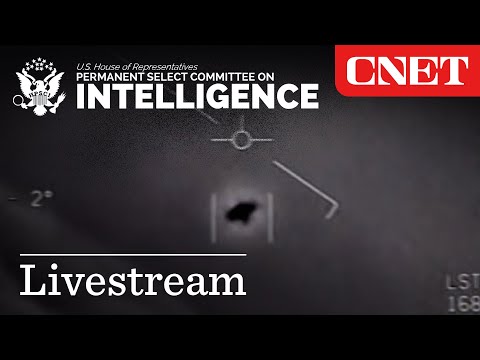
WATCH: Congressional Hearing on UFOs! - LIVE
Introduction and Acknowledgment of Violence
At the outset of the hearing, a moment of silence was observed for the victims of a white supremacist hate crime in Buffalo, New York. The chairman expressed deep sorrow for the victims and emphasized the subcommittee's focus on the threat posed by such violence, indicating that the issue has been a significant concern in both open and closed hearings.
Historical Context of UAP Investigations
More than 50 years ago, the U.S. government concluded Project Blue Book, which aimed to catalog and understand unidentified flying objects (UFOs) that could not be explained. This project had been active for over two decades, treating unidentified anomalies in the airspace as national security threats. In 2017, it was revealed that the Department of Defense (DoD) had quietly re-established a similar initiative to track what are now referred to as unidentified aerial phenomena (UAPs). This led to the formation of the Airborne Object Identification and Management Synchronization Group (AIM SOG), which was chartered by Congress in December of the previous year.
Objectives of the Hearing
The primary goal of the hearing was to bring AIM SOG into the public eye and emphasize that UAPs should be treated as potential national security threats. The stigma surrounding UAP reporting has historically hindered effective intelligence analysis, with pilots often reluctant to report sightings due to fear of ridicule. The chairman urged the DoD representatives to assure military and civilian aviators that the culture has shifted, and those who report UAPs will be treated as credible witnesses.
Legislative and Organizational Updates
The chairman called for an update on the status of AIM SOG, noting that the organization was still without a named director and that the deadline for implementation was approaching. He emphasized the need for transparency and the importance of leveraging the knowledge and experience from previous investigations into UAPs, including efforts from civil society groups and individuals who have been collecting data on the issue for years.
Ranking Member's Perspective
Ranking Member Crawford expressed appreciation for the hearing and acknowledged the importance of understanding UAPs, especially in relation to potential foreign adversaries like China and Russia. He highlighted the intelligence community's duty to prevent technological surprises and emphasized the need for credible observations of phenomena that could pose threats to national security.
Open and Closed Sessions
The hearing was divided into an open unclassified portion and a subsequent closed classified session. The ranking member clarified that the classification of information is meant to protect national security rather than conceal the truth. He expressed hope that information not posing a risk to national security could be shared with allies and the public.
Commitment to Transparency
Both the chairman and ranking member underscored the importance of transparency in UAP investigations. The chairman noted that UAP reports have been around for decades, yet there has been no systematic way to report and investigate them without stigma. He called for a cultural shift within the DoD and the intelligence community to treat UAP sightings as serious national security matters.
Under Secretary Moltry's Address
Under Secretary Moltry began his address by thanking Congress for their support of the DoD's UAP efforts. He explained that UAPs are defined as airborne objects that cannot be immediately identified. The DoD is committed to a focused effort to determine their origins, which includes examining adversarial platforms, potential breakthrough technologies, and natural phenomena.
Eliminating Stigma and Standardizing Reporting
Moltry acknowledged the cultural stigma surrounding UAPs and emphasized the importance of incorporating operators and mission personnel into a standardized data-gathering process. He stated that making UAP reporting a mission imperative is crucial for the success of the initiative. The DoD aims to establish a dedicated office to facilitate the identification of unidentified airborne objects in a systematic manner.
Collaboration and Partnerships
The DoD is committed to collaborating with various government agencies, including the Office of the Director of National Intelligence, the FAA, and international partners. Moltry highlighted the importance of transparency and accountability to the American people while balancing the need to protect sensitive sources and methods.
Data-Driven Approach to UAP Investigations
Moltry explained that the DoD's approach to UAP investigations is data-driven, transitioning from anecdotal evidence to rigorous scientific analysis. This involves standardizing reporting mechanisms to facilitate comprehensive data collection and analysis. The goal is to ensure that all observations are taken seriously and investigated thoroughly.
Increased Reporting and Cultural Shift
Since the establishment of the UAP task force, there has been an increase in reporting due to efforts to destigmatize the process. The task force has worked to standardize reporting procedures and engage with naval aviators to encourage active reporting of sightings. This cultural shift has led to more frequent reports and increased opportunities to focus sensors on unidentified objects.
Challenges in Data Collection
Despite the increase in reports, the task force faces challenges in collecting high-quality data. Many reports lack sufficient detail, making it difficult to draw firm conclusions about the nature or intent of UAPs. The task force has categorized UAP incidents into five potential explanatory categories, including airborne clutter, natural atmospheric phenomena, U.S. government or industry developmental programs, foreign adversary systems, and unresolved cases.
Examples of UAP Encounters
Moltry presented examples of UAP encounters, including videos recorded by U.S. Navy personnel. One video showed triangular objects observed off the coast of the United States, which were later identified as unmanned aerial systems. Another example involved a spherical object captured on video by a Navy aircraft, which remains unexplained.
Public Interest and Speculation
The chairman acknowledged the public's fascination with UAPs and the various theories surrounding them. He emphasized the importance of understanding the unknown and the potential national security implications associated with UAP sightings. The hearing aimed to provide transparency and clarity on the government's efforts to investigate these phenomena.
Congressional Oversight and Accountability
Throughout the hearing, members of Congress expressed their commitment to oversight and accountability in UAP investigations. They emphasized the need for the DoD to follow the facts wherever they lead and to ensure that all hypotheses are considered. The importance of addressing potential technological surprises posed by foreign adversaries was also highlighted.
Future Directions for UAP Investigations
As the hearing concluded, the chairman reiterated the importance of transparency and the need for ongoing dialogue between Congress and the executive branch regarding UAPs. He expressed hope that the establishment of AIM SOG would lead to more comprehensive investigations and a better understanding of UAPs as potential national security threats.
Conclusion
The hearing marked a significant step in addressing the issue of UAPs within the context of national security. The commitment to transparency, collaboration, and rigorous analysis reflects a shift in how the U.S. government approaches unidentified aerial phenomena. As investigations continue, the importance of fostering a culture of reporting and analysis will be crucial in understanding these mysterious occurrences and their implications for national security.
The political discourse surrounding Unidentified Aerial Phenomena (UAPs) reveals a multifaceted interest among political figures, driven by concerns related to national security, aviation safety, and the need for public transparency. Members of the subcommittee emphasize the historical context of UAP investigations, referencing past efforts such as Project Blue Book, which aimed to catalog unexplained aerial phenomena from the 1950s to the 1960s. The revival of interest in UAPs is encapsulated in the establishment of the Airborne Object Identification and Management Synchronization Group (AIM SOG), which seeks to destigmatize the reporting of UAP sightings among military personnel.
Key motivations behind these discussions include the necessity of creating a culture in which military aviators feel safe to report UAP encounters without fear of ridicule. Political figures stress the importance of a transparent process for investigating UAPs to ensure that potential threats are addressed comprehensively. The hearings are intended to foster a legislative framework that supports ongoing investigations into UAPs, addressing concerns that prior administrations may have overlooked or minimized the importance of these phenomena.
Moreover, the hearings showcase a notable degree of bipartisanship in the political landscape, with committee members from both parties recognizing the historical significance of UAPs and the need for coordinated efforts across various military branches. This collaboration is exemplified by the integration of analysts from the Space Force into UAP investigations, reflecting a strategic approach to leverage military expertise in understanding these phenomena.
Ultimately, the expected outcomes of these discussions include improved reporting mechanisms for military personnel, increased public awareness regarding UAP sightings, and potential policy changes that enhance transparency and accountability in UAP investigations. However, specific legislative actions intended through these discussions are not detailed within the provided transcript.
- [01:41] "Unidentified aerial phenomena are a potential national security threat and they need to be treated that way."
- [02:55] "You need to convince the audience today and most especially our military and civilian aviators the culture has changed that those who report UAPs will be treated as witnesses not as cooks."
- [01:24:06] "I think it's one of the few times we can demonstrate some degree of bipartisanship around UAPs and UFOs."
- [01:23:21] "We have pulled analysts in from Space Force to ensure that we're availing ourselves of that expertise."
The study of Unidentified Aerial Phenomena (UAPs) is impeded by several barriers and stigmas that the scientific community must navigate to conduct rigorous and objective research. A primary concern is the cultural stigma surrounding the reporting of UAP sightings. Military personnel have historically refrained from reporting encounters due to fears of ridicule or dismissal, leading to a significant underreporting of critical data.
To address these challenges, the establishment of the AIM SOG (Aerial Intelligence Management Special Operations Group) has been proposed. This initiative aims to eliminate the stigma associated with UAP reporting by creating a standardized reporting process. The integration of military operators into the data collection process is deemed essential, with the goal of making UAP reporting a mission imperative for military personnel. This shift is expected to enhance the comprehensiveness of data gathered on UAP encounters.
Moreover, the need for a data-driven approach is stressed, advocating for rigorous scientific methodologies to characterize and analyze UAPs. The transcript emphasizes that a narrative-based approach has proven inadequate, thus underscoring the importance of standardized data collection practices to overcome existing barriers.
Concrete measures suggested to facilitate unbiased academic research include improving training for military personnel on UAP reporting procedures and fostering collaboration between the Department of Defense (DoD) and scientific institutions. This collaborative framework is anticipated to lead to more accurate analyses and a deeper understanding of UAP phenomena.
- [11:14] "Our goal is to eliminate the stigma by fully incorporating our operators and mission personnel into a standardized data gathering process."
- [11:26] "Making UAP reporting a mission imperative will be instrumental to the effort's success."
- [14:23] "We took these reports very seriously."
In the provided transcript, speakers emphasize the necessity of preparing society and institutions for potential historic revelations concerning Unidentified Aerial Phenomena (UAPs) and the possibility of non-human intelligence (NHI) or non-terrestrial origins. A significant focus is placed on fostering a culture of transparency within governmental and military contexts to alleviate public skepticism and speculation surrounding UAPs.
One critical aspect discussed is the need for military personnel and aviators to feel secure in reporting UAP sightings without the fear of stigma. This cultural shift is deemed essential for preparing both the military and the broader public for findings that may challenge existing understandings of aerial phenomena. Establishing a framework that encourages open reporting is seen as a step towards normalizing discussions about UAPs.
The establishment of the AIM SOG is highlighted as a key initiative aimed at ensuring that investigations into UAPs are conducted with scientific rigor capable of withstanding public scrutiny. Political figures underscore the importance of communicating findings back to the public, asserting that transparency can mitigate distrust and foster a more informed dialogue regarding the implications of UAP phenomena.
Moreover, the hearings are described as a platform for ongoing discussion and disclosure, signaling a preparedness to confront the unknown. This involves not only addressing current sightings but also preparing for future disclosures that may suggest the existence of technologies or entities beyond conventional understanding. However, it is noteworthy that another section of the transcript does not address public engagement strategies or educational initiatives aimed at preparing society for these potential revelations, focusing instead on collaboration among military branches like the UAP Task Force and Space Force.
- [06:00] "When we spot something we don’t understand or can’t identify in our airspace, it’s the job of those we entrust with our national security to investigate and to report back."
- [08:13] "Excessive secrecy only breeds distrust and speculation."
- [11:23] "It’s important for us to do that so that we can ensure that our people, our personnel, our aviators, our bases and installations are safe."
The transcript discusses several significant incidents and sightings related to Unidentified Aerial Phenomena (UAPs), providing key factual details that contribute to the ongoing investigation into these phenomena. Notably, it emphasizes that the last time Congress held a hearing on UAPs was half a century ago, underscoring the urgency of the current inquiry.
Among the incidents referenced, the 2004 Nimitz incident stands out as a pivotal case. This incident remains unresolved and is characterized by multiple sensors capturing data that has yet to be fully explained. It serves as a critical reference point in discussions surrounding UAPs, highlighting the complexities and challenges involved in analyzing these phenomena.
Additionally, the transcript notes that the UAP task force's database has grown to contain approximately 400 reports. This increase in reporting is attributed to efforts aimed at destigmatizing UAP encounters among military personnel, which is viewed as a positive development that allows for more data-driven investigations.
Moreover, the types of phenomena observed include objects that appear to maneuver abruptly, remain stationary in winds aloft, or move at high speeds without discernible means of propulsion. These characteristics raise critical questions about the nature of these phenomena and their potential implications for national security.
However, it is important to note that not all sections of the transcript provide specific details about UAP incidents. One section does not reference any particular UAP cases or incidents, focusing instead on the coordination between the UAP Task Force and the Space Force, as well as the importance of utilizing military expertise.
- [14:23] "The UAP task force database has now grown to contain approximately 400 reports."
- [19:58] "We stand by those initial results."
- [42:05] "I think I would without discernable means of propulsion, I would say that we’re not aware of any adversary that can move an object without discernable means of propulsion."
Concerns regarding government transparency, institutional secrecy, and the processes surrounding the public disclosure of UAP data are prominently discussed in the transcript. Political figures express a commitment to transparency and accountability as fundamental principles guiding the investigation of UAPs.
One critical argument raised is the need for a systematic approach to UAP investigations that balances the protection of sensitive national security information with the public's right to know. The speakers highlight that excessive secrecy can breed distrust and speculation, which ultimately hampers the investigation and understanding of UAPs.
The establishment of the AIM SOG is positioned as a significant step toward enhancing transparency. This group aims to develop a standardized methodology for data collection and analysis, ensuring that findings can be communicated effectively to both Congress and the public. This effort is seen as essential to restoring public confidence in the government's ability to address UAP-related concerns.
Furthermore, speakers emphasize the importance of sharing information with allies and the public when feasible, indicating a commitment to openness. This approach is intended to mitigate fears of cover-ups and reinforce the notion that the government is taking UAP threats seriously.
While the transcript does highlight the importance of collaboration between the UAP Task Force and the Space Force, it does not explicitly address criticisms or arguments regarding the need for more transparency in the handling of UAP-related information. The focus on military collaboration and the operational aspects of UAP analysis may suggest a lack of critical examination of how governmental practices influence public access to information about UAPs.
- [06:02] "The classification of information exists to protect national security, not to try to hide the truth."
- [08:13] "Excessive secrecy only breeds distrust and speculation."
- [11:39] "We’ve endeavored to bring an all hands-on deck approach to the better understand this phenomena."
[00:00] Before we get started, I want to[00:01] recognize a moment of silence for the[00:03] victims of the white supremacist hate[00:05] crime in Buffalo, New York. The[00:07] subcommittee has focused intently on[00:09] that threat in both open and closed[00:11] hearings. It is utterly devastating to[00:14] see more victims of this violence.[00:16] Buffalo, our heart breaks for you.[00:26] With that, I ask my colleagues to join[00:28] pardon me would we will now turn to the[00:31] business of this hearing.[00:35] More than 50 years ago, the US[00:38] government ended project blue book, an[00:41] effort to catalog and understand[00:43] sightings of objects in the air that[00:46] could not otherwise be explained. For[00:49] more than 20 years, that project had[00:51] treated unidentified anomalies in our[00:53] airspace as a national security threat[00:56] to be monitored and investigated.[00:59] In 2017, we learned for the first time[01:01] that the Department of Defense had[01:02] quietly restarted a similar organization[01:05] tracking what we now call unidentified[01:08] aerial phenomena or UAPs.[01:12] Last year, Congress rewrote the charter[01:14] for that organization, now called the[01:16] Airborne Object Identification and[01:18] Management Synchronization Group, or AIM[01:22] SOG for short. Today, we will bring that[01:26] organization out of the shadows. This[01:28] hearing and oversight work has a simple[01:32] idea at its core.[01:35] Unidentified aerial phenomena are a[01:38] potential national security threat and[01:41] they need to be treated that way. For[01:42] too long, the stigma associated with[01:44] UAPs has gotten in the way of good[01:46] intelligence analysis. Pilots avoided[01:49] reporting or were laughed at when they[01:51] did. DoD officials relegated the issue[01:54] to the back room or swept it under the[01:56] rug entirely, fearful of a skeptical[01:59] national security community. Today, we[02:02] know better. UAPs are unexplained. It's[02:05] true. But they are real. They need to be[02:08] investigated and many threats they pose[02:10] need to be mitigated. Under Secretary[02:13] Moltry, Mr. Bray,[02:16] thank you for coming today.[02:18] First, we need you to update us on the[02:20] status of AISOG. The legislation[02:23] creating it was passed in December. The[02:26] deadline for implementation is fast[02:27] approaching, but the group does not even[02:30] have a name director. We need to know[02:33] sers the status of the organization and[02:36] any obstacle to getting it up and[02:38] running. Secondly, you have to convince[02:41] the audience today and most especially[02:45] our military and civilian aviators[02:49] the culture has changed[02:52] that those who report UAPs will be[02:55] treated as witnesses not as cooks.[02:58] Thirdly, you need to show us Congress[03:01] and the American public whose[03:03] imaginations you have captured. You are[03:06] willing to follow the facts where they[03:08] lead. You know, we fear sometimes that[03:10] the DoD is focused more on emphasizing[03:13] what it can explain, not investigating[03:16] what it can. I'm looking for you to[03:19] assure us today that all conclusions are[03:22] on the table. One final note, we are[03:24] mindful today that ASOG is not starting[03:26] from scratch. This is the third version[03:29] of this task force in DoD and civil[03:31] society groups like the Mutual UFO[03:34] Network.[03:36] Mr. Corbell and others have been[03:38] collecting data on this issue for years.[03:40] I hope you'll explain how you can[03:42] leverage the knowledge and experience of[03:44] our prior work on this matter to move[03:46] the Aimsaw along. The last time Congress[03:49] had a hearing on UAPs was half a century[03:52] ago. I hope that it does not take 50[03:55] more years for Congress to hold another[03:57] because transparency is desperately[03:58] needed. I now turn to ranking member[04:00] Crawford for comments he'd like to make.[04:03] Thank you, Mr. Chairman. Um, honorable[04:06] Moltry and Mr. Bray, thank you for[04:07] coming here today. We appreciate it. Uh,[04:09] to begin the open dialogue between[04:10] Congress and the executive branch on[04:12] this important topic. While this topic[04:14] evokes creative imaginations of many,[04:16] aside from all the hype and speculation,[04:18] there are important underlying issues[04:19] posed by UAPs. Despite the serious[04:22] nature of this topic, I have to say I'm[04:24] more interested in our understanding of[04:25] Chinese and Russian hypersonic weapon[04:27] development or understanding why this[04:28] administration was so slow to share[04:31] actionable intelligence with the[04:32] Ukrainians. However, in as much as this[04:34] topic may help us better understand[04:35] unknown activities of Russia and China,[04:38] I am on board. The intelligence[04:40] community has a serious duty to our[04:42] taxpayers to prevent potential[04:43] adversaries such as China and Russia[04:45] from surprising us with unforeseen new[04:47] technologies.[04:49] As overseers of the intelligence[04:51] community, this committee has an[04:52] obligation to understand what you are[04:54] doing to determine whether any UAPs are[04:56] new technologies or not, and if they[04:58] are, where are they coming from? In[05:00] general, the IC spends much of its time[05:02] and resources trying to understand what[05:03] we call known unknowns. When it comes to[05:06] foreign nations, weapons systems and[05:08] sensors, known unknowns are those[05:10] features that we don't fully understand.[05:11] Yet, the challenge associated with UAP[05:14] is that they are completely unknown and[05:16] require a more expansive collection[05:17] analysis effort. The intelligence[05:19] community must balance addressing known[05:21] threats to our n national security with[05:24] preventing technical surprise. We must[05:26] continue to follow the facts where they[05:27] lead us and ensure that there are no[05:29] technical surprises. The IC must take it[05:31] seriously when there are credible[05:33] observations of phenomena that seem to[05:35] perform in ways that could pose a threat[05:37] to safe flight operations or that could[05:39] be signs of a foreign adversar's attempt[05:40] to develop a strategic technological[05:43] surprise against the United States. It's[05:46] also essential that our pilots and[05:47] others feel they can report UAPs they[05:49] observe without any stigma for doing so.[05:53] This is the open unclassified portion of[05:55] our hearing. We'll have a closed[05:56] classified part later. It's important[05:59] for the public to know that the[06:00] classification of information exists to[06:02] protect national security, not to try to[06:05] hide the truth. When we're trying to[06:06] determine if any UAPs are new[06:08] technologies being developed by foreign[06:10] governments, we are inevitably going to[06:12] run into classified information about[06:14] what new systems and technologies we do[06:16] know are in the works here or abroad.[06:19] But where information does not risk[06:21] national security, it should be shared[06:22] with our allies and the public when[06:24] feasible. I hope that we can have your[06:26] assurance to this end today. It's my[06:28] hope that the intelligence community[06:29] will continue to try to determine the[06:30] nature of UAPs we've observed and will[06:33] keep Congress fully apprised of all[06:34] developments. I look forward to this[06:35] hearing and continue continued dialogue[06:37] and oversight with the intelligence[06:39] community on this topic. And with that,[06:41] I yield back.[06:42] Gentleman yields back. And now I will[06:43] turn to our distinguished chairman, Adam[06:45] Schiff, for any comments he wishes to[06:46] make.[06:47] Thank you, Chairman Carson, uh, for[06:49] holding this open hearing on[06:50] unidentified aerial phenomenon and for[06:52] your leadership on this issue. Holding a[06:55] portion of our discussion today in open[06:57] session is critical to the cause of[06:59] transparency and openness which was[07:01] Congress's intent in authorizing and[07:03] funding this new task force. The larger[07:06] effort that is being undertaken to study[07:08] and characterize UAP reports is an[07:11] important step towards understanding[07:12] these phenomenon what we know and don't[07:15] know. And I look forward to hearing more[07:17] during both the open session and the[07:19] closed setting about how DoD and the IC[07:23] are undertaking that task. UAP reports[07:26] have been around for decades and yet we[07:28] haven't had an orderly way for them to[07:29] be reported without stigma and to be[07:32] investigated. That needs to change. UAP[07:35] reports need to be understood as a[07:36] national security matter. And that[07:38] message needs to go out across DoD, the[07:41] IC, and the whole of the US government.[07:43] When we spot something we don't[07:44] understand or can't identify in our[07:46] airspace, it's the job of those we[07:48] entrust with our national security to[07:50] investigate and to report back. That is[07:53] why it's important that we hold this[07:54] open hearing for the public to hear[07:56] directly from the Department of Defense[07:58] on the steps it's taking to track,[08:01] analyze, and transparently communicate[08:03] the work that is being done on this[08:04] issue. It is also the responsibility of[08:07] our government and this panel to share[08:08] as much as we can with the American[08:10] people since excessive secrecy only[08:13] breeds distrust and speculation.[08:16] I look forward to hearing how the UAP[08:18] task force is being stood up, what[08:19] challenges they still face, and how this[08:22] committee can make sure the task force[08:23] is able to shed light on one of the[08:25] world's most enduring mysteries. Uh, I[08:28] thank you gentlemen for your work and be[08:31] very interested to hear what you have to[08:33] say. uh to me among the most fascinating[08:35] questions are these phenomenon that we[08:38] can measure that is uh instruments[08:42] report there is something there. It is[08:44] not the human eye confusing objects in[08:47] the sky. Uh there is something there[08:49] measurable by multiple instruments and[08:51] yet it seems to move in directions that[08:53] are inconsistent with what we know of[08:55] physics or science more broadly. And uh[08:59] that to me poses questions of of[09:01] tremendous interest and uh as well as[09:04] potential national security[09:06] significance. So we look forward to[09:08] hearing what you're able to report to us[09:09] today in open session. And I want to[09:11] thank Chairman Carson again for his[09:13] extraordinary leadership on this issue[09:15] and I yield back.[09:17] Chairman yields back. Thank you. With[09:19] that we will start our hearing. Under[09:20] Secretary Moltry, the floor is yours,[09:22] sir.[09:23] Thank you,[09:25] Chairman Schiff. Uh, Committee Chairman[09:27] Carson, Ranking Member Crawford,[09:29] distinguished members of the[09:30] subcommittee. It's a privilege to be[09:32] here with you today to address your[09:33] questions regarding unidentified aerial[09:35] phenomenon or UAP. I'm pleased to be[09:38] joined by Mr. Scott Bray, the deputy[09:40] director of naval intelligence, who will[09:42] speak to the Navy's unidentified aerial[09:44] phenomenon task force, which laid the[09:46] foundation for the efforts we will[09:48] discuss today. First, I'd like to thank[09:51] Congress for supporting the department's[09:52] UAP efforts. The NDAA for fiscal year[09:56] 2022 has helped us to establish a[09:58] dedicated office to oversee processes[10:01] and procedures for the timely[10:03] collection, processing, analysis, and[10:05] reporting of UAP related data. What are[10:08] UAP? Put simply, UAP are airborne[10:12] objects that when encountered cannot be[10:14] immediately identified. However, it is[10:17] the department's contention that by[10:19] combining appropriately structured[10:22] collected data with rigorous scientific[10:24] analysis, any object that we encounter[10:27] can likely be isolated, characterized,[10:32] identified, and if necessary, mitigated.[10:36] We know that our service members have[10:39] encountered unidentified aerial[10:41] phenomenon. And because UAPs pose[10:44] potential flight safety and general[10:45] security risk, we are committed to a[10:48] focused effort to determine their[10:49] origins.[10:51] Our effort will include the thorough[10:53] examination of adversarial platforms and[10:56] potential breakthrough technologies, US[10:58] government or commercial platforms,[11:01] allied or partner systems, and other[11:04] natural phenomenon.[11:08] We also understand that there has been a[11:10] cultural stigma surrounding UAP. Our[11:14] goal is to eliminate the stigma by fully[11:16] incorporating our operators and mission[11:18] personnel into a standardized data[11:20] gathering process. We believe that[11:23] making UAP reporting a mission[11:26] imperative will be instrumental to the[11:28] effort success. The Defense Intelligence[11:31] and Security Enterprise provides[11:32] real-time support to our war fighters[11:34] and mission personnel across all[11:36] domains. To optimize the department's[11:38] UAP work, we are establishing an office[11:42] within this office of the Secretary of[11:43] Defense. That office's function is clear[11:47] to facilitate the identification of[11:49] previously unknown or unidentified[11:51] airborne objects in a methodical,[11:53] logical, and standardized manner. These[11:56] goals will ensure that we are working[11:58] closely with operational personnel on[12:00] training and reporting requirements,[12:02] developing data and intelligence[12:04] requirements, standardizing and[12:06] integrating processes and procedures for[12:08] collection, operational surveillance,[12:10] analysis and reporting, leveraging our[12:13] research and development capabilities to[12:15] improve detection, characterization and[12:17] identification of UAPs, developing[12:20] mitigating solutions and procedures and[12:22] identifying strategy and policy[12:24] solutions.[12:25] This effort will maximize collaboration[12:27] and build upon already existing[12:29] relationships with the office of the[12:31] director of national intelligence, the[12:33] FAA, DHS, and the FBI.[12:37] We are also committed to strong[12:38] partnerships with the Department of[12:40] Energy, Noah, the DEA, NASA, and the[12:44] National Labs, and just as importantly,[12:46] our international partners and allies.[12:49] With regard to the importance of[12:51] transparency, the department is fully[12:54] committed to the principle of openness[12:56] and accountability to the American[12:58] people. However, we are also mindful of[13:01] our obligation to protect sensitive[13:03] sources and methods. Our goal is to[13:05] strike that delicate balance, one that[13:08] enables us to maintain the public's[13:10] trust while preserving those[13:11] capabilities that are vital to the[13:13] support of our service personnel.[13:16] In closing, the department is committed[13:19] to this effort and welcomes the[13:20] challenge. We thank you for your[13:22] committed support and look forward to[13:24] your questions.[13:30] Chairman Schiff, Chairman Carson,[13:32] ranking member Crawford, and committee[13:33] members. Uh thank you very much for the[13:35] opportunity to be here today to[13:36] highlight the ongoing work of the[13:38] Department of Defense uh regarding[13:39] unidentified aerial phenomena. Since the[13:42] early 2000s,[13:44] uh, we have seen an increasing number of[13:46] unauthorized and/or unidentified[13:48] aircraft or objects in military[13:50] controlled training areas uh, and[13:52] training ranges and other designated[13:53] airspace. Reports of sightings are[13:56] frequent and continuing. We attribute[13:58] this increase in reporting to a number[14:00] of factors including our work to[14:02] destigmatize reporting, an increase in[14:04] the number of new systems such as[14:06] quadcopters and unmanned aerial systems[14:08] that are in our airspace, uh[14:10] identification of what we can classify[14:12] as clutter, myar balloons and other[14:14] types of uh of air trash, and[14:16] improvements in the capabilities of our[14:18] various sensors to detect things in our[14:20] airspace. Almost two years ago, in[14:23] August of 2020, Deputy Secretary of[14:24] Defense Norquist directed the[14:26] establishment of the unidentified aerial[14:27] phenomena task force within the[14:29] Department uh of the Navy. The UAP task[14:32] force was built on the foundation of the[14:34] Navy's initial efforts to respond to the[14:36] reports from our aviators on[14:38] unidentified objects observed in our[14:40] training ranges. The basic issues then[14:43] and now are twofold. First, incursions[14:46] in our training ranges by unidentified[14:48] objects represent serious hazards to[14:50] safety of flight in every aspect of[14:53] naval aviation. Safety of our air crews[14:55] is paramount. Second, intrusions by[14:59] unknown aircraft or objects pose[15:01] potential threats to the security of our[15:03] operations. Our aviators train as they[15:06] would fight. So any intrusions that may[15:09] compromise the security of our[15:11] operations by revealing our[15:12] capabilities, our tactics, techniques or[15:14] procedures uh are of great concern uh to[15:18] the Navy and the Department of Defense.[15:20] From the very beginning, we took these[15:22] reports very seriously. We instituted a[15:25] datadriven approach to the[15:27] investigations where we could collect as[15:29] much data as possible and use all[15:31] available resources to analyze and make[15:33] informed decisions on the best ways to[15:35] address our findings. Our main objective[15:37] was to transition UAP efforts from an[15:40] anecdotal or narrative-based uh approach[15:43] to a rigorous science and technology[15:46] engineering focused study. This[15:48] data-driven approach uh requires input[15:51] from a wide variety of sources. Uh in[15:54] the early stages uh the task force[15:56] worked to standardize the reporting[15:57] mechanisms and processes to make it as[15:59] easy as possible uh for personnel to[16:01] report any engagement so that we were[16:03] getting that wide range of reporting[16:05] that we needed. We also spent[16:07] considerable efforts engaging directly[16:09] with our naval aviators and building[16:11] relationships to help destigmatize the[16:13] active reporting sightings or[16:15] encounters. And we worked with naval[16:17] aviation leadership to provide[16:19] additional equipment to record any[16:21] encounter. Navy and Air Force crews now[16:24] have step-by-step procedures for[16:25] reporting on a UAP on their kneeboard uh[16:28] in their in the cockpit and uh in their[16:31] post uh flight debrief procedures.[16:34] The direct result of those efforts has[16:37] been increased reporting with increased[16:39] opportunities to focus a number of[16:40] sensors on any objects. The message is[16:43] now clear. If you see something, you[16:45] need to report it. And the message has[16:48] been received. In fact, recently I[16:50] received a call from a senior naval[16:52] aviator with over 2,000 flight hours. He[16:54] called me personally from the flight[16:55] line uh after landing uh to talk about[16:59] uh an encounter that he had just[17:00] experienced.[17:02] Those were just the initial steps. We[17:04] also made a concerted effort to assemble[17:06] subject matter experts from across the[17:07] Department of Defense and the[17:08] intelligence community and other US[17:10] government agencies and departments. We[17:11] forged partnerships with the research[17:13] development and acquisition communities,[17:14] with industry partners, and with[17:16] academic research labs. and we brought[17:18] many allies and international partners[17:20] into our discussions on UAP.[17:23] Additionally, subject matter experts[17:24] from a wide variety of fields including[17:27] physics, optics, metallurgy,[17:29] meteorology, uh just to name a few have[17:32] been brought into u uh to expand our[17:34] understanding in areas where me we may[17:36] not have organic expertise. In short,[17:39] we've endeavored to bring an all[17:40] hands-on deck approach uh to the to[17:43] better understand this phenomena. So,[17:45] what have we learned so far? Any given[17:48] observation may be fleeting or longer.[17:52] It may be recorded or not. It may be[17:55] observable by one or multiple assets.[17:59] In short, there's rarely an easy answer.[18:02] For example, let me share with you the[18:03] first video that we have here today,[18:05] which shows an observation in real time.[18:17] There it was. That's in many cases.[18:21] That's all that a report may include.[18:24] And in many other cases, we have far[18:28] less than this.[18:30] As we detailed in both the unclassified[18:32] and classified versions of the[18:33] preliminary assessment released by the[18:35] office of the director of national[18:36] intelligence last June, this often[18:38] limited amount of highquality data uh[18:41] and reporting hampers our ability to[18:42] draw firm conclusions about the nature[18:44] or intent of UAP. As detailed in the[18:47] ODNI report, if and when individual UAP[18:49] incidents are resolved, they likely fall[18:52] into one of five potential explanatory[18:54] categories. airborne clutter, natural[18:56] atmospheric phenomena, US government or[18:58] US industry developmental programs,[19:00] foreign adversary systems, or a other[19:04] bin that allows for a holding bin of[19:07] difficult cases and for the possibility[19:08] of surprise and potential scientific[19:10] discovery. We stand by those initial[19:13] results. Since the release of that[19:15] preliminary report, the UAP task force[19:17] database has now grown to contain[19:19] approximately 400 reports. the stigma[19:23] has been reduced. We've also made[19:26] progress in resolving the character of a[19:27] limited number of UAP encounters. For[19:29] example, let me show you a couple of uh[19:31] another video and image uh taken years[19:33] apart in different areas.[19:36] In this video, US Navy personnel[19:39] recorded what appears to be triangles,[19:41] some flashing, recorded several years[19:43] ago off the coast of the United States.[19:46] This was recorded while the US Navy ship[19:48] uh observed a number of small unmanned[19:50] aerial systems uh in the area.[19:53] Importantly, the video was taken through[19:55] night vision goggles with a single lens[19:57] reflex camera. These remained unresolved[20:00] for several years.[20:25] several years later[20:27] and off a different coast, US Navy[20:30] personnel again in a swarm of unmanned[20:33] aerial systems and again through night[20:34] vision goggles and an SLR camera uh[20:38] recorded this image. But this time,[20:41] other US Navy assets also observed[20:43] unmanned aerial systems nearby, and[20:45] we're now reasonably confident that[20:47] these triangles correlate to unmanned[20:49] aerial systems in the area. The[20:51] triangular appearance is a result of[20:54] light passing through the night vision[20:56] goggles and then being recorded by an[20:58] SLR camera. Now, I don't mean to suggest[21:00] that everything that we observe uh is is[21:04] identifiable, but um the um uh it but[21:08] this is a great example of how it takes[21:10] considerable effort to understand what[21:13] we're seeing uh in the examples that we[21:16] are able to collect. Um in this example,[21:19] we accumulated sufficient data from two[21:21] similar encounters from two different[21:23] time periods in two different geographic[21:25] areas to help us draw the these[21:27] conclusions. That's not always the case[21:29] though. We recognize that that can be[21:32] unsatisfying or insufficient in the eyes[21:34] of many. This is a popular topic uh in[21:37] our nation with various theories as to[21:38] what these objects may be and where they[21:40] originate. By nature, we are all curious[21:43] and we seek to understand the unknown.[21:45] And as a lifelong intelligence[21:47] professional, I'm impatient. I want[21:50] immediate explanations for this as much[21:52] as anyone else. However, understanding[21:55] can take significant time and effort.[21:56] It's why we've endeavored to concentrate[21:58] on this data-driven process to drive[22:01] fact-based results. And given the nature[22:03] of our business, National Defense, we've[22:05] had to sometimes be less forthcoming[22:07] with information in open forums than[22:09] many would hope. If UAP do indeed[22:13] represent a potential threat to our[22:14] security, then the capabilities,[22:16] systems, processes, and sources we use[22:18] to observe, record, study, or analyze[22:20] these phenomena need to be classified at[22:22] appropriate levels. We do not want we do[22:26] not want potential adversaries to know[22:28] exactly what we're able to see or[22:30] understand or how we come to the[22:32] conclusions we make. Therefore, public[22:34] disclo disclosures must be carefully[22:36] considered on a case-by case basis. So,[22:39] what's next? We're concentrating on a[22:41] seamless transition to the new[22:42] organization and future analysis of[22:45] complicated uh issues of uh UAP issues[22:48] will greatly benefit from the[22:49] infrastructure, the process and the[22:51] procedures that we've developed to date.[22:52] I'm confident that the task force under[22:54] Navy leadership has forged a path[22:56] forward that will allow us to anchor[22:58] assessments in science and engineering[22:59] vice anecdotal evidence. We remain[23:01] committed to that goal as I know the[23:04] USDI um uh organization does as well.[23:08] So, thank you very much for your[23:09] interest uh and continuing support for[23:10] the UAP task force. The team's made a[23:12] lot of progress, but we really are just[23:14] establishing the foundation uh for the[23:16] more detailed analysis that's yet to be[23:17] done. and with your continued support we[23:19] can sustain that momentum necessary to[23:21] produce datacentric analysis and[23:23] understanding of phenomena. I look[23:24] forward to your questions. Thank you.[23:25] Thank you, Mr. Bray. This is the third[23:28] version of this task force and to be[23:30] frank um one of Congress's concerns is[23:34] that the executive branch in[23:36] administration from both parties uh has[23:39] been sweeping concerns about UAPs under[23:42] the rug by focusing on events that can[23:45] be explained and avoiding events that[23:47] cannot be explained. What can you what[23:50] what what what what can you say to give[23:52] the American people[23:55] confidence that you aren't just focusing[23:58] our attention on lowhanging fruit with[24:01] easy explanations.[24:06] Congressman, I'll start and then uh Mr.[24:08] Bray um please feel free to uh to weigh[24:11] in. So the way that we're approaching[24:14] this is with a more thorough[24:17] standardized methodology than what we[24:19] have in the past. First and foremost,[24:21] the secretary of defense is chartering[24:22] this effort. This is not uh someone[24:25] lower in the department of defense and[24:27] he has assigned that task to the office[24:29] of secretary of defense uh the uh under[24:32] secretary for intelligence security.[24:33] That's me because I'm responsible for[24:36] looking at intelligence matters. I'm[24:37] responsible for security matters. This[24:39] is potentially both. So when you start[24:42] um concerning the um ourselves with the[24:46] safety of our personnel, the the safety[24:48] of our installations and bases, there's[24:50] no other higher priority than what we[24:52] have than actually getting after this.[24:54] And and as you have stated, we have been[24:57] uh assigned that task to actually stand[25:00] up an office, the AISOG, which I believe[25:02] the name sir will likely change, but we[25:05] have moved forward in terms of moving to[25:07] establish that office. We have uh as of[25:10] this week um picked a director for that[25:14] effort. Uh a very established and um and[25:18] uh accomplished individual. We've[25:20] identified spaces. We've uh worked with[25:23] personnel across the Department of[25:25] Defense with the services and we've[25:27] worked with the IC which is on board in[25:30] helping us work through this[25:31] standardized methodology for now[25:34] bringing in data analyzing that data and[25:37] reporting that data in the appropriate[25:40] method appropriate means so we can[25:42] either get it to our service personnel[25:45] to ensure their safety or get it to you[25:47] and the Congress and to the public to[25:49] ensure that you have oversight to what[25:50] we're doing. So charted by the Secretary[25:52] of Defense, standardized and uh uh[25:56] really a methodical approach is[25:58] something that we're doing that has not[25:59] been done before.[26:00] Can we get some kinds of assurances that[26:02] uh your analysts will follow the facts[26:04] where they lead and and assess all[26:06] hypotheses?[26:08] Absolutely. So we're open to all[26:09] hypotheses. We're open to any uh[26:12] conclusions that uh that we may[26:14] encounter. Uh quickly before I pass it[26:17] to the ranking member um and and[26:19] chairman Schiff, uh I want to thank you[26:21] both for taking the time and and I had a[26:22] good time meeting with you last week. Uh[26:24] Director Moltry, under secretary the[26:26] Moltry. Um[26:30] it's fair to say that you are a science[26:32] fiction fan. Is that correct?[26:34] It is fair to say that uh I am an[26:36] inquisitive mind who has uh spent 40[26:40] years in the intelligence field and has[26:41] focused on both science and science[26:43] fiction. That is fair. could you tell us[26:45] about it?[26:46] Yeah. Well, yeah, look, my generation[26:48] grew up uh looking at um space sagas and[26:52] and the Apollo program. So, all of us[26:56] who uh grew up in the 60s uh were were[26:59] just thrilled by watching um our first[27:02] astronaut land on the moon. That was a m[27:04] momentous occasion to people who were of[27:07] different generations. Uh some of them[27:09] didn't believe that happened. I still[27:11] have relatives and friends who don't[27:12] believe it happened. Right? science[27:14] fiction to them, but to us it was no,[27:16] that's the progress that we've made. And[27:18] so I was enthralled by that and I've[27:21] taken that to heart. I enjoy um uh the[27:24] challenge of what may be out there. I[27:27] have mentioned to you that yes, I have[27:29] followed science fiction. I have gone to[27:31] conventions even I'll say it on the[27:32] record. Uh uh got to break the ice[27:35] somehow. But uh you know, I I have done[27:38] that, right? But there's nothing wrong[27:39] with that. um don't necessarily dress[27:41] up, but I do uh you know, I do believe[27:44] that it's important to show that the[27:46] Department of Defense has um you know,[27:48] we have character and we're people just[27:49] like you, just like the American people.[27:51] We have our um we have our um our[27:55] inquisitiveness. Uh we have our[27:57] questions. We want to know what's out[27:59] there as much as you want to know what's[28:00] out there. We get the questions not just[28:02] from you. We get it from family members[28:04] and we get them night and day. Uh not[28:06] just in committee hearings. So finding[28:08] what's out there is important, but first[28:10] and for foremost, it's important for us[28:12] to do that so that we can ensure that[28:14] our people, our personnel, our aviators,[28:16] our bases and installations are safe.[28:19] [snorts] Um, and then that curiosity[28:20] factor is something else that u that we[28:22] just want to know because that's the[28:24] human race. It's just, you know, that[28:26] insatiable desire to know.[28:29] Thank you, sir. Ranking member Crawford.[28:32] Mr. Mr. Malter, you said you don't[28:34] necessarily dress up.[28:38] That wasn't a real strong statement.[28:42] [laughter][28:43] Gentlemen, thank you for being here[28:44] today. We appreciate it. Um, and thank[28:47] you, Mr. Moldy, for breaking the ice the[28:49] way you did. Appreciate that. Uh, the[28:51] inability to understand objects in our[28:52] sensitive operating areas is tanamount[28:55] to an intelligence failure that we[28:57] certainly want to avoid. This is not[28:59] about finding alien spacecraft but about[29:01] delivering dominant intelligence across[29:02] the tactical, operational and strategic[29:04] spectrum. So my question is how can[29:07] AISOG lead to prevention of intelligence[29:09] surprises?[29:12] Sure, I'll start with that. Uh so the[29:14] goal of our effort is to integrated into[29:17] what we already do on a normal basis[29:19] which is look for the unknown unknowns[29:22] congressman as you stated in your[29:23] opening remarks across all domains. So[29:26] we've been doing this for decades. We've[29:27] been looking at the space domain,[29:29] looking at space objects, looking at[29:31] space weather, looking at space[29:32] phenomenon. Uh we've been looking at[29:34] things in the air domain and we as you[29:37] know we um and I'll talk more about this[29:39] in classified session, but we have a[29:41] very concerted effort to understand[29:43] adversarial platforms and adversarial[29:46] developmental programs and we do that[29:47] also in the ground domain and of course[29:49] we're very interested in what happens in[29:50] the um in the underwater or sea domain[29:54] if you will subsurface domain. So if[29:56] there are objects that our uh aviators[30:00] or air crews are encountering in this[30:03] air domain and their sensors are um are[30:07] discovering or detecting some of these[30:09] objects, we want to just bring that in[30:11] to the normal process that we have for[30:14] identifying unknown unknowns. We want to[30:16] make sure we have the intelligence[30:17] requirements that allow us not only to[30:19] look at that event from the time that it[30:21] occurs forward. But maybe[30:23] retrospectively we want to go back and[30:25] see if we can get to the left of that[30:27] event to say was there some[30:28] developmental program that we to get to[30:31] hear technical surprise uh issue sir[30:33] that we should have known about and if[30:35] so how do we put that uh intelligence[30:37] requirement in place to ensure that we[30:39] are following an adversarial development[30:42] or any other development that may be out[30:44] there. So that's [snorts] what we we[30:46] want to do in terms of normalizing this[30:48] and bringing it into the normal process[30:49] of how we identify unknown unknowns.[30:52] So you mentioned fidelity and and I[30:54] think it's important to talk about the[30:56] relationship[30:58] from the Navy is the lead agency on[31:00] this. Uh how do you interact with um[31:04] Space Force, Air Force to create that[31:06] degree of fidelity? We're talking about[31:07] sensors and so on. And I guess where I[31:10] have some concerns that many of the[31:11] images that we see commonly um in this[31:15] committee and even in open source the[31:17] resolution and the clarity um that would[31:20] allow a robust technical intelligence[31:22] analysis is challenging. So is ASOG[31:26] prepared to address the quality and and[31:28] quantity of data collected on UAP to[31:30] advance intelligence collection and do[31:32] you have the adequate sensors you need[31:34] to collect that high quality data? One[31:37] of the lines of effort that we have is[31:39] looking at our sensor capabilities and[31:41] to understand whether or not as the[31:43] video showed that Mr. Bray um displayed[31:47] uh sometimes it's very fleeting uh data[31:50] that we have on some of these objects[31:51] and and we want to make sure that one uh[31:54] our systems are calibrated uh to[31:57] actually be able to collect on the[31:58] objects. You know, our sensors today are[32:00] they're calibrated for specific things.[32:02] We want to make sure to calibrate it for[32:04] things of this nature, things of this[32:06] size, things of this velocity, if I can[32:08] use that term. We want to make sure that[32:11] once we have that that that data is[32:13] stored in some standardized method that[32:16] we can then extract and that we can feed[32:18] into our system real time. So we do not[32:20] like want this to take some uh prolonged[32:22] period of time for us to get that data.[32:23] But our goal is absolutely to have that[32:26] highfidelity information that we get[32:28] from all sensors and we want to be able[32:30] to integrate that with what we may have[32:32] off of groundbased sensors. So whatever[32:34] you may have on a platform, whatever you[32:35] may have on the ground, whatever we may[32:37] have from um other sensors that we may[32:40] have in different domains. We want to be[32:42] able to integrate that all and get this[32:43] integrated picture as we would as I said[32:45] with any other unidentified objects or[32:47] things that we are tracking um as a part[32:49] of our normal intelligence[32:50] responsibilities.[32:52] Thank you. Last question, Mr. Bray, if[32:54] you would. Uh, I'm a Navy pilot. I've,[32:56] um, encountered a UAP. Walk me through[32:59] the reporting protocol. Um, once I see[33:02] something that I think needs reported.[33:04] Uh, the [clears throat] first thing that[33:06] aviator would do uh, after landing as a[33:08] part of their normal uh, debriefing is[33:10] they would uh, contact their uh,[33:13] intelligence officer. their intelligence[33:14] officer would then uh walk them through[33:17] uh first filing a um first actually data[33:19] preservation to to ensure that uh that[33:22] whatever sensor data uh may be on the[33:24] aircraft that we preserve that um so[33:26] that it's available for for later[33:28] analysis. Um second they would actually[33:30] fill out a uh a form uh that uh that[33:33] includes details like where they were[33:35] operating, altitudes they were operating[33:36] speeds, what they observed uh whatever[33:39] sensor data sensor data they uh may have[33:41] recorded from that. uh and then that[33:44] report uh is filed. It goes two places.[33:46] one, it goes through um through the[33:48] operational uh chain of command so that[33:51] operational units are aware of what[33:53] what's being observed and also uh[33:56] through the UAP task force so that they[33:58] can take that data uh database it uh and[34:02] uh quite often uh have individuals from[34:05] the task force uh contact the aviator uh[34:08] and ask them additional questions if[34:09] there were things that weren't clear uh[34:11] in the uh in the report. Uh that then[34:13] goes into a um uh into a database uh[34:16] where we begin to compare it with other[34:19] um observations that we have again[34:21] comparing for locations, comparing for[34:23] altitude, speeds, shapes, uh if any RF[34:27] emissions were detected from the[34:28] platform uh all of that so that we can[34:31] try to reach some conclusions on that.[34:33] Thank you. Yield back.[34:35] Gentleman yields back. Chairman Schiff.[34:37] Thank you, Mr. Chairman. Um Mr. Mr. Bre,[34:39] can you rerun that first uh image that[34:41] looked like it was outside of a plane[34:43] window? Um, and if you wouldn't mind[34:46] going up to the screen and tell us what[34:48] we're what we're seeing.[34:50] Not that you can necessarily tell us[34:52] what we're seeing, but explain what we[34:54] should be looking at in that first[34:55] image.[34:56] Absolutely. Uh, and Alexi, what I'll ask[34:58] is if you can stop it at a certain[35:01] point.[35:31] And are we looking outside of a civilian[35:33] aircraft window? Is that what we're[35:35] looking at?[35:37] US.[35:39] Okay.[36:26] What you'll find on this[36:30] one[36:36] right[36:46] Is that it right there?[36:51] Can you point to the screen again? What[36:52] we're supposed to be looking at?[37:34] Okay, if you could stop that frame.[37:36] That's not the one.[37:36] That's not the one.[37:53] Alexa, just push play. Let's see.[38:00] Here's what you'll see coming up. Right[38:01] here is a There it went. Now, back up.[38:03] Just a[38:06] spherical object [snorts] right here.[38:08] Zooms by the window. Uh, right in this[38:11] area right there.[38:16] There we go.[38:18] Did you see that part right there again[38:20] going by? [snorts] I think we're having[38:21] a hard time stopping at the right spot.[38:33] Okay. So, as you can see, it's difficult[38:36] and I think a part of the issue here is[38:37] the[38:40] um[38:40] the laptop we're working with is not as[38:43] easy for us stopping that video in the[38:44] right spot.[38:45] We'll describe what what we have seen in[38:47] that uh what are we observing? Uh what[38:50] you see here uh is um uh aircraft that[38:53] is uh operating in a uh uh in a US Navy[38:57] uh training range uh that has observed[39:00] uh spherical object[39:03] uh in that area. Uh and as they fly by[39:05] it, they take a video. You see a um it[39:09] looks uh reflective in this video,[39:11] somewhat reflective. Uh and it quickly[39:13] passes by uh the cockpit of the uh of[39:16] the aircraft. And is this one of the[39:19] phenomena that we can't explain?[39:21] I do not have an explanation for what[39:23] this this specific uh object is.[39:27] And is this one of the situations where[39:29] it is that's that's the object that[39:31] we're looking at right there. Thank you.[39:34] Um and is this a situation where it was[39:38] observed by the pilot and it was also[39:39] recorded by the aircraft's instruments?[39:42] Um[39:43] we'll talk about the multi-ensor part uh[39:45] in a later session. Uh[39:50] but in this case uh we have at least[39:53] that[39:55] um in in [clears throat] the director of[39:57] national intelligence uh 2021[39:59] unclassified report um the ODNI reported[40:03] [clears throat] 144 UAPs between 2004[40:07] and 2021[40:09] uh 80% of which were uh recorded on[40:12] multiple instruments. Um, and I take it[40:16] with respect to some of those, you had[40:18] the pilot, a pilot seeing them if it was[40:20] observed by a pilot,[40:22] and you had multiple instruments[40:23] recording it. So, you really have three[40:25] sensors, the human sensor and two uh[40:28] technical uh sensors detecting the[40:31] object. Is that[40:31] for the for the majority of uh uh[40:35] incidents that we had in the uh last[40:38] year's report? Uh the majority had[40:40] multi-ensor data. uh when I talk about[40:43] the 400 reports that we have now uh that[40:46] number will certainly go down because a[40:47] lot of those uh new reports that we have[40:50] are actually historic reports that are[40:52] narrative based. So that percentage will[40:54] go down just as a factor of uh the fact[40:57] that the that the dstigmatization has[40:59] resulted in more narrative reports and[41:01] and that's the object we're looking at[41:02] right there now.[41:03] That's it right there.[41:04] Okay. Um[41:08] last year's report also said that of[41:10] those 144, 18 of them[41:14] uh reportedly appear to exhibit unusual[41:16] flight characteristics,[41:18] appear to demonstrate advanced[41:20] technology.[41:22] Uh and some of them appeared to remain[41:25] stationary in winds aloft, move against[41:27] the wind, maneuver abruptly, or move at[41:29] considerable speed without discernible[41:31] means of propulsion.[41:33] Um that's pretty intriguing. Uh[41:38] uh and and if you're able to answer this[41:40] uh in this setting, are we aware of any[41:44] uh foreign adversary[41:46] capable of moving objects[41:49] uh without any discernable means of[41:51] propulsion?[41:52] Um[41:54] I think I would without discernable[41:56] means of propulsion. I would say that uh[41:58] we're not aware of any adversary that[42:01] can move an object without discernable[42:02] means of propulsion. Uh the question[42:05] then becomes in many of these cases[42:07] where we don't have a discernable mean[42:09] of propulsion in the data that we have.[42:11] Um in some cases uh um there is likely[42:15] sensor artifacts uh that uh that may be[42:19] hiding some of that. Uh there's[42:21] certainly some degree of uh of something[42:23] that looks like signature management[42:25] that we have seen from some of these um[42:28] uh UAP. Uh but I would I would caution I[42:32] would simply say that there are a number[42:34] of uh of events in which we do not have[42:37] an explanation in which then there are a[42:39] small handful in which there are flight[42:41] characteristics or signature management[42:43] um that we can't explain with the data[42:46] that we have. Um we'll continue those[42:48] are obviously the ones that are of most[42:50] interest to us. Uh earlier when we asked[42:52] about how you uh avoid technological[42:54] surprise the biggest way you avoid[42:56] technological surprises by collecting[42:58] this type of data and by importantly um[43:01] calibrating the assumptions that you go[43:03] into with how you do that analysis. I'll[43:05] tell you within the UAP task force we[43:07] have uh one basic assumption and that is[43:10] that generally speaking generally[43:12] speaking our sensors operate as[43:14] designed. Um, and we make that[43:17] assumption because many times these are[43:18] multi-ensor uh collections. We make no[43:21] assumptions about uh the origin of this[43:23] uh or that there may or may not be some[43:25] sort of technology that we don't[43:26] understand. That's I think the key to[43:28] avoiding technological surprises by[43:30] calibrating those assumptions. And[43:32] finally um with respect to the second[43:35] two videos uh showing the small[43:38] triangles[43:39] um the hypothesis is that those are[43:43] uh commercial drones that uh because of[43:46] the use of night vision goggles appear[43:48] like triangles. Is that the operating[43:50] assessment?[43:51] Some type of uh of drone uh some type of[43:54] uh of unmanned aerial system. uh and it[43:56] is simply that that light source uh[43:59] resolves itself through the um uh[44:02] through the night vision goggles onto[44:03] the SLR camera as a triangle. And have[44:07] we in order to prove that hypothesis uh[44:10] flown a drone uh and observed it with[44:13] that same technology to see whether we[44:15] can rep reproduce the effect?[44:17] The UAP task force is aware of studies[44:19] that have done that.[44:20] Okay. Uh thank you, Mr. Chairman. I[44:22] yield back.[44:24] Gentleman yields back.[44:26] Dr. Winstrom.[44:28] Thank you, Mr. Chairman. Thank you all[44:29] for being here. Um,[44:32] my first question is, uh, throughout[44:34] this process where there's been[44:35] sightings,[44:37] have the sightings been stationary or[44:40] have they always been cited from a[44:43] moving object,[44:45] from a plane or a ship that may be[44:48] moving? Have these reports ever come[44:50] from a stationary object being observed[44:54] in the sky?[44:56] The UAP task force does have uh reports[44:58] from stationary uh from state reports[45:02] from a stationary observer[45:03] because there's a difference observing[45:05] something when you're moving as well.[45:06] It's it's physics, right? That's why I[45:08] asked that question. Uh are we capable[45:11] or have we made any breakthroughs or[45:13] anyone made any breakthroughs to be able[45:16] to cite something and make some[45:18] determination at all of its composition[45:22] whether it's a solid or a gas? uh do is[45:26] there any such uh capability[45:31] um from[45:33] not asking what I'm just[45:34] right from from some of the returns I[45:36] mean it's clear that uh that the[45:38] majority well it's clear that many of[45:40] the observations we have are physical[45:41] objects uh from the the sensor data that[45:44] we have[45:45] phys well gas is physical is a physical[45:48] object it can be and so and you see[45:51] where I'm going with this I'm trying to[45:52] determine what it is we're looking at so[45:54] if we can decide if something is a solid[45:55] or a gas and and have there been any[45:58] conclusion on its capabilities like its[46:01] capabilities of of movement uh of[46:04] turning uh going you know 180 degrees or[46:07] 90 degree turn anything along that line[46:10] that we've been able to determine[46:12] um within the and again I should point[46:14] out that uh you know that there is not a[46:16] single explanation for UAP they make up[46:18] there are a lot of different things uh[46:20] that that are unidentified[46:22] phenomena[46:22] basically it's we really don't No much[46:25] on that. That's that's all I'm trying to[46:26] get at. We and I'm pleased that you have[46:28] protocol right now for our our military,[46:30] but are there any non-military reports[46:33] coming forward of similar events or is[46:36] it all coming from military?[46:37] Uh the UAP task force has a very good[46:39] working relationship uh with the FAA. Uh[46:42] they have very good working relationship[46:43] with other parts uh of the US government[46:45] so that we can ingest reports uh from um[46:49] Do we have any reports non-military?[46:52] Yes.[46:53] Thank you. That's that's that's my[46:54] question. Um, and do we need to put out[46:57] protocol for civilians that may be in[46:59] that arena like through FAA? Do you[47:01] think that would be appropriate and[47:03] helpful?[47:04] I think standardized the reporting[47:06] without a doubt is key to helping us get[47:09] to the to ascertain what some of these[47:11] are.[47:12] I think it would be important as well.[47:14] Do we um there are other people besides[47:18] uh the US that have had these[47:20] experiences and reported them? Is that[47:22] correct? There are that's correct. Uh is[47:25] it uh all of our allies or is it allies[47:29] and adversaries? What have we learned[47:31] publicly?[47:32] So some of that I think sir will save[47:33] for closed sess.[47:35] Well that goes my next question.[47:37] Publicly have others said made anything[47:40] which would not have to be considered[47:42] closed. I don't want you to answer what[47:44] they've said necessarily.[47:46] Allies have uh have seen these. China[47:48] has established its own version of a UAP[47:51] task force. So uh clearly a number of[47:53] countries have observations of uh of[47:56] things in the airspace that they can't[47:57] identify.[47:58] And uh do we share data with some with[48:02] all? Are they sharing with us?[48:06] We share data with some and some share[48:08] data with us[48:09] but not necessarily all that have[48:11] publicly reported something.[48:13] That's correct.[48:14] Okay. Um and I think that's an important[48:18] thing and for the other session actually[48:20] that we we don't discuss that now. Um[48:24] because you know obviously something[48:26] like this can be a national security[48:29] challenge for us. No doubt about it. If[48:31] they're developed by an adversary[48:33] um through some breakthrough technology[48:37] they can be very disruptive to our[48:39] military actions uh or at least serve as[48:42] a destruction.[48:44] So my caution would be uh be careful who[48:47] we share our data with and don't[48:50] necessarily trust some of the data we[48:53] may get from someone else. And with that[48:56] I yield back.[48:57] Gentleman yields back. Mr. Heims.[49:03] Thank you Mr. Chairman. [clears throat][49:05] One of the objectives of this open[49:06] hearing is to um try to erode some of[49:10] the stigma that attaches to in[49:12] particular our military men and women[49:14] reporting this. It's obviously really[49:16] very serious because uh should one of[49:19] our adversaries have developed a[49:21] technology that we don't know about it,[49:23] we need to know about it yesterday. and[49:25] and obviously uh any sort of stigma that[49:28] prevents our our uh military from[49:31] reporting this data as comprehensively[49:33] as possible as a national security[49:34] threat. So I really just have two[49:36] questions in the service of that goal.[49:38] Uh the first is um the chairman asked[49:41] that we run that video again. Most[49:43] people when they see a video we're we're[49:45] all used to w seeing things from a car,[49:48] seeing things from a sidewalk. Very few[49:50] people have the experience of observing[49:53] something through night vision goggles[49:55] at Mach 1.5. So just talk for a minute[49:58] about if you would uh whichever of you[50:00] is most appropriate how radically[50:03] different observation is at high speed[50:06] and three dimension than it is for most[50:08] of us who walk around and drive cars.[50:12] Um, so the first uh thing I think that's[50:14] important to to note about this is there[50:16] are lots of things when you are moving[50:18] very fast and an object is between you[50:21] and a stationary reference point like[50:23] the ground uh it gives a lot of[50:25] different impressions about how quickly[50:27] uh something is or isn't moving and it[50:29] actually um means that it is a challenge[50:32] uh especially with narrative based uh[50:34] data uh to get a lot of information on[50:36] that. That's why the sensor data is so[50:38] important because things do happen very[50:40] quickly. Uh as you see there um and[50:43] sometimes things that happen very[50:44] quickly something may be moving very[50:46] slow that aircraft is moving quite fast.[50:48] How fast that object is moving that goes[50:50] by is probably very slow.[50:53] So I guess I guess my point is that an[50:56] observation either a visual observation[50:58] or a uh a uh electronic observation[51:02] infrared or whatever uh looks radically[51:04] different uh than it does to most[51:06] people. Um even instruments uh[51:09] instruments are on gimbals and that sort[51:12] of thing. So that creates a very unusual[51:16] uh view to again those of us who are[51:17] used to seeing things on in two[51:19] dimensions largely. Um,[51:22] second question. Um, I think Mr. Bray,[51:26] you said something that I want to unpack[51:27] a little bit. Uh, uh, a number of these[51:30] UAPs, you said we can't explain, again,[51:34] in the service of sort of reducing uh,[51:37] speculation and conspiracy theories. We[51:39] can't explain can range from a visual[51:43] observation that was distant on a foggy[51:45] night. we don't know what it is to[51:48] we've found an organic material that we[51:51] can't identify. Right? Those are[51:52] radically different world worlds. So[51:55] when you say we can't explain, give the[51:57] public a little bit better sense of[52:00] where on that spectrum of we can't[52:02] explain we are. Are we holding materials[52:04] organic or inorganic that we don't know[52:06] about? Are we, you know, picking up[52:08] emanations that are something other than[52:10] light or infrared that could be deemed[52:13] to be communications? give us a sense[52:14] for what you mean when you say we can't[52:16] explain.[52:17] Sure. Uh when I say uh we can't explain,[52:19] I I mean exactly as you described there[52:21] that there is a lot of information uh[52:23] like the video that we showed in which[52:25] there's simply too little data uh to to[52:28] create a reasonable explanation. There[52:29] are a small handful of cases in which we[52:31] have more data um that our analysis[52:34] simply hasn't been able to uh uh to[52:37] fully pull together a picture of what[52:39] happened. um the um uh and those are the[52:42] cases where we talk about where we see[52:44] some indications of flight[52:46] characteristics or signature management[52:48] uh that are not what we had expected. Uh[52:50] when it comes to material that we have,[52:52] we have no material uh we have detected[52:55] no emanations uh within the UAP task[52:58] force that that is u that would suggest[53:01] it's anything non-aterrestrial[53:03] uh in origin. So there's um when I say[53:06] unexplained, I mean everything from too[53:09] little too little data uh to we simply[53:12] the data that we have doesn't point us[53:14] towards an explanation. Uh but we'll go[53:16] wherever the data takes us. Again, we've[53:17] made no assumptions about what this is[53:18] or isn't. Uh we're committed to[53:20] understanding these and so we'll go[53:22] wherever that data takes us.[53:24] Thank thank you. That's that's very[53:25] helpful and so I think it bears emphasis[53:27] when you say we can't explain everything[53:30] that you can't explain is in a bucket[53:33] called data. Is that correct? And that[53:36] would mean uh data collected by sensors,[53:39] visual observations, everything that we[53:41] can't explain quote unquote is in a[53:44] bucket called data.[53:45] Right? A narrative report uh from uh[53:48] from the early 2000s if it just had a[53:50] little bit of information on it would be[53:51] in our database and it would be[53:53] unresolved.[53:54] I I would add to that it's insufficient[53:55] data. I mean that's one of the[53:57] challenges we have. insufficient data[53:59] either on the event itself, the object[54:02] itself, or insufficient data or plugin[54:05] with some other organization or agency[54:07] that may have had something in that[54:09] space at that time. So, it it's a data[54:11] issue that we're that we're facing in[54:13] many of these instances. Congressman,[54:14] understood. Thank you very much. Yield[54:16] back. [clears throat][54:17] Gentleman yields back, Mr. Gallagher.[54:20] Thank you, Mr. Chairman. Thank you for[54:21] allowing me to join this hearing. Um, I[54:23] really appreciate the witness's[54:24] testimony. Um, Mr. Mr. Moltry, as the[54:27] chairman uh mentioned, uh DoD had an[54:30] initiative to study UFOs in the 1960s[54:32] called Project Blue Book. It's also been[54:35] well reported in our briefing and in[54:37] other places that we have more have more[54:39] recent projects, specifically uh ATIP.[54:42] Could you describe any other initiatives[54:44] that the DoD or DoD contractors have[54:47] managed after project blue book ended[54:50] and prior to ATIP beginning? Did[54:52] anything also predate project blue book?[54:56] So, I I I can't speak to what may have[54:58] predated U Project Blue Book. I mean, of[55:01] course, there's Roswell and all these[55:02] other things that people have talked[55:03] about over the years. Um, I'm familiar[55:05] with Blue Book. I'm familiar with uh[55:07] with ATIP. Uh, I haven't seen other[55:10] documented uh studies that have been[55:13] done by DoD in that regard.[55:15] So, you're not aware of anything in[55:16] between project blue book and ATIP?[55:18] I'm not aware of anything that's uh[55:20] official that was done in between those[55:22] two. Hasn't been uh brought to my[55:24] attention. Okay. Uh, additionally, are[55:26] you aware of any other DoD or DoD[55:28] contract programs focused on UAPs from a[55:32] technological engineering perspective?[55:34] And by that I mean, are you aware of any[55:36] technology initiatives focused on this[55:38] topic other than initiatives focused on[55:40] the individual case invest in[55:42] investigations? I am not aware of any[55:44] contractual programs that are focused on[55:47] uh any anything related to this other[55:51] than what we are doing in the Navy task[55:52] force and what we are about to launch in[55:55] terms of our effort.[55:56] Same question for you, Mr. Bray.[55:58] Same answer. Not aware of anything[56:00] outside what we uh are doing in the UAP[56:02] task force.[56:02] So, just to confirm, you're not aware of[56:04] any technology or engineering resources[56:06] that have been focused on these efforts[56:08] besides what we've mentioned today. Once[56:11] again, I'll say no contractual uh[56:15] or programmatic uh efforts that are[56:18] involved. The reason why I I I qualify[56:20] that. Yeah, let me qualify it that way.[56:22] I I can't speak to what people may be[56:24] looking at in the department. Somebody[56:26] says, "I'm looking at something. I'm[56:27] looking at something that may be[56:29] unidentified." And I can't speak to[56:30] that. Speak to official programs that we[56:32] have on the record.[56:34] It's also been reported uh that there[56:36] have been UAP observed uh and[56:37] interacting with and flying over[56:39] sensitive military facilities[56:40] particularly and not just ranges but uh[56:42] some facilities housing our strategic[56:44] nuclear forces. One such incident[56:46] allegedly occurred uh uh at Malmstrom[56:49] Air Force Base in which 10 of our[56:51] nuclear ICBMs were rendered inoperable.[56:53] At the same time, a glowing red orb was[56:55] observed overhead. I'm not commenting on[56:56] the accuracy of this. I'm simply asking[56:58] you whether you're aware of it and[57:00] whether you have any comment on the[57:01] accuracy of that report.[57:02] Let me pass that to Mr. Brave, you've[57:04] been looking at UAPs over the last three[57:05] years.[57:06] Uh that data is not uh within the[57:08] holdings of the UAP task force.[57:11] Okay. But are you aware of the the[57:13] report or that the data exists[57:16] somewhere?[57:17] I I have uh I have heard stories. I have[57:20] not seen the official data on that.[57:22] So you just seen informal stories, no[57:24] official assessment that you've done or[57:27] exists within DoD that you're aware of[57:30] uh regarding the Malmstrom incident?[57:33] Uh, all I can speak to is, you know,[57:34] what's within my cognizance of the UAP[57:36] task force, and we have not looked at[57:37] that incident.[57:38] Well, I would I mean, it's a pretty[57:39] high-profile incident. Uh, I I don't[57:41] claim to be an expert on this, but[57:43] that's out there in the ether.[57:46] You're you're the guys investigating it.[57:48] I mean, who else is doing it?[57:50] If something was officially brought to[57:51] our attention, we would look at it. Uh,[57:53] there are many things that are out there[57:54] in the ether that aren't officially[57:56] brought to our attention.[57:57] So, how would it have to be officially[57:58] brought to your I'm bringing it to your[58:00] attention? This is pretty official.[58:01] Sure. So, we'll go back and take a look[58:03] at it, but generally there is some um[58:06] authoritative figure that says there is[58:08] an incident that occurred. We'd like you[58:09] to look at this. Uh but in terms of just[58:12] tracking what may be in the media that[58:13] says that something occurred at this[58:14] time, at this place, um there probably a[58:17] lot of leads that we would have to[58:18] follow up on. I don't think we resourced[58:20] to do that right now.[58:20] Well, I don't claim to be an[58:21] authoritative figure, but for what it's[58:23] worth, I would like you to look in into[58:24] it and if for another reason, you could[58:26] dismiss it and say this is not worth[58:28] wasting resources on. Um, and then[58:30] finally, are are you aware of a document[58:32] that appeared around uh 2019 uh[58:34] sometimes called the Admiral Wilson memo[58:35] or EW Notes memo?[58:39] I am I am I am not[58:41] I'm not personally aware of that.[58:43] Okay. Uh this is a document in which[58:45] again I'm not commenting on the[58:46] veracity. I was hoping you would help me[58:48] with that. in which a former head of DIA[58:50] claims to have had a conversation with[58:51] the doctor Eric Wilson uh and claims to[58:54] have uh sort of been made aware of[58:56] certain um contractors or or DoD[58:58] programs um that he tried to get uh[59:01] fuller access to and was denied uh[59:03] access to. Um so you're not aware of[59:06] that?[59:06] I'm not aware, Congressman.[59:08] Uh in my 10 seconds remaining then I I[59:09] guess I just would ask Mr. Chairman[59:11] unanimous consent to enter that memo[59:12] into the record.[59:16] Without objection.[59:17] Thank you, Mr. Chairman. Appreciate it.[59:20] Mr. Christen Mory.[59:22] Thank you, Mr. Chair, and thank you to[59:24] both of you for appearing today and for[59:26] your public service. First question is,[59:28] uh, there have been no collisions[59:31] between any US assets and one of these[59:34] UAPs. Correct.[59:36] We have not had a collision. We've had[59:37] at least 11 near misses, though.[59:40] And, um, maybe we'll talk about those 11[59:43] near misses or any place where there's[59:45] close proximity. Um I assume or tell me[59:48] if I'm wrong there's been no uh attempt[59:53] there's no communications[59:55] uh or any kind of uh communication[59:58] signals that emanate from those objects[01:00:02] uh that we've detected. Correct.[01:00:04] That that's correct.[01:00:05] And have we attempted to communicate[01:00:06] with those objects?[01:00:08] Uh[01:00:10] no. So we don't we don't even put out a[01:00:14] alert saying you know uh US um ident you[01:00:19] know identify yourself uh you are you[01:00:22] know within our flight path or something[01:00:23] like that. We we haven't said anything[01:00:25] like that.[01:00:26] We've not put anything out like that.[01:00:28] Generally speaking, uh what you know,[01:00:31] for example, in the video that we showed[01:00:32] earlier, uh it appears to be something[01:00:35] that is uh you know, unmanned, uh[01:00:37] appears to be something that uh may or[01:00:39] may not be in controlled flight. Uh and[01:00:42] so we've not attempted any[01:00:44] communication, uh with that.[01:00:46] Okay. So, um and I I assume we've never[01:00:50] discharged any armaments against a UAP,[01:00:53] correct?[01:00:54] That's correct.[01:00:56] Um how about wreckage? Uh, have we come[01:00:58] across any wreckage of any kind of um[01:01:03] object that has now been examined by[01:01:07] you?[01:01:08] The UAP task force doesn't have any[01:01:10] wreckage that isn't uh explainable that[01:01:13] isn't consistent with being of[01:01:14] terrestrial origin.[01:01:15] Do we have any sensors underwater uh to[01:01:19] um detect on submerged UAPs? Uh anything[01:01:23] that is in the ocean or in the seas? So[01:01:26] I think uh that would be more[01:01:27] appropriately addressed in close session[01:01:28] sir.[01:01:29] Okay. Um[01:01:32] I think one of the biggest questions uh[01:01:34] that that I have is um we say with a lot[01:01:38] of probability we say they quote unquote[01:01:42] probably do represent physical objects[01:01:45] close quote. Um when we say probably is[01:01:49] that because we cannot conclusively say[01:01:53] that they are physical objects[01:01:55] in the task force uh uh report uh when[01:01:58] when I say probably uh represent[01:02:00] physical objects uh most of them[01:02:02] represent physical objects. There could[01:02:04] be some that are more of a uh uh of a[01:02:07] meteorological phenomena something like[01:02:09] that that may not u be a physical object[01:02:12] in the uh in the sense that most people[01:02:14] think of something you go up and touch[01:02:16] but the ones where you say most of them[01:02:19] represent physical objects can you say[01:02:21] that they are definitely like with a[01:02:24] 100% certainty that they are physical[01:02:26] objects[01:02:27] I can say with certainty that a number[01:02:29] of these are physical objects[01:02:31] okay so there we can't rule out that[01:02:33] some of them may not be physical[01:02:35] objects.[01:02:35] Some certainly could be a sensor anomaly[01:02:38] uh or something like that. Some could[01:02:40] be.[01:02:41] Now, how about uh with regard to UAPs?[01:02:44] We've talked about UAPs on training[01:02:46] areas. Uh but obviously um there's some[01:02:50] sensor bias. I would think we we put[01:02:52] sensors in training areas. Um how about[01:02:55] with regard to nontraining areas? Do we[01:02:58] track what's in open source um and what[01:03:02] civilians and others have tracked and[01:03:05] have we found similarities to um what[01:03:09] they've observed in terms of UAPs in[01:03:11] non-training areas to the ones that are[01:03:13] in training areas?[01:03:15] Uh the UAP task force has uh worked very[01:03:17] hard to to make sure the data set that[01:03:19] we're working with is a uh is a data set[01:03:21] that we have very good uh control over[01:03:23] that data. Uh so we have some[01:03:25] partnerships with FAA so that we get[01:03:27] some of that so we get that reporting[01:03:29] in. Um but if it comes to just you know[01:03:31] open source reports or someone says that[01:03:33] they saw something that generally does[01:03:35] not make it into our database.[01:03:36] So we basically it sounds like we have a[01:03:38] good partnership with FAA. Um but apart[01:03:42] from FAA we don't have partnerships with[01:03:44] other agencies or other entities that[01:03:48] might be tracking so that we could[01:03:50] enlarge our data set to make[01:03:52] comparisons. But we will. So that's the[01:03:54] goal of this next effort will be to uh[01:03:56] expand that relationship with the u the[01:03:59] rest of government and the inter agency[01:04:00] so we can understand what they're seeing[01:04:02] what we're seeing. We can correlate on[01:04:04] uh each other's holdings resolve this.[01:04:07] Sorry to interrupt but I think that[01:04:08] we're we might have a bias right now[01:04:11] going on with regards to just reporting[01:04:12] on UAPs being in training areas when we[01:04:15] don't really track what's happening[01:04:16] elsewhere. Last question. Have our[01:04:18] encounters with UAPs altered the[01:04:20] development of our either our offensive[01:04:23] offensive or defensive capabilities or[01:04:25] even our sensor capabilities?[01:04:28] We'd take that for the close session.[01:04:30] Okay, great. Thank you,[01:04:33] Mr. Leood.[01:04:35] Thank you, Mr. Chairman, and want to[01:04:37] thank the witnesses for being here[01:04:39] today. Uh obviously this topic of UAPs[01:04:43] uh has attracted a lot of interest and[01:04:45] and people that are um curious about uh[01:04:49] this this hearing today[01:04:52] as we talk about um and I would say[01:04:55] there's a lot of what I would call uh[01:04:57] amateur interest groups uh that are[01:04:59] involved in the UAP field. My my[01:05:02] question is when um there are[01:05:05] unsubstantiated claims or manufactured[01:05:08] claims of UAPs or kind of false[01:05:11] information that's put out there, uh[01:05:13] what are the consequences for people[01:05:16] that are involved with that or groups[01:05:17] that are involved with that?[01:05:21] So,[01:05:22] so one of the concerns that we have is[01:05:24] that uh there are a lot of[01:05:28] individuals and groups that are are[01:05:30] putting information out there that um[01:05:33] that could be considered to be somewhat[01:05:35] self- serving. uh we're trying to do[01:05:38] what's in the what's in the best[01:05:39] interest of one the department of[01:05:41] defense and then two what's in the best[01:05:43] interest of the public to ensure that we[01:05:46] can put factualbased[01:05:48] information back into the mainstream and[01:05:50] back into the bloodstream of the[01:05:53] reporting uh media that we have so[01:05:55] people understand what's there. It's[01:05:57] important because we are attempting um[01:06:00] as this hearing has has drawn out to[01:06:03] understand one what may just be natural[01:06:06] phenomenon two what may be sensor[01:06:09] phenomenology or things that were[01:06:10] happening with sensors three what may be[01:06:13] legitimate counterintelligence threats[01:06:15] to places that we have or bases or[01:06:18] installations or security threats to our[01:06:21] platforms and anything that diverts us[01:06:24] off of what we have with the resources[01:06:26] that have been allocated ated to us send[01:06:28] us off in these spirious uh chases and[01:06:31] hunts that are just not helpful. And[01:06:32] they also help that well they also[01:06:34] contribute to the undermining of the[01:06:36] confidence that the Congress and the[01:06:38] American people have that we are trying[01:06:41] to get to the root cause of what's[01:06:43] happening here report on that and then[01:06:46] feed that back into our national[01:06:47] security apparatus so we are able to[01:06:50] protect the American people and our[01:06:51] allies. So it is harmful. It is hurtful.[01:06:54] But hopefully if we get more information[01:06:56] out there, we'll start to lessen the[01:06:58] impact of some of those spurious[01:06:59] reports.[01:07:00] So, so just taking that a step further.[01:07:02] So th that misinformation, false[01:07:05] narratives, manufactured. So what are[01:07:07] the consequences? Are there legal[01:07:08] consequences? Are there examples that[01:07:10] you can give us where people have been[01:07:11] held accountable by this misinformation[01:07:14] or disinformation? I I can't give you,[01:07:16] you know, any examples where somebody's[01:07:18] been legally held liable for putting[01:07:21] something out there, but[01:07:22] Well, I guess what's the deterrent from[01:07:24] people engaging in this activity?[01:07:26] Yeah, I don't I don't know. I I I don't[01:07:29] have that answer. All right, that's[01:07:30] something that uh you know welcome the[01:07:32] dialogue with Congress to talk about[01:07:35] that with the members who uh you know[01:07:36] help legislate those laws to say what[01:07:39] should be the uh the legal ramifications[01:07:41] that we could use to potentially hold[01:07:44] individuals accountable whether it be um[01:07:46] citizens or information that might be[01:07:49] injected into um our media by other uh[01:07:53] other forces or other countries if you[01:07:55] will. And in terms of DoD's an uh you[01:07:58] know review and analysis in this field,[01:08:00] I mean is there is there a standard in[01:08:02] place when it comes to UAPs? I mean is[01:08:04] there any guidance you look to that's[01:08:06] codified in law or otherwise within DoD[01:08:09] that that kind of sets out the standards[01:08:11] for UAPs and and what to look for?[01:08:13] I think that's part of what the the[01:08:15] group that we're standing up now will be[01:08:17] u charted to do. We're actually from my[01:08:19] organization, we'll be looking at policy[01:08:21] and standards that we have uh to u come[01:08:24] to you and work with you to actually put[01:08:26] in place and uh promulgate across our[01:08:29] government.[01:08:29] Thank you. I yield back.[01:08:31] Gentleman yields back. Mr. Welch.[01:08:34] Uh thank you. I'm going to f I'm going[01:08:36] to follow on the the line of questions[01:08:38] for Mr. La Hood. Uh gentlemen, what[01:08:41] seems incredibly difficult for you is[01:08:43] that there's two almost competing but[01:08:45] different uh narratives. one is uh it's[01:08:50] that no one knows whether there's[01:08:52] extraterrestrial life. It's a big[01:08:54] universe and it would be uh pretty[01:08:56] presumptuous to have a hard and fast[01:08:58] conclusion and then if there is uh it's[01:09:01] not beyond the realm of possibility that[01:09:03] there is some exploration coming here.[01:09:06] Uh and that underlies a lot of the[01:09:08] reports you get. I think Mr. Lood was[01:09:10] asking about that people think there[01:09:11] must be extraterrestrial life and it's[01:09:14] not at all uh beyond the pale that uh[01:09:17] there would be a visit here on the other[01:09:19] hand you as the DoD you have the[01:09:21] responsibility to make sure uh that our[01:09:24] national security is protected and that[01:09:26] if there are surveillance drones or uh[01:09:29] active drones that can disable our[01:09:31] systems uh that has to be analyzed has[01:09:34] to be stopped. So, how do you divide the[01:09:38] these how do you separate your[01:09:40] responsibilities where uh you get all[01:09:43] these reports uh from folks who uh maybe[01:09:47] in good faith, maybe not uh believe that[01:09:50] you should be investigating every[01:09:52] possible uh uh report of a[01:09:56] extraterrestrial incident. I'll start[01:09:59] with you, Mr. Moltry.[01:10:00] Sure. Indeed, Congressman, and thank you[01:10:03] for the question. Um it it's important[01:10:05] that we um as a part of this effort um[01:10:10] really uh build out the relationship[01:10:12] that we have with others including NASA[01:10:14] and and for the reasons that you just[01:10:16] pointed out. So there are elements in[01:10:18] our government that are engaged in uh[01:10:23] looking for life and other places and[01:10:25] they have been doing that for decades,[01:10:26] right? They've been searching for[01:10:27] extraterrestrial life. Uh there are[01:10:29] astrobiologists who have been doing this[01:10:32] too. We're a part of that same[01:10:33] government. And so our goal is not to um[01:10:37] potentially cover up something if we[01:10:39] were to find something. It's to[01:10:41] understand what may be out there. Um[01:10:44] examine what um what it may mean for us[01:10:48] if there are any from a defense[01:10:50] perspective any national security[01:10:52] implications or ramifications. But then[01:10:54] to work with organizations as[01:10:56] appropriate if it's a weather[01:10:57] phenomenology with Noah if it's an a[01:11:00] potential for extraterrestrial life or[01:11:03] indication of extra life with someone[01:11:05] like NASA.[01:11:05] So the trans the transparency actually[01:11:07] is very important for public uh[01:11:10] consumption completely but we're going[01:11:12] to have a classified briefing and[01:11:14] without going into the details uh of[01:11:17] what kinds of secrets uh that we can't[01:11:20] share here uh what is it what are we[01:11:24] protecting? I don't know if you can[01:11:26] answer this question uh in this open[01:11:29] forum but in fact uh your perception of[01:11:33] what it is we have to quote protect.[01:11:35] So I think right now what's really[01:11:36] important for us to protect is uh how we[01:11:39] know certain things. So there are a lot[01:11:40] of things that we know whether it be[01:11:42] about um uh the thinking of other[01:11:46] leaders around the world, the weapon[01:11:48] systems that are being developed or how[01:11:49] we detect things that may be threats to[01:11:52] us. Many of those things are the result[01:11:55] of some of our most sensitive sources[01:11:56] and methods. And we'll use those things[01:11:58] not just for this effort, but those same[01:12:00] sources and methods are used to help[01:12:02] protect us from adversaries and from[01:12:05] others who might mean to do us harm.[01:12:07] there aren't separate uh UAP sensors.[01:12:10] There's not a a separate UAP processing[01:12:12] computer. There's not a separate UAP[01:12:14] dissemination chain or whatever. So,[01:12:16] it's the same processes. It's just the[01:12:18] same system that we have that that helps[01:12:19] us do all that. We need to protect that[01:12:21] because um this is something that uh[01:12:24] that we're looking at, but we're sure[01:12:26] there are going to be other things that[01:12:27] we'll look at in the future that we'll[01:12:29] need those same sensors, we'll need[01:12:30] those same sources of methods to help us[01:12:32] do. So, we're protecting the fact of the[01:12:34] that this nation has developed[01:12:36] capabilities that enable us to know what[01:12:38] may be threats to us and to counter[01:12:41] those threats before they uh become[01:12:44] something of a uh a national issue.[01:12:46] Um, thank you very much. I want to thank[01:12:47] both you, Mr. Bray, and you, Mr. Moltry,[01:12:49] for your appearance today. I yield back.[01:12:53] Gentleman yields back. [clears throat][01:12:55] Gentlemen, be beyond videos, is there a[01:12:58] range of other information[01:13:01] that the executive branch has that would[01:13:03] be valuable to the American people while[01:13:05] protecting sources and methods?[01:13:07] Obviously, the details of individual[01:13:10] encounters, including the time, place,[01:13:12] and details of an encounter, and does[01:13:14] the AISOG have a clear and repeatable[01:13:18] process[01:13:19] um for considering public release as[01:13:23] part of the process? Chairman Carson,[01:13:25] the um and[01:13:26] do you commit to building that process[01:13:28] if it's not in place? uh the UAP task[01:13:30] force uh you know the the security[01:13:32] classification guide uh that uh that UAP[01:13:34] task force has been operating under that[01:13:36] I approved um really was meant to[01:13:39] protect those sources and methods and[01:13:40] meant to protect um uh any knowledge uh[01:13:43] that an adversary intelligence uh entity[01:13:46] may gain from un from understanding what[01:13:49] we're tracking how we track it or um[01:13:52] when we're tracking it or if we're not.[01:13:54] Um and so that has been an important[01:13:57] piece uh in the balance between[01:13:59] transparency uh and preserving our warf[01:14:02] fighting advantage because the US[01:14:04] military does train as it would fight.[01:14:07] Um what I uh will commit to uh is at[01:14:10] least for that material that's under my[01:14:12] authority um as the deputy director of[01:14:15] naval intelligence um for um information[01:14:19] that we have when it does not involve[01:14:21] sources and methods uh or and when we[01:14:25] can with a reasonable uh degree of[01:14:28] confidence determine that it does not[01:14:29] pose a foreign intelligence or national[01:14:31] security threat uh and it's within my[01:14:33] authority to do so I commit to[01:14:35] declassifying that. So, I I believe very[01:14:37] much in the transparency of this uh and[01:14:39] we work very hard to balance that uh[01:14:41] with our national security needs.[01:14:43] And I'll just add, Congressman, um just[01:14:45] over the last three, four months, I[01:14:48] think that the um the intelligence[01:14:51] community and the national defense[01:14:53] apparatus have disclosed more[01:14:55] information on various events than it[01:14:57] has in in probably the previous 10[01:15:00] years. Um you have our commitment to[01:15:03] work closely with the director of[01:15:04] national intelligence and uh others in[01:15:07] the u declassification and downgrading[01:15:09] of intel uh apparatus to ensure that we[01:15:12] can get whatever information that we can[01:15:14] out to the American people and to the[01:15:16] public at large.[01:15:17] Greatly appreciated, sir. Ranking member[01:15:20] Crawford.[01:15:20] Thank you, Mr. Chairman. Um,[01:15:22] Representative Stefonic is in route, I[01:15:25] believe. Just real quickly, but in the[01:15:26] inter room, if I could, if you'll[01:15:27] indulge me, I just have one uh a couple[01:15:30] real small questions. One is, uh, do we[01:15:33] have an example? Can you site a a[01:15:35] specific example of an object that can't[01:15:37] be explained as having been humanmade or[01:15:40] natural?[01:15:44] I mean the the um the example that that[01:15:49] I would say that we that is still[01:15:50] unresolved uh that I think everyone[01:15:52] understands quite well is the 2004 uh[01:15:54] incident from from Nimmits. Uh we have[01:15:58] data on that and it simply remains[01:16:00] unresolved. Uh does not mean it resolves[01:16:03] to being something right that is easily[01:16:05] explainable or uh difficulty or well[01:16:08] obviously it resolves to being something[01:16:09] that is difficult to explain. Uh but I I[01:16:12] can't point to something that[01:16:13] definitively was not man-made, but I can[01:16:16] point to a number of examples in which[01:16:18] remain unresolved.[01:16:19] Gotcha. Uh with regard to videos that[01:16:21] have appeared in open source channels,[01:16:23] for example, the Tic Tac video, does[01:16:25] ASOG maintain control of videos and how[01:16:27] do you prevent leaks of potentially[01:16:30] classified videos or other material?[01:16:33] So the ASOG as we um establish that[01:16:36] organization we will have a uh a process[01:16:39] for classified and compartmented[01:16:42] holdings and we will find a way of[01:16:43] getting positive control over those. We[01:16:45] have u our sensitive access programs and[01:16:48] special access programs that allow us to[01:16:50] put what we call SAPs around things and[01:16:52] then there's controlled access programs[01:16:54] that allow us to put caps around things.[01:16:56] So we'll have that uh in place. uh our[01:16:59] goal will be um ensuring that we're[01:17:01] sharing that with the appropriate[01:17:03] analysts and the appropriate exploiters[01:17:05] if you will who can look at that data[01:17:07] too. What we don't want to do is bring[01:17:08] something into a DoD database or a DoD[01:17:11] holding and then have so many rapids[01:17:13] around it's not available to those who[01:17:15] really need to look at it and to exploit[01:17:17] it and that's one of the reasons we're[01:17:18] establishing relationships with the[01:17:20] inter agency with the IC and others to[01:17:22] be able to do that sir. But we will do[01:17:24] our best to maintain positive control[01:17:26] over the materials that we have within[01:17:27] our holdings.[01:17:28] Thank you,[01:17:30] Chairman Schiff.[01:17:32] Thank you, Mr. Chairman. Just going back[01:17:34] to the 2021 report um you know under the[01:17:38] category of UAP appear to demonstrate[01:17:41] advanced technology uh those 18 uh[01:17:43] incidents[01:17:45] uh in which uh some of the UAP appeared[01:17:49] to remain stationary winds aloft move[01:17:50] against the wind maneuver abruptly or[01:17:52] move at considerable speed without[01:17:54] discernible means of propulsion. Uh it[01:17:57] goes on to say in a small number of[01:17:58] cases military aircraft systems[01:18:00] processed radio frequency energy[01:18:03] associated with UAP sightings. Um I[01:18:07] couldn't tell from that whether that[01:18:08] small number of cases was a part of the[01:18:12] subset of 18 that is uh among the 18[01:18:16] which appeared to move uh with unusual[01:18:18] pattern or flight characteristics did[01:18:21] some of those um uh also uh emit radio[01:18:25] frequency energy?[01:18:28] I would have to check with our UAP task[01:18:31] force on that. I uh I believe without[01:18:34] getting into specifics that we can do in[01:18:36] the in the close session uh at least[01:18:39] some that we have detected uh RF[01:18:42] emissions from were not uh behaving uh[01:18:45] oddly otherwise. uh and and the[01:18:48] significance of[01:18:50] uh measuring that radio frequency energy[01:18:54] is what that uh we suspect that this was[01:18:57] a some form of aircraft in which there[01:18:59] were radio transmissions.[01:19:01] The biggest thing uh that you're looking[01:19:03] for there is any indication of uh of an[01:19:05] effort to jam uh whatever sensors that[01:19:07] we may have looking at it. But I would[01:19:09] al also add to that that um radio[01:19:12] frequency as you know congressman is[01:19:14] used to control uh various platforms[01:19:17] too. So the fact of uh emanations coming[01:19:20] off of any platform whether it be a UAV[01:19:23] or or another platform could be uh radio[01:19:27] frequency activity related to that[01:19:31] entity transmitting out or something[01:19:34] transmitting to that platform. And of[01:19:36] course, we have a sensitivity with our[01:19:38] airborne platforms of picking it up,[01:19:40] which is one of the reasons that we uh[01:19:41] try to prevent people from using their[01:19:42] cell phones on airplanes and things like[01:19:44] that. It's very sensitive to RF[01:19:46] iminations. So, that's a part of what[01:19:48] we'll be looking at in the ASOG. What is[01:19:50] this? Is this something that we can[01:19:52] collect on? And can we start to[01:19:53] characterize the signaling environment[01:19:55] around the einations that may be coming[01:19:58] off of some of these UAPs? So that that[01:20:01] energy then um that was recorded could[01:20:04] be either an effort to jam or it could[01:20:07] be an effort to control a UAV[01:20:10] um[01:20:12] or uh any other communication with that[01:20:15] uh craft.[01:20:16] I would say that's accurate.[01:20:17] Right. Thank you, Mr. Chairman.[01:20:20] Thank you, Chairman.[01:20:22] Um, as the ODNI report makes clear, one[01:20:26] possible explanation for UAPs is that we[01:20:29] are detecting US aircraft, either secret[01:20:32] air programs or even test prototypes.[01:20:36] I won't ask you in this setting[01:20:37] obviously to describe any secret DoD[01:20:40] programs. That said, I do want to make[01:20:43] sure the US government isn't chasing its[01:20:45] own tail.[01:20:47] Firstly, do you have a clear and[01:20:49] repeatable process to check with[01:20:51] compartmented programs about whether a[01:20:53] UAP sighting is attributable to a US[01:20:56] aircraft? Secondly, do does the ASOG[01:21:00] staff have the clearances and readons[01:21:04] that they need to investigate all of[01:21:06] these incidents? and and and and[01:21:08] thirdly, when your staff cannot be read[01:21:11] on, uh are your questions to those who[01:21:15] are read on even being answered?[01:21:17] So, I'll start and then uh I'll pass[01:21:19] that to uh to Mr. Bray. So, we're very[01:21:22] conscious of the potential blue-onblue[01:21:24] issue or US on us. And so we've[01:21:28] established relationships with[01:21:29] organizations and entities that um that[01:21:32] are uh potentially uh flying or[01:21:35] developing platforms for their own[01:21:37] interests, if you will. And our goal is[01:21:40] to continue and we have a repeatable[01:21:42] process. I think we've had that process[01:21:43] for some time to deconlict uh activities[01:21:47] that we may have to ensure that we are[01:21:49] not potentially reporting on something[01:21:51] that may be a developmental platform or[01:21:55] a US operational platform that is[01:21:57] performing uh either testing or[01:21:59] performing a mission. So we will have[01:22:01] that uh in place. We've already had[01:22:04] those discussions with organizations and[01:22:06] entities. We want to u ensure that we're[01:22:09] protecting their equities. We want to[01:22:11] ensure that we're protecting their[01:22:12] sources and methods while also getting[01:22:14] at what we have here. We want to be able[01:22:16] to deconlict those.[01:22:18] Absolutely. The UAP task force is uh uh[01:22:20] had a a process in place to work uh with[01:22:23] other elements of the Department of[01:22:24] Defense and other elements of the[01:22:25] government to ensure that uh that that[01:22:27] there is an u as simple a way as[01:22:30] possible to deconlict those. And when we[01:22:32] reference that in the uh in the report,[01:22:34] uh I should say that we were um simply[01:22:37] accounting for the fact that there could[01:22:39] possibly be one or two uh data points[01:22:42] that had uh that had leaked through, but[01:22:44] we were quite confident that was not the[01:22:45] explanation.[01:22:48] Um how how how are you all liaisoning[01:22:51] with um space command[01:22:55] specifically? How are you partnering[01:22:58] with the parts of the US Space Command[01:23:01] responsible for space domain awareness[01:23:04] and how, if at all, are you partnering[01:23:07] with the space force to analyze UAPs?[01:23:11] Uh, the UAP task force uh has um uh has[01:23:15] a very good relationship with Space[01:23:17] Force as it does with the rest of the[01:23:18] Department of Defense. uh we have uh[01:23:21] pulled analysts in from Space Force to[01:23:23] ensure that uh uh that we're availing[01:23:25] ourselves of that expertise uh as well[01:23:28] as um uh any um any other material they[01:23:31] may have that would be helpful.[01:23:33] And Congressman, as you know, um uh[01:23:35] Space Force and Space Command, they they[01:23:38] have responsibility for space domain[01:23:39] awareness. So what we've done, we[01:23:41] coordinated with uh with Space Force, we[01:23:43] coordinated with their J2 and um she is[01:23:47] on board in terms of helping us plug[01:23:49] into uh what they have and for us to[01:23:51] have this interactive exchange of[01:23:53] information and data and we're doing[01:23:55] that with all the services, not just[01:23:56] with Space or Space Command.[01:23:59] Thank you, sir. Thank you, member. Any[01:24:01] additional questions? All right,[01:24:02] chairman Schiff.[01:24:04] All right. Uh with that, I want to thank[01:24:06] you all for for taking the time out. I[01:24:08] also want to thank my colleagues on both[01:24:10] sides of the aisle for participating in[01:24:13] this very historical and important um[01:24:17] hearing. I think it's one of the few[01:24:19] times we can demonstrate some degree of[01:24:21] bipartisanship around UAPs and UFOs. So,[01:24:24] I love it. Appreciate it. Thank you. And[01:24:26] we will see you all. We will recess this[01:24:28] hearing for the moment and return in the[01:24:30] close session at noon.[01:25:11] What is
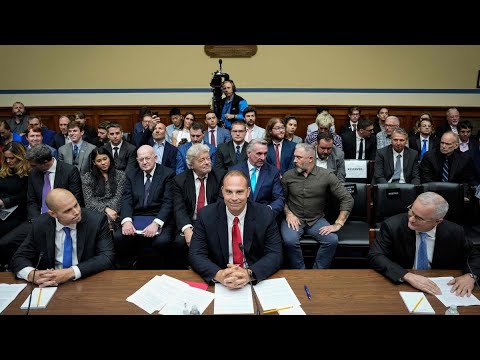
House Oversight Hearing on #UAP: Implications on National Security, Public Safety #ufo #aliens
The transcript excerpts from the congressional hearing on Unidentified Aerial Phenomena (UAPs) provide a comprehensive overview of the discussions held among various members of Congress and the testimonies of military personnel regarding their experiences with UAPs. This hearing marks a significant moment in the ongoing dialogue about UAPs, emphasizing the need for transparency, accountability, and a collaborative approach to understanding these mysterious occurrences. The hearing is structured into several key segments, each addressing critical issues related to UAPs, the government's handling of these phenomena, and the implications for national security.
Opening Remarks
The hearing begins with the chair welcoming attendees and outlining the structure of the session. The chair expresses gratitude towards military personnel who have shared their experiences with UAPs, emphasizing the public's growing curiosity and speculation surrounding these phenomena. The chair reflects on the historical context of UAPs, mentioning past presidential sightings and the establishment of entities like the All Domain Anomaly Resolution Office (ARO) to investigate UAPs. However, the chair criticizes the lack of transparency and classified budgets that hinder congressional oversight. This sets the tone for the hearing, highlighting the importance of open dialogue and the need for accountability in government actions regarding UAPs.
Key Issues Raised
During the hearing, the chair discusses the pressing need for government accountability and transparency, particularly referencing the Biden Administration's handling of a Chinese spy balloon incident as an example of inadequate communication with the public. This incident serves as a backdrop for the discussion on UAPs, illustrating the broader issues of trust and transparency that have become central to the public's perception of government actions. The chair emphasizes that the hearing aims to address the multifaceted nature of UAPs and the importance of objective inquiry, asserting that the discussion is not merely about the existence of UAPs but also about the principles of transparency and accountability in government.
Representative Burchard speaks next, asserting that the issue of UAPs transcends party politics and expressing gratitude for the efforts of colleagues who have pushed for the hearing. He mentions the longstanding military position that UFOs pose no threat, which he finds to be an understatement. Burchard acknowledges the global interest in UAPs and thanks witnesses for their testimonies, highlighting their courage in coming forward despite potential repercussions. This acknowledgment of the witnesses' bravery underscores the challenges faced by those who choose to speak out about their experiences with UAPs.
Representative Luna follows, noting that UAPs have captivated the American public and leaders for decades, yet the government has often failed to provide explanations or transparency. She cites polling data indicating that a significant portion of Americans believe the government is hiding information about UAPs. Luna stresses the need for a system that allows pilots and civilians to report UAP sightings without fear of retribution, emphasizing the importance of creating a safe environment for reporting encounters. This call for a more open reporting system reflects the broader concerns about the stigma associated with UAP sightings and the potential consequences for those who come forward.
Ranking Member Garcia emphasizes the bipartisan nature of the hearing and the necessity of addressing UAPs as a national security issue. He acknowledges the importance of public trust in government institutions and the need for a transparent process to investigate UAPs. Garcia references past reports and studies, including NASA's recent initiatives to examine UAPs, and calls for a collaborative effort to ensure that the public is informed. This emphasis on collaboration highlights the need for a unified approach to understanding UAPs, involving various stakeholders from the military, government, and scientific communities.
Witness Testimonies
The hearing introduces three key witnesses: Lieutenant Ryan Graves, David Grush, and Commander David Fravor. Each witness shares their experiences and insights regarding UAPs, contributing to the broader understanding of these phenomena and the implications for national security.
- Lieutenant Ryan Graves: A former Navy pilot, Graves discusses the frequency of UAP sightings among military and commercial pilots and the stigma that prevents them from reporting these encounters. He emphasizes the need for a secure reporting system to encourage transparency and accountability, highlighting that many pilots fear professional repercussions for coming forward. Graves' testimony sheds light on the challenges faced by pilots in reporting UAP encounters, illustrating the need for a cultural shift within the military and aviation communities to foster open dialogue about these phenomena.
- David Grush: A former intelligence officer, Grush shares his concerns about the government's secrecy regarding UAPs and the potential existence of reverse-engineering programs for recovered UAP technology. He urges Congress to investigate these claims and ensure that oversight is maintained over UAP-related activities. Grush's testimony raises critical questions about the government's handling of UAP information and the implications for national security, emphasizing the need for transparency in addressing these issues.
- Commander David Fravor: Fravor recounts his experience with the "Tic Tac" UAP incident in 2004, describing the object's unusual flight characteristics and the lack of subsequent investigation by the military. He expresses concern over the advanced technology exhibited by UAPs, which he believes poses a significant national security threat. Fravor's detailed account of the Tic Tac incident serves as a pivotal moment in the hearing, illustrating the real-world implications of UAP encounters and the need for further investigation.
Conclusion of the Hearing
The hearing concludes with a commitment to further investigate UAPs and improve reporting mechanisms for both military and civilian encounters. The representatives express a desire for ongoing dialogue and collaboration to ensure that the American public is informed about UAPs and that the government is held accountable for its actions regarding these phenomena. This commitment to transparency and accountability reflects a growing recognition of the importance of addressing UAPs as a national security issue.
Overall, the transcript highlights a critical moment in the ongoing discussion about UAPs, underscoring the need for transparency, accountability, and a collaborative approach to understanding these mysterious occurrences. The hearing serves as a platform for addressing the challenges faced by military personnel in reporting UAP encounters and the broader implications for national security.
Detailed Examination of UAP Encounters
The transcript excerpts from the congressional hearing also delve into specific incidents and testimonies that illustrate the complexities and challenges associated with UAP encounters. One notable aspect discussed is the phenomenon of UAPs exhibiting flight capabilities that defy conventional understanding of aerodynamics and physics. For instance, Mr. Fravor describes an encounter with a UAP that remained stationary in hurricane-force winds, later accelerating to supersonic speeds in erratic patterns. This account raises questions about the technology behind such capabilities and the potential implications for national security.
Mr. Fravor clarifies that the "Tic Tac" UAP is not related to the TikTok app but rather refers to the candy, emphasizing the need for clarity in discussions about UAPs. He expresses astonishment at the flight capabilities of the Tic Tac, stating that no known objects possess similar capabilities, suggesting that the technology is beyond current material science. This assertion underscores the urgency for transparency and a systematic inventory of UAP encounters, advocating for a reporting system that includes commercial aviation to ensure that all sightings are documented and investigated.
Mr. Grush, another witness, shares his experiences of facing retaliation for his testimony and discusses the tactics used against him, which he describes as brutal. He confirms that he has knowledge of individuals harmed in efforts to conceal extraterrestrial technology but refrains from providing specific details in the open session, suggesting that such discussions should occur in a secure environment. This revelation raises significant ethical concerns regarding the government's handling of UAP information and the potential consequences for those who choose to speak out.
Throughout the hearing, various members of Congress ask pointed questions about the nature of UAPs, their potential threats to national security, and the government's handling of information regarding these phenomena. They express concerns over the lack of transparency and the potential for disinformation campaigns aimed at denying the existence of UAPs. Mr. Graves notes that many UAP encounters go unreported, estimating that around 95% of sightings are not documented by pilots due to fear of repercussions. This statistic highlights the urgent need for a cultural shift within the military and aviation communities to foster an environment where reporting UAP encounters is encouraged and supported.
The witnesses describe specific incidents, including a notable encounter off the coast of Virginia Beach where a pilot reported seeing a stationary object that disabled his aircraft's radar systems. They discuss the implications of these encounters, suggesting that UAPs may be probing U.S. military capabilities and pose a potential threat to national security. This discussion underscores the need for further investigation and analysis of UAP encounters to better understand their nature and potential implications.
Throughout the hearing, there is a strong emphasis on the need for further investigation, transparency, and the establishment of a formal reporting mechanism for UAP sightings. The witnesses express a commitment to ensuring that the safety of military personnel and the public is prioritized in discussions about UAPs. This commitment reflects a growing recognition of the importance of addressing UAPs as a national security issue and the need for a collaborative approach to understanding these phenomena.
As the hearing concludes, members of Congress express their gratitude to the witnesses for their courage in coming forward and stress the importance of continuing the dialogue surrounding UAPs. They highlight the need for ongoing investigations and the collection of data to better understand these phenomena, advocating for a collaborative approach between the military, government, and scientific communities. This call for collaboration reflects a broader recognition of the complexities associated with UAP encounters and the need for a unified effort to address the challenges they present.
Implications for National Security and Public Trust
The discussions during the hearing reveal significant concerns regarding UAPs, their implications for national security, and the challenges faced by military personnel in reporting encounters. The testimonies underscore the urgency for transparency and systematic reporting to address the potential risks associated with UAPs. As the hearing progresses, it becomes clear that the issue of UAPs transcends party politics and requires a bipartisan approach to ensure that the public is informed and that government actions are held accountable.
Representative Luna's emphasis on the need for a system that allows pilots and civilians to report UAP sightings without fear of retribution resonates throughout the hearing. This call for a more open reporting system reflects the broader concerns about the stigma associated with UAP sightings and the potential consequences for those who come forward. The representatives' commitment to addressing these issues highlights the importance of fostering a culture of transparency and accountability within government institutions.
Moreover, the hearing serves as a platform for addressing the ethical implications of government secrecy regarding UAPs. Mr. Grush's testimony about facing retaliation for his willingness to speak out raises critical questions about the treatment of individuals who come forward with information about UAPs and the potential consequences they may face. This discussion underscores the need for protective measures to ensure that whistleblowers are safeguarded and that their testimonies are taken seriously.
As the hearing concludes, the representatives express a desire for ongoing dialogue and collaboration to ensure that the American public is informed about UAPs and that the government is held accountable for its actions regarding these phenomena. This commitment to transparency and accountability reflects a growing recognition of the importance of addressing UAPs as a national security issue. The hearing serves as a critical step toward fostering a more open and informed discussion about UAPs, emphasizing the need for a collaborative approach to understanding these mysterious occurrences.
Future Directions for UAP Investigations
The discussions during the hearing also highlight the potential future directions for UAP investigations and the importance of establishing a formal framework for addressing these phenomena. The representatives' commitment to further investigation and the establishment of a reporting mechanism for UAP sightings signals a recognition of the need for a systematic approach to understanding UAPs and their implications for national security.
One potential avenue for future investigations involves the collaboration between military, government, and scientific communities to analyze UAP encounters and gather data on their characteristics and behaviors. This collaborative approach could facilitate a more comprehensive understanding of UAPs and their potential implications for national security. By pooling resources and expertise, stakeholders can work together to address the challenges posed by UAPs and develop strategies for mitigating potential risks.
Additionally, the establishment of a formal reporting mechanism for UAP sightings could serve as a crucial step toward fostering transparency and accountability in government actions regarding these phenomena. By creating a secure and accessible platform for reporting encounters, the government can encourage pilots and civilians to come forward with their experiences without fear of retribution. This shift toward a more open reporting system could help to demystify UAPs and promote a culture of transparency within the military and aviation communities.
Furthermore, ongoing investigations into UAPs should prioritize the collection of data and analysis of sightings to better understand their nature and potential implications. This focus on data-driven analysis could provide valuable insights into the characteristics and behaviors of UAPs, informing future policy decisions and strategies for addressing potential risks. By prioritizing data collection and analysis, stakeholders can work toward developing a more comprehensive understanding of UAPs and their implications for national security.
In conclusion, the congressional hearing on UAPs serves as a critical moment in the ongoing dialogue surrounding these phenomena. The discussions highlight the need for transparency, accountability, and collaboration in addressing UAPs and their implications for national security. As representatives express their commitment to further investigation and the establishment of a formal reporting mechanism for UAP sightings, it becomes clear that the issue of UAPs transcends party politics and requires a unified approach to ensure that the public is informed and that government actions are held accountable. The hearing marks a significant step toward fostering a more open and informed discussion about UAPs, emphasizing the importance of collaboration between military, government, and scientific communities in understanding these mysterious occurrences.
The ongoing discussions in Congress regarding Unidentified Aerial Phenomena (UAPs) reflect a complex interplay of motivations and concerns expressed by various political figures and committee members. A significant driving factor is the perceived lack of transparency surrounding UAPs, which has historically contributed to public speculation and a decline in trust towards governmental institutions. This transparency issue is viewed as a potential threat to national security, prompting calls for greater accountability and clarity in governmental communications about UAPs.
Key figures, such as Representative Burett, emphasize the necessity of addressing the public's curiosity and concerns about UAPs. They advocate for a nonpartisan approach to UAP investigations, underscoring the need for bipartisan collaboration to effectively tackle this issue. The testimonies of military pilots and other witnesses are deemed crucial for enhancing understanding and prompting legislative action.
Specific outcomes and policy changes being pursued through these congressional hearings include:
- The establishment of clearer reporting mechanisms for UAP sightings.
- Increased funding and oversight for agencies involved in UAP investigations, as highlighted during discussions with NASA Administrator Bill Nelson, where the importance of adequate funding for NASA to explore potential extraterrestrial life was stressed.
- Legislation aimed at ensuring the sharing of UAP-related data with Congress.
- Improvement of public communication regarding UAP encounters.
- Formal mechanisms for reporting UAP sightings and enhancing collaboration between governmental entities and the scientific community.
Moreover, there is a notable shift in the political landscape concerning the stigma associated with discussing UAPs. Military pilots are increasingly empowered to share their experiences without fear of ridicule, fostering an environment conducive to rigorous academic inquiry. This cultural shift is seen as essential for encouraging open dialogue and collaboration among military, scientific, and academic communities.
Overall, the intent behind these congressional hearings extends beyond merely addressing the existence of UAPs; it aims to align national security interests with the public's right to know, thereby restoring faith in governmental institutions and legitimizing UAP research as a matter of public interest.
- [02:30] 'This has led Congress to establish entities to examine UAPs.'
- [01:16:30] '...when we were doing a hearing with the NASA administrator Bill Nelson, I asked... why NASA needed to be fully funded... one of them was actually had to do with UAPs.'
- [01:18:20] 'I would say yes... starting in 2017, it took that stigma away... now we're sitting here today for a public testimony on what's actually going on.'
- [12:14] 'This hearing will also not be the end of this discussion but a new chapter.'
The transcript highlights several significant barriers, stigmas, and institutional challenges that the scientific community faces in studying Unidentified Aerial Phenomena (UAPs). A primary barrier is the stigma associated with reporting UAP encounters, particularly among military personnel. This stigma creates a fear of professional repercussions, discouraging witnesses from coming forward with their experiences. Representative Luna emphasizes the frustration regarding the government's lack of transparency, noting that credible witnesses, including doctors and military personnel, have reported UAP sightings, yet the government has not adequately addressed these reports. This raises concerns about the effectiveness of current reporting systems in both military and commercial aviation contexts.
Another key issue is the historical stigma surrounding UAP discussions, which has long discouraged both military personnel and scientists from openly reporting their experiences. However, there has been a cultural shift since 2017, with military pilots feeling increasingly empowered to share their UAP encounters without fear of ridicule. This shift is crucial as it fosters a more open environment for discussion and inquiry.
Institutional challenges also exist, particularly regarding the classification and reporting of UAP incidents. Notably, there is currently no official process for the Federal Aviation Administration (FAA) to receive UAP sighting reports from pilots, which hinders the collection of necessary data for rigorous academic research. To address these barriers, several concrete proposals have been suggested:
- Establishing a secure reporting system that allows pilots and civilians to report UAP sightings without fear of retribution.
- Creating a centralized repository for UAP data that includes contributions from both military and civilian sources.
- Encouraging open dialogue and transparency from government agencies regarding UAP investigations and findings.
- Facilitating partnerships between the scientific community and UAP-focused government groups through congressional hearings to reduce stigma and encourage scientific engagement.
- Establishing advisory boards consisting of scientists and engineers to develop a systematic approach to UAP research.
By addressing these barriers and implementing the suggested measures, the scientific community can enhance its investigation of UAP phenomena, ultimately restoring public confidence in governmental oversight related to aerial anomalies.
- [10:42] 'We are simply told not to question the government and that the government has it under control.'
- [25:40] 'The stigma attached to UAP is real and powerful and challenges National Security.'
- [01:17:20] 'Military pilots feeling empowered to share their UAP experiences has directly impacted the scientific community's research goals on this topic.'
- [01:19:09] 'I think continued conversation and reduction of stigma is going to allow that to flourish and allow answers to help generate themselves.'
In the ongoing discourse surrounding Unidentified Aerial Phenomena (UAPs), speakers emphasize the critical importance of preparing both society and institutions for the potential paradigm-shifting revelations concerning non-human intelligence (NHI) or non-terrestrial origins. This preparation is underscored by a growing recognition among congressional members that the American public deserves clarity on these complex issues, particularly given the historical context of UAP sightings and the significant interest they evoke.
Representative Burett articulates the necessity for transparency, suggesting that an open-minded discussion about UAPs is essential. This acknowledgment implies that revelations about NHI could have profound implications for society, necessitating a thoughtful and considerate approach in presenting such information to the public.
One of the key aspects of this preparation involves actively working to reduce the stigma surrounding UAP sightings, which has historically deterred individuals from reporting their experiences. The gradual shift in military and political attitudes towards UAPs has fostered a more conducive environment for open dialogue. As military pilots become increasingly comfortable sharing their experiences, it is anticipated that the scientific community will also feel encouraged to engage more rigorously in this area of research.
Moreover, there is a recognition that public understanding and acceptance of UAPs may need to evolve. This includes educating the public about the realities of UAP phenomena and fostering a culture that is receptive to the idea of non-human intelligence. The hope is that continued transparency and dialogue will adequately prepare society for any significant revelations that may arise from ongoing investigations.
Ultimately, the discussions reflect a commitment to addressing the complexities and uncertainties surrounding UAPs. By fostering a culture of inquiry and openness, the groundwork can be laid for society to adapt to and understand the implications of any future findings related to UAPs and NHI. Lawmakers aim to:
- Engage the public in discussions about UAPs in a manner that promotes understanding rather than fear.
- Create an environment where credible witnesses feel safe to share their experiences.
- Encourage educational and scientific institutions to investigate UAPs rigorously and transparently.
This collaborative approach conveys a sense of optimism regarding the potential for new discoveries and the necessity of preparing society for the truths that may emerge from this ongoing inquiry.
- [04:21] 'Congress should work to ensure that knowledge is not driven by fear.'
- [20:36] 'The American public has a right to learn about Technologies of unknown Origins, non-human intelligence, and unexplainable phenomena.'
- [01:17:16] 'I think we're seeing some of that stigma slowly going away...'
- [01:19:13] '...keeping our top scientific minds focused on this issue...'
The transcript outlines several significant UAP incidents and sightings that have been discussed during congressional hearings, highlighting both military and public testimonies. One prominent account is provided by Lieutenant Ryan Graves, who recounts UAP sightings by military pilots off the East Coast of the United States in 2014. Graves emphasizes that these sightings are not isolated, as military and commercial pilots frequently encounter unidentified objects.
In a notable incident, Graves describes a UAP characterized as a dark gray or black cube inside a clear sphere, which came alarmingly close to a military aircraft, estimated to be between 5 to 15 feet in diameter. The object reportedly approached within 50 feet of the lead aircraft, prompting the mission commander to terminate the flight. Despite submitting a safety report, there was no official acknowledgment of the incident, underscoring a lack of mechanisms for reporting such sightings.
Another significant event mentioned is the Tic Tac incident in 2004, where Navy pilots observed an oblong object demonstrating maneuvers that defy current understanding of physics and aviation technology. The pilots reported that the object could hover in place and then rapidly accelerate to supersonic speeds without any visible means of propulsion. Key factual details from this incident include:
- Year of incidents: 2014 and 2004.
- Description of UAP: Dark gray or black cube inside a clear sphere.
- Significant actions taken: Termination of flight, submission of safety reports.
- Pilot observations: Unexplained maneuvers and capabilities beyond known technology.
Additionally, the transcript highlights a cultural shift since 2017, which has fostered greater transparency and openness regarding UAP discussions, encouraging pilots to share their experiences. This shift has positively impacted scientific research goals related to UAPs. Furthermore, the establishment of the Galileo Project at Harvard University in 2021 is mentioned, aiming to investigate the origins of UAPs, indicating a growing academic interest in these phenomena.
While specific details about individual UAP incidents, including precise dates and locations, are somewhat limited, the transcript emphasizes the need for comprehensive documentation and reporting of UAP sightings to facilitate further research and understanding. Many encounters remain underreported or inadequately investigated, underscoring the complexity and seriousness of the UAP phenomena.
- [25:25] 'The object described as a dark gray or a black Cube inside of a clear sphere came within 50 ft of the lead aircraft.'
- [34:12] 'We saw some white water off our right side... it was a Tic Tac object with a longitudinal axis pointing North South.'
- [01:17:34] '...starting in 2017 when it actually came out it took that stigma away...'
- [01:17:49] '...we're sitting here today for a public testimony on what's actually going on.'
The discussions in the transcript raise critical arguments regarding government transparency, institutional secrecy, and the issue of over-classification concerning UAP data and materials. Multiple speakers express frustration over the lack of clarity from government agencies, particularly in light of numerous UAP incidents and the pressing need for accountability.
Representative Luna highlights that a significant portion of the American public, approximately 68%, believes the government is concealing information about UAPs. This sentiment underscores a substantial public demand for greater transparency and disclosure of UAP-related information.
Lieutenant Graves and other witnesses emphasize the detrimental effects of excessive classification, which not only impedes public understanding but also fuels speculation and mistrust in government institutions. Graves notes that since 2021, all UAP videos have been classified as secret or above, limiting access to crucial information that could clarify public concerns and enhance safety measures.
Concrete criticisms raised include:
- The need for a centralized reporting system to address UAP sightings without fear of reprisal.
- The requirement for Congress to have oversight over classified UAP materials to ensure accountability.
- Calls for declassification of UAP-related evidence and findings to enhance public trust.
Furthermore, the culture of secrecy surrounding UAP discussions has been a long-standing issue. Witnesses noted that the Federal Aviation Administration (FAA) currently lacks an official mechanism for pilots to report UAP sightings, which inhibits data collection and hinders scientific research. The over-classification of UAP-related information has been identified as problematic, with some videos and images being classified at levels deemed unnecessary, thereby preventing public access to potentially significant evidence.
Additionally, there are calls for Congress to facilitate a reduction in stigma surrounding UAP discussions, which would enable a more open dialogue about these phenomena. This reduction in stigma is seen as essential for attracting the attention of scientific minds and ensuring that rigorous research can be conducted without the fear of ridicule or professional consequences. Overall, the discussions point to a pressing need for reform in how UAP data is classified and disclosed to both the public and Congress, advocating for a shift towards a more open and transparent approach to UAP investigations that would benefit national security and restore public confidence in governmental institutions.
- [03:56] 'However ARO's budget remains classified prohibiting meaningful oversight from Congress.'
- [21:02] 'Over-classification of information away from the American public or even Congress contributes to today's politics.'
- [01:19:10] 'Reduction of stigma is going to allow that to flourish and allow answers to help generate themselves.'
[00:03] the subcommittee hearing on unidentified[00:05] anomalous phenomena or uaps will come to[00:08] order welcome everyone without objection[00:12] the chair May declare a recess at any[00:14] time additionally without objection the[00:16] following members are waved on to the[00:18] subcommittee for the purpose of[00:19] participating in today's hearing Mr[00:21] burchard of Tennessee Miss Luna of[00:24] Florida Mr Gs of Florida Mr burison of[00:27] Missouri Mrs okazi Cortez of New York Mr[00:30] Olas of Tennessee without objection so[00:33] ordered for today's subcommittee hearing[00:36] both the chair and ranking member will[00:38] have 10 minutes for opening remarks we[00:40] may both be giving some of those minutes[00:43] uh to other members of our party I'm now[00:45] going to recognize myself for 10 minutes[00:48] I'm actually going to try to get out of[00:50] here in about four and then we'll give[00:51] it to some of my friends over here uh[00:54] good morning and welcome to the mostly[00:56] exciting sub the most exciting[00:57] subcommittee in Congress this week the[00:59] subcommittee on National Security of the[01:01] border and Foreign Affairs for[01:03] discussion of unidentified anomalous[01:06] phenomenon I'd like to thank the brave[01:08] military pilots and Personnel such as W[01:11] uh such as the Witnesses on the panel[01:13] today for sharing their stories on how[01:15] they have engaged uaps which has brought[01:17] attention to this matter curiosity and[01:20] speculation from all walks of life have[01:23] generated interest in studying what uaps[01:25] are and and what threats they they may[01:28] pose I will say that when I was younger[01:30] in school I read a book uh a 1966 book[01:34] called flying saucers serious business[01:36] and for a while when I was a little bit[01:39] younger I thought it was the most[01:40] important issue out there uh the the[01:43] lack of transparency regarding uaps[01:46] which was one of the uh themes of that[01:49] book[01:51] um[01:53] uh[01:55] um uh in any event it's like interest in[01:59] studying what uaps are and what threats[02:01] they pose um the lack of transparency[02:05] regarding uaps has filled wild[02:07] speculation and debate for decades[02:09] eroding public trust in the very[02:10] institutions that are meant to serve and[02:13] protect them as is evidenced by the[02:14] large number of people we have here I[02:16] also want to point out in 1966 President[02:19] Gerald Ford claimed to have seen a UFO[02:22] and in 1969 in Georgia uh Jimmy Carter[02:26] claimed to have seen a UFO so this has L[02:30] Congress to establish entities to[02:31] examine uaps the National Defense[02:34] authorization Act of 2022 establish the[02:37] all domain anomaly resolution offic or a[02:41] o to conduct or to coordinate efforts[02:44] across the Department of Defense and[02:45] other federal agent federal agencies to[02:48] detect identify and investigate uaps[02:51] however A's budget remains classified[02:54] prohibiting meaningful dis oversight[02:56] from Congress in addition to aro's[02:59] efforts Nassau is leading an independent[03:01] study on uaps that will identify how UAP[03:05] data is gathered from both civilian and[03:07] government entities that can be analyzed[03:10] to shed light on the topic however[03:12] despite these offices being established[03:15] there lies a pressing demand for[03:17] government transparency and[03:18] accountability that cannot be overlooked[03:20] and that's been a problem that's been[03:22] around for 50 years the Biden[03:24] Administration handling of the Chinese[03:26] spy balloon that violated US Air space[03:29] is one example Le how the government is[03:31] not prepared for these the Biden[03:33] administration's description of events[03:35] has shown that the government continues[03:37] not to be forthright uh between the[03:39] Chinese balloon being shot down and two[03:41] uaps subsequently shot down following[03:44] the event earlier this year the US[03:45] government spent $1.5 millionar in[03:47] taxpayer dollars on missiles yet we have[03:50] seen little Clarity from the Biden[03:52] Administration we must demand[03:54] transparency from the Department of[03:55] Defense our intelligent community and[03:57] our defense industry on the UAP work[03:59] we're going to ask some questions about[04:01] that today Congress recognizes the[04:03] subject of UAP is as multifaceted and[04:06] requires a careful data driven approach[04:09] today we'll see Clarity from these[04:10] Witnesses testimonies or we'll seek[04:12] clarity as to what can be done to[04:14] improve reporting for military and[04:17] civilians and remain committed to[04:19] objective inquiry Congress should work[04:21] to ensure that knowledge is not driven[04:24] by fear today we are not just debating[04:27] the existence of uaps we are[04:28] deliberating on the principles that[04:29] Define our Republic which is a[04:31] commitment to transparency and[04:33] accountability I look forward to hearing[04:35] from our Witnesses today about ways we[04:37] can improve government efficiency and[04:39] openness when it comes to uaps I thank[04:42] each of you for your presence here today[04:44] and for your dedication to safeguarding[04:46] the interest of the American people I[04:47] look forward to your testimony now I'm[04:49] going to turn it over for two and a half[04:51] or three minutes to uh representative[04:53] burett from[04:55] Tennessee thank you Mr chairman thank[04:57] you all for being here um I want to[05:00] thank everybody for making this happen[05:02] today and I want to remind everybody[05:03] this is a nonpartisan issue this has[05:05] nothing to do with Party politics I[05:07] think um the cover up goes a lot deeper[05:10] than that I also want to thank my[05:12] colleagues uh representative Anna Palina[05:14] Luna sitting beside me here Jared mosz[05:19] my friend across the aisle has an[05:21] incredible mind and I'm anxious to hear[05:23] his questions my buddy Eric burles and[05:26] um it's not in my notes here but Matt[05:28] Gates if it hadn't been for Matt Gates[05:29] myself him and Luna would still be down[05:31] at Egan Air Force Base trying to get[05:33] some[05:34] answers he's got an incredible legal[05:36] mind also U I know I saw it in the crowd[05:39] there George knap my buddy Jeremy[05:42] Corbell um I've uh they're not Witnesses[05:45] but they've uh provided some statements[05:47] on this subject and I seek unanimous[05:49] consent to enter those statements into[05:51] the record Mr chairman without objection[05:54] also would like to enter in I understand[05:56] now that this is unclassified and it's[05:58] public record but as we all know that's[06:00] sometimes difficult for the public to[06:02] get a hold of a report defense[06:04] intelligence uh reference document is[06:06] Advanced space propulsion based on[06:08] vacuum SpaceTime metric engineering some[06:11] light reading for some of our members[06:13] without objection thank you um you know[06:16] Mr knap wrote since 1969 the position[06:19] our military has been that UFOs pose no[06:21] threat to National Security and are not[06:24] wor worthy of further study I'd say[06:26] that's the biggest understatement of the[06:28] decade um[06:30] he also goes on to talk about the[06:31] dismissive attitude it's at odds with[06:33] what was revealed in documents reports[06:35] and internal memos Mr Cabell says U as[06:39] as he writes these words the UFO is[06:41] emerging as a major topic of global[06:43] importance um I can state that as a fact[06:47] out there I met a fellow who came in[06:49] there all the way from Denmark to be[06:51] here for this this meeting so this is[06:53] huge this is worldwide I think we um we[06:56] suspect what's going on but I'd also[06:58] like to thank the members of Cong[06:59] Congress have supported our efforts to[07:01] make this hearing happen some have even[07:03] confided to me that they've had UFO[07:04] sightings of their own those members of[07:07] course some of them wish to remain[07:08] anonymous and I'll keep it that way but[07:10] also finally I like to thank the these[07:12] three Brave Witnesses here they took a[07:15] no they took a no to uphold the[07:17] Constitution of the United States and[07:18] dadg they're doing it and we owe them a[07:21] debt of gratitude[07:36] y'all y'all quit clapping you're cutting[07:37] in on my[07:39] time just kidding these folks they've[07:42] got nothing to gain from this and I[07:44] think you're going to find out that[07:45] they've endured quite a few slings and[07:46] arrows we need to remember them in our[07:48] prayers and their families and I'm[07:50] thankful them for their honest[07:52] testimonies they have done interviews[07:53] and appeared in documentaries like[07:55] accidental truth to get their stories[07:57] out there to and and now they all here[07:59] to testify under oath for[08:01] congress I it's been so difficult to get[08:04] here today I've said you know in the[08:06] Baptist Church we'd say that the devil's[08:07] in our way and um the devil's been in[08:10] our way through this thing we've we've[08:12] run into roadblocks from members from[08:14] the intelligence Community the Pentagon[08:16] I proposed legislation to go in the FAA[08:19] reauthorization that just said if a if[08:22] an airline pilot uh has a sighting that[08:25] when he makes that report to the FAA[08:27] that it would come to Congress but I was[08:28] told that the intelligence community did[08:31] not like that and the bill was the[08:33] amendment was not even heard in[08:34] committee I think it's time for this[08:36] country to take back our country we need[08:38] to tell the folks at the Pentagon they[08:40] work for us dad gam we don't work for[08:43] them and that's exactly the point this[08:46] is an issue of government transparency[08:48] we can't trust a government that does[08:49] not trust its people we're not bringing[08:52] Little Green Men or flying saucers into[08:54] the hearing sorry to disappoint about[08:56] half y'all we're just going to get to[08:58] the facts we're going to uncover the[09:00] cover up and I hope this is just the[09:02] beginning of many more hearings and more[09:04] people coming forward about this and I[09:06] yield back to remainder of my time um I[09:08] think is it to represent Luna Mr[09:10] chairman or is that yeah we we'll call[09:12] Miss Luna for her[09:15] statement the circumstances surrounding[09:17] uaps has captivated the intention of the[09:19] American people for decades ingrained in[09:21] even the minds of our nation's leaders[09:23] from Jimmy Carter to Barack Obama[09:25] Hillary Clinton to Donald Trump Marco[09:27] Rubio to Chuck Schumer John Radcliffe to[09:30] National Security Council officials yet[09:33] from Roswell New Mexico to the coast of[09:34] Jacksonville Florida the sightings of[09:36] uaps have rarely been explained by the[09:38] people who have firsthand accounts of[09:40] these situations this is largely due to[09:42] the lack of transparency by our own[09:44] government and the failure of our[09:46] elected leaders to make good on their[09:47] promises to release explanations and[09:49] footage and mountains of over classified[09:52] documents that continue to be hidden[09:53] from the American people this isn't just[09:56] how I feel in fact the American people[09:58] largely believe that the government has[09:59] actively covered up the truth about uaps[10:02] one poll in particular found that 68% of[10:05] Americans believe that the government is[10:06] hiding information about uaps and not[10:09] being honest about what we know about[10:11] them and from my personal experience I[10:13] believe the same thing another poll[10:15] found that nearly half Americans believe[10:17] that the federal government is doing a[10:18] very bad or somewhat bad job of dealing[10:20] with reports of UFO sightings as[10:23] representative burett just referenced on[10:25] the fa bill that just went through you[10:27] can tell that that's exactly happening[10:30] considering the thousands of testimonies[10:31] and videos taken on people's phones and[10:33] eyewitnesses accounts made by credible[10:35] Witnesses such as doctors Pilots[10:38] scientists and active duty service[10:39] members is unacceptable to continue to[10:42] Gaslight Americans into thinking that[10:43] this is not happening or that the[10:45] potential of intelligence uh intelligent[10:48] life forms exists other than humans even[10:51] more alarming is the fact that these[10:52] eyewitnesses are many of time service[10:54] members and have no assurance that their[10:56] lives will not be negatively impacted or[10:58] even harmed by their experiences in[11:00] being an active duty service member[11:02] working on an Airfield I've had[11:04] conversations with many Pilots where[11:06] they were in fear of coming forward for[11:08] Retribution Andor being taken off flight[11:10] status how do we know this because the[11:12] government has said nothing to assure us[11:14] otherwise they have also did nothing to[11:17] um to calm the concerns of over 20% of[11:20] Americans who have reported to have seen[11:21] UFOs or uaps we are simply told not to[11:25] question the government and that the[11:26] government has it under control today is[11:28] the first in of its kind where we will[11:30] attempt to get down to the bottom of[11:31] what is actually happening with uaps but[11:33] we will hear from people who have had[11:35] personal sightings rather than Pentagon[11:37] bureaucrats who have always been sent to[11:39] Stonewall or[11:40] investigations just so that the Press[11:42] knows and the people know we were even[11:44] denied access to a classified briefing[11:46] in a skiff prior to this hearing due the[11:48] amount of Hoops that we had to jump[11:49] through to Grant temporary clearance to[11:51] witness grush who has knowledge of[11:54] classified information it is time to[11:56] have an open-minded discussion on this[11:58] topic to hear the evidence and[11:59] understand the magnitude of what this[12:01] means not just for our nation but for[12:02] Humanity thank you chairman I yield back[12:04] the rest of my time thank you very much[12:07] and I'd like to thank you thank you and[12:09] Mr burett for bringing this topic to my[12:11] attention uh now we'll recognize[12:13] National Security subcommittee ranking[12:15] member Garcia for 10[12:19] minutes well thank you Mr chairman and I[12:22] want to thank first our Witnesses for[12:23] joining us today um I want to begin by[12:25] thanking you all for your service to our[12:27] country um and for sharing your voices[12:29] uh today and your courage uh to be here[12:31] as well uh to Mr Graves uh particularly[12:34] grateful to you to spend some time uh[12:35] that we had um for you to share with[12:37] cander um some of your experiences so I[12:39] appreciate that uh as well I do want to[12:42] thank all the members of our[12:43] subcommittee today and also those that[12:45] are here uh and have waved on for the[12:47] their incredible interest in this issue[12:49] uh particularly to Congressman bured I[12:51] know that your leadership um has brought[12:53] us to this place today and I want to[12:54] thank you for uh for that as well as[12:56] everyone else that's been engaged in[12:58] this work I also want to thank the[12:59] oversight staff I know has been working[13:01] very hard to ensure uh that today's[13:03] hearing is serious that it's transparent[13:06] and that it also provides appropriate[13:08] answers as our oversight body um always[13:10] demands now it's really important that[13:12] we're here in a bipartisan way uh to[13:15] have this conversation which really to[13:16] the heart of it is about National[13:17] Security and key to the subcommittee's[13:20] core purpose this is the subcommittee on[13:22] National Security of the oversight[13:24] committee now our witnesses will testify[13:26] today that uaps have posed a serious[13:28] safety threat and we must understand[13:31] this more broadly we're dealing with[13:32] real questions that get to the heart of[13:35] our faith in government faith in our[13:37] institutions as we all know is at an[13:38] all-time low partisanship and[13:40] alternative facts make it too easy to[13:42] doubt narrative or into or our[13:44] institutions but this hearing will offer[13:46] the public unique perspectives building[13:48] on years of reporting by both federal[13:50] agencies and the Independent Media now[13:53] some of the earliest reporting on this[13:54] issue was a groundbreaking 2017 New York[13:57] Times report which we which revealed[13:59] research as we know now on unidentified[14:01] anomalous phenomena as many call UFOs by[14:05] the defense intelligence agency Mr[14:07] Graves and Commander fr's experiences[14:09] with uaps have also been documented by[14:11] the public not just by the New York[14:13] Times but CNN and many other national[14:15] news outlets now the office of the[14:17] Director of National Intelligence has[14:19] published public reports documenting[14:20] uaps and on June 9th 20122 NASA[14:24] announced that the agency is[14:25] commissioning a study to of course[14:26] examine unidentified anomalous phenomena[14:29] now the sheer number of reports wilsa[14:31] blowers and stories of unidentified[14:32] anomalous phenomena should raise real[14:35] questions and warrant investigation and[14:36] oversight and that's why we are here[14:38] today now Pilots have reported[14:40] encounters for years now because of the[14:43] stigma around reporting these incidents[14:44] we still don't have a complete picture[14:46] of actually what's going on particularly[14:49] as our witnesses will testify on the[14:51] civilian side and that is a real problem[14:53] that we have today in the country now[14:55] it's very important that we show that[14:56] Democrats and Republicans in Congress[14:59] can come together in a bipartisan way to[15:01] cut through misinformation and to look[15:03] at the facts in a serious and thoughtful[15:05] manner if we are to advance oversight[15:07] and public disclosure we must also gain[15:09] the broad support of the public we will[15:12] succeed getting facts out to the public[15:14] faster if there is a broad public[15:16] support as part of the process now I[15:19] understand fully the Department of[15:20] Defense is hesitant to share information[15:23] that could also undermine our national[15:24] security by revealing information on the[15:26] capabilities of our own aircraft our[15:29] sensors and other sensitive material at[15:31] the same time many people believe that[15:33] we're withholding information from them[15:35] and that is dangerous also I believe in[15:38] openness and transparency that is also[15:40] the role of Congress and I want to trust[15:43] that the American people will be able to[15:44] weigh the evidence and make up their own[15:46] minds now we have incidents where[15:48] sensors sometimes even multiple types of[15:50] sensors detect things that we cannot[15:52] explain uaps whatever they may be May[15:56] pose a serious threat to our military or[15:58] civilian air craft and that must be[16:00] understood now my career in training as[16:03] a longtime and career educator and[16:05] teacher and researcher tell me that we[16:07] should never rule anything out we know[16:10] that our space of course is vast and[16:13] undiscovered I also want to note that Mr[16:15] Sean kpatrick director of the all domain[16:17] anomaly resolution office the component[16:19] of the dod office that investigates UAP[16:21] data has testified before the Senate[16:23] this year that his unit has found no[16:26] evidence of extra exteral activity NASA[16:28] is also also stated they don't have[16:29] evidence of exterrestrial life either[16:32] and we've heard this of course from some[16:33] of our government agencies and we should[16:36] remind viewers and Witnesses which I[16:37] think is really important that we also[16:39] cannot share classified information in[16:41] public settings but questions of course[16:44] remain that people want to see data and[16:46] information for themselves the enormous[16:48] interest in the hearing today[16:49] underscores the importance of a fair and[16:51] open look at the evidence from Witnesses[16:54] who can share their unique perspectives[16:56] now I know I certainly have a lot of[16:57] questions and I know that all the[16:59] members of our committee do as well we[17:01] should come to this hearing with an open[17:03] mind and we should not let our existing[17:05] ideas restrict us on either side I hear[17:08] over and over from many agencies the[17:10] stigma around reporting and[17:11] investigating[17:12] uaps prevents us from getting real[17:14] answers we know that whistle browers[17:16] have reported harassment intimidation or[17:18] stigma as well and this is not[17:20] acceptable if people can't report[17:22] incidents which would have National[17:24] Security or safety implications then[17:26] that also has serious consequences for[17:27] us as rank being member of this[17:29] subcommittee I know it's my I know my[17:31] job would be completely impossible if[17:33] whistleblowers or others feel[17:34] intimidated to come before this[17:35] committee we can't be afraid of asking[17:37] questions and we can't be afraid of the[17:39] truth I'm proud to say that this hearing[17:42] builds upon bipartisan work by members[17:43] of the House and Senate dating many[17:45] years back which has sought to increase[17:47] awareness within the Department of[17:48] Defense and more and to mandate more of[17:50] Congress of uaps we know the senator is[17:53] taking up an amendment to their defense[17:55] authorization bill which will create a[17:57] commission with broad declassification[17:58] of Authority and we can all should all[18:00] agree that that is an important step[18:02] members of both parties and Senior[18:03] officials in multiple administrations[18:05] have taken an interest in this issue and[18:07] we're proud to carry and build that[18:09] confidence in the American people this[18:11] hearing will also not be the end of this[18:13] discussion but a new chapter and start[18:15] to years and years of work that many[18:17] folks both in both in the public and[18:19] within government have been working on[18:21] we should encourage more reporting not[18:23] less on uaps the more they we understand[18:27] the safer we will be we will hear[18:29] testimony from Witnesses today with a[18:31] long record of service to the American[18:33] people and with subject matter expertise[18:35] art Witnesses have a unique opportunity[18:37] to share the perspective insights um and[18:39] their experiences with the American[18:41] people and I encourage all of my[18:43] colleagues to engage with these[18:44] difficult questions with an open mind[18:46] and to follow the facts on behalf of our[18:49] country I also just want to say more[18:51] broadly that we should look at this[18:53] hearing with and believe that everything[18:54] is on the table as it relates to uaps I[18:56] think we an open mind is absolutely the[18:58] best I want to yield the the two and a[19:00] half minutes the remainder of my time to[19:02] the representative from Florida[19:03] representative mosovich for an opening[19:05] statement he also has been um very much[19:07] engaged in this issue and I want to[19:08] thank him uh for his leadership[19:11] Congressman um thank you ranking member[19:13] Garcia thank you Mr chairman I want to[19:15] thank uh Tim burett and Anna Paulina[19:17] Luna for their leadership in pushing uh[19:20] this hearing forward I want to thank uh[19:22] obviously committee staff and their[19:24] staff working on this on a bipartisan[19:25] basis uh because many Americans are[19:28] deeply interested interested uh in this[19:29] issue and it it shouldn't take the[19:32] potential of non-human origin to bring[19:34] us together uh additionally I want to[19:36] thank the witnesses for for coming[19:38] forward to share your perspectives your[19:39] thoughts your and the sightings of uaps[19:42] unlike other hearings many times in[19:44] Congress you're not here to help a[19:46] political party but you're here to share[19:48] information with the American people and[19:51] it's not something that is just going on[19:53] in this Administration it's something[19:54] that's uh spanned many administrations[19:57] for decades many Americans have been[19:59] fascinated by objects mysterious and[20:01] unexplained and it's long past time that[20:04] they got some answers the American[20:06] public has a right to learn about[20:08] Technologies of unknown Origins[20:11] non-human intelligence and unexplainable[20:14] phenomena those are not the words of a[20:16] UFO Twitter account though that is a[20:19] direct quote from Majority Leader Chuck[20:21] Schumer that the American public has a[20:23] right to learn about Technologies of[20:24] unknown Origins non-human intelligence[20:27] and unexplainable phenomena in an[20:30] interview with Fox News recent former[20:32] Director of National Intelligence John[20:33] Radcliffe confirmed the US government is[20:36] aware a lot more sightings of uaps and[20:40] that they have not made that information[20:42] public I quote there are a lot more[20:44] sightings that have not been made public[20:46] Radcliffe said to Fox News for me this[20:49] hearing is about transparency we[20:51] unfortunately live in a time in which[20:53] many people distrust government and our[20:55] institutions an over classification of[20:57] information away from the American[20:59] public or even Congress contributes to[21:02] today's Politics the American people[21:04] have regular questions what are uaps how[21:07] come the media doesn't report more on[21:08] them are they foreign adversaries are[21:10] they us technology are they something[21:12] else they ask themselves how come when a[21:15] Russian jet shoots flares at one of our[21:18] drones we have perfect pictures and[21:20] videos to show the American people and[21:22] the world but when it comes to uaps[21:26] nothing of course we must always prend[21:28] protect our national security to[21:30] maintain our superiority like when[21:32] stealth helicopters were only rumored to[21:35] exist but were used in the Osama bin Len[21:38] raid in[21:39] 2011 but we can't allow that to be used[21:42] as a shield to keep the American people[21:45] completely in the dark from basic truths[21:48] the American people deserve to hear more[21:50] about special access programs Congress[21:52] has a right to know if there's any[21:54] unsanctioned weapons[21:56] development satellite imagery that has[21:58] not been provided to Congress Congress[22:01] created the all domain resolution office[22:03] in the ndaa of[22:04] 2022 in its initial analysis there are[22:09] 171 uncharacterized UAP reports and this[22:12] is the words from the report that appear[22:15] to have demonstrated unusual flight[22:17] characteristics or performance[22:19] capabilities I believe more information[22:21] is known about the 171 instances it's[22:25] time for Congress to reinsert ourselves[22:27] I call on our military leaders and[22:29] intelligence officials to release more[22:31] information to the American people about[22:33] uaps and to our military leaders if[22:36] there's nothing to conceal let Congress[22:39] go to write Patterson Air Force bace The[22:42] dugway Proven ground or even Groom Lake[22:44] in Nevada we should have disclosure[22:47] today we should have disclosure tomorrow[22:50] the time has come thank you ranking[22:52] member thank you Mr mosovich and I would[22:55] yield back now to our chairman thank you[22:58] right now I'd like to introduce our[23:00] Witnesses our first witness is[23:01] Lieutenant Ryan Graves he's the[23:03] executive director of Americans for safe[23:05] Aerospace Lieutenant Graves is also a[23:08] former US Navy F-18 pilot with his own U[23:11] UAP experience the next witness David[23:14] grush is a former senior intelligence[23:16] officer with the National geospatial[23:19] Intelligence Agency and was a senior[23:21] technical adviser for UAP issues and[23:24] final finally retired Navy Commander D[23:27] Commander David fraver Squadron leader[23:30] who worked as a Naval aviator for 18[23:32] years Mr fraver has his own UAP[23:35] experience known as the Tik Tock event I[23:38] look forward to hearing from all three[23:39] of you[23:40] today um pursuant to committee rule 9g[23:44] the witnesses will please stand and[23:45] raise their right[23:48] hands do you solemnly swear or affirm[23:52] that the testimony you are about to give[23:53] is the truth the whole truth and nothing[23:54] but the truth so help you guide[23:58] let the record show that all the[24:00] witnesses answer in the affirmative you[24:02] may be seated we appreciate you all[24:04] being here today and look forward to[24:06] your testimony let remind the witnesses[24:08] that we have read your written[24:09] statements and they will appear in full[24:11] in the hearing record please try to[24:13] limit your oral statements to five[24:14] minutes as a reminder please press the[24:17] button on the microphone in front of you[24:19] so that it's on and the members can hear[24:21] you when you begin to speak the light in[24:23] front of you will turn green after four[24:25] minutes it'll turn yellow and the red[24:27] light when that comes on it uh tells you[24:29] your 5 minutes have expired I'll now[24:32] recognize Mr Graves for 5 minutes for[24:34] your opening[24:35] statement thank you chairman gothman[24:39] ranking member Garcia distinguished[24:40] members of the House oversight[24:42] subcommittee on National Security[24:44] representative burett and Luna my name[24:46] is Ryan fobs Graves and I'm a former F18[24:49] pilot with a decade of service in the US[24:51] Navy including two deployments and[24:52] operation enduring freedom and operation[24:54] inherent resolve I have experienced[24:57] Advanced UAP firsthand and I'm here to[24:58] voice the concerns of more than 30[25:00] commercial air crew and military[25:01] veterans who have confided their similar[25:03] encounters with me today I would like to[25:06] highlight three critical issues that[25:08] demand our action as we convene here UAP[25:11] are in our airspace but they are grossly[25:13] underreported these sightings are not[25:15] rare or isolated they are routine[25:17] military air crew and commercial pilots[25:19] trained observers whose lives depend on[25:21] accurate identification are frequently[25:23] witnessing these[25:25] phenomena the stigma attached to UAP is[25:28] real and powerful and challenges[25:30] National Security it silences commercial[25:32] pilots who fear professional[25:33] repercussions discourages Witnesses and[25:36] is only compounded by recent government[25:37] claims questioning the credibility of[25:39] eyewitness[25:40] testimony parts of our government are[25:42] aware of more about UAP than they L on[25:45] but excessive classification practices[25:46] keep crucial information hidden since[25:49] 2021 all UAP videos are classified as[25:51] secret or above this level of secrecy[25:54] not only impedes our understanding but[25:55] fuels speculation and mistrust[25:59] in 2014 I was an F-18 foxtop pilot in[26:02] the Navy fighter attack Squadron 11 the[26:04] red Rippers and I was stationed at NAS[26:07] oceanana in Virginia beach after[26:09] upgrades were made to our Jets radar[26:11] systems we began detecting unknown[26:13] objects operating in our[26:15] airspace at first we assumed they were[26:17] radar errors but soon we began to[26:19] correlate the radar tracks with multiple[26:21] onboard sensors including infrared[26:22] systems eventually through Visual[26:25] ID during a training mission in warning[26:27] area whiskey 72 10 Mi off the coast of[26:30] Virginia Beach two F18 super Hornets[26:32] were split by a UAP the object described[26:35] as a dark gray or a black Cube inside of[26:37] a clear sphere came within 50 ft of the[26:40] lead aircraft and was estimated to be 5[26:42] to 15 ft in diameter the mission[26:44] Commander terminated the flight[26:45] immediately and returned to base our[26:48] Squadron submitted a safety report but[26:49] there was no official acknowledgement of[26:51] the incident and no further mechanism to[26:52] report the[26:54] sightings soon these encounters became[26:56] so frequent that air crew would discuss[26:57] the risk of UAP as part of their regular[27:00] pre-flight[27:03] briefs recognizing the need for action[27:05] and answers I founded Americans for safe[27:07] Aerospace the organization has since[27:09] become a Haven for UAP Witnesses who[27:11] were previously unspoken due to the[27:13] absence of a safe intake process more[27:15] than 30 Witnesses have come forward and[27:17] almost 5,000 Americans have joined us in[27:18] the fight for transparency at safe[27:20] aerospace.org the majority of Witnesses[27:23] are commercial pilots at majority major[27:26] airlines often they are veterans with[27:28] Decades of flying experience Pilots are[27:30] reporting UAP at altitudes that appear[27:32] above them at 40,000 ft potentially in[27:35] low earth orbit or in the gray Zone[27:36] below the Carmen line making[27:38] inexplainable Maneuvers like right- hand[27:40] turns and retrograde orbits or J Hooks[27:44] sometimes these reports are reoccurring[27:45] with numerous recent sightings north of[27:47] Hawaii and in the North[27:49] Atlantic other veterans are also coming[27:51] forward to us regarding UAP Encounters[27:53] in our[27:54] airspace and oceans the most compelling[27:57] involve observations of U by multiple[27:59] Witnesses and sensor systems I believe[28:01] these accounts are only scratching the[28:02] surface and more will share their[28:04] experiences once it is safe to do[28:06] so in closing I recognize the skepticism[28:09] surrounding this topic if everyone could[28:11] see the sensor and video data I[28:13] witnessed our national conversation[28:15] would change I urge us to put aside[28:17] stigma and address the security and[28:18] safety issue this topic represents if[28:21] UAP are foreign drones it is an urgent[28:23] national security problem if it is[28:25] something else is an issue for science[28:28] in either case unidentified objects are[28:30] concerned for flight safety the American[28:32] people deserve to know what is happening[28:33] in our skies it is long overdue thank[28:39] you Mr[28:44] G Mr chairman ranking members and[28:47] congressmen uh thank you I'm happy to be[28:49] here this is an important issue and I'm[28:51] grateful for your time my name is David[28:53] Charles grush I was an intelligence[28:55] officer for 14 years in the both the US[28:58] Air Force uh both active duty Air[29:01] National Guard and Reserve at the rank[29:03] of major and most recently from 2021 to[29:06] 2025 or excuse me 2023 uh at the[29:10] National geospatial Intelligence Agency[29:12] NGA uh at the gs-15 civilian level which[29:15] is the military equivalent of a full[29:17] bird[29:18] colonel I was my agency's co-lead in[29:21] unidentified anomalous phenomena and[29:23] trans medium object analysis as well as[29:26] reporting to the UAP 10 task force uaf[29:30] uh and eventually once it was[29:31] established uh the all domain anomaly[29:34] resolution office Arrow I became a[29:36] whistleblower through a ppd1 19 urgent[29:41] concern filing in uh May 2022 uh with[29:44] the intelligence Community Inspector[29:46] General uh following concerning reports[29:48] from multiple esteemed and credentialed[29:51] current and former military and[29:53] intelligence Community individuals that[29:56] the US government is operating with[29:58] secrecy above congressional oversight uh[30:02] with regards to[30:03] uaps my testimony is based on[30:05] information I've been given by[30:07] individuals with a longstanding track[30:10] record of legitimacy and service to this[30:13] country many of whom also have shared[30:15] compelling evidence in the form of[30:17] Photography official documentation and[30:20] classified oral testimony to myself and[30:23] many my various[30:25] colleagues I have taken every step I can[30:27] to co aborate this evidence over a[30:29] period of four years while I was with[30:31] the UAP task force and do my due[30:34] diligence on the individual sharing it[30:37] uh this is because of these steps I[30:39] believe strongly uh in the importance of[30:41] bringing this information before you I[30:44] am driven by a commitment of both uh to[30:46] truth and[30:47] transparency rooted in our inherent duty[30:50] to uphold the United States Constitution[30:53] and protect the American[30:55] people I'm asking Congress to hold our[30:57] government to this standard and[30:58] thoroughly investigate these claims but[31:01] as I stand here under oath now I am[31:03] speaking to the facts as I've been told[31:06] them in the US Air Force in my national[31:09] reconnaissance office nro reservice[31:12] capacity I was a member of the UAP task[31:14] force from 2019 to 2021 I served at the[31:18] N operations center on the director's[31:20] briefing staff which included the[31:22] coordination of the presidential Daily[31:24] Brief and supporting variety of[31:26] contingency operations with which I was[31:28] the reserved Intelligence Division Chief[31:30] uh[31:31] backup in 2019 the UAP task force[31:35] director asked me to identify all[31:38] special access programs and controlled[31:41] access programs also known as saps and[31:43] caps uh we needed to satisfy our[31:46] congressionally mandated Mission and we[31:49] were direct report at the time to the[31:50] deps[31:52] Dev at the time due to my extensive[31:54] executive level intelligence support[31:56] duties I was cleared to literally all uh[31:59] relevant compartments and in a position[32:01] of extreme trust both in my military and[32:04] civilian[32:05] capacities uh I was informed in the[32:08] course of my official duties of a[32:10] multi-decade uh UAP crash retrieval and[32:14] reverse engineering[32:16] program uh to which I was denied access[32:18] to those additional readons when I uh[32:20] requested[32:21] it I made the decision based on the data[32:24] I collected to report this information[32:26] to my Superior[32:28] superiors and multiple inspectors[32:30] General and in effect becoming a[32:33] whistleblower as you know I've suffered[32:35] retaliation for my decision uh but I am[32:38] hopeful that my actions will ultimately[32:40] lead uh to a positive outcome of uh[32:42] increased[32:43] transparency uh thank you and I'm happy[32:45] to answer your[32:46] questions thank you uh Commander F[32:52] fraver uh thank you thank you Mr[32:54] chairman Congress men Congress women[32:58] um I want to first thank you for the[33:00] invitation to speak to the committee on[33:01] the UAP topic that has been in the news[33:03] for the past six years and seems to be[33:04] continuing to gain[33:05] momentum as you know my name is David[33:07] fraver I'm a retired commander in the[33:09] United States Navy in 2004 I was a[33:11] commanding officer of Strike Fighter[33:12] Squadron 41 the world famous Black Aces[33:15] we attached to carrier aing 11 station[33:17] on board the USS nits and have begun a[33:19] two-month workup cycle off the coast of[33:22] California on this day we were scheduled[33:24] for a 2v2 air to air training with the[33:25] USS Princeton as our control[33:28] when we launched off nits my wingman was[33:30] joining up we were told that the[33:31] training was going to be suspended and[33:33] we were going to proceed with real world[33:36] tasking as we proceeded to the West the[33:39] air controller was counting down the[33:40] range to an object that we were going to[33:41] and we were unaware of what we were[33:43] going to see when we[33:46] arrived there uh the controller had told[33:49] us that these objects uh had been[33:51] observed for over 2 weeks coming down[33:52] from over 880,000 ft rapidly descending[33:55] to 20,000 ft hanging out for hours and[33:57] then going straight back up for those[33:59] don't realize above 80,000 ft is[34:01] space we arrived at the location at[34:03] approximately 20,000 ft in the[34:05] controller called merge plot which means[34:06] that our radar blip was now in the same[34:08] resolution cell as the contact as we[34:11] looked around we noticed that we saw[34:12] some white water off our right side it's[34:14] important to not that the weather on[34:15] this day was as close the perfect as you[34:17] could ask for off the coast of San Diego[34:19] clear skies light winds calm seas no[34:21] White Caps from waves so the White Water[34:23] stood out in a large Blue Ocean all four[34:26] of us cuz we were an f18f s had pilots[34:28] and wizzo in the back seat looked down a[34:30] small saw a white Tic Tac object with a[34:32] longitudinal axis pointing North South[34:34] and moving very abruptly over the water[34:36] like a pingpong ball there were no[34:38] rotors no rotor wash or any sign of[34:41] visible control surfaces like wings as[34:43] we started clockwise towards the object[34:45] my wizzo and I decided to go down and[34:46] take a closer look with the other[34:48] aircraft staying in High cover to[34:49] observe both us and the Tic[34:51] Tac we proceeded around the circle about[34:53] 90° from the start of our descent and[34:56] the object object suddenly[34:58] shifted its longitudinal axis aligned it[35:00] with my aircraft and be to climb we[35:04] continued down another 270 degrees nose[35:06] low where the Tic Tac or we considered[35:09] 270 degrees to where and we went nose[35:12] low to where the Tic Tac would have been[35:13] our altitude at this point was about[35:15] 15,000 ft and the Tic Tac was about[35:16] 12,000 as we pulled nose onto the object[35:19] within about a half a mile of it it[35:20] rapidly accelerated in front of us and[35:22] disappeared our wingmen roughly 8,000 ft[35:24] above us lost contact also we[35:27] immediately turned turned back to see[35:28] where the white water was at and it was[35:29] gone also so as you started to turn back[35:32] towards the east the controller came up[35:33] and said sir you're not going to believe[35:34] this but that thing is at your cat Point[35:36] roughly 60 miles away in less than a[35:37] minute you can calculate the speed we[35:41] returned to Nimitz we were taking off[35:42] our gear we were talking to one of my[35:43] Crews that was getting ready to launch[35:44] we mentioned it to them and they went[35:46] out and luckily got the video that you[35:48] see that 90c video what you don't see is[35:50] the radar tape that was never released[35:52] and we don't know where it's at of the[35:54] active jamming that the object put on an[35:55] APG 73 radar and I can get into into[35:57] modes later if you're[35:59] interested what is shocking us is that[36:01] the incident was never investigated none[36:03] of my crew were ever questioned tapes[36:04] were never taken and after a couple days[36:05] it turned into a great story with[36:07] friends it wasn't until 2009 till J[36:09] Stratton had contacted me to investigate[36:12] unball he was part of the ATP program[36:14] and the Pentagon led by L[36:16] alzando uh and there was an unofficial[36:18] official report that came out that's now[36:19] on the internet years later I was[36:21] contacted by the other pilot Alex[36:23] Dietrich and asked if I'd been contacted[36:25] and I said no but I'm willing to talk[36:27] was contacted by Mr alzando and uh we[36:30] talked for a short period of time and he[36:32] said we'd be uh in contact a few weeks[36:34] after that I was made aware that Lou had[36:35] left the Pentagon in protest and joined[36:37] forces with Tom dong Chris melon Steve[36:40] Justice and others to form to the Stars[36:41] Academy an organization that pressed the[36:43] issue with leading industry experts and[36:45] US government officials they worked with[36:47] Leslie Keane who was present today Rob[36:48] lenthal and Helen Cooper to publish the[36:50] articles in the New York Times 2017 uh[36:53] New York Times and it removed the stigma[36:55] on the topic of UFOs which is why we're[36:57] here today those articles open the door[37:00] for the government and public that[37:01] cannot be closed it has led to an[37:03] interest from our elected officials who[37:05] are not focused on Little Green Men but[37:07] figuring out where these craft are where[37:09] they from the technology they possess[37:11] how do they operate it also led to the[37:13] Whistleblower protection act in the ndaa[37:15] there are multiple Witnesses coming[37:16] forward to say uh that have firsthand[37:19] knowledge and and Mr grush just covered[37:21] that what concerns me is that there's no[37:22] oversight from our elected officials on[37:24] anything associated with our government[37:25] processing or working on Craft[37:28] uh believe not from this world this[37:30] issue is not a full public disclosure[37:31] that could undermine National Security[37:33] but it is about ensuring that our system[37:35] of checks and balances Works across all[37:36] work done in the government using[37:37] taxpayer funds relative to government[37:40] programs even unacknowledged W programs[37:42] have some level of oversight by the[37:43] appropriate committee members in the[37:44] House and Senate and this work that is[37:46] said to be occurring from whistleblower[37:48] testimonies should not be exempt in[37:50] closing I would like to say that the[37:51] tict TAC object we engag in 2004 was far[37:53] superior to anything that we had on time[37:56] have today or looking to Vel in the next[37:58] 10 years if we in fact have programs[38:00] that possess this technology it needs to[38:01] have oversight from those people that[38:03] the citizens of this great country[38:05] elected in office to represent what is[38:07] best for the United States and best for[38:08] the citizens I thank you for your time[38:10] thank you very much thank you very much[38:12] I know it's very difficult for all of[38:13] you all you've done in the past to try[38:15] to illuminate this issue call on myself[38:18] first for some questions I'm going to[38:20] start with Mr Graves um are your Pilots[38:23] are pilots that you interact with as[38:25] part of your organization do you feel[38:27] adequately trained and briefed on how to[38:29] handle encounters with[38:31] uaps no right now uh military witnesses[38:35] to UAP have limited options for[38:37] reporting UAP uh but more more[38:40] concerning is that commercial uh[38:41] Aviation sector has not adapted to the[38:44] lessons that the military has[38:45] implemented um the military and[38:47] Department of Defense has stated that[38:49] UAP represent uh a critical Aviation no[38:53] right now uh military witnesses to UAP[38:56] have limited options for report[38:57] supporting UAP uh but more more[39:00] concerning is that commercial uh[39:02] Aviation sector has not adapted to the[39:04] lessons that the military has[39:06] implemented um the military and[39:08] Department of Defense has stated that[39:09] UAP represent uh a critical Aviation[39:12] safety risk uh we have not seen that[39:14] that same um that same language being[39:16] used in the commercial markets they are[39:18] not acknowledging this risk okay what[39:20] steps do you think you have to be taken[39:21] to improve Pilots UAP reporting be it[39:25] military or commercial right now we need[39:27] a system where Pilots can report without[39:30] fear of losing their jobs uh there is a[39:32] fear that the stigma associated with[39:34] this topic is going to lead to[39:35] professional repercussions either[39:37] through management or perhaps through[39:38] their yearly physical check so having a[39:41] secure system reducing the stigma uh and[39:43] making this available this information[39:45] available through the public is going to[39:47] reduce uh the concerns that air crew[39:49] have could you just give me a little[39:50] idea the degree to which reports in the[39:53] past are are not made public right[39:56] now well I don't think there has been a[39:58] proper reporting system to gather those[40:00] reports and thus not report them uh so[40:02] to answer your question I think there is[40:04] a dir of data due to the fact that the[40:06] reporting has been limited up to this[40:07] time could you tell me why you believe[40:10] it's kind of to play The Devil's[40:12] Advocate a reason why some of this stuff[40:14] should not be available to the public[40:16] there's certainly some National Security[40:18] concerns when we use our Advanced[40:19] sensors and our tactical Jets to be able[40:21] to identify these these objects however[40:24] there's no reason that the objects[40:26] themselves would be classified[40:27] uh I would be curious to see how the[40:29] security classification guideline[40:31] actually spells out the different uh[40:32] nuances of how this topic is classified[40:35] from the from the perspective of UAP not[40:37] National Security I'll give you a follow[40:39] up on that assuming that there are[40:41] reasons why not all this should be made[40:43] public this has been around for a long[40:46] period of time um can you think of can[40:49] any of the three of you think of any[40:50] reason why anything related to UAP say[40:55] 15 years in back should not be[40:56] immediately made[41:01] public I think one of it is uh[41:04] acknowledging um a vulnerability both[41:06] from a collection and I'll just say A[41:08] you know countermeasure perspective so[41:10] it's a that we haven't cracked for many[41:12] years yeah even say 20 years back is[41:14] there any reason why when you go back[41:15] that far things shouldn't be made[41:18] public uh unless it shows a specific[41:20] National Security vulnerability as it[41:23] relates to a weakness in particulars[41:25] defenses okay Mr fraver the Tic Tac[41:28] incident that you that with that you[41:30] were engaged occurred in 2004 what kind[41:33] of reporting took place after that[41:35] incident none we had a standard debrief[41:37] where the back seaters went down to our[41:39] carer Intel Center and briefed what had[41:41] happened and that was it no one else[41:44] talked to us and I was in the top 20 in[41:46] the battle group no one came that[41:48] Captain was aware Admiral was aware[41:50] nothing was done your commanding[41:52] officers provide any sort of[41:54] justification no cuz I was a commanding[41:56] officer[41:57] the Squadron so no was this incident the[42:01] only UAP event that you encountered[42:03] while you were a pilot yes it was okay[42:07] um this is for any one of you based on[42:10] based off of each of your experiences[42:11] and observations do you believe uaps[42:14] pose a Potential Threat to our national[42:18] security[42:20] on yes and here's why the the technology[42:24] that we faced was far superior than any[42:27] anything that we had and you could put[42:29] that anywhere if you if you had one you[42:32] captured one you reverse engineered it[42:33] you got it to work you're talking[42:35] something that can go into space go[42:37] someplace drop down in a matter of[42:39] seconds do whatever it wants and leave[42:42] and there's nothing we can do about it[42:45] nothing okay either the other you two[42:48] well I would also like to add from[42:49] commercial Aviation and Military[42:51] Aviation perspective we deal with[42:52] uncertainty in our operating space as a[42:54] matter of uh of our pro professional[42:57] actions identifying friend from foe is[42:59] is very important to us uh and so when[43:01] we have unidentified targets and we[43:04] continue to ignore those due to a stigma[43:06] or a fear of what it could be that's an[43:08] opening that our adversaries can take[43:09] advantage of what what what uh steps[43:11] should be taken to better understand and[43:12] respond to UAP Encounters in the[43:14] interest of National Security there[43:17] needs to be a location where this[43:18] information is centralized for[43:20] processing and there needs to be a[43:21] two-way communication Loop so the[43:22] operators on the front end have a[43:24] feedback and can can get best practice[43:27] IES on how to process information what[43:29] to do uh and to ensure that they they[43:32] their reporting is being listened to[43:33] right now there is not a lot of back and[43:35] forth Mr grush in your complaint to the[43:37] intelligence Community inspector you[43:40] Inspector General you claim that you[43:41] believe information is being hidden what[43:43] kind of information do you think was[43:45] hidden and do you think it should remain[43:47] hidden yes I can speak to that very[43:49] briefly in unclassified manner as you[43:50] know the preponderance of my complaint[43:52] was classified to the intelligence[43:54] communities uh both uh material acquis[43:57] position and exploitation activity um[44:00] also uh baselining the uaps but not[44:02] sharing it with you know intelligence[44:04] professionals that are actually doing[44:06] step briefs to Pilots uh that that kind[44:08] of information yeah okay thank you very[44:11] much now we'll go to Mr Garcia thank you[44:14] um again thank you all for for your[44:16] service and for testifying today um want[44:18] to just uh talk about the uaps as[44:20] relates to what we're seeing in the[44:22] pilots interaction with uaps[44:23] particularly Mr Graves one of the I[44:25] think concerns that for members of this[44:26] committee is this idea that Pilots[44:28] there's no system to actually report[44:30] uaps and the stigma around pilots and so[44:33] could you can you just briefly you[44:35] mentioned that there you working with 30[44:36] Pilots right now that have had[44:37] encounters with uaps uh but you've also[44:40] I believe um discussed and know of many[44:43] more pilots this is just those that[44:44] you're currently working with is that[44:46] correct can you expand on that certainly[44:48] I'll break that down two ways first when[44:50] we were first experiencing these objects[44:52] off the Eastern seab board in the 2014[44:54] to 2015 time period anyone that that had[44:57] upgraded their radar systems were seeing[44:59] these objects so there was a large[45:00] number of my colleagues uh that were[45:02] detecting these objects off the Eastern[45:04] Seaboard they were fur further[45:05] correlating that information with the[45:07] other onboard sensors uh and many of[45:09] them also had their own uh ey sightings[45:11] as well of these objects now that was[45:13] our personal first uh firsthand[45:15] experience at the time since then as[45:18] I've engaged this topic uh others have[45:20] reached out to me to share their[45:21] experiences both uh on the military side[45:23] as well as the commercial Aviation side[45:25] on the military Aviation side uh[45:27] veterans that have recently got out have[45:29] shared their stories and have expressed[45:30] how the objects we were seeing in 2014[45:33] 2015 uh continued all the way to 2019[45:36] 2020 and Beyond and so it became a[45:38] generational issue for Naval aviators on[45:40] the Eastern Seaboard this was something[45:42] we were briefing uh to new students this[45:44] is something that was included in the[45:46] notice to Airmen to ensure that there[45:48] was no uh uh accidents um and now with[45:52] commercial aviators they are reaching[45:53] out because they're having somewhat[45:54] similar experiences as our military[45:56] Brothers and sisters but they do not[45:58] have any reporting system that they can[46:00] send this to and let me just add to and[46:02] both to to um Mr fraver uh as well as Mr[46:05] Grace not having the system for for[46:08] reporting um would you both agree that[46:10] is harmful to not just our national[46:12] security interest but to understand this[46:14] phenomenon of what's happening with[46:16] uaps I think it's it's uh it's a it's[46:19] actually it's a travesty that we don't[46:21] have a system to correlate this and[46:24] actually investigate you know so if you[46:26] took the East Coast you know there's[46:27] there's there's Coastal Radars out there[46:29] that monitor our air defense[46:30] identification zone so about to 200[46:33] miles uh they can track these you know[46:35] so when you see them they could actually[46:36] go and pull that data and and get[46:38] maneuvering and and instead of just[46:40] having the airplanes there's other data[46:41] sources out there and I've talked to[46:43] other government officials on this of[46:44] you need a centrally located repository[46:46] that these reports go to so if you just[46:48] stuck it in dod you wouldn't get[46:50] anything out of the intelligence[46:51] committee because they have a tendency[46:53] not to talk but if you had a central[46:54] location where these reports would come[46:55] in not just military also commercial[46:57] Aviation because there's a lot of that[46:58] going on especially if you talk to[47:00] anyone that flies from here to Hawaii[47:02] over the Pacific they see odd lights so[47:04] I think you need to develop something[47:07] that allows you a central point to[47:09] collect the data in order to investigate[47:11] Mr[47:12] Graves I would concur with everything Mr[47:14] fraver said um I'll continue to say that[47:16] the commercial pilots that have reached[47:18] out to me through Americans for safe[47:19] Aerospace are doing so because they[47:21] don't feel there's another way for them[47:22] to report this safety issue and I think[47:23] one of the clear outcomes of this[47:25] hearing already um is is that there has[47:27] to be a safe and transparent reporting[47:29] process for Pilots both on the[47:31] commercial side and the military side to[47:33] be able to report uaps in a way that's[47:35] also transparent but also understands[47:37] the scope of our of our national[47:39] security interests uh and what uh may be[47:41] classified or not but I think there has[47:43] to be some sort of system and so that's[47:44] something that I hope can be an outcome[47:46] that this committee can um can work on[47:48] um is there anything else for just for[47:50] the two of you briefly Beyond this[47:52] reporting system that you think that we[47:53] can do as the government to encourage[47:55] and facilitate more civilian report[47:57] reporting we're doing it right now okay[47:59] great I think this hearing is is going[48:01] to show the American people that their[48:02] government takes this topic seriously[48:04] and how and and how about civilians that[48:06] may not be Pilots what kind of process[48:08] could be in place for civilians who are[48:09] not pilots who may have UAP encounters[48:12] do either of you have any suggestions[48:13] that could facilitate that my[48:15] recommendations would make would be to[48:17] make that a s a sensor Centric operation[48:20] in order to make it as objective as[48:22] possible okay sir Mr your favor no I[48:24] agree with Mr Graves on that okay[48:27] um just just just briefly I also just[48:29] want to um note for particularly for the[48:31] two pilots and have a question from Mr[48:32] gush one of the things that I found[48:34] fascinating in our discussion Mr Graves[48:35] last night as well is that you both[48:37] described um uaps and formations and the[48:41] way they have they they they are uh[48:43] observed in space or or in our air and[48:46] the way that they move is essentially um[48:49] ways in which current technology or[48:50] aircraft that we know of aren't unable[48:52] to actually function or move and so will[48:54] you just for the public record again[48:56] once once again[48:57] um just uh briefly U either describe or[49:02] note that aircraft that being witnessed[49:04] particularly by the 30 folks that you're[49:05] working with are essentially outside the[49:08] scope of anything that we know of today[49:09] and the technology we have today Mr[49:10] graves Mr fraver yes uh the objects that[49:13] are being seen by commercial pilots are[49:16] uh performing Maneuvers that are[49:17] unexplainable due to our current[49:19] understanding of our technology and our[49:20] capabilities as a country and that[49:22] applies for the military as well Mr Mr[49:24] Mr F yeah I concur with that we have[49:27] nothing that can stop in midair and go[49:29] the other direction nor do we have[49:30] anything that can like in our situation[49:32] come down from space hang out for 3[49:34] hours and go back up thank you my last[49:35] question and and sometimes you I know[49:37] some you have also said some of these[49:39] answers in the past but we're trying to[49:40] get them on the public record as well[49:41] which is really important Mr Gres[49:43] finally do you believe that our[49:44] government is in possession of[49:46] uaps uh absolutely based on interviewing[49:49] uh over 40 Witnesses over four years and[49:51] and and where I know the exact locations[49:55] and and those locations were provided Ed[49:57] to the Inspector General and some of[49:59] which to the intelligence committees I[50:00] actually had the people with the[50:02] firsthand knowledge um provide a[50:04] protected disclosure to the Inspector[50:06] General thank you and Mr chairman I[50:07] would just say that I think that these[50:08] questions are important questions and I[50:10] look forward to uh being involved in the[50:12] process to get those answered I know[50:13] there'll be a lot of questions from[50:14] other committee members so I yield back[50:16] thank you we'll go to Mr burchard[50:19] himself thank you Mr chairman thank you[50:21] uh Mr Garcia I would like to have you on[50:23] the my legislation to do just that on[50:25] the on the report ing um and we'll get[50:29] together on that maybe you can be my[50:30] co-sponsor on that that'd be really cool[50:32] thank you for those great questions[50:36] um Mr Graves again I'd like to know um[50:40] how do you know that these were not our[50:43] aircraft some of the behaviors that we[50:45] saw in a working area we would see these[50:48] objects uh being at 0. zero mock that's[50:51] zero air speed over certain pieces of[50:55] the ground so what that means just like[50:56] a river if you throw a bobber in it's[50:58] going to float Downstream these objects[51:00] were staying completely stationary in[51:01] category 4 hurricane winds these same[51:04] objects would then accelerate to[51:05] supersonic speeds 1.1 1.2 Mock and they[51:09] would do so in very erratic and quick[51:11] behaviors that we don't I don't have an[51:13] explanation for okay have you spoken to[51:16] um Commercial and Military Pilots um[51:19] that have seen these off of our East[51:20] Coast I have[51:23] okay[51:25] um Mr fr[51:27] I noticed that um um in the Tic Tac[51:31] video uh it's Tic Tac like the candy not[51:34] Tik Tock like the uh Chinese Communist[51:37] uh app app that's correct yes sir I just[51:39] want to make that because my daughter uh[51:43] corrected me on that and called me a[51:44] boomer and said hey Boomer and I said no[51:46] baby it's Tic Tac like the candy you're[51:48] going to have to just look it up and um[51:50] but now I would to like to say today is[51:52] a is a day of many first it's a um[51:55] miracle that we're having this[51:57] this meeting and it's also a miracle[51:59] that my wife has put up with me for nine[52:01] years today today is my anniversary so I[52:03] want to tell my wife happy anniversary[52:05] and that I love her very much um as she[52:08] likes to say this nine years have been[52:10] the best two years of her life so thank[52:13] you um Mr[52:16] favor what what astonished you the most[52:19] about the the flight capabilities of[52:21] these Tic Tac very[52:23] briefly uh the[52:25] performance absolute performance it was[52:28] and and you're you're not aware of any[52:29] other objects that anybody in the world[52:31] has in this world that has those[52:34] capabilities no I think it's far beyond[52:36] actually our Material Science that we[52:38] currently[52:39] possess are you aware of any other[52:41] reconnaissance platforms that trctor[52:43] recorded the TIC taacs Maneuvers maybe[52:45] the NORAD system or any of the others I[52:47] am not okay Mr[52:50] gush thank you for being here brother[52:53] thank you all very much um have you[52:55] faced any retali ation or arivals for[52:58] any of your testimony or anything on[53:01] these lines yeah uh I have to be careful[53:04] what I say in detail because there is an[53:06] open uh whistleblower reprisal[53:08] investigation on my behalf and I don't[53:09] want to compromise that investigation by[53:12] providing anything that may uh help[53:15] provide somebody information but it was[53:18] very brutal and U very unfortunate some[53:21] of the tactics they used to um hurt me[53:24] both professionally and and personally[53:26] to be quite Frank yeah it's very[53:28] unfortunate as they say when you're over[53:30] the target that's when they do the most[53:32] fire fireing action do you have any[53:33] personal knowledge of people have been[53:34] harmed or injured in efforts to cover up[53:37] or conceal these extraterrestrial[53:39] technology[53:42] yes personally have you heard have[53:45] anyone been murdered that you would[53:47] think that you know of or have heard of[53:49] I guess I have to be careful asking that[53:51] question I directed people with that[53:53] knowledge to the appropriate authorities[53:55] maybe in a um if we we could get it get[53:57] in a um confidential area of skiff we[54:01] could talk about that but[54:03] unfortunately um we were denied access[54:06] to the skiff and that's very unfortunate[54:08] in this this[54:10] scenario[54:13] um Mr favor do you believe that you[54:16] witnessed an additional object under the[54:18] water in relation to your[54:21] encounter I will say we did not see an[54:23] object there there was something there[54:24] to cause the white water and when we[54:26] turn around it was gone so there was[54:27] something there tha