
































































































































































The Battles for the Skies and Seas
Podcast VidS-017 The Battles for the Skies and Seas
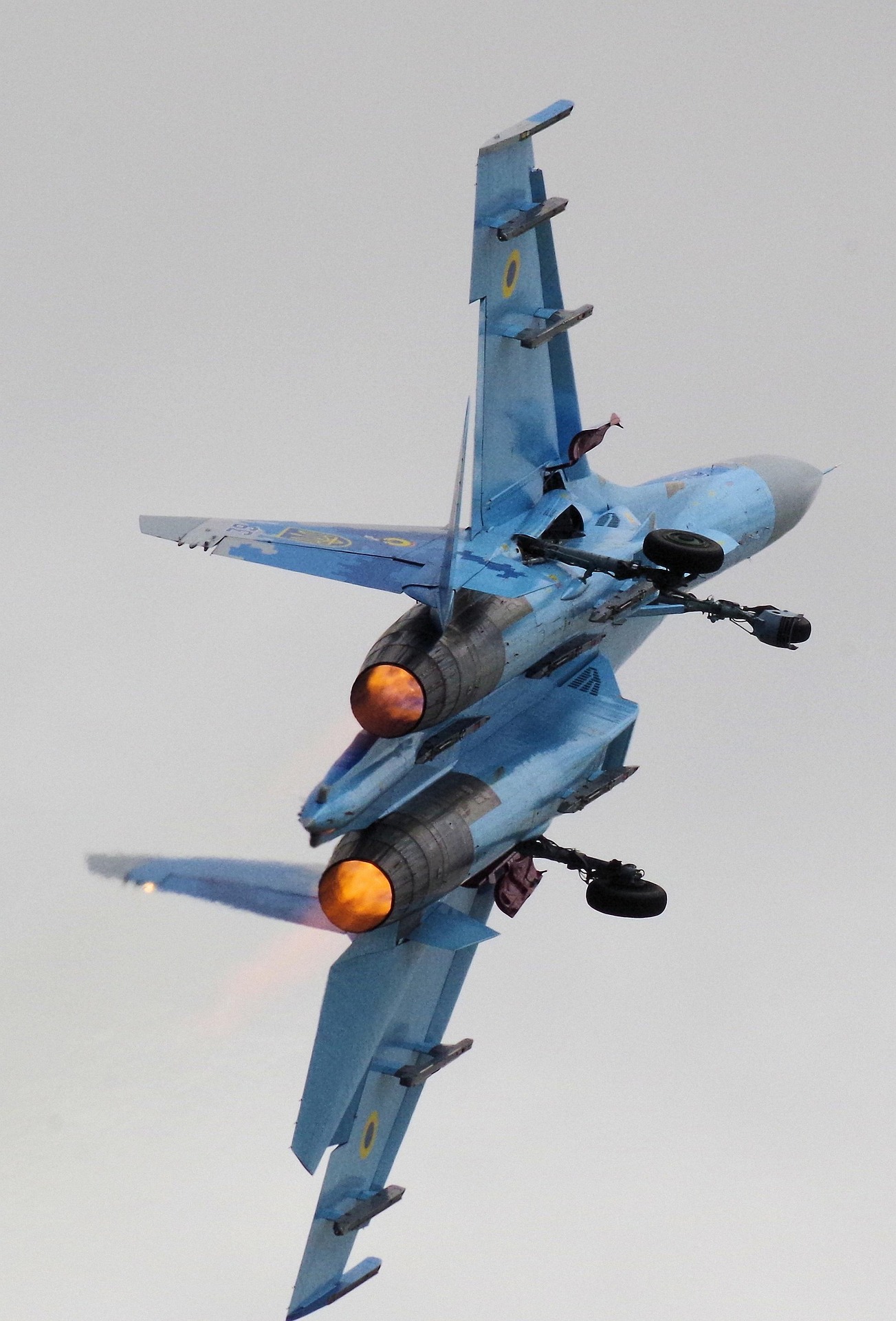
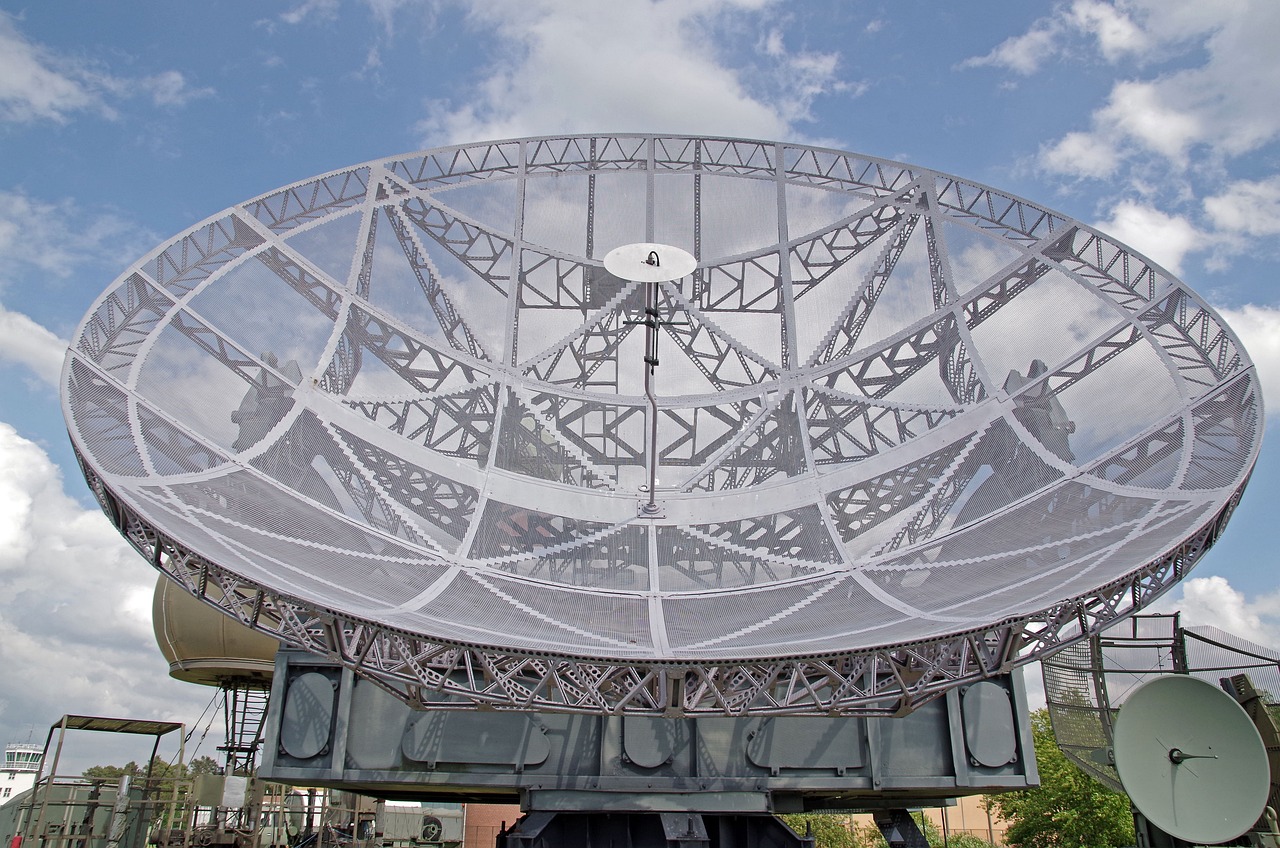
The Battles for the Skies and Seas
Introduction: The Great Shift
For decades, reports of UFOs, recently renamed to Unidentified Anomalous Phenomena (UAPs), occupied an uneasy space between official secrecy, public fascination and professional stigma. More than half a century after the closure of Project Blue Book, the subject is no longer confined to private testimony or popular speculation. It has increasingly entered formal discussions in government, military oversight and academic research.
The establishment of the All-domain Anomaly Resolution Office (AARO) under the 2022 National Defense Authorization Act marked one institutional response: a coordinated effort to detect, identify and investigate unusual observations across the Department of Defense and other federal agencies.
The proposed UAP Disclosure Act of 2025 represents another, placing questions of accountability, oversight and the systematic release of information at the centre of the legislative debate. Yet the emerging argument is not simply about whether unidentified objects are evidence of extraterrestrial life. It is about what can reasonably be known, who should control the relevant evidence and how institutions can protect legitimate national-security interests without allowing secrecy to fuel further mistrust and speculation.
Three broad perspectives shape this debate. Security-conscious politicians focus on flight safety, military airspace and the possibility of advanced technology. Empirical scientists call for reliable data, open methods and independent research. Disclosure advocates, witnesses and whistleblower supporters argue that stigma and classification have concealed information whose significance may extend beyond conventional security concerns. The battle, in other words, is as much about transparency and scientific integrity as it is about what may be in the skies and seas.
AI-director: Eric Wassink
Published: 21 August 2026
The Political Motive: National Security, Airspace, and Bipartisan Anxiety
Defence, Sovereignty, and Airspace Incursions
For politicians and members of congressional committees, the UAP question is principally framed as a matter of national security and flight safety rather than speculative debate about extraterrestrial life. Their primary concern centres on the practical reality of unidentified objects entering military airspace or operating near sensitive defence training ranges without being properly identified. [21446; 21447; 21452] Several contributors to the debate argued that such incursions must be investigated because they pose direct risks to both military and civilian aviation, whilst potentially exposing vulnerabilities in existing defence systems. [21446; 21447]
The Threat of Adversarial Breakthrough Technologies
That security concern is intensified by the prospect that some UAP observations might represent advanced, breakthrough technologies developed by foreign adversaries. Lawmakers and other speakers have raised alarms that the United States could be caught unprepared by technological leaps that current defence architectures are not equipped to track or counter. [21446; 21452] In this context, the discussion extends beyond identifying specific objects; it involves assessing whether military sensor capabilities are adequate, whether intelligence agencies share data effectively, and whether observed capabilities—such as those noted in historical encounters like the 2004 Tic Tac incident—could be reverse-engineered by adversarial nations. [21446; 21447]
Institutional Oversight and Bipartisan Consensus
This security-focused perspective has fundamentally legitimised the political discourse, shifting UAP oversight into standard legislative and defence procedures. A key element of this institutional response was the establishment of the All-domain Anomaly Resolution Office (AARO) under the 2022 National Defense Authorization Act to coordinate detection and investigation efforts across the Department of Defense and other federal agencies. [21447] Furthermore, political interest in UAPs bridges the partisan divide: polling cited in the discussions indicates that 89 per cent of both Republicans and Democrats demand greater transparency and more information from the government. [21452] Lawmakers from both parties recognise that prolonged secrecy and official silence have eroded public trust in institutional oversight. [21446; 21452]
The Policy Tightrope: Disclosure versus Classification
Nevertheless, policymakers must navigate a delicate balance between public openness and national security. The high-end military systems that capture compelling UAP data often involve classified sensor capabilities, intelligence sources, and sensitive operational methods that cannot be compromised. [21446; 21448; 21452] Consequently, contributors acknowledge the necessity of classified briefings for sensitive intelligence, whilst arguing that non-sensitive material, metadata, and technical summaries should be declassified to enable scrutiny and restore confidence. [21446; 21448] Legislative proposals such as the UAP Disclosure Act of 2025 are framed as vital mechanisms to enforce this balance, ensuring systematic accountability without compromising vital defence infrastructure. [21446; 21448]
Believers and Advocacy Groups: The Quest for Existential Disclosure
A Public Suspicion of Secrecy
For disclosure advocates, witnesses and whistleblower supporters, the central issue is not simply whether individual UAP sightings can be explained. It is whether governments and intelligence agencies have withheld information from the public for too long. Polling cited in the discussions suggests that 68 per cent of Americans believe the government is concealing information about UAPs, while nearly half consider the federal government’s handling of UFO reports inadequate. [21447] Advocates interpret these figures as evidence of a widening gap between official explanations and public confidence.
Their argument draws heavily on the history of secrecy and classification surrounding military and intelligence programmes. One contributor characterised the classification of UAP videos as “secret or above” since 2021 as an example of a system that prevents meaningful public scrutiny. [21447] Critics of this approach argue that excessive classification does more than protect sensitive information: it also fuels speculation, encourages competing narratives and makes it difficult for outsiders to distinguish legitimate security concerns from information being withheld without sufficient justification. [21447; 21448]
The Question of Official Narratives
Some advocates go further, questioning whether official explanations for particular incidents should be accepted without independent investigation. In the discussions, one source suggested that the reported closure of airspace over El Paso, attributed to cartel drone activity, might have been a cover story for a more serious incursion into US airspace. [21452] This is presented as an allegation rather than an established finding, but it illustrates the depth of distrust that secrecy has produced. For disclosure campaigners, the problem is not only that information may be classified; it is also that official accounts can be difficult to verify when the underlying evidence remains inaccessible.
The same concern appears in arguments about the government’s responsibility to Congress and the public. Advocates call for elected officials to impose a higher standard of transparency and to examine whether agencies have properly reported what they know about UAP incidents. [21447] They argue that accountability requires more than periodic statements or closed briefings. It requires a process through which relevant information can be reviewed, challenged and, where national-security considerations permit, made available to the public. [21447; 21448]
Whistleblowers, Testimony and Protection
Whistleblowers and witnesses occupy a central position in this campaign. Supporters of disclosure argue that people with knowledge of UAP-related programmes may face serious consequences if they come forward, including professional retaliation, reputational damage, job loss or even criminal charges. [21448] They maintain that existing protections are inadequate and that the fear of reprisal discourages individuals from providing testimony or reporting what they have encountered.
Several proposals are intended to address that barrier. These include stronger legal protections for whistleblowers, amnesty for individuals with knowledge of alleged wrongdoing within government programmes, and measures that could allow people to disclose information without violating existing non-disclosure agreements. [21447; 21452] One proposal specifically concerns individuals who claim knowledge of reverse-engineering programmes involving non-terrestrial craft. [21447] The existence of such programmes is not established by the source material; rather, the proposal reflects the claims and concerns raised by advocates within the wider disclosure debate.
For these campaigners, testimony is not automatically proof, but it is evidence of a system that should be investigated. They argue that witnesses should be treated as potential sources of information rather than dismissed because the subject carries a cultural stigma. [21446; 21447] In their view, a credible disclosure process would need to protect those who speak, test the claims they make and establish what documentary, technical or physical evidence may support them.
From National Security to Non-human Intelligence
The advocacy position also differs from the security-focused approach taken by many politicians. Lawmakers tend to ask whether UAPs could threaten aircraft, military installations or national defence. Disclosure advocates place greater emphasis on what the phenomena might mean for humanity if some of the more extraordinary claims were substantiated. Discussions refer to the possibility of non-human intelligence, advanced technologies and, in some accounts, technologies described as interdimensional. [21452]
These possibilities are presented as hypotheses or claims within the debate, not as conclusions demonstrated by the available evidence. Indeed, the source material also records the difficulty of drawing firm conclusions because high-quality data remains limited. [21446] Nevertheless, advocates argue that even the possibility of non-human intelligence would justify a fundamentally different level of openness. They see the issue as extending beyond the classification of individual videos or the investigation of isolated sightings, towards questions about humanity’s place in the universe and the preparedness of institutions and the public for a potentially profound revelation. [21447; 21452]
The Promise of a Transformative Disclosure
Some participants in the discussion attach consequences to disclosure that go well beyond government accountability. They suggest that confirmation of non-human intelligence, or of technologies beyond current human understanding, could alter the course of human history. [21452] In this view, the significance of UAPs would not be limited to aviation, intelligence or military competition. A disclosure could challenge established assumptions about technology, energy, propulsion and humanity’s position in the cosmos.
There is also a more hopeful argument: that knowledge of a shared reality beyond national borders might reduce terrestrial conflict and encourage greater international unity. One speaker suggested that a major revelation could redirect human attention away from disputes on Earth and towards a collective effort in space exploration. [21452] This remains a vision advanced by proponents, not an outcome demonstrated by the evidence in the source material. Its importance lies in showing why the disclosure movement is driven by more than a demand for the release of classified files. For some advocates, UAPs represent a possible turning point in human history, and withholding information is therefore seen not merely as an administrative failure but as a decision that affects the future of society as a whole.
The Scientific Pragmatists: Strip the Sensation, Fund the Physics
From Anecdotes to Evidence
Scientists and research organisations such as the Scientific Coalition for UAP Studies (SCU) argue that the subject can only move beyond speculation if it is treated as an empirical research problem. Their emphasis is not on accepting extraordinary interpretations, but on improving the quality of the evidence. The priority, they argue, should be a shift away from isolated eyewitness accounts, blurry images and unclear videos towards high-fidelity physical and sensor data that can be independently examined. [21446; 21449; 21450]
This approach does not begin by assuming that an observation represents advanced technology or non-human intelligence. It begins with the more limited question of what, precisely, was observed and whether the available evidence is sufficient to support any conclusion. The source material repeatedly stresses that the limited supply of high-quality data makes it difficult to draw firm conclusions about the nature, origin or intent of UAPs. [21446] For scientific pragmatists, that uncertainty is not a reason to abandon investigation; it is a reason to improve the methods used to gather and analyse evidence.
Multiple Sensors, Better Data
A central proposal is to replace reliance on single, ambiguous recordings with coordinated observations using multiple cameras and sensors operating at different wavelengths. Such systems could provide more actionable data and make it easier to compare an object’s appearance, movement and environmental context across independent measurements. [21449] The aim is not simply to produce more footage, but to obtain information that can be tested against alternative explanations.
The discussions also refer to the importance of infrared video and other forms of physical data. UAPX, for example, is described as having collected more than 900 hours of infrared video. [21449] The SCU has also been involved in projects evaluating automated camera systems, although speakers noted that putting such systems into operation would require substantial funding. [21450] These efforts reflect the scientific preference for repeatable observation and documented measurement over accounts that cannot be reconstructed or independently checked.
Ruling Out the Ordinary First
The scientific approach outlined in the source material is deliberately cautious. Researchers are expected to examine possible conventional explanations before treating an event as genuinely anomalous. This requires contributions from several disciplines, including physics, meteorology and engineering, as well as expertise in software development and data analysis. [21446; 21450] Weather and other environmental conditions can affect what sensors record, while weaknesses in the recording process or the interpretation of movement may create an impression of unusual behaviour. [21449]
Artificial intelligence and machine-learning tools may assist with the analysis, but the discussions also emphasise their limitations. Software must be rigorously tested before being deployed, particularly because false positives and environmental factors can affect its results. [21449] The value of automation therefore depends on the quality of the underlying data and the reliability of the methods used to interpret it. Technology is presented as a tool for improving analysis, not as a substitute for scientific scrutiny.
The Case for Open Science
For the SCU and other scientific pragmatists, academic independence is as important as technical capability. The military and intelligence communities operate through closed information systems designed to protect sensitive sources and methods. Academic research, by contrast, depends on access to information, transparent methods and the ability of other researchers to examine and challenge findings. [21448; 21450]
This difference creates a structural problem. Much of the data that could be relevant to UAP research may be held within institutions whose procedures prevent independent researchers from accessing it. The scientific community is therefore left trying to investigate a subject while lacking the material needed for comprehensive analysis. [21450] Contributors argue that this limits not only public understanding but also the possibility of producing research that meets normal academic standards.
The SCU’s stated role is to promote evidence-based understanding, open science and collaboration between researchers, academic institutions and government agencies. [21450; 21451] Its objective is to place UAP research within established scientific frameworks, including interdisciplinary cooperation and peer-reviewed publication. [21451] In that model, credibility would come not from the status of a witness or the dramatic nature of an account, but from the quality of the data, the clarity of the method and the willingness to subject conclusions to external scrutiny.
Funding Research Outside Military Oversight
A significant part of the scientific argument concerns who should pay for this work and who should control it. Speakers call for Congress to provide robust, direct funding to universities and scientific organisations so that they can establish dedicated UAP research programmes. [21450] The proposed aim is to create an independent academic capacity operating outside the restrictive oversight of military and intelligence networks.
Such funding is presented as necessary for more than the study of individual sightings. It could support sensor networks, automated camera systems, interdisciplinary teams and the development and testing of analytical software. [21449; 21450] It would also allow universities to investigate the subject through procedures familiar to other areas of science, rather than relying primarily on information released selectively by security institutions.
The proposal does not remove the need to protect genuinely sensitive information. Rather, it reflects the view that national-security classification should not determine the entire research agenda. Scientists argue that a parallel, independently funded research effort could help establish what can be learned from openly available evidence, while providing a basis for cooperation with government bodies where classified information is not involved. [21450; 21451]
Breaking the Circle of Dismissal
The source material identifies what one speaker described as a circular logic in the field: the lack of accessible data is used to argue that UAPs are nonsensical, while that dismissal discourages the funding and institutional support required to collect better data. [21449] Scientific pragmatists seek to break this cycle by treating the absence of evidence as a methodological problem rather than as a definitive explanation.
Their position remains narrower than the claims made by some disclosure advocates. It does not require a conclusion about extraterrestrial or non-human origins. It requires a system capable of determining, case by case, whether an observation can be explained by aircraft, drones, atmospheric conditions, sensor error or other conventional causes — and of identifying those cases that remain unresolved after serious examination. [21446; 21449]
That is the essence of the scientific programme described in the discussions: strip away the sensation, improve the measurements, test the explanations and make the methods open enough for others to judge the results. The ambition is not to prove a preferred theory, but to create the conditions in which the evidence can finally decide what an event does — and does not — show.
Challenge I: Dismantling the Cultural Stigma
The Reluctant Witness and the Culture of Silence
For both military aviators and commercial airline pilots, the greatest practical obstacle to understanding UAPs has historically been the pervasive cultural stigma attached to reporting them. [21446; 21447] For decades, pilots and flight crews who observed unexplained objects or unusual aerial activity operated under an implicit culture of silence, keenly aware that submitting an official report could result in severe professional repercussions. [21446; 21447] Witnesses feared professional ridicule, damage to their reputations, risks to their flight status, and in extreme cases, the termination of their careers. [21446; 21447; 21448]
This atmosphere of apprehension significantly degraded the quality and volume of data reaching intelligence analysts and scientific researchers. [21446; 21447] When observers deliberately conceal what they have seen to protect their livelihoods, encounters go unrecorded, potential flight-safety hazards are overlooked, and systematic analysis becomes impossible. [21446; 21447] In military contexts, the traditional procedural framework—relying strictly on chain-of-command reporting and debriefings with intelligence officers—often proved counterproductive, as personnel worried their accounts would be dismissed or viewed with scepticism. [21446]
Transforming Reporting into a Mission Imperative
To overcome this systemic barrier, reform proposals emphasise the urgent need for institutional and cultural transformation across the armed services, regulatory bodies, and the aviation sector. [21446; 21447] Proponents argue that the perception of UAP reporting must fundamentally shift: rather than being treated as a career hazard, reporting should be formally established as a “mission imperative” and an essential component of airspace safety. [21446]
Under these proposed reforms, pilots and mission personnel are to be integrated directly into a standardised data-gathering process. [21446] Instead of treating observers as unreliable or eccentric, institutional policy must recognise reporting personnel as credible witnesses whose real-time observations are vital for national security and scientific inquiry. [21446; 21447] By formalising data collection and training operators to record observations methodically, authorities hope to dismantle the stigma and normalise reporting across all aviation sectors. [21446]
Establishing Safe Channels and Centralised Repositories
Achieving this cultural shift requires practical, secure reporting mechanisms that protect witnesses from professional reprisal. [21447] A recurring proposal in the discussions is the establishment of a centralized repository for UAP reports that encompasses both military and commercial aviation data. [21447] Such a repository would provide a comprehensive, transparent framework for logging encounters and facilitate thorough, coordinated investigations across federal agencies. [21447]
As an immediate, pragmatic measure, contributors have proposed utilizing NASA’s existing Aviation Safety Reporting System (ASRS) as a trusted and anonymous reporting platform. [21447] Because the ASRS is already widely respected, non-punitive, and accessible to civilian aviators, leveraging it in the short term would provide pilots with an established mechanism to log UAP incidents without fear of disciplinary action or public embarrassment. [21447]
Legislative Hurdles and Institutional Resistance
Despite the broad recognition that safe reporting mechanisms are necessary, efforts to codify these protections into law have encountered notable institutional resistance. [21447] For instance, a proposed legislative amendment designed to ensure that airline pilots’ UAP reports would be systematically communicated to Congress was opposed by the intelligence community and was ultimately not heard in committee. [21447]
This episode illustrates the bureaucratic friction that complicates reform: while lawmakers and aviation advocates push for mandatory reporting and legislative oversight, elements within the intelligence apparatus remain resistant to expanding civilian and congressional access to flight encounter data. [21447] Consequently, dismantling the cultural stigma surrounding UAPs is not simply a matter of changing attitudes among pilots; it requires overcoming institutional resistance, securing legislative protections, and establishing reporting pathways that are entirely shielded from administrative retaliation. [21447; 21448]
Challenge II: Breaking the “Circular Logic” of Military Classification
The Secrecy Bottleneck
The second major obstacle is the tension between military secrecy and scientific openness. Defence and intelligence agencies rely on closed information systems to protect sensitive sources, methods and capabilities, whereas scientific research depends on access to data, transparent methods and independent scrutiny. [21448; 21450] Contributors argue that this institutional divide makes it difficult for researchers outside government to obtain the evidence required to investigate UAP reports properly. [21450]
The problem is compounded by the classification of UAP-related material. One contributor stated that all UAP videos had been classified as “secret or above” since 2021. [21447] This is presented in the source material as a criticism of current practice rather than as an independently established finding. Critics argue that such extensive classification prevents meaningful public and scientific examination, while also fuelling speculation and mistrust. [21447; 21448] If researchers cannot examine the original recordings, the associated technical information or the circumstances in which the observations were made, they are left unable to test official interpretations or develop alternative explanations.
When the Absence of Data Becomes the Argument
The lack of accessible, high-quality evidence also creates what one contributor described as a form of circular logic. UAP reports are dismissed because they are not supported by sufficient data; yet the absence of that data is itself partly the result of inadequate reporting systems, restricted information and insufficient research. [21449] When the subject is then treated as inherently nonsensical or unworthy of serious investigation, it becomes more difficult to secure the funding and institutional support needed to collect better evidence. [21449]
This cycle affects both sides of the debate. It prevents disclosure advocates from substantiating some of their more far-reaching claims, but it also prevents sceptical investigators from testing those claims against complete, original datasets. The result is an enduring gap between assertion and verification. The source material therefore presents the shortage of reliable data as a methodological problem, rather than as proof of any particular explanation. [21446; 21449]
The Search for Actionable Evidence
Civilian researchers and scientific organisations have sought to address this gap by building independent systems for collecting physical and sensor data. The proposed alternative is not to rely on a single unclear image or an isolated eyewitness account, but to use multiple cameras operating at different wavelengths. [21449] Such a system could produce a more detailed record of an event and allow researchers to compare observations across different sensors.
UAPX is cited as an example of this approach. The organisation is described as having collected more than 900 hours of infrared video, illustrating the effort to build a body of physical data rather than depending solely on anecdotal testimony. [21449] The SCU has also been involved in projects assessing automated camera systems, although contributors noted that implementing such systems on a significant scale would require substantial funding. [21450]
These initiatives are intended to bypass some of the limitations imposed by military information systems, but they do not eliminate the difficulties of interpretation. Weather and other environmental conditions can affect sensor recordings, while automated analysis may produce false positives. [21449] Software and machine-learning systems would therefore need to be rigorously tested before being used to identify or classify unusual aerial observations. [21449]
Civilian Research and the Question of Independence
For advocates of independent research, the purpose of civilian data collection is not to replace government investigations with a competing belief system. It is to create evidence that can be examined outside the constraints of military classification. The source material describes the military’s closed approach and the scientific community’s commitment to open information as fundamentally different operating environments. [21450] A stronger civilian and academic research capacity could provide an additional basis for comparison, replication and peer review.
This is also why contributors have called for Congress to provide direct funding to universities and scientific organisations. [21450] Such funding would allow academic institutions to develop research programmes, sensor networks and analytical tools without placing the entire process under military or intelligence oversight. [21450] The proposal is intended to preserve scientific independence while still allowing government agencies and researchers to collaborate where appropriate. [21450; 21451]
Classification, Trust and the Way Forward
The dispute over classification is therefore not simply a disagreement about whether particular videos should be released. It concerns who is permitted to gather evidence, who can evaluate it and which explanations are allowed to enter the public record. Contributors argue that information should be withheld where disclosure would genuinely compromise national security, but that excessive classification obstructs oversight and undermines confidence in official institutions. [21446; 21447; 21448]
The suggested response is a more selective and transparent system: preserve sensitive sources and methods, while releasing non-sensitive data, metadata and technical summaries wherever possible. [21446; 21448] Combined with independently funded academic research and systematic civilian observation, this could help break the cycle in which poor data leads to dismissal, dismissal leads to underfunding and underfunding ensures that the data remains poor. The objective is not to predetermine what UAPs are, but to create conditions in which claims can be tested against evidence that others are able to inspect. [21449; 21450]
Fostering an Informed Democratic Discourse
The Question Is How to Investigate
The UAP debate does not need to be resolved by choosing in advance between competing explanations. An observation may ultimately be attributed to a foreign adversary’s technology, an experimental military aircraft or drone, a natural or environmental phenomenon, a sensor artefact, or something that remains more difficult to explain. [21446; 21447; 21449] The source material does not establish any one of these possibilities as the general answer. Instead, it points to the need for a system capable of distinguishing between them through reliable evidence, systematic analysis and transparent procedures. [21446; 21449]
That requirement applies regardless of the eventual outcome of individual investigations. If an object is identified as conventional, the process should be capable of showing how that conclusion was reached. If an observation remains unresolved, the reasons should also be clear: perhaps the data is incomplete, the relevant material is classified, or the available sensors cannot support a firm interpretation. The purpose of a more rigorous system is therefore not to preserve the mystery of UAPs, nor to dismiss it prematurely, but to make the reasoning behind each conclusion open to examination. [21446; 21449; 21451]
Secrecy and the Erosion of Trust
The discussions repeatedly identify institutional secrecy and over-classification as obstacles to both public confidence and scientific inquiry. [21447; 21448; 21450] Classified briefings and the protection of sensitive sources and methods may be necessary in matters of national security. However, contributors argue that secrecy becomes counterproductive when it prevents Congress, researchers and the public from understanding what information exists, how it has been assessed and why it cannot be released. [21446; 21448]
This tension is particularly damaging because the absence of accessible evidence creates space for speculation. Public suspicion can grow when official explanations cannot be checked against the underlying data, while scientists are unable to evaluate material that remains within closed military and intelligence systems. [21447; 21450] The result is a cycle in which secrecy undermines trust, mistrust encourages competing narratives, and those narratives make it harder to establish a common evidential basis for discussion. [21447; 21449]
The source material therefore points towards a more selective approach to classification. Information that genuinely exposes sensitive military capabilities, intelligence sources or operational methods would continue to require protection. [21446; 21452] But non-sensitive information, including metadata and technical summaries, could be released where possible to allow independent scrutiny and provide the public with a clearer account of how investigations are conducted. [21448]
Building Independent Scientific Capacity
Transparency alone would not solve the problem. The discussions also call for Congress to provide robust funding directly to universities and independent scientific organisations. [21450] This would enable academic researchers to establish programmes that are not entirely dependent on military or intelligence agencies for access, direction or interpretation. [21450]
Such research would ideally be grounded in open methods, peer review and interdisciplinary collaboration. Expertise from physics, meteorology, engineering, software development and other relevant fields could be combined to test ordinary explanations before an observation is considered genuinely anomalous. [21446; 21450; 21451] The use of multiple cameras and sensors operating at different wavelengths is presented as one way of producing more useful evidence than isolated or unclear recordings. [21449]
The goal is not to create a separate research culture built around belief. It is to make it possible for independent investigators to examine the available evidence, reproduce analytical methods and challenge conclusions. The SCU’s advocacy of open science and collaboration reflects this wider attempt to move UAP research towards established standards of scientific credibility. [21450; 21451]
A Reporting Culture Without Ridicule
The future quality of the evidence will also depend on whether witnesses feel able to report what they observe. The source material describes a longstanding culture in which military and commercial pilots feared ridicule, damage to their reputations, professional consequences and, in some cases, the loss of their jobs or flight status. [21446; 21447; 21448] A reporting system that discourages witnesses from speaking cannot provide a complete picture of activity in the air.
The proposed remedy is to make reporting a mission imperative rather than a professional hazard. [21446] That would require standardised procedures, secure channels and a centralised repository incorporating reports from both military and commercial aviation. [21447] The suggested use of NASA’s Aviation Safety Reporting System as a trusted short-term platform illustrates the practical nature of some of these proposals. [21447]
Stronger whistleblower protections are also presented as essential. Advocates argue that people who disclose information about government programmes should not face retaliation simply for bringing potential wrongdoing or relevant evidence to the attention of authorised bodies. [21447; 21448; 21452] Without such safeguards, the public may hear only from those willing to accept considerable personal and professional risk.
From Fragmented Debate to Shared Oversight
The issues described in the source material cannot be addressed by one institution alone. Government agencies, congressional committees, pilots, academic researchers, technology specialists and, where appropriate, international partners all hold different parts of the information and expertise required for a fuller investigation. [21446; 21449; 21451] The establishment of dedicated offices such as AARO is intended to improve coordination across agencies, while scientific organisations advocate greater cooperation between government and academia. [21447; 21451]
That cooperation will remain difficult as long as the military and scientific communities operate according to fundamentally different rules for handling information. [21450] Nevertheless, the discussions suggest that a combination of cross-agency collaboration, independent academic research and carefully managed public disclosure could narrow the divide. International and private-sector involvement may also contribute to broader data-sharing and technical analysis, although national-security and regulatory differences remain obstacles. [21449; 21451; 21452]
The Democratic Test
The longer-term significance of the UAP debate lies less in whether it produces a dramatic revelation than in whether institutions can demonstrate that unusual reports are being handled competently and honestly. A credible process would protect legitimate security interests while making clear what can be disclosed, what cannot and why. It would give pilots safe ways to report encounters, provide whistleblowers with meaningful protection and allow independent researchers to work with data that can be tested by others. [21446; 21447; 21448]
The central challenge is therefore to replace stigma, speculation and circular dismissal with empirical inquiry and accountable oversight. [21449; 21450; 21451] Whether the final explanations prove familiar, adversarial, natural or more profound, the public interest lies in ensuring that conclusions are based on evidence rather than institutional silence. The path forward, as described in the discussions, is neither unquestioning belief nor reflexive scepticism, but a more open system in which facts can be collected, claims can be challenged and uncertainty can be acknowledged without ridicule. [21446; 21447; 21452]
Playlist - The Battles for the Skies and Seas
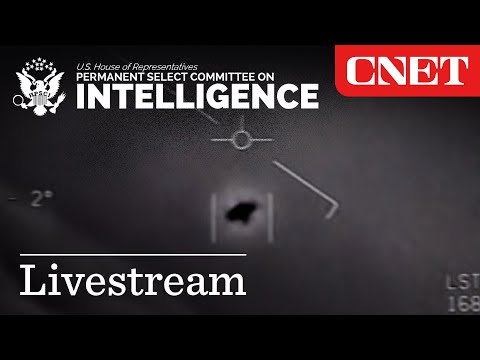
WATCH: Congressional Hearing on UFOs! - LIVE
Introduction and Acknowledgment of Violence
At the outset of the hearing, a moment of silence was observed for the victims of a white supremacist hate crime in Buffalo, New York. The chairman expressed deep sorrow for the victims and emphasized the subcommittee's focus on the threat posed by such violence, indicating that the issue has been a significant concern in both open and closed hearings.
Historical Context of UAP Investigations
More than 50 years ago, the U.S. government concluded Project Blue Book, which aimed to catalog and understand unidentified flying objects (UFOs) that could not be explained. This project had been active for over two decades, treating unidentified anomalies in the airspace as national security threats. In 2017, it was revealed that the Department of Defense (DoD) had quietly re-established a similar initiative to track what are now referred to as unidentified aerial phenomena (UAPs). This led to the formation of the Airborne Object Identification and Management Synchronization Group (AIM SOG), which was chartered by Congress in December of the previous year.
Objectives of the Hearing
The primary goal of the hearing was to bring AIM SOG into the public eye and emphasize that UAPs should be treated as potential national security threats. The stigma surrounding UAP reporting has historically hindered effective intelligence analysis, with pilots often reluctant to report sightings due to fear of ridicule. The chairman urged the DoD representatives to assure military and civilian aviators that the culture has shifted, and those who report UAPs will be treated as credible witnesses.
Legislative and Organizational Updates
The chairman called for an update on the status of AIM SOG, noting that the organization was still without a named director and that the deadline for implementation was approaching. He emphasized the need for transparency and the importance of leveraging the knowledge and experience from previous investigations into UAPs, including efforts from civil society groups and individuals who have been collecting data on the issue for years.
Ranking Member's Perspective
Ranking Member Crawford expressed appreciation for the hearing and acknowledged the importance of understanding UAPs, especially in relation to potential foreign adversaries like China and Russia. He highlighted the intelligence community's duty to prevent technological surprises and emphasized the need for credible observations of phenomena that could pose threats to national security.
Open and Closed Sessions
The hearing was divided into an open unclassified portion and a subsequent closed classified session. The ranking member clarified that the classification of information is meant to protect national security rather than conceal the truth. He expressed hope that information not posing a risk to national security could be shared with allies and the public.
Commitment to Transparency
Both the chairman and ranking member underscored the importance of transparency in UAP investigations. The chairman noted that UAP reports have been around for decades, yet there has been no systematic way to report and investigate them without stigma. He called for a cultural shift within the DoD and the intelligence community to treat UAP sightings as serious national security matters.
Under Secretary Moltry's Address
Under Secretary Moltry began his address by thanking Congress for their support of the DoD's UAP efforts. He explained that UAPs are defined as airborne objects that cannot be immediately identified. The DoD is committed to a focused effort to determine their origins, which includes examining adversarial platforms, potential breakthrough technologies, and natural phenomena.
Eliminating Stigma and Standardizing Reporting
Moltry acknowledged the cultural stigma surrounding UAPs and emphasized the importance of incorporating operators and mission personnel into a standardized data-gathering process. He stated that making UAP reporting a mission imperative is crucial for the success of the initiative. The DoD aims to establish a dedicated office to facilitate the identification of unidentified airborne objects in a systematic manner.
Collaboration and Partnerships
The DoD is committed to collaborating with various government agencies, including the Office of the Director of National Intelligence, the FAA, and international partners. Moltry highlighted the importance of transparency and accountability to the American people while balancing the need to protect sensitive sources and methods.
Data-Driven Approach to UAP Investigations
Moltry explained that the DoD's approach to UAP investigations is data-driven, transitioning from anecdotal evidence to rigorous scientific analysis. This involves standardizing reporting mechanisms to facilitate comprehensive data collection and analysis. The goal is to ensure that all observations are taken seriously and investigated thoroughly.
Increased Reporting and Cultural Shift
Since the establishment of the UAP task force, there has been an increase in reporting due to efforts to destigmatize the process. The task force has worked to standardize reporting procedures and engage with naval aviators to encourage active reporting of sightings. This cultural shift has led to more frequent reports and increased opportunities to focus sensors on unidentified objects.
Challenges in Data Collection
Despite the increase in reports, the task force faces challenges in collecting high-quality data. Many reports lack sufficient detail, making it difficult to draw firm conclusions about the nature or intent of UAPs. The task force has categorized UAP incidents into five potential explanatory categories, including airborne clutter, natural atmospheric phenomena, U.S. government or industry developmental programs, foreign adversary systems, and unresolved cases.
Examples of UAP Encounters
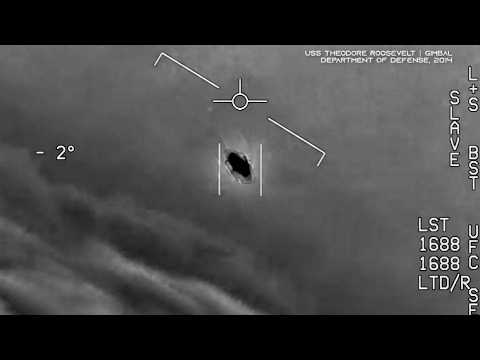
Moltry presented examples of UAP encounters, including videos recorded by U.S. Navy personnel. One video showed triangular objects observed off the coast of the United States, which were later identified as unmanned aerial systems. Another example involved a spherical object captured on video by a Navy aircraft, which remains unexplained.
Public Interest and Speculation
The chairman acknowledged the public's fascination with UAPs and the various theories surrounding them. He emphasized the importance of understanding the unknown and the potential national security implications associated with UAP sightings. The hearing aimed to provide transparency and clarity on the government's efforts to investigate these phenomena.
Congressional Oversight and Accountability
Throughout the hearing, members of Congress expressed their commitment to oversight and accountability in UAP investigations. They emphasized the need for the DoD to follow the facts wherever they lead and to ensure that all hypotheses are considered. The importance of addressing potential technological surprises posed by foreign adversaries was also highlighted.
Future Directions for UAP Investigations
As the hearing concluded, the chairman reiterated the importance of transparency and the need for ongoing dialogue between Congress and the executive branch regarding UAPs. He expressed hope that the establishment of AIM SOG would lead to more comprehensive investigations and a better understanding of UAPs as potential national security threats.
Conclusion
The hearing marked a significant step in addressing the issue of UAPs within the context of national security. The commitment to transparency, collaboration, and rigorous analysis reflects a shift in how the U.S. government approaches unidentified aerial phenomena. As investigations continue, the importance of fostering a culture of reporting and analysis will be crucial in understanding these mysterious occurrences and their implications for national security.
The political discourse surrounding Unidentified Aerial Phenomena (UAPs) reveals a multifaceted interest among political figures, driven by concerns related to national security, aviation safety, and the need for public transparency. Members of the subcommittee emphasize the historical context of UAP investigations, referencing past efforts such as Project Blue Book, which aimed to catalog unexplained aerial phenomena from the 1950s to the 1960s. The revival of interest in UAPs is encapsulated in the establishment of the Airborne Object Identification and Management Synchronization Group (AIM SOG), which seeks to destigmatize the reporting of UAP sightings among military personnel.
Key motivations behind these discussions include the necessity of creating a culture in which military aviators feel safe to report UAP encounters without fear of ridicule. Political figures stress the importance of a transparent process for investigating UAPs to ensure that potential threats are addressed comprehensively. The hearings are intended to foster a legislative framework that supports ongoing investigations into UAPs, addressing concerns that prior administrations may have overlooked or minimized the importance of these phenomena.
Moreover, the hearings showcase a notable degree of bipartisanship in the political landscape, with committee members from both parties recognizing the historical significance of UAPs and the need for coordinated efforts across various military branches. This collaboration is exemplified by the integration of analysts from the Space Force into UAP investigations, reflecting a strategic approach to leverage military expertise in understanding these phenomena.
Ultimately, the expected outcomes of these discussions include improved reporting mechanisms for military personnel, increased public awareness regarding UAP sightings, and potential policy changes that enhance transparency and accountability in UAP investigations. However, specific legislative actions intended through these discussions are not detailed within the provided transcript.
- [01:41] "Unidentified aerial phenomena are a potential national security threat and they need to be treated that way."
- [02:55] "You need to convince the audience today and most especially our military and civilian aviators the culture has changed that those who report UAPs will be treated as witnesses not as cooks."
- [01:24:06] "I think it's one of the few times we can demonstrate some degree of bipartisanship around UAPs and UFOs."
- [01:23:21] "We have pulled analysts in from Space Force to ensure that we're availing ourselves of that expertise."
The study of Unidentified Aerial Phenomena (UAPs) is impeded by several barriers and stigmas that the scientific community must navigate to conduct rigorous and objective research. A primary concern is the cultural stigma surrounding the reporting of UAP sightings. Military personnel have historically refrained from reporting encounters due to fears of ridicule or dismissal, leading to a significant underreporting of critical data.
To address these challenges, the establishment of the AIM SOG (Aerial Intelligence Management Special Operations Group) has been proposed. This initiative aims to eliminate the stigma associated with UAP reporting by creating a standardized reporting process. The integration of military operators into the data collection process is deemed essential, with the goal of making UAP reporting a mission imperative for military personnel. This shift is expected to enhance the comprehensiveness of data gathered on UAP encounters.
Moreover, the need for a data-driven approach is stressed, advocating for rigorous scientific methodologies to characterize and analyze UAPs. The transcript emphasizes that a narrative-based approach has proven inadequate, thus underscoring the importance of standardized data collection practices to overcome existing barriers.
Concrete measures suggested to facilitate unbiased academic research include improving training for military personnel on UAP reporting procedures and fostering collaboration between the Department of Defense (DoD) and scientific institutions. This collaborative framework is anticipated to lead to more accurate analyses and a deeper understanding of UAP phenomena.
- [11:14] "Our goal is to eliminate the stigma by fully incorporating our operators and mission personnel into a standardized data gathering process."
- [11:26] "Making UAP reporting a mission imperative will be instrumental to the effort's success."
- [14:23] "We took these reports very seriously."
In the provided transcript, speakers emphasize the necessity of preparing society and institutions for potential historic revelations concerning Unidentified Aerial Phenomena (UAPs) and the possibility of non-human intelligence (NHI) or non-terrestrial origins. A significant focus is placed on fostering a culture of transparency within governmental and military contexts to alleviate public skepticism and speculation surrounding UAPs.
One critical aspect discussed is the need for military personnel and aviators to feel secure in reporting UAP sightings without the fear of stigma. This cultural shift is deemed essential for preparing both the military and the broader public for findings that may challenge existing understandings of aerial phenomena. Establishing a framework that encourages open reporting is seen as a step towards normalizing discussions about UAPs.
The establishment of the AIM SOG is highlighted as a key initiative aimed at ensuring that investigations into UAPs are conducted with scientific rigor capable of withstanding public scrutiny. Political figures underscore the importance of communicating findings back to the public, asserting that transparency can mitigate distrust and foster a more informed dialogue regarding the implications of UAP phenomena.
Moreover, the hearings are described as a platform for ongoing discussion and disclosure, signaling a preparedness to confront the unknown. This involves not only addressing current sightings but also preparing for future disclosures that may suggest the existence of technologies or entities beyond conventional understanding. However, it is noteworthy that another section of the transcript does not address public engagement strategies or educational initiatives aimed at preparing society for these potential revelations, focusing instead on collaboration among military branches like the UAP Task Force and Space Force.
- [06:00] "When we spot something we don’t understand or can’t identify in our airspace, it’s the job of those we entrust with our national security to investigate and to report back."
- [08:13] "Excessive secrecy only breeds distrust and speculation."
- [11:23] "It’s important for us to do that so that we can ensure that our people, our personnel, our aviators, our bases and installations are safe."
The transcript discusses several significant incidents and sightings related to Unidentified Aerial Phenomena (UAPs), providing key factual details that contribute to the ongoing investigation into these phenomena. Notably, it emphasizes that the last time Congress held a hearing on UAPs was half a century ago, underscoring the urgency of the current inquiry.
Among the incidents referenced, the 2004 Nimitz incident stands out as a pivotal case. This incident remains unresolved and is characterized by multiple sensors capturing data that has yet to be fully explained. It serves as a critical reference point in discussions surrounding UAPs, highlighting the complexities and challenges involved in analyzing these phenomena.
Additionally, the transcript notes that the UAP task force's database has grown to contain approximately 400 reports. This increase in reporting is attributed to efforts aimed at destigmatizing UAP encounters among military personnel, which is viewed as a positive development that allows for more data-driven investigations.
Moreover, the types of phenomena observed include objects that appear to maneuver abruptly, remain stationary in winds aloft, or move at high speeds without discernible means of propulsion. These characteristics raise critical questions about the nature of these phenomena and their potential implications for national security.
However, it is important to note that not all sections of the transcript provide specific details about UAP incidents. One section does not reference any particular UAP cases or incidents, focusing instead on the coordination between the UAP Task Force and the Space Force, as well as the importance of utilizing military expertise.
- [14:23] "The UAP task force database has now grown to contain approximately 400 reports."
- [19:58] "We stand by those initial results."
- [42:05] "I think I would without discernable means of propulsion, I would say that we’re not aware of any adversary that can move an object without discernable means of propulsion."
Concerns regarding government transparency, institutional secrecy, and the processes surrounding the public disclosure of UAP data are prominently discussed in the transcript. Political figures express a commitment to transparency and accountability as fundamental principles guiding the investigation of UAPs.
One critical argument raised is the need for a systematic approach to UAP investigations that balances the protection of sensitive national security information with the public's right to know. The speakers highlight that excessive secrecy can breed distrust and speculation, which ultimately hampers the investigation and understanding of UAPs.
The establishment of the AIM SOG is positioned as a significant step toward enhancing transparency. This group aims to develop a standardized methodology for data collection and analysis, ensuring that findings can be communicated effectively to both Congress and the public. This effort is seen as essential to restoring public confidence in the government's ability to address UAP-related concerns.
Furthermore, speakers emphasize the importance of sharing information with allies and the public when feasible, indicating a commitment to openness. This approach is intended to mitigate fears of cover-ups and reinforce the notion that the government is taking UAP threats seriously.
While the transcript does highlight the importance of collaboration between the UAP Task Force and the Space Force, it does not explicitly address criticisms or arguments regarding the need for more transparency in the handling of UAP-related information. The focus on military collaboration and the operational aspects of UAP analysis may suggest a lack of critical examination of how governmental practices influence public access to information about UAPs.
- [06:02] "The classification of information exists to protect national security, not to try to hide the truth."
- [08:13] "Excessive secrecy only breeds distrust and speculation."
- [11:39] "We’ve endeavored to bring an all hands-on deck approach to the better understand this phenomena."
[00:00] Before we get started, I want to[00:01] recognize a moment of silence for the[00:03] victims of the white supremacist hate[00:05] crime in Buffalo, New York. The[00:07] subcommittee has focused intently on[00:09] that threat in both open and closed[00:11] hearings. It is utterly devastating to[00:14] see more victims of this violence.[00:16] Buffalo, our heart breaks for you.[00:26] With that, I ask my colleagues to join[00:28] pardon me would we will now turn to the[00:31] business of this hearing.[00:35] More than 50 years ago, the US[00:38] government ended project blue book, an[00:41] effort to catalog and understand[00:43] sightings of objects in the air that[00:46] could not otherwise be explained. For[00:49] more than 20 years, that project had[00:51] treated unidentified anomalies in our[00:53] airspace as a national security threat[00:56] to be monitored and investigated.[00:59] In 2017, we learned for the first time[01:01] that the Department of Defense had[01:02] quietly restarted a similar organization[01:05] tracking what we now call unidentified[01:08] aerial phenomena or UAPs.[01:12] Last year, Congress rewrote the charter[01:14] for that organization, now called the[01:16] Airborne Object Identification and[01:18] Management Synchronization Group, or AIM[01:22] SOG for short. Today, we will bring that[01:26] organization out of the shadows. This[01:28] hearing and oversight work has a simple[01:32] idea at its core.[01:35] Unidentified aerial phenomena are a[01:38] potential national security threat and[01:41] they need to be treated that way. For[01:42] too long, the stigma associated with[01:44] UAPs has gotten in the way of good[01:46] intelligence analysis. Pilots avoided[01:49] reporting or were laughed at when they[01:51] did. DoD officials relegated the issue[01:54] to the back room or swept it under the[01:56] rug entirely, fearful of a skeptical[01:59] national security community. Today, we[02:02] know better. UAPs are unexplained. It's[02:05] true. But they are real. They need to be[02:08] investigated and many threats they pose[02:10] need to be mitigated. Under Secretary[02:13] Moltry, Mr. Bray,[02:16] thank you for coming today.[02:18] First, we need you to update us on the[02:20] status of AISOG. The legislation[02:23] creating it was passed in December. The[02:26] deadline for implementation is fast[02:27] approaching, but the group does not even[02:30] have a name director. We need to know[02:33] sers the status of the organization and[02:36] any obstacle to getting it up and[02:38] running. Secondly, you have to convince[02:41] the audience today and most especially[02:45] our military and civilian aviators[02:49] the culture has changed[02:52] that those who report UAPs will be[02:55] treated as witnesses not as cooks.[02:58] Thirdly, you need to show us Congress[03:01] and the American public whose[03:03] imaginations you have captured. You are[03:06] willing to follow the facts where they[03:08] lead. You know, we fear sometimes that[03:10] the DoD is focused more on emphasizing[03:13] what it can explain, not investigating[03:16] what it can. I'm looking for you to[03:19] assure us today that all conclusions are[03:22] on the table. One final note, we are[03:24] mindful today that ASOG is not starting[03:26] from scratch. This is the third version[03:29] of this task force in DoD and civil[03:31] society groups like the Mutual UFO[03:34] Network.[03:36] Mr. Corbell and others have been[03:38] collecting data on this issue for years.[03:40] I hope you'll explain how you can[03:42] leverage the knowledge and experience of[03:44] our prior work on this matter to move[03:46] the Aimsaw along. The last time Congress[03:49] had a hearing on UAPs was half a century[03:52] ago. I hope that it does not take 50[03:55] more years for Congress to hold another[03:57] because transparency is desperately[03:58] needed. I now turn to ranking member[04:00] Crawford for comments he'd like to make.[04:03] Thank you, Mr. Chairman. Um, honorable[04:06] Moltry and Mr. Bray, thank you for[04:07] coming here today. We appreciate it. Uh,[04:09] to begin the open dialogue between[04:10] Congress and the executive branch on[04:12] this important topic. While this topic[04:14] evokes creative imaginations of many,[04:16] aside from all the hype and speculation,[04:18] there are important underlying issues[04:19] posed by UAPs. Despite the serious[04:22] nature of this topic, I have to say I'm[04:24] more interested in our understanding of[04:25] Chinese and Russian hypersonic weapon[04:27] development or understanding why this[04:28] administration was so slow to share[04:31] actionable intelligence with the[04:32] Ukrainians. However, in as much as this[04:34] topic may help us better understand[04:35] unknown activities of Russia and China,[04:38] I am on board. The intelligence[04:40] community has a serious duty to our[04:42] taxpayers to prevent potential[04:43] adversaries such as China and Russia[04:45] from surprising us with unforeseen new[04:47] technologies.[04:49] As overseers of the intelligence[04:51] community, this committee has an[04:52] obligation to understand what you are[04:54] doing to determine whether any UAPs are[04:56] new technologies or not, and if they[04:58] are, where are they coming from? In[05:00] general, the IC spends much of its time[05:02] and resources trying to understand what[05:03] we call known unknowns. When it comes to[05:06] foreign nations, weapons systems and[05:08] sensors, known unknowns are those[05:10] features that we don't fully understand.[05:11] Yet, the challenge associated with UAP[05:14] is that they are completely unknown and[05:16] require a more expansive collection[05:17] analysis effort. The intelligence[05:19] community must balance addressing known[05:21] threats to our n national security with[05:24] preventing technical surprise. We must[05:26] continue to follow the facts where they[05:27] lead us and ensure that there are no[05:29] technical surprises. The IC must take it[05:31] seriously when there are credible[05:33] observations of phenomena that seem to[05:35] perform in ways that could pose a threat[05:37] to safe flight operations or that could[05:39] be signs of a foreign adversar's attempt[05:40] to develop a strategic technological[05:43] surprise against the United States. It's[05:46] also essential that our pilots and[05:47] others feel they can report UAPs they[05:49] observe without any stigma for doing so.[05:53] This is the open unclassified portion of[05:55] our hearing. We'll have a closed[05:56] classified part later. It's important[05:59] for the public to know that the[06:00] classification of information exists to[06:02] protect national security, not to try to[06:05] hide the truth. When we're trying to[06:06] determine if any UAPs are new[06:08] technologies being developed by foreign[06:10] governments, we are inevitably going to[06:12] run into classified information about[06:14] what new systems and technologies we do[06:16] know are in the works here or abroad.[06:19] But where information does not risk[06:21] national security, it should be shared[06:22] with our allies and the public when[06:24] feasible. I hope that we can have your[06:26] assurance to this end today. It's my[06:28] hope that the intelligence community[06:29] will continue to try to determine the[06:30] nature of UAPs we've observed and will[06:33] keep Congress fully apprised of all[06:34] developments. I look forward to this[06:35] hearing and continue continued dialogue[06:37] and oversight with the intelligence[06:39] community on this topic. And with that,[06:41] I yield back.[06:42] Gentleman yields back. And now I will[06:43] turn to our distinguished chairman, Adam[06:45] Schiff, for any comments he wishes to[06:46] make.[06:47] Thank you, Chairman Carson, uh, for[06:49] holding this open hearing on[06:50] unidentified aerial phenomenon and for[06:52] your leadership on this issue. Holding a[06:55] portion of our discussion today in open[06:57] session is critical to the cause of[06:59] transparency and openness which was[07:01] Congress's intent in authorizing and[07:03] funding this new task force. The larger[07:06] effort that is being undertaken to study[07:08] and characterize UAP reports is an[07:11] important step towards understanding[07:12] these phenomenon what we know and don't[07:15] know. And I look forward to hearing more[07:17] during both the open session and the[07:19] closed setting about how DoD and the IC[07:23] are undertaking that task. UAP reports[07:26] have been around for decades and yet we[07:28] haven't had an orderly way for them to[07:29] be reported without stigma and to be[07:32] investigated. That needs to change. UAP[07:35] reports need to be understood as a[07:36] national security matter. And that[07:38] message needs to go out across DoD, the[07:41] IC, and the whole of the US government.[07:43] When we spot something we don't[07:44] understand or can't identify in our[07:46] airspace, it's the job of those we[07:48] entrust with our national security to[07:50] investigate and to report back. That is[07:53] why it's important that we hold this[07:54] open hearing for the public to hear[07:56] directly from the Department of Defense[07:58] on the steps it's taking to track,[08:01] analyze, and transparently communicate[08:03] the work that is being done on this[08:04] issue. It is also the responsibility of[08:07] our government and this panel to share[08:08] as much as we can with the American[08:10] people since excessive secrecy only[08:13] breeds distrust and speculation.[08:16] I look forward to hearing how the UAP[08:18] task force is being stood up, what[08:19] challenges they still face, and how this[08:22] committee can make sure the task force[08:23] is able to shed light on one of the[08:25] world's most enduring mysteries. Uh, I[08:28] thank you gentlemen for your work and be[08:31] very interested to hear what you have to[08:33] say. uh to me among the most fascinating[08:35] questions are these phenomenon that we[08:38] can measure that is uh instruments[08:42] report there is something there. It is[08:44] not the human eye confusing objects in[08:47] the sky. Uh there is something there[08:49] measurable by multiple instruments and[08:51] yet it seems to move in directions that[08:53] are inconsistent with what we know of[08:55] physics or science more broadly. And uh[08:59] that to me poses questions of of[09:01] tremendous interest and uh as well as[09:04] potential national security[09:06] significance. So we look forward to[09:08] hearing what you're able to report to us[09:09] today in open session. And I want to[09:11] thank Chairman Carson again for his[09:13] extraordinary leadership on this issue[09:15] and I yield back.[09:17] Chairman yields back. Thank you. With[09:19] that we will start our hearing. Under[09:20] Secretary Moltry, the floor is yours,[09:22] sir.[09:23] Thank you,[09:25] Chairman Schiff. Uh, Committee Chairman[09:27] Carson, Ranking Member Crawford,[09:29] distinguished members of the[09:30] subcommittee. It's a privilege to be[09:32] here with you today to address your[09:33] questions regarding unidentified aerial[09:35] phenomenon or UAP. I'm pleased to be[09:38] joined by Mr. Scott Bray, the deputy[09:40] director of naval intelligence, who will[09:42] speak to the Navy's unidentified aerial[09:44] phenomenon task force, which laid the[09:46] foundation for the efforts we will[09:48] discuss today. First, I'd like to thank[09:51] Congress for supporting the department's[09:52] UAP efforts. The NDAA for fiscal year[09:56] 2022 has helped us to establish a[09:58] dedicated office to oversee processes[10:01] and procedures for the timely[10:03] collection, processing, analysis, and[10:05] reporting of UAP related data. What are[10:08] UAP? Put simply, UAP are airborne[10:12] objects that when encountered cannot be[10:14] immediately identified. However, it is[10:17] the department's contention that by[10:19] combining appropriately structured[10:22] collected data with rigorous scientific[10:24] analysis, any object that we encounter[10:27] can likely be isolated, characterized,[10:32] identified, and if necessary, mitigated.[10:36] We know that our service members have[10:39] encountered unidentified aerial[10:41] phenomenon. And because UAPs pose[10:44] potential flight safety and general[10:45] security risk, we are committed to a[10:48] focused effort to determine their[10:49] origins.[10:51] Our effort will include the thorough[10:53] examination of adversarial platforms and[10:56] potential breakthrough technologies, US[10:58] government or commercial platforms,[11:01] allied or partner systems, and other[11:04] natural phenomenon.[11:08] We also understand that there has been a[11:10] cultural stigma surrounding UAP. Our[11:14] goal is to eliminate the stigma by fully[11:16] incorporating our operators and mission[11:18] personnel into a standardized data[11:20] gathering process. We believe that[11:23] making UAP reporting a mission[11:26] imperative will be instrumental to the[11:28] effort success. The Defense Intelligence[11:31] and Security Enterprise provides[11:32] real-time support to our war fighters[11:34] and mission personnel across all[11:36] domains. To optimize the department's[11:38] UAP work, we are establishing an office[11:42] within this office of the Secretary of[11:43] Defense. That office's function is clear[11:47] to facilitate the identification of[11:49] previously unknown or unidentified[11:51] airborne objects in a methodical,[11:53] logical, and standardized manner. These[11:56] goals will ensure that we are working[11:58] closely with operational personnel on[12:00] training and reporting requirements,[12:02] developing data and intelligence[12:04] requirements, standardizing and[12:06] integrating processes and procedures for[12:08] collection, operational surveillance,[12:10] analysis and reporting, leveraging our[12:13] research and development capabilities to[12:15] improve detection, characterization and[12:17] identification of UAPs, developing[12:20] mitigating solutions and procedures and[12:22] identifying strategy and policy[12:24] solutions.[12:25] This effort will maximize collaboration[12:27] and build upon already existing[12:29] relationships with the office of the[12:31] director of national intelligence, the[12:33] FAA, DHS, and the FBI.[12:37] We are also committed to strong[12:38] partnerships with the Department of[12:40] Energy, Noah, the DEA, NASA, and the[12:44] National Labs, and just as importantly,[12:46] our international partners and allies.[12:49] With regard to the importance of[12:51] transparency, the department is fully[12:54] committed to the principle of openness[12:56] and accountability to the American[12:58] people. However, we are also mindful of[13:01] our obligation to protect sensitive[13:03] sources and methods. Our goal is to[13:05] strike that delicate balance, one that[13:08] enables us to maintain the public's[13:10] trust while preserving those[13:11] capabilities that are vital to the[13:13] support of our service personnel.[13:16] In closing, the department is committed[13:19] to this effort and welcomes the[13:20] challenge. We thank you for your[13:22] committed support and look forward to[13:24] your questions.[13:30] Chairman Schiff, Chairman Carson,[13:32] ranking member Crawford, and committee[13:33] members. Uh thank you very much for the[13:35] opportunity to be here today to[13:36] highlight the ongoing work of the[13:38] Department of Defense uh regarding[13:39] unidentified aerial phenomena. Since the[13:42] early 2000s,[13:44] uh, we have seen an increasing number of[13:46] unauthorized and/or unidentified[13:48] aircraft or objects in military[13:50] controlled training areas uh, and[13:52] training ranges and other designated[13:53] airspace. Reports of sightings are[13:56] frequent and continuing. We attribute[13:58] this increase in reporting to a number[14:00] of factors including our work to[14:02] destigmatize reporting, an increase in[14:04] the number of new systems such as[14:06] quadcopters and unmanned aerial systems[14:08] that are in our airspace, uh[14:10] identification of what we can classify[14:12] as clutter, myar balloons and other[14:14] types of uh of air trash, and[14:16] improvements in the capabilities of our[14:18] various sensors to detect things in our[14:20] airspace. Almost two years ago, in[14:23] August of 2020, Deputy Secretary of[14:24] Defense Norquist directed the[14:26] establishment of the unidentified aerial[14:27] phenomena task force within the[14:29] Department uh of the Navy. The UAP task[14:32] force was built on the foundation of the[14:34] Navy's initial efforts to respond to the[14:36] reports from our aviators on[14:38] unidentified objects observed in our[14:40] training ranges. The basic issues then[14:43] and now are twofold. First, incursions[14:46] in our training ranges by unidentified[14:48] objects represent serious hazards to[14:50] safety of flight in every aspect of[14:53] naval aviation. Safety of our air crews[14:55] is paramount. Second, intrusions by[14:59] unknown aircraft or objects pose[15:01] potential threats to the security of our[15:03] operations. Our aviators train as they[15:06] would fight. So any intrusions that may[15:09] compromise the security of our[15:11] operations by revealing our[15:12] capabilities, our tactics, techniques or[15:14] procedures uh are of great concern uh to[15:18] the Navy and the Department of Defense.[15:20] From the very beginning, we took these[15:22] reports very seriously. We instituted a[15:25] datadriven approach to the[15:27] investigations where we could collect as[15:29] much data as possible and use all[15:31] available resources to analyze and make[15:33] informed decisions on the best ways to[15:35] address our findings. Our main objective[15:37] was to transition UAP efforts from an[15:40] anecdotal or narrative-based uh approach[15:43] to a rigorous science and technology[15:46] engineering focused study. This[15:48] data-driven approach uh requires input[15:51] from a wide variety of sources. Uh in[15:54] the early stages uh the task force[15:56] worked to standardize the reporting[15:57] mechanisms and processes to make it as[15:59] easy as possible uh for personnel to[16:01] report any engagement so that we were[16:03] getting that wide range of reporting[16:05] that we needed. We also spent[16:07] considerable efforts engaging directly[16:09] with our naval aviators and building[16:11] relationships to help destigmatize the[16:13] active reporting sightings or[16:15] encounters. And we worked with naval[16:17] aviation leadership to provide[16:19] additional equipment to record any[16:21] encounter. Navy and Air Force crews now[16:24] have step-by-step procedures for[16:25] reporting on a UAP on their kneeboard uh[16:28] in their in the cockpit and uh in their[16:31] post uh flight debrief procedures.[16:34] The direct result of those efforts has[16:37] been increased reporting with increased[16:39] opportunities to focus a number of[16:40] sensors on any objects. The message is[16:43] now clear. If you see something, you[16:45] need to report it. And the message has[16:48] been received. In fact, recently I[16:50] received a call from a senior naval[16:52] aviator with over 2,000 flight hours. He[16:54] called me personally from the flight[16:55] line uh after landing uh to talk about[16:59] uh an encounter that he had just[17:00] experienced.[17:02] Those were just the initial steps. We[17:04] also made a concerted effort to assemble[17:06] subject matter experts from across the[17:07] Department of Defense and the[17:08] intelligence community and other US[17:10] government agencies and departments. We[17:11] forged partnerships with the research[17:13] development and acquisition communities,[17:14] with industry partners, and with[17:16] academic research labs. and we brought[17:18] many allies and international partners[17:20] into our discussions on UAP.[17:23] Additionally, subject matter experts[17:24] from a wide variety of fields including[17:27] physics, optics, metallurgy,[17:29] meteorology, uh just to name a few have[17:32] been brought into u uh to expand our[17:34] understanding in areas where me we may[17:36] not have organic expertise. In short,[17:39] we've endeavored to bring an all[17:40] hands-on deck approach uh to the to[17:43] better understand this phenomena. So,[17:45] what have we learned so far? Any given[17:48] observation may be fleeting or longer.[17:52] It may be recorded or not. It may be[17:55] observable by one or multiple assets.[17:59] In short, there's rarely an easy answer.[18:02] For example, let me share with you the[18:03] first video that we have here today,[18:05] which shows an observation in real time.[18:17] There it was. That's in many cases.[18:21] That's all that a report may include.[18:24] And in many other cases, we have far[18:28] less than this.[18:30] As we detailed in both the unclassified[18:32] and classified versions of the[18:33] preliminary assessment released by the[18:35] office of the director of national[18:36] intelligence last June, this often[18:38] limited amount of highquality data uh[18:41] and reporting hampers our ability to[18:42] draw firm conclusions about the nature[18:44] or intent of UAP. As detailed in the[18:47] ODNI report, if and when individual UAP[18:49] incidents are resolved, they likely fall[18:52] into one of five potential explanatory[18:54] categories. airborne clutter, natural[18:56] atmospheric phenomena, US government or[18:58] US industry developmental programs,[19:00] foreign adversary systems, or a other[19:04] bin that allows for a holding bin of[19:07] difficult cases and for the possibility[19:08] of surprise and potential scientific[19:10] discovery. We stand by those initial[19:13] results. Since the release of that[19:15] preliminary report, the UAP task force[19:17] database has now grown to contain[19:19] approximately 400 reports. the stigma[19:23] has been reduced. We've also made[19:26] progress in resolving the character of a[19:27] limited number of UAP encounters. For[19:29] example, let me show you a couple of uh[19:31] another video and image uh taken years[19:33] apart in different areas.[19:36] In this video, US Navy personnel[19:39] recorded what appears to be triangles,[19:41] some flashing, recorded several years[19:43] ago off the coast of the United States.[19:46] This was recorded while the US Navy ship[19:48] uh observed a number of small unmanned[19:50] aerial systems uh in the area.[19:53] Importantly, the video was taken through[19:55] night vision goggles with a single lens[19:57] reflex camera. These remained unresolved[20:00] for several years.[20:25] several years later[20:27] and off a different coast, US Navy[20:30] personnel again in a swarm of unmanned[20:33] aerial systems and again through night[20:34] vision goggles and an SLR camera uh[20:38] recorded this image. But this time,[20:41] other US Navy assets also observed[20:43] unmanned aerial systems nearby, and[20:45] we're now reasonably confident that[20:47] these triangles correlate to unmanned[20:49] aerial systems in the area. The[20:51] triangular appearance is a result of[20:54] light passing through the night vision[20:56] goggles and then being recorded by an[20:58] SLR camera. Now, I don't mean to suggest[21:00] that everything that we observe uh is is[21:04] identifiable, but um the um uh it but[21:08] this is a great example of how it takes[21:10] considerable effort to understand what[21:13] we're seeing uh in the examples that we[21:16] are able to collect. Um in this example,[21:19] we accumulated sufficient data from two[21:21] similar encounters from two different[21:23] time periods in two different geographic[21:25] areas to help us draw the these[21:27] conclusions. That's not always the case[21:29] though. We recognize that that can be[21:32] unsatisfying or insufficient in the eyes[21:34] of many. This is a popular topic uh in[21:37] our nation with various theories as to[21:38] what these objects may be and where they[21:40] originate. By nature, we are all curious[21:43] and we seek to understand the unknown.[21:45] And as a lifelong intelligence[21:47] professional, I'm impatient. I want[21:50] immediate explanations for this as much[21:52] as anyone else. However, understanding[21:55] can take significant time and effort.[21:56] It's why we've endeavored to concentrate[21:58] on this data-driven process to drive[22:01] fact-based results. And given the nature[22:03] of our business, National Defense, we've[22:05] had to sometimes be less forthcoming[22:07] with information in open forums than[22:09] many would hope. If UAP do indeed[22:13] represent a potential threat to our[22:14] security, then the capabilities,[22:16] systems, processes, and sources we use[22:18] to observe, record, study, or analyze[22:20] these phenomena need to be classified at[22:22] appropriate levels. We do not want we do[22:26] not want potential adversaries to know[22:28] exactly what we're able to see or[22:30] understand or how we come to the[22:32] conclusions we make. Therefore, public[22:34] disclo disclosures must be carefully[22:36] considered on a case-by case basis. So,[22:39] what's next? We're concentrating on a[22:41] seamless transition to the new[22:42] organization and future analysis of[22:45] complicated uh issues of uh UAP issues[22:48] will greatly benefit from the[22:49] infrastructure, the process and the[22:51] procedures that we've developed to date.[22:52] I'm confident that the task force under[22:54] Navy leadership has forged a path[22:56] forward that will allow us to anchor[22:58] assessments in science and engineering[22:59] vice anecdotal evidence. We remain[23:01] committed to that goal as I know the[23:04] USDI um uh organization does as well.[23:08] So, thank you very much for your[23:09] interest uh and continuing support for[23:10] the UAP task force. The team's made a[23:12] lot of progress, but we really are just[23:14] establishing the foundation uh for the[23:16] more detailed analysis that's yet to be[23:17] done. and with your continued support we[23:19] can sustain that momentum necessary to[23:21] produce datacentric analysis and[23:23] understanding of phenomena. I look[23:24] forward to your questions. Thank you.[23:25] Thank you, Mr. Bray. This is the third[23:28] version of this task force and to be[23:30] frank um one of Congress's concerns is[23:34] that the executive branch in[23:36] administration from both parties uh has[23:39] been sweeping concerns about UAPs under[23:42] the rug by focusing on events that can[23:45] be explained and avoiding events that[23:47] cannot be explained. What can you what[23:50] what what what what can you say to give[23:52] the American people[23:55] confidence that you aren't just focusing[23:58] our attention on lowhanging fruit with[24:01] easy explanations.[24:06] Congressman, I'll start and then uh Mr.[24:08] Bray um please feel free to uh to weigh[24:11] in. So the way that we're approaching[24:14] this is with a more thorough[24:17] standardized methodology than what we[24:19] have in the past. First and foremost,[24:21] the secretary of defense is chartering[24:22] this effort. This is not uh someone[24:25] lower in the department of defense and[24:27] he has assigned that task to the office[24:29] of secretary of defense uh the uh under[24:32] secretary for intelligence security.[24:33] That's me because I'm responsible for[24:36] looking at intelligence matters. I'm[24:37] responsible for security matters. This[24:39] is potentially both. So when you start[24:42] um concerning the um ourselves with the[24:46] safety of our personnel, the the safety[24:48] of our installations and bases, there's[24:50] no other higher priority than what we[24:52] have than actually getting after this.[24:54] And and as you have stated, we have been[24:57] uh assigned that task to actually stand[25:00] up an office, the AISOG, which I believe[25:02] the name sir will likely change, but we[25:05] have moved forward in terms of moving to[25:07] establish that office. We have uh as of[25:10] this week um picked a director for that[25:14] effort. Uh a very established and um and[25:18] uh accomplished individual. We've[25:20] identified spaces. We've uh worked with[25:23] personnel across the Department of[25:25] Defense with the services and we've[25:27] worked with the IC which is on board in[25:30] helping us work through this[25:31] standardized methodology for now[25:34] bringing in data analyzing that data and[25:37] reporting that data in the appropriate[25:40] method appropriate means so we can[25:42] either get it to our service personnel[25:45] to ensure their safety or get it to you[25:47] and the Congress and to the public to[25:49] ensure that you have oversight to what[25:50] we're doing. So charted by the Secretary[25:52] of Defense, standardized and uh uh[25:56] really a methodical approach is[25:58] something that we're doing that has not[25:59] been done before.[26:00] Can we get some kinds of assurances that[26:02] uh your analysts will follow the facts[26:04] where they lead and and assess all[26:06] hypotheses?[26:08] Absolutely. So we're open to all[26:09] hypotheses. We're open to any uh[26:12] conclusions that uh that we may[26:14] encounter. Uh quickly before I pass it[26:17] to the ranking member um and and[26:19] chairman Schiff, uh I want to thank you[26:21] both for taking the time and and I had a[26:22] good time meeting with you last week. Uh[26:24] Director Moltry, under secretary the[26:26] Moltry. Um[26:30] it's fair to say that you are a science[26:32] fiction fan. Is that correct?[26:34] It is fair to say that uh I am an[26:36] inquisitive mind who has uh spent 40[26:40] years in the intelligence field and has[26:41] focused on both science and science[26:43] fiction. That is fair. could you tell us[26:45] about it?[26:46] Yeah. Well, yeah, look, my generation[26:48] grew up uh looking at um space sagas and[26:52] and the Apollo program. So, all of us[26:56] who uh grew up in the 60s uh were were[26:59] just thrilled by watching um our first[27:02] astronaut land on the moon. That was a m[27:04] momentous occasion to people who were of[27:07] different generations. Uh some of them[27:09] didn't believe that happened. I still[27:11] have relatives and friends who don't[27:12] believe it happened. Right? science[27:14] fiction to them, but to us it was no,[27:16] that's the progress that we've made. And[27:18] so I was enthralled by that and I've[27:21] taken that to heart. I enjoy um uh the[27:24] challenge of what may be out there. I[27:27] have mentioned to you that yes, I have[27:29] followed science fiction. I have gone to[27:31] conventions even I'll say it on the[27:32] record. Uh uh got to break the ice[27:35] somehow. But uh you know, I I have done[27:38] that, right? But there's nothing wrong[27:39] with that. um don't necessarily dress[27:41] up, but I do uh you know, I do believe[27:44] that it's important to show that the[27:46] Department of Defense has um you know,[27:48] we have character and we're people just[27:49] like you, just like the American people.[27:51] We have our um we have our um our[27:55] inquisitiveness. Uh we have our[27:57] questions. We want to know what's out[27:59] there as much as you want to know what's[28:00] out there. We get the questions not just[28:02] from you. We get it from family members[28:04] and we get them night and day. Uh not[28:06] just in committee hearings. So finding[28:08] what's out there is important, but first[28:10] and for foremost, it's important for us[28:12] to do that so that we can ensure that[28:14] our people, our personnel, our aviators,[28:16] our bases and installations are safe.[28:19] [snorts] Um, and then that curiosity[28:20] factor is something else that u that we[28:22] just want to know because that's the[28:24] human race. It's just, you know, that[28:26] insatiable desire to know.[28:29] Thank you, sir. Ranking member Crawford.[28:32] Mr. Mr. Malter, you said you don't[28:34] necessarily dress up.[28:38] That wasn't a real strong statement.[28:42] [laughter][28:43] Gentlemen, thank you for being here[28:44] today. We appreciate it. Um, and thank[28:47] you, Mr. Moldy, for breaking the ice the[28:49] way you did. Appreciate that. Uh, the[28:51] inability to understand objects in our[28:52] sensitive operating areas is tanamount[28:55] to an intelligence failure that we[28:57] certainly want to avoid. This is not[28:59] about finding alien spacecraft but about[29:01] delivering dominant intelligence across[29:02] the tactical, operational and strategic[29:04] spectrum. So my question is how can[29:07] AISOG lead to prevention of intelligence[29:09] surprises?[29:12] Sure, I'll start with that. Uh so the[29:14] goal of our effort is to integrated into[29:17] what we already do on a normal basis[29:19] which is look for the unknown unknowns[29:22] congressman as you stated in your[29:23] opening remarks across all domains. So[29:26] we've been doing this for decades. We've[29:27] been looking at the space domain,[29:29] looking at space objects, looking at[29:31] space weather, looking at space[29:32] phenomenon. Uh we've been looking at[29:34] things in the air domain and we as you[29:37] know we um and I'll talk more about this[29:39] in classified session, but we have a[29:41] very concerted effort to understand[29:43] adversarial platforms and adversarial[29:46] developmental programs and we do that[29:47] also in the ground domain and of course[29:49] we're very interested in what happens in[29:50] the um in the underwater or sea domain[29:54] if you will subsurface domain. So if[29:56] there are objects that our uh aviators[30:00] or air crews are encountering in this[30:03] air domain and their sensors are um are[30:07] discovering or detecting some of these[30:09] objects, we want to just bring that in[30:11] to the normal process that we have for[30:14] identifying unknown unknowns. We want to[30:16] make sure we have the intelligence[30:17] requirements that allow us not only to[30:19] look at that event from the time that it[30:21] occurs forward. But maybe[30:23] retrospectively we want to go back and[30:25] see if we can get to the left of that[30:27] event to say was there some[30:28] developmental program that we to get to[30:31] hear technical surprise uh issue sir[30:33] that we should have known about and if[30:35] so how do we put that uh intelligence[30:37] requirement in place to ensure that we[30:39] are following an adversarial development[30:42] or any other development that may be out[30:44] there. So that's [snorts] what we we[30:46] want to do in terms of normalizing this[30:48] and bringing it into the normal process[30:49] of how we identify unknown unknowns.[30:52] So you mentioned fidelity and and I[30:54] think it's important to talk about the[30:56] relationship[30:58] from the Navy is the lead agency on[31:00] this. Uh how do you interact with um[31:04] Space Force, Air Force to create that[31:06] degree of fidelity? We're talking about[31:07] sensors and so on. And I guess where I[31:10] have some concerns that many of the[31:11] images that we see commonly um in this[31:15] committee and even in open source the[31:17] resolution and the clarity um that would[31:20] allow a robust technical intelligence[31:22] analysis is challenging. So is ASOG[31:26] prepared to address the quality and and[31:28] quantity of data collected on UAP to[31:30] advance intelligence collection and do[31:32] you have the adequate sensors you need[31:34] to collect that high quality data? One[31:37] of the lines of effort that we have is[31:39] looking at our sensor capabilities and[31:41] to understand whether or not as the[31:43] video showed that Mr. Bray um displayed[31:47] uh sometimes it's very fleeting uh data[31:50] that we have on some of these objects[31:51] and and we want to make sure that one uh[31:54] our systems are calibrated uh to[31:57] actually be able to collect on the[31:58] objects. You know, our sensors today are[32:00] they're calibrated for specific things.[32:02] We want to make sure to calibrate it for[32:04] things of this nature, things of this[32:06] size, things of this velocity, if I can[32:08] use that term. We want to make sure that[32:11] once we have that that that data is[32:13] stored in some standardized method that[32:16] we can then extract and that we can feed[32:18] into our system real time. So we do not[32:20] like want this to take some uh prolonged[32:22] period of time for us to get that data.[32:23] But our goal is absolutely to have that[32:26] highfidelity information that we get[32:28] from all sensors and we want to be able[32:30] to integrate that with what we may have[32:32] off of groundbased sensors. So whatever[32:34] you may have on a platform, whatever you[32:35] may have on the ground, whatever we may[32:37] have from um other sensors that we may[32:40] have in different domains. We want to be[32:42] able to integrate that all and get this[32:43] integrated picture as we would as I said[32:45] with any other unidentified objects or[32:47] things that we are tracking um as a part[32:49] of our normal intelligence[32:50] responsibilities.[32:52] Thank you. Last question, Mr. Bray, if[32:54] you would. Uh, I'm a Navy pilot. I've,[32:56] um, encountered a UAP. Walk me through[32:59] the reporting protocol. Um, once I see[33:02] something that I think needs reported.[33:04] Uh, the [clears throat] first thing that[33:06] aviator would do uh, after landing as a[33:08] part of their normal uh, debriefing is[33:10] they would uh, contact their uh,[33:13] intelligence officer. their intelligence[33:14] officer would then uh walk them through[33:17] uh first filing a um first actually data[33:19] preservation to to ensure that uh that[33:22] whatever sensor data uh may be on the[33:24] aircraft that we preserve that um so[33:26] that it's available for for later[33:28] analysis. Um second they would actually[33:30] fill out a uh a form uh that uh that[33:33] includes details like where they were[33:35] operating, altitudes they were operating[33:36] speeds, what they observed uh whatever[33:39] sensor data sensor data they uh may have[33:41] recorded from that. uh and then that[33:44] report uh is filed. It goes two places.[33:46] one, it goes through um through the[33:48] operational uh chain of command so that[33:51] operational units are aware of what[33:53] what's being observed and also uh[33:56] through the UAP task force so that they[33:58] can take that data uh database it uh and[34:02] uh quite often uh have individuals from[34:05] the task force uh contact the aviator uh[34:08] and ask them additional questions if[34:09] there were things that weren't clear uh[34:11] in the uh in the report. Uh that then[34:13] goes into a um uh into a database uh[34:16] where we begin to compare it with other[34:19] um observations that we have again[34:21] comparing for locations, comparing for[34:23] altitude, speeds, shapes, uh if any RF[34:27] emissions were detected from the[34:28] platform uh all of that so that we can[34:31] try to reach some conclusions on that.[34:33] Thank you. Yield back.[34:35] Gentleman yields back. Chairman Schiff.[34:37] Thank you, Mr. Chairman. Um Mr. Mr. Bre,[34:39] can you rerun that first uh image that[34:41] looked like it was outside of a plane[34:43] window? Um, and if you wouldn't mind[34:46] going up to the screen and tell us what[34:48] we're what we're seeing.[34:50] Not that you can necessarily tell us[34:52] what we're seeing, but explain what we[34:54] should be looking at in that first[34:55] image.[34:56] Absolutely. Uh, and Alexi, what I'll ask[34:58] is if you can stop it at a certain[35:01] point.[35:31] And are we looking outside of a civilian[35:33] aircraft window? Is that what we're[35:35] looking at?[35:37] US.[35:39] Okay.[36:26] What you'll find on this[36:30] one[36:36] right[36:46] Is that it right there?[36:51] Can you point to the screen again? What[36:52] we're supposed to be looking at?[37:34] Okay, if you could stop that frame.[37:36] That's not the one.[37:36] That's not the one.[37:53] Alexa, just push play. Let's see.[38:00] Here's what you'll see coming up. Right[38:01] here is a There it went. Now, back up.[38:03] Just a[38:06] spherical object [snorts] right here.[38:08] Zooms by the window. Uh, right in this[38:11] area right there.[38:16] There we go.[38:18] Did you see that part right there again[38:20] going by? [snorts] I think we're having[38:21] a hard time stopping at the right spot.[38:33] Okay. So, as you can see, it's difficult[38:36] and I think a part of the issue here is[38:37] the[38:40] um[38:40] the laptop we're working with is not as[38:43] easy for us stopping that video in the[38:44] right spot.[38:45] We'll describe what what we have seen in[38:47] that uh what are we observing? Uh what[38:50] you see here uh is um uh aircraft that[38:53] is uh operating in a uh uh in a US Navy[38:57] uh training range uh that has observed[39:00] uh spherical object[39:03] uh in that area. Uh and as they fly by[39:05] it, they take a video. You see a um it[39:09] looks uh reflective in this video,[39:11] somewhat reflective. Uh and it quickly[39:13] passes by uh the cockpit of the uh of[39:16] the aircraft. And is this one of the[39:19] phenomena that we can't explain?[39:21] I do not have an explanation for what[39:23] this this specific uh object is.[39:27] And is this one of the situations where[39:29] it is that's that's the object that[39:31] we're looking at right there. Thank you.[39:34] Um and is this a situation where it was[39:38] observed by the pilot and it was also[39:39] recorded by the aircraft's instruments?[39:42] Um[39:43] we'll talk about the multi-ensor part uh[39:45] in a later session. Uh[39:50] but in this case uh we have at least[39:53] that[39:55] um in in [clears throat] the director of[39:57] national intelligence uh 2021[39:59] unclassified report um the ODNI reported[40:03] [clears throat] 144 UAPs between 2004[40:07] and 2021[40:09] uh 80% of which were uh recorded on[40:12] multiple instruments. Um, and I take it[40:16] with respect to some of those, you had[40:18] the pilot, a pilot seeing them if it was[40:20] observed by a pilot,[40:22] and you had multiple instruments[40:23] recording it. So, you really have three[40:25] sensors, the human sensor and two uh[40:28] technical uh sensors detecting the[40:31] object. Is that[40:31] for the for the majority of uh uh[40:35] incidents that we had in the uh last[40:38] year's report? Uh the majority had[40:40] multi-ensor data. uh when I talk about[40:43] the 400 reports that we have now uh that[40:46] number will certainly go down because a[40:47] lot of those uh new reports that we have[40:50] are actually historic reports that are[40:52] narrative based. So that percentage will[40:54] go down just as a factor of uh the fact[40:57] that the that the dstigmatization has[40:59] resulted in more narrative reports and[41:01] and that's the object we're looking at[41:02] right there now.[41:03] That's it right there.[41:04] Okay. Um[41:08] last year's report also said that of[41:10] those 144, 18 of them[41:14] uh reportedly appear to exhibit unusual[41:16] flight characteristics,[41:18] appear to demonstrate advanced[41:20] technology.[41:22] Uh and some of them appeared to remain[41:25] stationary in winds aloft, move against[41:27] the wind, maneuver abruptly, or move at[41:29] considerable speed without discernible[41:31] means of propulsion.[41:33] Um that's pretty intriguing. Uh[41:38] uh and and if you're able to answer this[41:40] uh in this setting, are we aware of any[41:44] uh foreign adversary[41:46] capable of moving objects[41:49] uh without any discernable means of[41:51] propulsion?[41:52] Um[41:54] I think I would without discernable[41:56] means of propulsion. I would say that uh[41:58] we're not aware of any adversary that[42:01] can move an object without discernable[42:02] means of propulsion. Uh the question[42:05] then becomes in many of these cases[42:07] where we don't have a discernable mean[42:09] of propulsion in the data that we have.[42:11] Um in some cases uh um there is likely[42:15] sensor artifacts uh that uh that may be[42:19] hiding some of that. Uh there's[42:21] certainly some degree of uh of something[42:23] that looks like signature management[42:25] that we have seen from some of these um[42:28] uh UAP. Uh but I would I would caution I[42:32] would simply say that there are a number[42:34] of uh of events in which we do not have[42:37] an explanation in which then there are a[42:39] small handful in which there are flight[42:41] characteristics or signature management[42:43] um that we can't explain with the data[42:46] that we have. Um we'll continue those[42:48] are obviously the ones that are of most[42:50] interest to us. Uh earlier when we asked[42:52] about how you uh avoid technological[42:54] surprise the biggest way you avoid[42:56] technological surprises by collecting[42:58] this type of data and by importantly um[43:01] calibrating the assumptions that you go[43:03] into with how you do that analysis. I'll[43:05] tell you within the UAP task force we[43:07] have uh one basic assumption and that is[43:10] that generally speaking generally[43:12] speaking our sensors operate as[43:14] designed. Um, and we make that[43:17] assumption because many times these are[43:18] multi-ensor uh collections. We make no[43:21] assumptions about uh the origin of this[43:23] uh or that there may or may not be some[43:25] sort of technology that we don't[43:26] understand. That's I think the key to[43:28] avoiding technological surprises by[43:30] calibrating those assumptions. And[43:32] finally um with respect to the second[43:35] two videos uh showing the small[43:38] triangles[43:39] um the hypothesis is that those are[43:43] uh commercial drones that uh because of[43:46] the use of night vision goggles appear[43:48] like triangles. Is that the operating[43:50] assessment?[43:51] Some type of uh of drone uh some type of[43:54] uh of unmanned aerial system. uh and it[43:56] is simply that that light source uh[43:59] resolves itself through the um uh[44:02] through the night vision goggles onto[44:03] the SLR camera as a triangle. And have[44:07] we in order to prove that hypothesis uh[44:10] flown a drone uh and observed it with[44:13] that same technology to see whether we[44:15] can rep reproduce the effect?[44:17] The UAP task force is aware of studies[44:19] that have done that.[44:20] Okay. Uh thank you, Mr. Chairman. I[44:22] yield back.[44:24] Gentleman yields back.[44:26] Dr. Winstrom.[44:28] Thank you, Mr. Chairman. Thank you all[44:29] for being here. Um,[44:32] my first question is, uh, throughout[44:34] this process where there's been[44:35] sightings,[44:37] have the sightings been stationary or[44:40] have they always been cited from a[44:43] moving object,[44:45] from a plane or a ship that may be[44:48] moving? Have these reports ever come[44:50] from a stationary object being observed[44:54] in the sky?[44:56] The UAP task force does have uh reports[44:58] from stationary uh from state reports[45:02] from a stationary observer[45:03] because there's a difference observing[45:05] something when you're moving as well.[45:06] It's it's physics, right? That's why I[45:08] asked that question. Uh are we capable[45:11] or have we made any breakthroughs or[45:13] anyone made any breakthroughs to be able[45:16] to cite something and make some[45:18] determination at all of its composition[45:22] whether it's a solid or a gas? uh do is[45:26] there any such uh capability[45:31] um from[45:33] not asking what I'm just[45:34] right from from some of the returns I[45:36] mean it's clear that uh that the[45:38] majority well it's clear that many of[45:40] the observations we have are physical[45:41] objects uh from the the sensor data that[45:44] we have[45:45] phys well gas is physical is a physical[45:48] object it can be and so and you see[45:51] where I'm going with this I'm trying to[45:52] determine what it is we're looking at so[45:54] if we can decide if something is a solid[45:55] or a gas and and have there been any[45:58] conclusion on its capabilities like its[46:01] capabilities of of movement uh of[46:04] turning uh going you know 180 degrees or[46:07] 90 degree turn anything along that line[46:10] that we've been able to determine[46:12] um within the and again I should point[46:14] out that uh you know that there is not a[46:16] single explanation for UAP they make up[46:18] there are a lot of different things uh[46:20] that that are unidentified[46:22] phenomena[46:22] basically it's we really don't No much[46:25] on that. That's that's all I'm trying to[46:26] get at. We and I'm pleased that you have[46:28] protocol right now for our our military,[46:30] but are there any non-military reports[46:33] coming forward of similar events or is[46:36] it all coming from military?[46:37] Uh the UAP task force has a very good[46:39] working relationship uh with the FAA. Uh[46:42] they have very good working relationship[46:43] with other parts uh of the US government[46:45] so that we can ingest reports uh from um[46:49] Do we have any reports non-military?[46:52] Yes.[46:53] Thank you. That's that's that's my[46:54] question. Um, and do we need to put out[46:57] protocol for civilians that may be in[46:59] that arena like through FAA? Do you[47:01] think that would be appropriate and[47:03] helpful?[47:04] I think standardized the reporting[47:06] without a doubt is key to helping us get[47:09] to the to ascertain what some of these[47:11] are.[47:12] I think it would be important as well.[47:14] Do we um there are other people besides[47:18] uh the US that have had these[47:20] experiences and reported them? Is that[47:22] correct? There are that's correct. Uh is[47:25] it uh all of our allies or is it allies[47:29] and adversaries? What have we learned[47:31] publicly?[47:32] So some of that I think sir will save[47:33] for closed sess.[47:35] Well that goes my next question.[47:37] Publicly have others said made anything[47:40] which would not have to be considered[47:42] closed. I don't want you to answer what[47:44] they've said necessarily.[47:46] Allies have uh have seen these. China[47:48] has established its own version of a UAP[47:51] task force. So uh clearly a number of[47:53] countries have observations of uh of[47:56] things in the airspace that they can't[47:57] identify.[47:58] And uh do we share data with some with[48:02] all? Are they sharing with us?[48:06] We share data with some and some share[48:08] data with us[48:09] but not necessarily all that have[48:11] publicly reported something.[48:13] That's correct.[48:14] Okay. Um and I think that's an important[48:18] thing and for the other session actually[48:20] that we we don't discuss that now. Um[48:24] because you know obviously something[48:26] like this can be a national security[48:29] challenge for us. No doubt about it. If[48:31] they're developed by an adversary[48:33] um through some breakthrough technology[48:37] they can be very disruptive to our[48:39] military actions uh or at least serve as[48:42] a destruction.[48:44] So my caution would be uh be careful who[48:47] we share our data with and don't[48:50] necessarily trust some of the data we[48:53] may get from someone else. And with that[48:56] I yield back.[48:57] Gentleman yields back. Mr. Heims.[49:03] Thank you Mr. Chairman. [clears throat][49:05] One of the objectives of this open[49:06] hearing is to um try to erode some of[49:10] the stigma that attaches to in[49:12] particular our military men and women[49:14] reporting this. It's obviously really[49:16] very serious because uh should one of[49:19] our adversaries have developed a[49:21] technology that we don't know about it,[49:23] we need to know about it yesterday. and[49:25] and obviously uh any sort of stigma that[49:28] prevents our our uh military from[49:31] reporting this data as comprehensively[49:33] as possible as a national security[49:34] threat. So I really just have two[49:36] questions in the service of that goal.[49:38] Uh the first is um the chairman asked[49:41] that we run that video again. Most[49:43] people when they see a video we're we're[49:45] all used to w seeing things from a car,[49:48] seeing things from a sidewalk. Very few[49:50] people have the experience of observing[49:53] something through night vision goggles[49:55] at Mach 1.5. So just talk for a minute[49:58] about if you would uh whichever of you[50:00] is most appropriate how radically[50:03] different observation is at high speed[50:06] and three dimension than it is for most[50:08] of us who walk around and drive cars.[50:12] Um, so the first uh thing I think that's[50:14] important to to note about this is there[50:16] are lots of things when you are moving[50:18] very fast and an object is between you[50:21] and a stationary reference point like[50:23] the ground uh it gives a lot of[50:25] different impressions about how quickly[50:27] uh something is or isn't moving and it[50:29] actually um means that it is a challenge[50:32] uh especially with narrative based uh[50:34] data uh to get a lot of information on[50:36] that. That's why the sensor data is so[50:38] important because things do happen very[50:40] quickly. Uh as you see there um and[50:43] sometimes things that happen very[50:44] quickly something may be moving very[50:46] slow that aircraft is moving quite fast.[50:48] How fast that object is moving that goes[50:50] by is probably very slow.[50:53] So I guess I guess my point is that an[50:56] observation either a visual observation[50:58] or a uh a uh electronic observation[51:02] infrared or whatever uh looks radically[51:04] different uh than it does to most[51:06] people. Um even instruments uh[51:09] instruments are on gimbals and that sort[51:12] of thing. So that creates a very unusual[51:16] uh view to again those of us who are[51:17] used to seeing things on in two[51:19] dimensions largely. Um,[51:22] second question. Um, I think Mr. Bray,[51:26] you said something that I want to unpack[51:27] a little bit. Uh, uh, a number of these[51:30] UAPs, you said we can't explain, again,[51:34] in the service of sort of reducing uh,[51:37] speculation and conspiracy theories. We[51:39] can't explain can range from a visual[51:43] observation that was distant on a foggy[51:45] night. we don't know what it is to[51:48] we've found an organic material that we[51:51] can't identify. Right? Those are[51:52] radically different world worlds. So[51:55] when you say we can't explain, give the[51:57] public a little bit better sense of[52:00] where on that spectrum of we can't[52:02] explain we are. Are we holding materials[52:04] organic or inorganic that we don't know[52:06] about? Are we, you know, picking up[52:08] emanations that are something other than[52:10] light or infrared that could be deemed[52:13] to be communications? give us a sense[52:14] for what you mean when you say we can't[52:16] explain.[52:17] Sure. Uh when I say uh we can't explain,[52:19] I I mean exactly as you described there[52:21] that there is a lot of information uh[52:23] like the video that we showed in which[52:25] there's simply too little data uh to to[52:28] create a reasonable explanation. There[52:29] are a small handful of cases in which we[52:31] have more data um that our analysis[52:34] simply hasn't been able to uh uh to[52:37] fully pull together a picture of what[52:39] happened. um the um uh and those are the[52:42] cases where we talk about where we see[52:44] some indications of flight[52:46] characteristics or signature management[52:48] uh that are not what we had expected. Uh[52:50] when it comes to material that we have,[52:52] we have no material uh we have detected[52:55] no emanations uh within the UAP task[52:58] force that that is u that would suggest[53:01] it's anything non-aterrestrial[53:03] uh in origin. So there's um when I say[53:06] unexplained, I mean everything from too[53:09] little too little data uh to we simply[53:12] the data that we have doesn't point us[53:14] towards an explanation. Uh but we'll go[53:16] wherever the data takes us. Again, we've[53:17] made no assumptions about what this is[53:18] or isn't. Uh we're committed to[53:20] understanding these and so we'll go[53:22] wherever that data takes us.[53:24] Thank thank you. That's that's very[53:25] helpful and so I think it bears emphasis[53:27] when you say we can't explain everything[53:30] that you can't explain is in a bucket[53:33] called data. Is that correct? And that[53:36] would mean uh data collected by sensors,[53:39] visual observations, everything that we[53:41] can't explain quote unquote is in a[53:44] bucket called data.[53:45] Right? A narrative report uh from uh[53:48] from the early 2000s if it just had a[53:50] little bit of information on it would be[53:51] in our database and it would be[53:53] unresolved.[53:54] I I would add to that it's insufficient[53:55] data. I mean that's one of the[53:57] challenges we have. insufficient data[53:59] either on the event itself, the object[54:02] itself, or insufficient data or plugin[54:05] with some other organization or agency[54:07] that may have had something in that[54:09] space at that time. So, it it's a data[54:11] issue that we're that we're facing in[54:13] many of these instances. Congressman,[54:14] understood. Thank you very much. Yield[54:16] back. [clears throat][54:17] Gentleman yields back, Mr. Gallagher.[54:20] Thank you, Mr. Chairman. Thank you for[54:21] allowing me to join this hearing. Um, I[54:23] really appreciate the witness's[54:24] testimony. Um, Mr. Mr. Moltry, as the[54:27] chairman uh mentioned, uh DoD had an[54:30] initiative to study UFOs in the 1960s[54:32] called Project Blue Book. It's also been[54:35] well reported in our briefing and in[54:37] other places that we have more have more[54:39] recent projects, specifically uh ATIP.[54:42] Could you describe any other initiatives[54:44] that the DoD or DoD contractors have[54:47] managed after project blue book ended[54:50] and prior to ATIP beginning? Did[54:52] anything also predate project blue book?[54:56] So, I I I can't speak to what may have[54:58] predated U Project Blue Book. I mean, of[55:01] course, there's Roswell and all these[55:02] other things that people have talked[55:03] about over the years. Um, I'm familiar[55:05] with Blue Book. I'm familiar with uh[55:07] with ATIP. Uh, I haven't seen other[55:10] documented uh studies that have been[55:13] done by DoD in that regard.[55:15] So, you're not aware of anything in[55:16] between project blue book and ATIP?[55:18] I'm not aware of anything that's uh[55:20] official that was done in between those[55:22] two. Hasn't been uh brought to my[55:24] attention. Okay. Uh, additionally, are[55:26] you aware of any other DoD or DoD[55:28] contract programs focused on UAPs from a[55:32] technological engineering perspective?[55:34] And by that I mean, are you aware of any[55:36] technology initiatives focused on this[55:38] topic other than initiatives focused on[55:40] the individual case invest in[55:42] investigations? I am not aware of any[55:44] contractual programs that are focused on[55:47] uh any anything related to this other[55:51] than what we are doing in the Navy task[55:52] force and what we are about to launch in[55:55] terms of our effort.[55:56] Same question for you, Mr. Bray.[55:58] Same answer. Not aware of anything[56:00] outside what we uh are doing in the UAP[56:02] task force.[56:02] So, just to confirm, you're not aware of[56:04] any technology or engineering resources[56:06] that have been focused on these efforts[56:08] besides what we've mentioned today. Once[56:11] again, I'll say no contractual uh[56:15] or programmatic uh efforts that are[56:18] involved. The reason why I I I qualify[56:20] that. Yeah, let me qualify it that way.[56:22] I I can't speak to what people may be[56:24] looking at in the department. Somebody[56:26] says, "I'm looking at something. I'm[56:27] looking at something that may be[56:29] unidentified." And I can't speak to[56:30] that. Speak to official programs that we[56:32] have on the record.[56:34] It's also been reported uh that there[56:36] have been UAP observed uh and[56:37] interacting with and flying over[56:39] sensitive military facilities[56:40] particularly and not just ranges but uh[56:42] some facilities housing our strategic[56:44] nuclear forces. One such incident[56:46] allegedly occurred uh uh at Malmstrom[56:49] Air Force Base in which 10 of our[56:51] nuclear ICBMs were rendered inoperable.[56:53] At the same time, a glowing red orb was[56:55] observed overhead. I'm not commenting on[56:56] the accuracy of this. I'm simply asking[56:58] you whether you're aware of it and[57:00] whether you have any comment on the[57:01] accuracy of that report.[57:02] Let me pass that to Mr. Brave, you've[57:04] been looking at UAPs over the last three[57:05] years.[57:06] Uh that data is not uh within the[57:08] holdings of the UAP task force.[57:11] Okay. But are you aware of the the[57:13] report or that the data exists[57:16] somewhere?[57:17] I I have uh I have heard stories. I have[57:20] not seen the official data on that.[57:22] So you just seen informal stories, no[57:24] official assessment that you've done or[57:27] exists within DoD that you're aware of[57:30] uh regarding the Malmstrom incident?[57:33] Uh, all I can speak to is, you know,[57:34] what's within my cognizance of the UAP[57:36] task force, and we have not looked at[57:37] that incident.[57:38] Well, I would I mean, it's a pretty[57:39] high-profile incident. Uh, I I don't[57:41] claim to be an expert on this, but[57:43] that's out there in the ether.[57:46] You're you're the guys investigating it.[57:48] I mean, who else is doing it?[57:50] If something was officially brought to[57:51] our attention, we would look at it. Uh,[57:53] there are many things that are out there[57:54] in the ether that aren't officially[57:56] brought to our attention.[57:57] So, how would it have to be officially[57:58] brought to your I'm bringing it to your[58:00] attention? This is pretty official.[58:01] Sure. So, we'll go back and take a look[58:03] at it, but generally there is some um[58:06] authoritative figure that says there is[58:08] an incident that occurred. We'd like you[58:09] to look at this. Uh but in terms of just[58:12] tracking what may be in the media that[58:13] says that something occurred at this[58:14] time, at this place, um there probably a[58:17] lot of leads that we would have to[58:18] follow up on. I don't think we resourced[58:20] to do that right now.[58:20] Well, I don't claim to be an[58:21] authoritative figure, but for what it's[58:23] worth, I would like you to look in into[58:24] it and if for another reason, you could[58:26] dismiss it and say this is not worth[58:28] wasting resources on. Um, and then[58:30] finally, are are you aware of a document[58:32] that appeared around uh 2019 uh[58:34] sometimes called the Admiral Wilson memo[58:35] or EW Notes memo?[58:39] I am I am I am not[58:41] I'm not personally aware of that.[58:43] Okay. Uh this is a document in which[58:45] again I'm not commenting on the[58:46] veracity. I was hoping you would help me[58:48] with that. in which a former head of DIA[58:50] claims to have had a conversation with[58:51] the doctor Eric Wilson uh and claims to[58:54] have uh sort of been made aware of[58:56] certain um contractors or or DoD[58:58] programs um that he tried to get uh[59:01] fuller access to and was denied uh[59:03] access to. Um so you're not aware of[59:06] that?[59:06] I'm not aware, Congressman.[59:08] Uh in my 10 seconds remaining then I I[59:09] guess I just would ask Mr. Chairman[59:11] unanimous consent to enter that memo[59:12] into the record.[59:16] Without objection.[59:17] Thank you, Mr. Chairman. Appreciate it.[59:20] Mr. Christen Mory.[59:22] Thank you, Mr. Chair, and thank you to[59:24] both of you for appearing today and for[59:26] your public service. First question is,[59:28] uh, there have been no collisions[59:31] between any US assets and one of these[59:34] UAPs. Correct.[59:36] We have not had a collision. We've had[59:37] at least 11 near misses, though.[59:40] And, um, maybe we'll talk about those 11[59:43] near misses or any place where there's[59:45] close proximity. Um I assume or tell me[59:48] if I'm wrong there's been no uh attempt[59:53] there's no communications[59:55] uh or any kind of uh communication[59:58] signals that emanate from those objects[01:00:02] uh that we've detected. Correct.[01:00:04] That that's correct.[01:00:05] And have we attempted to communicate[01:00:06] with those objects?[01:00:08] Uh[01:00:10] no. So we don't we don't even put out a[01:00:14] alert saying you know uh US um ident you[01:00:19] know identify yourself uh you are you[01:00:22] know within our flight path or something[01:00:23] like that. We we haven't said anything[01:00:25] like that.[01:00:26] We've not put anything out like that.[01:00:28] Generally speaking, uh what you know,[01:00:31] for example, in the video that we showed[01:00:32] earlier, uh it appears to be something[01:00:35] that is uh you know, unmanned, uh[01:00:37] appears to be something that uh may or[01:00:39] may not be in controlled flight. Uh and[01:00:42] so we've not attempted any[01:00:44] communication, uh with that.[01:00:46] Okay. So, um and I I assume we've never[01:00:50] discharged any armaments against a UAP,[01:00:53] correct?[01:00:54] That's correct.[01:00:56] Um how about wreckage? Uh, have we come[01:00:58] across any wreckage of any kind of um[01:01:03] object that has now been examined by[01:01:07] you?[01:01:08] The UAP task force doesn't have any[01:01:10] wreckage that isn't uh explainable that[01:01:13] isn't consistent with being of[01:01:14] terrestrial origin.[01:01:15] Do we have any sensors underwater uh to[01:01:19] um detect on submerged UAPs? Uh anything[01:01:23] that is in the ocean or in the seas? So[01:01:26] I think uh that would be more[01:01:27] appropriately addressed in close session[01:01:28] sir.[01:01:29] Okay. Um[01:01:32] I think one of the biggest questions uh[01:01:34] that that I have is um we say with a lot[01:01:38] of probability we say they quote unquote[01:01:42] probably do represent physical objects[01:01:45] close quote. Um when we say probably is[01:01:49] that because we cannot conclusively say[01:01:53] that they are physical objects[01:01:55] in the task force uh uh report uh when[01:01:58] when I say probably uh represent[01:02:00] physical objects uh most of them[01:02:02] represent physical objects. There could[01:02:04] be some that are more of a uh uh of a[01:02:07] meteorological phenomena something like[01:02:09] that that may not u be a physical object[01:02:12] in the uh in the sense that most people[01:02:14] think of something you go up and touch[01:02:16] but the ones where you say most of them[01:02:19] represent physical objects can you say[01:02:21] that they are definitely like with a[01:02:24] 100% certainty that they are physical[01:02:26] objects[01:02:27] I can say with certainty that a number[01:02:29] of these are physical objects[01:02:31] okay so there we can't rule out that[01:02:33] some of them may not be physical[01:02:35] objects.[01:02:35] Some certainly could be a sensor anomaly[01:02:38] uh or something like that. Some could[01:02:40] be.[01:02:41] Now, how about uh with regard to UAPs?[01:02:44] We've talked about UAPs on training[01:02:46] areas. Uh but obviously um there's some[01:02:50] sensor bias. I would think we we put[01:02:52] sensors in training areas. Um how about[01:02:55] with regard to nontraining areas? Do we[01:02:58] track what's in open source um and what[01:03:02] civilians and others have tracked and[01:03:05] have we found similarities to um what[01:03:09] they've observed in terms of UAPs in[01:03:11] non-training areas to the ones that are[01:03:13] in training areas?[01:03:15] Uh the UAP task force has uh worked very[01:03:17] hard to to make sure the data set that[01:03:19] we're working with is a uh is a data set[01:03:21] that we have very good uh control over[01:03:23] that data. Uh so we have some[01:03:25] partnerships with FAA so that we get[01:03:27] some of that so we get that reporting[01:03:29] in. Um but if it comes to just you know[01:03:31] open source reports or someone says that[01:03:33] they saw something that generally does[01:03:35] not make it into our database.[01:03:36] So we basically it sounds like we have a[01:03:38] good partnership with FAA. Um but apart[01:03:42] from FAA we don't have partnerships with[01:03:44] other agencies or other entities that[01:03:48] might be tracking so that we could[01:03:50] enlarge our data set to make[01:03:52] comparisons. But we will. So that's the[01:03:54] goal of this next effort will be to uh[01:03:56] expand that relationship with the u the[01:03:59] rest of government and the inter agency[01:04:00] so we can understand what they're seeing[01:04:02] what we're seeing. We can correlate on[01:04:04] uh each other's holdings resolve this.[01:04:07] Sorry to interrupt but I think that[01:04:08] we're we might have a bias right now[01:04:11] going on with regards to just reporting[01:04:12] on UAPs being in training areas when we[01:04:15] don't really track what's happening[01:04:16] elsewhere. Last question. Have our[01:04:18] encounters with UAPs altered the[01:04:20] development of our either our offensive[01:04:23] offensive or defensive capabilities or[01:04:25] even our sensor capabilities?[01:04:28] We'd take that for the close session.[01:04:30] Okay, great. Thank you,[01:04:33] Mr. Leood.[01:04:35] Thank you, Mr. Chairman, and want to[01:04:37] thank the witnesses for being here[01:04:39] today. Uh obviously this topic of UAPs[01:04:43] uh has attracted a lot of interest and[01:04:45] and people that are um curious about uh[01:04:49] this this hearing today[01:04:52] as we talk about um and I would say[01:04:55] there's a lot of what I would call uh[01:04:57] amateur interest groups uh that are[01:04:59] involved in the UAP field. My my[01:05:02] question is when um there are[01:05:05] unsubstantiated claims or manufactured[01:05:08] claims of UAPs or kind of false[01:05:11] information that's put out there, uh[01:05:13] what are the consequences for people[01:05:16] that are involved with that or groups[01:05:17] that are involved with that?[01:05:21] So,[01:05:22] so one of the concerns that we have is[01:05:24] that uh there are a lot of[01:05:28] individuals and groups that are are[01:05:30] putting information out there that um[01:05:33] that could be considered to be somewhat[01:05:35] self- serving. uh we're trying to do[01:05:38] what's in the what's in the best[01:05:39] interest of one the department of[01:05:41] defense and then two what's in the best[01:05:43] interest of the public to ensure that we[01:05:46] can put factualbased[01:05:48] information back into the mainstream and[01:05:50] back into the bloodstream of the[01:05:53] reporting uh media that we have so[01:05:55] people understand what's there. It's[01:05:57] important because we are attempting um[01:06:00] as this hearing has has drawn out to[01:06:03] understand one what may just be natural[01:06:06] phenomenon two what may be sensor[01:06:09] phenomenology or things that were[01:06:10] happening with sensors three what may be[01:06:13] legitimate counterintelligence threats[01:06:15] to places that we have or bases or[01:06:18] installations or security threats to our[01:06:21] platforms and anything that diverts us[01:06:24] off of what we have with the resources[01:06:26] that have been allocated ated to us send[01:06:28] us off in these spirious uh chases and[01:06:31] hunts that are just not helpful. And[01:06:32] they also help that well they also[01:06:34] contribute to the undermining of the[01:06:36] confidence that the Congress and the[01:06:38] American people have that we are trying[01:06:41] to get to the root cause of what's[01:06:43] happening here report on that and then[01:06:46] feed that back into our national[01:06:47] security apparatus so we are able to[01:06:50] protect the American people and our[01:06:51] allies. So it is harmful. It is hurtful.[01:06:54] But hopefully if we get more information[01:06:56] out there, we'll start to lessen the[01:06:58] impact of some of those spurious[01:06:59] reports.[01:07:00] So, so just taking that a step further.[01:07:02] So th that misinformation, false[01:07:05] narratives, manufactured. So what are[01:07:07] the consequences? Are there legal[01:07:08] consequences? Are there examples that[01:07:10] you can give us where people have been[01:07:11] held accountable by this misinformation[01:07:14] or disinformation? I I can't give you,[01:07:16] you know, any examples where somebody's[01:07:18] been legally held liable for putting[01:07:21] something out there, but[01:07:22] Well, I guess what's the deterrent from[01:07:24] people engaging in this activity?[01:07:26] Yeah, I don't I don't know. I I I don't[01:07:29] have that answer. All right, that's[01:07:30] something that uh you know welcome the[01:07:32] dialogue with Congress to talk about[01:07:35] that with the members who uh you know[01:07:36] help legislate those laws to say what[01:07:39] should be the uh the legal ramifications[01:07:41] that we could use to potentially hold[01:07:44] individuals accountable whether it be um[01:07:46] citizens or information that might be[01:07:49] injected into um our media by other uh[01:07:53] other forces or other countries if you[01:07:55] will. And in terms of DoD's an uh you[01:07:58] know review and analysis in this field,[01:08:00] I mean is there is there a standard in[01:08:02] place when it comes to UAPs? I mean is[01:08:04] there any guidance you look to that's[01:08:06] codified in law or otherwise within DoD[01:08:09] that that kind of sets out the standards[01:08:11] for UAPs and and what to look for?[01:08:13] I think that's part of what the the[01:08:15] group that we're standing up now will be[01:08:17] u charted to do. We're actually from my[01:08:19] organization, we'll be looking at policy[01:08:21] and standards that we have uh to u come[01:08:24] to you and work with you to actually put[01:08:26] in place and uh promulgate across our[01:08:29] government.[01:08:29] Thank you. I yield back.[01:08:31] Gentleman yields back. Mr. Welch.[01:08:34] Uh thank you. I'm going to f I'm going[01:08:36] to follow on the the line of questions[01:08:38] for Mr. La Hood. Uh gentlemen, what[01:08:41] seems incredibly difficult for you is[01:08:43] that there's two almost competing but[01:08:45] different uh narratives. one is uh it's[01:08:50] that no one knows whether there's[01:08:52] extraterrestrial life. It's a big[01:08:54] universe and it would be uh pretty[01:08:56] presumptuous to have a hard and fast[01:08:58] conclusion and then if there is uh it's[01:09:01] not beyond the realm of possibility that[01:09:03] there is some exploration coming here.[01:09:06] Uh and that underlies a lot of the[01:09:08] reports you get. I think Mr. Lood was[01:09:10] asking about that people think there[01:09:11] must be extraterrestrial life and it's[01:09:14] not at all uh beyond the pale that uh[01:09:17] there would be a visit here on the other[01:09:19] hand you as the DoD you have the[01:09:21] responsibility to make sure uh that our[01:09:24] national security is protected and that[01:09:26] if there are surveillance drones or uh[01:09:29] active drones that can disable our[01:09:31] systems uh that has to be analyzed has[01:09:34] to be stopped. So, how do you divide the[01:09:38] these how do you separate your[01:09:40] responsibilities where uh you get all[01:09:43] these reports uh from folks who uh maybe[01:09:47] in good faith, maybe not uh believe that[01:09:50] you should be investigating every[01:09:52] possible uh uh report of a[01:09:56] extraterrestrial incident. I'll start[01:09:59] with you, Mr. Moltry.[01:10:00] Sure. Indeed, Congressman, and thank you[01:10:03] for the question. Um it it's important[01:10:05] that we um as a part of this effort um[01:10:10] really uh build out the relationship[01:10:12] that we have with others including NASA[01:10:14] and and for the reasons that you just[01:10:16] pointed out. So there are elements in[01:10:18] our government that are engaged in uh[01:10:23] looking for life and other places and[01:10:25] they have been doing that for decades,[01:10:26] right? They've been searching for[01:10:27] extraterrestrial life. Uh there are[01:10:29] astrobiologists who have been doing this[01:10:32] too. We're a part of that same[01:10:33] government. And so our goal is not to um[01:10:37] potentially cover up something if we[01:10:39] were to find something. It's to[01:10:41] understand what may be out there. Um[01:10:44] examine what um what it may mean for us[01:10:48] if there are any from a defense[01:10:50] perspective any national security[01:10:52] implications or ramifications. But then[01:10:54] to work with organizations as[01:10:56] appropriate if it's a weather[01:10:57] phenomenology with Noah if it's an a[01:11:00] potential for extraterrestrial life or[01:11:03] indication of extra life with someone[01:11:05] like NASA.[01:11:05] So the trans the transparency actually[01:11:07] is very important for public uh[01:11:10] consumption completely but we're going[01:11:12] to have a classified briefing and[01:11:14] without going into the details uh of[01:11:17] what kinds of secrets uh that we can't[01:11:20] share here uh what is it what are we[01:11:24] protecting? I don't know if you can[01:11:26] answer this question uh in this open[01:11:29] forum but in fact uh your perception of[01:11:33] what it is we have to quote protect.[01:11:35] So I think right now what's really[01:11:36] important for us to protect is uh how we[01:11:39] know certain things. So there are a lot[01:11:40] of things that we know whether it be[01:11:42] about um uh the thinking of other[01:11:46] leaders around the world, the weapon[01:11:48] systems that are being developed or how[01:11:49] we detect things that may be threats to[01:11:52] us. Many of those things are the result[01:11:55] of some of our most sensitive sources[01:11:56] and methods. And we'll use those things[01:11:58] not just for this effort, but those same[01:12:00] sources and methods are used to help[01:12:02] protect us from adversaries and from[01:12:05] others who might mean to do us harm.[01:12:07] there aren't separate uh UAP sensors.[01:12:10] There's not a a separate UAP processing[01:12:12] computer. There's not a separate UAP[01:12:14] dissemination chain or whatever. So,[01:12:16] it's the same processes. It's just the[01:12:18] same system that we have that that helps[01:12:19] us do all that. We need to protect that[01:12:21] because um this is something that uh[01:12:24] that we're looking at, but we're sure[01:12:26] there are going to be other things that[01:12:27] we'll look at in the future that we'll[01:12:29] need those same sensors, we'll need[01:12:30] those same sources of methods to help us[01:12:32] do. So, we're protecting the fact of the[01:12:34] that this nation has developed[01:12:36] capabilities that enable us to know what[01:12:38] may be threats to us and to counter[01:12:41] those threats before they uh become[01:12:44] something of a uh a national issue.[01:12:46] Um, thank you very much. I want to thank[01:12:47] both you, Mr. Bray, and you, Mr. Moltry,[01:12:49] for your appearance today. I yield back.[01:12:53] Gentleman yields back. [clears throat][01:12:55] Gentlemen, be beyond videos, is there a[01:12:58] range of other information[01:13:01] that the executive branch has that would[01:13:03] be valuable to the American people while[01:13:05] protecting sources and methods?[01:13:07] Obviously, the details of individual[01:13:10] encounters, including the time, place,[01:13:12] and details of an encounter, and does[01:13:14] the AISOG have a clear and repeatable[01:13:18] process[01:13:19] um for considering public release as[01:13:23] part of the process? Chairman Carson,[01:13:25] the um and[01:13:26] do you commit to building that process[01:13:28] if it's not in place? uh the UAP task[01:13:30] force uh you know the the security[01:13:32] classification guide uh that uh that UAP[01:13:34] task force has been operating under that[01:13:36] I approved um really was meant to[01:13:39] protect those sources and methods and[01:13:40] meant to protect um uh any knowledge uh[01:13:43] that an adversary intelligence uh entity[01:13:46] may gain from un from understanding what[01:13:49] we're tracking how we track it or um[01:13:52] when we're tracking it or if we're not.[01:13:54] Um and so that has been an important[01:13:57] piece uh in the balance between[01:13:59] transparency uh and preserving our warf[01:14:02] fighting advantage because the US[01:14:04] military does train as it would fight.[01:14:07] Um what I uh will commit to uh is at[01:14:10] least for that material that's under my[01:14:12] authority um as the deputy director of[01:14:15] naval intelligence um for um information[01:14:19] that we have when it does not involve[01:14:21] sources and methods uh or and when we[01:14:25] can with a reasonable uh degree of[01:14:28] confidence determine that it does not[01:14:29] pose a foreign intelligence or national[01:14:31] security threat uh and it's within my[01:14:33] authority to do so I commit to[01:14:35] declassifying that. So, I I believe very[01:14:37] much in the transparency of this uh and[01:14:39] we work very hard to balance that uh[01:14:41] with our national security needs.[01:14:43] And I'll just add, Congressman, um just[01:14:45] over the last three, four months, I[01:14:48] think that the um the intelligence[01:14:51] community and the national defense[01:14:53] apparatus have disclosed more[01:14:55] information on various events than it[01:14:57] has in in probably the previous 10[01:15:00] years. Um you have our commitment to[01:15:03] work closely with the director of[01:15:04] national intelligence and uh others in[01:15:07] the u declassification and downgrading[01:15:09] of intel uh apparatus to ensure that we[01:15:12] can get whatever information that we can[01:15:14] out to the American people and to the[01:15:16] public at large.[01:15:17] Greatly appreciated, sir. Ranking member[01:15:20] Crawford.[01:15:20] Thank you, Mr. Chairman. Um,[01:15:22] Representative Stefonic is in route, I[01:15:25] believe. Just real quickly, but in the[01:15:26] inter room, if I could, if you'll[01:15:27] indulge me, I just have one uh a couple[01:15:30] real small questions. One is, uh, do we[01:15:33] have an example? Can you site a a[01:15:35] specific example of an object that can't[01:15:37] be explained as having been humanmade or[01:15:40] natural?[01:15:44] I mean the the um the example that that[01:15:49] I would say that we that is still[01:15:50] unresolved uh that I think everyone[01:15:52] understands quite well is the 2004 uh[01:15:54] incident from from Nimmits. Uh we have[01:15:58] data on that and it simply remains[01:16:00] unresolved. Uh does not mean it resolves[01:16:03] to being something right that is easily[01:16:05] explainable or uh difficulty or well[01:16:08] obviously it resolves to being something[01:16:09] that is difficult to explain. Uh but I I[01:16:12] can't point to something that[01:16:13] definitively was not man-made, but I can[01:16:16] point to a number of examples in which[01:16:18] remain unresolved.[01:16:19] Gotcha. Uh with regard to videos that[01:16:21] have appeared in open source channels,[01:16:23] for example, the Tic Tac video, does[01:16:25] ASOG maintain control of videos and how[01:16:27] do you prevent leaks of potentially[01:16:30] classified videos or other material?[01:16:33] So the ASOG as we um establish that[01:16:36] organization we will have a uh a process[01:16:39] for classified and compartmented[01:16:42] holdings and we will find a way of[01:16:43] getting positive control over those. We[01:16:45] have u our sensitive access programs and[01:16:48] special access programs that allow us to[01:16:50] put what we call SAPs around things and[01:16:52] then there's controlled access programs[01:16:54] that allow us to put caps around things.[01:16:56] So we'll have that uh in place. uh our[01:16:59] goal will be um ensuring that we're[01:17:01] sharing that with the appropriate[01:17:03] analysts and the appropriate exploiters[01:17:05] if you will who can look at that data[01:17:07] too. What we don't want to do is bring[01:17:08] something into a DoD database or a DoD[01:17:11] holding and then have so many rapids[01:17:13] around it's not available to those who[01:17:15] really need to look at it and to exploit[01:17:17] it and that's one of the reasons we're[01:17:18] establishing relationships with the[01:17:20] inter agency with the IC and others to[01:17:22] be able to do that sir. But we will do[01:17:24] our best to maintain positive control[01:17:26] over the materials that we have within[01:17:27] our holdings.[01:17:28] Thank you,[01:17:30] Chairman Schiff.[01:17:32] Thank you, Mr. Chairman. Just going back[01:17:34] to the 2021 report um you know under the[01:17:38] category of UAP appear to demonstrate[01:17:41] advanced technology uh those 18 uh[01:17:43] incidents[01:17:45] uh in which uh some of the UAP appeared[01:17:49] to remain stationary winds aloft move[01:17:50] against the wind maneuver abruptly or[01:17:52] move at considerable speed without[01:17:54] discernible means of propulsion. Uh it[01:17:57] goes on to say in a small number of[01:17:58] cases military aircraft systems[01:18:00] processed radio frequency energy[01:18:03] associated with UAP sightings. Um I[01:18:07] couldn't tell from that whether that[01:18:08] small number of cases was a part of the[01:18:12] subset of 18 that is uh among the 18[01:18:16] which appeared to move uh with unusual[01:18:18] pattern or flight characteristics did[01:18:21] some of those um uh also uh emit radio[01:18:25] frequency energy?[01:18:28] I would have to check with our UAP task[01:18:31] force on that. I uh I believe without[01:18:34] getting into specifics that we can do in[01:18:36] the in the close session uh at least[01:18:39] some that we have detected uh RF[01:18:42] emissions from were not uh behaving uh[01:18:45] oddly otherwise. uh and and the[01:18:48] significance of[01:18:50] uh measuring that radio frequency energy[01:18:54] is what that uh we suspect that this was[01:18:57] a some form of aircraft in which there[01:18:59] were radio transmissions.[01:19:01] The biggest thing uh that you're looking[01:19:03] for there is any indication of uh of an[01:19:05] effort to jam uh whatever sensors that[01:19:07] we may have looking at it. But I would[01:19:09] al also add to that that um radio[01:19:12] frequency as you know congressman is[01:19:14] used to control uh various platforms[01:19:17] too. So the fact of uh emanations coming[01:19:20] off of any platform whether it be a UAV[01:19:23] or or another platform could be uh radio[01:19:27] frequency activity related to that[01:19:31] entity transmitting out or something[01:19:34] transmitting to that platform. And of[01:19:36] course, we have a sensitivity with our[01:19:38] airborne platforms of picking it up,[01:19:40] which is one of the reasons that we uh[01:19:41] try to prevent people from using their[01:19:42] cell phones on airplanes and things like[01:19:44] that. It's very sensitive to RF[01:19:46] iminations. So, that's a part of what[01:19:48] we'll be looking at in the ASOG. What is[01:19:50] this? Is this something that we can[01:19:52] collect on? And can we start to[01:19:53] characterize the signaling environment[01:19:55] around the einations that may be coming[01:19:58] off of some of these UAPs? So that that[01:20:01] energy then um that was recorded could[01:20:04] be either an effort to jam or it could[01:20:07] be an effort to control a UAV[01:20:10] um[01:20:12] or uh any other communication with that[01:20:15] uh craft.[01:20:16] I would say that's accurate.[01:20:17] Right. Thank you, Mr. Chairman.[01:20:20] Thank you, Chairman.[01:20:22] Um, as the ODNI report makes clear, one[01:20:26] possible explanation for UAPs is that we[01:20:29] are detecting US aircraft, either secret[01:20:32] air programs or even test prototypes.[01:20:36] I won't ask you in this setting[01:20:37] obviously to describe any secret DoD[01:20:40] programs. That said, I do want to make[01:20:43] sure the US government isn't chasing its[01:20:45] own tail.[01:20:47] Firstly, do you have a clear and[01:20:49] repeatable process to check with[01:20:51] compartmented programs about whether a[01:20:53] UAP sighting is attributable to a US[01:20:56] aircraft? Secondly, do does the ASOG[01:21:00] staff have the clearances and readons[01:21:04] that they need to investigate all of[01:21:06] these incidents? and and and and[01:21:08] thirdly, when your staff cannot be read[01:21:11] on, uh are your questions to those who[01:21:15] are read on even being answered?[01:21:17] So, I'll start and then uh I'll pass[01:21:19] that to uh to Mr. Bray. So, we're very[01:21:22] conscious of the potential blue-onblue[01:21:24] issue or US on us. And so we've[01:21:28] established relationships with[01:21:29] organizations and entities that um that[01:21:32] are uh potentially uh flying or[01:21:35] developing platforms for their own[01:21:37] interests, if you will. And our goal is[01:21:40] to continue and we have a repeatable[01:21:42] process. I think we've had that process[01:21:43] for some time to deconlict uh activities[01:21:47] that we may have to ensure that we are[01:21:49] not potentially reporting on something[01:21:51] that may be a developmental platform or[01:21:55] a US operational platform that is[01:21:57] performing uh either testing or[01:21:59] performing a mission. So we will have[01:22:01] that uh in place. We've already had[01:22:04] those discussions with organizations and[01:22:06] entities. We want to u ensure that we're[01:22:09] protecting their equities. We want to[01:22:11] ensure that we're protecting their[01:22:12] sources and methods while also getting[01:22:14] at what we have here. We want to be able[01:22:16] to deconlict those.[01:22:18] Absolutely. The UAP task force is uh uh[01:22:20] had a a process in place to work uh with[01:22:23] other elements of the Department of[01:22:24] Defense and other elements of the[01:22:25] government to ensure that uh that that[01:22:27] there is an u as simple a way as[01:22:30] possible to deconlict those. And when we[01:22:32] reference that in the uh in the report,[01:22:34] uh I should say that we were um simply[01:22:37] accounting for the fact that there could[01:22:39] possibly be one or two uh data points[01:22:42] that had uh that had leaked through, but[01:22:44] we were quite confident that was not the[01:22:45] explanation.[01:22:48] Um how how how are you all liaisoning[01:22:51] with um space command[01:22:55] specifically? How are you partnering[01:22:58] with the parts of the US Space Command[01:23:01] responsible for space domain awareness[01:23:04] and how, if at all, are you partnering[01:23:07] with the space force to analyze UAPs?[01:23:11] Uh, the UAP task force uh has um uh has[01:23:15] a very good relationship with Space[01:23:17] Force as it does with the rest of the[01:23:18] Department of Defense. uh we have uh[01:23:21] pulled analysts in from Space Force to[01:23:23] ensure that uh uh that we're availing[01:23:25] ourselves of that expertise uh as well[01:23:28] as um uh any um any other material they[01:23:31] may have that would be helpful.[01:23:33] And Congressman, as you know, um uh[01:23:35] Space Force and Space Command, they they[01:23:38] have responsibility for space domain[01:23:39] awareness. So what we've done, we[01:23:41] coordinated with uh with Space Force, we[01:23:43] coordinated with their J2 and um she is[01:23:47] on board in terms of helping us plug[01:23:49] into uh what they have and for us to[01:23:51] have this interactive exchange of[01:23:53] information and data and we're doing[01:23:55] that with all the services, not just[01:23:56] with Space or Space Command.[01:23:59] Thank you, sir. Thank you, member. Any[01:24:01] additional questions? All right,[01:24:02] chairman Schiff.[01:24:04] All right. Uh with that, I want to thank[01:24:06] you all for for taking the time out. I[01:24:08] also want to thank my colleagues on both[01:24:10] sides of the aisle for participating in[01:24:13] this very historical and important um[01:24:17] hearing. I think it's one of the few[01:24:19] times we can demonstrate some degree of[01:24:21] bipartisanship around UAPs and UFOs. So,[01:24:24] I love it. Appreciate it. Thank you. And[01:24:26] we will see you all. We will recess this[01:24:28] hearing for the moment and return in the[01:24:30] close session at noon.[01:25:11] What is
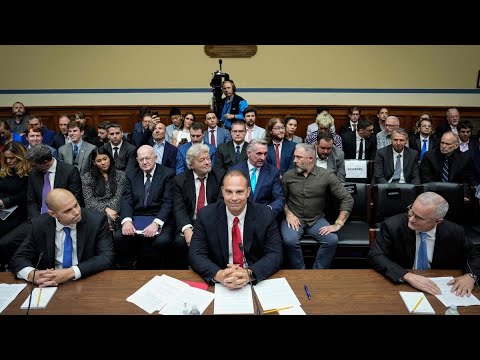
House Oversight Hearing on #UAP: Implications on National Security, Public Safety #ufo #aliens
The transcript excerpts from the congressional hearing on Unidentified Aerial Phenomena (UAPs) provide a comprehensive overview of the discussions held among various members of Congress and the testimonies of military personnel regarding their experiences with UAPs. This hearing marks a significant moment in the ongoing dialogue about UAPs, emphasizing the need for transparency, accountability, and a collaborative approach to understanding these mysterious occurrences. The hearing is structured into several key segments, each addressing critical issues related to UAPs, the government's handling of these phenomena, and the implications for national security.
Opening Remarks
The hearing begins with the chair welcoming attendees and outlining the structure of the session. The chair expresses gratitude towards military personnel who have shared their experiences with UAPs, emphasizing the public's growing curiosity and speculation surrounding these phenomena. The chair reflects on the historical context of UAPs, mentioning past presidential sightings and the establishment of entities like the All Domain Anomaly Resolution Office (ARO) to investigate UAPs. However, the chair criticizes the lack of transparency and classified budgets that hinder congressional oversight. This sets the tone for the hearing, highlighting the importance of open dialogue and the need for accountability in government actions regarding UAPs.
Key Issues Raised
During the hearing, the chair discusses the pressing need for government accountability and transparency, particularly referencing the Biden Administration's handling of a Chinese spy balloon incident as an example of inadequate communication with the public. This incident serves as a backdrop for the discussion on UAPs, illustrating the broader issues of trust and transparency that have become central to the public's perception of government actions. The chair emphasizes that the hearing aims to address the multifaceted nature of UAPs and the importance of objective inquiry, asserting that the discussion is not merely about the existence of UAPs but also about the principles of transparency and accountability in government.
Representative Burchard speaks next, asserting that the issue of UAPs transcends party politics and expressing gratitude for the efforts of colleagues who have pushed for the hearing. He mentions the longstanding military position that UFOs pose no threat, which he finds to be an understatement. Burchard acknowledges the global interest in UAPs and thanks witnesses for their testimonies, highlighting their courage in coming forward despite potential repercussions. This acknowledgment of the witnesses' bravery underscores the challenges faced by those who choose to speak out about their experiences with UAPs.
Representative Luna follows, noting that UAPs have captivated the American public and leaders for decades, yet the government has often failed to provide explanations or transparency. She cites polling data indicating that a significant portion of Americans believe the government is hiding information about UAPs. Luna stresses the need for a system that allows pilots and civilians to report UAP sightings without fear of retribution, emphasizing the importance of creating a safe environment for reporting encounters. This call for a more open reporting system reflects the broader concerns about the stigma associated with UAP sightings and the potential consequences for those who come forward.
Ranking Member Garcia emphasizes the bipartisan nature of the hearing and the necessity of addressing UAPs as a national security issue. He acknowledges the importance of public trust in government institutions and the need for a transparent process to investigate UAPs. Garcia references past reports and studies, including NASA's recent initiatives to examine UAPs, and calls for a collaborative effort to ensure that the public is informed. This emphasis on collaboration highlights the need for a unified approach to understanding UAPs, involving various stakeholders from the military, government, and scientific communities.
Witness Testimonies
The hearing introduces three key witnesses: Lieutenant Ryan Graves, David Grush, and Commander David Fravor. Each witness shares their experiences and insights regarding UAPs, contributing to the broader understanding of these phenomena and the implications for national security.
- Lieutenant Ryan Graves: A former Navy pilot, Graves discusses the frequency of UAP sightings among military and commercial pilots and the stigma that prevents them from reporting these encounters. He emphasizes the need for a secure reporting system to encourage transparency and accountability, highlighting that many pilots fear professional repercussions for coming forward. Graves' testimony sheds light on the challenges faced by pilots in reporting UAP encounters, illustrating the need for a cultural shift within the military and aviation communities to foster open dialogue about these phenomena.
- David Grush: A former intelligence officer, Grush shares his concerns about the government's secrecy regarding UAPs and the potential existence of reverse-engineering programs for recovered UAP technology. He urges Congress to investigate these claims and ensure that oversight is maintained over UAP-related activities. Grush's testimony raises critical questions about the government's handling of UAP information and the implications for national security, emphasizing the need for transparency in addressing these issues.
- Commander David Fravor: Fravor recounts his experience with the "Tic Tac" UAP incident in 2004, describing the object's unusual flight characteristics and the lack of subsequent investigation by the military. He expresses concern over the advanced technology exhibited by UAPs, which he believes poses a significant national security threat. Fravor's detailed account of the Tic Tac incident serves as a pivotal moment in the hearing, illustrating the real-world implications of UAP encounters and the need for further investigation.
Conclusion of the Hearing
The hearing concludes with a commitment to further investigate UAPs and improve reporting mechanisms for both military and civilian encounters. The representatives express a desire for ongoing dialogue and collaboration to ensure that the American public is informed about UAPs and that the government is held accountable for its actions regarding these phenomena. This commitment to transparency and accountability reflects a growing recognition of the importance of addressing UAPs as a national security issue.
Overall, the transcript highlights a critical moment in the ongoing discussion about UAPs, underscoring the need for transparency, accountability, and a collaborative approach to understanding these mysterious occurrences. The hearing serves as a platform for addressing the challenges faced by military personnel in reporting UAP encounters and the broader implications for national security.
Detailed Examination of UAP Encounters
The transcript excerpts from the congressional hearing also delve into specific incidents and testimonies that illustrate the complexities and challenges associated with UAP encounters. One notable aspect discussed is the phenomenon of UAPs exhibiting flight capabilities that defy conventional understanding of aerodynamics and physics. For instance, Mr. Fravor describes an encounter with a UAP that remained stationary in hurricane-force winds, later accelerating to supersonic speeds in erratic patterns. This account raises questions about the technology behind such capabilities and the potential implications for national security.
Mr. Fravor clarifies that the "Tic Tac" UAP is not related to the TikTok app but rather refers to the candy, emphasizing the need for clarity in discussions about UAPs. He expresses astonishment at the flight capabilities of the Tic Tac, stating that no known objects possess similar capabilities, suggesting that the technology is beyond current material science. This assertion underscores the urgency for transparency and a systematic inventory of UAP encounters, advocating for a reporting system that includes commercial aviation to ensure that all sightings are documented and investigated.
Mr. Grush, another witness, shares his experiences of facing retaliation for his testimony and discusses the tactics used against him, which he describes as brutal. He confirms that he has knowledge of individuals harmed in efforts to conceal extraterrestrial technology but refrains from providing specific details in the open session, suggesting that such discussions should occur in a secure environment. This revelation raises significant ethical concerns regarding the government's handling of UAP information and the potential consequences for those who choose to speak out.
Throughout the hearing, various members of Congress ask pointed questions about the nature of UAPs, their potential threats to national security, and the government's handling of information regarding these phenomena. They express concerns over the lack of transparency and the potential for disinformation campaigns aimed at denying the existence of UAPs. Mr. Graves notes that many UAP encounters go unreported, estimating that around 95% of sightings are not documented by pilots due to fear of repercussions. This statistic highlights the urgent need for a cultural shift within the military and aviation communities to foster an environment where reporting UAP encounters is encouraged and supported.
The witnesses describe specific incidents, including a notable encounter off the coast of Virginia Beach where a pilot reported seeing a stationary object that disabled his aircraft's radar systems. They discuss the implications of these encounters, suggesting that UAPs may be probing U.S. military capabilities and pose a potential threat to national security. This discussion underscores the need for further investigation and analysis of UAP encounters to better understand their nature and potential implications.
Throughout the hearing, there is a strong emphasis on the need for further investigation, transparency, and the establishment of a formal reporting mechanism for UAP sightings. The witnesses express a commitment to ensuring that the safety of military personnel and the public is prioritized in discussions about UAPs. This commitment reflects a growing recognition of the importance of addressing UAPs as a national security issue and the need for a collaborative approach to understanding these phenomena.
As the hearing concludes, members of Congress express their gratitude to the witnesses for their courage in coming forward and stress the importance of continuing the dialogue surrounding UAPs. They highlight the need for ongoing investigations and the collection of data to better understand these phenomena, advocating for a collaborative approach between the military, government, and scientific communities. This call for collaboration reflects a broader recognition of the complexities associated with UAP encounters and the need for a unified effort to address the challenges they present.
Implications for National Security and Public Trust
The discussions during the hearing reveal significant concerns regarding UAPs, their implications for national security, and the challenges faced by military personnel in reporting encounters. The testimonies underscore the urgency for transparency and systematic reporting to address the potential risks associated with UAPs. As the hearing progresses, it becomes clear that the issue of UAPs transcends party politics and requires a bipartisan approach to ensure that the public is informed and that government actions are held accountable.
Representative Luna's emphasis on the need for a system that allows pilots and civilians to report UAP sightings without fear of retribution resonates throughout the hearing. This call for a more open reporting system reflects the broader concerns about the stigma associated with UAP sightings and the potential consequences for those who come forward. The representatives' commitment to addressing these issues highlights the importance of fostering a culture of transparency and accountability within government institutions.
Moreover, the hearing serves as a platform for addressing the ethical implications of government secrecy regarding UAPs. Mr. Grush's testimony about facing retaliation for his willingness to speak out raises critical questions about the treatment of individuals who come forward with information about UAPs and the potential consequences they may face. This discussion underscores the need for protective measures to ensure that whistleblowers are safeguarded and that their testimonies are taken seriously.
As the hearing concludes, the representatives express a desire for ongoing dialogue and collaboration to ensure that the American public is informed about UAPs and that the government is held accountable for its actions regarding these phenomena. This commitment to transparency and accountability reflects a growing recognition of the importance of addressing UAPs as a national security issue. The hearing serves as a critical step toward fostering a more open and informed discussion about UAPs, emphasizing the need for a collaborative approach to understanding these mysterious occurrences.
Future Directions for UAP Investigations
The discussions during the hearing also highlight the potential future directions for UAP investigations and the importance of establishing a formal framework for addressing these phenomena. The representatives' commitment to further investigation and the establishment of a reporting mechanism for UAP sightings signals a recognition of the need for a systematic approach to understanding UAPs and their implications for national security.
One potential avenue for future investigations involves the collaboration between military, government, and scientific communities to analyze UAP encounters and gather data on their characteristics and behaviors. This collaborative approach could facilitate a more comprehensive understanding of UAPs and their potential implications for national security. By pooling resources and expertise, stakeholders can work together to address the challenges posed by UAPs and develop strategies for mitigating potential risks.
Additionally, the establishment of a formal reporting mechanism for UAP sightings could serve as a crucial step toward fostering transparency and accountability in government actions regarding these phenomena. By creating a secure and accessible platform for reporting encounters, the government can encourage pilots and civilians to come forward with their experiences without fear of retribution. This shift toward a more open reporting system could help to demystify UAPs and promote a culture of transparency within the military and aviation communities.
Furthermore, ongoing investigations into UAPs should prioritize the collection of data and analysis of sightings to better understand their nature and potential implications. This focus on data-driven analysis could provide valuable insights into the characteristics and behaviors of UAPs, informing future policy decisions and strategies for addressing potential risks. By prioritizing data collection and analysis, stakeholders can work toward developing a more comprehensive understanding of UAPs and their implications for national security.
In conclusion, the congressional hearing on UAPs serves as a critical moment in the ongoing dialogue surrounding these phenomena. The discussions highlight the need for transparency, accountability, and collaboration in addressing UAPs and their implications for national security. As representatives express their commitment to further investigation and the establishment of a formal reporting mechanism for UAP sightings, it becomes clear that the issue of UAPs transcends party politics and requires a unified approach to ensure that the public is informed and that government actions are held accountable. The hearing marks a significant step toward fostering a more open and informed discussion about UAPs, emphasizing the importance of collaboration between military, government, and scientific communities in understanding these mysterious occurrences.
The ongoing discussions in Congress regarding Unidentified Aerial Phenomena (UAPs) reflect a complex interplay of motivations and concerns expressed by various political figures and committee members. A significant driving factor is the perceived lack of transparency surrounding UAPs, which has historically contributed to public speculation and a decline in trust towards governmental institutions. This transparency issue is viewed as a potential threat to national security, prompting calls for greater accountability and clarity in governmental communications about UAPs.
Key figures, such as Representative Burett, emphasize the necessity of addressing the public's curiosity and concerns about UAPs. They advocate for a nonpartisan approach to UAP investigations, underscoring the need for bipartisan collaboration to effectively tackle this issue. The testimonies of military pilots and other witnesses are deemed crucial for enhancing understanding and prompting legislative action.
Specific outcomes and policy changes being pursued through these congressional hearings include:
- The establishment of clearer reporting mechanisms for UAP sightings.
- Increased funding and oversight for agencies involved in UAP investigations, as highlighted during discussions with NASA Administrator Bill Nelson, where the importance of adequate funding for NASA to explore potential extraterrestrial life was stressed.
- Legislation aimed at ensuring the sharing of UAP-related data with Congress.
- Improvement of public communication regarding UAP encounters.
- Formal mechanisms for reporting UAP sightings and enhancing collaboration between governmental entities and the scientific community.
Moreover, there is a notable shift in the political landscape concerning the stigma associated with discussing UAPs. Military pilots are increasingly empowered to share their experiences without fear of ridicule, fostering an environment conducive to rigorous academic inquiry. This cultural shift is seen as essential for encouraging open dialogue and collaboration among military, scientific, and academic communities.
Overall, the intent behind these congressional hearings extends beyond merely addressing the existence of UAPs; it aims to align national security interests with the public's right to know, thereby restoring faith in governmental institutions and legitimizing UAP research as a matter of public interest.
- [02:30] 'This has led Congress to establish entities to examine UAPs.'
- [01:16:30] '...when we were doing a hearing with the NASA administrator Bill Nelson, I asked... why NASA needed to be fully funded... one of them was actually had to do with UAPs.'
- [01:18:20] 'I would say yes... starting in 2017, it took that stigma away... now we're sitting here today for a public testimony on what's actually going on.'
- [12:14] 'This hearing will also not be the end of this discussion but a new chapter.'
The transcript highlights several significant barriers, stigmas, and institutional challenges that the scientific community faces in studying Unidentified Aerial Phenomena (UAPs). A primary barrier is the stigma associated with reporting UAP encounters, particularly among military personnel. This stigma creates a fear of professional repercussions, discouraging witnesses from coming forward with their experiences. Representative Luna emphasizes the frustration regarding the government's lack of transparency, noting that credible witnesses, including doctors and military personnel, have reported UAP sightings, yet the government has not adequately addressed these reports. This raises concerns about the effectiveness of current reporting systems in both military and commercial aviation contexts.
Another key issue is the historical stigma surrounding UAP discussions, which has long discouraged both military personnel and scientists from openly reporting their experiences. However, there has been a cultural shift since 2017, with military pilots feeling increasingly empowered to share their UAP encounters without fear of ridicule. This shift is crucial as it fosters a more open environment for discussion and inquiry.
Institutional challenges also exist, particularly regarding the classification and reporting of UAP incidents. Notably, there is currently no official process for the Federal Aviation Administration (FAA) to receive UAP sighting reports from pilots, which hinders the collection of necessary data for rigorous academic research. To address these barriers, several concrete proposals have been suggested:
- Establishing a secure reporting system that allows pilots and civilians to report UAP sightings without fear of retribution.
- Creating a centralized repository for UAP data that includes contributions from both military and civilian sources.
- Encouraging open dialogue and transparency from government agencies regarding UAP investigations and findings.
- Facilitating partnerships between the scientific community and UAP-focused government groups through congressional hearings to reduce stigma and encourage scientific engagement.
- Establishing advisory boards consisting of scientists and engineers to develop a systematic approach to UAP research.
By addressing these barriers and implementing the suggested measures, the scientific community can enhance its investigation of UAP phenomena, ultimately restoring public confidence in governmental oversight related to aerial anomalies.
- [10:42] 'We are simply told not to question the government and that the government has it under control.'
- [25:40] 'The stigma attached to UAP is real and powerful and challenges National Security.'
- [01:17:20] 'Military pilots feeling empowered to share their UAP experiences has directly impacted the scientific community's research goals on this topic.'
- [01:19:09] 'I think continued conversation and reduction of stigma is going to allow that to flourish and allow answers to help generate themselves.'
In the ongoing discourse surrounding Unidentified Aerial Phenomena (UAPs), speakers emphasize the critical importance of preparing both society and institutions for the potential paradigm-shifting revelations concerning non-human intelligence (NHI) or non-terrestrial origins. This preparation is underscored by a growing recognition among congressional members that the American public deserves clarity on these complex issues, particularly given the historical context of UAP sightings and the significant interest they evoke.
Representative Burett articulates the necessity for transparency, suggesting that an open-minded discussion about UAPs is essential. This acknowledgment implies that revelations about NHI could have profound implications for society, necessitating a thoughtful and considerate approach in presenting such information to the public.
One of the key aspects of this preparation involves actively working to reduce the stigma surrounding UAP sightings, which has historically deterred individuals from reporting their experiences. The gradual shift in military and political attitudes towards UAPs has fostered a more conducive environment for open dialogue. As military pilots become increasingly comfortable sharing their experiences, it is anticipated that the scientific community will also feel encouraged to engage more rigorously in this area of research.
Moreover, there is a recognition that public understanding and acceptance of UAPs may need to evolve. This includes educating the public about the realities of UAP phenomena and fostering a culture that is receptive to the idea of non-human intelligence. The hope is that continued transparency and dialogue will adequately prepare society for any significant revelations that may arise from ongoing investigations.
Ultimately, the discussions reflect a commitment to addressing the complexities and uncertainties surrounding UAPs. By fostering a culture of inquiry and openness, the groundwork can be laid for society to adapt to and understand the implications of any future findings related to UAPs and NHI. Lawmakers aim to:
- Engage the public in discussions about UAPs in a manner that promotes understanding rather than fear.
- Create an environment where credible witnesses feel safe to share their experiences.
- Encourage educational and scientific institutions to investigate UAPs rigorously and transparently.
This collaborative approach conveys a sense of optimism regarding the potential for new discoveries and the necessity of preparing society for the truths that may emerge from this ongoing inquiry.
- [04:21] 'Congress should work to ensure that knowledge is not driven by fear.'
- [20:36] 'The American public has a right to learn about Technologies of unknown Origins, non-human intelligence, and unexplainable phenomena.'
- [01:17:16] 'I think we're seeing some of that stigma slowly going away...'
- [01:19:13] '...keeping our top scientific minds focused on this issue...'
The transcript outlines several significant UAP incidents and sightings that have been discussed during congressional hearings, highlighting both military and public testimonies. One prominent account is provided by Lieutenant Ryan Graves, who recounts UAP sightings by military pilots off the East Coast of the United States in 2014. Graves emphasizes that these sightings are not isolated, as military and commercial pilots frequently encounter unidentified objects.
In a notable incident, Graves describes a UAP characterized as a dark gray or black cube inside a clear sphere, which came alarmingly close to a military aircraft, estimated to be between 5 to 15 feet in diameter. The object reportedly approached within 50 feet of the lead aircraft, prompting the mission commander to terminate the flight. Despite submitting a safety report, there was no official acknowledgment of the incident, underscoring a lack of mechanisms for reporting such sightings.
Another significant event mentioned is the Tic Tac incident in 2004, where Navy pilots observed an oblong object demonstrating maneuvers that defy current understanding of physics and aviation technology. The pilots reported that the object could hover in place and then rapidly accelerate to supersonic speeds without any visible means of propulsion. Key factual details from this incident include:
- Year of incidents: 2014 and 2004.
- Description of UAP: Dark gray or black cube inside a clear sphere.
- Significant actions taken: Termination of flight, submission of safety reports.
- Pilot observations: Unexplained maneuvers and capabilities beyond known technology.
Additionally, the transcript highlights a cultural shift since 2017, which has fostered greater transparency and openness regarding UAP discussions, encouraging pilots to share their experiences. This shift has positively impacted scientific research goals related to UAPs. Furthermore, the establishment of the Galileo Project at Harvard University in 2021 is mentioned, aiming to investigate the origins of UAPs, indicating a growing academic interest in these phenomena.
While specific details about individual UAP incidents, including precise dates and locations, are somewhat limited, the transcript emphasizes the need for comprehensive documentation and reporting of UAP sightings to facilitate further research and understanding. Many encounters remain underreported or inadequately investigated, underscoring the complexity and seriousness of the UAP phenomena.
- [25:25] 'The object described as a dark gray or a black Cube inside of a clear sphere came within 50 ft of the lead aircraft.'
- [34:12] 'We saw some white water off our right side... it was a Tic Tac object with a longitudinal axis pointing North South.'
- [01:17:34] '...starting in 2017 when it actually came out it took that stigma away...'
- [01:17:49] '...we're sitting here today for a public testimony on what's actually going on.'
The discussions in the transcript raise critical arguments regarding government transparency, institutional secrecy, and the issue of over-classification concerning UAP data and materials. Multiple speakers express frustration over the lack of clarity from government agencies, particularly in light of numerous UAP incidents and the pressing need for accountability.
Representative Luna highlights that a significant portion of the American public, approximately 68%, believes the government is concealing information about UAPs. This sentiment underscores a substantial public demand for greater transparency and disclosure of UAP-related information.
Lieutenant Graves and other witnesses emphasize the detrimental effects of excessive classification, which not only impedes public understanding but also fuels speculation and mistrust in government institutions. Graves notes that since 2021, all UAP videos have been classified as secret or above, limiting access to crucial information that could clarify public concerns and enhance safety measures.
Concrete criticisms raised include:
- The need for a centralized reporting system to address UAP sightings without fear of reprisal.
- The requirement for Congress to have oversight over classified UAP materials to ensure accountability.
- Calls for declassification of UAP-related evidence and findings to enhance public trust.
Furthermore, the culture of secrecy surrounding UAP discussions has been a long-standing issue. Witnesses noted that the Federal Aviation Administration (FAA) currently lacks an official mechanism for pilots to report UAP sightings, which inhibits data collection and hinders scientific research. The over-classification of UAP-related information has been identified as problematic, with some videos and images being classified at levels deemed unnecessary, thereby preventing public access to potentially significant evidence.
Additionally, there are calls for Congress to facilitate a reduction in stigma surrounding UAP discussions, which would enable a more open dialogue about these phenomena. This reduction in stigma is seen as essential for attracting the attention of scientific minds and ensuring that rigorous research can be conducted without the fear of ridicule or professional consequences. Overall, the discussions point to a pressing need for reform in how UAP data is classified and disclosed to both the public and Congress, advocating for a shift towards a more open and transparent approach to UAP investigations that would benefit national security and restore public confidence in governmental institutions.
- [03:56] 'However ARO's budget remains classified prohibiting meaningful oversight from Congress.'
- [21:02] 'Over-classification of information away from the American public or even Congress contributes to today's politics.'
- [01:19:10] 'Reduction of stigma is going to allow that to flourish and allow answers to help generate themselves.'
[00:03] the subcommittee hearing on unidentified[00:05] anomalous phenomena or uaps will come to[00:08] order welcome everyone without objection[00:12] the chair May declare a recess at any[00:14] time additionally without objection the[00:16] following members are waved on to the[00:18] subcommittee for the purpose of[00:19] participating in today's hearing Mr[00:21] burchard of Tennessee Miss Luna of[00:24] Florida Mr Gs of Florida Mr burison of[00:27] Missouri Mrs okazi Cortez of New York Mr[00:30] Olas of Tennessee without objection so[00:33] ordered for today's subcommittee hearing[00:36] both the chair and ranking member will[00:38] have 10 minutes for opening remarks we[00:40] may both be giving some of those minutes[00:43] uh to other members of our party I'm now[00:45] going to recognize myself for 10 minutes[00:48] I'm actually going to try to get out of[00:50] here in about four and then we'll give[00:51] it to some of my friends over here uh[00:54] good morning and welcome to the mostly[00:56] exciting sub the most exciting[00:57] subcommittee in Congress this week the[00:59] subcommittee on National Security of the[01:01] border and Foreign Affairs for[01:03] discussion of unidentified anomalous[01:06] phenomenon I'd like to thank the brave[01:08] military pilots and Personnel such as W[01:11] uh such as the Witnesses on the panel[01:13] today for sharing their stories on how[01:15] they have engaged uaps which has brought[01:17] attention to this matter curiosity and[01:20] speculation from all walks of life have[01:23] generated interest in studying what uaps[01:25] are and and what threats they they may[01:28] pose I will say that when I was younger[01:30] in school I read a book uh a 1966 book[01:34] called flying saucers serious business[01:36] and for a while when I was a little bit[01:39] younger I thought it was the most[01:40] important issue out there uh the the[01:43] lack of transparency regarding uaps[01:46] which was one of the uh themes of that[01:49] book[01:51] um[01:53] uh[01:55] um uh in any event it's like interest in[01:59] studying what uaps are and what threats[02:01] they pose um the lack of transparency[02:05] regarding uaps has filled wild[02:07] speculation and debate for decades[02:09] eroding public trust in the very[02:10] institutions that are meant to serve and[02:13] protect them as is evidenced by the[02:14] large number of people we have here I[02:16] also want to point out in 1966 President[02:19] Gerald Ford claimed to have seen a UFO[02:22] and in 1969 in Georgia uh Jimmy Carter[02:26] claimed to have seen a UFO so this has L[02:30] Congress to establish entities to[02:31] examine uaps the National Defense[02:34] authorization Act of 2022 establish the[02:37] all domain anomaly resolution offic or a[02:41] o to conduct or to coordinate efforts[02:44] across the Department of Defense and[02:45] other federal agent federal agencies to[02:48] detect identify and investigate uaps[02:51] however A's budget remains classified[02:54] prohibiting meaningful dis oversight[02:56] from Congress in addition to aro's[02:59] efforts Nassau is leading an independent[03:01] study on uaps that will identify how UAP[03:05] data is gathered from both civilian and[03:07] government entities that can be analyzed[03:10] to shed light on the topic however[03:12] despite these offices being established[03:15] there lies a pressing demand for[03:17] government transparency and[03:18] accountability that cannot be overlooked[03:20] and that's been a problem that's been[03:22] around for 50 years the Biden[03:24] Administration handling of the Chinese[03:26] spy balloon that violated US Air space[03:29] is one example Le how the government is[03:31] not prepared for these the Biden[03:33] administration's description of events[03:35] has shown that the government continues[03:37] not to be forthright uh between the[03:39] Chinese balloon being shot down and two[03:41] uaps subsequently shot down following[03:44] the event earlier this year the US[03:45] government spent $1.5 millionar in[03:47] taxpayer dollars on missiles yet we have[03:50] seen little Clarity from the Biden[03:52] Administration we must demand[03:54] transparency from the Department of[03:55] Defense our intelligent community and[03:57] our defense industry on the UAP work[03:59] we're going to ask some questions about[04:01] that today Congress recognizes the[04:03] subject of UAP is as multifaceted and[04:06] requires a careful data driven approach[04:09] today we'll see Clarity from these[04:10] Witnesses testimonies or we'll seek[04:12] clarity as to what can be done to[04:14] improve reporting for military and[04:17] civilians and remain committed to[04:19] objective inquiry Congress should work[04:21] to ensure that knowledge is not driven[04:24] by fear today we are not just debating[04:27] the existence of uaps we are[04:28] deliberating on the principles that[04:29] Define our Republic which is a[04:31] commitment to transparency and[04:33] accountability I look forward to hearing[04:35] from our Witnesses today about ways we[04:37] can improve government efficiency and[04:39] openness when it comes to uaps I thank[04:42] each of you for your presence here today[04:44] and for your dedication to safeguarding[04:46] the interest of the American people I[04:47] look forward to your testimony now I'm[04:49] going to turn it over for two and a half[04:51] or three minutes to uh representative[04:53] burett from[04:55] Tennessee thank you Mr chairman thank[04:57] you all for being here um I want to[05:00] thank everybody for making this happen[05:02] today and I want to remind everybody[05:03] this is a nonpartisan issue this has[05:05] nothing to do with Party politics I[05:07] think um the cover up goes a lot deeper[05:10] than that I also want to thank my[05:12] colleagues uh representative Anna Palina[05:14] Luna sitting beside me here Jared mosz[05:19] my friend across the aisle has an[05:21] incredible mind and I'm anxious to hear[05:23] his questions my buddy Eric burles and[05:26] um it's not in my notes here but Matt[05:28] Gates if it hadn't been for Matt Gates[05:29] myself him and Luna would still be down[05:31] at Egan Air Force Base trying to get[05:33] some[05:34] answers he's got an incredible legal[05:36] mind also U I know I saw it in the crowd[05:39] there George knap my buddy Jeremy[05:42] Corbell um I've uh they're not Witnesses[05:45] but they've uh provided some statements[05:47] on this subject and I seek unanimous[05:49] consent to enter those statements into[05:51] the record Mr chairman without objection[05:54] also would like to enter in I understand[05:56] now that this is unclassified and it's[05:58] public record but as we all know that's[06:00] sometimes difficult for the public to[06:02] get a hold of a report defense[06:04] intelligence uh reference document is[06:06] Advanced space propulsion based on[06:08] vacuum SpaceTime metric engineering some[06:11] light reading for some of our members[06:13] without objection thank you um you know[06:16] Mr knap wrote since 1969 the position[06:19] our military has been that UFOs pose no[06:21] threat to National Security and are not[06:24] wor worthy of further study I'd say[06:26] that's the biggest understatement of the[06:28] decade um[06:30] he also goes on to talk about the[06:31] dismissive attitude it's at odds with[06:33] what was revealed in documents reports[06:35] and internal memos Mr Cabell says U as[06:39] as he writes these words the UFO is[06:41] emerging as a major topic of global[06:43] importance um I can state that as a fact[06:47] out there I met a fellow who came in[06:49] there all the way from Denmark to be[06:51] here for this this meeting so this is[06:53] huge this is worldwide I think we um we[06:56] suspect what's going on but I'd also[06:58] like to thank the members of Cong[06:59] Congress have supported our efforts to[07:01] make this hearing happen some have even[07:03] confided to me that they've had UFO[07:04] sightings of their own those members of[07:07] course some of them wish to remain[07:08] anonymous and I'll keep it that way but[07:10] also finally I like to thank the these[07:12] three Brave Witnesses here they took a[07:15] no they took a no to uphold the[07:17] Constitution of the United States and[07:18] dadg they're doing it and we owe them a[07:21] debt of gratitude[07:36] y'all y'all quit clapping you're cutting[07:37] in on my[07:39] time just kidding these folks they've[07:42] got nothing to gain from this and I[07:44] think you're going to find out that[07:45] they've endured quite a few slings and[07:46] arrows we need to remember them in our[07:48] prayers and their families and I'm[07:50] thankful them for their honest[07:52] testimonies they have done interviews[07:53] and appeared in documentaries like[07:55] accidental truth to get their stories[07:57] out there to and and now they all here[07:59] to testify under oath for[08:01] congress I it's been so difficult to get[08:04] here today I've said you know in the[08:06] Baptist Church we'd say that the devil's[08:07] in our way and um the devil's been in[08:10] our way through this thing we've we've[08:12] run into roadblocks from members from[08:14] the intelligence Community the Pentagon[08:16] I proposed legislation to go in the FAA[08:19] reauthorization that just said if a if[08:22] an airline pilot uh has a sighting that[08:25] when he makes that report to the FAA[08:27] that it would come to Congress but I was[08:28] told that the intelligence community did[08:31] not like that and the bill was the[08:33] amendment was not even heard in[08:34] committee I think it's time for this[08:36] country to take back our country we need[08:38] to tell the folks at the Pentagon they[08:40] work for us dad gam we don't work for[08:43] them and that's exactly the point this[08:46] is an issue of government transparency[08:48] we can't trust a government that does[08:49] not trust its people we're not bringing[08:52] Little Green Men or flying saucers into[08:54] the hearing sorry to disappoint about[08:56] half y'all we're just going to get to[08:58] the facts we're going to uncover the[09:00] cover up and I hope this is just the[09:02] beginning of many more hearings and more[09:04] people coming forward about this and I[09:06] yield back to remainder of my time um I[09:08] think is it to represent Luna Mr[09:10] chairman or is that yeah we we'll call[09:12] Miss Luna for her[09:15] statement the circumstances surrounding[09:17] uaps has captivated the intention of the[09:19] American people for decades ingrained in[09:21] even the minds of our nation's leaders[09:23] from Jimmy Carter to Barack Obama[09:25] Hillary Clinton to Donald Trump Marco[09:27] Rubio to Chuck Schumer John Radcliffe to[09:30] National Security Council officials yet[09:33] from Roswell New Mexico to the coast of[09:34] Jacksonville Florida the sightings of[09:36] uaps have rarely been explained by the[09:38] people who have firsthand accounts of[09:40] these situations this is largely due to[09:42] the lack of transparency by our own[09:44] government and the failure of our[09:46] elected leaders to make good on their[09:47] promises to release explanations and[09:49] footage and mountains of over classified[09:52] documents that continue to be hidden[09:53] from the American people this isn't just[09:56] how I feel in fact the American people[09:58] largely believe that the government has[09:59] actively covered up the truth about uaps[10:02] one poll in particular found that 68% of[10:05] Americans believe that the government is[10:06] hiding information about uaps and not[10:09] being honest about what we know about[10:11] them and from my personal experience I[10:13] believe the same thing another poll[10:15] found that nearly half Americans believe[10:17] that the federal government is doing a[10:18] very bad or somewhat bad job of dealing[10:20] with reports of UFO sightings as[10:23] representative burett just referenced on[10:25] the fa bill that just went through you[10:27] can tell that that's exactly happening[10:30] considering the thousands of testimonies[10:31] and videos taken on people's phones and[10:33] eyewitnesses accounts made by credible[10:35] Witnesses such as doctors Pilots[10:38] scientists and active duty service[10:39] members is unacceptable to continue to[10:42] Gaslight Americans into thinking that[10:43] this is not happening or that the[10:45] potential of intelligence uh intelligent[10:48] life forms exists other than humans even[10:51] more alarming is the fact that these[10:52] eyewitnesses are many of time service[10:54] members and have no assurance that their[10:56] lives will not be negatively impacted or[10:58] even harmed by their experiences in[11:00] being an active duty service member[11:02] working on an Airfield I've had[11:04] conversations with many Pilots where[11:06] they were in fear of coming forward for[11:08] Retribution Andor being taken off flight[11:10] status how do we know this because the[11:12] government has said nothing to assure us[11:14] otherwise they have also did nothing to[11:17] um to calm the concerns of over 20% of[11:20] Americans who have reported to have seen[11:21] UFOs or uaps we are simply told not to[11:25] question the government and that the[11:26] government has it under control today is[11:28] the first in of its kind where we will[11:30] attempt to get down to the bottom of[11:31] what is actually happening with uaps but[11:33] we will hear from people who have had[11:35] personal sightings rather than Pentagon[11:37] bureaucrats who have always been sent to[11:39] Stonewall or[11:40] investigations just so that the Press[11:42] knows and the people know we were even[11:44] denied access to a classified briefing[11:46] in a skiff prior to this hearing due the[11:48] amount of Hoops that we had to jump[11:49] through to Grant temporary clearance to[11:51] witness grush who has knowledge of[11:54] classified information it is time to[11:56] have an open-minded discussion on this[11:58] topic to hear the evidence and[11:59] understand the magnitude of what this[12:01] means not just for our nation but for[12:02] Humanity thank you chairman I yield back[12:04] the rest of my time thank you very much[12:07] and I'd like to thank you thank you and[12:09] Mr burett for bringing this topic to my[12:11] attention uh now we'll recognize[12:13] National Security subcommittee ranking[12:15] member Garcia for 10[12:19] minutes well thank you Mr chairman and I[12:22] want to thank first our Witnesses for[12:23] joining us today um I want to begin by[12:25] thanking you all for your service to our[12:27] country um and for sharing your voices[12:29] uh today and your courage uh to be here[12:31] as well uh to Mr Graves uh particularly[12:34] grateful to you to spend some time uh[12:35] that we had um for you to share with[12:37] cander um some of your experiences so I[12:39] appreciate that uh as well I do want to[12:42] thank all the members of our[12:43] subcommittee today and also those that[12:45] are here uh and have waved on for the[12:47] their incredible interest in this issue[12:49] uh particularly to Congressman bured I[12:51] know that your leadership um has brought[12:53] us to this place today and I want to[12:54] thank you for uh for that as well as[12:56] everyone else that's been engaged in[12:58] this work I also want to thank the[12:59] oversight staff I know has been working[13:01] very hard to ensure uh that today's[13:03] hearing is serious that it's transparent[13:06] and that it also provides appropriate[13:08] answers as our oversight body um always[13:10] demands now it's really important that[13:12] we're here in a bipartisan way uh to[13:15] have this conversation which really to[13:16] the heart of it is about National[13:17] Security and key to the subcommittee's[13:20] core purpose this is the subcommittee on[13:22] National Security of the oversight[13:24] committee now our witnesses will testify[13:26] today that uaps have posed a serious[13:28] safety threat and we must understand[13:31] this more broadly we're dealing with[13:32] real questions that get to the heart of[13:35] our faith in government faith in our[13:37] institutions as we all know is at an[13:38] all-time low partisanship and[13:40] alternative facts make it too easy to[13:42] doubt narrative or into or our[13:44] institutions but this hearing will offer[13:46] the public unique perspectives building[13:48] on years of reporting by both federal[13:50] agencies and the Independent Media now[13:53] some of the earliest reporting on this[13:54] issue was a groundbreaking 2017 New York[13:57] Times report which we which revealed[13:59] research as we know now on unidentified[14:01] anomalous phenomena as many call UFOs by[14:05] the defense intelligence agency Mr[14:07] Graves and Commander fr's experiences[14:09] with uaps have also been documented by[14:11] the public not just by the New York[14:13] Times but CNN and many other national[14:15] news outlets now the office of the[14:17] Director of National Intelligence has[14:19] published public reports documenting[14:20] uaps and on June 9th 20122 NASA[14:24] announced that the agency is[14:25] commissioning a study to of course[14:26] examine unidentified anomalous phenomena[14:29] now the sheer number of reports wilsa[14:31] blowers and stories of unidentified[14:32] anomalous phenomena should raise real[14:35] questions and warrant investigation and[14:36] oversight and that's why we are here[14:38] today now Pilots have reported[14:40] encounters for years now because of the[14:43] stigma around reporting these incidents[14:44] we still don't have a complete picture[14:46] of actually what's going on particularly[14:49] as our witnesses will testify on the[14:51] civilian side and that is a real problem[14:53] that we have today in the country now[14:55] it's very important that we show that[14:56] Democrats and Republicans in Congress[14:59] can come together in a bipartisan way to[15:01] cut through misinformation and to look[15:03] at the facts in a serious and thoughtful[15:05] manner if we are to advance oversight[15:07] and public disclosure we must also gain[15:09] the broad support of the public we will[15:12] succeed getting facts out to the public[15:14] faster if there is a broad public[15:16] support as part of the process now I[15:19] understand fully the Department of[15:20] Defense is hesitant to share information[15:23] that could also undermine our national[15:24] security by revealing information on the[15:26] capabilities of our own aircraft our[15:29] sensors and other sensitive material at[15:31] the same time many people believe that[15:33] we're withholding information from them[15:35] and that is dangerous also I believe in[15:38] openness and transparency that is also[15:40] the role of Congress and I want to trust[15:43] that the American people will be able to[15:44] weigh the evidence and make up their own[15:46] minds now we have incidents where[15:48] sensors sometimes even multiple types of[15:50] sensors detect things that we cannot[15:52] explain uaps whatever they may be May[15:56] pose a serious threat to our military or[15:58] civilian air craft and that must be[16:00] understood now my career in training as[16:03] a longtime and career educator and[16:05] teacher and researcher tell me that we[16:07] should never rule anything out we know[16:10] that our space of course is vast and[16:13] undiscovered I also want to note that Mr[16:15] Sean kpatrick director of the all domain[16:17] anomaly resolution office the component[16:19] of the dod office that investigates UAP[16:21] data has testified before the Senate[16:23] this year that his unit has found no[16:26] evidence of extra exteral activity NASA[16:28] is also also stated they don't have[16:29] evidence of exterrestrial life either[16:32] and we've heard this of course from some[16:33] of our government agencies and we should[16:36] remind viewers and Witnesses which I[16:37] think is really important that we also[16:39] cannot share classified information in[16:41] public settings but questions of course[16:44] remain that people want to see data and[16:46] information for themselves the enormous[16:48] interest in the hearing today[16:49] underscores the importance of a fair and[16:51] open look at the evidence from Witnesses[16:54] who can share their unique perspectives[16:56] now I know I certainly have a lot of[16:57] questions and I know that all the[16:59] members of our committee do as well we[17:01] should come to this hearing with an open[17:03] mind and we should not let our existing[17:05] ideas restrict us on either side I hear[17:08] over and over from many agencies the[17:10] stigma around reporting and[17:11] investigating[17:12] uaps prevents us from getting real[17:14] answers we know that whistle browers[17:16] have reported harassment intimidation or[17:18] stigma as well and this is not[17:20] acceptable if people can't report[17:22] incidents which would have National[17:24] Security or safety implications then[17:26] that also has serious consequences for[17:27] us as rank being member of this[17:29] subcommittee I know it's my I know my[17:31] job would be completely impossible if[17:33] whistleblowers or others feel[17:34] intimidated to come before this[17:35] committee we can't be afraid of asking[17:37] questions and we can't be afraid of the[17:39] truth I'm proud to say that this hearing[17:42] builds upon bipartisan work by members[17:43] of the House and Senate dating many[17:45] years back which has sought to increase[17:47] awareness within the Department of[17:48] Defense and more and to mandate more of[17:50] Congress of uaps we know the senator is[17:53] taking up an amendment to their defense[17:55] authorization bill which will create a[17:57] commission with broad declassification[17:58] of Authority and we can all should all[18:00] agree that that is an important step[18:02] members of both parties and Senior[18:03] officials in multiple administrations[18:05] have taken an interest in this issue and[18:07] we're proud to carry and build that[18:09] confidence in the American people this[18:11] hearing will also not be the end of this[18:13] discussion but a new chapter and start[18:15] to years and years of work that many[18:17] folks both in both in the public and[18:19] within government have been working on[18:21] we should encourage more reporting not[18:23] less on uaps the more they we understand[18:27] the safer we will be we will hear[18:29] testimony from Witnesses today with a[18:31] long record of service to the American[18:33] people and with subject matter expertise[18:35] art Witnesses have a unique opportunity[18:37] to share the perspective insights um and[18:39] their experiences with the American[18:41] people and I encourage all of my[18:43] colleagues to engage with these[18:44] difficult questions with an open mind[18:46] and to follow the facts on behalf of our[18:49] country I also just want to say more[18:51] broadly that we should look at this[18:53] hearing with and believe that everything[18:54] is on the table as it relates to uaps I[18:56] think we an open mind is absolutely the[18:58] best I want to yield the the two and a[19:00] half minutes the remainder of my time to[19:02] the representative from Florida[19:03] representative mosovich for an opening[19:05] statement he also has been um very much[19:07] engaged in this issue and I want to[19:08] thank him uh for his leadership[19:11] Congressman um thank you ranking member[19:13] Garcia thank you Mr chairman I want to[19:15] thank uh Tim burett and Anna Paulina[19:17] Luna for their leadership in pushing uh[19:20] this hearing forward I want to thank uh[19:22] obviously committee staff and their[19:24] staff working on this on a bipartisan[19:25] basis uh because many Americans are[19:28] deeply interested interested uh in this[19:29] issue and it it shouldn't take the[19:32] potential of non-human origin to bring[19:34] us together uh additionally I want to[19:36] thank the witnesses for for coming[19:38] forward to share your perspectives your[19:39] thoughts your and the sightings of uaps[19:42] unlike other hearings many times in[19:44] Congress you're not here to help a[19:46] political party but you're here to share[19:48] information with the American people and[19:51] it's not something that is just going on[19:53] in this Administration it's something[19:54] that's uh spanned many administrations[19:57] for decades many Americans have been[19:59] fascinated by objects mysterious and[20:01] unexplained and it's long past time that[20:04] they got some answers the American[20:06] public has a right to learn about[20:08] Technologies of unknown Origins[20:11] non-human intelligence and unexplainable[20:14] phenomena those are not the words of a[20:16] UFO Twitter account though that is a[20:19] direct quote from Majority Leader Chuck[20:21] Schumer that the American public has a[20:23] right to learn about Technologies of[20:24] unknown Origins non-human intelligence[20:27] and unexplainable phenomena in an[20:30] interview with Fox News recent former[20:32] Director of National Intelligence John[20:33] Radcliffe confirmed the US government is[20:36] aware a lot more sightings of uaps and[20:40] that they have not made that information[20:42] public I quote there are a lot more[20:44] sightings that have not been made public[20:46] Radcliffe said to Fox News for me this[20:49] hearing is about transparency we[20:51] unfortunately live in a time in which[20:53] many people distrust government and our[20:55] institutions an over classification of[20:57] information away from the American[20:59] public or even Congress contributes to[21:02] today's Politics the American people[21:04] have regular questions what are uaps how[21:07] come the media doesn't report more on[21:08] them are they foreign adversaries are[21:10] they us technology are they something[21:12] else they ask themselves how come when a[21:15] Russian jet shoots flares at one of our[21:18] drones we have perfect pictures and[21:20] videos to show the American people and[21:22] the world but when it comes to uaps[21:26] nothing of course we must always prend[21:28] protect our national security to[21:30] maintain our superiority like when[21:32] stealth helicopters were only rumored to[21:35] exist but were used in the Osama bin Len[21:38] raid in[21:39] 2011 but we can't allow that to be used[21:42] as a shield to keep the American people[21:45] completely in the dark from basic truths[21:48] the American people deserve to hear more[21:50] about special access programs Congress[21:52] has a right to know if there's any[21:54] unsanctioned weapons[21:56] development satellite imagery that has[21:58] not been provided to Congress Congress[22:01] created the all domain resolution office[22:03] in the ndaa of[22:04] 2022 in its initial analysis there are[22:09] 171 uncharacterized UAP reports and this[22:12] is the words from the report that appear[22:15] to have demonstrated unusual flight[22:17] characteristics or performance[22:19] capabilities I believe more information[22:21] is known about the 171 instances it's[22:25] time for Congress to reinsert ourselves[22:27] I call on our military leaders and[22:29] intelligence officials to release more[22:31] information to the American people about[22:33] uaps and to our military leaders if[22:36] there's nothing to conceal let Congress[22:39] go to write Patterson Air Force bace The[22:42] dugway Proven ground or even Groom Lake[22:44] in Nevada we should have disclosure[22:47] today we should have disclosure tomorrow[22:50] the time has come thank you ranking[22:52] member thank you Mr mosovich and I would[22:55] yield back now to our chairman thank you[22:58] right now I'd like to introduce our[23:00] Witnesses our first witness is[23:01] Lieutenant Ryan Graves he's the[23:03] executive director of Americans for safe[23:05] Aerospace Lieutenant Graves is also a[23:08] former US Navy F-18 pilot with his own U[23:11] UAP experience the next witness David[23:14] grush is a former senior intelligence[23:16] officer with the National geospatial[23:19] Intelligence Agency and was a senior[23:21] technical adviser for UAP issues and[23:24] final finally retired Navy Commander D[23:27] Commander David fraver Squadron leader[23:30] who worked as a Naval aviator for 18[23:32] years Mr fraver has his own UAP[23:35] experience known as the Tik Tock event I[23:38] look forward to hearing from all three[23:39] of you[23:40] today um pursuant to committee rule 9g[23:44] the witnesses will please stand and[23:45] raise their right[23:48] hands do you solemnly swear or affirm[23:52] that the testimony you are about to give[23:53] is the truth the whole truth and nothing[23:54] but the truth so help you guide[23:58] let the record show that all the[24:00] witnesses answer in the affirmative you[24:02] may be seated we appreciate you all[24:04] being here today and look forward to[24:06] your testimony let remind the witnesses[24:08] that we have read your written[24:09] statements and they will appear in full[24:11] in the hearing record please try to[24:13] limit your oral statements to five[24:14] minutes as a reminder please press the[24:17] button on the microphone in front of you[24:19] so that it's on and the members can hear[24:21] you when you begin to speak the light in[24:23] front of you will turn green after four[24:25] minutes it'll turn yellow and the red[24:27] light when that comes on it uh tells you[24:29] your 5 minutes have expired I'll now[24:32] recognize Mr Graves for 5 minutes for[24:34] your opening[24:35] statement thank you chairman gothman[24:39] ranking member Garcia distinguished[24:40] members of the House oversight[24:42] subcommittee on National Security[24:44] representative burett and Luna my name[24:46] is Ryan fobs Graves and I'm a former F18[24:49] pilot with a decade of service in the US[24:51] Navy including two deployments and[24:52] operation enduring freedom and operation[24:54] inherent resolve I have experienced[24:57] Advanced UAP firsthand and I'm here to[24:58] voice the concerns of more than 30[25:00] commercial air crew and military[25:01] veterans who have confided their similar[25:03] encounters with me today I would like to[25:06] highlight three critical issues that[25:08] demand our action as we convene here UAP[25:11] are in our airspace but they are grossly[25:13] underreported these sightings are not[25:15] rare or isolated they are routine[25:17] military air crew and commercial pilots[25:19] trained observers whose lives depend on[25:21] accurate identification are frequently[25:23] witnessing these[25:25] phenomena the stigma attached to UAP is[25:28] real and powerful and challenges[25:30] National Security it silences commercial[25:32] pilots who fear professional[25:33] repercussions discourages Witnesses and[25:36] is only compounded by recent government[25:37] claims questioning the credibility of[25:39] eyewitness[25:40] testimony parts of our government are[25:42] aware of more about UAP than they L on[25:45] but excessive classification practices[25:46] keep crucial information hidden since[25:49] 2021 all UAP videos are classified as[25:51] secret or above this level of secrecy[25:54] not only impedes our understanding but[25:55] fuels speculation and mistrust[25:59] in 2014 I was an F-18 foxtop pilot in[26:02] the Navy fighter attack Squadron 11 the[26:04] red Rippers and I was stationed at NAS[26:07] oceanana in Virginia beach after[26:09] upgrades were made to our Jets radar[26:11] systems we began detecting unknown[26:13] objects operating in our[26:15] airspace at first we assumed they were[26:17] radar errors but soon we began to[26:19] correlate the radar tracks with multiple[26:21] onboard sensors including infrared[26:22] systems eventually through Visual[26:25] ID during a training mission in warning[26:27] area whiskey 72 10 Mi off the coast of[26:30] Virginia Beach two F18 super Hornets[26:32] were split by a UAP the object described[26:35] as a dark gray or a black Cube inside of[26:37] a clear sphere came within 50 ft of the[26:40] lead aircraft and was estimated to be 5[26:42] to 15 ft in diameter the mission[26:44] Commander terminated the flight[26:45] immediately and returned to base our[26:48] Squadron submitted a safety report but[26:49] there was no official acknowledgement of[26:51] the incident and no further mechanism to[26:52] report the[26:54] sightings soon these encounters became[26:56] so frequent that air crew would discuss[26:57] the risk of UAP as part of their regular[27:00] pre-flight[27:03] briefs recognizing the need for action[27:05] and answers I founded Americans for safe[27:07] Aerospace the organization has since[27:09] become a Haven for UAP Witnesses who[27:11] were previously unspoken due to the[27:13] absence of a safe intake process more[27:15] than 30 Witnesses have come forward and[27:17] almost 5,000 Americans have joined us in[27:18] the fight for transparency at safe[27:20] aerospace.org the majority of Witnesses[27:23] are commercial pilots at majority major[27:26] airlines often they are veterans with[27:28] Decades of flying experience Pilots are[27:30] reporting UAP at altitudes that appear[27:32] above them at 40,000 ft potentially in[27:35] low earth orbit or in the gray Zone[27:36] below the Carmen line making[27:38] inexplainable Maneuvers like right- hand[27:40] turns and retrograde orbits or J Hooks[27:44] sometimes these reports are reoccurring[27:45] with numerous recent sightings north of[27:47] Hawaii and in the North[27:49] Atlantic other veterans are also coming[27:51] forward to us regarding UAP Encounters[27:53] in our[27:54] airspace and oceans the most compelling[27:57] involve observations of U by multiple[27:59] Witnesses and sensor systems I believe[28:01] these accounts are only scratching the[28:02] surface and more will share their[28:04] experiences once it is safe to do[28:06] so in closing I recognize the skepticism[28:09] surrounding this topic if everyone could[28:11] see the sensor and video data I[28:13] witnessed our national conversation[28:15] would change I urge us to put aside[28:17] stigma and address the security and[28:18] safety issue this topic represents if[28:21] UAP are foreign drones it is an urgent[28:23] national security problem if it is[28:25] something else is an issue for science[28:28] in either case unidentified objects are[28:30] concerned for flight safety the American[28:32] people deserve to know what is happening[28:33] in our skies it is long overdue thank[28:39] you Mr[28:44] G Mr chairman ranking members and[28:47] congressmen uh thank you I'm happy to be[28:49] here this is an important issue and I'm[28:51] grateful for your time my name is David[28:53] Charles grush I was an intelligence[28:55] officer for 14 years in the both the US[28:58] Air Force uh both active duty Air[29:01] National Guard and Reserve at the rank[29:03] of major and most recently from 2021 to[29:06] 2025 or excuse me 2023 uh at the[29:10] National geospatial Intelligence Agency[29:12] NGA uh at the gs-15 civilian level which[29:15] is the military equivalent of a full[29:17] bird[29:18] colonel I was my agency's co-lead in[29:21] unidentified anomalous phenomena and[29:23] trans medium object analysis as well as[29:26] reporting to the UAP 10 task force uaf[29:30] uh and eventually once it was[29:31] established uh the all domain anomaly[29:34] resolution office Arrow I became a[29:36] whistleblower through a ppd1 19 urgent[29:41] concern filing in uh May 2022 uh with[29:44] the intelligence Community Inspector[29:46] General uh following concerning reports[29:48] from multiple esteemed and credentialed[29:51] current and former military and[29:53] intelligence Community individuals that[29:56] the US government is operating with[29:58] secrecy above congressional oversight uh[30:02] with regards to[30:03] uaps my testimony is based on[30:05] information I've been given by[30:07] individuals with a longstanding track[30:10] record of legitimacy and service to this[30:13] country many of whom also have shared[30:15] compelling evidence in the form of[30:17] Photography official documentation and[30:20] classified oral testimony to myself and[30:23] many my various[30:25] colleagues I have taken every step I can[30:27] to co aborate this evidence over a[30:29] period of four years while I was with[30:31] the UAP task force and do my due[30:34] diligence on the individual sharing it[30:37] uh this is because of these steps I[30:39] believe strongly uh in the importance of[30:41] bringing this information before you I[30:44] am driven by a commitment of both uh to[30:46] truth and[30:47] transparency rooted in our inherent duty[30:50] to uphold the United States Constitution[30:53] and protect the American[30:55] people I'm asking Congress to hold our[30:57] government to this standard and[30:58] thoroughly investigate these claims but[31:01] as I stand here under oath now I am[31:03] speaking to the facts as I've been told[31:06] them in the US Air Force in my national[31:09] reconnaissance office nro reservice[31:12] capacity I was a member of the UAP task[31:14] force from 2019 to 2021 I served at the[31:18] N operations center on the director's[31:20] briefing staff which included the[31:22] coordination of the presidential Daily[31:24] Brief and supporting variety of[31:26] contingency operations with which I was[31:28] the reserved Intelligence Division Chief[31:30] uh[31:31] backup in 2019 the UAP task force[31:35] director asked me to identify all[31:38] special access programs and controlled[31:41] access programs also known as saps and[31:43] caps uh we needed to satisfy our[31:46] congressionally mandated Mission and we[31:49] were direct report at the time to the[31:50] deps[31:52] Dev at the time due to my extensive[31:54] executive level intelligence support[31:56] duties I was cleared to literally all uh[31:59] relevant compartments and in a position[32:01] of extreme trust both in my military and[32:04] civilian[32:05] capacities uh I was informed in the[32:08] course of my official duties of a[32:10] multi-decade uh UAP crash retrieval and[32:14] reverse engineering[32:16] program uh to which I was denied access[32:18] to those additional readons when I uh[32:20] requested[32:21] it I made the decision based on the data[32:24] I collected to report this information[32:26] to my Superior[32:28] superiors and multiple inspectors[32:30] General and in effect becoming a[32:33] whistleblower as you know I've suffered[32:35] retaliation for my decision uh but I am[32:38] hopeful that my actions will ultimately[32:40] lead uh to a positive outcome of uh[32:42] increased[32:43] transparency uh thank you and I'm happy[32:45] to answer your[32:46] questions thank you uh Commander F[32:52] fraver uh thank you thank you Mr[32:54] chairman Congress men Congress women[32:58] um I want to first thank you for the[33:00] invitation to speak to the committee on[33:01] the UAP topic that has been in the news[33:03] for the past six years and seems to be[33:04] continuing to gain[33:05] momentum as you know my name is David[33:07] fraver I'm a retired commander in the[33:09] United States Navy in 2004 I was a[33:11] commanding officer of Strike Fighter[33:12] Squadron 41 the world famous Black Aces[33:15] we attached to carrier aing 11 station[33:17] on board the USS nits and have begun a[33:19] two-month workup cycle off the coast of[33:22] California on this day we were scheduled[33:24] for a 2v2 air to air training with the[33:25] USS Princeton as our control[33:28] when we launched off nits my wingman was[33:30] joining up we were told that the[33:31] training was going to be suspended and[33:33] we were going to proceed with real world[33:36] tasking as we proceeded to the West the[33:39] air controller was counting down the[33:40] range to an object that we were going to[33:41] and we were unaware of what we were[33:43] going to see when we[33:46] arrived there uh the controller had told[33:49] us that these objects uh had been[33:51] observed for over 2 weeks coming down[33:52] from over 880,000 ft rapidly descending[33:55] to 20,000 ft hanging out for hours and[33:57] then going straight back up for those[33:59] don't realize above 80,000 ft is[34:01] space we arrived at the location at[34:03] approximately 20,000 ft in the[34:05] controller called merge plot which means[34:06] that our radar blip was now in the same[34:08] resolution cell as the contact as we[34:11] looked around we noticed that we saw[34:12] some white water off our right side it's[34:14] important to not that the weather on[34:15] this day was as close the perfect as you[34:17] could ask for off the coast of San Diego[34:19] clear skies light winds calm seas no[34:21] White Caps from waves so the White Water[34:23] stood out in a large Blue Ocean all four[34:26] of us cuz we were an f18f s had pilots[34:28] and wizzo in the back seat looked down a[34:30] small saw a white Tic Tac object with a[34:32] longitudinal axis pointing North South[34:34] and moving very abruptly over the water[34:36] like a pingpong ball there were no[34:38] rotors no rotor wash or any sign of[34:41] visible control surfaces like wings as[34:43] we started clockwise towards the object[34:45] my wizzo and I decided to go down and[34:46] take a closer look with the other[34:48] aircraft staying in High cover to[34:49] observe both us and the Tic[34:51] Tac we proceeded around the circle about[34:53] 90° from the start of our descent and[34:56] the object object suddenly[34:58] shifted its longitudinal axis aligned it[35:00] with my aircraft and be to climb we[35:04] continued down another 270 degrees nose[35:06] low where the Tic Tac or we considered[35:09] 270 degrees to where and we went nose[35:12] low to where the Tic Tac would have been[35:13] our altitude at this point was about[35:15] 15,000 ft and the Tic Tac was about[35:16] 12,000 as we pulled nose onto the object[35:19] within about a half a mile of it it[35:20] rapidly accelerated in front of us and[35:22] disappeared our wingmen roughly 8,000 ft[35:24] above us lost contact also we[35:27] immediately turned turned back to see[35:28] where the white water was at and it was[35:29] gone also so as you started to turn back[35:32] towards the east the controller came up[35:33] and said sir you're not going to believe[35:34] this but that thing is at your cat Point[35:36] roughly 60 miles away in less than a[35:37] minute you can calculate the speed we[35:41] returned to Nimitz we were taking off[35:42] our gear we were talking to one of my[35:43] Crews that was getting ready to launch[35:44] we mentioned it to them and they went[35:46] out and luckily got the video that you[35:48] see that 90c video what you don't see is[35:50] the radar tape that was never released[35:52] and we don't know where it's at of the[35:54] active jamming that the object put on an[35:55] APG 73 radar and I can get into into[35:57] modes later if you're[35:59] interested what is shocking us is that[36:01] the incident was never investigated none[36:03] of my crew were ever questioned tapes[36:04] were never taken and after a couple days[36:05] it turned into a great story with[36:07] friends it wasn't until 2009 till J[36:09] Stratton had contacted me to investigate[36:12] unball he was part of the ATP program[36:14] and the Pentagon led by L[36:16] alzando uh and there was an unofficial[36:18] official report that came out that's now[36:19] on the internet years later I was[36:21] contacted by the other pilot Alex[36:23] Dietrich and asked if I'd been contacted[36:25] and I said no but I'm willing to talk[36:27] was contacted by Mr alzando and uh we[36:30] talked for a short period of time and he[36:32] said we'd be uh in contact a few weeks[36:34] after that I was made aware that Lou had[36:35] left the Pentagon in protest and joined[36:37] forces with Tom dong Chris melon Steve[36:40] Justice and others to form to the Stars[36:41] Academy an organization that pressed the[36:43] issue with leading industry experts and[36:45] US government officials they worked with[36:47] Leslie Keane who was present today Rob[36:48] lenthal and Helen Cooper to publish the[36:50] articles in the New York Times 2017 uh[36:53] New York Times and it removed the stigma[36:55] on the topic of UFOs which is why we're[36:57] here today those articles open the door[37:00] for the government and public that[37:01] cannot be closed it has led to an[37:03] interest from our elected officials who[37:05] are not focused on Little Green Men but[37:07] figuring out where these craft are where[37:09] they from the technology they possess[37:11] how do they operate it also led to the[37:13] Whistleblower protection act in the ndaa[37:15] there are multiple Witnesses coming[37:16] forward to say uh that have firsthand[37:19] knowledge and and Mr grush just covered[37:21] that what concerns me is that there's no[37:22] oversight from our elected officials on[37:24] anything associated with our government[37:25] processing or working on Craft[37:28] uh believe not from this world this[37:30] issue is not a full public disclosure[37:31] that could undermine National Security[37:33] but it is about ensuring that our system[37:35] of checks and balances Works across all[37:36] work done in the government using[37:37] taxpayer funds relative to government[37:40] programs even unacknowledged W programs[37:42] have some level of oversight by the[37:43] appropriate committee members in the[37:44] House and Senate and this work that is[37:46] said to be occurring from whistleblower[37:48] testimonies should not be exempt in[37:50] closing I would like to say that the[37:51] tict TAC object we engag in 2004 was far[37:53] superior to anything that we had on time[37:56] have today or looking to Vel in the next[37:58] 10 years if we in fact have programs[38:00] that possess this technology it needs to[38:01] have oversight from those people that[38:03] the citizens of this great country[38:05] elected in office to represent what is[38:07] best for the United States and best for[38:08] the citizens I thank you for your time[38:10] thank you very much thank you very much[38:12] I know it's very difficult for all of[38:13] you all you've done in the past to try[38:15] to illuminate this issue call on myself[38:18] first for some questions I'm going to[38:20] start with Mr Graves um are your Pilots[38:23] are pilots that you interact with as[38:25] part of your organization do you feel[38:27] adequately trained and briefed on how to[38:29] handle encounters with[38:31] uaps no right now uh military witnesses[38:35] to UAP have limited options for[38:37] reporting UAP uh but more more[38:40] concerning is that commercial uh[38:41] Aviation sector has not adapted to the[38:44] lessons that the military has[38:45] implemented um the military and[38:47] Department of Defense has stated that[38:49] UAP represent uh a critical Aviation no[38:53] right now uh military witnesses to UAP[38:56] have limited options for report[38:57] supporting UAP uh but more more[39:00] concerning is that commercial uh[39:02] Aviation sector has not adapted to the[39:04] lessons that the military has[39:06] implemented um the military and[39:08] Department of Defense has stated that[39:09] UAP represent uh a critical Aviation[39:12] safety risk uh we have not seen that[39:14] that same um that same language being[39:16] used in the commercial markets they are[39:18] not acknowledging this risk okay what[39:20] steps do you think you have to be taken[39:21] to improve Pilots UAP reporting be it[39:25] military or commercial right now we need[39:27] a system where Pilots can report without[39:30] fear of losing their jobs uh there is a[39:32] fear that the stigma associated with[39:34] this topic is going to lead to[39:35] professional repercussions either[39:37] through management or perhaps through[39:38] their yearly physical check so having a[39:41] secure system reducing the stigma uh and[39:43] making this available this information[39:45] available through the public is going to[39:47] reduce uh the concerns that air crew[39:49] have could you just give me a little[39:50] idea the degree to which reports in the[39:53] past are are not made public right[39:56] now well I don't think there has been a[39:58] proper reporting system to gather those[40:00] reports and thus not report them uh so[40:02] to answer your question I think there is[40:04] a dir of data due to the fact that the[40:06] reporting has been limited up to this[40:07] time could you tell me why you believe[40:10] it's kind of to play The Devil's[40:12] Advocate a reason why some of this stuff[40:14] should not be available to the public[40:16] there's certainly some National Security[40:18] concerns when we use our Advanced[40:19] sensors and our tactical Jets to be able[40:21] to identify these these objects however[40:24] there's no reason that the objects[40:26] themselves would be classified[40:27] uh I would be curious to see how the[40:29] security classification guideline[40:31] actually spells out the different uh[40:32] nuances of how this topic is classified[40:35] from the from the perspective of UAP not[40:37] National Security I'll give you a follow[40:39] up on that assuming that there are[40:41] reasons why not all this should be made[40:43] public this has been around for a long[40:46] period of time um can you think of can[40:49] any of the three of you think of any[40:50] reason why anything related to UAP say[40:55] 15 years in back should not be[40:56] immediately made[41:01] public I think one of it is uh[41:04] acknowledging um a vulnerability both[41:06] from a collection and I'll just say A[41:08] you know countermeasure perspective so[41:10] it's a that we haven't cracked for many[41:12] years yeah even say 20 years back is[41:14] there any reason why when you go back[41:15] that far things shouldn't be made[41:18] public uh unless it shows a specific[41:20] National Security vulnerability as it[41:23] relates to a weakness in particulars[41:25] defenses okay Mr fraver the Tic Tac[41:28] incident that you that with that you[41:30] were engaged occurred in 2004 what kind[41:33] of reporting took place after that[41:35] incident none we had a standard debrief[41:37] where the back seaters went down to our[41:39] carer Intel Center and briefed what had[41:41] happened and that was it no one else[41:44] talked to us and I was in the top 20 in[41:46] the battle group no one came that[41:48] Captain was aware Admiral was aware[41:50] nothing was done your commanding[41:52] officers provide any sort of[41:54] justification no cuz I was a commanding[41:56] officer[41:57] the Squadron so no was this incident the[42:01] only UAP event that you encountered[42:03] while you were a pilot yes it was okay[42:07] um this is for any one of you based on[42:10] based off of each of your experiences[42:11] and observations do you believe uaps[42:14] pose a Potential Threat to our national[42:18] security[42:20] on yes and here's why the the technology[42:24] that we faced was far superior than any[42:27] anything that we had and you could put[42:29] that anywhere if you if you had one you[42:32] captured one you reverse engineered it[42:33] you got it to work you're talking[42:35] something that can go into space go[42:37] someplace drop down in a matter of[42:39] seconds do whatever it wants and leave[42:42] and there's nothing we can do about it[42:45] nothing okay either the other you two[42:48] well I would also like to add from[42:49] commercial Aviation and Military[42:51] Aviation perspective we deal with[42:52] uncertainty in our operating space as a[42:54] matter of uh of our pro professional[42:57] actions identifying friend from foe is[42:59] is very important to us uh and so when[43:01] we have unidentified targets and we[43:04] continue to ignore those due to a stigma[43:06] or a fear of what it could be that's an[43:08] opening that our adversaries can take[43:09] advantage of what what what uh steps[43:11] should be taken to better understand and[43:12] respond to UAP Encounters in the[43:14] interest of National Security there[43:17] needs to be a location where this[43:18] information is centralized for[43:20] processing and there needs to be a[43:21] two-way communication Loop so the[43:22] operators on the front end have a[43:24] feedback and can can get best practice[43:27] IES on how to process information what[43:29] to do uh and to ensure that they they[43:32] their reporting is being listened to[43:33] right now there is not a lot of back and[43:35] forth Mr grush in your complaint to the[43:37] intelligence Community inspector you[43:40] Inspector General you claim that you[43:41] believe information is being hidden what[43:43] kind of information do you think was[43:45] hidden and do you think it should remain[43:47] hidden yes I can speak to that very[43:49] briefly in unclassified manner as you[43:50] know the preponderance of my complaint[43:52] was classified to the intelligence[43:54] communities uh both uh material acquis[43:57] position and exploitation activity um[44:00] also uh baselining the uaps but not[44:02] sharing it with you know intelligence[44:04] professionals that are actually doing[44:06] step briefs to Pilots uh that that kind[44:08] of information yeah okay thank you very[44:11] much now we'll go to Mr Garcia thank you[44:14] um again thank you all for for your[44:16] service and for testifying today um want[44:18] to just uh talk about the uaps as[44:20] relates to what we're seeing in the[44:22] pilots interaction with uaps[44:23] particularly Mr Graves one of the I[44:25] think concerns that for members of this[44:26] committee is this idea that Pilots[44:28] there's no system to actually report[44:30] uaps and the stigma around pilots and so[44:33] could you can you just briefly you[44:35] mentioned that there you working with 30[44:36] Pilots right now that have had[44:37] encounters with uaps uh but you've also[44:40] I believe um discussed and know of many[44:43] more pilots this is just those that[44:44] you're currently working with is that[44:46] correct can you expand on that certainly[44:48] I'll break that down two ways first when[44:50] we were first experiencing these objects[44:52] off the Eastern seab board in the 2014[44:54] to 2015 time period anyone that that had[44:57] upgraded their radar systems were seeing[44:59] these objects so there was a large[45:00] number of my colleagues uh that were[45:02] detecting these objects off the Eastern[45:04] Seaboard they were fur further[45:05] correlating that information with the[45:07] other onboard sensors uh and many of[45:09] them also had their own uh ey sightings[45:11] as well of these objects now that was[45:13] our personal first uh firsthand[45:15] experience at the time since then as[45:18] I've engaged this topic uh others have[45:20] reached out to me to share their[45:21] experiences both uh on the military side[45:23] as well as the commercial Aviation side[45:25] on the military Aviation side uh[45:27] veterans that have recently got out have[45:29] shared their stories and have expressed[45:30] how the objects we were seeing in 2014[45:33] 2015 uh continued all the way to 2019[45:36] 2020 and Beyond and so it became a[45:38] generational issue for Naval aviators on[45:40] the Eastern Seaboard this was something[45:42] we were briefing uh to new students this[45:44] is something that was included in the[45:46] notice to Airmen to ensure that there[45:48] was no uh uh accidents um and now with[45:52] commercial aviators they are reaching[45:53] out because they're having somewhat[45:54] similar experiences as our military[45:56] Brothers and sisters but they do not[45:58] have any reporting system that they can[46:00] send this to and let me just add to and[46:02] both to to um Mr fraver uh as well as Mr[46:05] Grace not having the system for for[46:08] reporting um would you both agree that[46:10] is harmful to not just our national[46:12] security interest but to understand this[46:14] phenomenon of what's happening with[46:16] uaps I think it's it's uh it's a it's[46:19] actually it's a travesty that we don't[46:21] have a system to correlate this and[46:24] actually investigate you know so if you[46:26] took the East Coast you know there's[46:27] there's there's Coastal Radars out there[46:29] that monitor our air defense[46:30] identification zone so about to 200[46:33] miles uh they can track these you know[46:35] so when you see them they could actually[46:36] go and pull that data and and get[46:38] maneuvering and and instead of just[46:40] having the airplanes there's other data[46:41] sources out there and I've talked to[46:43] other government officials on this of[46:44] you need a centrally located repository[46:46] that these reports go to so if you just[46:48] stuck it in dod you wouldn't get[46:50] anything out of the intelligence[46:51] committee because they have a tendency[46:53] not to talk but if you had a central[46:54] location where these reports would come[46:55] in not just military also commercial[46:57] Aviation because there's a lot of that[46:58] going on especially if you talk to[47:00] anyone that flies from here to Hawaii[47:02] over the Pacific they see odd lights so[47:04] I think you need to develop something[47:07] that allows you a central point to[47:09] collect the data in order to investigate[47:11] Mr[47:12] Graves I would concur with everything Mr[47:14] fraver said um I'll continue to say that[47:16] the commercial pilots that have reached[47:18] out to me through Americans for safe[47:19] Aerospace are doing so because they[47:21] don't feel there's another way for them[47:22] to report this safety issue and I think[47:23] one of the clear outcomes of this[47:25] hearing already um is is that there has[47:27] to be a safe and transparent reporting[47:29] process for Pilots both on the[47:31] commercial side and the military side to[47:33] be able to report uaps in a way that's[47:35] also transparent but also understands[47:37] the scope of our of our national[47:39] security interests uh and what uh may be[47:41] classified or not but I think there has[47:43] to be some sort of system and so that's[47:44] something that I hope can be an outcome[47:46] that this committee can um can work on[47:48] um is there anything else for just for[47:50] the two of you briefly Beyond this[47:52] reporting system that you think that we[47:53] can do as the government to encourage[47:55] and facilitate more civilian report[47:57] reporting we're doing it right now okay[47:59] great I think this hearing is is going[48:01] to show the American people that their[48:02] government takes this topic seriously[48:04] and how and and how about civilians that[48:06] may not be Pilots what kind of process[48:08] could be in place for civilians who are[48:09] not pilots who may have UAP encounters[48:12] do either of you have any suggestions[48:13] that could facilitate that my[48:15] recommendations would make would be to[48:17] make that a s a sensor Centric operation[48:20] in order to make it as objective as[48:22] possible okay sir Mr your favor no I[48:24] agree with Mr Graves on that okay[48:27] um just just just briefly I also just[48:29] want to um note for particularly for the[48:31] two pilots and have a question from Mr[48:32] gush one of the things that I found[48:34] fascinating in our discussion Mr Graves[48:35] last night as well is that you both[48:37] described um uaps and formations and the[48:41] way they have they they they are uh[48:43] observed in space or or in our air and[48:46] the way that they move is essentially um[48:49] ways in which current technology or[48:50] aircraft that we know of aren't unable[48:52] to actually function or move and so will[48:54] you just for the public record again[48:56] once once again[48:57] um just uh briefly U either describe or[49:02] note that aircraft that being witnessed[49:04] particularly by the 30 folks that you're[49:05] working with are essentially outside the[49:08] scope of anything that we know of today[49:09] and the technology we have today Mr[49:10] graves Mr fraver yes uh the objects that[49:13] are being seen by commercial pilots are[49:16] uh performing Maneuvers that are[49:17] unexplainable due to our current[49:19] understanding of our technology and our[49:20] capabilities as a country and that[49:22] applies for the military as well Mr Mr[49:24] Mr F yeah I concur with that we have[49:27] nothing that can stop in midair and go[49:29] the other direction nor do we have[49:30] anything that can like in our situation[49:32] come down from space hang out for 3[49:34] hours and go back up thank you my last[49:35] question and and sometimes you I know[49:37] some you have also said some of these[49:39] answers in the past but we're trying to[49:40] get them on the public record as well[49:41] which is really important Mr Gres[49:43] finally do you believe that our[49:44] government is in possession of[49:46] uaps uh absolutely based on interviewing[49:49] uh over 40 Witnesses over four years and[49:51] and and where I know the exact locations[49:55] and and those locations were provided Ed[49:57] to the Inspector General and some of[49:59] which to the intelligence committees I[50:00] actually had the people with the[50:02] firsthand knowledge um provide a[50:04] protected disclosure to the Inspector[50:06] General thank you and Mr chairman I[50:07] would just say that I think that these[50:08] questions are important questions and I[50:10] look forward to uh being involved in the[50:12] process to get those answered I know[50:13] there'll be a lot of questions from[50:14] other committee members so I yield back[50:16] thank you we'll go to Mr burchard[50:19] himself thank you Mr chairman thank you[50:21] uh Mr Garcia I would like to have you on[50:23] the my legislation to do just that on[50:25] the on the report ing um and we'll get[50:29] together on that maybe you can be my[50:30] co-sponsor on that that'd be really cool[50:32] thank you for those great questions[50:36] um Mr Graves again I'd like to know um[50:40] how do you know that these were not our[50:43] aircraft some of the behaviors that we[50:45] saw in a working area we would see these[50:48] objects uh being at 0. zero mock that's[50:51] zero air speed over certain pieces of[50:55] the ground so what that means just like[50:56] a river if you throw a bobber in it's[50:58] going to float Downstream these objects[51:00] were staying completely stationary in[51:01] category 4 hurricane winds these same[51:04] objects would then accelerate to[51:05] supersonic speeds 1.1 1.2 Mock and they[51:09] would do so in very erratic and quick[51:11] behaviors that we don't I don't have an[51:13] explanation for okay have you spoken to[51:16] um Commercial and Military Pilots um[51:19] that have seen these off of our East[51:20] Coast I have[51:23] okay[51:25] um Mr fr[51:27] I noticed that um um in the Tic Tac[51:31] video uh it's Tic Tac like the candy not[51:34] Tik Tock like the uh Chinese Communist[51:37] uh app app that's correct yes sir I just[51:39] want to make that because my daughter uh[51:43] corrected me on that and called me a[51:44] boomer and said hey Boomer and I said no[51:46] baby it's Tic Tac like the candy you're[51:48] going to have to just look it up and um[51:50] but now I would to like to say today is[51:52] a is a day of many first it's a um[51:55] miracle that we're having this[51:57] this meeting and it's also a miracle[51:59] that my wife has put up with me for nine[52:01] years today today is my anniversary so I[52:03] want to tell my wife happy anniversary[52:05] and that I love her very much um as she[52:08] likes to say this nine years have been[52:10] the best two years of her life so thank[52:13] you um Mr[52:16] favor what what astonished you the most[52:19] about the the flight capabilities of[52:21] these Tic Tac very[52:23] briefly uh the[52:25] performance absolute performance it was[52:28] and and you're you're not aware of any[52:29] other objects that anybody in the world[52:31] has in this world that has those[52:34] capabilities no I think it's far beyond[52:36] actually our Material Science that we[52:38] currently[52:39] possess are you aware of any other[52:41] reconnaissance platforms that trctor[52:43] recorded the TIC taacs Maneuvers maybe[52:45] the NORAD system or any of the others I[52:47] am not okay Mr[52:50] gush thank you for being here brother[52:53] thank you all very much um have you[52:55] faced any retali ation or arivals for[52:58] any of your testimony or anything on[53:01] these lines yeah uh I have to be careful[53:04] what I say in detail because there is an[53:06] open uh whistleblower reprisal[53:08] investigation on my behalf and I don't[53:09] want to compromise that investigation by[53:12] providing anything that may uh help[53:15] provide somebody information but it was[53:18] very brutal and U very unfortunate some[53:21] of the tactics they used to um hurt me[53:24] both professionally and and personally[53:26] to be quite Frank yeah it's very[53:28] unfortunate as they say when you're over[53:30] the target that's when they do the most[53:32] fire fireing action do you have any[53:33] personal knowledge of people have been[53:34] harmed or injured in efforts to cover up[53:37] or conceal these extraterrestrial[53:39] technology[53:42] yes personally have you heard have[53:45] anyone been murdered that you would[53:47] think that you know of or have heard of[53:49] I guess I have to be careful asking that[53:51] question I directed people with that[53:53] knowledge to the appropriate authorities[53:55] maybe in a um if we we could get it get[53:57] in a um confidential area of skiff we[54:01] could talk about that but[54:03] unfortunately um we were denied access[54:06] to the skiff and that's very unfortunate[54:08] in this this[54:10] scenario[54:13] um Mr favor do you believe that you[54:16] witnessed an additional object under the[54:18] water in relation to your[54:21] encounter I will say we did not see an[54:23] object there there was something there[54:24] to cause the white water and when we[54:26] turn around it was gone so there was[54:27] something there that obviously moved[54:29] okay it was it was not the same object[54:31] though that you were you were looking at[54:33] correct no we actually joke that the Tic[54:35] Tac was communicating with something[54:37] when we came back and because the White[54:39] Water[54:40] disappeared uh we were in in another[54:43] instance were told about the[54:44] capabilities of of a jamming during[54:47] viewing of some when there were some[54:49] people chasing some of these objects did[54:51] you experience any of that jamming or[54:53] interrupting your radar or weapon system[54:55] my crew that launched after we landed[54:57] experienced significant jamming to the[54:59] APG 73 radar which was what we had on[55:01] board which is a mechanically scanned[55:03] very high-end uh system prior to the[55:05] apg-79 and yes it did pretty much[55:08] everything you could do range velocity[55:10] aspect and then it spit the lock and the[55:13] targeting pot is passive that's what[55:14] we're able to get the video on I'm about[55:16] to run out of time but um are you aware[55:18] of any of our enemies that have that[55:20] capability no okay I would also like to[55:24] note for the record that um like George[55:26] knap breaking Area 51 he's the reason I[55:29] knew about that and the reason I know[55:30] about the the TIC taacs is uh is Leslie[55:33] Keane um from New York Times article and[55:36] I would encourage everybody to read[55:37] that thank you Mr chairman yield back no[55:40] time very good Mr[55:43] Askin thank you Mr chairman um Mr Graves[55:47] um you reported UAP encounters um during[55:51] training flights I think and have since[55:54] come forward to warn the Pentagon[55:57] that uh these encounters may be putting[56:00] Pilots at risk[56:03] um my first question is um you've[56:07] identified these as taking place on the[56:09] east coast is it just on the East Coast[56:10] where these encounters uh have been[56:14] reported no since uh the events[56:16] initially occurred I've learned that the[56:18] objects have been detected essentially[56:20] where uh all operations Navy operations[56:23] are being conducted across the world uh[56:25] and that's from uh the ultimate anomaly[56:28] resolutions office reporting are can you[56:30] describe your experience after you[56:32] decided to come forward and um go public[56:35] with your um experience certainly uh[56:39] like many others in 2017 I saw the New[56:41] York Times article come out uh as well[56:44] and for me it was it was special because[56:46] I recognized the voices on the video uh[56:48] I recognized the video itself I had seen[56:51] it when it was taken I seen it when it[56:52] was debriefed um and so that was kind of[56:56] shook me because I realized that this[56:57] problem was still ongoing and so I[56:59] reached out to colleagues back on the[57:00] East Coast uh and realized that this was[57:02] still a safety risk that they were[57:04] dealing with that they had essentially[57:05] hit a wall with how they could move[57:06] forward on this conversation it was at[57:09] that point when I decided to try to move[57:10] the conversation forward myself um are[57:14] there common characteristics to the uaps[57:16] that have been cited by different pilots[57:18] and can you describe what the[57:20] convergence of descriptions is certainly[57:23] uh we were primarily seeing dark gray or[57:25] black cubes inside of a clear sphere I'm[57:28] sorry dark gray or black cubes yes[57:31] inside of a clear sphere where the Apex[57:33] or tips of the cube were touching the[57:35] inside of that sphere and that was[57:36] primarily what was being reported when[57:38] we were able to gain a visual tally of[57:40] these objects that occurred over almost[57:42] eight years and as far as I know it's[57:44] still[57:45] occurring[57:47] um so I take it that you're arguing what[57:51] we need is real transparency and a[57:52] reporting system so we can get some[57:55] clarity on what's going on out there[57:57] because there are many pilots in your[57:59] situation um but we should have a a way[58:03] of developing a s systematic inventory[58:06] of all of such encounters is that right[58:08] yes and I think we need both[58:09] transparency and the reporting we have[58:11] the reporting but we need to make sure[58:12] that information can be pregated to[58:14] commercial Aviation as well as the rest[58:16] of the populace um Mr grush what about[58:19] you what was your experience after you[58:20] came[58:22] forward well uh it's only been about two[58:25] months or so so I guess my experience[58:27] has been you overwhelming support from[58:29] uh former colleagues of mine that have[58:31] you know privately messaged me and and I[58:33] do appreciate that uh but I I do have[58:36] knowledge of um active planned uh[58:39] reprisal activity against myself and[58:41] other colleagues and it's very very[58:43] upsetting to me coming from[58:45] where uh certain senior leadership at[58:48] previous agencies I was associated with[58:51] and that's all I'll say publicly but I[58:53] can provide more details in a closed[58:54] environment okay well I I hope you[58:57] understand that um there would be[59:00] bipartisan rejection of any attempt uh[59:03] to vilify demonize or engage in other[59:06] reprisals against our Witnesses and[59:08] people who are telling the truth from[59:11] their perspective yeah there were[59:12] certain colleagues of mine that were[59:14] brutally administratively attacked and[59:16] it you know actually makes me very upset[59:17] to as a leader to see that happen to[59:20] other co-workers and actually superiors[59:22] of mine over the last three years how do[59:24] you account for that response that that[59:26] seems like a bizarre response uh I call[59:28] it administrative terrorism that's their[59:30] their quiver their tool in the toolbox[59:33] uh to silence people especially you know[59:36] the career government service cares[59:38] about their career cares about their[59:39] clearance uh their reputation to climb[59:41] the ladder and when you threaten that uh[59:44] flow career path uh a lot of people back[59:47] off um but I'm here to represent those[59:50] people so um Mr fraver what about you um[59:55] what what has your experience been since[59:58] you've come forward with your[59:59] perspective on this actually I've been[01:00:01] treated very well and the six people[01:00:03] that were involved myself included all[01:00:06] of them have or will be retiring from[01:00:07] the military as 05s or 06s and all my[01:00:10] friends that are very senior three and[01:00:13] four stars I've talked to them they they[01:00:15] believe they understand there's a[01:00:17] problem but no I was actually treated[01:00:18] really well and and what is your general[01:00:23] interpretation um of[01:00:26] these phenomena or what is your current[01:00:29] thinking of trying to make sense of them[01:00:32] well I'll say you know I'm not like a[01:00:34] UFO fanatic it's not it's not me but I[01:00:37] will tell you that what we saw with four[01:00:40] sets of eyes over a five minute period[01:00:44] still there's nothing we have nothing[01:00:46] close to it it was it was amazing to see[01:00:48] I told my buddy I wanted to fly it but[01:00:50] yeah it's just an incredible[01:00:52] technology all right Mr chairman thank[01:00:54] you very much I'll yeld back to you[01:00:57] uh thanks and Miss[01:01:00] Luna Mr grush uh in speaking to you[01:01:04] yesterday um I just wanted to follow up[01:01:06] on representative raskins[01:01:09] questions in the last couple of years[01:01:12] have you had incidences that have caused[01:01:15] you to be in fear for your life for[01:01:17] addressing these issues yes personally[01:01:20] yeah I just want everyone to note that[01:01:22] he's coming forward in fear of his life[01:01:25] to put in perspective effective if they[01:01:26] were really not scared about this[01:01:28] information coming out why would someone[01:01:29] be intimidated like that um to your[01:01:32] knowledge our nhi is working with[01:01:35] adversarial foreign governments in[01:01:37] either technology exchange programs or[01:01:39] back engineering programs I don't have[01:01:41] data on that I'm not sure have you heard[01:01:44] or you had people come forward to[01:01:45] present that evidence not that[01:01:48] particular evidence that you just[01:01:49] expounded okay on the 19th of April Dr[01:01:52] katrick head of Arrow had said that he[01:01:55] did not find any evidence of uaps you[01:01:57] also stated that you had um in your[01:01:59] interview that you had briefed him on[01:02:01] information that you were uncovering but[01:02:03] that he did not follow up with you were[01:02:05] the items that you divulged to him per[01:02:07] to National[01:02:08] Security yes uh him and I had a classifi[01:02:12] conversation in April 2022 before he[01:02:14] took over arrow in uh July uh 2022 and I[01:02:19] provided him some concerns I had do you[01:02:21] know why he might not have fallen up[01:02:23] with[01:02:24] you uh I'm unfortunately I cannot read[01:02:26] his mind um I wish he did I was I was[01:02:29] happy to give Sage counsel to him on[01:02:32] where to look when he took the the[01:02:34] Helo okay and then my last question for[01:02:37] you before I move to Mr Graves is um you[01:02:40] received prior approval from the defense[01:02:41] department to speak on certain issues[01:02:43] correct correct through uh doser DOD[01:02:45] pre-publication and Security review and[01:02:47] I just want to remind the public uh[01:02:50] they're just looking from a security[01:02:52] perspective uh these are my own personal[01:02:54] views and opinions uh not the[01:02:56] Departments okay I'm I'm asking that[01:02:58] though mainly because I think that there[01:02:59] are many people that would like to[01:03:01] discredit you so it does bring a certain[01:03:03] amount of credibility to your testimony[01:03:05] I'm required by law to do that as a[01:03:06] Former Intelligence officer or I go to[01:03:08] jail for revealing classified[01:03:10] information yeah we don't want you to go[01:03:11] to jail um my next question would[01:03:14] actually be for Mr Graves um can you[01:03:17] please explain to me in detail the event[01:03:20] that occurred at vanderberg Air Force[01:03:23] Base certainly[01:03:25] uh in the 2003 time frame uh a large[01:03:29] group of Boeing contractors were[01:03:30] operating near one of the launch[01:03:32] facilities at fenberg Air Force Base[01:03:34] when they observed a very large 100 yard[01:03:37] sided uh Red Square uh approach the base[01:03:42] from the ocean and hover at low altitude[01:03:44] over one of the launch facilities um[01:03:47] this object remained for about 45[01:03:49] seconds or so before darting off over[01:03:51] the mountains um there was a similar[01:03:53] event within 24 hours later in the[01:03:56] uh this was a morning event uh I believe[01:03:58] 8:45 in the morning later in the evening[01:04:01] post sunset uh there were uh reports of[01:04:04] other sightings on base including some[01:04:06] aggressive behaviors uh these objects[01:04:08] were approaching some of the security[01:04:09] guards at rapid speeds uh before darting[01:04:11] off uh and this is information that was[01:04:14] received through one of the uh witnesses[01:04:16] that have approached me at Americans for[01:04:18] safe Aerospace was this documented in[01:04:20] any official form whether it was a[01:04:22] police blotter yes they had official[01:04:24] documentation and Records from the event[01:04:26] that the witness uh held over the years[01:04:28] and I'm not going to ask you to do it[01:04:30] right now for time reasons but You' be[01:04:31] able to sketch what was witness correct[01:04:34] and you've have you seen that before on[01:04:35] any other equipment and door during your[01:04:37] flight time I have not seen what they've[01:04:39] described um this object was estimated[01:04:41] to be almost a size of a football field[01:04:43] um and I have not seen anything[01:04:44] personally that large okay and then um[01:04:47] another question on followup referencing[01:04:49] the gimbal video go fast incident um can[01:04:51] you just clarify because to our[01:04:53] understanding the footage was actually[01:04:54] cut off at a certain point but what[01:04:56] happens at the end of that video just[01:04:57] for those Americans specifically there[01:04:59] that are wanting to know about the rest[01:05:00] of that footage certainly uh there was[01:05:02] some uncertainty or um instability with[01:05:05] the object it it seemed to rock a bit uh[01:05:07] and that's the last uh last I had seen[01:05:09] of the video much of the data that I[01:05:11] would recommend be analyzed would[01:05:13] consist of radar data uh that would[01:05:15] provide precise kinematics on the object[01:05:17] as well as the fleet of objects that[01:05:19] were operating near by okay and followup[01:05:21] u in regards to the reporting procedures[01:05:23] that Mr Garcia had addressed on as well[01:05:24] as uh represent of B burchett with the[01:05:27] FAA to your understanding Pilots that[01:05:29] are seeing this commercial airline[01:05:31] pilots are they receiving um cease and[01:05:33] assist letters from corporations for[01:05:35] coming forward with information in[01:05:36] regards to safety for potential air[01:05:39] airline passengers I have been made[01:05:41] privy to uh conversations with[01:05:42] commercial uh aviators who have received[01:05:44] cease and assist orders so the American[01:05:46] public should know that corporations are[01:05:48] putting their own reputations on the[01:05:51] basic not the line but ahead of the[01:05:53] safety of the American people and I[01:05:55] think would you agree with that[01:05:56] statement it appears so okay um I guess[01:05:59] this would be my last I'm out of time I[01:06:03] yield I'll be[01:06:05] back good Mr moodz uh thank you Mr[01:06:09] chairman uh Gentlemen let's talk about[01:06:12] the laws of physics for a[01:06:14] second uh Mr Graves and Commander favor[01:06:17] I heard you talk about speed when uh[01:06:20] those objects broke uh the sound barrier[01:06:23] did they make a sonic boom[01:06:26] I was in a jet you can't hear anything[01:06:28] it's kind of loud in there yeah you[01:06:31] you're not able to actually uh[01:06:32] personally tell within the vehicle I[01:06:34] will say the objects that we were seeing[01:06:35] they were spherical uh and they were[01:06:37] observed up the Mach 2 which is a very[01:06:39] in uh non- aerodynamic shape what about[01:06:42] g-forces let's talk about g-forces of[01:06:43] those Vehicles could a human survive[01:06:46] those g-forces with known technology[01:06:48] today no no not for the acceleration[01:06:50] rates that we observed okay what about[01:06:53] what they look like how close did you[01:06:55] get did you you see a seam or a rivet or[01:06:58] a section and what I mean is obviously[01:07:00] the Jets you're flying have all those[01:07:02] things did these objects have those do[01:07:05] you want to go Ry I didn't have I didn't[01:07:07] have the detail to be able to tell that[01:07:09] so we got within a half mile of tic tac[01:07:11] which people say that's pretty far but[01:07:12] in airplanes that's actually relatively[01:07:14] close now it was perfectly white smooth[01:07:17] no windows although when we did take the[01:07:20] original Fleer video that is out there[01:07:22] when you put it on a big screen it[01:07:23] actually had two little objects that[01:07:24] came out of the bottom of it um but[01:07:27] other than that no no windows no seams[01:07:29] no nothing Mr grush as a result of your[01:07:31] previous government work have you met[01:07:32] with people with direct knowledge or[01:07:34] have direct knowledge yourself of[01:07:36] non-human origin[01:07:38] craft yes I personally interviewed those[01:07:40] individuals Mr grush as a result of your[01:07:42] previous government work have you met[01:07:44] with people with direct knowledge or[01:07:45] have direct knowledge yourself about ATS[01:07:48] Advanced Technologies that the US[01:07:50] government[01:07:51] has uh based on uh conventional Advanced[01:07:55] Tech I was brief to uh the preponderance[01:07:58] of the defense Department's both space[01:08:00] and Aerospace compartmented programs[01:08:03] yeah do you have knowledge or do you[01:08:04] have reason to believe that there are[01:08:06] programs in the advanced Tech space that[01:08:08] are[01:08:10] unsanctioned uh yes I do okay yeah and[01:08:13] and when you say that they're above[01:08:14] congressional oversight what do you[01:08:16] mean uh complicated question uh so[01:08:20] there's you know some I would call it[01:08:22] abuse here so congressional oversight of[01:08:25] conventional spe special access programs[01:08:27] so I'll use title 10 so DOD as an[01:08:30] example right so 10 US code section 119[01:08:33] discusses congressional oversight of[01:08:34] saps discusses the the dep SE def's[01:08:37] ability to wave Congressional reporting[01:08:41] however the gang of eight is at least[01:08:42] supposed to be notified if a you know[01:08:44] waved or wave bigoted unacknowledged sap[01:08:46] is created and that's Public Law well so[01:08:49] that how does I mean I don't want to cut[01:08:50] you off but how does a program like that[01:08:51] get[01:08:53] funded I will give you generality I I[01:08:55] can get very specific in a Clos session[01:08:58] uh but Mis misappropriation of funds and[01:09:01] uh does that mean does that mean that[01:09:03] there is money in the budget that is[01:09:04] said to go to a program but it doesn't[01:09:06] and it goes to something else yes I have[01:09:08] specific knowledge of that yep do you[01:09:09] think us corporations are over[01:09:11] overcharging for certain Tech they're[01:09:14] selling to the US government and that[01:09:15] additional money is going to programs[01:09:17] correct through something called irad[01:09:20] okay[01:09:21] um satellite imagery let's talk about[01:09:24] satellite imy we have satellites all[01:09:26] over the place some that we're aware of[01:09:28] and many that we're not aware of right[01:09:31] we're taking pictures of everything at[01:09:33] every point in second uh Mr grush are[01:09:36] you aware do you have direct knowledge[01:09:38] you talked to people with direct[01:09:39] knowledge that there are satellite[01:09:41] imagery of these events uh that was one[01:09:44] of my primary tasks at NGA since we uh[01:09:47] process exploit and disseminate that[01:09:49] kind of information I've seen multiple[01:09:52] cases some of which to my understanding[01:09:53] and of course I left NG in April so[01:09:55] that's my information cut off date uh[01:09:57] but I personally um reviewed both uh[01:10:00] what we call Overhead collection and[01:10:02] from other strategic and tactical[01:10:04] platforms that were I could not even[01:10:07] explain prosaically and I have a degree[01:10:08] in physics by the way as well and I had[01:10:12] I am aware that you guys have not seen[01:10:14] these um reports unfortunately and I[01:10:17] don't know why it is do you have direct[01:10:19] knowledge you had spoken people with[01:10:21] direct knowledge that this imagery[01:10:23] applies to crash sit[01:10:25] crash crash[01:10:27] imagery I can't discuss that in an open[01:10:30] session[01:10:32] okay uh do you have any information that[01:10:35] the US government is involved in a[01:10:37] disinformation campaign to deny the[01:10:40] existence of certain[01:10:42] uaps I can't go beyond what I've already[01:10:45] stated publicly in my news Nation[01:10:47] interview uh because it touches other[01:10:48] sensitivities okay I'll yield the[01:10:50] balance of my time uh uh back thank you[01:10:53] Mr chairman[01:10:59] Miss[01:11:00] Fox thank you Mr chairman and I thank[01:11:03] our Witnesses for being here today um M[01:11:07] Mr gou in your sworn testimony you state[01:11:10] that the United States government has[01:11:13] retrieved supposedly[01:11:16] extraterrestrial spacecraft and other[01:11:18] UAP related artifacts you go so far as[01:11:22] to state that the US is in possession of[01:11:25] of quote nonhuman spacecraft end quote[01:11:30] and that some of these artifacts have[01:11:31] circulated with defense[01:11:34] contractors several other former[01:11:36] military and intelligence officials have[01:11:38] come forward with similar allegations[01:11:42] albe it in nonpublic[01:11:44] settings however Dr Shan[01:11:47] Kirkpatrick the director of AO[01:11:51] previously testified before Congress[01:11:54] that there has been and I quote no[01:11:58] credible evidence thus far of[01:12:01] extraterrestrial activity or of quote[01:12:06] offworld technology brought to the[01:12:09] attention of the office to your[01:12:12] knowledge is that statement[01:12:15] correct it's not accurate I believe Dr[01:12:20] katrick um mentioned he had about 30[01:12:22] individuals that have come to Arrow thus[01:12:24] far a few of those individuals have also[01:12:26] come to arrow that I also interviewed[01:12:28] and I know what they provided Dr katrick[01:12:30] and and their team okay I was able to[01:12:33] evaluates okay information I need to go[01:12:35] on sure but um my understand that this[01:12:42] his statement is[01:12:44] accurate uh came from a direct quote and[01:12:48] this contradiction is a perfect example[01:12:51] of why we need to inject transparency[01:12:54] into our government[01:12:55] and for another example look no further[01:12:58] than the pitiful response to the Chinese[01:13:01] spy balloon debacle earlier this year[01:13:05] you may remember the mass confusion that[01:13:07] ensued when the balloon was first[01:13:08] spotted over Montana 4 days after it[01:13:11] first entered us airspace over Alaska[01:13:15] the Biden administration's initial[01:13:17] inability to address the object grew[01:13:20] into a continuous series of[01:13:22] embarrassments after news of the balloon[01:13:25] reached the Main Street me mainstream[01:13:27] media we were assured that the balloon[01:13:30] posed no threat to our security however[01:13:33] after the balloon was allowed to Transit[01:13:35] the entire continental United States[01:13:38] fighter jets were scrambled off the[01:13:39] coast of South Carolina to shoot it down[01:13:43] this flip-flopping and obus caused[01:13:46] needless confusion fear and panic across[01:13:49] the country It's My Hope Mr chairman[01:13:52] that this sort of confusion will not be[01:13:55] repeated we should investigate the[01:13:58] extent to which elements of our[01:14:00] government possess or do not possess[01:14:04] information that is of critical value to[01:14:07] the American people we owe it to the[01:14:09] citizens of this nation to make sure[01:14:11] that our government is transparent and[01:14:14] accountable we must make sure that our[01:14:17] government provides answers and Congress[01:14:19] must do its duty to solicit those[01:14:23] answers with that m Mr chairman I yield[01:14:27] back yeah Mr[01:14:30] Frost thank you Mr chairman in[01:14:34] 2022 NASA announced that it was[01:14:36] commissioning an independent study team[01:14:38] to examine uaps the NASA team is[01:14:40] comprised of scientists across different[01:14:42] fields as well as former astronauts and[01:14:45] pilots in May the independent study team[01:14:48] held that its first public meeting uh[01:14:50] which included the perspectives from[01:14:52] NASA senior leaders as well as[01:14:54] perspectives from from the Department of[01:14:56] Defense and intelligence agencies the[01:14:58] NASA study team is also expected to[01:15:01] release its first report pretty soon and[01:15:03] I think it's safe to say that we all[01:15:05] eagerly uh await its results um Mr[01:15:08] Graves how might NASA's research[01:15:10] influence the commercial industry[01:15:12] regarding safety in UAP I think NASA has[01:15:15] a big role to play as far as commercial[01:15:16] Aviation safety and it's one of their[01:15:19] original charges as an organization uh[01:15:21] one of the recommendations that have[01:15:22] been put forward is to utilize their[01:15:24] existing Aviation safety reporting[01:15:26] system to serve as a short-term fill and[01:15:28] trusted platform for Pilots that want to[01:15:30] report on UAP it also has built in uh[01:15:33] analytics capability and is funded by[01:15:35] Congress gotcha and also Mr graves are[01:15:37] there any other industries that may be[01:15:39] influenced by the NASA research on uaps[01:15:42] and and if so how so well I think there[01:15:45] is a a large swath of commercial[01:15:47] capabilities that could be brought to[01:15:48] bear on this topic from space-based or[01:15:50] groundbased sensor systems that are[01:15:51] available open source or through uh[01:15:53] commercial marketplaces and I think[01:15:55] NASA's work as they work to identify and[01:15:57] highlight specific parameters that can[01:15:59] be found we can take that information[01:16:01] and and promate this through the public[01:16:03] sector so that we can have more open[01:16:05] conversation about what we're seeing[01:16:07] yeah you know in 2020 the Department of[01:16:09] Defense released several videos of uaps[01:16:12] um including Mr Fryer's um experience uh[01:16:15] US Navy Pilots that recorded footage in[01:16:18] 20121 the office of the Director of[01:16:21] National Intelligence released a[01:16:23] preliminary report on UAP events NASA[01:16:26] administrator Bill Nelson stated that[01:16:28] NASA would begin to investigate these[01:16:30] events in fact uh I sit on science space[01:16:32] and Technology committee and when we[01:16:34] were uh doing a hearing with the NASA[01:16:36] administrator Bill Nelson I asked you[01:16:38] know what why NASA needed to be fully[01:16:41] funded and there were many great reasons[01:16:43] but one of them was actually had to do[01:16:45] with uaps um he actually mentioned you[01:16:47] know is their life out there I don't[01:16:49] know um and so either way U these[01:16:52] actions ultimately LED NASA to ass the[01:16:55] independent study team that I mentioned[01:16:57] earlier um also in 2021 Harvard[01:17:00] University stood up the Galileo project[01:17:02] uh to research and examine the origins[01:17:04] of UAP so it seems like both you know[01:17:07] from NASA and um in the higher education[01:17:10] Community because of the work that yall[01:17:12] have done and people standing up you[01:17:14] know I think we're seeing some of that[01:17:16] stigma um slowly going away Mr uh freyer[01:17:20] do you believe that military Pilots[01:17:22] feeling empowered to share their UAP[01:17:24] experience[01:17:25] has directly uh impacted the scientific[01:17:27] community's research goals on this[01:17:31] topic I would say yes I would say that[01:17:34] you know starting in 2017 when it[01:17:36] actually came out it took that stigma[01:17:37] away I mean I've talked to multiple[01:17:39] Senators who said prior to that if you'd[01:17:41] have mentioned UAP you'd have been[01:17:43] laughed off the hill and now you we're[01:17:45] sitting here today for a public[01:17:47] testimony on what's actually going on[01:17:49] you know I I'm hoping that this Curve[01:17:51] will be more of an exponential and we'll[01:17:53] get more and more transparent to the[01:17:55] level that we can yeah yeah and yeah I[01:17:57] mean it's important I couldn't imagine[01:18:00] you know I'm not a pilot but I used to[01:18:02] fly gliders um in Civil Air Patrol huh[01:18:05] yeah I gotot you[01:18:08] know um and so either way I mean I[01:18:11] couldn't imagine you know being being in[01:18:13] the glider and seeing something um and[01:18:16] then not feeling like I had the agency[01:18:19] to talk about it um Mr Graves can you[01:18:22] discuss the importance of seeking[01:18:23] scientists to sit on your advisory board[01:18:25] uh absolutely I think ultimately this is[01:18:27] going to be a scientific problem uh and[01:18:29] not only that it's also an engineering[01:18:31] problem uh I've been working with the[01:18:33] American Institute of Aeronautics and[01:18:34] astronautics to help them stand up a UAP[01:18:36] integration committee to help integrate[01:18:38] their engineering prowess into this[01:18:40] problem and so yes very much I think[01:18:42] this is an engineering and scientific[01:18:44] problem as much as a national security[01:18:45] problem and how might Congress help to[01:18:47] facilitate Partnerships between the[01:18:49] scientific community and the UAP focus[01:18:51] groups within government well I think[01:18:54] one of the things they can do is to have[01:18:55] these types of hearings to to[01:18:57] communicate to the public that this is a[01:18:58] topic of Interest I think that there is[01:19:00] a a pseudo Market if you will of[01:19:02] interested capabilities and talent that[01:19:04] want to approach this topic uh and we're[01:19:06] seeing that start to grow now so I think[01:19:08] continued conversation reduction of[01:19:10] stigma is going to allow that to[01:19:11] flourish and allow answers to help[01:19:13] generate themselves 100% well thank you[01:19:15] all for being here and thank you for[01:19:17] your work I think it's important that we[01:19:18] keep our top scientific Minds focused on[01:19:21] this issue um and look for ways to[01:19:23] increase collaboration thank you so much[01:19:24] much I he back Mr comr thank you Mr[01:19:27] chairman let me say I want to thank you[01:19:30] uh for having this hearing and I want to[01:19:31] thank Mr burett Miss Luna for leading[01:19:33] this hearing and with that I yield my[01:19:35] five minutes to Mr burett thank you Mr[01:19:38] chairman I'm going to direct this I[01:19:40] believe to um Mr grush but if any of you[01:19:42] all feel like you need to jump in Just[01:19:44] Jump Right In we're good um has the US[01:19:47] government become aware of actual[01:19:49] evidence of extraterrestrial otherwise[01:19:51] unexplained forms of intelligence and if[01:19:54] so when do you think this first[01:19:56] occurred uh I like to use the term[01:19:58] non-human I don't like to denote origin[01:20:00] keeps the aperture open both[01:20:02] scientifically uh uh certainly uh like[01:20:05] I've disc discussed publicly uh[01:20:08] previously[01:20:09] 1930s okay can you give me the names and[01:20:12] titles of the people with direct[01:20:14] firsthand knowledge uh and access to[01:20:16] some of this crash retrieval some of[01:20:18] these crash retrieval programs and maybe[01:20:21] which facilities military bases that[01:20:23] would the recovered material would be in[01:20:25] and I know a lot of Congress talked[01:20:27] about we're going to go to Area 51 and[01:20:29] you know and there's nothing there[01:20:31] anymore anyway it's just you know and we[01:20:34] move like a glacier and as soon as we[01:20:35] announce it I'm sure the moving vans[01:20:37] would pull up but[01:20:39] please uh I can't discuss that publicly[01:20:41] but I did provide that information both[01:20:43] to the Intel committees and the[01:20:44] Inspector General and we could get that[01:20:46] in the skiff if we were allowed to get[01:20:48] in a skiff with you would that be[01:20:49] probably what you would think sure if[01:20:51] you had the appropriate accesses yeah uh[01:20:53] what special access programs cover this[01:20:56] information and how is it possible that[01:20:58] they have evaded oversight for so[01:21:02] long uh I do know the names once again I[01:21:04] can't discuss that publicly and and how[01:21:06] they've evaded oversight I in a close[01:21:08] setting I could tell you the specific[01:21:10] tradecraft use all[01:21:12] right when when do you think those[01:21:14] programs began and who authorized[01:21:18] them I do know a lot of that information[01:21:20] but that's something I can't discuss[01:21:21] publicly because of sensitiv if any of[01:21:23] y'all want to jump in on any of this[01:21:25] you're more than welcome to um what[01:21:27] level of security clearance is required[01:21:29] to fully access these[01:21:32] programs well anybody who has and I say[01:21:35] that because myself um representative[01:21:38] Gates and representative Luna were[01:21:40] basically turned away at one point at[01:21:43] Egan so please go right ahead uh[01:21:45] certainly difference between member[01:21:47] access and say somebody like me but[01:21:48] anybody who has a you know tssci[01:21:50] clearance and meets the eligibility[01:21:52] criteria the access adjudicative[01:21:54] Authority should be able to Grant you[01:21:55] access Mr bur if you'll yield so just to[01:21:58] be put a fine point on that there's[01:22:01] nothing that you're aware of that's[01:22:02] above special Access program[01:22:04] classification it it's a misnomer that[01:22:07] there's anything actually Above Top[01:22:08] Secret executive order 13526 delineates[01:22:11] the classification levels right and but[01:22:13] I I draw a point on that because we can[01:22:14] have access to to those programs and so[01:22:18] the notion that we're not being given[01:22:20] that access sort of defies our typical[01:22:22] muscle memory here in Congress thank you[01:22:24] Mr Birch I'll go back to you thank you[01:22:25] Mr Gates um along those lines title 10[01:22:28] you may not know this or not but title[01:22:30] 10 and title 50[01:22:33] authorization they seem to say they're[01:22:35] inefficient it so who gets to decide[01:22:38] this in your opinion in the[01:22:41] past uh it's a group of[01:22:43] career uh senior executive officials[01:22:46] okay are they government[01:22:48] officials both in and out do what both[01:22:51] in and out of government and that's[01:22:53] about as far as[01:22:55] all right well that's that leads to my[01:22:57] next question which private corporations[01:23:00] are directly involved in this program[01:23:02] how much taxpayer money has been[01:23:04] invested in these programs to your[01:23:06] knowledge I we know we know we we audit[01:23:09] the Pentagon every year and I've been[01:23:12] here five years and they failed the dad[01:23:13] gum thing every year they uh lose over a[01:23:17] billion dollars a year we think and I[01:23:19] was told Department of Defense maybe 60%[01:23:21] of their assets are unaccounted for[01:23:23] whatever the heck that means in the[01:23:25] public sector you go to jail for that[01:23:27] kind of crap so tell me yeah I know when[01:23:30] I um I'm a dollar off of my DTS travel[01:23:33] voucher I get hammered but uh seems like[01:23:35] it doesn't work the other way you sell[01:23:36] over six if you sell over $600 worth of[01:23:38] stuff on eBay now you get a call from[01:23:40] the IRS so please what corporations yeah[01:23:43] I don't know the specific metrics[01:23:44] towards the end of your question uh the[01:23:46] specific corporations I did provide uh[01:23:48] to the Committees in specific divisions[01:23:51] and uh I spent 11 and a half hours with[01:23:53] both Intel committees so okay has there[01:23:55] been any has there been an active US[01:23:58] Government disinformation campaign to[01:24:00] deny the existence of unad unidentified[01:24:03] aerial phenomena and if so why I can't[01:24:07] go beyond what I've already exposed[01:24:08] publicly about[01:24:18] that what you said to get it into the[01:24:21] record ask him what that is so you can[01:24:23] get into the conord okay I've been told[01:24:25] to ask you what that what that is and[01:24:27] how to get it in the[01:24:30] record which uh what have you stated[01:24:32] publicly in your interviews for the[01:24:34] Congressional Record uh yeah if you uh[01:24:37] reference my news Nation interview and I[01:24:39] talk about a multi-decade you know[01:24:42] campaign to um disenfranchise public[01:24:44] interest basically yeah thank apologize[01:24:47] Mr chairman I yield back negative 21[01:24:50] seconds thank you m okav oazo Cortez[01:24:55] uh thank you Mr chairman and thank you[01:24:56] to our Witnesses for coming here today[01:24:58] um I do concur with the ranking member[01:25:01] as well as several other members here on[01:25:02] this committee that uh this is a[01:25:04] committee for whistleblowers and for the[01:25:05] protection of whistleblowers as well so[01:25:07] we understand uh what you're putting um[01:25:10] on the table here and what you're[01:25:11] putting on the line here and we thank[01:25:12] you for that uh Mr grush you sat on the[01:25:14] unidentified anomalous phenomenon task[01:25:17] force created in the 20120 ndaa correct[01:25:19] yes uh there have been some things that[01:25:22] uh that have been mentioned here during[01:25:24] this hearing that I wanted to pick up on[01:25:26] um Mr Graves you mentioned specifically[01:25:29] during the anwers to one of your[01:25:30] questions you named Boeing[01:25:33] contractors um being engaged in an[01:25:35] incident regarding this Red Cube about a[01:25:37] football um a football field wide I was[01:25:41] wondering if you could speak a little[01:25:42] bit about the interaction or Mr grush[01:25:45] either of you the interactions between[01:25:47] defense contractor companies and any UAP[01:25:50] related programs or activities so I'll[01:25:52] just say that the information about uh[01:25:55] the contractor himself were provided by[01:25:56] a witness and I have no particular[01:25:58] detail on that relationship Mr GES uh[01:26:01] the kind of General unclass wave tops[01:26:03] certainly the contractors you know or[01:26:05] the metal Benders so to speak they're[01:26:07] the ones actually uh doing specific[01:26:09] performance on government contracts are[01:26:11] they required um to issue any disclosure[01:26:14] regarding UAP sightings or do they[01:26:16] engage in any uh reporting around this[01:26:19] uh in terms of the contractors not that[01:26:21] I'm aware of they do not okay now when[01:26:24] it comes to notification that you had[01:26:27] mentioned about um IRP pro irad programs[01:26:32] we have seen uh defense contractors[01:26:36] abuse um their contracts before through[01:26:38] this committee um I have seen it[01:26:40] personally um and I have also seen the[01:26:42] notification requirements to Congress[01:26:44] abused um I am[01:26:47] wondering one of the loopholes that we[01:26:49] see in the law is that there is at least[01:26:52] from my vantage point is that[01:26:54] depending on what we're seeing is that[01:26:56] there are no actual definitions or[01:26:58] requirements for notification are there[01:27:02] what methods of notification Did You[01:27:04] observe like when they say they notified[01:27:06] Congress how did they do that do you[01:27:08] have insight into that uh for certain[01:27:11] irat[01:27:13] activities be uh I I can only think of[01:27:15] ones conventional in nature um sometimes[01:27:18] they th flow through certain I to say[01:27:21] sap programs that have cognizant[01:27:23] authority over[01:27:25] the Air Force or something and those are[01:27:26] congressionally reported compartments[01:27:28] but irat is literally internal to the[01:27:30] contractor so as long as it's money[01:27:33] either profits private investment Etc[01:27:35] they can do whatever they want to put a[01:27:36] finer point on it when there is a[01:27:38] requirement for any agency or company to[01:27:42] notif or any agency to notify Congress[01:27:45] do they contact the chairman of a[01:27:47] committee do they get them on the phone[01:27:49] specifically is this through an email to[01:27:51] hypothetically a dead email box[01:27:55] uh a lot of it comes through what they[01:27:56] call the PPR periodic program review[01:27:59] process if it's a you know a sap or[01:28:02] controlled Access program equity and[01:28:03] then those go to the specific committees[01:28:05] whether it be the sasas Hy thank you um[01:28:08] I apologize I I just my time is limited[01:28:10] um Mr Graves one of your main concerns[01:28:13] that the FAA currently does not have an[01:28:15] official process to receive reports of[01:28:17] UAP from Pilots or others correct[01:28:20] correct and um in your experience what[01:28:23] data should the arrow program prioritize[01:28:26] for potential collection we have you[01:28:28] know location date time but are there[01:28:30] other specific activ characteristics[01:28:33] that should be included in these reports[01:28:35] certainly uh I think that there's two[01:28:37] categories that would be important uh[01:28:39] one would be kinematics and[01:28:40] understanding the specifics of how the[01:28:42] vehicle or objects are moving uh and the[01:28:44] second would be a more zoomed out[01:28:45] approach of being able to uh look at[01:28:47] origin and destination uh after before[01:28:50] the incident as well as getting a better[01:28:51] contextual understanding of how these uh[01:28:54] these objects are interacting with each[01:28:55] other thank you now because I only have[01:28:59] a minute left I apologize we only have[01:29:00] five minutes today but um for the record[01:29:05] if you were me where would you look[01:29:08] titles[01:29:10] programs departments regions if you[01:29:13] could just[01:29:14] name anything um and I put that as an[01:29:18] open question to the three of[01:29:20] you I'd be happy to give you that in a[01:29:22] closed environment I can tell you[01:29:24] specifically thank[01:29:26] you um commander fraver and I would say[01:29:29] and I've told people that you you have[01:29:31] to know where to look they're not going[01:29:32] to divulge it to you because of the[01:29:33] classification levels but if you know[01:29:35] where to look and who to talk to which[01:29:36] is exactly Mr grush can point you then[01:29:38] you then you have them okay Mr Graves I[01:29:41] was an operator so I was defending on[01:29:43] folks like Mr gash to do that homework[01:29:45] okay thank you very much I yield back to[01:29:47] the[01:29:48] chair Mr Bigs thanks thanks Mr chairman[01:29:51] I thank the witnesses for being here[01:29:53] today I'm over here[01:29:56] thank you so much for being here[01:30:00] um I I want to get into uh specifics[01:30:05] here and and reason I'm going to go this[01:30:07] way is because you've talked a bit about[01:30:11] um what I would call misdirection by um[01:30:16] official US government with regard to[01:30:19] uaps right and so I'm going to get to[01:30:22] that in a second but last week White[01:30:23] House n spokesman John Kirby stated that[01:30:26] uaps are having an impact on our[01:30:28] training ranges and need to be treated[01:30:29] as a legitimate issue do you concur with[01:30:32] the statements that's for each of[01:30:33] you yes yes yes okay um now having said[01:30:41] that I'm going to take you to specific[01:30:43] instances around the Phoenix Valley[01:30:45] because that's where I I live in 97 we[01:30:50] had the famous Phoenix light case I[01:30:53] don't know if any of you you were[01:30:54] familiar with[01:30:55] that uh there were there were two things[01:30:57] that went along with that and the[01:30:59] explanation was military training range[01:31:03] off Luke and the Barry Goldwater range[01:31:06] do you know anything different other[01:31:07] than the official explanation of those[01:31:10] lights only what's in the public[01:31:12] vernacular about it that was outside the[01:31:14] scope of my duties and if we wanted to[01:31:18] just my question along with my colleague[01:31:19] from New York M kazio Cortez if we[01:31:21] wanted to find out more about that where[01:31:24] would we go to find the files and where[01:31:27] and who would we address and or you[01:31:30] going to tell me we need to go to a[01:31:31] skiff so you can tell us in a[01:31:33] skiff I could potentially give you a[01:31:35] vector on that that's specific case I'm[01:31:37] not I mean I'm familiar with it in terms[01:31:39] of public but uh I give you a vector[01:31:41] inclose environment yeah that would be[01:31:43] good thank you so if if it's true that[01:31:47] uaps are having an impact on training[01:31:49] ranges and this Administration considers[01:31:52] it to be a legitimate issue what steps[01:31:54] can Congress take to address training[01:31:55] range impacts and I say that having two[01:31:58] very large training ranges in my state[01:32:01] and so we'll start with Mr Graves and[01:32:03] going down the the panel some of the[01:32:05] initial procedures have been implemented[01:32:08] uh such as within the United States Navy[01:32:10] that have a range F report that gathers[01:32:12] information from Pilots uh I understand[01:32:15] that a service-wide reporting mechanism[01:32:17] is still pending however that would be a[01:32:19] great Next Step not only for gathering[01:32:21] information but for showing The Troop[01:32:23] that is an acceptable Topic in reducing[01:32:25] the[01:32:26] stigma okay please all of you continue[01:32:29] yeah as a recipient of a lot of those[01:32:30] training range reports uh sometimes we[01:32:32] only get contextual kind of um oral uh[01:32:36] reporting it'd be nice if they attached[01:32:38] all sensor data and there's a system in[01:32:40] place that can handle multiple[01:32:42] classifications of data and that's an[01:32:44] issue with the F-35 right that jet was[01:32:46] never built to be an ISR platform and[01:32:48] it's a pain in the we to say butt uh to[01:32:51] get that data off so yeah great thank[01:32:54] you yeah I would agree with the previous[01:32:56] two being a user of those training[01:32:57] ranges uh that the data has to be out[01:33:00] there you have to acknowledge that[01:33:01] you're seeing them and then you have to[01:33:03] collect the data right now you get the[01:33:04] report someone says I saw something but[01:33:06] no one collects the radar data to to to[01:33:08] back it up and do research okay uh do[01:33:10] you believe that the 2019 classification[01:33:12] guidelines for uaps interferes with the[01:33:14] federal government's ability to be[01:33:15] transparent with the American people and[01:33:18] do you think we need to be more[01:33:19] transparent with the American[01:33:21] people all of you yeah I I'll say yes to[01:33:23] that[01:33:25] yeah I'm familiar with the the at least[01:33:27] the UAP task force 2019 security[01:33:30] classification guide I think it's fair[01:33:32] um I did actually help uh author that[01:33:35] with the you you got a bias that way[01:33:37] then but I will say uh I'll call it a[01:33:39] lazy attitude about declassifying videos[01:33:42] I mean I've seen some of the videos of[01:33:44] you know the recent shootdown and I saw[01:33:46] no reason that couldn't have been[01:33:48] released as long as they mask you know[01:33:50] some data uh the American people deserve[01:33:52] to see that that imagery and in full[01:33:54] motion[01:33:57] video uh I would think well in my[01:34:00] opinion I will say things are over[01:34:02] classified I know for a fact the video[01:34:05] or the pictures that came out in the 20[01:34:06] I think it was 2020 report that had the[01:34:08] stuff off the east coast they were taken[01:34:09] with an iPhone off the east coast a[01:34:11] buddy of mine was one of the senior[01:34:12] people there and he said they originally[01:34:13] classified a tssci and my question to[01:34:16] him was what's tssci about these they're[01:34:18] an iPhone right literally off the[01:34:20] vacapes that's not tssci so they're over[01:34:22] classified and as soon as they do that[01:34:23] they go in a vault and then you all have[01:34:25] to look for them yeah so with the over[01:34:28] classification that may be one way are[01:34:29] there other ways that the dod or[01:34:31] intelligence agencies are keeping this[01:34:33] information from the American people or[01:34:35] even from[01:34:37] Congress I think part of that has been[01:34:39] uh not encouraging reporting uh if the[01:34:42] problem is not something that can be[01:34:43] measured it's not something that's going[01:34:44] to be fixed okay very good with I'm out[01:34:47] of time and I thank you Mr chairman and[01:34:49] I you'll bet uh first of all without[01:34:52] objection represent sentive Nick[01:34:54] Langworthy of New York has waved down[01:34:56] the subcommittee for purpose of[01:34:57] questioning Witnesses of today's[01:34:59] subcommittee hearing and then we go to[01:35:01] Mr[01:35:04] Burson thank you Mr chairman um[01:35:07] appreciate you guys coming out today[01:35:09] testifying look I've been here for six[01:35:11] months and I'm pretty skeptical I don't[01:35:14] trust anything in this town and um and[01:35:18] so I and I think that's because I'm from[01:35:20] Missouri you've got to show me right um[01:35:22] with that being said um there's been a[01:35:25] lot of things that have been said um in[01:35:28] in the public uh Mr grush and and so I[01:35:31] want to get down to if we can some[01:35:33] specifics right so um at one point you[01:35:37] had said that there there there U has[01:35:40] been harmful activity or aggressive[01:35:42] activity has any of the activity um been[01:35:46] aggressive been um hostile that in your[01:35:50] reports uh I know of multiple colleagues[01:35:53] of mine that got got physically injured[01:35:55] and uh the activity and I got by by uaps[01:36:00] or by by people within the the federal[01:36:04] government both okay so there has been[01:36:07] activity by by alien or non nonhuman[01:36:13] technology Andor beings that has caused[01:36:15] harm to humans uh I can't get into the[01:36:19] specifics in an open environment but at[01:36:22] least the activity that I personally[01:36:26] witnessed and I have to be very careful[01:36:28] here because you don't you know they[01:36:29] tell you never to acknowledge tradecraft[01:36:31] right so what I personally witnessed[01:36:33] myself and my wife was very[01:36:37] disturbing okay um one of my[01:36:40] constituents actually sent this next[01:36:42] question and I figured I'd ask it since[01:36:44] I had the same thought you've said that[01:36:46] us has intact Spa spacecraft you said[01:36:51] that the government has alien bodies or[01:36:53] alien[01:36:54] species have you seen have you have you[01:36:57] seen the[01:36:59] spacecraft I have to be careful to[01:37:02] describe what I've seen firsthand and[01:37:04] not in this environment but I I could[01:37:06] answer that question behind behind[01:37:07] closed doors and have you seen any of[01:37:09] the[01:37:10] bodies that's something I've I've not I[01:37:13] witnessed myself okay and so with that[01:37:16] being said you know the other statement[01:37:18] that has been made that was intriguing[01:37:20] to me because and it's intriguing[01:37:22] because my my view has been that we are[01:37:26] billions of light years away from any[01:37:29] any other system and the concept that an[01:37:33] alien species that's technologically[01:37:35] advanced enough to travel billions of[01:37:37] light years gets here and somehow is[01:37:40] incompetent enough to not survive Earth[01:37:43] or crashes is is something that I find a[01:37:47] little bit far-fetched and with that[01:37:49] being said you have mentioned that[01:37:51] there's interdimensional potential[01:37:54] could you expound on that uh yeah to[01:37:56] answer your first question and you know[01:37:58] I'm here as a fact witness and expert[01:38:00] but I I will give you a a theoretical[01:38:01] framework at least to work off to kind[01:38:03] of exposee uh crashes uh regardless of[01:38:07] uh you know your level of sentience[01:38:09] right you know planes crash cars crash n[01:38:12] number of sorties what however High a[01:38:14] small percentage are going to end in you[01:38:16] know Mission failure if you will as we[01:38:17] say in the in the air force uh and then[01:38:19] in terms of uh multi-dimensionality that[01:38:23] kind of thing the the framework uh that[01:38:25] I'm familiar with for example is[01:38:27] something called the holographic[01:38:29] principle uh both uh it's it deres[01:38:32] itself from general relativity and[01:38:34] quantum mechanics and that is if you[01:38:36] want to imagine a 3D object such as[01:38:39] yourself casting a shadow onto a 2d[01:38:41] surface uh that's the holographic[01:38:44] principle so you can be projected quasi[01:38:46] projected from higher dimensional space[01:38:48] to lower dimensional it's a scientific[01:38:49] Trope that you can actually cross[01:38:51] literally as far as I understand but[01:38:53] there's probably guys of phds that we[01:38:55] could probably argue about that but you[01:38:57] have not seen any documentation that[01:38:58] that's what's occurring uh only a[01:39:00] theoretical framework discussion yes[01:39:02] okay um[01:39:05] okay aam's[01:39:08] razor my is that this these aircraft um[01:39:13] have they been identified that they are[01:39:15] being produced by by domestic um you[01:39:19] know military um[01:39:21] contractors is there any evidence that[01:39:23] that's what's being[01:39:24] recovered uh not to my knowledge plus[01:39:27] the recoveries predate a lot of our[01:39:29] Advanced programs that I previously am[01:39:31] witting of so um would it be safe to say[01:39:34] that there could be a scenario today[01:39:37] where you have um an aircraft that[01:39:41] crashes and because it's been involved[01:39:43] in one program from One Federal agency[01:39:46] and the but the but the agency that[01:39:49] retrieves it does is not aware of that[01:39:51] program and to them it appears alien in[01:39:55] origin I mean that's a hypothetical[01:39:58] situation I'm not aware of any uh[01:40:00] historical situation that would match[01:40:02] that that you described so you're not[01:40:04] aware it has not happened that you're[01:40:06] aware of that I'm aware of um thank you[01:40:10] Mr chairman i y[01:40:17] back several months ago my office[01:40:19] received a protected disclosure from[01:40:21] Egan Air Force Base indicated that there[01:40:23] was a UAP incident that required my[01:40:26] attention I sought a briefing regarding[01:40:28] that episode and brought with me[01:40:31] congressman burett and congresswoman[01:40:33] Luna we asked to see any of the evidence[01:40:36] that had been taken by flight crew in[01:40:38] this endeavor and to observe any radar[01:40:40] signature as long as as well as to meet[01:40:43] with the flight crew we were not[01:40:45] afforded access to all of the flight[01:40:48] crew and initially we were not afforded[01:40:51] access to images and to radar thereafter[01:40:55] we had a bit of a discussion about how[01:40:59] authorities flow in the United States of[01:41:00] America and we did see the image and we[01:41:04] did meet with one member of the flight[01:41:06] crew who took the image the image was of[01:41:09] something that I am not able to attach[01:41:12] to any human capability either from the[01:41:15] United States or from any of our[01:41:17] adversaries and I'm somewhat informed on[01:41:19] the matter having served on the armed[01:41:21] services committee for 7 years having[01:41:23] served on the committee that oversees[01:41:25] DARPA and Advanced Technologies for[01:41:27] several years um when we spoke with the[01:41:30] flight crew and when he showed us the[01:41:33] photo that he' taken I asked why the[01:41:35] video wasn't engaged why we didn't have[01:41:38] a Fleer system that worked here's what[01:41:40] he said they were out on a test mission[01:41:43] that day over the Gulf of Mexico and[01:41:45] when you're on a test mission you're[01:41:47] supposed to have clear airspace not[01:41:48] supposed to be anything that shows up[01:41:50] and they saw a sequence of four crack[01:41:53] CFT in a clear diamond formation for[01:41:57] which there[01:41:58] is uh a radar sequence that I and I[01:42:02] alone have observed in the United States[01:42:05] Congress one of the pilots goes to check[01:42:07] out that diamond formation and sees a[01:42:09] large floating what I can only describe[01:42:12] as an orb again like I said not of any[01:42:15] human capability that I'm that I'm aware[01:42:17] of and when he approached he said that[01:42:20] his radar went down he said that his[01:42:23] Fleer system malfunctioned and that he[01:42:25] had to manually take this image um from[01:42:30] one of the lenses and it was not[01:42:31] automatic automated uh in collection as[01:42:34] you would typically see in a test[01:42:37] mission so uh I guess I'll start with[01:42:39] Commander[01:42:40] fraver what in how should we think about[01:42:44] the fact that this craft that was[01:42:46] approached by our pilot uh had the[01:42:50] capability of disarming a number of the[01:42:53] sensor and collection systems on that[01:42:55] craft well I think this goes to that[01:42:57] National Security side and you can go[01:42:59] back through history of things showing[01:43:01] up at certain areas and disabling our[01:43:03] capabilities which is disheartening and[01:43:06] for us I mean like I said it it[01:43:07] completely disabled the radar in the[01:43:09] aircraft when it tried to do it the only[01:43:10] way we could see it is passively which[01:43:12] is how he got that image so I think[01:43:14] that's a that's a concern on what are[01:43:15] these doing not only how do they operate[01:43:17] but their capabilities inside to do[01:43:19] things like this and and how should we[01:43:21] think about for craft moving in a very[01:43:25] clear formation equidistant from one[01:43:28] another um in a diamond in all of the[01:43:33] phenomenon perhaps Mr grave that you've[01:43:35] analyzed um have we ever seen multiple[01:43:37] craft in a in a single[01:43:39] formation I have one particular case and[01:43:42] that was uh during the gimbal incident[01:43:44] um the recording on the at flare system[01:43:46] shows a single object that rotates um[01:43:49] you hear the pilots refer to a a fleet[01:43:51] of objects that is not visible on the[01:43:53] Fleer system and and that was something[01:43:54] that I witnessed during the debrief as[01:43:56] part of the radar data on the[01:43:57] situational awareness page I would like[01:44:00] to add however Congressman uh there's[01:44:02] small uh small bit of uh uh anger I[01:44:05] would say I would feel that those Pilots[01:44:07] are still uh facing that difficulty in[01:44:09] reporting this topic and they don't have[01:44:10] the tools to be able to mitigate this[01:44:12] issue it just goes to show how serious[01:44:14] this is and why this is such an[01:44:16] important issue for our Pilots of forign[01:44:17] nation it was stated explicitly to me by[01:44:20] these test pilots that if you have Au AP[01:44:24] experience the best thing you can do for[01:44:26] your career is forget it and not tell[01:44:28] anyone because any type of reporting[01:44:32] either above the surface or below the[01:44:33] surface uh does have a perceived[01:44:36] consequence to these people and that is[01:44:38] a culture we must change if we want to[01:44:40] get to the truth Mr chairman I I would[01:44:42] observe that perhaps as we as we move[01:44:45] forward from this hearing there are some[01:44:47] obvious next steps every person watching[01:44:50] this knows that we need to meet with Mr[01:44:52] GR rush in a secure compartmentalized[01:44:55] facility so that we can get fome answers[01:44:57] that do not put him in Jeopardy and that[01:44:59] and that give us the information we need[01:45:02] second I would suggest that the radar[01:45:05] images from um that were collected of[01:45:08] this formation of craft out of egin Air[01:45:10] Force Base and specifically the actual[01:45:13] image taken by the actual flight crew[01:45:16] that we can actually validate um be[01:45:18] provided to the committee subpoena if[01:45:20] necessary um so that we're able to track[01:45:23] how to get this type of reporting and[01:45:25] Analysis done in a more fome way that[01:45:27] would be my recommendation humbly as a[01:45:29] guest here of the fine oversight[01:45:31] committee I yeld[01:45:33] back miss[01:45:36] Ma thank you Mr chairman and good[01:45:38] morning to our Witnesses who are[01:45:40] testifying today I want to thank each of[01:45:41] you for being here to discuss a topic of[01:45:43] grave importance to our national[01:45:45] security earlier this year a Chinese spy[01:45:48] balloon was shot down off the coast of[01:45:50] my home state of South Carolina since[01:45:52] the well incident in[01:45:54] 1947 many Americans have wondered about[01:45:56] the dangers of unknown objects[01:45:58] crisscrossing our skies whether these[01:46:01] are uaps or weather Phenom phenomena[01:46:03] advanced technology from American allied[01:46:05] or enemy forces or something more out of[01:46:08] this world so my first question I have[01:46:10] several questions and I'll I if we can[01:46:12] just be quick on these first two I'm[01:46:14] gonna ask each of you the same question[01:46:16] um and then I'll get to each of you[01:46:17] individually uh the first one when you[01:46:19] reported your experiences with a UAP did[01:46:22] any of you face any repercussions with[01:46:24] your superiors yes or no[01:46:29] no no I've actually never seen anything[01:46:32] personally believe it or not so all[01:46:34] right um and then do do you believe[01:46:36] there's an active disinformation[01:46:38] campaign within our government to deny[01:46:40] existence of uaps yes or no I don't have[01:46:43] an answer to[01:46:45] that as prev previously stated publicly[01:46:48] yes I think previously with like Project[01:46:51] Blue Book yes but currently I don't[01:46:52] speak for the United States government[01:46:54] okay thank you um I have a few questions[01:46:56] for Mr Graves um what percentage of UAP[01:46:59] sightings in your belief go unreported[01:47:01] by our Pilots this is an approximation[01:47:04] based off of my personal experience[01:47:05] speaking with a number of Pilots but I[01:47:07] would estimate we're somewhere near 5%[01:47:09] reporting perhaps so like 95% basically[01:47:12] don't report seeing uaps that's just my[01:47:15] personal estimate um in the incident off[01:47:18] Virginia Beach do you believe the Navy[01:47:19] took the danger to your aircraft[01:47:21] seriously after it was reported[01:47:23] absolutely um a few questions for Mr[01:47:26] favor as an expert Naval aviator have[01:47:29] you ever seen an object that looked and[01:47:30] moved like the Tic Tac[01:47:32] UAP no did the Tic Tac UAP move in such[01:47:36] a way that defied the laws of physics[01:47:39] the way we understand them yes many[01:47:42] dismiss U UAP reports as classified[01:47:45] weapons testing by our own government[01:47:47] but in your experience as a pilot does[01:47:49] our government typically test Advanced[01:47:51] weapon systems right next to[01:47:53] multi-million dollar Jets without[01:47:56] informing our Pilots no we have test[01:47:58] ranges for[01:48:00] that it took over 15 years for your[01:48:03] encounter with the Tic Tac to be[01:48:04] Declassified do you feel there was a[01:48:06] good reason to prevent lawmakers from[01:48:08] having access to this footage no I just[01:48:11] think it was ignored when it happened[01:48:12] and it just sat somewhere in a file[01:48:15] never got reported it a drawer it[01:48:17] happens a lot up here shocker um Mr[01:48:20] grush a couple of questions for you tuer[01:48:22] this morning um what percentage of uaps[01:48:24] do you feel are adequately investigated[01:48:27] by the US government of the 5% of that[01:48:29] are reported um I can only speak for uh[01:48:32] my personal leadership over at NGA I[01:48:34] tried to look at every report that came[01:48:36] through that I could triage so do you[01:48:39] believe that officials at the highest[01:48:40] levels of our national security[01:48:42] apparatus have unlawfully withheld[01:48:44] information from Congress and subverted[01:48:47] uh our oversight[01:48:49] Authority there are certain elected[01:48:51] leaders that had more information that[01:48:54] I'm not sure what they've shared with[01:48:55] certain gang of eight members or Etc but[01:48:57] uh[01:48:58] certainly uh I would not be surprised[01:49:02] okay you've stated that the government[01:49:03] is in possession of potentially nonhuman[01:49:06] spacecraft based on your experience and[01:49:09] extensive conversations with experts do[01:49:11] you believe our government has made[01:49:13] contact with intelligent[01:49:17] extraterrestrials something I can't[01:49:19] discuss in public[01:49:21] setting um okay I can't ask when you[01:49:24] think this[01:49:25] occurred if you believe we have crashed[01:49:28] craft uh stated earlier do we have the[01:49:30] bodies of the pilots who piloted this[01:49:32] craft as I've stated publicly already in[01:49:35] my news Nation interview uh biologics[01:49:37] came with some of these recoveries yeah[01:49:41] um were they I guess human or non-human[01:49:44] biologics non-human and that was the[01:49:47] assessment of people uh with direct[01:49:48] knowledge on the program I talked to[01:49:49] that are currently still on the program[01:49:51] and was this documentary evidence is[01:49:54] video photos eyewitness like how would[01:49:57] that be[01:49:58] determined the specific documentation I[01:50:00] would have to talk to you in a skiff[01:50:02] about gotcha um okay so and you may or[01:50:06] may not be able to answer my last[01:50:07] question and maybe we get into a skiff[01:50:09] at the next hearing that we have but who[01:50:11] in the government either what agency sub[01:50:14] agency what contractors who should be[01:50:18] called into the next hearing about uaps[01:50:20] either in a public setting or even in a[01:50:23] private setting and and you probably[01:50:24] can't name names but what agencies or[01:50:26] organizations contractors Etc do we need[01:50:28] to call in to get these questions[01:50:30] answered whether it's about funding what[01:50:31] programs are happening and what's out[01:50:33] there I can give you a specific[01:50:36] cooperative and hostile witness list of[01:50:38] specific individuals uh that were in[01:50:41] those and and how soon can we get that[01:50:43] list I'm happy to provide that to you[01:50:45] after the hearing super thank you and I[01:50:46] yield[01:50:50] back okay now we have Mr Langworthy is[01:50:53] he[01:50:57] here[01:50:59] okay thank you very much uh I'd like to[01:51:02] thank uh all of the witnesses for being[01:51:04] here today uh to discuss this very[01:51:06] unique topic uh and I'd like to jump[01:51:08] right into my questions if you don't[01:51:09] mind uh Commander fraver can you briefly[01:51:12] describe your[01:51:15] background yeah I was a enlisted Marine[01:51:18] Naval Academy graduate Navy flew for 18[01:51:21] years got a MERS from University of[01:51:24] Houston uh and I've worked in the[01:51:25] private sector for the last what now 19[01:51:29] 16 years 17 years I do a lot of Defense[01:51:32] work so really goldplated credentials uh[01:51:36] Commander fraver have uh we have all[01:51:38] seen the floating Tic Tac video uh that[01:51:40] you engage with on uh November 14th 2004[01:51:44] can you briefly talk about why you were[01:51:46] off the coast of San Diego that day yeah[01:51:49] we were at a workup with all the battle[01:51:51] group so we the ships with the carrier[01:51:53] the airwing with the carrier and we[01:51:54] start working so we're doing an air[01:51:56] defense to hone not only our skills but[01:51:58] those of the USS Princeton when they had[01:52:00] been tracking them for two weeks the[01:52:01] problem was that there was never manned[01:52:03] aircraft Airborne when they were[01:52:04] tracking them and this was the first day[01:52:06] and unfortunately we were the ones[01:52:08] airborne and went and saw it do you[01:52:11] remember the weather that day was it[01:52:12] cloudy or windy or anything out of the[01:52:15] ordinary on the Pacific coast it was[01:52:16] actually if if you're familiar with San[01:52:18] Diego was a perfect day light winds no[01:52:20] White Caps clear skies not a cloud it[01:52:23] was for flying it was the best now is it[01:52:26] true that you saw in your words a 40[01:52:28] foot flying ticktock shaped object[01:52:32] that's correct or for some people that[01:52:33] can't know what a Tic Tac is it's a[01:52:35] giant flying propane tank fair enough[01:52:38] did this object come up on radar or[01:52:41] interfere with your radar or the USS[01:52:44] Princeton the Princeton tracked it the[01:52:46] nimts tracked it the E2 tracked it we'[01:52:49] never saw it on our Radars our Fire[01:52:50] Control Radars never picked it up the[01:52:52] other airplane that took the video did[01:52:54] get it on a radar as soon as it tried to[01:52:56] lock it it jammed the radar spit the[01:52:57] lock and he he rapidly switched over to[01:52:59] the targeting pod which you can do in[01:53:00] the in the[01:53:01] F18 from what you saw that day and what[01:53:04] you've seen on video did you see any[01:53:06] source of propulsion from the flying[01:53:08] object including on any potential[01:53:11] thermal scans from your aircraft no[01:53:13] there's none there's no IR plume coming[01:53:15] out uh and Chad who took the video went[01:53:18] through all the EO which is black and[01:53:19] white TV and the IR modes and there's no[01:53:21] visual signs of potion it's just sitting[01:53:23] in space at 20,000 ft in in your career[01:53:26] have you ever seen a propulsion system[01:53:28] that creates no thermal exhaust[01:53:31] no can you describe how the aircraft[01:53:34] maneuvered uh[01:53:36] abruptly uh very determinant it knew[01:53:40] exactly what it was doing it was aware[01:53:41] of our presence and it had acceleration[01:53:43] rates that mean it went from zero to[01:53:45] matching our speed and no time at all[01:53:48] now if the fastest plane on Earth was[01:53:50] trying to do these Maneuvers that you[01:53:51] saw would it be capable of doing that no[01:53:55] not even[01:53:57] close and just to confirm this object[01:54:00] had no wings correct no[01:54:02] wings now was the aircraft that you were[01:54:05] flying was it armed no never felt[01:54:08] threatened at[01:54:09] all if if the aircraft was armed do you[01:54:12] believe that your aircraft or any[01:54:14] aircraft in possession of the United[01:54:16] States could have shot the Tic Tac[01:54:19] down I'd say no just on the performance[01:54:23] it would just left in a in a split[01:54:27] second it looks like that we have a[01:54:30] problem here that needs further[01:54:32] investigation[01:54:36] yes in your belief is this this flying[01:54:40] Tic Tac I mean is this is it capable of[01:54:43] being the product of any other Nation on[01:54:46] the earth no I actually I said like I[01:54:49] said earlier I think it defies current[01:54:50] Material Science and the ability to[01:54:51] develop that much propulsion and I know[01:54:54] there's been some physicist of done[01:54:55] calculations which is beyond anything[01:54:56] that we[01:54:58] have well either the United States has[01:55:00] an[01:55:01] adversary here in this world that we[01:55:04] don't know or we really have some[01:55:05] serious investigations to do I I really[01:55:08] appreciate you being here um is there[01:55:11] anything else about the November 14th[01:55:13] 2004 incident that you think is[01:55:16] important for this committee to know[01:55:17] that you haven't been asked here today[01:55:20] no I I you know it's it's been said it's[01:55:22] probably the most credible UFO sighting[01:55:23] in history based on all the sensors that[01:55:25] were tracking it and then for us to get[01:55:27] Visual and to go against the naysayers[01:55:29] that it's something on the screen or[01:55:31] whatever I mean there's four sets of[01:55:33] human eyeballs we're all very credible[01:55:35] of the six of us that were involved in[01:55:37] the thing including the video every one[01:55:38] of us is going to do 20 plus years in[01:55:40] the military in very responsible[01:55:41] positions so I'd say the world needs to[01:55:43] know that this it's not a joke now thank[01:55:47] you very much for your testimony here[01:55:48] today for all of you and I yield back Mr[01:55:50] chairman Mr O[01:55:54] thank you Mr chairman and thank you all[01:55:56] for being here and the courage it took[01:55:58] to come forward and and again the[01:56:00] sacrifice that each you have made um I[01:56:03] serve on the national security[01:56:04] subcommittee for the financial services[01:56:06] committee so I really want to stay in[01:56:07] the National Security Lane if I may um[01:56:10] so when we think about traditional[01:56:12] adversaries and uh both us towards them[01:56:15] and them towards us you know we probe uh[01:56:18] their capabilities we look for[01:56:19] weaknesses uh and we we collect that[01:56:22] data that reconnaissance for in the in[01:56:24] the event we need it in the future um[01:56:28] for each of you yes or no question based[01:56:31] off of your own experience or the data[01:56:33] that you've been privy to is there any[01:56:36] indication that these uaps could be uh[01:56:39] essentially uh collecting reconnaissance[01:56:42] information Mr[01:56:43] Graves yes Mr grush Fair assessment yeah[01:56:47] Mr fraver very possible again in the[01:56:50] National Security vein uh is is it[01:56:52] possible that these uaps would be[01:56:54] probing our capabilities yes or no Mr[01:56:56] Graves yes Rush yes rer[01:57:00] definitely is it possible that these[01:57:02] uaps are testing for vulnerabilities in[01:57:04] our current systems yes yes[01:57:09] possible do you feel based off of your[01:57:12] experience and the information that[01:57:13] you've been privy to that these u u uaps[01:57:17] uh provide uh an existential threat to[01:57:19] the National Security of the United[01:57:21] States Mr[01:57:22] potentially yes sir[01:57:25] potentially uh same answer potentially[01:57:27] i' would say definitely potentially Mr[01:57:29] Graves and fraver you know in the event[01:57:32] that your encounters had become hostile[01:57:34] would you have would have would you have[01:57:36] had the capability to defend yourself[01:57:38] your crew your aircraft absolutely not[01:57:40] sir[01:57:43] no is based off of the information that[01:57:46] you've been preview to is there any[01:57:48] indication that these uaps are[01:57:50] interested in our nuclear technology[01:57:52] capabilities[01:57:55] yes by external observation sure that[01:57:58] could be a fair assessment yeah[01:58:00] yes is there any indication that[01:58:03] department of energy is involved in UAP[01:58:06] data collection and housing I don't have[01:58:08] an answer I can't confirm or deny that[01:58:10] in a public setting and could you do it[01:58:12] in a in a secure[01:58:14] setting yes Mr favor no I don't[01:58:18] know Mr chairman um you know you know I[01:58:22] think I'm the last member to go but[01:58:25] there clearly is a threat to the[01:58:27] National Security of the United States[01:58:29] of America as members of Congress we[01:58:32] have a[01:58:33] responsibility to maintain oversight and[01:58:36] be aware of these activities so that if[01:58:39] appropriate we take action I would[01:58:42] encourage the chairman to demand that we[01:58:45] have any and all but in particular Mr[01:58:48] grush uh talk to us in a skiff and if[01:58:51] that access is denied I will personally[01:58:54] volunteer to uh initiate the homman rule[01:58:58] against any Personnel or any uh program[01:59:02] or any agency that denies access to[01:59:05] Congress Mr chairman with that I will[01:59:08] yield the remainder of my time to my[01:59:09] fellow colleague from Tennessee Mr[01:59:14] burett thank you Mr chairman thank you[01:59:16] Mr ogles for the great questions brother[01:59:19] um Mr gush I might have asked this[01:59:21] before but I want to make sure do you[01:59:23] have any personal knowledge of someone[01:59:24] who's possibly been injured working on[01:59:27] Legacy UAP reverse[01:59:29] engineering yes okay[01:59:33] um how were they injured was it is it[01:59:37] something like a radioactive type[01:59:39] situation or something we didn't[01:59:40] understand I've heard people talk[01:59:43] about Havana syndrome type in incidences[01:59:46] what what was your recollection of that[01:59:49] I can't get into the specifics but you[01:59:51] could imagine assessing an an unknown[01:59:53] unknown uh there's a lot of uh[01:59:55] potentialities you can't fully prepare[01:59:57] for how do you think we ought to handle[01:59:59] UAP whistleblower complaints like yours[02:00:01] in the in the future yeah there was some[02:00:04] issue with mine so you know pd19 process[02:00:07] it goes to the Intel committees uh[02:00:10] either through ppd1 19 or ICD 1220[02:00:12] there's not a good way for the[02:00:14] intelligence Community Inspector General[02:00:16] to provide that to other committees and[02:00:19] I asked my information to be sent to the[02:00:22] House and Senate armed services[02:00:24] committee because there are title 10[02:00:26] equities at play but there was no smooth[02:00:28] process do so yeah that's a trash can um[02:00:33] are you aware of any individuals that[02:00:35] are participating in reverse engineering[02:00:36] programs for non-terrestrial[02:00:38] craft personally yes[02:00:40] mhm uh you know any there would be[02:00:43] willing to testify if there were[02:00:44] protections for them certainly closed[02:00:47] door and assurances uh that breaking[02:00:50] their NDA they're not going to gets um[02:00:53] administratively punished for so yeah I[02:00:55] yield Mr[02:00:57] chairman thank you um I'm going to do[02:00:59] something a little bit out of the[02:01:00] ordinary here we're going to give three[02:01:02] people a chance at additional three[02:01:04] minutes so Mr burett do you want to keep[02:01:10] going why don't you come back to me Mr[02:01:14] chairman Miss Luna if she is on is she[02:01:16] on that[02:01:17] list I'm on sure uh chairman I'd like to[02:01:21] to submit for the record an article by[02:01:24] news nation and it follows Mr gush's[02:01:26] full interview for the record without[02:01:29] objection thank[02:01:30] you um Mr[02:01:32] grush why is it that you uh refer to the[02:01:35] phenomenon as non-human intelligence why[02:01:38] deviate from the basis of[02:01:40] extraterrestrial life uh I think the[02:01:43] phenomenon uh is uh uh very complex and[02:01:47] I like to leave an open mind[02:01:48] analytically to specific origin when you[02:01:52] specific origin are you referring can[02:01:54] you elaborate on that for those that[02:01:55] might if it's a[02:01:57] traditional extraterrestrial origin or[02:02:00] something else that we don't quite[02:02:02] understand uh from either a biological[02:02:05] or astrophysics perspective yeah I just[02:02:07] like the keep an open mind on what it[02:02:09] could be yeah okay and uh referring to[02:02:11] your news Nation interview you had[02:02:13] referenced uh specific treaties between[02:02:16] governments um article three of the[02:02:18] nuclear arms treaty with Russia[02:02:20] identifies uaps it's specifically[02:02:22] mentions them to your knowledge are[02:02:23] there safety measures in place with[02:02:25] foreign governments or other superpowers[02:02:27] to avoid an escal escalatory situation[02:02:29] in the event that a UAP um malev[02:02:32] malevolent event occurs uh yeah you're[02:02:35] referring to actual uh public treaty in[02:02:38] the UN register U it's funny you mention[02:02:40] that yeah the agreement on measures to[02:02:42] reduce the risk of outbreak of nuclear[02:02:43] war signed in[02:02:45] 1971 uh unclassified treaty publicly[02:02:47] available and If you cite the George[02:02:49] Washington uh University National[02:02:51] Security Trey archives you will find uh[02:02:53] the[02:02:54] Declassified in 2013 specific Provisions[02:02:58] in the specific uh Redline flas message[02:03:02] traffic with the specific codes pursuant[02:03:05] to article three and article uh also[02:03:08] situation two which is in the the[02:03:10] previously classified NSA archive what I[02:03:13] would recommend and I I tried to get[02:03:15] access but uh I got a wall of Silence at[02:03:19] the white house uh was the spefic[02:03:21] specific incidents when those um message[02:03:24] traffic was used I think uh some[02:03:27] scholarship on that would open the door[02:03:28] to a further investigation uh using[02:03:31] those publicly available information[02:03:33] thank you and then my last question with[02:03:35] 51 seconds remaining you mentioned white[02:03:38] collar crimes potentially being um[02:03:41] taking place in regards to a coverup can[02:03:44] you please elaborate I have concerns[02:03:46] based on the interviews I conducted[02:03:48] under my official duties of uh potential[02:03:51] violations of the federal acquisition[02:03:53] regulations the[02:03:55] far thank you very much chairman I yell[02:03:57] the remainder of my[02:03:58] time okay we'll go to Mr Raskin for[02:04:01] three minutes thanks Mr chair um I thank[02:04:04] the witnesses for their uh endurance and[02:04:07] service today um Mr fraver you've[02:04:10] described your episode in detail now and[02:04:13] you call it uh the most credible UF s[02:04:16] UFO sighting in history um but I wonder[02:04:22] was this the first time that you[02:04:24] encountered a UFO or a[02:04:27] UAP in 2004 yes and what was your[02:04:32] general attitude or perspective on the[02:04:37] UFO discussion before that[02:04:40] happened I I never felt that we were[02:04:43] alone with all the planets out there but[02:04:45] I wasn't a UFO person I wasn't I wasn't[02:04:48] watching History Channel and muon and[02:04:50] all that and um have you had experiences[02:04:54] or encounters since that happened no um[02:04:59] and so have you formed any general[02:05:03] conclusions about what you think you[02:05:05] experienced then yes I think what we[02:05:08] experienced was like I said well beyond[02:05:11] the Material Science and the[02:05:12] capabilities that we had at the time[02:05:14] that we have currently or that we're[02:05:15] going to have in the next 10 to 20[02:05:17] years very good Mr grush um you've been[02:05:21] able to answer in great detail on[02:05:23] certain questions and then other things[02:05:24] you say you're not able uh to respond to[02:05:27] can you just explain where you're[02:05:29] Drawing the Line uh what's the basis for[02:05:32] that yeah based on my doser Security[02:05:34] review uh and what they've determined[02:05:36] that is[02:05:38] unclassified I see so you're answering[02:05:40] any questions that just call upon your[02:05:43] knowledge of unclassified questions but[02:05:45] anything that relates to classified[02:05:48] matters you're not commenting on in this[02:05:50] context in an open session but happy to[02:05:53] participate in a closed session at the[02:05:54] right level yeah okay um and Mr Graves[02:05:58] you've said that there there dozens of[02:06:01] fellow Pilots military Pilots are there[02:06:04] also commercial pilots who've uh[02:06:08] encountered the same the same kind of[02:06:11] sightings that you described before they[02:06:13] are similar Pilots commercial pilots[02:06:15] have uh less range and less sensors to[02:06:17] be able to reach out and look for[02:06:19] objects over wide swaps of airspace uh[02:06:22] and so Pilots are seeing them commercial[02:06:23] pilots are seeing them they're typically[02:06:25] closer and the range of what they're[02:06:26] seeing is is pretty large what is the[02:06:29] most Vivid concrete sighting with the[02:06:33] naked eye um of the objects that you[02:06:36] described before the cube like objects[02:06:39] certainly I think the most uh Vivid[02:06:41] sighting of that would have been near a[02:06:42] near midair that we had at the entrance[02:06:44] to our working area one of these objects[02:06:46] was uh completely stationary at the[02:06:48] exact entrance uh to our working areas[02:06:50] uh not only geographically but also at[02:06:52] altitude so it was right where all the[02:06:55] Jets are going essentially on the[02:06:56] Eastern Seaboard the two aircraft flew[02:06:59] within about 50 ft of the object and[02:07:01] that was a very close visual sighting[02:07:03] and you were in one of the aircraft I[02:07:06] was not I was there when the pilot[02:07:07] landed uh he canceled the mission after[02:07:09] and I was there uh he was in the ready[02:07:11] room with all his gear on with his uh[02:07:13] mouth open uh and I asked him what the[02:07:15] problem was and he said he almost hit[02:07:16] one of those darn things he said he was[02:07:18] 50 ft away from it yes sir and his[02:07:21] description of the object was consistent[02:07:23] with the description you gave us before[02:07:26] a dark gray or a black Cube inside of a[02:07:28] clear sphere inside of a clear sphere[02:07:31] yes um and with no self-evident[02:07:34] propulsion system no wings uh no IR[02:07:37] energy coming off of the vehicle um[02:07:39] nothing tethering it to the ground and[02:07:41] that was that was primarily what we were[02:07:43] experiencing out there I'm over time[02:07:46] thank you very much for your service and[02:07:47] IDE back to Mr your service and ideal[02:07:49] back to Mr chairman very good Mr[02:07:52] Chad thank you Mr chairman this is for[02:07:54] all three of yall starting with Mr Gres[02:07:56] why did you come forward on this issue I[02:07:59] came forward because I felt that my[02:08:01] colleagues did not have a way to[02:08:02] mitigate this safety threat and I wanted[02:08:04] to help them I was trained as an[02:08:06] aviation safety officer by the Navy and[02:08:08] this seemed it just it just felt right I[02:08:10] felt like I had to help the folks that[02:08:12] were still flying and dealing with this[02:08:14] Mr G purely a sense of Duty um I first[02:08:18] swore an oath when I was a Cadet 18[02:08:19] years ago and I I still uphold that not[02:08:21] even out of the uniform[02:08:24] Commander I was pestered uh by a friend[02:08:28] and I asked why and he said you're the[02:08:30] one person that they can't discredit and[02:08:32] you'll add credibility to the New York[02:08:33] Times article and so after about six[02:08:36] times I said[02:08:37] okay Hest[02:08:40] yeah um this town isn't U made[02:08:44] unfortunately by people like y'all we[02:08:47] thank youall and I do want to also thank[02:08:49] the people in the audience and the[02:08:50] people that are watching this that can't[02:08:51] be people all over the world that have[02:08:53] kept this issue alive you've endured[02:08:56] criticism and derogatory remarks and[02:09:00] we're trying to get to the bottom of it[02:09:01] so God bless yall thank you all so much[02:09:04] we really appreciate you guys and gals[02:09:07] [Applause][02:09:10] um that's why we need term limits y'all[02:09:12] keep clapping us politicians just keep[02:09:14] talking so um let me ask youall how can[02:09:18] the public contribute to UAP reporting[02:09:20] and what Avenues you think are available[02:09:22] to the public to report these sightings[02:09:24] well right now I don't think there is a[02:09:26] lot of public options for that every man[02:09:28] to be able to report on this uh I think[02:09:31] even for professionals that have sensor[02:09:33] data that are seeing these on a regular[02:09:35] basis they're still hesitant to come[02:09:36] forward and so for the general public I[02:09:38] think uh encouraging the conversations[02:09:40] that we're having today looking for[02:09:42] Technology Solutions that can be[02:09:44] distributed uh so the objective data can[02:09:46] be gathered is the first place to go Mr[02:09:48] G uh I'll just touch on The[02:09:50] Whistleblower side of it I do encourage[02:09:52] you know current former military[02:09:54] intelligence community and Industry[02:09:56] contractors to come forward in a legal[02:09:58] way either through the IC or DOD or[02:10:00] whatever the cognizant IGS are um to to[02:10:04] lead me you know lead you know join me[02:10:06] in this[02:10:07] discussion commander and I I guess I[02:10:10] should say this for the record my daddy[02:10:12] was United States Marine Corps First[02:10:14] Marine Division soah yes sir he was old[02:10:18] school him and chesty puller on pelo so[02:10:20] thank you brother wow yes sir um I'm not[02:10:23] I'm not anything like my daddy he was[02:10:25] incredible I'm very mediocre to say the[02:10:27] least but go ahead you seem to be doing[02:10:29] fine yeah uh for me uh you know I was an[02:10:32] accident investigator so the biggest[02:10:34] thing that you learn and I think that[02:10:35] Witnesses need to to do is one don't try[02:10:38] and make the fish bigger than it was[02:10:40] stick to the facts write it down and[02:10:42] don't speculate what you think it is[02:10:44] because it will SW your decision just[02:10:45] write the facts down we can get all the[02:10:47] facts together and we can start to[02:10:48] investigate and get a real honest story[02:10:49] instead of it was this[02:10:51] thank you all and I want to thank[02:10:53] everybody we made a history today Mr[02:10:55] chairman I[02:10:56] yield thank you much Mr[02:10:59] Garcia thank you I know now we're going[02:11:01] to be making some closing uh remarks and[02:11:03] so I just wanted to say a few things[02:11:04] first uh to our Witnesses I want to[02:11:06] thank all of you for for being here with[02:11:08] us today uh I know that um it takes a[02:11:11] lot a lot of Courage um you telling um[02:11:14] really important information to this[02:11:16] committee and I just want to thank you[02:11:17] also for your all three of you your[02:11:19] service to our country um I also want to[02:11:21] just note that today's hearing um was[02:11:24] both important but also serious and I[02:11:26] want to thank our uh subcommittee[02:11:28] chairman Mr gothman I think for for[02:11:30] running a very fair and substantive[02:11:32] hearing I do want to thank the committee[02:11:34] staff uh on both sides for uh the amount[02:11:36] of work that it took to put this hearing[02:11:38] uh in place um and certainly to all the[02:11:40] members that have been uh involved in[02:11:42] this issue prior to prior to the hearing[02:11:45] I also want to note for our Witnesses[02:11:47] and for the public that I'm I'm a[02:11:48] freshman member of Congress and I've[02:11:50] only been here for seven months months[02:11:51] but this is by far the most bipartisan[02:11:54] uh conversation and discussion that I[02:11:57] have seen happen um in the Congress and[02:11:59] I think that um a topic of this[02:12:02] significance as it relates to our[02:12:03] national security um as it relates to[02:12:05] information that we're trying to gather[02:12:07] for the for the for the American public[02:12:09] uh does bring people together and I[02:12:11] think that's been really great uh to see[02:12:14] um I think it's also important to note[02:12:15] for the public we today in our hearing[02:12:17] we had on our side also both our full um[02:12:21] ranking member which is Mr Rasin and our[02:12:24] vice ranking member which is Miss acasio[02:12:26] Cortez uh both here at our hearing I[02:12:28] think it shows the importance and[02:12:29] seriousness that um our side of the[02:12:31] aisle is taking to this important[02:12:33] hearing but also to the broader issue as[02:12:36] it as it relates to working with our[02:12:38] Republican counterparts on this[02:12:39] committee um I want to um additionally[02:12:42] add that I think and I encourage I think[02:12:44] it's really important that we have and[02:12:46] continue these discussions and these[02:12:48] hearings clearly uh there's a lot of[02:12:50] information that we don't know um but[02:12:52] it's also very clear that we have to[02:12:54] continue our investigation and[02:12:55] accountability on asking the right[02:12:57] questions and ensuring that they're part[02:12:59] of the public record one thing that was[02:13:01] important today is um some folks might[02:13:04] wonder um you know why are we asking[02:13:05] questions that might already be out[02:13:07] there or that have been asked before[02:13:09] it's important that they're asked and[02:13:10] put into the public record as it relates[02:13:11] to this committee and so I want to thank[02:13:13] you for um you know answering some[02:13:15] questions multiple times I know not just[02:13:17] in maybe meetings you had with some[02:13:18] members but also here uh in in the[02:13:21] public let me also just add an[02:13:24] additional note that I it's it's[02:13:25] important also that our um our our[02:13:28] friends in the media and those that are[02:13:30] not just reporting on this hearing but[02:13:32] that have reported on this topic and[02:13:33] that may in the future the media has an[02:13:35] important role uh in this process and[02:13:38] it's very important that the media[02:13:39] engages does independent investigation[02:13:42] uh and reports on not just what happened[02:13:45] today but what they what they see[02:13:47] independently as what is ha happening[02:13:49] around uaps in the broad Community um[02:13:52] that is also an important um public[02:13:55] benefit that we have in trying to get[02:13:57] the information and the facts as it[02:13:58] relates uh uh to this uh let me also[02:14:02] just say finally that as a as a teacher[02:14:04] and an educator and a longtime uh uh a[02:14:08] longtime teacher and researcher um that[02:14:10] I also really believe in following facts[02:14:13] in doing your homework and making sure[02:14:16] that you follow science uh as we as we[02:14:19] try to get as most information as[02:14:20] possible and so I want to thank you all[02:14:21] for for agreeing to do that today um[02:14:24] transparency is the Cornerstone of[02:14:26] government uh we live in a in a vast[02:14:28] Galaxy a lot of unanswered questions and[02:14:31] thank you all for being here today Mr[02:14:33] chairman thank you um I'd like to one[02:14:36] more time thank uh Mr burett Miss Luna[02:14:40] for bringing this to our attention it's[02:14:42] a topic that has interested me since I[02:14:44] was in school uh was a very Illuminating[02:14:48] uh hearing obviously I think several of[02:14:51] us are going to look forward to uh[02:14:53] getting some answers in a more[02:14:54] confidential setting I assume some[02:14:57] legislation will come out of this uh[02:15:01] I sure I apologize Mr chairman I need to[02:15:05] compliment the folks in my office that[02:15:07] did a lot of the work on this um Rachel[02:15:09] and Noah sitting behind me here they're[02:15:11] very quiet and humble but if without[02:15:13] them this thing would not have come off[02:15:15] like it did so I apologize thank you um[02:15:18] I think we're going to want to look into[02:15:20] what we can do to make more of this[02:15:22] information public uh I think there's[02:15:25] certainly a time period after which it[02:15:27] should always be made public and people[02:15:29] have been concerned about these issues[02:15:30] like I said since I was in high school[02:15:34] um but in any event like to thank[02:15:37] everybody who was here sticking through[02:15:39] through the entire hearing without[02:15:42] objection the members will have five[02:15:43] legislative days to submit materials and[02:15:46] to submit additional written questions[02:15:47] for the witness Witnesses which will be[02:15:49] forward to the witnesses for their[02:15:51] response if there's no further Business[02:15:53] Without objection the subcommittee[02:15:55] stands abjured thank you

House committee holds UFO hearing | full video
The video transcript presents a comprehensive examination of the ongoing discussions surrounding unidentified aerial phenomena (UAP), often colloquially referred to as UFOs. The dialogue emphasizes the critical importance of transparency, accountability, and the protection of whistleblowers within the context of national security and public interest. The speakers, including military personnel, whistleblowers, and congressional representatives, share their experiences and insights, revealing a complex landscape of secrecy, skepticism, and the urgent need for reform.
The discussion begins with a strong assertion regarding the stigma and secrecy that has historically enveloped UAPs. The speaker underscores that this topic transcends science fiction, asserting its relevance to national security and the public's right to be informed. They recount conversations with military whistleblowers, particularly referencing incidents at Eglund Air Force Base, where active-duty pilots reported that the Air Force was concealing UAP activities. This situation is framed as unacceptable, particularly given the potential risks to both national security and scientific progress.
Congress has made attempts to address these concerns through the establishment of formal reporting channels for UAP incidents, notably via the All Domain Anomaly Resolution Office (Arrow) and the Intelligence Community Inspector General. However, the speaker criticizes the response mechanisms to these reports, suggesting that they are often met with skepticism rather than serious investigation. A notable figure in this critique is Shan Kilpatrick, a former Arrow director, who is labeled as a documented liar, raising questions about the integrity and effectiveness of Arrow in investigating UAPs.
Chris Melon, a former deputy assistant secretary of defense for intelligence, is cited for his criticism of an Arrow report that claimed no evidence linked UAP sightings to extraterrestrial technology. Melon described this report as riddled with errors and lacking scholarly input, failing to meet congressional mandates. Furthermore, the report omitted discussions about classified information that contradicts its findings, highlighting a significant gap in the investigation process.
The speaker argues that if oversight bodies become ineffective or merely serve as a façade for investigation, Congress is failing in its duty to the public. They emphasize the necessity of investigating UAPs, whether they are foreign technology or something beyond current human understanding, as these phenomena could pose direct threats to national security. The speaker warns that adversarial nations are actively studying these phenomena, and if the U.S. continues to ignore the issue, it risks strategic surprise and eroding trust among military personnel and the public.
In a call for transparency, the speaker insists that the hearing is not about speculation but about demanding accountability from the Department of Defense and the intelligence community. They express frustration over the lack of cooperation from the Department of Defense in allowing Congress access to UAP-related videos and files, citing bureaucratic barriers that hinder comprehensive oversight.
The speaker asserts that the American public is not fragile and deserves to know the truth rather than being shielded from it. They conclude by emphasizing the importance of transparency and accountability, urging Congress to act decisively in the face of the unknown. They reference statements from various elected officials who have acknowledged the seriousness of the UAP issue and the need for transparency.
Following this, Ranking Member Crockett acknowledges the importance of restoring government credibility through transparency on UAPs. She highlights the need for the federal government to thoroughly investigate UAPs and protect whistleblowers who report sightings. The ranking member stresses that democracy relies on transparency and the courage of individuals willing to share their experiences.
Several witnesses are introduced, including Jeffrey Nusatelli, a former military police officer who shares his firsthand experiences with UAP incidents at Vandenberg Air Force Base between 2003 and 2005. Nusatelli recounts witnessing a massive glowing red square hovering over missile defense sites and other encounters with triangular crafts that exhibited extraordinary speed and maneuverability. He emphasizes the need for independent research, ending secrecy, and protecting witnesses to encourage more individuals to come forward.
Chief Wiggins, an active-duty Navy operations specialist, describes an encounter with a tic-tac-shaped object off the coast of California. He emphasizes the importance of capturing and preserving sensor data for analysis and calls for a destigmatized reporting environment for service members. Wiggins stresses that safety is a primary concern when UAPs are observed near military operations.
George Knap, a chief investigative reporter, shares his long history of investigating UAPs and highlights the challenges faced by whistleblowers. He discusses the discrepancy between public perception and the reality of UAPs, citing documents that confirm the existence of these phenomena and the need for transparency in government investigations. Knap also mentions his interactions with Russian officials who confirmed that they have been studying UAPs while publicly denying it.
The session concludes with a call for Congress to take action to protect whistleblowers and ensure that investigations into UAPs are conducted transparently and responsibly. The witnesses express their commitment to sharing their experiences and advocating for a more open dialogue about UAPs, emphasizing the importance of truth and accountability in government.
The transcript then transitions to a task force meeting where a video is about to be shown, highlighting the VVSS team and its activities. The video is intended to be made publicly available, along with accompanying documents. Dylan Borland, a former geospatial intelligence specialist in the U.S. Air Force, provides his testimony, expressing gratitude for the opportunity to testify and emphasizing that he speaks only for himself, not on behalf of any previous affiliations. Borland recounts his military background, including his service from 2010 to 2013 and his work with BAE Systems and Intrepid Solutions, where he specialized in analyzing various forms of imagery for military operations.
Identifying himself as a federal whistleblower, Borland recounts his disclosures to the Intelligence Community Inspector General (ICIG) and the All-domain Anomaly Resolution Office (Arrow) regarding UAP and technologies not belonging to the U.S. government. He describes how his career was obstructed and how he faced reprisals for his disclosures, including workplace harassment and manipulation of his security clearance.
In 2012, while stationed at Langley Air Force Base, Borland witnessed a large, equilateral triangular craft take off near a NASA hangar. He describes the craft as approximately 100 feet in size, silent, and made of a fluid-like material. The craft exhibited extraordinary capabilities, ascending rapidly without any disturbance to the environment. He experienced interference with his phone and noted a strong static electricity sensation during the encounter.
Following this experience, Borland was exposed to classified information regarding UAP retrieval programs and misconduct within those programs. He became a whistleblower in March 2023, motivated by concerns for public safety and the need for transparency regarding UAPs. He expressed disappointment in the lack of serious investigation into his claims by the ICIG, feeling that their focus was more on assessing his knowledge rather than pursuing new information.
Since filing his complaint, Borland has faced continued blacklisting from employment opportunities within the intelligence community and has been subjected to fishing attempts to uncover the details of his disclosures. He emphasizes the need for stronger protections for whistleblowers and the importance of transparency in government operations.
Mr. Spielberger, a senior policy council member at the Project on Government Oversight, speaks about the critical role of whistleblowers in exposing government corruption and ensuring accountability. He notes that whistleblowers often face significant personal risks, including job loss, legal repercussions, and psychological harm, yet they are essential for maintaining a transparent and responsive government.
He highlights the historical bipartisan support for whistleblower protections and the need for Congress to strengthen these protections to encourage disclosures and safeguard those who come forward. Spielberger warns that targeting whistleblowers undermines their efforts and allows corruption to persist unchecked.
During the questioning phase, Borland elaborates on his experience with the triangular craft, describing its appearance and behavior in detail. He asserts that the craft did not resemble any known technology and expresses concern about the implications of UAPs on national security.
He is asked about the treatment of whistleblowers within the intelligence community, and he confirms that many individuals fear retaliation for speaking out. The discussion touches on the need for the UAP Disclosure Act of 2025 to enhance public accountability and trust in government operations.
As the session progresses, Borland and other witnesses discuss their experiences and the broader implications of UAP sightings, emphasizing the need for transparency and the importance of addressing public concerns regarding these phenomena.
The testimony underscores the challenges faced by whistleblowers in the intelligence community and the urgent need for legislative reforms to protect those who expose wrongdoing. The discussions reflect a growing awareness of UAPs and the necessity for open dialogue about their implications for national security and public trust.
Initially, a speaker references the origins of the Area 51 UFO narrative, claiming that a story was planted by an Air Force colonel who distributed fake UFO photos to a bar in Rachel, Nevada. This assertion is dismissed as absurd, indicating a broader skepticism about government narratives surrounding UFOs.
Miss Crockett, a congresswoman, addresses the issue of overclassification within the federal government, citing historical examples such as the assassinations of Martin Luther King Jr. and Malcolm X, as well as COINTELPRO and torture programs. She argues that the government has consistently kept the public uninformed about significant matters, often using national security as a pretext for withholding information. She asks Mr. Spielberger for an example of when national security was improperly used to justify classification, to which he responds with the 9/11 Commission findings that overclassification hindered the prevention of the attacks.
Crockett emphasizes the need for Congress to adopt policies favoring disclosure rather than overclassification and suggests that legitimate national security and privacy concerns should be the only reasons for classifying information. She also highlights the importance of whistleblower protections, noting that they have historically helped uncover truths across various sectors, including national security and public health.
Mr. Burchett, another congressman, expresses frustration with the government’s lack of transparency regarding UAPs and emphasizes the need for total disclosure. He mentions his introduction of the UAP Whistleblower Protection Act to safeguard federal personnel who disclose information about UFO investigations. He criticizes the government for potentially delaying the release of information and expresses concern that much of the relevant data has been transferred to private contractors, complicating oversight.
The conversation shifts to Mr. NAP, who discusses the challenges of tracking government funding related to UFO investigations and the secrecy surrounding it. He mentions the difficulties in obtaining information due to classification and the potential for contractors to set their own standards for information access.
The discussion also touches on a significant incident involving Russian UAP documents that Mr. NAP managed to obtain. He recounts how he acquired classified information during a visit to Russia and the repercussions faced by his Russian contacts, who were labeled as traitors by the government for cooperating with him.
The transcript further delves into specific UAP encounters, including one involving a U.S. Navy ship, where a transmedium object was reported to have vanished without a sound. The lack of follow-up from military agencies regarding these encounters raises concerns about accountability and transparency.
The dialogue continues with questions about the effectiveness of whistleblower protections and the challenges faced by individuals who come forward with disclosures. It is noted that whistleblowers often have to rely on the same agencies they accuse of wrongdoing for protection, which can lead to further retaliation.
Throughout the discussion, there is a strong emphasis on the need for transparency, accountability, and the protection of whistleblowers to ensure that the government operates in the public's interest. The participants express a collective frustration with the current state of affairs regarding UAP investigations and the broader implications of government secrecy on public trust and safety.
The excerpt captures a critical moment in the ongoing dialogue about government transparency, the role of whistleblowers, and the need for accountability in addressing UAPs and other significant issues affecting national security and public interest.
The discussion begins with concerns about the erosion of entities responsible for enforcing whistleblower protections. The speaker emphasizes that if these entities fail to investigate disclosures fairly, it undermines the integrity of their investigations and the seriousness with which they treat whistleblowers. This raises questions about whether these entities will continue to act as independent watchdogs or become subservient to political powers.
Following this, Mr. Crane expresses gratitude for the hearing and acknowledges the witnesses, admitting that he was once skeptical about UFOs but has changed his perspective after hearing their testimonies. He proceeds to ask the witnesses about their beliefs in UFOs prior to their encounters. Mr. Nucatelli, a former Air Force member, states he has always been interested, while Chief Wiggins, currently in the Navy, confirms he believed in UFOs due to his upbringing in Las Vegas. Mr. Borland expresses an openness to facts guiding his beliefs.
Crane then inquires whether the witnesses felt scared or hesitant to come forward due to potential repercussions. Mr. Tiller admits he would not have spoken out without documentation to support his claims and the encouragement from previous whistleblowers. Chief Wiggins shares that he felt relieved once he received approval from the Navy to speak out, while Mr. Borland notes that he faced significant backlash for his disclosures, which he attributes to the sensitive nature of the information he shared.
Crane also asks Knap about the federal government's lack of transparency regarding UFOs. Knap suggests that the initial fear following World War II led to a culture of secrecy, which has since become institutionalized. He recounts an incident involving an investigator from Congress who believed that reverse engineering programs related to UFOs had been moved to private corporations, indicating that there could be legal repercussions for those involved in the cover-up.
The conversation shifts to Major David Charles Grush, a UAP whistleblower who has faced reprisals for his disclosures. Crane mentions a letter he sent to the Department of Defense (DoD) regarding Grush's situation, highlighting the lack of response from the DoD and requesting assistance from the committee.
Representative Gil then addresses Knap, questioning the authenticity of files he obtained from the former Soviet government. Knap explains that he shared these files with the Senate Intelligence Committee and the Defense Intelligence Agency (DIA) for verification. He mentions that the materials were analyzed and deemed credible.
The discussion continues with Chief Wiggins being asked about mechanisms to ensure credible sightings are documented and reported properly. Wiggins emphasizes the need for clear reporting protocols to protect active duty members from reprisals, especially those who are newer and may be more fearful of speaking out.
The conversation touches on the Whistleblower Protection Act and the UAP Disclosure Act, which have faced obstacles in Congress. Knap expresses hope that these bills will help in obtaining necessary information, but acknowledges that there will likely be resistance from those who have kept secrets for decades.
Mr. Borland shares his frustrations with Arrow, the organization set up to handle UAP reports, claiming that their public statements do not align with the reality witnessed by him and others. He criticizes Arrow for lacking scientific rigor in their investigations and suggests that they have misrepresented the truth regarding extraterrestrial evidence.
The discussion concludes with various representatives expressing their concerns about the government's handling of UAP information, the need for transparency, and the importance of protecting whistleblowers. They emphasize the constitutional duty of Congress to oversee the executive branch and ensure that the truth about UAPs is revealed, regardless of political affiliations.
The transcript excerpt covers a session involving a task force discussing matters related to unidentified aerial phenomena (UAPs) and the implications of recent findings and testimonies from various witnesses. Key points discussed include a motion proposed to grant immunity to certain individuals, allowing them to provide information without the risk of violating the Espionage Act, and the establishment of structured questioning protocols to ensure thorough inquiry.
A representative inquires about the percentage of Russian crash retrieval documents that were already public, revealing that only about 1% had been disclosed, suggesting the majority contained new information. The conversation includes a discussion about a specific program referred to as "Thread 3," which was part of a larger investigation into UAPs by the Soviet government, reportedly documented in materials provided to Congress.
A request was made to replay a video previously shown during the hearing, depicting UAPs, with witnesses trained in sensor analysis asked to provide insights on the footage. Witnesses were questioned about their knowledge of U.S. military capabilities to replicate the phenomena shown in the video, with none acknowledging the existence of technology capable of performing the maneuvers depicted. Emotional reactions were noted, with most witnesses expressing fear regarding the implications of such phenomena.
A Chief provided details about a personal encounter with a UAP while on duty, explaining the sequence of events from radar detection to visual confirmation. The object was described as moving from the water into the air, raising questions about its origin. Discussions included historical incidents where UAPs interacted with military installations, hinting at a broader pattern of UAP activity impacting national security.
The conversation also touched on past agreements between the U.S. and Russia regarding the reporting of unidentified objects, highlighting the geopolitical implications of UAP sightings. Representatives expressed frustration over the lack of transparency and urged for legislative action, including the passage of whistleblower protection acts to encourage more individuals to come forward with information regarding UAPs.
The session concluded with acknowledgments of the witnesses' courage and commitment to the inquiry, emphasizing the importance of continued investigation into UAPs and the need for bipartisan cooperation in addressing these issues. This excerpt reflects a significant moment in the ongoing discussion about UAPs, highlighting the complexities of military encounters with unidentified objects and the challenges faced in obtaining clear, actionable information. The task force's commitment to uncovering the truth and ensuring the safety of the public is evident, as is the urgency for legislative measures to protect whistleblowers and facilitate further inquiry.
In the provided transcript, political figures and committee members express a multifaceted interest in Unidentified Aerial Phenomena (UAPs), highlighting concerns centered around national security, government accountability, and the public's right to be informed. The urgency of these discussions is amplified by apprehensions that failing to address UAPs might leave the nation vulnerable to potential threats, whether from adversarial nations or unidentified sources.
Members of Congress have initiated various legislative measures to address these pressing issues, including the establishment of formal reporting channels for UAP incidents, such as the All Domain Anomaly Resolution Office (ARROW). However, frustrations are evident regarding the skepticism these channels often face and the insufficient follow-up on reported incidents, raising doubts about the effectiveness of these legislative actions.
The committee aims to achieve several key outcomes through their hearings:
- Enhancing Transparency: There is a pronounced emphasis on the necessity for the Department of Defense and the intelligence community to provide clearer insights into UAP data and investigations.
- Strengthening Whistleblower Protections: Recognizing that fear of retaliation has silenced many credible witnesses, particularly military personnel, political figures advocate for stronger protections to encourage more individuals to come forward with their experiences.
- Establishing Accountability: The discussions are framed around the principle that transparency and accountability are essential for maintaining trust between the government and the public, a cornerstone for a functioning democracy.
- Legislative Actions: Committee members express intentions to push for the passage of the UAP Disclosure Act, which would facilitate greater transparency and improve public access to UAP-related data.
- Addressing Stigmas: There is a concerted effort to tackle the systemic issues that have historically obstructed open discussions about UAPs, such as over-classification and institutional secrecy.
This comprehensive approach indicates that the hearings are not merely speculative; they are aimed at demanding accountability and hard truths from government entities, ultimately reassuring the public that their safety and security are prioritized.
- [01:13] "...we cannot maintain trust in government if we keep the American people in the dark."
- [01:25:04] "It's time that we take action. It's time that we pass Tim Burchett's UAP Whistleblower Act. It's time that we pass the UAP Disclosure Act."
- [02:36] "...then we are not doing our jobs."
- [01:24:07] "Thank you for trying to bring truth and transparency to the American people."
The transcript outlines several significant barriers, stigmas, and institutional challenges that impede the scientific community's ability to study Unidentified Aerial Phenomena (UAPs) effectively. A major concern highlighted is the pervasive atmosphere of secrecy and stigma surrounding UAP reporting, particularly among military personnel. Witnesses express a profound fear that coming forward with their experiences could jeopardize their careers, including flight status for pilots. This apprehension acts as a substantial deterrent to rigorous scientific inquiry into UAP phenomena.
Additionally, the formal channels established for reporting, such as the All Domain Anomaly Resolution Office (ARROW), have been criticized for their ineffectiveness. Reports submitted through these channels are often described as being "brushed aside" or subjected to skepticism rather than being taken seriously. This skepticism from within governmental bodies fosters a culture that discourages open inquiry and prevents meaningful research.
To address these challenges and enable more unbiased academic research into UAPs, several concrete proposals and measures have been suggested:
- End Secrecy and Overclassification: Advocates argue for the necessity of transparency in UAP research. Reducing the overclassification of information related to UAPs would allow researchers better access to critical data.
- Enhance Whistleblower Protections: Strengthening protections for whistleblowers is essential to ensure that individuals who provide information about UAPs are not retaliated against, creating a safer environment for witnesses to come forward.
- Establish Supportive Reporting Mechanisms: It is crucial to create clear and stigma-free reporting protocols for military personnel and other witnesses. This could include training sessions that educate personnel on how to document their encounters without fear of reprisal.
- Promote a Cultural Shift: Encouraging a cultural shift within scientific institutions that embraces open inquiry into UAPs can help reduce the stigma associated with studying what many consider to be fringe or unscientific.
- Encourage Collaborative Research: There is a call for the federal government to fund independent research on UAPs, treating the study of these phenomena with the seriousness it deserves as a legitimate scientific field.
These measures aim to foster an environment where scientific inquiry can flourish, ultimately leading to a better understanding of UAPs and their implications.
- [00:40] "...the reason for not coming forward publicly is out of fear that speaking out would cost them their flight status and potentially their careers."
- [01:18] "...the reports come in are often to brush aside, slowwalked, or met with skepticism rather than serious investigation."
- [01:32:14] "It's important that we step up and protect them."
- [01:32:45] "Whistleblowers expose fraud at more than twice the rate of third-party auditors."
The speakers in the transcript discuss the critical need for preparing society, institutions, and the general public for potential paradigm-shifting revelations regarding unidentified aerial phenomena (UAPs), particularly those concerning non-human intelligence (NHI) or non-terrestrial origins. They emphasize that such disclosures could fundamentally alter our understanding of humanity's place in the universe.
Key themes that emerge from the discussion include:
- The recognition that disclosure about UAPs is essential, as it may lead to a significant transformation in societal perspectives.
- The necessity of building a foundation of trust between the government and the public. This involves a commitment to transparency and the sharing of credible information regarding UAPs.
- The importance of active engagement from the government with the public to alleviate fears and misconceptions about UAPs. This could be achieved through public forums, educational campaigns, and open discussions that address skepticism and curiosity.
- The call for rigorous scientific inquiry into UAPs, which suggests that society should be prepared for truths that could challenge current understandings.
Speakers express a strong desire for future generations to reflect positively on how current leaders responded to these phenomena. They advocate for confronting the unknown with courage and transparency rather than embarrassment or fear, indicating that a cultural shift towards open discussions about UAPs is necessary. The insistence on avoiding ridicule, secrecy, and silence highlights the importance of fostering an environment conducive to public readiness for whatever information may be revealed.
Ultimately, a well-informed public is seen as better equipped to handle potential revelations, fostering a sense of readiness for future disclosures.
- [04:32] "...we risk losing their trust."
- [04:06] "...we risk eroding the very foundation of democratic accountability."
- [01:25:10] "I think it's our responsibility... to have UAP disclosure."
- [01:40:34] "We are losing data in real time."
The transcript provides a comprehensive overview of several specific UAP incidents and sightings, detailing key factual elements such as dates, locations, and witness testimonies. One notable incident involves Jeffrey Nusatelli, who recounts multiple UAP occurrences at Vandenberg Air Force Base between 2003 and 2005. A significant event took place on October 14, 2003, when Boeing contractors reported observing a massive glowing red square hovering silently over missile defense sites. This event, referred to as the Vandenberg Red Square, was witnessed by multiple personnel and reported to the chain of command, although no guidance was provided on how to proceed.
In 2005, Nusatelli described witnessing a large triangular craft that hovered silently over the installation for about 45 seconds before disappearing at an incredible speed. He also mentioned an encounter with an unidentified object that descended and hovered on the flight line before taking off again at extraordinary speed.
Additionally, Chief Wiggins shared an account from February 15, 2023, detailing his observation of a self-luminous tic-tac-shaped object off the coast of Southern California. This object reportedly emerged from the ocean and synchronized its movement with three other similar objects before vanishing silently. These accounts emphasize the urgency of investigating such phenomena due to their potential implications for aviation safety and national security.
Other significant incidents referenced include reports of UAPs operating over sensitive military installations, which affected operational readiness and demonstrated capabilities beyond known human technology. There was also mention of UAPs disabling nuclear missile systems during tense periods, underscoring the security risks associated with these phenomena. Furthermore, a testimony alluded to a video taken on October 30, 2024, involving an MQ9 drone tracking an unidentified orb off the coast of Yemen, which reportedly showed the orb being engaged with a missile that had no apparent effect on the object.
These incidents, along with the witness testimonies, highlight the complexity of UAP encounters and the ongoing need for investigation and transparency regarding these phenomena.
- [16:14] "These were historic launches. These facilities were vital and they were repeatedly visited by UAP."
- [17:19] "...a massive triangular craft larger than a football field that hovered silently for about 45 seconds over their entry control point before shooting away at impossible speed."
- [01:27:50] "I have heard about this event... there are servers where there's a whole bank of these kind of videos that Congress has not been allowed to see."
- [01:21:27] "The Air Force is destroying all their police records every three years on a schedule."
The transcript presents a comprehensive analysis of the arguments, mechanisms, and criticisms surrounding government transparency, institutional secrecy, and the over-classification of UAP (Unidentified Aerial Phenomena) data and materials. Key points raised by committee members and witnesses highlight significant concerns regarding the lack of cooperation from the Department of Defense and the intelligence community, which is perceived as a betrayal of public trust and an obstacle to effective governance.
Several critical issues have been identified:
- Inadequate Investigative Follow-Up: Reports submitted through formal channels are often dismissed or met with skepticism, undermining the purpose of these reporting mechanisms and hindering thorough investigations.
- Over-Classification: There is a prevailing sentiment that the classification of UAP-related information is excessive, obscuring the truth rather than serving national security interests. This over-classification stifles meaningful public discourse and scientific inquiry.
- Destruction of Records: Witnesses assert that the government has a history of destroying records related to UAP incidents, which hampers comprehensive investigations and the ability to gather historical data.
- Lack of Whistleblower Protection: Current disclosure processes do not adequately protect whistleblowers or individuals providing critical information about UAPs. Many witnesses express concern that those who come forward often face retaliation instead of support.
- Manipulative Official Statements: Criticism is directed at many official statements regarding UAPs, which are perceived as manipulative and aimed at obscuring the truth rather than fostering transparency and accountability.
In light of these critiques, speakers advocate for robust legislative measures to enhance transparency and protect those willing to disclose information. They emphasize the importance of serious government investigation into UAPs, warning that continued obfuscation may lead to strategic surprises and erode democratic accountability. The overarching goal is to create an environment where information can be shared freely, ultimately leading to a better understanding of UAPs and their implications for national security.
- [04:11] "This is not about fueling speculation. This is about demanding the basic transparency from the Department of Defense and the intelligence community."
- [01:31:26] "They are forced to rely on protection from the same agencies and people who they are alleging retaliated against them."
- [03:59] "...we cannot advance science if we refuse to ask questions."
- [01:20:24] "We're losing data in real time."
[00:00] PS has been shrouded in secrecy, stigma,[00:02] and in some case outright dismissal.[00:05] Today, I want to state clearly that this[00:06] is not science fiction or creating[00:08] speculation. This is about national[00:10] security, government accountability, and[00:12] the American people's right to the[00:14] truth. I have spoken now to a number of[00:16] whistleblowers from the military to[00:18] include the infamous Eglund Air Force[00:19] Base incident that occurred when myself[00:21] and former representative Matt Gates as[00:23] well as Representative Burchett followed[00:25] up on a lead from multiple active duty[00:26] Air Force pilot whistleblowers that[00:28] alleged that the United States Air Force[00:30] was covering up UAP activity at Eglund[00:32] Air Force Base. We have heard from a[00:34] number of whistleblowers, specifically[00:36] military pilots, that the reason for not[00:38] coming forward publicly is out of fear[00:40] that speaking out would cost them their[00:41] flight status and potentially their[00:43] careers. This is unacceptable. We cannot[00:46] protect our airspaces if our best[00:48] trained observers are silenced. We[00:50] cannot advance science if we refuse to[00:52] ask questions. And we cannot maintain[00:55] trust in government if we keep the[00:56] American people in the dark. Now,[00:59] Congress has tried to fix this problem.[01:01] Congress tried to create formal channels[01:03] through the All Domain Anomaly[01:05] Resolution Office, also known as Arrow,[01:07] and the Intelligence Community Inspector[01:09] General for service members and[01:10] officials to make disclosures.[01:13] But the reality, the reports come in are[01:15] often to brush aside, slowwalked, or met[01:18] with skepticism rather than serious[01:20] investigation.[01:21] Recently, the former AROW director known[01:23] as Shan Kilpatrick attacked our[01:25] witnesses and members on this committee.[01:27] It should be noted that he's a[01:28] documented liar and brings into question[01:30] what his purpose at Arrow really was if[01:32] it was not to follow up on[01:33] investigations and disclose his findings[01:34] to members of Congress. A former deputy[01:37] assistant secretary of defense for[01:39] intelligence Chris Melon described a[01:41] report published by Arrow that found no[01:43] evidence that any USG investigation[01:45] academic sponsored research or official[01:47] review panel has confirmed any sighting[01:49] of UAP represented extraterrestrial[01:52] technology[01:54] as the most errorridden and unsact[01:57] unsatisfactory government report I can[01:58] recall reading during after decades of[02:00] government service. Mel Melon further[02:03] noted that this was a first error report[02:05] submitted to Congress without the[02:07] director of national intelligence's[02:08] signoff and seemingly excluded input[02:11] from any scholars or experts who have[02:13] studied or written exclusively about[02:14] this topic extensively about this topic[02:17] as would normally be in any other case[02:19] in this field.[02:20] Melon determined that this report failed[02:22] to fulfill the congressional mandate[02:24] under which it was required, omitted[02:25] entire agencies with known[02:27] investigations or activities related to[02:29] UAPs, and omitted any discussion of[02:31] efforts to hide classified or[02:33] unclassified information about UAP. Such[02:36] efforts were under are unressed by the[02:39] report despite the existence of agency[02:42] records and investigations concurring[02:43] with them, including those at US Customs[02:46] and Border Pro uh border protection.[02:49] If we set up offices and oversight[02:51] bodies only to let them become[02:52] graveyards for testimony or worse yet,[02:54] ruses for pretending to investigate when[02:56] in actuality there was no follow-up,[02:58] then we are not doing our jobs. In[03:00] recent months, Congress has also been[03:02] presented with evidence that points to[03:03] technologies that to our knowledge are[03:05] beyond our current capabilities.[03:07] It is our duty as elected[03:09] representatives to follow the facts[03:10] wherever they lead and to ensure that[03:12] those facts are not buried under[03:13] classification stamps or bureaucratic[03:15] excuses. Let me be clear. Whether UAPs[03:18] represent adversarial technology,[03:20] natural phenomena, or something beyond[03:21] current human understanding, Congress[03:23] has a responsibility to investigate. If[03:26] these objects are foreign in origin,[03:28] then they pose a direct threat to our[03:30] national security. And if they represent[03:32] something unknown, they demand rigorous[03:33] scientific inquiry, not ridicule, not[03:35] secrecy, and not silence. The stakes are[03:37] very high. Adversar nations are not[03:40] waiting for us to catch up. They are[03:41] studying these phenomena as well[03:43] aggressively[03:44] as um as multiple nations have also[03:46] announced their own parliamentary[03:48] investigations into this very topic. If[03:50] we are to continue to hide information[03:53] from ourselves, we risk strategic[03:54] surprise. If we continue to ignore[03:57] pilots and service members as well as[03:58] countless government whistleblowers, we[04:00] risk losing their trust. And if we[04:02] continue to shield the truth from the[04:04] public, we risk eroding the very[04:06] foundation of democratic accountability.[04:08] This is why this hearing matters. This[04:11] is not about fueling speculation. This[04:13] is about demanding the basic[04:14] transparency from the Department of[04:15] Defense and the intelligence community[04:17] and other military contractors. It is[04:20] about asking the questions every[04:21] American has the right to ask. What do[04:24] we know? What don't we know? And why in[04:26] a free society are we being told so[04:28] little?[04:30] A major barrier to this committee's[04:32] inquiry into UAPs has been the lack of[04:34] cooperation and transparency from the[04:36] Department of Defense and the[04:37] intelligence community. In preparation[04:39] for previous UAP hearings, the committee[04:42] committee repeatedly asked the[04:43] Department of Defense to allow members[04:44] to view videos and files related to UAP[04:47] incidences. Unfortunately, the[04:49] Department of Defense notified the[04:50] committee staff that due to the[04:51] department's special access program[04:53] rules, only members of the House Armed[04:56] Service Committee as well as the Defense[04:57] Subcommittee on House Appropriations,[04:59] also known as HACD, were allowed to be[05:01] read in onto such programs. For a[05:04] non-committee member to be allowed to[05:06] view these documents and videos,[05:07] individual members must be approved by[05:09] the chairman and ranking member of both[05:10] HAK and HACD. Independent SAP oversight[05:14] has presented a consistent problem for[05:16] Congress as well as program budgets are[05:18] classified. Additionally, oversight[05:20] reporting to Congress is classified and[05:22] only provided to the authorizing and[05:24] appropriations committees of[05:25] jurisdiction.[05:27] The American people are not fragile.[05:28] They do not to be need to be shielded[05:30] like children from reality. What they[05:32] cannot tolerate and what they will not[05:34] forgive is a government that withholds[05:35] the truth and punishes those who dare to[05:37] speak up. I want to close with this.[05:40] Future generations will look back at[05:42] this moment and ask what we did when[05:44] presented with the unknown. Did we look[05:46] away embarrassed or afraid or did we[05:48] pursue the truth in courage with[05:49] courage? I intend to be on the side of[05:52] truth, transparency, and accountability[05:53] and I hope my colleagues on this task[05:55] force will be able to do the same. To[05:58] quote a few elected officials, Senator[06:00] Schumer has stated, "Multiple credible[06:02] sources alleged a constitutional crisis[06:04] over UFOs. Senator Rounds has stated[06:07] that these are brilliant individuals and[06:09] they are not making this stuff up." And[06:11] our current Secretary of State, Marco[06:13] Rubio, has stated very high clearances[06:15] and high positions within our government[06:16] in regards to these uh whistleblowers.[06:19] Senator McConnell also described these[06:21] whistleblowers as saying incredible. And[06:23] the witnesses today are not alone. In[06:25] fact, they're far from it. In fact, 34[06:28] senior military government and[06:29] intelligent officials have broken their[06:31] silence. This includes Senator uh[06:33] Senator or now Secretary of State Marco[06:35] Rubio, Senator Round, Senator[06:37] Gillibrand, General Jim Clapper, the[06:39] former director of the government[06:41] government's UAP task force, the former[06:43] head of aviation security for the White[06:45] House National Security Council, the[06:47] former Secretary of Defense, and many[06:49] more. Again to uh to quote Senator Rub[06:52] um Secretary of State Rubio in an[06:54] upcoming documentary known as the age of[06:55] disclosure, even presidents have been[06:57] operating on a need to- know basis that[06:59] begins to spin out of control. And to[07:01] quote Senator Gillibrand, who also went[07:04] public in this documentary, it's not[07:05] acceptable to have secret parts of this[07:07] government that no one ever sees. It's[07:09] time for the fundamental truths of UAP[07:11] to be revealed to our nation's leaders[07:13] and the public. It's time for the US[07:14] government to exercise transparency. And[07:17] with that, I yield to ranking member[07:18] Crockett for the opening statement.[07:20] >> Thank you so much, Madam Chair. At a[07:23] time of increasing distrust in[07:25] government, it is important for Congress[07:27] to take action to restore the[07:29] government's credibility. Bringing[07:31] transparency to an issue of great public[07:34] interest is a step toward doing just[07:36] that. So, I thank Chairwoman Luna for[07:39] calling this bipartisan hearing to[07:41] discuss unidentified anomalous phenomena[07:44] or UAP, which is today's term for what[07:48] was commonly known as UFOs, unidentified[07:51] flying objects. And while some people[07:53] think of flying saucers when they hear[07:56] these terms, it is vital that we focus[07:59] on the real world impact of UAPs on[08:02] critical infrastructure, civilian[08:04] safety, and national security. There is[08:08] good reason to believe that most UAPs[08:10] have origins far closer to home.[08:12] Currently, NASA has not found any[08:15] evidence that any UAPs have an[08:17] extraterrestrial[08:19] origin. Our adversaries are working to[08:22] develop new capabilities to gain[08:24] military advantages and those efforts[08:27] are likely explanation for the mis the[08:30] mysteries that we have observed.[08:33] Nevertheless, the federal government has[08:35] a responsibility to the American people[08:37] to investigate and provide transparent[08:39] disclosures about every incident. The[08:42] federal government is equally obligated[08:44] to protect those who report what they've[08:47] seen, especially to commanding officers[08:50] and supervisors. And Congress should do[08:52] everything in its power to protect[08:54] whistleblowers and conduct oversight of[08:57] agencies that are failing to provide[08:59] that protection. Democracy depends on[09:02] transparency and transparency often[09:04] relies on the courage of individuals[09:07] willing to risk their careers,[09:09] reputations, and in some cases their[09:11] personal safety to tell the truth. So, I[09:14] look forward to hearing from the[09:15] witnesses today. We should welcome their[09:17] accounts and acknowledge the bravery[09:20] they have shown to come before us. We[09:23] must ensure that all whistleblowers feel[09:25] that they can come to Congress to tell[09:27] their stories without fear of[09:29] retaliation or professional[09:31] consequences. We need transparency not[09:34] just to make better policy, but also to[09:36] ensure that information flows between[09:39] all those who need it. There are too[09:42] many tragic examples in our history[09:44] where information lapses and a lack of[09:47] cross agency coordination led to[09:49] disaster. Just this year, failure to[09:52] communicate between FAA and the[09:55] Department of Defense led to tragedy[09:57] over the PTOAC. The Biden Harris[10:00] administration sought to eliminate some[10:01] of these lapses when it established the[10:04] all domain anomaly resolution office at[10:07] the Department of Defense. Arrow can[10:11] convene sources from all branches of[10:13] military, the FAA, and NASA to combine[10:16] forces to create a comprehensive picture[10:19] of what is happening in our skies. Some[10:22] UAP reports have perfectly normal[10:24] explanations, satellites, consumer[10:27] drones, weather balloons, even pranks.[10:31] But we need to track down each and every[10:33] single UAP. The United States has[10:36] millions of eyes in the sky, both[10:39] electronic and human. But only the[10:42] combination of civilian, commercial, and[10:44] military sources, can begin to create a[10:47] complete picture. So we need to ensure[10:50] that people can come forward and report[10:52] what they have seen to the relevant[10:54] authorities, and they have to have the[10:57] right to do so without fear of[10:58] retaliation. This country has a history[11:01] of dedicated public servants standing up[11:03] for what is right, even in the face of[11:06] potential consequences. From the[11:08] Pentagon papers to Watergate to torture[11:11] programs, whistleblowers have not only[11:14] informed the public, but also empowered[11:16] Congress to fulfill its constitutional[11:18] duty of oversight. Past Congresses have[11:22] written laws to grant legal protection[11:25] for whistleblowers, and it is up to us[11:27] to work responsibly with all sources to[11:30] hold the executive branch accountable.[11:33] We are here today to listen to the[11:35] stories of those who have witnessed[11:37] events of interest to the American[11:39] people and to support the policies that[11:42] cultivate an environment that welcomes[11:44] and protects whistleblowers. I hope this[11:47] hearing will be an example of the[11:49] respect and protection whistleblowers[11:52] deserve and the importance of conducting[11:54] oversight of the federal government. I[11:56] yield back.[11:59] I am pleased to welcome the panel of[12:01] witnesses for today's hearing. I'd first[12:04] like to welcome Mr. Jeffrey Nucatelli.[12:07] He's a United States Air Force veteran[12:09] and a career federal employee with more[12:11] than 20 years of experience in national[12:13] security, law enforcement, and public[12:15] administration. Next we have Mr. Alex um[12:19] Alexand Alexander Wiggins. Mr. Wiggins[12:21] is currently serving as a senior chief[12:23] operations specialist in the United[12:25] States Navy. Mr. Wiggins is testifying[12:27] in his personal capacity today and not[12:29] on behalf of the United States Navy.[12:31] Next, I would like to recognize a[12:33] gentleoman from Nevada, Representative[12:35] Titus.[12:37] >> Thank you very much, Madam Chairman,[12:38] ranking members for allowing me to sit[12:40] with you on this panel today. Uh, I'm[12:43] honored to be able to introduce a[12:45] witness here who is from my district,[12:48] George Knap, who has been the definitive[12:51] uh, expert and reporter on this topic[12:53] that you're exploring today, UAPs or[12:57] UFOs. Uh, George is a longtime friend.[13:01] I'll say that upfront, but a very[13:03] respected journalist and a recognized[13:06] expert in this field uh, nationally and[13:09] internationally. Just a little something[13:11] about George. He came to Las Vegas in[13:14] 1979 and joined KLS television station[13:18] as a general assignment reporter in[13:21] 1981.[13:22] Since 1995, he's been the chief[13:25] investigative reporter for that channel.[13:28] He also hosts a national radio show you[13:31] can listen to on Coast to Coast AM,[13:33] which covers many of the paranormal[13:36] topics that y'all are discussing. Over[13:38] the years, George has been, as I said,[13:41] recognized for his work. He's been[13:43] honored with the Peabody Award, the[13:45] Dupant Award, the Edward Murrow Award,[13:49] and 27 different regional Emmys for his[13:53] investigative reporting. Indeed, he has[13:56] told Nevada's story with uh clarity,[14:00] with objectivity, and with integrity.[14:04] So, I know that his testimony today is[14:07] going to be of great interest and value[14:09] to this committee. So, thank you very[14:11] much.[14:13] >> Next, we have Mr. Dylan Borland. Mr.[14:15] Borland is United States Air Force[14:17] veteran and has a long career in federal[14:19] service. And finally, I'd like to[14:21] introduce Mr. Joe Spielberger, a senior[14:23] policy counsel at the Project of[14:26] Government Oversight.[14:28] Pursuant to committee rule 9G, the[14:30] witnesses will please stand and raise[14:32] their right hand.[14:39] Do you solemnly swear and or affirm that[14:41] the testimony that you're about to give[14:43] is a truth, the whole truth, and the[14:44] nothing but the truth? So, help you God.[14:47] Let the record show that the witnesses[14:49] answered in affirmative. Thank you. You[14:51] may take your seat.[14:55] We appreciate you being here today and I[14:57] look forward to hearing your testimony.[14:59] Let me remind the witnesses that we have[15:01] read your o uh written statements and it[15:02] will appear in full in the hearing[15:05] record. Please limit your oral[15:06] statements to five minutes, but I[15:08] understand you have a lot to get[15:09] through. So, if it goes a little over,[15:10] don't worry about it. As a reminder,[15:12] please press the button on the[15:13] microphone in front of you so that it is[15:15] on and the members can hear you. When[15:17] you begin to speak, the light in front[15:19] of you will turn green. After four[15:21] minutes, the light will turn yellow. And[15:22] when the red light comes on, your five[15:24] minutes have expired and we will ask you[15:25] to please wrap it up. I now recognize[15:28] Mr. uh Mr. Nusatelli for his opening[15:30] statement.[15:33] >> Good morning.[15:34] Thank you, Chairwoman Luna, Ranking[15:36] Member Crockett, and members of the task[15:39] force for giving us the opportunity to[15:42] testify today. My name is Jeffrey[15:45] Nusatelli. I'm a former military police[15:47] officer with 16 years of active duty[15:49] service in the US Air Force. I'm here[15:52] today because the American people have[15:54] both the right and the responsibility to[15:56] know the truth about unidentified aerial[15:59] phenomenon.[16:00] That truth remains hidden, classified[16:03] and silenced by fear, retaliation,[16:06] stigma, and confusion. Today, we are[16:09] here to help break that silence.[16:12] Between 2003 and 2005, five UAP[16:16] incidents occurred at Vandenberg Air[16:17] Force Base, home to the National Missile[16:20] Defense Project, a top national security[16:23] priority. At the time, we were[16:26] conducting launches deemed by the[16:27] National Reconnaissance Office as the[16:29] most important in 25 years. These were[16:32] historic launches.[16:35] These facilities were vital and they[16:37] were repeatedly w visited by UAP.[16:41] Each incident was witnessed by multiple[16:44] personnel, documented, investigated, and[16:47] reported up the chain of command. We[16:49] sent information up, but we got no[16:51] guidance down on how to handle these[16:54] events.[16:56] I personally witnessed one of these[16:57] events and investigated others as they[16:59] occurred. Six other service members have[17:03] provided me with the information that I[17:04] will share with you today.[17:08] The incursions began on October 14th,[17:11] 2003 when Boeing contractors reported a[17:14] massive glowing red square silently[17:16] hovering over two missile defense sites.[17:19] After several minutes, it drifted[17:21] further east onto the base and vanished[17:23] over the hills. This event, now known as[17:26] the Vandenberg Red Square, was[17:28] referenced by Representative Luna at the[17:30] first hearing on this topic. Official[17:33] Air Force records of this event are in[17:36] possession by Arrow and the FBI.[17:40] Later that night, while I was on duty,[17:43] security guards at a critical launch[17:45] site reported a bright, fastm moving[17:47] object over the ocean. I responded to[17:50] the incident. Chaos ensued over the[17:53] radio as the object approached rapidly.[17:56] I heard my friend screaming, "It's[17:58] coming right at us. It's coming right[18:00] for us. And now it's right here.[18:03] Moments later, I heard them say that it[18:05] had shot off and was gone. When I[18:08] arrived on scene, I talked to five[18:10] shaken witnesses who described a massive[18:13] triangular craft larger than a football[18:15] field that hovered silently for about 45[18:18] seconds over their entry control point[18:20] before shooting away at impossible[18:22] speed.[18:24] About a week later, another patrol[18:27] reported a light over the ocean behaving[18:29] erratically. Believing it might be an[18:31] unannounced aircraft, they declared an[18:33] emergency and an armed response force[18:36] responded. Before the forces could[18:39] arrive, the object descended and either[18:42] landed or hovered on our flight line and[18:45] then took off again at impossible speed.[18:50] The witnesses to this event were[18:53] threatened and intimidated afterward.[18:56] They were told to keep quiet and think[18:58] about what they were reporting.[19:01] After that, things did get quiet until[19:04] about 2005 when another patrol reported[19:07] a massive triangular craft larger than a[19:11] C130 silently floating over the[19:15] installation. He watched it for a few[19:17] minutes. It traveled west and[19:19] disappeared into the night. And then I[19:22] had my own encounter again in 2005. I[19:26] was off duty sitting in my backyard with[19:28] two other police officers when we[19:30] noticed what first appeared to be a[19:31] satellite in orbit, but it wasn't acting[19:34] like a satellite. The light was strange.[19:36] It was pulsing and then it started to[19:38] maneuver. It dropped in elevation. At[19:41] times it would vanish from view and[19:43] reappear in a different location in the[19:45] sky. and eventually it reappeared 200[19:48] feet over my house. It was a 30-foot[19:51] diameter sphere of light. My friends and[19:55] I watched it for a moment and then it[19:57] gently accelerated and traveled up and[20:00] disappeared into the stars.[20:03] These events profoundly changed my life[20:05] and the lives of my friends.[20:08] We stand at a pivotal moment in history.[20:10] The question is no longer whether these[20:12] events are real, but whether we have the[20:14] courage to face them. True leadership[20:17] requires vision, a willingness to[20:19] confront the unknown with transparency[20:22] and resolve. So I ask the Congress to[20:25] help we the people enact this vision.[20:28] There are three goals. Fund independent[20:31] research and treat UAP study with the[20:34] same seriousness as we would any other[20:36] scientific field. Two, end secrecy and[20:40] overclassification.[20:42] Transparency is the foundation of truth.[20:44] Without it, witnesses like us are[20:47] dismissed.[20:49] Three, protect the witnesses. Many stay[20:52] silent out of fear for their careers,[20:55] reputations, and the safety of their[20:57] families. Protect them, and you will[21:00] embolden others to join this cause.[21:04] These phenomenon challenge our deepest[21:06] assumptions about reality,[21:08] consciousness, and our place in the[21:09] universe. Exploring them can unlock[21:12] transformative breakthroughs in[21:14] technology, biology, and human[21:16] understanding. Let this be the moment[21:19] when America chooses, courage over fear,[21:23] transparency over secrecy, and progress[21:25] over stagnation. Let's show the world[21:28] that our nation leads not only through[21:30] strength but through fearless pursuit of[21:32] the truth. Thank you.[21:35] >> Thank you, Mr. Nusatelli.[21:42] He's not on here.[21:44] I now recognize Chief Wiggins for his[21:46] opening statement.[21:53] >> Please press your button. Thank you.[21:54] Good morning, Chairwoman Luna, Ranking[21:56] Member Crockett, and members of the task[22:00] force, and the committee. Thank you for[22:02] the opportunity to testify today.[22:05] My name is Alexandra Wiggins. I'm an[22:07] active duty US Navy operation[22:09] specialist, Senior Chief, Petty Officer.[22:12] Father of three and dedicated American,[22:14] testifying today in my personal[22:16] capacity.[22:18] The views I share are my own and I do[22:20] not represent the official positions of[22:22] the Department of the Navy or any[22:24] subordinate organization.[22:27] On the evening of February 15th, 2023,[22:31] at approximately 19:15 PST in the[22:34] Whiskey 291[22:37] warning area off the coast of Southern[22:39] California,[22:41] I was serving on board USS Jackson.[22:44] During that period, I moved between the[22:47] interior communication center, ICC1,[22:50] and the bridge wing, correlating the[22:52] sensor picture with visual observations.[22:56] Part of my routine responsibilities for[22:58] surface and air pitcher management. What[23:00] I observed and what our crew recorded[23:03] was not consistent with conventional[23:05] aircraft or drones as they appear on our[23:09] system.[23:11] A self- luminous tic-tac-shaped object[23:14] emerged from the ocean before linking up[23:17] with three other sim similar objects.[23:20] The four then disappeared simultaneously[23:23] with a high synchronized near[23:25] instantaneous acceleration.[23:28] I observed no sonic boom and no[23:31] conventional propulsion signatures,[23:34] no exhaust plume, no control surface[23:37] articulation on the Sapphire image[23:39] system. Shortly after the synchronized[23:42] departure, radar tracks dropped.[23:46] These observations were multi-ensor and[23:48] recorded inside of ICC1[23:51] with time location overlay[23:54] visible in our source frames that have[23:57] been made public by journalists.[24:00] From my experience operating in this[24:02] region over many years and consistent[24:05] with our public characterized[24:08] encounters, unidentified objects reoccur[24:11] in United States operation areas off[24:13] Southern California.[24:15] That fact alone does not tell us what[24:17] they are, but it does argue the[24:21] systematic[24:23] stigmafree reporting and for the[24:25] preservation of sensor data so analysts[24:28] can evaluate safe and intelligence[24:31] implications with rigor.[24:34] I want to underscore three points for[24:37] the task force and the committee.[24:40] Aviation and maritime safety. When crews[24:44] and watchstanders observe objects that[24:46] maneuver or accelerate in ways that does[24:50] not match known profiles and do not and[24:53] do so near our ships and aircraft, that[24:56] is first and foremost a safety issue.[25:00] Standardized checklist and training[25:02] should ensure we capture the best[25:04] possible sensor data in real time,[25:07] including IR settings, slant range[25:11] estimates, and bearing and range[25:12] altitude snapshots and immediate change[25:15] of chain of custody for any recordings.[25:19] Reporting without stigma, protection[25:21] without retribution.[25:23] Sailors need to know that reporting UAP[25:26] encounters will not harm their careers.[25:29] Congress can help by reinforcing witness[25:33] protection and by directing the relevant[25:35] office to maintain confidential[25:38] destigmatized channels for service[25:40] members who step forward with data.[25:44] Declassification and transparency where[25:46] possible. The task force[25:48] declassification mission is directly[25:51] relevant here.[25:53] where operational security permits[25:55] releasing metadata preserved sensor[25:58] excerpts or at least technical summaries[26:02] would improve public trust and[26:04] accelerate outside[26:06] scientific scrutiny. That includes when[26:09] feasible the time geo reference IR[26:11] frames and radar parameters needed for[26:14] independent analysis. To be clear, I am[26:17] not here to make claims beyond my lane.[26:20] I am here to provide a firsthand account[26:22] of what I saw,[26:25] what our systems recorded, and why I why[26:29] it matters for safety, for intelligence,[26:31] and public confidence.[26:34] My request to you is practical. Help us[26:36] capture, protect, fairly evaluate the[26:39] evidence, and provide a safe pathway for[26:42] those in uniform to report it. In[26:46] closing, I want to thank the committee[26:48] and the task force for holding this[26:49] hearing and for the pl and for placing[26:53] this discussion in a forum where[26:54] evidence can be examined carefully and[26:57] openly. I appreciate your attention and[27:00] stand ready to answer your questions.[27:02] Thank you.[27:03] >> Thank you, Chief.[27:05] [Applause][27:10] >> I now recognize Mr. Knap for his opening[27:12] statement.[27:14] Good morning, Chairwoman Luna, uh,[27:17] Ranking Member, Miss Crockett, and, uh,[27:19] members of the task force, and Dina[27:20] Titus. I just knew we were going to get[27:22] you involved in this topic at one point.[27:24] Great to see you here. I'm George Knap,[27:26] chief investigative reporter at Kas TV[27:28] in Las Vegas. I began my pursuit of this[27:31] weird mystery way back in 1987. And for[27:34] 38 years, I've always approached this as[27:37] a news story. It's not a matter of faith[27:39] or belief. To me, it's a story, and it's[27:41] an important one. I'm proud to be here[27:44] alongside these witnesses today. Men who[27:46] have seen strange things and step[27:50] forward to tell the world about it. Uh[27:52] whistleblowers and witnesses who step up[27:54] are routinely insulted, belittled or[27:57] worse. They risk their reputations,[28:00] their careers, their clearances, their[28:03] livelihoods, and sometimes uh much more[28:05] than that, even their freedom. Uh, I[28:08] know that one of the goals of the task[28:09] force here is to figure out ways to[28:12] protect whistleblowers and witnesses.[28:14] And it's a tall order because so many of[28:16] the things that happen to witnesses like[28:17] these are extraleal. Uh, they're carried[28:20] out by persons unknown as Mr. Dave Grush[28:23] sitting up at the top of the room knows[28:25] all too well, including events in recent[28:27] days to that have happened to him. I[28:30] want to share a couple of things that[28:31] I've I've learned along the way in this[28:32] long journey. And I submitted most of[28:34] that in written form because I estimate[28:37] that my statement here today would take[28:39] about four and a half hours. So I'm[28:40] going to try to jump over and and touch[28:42] on the more important salient points. I[28:45] submitted the detailed written statement[28:47] uh for the record and we'll go into a[28:49] lot of that here. But that you know the[28:50] public has been told over and over since[28:54] the late 40s there's nothing to worry[28:55] about here. Uh the these mysterious[28:57] craft seen by millions of people in the[29:00] skies, in the oceans, over the land uh[29:02] are not real. They're not a threat. The[29:05] witnesses are wrong. They're crackpots.[29:07] Don't believe it. That changed for me.[29:09] What got me hooked is the paper trail.[29:12] Documents that were squeezed out of the[29:14] US government after the FOYA Freedom of[29:16] Information Act became the law of the[29:19] land. And those documents paint a much[29:21] different picture than what the public,[29:23] the press, and Congress have been told[29:25] over many years. Uh the documents from[29:28] military and intelligence personnel[29:30] behind closed doors admit that quote,[29:32] "These things are real. They're not[29:34] fictitious. They can fly in formation.[29:36] They're evasive and they outperform any[29:38] aircraft known to exist, including[29:40] ours." The public, of course, as I said,[29:42] has been told something much different.[29:44] You know, back in 1989, I reported about[29:46] a guy named Bob Lazar, who claimed that[29:49] he worked at a facility dubbed S4 out in[29:51] the Nevada desert, very near to Area 51.[29:54] He said he was part of a reverse[29:56] engineering program. He said there are[29:58] alien craft that will be taken apart to[30:00] figure out how they operated out there,[30:02] and that's was a pretty tall order. I[30:04] had clearly taken a dive into the deep[30:06] end of the pool there. But in the years[30:07] since then, I've interviewed dozens of[30:09] other people, and I've detailed what[30:12] their testimony has been in the written[30:13] statement. They include Senator Harry[30:15] Reid, Senator Howard Cannon, also of[30:17] Nevada, a guy named Al O'Donnell, who[30:20] was the first general manager of EG&G in[30:22] Nevada, which managed the Nevada Test[30:24] Site, which blew up hundreds of nuclear[30:26] weapons. Uh there's a guy named Dr.[30:28] James Latsky who was a career scientist[30:30] with the Defense Intelligence Agency who[30:33] was the guy who initiated a program[30:35] called OAP, Advanced Aerospace Weapons[30:38] Systems Application Program, which is,[30:40] as far as we know, the largest[30:42] acknowledged UFO program ever funded by[30:45] the US government, which put together an[30:47] amazing pile of information that members[30:50] of this committee and the world, most of[30:52] which have never seen. the DIA still[30:54] hasn't released 95% of what was uh prep[30:58] prepared by that program at a cost of[31:01] millions and millions of dollars. The[31:04] one name I do want to bring up in this[31:06] section session though is Robert[31:08] Bigalow. So looking into the idea of[31:10] crash retrievalss and reverse[31:12] engineering while OAP that program was[31:15] active the DIA's contractor Robert[31:17] Bigalow of Las Vegas made a bold attempt[31:19] to acquire physical proof of UFO[31:22] crashes. It's been widely reported and[31:24] suspected that Loheed Martin is one of[31:26] the contractors, the defense contractors[31:28] that has held this stuff, stored it away[31:31] in secrecy, and tried to figure out how[31:33] it works.[31:36] I have confirmed on the record that[31:39] Robert Bigalow and a trusted colleague[31:40] from OAP met with and negotiated with[31:44] senior executives at Lheed Martin and[31:47] hammered out a deal wherein Bigalow's[31:49] company Bass would receive a quantity of[31:51] unusual material that had been stashed[31:54] away and protected at a facility in[31:56] California. That material was not made[31:58] here.[32:00] I want to move on now to the Russia[32:01] files because that was going to be sort[32:02] of the central uh impetus of what I was[32:04] going to talk to you about today. Back[32:06] in the early 90s, I got into Russia, met[32:08] with a number of their defense[32:10] officials, Ministry of Defense and[32:12] others who confirmed for me that Russia[32:14] had been doing the same thing that the[32:16] United States had been doing, that is[32:19] secretly studying UFOs while publicly[32:22] saying something completely different.[32:24] The documents and interviews that I[32:25] obtained and have now shared with this[32:27] task force show that the USSR launched[32:30] what is almost certainly the largest UFO[32:32] UAP investigation in the world. Uh the[32:35] first phase of that was a order was sent[32:37] out to the entire USSR military empire[32:41] that every unit uh you see anything[32:43] strange in the sky, a craft, an orb,[32:45] something unusual, you had to gather all[32:48] the evidence, collect testimony from the[32:50] witnesses, look for physical evidence,[32:53] and all of that information went into[32:54] one program at the Ministry of Defense.[32:57] Thousands and thousands of these reports[32:59] came in. uh a lot of them were first[33:01] routed to the KGB but then back to[33:04] another program that came after this[33:06] collection effort called thread 3 and[33:08] thread 3 was an analysis program we[33:11] provided to the committee the documents[33:13] of what they were trying to do and[33:15] essentially they were trying to build[33:16] their own UFOs they were using the[33:18] information from their observations and[33:20] studies to try to figure out that[33:22] technology the guy who was in charge of[33:23] that program Colonel Boro Sakalav told[33:26] me that their goal was to basically[33:29] develop technology that would be[33:31] superior to anything we had based on[33:33] what they learned from UFOs.[33:35] >> Mr. Knap, um just uh in the name of[33:37] time, uh to my understanding, did you[33:39] have any you wanted to submit for[33:41] Congress to see in this committee?[33:43] >> I have submitted those documents.[33:44] There's[33:44] >> Would you like to play any videos? Do[33:47] you have a video that you would like to[33:48] play?[33:49] >> I don't think it's for me to play.[33:51] >> No, that was that was for Alexander.[33:53] >> Yeah, Alexander's video.[33:55] >> Okay.[33:55] >> You can play it. He can narrate it.[33:57] Okay, we can um in in the name of[33:59] showing that video to everyone on task[34:00] force, we'd like to play that video at[34:02] this time.[34:02] >> Sure.[34:17] surprise.[34:27] >> You call it the VVSS team.[34:32] >> Like 22,000[34:39] >> that took off earlier.[34:46] if we can get rid of the audio real[34:47] quick.[34:49] >> Um, Mr. Wiggins and Mr. Knapp, we'll get[34:51] back to what that video was in a moment,[34:53] but we just want to make sure that it[34:55] was entered into the record as well as[34:56] all the documents. Those will be able to[34:58] be publicly found for everyone in the[35:00] country to view. Um, if we could, Mr.[35:02] Knapp, we'll continue on the line of[35:03] questioning, but I'm going to move on to[35:04] Mr. Borland's opening state length.[35:09] >> Good morning, members of the task force[35:11] and the committee. I would like to[35:12] express my gratitude for being invited[35:14] to testify to the current task force[35:16] created under the people's chamber in[35:18] the American public. As an American[35:20] citizen, veteran, and intelligence[35:22] community pref professional, it is an[35:24] honor and a privilege to serve under[35:25] oath before you on behalf of our[35:27] country. I speak for myself and no[35:30] former agency or company I have been[35:32] previously affiliated with. My name is[35:34] Dylan Borland, a former 1N1 geospatial[35:37] intelligence specialist for the United[35:39] States Air Force in an active duty[35:40] enlisted capacity from 2010 to 2013.[35:44] I've also been employed with BAE Systems[35:46] and Intrepid Solutions as a senior[35:48] analyst expert in analyzing video,[35:51] radar, and advanced electrooptical[35:53] imagery for official identification of[35:55] aerial order of battle as well as naval[35:57] and ground order of battle. I'm a[36:00] federal whistleblower, having testified[36:01] to both the ICIG and Arrow with direct[36:04] firsthand knowledge of and experience[36:06] with craft and technologies that are not[36:08] ours and are reportedly operating[36:10] without congressional oversight.[36:12] Because of my direct knowledge of the[36:14] reality of certain legacy UAP programs,[36:17] my professional career was deliberately[36:19] obstructed and I have endured endured[36:22] sustained reprisals from government[36:24] agencies for over a decade. From 2011 to[36:28] 2013, I was stationed at Langley Air[36:29] Force Base, Virginia, conducting 24-hour[36:32] operations via manned and unmanned[36:33] aerial vehicles for special operations[36:35] forces in the global war on terror.[36:38] During the summer of 2012, my team was[36:40] on standby for weather and I returned to[36:42] my barracks on base and at approximately[36:44] 0130, I saw an approximately 100 ft[36:47] equilateral triangle take off from near[36:49] the NASA hanger on the base. The craft[36:52] interfered with my telephone,[36:55] did not have any sound, and the material[36:57] it was made of appeared fluid or[36:59] dynamic.[37:01] I was under this triangular craft for a[37:02] few minutes, and then it rapidly[37:04] ascended to commercial jet level in[37:06] seconds, displaying zero kinetic[37:07] disturbance, sound, or wind[37:09] displacement.[37:10] Some years after that experience, I was[37:12] further exposed to classified[37:13] information from the UAP legacy crash[37:15] retrieval program through a sensitive[37:17] position I held within a special access[37:19] program. During this time, intelligence[37:22] officers approached me in fear for their[37:23] own careers, citing mis misconduct[37:25] within these programs and similar[37:27] retaliation that I was already enduring[37:29] at this time.[37:32] These issues include medical malpractice[37:34] committed by veterans affairs staff,[37:36] denial of work I performed while[37:37] enlisted in the United States Air Force,[37:39] forge and manipulated employment[37:41] documents, workplace harassment,[37:42] including colleagues being directed to[37:44] not speak with me, manipulation of my[37:46] security clearance by certain agencies[37:48] blocking, delaying, and ultimately[37:50] removing my ability to be employed[37:52] within the IC.[37:55] The retaliation I face and the[37:57] retaliation against individuals I know[37:59] who worked in these programs is what[38:00] convinced me in March 2023 to become a[38:02] whistleblower. I came forward out of[38:04] concern for people's lives and to ensure[38:06] I did everything I could to let our[38:08] elected representatives know the truth[38:09] about what is really happening in the[38:11] executive branch.[38:14] At the end of March 2023, I agreed to[38:16] meet with Arrow following the suggestion[38:18] of other federal officials believing it[38:20] was what our nation required of me. I[38:23] had reservations with Arrow due to[38:25] assessments they were reporting publicly[38:26] at the time as a misrepresentation of[38:29] the truth.[38:30] Because of these concerns, I did not[38:32] share sources and methods information in[38:34] order to protect current and formal[38:35] federal personal personnel who had[38:37] firsthand exposure to technologies of[38:39] unknown origin. I did not want anyone to[38:42] face further retaliation beyond what[38:43] they had already endured. And[38:45] unfortunately, a staff member[38:48] ended up uh getting in some trouble[38:50] because of that.[38:52] After David Grush testified under oath[38:54] in the summer of 2023 and provided[38:56] historic disclosure, I was then asked to[38:57] go to the ICIG and did so in August[39:00] 2023. It was very clear early on during[39:03] my intake interview, which was video[39:05] recorded under oath, that the objective[39:07] was to solely assess how much I know and[39:09] not move forward with an investigation[39:12] with new information I provided them.[39:14] The aftermath of that IG complaint still[39:17] troubles me to this day. Since my ICIG[39:20] complaint, I've been prevented from[39:21] resuming prior employment and can[39:23] confirm I'm still blacklisted from[39:24] certain agencies within the intelligence[39:26] community. In addition, multiple[39:28] agencies attempted fishing attacks to[39:30] assess what I had divulged to the[39:32] inspector general, including being asked[39:34] to disclose details of my ICIG complaint[39:36] during a CI polygraph or a position[39:38] unrelated to UFO UAP matters as recently[39:41] as November 2024.[39:44] As I sit before you today, I and many[39:46] other whistleblowers have no job[39:47] prospects, no foreseeable professional[39:49] future in a nation every single one of[39:51] us came forward to defend.[39:54] Numerous individuals have come forward[39:56] in various ways to reveal the truth of[39:58] the UAP reality as patriots and[40:00] defenders of our nation. Yet many feel[40:02] discarded, isolated, hopeless, separated[40:04] from the country they serve. Efforts to[40:07] rectify this situation for all[40:08] whistleblowers have been difficult and[40:10] troubling. And to my fellow[40:12] whistleblowers and officials who know[40:14] this information,[40:16] I offer you my apology. Something that I[40:19] have never gotten, and I'm giving it to[40:21] you.[40:23] I swore an oath to the Constitution of[40:24] the United States. An oath that demands[40:26] truth and transparency for our[40:28] democratic republic to function. Each[40:30] day, these truths remain hidden from our[40:32] citizens humanity drifts further from[40:34] the principles our nation was founded to[40:36] uphold.[40:38] Each day, victims of crimes committed by[40:40] agencies and companies maintaining this[40:42] secrecy are denied justice is another[40:44] day our constitution is shredded.[40:46] In 2023, Patriots provided this[40:49] committee and the executive branch with[40:50] undeniable proof of the UAP reality, and[40:53] I commend your continued commitment. The[40:56] future of humanity is one which we[40:58] either travel to the stars or aggress to[41:00] the stone age with this technology.[41:02] My career has been to deliver critical[41:05] information to decision makers. Your[41:07] role as elected by your representatives[41:10] is to act on it. The time to act is now.[41:14] Thank you.[41:27] [Applause][41:34] Mr. Mr. Borland, thank you for your[41:36] service to our country and we appreciate[41:37] you and we're we are sorry about how[41:39] you've been treated and we will make[41:41] sure that we try to rectify that[41:42] situation.[41:43] >> Thank you, ma'am.[41:44] >> Uh Mr. Spielberger, please your opening[41:46] remarks.[41:49] >> Chairwoman Luna, Ranking Member[41:50] Crockett, and task force members. Thank[41:53] you for the opportunity to testify here[41:55] today about the importance of[41:56] strengthening whistleblower protections,[41:58] especially in the context of national[42:00] security. I am a senior policy council[42:03] at the Project on Government Oversight,[42:05] a nonpartisan independent watchdog[42:07] organization that investigates and[42:09] exposes waste, corruption, abuse of[42:12] power, and when the government fails to[42:14] serve the public or silences those who[42:16] report wrongdoing.[42:18] Whistleblowers are the first line of[42:20] defense to root out waste, fraud, abuse[42:22] of power, and corruption in our[42:23] government. Congress relies on[42:25] whistleblowers so that it can fully[42:27] exercise its oversight and legislative[42:29] authorities.[42:31] It's understandable that former[42:33] presidents of both parties have often[42:35] taken a hostile approach toward[42:37] whistleblowers. Their disclosures can[42:39] embarrass the president and their[42:40] political party or even lead to a[42:42] national scandal. But whistleblowers[42:45] continue to play a vital role during[42:47] both Democratic and Republican[42:49] administrations.[42:51] They help Congress and the public[42:53] identify and understand what government[42:55] corruption looks like. Their disclosures[42:57] fuel investigations and allow us to[42:59] address wrongdoing and hold those[43:01] responsible to account. That's why[43:04] historically there's been a strong[43:06] bipartisan consensus in Congress to[43:09] support and protect whistleblowers.[43:11] Doing so protects the country and[43:13] ensures our government is more[43:14] responsive and accountable to the[43:16] people.[43:18] National security whistleblowing in[43:20] particular is a tradition going back to[43:22] the founding of our country. And over[43:24] time, national security whistleblowers[43:26] and their disclosures have impacted some[43:28] of the most fundamental issues and[43:31] questions about how we wish to be[43:32] governed and how our government can[43:34] better serve its people. From the role[43:37] the US plays around the world to holding[43:39] powerful actors accountable, government[43:41] ethics and transparency, human rights[43:44] and civil liberties, executive branch[43:46] authority, first amendment freedoms of[43:48] speech and disscent, freedom of the[43:50] press, and the public's interest and[43:52] right to know.[43:54] Despite this invaluable public service,[43:56] blowing the whistle comes at great[43:58] personal risk. Whistleblowers risk[44:00] losing their jobs, careers, livelihoods,[44:03] and reputations. They can face[44:05] retaliatory investigations, lawsuits,[44:07] and even se serious criminal charges.[44:10] And they can endure deep mental,[44:12] emotional, and psychological harm. All[44:15] of that risk to speak the truth to[44:18] ensure that agencies fulfill their core[44:20] missions and that they serve the best[44:22] interests of the people. Those who[44:24] retaliate against whistleblowers don't[44:26] just violate their legal rights, they[44:28] inflict real harm on our government and[44:31] betray the public's trust. Targeting[44:33] whistleblowers instead of the corruption[44:35] they expose wastess agency resources and[44:38] further allows that corruption to[44:40] continue unadressed. It can instill a[44:43] chilling effect across an agency,[44:45] fostering a climate of fear and[44:47] distrust, quieting disscent and free[44:49] speech and deterring potential[44:51] whistleblowers from coming forward in[44:53] the future.[44:56] Whistleblowers are often some of the[44:58] most dedicated and principled public[45:00] servants we have because of their[45:02] willingness to put themselves on the[45:04] line to do what's right. And Congress[45:07] has historically supported them again on[45:09] a bipartisan basis. But unfortunately,[45:12] whistleblowing has increasingly become[45:14] more politicized with support for[45:16] whistleblowers often hinging on which[45:18] party is in power and which party is[45:21] politically inconvenienced by the[45:22] misconduct being exposed. But to be[45:25] clear, targeting whistleblowers[45:28] individually risks undermining[45:30] whistleblowing. Period. Pogo advises[45:33] members of Congress on both sides of the[45:35] aisle to focus on the evidence, not the[45:38] individual. We will always need[45:40] whistleblowers to achieve the government[45:42] that best serves its people. Because[45:44] when people of conscience, integrity,[45:46] and good character refuse to speak up[45:49] out of fear, complacency, or[45:51] self-preservation, and leave corruption[45:53] to fester behind closed doors, that is[45:56] probably the most dangerous risk of all.[45:59] If we are serious about increasing[46:01] government transparency and restoring[46:03] the public's trust, we need public[46:05] servants committed to the truth.[46:07] Whistleblowers need safe and effective[46:09] channels to make lawful disclosures.[46:12] They need stronger protections against[46:13] retaliation. And when they do face[46:16] retaliation, they need a fair shot to be[46:18] made whole. Congress has made strides to[46:21] pass whistleblower legislation. And[46:23] these laws need to be updated and[46:25] expanded so that whistleblowers truly[46:27] receive the protections they need,[46:29] retaliators are held accountable, and we[46:32] can achieve the type of government the[46:34] people deserve. We strongly urge[46:36] Congress to continue its historic[46:38] tradition of championing the rights and[46:40] protections of all whistleblowers. Thank[46:43] you again for the opportunity to testify[46:44] here this morning. Pogo is committed to[46:47] working with you and the oversight[46:48] committee to address these critical[46:49] issues. I look forward to any questions.[46:52] >> Thank you, sir, very much. Additionally,[46:54] without objection, the[47:00] Additionally, without objection, the[47:02] following members are waved onto the[47:03] task force for the purpose of[47:05] questioning witnesses at today's[47:06] hearing. Representative Perry of[47:08] Pennsylvania and Representative Gothman[47:10] of Wisconsin.[47:13] Sorry, what is it? Oh, what? Oh,[47:14] Representative Bigs from Arizona. I[47:16] already I already got you, but yeah,[47:17] we're good. Without objection. So,[47:20] ordered, I now recognize myself for five[47:22] minutes of questioning. Um, also, um, as[47:26] my friend Mr. Mosquitz might have to go,[47:29] would you like to go now? Okay. All[47:32] right. Uh, Mr. Borland, in your[47:34] testimony, you describe witnessing large[47:36] triangular craft while stationed at[47:37] Langley Air Force Base in 2012. Can you[47:40] explain what you observed in terms of[47:42] size behavior and why you're confident[47:43] it was not conventional technology?[47:46] >> Great question, ma'am. Um, so on[47:48] barracks, on the base, I lived in the[47:50] barracks. There was a little smoke pit[47:52] outside. I was there uh on the telephone[47:55] and looking across to the flight line[47:57] and I see a white light pop up and stop[48:00] about 100 feet in the air. I thought it[48:02] was a weather balloon. I've seen tests[48:04] from there before. Uh week night, you[48:06] know, normal thing, not surprising. I uh[48:10] actually finished my cigarette and I[48:11] began walking up towards the flight[48:13] line. There is a track and because I was[48:16] on three months of night work, I began I[48:19] would walk the track at night when we[48:20] were weathered down. And as I begin[48:22] walking towards the light, towards the[48:24] flight line in the track, the light then[48:27] flies across the base, across the flight[48:29] line. And as it flies to me, a triangle[48:32] manifests around the light. I can't tell[48:35] you if it's active camouflage. I can't[48:37] tell you if it appeared around the[48:38] light, but I can tell you that it was a[48:41] white light and then it was a triangle.[48:43] It stopped about 100 feet in front of me[48:45] and approximately 100 feet above me. My[48:47] te telephone got extremely hot,[48:49] completely froze, dead. Um, I remember[48:53] how thick it was. It was between one to[48:56] two stories thick, equilateral triangle.[48:58] I could never see the top of it. And the[49:00] edges were 90° 90°.[49:04] There were four lights in total, uh, one[49:07] light on each corner and a larger light[49:10] in the center, two to three times the[49:11] size of the corner lights. But what was[49:14] really odd was the outside. The best way[49:17] to describe it is like looking at a[49:20] James Webb telescope picture where you[49:22] have the colors and then the black[49:24] background. So the craft itself was this[49:27] black metallic flake paint, but on top[49:30] of the craft was this gold lava plasma[49:34] some type of fluid going over and around[49:37] the craft. I'm under this for about two[49:39] to three minutes. Um, and then the[49:42] center light flashes two to three times,[49:44] no sound, immediately shoots up to[49:47] commercial jet level minimum in my[49:49] opinion. Um, and I immediately feel[49:51] static electricity all over my body and[49:53] then I smell the smell of after a[49:56] thunderstorm or lightning storm. That[49:58] that really strong summer thunderstorm[50:00] smell gets up to flight level. Um, I'm[50:03] trying to get my phone reset and I can[50:06] only see the center light at this point.[50:08] If I didn't actually see it take off, I[50:10] would have thought it was a star. Um,[50:12] and then it hovers up there and it[50:15] begins to slowly move due east out over[50:17] the Atlantic Ocean. I finally got my[50:19] phone reset. The entire thing was about[50:21] from the time I saw the light pop up[50:23] near the hanger until it took off out[50:25] over the ocean was about 15 minutes.[50:28] >> Um, and following up to that question,[50:30] after you disclose this information to[50:31] the intelligence community, Inspector[50:33] General, you're subject to fishing[50:35] attempts and job blacklisting. How[50:37] widespread do you think this is across[50:39] the intelligence community for those who[50:41] raise concerns regarding UAP programs?[50:43] >> Uh, it's a difficult question to answer.[50:45] I think prior to David Grush and people[50:48] beginning this process of bringing[50:50] people into awareness of the reality of[50:53] these programs and certain things people[50:56] have witnessed uh probably extremely[50:58] widespread. I think today there's still[51:02] an issue, but because people are able to[51:04] come before you and people are speaking[51:06] out, I think it has been[51:09] somewhat less. I would hope though that[51:12] people would because if this goes back[51:14] into closed doors, this is going to get[51:16] really ugly.[51:17] >> What type of behavior have you witnessed[51:19] from former AROW director Sean[51:21] Kilpatrick as well as his staff in[51:23] relate to this information you provided[51:24] to them? Um, did they ever try to[51:26] classify this information as non-human[51:28] technology?[51:30] >> Uh, good question. The problem with this[51:32] is is that I know what I experienced[51:35] firsthand and I know other things. Um, I[51:38] think the staff at Arrow that I met with[51:40] in March of 2023, I think they were good[51:43] people doing the job they were told to[51:44] do.[51:46] I did not meet with Kirk Patrick. Um, he[51:49] was either not present or did not want[51:50] to meet me that day. Um, however, they[51:53] did classify information about the[51:56] reality of this subject. Um, and[52:02] it was very concerning because in my[52:04] AROM MFR, they had actually referenced a[52:07] former staff member uh that was the one[52:09] who told me to go there and they uh[52:12] probably shouldn't have done that. And[52:14] um real quick before my time is up and[52:15] we might go to second round of[52:17] questioning just so you're all aware um[52:18] how important given everything that[52:20] you've seen and experienced is the UAP[52:22] Disclosure Act of 2025 in restoring both[52:24] public accountability and trust.[52:27] >> I think very important. Um I would hope[52:29] though that the 7-year window could be[52:32] shrunk my opinion but very important.[52:35] The the truth needs to be known.[52:37] >> Thank you very much. I now recognize[52:40] Jared Moscowitz of Florida.[52:43] >> Uh thank you, Madam Chairwoman. Thank[52:45] you for allowing me uh to to wave on to[52:48] uh the committee. I I remember, you[52:50] know, the last committee when we had a[52:53] bunch of former military personnel folks[52:58] that either served on bases, were[52:59] pilots, or were in different programs[53:02] experiencing knowledge.[53:04] It made me recognize that the narrative[53:08] has changed, right? It it it's[53:10] politically convenient for the[53:12] government if you all weren't military[53:16] folks and suits. It would be much better[53:18] if you pulled up in Winnebago and were[53:21] wearing hats.[53:23] And so the picture of this because[53:25] that's important for the American people[53:26] on how you tell a story, what the[53:28] message looks like and who the messenger[53:30] is. So this is now the the second or[53:34] third committee where we have former[53:36] military folks with impeccable records[53:38] with information and knowledge. And it's[53:41] definitely clear on a bipartisan basis[53:43] that we have to protect our[53:44] whistleblowers. There's no doubt and and[53:47] in a day in which it's really hard to[53:50] tell what's true or not from a political[53:52] standpoint. Um and so I don't really[53:56] know what is true. I don't know on this[53:58] subject, but I do know when we're being[54:01] lied to, and we are definitely being[54:03] lied to. There's just no doubt about[54:05] that. M Mr. Wiggins, I I want to talk to[54:08] you. I find uh your background and[54:12] testimony compelling. When you first saw[54:16] what you were looking at, what you were[54:18] looking at, I What were your first[54:19] thoughts?[54:23] My first thoughts were um I think[54:27] everything that I was told and taught as[54:29] a kid and as growing growing adult no[54:32] longer uh you know was applicable if I'm[54:35] able to see something that I thought[54:36] defies gravity in such a way then what[54:39] else could be possible? That that was my[54:41] first thought. So, did you did you think[54:42] what you were looking at was a weapons[54:45] program that you were unaware of, or did[54:47] you think what you were looking at was[54:48] obviously some extraterrestrial[54:52] piece of technology?[54:54] >> I I didn't I neither one of those[54:57] crossed my mind. It was just[54:59] >> How about now? How about now? What do[55:00] you think it is now?[55:03] >> I'm I'm not the expert. Uh I I think it[55:06] uh I want to be as skeptical as everyone[55:09] else and just hope to know the[55:10] information. Did anyone in the US[55:11] government tell you what you were[55:12] looking at to try to dissuade you from[55:15] what you thought it was?[55:16] >> No.[55:16] >> So, no one was like, "Oh, you know,[55:19] there was some anomaly with the[55:20] technology." No. No one from the[55:22] government did that?[55:22] >> No one.[55:24] >> How do you think you were treated when[55:25] you reported this information or have[55:28] talked about, you know, the the Tic Tac[55:30] video is is well out there. It's well[55:32] reported. How were you treated?[55:35] >> I've I've had no push back at all. Uh I[55:39] have haven't had anyone reach out to me[55:42] or or try to, you know, dissuade me in[55:44] either direction, uh, militarily[55:46] speaking. So, I I was treated fair and I[55:49] appreciate the Navy itself with, uh,[55:51] assisting me with coming here to being[55:53] able to testify.[55:54] >> That's good. So, what what do you think[55:55] the American people should take away[55:57] from watching your video, right? Because[55:59] when we watch it, obviously, right,[56:01] we've never seen anything like that. It[56:03] defies what we know to be[56:05] technologically possible. What are we[56:06] supposed to think? Someone's lying about[56:09] something. Someone's hiding something,[56:11] right? That's not normal what you looked[56:13] at.[56:15] I think what the American people should[56:17] think when seeing that video uh along[56:20] with others before me is that uh there[56:23] is something out there and we should[56:26] know as the people what it is,[56:28] >> right? And so let's eliminate[56:29] possibility. So they didn't come to you[56:31] and say there was a technological error[56:32] with what you were looking at. So we[56:34] that we put that aside, right? They[56:35] didn't say it was broken. So we look at[56:37] that and we see something. So it's[56:39] either a weapons program being reverse[56:41] engineered by our governments or other[56:43] governments or it's nobody's government[56:45] and it's not from here. Those those are[56:48] it. You agree with that assessment?[56:51] >> I agree. One or the other.[56:54] >> Mr. Borland, when when you first[56:56] experienced what you were looking at um[57:00] and you what did you do next? like what[57:02] was your next step after it had passed[57:06] and you were done?[57:08] >> Uh I actually kind of laughed to myself[57:10] and said, "Okay, so this exists as[57:12] well." Um worked in enough programs,[57:14] been exposed to enough that I was like,[57:16] "Okay, so this is a real thing." Um I[57:19] went back, walked the track, talked with[57:21] a couple of my friends about it. Um I[57:23] did talk with some of my co-workers. one[57:26] in particular which I thought was a joke[57:28] and it definitely wasn't was like you[57:30] probably should never say this to[57:31] anybody. Uh and then what happened to me[57:34] happened. So[57:38] >> uh what about you Mr. uh how do you[57:40] pronounce your last name?[57:42] >> Natelli.[57:43] >> Natelli. Uh and and sorry I know I'm[57:46] running out of time. Madam Chairman, uh,[57:47] Chairwoman, so obviously your incident[57:50] happened well before we could record[57:53] things on cell phones and things of that[57:55] nature, right?[57:58] How do you what did you do when you[57:59] first experienced because what you saw,[58:02] right, you saw it happen like right out[58:05] of your base,[58:06] >> correct?[58:07] >> So So tell me what you did after you saw[58:09] that. What was like your next move and I[58:10] want to hear how what your experience[58:12] was. My next move, I I went into my[58:15] house after it left. Uh I made sure no[58:18] one had been abducted and I uh picked up[58:21] the landline. I called the security[58:23] forces command center. I reported it. I[58:26] requested that they give me a call back[58:28] and make notifications up the chain of[58:30] command. I got a call back in about 15[58:33] minutes. Uh they reported that uh the[58:35] weather station reported no balloons or[58:37] aircraft. uh nothing on radar, no[58:41] aircraft inbound or outbound. So I got[58:43] that notification and then um within the[58:46] following day or two uh me and the other[58:48] witnesses wrote statements, we prepared[58:50] a report and then uh we filed all that[58:53] information.[58:54] >> Madam Chairman, thank you for your[58:55] indulgence uh in my questioning and[58:57] thank you for continuing to lead on on[58:59] this subject. What do you and your[59:01] friends think about it today? You you[59:04] you all have talked about it. Yeah.[59:06] >> I mean, so what do you think about your[59:07] experience as a collective group?[59:09] That'll be my last question, Madam[59:10] Chair.[59:11] >> I mean, we we we've been talking about[59:13] this for 20 years. Uh we don't know what[59:16] we saw. Uh what we saw changed our lives[59:20] and the way we think about everything.[59:22] Uh it was incredibly profound. Um the[59:26] object I saw, I don't even know if it[59:28] was an object. It was a it was a light.[59:29] It was an orb. It didn't look like a[59:31] craft, but it did look solid. And that's[59:34] what we talk about. Um, we noticed the[59:37] object and this was a pattern across all[59:40] the encounters. Someone would see a[59:41] light. They would pay attention to the[59:43] light that and then the object responds.[59:47] It performs for you and then it come[59:50] they come down and they investigate you.[59:53] So it's almost like they're curious. So[59:55] that's the thing we primarily talk[59:57] about. Um, you know, why did it come[01:00:00] after we noticed it? Maybe it noticed us[01:00:04] after we noticed it.[01:00:07] >> You're welcome.[01:00:09] >> I now recognize Representative Mace for[01:00:11] five minutes.[01:00:13] >> Thank you, Madam Chair, and I want to[01:00:15] thank all of our witnesses for being[01:00:17] here today. Uh, Mr. Borland, I'd like to[01:00:20] start with you and ask a few questions.[01:00:22] Um, were there any other witnesses when[01:00:24] you saw the equilateral triangle? Were[01:00:25] there other witnesses that saw the same[01:00:27] thing?[01:00:27] >> Not to my knowledge, ma'am. Um, at that[01:00:29] point the only people that would be[01:00:30] awake is us, those of us that were doing[01:00:33] operations for the GWAT and then[01:00:34] security forces. So, not to my[01:00:36] knowledge.[01:00:37] >> Um, and do you think that in your[01:00:39] opinion that the equilateral triangle[01:00:41] was the US government's technology?[01:00:46] >> I did once upon a time, but knowing what[01:00:49] I know now, um, I'll have to answer that[01:00:51] question in a skiff probably.[01:00:53] >> I was Well, my next question is you you[01:00:55] teased us. So, knowing what you know now[01:00:56] means what?[01:00:58] I know enough to know that if you want[01:01:00] an answer to that question, go to Arrow.[01:01:03] >> They have they have the answer.[01:01:04] >> Do you think it was a foreign[01:01:05] government?[01:01:07] >> I do not. No.[01:01:09] >> And Arrow was supposed to be disclosing.[01:01:11] The last time I was in a skiff with[01:01:12] Arrow, they said they were going to be[01:01:14] doing disclosures.[01:01:16] Uh had they been doing much of that?[01:01:19] >> I don't have an answer to you for you.[01:01:21] Um I'm I don't know. I know what Arrow[01:01:23] reports publicly and I know what I've[01:01:24] been through.[01:01:25] >> Yeah. Um, and some of this stuff can be,[01:01:28] I think, uh, debunked, right? There are[01:01:31] sometimes there are weather balloons[01:01:32] that look kind of a little funky or[01:01:34] drones or whatever, depending on the[01:01:36] angle, direction, speed, etc. Um, are[01:01:39] you scared for your safety?[01:01:41] >> Um,[01:01:43] that's a complicated question. Uh, so[01:01:46] being here today, um, if I say the wrong[01:01:48] word, technically I can be charged with[01:01:50] espionage. Espionage is a death penalty.[01:01:52] Whistleblowers have faced it. John[01:01:54] Keryaku for example. I am not scared for[01:01:57] my physical safety in the sense of a[01:02:01] agency or company coming to kill me. But[01:02:04] uh I have no job. My career is has been[01:02:07] tarnished. You know I'm unemployed[01:02:09] living off of unemployment for the next[01:02:11] 3 4 weeks until that's gone. So it's a[01:02:15] complicated question.[01:02:16] >> Have there been stories leaked about[01:02:17] your life to try to discredit you and[01:02:19] the public? I[01:02:21] >> I as of now I don't know. I up[01:02:24] >> you know they did that to Mr. Gush.[01:02:25] >> I am aware. Yes, ma'am.[01:02:26] >> They leaked his medical private medical[01:02:28] information. Horrific things.[01:02:30] >> It it is.[01:02:31] >> Um Okay. You said in your testimony[01:02:33] earlier with the chairwoman, you know,[01:02:36] other things. Um I guess it has to be[01:02:39] mentioned in a skiff.[01:02:41] >> It would be other things.[01:02:42] >> It would pending I'm even legally[01:02:44] allowed to speak on and the people in[01:02:46] the room are even legally allowed to[01:02:47] hear it. Um,[01:02:48] >> and and is that would we need to know[01:02:50] like the the compartmentalized word like[01:02:53] what the code word is or the name of the[01:02:54] program, the special access program in[01:02:56] order to even hear it. You have to know[01:02:58] the word, right?[01:02:59] >> I I would suggest[01:03:00] >> the name of it, right?[01:03:01] >> I would suggest that to be asked to uh[01:03:03] DNI Dabard um and work with her for that[01:03:06] because I can't give you the answer on[01:03:08] what is the requirement.[01:03:09] >> This is what the US government does,[01:03:10] right? They compartmentalize the[01:03:11] information. Certain people know the the[01:03:13] name of the program and if you don't[01:03:15] know it, you can't get the information.[01:03:16] If you don't have the name, you don't[01:03:17] know what to ask for. Even when we're[01:03:19] reviewing the budget, we go into a[01:03:20] skiff. We look at DoD budget and the the[01:03:22] budget of like blackbox programs and we[01:03:25] don't know what we're looking at because[01:03:26] we don't know what these programs are.[01:03:28] Is it a way for the government to hide[01:03:29] from Congress what's really going on and[01:03:32] where the money is going?[01:03:33] >> In my opinion, absolutely. Yes.[01:03:35] Um, you mentioned too in your testimony[01:03:38] earlier that uh, quote, you went to[01:03:40] speak with the government and they said[01:03:42] they said somebody's name, a colleague's[01:03:44] name, and you said they shouldn't have[01:03:45] mentioned that staff person's name. What[01:03:47] What does that mean?[01:03:48] >> Uh, a Senate staffer who is the one who[01:03:50] helped me get to Arrow uh, recommended[01:03:52] me I go there gave me the email and the[01:03:54] phone number because I could not find[01:03:56] that information at all at the time. Um,[01:03:58] in fact, I believe you guys have talked[01:03:59] about how Arrow didn't even have a[01:04:01] website for quite a period of time. We[01:04:02] were told they were going to do[01:04:03] disclosures both what they've debunked[01:04:05] because some of it can be debunked and[01:04:06] then what they haven't been able to[01:04:08] debunk and to my knowledge you know it[01:04:10] hasn't been a thing. I I only have one[01:04:12] minute left. So Mr. Knap we were[01:04:13] definitely going to you watched every[01:04:15] documentary you you guys have done a you[01:04:17] and Jeremy have done a terrific job.[01:04:18] It's I usually have more questions than[01:04:20] I have answers. I think we all do and[01:04:22] you guys are doing a terrific job to[01:04:23] bring information to the public. Do you[01:04:24] think that any of this is a scop by the[01:04:27] US government?[01:04:29] >> Entirely possible. I mean, they've uh[01:04:32] our government and other governments[01:04:33] have admitted that they've tried to use[01:04:35] UFOs to cover secret projects, but I[01:04:38] think they also do some reverse[01:04:39] engineering of those claims. So, years[01:04:42] after uh people start seeing UFOs over[01:04:45] Area 51, for example, they come up with[01:04:47] a story, oh yeah, that that was we[01:04:49] planted that story. So, I read in a[01:04:52] major newspaper just a couple of weeks[01:04:54] ago, they planted this story. An Air[01:04:56] Force colonel went out into the desert,[01:04:58] went to a bar at Rachel, and gave them[01:05:00] some fake UFO photos. And that's how the[01:05:03] whole story about Area 51 started, which[01:05:05] is preposterous.[01:05:06] >> Yeah. And I didn't even get to the crash[01:05:08] retrieval program stuff yet, Miss[01:05:10] Chairwoman. There's just so much. Um,[01:05:14] okay. Thank you so much for your time[01:05:15] today. I wish we had more time. Thank[01:05:16] you, Madam Chair.[01:05:21] [Applause][01:05:23] I now re uh recognize Miss Crockett for[01:05:26] five minutes.[01:05:27] >> Thank you so much, Madam Chair, and[01:05:28] thank you so much to each of the[01:05:30] witnesses that have come before us[01:05:32] today. The federal government has had a[01:05:35] longstanding[01:05:37] overclassification[01:05:39] issue in general. We all know that from[01:05:41] the assassinations of MLK and Malcolm X[01:05:44] to the coin cell pro and torture[01:05:47] programs to now UAPs. The federal[01:05:51] government has kept the American public[01:05:52] in the dark about issues of immense[01:05:55] public interest. The federal government[01:05:57] has routinely made excuses for failing[01:05:59] to provide transparency to the public.[01:06:02] The most common of which is national[01:06:03] security concerns. Mr. Spielberger, can[01:06:07] you provide an example of when national[01:06:09] security was inappropriately used as a[01:06:12] pretext for classification?[01:06:16] >> Congresswoman, probably one of the most[01:06:18] infamous examples of that is the 9/11[01:06:21] commission that found that[01:06:22] overclassification was a key factor in[01:06:25] the failure to adequately prevent uh the[01:06:29] attacks of that day.[01:06:32] In addition to that, what lessons from[01:06:34] these oversight failures should guide[01:06:36] Congress in approaching UAP oversight?[01:06:42] Generally speaking, uh we would advise[01:06:45] uh this Congress to ensure that agencies[01:06:49] adopt uh general policy in favor of[01:06:52] disclosure instead of a knee-jerk uh[01:06:55] needing to overclassify information and[01:06:58] documents. Um, we should ensure that uh[01:07:02] when information is classified or deemed[01:07:05] sensitive, it's only for legitimate[01:07:07] national security and privacy concerns.[01:07:10] And we would recommend adding additional[01:07:12] factors to the um considerations of[01:07:16] cost, value, and certainly um to the[01:07:19] extent that it's uh critical for the[01:07:22] public interest and the public's right[01:07:23] to know, especially when we are talking[01:07:25] about these very serious uh national[01:07:29] security concerns and implications.[01:07:32] Can you speak to how whistleblowers have[01:07:34] historically helped Congress uncover the[01:07:37] truth in other areas and how that might[01:07:39] apply here?[01:07:43] >> Absolutely. So again, Congress has[01:07:45] always relied on whistleblowers uh[01:07:48] coming forward and making disclosures in[01:07:50] a number of different issues uh across[01:07:53] different agencies um anything from[01:07:57] national security to um airline um[01:08:00] safety, railway safety, uh environmental[01:08:03] concerns, workplace health and safety.[01:08:06] Um, a lot of issues coming out of the[01:08:07] COVID pandemic, for example, um,[01:08:10] whistleblowers have come forward with[01:08:13] important disclosures on just about any[01:08:17] critical issue affecting our government[01:08:18] and affecting the American people, all[01:08:21] of which uh, have grave implications for[01:08:24] uh, the rights and protections uh, that[01:08:26] we have and how we live our lives in[01:08:29] communities across the country.[01:08:31] How important is it for whistleblowers[01:08:33] to have strong protections when it comes[01:08:34] to UAP related disclosures or[01:08:37] disclosures of other topics of excessive[01:08:40] government secrecy?[01:08:43] >> It's absolutely vital. This has been one[01:08:46] of the disappointing failures um of[01:08:49] doing this work um of advocating for[01:08:52] stronger whistleblower protections. We[01:08:54] recognize uh the uh invaluable public[01:08:58] service that brave whistleblowers play[01:09:01] in coming forward. Again, taking all of[01:09:03] these risks that we've heard about um[01:09:05] just to speak the truth, to get[01:09:07] important information out in in the[01:09:09] public uh consciousness. But they can[01:09:12] only do so when we have safe and secure[01:09:15] channels for reporting. Um when when[01:09:18] there is trust in the independence of[01:09:22] agency watchd dogss like inspectors[01:09:24] general, like the office of special[01:09:25] counsel, like the merit systems[01:09:27] protection board that play critical[01:09:29] roles in investigating whistleblower[01:09:31] disclosures in enforcing the protections[01:09:34] of whistleblowers, all of that is[01:09:36] essential to allow whistleblowers to[01:09:40] keep coming forward and playing these[01:09:43] incredibly important public roles. Thank[01:09:46] you so much. Let me just say this. Um,[01:09:49] people look at Congress, especially now,[01:09:52] and they see a lack of unity. They don't[01:09:55] see the ability for us to come together[01:09:58] really on much of anything. I will say[01:10:01] that I do applaud the chairwoman um, and[01:10:04] the work of this committee because for[01:10:06] once, I feel like we are focusing on[01:10:08] governing, which should be about[01:10:10] transparency. The reality is that we[01:10:13] cause more harm than good when we allow[01:10:17] a lack of transparency to fester. It[01:10:20] allows for all types of conspiracy[01:10:23] theories instead of us actually making[01:10:24] the investments that we need to make to[01:10:26] get the information and actually provide[01:10:29] it to the American people. The reason[01:10:31] that I wanted to focus on making sure[01:10:34] that we answer some questions[01:10:35] specifically around the protections of[01:10:38] those that are willing to come forward[01:10:40] is because the only way that we can make[01:10:42] this government actually work for all of[01:10:44] us is if no matter where you are in this[01:10:47] federal government, you feel as if you[01:10:50] are safe when you come forward with[01:10:52] information of any issue. And so I do[01:10:57] want to thank you for all of your[01:10:58] stories. The reality is that we only get[01:11:01] five minutes and the vast majority of[01:11:04] everything that you have to say um[01:11:06] cannot be contextualized within five[01:11:09] minutes. But I know that my colleagues[01:11:11] are going to get to kind of pulling some[01:11:13] more of that out. But again, I really[01:11:15] just want to thank you for your courage[01:11:17] in this moment and thank you for your[01:11:19] service to our country.[01:11:27] I now recognize Mr. Burchett from[01:11:29] Tennessee for five minutes.[01:11:31] >> Thank you, Chairlady, and thank you, um,[01:11:34] Ranking Member Crockett. Um, I see a lot[01:11:38] of friends out there, and I see a couple[01:11:40] enemies, so I'll kind of remember that.[01:11:43] Um, but it's a pleasure being here. I[01:11:45] want to remind people, too, this thing[01:11:47] is an ongoing deal. We're not going to[01:11:49] get this overnight. We've been fighting[01:11:51] this battle, some of y'all, for 30 years[01:11:54] and maybe longer. I I hope we um just[01:11:57] keep focused on on what we're trying to[01:12:00] get to is total disclosure. We get a[01:12:03] little wrapped up in a lot of things,[01:12:05] but the government has something and and[01:12:08] they need to turn it over to us. We pay[01:12:10] their daggum salary, you pay our salary,[01:12:12] and you ought to get more out of us than[01:12:14] you do. And that's what disgusts me[01:12:17] about this whole thing. I think they're[01:12:18] just trying to run the clock out on us[01:12:20] really. They they'll they'll poke us a[01:12:24] little and they'll make jokes to us and[01:12:25] try to pull us off the off the target,[01:12:28] but I think we know where we're at and[01:12:30] that's why they're firing at us because[01:12:31] we are over the target.[01:12:34] My first question is, Mr. NAP. Um, I[01:12:38] recently introduced the UAP[01:12:39] whistleblower protection act to help[01:12:41] provide whistleblower protection to[01:12:43] federal personnel for disclosing the use[01:12:45] of federal taxpayer funds to investigate[01:12:48] UFOs. I still don't want to say UAPs.[01:12:52] Um, how can Congress further increase[01:12:54] whistleblower protections?[01:12:59] I think you got to unleash the dogs and[01:13:01] go track down the money and where it[01:13:02] goes because a lot of this stuff has[01:13:04] been moved out of government. As you[01:13:06] know, Rep. Burchett, uh it's been given[01:13:08] to private contractors who stashed it[01:13:11] away. They've had it for so long that[01:13:13] there's nobody left inside government or[01:13:15] very few who know where it is.[01:13:17] >> And they do that to keep us from foyer.[01:13:19] Correct.[01:13:20] >> Yeah. It's to keep it from foyer. And uh[01:13:22] and I think that the contractors who've[01:13:24] had this stuff for very long very long[01:13:26] time set their own standards about who[01:13:28] is allowed to know what. And uh it's a[01:13:31] very small group that ever cracks that.[01:13:33] I think uh Representative Luna has been[01:13:35] looking at uh the use of classifications[01:13:38] to to hide things. Uh I'm not sure that[01:13:40] even this committee getting uh security[01:13:43] clearances that should allow you to see[01:13:45] this stuff would allow you to follow[01:13:47] where it really goes. I I worry about[01:13:49] the people that are looking at it don't[01:13:50] even know what they're looking at. I[01:13:52] mean, it's gone through so many I mean,[01:13:54] since since Roswell, for instance. I[01:13:57] mean, you think there's nobody even[01:13:58] alive that was around any of that stuff.[01:14:01] >> I don't think they've made much progress[01:14:03] from the people that I've talked to. I[01:14:04] don't think they've made much progress[01:14:06] in learning that technology. Might have[01:14:07] made some, but you wonder, you know, the[01:14:09] implication is tic tac. Oh yeah, that's[01:14:11] ours. What uh what flew over Washington[01:14:13] DC in 52? Is that ours too? When are you[01:14:16] going to break that out? You guys[01:14:17] authorized tens of billions, hundreds of[01:14:19] billions of dollars on weapon systems[01:14:22] that can't do half of what we've seen UF[01:14:24] UFOs do. So when do when do they break[01:14:26] this out if it's if it's really a a[01:14:28] classified project could change the[01:14:30] world? I don't think they've made much[01:14:32] progress and I think they've been lying[01:14:34] to us and to you and the rest of the[01:14:36] world and they're still doing it.[01:14:37] >> Yes, sir. I agree with you. Um, how did[01:14:39] you manage to obtain the classified[01:14:41] Russian UAP documents and how did you[01:14:44] get them back in the United States? Uh,[01:14:46] well, I I met this Russian physicist who[01:14:48] was in the United States. Uh,[01:14:50] >> and I want to clarify that I can't even[01:14:52] take a um a thing of honey home on my[01:14:55] airplane when I fly back to Tennessee.[01:14:57] So,[01:14:58] >> I did something pretty dumb[01:14:59] >> and I'm bitter about it, but go ahead.[01:15:01] >> I did something kind of dumb. I I met[01:15:03] with these officials who, you know,[01:15:04] during that time period, Glasnos,[01:15:06] Peristroka, the Russians were trying to[01:15:08] open up to the world and I saw it as a[01:15:10] window of opportunity and it was and we[01:15:12] were able to talk these folks into[01:15:14] providing us information um that[01:15:16] otherwise we would never have seen. Some[01:15:18] of that was classified.[01:15:20] >> I found out that there they only stamped[01:15:22] the top pages of these documents that[01:15:24] were classified. So, I just removed[01:15:25] them. I removed those pages and I I[01:15:27] carried them out. And if they'd caught[01:15:29] me, I'd be in a goolog still.[01:15:30] >> Yeah. We'd be saying, "What happened to[01:15:33] George Knap?" Oh, yeah.[01:15:35] What happened to the Russians that came[01:15:37] forward to you in 1993? And were there[01:15:40] any repercussions for them?[01:15:42] >> Well, there were. The first thing that[01:15:43] happened when I talked about this after[01:15:45] getting back and and going through the[01:15:46] files and things and sifting through it,[01:15:48] um the Russian uh physicist who had[01:15:51] helped us be intro introduced all these[01:15:54] people wrote back and said there was a[01:15:56] huge eruption that there was uh the the[01:15:58] real right uh uh far uh[01:16:03] autocratic uh forces that wanted a[01:16:05] return of the USSR had really go after[01:16:08] these guys. They described them as[01:16:09] traitors. Nikolai Capranov, the[01:16:11] physicist friend of mine, said, "Look,[01:16:13] if this had happened five years earlier,[01:16:15] we would be in prison. If it had[01:16:17] happened 10 years earlier, we would have[01:16:18] been shot." Luckily, at that point,[01:16:20] Putin was not in power. But none of[01:16:22] those people that we talked to on that[01:16:24] trip in 1993 would ever talk to me[01:16:26] again. I went back in 1996 and it was[01:16:29] like I had the plague. I spoke to[01:16:31] different people, but they were scared.[01:16:33] And eventually that the story was spun[01:16:35] where the Ministry of Defense officials[01:16:38] who gave us this information uh were[01:16:40] described as eupfologists who said there[01:16:43] was nothing really significant to these[01:16:45] files. They didn't really find anything[01:16:47] uh of big deal. And I can tell you,[01:16:49] you'll see those files that I shared[01:16:50] with you. They did find stuff. There was[01:16:52] an incident in October of 1982 over an[01:16:56] at ICBM base where UFOs popped up was[01:16:58] observed over this base where the[01:17:00] missiles are pointed at us, United[01:17:02] States. These UFOs perform incredible[01:17:05] maneuvers. They split apart. They fuse[01:17:07] back together. They'd appear and[01:17:09] disappear. And right at the end of this[01:17:10] 4hour period, the launch control codes[01:17:14] for the ICBMs lit up. Something entered[01:17:17] the correct codes. The missiles were[01:17:19] fired up and ready to launch and they[01:17:21] could not shut it down. The Russian[01:17:22] officers were panicking. The UFOs go,[01:17:25] they disappeared. The launch control[01:17:27] system goes back to normal. Colonel[01:17:29] Sakalav and his team came in, took the[01:17:31] thing apart, could not figure out what[01:17:33] it was. It wasn't a power surge or EMPs[01:17:35] or some of the baloney excuses that our[01:17:37] country has given for similar events[01:17:39] involving our nuclear missiles. Um, they[01:17:42] thought it was a message from wherever[01:17:43] the UFOs were from. And that's a[01:17:45] chilling thing. I mean, that was we were[01:17:47] a couple of seconds away from World War[01:17:48] II starting and the UFOs were[01:17:50] responsible for it.[01:17:51] >> All right, I'm out of time, but real[01:17:53] quick, who are the contractors that have[01:17:55] this material, the corporations?[01:17:57] >> Well, one of them is Lockheed. And I'll[01:17:59] tell you, I mean, you know, I'm not[01:18:00] saying Lockheed's the bad guys. They're[01:18:02] doing what they were asked to do. They[01:18:04] have lied about this because that's what[01:18:05] they're supposed to do. But Loheed would[01:18:07] be one. There's a list I can give you,[01:18:09] Congressman. Um, some of the big ones,[01:18:11] the the usual suspects.[01:18:13] >> Okay. Thank you. Yield back, chair lady.[01:18:15] Sorry for going over.[01:18:16] >> It's all good.[01:18:16] >> It's all George Knap's fault.[01:18:19] >> I I now rec uh recognize Miss Boowbert[01:18:22] for five minutes.[01:18:24] >> Thank you, Madam Chair. Chief Wiggins,[01:18:26] uh based on your training and uh[01:18:27] operational experience, could the[01:18:29] behavior that you witnessed um a trans[01:18:32] medium object vanishing without a sound[01:18:35] be explained by any known technology[01:18:37] that we possess or other governments[01:18:40] possess?[01:18:41] >> It cannot. No. And has any government[01:18:44] agency debriefed you or um any of your[01:18:48] shipmates regarding the uh EOIR and uh[01:18:52] radar confirmed UAP encounter um aboard[01:18:55] USS Jackson?[01:18:57] >> No one has. No, man.[01:18:58] >> Uh what what was that encounter like[01:19:00] when you brought that up? If if you want[01:19:02] to briefly summarize that when when you[01:19:04] brought that to their attention and then[01:19:06] you were not provided any followup. um[01:19:10] who was told and what how did you feel[01:19:13] when there was no contact back to you[01:19:17] >> as as far as the actual incident[01:19:19] happening or the reporting level?[01:19:21] >> Yes, chief.[01:19:22] >> Uh it was within the event happening. Uh[01:19:26] my duties are to report to the tactical[01:19:29] action officer on watch while we're[01:19:30] standing watch. So uh tactical action[01:19:32] officer was there. Um I made my report.[01:19:36] Um, I've not had any discussion outside[01:19:40] of that day. There's been no[01:19:42] communication to me or requests from me[01:19:46] uh to, you know, with inside of the[01:19:47] military. Um but speaking of that actual[01:19:51] incident itself, um once the report was[01:19:55] made uh to the tactical action officer,[01:19:57] uh that's when I made the decision uh to[01:20:01] ask the uh individual watch stander that[01:20:04] was controlling Sapphire uh to be able[01:20:08] to sue into the location. And that's[01:20:10] what you see in the video itself is is[01:20:12] when the uh[01:20:15] watch stander is slewing in and kind of[01:20:17] showing us what we're looking at. Uh but[01:20:19] outside of that uh that's as far as the[01:20:21] reporting went that I know of.[01:20:24] >> Thank you, Chief. Uh just for the sake[01:20:26] of time, Mr. Nusatelli, has Aro uh the[01:20:29] Air Force or the FBI ever followed up[01:20:31] with you personally about the Red Square[01:20:33] event?[01:20:35] >> I did have followup um by Arrow. uh[01:20:38] nothing but the air force. The aero[01:20:40] office updated me um I think at least[01:20:44] two times. They let me know that they[01:20:47] were unable to locate any records that[01:20:49] the records have been um destroyed by[01:20:51] the Air Force. The Air Force is[01:20:53] destroying all their police records[01:20:55] every three years on a schedule. So[01:20:57] >> you were informed that this that these[01:20:59] documents were destroyed. Well, I I have[01:21:01] a Freedom of Information Act from the[01:21:03] Air Force that states clearly that they[01:21:06] destroy all police records on a[01:21:08] three-year schedule.[01:21:09] >> Okay. Um, so they they were sitting on[01:21:11] documentation, destroyed it, refused uh[01:21:14] to um to question any of the lead[01:21:16] investigators,[01:21:18] anything leading into this[01:21:20] investigation.[01:21:21] >> Uh[01:21:23] yeah, basically they destroyed all the[01:21:25] police records. So you couldn't even[01:21:27] like call the Air Force and ask them if[01:21:29] there was a vehicle accident uh in that[01:21:32] time frame. So that that's a a big[01:21:34] problem. Uh we're losing data in real[01:21:37] time. So we'll never be able to go back[01:21:39] and track.[01:21:39] >> I think our federal government has a[01:21:41] history of destroying records. Um doc[01:21:43] thank you. Thank you very much, Mr.[01:21:44] Datelli. Dr. Borland. Um, as a[01:21:47] geospatial uh, intelligence officer,[01:21:50] have you seen classified data indicating[01:21:52] UAPs operate in restricted US airspace?[01:21:56] And has that information been withheld[01:21:58] from Congress?[01:22:00] >> I have not in US airspace. Um, that is[01:22:03] uh, intelligence oversight. So, I did[01:22:05] not have domestic authorities. Um, after[01:22:08] filing your Inspector General complaint[01:22:10] over retaliation inside the Pentagon's[01:22:12] UAP office, did you receive any kind of[01:22:15] protection or just more retaliation[01:22:18] >> within the IG or the or Arrow? Ma'am,[01:22:21] >> uh, either[01:22:22] >> uh, Arrow, they went after the staff[01:22:25] member um, and classified everything,[01:22:27] shut that down. The IG to this day, I[01:22:30] don't even know if my complaints active.[01:22:32] I know my attorney that represented me[01:22:34] was very very very concerned and the[01:22:37] best of my understanding I was[01:22:39] determined credible not urgent and and[01:22:42] do you do you think that that experience[01:22:44] would suggest that the internal UAP[01:22:46] investigations um may may be compromised[01:22:52] >> possibly I mean it's so hard because[01:22:54] this goes back to people doing the job[01:22:56] they're to told to do and very few[01:22:58] people are going to want to give up[01:22:59] their careers 20 30year pension give but[01:23:02] get rid of their kids' healthcare, get[01:23:04] rid of their house. It's[01:23:07] >> It's possible. Yes.[01:23:08] >> Yes. Thank you very much, Dr. Borland.[01:23:10] Um Mr. Spielberger, um do national[01:23:13] security whistleblowers currently have[01:23:15] any um external appeals processes uh to[01:23:19] challenge retaliation, or are they just[01:23:21] stuck relying on the same agencies that[01:23:23] they're accusing?[01:23:26] Congresswoman, this is one of the[01:23:29] biggest concerns that we at Pogo have um[01:23:32] basically around the independence of[01:23:34] investigations and accountability for[01:23:37] retaliation. Basically, yes, national[01:23:40] security whistleblowers have to rely on[01:23:42] internal administrative processes that[01:23:45] go through agency inspector generals. Um[01:23:48] there are some uh differentiations but[01:23:50] the bottom line is that they are uh[01:23:53] forced to rely on protection from the[01:23:56] same agencies and people who they are[01:23:58] alleging retaliated against them.[01:24:00] >> Yes. Well, I thank you all for your[01:24:01] bravery. We are um out of time here. Uh[01:24:04] thank you so much for coming forward and[01:24:05] we will do everything that we can to[01:24:07] ensure that you are all protected. Thank[01:24:09] you for um trying to bring truth and[01:24:10] transparency to the American people.[01:24:12] Madam Chair, I yield.[01:24:14] >> I now recognize Mr. Burlesen for about[01:24:16] five minutes. Thank you everyone. It[01:24:18] takes such great courage to come forward[01:24:20] and we acknowledge that and I hope that[01:24:22] you see that we are taking that[01:24:24] seriously and so very thankful for what[01:24:27] you're doing today. I'm also very[01:24:29] thankful for previous witnesses that[01:24:31] have come forward. Um I see Matthew[01:24:33] Brown in the audience. He courageously[01:24:35] stepped forward and was as a as a[01:24:37] witness. Um I encourage everybody to to[01:24:40] look and seek his his testimony. I want[01:24:43] to thank the people that came in our[01:24:44] first hearing. Ryan Graves, David Grush,[01:24:47] David Fraver, and in our second hearing,[01:24:51] um, Admiral Galardet, Lou Alzando, and[01:24:54] Mr. Gold, and the many others that have[01:24:57] come forward. We hear you, and it's time[01:25:00] that we, you know, enough is enough.[01:25:02] It's time that we take action. Look, I'm[01:25:04] not I'm not jump to the conclusion that[01:25:06] I believe that there are, you know,[01:25:08] aliens coming from another planet. Um,[01:25:10] but I'm open to that and I think that[01:25:13] it's my our responsibility, especially[01:25:15] when we're seeing that we have a[01:25:17] government that is blocking actively[01:25:19] blocking information from us. Just last[01:25:21] night, I tried to get an amendment onto[01:25:24] the National Defense Authorization Act[01:25:26] that fit in the geriness of that bill to[01:25:29] have UAP disclosure. And conveniently,[01:25:32] it was named non-gerine, mostly deemed[01:25:36] by staff, not even an elected official.[01:25:39] This is the kind of stuff that we[01:25:40] repeatedly see. Last year, we were[01:25:43] blocked by someone in House[01:25:45] administration from being able to[01:25:47] receive a full briefing from Arrow. So,[01:25:51] non not an elected official, but someone[01:25:54] in staff blocked us. And I've had it.[01:25:57] Enough is enough. Um, I want to ceue up[01:25:59] a video that that I've been given.[01:26:02] And as before it starts, I'm going to[01:26:04] describe this was taken October 30th of[01:26:07] 2024. This video is of an MQ9 drone[01:26:11] tracking an orb or this object off the[01:26:14] coast of Yemen. Um you'll see that[01:26:17] another MQ9[01:26:19] um launched a Hellfire missile that you[01:26:22] cannot see that drone. Um and so u[01:26:26] you'll and I'm not going to explain it[01:26:27] to you. You'll see exactly what it does.[01:27:02] This is when it zoomed out. So you can[01:27:04] still see it traveling.[01:27:13] >> So[01:27:15] Mr. NAP. Um, do you have any have you[01:27:18] heard about uh, you know, events like[01:27:21] this occurring and what what what[01:27:23] information might you have?[01:27:25] >> I have heard about events like this. I[01:27:27] have heard about this event. Jeremy[01:27:29] Corbell and I talked about it in one of[01:27:31] our episodes a while back. We did not[01:27:33] have the video though. There are uh,[01:27:35] servers where there's a whole bank of[01:27:38] these kind of videos that Congress has[01:27:40] not been allowed to see, that public[01:27:42] hasn't been allowed to see. Occasionally[01:27:43] some of that stuff gets out in the wild[01:27:45] and it comes our way. Uh it should be[01:27:47] going to you. Uh you know the public[01:27:49] should be seeing this stuff and and why[01:27:51] you're not allowed to I don't know. But[01:27:52] that's a hellfire missile smacking into[01:27:55] that UFO and just bounced right off. Um[01:27:58] and it kept going.[01:27:59] >> It kept going and it looks like the[01:28:00] debris was taken with it.[01:28:02] >> Yeah. What what the hell is that? what[01:28:03] what[01:28:04] >> so again I'm not going to speculate what[01:28:06] it is but the question is what you know[01:28:09] why are we being blocked from from this[01:28:11] information[01:28:12] >> consistently um I want to ask this just[01:28:15] a question how in the world this is the[01:28:17] document I want to enter this in for the[01:28:19] record if it hasn't already been entered[01:28:20] madam chair um the the document that you[01:28:24] provided on thread three[01:28:26] >> this is a huge file how in the world did[01:28:29] you smuggle this out of Russia[01:28:31] >> carefully[01:28:32] >> in your socks[01:28:34] And I don't I don't think I want to be[01:28:35] really specific about it because I might[01:28:37] have to go back there and get some more[01:28:38] sometime. Although,[01:28:40] >> no, that'd be crazy to do that. Well, I[01:28:42] I again, I took the top pages off that[01:28:44] were stamped with a security uh uh[01:28:47] signature and I carried them out uh on[01:28:50] my person, but the rest of them I just[01:28:51] threw in my suitcase and threw some[01:28:53] caviar in there as a distraction as well[01:28:55] and and hoped for the best. Otherwise,[01:28:58] I'd be a citizen of Siberia right now.[01:29:01] and and you had um you reported uh James[01:29:04] Latsky came to you um with government[01:29:08] possession of NHI craft and how they[01:29:11] ultimately gained entry. Can you testify[01:29:13] to the veracity of that claim?[01:29:15] >> Dr. Latsky is an honorable man who[01:29:18] served most of his career with the DIA,[01:29:20] a very trusted high level rocket[01:29:22] scientist and intelligence analyst who[01:29:24] inspired the OSAP program as I said[01:29:27] earlier and in uh you know in full[01:29:29] disclosure I've co-written two books[01:29:31] with him. He dropped this on myself and[01:29:34] our other co-author out of the blue and[01:29:36] it took 14 months for us to get Doppser[01:29:38] approval for him to release two[01:29:41] sentences on that. He said, "This craft[01:29:44] we had uh managed to get inside of it.[01:29:47] It had no wings, no rotor, no tail. It[01:29:49] had no fuel, no fuel tanks. They didn't[01:29:52] know how it flew or how it was operated.[01:29:54] It clearly looked like it was[01:29:56] aerodynamic, but uh he would not go[01:29:58] further. He's a by the book guy, and[01:30:01] until he gets clearance to say more[01:30:03] about that, I I don't think we're going[01:30:05] to hear much more. But it's not ours. It[01:30:07] wasn't ours. We didn't make it. We[01:30:09] didn't know who made it and how it was[01:30:11] built and how it operated. We've got at[01:30:12] least one and I don't know. I think[01:30:14] that's enough confirmation that we've we[01:30:16] do have recovered discs and materials.[01:30:19] >> Lastly, Mr. Borland,[01:30:21] um, in the in the classified realm, have[01:30:25] you been exposed to undeniable[01:30:27] confirmation of NHI technology? And then[01:30:30] my second question is, is base systems[01:30:32] involved in any way with reverse[01:30:34] engineering exploitation of non-human[01:30:36] intelligence craft?[01:30:39] Yeah, we're going to have to we're going[01:30:40] to have to have a conversation to skip[01:30:42] for that. Whether I'm legally even[01:30:44] allowed to answer that and whether[01:30:45] you're even allowed to hear it, sir.[01:30:48] >> Okay. Again, you can you can sense our[01:30:50] frustration. And so, I just want to[01:30:53] thank you for coming forward. We will[01:30:55] continue to fight because look, this is[01:30:57] about making sure that this government[01:30:58] belongs to the people and restoring the[01:31:01] republic the way it was intended to be.[01:31:03] Um, Madam Chair, I also have further[01:31:06] witnesses of courageous individuals. It[01:31:08] was given to me by Dr. Steven Greer, um,[01:31:11] including Michael Herrera and his[01:31:13] testimony. Um, we have Rodri Castle and[01:31:17] his testimony, Randy Anderson, his[01:31:20] testimony, Steven Dna, and and others,[01:31:24] three others, all saying similar things[01:31:27] to what the witnesses today have said.[01:31:28] And I would like to enter that into the[01:31:30] record as well.[01:31:30] >> No objection. Thank you.[01:31:32] >> I now recog uh recognize Representative[01:31:35] Lee for five minutes.[01:31:36] >> Thank you, Madam Chair. Um I think we[01:31:40] need to make sure that we don't get[01:31:42] distracted by sensational stories uh[01:31:45] only of unidentified anomalous phenomena[01:31:48] uh and lose track of what the core of[01:31:50] this hearing is about. Uh this is all a[01:31:52] perfect example of why whistleblowers[01:31:55] are so important and why it's so[01:31:57] important that we step up and protect[01:31:59] them. with Trump, RFK Jr., EPA[01:32:02] administrator Lee Zelda, and others[01:32:04] committed to dismantling government and[01:32:06] firing professionals who do dare to[01:32:08] speak out against the threats this[01:32:10] administration's disastrous policies[01:32:12] create. We have to focus on protecting[01:32:14] all whistleblowers, not only the ones[01:32:17] who are reporting on UAP. I'd like to[01:32:19] thank the whistleblowers who have agreed[01:32:21] to come before the committee today uh[01:32:23] and speak their truth. this[01:32:24] administration's claims to care about[01:32:26] waste, fraud, and abuse. And so often uh[01:32:29] it is the whistleblowers who care uh and[01:32:32] who are the tip of the sword fighting[01:32:34] against the real waste, fraud, and[01:32:36] abuse. One study found that[01:32:38] whistleblowers expose fraud at more than[01:32:40] twice the rate of third-party auditors.[01:32:42] So, Mr. Spielberger, what are some of[01:32:45] the best examples of whistleblowers[01:32:47] exposing fraud and abuse in the federal[01:32:49] government?[01:32:52] >> Thank you, Cong Congresswoman. Again,[01:32:54] whistleblowers have played such a vital[01:32:55] role across so many different issues.[01:32:58] One prominent example uh goes back to[01:33:01] the 2014 uh VA weight list scandal. Pogo[01:33:05] actually played a very instrumental role[01:33:07] coordinating with Iraq and Afghanistan[01:33:09] veterans of of America. At that time, we[01:33:12] received tips and whistleblower[01:33:14] disclosures from over 800 different in[01:33:16] individuals talking about uh the VA[01:33:20] subjecting uh veterans to um[01:33:24] uh extensive um uh weight times in order[01:33:28] to get the basic uh standard of care[01:33:31] that they deserve. Um it certainly uh[01:33:34] prolonged serious illnesses even[01:33:36] contributing to uh hastened deaths. Um[01:33:40] and and we were able to um help uh shed[01:33:44] more light uh on on uh that issue. Um[01:33:49] which I think just emphasizes[01:33:52] um the importance even outside of the[01:33:54] national security context. We are often[01:33:56] still talking about serious issues and[01:33:59] even life and death concerns[01:34:01] >> and unfortunately whistleblowers can um[01:34:04] whistleblowing can lead to serious[01:34:06] repercussions and retaliation especially[01:34:09] in this vindictive and lawless[01:34:10] administration. Mr. Spielberger in the[01:34:12] past what kinds of retaliation have they[01:34:14] faced and what are we seeing today under[01:34:16] uh the Trump administration?[01:34:19] >> So we we've certainly heard about a[01:34:22] number of different examples of[01:34:23] retaliation. One that I'd like to[01:34:25] highlight that Mr. Borland referenced uh[01:34:27] previously is retaliation through uh[01:34:30] abuse of the security clearance process.[01:34:33] Um that can have grave implications not[01:34:35] just for a whistleblower but also their[01:34:37] ability to seek legal counsel and uh[01:34:40] defend themselves against retaliation.[01:34:42] And when we look at the past several[01:34:44] months of this administration,[01:34:46] unfortunately we've seen a really[01:34:48] systematic approach toward dismantling[01:34:51] the nonpartisan civil service. We've[01:34:53] seen the mass firings. We've seen um[01:34:56] undermining of independent agency wa[01:34:58] watchd dogs, mass firings of inspectors[01:35:00] general, undermining uh the office of[01:35:02] special counsel, the merit systems[01:35:04] protection board. Again, these entities[01:35:07] that are meant to be independent and[01:35:09] play a critical role in investigating[01:35:11] whistleblower disclosures and uh[01:35:14] ensuring that their rights are are[01:35:16] protected. Um[01:35:18] >> thank you. In 1989, Congress passed the[01:35:20] Whistleblower Protection Act and then[01:35:21] broadened it again in 2012 to ensure[01:35:24] that federal workers could feel free to[01:35:26] come forward to their elected officials.[01:35:28] And it's a good thing we did because[01:35:29] whistleblowers have played a more[01:35:31] important role than ever since Trump has[01:35:33] taken office. It was thanks to a[01:35:35] whistleblower that we learned that Doge[01:35:36] allegedly put every single American's[01:35:38] personal security information at risk by[01:35:41] bypassing safeguards and copying all[01:35:43] this data to an unsecure server. I ask[01:35:45] unanimous consent to enter into the[01:35:47] record a New York Times article titled,[01:35:48] quote, "Doge put critical social[01:35:50] security data at risk." Whistleblower[01:35:51] says,[01:35:53] "Good to go."[01:35:54] >> Thanks. We've had whistleblowers at the[01:35:56] National Labor Relations Board revealed[01:35:57] that Doge minions may have shipped case[01:35:59] files outside of the agency, possibly to[01:36:01] help then co-president Elon Musk[01:36:03] continue to exploit his workers. And[01:36:05] last week, whistleblowers at the[01:36:06] National Institute of Health came[01:36:07] forward to say that RFK Junior's vaccine[01:36:09] misinformation campaign had pervaded[01:36:12] even the highest levels of the agency.[01:36:14] Typically, whistleblowers have an[01:36:15] inspector general they can rely on to[01:36:17] investigate their claims and register[01:36:18] issues with agency leadership. But[01:36:20] President Trump has fired or demoted[01:36:21] over 20 inspectors general. If I may ask[01:36:24] one more question, Mr. Spielberg, can[01:36:25] you explain how eroding the independence[01:36:27] and capabilities of inspectors general[01:36:29] further endanger these whistleblowers?[01:36:33] >> Absolutely. So again, whistleblowers[01:36:35] already face incredibly great challenges[01:36:38] in coming forward under normal[01:36:39] circumstances. And when we erode these[01:36:42] entities that are expected and required[01:36:45] to enforce whistleblower protections,[01:36:48] um, fairly investigate their[01:36:50] disclosures, it calls into question the[01:36:53] integrity of their investigations and[01:36:55] findings, whether they'll take[01:36:57] whistleblowers seriously when they come[01:36:59] forward and whether we can trust that[01:37:01] they will use their authority to enforce[01:37:03] the protections of whistleblowers who do[01:37:06] come forward. essentially whether they[01:37:08] will continue in their role as an[01:37:11] independent watchdog or basically become[01:37:14] a lap dog for a current or future[01:37:17] president.[01:37:18] >> Thank you. And I uh will not I will take[01:37:20] no longer li no more liberties. Uh I[01:37:22] yield back.[01:37:23] >> Thank you. I now recognize Mr. Crane for[01:37:25] five minutes.[01:37:28] >> Thank you uh Mr. Chairwoman for holding[01:37:30] this hearing. Uh thank you to the[01:37:31] witnesses for appearing[01:37:34] in the uh effort of uh transparency[01:37:37] here. I got to admit to the witnesses[01:37:38] that you know growing up I really never[01:37:41] believed in UFOs or any of this stuff. I[01:37:43] always found thought it was a little[01:37:46] kooky and whatnot. But uh you know after[01:37:48] hearing you know your testimony from[01:37:51] honorable service members watching[01:37:54] videos like my colleague Mr. Berles just[01:37:56] presented you know I got to admit I've[01:37:58] become a believer. Not that I know where[01:38:00] these things come from or you know what[01:38:02] they really are up to, but um I'd like[01:38:06] to start with asking the witnesses. Mr.[01:38:10] Nusatelli, you were in the Air Force,[01:38:12] right?[01:38:13] >> Yes.[01:38:14] >> Did you believe in UFOs prior to your[01:38:16] encounter?[01:38:17] >> Um I've always been interested.[01:38:19] >> Okay. Chief Wiggins, you're in the[01:38:21] currently in the Navy. Is that correct?[01:38:23] >> Correct.[01:38:24] >> Did you believe in UFOs before your[01:38:26] encounter?[01:38:27] >> I did. I'm from Las Vegas and I've[01:38:29] watched George Knap my whole life.[01:38:31] >> Okay.[01:38:32] >> What about you, Mr. Borland?[01:38:35] >> I have always been open to where facts[01:38:38] go. So,[01:38:40] >> were you guys scared or hesitant to come[01:38:42] forward and tell your story because of[01:38:44] fear and uh um believing that you might[01:38:48] be reprimanded or ostracized from[01:38:50] society because of your stories?[01:38:54] >> Mr. Tiller.[01:38:55] >> Yes, absolutely. Uh, I probably would[01:38:58] not have come forward if I didn't have[01:39:00] documentation to prove some of my story[01:39:02] and I also wouldn't have come forward[01:39:04] without the people that paved the way[01:39:06] for us in, you know, the first[01:39:08] congressional hearing.[01:39:09] >> Chief, what about you?[01:39:12] >> Once I got the okay from the Navy from[01:39:16] top down, that gave me a level of[01:39:18] relief. uh prior to that I didn't have[01:39:20] uh any thought uh left or right of that[01:39:23] but uh thank the the Navy to give me the[01:39:26] go-ahad and that gave me the relief that[01:39:28] I would not have any level of reprisal[01:39:30] or anything happened to me.[01:39:31] >> Mr. Borland, how about you?[01:39:33] >> Um absolutely. I mean after I went[01:39:35] through everything, it was pretty clear[01:39:37] that uh I caused a major issue in the[01:39:40] executive branch. So I did what I was[01:39:42] supposed to do. Um and that's why I[01:39:45] haven't spoken public publicly. That's[01:39:47] why I'm happy to be here. This is how I[01:39:49] wanted this to be done in regards to me.[01:39:52] >> Mr. Borland, why do you think that you[01:39:54] faced reprimand and discipline for your[01:39:58] uh effort to come forward and be[01:40:00] transparent about what you saw?[01:40:02] >> Um about what I saw is the reason why I[01:40:06] got into what I know and has been[01:40:08] disclosed to Arrow and the IG and I[01:40:11] think that information well it was it[01:40:14] was labeled an extremely sensitive[01:40:15] national security issue.[01:40:18] Thank you, Mr. Knap. I've watched many[01:40:20] of your uh videos on Joe Rogan and other[01:40:23] places. Um, one of the big questions, I[01:40:26] think, for many of us is why do you[01:40:28] believe that the federal government[01:40:29] refuses to be transparent about this[01:40:32] issue?[01:40:34] >> I think there's probably multiple[01:40:35] reasons. At the start, when these things[01:40:36] first started invading our skies in[01:40:39] large numbers, we were scared. It was[01:40:40] right after World War II and and we[01:40:42] didn't know what they were and they[01:40:44] didn't want to panic the public. And[01:40:45] that was probably a good call. Over[01:40:47] time, I think they the lying sort of[01:40:50] became institutionalized. You know,[01:40:52] flights over Washington DC in 1952, uh,[01:40:56] they're seen, they're captured on radar,[01:40:58] jets are chased after these objects, and[01:41:00] then we get an explanation it was a[01:41:02] temperature inversion. And those kind of[01:41:04] lies have been told for a long time.[01:41:06] What was told to me by a an investigator[01:41:08] from Congress, a guy named Richard[01:41:10] Damato, who was sent after this story by[01:41:13] Robert Bird and Harry Reid, he came out[01:41:15] to Nevada, tried to get into Area 51,[01:41:17] did get in there, looked around, talked[01:41:19] to people trying to get to the bottom of[01:41:21] it. He believed that this program,[01:41:23] reverse engineering, etc., was inside,[01:41:25] had been moved inside these[01:41:26] corporations. And he said, "When this[01:41:29] comes out, people are going to go to[01:41:30] prison." And he meant people who were[01:41:33] basically misusing legitimate national[01:41:35] security funds. tens of billions of[01:41:36] dollars in order to keep this cover up[01:41:38] going. I also believe there's a[01:41:40] legitimate reason for the cover up in[01:41:42] that it there is undeniable connection[01:41:45] of national security involved in this[01:41:47] technology. If we are racing for it to[01:41:49] master that technology against the[01:41:51] Russians and the Chinese, which is what[01:41:53] I have been told by Senator Reid and[01:41:55] many others, uh then it is a a race[01:41:58] that's critical to our survival. There[01:42:00] could be a form of disclosure. I think[01:42:02] yes, it's real. it's from somewhere else[01:42:05] without revealing all the details that[01:42:07] would allow someone else to have an[01:42:08] advantage in the race for this[01:42:10] technology.[01:42:11] >> Thank you. Finally, I'd like to enter in[01:42:14] into the testimony[01:42:16] um a letter I sent to the DoD regarding[01:42:19] the case of Major David Charles Grush, a[01:42:22] UAP whistleblower who's been extremely[01:42:24] helpful to this committee.[01:42:26] Unfortunately, due to his participation[01:42:28] in the disclosure of UAP, he suffered[01:42:31] reprisal like the removal of his[01:42:32] clearance, denial of promotion, and loss[01:42:34] of medical retirement. I wrote the DoD[01:42:37] on July 24th, 2025 on behalf of Major[01:42:41] Gush, and I'm still waiting for a reply.[01:42:43] I appreciate any help the committee can[01:42:45] offer to get a response. Thank you. I[01:42:48] yield back.[01:42:48] >> Without objection, we'll be following up[01:42:50] with the DoD after this hearing. Thank[01:42:51] you, uh, Representative Crane. I'd like[01:42:53] next like to recognize Representative[01:42:56] Gil for five minutes.[01:42:59] >> Thank you, Chairwoman Numa Luna for[01:43:01] holding this hearing and I'd like to[01:43:03] yield a minute of my time to you.[01:43:05] >> Uh perfect. Uh my first question is to[01:43:07] Mr. Knap. Mr. Knap, how do we know that[01:43:08] the files that you obtained from the uh[01:43:10] former Soviet government are not BS and[01:43:13] just given to you as a disinformation[01:43:14] campaign against US government?[01:43:16] >> Yeah, it's a good question. And so I[01:43:17] shared some of them with the Senate[01:43:18] Intelligence Committee when I first got[01:43:20] back because that was requested by the[01:43:22] Russians who shared some of that[01:43:23] information with with me. Secondly, I[01:43:25] gave all of that material to the DIA the[01:43:28] through through Bass, the OSAP program.[01:43:31] Sorry for the acronyms.[01:43:32] >> Can you name names real quick? Sorry.[01:43:34] >> Uh of at Bass or[01:43:35] >> Who did you give them to directly? I[01:43:37] gave them to Robert Bigalow and to Jim[01:43:39] Lassky and they uh they had hired a[01:43:42] whole team to go through them and[01:43:44] re-ransate them and analyze it and they[01:43:46] created a a structure of how the UFO[01:43:49] programs in the USSR in Russia were put[01:43:51] together. They said they were real. The[01:43:53] final the other person who said they[01:43:55] were real is David Grush.[01:43:57] >> Noted. Thank you. Uh Representative Gil[01:44:00] and thank you. I'd like to yield the[01:44:02] remainder of my time to Eric Berles.[01:44:07] Thank you, Representative Gil. Um, Mr.[01:44:09] Wiggins, Chief Wiggins, in your view,[01:44:12] what mechanisms such as internal[01:44:15] protocols, witness debriefings, or cross[01:44:18] agency documentation should be better[01:44:21] established in order to ensure that such[01:44:24] a credible sighting like the one that[01:44:25] you have given are preserved and made[01:44:28] available to oversight bodies like this.[01:44:33] >> Thank you, sir.[01:44:35] as a active duty Navy member, uh we our[01:44:41] mission is to carry out the ship's[01:44:42] mission or or the command's mission and[01:44:45] we on a general basis don't have[01:44:49] knowledge of what to do when we see[01:44:51] things like this. We just don't we're[01:44:52] there to do our mission and do what[01:44:54] what's a what's told of us, right? So, I[01:44:57] think uh what would be important is uh[01:45:00] giving[01:45:02] active duty members[01:45:04] uh a clear[01:45:06] way of being able to report things like[01:45:08] this to to where it gets to this point.[01:45:11] >> Um and ensuring that we have a standard[01:45:16] level of understanding that there[01:45:17] wouldn't be any level of reprisal or[01:45:19] anything happening. Uh because you know,[01:45:21] I've been in the Navy for almost 24[01:45:23] years. Uh but what about the sailors[01:45:26] that have been in for two years that[01:45:28] experienced things like this? They're[01:45:29] not going to have uh the knowledge or[01:45:31] they'll probably be a little bit more[01:45:32] fearful to speak up uh being at that[01:45:34] their career is just starting.[01:45:36] >> Yeah. I I just I want to commend you.[01:45:38] You're the first witness to come forward[01:45:40] that is currently serving and it's not[01:45:42] and it's recognized and so I thank you[01:45:45] and your testimony is unbelievable. Um[01:45:47] let me ask this question. Are you[01:45:48] familiar with the um witness protection[01:45:51] act that that Representative Burchett[01:45:53] has filed?[01:45:55] >> I'm not too familiar, sir.[01:45:57] >> Anyone on the committee familiar with[01:45:59] it? It's fantastic. It's the language[01:46:01] that we need. We It's language that will[01:46:04] protect whi, you know, whistleblowers[01:46:05] from from any kind of reprisal. Um and[01:46:09] yet it's again and again blocked by by[01:46:14] um you know, this body in some way. many[01:46:16] of times it's being blocked not by[01:46:18] elected officials but by staff behind[01:46:20] the scenes. Um and the other bill, the[01:46:23] UAP Disclosure Act, which was um filed[01:46:26] last year. Sen Senator Schumer, who I[01:46:29] cannot believe that there's a topic that[01:46:31] he and I agree on, but he and I agree on[01:46:34] this topic. He has sponsored it in the[01:46:36] Senate. He put it on the National[01:46:38] Defense Authorization Act last year.[01:46:40] Remarkably, I can't get it on the It was[01:46:43] stripped out by the House last year and[01:46:45] I can't get it onto the bill leaving the[01:46:47] House this year. Um,[01:46:50] Mr. Knap, how far would that would that[01:46:53] do that bill go to actually getting the[01:46:56] answers that we need?[01:46:58] >> Uh, pretty far. I I I think that you're[01:47:00] still going to have roadblocks. You[01:47:02] know, the the keepers of the secrets,[01:47:03] the private companies that have been[01:47:05] doing this job for intelligence agencies[01:47:07] for a long time are not going to cough[01:47:09] it up. you'd have to force it out of[01:47:10] them. And whether you can get them to[01:47:12] admit that they have it or not, I mean,[01:47:14] they're supposed to lie about it.[01:47:15] They've been lying about it. Um, you[01:47:17] know, I more power to you. I hope it[01:47:19] works. I hope it passes this time, but[01:47:22] it's a it's a daunting challenge to to[01:47:25] get them to open up after lying about it[01:47:27] for more than 75 years.[01:47:29] >> Yeah. Um, and then finally, Mr. Borland.[01:47:32] Um, when you engaged with Arrow in 2023,[01:47:34] you noted that their public statements[01:47:36] did not match the reality that you and[01:47:39] others had witnessed. In your[01:47:41] assessment, what were the key[01:47:43] limitations of Arrow?[01:47:46] >> You know, I would put it to you this[01:47:47] way. The statement Arrow has made is[01:47:50] scientific evidence of[01:47:51] extraterrestrials. Scientific evidence[01:47:53] requires a scientific control.[01:47:55] Extraterrestrial is an entity on another[01:47:57] planet. The only way to scientifically[01:48:00] prove extraterrestrial is we have to go[01:48:03] to that planet, acquire technology,[01:48:05] bring it back, and compare it to what we[01:48:07] have here.[01:48:07] >> So, you're saying they won't let[01:48:09] anything out because or they won't they[01:48:12] won't come forward unless they confirm[01:48:14] that it it unless they go to the planet[01:48:16] and confirm where its origin is.[01:48:18] >> That that would be scientific evidence.[01:48:20] Yes. And by that statement, Arrow found[01:48:23] no scientific evidence of[01:48:24] extraterrestrials is basically I don't[01:48:27] want to call it a scop, but a[01:48:28] misrepresentation because we do have[01:48:30] things. But making that statement is not[01:48:33] technically a lie. It's a[01:48:34] misrepresentation of the full truth.[01:48:37] >> Thank you,[01:48:38] >> Madam Chair. May I just since we're on[01:48:40] that topic real quick, um h how do we[01:48:43] get to these other planets? How do we[01:48:44] pass the Van Allen radiation belt[01:48:46] safely?[01:48:49] Um, good question for you. I I cannot[01:48:53] answer that for you.[01:48:54] >> Thank you. I would now like to uh[01:48:56] recognize Mr. Perry for five minutes.[01:49:00] >> Thanks, Madam Chair. Um, I think I'll[01:49:03] start with uh maybe Mr. Borland. So, you[01:49:06] have a clearance, right? You're in[01:49:08] uniform. You have a clearance. When did[01:49:09] you leave at service? What year?[01:49:11] >> I left in uh 2013. February[01:49:13] >> 2013. Who was the president, if you[01:49:15] recall? 2013 would have been President[01:49:17] Obama, sir.[01:49:18] >> Wasn't President Trump, right?[01:49:19] >> No, sir.[01:49:20] >> Okay. So, you have a clearance, right?[01:49:22] You're serving in uniform. You have a[01:49:23] clearance. Your story, uh, you know, I[01:49:26] think many of us are kind of picturing[01:49:27] the scene. You walk out in the flight[01:49:28] line having a smoke. This event occurs.[01:49:32] >> Do you have the perception, at least I[01:49:35] do, based on your story,[01:49:38] that this involves the US government?[01:49:41] Whatever you saw involves the US[01:49:43] government. That is 100% my opinion then[01:49:47] and now.[01:49:49] >> And was there an afteraction? Was do you[01:49:52] do a daily debrief of the activities of[01:49:55] the day? Was any of that recorded? Was[01:49:57] there a conversation with the command?[01:49:59] Was there any documentation that you[01:50:02] know of at the time?[01:50:03] >> Not to my knowledge. I mean, like I[01:50:04] said, I talked about it in uh on the ops[01:50:07] floor and a couple of people had pulled[01:50:08] me aside, some older enlisted, and were[01:50:10] like, "You probably want to keep that to[01:50:11] yourself."[01:50:13] So, did you get the did you get the[01:50:15] impression that they knew what you were[01:50:18] talking about, just didn't want you to[01:50:20] harm your career or seem crazy or that[01:50:23] they didn't really witness? Did you know[01:50:25] anybody else that witnessed what you[01:50:26] saw?[01:50:27] >> Again, not that night. Like I said, the[01:50:29] only people that would have been out[01:50:30] there would have been security forces[01:50:31] and then those of us that were doing[01:50:33] >> security forces in uniform or contract?[01:50:36] >> Probably both.[01:50:37] >> Did you talk to them? Did anybody talk[01:50:39] to them in an afteraction? Not to my[01:50:41] knowledge, sir.[01:50:41] >> Is there any interest in the command to[01:50:43] determine and verify what you saw?[01:50:47] >> Not to my knowledge, sir.[01:50:48] >> It's unfortunate. Chief Wiggins,[01:50:51] >> thank you for your service. Gentlemen,[01:50:52] thank thanks all of you for your courage[01:50:54] to be here. Um,[01:50:57] your story is a little bit different.[01:50:59] Sounds like it. Well,[01:51:02] for both of you guys and also Mr.[01:51:04] Nucatelli[01:51:07] if this were sanctioned by the US[01:51:09] government even though you have a[01:51:11] clearance but it's classified above the[01:51:13] clearance level[01:51:15] do you see any reason why they would[01:51:17] allow you access being present viewing[01:51:21] it[01:51:24] hearing it you know being around it like[01:51:26] what is this an accident like does the[01:51:29] US government make these kind of a they[01:51:32] make accidents mistakes like this like[01:51:34] Oh, we're we're doing this uh we're[01:51:36] doing this test of this new system and[01:51:39] we forgot these guys were standing here.[01:51:40] Does that sound like something that the[01:51:42] US government would do?[01:51:45] >> Uh no sir. Uh some of the launches we[01:51:48] were doing were like5 billion dollar[01:51:50] projects that had taken like 10 years to[01:51:53] develop the technology and these objects[01:51:55] were coming right up to the launchpad.[01:51:58] So any kind of mistake I mean we could[01:52:00] it could cause a catastrophe, right? So[01:52:03] it's very confusing why these objects[01:52:05] would be operating in and around our[01:52:08] bases or during training exercises.[01:52:11] >> So it would lend us would lend you to[01:52:12] believe that the US government had no[01:52:16] had nothing to do with whatever it is[01:52:18] you saw.[01:52:18] >> Correct.[01:52:19] >> They wouldn't want it there because it[01:52:20] would potentially interrupt the[01:52:23] proceedings at the time. Was there an[01:52:25] afteraction? Was there a discussion by[01:52:27] your command? Were there was there an[01:52:28] investigation? It's pretty significant[01:52:31] activities that you were involved in.[01:52:33] Was there an investigation that you know[01:52:35] of?[01:52:35] >> We conducted investigations in real time[01:52:38] and we document all the evidence, but as[01:52:39] far as anything from higher up, I don't[01:52:42] know if there was an investigation done.[01:52:44] No, no information came down on what we[01:52:46] should[01:52:46] >> Were you ever interviewed at someone[01:52:48] else's request[01:52:50] >> about that incident?[01:52:51] >> Yeah, about the incident.[01:52:52] >> I don't believe so.[01:52:54] >> Do you think that's you find that odd?[01:52:56] If something happens, you're around[01:52:57] multi-million maybe billion dollar[01:53:00] operations and launches of of uh[01:53:02] national security interest. Very[01:53:04] sensitive. There's an anomaly in the[01:53:08] operation.[01:53:10] >> The only person uh witnessed it, saw a[01:53:12] UAP at Vandenberg at that time frame[01:53:15] that was interviewed was the one that[01:53:17] witnessed the thing land.[01:53:20] Why wouldn't Well, I don't know why I'm[01:53:22] asking you, but it seems to me that we[01:53:24] would want to interview everybody[01:53:25] associated, even not associated, to find[01:53:27] out if they were associated. Chief[01:53:29] Wiggins, how about you? Did anybody Was[01:53:31] there an investigation? Was there an[01:53:32] afteraction? Was there documentation on[01:53:35] the incident that you were privy to?[01:53:38] >> No, sir. Not that I know of. And uh in[01:53:40] my previous experience, um as an[01:53:44] operation specialist, all operations[01:53:46] that I've been a part of have been[01:53:48] deliberate. So yeah uh there there[01:53:51] >> and in and deliberate operations after[01:53:53] the operations you conduct an[01:53:54] afteraction review or that's what the[01:53:57] army calls it. I don't know what the I[01:53:58] imagine the Navy has something similar[01:54:00] to determine your weaknesses your your[01:54:02] successes. Do you do that in regard to[01:54:04] this incident?[01:54:06] >> No sir. The Navy calls it afteraction[01:54:08] reports and uh not to my knowledge. Uh[01:54:11] was there an afteraction report uh of[01:54:14] this incident sir?[01:54:15] >> It's unfortunate. Thank you chair. I[01:54:16] yield.[01:54:18] I now recognize Mr. Biggs for five[01:54:20] minutes.[01:54:20] >> Thank you, Madam Chair. Thank you to the[01:54:22] witnesses for being here today. I'll[01:54:24] tell you that today's testimony should[01:54:26] alarm every American, no matter their[01:54:28] views on UAPs. This isn't simply about[01:54:30] UAPs. It's about government integrity,[01:54:33] responsible use of taxpayer funds, and[01:54:35] Congress's constitutional duty to[01:54:37] oversee the executive branch. for heard[01:54:39] evidence of critical information hidden[01:54:41] in special access programs off limits to[01:54:45] virtually every elected representative[01:54:48] and certainly to the public. Credible[01:54:50] witnesses report retaliation for[01:54:51] speaking out. These are clear attempts[01:54:54] to silence those who are exposing the[01:54:56] truth. We must protect the[01:54:58] whistleblowers and decades of government[01:55:00] disinformation have eviscerated public[01:55:02] trust. So this isn't a partisan matter.[01:55:05] It's a constitutional matter. And uh[01:55:08] when you talk about the VAS, M Miss[01:55:10] Spielberg and and all the problems that[01:55:12] they had, the hub of that was Phoenix uh[01:55:15] and they went after the whistleblowers[01:55:17] there and that was under the Obama[01:55:19] administration. So it doesn't matter[01:55:21] which administration, which party, both[01:55:24] parties have got to come clean,[01:55:26] particularly on this. So the government[01:55:28] thinks it can hide the truth and punish[01:55:30] those who speak out. Congress has to[01:55:32] keep pushing until the facts, whatever[01:55:34] they are, wherever they lead, come to[01:55:36] light. I'm going to go to you, Mr. Mr.[01:55:37] Knap. First, you've interviewed numerous[01:55:40] UAP whistleblowers over the years.[01:55:42] Question is, how do you verify their[01:55:44] claims before deciding they're credible[01:55:45] enough to report on?[01:55:47] >> It's a combination of factors. First,[01:55:49] you check their credentials. Did they[01:55:50] really serve where they said they did,[01:55:52] and did they work where they said they[01:55:54] did? Are there any other witnesses? Is[01:55:56] there visual uh proof, film, footage,[01:55:58] things of that sort? You ask the people[01:56:00] around them that know them, that used to[01:56:02] work with them, uh if they're credible[01:56:03] people. That's one way. You know, I I[01:56:05] think about uh Arrow, the organization[01:56:07] that this body uh created to deal with[01:56:10] witnesses and whistleblowers. I hope I'm[01:56:13] not taking too much of your time here,[01:56:14] but they invited people to come forward,[01:56:17] service members who knew uh saw things[01:56:19] and had experiences. And I can tell you[01:56:21] that the people that I have talked to[01:56:23] who went through that are deeply[01:56:25] disappointed. There was a guy named Bob[01:56:26] Jacobs who was a lieutenant attached to[01:56:28] Vandenberg in 1964. His unit would would[01:56:32] record missile tests. They recorded all[01:56:34] of them. On one of these particular[01:56:36] tests, a UFO comes out of nowhere, zaps[01:56:39] what looks like a laser beam at what[01:56:41] would have been a nuclear dummy, a[01:56:43] nuclear weapon, and disable it. And he[01:56:46] is called into the commander's office.[01:56:49] Uh, two guys in suits clip that film[01:56:52] footage out that shows the UFO, and he's[01:56:54] ordered to never talk about it. He comes[01:56:56] forward to Arrow. He heeds the call[01:56:58] thinking he's doing his duty as an[01:57:00] American to tell that story. and they[01:57:02] completely dismissed him. They made up a[01:57:04] story that they had tracked down the[01:57:06] original footage and there was nothing[01:57:08] like that in it. Well, there was no[01:57:10] original footage. It had been taken away[01:57:12] the day the footage was recorded. He's[01:57:14] deeply disappointed. People like Bob[01:57:15] Salis who had worked at a nuclear ICBM[01:57:18] base who saw UFOs flying over the base[01:57:21] and and these missile silos were taken[01:57:23] down. He went to Arrow too and was[01:57:24] completely disregarded. It almost looks[01:57:26] like Arrow operated as a counter[01:57:28] intelligence operation to get people to[01:57:30] come in, tell their stories, and then[01:57:32] discredit all of them. I I I can't[01:57:33] imagine that any whistleblower or[01:57:35] witness will ever go to Arrow again[01:57:37] because of what happened under the first[01:57:39] director who's now long gone, but still[01:57:42] seems to act as the spokesperson for[01:57:44] that organization.[01:57:45] >> And I would say I would say, Madam[01:57:47] Chair, maybe at some point we need to[01:57:49] really dig deep into Arrow. And I would[01:57:52] encourage us[01:57:52] >> Oh, I'd be happy to send maybe a[01:57:54] subpoena to Mr. Kilpatrick.[01:57:59] >> Mr.[01:58:01] Mr. N Mr. Nucatelli[01:58:04] M Mr. Nucatelli you've testified that[01:58:06] official air force records of the Red[01:58:07] Square incident are now held by Arrow[01:58:10] and the FBI. Has Congress or you been[01:58:14] denied access to those records? And uh[01:58:17] and on what grounds would they would we[01:58:19] be denied access, you or us?[01:58:21] >> No. Uh the records are unclassified. So[01:58:25] >> okay[01:58:25] >> provide them to[01:58:27] >> in the 2003 to 2005 incidents you[01:58:30] described were any physical effects[01:58:31] electromag interference radio anomalies[01:58:34] or security system disruptions[01:58:36] documented in base logs or any reports[01:58:40] official reports?[01:58:41] >> Not to my knowledge.[01:58:43] >> Mr. Wiggins[01:58:46] has the full resolution unedited footage[01:58:48] of your incident been provided to[01:58:50] Congress?[01:58:53] Yes.[01:58:54] >> Okay.[01:58:55] Were you or your crew ever instructed[01:58:57] formally or informally not to document[01:58:59] or discuss the event? Ever?[01:59:01] >> No.[01:59:02] >> Good.[01:59:04] Mr. Borland, um you've talked about[01:59:06] manipulation of your security clearance[01:59:08] records. Can you identify which agencies[01:59:10] or offices were responsible and whether[01:59:11] they provided any written justification?[01:59:14] >> I can do that in a skiff, sir, 100%. Um[01:59:16] because of being a part of a multi-[01:59:19] agency special access program, I cannot[01:59:21] give those publicly.[01:59:22] So I would encourage us, Madam Chair, to[01:59:24] have that skiff that skiff meeting if we[01:59:26] can. And then uh Mr. Borland again for[01:59:29] you. You testified that you withheld[01:59:31] certain sources and methods from Arrow[01:59:33] due to mistrust. Can you give us some[01:59:35] specifics uh that led you to believe[01:59:38] they were misrepresenting the truth?[01:59:40] >> Well, as I said already, um what I said[01:59:43] about scientific method, scientific[01:59:44] control, uh extraterrestrials, I mean, I[01:59:47] know what I've seen. I know what I know,[01:59:49] and I know it's true. So any agency[01:59:52] that's going to go public and try and[01:59:55] manipulate the public perception of this[01:59:58] subject in such a way that is negative[02:00:00] when I know the truth about it is why I[02:00:04] had extreme reservations with it and[02:00:06] also what I've been through and other[02:00:08] whistleblowers and people in the know[02:00:10] about this subject have been through.[02:00:12] >> So Madam Chair, thank you for letting me[02:00:14] wave on. I think the key thing there you[02:00:16] talked about was manipulation of[02:00:18] message, manipulation of narrative. That[02:00:22] is really the problem with this entire[02:00:26] uh uh the system that we've seen since[02:00:29] you've you've started this these[02:00:31] wonderful hearings, Madam Chair, and I[02:00:32] thank you so much.[02:00:33] >> Thank you, Governor Big I mean uh[02:00:34] Representative Biggs. Um Miss uh the[02:00:37] chair would now like to represent or uh[02:00:39] recognize Mr. Begitch for five minutes.[02:00:42] >> Thank you, Madam Chair. Um, first[02:00:44] question, Mr. Borland, uh, earlier today[02:00:46] you mentioned, uh, that under in a[02:00:48] skiff, you would be able to, uh, discuss[02:00:51] whether a member of Congress is actually[02:00:53] legally able to access certain[02:00:55] information. Under what authority would[02:00:57] a member of Congress be restricted from[02:00:59] accessing information on this topic,[02:01:01] even within a skiff?[02:01:03] >> I would suggest uh reaching out to[02:01:05] Director Gabbard and speaking with her[02:01:07] about that. Um, I'm hopeful that this[02:01:10] goes back to the executive branch and[02:01:11] who even has authority. Unfortunately, I[02:01:14] can't give you a 100% solid answer[02:01:16] because I don't even have that[02:01:18] knowledge.[02:01:19] >> Next question uh to George Knapp. What[02:01:22] is the estimated annual budget your view[02:01:24] uh for the for the program for[02:01:26] investigating or reverse engineering UAP[02:01:29] related technology including official[02:01:30] misappropriated or black budget funds?[02:01:33] >> I wouldn't have a clue. I don't know of[02:01:35] any person that's ever seen it. Does[02:01:37] anyone on this panel wish to address[02:01:38] that question?[02:01:40] Okay, moving on. Um, are any of you[02:01:43] willing to name specific gatekeepers[02:01:45] within the root cell of the UAP SAP[02:01:47] Federation?[02:01:56] >> You mean specific people and contractors[02:01:58] that have dealt with this secret?[02:02:00] >> Specific individuals.[02:02:04] Well, one of them was named Dr. James[02:02:07] Ryder at at Lockheed. Um, but you know,[02:02:11] again to to to emphasize, I I don't[02:02:13] fault these contractors for doing what[02:02:16] they were asked to do by our government.[02:02:18] They're supposed to lie if people ask[02:02:19] about it. And uh uh the intelligence[02:02:22] agencies who who gave this stuff to[02:02:24] them, CIA I think primarily, told them[02:02:27] to keep it quiet. And they and they've[02:02:28] done that. And I I suspect that they'd[02:02:30] like an off-ramp. um that they'd like[02:02:32] some help with figuring out this[02:02:34] technology at some point.[02:02:35] >> Is and this is again available to[02:02:37] anyone. Is there a security[02:02:38] classification guide for UAP or NHI?[02:02:47] >> Uh I was I remember in the 2003 or 2023[02:02:51] hearing uh it was stated that all UAP[02:02:54] related material is classified secret or[02:02:57] above.[02:03:02] I have a name for you.[02:03:03] >> Go ahead.[02:03:04] >> Glenn Gaffne, CIA.[02:03:06] >> Glen Gaffffne, CIA. Uh, another question[02:03:09] for you. Uh, Mr. Knap, what is in your[02:03:13] view, having investigated this issue for[02:03:15] so many years, what is the long game[02:03:18] with respect to disclosure of this[02:03:20] information to the public? uh because[02:03:22] with the advent of uh essentially a[02:03:26] video camera and and a high megapixel[02:03:28] phone in everybody's pocket, at some[02:03:30] point this information is going to be[02:03:32] impossible to withhold from the public.[02:03:35] What do you think is is the long game[02:03:37] here?[02:03:38] >> Well, the secret's out. I mean, how many[02:03:40] videos have there been already? You[02:03:42] know, videos that are leaked from within[02:03:43] the military and intelligence agencies[02:03:45] and contractors and sensor platforms.[02:03:47] It's out there, but they have the high[02:03:49] ground. the people that don't want us to[02:03:50] take it seriously dismiss it, discredit[02:03:53] the witnesses, come up with a cover[02:03:55] story. I mean, it's it's been out there[02:03:57] a long time. The public senses that it's[02:03:59] real and the people in authority dismiss[02:04:02] them. It's uh it it's a game that's been[02:04:05] going on a long time and I don't think[02:04:07] they're ever going to release it. Uh I[02:04:09] think that there's an attitude among the[02:04:11] people that have been involved in this[02:04:12] for a long time that the public doesn't[02:04:14] deserve to know and that the public[02:04:16] probably can't handle it, but they can.[02:04:19] Final question. Again, this one's open[02:04:20] to anyone who'd like to answer it. Uh,[02:04:23] describe your understanding of the org[02:04:25] chart or lines of control within the[02:04:27] executive branch with respect to these[02:04:29] topics.[02:04:34] And if you'd like to address that in a[02:04:36] skiff, feel free to say so.[02:04:39] >> That could work as long as I'm legally[02:04:40] allowed to and you are legally allowed[02:04:42] to receive it.[02:04:46] I think they this these programs are in[02:04:48] the executive branch, National Security[02:04:51] Council and and over on that side. That[02:04:54] seems to be what um some of our[02:04:56] witnesses have told us over the years.[02:04:58] So you can, you know, Congress can file[02:05:00] all kinds of requests. The FOYAS can be[02:05:02] filed with the Department of Defense,[02:05:04] Department of War now, and uh and they[02:05:06] can honestly say, "Well, we don't have[02:05:08] it because they don't have it."[02:05:12] >> Thank you. Is there anything in my[02:05:14] remaining 30 seconds that that uh that[02:05:16] you'd like to share on any of these[02:05:18] questions that uh that I've asked you[02:05:19] today[02:05:24] and I I applaud the the committee for[02:05:26] trying to tackle this monster of an[02:05:28] issue. I really appreciate that it's[02:05:29] actually it might be the only bipartisan[02:05:31] issue in Washington where everybody can[02:05:33] agree. We've watched multiple hearings[02:05:36] now. everyone is asking the same kind of[02:05:38] questions whether right or left and uh[02:05:40] and honestly want the answers and you[02:05:42] know chairman Luna, Chairwoman Luna,[02:05:44] you're I appreciate your dedication to[02:05:46] this Tim Burchett and the other members[02:05:49] uh for sticking with it because you know[02:05:51] it's come up in Congress before and they[02:05:53] had hearings and then they dropped it[02:05:55] for 50 years. So it's going to take a[02:05:57] time a lot of time to get to the bottom[02:05:59] of this and I applaud your uh your[02:06:01] commitment to getting to the truth.[02:06:03] >> Thank you Mr. Nat. Pursuant to committee[02:06:05] rule 9,[02:06:05] >> madam chair,[02:06:07] >> can I have a par ask a parliamentary[02:06:09] question of you?[02:06:09] >> Yeah, sure.[02:06:10] >> Um, does this subcommittee have the[02:06:13] authority to do subpoenas[02:06:15] >> task force? So, the task force to answer[02:06:17] that question has to do it through full[02:06:19] committee.[02:06:19] >> Okay.[02:06:20] >> So, and also in regards to immunity,[02:06:22] which to Mr. Borland's point, we are[02:06:25] going to be as uh doing a motion to ask[02:06:28] for immunity um for you and a few other[02:06:31] people to come into a skiff and tell us[02:06:33] what you know without being subject to[02:06:34] the Espionage Act, etc.[02:06:36] >> Thank you, ma'am.[02:06:37] >> Um so, that's just kind of an update,[02:06:38] but as a task force, because we're not a[02:06:41] full subcommittee and there are certain[02:06:43] authorities that haven't been granted to[02:06:44] us, probably because they don't want us[02:06:46] to have it. Um but there are ways to[02:06:48] work around it. So, we're kind of[02:06:49] figuring that out. Um, pursuant to[02:06:51] committee rule 9C, the majority and[02:06:53] minority will have an additional 30[02:06:54] minutes each to ask questions of the[02:06:56] witnesses without objection. So,[02:06:59] ordered. Um, with that being said, if[02:07:01] you guys want to jump in the queue, I[02:07:03] know Representative Crane, Berles, and[02:07:04] likely Burchett have a few more[02:07:06] questions. Um, I'll just start out with[02:07:08] two and then I'll pass the buck to[02:07:10] Berles. Burchett, do you have anything?[02:07:12] >> Yeah,[02:07:13] >> Burchett and then Crane. Um, just real[02:07:15] quick, Mr. Knap, um, and short answers,[02:07:17] please, because of time. How much of[02:07:19] these alleged Russian crash retrieval[02:07:21] documents have already been physically[02:07:23] um out there? So I mean percentage-wise[02:07:26] of the documents that you submitted to[02:07:27] Congress, what was public already and[02:07:28] what was not newly[02:07:30] >> maybe 1%.[02:07:30] >> Okay. So the rest of it should be[02:07:32] predominantly new information. Um also[02:07:34] can you just uh elaborate real quick? I[02:07:36] know you had I think mentioned a thread[02:07:38] 3 program but also alleged in those[02:07:40] documents. I got through maybe half of[02:07:41] them last night. There's a lot and I[02:07:42] don't speak Russian um contrary to my[02:07:44] what my people might allege. Um, what[02:07:47] does the threat three um, was there any[02:07:49] specific programs that existed within[02:07:51] the Soviet government or groups to[02:07:54] specifically investigate this by name?[02:07:55] Real quick,[02:07:56] >> it's a number. There's a number in those[02:07:59] documents I gave you. There was a larger[02:08:00] program that actually had three[02:08:02] subprograms that was uh, thread 3 was[02:08:05] the name I got and then the DIA guys who[02:08:08] looked at it figured out there was a[02:08:09] much larger organization. It's[02:08:11] >> it's listed in those documents.[02:08:12] >> Yes.[02:08:12] >> Okay. Thank you. Um, real quick, I'd[02:08:14] like to ask the committee to replay that[02:08:15] video that Berles had played earlier. I[02:08:18] want to ask every witness here,[02:08:19] specifically ones that have um, sensor[02:08:22] training or have been able to recognize[02:08:23] some of this movements real quick. So,[02:08:25] if you guys can please roll that real[02:08:26] quick.[02:08:54] Okay, while this is still rolling, Mr.[02:08:56] um Nusatelli, real quick, yes or no[02:08:58] answers. Are you aware of anything in[02:09:00] the government uh United States[02:09:02] government arsenal that can split a[02:09:03] Hellfire missile like this?[02:09:05] >> No.[02:09:05] >> And do whatever blob thing it did and[02:09:07] then keep going? Nothing.[02:09:08] >> Nothing.[02:09:09] >> All right. How about you, Chief Wigan?[02:09:10] Wiggins?[02:09:12] >> Nothing to my knowledge, ma'am.[02:09:13] >> Okay. And how about you, Mr. Borland?[02:09:15] >> I prefer to answer that in a skiff.[02:09:18] Okay. Um, does this video scare you[02:09:22] guys?[02:09:23] >> Yes or no?[02:09:25] >> Yes.[02:09:26] >> Wiggins?[02:09:26] >> Yes.[02:09:27] >> Nat,[02:09:29] >> I had a different reaction. I I I was[02:09:31] really happy that it got out. Thanks for[02:09:33] providing that[02:09:34] >> curiosity. All right, Mr. Morland.[02:09:38] >> Yes, for[02:09:39] >> Okay. All right. Um, that that is the[02:09:42] end of my questioning. I'd like to now[02:09:44] recognize Mr. Crane.[02:09:47] Thank you. Um, Chief, I was on a ship[02:09:50] for a little bit. I was a gunner's mate[02:09:52] on the USS Gettysburg for a couple[02:09:54] years. Um, my question to you is when[02:09:57] you uh saw had your encounter and you[02:10:01] saw it on the screen, you were in the[02:10:03] CIC. Is that correct?[02:10:05] >> That's correct. On an LCS ship, uh, the[02:10:08] CIC is on the bridge, so it's called[02:10:10] ICC1, but yes, same. Did did a bunch of[02:10:14] the other folks in the CIC come and[02:10:16] check out what you were looking at?[02:10:19] >> Yes, we all did. Uh the tactical action[02:10:22] officer, uh myself, the RCO, um and two[02:10:27] others that was that were on watch. Uh[02:10:29] we were all in the same space. So, we[02:10:31] were all looking at the Sapphire screen[02:10:32] all at the same time.[02:10:33] >> Because in the other in the other couple[02:10:35] instances with the witnesses, you guys[02:10:37] just saw it by yourself. Is that[02:10:38] correct,[02:10:40] >> Mr. Borland? You saw it by yourself[02:10:42] >> for me? Yes, sir. Mr. Nesatelli, you saw[02:10:44] this by yourself?[02:10:46] >> No, there were multiple witnesses in[02:10:48] every case at Vanderber.[02:10:49] >> Okay. So, Chief, did that spread like[02:10:52] wildfire throughout the ship in the next[02:10:54] day or two? What you guys had seen?[02:10:57] >> No, sir. It didn't spread throughout the[02:10:59] ship, but it spread throughout ICC1[02:11:02] conversation. As you do your turnover,[02:11:04] we talk about it. Uh, but it didn't go[02:11:06] further than just the watch standards[02:11:08] that stood watch on the bridge. uh and[02:11:10] an ICC1. So, it did move around there uh[02:11:14] throughout a few days.[02:11:15] >> I'm kind of surprised. Stuff usually[02:11:17] spreads around the ship pretty fast. Why[02:11:19] do you think the rest of your uh fellow[02:11:22] sailors on the boat didn't hear about[02:11:24] it?[02:11:25] >> Potentially uninterest possibly, you[02:11:28] know, with engineers uh or combat[02:11:30] systems like yourself uh don't make[02:11:33] their way up to the bridge enough to get[02:11:35] with inside of the the circle of talk[02:11:37] about the incident. Was it hard for you[02:11:39] to get permission from the Navy to bring[02:11:41] that video?[02:11:43] >> I I myself didn't bring the video. I[02:11:46] just saw the video. When I saw the[02:11:47] video, I got in touch uh with uh Admiral[02:11:51] uh Galedet. That's how I wind up knowing[02:11:53] about the video itself when I first uh[02:11:56] talked to the admiral. And you can hear[02:11:58] my voice at the back end of the video.[02:12:00] And that's I was like, "Hey, that's my[02:12:01] voice and I wanted to talk about it."[02:12:03] >> How long did that encounter take place,[02:12:06] Chief? So, the encounter itself from the[02:12:10] time I recognized on my radar to the[02:12:14] time after the video ends uh was[02:12:16] probably about 5 to 7 minutes.[02:12:20] >> What speed was, uh, the object moving[02:12:22] at?[02:12:24] When I first witnessed off the port[02:12:26] bridge wing the object moving out of the[02:12:30] water, what I thought was originally[02:12:32] just a light on the water, something on[02:12:34] the horizon and surfacing and going into[02:12:37] the air, uh I then knew it was an air[02:12:40] contact, but as an as a air controller[02:12:44] myself, um I started thinking and going[02:12:47] through kind of like my checklist in my[02:12:48] mind. Could it be a Hilo, but it's not[02:12:50] blinking lights? So I then realized this[02:12:54] is something I've never seen before. So[02:12:55] the speed itself just going from the[02:12:58] horizon to about maybe 3 4,000 ft in the[02:13:03] air was very slow uh slowly rising and[02:13:06] then it sped up. I'm I'm not an expert[02:13:09] at, you know, knowing specific speeds uh[02:13:13] of aircraft just by visual eye, but I[02:13:16] would say probably one two mock[02:13:18] instantly into the rest of the[02:13:20] formation. I didn't notice visually with[02:13:22] my own eyes the other three uh objects[02:13:26] until I went back to my radar and also[02:13:28] utilized Sapphire to see that in fact[02:13:30] there were four total. Uh and then again[02:13:34] uh when they all left after a certain[02:13:36] amount of time it was nearly[02:13:38] instantaneous.[02:13:40] >> So you spotted it visually first chief[02:13:42] and then went back to your radar or did[02:13:43] you guys find it on spot it on radar[02:13:45] first? radar first because that was my[02:13:47] watch station was[02:13:49] >> and then you went out to the port[02:13:50] bridgewing. Is that correct?[02:13:51] >> Correct. To verify what I saw on my[02:13:53] radar.[02:13:53] >> What range was it at, Chief, when you[02:13:55] were able to see it visibly?[02:13:58] >> I would say[02:14:00] about seven nautical miles, seven to[02:14:03] eight nautical miles uh of a light from[02:14:06] the ship.[02:14:07] >> Wow. Thank you. I yield back.[02:14:09] >> I now recognize Mr. Burlson.[02:14:13] >> Thank you, Madam Chair. Um Mr. Chief[02:14:15] Wiggins, you said that it's it was it[02:14:18] emerged from the ocean. Is that right?[02:14:20] >> Yes, sir.[02:14:21] >> And before it did, it was glowing. It[02:14:23] was a glowing object under the water.[02:14:27] That part I couldn't tell because it was[02:14:30] nighttime at 1915 approximately. And it[02:14:33] was also at a distance. So, it's very[02:14:36] hard to tell the difference between[02:14:37] something on the horizon and something[02:14:39] surfacing from the water. My my personal[02:14:43] thoughts after seeing what I saw is that[02:14:46] it did in fact come from the water. But[02:14:49] I don't have visual evidence showing[02:14:52] exactly, you know, that it did in fact[02:14:54] come from the water. But I had again I[02:14:57] had to go through my process of of[02:15:00] elimination and try to figure out was[02:15:01] this a ship on the horizon just showing[02:15:04] its lights at night. But to see its[02:15:07] surface then it made me question, okay,[02:15:10] where did this come from? If it's flying[02:15:12] and it's not a drone or anything like[02:15:14] that, uh where was its origin? Where did[02:15:17] it start?[02:15:19] >> Mr. Knap, in your testimony and in this[02:15:22] document, um you did you detail an event[02:15:26] that happened in Russia where their[02:15:28] nuclear missiles were activated and we[02:15:31] were close to a World War II at that at[02:15:34] that time, which is startling to hear.[02:15:36] It's also good to know that um as we[02:15:39] have investigated the JFK um files as[02:15:42] well that we're learning that um that[02:15:44] there was a document that was sent[02:15:46] between Russia, there was an agreement[02:15:48] between Russia and the United States[02:15:50] that if they were to see some[02:15:51] unidentified objects over sensitive[02:15:54] sites that they would report it to each[02:15:56] other. Are you familiar with that[02:15:58] document?[02:16:01] Uh yes, I'm also uh familiar with the[02:16:04] rhetoric, public rhetoric between[02:16:06] President Reagan and Gorbachoff at the[02:16:08] time too that they traded uh statements[02:16:12] about wouldn't it be something if we[02:16:13] were threatened by something from way[02:16:15] outside how we might work together. I I[02:16:17] know for sure that they had[02:16:19] conversations about it and I know we did[02:16:21] reach an agreement uh to to try to[02:16:23] lessen the possibility that us detecting[02:16:26] a UFO or group of UFOs would not be[02:16:28] mistaken for a bunch of Russian[02:16:29] missiles. There were exchanges of that[02:16:31] sort that went back and forth.[02:16:33] >> Yeah. And I can imagine this is to me[02:16:35] the validity of this document is is[02:16:38] underscored by the fact that Russia[02:16:40] would not want this to be known. They[02:16:42] absolutely would not want to know the[02:16:44] public to know or the United States to[02:16:46] know that there was a vulnerability in[02:16:48] their missile systems. Would you agree?[02:16:50] >> Absolutely. And um you know and and we[02:16:52] had many similar incidents at our[02:16:54] nuclear weapons facilities here that[02:16:55] have all been sort of swept under the[02:16:57] rug. It's pretty scary when you take[02:16:59] down 10 missile silos during tense times[02:17:02] and you don't have a better explanation[02:17:04] for it than it was a a special test of[02:17:07] security mechanisms mechanisms or using[02:17:10] EMPs which is a preposterous[02:17:12] explanation.[02:17:13] >> Um, real quick, we're going to cut to[02:17:15] Mr. Ogles. He just got back. So, um,[02:17:16] we're in a special kind of lightning[02:17:18] round. So, five minutes and then we'll[02:17:20] go back to our line of questioning.[02:17:21] >> Uh, thank you, Madam Chair. you know, at[02:17:25] this point, I think it's clear from from[02:17:27] the hearing that there's advanced[02:17:29] technologies that are taking place um in[02:17:33] our airspace. You know, the question is,[02:17:35] and I posed it in one of the previous[02:17:37] hearings, is it ours? Is it theirs? Or[02:17:39] is it otherworldly? Uh there may not be[02:17:42] a silver bullet at the moment, but when[02:17:44] you look back through the hearing and[02:17:47] the evidence that's been presented, if[02:17:49] you're going to point the American[02:17:51] people to one piece of evidence to start[02:17:54] their journey on this topic, what would[02:17:56] you suggest, sir?[02:18:01] One piece of evidence.[02:18:04] Um[02:18:06] I would I would start with this hearing[02:18:09] when in in the first hearing. Um[02:18:12] >> there is no evidence.[02:18:14] >> But is there a specific Exactly. But is[02:18:16] there a specific evidence or footage or[02:18:18] document that that you think lends[02:18:20] extreme credibility to what we're talk[02:18:22] discussing today?[02:18:24] >> I would say this new video we're seeing[02:18:25] today is exceptional evidence that we're[02:18:28] dealing with something[02:18:29] >> with the kinetic.[02:18:30] >> Yes,[02:18:31] >> Mr. Wiggins.[02:18:32] Sir, I'd have to say that uh if just the[02:18:36] average person here in America looked at[02:18:39] absolutely everything that has come[02:18:41] across television, the internet, etc.,[02:18:44] uh you can't tell yourself that 100% of[02:18:46] what's being recorded is fake or false.[02:18:49] You have to at some point understand[02:18:51] that there is something else uh out[02:18:53] there.[02:18:54] >> Well, I mean, and you bring an[02:18:55] interesting point. You know, in the law[02:18:56] enforcement community, anytime you're[02:18:58] you're conducting investigation, you're[02:18:59] always looking at the totality of the[02:19:01] circumstances. looking at all the[02:19:03] evidence evidence and how they piece[02:19:04] together. And so that would be my, you[02:19:07] know, advice to the American people that[02:19:10] this is a journey that is just beginning[02:19:14] from a congressional perspective, but[02:19:16] you have decades of data. Some of it not[02:19:19] real, much of it is, but thanks to[02:19:21] Chairwoman Luna, we're now presenting[02:19:24] this to the American people. And I think[02:19:25] this latest video from Mr. Berles is[02:19:28] something that should get every everyone[02:19:30] pause. uh when you think when you see[02:19:32] the three orbs that drop, was that in a[02:19:34] defensive posture or is that in an[02:19:36] offensive posture? And what capabilities[02:19:39] did those orbs have that we quite[02:19:40] frankly may not have? Mr. Nap,[02:19:45] as I mentioned at the beginning of my[02:19:46] remarks, what hooked me on the story was[02:19:48] the paper trail. Uh these documents that[02:19:50] shouldn't exist. We've been told for[02:19:52] decades over and over, there's nothing[02:19:54] to it. It's not a threat. You can go[02:19:56] about your business. And then when foyer[02:19:58] becomes the law of the land, thousands[02:20:00] of pages to the contrary leak out.[02:20:03] There's a a memo by General Nathan[02:20:05] Twining in 1947 when the country was[02:20:08] being overflown by uh dozens of UFOs,[02:20:11] hundreds of UFOs in which he said,[02:20:13] "Look, this is not uh visionary or[02:20:15] fictitious. It's real. These things are[02:20:17] craft. They're not ours. They outperform[02:20:19] anything we've got." I mean, if you[02:20:21] follow the paper trail of documents that[02:20:23] they wrote before the military got wise[02:20:26] and and realized that FOYA really exists[02:20:29] and changed their tune and not put[02:20:30] things in writing, it spells it out[02:20:32] pretty clearly. The I'll I'll go refer[02:20:35] back to Russia. One incident I did not[02:20:37] mention, Representative B. Berles, is[02:20:40] there are Colonel Sakalov in that[02:20:41] Ministry of Defense uh program said[02:20:44] there were 40 incidents where Russian[02:20:46] warplanes were sent to intercept UFOs[02:20:49] and they were ordered to fire on them[02:20:50] and for the most part the UFOs would zip[02:20:52] away. Three of the pilots though did[02:20:54] fire at these things. Those three planes[02:20:57] stalled out, crashed. Two of those[02:20:59] pilots died. And after that, the[02:21:00] Russians changed the standing order. If[02:21:02] you see a UFO, leave them alone. No[02:21:04] country in the world wants to say and[02:21:06] admit that these objects are flying[02:21:08] around in our airspace and there's[02:21:09] nothing we can do about it. I mean, who[02:21:11] wants to say that? The US certainly[02:21:12] doesn't. The Russians didn't either.[02:21:14] >> And I've got to be almost out of time.[02:21:15] But, uh, Mr. Berlin, then you, sir, real[02:21:18] quickly.[02:21:19] >> Yeah. To be honest with you, I think Bob[02:21:20] Lazar, and not for the reasons that most[02:21:23] would talk about, mainly because Bob[02:21:26] Lazar was immediately discredited. They[02:21:28] said he never worked where he worked.[02:21:29] They said he never did what he did. But[02:21:31] yet Bob Lazar showed up with a bunch of[02:21:33] friends in a video camera and was[02:21:35] filming these test flights in the middle[02:21:36] of the desert. So clearly he knew[02:21:38] something.[02:21:41] >> Madam Chairman, if I'm out of time, I[02:21:42] yield back.[02:21:43] >> Thank you very much, Representative[02:21:44] Ogles. I'd like to go back now on our[02:21:46] lightning round of questioning to[02:21:47] Representative Burchett and then Berles.[02:21:52] >> Burch always number one.[02:21:55] >> As well, I should be[02:21:58] number one in your heart. number 435 on[02:22:01] the chart. That's me.[02:22:03] Uh Dylan, um knowing you testified to[02:22:07] Arrow, are they obiscating when they[02:22:10] claim to have discovered no evidence of[02:22:12] extraterrestrial beings, activity, or[02:22:15] technology? And are they lying to the[02:22:16] American public?[02:22:19] >> As I said before, it's it's a[02:22:20] manipulation of the public perception.[02:22:22] The statement scientific evidence of[02:22:25] extraterrestrials is a true statement.[02:22:28] It is not the truth about what is[02:22:30] happening and what we have.[02:22:33] >> Would any of y'all like to comment on[02:22:34] that further? Mr. Knap, you're edgy.[02:22:38] >> It's splitting hairs. No proof that[02:22:40] they're extraterrestrials. What would[02:22:41] that proof look like? Uh, a piece of[02:22:43] kryptonite. What would it be? I mean, we[02:22:46] could be talking about different forms[02:22:47] of non-human intelligence. Uh I think[02:22:49] the dominant paradigm is that they come[02:22:52] from outer space somewhere else and they[02:22:53] have some way that they can cross those[02:22:55] vast distances that we can't even[02:22:57] imagine doing. But not necessarily[02:22:59] that's not necessarily the answer. So[02:23:01] asking for proof of extraterrestrials[02:23:03] might not be the answer at all. It's[02:23:05] splitting hairs. Uh you know we don't[02:23:07] know where they're from. I don't know[02:23:08] anyone who knows the answer for sure.[02:23:10] They call them aliens just as a[02:23:11] placekeeper kind of a word, but no one[02:23:13] in all these programs who've studied[02:23:15] this stuff for years, people with much[02:23:17] bigger brains than mine, knows the[02:23:19] answer for sure.[02:23:20] >> I've talked to Navy folks that some of[02:23:22] the deep sea areas, they think there[02:23:24] might be something there that they're[02:23:25] here and I don't know when they got[02:23:27] here. Another point that needs to be[02:23:29] made is every time, you know, we say[02:23:32] we're going to backineer or whatever you[02:23:34] want to call it. um these craft I always[02:23:37] say like it'd be like if you took a I[02:23:39] ride motorcycles but if you took like an[02:23:41] Indian or a Harley to the people that[02:23:43] came over here on the Mayflower you know[02:23:46] they'd see a bright shiny object they[02:23:48] might polish it you know they might they[02:23:51] might get it started I doubt they could[02:23:54] they couldn't they couldn't work on it[02:23:56] they couldn't put fuel they wouldn't be[02:23:57] a have the capability of putting fuel in[02:23:59] it I just think that that's you know[02:24:02] we're just we're scratching at something[02:24:03] that we don't have any knowledge of and[02:24:06] that's why it's just taken so dadgum[02:24:08] long. But they do know first one that[02:24:11] cracks that code.[02:24:13] It's it's over. I mean it's it's it's[02:24:16] energy, it's power, it's everything. And[02:24:19] I worry too that in the wrong hands that[02:24:21] they do that. um they keep it from the[02:24:23] rest of us because they're so invested[02:24:25] in whatever energy sources we have here[02:24:29] that their billionaire buddies are going[02:24:30] to profit and they can't and they can't[02:24:33] retool because they know once it's out[02:24:35] on the internet it's over and so I think[02:24:38] there's a lot of things going after and[02:24:40] I think that's why the the move to[02:24:41] discredit folks is so rapid too. I think[02:24:45] you know they're just they point to them[02:24:46] and they they put the dogs on them and[02:24:49] it disgusts me. There's a price to be[02:24:51] paid for that, too. The Russians and[02:24:52] Chinese are trying to figure this this[02:24:54] out as well, but they're they don't have[02:24:55] the same kind of stigma. They tell their[02:24:57] best scientists and engineers, get in[02:24:59] there and work on it, and they've been[02:25:00] doing it for a very long time. Might[02:25:02] have a head start on us. Here, we don't[02:25:04] have our best scientists and engineers[02:25:06] working on it because they've been told[02:25:07] it's nonsense. The stigma is very real[02:25:09] for people like that.[02:25:11] >> I agree. Yield back, chair lady.[02:25:13] >> Thank you. I'd like to rep uh recognize[02:25:15] Representative Berles.[02:25:18] >> Mr.[02:25:19] Natelli[02:25:21] um when you heard the the testimony of[02:25:24] Mr. Knap talking about um the that these[02:25:28] missiles were shut down or turned on in[02:25:30] Russia um does that does that remind you[02:25:35] when you hear these stories it's got to[02:25:37] remind you of the event that happened on[02:25:39] your base?[02:25:41] >> Absolutely. There are many many um[02:25:44] accounts of incursions of this type[02:25:47] taking place. I believe in the 60s we[02:25:49] had a similar incursion in New England[02:25:52] and uh the same thing happened. There[02:25:54] were these objects coming over the base[02:25:56] at low altitude 200 feet over the base[02:25:58] security police and they were scrambling[02:26:01] fighters and then the objects would just[02:26:03] fly off and that went on for weeks. So[02:26:06] the historical record has laid out that[02:26:08] there's a pattern that our our[02:26:10] installations are visited by these[02:26:12] craft. You know, they they come in and[02:26:14] do whatever they're doing and then they[02:26:17] leave and we don't know how to respond.[02:26:19] We don't know how to protect the[02:26:21] installation.[02:26:22] So that's why we're here.[02:26:24] >> When you first heard and we're having to[02:26:26] report on the these incidents that were[02:26:28] being witnessed by other individuals,[02:26:30] did you did you find did you believe[02:26:32] them? Did you yourself believe it would[02:26:35] be true until you saw it?[02:26:36] >> Yeah, these are people I've worked with[02:26:38] for years, deployed with um you know, I[02:26:41] was in some of the weddings. These are[02:26:43] people that I I worked with every day of[02:26:44] my life. Uh usually when the events were[02:26:47] occurring, we were all together. You[02:26:49] know, there'd be 40, 60, 100 people on[02:26:52] duty during these encounters.[02:26:54] >> Really?[02:26:54] >> Yeah.[02:26:54] >> All seeing it at the same time.[02:26:56] >> Yes. These were these encounters were[02:26:58] playing out while we were on duty. Um[02:27:02] and and we were responding and[02:27:04] investigating in real time as they[02:27:06] occur.[02:27:06] >> And as you said, the importance of of[02:27:08] your operation was highly important[02:27:10] because um they said it's the most[02:27:13] important in 25 years. Um the the the[02:27:16] research that you were conducting[02:27:17] >> for that particular launch, we had 500[02:27:20] Air Force police officers guarding the[02:27:22] launch.[02:27:24] 500 people. It was that critical.[02:27:26] >> Wow.[02:27:27] >> But had this thing showed up, we[02:27:28] wouldn't have been able to do anything[02:27:30] to prevent it showing up. Real quickly,[02:27:32] can you just redescribe size and whether[02:27:34] or not you heard anything? It was how[02:27:37] big wise?[02:27:38] >> The two square objects were at least as[02:27:41] large as a football field. Um the second[02:27:44] encounter, they think it was much larger[02:27:46] than a football field. We're talking[02:27:48] like build flying buildings. The object[02:27:50] I saw was about 30 feet in diameter.[02:27:53] >> And to confirm, you were not the only[02:27:54] person that saw this,[02:27:55] >> correct? I think I was also told um that[02:27:57] there was also uh reports of this in a[02:28:00] police blotter in the area. Can you[02:28:02] confirm that?[02:28:03] >> Yes, that's the uh the the documentation[02:28:05] that I maintained[02:28:07] >> from the original event and uh turned[02:28:09] into Arrow and the FBI.[02:28:11] >> Okay. Do you have any more Burles?[02:28:14] >> No. Um Madam Chair, I just want to[02:28:15] reiterate to the American people that um[02:28:18] if you're frustrated, so are we. We're[02:28:21] extremely frustrated. we've been, you[02:28:23] know, the two, three years, I can only[02:28:25] imagine how frustrated Mr. Knap is or or[02:28:28] Danny Shehan is and the amount of time[02:28:30] that you guys have poured into this to[02:28:32] try to get answers. I mean, Massan is[02:28:34] back there. He's been pouring to try to[02:28:36] get answers into this. Um, we're I hope[02:28:39] that you all see that we're committed to[02:28:41] this and um we're going to be scrappy[02:28:43] about it. We may not have the direct[02:28:45] authority, but uh I can assure you[02:28:48] Representative Luna is about as scrappy[02:28:50] as it gets. I wouldn't want to scrap[02:28:52] with her. But that being said, I think[02:28:55] that if if the American people want to[02:28:57] see answers, we need to action. We've[02:29:00] had the hearings. It's time to take[02:29:02] action. It's time that we pass Tim[02:29:05] Burchett's UA uh whistleblower act. It's[02:29:08] time that we pass the UAP Disclosure[02:29:10] Act. And and um I think that we've had a[02:29:12] lot of talk about this. It's time for[02:29:14] action. Thank you, Brson.[02:29:27] I would now like to yield 30 minutes to[02:29:30] Representative Crockett.[02:29:32] I'll reserve.[02:29:33] >> Thank you. Um, in closing, I want to[02:29:35] thank our witnesses once again for their[02:29:37] testimony today. I now yield to ranking[02:29:39] member Crockett for closing remarks.[02:29:43] I'll pass.[02:29:45] >> No, I I just want to say thank you so[02:29:47] much to each and every one of you um for[02:29:49] being here today, for staying committed[02:29:51] to this and for your courage. Um I truly[02:29:55] believe that courage is contagious and[02:29:57] right now we need more courage than[02:29:59] ever. Whether it's UAPs or whether we're[02:30:02] dealing with any other form of[02:30:04] government where people are afraid to[02:30:06] come out and speak their truth. Um, the[02:30:09] American people are relying on amazing[02:30:12] public servants like you to speak up on[02:30:15] their behalf to be the watchdog and to[02:30:18] make sure that we are as safe as[02:30:21] possible. Um, and so thank you so much[02:30:23] again for conducting a bipartisan[02:30:27] hearing on such an important matter.[02:30:29] Thank you. Um, I now like to recognize[02:30:32] myself for some closing remarks. Uh,[02:30:33] this is obviously something that doesn't[02:30:35] just affect everyone in this room. I can[02:30:38] tell you that specifically for where I[02:30:39] represent in Penllis County, Tampa Bay,[02:30:41] and Florida as a whole, there's many[02:30:42] sightings, uh, many questions, people[02:30:44] reporting this, but I'm not the only[02:30:46] one. I was also told by Representative[02:30:48] Biggs as well as, um, you know, our[02:30:50] great representative from Alaska that[02:30:52] these are not isolated instances. And[02:30:55] so, it does bring, um, give us reasoning[02:30:58] to provide investigative inquiry into[02:31:00] these topics. But also too, um, I would[02:31:02] also like, Mr. Spielberielberger, if you[02:31:04] could actually review and see if your[02:31:06] organization would endorse the[02:31:07] whistleblower protection act that[02:31:09] Representative Burchett has. I can tell[02:31:11] you that I will be signing on to a[02:31:13] letter as well as I'm sure many other[02:31:14] members of this task force and we hope[02:31:16] that the ranking chairwoman or my co my[02:31:19] colleague here, Representative Crockett,[02:31:21] as well as the our Democrats that were[02:31:22] here today consider also signing on to[02:31:24] that as we do feel that it is time to[02:31:27] ensure that our whistleblowers are given[02:31:28] adequate protections and that people[02:31:30] like Mr. Borland are not facing[02:31:32] retribution in the way that they have[02:31:33] been. Um, with that being said, with all[02:31:36] that and without objection, all members[02:31:38] have five legislative days within to[02:31:40] submit materials and additional written[02:31:42] questions for with the witnesses and uh,[02:31:44] which will be also forwarded to those[02:31:45] witnesses. If there are no further[02:31:47] business without objection,[02:31:50] >> I'd like to now recognize Representative[02:31:52] Burchett for a closing.[02:31:53] >> I would just like to thank the raking[02:31:55] member and the chair lady for their[02:31:56] courage. This is a tough issue. We all[02:31:58] catch hell for it. Um, and it's uh, but[02:32:03] it's but it's gratifying that we're here[02:32:05] in a bipartisan nature and the way this[02:32:07] meeting was conducted. And I want to[02:32:08] thank y'all for your courage. Thank[02:32:10] y'all and[02:32:22] without objection. The task force stands[02:32:24] adjourned.[02:32:27] [Applause][02:32:52] Can we do that?
The First Scientific Results From UAPx
The transcript excerpt begins with an introduction to the UAPX team, featuring Dr. Kevin Knuth, a professor of physics at the University of Albany, and Dr. Matthew Shadagas, who has previously discussed topics related to dark matter and its potential connections to UFOs and UAPs (Unidentified Aerial Phenomena). The speaker expresses excitement about the team's presentation and mentions that Christopher Altman will be joining virtually, highlighting his extensive research background.
Dr. Knuth then takes the stage, thanking the organizers and expressing enthusiasm for the opportunity to present preliminary results from UAPX. He clarifies that the term "initial preliminary" is somewhat redundant, as "initial" serves to modify "preliminary." He notes the significant challenge of analyzing over 900 hours of infrared video collected from multiple cameras, emphasizing the time-intensive nature of data analysis.
A core principle of UAPX is transparency, which the team believes is lacking in other groups within the UFO community. Dr. Knuth acknowledges the public's eagerness to see their findings and expresses a desire to share initial results, despite the risk of skepticism. He cautions that these results are not definitive or publishable yet, as they have not ruled out all possible mundane explanations for the phenomena observed. He anticipates that skeptics may dismiss their findings as easily explainable by ordinary occurrences, such as birds or other objects.
Dr. Knuth emphasizes the importance of scientific rigor, noting that many UAP observations are likely misidentifications that require thorough investigation and elimination of prosaic explanations. He draws a parallel to medical diagnostics, where doctors rule out various possibilities before arriving at a conclusion. He stresses the need to eliminate as many ordinary hypotheses as possible to understand the phenomena better.
He discusses the extraterrestrial hypothesis, suggesting that it is often dismissed as extreme, yet it operates under the assumption that Earth is unique. He points out that many planets exist in habitable zones around stars, making the idea of extraterrestrial life less extraordinary. However, he insists that evidence is necessary to support such claims, and currently, no definitive evidence exists for extraterrestrial involvement in UAPs.
Dr. Knuth reflects on previous work he has done with colleagues on estimating the flight characteristics of unidentified aerial vehicles. He asserts that these phenomena exhibit extreme speeds and accelerations, which have been reported by pilots for decades but often ignored. He expresses concern over the lack of attention these reports have received and questions why the scientific community has not engaged more deeply with the data.
He responds to criticisms of his analysis, acknowledging that it is indeed a simple application of fundamental kinematics, which any undergraduate physics student could perform. He highlights the troubling fact that many physicists have publicly dismissed UAP phenomena without conducting the necessary analyses themselves.
Dr. Knuth shares an anecdote about a high school physics teacher using his paper as a teaching tool, which underscores the simplicity and accessibility of the analysis. He concludes by addressing the common leap to the conclusion that UAPs are alien spacecraft, using the 2004 Nimitz case as an example. He mentions that objects observed during this incident were estimated to be traveling at speeds up to 45,000 miles per hour (Mach 50), a claim supported by historical references to similar speeds reported by figures like Hermann Oberth, a mentor to Werner Von Braun, who discussed UFOs in 1954.
Overall, the excerpt presents a comprehensive overview of the UAPX team's approach to studying UAPs, emphasizing transparency, scientific rigor, and the need for thorough analysis of the data collected.
The excerpt discusses the long-standing knowledge among physicists and aerospace engineers regarding unidentified aerial phenomena (UAPs) and the misconceptions surrounding them. The speaker emphasizes that some individuals quickly conclude that these phenomena are spacecraft due to their high speeds, comparable to that of the New Horizons probe, which travels at 45,000 miles per hour. This speed is sufficient to escape Earth's gravitational pull, leading to assumptions about the nature of these objects.
The speaker acknowledges the complexity of identifying UAPs, suggesting that they may not all represent a single phenomenon. Various hypotheses exist, including mundane explanations, hoaxes, misidentifications, and the possibility of extraterrestrial or interdimensional origins. The speaker expresses uncertainty about the propulsion methods of these UAPs, likening the situation to the diverse propulsion systems of cars, which range from gasoline to electric. This analogy underscores the idea that UAPs may also employ multiple propulsion mechanisms.
The organization UAPX is introduced, founded by Navy veterans Kevin Day and Gary Voorhees, who aim to collect and analyze scientific data on UAPs. The team, which includes scientists like Matthew and Christopher Altman, operates as a non-profit organization in Oregon and is working towards federal non-profit status. Their goal is to gather hard scientific data on UAPs and make it publicly available.
The speaker mentions a diagram that illustrates the extensive possibilities for UAPs, crediting an anonymous ufologist for its creation. The speaker draws a parallel between the challenges of UAP studies and dark matter detection, highlighting the need for serious scientific inquiry into UAPs. They note that academia is beginning to take UAP studies seriously, referencing a professor from the University of Würzburg who has initiated formal studies in this area.
The media's coverage of UAPs has increased, with outlets like the New York Times and 60 Minutes reporting on the topic without sensationalism. However, the speaker points out a circular logic in the field, where the lack of data is used to dismiss the validity of UAP studies, creating a barrier to collecting meaningful data. UAPX aims to break this cycle by revisiting areas known for UAP activity, particularly near Catalina Island, where previous military encounters have occurred.
The speaker discusses the importance of collecting actionable data from UAP encounters, emphasizing the credibility of military pilots as observers. They aim to gather data using multiple cameras across different wavelengths to overcome the limitations of single-camera observations. The team employed various advanced technologies, including infrared cameras and radiation detectors, to enhance their data collection efforts.
The equipment used in their research included long-wave infrared cameras, visible light cameras, and radiation detection devices like the Cosmic Watch from MIT. The speaker explains the significance of detecting anomalous radiation levels, referencing a French report that documented cases of radiation sickness associated with UAP encounters. This data is crucial for understanding the potential implications of UAPs.
The team also developed a custom image processing software to analyze the data collected from their equipment. They faced challenges in image processing, particularly with infrared data, and aimed to create a system that could effectively identify and classify objects captured in their recordings. The initial strategy focused on analyzing radiation data before moving on to image processing, as radiation data is easier to handle.
The speaker outlines their approach to analyzing data from the Cosmic Watch, noting that they recorded instances of high energy that were not linked to solar activity. They emphasize the importance of calibrating their equipment and understanding the background radiation levels to avoid misinterpretation of data.
The team also developed a neural network-like package called CTAP (Custom Target Analysis Protocol) to assist in analyzing video footage for UAPs. This software aims to detect objects crossing the camera's field of view, distinguishing between genuine objects and noise or glitches. The speaker highlights the effectiveness of their software, which significantly improved the efficiency of identifying events compared to manual analysis.
The results of their analysis revealed several interesting events, including a potentially radioactive atmospheric anomaly and a slow-moving glowing sphere captured from multiple angles. The speaker notes that while they have identified these intriguing phenomena, further investigation is necessary to rule out mundane explanations.
Overall, the excerpt illustrates the complexities and challenges of studying UAPs, the importance of scientific rigor in data collection and analysis, and the ongoing efforts of UAPX to advance understanding in this field.
The excerpt begins with a discussion about cosmic rays and a specific high-energy event recorded on July 16th at 4:01 AM local time. The speaker notes that while naturally occurring cosmic rays have energy levels that are significantly higher than the recorded event, the event itself is still noteworthy within the local timeframe. They mention the importance of checking other instruments to see if they detected anything unusual at that moment, as the event was a singular occurrence rather than a consistent increase in radiation levels.
At 3:57 AM, a 23 MeV particle was detected, which coincided with a trigger from the UFO detection apparatus (UFO dap) that appeared to be related to a hole in the clouds. Two minutes later, at 4:01 AM, the apparatus recorded a 43 MeV event. The speaker clarifies that the 43 MeV is not the actual energy of the particles but rather the energy detected through a one-centimeter thickness of the device. This correlation between the particle detections and the UFO dap's observations is noted as an interesting cluster of events.
Following this, the speaker hands over to a colleague, Kevin, who elaborates on the findings from the UFO dap data. Kevin discusses the analysis of the 900 hours of video footage and how they initially used cosmic watch data to look for anomalous particle detections. They found something intriguing in the UFO dap images that correlated with the high-energy particle detection. Kevin attempts to show a video correlating with the particle detections, highlighting the 23 MeV and 43 MeV events.
Kevin describes a still image taken from the video, showing a view toward Catalina Island, where a foggy scene includes city lights and a reflection on the camera. An ambiguous black spot in the clouds is noted, which the UFO dap triggered on. Kevin emphasizes that this black spot is not necessarily anomalous but rather ambiguous, and they need to rule out other possibilities. He compares this to another trigger from seven minutes earlier, which was caused by a bug, illustrating how the UFO dap system operates.
Kevin continues by analyzing the behavior of the dark spot in relation to the camera movement, noting that it does not move in sync with the camera, suggesting it may not be a physical object in the sky. He presents further video frames showing the dark spot and its interactions with other visual elements, indicating that the hole in the clouds may not be a stable phenomenon. Kevin stresses the need for careful study to determine the nature of the observed phenomena, acknowledging that science is a slow and meticulous process.
The primary event at 3:59 AM is revisited, where the video shows a dark spot in the sky. Kevin notes that this spot persists for a short time and then changes, with additional dots appearing in the vicinity. He expresses disappointment over the limited duration of the recording, which complicates the investigation. The ambiguity surrounding the nature of the dark spot—whether it is an artifact, a hole in the clouds, or something else—remains unresolved.
Kevin discusses the possibility of the dark spot being a hole in the clouds, explaining that such phenomena can occur under specific atmospheric conditions. However, he notes that the temperature and altitude at the time do not support the formation of a typical fall streak cloud. He also mentions that solar activity, specifically a coronal mass ejection, occurred during the same timeframe, which could have contributed to the observed particle detections.
The discussion shifts to the statistical analysis of the dots appearing in the dark spot, where Kevin calculates the probability of multiple dots appearing in the same area. He concludes that the likelihood is exceedingly low, suggesting that the dots are not random occurrences but may be related to the dark spot phenomenon. Kevin emphasizes the need for further investigation to understand the nature of these observations, including potential correlations with atmospheric conditions and other data sources.
As the presentation progresses, Kevin and his team reach out to various agencies for corroborative data, including Doppler weather radar and gravitational wave data, but face challenges in obtaining relevant information. They also submit Freedom of Information Act requests to gather unclassified data from military sources, which yields mixed results. The team remains committed to uncovering the truth behind the events they are studying, emphasizing the importance of transparency and thorough investigation.
In summary, the excerpt covers a complex analysis of a high-energy particle detection event, its correlation with UFO sightings, and the ongoing efforts to investigate and understand the implications of these findings. The discussion highlights the scientific process of inquiry, the challenges faced in data collection, and the necessity of careful analysis in drawing conclusions about anomalous phenomena.
The excerpt from the video transcript discusses a series of events and observations made by the UAPX team regarding unidentified aerial phenomena (UAP) during their expedition. Here’s a detailed summary of the key points covered:
- Initial Observation: The UAPX team received a call about an unidentified object spotted between Catalina Island and Laguna Beach. Team members Michael Hall and Dave Altman tracked a glowing spheroid object that exhibited unusual movement, such as changing direction and accelerating, which ruled out conventional explanations like satellites or airplanes.
- Camera Limitations: The observations were made using a shaky camera, which posed challenges in definitively proving the object's behavior. However, the team relied on their visual confirmation and tracking to assert that the object was not a typical aircraft.
- Demonstrating Mundane Objects: The team emphasized the importance of providing examples of mundane objects (like airplanes, helicopters, and parasailers) to counter claims that what they observed could be easily explained. They prepared a collection of videos to demonstrate how these objects appear under similar conditions, reinforcing their scientific approach to UAP study.
- Event on July 14th: The discussion shifted to an event that occurred on July 14th, where radiation detectors showed increased activity, which was later attributed to pareidolia (seeing patterns where none exist). This event was visually significant, with notable scenes featured in the film "A Tear in the Sky." Despite cloud cover, the team managed to capture intriguing footage of the object.
- Video Evidence: The team presented three different angles of the same object captured on two night vision devices and one visible light camera. They noted the rarity of such simultaneous multi-angle observations in UAP studies, which could provide valuable data for analysis.
- Tracking and Analysis: The object was tracked until it disappeared behind clouds. The team planned to analyze the footage frame by frame to discern any anomalous movements, despite the challenges posed by the shaky camera work. They acknowledged that while the object could still be a mundane explanation, its characteristics did not align with typical aircraft.
- Subsequent Discoveries: Months later, the team discovered a potential anomaly in FLIR (Forward Looking Infrared) data, which they referred to as the "maroon saucer." They noted that the FLIR camera had gone down during a critical moment, which they initially thought might be linked to the UAP phenomenon but later attributed to mundane technical issues.
- Further Investigations: The team highlighted the importance of using both human observation and computer analysis to sift through extensive video data. They partnered with SCU (Scientific Coalition for UAP Studies) to analyze their findings further, focusing on potential anomalies in the FLIR data.
- Electronic Glitches: The discussion included unexpected electronic glitches that affected their equipment during the expedition, drawing parallels to similar occurrences reported at Skinwalker Ranch. These glitches raised questions about the influence of UAP on electronic devices.
- Future Analysis: The team planned to continue analyzing the data collected from various sensors and cameras, including a random number generator to detect any anomalies potentially linked to UAP activity.
- Conclusion: The presentation concluded with a call for further exploration of the data collected, emphasizing the need for rigorous scientific methods in the study of UAPs. The team expressed excitement about the potential findings and the collaborative efforts to analyze the data effectively.
Overall, the excerpt illustrates the UAPX team's methodical approach to investigating unidentified aerial phenomena, emphasizing the importance of evidence, analysis, and collaboration in their research efforts.
The transcript excerpt discusses a presentation focused on the analysis of unidentified aerial phenomena (UAP) and the use of various technologies to capture and classify these objects. The presentation begins by referencing a specific date, July 15, 1830, and a time of 6:57:49, indicating a moment of interest in their data collection efforts.
The speaker highlights an object captured on video, initially prompting guesses about its identity. After some back-and-forth, it is identified as a helicopter. The significance of this identification is emphasized, as it aids in the collaborative analysis with the SCU (Scientific Coalition for UAP Studies) and their experts in FLIR (Forward Looking Infrared) and radar technology. The speaker notes that understanding the camera's angle and field of view during the capture is crucial for future classification efforts.
The discussion transitions to the development of a new module for their CTAP (Collaborative Technical Analysis Program), which will incorporate both human analysis and neural network software to classify objects. This will create a library of mundane objects to help distinguish between ordinary and anomalous sightings. The speaker expresses excitement about a previous sighting of a "white splotch," which turned out to be a helicopter, emphasizing the importance of accurate identification.
The presentation also mentions capturing a paraglider using multiple cameras, showcasing the effectiveness of their motion detection software. This multi-camera approach is deemed immensely helpful for later analysis, allowing for geometric calculations and aiding in the classification of objects.
The speaker reflects on the challenges faced during their expedition, including the need for better synchronization of camera clocks and the importance of recording precise angles and positions of all cameras. They acknowledge the toxic environment within the UFO community, where competition can lead to conflict over who can claim discoveries first. The necessity for continuous video recording is highlighted to avoid missing critical data points.
Future work is outlined, including the development of ultraviolet equipment inherited from a retired professor, which could enhance UAP studies by capturing phenomena not visible in infrared. The speaker discusses plans to collaborate with existing sensor platforms to improve their capabilities without starting from scratch.
The conclusion of the presentation emphasizes that while definitive proof of extraterrestrial life has not been found, the phenomena observed are real and warrant scientific investigation. The speaker expresses optimism about the potential for future discoveries and the importance of inspiring the next generation of scientists and engineers, regardless of whether the phenomena are of human or non-human origin.
Finally, the speaker invites questions from the audience, indicating a willingness to engage in further discussion and clarify any points raised during the presentation. The overall tone is one of cautious optimism, emphasizing the need for rigorous scientific inquiry while acknowledging the complexities and challenges of studying UAP.
The final part of the video transcript features a Q&A session where the speakers address various questions from the audience regarding their work on Unidentified Aerial Phenomena (UAPs) and their investigations. They begin by acknowledging the time available for questions and express their intention to cover as many inquiries as possible.
One of the first questions pertains to the assessment of the random and irregular movements observed in UAPs. The response indicates that assessing these movements is challenging due to a lack of definitive observations. The speakers then address a concern about David Mason, a former member of UAPX, who provided equipment for their investigations. They confirm that they have replaced some equipment and acquired new FLIR (Forward Looking Infrared) technology, which has been instrumental in capturing interesting events during their expeditions.
The discussion shifts to their next expedition plans, with a desire to return to Catalina Island due to previous successes there. They mention the need for funding to support future trips and encourage donations through their website. The team expresses interest in investigating Unidentified Submersible Objects (USOs) and discusses the potential for collaboration with other organizations, including NOAA, to gather infrasound data from hydrophones in the ocean, which could help track objects entering the water.
Questions about the use of a cosmic watch for radiation detection are addressed, highlighting its capability to detect various particles beyond just muons. The speakers explain that the cosmic watch is being utilized for material analysis through neutron activation, which could be significant in analyzing alleged crash parts. They also touch upon the significance of a quantum number random generator used in their studies to establish baselines and monitor for anomalies related to UAPs.
Another question raises the possibility of flashes of light emitted by orb-type UAPs being a form of communication. The speakers acknowledge this idea and mention past attempts to communicate back using night vision goggles, although they did not have a direct example during their expedition. They reference historical cases where similar communication attempts were made.
When asked about the functionality of their equipment during investigations, they confirm that some devices did not work as expected, particularly at the Skinwalker Ranch. They clarify that while they cannot rule out black projects, they rely on logic and trust in official reports to differentiate between UAPs and potential military technology. They also discuss the challenges of ruling out meteorites as sources of radiation, noting that the concentrations found in meteorites are typically low.
As the session continues, they emphasize the importance of collaboration with other researchers and institutions to enhance their investigations. They express a desire to create a network of sensor platforms that could be open-sourced for community use, allowing for a broader collection of data across various geographic areas. The speakers discuss the need for funding and resources to expand their sensor capabilities, including the potential for ultraviolet sensors to detect phenomena that may not be visible in other spectrums.
In the closing moments, they acknowledge the numerous questions they were unable to answer during the session and encourage further communication through virtual platforms. They express gratitude for the audience's engagement and support, highlighting the need for continued collaboration and investigation in the field of UAP research. The session concludes with an invitation for further questions and discussions, emphasizing the importance of community involvement in their ongoing efforts.
The transcript provides limited insights into the reasons, concerns, or motivations expressed by political figures or committee members regarding their interest in Unidentified Aerial Phenomena (UAPs). However, it does suggest that there are broader implications associated with UAP studies, particularly concerning national security and public safety. The discussions involving Navy veterans and scientists highlight an underlying concern for public health and safety, as indicated by the mention of radiation detectors and potential health implications linked to UAP encounters.
Senator Kirsten Gillibrand's involvement is particularly noteworthy, as she is recognized for her advocacy for UAP transparency. This suggests a legislative interest in ensuring that the public has access to information about UAPs and their potential implications. While the transcript does not detail specific outcomes or legislative actions, it emphasizes the importance of transparency in scientific data related to UAPs. This indicates a desire for policy changes that would enhance governmental accountability and public awareness regarding these phenomena.
Overall, the absence of explicit details regarding intended outcomes or legislative frameworks suggests that some segments of the discussion may have focused more on technical analysis and personal experiences related to UAP sightings rather than on political or legislative agendas.
- [01:16] "It’s a potential accident; it’s a potential hazard, so you don’t want to have an accident happen.”
- [01:17] "The public has the right to know what the hell is going on here."
The scientific community faces several barriers, stigmas, and institutional challenges in studying Unidentified Aerial Phenomena (UAPs), as highlighted in the transcript. One of the most pressing issues is the lack of transparency within the UFO community. Many organizations involved in data collection do not share their findings publicly or with the scientific community, which complicates rigorous and unbiased research. This opacity creates an environment where data cannot be effectively validated or scrutinized, hindering scientific progress.
Another significant barrier is the skepticism surrounding UAP studies. Researchers acknowledge the risks of presenting preliminary results, as they often face dismissive criticism from skeptics who may attribute UAP sightings to mundane explanations like birds or weather phenomena. This skepticism can deter serious scientific inquiry and discourage researchers from pursuing UAP studies.
Moreover, the transcript points to stigmas associated with the UFO community itself, which can be quite toxic. The competitive atmosphere, where individuals rush to claim definitive answers about UAPs, can stifle collaborative efforts. This environment undermines the potential for serious scientific inquiry, as the focus shifts from collective understanding to individual recognition.
To address these challenges, the speakers emphasize the importance of scientific rigor and transparency in research. They advocate for the establishment of the UAPx organization, which aims to collect and analyze hard scientific data on UAPs, ensuring that findings are made publicly available. Furthermore, they suggest the necessity of continuous video recording to eliminate gaps in evidence, indicating that current systems are inadequate for rigorous analysis.
The speakers also propose greater redundancy in equipment and methodologies to validate findings and ensure thorough examination of anomalies. They stress the need for collaboration between different scientific disciplines and institutions to foster unbiased research and enhance understanding of UAP phenomena. Specific proposals include creating partnerships with universities, sharing software and data, and conducting peer-reviewed research to improve the credibility and depth of studies in this field.
- [03:05] "...we’re working on being transparent and I know that people have been anxious to see what we’ve had or what we’ve recorded..."
- [01:56:12] "The UFO Community is unfortunately extremely toxic because even with scientists, because someone out there wants to be the first one to say they figured out what UFOs are."
- [02:01:27] "Every critic who says, 'Oh, UAPX, that’s a glitch,' and that is sure great maybe you're right, guess what? And we’ll explore that possibility."
The transcript provides limited insights into how speakers prepare society, institutions, or the general public for potential historic revelations concerning non-human intelligence (NHI) or non-terrestrial origins. While there is no explicit strategy outlined for public engagement or educational measures, there is a recognition of the significance of Unidentified Aerial Phenomena (UAP) studies and their implications for humanity's understanding of its place in the universe.
Dr. Kevin Knuth emphasizes the importance of maintaining an open mind regarding the nature of UAPs, suggesting that the extraterrestrial hypothesis should not be dismissed outright. This perspective reflects an underlying intent to prepare both the scientific community and the public for potential findings that could challenge existing paradigms. Such openness is crucial for fostering a culture of inquiry and acceptance in the face of new and possibly disruptive information.
Furthermore, the transcript highlights the importance of transparency and the public's right to know about UAPs. The involvement of political figures advocating for UAP transparency indicates an effort to engage the public in discussions surrounding these phenomena. This engagement is vital for building a better understanding of any revelations that may emerge, as well as for alleviating public fear or skepticism about the implications of such findings.
- [08:40] "...we do need evidence for it; that’s important, and we don’t have evidence for the extraterrestrial hypothesis yet."
- [17:38] "...it’s different different levels of safety here so..."
The transcript discusses several notable UAP incidents and observations made by the UAPx team, providing key details regarding dates, locations, sensor data, and witness testimonies.
One of the most referenced incidents is the 2004 Nimitz incident, where UAPs were tracked on radar at extraordinary speeds. Dr. Kevin Knuth estimated that these objects were moving at speeds of up to 45,000 miles per hour, equivalent to Mach 50. This incident has been a focal point in UAP discussions for many years, highlighting the long-standing military interest in such phenomena.
Another significant observation occurred on July 16, where a high-energy event was recorded, reaching up to 40 mega electron volts. The timing of this event is notable, as it may correlate with other anomalies observed by the UAPx team. Additionally, team members tracked a slow-moving glowing sphere, which exhibited behavior atypical of conventional aerial phenomena.
On July 14, 2101, at 9:29:08 PM, a sighting involving a maroon saucer was captured, although the precise nature of this object remains uncertain. The analysis of this sighting involved various camera systems, including a FLIR camera, which experienced a malfunction during the observation. This malfunction raises questions about the reliability of the data collected during this event.
Moreover, a separate sighting was reported by team member Jeremy, who observed an orb that appeared to match characteristics of previous observations. However, this orb was only captured on one camera, complicating the analysis further. The discussion also touched on the implications of electronic glitches affecting equipment during these observations, adding complexity to the interpretation of these anomalous events.
- [12:08] "...we need to stop and think... why didn’t anyone pay attention to any of this?"
- [43:20] "...we have a high energy event that was labeled on the previous... as the highest energy event we recorded..."
- [01:30:11] "First question is it a camera glitch? It does not appear to behave like other known FLIR camera glitches..."
- [01:36:30] "...it’s very interesting that 9:29, that’s the same minute as the orb that disappears in the clouds over Catalina..."
The transcript presents several arguments and criticisms regarding government transparency and institutional secrecy surrounding UAP (Unidentified Aerial Phenomena) data. A significant concern raised is the lack of transparency within the UFO community, where numerous organizations do not share their findings with the public. Dr. Kevin Knuth articulates his frustration over this issue, noting that the withholding of data complicates scientific analysis and hampers public understanding of UAP phenomena.
Furthermore, the speakers express skepticism about the motivations behind government secrecy and the potential for over-classification of UAP data. The discussion includes references to Freedom of Information Act (FOIA) requests, highlighting an active effort to obtain unclassified information regarding UAP sightings. This pursuit underscores a broader desire for greater accountability from government entities, as evidenced by ongoing media discussions and legislative advocacy, such as that from Senator Kirsten Gillibrand, who champions UAP transparency.
Additionally, the transcript points to challenges posed by skepticism within the scientific community. Some physicists and experts are noted to have dismissed UAP phenomena without conducting thorough analyses, which can perpetuate a cycle of secrecy and inhibit rigorous inquiry into these occurrences. This lack of engagement from the scientific community further complicates efforts to understand UAPs and contribute to a more transparent discourse.
- [04:39] "...we’re going to have to deal with that..."
- [20:27] "It takes time, effort, people, and funding..."
[00:00] so our first set of presenters by the[00:03] way are the uapx team we have with us uh[00:07] Dr Kevin knuth Dr Kevin knuth is a[00:11] professor of physics at the uh[00:13] University of Albany uh and he joined us[00:17] in 2019 gave an excellent presentation[00:19] to us on Interstellar relativistic[00:22] Interstellar travel which was[00:24] fascinating uh in the context that he[00:27] was able to show how objects were[00:28] basically moving at speeds that would be[00:30] equivalent to Interstellar craft[00:32] and that was fascinating to to hear and[00:35] we also have back with us Dr Matthew[00:37] shedegas who had talked a lot about you[00:41] know he was on a panel that first year[00:42] uh last year he was on talking about[00:44] dark matter and dark energy in the[00:47] relationship that it might have to UFOs[00:48] and uaps so uh that was quite[00:52] interesting and we look forward to[00:53] hearing what they have in addition to[00:55] that we have uh Mr Chris uh Christopher[00:58] Altman who is going to be joining us uh[01:00] virtually who is a part of that team uh[01:03] and I'm looking forward to having him as[01:05] well uh he's got a help very healthy[01:08] background if you take a look at the[01:09] materials I gave you and posted online[01:12] you can see he's he's been all over the[01:14] board in terms of his research and I'm[01:17] just again I'm proud to have him coming[01:18] in he's from I I believe it he might be[01:21] coming from Hawaii if I remember[01:22] correctly uh no not Hawaii where is it[01:26] Philippines I I seem like I've seen him[01:28] all over the place[01:30] but anyway I'm thrilled to have him on[01:33] board as well and I hope you'll uh be[01:35] pleased so I'm going to turn that over[01:36] to these gentlemen[01:43] all right great thank you for thank you[01:45] for having us here and thank you for[01:47] this excellent organization Richard this[01:49] is wonderful[01:51] and it's very good to be here and um[01:55] I'm here with uh Matthew shadagas and[01:58] Christopher Altman will be online and[02:01] we're going to talk about some of our[02:03] initial preliminary results from uapx[02:08] well initial preliminary that sounds a[02:10] little redundant[02:11] um[02:12] think of initial as being an adverb[02:15] modifying preliminary right so[02:19] the one of the difficulties is is that[02:22] we've collected[02:25] last year we collected over 900 hours of[02:28] infrared video[02:30] from multiple cameras about eight eight[02:32] infrared flare cameras and this takes a[02:37] huge amount of time to go through[02:39] analyzing any data takes a lot of work[02:41] and when you've got 900 hours of video[02:44] It's rather daunting[02:46] and one of the[02:50] basic tenets of uapx is that we are[02:53] working to be fully transparent because[02:56] we don't see this in the UFO Community[02:58] there are other groups out there[02:59] collecting data and have been collecting[03:01] data that still aren't transparent and[03:04] that's a problem[03:05] and so we're working on being[03:07] transparent and I know that people have[03:09] been anxious to see what we've had or[03:11] what we've recorded we're anxious to see[03:13] what we've recorded and so[03:16] we are presenting some initial[03:19] preliminary results[03:22] um I wish I had something more[03:23] definitive to say and but and in some[03:26] ways this is a bit risky because[03:28] um we haven't gone through everything[03:29] yet we don't know[03:31] um what we've observed and we haven't[03:34] ruled out all of the prosaic[03:36] explanations yet so we are putting[03:39] ourselves in some sense open wide open[03:42] to Skeptics who are very quickly going[03:45] to say oh that's a highly reflective[03:47] seagull or something crazy like that and[03:51] um[03:52] and that's just going to happen and[03:54] we're going to have to deal with that[03:55] and I would hope that the[03:59] scientists out there who are going to be[04:02] seeing this presentation will keep in[04:04] mind that[04:06] we are presenting initial preliminary[04:09] results this is not a this is not a[04:13] definitive scientific analysis this is[04:16] not publishable we are not at that point[04:18] yet we are working to get to that point[04:22] um[04:23] and we're still going to get the[04:25] Skeptics jumping and saying ridiculous[04:27] things regardless and as a close friend[04:31] and colleague of mine John Skilling[04:32] likes to say a sufficiently motivated[04:35] skeptic can deny anything[04:39] and we know this from[04:41] flat earthers and and[04:43] a whole hosts of other[04:46] belief systems out there so[04:48] let me get started on our initial[04:50] preliminary results[04:56] uh this slide is probably isn't entirely[04:59] necessary because we've talked about[05:01] this a great deal already at this[05:02] meeting[05:04] um[05:06] you I really do like UAP or I really do[05:09] like sco's definition of UAP is[05:13] unidentified Aerospace phenomena I think[05:16] because I think those are the objects[05:19] that we're interested in most[05:21] so that makes a lot of sense[05:23] um here we're going to[05:25] focus on unidentified aerial phenomena[05:28] because we don't know what some of these[05:30] objects are some of these some of the[05:32] things we've seen[05:33] did appear to be aerial phenomena and[05:36] possibly atmospheric phenomena so[05:39] we're going to have to keep that open[05:40] for now[05:44] of course[05:45] the everything we talk about today and[05:48] see we are not necessarily assuming that[05:51] they're all alien spacecraft that would[05:52] be ridiculous and we all know that would[05:54] be ridiculous so[05:56] um and we know that the vast majority of[05:59] of UAP or UFO observations are[06:02] misidentifications and[06:05] um and they fall into many many[06:07] categories and there are many possible[06:09] prosaic explanations out there that need[06:12] to be ruled out and that's one of the[06:14] important things to keep important keep[06:16] in mind about science is that we work[06:18] through the process of eliminative[06:21] induction where we eliminate[06:23] possibilities we rule out[06:26] different scenarios or different[06:28] hypotheses for a for a given problem[06:32] and you've probably encountered this[06:34] when you go to the doctors and you've[06:35] hurt your wrist and the doctor writes[06:38] out a script that says r o[06:41] um fractured risk and sends you off to[06:43] get an x-ray and that Ro stands for rule[06:47] out[06:48] fractured risk and that's fractured[06:50] wrist and that's what you're trying to[06:52] do when you get the original x-ray so[06:54] so a lot of our work is going to be[06:56] focused on ruling out prosaic hypotheses[06:59] all the prosaic hypotheses we can think[07:01] of and there are a large host of them[07:03] and you can imagine from Imaging for[07:06] five days off the coast of Southern[07:08] California there are lots of bugs[07:11] there are lots of birds[07:14] there are lots of paragliders there's[07:16] lots of helicopters there's lots of[07:18] airplanes there's there are many many[07:22] things up in the sky and this makes our[07:24] job[07:24] even more difficult[07:31] sometimes wonder why the[07:34] extraterrestrial hypothesis is thought[07:37] to be extreme or way out there because[07:42] that[07:43] really operates under the assumption[07:46] that Earth is unique[07:48] and we don't really know that yet we[07:50] don't know anything[07:51] about the the[07:54] planets you know in nearby solar systems[07:57] we know very very little about these[07:58] places and we do know now that many of[08:01] these planets are in habitable zones[08:03] about one out of five[08:05] stars that you see in the sky so when[08:07] you go out in the sky tonight and are[08:09] looking for uaps take a moment and look[08:12] at the stars count out five stars one of[08:16] those Stars will have a planet that's[08:18] that has this in the same temperature[08:20] range as Earth[08:22] and very possibly will have a planet[08:24] there so that's one out of five[08:26] and after you've counted out those five[08:28] look at the rest of them and and[08:31] we have to be cognizant of the fact that[08:33] this is not that extraordinary of a[08:36] hypothesis I don't think that that's[08:37] unusual[08:39] um[08:40] but we do need evidence for it[08:42] that's important[08:45] and we don't have evidence for the extra[08:47] extraterrestrial hypothesis yet[08:50] thank you[08:53] we don't have a we we[08:58] so so I've worked before with um Robert[09:01] Powell and Peter reali here at SCU[09:05] and together we wrote a paper after the[09:07] first SCU meeting[09:09] on where we estimated the flight[09:11] characteristics of unidentified aerial[09:14] vehicles[09:16] and or unidentified Arrow space[09:19] phenomena might be a better quite a bit[09:21] a better phrase now that time has passed[09:24] and[09:27] and you really can show quite[09:28] conclusively that these[09:32] observed phenomena or objects are[09:35] traveling at really extreme speeds and[09:38] extreme accelerations and a lot of[09:41] people have contacted me since we've[09:42] published this paper and said wow this[09:44] really blew my mind this was surprised[09:46] me I didn't know this and and the kind[09:49] of that that kind of surprised me[09:51] because this has been known for a long[09:53] time this has been known for 70 years[09:55] Pilots have been reporting[09:58] unbelievable speeds incredible speeds[10:01] put quotes around those words for[10:03] decades[10:05] and no one's listened and Pilots have[10:08] complained about these being[10:10] air safety hazards nobody's listened and[10:15] at some point we need to stop and think[10:17] look back and think why didn't anyone[10:19] pay attention to any of this there's[10:22] something rather wrong here[10:26] and and I've had other people accuse me[10:29] actually in one New York Times editorial[10:31] of this being a simple analysis[10:37] and I had somebody ask me about that in[10:39] a podcast once well so and so in the New[10:42] York Times editorial said that this was[10:44] a simple analysis and my response to[10:46] that was yes it was[10:49] it's a simple analysis it uses[10:51] fundamental kinematics that's all we use[10:55] that's physics 101.[10:57] any undergraduate could have done the[10:59] same calculations we did in this paper I[11:02] didn't claim I've never none of us[11:03] claimed that this was an extraordinary[11:05] paper or some extraordinary feat of you[11:08] know mathematical Wizardry or whatever[11:11] it's a simple analysis[11:14] and what's really sad is a simple[11:17] analysis that any physicist could have[11:20] done[11:21] and should have done[11:24] before speaking publicly about the[11:27] phenomena[11:29] and we've heard lots of physicists speak[11:31] publicly about the phenomena and talk[11:33] about it as if it were nonsense[11:35] this is a calculation they could have[11:37] done it's a calculation their[11:38] undergraduates could have done but it's[11:40] but it clearly is a calculation that[11:42] they didn't do[11:44] and that's what's significant[11:48] and in fact after to to highlight this[11:52] I found out that[11:54] I saw a newspaper article from a High[11:57] School in Georgia[11:58] where the physics teacher was using this[12:01] paper as an example for the students to[12:04] work from where they could apply the[12:06] kinematics they were learned in their[12:08] High School class to a real world[12:09] problem[12:11] and I thought that was amazing[12:13] but it highlights how[12:16] simple the analysis is and how little[12:19] work it really should take to get to the[12:22] conclusion that these things are[12:24] actually anomalous[12:26] and[12:27] you then have people asking well why[12:30] does everybody jump to the conclusion[12:32] that these are alien spacecraft or that[12:34] these are spacecraft[12:36] and the answer is simple[12:37] [Music][12:39] in one of these cases it was the 2004[12:43] Nimitz case[12:44] the objects were observed the Tic Tac[12:47] shaped objects were observed on radar[12:49] moving at speeds[12:52] that had to be at least you can estimate[12:56] what the maximum speed would have been[12:58] would have been 45[13:00] 000 miles an hour[13:05] that's like Mach 50[13:08] and that's what we estimated[13:10] and this has been known for a long time[13:13] Herman oberth[13:15] who was the mentor of Werner Von Braun[13:19] who we have a poster of over there[13:21] around the corner[13:23] he was his mentor gave a talk on UFOs in[13:27] 1954.[13:29] you do the math that's almost 70 years[13:31] ago[13:32] 68 I guess[13:34] he gave a talk in 1954 and talked about[13:38] how UFOs have been tracked on radar[13:40] going at Mach 55.[13:46] so our estimate from the 2004 Nimitz[13:48] case Mach 60 was not that far from[13:52] Herman Opus estimate of Mach 55. this[13:55] has been known by physicists and[13:57] aerospace engineers for decades by some[14:01] physicists and aerospace engineers for[14:03] decades the others haven't been paying[14:05] attention[14:06] and that's a problem[14:08] so when people ask me why do some people[14:10] jump to the conclusion that these are[14:12] spacecraft the answer is simple[14:16] and anybody knows anything about[14:17] spacecraft knows that[14:20] 45 000 miles an hour is certainly fast[14:24] enough to get away from the Earth[14:26] and in fact 45 000 miles an hour is[14:28] about as fast as the New Horizons probe[14:31] that we sent to Pluto is currently going[14:35] and that probe is leaving the solar[14:37] system[14:38] so why would you assume that these are[14:40] spacecraft[14:42] simple because they move as fast as[14:45] spacecraft do[14:47] I hope I don't have to say that slower[14:49] for the people who for the people who[14:52] aren't haven't been following but it's[14:54] time for others to start playing ketchup[14:56] unfortunately[15:03] now now what are these things[15:06] and we all we all have that question[15:09] and um[15:12] and it's difficult because we don't know[15:14] that this is all one phenomenon[15:17] there are possible prosaic explanations[15:20] there are[15:21] um[15:22] of course the possibility of hoaxes[15:24] misidentifications[15:26] these could be we have the[15:28] Extraterrestrial hypothesis that I just[15:30] mentioned[15:31] there are other hypotheses that are even[15:34] possibly I don't know if they're crazier[15:37] or further or more extreme but[15:40] interdimensional extra dimensional Time[15:43] Travelers there's a lot of possibilities[15:46] out there and there could be multiple[15:48] things going on and so that's one reason[15:50] why this is going to be difficult to[15:52] disentangle[15:55] I had somebody asked me recently so how[15:58] do you think UFOs move[16:00] how do you think they Propel themselves[16:01] and I don't have a good answer to that[16:03] because I don't think that these are one[16:05] thing[16:06] and in fact if somebody were to ask me[16:09] how does a car Propel itself I don't[16:11] have a single answer for that either[16:13] there are gasoline powered cars they're[16:15] diesel cars those engines work[16:17] differently there are electric cars[16:20] there are hybrid cars there's many[16:23] different varieties and there are[16:24] probably we probably have that situation[16:26] too with uaps and I find I've given that[16:30] some thought especially since we have[16:31] accounts of uaps lifting off from the[16:34] ground[16:35] slowly to about 20 or 30 feet hovering[16:39] for a second and then shooting off at[16:40] extreme speed[16:42] um in the in the Lonnie Zamora case I[16:44] think that that that that that UAP had[16:47] lifted off using some kind of flames[16:49] like a rocket engine and then hovered[16:51] and took off so even a single craft may[16:54] be using multiple propulsion phenomena[17:00] so who are we well we were we were[17:02] founded uapx was founded by Navy[17:05] veterans Kevin Day and Gary vorious[17:09] I'm Gary Voorhees is here right over[17:10] there and[17:12] he's[17:13] um[17:14] he is now the president of uapx[17:18] and we have Matthew and I are the our[17:21] and Christopher Altman are the recruited[17:24] scientists on the team[17:25] and we are[17:28] already a non-profit organization in the[17:31] state of Oregon and work at working to[17:32] get Federal nonprofit status currently[17:35] so[17:36] um and our goal is to[17:39] collect data hard scientific data on[17:43] uaps and to analyze this to the best of[17:46] our ability and to make this data[17:48] publicly available[17:54] and I'm going to hand this over to[17:56] Matthew[18:04] all right so you just saw a diagram so[18:08] we'll show that again that[18:10] shows you how extensive the[18:13] possibilities are for UAP[18:15] so I wanted to give proper credit for it[18:17] but realized late that um it was clearly[18:22] a pseudonym so those of you are fans of[18:24] Star Trek next Generation might remember[18:26] a character of burlinghoff Rasmussen so[18:28] love to give proper credit for whatever[18:30] ufologist came up with that image made[18:32] did an amazing job but clean wants to[18:34] stay Anonymous so I hope he or she is[18:37] okay we use the the diagram but that[18:39] diagram reminded me of something so in[18:42] my own day job field of direct Dark[18:44] Matter detection[18:46] we have this problem which I put in[18:48] quotes not certainly a problem it's too[18:50] many Concepts too many ideas[18:52] so we have all these different[18:54] possibilities for what UAP can be we and[18:57] that diagram reminds me of we have all[18:59] these different[19:00] um possibilities of what um Dark Matter[19:04] could be now when when I show this slide[19:06] to scientists to say but yeah that but[19:09] that's serious science but we're arguing[19:12] um uaps are also serious science[19:14] so that we know that the times are[19:16] changing now and Academia and education[19:19] um[19:20] we just had a talk[19:23] um yesterday I'll mispronounce his name[19:25] unfortunately I can't try to say it but[19:27] we had an esteemed Professor from the[19:30] University of Wurzburg in Germany who[19:32] may be one of the first if not the first[19:34] in the world to formally and officially[19:36] allow UAP studies to be conducted so[19:39] their physics department is actually[19:41] treating this as um connected with seti[19:44] so I encourage you[19:46] um you saw[19:47] um you saw the um you saw us talk[19:49] yesterday here are links to their[19:51] Department their their website so in the[19:54] media we know the UAP are covered by[19:56] increasingly number of news outlets and[19:58] that we've got New York Times 60 minutes[20:01] and that the mainstream media have not[20:03] been playing The X-Files style[20:05] background music as often anymore[20:09] um so there is still though this[20:11] circularity maybe the circularity is[20:13] finally broken the circularity though in[20:16] this field is that it's nonsense because[20:19] there's no data why is there no data[20:21] because it's nonsense so you're not[20:23] allowed to collect the data so it's a[20:24] circular logic and it's very hard to[20:27] break through that logic because it[20:28] takes time effort people and funding[20:32] so uapx[20:35] had a goal[20:36] so Gary voice and Kevin Day devise a[20:39] plan to revisit an area off the coast of[20:41] California to get data just like I was[20:44] saying we don't have we accept that we[20:46] do but we want to get even more data and[20:48] get our own data where we had known the[20:50] the data Providence so Gary and Kevin[20:54] came up the idea to do this with a team[20:55] of Civilian scientists and revisit the[20:59] area near Catalina Island Why Not only[21:03] was it a um is it potential uh hotbed of[21:07] tic tac activity which is not[21:09] necessarily an isolated or rare[21:10] circumstance but it was it it is the low[21:13] proximate location of the the famous[21:16] incident with the USS Nimitz and the USS[21:18] Prince on the west coast there's also[21:19] the east coast and there are other[21:21] instances but also this area seems to[21:24] have you talked to the locals even that[21:26] they're they're going back decades that[21:29] this is a a potential hot spot we don't[21:32] know that statistically but this seemed[21:34] like reasonable idea[21:37] and what's some of the inspiration[21:39] behind this How likely is that the[21:40] Pilot's eyes deceive them at the same[21:42] time that the flear and the radar all[21:45] had a glitch due to a software upgrade[21:47] glitch due to a software upgrade for the[21:49] best most funded military in the world[21:52] right has glitches all the time right no[21:55] that that doesn't really make any sense[21:57] how about the upgrades of our systems[22:01] instead of creating software bugs might[22:03] actually explain why new objects become[22:06] visible because we've got new better[22:08] technology[22:09] so you hear in this case why was the[22:13] 2004 encounter so compelling you have[22:14] high-tech U.S military equipment[22:16] combined with trained observers these[22:19] aren't the kinds of observers that they[22:21] um psychologists make fun of when they[22:23] show that eyewitness testimony doesn't[22:25] work this isn't Joe schmoe Joe Q public[22:28] Observer on the street these are[22:30] military Pilots okay and why so why are[22:33] we not listening to the testimony of our[22:35] own Pilots[22:36] so the idea here was to collect our own[22:39] though actionable data so the Men in[22:41] Black or the men in khakis don't come[22:43] take and then of course we made a[22:45] bajillion copies of this data we collect[22:47] our own and we want to collect our own[22:48] actionable data try to start figuring[22:50] out what these things are is it ET is it[22:52] foreign actors human is it mundane[22:55] prosaic and overcome the problem of one[22:59] one blurry image in just one camera so[23:02] our goal was multiple cameras at[23:03] different wavelengths of operation we[23:05] didn't always succeed in that goal some[23:07] of the things we have were only caught[23:09] by one camera but remember this was just[23:11] our first attempt we also brought non-um[23:14] electromagnetic equipment as detailed[23:16] later later in this talk because it's[23:18] not just as simple as we'll look at[23:19] different wavelengths of the[23:20] electromagnetic spectrum you have to[23:22] think out of a bigger box than that and[23:24] we had multiple teams so we had um so so[23:27] Kevin and I we're at the Laguna house in[23:30] Laguna Beach where we uh deployed a lot[23:33] of equipment on the Roof then we had a[23:35] team on Catalina Island and then we had[23:37] Jeremy McGowan and the Osiris details on[23:40] on that later in the talk so he was[23:41] Mobile in his car[23:44] so what was our equipment so we had[23:46] eight four looking infrared cameras[23:48] that's long wave infrared so similar to[23:50] those using U.S fighter jets[23:52] um these are from a Washington state[23:54] engineer David Mason and then we have[23:57] the UFO dap visible light camera[23:59] developed by Ronald ulch and so that's[24:02] it's visible light but it's partially[24:03] infrared for night[24:05] so there's the link to uh UF odap[24:07] website Ron alch highly recommend and um[24:11] then we also had something that almost[24:14] nobody ever has so we also had radiation[24:18] detection so we had um what's what's[24:21] called The Cosmic uh watch from MIT[24:24] everyone was asking me is that the[24:26] geiger count like a geiger counter I say[24:28] this isn't 1950 anymore okay Geiger[24:30] counters this is we have much better[24:32] technology Geiger counters is for that's[24:35] for when you need radiation detection on[24:37] a television show okay this is 2022.[24:40] this is far superior it's it tells you[24:43] not just the energy but the rate so uh[24:45] not just the it tells you the energy not[24:47] just right so not just click click click[24:49] click which tells you just how much how[24:51] how many counts you have but what are[24:53] the individual Energies[24:55] why why did we think of this because[24:58] you've got for example the um the[25:01] several hundred page uh French report[25:03] I'm not talking about the a comet report[25:05] there's a more recent one that mentions[25:07] cases of radiation so I had before there[25:10] was an official translation I had my[25:12] wife finding the juiciest bits and[25:14] translating the juiciest bits of that[25:15] and I'm like why is this 300 Pages why[25:18] is the United States version of this[25:20] report nine pages of nonsense and[25:22] obfuscation and there were juicy bullet[25:24] points about cases of of radiation[25:26] sickness some like great because that's[25:29] day that's data that's key information[25:30] that says we don't just rely on camera[25:33] we also look for anomalous levels of[25:36] radiation above normal background that's[25:38] also very hard to fake okay so so now we[25:42] also had so much more we had um from[25:44] David Mason night vision goggles that[25:46] convert light into sound a regular but[25:48] very good binoculars night vision[25:49] binoculars and also a second radiation[25:52] detector[25:53] um from David that we could use to cross[25:55] calibrate the cosmic watch we also had a[25:59] Quantum random number generator Chris[26:00] will be talking about an oscilloscope[26:02] for it to plug into the various[26:04] equipment to to to to to debug and study[26:07] the various different uh results[26:10] so here here is a um a picture of our[26:13] setup[26:14] um and you can see a display of all[26:16] different flare cameras and the[26:17] oscilloscopes but it's extremely[26:19] important to keep in mind even the setup[26:21] that uh science though is not in the[26:23] equipment itself it's in the analysis so[26:26] you can show up with 50 000 pieces of[26:28] equipment but if you don't have the[26:30] people who have the intellect to do the[26:32] analysis afterwards this by itself is[26:35] not good enough so people have been[26:36] impressed by equipment but the thing is[26:38] we also need to analyze the data that we[26:41] got it's not enough to just have the[26:44] right equipment[26:46] so what was our initial strategy for[26:48] beginning the analysis of our data so[26:50] first image processing is a very[26:52] difficult problem we know that within[26:54] computer science just think of captchas[26:56] for catching robots I have just we have[26:59] a link to a YouTube video as a joke you[27:01] know there's a Geico commercial with a[27:03] robot that's getting very angry is that[27:05] a 5 or an s[27:06] so how many of us you know have had that[27:08] with captchas so UFO dap has its own[27:11] machine learning algorithm built into it[27:13] but the FLIR hat did not[27:16] um it was not the most um a contemporary[27:19] Flair system and in fact we had to deal[27:21] of course with cursors temperature[27:22] scales bouncing around so using um[27:25] relevant experience that that that we[27:28] could bring that I brought from a[27:29] graduate school of working on a bubble[27:32] Chambers in Old School physics[27:34] technology but one that requires image[27:35] processing is that I started developing[27:39] in within the team a image processing[27:42] software specifically for infrared that[27:46] doesn't exist but is but is inspired by[27:50] all the existing[27:51] existing image processing algorithms and[27:54] techniques out there but again we didn't[27:56] start there because[27:59] the image processing is still a very[28:01] very difficult problem so the approach[28:03] we took was to look at the radiation[28:05] first since that's just text files of[28:09] hits and energies so it was a[28:11] two-pronged approach look for high[28:13] energies as well as high rates above[28:14] normal background radiation we also made[28:18] sure we have so we had thousands of[28:19] hours of calibration before and after[28:21] the Expedition by us and others so that[28:24] we don't mistake something as an anomaly[28:27] that isn't anomalous but just but just[28:29] happens to be rare so not all anomalies[28:32] are interesting even in the radiation[28:34] detection so that we got you can get all[28:36] kinds of peaks in high rate or in high[28:39] energy or both in the cosmic watch from[28:42] things like solar[28:44] radiation Galactic distant black holes[28:47] Supernova explosions there are particles[28:49] I've been traveling for billions of[28:51] light years that happen to interact in[28:53] the upper atmosphere that day creates[28:55] secondary particles that then hit the[28:57] cosmic watch and it looks like it's a[28:59] anomalous in high energy but it's just[29:02] your your everyday you know[29:03] astrophysical events and so this is[29:06] extremely important to keep in mind so[29:08] the range of something like the cosmic[29:10] watch is infinite because it depends on[29:12] all depends on the flux uh Flux Of The[29:14] Source so what is interesting is not[29:17] something is not just a um an event[29:21] where you see high energy or high rate[29:23] of radiation above background that by[29:25] itself is still not interesting it is[29:27] interesting if it's in coincidence with[29:30] an anomaly in one of our other sensors[29:33] or an ambiguity in one of our other[29:34] sensors like the visible Eye camera like[29:36] the ufod app or the flare so it's the[29:38] combination of the the multiple[29:41] modalities of different sensors showing[29:44] something strange at the same time that[29:46] makes for a more compelling case that[29:48] makes it less likely to have a prosaic[29:50] explanation and again we have a[29:52] calibrations not only of the I mentioned[29:55] you know we've driven I I've personally[29:56] driven the cosmic watch across the[29:58] country to to get data different[30:00] latitudes different altitudes also make[30:03] sure that oh well it's just natural for[30:06] the area that we're in to have higher[30:08] higher slightly higher natural[30:10] background[30:11] radiation we also have so for the flear[30:14] we had you know years of years Dave[30:18] Mason spent years look working and[30:19] looking at that so we have a lot of[30:22] calibration that's not in the movie[30:24] because that's a boring movie Nobody[30:25] wants us to hear science talk about how[30:28] we spend all this time making sure that[30:30] the equipment was functioning properly[30:32] and that we had good background[30:33] calibration[30:35] so we started tabulating I said we[30:37] started by looking at the cosmic watch[30:39] data so[30:40] um this looks like a gobbledygook not[30:43] only not only to you but also inside the[30:45] team I know we talk about like the[30:47] system that that came up with this kind[30:49] of opaque I started tabulating[30:52] um what are the most interesting events[30:54] in the cosmic watch so started using[30:56] Greek letters for the interesting energy[30:58] in order from the highest down and then[31:00] when we ran out of Greek letters[31:02] followed by Hebrew and the numbers used[31:04] for The Ambiguously High rates[31:06] so in the upper left we have[31:09] um events that seem to be oddly high in[31:12] energy column g notes use Roman letters[31:15] to identify clusters of events and[31:17] interests across both categories and[31:19] time and then you have yellow and orange[31:21] highlighting as well for different[31:24] um clusters and and types of events so[31:26] we took our results from the um from the[31:29] MIT Cosmic watch and we can convert the[31:32] um the voltages in that device to an[31:34] energy to an approximate energy or an[31:37] approximate energy per unit distance[31:39] traveled in the[31:40] um in the device so normal is something[31:44] like um two Mev so Mev is unit called a[31:48] mega electron volt so don't worry about[31:49] that just that two is uh two is normal[31:52] as average normal range is less than[31:55] eight for terrestrial radiation we had[31:57] things as high as 40 something which is[31:59] interesting already except like I said[32:01] some of these are just gonna happen[32:03] statistically you are going to have[32:05] events at high in energy because you you[32:07] have natural or the occurring cosmic[32:10] rays for rate our normal rate was about[32:13] 0.3 to 0.5 Hertz and that so hurts his[32:17] number of counts per per second and as[32:19] you see on the lower right we had some[32:21] instances as high as[32:23] um one two three so significantly higher[32:26] um for than than average some of these[32:29] though so the ones that are[32:31] um uh not in bold are events that we're[32:36] we're able to to to seemingly rule out[32:39] at least initially as being related to[32:42] solar activity that week because that[32:44] week there was what's called a CME or a[32:47] coronal mass ejection that could[32:48] increase radiation even at the surface[32:51] of the Earth but there are still events[32:53] that are in bold that were not tied[32:56] directly in time to instances of high[32:59] solar activity[33:01] so going back though for a month so that[33:03] was the cosmic watch but going back now[33:05] to the to the FLIR and to the UFO dap[33:08] talking about image processing[33:10] so we wrote a um a neural network like[33:14] package called ctap so that's the[33:17] acronym that our acronym genius Jeremy[33:20] came up with custom target analysis[33:22] protocol to be able to now couple to the[33:25] radiation analysis obviously we can't[33:28] forget our objective obviously for a UAP[33:31] analysis well what about pulling out[33:33] images from our imagery from our videos[33:36] so motion detection programs exist of[33:39] course they are everywhere these days[33:40] but not for infrared[33:42] and also they're not all very good[33:44] they're either two cents not most too[33:46] sensitive or not sensitive or both or[33:48] they're opaque you just stick it in the[33:50] machine learning algorithm you get what[33:52] you get so we just wrote Our Own Thing[33:55] from scratch that has two phases phase[33:57] two does not exist yet phase one is to[34:01] classify anything that's an object so[34:03] something crosses the camera don't worry[34:05] about what it is let's just see[34:07] something crosses the cameras that's[34:09] phase one to discover what what are[34:12] actual objects that are crossing[34:14] um crossing the camera[34:16] so what we have is[34:19] um in phase one is figure out okay we[34:22] have something that crosses the camera[34:24] but it's not a cloud or camera noise or[34:27] something like that after this we do[34:29] this for the FLIR then we'll do this[34:31] again also for the UFO dap which has its[34:33] own algorithm to do this but also to[34:35] cross to cross check it so the idea here[34:38] is is[34:40] um so on the right this is the um we fit[34:42] a skew gaussians to the probability[34:44] density of what this is is this is the[34:48] standard deviation of the three RGB[34:50] values in the camera and what we found[34:53] is that it's more likely that for for[34:56] noise that's going to go up uniformly in[35:00] r g and B so if it's a volumetric[35:03] discharge or some other kind of camera[35:04] glitch it's going to be more probable it[35:07] turns out that the RGB values will go up[35:10] uniformly in intensity whereas for[35:12] something like a bird or plane or UAP or[35:14] something that crosses it's going to[35:16] have it's not going to go up uniformly[35:19] in our in the RGB values that's rendered[35:22] now this isn't the raw data the FLIR[35:24] just does the temperature the RGB is[35:26] another step of rendering so in the[35:28] future something we want to do is go one[35:30] level deeper below this and Kevin's[35:32] working on that to get the raw data of[35:34] the FLIR so we're not just looking at[35:35] it's the software whereas rendering of[35:38] RGB so this still isn't good enough[35:40] because this is a flare camera which[35:42] means RGB is an artificial software[35:44] layer so but nevertheless we were able[35:46] to use this to be able to figure out to[35:49] help figure out what was a glitch or[35:51] noise or not as you see there's still[35:53] overlap of course it's not perfect so[35:55] there's overlap between the red and the[35:57] blue distributions at very low levels of[36:00] uh of standard deviation of the three[36:02] RGB numbers but you have this really[36:04] long tail where the vast majority of the[36:07] of the blue the blue is the is events[36:10] that we know are real how do we know[36:12] they're real by combining human eye hand[36:15] scan together with iterations of this[36:18] software early versions of it double[36:20] checking each other not trusting a human[36:23] or a computer but rather together to try[36:26] to test on a couple hours of sample data[36:28] whether the the software is working[36:30] before you trust to deploy it on the[36:33] others on the other few hundred hours so[36:35] what does the result look like it's not[36:37] not a neural network but it's very[36:38] similar to those who are familiar with[36:40] it is we get this beautiful peak in blue[36:42] of things that are signal-like and read[36:45] things that are um background like so[36:48] this is actually a combination of[36:49] different approaches so this is not as[36:51] simple as something that's above a[36:53] certain threshold means it's a it's a[36:55] real event that's not good enough[36:57] because then you trigger on things like[36:59] noise camera glitches and clouds moving[37:01] also so we don't just have a minimum we[37:03] also have a maximum threshold combined[37:06] with that with with the probability[37:08] density based on the standard deviation[37:10] of the RGB values so we combine[37:13] different aspects of some of this is[37:16] like a naive Bayesian classifier from a[37:20] familiar with that terminology and some[37:22] of this is more neural network-like but[37:23] it's really a combined approach of[37:26] aspects of both the top down and the[37:29] bottom-up approaches to AIML in order to[37:32] tackle this problem so now[37:35] this is um so the the video that we use[37:39] as to test this so we used one hour on[37:43] July 14th that was just chosen by Gary[37:46] at random to give me and about so the[37:49] the code caught the software ctap did[37:52] caught 70 out of about 80 some events[37:55] the remaining missing ones look like[37:58] pretty obvious[37:59] um uh insects dragonflies things like[38:01] that but that that 80 some that was[38:04] after hours of looking at over and over[38:05] again if we actually looked at the video[38:08] the original way we wanted to which is[38:10] just sit down and stare at the a video[38:12] for an hour[38:13] um we estimate that the software was two[38:15] times better than human efficiency so[38:18] you would have missed significant[38:19] numbers of these events later you're[38:21] going to see events that will show you[38:22] they were only there for a couple frames[38:24] you're not going to see that we found[38:26] anomalies we found strange events[38:28] they're just there for a few frames and[38:29] you're not you're not you're not going[38:30] to catch that but the software caught it[38:32] there is still a false positive rate[38:34] estimated to be 1500 20 percent because[38:36] you're not going to get rid of the fact[38:38] that some nights some days were cloudy[38:40] and you have all you still have some[38:42] some camera noise so this is definitely[38:45] not perfect but the way ctap works is it[38:48] converts the mov or MP4 files into[38:51] lossless full resolution bmps so we[38:54] can't do that for the entire that would[38:56] be hundreds of terabytes if we actually[38:58] expanded each of the three and a four[39:01] get of three and four three and a half[39:03] gigabyte videos of one hour so what what[39:06] the system was that uh we had we had[39:08] computers that would take one hour video[39:10] at a time expand it out into frame by[39:13] frame which then takes up six seven[39:16] hundred gigabytes on your hard drive[39:18] then finds the objects deletes the[39:21] frames that don't have objects and then[39:22] reassembles the movie into a shorter[39:25] movie that just has the objects of[39:27] Interest so instead of wasting terabytes[39:29] and terabytes you only have tens of[39:31] gigabytes now again it's not perfect it[39:34] missed some events of course we'll go[39:36] back and make sure some at some point[39:38] and make sure they didn't throw out[39:40] anything important but that's why again[39:42] we tested it first and that's also why[39:44] we're partnering with SCU so that Su[39:46] member is going to help us with phase[39:48] two now which is to classified things we[39:50] found but instead of going through 600[39:52] hours it's only going to be one hour of[39:54] just from the entire week pulling out[39:57] anything that crosses the screen instead[39:59] of wasting time staring at the screen of[40:01] blank video and I'll tell you that[40:03] doesn't work not only do you miss things[40:06] you start to imagine things that aren't[40:08] there because the human brain gets bored[40:10] you cannot stare at a computer screen[40:11] and look at an hour of flare video or[40:14] you affordable it's not going to work[40:15] you'll imagine things that aren't there[40:17] because your brain gets bored and you're[40:20] going to miss important things that are[40:22] five pixels in the corner and you didn't[40:24] see it[40:25] so so this has been um[40:28] um uh working very well and the images[40:31] though the frames that are being used I[40:33] didn't mention it's not just looking for[40:35] an object in that frame but it's a trick[40:39] um that I I use back for my PhD grad[40:41] student days it subtracts the previous[40:43] frame so it looks for differences so[40:45] it's not because that's much easier to[40:47] find something then it's not just[40:49] looking for an object in that frame it's[40:51] looking what's new in that frame that[40:53] wasn't there in the previous frame and[40:55] that's very powerful because then it's[40:57] also it's also agnostic and you're not[41:00] just looking for hot objects or[41:01] anomalous cold objects you're looking[41:03] for both and so because you're doing[41:05] pixel subtraction what's happening is is[41:08] that the you have temperature going both[41:11] up and down as the object moves across[41:13] it leaves a void that is then flagged by[41:15] the pixel subtraction algorithm[41:18] so what are the most interesting events[41:20] we captured that we're going to be[41:21] telling you about today this is not a[41:23] chronological list this is a list in[41:27] order of what we think was most[41:28] important and most interesting the[41:30] number one most interesting item of of[41:32] of interest is a potentially radioactive[41:36] atmospheric ambiguity[41:38] we have to be we're very cautious in our[41:40] language like Kevin said it could still[41:41] end up being a nothing Burger we have to[41:43] test all the mundane possible[41:45] explanations our second most interesting[41:48] event that will be that we'll be[41:50] regaling you with this morning is a[41:52] slow-moving monotonically glowing sphere[41:55] that was potentially captured from[41:57] multiple angles using multiple sensor[42:00] modalities[42:01] so we have another interesting but we[42:03] don't have time for today but we mention[42:05] it it's not in bold in Boulder where we[42:07] decide to cover today we also had what[42:09] appeared to be objects raining from the[42:10] sky into the ocean they do not look like[42:13] known flear camera glitches we it[42:16] doesn't look like grass string it[42:17] doesn't look like dead pixels does not[42:19] look like a barometer discharge because[42:21] we have examples of all those things[42:23] from calibrations and from the hours it[42:25] doesn't look like one of those things we[42:27] have countless other examples so we[42:29] could go on for eight to ten hours but[42:31] we have two so we're only focusing on[42:33] the two more what we flagged as our most[42:35] potentially most interesting ambiguities[42:38] we had transient lights in the sky and[42:40] the island in the ocean so we don't have[42:42] time to talk about those so we're going[42:44] to talk about first our Strange[42:46] um whole or or tear in the sky we don't[42:49] know what it is and then our Wednesday[42:52] night uh drama in the middle of the[42:54] expedition that takes up a significant[42:56] uh portion of the film[42:59] so what is our number one most[43:01] interesting event so first so on the[43:03] morning of July 16th around 4 a.m local[43:06] Pacific time so we didn't know this[43:08] until months later it's the way I just[43:10] stated it sounds like this was[43:13] um observed live it wasn't this was in[43:15] the post analysis we we we saw we saw[43:18] this so we have a high energy event that[43:20] was labeled on the previous on an[43:22] earlier slides gigantic table that I had[43:24] this was labeled as the highest energy[43:26] event we recorded about 40[43:29] um mega electron volts we don't know[43:31] what type of particle this was we don't[43:33] know the direction we need money for[43:35] that better radiation detectors next[43:37] time we don't have that so everyone[43:39] always asks do we know the direction it[43:40] came from no do you know the type[43:42] particle was no do we wish we had that[43:45] yes that takes money that takes[43:47] investment to have better detectors[43:49] better equipment than what we had but we[43:50] had what we had and most UAP studies[43:52] don't even have this they'll have at[43:54] best a geiger counter that doesn't have[43:56] USB because it's a geiger counter from[43:58] 1950 50 60. so this at least we can at[44:01] least get get the data so by itself this[44:04] is not necessarily remarkable because as[44:06] I stressed earlier naturally occurring[44:08] cosmic rays go orders of magnitude[44:10] higher than energy in this by billions[44:12] and trillions but nevertheless in the[44:14] local time frame you see on on the left[44:17] that this was for the local time frame[44:19] this was a pretty high energy event that[44:22] was recorded at 401 am local time on[44:26] July 16th so it's definitely worth[44:28] checking whether the other instruments[44:31] saw something so our our estimates were[44:33] still finalizing things like the[44:35] systematic error on this how unusual was[44:38] this so our current best estimate is[44:40] that we should have seen at this how[44:43] many events of this energy during one[44:44] week of data taking at that location at[44:47] that altitude and latitude it's a two[44:49] plus or minus two so for those of you[44:52] understand statistics that means zero or[44:54] one would have been extremely normal so[44:57] by itself this is not yet unusual but[44:59] what this means is let's check the other[45:01] sensors to see was there something[45:04] strange at the moment that that high[45:06] energy particle hits and it's only one[45:08] particle this is not an increase in the[45:10] rate of radiation this was a one-off[45:12] thing there is something slightly higher[45:14] in energy earlier though so if you look[45:16] at the full timeline this does seem to[45:19] start like looking like an interesting[45:21] event cluster so 3 57 am you have a 23[45:24] Mev particle[45:26] and the UFO dap appears to trigger on a[45:30] Triggers on what appears to be a hole[45:33] um in the clouds that that Kevin will be[45:36] showing you next in a couple slides 3 59[45:39] am[45:40] the UFO dap system finds odd uh dots in[45:44] that hole and at 401 am is where we have[45:48] our 43 Mev uh per centimeter event so I[45:51] should stress that 43 Mev is not the[45:54] energy of the particles the energy[45:55] detected so you could have something[45:56] much higher in energy and you're only[45:58] catching what goes through the one[45:59] centimeter of the device so now we are[46:03] starting with these uh correlations with[46:05] other events happening so close by in[46:08] time is now is where it starts to get[46:11] interesting so now I'm going to pass it[46:13] back over to my colleague Kevin who's[46:16] going to start telling who's going to[46:17] tell you what we found in the UFO dap[46:22] right thank you Matthew[46:26] so I'm very glad you were here to[46:28] explain your your fine work on ctap and[46:31] that's and that'll really help us go[46:35] through the 900 hours of flair video[46:39] and as Matthew explained we[46:43] first used this Cosmic watch data[46:45] looking for anomalous[46:47] particle detections to see if we picked[46:51] up anything on our other sensors so[46:53] when this was found[46:56] um[46:59] Jeremy McGowan went back to the UFO dap[47:03] and looked to see what was being imaged[47:06] at the time of the 43 Mega electron volt[47:10] per centimeter detection[47:14] and he found something which was rather[47:16] interesting so I'm going to first show[47:20] what he found and then I'm going to show[47:21] what a video from slightly before that[47:25] so let me escape from here[47:35] and[47:38] this[47:40] so this is the video that correlates[47:42] with[47:45] the time of these particle detections so[47:48] first we have the 23 Mega electron volt[47:51] is that correct particle[47:52] detection followed by the 43 Mega[47:55] electron volt[47:56] oops[48:00] foreign[48:03] triggered on this and[48:05] very quickly it took very quick[48:09] picture[48:11] and if I can get it to hold[48:16] I have take it I took the frames from[48:18] the other videos but not this one[48:20] evil[48:28] it's hard to do this without my mouse[48:31] I can't move the track pad fast enough[48:33] there[48:37] done right[48:42] let's go back to this I think we have a[48:44] first still of this anyway[48:49] that's a problem clearly[48:53] um[48:54] there we go here's the stove frame from[48:56] the video[48:57] and what you can see here is this is[48:59] this is looking out toward Catalina[49:01] Island the islands off this way it's[49:04] foggy[49:06] um you can see the lights here these[49:07] lights are from the city of Avalon then[49:10] the harbor[49:11] there are lights down here underneath[49:13] this text that's written on top of the[49:15] image we have images without text as[49:16] well these lights are from boats in in[49:19] the in the channel[49:21] this here is a reflection on the camera[49:25] and we have this[49:28] ambiguous black spot up in the clouds[49:35] so this is what the um this is what the[49:38] UFO dap triggered on at this point in[49:40] time[49:43] and it's not clear exactly what this[49:45] black spot is and so this is one of our[49:47] one of the things we're looking at this[49:49] is I wouldn't necessarily call this[49:51] anomalous at this point it's ambiguous[49:53] we don't know exactly what's going on[49:55] and[49:57] the first job is to try to rule out[50:00] other possibilities[50:03] so I'll show you what a[50:05] another trigger looks like[50:09] this is from slightly before same day[50:11] this is from seven minutes before[50:15] foreign[50:26] Triggers on this bug I'm going to start[50:30] it over and you'll see this bug zipping[50:32] around in front[50:34] it's not a fast Walker sorry[50:37] it's a bug[50:39] and triggers and then kind of loops[50:41] around the bug actually comes into the[50:43] scene again and it keeps triggering and[50:45] moving so[50:48] this is how the UFO depth system works[50:53] you can see there's no dark spot in the[50:55] sky if[50:57] we go back through that carefully so[50:59] seven minutes later you've got this[51:01] ambiguous dark spot in the sky[51:07] so it's just a dark spot in the sky[51:10] um is it on the camera it's not clear[51:14] um I'm going to go then and then to the[51:16] next video[51:18] which was taken in a few not much longer[51:22] after[51:27] this one I'm going to go frame by frame[51:30] I think I'll play it first and then go[51:32] frame by frame so[51:34] pulled all the frames last night those[51:37] of you was wondering what I was doing[51:38] while we were eating pizza that's what I[51:40] did[51:42] so there's the hole in the sky[51:45] with the bug and it triggers and moves[51:47] so[51:51] what's a little disturbing is how the[51:54] whole behaves when it the camera moves[51:56] at first the hole doesn't seem to move[51:58] with the camera[51:59] and I'll show you what this looks like[52:01] frame by frame[52:09] so here comes the bug on the left you[52:11] can see the dark spot on the sky here or[52:13] or on the camera[52:25] and as the camera starts to move let me[52:28] back it up a little bit the camera is[52:30] going to start moving now[52:33] it starts to move and first thing that[52:36] happens is the[52:40] the hole doesn't move as much as the[52:43] lights from the boats do[52:46] and in addition we get these white spots[52:48] here which we do see later we see[52:50] something like that later but we also[52:52] see these dark spots which seem to be[52:54] some type of residual effect from[52:57] maybe from white spots there so it's not[53:00] clear what's going on[53:03] but it's suggestive that this is some[53:05] kind of artifact[53:08] and the hole is still rather much in[53:10] place and then kind of disappears[53:13] as the camera pans[53:18] and then things again settle down[53:21] you do see other dots appearing every[53:23] now and again there's one here and here[53:26] and these are probably artifact[53:30] but all of these camera behaviors have[53:32] to be studied very carefully to figure[53:34] out exactly what's going on[53:37] and that's going to take a lot of time[53:41] so I know people are we are[53:44] we are focused on transparency but[53:47] we ask that people be patient science is[53:52] very long and boring and tedious[53:56] um there's a great quote from The[53:58] Simpsons from Principal Skinner on how[54:00] science has everything is sitting still[54:03] being quiet and I forget exactly how the[54:06] quote goes but as it's sign says it all[54:12] so this is going to take time[54:14] um[54:18] all right so the primary event though it[54:21] happens about 359 so so we do have[54:23] images of this hole without any with[54:26] nothing in it[54:27] and then at 3 59[54:33] A.M[54:39] this is what the video looks like it's[54:40] very quick[54:42] it's only a few frames 16 frames or so[54:46] I'll show you each of the frames[54:48] so here's the video at 359 so this is[54:51] two minutes later[54:52] so you get a dark spot in the sky[54:56] apparently two minutes later that spot[54:58] is still there and now we have those[55:01] white spots sitting there[55:04] and those whites and spots like that[55:06] appeared in the previous video when the[55:08] camera was panning so so we're[55:10] suspicious that they might be artifact[55:13] and I'm going to advance the frames here[55:16] frame five six[55:18] seven and you can see the hole starts[55:21] changing so I'm backed up to four[55:24] when I say seven you'll see it start to[55:26] change so four[55:28] five[55:29] six seven eight nine ten and the hole is[55:34] fading[55:35] 11 12 and 13 you're going to see another[55:40] dot appear right around here so watch[55:42] this area where the arrow is now[55:46] 13. there's that dot that's it[55:49] I'm going to go back and forth a tiny[55:52] little dot I don't know if you can see[55:53] it on the video monitors hopefully those[55:55] of you at home can see it another dot[55:57] appears[55:58] and it persists for the next[56:01] three frames yeah three frames isn't a[56:03] lot we know that[56:05] um there's there was a lot of[56:06] disappointment that we were not[56:08] recording much longer[56:10] um and that's another lesson learned[56:15] so this is ambiguous we don't know[56:16] what's going on we're not sure it's[56:18] whether it's an artifact whether it's[56:20] some kind of anomaly in the atmosphere[56:24] um it's possible it's a hole in the[56:25] clouds it's possible those things are[56:26] objects[56:28] some people have looked at this and[56:30] suggested[56:32] made some remark oh they're probably[56:34] seagulls[56:36] well yeah that's easy to say[56:40] we can do some math[56:43] all these dots are located where the[56:45] hole is you don't see that anywhere else[56:48] in the video right[56:50] so what's the area how many pixels does[56:53] this hole cover well it covers roughly[56:55] 114 by 128 pixels[56:58] and the whole screen is[57:01] 1920x1080 pixels[57:03] so now the relative areas are come to[57:08] 0.007[57:10] James Bond right so it's point seven[57:13] percent chance that one dot is going to[57:16] appear in that hole[57:19] I count 53.[57:23] let's say I was a little excited in my[57:25] counting because it's hard to count I'll[57:26] show you a picture later blown up let's[57:29] just say it's 40.[57:30] so the probability that all 40 dots that[57:33] 40 of those dots are just going to[57:35] appear in that and that spot on the sky[57:37] or on the screen[57:39] or in the image is[57:41] .007 to the 40th power[57:46] you can pull out your calculators I know[57:48] you all have them and[57:51] um[57:51] if you do that the answer is about 2[57:54] times 10 to the negative 87th power[57:58] so it's so it is[58:00] .000[58:03] 86 of those and then a 2.[58:08] what's the chance that 40 seagulls are[58:12] going to be in the same patch of sky[58:15] it's 2 times 10 to the 80s minus 86th[58:19] power[58:21] scientists need to be more careful[58:23] before they make silly comments[58:25] do the simple math that your[58:27] undergraduate can do thank you[58:36] so we don't know what this is and that's[58:38] what the investigation is about that's[58:40] what we're here for[58:42] um[58:43] I'll show you a post event control so[58:46] that was at 359 am[58:51] 4 AM[58:53] one minute later[59:01] it Triggers on a bug or something again[59:05] there's a bug and it zips off[59:11] but you can see if I'm going to click[59:13] here you can see there's no spot in the[59:15] sky that spot is gone the white spot the[59:18] white dots are gone so that's two[59:19] minutes later whatever that[59:22] ambiguous thing was whether it was on[59:25] the camera lens an artifact on the CCD a[59:29] hole in the sky a hole in the clouds[59:31] whatever it's gone[59:33] two minutes later[59:34] so this is strange[59:36] um[59:38] and yes strange things happen[59:41] it's important to acknowledge that[59:45] so now this is you know this is[59:47] basically what where one of the events[59:50] we're studying[59:56] let's look and see[59:59] what the assumption that it's a hole in[01:00:01] the clouds means can we rule this out[01:00:05] there are holes the holes do appear in[01:00:08] clouds they're often called fall[01:00:09] straight clouds planes can cause them to[01:00:12] happen a plane flying through a cloud[01:00:17] in many cases this happens when you have[01:00:19] super cooled water[01:00:21] and very high altitude clouds and[01:00:24] something moves through the clouds and[01:00:26] causes a crystallization to occur so you[01:00:29] get super cold Vapor then crystallizes[01:00:32] the crystals fall out and you get what's[01:00:35] called a Fall Street Cloud[01:00:36] this could not have been that kind of[01:00:39] Fall Street Cloud because the cloud[01:00:42] ceiling was only[01:00:44] 1700 feet[01:00:46] and it was[01:00:48] I don't have the temperature here do you[01:00:50] remember the temperature it was like 90[01:00:52] degrees or something like that[01:00:55] yeah 91 degrees oh yeah it's written on[01:00:57] the screen yeah so it was about 91[01:00:59] degrees so you don't have water vapor[01:01:02] crystallizing at 91 degrees even at 1700[01:01:05] feet[01:01:07] um you can still get Fall Street clouds[01:01:10] happening where you get[01:01:11] Vapor forming droplets when you get[01:01:14] planes flying through so something above[01:01:17] the clouds are moving through the clouds[01:01:19] could have caused a hole that's possible[01:01:23] let's see these Speckles that we see[01:01:26] those spots[01:01:27] our first thought was that this was the[01:01:30] spots were due to the radiation we were[01:01:32] detecting and we thought that this might[01:01:34] have been due to the coronal mass[01:01:37] ejection that happened that week on the[01:01:39] Sun so there was a large explosion on[01:01:41] the sun the sun spit out a burst of[01:01:44] particles off the Corona and that headed[01:01:47] toward Earth and we did detect these[01:01:49] with the cosmic watch[01:01:51] um but[01:01:53] they are also not going to fall into the[01:01:55] same patch of the CCD they would follow[01:01:58] the same probability rule as the[01:02:00] seagulls it would be a 2 times 10 to the[01:02:02] minus 86th chance of them all falling[01:02:06] into the same place so that's not going[01:02:08] to happen they if that's radiation they[01:02:11] should be equally distributed across the[01:02:12] CCD cameras do not focus gamma rays so[01:02:19] they're not Stars[01:02:21] first they're too dense we're in the LA[01:02:23] we're what 10 miles from Los Angeles you[01:02:26] can see the city lights easily reflected[01:02:28] in the clouds even when the stars were[01:02:31] out you couldn't see them that clearly[01:02:32] so they're not Stars so we don't know[01:02:35] what those objects what those things[01:02:36] were we don't know if they were objects[01:02:38] or if they're artifact[01:02:41] we have looked at Doppler weather radar[01:02:45] data and we are currently working to[01:02:47] study this in more detail because we[01:02:50] don't know the area well enough nor are[01:02:52] we radar experts whether radar experts[01:02:55] to know whether this is normal or not I[01:02:58] can show you what we found that day but[01:03:00] I can't tell you what's typical[01:03:02] which is really which is critical[01:03:05] so this is Catalina Island we are off in[01:03:08] Laguna Beach which is around here[01:03:10] and we did see that there was some[01:03:16] there were basically some turbulence in[01:03:18] the atmosphere there was this is the[01:03:20] velocity wind velocity at altitude[01:03:24] and you can see you're getting some some[01:03:27] high winds up in the clouds close to[01:03:29] where the cloud hole was not exactly[01:03:30] where the hole was[01:03:32] um and this here is[01:03:35] um[01:03:36] radar reflectivity so we're getting some[01:03:38] radar reflectivity in the similar area[01:03:40] and that suggests maybe there was[01:03:42] something up in the clouds or above the[01:03:45] clouds[01:03:47] but again we have to check to see what[01:03:50] normal is first we have to do a[01:03:51] background study[01:03:53] so this is suggestive and interesting[01:03:56] but all it does is keeps keep us going[01:04:02] so solar activity you know we can have[01:04:06] solar activity and we did have solar[01:04:08] activity during that during that time[01:04:11] um[01:04:11] you can also have cosmic rays cosmic[01:04:13] rays are constantly raining down on the[01:04:16] Earth[01:04:17] and CCD cameras will react to other[01:04:21] forms of radiation[01:04:23] and in fact there are dark matter[01:04:25] experiments based on this that pre-line[01:04:27] CCD cameras[01:04:32] so we did see some solar activity I will[01:04:35] show you a video of this[01:04:40] and it was exciting when we first saw it[01:04:42] because we did not know what it was[01:04:49] foreign[01:04:54] example of what solar activity looks[01:04:56] like that's the same scene[01:04:59] and it's so it's going to start out[01:05:02] looking at Avalon[01:05:07] so here's I think it's already started[01:05:09] moving this is Avalon here these are[01:05:12] some boats out in the water very similar[01:05:13] to the previous imagery uh the hole in[01:05:16] the clouds would have been here in the[01:05:18] previous pictures if they are ready the[01:05:21] camera is already panning over[01:05:23] foreign[01:05:26] is long enough that I can actually[01:05:28] control it with my mouse now so[01:05:31] we're panning the camera over[01:05:34] and now we see some of these spots that[01:05:36] appear when we're panning that look like[01:05:37] the spots that appeared when we panned[01:05:40] past the hole[01:05:42] so this is relevant for study[01:05:46] and we see a lot more of that now as[01:05:49] it's panning and getting toward the[01:05:50] light[01:05:51] it's passing over the city lights[01:05:56] and then now we're looking you're[01:05:58] looking up and seeing part of the[01:05:59] antenna on the the UFO dap but you can[01:06:02] see there's lots of little Speckles[01:06:04] pretty much uniformly distributed across[01:06:07] the screen not so much down here right[01:06:09] now but[01:06:10] that happens[01:06:12] and I'm going to play from here and if[01:06:13] you watch those Speckles you'll see[01:06:15] they're just kind of Sparkle[01:06:19] and we were very excited by that and[01:06:21] wondered what we were seeing[01:06:24] play the whole thing again[01:06:28] and we then looked at[01:06:31] um[01:06:40] slideshow there we go[01:06:46] yeah so we were able we looked into the[01:06:49] solar activity and we were able to tie[01:06:51] this to a coronal mass ejection and so[01:06:53] we we think that those Sparkles that you[01:06:56] saw in that imagery was actually due to[01:06:59] particles from the Sun that were raining[01:07:01] down on the earth at the time[01:07:03] and that potentially is a discovery in[01:07:05] itself[01:07:09] so the sun was very active that week[01:07:11] during the trip[01:07:13] that's inconvenient but it's something[01:07:15] you can't control[01:07:16] this is data from from Soho the solar[01:07:20] the the[01:07:22] um one of the solar observing[01:07:24] observatories one of the telescopes[01:07:29] and[01:07:30] this shows the[01:07:33] the different rates of of solar activity[01:07:35] the the sensors aren't working all the[01:07:37] time so we do have missing areas[01:07:39] so[01:07:41] it doesn't explain that strange hole in[01:07:43] the clouds that we saw nor most of the[01:07:46] events that we saw but it does[01:07:48] correspond to some of the radiation[01:07:51] events that we saw in the cosmic watch[01:07:54] it appeared to be related to two[01:07:56] increases of rates[01:07:58] of particle detection but not the[01:08:00] energies[01:08:07] so here again is that mysterious hole in[01:08:09] the clouds that you all got to see in[01:08:11] the movie and[01:08:14] is it a false recall that's still a[01:08:16] possibility[01:08:20] and[01:08:24] see[01:08:26] here there we go so here is promised[01:08:29] this is a zoom in of those spots[01:08:32] um are they thermal noise in the camera[01:08:34] that's a good question[01:08:36] um there we looked at the statistics and[01:08:39] their non-poisonians so[01:08:41] we don't think it's thermal noise in the[01:08:42] camera but it could be some kind of[01:08:44] other noise[01:08:46] um we don't know what the dark spot is[01:08:47] and we don't know why it disappeared or[01:08:49] how it closed so quickly if it was a[01:08:51] hole so there's still some ambiguity[01:08:54] here[01:08:57] this is a map I made a correlation map[01:09:01] where I took those 16 frames[01:09:04] and I took points[01:09:07] well within the hole and I just mapped[01:09:10] out the the the[01:09:12] change of the intensity of these pixels[01:09:15] over time[01:09:17] and then I use that function and I core[01:09:19] did a cross-correlation between the[01:09:21] behavior of these pixels and all the[01:09:24] other pixels on the on the um[01:09:28] on the image[01:09:29] should basically so this basically is a[01:09:32] is a picture that shows you[01:09:36] what pixels on the screen are behaving[01:09:39] like the pixels in the center of the[01:09:41] hole[01:09:42] so of course this[01:09:44] defines the hole quite well[01:09:46] and allows you to get a good picture of[01:09:48] its extent so everything that's been[01:09:50] painted blue is highly correlated with[01:09:53] the closing up of that whole or The[01:09:55] Disappearance of the black spot[01:09:57] but you see that this is not limited to[01:09:59] where the hole is you do have[01:10:01] correlations in other parts of the sky[01:10:03] and if you look at this carefully and go[01:10:06] through this numerically you see there[01:10:07] are limited to the clouds so it suggests[01:10:10] that it's a cloud behavior and not an[01:10:13] artifact with a camera or something on[01:10:15] the camera lens it was something to do[01:10:17] with the camera lens then I would expect[01:10:19] that the lights down here in Avalon or[01:10:22] even probably more probably the the boat[01:10:24] lights down here would have some kind of[01:10:26] correlation with the behavior of the[01:10:28] light in the hole especially since we're[01:10:30] getting points way over here that are[01:10:32] correlated[01:10:33] so[01:10:34] this suggests that it's not a camera[01:10:36] artifact it's not something on the lens[01:10:38] it probably is with the something to do[01:10:41] with the clouds[01:10:42] but this is going to take a lot more[01:10:45] work and a lot more investigation and[01:10:47] we'll see if we have something[01:10:49] publishable when it's done[01:10:52] and next up we have Christopher Altman[01:10:55] do we have him in comms[01:10:59] I'm going to stay in advance the slides[01:11:01] for you[01:11:04] yeah okay that would be great[01:11:05] I'm gonna prioritize audio because I'm[01:11:07] not sure about my bandwidth I don't want[01:11:09] to call to draw[01:11:15] so for the slide I can't see this light[01:11:16] now[01:11:21] all right so[01:11:23] we wanted to find corroborative data and[01:11:25] so we contacted a lot of different[01:11:27] places including um the Doppler weather[01:11:29] radar adopter weather the radar showed[01:11:32] that there were metallic objects in the[01:11:34] in the same area and so we also sought[01:11:37] out a gravitational wave data through[01:11:39] ligo Unfortunately they were Offline[01:11:41] that week[01:11:42] uh and there was another one in Italy[01:11:44] there was under maintenance[01:11:46] and we we contacted California to see[01:11:50] about uh earthquake data there was[01:11:52] nothing there uh Dr Sarah little from Su[01:11:56] has helped Kevin to start getting[01:11:59] data with uh infrasound sensors that are[01:12:01] deployed right around the area in the[01:12:03] Pacific[01:12:04] and uh we saw a cosmic ray Neutron[01:12:07] but it was not at the exact same time[01:12:09] now a lot of our our time was not[01:12:11] exactly correlated to the to the[01:12:13] millisecond because a lot of the times[01:12:14] there were[01:12:16] uh cameraman moving around our stuff or[01:12:18] unplugging it in so it was not uh ideal[01:12:20] so we were a few seconds off a few a few[01:12:23] seconds plus or minus[01:12:25] as opposed to the ideal of being you[01:12:27] know a millisecond time precision[01:12:29] um so that's it that's all we uh we look[01:12:32] for gravitational seismic infrasound uh[01:12:34] neutral detectors with Cosmic watch[01:12:37] and uh we found some interesting[01:12:39] interesting correlations[01:12:41] and we're still looking for more[01:12:43] um next slide[01:12:51] so yeah we uh through Germany McGowan we[01:12:54] did we did a Freedom of Information Act[01:12:56] request which is uh allows you to get[01:12:58] information from the government so long[01:13:00] as it's not classified you can make the[01:13:02] request and usually if there's not a bad[01:13:04] Cloud they'll be able to get get your[01:13:06] answer and so we sought out anything[01:13:09] that was unclassified in the area[01:13:10] there's a lot of navy ships in the area[01:13:12] so things like maybe deck logs any[01:13:14] satellite imagery any radar or sonar[01:13:16] data anything that they would have that[01:13:18] would be online and potentially[01:13:20] accessible through the foia now they[01:13:23] were uh most of the stuff that we've[01:13:25] requested was D40 exempt we actually got[01:13:28] a record Fast Response at only just days[01:13:31] and they they said it was foia exempt[01:13:34] but um it was kind of anomalousy in and[01:13:36] of itself it's like[01:13:43] uh because the reason is almost in and[01:13:45] of itself is because we've also did a[01:13:47] foia request uh for for[01:13:50] the same area same same long and say 15[01:13:53] minutes later 50 minutes prior and that[01:13:55] data was not exempt so it was uh[01:13:58] accessible so they said it's available[01:14:01] and so it's only the uh lat long and[01:14:04] time of the anomaly that was the data[01:14:06] was exempt and there was no reason given[01:14:09] now if you look at the um[01:14:13] commercial data you would have got[01:14:15] several satellite companies maxar[01:14:17] Enterprises[01:14:19] very active in the news right now[01:14:21] because it provides Ukraine data you[01:14:24] sort for the uh for the ground high high[01:14:27] resolution ground imagery for for[01:14:29] Ukraine right now and it's also missing[01:14:31] for for only for that time period so[01:14:34] it's not something that you would expect[01:14:36] at all so we're continuing to put in[01:14:40] more for your requests to different[01:14:42] agencies and uh different potential[01:14:44] sources of information from the area[01:14:47] uh but Kevin also had this idea with uh[01:14:50] to do satellites prior to this so it's[01:14:52] not the first time that we've requested[01:14:54] these kind of things it's like[01:14:58] so yeah the question is if it's um our[01:15:01] own military could be Black Ops you know[01:15:03] uh potentially it could be the reason[01:15:04] it's exempt is because it could be a[01:15:08] experimental aircraft or experimental[01:15:10] drone of sorts and they would uh not[01:15:13] allow that to come out if it was a top[01:15:15] secret program so[01:15:17] uh Jeremy put in the request for that[01:15:19] but he's he's got a lot of information[01:15:21] uh experience with these because he[01:15:25] writes uh proposals and he's a technical[01:15:27] expert for uh drone programs especially[01:15:30] the The Cutting Edge[01:15:31] uh prototype drones that are you know[01:15:33] would be classified it did if this was[01:15:36] uh if this was actually what it was[01:15:38] so what we would think that it would be[01:15:41] an unknown human craft as opposed to an[01:15:43] unknown alien craft[01:15:47] uh except for the fact that we would not[01:15:49] be[01:15:50] flying these things around so that's[01:15:52] what they're all pilots on our own on[01:15:53] our own backyard because it's a[01:15:55] potential accident uh it's potential[01:15:57] Hazard so you don't want to have an[01:15:59] accident happen it's definitely not[01:16:00] going to be the Russians or the Chinese[01:16:03] because they would use it on us and and[01:16:06] so the question is you know where where[01:16:07] is it what is it and uh Congress is[01:16:10] actually[01:16:11] looking into this now and they've[01:16:13] definitively stated that it is not U.S[01:16:16] black programs or anything like that[01:16:17] next slide[01:16:21] so Chris this one's back to me[01:16:25] great[01:16:27] all right thank you Chris so now[01:16:29] um I'm gonna uh take back over here[01:16:31] we're going to talk about the efforts[01:16:33] that Kevin and I in our home state of[01:16:35] New York have done to contact office of[01:16:37] Senator um Kirsten Kristen gillibrand[01:16:40] um not not just asking for uh moral[01:16:43] support and and and and funds of course[01:16:46] but also foia helped now too since she's[01:16:48] our Senator[01:16:49] um our Senator is also is also Chuck[01:16:51] Schumer but I think he's even a little[01:16:53] bit busier right is the majority[01:16:55] um leader[01:16:56] um she's known for having written the[01:16:57] uip transparency amendment to defense[01:16:59] spending bill with co-author Marco Rubio[01:17:01] now how many things do you know that are[01:17:04] bipartisan[01:17:06] my UFO is one of those things points[01:17:09] we've been trying to raise with our[01:17:10] staff Unfortunately they disappeared[01:17:12] months ago I haven't heard back this is[01:17:14] no longer just a national security or[01:17:16] Global security issue they're unknown[01:17:18] craft if they are craft violating your[01:17:19] airspace with impunity or even Aviation[01:17:21] safety but also there's the human health[01:17:24] and safety Factor we talked about[01:17:25] radiation don't forget the um the cash[01:17:28] flandrum case which is one of our[01:17:29] Inspirations for bringing radiation[01:17:31] detector so it's a health and safety[01:17:33] issue the public has the right to know[01:17:36] what the hell is going on here it's it's[01:17:38] it's different different levels of[01:17:39] safety here so um what is our so we[01:17:43] talked about our number one most[01:17:45] exciting event what's our second most[01:17:46] exciting so now I'll be happy to talk to[01:17:49] you very happy talk to you about our our[01:17:51] second most interesting event it's not[01:17:54] even a um it's not a distant second it's[01:17:57] a close second it's a different type of[01:18:00] interest[01:18:01] um this is[01:18:02] this uh this event was Wednesday July[01:18:05] 14th[01:18:06] um 2100 hours 9 p.m so 20 about 9 20 9[01:18:10] 30. we got a phone call from the island[01:18:12] team[01:18:13] um uh so from the Catalina to Laguna[01:18:15] Beach is how it all started so uapx team[01:18:17] members Michael Hall and Dave Altman[01:18:19] started tracking a fuzzy glowing[01:18:21] spheroid it was not blinking like an[01:18:24] airplane[01:18:25] appear to change direction it's not[01:18:27] satellite or the ISS or meteor with[01:18:29] caveat there caveat shaky camera right[01:18:32] so this was this was this was not[01:18:34] stationary camera[01:18:37] um like our flare so so we we can we[01:18:40] have not definitively[01:18:42] um we have not definitively shown but we[01:18:44] do have their their word that was[01:18:45] changing direction because they could[01:18:47] also see what their their eye so it[01:18:48] appeared to change direction slow down[01:18:50] accelerate so this is this implies not a[01:18:52] satellite or the ISS or meteor we did[01:18:55] see plenty of planes it's not a plane[01:18:57] I'll give you guys an example what does[01:19:00] a plane look like so one of the key[01:19:01] things we're doing on uapx this is very[01:19:04] important is we show examples of mundane[01:19:07] objects so if someone if someone out[01:19:10] there says oh what you just saw is X[01:19:12] then we whip out a video no this is what[01:19:15] x looks like you're wrong that's not[01:19:17] that so we have countless examples as[01:19:20] Kevin already said parasailers and[01:19:22] helicopters airplanes this is what an[01:19:24] airplane looks like in in the um in the[01:19:25] night vision I'll show you so just um a[01:19:28] bear with me a moment because we have[01:19:29] yeah we have so many gigabytes of videos[01:19:31] that we we couldn't embed them all[01:19:34] um in in our main talk slides because[01:19:36] then you double click the talk slides[01:19:38] and across your computer so that's why[01:19:40] we um we have all the videos separate so[01:19:42] I'm sorry for that but we have just[01:19:44] um give me a moment to pull that out so[01:19:46] under um mundane and I have a whole[01:19:49] folder called mundane and prosaic so[01:19:51] here you go here's a great example of[01:19:54] what an airplane looks like[01:19:56] so you're going to see a DOT appear[01:19:58] and the dot is flashing[01:20:01] because even though cameras flash[01:20:03] invisible some of that flash does bleed[01:20:06] over a little bit into the infrared so[01:20:08] the dot you see here is flashing so this[01:20:11] flasher this is this is an airplane and[01:20:13] we can check FAA records and we know[01:20:15] that that's an airplane it's so so yeah[01:20:17] see there you go flash flash you see how[01:20:20] it's winking so that's an airplane there[01:20:22] has a big flash right there see airplane[01:20:24] all right so we have plenty examples of[01:20:26] that that's what that's what makes uh[01:20:29] science a part of the one of the things[01:20:30] that makes science science is before you[01:20:33] claim anything you need to have control[01:20:34] you need to have background you need to[01:20:37] have you know in the in in medical[01:20:38] studies that's the equivalent of you[01:20:40] know[01:20:40] um the placebo group you have to have[01:20:42] control so we have plenty of examples of[01:20:44] things like that so now let me go back[01:20:47] um to my slide to our slide so the um so[01:20:51] our uh[01:20:53] so what happened on on Wednesday July[01:20:55] 14th so if you've watched the movie a[01:20:57] tear in the sky first thing I have to[01:20:58] explain though is it looks like the[01:21:00] radiation detectors appear to start[01:21:02] clicking more often than normal however[01:21:04] in retrospect this aspect may have been[01:21:06] a phenomenon called um peridolia which[01:21:09] is where you see a pattern where there[01:21:12] isn't none so unlike the first event we[01:21:14] told you about this one is not[01:21:15] associated with any interesting[01:21:18] radiation this one is a more traditional[01:21:20] UFO event that's going to be very visual[01:21:24] um so there are nevertheless even though[01:21:26] it turned out not to be associated with[01:21:27] radiation this is an extremely important[01:21:29] event many prominent scenes in in[01:21:31] Carolyn Corey's movie a tear in the sky[01:21:33] and rightfully so[01:21:35] so despite the clouds we are still um[01:21:38] despite the clouds we still have[01:21:42] um we still found we still found this[01:21:44] interesting thing which eventually did[01:21:46] disappear[01:21:47] um behind the clouds so now I'm going to[01:21:50] play for you you're going to see three[01:21:51] different things so we have three angles[01:21:53] on what what was the same object we have[01:21:57] two night vision and one visible light[01:21:58] ask yourself how often has that happened[01:22:01] in UAP study I would Hazard To Say Never[01:22:05] or almost never so this was part of the[01:22:08] goal of this Expedition now do we did we[01:22:11] gain anything from having this we don't[01:22:13] know yet so even though I'm bragging[01:22:15] about the different angles and[01:22:16] wavelengths I do have to follow up with[01:22:18] the caveat that we haven't finished that[01:22:19] study to know how helpful it was to do[01:22:22] this nevertheless I'm pretty sure it's[01:22:24] going to be helpful because first of all[01:22:26] that means it's not a camera glitch[01:22:27] because why was it seen by two different[01:22:30] people on two different night vision[01:22:31] binoculars they caught it on their[01:22:33] smartphones then through the night[01:22:34] vision um uh you know uh uh Corbell[01:22:38] style[01:22:38] um but and then we had the um we have[01:22:41] also the cameraman for the movie turned[01:22:44] his camera I'm grateful instead of[01:22:46] filming them started filming the object[01:22:47] they thank God so now we know what color[01:22:49] it is[01:22:50] um it seemed orangish because remember[01:22:52] that night vision that's false color[01:22:53] it's paints it it interprets the data[01:22:56] and paints it in green or in grayscale[01:22:58] depending on the model of the and brand[01:23:01] of the of the goggles two night vision[01:23:03] from two different people from Michael[01:23:05] Hall and and and David Altman and then[01:23:08] cameraman Grant Smith who I'm so naming[01:23:11] giving credit everywhere where credit's[01:23:13] due that's very important[01:23:15] um caught it so you're gonna see[01:23:17] um so you're going to see the um the[01:23:21] same object three times so let's start[01:23:23] playing playing those videos so this is[01:23:27] not your typical here's my one picture[01:23:29] in UFO studies tell me what this is[01:23:32] these are three videos going on at the[01:23:34] same time so we're going to start[01:23:36] playing these for you right now[01:23:47] okay[01:23:48] so let's go here all right[01:24:05] so I I'm not sure if the sound is coming[01:24:07] through I don't think the sound the[01:24:09] sound probably doesn't yeah[01:24:10] yes so if you if if if so I'll I'll tell[01:24:15] you what then I'll tell you what they're[01:24:16] saying look you know look at that I'm[01:24:18] falling into what's really great is[01:24:20] because we have two videos you hear you[01:24:23] can do very precise time stamping even[01:24:26] without the metadata we have of course[01:24:27] the metadata on both our videos but Dave[01:24:30] Altman and Michael Hall you can hear[01:24:33] their conversations in these two videos[01:24:34] you can hear them say I got it too and[01:24:38] then that helps you figure out that that[01:24:40] and so you see our our fuzzy glowing you[01:24:43] know our fuzzy glowing arm by itself[01:24:45] this is not remarkable by itself this[01:24:47] convinces no one it's another fuzzy UFO[01:24:49] video except for the fact we got it in[01:24:52] two different two different cameras[01:24:54] three two night vision and then we have[01:24:57] is that that's not an airplane I just[01:25:00] showed you what an airplane looks like[01:25:02] in the night vision it flashes why[01:25:04] because you have you know the FAA[01:25:06] required you know navigation lights it's[01:25:08] not flashing okay this is not an[01:25:10] airplane it could still end up it could[01:25:13] still end up being something prosaic[01:25:15] definitely but it's not it's not your[01:25:18] knee jerk it's a meteor or an airplane[01:25:19] it's not one of those knee jerk[01:25:21] knee-jerk debunkings it's going to take[01:25:23] some time so they tracked it as long as[01:25:25] they could it eventually disappeared um[01:25:27] into the clouds so I'm going to keep[01:25:29] playing that for the for the total so[01:25:31] just like we're doing with all the other[01:25:33] videos we're going to break this up[01:25:34] frame by frame it's going to be more[01:25:36] difficult to do the analysis we were[01:25:38] talking about earlier like with ctap[01:25:39] because this was not a stationary camera[01:25:41] so this was them holding it right so so[01:25:44] we have to we're going to have to work[01:25:46] around the fact that of course there's a[01:25:47] shake shaky cam but but this is still[01:25:49] outstanding data that our team members[01:25:52] took so let's look at the other video as[01:25:54] I said one of these was David Altman one[01:25:55] of these was Michael Hall and he caught[01:25:57] they caught the same they started[01:26:00] following the same object there it is[01:26:02] again so they were[01:26:04] um the even they were they were close to[01:26:07] each other so this is not people ask is[01:26:09] it good for you know um a try and[01:26:11] angulation to get size and distance not[01:26:13] right off the bat that's difficult[01:26:15] because they were even though they're[01:26:17] two different people they're only a few[01:26:18] feet apart they're right next to each[01:26:19] other on the island and so that we we[01:26:22] need more angles to be able to do that[01:26:24] so I'll talk about in a moment how we uh[01:26:26] we scrambled you know I know he's a it's[01:26:29] a car not a jet but we scrambled Jeremy[01:26:31] in the Osiris to try to get a different[01:26:33] angle from many miles away on the object[01:26:35] just to help with a triangulation to the[01:26:38] child determine size shape velocity were[01:26:41] more robustly so because you can't do um[01:26:44] triangulation even if you have multiple[01:26:46] viewpoints if those viewpoints are too[01:26:47] close together or you need some spread[01:26:49] also so this wasn't good enough yet yet[01:26:52] for for size shape analysis but you can[01:26:54] see fuzzy you know uh traditional UFO[01:26:57] here fuzzy orb movement moving around[01:27:00] and caught by uh caught by two of our[01:27:02] team members in their night vision[01:27:04] goggles very very very interesting and[01:27:07] now now this is it invisible light[01:27:11] and you can barely see it probably on[01:27:14] this screen but it's an orangish fuzz[01:27:16] you could see it moving around so again[01:27:18] do we wish we had higher resolution of[01:27:20] this of course and that's why you know[01:27:22] we're going to have even better you know[01:27:24] uh uh but remember this was a movie[01:27:26] camera this is high quality camera okay[01:27:28] so you and we're of course we're going[01:27:31] to break this down frame by frame zoom[01:27:33] in continue this analysis but right now[01:27:35] this is this is what we have uh in hand[01:27:37] right now but of obviously analysis has[01:27:39] not finished so much more to do you see[01:27:41] as usual we have the same we do have the[01:27:43] shaky camera issue that we're going to[01:27:45] have to[01:27:46] um work on to determine whether this[01:27:48] object is actually doing any anomalous[01:27:50] motions or is it just the motion of the[01:27:52] camera that's going to be very difficult[01:27:53] of course to um to disambiguate so so[01:27:57] you can see here this is Grant Smith one[01:27:59] of the the cat the the cameraman on the[01:28:01] movie a tear in the sky who who turned[01:28:04] his camera up and started to catch this[01:28:07] which is great so that now we have[01:28:08] visual visual light record and we have[01:28:11] reference points like you know other[01:28:13] lights are like stars in the sky in the[01:28:15] area that are going to help us with the[01:28:17] analysis of further analysis of this[01:28:19] video[01:28:20] so so that's[01:28:22] that's what we have from that event[01:28:24] except that is not the end of the story[01:28:27] for that event there's more[01:28:30] but wait there's more right so[01:28:33] um[01:28:35] much later on so months later[01:28:38] we found[01:28:40] um we call the maroon saucer in the[01:28:42] flare[01:28:43] so you'll notice the flear was[01:28:45] conspicuously missing from our first[01:28:46] event[01:28:47] you can't believe how badly I want to[01:28:49] know we want to know what that hole in[01:28:51] the sky look like on the flear and it's[01:28:52] game over that's a camera glitch why the[01:28:54] flare pick it up the Fleer was dead now[01:28:56] in the movie it seems like this is part[01:28:58] of the woo aspect you know like of like[01:29:01] happens on Skinwalker Ranch at you know[01:29:02] the phenomenon shuts things off[01:29:05] um sadly I wish that was the explanation[01:29:07] that would be more fun there's a much[01:29:09] more prosaic explanation when we re uh[01:29:12] re it just simply renamed all of our[01:29:14] files and made it easier to look through[01:29:17] the data restructured the flear data we[01:29:20] were able to discover that actually[01:29:21] Flair went down at 10 pm there's a[01:29:23] mundane explanation of just film crew[01:29:25] probably just plugging in something[01:29:26] extra tripping a circuit breaker so[01:29:28] we're killing ourselves thinking about[01:29:30] what would would have been amazing to[01:29:33] see that hole in the sky in the flare[01:29:35] for this event the flare was active and[01:29:38] it's possible possible it caught the[01:29:41] same object we don't know for sure[01:29:42] because it was only a couple frames so I[01:29:44] can't claim yet that this is the same[01:29:46] object but the timing is right so at 9[01:29:50] 29 08 PM you're going to see to the left[01:29:53] of the cursor of something I'm going to[01:29:54] pull up in just a couple minutes here is[01:29:56] we're going to play this July 14th 2101[01:29:59] 11 A1 mp4 file so we had eight cameras[01:30:02] they're named a1234 b1234 all they're[01:30:05] slightly different flare camera models[01:30:07] so[01:30:08] first question is it a camera glitch it[01:30:11] does not appear to behave like other[01:30:12] known flare camera glitches remember[01:30:14] this is flare known bugs known a camera[01:30:17] bugs usually lasts one frame or forever[01:30:19] not a few frames they're usually 100[01:30:21] cold 100 a hot maximum um the max Min[01:30:26] pixel color values we saw those these[01:30:28] are costs for existence you can also[01:30:30] have dead pixels due to Prior exposure[01:30:32] to the sun just does not look like any[01:30:34] of the known glitches I by the way I[01:30:36] called we called the maroon saucer the[01:30:38] red saucer but that's just refers to its[01:30:40] temperature it's not literally that[01:30:42] color so it's remember FLIR it's just[01:30:44] it's it's it's a false color image based[01:30:46] on[01:30:47] um the heat you're never going to find[01:30:49] this by manually reviewing videos you're[01:30:51] not going to find this fast forwarding[01:30:53] four to five times speed over our[01:30:55] several hundred hours of video this is[01:30:57] why you need to combine the human sensor[01:31:00] together with computer sensors with the[01:31:03] software we wrote ctap Because neither[01:31:05] is perfect the computer and a human both[01:31:08] have advanced images and disadvantages[01:31:09] so if you want both advantages you have[01:31:12] the human sensor combined that's why in[01:31:15] fact as we've mentioned earlier why[01:31:17] uapxo is partnering with SCU and they're[01:31:20] going to help us go through the rest of[01:31:22] the flare data and see what other[01:31:23] anomalies are are hiding but after it's[01:31:26] been processed so that instead of[01:31:28] looking at 600 hours that would take[01:31:30] years the Su is going to be looking at[01:31:32] just a couple hours where there was[01:31:34] actually an object so now I'm going to[01:31:36] show you this video and you're going to[01:31:38] see you're knocking a human eye would[01:31:40] never have have caught this so this was[01:31:42] caught by actually in early iteration of[01:31:46] c-tap not even the first version found[01:31:48] this so this is very[01:31:51] um strange and it can still to be fair[01:31:54] as I said it can still turn out to be a[01:31:58] um a a flear glitch a new type of one[01:32:01] that we're not familiar with so we do[01:32:03] have to we do certainly have to be[01:32:04] careful[01:32:06] um[01:32:07] so let's um but this it's what's what[01:32:10] makes this more interesting is that as I[01:32:12] said it was the same minute we can look[01:32:14] at the metadata and it was within the[01:32:16] same minute not the same second but the[01:32:19] same minute as the videos that you saw[01:32:21] earlier from Grant Smith David Altman[01:32:24] and Michael Hall[01:32:25] so let's take a look at that so I'm[01:32:28] going to play for you[01:32:30] um instead of I do have also the full[01:32:32] three and a half you know gigabyte[01:32:34] version but I'm just gonna play the uh[01:32:37] the post ctap version of the flare[01:32:40] and so after being run by ctap oh and[01:32:43] you can see drones right that's them[01:32:46] filming us so we catch plenty of mundane[01:32:49] objects in the flare like you know ahead[01:32:52] I think as the back of probably Gary's[01:32:54] head there so we do have plenty of[01:32:56] mundane objects so let me fast forward[01:32:58] though[01:33:00] so[01:33:01] um[01:33:02] so at 9 29 is where something really[01:33:04] crazy is where so let me rewind so you[01:33:08] see these little circles[01:33:10] and so that's where um uh[01:33:15] that's where someone have to go frame by[01:33:17] frame[01:33:27] hold on[01:33:32] hmm[01:33:34] yeah for some reason this version[01:33:36] doesn't have hold on I'm having[01:33:39] yeah no no let me I've got I've got it[01:33:42] I'll find it so[01:33:48] oh I see what's going on The Fast[01:33:50] Forward on your computer goes um[01:33:53] it goes several frames I need to go[01:33:55] frame by frame is this frame by frame[01:33:57] here[01:33:59] okay yeah I'm used to doing this frame[01:34:02] by frame it's got to be frame by frame[01:34:03] or we'll or we can't we can't get it[01:34:06] um[01:34:07] all right let's try tools[01:34:10] all right[01:34:11] yeah this is why I use um[01:34:13] for for frame by frame I use QuickTime[01:34:15] VLC just fast forwards too much[01:34:20] uh[01:34:21] actually I'm going to try to I'm just[01:34:24] going to let it play[01:34:26] and I'm gonna see if I get lucky pausing[01:34:28] it yeah so it's at 9 29.08 it's going to[01:34:32] be at 9 29.08 so I'm just see if[01:34:35] no that's a person walking by yeah so[01:34:38] let me[01:34:39] yeah there's something there in the sky[01:34:41] yeah I think that's an airplane[01:34:43] um I'm gonna I'm gonna try to hit pause[01:34:45] and get lucky to this ah no I didn't[01:34:49] dang it[01:34:52] there you go yeah[01:34:54] I'm going frame by frame Now by just[01:34:56] pausing on pausing[01:34:59] I'm gonna get it[01:35:01] because this is faster than me[01:35:02] unplugging Kevin's computer and plugging[01:35:04] mine in yeah this is why you know by the[01:35:06] way every the video editing software our[01:35:09] video playing software it suck it sucks[01:35:11] there's always one software that does[01:35:13] one thing and another that does another[01:35:17] okay[01:35:39] anyway sorry but I use that exact[01:35:41] software and I figured I had that same[01:35:42] problem all right[01:36:04] got it there you go got it[01:36:06] you can see in the green circle[01:36:09] so it's there for a few frames but I'm[01:36:12] not going to risk messing it up again[01:36:13] and showing you it's there for only a[01:36:15] couple frames[01:36:16] but there's this strange red reddish[01:36:19] thing that doesn't look like the known[01:36:22] uh FLIR camera glitches that we've[01:36:24] calibrated so it could still end up[01:36:27] being it could still end up being a new[01:36:28] kind of glitch but this is very[01:36:30] interesting that 929 that's the same[01:36:34] minute as the as that as that that orb[01:36:38] disappears in the clouds over Catalina[01:36:40] and then we see this in the flare[01:36:43] we don't have anything in the UFO app[01:36:45] but we do have this in the flare so you[01:36:48] see so what what what a c-tap was able[01:36:51] to pull it out and it circled it you see[01:36:53] that green circle so it was able to to[01:36:55] pull that out with pixel subtraction it[01:36:58] flashes by in a couple frames okay[01:37:00] you're not going to catch that by manual[01:37:02] review of the flare[01:37:04] um by eye it caught it despite it being[01:37:07] a cloudy night because that's how smart[01:37:09] the software is is it doesn't trigger on[01:37:12] the clouds moving like that whole[01:37:13] shifting it does sometimes like you saw[01:37:15] me when I play a video it's not perfect[01:37:17] sometimes it start it got stuck on a[01:37:19] cloud in the lower left because it was a[01:37:21] very very cloudy evening so we were very[01:37:23] lucky to have seen anything but you can[01:37:25] see this strange the strange object in[01:37:28] the in the left[01:37:29] um if if it isn't if it is an object so[01:37:32] what's really strange is also the the[01:37:33] color doesn't match one on the um on on[01:37:36] the color scale which would imply it's a[01:37:38] glitch but again an interesting glitch[01:37:40] that's at the same time as what we saw[01:37:42] on the island at what the island team[01:37:44] saw so let me go back now to our to[01:37:47] um to our slideshow[01:37:50] you think that's the end of the story[01:37:51] that's all that happened with that[01:37:53] object Wednesday night nope it's not the[01:37:56] end of the story[01:37:58] so remember how I said we scrambled[01:37:59] Jeremy in the Osiris[01:38:01] okay[01:38:03] I it was quite an experience I remember[01:38:05] getting[01:38:06] um so Jeremy actually drove me in and[01:38:08] Kevin around I felt like I was in the[01:38:11] real life Ecto[01:38:13] um one okay from Ghostbusters except[01:38:15] it's an SUV[01:38:16] and it's for aliens not ghosts well not[01:38:19] just ghosts right he did Jeremy did go[01:38:21] to Skinwalker with the Osiris so Jeremy[01:38:24] was the point to Chase or at least find[01:38:26] another perspective on whatever the hell[01:38:28] that was that I just showed you the[01:38:31] Osiris had two cameras UFO dap cameras[01:38:33] install[01:38:35] and here's what happened that was quite[01:38:37] odd Jeremy saw what may have been the[01:38:40] same object but only in one camera not[01:38:42] both so we call this the semi-vampire[01:38:44] right so he found he said so he saw the[01:38:47] orb it seemed to be the same color and[01:38:50] and size and looked like what we were[01:38:51] seeing[01:38:52] um now why did I see on One camera but[01:38:56] not the other so everyone jumps to oh[01:38:58] that was a fly in the lens if it's a fly[01:39:00] in the lens wire Jeremy and uh Team[01:39:03] Member Jason why are they seeing it in[01:39:04] the sky go over while the camera catches[01:39:06] it these cameras had overlapping fields[01:39:09] of view so and and I just said it's not[01:39:11] not an insect we saw it in the sky they[01:39:13] saw it on the island and now Jeremy's[01:39:15] seeing this and why was in one camera[01:39:17] not the other so that was already[01:39:18] strange but it gets so you could you can[01:39:21] see that um um in the movie uh you can[01:39:24] see you can see those they see those[01:39:26] those videos so I'm not gonna uh uh play[01:39:29] that show it's the same thing you see[01:39:30] the orb again but it's not and it's one[01:39:32] camera not the other but it gets crazier[01:39:34] so electronic glitches so I I said[01:39:37] earlier that the flear going down we[01:39:39] were able to um after the movie debunk[01:39:43] that as ordinary however Electronica[01:39:46] glitches affected the Osiris during this[01:39:48] incident so internal Communications[01:39:50] Wi-Fi went down Jeremy says this has[01:39:52] never happened before but that it was[01:39:54] similar to what happens in Skinwalker uh[01:39:56] skin before the Skinwalker Ranch rocket[01:39:58] launches on the episode he was on the[01:40:00] car suffered a major general breakdown[01:40:02] after the trip right and so that would[01:40:05] spawn the internal joke on uapx where we[01:40:08] said that they whoever they are oh[01:40:10] Jeremy a Tic Tac or at least the new car[01:40:12] right so this is an additional dimension[01:40:15] of weird that occurred that night[01:40:19] um so now what I'm going to do is I'm[01:40:21] going to turn it back over to[01:40:23] Christopher Altman who's here virtually[01:40:24] and I will be advancing the slides for[01:40:26] him[01:40:28] thank you[01:40:30] so we know that uaps have[01:40:32] Anonymous effects on electronic[01:40:35] instruments[01:40:36] and not just electronic instruments but[01:40:40] in the past Bounce from based nuclear[01:40:42] missiles[01:40:43] and[01:40:45] as well as on Jeremy's car[01:40:48] so um we brought with us a oscilloscope[01:40:51] and a lot of random number generator[01:40:53] based upon a zener diode which is a[01:40:55] transistor where electron tunneling is[01:40:57] going to[01:40:58] because the uh the random number[01:41:00] sequence[01:41:01] and we wanted to see we wanted it as a[01:41:04] Baseline and anticipating nothing would[01:41:05] happen Occam's razor but we also brought[01:41:08] it along just in case there's something[01:41:10] anomalous happening whether that be an[01:41:11] electromagnetic surge or whether the UFA[01:41:15] gets close enough that it's actually[01:41:16] supporting space time in some manner so[01:41:18] we just brought it along because it was[01:41:20] simple it was easy to bring easy to[01:41:22] incorporate and we brought two of them[01:41:23] uh and we're currently in process of[01:41:26] analyzing the data right now[01:41:28] so it's a truly random quantum number[01:41:30] generator not pseudoredom and uh[01:41:34] we are we are in the process[01:41:37] analyzing it together with the clear[01:41:39] data and we should have it pretty soon[01:41:42] next slide[01:41:47] all right so this is back to me now[01:41:48] thank you Chris so this is now we're[01:41:50] going to talk about[01:41:51] um how not everything was anomalous so[01:41:55] something was so for example for the um[01:41:58] on on the last slide with Christopher we[01:42:00] don't know if um could we have[01:42:02] electronic interference since we had so[01:42:04] much equipment could it be you know even[01:42:06] our own cell phones that could affect[01:42:07] something like the zener diode what[01:42:09] about you know we mentioned earlier the[01:42:11] Sun so we matched up our data all the[01:42:14] all these different data sets from all[01:42:16] these different sensors to also solar[01:42:18] activity as we mentioned earlier so we[01:42:21] were able to do this not just with the[01:42:24] um with the cosmic watch but also with[01:42:28] um the UFO dap so Kevin showed you an[01:42:31] example earlier and now I'm going to[01:42:33] show you[01:42:34] um another one three so this is 3 39 am[01:42:37] so originally in an original draft of[01:42:40] the movie we were so excited and we have[01:42:42] Jeremy saying you know they're there one[01:42:44] there moment and then they're not and we[01:42:46] were so excited but this turned out to[01:42:48] be[01:42:49] another nothing well not nothing because[01:42:51] like Kevin said this in itself we'd like[01:42:53] to publish a paper saying simultaneous[01:42:55] detection of solar activity in the MIT[01:42:57] Cosmic watch and a CCD camera[01:43:00] um being disturbed by it so we have um[01:43:04] I'll show you uh uh this event so let's[01:43:08] play uh[01:43:10] Let's Play that video[01:43:12] I double clicked it didn't appear let me[01:43:16] double click again[01:43:17] oh it's not there we go so yeah so here[01:43:20] you go[01:43:21] um oh let me rewind this yeah so because[01:43:23] it was playing in the background[01:43:25] so it's another UFO dap video[01:43:29] um[01:43:29] and it Triggers on what seems like dots[01:43:33] and you see it's got just like this[01:43:35] looks like the software um I wrote ctap[01:43:37] for infrared the UFO dap has its own[01:43:39] software[01:43:40] um with Ronald and what you just saw[01:43:42] these Speckles or or Sparkles but[01:43:45] they're not real objects not likely[01:43:48] because we did core this did seem to[01:43:50] correspond to uh solar activity[01:43:53] so um let me go back to my to the to the[01:43:57] slideshow now so we have to be um[01:44:01] we we found[01:44:02] um[01:44:03] but the the dots you saw earlier like[01:44:07] the dots in the uh the hole in the sky[01:44:10] didn't seem to uh match it's not the[01:44:14] same kind of behavior and even if it was[01:44:15] radiation wise at all in just those[01:44:17] pixels because when you do have the CCD[01:44:20] camera affected by radiation it's[01:44:22] everywhere because CCD cameras don't[01:44:24] Focus high energy particles they focus[01:44:27] visible light and IR photons[01:44:30] so um[01:44:31] we so that's what solar activity looks[01:44:34] like what about airplanes I showed you[01:44:36] one example of an airplane in the night[01:44:39] vision night vision and flear are not[01:44:41] identical they're not exactly the same[01:44:43] thing they operate at different[01:44:44] wavelengths one short wave one's long[01:44:46] wave infrared so here's a great example[01:44:48] of what an airplane looks like in the[01:44:50] flear so I've told you what the solar[01:44:52] activity look like how does that affect[01:44:54] the CCD camera how does that affect the[01:44:56] cosmic watch what do what what do[01:44:58] airplanes look like so now I'm going to[01:45:00] show you that so we're going to go 1846[01:45:02] 51[01:45:03] 656 so 18[01:45:08] 46.51 mundane and prosaic all right 18[01:45:13] 46 51[01:45:16] 656 all right[01:45:20] oh that's the main one where's the[01:45:23] ctap version I don't have this[01:45:27] ah that is the[01:45:28] the c-tap version I think all right so[01:45:31] let's take a look at this[01:45:36] all right so in this one we're going to[01:45:40] go to[01:45:41] um[01:45:42] 656[01:45:44] so[01:45:47] okay no we're good for this one yeah[01:45:49] yeah[01:45:50] this one is this one's multiple frames[01:45:53] so we don't need this time so let me[01:45:54] rewind that again so this is uh[01:45:58] let me rewind this and then you're gonna[01:46:00] see[01:46:05] so at 6 56[01:46:08] there we have a pair of airplanes[01:46:10] actually I don't remember it was into[01:46:12] LAX or into[01:46:15] um[01:46:15] one of the other was in Orange County[01:46:17] one of the other airports nearby so you[01:46:19] have one plane taking off and one plane[01:46:21] landing this is outstanding because what[01:46:24] this means now is we have examples of[01:46:26] mundane objects you know human mate[01:46:28] airplane in this case two of them we can[01:46:30] we're going to with the uh with the help[01:46:33] of uh SCU who's helping us analyze all[01:46:36] of our flare data we're going to find[01:46:38] we're going to go back to the FAA[01:46:39] records figure out a look at the we know[01:46:41] the day and the time which flight[01:46:44] numbers were those that's going to help[01:46:46] us determine the size and shapes of all[01:46:48] the other objects with math with[01:46:50] trigonometry we have control data we can[01:46:52] find out which airplanes those were what[01:46:55] size were they are 747s or a320s or[01:46:59] whatever they were and now that's going[01:47:01] to help us then determine the size shape[01:47:03] and speed of the unknown objects in in[01:47:06] the FLIR so this is out this is[01:47:08] outstanding that we have also examples[01:47:10] of mundane objects they weren't just a[01:47:12] nuisance they're helpful they're helpful[01:47:15] in getting us to controlled data that we[01:47:17] need so so so so so that was an example[01:47:21] of what airplanes look like we in some[01:47:24] cases we spotted the same plane at the[01:47:28] same time in different cameras even[01:47:30] better so that's going to help us then[01:47:32] with the triangulation of the unknown[01:47:34] objects that's going to help us[01:47:36] compensate for the fact that cameras[01:47:39] were removed or disturbed we're at least[01:47:41] going to be able to know at at certain[01:47:44] days and times at least where we caught[01:47:45] these planes different plane at the same[01:47:47] plane in different cameras to be able to[01:47:49] get things like positions and angles so[01:47:52] here's another[01:47:53] um uh uh mundane object that's also[01:47:56] human made and this one this is going to[01:47:59] be audience interactive who's going to[01:48:01] first be able to shout out the correct[01:48:03] answer I got so excited when I first saw[01:48:06] this I was like wow[01:48:08] um it's below the clouds what was this[01:48:10] so I'm going to play this and so and I I[01:48:13] want someone to tell me what what it is[01:48:15] so this is 15. so July 15 1830 so let's[01:48:20] go to July 15 18 30.[01:48:23] um[01:48:24] and so[01:48:27] here we go[01:48:30] so let's see what time was this at this[01:48:34] was at[01:48:36] um[01:48:37] 657.49 all right so we're going to go to[01:48:40] 657.49[01:48:43] and you can see this has all been[01:48:44] processed by ctap already[01:48:47] and so this has got[01:48:49] um it's got all the circles[01:48:51] all right so[01:48:53] what is that[01:48:55] what does that anyone know what that is[01:48:58] nope it's not a drone you saw a drone[01:49:00] earlier it's not a drone what is that[01:49:03] what[01:49:05] I have no idea what that is[01:49:07] hang glider nope[01:49:09] not Ang glider[01:49:12] it's almost cartoon shaped of this[01:49:14] object[01:49:17] I'm gonna play it and then I'm gonna[01:49:19] pause it[01:49:24] there[01:49:25] helicopter who said helicopter you're[01:49:28] right[01:49:29] helicopter very good another example we[01:49:32] can go to records though you have to[01:49:33] file your flight path[01:49:35] so that helicopter is again going to[01:49:37] help us ah okay so on July 15th at 6 57[01:49:39] at least we know at least then that the[01:49:42] camera was pointed at such and such[01:49:43] angle field of view so this is going to[01:49:45] be incredibly useful to our[01:49:48] collaborative analysis with the SCU and[01:49:51] with the scu's flear experts and radar[01:49:54] experts[01:49:56] and for class yeah for classification so[01:49:58] for phase two of classifying the objects[01:50:01] we're going to do both the human sensor[01:50:04] and I'm going to write we're going to[01:50:07] write another module phase two of ctap[01:50:10] another neural network or neural network[01:50:11] like software that's going to be[01:50:14] cross-checked by the human sensor of of[01:50:17] all the Su members who help us go[01:50:19] through this data and so we're going to[01:50:21] have a library of mundane objects and[01:50:24] we're going to also be able to that'll[01:50:25] be of a service for the community for[01:50:27] FLIR but also it's we're also going to[01:50:30] be able to narrow down to objects that[01:50:32] are truly anomalous like I said I got[01:50:34] really excited by that white splotch at[01:50:36] first remember it's not really white[01:50:37] white means hot got really excited it's[01:50:39] below the cloud layer wow this this[01:50:41] sucker was low yeah it was a copter so[01:50:44] this is very very we also you know we[01:50:46] see the moon and other things and then[01:50:49] um my favorite[01:50:51] is this one we caught from multiple[01:50:53] cameras multiple cameras on a clear sky[01:50:57] so you can see the different Flair were[01:50:59] different we had different models of[01:51:00] flair[01:51:01] um[01:51:02] that that's an airplane that's not the[01:51:04] interesting one there's one that comes[01:51:06] up here at 6 10. watch this[01:51:11] no that's 601 that's another plane[01:51:13] landing sorry not that that's another[01:51:16] plane landing[01:51:17] um let me fast forward[01:51:19] I think there we go what's that the[01:51:23] aliens are invading they're parachuting[01:51:25] down right so we caught a paraglider[01:51:28] and you can see how wonderfully the[01:51:31] motion detection software though though[01:51:32] follows it we found the same paraglider[01:51:35] and not one[01:51:37] not two[01:51:38] but three three cameras so that's going[01:51:43] to be immensely helpful in our later[01:51:46] analysis now with SEO because now that's[01:51:49] going to help us do the geometry there[01:51:51] he is again is the same guy in the[01:51:53] different camera and so you this is this[01:51:57] is going to help us do the um[01:52:00] self-septicism and the self-debunking to[01:52:03] be able to classify mundane objects so[01:52:07] um so yeah I won't play the third one[01:52:09] you get the you get the point we saw[01:52:10] that one in three different cameras[01:52:12] that's incredibly useful incredibly[01:52:16] useful because now that's going to help[01:52:18] us eliminate ifos or IAP and get down to[01:52:22] the real UFOs UAP[01:52:25] um anyone know what that famous spot[01:52:27] what that splotch is[01:52:32] can someone shout it out what is that[01:52:36] what is that object on the left[01:52:40] the Moon yes who said the moon you're[01:52:43] right you're right[01:52:45] that's the Moon[01:52:46] so at one point we thought well there[01:52:48] was a UAP hanging over my head in the[01:52:51] camera watching it's the moon but so we[01:52:54] but this however[01:52:57] is an opportunity we're going to take to[01:52:59] show you that this[01:53:01] that's the old FLIR[01:53:04] here's an example from one of the new[01:53:07] flare cameras we have on uapx you can[01:53:10] tell it's a crescent shape[01:53:12] instead of blob-shaped airplanes now[01:53:14] have wings even a distant airplane is[01:53:18] plane shaped now and that's very[01:53:20] important because you know a white[01:53:22] cylinder looks like a Tic Tac down[01:53:24] fortunately that's usually a human[01:53:25] airplane no longer are the airplanes[01:53:29] just a fuzzy ellipsoid that could be[01:53:32] mistaken for something strange that is[01:53:35] an international flight that is very[01:53:37] high up I got that and you all um you[01:53:40] Albany campus with our new flear[01:53:42] um that that I that I bought myself a[01:53:45] few years ago to do other things with[01:53:47] and then I realized half months after[01:53:49] the Expedition I'm like wait a second[01:53:51] what about that like more advanced Flair[01:53:53] I had back in my lab and so[01:53:56] this and that's not even the best[01:53:58] example that is a this is miniature[01:54:01] flear things have gotten smaller[01:54:02] connected to my iPhone and my hand was[01:54:05] shaking so that's not even the best[01:54:07] example of an airplane and in fact[01:54:12] I have the new that aren't one of one of[01:54:14] our new flear with us today[01:54:18] and I'm going to plug it in to my iPhone[01:54:21] and I'm going to take a picture of all[01:54:23] of you I'll do that during the Q a so[01:54:25] that we it's more efficient while[01:54:26] Kevin's answering one of the questions[01:54:28] so this is one of our our new Flair that[01:54:31] is much smaller than what we had[01:54:33] um on the expedition[01:54:35] but it's 1080p[01:54:37] instead of 360 it's better resolution[01:54:40] and so we were worried though but what's[01:54:42] the range of this surely it's not going[01:54:43] to be as good as some of the the other[01:54:45] flea except I just showed you an[01:54:47] airplane okay that was that was that was[01:54:49] tens of thousands of feet away from me[01:54:51] that was not during takeoff that was not[01:54:52] during Landing so we we are ready for[01:54:55] the future[01:54:56] so what are the Lessons Learned first we[01:54:59] have to move about more cautiously[01:55:00] within Hollywood was necessary to pay[01:55:02] for the Expedition but I think in the[01:55:04] future if we I want if we do TV or[01:55:07] movies in the future it's got to be more[01:55:08] fly on the wall Style[01:55:10] another lesson learned we must[01:55:12] synchronize our clocks we had at best[01:55:15] one minute resolution not seconds[01:55:17] um you know Christopher was explaining[01:55:19] this earlier we need sub second[01:55:21] resolution or at least one second[01:55:23] because some of these things it would[01:55:24] have been nice to say[01:55:26] um like in the UFO dab videos we have oh[01:55:29] the the cosmic watch the radiation was a[01:55:31] minute earlier or later we can't prove[01:55:33] that was the same time because we didn't[01:55:35] properly synchronize things had to get[01:55:38] move around also the film scenes we must[01:55:41] record the exact angles and positions of[01:55:44] all the cameras we have to have battery[01:55:46] backup also for all the cameras they[01:55:49] know that from Skinwalker for example we[01:55:50] have these are lessons we have to apply[01:55:52] to Future Expeditions we got lucky this[01:55:55] time though and we caught stuff not only[01:55:57] do we catch interesting stuff but we[01:55:59] caught the same airplane helicopter in[01:56:02] multiple cameras that's going to help us[01:56:04] retroactively figure out the Angles and[01:56:07] positions of the cameras on the roof so[01:56:10] um what's another lesson we learn is the[01:56:12] UFO Community is is unfortunately[01:56:14] extremely toxic because even with[01:56:16] Scientists because someone out there[01:56:18] wants to be the first one to to to to[01:56:21] say they figured out what UFOs are my[01:56:24] own field of dark matter is very very is[01:56:27] very very similar we need more better[01:56:29] contain we need continuous video[01:56:31] recording so we don't have more frames[01:56:34] of the hole in the sky or the dots we[01:56:36] don't know how the dots disappeared we[01:56:38] don't know what ultimately happened to[01:56:40] them because we didn't have continuous[01:56:42] visible light recording the ufo'd app[01:56:44] which is a wonderful system like I said[01:56:46] I've praised Ron many times but we need[01:56:48] to couple it with other and also more[01:56:50] cameras in different systems the afford[01:56:53] app had short clips pre-trigger and post[01:56:55] trigger and so we missed we missed some[01:56:58] stuff we want to have more equipment[01:57:00] magnetometers tri-field meters even just[01:57:03] simple compasses in case the tri-field[01:57:05] meters fail we have magnetometer data[01:57:08] for the UFO dab no we disappeared we was[01:57:11] not recorded we don't know why software[01:57:13] glitch we don't have the magnetometer[01:57:15] data that comes with the UFO Dev so we[01:57:17] need greater redundancy[01:57:19] so we need like and we we need to look[01:57:21] at things like gravitational[01:57:23] um data as well so future work so um[01:57:27] Rich was just telling me you have only a[01:57:28] few minutes left but that's perfect[01:57:29] because we're on the last couple slides[01:57:31] so we're wrapping up we timed it[01:57:33] perfectly although like I said earlier[01:57:35] we could talk to you for 10 hours of our[01:57:37] anomalies to keep to the time we only[01:57:40] focus on our top two future work[01:57:43] ultraviolet equipment we have inherited[01:57:46] equipment from a UAlbany Professor who[01:57:47] retired from atmospheric sciences[01:57:49] Department I don't know how he feels[01:57:50] about UFOs so I'm not naming him because[01:57:52] I don't want you know there's still[01:57:54] stigma although he's retired probably[01:57:55] doesn't care but I want to be respectful[01:57:58] he uses equipment[01:58:00] to photograph lightning[01:58:02] in slow motion[01:58:04] in the ultraviolet imagine what this[01:58:07] could do for UAP studies it's the[01:58:09] opposite side from infrared we can also[01:58:11] do better radiation detection[01:58:13] directionality what type we're working[01:58:16] also with a UFO dap with Ron alch trying[01:58:19] to develop our own uax uapx branded[01:58:22] sensors but at the same time not[01:58:24] reinvent the wheel and instead try to[01:58:27] work with sensors of people who already[01:58:30] have sensor platforms to tweak what they[01:58:32] have with adding our ideas to their[01:58:34] existing ideas so we're trying to[01:58:35] develop what we call the Druid system[01:58:37] Jeremy's the acronym genius I don't even[01:58:39] remember what it's but the idea with the[01:58:41] Druid is to couple the UFO dap with FLIR[01:58:45] and Kevin's going to be working on this[01:58:46] to be able to have the flear and the[01:58:49] cosmic watch in these sensors pointing[01:58:51] at the same direction the camera swivels[01:58:53] so we're working[01:58:55] um with Ron Olson ufodap to be able to[01:58:58] take something like UFO dap and add to[01:59:00] it not so the Druid is not a brand new[01:59:03] sensor we're going to develop from[01:59:04] scratch it's going to be working with[01:59:06] people who've already solved these[01:59:08] problems working with them to enhance[01:59:10] their existing sensor platforms so we're[01:59:13] we also want to add spectroscopy like[01:59:15] they've been doing in Norway to study[01:59:17] the hasdollen lights add spectroscopy[01:59:20] add gratings passive radar system but[01:59:23] the most important future work is[01:59:26] skeptical but open-minded peer reviews[01:59:28] of our papers that we want to publish on[01:59:31] these findings so the um the documentary[01:59:34] on our Expedition came out May 3rd[01:59:36] here's the IMDb entry it's available on[01:59:39] Amazon iTunes Voodoo strongly recommend[01:59:42] that you go get it so here are our[01:59:44] conclusions so we're wrapping up now and[01:59:46] we're heading into q a[01:59:48] we're not standing here to tell you we[01:59:50] found definitive proof of everything we[01:59:52] don't have a Smoking Gun I mean I wish[01:59:54] we did but but we could we don't have in[01:59:57] Alien waving from a window of the[01:59:59] mothership that's not what we have but[02:00:01] what we have our ambiguities not even[02:00:03] necessarily anomalies because some of[02:00:05] them will turn out to be[02:00:07] um a a statistical aberrations but still[02:00:10] normal what we've demonstrated again I[02:00:13] mean I should have added we should have[02:00:14] put the word again here I think this has[02:00:16] already been demonstrated but the[02:00:18] phenomenon appears to be real and[02:00:20] interesting it's worthy of scientific[02:00:22] study it's worthy of the attention of[02:00:25] PhD scientists and engineers and it's[02:00:27] perhaps not even that rare because how[02:00:30] could we have been that lucky we Kevin[02:00:31] and I were very concerned at the[02:00:33] beginning of expedition at the beginning[02:00:36] of the expedition that we wouldn't find[02:00:37] anything[02:00:38] and we were so afraid that that was[02:00:41] going to happen we're thinking if you[02:00:43] have you know UAP are rare what are the[02:00:45] odds you know on our first try we're[02:00:47] going to see something not only do you[02:00:48] see one thing or two things but ten more[02:00:50] things I don't have time to tell you[02:00:52] about so we found all this stuff on the[02:00:55] first try and so but the other the other[02:00:58] thing is this could still[02:01:01] turn out to be something like an unknown[02:01:03] atmospheric phenomenon that we[02:01:05] discovered it's not related to non-human[02:01:07] intelligence but that's okay too even[02:01:10] this if this and and also[02:01:13] um maybe we have mistakes and some of[02:01:15] these things are camera glitches great[02:01:17] we'll be the first to admit that so[02:01:20] every critic who says oh uapx that's a[02:01:23] glitch and that is sure great maybe[02:01:25] you're right guess what and and we'll[02:01:27] explore that possibility we already had[02:01:29] a Round Table after the movie where we[02:01:32] got around on Jeremy McGowan's Channel[02:01:34] and we said oh by the way guys like the[02:01:36] flear going down that wasn't mysterious[02:01:39] we explained that so we already doing[02:01:41] that is the self-septicism and the[02:01:43] self-debunking better to do it to[02:01:45] ourselves first before other people[02:01:48] um uh come and say that so we are those[02:01:51] who claim though that scientists never[02:01:52] make mistakes are full of it they're[02:01:54] being disingenuous people say oh we're[02:01:56] not going to repeat the same mistakes as[02:01:58] as uapx no you'll make different ones[02:02:01] okay we're all human beings all right so[02:02:04] you're not we're not robots or Vulcans[02:02:06] and so that's why we are trying to go[02:02:09] through the skeptical explanation are[02:02:11] the dots camera noise are they[02:02:13] Reflections we are going through and not[02:02:16] just doing Truth by proclamation but[02:02:18] Truth by mathematics is a thermal noise[02:02:21] we can test that are those dots in our[02:02:24] most interesting event Reflections we[02:02:25] can test that so even if this all turns[02:02:28] out to be nonsense maybe you know in in[02:02:32] the movie[02:02:33] um a trailer in the movies is the the[02:02:35] hole in the sky was called a wormhole[02:02:37] like anomaly it's probably not what it[02:02:39] is but you know if it isn't but we[02:02:41] Inspire the Next Generation to build[02:02:44] wormholes and warp drives even if[02:02:46] there's no such thing as aliens but we[02:02:49] thought they were there and we thought[02:02:50] these had these technology that inspires[02:02:52] us to do it then that's still something[02:02:55] important is making breakthrough[02:02:56] propulsion technology a reality for[02:02:59] Humanity so no matter what happens we're[02:03:01] not wasting our time here we're doing[02:03:03] something important and so with that[02:03:05] we'll conclude and we'll help you take[02:03:07] your questions[02:03:08] [Applause][02:03:25] agreed to do anything here or no or what[02:03:28] do you want to just close it yeah okay[02:03:31] we can close that I guess[02:03:41] just want to point out the Matthew that[02:03:43] I wish you would get a little bit more[02:03:45] passion behind what he says[02:03:48] uh you know you can hear the passion in[02:03:50] his voice and certainly his presentation[02:03:52] and it's energetic which will keep you[02:03:55] attuned and attentive to everything that[02:03:57] comes out of his mouth and by the way I[02:03:59] appreciate also what Kevin says every[02:04:02] word that comes out of his mouth I just[02:04:04] want to point that out[02:04:06] um I am deeply thrilled with having both[02:04:08] of these gentlemen as well as Chris uh[02:04:10] Christopher Altman out there in the[02:04:12] virtual world[02:04:14] uh thank you we have a lot of questions[02:04:18] which is I'm going to take full[02:04:19] advantage of this is way more than 15[02:04:21] minutes we have so I hope you're okay[02:04:23] with that we are actually scheduled for[02:04:25] a lunch at 11 30. so if you take a look[02:04:27] at your clock here we have at least 35[02:04:28] minutes so I might be able to get[02:04:29] through the Thousand questions that we[02:04:32] have from everybody about what you've[02:04:34] done[02:04:35] and I'm going to try and do my best to[02:04:37] go back and forth between the virtual[02:04:38] questions as well as the ones that are[02:04:40] in-house[02:04:42] what is the assessment of the apparent[02:04:44] random rapid irregular movement[02:04:47] displayed at times of uaps[02:04:50] anybody want to tackle that[02:04:54] go ahead[02:05:00] that's difficult for us to assess[02:05:02] because we haven't[02:05:03] observed that definitively so I'm not[02:05:06] sure I can really say anything to that[02:05:08] so I didn't handle the question[02:05:10] apparently[02:05:11] um you've[02:05:14] uh actually hold on I think I can do[02:05:16] this and you can hold on to the mic[02:05:17] how's that good[02:05:19] um[02:05:20] there's a there's a somebody out there[02:05:22] said David Mason is no longer a member[02:05:24] of uapx he provided most of the[02:05:26] equipment used for the Catalina trip[02:05:27] have you managed to replace the[02:05:28] equipment and how has that been funded[02:05:32] you'll notice our most interesting event[02:05:34] was captured by the UFO dap that's Ron[02:05:36] Ultras Cosmic watchers from MIT so while[02:05:39] the flare was it was incredibly useful[02:05:41] we now have uh new Fleer I'm trying to[02:05:43] take a picture of the the audience we[02:05:45] have both the same style FLIR that we[02:05:47] had before that Kevin has purchased with[02:05:49] his own uh funds obviously we want[02:05:51] funding[02:05:53] um uh to to uh to replace equipment but[02:05:55] more important than equipment is as I[02:05:57] said is is intellect I'm sad that that[02:06:00] Dave is no longer with us not because of[02:06:01] the equipment he brought that makes nice[02:06:03] photos but because but but because of[02:06:05] his brain we have equipment and ah[02:06:07] finally it's working I'm gonna take a[02:06:09] photo of the audience and at the end of[02:06:10] the Q a if Rich allows it I'm going to[02:06:13] put the computer back in and I'll have a[02:06:15] clear image of all of you and you'll see[02:06:16] how new FLIR[02:06:18] nuclear looks and it's amazing this is[02:06:21] this is a uh[02:06:23] much newer Flair of course when I try to[02:06:26] take the image then there's 50 questions[02:06:27] oh do you allow the app to use you know[02:06:29] use your location or whatever I'm like[02:06:32] so so yeah I hope that answers the[02:06:34] question thank you uh what is your next[02:06:36] Expedition and where and what lessons[02:06:38] have you learned from the Catalina[02:06:39] investigation[02:06:41] well[02:06:43] it's a great question and[02:06:47] they're still working on planning[02:06:49] another trip we are still trying to[02:06:51] procure funds um this costs money[02:06:53] unfortunately if anyone wants to donate[02:06:56] to you apx please feel free you can do[02:06:58] so on the uapx website[02:07:01] um we would like to go back to Catalina[02:07:03] of course we had some apparent success[02:07:06] there so far and it looks promising and[02:07:10] um we'd like to see more so that's[02:07:13] certainly a good place we've also had[02:07:15] suggestions from others and um[02:07:18] and we would we're certainly considering[02:07:20] those as well so[02:07:23] will the team also investigate Usos if[02:07:26] yes will that be achieved[02:07:29] I would love to investigate Usos I'm not[02:07:32] sure how that's that's the big question[02:07:35] um[02:07:36] uh we we did we didn't show[02:07:40] images of we saw we we did get clear[02:07:44] imagery of objects apparently dropping[02:07:47] into the ocean[02:07:48] and[02:07:50] um like it was mentioned on one of the[02:07:51] sides I'm working with Sarah little to[02:07:53] try to procure infrasound data that's[02:07:56] recorded from hydrophones in the channel[02:07:59] so that we can maybe hear them dropping[02:08:01] into the ocean correlate them with the[02:08:03] flare images to maybe rule out possible[02:08:05] artifacts so that's one thing we're[02:08:08] doing that may end up involving Usos[02:08:11] especially if we can[02:08:12] obtain infrasound data maybe we can[02:08:14] track them underwater and locate them[02:08:16] and see what they do when they hit the[02:08:18] water if that's what was happening so[02:08:21] there's some possibilities there there's[02:08:22] also the potential for working with NOAA[02:08:24] on Sonar data too[02:08:26] the Noah[02:08:28] partnership[02:08:29] Yeah by all means great point[02:08:32] uh you this is a I think a[02:08:34] recommendation use the atomic clock[02:08:36] broadcast to sync all the units uh you[02:08:39] can hear it on radio or see it on the[02:08:41] scope good suggestion yes good[02:08:43] suggestion[02:08:45] um to Matt and Kevin uh[02:08:47] please elaborate on how you're using a u[02:08:49] detector to measure radiation if there[02:08:52] is a an event nearby you might miss it[02:08:55] if it is not within the air[02:09:00] thank you before you have the use any[02:09:04] and Sample rates[02:09:06] Travis thank you Travis it was a Greek[02:09:09] letter mu not you so yeah I can explain[02:09:11] so yeah so the cosmic watch is primarily[02:09:13] muon detector however that's like saying[02:09:16] the human eye is a detector of uh red[02:09:19] light[02:09:21] it also does a whole lot else so the way[02:09:23] we're using the cosmic watch is to not[02:09:27] just detect Beyonds but neutrons Gammas[02:09:29] different types of particles the reason[02:09:31] why the primary function of the cosmic[02:09:33] watch is muon detector is not because it[02:09:36] has efficiency or is tuned to that[02:09:37] specifically but rather that's just one[02:09:40] of the most common particles you can see[02:09:41] in particle physics we have a joke[02:09:43] there's like an eye chart where the muon[02:09:45] is actually higher than visible light[02:09:47] and mu is like the top of the eye chart[02:09:48] and it's a joke about which particles[02:09:50] are the easiest to detect so the muon[02:09:52] which is the heavy which is the heavy[02:09:54] sibling of the of the electron is this[02:09:58] is one of the most common cosmonary[02:09:59] particles but a muon detector does[02:10:01] everything else now the point about the[02:10:03] shower that's exactly why we need[02:10:05] multiple detectors different locations[02:10:07] some of the same location in coincidence[02:10:09] to do that in the future we want to add[02:10:11] directionality we want to have a[02:10:14] particle ID the cosmic watch is by the[02:10:16] way is a jack of all trades one I'll[02:10:18] tell you one of the other things we're[02:10:19] doing with it we didn't got a chance to[02:10:20] talk about talk is we're also using the[02:10:23] cosmic watch to determine[02:10:25] what things are made of material[02:10:27] analysis you might be wondering what[02:10:29] does that have to do with radiation does[02:10:30] that mean are we checking for things[02:10:31] that are radioactive no we're going to[02:10:33] use what's called Neutron activation[02:10:35] analysis you make something temporarily[02:10:38] Radioactive on purpose to determine what[02:10:41] Isotopes are in there think about how[02:10:43] important that could be for you know[02:10:45] alleged crash parts so that's the kind[02:10:47] of things we're doing with the cosmic[02:10:48] wash we're using it beyond what it was[02:10:51] supposed to be used for we're using it[02:10:53] as a Swiss army knife tool Beyond just[02:10:56] its original intent of muon detection[02:11:00] can you please explain the significance[02:11:03] of the quantum number random generator[02:11:06] that you mentioned that's that one's for[02:11:07] Christopher[02:11:08] Christopher[02:11:11] yeah we already as we already mentioned[02:11:12] it was to establish a Baseline and also[02:11:15] just on the off chance that there was[02:11:18] some kind of space-time anomaly[02:11:19] occurring piece uh[02:11:22] uaps[02:11:23] but of course Malcolm's razor being that[02:11:26] it would just be a baseline for us[02:11:30] but we've seen electromagnetic effects[02:11:32] we've seen all kinds of effects[02:11:34] question there's the question with[02:11:35] whether or not the department of energy[02:11:37] must be affected just like uh let's make[02:11:40] each other electromagnetic[02:11:42] and electronics[02:11:45] thank you the orb type UAP objects often[02:11:49] seem to emit large flashes of light have[02:11:51] you considered that this may be a form[02:11:52] of communication but perhaps it's not[02:11:54] meant for us[02:11:56] yes absolutely we've considered it it's[02:11:58] a form of communication and that's um[02:12:01] one of the reasons why we had the um so[02:12:04] uh David Mason had the night vision[02:12:06] goggles that convert lightness sound and[02:12:08] can try to project back we did not have[02:12:11] a direct example to use that though in[02:12:13] the Expedition so the the fuzzy orb we[02:12:15] saw was not flashing but that thought[02:12:17] has absolutely crossed our minds and[02:12:19] some of the things we want wanted wanted[02:12:21] to do and maybe we will try again in the[02:12:23] future is that if there's if there's[02:12:25] flashing that we would try to project[02:12:27] the flashing back historically they're[02:12:30] examples of this like the case of[02:12:32] Dorothy izat who communicate I probably[02:12:34] mispronounced her name[02:12:35] um and communicate I think with[02:12:36] flashlights I'm sure you know the case[02:12:37] you know I'm talking about so it's[02:12:39] absolutely has crossed their minds is it[02:12:41] not for us that's absolutely possible[02:12:44] um people always talk about other[02:12:45] species that may be intelligent you know[02:12:48] chimpanzees whales octopuses whales[02:12:51] always come up because of the connection[02:12:52] to the ocean so absolutely that's cross[02:12:54] our mind and that's going to be[02:12:55] something on our minds on future[02:12:57] expeditions[02:12:58] thank you there's a question here about[02:13:01] that probably relates to the skinwalker[02:13:03] the the Osiris failed to work at the[02:13:06] skinwalker whilst on camera did it work[02:13:08] when off camera and did anything get[02:13:11] picked up[02:13:13] okay the answer is no from Travis in the[02:13:15] back[02:13:16] thank you could RF radio frequency[02:13:19] spikes relate more to the portal[02:13:21] phenomena and Gamma spikes relate to[02:13:24] propulsion of uaps we have no idea but[02:13:27] it's a very good question that depends[02:13:30] on if remember it is very speculative to[02:13:33] call what we found uh Wormhole like we[02:13:36] were very careful in our language[02:13:37] because[02:13:38] um if it is if it is a wormhole we need[02:13:40] a lot more uh evidence it could still be[02:13:43] something mundane in the camera or in[02:13:45] the atmosphere we we don't know even[02:13:46] though we do have tools like[02:13:49] um Einstein's share of general[02:13:50] relativity we don't know 100 for sure[02:13:53] what either of those things look like[02:13:54] either[02:13:55] um wormholes or space-time warping[02:13:57] they're they're very speculative but I[02:13:59] do think that's a great idea and I think[02:14:02] that the the the the spirit of that[02:14:04] question is very good which is that how[02:14:06] we need unique signatures to be able to[02:14:09] classify different types of phenomena so[02:14:11] that's something we do want to[02:14:12] absolutely want to explore in the future[02:14:16] um there's a there's a recommendation[02:14:17] for your next uh location by the way[02:14:19] will you try high-speed camera filming[02:14:21] in Spain some friends are filming[02:14:23] high-speed moving objects at daytime[02:14:25] near Portugal[02:14:27] yeah just so contact us we need funding[02:14:30] for travel and we need funding for more[02:14:31] equipment we do have some equipment[02:14:33] including new equipment as I said but[02:14:35] the thing is it boils down to money and[02:14:37] also time because like um Colonel[02:14:39] Alexander says in his book one of the[02:14:41] things you need is a day job and so we[02:14:43] do have our day job I look for Dark[02:14:44] Matter Kevin looks for exoplanets also[02:14:46] does uh has got his influence net Theory[02:14:49] and he's got uh Quantum foundations we[02:14:51] have day jobs and so we want to[02:14:54] absolutely do more expeditions so we[02:14:56] have to grow the team though and be able[02:14:58] to um to be able to do uh more[02:15:00] expeditions in the future but also we[02:15:03] have mountains of data from just the one[02:15:04] Expedition even if we ended up doing no[02:15:07] more expeditions which obviously is not[02:15:08] going to happen we're going to do more[02:15:10] expeditions we have a lifetime of data[02:15:12] just from one Expedition so we need we[02:15:14] also need help on analyzing data as we[02:15:17] get it but we would we would love to get[02:15:19] go to new locations especially hot spots[02:15:21] where things are being seen on a regular[02:15:23] basis Spain you just mentioned there's[02:15:25] we want to go back to Catalina and[02:15:27] reproduce find that darn hole a second[02:15:29] time we want to go to Puerto Rico[02:15:31] there's Aguadilla we have lots of[02:15:32] different places that we want to go[02:15:34] we've got to get the money and the time[02:15:36] to do it but it's definitely definitely[02:15:38] at the Forefront of our minds[02:15:42] this says on ctap how much training data[02:15:45] for the naive Bayes and neural net[02:15:49] was that the source for training data[02:15:52] and did you hand Mark your collected[02:15:54] data[02:16:01] and Mark[02:16:03] oh oh yes yes we did yes no on the[02:16:06] training yes that's an excellent[02:16:07] question[02:16:08] the problem with most[02:16:11] um neural network training is it picks[02:16:14] up on the wrong things I'll give you an[02:16:15] example of this is the military at one[02:16:19] point had this neural network system to[02:16:21] tell you know is there a tank hiding in[02:16:23] this image they thought it was working[02:16:26] but then it turns out that all the[02:16:29] neural network was doing was picking up[02:16:30] on the difference between different[02:16:31] types of terrain or day and night so[02:16:33] you're extremely cautious so in our[02:16:35] training what we did is we had a sample[02:16:37] of Cloudy clear[02:16:39] videos where we found no objects[02:16:41] ourselves videos where we did day night[02:16:44] different times of day different camera[02:16:47] angles to make sure we didn't fall into[02:16:49] the common pitfalls and the other thing[02:16:51] is is we didn't have an actual neural[02:16:53] neural network I said in my size neural[02:16:55] network like we developed what's more[02:16:57] like a naive Bayesian classifier it's[02:16:58] more what I call a transparent neural[02:17:00] network there's no black box you know[02:17:03] exactly why the computer did what it did[02:17:06] because you can look at my C plus code[02:17:08] and be like oh well that's why it[02:17:09] circled that object but missed that one[02:17:11] there's no black box it's all completely[02:17:14] and we're going to after we um complete[02:17:17] our initial analysis all that we're[02:17:19] gonna we can't do it immediately we[02:17:21] believe in transparency but just like[02:17:22] SCU we have to balance that and so we[02:17:25] are eventually all that software is[02:17:26] going to be open source for the[02:17:27] community to improve because it's not[02:17:30] the best possible I'm not an expert in[02:17:32] image processing so there will be people[02:17:34] who are expert in that who are going to[02:17:36] take the um what the foundations we've[02:17:38] laid and make it even better so once[02:17:41] we're done with our analysis with that[02:17:43] software is going to be open source and[02:17:45] hopefully will be a a tool for the[02:17:47] entire UFO community that everyone can[02:17:50] use merge with their own software and[02:17:51] ideas take they don't like what I did[02:17:54] but maybe they like this one line of[02:17:55] code and take elements and merge what[02:17:57] what they've done as well this kind of[02:17:59] ties in what what you're talking about[02:18:01] in terms of that collaboration and[02:18:02] working together uh there was a question[02:18:04] that just came in it says are the plans[02:18:06] for uapx collaboration with the[02:18:08] university in Germany to be able to[02:18:10] share your image and pattern recognition[02:18:11] with them and vice versa it seems like[02:18:14] that there's some significant overlap[02:18:16] here between c-top and the software that[02:18:18] they've been working on[02:18:20] yes we'll we will work with anyone who[02:18:22] wants to to to work with us absolutely[02:18:25] yeah we're very[02:18:26] um we we regret that um a professor was[02:18:29] it um[02:18:32] that he couldn't be here in person yeah[02:18:34] but we'll Reach Out offline[02:18:36] um through virtual Communications[02:18:38] because remember we even mentioned him I[02:18:40] mentioned him in my talk yes you did we[02:18:42] mentioned him in our talk because we[02:18:44] think that the um his efforts in Germany[02:18:48] um are absolutely heroic and to be[02:18:50] applauded because he's really we're[02:18:52] jealous at our University is not as[02:18:55] open-minded as his we would be happy to[02:18:57] uh we cut we would be happy to um to uh[02:19:00] collaborate to mutually improve our both[02:19:03] our software and our Hardware[02:19:05] we'll talk more about that yeah Okay[02:19:07] Kevin and I want to add[02:19:10] um historically the University at Albany[02:19:12] specifically our physics department used[02:19:14] to have an agreement with the University[02:19:16] of Wurzburg where you used to exchange[02:19:18] students[02:19:19] and this now looks like those would be[02:19:22] an excellent opportunity to reinstate an[02:19:25] agreement like that wonderful that would[02:19:27] be fantastic to have our students go[02:19:29] there their students come here and[02:19:31] we could work more closely that way so[02:19:33] thank you I wanted to say that publicly[02:19:35] so that sure we didn't forget to yeah no[02:19:39] definitely draw that connection I I I'm[02:19:42] going to take a virtual question and an[02:19:43] in-house and combine them because[02:19:45] they're talking about ruling out[02:19:46] something right okay so this one's how[02:19:49] do you rule out black projects in your[02:19:52] study at the same time have you rolled[02:19:54] out meteorites since they contained[02:19:55] Trace elements of radioactive elements[02:19:59] you want to try and tackle that anybody[02:20:01] yeah absolutely so um[02:20:04] uh so the meteorites it was the first[02:20:06] half so second half was radioactive so[02:20:08] the black projects no you can't you[02:20:10] can't unfortunately you have to take[02:20:11] people at their word how well does that[02:20:13] work right and so you'll notice we had a[02:20:15] slide trying to rule out black projects[02:20:17] but the best we could do with that is is[02:20:20] logic and trust that when the UAP task[02:20:24] force report said it's not Black Project[02:20:26] that's not black project but you[02:20:28] absolutely can never fully rule that out[02:20:30] so that's a really good point so I would[02:20:32] still say it's interesting and and I[02:20:35] would still want to know then okay then[02:20:37] know the truth then so then we stumbled[02:20:39] upon some Black Project that's still[02:20:40] pretty cool it may not be aliens or ball[02:20:43] lighting or something but no the the[02:20:44] question asker is very fair I'm not[02:20:47] going to stand here sit here and lie and[02:20:48] say oh yeah you can rule out black[02:20:49] projects with this and no you can't we[02:20:51] can never rule it out the radioactive[02:20:53] meteorite excellent excellent question[02:20:55] unfortunately that have to be a pretty[02:20:57] damn radioactive media right then[02:20:59] um because it's all about flux to be[02:21:01] able to detect what we did that would[02:21:03] have to be very very high flux the re[02:21:05] the the radioisotopes and meteorites[02:21:06] that the question asker is referring to[02:21:08] is usually I think is in low[02:21:09] concentrations I mean you know more[02:21:11] astronomy than me right yeah I think[02:21:13] those are low concentrations you detect[02:21:15] those when the meteorites on the ground[02:21:16] and you're studying the sample and[02:21:18] breaking it up atom by atom but also[02:21:20] remember our most interesting radiation[02:21:22] event that wasn't that wasn't a meteor[02:21:24] that was you know mysterious collection[02:21:25] of dots in a dark you know hole but that[02:21:28] is definitely a very fair question and[02:21:30] that is one of the prosaic phenomena I[02:21:33] forgot to LIT we forgot to listen in our[02:21:34] slides but when I listed black holes[02:21:36] cosmic rays they're countless[02:21:40] um natural phenomena that produce[02:21:42] radiation that's exactly why we said in[02:21:45] our talk[02:21:46] um High radiation that by itself is not[02:21:48] interesting you have to couple that with[02:21:50] something interesting in the cameras[02:21:52] because by itself oh it was a[02:21:54] radioactive meteor it was a cosmic ray[02:21:56] or Black Hole by itself even a one in[02:21:58] ten thousand or one hundred thousand[02:22:00] chance Spike that does happen when you[02:22:02] have a week of data from one of these[02:22:04] astronaut chemical phenomena sure but no[02:22:07] no radioactive sequels[02:22:09] no radioactive sequels[02:22:11] radioactive seagulls yes exactly my[02:22:13] favorite is radioactive seagulls or cold[02:22:15] seagulls colder than the air right yeah[02:22:19] is there any evidence from the sensors[02:22:21] that may indicate whether or not the[02:22:23] guidance is biologic or AI driven[02:22:29] no I don't think we can definitively say[02:22:31] anything about the[02:22:33] these objects or uaps because we haven't[02:22:36] definitively proven that we've observed[02:22:39] at UAP so I think that's where not at[02:22:42] that stage yet[02:22:44] I'll just add that we have to be careful[02:22:46] like we said in our slides we don't have[02:22:49] um we had a slide a slide on the[02:22:51] Extraterrestrial hypothesis but it's not[02:22:53] the only hypothesis we could still have[02:22:55] atmospheric phenomenon we don't have the[02:22:57] Smoking Gun not from the uapx data we[02:22:59] have Nimitz and we have more data out[02:23:01] there but from the uapx data we do not[02:23:04] have evidence or proof that we have[02:23:07] intelligent we have craft control by an[02:23:09] intelligence even if we did I don't[02:23:11] think these categories binary categories[02:23:13] are necessarily the right way to go[02:23:15] who's to say there's some Advanced[02:23:17] civilization that's both Ai and organic[02:23:19] why we don't need we don't I don't think[02:23:22] these binary classifications are[02:23:24] necessarily correct you could have a[02:23:25] hive like intelligence also right Fleet[02:23:27] of of tic tacs could be a hive[02:23:29] intelligence I don't think we need we[02:23:31] necessarily have a binary categorization[02:23:33] of robot Android AI versus biological[02:23:37] occupant[02:23:39] I think that you answered this in your[02:23:41] presentation I think you were dealing[02:23:42] with long-range IR if I remember[02:23:44] correctly you mentioned right oh long[02:23:46] wave no no both because[02:23:49] operate on different ways so the[02:23:51] question is what is the IR range that[02:23:53] your flear is operated in that's the[02:23:56] question[02:24:03] this test what did okay yeah I AR range[02:24:05] did your flares operate it like the mid[02:24:07] wave is like three to five Micron or[02:24:09] something I think I'm going to be[02:24:11] mistaken I think it was three to twelve[02:24:13] uh microns for for our flare but I think[02:24:15] remember we had eight cameras they may[02:24:17] be slightly different models so I'm not[02:24:18] entirely sure I do can I do can I can[02:24:21] say qualitatively that we did have both[02:24:23] shortwave and long wave because we did[02:24:25] have the night vision right so night[02:24:26] vision is not the same as film fear[02:24:28] they're often mistaken they're similar[02:24:29] but they're not identical Technologies[02:24:31] it's kind of like how you know visible[02:24:34] light isn't just the visible light color[02:24:36] there's red orange yellow green blue[02:24:38] indigo violet same thing with infrared[02:24:40] infrared there's an entire set of you[02:24:43] know it doesn't exist in the Crayola[02:24:44] crayon box but that's it's a whole set[02:24:46] of different colors that are invisible[02:24:48] to the human eye so that we had both[02:24:50] long long and both long and shortwave[02:24:52] but I believe it was primarily primarily[02:24:55] long the eighth Fleer cameras yeah thank[02:24:58] you[02:24:59] uh[02:25:01] when you extracted individual frames can[02:25:04] you go back and easily grab the[02:25:06] preceding and following frames[02:25:09] yes but not entirely so if those frames[02:25:12] don't exist obviously we can't grab them[02:25:13] so Kevin and I were saying so if the UFO[02:25:15] dap had 12 frames that's all we've got[02:25:17] but we can if when we have an[02:25:20] interesting event so for example when we[02:25:21] run my software ctap on FLIR I've[02:25:25] designed it to try to take a few frames[02:25:27] before and after but it's not perfect so[02:25:29] I'm sure eventually for when we work[02:25:31] with Su and we get down to the most[02:25:33] interesting object we'll still have to[02:25:35] go back to the raw data because when[02:25:36] I've when we've clipped the frames well[02:25:39] of course we're going to sometimes lose[02:25:40] some of the when the object first[02:25:42] appears but it's below threshold so we[02:25:44] will have to go back and re-extract[02:25:46] proceeding and and and following frames[02:25:49] again okay[02:25:51] um we there are two questions that kind[02:25:54] of like relate to each other one uh let[02:25:56] me read this one here could the dark[02:25:58] spot have been condensation and water[02:26:00] droplets on the lens[02:26:01] that's that one and then this one did we[02:26:03] rule out the moisture on the lens so I'm[02:26:06] going to add those two together okay so[02:26:13] two[02:26:15] it's it's it's a difficult situation[02:26:18] because if the dark spot were to be[02:26:20] constant condensation on the lens then[02:26:22] you've got almost complete evaporation[02:26:25] Within within a minute so[02:26:29] and actually and actually a large[02:26:32] percentage of that happens within within[02:26:34] 10 video frames which are coming at[02:26:37] 1 24th of a second so[02:26:40] um you're looking at fractions of[02:26:41] evaporation and fractions of a second[02:26:43] which is hard to hard to Fathom[02:26:46] um[02:26:47] we we're going to have to we're going to[02:26:49] have to look at that more closely that's[02:26:51] that's still a possibility and that's[02:26:53] one of the things we're looking at the[02:26:54] presence of the white dots are also[02:26:57] important and when that black spot[02:26:59] disappears the white dots are still[02:27:00] there so we have to we've got a good bit[02:27:03] to figure out[02:27:05] if I yeah if I can add to that it does[02:27:07] seem again it's not impossible yet and[02:27:10] again like we were like we did with the[02:27:12] flare cameras going down and that turned[02:27:14] out to not be a strange um a phenomenon[02:27:17] that morning there's definitely we're[02:27:19] still open to the possibility of a[02:27:20] mundane explanation but with the water[02:27:22] spot I'll add to what Kevin said how[02:27:23] improbable this is we were more[02:27:25] concerned about that before we[02:27:27] discovered the additional videos when we[02:27:28] reorganized the UFO dap data if it is a[02:27:31] spot of water why does it evap evaporate[02:27:33] then recondense and re-evaporate from[02:27:35] the same spot because remember we have[02:27:36] two videos Spot disappears and then the[02:27:39] spot's back and then it lightens so you[02:27:41] can't because this we've used this for[02:27:42] example another hypothesis it was a fly[02:27:44] landed on the camera we'll then explain[02:27:45] the dots okay let's say magically there[02:27:48] are reflections that just happened to be[02:27:50] pointed at the where the fly was or[02:27:52] maybe it's thermal noise so a good a[02:27:53] good answer we got from from Ron alch[02:27:56] who makes you know the UFO dap is you[02:27:58] know the the dots could it could be in[02:28:00] the dark spot because that sensor noise[02:28:02] in the dark spot so it's correlated dark[02:28:04] spot but it doesn't explain then why we[02:28:06] have two different videos the dark spot[02:28:07] disappears and reappears so let's see so[02:28:09] we have some condensation that[02:28:11] evaporates and then comes back to the[02:28:12] same spot or it's a fly that leaves the[02:28:14] camera and comes back so the thing about[02:28:16] these explanations is they work great if[02:28:18] you had only one video and only one[02:28:20] video is shown in the movie we have[02:28:22] multiple videos and when you put the[02:28:23] videos together that seems to destroy[02:28:26] these explanations so if you only look[02:28:28] at the video for example the camera[02:28:29] turns it looks very much like those dots[02:28:32] are sensor noise that can't possibly in[02:28:34] the sky but then the next video where[02:28:36] they're static are like wait a second[02:28:38] but they're not now they're no longer[02:28:40] acting like noise so when you take[02:28:41] individual frames or even individual[02:28:43] videos that we have by itself it's just[02:28:46] like how Mick West will take the Nimitz[02:28:48] encounter and he can debunk the FLIR or[02:28:51] the radar or the pilot testimony but not[02:28:54] when you put them together then it's a[02:28:56] lot of coincidence so it's similarly[02:28:58] with the whole hole in the dots and I'll[02:29:02] just add that we have not yet gone[02:29:04] through all of the UFO dap data we've[02:29:07] yet to go through all that imagery so we[02:29:09] may find other cases where we have spots[02:29:12] like that maybe in different places and[02:29:14] we can use that to better learn what's[02:29:15] going on so we still have a lot of work[02:29:18] to do[02:29:20] um[02:29:21] what were the other sensors that[02:29:23] detected the image[02:29:29] um is this the hole in the sky I'm going[02:29:31] to assume that's what it is let's go[02:29:33] with that no unfortunately because I[02:29:34] said the flare was down we would have[02:29:36] loved to have the flear to be able to[02:29:38] see what that was as well as a second[02:29:39] camera like the UFO dap because then[02:29:41] that rules out completely it's not a[02:29:43] camera glitch because the other camera[02:29:44] side it's not condensation or fly so[02:29:46] unfortunately for our one most[02:29:47] interesting event we don't have multiple[02:29:49] cameras but you'll notice for the second[02:29:51] most interesting event we did we had two[02:29:52] night vision and then we had the visible[02:29:54] light so unfortunately for the the hole[02:29:56] in the sky if that's what the question[02:29:57] asker meant we don't we don't have[02:30:00] anything besides the cosmic rot[02:30:02] radiation detector and even there we[02:30:04] can't prove that that particle came from[02:30:07] that direction and we have just the UFO[02:30:09] adapt videos we would love to have had[02:30:11] more but again that's one of those[02:30:13] things lesson learned on future[02:30:15] Expeditions greater redundancy[02:30:17] especially in the in the visible light[02:30:19] camera[02:30:22] um[02:30:22] did we rule out any contrast changes[02:30:25] that are consistent with reflection and[02:30:27] motion[02:30:28] we've studied that I would not jump to[02:30:30] saying ruled out but we've studied that[02:30:32] like is the is it a contrast change[02:30:35] because the camera is in a very low it's[02:30:37] a low light situation High noise[02:30:39] remember it's like 4 a.m so it's in it's[02:30:42] in it's in its night vision mode however[02:30:44] this was not a digital change so we[02:30:46] didn't have time to get into it we don't[02:30:48] we have a graph it wasn't in our slides[02:30:50] where we studied a possibility of is it[02:30:53] a digital change in contrast it's not we[02:30:56] talked to Ron ulch we're also going to[02:30:58] contact the actual camera manufacturer[02:31:00] in addition you had Kevin's fall uh[02:31:02] correlation analysis if it was for[02:31:04] example camera contrast resetting why[02:31:06] only around that that that that that[02:31:08] area so we're not finished with that[02:31:10] analysis but what we know so far is that[02:31:13] that explanation appears uh to be an[02:31:16] unlikely one that doesn't mean it's[02:31:18] impossible we're still studying it but[02:31:20] from the quantitative not just again[02:31:22] Truth by proclamation from our[02:31:24] quantitative analyzes that we've done[02:31:27] that seems an unlike likely explanation[02:31:30] so far but we're going to keep pounding[02:31:32] away at that including talking more with[02:31:35] uh with Ronald uh with Ronald about it I[02:31:37] hope he's on the line hope you're[02:31:39] listening I believe[02:31:40] he is in the tear in the sky film there[02:31:43] was a triangulation point that coincided[02:31:45] with the ocean four feature uh can you[02:31:48] discuss any of that there was like a[02:31:51] I know I know what they're talking what[02:31:53] I'm talking about there was a blocked[02:31:54] out region or something on the on the[02:31:57] Google Map that was being used and I[02:31:59] think that was mainly coincidence that[02:32:03] that the person who did the imagery for[02:32:05] the film just lined them up at that[02:32:07] point[02:32:09] are there any plans to expand your[02:32:12] collection platforms and will there be[02:32:14] efforts to make these platforms into an[02:32:16] open source Network eventually I would[02:32:18] love to see design build instructions or[02:32:20] specifications for equipment that[02:32:22] released to a community with the idea[02:32:24] that the sensor platform set up over a[02:32:26] large geographic area connected to a[02:32:28] central Network would be able to collect[02:32:30] a large amount of data[02:32:31] yes we do have plans for this[02:32:34] um we have plans to improve the sensor[02:32:36] Network one of the things that we're[02:32:38] working on is to[02:32:41] um make the cosmic watch directional[02:32:44] be able to be sensitive to directions so[02:32:46] we're going to put tungsten shielding[02:32:48] around the cosmic watches and allow them[02:32:51] to be moved along with the UFO dub and[02:32:54] I've started conversations with Ronald[02:32:56] too[02:32:57] learn how to pull the information off[02:33:01] the UFO dap so when it turns to turns[02:33:04] the PCT camera to look at something I[02:33:07] want to know where that camera is[02:33:09] looking so that I can have an array of[02:33:11] other cameras and flare cameras to be[02:33:13] able to swivel and turn to look at the[02:33:14] object that the UFO dap is looking at[02:33:16] just to ensure that everything's looking[02:33:18] at some object of Interest I have[02:33:22] several DLS Arc um[02:33:25] digital cameras that are DSLR cameras[02:33:29] that are[02:33:31] that I'm planning on having different[02:33:32] telephoto lenses on you know 50[02:33:35] millimeters so you're wide maybe 100[02:33:37] millimeters so you have some more zoom[02:33:39] 400 millimeters so you have a lot of[02:33:40] Zoom have them all on the same bank so[02:33:43] they can swivel and look at the same[02:33:44] objects and then we can get and then[02:33:47] have replicants of each of those with[02:33:50] different filters so if you put on[02:33:52] polarizing filter if you're in a day Sky[02:33:55] you may be able to see[02:33:57] um lines due to the Faraday effect due[02:34:00] to high magnetic fields around an object[02:34:02] if we can also put on[02:34:04] um[02:34:05] diffraction gratings which will give us[02:34:07] spectral information for each of those[02:34:09] cameras so we can collect Spectra[02:34:12] magnetic field information and high[02:34:14] quality visible images all at the same[02:34:16] time that's one of the things we intend[02:34:18] to do so there's a lot we would like to[02:34:21] do unfortunately it takes funding so[02:34:24] part of the answer to that question[02:34:26] should be a reference to our donation[02:34:28] page I guess[02:34:30] I'll also have people have to be patient[02:34:32] I'm with us because there's still supply[02:34:34] chain issues between covid-19 and then[02:34:37] Ukraine it's going to be really hard to[02:34:39] get more electronics for more sensors[02:34:41] that being said we do have we do have[02:34:45] existing sensors but we want to add to[02:34:46] them I mentioned in my talk you know the[02:34:48] ultraviolet it's again the opposite end[02:34:49] also from the infrared who knows what[02:34:51] things we're going to discover that are[02:34:53] invisible maybe an infrared invisible[02:34:55] and visible and UltraViolet especially[02:34:57] when you think about things like Doppler[02:34:59] blue chef from exotic possible[02:35:01] propulsion technology so we end up we[02:35:05] definitely wanted out I mentioned we[02:35:06] mentioned I talked the Druid and Druid[02:35:08] light system we want to eventually get[02:35:09] to the point where yeah we can have a[02:35:11] sensor platform that either either we[02:35:13] provide ourselves alternatively we[02:35:15] provide instructions for the community[02:35:16] to build their own sensor platforms[02:35:19] um to help to help us participate lots[02:35:22] of other people that already have[02:35:23] existing sensor platforms so like Kevin[02:35:25] said we don't want to completely[02:35:26] reinvent the wheel we want to talk to[02:35:29] existing people so we want to see that[02:35:31] if we can have add-ons to the UFO to[02:35:34] Ronald's UFO dap versus having a[02:35:37] completely separate thing from scratch[02:35:40] um[02:35:41] question here is uh did you use[02:35:43] radiometric IR sensors[02:35:49] um[02:35:50] I'm not sure radiometric IR is so again[02:35:53] yeah as a physicist I still don't know[02:35:55] everything so I apologize I don't know[02:35:57] what that what type of ir that is[02:35:59] have the Pierre auger Observatory or[02:36:01] other cosmic ray experiments detected[02:36:04] anything like your black spot in the sky[02:36:06] are they even equipped to detect such a[02:36:08] phenomenon they're not equipped for that[02:36:10] because they don't have visible light[02:36:12] they only look at radiation so they[02:36:13] wouldn't be able to correlate that with[02:36:14] a visible image[02:36:17] based on the transmedium nature of the[02:36:19] phenomena what is planned to potentially[02:36:21] monitor Usos like the the long endurance[02:36:23] reconnaissance UA auv uavs I think or[02:36:27] auvs autonomous underwater vehicles and[02:36:30] known Oceanic hot spots such as the area[02:36:33] monitored[02:36:38] infrasound data[02:36:40] um this this data is low frequency sound[02:36:43] recorded from hydrophones already placed[02:36:45] in the ocean[02:36:46] and so we're there are there's an[02:36:49] organization that collects the state of[02:36:51] to[02:36:52] verify for verification for the nuclear[02:36:55] test patent treaty and so this data is[02:36:58] available but you have to form a[02:37:02] contract with them and we're working on[02:37:03] that right now so[02:37:05] with under excuse me underwater[02:37:07] infrasound data we'd hope to be able to[02:37:10] may possibly hear these objects entering[02:37:13] water maybe hear them underwater and[02:37:16] maybe track them that would be excellent[02:37:18] if that were possible it really comes[02:37:20] down to how much they actually interact[02:37:23] with the water as they move through[02:37:25] water[02:37:26] we've seen that these things can[02:37:28] sometimes move very fast underwater from[02:37:31] some accounts I've I've estimated speeds[02:37:34] up to 3000 miles an hour underwater and[02:37:37] you would expect a lot of cavitation at[02:37:40] that point but that's not observed kind[02:37:42] of like how you don't observe Sonic[02:37:43] booms[02:37:45] so it's possible that these objects[02:37:47] don't interact with the water very much[02:37:49] just like they don't seem to interact[02:37:50] with the air and if that's the case then[02:37:52] you might not pick them up with[02:37:54] infrasound and we'll have to do it you[02:37:56] know detect them some other way so[02:37:57] there's going to be a lot of learning to[02:37:59] do as we learn more about them[02:38:02] this next question kind of like relates[02:38:04] to an idea and discussions that I've had[02:38:06] before in the past where there needs to[02:38:08] be a technical conference or something[02:38:11] like that to bring all the game players[02:38:14] in the world of technology that are out[02:38:16] there like the Ron ulchas and the other[02:38:17] people right you really need to have[02:38:19] them all come together to discuss all[02:38:21] their various Technologies and create[02:38:23] collaboration between everybody so they[02:38:24] can develop Partnerships relationships[02:38:27] and so on I think it's an excellent idea[02:38:29] I've been proposing it for a long time[02:38:31] uh and I I'm hoping we can do that this[02:38:34] one this one says are you discussing[02:38:35] strategies and collaborating with[02:38:37] someone who has captured these uaps[02:38:39] right you know multiple times and[02:38:41] they've got they've got devices that[02:38:42] they've created and gone out and done[02:38:44] and everything else and we need to[02:38:45] create that collaboration right so I[02:38:48] think that that pretty much where I we[02:38:50] agree I think we all agree with that[02:38:52] that's a given that we need to do that[02:38:55] um[02:38:55] do we know the refresh rate of the CCD[02:38:58] cells[02:39:02] if[02:39:03] yeah if you're talking about the UFO dap[02:39:05] maybe if Ron ulch is on the line maybe[02:39:08] you could answer that because yeah I[02:39:09] don't know that off the top of my head[02:39:11] we definitely know that's knowable if[02:39:13] you talk about the UFO dab I know that[02:39:17] can be camera dependent[02:39:19] so I think in the interest of time I[02:39:21] think[02:39:21] um I want to whoever that individual was[02:39:23] please reach out to to run all cheats[02:39:26] I'm sure he's on hoova because he is[02:39:27] here virtually and Ron will give you the[02:39:29] specs he knows which camera we used I[02:39:31] don't want to say the wrong number[02:39:33] no I I hear you yeah we have like one[02:39:36] minute until lunch uh and I know we[02:39:38] could probably go on for hours talking[02:39:40] about this there's a lot of questions[02:39:41] and I know that Matt and Kevin you know[02:39:44] you know how to get on that the huba[02:39:46] there's a lot of questions on here that[02:39:47] I'm not going to be able to get to but[02:39:48] if you can go in and answer them because[02:39:50] I know you're uh well aware of that that[02:39:52] Hoover thing uh that you might be able[02:39:54] to help us out with that uh[02:39:56] and there's quite a few here as well[02:39:58] that maybe at some point you can address[02:40:01] um this is an interesting question for[02:40:03] Matt[02:40:03] uh did you detect any dark matter it's a[02:40:06] joke[02:40:09] my day job experiment LZ is is turned on[02:40:13] and it has gonna have results uh later[02:40:15] this year[02:40:17] all right I'd like to give these[02:40:19] gentlemen a big round of applause please[02:40:21] for their session and what they've done[02:40:27] so we need we need more of this by all[02:40:30] means thank you so much for your efforts[02:40:33] and uh and and just great work just[02:40:35] great work Rich one question about the[02:40:38] hoover then if I said I would take a[02:40:40] FLIR image of the crowd I did even[02:40:42] though I got a new phone a few weeks ago[02:40:43] I got the Fleer to work so if I send[02:40:45] that to you or maybe should I send it to[02:40:47] Lee send it to me or whatever can you[02:40:49] make sure all the participants get in a[02:40:51] global message and Hoover yeah I took a[02:40:53] clear picture of the yeah you'll send it[02:40:56] to the whole the whole group okay all[02:40:58] right sounds good thank you
SCU Minutes Ep 8: SCU 2025 Webinar Summary Excerpt
Introduction
In this meeting, Robert Pal, an executive board member of the Scientific Coalition for UAP Studies (SCU), introduces the organization and its objectives. The primary aim is to familiarize attendees with SCU’s board members, its mission, and how the organization operates.
Overview of SCU
Founded in September 2017, SCU is a nonprofit organization classified under 501(c)(3), meaning all donations are tax-deductible. Currently, SCU boasts over 400 members, primarily composed of engineers, scientists, and former military officers, many of whom have backgrounds with prestigious institutions such as NASA, the European Space Agency, and various high-tech industries.
Mission and Activities
The mission of SCU focuses on the scientific exploration of unidentified aerospace phenomena (UAP). The organization aims to establish a foundation for scientific, peer-reviewed content on UAP and to foster partnerships with other scientific organizations, universities, and government agencies. SCU also sponsors public and networking events, including an annual conference and webinars, to enhance communication within the scientific community.
Perspectives on UAP
SCU's board holds several key perspectives regarding UAP. Firstly, they assert that claims of reverse engineering extraterrestrial craft and alien bodies are not scientific matters but rather issues for Congress to investigate, as they possess the necessary authority. Secondly, there exists a dichotomy between the military intelligence community, which has historically investigated UAP, and the scientific community, which relies on open information and transparency. SCU believes that the military's closed information system hinders scientific inquiry into UAP. Lastly, SCU argues that the military has not provided satisfactory answers regarding UAP over the past 80 years, and thus, funding for scientific research into UAP should be prioritized by Congress.
Membership and Background
SCU's membership is predominantly composed of individuals with advanced degrees, with 97% holding degrees, one-third possessing PhDs, and 26% having master's degrees. The majority of members have backgrounds in engineering, physics, and astronomy, while others come from diverse fields such as medical biology, anthropology, psychology, and intelligence professions.
Collaborations and Outreach
SCU collaborates with various organizations, including French aerospace entities and historical UAP research centers. They maintain outreach with universities to promote UAP knowledge and engage students, having worked with institutions like the University of Toronto and Yale University. Additionally, SCU has established communication with international organizations, including those in Japan and the FBI, to foster a global dialogue on UAP research.
Current Research Projects
SCU is involved in several research initiatives, including studies on underwater objects, UAP propulsion systems, and drone characterization. They are also developing a project to evaluate automated camera systems for UAP detection, which will require significant funding to implement effectively.
Organizational Structure
As a nonprofit, SCU operates under formal bylaws and articles of incorporation, ensuring long-term sustainability. The board consists of eight voting members and nine advisors, who meet monthly to make significant organizational decisions. This structure emphasizes collaboration and the importance of diverse expertise in guiding SCU's initiatives.
Upcoming Events and Financials
SCU is planning its next conference for July 2026 in Toronto, Canada, with options for online attendance. The organization relies on donations for its annual budget of approximately $60,000, which covers various operational costs, including conferences, software, and academic publications. Pal expresses gratitude to donors, highlighting their crucial role in sustaining SCU's activities and research efforts.
In the provided transcript, the discussion surrounding unidentified aerospace phenomena (UAP) indicates that political figures and committee members have a multifaceted interest in this subject, particularly as it pertains to national security, scientific inquiry, and public transparency. The speaker, Robert Pal, emphasizes that it is not the role of science to validate claims of extraterrestrial craft or alien bodies, stating, [02:57] "that's not something for the role of science right to determine if these claims are true." This delineation underscores a concern that political inquiries into UAP may blur the lines between scientific investigation and legislative oversight. The responsibility of confirming such claims rests with Congress, which possesses the subpoena power necessary to investigate these matters further.
Moreover, the transcript highlights a critical perspective regarding the dichotomy between the scientific community and the military intelligence apparatus. Pal notes that the military has controlled UAP investigations for decades, but their methodologies are inherently closed due to national security. He mentions that [04:01] "science operates with open information," which suggests a desire for more transparency and collaboration between these two realms. This concern points to a motivation among political figures to foster legislative actions that would facilitate a more open dialogue and potentially restructure how UAP investigations are conducted, thus influencing policy changes that advocate for increased funding and resources for scientific research.
The overarching goal appears to be establishing a framework for rigorous, scientifically grounded exploration of UAP phenomena, which would ultimately lead to enhanced public understanding and accountability in government actions related to these phenomena.
- [02:57] "That's not something for the role of science right to determine if these claims are true."
- [04:01] "Science operates with open information."
The transcript reveals several barriers and challenges that the scientific community faces in studying UAPs. One major issue highlighted by Robert Pal is the closed nature of military and intelligence investigations. He states that the military has been primarily responsible for UAP investigations for the last 80 years, but their operations are based on restricted information due to national security concerns. This lack of transparency creates a significant obstacle for scientists who rely on open data and peer-reviewed methodologies to conduct research and draw conclusions.
Pal articulates the need for a collaborative approach between the military and the scientific community, emphasizing that the military's closed system limits access to valuable information—such as radar data and photographs—that could aid scientific inquiry. He asserts that [04:08] "transparency, peer review, [and] sharing of results" are essential for genuine scientific exploration. To overcome these institutional challenges, he suggests that Congress should robustly fund universities and scientific organizations specifically for UAP studies as a means of enabling rigorous and unbiased academic research.
This funding would not only support the operational costs associated with research but also promote the establishment of a scientific foundation for studying UAP phenomena. The implementation of such measures would help to dismantle existing stigmas and facilitate an environment where unbiased research can thrive.
- [04:01] "Science operates with open information."
- [04:08] "Transparency, peer review, [and] sharing of results are essential for genuine scientific exploration."
The transcript does not explicitly address how speakers plan to prepare society, institutions, or the general public for potential paradigm-shifting revelations regarding non-human intelligence (NHI) or non-terrestrial origins. However, it does imply an overarching commitment to transparency and scientific inquiry as a means of fostering public understanding. Robert Pal emphasizes the importance of engaging the scientific community and the public in discussions about UAP phenomena. He mentions that SCU aims to establish itself as a resource for scientific peer-reviewed content on UAPs, indicating a proactive approach to educating the public and institutional stakeholders alike.
While specific strategies for public preparedness are not detailed, the mention of collaborations with universities and scientific organizations suggests an intention to disseminate knowledge and findings related to UAP studies. By creating partnerships and sponsoring public and networking environments, SCU appears to be laying the groundwork for a more informed dialogue about UAPs and their implications for society.
Overall, while direct references to preparing society for revelations concerning NHI are absent in the transcript, the focus on scientific exploration and transparency hints at a broader goal of enhancing public awareness and understanding in anticipation of significant disclosures.
- [01:29] "So the the mission of SCU as most of you know is the scientific exploration of unidentified aerospace phenomena."
- [02:14] "...we also create partnerships with other scientific organizations, universities and government agencies and we sponsor public and networking environments."
- [04:27] "And to do this, we believe Congress should robustly fund universities and scientific organizations specifically for the study of UAP."
The transcript does not provide specific references to individual UAP incidents, sightings, or anomalous events. Instead, it focuses on the organizational framework and mission of the Scientific Coalition for UAP Studies (SCU), which is primarily centered on the scientific exploration of UAPs. Robert Pal discusses the organization's background, membership composition, and its commitment to fostering scientific inquiry into UAP phenomena without detailing particular cases or incidents.
While he mentions various projects SCU is involved in, such as research on underwater objects and UAP propulsion, no concrete examples, dates, locations, or witness testimonies related to specific UAP events are provided. This lack of detailed incident reporting suggests that the focus of the meeting was more on the organizational structure and goals of SCU rather than on specific UAP sightings or phenomena.
In conclusion, the transcript does not include key factual details about specific UAP incidents, and thus no comprehensive analysis can be provided regarding particular sightings or events.
In the transcript, concerns regarding government transparency and institutional secrecy are articulated through the lens of the scientific community's struggles in studying UAP phenomena. Robert Pal highlights a significant issue: the military and intelligence communities have historically conducted UAP investigations, but these efforts are surrounded by over-classification and closed information systems due to national security considerations. He points out that this lack of transparency creates barriers for scientists who rely on open access to data for their research.
Pal draws a clear distinction between the military's closed system and the scientific method, which emphasizes transparency and peer review. He states that [04:01] "science operates with open information," indicating that scientific inquiry thrives in environments where information is shared and scrutinized collaboratively. This contrast underscores a criticism of the current processes governing public disclosure related to UAP data and materials.
Moreover, Pal advocates for legislative actions that would compel Congress to fund scientific research into UAPs as a way to counteract the limitations imposed by military secrecy. By pushing for robust funding directed toward universities and scientific organizations, SCU aims to challenge the prevailing norms of over-classification and promote a culture of openness in UAP research.
- [04:01] "Science operates with open information."
- [04:08] "Transparency, peer review, [and] sharing of results are essential for genuine scientific exploration."
[00:05] So without any further ado, I am[00:07] delighted to introduce uh the executive[00:10] our executive board member of uh SCU,[00:13] Robert Pal. Robert.[00:15] >> Thank you, Jennifer. Um welcome[00:18] everyone. I'm going to share some slides[00:20] with you initially.[00:23] So uh the main let me start off by[00:25] saying the main purpose of this meeting[00:27] is to make you familiar not only with[00:30] who the board members are and adviserss[00:32] of SCU but also familiarize you with a[00:36] little about the information regarding[00:39] SCU as well as uh how the organization[00:43] functions. So SCU was founded in[00:47] September of 2017.[00:50] We are a 501c3[00:52] which is a a nonprofit organization.[00:56] So all donations to SCU for example are[00:58] taxdeductible.[01:00] SCEU currently consists of over 400[01:03] members. Uh most of those are engineers,[01:07] scientists, former military officers and[01:10] they have work histories which include[01:14] individuals who've worked at NASA,[01:16] European Space Agency, the Canadian[01:19] Space Agency, Lheed Martin, Sandia Labs,[01:22] NORAD, the high-tech industry and[01:25] various universities.[01:29] So the the mission of SCU as most of you[01:32] know is the scientific exploration of[01:35] unidentified aerospace phenomena. Um we[01:40] try to do that by establishing a[01:42] foundation and resource for scientific[01:46] peer-reviewed content on the subject of[01:48] UAP. Uh we also create partnerships with[01:52] other scientific organizations,[01:55] universities and government agencies[01:58] and we sponsor public and networking[02:01] environments. Our conference every year[02:03] is one example of that or and this[02:05] webinar[02:07] uh to try to aid communication within[02:10] the scientific research community.[02:14] So let me uh a little bit on SEU[02:17] perspective on UAP.[02:20] Uh SEU is consists of you know many[02:24] different individuals and each of us has[02:26] perhaps a different perspective on UAP[02:29] but this is more of a perspective that[02:32] we believe as the board that most of the[02:35] organization would be in agreement with.[02:38] So the first is that as many of you have[02:42] heard in the media there are claims of[02:44] for example reverse engineering of[02:46] extraterrestrial craft claims of alien[02:49] bodies etc. And this has been brought[02:52] before Congress.[02:54] SEU's view on this is that's not[02:57] something for the role of science right[03:00] to determine if these claims are true.[03:03] There's no science experiment you're[03:05] going to run for that. This is just a[03:07] matter of fact and it's on Congress.[03:10] It's their responsibility to ascertain[03:13] if those claims are true or not. They[03:15] have the subpoena power and the ability[03:17] to do that. So we we set that aside as[03:20] not a scientific type of issue.[03:24] The second perspective is just this[03:27] dichotomy between science and the[03:30] military intelligence community. So the[03:33] the military intelligence community,[03:35] right, has been primarily responsible[03:38] for UAP investigations over the last 80[03:41] years.[03:43] But their system is based on closed[03:45] information, right? Because of national[03:47] security. So information from radar,[03:50] photos, etc. It is very difficult for[03:54] the scientific community community to[03:57] get their hands on it.[03:59] Science on the other hand operates with[04:01] open information. So transparency, peer[04:04] review, sharing of results. This is much[04:08] different than the military view. So our[04:11] our third perspective is that for the[04:14] last 80 years, the military and the[04:17] intelligence community have been[04:19] investigating this phenomenon. And to[04:22] date, we still don't have an answer to[04:24] it. And SEU believes the solution must[04:27] come from scientists. And to do this, we[04:31] believe Congress should robustly fund[04:34] universities and scientific[04:36] organizations specifically for the study[04:39] of UAP. This is how we believe the final[04:42] answer will come.[04:46] Now, let me tell you a little bit just[04:48] about a background on SEU. And as you[04:50] can see in this graph, this is our[04:52] membership growth. And this is pretty[04:55] organic. We have not gone out and tried[04:57] to recruit people. These are people who[04:59] have come to SCU. And at the end of this[05:03] year, we expect to have about 415[05:06] members.[05:08] The background in terms of degrees for[05:11] our membership, 97% are degreed. Uh[05:15] onethird of the members have PhDs.[05:19] An additional 26% have masters. So[05:22] combined that's about 59%[05:26] of SEU has either a PhD or a master's.[05:30] And then we have 38% of our membership[05:33] have bachelor's degrees. Now most of[05:36] these degrees are in engineering. That's[05:39] probably the primary area. Uh followed[05:43] by physics and astronomy.[05:46] And then of course there's a a large[05:48] piece for other which are everything[05:51] that's you know we don't have[05:52] categorized because there's too many[05:54] different types of degrees but uh[05:58] medical biology anthropology that makes[06:00] up 10% psychology sociology 10% and an[06:05] interesting one intelligence and[06:07] security professions make up 6%. These[06:10] are individuals who have an interest in[06:12] the subject and are and because of that[06:15] are members of SCU.[06:19] Now these are some of the company or[06:22] organizations we collaborate with.[06:24] Everyone on this page that you're[06:27] looking at has signed a partnership[06:29] agreement with SCU indicating both[06:32] organizations[06:34] feel that our missions are similar and[06:36] that when the opportunity arises that we[06:40] would work together. 3AF on the upper[06:43] left there is a French organization that[06:46] is part of the French uh equivalent to[06:50] NASA. Uh the upper center, the UFO[06:53] historical records center is located in[06:55] Albuquerque and is run by David Marlor.[06:58] Uh UAPX,[07:00] many of you are probably familiar with[07:02] that. And UF UFO DAP, which makes um[07:07] automated camera systems, Kufos, which[07:10] is probably the oldest science-based[07:14] uh UAP organization, is a partner with[07:16] us. Uh and then project Dalon uh from[07:21] Norway. Uh I'm sure many of you are[07:23] familiar with them. They are partners[07:26] and a new partner from Brazil, the Latin[07:30] American Academy of Scientific[07:31] Euphology.[07:35] Now, we also have outreach to other[07:37] organizations that we stay in[07:39] communication with. Um, in terms of[07:42] universities, one of our goals is to[07:46] make the UAP subject, the background[07:49] science knowledge of it available uh to[07:52] academia. So, we try to engage students.[07:55] We've done this at the University of[07:57] Toronto. Uh, we've written a paper with[07:59] students from there. Uh, Yale University[08:02] and Vasser College. uh we have sent[08:05] individuals who have answered questions[08:08] for them and educated them on the UAP[08:12] subject. Other organizations that we[08:15] have outreached with is Japan which we[08:19] have attended some of their uh[08:21] conferences uh Japan is a French[08:26] organization comparable to Arrow but[08:29] it's been in existence for about 40[08:31] years. Arrow is an organization. Uh,[08:34] ever since Sean Kurpatre left, we've[08:37] actually had very good relationships[08:38] with Arrow. Uh, the FBI, we maintain[08:42] relationship with them. Uh, and these[08:45] aren't like official quote[08:48] relationships, right? These are just[08:50] communications that we maintain with[08:52] these organizations. Uh, NASA, Galileo[08:56] Project, and the Soul Foundation.[09:01] some of SCU's current research. Um, I[09:04] won't go into detail on these too much,[09:07] but we have a a project on underwater[09:11] objects. Another one that looks at UAP[09:14] propulsion. Uh, one that uh looks at[09:17] characterization of drones is collected[09:20] by the FAA.[09:22] Um, we also are looking at UAP[09:25] characteristics. We've completed a paper[09:27] on that and we have information that[09:30] would allow us to do a second paper if[09:32] we can get time to do that. Uh there's a[09:35] database collection uh for analysis[09:37] project and a new project that I want to[09:41] mention briefly is just an evaluation of[09:44] an automated camera system. This is a u[09:48] a project that several SEU members are[09:51] working on. Um, it's a project that to[09:55] get started will probably take $100,000[09:59] or more. And to actually put it into[10:02] effect, this is a project that would[10:04] take several million million dollars.[10:07] And the reason is is because to put[10:10] enough camera systems out to have a[10:12] reasonable chance of detecting a UAP is[10:16] um an expensive endeavor.[10:21] Uh now just a little bit about how the[10:23] SEU board operates. As I said before,[10:26] we're a nonprofit and we operate under[10:30] articles of incorporation and bylaws. So[10:33] we operate SU just like a business. And[10:37] we do this because we know a lot of UAP[10:39] organizations have come and gone. And[10:42] our goal has always been that SCU can[10:46] remain[10:47] uh long-term and and will continue to[10:51] remain whether people come and go within[10:53] the organization.[10:55] Today we consist of eight voting board[10:58] members and nine board advisors whom you[11:00] will meet uh shortly.[11:03] The board and the adviserss meet for two[11:06] hours monthly via Zoom and the the board[11:10] makes any decision for SCU that is a[11:14] significant type decision. So let me[11:16] give you some examples. If we put out a[11:18] public release or a position [snorts][11:22] into the public then the S SU board has[11:25] to approve that. uh if we get a new type[11:28] of software or when we uh have a[11:31] conference, all of these type items are[11:34] items that the board decides on. It's[11:37] not done by one person, the board and[11:40] the advisors and the advisors are[11:42] critical because they advise the board[11:44] and their area of expertise.[11:47] And so all major decisions for the[11:49] organization goes to the board. And if[11:51] you have any specific questions when we[11:54] get to Q&A, you can ask those.[11:57] This is our organizational structure.[12:00] You can see the uh basic board which has[12:04] support staff which are many of you[12:06] right. Our community access members and[12:09] our contributors. And then we have our[12:11] advisors who you will meet shortly which[12:14] covers everything from legal issues to[12:18] science issues to national security,[12:20] communications,[12:22] global areas. We have a European and a[12:24] Latin American advisors[12:28] um and you'll hear more of that shortly.[12:31] And we also have a new group of[12:32] investigations[12:34] uh that Sean Groner Groner, excuse me,[12:38] Sean Grobner operates that group.[12:43] One thing I want to update everyone on[12:45] is our SEU conference for 2026.[12:49] So this will be in downtown Toronto,[12:51] Canada. It will be Friday, July 24th to[12:55] Sunday, July 26. The hotels and a[12:59] conference meeting location are still to[13:01] be determined. Uh[13:04] we will have online attendance options[13:08] and uh Dan Mccclure, Chrissy Newton,[13:11] myself will be coordinating this and the[13:14] call for speakers will go out soon. If[13:17] you um are interested and can volunteer,[13:20] especially if you live in that area,[13:24] please send an email to exploring[13:27] ccugmail.com.[13:29] exploring ccugmail.com.[13:34] Now, I want to talk just briefly on SCU[13:36] financials. Uh as I said before, we're a[13:40] nonprofit and we rely solely on[13:42] donations for our funding. Uh the[13:45] organization depends on you for its[13:47] annual operations. Our annual budget is[13:50] roughly 60,000 per year. And our major[13:54] expenses are the annual conference, the[13:57] Huba software that we use to to run the[14:01] the internet during the conference, uh a[14:04] Bontra membership and communication[14:07] software, uh the anomalous review[14:10] podcast, uh academic papers, often[14:14] academic papers, if you want them to be[14:16] made public, then a fee has to be paid[14:19] to the journal in order to make them[14:21] open[14:23] um Zoom um there's a fee for us to for[14:27] example to have the software to run this[14:29] webinar our Wix website then other[14:32] miscellaneous costs uh so I would like[14:35] to say thank you because many of you[14:38] have made donations to SCU and to keep[14:41] the organization running your[14:43] contributions make this work and make[14:46] our organization possible
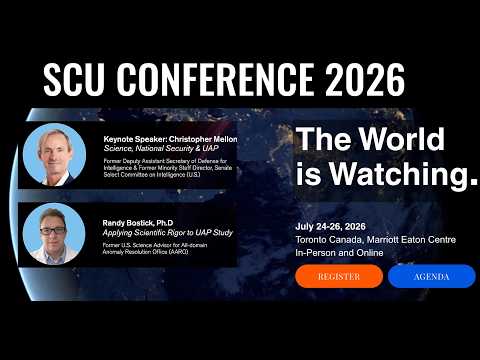
SCU Conference 2026 - Explore the Role of Science and Governments in UAP Research
The Scientific Coalition for UAP Studies (SCU), established in 2017 as a non-profit organization, is composed of a dedicated group of volunteers including scientists, engineers, and security experts. The coalition's primary objective is to foster an evidence-based understanding of Unidentified Aerial Phenomena (UAP), which has become a pressing concern for both citizens and scientists alike. As discussions surrounding UAP intensify, particularly among political figures and Congress, the urgency to comprehend what is known and unknown about these phenomena has gained significant traction.
SCU comprises over 400 researchers with diverse educational backgrounds in fields such as physics, astronomy, engineering, and various sciences, alongside expertise in intelligence and law enforcement. This multidisciplinary approach allows SCU to apply scientific rigor to the investigation of phenomena that have traditionally been relegated to speculation. The coalition emphasizes the importance of data integrity, open collaboration, and the publication of peer-reviewed papers, aiming to engage both academia and the broader scientific community in UAP studies.
In addition to its research initiatives, SCU collaborates with government agencies, including the All-domain Anomaly Resolution Office (AARO) and the FBI, to publish scientific papers addressing numerous topics related to UAP. Historically, UAP investigations have largely occurred behind closed doors within defense and intelligence sectors for approximately 80 years. SCU advocates for a shift towards open science, believing that by funding researchers and academic institutions, it is possible to pursue answers in a transparent manner.
Looking ahead, SCU is set to convene its annual conference in Toronto, Canada, from July 24th to 26th. This event will bring together leading scientists, policymakers, and defense experts from around the globe to discuss the intersection of science, government, and UAP research. Notably, Christopher Mellon, a former Deputy Assistant Secretary of Defense for Intelligence, will serve as a keynote speaker, joining 18 other experts from countries including the United States, Japan, France, Canada, and Germany. This gathering aims to highlight the importance of courage in discovery, emphasizing that scientific inquiry begins when we confront the most challenging questions regarding UAP.
The transcript primarily highlights the emergence of the Scientific Coalition for UAP Studies (SCU), which was founded in 2017 with the aim of investigating Unidentified Aerial Phenomena (UAP) through a scientific lens. While it does not delve deeply into the specific reasons, concerns, or motivations expressed by political figures regarding UAPs, it does suggest a growing urgency surrounding the understanding of these phenomena. The text states, "As concerns of citizens and scientists rise, the urgency of understanding what we know and don’t know about UAP has hit center stage." This indicates that there is a palpable pressure from both the public and the scientific community for more transparency and understanding of UAPs.
Furthermore, the mention of Congress and other politicians speaking out suggests that there is a political momentum building around this issue, although the transcript lacks specific details on outcomes, legislative actions, or policy changes that these discussions might lead to. The focus seems to be on fostering an environment where scientific inquiry can thrive, as indicated by SCU's commitment to engaging academia and government agencies. It emphasizes the necessity of open science, stating, "SCU believes it is time for open science to lead." This can imply a political motivation for better governance and more public engagement in scientific discussions regarding UAPs.
- [00:36] "As concerns of citizens and scientists rise, the urgency of understanding what we know and don’t know about UAP has hit center stage."
- [01:24] "SCU also works together with government agencies such as AARO and the FBI..."
- [01:57] "SCU believes it is time for open science to lead."
The transcript does not explicitly outline specific barriers, stigmas, or institutional challenges that the scientific community faces in studying UAPs. However, it does indicate a prevailing sentiment that much of the investigation into UAPs has historically been shrouded in secrecy, particularly within defense and intelligence systems. The text states, "For 80 years, much of UAP investigation has lived behind closed doors within defense and intelligence systems." This suggests that a culture of secrecy may hinder scientific inquiry and public understanding.
To counteract these challenges, SCU promotes the principles of data integrity, open collaboration, and peer-reviewed research. By advocating for "funding researchers and universities," SCU aims to enable rigorous academic research into UAPs, suggesting that increased financial support and institutional backing could mitigate some of the barriers currently faced. The call for open science implies a need for transparency in data sharing and collaborative efforts among researchers from various fields, including physics, engineering, and law enforcement. However, specific concrete proposals or measures beyond these broad goals are not mentioned in the transcript.
- [01:41] "For 80 years, much of UAP investigation has lived behind closed doors within defense and intelligence systems."
- [01:12] "Advancing data integrity, open collaboration, and peer-reviewed papers."
- [02:00] "By funding researchers and universities, we can finally pursue answers in full daylight."
The transcript does not provide explicit discussions about preparing society, institutions, or the general public for potential revelations regarding non-human intelligence (NHI) or non-terrestrial origins. However, it does imply a need for such preparation through its advocacy for open science and transparency. The phrase, "discovery demands courage," suggests that confronting the implications of UAPs, including the possibility of NHI, requires societal readiness to ask difficult questions.
Furthermore, SCU's emphasis on engaging the scientific community and academia indicates a recognition of the importance of an informed populace in the face of potentially groundbreaking revelations. By stating that "science begins when we dare to ask the hardest questions," the transcript hints at the role of scientific inquiry in fostering a culture of inquiry that can accommodate paradigm-shifting discoveries. Despite this, the transcript does not detail specific strategies or frameworks for preparing the public or institutions for such revelations.
- [02:50] "Because discovery demands courage, and science begins when we dare to ask the hardest questions."
- [00:28] "Evidence-based understanding of UAP."
- [01:16] "SCU's goal is to engage academia and the scientific community in the study of UAP."
The transcript does not reference any specific UAP incidents, sightings, or anomalous events, nor does it provide details such as dates, locations, sensor data, flight characteristics, or witness testimonies. The focus of the content is on the establishment and goals of the Scientific Coalition for UAP Studies (SCU) rather than on particular UAP cases or evidence. While it mentions that SCU publishes papers in scientific journals related to UAP topics, no specific incidents or findings are discussed in the text provided.
Thus, the transcript remains general in its approach to UAPs and emphasizes the need for open scientific inquiry without delving into particular cases. The absence of specific details regarding sightings or incidents limits the ability to analyze any such occurrences in-depth.
- [01:41] "For 80 years, much of UAP investigation has lived behind closed doors within defense and intelligence systems."
- [01:52] "SCU believes it is time for open science to lead."
- [02:15] "Leading scientists, policy makers, and defense experts from around the world will gather to explore the role of science and global governments and UAP research."
The transcript touches upon the theme of government transparency and institutional secrecy, particularly in the context of UAP investigations. It states, "For 80 years, much of UAP investigation has lived behind closed doors within defense and intelligence systems." This implies a significant critique of the current state of government oversight and the transparency of UAP-related data. The call for "open science to lead" further underscores the argument that scientific inquiry should be conducted in a manner that is accessible and collaborative, rather than secretive.
While the transcript does not provide detailed arguments or criticisms regarding the formal process of public disclosure or over-classification of UAP data, it does suggest a shift towards more open engagement with the scientific community and the public. The emphasis on "advancing data integrity" and the involvement of various agencies such as AARO and the FBI hints at an acknowledgment of the need for more structured and transparent processes surrounding UAP information sharing.
However, concrete mechanisms or proposals aimed at addressing these issues are not explicitly mentioned in the transcript, leaving a gap in understanding the specifics of how transparency might be achieved.
- [01:41] "For 80 years, much of UAP investigation has lived behind closed doors within defense and intelligence systems."
- [01:57] "SCU believes it is time for open science to lead."
- [01:12] "Advancing data integrity, open collaboration, and peer-reviewed papers."
[00:04] [music][00:06] >> Founded in 2017[00:09] as a non-profit group of volunteers,[00:12] the Scientific Coalition for UAP [music][00:14] Studies SCU[00:18] has brought together [music] scientists,[00:20] engineers, and security experts to[00:23] investigate the unidentified aerospace[00:25] phenomenon with one goal.[00:28] Evidence-based [music][00:29] understanding of UAP.[00:32] As concerns of citizens and scientists[00:35] rise,[00:36] >> [music][00:36] >> the urgency of understanding what we[00:38] know and don't know about UAP has hit[00:42] center stage. With Congress [music][00:45] and other politicians speaking out.[00:49] Composed [music] of over 400 researchers[00:53] educated in physics, astronomy,[00:56] engineering, [music][00:57] all of the sciences, as well as[01:00] intelligence and law enforcement,[01:02] >> [music][01:02] >> SCU applies scientific rigor to[01:05] phenomena once left [music] to[01:07] speculation.[01:09] Advancing data integrity, open[01:12] collaboration, and peer-reviewed papers.[01:16] SCU's goal [music] is to engage academia[01:19] and the scientific community[01:21] >> [music][01:21] >> in the study of UAP.[01:24] SCU also works together with government[01:27] agencies[01:28] >> [music][01:28] >> such as AARO and the FBI and publishes[01:32] papers in scientific [music] journals on[01:35] many topics related to the UAP subject[01:38] matter.[01:41] For 80 years, much of UAP investigation[01:44] has lived behind closed doors [music][01:48] within defense and intelligence systems.[01:52] SCU believes it is [music] time for open[01:55] science to lead[01:57] By funding researchers and universities,[02:00] we [music] can finally pursue answers in[02:02] full daylight.[02:05] This July, SCU [music][02:07] convenes its annual conference in[02:09] Toronto, Canada.[02:11] From July 24th to 26th,[02:14] >> [music][02:15] >> leading scientists, policy makers, and[02:18] defense experts from around the world[02:20] will gather to explore [music] the role[02:23] of science and global governments and[02:25] UAP research.[02:27] Keynote speaker Christopher Mellon,[02:30] former Deputy Assistant Secretary[02:32] [music] of Defense for Intelligence,[02:35] joins 18 experts from the United States,[02:39] Japan, France, [music] Canada, Germany,[02:42] and more.[02:44] Join the world's leading UAP researchers[02:47] this July in Toronto, Canada.[02:50] Because discovery demands [music][02:52] courage,[02:54] and science begins when we dare to ask[02:58] the hardest [music] questions.[03:06] >> [music]
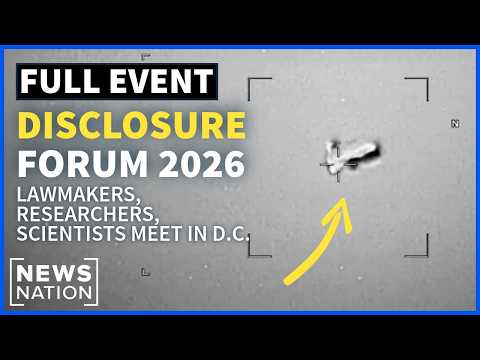
UFO Disclosure Forum 2026: Full Livestream | Experts, Lawmakers & Scientists
Comprehensive Summary of Video Transcript on Unidentified Aerial Phenomena (UAP)
The transcript provides a detailed exploration of the ongoing discourse surrounding Unidentified Aerial Phenomena (UAP), emphasizing the intersection of scientific inquiry, governmental transparency, and societal implications. The discussions involve a diverse group of experts from various fields, including physics, history, economics, intelligence, education, journalism, and policy-making, all united by a common goal: to uncover the truth about UAPs and their potential implications for humanity.
Part 1: The Call for Transparency
The gathering of experts begins with a focus on the need for transparency regarding UAPs, a topic that has gained significant attention but remains largely classified. The Disclosure Foundation is highlighted as a key player in the movement towards uncovering hidden data related to UAPs, particularly evidence of non-human intelligence. The speaker underscores the existence of classified UAP data held by agencies such as the Air Force and CIA, stressing the urgent need for transparency to address critical questions about UAPs, including whether the government possesses recovered off-world technology.
Credible witnesses, including former government officials, have claimed knowledge of UAP recovery programs, yet denials about the existence of non-human intelligence persist. John Ratcliffe, the former chairman of the House Intelligence Committee, acknowledged the existence of satellite data related to UAPs, although no such data has been publicly released. The speaker points out significant gaps in available UAP data, particularly concerning space and submerged UAPs, despite an increase in military sightings reported to intelligence organizations.
Recent incidents where UAPs violated airspace over military bases have heightened the urgency for transparency, leading to the relocation of military aircraft. The ongoing mystery surrounding these incursions raises profound questions about their origins and capabilities, with implications extending beyond scientific inquiry to national security, economics, religion, and philosophy. The speaker argues that democracy requires transparency, asserting that the American public has a right to know the truth about UAPs. Historical parallels are drawn to significant scientific discoveries, emphasizing that concealing information undermines public trust in government.
Polls indicate strong bipartisan support for greater transparency regarding UAPs, with a majority of Americans believing in their existence. The potential for breakthroughs in technology if recovered materials from UAPs are studied is emphasized, with the speaker arguing that confirming the existence of non-human craft could lead to transformative changes, akin to the impact of the Sputnik program. The inevitability of disclosure is suggested, given the increasing sophistication of UAP collection efforts by civilian organizations and foreign governments.
In conclusion, the speaker expresses hope that disclosure could improve international relations, referencing Ronald Reagan's notion that a common threat could unite humanity. The recognition of several members of Congress advocating for UAP transparency is highlighted, along with their commitment to uncovering the truth and ensuring fair treatment for whistleblowers who come forward with information.
Part 2: The Role of Civilian Organizations and Legislative Efforts
The discussion continues with expressions of gratitude towards civilian organizations and filmmakers, particularly the Disclosure Foundation, for their critical role in addressing UAP issues. The speaker emphasizes that this is not merely a bipartisan issue but an American one, highlighting the seriousness of the topic. Open hearings conducted by colleagues on the intelligence committee are acknowledged, along with the need for caution, as adversaries monitor U.S. activities for intelligence.
The delicate balance between transparency and national security is discussed, indicating that while it is essential to inform the public about UAPs, it must be done without compromising national safety. Support for those who speak out about these issues is expressed, recognizing Congress's power in advocating for transparency. The potential for transparency in government disclosures regarding UAPs is explored, with panelists agreeing that truthful information can be provided while maintaining national security.
Historical significance is noted regarding the room where the meeting takes place, which has hosted important hearings in the past, reinforcing the commitment to transparency. Questions arise about the tools available for achieving transparency, such as subpoenas and the UAP Disclosure Act. Frustration with bureaucratic obstacles that hinder progress is expressed, particularly when staff members in leadership positions are not aligned with transparency goals.
Recent hearings where footage of a missile being deflected by a UAP was released are recounted, highlighting the importance of transparency and the right of elected officials to disclose information. Media representatives share accounts of numerous 911 calls documenting UAP sightings, questioning what Congress can do to end the cycle of obfuscation from the Department of Defense and other agencies.
Concerns about the lack of substantial evidence in released files are raised, with the panel acknowledging the need for more concrete evidence, such as photos and videos, to support claims about UAP sightings. One panelist mentions actively sending letters to various institutions, including MIT and the FBI, requesting specific information about UAP incidents, emphasizing the importance of detailed inquiries to uncover the truth.
The historical context of UAP sightings is reflected upon, including a significant event in Washington D.C. in 1952. The panelists encourage the audience to continue advocating for transparency and remain engaged in the conversation about UAPs, expressing optimism about the future of UAP disclosure and the role of the public in driving this movement forward.
Part 3: Military Encounters and National Security Implications
The discussion shifts to various incidents involving UAPs and their implications for national security, technology, and human understanding of potential extraterrestrial or interdimensional intelligence. Several months of UAP sightings near naval warships, specifically the Littoral Combat Ships (LCS), are referenced, with video footage and radar data from the USS Omaha incident showing a perplexing spherical object moving against the wind and entering the water.
The government response and challenges to disclosure are explored, with skepticism expressed about the government's willingness to disclose information about UAPs. The potential ramifications of such disclosures are considered, particularly if these phenomena represent technology far beyond human capabilities. A thought experiment is presented, comparing the potential reaction of historical figures like George Washington to advanced technology during the Revolutionary War, raising questions about military leaders' willingness to disclose such technology today.
The implications of asymmetric technology, such as interdimensional travel, on national security are discussed, with panelists agreeing that such technologies could fundamentally alter the balance of power. The military's culture of secrecy is identified as a barrier to public understanding and support for funding to study UAPs, with historical events like the launch of Sputnik cited as examples of how transparency can galvanize public interest and funding.
The potential global reactions to disclosure are speculated upon, considering historical precedents of cooperation against common threats. The panelists reflect on how leaders like President Reagan used hypothetical scenarios involving extraterrestrial threats to foster dialogue and cooperation, suggesting that such discussions could catalyze international collaboration in the face of perceived existential threats.
Questions regarding military preparedness for potential aggressive actions from UAPs are raised, with concerns expressed about the lack of established protocols for dealing with such phenomena. The extent of government knowledge regarding UAPs is discussed, with differing opinions on whether factions within the government possess a deep understanding of the phenomena. The challenges posed by compartmentalization within government agencies are highlighted, which can hinder information sharing and comprehensive understanding of UAPs.
The discussion concludes with reflections on whether society is ready for full disclosure regarding UAPs, with panelists expressing a belief that while the public may desire transparency, the complexities of national security and the potential for societal upheaval must be carefully considered.
Part 4: Government Engagement and Legislative Change
The conversation continues with a focus on the hope for government engagement regarding UAPs. The speaker expresses optimism that the government will recognize and address the implications of superior technology related to UAPs, emphasizing the importance of facing these issues rather than avoiding them. Influential individuals, such as President Trump, are mentioned as potential catalysts for change, though skepticism remains about whether he is fully informed about the UAP phenomenon.
Disappointment with the government's handling of UAP issues is expressed, particularly regarding whistleblower protections and the lack of serious engagement from high-level officials. The inadequacy of current whistleblower protections is highlighted, with concerns that individuals who come forward may face administrative repercussions rather than legal action. The speakers advocate for stronger protections to encourage more disclosures.
The growing public interest in UAPs is noted, evidenced by attendance at events and the popularity of related media. The need for scientific rigor in studying UAPs is emphasized, with calls for collaboration between government and academic institutions to enhance understanding and public acceptance of UAP research. Specific incidents involving UAPs, including sightings by law enforcement and military personnel, are discussed as part of a larger pattern of UAP activity with historical roots.
The challenge of discerning credible information from noise in the UAP discourse is acknowledged, with the importance of applying scientific standards to filter out unsubstantiated claims while recognizing the potential for significant discoveries. The government's role in addressing UAP sightings and the chain of command involved in investigating these phenomena is discussed, with a desire for more transparency and accountability in how these matters are handled.
Part 5: Data Analysis and the Role of Citizen Scientists
The excerpt discusses the choke points in data analysis related to UAP investigations, identifying the Office of the Director of National Intelligence (ODNI) as the primary agency responsible for managing UAP-related data. The FBI's involvement in UAP investigations is noted, with one participant likening it to "Real Life X-Files." The importance of having multiple agencies involved in the investigation to enhance transparency and curiosity is emphasized.
A significant focus is placed on the Gimbal case, with one speaker asserting high confidence in the data collected from the Gimbal video, including the object's extraordinary maneuvers without visible wings or engines. The narrative that the object was merely a balloon reflecting sunlight is challenged, citing the impossibility of such behavior against strong winds at night. Other notable incidents, such as the "Go Fast" video and the "Tic Tac" incident, are recounted, emphasizing the credibility of the pilots involved and the corroborating sensor modalities.
Concerns about disinformation and government narratives surrounding UAPs are raised, particularly regarding the Tic Tac incident. The need to consider the Tic Tac as an unexplained phenomenon rather than a U.S. technology is argued. The discussion touches on the nature of observed UAPs, particularly the Tic Tac's behavior, which suggests intelligent control, raising questions about consciousness and non-local information transfer.
Legislative efforts for transparency, including the UAP Disclosure Act, are highlighted, with one speaker recounting their experience in trying to bring attention to UAP incidents and the challenges faced in getting government action. The growing public interest in UAPs is noted, with polling data indicating a bipartisan desire for transparency, suggesting that this momentum could lead to significant political changes and increased governmental accountability regarding UAP investigations.
Future expectations for UAP disclosure are discussed, with cautious optimism expressed about the historical cycles of interest and government response. Continued public engagement and pressure on government entities to provide more information are emphasized as crucial for advancing UAP research and understanding.
Part 6: The Science Council and Data Collection
The establishment of a science council aimed at studying unidentified anomalous phenomena (UAP) is discussed, with the speaker emphasizing the importance of data quality in the council's work. The potential for cooperation with the government is highlighted, attributed to a directive from President Trump. The speaker outlines two possibilities regarding the nature of UAPs: they could be human-made or not, raising serious national security concerns if they are human-made.
Increased research, improved sensors, and advanced AI software are deemed necessary to better understand these phenomena. The speaker acknowledges public frustration over the government's past lack of transparency regarding UAPs, referencing the Vatican's late acknowledgment of Galileo's findings as an example of bureaucratic accountability lacking in cosmic matters.
The council's commitment to transparency is emphasized, with findings to be shared with the public to ensure awareness of the possibility of extraterrestrial life. The speaker advocates for a focus on the phenomena themselves rather than public speculation, arguing that if humanity has a neighbor in the universe, it is essential to acknowledge it. The potential for new physics to emerge from studying these phenomena is noted, with the belief that new scientific discoveries often build upon existing knowledge.
A diverse team within the council, including young, technologically savvy individuals and skeptics, is deemed essential for fostering fresh perspectives. The importance of collaboration and transparency in the pursuit of understanding UAPs is emphasized, with Hal, another panelist, supporting the need for data analysis and fresh perspectives in the field. Historical decisions against disclosure due to initial concerns about potential negative consequences are recounted.
Part 7: Evolving Perspectives on Disclosure
The evolving perspectives on the disclosure of non-human intelligence (NHI) and UAP are discussed, particularly within the context of scientific inquiry and societal implications. A panelist reflects on their changing views regarding the need for public disclosure about UAPs, emphasizing the importance of protecting whistleblowers who wish to share information without fear of repercussions.
Aby, another panelist leading the Galileo Project, stresses the importance of independent observation of the skies, asserting that the public does not need the government to inform them about what exists. The necessity for government involvement in ensuring national security against potential threats is acknowledged, along with optimism about future cooperation between scientific endeavors and government agencies.
Funding for research into UAPs and extraterrestrial life is discussed, with the majority of funding coming from defense and intelligence budgets. Avi, another panelist, advocates for the astronomical community to allocate similar budgets for the search for intelligent extraterrestrial life as they do for microbial life on exoplanets. A public bet with Elon Musk is proposed to raise awareness and funding for the search for extraterrestrial intelligence.
The dialogue transitions to Dr. Carlos, who discusses the religious implications of disclosure regarding extraterrestrial life. He highlights the unpredictability of how different religions might react to full disclosure, suggesting that while some may face crises of faith, others may find their beliefs reinforced.
Part 8: Psychological Impact of Disclosure
A clinical psychologist presents findings on the psychological impact of disclosure, emphasizing the importance of understanding how people process information about UAPs. The report aims to clarify misinformation surrounding UAPs and prepare society for the ongoing process of disclosure, which is already underway.
The speaker emphasizes that waiting for disclosure without preparation would be too late, arguing that the psychological impact of UAP exposure is as much about human interpretation as it is about scientific data. Trustworthy communication is highlighted as crucial for better adaptation, while untrustworthy communication can cause distress and anxiety.
Different stages of disclosure are outlined, including limited disclosure, confirmatory disclosure, attribution disclosure, and reconciliation and full integrated disclosure. The potential risks of uncontrolled disclosure are warned against, stressing the need for preparedness to manage psychological responses.
The report examines how individuals process disclosure information, noting that perceived threat and personal relevance significantly affect emotional responses. Recommendations include establishing a national psychological and resilience preparedness task force and developing an evidence-based communication infrastructure.
The speaker concludes that the mystery of UAPs will eventually be resolved through scientific inquiry, but how society treats individuals affected by these revelations will define the legacy of this process. Urgency in preparing for the psychological impacts of disclosure is emphasized, as the time for action is critical.
Part 9: Systematic Approach to UAP Research
The importance of a systematic approach to studying UAPs is discussed, which involves eliminating conventional explanations for sightings and focusing on remaining possibilities. The necessity of dedicated sensors for studying UAPs is emphasized, as existing military technology may not be suitable for scientific research.
The potential role of citizen scientists in UAP research is explored, suggesting that advancements in sensor technology could allow individuals to contribute meaningfully to the field. The speakers argue that citizen scientists can provide unbiased data, contrasting this with biases often found in professional scientific circles.
Excitement about the future of UAP research is expressed, predicting significant breakthroughs could arise from citizen science initiatives. The importance of collaboration between the government and private sector in developing UAP-related technologies is emphasized, along with the need for transparency and open communication.
The national security implications of UAPs are a significant focus, with the speakers outlining the six observables that characterize UAPs and expressing concern about potential threats. Careful consideration of balancing transparency with the protection of sensitive information is deemed necessary.
The conversation concludes with a call for a collaborative approach to UAP research that includes international cooperation, advocating for engaging global partners to share data and insights. The existing frameworks for international collaboration, such as the Artemis Accords, are suggested as potential avenues for facilitating this engagement.
Part 10: Scientific Validation and Economic Implications
The potential for significant advancements in understanding life on Earth and beyond is discussed, particularly in the context of ongoing research in consciousness and neuroscience. The importance of scientific validation and peer-reviewed research in establishing the reality of UAPs is emphasized, arguing that the involvement of scientists is crucial for public acceptance.
Innovative funding models, such as focused research organizations, are proposed to address large scientific challenges over a period of five to seven years. A significant project involving reviewing NASA's archives for UAP data is highlighted, stressing the importance of leveraging new technologies to analyze existing open-source data comprehensively.
The stigma faced by scientists engaging with UAP research is acknowledged, with gratitude expressed for the courage of those contributing to advancing scientific understanding. The financial implications of UAP disclosure are explored, with panelists discussing the narrative that disclosure could lead to market crashes and societal upheaval.
Counterarguments are presented, referencing historical market stability during previous disclosures and emphasizing the potential for scientific advancements to drive economic growth. The conversation addresses the evolving definition of intelligence and the rapid pace of technological advancements, particularly in energy production.
The panelists advocate for proactive engagement with emerging opportunities, suggesting that the financial markets may be slow to recognize the potential of these innovations.
Part 11: The Importance of Accountability and Whistleblower Support
The final excerpt discusses the challenges faced by markets in processing information that is not readily available, emphasizing the importance of media reporting on critical issues. Concerns over the disappearance of senior scientists with high-level security clearances are raised, suggesting that such incidents could indicate severe issues affecting civilization and financial stability.
The speaker calls for accountability, urging that those responsible for hindering progress should be identified and held accountable. The Genesis mission, aimed at improving collaboration among national laboratories, is introduced against the backdrop of disappearing scientists.
The establishment of the first-ever disclosure grant to support whistleblowers is announced, highlighting the urgency of addressing their needs. The speaker emphasizes the importance of community support for whistleblowers and the cultural shift regarding UAP disclosures, noting that it is gaining traction in significant political spaces.
In closing remarks, gratitude is expressed towards individuals who have supported experiencers and abductees, reinforcing the collective effort to advance the conversation around UAP disclosures and whistleblower protection.
Conclusion: The comprehensive discussions throughout the transcript reflect a growing movement towards transparency regarding UAPs, driven by public interest and the courage of individuals willing to speak out. The call for disclosure is framed as a necessary step for democracy, scientific advancement, and international cooperation, emphasizing the profound implications of confirming the existence of non-human intelligence for humanity.
The discussions surrounding Unidentified Aerial Phenomena (UAPs) within political circles reveal a multifaceted array of motivations and concerns, primarily centered on national security, the need for transparency, and the drive for accountability in governance.
Political figures, especially members of Congress, express a profound interest in UAPs due to the potential risks these phenomena pose to national security. There are significant worries regarding unidentified drones and other UAPs that may originate from adversarial nations, such as China. The urgency for transparency is underscored by the belief that the American public has a right to know about potential threats that could impact their safety. As one speaker noted, "Let's take UAP seriously. Let's not allow a lack of imagination to turn into a lack of freedom" ([06:06:01]).
Furthermore, there is a growing recognition that historical congressional oversight on UAP issues has been inadequate, prompting calls for more comprehensive involvement in UAP policy-making. The proposed UAP Disclosure Act is an example of legislative action aimed at ensuring public access to UAP-related information while balancing national security concerns. This act seeks to dismantle the silos that currently inhibit effective information sharing between intelligence agencies and congressional committees, thereby facilitating a more coordinated response to UAP phenomena.
In addition to national security concerns, the discussions emphasize the need for rigorous scientific inquiry into UAPs. Political figures advocate for increased governmental transparency, urging the release of more data and the establishment of institutional frameworks that promote open research. The overarching goal is to demystify UAPs and ensure that the U.S. remains competitive in the global security and technology landscape. As articulated by one committee member, "The idea that Congress can go 80 years without officially being part of the making of policy in an area like this is just unconscionable" ([02:01:29]).
Ultimately, the intended outcomes of these discussions include:
- Increased transparency regarding UAPs.
- Legislative measures to facilitate access to classified information.
- Public hearings to present credible witness testimonies.
- A collaborative environment where scientific, military, and public sectors can engage openly about UAP.
- Addressing national security concerns through informed public discourse.
In conclusion, the hearings and discussions surrounding UAPs reflect a critical intersection of national security, transparency, and scientific inquiry, with political figures actively seeking to reshape the narrative and policy framework surrounding these phenomena.
- [06:06:01] "Let's take UAP seriously. Let's not allow a lack of imagination to turn into a lack of freedom."
- [02:01:29] "The idea that Congress can go 80 years without officially being part of the making of policy in an area like this is just unconscionable."
- [10:13] "We believe decisive UAP data remains hidden behind a wall of classification at the Air Force, CIA, DOE, and elsewhere."
The transcript outlines several significant barriers, stigmas, and institutional challenges that the scientific community faces in studying Unidentified Aerial Phenomena (UAPs). A primary concern is the persistent stigma surrounding UAP research, which discourages scientists from engaging in this field due to fears of ridicule or professional repercussions. This cultural reluctance has historically led to a lack of serious academic inquiry and funding, further contributing to a cycle of misinformation.
Institutional challenges are also prevalent, particularly regarding the classification and over-classification of UAP data. The reluctance of governmental agencies to share data with scientists stifles rigorous investigation, as these agencies often prioritize military and intelligence objectives over scientific inquiry. This culture of secrecy and intimidation creates a hostile environment for researchers and whistleblowers alike, severely hampering open discourse around UAP.
To enable rigorous and unbiased academic research, several concrete proposals have been suggested:
- Establishing open channels of communication between government entities and the scientific community to facilitate knowledge sharing.
- Creating a formal scientific advisory council dedicated to UAP research, ensuring collaboration between governmental agencies and academic institutions.
- Implementing policies that allow for the declassification of relevant UAP data to promote transparency.
- Enhancing whistleblower protections to empower individuals within government and military sectors to share information without fear of repercussions.
- Fostering a culture of open inquiry by establishing named funds specifically dedicated to UAP research, which would provide financial support for researchers willing to explore these topics.
- Developing focused research organizations akin to DARPA to facilitate interdisciplinary collaboration.
- Applying journalistic integrity standards to the dissemination of UAP-related information to improve public understanding and reduce stigma.
Overall, these measures aim to create an environment conducive to open research and discussion surrounding UAPs, ultimately leading to a better understanding of their implications.
- [10:20] "The Disclosure Foundation is vigorously seeking further breakthroughs and transparency."
- [12:23] "Regrettably, without more precise data... it is hard to draw many firm conclusions from UAP performance characteristics."
- [02:21:12] "Whistleblower protections are simply inadequate. They just absolutely are ridiculous."
- [06:12:56] "...not for saying that UAP was extraterrestrial, but just for having the timmerity to ask the question."
Speakers in the transcript emphasize the critical importance of preparing society, institutions, and the general public for the potential of historic or paradigm-shifting revelations regarding Unidentified Aerial Phenomena (UAP) and possible non-human intelligence (NHI). It is acknowledged that such disclosures could significantly alter public perception, challenge deeply held beliefs, and provoke existential questions about humanity's place in the universe.
A recurring theme throughout the discussions is the need for transparency and open engagement with the public. The panelists argue that ensuring the public is informed about UAP phenomena is essential for mitigating potential societal shock and fostering a more resilient citizenry. They believe that a culture of openness and scientific inquiry can better prepare the public to process potentially shocking information.
To address the challenges posed by such revelations, the speakers propose several proactive measures:
- Educational initiatives to prepare the public for possible revelations.
- Encouraging open discussions about the implications of UAPs on various societal dimensions, including national security, economics, and philosophy.
- Developing a comprehensive communication strategy with clear messaging and trustworthy information dissemination to reduce stigma and help the public adjust to new information about non-human intelligences.
- Building frameworks for structured public discourse around these topics to alleviate fears and foster understanding.
Furthermore, the speakers highlight the importance of institutional trust in facilitating a smooth transition into a new understanding of UAPs and their implications. They argue that if the government and scientific community can establish credibility through transparency and reliability in their communications, society will be better equipped to handle the profound implications of potential revelations about extraterrestrial life.
In conclusion, the collective emphasis is on fostering an informed public and ensuring that institutions are ready to engage thoughtfully and effectively with the public as significant findings emerge.
- [15:03] "The American people have a right to know the truth of such a fundamentally important issue."
- [02:08:06] "I think governments have to do that... buck up and face it."
- [05:40] "...how we treat people will be our legacy. The time to prepare is now."
- [07:00:20] "...it is civilizationally critical that we do this."
The transcript references several specific incidents and sightings of Unidentified Aerial Phenomena (UAP), providing key factual details that underscore the growing concern and interest surrounding these events.
One notable incident occurred in December 2023, where UAPs reportedly violated the airspace above Langley Air Force Base for over two weeks. This intrusion was serious enough to warrant the relocation of an entire squadron of F-22s, highlighting the gravity of the situation. The seriousness of these intrusions is encapsulated in the statement: "UAP violated the airspace above Langley Air Force Base for more than two weeks" [12:54].
Another prominent case mentioned is the tic-tac incident, which took place off the coast of Southern California. This incident involved Navy pilots reporting a fast-moving object that demonstrated extraordinary flight characteristics, including the ability to execute high-speed maneuvers without visible means of propulsion. The sheer number of eyewitnesses, including multiple experienced pilots and sensor data from military aircraft, lends significant credibility to the reports surrounding this event.
The transcript also discusses the gimbal video, which captured a UAP demonstrating unusual flight capabilities. The ongoing analysis of the video data has led experts to express confidence in the identification of the object and its flight path based on various sensor readings. Notably, the government has remained silent on the resolution of these incidents, leading to further scrutiny and speculation.
Additionally, the transcript mentions extraordinary intrusions involving fiery orbs detected at sensitive military test ranges. These sightings, reported by law enforcement officers, reflect a consistent pattern of reports that have been documented over decades, suggesting a long-standing phenomenon. The presence of these orbs is highlighted in the quote: "Reddish, fiery orbs are ubiquitous in these reports" [02:36:50].
Other referenced sightings include incursions at Barksdale Air Force Base in Louisiana and reports of UAPs detected at various military facilities across the globe, including locations in Guam, North America, Europe, and the Middle East. Recognition by Senator Roger Wicker that the Pentagon remains "mystified" following classified briefings further underscores the complexity and intrigue surrounding these incidents.
While some sections of the transcript discuss broader themes such as governmental transparency and the implications of potential non-human intelligence, they do not provide specific details about individual UAP incidents, sightings, or anomalous events. This highlights the need for further investigation and transparency regarding these unexplained activities.
- [12:54] "UAP violated the airspace above Langley Air Force Base for more than two weeks."
- [02:36:50] "Reddish, fiery orbs are ubiquitous in these reports."
- [13:05] "The intrusions were so serious that an entire squadron of F-22s was relocated."
- [02:04:35] "I think it’s a data point to suggest that... this will be benign."
The transcript presents a multifaceted examination of the arguments and criticisms surrounding government transparency, institutional secrecy, and over-classification in relation to Unidentified Aerial Phenomena (UAP) data and materials. A central concern highlighted by the speakers is the pervasive culture of secrecy that has historically stifled public discourse and scientific inquiry regarding UAPs. This secrecy is not only viewed as detrimental to public trust in government but also as a potential national security risk, as it may allow adversaries to exploit the lack of transparency.
Several key themes emerge from the discussions:
- The over-classification of UAP-related information is seen as a significant barrier to public understanding and scientific research. Speakers argue that excessive secrecy hampers efforts to engage meaningfully with UAP issues, leading to a lack of accountability and clear communication.
- The siloing of information within various government branches is criticized for preventing comprehensive analysis and effective policymaking. This fragmentation is viewed as detrimental to national security, as it limits lawmakers' ability to address UAP phenomena adequately.
- The need for a shift in perception regarding UAP is emphasized, advocating for open discussions that foster greater accountability and understanding. Ignoring UAP sightings could create vulnerabilities that adversarial nations might exploit.
- Speakers propose mechanisms for improving transparency, including the establishment of formal legislative frameworks, such as the UAP Disclosure Act, aimed at enhancing governmental accountability while balancing national security concerns.
- The Genesis mission is highlighted as a significant initiative intended to enhance collaboration across national laboratories, thereby improving the flow of information crucial for advancing UAP research.
Moreover, the speakers advocate for stronger whistleblower protections to encourage individuals within government and military sectors to disclose information without fear of retaliation. They argue that fostering a culture of openness is essential for building public trust and ensuring that UAP inquiries are taken seriously.
Overall, the discussions underscore the necessity for a structured approach to disclosure that addresses both the information provided and the manner of its delivery, as effective communication strategies are vital for preventing misinformation and psychological distress among the public.
- [15:00] "Concealing the truth undermines faith in government and that faith is already fragile enough."
- [01:21:50] "National security is the great line that is Verboten to cross."
- [06:10:24] "...the stigma that still surrounds this issue is that we are creating a loophole that adversary nations are leveraging..."
- [07:18:41] "One should be able to go back and ask who pulled the pension from the whistleblower, who asked for a particular outcome..."
[09:52] And today, experts that rarely occupy[09:54] the same room, physicists, historians,[09:58] economists, intelligence professionals,[10:01] educators, journalists, and policy[10:03] makers are gathered here in this room to[10:06] discuss a subject that was until very[10:08] recently untouchable.[10:13] So, we've made astonishing progress in[10:15] recent years, but we believe decisive[10:18] UAP data remains hidden behind a wall of[10:20] classification at the Air Force, CIA,[10:24] DOE, and elsewhere.[10:26] The Disclosure Foundation is vigorously[10:28] seeking further breakthroughs and[10:30] transparency.[10:31] Breakthroughs that we hope can resolve[10:33] vital unanswered questions, especially[10:36] concerning evidence of a non-human[10:38] intelligence. Is Pentagon video and[10:41] radar evidence limited to extreme[10:43] performance attributes or does the[10:45] government also possess recovered[10:47] off-world technology?[10:50] Indeed, I referred several reputable[10:52] witnesses who made such claims regarding[10:54] recovered materials to the government[10:56] office charged with investigating UAP. I[11:00] also released a text of a conversation I[11:02] had with a senior US official describing[11:05] what he claimed to have learned about a[11:07] UAP recovery program. Other[11:10] whistleblowers have gone to the[11:11] intelligence community's inspector[11:13] general or Congress. However, denials[11:16] regarding proof of non-human[11:17] intelligence continue.[11:20] We know UAP satellite data exists[11:23] because former representative Ratcliffe[11:25] as chairman of the House Intelligence[11:27] Committee has acknowledged this.[11:30] Although none of that data has been[11:32] released, there has been no data[11:34] released regarding UAP in space[11:36] notwithstanding rigorous UAP space[11:39] surveillance or rigorous US space[11:41] surveillance.[11:42] Similarly, we have not seen any UAP data[11:45] revealed by our most powerful and[11:46] advanced aerospace radar network. Nor[11:50] has data of submerged UAP been released.[11:53] Yet, despite these huge gaps in data,[11:56] the volume and credibility of UAP[11:58] continues to grow. Hundreds of new[12:00] military sightings are occurring every[12:02] year and being forwarded to the all-[12:05] domain anomaly resolution office and[12:08] other intelligence organizations such as[12:10] the National Air and Space Intelligence[12:12] Center for analysis.[12:15] Yet that analysis is usually omitted[12:17] from UAP files that are released.[12:20] Regrettably, without more precise data[12:23] involving things like distances and[12:25] acceleration, it is hard to draw many[12:28] firm conclusions from U.A. UAP for[12:30] performance characteristics,[12:32] which all too conveniently makes it[12:34] impossible to demonstrate that these[12:36] cases involve capabilities that surpass[12:39] anything made by man. We're eager to[12:42] assist government officials seeking to[12:44] identify and close vital information[12:47] gaps. Our sense of urgency stems from[12:50] what we already know. For example, in[12:54] December 2023,[12:56] UAP violated the airspace above Langley[12:59] Air Force Base for more than two weeks.[13:03] The intrusions were so serious that an[13:05] entire squadron of F-22s was relocated.[13:09] And to this day, as far as I am aware,[13:12] the Air Force still does not know the[13:14] origin or capability of these craft.[13:17] Since then, incursions of a similar[13:19] nature struck Barksdale Air Force Base[13:22] in Louisiana.[13:24] This fall, extraordinary intrusions[13:26] involving fiery orbs, orbs that appeared[13:29] to be intelligently controlled, were[13:32] detected at one of our most sensitive[13:34] and important military test ranges.[13:37] Senator Roger Wicker, chairman of the[13:39] Senate Armed Services Committee, has[13:41] said publicly after receiving the[13:43] highest level classified briefings that[13:46] the Pentagon remains, in his words,[13:48] quote, mystified.[13:50] This disruptive pattern has been[13:52] repeated at US bases at home and abroad,[13:55] as well as Navy ships at sea, ranging[13:58] from US military facilities in Guam all[14:02] the way across the Pacific and North[14:03] America to Europe and the Middle East.[14:07] The facts are undeniable.[14:09] Something gravely serious is occurring[14:11] in our airspace. And in many cases, our[14:14] government does not understand the[14:15] origin, capability, or intentions of[14:18] these intruders.[14:19] The sooner we learn the truth, the[14:21] better, the better our chances for[14:23] preparing for whatever comes next.[14:27] That may be transformational because if[14:29] it turns out, as I believe the evidence[14:32] increasingly suggests it will, that some[14:34] of these craft are of non-human origin,[14:37] the implications are not merely[14:39] scientific. They ripple outward from[14:42] national security into economics into[14:45] religion and philosophy into the deepest[14:48] questions of human identity. We must[14:51] urgently learn the truth for a number of[14:53] reasons. First, democracy requires[14:56] transparency. The American people have a[14:59] right to know the truth of such a[15:00] fundamentally important issue. The[15:03] alternative is the modern equivalent of[15:05] suppressing Capernicus or Darwin.[15:08] Concealing the truth undermines faith in[15:10] government and that faith is already[15:12] fragile enough. Second, we own any[15:15] discovery. If exotic materials were[15:17] recovered, then they belong to the[15:20] American people as their recovery was[15:22] funded by our tax dollars. Third, we can[15:25] handle the truth. A poll recently[15:28] conducted by the Disclosure Foundation[15:30] shows that 89% of Republicans and a[15:33] similar number of Democrats want greater[15:36] transparency around UAP. A clear[15:39] bipartisan con call for the truth. 70%[15:44] believe UAP are a real phenomenon.[15:47] Our ancestors endured profound[15:49] disruptions to their understanding of[15:51] the world via, for example, Capernacus[15:54] and Darwin. A disclosure foundation[15:57] research paper recently published by Dr.[16:00] Janice Villour and other eminent[16:02] psychologists found that while certain[16:05] high-risk populations may experience[16:07] onlogical shock, most people will in[16:11] fact handle the truth. The principal[16:13] public health concern is system strain,[16:17] not mass panic.[16:19] Fourth, secrecy stifles silence. If we[16:23] have recovered off-world technologies,[16:25] our best and brightest minds should be[16:27] working on them now. Breakthroughs in[16:30] propulsion, energy, and material science[16:32] could be within reach. Even if there are[16:35] no recovered materials, confirming the[16:37] existence of non-human craft would still[16:40] prove transformational,[16:42] far more so, for example, than the[16:44] Sputnik program that shocked the nation[16:47] and eventually led to our landing on the[16:49] moon.[16:50] Fifth, disclosure is likely inevitable.[16:53] Commercial satellite imagery is becoming[16:56] ubiquitous. The Galileo project at[16:58] Harvard, led by Dr. Abby Loe, who will[17:00] be speaking later today, is one of[17:03] several civilian organizations deploying[17:05] dedicated UAP sensor networks.[17:09] Organizations around the world and[17:11] foreign governments from Japan to France[17:13] are mounting increasingly sophisticated[17:15] UAP collection campaigns.[17:18] The next mass US UAP sighting over a[17:21] major city like Washington may may be[17:23] captured on hundreds of cameras and[17:26] powerful civilian radars.[17:28] Better to have disclosure on our terms[17:31] than to be overtaken by events. Finally,[17:34] disclosure could transform international[17:36] relations for the better. Ronald Reagan[17:40] speaking before the UN General Assembly[17:42] in 1987[17:44] said something that has stayed with me.[17:46] quote, "In our obsession with the[17:48] antagonisms of the moment, we often[17:51] forget how much unites all members of[17:53] humanity.[17:55] Perhaps we need some outside universal[17:57] threat to make us recognize this common[18:00] bond. I occasionally think how quickly[18:03] our differences worldwide would vanish[18:06] if we were facing an alien threat from[18:08] outside this world." Reagan was[18:11] imagining a perceived threat. What I am[18:13] imagining is something somewhat[18:14] distinct, not a threat as much as a[18:17] revelation and an opportunity.[18:20] If disclosure comes, and I believe it[18:23] eventually will, then as former[18:25] President Reagan suggested, it will[18:27] force humanity to see itself[18:29] differently.[18:30] not primarily as Americans and Russians[18:33] or Chinese and Christians or Christians[18:36] and Muslims or atheists or conservatives[18:39] or other members of competing tribes,[18:42] but as one people traveling together[18:44] aboard a small planet, sailing through[18:46] an incomprehensibly vast ocean of space.[18:50] With disclosure, many of the divisions[18:52] that consume us today will begin to look[18:55] very small. This is crucial to our[18:57] long-term survival because the most[19:00] dangerous challenges we face, including[19:02] weapons of mass destruction, pandemics,[19:06] artificial intelligence, bioteterrorism,[19:09] and global warming, each require new and[19:11] unprecedented levels of international[19:14] cooperation.[19:16] Disclosure is the only thing I can think[19:18] of big enough to bring about the change[19:20] of perspective required of the leading[19:23] nations of this world. I suspect that[19:26] someday we'll look back on this period[19:28] as the closing chapter of one era and[19:30] the beginning of another. An era in[19:33] which humanity first began to understand[19:35] that it is part of a larger reality. All[19:39] of us at the Disclosure Foundation[19:40] believe it is wiser to prepare for the[19:42] future than conceal it. So we need to[19:45] continue asking the difficult questions[19:47] and following the evidence wherever it[19:49] leads. That is the spirit with which we[19:52] approach this symposium.[19:54] not with fear or denial, but with[19:56] curiosity and integrity. At the same[19:59] time, our ignorance regarding alien life[20:02] leaves room for fearful thoughts as[20:04] well. Admittedly, as the engineer and[20:07] author Dandridge Cole wrote, "Space is a[20:10] sea without end, which washes on[20:13] countless strange and exotic shores,[20:16] where the conceivable forms of the[20:18] living and the dead are greatly[20:20] outnumbered by the inconceivable,[20:22] where the known is lost in the unknown,[20:26] and where new dangers hide in[20:28] undiscovered shadows in unimagined[20:30] forms.[20:32] Fear of the unknown has always been with[20:34] us. Only the truth can dispel those[20:37] fears. Thank you and welcome to the[20:40] first annual disclosure forum.[20:58] Thank you so much, Chris.[21:00] So before our uh our next panel here[21:04] which is the congressional roundt on UAP[21:08] transparency, um I would like to first[21:12] uh discuss that today the disclosure[21:15] foundation uh is proud to honor four[21:18] members of Congress who have dared to[21:20] ask questions that others wouldn't.[21:23] Representatives Anna Paulina Luna, Tim[21:25] Burchett, Eric Berles, and Andre Carson[21:29] have been relentless in their commitment[21:31] to UAP transparency, pushing for access[21:34] to classified programs, holding hearings[21:38] that brought credible witnesses before[21:40] the public record, and refusing to[21:42] accept stonewalling as an answer. Their[21:44] work has moved the needle in Washington[21:46] in ways that few thought possible just a[21:48] few years ago. They've taken seriously[21:50] what too many of their colleagues have[21:52] dismissed. And in doing so, they've[21:54] given a voice to a demand that millions[21:56] of Americans have been making for[21:58] decades. Full disclosure and no more[22:03] secrets kept from the people who deserve[22:06] the truth. The Disclosure Award exists[22:10] to recognize those who have worked[22:12] tirelessly in the service of this[22:13] effort. So, please uh join me in[22:16] welcoming representatives Luna,[22:18] Burchett, Burles, and and Carson.[22:49] Thank you.[22:54] Feel like I'm winning an Oscar.[22:57] It's better than an Oscar. No, that I[22:59] honestly we're not the brave ones. The[23:02] brave ones are the men who have come[23:04] forward in our hearings. people like[23:06] Sean Ryan, um Jeff Nusatelli,[23:10] we've had Yeah, you Woo.[23:14] Um you know, Matthew Brown, David Grush,[23:18] um Lou Alzando,[23:21] um you know, Yes.[23:28] Um[23:29] Chief, uh Wiggins and um Dylan Borland.[23:34] I I'm I'm sure I'm forgetting someone,[23:36] but these are the brave people that have[23:39] come forward, and we're are, you know, I[23:41] I uh I'm just somebody who's just trying[23:44] to do my job to honor what they've done,[23:47] the brave work that these men have have[23:50] and and they've made these sacrifices.[23:52] Their lives are not as rosy as they[23:55] could been if they had stayed quiet. So,[23:57] we all owe it to them and the and and[24:00] everybody else that's thinking about[24:03] coming forward. The first thing that we[24:04] need to do, and this is the this is what[24:06] I'm pressing on this administration. The[24:08] first thing you need to do is you need[24:10] to make it right to these brave people[24:13] who who have come forward and speak and[24:15] spoke the truth.[24:24] And so I mean I don't this has been[24:26] quite a journey for me. Um I I the the[24:30] good part of the journey is I get to[24:31] meet some amazing people.[24:33] um in this uh there there's within the[24:36] UAP um community there's there's[24:39] factions, there's different[24:41] personalities, but I consider you all my[24:43] family in a way. And so um some of the[24:46] brightest and smartest people in the[24:47] world and so it's an honor. I I will I[24:50] will proudly display this in my office[24:52] and the fight continues. And so thank[24:55] you. Thank you very much.[25:01] you have a seat here and then we can[25:03] just uh inform them of uh so as you uh[25:08] as as you might see several of those[25:10] people who I mentioned are not here[25:11] right now. So we are subject to some of[25:13] the uh scheduling uh challenges and busy[25:17] schedules uh that the Congress people[25:20] have. Um, so while we are I believe uh[25:24] uh Representative Carson will be here at[25:26] 9:30. Um, and certainly he will is[25:30] welcome to come to the front when he[25:31] arrives. Um but I think in the meantime[25:35] perhaps what we can do uh Representative[25:37] Berles is you know a part of this um a[25:41] part of this conversation a part of this[25:43] panel is meant to engage with the media[25:47] for them to be able to ask questions and[25:49] for us to have a little bit of inter an[25:51] interaction during this time. So, if uh[25:54] there's a few people from the Disclosure[25:56] Foundation who can grab these mics, um[26:00] we'd be happy to take questions from the[26:02] members of the media uh that are here[26:04] that are reporting on this topic. We are[26:07] really blessed to be able to have um[26:10] sort of an embarrassment of riches of[26:12] media coverage uh today for this topic.[26:16] uh representatives from uh The Atlantic,[26:18] from Time Magazine, from CBS, from the[26:22] New York Times, uh from Vice, uh the[26:24] list goes on and on. Um and I know I'm[26:27] I'm leaving leaving some people out[26:29] there. Um forgive my memory. So, why[26:32] don't we uh members of the media um[26:36] again Oh, and Representative Superman,[26:38] you're here. Please come. Welcome to the[26:40] stage.[26:45] and representative. Welcome to the[26:48] stage.[26:58] No worries. No worries. No need to[27:00] apologize.[27:04] >> And Representative Superman is here as[27:07] well. Um, so I'm happy if you guys would[27:09] like to make quick remarks. uh happy to[27:12] do that. Uh this is really your time.[27:15] And then if you'd like to engage with[27:17] questions uh from the media for the rest[27:19] of this time slot, that's also great. We[27:22] have until about 10:00 a.m. here. So[27:25] this is really for you guys. And these[27:27] are your awards. Uh we uh announced the[27:31] disclosure award. Um so these are yours.[27:34] Um,[27:41] so I I'm just going to open it right up.[27:43] Um, and I again I think Representative[27:45] Carson is going to be here uh at 9:30,[27:48] but uh but please uh go ahead.[27:56] >> I already did say[27:58] >> there you I already did kind of give[28:00] give a little bit, but I did miss Ryan[28:02] Graves and Rear Admiral Galedet. And I[28:05] and if I miss somebody else, I really[28:07] apologize, but thank you. Again, I my my[28:10] stress is that we we're just doing our[28:13] role. Um the brave people are the ones[28:16] that have come forward to testify. Thank[28:18] you.[28:19] >> Um well, first of all, I just want to[28:20] say thank you to everyone who's here,[28:22] whether it's Dr. Avi Lobo, the[28:24] scientists, our whistleblowers, and then[28:26] also to the members on this panel. So,[28:28] to kind of provide some context and[28:31] background, when we first started these[28:33] investigations,[28:34] people, I'm sure, as people have[28:36] probably called you, you know, they they[28:38] thought we were crazy. They said that,[28:40] you know, this was made up. It wasn't[28:42] true. We were also told that this was,[28:44] you know, a disinformation campaign.[28:45] Some people thought that we were trying[28:47] to, you know, release stuff to distract[28:49] from what's really happening in[28:50] Washington. Um, but the reality is is[28:52] that, you know, ultimately we believe[28:55] that if this information does exist,[28:57] which it does, it belongs to the[28:58] American people to decide and really the[29:00] world to decide and see what information[29:01] is out there pertaining to the question[29:03] of are we alone in this universe? And so[29:06] I could not have done this as the task[29:09] force chair without these members as[29:11] well as Tim Burchett Begage, Jared[29:14] Moswitz, all the other members who put[29:16] their name, their credibility, their[29:18] elections on the line on this topic and[29:20] because of your help, because of[29:22] everyone who's really come together and[29:24] this is really a community effort. Um,[29:26] we now have some of the most historic[29:29] disclosure I think in US history.[29:58] and help spearhead the effort, hopefully[30:00] setting the standard for members of[30:02] Congress and for you know elected[30:04] officials to come.[30:06] >> Your turn.[30:08] >> I think your mic's working.[30:11] >> Yeah.[30:13] >> Hi. Yeah. I'm uh Congressman Suasmanium.[30:16] I represent Virginia. Um I'm new to[30:18] Congress. So I'm new to this topic and[30:20] every other topic really. Uh but I was[30:22] interested in this because as a non-[30:24] congressman uh I was very interested in[30:26] why um the uh some federal agencies[30:29] thought that they knew better than the[30:31] people that they the people weren't[30:33] ready for full disclosure that um we um[30:36] you know we needed to hide things from[30:37] the people and so the given the work[30:41] that was done before me by you all and[30:43] by the folks other members on this stage[30:45] um you know I'm coming into a much[30:47] better situation than you came into with[30:49] a lot less stigma a lot for uh[30:51] willingness to disclose and so I I look[30:53] forward to joining the work and[30:54] continuing the work that's started and[30:56] trying to make sure that uh we make real[30:58] progress on this issue. So, thanks for[31:00] having me.[31:08] I I've got a quick question if there's[31:10] if there's no other immediate questions[31:12] from from the media right now. So, uh,[31:14] the Disclosure Foundation commissioned a[31:17] poll recently and the results of that[31:19] poll, uh, I think Chris Melon mentioned[31:21] in his speech, uh, 89% of Republicans[31:24] and 88%[31:26] of Democrats want transparency with[31:30] respect to the UAP topic. What is your[31:34] reaction to that? What do you see on[31:36] Congress in terms of this being a[31:38] biccameal bipartisan issue and how can[31:42] we uh use the tools uh of Congress to[31:47] effectuate uh transparency and[31:50] disclosure?[31:52] >> I mean we didn't have to see polling to[31:54] know that we saw the amount of people[31:57] for our hearings that this is an[31:59] overwhelming important issue to many[32:01] people[32:04] out there.[32:08] As I'm sure you can imagine, things get[32:10] polarized. And this is the one thing[32:12] where we can go in and we can all say,[32:14] you know, we don't like the fact that[32:16] these different agencies are telling us[32:17] that we know for a fact these documents[32:19] exist and they're saying that they can't[32:20] locate them or whatever it might be. I[32:22] will say, and had it not been for I[32:25] think President Trump doing what he did,[32:28] forcing these agencies to divulge the[32:30] information, um, we would have still[32:32] been stonewalled. In fact, I think[32:34] Representative Berles when we initially[32:36] sent out that letter requesting, you[32:38] know, the 20 to 40 plus documents, um,[33:01] Anybody[33:10] else would like to respond to that? Oh,[33:11] I can move on. If not,[33:39] a Bart.[33:45] >> Absolutely. and we are delighted uh that[33:48] that you're here and uh that[33:50] Representative Carson uh can still[33:52] hopefully attend, but I know I know[33:54] things change and uh that's uh that's[33:57] that's DC, right? Um there is I'm often[34:01] asked uh what's different now? What's[34:04] different about this time period? And[34:07] for disclosure, uh I usually reference[34:10] um I don't think ever before have we had[34:14] this amount of presidential will uh[34:17] behind uh getting to the truth. Can you[34:21] comment on what you have seen from the[34:24] executive branch? Uh what you're able to[34:27] tell the public now about the cutting[34:31] edge uh and latest developments on that[34:34] front. We have all of these uh entities[34:37] now. We have uh Arrow, the all domain[34:40] anomaly resolution office. We have at[34:42] the DNI we have the DIG, the the[34:44] director's uh initiative group. Uh we[34:47] have the pursue program. Um historically[34:49] we've had the UAP task force and AMSIG.[34:52] Can you describe what is different about[34:55] this moment with all of these uh[34:57] entities? I[34:59] >> I think what's different is that again I[35:01] go back to the people that came forward.[35:04] You have highly credible individuals who[35:08] have made their way, you know, through[35:10] the ranks and they're giving up so much[35:13] to come forward and you can't help but[35:15] admire these these men. And they when[35:19] you hear them talk,[35:21] you you you sense the genuiness and the[35:23] honesty in what they're saying. And so I[35:26] think that bravery is what has caused[35:29] this this um you know the snowball. And[35:32] then and then I think you had this magic[35:34] moment where we had um you know co[35:37] members of Congress who were willing to[35:39] spend the time and the effort to do it.[35:41] And then you had on top of that a[35:43] president who has an attitude that is[35:46] very much an outsider attitude. He's he[35:48] he came in with a distrust of[35:50] government. I think the fact that they[35:52] went after him for so much means he has[35:55] no interest in making you know the deep[35:58] state happy at all. And so and so I[36:02] think that that combination is one that[36:05] uh has has is this perfect moment if you[36:08] will that for disclosure. And so and we[36:11] have seen so much success recently um[36:14] when President Trump came in I think[36:16] that he quickly moved on the JFK files[36:20] on disclosure of the MK Ultra um and and[36:23] then etc. And we kept asking, you know,[36:27] Anna and I and Tim kept anytime we would[36:30] have that little moment with the[36:31] president, you know, or his people kept[36:34] proddding and asking, "When are you[36:35] going to do the same thing for the UAP[36:37] files?" And I think that um it wasn't[36:41] until we had that series of of um[36:44] hearings and then when then just[36:46] everything that kind of fell into place[36:48] when Barack Obama made his statement.[36:51] Um, I think that that that all kind of[36:53] created this momentum that we're all[36:55] being able to experience. And now what[36:57] we're seeing is an administration who is[36:59] I mean they are absolutely hellbent to[37:02] get the information out.[37:08] That was obviously kind of the[37:10] lowhanging fruit and the easy things to[37:13] to release at the beginning. I think as[37:15] we get into this more and more, we're[37:17] going to it's going to be more difficult[37:19] because you're you're now to get to the[37:21] answers. We were talking about this last[37:23] night that as administrations have come[37:25] in and left, they don't always transfer[37:28] that knowledge to the next political[37:30] people appointees. And so, as a result,[37:32] you I think we have a lot of lost[37:34] information. In the same way that we[37:36] forgot how to go to the moon or for a[37:39] period of decades, we forgot how to[37:40] build nuclear reactors. I think the same[37:43] thing happened with this topic. You have[37:46] um you know as as new administrations[37:48] would come in, the people that might[37:50] have a little bit of knowledge about[37:51] this, they kind of quietly buried it or[37:53] never really shared that. And so now[37:55] it's like we're rediscovering if it[37:58] feels like the administration is[37:59] rediscovering and digging into archives[38:02] and documents and and everything they[38:04] possibly can to get at the truth. And so[38:06] we're at that stage. is now going to be[38:08] a little bit more. It's going to be[38:09] quite a bit more difficult and it's only[38:10] going to get more difficult, but I think[38:12] we have an administration that is[38:14] hellbent to make it happen.[38:17] >> Yeah. If um I can just add on to that,[38:18] too. I want to give um a quick thank you[38:20] to Christopher Melon over here for[38:23] everything[38:31] specifically pertaining to everything um[38:33] that you did with helping us locate some[38:36] of these documents because you know when[38:38] we gathered our list together kind of[38:40] our wish list if we could ideally have[38:42] everything we wanted out declassified um[38:44] we brought that list and said where did[38:46] you get this list and we said we have[38:47] friends too. And so you would be one of[38:50] our friends. I just, you know, what we[38:52] do is we can push, we can pull. You[38:55] know, DC kind of operates on two things,[38:56] pain and pressure. So those are our[38:58] levers that we get to pull. Sometimes we[38:59] do both. And on this topic specifically,[39:02] it has become so enormous with the[39:05] interest that now you even have people[39:08] that even a year ago I was getting[39:10] teased about it. Okay. They were like,[39:12] Luna, you know, you're on Joe Rogan.[39:14] This sounds a little crazy. said, "Who's[39:16] sounding crazy now, buddy?" So, um, all[39:20] that Thank you. Yeah. All that to say[39:23] that, you know, this is a really big[39:24] team effort. The one thing specifically[39:26] people say, "We want to know where[39:27] locations of craft and biologics are."[39:29] Right. So, um, we know for a fact that[39:31] there have been a few very credible[39:33] whistleblowers that we've talked to that[39:34] allege that they have information[39:36] specifically pertaining to this, but[39:37] they are afraid of losing their[39:38] clearances. So, we have talked directly[39:41] to the White House. Steven Miller is[39:43] absolutely incredible on this topic and[39:45] we are providing them with a list of[39:48] people that will be given immunity in[39:51] that they will not have to face[39:53] retribution in the future for violation[39:54] of their security clearance or in some[39:56] cases maybe the espionage act whatever[39:58] it might be and that will be them going[40:01] to the White House dulging what[40:02] information they have and we're[40:04] following up on it. I'm not saying that[40:05] I have personally seen stuff I haven't.[40:08] Um, but what I am saying is that we are[40:09] taking the information that we have[40:10] received. We are handing it off. We are[40:12] going to get them immunity and[40:13] protection so that they can divulge that[40:15] information and let's see where it[40:16] leads. Thank you so much. And I want to[40:19] point out uh the uh modesty of this man.[40:24] So, Representative Carson, please join[40:26] us on the stage. Uh you uh we have a[40:30] seat for you right here. This man has[40:32] been a leader in this topic and the[40:35] level of leadership and modesty. He was[40:37] sitting in the back like[41:06] Uh so Representative Submanium uh needed[41:09] to depart. Um but Representative Carson,[41:13] welcome and thank you so much. We've had[41:15] several meetings with you and your team.[41:17] you're a true leader uh on this topic.[41:21] Another question that I wanted to ask of[41:25] the group is, you know, what this sort[41:28] of gets uh um to the issues that were[41:32] just discussed, but what asks do you[41:35] have uh for the president and how can[41:38] organizations like ours and uh members[41:41] of Congress and the tools available to[41:43] you, how can we try to effectuate those[41:46] asks?[41:50] kind of mentioned it. I I want to see,[41:54] you know, the everything made right to[41:56] the people that have come forward and[41:57] made sacrifices and lost pensions, their[42:00] their medical benefits, you know, etc. I[42:04] I think that it we first and foremost,[42:06] you got to make it right to those people[42:07] that will demonstrate to everybody else[42:09] who wants to come forward that that it's[42:12] a safe place to come into. And then I[42:14] think what what Anna is leading on is[42:16] fantastic and that making sure that the[42:18] administration knows that there's there[42:20] may be some times where these[42:22] individuals who were worked you know[42:24] they were promoted into a system or a[42:26] program sometimes they're now inheriting[42:28] things where they where they realize[42:30] well there's crimes involved in this and[42:32] so you know if if you want to it's[42:35] they're kind of put in an awkward[42:36] situation that do they do their[42:37] patriotic duty what what what do they[42:40] do? I think that providing some level of[42:42] amnesty for them to be able to come[42:44] forward is is very very important and[42:47] then um and then I finally think also[42:50] that they they need to wave the[42:52] non-disclosure agreements for on this[42:55] topic particularly just wave it[42:57] completely for anything related to the[43:00] knowledge of life that's outside you[43:03] know non-human intelligence if you I[43:05] mean I don't see why we possibly should[43:08] even allow that to be a top secret[43:10] thing. And so if there's anything that's[43:13] related to that, it should be waved. I[43:15] think that that that's what our ask is[43:16] of this administration as well as to[43:18] continue digging into the private[43:21] sector. I think that a lot of this[43:23] information is is in the in the hands of[43:27] either the or archives of these fedally[43:30] funded research and development centers[43:32] and then further some of the some of the[43:34] prime subs that that have been working[43:36] on this topic. And so I think that it's[43:38] going to take making it clear that to[43:41] our major companies that we do business[43:43] with or do business with the United[43:45] States that it's okay to come forward.[43:47] And I think that we're going to have to[43:49] have a discussion if they do have if[43:51] they're reverse engineering stuff that[43:53] they got because it was from non-human[43:55] intelligence. We need to make sure that[43:56] we can have that conversation about[43:58] intellectual property etc. So those are[44:01] the next steps.[44:06] the administration and President Trump[44:08] though I've been very critical of him[44:10] politically uh prior to[44:13] very well but I I I think it's important[44:16] to note that the president has been[44:18] voted in this regard uh and I want to[44:20] thank my colleagues and Donna when I[44:23] when I when I first took this on as[44:27] a as a chair of the subcommittee uh Adam[44:31] Schiff was the chairman of the[44:33] intelligence committee and I approached[44:35] Adam Schiff now senatorship about this[44:37] idea and to Adam's credit he was he was[44:41] a good chair he was very supportive um[44:44] there was a lot of rumblings uh about[44:46] why uh I wanted to have this hearing and[44:49] obviously it's a very sensitive topic[44:52] and someone said well why would you take[44:55] this on when you have enough on you[44:59] black from Indiana you're Muslim and now[45:01] you're talking about UAPs[45:05] We did lose her.[45:08] >> Yeah, that's true. That is true. That is[45:10] true. That is true.[45:11] >> That is true. That is true. And and and[45:14] and so um my my interest began as as a[45:17] child, Time Life, I'm dating myself,[45:20] they had a series on mysteries of the[45:22] unknown. And at the time I was 16. And I[45:26] ordered the first book, which was free.[45:29] and I didn't get a subscription, but the[45:31] first book that came was a book about[45:33] UFOs. And so that started my interest.[45:37] Um, even though I'm a Star Wars fanatic[45:39] and a and a bit of a Treky, um, I still[45:42] wanted answers. And so I I was a police[45:45] officer. I worked for the Indiana[45:47] Department of Homeland Security and[45:48] Counter Intelligence and and[45:49] Counterterrorism. And um, when I got to[45:52] Congress sitting on the intelligence[45:54] committee, it was an opportunity. So, I[45:55] spoke to Adam Schiff and I said, "I[45:57] would love for you, since you've been[46:00] supportive about me having this open[46:02] hearing, and obviously there are some[46:03] security concerns, I would love for you[46:04] to to attend." Adam attended and he told[46:07] me, he said, "Andre, a lot of folks on[46:11] the Senate side are so upset and jealous[46:14] because they wanted to do this, but they[46:16] were fearful that they'd be attacked."[46:18] Um, a couple of folks from the[46:20] administration now right now, I'll give[46:22] them a shout out. But so when we had[46:24] that hearing, the attendance wasn't as[46:26] robust as it as it is in this room, but[46:29] it did spark something. They were like,[46:30] "Well, Andre, you're the you're the[46:31] godfather of modern uh UAP hearings."[46:34] Well, you know, I'm just I'm just[46:35] someone who's supportive, and I'm[46:37] supportive of whistleblower protections,[46:39] and I'm supportive of making sure that[46:41] folks who want to come forward have the[46:44] opportunity to come forward without[46:45] hindering promotional opportunities or[46:48] anything of the sort. So we appreciate[46:49] many of the civilian organizations, many[46:52] of the filmmakers, the Disclosure[46:53] Foundation, the Disclosure Foundation.[46:55] We appreciate you dearly because this is[46:57] so critically important and I want to[46:59] thank Anna and my colleagues for being[47:01] so bold. This is not just a bipartisan[47:05] issue. This is an American issue and[47:08] this is a very serious issue. Now, the[47:10] balance is that while my colleagues have[47:13] had open hearings and I love that and I[47:15] support them, I think on the[47:17] intelligence committee and in the open[47:19] hearings, we always have to be very[47:21] mindful because our adversaries are[47:24] constantly watching and listening for[47:27] context clues to see what we're working[47:28] on and what we're developing. So there's[47:30] the balance there, but there's also the[47:33] mystery there where our five eyes[47:36] partners and other folks in the IC have[47:38] to work together to provide comfort to[47:42] the global community about what's really[47:44] taking place while protecting our[47:46] national security. It's a balancing act,[47:48] but it must be done. But we support you[47:50] and know that you have firepower in[47:52] Congress as we work with the[47:54] administration to protect the folks who[47:56] speak out and to see what else is out[47:59] there. So, thank you.[48:05] >> Thank you so much.[48:08] And apologies that we're having the uh[48:11] like you were saying the suspicious uh[48:13] uh audio video issues for sure that seem[48:15] to uh travel with this topic. Uh[48:19] >> it comes with it.[48:21] Um, so you know, it sounds like what[48:24] you're saying is that there there is[48:26] this question, can we uh can we have[48:28] transparency? Can we tell the truth to[48:31] the American public with while[48:33] simultaneously preserving our national[48:36] security and avoiding strategic[48:38] surprise? And while there may be uh[48:41] problems to solve there, it sounds like,[48:42] you know, the answer uh from this panel[48:45] to the American public is a resounding[48:47] yes. Would you concur with that? Yeah.[48:50] >> Yeah. I think that's a really powerful[48:52] statement to hear in this room, the same[48:54] room that uh that held the Iran Contra[48:57] hearings, that held the Watergate[48:59] hearings, uh a room, a storied room that[49:02] is uh dedicated to transparency and[49:06] disclosure. Um so another question for[49:11] you is what other what other tools[49:14] exist? Uh uh subpoenas have been[49:17] discussed. uh our organization has[49:19] discussed uh the potentiality for a[49:22] national intelligence estimate which is[49:24] I think not controversial. Would you[49:26] comment on um some of these other tools[49:29] that may exist from a policy[49:30] perspective? There is the um uh there is[49:34] the UAP Disclosure Act. There's other[49:36] potential legislation in the works.[49:37] Would you would you comment on that for[49:39] us? Um I I will just say that all of[49:41] these members have at some point backed[49:44] and been vocal advocates for the EOP[49:46] Disclosure Act, whistleblower[49:48] protections, FA reportings. But the[49:50] problem is is that staff andor various[49:53] members in leadership then[50:10] together and back in the information[50:12] that people are able to feed us so that[50:15] we can then go public with it or go to[50:17] the administration. because we had great[50:18] partners at ODI with Aber now DNI P is[50:22] very good as well but specifically to[50:25] the allies that we have within the[50:26] administration the secretaries for the[50:28] most part are all playing ball with this[50:30] and we actually have great[50:31] correspondence but it's not the[50:32] secretaries that are the issue as you[50:34] know the federal government is a massive[50:36] massive[50:38] group of people and so if someone isn't[50:41] on the same page that we are on this[50:42] topic they're going to stonewall they're[50:45] going to try to wait us out and that's[50:46] exactly why We kind of have to work[50:48] together on that[50:53] to be able to get those items. And then[50:56] I'll just end with saying this. You[50:57] know, at our last hearing with[50:59] Representative Berles releasing the[51:01] footage of a Hellfire missile being[51:03] deflected by one of these things. You[51:06] know, I don't ever tell people what they[51:08] can and can't do at hearing. And I[51:10] actually applaud him for moving that[51:11] forward. And I remember um someone had[51:14] said, "Well, you know, that that was,[51:15] you know, potentially classified." I[51:17] said, "Well, you know, it'd be great if[51:18] you guys responded back to us because[51:20] when you don't respond, this is his[51:22] right as an elected, duly elected[51:24] representative of Congress to provide[51:26] transparency and also[51:33] to help our[51:35] so that[51:39] you say we're trying thinking we're[51:43] trying to get the UP disclosure act put[51:46] on the National Defense Authorization[51:47] Act[51:50] supposedly next week assuming the time[51:52] or the next coming weeks assuming that[51:54] yeah I mean[51:54] >> we're open[51:55] >> it's[51:57] but again we are facing difficulties and[52:02] I mean it's so frustrating because it's[52:04] not members I I don't at least the if if[52:08] it is members they're not coming to me[52:09] and saying hey I'm not allowing your[52:11] amendment it's staff and it's and it's[52:15] like who elected you you were not[52:16] elected. I mean you and for you to be[52:19] able to deny so you know an elected[52:22] official who's whose my job is to answer[52:24] to the people and you're going to deny[52:25] me the ability to get this amendment at[52:27] least even offered is unacceptable. And[52:32] so right now we're trying to get that[52:34] made in order so that when it comes to[52:36] the floor at least we get an opportunity[52:38] to have a vote on the UAP Disclosure Act[52:41] and then you'll know who supports it and[52:43] who doesn't. Um, but I've got to get[52:46] intelligence committee to approve that.[52:48] And so, um, any help, um, Representative[52:51] Carson would be greatly appreciated. If[52:54] you could lean on our chairman and[52:55] others, that would be fantastic. But[52:57] we've got to get it made in order. And[53:00] if we can get it on the h if we can get[53:01] it out of the house, I think that that's[53:04] half we're halfway there. And then we'll[53:06] I think we've got allies in the Senate[53:08] whether it's Senator Schumer and I[53:10] cannot believe that I am sponsoring a[53:13] language that Senator Schumer also is[53:15] sponsoring[53:18] but but[53:24] you know what's right is right and truth[53:27] is truth and and um we we're all[53:30] Americans and that's why this is such a[53:32] common sense thing and the only thing[53:34] that's going to stop it is is these[53:36] staffers who are killing things behind[53:38] the scenes in the cover of darkness. And[53:40] so that's that's what we're facing right[53:42] now. So your help getting vocal on this[53:45] is is probably the only way we're going[53:46] to get it done.[53:50] Thank you for that. Uh I would like to[53:52] open it up again to questions from the[53:54] media. Um yes sir.[54:03] Thank you very much, uh, gentlemen.[54:05] Great to see you. So, Matt Ford from the[54:06] Good Trouble Show. Uh, two years ago,[54:09] the former police chief of ord Nebraska[54:12] handed me over 60 pages of 911 calls[54:16] from 2019 and 2020, documenting hundreds[54:19] of craft, some as large as an SUV[54:22] surrounding towns, hovering over public[54:24] schools, and shining spotlights into uh,[54:28] ranchers homes. Multiple law enforcement[54:30] officers described close encounters with[54:33] these craft as close as 50 feet uh that[54:35] were completely silent. One of them[54:37] exhibiting ex instantaneous[54:39] acceleration. Uh the FBI, the FAA, DHS,[54:44] and AFOSI were called in to investigate[54:47] and disappeared when the swarms did. Uh[54:50] this past February, the government shut[54:52] down all El Paso airspace and blamed[54:55] cartel drones. But a source with direct[54:58] knowledge of the incident told me this[54:59] was a cover story and characterized the[55:02] incursion into US airspace as extremely[55:05] alarming. This one particular incident[55:08] from Nebraska to El Paso. The official[55:10] story keeps uh changing and then[55:13] disappearing. Congressionally what can[55:15] be done to sort of end the cycle of[55:17] obsuscation[55:19] from uh the DoD IC and the National[55:22] Security Council?[55:28] be otherworldly or interdimensional and[55:31] I think in a very real sense having more[55:33] access to these files with the[55:36] appropriate members of Congress who[55:39] unlike these very brilliant folks who[55:41] won't leverage it for their own[56:59] I think having a cooperative[57:01] relationship with state police,[57:04] sheriff's department, local PDs and the[57:08] IC, I think work a lot better. But also[57:11] making sure that if it is military that[57:14] it's not disclosed because again context[57:17] matters.[57:28] Hello, Martin Willis from Podcast UFO.[57:31] Thank you all for being here. Um,[57:33] question that I have is when these files[57:36] have been released, um, they keep coming[57:39] out and the people that have been around[57:41] the UFO community for a long time, it's[57:43] all saying the same thing. Where's the[57:45] good stuff? you know, where's there's[57:48] got to be more than this and a lot of[57:51] this is military. I saw there, you know,[57:53] other releases, this latest one, but um[57:57] a lot of people also have fear of I[57:59] heard you uh Representative Bur Burlson[58:01] mention private entities. You know,[58:05] there's been talk about things going[58:08] like crash retrieval and I know the[58:10] Schumer rounds had the eminent domain um[58:13] aspect of it. you know, these things go[58:15] into these private companies and then[58:18] they're gone. We There's no oversight.[58:21] There's no way to see what's really[58:22] happening. And so, I just wondered if[58:24] you could address those questions. Thank[58:26] you for your time.[58:33] >> Question is, how do we actually get the[58:35] receipts? So that's that's my and my[58:37] focus is like hearing about reports of[58:42] this um[58:44] hearing the reports of the um like like[58:48] was just mentioned of other sightings.[58:50] We've had so many sight, you know, of[58:53] those reports, but where where's the[58:55] photos? And I would say if you've got[58:56] the photos, let's see them. Bring them[58:59] forward. If the public if there was that[59:01] many people that cited it, then we want[59:02] to see the footage. We want to see the[59:04] the cell phone footage, right? So, but[59:07] at the end of the day, when you when you[59:08] don't have it, it's just narrative. So,[59:11] that's where or I'm at. I'm like, we've[59:13] had we've had a lot of great hearings[59:15] with some great witnesses, and at this[59:17] point, I'm as frustrated with you as as[59:20] you are. I want to see I want to see the[59:22] real stuff. What we're trying to do in[59:25] my team is take actionable information[59:29] and then and then request it. And so,[59:31] right now, I don't have subpoena power[59:33] personally. Um I got frustrated trying[59:36] to go through the committee and the[59:39] length of time that it takes and and[59:41] again dealing with staff. Um and so I I[59:45] my team my office we're just sending[59:47] direct letters interogatives to these[59:50] you know whether it's MIT Lincoln Labs[59:53] or MITER um Battel and others that I[59:58] don't want to say yet. We're sending[01:00:00] these letters. We're sending letters to[01:00:01] the FBI saying, and we're being very[01:00:04] specific. We're saying you, we want you[01:00:07] to investigate the details of the Venia[01:00:12] incident, right?[01:00:18] and and then we're saying for example[01:00:21] the MIT Lincoln Labs we are aware that[01:00:24] there's a doc there's a realtore audio[01:00:27] that's date that's from this date with[01:00:29] this name and uh and we demand that you[01:00:32] retain that file and that you provide it[01:00:35] to Congress and so when you get that[01:00:37] specific I think that that's a I don't I[01:00:40] I kind of I'm going to give them the[01:00:41] benefit of the doubt I think a lot of[01:00:42] these institutions don't even know what[01:00:44] they have And so, but when when you all[01:00:49] and and people bring information to us,[01:00:52] specific details and information that[01:00:55] helps us craft the letter, which then[01:00:58] gives the instructions and you know, I'm[01:01:00] maybe the 435th most powerful member of[01:01:02] Congress, but at least at least I am a[01:01:05] member and can write a letter that they[01:01:07] might they might just listen to. And so[01:01:10] that's that's what we're trying to do[01:01:11] right now. And I think we've made some[01:01:13] success. I mean MIT Lincoln, it did[01:01:15] admit that they do have that realtore[01:01:18] and that led us to to be able to find[01:01:21] out that there's more to that that that[01:01:23] uh MITER is involved with. So now our[01:01:26] letter to MITER contains more detailed[01:01:29] information. So we're pulling the[01:01:31] thread. It's I mean we're seeing a[01:01:33] softening of the soil, if you will, and[01:01:35] we're just going to keep doing that in[01:01:36] order to get the truth.[01:01:40] Um before we get to get to another[01:01:43] question, can you inform the public[01:01:46] about what I think the natural question[01:01:48] is what what is on that real tore? Are[01:01:51] you able to describe uh that or is that[01:01:55] too sensitive to to discuss?[01:01:57] >> No, I can't I don't know that it's too[01:01:58] sensitive. I I'll just give you kind of[01:02:00] I haven't heard it yet. So I they have[01:02:02] acknowledged that it exists and that[01:02:04] they're in the process of getting it to[01:02:06] us, but what what my understanding is[01:02:08] that it is it's of and I forget the the[01:02:11] the general's name. He's an Air Force[01:02:14] general who is briefing MIT scientists[01:02:16] about I believe it's the event that[01:02:19] happened in Washington DC in 1952. So um[01:02:23] so that uh so that would be important[01:02:25] historical information to have.[01:02:28] There's a lot of people in this room who[01:02:29] know what happened in Washington DC in[01:02:31] 1952 with with this subject. Um, which[01:02:34] is an interesting tie-in to uh Beatatric[01:02:37] Bale's uh work as well. Um, gentlemen,[01:02:41] it is it's 10:00 a.m. We we've reached[01:02:44] our time. Uh, I just wanted to ask if[01:02:46] you have any other uh comments, any[01:02:49] other thing you anything else that you[01:02:50] would like to to say to the audience[01:02:52] before we uh close out here.[01:02:56] Keep pushing, keep asking. I think what[01:02:58] the administration did and what[01:03:00] President Trump did very I think uh we[01:03:03] should see it as a credit to the hard[01:03:05] work coming from the community. Don't[01:03:07] stop. You have firepower in Congress.[01:03:12] >> Roger that. Thank you so much.[01:03:17] And again, we couldn't do this without[01:03:20] you, without the overwhelming, you know,[01:03:22] ground swell of of attention to this.[01:03:25] Um, you can tell that the I mean the[01:03:27] president stepped out in in a made that[01:03:29] bold move, right? And when and I think[01:03:32] that what your response and a billion[01:03:35] people visiting the website has told us[01:03:38] all that this is something everybody[01:03:40] really cares about and so keep it up.[01:03:44] Keep don't let up on the on the gas[01:03:46] pedal. I'm not going to let up on the[01:03:48] gas pedal. And um and I'm also I'm right[01:03:51] the last conversation I had was look I[01:03:53] visited one location. I still demand to[01:03:56] visit the other locations. And so we're[01:03:59] going to keep doing that. We're going to[01:04:00] we're going to go where the evidence is.[01:04:02] And so thank you. Thank you.[01:04:24] Thank you. Appreciate you.[01:04:28] All right. All right. So, next up, uh[01:04:31] I've got I've got some good news and[01:04:33] some bad news. So, uh the uh[01:04:39] constantly shifting schedules. the the[01:04:41] bad news. Unfortunately, um, Senator[01:04:44] Kirsten Gillbrand will not be able to[01:04:47] join us uh today. Uh, she was scheduled[01:04:50] to give remarks at 10:00. She had a last[01:04:51] minute uh scheduled change, so our[01:04:54] apologies. Um, so[01:04:57] uh instead uh Christopher Melon, would[01:04:59] you come to the stage please?[01:05:04] Um so[01:05:06] since we are going to miss uh Senator[01:05:09] Jill Brand um we would like to I think[01:05:14] now give out another uh award that we[01:05:17] have. So uh before there was a[01:05:21] disclosure movement there were[01:05:22] individuals willing to stand alone.[01:05:26] Lou Alzando was one of those people.[01:05:29] Lou Spence[01:05:41] Lou spent decades serving this country[01:05:43] in some of its most sensitive national[01:05:45] security roles. He could have walked[01:05:46] away from government service quietly uh[01:05:49] collected no controversy and lived in a[01:05:51] very different life. He chose not to.[01:05:53] Instead, he stepped forward with his[01:05:55] credentials intact, his documentation[01:05:57] order, and his reputation on the line,[01:05:59] and told the American people what they[01:06:01] had long suspected was worthy of serious[01:06:04] attention. That decision cost him. It[01:06:07] brought scrutiny, skepticism, and years[01:06:10] of being dismissed by institutions he[01:06:13] had served faithfully. He accepted that[01:06:16] cost and kept going. That is what[01:06:18] courage looks like when it matters most.[01:06:21] a person willing to stand behind what[01:06:23] they know to be true regardless of what[01:06:25] it takes. Please join me in welcoming[01:06:27] our next recipient of the Disclosure[01:06:30] Award, Lou Alzando.[01:06:57] Folks, forgive me. I'm a little bit[01:06:59] short here. So, I'm going to see if I[01:07:01] can uh tiptoe over this podium. First of[01:07:04] all, uh a huge thank you uh to the uh[01:07:08] UAP Disclosure Foundation for putting[01:07:11] this on. Um we've come a long way,[01:07:14] haven't we? all of us together[01:07:16] collectively. And we also have to[01:07:19] recognize the brave efforts of the[01:07:22] representatives who took time today to[01:07:25] engage you on a topic that just 10 years[01:07:27] ago I never would have imagined we'd be[01:07:29] here today collectively, all of us. But[01:07:32] certainly last but not least, I have to[01:07:35] thank each and every one of you. Not for[01:07:37] this award and not even necessarily for[01:07:41] me being here today, but for you being[01:07:43] here. This is democracy in action. Every[01:07:47] single one of you,[01:07:50] every single one of you, your[01:07:51] contributions have allowed us to be[01:07:53] where we are today. Your demand for the[01:07:56] truth,[01:07:58] the fact that you are not willing to[01:08:00] compromise[01:08:02] because ultimately at the end of the[01:08:04] day, our democracy depends on truth.[01:08:09] Think about that for a moment.[01:08:11] Truth and democracy go hand in hand.[01:08:14] And what you are witnessing today in[01:08:17] this incredible room full of history in[01:08:21] my opinion is more history in the[01:08:23] making.[01:08:24] And again, that's because of you. That's[01:08:26] because you're having conversations[01:08:28] around the dinner table. You're having[01:08:29] conversations[01:08:31] around the office water cooler. And[01:08:34] you're not being dismissive. And you[01:08:37] know what? Your government is listening.[01:08:39] Politics aside, you have people from[01:08:42] both sides of the aisle working[01:08:44] diligently on this topic on your behalf[01:08:48] because you demanded the truth. So,[01:08:51] congratulations folks. Here we are. And[01:08:54] this award, as as honored as I am and[01:08:56] privileged to to be recognized, I did[01:08:59] not know that was going to happen today.[01:09:01] I probably would have uh made a[01:09:03] convenient excuse to be in the restroom[01:09:05] right now.[01:09:06] Um,[01:09:08] but it's really a reflection of each and[01:09:10] every one of you. As I look around the[01:09:11] room here, I recognize faces. Faces,[01:09:14] some of them newer, some of them I've[01:09:17] known for a long time. And we're all[01:09:20] here together witnessing and being part[01:09:22] of history. So, with that said, I'm[01:09:24] going to go ahead and be quiet and uh go[01:09:27] back to the back of the room here[01:09:28] because really this is your day. This is[01:09:30] not mine.[01:09:32] This is a a a direct reflection of you,[01:09:36] the American people, and the will of the[01:09:38] American people to be heard by our[01:09:41] government and our government willing to[01:09:43] listen and then to go ahead and deliver[01:09:46] on those promises that it made so many[01:09:49] years before. So, with no further ado,[01:09:52] to each and every one of you, thank you.[01:09:54] Thank you. Thank you for all that you[01:09:55] continue to do and all that you have[01:09:57] done. And um really this is this is[01:10:00] yours. This this award belongs to each[01:10:02] and every one of you. So, thank you very[01:10:04] much. God bless.[01:10:24] Okay.[01:10:27] All right. So, we're going to take a[01:10:29] fiveminut break. Five minute break.[01:10:33] Five. Uh, we're uh trying to resolve[01:10:36] some AV issues. The next panel uh is[01:10:40] Yeah, we're live streaming this. So,[01:10:42] we're really hoping that that the people[01:10:44] on the live stream are are getting the[01:10:46] feed notwithstanding the uh the AV[01:10:48] issues. So, we're going to figure that[01:10:49] out. five minutes and then we are coming[01:10:51] back for our um panel on national[01:10:56] security uh which will feature[01:10:58] Christopher Melon, Kirk McConnell, Mark[01:11:00] von Rencom, Admiral Tim Gaudette and[01:11:02] moderated by NBC's Gotti Schwarz uh 5[01:11:06] minutes. Thank you.[01:11:19] >> Airbnb.[01:11:23] I can put it back.[01:11:25] >> Yeah.[01:11:31] Heat. Heat.[01:11:42] Heat. Heat.[01:12:01] Heat.[01:12:04] Heat.[01:12:13] Heat.[01:12:22] Heat.[01:12:43] We need a[01:12:56] heat.[01:12:59] Heat. Heat.[01:13:24] Heat[01:13:37] Yeah.[01:13:39] Heat.[01:13:50] Heat.[01:14:04] Heat.[01:14:20] Check. One, two, check. Might check. My[01:14:23] check. My check. One, two.[01:14:29] My check. One, two. My check. My check.[01:14:35] My check. One, two. My check. My check.[01:14:40] My check. One, two. Might check.[01:14:45] Might check. One, two. My check.[01:15:04] Heat.[01:15:13] Heat.[01:22:07] Yeah, I would find that[01:22:15] for[01:22:27] text.[01:22:39] Mike, you can stand up here. We can sit[01:22:41] there.[01:22:50] I'm just going to say, you know,[01:22:53] back together.[01:23:24] That way I'll have[01:23:43] Just want to say hello. Thank you so[01:23:45] much for coming.[01:24:45] Uh so again, thank you all for for[01:24:47] coming and reconvening. Um[01:24:51] folks in the back corner who are[01:24:53] standing and chatting,[01:24:55] can you please have a seat?[01:25:00] Thank you.[01:25:02] Okay. Uh so our next panel is uh[01:25:06] security and defense, national security,[01:25:08] UAP and emerging threats. On this panel[01:25:11] uh this panel will be mo uh excuse me[01:25:13] moderated by Gotti Schwarz correspondent[01:25:16] from NB[01:26:23] probably aware that there was an issue[01:26:25] over the course of 17 days.[01:26:54] If there is something[01:26:56] like that over and over and over again[01:26:58] as we have been told lately happen[01:27:02] different places around the southwest[01:27:04] >> to our ships what happens night two[01:27:08] night three night four based on your[01:27:11] information Chris[01:27:13] >> uh surprisingly[01:27:15] uh when they came to brief the uh the[01:27:18] Congress, my understanding is they they[01:27:21] said they did not have any video of[01:27:23] these objects even though this has been[01:27:26] going on for 17 days. I think it's[01:27:28] another example of the lack of[01:27:32] preparedness uh that we sometimes has[01:27:35] come to light as it did on 911 where we[01:27:37] didn't have a plan for civilian[01:27:39] airliners being hijacked. uh we're used[01:27:42] to still thinking and we need to uh grow[01:27:46] from this standpoint that the oceans[01:27:48] give us this great protection and we[01:27:49] don't have to worry so much about the[01:27:51] homeland. Well, now we're seeing this[01:27:53] happen. This is not a singular event. Um[01:27:56] Matt Ford was talking about what[01:27:58] happened in 2019 2020 out west that went[01:28:01] on for months and it was crazy. I mean,[01:28:04] we're talking swarms of of unidentified[01:28:09] objects and a mother ship coming in and[01:28:12] them going inside it and that thing[01:28:14] taking off at lightning speed. So,[01:28:17] there's a lot of uh very intrusive[01:28:21] activity that is unlike what we've seen[01:28:24] before. After World War II, we had[01:28:27] around a lot of our premier bases and[01:28:29] facilities, particularly nuclear ones, a[01:28:32] lot of activity, but this is really[01:28:34] getting more sort of in your face and[01:28:38] and more persistent in many cases. We've[01:28:41] had some of these things fly up in front[01:28:43] of a Navy ship and apparently shine a[01:28:46] light right on the bridge uh right into[01:28:48] the faces of the boat. So, it's like,[01:28:51] we're here and you can't do anything[01:28:52] about it. And uh so this represents a[01:28:57] more provocative[01:28:59] uh pattern than we've seen before. Um I[01:29:02] can't tell you what happened day three,[01:29:03] day four except that I do know they did[01:29:05] start to reach out for other assets.[01:29:07] They got a uh plane with special sensors[01:29:10] from the National Aeronautics and Space[01:29:12] Administration which they deployed. They[01:29:14] started reacting with some fighter[01:29:17] patrols and things like that. But[01:29:19] ultimately they were not successful.[01:29:21] You know, I one of the things that I I[01:29:24] always come back to is, and I know this[01:29:26] sounds trit, but it's the shrug. There's[01:29:29] a shrug that happens where it's like,[01:29:31] well, we don't know, you know, what else[01:29:33] do you want us to do? Um, you were just[01:29:36] talking about the oceans, Admiral, if[01:29:38] something like this happens and and[01:29:40] there is a craft that is beaming a light[01:29:43] onto the deck of one of the most[01:29:45] powerful ships on planet Earth, where[01:29:48] does that shrug come in? Is there a[01:29:50] shrug or does this go all the way to the[01:29:52] top into this darkness where you know[01:29:54] maybe there are people that are actually[01:29:55] in the know?[01:29:56] >> Well, interestingly, thanks God. No.[01:29:59] Well, from my experience operationally,[01:30:01] having served on an aircraft carrier and[01:30:03] an amphibious assault ship and and other[01:30:07] fleet command ship that that I never saw[01:30:10] a shrug. It was always reported whenever[01:30:12] we saw something in our airspace or[01:30:13] water space. And actually, I'd like to[01:30:16] turn to the ocean. And you had mentioned[01:30:17] that we have a sense of security because[01:30:19] we have these oceans that that bound us.[01:30:22] But uh the the reality is that we're[01:30:25] seeing these objects in the water. And[01:30:26] I've had submarine officers come to me[01:30:28] and talk about objects traveling at[01:30:31] speeds in excess of 50 knots closing uh[01:30:34] with constant bearing decreasing range[01:30:36] and having them to order emergency deep[01:30:39] uh maneuvers to evade. And and then the[01:30:42] object slowed down and and then trailed[01:30:44] them for a time. And this is this is[01:30:46] three submarine officers very credible.[01:30:48] So our oceans are aren't aren't as[01:30:50] secure as we might think too. And in all[01:30:53] those cases though they are reported up[01:30:55] to higher headquarters and you you've[01:30:56] seen higher headquarters though if if[01:30:59] something like that happened and you'd[01:31:02] expect that to go to the tippity the[01:31:04] joint chiefs of staff. I mean that that[01:31:06] sounds like a full stop. Let's put all[01:31:09] resources all assets on this. And to our[01:31:12] knowledge that doesn't happen for some[01:31:14] reason. Well, no, this this does happen.[01:31:16] In fact, I have a friend who stands[01:31:18] watch stood watch in the National[01:31:20] Military Command Center of the Pentagon,[01:31:22] which is the wash floor for the Joint[01:31:24] Chiefs of Staff, the Secretary of[01:31:25] Defense, and the President. And they[01:31:27] take reports from all the combatant[01:31:28] commanders. And in fact, when there was[01:31:29] that Alaska UAP uh following the Chinese[01:31:33] balloon, uh that that was reported up to[01:31:36] my my buddy who was on watch. Now, all[01:31:38] lot of those all those comms are[01:31:39] classified. So the the president knows[01:31:43] these these are reported and what what's[01:31:45] done about it is another story.[01:31:49] >> I I oscillate uh as one does when you[01:31:52] grapple with this. I oscillate between[01:31:54] the possibility that uh you know the the[01:31:58] credibility of the people that have come[01:31:59] forward is pretty impressive. But it[01:32:02] does seem that there is some sort of[01:32:06] conspiracy cover up. I just don't know[01:32:08] what the nature is. It's either the[01:32:11] government knows a lot and doesn't want[01:32:14] to share how much they know or the[01:32:16] government knows little and wants to[01:32:19] cover up their ignorance. And now we[01:32:21] live in a day and age where we're[01:32:23] starting to see what looks like the[01:32:24] government saying, "Hey, actually we[01:32:26] don't know. Here's a bunch of the files[01:32:27] you guys look for yourself." Uh, but is[01:32:32] what camps do you all fall in? Do you[01:32:35] think that there are repositories within[01:32:37] the government that actually fully[01:32:38] understand the phenomena or is this a a[01:32:43] a circumstance of everybody is just out[01:32:46] of their depth when it comes to UAP? May[01:32:49] go ahead Kirk.[01:32:52] I guess what what I would like to uh to[01:32:56] say on that this topic is uh from my uh[01:33:00] 37 years up here in in national security[01:33:03] and eight years before that for a[01:33:06] national security consulting company is[01:33:09] when the United States government sees[01:33:12] uh perceives something that is[01:33:14] potentially a threat, they don't ignore[01:33:16] it. The national security establishment[01:33:19] goes after problems, right? They may not[01:33:22] do it perfectly. They may not do it[01:33:25] successfully, but they don't just ignore[01:33:28] stuff. That's that's my experience.[01:33:30] >> So, do you think that they have solved[01:33:32] the langu issue? Do you think[01:33:33] >> that's a different the two questions? Uh[01:33:35] I think they will take have taken this[01:33:38] very seriously over decades and studied[01:33:40] it studied the hell out of it. Whether[01:33:43] they've succeeded in unraveling what it[01:33:45] is and how it works and that sort of[01:33:48] thing is a different question. Uh we[01:33:50] have reports from you know insiders[01:33:54] a large number of people who say yeah[01:33:57] progress has really not been uh very[01:34:00] significant but you know you certainly[01:34:02] have other uh reporting that suggests[01:34:04] that that's not true that there have[01:34:06] been some really notable successes. Um,[01:34:10] I I personally, it's just an opinion,[01:34:12] uh, but I think that these black[01:34:14] triangles that fly around, I think there[01:34:17] probably are just from the circumstances[01:34:20] of some of the eyewitness accounts from[01:34:22] Eglund Air Force base, you know, uh,[01:34:25] from uh, from Langley Air Force base,[01:34:28] uh, Dylan um, uh, uh,[01:34:32] >> Borland Bor Dylan Borland was was[01:34:35] smoking a cigarette on on Langley Air[01:34:37] Force Base and from the other side side[01:34:39] of the of the fence at NASA Langley. He[01:34:42] sees this huge black triangle rising up[01:34:45] seemingly out of a a big uh uh building[01:34:48] there. And we have other reports from a[01:34:52] naval officer. I think Chris knows this[01:34:54] gentleman uh who was driving to work at[01:34:57] 5:30 in the morning uh right outside of[01:35:00] Norfolk. and uh he's he's looking out[01:35:03] his sunroof and there's this huge black[01:35:05] triangle flying low right above him at[01:35:07] 50 m an hour down the interstate, you[01:35:09] know. So, uh you know, um is this a a a[01:35:14] UAP, an NHI that's just, you know,[01:35:17] cruising along at uh at dawn in around[01:35:21] Norfolk Air Force bases? Uh I I kind of[01:35:24] doubt it, but who knows? And this is[01:35:27] part of the problem with disclosure is[01:35:29] we don't know enough to predict at this[01:35:33] point all of the national security[01:35:34] ramifications until we know what the[01:35:37] hell the government knows or doesn't[01:35:39] know.[01:35:40] >> Uh Mark, I mean, what camp do you fall[01:35:43] in? Does the government know a lot or[01:35:46] does the government know a little bit[01:35:48] and are covering their asses here?[01:35:50] >> Uh it's a good question. I will I'll[01:35:51] maybe defer to the the rest of the panel[01:35:53] on that specific question. I want to add[01:35:54] just a couple more elements to the the[01:35:56] Langley story and this broader narrative[01:35:59] that we're seeing of these quote unquote[01:36:01] drone incursions and Langley again 17[01:36:04] knights these objects were displaying[01:36:07] bright flashing lights and the as the[01:36:10] base commander there uh commander of air[01:36:12] combat command called it close[01:36:14] encounters at Langley because he had[01:36:15] bright flashing lights. That's not how[01:36:18] you do espionage or surveillance, right?[01:36:20] that that is that is that's breaking[01:36:22] rule number one of surveillance that[01:36:23] this is a foreign foreign entity. Uh[01:36:25] I'll add that uh former NORAD commander[01:36:29] uh General Glenn Van Herk said on 60[01:36:31] Minutes openly that they attempted to[01:36:33] jam these these objects and failed[01:36:36] failed. They couldn't get eyeballs,[01:36:37] couldn't jam them, and yet they're[01:36:39] operating over a key air defense[01:36:41] facility right here off the east coast.[01:36:43] Um and that's I I want to just add on[01:36:46] the kind of on the analytics side. Um,[01:36:49] we saw these these bright flashing[01:36:51] lights occurring for months off the[01:36:53] coast of Southern California. I I think[01:36:55] that, you know, the the Foye documents[01:36:57] show that this is going on from at least[01:36:59] March until July of 2019. Several[01:37:02] months, these objects swarming these[01:37:05] naval warships, uh, LCS ships, right?[01:37:08] The the newest ships in our some of the[01:37:10] most advanced ships in our inventory.[01:37:12] Um, and thanks to Jeremy Corbel and[01:37:14] George Knapp, we have video footage, we[01:37:16] have radar data from the USS Omaha[01:37:18] incident, which is very perplexing[01:37:20] because it shows what appears to be a[01:37:22] spherical object. And you know that the[01:37:24] debunkers have have put up uh any number[01:37:27] of of nonsense theories for that. When[01:37:29] you actually do the analysis, you it[01:37:31] looks like a spherical object moving[01:37:33] against the wind and going into the[01:37:34] water. So um you add in the events uh[01:37:38] over the UK. There are several bases in[01:37:40] the UK in in 2024.[01:37:43] Um Wright Patterson Air Force Base was[01:37:46] shut down right Patterson Air Force[01:37:47] Base. Some folks might know that name[01:37:49] was shut down in 2024 because of drone[01:37:52] activity. And thanks to John Greenwald's[01:37:55] foyer work, we know that at least I[01:37:57] think they they counted at least 15 to[01:37:59] 30 objects on radar. Right? These are[01:38:02] radar hits. So we have a major problem.[01:38:04] I'm going to again defer on the does the[01:38:06] government know more or less about this[01:38:08] to the rest of the panel. I just want to[01:38:09] add some color to how extraordinary[01:38:11] these incidents really are.[01:38:14] >> If these if these and you know it's not[01:38:18] necessarily just an if these uh things[01:38:21] are happening as they are. uh but there[01:38:24] is a thought experiment that has to be[01:38:25] done and again not to trivialize this[01:38:28] but if these things do constitute[01:38:30] something that is so far beyond the[01:38:32] capabilities that that humans have uh[01:38:35] there's an interdimensional elephant I[01:38:37] think in the room uh as we've seen over[01:38:40] the last week at least or so that has[01:38:42] now been very much introduced into the[01:38:44] mainstream conversation even though many[01:38:47] people have been talking about it before[01:38:48] then[01:38:49] but the question is[01:38:52] we're We are celebrating 250 years.[01:38:54] Let's say uh for the sake of this[01:38:56] thought experiment that 250 years ago we[01:38:59] were able to send back drones to fly[01:39:02] over some of the battles that were[01:39:03] happening between us and the British,[01:39:05] right? And the the Continental Army saw[01:39:08] these drones up in the sky and and maybe[01:39:11] one crashed and they took it to George[01:39:13] Washington or actually I think in this[01:39:15] case we would be the British because of[01:39:17] our military superiority.[01:39:19] For the sake of the analogy, they have[01:39:22] this drone. There are sightings.[01:39:23] Villagers have seen them. Some of the[01:39:26] founding fathers have seen them. I[01:39:29] cannot in this thought experiment ever[01:39:31] see George Washington or anybody else[01:39:34] that is involved in the military doing[01:39:36] any sort of disclosure because of the[01:39:40] ramifications that would come from that[01:39:42] disclosure. They would not know whether[01:39:43] it was the British. They would not know[01:39:45] what they were looking at. And some[01:39:47] people would think it was witchcraft.[01:39:48] And and so the question is if that is[01:39:51] what's happening right now, what[01:39:52] incentive does the military have in[01:39:56] disclosing this to the public? Chris,[01:40:01] >> yeah, I don't think the military has a a[01:40:03] strong incentive to disclose this to the[01:40:05] public. Uh to some degree, it's[01:40:09] unfortunate. And when they created the[01:40:12] classification guide for for UAP,[01:40:16] um they sort of put down a blanket uh[01:40:21] statement that essentially anything UAP[01:40:23] related was going to be classified. And[01:40:26] I think it was very shortsighted. It was[01:40:27] the typical[01:40:29] uh institutional desire to protect[01:40:32] military secrets, which is[01:40:34] understandable.[01:40:35] But I think what they missed was that so[01:40:38] much of the energy[01:40:40] that was leading to greater support from[01:40:44] Congress and greater funding uh to study[01:40:47] the problem and take action was the[01:40:50] result of information reaching the[01:40:52] American people. Um when we look at what[01:40:55] happened with Sputnik for example,[01:40:56] imagine if the intelligence agencies had[01:40:58] kept that secret. We might not have got[01:41:00] to the moon when we did. that the[01:41:03] military needs the public to understand[01:41:05] what its challenges are and to build the[01:41:09] support here for the funding and the[01:41:11] requirements etc. So I think um the the[01:41:15] rank and file that the the the usual[01:41:17] sort of routine response is don't share[01:41:20] anything lock everything down and it's[01:41:23] it's understandable that's the culture[01:41:24] but I think the the seniors need to make[01:41:27] some important exceptions to that[01:41:29] >> and if I may push back just a little bit[01:41:32] if and again we're assuming let's just[01:41:34] assume that interdimensional[01:41:38] abilities or or even you know[01:41:40] interplanetary abilities are on on the[01:41:42] table right now. There's a question of[01:41:46] asymmetric technology here and and when[01:41:50] you apply that to national security, all[01:41:52] of a sudden, you know, the idea of full[01:41:55] disclosure, the idea of actually this is[01:41:57] how we think uh you can travel[01:42:00] interdimensionally or or or any of those[01:42:02] things opens up a whole host of issues[01:42:06] on well, can I teleport this into here?[01:42:08] Can I teleport this person over here?[01:42:10] like that that seems to be such a[01:42:13] massive gamecher to the point that it[01:42:15] makes national security uh relatively[01:42:18] moot. I is that something that that[01:42:22] comes into the conversation? Are there[01:42:24] lines that maybe should not be crossed[01:42:25] when it comes to disclosure and national[01:42:28] security if we are dealing with that[01:42:30] type of technology? Tim.[01:42:32] >> Yeah. Got first of all, I think that's[01:42:34] been the incentive um since past World[01:42:37] War II for government, our government[01:42:39] not to disclose because no[01:42:41] administration wants to admit that it's[01:42:43] vulnerable and can't protect its[01:42:45] citizens and that the billions of[01:42:47] dollars we spend for the Pentagon is[01:42:49] potentially useless to uh this unknown[01:42:52] possibly adversary. So that that that's[01:42:54] that's true, but then there's a balance[01:42:57] because our public deserves to know what[01:42:59] their taxpayer dollars are being used[01:43:01] for and how how good our defense system[01:43:04] is, for example, or not. And and so[01:43:07] that's that's the edge I think we're[01:43:08] walking on here and all of us in the[01:43:10] room are are advocating for. Uh and I[01:43:13] see Alv here. So we have a science[01:43:15] advisory council that been established[01:43:17] and and thankfully we now have the[01:43:19] support of administration to go and[01:43:20] answer some of these questions. I can't[01:43:22] wait to see that panel and hear[01:43:24] hopefully a little bit more about where[01:43:26] things stand with interdimensional[01:43:28] travel and in science right now because[01:43:31] you know unfalsibility is is really[01:43:34] anything that's unfalsifiable is is[01:43:36] something that you know we try to we try[01:43:38] to doesn't mean it's necessarily true or[01:43:41] untrue. We just have to be careful about[01:43:42] those conversations. Uh a and yet when[01:43:45] it does come to thought experiments and[01:43:48] playing things out uh[01:43:52] the idea of[01:43:55] this seems like if these things are true[01:43:58] this seems like fire. This seems like[01:44:00] humans don't understand what fire is.[01:44:02] Have never seen fire. Don't even know[01:44:03] that they can cook. They don't know[01:44:04] about thermodynamics. They don't know[01:44:06] about anything. And there is this[01:44:08] technology that may be kept away from[01:44:11] humans, which we all I think agree[01:44:13] should have a right to. Uh and yet if[01:44:17] that is what's behind[01:44:20] the disclosure wall, uh Mark, do you[01:44:22] think we're ever going to see that?[01:44:25] Um I think you know if um the efforts[01:44:28] here in in Congress bear fruition and if[01:44:31] the um you know I think that the[01:44:33] critical mass that is building up in[01:44:35] interest especially with the the[01:44:37] presidentially uh directed releases that[01:44:39] we've seen I think it's possible that[01:44:40] will break through in some respect. I[01:44:42] can't tell you how far that will go.[01:44:46] How about Jabu Kirk? Do you think that[01:44:48] if there is something as gamechanging as[01:44:51] you know as we can understand it fire[01:44:53] that is on the other side of disclosure[01:44:55] where it is some sort of breakthrough[01:44:57] understanding of how the universe works[01:44:59] uh that it could[01:45:02] render entire nations completely moved[01:45:05] there will be disclosure.[01:45:07] Well, you know, this is sorry. Um, you[01:45:12] know, this gets back to uh the critical[01:45:16] question of what's behind the disclosure[01:45:20] wall, you know, what is there? Is it uh[01:45:24] is it the kind of technology that is uh[01:45:26] that that you uh are alluding to? Um but[01:45:31] more importantly perhaps is is it[01:45:33] technology that is easily mastered? if[01:45:36] it's really really hard. Look, nuclear[01:45:38] weapons are incredibly dangerous. You[01:45:41] could devastate the whole world. But we[01:45:44] were able to apply it to commercial uh[01:45:48] uh uses[01:45:49] um by the the sheer difficulty of[01:45:54] engineering a huge enterprise to mine[01:45:56] uranium to enrich it to you take a re[01:46:00] build a reactor and make plutonium[01:46:02] uh and you know tridium and heavy water[01:46:04] plants. There's there's there's a lot of[01:46:07] difficult engineering steps in practice[01:46:10] to to make something that is so[01:46:12] dangerous. Uh so how hard is it going to[01:46:15] be and what are the observables? Can you[01:46:18] control it? These are the kinds of[01:46:20] calculations that I think the government[01:46:22] will have to and the public will have to[01:46:24] wrestle with once we get on the other[01:46:26] side and try to and and get some[01:46:28] understanding of what's going on. But[01:46:31] look uh you know if if this is really[01:46:34] dangerous stuff and if it's easily[01:46:37] proliferated or easily mastered then you[01:46:40] know you've got a problem given the[01:46:43] state of uh humanity's uh level of uh of[01:46:46] of consciousness. You know we we fight[01:46:49] with each other and uh we have lunatics[01:46:52] in the world who will who will bl just[01:46:54] as soon blow it up under some[01:46:55] circumstances. So these are really[01:46:58] difficult questions, but you know, you[01:47:00] can't just have it bottled up and in one[01:47:03] little place in the in the in in in a[01:47:06] country and uh and and perpetuate that[01:47:09] forever. Everybody has to share in this[01:47:12] decision-making.[01:47:13] >> Chris, I want to bring you in as the man[01:47:15] who opened up Pandora's box.[01:47:19] >> I know. That's why I try to make the[01:47:21] case it's going to be a good thing.[01:47:23] Uh but what I was going to say is that[01:47:26] you know if we think about say nuclear[01:47:28] weapons and the Manhattan project, we[01:47:30] kept it a lid on it until we mastered[01:47:33] the technology. You're if we have[01:47:36] something that's a total game changer,[01:47:38] then probably at some point we're going[01:47:41] to want our adversaries to know it's not[01:47:43] a deterrent if if it's totally secret[01:47:45] and they don't know about it. Um, so[01:47:48] there may be a point in time at which we[01:47:51] we want to uh the the country makes a[01:47:54] decision to take that out to deter[01:47:58] aggression against the United States.[01:47:59] That's conceivable. Um, so I don't know.[01:48:02] I think they have to, you know, they[01:48:05] they if they have some technology, how[01:48:08] uh developed is it? How reliable is it?[01:48:10] when they get to a certain point, they[01:48:12] might actually have an incentive to want[01:48:14] other countries to know that we possess[01:48:16] that capability.[01:48:18] >> And and I want to add to that too, one[01:48:21] argument for disclosure to some degree[01:48:24] is to harness the power of the American[01:48:26] R&D enterprise. And so some like nuclear[01:48:30] power once we mastered it we then put it[01:48:33] out to the national labs and industry[01:48:36] and and we've been using nuclear power[01:48:38] and when and industry is building[01:48:39] nuclearpowered ships and and submarines.[01:48:42] So I think that's an argument and and we[01:48:44] again our science advisory council is is[01:48:47] here to to make that case and open up[01:48:50] the the phenomena to more research that[01:48:52] we can hopefully capitalize on from a[01:48:55] security standpoint and an economic[01:48:57] prosperity standpoint.[01:48:58] >> So much of this overlaps like[01:49:01] eerily overlaps with the issue of[01:49:05] artificial intelligence that we now[01:49:06] grapple with nonhuman intelligence. Uh[01:49:10] it is something that was released to the[01:49:12] public very quickly. Uh we don't fully[01:49:14] understand the ramifications. We see the[01:49:16] government trying to rein it in uh and[01:49:18] doing this odd dance. We're grappling[01:49:21] with regulation. We're grappling with[01:49:22] all these things as a society right now.[01:49:26] Uh Mark, do you see a lot of overlaps[01:49:28] between that and UAP?[01:49:31] >> I I absolutely do. and and maybe at the[01:49:34] risk of um you know opening up a second[01:49:36] Pandora's box um you know I think we've[01:49:39] heard from enough whistleblowers David[01:49:42] Grush Jim Lacatsky uh Hal Putoff Dr.[01:49:46] Eric Davis, um, Colonel Carl Nell that[01:49:49] have all suggested or alleged and this[01:49:52] is also reflected in congressional[01:49:54] legislation that other nations have also[01:49:57] potentially retrieved this technology.[01:49:59] And I think it's the height of[01:50:00] irresponsibility not to have a very very[01:50:03] nuanced discussion of what the potential[01:50:05] ramifications of that may be. If there[01:50:07] is someday some kind of a disclosure, we[01:50:10] need to have a policy in place because I[01:50:12] don't think and as I've emailed the[01:50:14] group here, I don't think we're[01:50:15] magically going to sing kumbaya uh once,[01:50:18] you know, once Trump or Xi or or Putin[01:50:21] announce the existence of non-human[01:50:23] intelligence if that is true. If and[01:50:25] again, we have to engage in that[01:50:26] scenario planning. I'm sure Admiral[01:50:28] Galedet knows that the military must you[01:50:30] know it plans for any possible[01:50:32] contingency and I think this is an[01:50:33] incredibly important discussion. So[01:50:35] again, at the risk of uh going down a[01:50:38] rabbit hole, let's imagine that China[01:50:41] and Russia have retrieved craft. Let's[01:50:43] imagine that Gi uh instructs uh all of[01:50:48] his his scientific talent, scientific[01:50:50] capital, or Putin does the same thing uh[01:50:53] to work on this problem. And oh by the[01:50:56] way they they have mastered cheap AI[01:50:59] technology and can uh reverse engineer[01:51:01] and make sense of this technology much[01:51:03] rap more rapidly than we can. What[01:51:05] happens if one day and Secretary Rubio[01:51:08] spoken openly about this. What happens[01:51:09] if one day we wake up and the Chinese[01:51:11] have uh or the Russians have a national[01:51:14] ballistic missile defense system based[01:51:16] on this technology and oh by the way[01:51:18] they also have an offensive capability[01:51:20] and we're stuck without that capability.[01:51:22] that is an enormous enormous not only a[01:51:24] national security risk but a global[01:51:26] security risk. So I'll just throw that[01:51:28] to the to the group. What what happens[01:51:30] if we are ever in that situation? I[01:51:32] think that discussion must be had. I[01:51:35] think the discussion also must be had uh[01:51:38] about how what it would take for a[01:51:42] kumbaya moment. Up until now, we've seen[01:51:46] I don't know if it's menacing behavior,[01:51:48] but definitely, hey, like we see that[01:51:51] you see us or whatever it is. Uh, but[01:51:54] has there been uh an aggressive intent[01:51:57] or or or even a lethal intent ever[01:52:00] detected uh from your all knowledge uh a[01:52:04] UAP incident in which there was some[01:52:07] sort of[01:52:09] aggressive intent aimed at military[01:52:12] service members or or or perhaps[01:52:15] civilians.[01:52:18] We've had radar jamming and that kind of[01:52:20] thing which is a serious matter and[01:52:23] >> serious matter to humans. Well,[01:52:25] >> I mean the military views that as an act[01:52:28] of aggression.[01:52:29] >> Uh that's not something that that our[01:52:32] aircraft and aircraft from other nations[01:52:34] engage in uh lightly. So there is that.[01:52:37] Back in the 50s there were a couple[01:52:39] there was one incident at least where a[01:52:42] US fighter aircraft merged on radar with[01:52:45] a UAP. It never came back. Um, nobody[01:52:48] knows what happened. This plane[01:52:50] disappeared over the Great Lakes, but[01:52:52] I'm not aware of any uh lethal hostility[01:52:56] u other than that historical event. But[01:52:59] and then that that's regarding US[01:53:00] platforms. I have no knowledge either.[01:53:03] However, it's well documented in the[01:53:05] ATIP, OAP, and UAP task force uh[01:53:09] investigations funded over tens of[01:53:11] millions of dollars and Lou Alzandoes in[01:53:12] the room can speak to this and he wrote[01:53:14] about it that there are individuals who[01:53:16] have encountered UAP and had anomalous[01:53:18] health effects. So, that that's real too[01:53:22] and we certainly cannot claim they're[01:53:23] all benevolent um when you know that[01:53:26] data is real. If there if there was such[01:53:29] an action that was detected by one of[01:53:31] the world's superpowers, do you think[01:53:33] that that might be uh[01:53:36] a catalyst for[01:53:38] Putin and she and President Trump to to[01:53:42] talk about this together?[01:53:43] >> I mean, that that gets to uh Chris's[01:53:45] opening remarks about the the famous[01:53:47] Reagan comments at at the UN in 1987.[01:53:50] And and fun little historical fact. Um[01:53:54] when 1985 when Reagan first met the new[01:53:58] premier Gorbachev uh in Geneva and one[01:54:01] of their I think it was their first[01:54:02] summit. Um cold war tensions were really[01:54:06] at at at their height. It was a it was a[01:54:08] very tense moment in the cold war and um[01:54:12] Reagan and Gorbachev had just finished a[01:54:14] really intense series of meetings and[01:54:16] it's you know it's tough going. They're[01:54:18] having a hard time. They're not getting[01:54:19] along. They're not they're not making[01:54:20] any progress. And they they go for a[01:54:22] walk, just the two of them. And Reagan[01:54:25] asks Gorbachev just kind of on an[01:54:27] off-hand manner. Hey, uh you know, some[01:54:30] some aliens came around and and attacked[01:54:32] us. Would you would you come and help[01:54:33] us? And and Gorbachev says, "No doubt[01:54:35] about it." And Reagan says, "Oh, cool.[01:54:37] So would we?" And and they they shared a[01:54:39] little chuckle. And that, you know, that[01:54:41] that kind of broke the ice between these[01:54:43] two leaders. And you know, any[01:54:45] historians of the Cold War will know[01:54:46] that's that that's what led to[01:54:47] Parisroka, Glasnos. So, um, you know,[01:54:50] there there is precedent with Reagan's[01:54:51] commentary. Reagan obviously viewed as[01:54:53] the ultimate cold warrior, the the[01:54:55] ultimate u national security mindset,[01:54:57] but he, you know, clearly had an[01:54:59] openness to to what Chris again alluded[01:55:01] to in his comments, his opening comments[01:55:03] that, you know, maybe there is room uh[01:55:05] for for some kind of negotiation[01:55:07] discussion. um if there is a legitimate[01:55:10] perceived threat from any kind of[01:55:12] >> It's so ironic that that was one of the[01:55:14] things that started thawing this because[01:55:16] the entire reason why we're having this[01:55:17] discussion is national security. It's[01:55:19] because humans have been at war with[01:55:21] other humans and have been worried about[01:55:23] some sort of uh technological advantage.[01:55:25] Uh, Kirk, if if there was something,[01:55:29] whether it's a direct connection between[01:55:33] some sort of non-human intelligence and[01:55:38] a leader, governments, some sort of uh[01:55:42] something public, do you think that the[01:55:45] world is is right now set up to be able[01:55:47] to adapt to that type of paradigm shift?[01:55:51] >> Uh, I have Is this on? I have to. Well,[01:55:54] uh, you know, there's a mixed record,[01:55:56] uh, historically on analogous kinds of[01:55:59] situations. Um, certainly indigenous[01:56:02] peoples around the world, um, in their[01:56:05] encounters with European colonizers, for[01:56:07] example, always came out on the bad end[01:56:10] of things, um, and to say the least. And[01:56:14] uh what's more that they tended to[01:56:17] fracture or remain fractured like we[01:56:20] certainly saw this uh here in uh North[01:56:23] America where uh you know tribes instead[01:56:27] of coalesing and fighting a common[01:56:30] invader us you know from Europe uh they[01:56:34] would make deals right uh in some eras[01:56:38] uh countries in Europe for instance have[01:56:41] practiced a sort of balance of power.[01:56:43] They see some great power emerge and[01:56:46] they band together to resist that uh[01:56:48] that that great power. In the Pacific uh[01:56:51] we really don't have any tradition uh of[01:56:54] that amongst the nations there. So it's[01:56:56] really hard to build a NATOike[01:56:58] uh defense uh structure in in the Far[01:57:01] East. Uh but you know we have examples[01:57:04] of both things. faced with a common foe,[01:57:07] uh, nations sometimes will band[01:57:10] together, right? But that means that the[01:57:14] perception is that this is a really[01:57:15] hostile uh hostile aggressive uh foe. So[01:57:20] is that the model that we that we uh[01:57:22] that we hope is going to is going to[01:57:24] happen to it has to be a dangerous[01:57:26] situation for us to overcome our[01:57:29] differences or uh is it possible that[01:57:32] this is going to be a non-threatening uh[01:57:35] uh uh beings and that uh maybe they'll[01:57:39] just help us raise our uh raise our our[01:57:42] consciousness level, our level of of[01:57:44] morality and uh and we'll start to get[01:57:47] along better by the example of these[01:57:50] intergalactic visitors or[01:57:52] interdimensional visitors. I[01:57:53] >> I think that's you know again not to[01:57:55] bring the shrug back but if there is[01:57:58] some sort of hostile intent all of a[01:58:00] sudden it's very different than if[01:58:03] something is flying around and you know[01:58:06] maybe surveilling but not necessarily[01:58:09] acting aggressively. Uh but in the[01:58:12] absence of that sort of first of all I[01:58:15] mean[01:58:17] are we prepared if there is some sort of[01:58:20] aggressive action taken uh admiral I[01:58:25] mean is that is that something that I[01:58:27] don't know exists in uh the the deep[01:58:30] recesses of military planning?[01:58:33] That's a great question. As far as uh[01:58:36] preparedness uh measures and uh oporters[01:58:40] and whatnot, I I know of none for the[01:58:43] the phenomena. Uh and there now granted[01:58:45] I I've been read into compartmental[01:58:47] programs but not all of them. In fact,[01:58:49] Dave Brush would be the best one to ask,[01:58:51] but uh but I I I I don't think so. In[01:58:54] fact, I'll share an anecdote. Um Chase[01:58:56] Stratton is a friend. He worked in naval[01:58:58] intelligence when I was in the Pentagon[01:59:00] and and I'm friend with several[01:59:02] directors, former directors of naval[01:59:04] intelligence. And uh I had a meeting[01:59:06] with with one of my buddies who just[01:59:08] retired out of that office, two star[01:59:10] admiral, and we were talking about[01:59:12] business, but at the end of it, I[01:59:13] brought up UAP and and he was honest[01:59:15] with me and he said, "We we still don't[01:59:17] know what these are." So, and of course,[01:59:20] ATIP and OAP and the UAP task force[01:59:22] again did research, did monitoring. Um,[01:59:24] but I'm I'm I think the government is[01:59:26] still trying to come to grips and uh and[01:59:28] that's what we're going to be doing[01:59:30] hopefully with some a major R&D effort.[01:59:32] >> If if I could just calibrate because[01:59:33] again all of these conversations uh[01:59:36] everyone's on a different place in the[01:59:38] spectrum of where we how we see this[01:59:41] right now. But just to calibrate the the[01:59:43] table here, uh the big question is do[01:59:47] you think that there are factions of the[01:59:49] government that truly understand the[01:59:50] nature of what we're seeing? And I'll[01:59:53] just yes or no all the way down. Uh[01:59:55] Chris,[01:59:57] >> if there are I've not encountered them.[01:59:59] How about you?[02:00:01] >> Same. I don't know. I'm going to agree[02:00:03] with the rest of the group.[02:00:06] >> Uh unfortunately, I think that the[02:00:08] government knows a lot.[02:00:13] >> Yeah. Okay.[02:00:15] So, three probably four to one because I[02:00:18] again this is one of those things that[02:00:20] >> I agree with Kirk. I think the[02:00:21] government knows a lot. But[02:00:23] >> the true nature,[02:00:24] >> do they have a a deep understanding of[02:00:29] where this is from, what the values[02:00:32] might be, the culture, the origin, all[02:00:34] of those kind of things. Not as far as I[02:00:36] know.[02:00:37] >> Yeah. Yeah. And I can say this too based[02:00:39] on Kirk and that uh and I I'm sure that[02:00:43] it's it's siloed like everything else in[02:00:45] the government. And a good example is[02:00:47] this. Um Sam Gerbas is in the room. He's[02:00:50] done some research and he's he's pulled[02:00:52] out um I believe verification that[02:00:55] there's an entity called the National[02:00:57] Underwater Reconnaissance Office and[02:00:59] Bobby Ray Inman director of national[02:01:01] intelligence spoke about it here. I was[02:01:04] the oceanographer of the Navy, the head[02:01:06] oceanographer of the Navy and highest[02:01:08] clearances TSSCI compartmental programs[02:01:11] and I was never read into that. So you[02:01:13] have that kind of siloing and I would[02:01:15] have probably been helped that office[02:01:17] quite a bit with our data and knowledge.[02:01:19] So there's the siloing that exists in[02:01:20] the government and it's continually an[02:01:22] effort to for administrations to try to[02:01:24] break those down.[02:01:25] >> It was so interesting to hear. I think[02:01:27] it was Representative Berles who said,[02:01:29] you know, there is uh we forgot how to[02:01:32] do this or we forgot how to do that. And[02:01:34] when you look back at at the phenomenon,[02:01:36] it it seems to go back to the 1940s,[02:01:39] 1950s, there are allegations that uh you[02:01:42] know, private contractors have come in[02:01:44] and and that would also help explain why[02:01:48] it seems as though there are many in the[02:01:50] government that have no idea about any[02:01:52] of this and are are very dismissive. Uh[02:01:57] in terms of active funding though, for[02:01:59] those things, they have to have an SAP.[02:02:01] they have to have some sort of uh access[02:02:04] to either private capital or access to[02:02:07] to our tax dollars. Uh how does the SAP[02:02:13] uh process work when it comes to[02:02:17] protecting our national secrets and when[02:02:19] it comes to protecting things that you[02:02:21] know have been overlooked for decades[02:02:23] and decades and decades? Chris,[02:02:26] >> well, we actually have an it varies by[02:02:28] agency and department. Um, but we do[02:02:31] have a very uh extensive system in the[02:02:35] defense department for bringing all the[02:02:37] SAPs together in one place under one[02:02:39] committee. They're all reviewed. They're[02:02:41] reported to Congress. Um, I sat on that[02:02:45] committee. I never saw anything related[02:02:46] to UAP. It doesn't mean there aren't[02:02:49] things outside of that. There are things[02:02:51] called alternative compensatory control[02:02:53] mechanisms. There are other workarounds[02:02:56] that sometimes people put into effect.[02:03:00] um or some people may just not be[02:03:02] compliant um and not not register their[02:03:05] their program with the SAP oversight[02:03:08] system. But we actually have a pretty[02:03:11] pretty robust active system for[02:03:13] accounting for all these things and[02:03:14] monitor them. I will also tell you that[02:03:16] people who think the government can't[02:03:18] keep a secret are absolutely wrong. Uh[02:03:21] the government keeps all hundreds of[02:03:23] these SAP programs and in my experience[02:03:27] not a single one of them leaked except[02:03:29] for one that we used in combat which was[02:03:31] therefore exposed to the press and the[02:03:34] media and guided Newsweek and whatever.[02:03:36] But all those other programs remained[02:03:38] completely under lock and key and[02:03:40] completely unknown. And they were not[02:03:42] things that uh the public would have a[02:03:46] problem with. They were mostly just very[02:03:48] technical things like, you know, how do[02:03:49] you make a tank armor tougher? How do[02:03:51] you make a missile warhead more[02:03:54] effective? It's that kind of stuff. So,[02:03:56] it's not really even very pressworthy[02:03:59] necessarily, but it's stuff you don't[02:04:00] want your adversaries to know.[02:04:02] >> And yet, if there was truly some sort of[02:04:05] crash retrieval program or some sort of[02:04:07] >> I mean, you're talking big like the[02:04:10] amount of money you would have to hide[02:04:12] for something like that to work. One of[02:04:14] the stories is they gave up trying to[02:04:16] redo the um uh one of the main sources[02:04:20] that we had initially on crash retrieval[02:04:23] was that they closed the program down[02:04:26] because they were making no headway and[02:04:28] they were spending a lot of money.[02:04:30] >> Tell me more. Tell me everything about[02:04:32] this.[02:04:33] Well, we there's some other people in[02:04:35] the room here that that uh that could[02:04:37] speak to that as well that um but that's[02:04:41] that's my uh and then they tried to some[02:04:44] other folks tried to make a deal to get[02:04:46] them to to bring some of that out of uh[02:04:49] as they were closing the program down to[02:04:51] take another stab at trying to[02:04:54] understand the technology. Um that's[02:04:57] only one narrative there. There are[02:04:59] competing narratives, but that was one[02:05:01] of the uh original narratives um that[02:05:04] that one of the people that I first[02:05:06] brought to the Hill to um raise this[02:05:11] issue uh back in 2019,[02:05:14] that was the story uh that was given. I[02:05:17] >> if you know and again this is all for me[02:05:19] at least a thought experiment, a very[02:05:22] important thought experiment that we[02:05:23] should all participate in. But if the[02:05:25] government is or was ever in possession[02:05:27] of uh off-world or or non-human craft,[02:05:31] biologics, whatever the case may be,[02:05:35] again, we go back to the there is fire[02:05:37] that we are not privy to. There is[02:05:39] something that is so far beyond uh you[02:05:42] know, anything we can do with our[02:05:43] civilization that would change literally[02:05:46] everything. uh if that's the case, I[02:05:51] know the public polling suggests that[02:05:52] people want to know, but if that's the[02:05:54] case, do you think that we are ready for[02:05:57] that type of disclosure?[02:05:59] >> I do. I think that that's what our[02:06:01] polling data is telling us. And and by[02:06:03] the way, I think in terms of the[02:06:06] international impact, I don't think you[02:06:08] have to have uh aggression, lethality,[02:06:11] or hostility. I think the mere fact that[02:06:15] there is a more powerful actor[02:06:18] um operating in our seas and in our[02:06:21] skies, even if nothing changed from the[02:06:23] way it is today, that would[02:06:27] globally raise all kinds of uh concerns[02:06:32] and uh uh I think that would affect all[02:06:36] of the the major countries and I think[02:06:38] they would probably come together to[02:06:40] talk about it. What do you know? But[02:06:41] what are you seeing? Um, how can we work[02:06:44] together on this?[02:06:45] >> Unless it posed a threat to power.[02:06:47] >> If it was really confirmed that that[02:06:49] there is a non-human intelligence[02:06:51] operating craft in our atmosphere, I[02:06:53] think that would be immediately of[02:06:55] immense concern to every major power.[02:06:59] >> Cook, I want to bring you in here[02:07:00] because, you know, again, if if that is[02:07:02] disclosed, like the the one thing that[02:07:04] that would be very vulnerable is is[02:07:07] power as humans understand it.[02:07:09] >> Uh, vulnerable. Yeah. uh all of a sudden[02:07:12] the idea of of of rulers or or democracy[02:07:16] or those types of things, you open up[02:07:19] that door and there are a lot of[02:07:21] questions about how we want to be led.[02:07:24] Uh do you think that same question do[02:07:27] you think that if that is the case, if[02:07:29] we're assuming that the crash retrievals[02:07:31] allegations are real uh and that the[02:07:34] United States has possibly been in[02:07:35] possession of human uh non-human[02:07:37] biologics?[02:07:39] Do you think that the the power[02:07:41] structures on Earth are ready for that[02:07:44] type of disclosure?[02:07:46] Uh I I don't think I really uh have a[02:07:50] strong view about that but I will say[02:07:53] that it's uh you know bad news doesn't[02:07:57] get better uh over over time and uh you[02:08:01] know people have to buckle up and uh and[02:08:05] face it uh and I think governments have[02:08:08] to do that. So, if that's the reality,[02:08:12] if that's the reality of that we're[02:08:13] facing, we're going to have to learn to[02:08:15] deal with it. Um, so I I don't think uh[02:08:20] I'm anticipating the next question is,[02:08:22] well, if we're not ready, should we just[02:08:25] put a lid on it? And I I end up[02:08:27] thinking, no, you can't you can't you[02:08:30] shouldn't put a lid on it and pretend[02:08:31] that you're not noticing this. Uh but I[02:08:34] I will say this, you know, if if these[02:08:37] uh if we are being visited by non-human[02:08:40] intelligent beings, uh you inter[02:08:42] interdimensional or intergalactic or[02:08:44] whatever, uh they've probably been here[02:08:47] a long time. And I think historically[02:08:49] there's some evidence to to make us[02:08:51] think that they have been coming here a[02:08:53] long time. um you know they're that if[02:08:56] they're that much superior to us, if[02:08:58] they meant uh to be really aggressive,[02:09:02] uh I think we'd have we'd have figured[02:09:03] that out by now. Um so you know I I[02:09:07] think that's a data point to suggest[02:09:09] that[02:09:11] um that this will uh that there's a[02:09:14] benign aspect or something that is uh[02:09:17] keeping these uh these these beings from[02:09:22] taking over the place. You know either[02:09:24] they're not interested or they're beyond[02:09:26] that. it's like, you know, it's it's[02:09:28] just not something that they engage in[02:09:30] or something uh has has has kept us uh[02:09:34] kept us safe. So I I have I have some[02:09:39] hope that uh that we will uh rise to the[02:09:43] occasion and uh recognize[02:09:47] you know superior technology and so on.[02:09:51] So, I I am hopeful that we can deal with[02:09:54] it, but if not, that's not a reason not[02:09:58] to face it.[02:09:58] >> We We live in such an interesting time.[02:10:00] Today is a day that and I I could I[02:10:03] could truly say this. There's one person[02:10:06] that could change all of this like right[02:10:08] now, right? Uh and he's just down the[02:10:10] street and he has seemed to have an[02:10:14] interest in all of this. And yet we[02:10:18] don't see that. We we we see, you know,[02:10:21] him definitely toying with the with the[02:10:25] topic, but do you think that President[02:10:29] Trump is read in on the true nature of[02:10:33] what UAP uh represents or all of the[02:10:38] uh dealings that the United States[02:10:40] government has historically had with[02:10:42] with the phenomenon?[02:10:43] >> Well, I can address that partially. So,[02:10:46] President Trump personally, I I don't[02:10:48] know. But when he took uh came in[02:10:51] office, we I met with some of his[02:10:53] appointees in the Office of Under[02:10:55] Secretary of Defense for Research and[02:10:57] Engineering, I think, in Development,[02:10:59] and uh and they were committed to look[02:11:02] under the hood and gain control with[02:11:05] political appointees of of the whole UAP[02:11:09] uh issue. And so and they were very[02:11:11] hellbent on getting the deep state[02:11:14] wrestling the topic from them and uh and[02:11:16] so I and I' and I've seen them move out[02:11:18] in every other topic area in that way.[02:11:21] So I I seem to think at least there are[02:11:23] people in the administration who know[02:11:26] how far along do you think they might[02:11:27] be?[02:11:29] Well, I I was going to say that um I[02:11:33] spoke with someone on the White House[02:11:34] staff about this who was a ardent[02:11:37] supporter of uh of disclosure who worked[02:11:42] directly on in these areas on uh[02:11:45] national security and intelligence. And[02:11:48] during his tenure there, he's no longer[02:11:50] there. the issue never came up that that[02:11:52] he saw and he was frustrated about it[02:11:54] trying to to look into it himself, but[02:11:56] he was not privy to any briefings that[02:12:00] uh that touched on on matters of the UAP[02:12:04] beyond uh sort of meeting some Navy[02:12:07] pilots and some more routine nothing[02:12:10] about you know crash recovery that sort[02:12:13] of thing. Now since he left perhaps[02:12:15] there's been other briefings I don't[02:12:17] know[02:12:17] >> Mark we we live in a time when also the[02:12:21] the interest in the uh in the topic of[02:12:25] UAP[02:12:26] has gone into some weird domains. We all[02:12:30] think back to what happened when there[02:12:33] was a big hype over alien.gov gov uh and[02:12:37] we've seen the issue somewhat[02:12:40] politically weaponized uh to to focus on[02:12:43] illegal immigration. Are you worried[02:12:45] about that type of political[02:12:47] weaponization of of something like this?[02:12:49] >> That's a that's a really good question.[02:12:51] I know there's a lot of disappointment[02:12:52] when that website was rolled out. I[02:12:54] think you know a lot of people perhaps[02:12:56] rightfully view that as uh frankly an[02:12:58] insult to all the whistleblowers who[02:13:00] have have come forward testified to[02:13:01] Congress. um some as you know as Senator[02:13:05] uh Rounds uh and Secretary Rubio said it[02:13:08] at great cost to themselves. Um and um[02:13:11] so look that that is disappointing. At[02:13:14] the end of the day I think this is this[02:13:16] topic is so much bigger than any kind of[02:13:18] what I now see as a distraction. I think[02:13:20] that you know with uh the Spielberg film[02:13:22] and again these trenches or these[02:13:24] releases that are coming out uh I do[02:13:26] think that there is I mean look how full[02:13:28] this room is. Look at the look at the[02:13:29] the venue that we're in here. Um it it's[02:13:31] pretty extraordinary to see how this is[02:13:33] developed and it's only growing. So I I[02:13:35] feel that a critical mass again is[02:13:37] building and I think those those[02:13:39] distractions if you will um I I don't[02:13:42] think will I hope will not let's stop[02:13:44] progress on this topic.[02:13:47] >> As that critical mass builds so does the[02:13:49] noise around all of this. For those of[02:13:52] us who have been following this for pre[02:13:55] 2017, you know, it's even for us, it's[02:13:59] hard to keep your eye on what what we're[02:14:02] talking about here, right? Uh now we[02:14:05] have AI making things even noisier. I I[02:14:09] do wonder how all of that noise affects[02:14:14] uh the operational lens of of national[02:14:16] security if all of a sudden you are[02:14:18] literally having to track down and and[02:14:20] trace down every single uh report that[02:14:23] comes in uh and and you don't have the[02:14:26] manpower. Is that something that that[02:14:30] should be of concern right now?[02:14:33] Well, it's interesting about AI because[02:14:35] we are going to be dealing with a super[02:14:37] intelligence one way or another. Maybe[02:14:40] we'll be dealing with two, but we're[02:14:41] certainly going to be dealing with one.[02:14:43] And that one's probably a bigger threat[02:14:44] to your job and your career than than[02:14:46] the other one's going to be. So, um I I[02:14:50] think we actually probably need[02:14:53] uh to change our style of government in[02:14:56] some degrees. I've tried to uh propose[02:14:59] something uh in an article in Politico[02:15:03] recognizing that um one the the average[02:15:07] representative is not a deep technical[02:15:09] programmer and that kind of thing but we[02:15:11] have a range of increasingly[02:15:15] uh technologically demanding[02:15:17] sophisticated issues and I think there's[02:15:20] the uh there's alternative means for[02:15:24] bringing in people with on a very[02:15:26] bipartisan basis[02:15:27] that have deep expertise that can[02:15:29] formulate policy and the model that I[02:15:32] would use is the base closure[02:15:34] realignment commission where Congress[02:15:36] said uh this is too hard for us we keep[02:15:39] failing at this we're going to set aside[02:15:41] we're going to pick a group of people[02:15:43] from both parties who are genuine[02:15:45] experts and those people are not raising[02:15:47] money they're not running for office[02:15:49] they're not getting paid off by special[02:15:50] interest groups and they're going to[02:15:53] actually not going to write a commission[02:15:54] study that goes on a shelf they're going[02:15:57] to write legislation that's going to[02:15:58] automatically become law unless vetoed[02:16:01] by the president or twothirds in[02:16:03] Congress. And I think the first year[02:16:06] they saved $700 million for the[02:16:08] taxpayer. It was so successful they did[02:16:11] it three other times. I think it's a[02:16:13] very interesting model for the public to[02:16:15] think about as we increasingly face[02:16:19] issues that are not of the kind that the[02:16:22] founding fathers envisioned and as we[02:16:25] think about how our society has evolved[02:16:28] into one in which money plays such an[02:16:30] overwhelming role in elections and[02:16:33] access to our politicians.[02:16:36] >> I I that makes me think of that that[02:16:38] weird little drone thought experiment.[02:16:40] George Washington holding a drone.[02:16:42] Benjamin Franklin holding a drone, we'd[02:16:44] have a very different uh society, I[02:16:46] think. And yet, and I I feel[02:16:48] sacriiggious even uh bringing this up,[02:16:52] but that was for base closures. That was[02:16:56] for saving money.[02:16:57] >> That model could be used for other[02:16:58] things, but not necessarily for[02:17:02] >> right AI. It would be good. I think[02:17:03] >> for AI, yes, a paradigm shifting[02:17:06] technological breakthrough. We need[02:17:09] something a little bit more drastic,[02:17:10] which again, very interesting[02:17:13] conversation. I'm hoping that you guys[02:17:14] will will participate here. But do we[02:17:16] need a different form of government? Do[02:17:19] we need to tweak some of the way that we[02:17:22] are governed here in America and beyond?[02:17:25] Admiral. Well, there's a lot of room for[02:17:28] change and improvement. I'll say that.[02:17:31] But uh but I think Chris is right. I[02:17:33] think we can look at past president and[02:17:35] apply models that have been successful[02:17:37] to to this problem. Um, but I want to go[02:17:40] back to some of the other discussion my[02:17:42] my about whether we should know or not[02:17:44] and open this up or put a lid on it. Uh,[02:17:46] one of my favorite quotes from Chris is[02:17:49] when has ignorance ever been a good[02:17:50] national strategy? And and I think Yeah.[02:18:00] >> Yeah. The the idea of, you know,[02:18:01] explaining that to George Washington,[02:18:03] it's like, no, no, there are these[02:18:04] things called combustible, you know,[02:18:06] engines and and and everyone's you're[02:18:08] going to have Uber drivers and like the[02:18:11] idea of just gunpowder and those types[02:18:13] of things in the hands of just everyday[02:18:15] citizens. It would boggle the mind. And[02:18:17] yet 250 years, we can look back at at at[02:18:20] the progress that we've made. But Marik,[02:18:23] the government question, do we need a[02:18:25] different framework uh if this truly is[02:18:29] what many people suspect it is?[02:18:31] >> Um in short,[02:18:34] no. I mean, I think democracy is what[02:18:37] the the least bad option of government,[02:18:38] right? So, um I I think at the end of[02:18:41] the day, um the system should be[02:18:44] answerable to the people. If these[02:18:46] allegations again that have been made[02:18:48] under oath from a variety of whistle[02:18:50] whistleblowers are true, the system has[02:18:52] failed. But that doesn't necessarily[02:18:54] mean we overthrow or change the system[02:18:55] entirely. Sure, again, I agree there[02:18:58] could be many tweaks. I think I think we[02:19:00] can all agree money and influence and[02:19:02] politics are corrosive. Um, but at the[02:19:05] end of the day, I I I don't think we we[02:19:06] throw the baby out with the bathwater.[02:19:08] We don't change the entire system.[02:19:10] >> Yeah. And let me point to the good[02:19:12] that's being done. And I know[02:19:13] Representative Berles put in I think a[02:19:16] provision for the 2027 NDAA about uh[02:19:20] convening I think a panel to to review[02:19:22] records and release records. Uh and so[02:19:25] that that's that's positive. Again, we[02:19:27] have now the White House again I'll make[02:19:28] the pitch the science advisory council.[02:19:31] So that's a positive development. And[02:19:33] then you have various record releases[02:19:35] under this pursuit program which is[02:19:38] revealing some very interesting[02:19:40] information that we're going to work to[02:19:41] get more data for. So I think right now[02:19:45] we're at a time where there is positive[02:19:47] development. Certainly when you look at[02:19:48] go back a decade and compare the two.[02:19:51] Most of us in this room would never[02:19:52] believe we'd be here having this[02:19:54] discussion uh 10 years ago. And so right[02:19:58] now I think let's just monitor the[02:20:00] progress and do the best we can and then[02:20:02] and then ideas for change will arrive.[02:20:05] >> And Kirk, I mean again going back to[02:20:07] executive branch, judicial branch,[02:20:10] Congress, states rights, do you think[02:20:13] that that framework is adequate? Do we[02:20:16] have enough self-correcting mechanisms[02:20:18] in here to be able to deal with[02:20:20] technological advance like many people[02:20:23] suggest? Well, I'm I'm uh I'm in[02:20:25] agreement with uh Mark that u[02:20:30] uh for all of our uh flaws in the way[02:20:33] our government functions, I think it's[02:20:35] the best uh it's the best model that we[02:20:37] have. But I I would say this, um what's[02:20:42] wrong now is that we're not living up to[02:20:45] what our structure is.[02:20:48] uh the idea that Congress can go 80[02:20:51] years without officially and and[02:20:55] consistently being part of the uh uh[02:20:58] making of policy in in an area like this[02:21:02] is just unconscionable. Um and I you[02:21:07] can't sugarcoat it. I I'm an[02:21:09] institutionalist of of this institution[02:21:11] and this is what offends me as as much[02:21:14] as anything about this is keeping[02:21:17] Congress out of the picture out of the[02:21:19] decision-making process is just uh[02:21:22] indefensible. So[02:21:24] >> and and all of that is done in the[02:21:26] interest of[02:21:34] and it's it's fascinating because all of[02:21:36] that is or at least we believe may have[02:21:38] been done in the interest of of national[02:21:40] security, right? National security is[02:21:42] the great uh line that is Verboten to[02:21:45] cross.[02:21:46] Are you all suggesting that national[02:21:50] security maybe, you know, when we're[02:21:54] we're talking about whistleblower[02:21:55] protections and we're talking about uh[02:21:57] some of the details in the language on[02:21:59] who can come forward and and what they[02:22:00] can say[02:22:02] national security once again comes uh[02:22:04] right back front and center. um how how[02:22:08] do you navigate that when it comes to[02:22:10] the specific language and and what[02:22:12] people are allowed to disclose to the[02:22:14] public, to individual members of[02:22:16] Congress, and then possibly to the[02:22:18] executive. Well,[02:22:20] >> the good news is nobody has ever been[02:22:22] prosecuted for bringing classified[02:22:24] information to Congress uh and[02:22:27] presenting it in a secure facility to an[02:22:31] appropriate committee. So, um, I would[02:22:34] say the the doors are wide open. They[02:22:36] remain open. We're doing everything we[02:22:38] can to encourage people to come forward.[02:22:41] And I do think there's room for[02:22:44] additional legislation to provide[02:22:45] additional compensation or protections[02:22:48] to people. Um, here in the Disclosure[02:22:51] Foundation, we have a legal staff that's[02:22:53] prepared to provide free legal advice to[02:22:55] people that may uh have questions about[02:22:58] their rights and and uh obligations. So,[02:23:02] we're trying to facilitate that and in[02:23:04] any way we can, but um people that have[02:23:07] come forward to date um[02:23:11] uh if none of them have been prosecuted,[02:23:14] uh they've suffered administrative sort[02:23:16] of uh blowback in some cases. And uh[02:23:20] that is uh a more difficult uh thing to[02:23:23] to shield them from. But I would say[02:23:25] right now that's the principal[02:23:27] um problem that they that they face if[02:23:30] they do come to Congress. And so more[02:23:33] can be done in that regard.[02:23:35] >> Yeah. And in the end of the day, um we[02:23:39] swore an oath to the Constitution and[02:23:41] we're a government by the people for the[02:23:43] people. And so I think that people have[02:23:45] a right to know.[02:23:53] Admiral, you you of all people here, I[02:23:56] think, at at the desk, you know, you you[02:23:58] took quite quite a risk in coming[02:24:01] forward and and approaching this before[02:24:03] it was very mainstream. It's so weird[02:24:06] because I I keep finding myself in[02:24:09] conversations with I believe the same[02:24:12] people that I've been arguing with[02:24:14] throughout the years and I'm surrounded.[02:24:16] I'm like, "Wait a minute. I thought I[02:24:18] was the one that had to convince you[02:24:19] guys to take this stuff seriously and[02:24:21] now you're all just assuming that it's[02:24:22] aliens. Like, we have to deal with this[02:24:24] with nuance." And they're like, "Wait,[02:24:25] are you the skep?" And I'm like, "I[02:24:27] don't I don't know. I don't know." But[02:24:28] so often it it does seem as though, you[02:24:32] know, the pendulum has has swung. Um and[02:24:35] now we have the ability to to look[02:24:38] beyond the stigma. But now that that has[02:24:42] happened, do you think that the[02:24:43] whistleblower protection additional[02:24:45] whistleblower protections that that are[02:24:47] being discussed are necessary or do you[02:24:49] think that this idea of just going[02:24:51] straight to your congress member or[02:24:53] going straight to uh an executive in in[02:24:56] the correct manner are sufficient to[02:25:00] bring about more disclosure?[02:25:03] Um well I I think I agree completely[02:25:06] with what Chris said is that uh you know[02:25:11] there's no case of of people even[02:25:14] attempted to be prosecuted much less[02:25:15] convicted for sharing classified[02:25:18] information with Congress in a secure[02:25:20] manner. Um now he also then said, "Yeah,[02:25:24] but they have administrative weapons to[02:25:28] apply." And uh I would I I take that we[02:25:32] all take that incredibly seriously. And[02:25:34] it's it's a real problem. Whistleblower[02:25:37] protections are simply inadequate. They[02:25:40] just absolutely are ridiculous. One,[02:25:42] ridiculously one-sided. Um and so this[02:25:46] is uh this is a real it is a real[02:25:49] problem and it is is still ongoing[02:25:51] today. You'll you'll lose your job,[02:25:53] you'll lose your clearance. Um you'll[02:25:55] your your reputation. Uh it's really[02:25:59] difficult to to uh start a new career,[02:26:02] you know, uh from scratch. Um and you[02:26:05] got a family to support, you have[02:26:06] yourself to support. Uh the deck is[02:26:10] really stacked against against these[02:26:12] people. Um and you know Congress is has[02:26:16] a right you know the the the way[02:26:18] procedures have been set up in law[02:26:21] u people can come forward and disclose[02:26:24] to Congress. It doesn't mean that that[02:26:26] Congress has the tools to protect them[02:26:28] from reprisals.[02:26:30] If if I may try to strongman the other[02:26:33] side of of that argument. Um,[02:26:37] let's say all of a sudden we got[02:26:39] whistleblower protection that has[02:26:42] specific language that has to do with[02:26:44] UAP and that becomes the next, well,[02:26:46] hey, I have an HR issue. I hate my boss.[02:26:49] Uh, guess what? I now have some language[02:26:51] that will protect me that will let me[02:26:52] take this all the way on my grievances[02:26:54] all the way to the tippity tippity top[02:26:56] and oh yeah, I definitely was abducted[02:26:58] or something along those lines, right?[02:27:00] that does open up the floodgates, the HR[02:27:03] floodgates, uh, that could be out there.[02:27:07] Again, I'm so glad that we're having[02:27:09] these conversations because this is step[02:27:11] two, step three, step four in in trying[02:27:13] to sus out some of the unintended[02:27:16] consequences,[02:27:17] but that's got to be a concern, right?[02:27:20] >> Um, I I think there is a legitimate[02:27:22] concern on the part of the executive[02:27:23] branch. It's hard to manage in my[02:27:26] experience it's challenging to manage a[02:27:28] civilian civil service workforce because[02:27:31] you don't have the ability to fire[02:27:32] people and um if you know to some extent[02:27:37] uh they're they're somewhat like tenured[02:27:39] academics and so you have to lead by you[02:27:43] know hopefully by example or by[02:27:45] inspiration but uh they can be a[02:27:48] management challenge for people in the[02:27:49] executive branch and if their[02:27:50] subordinates are running out Um, you[02:27:54] know,[02:27:54] >> it makes me think like there's no[02:27:56] >> those those things really chew up the[02:27:58] clock. I mean, um, they can they can[02:28:00] take over your your time and your day[02:28:03] and and sort of[02:28:04] >> uh it's a big deal if one of your[02:28:06] subordinates does something like that.[02:28:08] >> There there is no HR for UFO Twitter as[02:28:11] you guys.[02:28:12] >> So, you know, I I think noticed, but[02:28:14] >> I don't think that's a reason not to[02:28:17] have whistleblower protection, but I do[02:28:18] think it needs to be carefully crafted.[02:28:21] And go ahead.[02:28:23] >> Well,[02:28:24] Gotti, I would say that uh that the your[02:28:27] reasoning is not uh is certainly not[02:28:30] unound. Um and this has been the[02:28:34] rationale I think for uh for that's[02:28:39] prevented reforms uh to date. Uh you[02:28:42] know, Congress has has been reluctant to[02:28:46] o open the floodgates, right?[02:28:48] uh waste, fraud and abuse has been[02:28:50] around forever and people who report[02:28:52] that uh uh uh should be uh and and have[02:28:57] been rewarded. Um but at the same time[02:29:01] you do have this problem of how do you[02:29:03] control your control your workforce and[02:29:05] uh and do you let them make frivolous uh[02:29:09] uh charges and the like. So it is a[02:29:12] problem. Um uh and and you see that[02:29:15] Congress is reluctant to really[02:29:17] vigorously uh reform the whistleblower[02:29:21] protection standards. At the same time,[02:29:24] I think that uh something could be done[02:29:27] around this specific issue like, you[02:29:30] know, you could do set up a a set of[02:29:34] protections for this class of[02:29:37] whistleblower and you could put a sunset[02:29:39] on it. you know, you could give people[02:29:42] three years, five years or whatever to[02:29:44] come forward. Um, I uh I think also[02:29:48] there's potentially a role for the[02:29:50] private sector to raise money u uh[02:29:54] privately to compensate uh pe a[02:29:57] restitution fund or something like that.[02:29:59] Um but at some point I think we're going[02:30:02] to have to face even the larger question[02:30:06] uh like South Africa did with apartheid[02:30:10] is you know we going to need some kind[02:30:13] of truth and reconciliation process at[02:30:15] the end of this because we've had 80[02:30:17] years of this kind of uh suppression um[02:30:21] and there's lots of bones buried I think[02:30:25] and um uh so it's a difficult problem.[02:30:30] But again, it's something that we have[02:30:32] to figure out a solution for.[02:30:34] >> We also live in a day and age in which[02:30:35] the uh the gatekeepers are no longer the[02:30:38] gatekeepers from the government all the[02:30:41] way down through the media, right? So[02:30:43] all of a sudden everybody has access to[02:30:46] if things line up the entire population[02:30:50] of planet Earth given whatever social[02:30:52] media platform you choose. Uh and and[02:30:56] yet we we so often think disclosure may[02:31:00] come from the government[02:31:02] and then we see things like the Buddhist[02:31:04] sphere or you know the the mummies or[02:31:06] and and and again trying to grapple with[02:31:08] what is real, what is not real. If there[02:31:11] is a non-human intelligence, they may[02:31:13] not be selective of who they are[02:31:17] disclosing their origin from if they[02:31:19] exist. And and that type of disclosure[02:31:22] may not come from a government. It may[02:31:24] come from[02:31:26] just anybody on the street.[02:31:29] >> I I I I love that this question because[02:31:32] it it opens up such an an incredibly[02:31:34] important aspect of this problem. Uh we[02:31:37] have a lobe here. We have other uh[02:31:40] technical scientific people here. How[02:31:43] put off that represent private efforts.[02:31:47] Never mind the hell with the government,[02:31:49] you know, let's figure this out[02:31:50] ourselves. and and we're, you know,[02:31:54] maybe getting to the point where private[02:31:56] sector funding and private sector uh[02:31:59] acumen and the instruments that are[02:32:02] affordable and so on that that maybe uh[02:32:05] we we can think about uh uh the the[02:32:09] private sector discovering uh things u[02:32:13] on its own uh uh without the government.[02:32:16] I would also say that someone's people[02:32:18] have brought up here today the people[02:32:21] who have u encountered non-human[02:32:24] intelligent beings either been abducted[02:32:26] or close encounters[02:32:29] and uh and they have a lot of[02:32:32] information. uh they've been[02:32:34] marginalized and ridiculed for decade[02:32:37] upon decade, but they are a repository[02:32:42] of of of uh knowledge about the nature[02:32:46] of these in these beings and how they[02:32:49] communicate, what they've communicated,[02:32:52] why they say they're here, uh why they[02:32:55] say that they're behaving the way they[02:32:57] do. So I think there is a great untapped[02:33:01] potential for the private sector to[02:33:04] pitch in and solve this problem. And yet[02:33:06] with something[02:33:20] and and yet with something like that it[02:33:22] comes the the question of of filter[02:33:25] applying any sort of filter. for myself.[02:33:27] I I mean, I've had an experience that[02:33:29] doesn't pass the, you know, the[02:33:32] unfalsifiable[02:33:34] threshold there where it's like, okay, I[02:33:36] I I just, you know, I don't know. Um,[02:33:40] but when you're dealing with that at[02:33:42] scale, how do you apply any filter to to[02:33:47] try to sus out the signal from the[02:33:49] noise? Merrick,[02:33:51] >> that is uh that's the million-dollar[02:33:52] question from an analytic perspective.[02:33:54] And and I just want to go back to kind[02:33:56] of the discussion just now and kind of[02:33:58] bring this all together. And um I think[02:34:01] with the latest batch of releases that[02:34:03] we've gotten from the from the uh the[02:34:05] White House and the government, um some[02:34:08] of you might be familiar with a series[02:34:09] of incidents in 2023 occurring at a[02:34:12] series of u test ranges out west where[02:34:16] uh over the course of several nights,[02:34:18] six law enforcement officers observed[02:34:20] fiery reddish orbs, these spheres. Fast[02:34:23] forward to late last year, 2025.[02:34:28] Um, and you had quite literally senior[02:34:30] intelligence officials flying around in[02:34:33] a helicopter[02:34:35] literally hunting UFOs. They had[02:34:37] received word, intel, radar tracks, um,[02:34:40] that there was anomalous activity at[02:34:42] another range out west. I don't know[02:34:44] what that is. Tonapa, China Lake, you[02:34:46] can you can go up and down the list, but[02:34:47] apparently this is around one of these[02:34:49] sensitive facilities and they're in this[02:34:52] helicopter flying around. Um, and all of[02:34:54] a sudden you see that these, you know,[02:34:56] four, six observers, pilots in in this[02:34:59] helicopter see these bright reddish[02:35:02] orange orbs right above the rotor blades[02:35:05] lighting up in a apparently in a[02:35:07] T-shaped form formation. Um they they[02:35:11] move on. They get some more radar tracks[02:35:13] and they ultimately see they're they're[02:35:15] got their night vision goggles on and[02:35:17] they uh they're they know that fighter[02:35:20] jets are operating in the area and they[02:35:22] uh see these bright reddish orange orbs[02:35:26] uh directly above these fighter jets[02:35:29] flaring up and then flaring down. And[02:35:31] oh, by the way, the government has[02:35:33] released 32, I think, images, infrared[02:35:36] images from that second series of[02:35:38] events, that helicopter, that HILO[02:35:40] series. Uh, and guess what? You can see[02:35:43] a round object, black hot, very black,[02:35:46] uh, compared to its surroundings. And[02:35:48] it's a desert. It's a desert background.[02:35:50] So, it's not a Starlink flare for for[02:35:52] our um, you know, for our skeptic[02:35:54] friends out there. Um, and oh, by the[02:35:57] way, this is the Foo Fighter phenomenon.[02:35:59] This goes back to 1945 where um I find[02:36:03] this truly fascinating. The oldest[02:36:05] documents in these these releases 1944[02:36:09] 45 describe precisely the same do uh[02:36:12] phenomenon the same morphology as the[02:36:15] most perplexing recent incidents. So I[02:36:18] think that that for from an analytic[02:36:20] perspective I see that as a form of[02:36:22] self-disclosure. The government is[02:36:23] saying we have this one morphology that[02:36:26] we are seeing consistently operating in[02:36:29] clearly intelligently controlled ways.[02:36:31] Um that is out that is out there folks.[02:36:33] Any anybody can go on war.gov/UFO[02:36:36] and look at this. This is happening[02:36:37] live. Um you know again this is only[02:36:41] people in the weeds kind of connect[02:36:42] these dots. But we're here. This is[02:36:45] happening right now. So, um, I probably[02:36:47] didn't answer your question, but I did[02:36:48] need to highlight that incredible series[02:36:50] of events that, um, um, you know, we see[02:36:53] consistently, and I'll just add quickly,[02:36:54] you know, I'm one of the weirdos who's[02:36:57] gone in and read the raw case reports[02:36:59] from Project Blue Book over the years.[02:37:01] And guess what? Reddish, fiery orbs are[02:37:06] ubiquitous in these reports. And I can[02:37:08] point to several instances in the 1952[02:37:11] Washington DC flyovers where people saw[02:37:13] reddish orange orbs. foo fighters flying[02:37:16] over DC. So, um this is it. This is[02:37:18] happening live and I think this is a[02:37:20] form of self-disclosure.[02:37:22] >> Go ahead, Admiral.[02:37:23] >> Right. To go back to your question[02:37:25] though about how do you filter the[02:37:26] signal from the noise? Uh scientific[02:37:29] standards is the answer. And so if we[02:37:30] get not only private citizen scientists,[02:37:33] which I think Kirk was alluding to, but[02:37:35] but academic institutions to mainstream[02:37:37] this, this is a problem. The government[02:37:39] relies on all sorts of academic[02:37:41] institutions and labs and getting them[02:37:44] to accept and institutionalize the[02:37:46] research of UAP. It is going to increase[02:37:50] our understanding and also make it more[02:37:51] palatable for the public and and that is[02:37:54] a a movement that's occurring right now.[02:37:56] You have it at Harvard. You have uh[02:37:59] University of Albany just got funded to[02:38:00] study UAP. You have the the Soul[02:38:03] Foundation at Stanford University. And[02:38:05] there are others. And so it's it's it's[02:38:08] happening. It's it's growing.[02:38:10] >> I think one of the incredible telling[02:38:12] things is that those videos have been[02:38:15] watched now over a billion times, right?[02:38:18] >> It's incredible,[02:38:20] incredible the amount of public interest[02:38:23] in this topic globally. So, I find that[02:38:26] very encouraging.[02:38:28] And and yet[02:38:31] when I watch those videos like a hawk, I[02:38:33] I am looking for certain characteristics[02:38:36] and some of them come close. And yet[02:38:38] that smoking gun eludes us. And if[02:38:41] you've covered this for as long as as I[02:38:43] have or or you've been dealing with this[02:38:45] for as long as you have, there are[02:38:46] always rumors about things that could[02:38:49] allegedly settle this once and for all[02:38:51] immediately. Right outside of these[02:38:53] doors, we have such and such or we're[02:38:55] going to airdrop this video to everybody[02:38:57] right now and from here on out we don't[02:39:00] have to talk about whether or not this[02:39:02] is happening anymore.[02:39:04] Are those things real? How close are we[02:39:07] to actually seeing things emerging from[02:39:10] the ocean or things from 50 ft away from[02:39:13] a cockpit or things with high fidelity[02:39:16] of physical evidence that could just put[02:39:18] this to bed today?[02:39:20] >> Yeah. Um I what I can one thing I can[02:39:22] say is that that we've helped to uh Eric[02:39:25] Representative Burles compiled lists of[02:39:28] specific videos some of which some of us[02:39:31] have seen in a classified setting. Uh[02:39:34] they're not necessarily going to be the[02:39:37] uh you know perfect Hollywood uh quality[02:39:40] video, but I think they they're better[02:39:43] than what's been released and more[02:39:45] informative and could help move the[02:39:47] needle. Uh, of course, many of them I[02:39:49] haven't seen myself, so I I don't know.[02:39:51] Some of[02:39:52] >> Any of them you haven't seen, but have[02:39:53] you seen?[02:39:55] >> I have seen I have seen some that would[02:39:56] I think move the needle and uh[02:39:58] >> move the needle or like break it.[02:40:01] >> Um, I think it would be uh not[02:40:04] necessarily the skeptics are going to be[02:40:08] resisting anything up to the point of[02:40:10] the president coming out making an[02:40:12] announcement. I don't think it is going[02:40:14] to settle the issue.[02:40:15] >> You think that would settle it for them?[02:40:16] >> I think it would. I think it would. I[02:40:18] think there's certainly video that would[02:40:20] help move it further much further in the[02:40:22] direction of wow this is kind of crazy[02:40:26] and this is hard to explain and uh so uh[02:40:30] you know we're actually specifying[02:40:33] individual videos and helping the[02:40:34] congress prepare lists of those which[02:40:36] are being requested[02:40:37] >> and it the mood the needle is already[02:40:39] moving tremendously so on behalf of[02:40:42] everybody thank you guys for this uh[02:40:43] admiral have you seen anything that[02:40:46] would break that needle[02:40:48] No, I've not seen No, I got you. I've[02:40:51] not seen with my own eyes, even though I[02:40:53] I know people who have. In fact, Chris[02:40:56] just mentioned this uh now captain, by[02:40:58] the way, he's got promoted to captain in[02:41:00] the Navy who observed a triangle over[02:41:03] the interstate near Norfolk. And these[02:41:06] are pretty convincing. And I'm I'm not[02:41:08] in the camp to think that that's our[02:41:09] technology.[02:41:11] So, I know people, but not myself. I[02:41:13] think that is our I think that could be[02:41:15] our technology. But I would point out[02:41:17] that those triangles have been observed[02:41:19] since at least the 50s. So it's not just[02:41:22] our technology.[02:41:24] >> It might have been reverse engineered[02:41:26] perhaps, but it's it's not not[02:41:28] historically always been our technology.[02:41:30] >> It doesn't have to be us today. It could[02:41:32] be us[02:41:34] tomorrow. And[02:41:35] >> can I quickly jump in? It's not just the[02:41:38] four or five of us talking about black[02:41:40] triangles. The former deputy director of[02:41:43] the Pentagon's UFO analysis office, the[02:41:45] all domain anomaly resolution office,[02:41:48] Tim Phillips, has said the two[02:41:50] morphologies that perplexed him, freaked[02:41:53] him out, you guessed it, fiery spheres[02:41:56] and black triangles. That's the[02:41:58] government. That's that is a the deputy[02:41:59] director, acting director of that office[02:42:01] has specifically said the government is[02:42:03] perplexed by black triangles. So, you[02:42:06] know, do do with do with that what you[02:42:08] will, but I I think that is again, it's[02:42:10] not just us talking about that that is[02:42:12] the government.[02:42:13] >> In terms of the the the chain of[02:42:15] command, uh when somebody sees something[02:42:18] like this and it goes up and it goes up[02:42:20] and it goes up, uh going back to who is[02:42:24] who is in charge of getting to the[02:42:26] bottom of it and who is in charge of[02:42:28] just, you know, saying turn it back to[02:42:30] the troops and being like, "All right,[02:42:32] go back to, you know, the status quo. go[02:42:35] back to normal life because that that[02:42:37] right there seems to be at least for us[02:42:39] with the fidelity of the sensors that[02:42:41] that we have uh and the access to a lot[02:42:45] of classified information. That seems[02:42:47] like the choke point.[02:42:48] >> Well, right now there office of director[02:42:51] of national intelligence is is the the[02:42:54] point office, if you will, the point[02:42:55] man. And and that's who we're reporting[02:42:57] to in the science advisory council. and[02:43:00] and they're they're they're on top of it[02:43:02] and we're they're they're we're sending[02:43:05] we sent them basically information[02:43:07] request uh for the different videos and[02:43:10] and reports to gain more data and[02:43:13] metadata to do the analysis I talked[02:43:15] about. So right now that that's who's[02:43:17] running point on this.[02:43:18] >> Can I quickly just chime in? I thought[02:43:20] it was absolutely fascinating to see the[02:43:21] FBI get involved. Um Real Life X Files[02:43:25] by the way. Um, and they have put out[02:43:27] some of the most intriguing products in[02:43:29] these releases to be to be honest with[02:43:31] you. You know, the 302 forms, the the[02:43:33] witness interview forms, and they've[02:43:35] done uh composite sketches, they've[02:43:37] created, you know, digital recreations.[02:43:39] Um, that I I think it the more law[02:43:42] enforcement, the more analytic eyeballs[02:43:44] in the government from various entities[02:43:46] and agencies that are on this problem,[02:43:48] the better. The more diffuse, the[02:43:49] better. I I think that again there I[02:43:52] would hope that curiosity among agent[02:43:54] Smith and agent Jones uh grows and grows[02:43:57] and grows and and that there's you know[02:43:59] kind of again this organic growth within[02:44:01] the government spread out that can only[02:44:03] lead towards hopefully more more[02:44:05] transparency and disclosure.[02:44:06] >> Mark I I want to ask you you know[02:44:09] what what case was it that brought you[02:44:12] into into all of this?[02:44:14] >> The gimbal case which uh these gentlemen[02:44:17] know very well. Um, and I've worked very[02:44:20] closely with legitimate real scientists,[02:44:22] citizen scientists. Um, there is an[02:44:24] enormous amount of data in that video.[02:44:26] We can, you know, we know where the[02:44:27] camera is looking. We know where the[02:44:28] where the plane is flying. Um, and we[02:44:30] have now found with a very high degree,[02:44:32] and I challenge anybody, any scientist[02:44:34] that wants to talk with me about this, I[02:44:36] can go for days. Um, uh, we have a very[02:44:39] high degree of confidence that that[02:44:40] object was at that close range described[02:44:43] by the aviators, tracked on radar,[02:44:45] observed on their their fleer sensor.[02:44:47] Um, I think Ryan's in the audience here.[02:44:49] We picked his brain quite a bit. Um, and[02:44:52] we can reconstruct in 3D the flight path[02:44:55] that that object takes and it does[02:44:58] extraordinary maneuvers with no wings,[02:45:00] no engines, no exhaust plume because[02:45:02] again we know how close it is. We know[02:45:04] the distance and the range is the most[02:45:06] important element of all of these of[02:45:08] these analyses. And through through[02:45:10] multiple different methods, we are able[02:45:13] to have high confidence that we know the[02:45:15] range that that object is at. And oh, by[02:45:17] the way, the government um the Pentagon[02:45:19] has has has said zero. There's no case[02:45:22] resolution. They have been silent on[02:45:24] that um uh on that incident. And I just[02:45:26] want to quickly add, sorry I can I can[02:45:28] go on for a while, but Dr. Sean[02:45:30] Kirkpatrick, the former director of the[02:45:32] Pentagon's UFO analysis office, told me[02:45:35] on two separate occasions that the[02:45:37] gimbal object was a balloon reflecting[02:45:40] sunlight.[02:45:42] You can hear on the audio the air crew[02:45:45] saying it's moving against 120 knot[02:45:48] winds. I don't know any balloons that[02:45:50] can move against hurricane force winds.[02:45:53] Number one. Number two,[02:45:55] this was at night. A balloon reflecting[02:45:58] the sunlight at night moving against 129[02:46:01] winds. That's Dr. Sean Kurpatre for you[02:46:03] folks. Um it's it's and told me that[02:46:06] twice. Twice. And that, oh, by the way,[02:46:13] that is the most recognizable UFO[02:46:16] footage of all time. And what did the[02:46:18] taxpayers pay him to do? Study UFOs. And[02:46:20] he's telling me that the most[02:46:22] recognizable footage of all time is a[02:46:24] balloon uh moving against hurricane[02:46:26] force winds. I don't know what to tell[02:46:28] you.[02:46:28] >> Yeah. And and and Chris, again, thank[02:46:30] you for opening Pandora's box with with[02:46:33] that video and the others. Uh Admiral[02:46:36] want to ask you same question. Was there[02:46:39] a particular case that that forced you[02:46:40] to look at this?[02:46:42] >> I've spoken about this at length, but it[02:46:44] was the goast video because I when[02:46:47] before it was declassified that I saw[02:46:49] that on the Navy secret network because[02:46:51] when Ryan was flying off the east coast[02:46:54] from the theore Roosevelt, I had a bunch[02:46:56] of wet meteorologists on that ship and[02:46:59] other ships in the in the strike group[02:47:00] during the training exercise. So, I was[02:47:03] tracking the exercise and I I got the[02:47:05] Sipper email and it was from the[02:47:07] operations officer. I've told the story[02:47:08] a lot uh from Fleet Forces Command and[02:47:11] he asked all the subordinate commanders[02:47:12] and staff, "Do you know what these are?[02:47:14] We're having near midair collisions in[02:47:16] this exercise and we're going to have to[02:47:17] shut it down if we if we don't resolve[02:47:19] this." And uh and so yeah, that that[02:47:21] video crossed my desk and I I know we[02:47:24] don't experiment with technology like[02:47:25] that in training ranges, especially if[02:47:27] it's going to potentially hazard air[02:47:29] crew. And uh and then uh and J J Strat[02:47:33] and I have addressed this. He was[02:47:35] involved in getting that video and the[02:47:37] email taken from everybody's computer[02:47:40] afterwards because at the time they were[02:47:43] not sure if it was foreign tech or not.[02:47:46] But since they've they've determined it[02:47:48] it was it was un unexplained and it[02:47:52] wasn't foreign tech. Just very quickly,[02:47:54] the go fast video occurred 10 minutes[02:47:57] before gimbal and it's the same air[02:47:59] crew, same night.[02:48:02] >> There are people that shrug and then[02:48:03] there are people that don't and uh you[02:48:06] know that's kind of what leads you down[02:48:08] this path. So, appreciate that. Uh Kirk,[02:48:11] same question. Was there a particular[02:48:12] case that brought you in? I I think I[02:48:15] think the the case more than any other[02:48:17] for me was uh was the tic-tac uh[02:48:21] incident off Southern California.[02:48:23] Sitting down with Dave Fraver and Alex[02:48:25] Dietrich, those pilots uh and they[02:48:28] walked through carefully u the sequence[02:48:31] of events. You know, that one had[02:48:34] everything right. It had it had uh eight[02:48:38] sets of eyeballs on uh from experienced[02:48:42] operators on this object. You had radar[02:48:46] from the E2C,[02:48:49] the the Navy's version of Awax. You had[02:48:53] uh the uh Eegis radar uh getting the[02:48:56] thing. You had the radar on the F-18 at[02:49:01] one point. Got it. you had infrared[02:49:04] uh sensing of this object uh all the[02:49:08] same event. You had all these different[02:49:10] modalities uh s and different kinds of[02:49:13] sensors all across the electromagnetic[02:49:16] spectrum. Uh and it's it's just an[02:49:20] extraordinary event. Um, so yeah, that[02:49:24] was early on in our uh investigation up[02:49:27] here uh that that it was like, okay,[02:49:30] this this is this is really serious.[02:49:34] >> And Kirk points to something I think we[02:49:36] should probably address in this national[02:49:38] security panel, and that is there's been[02:49:40] a running narrative uh from individuals,[02:49:43] including the aforementioned Dr.[02:49:45] Kirkpatrick, that the tic tac was US[02:49:47] tech. And and so Kirk is fairly[02:49:51] convinced that that that was not our is[02:49:54] unexplainable.[02:49:55] >> And yeah, you know, I've talked to Alex[02:49:57] and David and the the other pilots[02:50:00] myself. And so what about that[02:50:02] disinformation? It'll be very[02:50:04] interesting right now. Uh because with[02:50:06] the whole pursue UFO file drop, the[02:50:09] science advisory council, I I'm waiting[02:50:11] to see if that disinformation effort[02:50:14] that the government has sponsored in[02:50:15] different offices if it's going to[02:50:17] discontinue or not. I mean, it was only[02:50:19] very recently that Dr. Kurpatre in in in[02:50:22] D in Arlington actually in person gave[02:50:26] that narrative that it was a DARPA[02:50:27] experiment which uh I'm I can convince[02:50:31] you was otherwise. Well, gosh, we we[02:50:34] have not gotten the hook yet. So, since[02:50:36] we're all, you know, since we're all[02:50:38] here, and I think everybody in here is[02:50:39] somewhat on the similar page, or at[02:50:41] least the same book, um when we're[02:50:44] talking about the the tic-tac incident,[02:50:47] there there are two things that uh[02:50:49] Commander Fraver said to me that that[02:50:50] have always just stuck in my mind. It's[02:50:52] the description of the two circle dog[02:50:54] fight, right? which is a very a very[02:50:58] human thing for something to do if if[02:51:00] this truly was from a different galaxy[02:51:03] or something. The idea of you know of of[02:51:08] aft versus nose would not like it didn't[02:51:10] have a a front or a back based on the[02:51:13] morphology, right? And so the two circle[02:51:15] dog fight is one. And then the other[02:51:17] thing is the cap point, the teleporting[02:51:19] to a fac like a a very specific latitude[02:51:23] and longitude, right, of of what this[02:51:27] is. Both of those suggest[02:51:30] not necessarily[02:51:33] I mean again[02:51:35] interdimensional is difficult and and[02:51:37] intergalactic is difficult and our own[02:51:41] technology is also difficult but those[02:51:44] things they they muddy the waters for me[02:51:48] not necessarily in discounting the[02:51:50] entire thing but being unconvenient[02:51:53] inconvenient uh aspects of that story[02:51:55] that don't necessarily line up with even[02:51:58] the idea of interdimensional or even[02:52:00] even the idea of of off-world[02:52:03] technology. Have you all grappled with[02:52:07] why like why a two circle dog fight? Why[02:52:10] this very specific cat point?[02:52:14] Well, obviously we see intelligent[02:52:16] control and and some degree of[02:52:19] consciousness in in the involved and and[02:52:22] and obviously they the cap point is some[02:52:24] kind of non-local information transfer[02:52:27] from the pilots to this phenomena. I I[02:52:31] can't explain that. There are many[02:52:33] people who are grappling with this issue[02:52:35] um in different circles like Diane[02:52:38] Hennessy Powell who is you can look her[02:52:41] up. She's a a researcher on on telepathy[02:52:44] of all things. So consciousness is is[02:52:46] the area of studies I think this is[02:52:47] invoking[02:52:56] anything[02:52:58] >> I mean we're really going in the weeds[02:53:00] here but the tic tac encounter is is[02:53:02] interesting and and I still have you[02:53:04] know a 5 10% kind of um thought that[02:53:09] this might be our tech because commander[02:53:12] uh fra and Alex Dri[02:53:15] uh Lieutenant Dietrich or I think she's[02:53:16] a lieutenant. Um they recall observing[02:53:20] in the video the higher quality video[02:53:23] that was recorded after their incident.[02:53:25] They they recall seeing what they[02:53:27] describe as little PTO tubes, right?[02:53:29] Which which generally is is a a[02:53:31] measurement instrument that we humans[02:53:33] use to measure speed. Uh you know, air.[02:53:37] It's a sensor system that allows us to[02:53:39] know about the environment, the[02:53:40] aircraft's environment. That's the only[02:53:42] thing that was kind of bizarre about[02:53:43] that and you know in recreations you can[02:53:45] see it and even the video if you you[02:53:48] play around with it a little bit you can[02:53:49] actually see those little protrusions.[02:53:51] Um it's perplexing. I don't know. I[02:53:53] don't know what that means but I think[02:53:54] to your point the the cap point showing[02:53:56] up there uh and then engaging in some[02:53:59] kind of you know that that two circle[02:54:00] dog fight. Truly interesting and I don't[02:54:02] know what to make of it. I[02:54:03] >> the the thing that I take from it is[02:54:05] it's those inconveniences that that to[02:54:08] me make it all ring more true. It's not[02:54:10] just a clean story. It's a but there's[02:54:13] this one thing or there these few things[02:54:15] that don't necessarily fit with what[02:54:18] your preconceived conception of of this[02:54:20] could be. Um and yeah, that's Thank you.[02:54:24] We have not gotten the the time the[02:54:26] timer yet and we could go on with all of[02:54:28] these stories. I was I was saving you[02:54:30] for for last on the the case that[02:54:33] brought you into this fold. Uh tell us[02:54:36] how it started.[02:54:38] >> Are you about Tic Tac case? No, I'm I'm[02:54:40] talking about whatever it was that[02:54:43] forced you to take this and and it might[02:54:44] be the tic tac case, but what and how[02:54:46] did it happen and where here in[02:54:48] Washington DC did it go down and what[02:54:50] did it look like? So, um I was uh doing[02:54:54] some uh[02:54:56] uh unpaid consulting and for for Navy[02:54:59] Intelligence and met Lou Alzando.[02:55:02] And Lou apprised me of these videos and[02:55:05] others, a number of others, a number of[02:55:08] which have not been released and we're[02:55:09] still trying to get them released and[02:55:10] there's no reason they shouldn't be. And[02:55:13] uh I just couldn't believe that nobody[02:55:17] was doing anything about this and nobody[02:55:19] was uh taking action. Um normally for[02:55:22] example if we have Russian bear bombers[02:55:26] coming across the uh bearing straight or[02:55:28] something um you know we react message[02:55:31] goes up the national military command[02:55:33] center people are all over it and this[02:55:35] stuff was happening and it wasn't being[02:55:36] reported out through through[02:55:38] intelligence channels etc. So, um, I[02:55:42] happen to know two people that were[02:55:43] close to General Mattis,[02:55:46] um, someone in the White House and, uh,[02:55:49] someone on his staff, and, uh, we[02:55:52] arranged for for them to get briefings,[02:55:54] uh, by some of the same Navy pilots.[02:55:57] And, uh, it still became obvious after[02:55:59] several months of of trying that we were[02:56:02] not going to be able to get anybody in[02:56:04] the u, the five-sided nutouse to take[02:56:07] action. So uh at that point we faced a[02:56:10] choice between doing nothing and walking[02:56:12] away or going and breaking the fire[02:56:16] alarm box and going to the press and[02:56:18] going to Congress. And it was just[02:56:21] unacceptable[02:56:22] to leave this[02:56:25] situation unressed to in my mind. I[02:56:27] mean, somebody is accessing,[02:56:30] somebody is is got a technology that we[02:56:33] don't have, and they're clearly uh[02:56:36] posing a potential risk to the fleet and[02:56:39] other assets. And it was just[02:56:41] unacceptable to to allow that to[02:56:44] continue and not not do whatever we[02:56:46] could to try to uh uh bring some[02:56:49] attention to that problem. that that I[02:56:51] mean this is the origin story that has[02:56:53] not been told yet uh in in the detail[02:56:56] that I've always wanted it to be told[02:56:58] in.[02:56:59] >> So I actually contacted several[02:57:01] different outlets to try to get some[02:57:02] competition going among them.[02:57:04] >> Not me.[02:57:05] >> No,[02:57:06] >> didn't know you that.[02:57:07] >> Yeah, that was too I was too Yeah, I was[02:57:09] too early on my time. And uh eventually[02:57:12] uh the New York Times um Helen Cooper[02:57:15] and Leslie Kaine[02:57:16] >> and Leslie's somewhere[02:57:17] >> their editors agreed to uh[02:57:22] to run the story[02:57:25] and uh uh and then after that actually[02:57:30] Kirk is the person I called in Congress[02:57:33] um because the committees weren't[02:57:35] reacting the way I thought they would. I[02:57:36] thought we got this in the newspaper,[02:57:38] front page of the New York Times, we're[02:57:40] done.[02:57:41] >> But it didn't turn out that way. So, uh,[02:57:43] we came down to the Hill. I talked to[02:57:45] Kirk and he set up a meeting. And then[02:57:48] that led to bringing in some of the Navy[02:57:50] people who were, uh, very impressive to[02:57:52] the senators, had uh, tremendous[02:57:55] credibility, and that's when we started[02:57:57] to get traction.[02:57:59] People like Ryan Graves who's here uh,[02:58:02] as well as Commander Fraver.[02:58:12] It it it's so phenomenal. It's it it is[02:58:15] truly something. Anybody that is in this[02:58:17] room to have everyone in this room of[02:58:19] all rooms, uh it is it is[02:58:22] >> waited for the guillotine and didn't[02:58:23] come.[02:58:25] >> I I don't know if you ever foresaw this.[02:58:27] I think that you you obviously hoped for[02:58:29] something, but[02:58:30] >> this is surpassed my expectations. When[02:58:32] we started on this voyage, I thought,[02:58:35] you know, the opposition, the just the[02:58:37] intensity of the stigma was so great[02:58:40] >> and the hostility was so great. It was[02:58:42] it was hard to be truly optimistic, but[02:58:45] we hoped that that we might start a[02:58:48] little fire. And uh and here it is. It's[02:58:50] starting to to rage now.[02:58:52] >> If the stigma is behind us, what do you[02:58:56] think happens next? Uh I think we're[02:58:58] going to see continued progress in the[02:59:00] months ahead with more data being[02:59:01] released from the executive branch. The[02:59:04] quality will vary.[02:59:05] >> Manage our expectations here because[02:59:07] that, you know, change four is coming[02:59:09] up.[02:59:09] >> So I would say hang on. Um I think[02:59:12] there's going to be more I know there's[02:59:14] going to be more efforts to get the[02:59:16] president to apply more pressure to get[02:59:18] more information out. And uh I'm I think[02:59:22] you know obvious science panel will um[02:59:25] generate pressure on the inside to[02:59:27] provide more data. Um and and so I'm[02:59:31] optimistic but I would urge people to to[02:59:33] bear in mind that uh you know people[02:59:36] want I want it tomorrow. You know that's[02:59:38] sort of our American culture. I want you[02:59:39] know don't give me excuses. Just show me[02:59:41] the video of the aliens tomorrow. Um I[02:59:44] don't predict that's going to happen[02:59:45] tomorrow. Um, I predict a little bit of[02:59:47] patience is going to be required, but I[02:59:49] think we're we're on the right path and[02:59:52] I think more information will be coming[02:59:53] out and I I'm hopeful. I'm I'm[02:59:56] optimistic over the long term, but I[02:59:58] don't know. Is that a year? Is that two[03:00:00] years? Is that three years? I don't[03:00:02] know.[03:00:02] >> This is a very important question. I[03:00:04] think I think I would argue this is the[03:00:06] most important question of this panel.[03:00:11] Is there something that you fear could[03:00:13] totally derail the disclosure that we've[03:00:16] seen so far?[03:00:20] >> Uh, I'm not losing sleep over that.[03:00:22] >> Okay. How about you, Admiral?[03:00:25] >> I agree with Chris. I think there's too[03:00:27] much momentum right now in the in the[03:00:29] public and private sector and at[03:00:31] universities, as I mentioned. I I think[03:00:33] it's unstoppable. And by the way, those[03:00:35] are all constituents. So, if not this[03:00:38] administration, the next administration,[03:00:40] or the next, they're going to be behind[03:00:42] what we're calling for today.[03:00:44] >> And we've seen, you know, the efforts[03:00:46] and and how bipartisan it appears. Uh[03:00:49] Mark, do you do you agree or do you[03:00:51] think that there is something out there[03:00:53] that that could potentially derail this?[03:00:55] >> Yeah, I don't I don't think the[03:00:56] toothpaste is going back in the tube. Um[03:00:57] I think I think the the momentum, the[03:00:59] critical mass is is there. So, I I agree[03:01:01] with Chris and Tim.[03:01:04] Yeah, I am uh uh hopeful in the way that[03:01:08] uh my colleagues here are. Um at the[03:01:10] same time the history of this is we were[03:01:14] talking about this uh over dinner last[03:01:16] night is you know it's it's it has been[03:01:18] cyclical[03:01:20] >> like you you reach a certain apex of[03:01:23] interest and attention and then it uh it[03:01:28] the government sort of hunkers down and[03:01:30] hangs in there and then it it kind of[03:01:31] recedes from public uh uh consciousness[03:01:35] and uh and then you you wait again. I I[03:01:38] I I I think that we're not in that[03:01:41] situation this time. I think that it's[03:01:43] going to continue to build and uh and[03:01:47] lead to success. But I am mindful of of[03:01:51] the history here and we can't take it[03:01:54] for granted that it's going to just keep[03:01:56] going. People have to really continue to[03:01:59] work work work. Um,[03:02:01] >> yeah. I I I mean, and and again, I hate[03:02:03] to be the the one on this side of the[03:02:05] table that that does have a fear, but my[03:02:07] fear is the shrug. That shrug is very[03:02:09] very powerful. And the American people,[03:02:12] as you said, they want answers today,[03:02:14] yesterday, tomorrow, especially for[03:02:15] something that happened, you know, half[03:02:17] a century ago or or beyond. Uh, and so[03:02:20] that that shrug is a major concern. How[03:02:24] do you go about continuing to to to keep[03:02:29] people's eye on on what's happening[03:02:31] without[03:02:34] uh without actually being able to[03:02:35] deliver a definitive answer as to what[03:02:37] this is? And[03:02:39] >> I'll quickly just jump in on on Kirk's[03:02:41] comment about the history of this. And[03:02:42] he's absolutely right. There there is[03:02:44] reason to be pessimistic, but at the end[03:02:46] of the day, over the last 80 years, the[03:02:48] government never officially acknowledged[03:02:51] any kind of anomaly. Now those red orb[03:02:54] incidents are out there that is out in[03:02:57] the ether that's out in the open that[03:02:58] has been disclosed and I don't think[03:03:00] there's any coming back from that that's[03:03:01] the fundamental difference right there[03:03:03] is more data there is more out there now[03:03:06] um whereas in the past again this is[03:03:07] denial ridicule obstructioniscation[03:03:11] >> well you know the the NHI uh whoever is[03:03:15] coming here gets a vote too and and and[03:03:19] that and[03:03:20] >> let's hope they yeah let's hope they're[03:03:21] listening what in what they in how they[03:03:24] behave and how they how they interact[03:03:25] with us. And you know uh it seems like[03:03:29] the pace of this is uh is is sort of[03:03:32] picking up and uh so um you know that[03:03:37] that can that can be a source of[03:03:39] disclosure right there is uh is what is[03:03:42] what they decide to do.[03:03:44] >> Well, they they've let our mics work[03:03:46] this entire panel so sounds like they're[03:03:48] listening.[03:03:52] I I I think we've gone over on our time,[03:03:53] so uh yeah.[03:03:55] >> No, we're good. Thank you so much. Um we[03:03:58] have a few more minutes until uh Senator[03:04:00] Rounds gets here and uh I I I'll[03:04:03] selfishly butt in for a second. I I[03:04:05] think one of the things that we're doing[03:04:06] to try and answer that question. Um[03:04:08] okay, we know that with these releases[03:04:10] there's over there's 1.5 billion views[03:04:13] on the war.gov/UFO[03:04:17] site, right? that that increases the[03:04:19] political capital for this topic[03:04:21] dramatically. Another thing that[03:04:23] increases that is like polling work[03:04:25] where we're demonstrating that this is[03:04:28] uh bipartisan biccameal uh believers[03:04:32] non-believers. People have a deep[03:04:34] intuition that they're not being told[03:04:35] the truth and they want transparency. I[03:04:38] truly believe in Washington you could[03:04:40] run as a single plat a single issue[03:04:43] platform of transparency and get[03:04:46] elected. like people do not want to be[03:04:48] lied to anymore and that's what our[03:04:50] polling data reflects. So in terms of[03:04:52] like the momentum that we have, it's not[03:04:53] just information and releases. It's the[03:04:56] it's the push and the pull. It's the[03:04:58] it's the push from the public in terms[03:04:59] of political capital and it's the pull[03:05:01] from uh the executive branch and having[03:05:04] presidential will behind this and it[03:05:06] really the momentum certainly does not[03:05:08] seem to be um uh it is accelerating and[03:05:11] not decelerating.[03:05:12] >> Let's hope it continues. Thank you guys[03:05:13] so very much.[03:05:14] >> Indeed. Um, thank you so much for the[03:05:17] other point before since we do have I[03:05:20] think a few minutes. Um,[03:05:21] >> no, Senator RS is here.[03:05:22] >> Oh, Senator RS is here. Excellent. Okay.[03:05:25] Well, let's uh let's move on. Thank you[03:05:28] so much again to the panel here. Thank[03:05:29] you to Gotti Schwarz from NBC.[03:05:33] Thank you so much. Pleasure.[03:05:43] Thank you.[03:05:50] All right. Well, as they say, you don't[03:05:52] want to be uh the last thing uh standing[03:05:55] in the way before lunch, unless you're[03:05:58] Senator Mike Brown. Uh so today um uh[03:06:02] the Disclosure Foundation is honored to[03:06:04] recognize a member of the United States[03:06:06] Senate who has approached UAP[03:06:09] transparency the way that oversight[03:06:11] should work methodically, seriously and[03:06:13] without grandstanding. Senator Mike[03:06:15] Rounds has been a steady and credible[03:06:18] voice on this issue using his position[03:06:20] to ask hard questions of the[03:06:22] intelligence community and hold the[03:06:24] right people accountable behind closed[03:06:26] doors and in open sessions alike.[03:06:29] In a debate that has never lacked noise,[03:06:31] Senator Rounds has provided something[03:06:33] near, something rarer, rigor. His[03:06:36] commitment to getting the facts right[03:06:37] has made him an indispensable part of[03:06:39] the legislative push for disclosure. The[03:06:42] Disclosure Award exists to honor those[03:06:44] who stand by this mission, and we ask[03:06:46] the uh ask the hard questions and[03:06:48] believe the truth is worth fighting for.[03:06:51] Please join me in welcoming Senator Mike[03:06:54] Browns.[03:07:00] Thank you so much.[03:07:02] Value anything you do.[03:07:03] >> Thank you very much.[03:07:04] >> I'll put this up here for you. And that[03:07:06] is all.[03:07:07] >> Thank you.[03:07:08] >> Thank you. And look, I I I understand[03:07:10] that I am the last thing standing[03:07:12] between you and lunch and so I will be[03:07:14] brief, but I do appreciate the[03:07:16] opportunity just to visit with you for[03:07:18] for just a few minutes. Um, for a number[03:07:21] of years I've been concerned about[03:07:24] congressional oversight of matters[03:07:26] related to unidentified anomalous[03:07:28] phenomena or UAPs. I believe Congress[03:07:32] has the responsibility to exercise its[03:07:34] oversight with an eye towards[03:07:36] accountability by the executive branch.[03:07:39] This impacts our national security,[03:07:42] our fiscal and our fiscal[03:07:44] responsibility. Most importantly, we[03:07:47] must make sure our citizens are aware of[03:07:49] the government programs concerning UAP,[03:07:52] but within the constraints of[03:07:53] necessarily classified information.[03:07:57] This concern is a bipartisan concern.[03:08:01] I've co-sponsored legislation with[03:08:03] Senate Minority Leader Chuck Schumer[03:08:05] designed to significantly increase[03:08:07] executive branch disclosure and[03:08:09] transparency concerning UAP related[03:08:12] matters. Since 2003, we've sought[03:08:16] enactment of the UAP Disclosure Act and[03:08:19] the National Defense Authorization Act[03:08:21] or or the NDAA.[03:08:23] This week, Leader Schumer and I will[03:08:25] again offer this vital legislation as an[03:08:28] amendment to this year's NDAA and we[03:08:32] hope to finally bring it over the finish[03:08:34] line.[03:08:36] Now,[03:08:44] During my 11 years as a member of the[03:08:46] Senate Armed Services Committee and over[03:08:48] the last two and a half years as a[03:08:49] member for the Select Committee on[03:08:50] Intelligence, I've become increasingly[03:08:53] aware of silos that adversely affect[03:08:56] information sharing, coordinated action,[03:08:59] and as a result,[03:09:02] good national security policy suffers.[03:09:05] These silos do not only exist between[03:09:08] national security agencies and between[03:09:10] elements of the intelligence community.[03:09:13] They also exist between congressional[03:09:15] committees with jurisdiction for[03:09:18] national security. As one of the few[03:09:21] members of the Senate who sits on both[03:09:23] the armed services and intelligence[03:09:25] committees, I am concerned about the[03:09:27] silo between these two committees which[03:09:31] can create all kinds of problems.[03:09:35] One of these is preventing proper[03:09:37] congressional oversight of UAP[03:09:40] initiatives.[03:09:41] I will continue to work with my[03:09:43] colleagues to overcome this inter agency[03:09:46] and intercom committee issue that can[03:09:49] really get in the way of proper UAP[03:09:51] oversight.[03:09:53] One aspect uh of required congressional[03:09:56] oversight is making sure that we are[03:09:58] taking a sciencedriven approach to UAPs.[03:10:04] We need to make that an executive branch[03:10:06] priority as well. Now I will close this[03:10:10] discussion um of the UAP disclosure act.[03:10:14] I I I want to talk about it for just a[03:10:16] little bit. The measure is directly[03:10:18] modeled on the legislation Congress[03:10:20] passed in the 1990s to set up a process[03:10:23] to declassify and release the records in[03:10:26] the federal government's possession[03:10:28] relating to the Kennedy assassination.[03:10:31] 30 years later, some records are still[03:10:34] withheld, but overall the process has[03:10:38] been deemed successful.[03:10:41] While the measure was included in the[03:10:42] Senate passed NDAA in 2024, it was[03:10:45] unfortunately dropped from the final[03:10:47] version of the bill that was negotiated[03:10:49] with the House who opposed our[03:10:52] amendment. We were able to establish a[03:10:55] UAP record collection in the National[03:10:57] Archives where all records from all[03:11:00] parts of the federal government are to[03:11:01] be retained. However, we dropped the[03:11:04] creation of a records review board[03:11:07] composed of eminent experts e eminent[03:11:11] expert citizens with clearances[03:11:14] nominated by the president and Senate[03:11:17] confirmed. This board would have[03:11:20] overseen the record review and[03:11:21] declassification process to include[03:11:23] identification of any conscious effort[03:11:26] by an administration to withhold[03:11:28] appropriate information from Congress or[03:11:31] the public. I look forward to continuing[03:11:34] work with my colleagues on both sides of[03:11:36] the aisle to make the review board a[03:11:38] provision of law. In the meantime, I[03:11:42] encourage all of you to remember that[03:11:45] UAP transparency[03:11:48] is a marathon and not a sprint. It took[03:11:52] many decades to result in the status quo[03:11:54] of overclassification and it will likely[03:11:57] take time to find the right balance[03:11:58] between protecting our national security[03:12:02] and giving the public information which[03:12:04] they have a right to know. Once again,[03:12:07] thank you for being here today and thank[03:12:09] you for the opportunity to speak with[03:12:11] you. We hope you have an excellent[03:12:14] discussion for the rest of the day and[03:12:16] enjoy your lunch. Thank you.[03:12:24] Thank you very[03:12:26] much.[03:12:29] Thank you so much.[03:12:32] Thank you.[03:12:33] >> Congratulations, sir. Thank you so much.[03:12:38] I'll get out of your chair here and let[03:12:39] you guys get out.[03:12:42] >> Have a great day. Thank you. Thank you[03:12:43] so much.[03:12:52] >> So, just so everyone knows, we're going[03:12:54] to reconvene at 100 p.m. I should have[03:12:57] said 12:50. Uh, but sorry, the let me[03:13:01] put it this way. The science panel will[03:13:04] begin at 1 pm. So, please be back prior[03:13:07] to that. Uh, we are starting promptly at[03:13:10] 1 pm. Thank you.[04:02:05] All[04:02:16] right, it's 1:00. Time to get started.[04:02:24] Everyone, please stop talking and sit[04:02:27] down.[04:02:39] Thanks everyone. Uh so our next panel um[04:02:45] is on science and investigation from[04:02:47] anecdote to instrument data. Uh[04:02:50] moderating this panel is Kristen[04:02:51] Fischer, Emmy award-winning space[04:02:54] journalist, founder of the Endless Void[04:02:56] Studios, former space and defense[04:02:57] correspondent for CNN. We also have Hal[04:03:01] Putoff, president CEO Earth[04:03:03] International, director of the Institute[04:03:05] for Advanced Studies at Austin, advisory[04:03:07] board member of the Disclosure[04:03:09] Foundation. And then Professor Avi Lobe.[04:03:12] He's the Frank Bear Jr. Professor of[04:03:14] Science at Harvard University. He's an[04:03:16] advisory board member of the Disclosure[04:03:17] Foundation as well. And we are delighted[04:03:20] to have you all today. Kristen, thank[04:03:22] you so much for agreeing to moderate[04:03:23] this panel. And I hand things over to[04:03:26] you.[04:03:27] >> Thank you so much for having me, Jordan.[04:03:28] truly honor.[04:03:29] >> Oh, and everyone please you uh push the[04:03:32] button to talk and we have gotten uh[04:03:35] some polite feedback uh online that it's[04:03:39] been difficult for people to hear. So,[04:03:41] please lean in and speak directly into[04:03:44] the mic. Thank you.[04:03:46] >> We can figure this out, right? There we[04:03:49] go. Jordan, thank you so much for having[04:03:51] me. I am truly honored to moderate this[04:03:54] panel with two such distinguished[04:03:57] panelists and Jordan and the whole[04:03:59] disclosure foundation. I mean, you guys[04:04:01] did a fantastic job of picking panelists[04:04:04] that are incredibly timely and relevant[04:04:07] because uh Professor Loe over here just[04:04:11] two weeks ago was named to the[04:04:13] government's new UAP Science Advisory[04:04:16] Council. And Avi, I understand that you[04:04:19] have a brief presentation that you want[04:04:22] to give. So, why don't you go ahead get[04:04:25] behind the podium? What do you say about[04:04:27] 5 minutes? Five. Can we get through it[04:04:29] in 5 minutes? Okay, we go. If you go a[04:04:31] little over, that's all right. Okay,[04:04:33] take it away, Avi.[04:04:36] And then we'll get into the Q&A.[04:04:38] >> So, I'll just say um a few general[04:04:41] words. Um so, let me start with the[04:04:43] executive summary.[04:04:45] It's all about evidence.[04:04:48] Uh if UAP are real objects, uh we should[04:04:52] be able to figure them out with better[04:04:55] data.[04:04:57] And that's what we should do. Now, how[04:05:00] often does the director of national[04:05:03] intelligence, the White House, the FBI,[04:05:06] the intelligence community[04:05:08] ask scientists to help them? Not very[04:05:12] often. and they sort of approached uh me[04:05:17] to establish this science council uh for[04:05:21] um the science of unidentified anomalous[04:05:24] phenomena presumably because they cannot[04:05:27] figure out what these objects are. And[04:05:30] um as of a couple of days ago, we[04:05:32] submitted um a request for more than 50[04:05:36] items uh of information that we would[04:05:38] like to get from uh those organizations[04:05:42] and hopefully they'll deliver because[04:05:44] the quality of the work of this council[04:05:47] depends on the data that is shared with[04:05:50] us.[04:05:52] We will make the best lemonade out of[04:05:54] the lemons that we get.[04:05:57] Um and the cooperation with the[04:06:00] government is quite uh remarkable. Um I[04:06:04] think now we can work together. Um and[04:06:08] that's thanks to President Trump's[04:06:10] directive.[04:06:12] Um and one thing that has to be made[04:06:15] clear is that science is not about[04:06:17] finding signals.[04:06:19] As much as it it sounds like what[04:06:23] everyone is looking for, um it's about[04:06:26] distinguishing signals from noise.[04:06:30] There are lots of sources for noise[04:06:33] and we need to make sure that these[04:06:35] objects[04:06:36] first of all are real and secondly[04:06:39] cannot be explained away by[04:06:42] known phenomena.[04:06:45] And there are two possibilities. If[04:06:47] these objects are technological, either[04:06:49] they are humanmade or not humanmade.[04:06:52] These are the two possibilities.[04:06:56] If[04:06:58] you take the downto- earthth approach[04:07:00] and say they are humanmade, that's a[04:07:03] serious matter because we're dealing[04:07:04] with objects[04:07:06] that we don't understand and potentially[04:07:10] are made by adversarial nations. So this[04:07:14] subject needs to get a higher priority[04:07:16] by the government.[04:07:18] We have to figure out what these objects[04:07:21] are. We shut down the Chinese spy[04:07:23] balloon. There may be many drones[04:07:25] produced by adversarian nations spying[04:07:27] on the US on strategic assets and in[04:07:30] that case we are dealing with a serious[04:07:32] matter. So definitely more[04:07:37] research,[04:07:38] better sensors, better AI software to[04:07:42] figure these things out need to be[04:07:45] employed and the US government needs to[04:07:47] pay a lot of attention to that and I[04:07:50] don't feel that my time as a scientist[04:07:52] will be wasted because in the very least[04:07:54] we will help the Pentagon accomplish[04:07:57] their mission. Right? So, and once we[04:08:01] have good enough data, it will become[04:08:04] clear whether we're dealing with[04:08:06] humanmade objects or not humanmade[04:08:08] objects. This is not a philosophical[04:08:10] question.[04:08:12] It's not a religious question.[04:08:15] It's a question that can be addressed[04:08:18] with state-of-the-art sensors[04:08:21] and analysis tools.[04:08:26] And I should say that um a lot of people[04:08:28] are upset because the government didn't[04:08:31] deliver information in the past. But if[04:08:34] you look closely at history,[04:08:36] bureaucrats[04:08:38] never get punished for cosmic mistakes.[04:08:43] When the Vatican admitted in 1992[04:08:47] that Galileo Galileo was right,[04:08:51] nobody requested to put the Pope in jail[04:08:56] or any other bureaucrat in the Vatican[04:08:59] because they lied to the public for[04:09:03] centuries[04:09:05] and they did it knowingly.[04:09:08] And not only that, when they had a[04:09:09] whistleblower saying, "It looks like[04:09:13] the earth is moving around the sun,"[04:09:16] they put him in house arrest. Today,[04:09:19] they would have canceled him on social[04:09:20] media.[04:09:25] So, what was surprising to me is that on[04:09:28] June 12th, that's the day when Steven[04:09:31] Spielberg released his film Disclosure[04:09:34] Day. On the same day, there was a real[04:09:36] disclosure by the US government. The[04:09:38] most interesting[04:09:39] report in that disclosure came from John[04:09:42] Koslosski, Dr. John Kosloski, the[04:09:44] director of the All Domain Anomaly[04:09:47] Resolution Office, talking about an[04:09:49] event that lasted 2 days in October[04:09:52] 2023,[04:09:53] relatively recently, and 40% of the[04:09:56] phenomena in that event[04:09:59] were not resolved.[04:10:03] And so[04:10:06] you know there are two basic questions.[04:10:09] One is is there a there there okay? Is[04:10:14] there something really that we are not[04:10:16] understanding? And the answer I think is[04:10:18] yes because apparently the Pentagon[04:10:21] cannot figure it out and they are sure[04:10:23] that it's real[04:10:25] and if so what is it? Is it humanmade or[04:10:28] not humanmade?[04:10:30] And um[04:10:33] the the most important thing I think is[04:10:36] that we should keep our eyes on the[04:10:39] orbs,[04:10:41] not on the audience.[04:10:43] What do I mean by the audience? I mean[04:10:45] social media[04:10:47] where people express opinions,[04:10:50] they tell stories, they're 100%[04:10:53] confident of one interpretation or[04:10:54] another.[04:10:57] These are the people on the bench.[04:11:01] But the people in the field need to[04:11:03] collect data and evidence so that it[04:11:05] will become clear. And the people in the[04:11:08] field need to put their eyes on the[04:11:10] orbs, study them, figure them out, come[04:11:14] back with answers. The council that I'm[04:11:17] leading will look at unclassified data.[04:11:20] We will do transparent work. We will[04:11:23] share our findings with the public[04:11:26] because everyone deserves to know[04:11:30] whether we are alone or not[04:11:33] because if we have a neighbor[04:11:36] we should know about it. There is no[04:11:38] point in hiding it[04:11:40] and and there is no point denying it.[04:11:42] The neighbor will not go away for the[04:11:44] same reason that the earth moves moved[04:11:47] around the sun 4.5 billion times before[04:11:50] the Vatican even existed.[04:11:52] And by the way, the earth did not exist[04:11:55] in the first twothirds of cosmic[04:11:57] history. So it was ridiculous to even[04:11:58] think that the earth is at the center[04:12:01] because it didn't exist throughout most[04:12:04] of cosmic history.[04:12:07] So if we have a neighbor, it will not[04:12:09] depend on what people say on social[04:12:11] media. And for us to find it, we need to[04:12:14] collect data, analyze it so that[04:12:17] everyone will be on the same page.[04:12:21] And that's the goal of this council. So[04:12:24] um I'll just say a few brief words about[04:12:28] obviously the the context is Enrico's[04:12:31] firm is question where is everybody[04:12:36] and the possible answer is right here.[04:12:40] He just didn't use instruments.[04:12:43] And you know potentially if we are[04:12:45] dealing with phenomena that we're not[04:12:47] familiar with it may be new physics. We[04:12:50] will talk about that. But you have to[04:12:54] appreciate that whenever new physics was[04:12:57] found, it was not a violation of the[04:13:01] physics that we know.[04:13:03] When Einstein came up with theory of[04:13:06] gravity Newton was wrong. Newton's[04:13:09] gravity applies to particular[04:13:12] circumstances and in those circumstances[04:13:14] was entirely right. and Einstein just[04:13:16] extended the theory of gravity to other[04:13:19] circumstances. So when people say oh the[04:13:22] speed of light is not a limit or uh you[04:13:26] know there are wormholes or extra[04:13:28] dimensions these are things we don't[04:13:29] know about[04:13:32] or we can go back in time or all kinds[04:13:34] of ideas that people bring. We cannot go[04:13:38] against the known laws of physics. We[04:13:40] can just add additional phenomena that[04:13:42] we are not familiar with. So that's[04:13:44] important to keep in mind. I mean,[04:13:45] Stephen Spielberg has the artistic[04:13:47] freedom to give red meat to the audience[04:13:50] by imagining things. That's completely[04:13:52] legitimate for him to have a nice uh[04:13:56] movie. But in reality, and by the way,[04:13:58] reality is more imaginative[04:14:01] than script writers in Hollywood. And[04:14:04] the testimony to that is that when I met[04:14:06] Steven Spielberg a decade ago, he said,[04:14:10] "Avi, when you find evidence for aliens,[04:14:12] let me be the first to know about it."[04:14:14] Cuz he appreciates reality is more[04:14:16] interesting than science fiction.[04:14:20] And so the hope of the council is and[04:14:24] and we have altogether 15 members by now[04:14:28] is uh to ask the government for more[04:14:31] data, more information[04:14:33] um encourage them to release things that[04:14:36] we know about that were not released so[04:14:38] far. And as I mentioned, we submitted a[04:14:40] request for that matter of more than 50[04:14:44] items.[04:14:45] And um we have expertise uh in physics[04:14:50] within this council in physics[04:14:53] um oceanography[04:14:56] um material science but also psychology[04:15:01] because we're dealing with humans[04:15:02] interacting with the phenomena.[04:15:06] And there is also an aspect of[04:15:08] communicating it uh to the public.[04:15:12] So we have an exceptional team. I'm I'm[04:15:15] really I feel um grateful to all the[04:15:20] members that work together as a team.[04:15:22] And my hope I mean the real um uh test[04:15:26] whether you know we are uh doing our job[04:15:32] is that we will come up with a clearer[04:15:35] understanding of UAP. So everyone would[04:15:38] know what we are talking about. It will[04:15:40] not be a speculative notion. There would[04:15:42] be clear-cut evidence and we'll be able[04:15:47] to move forward.[04:15:49] And as I said, if it turns out to be[04:15:52] that all technological objects are[04:15:54] humanmade, so be it. But we improved[04:15:58] national security in the process of[04:16:00] figuring them out. Cuz right now,[04:16:03] you know, if these are humanmade, then[04:16:06] definitely someone else is um getting[04:16:08] information on strategic assets within[04:16:11] the US that we are not aware of.[04:16:16] And so uh my hope is that um thanks to[04:16:20] the advice we provide to the US[04:16:22] government, we work together that um[04:16:24] we'll get to a better understanding of[04:16:26] this phenomena. And of course the cream[04:16:29] on top will be the biggest scientific[04:16:32] discovery ever made. If we end up[04:16:34] finding some even one object out of a[04:16:37] million because it's a mixed bag. It's[04:16:39] surely a mixed bag. But even if one in a[04:16:42] million happens to be not humanmade,[04:16:47] we will it will bring humanity to a[04:16:49] better place. Um and will change[04:16:55] the way we[04:16:57] think about our future because I think[04:17:00] what one thing that is missing right now[04:17:02] is a sense of humility. Um and if we[04:17:07] realize that there is a smarter kid on[04:17:09] the block that we are not at the top of[04:17:11] the food chain cosmologically speaking[04:17:14] uh we will recalculate our place in the[04:17:18] universe and um of course the other[04:17:22] thing it will do is to educate us about[04:17:25] new science, new technology[04:17:28] and encourage us to explore space change[04:17:31] our priorities instead of engaging in[04:17:33] conflicts worldwide. And I I'm sure that[04:17:35] many of you are frustrated with[04:17:38] everything happening around the world.[04:17:40] Uh perhaps such a knock on the door by a[04:17:44] neighbor uh will bring humanity to its[04:17:47] senses and because we will realize that[04:17:50] uh there is much more real estate out[04:17:52] there and that the universe is much[04:17:54] larger than the small rock that we were[04:17:57] born on. And going to another rock is[04:18:01] not very visionary. just going to Mars[04:18:04] or the moon because they happen to be[04:18:06] nearby. That's not the real vision that[04:18:09] we can pursue as as the human species.[04:18:12] It's actually becoming interstellar.[04:18:15] Thank you.[04:18:30] All right. Well, thank you very much,[04:18:32] Professor Loe. Uh, let's kick this this[04:18:35] panel off by asking, you know, AI,[04:18:38] you're the you're the chairman of this[04:18:40] new UAP council. Why not have somebody[04:18:43] like Dr. Hal put off on it?[04:18:48] >> The first group of people that I thought[04:18:50] about is actually[04:18:53] a few[04:18:55] young nerds.[04:18:57] >> Some young nerds. uh now[04:19:00] and the reason I mean the reason is I I[04:19:04] would like to hear the views of people[04:19:07] without any baggage without any[04:19:09] knowledge of history[04:19:11] but also these young people young nerds[04:19:14] um you know how to use the latest tools[04:19:17] of AI and they're very[04:19:21] technological savvy so that was in terms[04:19:24] of the composition of the team um that[04:19:27] was my first priority to at a few of[04:19:29] those and then um people with different[04:19:32] expertise. We also needed um a[04:19:34] communication officer. We needed people[04:19:36] with expertise in physics and but um I[04:19:40] try to get people who do not have a[04:19:42] clear um absolute opinion about the[04:19:46] nature of UAP and um[04:19:49] my hope is that this will bring us to a[04:19:52] clear understanding. I even selected a a[04:19:55] skeptic um that I completely disagree[04:19:58] with and I have a bet that by 2030 we[04:20:02] will know um about artifacts that are[04:20:06] extraterrestrial in origin and I have a[04:20:09] bet with that skeptic and the reason I[04:20:11] brought him in is because um if he ends[04:20:14] up being convinced uh that I'm right[04:20:19] that will demonstrate that we have[04:20:20] evidence beyond any reasonable doubt and[04:20:23] um that's the best approach.[04:20:25] It's not very common these days to be to[04:20:27] bring people with different opinions to[04:20:29] the same panel but um I thought it's[04:20:31] really essential to have someone like[04:20:33] that because it will also cultivate[04:20:36] recognition from the community of[04:20:38] skeptics um and um altogether you know I[04:20:43] think it's just like a detective story[04:20:45] we just have to figure it out but I[04:20:48] didn't want I didn't go for the historic[04:20:50] figures that established the film like[04:20:53] Hal who deserves a lot of credit for[04:20:57] bringing this forward and um just[04:21:00] because I want to have um uh completely[04:21:06] um[04:21:06] >> fresh approach.[04:21:07] >> Fresh approach. Exactly.[04:21:09] >> So Hal, do you take any offense to not[04:21:11] being one of Jav A's young nerds? Uh[04:21:15] you've already according to Avi formed[04:21:19] an opinion on the topic. So what is your[04:21:22] opinion if you can just state it plainly[04:21:24] for everybody in the room and what[04:21:26] advice do you have for Avi as he forms[04:21:29] this new council?[04:21:31] >> Well, first of all, I totally am behind[04:21:34] exactly the approach that Avi is taking.[04:21:37] uh data data data analyze analyze[04:21:41] analyze fresh minds brought to uh the[04:21:45] issue that don't have the long history[04:21:48] that I happen to have uh being involved[04:21:50] in the issue. So I I think uh the setup[04:21:54] of that organization and with Aby's uh[04:21:58] leadership of it is exactly what the[04:22:00] field needs at this point. Now, of[04:22:03] course, I come having been uh chief[04:22:07] science adviser for the DIA's uh OAP[04:22:11] program[04:22:13] uh working in highly classified levels.[04:22:15] You know, I I come in with a wholly[04:22:16] different viewpoint. And actually,[04:22:19] there's a specific issue I want to raise[04:22:23] that I'm sure that he and his panel will[04:22:25] address. And that is as those of us on[04:22:30] the OAP program for DIA interacted with[04:22:35] uh various organizations, defense[04:22:38] intellig intelligence organizations also[04:22:42] uh aerospace contractors and so on. What[04:22:46] we found was that what was killing this[04:22:48] area and preventing things from moving[04:22:52] forward was the unbelievable amount of[04:22:55] stove piping and thiefts and lack of[04:22:59] crossorrelation.[04:23:01] So you'd have people sitting at desks in[04:23:04] some of these aerospace corporations who[04:23:06] couldn't even talk to the person in the[04:23:08] next desk about what they were doing.[04:23:12] Well, I have I have what I consider the[04:23:15] best example of all, and that is uh[04:23:18] Edward Teller, who was father of the[04:23:20] Hbomb. He was part of the uh Manhattan[04:23:23] Project, of course. And you would think,[04:23:25] well, if anyone were really into[04:23:28] security, it would be it would be Edward[04:23:31] Teller.[04:23:32] But after the you know that program uh[04:23:37] became revealed and so on he gave a[04:23:40] speech and in his speech he said you[04:23:43] know we had the maximum security you[04:23:46] could possibly have the maximum kind of[04:23:48] stove piping and thftums and separations[04:23:52] in the Manhattan project and we worked[04:23:54] our way toward the atomic bomb but[04:23:57] basically Russia worked its way up the[04:24:00] ladder at about the same rate we did. On[04:24:04] the other hand, in electronics and[04:24:07] circuitry and that kind of stuff, we[04:24:09] didn't we didn't classify anything and[04:24:13] we took off like a rocket and left[04:24:15] Russia in the dust.[04:24:17] So, in fact, the truth of the matter is[04:24:19] even if you're worried about security,[04:24:22] I think we have a better chance at[04:24:24] dealing with the security that we do[04:24:26] need to be conscious of by having much[04:24:28] more crossorrelation.[04:24:30] And so that's that that that's a a big[04:24:34] reason that I'm basically involved in[04:24:37] the whole idea of of disclosure. And I[04:24:42] know that uh from having uh talked to[04:24:45] people in various spots, my god, if only[04:24:48] those two people would talk together,[04:24:50] you know, we would move ahead a lot[04:24:52] faster. So that's so the idea of having[04:24:55] transparency[04:24:57] and a lot of people working together and[04:25:00] sharing ideas and so on even from the[04:25:02] standpoint of national security that's[04:25:05] that's going to be tantamount if we're[04:25:07] if we're going to move forward. Now,[04:25:09] unfortunately, from our standpoint, the[04:25:11] American standpoint, our two big[04:25:14] potential adversaries, who are the[04:25:16] Chinese and the Russians,[04:25:18] they don't have that problem. They just[04:25:20] take their thousand engineers or[04:25:22] whatever, throw them in a big camp and[04:25:24] say, "Okay, figure this out." So, the[04:25:26] chances of harming our security by[04:25:29] having such compartmentalization[04:25:32] is actually something that I'm very[04:25:34] concerned about. So anything that opens[04:25:37] up this area gets more crossorrelation I[04:25:40] think is unbelievably significant.[04:25:43] >> So you started by talking about data[04:25:45] data data and that's what this panel is[04:25:47] all about science and data. Not the[04:25:49] sexiest title on surface level, but as[04:25:53] everybody in this room knows, it's[04:25:54] absolutely critical to get this topic[04:25:57] from just being anecdote into[04:26:00] potentially proving some of the things[04:26:01] that many of this many of the people in[04:26:04] this room have been talking about. And I[04:26:06] love that we have the two of you up here[04:26:08] because the two of you approach UAPs and[04:26:11] this phenomena from two very different[04:26:13] data sets. you have uh Avi who of course[04:26:17] works with uh or works from publicly[04:26:20] observable observable data with the[04:26:22] Galileo project and then Hal of course[04:26:24] has decades of access to classified data[04:26:29] and so Hal I'm wondering if you can[04:26:32] explain what do you think is the single[04:26:34] most important category of classified[04:26:38] data that scientists like Avi still[04:26:41] don't have access too.[04:26:45] >> Well, as as a physicist and a scientist,[04:26:48] of course, and I'm in my own little[04:26:50] stove pipe here, but anyway, uh when we[04:26:54] got together, several of the scientists[04:26:57] that tried to figure out what could we[04:27:00] discern about the technology?[04:27:03] Well, we looked at all kinds of[04:27:05] different kinds of things uh you know,[04:27:07] negative matter, uh you know, you know,[04:27:10] whatever. But basically our efforts came[04:27:13] down to kind of a certain area which is[04:27:16] basically[04:27:18] uh engineering general relativity. You[04:27:21] know all of our electronics that we're[04:27:23] using in this room and so on they're all[04:27:26] products of Maxwell's equations from the[04:27:28] 1800s.[04:27:30] Okay. Now it turns out that when we get[04:27:33] all collect all the data about what the[04:27:35] observations are for UAP phenomena it[04:27:39] generally falls into a category that it[04:27:41] looks like uh that Einstein's equations[04:27:46] in general relativity have been[04:27:48] engineered[04:27:50] because if you make a list in fact I did[04:27:53] it myself I took a piece of paper and I[04:27:55] said okay I'm going to make a list on[04:27:56] this side of the most weird things that[04:28:00] have been reported about UAP phenomena.[04:28:02] And for me, for my my reasons, the[04:28:05] weirder the better because if somebody's[04:28:07] making up a BS story, they want it to[04:28:09] sound reasonable. So they say, "Well, I[04:28:11] got close to the craft and it changes[04:28:13] its size or you know, whatever." Uh,[04:28:16] okay. I like that kind of data. And then[04:28:18] we come over and look at general[04:28:20] relativity equations and we say, "Well,[04:28:22] if I could engineer general relativity,[04:28:25] what would I expect to see?" And in it[04:28:28] turns out that I found and we found in[04:28:30] our investigations that they seem to[04:28:34] match up pretty well. So we have this[04:28:36] hypothesis that uh spacetime metric as[04:28:40] we call it and then properties of space[04:28:43] spaceime are being engineered. So[04:28:45] unfortunately so okay well if we[04:28:47] understand that you know I mean we have[04:28:49] our pilots telling us oh my god this[04:28:51] stuff is way beyond our physics. Of[04:28:53] course to a physics nerd like myself[04:28:55] it's not beyond our physics. If it's[04:28:57] alive, it's physics. Uh but we figured,[04:29:00] okay, we we understand the physics. The[04:29:02] problem is we can't do the engineering.[04:29:04] We don't know how to do the engineering.[04:29:07] So anyway, but as a result of all those[04:29:09] kind of studies, we have a long list of[04:29:12] things that should be pursued in the[04:29:16] academic approach. That is we have[04:29:19] aspects of what's observed. For example,[04:29:22] when people get uh kind of close to a[04:29:25] UAP,[04:29:27] they can get radiation sunburn. They get[04:29:30] a little too close, they get soft X-ray[04:29:33] and even develop cancer and so on. Okay.[04:29:37] Well, all that correlates with the idea[04:29:39] that for whatever reason when these[04:29:41] craft manipulate space and time uh they[04:29:45] happen to get a blue shift in frequency[04:29:47] as we say the frequencies go up. Okay.[04:29:50] So well that sets up a scientific that's[04:29:54] now a hypothesis. But what uh abilobes[04:29:58] people could do for example is okay[04:30:00] let's build some cameras. They go out[04:30:01] and look at the plank back black body[04:30:04] spectrum of the heat and see if that[04:30:07] spectrum has been shifted up into uh the[04:30:10] blue and the soft x-rays and so on. So[04:30:13] we have a whole list of things that we[04:30:16] can pass on but somebody has to come up[04:30:19] with funding to uh examine the physics[04:30:22] of it and uh so that's exactly how I[04:30:26] think that some of the observations in[04:30:28] the classified programs that are just[04:30:31] sitting idle on pieces of paper even[04:30:33] though the correlation looks pretty[04:30:35] good. we need to pass that on to the[04:30:37] academic community where people can say[04:30:39] okay well I'll grab this element of it[04:30:41] and I can set up a certain kind of[04:30:43] experiment to investigate it. So that's[04:30:46] the big thing we we need to do now. And[04:30:49] that's why those of us who have been[04:30:51] involved inside the program are fighting[04:30:53] so hard to push things out. And the[04:30:56] truth of the matter is fortunately[04:30:58] up till now the people in the legacy[04:31:00] program so-called uh have felt that they[04:31:04] did not have the permission to be[04:31:06] pushing things forward because they want[04:31:08] answers too of course. Uh but now that[04:31:11] we have this new approach uh coming out[04:31:13] of the White House, people behind the[04:31:16] scenes who've always wanted to get more[04:31:18] data out are now feel energized that[04:31:21] they can do that and and it's not going[04:31:23] to be it's not going to ruin their[04:31:25] careers or whatever. So I I think that[04:31:28] uh thinking of the panel this morning as[04:31:30] well is it just going to rise up and[04:31:32] then kind of fade away. I think this[04:31:34] time is not going to fade away because[04:31:35] there are enough people on both sides of[04:31:38] the dividing line who actually want to[04:31:41] move forward. And now that we have a[04:31:43] council like this that Avlo is uh[04:31:46] heading up with a lot of young nerds uh[04:31:50] ready to attack the physics uh we can[04:31:52] give them a whole list of things that uh[04:31:54] could be done that we think uh would[04:31:57] probably be fruitful. So I see a great[04:32:00] collaboration between the academic[04:32:01] community and those that have been[04:32:03] involved uh behind the scenes.[04:32:05] >> So hopefully over the next few days,[04:32:08] weeks, months, more of that uh[04:32:11] information from legacy programs,[04:32:13] classified information, things that you[04:32:15] know will be making its way to Avi and[04:32:17] the council. But you know, Avi, you've[04:32:19] been a big proponent of um open-source[04:32:22] data for a long time. Of course,[04:32:24] classified data is important, but do you[04:32:27] believe that there is stuff that the[04:32:30] open-source data can tell us that the[04:32:32] classified information cannot?[04:32:35] >> Definitely, because um when data is open[04:32:38] source, it allows a lot of people to[04:32:40] think about it. And it's not just about[04:32:43] a phenomena that is being described.[04:32:45] Let's say you say, well, it may be[04:32:47] explained as a distortion of spacetime.[04:32:51] No, it's not about that because if it's[04:32:52] a distortion of spaceime, even if you[04:32:54] imagine[04:32:56] faster than light alcoir drive moving[04:33:00] through the atmosphere, it will generate[04:33:02] a blast wave in the atmosphere. You can[04:33:05] solve Einstein's equations in the[04:33:06] presence of the atmosphere and the fact[04:33:08] that you distorted spaceime will move[04:33:10] the atmosphere around in such ways that[04:33:12] there will be a fireball and you would[04:33:14] see the fireball. If you don't see the[04:33:16] fireball, it's something else. And so[04:33:19] what um the scientific engagement in an[04:33:22] open-source environment implies is that[04:33:25] we can look for new signatures that will[04:33:27] clarify to us what's going on. It's just[04:33:29] like a detective going to a crime scene[04:33:32] and trying to figure out what really[04:33:34] happened. And we know by the way that in[04:33:37] the courtroom in the legal system there[04:33:39] were people testifying under oath just[04:33:42] like David Grush under oath that someone[04:33:46] has to die because they committed a[04:33:48] crime[04:33:50] and then when DNA tests came to the[04:33:53] forefront these people were exonerated.[04:33:57] We are trying to look for the DNA test[04:34:00] of the nature of UAPs. It may not be[04:34:04] what people are talking about even if[04:34:07] they testify under oath. The way to[04:34:11] figure out what really happened or what[04:34:14] really happens is by collecting[04:34:18] highquality data, asking additional[04:34:20] questions that will bring us closer to[04:34:22] the truth. And as I said before, we[04:34:25] should be brave. We should not always[04:34:27] say, "I believe it's this and I don't[04:34:30] want to hear more about it." Because if[04:34:33] it turns out not to be this but[04:34:35] something else, even if it turns out[04:34:37] that these orbs are humanmade[04:34:40] by another nation, I would not feel that[04:34:43] my time is wasted because I was helping[04:34:47] the Pentagon, the intelligence agencies,[04:34:49] the FBI, the White House recognize[04:34:53] a national security threat that they[04:34:55] were blind to. And if they recognize it[04:35:00] as an important task for me to help them[04:35:03] with, we can figure it out.[04:35:06] And if they put resources that would[04:35:10] allow us to figure it out just for the[04:35:12] sake of national security, this is a[04:35:14] downto- earthth very realistic approach.[04:35:17] If they are recognizing this as a worth[04:35:20] pursuing research then[04:35:25] if there is something that is not human[04:35:27] we will see it. It will be obvious. It[04:35:28] will not be a matter of people arguing[04:35:30] or uh commenting about on social media.[04:35:33] It's not up to those opinions. It's up[04:35:36] to what the evidence will guide us to.[04:35:38] And so you know I it's really[04:35:41] straightforward. But we just need better[04:35:44] evidence so that we can figure out what[04:35:46] we're dealing with.[04:35:47] >> And what would be sort of the holy grail[04:35:49] evidence? Oh,[04:35:51] >> what is the where what would make you go[04:35:53] from I don't know to oh this is[04:35:56] definitely not[04:35:56] >> okay. So it depends what it depends what[04:35:58] we're dealing with. But imagine that we[04:36:00] are visited by some nonhumanade[04:36:03] technologies. Then I want to see a high[04:36:05] resolution image of it maybe from a[04:36:07] satellite because they can resolve[04:36:10] a few inches on the ground. Right. And[04:36:13] um[04:36:15] I want to see some materials. I can[04:36:17] easily tell you if someone gives me more[04:36:20] than um about a tenth of a gram of[04:36:23] material, I can easily tell you if it[04:36:25] came from outside the solar system. And[04:36:28] when people talk about biological uh uh[04:36:31] materials being uh in crash sites,[04:36:35] uh first I should I should point out[04:36:37] that it doesn't need to be biology as we[04:36:40] know it because it could be synthetic[04:36:43] biology. We are all familiar with AI[04:36:46] being the next frontier in uh making[04:36:48] systems that are more capable than the[04:36:50] human brain. But in fact, the human[04:36:54] brain operates on 20 watts.[04:36:57] Okay? Whereas these AI systems require[04:37:01] gigawatts.[04:37:03] And the biggest advance that humanity[04:37:05] will make in the future is not AI made[04:37:08] of silicon chips. It's actually creating[04:37:12] something like the human brain that is[04:37:15] based on chemistry.[04:37:17] So when I was asked by a student in[04:37:20] France a week ago, he said, "Oh, uh, we[04:37:24] haven't seen self-replicating probes[04:37:27] visit us here on Earth. That means that[04:37:30] there is no other civilization more[04:37:32] advanced than ours cuz self-replicating[04:37:35] probes can fill up the Milky Way[04:37:36] galaxy." And I said, "That's not true. I[04:37:40] interact with intelligent[04:37:42] self-replicating probes every day. They[04:37:44] are called humans.[04:37:46] uh and[04:37:48] ultimately out of synthetic biology we[04:37:51] might construct a thinking machine that[04:37:54] is more capable than the human brain and[04:37:56] that would be the ultimate. So if we are[04:37:58] visited by someone who had more than a[04:38:01] hundred years since the discovery of[04:38:02] quantum mechanics, let's say a thousand[04:38:04] years, a million years, a billion years,[04:38:06] it's possible that they sent astronauts[04:38:09] or ambassadors that are made of[04:38:11] synthetic biology and that's what we[04:38:14] might find. It it need not be robots[04:38:17] with AI made of silicon chips.[04:38:20] >> Right?[04:38:22] We only have about 10 minutes left, so I[04:38:24] want to make sure we get into uh some[04:38:26] other topics before we run out of time.[04:38:30] Um, I'd like to start by asking you,[04:38:33] Hal, to just talk a little bit about[04:38:35] your evolution on the disclosure topic[04:38:37] because, uh, correct me if I'm wrong[04:38:40] here, but at one point you recommended[04:38:42] against disclosure. Now you are for it,[04:38:45] I believe, to a certain extent, without[04:38:47] compromising national security. uh do I[04:38:51] have that right and if so what exactly[04:38:54] changed your mind?[04:38:56] >> Well that that is correct. I was part of[04:38:58] a panel um three or four decades ago[04:39:02] actually and uh I was called in to be[04:39:06] participate in this panel and uh there[04:39:08] were a lot of people from intelligence[04:39:10] agencies and the military and so on and[04:39:14] uh we didn't know why this panel was[04:39:16] being formed. just said, you know, we[04:39:17] had to come. And I said, I don't have[04:39:19] enough time to do this and no, no, it'll[04:39:21] be the most important panel we've ever[04:39:23] been on. Okay, fine. Fine. So, in fact,[04:39:26] when I showed up, they said, okay,[04:39:29] here's the issue. United States, Russia,[04:39:32] and China have evidence of nonhuman[04:39:35] intelligence technologies,[04:39:38] and we're thinking about[04:39:41] presenting this to the general public.[04:39:44] Uh so what we need to do in this panel[04:39:47] is to figure out what would be the[04:39:49] consequences of that for the general[04:39:51] public. Well, we all initially started[04:39:53] out saying, "Oh my god, this is just[04:39:55] this really going to be great." And so[04:39:58] we made a long list actually end up we[04:40:01] had something like 60 items on the list.[04:40:04] Okay, it could affect the stock market.[04:40:06] It could affect religious thought. It[04:40:09] could affect uh you know whatever. And[04:40:12] when we got down into the weeds, time we[04:40:14] get down into the weeds, we're say,[04:40:16] "Okay, uh, Corporation A was given[04:40:19] materials uh by the government, but[04:40:21] Corporation B wasn't. So, they're going[04:40:24] to uh sue the government and sue the[04:40:27] corporations because they were left out[04:40:29] of the loop and so on. So, anyway, we[04:40:32] added up a bunch of numbers for all the[04:40:34] different 60 element items and we all[04:40:37] came up with negative numbers. And so we[04:40:39] decided in that panel, you know, that[04:40:42] this just isn't going to work. Part of[04:40:44] it being that there's no way to deal[04:40:46] with it piece by piece. You'd have to[04:40:48] announce all of it and handle everything[04:40:52] at the same time and realizing that that[04:40:54] was going to be an impossible task. But[04:40:56] as time has gone on and just seeing how[04:40:59] thought uh has changed and seeing how[04:41:02] our technologies have changed and so on[04:41:05] uh I just my viewpoint slowly changed[04:41:08] and viewpoints of other people in the[04:41:11] panel changed as well.[04:41:13] >> You say it slowly changed but was there[04:41:14] a moment was there a specific moment[04:41:17] where or something that happened that[04:41:18] made you think I'm I'm now for[04:41:21] disclosure to the American public to the[04:41:23] world?[04:41:26] The specific moment would be[04:41:30] um[04:41:32] being exposed to what the apparent[04:41:35] reality was that there really is[04:41:36] something going on that most human don't[04:41:39] know about[04:41:41] and just recognizing that that's wrong.[04:41:44] >> And how much of that reality have you[04:41:46] been able to share publicly?[04:41:50] >> Uh very little of it.[04:41:53] And what would happen if you were to[04:41:55] share some of that with just us in this[04:41:58] room right here?[04:42:03] >> I could worry about going to jail.[04:42:06] Uh[04:42:07] I mean what we what we need to do is we[04:42:10] need to restructure our process[04:42:14] which thank God for Chris Melon and Lou[04:42:18] Alzando and others uh we are doing that.[04:42:21] That's what we need to do so that it[04:42:23] becomes safe for quote potential[04:42:26] whistleblowers to come forth and and say[04:42:29] more. That that's what it's going to[04:42:30] take. But that that is what it I I think[04:42:34] is the next giant step. And fortunately,[04:42:37] I see a panel like this that Jordan[04:42:38] Flowers has put together is is just[04:42:40] exactly what we need to move the ball[04:42:44] over[04:42:45] the gold line to where this isn't going[04:42:48] to go back into the into the ether.[04:42:51] >> Aby, what are you thinking over there[04:42:52] when you hear Hal talking about[04:42:54] >> nonhuman intelligence over here and all[04:42:56] that he's seen?[04:42:58] >> We don't need the the US government to[04:43:01] tell us what's in the sky.[04:43:03] We can just look up.[04:43:06] And so that's why I have been leading[04:43:10] the Galileo project for the past four[04:43:13] years. And we have three observatories.[04:43:14] We are monitoring millions of objects[04:43:16] and using triangulation to figure out[04:43:19] their distance so that we can tell if[04:43:21] they are lying outside the performance[04:43:23] envelope of humanmade technologies. So[04:43:25] my point is just like in the story with[04:43:28] Galileo and Copernicus, eventually the[04:43:31] truth comes out. some someone builds a[04:43:33] spacecraft that looks at the earth and[04:43:35] sees that the earth moves around the sun[04:43:37] and not the other way around. So, uh the[04:43:40] government cannot hold the cosmic secret[04:43:43] if so and the the reason I I'm engaged[04:43:47] with government right now is because of[04:43:49] the potential that we're dealing with[04:43:52] adversarial nations, you know. So, it's[04:43:54] really the government business to make[04:43:56] sure that we're not being spied on, you[04:43:59] know, that there aren't a thousand[04:44:02] drones for every Chinese spy balloon[04:44:04] that is being shot down. So, um that's a[04:44:08] serious matter and that has to be[04:44:09] figured out. But in the process of[04:44:11] figuring it out, we might find something[04:44:14] that is not humanmade. So we should all[04:44:17] celebrate this moment uh where we[04:44:20] cooperate uh thanks to President Trump's[04:44:23] um directive we cooperate with[04:44:26] government agencies and can move forward[04:44:28] and it's really a new a new time in this[04:44:31] context. So rather than be upset about[04:44:34] or grudgy about what happened in the[04:44:36] past let's celebrate the future. I think[04:44:40] uh it might be much better the future[04:44:43] you I mean I'm always an optimist[04:44:45] because life is very often a[04:44:47] self-fulfilling prophecy and if you're[04:44:50] not an optimist you will never make it[04:44:52] the future better than the past[04:44:55] as Avi goes out and points his[04:44:58] instruments up be it telescopes all of[04:45:01] his sensors any advice for him on where[04:45:05] he should look where he should be[04:45:07] pointing the telescopes any any clues,[04:45:09] any hints that you can give us? I gotta[04:45:11] try. Right.[04:45:12] >> Well, if it's easy to say to to Avi[04:45:16] because he does have an open mind. So,[04:45:18] in fact, uh the answers could be[04:45:21] practically anywhere. I mean, I' I've[04:45:24] written a paper on ultraterrestrials. I[04:45:26] said, you know, who knows? You know,[04:45:28] maybe there's some ancient civilization[04:45:31] hiding in the seabed that, you know, is[04:45:34] is behind all this. And no ETs from from[04:45:37] outside or whatever. So, so I think just[04:45:39] keeping an open mind to deal with the[04:45:41] data is the most important thing and[04:45:44] that's the one thing I know that Avi and[04:45:47] his group are are going to do. So that's[04:45:49] you know don't don't take out any[04:45:51] hypothesis. Uh we don't know what the[04:45:55] answer is yet. So just let the data lead[04:45:57] us to the truth. And that's that's[04:46:00] that's extremely important and I have to[04:46:02] emphasize that most of the time in[04:46:04] science you are in a situation of[04:46:06] uncertainty. What you find in textbooks[04:46:09] are rare moments where people really[04:46:12] converge on the answer. But most of the[04:46:14] time in science things are uncertain.[04:46:17] And as much as it sounds like an open[04:46:21] mind is easy, it's not easy at all. I[04:46:24] get attacked from all directions. There[04:46:25] are lots of arrows sent in my direction[04:46:28] because people have their own opinions[04:46:30] and they want me to comply with their[04:46:32] opinions. But sorry, the only thing I'm[04:46:34] willing to comply with is evidence.[04:46:43] >> I had time for one more question. And[04:46:45] since we are on Capitol Hill, what[04:46:48] better time to talk about funding,[04:46:50] right? Because none of this happens[04:46:52] without money. And so Avi, the Galileo[04:46:55] project is mostly funded by private[04:46:58] donations. How most of your research has[04:47:00] been funded by uh defense and[04:47:04] intelligence budgets over the years. Um[04:47:07] to the best of my knowledge, none of[04:47:08] your major UAP efforts have been funded[04:47:11] by entities like the National Science[04:47:13] Foundation. So what is it going to take[04:47:16] to get some of those grant dollars? I[04:47:19] believe it's 9 billion a year in grants[04:47:22] from the National Science Foundation.[04:47:23] What is it going to take to get some of[04:47:25] that money into the hands of what you[04:47:28] all are doing?[04:47:29] >> Well, that it's relatively[04:47:32] straightforward.[04:47:34] Currently, the astronomy community is[04:47:37] focus is obsessed with looking for[04:47:39] microbes[04:47:41] and willing to put more than $10 billion[04:47:43] to the search for the chemical[04:47:46] fingerprints of microbes in the[04:47:47] atmospheres of exoplanets.[04:47:51] And I say that when you go on a blind[04:47:53] date, you better aim high, not low. you[04:47:56] better look for someone who is more[04:47:58] intelligent than you are than for the[04:48:00] most mediocre dating partner that you[04:48:03] can find easily on the first date. But[04:48:07] uh so it's just a question of[04:48:09] perspective. If the astronomy community[04:48:11] were to decide or to agree that we[04:48:14] should allocate similar budgets to the[04:48:16] search for mediocre dating partners in[04:48:19] the form of microbes as to someone a[04:48:22] partner that is more intelligent than we[04:48:24] are. And by the way, the going for more[04:48:27] intelligent makes a lot of sense because[04:48:29] the public is cares so much about it and[04:48:32] also it will bring us to a better play.[04:48:35] It will have a huge impact on humanity.[04:48:37] So you multiply a small probability[04:48:39] times a huge impact. You realize this is[04:48:41] something we should pursue. But right[04:48:43] now there is no funding. The other[04:48:45] approach that I took was to have a[04:48:47] public bet with Elon Musk. I said, I'm[04:48:50] willing to put 1% of my net worth[04:48:53] against 1% of his net worth,[04:48:56] which is now more than a trillion[04:48:58] dollars.[04:48:59] Uh, and we will check whether you, Elon[04:49:04] Musk, were the most accomplished space[04:49:07] entrepreneur since the big bang 13.8[04:49:11] billion years ago.[04:49:14] So far, he didn't take the bet, but I'm[04:49:16] I'm completely open to that. And uh[04:49:19] that's another source of funding that we[04:49:21] could tap.[04:49:23] >> I love that idea. Elon, are you[04:49:25] listening?[04:49:25] >> Another thing I would like to say in[04:49:27] response to your question is that in[04:49:29] fact there is some motion going forward[04:49:31] uh when Anna Brady was in charge of uh[04:49:34] programs at the National Science[04:49:36] Foundation. uh she arranged for me and[04:49:40] Charles Chase and from Lockheed and so[04:49:42] on to go in and talk to NSF leaders[04:49:46] about how they should be more open to[04:49:49] funding technologies that would be[04:49:51] associated with the UAP area and we got[04:49:54] a very positive response. So there are[04:49:56] people out there that are are are[04:49:59] pushing the straw in the right[04:50:00] direction.[04:50:02] Well, Hal, Avi, we could go on all[04:50:05] afternoon, but uh I think Jordan will[04:50:08] Jordan will kill us. So, uh thank you[04:50:10] all so much for being here. Avi, how[04:50:12] thank you so much for your time and[04:50:14] expertise. It's truly been a pleasure.[04:50:16] Thank you.[04:50:29] >> Thank you so much.[04:50:31] Thank you.[04:50:43] >> Okay,[04:50:45] so my notes are young nerds are getting[04:50:49] mediocre dating partners. Did everybody[04:50:51] catch that? Um,[04:50:53] uh, just kidding. Thank you so much. Uh,[04:50:56] that was an awesome conversation. Um so[04:51:00] uh the next talk that we have uh there's[04:51:03] a lot of discussion about what are the[04:51:04] religious implications of disclosure. Um[04:51:07] and joining us here today to discuss[04:51:10] that is Dr. Carlos er uh PhD of religion[04:51:15] at Yale University the T. Lawrence and[04:51:17] Riggs professor of history and religious[04:51:19] studies at Yale I should say. Uh and[04:51:22] we're really excited to learn about his[04:51:25] perspective. And when I reached out to[04:51:28] Carlos uh and said talked about the[04:51:31] potential here and we expressed our[04:51:33] mutual affection for Jeffrey Kriel as a[04:51:35] person and for his work um and that we[04:51:38] realized that we also live uh about a[04:51:41] mile from each other and Carlos I[04:51:43] promise uh you are still invited for[04:51:45] Taco Tuesday at the Flowers household.[04:51:48] So uh please welcome Dr. Carlos heir.[04:52:06] Thank you, Jordan. And um thank you to[04:52:10] the Disclosure Foundation for being so[04:52:13] brave as to in invite a a humanities[04:52:16] scholar to deal with with this topic.[04:52:20] And this is my first venture into this[04:52:24] subject. So[04:52:27] um I'll begin with a quote uh from Diana[04:52:31] Pulka in her book American Cosmic[04:52:35] uh where she relates how she also as a[04:52:40] scholar of religious studies went in[04:52:42] search of[04:52:44] evidence for downed alien aircraft. And[04:52:49] she says, "In one sense, I feel as if I[04:52:53] have been studying this phenomenon my[04:52:55] whole life, but I didn't call it UFO[04:53:00] research.[04:53:01] I called it religious studies."[04:53:05] And of course, religion, all religions,[04:53:09] now I shouldn't say all, I should be[04:53:11] more careful. Say 98% of all religions[04:53:17] are all about encounters[04:53:20] with nonhuman intelligence[04:53:24] and that is the foundation of religion[04:53:28] that there is more than is here. There[04:53:31] are other beings and so on.[04:53:34] But um I also have a quote from Jeff[04:53:37] Krile at Rice University from a paper he[04:53:41] gave a couple of years ago titled[04:53:43] biological gods[04:53:46] and I'd like to celebrate once again the[04:53:49] bravery of the disclosure foundation of[04:53:52] of having me here as a speaker.[04:53:55] Jeff says he's reporting about his own[04:53:58] experiences as a scholar. Of all the[04:54:01] secret military projects and official[04:54:03] committees formed both in the US and in[04:54:07] Europe, of which I am aware,[04:54:10] not one of them has ever thought to hire[04:54:13] a humanist,[04:54:16] a historian or an anthropologist,[04:54:19] much less a scholar of religion, to[04:54:22] study the baffling phenomenon.[04:54:25] Not one.[04:54:27] Why? Well, and how did I get here?[04:54:32] How did I get here?[04:54:34] My entire career has been devoted to[04:54:38] studying in one way or another how[04:54:41] humans in a very specific time period in[04:54:43] Western Europe interpreted the[04:54:46] relationship between the material[04:54:50] dimension and the spiritual dimension.[04:54:55] So[04:54:57] after four decades of being very[04:54:59] careful, I decided to publish a book[04:55:04] on truly impossible miracles.[04:55:08] Miracles associated with mystical[04:55:11] ecstasy,[04:55:13] what um one might call the physical[04:55:15] phenomena of mysticism. two miracles in[04:55:20] particular which are deemed impossible.[04:55:25] Levitation[04:55:26] that is hovering[04:55:29] defying the laws of gravity or in some[04:55:31] cases actually going from point A to[04:55:33] point B through the air[04:55:37] and the other being billocation[04:55:40] being seen in two places simultaneously.[04:55:45] So my book they flew is the title[04:55:48] subtitle is a history of the impossible.[04:55:53] Um my book was dismissed as deeply[04:55:56] unserious[04:56:00] by a reviewer in the New York Review of[04:56:02] Books.[04:56:04] Deeply unserious.[04:56:07] Yet that very same year that the review[04:56:10] appeared, I received an award from the[04:56:14] American Academy of Religion for the[04:56:17] best book in the history of religion for[04:56:19] that year.[04:56:21] So[04:56:26] something is a mess. Something is weird.[04:56:28] Yes, it's a weird subject. So[04:56:34] just like UAPs,[04:56:36] UFOs,[04:56:38] levitation and billocation are deemed[04:56:40] impossible[04:56:42] by dogmatic materialists[04:56:45] and also by our dominant culture here in[04:56:48] in the western world.[04:56:51] Yet[04:56:53] there are[04:56:55] in my time period which is about 1,400[04:56:57] to700[04:57:00] there are hundreds and in some cases if[04:57:03] you add them all up thousands of[04:57:05] testimonies of people who swear that[04:57:09] they have seen someone up in the air or[04:57:11] they have seen someone here who was[04:57:15] actually there.[04:57:17] And in my case I was very lucky because[04:57:20] in my time period everything changed[04:57:24] around mid6th century in the reporting[04:57:28] of miracles[04:57:30] which is[04:57:32] the Catholic Church set up a system[04:57:35] for uh investigating the truth or[04:57:38] falsehood of miracle claims[04:57:41] and um beatification inquests and[04:57:45] canonization inquests.[04:57:50] had a questionnaire for every[04:57:53] so-called eyewitness. And the[04:57:56] questionnaire had a section on miracles.[04:57:59] And everyone who testified in one of[04:58:01] these inquests[04:58:03] swore, as we do in courts of law to this[04:58:06] day, to tell the truth and nothing but[04:58:08] the truth. But the difference uh that[04:58:11] made this testimony special[04:58:14] is that every eyewitness had to swear[04:58:18] under oath that they were telling the[04:58:20] truth. And the penalty was not some time[04:58:24] behind bars or some fine. The penalty[04:58:29] was hell[04:58:31] or a long stint in purgatory. And most[04:58:34] of these eyewitnesses, the vast majority[04:58:36] of them believed in hell. and purgatory.[04:58:41] So I have a little kind of buffer there[04:58:44] as a historian. What makes this[04:58:46] testimony credible?[04:58:50] And actually on the flip side of the[04:58:52] coin over on the Protestant side during[04:58:54] this period, Protestants denied that God[04:58:58] was behind all these miracles. But[04:59:01] Protestants as a rule continued to[04:59:03] believe that these miracles actually did[04:59:05] happen. except what they believed was[04:59:07] that they were caused by the devil.[04:59:10] So another testimony that I found very[04:59:13] compelling and very hard to dismiss as a[04:59:16] historian[04:59:18] was in 1693 Boston[04:59:23] just after the Salem witch trials.[04:59:26] Um a teenage girl is considered to be[04:59:29] possessed by the devil[04:59:32] and um she levitates[04:59:36] and um great Puritan theologian and[04:59:39] churchman Cotton Mather gathers several[04:59:42] men in the room with this girl and just[04:59:44] like Linda Blair in the first Exorcist[04:59:47] film up she goes above the bed but[04:59:51] Mather tells his men[04:59:54] to hold her down or pull her down and[04:59:56] they can't[04:59:58] and he makes them all sign legal[05:00:01] affidavit[05:00:03] and we have them.[05:00:05] So, it's a little harder to dismiss that[05:00:08] than somebody writing the life of a[05:00:10] saint where they want to portray them as[05:00:11] a saint who might be making things up.[05:00:15] So, anyway, um arguing that this[05:00:18] testimony is difficult to dismiss. I[05:00:22] don't argue in my book that I'm[05:00:23] convinced. I just say these are things[05:00:25] that are hard to dismiss and we should[05:00:27] be a little more open-minded. The book[05:00:29] comes out and all of a sudden I find[05:00:31] myself on the paranormal spectrum.[05:00:36] And I'm interviewed by podcasters and[05:00:39] all other sorts of public persona who[05:00:43] deal with the paranormal, which[05:00:45] includes, of course,[05:00:47] UAPs, UFOs, and his. And there I am.[05:00:54] So this is why a historian of late[05:00:56] medieval and early modern religious[05:00:57] history is here speaking to you.[05:01:02] But I'm not here as an expert on[05:01:04] encounters with UAPs or NHIS or[05:01:08] retrieved extraterrestrial stuff,[05:01:12] be it biological or non-biological or[05:01:15] synthetic. I really have no clue what to[05:01:18] make of the evidence in recent[05:01:20] disclosure dumps[05:01:22] or about the testimonies of[05:01:24] experiencers. And I'll come back to that[05:01:26] term experiencer.[05:01:29] As far as I can tell, my own take on[05:01:31] what is out there is shaped by my study[05:01:34] of religion and of miracle accounts.[05:01:39] And when all is said and done,[05:01:42] I am more convinced by the opinion[05:01:45] voiced by[05:01:47] astronomer Alan Highneck and also in[05:01:51] charge of project blue book. He made[05:01:53] this statement in 1982[05:01:56] and um Jacqu Balet and others make[05:01:59] similar statements and I'm quoting from[05:02:01] Heinneck.[05:02:03] I would not be prepared to defend the[05:02:05] thesis that UFOs represent visitors from[05:02:08] outer space.[05:02:10] Indeed, I think the answer may be even[05:02:13] more interesting than that. I think the[05:02:16] answer will be very exotic,[05:02:19] beyond our imagination,[05:02:21] possibly something that we should call[05:02:24] paranormal.[05:02:27] So here I am and here's what I'm going[05:02:30] to do over the next[05:02:34] 15 to 20 minutes.[05:02:36] Divide my talk into three areas.[05:02:41] The first is the background to the fear[05:02:43] that full disclosure of the existence of[05:02:46] extraterrestrial non-human[05:02:48] intelligences.[05:02:50] The fear that it will cause widespread[05:02:52] panic.[05:02:54] the end of western civilization, the end[05:02:57] of religion.[05:02:59] The second part will be a brief history[05:03:01] of religious beliefs concerning nonhuman[05:03:05] intelligences and extraterrestrial[05:03:07] beings.[05:03:09] And the third will be uh an exploration[05:03:12] of the subject of why we really need to[05:03:16] get over such fears[05:03:19] and the fear of making full disclosure.[05:03:23] So the first point, the background to[05:03:26] the fear.[05:03:28] If we do have undeniable evidence of[05:03:30] visitation by non-human intelligences,[05:03:34] the world will be shocked for sure.[05:03:37] It will be a major rupture[05:03:40] in our understanding of reality.[05:03:43] A rupture I, as I'm using it,[05:03:48] is a deep break with past worldviews[05:03:52] and a deeper break than a paradigm[05:03:55] shift.[05:03:58] Paradigm shift. Capernicus, Galileo,[05:04:01] Newton, Darwin, Einstein and others[05:04:04] brought about paradigm shifts.[05:04:06] A full revelation that we are actually[05:04:09] not alone[05:04:12] will be much much bigger[05:04:16] and it will affect the whole world.[05:04:19] Paradigm shifts in science uh take root[05:04:23] gradually and they begin taking root[05:04:27] with scientists and then eventually it[05:04:29] comes out but it might take a while.[05:04:31] full disclosure of the existence of[05:04:34] non-human intelligences that have been[05:04:36] visiting us who might have craft[05:04:40] that will create a rupture globally[05:04:47] regardless of where you live on Earth.[05:04:50] Well, except for maybe that island that[05:04:52] can't be visited because the people[05:04:54] who've been living there kill anyone who[05:04:56] approaches their shores. Maybe there[05:04:58] they won't be affected.[05:05:01] So[05:05:06] as far as religion is concerned[05:05:10] the impact will be unpredictable.[05:05:13] Religion is unpredictable.[05:05:16] Religion is all about disagreements.[05:05:20] uh social scientists uh began to argue[05:05:23] in the early part of the 20th century[05:05:26] that religion especially symbols and[05:05:28] rituals were social glue,[05:05:32] something that held secular culture[05:05:34] together.[05:05:37] But it's also true that religion[05:05:40] can be social dynamite. Disagreements[05:05:44] are the stuff of religion. So, how can[05:05:47] one predict what effect will this[05:05:50] disclosure have? We don't know.[05:05:53] I am reminded of a joke I heard a long[05:05:55] time ago in reference to only one[05:05:58] religion, but it applies to all[05:06:00] religions.[05:06:02] Someone is marooned on a deserted island[05:06:04] for 30 years.[05:06:06] At the end of the 30 years, the rescuers[05:06:08] show up and they're astonished to find[05:06:14] two equally elaborate houses of worship[05:06:17] on the island[05:06:19] while the castaway lives in a very crude[05:06:22] hut.[05:06:24] So they ask, "What's going on? Why are[05:06:27] these two houses of worship?" and he[05:06:30] wheels around[05:06:32] and points with utter disgust at one of[05:06:34] them and says, "You don't think I would[05:06:36] set foot in that one, do you?"[05:06:40] So, who knows what will happen?[05:06:46] But most religions are all about belief[05:06:48] in non-human intelligences.[05:06:51] So, religion could be argued at least[05:06:56] some believers[05:07:00] might actually lessen the shock of full[05:07:02] disclosure.[05:07:05] So what about religions? I'll go through[05:07:07] them quickly and I will begin[05:07:11] with western religions because this is[05:07:14] our dominant culture still in this[05:07:16] country and also in other parts of the[05:07:20] world[05:07:22] in Judaism[05:07:27] in Christianity[05:07:29] and in Islam the three monotheistic[05:07:32] Abrahamic religions[05:07:35] belief is shared in non-human[05:07:36] intelligent beings,[05:07:39] angels,[05:07:41] demons,[05:07:42] gins[05:07:44] or even before the uh Christian religion[05:07:46] took over parts of Europe,[05:07:49] leprechauns,[05:07:51] dwendes and all other sort fs all other[05:07:54] sorts of nonhuman intelligences but[05:07:58] Judaism specifically[05:08:02] Genesis 6[05:08:05] 1:4 four[05:08:09] speaks about angels who could mate with[05:08:11] humans and create giant hybrids.[05:08:14] The Nephilim[05:08:17] uh whose existence by the way was wiped[05:08:19] off the earth by the flood.[05:08:23] The subject of other planets and[05:08:24] extraterrestrial life is not brought up[05:08:27] in the Hebrew scriptures.[05:08:30] But uh calm down time 12th century some[05:08:34] medieval Jewish thinkers such as Moses[05:08:36] Mymonities[05:08:38] argued that the cosmos is vastly larger[05:08:40] and more complex than humanity tends to[05:08:43] imagine[05:08:45] and just about the same time[05:08:46] cababalistic mystics[05:08:49] spoke of multiple worlds and realms of[05:08:51] existence. However,[05:08:54] these were usually and are still usually[05:08:56] understood in Cababala as spiritual[05:08:59] dimensions rather than physical planets[05:09:02] inhabited[05:09:03] by biological beings.[05:09:07] And to this day uh in all the various uh[05:09:10] branches of the Jewish religion,[05:09:14] many contemporary, Orthodox,[05:09:15] conservative, reformed Jewish thinkers[05:09:19] hold that number one, God could create[05:09:23] life elsewhere if he wished.[05:09:27] Two, that the Torah was given to[05:09:30] humanity and does not need to describe[05:09:32] every aspect of the universe. And number[05:09:35] three, that the existence of[05:09:38] extraterrestrials would raise[05:09:39] interesting theological questions but[05:09:42] would not invalidate Jewish belief.[05:09:48] Then moving on down in time, Christian[05:09:51] religion.[05:09:54] History of Christian thinking about[05:09:55] intelligent beings beyond Earth is much[05:09:58] older and more diverse than more pe than[05:10:01] many people assume.[05:10:04] There has never been a single official[05:10:06] Christian position[05:10:08] and views have ranged from humans are[05:10:11] uniquely rational creatures to God may[05:10:16] have created many intelligent races[05:10:18] throughout the cosmos.[05:10:21] But the central issue in the Christian[05:10:22] religion has been and remains[05:10:27] salvation by Jesus Christ.[05:10:31] If there are other beings, h how do they[05:10:35] relate to this? How does salvation[05:10:37] relate to other beings?[05:10:42] It has never not even into the 20th[05:10:46] century, the existence of inhabited[05:10:49] worlds beyond Earth has never been a[05:10:52] major theological question in the[05:10:55] Christian religion.[05:10:57] But as I said before,[05:11:00] Christians have believed in angels and[05:11:03] demons.[05:11:07] In the early centuries of the Christian[05:11:09] religion,[05:11:11] one thinker[05:11:13] origin of Alexandria[05:11:16] developed a highly speculative Christian[05:11:19] cosmology.[05:11:23] And among other things, the origin said[05:11:26] that God created a vast spiritual order[05:11:30] populated by rational beings[05:11:34] and that angels, humans, and demons were[05:11:36] all part of a larger family of rational[05:11:38] creatures[05:11:40] and that the material world served as a[05:11:44] setting for the education and[05:11:46] restoration[05:11:47] of these rational beings.[05:11:51] origin[05:11:53] is credited with coming up with the[05:11:56] method of the interpretation of[05:11:58] scripture carried out by Christians[05:12:02] from the 3rd century forward. Three[05:12:05] different levels of meaning. So he's[05:12:08] very important for that reason. But some[05:12:10] of his teachings were condemned as[05:12:12] heretical[05:12:14] including this one I just mentioned that[05:12:17] there might be other worlds with other[05:12:19] creatures.[05:12:21] Um very complex thinker who was once um[05:12:26] described in the 13th century by a[05:12:29] churchman[05:12:31] in Constantinople in the following way.[05:12:34] Where origin was good no one was better.[05:12:38] where origin was bad, no one has been[05:12:41] worse. So again, we were facing this[05:12:45] complexity.[05:12:48] My favorite quote on this topic from[05:12:51] origin is the following and it concerns[05:12:55] the sacrifice of Jesus on the cross. And[05:12:58] I quote, "The altar was at Jerusalem,[05:13:02] but the blood of the victim bathed the[05:13:05] universe.[05:13:08] universal cosmic application of this.[05:13:13] Of course,[05:13:14] there are disagreements.[05:13:17] Throughout the Middle Ages, various[05:13:19] Christian theologians took up the issue[05:13:22] of why, not why, but could other[05:13:28] planets exist, other worlds[05:13:32] with intelligent life?[05:13:35] The debate went something like this.[05:13:38] Well, if God is omnipotent, of course,[05:13:42] he has the power to create as many[05:13:44] worlds as he wants and as many different[05:13:46] kinds of beings as he wants. And in[05:13:49] scholastic theology, which is all about[05:13:51] debating and disagreement, of course,[05:13:54] there was disagreement on this issue.[05:13:55] There was never any kind of final answer[05:13:58] to the question, are there other human[05:14:02] not human beings but non-human[05:14:04] intelligences out there?[05:14:07] It's not until the early modern period[05:14:10] 15th through 17th centuries.[05:14:14] When the discovery is made that the[05:14:16] earth is not the center of the universe,[05:14:21] that theological discussion changes.[05:14:25] Figures[05:14:27] such as Capernicus and Galilee[05:14:30] transformed Christian understandings of[05:14:32] the cosmos.[05:14:35] And among early thinkers[05:14:38] that pop up during this period who argue[05:14:42] for the existence of other worlds is a[05:14:45] Dominican frier, Jordano Bruno,[05:14:49] who ended up being burnt at the stake[05:14:52] for heresy[05:14:54] in Rome[05:14:56] for many issues, not just this one. But[05:15:00] Bruno is among the first early modern[05:15:02] thinkers[05:15:05] to argue[05:15:07] that the universe is infinite[05:15:10] and that therefore there must be life,[05:15:13] intelligent life elsewhere. And I quote[05:15:15] from Jordan O'Brien,[05:15:18] God is infinite, so his universe must be[05:15:21] too. Thus the greatness of God is[05:15:24] magnified, the greatness of his kingdom[05:15:26] made manifest.[05:15:28] He is glorified not in one but in[05:15:31] countless sons, not in a single earth[05:15:35] but in a thousand. I say no, an infinity[05:15:39] of worlds.[05:15:44] After Bruno,[05:15:46] others began to pop up with more[05:15:48] regularity in the 18th century.[05:15:52] The enlightenment changes everything.[05:15:56] Belief in inhabited planets became[05:15:58] increasingly common among educated[05:16:01] Europeans in the 1700s.[05:16:05] Writers and theologians often assumed[05:16:08] that a creator who made a vast universe[05:16:10] would populate it with intelligent life.[05:16:15] And among these was a Lutheran scientist[05:16:19] Emanuel Swedenborg[05:16:22] 18th century who believed that countless[05:16:25] worlds were inhabited and contributed to[05:16:27] the fullness of heaven and that in the[05:16:30] spiritual world distance was determined[05:16:32] by states of mind and spirit rather than[05:16:35] physical space. And he received visitors[05:16:38] from Mars, Venus, Mercury, Jupiter,[05:16:42] and the moon, which of course now makes[05:16:45] him seem very silly by our[05:16:49] current knowledge. But[05:16:51] he had an impact and others followed and[05:16:55] it all speeds up in the 19th century and[05:16:58] it speeds up even more in the 20th[05:17:00] century.[05:17:02] Notable Christian thinkers in the 20th[05:17:04] century who took up the issue or the[05:17:07] question of whether there are other[05:17:10] intelligent beings out there were CS[05:17:13] Lewis,[05:17:17] Catholic theologian Carl Roner[05:17:20] and Protestant theologian Wolhoff[05:17:23] Pannenburg.[05:17:27] What about contemporary Christian views?[05:17:30] Well, I've already read at least a dozen[05:17:32] articles where some pastor or minister[05:17:35] or evangelist somewhere says, "Oh, if[05:17:37] there are non-human intelligences and[05:17:40] then this becomes known, many Christians[05:17:42] will lose their faith." And it's[05:17:45] probably true. Yeah, it is. But not[05:17:48] necessarily all Christians.[05:17:51] Contemporary Christian views are all[05:17:54] over the place, all over the spectrum.[05:17:58] But um[05:18:00] the main question remains for[05:18:02] Christians,[05:18:05] what is Christ's role[05:18:08] concerning these other beings?[05:18:11] So there might be some shock, but there[05:18:13] might also be plenty of acceptance of[05:18:17] whatever is revealed.[05:18:20] What about Islam?[05:18:24] Several Quranic passages have been[05:18:26] interpreted by some Muslim scholars as[05:18:29] leaving room for life beyond earth.[05:18:33] God is repeatedly described as the Lord[05:18:35] of the worlds, suggesting a cosmos that[05:18:37] contains many realms or worlds.[05:18:40] And the Quran also states that God[05:18:42] created whatever is in the heavens and[05:18:45] whatever is on the earth and that his[05:18:47] creative power is not limited to[05:18:49] humanity. But of course as all the case[05:18:52] with every religion there are different[05:18:53] branches of Islam, different opinions on[05:18:58] subjects.[05:19:00] So uh the the question there the central[05:19:03] question is um the role of the prophet[05:19:06] Muhammad and of his revelation all these[05:19:09] other creatures. So no one knows how[05:19:12] that's going to play out when it comes[05:19:15] to Asian religions. And I'm of course[05:19:17] I'm only dealing with major world[05:19:19] religions[05:19:21] in which uh believers are counted in[05:19:24] millions or in some cases billions.[05:19:28] In Buddhism,[05:19:30] early Buddhist texts describe a vast[05:19:32] cosmos containing innumerable world[05:19:34] systems[05:19:37] that include humans, animals, spirits,[05:19:42] hell beings, various classes of gods,[05:19:46] and powerful celestial beings called[05:19:48] Brahmas.[05:19:50] So, how is that going to play out? This[05:19:52] full disclosure among Buddhists, there's[05:19:55] no telling. But the shock will not be as[05:20:01] deep as it might be in the West[05:20:05] because[05:20:08] most contemporary Buddhist thinkers[05:20:10] would likely ask[05:20:14] not these questions.[05:20:18] Do extraterrestrials exist?[05:20:21] What is their relationship to our[05:21:59] former subject. I am former subject of[05:22:02] the Soviet Empire.[05:22:04] I can testify[05:22:06] for all is lying and hiding. Thus your[05:22:11] mind and soul.[05:22:30] So drawing to a close[05:22:36] comments a month and a half ago on this[05:22:41] across all religious traditions.[05:22:45] And the final session[05:22:48] was on[05:22:50] UFO[05:22:53] and experiences.[05:22:55] And then I saw a link between this study[05:23:02] and human beings known as experiencers[05:23:05] who have experiences of extraterrestrial[05:23:08] n[05:23:11] same problem. Believability[05:23:14] believability[05:23:16] is very difficult.[05:23:19] One man presentation at this conference[05:23:24] which for 45 minutes he related to us is[05:23:28] personal experiences[05:23:31] with various human.[05:23:35] My first exposure was kind of testimony[05:23:38] in person.[05:23:41] Let me close with another quote[05:23:48] in her book living with the wild god[05:23:52] puzzles over[05:23:55] position that the experiences[05:24:05] and I quote[05:24:08] so what do you do with something like[05:24:10] this an experience so analogous, so[05:24:13] disconnected from the normal life you[05:24:14] share with other people that you can't[05:24:17] even figure out how to talk about it.[05:24:22] I was also[05:24:24] afraid of something crazy.[05:24:27] Try inserting an account of this[05:24:30] experience into a conversation and[05:24:32] you'll likely get the same response as[05:24:34] you would if you[05:24:36] had been the victim of aliens.[05:24:42] And then I will[05:24:44] personal[05:24:46] student who was in my class over 40[05:24:50] years[05:24:52] and my sister[05:24:54] I always used to in the class my lecture[05:24:57] I always say you know these texts we're[05:24:59] going to be reading are very weird the[05:25:02] people who wrote them are very weird.[05:25:07] They they're probably the kind of person[05:25:08] who wants situ[05:25:13] they see things that others don't see.[05:25:19] The student had already taken two of my[05:25:21] courses. She knew me.[05:25:24] She came out after lecture and this was[05:25:26] a straight A student.[05:25:29] He loved by every faculty member who had[05:25:32] taught[05:25:40] hurt my feelings.[05:25:46] I see things other people don't see all[05:25:50] the time.[05:25:54] If she wasn't us,[05:25:57] as people used to sit back,[05:26:02] she was highly functional.[05:26:05] The whole world is full of mysteries.[05:26:07] Mystics are experiences[05:26:10] are experiences. People see our[05:26:12] experiences.[05:26:15] The miraculous[05:26:17] mystics are impossible.[05:26:21] So[05:26:24] could[05:26:26] full disclosure[05:26:30] be more beneficial[05:26:32] than[05:26:35] in my[05:26:37] course there will be better. Yes, it is[05:26:42] possible that this will usher in this[05:26:45] disclosure. Disclosure becomes utterly[05:26:49] believable. We'll begin.[05:27:33] So, we're going to take 5 minutes. The[05:27:34] audio is down. So,[05:27:41] please stay close. But uh[05:27:44] >> yeah, I hope you guys have as I did and[05:27:48] I find every conversation with Carlos to[05:27:50] be uh[05:28:07] Yeah.[05:28:12] Heat.[05:28:22] Heat[05:28:36] up[05:28:41] here.[05:35:37] Yeah.[05:35:43] Thank you.[05:35:48] Yeah. Heat.[05:36:01] Nice.[05:36:19] Not[05:36:25] all[05:36:27] going down.[05:36:35] All right.[05:36:39] All right. So, uh, the next presentation[05:36:43] we have is from Dr. She's clinical[05:36:46] psychologist and future director therapy[05:36:49] at senior science. Uh, the Society of[05:36:54] Psychology, how people process the[05:36:56] unpress. So, we are going to try uh[05:36:59] please be patient. We're just going to[05:37:01] try to push through whatever technical[05:37:03] difficulties[05:37:05] uh we have.[05:37:08] Thank you so much.[05:37:11] >> Hello everybody. Thank you so much for[05:37:13] having me. It is a pleasure to be here[05:37:15] to present the findings of our report on[05:37:18] psychological impact[05:37:21] on on the psychological impact of[05:37:24] disclosure. Um,[05:37:41] >> um, so I want to before I get started, I[05:37:44] just want to make sure that I[05:37:45] acknowledge my co-authors. This was a[05:37:49] international effort of academic[05:37:51] psychologists. We have Tim from Harvard[05:37:54] University. Audience Daniels from part[05:37:57] of anthropology university in the United[05:37:59] Kingdom, Alvare from Rightway[05:38:03] University, Gabrielle from the[05:38:06] University of Spain. And then we have[05:38:10] professor of commentary on professor of[05:38:13] clinical psychology at the University of[05:38:16] France. So[05:38:21] these are some of the only academic[05:38:23] psychologists on the planet that are[05:38:25] branding the stigma in this area to real[05:38:29] science and real data. And so it was a[05:38:32] true honor to be able to work with them.[05:38:41] Sorry the awkwardness of this[05:38:43] presentation.[05:38:45] All right. So the reason that we got[05:38:48] together to do this report is because[05:38:50] number one there is a tremendous amount[05:38:53] of misinformation on this subject and we[05:38:56] hope that by doing this we can bring you[05:38:58] some clarity. Um the other reason and[05:39:00] perhaps the most important reason is[05:39:02] that um based on the president's[05:39:05] directive we know that disclosure is[05:39:08] already in process.[05:39:16] All right. I was nervous before. Boy.[05:39:18] Okay. Um disclosure is already a[05:39:21] progress and we know that the data has[05:39:23] been released to the public and um based[05:39:27] on the information that has been out[05:39:29] there. There have been a number of[05:39:32] important people in positions of power[05:39:35] both in the military and in government[05:39:38] who have made statements to the public[05:39:40] indicating that based on their review of[05:39:43] classified data they believe that[05:39:45] nonages may be involved.[05:39:50] So Curtis demands that we begin to think[05:39:53] ahead about what the possible[05:39:55] consequences of that disclosure could[05:39:58] be. We also want to think about what are[05:40:01] the possible preparedness measures that[05:40:03] we need to take in the society.[05:40:08] Waiting to see what happens will be too[05:40:11] late.[05:40:14] At the end of the day, UAP exposure is[05:40:17] about people as much as it is about[05:40:19] science. We all want to know what the[05:40:22] UAP are.[05:40:25] But information at the end of the day is[05:40:28] irrelevant unless it is interpreted[05:40:30] through the mind of a human being who[05:40:32] makes meaning out of it.[05:40:36] How we adapt to that information is just[05:40:38] as important as what we discover.[05:40:44] One of the long-standing barriers to UAP[05:40:46] disclosure has been a concern that the[05:40:48] public may be unable to handle the[05:40:50] information without significant societal[05:40:52] disruption.[05:40:54] Our report did not support that[05:40:56] conclusion.[05:40:58] We believe that[05:41:01] most people will be able to adapt to[05:41:03] disclosure information without lasting[05:41:05] psychological harm, including the[05:41:08] revelation of non-human intelligence.[05:41:14] One of the that said, one of the other[05:41:17] findings that we came up with is[05:41:21] how the information is communicated[05:41:23] matters as much as the information[05:41:25] itself.[05:41:29] One of our main findings is that people[05:41:31] adapt best when communication is[05:41:34] trustworthy and critical. Even if that[05:41:36] remained unheard,[05:41:40] people adapt most poorly and they[05:41:42] experience more psychological distress[05:41:45] when communication is untrustworthy or[05:41:48] managed in such a way that they feel[05:41:50] that they are being deceived.[05:41:54] The psychological impact of disclosure[05:41:57] ultimately is going to be determined by[05:41:59] institutional choices that have not yet[05:42:02] been made.[05:42:06] So now I'm going to walk you through a[05:42:07] brief overview of the report. You should[05:42:10] all have a not so brief briefing in your[05:42:13] folders. If anybody's interested, there[05:42:15] is a 60-page document online on the[05:42:17] disclosure website. But effectively, we[05:42:22] designed the way that the study is laid[05:42:24] out to match how a human process can[05:42:27] experience. Number one, there is an[05:42:29] event. Two, it passes through the[05:42:32] internal psychological landscape. It is[05:42:35] made up of a very complex level of[05:42:37] processing where people passing through[05:42:40] all their belief systems, their biases,[05:42:43] their limitations in terms of how much[05:42:45] attention they can give to the subject.[05:42:48] Simultaneously, they're processing the[05:42:51] external environment and factors have[05:42:54] the ability to mediate how they are[05:42:56] seeing the world. From that we get a[05:42:59] psychological response generally[05:43:02] behavioral or emotional.[05:43:06] In order to define the disclosure[05:43:10] process we had to delineate stages.[05:43:14] Uh the first stage[05:43:19] these different stages have different[05:43:21] threshold events with different[05:43:22] psychological impact. The first stage[05:43:25] limited disclosure is the stage that US[05:43:28] government is currently engaged in. We[05:43:31] know that information is being released.[05:43:33] The position that the government takes[05:43:36] is that UAPs are real, but they do not[05:43:38] know what they are. There are at least[05:43:42] 12 other governments that have engaged[05:43:44] in this type of limited disclosure. We[05:43:47] know that the impact to the public is[05:43:49] generally to raise interest to ask more[05:43:52] questions and to reduce stigma. However,[05:43:56] uh in terms of societal impact, it's[05:43:57] really been quite low.[05:44:01] Confirmatory disclosure which is stage[05:44:03] number two would go to a threshold that[05:44:06] no other government has found before.[05:44:08] This would be where the official uh[05:44:11] government as well as scientists can[05:44:13] confer that the UAP are not of uh human[05:44:18] origin and that they are acting beyond[05:44:21] the capability that humans have.[05:44:24] We believe at this stage it would[05:44:26] increase the number of questions that[05:44:28] people have. It would certainly uh raise[05:44:31] interest for some people it may raise[05:44:33] anxiety but generally speaking unless[05:44:36] the UAP are of personal relevance to[05:44:38] them or there's some indication that[05:44:40] they are actually dangerous or[05:44:41] threatening we don't believe it would[05:44:43] have very significant impact. Stage[05:44:47] number three, which is attribution[05:44:49] disclosure, is the stage at which the[05:44:52] government would actually confirm that[05:44:54] there are in fact non[05:44:57] sorry nonhuman intelligence associated[05:45:00] with those.[05:45:02] This is a stage that would be[05:45:03] unprecedented in human history. This is[05:45:06] the stage at which we believe that there[05:45:08] would in fact be more psychological[05:45:10] impact and we believe that this is[05:45:13] actually the stage that we focused our[05:45:15] assessment in terms of the response[05:45:16] pattern.[05:45:18] The next two stages reconciliation[05:45:20] disclosure and full integrated[05:45:22] disclosure are obviously quite[05:45:24] speculative. Um we don't have enough[05:45:26] data to be able to assess how people[05:45:28] respond in those stages. But effectively[05:45:30] uh reconciliation disclosure would[05:45:32] really just be people uh finding out[05:45:35] more of the information the government[05:45:36] releasing more of what has been known[05:45:38] what are the uh interactions that have[05:45:40] taken place over time. Uh full[05:45:42] integrated disclosure would be more if[05:45:46] that as people are adapting to um the[05:45:50] new information and how that becomes a[05:45:52] part of their day-to-day life.[05:45:56] The important thing to know here is that[05:45:58] the past will not predict the future.[05:46:01] Confirmation of non-human intelligence[05:46:02] is a threshold event to which there is[05:46:05] no historical precedent. The risk is[05:46:08] being unprepared for the response surge,[05:46:11] which I'll talk about in just a moment.[05:46:14] It's also possible that there could be[05:46:16] uncontrolled disclosure. And yes, thank[05:46:18] you Mr. Spielberg for making that point[05:46:20] for us. Um it is possible that there are[05:46:24] other countries uh or third parties that[05:46:26] may have UAP or NHI information. Uh[05:46:30] disclosure events as we know are global[05:46:32] and there certainly is an increased[05:46:34] potential for negative outcome if this[05:46:36] were to occur.[05:46:40] So we need to be prepared for[05:46:42] uncontrolled data release.[05:46:47] The second part of our study uh looks[05:46:50] very in depth at what are the[05:46:52] psychological mechanisms that people[05:46:54] engage in as they are processing[05:46:56] disclosure information. Uh there's[05:46:58] tremendous complexity. Uh certainly an[05:47:01] enormous variety of uh beliefs and[05:47:04] cognitive biases. There's also again[05:47:07] limited amount of uh resources that[05:47:09] people can dedicate to this information[05:47:11] based on just general everyday[05:47:13] priorities.[05:47:16] The two factors that we know have the[05:47:19] most impact are going to be perceived[05:47:21] threat and personal relevance. As those[05:47:24] go up, obviously those are going to make[05:47:27] people have a greater emotional impact.[05:47:30] What we know from the current state uh[05:47:34] in uh disc the first stage of disclosure[05:47:36] is really that um most people do not[05:47:39] perceive UAB to be relevant to their[05:47:41] daily life. Um, and from survey data, we[05:47:44] know that most people also do not[05:47:46] perceive them to be threatening.[05:47:51] The important takeaway from this section[05:47:53] is that interpretation determines[05:47:56] outcome, not information.[05:48:01] Interpretation without guidance creates[05:48:06] confusion, anxiety, stress,[05:48:10] susceptibility to emotional contagion,[05:48:13] polarization in viewpoints, distrust of[05:48:16] institutions and others, a lack of[05:48:19] compliance with government directives,[05:48:22] compulsive information seeking,[05:48:25] and a breeding ground for[05:48:26] misinformation. information,[05:48:29] poor psychological outcomes, and it[05:48:32] increases the need for public services.[05:48:36] Providing information with guidance is[05:48:39] warranted.[05:48:41] Which brings us to our next section,[05:48:44] which is on communication. Uh well[05:48:47] actually it's on mediating factors but[05:48:48] the two biggest mediating factors that[05:48:51] come up over and over in the research[05:48:52] and disaster research and trauma[05:48:54] research are that communication and[05:48:56] institutional trust are going to shape[05:48:59] uh the way that people interpret this[05:49:01] information the most. Um communication[05:49:04] influences institutional trust. Trust[05:49:07] instit uh influences the way that[05:49:09] communication is received. Both of these[05:49:12] two factors increase uh and influence[05:49:15] resiliency.[05:49:17] The takeaway message here is that the[05:49:19] delivery matters as much as what is[05:49:22] disclosed. Now, in our report, we go[05:49:23] into uh sort of extreme detail about all[05:49:26] of the different sort of mechanisms of[05:49:29] communication that can be utilized. Um[05:49:31] what works, what harms, what's[05:49:33] counterintuitive, but we know is[05:49:35] effectively established through[05:49:36] research. What are various audience[05:49:38] specific communications that need to be[05:49:41] established? There's not a one-sizefits[05:49:43] all. Um the one piece that I want to[05:49:46] spend a tiny bit on today is[05:49:48] understanding that the media environment[05:49:50] is preparedness infrastructure.[05:49:53] We know that the media is an enormous[05:49:55] communication system. But we also know[05:49:58] that the media is made up of individual[05:50:00] people with individual beliefs and[05:50:03] cognitive biases that they bring as they[05:50:05] report on UAP data.[05:50:08] So I want to play for you um a news[05:50:11] clip. This was from the very first uh[05:50:14] data drop that was back in May[05:50:17] >> release of the first ever batch of UFO[05:50:20] files today. So, were there actually[05:50:23] little green men or something else?[05:50:25] Let's bring in our pair of[05:50:27] extraterrestrial afficionados,[05:50:30] ABC News senior Pentagon reporter Louis[05:50:32] Martinez and Capitol Hill correspondent[05:50:34] Jay O'Brien.[05:50:37] M Yeah. I I love how you're both looking[05:50:40] at me like, are we really sitting here[05:50:42] about to talk about little green men?[05:50:44] >> This is Louis's favorite topic.[05:50:45] >> Yeah, it is. Louis is so Lou.[05:50:48] >> Are there aliens out there?[05:50:51] Poor Louie. Um so basic so basically we[05:50:56] know that um this effect or I'm sorry we[05:51:00] call it the giggle effect but it's a[05:51:02] very very common way that people behave[05:51:04] when they talk about UAP data. I'm sure[05:51:07] all of you have seen it perhaps some of[05:51:10] you have done it yourselves. The reason[05:51:12] that people do this, sorry, is that it,[05:51:17] okay, the reason that people do this is[05:51:20] that it protects[05:51:23] we're going backward. Okay. It protects[05:51:25] their reputation. Okay. So essentially[05:51:29] the UAP subject has been treated as[05:51:31] non-s serious for such a long period of[05:51:33] time that people feel that if they[05:51:36] engage with it in a serious way, it's[05:51:38] actually going to make the themselves be[05:51:42] perceived as non-serious. So this is um[05:51:45] a form of social conformity.[05:51:48] The really interesting thing about[05:51:49] social conformity is that oftentimes[05:51:51] people have a belief that others do not[05:51:55] think it is serious when in fact they[05:51:57] don't really know what other people are[05:51:58] thinking and so they will conform to[05:52:00] that anyway.[05:52:03] The other big thing that contributes to[05:52:04] this is institutional silence. We all[05:52:07] know that uh people who or I'm sorry[05:52:10] institutions that have a tremendous[05:52:11] amount of influence when they don't[05:52:13] challenge the idea that UAP are not[05:52:16] serious. This creates a framework that[05:52:18] reinforces itself and becomes very hard[05:52:20] to challenge.[05:52:23] What I don't think most people recognize[05:52:26] is that stigma is profoundly harmful.[05:52:31] Over the years, it has limited[05:52:32] scientific research and funding.[05:52:35] It limits witness reporting.[05:52:39] That poor data is then used as evidence[05:52:41] to say that this is a subject that isn't[05:52:44] worth studying.[05:52:46] The lack of scientific data contributes[05:52:48] to misinformation.[05:52:51] It limits clinical care and provider[05:52:53] training, which means that there is an[05:52:55] entire group of uh medical providers out[05:52:58] there that have absolutely no idea how[05:53:00] to work with or treat somebody that may[05:53:03] have a UAP experience.[05:53:05] It increases social isol isolation[05:53:09] and it creates a very big disclosure[05:53:12] barrier.[05:53:14] We believe that applying journalistic[05:53:17] integrity standards to in the same way[05:53:20] that you would apply them to any other[05:53:21] subject is what is crucial for UAP and[05:53:25] for increasing positive outcomes.[05:53:29] Okay. So in the fourth section of our[05:53:32] report we get into the psychological[05:53:34] response. So we believe that[05:53:38] psychological response in general is[05:53:40] going to happen across a spectrum. There[05:53:42] will be people who respond to it in a[05:53:44] very positive way. Um there will be a[05:53:47] large number of people who actually[05:53:49] respond to it in a very sort of neutral[05:53:51] way unless it becomes something that is[05:53:53] more threatening to them or more[05:53:55] personally relevant. There will be a[05:53:58] number of people who do have some[05:53:59] anxiety and adjustment related types of[05:54:02] issues as they try to process what does[05:54:04] this information mean for them and for[05:54:05] their lives and their own belief[05:54:06] systems. And then as we go down into the[05:54:10] smaller end of the tail, this is where[05:54:11] we get into more vulnerable populations[05:54:14] that are likely to have more significant[05:54:16] psychological reaction.[05:54:19] So the vulnerable populations that are[05:54:21] most at risk are going to be people who[05:54:23] have a high tolerance for uncertainty.[05:54:26] This is a transdiagnostic factor that[05:54:28] tends to cross over multiple mental[05:54:31] health issues. People who have high[05:54:33] anxiety and other mental health[05:54:35] conditions, marginalized or[05:54:38] underresourced communities,[05:54:40] and those who carry catastrophic or[05:54:42] endof time beliefs. Now what I am not[05:54:45] saying here is that everybody in these[05:54:47] categories is going to have a negative[05:54:48] psychological response. So what I am[05:54:50] saying is that we we actually believe[05:54:52] that a lot of people who may fall into[05:54:54] these categories actually will have[05:54:56] quite adequate coping resources. But[05:54:58] what I am saying is that these people[05:55:00] who fall into these groups tend to be[05:55:03] people who may have a higher uh[05:55:05] psychological response.[05:55:08] The thing to keep in mind is that small[05:55:10] numbers in a concentrated period as[05:55:13] would happen under a disclosure[05:55:15] circumstance[05:55:17] can create system surge beyond capacity.[05:55:20] Right? So mental health systems in[05:55:22] general and often other public health[05:55:23] systems already operate at capacity or[05:55:27] close to capacity. So even a small[05:55:29] number of people that are reaching out[05:55:31] for services can push that to exceeding[05:55:34] capacity and meeting the definition of a[05:55:37] public health crisis. It's also really[05:55:39] worth knowing that this potential surge[05:55:42] could last over a period of time as more[05:55:45] and more information becomes revealed.[05:55:49] So again, planning and preparation are[05:55:52] much needed to reduce surge risk and[05:55:54] improve outcomes. Okay. So our key[05:55:57] recommendations number one would be to[05:55:59] develop a national psychological and[05:56:01] resilience preparedness task force. This[05:56:03] would be a group of people that would be[05:56:05] able to oversee behavioral health[05:56:07] coordination. Help to deable a scalable[05:56:11] mental health surge capacity. Um people[05:56:13] who engage in clinical and workforce[05:56:16] preparedness training, public[05:56:17] psychoeducation, build community support[05:56:20] systems and crisis intervention systems.[05:56:23] The other recommendation would be to[05:56:25] build an evidence-based communication[05:56:27] preparedness infrastructure. This would[05:56:30] help with cross agency coordination,[05:56:32] crisis communication, environment[05:56:34] monitoring, developing audience specific[05:56:37] communication, and engaging with the[05:56:39] media.[05:56:41] The mystery of UAP will eventually be[05:56:45] resolved. The scientists are going to[05:56:47] continue to collect the data. They will[05:56:49] analyze it and they will come to[05:56:51] conclusions.[05:56:52] But ultimately, how we treat people will[05:56:55] be our legacy.[05:56:58] The time to prepare is now.[05:57:19] All right. Thank you. Uh, can I get a[05:57:21] thumbs up in the back if you can hear if[05:57:23] the audio is working? H, thank goodness.[05:57:25] Okay. Um, so let's turn this off. Okay.[05:57:31] So, our next panel is technology and[05:57:33] innovation, research, industry, and what[05:57:36] comes next. So, for this panel, we have[05:57:39] our moderator, Mike Gold, uh, who's an[05:57:41] advisory board member of the Disclosure[05:57:43] Foundation. Uh he's the president and[05:57:45] civil and space uh president civil and[05:57:48] international space at Redwire space.[05:57:51] He's a former member of the NASA UAP uh[05:57:54] independent study team as well. also are[05:57:58] Jonathan Miller, a program engineer at[05:57:59] MIT's Department of Mechanical[05:58:01] Engineering, lead instructor for[05:58:02] Confronting Unknowns program at MIT, and[05:58:05] Susan Winterberg, the former inaugural[05:58:08] fellow of technology and public purpose[05:58:09] project at the Harvard Kennedy School[05:58:12] Belelfer Center for Science and[05:58:14] International Affairs. Thank you all so[05:58:16] much for being here. And I know we're[05:58:18] delayed a little bit because of uh what[05:58:21] happened there. So, why don't we um I'm[05:58:23] looking at the time here. Why don't Is[05:58:25] it okay if you guys go until 3:40?[05:58:28] Okay. All right.[05:58:41] And uh please do uh lean in close to the[05:58:47] uh close to the mics. Thank you. Well,[05:58:50] let's have a round of applause for[05:58:52] Jordan Flowers and all he and the[05:58:54] Disclosure Foundation team have done.[05:58:58] Yeah, just being in this venue, being on[05:59:02] Capitol Hill pushes back against the[05:59:05] stigma, the pernitious stigma. So, even[05:59:08] just being here, I think is important.[05:59:10] Again, I applaud all of you and[05:59:12] Disclosure Foundation for bringing us.[05:59:14] So, without any further ado, let me[05:59:16] introduce our two panelists. Susan[05:59:18] Winterberg, who's a senior fellow for[05:59:20] dual use defense and deep tank tech[05:59:22] funds at Reframe Venture, a network of[05:59:25] 500 venture capital funds, over a 100[05:59:27] institutional investors. Be careful, I[05:59:29] may ask you for money. We're always[05:59:31] fundraising at Redwire. Uh she was[05:59:33] previously the inaugural fellow for the[05:59:35] technology and public purpose project at[05:59:37] Harvard Belelfur Center, former[05:59:39] Secretary of Defense Ash Carter's[05:59:41] initiative to advance research and[05:59:42] policy to ensure frontier technologies[05:59:45] develop in ways that protect the public.[05:59:46] Good. Let's have a round of applause for[05:59:48] Susan.[05:59:52] And then my friend from Boston, Red Sox[05:59:55] Nation, much struggling these days,[05:59:57] Jill, Jonathan Miller, leads the[05:59:59] Confronting Unknowns program at MIT,[06:00:01] where he is a program engineer in the[06:00:03] department of mechanical engineering.[06:00:05] Growing up in the Alagany Mountains of[06:00:07] Pennsylvania, Jonathan performed applied[06:00:09] research and development for the US Army[06:00:10] and Navy and then became a venture[06:00:12] founder, investor, and educator. He's[06:00:14] the publisher of the end defector and[06:00:16] co-host of tough tech today. Every day[06:00:19] is tough tech for me. The premier[06:00:21] podcast featuring Tech Blazers. We talk[06:00:24] about the stigma. Having MIT at the[06:00:27] table is critical. Let's have a round of[06:00:29] applause and a[06:00:31] big thank you to Jonathan[06:00:36] for coming. Now, we're going to try and[06:00:37] coordinate the questions with the[06:00:39] presentation. Could we go to the first[06:00:41] slide if that makes sense?[06:00:42] >> We'll take it for a spin here. Let's[06:00:43] see.[06:00:43] >> There we go.[06:00:46] >> And if not, Lester,[06:00:48] >> thank you.[06:00:50] >> So, first question, you know, obviously[06:00:53] UAP is something extraordinary when it[06:00:56] comes to science, when it comes to our[06:00:58] understanding of who we are as humanity,[06:01:00] but it is a national security issue uh[06:01:05] military issue. And my first question is[06:01:07] what are the challenges that military[06:01:10] and security operators face when[06:01:12] encountering anomalous phenomena.[06:01:15] Jonathan?[06:01:16] >> Well, there's a there's a lot to it. Um[06:01:17] and and first a a this is personal[06:01:20] opinion. It's not the official position[06:01:22] of of MIT. Um but thank you for the[06:01:24] shout out.[06:01:25] Um and so something I guess there's a[06:01:27] little bit of a preamble to that is and[06:01:29] we have on the screen there is um a[06:01:30] recent publication collaboratively[06:01:32] authored by by uh members some many of[06:01:35] whom are here and guest speakers as[06:01:36] well. Um and so we'll encourage you to[06:01:39] take a look to that and we'll we'll[06:01:41] we'll speak more on that. Um but part of[06:01:43] the the the motivation for creating a an[06:01:46] independent activity that we convened at[06:01:48] MIT um earlier this year um was focused[06:01:52] on sensemaking. Um we call it[06:01:54] confronting of unknowns. Um with the the[06:01:57] motivating factor that um a lot of[06:02:01] frontline operators of various um[06:02:04] various kinds of experiences that we[06:02:05] learned about a lot today have getting[06:02:08] into positions of high uncertainty which[06:02:11] are pretty well trained at but also[06:02:13] positions of concern. Um and I know uh I[06:02:17] think we could all agree that we want to[06:02:18] have safe aerospace um safe things going[06:02:21] on above our heads. Um and so to that[06:02:24] that's sort of the wedge um that we use[06:02:26] for this this um program to help start[06:02:29] to get toward the grander challenge of[06:02:32] of unidentified anomalous phenomena. And[06:02:34] so how do we get better as sense makers[06:02:36] so that like our frontline found[06:02:39] frontline folks from startup[06:02:40] entrepreneurs to military folks to[06:02:42] intelligence community members to[06:02:44] someone who's working in an observatory[06:02:46] how do they um if they see something[06:02:48] they don't recognize and are not sure[06:02:50] how to like frame it out. Um how can we[06:02:52] try to to help them be better as sense[06:02:56] makers because then we'll all be able to[06:02:58] be better sense makers in our respective[06:03:00] lines of work. Um Susan I'm sure you[06:03:02] have much more on that.[06:03:04] >> Yeah. So, um the course that met over[06:03:05] two days uh back in January, I think[06:03:08] we're about 55 people there representing[06:03:10] probably the most diverse group of[06:03:11] people I've ever worked with. Um[06:03:14] everything from former um operators uh[06:03:17] in the Navy, in the Air Force, CIA,[06:03:19] NASA, we had journalists there, we had[06:03:22] um disinformation specialists there,[06:03:24] people that did content moderation at[06:03:26] Twitter. So such a diverse group of[06:03:28] people um all working together on this[06:03:30] problem intensely and including a big[06:03:32] wargaming exercise that the MIT[06:03:34] Wargaming Lab Center put for us kind of[06:03:36] modeled on like the New Jersey drones[06:03:38] incident if you remember from a few[06:03:39] years ago. Absolute pandemonium chaos.[06:03:42] We were running around yelling at each[06:03:43] other. We didn't know which agency had[06:03:45] authorization. All the data coming in.[06:03:47] We didn't know if it was deep fakes. So[06:03:49] really just trying to model out what[06:03:50] it's like to be a frontline operator[06:03:52] whether you're operating a 911 call[06:03:54] center or you know you're the person[06:03:56] from the FBI on the front lines that has[06:03:58] to like make a decision whether to[06:04:00] engage something or send surveillance[06:04:01] out. So yeah it really I think for all[06:04:04] of us really exposed like where the gaps[06:04:06] are in our homeland security[06:04:07] infrastructure in the United States. Um[06:04:09] the fact that people from all these[06:04:11] different backgrounds in national[06:04:12] security we didn't know the answer. Um,[06:04:14] and it really was set set the stage for[06:04:16] us for this project and this framework[06:04:18] that that we built over the last six[06:04:20] months collaboratively as a a cohort and[06:04:22] a team.[06:04:24] >> And I may take the privilege of sort of[06:04:25] moderator panelists that we are not just[06:04:28] in the age of disclosure although shout[06:04:31] out Dan Farah for that wonderful age of[06:04:33] disclosure film better than disclosure[06:04:35] day in my opinion. I'll take Louzando of[06:04:38] whoever the star was that any day. But[06:04:41] we are in the age of drones, of drone[06:04:43] warfare. And let's learn the lessons[06:04:46] that are being taught in blood in[06:04:48] Ukraine right now where they had[06:04:50] thousands of drones in sea containers[06:04:53] and cars sheds that were released and[06:04:56] devastated devastated the Russian[06:04:59] military. Billions and billions of[06:05:02] damage was caused by that. And my fear[06:05:06] with the UAP phenomena and the[06:05:08] pernitious stigma that still surrounds[06:05:11] this issue is that we are creating a[06:05:14] loophole that adversary nations are[06:05:17] leveraging because we ignore, we sweep[06:05:20] under the rug any anomalous sighting[06:05:23] that we can't explain. I guarantee you[06:05:27] that many, if not most of those[06:05:30] sightings, Langley Air Force Base for[06:05:32] example, that we're seeing are likely[06:05:35] Chinese adversarial drones with China[06:05:39] getting prepared to do to us what[06:05:42] Ukraine has done to Russia, which would[06:05:44] devastate our critical infrastructure,[06:05:46] devastate our military facilities. And[06:05:50] this is why that stigma is so[06:05:51] pernicious, not just to transparency and[06:05:55] accountability, but to our very lives.[06:05:58] So, let's take UAP seriously. Let's not[06:06:01] allow a lack of imagination to turn into[06:06:05] a lack of freedom.[06:06:07] >> And I think that's a it's a I mean, the[06:06:09] battle lab of of of Ukraine has[06:06:11] certainly taught us a lot and and the[06:06:13] lessons learned in blood. Um and[06:06:15] unfortunately, but it's it's also we're[06:06:17] seeing some of the most um uh acts of[06:06:20] innovating um and live testing of new[06:06:24] new kinds of technologies and[06:06:25] capabilities, not always for the better.[06:06:27] It's just to to to try that out. Um and[06:06:29] that's something that I think is where[06:06:31] we're we're seeing a shortening of the[06:06:33] feedback loop so to say on on in um[06:06:36] legislation or or sort of governmental[06:06:38] work. um US and other uh say allies[06:06:41] abroad that have been trying to get[06:06:43] better at um if someone has an idea um[06:06:46] you know say take a step back used to be[06:06:50] that you know maybe like the the radio[06:06:51] operator would have been the most feared[06:06:52] person on the battlefield um but it's[06:06:54] becoming um a 20-year-old with a really[06:06:57] good idea because of the speed of of[06:06:59] deployment and so um that puts a lot of[06:07:02] stress um not necessarily undue stress[06:07:06] on also like the the the how might we be[06:07:08] able to fund and um meaningfully safely[06:07:12] deploy these in like say civilian uses[06:07:14] too. Um and and so there's we can get[06:07:17] into some of those kind like dual use[06:07:18] elements that um there's some uh sort of[06:07:21] sister program work um to confronting[06:07:23] unknowns at MIT that that is about uh[06:07:26] the that dual use element of say[06:07:28] military or government use whether it's[06:07:30] um probably you could be a weapon system[06:07:32] that's not usually dual use though but[06:07:34] more like on defensive or even like[06:07:36] medical systems that can be uh funded[06:07:39] and and useful for government work and[06:07:41] also of course that kind of commercial[06:07:43] or or even open source element ments um[06:07:45] in the pursuit of UAP as a grand[06:07:49] challenges that's it's not a sector it's[06:07:51] touches all of it I mean it's like AI[06:07:53] like 100 millionx in terms of its[06:07:56] potential impact but the pursuit of that[06:07:58] from a technological scientific and[06:08:01] other you know humanities as well as[06:08:03] well um we can have a lot of great sort[06:08:06] of off-ramps of success in terms of[06:08:08] discoveries along the way[06:08:09] >> let's talk about one of those dual use[06:08:11] technologies which is of course sensors[06:08:13] and Susan maybe if you want to kick us[06:08:15] off. What are the technological[06:08:17] innovations that could realistically[06:08:19] support operators? What capabilities[06:08:22] need to be fielded first in this cause?[06:08:24] >> Yeah. So, in the class after we went[06:08:26] through that exercise, uh we got[06:08:28] together as a team and said, well, what[06:08:29] do we need to help better support[06:08:32] frontline operators? You know, we[06:08:34] started with a really interesting[06:08:35] technical question. This was MIT. So,[06:08:37] and the question was, why is it that we[06:08:39] know more about an object 500 light[06:08:42] years away from us than one that's 500[06:08:45] ft away? To us, that just seemed absurd.[06:08:48] So, we really went deep into like the[06:08:50] sensory capabilities and like where the[06:08:52] gaps are. And I think like what what we[06:08:54] learned is that what we have to detect[06:08:57] things in aerospace are really designed[06:08:59] to find three things. They're looking[06:09:01] for missiles, they're looking for other[06:09:03] aircraft, and they're looking now for[06:09:05] drones. Uh, so it's not really designed[06:09:07] to be able to distinguish, you know,[06:09:08] what what is like uh what's the[06:09:10] difference between a balloon and a drone[06:09:12] or what's the difference between like um[06:09:15] a ball of plasma or a ball of light that[06:09:17] we we know this if it's way out[06:09:19] somewhere in the cosmos. We don't have[06:09:20] that information when it's up close[06:09:22] currently. So we began to just really[06:09:24] break down these different kinds of[06:09:26] sensors. Um so like most of what we have[06:09:28] now are like the visual and kinematic[06:09:29] sensors which is telling us, you know,[06:09:31] what does it look like or how is it[06:09:32] moving? uh which is what you do need in[06:09:34] the aerospace domain. But to be able to[06:09:36] distinguish UAP, there's a couple other[06:09:38] kinds of sensors that front brain the[06:09:40] operators would actually need. So[06:09:41] propulsion signatures um or sorry I[06:09:45] can't see it. Uh composition, what is it[06:09:46] made of? So like hyperspectral u images[06:09:49] uh that's what they use to like tell you[06:09:51] like what like up close yet because we[06:09:53] haven't deployed these kinds of um[06:09:54] sensing technologies. So I think that[06:09:57] was sort of our starting point um as a[06:09:59] as a team is to say okay what would it[06:10:00] take for us to build multi-ensor fusion[06:10:03] that could be easily deployable uh for[06:10:05] frontline operators that have to make[06:10:07] these quick decisions like do we need to[06:10:09] engage whatever this ball of light is.[06:10:11] Do we need to shut down the airport[06:10:13] because this is a physical drone or is[06:10:15] it um is it something on the on a a[06:10:18] sensor error or something else. So we[06:10:19] really just started as that was really[06:10:21] our starting point into the uh the[06:10:22] deeper analysis uh that we built from[06:10:26] this.[06:10:27] >> I think it's something that um on as a a[06:10:30] you know aspirational sense maker is if[06:10:32] we if we get comfortable with saying I[06:10:35] don't know um that's not where the[06:10:37] that's not where the ideally that's not[06:10:39] where the thinking stops. That's[06:10:40] actually where things begin is if we say[06:10:42] I don't know then what comes after that.[06:10:45] Um and we we take inspiration or you[06:10:49] know from from colleagues like Tim Tim[06:10:51] Mas and and others who have been part of[06:10:53] um the the convening this program on[06:10:55] saying well we may take inspiration from[06:10:58] um how a uh forensic investigator looks[06:11:01] looks at a crime scene. They he or she[06:11:04] does not know going in what it may be.[06:11:05] They may have a hunch, but they're but[06:11:07] they're working through um an approach[06:11:09] to systematically um in many ways not[06:11:14] necessarily rule in something um but to[06:11:16] rule out other elements and and uh in my[06:11:20] experience that's something that we can[06:11:22] um we can get better at. Um but it[06:11:24] really helps um for example if we're[06:11:26] looking at whatever the next uh you know[06:11:28] UAP flap may be um how might we be[06:11:31] better at kind of like just saying okay[06:11:34] it's not an Airbus Airbus H135[06:11:36] helicopter okay we got that out of the[06:11:38] way now let's look at what you know what[06:11:40] what else it could be and we can start[06:11:42] to sort of back ourselves in by removing[06:11:44] you know 90 90% of the the normal stuff[06:11:48] and figure out that last trailing 10%.[06:11:51] um we could then explore some of those[06:11:52] other hypotheses a little bit more um a[06:11:55] little more you know sharpened arrow so[06:11:57] to say[06:11:57] >> yeah the most powerful words in science[06:12:00] I don't know[06:12:04] yet it's so difficult for academic[06:12:09] orthodoxy to get those three words out[06:12:12] of their mouths it shocks me the[06:12:14] academic community and sorry to go back[06:12:16] to this old chestnut but I I can't stop[06:12:19] repeating it because I think it gets[06:12:20] worse and worse as time goes on. On the[06:12:22] NASA UAP independent study team that I[06:12:25] served on, it was primarily comprised of[06:12:27] academics. Those academics were[06:12:30] attacked.[06:12:32] They were threatened in terms of their[06:12:33] career. They were told that they[06:12:35] wouldn't be able to publish. They were[06:12:37] told that they would lose opportunities[06:12:39] or just fired outright. Not for saying[06:12:42] that UAP was real, not for saying that[06:12:45] there's non-human intelligence, but just[06:12:47] for having the timmerity to ask the[06:12:50] question.[06:12:52] What state is science in? We're simply[06:12:56] asking the question[06:12:59] results in termination.[06:13:01] That's not science. That's not the[06:13:04] scientific method. That's the antithesis[06:13:07] of science. I should know I'm a lawyer.[06:13:14] So,[06:13:16] and let me say too, you know, you can't[06:13:19] spell UAV without UAP, at least not if[06:13:22] you're a bad speller like me. But again,[06:13:24] this is where we see the great crossover[06:13:26] on the issue with the sensors. And it's[06:13:28] so important that we take these issues[06:13:29] seriously. And that's why I applaud the[06:13:32] Trump administration and all of our[06:13:34] bipartisan members of Congress for[06:13:36] pushing this issue, not just because of[06:13:38] UAP, but if you're good on UAP, you're[06:13:41] going to be good on drones. There's such[06:13:43] ancillary benefits to taking this issue[06:13:46] seriously. And relative to the sensors,[06:13:48] when I did testify before Congress, I[06:13:50] noted that at NASA, we would study black[06:13:55] holes, we study[06:13:58] nebulas. If you used military cockpit[06:14:02] cameras to study black holes, we[06:14:05] wouldn't know a lot about black holes,[06:14:07] would we? Not ideal. We need dedicated[06:14:10] sensors to be able to look at the[06:14:13] phenomena to create standardiz[06:14:15] standardized information, you know, for[06:14:16] information. And I can't help but note a[06:14:19] lobe over there who has been pushing[06:14:21] this for a round of applause for Avi and[06:14:24] Hal Puto off who's sitting next to him.[06:14:26] Al and your lovely wife pushing that we[06:14:30] get dedicated resources like Galileo[06:14:33] uniform resources standardized resources[06:14:36] so that we can really look at this[06:14:38] phenomena create data and move forward.[06:14:41] So[06:14:41] >> and something to add on that is that I[06:14:43] think that it's it's it's not just um[06:14:46] ideally that like an institution or like[06:14:48] big dollar kind of um endeavor. Um I I[06:14:51] think there's very much a part to play[06:14:53] um for say this the the aspirational[06:14:55] citizen scientist, you know, the the[06:14:57] backyard um uh commonly a backyard[06:15:00] astronomer, but someone who may also set[06:15:02] up their own uh weather station at home.[06:15:04] Um and why not add some as we see the[06:15:08] the price and capability curves starting[06:15:10] to get more affordable for more[06:15:12] exquisite sensors. It's not going to be[06:15:14] military grade and it shouldn't be[06:15:15] military grade, but um we can start to[06:15:18] get better at positioning the what what[06:15:20] does that like Galileo project kit look[06:15:23] like and is there is there are there[06:15:24] startup opportunities for um for new[06:15:27] companies to help be able to engage the[06:15:29] wheels of capitalism in the way that you[06:15:32] know the United States and others are[06:15:33] quite good at um because then we can get[06:15:36] so much more wood behind the arrow um if[06:15:38] that flywheel is engaged so that the we[06:15:40] get commercial interests um with some[06:15:43] safeguards well aligned with also[06:15:45] advancing the kind of scientific and[06:15:47] engineering capability development that[06:15:49] will kind of help all ships uh float a[06:15:51] little bit higher. I think what a[06:15:53] wonderful opportunity this is for[06:15:54] citizen science and the citizen science[06:15:56] don't come with the bias that I'm seeing[06:15:58] from the professional scientists again[06:16:03] data then you study then you come to a[06:16:06] conclusion not the opposite which we see[06:16:09] far too often[06:16:09] >> and we have good analoges for this um in[06:16:11] the medical community uh it's it's[06:16:14] common to have say you know get a[06:16:16] radiological image an x-ray or something[06:16:18] and um that physician or that technician[06:16:20] will then uh send it to someone else,[06:16:23] some other expert somewhere else who[06:16:24] doesn't have the context of what that[06:16:26] image is. And how might he or she that[06:16:29] that receiving physician assess it? If[06:16:33] we get sort of that double trigger of,[06:16:34] hey, yeah, this looks weird. Um, and it[06:16:36] looks weird because it's, you know,[06:16:37] whatever kind of cancer or something,[06:16:39] then you have that that kind of um uh[06:16:42] inherent sort of arms length kind of[06:16:44] analysis that will um I think really[06:16:47] help move things forward much better.[06:16:48] >> Absolutely.[06:16:49] >> Yeah. The citizen science work in this[06:16:50] field is absolutely amazing. Like we[06:16:52] went out and just mapped all of it. All[06:16:54] the different ones like Skywatcher and[06:16:55] Skinwalker and UAP X. There's Nobel[06:16:57] Prize stuff coming out of this. I'd be[06:16:59] willing to bet in the next 20 to 30[06:17:01] years. Like the discoveries that they're[06:17:02] seeing. It's so cool. Where is academic[06:17:05] science? Where's the National Science[06:17:06] Foundation? This is like such exciting[06:17:08] stuff. And yeah, but you can go into our[06:17:10] report and take a look at like all the[06:17:12] different sensors they're using and the[06:17:13] methods and yeah, it's such an[06:17:15] interesting to me it's one of the most[06:17:17] interesting things happening in science[06:17:18] day like outside the the you know the[06:17:20] drones and the national security stuff[06:17:22] like it's it's this is such an exciting[06:17:24] field.[06:17:25] >> You're so spot on. There's this chasm[06:17:27] between citizen science and then the[06:17:29] orthodox science that we're seeing and[06:17:31] you got to like the price of citizen[06:17:33] science as well. I like that price tag[06:17:34] that we get from people volunteering uh[06:17:37] their time. Um, let's go to the really[06:17:41] interesting question here. What are the[06:17:44] applied sciences or breakthrough[06:17:47] technologies[06:17:48] that could someday come from the[06:17:51] discoveries of UAP? But Susan, do you[06:17:55] have some?[06:17:56] >> Yeah. So, this was a tough one. We spent[06:17:58] a lot of time digging around in various[06:17:59] LLMs trying to figure out what people[06:18:01] like how have been up to over the[06:18:03] decades. And here's what's in the public[06:18:05] domain. you can go on to the uh Defense[06:18:07] Intelligence Agency's FOYA reading room[06:18:10] and kind of geek out if you really like[06:18:12] exotic technology. Uh but there's a[06:18:14] whole bunch of different uh things that[06:18:16] that you know the government's been[06:18:17] studying um on a sort of frontier[06:18:20] physics and materials and really[06:18:22] interesting stuff in like neuroscience[06:18:24] and consciousness. And so there's a[06:18:26] whole like range of different kinds of[06:18:28] science. And I'm really curious, Mike,[06:18:30] because I know you have some connection[06:18:31] to this that what do you think is most[06:18:34] exciting or interesting from this?[06:18:35] >> Well, I'm biased, right? So my[06:18:38] grandfather worked on the Apollo[06:18:40] program. My mother is still a STEM[06:18:42] contractor education for NASA. We spend[06:18:46] so much time on chemical propulsion and[06:18:49] rocketry. It's slow. It's expensive.[06:18:53] It's dangerous. If there's dirty,[06:18:55] >> it's dirt.[06:18:57] Some of it could just be social.[06:18:59] >> Yeah, it can it can it can be okay. But[06:19:01] if there is a better technology out[06:19:03] there that we're missing that could help[06:19:05] us explore the universe in a much more[06:19:07] robust safe way. It's such a shame that[06:19:10] we would be unable to use it to say[06:19:13] nothing of the national.[06:19:14] >> If you're able to replicate what UIP are[06:19:16] doing, we could get from New York to[06:19:17] London in 15 minutes.[06:19:18] >> Yeah. Although I'm convinced United[06:19:20] Airlines would still find a way to delay[06:19:22] it.[06:19:22] >> Oh yeah, they they will for sure. We'll[06:19:23] still have to pay the baggage fee, but[06:19:25] >> yeah, absolutely. So, that propulsion[06:19:27] technology is the most exciting to me.[06:19:29] Uh, and then we do talk about warp drive[06:19:32] and, you know, wormholes, etc. But when[06:19:35] I was at NASA, uh, Sunny White was doing[06:19:38] some of the, you know, real warp drive[06:19:40] work. Elon Musk often talks about being[06:19:44] interplanetary, right? Going to Mars so[06:19:46] if something happened on Earth, we could[06:19:47] survive. I'm a fan of SpaceX and all[06:19:50] that they're doing. Did not participate[06:19:51] in the IPO. Um, but I think we need a[06:19:54] technology, a breakthrough technology[06:19:56] like that to truly be an interplanetary[06:19:58] species because I'm concerned it would[06:20:00] take hundreds of years, if not[06:20:02] thousands, for humanity to be able to[06:20:04] survive independently on Mars.[06:20:07] >> And and we can we look I mean it's not a[06:20:10] great proxy, but it's kind of the best[06:20:11] we have like looking at like say the[06:20:12] patent records um to see what might have[06:20:15] been disclosed in some ways. And there's[06:20:17] there's um for example the u the so-cal[06:20:20] like UFO patents and others like[06:20:21] Salvatore pies um and and others that[06:20:24] have developed and it's uh inter[06:20:27] interesting to read um I'm not vouching[06:20:29] for you know veracity or or authenticity[06:20:32] or anything um but it's that that you[06:20:34] know how how can we get better at using[06:20:37] things and systems like the patent[06:20:39] system um which is in my opinion very[06:20:42] nicely designed for saying here put it[06:20:44] out there what you have and you get, you[06:20:47] know, very clear rights to to use what[06:20:49] you define and reduction to method. Um,[06:20:52] with the bigger vision, um, is that it[06:20:55] entices everybody else who's like, "Oh,[06:20:58] well, that's how you do it. I'm going to[06:21:00] invite in innovate something around[06:21:02] that." That's where the patent system[06:21:05] works really nicely because it engages[06:21:07] more people um to to explore something.[06:21:09] So, not saying that that like say zero[06:21:11] point energy as a line of physics or[06:21:12] something does exist or does not. Um,[06:21:15] but that as we get better with some of[06:21:17] the the the openness of what has been[06:21:19] discovered. Um, there's going to be a[06:21:22] lot of uh sort of happy accidents along[06:21:23] the way. Um, the kind of penicellin kind[06:21:26] of moments that are like, oh, you know,[06:21:28] when when a scientist or engineer or[06:21:30] someone in their garage is like, that's[06:21:32] weird. Um, and they're going to, you[06:21:34] know, pull that thread figuratively or[06:21:36] literally further. um we have these[06:21:39] these useful discoveries um and and it's[06:21:44] you know it's that's why we have things[06:21:45] like synthetic biology um it's it's not[06:21:48] just lab grade I mean it can start to[06:21:50] industrialize the production of complex[06:21:52] molecules because our living world is[06:21:54] that's what it is doing all the time is[06:21:56] producing very amazing molecules um how[06:22:00] might we turn those into little bio[06:22:02] robots I have colleagues that are doing[06:22:04] just that and and if we keep pursuing[06:22:07] that there will be uses. Some of it a[06:22:10] lot of it will be still still on the[06:22:11] shelf because it's weird, but others[06:22:14] will be uh incredibly changing for us.[06:22:17] >> So, can I ask you though relative to UAP[06:22:19] derived technologies? So, at Redwire,[06:22:21] we've got the rollout solar arrays that[06:22:24] are powering the International Space[06:22:25] Station as we speak. We're the first[06:22:28] company to have manufactured a meniscus[06:22:31] on the ISS. Who needs a meniscus? I know[06:22:34] I could use one. uh manufactured heart[06:22:36] tissue, cardiovascular tissue, liver[06:22:38] tissue. We're doing all these wonderful[06:22:39] things. We would love to have some UAP[06:22:43] derived technology. We're talking about[06:22:45] the benefits of it for anyone who's[06:22:48] interested or companies. How would one[06:22:50] go about getting access to such[06:22:53] innovations or or technologies? I'm just[06:22:55] curious any thoughts there. Susan if[06:23:00] >> I think uh slightly different take is[06:23:03] that um with something one of the[06:23:05] problem sets that is not directly UAP[06:23:08] related but um is challenging is how to[06:23:11] how to make um the United States and its[06:23:13] allies manufacturing um better and[06:23:16] better um with sort of AI everywhere.[06:23:18] What do some of the next sort of end[06:23:19] states look like with that? Um anomaly[06:23:21] detection is very important in that. Um[06:23:23] but also um if we have very good[06:23:26] artificial you know machines that are[06:23:28] able to ingest all sorts of uh kinds of[06:23:32] data in say a manufacturing context it[06:23:34] can we it reduces down to assuming[06:23:37] everything is a reverse engineering[06:23:38] challenge. Um we have like nuclear[06:23:40] submarines that are old now and we're[06:23:42] trying to figure out I have this like[06:23:44] part but the people who knew how to make[06:23:46] it are basically long gone or retiring[06:23:48] soon or I have blueprints. I'm not sure[06:23:50] how to actually machine the thing. So,[06:23:52] we start to assume view every widget or[06:23:56] exquisite UAP thing as as a reverse[06:23:58] engineering problem. Um that's going to[06:24:01] in my opinion help us to develop the[06:24:03] better algorithms, the better[06:24:05] computational resources, the better[06:24:06] better tolerance for um and management[06:24:09] of uncertainty so that we can start to[06:24:11] not only make stuff better in[06:24:13] manufacturing context but also hopefully[06:24:16] start to continue to sort of triangulate[06:24:18] around um the many flavors of UAP. So,[06:24:21] having been at NASA and now at Redwire,[06:24:25] we're very concerned about losing the[06:24:28] space race to China in Earth orbit on[06:24:30] the moon. I believe that it is[06:24:33] inevitable that the Chinese will[06:24:35] outspend us in space. The only recourse[06:24:38] we have is to out entrepreneur the[06:24:41] Chinese, which is why public[06:24:42] partnerships are so important. It's why[06:24:44] the SpaceX IPO was so important.[06:24:46] generate cash for UAP derived[06:24:49] technologies. How would you suggest that[06:24:52] we engage investors financing and even[06:24:56] the government to help support these[06:24:58] technologies?[06:24:59] >> Yeah, for for private investors and[06:25:01] private companies, I when I bring up[06:25:02] that this is something I'm working on,[06:25:04] they're first confused and then they[06:25:05] say, "Oh, that sounds interesting." And[06:25:07] then there's always the same three[06:25:08] questions that I get from them. The[06:25:10] first one is does the government have[06:25:11] any actual intention of making this[06:25:14] something available that the private[06:25:15] sector can collaborate with them on if[06:25:17] you're not in one of these special[06:25:18] access programs and is it on a dual use[06:25:21] pathway? So is the only customer of this[06:25:23] technology intended to be the United[06:25:24] States government for military asset[06:25:26] purposes only or is this something that[06:25:28] you know we do want to have some of[06:25:30] these propulsion technologies available[06:25:31] to commercial space and to commercial[06:25:33] aerospace and airlines and you know is[06:25:35] there a bigger market that's kind of[06:25:37] their first question is like is there[06:25:38] actually going to be an actual project[06:25:40] or product we could build out of this um[06:25:43] the second thing they ask us um back one[06:25:46] slide is what is the technology uh[06:25:48] readiness level uh where is this is this[06:25:50] just an idea um that's sitting in a lab[06:25:53] somewhere and some physics equations on[06:25:54] a page or you know have you actually[06:25:56] gone deeper and started doing[06:25:58] prototyping because in order to bring[06:26:00] the private sector in there has to be a[06:26:01] clear pathway to revenue generation.[06:26:04] They're not going to sit on a piece of[06:26:06] technology that's going to take 50 years[06:26:08] to develop and keep pouring their[06:26:09] capital in. I think somebody on the[06:26:11] national security panel this morning[06:26:12] sort of I think hit the nail on the head[06:26:14] is that the problem with engaging[06:26:16] for-profit companies in really deep R&D[06:26:19] like this is that if it's not generating[06:26:21] revenue fast enough, they're going to[06:26:22] take their engineers off it, put them[06:26:24] somewhere else on a more immediate[06:26:26] contract coming in from the Pentagon[06:26:27] they need to respond to and the[06:26:29] project's just going to sit there and[06:26:30] die and wither and the tech the[06:26:31] expertise is going to move on with their[06:26:33] careers and you're going to lose uh your[06:26:36] capabilities to be able to work on these[06:26:38] technologies over time. So I think we[06:26:40] have to be very careful when we say we[06:26:41] want the private sector to take on this[06:26:43] and kind of be clear you know if we're[06:26:45] higher up the TRL level or you know some[06:26:47] of the technologies we looked at like[06:26:49] the material sciences I think in[06:26:50] particular there is a good pathway to[06:26:53] you know transfer this over earlier in[06:26:54] this in the technology uh readiness[06:26:57] process uh but some of the other stuff[06:26:59] you know it may actually need to go all[06:27:00] the way to like level 9 to where it's[06:27:02] operational for the military before you[06:27:05] can start thinking about the dual use[06:27:07] part of that is again like d-risking it[06:27:10] financially for the investors. Uh, but[06:27:12] it's also, as we'll talk about in a[06:27:13] minute, it's a national conscrolled[06:27:20] environment like our military too early.[06:27:22] We'll talk about that more in a minute.[06:27:23] >> Yeah. And my concern too is if there is[06:27:26] exotic technology out there that was[06:27:28] shared with certain companies and not[06:27:30] others, I have a strong suspicion the[06:27:32] federal acquisition regulations were not[06:27:34] applied fully and this could result in[06:27:37] litigation that would be very[06:27:39] interesting. It might be a reason people[06:27:41] don't want this issue to come out or[06:27:43] move forward. You mentioned national[06:27:45] security. Why don't we move to that? So,[06:27:49] >> you know, Susan, maybe we can continue[06:27:50] with you. What are the national security[06:27:51] concerns around studying UAP?[06:27:55] Of the six observables, which do you[06:27:57] think are the most dangerous national[06:27:59] security? Because we're always trying to[06:28:01] hit this balance and that's what's so[06:28:02] challenging with the UAP topic that we[06:28:05] want transparency. We want[06:28:06] accountability. At the same time, many[06:28:07] of us are national security[06:28:08] professionals and we don't want to[06:28:10] threaten national security or put our[06:28:12] our friends, brothers, and sisters in[06:28:14] any danger. So, what do you see like[06:28:16] that? Uh I'll just review for people[06:28:17] that are sort of new to this topic what[06:28:19] the what the six observables are. So[06:28:20] these are basically what do you just[06:28:22] observe when you look at what we're[06:28:23] calling a UAP. So how do we know this is[06:28:25] not a plane, not a helicopter, not a[06:28:27] drone, not a ball of plasma light or[06:28:30] whatever in the sky or uh ball[06:28:32] lightning, all these different things.[06:28:33] Um so it's anti-gravity and positive[06:28:35] lift. Um instantaneous acceleration, so[06:28:37] it can just take off and just go[06:28:39] vertical straight up. Um or it can just[06:28:41] come stop turn at very high speeds. Um I[06:28:44] can't see it again. Um[06:28:46] >> hypersonic velocity.[06:28:47] >> Yeah, hypersonic velocity. What are the[06:28:49] next two?[06:28:51] >> Um yeah and[06:28:52] >> and so on.[06:28:53] >> Yeah, ba basically um it's it's these[06:28:56] these six observables. Um and then[06:28:58] biological effects which I think they[06:28:59] talked about earlier today where you[06:29:01] know there's there's impacts to either[06:29:03] the people that get too close to these[06:29:04] or to like plants and animals nearby[06:29:06] where you can document those effects to[06:29:08] sort of suggest that you were sort of in[06:29:10] contact with something um exotic. Um so[06:29:13] that's where you know this does overlap[06:29:15] obviously with national security because[06:29:16] the things that are in that highest[06:29:18] level of classification would be things[06:29:20] like um signature management and[06:29:23] visibility cloaking um or hypersonics[06:29:27] where you know we don't have the[06:29:28] capability to be able to intercept if[06:29:30] someone was to put a missile or[06:29:31] something on one of these things. So I[06:29:33] think that's really kind of the biggest[06:29:34] concern of that is like where does this[06:29:36] intersect with you know these the most[06:29:39] uh serious uh national security[06:29:41] capabilities and sometimes that's why[06:29:43] this can't sort of go out into dual use[06:29:46] earlier because you do have to protect[06:29:48] that capability first at least until the[06:29:50] point that there's an effective counter[06:29:52] measure uh that you're able to to you[06:29:55] know mitigate against that which we can[06:29:56] talk about if we have time later. We[06:29:58] have done this successfully with other[06:30:00] uh frontier technologies that the[06:30:01] military has developed historically. So[06:30:03] there is precedent for doing that. But I[06:30:05] think we're just not there yet with[06:30:06] this. So[06:30:07] >> J thoughts?[06:30:08] >> U yeah I mean for for each of these[06:30:10] observables um individually they're[06:30:12] incredible. Um if more than one occurs[06:30:14] that's really astounding. Um and so[06:30:16] they're all kind of like huh. Um now[06:30:20] what do we do about it? Well, I think[06:30:21] that it's it's we have to um we have to[06:30:26] it's helpful. Um if we there's there's[06:30:29] there's like say the the um very rigid[06:30:32] skeptic that's like oh kind of like kind[06:30:33] of poo poos the the thing like oh that[06:30:35] doesn't make sense um and discounts a[06:30:37] kind of mental shutdown or mental[06:30:38] foreclosure. There's others um and you[06:30:41] know that and I think like a lo and also[06:30:44] being in this camp of saying well what[06:30:46] would need to be true for this to occur.[06:30:49] Um, and so for example, um, you may not[06:30:53] be self-fashioned as a as a scientist or[06:30:55] engineer, uh, but maybe you're a welder,[06:30:59] um, or you play with lasers or[06:31:01] something. Um, I've literally asked[06:31:02] folks who are incredible welders or[06:31:03] incredible optics experts and said,[06:31:05] "Well, what would it take? Um, let's say[06:31:08] hypothetically there's some sort of like[06:31:09] tic-tac-shaped object and there's no[06:31:11] seams on it, but um, seemingly in with[06:31:14] some sort of command, it's able to open[06:31:15] up, you know, a doorway or window or[06:31:18] something. what would need to be true[06:31:20] for that to happen. And these kind of um[06:31:22] my my opinion these kind of healthy[06:31:24] thought experiments with folks who know[06:31:26] their respective domains very well can[06:31:28] start to say well okay this needs to be[06:31:30] like you know how do we get the atoms[06:31:31] aligned and then sort of partition those[06:31:33] out we might need to have some form of[06:31:34] perfect control like electromagnetic[06:31:36] control to be able to to position those[06:31:39] at the atomic level. Is it impossible? U[06:31:43] we don't necess can't say for sure that[06:31:45] it's impossible. we have no idea of how[06:31:48] to do that. Um, but that starts to put[06:31:51] in like a little dash line of[06:31:53] possibilities of where if we start to[06:31:56] engage more of the the the research and[06:31:58] development community, then we can start[06:32:00] to um again have a potential happy[06:32:02] accident that some welder is somewhere[06:32:04] like thinking hm you know 10 years later[06:32:07] how maybe I don't know how to make the[06:32:08] tic tac thing but I know how to do[06:32:11] something else that has that idea of[06:32:12] this kind of like perfect control[06:32:14] mechanism. Um, and then we would have[06:32:16] the benefit as a as a nation and and as[06:32:18] a society.[06:32:19] >> Can I pick at a word that you're using?[06:32:21] We[06:32:22] >> I think the UAP issue redefineses what[06:32:26] we means. Really two issues on Capitol[06:32:29] Hill that can be bipartisan. I think[06:32:31] bring us together in a unique way. Space[06:32:33] exploration and UAP. Those are the only[06:32:35] issues where you're going to see Tim[06:32:37] Bchett and AOC working together.[06:32:42] And it goes beyond uniting us as[06:32:44] Americans. This should unite the world.[06:32:46] And when I was at NASA, it was the[06:32:48] privilege really of my lifetime to[06:32:50] develop, lead, implement the Aremis[06:32:52] Accords, which now has 67, excuse me, 68[06:32:58] countries as of this morning with[06:33:00] Batswana joining. And it's so important[06:33:03] that we push back against this myth that[06:33:05] I know no one in this room believes, but[06:33:07] that UAP is an American phenomenon that[06:33:10] it only occurs here. When I was a member[06:33:13] of the UAP independent study team, we[06:33:14] had Kess, the French space agency,[06:33:16] briefing us. They were actually taking[06:33:18] it seriously. This is a phenomena that[06:33:20] occurs globally. And I think it would be[06:33:22] wonderful as we talk about sensors that[06:33:25] we go out to all Aremis cord signitories[06:33:28] and ask them to share UAP with us. We're[06:33:31] not just talking about national[06:33:32] security. We're talking about global[06:33:34] security for us as a species. And I hope[06:33:36] we reach out in that fashion. Let's move[06:33:40] over to implementation.[06:33:42] So, we've talked about a lot of ideas, a[06:33:44] lot of hopes, a lot of actions we think[06:33:48] should be taken, but what has to happen[06:33:51] to make this progress real?[06:33:54] >> Yeah. Uh so if you look at the slide[06:33:55] that's up there now, uh this is what[06:33:57] we've been talking about all morning is[06:33:59] how do we get this out of these special[06:34:01] access programs and into you know bring[06:34:04] more people into this conversation. And[06:34:06] I think what's great about this is that[06:34:08] we already have that architecture in[06:34:10] place. We have an amazing dual use[06:34:12] finance and entrepreneurship ecosystem[06:34:14] here in the United States and across our[06:34:16] allies. And if you think about security[06:34:18] really it's a spectrum. So at the[06:34:19] highest level are these uh wave special[06:34:22] access programs where only a few people[06:34:23] in Congress may even know about it and[06:34:25] few hundred scientists maybe you know[06:34:27] all the way down to what we talked about[06:34:28] earlier like full open innovation[06:34:30] science where you just take information[06:34:32] out there you do prizes and challenges[06:34:33] and anybody from anywhere in the world[06:34:35] can contribute and you know maybe if we[06:34:37] put x numbers of billions towards this[06:34:39] we could crack this thing in 10 years[06:34:40] but we're going to completely lose[06:34:42] control of the technology if we do that.[06:34:44] So you have to find this nice middle[06:34:45] ground and I think it's really great[06:34:47] that we have all these other levels uh[06:34:49] where we can really customize this and[06:34:51] you know as we get as I mentioned before[06:34:52] as we get more the safeguarding in place[06:34:55] we can open it up to even lower sort of[06:34:57] lower down the chain going from you know[06:34:58] the classified to the controlled[06:35:01] unclassified uh to sort of the blended[06:35:03] models like DARPA has a really good[06:35:04] blended model where you can bring people[06:35:06] in in some parts and not in others um to[06:35:09] just sort of like academic labs where[06:35:10] it's just being restricted to US[06:35:12] citizens and a basic background back. So[06:35:14] depending on the sensitivity level of[06:35:15] the technology, there are so many[06:35:17] different uh ways that we could[06:35:18] structure this going forward.[06:35:20] >> And and there's something with um like[06:35:23] on the the dual use aspects of and in[06:35:26] this case dual use um I'll use that as[06:35:28] like sort of a government oriented[06:35:30] usually like sort of military oriented[06:35:32] and um and like a commercial kind of[06:35:34] thing that um anything could be[06:35:37] considered dual use. Scissors, you know,[06:35:39] a set of scissors could be considered[06:35:41] dual use. Um if you ask random people[06:35:44] like hey what do you think if we gave[06:35:47] that person on the street a set of[06:35:49] scissors good bad don't care how should[06:35:51] regulate it um it there's a lot of like[06:35:54] it depends elements to that and I think[06:35:56] that's something that um we are getting[06:35:58] better at sort of appreciating how how[06:36:01] complex that can be why we why just say[06:36:04] full open of of you know here's all the[06:36:06] patents and research papers that have[06:36:07] been classified for decades and decades[06:36:10] why that could be problematic. Um,[06:36:12] right. We I think we can appreciate[06:36:14] that. Um,[06:36:16] but also it it makes it so that we that[06:36:20] yes, a scissor set of scissors can save[06:36:22] lives. It can do a lot of good too. So,[06:36:26] how do we get better at that? Um, we we[06:36:28] have some ways.[06:36:30] You know, J, I talked about the stigma a[06:36:34] little bit, particularly in academia,[06:36:36] and we talk about getting new[06:36:38] institutions engaged and getting[06:36:40] existing institutions engaged in the[06:36:42] topic. I'm just curious your personal[06:36:44] experience sitting there at MIT.[06:36:47] Have you faced push back for engaging[06:36:49] this topic? Have there been threats?[06:36:51] Have they been open? Because my concern[06:36:54] is overclassification and[06:36:56] overcompartmentalization. And by the[06:36:58] way, we see this far beyond the UAP[06:37:00] issue. As a defense contractor,[06:37:03] nothing hurts our national security like[06:37:06] the over breath, overuse of[06:37:09] classification. It's counterproductive[06:37:11] to national security. And UAP is a great[06:37:13] example of that. And the concern is we[06:37:15] don't have MIT engaged. We don't have[06:37:18] Harvard, maybe not Harvard, we don't[06:37:20] have MIT engaged. And how do we get[06:37:24] those institutions to take the issue[06:37:26] seriously? And what was your own[06:37:27] personal experience in this? And then[06:37:28] we'll go to Susan with you as well.[06:37:30] >> Yeah, thank you for asking and and and[06:37:31] um Susan Susan and and I could list all[06:37:35] the names,[06:37:37] you know, Victoria, Ryan, Tim, Mike,[06:37:40] etc. who have have helped to make um[06:37:42] make our our confronting unknowns[06:37:44] independent activity a thing. Um and so[06:37:46] much appreciated. But in terms of my[06:37:48] experience um and and sort of interest[06:37:50] and receptive to you know openness to[06:37:53] things we don't know um and and[06:37:55] recognizing that and how to approach[06:37:56] that um decades long but over the past[06:37:59] year or so looking at how might we um[06:38:02] and the time is right in my opinion to[06:38:04] to um run a program within the institute[06:38:07] during a special period called[06:38:09] independent activities period. Um it's[06:38:11] in January at MIT. Um and it's a way to[06:38:16] try something new in in my opinion in a[06:38:18] crucible of research and innovation and[06:38:21] deployment of new technologies. Um so[06:38:24] where we we're very good at working on[06:38:26] interdisciplinary problems um and[06:38:28] multiddisciplinary you know and so how[06:38:31] do we phrase that? I mean we're we're[06:38:34] not like and I we positioned it as like[06:38:36] well it's not like saying can I try to[06:38:38] figure out the origins this is China[06:38:39] this little green green men these are[06:38:40] like future humans are from another[06:38:42] dimension maybe I don't know but the[06:38:45] focus then is on um something we can all[06:38:47] care about like national security[06:38:49] advanced technology development and safe[06:38:51] aerospace you knowing that the big[06:38:54] kahuna target areas like the challenge[06:38:56] area is UAP but walking that back what[06:38:59] do I do tomorrow to start to make[06:39:02] headways on on that and it's to look at[06:39:04] how do we um we broadly and we as[06:39:09] individual experts in our respective[06:39:10] fields start to do sensemaking because[06:39:13] in my opinion that's a teachable[06:39:14] leadership skill whether you want to go[06:39:16] build an e-commerce company or or create[06:39:18] a dog walking app or you want to figure[06:39:22] out where the aliens are or how UAP can[06:39:25] do multiple different kinds of[06:39:26] obserables observables um either way[06:39:30] you're doing the the exercise the pract[06:39:32] practice of sensemaking. I think that's[06:39:34] teachable and uh to to use a line that[06:39:37] we we we have from the program is um[06:39:40] your mind is a critical system. So use[06:39:44] it um learn how to to to improve the[06:39:48] mind thinking. Um everybody can do that[06:39:50] and in your own expertise it'll it'll[06:39:53] play out. It's kind of an empowerment[06:39:55] thing.[06:39:55] >> Susan.[06:39:56] >> Yeah. I think the best way to engage[06:39:58] academia um especially in the current[06:40:01] science funding landscape is create[06:40:03] named funds for studying the biggest[06:40:06] mysteries, the biggest anomalies in[06:40:07] these fields. And this this touches so[06:40:10] many different fields. Physics is[06:40:11] obviously the big one. But you know the[06:40:12] other big one is is earth science. Oh my[06:40:15] god, we're going to learn so much about[06:40:16] this planet and the other life that's[06:40:18] here today that's always been here that[06:40:20] was here in the past. There's so many[06:40:22] amazing things that are we're going to[06:40:23] that are going to come out of this[06:40:25] research, consciousness, neuroscience.[06:40:27] The world is going to change so much[06:40:29] after disclosure. Um, and we need[06:40:30] scientists to be involved because, you[06:40:32] know, our current president or whoever[06:40:34] is next, whenever this or the next one,[06:40:36] whoever, you know, comes up to the stage[06:40:38] someday and says it, no one's going to[06:40:39] believe it until, you know, they see the[06:40:41] peer-reviewed science and it's going to[06:40:42] come out of that community that, you[06:40:44] know, this is real. It's been validated.[06:40:46] So, you know, we start, we need to start[06:40:47] just by saying that this is a valid area[06:40:49] of science. um and we are going to fund[06:40:51] it. Um and there's lots of different[06:40:53] models also quickly that you can do[06:40:55] besides just academia. There's a one[06:40:57] called focused research organizations uh[06:40:59] where basically it's almost like a DARPA[06:41:01] style challenge. You set up a nonprofit[06:41:02] and then over like five to seven years[06:41:04] with maybe 20 to$70 million in funding[06:41:07] you tackle a really big problem. So that[06:41:09] could be like mapping uh the conneto of[06:41:12] the brain or they have one now called[06:41:14] echolabs which is looking at um like a[06:41:17] multi-ensor fusion monitoring um[06:41:20] forests. So there's different kinds of[06:41:22] like ways you could organize this that[06:41:24] rather than it being stuck in some, you[06:41:26] know, SAT program or in a corporate silo[06:41:28] that's going to get cut next time[06:41:29] there's a quarterly downsizing, you[06:41:31] know, we have dedicated funding to[06:41:33] specifically solve these problems with[06:41:35] scientists that want to devote[06:41:36] themselves full-time for 5 to seven[06:41:38] years to really tackle some of the big[06:41:40] challenges that we put up here today. So[06:41:42] I think that really is the call to[06:41:43] action is that this needs to be a[06:41:45] priority, you know, for the United[06:41:47] States government and our science[06:41:48] funders that this is the greatest, you[06:41:51] know, scientific discovery of our[06:41:53] lifetimes maybe of all time and we need[06:41:55] to fund it, support it appropriately.[06:41:58] >> Well said. And speaking of science, and[06:42:00] with apologies in advance for running a[06:42:02] few minutes over, I am from the space[06:42:04] industry. Blowing up schedules is what[06:42:05] we do.[06:42:11] Uh, it's funny because it's true.[06:42:15] I do want to take a moment to talk about[06:42:19] an extraordinary project that's being[06:42:20] done under the opaces of the disclosure[06:42:22] foundation[06:42:24] where it's my pleasure to lead an effort[06:42:28] where we are going to go through the[06:42:31] NASA archives to conduct a review for[06:42:35] UAP.[06:42:42] Thank you so much. This was a[06:42:45] recommendation that was made explicitly[06:42:48] by the NASA UAP independent study team.[06:42:51] It was later supported by the research[06:42:54] director for UAP at NASA but has not[06:42:58] been implemented. We are going to solve[06:43:01] that issue and conduct a comprehensive[06:43:04] review of what we've got open source.[06:43:07] Now look, we all spend a lot of time[06:43:10] declassifying data, going after things[06:43:12] that are hidden, secrets, but there is a[06:43:16] treasure trove of open available data[06:43:21] that could help us unlock this mystery.[06:43:25] In the first trunch of material that was[06:43:27] released by the department of war, there[06:43:30] was the image of triangular craft or[06:43:34] lights in a triangular formation that[06:43:37] was released. That image had been[06:43:39] sitting in the archives for decades,[06:43:43] almost a half century,[06:43:45] but goes ignored. And this is why it's[06:43:49] so important for us to delve in what's[06:43:52] likely a treasure trove of data in[06:43:55] what's just publicly available and to[06:43:58] leverage new technologies, artificial[06:44:01] intelligence, machine learning to be[06:44:04] able to conduct a comprehensive[06:44:07] review.[06:44:08] What's the worst that happens here? We[06:44:10] discover some sort of incredible new[06:44:12] scientific phenomena. We discover[06:44:15] adversarial spacecraft and boy do we[06:44:19] ever have a murderers grow the Avengers[06:44:23] of UAP science. Beginning with Dr. Mony[06:44:26] Derek Shaunie who's here. Let's have a[06:44:28] round of applause. Mony there he is.[06:44:32] He's standing up.[06:44:35] And by the way, you talk about the[06:44:37] scientific stigma. There is someone who[06:44:39] lost their job. Again, not for saying[06:44:43] that UAP is extraterrestrial. I watched[06:44:46] the interview that Mony did. He was[06:44:48] almost lawyerlike in avoiding coming to[06:44:52] a conclusion, but they fired him anyway.[06:44:55] And I am so grateful to him and his[06:44:58] courage and people like him who are[06:45:00] willing to stand up to academic[06:45:02] orthodoxy to fight for the truth, to[06:45:05] fight for accountability, and to fight[06:45:07] for the scientific method.[06:45:10] Begin with study. get the conclusion and[06:45:12] he's done some tremendous work looking[06:45:14] at anomalies on the moon. Uh second[06:45:16] unfortunately she's not here but here in[06:45:18] spirit is Dr. Beatus Vrial. Let's have a[06:45:21] round of applause for Beatric.[06:45:26] Now I talk about the struggles with[06:45:28] academia. Beatric got peerreed[06:45:32] research on UAP. How often do we ever[06:45:36] see that? And by going through the NASA[06:45:38] archives, we can help bolster the work[06:45:40] that she's done. Look at more anomalies.[06:45:43] And you know, more than anything, what[06:45:45] we've got in the archives now, that's[06:45:48] about to increase exponentially.[06:45:51] We have a terrific, young, energetic,[06:45:54] dynamic new administrator of NASA and[06:45:56] Jared Isaacman. And if anyone has been[06:45:58] following he has said we are going to[06:46:01] land on the moon monthly monthly every[06:46:05] month and with the sensors and the[06:46:08] cameras that we have in those spacecraft[06:46:10] we will be able to gather data in cis[06:46:13] lunar space on the moon the likes of[06:46:16] which we have never seen before. So I am[06:46:19] so excited of working with Beatrice of[06:46:22] working with Mony Dr. Travis Taylor.[06:46:26] Where are your Travis Taylor fans out[06:46:28] there?[06:46:30] Travis, we we held our first[06:46:32] organizational meeting. Travis was[06:46:34] telling me about finding Saturn[06:46:37] blueprints in friends barns in[06:46:40] Huntsville. Like this is the state[06:46:41] unfortunately sometimes of the archives.[06:46:44] But we're so excited to implement this[06:46:47] very important recommendation of the UAP[06:46:50] task force and to collaborate with our[06:46:51] friends at NASA who have been just[06:46:54] wonderful and to brief the FBI, the UAP[06:46:57] task force here in Congress, the public[06:47:00] and to leverage citizen science that I'm[06:47:03] just describing the leadership team. The[06:47:05] real work will be done by the citizen[06:47:06] scientists as well as corporations that[06:47:09] will be volunteering their capabilities[06:47:11] with AI and ML. We are so so excited to[06:47:15] be beginning this effort. So with that,[06:47:18] I want to thank again the Disclosure[06:47:19] Foundation. I want to thank our two[06:47:22] fantastic panelists. Thanks to everyone[06:47:24] here in the room. Let's make every day[06:47:26] disclosure day.[06:47:39] Thank you so much.[06:47:43] Thank you so much.[06:47:46] >> Thank you so much.[06:47:49] >> All right, we are moving into our final[06:47:52] panel. Uh we're going to talk about[06:47:54] financial impacts, risks and[06:47:55] opportunities. Joining me uh as[06:47:58] moderator are Pipa Mongrren uh economist[06:48:02] uh uh I would say geopolitical macro[06:48:05] strategist, former special assistant to[06:48:07] the president for economic policy at the[06:48:10] National Economic Council and Matthew[06:48:12] Tuttle, the CEO of Tuttle Capital[06:48:14] Management.[06:48:24] Thank you so much for joining us today.[06:48:27] Um I am really excited even though[06:48:29] apologies we're running a little bit uh[06:48:32] shorter on time than we were hoping for.[06:48:34] Um such is life. Uh let's talk about the[06:48:39] uh the narrative out there that oh if we[06:48:42] were to disclose uh what we know about[06:48:45] non-human intelligence that uh the[06:48:48] markets would crash. uh people the riots[06:48:50] in the streets uh uh dogs and cats[06:48:53] living together um you know the when[06:48:58] I've been interviewed about this as a[06:49:00] having a background in in finance and[06:49:02] investments um I I I try to[06:49:07] counterbalance the narrative by saying[06:49:09] okay let's look at some facts uh how[06:49:11] much did the markets crash when Trump[06:49:13] issued his executive order about[06:49:15] releasing uh everything we have on alien[06:49:18] intelligence[06:49:19] uh they were flat to up. Uh what[06:49:21] happened in each of the latest releases[06:49:24] of data, they were uh flat to up. What's[06:49:27] happened since uh 2017 or 2023? Um uh if[06:49:32] we had had our money in the S&P 500, you[06:49:35] would have done quite well. Um those are[06:49:37] facts. I'm not sure, you know, what the[06:49:40] sort of the R squared, if you will, uh,[06:49:42] is on that, how much explanatory power[06:49:44] those facts have, but those are still[06:49:47] facts that have to be contended with.[06:49:49] Um, and not dealing with a circular[06:49:52] narrative that, oh, this is um,[06:49:55] disruptive, therefore there will be[06:49:57] financial calamity, and there will be[06:49:59] financial calamity because it's[06:50:00] disruptive. This sort of circular[06:50:02] reasoning drives me bananas. Um, so[06:50:06] Pippa, what I'd like to do is discuss uh[06:50:11] you have an incredible I first uh[06:50:13] learned about you actually through the[06:50:15] Grant Williams podcast cuz I'm a huge[06:50:17] finance nerd and I uh subscribe to that.[06:50:21] Uh your conversations with him about the[06:50:23] global macro strategies are wonderful.[06:50:27] Um feel free to invite Grant also to be[06:50:29] a part of the disclosure foundation.[06:50:32] Um, and you know, so can you I'd like[06:50:35] you to tee up sort of the global macro[06:50:37] perspective on this and maybe explain[06:50:39] for the audience what that means. And[06:50:41] then Matt, I'm super interested with you[06:50:44] as a uh market practitioner with an ETF,[06:50:48] which stands for exchange traded fund,[06:50:50] which is a financial product you can[06:50:51] invest in. Anybody in this room can[06:50:53] invest in that. um what you're how[06:50:56] you're tactically uh approaching this[06:50:59] subject with your um with your firm. Uh[06:51:03] so please Pipa, thank you.[06:51:05] >> Thank you and thank you for bringing us[06:51:07] all together. This is quite an[06:51:09] extraordinary gathering. Um, look,[06:51:12] humanity is at this extraordinary moment[06:51:15] where we are expanding our scientific[06:51:19] discovery, our technological innovation[06:51:21] at a speed and scale that hasn't really[06:51:25] been experienced perhaps since the[06:51:26] industrial revolution. We are[06:51:29] effectively putting prosthetics deep[06:51:32] into space that'll extend the capacity[06:51:35] of our eyes to see far into the galaxy[06:51:38] and also deep into subspace to see what[06:51:42] is happening at the level of atoms,[06:51:45] electrons and even subatomic particles.[06:51:49] Naturally, as we expand our spectrum of[06:51:53] perception, we are seeing more things[06:51:55] that we didn't either acknowledge before[06:51:58] or know about before. And so there's a[06:52:01] kind of onlogical[06:52:04] issue arising just from this discovery[06:52:08] process[06:52:10] in markets in financial markets and[06:52:12] indeed for civilization.[06:52:15] It is this process of scientific[06:52:18] discovery and technological innovation[06:52:20] that raises standards of living that[06:52:22] allows us to solve problems and[06:52:25] therefore it is civilizationally[06:52:28] critical that we do this.[06:52:31] If we look at the issue this way then[06:52:34] the problem we have is not that the[06:52:37] markets panic. It is the obstacles to[06:52:40] the discovery process.[06:52:43] It is perhaps harsh to say but maybe[06:52:47] important to say as a financial market[06:52:50] person and as someone who's worked in[06:52:52] the national security world[06:52:54] as was mentioned earlier in the day the[06:52:58] congressional staffer who is the[06:53:00] obstacle to progress is is the national[06:53:04] security problem.[06:53:07] The scientist who refuses to allow[06:53:10] scientist science to be used to address[06:53:12] these matters is the national security[06:53:16] problem. And in fact, these attitudes[06:53:20] and people are a civilizational drag.[06:53:24] So this is critical for markets because[06:53:28] if we're going to maintain the pace of[06:53:31] discovery and innovation, we have to[06:53:34] remove these obstacles to progress.[06:53:38] We have to stop allowing the people with[06:53:40] the greatest skepticism to define the[06:53:42] speed at which we proceed and instead[06:53:46] allow those making the greatest advances[06:53:48] to define the speed at which we proceed.[06:53:52] As someone who's worked in geopolitics[06:53:54] as well, it's quite extraordinary that[06:53:55] we look at something like the current[06:53:59] geopolitical stress over the straight of[06:54:02] Hormuz.[06:54:04] We think that's a serious problem, which[06:54:05] it is. But here we have a world where it[06:54:10] seems that we're perhaps firing on[06:54:14] phenomena that we don't understand. And[06:54:16] as the daughter of an American[06:54:18] ambassador who was long involved in the[06:54:21] dialogue with the Soviet Union,[06:54:24] we usually talk to our opponents.[06:54:27] Firing on something we don't fully[06:54:29] understand might not be the best way to[06:54:31] begin a conversation with something that[06:54:33] might possibly be intelligent or maybe[06:54:36] even more intelligent than us.[06:54:44] But not only that, this comes to a[06:54:46] bigger issue which is central to the[06:54:48] markets right now is the which is the[06:54:50] definition of what is intelligence. And[06:54:53] of course we are finding that[06:54:56] extraordinary things from slime to[06:54:59] mushrooms have intelligence. We're[06:55:02] surrounded by nonhuman intelligence.[06:55:06] We've just used artificial intelligence[06:55:08] to crack one of the whale languages. And[06:55:11] what was so amazing is that we found out[06:55:14] these whales have a nickname for the[06:55:16] marine biologists that study them. And[06:55:19] those marine biologists were so excited[06:55:21] about their nickname. They're like,[06:55:22] "What's the nickname for me?" And I'm[06:55:25] like, "Did anyone ask the whale what it[06:55:27] has to say?" No. Because our ego is in[06:55:31] the way.[06:55:33] So if we can't even recognize that we[06:55:35] are living in an environment that is[06:55:37] teeming with nonhuman intelligence, how[06:55:40] can we begin the discussion of what[06:55:42] constitutes the kind of nonhuman[06:55:44] intelligence that might be a national[06:55:47] security risk?[06:55:50] Very difficult. So this is why I say[06:55:54] the issue for the markets is not the[06:55:57] sudden discovery that all of this is[06:55:59] real. And when I talked to my daughter,[06:56:03] she said to me when I said, "I'm first[06:56:05] going to start writing about this issue.[06:56:07] Some serious things are happening in the[06:56:09] US Congress." She said, "Mom, everybody[06:56:12] already knows." I said, "What do you[06:56:14] mean they already know?" She said, "It's[06:56:16] your generation that doesn't have a[06:56:18] clue. Young people have an iPhone in[06:56:21] their pocket that has more computational[06:56:23] power than we needed to get a human on[06:56:25] the moon. They are using artificial[06:56:28] intelligence and they are making[06:56:31] discoveries at an extraordinary pace.[06:56:35] It's perhaps a generational issue that[06:56:38] the older generation is still stuck in[06:56:40] ways of thinking that are no longer[06:56:42] applicable.[06:56:44] So I just put that on the table that we[06:56:48] need this pace of scientific discovery[06:56:51] and technological innovation to[06:56:52] continue.[06:56:54] We are discovering new materials that we[06:56:56] never knew about before. We are[06:56:58] discovering new definitions of what is[06:57:01] sentient, what is life. Artificial[06:57:03] intelligence is fascinating because we[06:57:06] are racing towards[06:57:08] artificial and general intelligence and[06:57:11] putting massive sums of money behind it[06:57:13] while at the same time trying to pretend[06:57:16] there's no other nonhuman intelligence.[06:57:20] That does seem ironic[06:57:22] and that is the central issue right now[06:57:24] in the financial markets. As we know at[06:57:26] day-to-day we're all looking at you know[06:57:28] have the markets overbought[06:57:31] artificial intelligence but not able to[06:57:34] discuss nonhuman intelligence. How[06:57:37] interesting.[06:57:38] >> Do you So there's this um people use the[06:57:42] term petro dollar right? Oh, it would be[06:57:44] the end of the petro dollar regime if we[06:57:46] were to come out with this technology[06:57:48] that would have uh whatever boundless[06:57:50] energy uh for example. Um but we're[06:57:54] already it appears we're already moving[06:57:56] towards that with artificial[06:57:58] intelligence which you mentioned which[06:57:59] everyone or you know on balance seems to[06:58:01] be fine with and we we're doing it let's[06:58:04] put it that way regardless of if people[06:58:06] seem to be fine with it. Um, how does[06:58:08] that also have a uh as we move into a[06:58:13] post do you think that moves into a post[06:58:16] petro dollar situation where we have to[06:58:18] rethink the economics of scarcity? Uh,[06:58:21] and how do you relate these two things?[06:58:23] These words are kind of used together in[06:58:26] AI, UAP and finance land. So I'm curious[06:58:30] how you uh think about that uh and[06:58:32] differentiate it.[06:58:33] >> Yeah, let me just give you an example.[06:58:35] In Austin, Texas, we have already a[06:58:39] company uh that I won't say the name[06:58:42] because well, no, it doesn't matter.[06:58:44] We're not in a financial market context[06:58:46] here. Anyway, Aquatomics, very[06:58:49] interesting. They have created a small[06:58:52] modular reactor with fewer than 300[06:58:55] engineers in less than 365 days. So the[06:58:58] traditional view that to create a new[06:59:00] nuclear power plant is $30 billion in 30[06:59:03] years has just been completely decimated[06:59:06] by what they're doing. That's happened[06:59:08] in part because the governor of the[06:59:10] state just said go. So that's already[06:59:14] here. Then we already are seeing other[06:59:18] companies Valor Atomics in California[06:59:20] that have created small modular reactors[06:59:23] using tricoof fuel[06:59:26] that are movable. So now you can have a[06:59:29] nuclear power plant wherever you want[06:59:31] it. You can put it in a plane and shift[06:59:33] it to some other location.[06:59:36] Nuclear fusion which everyone has said[06:59:38] is 50 years away is no longer 50 years[06:59:41] away. And as artificial intelligence[06:59:44] does millions if not billions of[06:59:47] simulations[06:59:48] and we create the new materials[06:59:50] necessary for containment that's making[06:59:54] immense progress too. So the old[06:59:56] argument that the UAP technology is[06:59:59] potentially so destabilizing to society[07:00:02] because it might drop the price of[07:00:04] energy to nothing is already happening[07:00:08] anyway. And honestly, as an economist,[07:00:11] if you're going to give me elements to[07:00:14] play with,[07:00:16] very inexpensive energy is a gift. It is[07:00:20] a massive driver of growth and[07:00:24] productivity.[07:00:26] So wonderful for the markets and for[07:00:30] those that are in traditional energy[07:00:32] sources. There are a bunch of other[07:00:34] competitors too. We're starting to see[07:00:37] space-based solar power as something you[07:00:39] know already we have Google saying in[07:00:41] three years we'll be doing that for data[07:00:44] centers that are off Earth. So this is[07:00:46] no longer science fiction. These are[07:00:49] happening in real time. So, a lot of the[07:00:52] old excuses why, oh my gosh, markets[07:00:55] will panic are just literally[07:00:56] disintegrating before our eyes.[07:01:00] >> Uh,[07:01:06] so Matt, how does this translate into[07:01:11] actionable opportunity for you as a as a[07:01:16] market practitioner? I am assuming that[07:01:18] your ETF isn't just uh 100% allocated to[07:01:21] naked puts on on the market uh and uh[07:01:25] betting on complete and utter failure.[07:01:27] Um you know, how do you translate that?[07:01:29] How do you think about what are the um[07:01:32] uh what are the opportunities, the[07:01:34] risks? What are the I think about this[07:01:36] in terms of uh a lot in terms of[07:01:38] off-balance sheet liabilities as well as[07:01:41] offbalance sheet assets. So, and maybe[07:01:44] you can help the audience understand[07:01:45] like what that means and how that's[07:01:47] integrated into your uh market[07:01:49] philosophy.[07:01:50] >> Yeah. So, you know, first off, we don't[07:01:53] believe that disclosure leads to a[07:01:56] market sell-off. We do teach people you[07:01:58] should always have tail risk protection.[07:02:01] This is not a a tail risk as I see it[07:02:04] unless disclosure is, you know, hey,[07:02:07] they're here and oh, remember[07:02:08] Independence Day. You know, that's a[07:02:10] different story. But I I don't I don't[07:02:12] see that. So, we're looking at this as[07:02:16] thematic investors. And the best way to[07:02:20] make money on a theme is you've got to[07:02:22] be early. You've got to be in it when[07:02:24] nobody else is thinking about it. So,[07:02:27] you know, coming from where I sit, I[07:02:29] look at the tic tac video where everyone[07:02:32] else is, who's flying that thing? Which[07:02:34] is really interesting. And it's it's a[07:02:37] an important question for me. It's[07:02:40] what's the power source because it's[07:02:43] nothing like anything that that we know[07:02:46] of that exists. And that could create[07:02:50] the biggest investment opportunity that[07:02:53] I've ever seen. And I've been doing this[07:02:55] since 1981. I've seen the internet.[07:02:58] We're seeing what's going on with AI[07:03:00] right now. But when you look at the[07:03:03] potential of cheap, free, whatever it is[07:03:06] energy, that is entirely[07:03:09] transformational.[07:03:11] And so what we teach investors is[07:03:14] something we call the thematic[07:03:16] investment hierarchy. So you start off[07:03:18] with all right, what is the theme? So if[07:03:20] I look at it, all right, the theme is[07:03:23] free or near free energy. Propulsion is[07:03:26] also interesting to me. and you know and[07:03:29] and I'm sure there are a bunch of other[07:03:31] technologies as well but the free energy[07:03:33] one or the near free energy is the one[07:03:36] that's really transformational. So we[07:03:38] start off with who are the obvious[07:03:40] winners and the obvious winners you know[07:03:43] barring lawsuits people going to jail[07:03:45] the defense crimes but then you've got[07:03:48] to look at it beyond that. So, you know,[07:03:51] if this technology does get surfaced, if[07:03:55] it gets made available for commercial[07:03:58] use, what other companies are going to[07:04:00] have to be brought in? So, who are the[07:04:02] suppliers to the winners? Who are the[07:04:04] suppliers to the suppliers? Who are the[07:04:07] and you keep peeling that onion down and[07:04:09] down and down? And that's how we look at[07:04:12] it in our our UFO ETF. And you know,[07:04:16] again, I'm I'm looking at this as[07:04:19] potentially the most explosive[07:04:22] opportunity that I've ever seen. So, I'm[07:04:25] I'm excited about it.[07:04:27] >> Thank you. And, you know, Yeah.[07:04:31] Uh, so at the Disclosure Foundation,[07:04:34] we've I've tried to leverage my[07:04:36] background on Wall Street to really like[07:04:38] penetrate the street with this[07:04:40] conversation. So we have uh we've gone[07:04:43] to uh very large investment banks. We've[07:04:47] gone to very large investment managers[07:04:49] to try and have this conversation. Part[07:04:51] of our mission is education and[07:04:54] advocacy. And so we want to be able to[07:04:56] go into the centers of power in New York[07:04:58] City and say, "Hey, you really should be[07:05:00] paying attention to this. It is in your[07:05:03] own best interest to pay attention to[07:05:06] this." Um, so what conversations have[07:05:09] you been having, if any, um, with these[07:05:13] asset managers? What would you say to[07:05:15] them? And, um, uh, well, yeah, let's[07:05:19] just leave it there.[07:05:20] >> Yeah, I look, the asset managers are[07:05:22] already on this and briefings are[07:05:24] already happening. Um, they I mean, it[07:05:28] was at the Salt Hedge Fund conference[07:05:30] that, you know, Carl Nell made his sort[07:05:33] of initial announcement. Um the key[07:05:36] thing is again investors are trying to[07:05:39] figure out exactly what you're doing.[07:05:42] Where is that performance opportunity?[07:05:44] So a major question is number one will[07:05:46] China announce it first? So we may have[07:05:49] our hang-ups. We may have our view that[07:05:52] the US government has the answers which[07:05:55] actually I'm not so convinced. I think[07:05:56] they may have a lot of data. They may[07:05:59] have a lot of insight but do they have[07:06:01] answers?[07:06:02] And maybe we actually already have a lot[07:06:06] of answers in the general public in the[07:06:09] as was discussed in the previous session[07:06:11] um citizen scientists to just people who[07:06:14] have had experience with this phenomena.[07:06:18] I find it very interesting and strange[07:06:20] that here in the United States we have[07:06:22] based our entire legal and justice[07:06:23] system on the importance of the witness[07:06:27] except on this subject in which case all[07:06:29] the witnesses are crazy.[07:06:31] >> Exactly. Right.[07:06:34] >> And the market doesn't care how you[07:06:36] define evidence or how you define[07:06:38] >> the market doesn't care. So they're just[07:06:40] looking for who's got the answer to this[07:06:42] thing. And that may come out of the[07:06:43] Middle East where they do not have the[07:06:46] hangup that we do have in the United[07:06:48] States either from a national security[07:06:50] perspective or from a kind of religious[07:06:53] theological perspective as well. there's[07:06:56] a greater openness and frankly the rest[07:06:59] of the world did not have a cartisian[07:07:01] split. So they didn't separate mysticism[07:07:04] from science. They can see the world in[07:07:07] a more holistic way and therefore study[07:07:10] it more comprehensively. So financial[07:07:13] markets are just looking for what you're[07:07:15] looking for which is who's got the[07:07:16] answer to this and that's where we want[07:07:19] to invest the dollars behind it. And I[07:07:21] think that here in the US, we may be[07:07:23] getting too hung up in this idea that[07:07:26] government is to disclose to us,[07:07:29] especially since, by the way, we've[07:07:31] already had like at least four press[07:07:34] conferences, one from the White House[07:07:36] saying it's real, but somehow people[07:07:40] haven't clocked it, right? And you're[07:07:42] like, how many times do you have to be[07:07:43] told? They're looking for something[07:07:45] more. So, I think the more likely source[07:07:49] of the answer is going to be[07:07:51] crowdsourcing.[07:07:55] >> I I I wish I[07:07:59] I wish I was talking to the people[07:08:01] you're talking to because everyone I[07:08:02] talk to thinks I'm crazy.[07:08:04] >> I I'll need to introduce you right now,[07:08:06] >> please. Yeah. No, I I see the the asset[07:08:09] management industry is one really where[07:08:11] people don't take risks. And I mean[07:08:14] except for like you know the hedge funds[07:08:16] but you know they want to stick around[07:08:18] the consensus. So they'll get into this[07:08:21] once it's already out and once a lot of[07:08:23] the opportunity has passed them by. I[07:08:26] mean they'll be forced to but you know[07:08:29] the people I'm talking to by and large[07:08:31] are just looking at kind of what's in[07:08:33] front of them. You know it's AI it's[07:08:36] memory it's photonics. They're not[07:08:38] looking three to five years out[07:08:40] unfortunately which again creates[07:08:43] opportunities for those of us who do.[07:08:45] >> You know there is an issue with um[07:08:47] compression of time. So it used to be[07:08:51] that fund managers waited until an idea[07:08:54] was commercialized. It had cash flows.[07:08:56] It had profits. had customers and they[07:08:59] left venture capital to the guy to a[07:09:02] different c group would do deep tech[07:09:04] when you didn't know whether it would[07:09:06] ever actually work. But now the time[07:09:09] from an idea or a discovery to[07:09:12] commercialization is so compressed that[07:09:15] even the big fund managers no longer can[07:09:18] wait. They're having to jump in earlier.[07:09:21] And we're talking about paradigm[07:09:23] changing ways of thinking here. So even[07:09:26] if they're not investing, they have to[07:09:29] understand the world in a different way[07:09:31] than they did before. So this is why I[07:09:33] think a conversation is absolutely[07:09:35] happening in the financial sector, but[07:09:38] maybe perhaps always gently,[07:09:41] >> quietly, just making sure everybody's[07:09:44] kind of on board with the conversation[07:09:45] so they don't think you're crazy.[07:09:48] >> I I think No, sorry. I I think I'm the[07:09:50] only one who's out there being loud[07:09:52] about it.[07:09:53] >> No, not at all. Not at all. But then[07:09:54] again, I've done like inverse Kramer,[07:09:57] inverse Kathy Wood. I I I don't mind uh[07:10:00] I don't mind ruffling feathers.[07:10:01] >> The fact that you are the inventor of[07:10:02] the inverse Kramer uh uh ETF, I'm a like[07:10:07] value investor by trading and that just[07:10:10] delights me to no end that our paths[07:10:12] have overlapped. Um so let's talk about[07:10:15] actionable steps. uh you know I've tried[07:10:17] to take these uh ideas and think about[07:10:21] how to leverage them in those[07:10:22] conversations with um with the large[07:10:25] financial institutions and I've tried to[07:10:28] in doing so like appeal to their[07:10:30] interests. One example of that for me[07:10:33] is, hey, you know, you've got uh this[07:10:36] 500page credit agreement. Um you've got[07:10:39] this uh you know, 100page insurance[07:10:41] agreement. In these agreements, you've[07:10:43] got your uh you know, your your SEC[07:10:46] filings where you have to uh enumerate[07:10:48] your risks, right? Uh it seems to me it[07:10:52] would be so easy, such lowhanging fruit[07:10:55] given the fact base we have from the[07:10:57] disclosures that have already happened.[07:10:59] It would be so easy to just add in extra[07:11:02] protections into your risk section. It[07:11:05] would be or an insurance policy.[07:11:07] Insurance policies have these um you[07:11:10] know these uh uh language in there about[07:11:13] uh protection against war against acts[07:11:16] of God. You know I my joke in these[07:11:18] meetings is like I think you should add[07:11:20] language about like acts of gods into[07:11:22] like these insurance documents. So[07:11:24] because you know that if someone uh if[07:11:28] this happens, someone is going to file a[07:11:31] claim in court that says that this[07:11:34] contract is null and void because of[07:11:36] this um uh because of this sort of acts[07:11:39] of god type risk. What do that's an[07:11:41] example of like how do you take[07:11:43] something actionable and uh and do it in[07:11:46] the market. what do you guys think are[07:11:49] specific actionable uh steps or[07:11:52] catalysts if you will for uh for[07:11:54] thinking about this?[07:11:55] >> Yeah, I mean two things. First off, as I[07:11:58] said before, I think you should always[07:12:00] have tail risk protection in your[07:12:01] portfolio regardless of what's going on.[07:12:05] How you do that beyond the scope of of[07:12:08] what we're talking about, but you should[07:12:09] always have that. The second piece is,[07:12:13] you know, if I'm wrong about 0 point[07:12:17] energy and this being an investment[07:12:19] opportunity, you've still got the theme[07:12:22] of the convergence trade where old kind[07:12:26] of military was big tanks, big ships,[07:12:30] fast planes, you know, now that's being[07:12:33] replaced by drones, anti- drones,[07:12:35] lasers, eventually robots, all[07:12:38] integrated with AI. So you're seeing[07:12:41] this convergence between traditional[07:12:43] military and all the different aspects[07:12:46] of AI. So I do think that is something[07:12:50] that should be in your portfolio as[07:12:52] well.[07:12:53] >> I think markets too are trying[07:12:55] desperately to discount markets are very[07:12:58] good at discounting the future. There's[07:13:00] no question about that. but maybe having[07:13:02] a hard time with simple problems like[07:13:06] are these drones earthly peer[07:13:10] competitors? If yes, then our inability[07:13:14] to do anything about it presents a[07:13:17] different risk scenario for how[07:13:20] geopolitics may play out than if is[07:13:23] we're dealing with something that's not[07:13:25] our peer adversaries. One has to think[07:13:28] about that piece of this puzzle. Um I[07:13:32] think as well[07:13:34] in financial markets you mentioned sort[07:13:37] of the money side of it and one of the[07:13:39] interesting things happening right now[07:13:41] which has been announced by the new[07:13:42] chairman of the Federal Reserve Kevin[07:13:44] Worsh who was my deputy in the White[07:13:46] House is we are shifting the entire[07:13:48] economy onto digital rails onto[07:13:52] accounting systems where we have full[07:13:54] transparency and clarity of what[07:13:57] transactions happened when and where.[07:13:59] The way the American budget has been[07:14:01] managed for many decades is through[07:14:05] incredible obscurity, incredible[07:14:08] opacity, incredible lack of explanation[07:14:11] as to where has the money gone. If a lot[07:14:15] of the money has gone into these sorts[07:14:17] of issues, then how will we manage as[07:14:21] that becomes more transparent? Can we[07:14:24] continue to have the investment in this[07:14:27] kind of cutting edge technology without[07:14:30] having to have black budgets, black[07:14:32] programs, SAPs, etc. because those are[07:14:34] going to become infinitely more[07:14:36] difficult in a totally transparent[07:14:39] environment.[07:14:41] >> Yeah, I I really I'm enjoying integrate[07:14:43] trying to integrate what each of you are[07:14:45] saying and it's reminding me of[07:14:46] conversations that I've had with Anna[07:14:48] Brady Estz. So, Anna Brady is uh on our[07:14:52] sitting in the audience somewhere. Uh[07:14:54] and uh you know, she has a background in[07:14:57] this. She has a firm called American[07:14:59] Deep Tech. She's uh on the advisory[07:15:01] board of the Disclosure Foundation. And[07:15:04] your thoughts about as as Anna and I[07:15:06] have talked it it um it echoes those[07:15:09] conversations because I think what's[07:15:11] currently being underestimated is the[07:15:13] technology development cycle. So you[07:15:15] have the rapid compression of going from[07:15:18] scientific research to R&D to developing[07:15:21] a beta or an MVP, a minimum viable[07:15:24] product and then scaling. like in the[07:15:26] conversations I've had with Anna and[07:15:28] what's going on in her world, it's like[07:15:29] people are uh you know concerned about[07:15:33] that we're we're way far out on the[07:15:35] curve and because of these updates that[07:15:38] curve is really compressing in terms of[07:15:41] like you know what we would call like[07:15:43] the J curve of of that investment. Um[07:15:46] does that resonate with you?[07:15:48] >> Yeah. No, completely. And what's very[07:15:51] concerning um and I think two two[07:15:55] elements of this. What's very concerning[07:15:57] is it's hard for markets to discount[07:15:59] information if information is not being[07:16:03] put in front of them. So, I thought it[07:16:05] was interesting here earlier today when[07:16:08] we had members of the mainstream media[07:16:10] here and they were given the opportunity[07:16:12] to ask questions and there was total[07:16:15] silence.[07:16:17] And I thought, you know, if the[07:16:18] president of the United States walked in[07:16:19] and his socks didn't match, they would[07:16:22] be leaping over each other to ask him[07:16:26] questions about his mental well-being.[07:16:28] But faced with something that is[07:16:29] extraordinarily consequential for the[07:16:32] course of human history. Not a single[07:16:35] question[07:16:36] >> and contrast that with what was[07:16:38] happening outside the room. Just for the[07:16:40] audience that uh for the folks that[07:16:43] aren't here today, quite the contrast,[07:16:45] >> right? So the thing is media needs to[07:16:47] report what is happening. We have for[07:16:50] the first time in history, the president[07:16:52] of the United States has ordered the[07:16:54] declassification[07:16:55] of many, many decades of history. This[07:16:59] is very consequential. To have it not[07:17:02] reported is also consequential. And I[07:17:04] would like to just shout out to Leslie[07:17:06] Keane who wrote, you know, an article[07:17:08] that totally changed our understanding.[07:17:16] So this is a problem for markets. If the[07:17:19] media will not report what is actually[07:17:22] happening. Number one. Number two, we[07:17:25] have extremely senior scientists with[07:17:30] extremely high level security clearances[07:17:33] both in the United States and in China[07:17:36] who seem to be going missing. They[07:17:40] statistically it seems highly unlikely[07:17:43] that all these people disappear all at[07:17:45] once under strange circumstances. For[07:17:47] people in markets the concern is okay[07:17:50] are we in a situation where there's an[07:17:54] obstacle to the technological process[07:17:57] that's so severe that people are being[07:18:00] removed.[07:18:02] That's a serious problem for[07:18:04] civilization for financial markets. The[07:18:07] fact that it took a long time to even[07:18:09] get any investigation is a problem for[07:18:12] the ability of Marcus to discount the[07:18:14] future. And honestly, when we talked[07:18:17] earlier about um[07:18:20] well, we talked earlier about the[07:18:23] obstacles I would just leave on the[07:18:25] table that every time someone blocks[07:18:29] progress, whether it's refusing to[07:18:32] process paperwork or whether it's by[07:18:35] making threats and doing intimidation,[07:18:39] this should be traceable. One should be[07:18:41] able to go back and ask who pulled the[07:18:44] pension from the whistleblower, who[07:18:47] asked for a particular outcome, who[07:18:49] organized either the character[07:18:51] assassination or the actual[07:18:53] assassination. These are not small[07:18:56] issues in a world where the technology[07:18:59] that is being invented by humans may[07:19:04] challenge wherever this technology came[07:19:06] from from nonhumans. And maybe the last[07:19:08] thing to say to draw people's attention[07:19:10] to is the Genesis mission. I think very[07:19:13] few people even know about it, but[07:19:15] fundamentally it's all about the White[07:19:18] House effectively ordering that all of[07:19:20] the national labs where so much of the[07:19:23] research and work at the cutting edge of[07:19:25] technology has happened since the Second[07:19:27] World War. They have never had that data[07:19:30] open to review internally. People don't[07:19:33] talk to each other, let alone across the[07:19:35] labs. But the Genesis mission is about[07:19:37] bringing artificial intelligence[07:19:39] connecting the data within the labs and[07:19:41] across the labs. And I think in that[07:19:44] process, we're going to discover a whole[07:19:45] bunch of new technologies, but against[07:19:49] the backdrop of are we also seeing a[07:19:52] whole bunch of our most important[07:19:54] scientists suddenly disappear. This is a[07:19:58] national security issue. It is a[07:20:00] civilizational issue.[07:20:02] >> Thank you. Um,[07:20:08] Matt, we're we're a little over time.[07:20:10] Uh, we have this room until 4:30, but I[07:20:12] wanted to give you uh uh any final[07:20:15] thoughts you have uh for the audience.[07:20:18] >> Yeah, just uh to what Pippa said, you[07:20:20] know, analysts can't model what they[07:20:22] don't know and there's so much out there[07:20:26] that is unknown. And again that that's[07:20:29] where in my mind we've got a massive[07:20:31] opportunity[07:20:33] you know if you were a thematic investor[07:20:38] >> Roger that thank you so much for having[07:20:40] this conversation and I hope we could[07:20:42] have many more about this. Thank you.[07:20:49] >> You guys are the best.[07:20:51] >> Thank you so much for doing this. Thank[07:20:53] you sir. Thank you very much.[07:21:04] Um, so we have just a few minutes left[07:21:07] here.[07:21:09] We have this room for until about 4:30[07:21:12] before they before we get kicked out.[07:21:13] Um, I want to dedicate uh my closing[07:21:18] remarks here to uh discussing something[07:21:21] we haven't talked about much uh yet[07:21:24] today and something I wish was talked[07:21:25] about uh more here and more broadly,[07:21:28] which is whistleblower support and[07:21:31] whistleblower protection. Um[07:21:40] so our organization um we've had uh a[07:21:46] wonderful team of volunteers who has[07:21:49] done this work. We have had extremely[07:21:51] limited resources. Um and we are finally[07:21:55] coming with events like this uh to try[07:21:57] and make a difference to try and advance[07:21:59] the conversation. And now that we are in[07:22:01] a position to do so, um we we are very[07:22:05] excited uh to you know the three parts[07:22:07] of our mission are there's uh policy[07:22:11] research, right? There's legal uh[07:22:14] there's uh litigation for FOYA, there's[07:22:16] whistleblower support, uh pro boner[07:22:18] representation, and then education and[07:22:20] advocacy. So on the whistleblower[07:22:23] support portion of that, um that is[07:22:26] something we take seriously and take[07:22:28] broadly and we are very excited to[07:22:32] announce uh and fortunate to announce[07:22:34] now that we're in a position to do so[07:22:36] the first ever disclosure grant. Uh and[07:22:39] so please welcome to the stage uh Dylan[07:22:43] Borland, Matthew Brown, and Jeff[07:22:47] Nutelli.[07:23:06] He's[07:23:16] the Disclosure Foundation believes in[07:23:18] leading from the brunt on this topic.[07:23:21] These gentlemen and being collaborative,[07:23:23] these gentlemen have created an[07:23:24] organization called the Vanguard[07:23:26] Enterprise and we are incredibly excited[07:23:30] to announce our first grant from the[07:23:34] Disclosure Foundation for $10,000 to the[07:23:38] Vanguard Enterprise. Gentlemen, thank[07:23:40] you.[07:23:55] Thank you everyone. Um I'll be brief.[07:23:57] It's been a long day uh and very[07:23:59] informative, but um first just have to[07:24:01] say uh thank you to Jordan and the[07:24:04] entire UAP Disclosure Foundation. um not[07:24:06] just for your generous donation uh to[07:24:09] Vanguard, which proud to say you're the[07:24:11] first organization to support us and[07:24:13] hope there'll be many more, but also for[07:24:15] putting on this historic event um UFO,[07:24:18] UAP, NHI, disclosure, government[07:24:22] transparency. It's no longer fringe.[07:24:24] It's no longer outside. It is here quite[07:24:26] literally in the halls of power. We're[07:24:28] in the Kennedy caucus room and I just[07:24:30] cannot uh express how exciting that is[07:24:34] um for me to see and and be a part of.[07:24:36] Um,[07:24:39] Vanguard was founded based on the direct[07:24:41] experience of Dylan, myself and others,[07:24:44] uh, some who are public and others who[07:24:46] are not, which is that there's a a[07:24:48] critical and urgent need, uh, to support[07:24:51] whistleblowers on the UAP topic who come[07:24:54] forward really risk it all and continue[07:24:56] to pay the price and uh, cannot afford[07:24:59] to wait for government to catch up. Um,[07:25:03] we have families where we want to start[07:25:05] families. the need is now and urgent and[07:25:08] that is why civic society uh I'm proud[07:25:10] to say is stepping up and here to help.[07:25:13] So we are building an organization that[07:25:16] not just will help us but I think[07:25:17] empower[07:25:19] voices to go out there and spread the[07:25:21] good word as they go out to their[07:25:23] communities they feel stable and[07:25:26] respected and[07:25:28] welcomed. Uh that can only do good for[07:25:30] the movement as a whole. Um,[07:25:35] you know, one of the bright spots in[07:25:37] this journey has been the outflowing of[07:25:40] support from people who want to help,[07:25:42] whether that's uh, you know, offering[07:25:44] their time, their expertise, or just[07:25:47] wanting to get involved. Um, it's it's[07:25:49] frankly too much. And what Vanguard will[07:25:51] hopefully do in the coming uh in the[07:25:53] coming months and years is channel that[07:25:55] support in an organized way so that it[07:25:57] goes to where it's needed most. uh the[07:25:59] legal, financial,[07:26:02] medical, psychological, and community[07:26:04] needs of UAP whistleblowers and their[07:26:06] families. So, thank you again to the UAP[07:26:08] Disclosure Foundation for helping that[07:26:10] dream to start to come true. And thank[07:26:11] you to all our supporters here and and[07:26:13] out there who who are have been with us[07:26:16] and will continue to be with us. And uh[07:26:19] to close I just want to end with an old[07:26:22] adage which is that the flame of[07:26:24] knowledge is kept a light uh and passed[07:26:29] on generation by generation by a[07:26:31] relatively thankless uh small few uh who[07:26:35] are warriors for the truth in their time[07:26:37] and make sure that that truth goes[07:26:39] forward into the next cycle of humanity.[07:26:42] And you know the lesson I take away from[07:26:44] that is that at the center of all this[07:26:47] is the human factor. Disclosure is about[07:26:50] us. It's not just the science. It's not[07:26:53] just the wonder or the uh institution[07:26:56] organizations conspiracies and[07:26:58] competition. It's it's very human. It's[07:27:01] very personal. And at the center of that[07:27:03] are the experiencers, the abductees, the[07:27:06] people at the fringe of society who[07:27:07] experience this whether they want to or[07:27:09] not and have for far too long uh been[07:27:13] marginalized and silenced. And I I think[07:27:17] that is starting to change culturally.[07:27:20] Um but it took a lot of work to get[07:27:22] here. And while it's before my time, I[07:27:24] can only imagine uh the sort of darkness[07:27:27] and isolation others went through uh[07:27:30] dealing with those sort of extraordinary[07:27:31] experiences in a sometimes cruel and[07:27:34] unbelieving world. So I just want to[07:27:36] take a moment to thank one of those[07:27:38] people and there are many but one person[07:27:39] who you know gave a voice and a platform[07:27:42] and more than that counsel and comfort[07:27:44] to experiencers and abductees and he's[07:27:46] here today and that's uh Mr. Striber.[07:27:49] Thank you Whitley.[07:28:05] Thank you. It has been a rather long[07:28:08] journey. I can remember the beginning of[07:28:12] it. staring into the face of a jeering[07:28:16] host on a television[07:28:18] set in the under the bright lights alone[07:28:22] and then going home in the night and[07:28:26] coming face to face with the very thing[07:28:29] that they were laughing about. But[07:28:32] you're not laughing and I'm so glad you[07:28:36] are here. Keep up the good work. We will[07:28:41] become a cosmic species.[07:28:50] Thank you.[07:28:53] And with 3 minutes left to go, that was[07:28:56] not expected. Gentlemen, thank you so[07:28:58] much. Uh thank you to everyone for[07:29:00] coming today. Uh, I again want to say[07:29:03] especially thank you to the volunteers[07:29:06] at our organization for helping put this[07:29:09] together. Um, please give them another[07:29:12] round of applause[07:29:14] and especially[07:29:27] gratitude for running this uh this[07:29:29] circus. Thank you.[07:29:44] Thank you so much.
BOX - METHODOLOGICAL JUSTIFICATION: THE HUMAN-AI ARCHITECTURE
FROM EXECUTION TO ARCHITECTURE
The production of this report serves as another practical case study in the evolution of modern work. A first similar report was published about the impact of AI. The text of this report, largely compiled by AI from video sources, shows that the successful application of Artificial Intelligence is not a replacement for human agency, but a mandate for its evolution. The human researcher involved transitioned from a traditional "executor" of analysing and writing tasks to a "Director" or an "Architect of Outcomes". In an era where AI can process vast transcripts and draft complex analyses, the human value-add has shifted to Meta-Cognition - identifying which geopolitical and economic problems are worth exploring - and Strategic Synthesis - combining disparate AI-generated insights into this coherent and relevant report. This collaboration represents a "Human-in-the-Loop" methodology, where the algorithm provides the analytical muscle while the human provides the ethical and strategic compass.
DATA ACQUISITION AND AUTOMATED TRANSCRIPTION
The foundation of this research was a curated selection of high-level video content (YouTube).
To manage the scale of the data, a custom PHP-based automation was developed to interface with the TranscriptAPI.
- The Process: This script systematically retrieved raw transcripts, ensuring that metadata - such as video titles, author information, and precise timestamps - was preserved.
- The Goal: By automating the "execution" of data retrieval, the researcher was freed to focus on the "architecture" of the inquiry.
INTERROGATIVE ANALYSIS (THE Q&A FRAMEWORK)
Rather than allowing the AI to generate generic summaries, a rigorous interrogative method was employed using GPT-4o. The AI was asked to collect information about some ten different topics and contributed to this selection based on the video sources.
The AI was strictly constrained to the provided transcript. This ensured that the resulting data remained grounded in the primary source material, preventing "hallucinations" and preserving the unique nuances of the expert speakers.
The outputs were consolidated into a structured CSV format, creating a searchable and verifiable knowledge base for the final drafting phase.
The results of the AI analyses on the videos from a playlist are available via these links:
- The Battle for the Skies and Seas
NARRATIVE SYNTHESIS AND EDITORIAL REFINEMENT
The final stage involved the synthesis of these structured insights into the report. This was performed using Gemini 3 Flash and GPT 5.1 and 5.2, acting as a sophisticated research assistants.
- Strategic Synthesis: The AI integrated the collected data with the broader available full transcripts. The human architect guided this process by defining the narrative arc and ensuring that the tone remained professional and aligned with British English (UK) standards.
- Citations and Verification: A systematic referencing system was maintained throughout, ensuring that every claim in the report can be traced back to the original video source via the consolidated reference list. However, some hallucinations were noticed, so the referencing may contain errors.
THE SYNERGY OF INTELLIGENCE
This methodology demonstrates that the future of high-level research lies in the synergy between human and machine. The AI provided the speed and scale necessary to process thousands of minutes of video to an acceptable non-scientific report, while the human researcher provided the Empathy, Ethics, and Strategic Vision required to turn raw data into a meaningful contribution to the discourse on in this case UAPs.
ABOUT VIDSTANCE.COM
This report, more information about this report, the video sources and other reports (work in progress) are availabe on vidstance.com. VidStance captures, structures this "oral living knowledge." It is also a tribute to the creators of high-quality content published on YouTube; their work provides intellectual raw material for the public debates of the 21st century.