








































































































































































































































The Bravest Room in the Office
Podcast VidS-014 The Bravest Room in the Office


The Bravest Room in the Office
We often mistake a quiet office for a harmonious one. We assume that a "nice" culture is a productive one and that leadership means having all the answers. Yet, behind the facade of professional politeness, a silent epidemic of self-censorship often stifles innovation and hides preventable errors.
True high performance isn't built on comfort—it’s built on the courage to be vulnerable. This article explores the transformative power of psychological safety: the shared belief that you can admit a mistake, challenge a norm, or ask for help without fear of retribution. From the "niceness" trap to the new frontiers of remote work, discover why the most successful teams aren't the ones that never fail, but the ones brave enough to talk about it.
AI-director: Eric Wassink
Published: 13 August 2026
Chapter 1: The “Niceness” Trap
Why psychological safety is not about comfort
A workplace can be polite, agreeable and apparently harmonious—and still be a place where people are afraid to speak.
That is the central problem behind one of the most persistent misunderstandings about psychological safety. The term is sometimes treated as shorthand for a pleasant working atmosphere: a culture in which people avoid upsetting one another, soften their criticism and keep difficult conversations to a minimum. But a team can be nice in this superficial sense while important concerns remain unspoken.
Psychological safety asks more of a workplace. It is not the promise that nobody will feel uncomfortable. It is the shared belief that people can take interpersonal risks without facing negative repercussions. Those risks may include expressing an unpopular opinion, asking a question, admitting a mistake, seeking help or challenging an established way of doing things [21194; 21196].
That distinction changes the meaning of safety. The aim is not to eliminate disagreement. It is to make disagreement possible.
The danger of a pleasant silence
In a culture organised around niceness, difficult exchanges can become something to avoid. Employees may hold back an alternative view rather than risk appearing obstructive. They may refrain from questioning a decision, conceal uncertainty or remain silent when they notice a potential problem. The surface of the team remains calm, but the calm may be produced by self-censorship rather than trust.
The sources used for this article describe this as a movement towards self-preservation. When people do not feel safe enough to speak, they retreat into protecting themselves. Ideas are withheld, concerns go unraised and opportunities for collaboration disappear [21197]. What looks like agreement may therefore represent nothing more than the absence of visible dissent.
This has consequences beyond the individual. Team learning depends on people sharing information that may be incomplete, inconvenient or difficult to hear. New ideas need to be voiced before they can be tested. Mistakes need to be acknowledged before they can become lessons. Differing opinions need to enter the discussion before a group can examine the assumptions behind a decision [21194; 21195].
Without that exchange, a team loses access to part of its collective knowledge. Innovation is weakened not necessarily because people lack ideas, but because they do not believe it is safe to offer them.
From comfort zone to intellectual bravery
Psychological safety is therefore different from a comfort zone. Comfort may reduce immediate tension, but it can also discourage people from moving beyond familiar habits or engaging with challenging questions. A psychologically safe environment, by contrast, enables people to step into uncertainty because they believe the interpersonal consequences of doing so will be manageable [21194].
This requires what the source material describes as intellectual bravery: the willingness to test an idea, question the status quo or participate in a difficult conversation without knowing exactly how others will respond. Such behaviour is inherently risky. A suggestion may be rejected. A question may reveal a gap in someone’s knowledge. A criticism may unsettle an established hierarchy. An admission of error may expose vulnerability.
The purpose of psychological safety is not to guarantee that these contributions will be accepted. It is to ensure that they can be made without the person being ridiculed, marginalised or punished for having spoken [21197].
That is a more demanding standard than general friendliness. It requires a team to tolerate the uncertainty and friction that accompany genuine participation.
Safety is built through trust and respect
The foundation of this environment is not simply a positive mood. The source material repeatedly links psychological safety to shared trust and demonstrated respect [21195]. These are behaviours that become visible in the way people respond when somebody disagrees, asks for clarification or acknowledges a failure.
A team may describe itself as supportive, but its real culture is revealed when a member raises an uncomfortable point. Is the contribution taken seriously? Is the person invited to explain further? Is the disagreement examined, or is it dismissed as negativity? Does the response encourage others to participate, or does it warn them to remain silent?
These moments help determine whether interpersonal risk is treated as a contribution or as a threat.
The treatment of vulnerability is especially important. According to the source material, vulnerability that is rewarded can lead to more positive interactions, while vulnerability that is punished produces negative consequences [21199]. The point is not that every admission or suggestion should be praised uncritically. Rather, people need to know that honesty will not automatically be used against them.
Respect does not mean agreement. It means separating the value of a person from the merits of a particular idea, action or decision. That separation makes it possible to challenge an argument without humiliating the person who made it.
Conflict is not the opposite of safety
This is why constructive conflict belongs inside psychological safety rather than outside it. A team that cannot disagree may be comfortable, but it is not necessarily functioning openly. Difficult conversations can expose weak assumptions, bring neglected information into view and create opportunities to improve a decision [21206; 21207].
The source material presents psychological safety as involving several forms of participation: being included, being able to learn, being able to contribute and being able to challenge the status quo [21197]. The final stage is particularly important. A person may feel welcomed by a team and still hesitate to question its established practices. Inclusion alone is not the same as influence.
A psychologically safe team makes room for challenge without turning every disagreement into a personal confrontation. Conflict can be reframed as collaboration: not a contest between individuals, but a joint attempt to understand a problem more fully [21206]. That does not remove tension. It gives tension a more useful purpose.
Not coddling, and not immunity from consequences
Another misconception is that psychological safety protects people from accountability. The source material explicitly distinguishes safety from coddling and overprotection. Coddling shields people from consequences; psychological safety recognises their humanity while continuing to hold them responsible [21204].
This distinction matters because a team cannot learn if it treats every criticism as harmful, just as it cannot learn if it treats every mistake as evidence of personal failure. Psychological safety creates the conditions for honest and demanding conversations. It allows people to discuss what went wrong, ask what can be improved and offer constructive feedback without reducing the discussion to blame [21203]. The objective is not comfort at any cost. It is candour without fear.
A culture of niceness may avoid the discomfort of accountability, but that avoidance can leave problems unresolved. A psychologically safe culture makes it more possible to address problems directly because team members are not required to choose between honesty and belonging.
Why the distinction matters
The importance of this distinction is reflected in the research attributed in the source material to Dr Amy Edmondson, which identifies psychological safety as fundamental to successful group performance [21196]. The source also draws a comparison with educational settings: where people feel more psychologically safe, better outcomes are reported. The implication is that the dynamics of interpersonal risk are not confined to corporate workplaces. They also shape whether people can participate, learn and perform in other group environments.
At stake, then, is more than employee comfort. Psychological safety affects whether a team can make use of the knowledge already present within it. It determines whether questions are asked before confusion becomes error, whether concerns are raised before they become crises and whether new ideas are explored before they are lost.
The opposite of psychological safety is not always open hostility. Sometimes it is a courteous meeting in which everyone appears to agree.
That is the “niceness” trap: mistaking the absence of visible conflict for the presence of trust. A genuinely safe team does not promise that conversations will always be easy. It creates the conditions in which people can have the difficult conversations that learning, accountability and innovation require.
Chapter 2: The Vulnerable Leader
Redefining authority in the modern workplace
The traditional image of a leader is often that of an all-knowing authority figure—someone whose primary role is to provide answers, maintain certainty, and project an image of infallible strength. However, the sources used suggest that this model may actually be an obstacle to a high-performing team. In a complex, fast-paced environment, the most effective leaders are not those who have all the answers, but those who are willing to admit they do not.
This shift transforms the "boss" from a commander into a facilitator of collective intelligence. By modelling vulnerability, leaders create the necessary safe space for others to contribute, innovate, and speak the truth [21194; 21201].
The catalyst of modelled vulnerability
At the heart of a psychologically safe culture is leadership vulnerability. This is not about a lack of competence; it is a deliberate choice to be transparent about mistakes, uncertainties, and limitations [21195]. When a leader openly acknowledges an error or a gap in their knowledge, they set a powerful precedent for the rest of the team.
This modelling of behaviour acts as a catalyst. It signals to team members that perfection is not a prerequisite for participation. If the person in charge can admit to being wrong or needing help, it becomes socially acceptable for everyone else to do the same [21194; 21196]. Conversely, when leaders fail to acknowledge their mistakes, team members often feel disillusioned or demotivated, leading to a "culture of silence" where individuals refrain from sharing vital thoughts or concerns [21201].
The goal of this vulnerability is to humanise authority. By appearing as a "real person" who is also learning, the leader reduces the interpersonal distance that often prevents junior staff from speaking up [21196; 21199].
From providing answers to asking questions
A vulnerable leader shifts their focus from "proving they are right" to "finding the right path." This is achieved by moving away from top-down directives and towards active inquiry.
The source material emphasises that leaders who actively invite input and ask questions can significantly diminish the self-censorship that often plagues hierarchical structures [21197; 21207]. By genuinely soliciting feedback, leaders send a clear signal: "your contribution is valued and necessary for our success." This approach is particularly effective at overcoming the barriers of "inclusion safety," ensuring that diverse viewpoints are considered before decisions are finalised [21197].
In this environment, acknowledging a knowledge gap is not seen as a sign of weakness but as an essential component of a learning culture. It invites the team to step into the gap, fostering a sense of shared responsibility and collaboration rather than passive compliance [21194; 21199].
The "Decency Quotient": Reframing success
One of the more provocative ideas found in the sources is the shift in how we evaluate professional success. Traditional performance metrics often focus purely on individual output, sometimes rewarding "high achievers" who reach their targets by belittling others or undermining the team’s collective safety [21194].
To counter this, a new metric is suggested: the "decency quotient." This concept integrates decency and demonstrated respect into performance evaluations [21194; 21195]. It suggests that how a person achieves their results—specifically how they treat their colleagues—is just as important as the results themselves.
A leader who prioritises the decency quotient understands that fostering a culture of trust and cooperation is a management responsibility. By rewarding those who support the psychological safety of their peers, rather than just those who "win" at any cost, leaders protect the foundations of long-term innovation and adaptability [21201].
The litmus test: Managing reactions to "bad news"
The ultimate test of a leader's commitment to psychological safety does not occur when things are going well. It occurs when a team member delivers bad news, admits a failure, or offers a dissenting opinion [21195].
A leader’s reaction in these moments is a critical indicator of the team's health. If a leader responds with irritation, dismissal, or criticism, they effectively "punish" vulnerability. The result is immediate: the team member, and everyone watching, learns that it is safer to remain silent next time [21203; 21207].
Conversely, a leader who manages their reaction with respect and curiosity validates the team member’s experience. They treat the "bad news" or the disagreement as a collaborative opportunity to solve a problem or learn something new [21195; 21206]. This respectful response reinforces the belief that the environment is safe for interpersonal risk, turning a potential moment of fear into a foundational act of trust-building.
Ultimately, the leader’s role is to ensure that responsibility is shared. As one speaker notes, if things do not go well, it is as much the leader’s responsibility as it is the team's [21194]. By embracing this vulnerability and prioritising the safety of their people, leaders unlock the full potential of the collective mind.
Chapter 3: The High-Performance Paradox
Why safety and accountability belong together
The word safety can sound incompatible with high performance. In organisations built around demanding targets, tight deadlines and measurable results, psychological safety may be mistaken for softness: a protective layer that shields people from criticism or consequences.
The source material presents a different argument. Psychological safety is not an alternative to high performance expectations. It is one of the conditions that makes those expectations achievable. People are more able to perform, learn and adapt when they can raise concerns, ask for help and discuss mistakes without fear of humiliation or punishment [21195; 21197].
The challenge is not choosing between safety and standards. It is creating a culture in which both can operate at the same time.
Safety is not a free pass
Psychological safety does not mean that every decision is acceptable, every contribution is equally effective or every failure should be overlooked. The source material distinguishes it from coddling and from protection against the consequences of one’s actions [21204]. A psychologically safe workplace can still have clear expectations, defined responsibilities and serious conversations about performance. What changes is the way those conversations take place.
When people fear that an admission will automatically lead to blame, they have an incentive to hide uncertainty and defend mistakes. When they can discuss what happened openly, feedback becomes possible. Psychological safety therefore creates a basis for accountability rather than removing the need for it [21202; 21203].
This distinction is especially important when performance problems need to be addressed. A supportive environment is not one in which managers avoid saying that something has gone wrong. It is one in which employees can hear and respond to difficult feedback without feeling that their basic place in the team is at risk. Accountability becomes a route towards improvement rather than a mechanism for enforcing silence.
The performance cost of fear
The absence of psychological safety can affect performance long before an organisation records a visible failure. Employees who feel unsafe may contribute only as one of the sources describes as their “hands and heads”, while their “hearts” remain disengaged [21197]. They may complete assigned tasks, but withhold the questions, doubts and ideas that would enable the team to work more intelligently.
Fear also encourages self-orientation. When people focus primarily on protecting themselves, they become less able to contribute to an empathetic and supportive team culture [21198]. Attention shifts from the group’s shared problem to the individual’s exposure: Who might be blamed? How will this be perceived? Is it safer to say nothing?
That defensive posture can produce an “us versus them” mentality, marked by judgement and division [21195]. It undermines the sense that team members are working together towards a common purpose. The result is not necessarily an obvious collapse in performance. More often, the organisation loses the small acts of honesty and cooperation on which good decisions depend.
What silence conceals
Silence is one of the clearest organisational costs of an unsafe environment. An employee who notices a problem but does not mention it may prevent the team from correcting an error while it is still manageable. A colleague with a different interpretation may remain quiet, leaving a decision to be made without relevant information. Someone who has learned from a previous mistake may keep that lesson private.
The source material links this silence to reduced innovation, missed learning opportunities, preventable errors and poorer decision-making [21201; 21202]. These outcomes are connected. If ideas are not shared, innovation is reduced. If experiences are not discussed, learning is lost. If concerns are not raised, errors can remain preventable only in retrospect.
The organisational danger lies precisely in what cannot be seen. Leaders may receive only positive feedback and conclude that a team is functioning well, while employees are simply withholding bad news [21194]. The apparent absence of problems may therefore be evidence that information is not reaching the people who need it.
Mistakes as information
A high-performance culture cannot learn from mistakes that nobody is willing to discuss. The source material consequently presents mistakes as potential learning opportunities rather than simply as failures [21196]. This does not mean that mistakes are harmless or that consequences disappear. It means that the first response should make it possible to understand what happened.
Constructive feedback plays an important role in this process. Feedback that attends to effort and learning, rather than focusing only on outcomes, can help people interpret errors as part of development [21196]. That interpretation encourages individuals to remain engaged with the problem instead of withdrawing into defensiveness.
The same principle applies to asking for help. A team member who seeks assistance is taking an interpersonal risk: the request may expose a lack of knowledge or suggest that a task has become difficult. In a psychologically safe team, the request creates an opportunity to solve the problem collectively. In an unsafe one, it may be treated as evidence of incompetence. The difference affects not only the individual who asks, but also everyone who is watching. Each response teaches the team what kinds of behaviour are permitted.
The productive disagreement
High standards also require disagreement. A team that accepts every proposal without examination may appear cooperative, but it is unlikely to make the best use of its collective knowledge. Challenging an idea can reveal an overlooked risk, improve a plan or prompt a more careful decision.
One of the sources describes this capacity to challenge the status quo as a significant dimension of psychological safety [21197]. Another source also presents conflict as something that can be treated as collaboration rather than as a hurdle [21206]. The disagreement is not an attack on the person; it is an attempt to work on the issue together.
This is close to the idea of “challenger safety” referenced in another source [21204]. A team member must be able to question an assumption or raise a concern without fearing marginalisation. If challenge is interpreted as disloyalty, people learn to protect relationships by suppressing information. If challenge is treated as a contribution, disagreement becomes part of the team’s problem-solving capacity. Constructive conflict therefore depends on both candour and respect. Without candour, important issues remain hidden. Without respect, disagreement becomes another form of interpersonal threat.
The leader’s balancing act
Leaders have a central role in holding these two sides together. They must create an environment in which people can struggle, admit uncertainty and ask for help, including when difficulties involve mental health [21202]. At the same time, they must provide clarity about roles, expectations and responsibilities. Ambiguity can generate fear and misunderstanding, whereas clear expectations help people understand what is required of them and how their work relates to wider organisational goals [21202].
The source material compares this balance with effective parenting: setting high expectations while offering support and guidance [21201]. The comparison captures the central paradox. Support is not the absence of standards; it is what enables people to meet standards without being driven primarily by fear.
Leadership behaviour is particularly important during disagreement. A leader who responds respectfully to challenge demonstrates that high expectations include the quality of the discussion, not just the final result [21195]. A leader who reacts defensively communicates the opposite: that performance may be demanded, but inconvenient information is unwelcome.
From pressure to collective responsibility
The sources challenge the assumption that pressure and fear are the only reliable ways to produce strong performance. A team may comply under pressure, but compliance is not the same as engagement, learning or innovation. High performance depends on people contributing more than the minimum visible task: sharing observations, questioning decisions, learning from errors and helping one another improve.
That requires a collective mindset. Self-protection can inhibit psychological safety, while trust and cooperation make it easier for team members to take responsibility for shared outcomes [21198; 21201]. Leaders contribute by modelling vulnerability, encouraging dialogue and responding to interpersonal risks with respect. Team members contribute by listening, offering constructive feedback and treating disagreement as part of the work rather than as a personal threat.
The paradox is therefore only apparent. Psychological safety does not lower the bar. It makes it more likely that people will be honest about where the bar is, what is preventing them from reaching it and what the team can do to improve.
A culture that combines safety with accountability does not promise an easy workplace. It creates a more useful one: a place where people can be challenged without being silenced, held responsible without being humiliated and expected to improve without having to pretend that they already know everything.
Chapter 4: The Digital Divide
Cultivating connection in a dispersed world
Remote work has changed more than where people carry out their tasks. It has changed the conditions under which colleagues notice one another, interpret one another and decide whether it is safe to speak.
Psychological safety depends on more than formal communication. It is also shaped by the small signals through which people establish trust: an expression during a conversation, a pause before someone responds, an informal question in passing or an unplanned exchange of ideas. When work moves largely to video calls, emails and other digital channels, many of these signals become weaker or disappear altogether [21194; 21196].
The result is not simply a technical inconvenience. The loss of connection can affect whether people feel able to contribute, challenge a decision or admit that they need help.
When the cues disappear
Face-to-face conversations provide information that is not contained in words alone. Eye contact, body language and other subtle cues can help people gauge how their comments are being received. In remote settings, these signals may be absent, reduced or difficult to interpret [21194]. Video calls do not necessarily restore what is lost. Two sources describe the limitations of online meetings, where participants may struggle to read reactions or establish emotional connections. Written communication creates a different difficulty: emails and messages can obscure tone and intent, making it easier for a comment to be misunderstood [21194; 21196].
This can make participation feel more calculated. In a physical workplace, someone may test an idea informally or raise a concern in conversation before deciding whether it needs a formal discussion. Online, communication is often more structured. The opportunity to contribute spontaneously is reduced, and a person may hesitate before committing an uncertain thought to a meeting or written record [21196]. The issue is not that digital communication prevents openness in every case. Rather, it removes some of the informal support that helps people take interpersonal risks.
The missing conversation before the meeting
Traditional workplaces generate incidental contact. Colleagues encounter one another in corridors, before meetings, during breaks or through brief conversations that were not scheduled in advance. These moments may appear unproductive when measured against formal tasks, but two sources present them as important to connectedness, trust and the exchange of ideas [21194; 21195].
A casual conversation can create familiarity. A passing remark can lead to a new line of thought. An impromptu exchange can allow someone to voice a concern before it becomes a larger problem. These interactions are difficult to reproduce through a calendar invitation because their value often lies in their spontaneity.
When they disappear, relationship-building becomes more deliberate and, in some cases, more difficult. Team members may know one another through tasks and scheduled calls without developing the same sense of personal connection. That distance can make it harder to interpret intentions, ask an apparently simple question or speak openly about uncertainty.
The psychological costs described in the source material include isolation, disconnection and a diminished sense of belonging [21205]. Over time, remote work may also affect social confidence and social skills, making participation feel more demanding [21205].
The hybrid fault line
Hybrid work introduces an additional complication. When some colleagues work in the office and others work remotely, the team may no longer share the same experience of the working day. One group has access to informal conversations and spontaneous exchanges that the other group cannot observe or join.
The source material warns that this divide can contribute to an “us versus them” mentality [21195]. Remote employees may feel excluded from discussions that take place informally, while those in the office may develop relationships and understandings that are less accessible to colleagues working elsewhere.
The consequences may not always be explicit. No one has to announce that a remote colleague is outside the circle. The division can emerge through whom people consult, whose ideas are discussed before a meeting and who receives information through casual contact rather than formal channels.
These dynamics create particular risks for psychological safety. A person who already feels peripheral may be less likely to challenge a decision or admit uncertainty. The absence of shared physical experiences can reinforce the impression that they are not fully part of the team [21195; 21206].
Technology cannot provide every form of connection
Digital tools can connect people across distance, but the source material argues that they cannot fulfil every psychological need associated with human interaction [21205]. The loss of incidental social contact is therefore not solved simply by adding more calls or more online activities.
One of the needs identified is social validation: the experience of being recognised, acknowledged and connected to other people. In a physical workplace, this may occur through ordinary, unplanned interaction. In a remote environment, it may need to be created intentionally.
This does not mean that every digital interaction must become personal or that remote work must imitate office life. It does mean that organisations need to recognise the difference between communication and connection. A calendar full of meetings may increase contact while leaving people feeling isolated. More interaction is not automatically more meaningful interaction.
The source material also points to the importance of clear physical boundaries between work and personal space [21205]. When work is carried out at home, those boundaries may become less distinct. This is presented as part of the broader challenge of maintaining psychological health in a remote setting, alongside the need for social contact.
Replacing the accidental with the intentional
If spontaneous interaction cannot be relied upon, teams need to create intentional ways of maintaining connection. The source material highlights regular in-person interactions and intentional social rituals as responses to the psychological costs of remote work [21205].
The emphasis on intention matters. A generic social activity may bring people together without addressing whether they feel able to speak, disagree or ask for support. Trust is built not only through social events, but through the way colleagues treat one another during ordinary work and moments of conflict [21195].
Intentional rituals can provide regular opportunities for meaningful engagement, familiarity and shared experience. They may help compensate for the loss of incidental contact, particularly when team members rarely meet in person. But their purpose is not merely to make work more pleasant. It is to maintain the relationships and sense of belonging that support open participation.
The same principle applies to meetings. The source material suggests techniques such as round-robin participation and anonymous questions to ensure that people who might otherwise remain silent have a route into the conversation [21196]. These practices do not guarantee psychological safety, but they can make participation less dependent on confidence, proximity or the ability to interrupt at the right moment.
Leadership at a distance
Remote work also increases the importance of leadership responses. When colleagues have fewer informal opportunities to interpret a manager’s intentions, communication style and reactions can carry greater weight [21195]. A dismissive response during a video call or in written communication may be remembered without the balancing effect of everyday contact.
Leaders therefore need to be attentive to how they respond to questions, concerns and failures in dispersed teams. Modelling vulnerability remains important: when leaders acknowledge uncertainty, they can encourage others to do the same [21196]. Inviting input and framing work as uncertain or complex can also signal that participation is needed rather than merely permitted [21194].
Clarity becomes equally significant. Clear expectations, roles and timely feedback can reduce the ambiguity that is particularly difficult to manage at a distance [21202]. When people are unsure about what is expected, how decisions are made or whether their contribution is wanted, they may interpret the uncertainty personally and withdraw from discussion.
A remote team cannot rely on physical proximity to repair every misunderstanding. Leadership must therefore help create the conditions for openness through both its formal communication and its reactions to interpersonal risk.
A connected team is not necessarily a constantly connected team
The answer to digital isolation is not continuous availability. The source material does not suggest that psychological safety can be created by filling every gap in the working day with online contact. Instead, it points towards purposeful connection, regular in-person interaction and social rituals that address needs technology cannot meet [21205].
The aim is to preserve the human conditions that allow people to learn and contribute: familiarity, belonging, trust and the confidence to speak. These conditions are especially important when a team is distributed across different locations and when informal access to colleagues is uneven.
Remote and hybrid work can still support psychological safety, but it cannot assume that safety will arise automatically from digital connectivity. The missing cues, lost encounters and uneven access to informal conversation all have to be acknowledged.
In the dispersed workplace, connection becomes part of the work of leadership and team life. Without it, silence can become easier than participation. With it, colleagues are more likely to experience distance as a practical arrangement rather than as a barrier to belonging.
Chapter 5: The Human Mosaic
Measuring an invisible asset
Psychological safety is often discussed as though it were a single quality that a team either possesses or lacks. The source material presents a more complicated picture. Safety can vary between teams, between individuals within the same team and even between situations experienced by the same person.
A workplace may feel open to one employee and intimidating to another. A senior member of staff may feel able to challenge a decision while a junior colleague remains silent. Someone who feels included in one professional setting may feel exposed in another because their background or expertise differs from that of the group.
This variability makes psychological safety difficult to assess through general impressions alone. An organisation may believe that it has created an open culture while some employees continue to experience exclusion, fear or a reluctance to contribute [21194; 21202].
Safety is not experienced equally
The source material links psychological safety to individual backgrounds, roles, seniority and areas of expertise. Minority groups may face particular challenges in feeling safe and included, making psychological safety closely connected to engagement and belonging [21194].
One of the sources also describes how people with less traditional backgrounds may experience particular vulnerability. One speaker recalls feeling psychologically unsafe during critiques in a design class because they did not have a fine arts background [21200]. The example illustrates how confidence is shaped not only by the formal rules of a setting, but also by the knowledge and assumptions that the group takes for granted.
The same room can therefore contain different psychological climates. A discussion that feels routine to one person may feel like a test of legitimacy to another. Someone who is unfamiliar with the language, norms or expertise of a group may hesitate to ask a question or offer an alternative interpretation.
This is why psychological safety cannot be treated solely as an individual personality trait. It is also shaped by the behaviour of the group and by whether people feel that their contribution will be respected.
Status changes the risk of speaking
Hierarchy adds another layer. Junior employees may be reluctant to question senior leaders because the consequences of disagreement can appear more serious when authority is unequal [21202]. The risk is not necessarily stated openly. It may be inferred from previous reactions, from the organisation’s culture or from the simple fact that one person has more influence over another’s working life.
The source material reports that psychological safety may increase with age, suggesting that older employees may have developed greater resilience or confidence in their roles [21199]. It also notes that younger employees and newer members of an organisation may bring different expectations about openness and acceptable behaviour.
These claims describe tendencies discussed by the speakers, not a uniform experience shared by every member of a particular group. Their significance lies in the question they raise: who is able to challenge the status quo without putting their standing at risk?
If the answer is “the most senior people”, the organisation may be measuring the confidence of its leaders rather than the psychological safety of the team.
Four stages, not one destination
The source material offers a four-stage framework for understanding psychological safety: inclusion safety, learner safety, contributor safety and challenger safety [21197; 21204].
The stages describe a progression in what people feel able to do within a group.
Inclusion safety concerns whether people feel accepted and valued as members of the team. Learner safety concerns whether they can ask questions, make mistakes and develop without fear of embarrassment or retribution. Contributor safety concerns whether they can offer their knowledge, ideas and effort. Challenger safety concerns whether they can question existing practices and challenge the status quo. The sequence is significant. A person who does not feel included is unlikely to feel safe enough to learn. Someone who is afraid to ask questions may struggle to contribute fully. And a person who is permitted to contribute but punished for challenging authority has not reached the highest level of psychological safety described in the framework.
The framework therefore prevents organisations from treating participation as an all-or-nothing matter. A team may be welcoming but not open to challenge. It may allow people to learn but rarely invite them to influence decisions. Mapping these differences can reveal where the culture is supportive—and where it still places limits on voice.
What should be measured?
The source material describes several ways of assessing psychological safety. One is the PS Index, a 12-item questionnaire designed to measure psychological safety at team level. It corresponds to the four stages of inclusion, learning, contribution and challenge, allowing organisations to identify strengths and weaknesses in their psychological safety climate [21199].
Another formal method mentioned is a seven-item survey developed for a 1999 paper, which can be used to track progress within teams [21194]. The document also refers to feedback surveys after innovation workshops. These assessments have been associated in the source material with a relationship between participants’ sense of safety and their willingness to express ideas [21200].
Such tools can provide a baseline. They may show whether people feel able to ask for help, admit mistakes, offer knowledge or disagree with a decision. They can also make it possible to compare perceptions across teams or to observe whether an intervention appears to have changed the team’s experience over time.
But a number alone cannot explain why people feel unsafe. Measurement needs interpretation.
The questions behind the number
Qualitative questions can help expose the dynamics that a survey score cannot fully describe. The source material suggests asking whether people feel excluded, whether they fear asking questions and whether they are willing to share what they know [21197].
Other questions follow from the same logic:
- What happens when someone disagrees with the group?
- How are mistakes discussed?
- Do people receive support when they are struggling?
- Are some voices heard more readily than others?
- What do leaders do when they receive bad news?
The reaction of leaders is itself an indicator. Irritation or dismissal in response to concerns or disagreement may signal a lack of psychological safety; a supportive response can reinforce trust and openness [21207].
These questions move the assessment away from general satisfaction. An employee may be satisfied with a workplace’s social atmosphere while still believing that it is unsafe to challenge a senior colleague. Psychological safety is revealed more clearly by what people feel able to do than by whether they describe the organisation as friendly.
The risk of a misleading diagnosis
There is a further difficulty: unsafe teams may not produce reliable feedback. If employees expect negative consequences, they may provide only positive responses, leaving leaders with an incomplete picture of the team’s condition [21194].
This creates a self-reinforcing problem. Leaders believe that there are few concerns because concerns are not being voiced. The absence of criticism is then interpreted as evidence of openness, even though it may indicate that people have learned to remain silent.
The source material also warns that low psychological safety can produce judgement, division and an “us versus them” mentality [21195]. These dynamics can affect how survey questions are interpreted and whether employees trust the assessment process itself. A questionnaire cannot automatically create safety. People need reason to believe that their answers will be taken seriously and will not expose them to further risk. Measurement is therefore not a substitute for respectful leadership or open dialogue. It is a way of making the existing culture more visible.
From one-off initiative to cultural health
The source material emphasises the importance of longitudinal assessment: evaluating psychological safety repeatedly at team level rather than treating it as a one-off project [21199]. A single measurement may establish a baseline, but it cannot show whether a team’s culture is improving, deteriorating or simply changing in response to new circumstances.
This matters particularly in remote and hybrid work, where connection and communication may shift over time. The absence of face-to-face interaction can complicate trust and open communication, making intentional monitoring more important [21206]. A team that feels connected at one point may experience a different climate after changes in leadership, membership or working arrangements.
Ongoing assessment can also test whether practical efforts are having the intended effect. Has inviting anonymous questions made it easier for people to speak? Has a leader’s modelling of vulnerability encouraged more openness? Has reframing conflict as collaboration made disagreement more productive? The answer cannot be assumed from the introduction of a new initiative. It must be explored through people’s continuing experience.
The culture that the measure reveals
Ultimately, the value of measurement lies in what an organisation does with what it learns. A low result is not simply a cultural defect to be recorded; it is evidence that some people may be withholding questions, ideas or concerns. A difference between groups is not merely a statistical variation; it may indicate that inclusion, learning, contribution or challenge is available unevenly.
The human mosaic described in the source material makes a universal definition insufficient on its own. Psychological safety is a shared belief, but it is experienced by individuals with different histories, positions and relationships to authority. A useful assessment must therefore ask not only whether a team feels safe, but who feels safe, in which situations and with what consequences.
The four-stage framework offers one way to make those distinctions visible. Surveys can provide structure. Reflective questions can add meaning. Longitudinal assessment can show whether improvement lasts. The final test, however, remains practical. Can people say what they think? Can they admit what they do not know? Can they learn from mistakes, contribute their expertise and challenge the status quo without being pushed to the margins?
If the answer differs depending on someone’s background, seniority or place in the working arrangement, psychological safety has not yet become a shared organisational reality. It remains unevenly distributed—an invisible asset available to some, but still a risk for others.
Sources
Amy Edmondson on psychological safety | Working on Wellbeing S1E7
Welcome to the Working on Well-Being podcast, presented by the World Well-Being Movement. This podcast serves as a platform for insightful discussions with leading experts in the field of well-being. In this episode, the focus is on the concept of psychological safety, which is increasingly recognized as a crucial element for fostering workplace well-being, promoting diversity and inclusion, enhancing learning, and facilitating effective teamwork. The episode features insights from Professor Amy Edmondson, a renowned expert on psychological safety and author of the best-selling book "The Fearless Organization."
Professor Edmondson begins by highlighting the significance of defining psychological safety, as the term has become widely used but often misunderstood. She defines psychological safety as the belief that one’s work environment is safe for interpersonal risks, such as speaking up with ideas, admitting mistakes, asking for help, or pointing out errors made by others. This belief is essential for creating an atmosphere where individuals feel comfortable engaging in challenging behaviors without fear of negative repercussions, such as rejection or disapproval from colleagues.
Edmondson recounts her journey into the realm of psychological safety, which was sparked by a research failure during her PhD studies. Initially interested in learning organizations, she joined a team investigating medication errors in healthcare. Her goal was to demonstrate that better teamwork correlates with lower error rates. However, the data revealed a surprising trend: higher-performing teams reported more errors. This led her to realize that these teams were more open about discussing mistakes, which was a critical insight that eventually shaped her research on psychological safety. She discovered that different teams within the same organization could exhibit varying levels of psychological safety, which in turn influenced their learning behaviors and overall performance.
As the conversation progresses, the host emphasizes the importance of creating environments where employees feel safe to fail and learn from their mistakes. Edmondson elaborates on the benefits of psychological safety, noting that in its absence, team leaders may only receive good news, hindering their ability to make informed decisions. Research has shown that psychological safety is a significant predictor of team performance, as evidenced by Google’s Project Aristotle, which studied 180 teams and found that psychological safety was the most effective predictor of team success.
Edmondson also discusses the relationship between psychological safety and employee well-being, particularly in light of increasing burnout rates. She explains that the absence of psychological safety creates a stressful environment where employees feel anxious about speaking up or sharing concerns. Conversely, a psychologically safe workplace fosters open communication, leading to better learning outcomes and improved performance. This connection between psychological safety and mental health is an emerging area of research, as organizations increasingly recognize the importance of employee well-being.
The conversation then shifts to the current economic climate, where layoffs and job insecurity are prevalent. Edmondson provides guidance for leaders and employees on nurturing psychological safety during these challenging times. She emphasizes the importance of discussing productive fears, such as concerns about job security or competition, rather than interpersonal fears that can stifle communication and collaboration. Leaders are encouraged to create an environment where employees feel safe to express their worries and contribute to problem-solving discussions.
Edmondson highlights the need for managers to actively promote psychological safety, especially during uncertain times. This involves acknowledging the challenges faced by employees and encouraging open dialogue about fears and concerns. She stresses that organizations should value those who take interpersonal risks, such as voicing dissenting opinions or raising issues, as these individuals are vital for navigating uncertainty and driving innovation.
As the discussion continues, the host and Edmondson explore the impact of remote and hybrid work on psychological safety. Edmondson notes that while remote work offers flexibility, it can also hinder the spontaneous interactions that foster connection and communication among team members. She advocates for thoughtful approaches to remote work that prioritize both employee well-being and the needs of the organization. This includes recognizing the importance of face-to-face interactions, even in virtual settings, to maintain a sense of connection and collaboration.
Edmondson also addresses the critical role of psychological safety in promoting diversity, inclusion, and belonging within organizations. She explains that while diversity refers to the representation of different identity groups, inclusion involves ensuring that all voices are heard and valued in decision-making processes. Psychological safety is essential for fostering an inclusive environment where individuals feel comfortable sharing their unique perspectives. Furthermore, belonging is a subjective experience that can only be achieved in a psychologically safe environment, where employees feel accepted and valued for who they are.
In her book, Edmondson outlines a leader’s toolkit for creating psychological safety, which includes setting the stage for open communication, inviting diverse voices, and responding positively to feedback and concerns. She emphasizes the importance of framing work as complex and uncertain, which encourages team members to share their insights and ideas. Asking good questions and actively inviting input from team members can help break down barriers to communication and foster a culture of collaboration.
Edmondson also discusses the importance of how leaders respond when team members raise concerns or provide feedback. A productive response is characterized by appreciation and a forward-looking approach, which encourages ongoing dialogue and collaboration. By acknowledging the courage it takes for employees to speak up, leaders can reinforce a culture of psychological safety and support continuous improvement.
As the conversation wraps up, the host and Edmondson reflect on the challenges of measuring psychological safety within organizations. While formal measures, such as surveys, can provide valuable insights, Edmondson encourages leaders to develop a self-discipline in assessing the communication dynamics within their teams. This involves being attuned to the ratio of positive to negative feedback and recognizing the importance of silence as a potential indicator of underlying issues.
Finally, Edmondson shares her vision for the future of psychological safety in the workplace. She hopes to see a world where psychological safety is a given, much like the necessity of breathing. This would signify a cultural shift where organizations prioritize open communication and collaboration, ultimately leading to healthier, more productive work environments.
In conclusion, the episode provides a comprehensive exploration of psychological safety and its critical role in fostering well-being, diversity, and inclusion in the workplace. Professor Amy Edmondson’s insights offer valuable guidance for leaders and organizations seeking to create environments where employees feel safe to speak up, learn from mistakes, and contribute to collective success. The conversation underscores the importance of psychological safety as a foundational element of effective teamwork and organizational performance.
The transcript does explain the concept of interpersonal risk within the workplace context, primarily through the lens of psychological safety. Professor Amy Edmondson defines psychological safety as a belief that the work environment is safe for interpersonal risks. These risks include actions like:
- Speaking up with ideas: Employees may hesitate to share innovative suggestions due to fear of judgment or backlash.
- Admitting mistakes: Acknowledging errors can be seen as a sign of weakness, leading to a reluctance to own up to missteps.
- Asking for help: Employees might fear that seeking assistance could reflect poorly on their competence.
- Pointing out others’ errors: There is often fear that highlighting a colleague's mistake could damage relationships or lead to retaliation.
Edmondson emphasizes that these behaviors are challenging because they carry a risk of social rejection or conflict. However, she argues that engaging in such interpersonal risks is crucial for team learning and performance. When team members feel safe to share their thoughts and concerns, it fosters an environment where knowledge is freely exchanged, mistakes are acknowledged and learned from, and overall team effectiveness increases. This willingness to take interpersonal risks leads to higher innovation and adaptability, as teams can address issues openly rather than suppress them.
- [02:30] "I Define psychological safety as a belief that the environment the climate that you work in is safe for interpersonal risks like speaking up with an idea like admitting a mistake or asking for help..."
- [03:05] "...psychological safety describes an environment where you just believe those risks are absolutely doable not that they’re easy or fun but that they’re absolutely doable."
The transcript clearly distinguishes psychological safety from merely being nice, avoiding disagreement, or creating a comfort zone. Professor Amy Edmondson articulates that psychological safety is not about fostering a comfort zone where conflict is avoided or where niceness prevails at the expense of authenticity. Instead, it involves creating an environment where team members can engage in candid discussions and share critical feedback without fear of retaliation or judgment.
Edmondson notes that simply being nice can lead to a superficial harmony that does not facilitate team learning or innovation. In a truly psychologically safe environment, team members are encouraged to challenge ideas constructively and express dissenting opinions. This openness is vital, especially when facing complex tasks where multiple perspectives can lead to better solutions.
She further emphasizes that psychological safety includes the permission for candidness—where team members feel they can voice concerns or uncertainties. This is crucial as it allows for a richer dialogue that can address potential issues before they escalate, thus enhancing overall team performance. In contrast, an environment that prioritizes comfort over honesty can stifle creativity and problem-solving, ultimately undermining the team's effectiveness.
- [08:05] "...it’s different to be honest nobody likes to fail and it’s really difficult to say ah my bad I didn’t do this right it went wrong..."
- [24:21] "...it’s one thing to be around the table it’s another to believe sincerely that your voice is welcome..."
The transcript discusses the importance of leaders openly acknowledging their own mistakes, uncertainties, or limitations, which greatly impacts team dynamics. Professor Amy Edmondson indicates that when leaders demonstrate vulnerability by admitting their own errors or uncertainties, it has a profound effect on team members’ willingness to speak up or be transparent. Such behaviors signal to the team that it is safe to share their own mistakes and uncertainties.
This openness helps to create a culture where employees feel empowered to take interpersonal risks, such as admitting mistakes or asking for help, without the fear of negative repercussions. Edmondson states that psychological safety thrives in environments where leaders model these behaviors. When leaders are transparent, it encourages team members to reciprocate, fostering an atmosphere of trust and open communication.
Moreover, this dynamic can lead to better team performance. As team members feel safe to voice their concerns and share their insights, the team can learn from mistakes collectively, adapt strategies accordingly, and innovate more effectively. This cycle of transparency and learning is essential for high-performing teams, particularly in complex and rapidly changing work environments.
- [07:19] "...the discovery or the interest in psychological safety was quite by accident..."
- [12:34] "...when leaders go out of their way to be thoughtful if there are to be layoffs..."
The transcript emphasizes the significance of leaders asking questions, inviting input, and admitting that they do not have all the answers, which is intrinsically linked to psychological safety. Professor Amy Edmondson explains that when leaders actively seek input from their team members and demonstrate curiosity by asking questions, they create an environment where team members feel their contributions are valued and necessary.
This practice of inquiry encourages team members to share their thoughts and ideas openly, reducing the fear associated with speaking up. Edmondson notes that simply setting the stage for open dialogue is not enough; leaders must also be willing to listen and respond positively to the input they receive. By doing so, they reinforce the notion that diverse perspectives are welcomed and that every team member's voice matters.
Moreover, when leaders admit their limitations and uncertainties, it fosters a culture of honesty and vulnerability. This behavior allows team members to feel more secure in expressing their own uncertainties and concerns, knowing that their leaders are not perfect and do not have all the answers. This mutual understanding facilitates a more collaborative and innovative team environment, ultimately enhancing team performance and well-being.
- [26:40] "...you’re responsible for the questions not the answers..."
- [29:11] "...how do you respond when someone disagrees with you or asks for help or brings bad news..."
The transcript discusses the balance between maintaining high psychological safety and high performance expectations or accountability without allowing fear to dominate. Professor Amy Edmondson highlights that in the absence of psychological safety, leaders may only hear favorable news, which can hinder their ability to make informed decisions and lead effectively.
Edmondson suggests that fostering an environment of psychological safety is crucial for enhancing team performance. In such an environment, team members feel safe to share both good and bad news, which allows leaders to understand the complete picture and address any underlying issues proactively. This transparency is essential for accountability, as it encourages team members to take ownership of their work while feeling secure enough to discuss challenges openly.
She also emphasizes that it is possible to uphold high standards while ensuring that team members do not feel threatened by the prospect of failure. This can be achieved by framing challenges as opportunities for learning and growth, rather than as punitive measures. When leaders articulate that mistakes are part of the learning process, it instills a sense of shared responsibility and encourages team members to strive for excellence without the paralyzing fear of repercussions.
- [09:01] "...you won’t be hearing what’s really going on right so you won’t be hearing the bad news..."
- [10:00] "...there's now research that shows a variety of desired outcomes...including just team performance..."
[00:00] welcome to the working on well-being[00:03] podcast by the world well-being movement[00:06] the podcast that allows you to be a fly[00:09] on the wall during conversations with[00:11] the world's leading well-being experts[00:15] in today's episode we'll explore the[00:17] concept of psychological safety[00:19] and we'll find out why it's so critical[00:22] to drive workplace well-being diversity[00:25] inclusion and belonging learning[00:28] effective teamwork and so much more[00:31] and we'll hear tips from the world's[00:34] leading expert on how to boost[00:36] psychological safety in the workplace[00:39] [Music][00:46] I'm so honored to introduce today's[00:50] guest[00:51] um many of you when I say the term[00:54] psychological safety will automatically[00:57] think of this incredible woman's name[01:00] um so I couldn't be more thrilled to[01:03] welcome[01:04] um author of the best-selling book The[01:06] Fearless organization and Novartis[01:09] professor of leadership and management[01:10] at Harvard Business School and winner of[01:13] countless Awards Professor Amy Edmondson[01:16] you are so welcome[01:19] thank you so much for the invitation I'm[01:22] I'm truly delighted to be here I[01:24] mentioned of course that when I say the[01:27] name uh Amy Professor Amy Edmondson[01:30] there's sort of a name Association[01:31] people will immediately go ah[01:33] psychological safety[01:35] um and what's incredible is since your[01:38] work I believe it was 1999 when you[01:40] published your your first paper and the[01:42] seminal paper on this topic the phrase[01:45] psychological safety is now used in a[01:47] commonplace way in workplaces and[01:50] actually even in your book in chapter[01:51] two there's a graph and it shows a steep[01:54] rise in the media mentions of[01:56] psychological safety um which is[01:58] incredible so I do think many of our[02:01] listeners will already be familiar with[02:02] the concept but some may not and I think[02:05] it's important to bring everybody[02:06] listening to that common understanding[02:08] so can I ask you please to provide a[02:11] definition for us[02:13] sure and you know the other reason I[02:15] think it's important to start that way[02:17] and start with the definition is that[02:19] the term has as you said become quite[02:21] familiar but that doesn't necessarily[02:24] mean everyone has an accurate definition[02:26] of the term and we can talk about that a[02:28] little more if you wish but I Define[02:30] psychological safety as a belief that[02:33] the environment the climate that you[02:35] work in is safe for interpersonal risks[02:39] like speaking up with an idea like[02:42] admitting a mistake or asking for help[02:44] or pointing out someone else's error[02:46] those are all interpersonally risky or[02:50] challenging behaviors those are the[02:52] kinds of behaviors that people[02:55] um feel in an intuitive risk that they[02:58] might make people not like them or[03:00] reject them in some way and so[03:03] psychological safety describes an[03:05] environment where you just believe those[03:08] risks are absolutely doable not that[03:11] they're easy or fun but that they're[03:13] absolutely doable[03:14] thank you before I dive into it but more[03:18] I'd love to understand how you ended up[03:20] coming to this domain of research was[03:23] there a sort of pivotal moment in time[03:25] for you that brought you to study[03:27] psychological safety[03:30] yeah there absolutely was and it was a[03:34] it was a mistake or or actually a[03:36] mistake is the wrong word it was a[03:37] failure it was a research failure so my[03:40] broad interest coming into my PhD[03:43] program and you know making that shift[03:45] in my career to becoming a researcher my[03:48] broad interest was[03:49] learning organizations right how can we[03:52] better help organizations learn and[03:55] adapt and innovate in a world that keeps[03:58] changing but that's what that's what[03:59] interested me I knew enough about[04:01] organizations from the you know the work[04:04] the job I had had to know that it's not[04:07] easy for organizations to sort of to[04:09] change and learn and so I I didn't know[04:12] exactly how I would study that but when[04:14] I was invited in my first year of a PhD[04:17] program to join a team of medical[04:20] researchers looking at medication errors[04:23] and the adverse drug events that[04:25] sometimes happen as a result I I agreed[04:29] for two reasons one I needed to do[04:30] something you need to do research and[04:32] you need to learn how to do research[04:34] um and this seemed like a project that[04:37] was sort of already set up and I could[04:39] become part of the team and learn a lot[04:41] but the other important reason was[04:43] I'd always seen a connection between[04:46] error and learning as if that's not a[04:48] unique thought right everybody everybody[04:49] kind of knows the connection between[04:51] error and learning and so I thought it's[04:54] not entirely unrelated in fact it's[04:56] quite closely related to my core[04:58] interests so so that's it I really[05:02] wanted to show and I wanted to be able[05:04] to show with the data available to me in[05:06] that study that better teamwork was[05:10] associated with lower error rates or[05:12] fewer errors[05:14] and unfortunately with the data seemed[05:17] to suggest once I had it right in front[05:20] of me and was analyzing it was yes there[05:23] was a significant correlation but no it[05:25] was in the wrong direction in other[05:27] words the data suggested that better[05:29] teams according to a validated team[05:32] survey diagnostic instrument[05:35] were having had higher error rates right[05:39] that doesn't make sense or at least it[05:41] didn't seem to make sense to me and I I[05:44] thought and thought and it occurred to[05:47] me you know suddenly sort of a blinding[05:49] Flash[05:51] that may be the better teams were more[05:54] able and willing to talk about the[05:57] errors that did happen right that they[05:59] didn't they didn't have that they didn't[06:01] have as much of the natural human desire[06:03] to uh not talk about them or to be[06:05] afraid that if you talk about them[06:07] you'll get punished in some in some way[06:09] which of course is very human and very[06:11] normal in organizations so[06:15] that having that Insight was a far cry[06:17] from proving it and that's what the the[06:20] next next few years were about was sort[06:22] of proving the possibility that[06:25] different groups within the same[06:27] organizational settings and I did this[06:29] in healthcare and I've done this in in[06:31] in manufacturing organizations and other[06:33] other organizations[06:35] that different groups you know within[06:37] the same organizational culture can have[06:40] wildly different interpersonal climates[06:43] yes and turns out that that's[06:46] demonstrably true that groups can vary[06:48] and I didn't it wasn't until several[06:50] years later that I called this[06:52] psychological safety but teams can vary[06:54] in psychological safety and that[06:56] variance is predictive of Team learning[07:00] behaviors and team performance and that[07:03] now has been[07:05] shown in study after study to be the[07:08] case so the discovery or the interest in[07:10] psychological safety was quite by[07:12] accident[07:13] but once once seen you know it couldn't[07:17] be unseen and it and it became something[07:19] that seemed worthy of follow-up and you[07:23] know for me this is so important[07:26] um and I suppose Amy in my own[07:28] background I'm you know currently[07:29] leading the world well-being movement[07:31] and hosting obviously our podcast but I[07:33] I previously have um a corporate career[07:35] and I've worked in various leadership[07:36] positions and creating that environment[07:39] where we used to talk about at failsmart[07:42] um and what we mean by fail smart is you[07:45] know fail quickly but take the learnings[07:48] from those failures so that you can get[07:49] closer to doing it right the next time[07:51] and I think you know when I read your[07:54] work I think about his children we're[07:56] afraid to get in trouble so if we do[07:58] something wrong we'll sweep it under the[07:59] carpet and we take those behaviors into[08:01] the workplace[08:03] um so but it's difficult it's different[08:05] to be honest nobody likes to fail and[08:08] it's really difficult to say ah my bad I[08:11] didn't do this right it went wrong so[08:13] it's not an easy thing I I'd love to[08:16] hear from you a little bit more about[08:18] the benefits of creating that[08:20] environment of psychological safety and[08:22] you've already talked about some of the[08:24] challenges in the absence of[08:26] psychological safety but if you could[08:27] elaborate on that it would be fantastic[08:30] yeah I think you know in the in the[08:33] absence of psychological safety what[08:35] happens is especially if you're a team[08:37] leader or project manager or a branch[08:40] leader of some kind you know bank branch[08:43] or something restaurant in a chain uh in[08:47] the absence of psychological safety[08:49] you won't be hearing what's really going[08:52] on right so you won't be hearing the bad[08:54] news you'll only be hearing the the sort[08:57] of the the good news the the reports of[08:59] all that's going well so you're not[09:01] actually able to do your job as well as[09:04] you otherwise would because you don't[09:06] have all the data[09:07] um and and in the presence of[09:10] psychological safety there's now[09:11] research that shows a variety of of[09:14] desired outcomes you know including just[09:18] team performance right and that that was[09:19] famously shown[09:21] um in you know in a study that got a lot[09:23] of attention at Google called project[09:24] Aristotle studied 180 teams and found[09:27] that the most[09:30] effective predictor of team performance[09:33] this Google was psychological safety[09:36] again at the team level[09:39] um you have[09:41] um some research that shows in fact[09:43] better better[09:45] um[09:46] um lower burnout[09:49] um you know in in at least one sort of[09:51] better medical outcomes again because[09:53] people are more able to catch and[09:55] correct so you could put all of this[09:57] under the bucket of of learning there's[10:00] more there's more learning there's more[10:02] sharing of information and as a result[10:04] given how dependent we are on[10:07] information and knowledge as a result[10:09] you have better performance[10:12] and you talk about burnout of course[10:14] you know we're seeing increasing rates[10:16] of of burnout[10:18] um I would have to understand more about[10:20] the links be what research tells us[10:23] about the impact of psychological safety[10:26] on our well-being on our Mental Health[10:30] yeah so I think that's a relatively new[10:33] field of inquiry because it's become so[10:35] very important recently so I can't[10:38] um I can't cite Oodles of studies but[10:40] it's certainly consistent with with what[10:43] we know[10:45] um and there at least are a couple of[10:46] studies I'm aware of that the link[10:48] psychological safety to lower burnout[10:50] and makes sense right because not having[10:53] psychological safety is stressful I mean[10:55] it's kind of normal but it's stressful[10:57] normal because you're you um[11:01] you're in this state of of sort of[11:03] anxiety about the things you see and[11:06] you're trying to think you know can I[11:07] say that can I speak up about that you[11:10] find various workarounds because you[11:12] have you're conscientious you know and[11:14] you feel you can't quite speak up about[11:16] that thing but you can you work around[11:18] it and maybe there's a one-on-one[11:20] meeting later you can bring something up[11:22] all of that[11:24] takes time and effort and and and takes[11:27] its toll on on well-being right so with[11:30] psychological safety I'm not saying[11:32] psychological safety is descriptive of a[11:34] sort of easy comfortable environment it[11:36] isn't but it at least takes you away[11:40] from that second guessing which I think[11:43] is a[11:44] um is a stressful thing too[11:47] um you know to live through I mean it[11:50] really really is and this concept of an[11:54] absence of fear it sounds so much[11:56] simpler than it is and we're living in a[11:59] very unique time[12:00] um one of the fears one of the employee[12:02] fears that you talk about a bit in the[12:03] book is is the the basic fear of losing[12:06] your job[12:06] um and in today's world that's a very[12:09] very real fear over the past year we've[12:13] seen numerous announcements of layoffs[12:15] from some of the biggest companies[12:16] across the globe at a time when cost of[12:19] living is rising I would love to hear[12:22] your advice[12:23] um to leaders and to employees on you[12:27] know how to nurture psychological safety[12:30] during this time yeah it's it's um you[12:34] know I I heard a piece a few years ago[12:37] um in the after right you know soon[12:39] after the Fearless organization came out[12:41] because I realized sometimes people will[12:43] have this reaction to like Fearless that[12:46] that sounds like Reckless or you know or[12:49] it's or unrealistic for a human to be[12:51] without fear and that's right and so I[12:53] wrote this little article[12:55] um for Duke Magazine on on um productive[12:59] fear versus counterproductive fear or[13:01] unproductive fear just to try to be[13:03] super clear about this and it is[13:07] um you know especially this was sort of[13:09] in the time of of the peak of covid you[13:11] know it is productive to be afraid of[13:14] that virus right you should be afraid of[13:15] it[13:16] um it is productive to be afraid of you[13:20] know sort of losing your job and trying[13:21] to do you know trying to do a good job[13:24] as as a result now you don't always have[13:26] control in fact more often than not you[13:29] don't have very high level of control[13:31] over who is laid off and who isn't but[13:33] come back to that but[13:35] um you know it's productive to be afraid[13:37] of the competitors in a sort of stealing[13:41] market share from you right because[13:42] these are all these are all fears the[13:44] reason why the main reason why they're[13:46] productive is that they're discussable[13:48] there's nothing embarrassing or shameful[13:51] about going yeah this is a this is a[13:53] real worry that we have you could talk[13:55] about it and you can team up to mitigate[13:59] the negative effects of those[14:03] frightening things on on you and your[14:06] team whereas the interpersonal fear I[14:09] would argue is almost never productive[14:11] right because interpersonal fear leaves[14:14] you alone it leaves you sort of[14:17] unable to talk about it by its very[14:20] nature and and and so you[14:23] are second guessing yourself you're[14:25] wondering whether it's okay to say[14:26] something or to ask for help or this or[14:29] that so it's it just and in a in a[14:31] uncertain complex you know[14:33] interdependent world[14:35] that leaves you vulnerable to not[14:38] getting the information you need not[14:40] getting the support you need not sharing[14:42] uh the important things that you see[14:44] with colleagues to help to help them and[14:47] to help the projects and and the work go[14:49] well so I you know there's no easy[14:53] answer to how do we sort of um as W[14:56] Edwards Deming said Drive fear out of[14:59] the organization but when we work[15:03] together on it it really is doable right[15:07] it's powerful right if it's it's so long[15:10] as we do our very best not to be[15:13] um to remind ourselves that each other[15:16] are not what we should be afraid of you[15:19] know we should be afraid of these[15:20] external forces and in good[15:22] organizations now I know they're not all[15:25] good but in good organizations[15:28] um[15:28] managers go out of their way to be[15:32] thoughtful if there are to be layoffs[15:34] which are you know never never a happy[15:36] outcome to be thoughtful about[15:40] um who and how and you know under what[15:43] conditions those layoffs will occur and[15:46] the last thing they would do would be[15:49] lay off the people who are taking[15:51] interpersonal risks like like speaking[15:53] up with a concern I mean or a dissenting[15:56] view those are the those are the people[15:58] we need you know in uncertain times[16:01] I think that's a really important point[16:03] to to highlight that it's a positive to[16:06] speak up it's a positive yeah yeah and[16:09] managers need to make sure they are[16:10] clear about the fact that it's a[16:13] positive right they they need to go out[16:15] of their way to say these are[16:16] challenging times and we don't know what[16:20] will happen[16:21] um and we need to hear from you more[16:24] than ever and and those who are quiet or[16:28] um at greater risk than those who are[16:31] sort of leaning in to try to to solve[16:34] the problems we have yeah and you give a[16:36] couple of really good examples in the[16:37] book of disasters really that could have[16:39] been avoided[16:41] um the uh nuclear power plant in in[16:43] Japan and also the[16:45] um the one of the I think was the[16:47] Challenger uh explosion with NASA do you[16:49] want to talk to Colombia actually the[16:51] Challenger counts too okay it's another[16:53] story that I do sometimes talk about but[16:55] not as much in this book of course we've[16:58] seen a very very radical change to to[17:01] the workplace in the past few years[17:03] particularly post pandemic so we're now[17:06] in a situation where a lot of teams are[17:08] geographically um dispersed so I might[17:10] be working in a London office or a[17:13] Dublin office and I'm going to have[17:15] fellow teammates in Mumbai and Singapore[17:18] in San Francisco my manager might be in[17:20] a completely different time zone even if[17:23] we're in the same location chances are[17:25] at least some of your colleagues are[17:27] working remotely and most are working[17:29] hybrid is it more challenging to create[17:32] an environment a psychological safety in[17:35] this sort of dispersed world that we're[17:37] now living in[17:38] I think the answer is yes it is now as I[17:42] say that I think data are likely being[17:45] collected as we speak you know to to be[17:48] able to talk about this more[17:50] specifically and precisely but my my[17:53] qualitative observation and I think that[17:55] of many others as well over the last[17:57] couple of years is that[17:59] um with greater distance or more more[18:03] virtual[18:04] relationships at work[18:07] um psychological safety does take a hit[18:09] because you're missing some of the the[18:12] sort of natural and subtle Hues that[18:18] I'm interested in what you have to say[18:20] like I'll make eye contact with you or[18:22] I'll lean in in ways that are quite hard[18:24] to see on the screen and even even more[18:27] it's the the[18:29] um the serendipitous interactions that[18:31] don't happen right I see you in the[18:33] hallway and I say oh you know there's[18:35] been something I've been meaning to ask[18:36] you but it would feel it often does feel[18:39] quite awkward to kind of you know send[18:42] you a message to say could we set up a[18:45] zoom call or teams call or you know[18:48] WebEx call and and you know it's like it[18:51] doesn't feel worthy of that kind of[18:54] structure and organization so I sort of[18:57] Let It Go so we're losing some of the[19:00] the spontaneous connectedness that that[19:03] keeps us feeling[19:05] um both connected to each other and more[19:07] able to just lean in and speak up about[19:12] things that we wonder about and worry[19:15] about or ideas that we might have that[19:18] might lead toward an innovation uh[19:20] Downstream so I think this is something[19:22] I'm not saying it's you know don't do it[19:24] I'm saying let's do it thoughtfully[19:27] meaning don't do remote work let's do it[19:29] thoughtfully let's do it carefully let's[19:31] figure out more than anything else not[19:34] what people need which is super[19:35] important and the core idea of your[19:38] podcast but but what the work needs[19:41] right what the work needs from us to be[19:44] done really really well and how we're[19:46] going to organize that and how we're[19:47] going to do that and I think that feeds[19:51] back into well-being because I think[19:54] most people maybe everybody[19:56] wants to be[19:58] wants to matter right we want to be[20:01] doing something that matters to the[20:03] world you know whether it's the[20:06] you know contributing to the production[20:08] of products and services that make[20:10] people's lives better or whether it's[20:12] you know doing health care that[20:14] literally affects Health[20:17] um or or[20:18] writing you know entertaining[20:20] programming I mean you know that we we[20:22] want to think that what we do matters it[20:25] doesn't just land out there with a thud[20:29] yeah no absolutely and everything you're[20:31] saying really resonates and it resonates[20:33] with what I've seen firsthand in the[20:35] workplace and the research I'm I'm[20:37] reading as well[20:39] um and you know when you talk about[20:41] speaking up speaking up is hard enough[20:44] and if you're in the room physically you[20:47] might be able to pluck a courage to say[20:49] gosh I disagree I don't think that's a[20:52] good idea but to then have to as you say[20:55] either put it in an email that's very[20:58] tough how do I word it with my email[21:00] you're missing all of those body[21:02] language cues all of those tone of voice[21:04] cues and it's so ripe for[21:07] misinterpretation[21:08] um and as you say scheduling is a zoom[21:10] call or a team's call to say I disagree[21:13] is a bit difficult um and certainly all[21:15] the research we're seeing sort of[21:17] indicates that for multiple reasons[21:19] hybrid working really is the way forward[21:21] because of course our social connections[21:24] are key flexibility is key right but so[21:27] are social connections yeah I think we[21:30] have we um because we were able during[21:33] the pandemic when when if you had a job[21:35] that allowed that and was conducive to[21:38] working from home we were able to do it[21:40] like we pulled it off[21:42] um[21:43] that doesn't mean that's an ideal way to[21:46] work right either from a mental health[21:48] perspective or from a quality of work[21:50] perspective it's it's um it's much like[21:54] um you know we were in lifeboats[21:56] um and we got you know we we lived[21:59] through the the Shipwreck but it's not[22:01] to say you want to spend the rest of[22:03] your life in a Lifeboat it it doesn't[22:05] you know it's not optimal I I hear you I[22:09] hear you I'd love to read a quick quote[22:11] from your book if I may um I'll just[22:14] find the page but you talk about[22:17] um uh psychological safety as being the[22:20] missing ingredients to achieving[22:23] diversity inclusion and belonging and of[22:25] course it's been proven that inclusion[22:28] and belonging are key drivers of[22:31] workplace well-being and that stands to[22:33] reason so the quote which I thought was[22:35] really really interesting you said[22:37] psychological safety may be playing an[22:40] especially crucial role for minorities[22:42] in in creating engagement and fee and a[22:45] feeling of being valued at work can you[22:49] talk more about how psychological safety[22:52] can really help Drive diversity[22:54] inclusion and belonging well first of[22:57] all I do want to underline the word may[22:58] right because this is this is[23:00] theoretical speculative work rather than[23:03] data driven findings at this at this[23:06] point although I think we that's another[23:07] topic for which data are being collected[23:10] not not by me but by by others but[23:13] um so let's when we think about[23:17] um sort of the progression from[23:19] diversity to inclusion to belonging[23:24] um where diversity means we have an[23:26] arguably objectively more diverse[23:28] Workforce[23:30] than say before or you know we can we[23:33] can sort of point to people from[23:35] different identity groups being hired[23:38] um that's a kind of um well obviously a[23:41] minimum standard and then to get to[23:44] inclusion you really are asking[23:45] yourselves the question of yes and are[23:49] the the diverse groups that we have[23:51] hired equally included in the decision[23:54] making that matters you know in the[23:56] roles that matter right is there is[23:58] there and this is a somewhat subjective[24:02] and somewhat objective right we can we[24:04] can point to it and[24:07] to let's say you go from diversity to[24:09] inclusion a higher standard of inclusion[24:12] that's a little bit dependent on[24:15] psychological safety because it's one[24:16] thing to be around the table it's[24:18] another to believe sincerely that your[24:21] voice is welcome right that people like[24:23] me have a say around here whether that[24:26] be women or people of color or people[24:29] from different countries that are less[24:31] well represented in your organization[24:33] Etc right so so it's a lot easier to[24:38] offer your unique perspective if there's[24:41] an environment of psychological safety[24:43] now when we shift even further to the[24:45] topic of belonging now we're asking the[24:49] question of does does everyone feel[24:52] equally like I belong here people like[24:56] me have are perfectly welcome have a[24:59] perfect right to be here in this[25:01] Workforce and that's an entirely[25:04] subjective standard and it's not it's[25:06] not so easy to point to the objective[25:09] criteria by which you'd measure that and[25:12] that I would argue is even more[25:14] dependent on psychological safety[25:16] because when you don't have the[25:18] experience of of psychological safety[25:20] again permission for Candor at work[25:23] um then that feeling of belonging that[25:26] others might enjoy just naturally[25:29] um is is not yours[25:31] thank you and I I couldn't agree more[25:34] obviously[25:35] um and when I think about not having[25:37] psychological safety[25:39] for me that means I don't have the[25:40] confidence I don't have the confidence[25:42] you know as you say to share your view[25:43] to share your expertise to shine maybe[25:46] in some ways and how on Earth can you[25:49] get promoted if you can't shine so it[25:53] really stands to reason and[25:55] hopefully we'll see a lot more research[25:57] in this area as we move forward but I[25:59] want to get to one of my favorite parts[26:01] of your book because a lot of the[26:03] listeners of this podcast are Business[26:05] Leaders who really want to improve you[26:08] know actually something we tend not to[26:10] get enough training on is how to be[26:13] effective people managers you know[26:15] people are diverse people have different[26:18] personalities there's a lot to manage[26:21] um and I think every manager would agree[26:23] that they'd love more training and what[26:26] I love about this book in chapter seven[26:28] for anybody who's interested is you lay[26:31] out a Leader's tool kit to explain how[26:35] leaders can create that environment of[26:38] psychological safety would you be able[26:40] to give a summary of some of the key[26:42] tips there please good so the key tips I[26:46] I you know I think of it as a table[26:49] setting or stage setting you know real[26:52] time action and responses to things that[26:56] happen and in the in the stage setting[26:58] one thing that maybe I don't emphasize[27:01] enough but I think when you keep coming[27:05] back to the purpose of the team you know[27:08] the the why it matters why the work we[27:10] do matters even when you think it's[27:12] utterly obvious like patient care right[27:15] it's it turns out that it still matters[27:17] it's very powerful and enabling to just[27:20] remind people that the work we do[27:22] matters[27:23] they matter right but but uh more[27:26] importantly so that's kind of reminding[27:27] reminding of purpose and and[27:31] bringing us back reminding to what[27:34] really matters but the part of stage[27:37] setting that I think is so important is[27:39] framing the work and nearly all work[27:41] today has some degree of uncertainty or[27:44] complexity or novelty and just calling[27:48] attention to that even again[27:51] though you think it's obvious right gee[27:53] we've never done a project like this[27:54] before you know it's an innovation[27:55] project saying it aloud[27:59] sets the rationale for why it actually[28:02] makes sense that you want to hear from[28:04] other people right if if you are[28:07] inadvertently in implying that you have[28:10] all the answers why would you actually[28:12] even be interested in what anyone else[28:13] has to say right and you may not know[28:15] that you're inadvertently implying that[28:17] but if you don't override it explicitly[28:21] like I might miss something I need to[28:23] hear from you statements like that are[28:24] just so so powerful and then the second[28:27] bit which is pretty easy to explain is[28:29] just ask good questions right invite[28:31] voice like you might have set the stage[28:33] beautifully[28:35] but there still can be a hesitation for[28:37] people to just speak up[28:39] but you know if if you ask as you're[28:42] doing throughout this time together[28:43] you're asking me questions and even if I[28:46] felt inclined to kind of hold back I[28:48] can't I have to you know it's it's a[28:50] it's a human[28:52] um requirement to answer a question so I[28:55] answer right and you're hearing my voice[28:57] and hopefully honest voice because[28:59] you've made it[29:01] clear that you really do value that and[29:03] third how do you respond you know when[29:06] someone disagrees with you or asks for[29:08] help or brings bad news and I describe[29:11] something I call a productive response[29:13] which is appreciative and[29:14] forward-looking you know not fake nice[29:16] or or[29:18] um you know fake anything but just[29:21] genuinely thank you for that clear line[29:22] of sight right that's how can I help so[29:25] it's you know it's it's um honestly[29:27] appreciative of the sense of the little[29:29] bits of Courage that were involved in[29:32] your uh in your your team members[29:34] speaking up and then always you know[29:36] forward-looking like where do we go from[29:38] here how can I help[29:40] I I think it's it's really important[29:42] advice and thank you and I think anybody[29:45] who has been in a people manager[29:46] position we've all made mistakes[29:49] um and certainly when I first became a[29:52] people manager you think you're supposed[29:54] to know everything and I think that[29:56] somehow you're failing if you go gosh I[29:58] don't know the answer does anybody know[29:59] but actually the whole point is the[30:02] reason you have a team is you've[30:04] assembled people whose skill set and[30:06] expertise complements yours and that's[30:09] why you want to draw on their expertise[30:11] and supplement your own you're[30:14] responsible for the questions not the[30:16] answers you know you're responsible for[30:18] creating the conditions whereby people[30:20] can coordinate to do great work not you[30:24] know controlling and commanding and and[30:27] you know having having all the knowledge[30:29] that's needed as you say if you've done[30:31] a good job selecting a team or been[30:33] given a good team[30:35] um their expertise is is is really[30:38] relevant and and that's you know that's[30:41] that's why you're there to you're the[30:43] process architect not the not the um[30:47] provider of answers now you talked[30:50] earlier about[30:51] um diversity inclusion particularly[30:52] belonging being subjective and difficult[30:54] to measure but it strikes me that[30:56] psychological safety is quite difficult[30:58] to measure and in some ways how do you[31:01] measure silence how do you even notice[31:03] silence how do you identify the people[31:05] who aren't speaking up is there a way if[31:08] Business Leaders read chapter seven and[31:10] start implementing your advice how do[31:13] they track progress how do they see[31:15] Improvement[31:17] well I guess there's a formal and an[31:19] informal answer to that and the formal[31:21] answer is there is a measure and it's[31:22] publicly available a seven item survey[31:26] that I developed for that 1999 paper[31:30] that's a quite a robust measure and you[31:34] can find it at fearlessorganization Dot[31:37] org I think or maybe it's.com I'm not[31:40] sure but it's a free measure that you[31:41] know you can use with your team and you[31:44] know you could track it and I I tend to[31:46] think of it as a useful tool you know[31:49] not forgetting the answer but for[31:50] provoking discussion[31:52] um but but in the absence of that more[31:54] formal uh measure[31:57] there is the self-discipline of asking[32:01] yourself[32:02] now what is the ratio of the sort of[32:05] good news to bad that I'm hearing or the[32:08] successes to failures or the all's well[32:10] versus requests for help and you know if[32:13] you're a little too you know if what[32:16] you're hearing is a little too Rosy and[32:18] you're working in an uncertain complex[32:21] novel environment the chances are you're[32:24] not there's they're things you're not[32:26] hearing it's just that that sort of[32:28] self-discipline to just reflect on the[32:31] ratio and I'm not saying there's a right[32:33] answer for what the ratio should be but[32:35] that um train yourself to listen for the[32:40] dog that didn't bark is the famous[32:41] Sherlock Holmes story[32:44] um puts it right it's just it's it[32:46] because as you say it's it's[32:48] um it's so much harder to notice things[32:50] that aren't happening[32:52] um but remind yourself of the things[32:55] that ought to be happening[32:57] I love the bumps in the road the the dog[33:00] that didn't bark I love that I'll have[33:02] to look up that Sherlock Holm at home's[33:04] reference[33:05] um so when it comes to workplace[33:07] well-being and indeed to creating an[33:09] environment of psychological safety[33:11] there's so many factors that are such a[33:15] part of of the workplace that they can[33:17] either either boost psychological safety[33:19] or or destroy it[33:21] um and one of those I think is the[33:23] performance review process now this is a[33:25] bit of a loaded question because it is a[33:28] personal bug bear of mine[33:31] um but I would love to know what changes[33:34] you would like to see within that[33:37] performance review process to really[33:38] boost psychological safety[33:41] you know there's there is an implicit[33:45] idea baked into most performance review[33:48] processes that that the job of the[33:51] manager is to evaluate the performance[33:55] of the of the employee and that they are[33:58] able to do that right that they have[34:00] omniscience or or you know full[34:02] knowledge about whether or not and to[34:05] what degree the the employee's[34:07] performance was was up to expectations[34:09] it's a faulty assumption right because[34:12] they don't have all missions they have a[34:14] partial view of what happened they have[34:16] their perspective on what happened but[34:18] the employee also has a valid and[34:21] important and valuable perspective on[34:24] what happened so I am a huge fan of of a[34:29] book on this topic I just recommend so[34:32] highly called get rid of the performance[34:34] review by UCLA Professor Sam Colbert[34:37] it's[34:39] um the the title is um you know more[34:42] more strident than than a he really[34:45] means what he says is you got to get rid[34:48] of the[34:49] broken assumptions embedded in the[34:52] performance review that creates these[34:54] very faulty Dynamics and and basically[34:57] makes the whole[34:59] activity quite ineffective at doing what[35:02] it's supposed to do which is to you know[35:04] enable good performance and he says[35:06] you've got to replace the performance[35:08] review with and he uses this wonderful[35:11] term a performance preview where both[35:15] metaphorically and in some cases[35:17] literally we sit on the same side of the[35:20] table looking forward right we the the[35:22] manager and the subordinate look forward[35:24] at what has to happen this year now we[35:27] can use data and experience from last[35:30] year to inform this conversation in fact[35:32] I think we should[35:33] um we should do that but the there is a[35:37] clear understanding of a mutual[35:40] responsibility[35:41] that we both own for ensuring great work[35:46] next year so I have let's say I'm your[35:49] manager I have some ideas about what I[35:51] need from you but I also need you to[35:54] tell me what you need from me to be able[35:56] to deliver on this very challenging[35:58] assignment right and and by the way if[36:01] things don't go well it's at least as[36:04] much my responsibility as yours because[36:06] I'm I'm the manager right they pay me[36:09] more than they pay you it's my job to[36:12] help you be effective so what's really[36:14] wrong with performance[36:16] review process in most organizations is[36:19] that it's it's based on a sort of a a[36:22] set of faulty assumptions[36:24] um that[36:25] inevitably leads to bad outcomes that[36:29] are not intended by anyone yeah and how[36:32] you describe that really does take the[36:34] fear out of it actually[36:36] um which is so important just really[36:38] having that manager support knowing that[36:40] your manager has your back that's[36:42] exactly the type of conversation which[36:44] will help me to be honest and it will[36:46] help me to say and you know what I'm[36:48] struggling with this I have you any[36:50] advice[36:51] um which is fantastic one of the things[36:53] I'd also love to see with the[36:55] performance review process is[36:58] um it bugs me when I see maybe a[37:00] brilliant sales person get promoted[37:02] because they've over achieved all their[37:04] targets but in doing so they've been[37:06] belittling their colleagues and they've[37:07] been making the types of comments which[37:10] will absolutely destroy psychological[37:12] safety because if I'm struggling with my[37:14] confidence and if one of my colleagues[37:17] is belittling me taking credit for my[37:19] work I'm going to shrink a little bit[37:21] more[37:22] um so in a previous company I worked for[37:24] they had the at the CEO coined the term[37:28] decency quotient[37:31] um so which I love decency quotient is[37:33] all about[37:35] um how we treat others do we treat[37:36] others with respect[37:38] um and it can also be about do we do[37:40] well by doing good do we you know use[37:42] our volunteer days there's so much to[37:45] this concept of decency quotient but[37:47] what I loved was in that performance[37:49] review process that came into the[37:52] conversation so it wasn't just did Bob[37:54] hit all his sales targets but rather in[37:58] doing so did Bob display decency[38:02] um and I feel like there's changes like[38:04] this that could be made that will also[38:06] help[38:07] um you know psychological safety thrive[38:10] been good performance in in well-run[38:13] organizations is that combination of[38:16] decency and sort of you know whatever[38:19] objective metrics of of output but but[38:23] in order for this You Know Better[38:26] Learning oriented more effective style[38:29] of management to take hold the man a[38:32] manager has to truly want to help yes[38:36] the subordinate you have to want to help[38:38] the subordinate more than you want to[38:41] judge and feel Superior too like it and[38:44] that's often a[38:46] an internal shift[38:49] that you can't assume is present right[38:52] so to be a people manager you have to be[38:55] in that role because you want to help[38:57] others I can do well and it's not about[39:01] you right it's it's about them but if[39:03] your primary goal is to lower your power[39:05] over others or to judge others[39:08] um You probably won't do as good a job[39:10] in that role yeah so true[39:13] um I mean I'd love to go into what I[39:15] like to call the rapid fire round[39:18] great[39:20] what do you do[39:22] um to work on your well-being on a daily[39:24] basis daily or weekly basis[39:27] well I I think the easiest answer and[39:30] it's it's a true answer is I really do[39:32] try to get enough sleep I know I mean[39:34] some people in my[39:36] environment boast about how little sleep[39:40] they get I'm I'm the opposite I I really[39:43] need sleep I think it's without it I[39:45] don't think is clearly[39:47] um I don't feel as good so sleep matters[39:50] to me and and exercise does as well and[39:52] I'm not saying I'm out there running[39:53] marathons I'm not but I do like to run[39:56] and I do like the feeling of you know[39:58] just getting out there and and working a[40:01] little harder at something[40:04] um physical and of course all the[40:06] science tells us to get out in nature[40:08] but then we get so overwhelmed with[40:10] workloads that we leave that good advice[40:12] at the door so it's so important to[40:14] remember that and I also want to pick up[40:16] on the busyness busyness status that you[40:19] brought up we need to overcome this[40:22] um boasting about I'm busier than you[40:25] are is not going to help Society in any[40:27] way so you know isn't it great to start[40:30] boasting about I got a full eight nine[40:33] hours sleep last night you know right[40:35] right and people you know it's the new[40:38] oh how are you I mean you know exactly[40:40] what the answer is going to be busy yes[40:42] and I'm guilty guilty is charged and and[40:45] you know busyness I think busyness isn't[40:48] something to be proud of even though you[40:51] know again I get I do um live in a glass[40:54] house here but it's it's often that[40:56] you're not prioritizing well enough[40:59] right not picking and choosing the[41:01] things where either you can really add[41:03] value or you really get joy or meaning[41:06] and and you know doing your your very[41:09] best to say no which is an act of[41:12] kindness really you know do yourself and[41:15] others because if you do if you say yes[41:17] and then you do them with resentment[41:18] that's no good right so it's it's trying[41:21] to trying to um think about the the the[41:25] best uh use of your time the the power[41:28] of saying no and we had uh Dr Kelly[41:31] Harding on a previous episode and Kelly[41:33] and I bonded over the fact that we[41:35] realized we were both people Pleasers[41:36] and we're both trying to become reformed[41:38] people Pleasers so we're setting up[41:40] informally PPA people please[41:44] [Music][41:50] it may become official very soon it may[41:53] we need badges and everything[41:55] um the next question I had for you[41:59] you had a really interesting graph[42:01] showing again I mentioned at the[42:03] beginning the increase in the media[42:06] mentions of psychological safety over a[42:08] period of 25 years now if you could hop[42:11] into a time machine and you could travel[42:13] 25 years in the future what is the[42:16] change that you would like to see[42:18] well wow that's a good question well[42:21] first of all I mean you're you're right[42:22] I do publish that graph and that's[42:24] before the book even came out so the the[42:26] and I haven't done that analysis[42:29] recently but the chances are it's gone[42:31] way up although I I think 25 years in[42:35] the future I'd like to see it go way[42:36] down because it becomes just a given[42:39] it's like talking about[42:42] um you know breathing you don't you[42:44] don't need to talk about breathing uh[42:46] very often because you have to breathe[42:47] right so if you know if it became sort[42:50] of commonplace that everybody understood[42:52] that work environments need to feel like[42:55] you have permission for Candor then we[42:57] wouldn't see lots and lots of articles[42:58] about it because you wouldn't need to[43:00] what a brilliant answer[43:02] um and and on that note Jamie I just[43:05] want to say a huge thank you I have[43:07] thoroughly enjoyed this conversation[43:08] I've learned so much and I think you've[43:11] given such brilliant advice to all of[43:13] our listeners[43:15] well you're very kind thank you for[43:17] having me[43:19] foreign
Psychological Safety Explained
The concept of psychological safety often carries misconceptions, leading to a misunderstanding of its true essence. Many equate it with the idea of creating a space where disagreement is not tolerated or where accountability for mistakes is absent. However, psychological safety is fundamentally about fostering an environment characterized by shared trust and demonstrated respect among team members. This environment encourages individuals to take interpersonal risks, such as voicing dissenting opinions, proposing innovative ideas, and discussing failures openly. The ability to speak up without fear of negative repercussions is crucial for personal and team growth, as it allows for learning from mistakes and enhancing overall team performance.
It is essential to emphasize both trust and respect when discussing psychological safety. Simply spending time together, such as going golfing or bowling, does not inherently build trust. The real test comes when team members take risks by sharing their ideas or admitting failures. Leaders play a pivotal role in this dynamic; their responses to such risks significantly impact whether team members feel respected and heard. Even if a leader does not agree with a proposed idea, acknowledging it and engaging in a constructive dialogue is vital. This approach fosters an atmosphere where team members feel safe to express themselves, knowing they will not be judged harshly for their contributions or mistakes.
The discussion also touches on generational dynamics, particularly the millennial demographic, which has been raised in an environment that emphasizes respect and positive reinforcement. This upbringing leads millennials to default to trust more readily than previous generations, who may have been conditioned to "earn" their voice over time. Consequently, millennials and even Gen Z individuals may present bold ideas early in their tenure at a company. How leaders respond to these ideas can either reinforce or undermine this trust. It is crucial for leaders to listen and provide constructive feedback, ensuring that younger employees feel valued and respected, which in turn encourages ongoing participation and innovation.
Moreover, the transcript highlights the detrimental effects of low psychological safety on interdepartmental relationships. A culture lacking in shared trust often breeds judgment and an "us versus them" mentality between divisions. When mistakes occur in one department, it can lead to negative assumptions about their competence, which further erodes trust. To combat this, organizations must prioritize respectful communication, especially during disagreements. Leaders should model respectful behavior and strive to understand differing perspectives, which is essential for cultivating a culture of psychological safety across the organization.
In conclusion, psychological safety is not merely about creating a comfortable environment devoid of conflict; it is about establishing a foundation of trust and respect that empowers individuals to share ideas and learn from mistakes. Leaders must actively foster this environment through their actions and responses, ensuring that all team members feel safe to contribute and grow, ultimately leading to a more innovative and resilient organization.
The transcript provides a nuanced understanding of interpersonal risk within the workplace context. Interpersonal risks are defined as the potential challenges and uncertainties that individuals face when they choose to express dissenting opinions, propose new ideas, or acknowledge mistakes. The speaker emphasizes that such risks are essential for fostering an environment of psychological safety, which is characterized by shared trust and demonstrated respect among team members.
Several examples illustrate what these interpersonal risks may look like:
- Speaking Up: An employee might express disagreement with the prevailing consensus on a particular issue, which requires courage and the willingness to challenge the status quo.
- Sharing New Ideas: Proposing a novel approach to tackle a project can be intimidating, especially if the idea deviates from traditional practices.
- Acknowledging Mistakes: Discussing personal failures or errors is another significant interpersonal risk. The speaker notes that even high performers make mistakes, and addressing these can lead to collective learning.
Taking such risks is vital for team learning and performance because it cultivates a culture where individuals feel comfortable sharing insights that could drive innovation and improvement. Furthermore, creating a safe environment for open dialogue encourages team members to learn from their experiences, thereby enhancing overall team strength. This process not only benefits individual growth but also reinforces the team's ability to adapt and thrive in a dynamic work environment.
- [00:28] "What that does is it encourages people to take interpersonal risks."
- [01:06] "And you can only do that inside a psychologically safe environment, an environment of shared trust and demonstrated respect."
- [02:10] "Most importantly, let’s talk about how we can make sure this doesn’t happen again."
The transcript clearly distinguishes psychological safety from the concepts of simply being nice, avoiding disagreements, or establishing a comfort zone. The speaker articulates that psychological safety is not about creating an environment where everyone agrees on everything or where mistakes are overlooked to maintain harmony. Instead, it revolves around fostering shared trust and demonstrated respect, which are critical for effective team dynamics.
In explaining this distinction, the speaker argues that:
- Accountability: True psychological safety involves holding individuals accountable for their actions and performance. It does not imply a lack of accountability or letting underperformers remain unchecked.
- Encouragement of Disagreement: It is essential for team members to feel empowered to voice dissenting opinions, which can lead to constructive discussions rather than a superficial agreement.
- Respectful Engagement: When someone takes an interpersonal risk—such as proposing a new idea or admitting a mistake—the response from leaders and team members should be one of respect and consideration, rather than dismissal or ridicule.
This distinction is crucial because it highlights that psychological safety is about creating a robust framework for honest communication and growth, rather than merely a pleasant or conflict-free atmosphere. By fostering an environment where challenging ideas and acknowledging mistakes are welcomed, teams can enhance their overall effectiveness and innovation.
- [00:06] "No, that’s not what we’re talking about."
- [02:21] "This combination of trust and respect is what builds that sense of psychological safety on a team."
- [01:12] "...it encourages people to take interpersonal risks."
The transcript does not explicitly mention leaders openly acknowledging their own mistakes, uncertainties, or limitations. However, it does emphasize the importance of demonstrating respect when team members share their failures. The speaker highlights that when individuals feel safe to discuss their mistakes, it promotes a culture of learning and transparency within the team.
Moreover, the speaker suggests that leaders have a crucial role in modeling this behavior. By showing respect for team members who admit their errors, leaders can create an environment where everyone feels comfortable being transparent about their own challenges. This can lead to several positive outcomes:
- Increased Trust: When leaders are willing to admit their own mistakes, it fosters a culture of trust, where team members feel more secure in sharing their own vulnerabilities.
- Encouragement of Learning: Acknowledging mistakes can lead to discussions on how to avoid similar issues in the future, driving collective improvement.
- Enhanced Psychological Safety: When leaders demonstrate that mistakes are a part of growth, it reinforces the team's sense of psychological safety.
Thus, while the speaker does not directly state that leaders should acknowledge their own mistakes, the implications of such behavior are clear. Respecting team members who are open about their failures serves to enhance overall team dynamics and encourages a healthy, transparent communication culture.
- [01:53] "When someone shares a failure, do they feel like the whole team's going to take a negative opinion of them?"
- [02:20] "...demonstrating when people mess up that you’ve got that sense of respect?"
- [02:09] "Let’s talk about how we can help each other."
The transcript does address the behavior of leaders asking questions, inviting input, and admitting that they do not have all the answers, though it does not provide explicit examples of leaders doing so. The speaker emphasizes that leaders play a pivotal role in fostering psychological safety by responding appropriately when team members take interpersonal risks, such as sharing new ideas or feedback. This behavior is closely connected to the concept of psychological safety because it reinforces a supportive environment where individuals feel valued and heard.
Key points related to this connection include:
- Encouragement of Dialogue: When leaders invite input and ask questions, it signals to team members that their thoughts and opinions are important, promoting open dialogue.
- Validation of Ideas: Acknowledging that they do not have all the answers allows leaders to demonstrate humility, making it clear that collaborative problem-solving is valued.
- Fostering Trust: Such behaviors contribute to building trust between leaders and team members, as individuals feel more comfortable expressing their ideas and concerns without fear of judgment.
Thus, while the transcript does not provide detailed scenarios of leaders engaging in these practices, it emphasizes the significance of such behaviors in creating a psychologically safe workplace. By fostering an environment of inquiry and collaboration, leaders can enhance team dynamics and performance.
- [04:29] "...they're going to default to trusting sooner than previous generations would."
- [04:41] "...the worst thing we can do is not hear them out."
- [04:59] "...modeling respectful behavior when there are disagreements."
The transcript does address the challenge of maintaining both high psychological safety and high performance expectations or accountability without allowing fear to become predominant. The speaker emphasizes that psychological safety and accountability are not mutually exclusive; rather, they can coexist in a well-functioning team environment.
To achieve this balance, several important points are made:
- Modeling Respectful Behavior: Leaders must model respectful behavior during disagreements. This means responding to mistakes or differing opinions in a constructive manner, which fosters a culture of trust rather than judgment.
- Encouraging Growth Mindset: Leaders should help their teams cultivate a growth mindset, where mistakes are viewed as opportunities for learning and development. This approach encourages team members to acknowledge errors without fear of retribution.
- Holding Individuals Accountable: While maintaining a psychologically safe environment, leaders still need to enforce accountability for performance. This can be done through constructive feedback and support rather than punitive measures.
By combining these elements, teams can create an environment where individuals feel safe to take risks and share their thoughts while still being held accountable for their contributions. The speaker notes that relying solely on social activities, such as team outings, will not suffice in building trust; rather, it is the modeling of respectful behavior in challenging situations that truly fosters psychological safety.
- [05:35] "...modeling respectful behavior when there are disagreements."
- [05:31] "...unless we start modeling respectful behavior..."
- [05:07] "...we see this as a lot of judgment, a lot of us versus them."
[00:00] I like to think of it a lot of times we[00:01] have a lot of baggage around this term[00:02] psychological safety because we think it[00:04] might mean safe spaces where no one[00:06] hears anything they disagree with. No,[00:07] that's not what we're talking about. We[00:09] think it might be a scenario where no[00:11] one is held accountable for their[00:12] consistent mistakes where somebody is[00:14] underperforming in their role and we[00:16] just have to let it be because we don't[00:17] want to threaten psychological safety.[00:18] No, that's not what we're talking about.[00:20] When we say psychological safety, we're[00:21] talking about shared trust and[00:24] demonstrated respect. We're going to[00:26] talk about both of those in a moment.[00:28] What that does is it encourages people[00:31] to take interpersonal risks. Risks like[00:34] speaking up because I disagree with[00:36] where the consensus is on this issue.[00:38] Risks like sharing a new idea and know[00:40] the new idea can't be let's never wear[00:42] eye protection. Risks like a new idea[00:44] like hey here's a way we could tackle[00:45] this project and it might seem out of[00:47] the box but might help us on the[00:49] innovation front. Risks like talking[00:51] about mistakes and failures. I mean the[00:55] reality is even the highest performers[00:57] on your team, even everyone in this room[00:59] has made a mistake at some point. And[01:02] then we have to think about how do we[01:04] grow and learn from that mistake and[01:06] make the team stronger, our own[01:07] experiences stronger. And you can only[01:08] do that inside a psychologically safe[01:11] environment, an environment of shared[01:12] trust and demonstrated respect. And I[01:15] think it's really important to hit both[01:17] of those points because we think about[01:19] psychological safety or shared trust and[01:20] all we tend to think about is like, hey,[01:22] let's all just go golfing together.[01:24] Let's go bowling. Let's just spend more[01:26] time together and we'll trust each other[01:27] more. And that's true in a sense. It's[01:30] true right up until the moment when[01:33] someone takes that interpersonal risk.[01:36] And then once they take that risk and[01:37] they share their new idea, how do you[01:40] respond as a leader? They need to feel[01:43] respected and heard. You don't[01:45] necessarily have to agree with their[01:48] idea, but oh, that's interesting. Okay,[01:50] let's think through that idea. You have[01:51] to hear them out. When someone shares a[01:53] failure, do they feel like the whole[01:55] team's going to take a uh a negative[01:56] opinion of them because of that failure?[01:58] Do they feel like the whole team's going[02:00] to just say, "Oh, that I always knew you[02:01] were an underperformer. This is always[02:03] why I hate working with this department,[02:04] this division." Or do they say, "Okay,[02:07] well, let's talk about that. Let's talk[02:09] about how we can help each other. Most[02:10] importantly, let's talk about how we can[02:12] make sure this doesn't happen again. Can[02:15] you as a leader help your team tap into[02:16] the growth mindset that learns from[02:18] mistakes or not by demonstrating when[02:20] people mess up that you've got that[02:21] sense of respect? This combination of[02:24] trust and respect is what builds that[02:26] sense of psychological safety on a team[02:28] across teams in through leadership. And[02:31] you know, we heard it said this morning[02:33] from um from Osai in the culture moment[02:35] that the largest group of uh[02:37] individuals, largest demographic inside[02:40] our organization is millennials. Well,[02:42] if it feels like those millennials[02:45] always want the trophy and what have[02:46] you, I get you. One of the things that[02:49] happened is that they grew up in a time[02:51] inundated with respect. I mean,[02:54] everything they did, they were the[02:56] absolute best at. I get it. I am a[02:59] millennial. I totally get that. I'm[03:01] actually I'm that borderline between Gen[03:03] X and millennial. You know what I'm[03:05] talking about. Um, one of my friends[03:06] calls us geriatric millennials,[03:09] right? Or elder millennials or zenials,[03:12] right? Okay, I've already found you in[03:13] the room. I already know who you all[03:14] are. And it's really weird because we[03:16] take on the cultural distinctions of[03:17] each demographic. Like, so, for example,[03:20] my millennial self wants to be[03:21] celebrated for the unique contribution[03:22] to the world that my existence provides,[03:27] and my Gen X self just wants to be left[03:29] alone. I just my favorite thing in the[03:32] world is when plans get cancelled.[03:34] That's my Gen X self, right? So, we we[03:37] talk about and we we just I won't even[03:38] single out millennials because I think[03:40] we can we can factor Gen Z in this, etc.[03:42] We talk about a group that's received[03:43] far more positive feedback than negative[03:46] feedback in their upbringing, far more[03:48] respect. Here's what's fun. They're[03:50] going to default to trusting sooner than[03:53] previous generations would. They've had[03:56] far few fewer people in their life tell[03:58] them, "You just need to sit down and pay[03:59] your dues and earn your way into[04:01] speaking up." So, they're going to speak[04:02] up right away, but they're also going to[04:04] speak up right away with some[04:05] interesting things, right? They're going[04:06] to come in and say, "Oh, yeah. I know.[04:08] I've got some amazing ideas for how we[04:10] can transform the company." Transform[04:11] the company? You've been here for a[04:12] week,[04:14] right? And I know it sounds weird, but[04:18] how we respond in that moment determines[04:21] whether or not they continue to trust.[04:24] And again, you don't have to agree with[04:25] them, but think about the fact that[04:28] since they've been respected, they're[04:29] defaulting to that shared trust. And you[04:31] don't want to diminish that and make[04:33] them feel less safe to bring up ideas[04:35] before. Cuz I know that idea might sound[04:37] a little crazy, but the next one might[04:38] be amazing. And the worst thing we can[04:41] do is not hear them out. Now, we can[04:43] still tell them, hey, you probably need[04:44] a little more time to understand how[04:46] things work here. You need to have that[04:47] organizational savvy that we talk about.[04:49] We can say that. That's that's no[04:51] problem. But we have to make sure that[04:54] again we hear them out, we correct them[04:55] in a way that makes them feel like they[04:57] can continue to trust in the future. I[04:59] think this is just important uh[05:00] laterally as well. One of the things[05:02] that happens in a in a culture of low[05:05] psychological safety or low shared trust[05:07] is that in between different divisions[05:09] we have we see this as a lot of[05:11] judgment, a lot of us versus them, a[05:13] mistake is made over in this department[05:14] and all of a sudden we're thinking, "Oh[05:16] yeah, but they're just they're totally[05:17] incompetent. They don't understand how[05:18] things really work, etc."[05:20] And that's not exactly a respectful[05:22] response that grows levels of trust, but[05:23] it happens inevitably. And it's not[05:26] because we just think, oh, we just need[05:27] to grow the trust. No amount of golf[05:29] outings or family feud or whatever,[05:31] excuse me, friendly feud or whatever is[05:34] going to grow that unless we start[05:35] modeling respectful behavior when there[05:37] are disagreements. Modeling respectful[05:39] behavior in those stressful moments,[05:41] understanding why they're thinking the[05:43] way they're thinking, and then[05:44] responding with
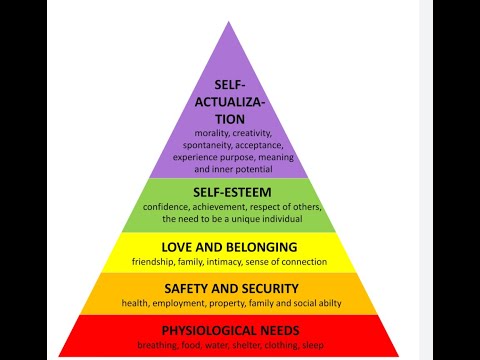
Psychological Safety: The Key for Success and Well-Being
Introduction to Psychological Safety
Omid Fuhi, a social psychologist at the University of Pittsburgh's Learning Research and Development Center, introduces the concept of psychological safety as a critical element for fostering environments conducive to both academic and personal growth. He emphasizes that psychological safety is not merely a buzzword but a foundational aspect that enables individuals to thrive.
Defining Psychological Safety
Psychological safety encompasses both internal and external conditions that contribute to an individual's sense of security. It allows individuals to express ideas, ask questions, and acknowledge mistakes without the fear of negative repercussions. This concept has been extensively studied, particularly through the work of Dr. Amy Edmonson at Harvard Business School, who has identified key factors that create secure environments for students to engage fully in their learning experiences.
Impact on Learning and Performance
In educational settings, psychological safety is crucial as it encourages students to participate actively, even when they are uncertain about their answers. Edmonson's research, particularly her studies on team dynamics, highlights that psychological safety is a significant determinant of successful group performance. This notion was further validated by Google's Project Aristotle, which found psychological safety to be the most critical factor in team success.
Maslow's Hierarchy of Needs
Fuhi connects psychological safety to Maslow's hierarchy of needs, illustrating that after physiological needs, the need for safety is paramount for optimal functioning. When individuals are preoccupied with threats to their safety—whether physical or psychological—they cannot perform at their best. He identifies three cognitive reasons for this inability to function: increased stress, cognitive burden, and heightened vigilance. Each of these factors detracts from an individual's ability to learn and perform effectively.
Research Findings
Studies from institutions such as the University of Michigan and the University of California, Berkeley, provide empirical support for the benefits of psychological safety. Classrooms where students report higher levels of psychological safety demonstrate better academic outcomes, increased engagement, and lower dropout rates. Furthermore, students in these environments experience reduced stress and improved mental health, which enhances their resilience in facing academic challenges.
Strategies to Foster Psychological Safety
Fuhi outlines practical strategies for educators to cultivate psychological safety in their classrooms:
- Model Vulnerability: Educators should openly admit when they do not know something or when they have made mistakes. This openness fosters a culture where students feel safe to express their uncertainties.
- Encourage Open Dialogue: Creating an environment where all voices are heard is essential. Techniques such as round-robin participation and anonymous question submissions can ensure that every student has an opportunity to contribute.
- Provide Constructive Feedback: Feedback should focus on effort and learning rather than solely on outcomes. This approach helps students view mistakes as opportunities for growth, promoting a more resilient learning environment.
Conclusion
Fuhi concludes by encouraging educators and students alike to contribute to a psychologically safe environment. He emphasizes that actions taken to support peers and foster open communication can significantly impact individual success and the collective success of the classroom. For further information on psychological safety, viewers are directed to additional resources provided in the video.
The transcript does not explicitly explain the concept of interpersonal risk in a workplace context. Instead, it focuses primarily on the broader concept of psychological safety and its implications for learning and well-being within educational settings. While the terms interpersonal risk and psychological safety are related, the transcript does not delve into specific examples of interpersonal risks that employees might face in a workplace.
However, it does emphasize the importance of creating an environment where individuals feel safe to express their ideas, ask questions, and admit mistakes without fear of negative consequences. This atmosphere is crucial for fostering engagement and participation, particularly in academic settings. The implications for team learning and performance are indirectly suggested through the discussion of the impact of psychological safety on student outcomes. For instance, students who feel psychologically safe are noted to be more engaged and likely to participate in class discussions.
Moreover, the transcript highlights research findings that suggest environments characterized by psychological safety correlate with better academic outcomes, increased engagement, and a lower likelihood of dropping out. Therefore, while interpersonal risk is not explicitly mentioned, the underlying principle that taking risks—such as voicing opinions or admitting uncertainties—is essential for learning and success is implicitly conveyed through the emphasis on psychological safety.
-
- [03:17] "...deprive our mental and emotional resources, and corrode our sense of trust of the environment."
- [04:01] "When students feel psychologically safe, they are more likely to take on challenges, persist through difficulties, and ultimately achieve higher academic success."
The transcript indeed distinguishes psychological safety from merely fostering a pleasant environment characterized by niceness, avoidance of disagreement, or the establishment of a comfort zone. It articulates that psychological safety is about creating an environment where individuals feel secure enough to express their ideas, ask questions, and admit mistakes without the fear of negative consequences. This nuanced definition implies that psychological safety transcends the superficial aspects of friendliness and encompasses deeper interpersonal dynamics that facilitate genuine engagement and learning.
Dr. Amy Edmonson's research is referenced as a foundational element in understanding psychological safety, particularly in educational contexts. The transcript notes that psychological safety is crucial for students’ engagement in learning activities, even when they are uncertain about correct answers. This emphasis on engagement highlights that psychological safety is not about avoiding discomfort or disagreement; rather, it is about fostering an environment where such discomfort can be navigated productively.
Furthermore, the transcript discusses the detrimental effects of a lack of psychological safety, such as increased stress and cognitive burden, which can undermine performance and well-being. By comparing the importance of psychological safety to basic physiological needs outlined in Maslow's hierarchy, it becomes evident that achieving psychological safety is fundamentally about creating conditions that support not only comfort but also the potential for growth and achievement.
-
- [00:41] "Psychological safety refers to both a set of conditions that are internal and external that contribute to the feeling that one is safe."
- [01:40] "...psychological safety is a key factor in successful group performance."
Yes, the transcript discusses the importance of leaders openly acknowledging their own mistakes, uncertainties, and limitations. This behavior is presented as a powerful method to enhance psychological safety within teams. By modeling vulnerability, leaders can set a tone that encourages team members to do the same. This openness fosters an environment where individuals feel comfortable admitting their own errors or uncertainties without fear of judgment or reprisal.
When leaders admit their mistakes or acknowledge that they do not have all the answers, it significantly impacts team dynamics. As mentioned in the transcript, this practice creates a culture where seeking help and expressing doubts are acceptable. This is crucial because it encourages team members to share their thoughts and concerns openly, thereby enhancing communication and collaboration.
Furthermore, the transcript cites research demonstrating that teachers who share their own learning experiences, including struggles, see increased student participation and engagement. This reflects the broader implication that when leaders and educators model vulnerability, it not only humanizes them but also builds trust within the team or classroom, ultimately leading to improved performance and a sense of belonging among team members.
-
- [04:32] "...one of the most effective ways to build psychological safety is by modeling vulnerability."
- [04:47] "...creating a culture where it’s okay to be imperfect."
The transcript does mention leaders asking questions and inviting input, particularly through the concept of creating an environment of psychological safety. While it does not explicitly detail leaders' behaviors in this regard, it implies that such actions are essential components of fostering an atmosphere where team members feel safe to contribute. By inviting input and acknowledging that they do not have all the answers, leaders demonstrate humility and a willingness to learn, which can significantly enhance psychological safety.
This behavior is crucial because it signals to team members that their perspectives are valued. When leaders ask questions and seek feedback, it encourages a culture of open dialogue, where individuals feel empowered to share their thoughts without fear of negative repercussions. The transcript emphasizes that classrooms that actively promote open dialogue see significant improvements in student engagement and academic performance. This suggests that similar practices in workplace settings could yield positive outcomes as well.
Furthermore, the ability of leaders to admit their limitations and uncertainties fosters a culture of transparency. This transparency is essential for psychological safety, as it allows team members to feel less isolated in their struggles and more connected to each other. Overall, the relationship between inviting input from team members and psychological safety is underscored by the notion that such practices lead to better engagement, collaboration, and ultimately, improved performance.
-
- [05:01] "...encourage open dialogue. Creating an environment where all voices are heard is essential."
- [05:20] "...saw a 25% increase in student engagement and a corresponding improvement in academic performance."
The transcript does not explicitly discuss how to maintain both high psychological safety and high performance expectations or accountability without fear becoming dominant. However, it does provide insights into the foundational elements that could contribute to achieving this balance. The speaker emphasizes the importance of creating a psychologically safe environment where individuals feel comfortable to express their vulnerabilities and mistakes.
By fostering an atmosphere of psychological safety, educators and leaders can encourage team members to take risks and pursue high-performance standards without the overriding fear of negative consequences. This concept aligns with the idea that accountability and performance do not have to be at odds with psychological safety. When team members feel safe, they are more likely to engage fully in their roles and strive for excellence.
Additionally, the transcript references research that highlights the positive outcomes associated with psychological safety, such as improved engagement and resilience among students. These outcomes suggest that when individuals feel secure, they are better equipped to meet high expectations and navigate challenges effectively. Furthermore, the speaker mentions that psychological safety fosters a sense of belonging, which is crucial for well-being and overall performance.
Ultimately, while the transcript does not provide a direct answer to the balance of maintaining high standards alongside psychological safety, it implies that creating a culture of openness and support can facilitate an environment where both can coexist and thrive.
-
- [04:12] "...psychological safety also fosters a sense of belonging, which is crucial for students’ well-being."
- [02:21] "...when a person is worried about their physiological or psychological safety in a particular environment."
[00:11] Hello, my name is Omid Fuhi and I'm a[00:14] social psychologist working with the[00:16] learning research and development center[00:18] here at the University of Pittsburgh.[00:20] Psychological safety is more than just[00:22] the buzzwords. It's a crucial element in[00:24] fostering an environment where people[00:25] can thrive academically and personally.[00:29] In this video, we'll unpack the science[00:30] behind psychological safety, explore its[00:33] direct impact on learning and[00:35] well-being, and provide practical[00:36] strategies that you can implement in[00:38] your classrooms and institutions.[00:41] Psychological safety refers to both a[00:43] set of conditions that are internal and[00:45] external that contribute to the feeling[00:47] that one is safe. This means that a[00:50] person believes that they are able to[00:52] express ideas, ask questions, and admit[00:55] mistakes without fear of negative[00:57] consequences. This concept has been[00:59] extensively researched for decades with[01:01] some research advances stemming from Dr.[01:03] Amy Edmonson at Harvard Business School[01:06] that reveal the crucial factors for[01:08] creating environments where students[01:09] feel secure enough to engage fully in[01:12] their learning. In a classroom,[01:15] psychological safety means students feel[01:17] comfortable participating even when[01:18] they're not entirely sure of the correct[01:20] answer. Edmonson's research,[01:23] particularly her work on team dynamics[01:25] in organizations, demonstrates that[01:27] psychological safety is a key factor in[01:29] successful group performance. Her[01:32] findings have been supported in numerous[01:34] contexts, including at Google's project[01:36] Aristotle, which identified[01:38] psychological safety as the most[01:40] significant determinant of team success.[01:43] When we look at Maslo's hierarchy of[01:45] needs, we begin to understand why[01:47] psychological safety is so crucial for[01:49] optimal performance. Nestled right after[01:52] our most primal need for physiological[01:54] needs is our need for safety. Along with[01:57] our physiological needs, our need for[01:59] safety is essential for normal[02:01] functioning. When a person is seriously[02:03] injured or starving, we don't expect[02:06] them to be able to focus and deliver at[02:08] their top performance. The same is true[02:10] if a person is worried about their[02:11] physiological or psychological safety in[02:14] a particular[02:15] environment. The reason we can't[02:17] function at our full potential when our[02:19] need for psychological safety is[02:21] threatened is due to three cognitive[02:23] functional reasons. First one, increased[02:27] stress. Any experience of threat[02:30] activates a physiological arousal which[02:32] if sustained for long periods can lead[02:35] to emotional fatigue. This in turn[02:38] prevents us to be in a calm state[02:41] necessary to be able to process and[02:43] learn. Second, cognitive burden. In[02:46] addition to the emotional toll, there is[02:48] a cognitive tax that is placed on[02:51] individuals when navigating potentially[02:53] threatening situations. Because their[02:55] mind is trying to understand the cause[02:57] of that stress, they aren't able to[02:59] focus on the task at hand, such as[03:01] learning or performing. Third, increased[03:04] vigilance. Psychological threat also[03:07] increases vigilance which robs us of our[03:10] ability to focus on the learning in the[03:12] classroom. These forces undermine[03:15] performance, compromise well-being,[03:17] deprive our mental and emotional[03:19] resources, and corrode our sense of[03:22] trust of the environment. The reverse[03:25] can also be true. In a study conducted[03:27] by researchers at the University of[03:29] Michigan, classrooms where students[03:32] reported higher levels of psychological[03:34] safety saw significantly better academic[03:38] outcomes. These students were more[03:40] engaged, participated more in class[03:42] discussions, and were less likely to[03:44] drop out. Another study by the[03:47] University of California, Berkeley,[03:48] found that students in psychologically[03:50] safe environments had lower stress[03:52] levels, better mental health outcomes,[03:55] and were more resilient in the face of[03:57] academic[03:58] challenges. The evidence is clear. When[04:01] students feel psychologically safe, they[04:03] are more likely to take on challenges,[04:05] persist through difficulties, and[04:08] ultimately achieve higher academic[04:10] success. But the benefits don't stop[04:12] there. Psychological safety also fosters[04:16] a sense of belonging, which is crucial[04:18] for students well-being. When students[04:20] feel that their voices matter, they are[04:23] less likely to experience anxiety,[04:24] depression, or other mental health[04:26] challenges. According to Edmonson's[04:29] research, one of the most effective ways[04:30] to build psychological safety is by[04:32] modeling vulnerability. As educators,[04:35] you can set the tone by admitting when[04:37] you don't know something or when you've[04:39] made a mistake. This openness encourages[04:42] students to do the same, creating a[04:44] culture where it's okay to be imperfect.[04:47] For example, in a study published in the[04:49] Journal of Educational Psychology,[04:51] teachers who share their own learning[04:53] experiences, including their struggles,[04:55] saw a significant increase in student[04:57] participation and[04:59] engagement. Second strategy, encourage[05:01] open[05:02] dialogue. Creating an environment where[05:04] all voices are heard is essential.[05:07] Techniques like roundroin participation[05:10] or using anonymous question submissions[05:12] can help ensure that everyone has a[05:14] chance to contribute. In a study by the[05:18] University of Oxford, they found that[05:20] classrooms that actively encouraged open[05:22] dialogue saw a 25% increase in student[05:25] engagement and a corresponding[05:27] improvement in academic[05:29] performance. Third strategy is to[05:31] provide constructive feedback. Feedback[05:34] is critical, but it must be delivered in[05:37] a way that encourage encourages growth.[05:40] Focus on the effort and the learning,[05:42] not just the outcome. This approach[05:45] helps students see mistakes as an[05:46] opportunity for learning rather than[05:48] failures. Research by my colleagues,[05:51] Drs. Jeffrey Cohen, David Joerger,[05:53] Valerie Pivons, and others shows that[05:56] students who received constructive[05:57] feedback emphasizing growth showed[06:00] greater academic improvement and were[06:02] more likely to take risks in their[06:04] learning. A student from a recent study[06:07] shared this. When I felt safe to ask[06:09] questions, I started to learn more. I[06:11] wasn't as afraid of making mistakes, and[06:13] I realized that that's where the real[06:15] learning happens. As you go through your[06:17] classes, think about how you can[06:19] contribute to a psychologically safe[06:20] environment. Are you encouraging your[06:23] peers? Are you speaking up when you need[06:24] help? Your action can make a big[06:26] difference in your own success and the[06:28] success of those around you. To learn[06:31] more about psychological safety, see the[06:33] information below.

Ntroduced Webinar ft. Dr Timothy Clark: The 4 Stages of Psychological Safety
Introduction
The webinar begins with an introduction by Jonathan, who expresses gratitude to attendees for joining the session featuring Dr. Tim Clark, the author of "The Four Stages of Psychological Safety." Jonathan emphasizes the importance of Dr. Clark's insights for companies and leadership, particularly regarding the creation of a productive, inclusive, and innovative workforce that ultimately leads to high productivity within organizations.
Overview of Psychological Safety
Dr. Clark starts by discussing the concept of psychological safety, which he defines as the ability to be oneself in a social setting without fear of negative consequences. This encompasses emotional, social, political, and economic dimensions. When psychological safety is high, individuals feel comfortable expressing themselves, leading to greater engagement. Conversely, when it is low, individuals may self-censor, retreating into self-preservation and avoiding risks. Dr. Clark highlights that fear within organizations can significantly alter behavior, creating a culture that stifles innovation and inclusion.
Historical Context
The concept of psychological safety dates back to 1965, with early research by Edgar Schein and Warren Bennis at MIT. Although the notion has existed for centuries, recent years have seen a surge in empirical research supporting the idea that fear can inhibit behavior and creativity within organizations. Dr. Clark notes that understanding the mechanisms behind psychological safety is crucial for fostering an environment conducive to innovation.
Self-Censorship and Organizational Culture
Dr. Clark introduces the idea of self-censorship, which occurs when individuals feel that expressing themselves could lead to negative consequences. He illustrates this with a visual representation of a spectrum ranging from psychological safety to fear. When fear dominates an organization's culture, it activates the self-censoring instinct, leading to a culture that is detrimental to innovation and engagement. He cites Peter Drucker's famous quote, "Culture eats strategy for breakfast," and extends it to assert that culture also consumes innovation for lunch and dinner. This highlights the significant role that organizational culture plays in either facilitating or obstructing innovation.
Reflection and Self-Examination
Dr. Clark encourages attendees to engage in self-reflection regarding their own experiences with psychological safety. He poses a series of questions aimed at prompting introspection about feelings of exclusion, fear of asking questions, and experiences of being ignored or interrupted. These questions serve to illustrate common experiences that trigger self-censorship and highlight the need for leaders to examine their own behaviors that may contribute to a culture of fear.
Agenda of the Webinar
The agenda for the webinar includes a discussion on human behavior, the four stages of psychological safety, and strategies for increasing psychological safety within organizations. Dr. Clark emphasizes that fostering psychological safety is both a moral and strategic imperative for leaders.
Consequences of Low Psychological Safety
Dr. Clark presents findings from a 12-year study conducted at Harvard University, revealing the significant costs associated with low psychological safety. Key statistics include that 48% of employees intentionally reduce their work effort in fear-laden environments, and 25% admit to taking frustrations out on customers. These statistics underscore the detrimental impact of a lack of psychological safety on organizational performance and employee well-being.
Vulnerability in Organizations
The discussion shifts to the importance of vulnerability in fostering psychological safety. Dr. Clark explains that vulnerability must be rewarded rather than punished for psychological safety to thrive. He introduces the concept of a "blue zone," where acts of vulnerability are encouraged, leading to increased openness, creativity, and collaboration. Conversely, in a "red zone," where vulnerability is punished, employees may withdraw, hoard information, and engage in avoidance behaviors, ultimately stifling productivity and innovation.
The Four Stages of Psychological Safety
Dr. Clark outlines the four stages of psychological safety, which are essential for creating an environment where individuals feel safe to engage, learn, contribute, and challenge the status quo:
- Inclusion Safety: This foundational stage requires individuals to feel included and accepted within a social unit. It addresses the basic human need for belonging and acceptance.
- Learner Safety: At this stage, individuals feel safe to engage in the learning process without fear of ridicule or embarrassment. They can ask questions, give and receive feedback, and experiment without the threat of negative consequences.
- Contributor Safety: This stage allows individuals to contribute their skills and knowledge fully. It emphasizes collaboration and the importance of applying what has been learned to create value.
- Challenger Safety: The final stage represents the highest level of psychological safety, where individuals feel safe to challenge the status quo. This stage is critical for fostering innovation and constructive dissent.
Mechanisms of Psychological Safety
Dr. Clark elaborates on the mechanisms that underpin psychological safety, emphasizing the roles of respect and permission. He explains that psychological safety is a function of both respect (vertical axis) and permission (horizontal axis). The progression through the stages of psychological safety is akin to navigating a bowling lane, where organizations must avoid the extremes of paternalism and exploitation.
Strategies for Increasing Inclusion Safety
To enhance inclusion safety, Dr. Clark offers three practical recommendations:
- Invite: Actively invite individuals to participate and share their perspectives.
- Ask: Sincerely inquire about individuals' backgrounds, interests, and experiences to foster connection.
- Share: Leaders should share their own experiences and viewpoints to create a culture of openness and familiarity.
Building Learner Safety
The second stage, learner safety, is built upon the foundation of inclusion safety. Dr. Clark stresses the importance of disconnecting failure and mistakes from fear, allowing individuals to engage in the learning process without anxiety. He shares examples, including a high school calculus teacher who successfully nurtured a safe learning environment, and highlights the emotional aspect of learning, which is often overlooked.
Fostering Contributor Safety
In the third stage, contributor safety, individuals are encouraged to apply their learning and contribute meaningfully to the team. Dr. Clark emphasizes the need for leaders to provide direction, encouragement, and autonomy to facilitate this process. He notes that individuals have an inherent desire to make a difference, and leaders must recognize and support this need.
Achieving Challenger Safety
The culminating stage, challenger safety, is where individuals feel empowered to challenge the status quo. Dr. Clark explains that this stage requires the highest level of psychological safety, as it involves significant personal risk. Leaders must provide "air cover" to encourage candor and constructive dissent, which are essential for innovation. He emphasizes that organizations must create an environment where challenging discussions can occur without fear of retribution.
Intellectual Bravery
Dr. Clark introduces the concept of intellectual bravery, defined as the willingness to disagree or challenge the status quo despite potential social, emotional, or political risks. He argues that fostering intellectual bravery is crucial for creating an incubator of innovation within organizations. Leaders must cultivate an environment that encourages open dialogue and merit-based discussions, free from the constraints of hierarchy.
Addressing the Impact of the Pandemic
As the webinar progresses, Dr. Clark addresses the implications of the pandemic on psychological safety, particularly in virtual work environments. He highlights the need for leaders to pay attention to nonverbal cues and to foster deeper connections in virtual interactions. The pandemic has created an opportunity for organizations to reassess and improve their cultures, particularly regarding psychological safety.
Conclusion and Q&A
The webinar concludes with a Q&A session, where Dr. Clark responds to questions from attendees. He emphasizes the importance of modeling behavior that fosters psychological safety and encourages leaders to take ownership of their roles in creating inclusive environments. He also discusses the significance of emotional intelligence in enhancing psychological safety within teams.
Final Thoughts
Dr. Clark's insights into psychological safety provide a comprehensive framework for leaders seeking to cultivate inclusive and innovative workplaces. By understanding the four stages of psychological safety and implementing strategies to enhance inclusion, learning, contribution, and challenge, organizations can create environments that foster engagement, creativity, and ultimately, success.
The transcript does not explicitly define the term interpersonal risk within the workplace context. However, it discusses the concept of psychological safety extensively, which is closely tied to the notion of interpersonal risk. The speaker, Dr. Timothy Clark, explains that psychological safety allows individuals to be themselves in a social setting without fear of negative consequences. When interpersonal risks are minimized, team members can engage more openly, share ideas, and contribute to discussions without the fear of ridicule or retaliation.
Dr. Clark provides several examples of experiences that can trigger self-censoring instincts in individuals, suggesting that fear of exclusion or embarrassment can lead to a reluctance to speak up. For instance, he asks the audience to reflect on whether they have ever felt excluded in a social setting, been afraid to ask a question, or felt targeted by negative stereotypes. These examples illustrate the interpersonal risks that can manifest in workplace dynamics, highlighting the importance of a psychologically safe environment for team learning and performance.
By fostering psychological safety, organizations can cultivate an atmosphere where team members feel encouraged to take interpersonal risks, which are essential for innovation and problem-solving. This is critical because when team members are free to express their thoughts and ideas, it fosters a culture of collaboration and creativity, ultimately enhancing overall team performance.
-
- [08:41] "These are common everyday experiences that people have that trigger the self censoring instinct and push them into a mode of self-preservation and risk management."
- [10:45] "If fear is prevalent in the organization that is the first sign of weak leadership..."
The transcript makes a clear distinction between psychological safety and merely being nice or avoiding disagreement. Dr. Timothy Clark emphasizes that psychological safety is about the freedom to express oneself and engage authentically without fear of negative repercussions. He notes that psychological safety means it is not expensive to be oneself in a social setting—emotionally, socially, politically, or economically. This contrasts with a superficial understanding of a friendly workplace, which might prioritize comfort over genuine engagement.
Dr. Clark elaborates on this distinction by indicating that a culture where disagreement is avoided or where individuals feel pressured to be nice can stifle innovation and creativity. He articulates that psychological safety is fundamentally linked to the ability to voice concerns, challenge the status quo, and engage in candid discussions. This environment of openness is essential for fostering effective teamwork and high performance, as it allows for constructive dissent and critical conversations that can drive organizational improvement.
Furthermore, the speaker points out that leaders must create conditions where vulnerability is rewarded rather than punished. This aligns with the idea that psychological safety is not just about creating a comfort zone but rather about encouraging a culture of candidness and healthy debate, which is essential for a thriving organizational culture.
-
- [03:00] "Psychological safety means that it’s not expensive to be yourself in a social setting."
- [08:28] "If we’re triggering that self censoring instinct then we are siphoning off productive capacity and we’re just wasting it."
The transcript does not specifically mention leaders openly acknowledging their own mistakes, uncertainties, or limitations. However, the concept is implicitly connected to the overall theme of fostering psychological safety. Dr. Clark discusses how leaders need to create an environment where team members feel safe to speak up and share their thoughts without fear of ridicule or negative consequences. This inherently requires leaders to model vulnerability and openness.
While the transcript does not provide direct examples of leaders admitting their mistakes, it does emphasize the importance of leaders being approachable and fostering a culture of transparency. Dr. Clark explains that when leaders push the fear button, it activates the self-censoring instinct in team members, which can hinder their willingness to engage or admit to challenges. Therefore, if leaders were to acknowledge their own shortcomings, it could alleviate some of the fears associated with sharing personal vulnerabilities among team members.
In essence, while the transcript does not explicitly address leaders acknowledging their own mistakes, it highlights the critical role that leadership behavior plays in establishing psychological safety. By exhibiting vulnerability, leaders can encourage their teams to be more open and transparent, thereby creating a more engaged and innovative work environment.
-
- [06:11] "It’s an obstacle to inclusion and innovation is the culture."
- [11:00] "If fear is prevalent in the organization that is the first sign of weak leadership."
The transcript discusses the importance of leaders actively engaging with their teams by asking questions and inviting input. Dr. Clark emphasizes that this behavior is essential for fostering psychological safety within an organization. When leaders ask for feedback or admit that they do not have all the answers, it creates an environment where team members feel valued and empowered to contribute their insights.
For example, Dr. Clark notes that leaders must monitor both content and interpersonal dynamics during discussions, especially when vulnerability is present. He encourages leaders to be aware of how team members react during discussions and to facilitate an atmosphere where questions are welcomed. This practice not only reinforces the idea that all voices matter but also helps to normalize the process of seeking input and feedback.
Dr. Clark further illustrates the connection between these behaviors and psychological safety by stating that when vulnerability is rewarded, individuals are more likely to engage, share ideas, and take necessary interpersonal risks. In contrast, if leaders fail to invite input or create an atmosphere of fear, team members may retreat into silence or avoid sharing their thoughts altogether. Therefore, leader behavior in asking questions and seeking input is crucial in developing a culture of psychological safety and ensuring team members feel safe to express themselves openly.
-
- [08:14] "Have you ever had a boss who asked for feedback but didn’t really want it?"
- [18:10] "Psychological safety is a function of two things: respect and permission."
The transcript addresses the challenge of maintaining both high psychological safety and high performance expectations or accountability without fear dominating the workplace. Dr. Clark emphasizes that a key aspect of psychological safety is creating an environment where individuals feel safe to express themselves and take risks without fear of negative consequences. He notes that when fear is prevalent in an organization, it is indicative of weak leadership, which can stifle innovation and engagement.
To achieve this balance, Dr. Clark outlines the importance of leaders fostering a culture that rewards vulnerability. He asserts that when leaders create conditions where team members can express concerns, challenge the status quo, and engage in candid discussions, it leads to higher levels of innovation and performance. He also mentions the concept of intellectual bravery, which is the willingness to disagree or challenge the status quo despite potential risks involved.
Dr. Clark suggests that leaders must model the behavior they wish to see by being open to feedback and actively inviting input. This not only helps in building a psychologically safe environment but also reinforces accountability, as team members feel more inclined to contribute and take ownership of their work. By doing so, leaders can create a workplace culture where high performance expectations are met without instilling a culture of fear, thus ensuring that both psychological safety and accountability coexist effectively.
-
- [10:05] "...it’s a moral imperative and it’s a strategic imperative for every leader in every organization."
- [41:12] "If you don’t have a demonstrated track record of creating and sustaining psychological safety with your colleagues you are ineligible to become a manager."
[00:00] I want to thank everybody for attending[00:05] this webinar with dr. Tim dr. Tim Clark[00:11] so thanks again for coming and I'd like[00:15] to introduce you to dr. Timothy our[00:18] Clark dr. Clark will be talking about[00:22] his new book the four stages of[00:26] psychological safety hi Tim good morning[00:31] good morning Jonathan I'm doing great[00:35] okay hey no problem listen now what I[00:38] discuss is incredibly important for all[00:42] companies and all leadership everywhere[00:46] to to to learn and I think that your new[00:52] book really nails it when it comes to[00:57] comes to you know the ability to create[01:01] productive and inclusive innovative[01:06] workforce and of course that translates[01:09] out to to a highly productive company[01:12] now from here and we're all looking[01:16] forward to your talk okay fantastic[01:20] thanks Jonathan[01:22] and thanks everybody for joining us and[01:25] so let me just point your attention to[01:29] your chat box so please use your chat[01:32] box and feel free to make comments or[01:34] ask questions and Jonathan will help[01:37] monitor questions as they come in if[01:39] there's something that we that we want[01:41] to try to answer so please feel free[01:45] let's try to make this as interactive as[01:47] we can as Jonathan said we're going to[01:52] talk about the four stages of[01:54] psychological safety which is a book[01:56] that was just recently released a few[02:00] weeks ago and I want to just mention[02:03] right at the beginning that we're going[02:05] to do a giveaway and so here's how[02:08] here's how the giveaway works so for the[02:11] first after the webinar for the[02:13] first 10 attendees who post a comment[02:17] about the webinar tagging leader Factor[02:20] and including the hashtag psychological[02:23] safety we will send you a digital copy[02:25] of the book so if you're interested then[02:29] stay with us and post right after and we[02:34] will be happy to send a code to you for[02:38] a digital couple well let's get into the[02:42] topic the topic is psychological safety[02:46] most of you have probably heard of the[02:49] topic where you know something about it[02:51] some of you may be diligent students of[02:54] the topic and so let me begin with a[02:57] very basic definition of psychological[03:00] safety psychological safety means that[03:02] it's not expensive to be yourself in a[03:07] social setting now what do I mean by[03:09] that I mean emotionally socially[03:12] politically economically it's not[03:16] expensive and when it's not expensive[03:19] what we do we are comfortable being[03:22] ourselves it's easy to be ourselves we[03:25] engage so that we love those terms of[03:28] engagement if it is expensive then what[03:33] do we do we're not ourselves and so what[03:37] the research literature has shown here[03:39] over several years the primary research[03:43] finding is that fear in organizations[03:47] changes people's behavior now let me[03:51] trace a little history for you[03:52] psychological safety as a concept came[03:56] into the research in 1965 the earliest[04:01] research citation for the concept of[04:05] psychological safety was by a couple of[04:10] scholars at MIT Edgar Schein and Warren[04:14] Bennis and they wrote a book on personal[04:17] and organizational change and they put[04:19] just a little paragraph on the topic of[04:22] psychological safety so it goes all the[04:24] way back to 1965[04:26] but the concept is not new the concept[04:30] is as old as the first human interaction[04:33] but since 1965 the research has been[04:37] building slowly on this topic in the[04:40] last in the last couple of years in[04:43] particular it's exploded we now have a[04:46] lot of empirical data that support the[04:50] print supports the the premise here that[04:53] fear changes behavior but we didn't[04:56] understand the extent to which this was[04:58] true we're finally just starting to[05:01] comprehend how profound the implications[05:05] are so let me show you how this works[05:07] with a little bit of a visual every[05:10] human has what we call a self censoring[05:14] instinct at some point in an[05:17] organization you have a culture in an[05:19] organization and that culture has either[05:25] some level of psychological safety at[05:27] one end of the spectrum or if you go to[05:30] the other end of the spectrum as you can[05:32] see on the slide we move into the[05:34] territory of fear at some point if[05:39] leaders are pushing the fear button that[05:43] fear activates the pain centers of the[05:46] brain and triggers what we call the self[05:49] censoring instinct and every human has a[05:52] self censoring instinct and so what do[05:55] we do if that self censoring instinct is[05:58] activated we retreat into a mode of[06:03] personal risk management pain avoidance[06:06] and self-preservation and so it's[06:11] obstacle to inclusion and innovation is[06:15] the culture now we like to we like we[06:19] like to repeat the quote from Peter[06:20] Drucker right that culture eats strategy[06:22] for breakfast well culture eats[06:26] innovation for lunch and dinner[06:28] it is the single biggest obstacle to[06:31] innovation in any organization we are[06:34] now starting to understand how that[06:37] works what is the mechanism[06:40] that blocks innovation that blocks[06:43] engagement that blocks the creative[06:45] capacity of the organization it's the[06:49] lack of psychological safety if we're[06:51] triggering that self censoring instinct[06:53] then we are siphoning off productive[06:56] capacity and we're just wasting it[06:59] that's what's happening okay so in this[07:02] webinar I want you to take the[07:06] opportunity to crack yourselves open and[07:09] take a look inside and do a little[07:13] self-examination a little self inventory[07:15] to see how you're doing[07:17] and whether you are fostering and[07:20] cultivating psychological safety in your[07:23] respective organizations so let me begin[07:26] by sharing some questions and I want you[07:29] to reflect this okay here's some[07:32] questions number one have you ever felt[07:35] excluded in a social setting have you[07:39] ever been afraid to ask a question have[07:42] you ever remained silent when you knew[07:45] the answer to a problem have you ever[07:48] had someone steal credit for something[07:50] you did have you ever been ignored in a[07:55] discussion have you ever been rudely[07:57] interrupted in a meeting have you ever[08:01] felt that you were the target of a[08:03] negative stereotype have you ever faced[08:07] retaliation for challenging the status[08:10] quo have you ever had a boss who asked[08:14] for feedback but didn't really want it[08:18] have you ever been publicly shamed or[08:21] made fun of have you ever been punished[08:24] for making an honest mistake and finally[08:28] have you ever been have you ever been[08:31] made have you ever been made to feel let[08:36] me get that right have you ever been[08:37] made to feel inferior these are common[08:41] everyday experiences that people have[08:44] that trigger the self censoring instinct[08:48] and push them into a mode of self ment[08:53] of pushing them into a mode of[08:56] self-preservation and risk management so[09:01] with that I want you to reflect on that[09:03] because chances are your hands in the[09:05] air and you can say oh yeah that[09:06] happened to me[09:08] it's happened to all of us but what I'd[09:11] like you to do is to reflect on your own[09:13] behavior in your own patterns and ask[09:15] yourself am i doing any of these things[09:18] to trigger the self sensory and instinct[09:21] in the people with whom I work and the[09:24] people with whom I associate that's the[09:26] question that we need to ponder today so[09:28] here's the agenda for today we want to[09:33] talk about how the human family behaves[09:36] and we've just given a lot of examples[09:39] unfortunately of patterns that we see in[09:42] organizations that trigger the self[09:44] censoring instinct so welcome to the[09:46] human family we're all part of that[09:47] family[09:48] we're gonna talk about the four stages[09:50] of psychological safety and what the[09:52] progression looks like empirically how[09:55] we move from stage to stage and finally[09:58] we're going to talk about increasing[09:59] psychological safety how do we do that[10:02] because that is an imperative it's a[10:05] moral imperative and it's a strategic[10:08] imperative for every leader in every[10:11] organization now here's what we know[10:15] fear-stricken[10:17] employees they give you their hands[10:20] they'll give you their hands they'll[10:23] give you some of their head but they[10:26] will give you none of their heart and[10:28] that's the problem it's also the[10:31] opportunity for organizations that are[10:35] able to cultivate high levels of[10:37] psychological safety you're going to get[10:39] hands you're going to get head and[10:40] you're going to get heart for[10:42] organizations that don't you are[10:45] handicapped you are at a significant[10:48] disadvantage to your competitors because[10:52] of this fact if fear is prevalent in the[10:56] organization that is the first sign of[11:00] weak leadership what that means is that[11:04] leaders are abdicating their leadership[11:07] they're pushing the fear button which[11:09] means that they're not leading anymore[11:11] and that's something that we have to[11:14] overcome in many organizations now what[11:17] are the consequences and I should say[11:21] unintended consequences of low[11:24] psychological safety this is what we're[11:27] trying this is what we're finally[11:29] starting to figure out we're starting to[11:31] figure out the full breadth and depth of[11:33] the of the tacks that we impose on our[11:37] organizations when psychological safety[11:39] is low when fear is high now let me just[11:44] show you some here now this is based on[11:45] a 12-year study coming out of Harvard[11:47] University and I won't slog through all[11:49] that all of the all of the data points[11:52] but take a look at a couple because the[11:56] costs are enormous for example take a[12:00] look at bullet number one 48% of[12:03] employees intentionally decrease their[12:07] work effort if psychological safety is[12:09] low and fear is high go all the way down[12:12] to the last bullet 25% of employees[12:16] admit to taking their frustrations out[12:19] on customers that's the price we pay[12:23] when psychological is low it's[12:25] incredible so as I said the research[12:29] literature is now starting to understand[12:33] the full list of unintended consequences[12:39] the burden that we bear if psychological[12:42] safety is not high in the organization[12:45] what it comes down to is whether on your[12:48] team or in your organization[12:51] vulnerability is rewarded or punished[12:55] and these are the patterns that you need[12:58] to pay attention to so the next time[13:00] you're in a meeting I want you to be a[13:02] dual monitor and I want you to monitor[13:05] content what is being said but I also[13:09] want you to monitor monitor[13:11] interpersonal dynamics what is going on[13:14] non verbally and emotionally and[13:17] socially and politically in the[13:20] when there's an active vulnerability in[13:23] the room for example someone makes a[13:26] suggestion someone asks a question right[13:30] these are acts of vulnerability someone[13:34] states a point of view that may not be[13:36] consistent with the prevailing point of[13:39] view that's an act of vulnerability pay[13:43] attention to acts of vulnerability are[13:45] they being rewarded or punished when[13:50] vulnerability is punished social[13:53] interaction becomes expensive and so it[13:56] changes people retreat they recoil they[14:00] curl up that's what happens so we have[14:03] names for these where psychological[14:07] safety is high where acts of[14:09] vulnerability are rewarded we call this[14:11] a blue zone okay so let me let me just[14:16] ask you and use your chat box for those[14:19] of you that are with us today so we've[14:21] got a lot of you what else when you are[14:25] in a blue zone when that vulnerability[14:27] is being rewarded what do people tend to[14:30] do what else do people tend to do put it[14:33] in your chat box and let's see if we can[14:35] get some comments here so how do people[14:37] behave in what we call a blue zone go[14:42] ahead and and okay fantastic they open[14:45] up they relax they think creatively they[14:50] talk to others the velocity of[14:54] information increases the the productive[14:59] output goes up the feedback goes up[15:02] right okay the belong fantastic[15:06] belongingness increases the cross[15:09] training cross pollenization increases[15:12] okay fantastic right so what we're[15:15] trying to do is we're trying to reduce[15:18] the expense of social interaction[15:22] look these are great the culture here[15:24] comes cohesive there's a higher[15:27] tolerance for candor do you see these[15:31] implications do you see the concept[15:33] winces okay now let's go let's go to the[15:36] other side and let's just flesh this out[15:38] a little bit if you're in a red zone[15:42] psychological safety is low[15:44] vulnerability is being punished what are[15:48] the behavioral consequences hit your[15:51] chat box let's take a look okay silence[15:56] people withdraw people shut down people[16:01] engage in avoidance there's more anxiety[16:05] I'm just reading your list here they[16:08] give you the bare minimum they hoard[16:12] information they sabotage fantastic[16:17] productivity goes down innovation goes[16:21] down okay this is so good the meetings[16:27] aren't the real meetings anymore right[16:29] the meetings become the charade and you[16:32] have the real meeting after the meeting[16:34] okay and this is fantastic so Ross just[16:38] said eventually it starts to impact[16:40] mental health it's absolutely true what[16:43] did we say if fear triggers the self[16:46] censoring instinct it's also activating[16:49] the pain centers of the brain so the[16:53] ramifications are profound all right now[16:57] let's dig a little deeper by the way[16:59] your comments are brilliant let's dig a[17:02] little deeper into the construct of[17:06] psychological safety now I said at the[17:09] outset that it means it's not expensive[17:12] to be yourself but let's go deeper[17:15] because there's there's a lot of depth[17:17] to the construct of psychological safety[17:20] here's the here's what we've seen in the[17:22] empirical research psychological safety[17:25] means that you can do four things number[17:27] one you can feel included in the social[17:32] unit number two you feel safe to learn[17:36] number three you feel safe to contribute[17:39] and finally you feel safe to challenge[17:43] the status quo and you can do all of[17:45] these things[17:46] without fear of being marginalized or[17:50] humiliated or punished in some way so[17:54] now we're going to deconstruct the[17:55] mechanism and the and the stages of[17:59] psychological safety so let me go a[18:02] little further and let's put this on a[18:05] graph so psychological safety is a[18:10] function of two things number one[18:13] respect[18:14] so you'll see respect on the vertical[18:15] axis and number two permission you see[18:19] permission on the the horizontal axis[18:24] right so it's the intersection of these[18:27] two things now here's how the[18:28] progression works number one so stage[18:32] one is inclusion safety you have to feel[18:35] included this is the foundation and then[18:38] we move to learner safety and I'm going[18:41] to get into each of these and a little[18:43] bit more depth[18:44] after learner safety comes contributor[18:47] safety where we are working together or[18:50] collaborating we're engaged in the value[18:53] creation process together and then[18:56] finally the culminating stage is[18:58] challenger safety where we feel[19:01] confident enough safe enough to actually[19:04] challenge the status quo and that is the[19:08] ultimate level of psychological safety[19:11] okay now let me show this to you in even[19:14] a little bit more detail without getting[19:16] too busy now this is the same graph but[19:21] it's portrayed a little bit differently[19:23] but let me just add a couple of things[19:26] so before we get to stage one which is[19:30] inclusion safety we have a state of[19:34] exclusion you have we have to cross a[19:38] threshold to get to stage one which is[19:41] inclusion safety before that we are in a[19:43] state of exclusion some people feel this[19:48] way on their teams this means that we[19:51] don't even have the foundation of[19:53] psychological safety in place and this[19:57] is you're in a deficit position and[19:59] you're in a very[20:00] high-risk position as far as engagement[20:04] as far as productivity as far as[20:07] retention right and many other things so[20:10] then we move through our progression now[20:12] let me just show you a couple of things[20:13] that are quite interesting I want you to[20:17] think about the stages of psychological[20:19] safety as a bowling lane if you go if[20:22] you if you go out of bounds right if you[20:25] leave the lane and you hit the gutter on[20:28] either the left or the right you're in a[20:31] you're in a bad place so - to the left[20:34] upper left is what we call paternalism[20:38] paternalism means that respect is high[20:41] but permission is low so this is where[20:45] we coddle people this is where we pat[20:48] them on the heads and say don't touch[20:51] anything[20:52] that's the benevolent paternalism that a[20:55] still exists in many organizations now[20:58] if you go to the lower right it says[21:01] exploitation exploitation is a[21:04] combination of high permission in other[21:07] words we want you to contribute we want[21:09] you to create value but respect is low[21:12] so we're exploiting you we want to[21:15] extract from you all of the value that[21:17] you can create but we don't respect you[21:21] inherently so you can see the two[21:23] gutters of the bowling lane we want to[21:26] avoid those extremes because they both[21:28] become very dangerous all right now[21:31] let's go into a little bit more depth[21:34] Stage one inclusion safety why do we[21:38] start with inclusion safety because this[21:42] is the first level of basic human need[21:45] if you go into a new social setting and[21:48] if you watch other people say it's a[21:50] work school home civic organization team[21:55] it doesn't matter what is the first[21:57] thing that people want they want to be[22:00] included they want to be long they want[22:03] to be accepted so inclusion safety[22:06] satisfies the basic human need to be[22:10] included that's why we start there[22:13] because that's where humans start so we[22:16] don't we can't skip this stage we can't[22:19] plow around it this is the foundation[22:22] and as we all know we struggle in many[22:26] social units to just provide inclusion[22:29] safety now why do we struggle why do we[22:32] have diversity and inclusion departments[22:38] in every multinational organization upon[22:40] the face of the earth now because we're[22:42] struggling with this we're still[22:43] struggling with this let me give you an[22:45] example of why we struggle I have a very[22:49] old Chevy Suburban with three hundred[22:53] and nineteen thousand miles on the[22:55] odometer it has a resale value of about[22:57] three hundred and seventy-five bucks not[23:01] too long ago I went to have my old car[23:05] this this rust bucket serviced and when[23:09] I went to the to take my car in I was[23:15] not treated very well and I could tell[23:18] that I was not treated very well based[23:21] on the car in which I was driving isn't[23:23] that interesting[23:24] isn't that interesting and then I went[23:28] back in my black sedan not long after to[23:32] have it serviced and guess what people[23:35] treated me differently based on the[23:38] vehicle that I was driving now is that[23:41] unusual[23:42] unfortunately it's not unusual so[23:46] people's behavior changed based on a[23:49] status an indication or an artifact of[23:53] status this is how humans behave so let[24:00] me dig into this a little bit more[24:01] humans tend we tend to govern ourselves[24:04] based on junk theories of superiority[24:07] and I go into this in Chapter two of the[24:11] book[24:12] so what we're constantly looking for is[24:16] some basis on which to justify our[24:19] superiority and when we come up with a[24:22] junk theory or[24:24] soothing story of superiority we try to[24:28] elevate ourselves and subordinate others[24:31] that creates difference and then we have[24:34] a myth of superiority[24:36] so these myths are based on things like[24:39] social social and cultural status it[24:43] could be political or ideological it[24:45] could be intellectual I'm smarter than[24:47] you it could be physical appearance I'm[24:51] I'm better-looking than you I'm a better[24:53] athlete than you it could be economics I[24:55] have more money than you[24:57] it could be ethnic or racial it could be[25:00] gender-based superiority it could be[25:02] moral or religious based superiority[25:05] here's the bottom line these are all[25:08] myths of superiority these are these are[25:11] soothing stories that we tell ourselves[25:14] they're junk theories they're all false[25:17] and so that's why in the book we have to[25:21] we have to get this this concept very[25:24] very clear worth precedes worthiness[25:28] human beings are inherently worthy so if[25:32] you're human and you're harmless I have[25:36] a moral obligation to invite you into my[25:38] society there is no justification[25:41] there's no rationale on which I can[25:44] exclude you except the threat of harm[25:48] but barring that I have a moral[25:51] obligation to include you worth precedes[25:54] worthiness we're talking about worth[25:58] this is something that we still struggle[26:00] with mightily and organizations and[26:02] social units of all kinds and so this is[26:07] the moral force that's acting on[26:09] organizations is now bigger than ever[26:11] now why is this a big deal well think[26:13] about the Millennials that are flooding[26:15] into the workforce they're flooding into[26:18] the workforce and they're looking around[26:20] and they're saying hey boomer why is it[26:25] that you have normalized harassment[26:30] or public shaming behavior why is it[26:35] that you have normalized bullying[26:38] behavior why is it that you have[26:39] normalized manipulation why is it that[26:42] you have normalized some coercive[26:44] tendencies so not long ago I went to a[26:49] new client and I interviewed the[26:50] executive team and it was very clear to[26:54] me right off the bat that the CEO had[26:58] iced them into a mode of silence their[27:02] self sensory and instinct had been[27:04] triggered and this is the way they did[27:06] did business and I said well why why is[27:09] it that you put up with this this[27:11] bullying behavior from the CEO and they[27:13] said well it's okay this is it's just[27:17] normal around here we've learned to kind[27:19] of deal with it kind of put up with it[27:21] do you see what's happened in[27:23] organization after organization we have[27:25] normalized unacceptable intolerable[27:29] behavior the moral force that is that is[27:33] acting upon organizations today is is[27:36] becoming even bigger and this is a[27:39] wonderful thing because we are finally[27:41] taking self inventory or taking an[27:45] unsparing unedited view of what we have[27:48] been doing since the Industrial[27:50] Revolution and we're saying hey this is[27:52] not okay[27:53] and in the organizations that are[27:57] accelerating here's what we're seeing[27:59] they are actually incorporating[28:02] psychological safety as a selection[28:05] criterion for advancement to management[28:09] so what does that mean that means that[28:13] if you don't have a demonstrated track[28:15] record of creating and sustaining[28:18] psychological safety with your[28:20] colleagues you are ineligible to become[28:24] a manager you are disqualified until you[28:29] can demonstrate a track record of doing[28:31] that this is what we are starting to see[28:33] in the most progressive companies and[28:36] this is a wonderful thing because[28:39] inclusion safety is the foundation[28:43] okay questions or comments okay so I[28:51] want you to think about now why is[28:53] inclusion safety let me just I'm just[28:55] gonna ask this one more time why do we[28:58] struggle with just the foundation let me[29:02] offer one more suggestion because the[29:05] human race universally suffers from[29:09] insecurity and therefore we continue to[29:14] create differences and junk theories of[29:17] superiority because of our own[29:20] insecurities that is why leadership in[29:24] this new decade requires a moral[29:28] capacity to be comfortable in your own[29:32] skin and to not have to keep telling the[29:35] world how smart you our how clever you[29:38] are and hiding behind title position and[29:43] authority and the artifacts that the[29:46] organization has given us right so I[29:49] think we're making progress and that's[29:52] the good news that's the good news so[29:55] how do you how do you increase inclusion[29:59] safety I have three basic three basic[30:03] recommendations for you number one[30:05] invite the more you invite the more[30:10] inclusion safety that you're creating[30:12] number two ask ask sincerely ask[30:16] genuinely ask about the person ask about[30:20] background ask about interests so number[30:23] two ask number three share share your[30:27] point of view share your background[30:29] share your opinions we have most many of[30:33] us have been deeply socialized to create[30:37] and maintain professional distance it[30:40] completely flies in the face of all of[30:43] the research that's coming out[30:45] particularly from the MIT human dynamics[30:48] lab it is familiarity that creates more[30:52] inclusion safety[30:54] so this professional distance what does[30:58] it do it maintains relationships based[31:00] on superficiality never going to work[31:03] you're never going to get there you[31:05] cannot do it you can't sustain inclusion[31:08] safety if you're abiding by that old[31:10] Industrial Age concept it doesn't work[31:14] so invite ask share okay let's go to[31:18] Steve[31:22] Stage two now builds on stage one stage[31:26] two is learner safety learner safety[31:28] means that you feel free in able to[31:31] engage in the learning process the[31:33] discovery process without fear again or[31:37] of retribution without fear of ridicule[31:40] without fear of embarrassment what does[31:42] that mean it means that I can ask[31:44] questions I can give and receive[31:46] feedback I can experiment I can even[31:50] make mistakes and I feel safe in doing[31:55] that now what what have we learned what[31:58] if cognitive psychologists learned we've[32:01] learned that the learning process itself[32:03] is a combination of the intellectual and[32:08] the emotional those two tracks are woven[32:12] together you cannot separate them and so[32:16] therefore what great leaders great[32:17] teachers great coaches great parents do[32:20] is they disconnect failure and mistakes[32:24] from fear they disconnect those because[32:28] they are not necessarily associated with[32:32] each other now unfortunately they are in[32:36] many organizations but there's not a[32:38] necessary relationship between those two[32:41] things and for those of you that read[32:45] the book you'll read a case study about[32:48] a high school calculus teacher the most[32:52] successful high school calculus teacher[32:54] in America and how he is able to[32:57] disconnect fear from mistakes and[33:00] failure that's what leaders have to do[33:02] in order to cultivate and maintain[33:04] learner safety so this is stage two let[33:09] me give you kind of a a sweet example of[33:13] this so back in 1918 Albert Camus a[33:19] French philosopher he won the Nobel[33:22] Prize in Literature and a few days after[33:26] he won the Nobel Prize he wrote a[33:28] handwritten note to his elementary[33:32] school teacher[33:33] and he said this he said without you[33:36] without the affectionate hand that you[33:38] extended to the small poor child that I[33:42] was without your teaching and example[33:45] none of this would have happened what is[33:48] he saying[33:51] he's saying that this teacher escorted[33:56] him through the learning process and[33:58] provided learner safety so that he could[34:02] engage in that discovery process safely[34:06] and that's what we all need because[34:08] every human brings some inhibition and[34:12] some anxiety to the learning process let[34:17] me give you another statistic that will[34:19] blow your mind every 26 seconds in the[34:23] United States of America a student a[34:27] high school student drops out every 26[34:31] seconds is this because they don't have[34:34] the mental bandwidth to do the work the[34:38] answer is no barring some legitimate[34:41] learning disability almost all of these[34:44] students can do the work the reason that[34:48] they drop out is because as I said[34:50] there's the intellectual side and[34:52] there's the emotional side of learning[34:54] they are emotionally bruised they are[34:57] emotionally injured they don't feel the[35:00] love and the support and the nurturing[35:03] that they need in the learning process[35:05] and so they finally give up and they say[35:08] I'm done they throw in the towel that's[35:09] what happens and that's a tragedy is it[35:14] any different in a business organization[35:16] no it's not the learning process is the[35:19] same learning will forever be[35:21] intellectual and emotional and it will[35:24] forever need to be nurtured by the[35:27] leader another example of this and you[35:29] can go back to the episode is when[35:32] Oprah's fourth grade teacher came on the[35:35] show as a surprise she didn't know what[35:37] was gonna happen[35:38] and Oprah just went to tears and then[35:42] later explained why she was so emotional[35:44] because this teacher was the one that[35:47] nurtured her with a learner safety that[35:50] built her confidence and that allowed[35:54] her to accelerate and develop her[35:59] potential as never before that's what[36:02] leaders do they nurture that[36:05] so here's some suggestions how do you do[36:08] it separate mistakes from fear ask for[36:13] help[36:13] you personally need to model the[36:17] behavior of asking for help and your[36:20] people need to see you do that because[36:23] in asking for help you're modeling an[36:26] act of vulnerability they need to see[36:29] acts of vulnerability modeled in front[36:33] of them so that they can do the same and[36:36] then number three invite everyone to[36:40] teach it's one thing to learn but if[36:43] you're inviting others to teach now you[36:47] really are asking them to accelerate[36:50] their learning so if you can ask if you[36:52] can ask them to teach and invite them to[36:54] teach you're going to take learner[36:57] safety to a completely different level[37:00] okay so that's learner safety I wish we[37:03] had more time to go into it let's go to[37:08] stage three stage three the third stage[37:11] of psychological safety is contributor[37:13] safety contributor safety means that you[37:16] are now able to contribute as a[37:20] full-fledged member of the team using[37:23] all of your skills knowledge ability[37:26] talent and collaborate in the value[37:31] creating process now why is this stage[37:34] three well again it's a very natural[37:37] sequence after we learn things as human[37:41] beings what's the instinct what's the[37:44] natural desire the natural desire is to[37:46] learn and apply what we have learned to[37:49] to to apply and use what we have learned[37:53] so it's the next natural level of human[37:58] need so to satisfy that basic human need[38:01] we'll want to take what we've learned[38:03] and we want to go apply it we want to[38:04] use it we want to make a difference[38:07] humans have a deep-seated need to make a[38:11] difference so what then does the leader[38:14] do the leader provides direction[38:17] encouragement guidance autonomy and[38:21] allows this to happen contributor safety[38:25] is where we are now engaged in the value[38:28] creation process okay a little bit about[38:33] how so this is what you can do explain[38:38] the how we do things to others delegate[38:44] the why and then we've got to go deeper[38:50] as leaders as we are cultivating[38:54] contributor safety and others we have to[38:57] help them find that deep Y for[39:00] themselves that motivates them right[39:03] they have to gain they have to gain that[39:06] for themselves if we put them on a short[39:08] leash and we try to micromanage them we[39:11] simply are gaining no leverage and we[39:14] are not releasing the creative and the[39:17] productive output that people have so[39:20] recognize as soon as people learn they[39:22] want to go use and apply and contribute[39:26] they have a deep need to be able to[39:28] contribute okay[39:32] we've got to move quickly because we[39:35] don't have a lot of time let's move to[39:37] stage 4 stage 4 is Challenger Safety[39:41] Stage 4 is the culminating stage it's[39:43] the ultimate stage it's the final stage[39:46] it is the highest level of psychological[39:50] safety now why is that because[39:53] challenger safety means that you feel[39:56] safe in challenging the status quo you[40:01] are now at the highest level of personal[40:04] risk and vulnerability therefore you[40:08] need the highest level of psychological[40:10] safety to protect you in that behavior[40:13] so here's the social exchange here's the[40:17] social exchange with challenger safety[40:20] you as the leader you need to give me[40:24] air cover in exchange for me giving you[40:29] and ER that's the social exchange I need[40:32] air cover in exchange for candor now why[40:37] do we need this because challenger[40:40] safety is the stage at which we do most[40:43] of our innovation innovation by its very[40:46] nature is disruptive of the status quo[40:49] it relies so think about it how do we[40:52] solve problems how do we come up with[40:54] solutions how do we innovate we need[40:57] creative abrasion we need constructive[41:01] dissent we need hard-hitting dialogue[41:05] we cannot let title position Authority[41:08] rank get in the way of a merit-based[41:12] discussion we're going to discuss issues[41:15] on their merits we can do all of those[41:17] things those are artificial constraints[41:20] so if we truly want to to innovate in[41:24] the organization we need to give people[41:26] a license to innovate and that license[41:29] to innovate is that level of[41:32] psychological safety challenger safety[41:35] if they don't feel safe and challenge[41:37] these challenging the status quo then[41:40] they're not gonna do it because they're[41:42] risking their personal standing and[41:44] reputation who's gonna do that right[41:48] okay now let me ask you a question let's[41:50] go to your chat box on a scale from one[41:57] to ten and you can write in the number[41:59] one is low ten is high how would you[42:04] rate the level of challenger safety that[42:06] you personally feel in your organization[42:10] go ahead and put in a number let's see[42:13] it[42:14] okay okay[42:18] Oh[42:25] amazing now we do empirical research on[42:30] this we have our four stages team survey[42:33] which we use across the world and what[42:37] we know is that the average for[42:42] challenger safety is much much lower[42:45] because this is this is the ultimate[42:48] test of leadership so you're coming in[42:51] with an average of about 5.5 right here[42:56] now some of you are showing a 10 which[42:58] is incredible the level of challenger[43:02] safety that you have on a team is the[43:05] ultimate bellwether for the overall[43:09] health of that team it is the most[43:11] important vital sign that captures the[43:15] essence of the culture so if you have[43:20] reported an eight or a nine or a ten on[43:23] that scale you have a a pretty healthy[43:28] team you're in a good place and you are[43:31] very fortunate to be working under those[43:34] conditions most people are not that high[43:38] and you can see that we have a lot of[43:40] work to do right so again the key[43:44] question is is it safe to challenge the[43:49] status quo is it safe to challenge the[43:51] status quo[43:54] now if you can create a team culture and[43:58] organizational culture or whatever your[44:01] social unit is and you can get all the[44:04] way to psychological safety what you're[44:07] going to create is a pattern of behavior[44:10] in your people and the pattern of[44:14] behavior is what we call intellectual[44:18] bravery intellectual bravery let me give[44:22] you a definition for intellectual[44:24] bravery intellectual bravery is a[44:28] willingness to disagree dissent or[44:32] challenge the status quo in a setting in[44:35] which there is social emotional[44:38] political and economic risk in spite of[44:41] that risk people are willing to come[44:44] forward and they're willing to disagree[44:46] or dissent or challenge the status quo[44:50] that's what intellectual bravery is this[44:54] is the most important behavioral pattern[44:57] for creating an incubator of innovation[45:02] in any organization you can be[45:05] exquisitely blessed with everything else[45:07] in terms of raw intellectual horsepower[45:11] talent resources guidance directions[45:14] strategy if you don't have challenger[45:19] safety to cultivate intellectual bravery[45:22] you are handicapped you are not going to[45:27] be able to do it because this is the[45:28] most important attribute now let me see[45:31] if I can frame this in a way that may be[45:34] unique to you you've I think this will[45:38] make sense so the leaders job is to say[45:42] there are two kinds of friction[45:44] interpersonally when we are working[45:47] together in social units there's[45:49] intellectual friction and their social[45:52] friction the leaders job is to[45:55] simultaneously increase intellectual[45:59] friction while decreasing social[46:03] friction[46:04] this is the this is the key mechanism[46:07] that creates psychological safety to the[46:11] level of challenger safety level for[46:15] Stage four where people now feel real[46:18] willing to challenge the status quo but[46:21] this is what we need to understand it's[46:24] delicate and it's dynamic and it's never[46:28] done the job is never finished right[46:31] there's a there's a permanent[46:34] impermanence to this right so I want you[46:37] to think about this your job again is to[46:44] increase intellectual friction and at[46:47] the same time reduce social friction why[46:49] is that because humans at the end of[46:52] every idea suggestion challenge a point[46:55] of view is a human being and we are very[46:58] sensitive and so if we allow the social[47:02] friction to get too high it will shut[47:05] down the intellectual friction and we[47:08] will come to a stalemate we will come to[47:10] impasse we will come to loggerheads and[47:14] we will not be able to progress in our[47:18] collaboration so that psychological[47:21] safety becomes the lubricating oil for[47:27] this collaboration to happen but it's[47:31] the leaders job to model this and to[47:34] protect that intellectual friction okay[47:39] all right now here's the crew here's a[47:41] question that has come up that I want to[47:43] I want to from the chat box and you guys[47:46] are asking a lot of questions so here's[47:49] a here's a great question do you think[47:51] there is psychological safety oh let's[47:59] see[48:01] hang on a second you[48:06] what so what are the implications given[48:09] the pandemic and the fact that we are[48:11] now moving we've now moved to virtual[48:14] we've had this mass migration to virtual[48:16] teams working from home what are the[48:19] implications the implications when we[48:23] could go on and on about this and you[48:25] can read my article from about three[48:28] weeks ago in a Harvard Business Review[48:30] about how to do this but what it means[48:32] is that we have to pay even more[48:35] attention to nonverbal cues and body[48:40] language because we're not having a full[48:43] sensory face-to-face experience so that[48:46] is number one number two we have to[48:50] dispense with the superficialities in[48:53] the way that we're interacting so for[48:56] example if we're having them if we're[48:58] having a quick one-on-one then you need[49:02] to say Tim so how you doing today and[49:04] I'm gonna say I'm doing fine how you[49:07] doing and then you're gonna say no no[49:09] how are you really doing tell me how[49:11] it's going that's what has to happen[49:14] we've got to go to another level of[49:17] familiarity and another level of[49:19] tolerance for candor in a virtual[49:22] environment otherwise we're losing[49:24] people[49:25] they're disengaging productivity's going[49:28] south and we're suffering and so[49:31] creating and maintaining psychological[49:33] safety is an extra challenge in a[49:36] virtual environment but that is what[49:38] we're faced with right now[49:39] it truly is it's not easy but that's[49:43] what's happening we're in that kind of[49:45] environment and we could go on and on[49:48] about that okay so let me let me just[49:52] share a related point that we call the[49:58] anatomy of culture in any organization[50:03] there are levels of culture as you know[50:06] the overall level of culture for an[50:08] institution the institutional culture is[50:11] what we call a macro culture and in that[50:14] macro culture we have certain patterns[50:17] or prevailing norm[50:19] if we go down from there we have sub[50:22] cultures subcultures exist at the level[50:25] of a business unit a geography a line of[50:29] business a functional area right[50:33] we have subcultures and they are[50:35] materially different than the macro[50:37] culture they share some of the same[50:40] attributes and some of the same patterns[50:41] but then there are differences and then[50:44] if we go down one more layer we get to[50:46] what's called the micro culture the[50:49] micro culture is the fundamental unit of[50:51] culture and it normally exists at the[50:53] level of a team the team is the basic[50:56] unit of performance in this decade in[51:00] the 2020s it's all about the team so if[51:04] you want if you're concerned about[51:06] culture then what do we do we attack[51:11] culture by design and not by default it[51:14] is a design about asset and we address[51:18] it at all levels but the most profound[51:21] level is what level the micro culture[51:26] because here's what we know and and we[51:30] learned this years ago when I was doing[51:32] my doctorate at Oxford what we know is[51:36] that this is what we call the culture[51:38] formation hypothesis the most important[51:41] factor in the formation of culture is[51:44] the modeling behavior of the leader[51:48] period end and so if we want to alter[51:53] culture we have to change the modeling[51:57] behavior of the leader at the team level[52:02] now we can do some other things at the[52:04] top right top down right we can shift[52:08] the norms as well we can recast the[52:10] prevailing norms but the bottom up[52:13] effort to shift or change or alter the[52:18] the modeling behavior of frontline[52:22] managers and team leaders cannot be[52:25] ignored now let me let me add a related[52:30] point and that is[52:32] the pandemic is providing us an[52:34] incredible opportunity within the[52:37] calamity and here's the opportunity a[52:40] crisis does a beautiful thing what a[52:44] crisis does is it liquefies the status[52:48] quo and it does it almost suddenly what[52:55] takes us years when we try to do a[52:58] cultural transformation in an[53:00] organization it takes sometimes years to[53:05] do through an incremental change what a[53:08] crisis can do is liquify that status quo[53:11] in a matter of days and that's what[53:14] kovat 19 has done and so what it does is[53:17] it presents to you and me this[53:19] incredible opportunity to recast the[53:23] prevailing norms of our organizations[53:26] and so the question for you and for me[53:29] is are you going to accelerate or Hart[53:32] or hibernate during this crisis because[53:36] you have an opportunity that will[53:39] probably hopefully never come around[53:42] again it may be a once in a lifetime[53:44] opportunity to shift the culture and[53:47] elevate the level of psychological[53:50] safety on your teams and in your[53:53] organization at large so I want you to[53:55] think about that okay now I've gone on[53:58] too long and I apologize but there's a[54:00] lot that I wanted to share with you and[54:02] we've only scratched the surface so[54:05] let's do a little bit of Q&A between now[54:07] and the top of the hour so go ahead and[54:11] send in some questions and let's just do[54:13] some Q&A so what what questions do you[54:18] have based on we and I know we've[54:20] covered a lot of ground we've covered[54:22] psychological safety we've covered the[54:24] four stages we've talked about the[54:27] importance of Crete ill evading[54:30] intellectual frick reducing social[54:33] friction Tim Tim I think we have some[54:38] questions scroll if you scroll down[54:40] there's some people some questions there[54:44] okay okay how do you try to affect[54:49] change when your immediate manager is[54:52] the problem this is an amazing well[54:58] unfortunately this is a very common[55:00] problem the first thing that you want to[55:03] do is you need to realize that change[55:06] there's two kinds of change[55:09] now there's top-down change and this is[55:12] how enterprise-wide[55:14] change most often takes place but[55:16] there's also what we call beachhead[55:17] change which means that it can start[55:19] anywhere and it can start to ripple[55:22] through the organization number one you[55:27] need to worry about your own modeling[55:28] behavior are you poised our use are you[55:34] showing the poise in the composure and[55:36] the superb emotional intelligence that[55:40] you need to show in order to be a model[55:43] because the primary enabling skill of[55:48] psychological safety is emotional[55:50] intelligence there's a direct[55:52] correlation between your emotional[55:55] intelligence and the psychological[55:57] safety on a team so you've got to pay[56:00] attention to that that's how you[56:03] increase your own influence skills your[56:06] emotional intelligence is your conduit[56:09] of influence to your matter as well as[56:13] your co-workers so you have to assess[56:16] the extent to which you can be an[56:19] influencer without positional power[56:22] you've got to assess that and then[56:25] you've got to try to do everything that[56:27] you can based on your competency and[56:31] your emotional intelligence to try to[56:35] coach your box now I know that sounds[56:38] ironic but this is something that that[56:41] we all have to try to do in good faith[56:44] with with with absolute good faith but[56:48] you've got to try to do all that you can[56:50] because in doing that you will create[56:54] opportunities for yourself[56:57] now we could go on but that's what I[56:58] would do I would start with yourself the[57:00] natural progression of leadership goes[57:02] across three domains number one lead[57:05] yourself[57:05] number two lead the lead team number[57:09] three leave the business you've got to[57:12] focus on leading yourself in the best[57:15] possible way that's job one okay let's[57:21] go to some others okay[57:31] comment traditional concept of team[57:35] formation storming norming and forming[57:39] okay this is the old Tuchman model that[57:41] you're probably all familiar with yes[57:45] let me comment that here's what we're[57:49] finding that see and that process[57:53] continues and it's accurate but what[57:57] we're finding in 2020 and with the[58:00] coming decade is that this process can[58:04] happen much faster No so we go for we go[58:11] forming storming and norming so the[58:15] norming comes last because what we're[58:17] talking about is the definition and the[58:19] establishment of the prevailing norms[58:22] what we're finding and this is in large[58:26] part due to the influence of Millennials[58:28] Millennials are coming into the[58:30] workforce with a lot more native agility[58:34] and they are able to create establish[58:40] and abide by norms much faster than the[58:43] other generational cohorts and so I[58:47] guess what I'm saying is that you can do[58:50] this much faster than perhaps you[58:53] thought in the past and this is a great[58:56] benefit this is one of the advantages we[58:58] have in the new decade is that we can[59:01] norm at a team we can establish terms of[59:04] engagement much much faster and that is[59:08] really helping us[59:09] so I would just say that about it I[59:12] think that's a that's an advantage that[59:14] we have there's more agility in in the[59:18] demographics okay let's see I'm just[59:25] scrolling through there's a lot here[59:29] here's here's here's a question do you[59:32] like the concept of radical candor let[59:36] me qualify that so remember I said that[59:40] we need to increase intellectual[59:41] friction and decrease social friction[59:44] candor cannot include personal attacks[59:49] the moment that that candor spills over[59:53] into the personal realm we're in trouble[59:56] and so leaders have to forbid personal[01:00:00] attacks if we need to provide candid[01:00:05] feedback to a person about performance[01:00:07] that's fine we don't do it in a public[01:00:10] environment we don't engage in public[01:00:12] shaming and we do it in a respectful way[01:00:15] and so I would simply qualify that[01:00:18] because sometimes people talk about[01:00:20] radical candor they don't know what they[01:00:22] mean so we have to be very careful about[01:00:25] moving into the personal realm that's[01:00:28] where people often derail so we have to[01:00:31] be very careful about that we want a[01:00:33] high tolerance for candor but we want to[01:00:38] preserve the individual in the process[01:00:42] if we don't preserve the individual then[01:00:45] as we talked about earlier we trigger[01:00:48] the self censoring instinct and they[01:00:51] retreat okay[01:00:53] so Jonathan I think we're out of time[01:00:56] unfortunately and so we've got to wrap[01:00:58] it up but thank you so very much for the[01:01:01] opportunity to spend a few minutes with[01:01:03] you and I will just say that let me just[01:01:09] share a couple of things for those of[01:01:11] you that are interested in more[01:01:12] resources hey Ken I wanted to add it if[01:01:16] you want to keep going a little bit more[01:01:17] that's fine okay well for those of you[01:01:21] that want to hang on I'll just share[01:01:23] there's some free resources that I know[01:01:26] some people will be interested in first[01:01:28] of all there's the behavioral guide the[01:01:30] behavioral guide is the how to tactical[01:01:34] concrete behavioral guide that provides[01:01:38] all of the behaviors for each of the[01:01:41] four stages and that is a free download[01:01:44] so if you just go to leader factor comm[01:01:47] it's a free download and it's a very[01:01:50] robust resource to help leaders and[01:01:52] teams and then of course we have the[01:01:54] four stages[01:01:55] team survey the first team is always[01:01:59] free and this this is a very[01:02:02] sophisticated survey platform that gives[01:02:05] you that gives you survey data for each[01:02:11] stage of psychological safety as well as[01:02:16] prescriptive analytics to help you[01:02:19] figure out what the next stage step[01:02:21] steps are for you and your team so those[01:02:24] resources are available and don't forget[01:02:26] the free book giveaway for those of you[01:02:29] that want to post I'll answer some[01:02:32] additional questions we will excuse[01:02:35] those of you that have to go at the top[01:02:37] of the hour and say thanks very much for[01:02:39] joining us but I'd be happy to field[01:02:42] some additional questions for those of[01:02:44] you that would like to hang on I'm happy[01:02:47] to do that okay let's see how does[01:02:59] growth mindset factor into psychological[01:03:02] safety so I think we're getting into two[01:03:05] right the work of Carol Dweck at[01:03:09] Stanford and mindset so the growth[01:03:13] mindset is basically a learning mindset[01:03:17] what psychological safety has to do with[01:03:20] this is that we're now talking about the[01:03:22] environment in which you are learning[01:03:24] and so if you have a learning mindset[01:03:28] that's fantastic but you also need an[01:03:32] environment that is going to nurture[01:03:35] that[01:03:35] and so the leader stewardship as far as[01:03:39] promoting and cultivating a growth[01:03:42] mindset is to make sure that the learner[01:03:45] safety is there that we can ask the[01:03:48] questions that we can give and receive[01:03:50] feedback that we can experiment that we[01:03:52] can make mistakes and we're not going to[01:03:56] be punished for that we're not going to[01:03:59] be ridiculed we're not going to be hung[01:04:01] out to dry for that so I would just[01:04:04] simply encourage all of you to think[01:04:06] about am I doing my part because I have[01:04:09] a stewardship to play in cultivating a[01:04:13] growth mindset with my people to the[01:04:15] extent possible the workplace culture[01:04:19] needs to support that okay okay here's[01:04:29] here's one so let's talk about diversity[01:04:32] and inclusion[01:04:33] first of all let's distinguish the two[01:04:36] diversity is a fact it's a compositional[01:04:38] fact even if you say you have a team[01:04:43] that may let's say we have a team that[01:04:47] does not is not diverse in some areas at[01:04:54] a minimum there's going to be cognitive[01:04:57] diversity so we always think cognitive[01:05:00] diversity that's the default position[01:05:02] it's true for every team and then we[01:05:05] move up from there to see what other[01:05:08] kind of compositional diversity that we[01:05:09] have but we're going to set that aside[01:05:11] because diversity is compositional its[01:05:14] effect inclusion is a choice[01:05:18] inclusion is behavioral the the[01:05:25] limitation that we have the barrier that[01:05:27] we have and we our efforts are not[01:05:31] producing the return on investment for[01:05:33] inclusion because we are obsessing on[01:05:38] teaching awareness and appreciation of[01:05:43] differences that's fantastic[01:05:46] and I'm not suggesting that we stop[01:05:48] doing that we've got to continue to do[01:05:51] that but that is never going to be[01:05:55] sufficient because then what we're doing[01:05:58] is we're aware of we appreciate the[01:06:01] differences then we sit and wait for our[01:06:04] hearts to change that's not going to for[01:06:08] most people you're going to wait a long[01:06:09] time if you're waiting for your heart to[01:06:11] change so how do you do it here's the[01:06:14] principle behave until you believe you[01:06:18] can have appreciation and awareness of[01:06:20] differences now you've got to get work[01:06:23] and what that means is that you start[01:06:26] acting interacting collaborating[01:06:30] behaving with diverse people with a[01:06:34] diverse team because it's only through[01:06:38] the behavior that you generate the[01:06:41] confirming evidence that says to you hey[01:06:43] you know while this diversity this works[01:06:48] I love this look what we've done and in[01:06:54] that process of behaving and working and[01:06:57] collaborating together we generate the[01:07:01] belief in the diversity and we also[01:07:05] generate the business impact[01:07:07] so we're generating two streams of[01:07:10] evidence number one the value of my[01:07:14] diverse colleagues which goes to a[01:07:16] completely different level and number[01:07:19] two the value of the business impact[01:07:22] that we have created so we've we've got[01:07:26] to move beyond awareness and[01:07:29] appreciation of differences we've got to[01:07:31] get to work so we behave until we[01:07:34] believe that's not going to happen if[01:07:37] we're sitting on the sidelines waiting[01:07:38] for our hearts to change it doesn't work[01:07:41] that way but if we get to work we[01:07:43] accelerate the process it's absolutely[01:07:46] fantastic[01:07:47] I personally let me share something[01:07:49] personal with you that you may[01:07:50] appreciate you'll notice in the book[01:07:54] that I took some chances[01:07:58] and I shared some personal experiences[01:08:02] so I'm I'm a much more autobiographical[01:08:05] than I would normally be because I'm a[01:08:08] trained researcher so I should be this[01:08:10] dispassionate third party that's just[01:08:13] evaluating the data you'll notice that I[01:08:16] I took some risks and I shared some[01:08:19] personal experiences because I'm[01:08:22] learning from my own personal[01:08:24] experiences as well as analyzing the[01:08:27] data so I have personal qualitative data[01:08:31] I have personal anecdotal data I have[01:08:34] personal impressionistic data that I'm[01:08:37] combining with the quantitative data let[01:08:42] me give you an example so in my career[01:08:45] I've had two african-american bosses[01:08:49] I've had a female boss I've had a gay[01:08:53] boss I've had a Japanese boss and I've[01:08:57] had marvelous experiences with these[01:09:00] people[01:09:01] marvelous experiences these people have[01:09:04] been my mentors I've had diverse[01:09:08] experiences I grew up in Durango[01:09:11] Colorado and my my father was a teacher[01:09:14] among the Navajo the second largest[01:09:16] Native American tribe to the Cherokee[01:09:19] I've lived in Asia[01:09:21] I've lived in Europe these are rich[01:09:24] experiences but the problem is that many[01:09:28] people are having these experiences and[01:09:30] they're not getting the yield they're[01:09:33] not learning from these experiences[01:09:36] they're not developing the inclusive DNA[01:09:42] that we need to have and so that's why I[01:09:46] took some chances and I got a little[01:09:47] more personal in the book and I hope[01:09:50] you'll forgive me for that but I hope[01:09:51] that it will resonate with you because[01:09:55] this is where we've got to get to in the[01:09:58] 2020s we've got work to do[01:10:02] okay and there's a lot of questions okay[01:10:16] yes okay let me give you a coaching tip[01:10:22] right so I spend a portion of my time[01:10:25] just with the executives doing executive[01:10:28] coaching let me give you a coaching tip[01:10:30] the primary purpose of coaching is to do[01:10:33] two things number one transfer[01:10:35] accountability and ownership and number[01:10:41] two transfer critical thinking there[01:10:46] needs to be a transfer of those two[01:10:47] things ownership and critical thinking[01:10:49] how do you do that you cannot do that[01:10:52] with a didactic model a tell model and[01:10:55] so we do it with an inquiry model we do[01:10:58] it through questions we lead primarily[01:11:00] through questions rather than answers so[01:11:03] that means that we have to overcome the[01:11:07] leader as Oracle Industrial Imperial[01:11:12] model of leadership this is hard for[01:11:15] people it's hard for leaders they have[01:11:17] to unlearn this model and so here's[01:11:20] here's a very practical tip for you that[01:11:22] are coaching learn to use what we call[01:11:25] the three workhorse questions now these[01:11:30] are the three questions in that transfer[01:11:33] the burden of critical thinking number[01:11:36] one what number two why number three how[01:11:42] if you ask those questions as you're[01:11:45] coaching your people you are[01:11:48] transferring the primary burden of[01:11:51] critical thinking and so you need to use[01:11:54] those questions a lot more and move away[01:11:58] from the binary yes/no questions and the[01:12:02] softballs and then of course the[01:12:05] didactic the telling that just breeds[01:12:08] dependency and learned helplessness so[01:12:11] create more rigor in your coaching[01:12:14] conversations[01:12:15] use the workhorse questions to transfer[01:12:19] ownership and to transfer critical[01:12:21] thinking does that make sense to you the[01:12:24] best coaches in the world that's what[01:12:27] they do that's how you move people out[01:12:29] of their comfort zone you push them to[01:12:31] the outer limits not too far but you put[01:12:34] some stretch in there and you accelerate[01:12:37] the development process so use your[01:12:40] workhorse questions what why how just a[01:12:45] practical tip for those of you that are[01:12:48] coaching okay that's I think we've gone[01:12:52] over enough Jonathan I'll turn it back[01:12:54] over to you my friend yeah okay thank[01:12:56] you to him that was incredible[01:12:59] incredible talk that you you just gave[01:13:02] us and extremely educational the this[01:13:07] webinar is sponsored by the company[01:13:12] introduced calm that's spelt like[01:13:16] introduced without the I in front and[01:13:18] introduced calm is a hiring platform[01:13:22] that matches job seekers and companies[01:13:26] together based on personality traits[01:13:29] cultural values and soft skills so what[01:13:34] dr. Clark is talking about here is[01:13:36] directly relevant to what we do and we[01:13:40] feel that as a job hiring platform where[01:13:44] we're job seekers and companies come[01:13:47] together I think it's extremely[01:13:49] important to start hiring based on[01:13:53] personality traits cultural values and[01:13:57] soft skills that are needed to to be[01:14:02] able to put psychological safety in your[01:14:07] workforce and your team so by hiring the[01:14:11] right people[01:14:11] it'll be really helpful in achieving the[01:14:15] psychological safety that dr. Clark has[01:14:17] been talking about I want to thank[01:14:20] everybody for attending a lot of you[01:14:22] have stayed on for the additional[01:14:25] question answers and[01:14:27] we appreciate that and Tim I want to[01:14:30] thank you for this webinar it's been[01:14:34] terrific it's been very informative and[01:14:38] a lot of people are going to take away a[01:14:40] lot of great things from it so thank you[01:14:43] thank you all right we're gonna wrap[01:14:47] things up thanks everybody

The Neuroscience of Psychological Safety
In the opening moments of the presentation, the speakers, Danny Kim and Dr. Tina Berenbaum, set a welcoming tone, inviting attendees to feel psychologically safe in the environment they are in. They introduce themselves, with Danny sharing his background as an organizational consultant and Tina recounting her journey from academia to consulting. Tina mentions her experience in a challenging work environment in Washington, D.C., where she learned the significance of psychological safety while attempting to transform a toxic workplace culture. This anecdote serves as a backdrop for the discussion on psychological safety, emphasizing its relevance in organizational settings.
As the session progresses, Tina encourages the audience to define psychological safety among themselves, highlighting the importance of a shared understanding of the concept. She notes that psychological safety is often discussed but not always clearly defined, leading to varied interpretations. The audience engages in a brief discussion, and Tina collects insights to incorporate into future presentations, demonstrating the collaborative nature of the session.
Transitioning to the importance of psychological safety, Danny outlines several key reasons why this topic is particularly relevant in today’s educational and organizational climates. He references the current societal climate, including movements like #MeToo, which have heightened awareness around harassment and the need for safe environments. He emphasizes that unsafe environments lead to disengagement, which can adversely affect productivity and profitability, even in educational contexts where students are the primary customers. Danny cites a staggering statistic indicating that the U.S. loses approximately $300 billion annually due to a lack of engagement, underscoring the financial implications of psychological safety.
Moreover, Danny discusses the rising levels of anxiety among students, referencing a Duke University study that found nearly 25% of surveyed students were on anti-anxiety medication. This statistic highlights the urgency of addressing psychological safety not only in educational institutions but also as students transition into the workforce. The speakers aim to provide insights into the neurobiology of safety, outlining three components: stressors, affiliation, and reactivity. They explain how stressors can impact individuals within group contexts and how different people respond to stress based on their biological predispositions.
To illustrate the impact of stress, Danny shares a personal story about a camping trip where he inadvertently left food accessible to bears, leading to a tense situation. This anecdote serves to highlight the biological responses to fear and stress, such as the release of cortisol and epinephrine, which prepare individuals for fight or flight responses. He contrasts this with the background of stress present in educational settings, where students may feel unsafe due to academic pressures or negative feedback, which can hinder their engagement and learning.
Following this, the speakers shift focus to the positive aspects of psychological safety, emphasizing the role of oxytocin, a hormone associated with bonding and empathy. They explain that environments fostering psychological safety can lead to increased collaboration, trust, and productivity, ultimately benefiting learning outcomes and organizational success. The discussion touches on the concept of mirror neurons, which suggest that individuals reflect the emotional states of those around them, reinforcing the importance of creating supportive environments.
Danny introduces an equation for psychological safety, which includes the interplay between leadership, culture, and individual characteristics, divided by self-orientation. He emphasizes that effective leadership is crucial in establishing a psychologically safe environment, noting that leaders should be selected based on their ability to elevate others rather than solely on their academic or research credentials. He encourages attendees to reflect on the qualities of effective leaders, such as integrity, vision, expertise, and mentorship.
As the discussion progresses, Tina elaborates on the components of culture that contribute to psychological safety, including guiding values, clear policies, skill-building initiatives, and collective responsibility. She stresses the need for organizations to create frameworks that allow individuals to voice concerns and seek support when feeling unsafe. This includes fostering emotional intelligence and understanding interpersonal dynamics to enhance communication and empathy within teams.
The speakers also address the individual aspect of psychological safety, acknowledging that people have varying sensitivities to stress and fear based on their biological makeup. They discuss resilience as a critical component, defining it as the ability to adapt and learn from adversity rather than being overwhelmed by it. Danny outlines five components of resilience, including addressing fear, developing emotional intelligence, managing stress, ensuring overall well-being, and fostering social connections. He emphasizes that social connections can significantly enhance resilience and contribute to a supportive environment.
Throughout the presentation, the speakers reiterate the importance of mindset in shaping perceptions and responses to challenges. They encourage attendees to adopt a positive mindset, viewing obstacles as opportunities for growth rather than threats. This shift in perspective can lower stress levels and enhance engagement in both educational and professional settings.
In the concluding segment, Tina discusses potential unintended consequences of efforts to promote psychological safety, such as the emergence of a victim mentality, the weaponization of psychological safety concepts, and the pitfalls of identity politics. She cautions against fostering an environment where individuals feel disempowered or overly focused on group identities rather than their unique contributions. The speakers advocate for a balanced approach that empowers individuals to take responsibility for their actions and interactions while fostering a culture of empathy and understanding.
In summary, the presentation by Danny Kim and Dr. Tina Berenbaum provides a comprehensive exploration of psychological safety, its significance in educational and organizational contexts, and the multifaceted components that contribute to creating a safe and supportive environment. Through personal anecdotes, research findings, and practical strategies, the speakers emphasize the critical role of leadership, culture, and individual resilience in fostering psychological safety. They encourage attendees to reflect on their practices and perspectives, ultimately aiming to empower individuals and organizations to cultivate environments where everyone can thrive.
The transcript does not explicitly define interpersonal risk within the workplace context. However, it discusses concepts closely related to interpersonal risk, such as psychological safety. Psychological safety is described as a climate where individuals feel comfortable expressing themselves without fear of punishment or backlash. This is crucial for team learning and performance because it fosters an environment where team members are more likely to share ideas, admit mistakes, and engage in constructive feedback.
For example, the speakers emphasize that people must feel secure enough to make mistakes and learn from them. When individuals are aware that they can take interpersonal risks without negative repercussions, it leads to greater collaboration and innovation within teams. Specifically, the transcript mentions that a lack of psychological safety can result in disengagement, which ultimately diminishes productivity and profitability.
Moreover, the speakers refer to the necessity of having one’s colleagues have their back, indicating that interpersonal risks are mitigated when there is a supportive team culture. When team members feel that their opinions are valued, they are more likely to contribute actively, which enhances overall team effectiveness.
- [03:05] "...the importance of psychological safety..."
- [05:56] "...making mistakes is an OK thing so long as it’s something to be learned from..."
- [06:06] "...the U.S. loses about 300 billion dollars a year to a lack of engagement..."
The transcript distinguishes psychological safety from merely being nice, avoiding disagreement, or creating a comfort zone. The speakers explain that psychological safety is not about creating an environment where everyone agrees or feels comfortable all the time. Instead, it is about fostering a climate where individuals can express their thoughts, concerns, and even disagreements without fear of negative consequences.
One of the key points made is that psychological safety is about authentic expression and being able to take risks in communication. For instance, the speakers highlight that a psychologically safe environment allows for discussions around difficult topics, such as harassment and other sensitive issues, which are particularly relevant in the current climate. This means that while an organization might be friendly and agreeable, true psychological safety involves the ability to engage in potentially uncomfortable conversations.
Furthermore, the transcript notes that psychological safety is essential in educational settings, where students must feel free to ask questions and express their views, even if they differ from the mainstream thinking. This is contrasted with a comfort zone, which might stifle critical discussions and growth. Therefore, the essence of psychological safety lies in encouraging open dialogue and recognizing that discomfort can be a sign of growth rather than a reason to retreat into silence.
- [04:31] "...it’s got to be something about a climate in which people are comfortable about being and expressing themselves..."
- [05:50] "...it’s relevant for our times today..."
The transcript does not specifically mention leaders openly acknowledging their own mistakes, uncertainties, or limitations. However, it does emphasize the importance of leadership behavior in fostering an environment of psychological safety. The speakers imply that when leaders model transparency and vulnerability, it encourages team members to do the same.
For instance, the speakers discuss the role of leaders in setting the tone for the organization. They assert that when leaders exhibit integrity and accountability, it invites team members to feel safe in voicing their concerns and admitting their own errors. While direct references to leaders admitting their own shortcomings are not present, the overall message suggests that such behaviors are conducive to creating a supportive atmosphere.
Moreover, the discussion about the importance of leaders in shaping organizational culture implies that if leaders acknowledge their limitations, it not only humanizes them but also encourages a culture where mistakes are viewed as learning opportunities. This aligns with the broader theme of the transcript, which is to highlight how psychological safety can be cultivated through effective leadership practices.
- [14:09] "...the tone is set at the top..."
- [16:00] "...leaders are people that elevate the performance of others..."
The transcript indeed discusses the role of leaders in fostering psychological safety through behaviors such as asking questions, inviting input, and admitting that they do not have all the answers. This behavior is critically linked to creating a culture of psychological safety, as it encourages open dialogue and collaboration among team members.
For instance, the speakers emphasize that leaders should be approachable and willing to engage with their teams, which facilitates a more inclusive environment. When leaders ask for input or share their uncertainties, it communicates to team members that their perspectives are valued and that it is acceptable to express doubts or seek clarification. This not only fosters trust but also enhances team cohesion.
Additionally, the speakers point out that these behaviors are essential in educational settings, where the environment should support students in feeling safe to engage with their instructors and peers. By modeling vulnerability and a willingness to learn, leaders can significantly impact their teams' dynamics, ultimately leading to improved performance and engagement. The emphasis on leaders who are open to feedback and willing to admit their limitations shows a clear connection to the principles of psychological safety.
- [06:15] "...we need to create begin to think about psychological safety..."
- [12:10] "...that increases learning that’s the end product..."
The transcript does not explicitly discuss how to maintain both high psychological safety and high performance expectations or accountability without fear becoming dominant. However, it does touch upon the importance of creating an environment where individuals feel safe to express themselves while also emphasizing the need for accountability in performance.
The speakers highlight that psychological safety can coexist with high expectations by fostering a culture where mistakes are viewed as opportunities for learning rather than as failures. This implies that leaders must create a balance where team members feel comfortable taking risks and acknowledging their mistakes while still being held accountable for their performance.
Moreover, they suggest that when leaders exhibit behaviors that model psychological safety—such as openness, empathy, and constructive feedback—it encourages team members to strive for high performance without the fear of repercussions. This balance is vital in environments like educational institutions, where both psychological safety and academic rigor are necessary. The speakers imply that the key lies in effective leadership that promotes a culture of trust, support, and accountability.
- [30:05] "...the opportunity to raise psychological safety..."
- [30:26] "...when self-orientation is lower we actually enhance our empathy..."
[00:05] [Music][00:09] good morning everyone[00:10] glad that you are here at the happiest[00:13] place on earth[00:13] and hopefully you can find that[00:16] happiness in the midst of a great[00:18] learning that we have we have a brief[00:20] hour and we have a very full room and so[00:22] I'm gonna invite you to feel[00:24] psychologically safe even as you sit[00:26] very comfortably next to your neighbor[00:27] as mentioned my name is Danny Kim and[00:30] this is dr. Tina Berenbaum and I am an[00:33] organizational consultant for a global[00:36] consultancy called scent art and we[00:38] support leaders and organizations at[00:39] pivotal moments to gain clarity to[00:42] create alignment and ultimately take[00:43] courageous action and before I was here[00:45] I was a career counsellor we're using a[00:48] strengths-based methodology to help our[00:50] students design a calling I was going to[00:53] suggest that people come and sit on the[00:54] floor if you feel comfortable and then I[00:56] looked down and I saw you so thank you[00:58] for feeling safe to do that I'm Tina I[01:00] started my career as a professor in the[01:03] sociology department at McGill[01:05] University in Montreal and realize that[01:09] I have this really amazing love of a[01:12] variety and so I went into consulting[01:14] which is what something that I[01:16] personally am much more suited for and[01:18] as was mentioned I was at PwC in Canada[01:22] made the brilliant decision to move to[01:25] Southern California eleven years ago and[01:27] haven't regretted it since I hate to[01:29] talk about myself which is why I said[01:31] please make it short and sweet at the[01:32] beginning but I do want to tell you a[01:34] little bit about my life and[01:36] particularly I want to tell you about a[01:38] year in my life and I want you to[01:42] imagine this it's the year before the[01:46] previous presidential election I'm[01:49] working in Washington DC and it is a war[01:54] zone[01:55] and I don't say that lightly[01:59] there were landmines everywhere people[02:02] were throwing each other under the bus[02:05] everywhere there was no safety the CEO[02:09] was an autocrat he had a team of four[02:12] other people one[02:13] was a narcissist I'm a sociologist not a[02:16] psychologist so don't take that too[02:18] seriously but he was a narcissist[02:20] another was a bureaucrat another was the[02:25] local historian and the final one was a[02:29] harasser who ended up being removed from[02:32] the company and in that environment I[02:34] was tasked with trying to transform[02:38] their culture sounds like an impossible[02:40] task[02:41] it was the growing edge of my consulting[02:44] and it wasn't that long ago so I've been[02:46] consulting for a long time before I[02:48] really found my growing edge and I'll[02:52] say that I'm not sure if we were a[02:54] hundred percent successful but we[02:57] definitely move the needle in the right[02:59] direction and I learned more than I ever[03:01] could have learned anywhere else about[03:03] the importance of psychological safety[03:05] now this is a very full room so clearly[03:09] you think it's a very important topic[03:11] and I hope we live up to your[03:13] expectations I also think you know a lot[03:16] about psychological safety already[03:18] because of the experiences that you've[03:20] had the thinking that you've done[03:22] perhaps actions that have been taken in[03:24] your institutions so I want to start by[03:27] having you talk amongst yourselves about[03:30] what is the definition of psychological[03:32] safety because one of the things we want[03:34] to do danny and i today is to give you a[03:37] couple models to think about but also to[03:39] have a clearer picture of what that[03:42] definition is because I think it's[03:44] thrown around a lot and people don't[03:45] necessarily aren't necessarily talking[03:48] the same language and I want you to[03:50] discuss what is your definition of[03:53] psychological safety and we're going to[03:55] have a fun way of sharing that at the[03:57] end of about ten minutes so talk amongst[04:00] yourselves[04:12] great so thank you so much for your[04:15] definitions and because no one has put[04:19] in their names I may borrow one or more[04:22] of them for the next time we give this[04:24] talk as some of them were absolutely[04:25] fantastic so we walked in here with a[04:29] basic definition of psychological safety[04:31] but you could read up there that there[04:33] were clearly some themes so it's got to[04:35] be something about a climate in which[04:36] people are comfortable about being and[04:38] expressing themselves it also has to be[04:42] an inner belief that you're not going to[04:44] be punished for what you are who you are[04:47] or what you do so making mistakes is an[04:51] OK things so long as it's something to[04:53] be learned from and then knowing that[04:56] others are going to have your back they[04:58] may not agree with you they may not like[05:00] what you said but they're not gonna hurt[05:02] you so I want to punt it over to Danny[05:05] who's gonna be talking about why this is[05:07] so important right now especially in a[05:09] university and college setting why do we[05:12] care about this why does this matter[05:13] first of all our current climate is[05:16] begging us to talk about this climates[05:19] like me too there's a heightened[05:20] awareness for harassment these kinds of[05:23] issues and there is more courage in our[05:25] current climate the climate to call out[05:28] the bad actors all right so this is an[05:30] important issue that we need to discuss[05:31] and bring up it's relevant for our times[05:33] today secondly there's tons of research[05:36] that shows that when there are unsafe[05:38] environments it actually creates a lack[05:41] of engagement which actually kills[05:44] productivity which actually kills then[05:46] profitability so when Tina and I were[05:49] discussing this we thought ah[05:50] profitability that's not a education[05:52] question or this is in the right context[05:55] however[05:55] it is because our customers are students[05:58] and when they don't feel safe in an[06:01] environment of Education they don't come[06:04] recent studies show that the u.s. loses[06:06] about 300 billion dollars a year to a[06:10] lack of engagement and so it's there's[06:12] an ROI to this as well and then finally[06:15] there is an upsurge in anxiety in a[06:18] recent study by Duke University[06:21] there were 6,000 university students who[06:24] were surveyed[06:25] they found almost 25% of the students[06:28] were on some sort of anti-anxiety[06:29] medication so there is already a[06:32] heightened background of depression and[06:35] anxiety whether it's real or not but[06:37] this is a real thing that we need to[06:38] address and they are entering into the[06:41] workforce with a heightened sense of[06:43] awareness right so this is why we need[06:45] to create begin to think about[06:46] psychological safety not only in the[06:49] education sector but also as we think[06:50] about sending them into the workforce[06:52] after college this morning we're going[06:54] to talk a little bit about the[06:55] neurobiology of safety and there's three[06:58] kind of components that we want to[06:59] address first one is this the stressors[07:01] that we experience in our lives the[07:03] other piece is affiliation how stress[07:07] impacts us within group context right we[07:10] we don't live in isolation and so[07:12] there's people sometimes can be the[07:14] stressors right so we have cultures of[07:16] stress potentially or things that get in[07:19] the way of our ability to feel[07:20] psychologically safe and then ultimately[07:22] reactivity how we respond to those[07:25] things within each other within[07:27] ourselves individually we have certain[07:29] propensity zin our biology that allow us[07:31] for some of us to be more resilient and[07:33] others of us that are more prone to[07:36] being afraid or fearful and being pushed[07:39] by these stressors and I want to tell[07:41] you a story my wife and I we love to go[07:45] camping anyone like to go camping one of[07:47] our favorite places is Yosemite just[07:49] right up north and we frequent our[07:52] camping up there sometimes and a few[07:54] years ago my wife and I we decided we go[07:57] camping we spent all day hiking and you[07:59] in that moment when you get in that late[08:01] at night after you've made your dinner[08:03] and the s'mores are done and in your[08:05] stomach you just all you want to do is[08:06] get in your sleeping bag alright so we[08:09] achat for the night and my wife turns to[08:10] me and she says Danny do you put all the[08:13] food away because rule number one when[08:16] you're camping you put the food away you[08:19] put it in the bear boxes right I said[08:21] absolutely absolutely cuz all I do is[08:23] want to go to sleep I'm tired I'm[08:25] exhausted and then an hour later kid you[08:28] not I hear something and this is what[08:32] was near us[08:37] pretty intense right I hear some[08:39] laughing wasn't laughing in that moment[08:41] my wife was petrified and I sat there[08:45] and she said are you sure we don't have[08:47] any food I realized that I had left beef[08:50] jerky in my hiking pants probably the[08:53] worst thing you could possibly put in[08:54] Evelyn could smell beef jerky especially[08:56] a bear[08:57] so I loved my car ran out threw my jerky[09:01] pants into the car and ran back and she[09:04] said did you see the bear I said no I[09:05] didn't see the bear not looking out[09:06] there with a flashlight next morning[09:09] sure enough there was a bear our[09:10] neighbors and their comfortable RV said[09:12] yeah that's a bear right by our tent[09:13] last night so thanks for helping us you[09:15] know now I know go camping right what[09:19] reaction did you get when you saw this[09:21] image of the spare what did you feel[09:25] fear what else[09:28] right stress in this moment when we[09:31] experience something as petrifying as[09:34] this we have a biological response and[09:38] now this default biological response is[09:41] innate it's given to us because we need[09:42] it sometimes right all fear and all[09:45] stress isn't bad sometimes it's good[09:47] what happens in our brain is that our[09:50] Migdal up releases cortisol and[09:52] epinephrine which actually increases[09:55] your heart rate takes away blood from[09:57] your digestive system I was not thinking[09:59] about beef jerky in that moment right[10:01] and it actually heightens our awareness[10:03] so that we can respond either fight or[10:05] flight right so I could either fought[10:08] the bear or I very quickly fled from the[10:11] bear right into my tent because that was[10:13] my immediate response but what happens[10:16] is that there is this background of[10:19] stress and our culture right now right[10:22] in our workplaces in education system a[10:25] recent study shows that 60% of people[10:27] are stressed by the current political[10:29] climate I'm surprised that it's not more[10:32] than that so they are walking into[10:34] education systems already afraid so when[10:38] a professor gives a bad grade to a[10:40] student what happens you don't like me I[10:42] don't feel safe I need to leave this[10:44] classroom because I don't feel safe and[10:46] actually hinders our ability to be able[10:48] to engage and focus now I want to flip[10:51] the script let's take a look at this[10:53] photo what do you feel stress[11:06] yeah but absolutely some of you feel[11:12] stressed but some of you felt a sense of[11:14] connection right a sense of awe that's[11:16] so beautiful that's so cute only they[11:18] always look like that right but in most[11:21] times we feel that the opposite of[11:23] stress responses when your amygdala[11:25] releases cortisol epinephrine is the[11:27] opposite we release oxytocin and[11:31] oxytocin is actually found in high doses[11:34] and mothers who are nursing their[11:36] newborn child and those mothers who[11:39] actually have a hard time bonding with[11:40] their child actually are given increases[11:43] of oxytocin to kind of stimulate their[11:45] ability to connect with their child[11:47] oxytocin actually increases our ability[11:49] to feel good it increases our empathy[11:52] with one another[11:53] it increases pro-social behavior and so[11:57] within the education context we actually[11:59] see an increase in collaboration we see[12:03] an increase in trust we see an increase[12:06] in productivity which ultimately[12:08] increases profitability whatever your[12:10] metric for that is for us if you're in[12:13] the faculty context and you're in a[12:15] teaching context that increases learning[12:17] that's the end product right we want the[12:20] students to learn if you're an[12:22] administration you want an environment[12:24] where faculty are collaborating with one[12:26] another and the staff are supporting[12:28] those initiatives all right so we want[12:31] to see higher levels of oxytocin and[12:34] there's actually some interesting things[12:36] on mirror neurons is these neurons that[12:39] actually shows that when you are in a[12:41] particular environment you begin to[12:43] reflect those things in that environment[12:46] right so if you are in a context where[12:48] it feels psychologically unsafe you will[12:51] begin to feel that way and you won't[12:53] respond in that way now the positive[12:55] side of neurons is that you can actually[12:58] create environments of psychological[13:00] safety[13:00] you have the ability to change the way[13:03] people respond there's some research[13:05] that's done that when you clap for[13:07] somebody they feel good there's oxytocin[13:12] is being released and so how often do we[13:15] get to clap for our students or for our[13:16] faculty that's a positive reinforcer[13:18] that can enhance psychological safety[13:20] through the release of oxytocin I'm[13:24] gonna provide our equation for[13:27] psychological safety and then Tina's[13:29] gonna talk about some of the elements[13:30] the equation for psychological safety is[13:33] leader culture and the individual all[13:39] divided by self orientation when we have[13:43] better developed leaders[13:45] healthier cultures and we have[13:48] individuals who are resilient and we[13:51] have a lower sense of self orientation[13:53] which is really your ego right when[13:55] you're less concerned about protecting[13:57] yourself within a culture and within a[13:59] context we have the opportunity to raise[14:02] a psychological safety I'm gonna focus[14:06] first on leaders we've all heard the[14:09] expression the tone is set at the top[14:12] and it's very true there's a real[14:15] paradox though if that's the right word[14:18] in the academic setting because what[14:21] kind of people get chosen to be leaders[14:23] at the very top are they chosen because[14:26] they've got great leadership skills or[14:28] they chosen because they do fantastic[14:30] research are they chosen because they[14:33] have an academic brand that is well[14:37] known so I'm seeing like lots of heads[14:39] nodding the same thing happens in other[14:41] sectors like like government where[14:44] people are put in positions of authority[14:48] for reasons that have nothing to do with[14:50] their ability to really lead other[14:52] people and I want to encourage you to be[14:56] thinking in the academic setting about[14:59] who are the leaders that's in toric we[15:02] have the simplest definition possible[15:05] leaders are people that elevate the[15:07] performance of others anybody can be a[15:10] leader it doesn't matter where you are[15:12] in an org chart or where[15:14] position is if you positively and[15:17] sometimes negatively but if you[15:19] influence individuals you are a leader[15:23] which means that students in a class can[15:26] be leaders the faculty at the front of[15:29] the class is a leader and hopefully a[15:31] mentor we'll talk a little bit more[15:32] about that later and then you've got the[15:35] administration of the of the university[15:37] or the college they are also there the[15:39] formal official leaders but everyone has[15:42] an opportunity to be a leader now when[15:44] we're looking for formal and official[15:46] leaders we often are looking for very[15:49] similar characteristics when you admire[15:53] a leader what characteristics do they[15:56] have I want you right now to imagine a[16:00] leader somebody that you really admire[16:02] it could have been someone from your[16:04] childhood someone you've read about[16:06] someone you've met someone that mentored[16:07] you in your mind have you got a picture[16:10] Kathy your current director one[16:14] characteristic integrity great your[16:18] pastor encouraging mm-hmm Gandhi and one[16:27] characteristic compassion your choir[16:31] teacher inclusive this is who came to[16:36] mind for me when I asked myself the same[16:38] question[16:39] Nelson Mandela and indeed he's got some[16:44] of the characteristics that were[16:46] mentioned here today in the world of[16:48] selection when organizations are[16:51] selecting leaders do they tend to select[16:54] them for integrity compassion[16:57] inclusivity or do they tend to select[17:02] them for other characteristics I do a[17:05] lot of work in industry I do a lot of[17:08] executive coaching and I find that the[17:10] people who tend to get selected[17:12] initially and or more quickly are the[17:15] people who have charisma who look good[17:19] in what they're wearing they actually[17:21] tend to be taller which for a while I[17:24] resented and then I just gave up on it I[17:26] would say[17:28] in many of the organizations private[17:30] companies publicly traded companies that[17:32] I work in right now a lot of them are[17:35] men there's nothing wrong with men I[17:37] have two sons they are wonderful human[17:40] being[17:41] adults and so I don't want to I this is[17:44] not about men bashing it's not about[17:46] bashing anybody were a psychologically[17:48] safe group here the research shows that[17:50] those are not the right leaders those[17:52] are the people who I call the shiny[17:53] pennies they're attractive they're[17:55] charismatic they look right so we do a[17:58] lot of work with the Hogan organization[18:00] and they have found that there are[18:02] rather than these charismatic shiny[18:05] penny characteristics what are the most[18:07] important characteristics of a leader[18:08] you've already mentioned them one is[18:11] integrity[18:12] what does integrity mean you do it you[18:18] say you're gonna do you give credit[18:20] where credit is due[18:21] you're consistent you have values doing[18:26] the right things when no one's looking[18:29] that's one of the characteristics[18:31] another characteristic vision leaders[18:34] are not leaders unless they have[18:36] followers especially formal leaders so[18:40] vision is incredibly important people[18:41] need to feel some kind of inspiration[18:45] for why they would follow that person so[18:47] how does that play itself out in a[18:49] university or in a classroom as a[18:52] graduate student in Ohio I had a fear[18:57] went of statistics and methodology I was[19:00] horrible in math in high school I went[19:03] to graduate school and I thought I'm not[19:05] gonna get my master's degree I'm not[19:07] because I have to take these for[19:09] statistics and methodology classes I'm a[19:11] failure it's gonna be horrible but what[19:14] happened[19:15] I had a statistics professor who was the[19:19] son of a pastor so he taught like this[19:21] because he learned his body language[19:23] from his father and he had an image of[19:27] how statistics could be practical and it[19:30] could save people and it could solve[19:32] problems and he inspired me to get[19:35] beyond my fear of math and my I would[19:39] say my biological incapability[19:41] of doing math and I became a statistics[19:45] and methodology minor people also have[19:48] to have expertise so a leader needs to[19:51] be very good and know what they're doing[19:53] about something it doesn't even[19:55] necessarily have to be about what you[19:57] are looking at them for and finally a[20:01] leader needs to be someone who wants to[20:02] share themselves so being a mentor[20:06] what does um what does it mean to be a[20:08] mentor develops others elevates others[20:11] by teaching them and modeling for them[20:13] they give of themselves in the service[20:15] of another they share their expertise[20:18] you know when Danny first came to work[20:20] with us it was okay Danny here are the[20:23] models here is how we do things come[20:25] with us when we go see a client we[20:27] shared of ourselves there's a generosity[20:30] about being a mentor and mentors helped[20:33] to navigate the landscape that a person[20:37] has to navigate they can either get[20:39] impediments out of the way or they can[20:41] try and help people with some political[20:44] decisions and maneuvers that they have[20:45] to make etc so those are the[20:47] characteristics of a great leader but[20:49] it's not just about the leader the[20:51] leader whether they're in a club whether[20:55] they're in a classroom whether they're[20:57] the Provost of a university they are[21:01] instrumental in creating a culture[21:02] around them and we've got five[21:05] components of culture that we that we[21:07] look at the first is guiding values and[21:09] behaviors and I wanna I wish I could put[21:12] behaviors and capitals but I didn't do[21:15] that because in that first organization[21:18] that I taught you told you about the[21:21] first value that they had in their list[21:23] of values was integrity I also told you[21:26] they were very willing to throw each[21:27] other under the bus to save themselves[21:29] that is non integrity so its values Plus[21:32] what are the associated behaviors that[21:35] you expect from each other that relate[21:38] to those values and in the organizations[21:40] that are really forward-thinking right[21:42] now they're actually putting as part of[21:44] their performance assessment those[21:47] behaviors because they want to ensure[21:50] that they're reinforced it's not just[21:52] about values and be[21:54] Havers is also about having clear[21:55] pragmatic policies so if you think about[21:58] psychological safety there needs to be a[22:01] container in which a person knows that[22:05] there's somewhere that they can go if[22:06] they feel unsafe in some way whether[22:09] it's psychological safety physical[22:11] safety etc there needs to be focused[22:14] skill building one of the things that[22:16] I've noticed in industry and I'm also on[22:20] the board of advisors for the u-s-d-a[22:24] School of Engineering one of the things[22:26] I've noticed about students is there's[22:29] been a decrease in their ability to have[22:33] contact 'fl skillful conversations lots[22:38] of people say things they don't mean[22:41] harm but they don't know better so part[22:45] of it is building the skill about[22:47] understanding each other about[22:49] developing empathy about developing[22:51] emotional intelligence and part of it is[22:54] building the skill of being able to have[22:56] the conversation so if someone says[22:59] something to me that I feel is that[23:02] makes me uncomfortable it behooves me to[23:07] say something about it how many of us[23:10] innocently ask questions not realizing[23:14] that we might be making the other person[23:16] feel uncomfortable there needs to be[23:19] collective and individual responsibility[23:21] so not only does the institution and the[23:24] leaders in the institution the leaders[23:26] in the classroom need to take action if[23:29] they see something that is creating a an[23:32] environment that is not safe but so does[23:35] the individual need to step up the[23:37] individual student who feels[23:39] uncomfortable because somebody else had[23:41] something said to them that was[23:42] uncomfortable it's very important to[23:44] have somebody who understands human[23:46] dynamics policies and how to train[23:48] people at the leadership table in the[23:52] institutions that were organizations[23:54] that we work in we really try to have an[23:56] HR leader at the table helping the rest[23:59] of the leaders understand what's[24:00] necessary so we've talked about leaders[24:02] we've talked about culture and now I[24:04] want to talk about the individual how[24:05] many of you were[24:07] to the picture on your left so a few[24:09] people in the room how many people[24:11] relate to the picture on the right and[24:14] some people relate to another picture[24:17] that's not up there the bear yeah the[24:22] bear the baby whatever all of us are[24:26] born with a biology where were more or[24:28] less sensitive to the stimuli around us[24:31] and that's something that's very[24:33] important keep in mind as we wonder why[24:36] someone's having a much stronger or[24:38] weaker reaction than we are so I've[24:42] talked about the difference in[24:44] reactivity that's biological we all can[24:46] create coping mechanisms we'll talk a[24:48] little bit about that and in fact[24:50] Danny's going to talk next about[24:51] resilience so how would you define[24:53] resilience good be able to bend and not[24:57] break kind of when there's challenges or[24:59] there's this toughness that we have yeah[25:02] maybe one more yeah ah yeah yeah we're[25:07] gonna talk a moment we'll talk about[25:09] that but the ability to see adversity as[25:11] a learning opportunity not just[25:14] detriment right - to who you are or to[25:17] what your learning opportunity is so[25:18] we're going to talk a little bit about[25:19] individual resilience and I'm going to[25:21] share five different components and what[25:23] we can do a little bit about that so[25:25] number one is fear we have to address[25:27] fear and sometimes fear is not just the[25:32] thing in the moment but actually might[25:33] be tied in with some of your past all[25:36] right it could have been you watch the[25:38] news the morning before you go to work[25:40] and you come into work fearful and then[25:42] you have a bad performance evaluation[25:44] and maybe it might be tied to that so we[25:46] have to be cognizant of what are the[25:48] real fears that we face and are we[25:50] dealing with some of the fears that we[25:52] have that are unconscious in our in our[25:54] systems next is this EQ emotional[25:57] quotient or emotional intelligence it is[26:00] extremely helpful to build resilience[26:02] when we understand our own emotions and[26:04] the impact that we have on other[26:07] people's emotions so understanding how[26:09] we might impact people's triggers for[26:14] stress and how we can defuse some of[26:16] that being able to pay attention to[26:18] people's body language and[26:20] tonality and how we can be able to[26:23] foster high levels if the emotional[26:26] safety the other thing is this stress[26:28] there's all sorts of stress that we[26:30] experience both in the moment and as a[26:32] long-term so the question that I want to[26:34] invite you to consider is what are you[26:37] doing to cope with stress that is both[26:39] long term and short term so long term it[26:43] might be taking up practices such as[26:45] meditation or yoga became becoming more[26:48] centered with yourself and thinking[26:50] about how can I deal with stress on a[26:52] larger level and the other part of it is[26:55] in the moment stress so when you're in a[26:57] meeting back-to-back meetings maybe[26:59] you're going into this next student[27:01] teaching session and you have the[27:03] stressful moment what do you do to cope[27:05] with that stress do you take five[27:08] breaths and breathe you go for a walk[27:11] outside do you make sure you tend to all[27:14] your biological needs eat some food for[27:17] example right oftentimes we can get so[27:19] crazy busy and that we don't even know[27:22] that we're actually adding intent other[27:24] kinds of stress so we go in charged to[27:28] certain readings and that can cause a[27:29] sense of lowering psychological safety[27:32] well-being well-being is more than just[27:35] emotional or psychological well-being[27:38] which we've talked about consider[27:39] financial well-being right if you're[27:41] feeling like stress about your paycheck[27:43] and your finances that can add to the[27:46] sense of lowering your resilience and[27:48] also coming in with a more of a charged[27:50] experience into certain situations so[27:52] think about well-being holistically[27:54] financially socially mentally[27:56] emotionally physically how do you feel[27:59] are you taking care of your body in that[28:00] way and then finally connection social[28:04] connection really is the piece that[28:06] we're talking about here there's plenty[28:08] of research to show that when we have[28:10] tight-knit social connections it[28:12] actually enhances our longevity our[28:14] health our ability to create and[28:16] collaborate and remember what we talked[28:18] about earlier oxytocin right so when you[28:21] have a stressful day then you go spend[28:22] some time with some close friends or[28:24] family you have the ability to recharge[28:26] and take away some of that cortisol[28:28] that's still within your body[28:30] I came to relax[28:32] but most importantly if I want to talk a[28:33] little bit about mindset what do you[28:35] think mindset might mean yes yes the way[28:43] we like to describe it it's like a[28:45] picture frame what picture frame or I'm[28:48] a videographer as well what lens are you[28:51] putting in front of that camera it's[28:53] going to change your experience of that[28:55] perspective so if you have a challenging[28:57] perspective ma'am as you said do I see[28:59] it as something that's hard that I'm[29:01] gonna fail at that's going to show be a[29:03] detriment on my character or is it an[29:05] opportunity to enhance my learning to[29:08] actually know that this is for my good[29:10] no pain no gain right so that mindset is[29:14] very positive but we have to change even[29:17] Tina and I were prepping for this talk[29:18] yesterday and we both had to look at[29:20] ourselves and say we will have fun[29:21] because there's a lot going on but we[29:24] need to change our mindset right because[29:26] we could either look at this moment that[29:28] we get to spend some time with you as[29:29] something in our day that we have to[29:31] drive up from San Diego for and it's a[29:33] patron you know or we could say man this[29:35] is an opportunity for us to interact[29:36] with colleagues in different industries[29:38] and really get to share some of our[29:39] experience and share with one another so[29:42] we had to change our mindset hopefully[29:45] lowering our stress levels so just to[29:48] recap psychological safety is enhanced[29:51] when we have high capacity leaders the[29:55] right kinds of leaders high Integris[29:57] leaders we've got cultures that support[30:00] these kinds of leaders right we also[30:03] have policies in place and then finally[30:05] we have individual both their their[30:08] capacities their individual biological[30:11] capacities and some skills we need to[30:13] build whether that's coping mechanisms[30:16] of stress thinking about your well-being[30:18] thinking about your social connection[30:20] these are incredibly important to[30:21] raising an elevating psychological[30:23] safety all of this is divided by self[30:26] orientation so self orientation is when[30:30] the ego gets in the way and what do I[30:33] mean by that is that when we have[30:36] heightened levels of stress we actually[30:39] come in with the perspective of[30:40] self-preservation and self protective[30:44] behavior that can sometimes come at the[30:47] cost of throwing other people under the[30:49] bus when that happens your[30:51] self-orientation is skyrocketing because[30:55] it's about you the opposite of that is[30:57] when self-orientation is lower we[31:00] actually enhance our empathy and we have[31:03] a greater opportunity to actually see[31:06] people through their own lens through[31:10] their own perspective think about a[31:12] culture that says I see where you're[31:14] coming from I want to understand where[31:16] you're coming from that lower self[31:18] orientation and as a whole[31:20] increases psychological safety I'm gonna[31:24] invite you one less time to pull out[31:27] your phones and this is gonna be for[31:28] everybody which element do you believe[31:30] is a strength of your organization[31:33] excellent so what are we seeing here[31:36] that's it what do we see is a strength[31:40] within this group culture when for those[31:45] of you who texted in culture what did[31:47] you what were you thinking[31:49] collaborative yeah collaboration people[31:51] are working together shared values yeah[31:55] we're not gonna do something that[31:56] doesn't align yes sir yeah so even if[32:00] people come and go or whatever there's a[32:02] healthy culture that stays intact yeah[32:06] freedom to take risk yeah sounds like[32:09] psychological safety right when I know[32:11] that I'm gonna share my idea and I'm not[32:13] gonna be reprimanded or I'm gonna be[32:15] judged or I'm gonna be thrown under the[32:17] bus okay[32:18] so Tina's gonna wrap it up so far we've[32:20] been doing the kind of the feel-good[32:22] about psychological safety but there is[32:24] a dark side whenever you take action[32:28] there is a reaction and sometimes there[32:32] are reactions that you want and[32:34] sometimes there are unintended[32:36] consequences there are three unintended[32:39] consequences that I have seen play[32:40] themselves out in the psychological[32:43] safety space the first is a cult of[32:45] victimhood I used to do a lot of work in[32:47] prisons and there were people who are[32:49] going woe is me I came I have this[32:52] particular[32:54] background my parents were particularly[32:57] like this and blah-blah-blah-blah-blah[32:59] totally disempowered themselves or were[33:03] totally disempowered other people with[33:05] exactly the same background I was[33:07] interviewing who were executives and[33:09] organizations and so what they focus on[33:13] things like microaggressions the[33:16] unintended consequence is that people[33:19] start to think of themselves as stuff[33:20] happening to them they don't think about[33:22] well what can I do about it they think[33:24] who do I go to to help me do I go to the[33:30] CEO do I go to HR do I go to my pastor[33:34] there's nothing wrong with any of these[33:36] but if the person is starting to feel[33:38] like a victim like all these things have[33:41] happened to me I think that is doing a[33:44] disservice it's how do we empower people[33:46] to take care of themselves when these[33:48] situations arise because there's always[33:51] going to be bad actors and they're not[33:53] all white people and they're not all old[33:55] people think about how do we dis empower[33:58] ourselves[33:59] the other is weaponization I can only[34:02] give you one example that I know[34:03] psychological safety was used as a[34:05] weapon was that a summer camp there was[34:08] a young girl about 12 years old who was[34:10] misbehaving in an extreme way a male[34:13] counselor went up to her and said if you[34:15] don't stop doing what you're doing I'm[34:16] going to have to take you to the camp[34:18] director she looked at him and she said[34:21] to him if you tell me what to do one[34:24] more time I'm gonna go to the camp[34:26] director and I'm gonna tell him that you[34:27] touched my private parts and she meant[34:30] it and so that's something that we[34:32] really have to be very careful about[34:34] and finally identity politics in trying[34:37] to protect people and keep them[34:38] psychologically safe we run the danger[34:41] of not looking at them as an individual[34:43] but looking at them as a member of a[34:46] group you know it a woman a young woman[34:49] an older woman a black male an Asian[34:53] person like I've just done some work in[34:56] a gaming organization and in that gaming[34:59] organization somebody told me a story[35:01] that I couldn't believe she just said[35:04] like everybody is focusing on[35:06] Who I am and then I'm a woman and[35:09] they're stepping on glass that they[35:12] don't want to break and finally I[35:15] wouldn't have done what she did but she[35:16] went in and she said to leave she went[35:19] into a board meeting she said the[35:21] vaginas in the room I would not have[35:23] done that I can't believe I just said[35:25] that in public but she just couldn't[35:27] send everyone was so careful with her[35:29] that they actually weren't in contact[35:32] with her and she didn't know what to do[35:34] to break it other than to be completely[35:35] outrageous now we think that[35:37] psychological safety it's in the air[35:39] it's this new thing we've got this new[35:41] awareness we're finally evolved as human[35:45] beings to the point where we can see it[35:47] I personally believe nothing's new[35:50] Danny's heard me say this nothing is new[35:52] the first quote that I found about[35:55] psychological safety although they[35:57] didn't call it that was from Hillel who[36:00] lived between 110 BC and 10 ad that's a[36:04] long time ago that which is hateful to[36:07] do do not do to your fellow do not judge[36:11] your friend until you have stood in his[36:13] place[36:14] so the message going forward that we[36:18] hope that you take is that number one[36:22] empower empower yourselves empower the[36:25] people around you to take care of[36:27] themselves to empathy try to step in[36:32] their shoes and see what the world looks[36:33] like from their point of view and that[36:36] could also be the person who said the[36:37] thing that makes someone feel[36:38] psychologically unsafe and three take[36:43] responsibility take action and take[36:46] action immediately[36:48] thank you[36:53] [Applause][36:55] [Music][36:58] you[37:00] [Music]
How to Measure Psychological Safety
Psychological Safety as an Indicator of Cultural Health
In the recent episode of The Leader Factor, hosts Junior and Dr. Tim Clark delve into the concept of psychological safety and its significance as a key indicator of cultural health within organizations. They emphasize the importance of measuring psychological safety and how it reflects the overall health of an organization's culture. The discussion centers around the PS Index, a tool designed to assess cultural health through the lens of psychological safety.
Understanding Culture
To begin, the hosts explore the complex nature of culture, likening it to "nailing Jello to the wall" due to its multifaceted aspects. Culture encompasses a wide array of elements including attitudes, values, norms, traditions, customs, language, and artifacts. However, the critical takeaway is that culture is fundamentally about the way individuals interact with one another. The hosts define culture as "the way we interact," highlighting that assessing culture involves examining these interactions.
The Role of Psychological Safety
Psychological safety is characterized as a specific type of culture that defines how individuals engage with one another. It serves as a barometer for the overall health, strength, and effectiveness of an organization's culture. Dr. Clark posits that psychological safety represents a significant breakthrough in organizational science, marking a pivotal moment in the quest to measure and improve organizational culture. He emphasizes that culture acts as a soft operating system, influencing everything within an organization. The interplay between culture and human interaction is crucial, as it shapes behaviors and outcomes within the workplace.
Vulnerability and Its Impact
Central to the discussion is the concept of vulnerability, which plays a vital role in fostering psychological safety. The hosts explain that acts of vulnerability—such as asking questions, making mistakes, or providing feedback—can either be rewarded or punished within an organizational context. The manner in which individuals respond to acts of vulnerability has profound implications for the culture of the organization. If vulnerability is met with ridicule or dismissal, it can lead to a culture of fear and self-censorship, stifling innovation and engagement. Conversely, when vulnerability is acknowledged and encouraged, it activates positive responses and enhances psychological safety.
Measuring Psychological Safety
To assess psychological safety, the hosts introduce the PS Index, an instrument that evaluates the perception of vulnerability within teams. The PS Index employs a 12-item survey that takes approximately five minutes to complete, yielding scores ranging from 0 to 100. The results are categorized into zones: Blue Zone (rewarded vulnerability), Neutral Zone (inconsistent responses), and Red Zone (punished vulnerability). The hosts stress the importance of measuring psychological safety at the team level rather than the organizational level, as this approach yields more actionable data.
Understanding the Results
During the episode, the hosts present sample data from a fictional customer success team to illustrate how the PS Index operates. They explain the significance of the four stages of psychological safety: inclusion safety, learner safety, contributor safety, and challenger safety. Typically, organizations exhibit a pattern where inclusion safety scores are the highest, while challenger safety scores tend to be the lowest, reflecting the greater vulnerability associated with challenging the status quo.
However, the hosts note that variations can occur, and some teams may exhibit uncharacteristic patterns. For instance, a team may have low inclusion safety but high learner and contributor safety, indicating a performance-driven environment where individuals feel pressured to deliver results but do not feel included or respected.
Identifying Opportunities for Improvement
As the discussion progresses, the hosts emphasize the importance of identifying opportunities for improvement within teams. They highlight that understanding the specific items contributing to low scores—such as feelings of respect and inclusion—can provide valuable insights for fostering a healthier culture. The hosts encourage leaders to engage in open discussions about these opportunities, fostering an environment where team members feel safe to express their concerns and ideas.
Longitudinal Measurement and Cultural Accountability
The hosts further elaborate on the significance of longitudinal measurement in assessing psychological safety over time. By tracking changes in scores, organizations can gauge the effectiveness of interventions and initiatives aimed at improving cultural health. The PS Index allows organizations to visualize trends and shifts in psychological safety, providing a comprehensive view of cultural dynamics.
Moreover, the hosts discuss the concept of cultural accountability, stressing that organizations must not only focus on performance metrics but also consider cultural metrics when making decisions about promotions and leadership succession. They argue that promoting individuals based solely on performance, without regard for their impact on culture, can perpetuate toxic behaviors and undermine organizational health.
Conclusion
In conclusion, the episode underscores the critical role of psychological safety in shaping organizational culture. The hosts advocate for a proactive approach to measuring and fostering psychological safety, emphasizing that leaders must either lead the way or risk hindering progress. By prioritizing psychological safety, organizations can create environments conducive to innovation, engagement, and overall success. The PS Index serves as a valuable tool for organizations seeking to assess and enhance their cultural health, ultimately leading to improved performance and competitiveness in the marketplace.
As the episode wraps up, the hosts invite listeners to engage with the PS Index and explore its potential for their organizations, reinforcing the message that psychological safety is not merely an HR concern but a fundamental aspect of organizational effectiveness.
The transcript does not specifically define interpersonal risk within the workplace context. However, it discusses the concept of psychological safety, which inherently involves interpersonal risk, particularly in the way team members interact. The speakers emphasize that healthy interactions within a team are crucial for fostering a culture where individuals feel safe to express their thoughts and ideas. This is essential for team learning and overall performance.
Taking interpersonal risks, such as voicing opinions or admitting mistakes, is presented as vital for a team's success. When team members feel that their contributions will be valued rather than dismissed, they are more likely to engage openly. For instance, the discussion highlights that if vulnerability is rewarded, it activates the pleasure centers of the brain, which encourages individuals to participate actively. Conversely, when vulnerability is punished, it creates an environment where individuals are less likely to engage, leading to a stagnation in innovation and creativity.
Thus, the importance of taking interpersonal risks lies in promoting innovation and maintaining high performance within a team. Teams that encourage such risks are likely to benefit from enhanced collaboration, greater problem-solving abilities, and the overall health of the organizational culture.
-
- [05:19] "The way that vulnerability is either rewarded or punished... takes many forms."
- [06:00] "If that act is validated and encouraged, that activates the pleasure reward centers of the brain."
Yes, the transcript clearly distinguishes psychological safety from merely being nice or avoiding disagreements. The speakers argue that psychological safety is about how teams interact and whether individuals feel secure enough to express their thoughts, especially in the face of potential conflict. This distinction is vital, as the essence of psychological safety goes beyond creating a comfort zone; it involves facilitating an environment where open dialogue and challenging the status quo are not only accepted but encouraged.
According to the speakers, psychological safety is the best indicator of cultural health within an organization, representing a significant shift in understanding team dynamics. They emphasize that healthy interactions lead to high psychological safety, while unhealthy interactions result in low psychological safety. Thus, the transcript posits that the nature of interactions, rather than superficial niceness or avoidance of conflict, is what truly determines the safety of an environment.
Furthermore, the notion of psychological safety as a critical component of organizational culture suggests that it is not just about creating a pleasant work atmosphere; it is about fostering a culture where team members can challenge ideas, provide constructive feedback, and learn from mistakes without fear of reprisal.
-
- [04:15] "Psychological safety is the biggest breakthrough in organizational science in a generation."
- [03:19] "Psychological safety is about how we interact... healthy human interaction yields high psychological safety."
The transcript does not explicitly mention leaders openly acknowledging their own mistakes, uncertainties, or limitations. However, it discusses the importance of leaders fostering an environment where vulnerability is rewarded. This implicitly suggests that when leaders demonstrate their own vulnerabilities, they set a precedent for team members to do the same.
For instance, creating a culture where asking questions, admitting mistakes, or expressing uncertainties is normalized can significantly enhance team members' willingness to speak up. The speakers highlight that if a leader treats an act of vulnerability with respect, it can lead to a more open and trusting environment, which in turn encourages team members to be transparent about their own challenges and uncertainties.
In this context, the impact of leaders modeling vulnerability is crucial. If team members see their leaders admitting to mistakes and uncertainties, they are more likely to feel safe to share their own. This openness can lead to greater collaboration, innovation, and a willingness to take calculated risks, all of which are essential for high-performing teams.
-
- [05:21] "The way that vulnerability is either rewarded or punished... will dictate the culture."
- [05:43] "If I treat that with respect and say I appreciate that submission, it will affect the way we interact."
Yes, the transcript discusses how leaders can positively influence psychological safety by asking questions and inviting input. This behavior is portrayed as a fundamental aspect of fostering a safe environment where team members feel encouraged to express their ideas and concerns. The speakers emphasize that when leaders admit they do not have all the answers, it creates a more inclusive and trusting atmosphere.
For example, the act of asking questions is seen as an invitation for team members to contribute, which directly relates to the concept of vulnerability. When leaders ask for input and show genuine interest in their team members' perspectives, it encourages individuals to voice their thoughts without fear of negative repercussions. This behavior not only enhances the team's collective intelligence but also reinforces the idea that every member's opinion is valued.
The connection between leaders asking questions and psychological safety is made evident by the understanding that such actions suppress the self-censoring instinct. When team members feel that their contributions will be respected, they are more likely to engage actively, leading to improved collaboration and innovation within the team.
-
- [06:09] "How do we assess the way we interact? By assessing those acts of vulnerability and whether or not they are punished or rewarded."
- [05:55] "If I say... 'I appreciate that submission,' it will affect the way we interact."
The transcript does touch upon the balance between maintaining high psychological safety and high performance expectations or accountability. It highlights that for a culture to thrive, both elements must coexist without fear becoming a dominant factor. The speakers indicate that psychological safety is essential for innovation and high performance, suggesting that teams must be encouraged to take risks and express vulnerabilities.
To maintain this balance, it is crucial for leaders to model vulnerability themselves. By openly acknowledging mistakes and inviting feedback, leaders can create an environment where team members feel safe to do the same. This approach encourages a culture of open communication, which is essential for both high performance and psychological safety.
The transcript mentions that rewards for vulnerability must be consistent. When team members feel that their contributions will be recognized and appreciated, it fosters an environment conducive to both accountability and safety. The idea is that if team members are encouraged to take calculated risks without fear of punishment, this leads to increased innovation and a more dynamic work environment.
Ultimately, achieving this balance requires ongoing effort from leadership to reinforce the behaviors that support both psychological safety and high performance, ensuring that fear does not overshadow the potential for growth and improvement.
-
- [31:04] "If you want innovation, you want high performance, they better be being rewarded."
- [30:40] "Psychological safety is the most important metric to assess cultural health."
[00:00] [Music][00:09] psychological safety is the best[00:11] indicator of cultural Health that exists[00:15] welcome back everyone to the leader[00:16] Factor I'm Junior back with my co-host[00:18] Dr Tim Clark and today we're going to be[00:21] talking about psychological safety as an[00:24] indicator of cultural health so we're[00:25] going to be talking about measurement[00:27] and its subsequent debrief so we're[00:30] going to be jumping into PS index the[00:31] instrument walking through some data in[00:34] the app to show everyone how it works[00:37] how we approach the measurement of[00:39] cultural Health inside of an[00:41] organization this is what we do we do[00:42] this every day with organizations all[00:45] around the globe so we wanted to give[00:47] you some insight into what that[00:49] experience looks like in a practical[00:51] sense and as it relates to the[00:53] technology that we use to do that so Tim[00:56] let's kind of set the stage and ask the[00:59] question[01:00] what is culture what is culture what is[01:03] culture well do you want a long answer[01:06] no do you don't want a long answer a[01:09] long clinical academic answer culture is[01:14] a complex concept it's got a lot of[01:18] aspects to it right it's like nailing[01:23] Jello to the wall to try to pin it down[01:27] but it doesn't stick very well[01:30] and but but I do want to just say that[01:33] if you talk about what's in the basket[01:35] of culture what would we throw in that[01:37] basket there's a lot of stuff right we[01:39] could say well you got attitudes are in[01:42] there and values are in there[01:44] and uh norms and traditions and mores[01:50] and customs and language and artifacts[01:54] and we could go on and on and[01:57] on and all of those things are part of[01:59] culture[02:00] but what[02:02] matters is the way all of those things[02:05] interact and then have an influence on[02:09] human[02:10] interaction so all of those things find[02:13] expression eventually and ultimately at[02:16] the human[02:17] interface so the definition the working[02:19] definition that we use Junior of culture[02:21] is it's the way we interact I love that[02:25] definition that's it the way we interact[02:28] comes back to that[02:30] is the way we interact M so how do you[02:34] assess Culture by assessing how we[02:39] interact[02:40] exactly that is probably lost on some[02:44] people and organizations for whatever[02:45] reason but I think that this is a[02:47] Salient Point culture is the way we[02:49] interact and if you want to know how[02:51] you're doing culturally what do you have[02:52] to do you have to look at the way you're[02:54] interacting that's right the human[02:57] interface one of the things you said[02:58] that I loved is each one of those pieces[03:01] of culture eventually Finds Its way to[03:04] the human interface it affects the way[03:06] that I treat you and you treat me that's[03:10] the part that matters and that's the[03:12] part that we eventually have control[03:14] over so if I come down here[03:17] psychological safety is about how we[03:19] interact well there's some interaction[03:22] that's healthy and there's some[03:24] interaction that's pathological right so[03:26] if we have healthy human interaction[03:28] what do we get high psychological safety[03:31] if we have unhealthy human interaction[03:34] what do we get low psychological safety[03:37] that's about as simply as we can put it[03:39] yeah what would you add to this well um[03:43] psychological safety is a kind of[03:48] culture it it characterizes the culture[03:51] it defines the way that people[03:55] interact and so far it's the best most[03:59] accurate[04:01] barometer of the overall health and I[04:06] guess power Vigor strength effectiveness[04:09] of a culture that there is in fact I[04:12] like to say junior that psychological[04:15] safety is the biggest breakthrough in[04:17] organizational science in a generation[04:19] it's that big of a deal how long have we[04:22] been trying to measure and improve[04:27] culture forever[04:30] right th this is because culture is the[04:34] soft operating system that includes[04:36] everything else we as humans we swim in[04:39] culture fish have water humans have[04:41] culture we swim in culture it's that[04:44] important it affects everything it is[04:46] both a cause and an effect we shape[04:49] culture and we in turn are shaped by[04:51] culture that's how big of a deal this is[04:54] yeah so psychological safety is[04:58] really it's really the first time that[05:00] we've been able to crack the code yeah[05:03] in this area the next thing we have to[05:05] explain is the mechanism by which[05:07] psychological safety moves by which it[05:10] increases or decreases and that is[05:13] vulnerability the way that vulnerability[05:16] is either rewarded or punished an act of[05:19] vulnerability we've talked about before[05:21] takes many forms ask a question make a[05:24] mistake give a piece of feedback uh ask[05:27] for resources whole innumerable ways[05:30] that we can express vulnerability now[05:33] the way the person on the receiving end[05:35] of that act behaves will dictate the[05:38] culture if I say that's why would you[05:42] ever bring that up in a meeting like[05:43] this that's the stupidest thing well you[05:47] know that's going to have an effect on[05:49] the way we interact right on the culture[05:52] yeah if I treat that with respect and[05:55] say I appreciate that submission right[05:57] let's discuss that tell me more that[06:00] will affect the way we interact it will[06:02] affect the culture so how do we assess[06:05] the way we interact by assessing those[06:07] acts of vulnerability and whether or not[06:09] they are punished or rewarded so now I[06:13] want to talk a little bit about punished[06:14] and rewarded vulnerability punished[06:17] vulnerability what happens in that case[06:19] where the question is just snuffed out[06:22] it's suffocated it's not responded to it[06:25] activates the pain centers of the brain[06:27] number one it triggers the[06:29] self-censoring Instinct what is that[06:32] self-censoring instinct junior is is[06:34] just the Instinct that you feel to[06:36] change your behavior change what you say[06:39] if you feel that you're not in a safe[06:41] environment so you're going to do that[06:42] be quiet you're going to armor up right[06:45] and lastly we have freeza's[06:47] discretionary effort we're not going to[06:49] give that extra right we're going to[06:51] keep it for ourselves hold it back[06:53] probably because we're tired of just[06:56] spending all of the energy protecting[06:58] ourselves we can't spend that energy[07:00] innovating that's right on the opposite[07:02] side rewarded vulnerability if that act[07:05] is validated and encouraged that[07:08] activates the pleasure reward centers of[07:10] the brain suppresses the self-censoring[07:12] Instinct and releases discretionary[07:14] effort what other things have you seen[07:16] practically between rewarded and[07:19] punished vulnerability well Junior I[07:22] would say that with punish vulnerability[07:25] it thrusts the individual into what we[07:28] call a defensive[07:30] routine and it's not just a little bit[07:33] different from a performance response[07:36] this is what we call a fear response it[07:38] is fundamentally different you're[07:41] preoccupied with[07:43] self-preservation you're preoccupied[07:45] with loss[07:47] avoidance and so you're retreating[07:50] you're not there to add value you're[07:52] there to survive so think about how[07:55] profoundly different the objective is[07:56] I'm here to[07:58] survive but if if I'm in a in an area in[08:01] an atmosphere in a climate of rewarded[08:04] vulnerability I look around I listen I[08:07] perceive I watch hey I can go for it I[08:11] can jump in I can eagerly participate so[08:14] that's what I'm going to do I'm here to[08:15] add value yeah that's the[08:18] difference so how do we measure that[08:22] well we measure psychological safety[08:24] we're measuring that rewarded and that[08:27] punished vulnerability in people[08:29] people's perception of their environment[08:32] that's right so we use a scale called PS[08:34] index it's our instrument that measures[08:36] psychological safety we will send that[08:38] out to a population to respond on behalf[08:42] of their team now we measure at the[08:44] level of the intact team and that's[08:45] really important we don't measure at the[08:47] level of the organization and say how do[08:49] you feel about your organization that[08:50] does not produce actionable data over no[08:53] it doesn't we measure at the level of[08:55] the intact team so let's jump into the[08:58] app I want to show the result results[09:00] from a team sample data and walk you[09:04] through how we address this with a team[09:07] how the instrument Works what the app[09:09] looks like and then how we debrief that[09:11] with the team in order to make positive[09:15] change in order to make progress over[09:17] time because we measure longitudinally[09:20] so right here I've got the so-called[09:22] customer success Department a single[09:24] team inside and I have a four stages[09:27] score that's that big number that you'll[09:28] see right here in the middle the way[09:30] that this works is 12 item instrument[09:33] takes 5 minutes to respond to and the[09:36] range of possible scores are from 00 all[09:40] the way to 100 so 12 is just above zero[09:44] right on that 20 point possible scale[09:47] that's right we have blue zones and red[09:50] zones what's a blue Zone a blue zone is[09:54] as we just mentioned it's an environment[09:57] of rewarded vulnerability that means[10:00] that my perception is that acts of[10:03] vulnerability will be consistently[10:06] rewarded yep that's what a Blue Zone[10:08] means so blue Zone's the top end of our[10:10] scale so if somebody's responding from 0[10:13] to 10 and they have a nine or a 10 it[10:16] works like NPS so you've got Blue Zone[10:18] up at the top end your neutral zone the[10:20] next two in the scale and then you've[10:22] got your Red Zone which is everything[10:25] underneath that so Blue Zone rewarded[10:28] vulnerability new neutral zone we're[10:30] unsure inconsistent could be one could[10:33] be the other it's inconsistent might[10:35] depend if it's Tuesday how you slept[10:38] last night I'm not sure what I'm going[10:39] to get right and then Red Zone[10:42] consistently punished predictably[10:44] punished right so you'll see down here P[10:48] participation the percentile based on[10:50] what we've chosen in The Benchmark[10:52] you'll see right now we've got Global[10:54] selected we've also got consumer goods[10:56] and services education Finance so on and[10:58] so forth but this one we'll just keep it[11:01] the[11:02] global[11:04] database I can see that I've got five[11:06] people that have responded on this[11:08] particular team and then we get into the[11:10] results by stage four stages of[11:13] psychological safety inclusion safety do[11:15] I belong do I feel included learner[11:18] safety do I feel safe to ask questions[11:21] participate in the learning process[11:22] contribut or safety do I feel safe to[11:24] contribute make a difference and[11:27] Challenger safety do I feel safe to[11:28] challenge the St status quo right so[11:31] tell me about these scores and any[11:33] patterns that you consistently see are[11:35] there some stages that are consistently[11:37] High others that are consistently low[11:39] walk me through the four stages and the[11:41] scores that you often see well Junior[11:43] the the pattern that we're seeing here[11:45] is an an anomaly it's an[11:47] uncharacteristic pattern then a pattern[11:49] that we often see is one in which stage[11:53] one inclusion safety is the highest and[11:56] then it tends to go down and stage four[11:58] ch Challenger safety generally is the[12:02] lowest rated score because for most[12:05] people it it includes uh a higher more[12:09] intense form of vulnerability but you'll[12:12] see with with these data here you've got[12:15] a pretty low stage one score and then it[12:19] it jumps up for stage two learner safety[12:21] and stage three contributor safety and[12:22] then it drops to zero so that's that's[12:25] pretty typical but uh having said that[12:28] we also have to acknowledge that many[12:30] teams show um different patterns that[12:35] are uh uncharacteristic of I I think the[12:38] overall pattern which is kind of like[12:39] what we're seeing here well I don't[12:41] think it's too anomalous because there[12:42] are often instances where the inclusion[12:45] safety being low is causal for the[12:47] Challenger safety but you have high[12:50] learner and contributor because[12:51] whoever's operating that team wants[12:53] performance and so they may be hard[12:56] driving yeah they may be coercive they[12:59] may be[13:01] micromanaging where no I don't feel[13:03] included but I know I have to get my[13:05] work done and also one of the patterns[13:07] that I've seen is that learner safety[13:09] could be higher in a scenario where that[13:11] learning pertains only to the[13:13] performance of my particular job and[13:15] task yes because that leader might be[13:17] incentivized for me to perform and will[13:20] thus give me opportunity to learn[13:21] relative to my role but nothing else[13:24] true right and maybe they're saying well[13:26] you know I feel safe to learn my job but[13:27] I certainly don't feel safe to make a[13:29] mistake yeah right so it's a good point[13:31] I think this pattern is not[13:35] reflecting maybe the overall pattern[13:37] that we see but it does reflect a[13:39] pattern that we often see in operating[13:43] environments yeah certainly where we're[13:45] press to execute and it's all about uh[13:49] operational[13:51] efficiency and and so we do see that[13:53] this kind of a pattern more often in[13:54] that environment yeah so you'll see[13:57] these red zones which we'll get into but[14:00] the biggest red zone is in inclusion[14:02] safety so if we come down to the[14:04] inclusion safety section you'll see a[14:07] big gap we've got 40 Blue Zone and 33[14:12] Red Zone so really polar the responses[14:17] to inclusion safety if we come down here[14:20] I'm accepted as a member of my team I am[14:23] treated with respect I feel included by[14:25] the people I work with so I'm accepted[14:28] as a member of my team not horrible[14:32] 40 Big Blue Zone but I feel included by[14:36] the people I work with so what's the[14:38] difference Tim between being accepted as[14:41] a member of your team being treated with[14:42] respect but then feeling included well I[14:45] think feeling included means that you're[14:47] on the receiving end of actual Behavior[14:50] active deliberate Behavior where people[14:53] are reaching out to you and they are[14:57] trying to give you the assurance and[15:00] evidence that hey um you're part of this[15:03] team and we appreciate you being here[15:05] yeah I agree so we'll move quickly[15:07] through the rest we just want to give[15:09] you an idea of how this works at the[15:10] level of the team and then we'll move[15:12] into the aggregate data learner safety[15:14] you'll see your score Red Zone Blue Zone[15:17] items contributor safety and then[15:19] Challenger safety down here at zero so[15:23] this team is not a team that's[15:25] performing in any way that we would say[15:28] is Stellar no right this team is[15:30] struggling this team is struggling we've[15:31] got a red zone that's much bigger than[15:33] we would like we want no Red Zone at all[15:36] but one of the optimistic things let's[15:38] say I'm debriefing this team the neutral[15:41] zone presents huge opportunity this is[15:44] your Swing Vote right we've got that's[15:47] right our love group if you will Blue[15:50] Zone Blue Zone and then this swing vote[15:53] in the neutral could go either way[15:54] depending on the day now how can we get[15:57] that neutral zone over to Blue it comes[16:00] out of the behavioral interface right[16:02] the leader the members of the team[16:04] everyone has to make changes as it[16:07] relates to their behavior they got to do[16:08] things differently they need to what[16:12] might be more inclusive but what does[16:13] that mean it means that you need to[16:16] reward the acts of vulnerability that[16:18] come across your desk in that stage well[16:21] not only that Junior but you have to you[16:23] you you have a first mover obligation to[16:25] model them first and then re reward them[16:29] so how do you how do you capture that[16:32] neutral zone That Swing Vote and turn[16:35] them into blue it goes back to that[16:37] Central mechanism you've got to focus on[16:42] consistently modeling and rewarding[16:45] vulnerability associated with the that[16:48] stage yeah and there's really no other[16:51] mechanism or means by which to do that[16:55] yeah if you come down to Opportunities[16:57] this will show your bottom three items[16:59] I'm treated with respect I can take[17:01] reasonable risks without being punished[17:03] and I feel included by the people I work[17:06] with if you're debriefing a[17:08] team this could be the best time or the[17:12] time best spent is unpacking those[17:15] opportunities and saying why are these[17:17] the way that they are right well for[17:19] example look at look at this first one[17:22] prce a little small here we go inclusion[17:25] safety I am treated with respect look at[17:27] the Red Zone on there 40 4% Red Zone[17:31] that means that 40% of the team perceive[17:35] a an environment in which acts of[17:38] vulnerability related[17:40] to respect among and between members of[17:43] the team that's consistently punished[17:47] yeah that's a big percentage and if[17:50] people say well the range of scores you[17:52] know is negative 100 to 100 and zero you[17:55] split the middle it's not that bad well[17:56] look at the percentile yeah fourth[17:58] percentile in the world yeah you're[18:01] doing worse than 96% of teams based on[18:05] the global Norm you know that's not[18:06] where we want to be no it's not so this[18:09] is how PS index works at the level of[18:11] the team so each individual team would[18:13] get their own score now let's go into[18:17] some aggregate View and we're going to[18:20] go into what we call the heat map so at[18:23] the highest level you'll see just three[18:25] scores here based on the times we've[18:29] taken the survey the first time we took[18:31] it the second time and the third time[18:33] we're measuring longitudinally yeah now[18:35] if I expand our executive team is going[18:37] to be at the top everyone will be[18:39] beneath them product Finance engineering[18:43] customer success I can expand these I[18:46] can expand these and you can start to[18:48] see how this works right I can look at[18:50] the different layers in the organization[18:52] all the way down to the individual team[18:55] in this case I've got customer success[18:57] Frontline minus one mhm that's going to[19:00] be an individual team with individual[19:02] scores across time 35 53 76 and I can[19:07] change my color sensitivity to either[19:09] make these more drastic or not so if I[19:14] expand this what do I see I see areas of[19:17] my organization that are either doing[19:19] very well or that are hurting well you[19:21] what we see junior is that aggregate[19:23] data covers up the local variance and[19:28] the local variance represents the[19:31] actionable data at the level of a team[19:34] where we actually can[19:36] move transform a culture shift the[19:40] prevailing Norms of a team and move to[19:42] higher levels of psychological safety we[19:45] have to get down to this level yep so if[19:47] I expand this last survey the third[19:49] survey instance I can see each of the[19:52] stages if I expand a stage I can see the[19:56] items within that stage I can start to[19:59] see the pockets that are hurting the[20:01] most yeah so if I turn down this color[20:03] sensitivity and I'm looking for dark red[20:05] check this out this is I feel included[20:08] by the people I work with really low[20:10] customer success Frontline three yes I[20:14] know so Junior that's a pocket of[20:16] toxicity it is so I know that there's[20:19] something going on there that's that I[20:21] need to go and figure out and what do we[20:23] know it's most likely a problem with the[20:26] leader of that particular team who's[20:28] doing something to give me this result[20:30] in almost every case and conversely you[20:33] can see the pockets of high performance[20:35] exactly what teams are really taking off[20:38] really performing really working well[20:41] together well imagine if we hadn't[20:44] surveyed at the level of the inch team[20:46] and all we had was aggregate data I lose[20:51] all of the specificity I no longer can[20:54] make that statement I can't pinpoint[20:56] with accuracy yeah the areas that are[20:58] doing really well and those that are[21:00] doing really poorly I can't say customer[21:02] success Frontline three has a problem in[21:04] this area so from an intervention[21:06] standpoint what are you going to do[21:08] exactly nothing that's going to solve[21:11] that problem in any me this is what[21:12] organizations do all the time with their[21:14] engagement surveys right they run their[21:16] engagement surveys every every year they[21:19] aggregate the data and then they try to[21:21] figure out what to do y and they hit a[21:24] wall at a certain point and they they're[21:27] not able to make uh additional[21:29] Improvement yeah one of the cool things[21:31] that you can do in this view is this[21:32] export button you can export all of the[21:35] data whatever selection you want and[21:37] your demographics and then you can pull[21:40] that into other performance metrics that[21:43] you have we have an organization that[21:44] looked at Talent rating and Team PS[21:47] index scores to see the correlation it[21:50] was correlated let me tell you it's[21:52] really fascinating so I can show the[21:54] Deltas that is going to show me how far[21:58] away from the mean each of these scores[22:00] is for any particular team the next[22:03] thing that I want to show is demographic[22:06] view this is where things start to get[22:07] pretty interesting so if I come down to[22:10] demographics any organization can[22:12] include whatever demographics they want[22:14] and as a rule we would encourage people[22:16] to include as many demographics as they[22:18] have data for because it helps you it[22:21] helps more data does not hurt in this[22:23] instance so let's throw in age I want to[22:26] look at psychological safety by age for[22:28] my[22:29] organization this gets pretty cool so[22:33] these are the demographic buckets that[22:35] this sample organization has provided us[22:37] right five-year increments from 20 to 55[22:40] and up one of the things that we have[22:42] seen across many organizations is psych[22:45] safety goes up across time as as age[22:50] increases as age increases isn't that[22:51] interesting yeah if we enable another[22:54] demographic let's turn off age let's go[22:56] to department and I do that that's going[22:59] to show me okay we've got psychological[23:02] safety that's operating differently in[23:05] these different Departments of the[23:06] organizations or geography I can also do[23:10] multiple at the same time let's say I[23:12] want to show department and tenure it[23:15] will show me the combinations of those M[23:19] the department group and tenure gr these[23:21] are sample names so they don't make any[23:23] sense but integration in tenure 30 to 35[23:26] right these types of buck ET of data[23:29] allow us to do really really neat things[23:32] to pinpoint and that's that's really the[23:34] the Crux of the issue here is we want to[23:36] pinpoint the areas of strength and those[23:39] of weakness so that we can inform[23:41] whatever intervention it is that we're[23:42] going to be doing exactly so last thing[23:45] I want to show is the org chart view[23:48] this is one of my favorite views this is[23:50] pretty impressive so if you want to blow[23:52] up the customer success portion we can[23:56] see how this works if you're doing[23:59] succession planning as an example yeah[24:01] so Junior just alert for all HR leaders[24:05] yeah so I I want you to think about how[24:08] you do succession planning yeah and I[24:11] want you to think about two kinds of[24:13] accountability performance[24:15] accountability right based on the[24:17] metrics we all understand that and then[24:20] cultural accountability yeah how do you[24:24] systematically measure and assess[24:26] cultural accountability to inform your[24:29] succession planning decisions yep so let[24:33] most most HR leaders don't have a way to[24:36] do that no they don't so let's say that[24:38] I'm looking at customer success team two[24:41] they have a score of 63 let's say that[24:43] this manager turns over and the natural[24:48] promotion would be for one of these[24:51] three customer success managers to take[24:53] his spot right let's say that the[24:57] manager in custom success Frontline five[24:59] she's crushing right 88 79 58 which one[25:04] of these do you think would be best[25:06] suited all else equal well certainly[25:08] this one if we promote the manager that[25:11] has the score of 58 with the biggest Red[25:14] Zone yeah we're going to have a[25:15] liability that we're then going to have[25:17] to look after yeah so we have some data[25:19] we have some quantitative data on the[25:21] cultural side do we regularly look at[25:24] data like this when we're looking at[25:25] promotion no no we don't we don't we[25:28] don't we're going to look at performance[25:30] data performance data and those numbers[25:33] may be very different not correlated[25:35] with these numbers yeah you got you got[25:37] to look at both the leader pressing[25:39] their people into service and they've[25:42] achieved some good performance but it's[25:44] culturally a train wreck yeah you[25:46] promote based on performance you get[25:48] that person in the next seat and now you[25:51] have an even bigger problem because that[25:53] behavior then gets normalized and[25:55] perpetuated especially when the organiz[25:58] sees well there's incentive to perform[26:02] at what expense maybe at any expense[26:04] cultural accountability is not a thing[26:07] so we're going to do what we have to do[26:08] to get the promotion that's right where[26:10] in reality that position should have[26:14] turned over we should have managed that[26:15] person out of the organization put[26:17] someone else in their place and you can[26:18] see in a matter of just two or three[26:21] steps we have a very different[26:23] organizational makeup in our leadership[26:25] population when we integrate cultural[26:28] data that's why I love the org chart[26:30] view yeah it's a powerful tool so let's[26:34] back out of the app for a second and[26:36] talk more broadly about what we do with[26:38] this data recently you've been on site[26:41] with some really big organizations big[26:43] multinationals that have used this data[26:46] to do things to inform their training[26:50] initiatives to hold managerial[26:53] populations accountable how how are[26:55] people using this data in what you've[26:58] seen and how's it been useful well[27:00] Junior I think uh the most effective[27:04] thing that you can do to help a team[27:06] especially when you get to higher levels[27:08] of of management you get to the[27:10] executive level they need a data set you[27:15] if you go in there with anecdotal[27:19] information with[27:21] feedback with impressionistic[27:25] evidence with opin opions it it's not[27:29] going to it's not going to go anywhere[27:31] you've got to come in with quantitative[27:34] data based on a validated instrument to[27:38] give them a Baseline and show them where[27:40] they are there is no more powerful way[27:44] to help establish what the current state[27:48] is so that you can then create a[27:51] portrait of the future and a road map to[27:55] get from current state to Future State[27:57] there 's no more powerful way to do it[27:59] and by the way just as a footnote that's[28:03] more than a footnote most Executives[28:07] will simply not acknowledge anything[28:10] other than a quantitative data set when[28:12] it comes to something like this yeah as[28:15] it relates to culture it is so easy to[28:18] dismiss anything else that you might put[28:20] in front of them but if you put a data[28:22] set in front of them like this that[28:24] includes the the the registered scores[28:28] of everyone in the in the on the team[28:31] you can't dismiss it no you absolutely[28:35] can't one of the things that I want to[28:37] show um[28:39] quickly is a piece of an executive[28:43] summary that we recently delivered to a[28:46] client to show how organizations use[28:49] this data longitudinally so I'm going to[28:53] reshare my[28:55] screen and show a piece of this[28:59] executive[29:00] summary this is results over time now[29:03] you can see the four different stages of[29:05] psychological safety and their results[29:08] across time these are some of the most[29:12] important pieces of data that an[29:14] organization can look to to measure[29:17] progress if we don't have this type of[29:20] longitudinal data it's very difficult to[29:23] say that we've made any meaningful[29:24] progress it will be subjective and[29:26] anecdotal so especially[29:28] if you are in L&D you're in an HR[29:31] function and these are your performance[29:33] metrics or they should be this is the[29:35] way that you do that and so this is[29:37] literally something that we have put on[29:39] the desk of an executive team and said[29:41] here's what happened over the last year[29:44] two years three years as we've continued[29:46] to measure that's right and this gives[29:49] tremendous credibility to those who are[29:51] running those programs and showing hey[29:54] this is what we're doing and this is the[29:55] impact Junior just by the way that[29:57] taking this is a case study we have four[29:59] data points we have I think we may have[30:02] two years worth of longitudinal data you[30:05] can see that after the second[30:09] measurement they made tremendous[30:11] progress and then since then after the[30:14] third measurement they flagged a little[30:15] bit yeah this helps us understand it[30:18] underscores the delicate Dynamic nature[30:21] of psychological safety and the fact[30:23] that we need to be deliberately trying[30:25] to nurture it yeah ongoing this is the[30:29] nature of culture it's never done it's[30:32] never done so as we said in the[30:34] beginning psychological safety is the[30:37] most important metric to assess cultural[30:40] Health if you want to assess culture you[30:42] assess psychological safety that's right[30:44] why because as we laid out in the[30:46] beginning psychological safety is about[30:49] human interaction and culture is the way[30:51] we interact so you need to measure[30:54] whether or not the vulnerable acts of[30:56] your people are being rewarded punished[30:58] if you want Innovation you want high[31:00] performance they better be being[31:02] rewarded if they're not you're going to[31:04] get a stagnant organization that will[31:07] eventually be irrelevant that's true[31:08] sooner rather than later competitively[31:11] this is not just an HR conversation this[31:14] is about the competitive nature of your[31:17] organization it's about the Enterprise[31:19] isn't it it is yeah anything final as we[31:22] wrap up[31:24] today I'd like to say this a lot Junior[31:27] but when it comes to psychological[31:29] safety if you're in a leadership[31:30] position you either lead the way or get[31:32] in the way you can't be a neutral party[31:35] yeah well said with that we will say[31:38] goodbye if you like today's episode[31:41] please leave us a like subscribe if you[31:43] haven't already and send to a friend if[31:45] you think that this would be valuable[31:46] for them if you're interested in running[31:48] PS index with your organization or your[31:51] team please let us know we would be[31:53] happy to help you run the survey and get[31:54] your hands on some organizational Health[31:57] Data of your own we will see you next[31:59] episode bye-bye everybody[32:02] [Music]

From Fear to Flourishing: How Psychological Safety Fuels Innovation | Leo Chan | TEDxUofTMississauga
The speaker begins by recounting a pivotal moment from their first semester in design school in 2001. They describe the anxiety and dread associated with presenting their work to the class, particularly due to their introverted nature. The critique process, which involved public feedback from peers and professors, was a source of significant stress for them. The speaker vividly recalls the moment when their professor publicly tore up their project, leading to feelings of humiliation and self-doubt. This incident marked a turning point, as it triggered deep-seated limiting beliefs about their capabilities in design.
Reflecting on their acceptance into the competitive design program, the speaker reveals feelings of being an imposter, especially since they lacked a fine arts background. This experience led them to question their place in the program and whether they should change their major. The emotional aftermath of the critique left them feeling unsafe and vulnerable, highlighting the importance of psychological safety in educational and professional environments.
The concept of psychological safety is defined as an environment where individuals feel secure to express their ideas, receive support, and explore possibilities without fear of negative consequences. The speaker emphasizes that such an environment fosters healthier relationships and enhances a company's capacity for innovation. They envision a world where everyone can realize their untapped potential, and they assert that creating psychological safety is a collective responsibility.
Drawing from their professional experiences, the speaker notes that they have led numerous innovation workshops in corporate settings. Feedback from participants consistently indicated that a sense of safety allowed them to be more creative and innovative. They share a compelling anecdote about a participant whose team generated a million-dollar idea due to a supportive environment that encouraged idea sharing, illustrating the tangible benefits of psychological safety.
Research from Google’s Project Aristotle corroborates the speaker's assertions, revealing that psychological safety is the most critical factor for team success. The speaker recounts their own experience as an innovation consultant for a restaurant chain, where they faced internal resistance to their ideas for redesigning an innovation center. Initially paralyzed by fear of rejection, they ultimately found the courage to present their ideas to their boss, who responded with support rather than criticism. This experience contrasted sharply with their earlier humiliation, demonstrating the profound impact of a psychologically safe environment.
The speaker then addresses the pervasive barrier of fear that stifles innovation. Citing a McKinsey study, they highlight that a significant percentage of innovation practitioners identify fear as a major obstacle. They explain the neurological basis for this phenomenon, describing how fear activates the amygdala, which can inhibit creative thinking by shutting down the prefrontal cortex. This biological response underscores the importance of creating environments that mitigate fear and encourage open dialogue.
To cultivate psychological safety, the speaker advocates for active listening and observation, encouraging individuals to recognize verbal and nonverbal cues that indicate uncertainty in others. They provide practical examples of how to respond to hesitant comments in a supportive manner, emphasizing the need for encouragement to help others articulate their ideas. This approach not only applies to professional settings but can also enhance personal relationships.
In conclusion, the speaker reflects on how their traumatic experience in design school shaped their commitment to fostering safe environments for others. They express gratitude for the lesson learned, vowing never to replicate the harm inflicted by their professor. Instead, they aspire to empower others and create spaces where ideas can flourish. The speaker invites the audience to join them in this mission, urging everyone to become agents of psychological safety and contribute to a world filled with healthy relationships and innovative possibilities.
The transcript does not explicitly define or explain the concept of interpersonal risk in a workplace context. However, it does delve into the idea of psychological safety, which inherently relates to the risks individuals might face when sharing ideas or critiques within team dynamics. The speaker illustrates a personal experience where they felt immense fear and embarrassment after their work was publicly criticized, indicating the emotional stakes involved in interpersonal interactions in a professional setting.
To highlight the importance of taking interpersonal risks, the speaker notes that when individuals feel safe to share their ideas, it fosters an environment conducive to innovation and creativity. For instance, they recount a story where a participant in a brainstorming session was encouraged to share an idea that led to a significant financial outcome for their organization, emphasizing that the absence of fear can lead to substantial contributions and improvements within teams.
Furthermore, the speaker stresses that creating an environment where individuals can take risks with their ideas—without the fear of negative repercussions—can transform a workplace into a thriving, innovative space. This is essential for team learning and performance as it allows for open dialogues, collective problem-solving, and ultimately enhances the organization's capacity to adapt and grow in a competitive landscape.
- [04:20] "Psychological safety led to a $1 million idea for his organization."
- [08:08] "When fear is present, innovation is stifled."
- [03:06] "When psychological safety is present in the workplace, it leads to healthier relationships."
The transcript makes a clear distinction between psychological safety and merely being nice or creating a comfort zone. The speaker emphasizes that psychological safety is not about avoiding disagreement or ensuring everyone feels comfortable at all costs. Rather, it is about fostering an environment where individuals feel safe to express their views, including dissenting opinions, without fear of negative consequences.
This distinction is crucial because while a pleasant atmosphere can contribute to employee satisfaction, it does not necessarily encourage the kind of honest dialogue and critical feedback that are vital for innovation and growth. For example, the speaker shares a personal anecdote about a time when they were humiliated in front of their class, which underscores how damaging an unsupportive environment can be. This is juxtaposed with the positive impact of a supportive leader, such as Michael, who created a safe space for idea sharing, which ultimately led to significant organizational improvement.
The speaker argues that true psychological safety involves acknowledging and addressing the fears and uncertainties that individuals face, allowing for a culture where constructive criticism is not only accepted but encouraged. This empowerment can lead to breakthroughs in creativity and collaboration, which are essential for effective teamwork.
- [02:54] "A psychologically safe environment is where everyone feels safe to share their ideas, be supported and explore possibilities."
- [11:18] "We all want to be known, seen, and heard."
- [14:30] "Will you create psychologically safe environments where everyone is safe to share their ideas?"
The transcript does not specifically mention leaders openly acknowledging their own mistakes, uncertainties, or limitations. Therefore, there is no direct discussion on how such admissions affect team members' willingness to speak up or be transparent. However, the overall theme of the dialogue suggests that transparency and vulnerability from leaders could contribute positively to psychological safety within teams.
By fostering an environment where leaders are willing to share their own challenges and uncertainties, it is implied that team members would feel more comfortable doing the same. This could enhance open communication and trust, elements that are vital for cultivating a psychologically safe workplace. The speaker's experiences serve as a backdrop to highlight the importance of leadership styles that embrace vulnerability, as this practice could potentially lead to a more engaged and innovative team culture.
- [11:14] 'It all comes down to one simple truth that all of us want to be known, seen, and heard.'
- [11:27] 'It helps give them the courage they need to speak up when they’re at the tipping-point of uncertainty.'
The transcript highlights the importance of leaders asking questions, inviting input, and admitting that they do not have all the answers as vital behaviors that contribute to psychological safety. The speaker recounts a personal experience with their boss, Michael, who created a welcoming atmosphere by simply leaning in and listening to their ideas. This action demonstrated a willingness to engage and explore possibilities, which is critical for fostering a sense of safety among team members.
This behavior connects directly to psychological safety because when leaders are open to questions and encourage participation, they signal to their teams that every voice is valued and that it is safe to express thoughts without fear of harsh criticism. The speaker emphasizes the tipping-point of uncertainty that individuals face when sharing ideas; by actively listening and showing support, leaders can help mitigate that uncertainty and empower team members to contribute freely. The result is a more dynamic and innovative team environment, where individuals feel encouraged to share their insights and collaborate without fear of negative repercussions.
- [06:38] "All Michael did was lean in and listen."
- [11:27] "It helps give them the courage they need to speak up."
- [12:36] "This is where an encouraging nudge will create safety for them."
The transcript does not provide explicit strategies for maintaining both high psychological safety and high performance expectations or accountability without fear becoming dominant. However, the overall message suggests that achieving this balance is essential for fostering an environment where innovation can thrive.
The speaker underscores that fear is the number one barrier to innovation, as noted in a 2022 McKinsey study, which found that a significant percentage of innovation practitioners cited fear as a recurring hindrance. This points to the necessity of addressing fear while simultaneously upholding performance standards. Leaders must create a culture where team members feel safe to express their ideas and concerns while also being held accountable for their contributions.
While no specific methods were mentioned, the speaker’s experiences imply that nurturing a supportive environment where individuals can discuss challenges openly can lead to higher performance. This involves instilling a sense of trust and mutual respect, which encourages team members to strive for excellence without the paralyzing fear of failure or judgment.
- [08:08] 'Fear. When fear is present, innovation is stifled.'
- [10:39] '...you have to push through it because it is the only way.'
[00:00] Transcriber: JOSÉ GERARDO DE JESÚS GONZÁLEZ MELO Reviewer: Lark Yu[00:08] It was my first semester of 2001, and there I was in front of my design class.[00:14] It was time for the critique in design.[00:17] Whenever you finished a project,[00:19] you had to present your work in front of the entire class,[00:23] and anyone could tell you what they thought of your work.[00:27] I hated it. I was extremely shy and introverted,[00:31] so being the center of attention was already bad enough,[00:33] let alone having my work critiqued in front of the entire class.[00:38] And this project was extremely challenging for me.[00:41] Despite pouring my best efforts into it, I really, really, really struggled.[00:49] So there I was in front of my class and the most unbelievable thing happened.[00:54] My professor looks down at my work and then he looks at me,[01:00] and then he continues to stare down at my work.[01:03] My face starts to become flush.[01:05] Sweat starts to creep down my back.[01:07] He asked me a couple more small questions about it and then he did this.[01:19] I was stunned. At first I was kind of in disbelief.[01:22] Did he really just rip up my work in front of the entire class?[01:28] And then I was mortified.[01:31] And when it fully hit me, I was completely humiliated.[01:34] I wanted to run out of that classroom and cry my eyes out.[01:38] And to be honest, the rest of that day was complete a blur for me.[01:42] When I finally got home that night,[01:44] all I could see was my professor ripping up my work[01:47] and all I could feel was hurt and embarrassment.[01:52] And that's when my gremlins of limiting beliefs surfaced.[01:56] You see,when I was first accepted[01:58] into design, I thought I was so lucky[02:00] because the acceptance rate was less than 5%.[02:03] You already have to be good even to be selected.[02:06] And I felt like a complete imposter in design[02:09] because I wasn't like the rest of the students.[02:11] I didn't have a fine arts background,[02:15] so that night I seriously thought whether or not I should stay in design[02:20] or change my majors because after all, how could I face my professor again?[02:25] Or those classmates? And maybe.[02:29] Maybe I just wasn’t cut out for design, after all,[02:33] it’s been over 23 years since that day.[02:36] I did stay in design, but that day scarred me[02:40] because it was one of the first times[02:42] In my life, there was a time I didn’t feel safe, but I changed.[02:45] didn't even know what psychological safety was.[02:47] I just knew how it made me feel shut down and small.[02:54] A psychologically safe environment is where everyone feels safe[02:58] to share their ideas, be supported and explore possibilities.[03:02] It's a place of a flourishing,[03:04] and when psychological safety is present in the workplace,[03:07] it leads to healthier relationships.[03:09] It can change your company's ability to innovate, and ultimately,[03:13] it can change the world.[03:15] Imagine a world where you could achieve more than you realized.[03:19] A world where you could reach new levels of innovation and creativity.[03:23] A world where everyone was empowered to realize their untapped,[03:28] innovative potential.[03:30] You and I can create that kind of world[03:33] when we create psychological safety for others.[03:35] And it's up to you to make that happen.[03:39] I don’t know this from theory, I know it from real world[03:42] experiences. I’m in the possibility business and in my work.[03:46] I have found that there is nothing more important than[03:49] to create psychologically safe environments in order for innovation[03:52] and creativity to thrive.[03:55] During my many years working in corporate, I led a lot of innovation workshops.[03:59] And after each one, I always asked for feedback.[04:03] The consistent theme that I saw[04:05] in those feedback surveys were that people felt safe.[04:08] And because they felt safe, they were more innovative and creative.[04:13] When I shared this at a conference a few years ago,[04:16] one of the participants told me that psychological safety led to $1 million[04:20] idea for his organization.[04:23] His team was brainstorming, and the facilitator noticed one individual[04:27] on the verge of shutting down her own idea.[04:29] I call that the tipping-point of uncertainty.[04:32] With his help, he was able to encourage her to share what was on her mind[04:37] and eventually share it with the group.[04:39] And long story short, that idea eventually went to market,[04:42] and it earned that company $1 million in revenue.[04:45] Isn't that amazing? But it's not just financial, though.[04:48] The benefits of psychological safety are far reaching.[04:51] It leads to more innovation and creativity.[04:54] It helps us build stronger, healthier relationships,[04:57] and ultimately it creates the most successful teams.[05:01] Google did a two-year research study with 180 teams called Project Aristotle,[05:07] and their number one criteria they found for team success[05:10] and effectiveness was psychological safety.[05:13] I got to experience this for myself in 2017. I was hired[05:17] as an innovation consultant for a quick service restaurant chain[05:21] to make innovation better.[05:24] Anything was up for improvements, including their 30k square-foot innovation[05:28] center called hatch. At this bold idea, to make it better,[05:33] I was going to completely change up the entire floor plan with a new design.[05:37] But there was a problem.[05:39] The team already had plans to redesign hatch for the following year,[05:42] so my ideas would disrupt that.[05:45] And I also just didn't want to be that guy.[05:47] Of course, the new consultant would want to change.[05:49] everything up, right?[05:51] So months passed and I sat silent[05:54] on the idea until one day I realized if I was doing the job they hired me for,[05:58] I had to say something to my boss, Michael.[06:02] And that's when fear rushed in and my limiting beliefs surfaced.[06:05] What on earth was I thinking?[06:07] I never designed an innovation center before.[06:09] And what if, Michael,[06:11] what if he treated me the way my professor did and ripped up my ideas?[06:16] But I knew I had to say something. Michael had no idea.[06:19] I had been mulling over this idea for months,[06:22] so I approached him with a lot of fear.[06:25] And as I spoke with him,[06:27] I fully expected him to say no because of business realities.[06:30] After all, they already had plans for the following year.[06:34] But the most unbelievable thing happened as I spoke.[06:38] All Michael did was lean in and listen.[06:41] He created a safe environment for me to share my ideas[06:45] and explore possibilities together, so I did and shared my ideas.[06:48] To turn Hatch from an innovation center to a learning center.[06:51] To create different neighborhoods with strategic purposes.[06:54] And to create a central courtyard[06:56] in the middle of the building where everyone walked.Through it to collaborate.[07:01] At the end of our conversation, Michael looks at me and he says, yes,[07:06] let's do this. Let's present this to the VP of innovation and see what he says.[07:10] Wait, what? I couldn't believe my ears.[07:13] You want me to present this to the VP of innovation?[07:16] My heart was beating out of my chest.[07:19] And then, long story short, I did.[07:21] I got to redesign their 30,000 square foot innovation center[07:25] to this very day. It's still one of my career highlights,[07:28] all because I was able to speak up and push past my fear.[07:31] And not because Michael was able to create a safe environment for me[07:35] to share my ideas and explore possibilities.[07:39] It was because of his encouragement that it all became possible,[07:43] and I was able to do something I never dreamed of.[07:47] I was scarred by my professor, but decades later, I was empowered by my boss.[07:51] One created an environment of psychological safety & the other did not.[07:56] So how do we do this?[07:58] How do we create environments for ourselves and others to bring our best,[08:01] most innovative, creative selves to our work?[08:04] It starts with addressing the number one barrier standing in our way.[08:08] Fear. When fear is present, innovation is stifled.[08:13] In 2022, McKinsey and company did a study,[08:16] and they found that fear is the number one barrier to innovation.[08:21] They did a poll, and they found that over 85%[08:24] of innovation practitioners reported fear as often[08:27] or always holding back innovation.[08:30] They also discovered that only 25%[08:33] of organizations actually understood that fear,[08:35] and fewer than 11% were doing anything about it.[08:40] Fear also reduces your creativity.[08:43] In order to understand this, let’s talk about two parts.[08:46] of the brain for a moment. The prefrontal cortex and the amygdala.[08:49] Whenever you're calm or relaxed, your prefrontal cortex is in control.[08:54] And this is where your creative thinking happens.[08:58] The amygdala governs strong emotions like fear.[09:01] Whenever you face a threat, real or perceived,[09:04] your amygdala activates and it will[09:06] you’ll respond in one of four ways.[09:09] Fight! You attack! Fight! You run![09:12] Freeze! You get stuck and fawn you please.[09:18] When your amygdala activates, your prefrontal cortex is no longer in control,[09:22] and it goes offline. In other words, when fear is present,[09:26] both innovation and creativity shut down.[09:31] Here’s the deal. Sharing your ideas with others[09:34] is scary.You don’t know how people are going to respond you,[09:38] because you can’t predict what happens. When you get a professor[09:41] who rips up your work.[09:42] Or will you get a boss who fully supports it?[09:45] Whenever you share, you enter a liminal space.[09:48] It’s the tipping-point of uncertainty and the psychological unknown.[09:52] Will people support you?[09:53] Discourage you? Look at you with a blank stare.[09:56] We all long for support for our ideas, especially when we're unsure about them.[10:04] If you encounter negativity from that person when you share your ideas,[10:08] psychological harm may result and depending on the trauma that happens,[10:12] it can hurt you in that micro-moment[10:14] or it can scar you like my professor did to me.[10:17] And worse, it can shut you down long term.[10:19] We want to avoid doing this to others at all costs.[10:23] Your brain remembers trauma like this.[10:25] And if you were to find yourself in a situation like it again, your amygdala[10:29] Will kick in to protect you.[10:31] And it makes overcoming that fight,[10:32] flight freeze and fond response that much harder.[10:36] But in spite of this fear,[10:39] you have to push through it because it is the only way.[10:41] Henry Fonda was a prolific actor with a career of over five decades[10:47] on both Broadway and Hollywood, and even when he was 75 years old,[10:51] he still threw up before each of his stage performances.[10:55] In other words, his fear never went away.[10:58] But he pushed through it.[11:00] Working out that fear in your life requires that you fight[11:03] and address those gremlins of limiting beliefs through introspective work. But[11:07] when it comes to creating psychological safety for others,[11:10] it's actually easier than you think.[11:14] It all comes down to one simple truth that all of us[11:18] want to be known, seen, and heard.[11:23] The best thing you can do for others is becoming psychologically safe for them.[11:27] It helps give them the courage they need to speak up[11:29] when they’re at the tipping-point of uncertainty.[11:32] Because remember, when people approach you and they share their ideas with you,[11:37] it's vulnerable for them.[11:39] They're trusting you to hold space for them.[11:41] They're taking a risk with you.[11:44] It's very likely they're fighting off their own psychological scars,[11:47] gremlins of limiting beliefs and fear.[11:51] So the way you do this is with a tool I call with your words.[11:55] Become students of observation and active listening.[11:58] Watch and listen closely to what people say and do[12:01] because they'll often give hints of their uncertainty. They may say things[12:05] like, I'm not sure about this.[12:08] Well, this probably won't work.[12:11] This might sound crazy.[12:14] Never mind. I don't know what I'm saying.[12:16] And their posture might look like shrugging or looking down[12:20] or looking a bit jittery.[12:21] Their voices may sound shaky or soft. When this happens, it’s a critical moment.[12:26] It’s very likely they’re on the verge of shutting down their idea,[12:30] you miss it, their idea may disappear forever.[12:33] This is where an encouraging nudge will create safety for them,[12:36] it helps them explore what’s on their mind.[12:38] So let me give you some examples. If you hear I'm not sure about this.[12:43] Say tell me more about that.[12:45] Well, this probably won't work.[12:48] Say, why don't you run with that?[12:51] This might sound crazy.[12:54] Crazy is what we need right now.[12:55] What do you have? Never mind.[12:58] I don’t know what I’m saying. Say, what are you thinking about that?[13:01] This will take some practice, but the more you do it, the easier it[13:05] will become. The more that you observe and listen to others,[13:08] the more you'll be able to pick up on those nonverbal[13:11] and verbal cues of their uncertainty.[13:14] Nurture psychological safety for them by giving them that encouraging nudge[13:19] and help them explore what’s on their mind, like Michael did for me.[13:22] This tool isn’t just for business, you can also use it in your personal life.[13:26] When I shared it at a conference,[13:29] a mother said she would use it with her children.[13:31] At another conference I spoke at.[13:33] A wife said it would save her marriage.[13:37] So how about you? What would your relationships look like if you created[13:42] psychological safety for the people in your life?[13:46] When I look back on being 19 years old in that professor's class,[13:50] watching him rip up my design to shreds,[13:52] I had no idea that that would shape who I've become[13:55] and what I'd spend my life doing.[13:58] Helping others flourish by creating safe, innovative environments.[14:02] So you know what? I'm thankful for it.[14:05] It was because of that experience.[14:07] I decided that I would never treat people the way my professor treated me.[14:10] I would never make people feel the way my professor made me feel.[14:13] I would be someone who would be safe for others to explore their ideas.[14:18] I would be someone to empower and support others.[14:23] That's the decision each of you get to make here today.[14:26] Will you create psychologically safe environments where everyone is safe[14:30] to share their ideas, be supported, and explore possibilities?[14:34] Will you open the doors for others to flourish?[14:39] Will you be a Michael of this world?[14:42] I'm inviting you to join me.[14:44] Be an agent of psychological safety today.[14:48] Because when you do, the world will be a better place.[14:52] A place of healthy relationships and successful teams.[14:56] A place filled with possibilities.[14:59] A place full of innovation.[15:01] A world of flourishing.[15:04] It all starts with us.[15:06] And it all starts with you. Thank you.

Why good leaders make you feel safe | Simon Sinek | TED
Captain William Swenson's Heroism
Captain William Swenson was awarded the Congressional Medal of Honor for his courageous actions on September 8, 2009, during an ambush in Afghanistan. On that day, a joint column of American and Afghan troops was tasked with protecting Afghan government officials meeting with local village elders. The column was unexpectedly ambushed and surrounded on three sides. Captain Swenson distinguished himself by running into live fire to rescue wounded soldiers and recover the deceased. One notable rescue involved a sergeant who had sustained a gunshot wound to the neck. Remarkably, a GoPro camera worn by a medevac medic captured the harrowing scene, including a poignant moment where Captain Swenson kissed the wounded soldier before continuing his rescue efforts.
The Nature of Heroism and Leadership
The speaker reflects on the profound emotional connection and selflessness exhibited by individuals like Captain Swenson, questioning the origins of such heroism. He contrasts military honors, which reward self-sacrifice for the benefit of others, with business practices that often incentivize self-serving behavior. This dichotomy raises the question of why such altruism is less common in corporate environments. The speaker initially concludes that these heroic individuals are inherently better people, but later realizes that it is the environment that fosters such behavior. He emphasizes that every individual has the potential to perform remarkable acts if placed in the right circumstances.
The Importance of Trust and Cooperation
The speaker highlights the significance of trust and cooperation, noting that these are not merely instructions but feelings that must be cultivated. He traces the roots of these feelings back to the Paleolithic era, where early humans faced numerous dangers and thus evolved into social beings who relied on one another for survival. This historical context illustrates that feelings of safety and belonging within a group lead to trust and cooperation, which are essential for thriving in both ancient and modern societies.
Modern Challenges and Leadership's Role
In contemporary settings, the speaker points out that various external threats, such as economic fluctuations and competition, continue to exist. However, the internal conditions of an organization can be controlled by leadership. Effective leaders prioritize the safety and well-being of their team members, fostering an environment where individuals feel secure and valued. This approach leads to remarkable outcomes, as employees are more likely to collaborate and support one another.
Leadership as a Choice
The speaker draws parallels between effective leadership and parenting, asserting that great leaders, like great parents, strive to provide opportunities and support for their team members. He cites Charlie Kim, CEO of Next Jump, who implemented a lifetime employment policy, emphasizing the importance of nurturing employees rather than resorting to layoffs during tough times. This philosophy contrasts sharply with the practices of some corporate leaders who prioritize profits over people, leading to widespread resentment and a breach of the social contract between leaders and their teams.
Real-Life Examples of Compassionate Leadership
The speaker shares the story of Bob Chapman, CEO of Barry-Wehmiller, who faced a significant downturn during the recession. Instead of laying off employees, Chapman introduced a furlough program, requiring all staff to take unpaid leave to preserve jobs. His compassionate approach not only saved the company money but also boosted morale and fostered a culture of mutual support among employees. This exemplifies how a leader's commitment to the well-being of their team can lead to collective resilience and cooperation.
Conclusion: The Essence of Leadership
Ultimately, the speaker concludes that true leadership is about making a conscious choice to prioritize the needs of others. He emphasizes that leaders who demonstrate selflessness and care for their team members inspire loyalty and dedication in return. The reciprocal nature of this relationship is highlighted by the sentiment that individuals are willing to go above and beyond for leaders who would do the same for them. The speaker leaves the audience with a vision of an ideal workplace where trust, cooperation, and mutual support thrive, encouraging reflection on the type of organization everyone aspires to be a part of.
The transcript does not provide a specific definition of interpersonal risk in a workplace context. However, it implicitly suggests the importance of taking such risks through the discussion of trust and cooperation among team members. The speaker emphasizes that in high-stakes environments, such as the military, individuals often put themselves in harm's way for the sake of their comrades, highlighting a profound level of interpersonal trust.
Captain William Swenson’s actions during the ambush in Afghanistan serve as a poignant illustration. His willingness to run into live fire to rescue wounded soldiers exemplifies the ultimate form of interpersonal risk. Such actions reflect a deep emotional connection and trust amongst team members, which can be crucial in both military and workplace settings.
Moreover, the speaker draws a parallel between the military and business, stating that in the military, individuals are rewarded for self-sacrifice, while in business, the culture often rewards self-serving behavior. This contrast emphasizes the need for a shift in organizational culture to foster an environment where interpersonal risks are acknowledged and valued.
Ultimately, taking interpersonal risks, such as openly supporting colleagues in difficult times or standing up for others, can lead to enhanced team learning and performance. When individuals feel they can rely on one another, it nurtures a culture of cooperation and trust that is essential for overcoming challenges and achieving collective goals.
- [02:06] "In business, we give bonuses to people who are willing to sacrifice others so that we may gain."
- [02:40] "It’s this deep sense of trust and cooperation."
- [05:10] "When a leader makes the choice to put the safety and lives of the people inside the organization first... remarkable things happen."
The transcript makes a clear distinction between psychological safety and merely being nice or creating a comfort zone. The speaker emphasizes that true psychological safety goes beyond the absence of conflict or discomfort. It involves fostering an environment where team members feel safe to express their thoughts and concerns without fear of negative repercussions.
The speaker articulates that trust and cooperation are feelings that cannot simply be mandated. He states, "[03:04] The problem with concepts of trust and cooperation is that they are feelings, they are not instructions." This underscores that psychological safety is about creating a culture where individuals genuinely feel secure enough to voice their opinions, even when they conflict with others.
Additionally, the speaker contrasts this with the often superficial kindness that can exist in an organization that avoids disagreement. While a team may appear congenial, it does not necessarily mean that psychological safety is present. The absence of open dialogue can inhibit growth and innovation, as team members may withhold critical feedback for fear of confrontation.
In summary, psychological safety is about creating an atmosphere where individuals are encouraged to engage in constructive conflict and feel comfortable addressing issues. This is crucial for fostering genuine collaboration and improving overall team performance, as it nurtures a culture of accountability and transparency.
- [03:07] "I can’t simply instruct two people to cooperate, and they will."
- [03:12] "It’s not how it works. It’s a feeling."
- [02:02] "You know, in the military, they give medals to people who are willing to sacrifice themselves so that others may gain."
The transcript does not explicitly mention leaders openly acknowledging their own mistakes, uncertainties, or limitations. However, it does suggest that effective leadership involves creating an environment where team members feel safe and trusted, which can naturally lead to greater transparency and openness among the team.
The speaker emphasizes the importance of leaders who prioritize the safety and well-being of their team, stating, "[05:03] ...to sacrifice their comforts and sacrifice the tangible results, so that the people remain and feel safe and feel like they belong." This approach inherently encourages team members to be more open about their own challenges and uncertainties because they perceive their leaders as being vulnerable and relatable.
Additionally, the transcript discusses how fear can dominate an organization if the conditions are wrong. If leadership fosters a climate of fear, team members may be less likely to speak up or admit their mistakes. The speaker notes, "[06:06] You see, if the conditions are wrong, we are forced to expend our own time and energy to protect ourselves from each other." This underscores the importance of a supportive environment where leaders model transparency, which can promote a culture of safety and openness.
In conclusion, while the transcript does not provide direct examples of leaders admitting their shortcomings, it implies that such behavior is a key component of fostering an environment of trust and collaboration, enhancing team members' willingness to be transparent and speak up.
- [05:00] "When a leader makes the choice to put the safety and lives of the people inside the organization first... remarkable things happen."
- [06:09] "...we are forced to expend our own time and energy to protect ourselves from each other, and that inherently weakens the organization."
- [03:01] "It's this deep sense of trust and cooperation."
The transcript does not specifically mention leaders asking questions or inviting input. However, it does highlight the importance of a leader's role in creating a psychologically safe environment where team members feel comfortable expressing their thoughts and concerns. The speaker illustrates this by discussing the nature of trust and cooperation, stating that these feelings cannot be mandated but must be nurtured within the organizational culture.
For instance, the speaker emphasizes that leaders who prioritize the safety of their team members and sacrifice their own comforts naturally foster an environment conducive to open dialogue. The speaker states, "[05:03] ...to sacrifice their comforts and sacrifice the tangible results, so that the people remain and feel safe and feel like they belong." This notion implies that when leaders demonstrate vulnerability and openness regarding their own uncertainties, they encourage team members to reciprocate.
Moreover, by creating a culture where individuals are not penalized for speaking up, leaders can enhance team performance and collaboration. The speaker critiques the current business environment, stating, "[02:01] In business, we give bonuses to people who are willing to sacrifice others so that we may gain." This contrast underscores the need for leaders to shift towards a model that promotes collective success rather than self-serving behavior.
In summary, while the transcript does not provide direct examples of leaders soliciting input or admitting ignorance, it strongly implies that fostering an environment of safety and trust is integral to enhancing psychological safety and encouraging open communication within teams.
- [02:03] "In business, we give bonuses to people who are willing to sacrifice others so that we may gain."
- [03:09] "I can’t simply say to you, 'Trust me,' and you will."
- [05:09] "...when the people feel safe and protected by the leadership in the organization, the natural reaction is to trust and cooperate."
The transcript briefly discusses the balance between maintaining high psychological safety and performance expectations, although it does not provide a detailed roadmap for achieving this equilibrium. The speaker emphasizes the necessity of leaders to create a safe environment for their team while simultaneously holding them accountable to high standards.
One key point made is that when team members feel secure and protected by their leaders, they are more inclined to trust and cooperate. The speaker states, "[09:39] ...when the people feel safe and protected by the leadership in the organization, the natural reaction is to trust and cooperate." This indicates that a culture of safety does not preclude accountability; rather, it can enhance it by fostering a supportive atmosphere where team members feel empowered to strive for excellence.
The speaker illustrates this concept by sharing the story of Bob Chapman, a manufacturing CEO who faced a significant downturn in business. Rather than opting for layoffs, Chapman implemented a furlough program, stating, "[09:28] ...it’s better that we should all suffer a little than any of us should have to suffer a lot." This approach not only saved jobs but also boosted morale and reinforced a sense of community within the organization.
In conclusion, while the transcript does not provide a comprehensive guide on maintaining both psychological safety and high performance, it suggests that a culture of trust and support can coexist with high expectations. Effective leaders prioritize the well-being of their team members while holding them accountable to deliver results, resulting in a resilient and motivated workforce.
- [09:39] "...when the people feel safe and protected by the leadership in the organization, the natural reaction is to trust and cooperate."
- [09:30] "...it’s better that we should all suffer a little than any of us should have to suffer a lot."
- [05:10] "...when a leader makes the choice to put the safety and lives of the people inside the organization first... remarkable things happen."
[00:12] There's a man by the name of Captain[00:15] William Swenson[00:17] who recently was awarded the congressional Medal of Honor[00:20] for his actions on September 8, 2009.[00:25] On that day, a column of American[00:27] and Afghan troops[00:29] were making their way[00:30] through a part of Afghanistan[00:33] to help protect[00:36] a group of government officials,[00:37] a group of Afghan government officials,[00:39] who would be meeting with some local[00:42] village elders.[00:43] The column came under ambush,[00:45] and was surrounded on three sides,[00:48] and amongst many other things,[00:51] Captain Swenson was recognized[00:52] for running into live fire[00:55] to rescue the wounded[00:56] and pull out the dead.[01:00] One of the people he rescued was a sergeant,[01:03] and he and a comrade were making their way[01:05] to a medevac helicopter.[01:08] And what was remarkable about this day[01:10] is, by sheer coincidence,[01:12] one of the medevac medics[01:13] happened to have a GoPro camera on his helmet[01:16] and captured the whole scene on camera.[01:21] It shows Captain Swenson and his comrade[01:24] bringing this wounded soldier[01:25] who had received a gunshot to the neck.[01:30] They put him in the helicopter,[01:33] and then you see Captain Swenson bend over[01:37] and give him a kiss[01:40] before he turns around to rescue more.[01:44] I saw this, and I thought to myself,[01:48] where do people like that come from?[01:50] What is that? That is some deep, deep emotion,[01:53] when you would want to do that.[01:55] There's a love there,[01:57] and I wanted to know why is it that[01:59] I don't have people that I work with like that?[02:02] You know, in the military, they give medals[02:03] to people who are willing to sacrifice themselves[02:06] so that others may gain.[02:08] In business, we give bonuses to people[02:10] who are willing to sacrifice others[02:11] so that we may gain.[02:13] We have it backwards. Right?[02:17] So I asked myself, where do people like this come from?[02:18] And my initial conclusion was that they're just better people.[02:22] That's why they're attracted to the military.[02:23] These better people are attracted[02:25] to this concept of service.[02:27] But that's completely wrong.[02:29] What I learned was that it's the environment,[02:31] and if you get the environment right,[02:34] every single one of us has the capacity[02:35] to do these remarkable things,[02:37] and more importantly, others have that capacity too.[02:40] I've had the great honor of getting to meet[02:42] some of these, who we would call heroes,[02:45] who have put themselves and put their lives[02:47] at risk to save others,[02:49] and I asked them, "Why would you do it?[02:51] Why did you do it?"[02:53] And they all say the same thing:[02:56] "Because they would have done it for me."[02:58] It's this deep sense of trust and cooperation.[03:01] So trust and cooperation are really important here.[03:04] The problem with concepts of trust and cooperation[03:07] is that they are feelings, they are not instructions.[03:09] I can't simply say to you, "Trust me," and you will.[03:12] I can't simply instruct two people to cooperate, and they will.[03:15] It's not how it works. It's a feeling.[03:18] So where does that feeling come from?[03:20] If you go back 50,000 years[03:22] to the Paleolithic era,[03:24] to the early days of Homo sapiens,[03:26] what we find is that the world[03:27] was filled with danger,[03:30] all of these forces working very, very hard to kill us.[03:34] Nothing personal.[03:36] Whether it was the weather,[03:38] lack of resources,[03:40] maybe a saber-toothed tiger,[03:41] all of these things working[03:42] to reduce our lifespan.[03:45] And so we evolved into social animals,[03:47] where we lived together and worked together[03:49] in what I call a circle of safety, inside the tribe,[03:52] where we felt like we belonged.[03:54] And when we felt safe amongst our own,[03:57] the natural reaction was trust and cooperation.[04:00] There are inherent benefits to this.[04:01] It means I can fall asleep at night[04:03] and trust that someone from within my tribe will watch for danger.[04:07] If we don't trust each other, if I don't trust you,[04:09] that means you won't watch for danger.[04:11] Bad system of survival.[04:13] The modern day is exactly the same thing.[04:15] The world is filled with danger,[04:17] things that are trying to frustrate our lives[04:18] or reduce our success,[04:20] reduce our opportunity for success.[04:21] It could be the ups and downs in the economy,[04:24] the uncertainty of the stock market.[04:26] It could be a new technology that renders[04:28] your business model obsolete overnight.[04:30] Or it could be your competition[04:32] that is sometimes trying to kill you.[04:34] It's sometimes trying to put you out of business,[04:35] but at the very minimum[04:37] is working hard to frustrate your growth[04:40] and steal your business from you.[04:42] We have no control over these forces.[04:44] These are a constant,[04:45] and they're not going away.[04:47] The only variable are the conditions[04:49] inside the organization,[04:52] and that's where leadership matters,[04:54] because it's the leader that sets the tone.[04:56] When a leader makes the choice[04:59] to put the safety and lives[05:00] of the people inside the organization first,[05:03] to sacrifice their comforts and sacrifice[05:06] the tangible results, so that the people remain[05:09] and feel safe and feel like they belong,[05:10] remarkable things happen.[05:13] I was flying on a trip,[05:16] and I was witness to an incident[05:19] where a passenger attempted to board[05:20] before their number was called,[05:24] and I watched the gate agent[05:27] treat this man like he had broken the law,[05:29] like a criminal.[05:31] He was yelled at for attempting to board[05:32] one group too soon.[05:35] So I said something.[05:36] I said, "Why do you have treat us like cattle?[05:39] Why can't you treat us like human beings?"[05:42] And this is exactly what she said to me.[05:44] She said, "Sir, if I don't follow the rules,[05:47] I could get in trouble or lose my job."[05:50] All she was telling me[05:51] is that she doesn't feel safe.[05:53] All she was telling me is that[05:55] she doesn't trust her leaders.[05:59] The reason we like flying Southwest Airlines[06:01] is not because they necessarily hire better people.[06:04] It's because they don't fear their leaders.[06:07] You see, if the conditions are wrong,[06:09] we are forced to expend our own time and energy[06:11] to protect ourselves from each other,[06:14] and that inherently weakens the organization.[06:17] When we feel safe inside the organization,[06:19] we will naturally combine our talents[06:21] and our strengths and work tirelessly[06:23] to face the dangers outside[06:25] and seize the opportunities.[06:28] The closest analogy I can give[06:29] to what a great leader is, is like being a parent.[06:33] If you think about what being a great parent is,[06:34] what do you want? What makes a great parent?[06:36] We want to give our child opportunities,[06:37] education, discipline them when necessary,[06:40] all so that they can grow up and achieve more[06:42] than we could for ourselves.[06:45] Great leaders want exactly the same thing.[06:46] They want to provide their people opportunity,[06:48] education, discipline when necessary,[06:50] build their self-confidence, give them the opportunity to try and fail,[06:53] all so that they could achieve more[06:55] than we could ever imagine for ourselves.[06:59] Charlie Kim, who's the CEO of a company called Next Jump[07:02] in New York City, a tech company,[07:05] he makes the point that[07:06] if you had hard times in your family,[07:09] would you ever consider laying off one of your children?[07:12] We would never do it.[07:13] Then why do we consider laying off people[07:15] inside our organization?[07:17] Charlie implemented a policy[07:20] of lifetime employment.[07:21] If you get a job at Next Jump,[07:23] you cannot get fired for performance issues.[07:27] In fact, if you have issues,[07:29] they will coach you and they will give you support,[07:32] just like we would with one of our children[07:33] who happens to come home with a C from school.[07:36] It's the complete opposite.[07:37] This is the reason so many people[07:38] have such a visceral hatred, anger,[07:43] at some of these banking CEOs[07:44] with their disproportionate salaries and bonus structures.[07:47] It's not the numbers.[07:49] It's that they have violated the very definition of leadership.[07:52] They have violated this deep-seated social contract.[07:55] We know that they allowed their people[07:57] to be sacrificed so they could protect their own interests,[07:59] or worse, they sacrificed their people[08:02] to protect their own interests.[08:04] This is what so offends us, not the numbers.[08:07] Would anybody be offended if we gave[08:08] a $150 million bonus to Gandhi?[08:11] How about a $250 million bonus to Mother Teresa?[08:14] Do we have an issue with that? None at all.[08:16] None at all.[08:18] Great leaders would never sacrifice[08:20] the people to save the numbers.[08:21] They would sooner sacrifice the numbers[08:23] to save the people.[08:26] Bob Chapman, who runs[08:28] a large manufacturing company in the Midwest[08:30] called Barry-Wehmiller,[08:33] in 2008 was hit very hard by the recession,[08:38] and they lost 30 percent of their orders overnight.[08:42] Now in a large manufacturing company,[08:43] this is a big deal,[08:45] and they could no longer afford their labor pool.[08:48] They needed to save 10 million dollars,[08:49] so, like so many companies today,[08:51] the board got together and discussed layoffs.[08:55] And Bob refused.[08:56] You see, Bob doesn't believe in head counts.[09:01] Bob believes in heart counts,[09:04] and it's much more difficult to simply reduce[09:07] the heart count.[09:08] And so they came up with a furlough program.[09:11] Every employee, from secretary to CEO,[09:13] was required to take four weeks of unpaid vacation.[09:17] They could take it any time they wanted,[09:19] and they did not have to take it consecutively.[09:22] But it was how Bob announced the program[09:23] that mattered so much.[09:25] He said, it's better that we should all suffer a little[09:28] than any of us should have to suffer a lot,[09:30] and morale went up.[09:34] They saved 20 million dollars,[09:36] and most importantly, as would be expected,[09:39] when the people feel safe and protected by the leadership in the organization,[09:42] the natural reaction is to trust and cooperate.[09:45] And quite spontaneously, nobody expected,[09:47] people started trading with each other.[09:49] Those who could afford it more[09:51] would trade with those who could afford it less.[09:53] People would take five weeks[09:54] so that somebody else only had to take three.[09:59] Leadership is a choice. It is not a rank.[10:01] I know many people at the seniormost[10:03] levels of organizations[10:04] who are absolutely not leaders.[10:06] They are authorities, and we do what they say[10:09] because they have authority over us,[10:12] but we would not follow them.[10:13] And I know many people[10:15] who are at the bottoms of organizations[10:17] who have no authority[10:18] and they are absolutely leaders,[10:20] and this is because they have chosen to look after[10:22] the person to the left of them,[10:23] and they have chosen to look after[10:25] the person to the right of them.[10:27] This is what a leader is.[10:31] I heard a story[10:34] of some Marines[10:36] who were out in theater,[10:39] and as is the Marine custom,[10:41] the officer ate last,[10:44] and he let his men eat first,[10:47] and when they were done,[10:49] there was no food left for him.[10:53] And when they went back out in the field,[10:55] his men brought him some of their food[10:58] so that he may eat,[11:00] because that's what happens.[11:02] We call them leaders because they go first.[11:05] We call them leaders because they take the risk[11:07] before anybody else does.[11:08] We call them leaders because they will choose[11:10] to sacrifice so that their people[11:12] may be safe and protected[11:14] and so their people may gain,[11:16] and when we do, the natural response[11:19] is that our people will sacrifice for us.[11:23] They will give us their blood and sweat and tears[11:25] to see that their leader's vision comes to life,[11:29] and when we ask them, "Why would you do that?[11:31] Why would you give your blood and sweat and tears[11:34] for that person?" they all say the same thing:[11:38] "Because they would have done it for me."[11:41] And isn't that the organization[11:43] we would all like to work in?[11:45] Thank you very much.[11:48] Thank you. (Applause)[11:51] Thank you. (Applause)
Psychological Safety in the Workplace
Good morning everyone, and welcome to our webinar today. We are excited to have you all joining us. Lars Peterson is our presenter, and I will turn it over to him in a moment. But first, let me introduce myself quickly. I’m Johan Dunlavy, the Wellness and Marketing Manager at Employee and Family Resources, and I will be the moderator for today’s webinar. Before we get started, I want to share a few housekeeping items with you.
The first item is that if you have any questions during the presentation, please use the chat function available on this platform. Unfortunately, there is no way for you to speak up during the webinar, but I will ensure to moderate the chat and answer any questions you may have or save them for Lars at the end. For the sake of time, we have one hour today, and I will facilitate a Q&A session at the very end. As questions arise during Lars's presentation, please drop them in the chat, and we will address them at the conclusion of the presentation.
We are using Kahoot, a fun way to engage in a virtual environment. Lars has several questions he will ask, and Kahoot will allow you to connect with your fellow webinar attendees, learn from each other, and provide Lars with feedback on the topic of psychological safety in the workplace. At the top of your screen, you will see a game pin (644 6746) alongside a QR code. You can scan this QR code with your smartphone, and you will be prompted to enter that game pin. Alternatively, you can join at the website www.kahoot.it or download the Kahoot app. We want to ensure everyone has an opportunity to participate. Participation in Kahoot is completely voluntary, but it is a fun way to connect with your fellow attendees and with Lars.
Without further ado, I will introduce Lars. Lars Peterson has been facilitating webinars for Employee and Family Resources since 2020 when we started our monthly webinar series. He has a long-standing relationship with us prior to that. Lars is a licensed psychotherapist in private practice, and before this career, he worked in businesses as a consultant to family businesses and other organizations on ownership and management transition issues, conflict resolution, family harmony, leadership development, effective communication, and general business management consulting. Lars has served as a trainer and webinar facilitator for EFR for quite some time, and we are always happy to have him share his expertise with our clients. Now, I will turn it over to Lars, who will share information about psychological safety in the workplace. At the end, I will share information about a new benefit offer we have here at EFR.
Lars begins by leaving the screen up for a moment in case people haven’t snapped the QR code. He mentions that Kahoot has made enhancements where if you use the QR code, you don’t need the pin anymore. He then discusses the objectives of today’s presentation, which include understanding what psychological safety is, why it matters, and what it is not. He notes that there are some misconceptions about psychological safety, as it has become a popular term. Lars emphasizes that psychological safety is fundamentally a team concept, and he will delve into that in depth.
He will also discuss the U.S. Surgeon General’s report and the World Health Organization’s reports, which serve as a foundation for today’s discussion. Additionally, he will highlight why building employee resilience is critical. Lars expresses his enthusiasm for participant involvement, stating that he loves Kahoot because he always learns from the participants. He looks forward to seeing the insights and challenges shared by attendees.
As the presentation begins, Lars references the U.S. Surgeon General’s report on mental health and well-being in the workplace, sharing some interesting statistics. One notable statistic is that the average full-time worker spends more than half of their working hours at work. He connects this to research from UKG, an international company, which found that workers reported their manager's impact on their mental health was more significant than anyone else in their lives, including a spouse or partner. This highlights the crucial role that workplaces play in shaping mental and physical well-being.
Lars shares that 81% of respondents stated they would seek out employers who support mental health when looking for a new job. He notes that 31% of respondents indicated that mental health support is extremely important to them when searching for a new job, a trend that is increasing among younger generations. He reflects on how workplaces significantly impact overall well-being, whether individuals are struggling with mental health issues or not.
He introduces five key components from the report that he will cover in detail. These components are interconnected with aspects such as employee engagement, retention, attraction, and productivity. Lars emphasizes that a healthy workforce is foundational for thriving organizations and healthier communities, indicating that paying attention to team members' well-being benefits not only the organization but also the community at large.
The first component he discusses is protection from harm, which serves as the foundation for psychological safety. Lars highlights that inadequate rest can significantly impact individuals' mental health, leading to irritability and decreased performance. He cites research from the Harvard Business Review, which indicates that employees who feel supported in their mental health are more likely to stay on the job longer, be more engaged, and experience fewer mental health symptoms. This connection between a supportive environment and reduced symptoms is crucial for understanding psychological safety.
He shares personal anecdotes about clients who have experienced positive changes in their mental health and engagement after entering supportive work environments. These stories illustrate the profound impact that workplaces can have on individuals' overall well-being. Lars emphasizes that workplaces play a vital role in supporting mental health, whether individuals are facing challenges or not.
Moving on to the second component, Lars discusses the importance of connection and community in the workplace. He encourages attendees to reflect on their own experiences in jobs or teams where they felt valued and included. He emphasizes that trusted relationships are essential for fostering a sense of belonging and collaboration, which are critical for effective teamwork.
Lars shares another client’s experience, highlighting the struggles of feeling disconnected in a new job. He notes that cliques and negative dynamics can hinder trust and collaboration within teams. He emphasizes the importance of creating environments where individuals feel safe to express themselves and collaborate effectively.
He then discusses the significance of work-life harmony, emphasizing that autonomy and respect for boundaries between work and home are crucial for employee well-being. Lars shares his own experiences with flexible work arrangements and how they positively impacted his career. He highlights the importance of respecting employees' time and boundaries, noting that those who feel they have a good work-life balance tend to perform better.
Next, he addresses the concept of mattering at work, which includes providing a living wage, building a culture of gratitude and recognition, and engaging workers in workplace decisions. Lars notes that people crave appreciation and recognition, citing research that indicates individuals need significantly more positive feedback than critical feedback to feel valued. He emphasizes the importance of connecting individuals with the organizational mission, as many employees derive a sense of purpose from their work.
Lars discusses the importance of opportunities for growth, including quality training, education, and mentoring. He emphasizes that clear and equitable paths for advancement are essential for fostering a culture of psychological safety. He shares a personal anecdote about a colleague who faced challenges in advancing his career due to a lack of clear pathways and the impact of favoritism in the workplace.
As he wraps up this section, Lars poses questions for attendees to consider regarding the relevance of these components in their organizations. He encourages participants to reflect on which aspects resonate most with them and their teams.
Continuing, Lars highlights the importance of ensuring relevant and reciprocal feedback within organizations. He references research indicating that workers without visibility into internal career opportunities are significantly more likely to plan to quit their jobs. This underscores the need for open communication and transparency in career advancement opportunities.
As Lars transitions to discussing psychological safety, he provides definitions from prominent experts in the field, including Amy Edmondson, who describes psychological safety as an interpersonal climate where individuals feel able to take interpersonal risks without fear of negative consequences. He emphasizes that psychological safety is not merely about being nice but about creating an environment where individuals can discuss uncomfortable topics openly.
Lars shares a case study from Google’s Project Aristotle, which involved extensive research into team dynamics. The study found that psychological safety was the most critical attribute of high-performing teams. This research brought psychological safety to the forefront, highlighting its importance in fostering creativity, innovation, and effective teamwork.
He discusses the variability of psychological safety across different teams within organizations, emphasizing that it is not a one-size-fits-all concept. Lars poses questions for attendees to consider regarding their own teams' experiences with psychological safety, encouraging them to reflect on how team members feel valued, included, and safe to express their ideas.
As he concludes the presentation, Lars emphasizes the importance of creating a culture of psychological safety within organizations. He highlights the benefits of fostering an environment where individuals feel safe to take risks, ask questions, and learn from mistakes. He encourages participants to consider how they can contribute to creating such a culture in their own workplaces.
After Lars finishes his presentation, Johan takes over to discuss a new benefit offering from Employee and Family Resources called Wellworking Workplaces. This benefit is designed to define, assess, and improve psychological safety in the workplace. Johan explains that they have created an assessment tool to identify gaps and areas for improvement, which can lead to customized plans and recommendations based on organizational feedback.
Johan highlights the availability of various resources, including a no-cost workplace assessment, manager workshops, coaching, and policy consultations. He encourages participants to visit the EFR website for more information and to take advantage of the complimentary assessment tool. He assures attendees that they will receive follow-up communication with more details about the Wellworking Workplaces benefit and the recording of the webinar.
As the webinar concludes, Johan opens the floor for questions, inviting participants to engage in a final Kahoot session to reflect on the importance of creating a culture of psychological safety in their teams and organizations. He encourages attendees to share their thoughts and insights, reinforcing the collaborative spirit of the session.
In summary, this webinar provided a comprehensive overview of psychological safety in the workplace, emphasizing its significance for employee well-being, engagement, and organizational success. Lars Peterson’s insights, combined with the interactive Kahoot sessions, fostered a dynamic learning environment that encouraged participants to reflect on their own experiences and consider actionable steps toward enhancing psychological safety in their workplaces.
Yes, the transcript does explain what interpersonal risk means in a workplace context. It emphasizes that interpersonal risk involves the willingness of team members to engage in open communication about their thoughts, ideas, and concerns without fearing negative consequences. The speaker highlights that taking interpersonal risks is crucial for fostering an environment where team members feel valued and included. This sense of safety is foundational for team learning and performance.
One example provided is the ability for team members to ask questions without fear of judgment. The speaker notes that even non-verbal cues, such as eye-rolling, can discourage team members from expressing their ideas, which hampers creativity and problem-solving. Additionally, the ability to challenge authority respectfully is highlighted as a form of interpersonal risk that can lead to constructive dialogues and innovative solutions. In essence, when team members feel safe to take these interpersonal risks, it enhances the overall performance and learning within the team.
Furthermore, the speaker underscores that psychological safety is not merely about feeling comfortable but involves a proactive approach to fostering an inclusive atmosphere where mistakes can be viewed as learning opportunities. This approach is critical in today’s complex work environments, where diverse perspectives can lead to better outcomes.
-
- [31:20] "Can team members ask questions without judgment?"
- [36:10] "Psychological safety means that you feel comfortable with talking about things that are uncomfortable."
- [29:40] "Psychological safety is a team concept."
Yes, the transcript does distinguish psychological safety from simply being nice or avoiding disagreements. The speaker presents psychological safety as a more profound concept that transcends mere politeness or discomfort avoidance. It emphasizes the necessity for team members to feel secure enough to express their opinions, raise concerns, and share ideas, even when those ideas may be unpopular or lead to conflict. The speaker quotes Esther Derby, stating that psychological safety involves feeling comfortable discussing uncomfortable topics, indicating that it’s not about being nice for the sake of comfort.
Additionally, the transcript emphasizes that psychological safety is not about lacking accountability. In fact, the presence of psychological safety can lead to a culture where individuals hold themselves and each other accountable more effectively. The speaker points out that true psychological safety allows for direct communication, which can be crucial for accountability within teams. This distinction is critical because it highlights that fostering an environment where people can share difficult truths is more beneficial than simply maintaining a pleasant atmosphere.
In summary, psychological safety is about creating an atmosphere where tough conversations can occur, enabling teams to learn from mistakes and drive better performance.
-
- [36:15] "It's not about being nice; it should be direct you can be kind."
- [36:23] "I would maintain that when psychological safety is present, people hold themselves more accountable."
- [36:47] "It's not consensus for all decisions."
The transcript does not explicitly mention leaders acknowledging their own mistakes, uncertainties, or limitations. However, it does imply that such behavior is essential for fostering a psychologically safe environment. By admitting their own fallibility, leaders can model transparency and vulnerability, encouraging team members to do the same. This can create a culture where team members feel more comfortable sharing their thoughts and taking interpersonal risks.
The absence of this acknowledgment can lead to an environment where team members are hesitant to speak up or be transparent about their ideas or concerns. The speaker emphasizes the importance of leaders asking questions and inviting input, which relates to how leaders can set the tone for openness and honesty within the team. When leaders demonstrate that they, too, do not have all the answers, it encourages team members to contribute their perspectives without fear of judgment.
Ultimately, while the transcript does not provide direct examples of leaders acknowledging their shortcomings, it strongly implies that such behavior is beneficial for enhancing team dynamics and fostering a culture of psychological safety.
-
- [19:20] "Can team members respectably challenge authority?"
- [24:10] "This isn’t about not holding people accountable; it’s about focusing on results."
- [41:29] "Failure is not seen if I don’t speak up at a key moment."
Yes, the transcript discusses the importance of leaders asking questions and inviting input as a core component of fostering psychological safety. The speaker emphasizes that leaders should create an environment where team members feel comfortable asking questions without fearing judgment. This behavior is vital because it signals to team members that their ideas and concerns are valued, which is essential for a psychologically safe workplace.
The transcript highlights that non-verbal communication, such as body language, can significantly impact team dynamics. For instance, the speaker mentions how a leader's eye-roll can discourage team members from voicing their thoughts. Therefore, leaders must be mindful of their body language and responses to ensure they do not inadvertently create a hostile or unwelcoming environment.
Furthermore, the transcript connects these behaviors to team performance, noting that when team members feel safe to express their opinions, they are more likely to engage in meaningful discussions, leading to better problem-solving and creativity. This connection underscores the fundamental role of leadership in establishing a culture of psychological safety that encourages open communication and collaboration.
-
- [30:12] "Can team members ask questions without judgment?"
- [25:49] "Psychological safety is an interpersonal climate in which individuals feel able to take interpersonal risks without fear of negative consequences."
- [36:01] "It's not about being nice; it should be direct you can be kind."
Yes, the transcript discusses how to maintain both high psychological safety and high performance expectations without allowing fear to dominate the workplace culture. The speaker emphasizes that creating a psychologically safe environment does not mean lowering performance standards or avoiding accountability. Instead, it is about promoting a culture where mistakes are seen as learning opportunities rather than failures that lead to punishment.
The speaker suggests that organizations can achieve this balance by establishing clear expectations and roles while also encouraging open communication. For instance, by providing timely feedback and ensuring that all team members understand their responsibilities, leaders can foster a sense of accountability without creating an atmosphere of fear. This approach allows for constructive dialogues about performance and encourages team members to express concerns or seek help when needed.
Additionally, the speaker notes that resilient employees can thrive in such environments, as they are better equipped to handle stress and adapt to challenges. By supporting employees in this way, organizations can maintain high performance expectations while nurturing a culture of psychological safety where individuals feel empowered to take risks and innovate.
-
- [36:25] "When psychological safety is present, people hold themselves more accountable."
- [24:10] "This isn’t about not holding people accountable; it’s about focusing on results."
- [23:39] "A safe and healthy working environment is a fundamental right."
[00:04] good morning everyone Welcome to our[00:06] webinar today very excited to have you[00:08] all joining us Lars Peterson is our[00:10] presenter and I will turn it over to[00:12] Lars in a moment but I want to introduce[00:14] myself quickly I'm Johan dunlavy the[00:16] wellness and marketing manager at[00:18] employee and family resources and I'll[00:20] be the moderator for the webinar today I[00:23] want to share a few housekeeping items[00:25] with you before we get started um the[00:28] first is that uh if you have any[00:30] questions come up please use the chat[00:32] function uh in this particular platform[00:35] there is not a way for you to speak up[00:38] during the webinar so you can use the[00:39] chat and I'll make sure to moderate that[00:41] and uh answer any questions uh that you[00:44] have or save them for Lars at the very[00:46] end for the sake of time we have one[00:49] hour today so I will uh facilitate a Q&A[00:52] at the very end but as you have[00:54] questions you know kind of come up as he[00:56] is presenting please drop them in the[00:57] chat and we will get to them at the very[00:59] end of the Pres presentation we are[01:01] using cahoot cahoot is a really fun way[01:03] to engage uh in a virtual environment so[01:06] Lars has several uh questions that he's[01:09] going to ask and cahoot is a fun way for[01:12] you to uh engage with your fellow[01:15] webinar attendees and kind of learn from[01:18] each other and give Lars some feedback[01:20] on this topic of psychological safety in[01:22] the workplace so if you notice there at[01:24] the top there's a game pin 644[01:28] 6746 alongside a QR code so you can scan[01:32] that QR code with a smartphone and then[01:34] you'll be prompted um to enter that game[01:38] pin you can join at the website[01:42] www.kahoot.it or you can download the[01:44] cahoot app so we'll make sure everyone[01:47] has an opportunity to do that uh[01:49] participating in cahoot is completely[01:52] voluntary though like I said it is a fun[01:54] way to connect with your fellow webinar[01:56] attendees and also with Lars and without[02:00] further Ado I will introduce Lars Lars[02:02] Peterson has been facilitating webinars[02:05] for efr uh since 2020 when we started[02:09] our monthly webinar series and we've had[02:11] a long-standing relationship with Lars[02:14] prior to that he is a licensed[02:17] psychotherapist in private practice but[02:20] prior to this career he has worked in[02:23] businesses he has been a consultant to[02:25] family businesses and other[02:27] organizations on ownership and manag[02:30] transition issues conflict resolution[02:32] and family Harmony leadership[02:34] development effective communication and[02:36] general business management consulting[02:39] Lars has served as a trainer and webinar[02:42] facilitator for efr for quite some time[02:45] and we're always happy to have him and[02:47] his expertise shared with our clients so[02:50] I'm going to turn it over to Lars and[02:52] he's going to share information about[02:54] psychological safety in the workplace[02:56] and at the end I'm going to share[02:57] information about a new benefit offer[03:00] that we have here at efr LS go ahead and[03:02] take it away thanks very much Johanna[03:05] I'm going to leave this screen up for[03:07] just a minute in case people haven't[03:08] snapped the QR code and cahoot has made[03:11] an enhancement where if you use the QR[03:14] code you don't actually need the pin[03:15] anymore so they kind of keep improving[03:17] it and keep moving it forward the other[03:19] thing about cahoot is is it all the[03:21] answers are Anonymous so even if you put[03:24] your real name up here um it will not[03:26] show so I'm going to keep that up the[03:29] just a second while I talk about today's[03:31] presentation a little bit about the[03:32] objectives then I'll just quickly uh go[03:35] by those slides when we[03:37] start today we're going to be talking[03:39] about what psychological safety is why[03:42] it matters and actually what it's not[03:44] there's some misconceptions about it's[03:46] gotten to be somewhat of a popular term[03:49] uh and with that there's[03:51] misconceptions we're going to talk about[03:52] the key components four four questions[03:55] you can ask really within your teams um[03:59] and I caught myself today because[04:01] sometimes I say organization but uh[04:03] psychological safety is really a team[04:05] concept and we'll go in that into that[04:07] in some depth we're going to talk about[04:10] the US surgeon general's report and the[04:12] wh's uh World Health organization's[04:14] reports and how they really serve as a[04:16] foundation for uh what we'll be talking[04:19] about today and then why building[04:22] employee resilience is so critical and I[04:24] will be asking for your involvement um I[04:27] really do love cahoot because I always[04:29] learn from the participants so I'm[04:31] really looking forward to seeing what[04:33] you share uh your insights uh your[04:38] challenges and it'll take just a quick[04:41] moment to[04:46] start all[04:49] right and I've already talked about that[04:51] so we'll go right into the background so[04:55] us search and general uh issued a report[04:57] on mental health and well-being in the[04:58] workplace some pretty interesting[05:01] statistics in this report one was that[05:04] average full-time workers spend more[05:05] than half of their working hours at work[05:09] I think that's uh really interesting[05:11] when you put it together with research[05:12] from ukg an international uh company[05:17] that found that workers reported their[05:19] manager impact on their mental health[05:21] was more important than anyone in their[05:23] life but a spouse or[05:25] partner um I think again because we[05:28] spend a lot of time at work[05:30] 81% of responses stated they will seek[05:33] out employers who support mental health[05:35] when they seek a new job which[05:37] interesting about this statistic is 30%[05:40] said well actually 31% said that's[05:43] extremely important to them when they[05:45] look for a new job and this is trend is[05:47] only increasing with uh younger and[05:49] younger[05:51] generations and workplaces playing[05:53] important role in shaping our mental and[05:54] physical well-being I I think whenever[05:57] I'm getting ready to do a a webinar or[05:59] some kind of a training these I guess[06:02] because my antenna's out like you know[06:03] you buy a red car and you see red cars[06:05] everywhere my antenna anten I have been[06:08] out for really how this workplaces do[06:11] play this role and um I can think of[06:14] three people I only mentioned two of[06:16] them one all[06:18] striking Joe and Jane are the names I[06:20] use for client names so I never actually[06:22] use a client name so I apologize if[06:24] there's any Joe's or Janes out there uh[06:27] but Jane uh I've been working with for[06:31] quite quite a while now she made very[06:33] good progress in psychotherapies trauma[06:35] relationship issues family issues lots[06:37] of different things but she was kind of[06:39] at a stuck place and that's when she got[06:42] really her first professional full-time[06:44] job outside of some things she was doing[06:47] within the family uh[06:49] business and it was really striking to[06:53] her and to me the changes in this job[06:55] she felt appreciated she felt seen um[06:59] she was part of a team she liked the[07:01] people they liked her and we're going to[07:02] talk about how important those things[07:04] are but it really uh really kind of jump[07:07] started her growth again and she was[07:09] able to make some significant progress[07:12] with with that and it it it it struck me[07:14] at the time and it still strikes me how[07:15] important that was another person I'm[07:18] thinking about uh struggles with OCD and[07:21] she was uh she a while back got a[07:24] full-time job and uh in her case this[07:28] was a kind of a new and ever and I'm not[07:31] going to you know minimize what she[07:32] still struggles with because OCD can be[07:35] very debilitating but again made a[07:38] significant difference in her mood in[07:40] her engagement and life so there really[07:42] is uh I I really feel strongly that[07:45] workplac has play such an important role[07:47] in our overall well-being whether we're[07:49] struggling with mental health issues or[07:52] not so there's five key components in[07:55] this uh report we're going to cover each[07:57] of these I'm not going to read them off[07:59] right now because we're going to go over[08:00] each[08:01] one it's interesting though you'll see[08:04] how they all tie into things like[08:06] engagement Employee Engagement um[08:09] retention attraction productivity uh[08:13] which when we talk about psychological[08:15] safety which we will uh after we lay[08:17] this kind of foundation you'll see that[08:20] as well and this is the other thing this[08:24] uh I I think striking is is the right[08:26] word a healthy Workforce is the[08:28] foundation for thriving organizations[08:31] and healthier communities so we're going[08:33] to see throughout how really paying[08:35] attention to the well-being of team[08:37] members uh helps the organization which[08:40] helps the communities so it's a it's a[08:42] win-win[08:44] win so the first one protection from[08:48] harm um it's the foundation right and if[08:53] I think all of us have had times where[08:55] we weren't able to get adequate rest and[08:57] that obviously impacts us impacts how[09:00] well we think taking information maybe[09:02] makes us irritable with[09:04] co-workers support a focus on Mental[09:07] Health that was another uh piece of the[09:09] report that was important and that's[09:12] backed up by a lot of research I think[09:14] one of the Striking examples I've uh[09:16] seen recently is from the Harvard[09:18] Business review and employees who felt[09:21] supported in their mental health[09:23] actually uh stayed on the job longer[09:27] were more engaged and they even[09:29] experienced fewer mental health symptoms[09:32] uh less likely to underperform and misor[09:35] as well so that that when I first read[09:38] that about well less symptoms how can[09:40] that be they You' think if they had a[09:42] really good relationship and there was[09:43] trust there they might report more but[09:46] then I remembered back to my 20s when I[09:49] had um panic attacks uh probably 50 to[09:54] 75 I didn't count them at the time but[09:56] they there were a lot and I remember[09:58] being being in supportive environments[10:01] and my anxiety would ramp down and I[10:03] would be less likely to have panic[10:05] attacks or in uh environments where I[10:08] thought I might be judged or it felt[10:09] kind of unsafe psychologically unsafe[10:12] again we'll go into what that means in a[10:14] in a few moments but uh I was more[10:17] likely to have anxiety and to have have[10:19] a panic attack so I think it's true that[10:21] symptoms can go down and then obviously[10:24] operationalizing deia policies and[10:26] practices so operationalizing the key[10:29] word having them and then implementing[10:33] them um companies with ethnic and[10:36] cultural diversity outperform other[10:37] companies by 36% in profitability wow[10:41] that's a that's a big[10:43] number what's interesting about that[10:45] number is there's newer research that[10:48] shows that unless there's psychological[10:50] safety that's not that's not the case[10:53] that number is not there so um we'll[10:56] talk about how that all ties together[11:00] connections and[11:02] community so think about a maybe a job[11:06] that you've had maybe it's a present one[11:08] maybe it's past or just a team you've[11:10] been on where you really felt like boy[11:13] this feels good I you know they I'm[11:16] valued uh I'm included in things there's[11:18] not these clicks where I'm left out and[11:21] just think about how important that is[11:23] and that's a really important piece um[11:26] really important piece to how people[11:29] show up at work having that[11:31] sense again think about a situation when[11:34] you've been on a team and you really[11:36] trust the other people and you could[11:37] talk to them um I I have a client right[11:40] now I'm working with Jane and she[11:43] different Jane she um really struggles[11:47] at work to feel connected to the people[11:50] uh in on her team she uh it's a newer[11:54] job for her definitely a newer role in[11:57] this job and that's a source of stress[11:59] for her and there's some clickish and[12:02] there's some people talking behind other[12:04] people's backs it just makes it hard so[12:06] that trusted relationships is is such a[12:09] key element and then collaboration and[12:11] teamwork obviously in today's[12:13] increasingly complex environment we need[12:15] we need everyone's voice so betterup did[12:18] some research uh that[12:22] um found a high sense of belonging is[12:24] linked to a 56% increase in job[12:27] performance a 50 % drop in turnover risk[12:30] and a 75% reduction in six days let's[12:34] say they got the research wrong you know[12:36] somehow they didn't quite quite do it[12:38] right and it's only a 46% increase in[12:41] job performance a 40% job and turnover[12:44] risk a 50% reduction in sick days still[12:48] those statistics are um are really[12:52] hard-hitting really impactful I[12:55] think work life[12:57] Harmony so so autonomy is uh one of the[13:02] elements that came up as as being really[13:04] important and again I'm been kind of on[13:07] the lookout for this recently I did a[13:10] presentation on leadership not this same[13:12] presentation but more generally on[13:14] leadership and I asked people this was a[13:17] um medium-sized construction company I[13:20] asked them describe the best leaders[13:22] you've ever worked with and the m and it[13:25] was a smaller group but the majority of[13:28] the leaders said[13:29] autonomy was part of it they said three[13:31] things really uh that the majority of[13:34] them shared[13:36] autonomy um clear goals clear[13:39] expectations this is where we're going[13:41] you have some autonomy on how you get[13:43] there and I'm here if you need me or if[13:45] you need support questions[13:47] Etc um flexible and predictable[13:50] schedules if you've ever had a an[13:53] unpredictable schedule uh any and on any[13:57] work team that you've been on you know[13:59] how that's really hard to have good work[14:01] life[14:02] Harmony flexibility obviously some jobs[14:05] don't allow that that that's a given but[14:07] many do and it can be a really impactful[14:10] thing I spent some time working at Iowa[14:12] State University in the College of[14:14] Business and I experienced this[14:17] firsthand I had a job offer that would[14:18] have meant I didn't have to drive every[14:21] day to Ames I took that to my boss he[14:24] says you know what we'll work something[14:26] out we'll be flexible and and and make[14:28] this work for both us within a year or[14:30] so I was promoted I stayed iow state for[14:33] a number of years after that and it made[14:36] a big[14:37] difference[14:40] so these these things uh are important[14:43] access to paid[14:45] leave um and respecting boundaries[14:47] between work and home I want to talk[14:49] about that one for just a[14:53] moment I've talked to and maybe you've[14:55] talked to maybe you've been in this[14:56] situation where[14:59] a manager or someone uh that you[15:01] reported to didn't respect those[15:04] boundaries um in this case uh the person[15:07] I'm I'm thinking of right now was[15:08] expected to return phone calls or texts[15:12] uh non- urgent that's the key non urgent[15:16] within hours on nights and weekends so[15:19] he could get an email at 8:30 at night[15:22] and he was expected to reply that night[15:24] but that's not respect for boundaries[15:26] between work and home M even sending an[15:30] email or a text to someone on your team[15:33] at 10:00 again that's non- urgent may[15:36] send a message that hey maybe this isn't[15:38] so important this workhome[15:40] thing this from the corporate executive[15:43] board people who feel they have a good[15:44] work life balance work 21% harder than[15:47] their[15:49] peers um[15:53] so mattering at work another key piece[15:59] providing a living[16:01] wage that's a given right building a[16:04] culture of gratitude and[16:05] recognition as human beings We crave[16:08] that you've probably seen statistics on[16:12] how people need somewhere around seven[16:15] times as many appreciative comments as[16:18] uh Improvement or critical type feedback[16:21] comments we've seen that in research[16:23] with kids we've seen it in research with[16:25] couples and I think it applies to the[16:27] workplace we we we really crave[16:30] that engaging workers in workplace[16:32] decisions as much as possible and this[16:34] connecting individuals with[16:36] organizational[16:38] Mission increasingly important the[16:40] research shows a trend that goes up in[16:43] terms of how important that is to[16:46] workers in this by McKenzie company in[16:49] this research 70% of employees state[16:51] that their sense of purpose in life is[16:53] defined by their work so you may be[16:56] thinking to yourself like uh I do that's[17:00] it's boy that's that's high that's maybe[17:02] not the healthiest thing but it is it it[17:05] is um it is true that many people seek[17:08] purpose through their work 62% in the[17:11] study indicate they are seeking even[17:12] more purpose from their[17:19] work and opportunities for[17:22] growth so we know that quality training[17:26] education and mentoring help people do[17:28] their job better that's a given expose[17:30] them to new ideas New[17:32] Perspectives um also though it helps[17:36] people feel like they're they have some[17:39] chances for advancement that you know if[17:41] I want to advance there's something uh[17:44] for me here and that's that second point[17:47] of clear and Equitable paths for[17:49] advancement so maybe you've been on a[17:51] team before where there was some[17:53] favoritism I've been on both sides I've[17:55] been the unfavorite and I've been the[17:58] favorite I think being the favorite was[18:00] almost harder for me in in in many ways[18:04] with co-workers but either way it's[18:06] really hard on team cohesiveness team[18:09] morale the other piece here along with[18:12] clear and equable or clear INE Equitable[18:15] is that there is a path so I have a[18:18] colleague who worked in a a company well[18:21] qualified he wanted to advance in his[18:24] case so he spoke up a little bit too[18:26] much he challenged Authority a little[18:27] too much[18:29] and uh they didn't like that and so he[18:32] didn't have a path for advancement and[18:35] that's a piece of psychological safety[18:37] that's really important that we'll be[18:38] talking about in the next few slides and[18:42] obviously ensuring relevant and[18:43] reciprocal feedback we're going to be[18:45] offering an more in-depth training and[18:48] that's going to be an important piece of[18:49] this there's different ways different[18:52] timing different just some nuances and[18:54] and many of you already know this about[18:56] how you do feedback[18:59] um Cornerstone and Lighthouse research[19:01] found that workers who do not have[19:03] visibility into internal career[19:05] opportunities are 61% more likely to[19:09] have plans to quit their[19:11] job so as you think about[19:15] these uh different pieces I'm going to[19:18] I'm the first question is going to be[19:20] really about which one's most relevant[19:22] for you uh as as a company[19:26] and I'm going to go over each of those[19:31] quickly so in cahoot a couple things[19:33] reminder it's Anonymous there will be a[19:35] timer and at least on the first question[19:37] the timer is not that important so you[19:39] can keep typing but it's 60 seconds so[19:42] you don't have time to really give this[19:43] a lot of thought just really just how's[19:46] it strike you what's resonant with you[19:50] and so these components um are[19:53] protection from harm that includes being[19:56] supportive of mental health and having[19:58] uh deia policies in place and[20:02] implemented connection and Community[20:04] it's about relationships uh belonging[20:07] collaboration[20:09] teamwork being able to resolve[20:11] conflict work life Harmony Harmony is an[20:15] interesting word it means that maybe[20:18] work overshadows uh now and then or home[20:21] life overshadows now and then but[20:23] there's a Harmony between the two[20:24] they're not necessarily always in[20:26] Perfect Balance but there's a Harmony[20:28] and within work life Harmony employee[20:30] autonomy respect for work life[20:34] boundaries uh mattering at work[20:36] recognition and purpose appreciation and[20:39] purpose and then opportunities for[20:41] growth the training the mentoring and[20:43] having a clear advancement path so which[20:45] one of those is most relevant for you[20:48] and your organization and why and if you[20:51] knew to cahoot now on cahoot this should[20:54] show[20:57] up[21:38] so protection from harm collaboration[21:40] Community work life Harmony mattering at[21:44] work opportunities for[21:50] growth and timer's almost there keep on[21:53] typing um as long as I don't actually[21:56] advance to the next screen even if I[21:58] show the answers your answer will still[22:00] come in so we'll see answers still[22:01] coming in and we'll look at some themes[22:05] here won't be able to read each[22:08] one hey great 18 answers that's awesome[22:11] connection connection timeing so let's[22:15] let's see if there are themes there's[22:18] really varies right[22:20] wow it's uh they're all[22:24] important which we knew that's what the[22:26] report says uh recession all cents feel[22:30] her and support work life[22:33] balance separation workplace so so again[22:36] a lot of insight into these[22:39] answers and really it it really backs up[22:43] what this report says in terms of each[22:45] of these important there growth it's[22:46] interesting how growth kind of comes[22:48] comes across here this way there's[22:50] there's four growths and obviously they[22:53] try to Cluster these together[22:56] but um[22:59] okay huh very[23:04] interesting part of this presentation[23:07] really is about whoops[23:10] it okay accidentally went too far there[23:14] part of this presentation is really[23:15] about self-awareness and self-reflection[23:18] so um but also seeing what what your[23:20] colleagues are thinking about the wh had[23:24] guidelines on Mental Health uh in their[23:27] report and[23:28] really addressing preventing mental[23:31] health issue conditions uh so whatever[23:34] they could do to prevent that protecting[23:37] and promoting mental health of all[23:39] workers but then if someone was[23:41] struggling uh addressing that and[23:43] supporting[23:44] that and the quote uh chosen for the[23:48] World Health Organization from this[23:49] report is a safe and healthy working[23:52] environments are not only a fundamental[23:55] right but are also more likely to[23:57] minimize tension and conflicts at work[23:59] while improving staff retention work[24:02] performance and productivity so a a[24:06] win-win uh this isn't and we're going to[24:10] talk about this this is not about uh not[24:13] holding people accountable it's not[24:15] about focusing Less on results uh in[24:18] fact I would maintain that you can hold[24:20] people more accountable when you do it[24:22] in a skillful manner rather than a harsh[24:24] punitive[24:26] manner[24:28] oh boy this is uh okay we're going to go[24:31] back it's not I see what I'm doing there[24:35] once you get ahead of the ahead of the[24:37] curve with cahoot it's a little hard to[24:39] get uh back into the swing but we're[24:42] there um so here's here's really a[24:46] premise for today's[24:47] presentation for most organizations[24:50] today's work and think about the if this[24:52] is true for years uh work requires not[24:55] just nice to have but requires[24:58] Innovation problem solving[25:00] resourcefulness new approaches trust and[25:03] teamwork so what's really important is[25:06] this makes each person's voice critical[25:10] if 70% of the people on the team are[25:12] speaking up and 30% aren't it's hard to[25:15] make good decisions it's hard to have[25:18] creativity and problem solving fully uh[25:21] being in line and placed placed into the[25:24] workforce[25:26] so that's[25:29] uh the premise and I'm going to just go[25:31] ahead one and see okay there we[25:34] go so psychological safety definitions[25:36] I'm going to give you two different[25:38] definitions obviously there's many many[25:40] definitions out[25:41] there um Amy Edmonson and I'll talk[25:45] about Amy Edmonson and Gardner in just a[25:47] minute but she says it's an[25:49] interpersonal climate in which[25:51] individuals feel able to take[25:53] interpersonal risks without fear of[25:55] negative consequences we see[25:57] interpersonal twice there we'll see it[25:59] once in the next definition as well so[26:03] this it's People to[26:05] People psychological safety is an[26:08] environment that encourages recognizes[26:10] and rewards individuals for their[26:13] contributions and ideas by making[26:14] individuals feel safe when taking[26:17] interpersonal[26:19] risks so Amy Edmonson for those of you[26:23] who don't know is a professor at Harvard[26:26] she's one all kinds of accolo accolades[26:29] and awards recognitions she was[26:32] recognized by HR magazine in 2019 as the[26:36] number one significant thinker in Human[26:38] Resources uh that's one of just just[26:41] many she spent really her life studying[26:44] uh psychological[26:46] safety Gartner group is and I'm going to[26:51] have to think about this for a second I[26:53] guess they're they have 15,000 get the[26:56] numbers right 15,000 clients uh in a[26:59] variet variety of um countries[27:01] throughout the world why I think it's[27:03] interesting to consider Gardener is that[27:06] they're talking about psychological[27:08] safety with their clients they're[27:10] defining it they're writing about it[27:12] they're educating about it um and if if[27:15] with 15,000 clients as a Consulting[27:17] organization if this is that important[27:19] for them to to highlight it I think it[27:22] really tells us that um psychological[27:24] safety is not just a new flavor of the[27:27] day or something that that just came[27:29] about in fact psychological safety as a[27:31] diff as a as a thing has been around[27:34] since the[27:38] 1960s okay so let's talk about a case[27:42] study within Google we we know a little[27:44] bit about what psychological safety is[27:46] that this[27:47] interpersonal uh uh piece about taking[27:50] risks without being judged we're going[27:51] to go into to more depth with that but[27:54] in this case study Google conducted 200[27:57] plus interviews so some really in-depth[27:59] interviews looking at all kinds of[28:01] attributes of different[28:02] teams the number one attribute to be a[28:06] high not happy I put that in and cross[28:09] it out so we don't confuse this High[28:11] performing team was psychological[28:14] safety what was this was the study if[28:17] you're interested is Project[28:19] Aristotle and you can guess Google has[28:21] some people that are pretty good at[28:23] analytics So This research was not U was[28:26] not shoty research number two in this in[28:29] the five most important U attributes was[28:34] not even close to number one number one[28:36] being psychological[28:39] safety and this study really I I think[28:42] brought psychological safety to the[28:44] Forefront more so than some of the uh[28:46] things in[28:49] Academia um there was a review of 185[28:52] articles published since 2013 so I'm not[28:54] going back into the 60s 7s and I don't[28:57] think there was much research really[28:58] until the 70s 80s then definitely in the[29:01] 90s but this was more[29:03] current and the review showed that[29:06] psychological safety predicted outcomes[29:08] ranging from greater[29:10] creativity uh higher incidences of air[29:13] reporting which is good so you can[29:15] correct things and higher[29:18] performance and the actual article that[29:21] I I read to to get this research said in[29:25] study after study olical safety[29:28] predicted these[29:29] outcomes now there's another really[29:31] important thing that came out of this[29:33] study well there's a number but for our[29:35] purposes[29:36] today psychological safety is a team[29:40] concept we're going to consider how[29:42] important that is but it's oftentimes[29:46] looked at as like oh we have[29:47] psychological safety or we don't at our[29:49] organization and unless your[29:51] organization is you know one team uh it[29:54] can vary and does vary the research is[29:56] very clear about that it does[29:59] vary so let's talk about some questions[30:02] that that help us get a better sense of[30:04] is there psychological safety in my[30:07] organization do team members experience[30:10] a sense of being valued and included[30:12] right we remember that from the previous[30:16] slides how important that is can team[30:19] members ask questions without judgment[30:21] um this includes non-verbal[30:23] communication like ey roles so I did for[30:26] a a company that just had joined efr and[30:29] they wanted to see what kind of training[30:31] was out there I did a leadership not[30:33] this one but a leadership training uh[30:36] kind of a overview of a of one of the um[30:39] webinars and I went through each slide[30:41] but just not as much in depth but we did[30:44] talk a little bit about psychological[30:45] safety and about body language and and[30:47] how judgment can be[30:50] uh the people are really good at[30:52] spotting things like eye rolles or size[30:55] or any anything to do with body language[30:58] a superintendent was one of the people[31:00] on the call he he was a leader of a lot[31:03] of people his takeaway was you know what[31:07] I'm really good at not saying well that[31:09] was a stupid question but boy I got to[31:11] watch those eye rolles or I've got to[31:13] watch that body language um so nonverbal[31:17] is is a key piece here can team members[31:20] bring forward ideas that are not fully[31:21] formed or are a little bit outside the[31:23] box so I I'm guessing some of you or are[31:26] like me sometimes my ideas aren't fully[31:29] formed I might have a good idea but I[31:31] just don't quite know how to to take it[31:34] uh to where it needs to go and if people[31:38] who are uh able to think like that or[31:40] maybe think from kind of out here out[31:42] out in left field but there could be[31:44] some really good things within that[31:46] thinking if they're shut down we lose[31:49] all that[31:50] creativity um so we want people to be[31:53] able to bring their ideas[31:54] forward and can team members respect[31:57] respectfully challenge authority[31:58] obviously respectfully is a key piece to[32:04] this along with these four important[32:06] questions is making mistakes can can[32:09] people on our team make mistakes and[32:12] there's different kinds of mistakes[32:14] there's[32:15] mistakes where we all make mistakes[32:17] we're human um there's mistakes where at[32:20] the time with what we knew we did the[32:21] best we could and that was a mistake and[32:23] so we learned from that and there's[32:24] mistakes where we just violate policy or[32:28] or process or just don't do what we know[32:30] we should do and that's a different[32:32] level so on those first two kinds of[32:34] mistakes are they learning opportunities[32:36] or are we always just kind of worried[32:38] that oh boy if I make a mistake this I'm[32:40] going to get called called on the carpet[32:42] this is going to be bad um obviously[32:44] that impedes creativity and[32:48] risk-taking so think about a team in[32:51] which people were hesitant to take risks[32:53] as I've been describing especially[32:55] interpersonal risk worried about[32:57] judgment how did this impact the[33:15] team this could be a team that you've[33:18] been on that's a work team it could be a[33:20] Civic team religious team you know[33:24] committee whatever but any kind of team[33:27] where people were worried about you know[33:30] making mistakes being judged speaking[33:36] up how did that impact the[33:55] team[34:11] okay we'll see what we have so[34:13] far uh my educated guess on the answers[34:16] for this will be that there are some[34:18] pretty significant[34:20] impacts people shut down uh[34:24] creativity uh is reduced[34:28] less ideas sharing yeah guarded oh[34:32] oh again that's why I love cahoot[34:35] something I hadn't thought of uh but now[34:38] that it's said of course yeah more[34:39] passive aggressive communication when[34:41] you're not as direct people go you know[34:43] the meeting after the meeting or[34:45] triangulation I'm going to talk to Jane[34:46] about being mad at Joo stagnant[34:50] resentful yeah and then retention[34:51] suffers right creativity wow so these[34:54] are really[34:55] striking[34:58] stagnant came up again uh lack of[35:01] communication didn't know what was[35:03] happening behind the scenes poor[35:05] customer service wow and hurt feelings[35:08] so it affected not only internally it[35:10] affected how we dealt with customers or[35:13] clients uh being gold personality[35:16] working with orange personality people[35:17] so uh there can be some challenges when[35:20] we have different personalities[35:21] especially when there's not[35:23] safety is actually can be really helpful[35:26] for teams to have those those[35:28] differences when they[35:30] safety it's boring Patrick lenion and[35:34] the uh five dysfunctions of the team[35:36] talks about when there's not conflict[35:38] when people don't have trust things do[35:41] get boring meetings are boring yes[35:45] wow just wentong the leader said even if[35:48] they didn't agree so he yeah wow[35:53] striking so psychological let's talk a[35:56] little bit about about what[35:57] psychological safety is not just to get[35:59] that out of the way it's not being nice[36:01] so you don't hurt[36:03] feelings actually uh and let me get this[36:06] quote right from Esther Derby[36:08] psychological safety means that you feel[36:10] comfortable with talking about things[36:13] that are uncomfortable right it's not[36:15] about being nice not you can be direct[36:17] it should be direct you can be kind[36:21] lacking accountability no it's not[36:23] lacking accountability I would maintain[36:25] that with when psychological safey[36:27] present people hold themselves more[36:30] accountable and and team members hold[36:32] each other more accountable Patrick[36:35] lenion would would back this up in his[36:37] work as[36:38] well it's not consensus for all[36:40] decisions we know there's different[36:42] kinds of decisions and not everyone can[36:44] be the sensus consensus that's not it[36:47] what I want to spend just a second on[36:48] unearned autonomy so it's not just said[36:51] okay we trust everyone go out and do[36:53] your thing no no autonomy has to be[36:56] earned we have to know that person is[36:58] good at um exercising judgment working[37:03] on their own in more independently what[37:05] that has to be earned and always has to[37:07] be earned and obviously not a license to[37:10] speak up at any time with any style so[37:14] now let's let's change it around a[37:16] little bit what's your experience of[37:18] being on a team any kind of team with[37:20] high psychological safety where you felt[37:23] like you could take risks you weren't[37:25] going to be judged you could speak[37:28] of[37:30] work Civic religious Sports whatever[37:34] team it is what was that like for you I[37:37] think we'll see some very Stark[37:55] differences[38:09] so most mistakes were learning[38:11] opportunities you could ask[38:13] questions you could bring up different[38:16] viewpoints viewpoints that didn't[38:22] agree all those areas of psychological[38:25] safety[38:30] okay well it's going to be really[38:32] interesting to see the differences here[38:33] because I think there will be start[38:36] motivating right off the bat yeah wow[38:39] strong strong words right motivating and[38:41] empowering[38:43] confident even if it's unpopular and[38:45] freedom to share both ideas and[38:47] frustrations[38:48] rewarding paramedics work as a team yeah[38:51] you have to but not every paramedic team[38:53] works as a team right but apparently[38:56] Maybe this person worked on one when it[38:58] happened and it's really important right[39:02] uh life-threatening not to forward[39:05] movement on goals[39:08] okay ah super okay so there here's this[39:12] piece where if there's favors being[39:15] played we're going to talk about having[39:17] sound management practices in place such[39:20] a core Foundation of this all so you[39:22] can't have you can't work at making[39:26] things safe but then do all these other[39:28] things that that don't align with it so[39:31] thank you thank you very much for[39:32] bringing that one[39:34] up then ask questions ah my perspect so[39:39] wow it'd be really I can't do this it'd[39:42] be fascinating to share these side by[39:44] side because they they are so[39:49] different so there's some challenges[39:51] with psychological safety um not going[39:54] to cover these in depth these will be[39:55] covered more in depth in the the[39:57] training that uh is a possibility to[40:00] engage in after this uh training but[40:04] power dynamics and sometimes people[40:06] aren't aware of how power power dynamics[40:08] play out those in power typically um not[40:11] always of course and that can play into[40:13] cultural this second Bull cultural and[40:15] language challenges in some cultures[40:18] respect and deference is really really[40:20] important and some it's less important[40:22] and it's it's more important to actually[40:24] be direct um so so trying to to navigate[40:28] all of this in a way that ends up being[40:31] psychologically safe perception Gap we[40:34] know from research that there is a[40:36] perception gap between leaders and[40:38] people on teams um the perception Gap[40:41] varies it can be huge or it can be very[40:43] small but there is a gap right and so[40:48] one one challenge is someone may say oh[40:51] it's psychologically safe here everybody[40:55] everyone can ask questions it's fine[40:58] maybe it's not okay and this that's why[41:00] this variability among teams I've done[41:02] some presentations where in which I[41:04] didn't ask specifically about[41:06] psychological safety but the question[41:08] really touched on it uh and there was a[41:10] lot of[41:12] overlap and within the same organization[41:15] it was it's been interesting to see how[41:16] much variance there is among people[41:19] leaders whether they're an HR or this[41:21] role or operations or you know whatever[41:23] role it is quite a bit of[41:25] variability here's the one though[41:27] failure is not seen if I don't speak up[41:29] at a key moment how does anyone know[41:32] that that's what's uh really critical[41:36] about this unless we're asking people[41:37] and they're willing to tell us that[41:38] they're not speaking up but they're not[41:41] speaking up there's a reason uh is[41:43] failures not seen and how pervasive that[41:45] is and that can be kind of like a rust[41:48] that just kind of corrodes the[41:53] organization potential growth strategies[41:56] um so again back into sound management[41:59] practices clear roles and expectations[42:02] timely feedback not playing favorites[42:05] you know again this is your role these[42:07] are expectations this is feedback this[42:10] is how it happens people are treated in[42:12] a similar manner[42:15] um yes just it's foundational less[42:19] punitive approaches to Performance and[42:21] again I would maintain if um these less[42:25] punitive approach Es are welld designed[42:27] they can actually increase performance[42:29] we can we saw that in that answer about[42:32] when there was low psychological safety[42:34] you know it's just low motivation and[42:37] and and people feel beat[42:39] down eliminating harassment bullying and[42:42] discrimination it's it's it's not right[42:45] number one but it's never good for teams[42:48] uh communicating in meetings and in one[42:50] to one so just really throughout the[42:53] organization making this something that[42:55] that is just part of of what we do and[42:57] implementing practices an increased[43:03] inclusion so let's talk a little bit[43:05] about another piece here and that's[43:07] resilience meaning if uh a couple[43:10] definitions again looking up a[43:13] definition of resilience you'll have[43:15] thousands of definitions definitions[43:17] that are slightly different but[43:19] basically effective coping coping and[43:22] adaptation when faced with loss hardship[43:25] and adversity the person I met with this[43:27] morning Joe uh was fired from a job[43:30] doesn't know why still hasn't been told[43:33] why and uh there's there's a lot of[43:35] things going on around all of that uh[43:39] really hard to cope with but resil he's[43:42] he's doing whatever he can to be[43:43] resilient and that's why we're talking[43:45] is to to increase his resilience[43:48] maintaining physical and mental[43:49] well-being while confronting stressors[43:51] setbacks and[43:55] changes so this is a rather than talking[43:59] a lot about resilience I'd like to know[44:01] about you your insights how would your[44:04] organization how does it if if you have[44:06] resilient employees or how would it[44:09] benefit if employees were even more[44:18] resilient this is one of my favorite uh[44:21] photos that I was able to put in cahoot[44:23] because these trees are resilient[44:26] they're not snapping in a high wind[44:28] they're flexible[44:36] adaptive and in just a moment we'll talk[44:38] about psychological safety and[44:40] resilience because there definitely[44:42] is a correlation or a[44:54] relationship[45:17] all right we'll see what we have[45:19] here this is going to be[45:22] uh really interesting okay I think this[45:25] came from the last question so maybe the[45:27] timer expired before this one came[45:29] in they'd be better able to rebound from[45:33] feedback right because you need to give[45:36] people on your team feedback that's[45:38] that's part of what helps them improve[45:40] but to be able to rebound from that or[45:41] grow from that workes cohesively with[45:45] other departments for the betterment of[45:47] wow there's a very strong[45:52] statement change CH because it's never[45:55] will be embraced it is inevitable you[45:57] you are exactly right and the the rate[46:01] of change is growing right and the rate[46:02] of in complexity[46:07] uncertainty head it in a culture of[46:09] culture of growth a growth mindset not a[46:12] fixed mindset more risk and less[46:14] turnover[46:16] wow better problem solving[46:23] adaptive so some some significant[46:26] benefits[46:28] right constructive so this one these two[46:31] are very very much in[46:33] alignment all right thank you so let's[46:35] let's talk about psychological safety[46:37] and resilience examples of promoting so[46:40] and holding or helping employ grow by[46:42] doing hard things and supporting them[46:44] when they fail so people don't grow by[46:47] staying in their comfort zones they[46:50] don't and and as one of the answers[46:52] stated things are constantly changing[46:54] things don't stay the the same so if you[46:58] can set things up so that there's more[47:01] uh acute stress versus chronic stress so[47:05] acute stress is we work out really hard[47:08] there's acute stress uh within our[47:10] muscles that we work and then our[47:12] muscles grow right chronic stress leads[47:15] to burnout just brings us so in a work[47:18] situation we can set it up so that[47:21] people can grow and do hard things and[47:23] we can support them in doing that we can[47:26] appreciate uncomfortable questions and[47:28] we can let employees know that's okay to[47:30] struggle and ask for help even with[47:32] mental health so we can we can be uh[47:36] open and be approachable and do a lot of[47:40] things to make it so that as as the[47:44] answers uh showed people are more[47:47] willing to take risks they're more[47:49] willing to step outside their comfort[47:50] zone They don't feel this this tentative[47:53] like if I do this and I mess this up um[47:55] obviously there's[47:57] guardrails that's that's a[48:01] given okay with that I'm going to turn[48:04] it over to Johanna but I will stay on[48:06] and I will be available for[48:09] questions thank you Lars and thanks to[48:11] everyone who participated in the Cahoots[48:13] I think that really added a lot to our[48:16] conversation today so I want to let you[48:19] know about a new benefit that we are[48:21] offering at employee and Family[48:23] Resources uh it's called wellworking[48:25] workplaces and this is a benefit[48:27] designed to Define assess and improve[48:29] psychological safety in your workplace[48:32] we have created an assessment tool that[48:34] will help identify gaps and areas for[48:37] improvement and we can also from that[48:39] information gathered in the assessment[48:41] tool customize uh plans and[48:44] recommendations based on what your[48:45] organization is reporting or what the[48:47] teams in your organization is reporting[48:49] so lots of tools available through efr[48:52] to help improve psychological safety in[48:54] the workplace LS will be part of uh that[48:57] planning and so if your organization[49:00] were to engage with our assessment and[49:02] then wanting to do some additional[49:04] psychological safety uh trainings and[49:07] workshops then you will uh get to hear[49:10] from Lars again because he's a a big[49:12] part of us uh developing this plan go[49:15] ahead and Advance the slide Lars please[49:17] you bet[49:19] you so just to kind of go over the[49:22] offerings we have a workplace assessment[49:25] that is no cost and after your workplace[49:29] or the teams in your workplace take that[49:31] assessment uh we do have additional[49:34] resources available uh like a 4-Hour[49:36] manager Workshop manager coaching and[49:39] policy and culture consultation so lots[49:41] of great resources available to you[49:44] after your workplace or perhaps a team[49:46] or several teams in your workplace take[49:48] that workplace assessment so uh the[49:50] assessment is at no cost that's[49:52] something that you can engage with uh[49:54] pretty quickly and uh we do have[49:57] information about this on our website so[49:59] if we go to the next slide Lars there is[50:03] uh information about this[50:05] on e.org if you go to the how we help[50:09] menu at the top and hover over that[50:11] you'll see a drop down that takes you to[50:13] work and then you can navigate over to[50:15] wellworking workplaces you could also[50:18] email www atr.org and we will be in[50:24] contact with you provide more[50:26] information uh or you could even reach[50:28] out to your account manager at employee[50:30] and family resources and he or she could[50:32] help you uh with the next steps but lots[50:34] of great resources I would encourage you[50:36] to visit the web page because you can[50:38] take um a preliminary quiz just to get a[50:41] feel for what that uh complimentary[50:43] assessment is going to be like and then[50:46] uh there is some more information about[50:49] uh the manager Workshop the manager[50:51] coaching and the policy culture and[50:53] consultation available on the website so[50:56] please head over to the website and know[50:57] that if you joined us today you will be[50:59] receiving an email a follow-up[51:01] communication that will also get you[51:03] this information pretty quickly so[51:05] you'll hear more from us on our[51:07] wellworking workplaces benefit and the[51:09] recording of This webinar will be placed[51:11] on our website uh by the end of the day[51:14] today so if you want to share this with[51:16] someone who is not able to join or if[51:18] you just want to go through it again uh[51:20] that reporting will be available by the[51:22] end of uh the business day today[51:26] any questions this would be a good time[51:28] for uh anyone joining to ask questions[51:31] uh of Lars or about the benefit and we[51:35] can get those answers to you before we[51:37] all log off for the[51:44] morning while you're[51:47] thinking about any questions you have do[51:50] we want to do one final cahoot Lars yes[51:53] that'd be good okay so time time to[51:55] share one more time why is it important[51:57] for you to help create a culture of[51:58] psychological safety on your team and[52:01] your organization um so go ahead and[52:04] give us your final thoughts on[52:07] this why is it important for you to help[52:09] create a culture of psychological[52:24] safety[52:44] as you're answering that question if[52:46] anything comes up that you want to ask[52:48] Lars just drop it in the chat and I will[52:50] moderate a Q&A at the very end[52:54] today[53:15] all right let's see what we have so far[53:18] again keep typing it'll come[53:24] in[53:31] wow yeah so this is kind of that win-win[53:34] again right it's it's it's good for the[53:36] employees but it helps us perform[53:40] better bring their whole selves to work[53:42] that's uh thank you for saying that um[53:46] you know Lars doesn't just leave anxious[53:49] self at home and show up at work with[53:51] fully professional self right we do[53:53] bring our whole selves to work[53:56] wow yeah higher job satisfaction[54:00] increase job performance greater sense[54:02] of[54:03] purpose so some[54:07] significant Insight here anything you[54:10] want to say about this Johanna or any[54:12] questions that have come in I don't see[54:15] any questions that have come in through[54:16] the chat but I love everything that[54:18] people are sharing I think they're[54:20] definitely between what what You' shared[54:23] earlier and how they can contribute TOs[54:25] ological safety in the workplace I'm[54:27] getting a lot of thank yous however so I[54:30] also want to thank you Lars for all the[54:33] the time you spent preparing and the[54:36] expertise you shared with our listeners[54:37] today and that you'll continue to share[54:40] as our clients um continue to engage[54:44] with wellworking workplaces and you can[54:46] deliver some uh Services directly to[54:49] clients in the[54:51] future like I said this recording will[54:53] be on our website by the end of the day[54:55] today so you can look back at that and[54:58] know that if you attended you will[55:00] receive an email from us with more[55:01] information about wellworking workplaces[55:04] thank you Lars and thank you everyone[55:06] for Jo and make it a great day all right[55:10] thanks[55:15] again
Feeling Safe At Work - 7 Ways of Creating Psychological Safety In Teams
Psychological Safety in the Workplace
Feeling safe at work, or having psychological safety within a team, is crucial for both individual satisfaction and overall team performance. When employees feel valued and their contributions are recognized, it fosters a motivating and enjoyable work environment. The benefits of psychological safety are manifold, including a more positive atmosphere, improved teamwork, reduced staff turnover, enhanced innovation, and increased team performance.
Creating psychological safety is a responsibility that falls heavily on managers. If a team lacks this safety, it can lead to poor performance and dissatisfaction among team members. The video outlines three main topics: the definition of psychological safety, the four stages of psychological safety, and seven practical strategies for fostering this environment.
Definition of Psychological Safety
A team exhibits psychological safety when members feel comfortable asking for help, seeking clarification, expressing opinions, admitting mistakes, proposing ideas—even unconventional ones—and constructively challenging each other. This safety is characterized by the absence of fear of negative consequences such as embarrassment or exclusion, allowing team members to communicate openly and honestly.
Four Stages of Psychological Safety
The video introduces a model by Timothy Clark that outlines four stages of psychological safety:
- Exclusion: Individuals feel isolated from the group.
- Inclusion: Team members feel accepted and valued.
- Learning: Members feel safe to ask questions and make minor mistakes.
- Contribution: Team members are encouraged to share ideas without fear of repercussions.
- Challenge: Members feel safe to question and advocate for change, trusting that their teammates are working towards common goals.
Managers play a pivotal role in facilitating this journey from exclusion to a fully engaged and challenging team environment.
Seven Practical Strategies for Creating Psychological Safety
The video outlines seven actionable strategies for managers to cultivate psychological safety:
- Set Clear Expectations: Consistently communicate what is expected of team members, reinforcing these messages through actions and decisions.
- Be Open and Honest: Share company updates and personal thoughts with the team, providing honest feedback to reduce fears and concerns.
- Proactively Seek Input: Ask specific questions to encourage team members to share their views, demonstrating that their input is valued.
- Manage Reactions Carefully: Respond positively to team members' ideas and concerns, avoiding negative reactions that could stifle communication.
- Normalize Mistakes: Share your own mistakes and the lessons learned, framing errors as opportunities for growth.
- Encourage Constructive Conflict: Promote an environment where ideas can be challenged respectfully, enhancing team collaboration and output.
- Make Asking for Help Desirable: Model asking for help yourself, creating a culture where seeking assistance is seen as a strength rather than a weakness.
Implementing these strategies can significantly enhance team performance and create a more enjoyable workplace. Managers must lead by example, demonstrating the importance of psychological safety and encouraging team members to take personal risks in sharing their ideas and solutions.
In conclusion, fostering psychological safety is essential for improving team dynamics and overall performance. It requires courage from managers to implement these strategies effectively, but the rewards are substantial in terms of team engagement and productivity.
If viewers have questions regarding the concepts discussed, they are encouraged to leave comments for further engagement.
The transcript does not explicitly define the term interpersonal risk in a workplace context, nor does it provide specific examples or explanations related to it. However, the concept is implied through the discussion of psychological safety and the importance of creating an environment where team members feel comfortable expressing their thoughts and concerns without fear of negative consequences. Taking interpersonal risks, such as admitting mistakes or asking for help, is crucial for fostering team learning and enhancing performance.
In this context, it is suggested that when team members feel safe to express themselves, they are more likely to engage in open communication, which leads to greater innovation and team performance. The idea is that by taking these risks, individuals contribute to a culture of accountability and collaboration, ultimately benefiting the entire team. Without such risks, teams may struggle to perform effectively and achieve their goals.
- [03:10] "Creating psychological safety in a team is not about being overly nice, soft, or giving permission for team members to whine or not participate."
- [09:22] "By accepting mistakes, you encourage your team members to take calculated risks to learn and to innovate."
Yes, the transcript clearly distinguishes psychological safety from merely being nice, avoiding disagreements, or creating a comfort zone. The speaker emphasizes that psychological safety is not about fostering an overly soft or permissive environment. Instead, it is about establishing a space where team members feel secure enough to express themselves, ask questions, and admit to mistakes without the fear of embarrassment or humiliation.
The speaker articulates that it is essential for team members to challenge each other constructively and to push for better solutions. This dynamic is crucial for enhancing team performance and innovation. The transcript mentions that creating psychological safety involves holding team members accountable for their contributions while ensuring that they feel safe in doing so. Thus, the emphasis is on responsibility and accountability rather than simply maintaining a comfortable environment.
- [02:50] "Creating psychological safety in a team is not about being overly nice, soft, or giving permission for team members to whine or not participate."
- [10:03] "Creating psychological safety in teams is essential in the journey to increasing team performance and making the team a enjoyable and rewarding place to work for everyone."
The transcript does discuss leaders openly acknowledging their own mistakes, uncertainties, and limitations. The speaker emphasizes that leaders should share their own minor mistakes and the lessons learned from those experiences. By doing so, leaders can create an environment that normalizes making mistakes and encourages team members to feel safe in expressing their own uncertainties or errors.
This openness is said to have a significant effect on team members, as it reduces the fear associated with making mistakes and fosters a culture of learning. When team members see their leaders admitting to vulnerabilities, they are more likely to feel empowered to speak up themselves. The speaker states that treating mistakes as learning opportunities can significantly enhance team performance and innovation.
- [07:44] "Prove that making some mistakes is okay; share some of the minor mistakes that you have made."
- [08:10] "By accepting mistakes, you encourage your team members to take calculated risks to learn and to innovate."
Yes, the transcript emphasizes the importance of leaders asking questions, inviting input, and admitting that they do not have all the answers. This behavior is closely connected to creating a sense of psychological safety. By proactively seeking team members' views and demonstrating curiosity about their ideas and experiences, leaders signal that their input is valued. This fosters a culture where team members feel comfortable sharing their thoughts and concerns.
The speaker suggests that by asking specific questions, leaders can make it harder for team members to avoid answering and can encourage more open dialogue. The importance of active listening and acting positively on team members' contributions is also highlighted. Such actions not only demonstrate respect for team input but also help to build trust, making team members more willing to engage and share their ideas.
- [06:31] "Proactively ask questions and seek team members' views; you make your questions specific so avoiding answering is harder."
- [09:14] "Make a point of asking for help from your team members; you’re asking for help to provide information that you don’t have."
The transcript discusses how to maintain both high psychological safety and high performance expectations without allowing fear to dominate. The speaker asserts that it is possible to hold team members accountable while still fostering an environment where they feel safe to express themselves. To achieve this balance, it is crucial to clarify expectations and maintain open lines of communication.
The speaker also emphasizes the need for leaders to manage their reactions to team members' contributions. Negative reactions can create a culture of fear, which undermines psychological safety. Instead, leaders should demonstrate that asking difficult questions or making suggestions is welcome, encouraging team members to engage without fear of humiliation.
Additionally, acknowledging mistakes as learning opportunities and promoting constructive conflict can facilitate a culture of accountability. In this way, teams can strive for high performance while ensuring that team members feel valued and safe.
- [07:14] "You cannot display negative reactions when they do; you cannot take revenge for asking difficult questions."
- [10:17] "To help you improve employees feeling safe within a team, we have been through... seven practical ways to creating psychological safety in teams."
[00:00] feeling safe at work or enjoying[00:02] psychological safety in a team is a very[00:05] big deal for all of us being in an[00:07] environment where you are valued as an[00:09] individual and your contribution is[00:11] appreciated and acted upon is very[00:13] motivating and enjoyable employees[00:16] feeling safe at work gives a huge number[00:18] of benefits to the team and the business[00:20] including firstly a much more positive[00:23] working atmosphere secondly better[00:25] teamwork thirdly lower staff attrition[00:28] rates fourth great Gater levels of[00:30] innovation and fifth higher team[00:33] performance and output create[00:35] psychological safety in a team and you[00:37] as a manager get to enjoy loads of[00:39] benefits that come with increasing team[00:41] performance struggle to create an[00:43] environment of safety and your team will[00:45] struggle to perform to hit targets and[00:47] to enjoy being at work none of these is[00:50] good for the manager to help you create[00:53] psychological safety in your team I am[00:55] covering firstly what is psychological[00:57] safety secondly four stages ofy[00:59] psychological safety and then third[01:01] seven practical ways to creating[01:04] psychological safety in[01:05] teams you as a leader are a key enabler[01:09] to team members feeling safe at work[01:11] even if the wider company struggles with[01:13] creating psychological safety at work[01:15] please use what we discussed to improve[01:18] how well you create psychological safety[01:20] for your team[01:22] [Music][01:28] members my name is Jess koh's and if[01:31] you're new here inhance do trining[01:33] shares people management expertise[01:35] resources and courses teaching you how[01:37] to build higher performing teams I've[01:40] included links to additional videos and[01:42] resources in the description below as[01:44] well as video timestamps so do take a[01:46] look at these and if you like this video[01:49] please give it a thumbs up and subscribe[01:51] so quickly what is psychological safety[01:55] your team has psychological safety when[01:57] team members are comfortable first[02:00] asking for help if they are struggling[02:02] secondly asking questions when they[02:03] don't understand something third[02:06] speaking up and expressing their opinion[02:09] fourth they're happy admitting to a[02:11] certain level of mistakes fifth everyone[02:14] is happy to put forward ideas and[02:15] solutions even if they're a bit out[02:17] there or even appear crazy and then[02:20] sixth team members challenge each other[02:22] and you constructively to improve on[02:25] ideas or[02:26] Solutions you create psychological[02:28] safety when each team member is[02:30] absolutely confident that they can say[02:32] what they think and there is not a hint[02:34] of negative consequences of being[02:36] embarrassed or risking humiliation put[02:38] Downs or social exclusion as a result[02:41] and of course one would expect them to[02:43] be considerate and diplomatic when[02:45] communicating within the team creating[02:48] psychological safety in a team is not[02:51] about being overly nice soft or giving[02:54] permission for team members to whine or[02:55] not[02:57] participate every team member is[02:59] responsible and accountable for team[03:01] performance and creating psychological[03:02] safety is a key building block to[03:04] increase team[03:06] performance next I'll quickly take you[03:09] through a simple model of the four[03:11] stages of psychological safety created[03:13] by Timothy Clark creating psychological[03:16] safety in teams is complex and rarely as[03:19] linear as this model being aware of[03:22] these four stages I think helps a[03:24] manager plan out different actions to[03:25] help team members and particularly New[03:27] joiners Journey from feeling as an[03:29] individual on their own to[03:31] enthusiastically contributing and[03:33] creating value as a team member the[03:35] stages are in before the stage of start[03:38] you have exclusion where you're you're[03:40] an individual outside of the group The[03:43] First Stage is inclusion you now feel[03:45] part of the team accepted wanted and[03:47] appreciated as a member of the team[03:50] secondly is the learner stage where[03:52] members feel safe to ask questions[03:54] experiment take minor risks and admit[03:56] making small mistakes Each of which[03:58] supports learning and getting better[04:01] third the contributor stage where[04:02] members feel safe to contribute ideas[04:04] views and solutions without negative[04:07] consequences minor or major and fourth[04:10] the Challenger stage where members feel[04:11] safe to question argue and push for[04:14] change while trusting team members are[04:15] all acting in service of creating better[04:18] Solutions plans or results for the[04:21] team as a manager you are perfectly[04:23] placed to help make this journey from[04:26] exclusion to feeling safe and fully[04:28] contributing and challenging as a team[04:30] member a lot quicker and easier for[04:32] everyone you as a leader are responsible[04:35] and accountable for the environment you[04:36] create within a team create a[04:38] psychologically safe environment and you[04:41] get loads of personal benefits create an[04:43] unsafe environment and your job is[04:45] likely to be on the line because team[04:47] performance will[04:48] drop this is a great point to talk about[04:51] seven practical ways to creating[04:53] psychological safety in[04:55] teams I've used each of these seven[04:57] approaches extensively in managing team[04:59] teams and when turning around[05:01] underperforming teams in my view each[05:04] action is an essential ingredient to[05:06] provide a safe environment that[05:08] encourages team members to do their best[05:10] work in my experience creating[05:13] psychological safety in teams starts[05:15] with setting and maintaining really[05:17] clear[05:18] expectations your uncertainty does not[05:20] help people feel safe at work human[05:23] brains are geared to creating and using[05:25] patterns be direct be clear and tell the[05:29] team what what you want and why and[05:31] don't tell them once keep telling them[05:33] week in week out verbally and through[05:36] your actions behaviors and decisions[05:39] sensible levels of structures and[05:40] boundaries help create a feeling of[05:42] psychological safety at work add[05:45] expectations that every team member is[05:47] responsible for speaking up with ideas[05:49] questions and[05:51] concerns secondly to promote feeling[05:53] safe at work be open and be honest you[05:56] know tell your team what is happening[05:58] around the company educate your team[06:00] about what this means for them[06:01] personally explain carefully your own[06:04] thoughts concerns and fears be[06:07] empathetic and be human give your team[06:10] honest feedback so each person knows[06:12] where they stand and what they can do to[06:14] improve do this carefully diplomatically[06:18] and considerately your aim is to reduce[06:20] fears and concerns not increase them so[06:23] filter out or be very careful how you[06:25] talk about really negative[06:28] issues thirdly to create psychological[06:31] safety in teams proactively ask[06:32] questions and seek team members views[06:35] you make your questions specific so[06:38] avoiding answering is harder show your[06:41] interest and curiosity in what is[06:43] happening and what team members are[06:45] doing demonstrate you value their input[06:47] by actively listening and acting[06:49] positively on their views ideas[06:51] Solutions and[06:53] concerns actions speak much louder than[06:56] words in creating psychological safety[06:57] and teams[07:00] fourth critical for feeling safe at work[07:02] for team members is how you manage and[07:05] control your reactions and responses to[07:07] encourage employees to communicate their[07:09] ideas Solutions concerns and fears you[07:12] cannot display negative reactions when[07:14] they do you cannot take revenge for[07:17] asking difficult questions you cannot[07:19] humiliate them put them down or bowmouth[07:21] them in any way even when what they say[07:24] is crazy or really negative to create[07:27] psychological safety at work invite[07:29] through your actions and reactions ideas[07:32] questions and challenge every team[07:34] member is watching you demonstrate to[07:37] them that taking many risks is safe and[07:39] you won't allow any other team members[07:41] to react negatively[07:43] either fifth to create psychological[07:45] safety in your team prove that making[07:47] some mistakes is okay share some of the[07:50] minor mistakes that you have made what[07:52] you did to learn from the mistake and if[07:54] possible rectify the mistakes treat[07:56] mistakes as learning opportunities and[07:58] coach your team memb so they learn[08:00] rather than tell them off repeated[08:02] mistakes or careless mistakes should not[08:04] be accepted provide corrective feedback[08:07] in[08:08] private by accepting mistakes you[08:10] encourage your team members to take[08:11] calculator risks to learn and to[08:14] innovate there will be failures and[08:16] treat failure as a key learning[08:18] experience take these steps and your[08:20] team will be massively higher performing[08:22] compared to if you had jumped on[08:23] mistakes and told team members[08:25] off sixth to create psychological safety[08:28] in team encourage constructive managed[08:32] conflict the best ideas and solutions[08:35] come when everyone feels safe to share[08:36] their ideas opinions and solutions and[08:40] have those challenged knowing that the[08:43] team members will be diplomatic and[08:44] considerate while challenging your ideas[08:46] and Solutions in service of improving[08:48] the team output creates a feeling of[08:50] safety belonging and[08:52] teamwork stop any destructive conflict[08:55] as quickly as possible you know anything[08:57] which makes teamw work harder or damages[08:59] relationships between team[09:01] members seventh to encourage the feeling[09:04] of safety at work make it desirable to[09:06] ask for help within your team no one is[09:09] good at everything including you make a[09:11] point of asking for help from your team[09:14] members you're asking for help to[09:16] provide information that you don't have[09:18] or opinions that you're not in the best[09:19] place to provide is an easy and safe way[09:22] for asking for help as a manager jump on[09:25] any opportunity to provide help or[09:26] organize help when it's asked for by the[09:28] team members[09:30] the more you make it desirable to ask[09:32] for help the quicker problems are solved[09:34] and the more you understand what your[09:36] team is struggling with you can create[09:38] significant psychological safety in your[09:40] team by making asking for help[09:43] desirable so there you have seven of my[09:46] favorite and most effective ways of[09:48] creating psychological safety and teams[09:50] that I've used for decades please put to[09:52] use as many of these ways to make[09:54] employees feel safe in your team today[09:57] and[09:58] onwards so in summary I view creating[10:01] psychological safety in teams as[10:03] essential in the journey to increasing[10:05] team performance and making the team a[10:07] enjoyable and rewarding place to work[10:09] for everyone you're undertaking some of[10:11] the actions listed takes courage on the[10:13] part of the manager to increase team[10:16] performance you need team members to[10:17] take personal risks by putting forward[10:19] their ideas views and solutions show[10:22] team members what they can expect when[10:24] they do this by Leading from the front[10:26] and ensuring everyone in the team is[10:27] feeling safe at work[10:30] to help you improve employees feeling[10:32] safe within a team we have been through[10:35] firstly what is psychological safety[10:37] secondly the four stages of[10:39] psychological safety and then third[10:41] seven practical ways to creating[10:43] psychological safety in[10:45] teams if you have any questions on[10:47] feeling safe at work seven ways of[10:49] creating psychological safety in teams[10:51] please leave them in the comment section[10:53] below and I'll get back to you thanks[10:55] very much for watching and I look[10:57] forward to speaking to you again soon[10:59] [Music]
7 Things Psychological Safety Is Not
In the discussion on psychological safety, the speakers emphasize the importance of understanding what psychological safety is not, as misconceptions can lead to misinterpretations and misapplications within organizations. They highlight that acknowledging individuals as humans does not equate to increasing their fragility. Instead, psychological safety should be viewed as a culture that encourages honest and tough conversations rather than a shield from accountability or a means of fostering artificial collegiality.
The conversation begins with a recognition that many leaders are hesitant to embrace the concept of psychological safety due to fears that it may be perceived as a soft or ineffective approach. This fear often stems from a misunderstanding of psychological safety as a lack of accountability or a departure from performance metrics. The speakers assert that psychological safety should not be misconstrued as an excuse for poor performance or a lack of responsibility. Instead, it is crucial to communicate that psychological safety enables accountability and fosters a culture of open dialogue.
One of the primary misconceptions addressed is the idea that psychological safety serves as a shield from accountability. Some individuals believe that by fostering a psychologically safe environment, they are exempt from meeting performance standards. This interpretation is fundamentally flawed, as psychological safety is intended to create a space where individuals can express concerns and challenges without fear of retribution, while still being held accountable for their performance.
Another misconception is that psychological safety equates to niceness. The speakers clarify that niceness can lead to superficial interactions where difficult issues are avoided. Organizations that prioritize being nice may inadvertently create an environment where genuine discussions and robust problem-solving are stifled. True psychological safety encourages candid conversations that address issues directly, rather than glossing over them with a veneer of politeness.
Additionally, the speakers discuss the misconception that psychological safety involves "coddling" individuals, or overprotecting them from the consequences of their actions. They argue that psychological safety should not be confused with indulgence or shielding individuals from accountability. Instead, it is about recognizing individuals' humanity while maintaining high standards for performance and accountability. This distinction is vital for fostering a culture where individuals feel safe to take risks and engage in vulnerability without fear of negative consequences.
The discussion also touches on the misconception that psychological safety implies a shift to consensus decision-making. The speakers clarify that while input and feedback are essential, decision-making authority ultimately rests with designated leaders or groups. Misinterpreting psychological safety as requiring unanimous agreement can lead to paralysis in decision-making and hinder organizational progress.
Furthermore, the speakers address the idea of unearned autonomy, where individuals believe that psychological safety grants them total control over their work without accountability. They emphasize that autonomy in organizations is earned through performance and results. Leaders should communicate that autonomy comes with expectations and responsibilities, reinforcing the idea that accountability is integral to the concept of psychological safety.
Political correctness is another area of misconception. The speakers assert that psychological safety is apolitical and should not be conflated with compliance to unwritten rules of political correctness. Instead, it focuses on fostering respectful interactions that enable effective collaboration and communication within teams.
Lastly, the speakers discuss the misconception that psychological safety can be achieved through rhetorical reassurance alone. They stress that true psychological safety is demonstrated through behavior and actions, not just words. Leaders must model the behaviors that cultivate psychological safety, as mere declarations of support are insufficient to create a genuinely safe environment.
In summary, the speakers outline seven key misconceptions about psychological safety, emphasizing that it is not a shield from accountability, niceness, coddling, consensus decision-making, unearned autonomy, political correctness, or rhetorical reassurance. They advocate for a clear understanding of psychological safety as a culture of rewarded vulnerability that fosters accountability and open dialogue. The conversation concludes with a brief overview of the four stages of psychological safety: inclusion safety, learner safety, contributor safety, and challenger safety, highlighting the importance of progressing through these stages to create an environment conducive to innovation and effective collaboration.
The transcript does not explicitly define interpersonal risk in a workplace context; however, it touches upon the importance of psychological safety as a foundation for team interactions. The discussion emphasizes that psychological safety fosters an environment where team members can engage in vulnerable behaviors, which inherently involves taking interpersonal risks. This includes admitting mistakes, asking for help, or providing constructive feedback without fear of retribution.
While interpersonal risk isn't directly defined, the transcript suggests that such risks are essential for team learning and performance. For example, when team members feel safe to express their vulnerabilities, they are more likely to contribute meaningfully to discussions, challenge the status quo, and innovate. This culture of openness not only enhances individual performance but also promotes collective growth and accountability within the team.
- [03:00] "If they are modeling and rewarding each other's vulnerability, that psychological safety will climb..."
- [08:41] "Psychological safety is sometimes twisted and distorted to mean that we are moving to a consensus decision-making model in which everyone has a vote..."
Yes, the transcript clearly distinguishes psychological safety from simply being nice, avoiding disagreement, or creating a comfort zone. The speakers emphasize that psychological safety is not synonymous with niceness or superficial collegiality. In particular, they address the misconception that fostering a psychologically safe environment equates to merely being nice to one another.
The speakers argue that such a misinterpretation leads to an environment where important issues are glossed over in favor of maintaining a facade of harmony. They state, "[06:06] ...the distinguishing characteristic of an organization that is nice is nothing happens." This highlights that a culture of niceness can lead to stagnation, where difficult conversations are avoided, and genuine feedback is not shared.
Instead, psychological safety is defined as a culture that allows for hard-hitting, honest discussions. It is the environment where team members can engage in constructive conflict and challenge ideas without fear of negative consequences. This openness is critical for effective teamwork and innovation, as it encourages individuals to voice their thoughts and concerns, thus leading to improved performance and learning.
- [06:06] "The distinguishing characteristic of an organization that is nice is nothing happens."
- [07:44] "Psychological safety is not niceness...it's about addressing issues on their merits."
The transcript does not explicitly mention leaders openly acknowledging their own mistakes, uncertainties, or limitations. However, it discusses the broader theme of how psychological safety creates an environment conducive to open dialogue and accountability. The speakers indicate that for a team to feel safe, leaders must set an example by modeling vulnerability.
By creating a culture where mistakes can be discussed openly, leaders can enhance their team's willingness to speak up. The emphasis is on rewarding vulnerability, which encourages team members to share their own challenges and uncertainties. This reciprocal sharing can foster a culture of transparency and trust, which is vital for maintaining psychological safety.
While the specific act of leaders admitting their limitations isn't detailed, the implication is that such behavior would likely lead to a greater willingness among team members to be open and transparent. When leaders demonstrate that it is acceptable to acknowledge shortcomings, they pave the way for a more supportive and communicative team atmosphere.
- [04:13] "Psychological safety is not a shield from accountability..."
- [12:01] "There may be even more room for accountability because we’ve already checked the boxes of respect..."
The transcript does touch upon the importance of leaders engaging with their teams through questioning and inviting input. It highlights that leaders should not only solicit feedback but also acknowledge that they do not have all the answers. This behavior is crucial for establishing psychological safety within an organization.
By asking questions and inviting input, leaders demonstrate that they value their team members' perspectives and insights. This creates an environment where individuals feel their contributions are respected and appreciated, leading to increased engagement and participation. The speakers emphasize that conflating participation rights with decision-making rights is important; while team members should have the opportunity to provide input, the final decisions may still rest with the leaders.
This approach not only empowers team members but also reinforces the idea that seeking diverse opinions and admitting uncertainty are strengths rather than weaknesses. By modeling this behavior, leaders contribute to a culture of psychological safety where open communication thrives, enabling the team to innovate and excel.
- [09:12] "If you conflate those two things you can end up in a really precarious situation..."
- [05:02] "It’s about acknowledging you as a human but not increasing your fragility."
The transcript discusses how to maintain both high psychological safety and high performance expectations without allowing fear to dominate the workplace environment. The speakers clarify that psychological safety does not equate to a lack of accountability; rather, it enhances it.
They argue that psychological safety is an enabling condition that allows for honest and tough conversations, which are necessary for holding individuals accountable. For instance, the transcript states, "[04:04] ...we are no longer beholden to any performance metrics because it’s psychologically safe here." This addresses a common misconception that psychological safety means a lack of responsibility. Instead, it is about creating a culture where individuals can discuss challenges openly and feel supported, which in turn can lead to better performance outcomes.
Furthermore, by fostering an atmosphere of respect and understanding, leaders can enhance accountability. As the speakers note, when team members feel included and respected, they are more likely to take on more responsibility and work towards achieving set goals. This balance of high expectations and psychological safety is vital, as it encourages a proactive and engaged workforce while minimizing the fear that can stifle creativity and performance.
- [12:06] "We’re not going to do this; you have to...there’s no preauthorization for you to go do what you want."
- [16:19] "Psychological safety is not a shield from accountability..."
[00:00] people get lost in these misconceptions[00:02] there's just misinterpretation and[00:05] misapplication all around the concept[00:08] well we're acknowledging you as a human[00:11] but we are not increasing your fragility[00:14] artificial[00:15] collegiality this may be the number one[00:19] misinterpretation or misconception of[00:22] psychological safety consensus decision-[00:24] making if you adopt psychological safety[00:27] as an initiative in your organization[00:29] this is one of the those that's[00:30] incredibly important to communicate to[00:32] people is the enabling condition that[00:34] allows us to have the hard-hitting[00:37] honest tough[00:44] conversations psychological safety is[00:47] not a shield from accountability[00:49] niceness codling consensus[00:51] decision-making unearned autonomy[00:54] political correctness or rhetorical[00:58] reassurance that's welcome back everyone[01:01] to the leader Factor I'm Junior back[01:03] with my co-host Dr Tim Clark and today[01:05] we're going to be talking about[01:06] something that's not talked about often[01:08] in the area of psychological safety[01:10] which is what psychological safety is[01:13] not it's not all those things I just[01:15] mentioned and we're going to go into[01:17] each of those today what do you think[01:18] about this topic Junior people get lost[01:20] in these[01:22] misconceptions and and then they don't[01:25] go anywhere and in fact some leaders[01:28] don't even want to approach approach[01:30] psychological safety in the first place[01:32] as a concept it scares them what does it[01:35] mean it's soft rather than muscular can[01:40] it really[01:41] help and so there there's just[01:44] misinterpretation and[01:46] misapplication all around the concept[01:49] some of that misinterpretation is even[01:51] intentional they know that it's not[01:53] exactly spineless and soft but they'll[01:56] say well we're going to discount it[01:57] because why because I don't want to be[01:59] accountable for that's true so we're[02:01] going to get into each of those take[02:03] them on one by one psychological safety[02:07] has entered the Lexicon if you look at[02:09] the Google search history and if you[02:11] look at the usage for psychological[02:14] safety it's hockey sticky it is it's[02:16] incredible and we said that it was[02:17] hockey sticking three years ago mhm and[02:19] it's just continued yeah so what was[02:22] that incline in the hockey stick has[02:24] only steepened and it's gone up and up[02:26] and up if we look at page views across[02:29] our psychologic iCal safety content if[02:31] we look at not just downloads for our[02:33] stuff but collectively the research and[02:35] all of the things that are going on in[02:38] the area of psychological safety it's[02:40] all up yeah it's exponential it is so[02:43] what is psychological safety it's a[02:45] culture of rewarded vulnerability that's[02:48] where we start we'll get into what it[02:50] isn't but we'll start with what it is a[02:52] culture of rewarded vulnerability unpack[02:54] that for us Junior that means that the[02:57] the central mechanism here is[03:00] well first of all what are we talking[03:01] about we're talking about humans[03:04] interacting the way they[03:07] interact will increase or decrease[03:11] psychological safety and of course this[03:14] is not a binary proposition[03:16] psychological safety is a matter of[03:17] degree but it comes back to the way that[03:20] they're interacting so if they are[03:23] modeling and rewarding each other's[03:25] vulnerability that psychological safety[03:27] will climb it will go to higher and[03:29] higher higher levels on the other hand[03:31] if they punish each other's[03:34] vulnerability uh it will[03:37] rupture it will[03:39] deteriorate and the organization will[03:41] fall back into a state of fear anxiety[03:46] nonperformance toxicity that's what[03:48] happens yeah so let's go into the very[03:51] first one a shield from[03:54] accountability some people think that[03:56] psychological safety Shields them from[03:59] the realities of the world that they[04:01] need to[04:03] perform[04:04] it[04:06] buffers any accountability they have to[04:09] a standard or a metric that we are no[04:13] longer beholden to any performance[04:15] metrics because it's psychologically[04:17] safe here this true what a stretch what[04:21] but yet we find this right so I you so[04:24] if we're doing psychological safety then[04:27] I am suddenly given this diplomatic[04:31] immunity and I don't need to be as[04:34] accountable this is such a distorted[04:38] interpretation but it happens in fact[04:42] this may be the number one[04:45] misinterpretation or misconception of[04:47] psychological safety we we see this[04:50] happen often in organizations as a way[04:53] to get psychological safety out the door[04:55] from a management team they'll say well[04:57] you know we want to hold people[05:00] accountable and if we adopt this it[05:01] means that no one's responsible for[05:03] anything it's not true right next we get[05:07] into niess psychological safety is not[05:10] niceness what do you mean when we say[05:12] niess by niess I would say Let me let me[05:17] put it this[05:19] way uh it's it's um[05:22] artificial[05:24] collegiality so we are making nice with[05:27] each other we can but yet we cannot[05:32] really address issues on their merits we[05:35] can't dive in and have[05:37] hard-hitting robust discussion and[05:40] dialogue because we're playing nice so[05:43] we're going to paint a thin layer of[05:45] nice over a thick layer of fear we see[05:49] this in organizations where they[05:51] misinterpret psychological safety and[05:53] they think oh okay we're going to be[05:54] nice now I've entered organizations[05:56] before that are characteristically nice[05:59] nice and while it may seem like a nice[06:03] thing at the beginning it's pernicious[06:06] and nothing gets done nothing gets done[06:08] that's probably the distinguishing[06:10] characteristic of an organization that[06:13] is nice is nothing happens and[06:16] institutions look at psychological[06:18] safety they think it's niceness and they[06:20] say we don't want that because we still[06:21] have to get things done well around here[06:24] no wonder so psychological safety is not[06:27] niess no it's not let's go to the next[06:29] next one codling psychological safety is[06:33] not codling some people think that[06:36] psychological safety is as you have said[06:38] rolling people in bubble wrap but that's[06:41] not it no it's not it actually[06:44] psychological safety is the enabling[06:46] condition that allows us to have the[06:48] hard-hitting honest tough[06:52] conversations and to hold people[06:55] accountable with respect that's what it[06:58] allows us to do so to say that to to[07:02] misinterpret it as[07:04] codling is is a pretty serious error[07:09] codling means to indulge to[07:12] overprotect to shield from consequences[07:16] we're not doing that psychological[07:18] safety has nothing to do with that well[07:20] we're acknowledging you as a human we're[07:23] acknowledging your humanity and your[07:26] worth but we are not increasing your[07:29] fragility[07:30] no so we are staying very much away from[07:33] the bubble rap idea yeah if you look at[07:37] um what's that article that has a[07:39] thumbnail of the the kid in bubble wrap[07:42] that you wrote I can't is that the[07:44] hazards of a nice company culture I[07:47] can't remember whatever it is we'll[07:48] throw it in the show notes but that[07:50] article that's exactly what we're[07:52] talking about psychological safety next[07:55] not consensus decisionmaking tell me[07:58] about that one this one is very very[07:59] interesting where[08:01] people they interpret psychological[08:03] safety as a a change in the[08:06] decisionmaking[08:08] model so for example most business[08:11] decisions are made using a consultative[08:14] model where we give input and feedback[08:18] and we do analysis and we we we give a[08:21] point of[08:22] view but someone has the decision-making[08:25] Authority right so whoever that person[08:28] is or maybe it's a group of people that[08:30] have the D the decision-making Authority[08:32] they're going to make the call somehow[08:36] psychological safety is sometimes[08:38] twisted and distorted to mean that we[08:41] are moving to a consensus[08:43] decision-making model in which everyone[08:45] has a vote and until we all agree we[08:48] don't go forward not true it's[08:51] astounding that we get to that point[08:53] that this misconception exists but it[08:55] does it does and it's something that we[08:58] have to root out as As Leaders it's[09:00] something that I have tried to get[09:02] better at over time I think I've made[09:03] Headway I have a long way to go but[09:06] clarifying participation rights versus[09:09] decision-making rights if you conflate[09:12] those two things you can end up in a[09:14] really precarious situation that's right[09:16] if you're not explicit about it you need[09:18] to solicit people's feedback they need[09:20] to be able to participate and yet[09:22] understand that they may not have the[09:24] final say consensus decision- making if[09:27] you adopt psychological safety as an[09:30] initiative in your organization this is[09:31] one of those that's incredibly important[09:34] to communicate to people we don't mean[09:36] that all of a sudden it is by unanimous[09:41] vote only it's not what we're saying[09:43] right next one unearned[09:47] autonomy sometimes people present[09:50] psychological safety as just[09:53] self-directed empowerment you have total[09:55] control over everything that you do how[09:58] you do[10:00] when you do it you want you have a leash[10:02] that is as long as the world is no not[10:06] true tell us about this one this[10:10] one this is another good one unearned[10:14] autonomy again so you've suddenly been[10:16] Anointed with autonomy that you didn't[10:18] have let's back up[10:21] autonomy is never free in organizations[10:24] Junior we give autonomy we we don't give[10:27] out autonomy we we exchange[10:30] autonomy we exchange autonomy for[10:34] accountability which means that you're[10:36] performing and you're delivering the[10:38] results and so if you're doing that we[10:41] will give you an appropriate level of[10:43] autonomy and hopefully over time that[10:46] will[10:47] increase right but we're never going to[10:50] give people distribute pass out handout[10:55] autonomy for[10:57] free but yet sometimes again this gets[11:00] misinterpreted right it's not it's it[11:03] we're not going to do this you have to[11:05] there's no preauthorization for you to[11:08] go do what you want yeah well we pulled[11:12] in the slide for the social exchange for[11:14] contributor safety this is what you're[11:16] talking about autonomy with guidance in[11:19] exchange for performance and results so[11:23] we as an organization will give you[11:25] autonomy with guidance in exchange for[11:28] result results you want autonomy deliver[11:31] results you give results we give you[11:33] autonomy so in an organization if you're[11:36] presenting the idea of psychological[11:39] safety this is an important one to key[11:40] in on it is I would say arguably that[11:43] most leaders who take issue with[11:45] psychological safety will first point to[11:47] this wow we don't want it to just be a[11:48] free-for-all now you can just do[11:49] whatever you want because we say it's[11:51] psychologically safe no no no there's a[11:53] tremendous level of accountability and[11:56] as you said just a couple minutes ago[11:58] there may be even more room for[12:01] accountability because we've already[12:03] checked the boxes of respect yeah we've[12:06] moved through the stages people feel[12:08] included they feel that they can learn[12:10] and now they're prepared to go and[12:12] contribute with autonomy proportionate[12:16] to the results that they've delivered I[12:18] think it enhances[12:20] accountability because there's[12:23] Clarity that you have to deliver results[12:26] you have to perform to get the autonomy[12:29] so that becomes very clear the[12:32] expectations are clear the entire[12:35] organization functions based on the[12:37] principle of shared[12:39] accountability that doesn't change it[12:42] actually we we strengthen that premise[12:45] and people they should be taking on more[12:47] responsibility and we should be able to[12:49] hold people accountable even more[12:50] effectively why because we do it with[12:55] respect and permission we don't get[13:00] personal we a so we we are patrolling[13:03] the borders of respect we're not[13:06] violating that we are not demeaning[13:09] people we're not ridiculing people we're[13:11] not embarrassing people we're not[13:13] marginalizing[13:15] people that gives us uh a a platform for[13:21] holding people accountable even more[13:25] effectively the next one psychological[13:28] safety is is not political[13:31] correctness some think that[13:34] psychological safety means that you have[13:35] to comply with all of the unwritten[13:37] rules of political correctness but this[13:40] isn't true what about this one no it's[13:42] very true Junior polit psychological[13:45] safety is[13:46] apolitical it doesn't subscribe to[13:49] any political persuasion or policy[13:52] agenda or anything like that right it is[13:57] the way it refers to the way we[14:00] interact to get our work done and to[14:05] acknowledge and uh respect each other in[14:08] the process but we see examples where[14:11] people hijack it and um almost kind of[14:16] weaponize it in the pursuit of some[14:18] agenda right but it's it's not about[14:20] that at all no it's not and if you see[14:23] that just know that that is not true[14:25] psychological safety is precisely the[14:27] opposite y seven[14:29] and last psychological safety is not[14:33] rhetorical reassurance I've seen this[14:36] one a lot over the years where[14:39] psychological safety as an ideal seems[14:42] attractive to people they'll bring it[14:44] into the organization and they will say[14:47] to check the box it's psychologically[14:49] safe now in this organization we value[14:52] your opinion you can speak up please[14:56] tell us what you have to say and then[14:58] leave the Podium yes as if you could[15:03] decree that into existence with mere[15:07] words can't do it not how not how it[15:10] happens it's not rhetoric it comes out[15:12] at the human interface through Behavior[15:16] so what reassurance can you give people[15:19] the reassurance of your modeling[15:20] Behavior that's what they're left with[15:23] your rhetoric is meaningless so[15:25] psychological safety if you truly have[15:27] it will be shown in the behavi behavior[15:29] of the people in the culture not in what[15:32] we say we subscribe to right the[15:35] conditions have to be there to convince[15:38] people to engage in Acts of[15:41] vulnerability and with the predictive[15:44] understanding that they will be rewarded[15:46] in doing those things if they're[15:49] convinced and if they have the evidence[15:52] then they will do it but no amount of[15:54] rhetoric will get you there so we've[15:57] moved through these pretty quickly[15:59] many times if you encounter a leader[16:02] who's dismissive of the idea of[16:04] psychological safety often it's just a[16:07] knowledge Gap and so we wanted to give[16:09] these seven as things that psychological[16:12] safety is not so in summary[16:15] psychological safety is not a shield[16:16] from accountability neness codling[16:19] consensus decision-making unearned[16:21] autonomy political correctness or[16:23] rhetorical reassurance do you want to[16:26] take us through as we end a brief[16:29] summary of the four stages of[16:31] psychological safety we defined[16:33] psychological safety as a culture of[16:35] rewarded vulnerability but we haven't[16:37] talked about the four stages could you[16:39] throw that in yeah sure so the four[16:41] stages represents a pattern in the way[16:44] that psychological safety increases on a[16:48] team there's a natural progression and[16:52] this is based on Empirical research both[16:55] qualitative and[16:57] quantitative the pattern in the way that[16:59] it increases is very[17:02] consistent and it represents the way[17:04] that humans go about satisfying their[17:07] basic needs when they are in a social[17:10] setting and when they're interacting so[17:13] the first stage of psychological safety[17:15] is inclusion safety this is the[17:18] foundation stage it means that you feel[17:21] included you feel accepted and you have[17:23] this sense of belonging you're[17:26] valued you can be your it's not[17:29] expensive to be yourself that's stage[17:32] one it is as I said it's stage one[17:36] because this is the first stage that[17:39] humans want to satisfy there's a[17:42] sequence right after we satisfy the[17:45] basic survival[17:47] needs we go to[17:49] inclusion that's stage one then we go to[17:52] stage two which is learner safety[17:54] learner safety means that you can engage[17:56] in the learning process[17:59] without feeling embarrassed or[18:01] marginalized or punished in some way and[18:05] this what we're talking about here is is[18:07] engaging in a number of Acts of[18:09] vulnerability that relate directly to[18:13] learning so there's a subset it could be[18:16] asking a question it could be saying I[18:17] don't know it could be asking for help[18:19] it could be giving uh receiving some[18:22] feedback it could be trying something[18:23] new it could be making a mistake and on[18:25] and on and on these acts of[18:28] vulnerability relate to learning you can[18:30] do those things and be rewarded not[18:33] punished that's stage two then we go to[18:36] stage three stage three is contributor[18:38] safety contributor safety means that you[18:41] feel safe and are given the opportunity[18:44] to make a meaningful contribution so[18:47] what human need are we satisfying the[18:50] need to[18:51] contribute and to have an appropriate[18:54] level of[18:56] autonomy that's a category of human need[18:59] that's stage three and then finally we[19:01] go to stage four the culminating stage[19:03] we call it Challenger safety Challenger[19:06] safety means that you can challenge the[19:09] status[19:10] quo without[19:12] fear[19:14] of negative consequences and when you[19:17] think about challenging the status quo[19:19] people think[19:20] about uh[19:22] retribution[19:24] reprisal repercussions okay but what[19:27] kind when you get to stage four and[19:29] you're thinking about taking on the the[19:31] status quo we're talking about things[19:34] like your personal[19:37] reputation damaging that we're talking[19:41] about getting promoted upward Mobility[19:45] potential and opportunities right we're[19:49] talking[19:50] about L maybe your job your very[19:55] employment being on the line so the[19:57] nature of[19:59] vulnerability becomes very[20:03] acute when we get to stage four the[20:07] irony is that in this area of stage four[20:10] Challenger safety this is where we[20:12] innovate Innovation requires that we[20:14] disrupt the status quo so Junior that's[20:17] a very high level overview of the[20:19] progression of the four stages stage one[20:22] inclusion safety stage two learner[20:25] safety stage three contribut safety and[20:29] not least stage four Challenger safety[20:32] what's the goal the goal is to move your[20:35] team successfully through the stages all[20:38] the way to stage four and maintain those[20:41] conditions when you get there if you can[20:44] get there and you can you will create a[20:47] sanctuary of inclusion and an incubator[20:50] of[20:51] innovation fantastic I appreciate you[20:54] taking the time to go through we had[20:55] gone through seven things psychological[20:57] safety isn't I thought it would be[20:59] appropriate to spend a couple minutes on[21:00] what it actually is so it is the four[21:02] stages so if you're interested in[21:04] learning more about psychological safety[21:06] in our perspective you can download the[21:08] complete guide to psychological safety[21:10] from the website you can read the book[21:12] the four stages of psychological safety[21:14] and with that we will see you in the[21:16] next episode bye-bye take care everybody[21:24] [Music]

Why Remote Work Destroyed My Mental Health – The Isolation Truth
Introduction to the Silent Epidemic
In the current landscape of remote work, a silent epidemic is affecting millions of individuals, yet it remains largely unaddressed. While the advantages of working from home, such as flexibility and comfort, are widely celebrated, there exists a significant psychological cost that undermines mental health. Many remote workers experience increased anxiety, depression, and feelings of disconnection, often unaware of the underlying causes until it is too late.
The Case of Sarah
To illustrate this phenomenon, the narrative of Sarah, a marketing manager, is presented. Initially thrilled by her company's transition to remote work in 2020, Sarah, an introvert, found solace in the absence of office politics and unnecessary meetings. For several months, she thrived in this new environment, enjoying heightened productivity and personal fulfillment. However, as time progressed, subtle changes began to manifest. Sarah struggled with motivation, found it increasingly difficult to rise from bed, and experienced a decline in her enthusiasm for work. Tasks that once excited her became monotonous, leading to procrastination and a growing sense of disconnection from her colleagues and responsibilities.
Despite her initial optimism, Sarah's mental health deteriorated. By the six-month mark, she recognized a persistent low-level depression that seemed to arise without clear cause. Although she was successful and financially stable, feelings of emptiness and isolation began to dominate her emotional landscape. Simple social interactions, such as phone calls or grocery shopping, became sources of anxiety, marking a stark contrast to her previous social comfort.
The Breaking Point
Sarah's turning point came when she realized she had not engaged in any meaningful face-to-face conversations for an entire week. This realization sparked a profound sense of loneliness that no amount of productivity tips or wellness apps could alleviate. She understood that the essence of human connection was missing from her life, a fundamental aspect that remote work could not replicate. This experience was not a personal failure but rather a natural response of her nervous system to an abnormal situation, highlighting the evolutionary need for physical proximity and social interaction.
The Psychological Mechanisms of Isolation
Sarah's experience is not isolated; it reflects a broader trend among remote workers. Human beings have innate psychological needs that technology cannot fulfill. The transition to remote work has severed essential social connections, leading to predictable biological responses such as anxiety and depression. The elimination of incidental social interactions—those brief, casual encounters that occur naturally in office settings—has significant psychological implications. These micro-interactions provide social validation, emotional regulation, and a sense of belonging, all of which are crucial for maintaining mental health.
Moreover, the loss of shared physical experiences and spatial bonding exacerbates feelings of isolation. The office environment fosters a sense of collective presence, where individuals feel part of a larger community. In contrast, remote work blurs the boundaries between personal and professional spaces, leading to psychological confusion and stress.
The Impact of Scheduled Interactions
Scheduled virtual interactions, while necessary, lack the spontaneity and organic nature of in-person encounters. This shift alters the psychological quality of social contact, making it feel effortful and draining. The fatigue associated with video calls stems not just from screen time but from the heightened cognitive effort required to maintain social connections through digital means. The absence of unconscious social cues leads to increased mental exhaustion during virtual interactions.
The Deterioration Process
The descent into remote work-related depression follows a predictable pattern. Initially, individuals may experience increased productivity and satisfaction, mistakenly believing they have found an ideal work arrangement. However, beneath this surface satisfaction, psychological changes begin to erode social skills and confidence. As face-to-face interactions diminish, individuals may feel socially awkward, leading to avoidance of social situations and reinforcing a cycle of isolation.
Subsequent stages include the development of social anxiety, a gradual loss of workplace belonging, mood dysregulation, and emotional instability. The lack of regular social contact forces individuals to work harder to maintain emotional balance, often resulting in anxiety and persistent low-level depression. Ultimately, this can lead to learned helplessness regarding social connections, where individuals feel that meaningful interactions are impossible or not worth the effort.
Hidden Costs of Remote Work
While discussions about remote work often center on productivity and work-life balance, significant hidden costs affect long-term psychological health and professional development. One major consequence is the impact on creativity and innovation, which thrive on spontaneous social interactions. Remote teams may become efficient in executing plans but struggle to generate new ideas or adapt to challenges due to the lack of collaborative thinking that occurs naturally in shared spaces.
Additionally, remote work hinders mentorship and organic learning opportunities, particularly for young professionals who benefit from observation and informal guidance. The subtle skills necessary for professional communication and navigation are often acquired through immersion in physical environments, which remote work disrupts.
Furthermore, the shift to digital interactions can deteriorate relationship quality and social skill development, impacting personal relationships and overall social competence. The long-term effects on personality development and social confidence are particularly concerning, as individuals may feel they have lost valued aspects of their identity and ability to connect with others.
Addressing the Challenges
To combat the psychological effects of remote work, intentional strategies are necessary to replace the social connections and support systems typically found in office environments. Prioritizing regular in-person interactions, even if they require effort and planning, is crucial. This may involve scheduling coffee meetings, joining co-working spaces, or ensuring regular face-to-face contact with friends and family.
Creating physical boundaries between work and personal spaces is essential for maintaining psychological health. Designating specific areas for work, establishing clear work hours, and varying work locations can help prevent feelings of confinement and stress. Additionally, developing intentional social rituals and routines can help replicate the incidental interactions that naturally occur in office settings. Regular video calls that focus on social connection rather than work, virtual coffee breaks, and participation in online communities can foster a sense of belonging and support among remote workers.
The transcript does not explicitly discuss the concept of interpersonal risk in the workplace context. It primarily focuses on the psychological effects of remote work on individuals, particularly the isolation and mental health challenges they face. However, it does imply that the lack of incidental social interactions—which are crucial for emotional regulation and social validation—leads to a sense of disconnection among remote workers. These incidental interactions can be viewed as a form of interpersonal risk, where individuals engage in spontaneous conversations that may involve vulnerability or uncertainty but ultimately foster team cohesion and learning. Thus, while the transcript does not directly use the term 'interpersonal risk,' it highlights the importance of such interactions for maintaining a healthy work environment and suggests that these connections are vital for personal and team performance. The reduction of natural, spontaneous interactions due to remote work can hinder creativity and innovative thinking, which thrive on the dynamics of shared physical spaces. Therefore, while the transcript does not discuss interpersonal risk in specific terms, it emphasizes the psychological costs associated with the absence of these opportunities for informal engagement, which are key to effective team learning and performance.
- [04:15] "It’s being repeated millions of times by remote workers who are discovering that human beings have psychological needs that technology simply cannot meet."
- [19:54] "The key is recognizing that this isn’t optional social activity. It’s essential psychological maintenance."
- [16:12] "One of the most significant is the impact on creativity and innovative thinking which research shows depends heavily on spontaneous social interaction and collaborative thinking that happens naturally when people share physical space."
The transcript does not explicitly differentiate psychological safety from merely being nice, avoiding disagreement, or creating a comfort zone. Instead, it describes the psychological challenges faced by remote workers, emphasizing the importance of social interaction for mental health and workplace effectiveness. It points out that the absence of incidental social interactions can lead to feelings of isolation and anxiety, which suggests that creating a comfort zone through kindness may not suffice for fostering psychological safety. The absence of natural, spontaneous interactions may create an artificial and performative environment, where team members feel disconnected and less engaged. This indicates that true psychological safety requires more than just a friendly atmosphere; it necessitates genuine connections and opportunities for open dialogue and collaboration. The transcript implies that the lack of shared experiences and physical proximity undermines the kind of psychological safety that arises from authentic interactions. Therefore, while it does not explicitly outline the distinction, it suggests that merely being nice is insufficient to create a safe space for team members to express themselves and engage in productive discourse.
- [10:02] "This creates a social environment that feels artificial and performative rather than organic and authentic."
- [12:00] "This video call fatigue isn’t just about screen time. It’s about the psychological effort required to maintain social connection through a medium that eliminates many of the unconscious social processes that make human interaction natural and effortless."
- [08:38] "These interactions might seem trivial, but they serve crucial psychological functions, including social validation, emotional regulation, and maintenance of social identity and belonging."
The transcript does not mention leaders openly acknowledging their own mistakes, uncertainties, or limitations. Instead, it focuses on the experiences of remote workers, particularly the psychological implications of isolation and the lack of social interactions. It highlights how the absence of face-to-face contact can lead to a deterioration in social skills, increased anxiety, and a sense of disconnection from workplace identity. While the transcript emphasizes the importance of social interactions for maintaining psychological health, it does not address how leaders' vulnerabilities or admissions of limitations could influence team dynamics or encourage openness among team members. Consequently, the impact of leadership transparency on fostering an environment where team members feel comfortable speaking up and being honest is not discussed or implied in the transcript.
The transcript does not explicitly discuss leaders asking questions, inviting input, or admitting they do not have all the answers. It primarily focuses on the experiences of remote workers and the psychological challenges they face due to isolation and a lack of social interactions. The importance of maintaining connections and the psychological costs of remote work are highlighted, but there is no direct mention of leadership behaviors that promote psychological safety. However, it implies that fostering a culture of openness and collaboration could mitigate the feelings of isolation and disconnection experienced by remote workers. Encouraging team members to share their thoughts and admit uncertainties would likely contribute to a more supportive environment, but the transcript does not elaborate on this aspect or connect it directly to the concept of psychological safety.
The transcript does not address how to maintain both high psychological safety and high performance expectations or accountability without fear becoming dominant. It primarily emphasizes the psychological costs of remote work, including feelings of isolation, anxiety, and the deterioration of social skills, without offering specific strategies to balance safety and performance. The focus is on the importance of social interactions for mental health and the detrimental effects of isolation on personal and professional well-being. While it suggests that structured social interactions and maintaining physical boundaries can help mitigate the psychological impact of remote work, it does not provide detailed insights into how to achieve a balance between fostering a psychologically safe environment and maintaining high performance standards. Therefore, the transcript does not discuss this critical aspect of workplace dynamics.
[00:09] There's a silent epidemic spreading[00:11] through millions of remote workers right[00:13] now and nobody wants to talk about it.[00:16] While everyone celebrates the freedom[00:18] and flexibility of working from home,[00:21] there's a hidden psychological cost[00:23] that's slowly destroying people's mental[00:26] health. And most don't even realize it's[00:28] happening until it's too late. You[00:30] probably love remote work, the[00:32] flexibility, the lack of commute, the[00:35] comfort of your own space. But if you've[00:37] been feeling more anxious, depressed, or[00:40] disconnected lately, it might not be a[00:43] coincidence.[00:44] Human beings weren't designed for the[00:46] kind of isolation that remote work[00:48] creates. And your brain is responding[00:51] exactly as it should to an unnatural[00:53] situation. The slow descent. Let me tell[00:56] you about Sarah, a marketing manager who[00:59] thought she had won the lottery when her[01:02] company went fully remote in 2020. Sarah[01:05] was an introvert who had always felt[01:07] drained by office politics and[01:09] unnecessary meetings. So, the transition[01:12] to working from home felt like a dream[01:14] come true. She could focus without[01:18] interruptions, work in comfortable[01:20] clothes, save money on commuting, and[01:22] have more time for her hobbies. For the[01:25] first few months, Sarah felt more[01:27] productive and happier than she had ever[01:30] been in her professional life. But[01:32] slowly, almost imperceptibly, something[01:35] began to change. Sarah started noticing[01:38] that her motivation was harder to[01:39] maintain. Getting[01:42] out of bed became more difficult, not[01:44] because she was tired, but because there[01:46] was no external structure forcing her to[01:48] start her day. The projects that used to[01:51] excite her began feeling monotonous and[01:54] meaningless. She found herself[01:56] procrastinating[01:58] more, struggling to concentrate, and[02:00] feeling increasingly disconnected from[02:02] her work and her colleagues. Sarah told[02:05] herself this was just a temporary[02:07] adjustment period, that she needed to[02:09] develop better work from home habits and[02:12] routines. Dot. By month six, Sarah[02:14] realized she was experiencing something[02:16] she had never dealt with before, a[02:18] persistent low-level depression that[02:21] seemed to have no obvious cause. She was[02:24] successful at work, financially stable,[02:27] healthy, and living in a comfortable[02:29] environment. Yet she felt empty,[02:32] isolated, and increasingly anxious about[02:34] simple social interactions.[02:37] Phone calls with friends became awkward[02:39] and stilted. Video meetings with[02:42] colleagues felt performative and[02:43] draining. Even trips to the grocery[02:46] store triggered social anxiety that[02:49] Sarah had never experienced before. The[02:52] breaking point came when Sarah realized[02:55] she had gone an entire week without[02:57] having a single meaningful face-to-face[02:59] conversation with another human being.[03:02] She had attended video meetings, ordered[03:04] food delivery, texted with friends, and[03:07] even called her parents, but she hadn't[03:10] shared physical space with another[03:11] person for seven straight days. That[03:14] night, Sarah sat in her apartment and[03:16] felt a profound loneliness that she[03:19] couldn't rationalize away or solve with[03:22] productivity tips or wellness apps. She[03:25] realized that something fundamental[03:27] about human connection was missing from[03:29] her life. Something that all the[03:31] benefits of remote work couldn't[03:33] replace. What Sarah was experiencing[03:36] wasn't personal weakness or failure to[03:38] adapt. It was her human nervous system[03:42] responding normally to an abnormal[03:44] situation. Her brain had evolved over[03:47] millions of years to function in close[03:49] physical proximity to other humans.[03:51] Sharing space, reading facial[03:53] expressions and body language,[03:55] participating in the subtle dance of[03:58] human social interaction that happens[04:00] below the level of conscious awareness.[04:03] Remote work had severed these[04:05] connections so gradually that Sarah[04:08] didn't notice what was missing until the[04:10] psychological damage was already[04:11] significant. Sarah's story isn't unique.[04:15] It's being repeated millions of times by[04:17] remote workers who are discovering that[04:20] human beings have psychological needs[04:22] that technology simply cannot meet. No[04:25] matter how sophisticated our video[04:27] conferencing software becomes or how[04:29] efficient our digital communication[04:31] tools get, we are finding out the hard[04:34] way that some aspects of human[04:36] experience cannot be digitized,[04:38] optimized or replaced with more[04:41] convenient alternatives without serious[04:43] psychological consequences. The[04:45] evolutionary reality human beings[04:48] evolved as intensely[04:50] social creatures who survived and[04:52] thrived through close physical[04:54] cooperation with other members of our[04:56] species. For over 200,000 years, humans[05:00] lived in small, tightly connected groups[05:02] where survival depended on reading[05:04] social cues, cooperating on complex[05:07] tasks, sharing physical spaces, and[05:10] maintaining intricate social[05:12] relationships that required constant[05:15] face-to-face interaction. Our brains,[05:18] our nervous systems, and our[05:20] psychological architecture all develop[05:22] to function optimally in environments of[05:24] close human contact and shared physical[05:28] experience. The neurological basis for[05:30] human connection runs much deeper than[05:34] conscious communication.[05:36] When we interact with other people in[05:38] person, our brains are constantly[05:40] processing thousands of micro[05:42] expressions, postural changes, vocal[05:45] inflections, and subtle energy shifts[05:47] that happen below the threshold of[05:49] conscious awareness. Mirror neurons[05:53] fire when we observe others actions and[05:55] emotions, creating unconscious empathy[05:58] and social bonding that cannot be[06:00] replicated through digital interfaces.[06:03] Our nervous systems actually co-regulate[06:06] with other people's nervous systems when[06:08] we're in physical proximity, helping us[06:10] maintain emotional stability and[06:12] psychological equilibrium through[06:15] unconscious social feedback loops.[06:17] Researchers have discovered that[06:19] physical presence triggers the release[06:21] of hormones like oxytocin and[06:23] vasopressin that promote bonding, trust,[06:26] and emotional well-being. The simple act[06:30] of sharing physical space with other[06:32] humans activates ancient neurological[06:34] pathways that help regulate mood, reduce[06:38] stress, and maintain psychological[06:40] balance. Even incidental physical[06:43] contact, handshakes, brief touches, or[06:46] simply being in close proximity to[06:48] others triggers neurochemical responses[06:51] that contribute to mental health and[06:53] emotional stability. What this means is[06:56] that when we isolate ourselves[06:59] physically from other humans, even while[07:01] maintaining digital contact, we're[07:04] depriving our brains and nervous systems[07:06] of input they evolved to require for[07:08] optimal functioning. It's like trying to[07:11] maintain physical health while[07:13] eliminating essential nutrients from[07:15] your diet. You might survive for a[07:17] while, but eventually deficiency[07:19] symptoms will appear. The depression,[07:22] anxiety, and social difficulties that[07:24] many remote workers experience aren't[07:27] personal failings or character flaws[07:30] they're predictable biological responses[07:33] to being deprived of social nutrients[07:35] that human beings need to thrive. The[07:38] problem is compounded by the fact that[07:40] digital communication,[07:42] no matter how sophisticated,[07:44] cannot replicate the full spectrum of[07:47] human social interaction. Video calls[07:50] capture visual and auditory information,[07:53] but they miss hundreds of subtle cues[07:55] related to body language, spatial[07:57] relationships, energy, and presence that[08:00] our brains use to process social[08:02] information. Textbased communication[08:05] eliminates[08:06] even more dimensions of human[08:08] interaction, reducing the rich[08:10] complexity of human connection to[08:12] abstract symbols on a screen. The[08:14] mechanisms of isolation. Remote. Work[08:17] creates isolation through several[08:19] psychological mechanisms that most[08:21] people don't recognize until they've[08:24] been working remotely for an extended[08:26] period. The first and most obvious is[08:29] the elimination of what researchers call[08:31] incidental social interaction. The brief[08:35] casual encounters with colleagues that[08:37] happen naturally in office environments.[08:39] These interactions might seem trivial,[08:42] but they serve crucial psychological[08:45] functions, including social validation,[08:47] emotional regulation, and maintenance of[08:50] social identity and belonging. When you[08:53] work in an office, you have dozens of[08:55] micro interactions throughout the day,[08:58] greeting the receptionist, chatting with[09:00] a colleague while making coffee,[09:02] overhearing conversations, participating[09:05] in spontaneous discussions, sharing[09:07] meals, and simply being in the presence[09:10] of other humans who are engaged in[09:12] similar activities. These interactions[09:15] provide continuous social feedback that[09:18] helps maintain your sense of connection,[09:20] relevance, and social identity. They[09:23] also serve as natural breaks from[09:25] focused work that allow your brain to[09:27] process emotions, regulate stress, and[09:30] maintain psychological balance. Remote[09:33] work eliminates almost all incidental[09:35] social interaction, replacing it with[09:38] scheduled, purposeful[09:40] communication that lacks the spontaneity[09:42] and casualness that makes social[09:45] interaction psychologically nourishing.[09:48] Every conversation becomes a meeting.[09:50] Every interaction becomes intentional[09:53] and the natural flow of human social[09:55] connection gets reduced to agenda items[09:57] and calendar appointments. This creates[10:00] a social environment that feels[10:02] artificial and performative rather than[10:05] organic and authentic. That the second[10:08] mechanism is the loss of shared physical[10:10] experience and spatial bonding. Humans[10:13] are deeply influenced by sharing[10:15] physical spaces with others. The[10:18] conference room where important[10:19] decisions are made. The break room where[10:21] casual conversations happen. The office[10:24] environment where collective energy and[10:26] purpose are tangible. These shared[10:29] spaces create what psychologists call[10:31] collective presence. A sense of being[10:34] part of something larger than yourself[10:36] that provides meaning, identity, and[10:38] psychological grounding.[10:41] When you work remotely, you lose access[10:43] to these shared spaces and the[10:45] psychological benefits they provide.[10:48] Your home becomes simultaneously your[10:50] private space and your work space, your[10:53] personal retreat and your professional[10:55] environment, which can create[10:58] psychological confusion and boundary[11:00] issues that contribute to stress and[11:02] isolation. You're no longer part of a[11:05] physical community of people working[11:07] towards shared goals. You're an isolated[11:11] individual trying to maintain connection[11:13] through digital interfaces. The third[11:16] mechanism is the artificial nature of[11:18] scheduled virtual interaction. When[11:21] social contact becomes something you[11:23] have to plan and schedule rather than[11:25] something that happens naturally[11:27] throughout the day, it fundamentally[11:29] changes the psychological quality of[11:31] that contact. Spontaneous social[11:34] interaction feels effortless and[11:36] energizing. While scheduled social[11:39] interaction often feels effortful and[11:41] draining, even when the content of the[11:43] interaction is positive and productive,[11:46] video calls require intense conscious[11:48] attention. To compensate for the subtle[11:51] social cues that are missing from[11:52] digital communication,[11:55] your brain has to work harder to process[11:57] social information, which makes virtual[12:00] interactions more mentally exhausting[12:02] than equivalent in-person interactions.[12:05] This video call fatigue isn't just about[12:07] screen time. It's about the[12:09] psychological[12:11] effort required to maintain social[12:13] connection through a medium that[12:14] eliminates many of the unconscious[12:17] social processes that make human[12:18] interaction natural and effortless. The[12:21] psychological deterioration process, the[12:24] descent into remote work depression,[12:27] typically follows a predictable pattern[12:29] that most people don't recognize until[12:32] they're deep into the process. It begins[12:34] with what feels like increased[12:36] productivity and satisfaction due to the[12:39] elimination of office distractions and[12:41] commute stress. This initial phase can[12:44] last weeks or even months, leading[12:46] people to believe they've found the[12:48] perfect work arrangement. But underneath[12:51] this surface satisfaction, psychological[12:54] changes are already beginning that will[12:56] eventually manifest as depression,[12:59] anxiety, and social difficulties. The[13:02] first stage is the gradual erosion of[13:04] social skills and confidence. When[13:06] you're not practicing face-to-face[13:08] interaction regularly, you begin to lose[13:11] fluency in the subtle arts of human[13:13] social communication.[13:15] Reading body language, managing group[13:18] dynamics, navigating in-person[13:20] conversations, and feeling comfortable[13:23] in social situations all require regular[13:26] practice to maintain. Remote workers[13:29] often notice that they feel more[13:31] socially awkward when they do have[13:33] in-person interactions, which can create[13:35] a feedback loop where they begin[13:37] avoiding social situations because they[13:40] feel less competent in them. The second[13:42] stage is the development of what[13:45] psychologists call social anxiety around[13:48] situations that used to feel natural and[13:50] comfortable. Many remote workers report[13:53] feeling nervous about phone calls,[13:56] anxious about video meetings, and[13:57] overwhelmed by in-person social events[14:00] that they previously enjoyed. This isn't[14:03] because they've become fundamentally[14:05] different people. It's because their[14:08] social confidence has atrophied from[14:10] lack of regular practice and positive[14:12] social reinforcement. The third stage is[14:15] the gradual loss of social identity and[14:18] workplace belonging. When you're not[14:20] physically present in a workplace[14:22] community, it becomes much harder to[14:24] maintain a sense of being part of[14:26] something larger than yourself. Your[14:28] professional identity begins to feel[14:30] abstract and disconnected from your[14:32] daily experience.[14:34] You may still be productive and[14:36] successful, but you feel less engaged,[14:39] less motivated, and less connected to[14:41] the meaning and purpose of your work.[14:43] The fourth stage is mood dysregulation[14:46] and emotional instability. Human nervous[14:49] systems are designed to co-regulate with[14:51] other human nervous systems through[14:54] physical proximity and social[14:56] interaction. When you're isolated, your[14:59] nervous system has to work harder to[15:01] maintain emotional balance without the[15:03] unconscious support provided by regular[15:06] social contact. This can manifest as[15:09] increased anxiety, mood swings,[15:11] irritability, or a persistent low-level[15:14] depression that seems to have no obvious[15:16] external cause. The fifth stage is the[15:19] development of what researchers call[15:22] learned helplessness around social[15:24] connection. When your attempts to[15:27] maintain social connection through[15:28] digital means feel unsatisfying or[15:31] effortful, you may begin to believe that[15:34] meaningful connection is impossible or[15:36] not worth the effort. This can lead to[15:39] social withdrawal that extends beyond[15:41] work and of personal relationships,[15:43] creating a downward spiral of increasing[15:46] isolation and decreasing social[15:48] confidence. The hidden costs nobody[15:51] talks about. While most discussions of[15:53] remote work focus on productivity[15:55] metrics and work life balance, there are[15:58] profound hidden costs that don't show up[16:01] in quarterly reports, but have serious[16:03] implications for long-term psychological[16:06] health and professional development. One[16:09] of the most significant is the impact on[16:12] creativity and innovative thinking which[16:14] research shows depends heavily on[16:16] spontaneous social interaction and[16:19] collaborative thinking that happens[16:21] naturally when people share physical[16:23] space. The casual conversations,[16:26] overheard discussions, spontaneous[16:29] brainstorming sessions, and accidental[16:32] collaborations that happen in office[16:34] environments serve crucial functions for[16:36] creative problem solving and innovation.[16:40] When teams work remotely, they tend to[16:42] become more efficient at executing[16:45] predetermined plans, but less effective[16:47] at generating new ideas, adapting to[16:50] unexpected challenges, and engaging in[16:53] the kind of creative thinking that[16:55] drives innovation and professional[16:58] growth. Another hidden cost is the loss[17:00] of mentorship and organic learning[17:03] opportunities that happen naturally in[17:05] office environments. Young professionals[17:08] especially suffer from remote work[17:10] because so much professional development[17:12] happens through observation, casual[17:14] guidance and informal apprenticeship[17:16] relationships that are difficult to[17:18] maintain through digital communication.[17:21] The subtle skills of professional[17:23] communication, office politics, industry[17:26] knowledge, and career navigation are[17:29] typically learned through immersion in[17:31] professional environments rather than[17:33] through formal training programs. Remote[17:36] work also creates hidden costs for[17:39] relationship quality and social skill[17:41] development that extend far beyond the[17:43] workplace. When your primary social[17:46] interactions become digital, you lose[17:49] practice with the complex skills[17:50] required for deep human connection.[17:53] Reading emotional subtext, managing[17:56] conflict, providing emotional support,[17:58] and navigating the subtle dynamics of[18:00] human relationships.[18:02] These skills atrophy when they're not[18:04] regularly practiced, which can impact[18:07] your personal relationships, family[18:09] dynamics, and overall social competence.[18:12] Perhaps the most serious hidden cost is[18:15] the long-term impact on personality[18:17] development and social confidence. Human[18:21] beings develop their sense of self[18:23] largely through social interaction and[18:25] feedback from others. When this[18:27] interaction becomes limited and[18:29] artificial, it can impact fundamental[18:32] aspects of personality, including[18:34] confidence, charisma, leadership[18:37] ability, and social intelligence.[18:40] People who work remotely for extended[18:42] periods often report feeling like[18:44] they've lost aspects of their[18:46] personality that they valued,[18:48] particularly their ability to connect[18:50] with others and feel comfortable in[18:52] social situations. There are also hidden[18:56] costs related to physical health that[18:58] contribute to psychological problems.[19:01] Remote work often leads to more[19:03] sedentary lifestyles, irregular eating[19:06] patterns, poor sleep hygiene, and[19:09] reduced exposure to natural light and[19:11] fresh air. These physical factors[19:14] compound the psychological effects of[19:16] isolation creating a cycle where poor[19:18] physical health contributes to[19:20] depression and anxiety which in turn[19:23] makes it harder to maintain healthy[19:24] physical habits. Solutions and[19:27] reconnection.[19:28] Strategies addressing the depression and[19:31] isolation that often accompany remote[19:33] work requires. intentional strategies to[19:36] replace the social connection and[19:38] psychological support that office[19:40] environments provide naturally. The goal[19:43] isn't necessarily to return to[19:45] traditional office work, but to create[19:47] artificial structures that meet the[19:50] fundamental human needs that remote work[19:52] tends to neglect. The most important[19:54] strategy is prioritizing regular[19:57] in-person social interaction, even when[20:00] it requires significant effort and[20:02] planning. This might mean scheduling[20:05] regular coffee meetings with colleagues,[20:08] joining co-working spaces, participating[20:10] in professional meets, or simply making[20:13] sure you have face-to-face social[20:15] contact with friends and family on a[20:17] regular basis. The key is recognizing[20:21] that this isn't optional social[20:22] activity. It's essential psychological[20:25] maintenance. That's as important as[20:27] exercise or proper nutrition. Creating[20:30] physical boundaries between work and[20:32] personal space is crucial for[20:34] maintaining psychological[20:37] health while working remotely. This[20:39] might mean designating specific areas of[20:41] your home for work. Establishing clear[20:44] start and stop times for work activities[20:47] or even working from different locations[20:49] throughout the week to maintain variety[20:51] and separation. Without these[20:54] boundaries, your home can begin to feel[20:57] like a prison rather than a sanctuary,[21:00] contributing to feelings of[21:01] claustrophobia and resentment.[21:04] Developing intentional social rituals[21:06] and routines can help replace the[21:08] incidental social interaction that[21:11] office environments[21:13] provide naturally. This might include[21:16] scheduling regular video calls with[21:18] colleagues that aren't work focused,[21:20] organizing virtual coffee breaks or[21:22] lunch meetings, participating in online[21:25] communities related to your profession[21:27] or interests, or creating[21:29] accountability.[21:30] Partnerships with other remote workers[21:32] who understand the challenges you're[21:34] facing.

VSS: Leading from Anywhere: 3 Ways to Build Psychological Safety with Remote Teams | David Burkus
Psychological Safety in Teams
The concept of psychological safety is increasingly recognized as a critical factor for team success. This term, popularized by researcher Amy Edmondson, refers to the extent to which team members feel safe to express themselves, take risks, and voice disagreements. Psychological safety allows individuals to challenge ideas and contribute authentically, fostering a collaborative environment where diverse perspectives can thrive.
One of the driving forces behind the growing interest in psychological safety is the ongoing discourse surrounding diversity, equity, and inclusion (DEI). While organizations may strive to create diverse teams, the effectiveness of these initiatives is significantly diminished if team members do not feel comfortable sharing their unique viewpoints. Without psychological safety, even the most diverse teams can devolve into a mono-culture where individuals feel they do not belong or cannot contribute meaningfully.
In the context of remote work, establishing psychological safety becomes even more challenging. Communication barriers inherent in virtual environments can hinder open dialogue. For instance, team members may hesitate to voice their opinions during video calls, especially when faced with dominant voices or when they feel their contributions might be overlooked. The lack of physical presence can lead to misunderstandings and a reluctance to engage in discussions, making it essential for leaders to intentionally cultivate an atmosphere of safety and openness.
Strategies for Building Psychological Safety
- Treat Conflict as Collaboration: Conflict should be viewed as a collaborative effort rather than a threat. Team members often become territorial about their ideas, which can lead to interpersonal conflict. Recognizing that differing opinions stem from diverse experiences can help teams leverage these differences to enhance creativity and problem-solving.
- Embrace Failure as a Learning Opportunity: Failure is an inevitable part of any project, but learning from these failures is a conscious choice. Teams should celebrate ownership of mistakes and encourage transparent discussions about what went wrong. This approach fosters a culture where individuals feel safe to take risks, knowing that their contributions are valued, even when outcomes are not as expected.
- Encourage Dissent: Actively inviting dissenting opinions can enhance psychological safety. Leaders should create opportunities for team members to voice their concerns and questions. Instead of simply asking for comments at the end of a meeting, leaders can frame discussions in a way that encourages team members to share their perspectives and challenge the status quo.
For example, instead of asking for "questions, concerns, or clarifications," a leader might ask, "What am I missing?" This approach invites team members to contribute their insights and helps identify blind spots in the group's thinking. Encouraging specific individuals to share their thoughts can further open the floor for discussion and promote a culture of trust and respect.
In summary, psychological safety is a vital component of effective teamwork, particularly in remote settings. By fostering an environment where team members feel safe to express their ideas, challenge assumptions, and learn from failures, organizations can harness the full potential of their diverse teams. Leaders play a crucial role in modeling these behaviors and creating a culture that values open communication and collaboration.
The transcript does not explicitly use the term interpersonal risk in a workplace context; however, it implies the concept through its discussion on psychological safety. Psychological safety refers to the extent to which team members feel secure in expressing themselves, taking risks, and voicing disagreements. The speaker emphasizes that in a psychologically safe environment, team members should feel free to challenge ideas and bring their unique perspectives to the table. This openness is crucial as it allows individuals to share their thoughts without fear of negative repercussions, thereby fostering a culture of learning and collaboration.
One of the key points raised in the transcript is that diversity on a team can be ineffective if there is no psychological safety. The speaker notes, [01:04] "...if they don’t feel free to actually express themselves to speak up from the ideas that come from those different experiences, then we still have a mono culture..." This indicates that if team members are not willing to take interpersonal risks—such as sharing diverse opinions or challenging the status quo—the team may not benefit from its diversity. This lack of expression can lead to a situation where valuable insights are lost, ultimately hindering the team's performance and learning opportunities.
Therefore, encouraging interpersonal risk-taking is pivotal for team success. It leads to richer discussions, innovative solutions, and improved overall performance as team members learn from both successes and failures. The act of speaking up, despite potential disagreements, is framed as essential for team learning and for achieving a high-performance culture.
- [01:01] "...it’s not that effective unless we build that sense of psychological safety..."
- [01:18] "...if they don’t feel free to actually express themselves to speak up from the ideas that come from those different experiences..."
The transcript does indeed distinguish psychological safety from merely being nice, avoiding disagreement, or creating a comfort zone. It articulates that while a pleasant atmosphere might appear inviting, true psychological safety involves a deeper level of engagement and open communication. This concept is essential in fostering a productive work environment where team members can express their thoughts and opinions freely.
The speaker highlights that psychological safety is about the willingness to take risks and speak up, particularly when there are disagreements or differing viewpoints. They assert, [01:25] "...it’s harder to build a culture where everyone feels safe to speak up safe to disagree..." This indicates that simply being nice does not equate to fostering an environment where team members feel comfortable challenging each other's ideas.
Moreover, the transcript points out that diversity and inclusion initiatives may fall short if they do not coincide with the cultivation of psychological safety. The speaker states, [01:56] "...you can hire as diverse a team as you want...but if they don’t feel free to actually express themselves...then we still have a mono culture..." This emphasizes that creating a comfort zone where everyone agrees is not sufficient; instead, team members must feel empowered to voice their concerns and ideas, which is a critical aspect of psychological safety.
Thus, psychological safety is characterized by an environment that encourages open dialogue, challenges assumptions, and embraces conflict as a means of collaboration, contrasting sharply with a culture of mere niceness.
- [01:25] "...it’s harder to build a culture where everyone feels safe to speak up safe to disagree..."
- [01:56] "...you can hire as diverse a team as you want...but if they don’t feel free to actually express themselves...then we still have a mono culture..."
The transcript does not explicitly mention leaders acknowledging their own mistakes, uncertainties, or limitations. However, it implies that such behavior is crucial for fostering an environment of psychological safety. The speaker discusses the importance of team ownership over failures and learning from them, stating, [04:00] "failure is inevitable learning is a choice..." This suggests that leaders, by taking ownership of their own mistakes, can set a precedent for team members to follow suit.
When leaders demonstrate transparency regarding their own shortcomings, it alleviates the pressure on team members to appear infallible. This behavior can significantly enhance team dynamics by encouraging individuals to speak up about their own mistakes or uncertainties without fear of judgment or retribution. The speaker emphasizes the importance of celebrating ownership over failures, stating, [04:46] "...we celebrate when people take ownership over that failure..." This suggests that leaders acknowledging their mistakes can cultivate an environment where team members feel comfortable doing the same.
In essence, while the transcript does not directly address leaders openly acknowledging their own limitations, it clearly points to the necessity of this behavior in promoting a culture of openness and trust. Such acknowledgment can act as a catalyst for team members to engage transparently, thereby enhancing overall team communication and learning.
- [04:00] "failure is inevitable learning is a choice..."
- [04:46] "...we celebrate when people take ownership over that failure..."
The transcript discusses leaders asking questions and inviting input as a critical component of fostering psychological safety. The speaker emphasizes that when leaders exhibit curiosity and openness, it significantly impacts team dynamics and encourages members to share their thoughts and ideas. This behavior is essential for creating an environment where team members feel comfortable expressing dissenting opinions or asking questions.
For instance, the speaker suggests that instead of concluding a meeting with a generic prompt like “questions, concerns, clarifications”, leaders should ask more engaging questions that invite participation, such as, [07:11] "...what am I missing?" This type of inquiry not only opens the floor for discussion but also allows team members to contribute their perspectives, which can enhance collective problem-solving and creativity.
Moreover, the act of asking for input and admitting that one does not have all the answers demonstrates humility and vulnerability, which are vital for building trust within the team. When team members see their leaders actively seeking their opinions, it sends a powerful message that their contributions are valued. The speaker notes, [05:32] "...we want to encourage people to take that risk more often so we can show this is a place where people are trusted..." This indicates that leadership behavior directly correlates with team members' willingness to speak up and engage in open dialogue.
In summary, leaders who invite input and acknowledge their uncertainties create an atmosphere of psychological safety that empowers team members to share their ideas without fear, thus fostering a more collaborative and innovative team environment.
- [07:11] "...what am I missing?"
- [05:32] "...we want to encourage people to take that risk more often so we can show this is a place where people are trusted..."
The transcript touches on the delicate balance between maintaining high psychological safety and high performance expectations in a team environment. It highlights that while it is essential to create an atmosphere where team members feel safe to express themselves, it is equally important to hold them accountable for their performance.
The speaker mentions that creating a culture of psychological safety does not mean that standards and expectations should be lowered. On the contrary, they assert, [04:10] "...failure is inevitable learning is a choice..." This statement implies that while failures may occur, the approach to learning from them should be intentional and proactive. Leaders and team members must take ownership of their mistakes and learn from them, thus reinforcing a culture of accountability.
Moreover, the speaker advocates for treating conflict as a form of collaboration rather than as a threat. By reframing disagreements as opportunities for improvement, teams can maintain high performance expectations while still encouraging open dialogue. The speaker states, [03:30] "...it starts to feel like conflict...it’s not...it is conflict...task-focused conflict..." This perspective allows teams to engage in constructive criticism without fear of damaging interpersonal relationships.
To achieve this balance, leaders should model the behavior they wish to see in their teams. By openly discussing their own mistakes and encouraging team members to share their insights and experiences, they can foster an environment where accountability and psychological safety coexist harmoniously. In essence, high performance expectations can be upheld alongside a safe space for open communication, creating a strong foundation for team success.
- [04:10] "...failure is inevitable learning is a choice..."
- [03:30] "...it starts to feel like conflict...it’s not...it is conflict...task-focused conflict..."
[00:02] one more thing we have to take advantage[00:03] of and build and that is psychological[00:06] safety and this may be the academic term[00:08] you may have heard this term before this[00:10] is thankfully getting a lot of[00:11] popularity now the researcher who really[00:14] proved this term amy edmondson brilliant[00:16] research has been working for 30 years[00:18] proving the importance of this principle[00:21] on teams this is the extent to which[00:23] team members feel safe to express[00:25] themselves to take risks to speak up[00:27] when they disagree[00:29] right to challenge each other when[00:30] they're brainstorming ideas to bring[00:31] their whole selves to work you know we[00:34] one of the reasons this is gaining in[00:36] popularity as a term[00:38] is that we are we're thankfully kind of[00:40] having this conversation about diversity[00:42] equity and inclusion right we're[00:44] recognizing the importance of some[00:45] pretty tragic events led up to finally[00:48] recognizing that but we're having that[00:49] conversation at a new and better level[00:51] than we've ever had before and one of[00:53] the things we see in the research is[00:54] that dei initiatives and increased[00:56] diversity on a team[00:58] honestly it's not that effective unless[01:01] we build that sense of psychological[01:03] safety right you can hire as diverse a[01:04] team as you want you can bring a team of[01:06] diverse shared experiences and[01:08] ethnicities and genders etc but if they[01:09] don't feel free to actually express[01:11] themselves to speak up from the ideas[01:13] that come from those different[01:15] experiences[01:16] then we still have a mono culture people[01:18] still feel like they don't fit in[01:20] so psychological safety is something[01:21] that's been hugely important in teams of[01:23] all locations all sizes why do i bring[01:25] it up in the context of remote work why[01:27] does it show up in the research there[01:28] well[01:30] it's harder[01:31] it's harder to build psychological[01:33] safety remotely and that makes it more[01:34] important to do intentionally i mean[01:36] think about it right where am i email[01:37] novelist again where are you at right[01:39] it's harder to speak up when you've got[01:41] a team with a couple different email[01:43] novels they're writing out why a five[01:45] paragraph essay about why they're right[01:47] and you're thinking am i gonna take the[01:49] time to write one back[01:51] or is this not that important of an[01:52] issue because i have a different opinion[01:53] but it maybe this isn't important enough[01:55] to write a five paragraph email about[01:57] right or or[01:59] or it's hard to speak up on a zoom call[02:01] for example we've got this brady bunch[02:03] creative faces we can kind of see[02:05] pixelated facial expressions but maybe[02:07] we might miss that flash of disagreement[02:09] on someone's face we might have an over[02:11] talker or two who never mute their[02:13] microphone when they're not talking and[02:15] so as soon as they speak up the camera[02:17] shifts to them and so the quieter people[02:19] don't get hurt it's harder to build a[02:21] culture where everyone feels safe to[02:23] speak up safe to disagree and feels[02:25] invited to contribute their ideas it's[02:28] harder to do that in a virtual capacity[02:30] so we need to take steps to[02:32] to emphasize it a bit more to draw it[02:34] out a bit more to build psychological[02:35] safety a bit more[02:37] also here's a couple ideas for you on on[02:39] how to do that[02:41] the first is treat conflict as a form of[02:43] collaboration treat conflict as[02:45] collaborative we have this tendency[02:47] to get really territorial over our ideas[02:51] as if they were ours in the first place[02:52] right my first book was a book called[02:54] mists of creativity and one of the[02:55] biggest misconceptions in that book one[02:57] of the biggest myths in that book is[02:59] around creativity it's not the endeavor[03:01] of a solo genius creativity is a team[03:03] sport the ideas belong to the teams that[03:06] helped refine them even if one person is[03:07] the one that spat them out in a[03:09] brainstorming session[03:10] but we get territorial about our ideas[03:12] and as a result[03:14] when people have a differing idea or[03:17] when they push back on our idea it[03:18] starts to feel like[03:20] it starts to feel like conflict[03:22] it starts to feel like interpersonal[03:24] conflict it's not it is conflict it's[03:26] task focused conflict[03:28] and so it's a form of collaboration of[03:30] trying to make that idea better[03:32] and so the first thing is kind of drop[03:34] that recognize that this person is[03:35] speaking from different experiences[03:37] different viewpoints different[03:38] perspectives and they're contributing[03:40] their idea because they care as much[03:42] about the project as you do[03:44] and what we need to do is get the ideas[03:45] together and[03:47] and make make sense of how we're going[03:49] to judge them before we start fighting[03:51] for our idea or their idea every failure[03:54] has a lesson inside of it right failure[03:57] in fact failure on teams and as[03:58] individuals is inevitable[04:00] failure is inevitable projects go awry[04:03] clients decide they want to go some[04:04] other way right things come in over[04:06] budget over supply chain issues happen[04:08] right failure is inevitable learning[04:10] however is a choice it's a conscious[04:13] choice a team makes and it only happens[04:16] when members of the team take ownership[04:17] for what they did the assumptions behind[04:20] what they did and why that turned out[04:21] not to match reality[04:23] unless we can have that in the form of a[04:25] proper transparent after action review[04:28] we don't actually get to pull the[04:30] lessons from that failure and that is[04:32] what we need to celebrate right that[04:33] level of ownership over the failure and[04:35] by the way if you're in a leadership[04:36] role it starts with you[04:38] but as members of your team do that[04:40] instead of just trying to pass the blame[04:41] defend themselves write a five paragraph[04:43] essay about why they're blameless that's[04:45] not what we celebrate we celebrate when[04:46] people take ownership over that failure[04:49] we say thank you because if you hadn't[04:50] taken that risk we wouldn't have learned[04:52] this thank you for your transparency on[04:54] that that is what i mean when i say[04:56] celebrate failure[04:58] last idea i have for you and this one i[05:00] think is especially important in a[05:01] remote environment is to encourage[05:03] dissent encourage that disagreement we[05:05] already know that conflict is a form of[05:07] collaboration[05:08] so we need to encourage people to speak[05:10] up people to contribute a bit more often[05:13] right because it's in that moment that[05:15] how especially in our leadership role[05:17] how we respond has a massive effect on[05:20] whether people feel heard feel respected[05:22] and when that people trust the group to[05:23] continue to contribute their ideas right[05:26] when someone speaks up to a group[05:28] they're taking a risk and we want to[05:31] encourage people to take that risk more[05:32] often so we can show this is a place[05:34] where people are trusted so we need to[05:37] encourage descent and the truth is in[05:38] virtual communication and virtual[05:39] collaboration[05:41] we don't really open that door often[05:42] enough do we[05:44] right i mean we had this habit even[05:45] before the pandemic we need this habit[05:46] in meetings[05:48] we're coming up we're moving towards[05:49] consensus on a plan and then usually the[05:51] facilitator will throw out something[05:53] like uh you know right at the very end[05:55] okay uh before before make finals[05:56] there's any questions concerns[05:58] clarifications[05:59] you ever heard that right questions[06:01] concerns clarification comments concerns[06:03] about the three c's if you will but it's[06:05] like a rhyme right questions concerns[06:07] clarifications it's like um[06:10] you know honestly especially when it's[06:11] at the end of the meeting and[06:12] everybody's looking at the clock[06:13] honestly that line it feels like um[06:17] it feels like when you're at a wedding[06:18] right and the officiant says if anyone[06:20] has a reason why these two should not be[06:22] wed speak now or forever hold your[06:26] questions concerns clarifications right[06:29] you know you're not supposed to say[06:30] anything especially if somebody has a[06:32] hard stop and needs to be on another[06:34] zoom call right you know you're not[06:35] supposed to say anything that's not[06:37] encouraging to send that's not opening[06:38] the door enough[06:40] or we're debating an idea in email or in[06:41] a project management software and[06:43] somebody just writes their position and[06:45] why they think they're right and then[06:46] just writes thoughts question mark at[06:48] the end[06:49] that's not encouraging to send that's[06:51] not opening the floor wide enough what[06:52] if we took it on us instead of just[06:54] saying questions concerns clarifications[06:55] or any comments et cetera what if we[06:57] took it on us and said you know it[06:58] sounds like we're all headed towards[07:00] consensus it sounds like we're leaning[07:02] towards this direction but i have my own[07:05] background my own past experiences that[07:07] creates my own biases and my own blind[07:10] spots so[07:11] what am i missing[07:13] right this is a totally different[07:14] question isn't it questions concerns[07:16] clarifications versus what am i missing[07:17] can you help me see this from a[07:19] different angle help us[07:21] find what we might be missing totally[07:23] different opens the door to that[07:26] and there may be situations where after[07:27] a question like that we have to[07:29] encourage a specific person maybe we do[07:31] it ahead of time encourage this[07:32] different person to speak up to kind of[07:33] open up the the discussion[07:36] but a question like that is much more of[07:37] an encouragement and then when you[07:39] respond to their dissing their their[07:41] different idea to their dissent when you[07:43] treat that task focused conflict as[07:44] collaboration you build trust you build[07:47] respect on the team and you build that[07:49] sense of psychological safety
Google's Project Aristotle: The Secrets to High Performing Teams
In 2012, Google initiated a comprehensive project named Aristotle to uncover the factors that contribute to team success. This project involved a diverse team of statisticians, psychologists, sociologists, engineers, and researchers. Initially, the researchers examined existing literature and then turned their focus inward, analyzing hundreds of teams within Google to identify patterns that distinguished high-performing teams from their less effective counterparts. Despite their efforts, the researchers initially struggled to find consistent patterns correlating traditional metrics—such as team size, member seniority, and individual performance—with team effectiveness. They observed that teams with seemingly identical attributes could yield vastly different results.
Recognizing the limitations of conventional wisdom, the researchers shifted their focus to what they termed "unwritten rules" or team culture, which they referred to as norms. After two years of research, they identified five key factors that significantly influenced team effectiveness:
- Psychological Safety: This is the foremost factor, indicating that team members feel safe to express their opinions, disagree, and voice concerns without fear of ridicule or punishment. In psychologically safe environments, team members are more likely to engage in constructive discussions, which helps prevent issues from escalating.
- Dependability: Effective teams demonstrate a high level of dependability, where members reliably fulfill their commitments. The research highlighted that individual performance did not correlate with team effectiveness; rather, it was the dependability of team members that mattered. A culture of dependability fosters an environment where everyone can contribute effectively.
- Structure and Clarity: Team members must understand their roles, the team's goals, and the expectations placed upon them. Clarity in roles and objectives enables teams to function more effectively, as members can align their efforts towards common goals. It is also crucial for team members to respect and acknowledge the contributions of different disciplines within the team.
- Meaning: A sense of purpose among team members correlates with higher performance. This meaning can stem from personal motivations, such as financial security or the opportunity to utilize one's skills for the benefit of the team. When team members feel valued and believe their contributions matter, their engagement and effectiveness increase.
- Impact: This factor relates to the belief that the team's work has significance beyond the team itself, affecting the broader organization or even the world. When team members perceive their work as impactful, they are more likely to be engaged and motivated.
To implement these findings, leaders are encouraged to assess the presence of these five principles within their teams. They can begin by reflecting on their own practices and, if comfortable, soliciting feedback from team members. For psychological safety, leaders should be mindful of their reactions to disagreements and concerns, as negative responses can undermine safety. To foster dependability, leaders should model reliability and recognize team members who exhibit this trait. Structure and clarity can be enhanced by ensuring all team members understand their roles and the overall goals of the team.
Creating a culture that values meaning involves encouraging discussions about personal motivations and the significance of team contributions. Finally, leaders should help team members find a sense of impact by connecting their work to broader organizational goals. This alignment can enhance engagement and motivation across the team.
In conclusion, the findings from Project Aristotle emphasize that the effectiveness of a team is less about individual capabilities and more about the norms and culture that the team cultivates. By actively working on these five principles, leaders can significantly enhance their team's performance and cohesion.
The transcript does not specifically define interpersonal risk in a workplace context. However, it discusses the broader concept of psychological safety, which inherently involves interpersonal risks. In a psychologically safe environment, team members feel free to express their views, challenge ideas, and raise concerns without the fear of negative repercussions. This means they are willing to engage in interpersonal risks, such as disagreeing with a colleague or voicing a concern to leadership.
Taking such interpersonal risks is presented as crucial for team learning and overall performance. When team members are not afraid to voice their opinions, it leads to open discussions that can unveil issues before they escalate into serious problems. This dynamic fosters a culture where innovation thrives, and team members can collaborate more effectively. The essence of interpersonal risk is to ensure that the team operates not just as a collection of individuals but as a cohesive unit where each member's input is valued and contributes to the collective success of the team.
Moreover, when individuals take the risk to speak up, it encourages others to do the same, creating a positive feedback loop that can significantly enhance a team's performance and learning capacity.
- [01:44] "A psychologically safe team is one in which people are not afraid to express their views to disagree and say no to their leadership."
- [02:06] "In contrast in teams with good psychological safety, disagreements get aired and discussed; people raise concerns before they become serious issues."
The transcript does indeed draw a distinction between psychological safety and merely being nice, avoiding disagreement, or creating a comfort zone. This distinction is vital in understanding what truly fosters effective teamwork. While a comfortable atmosphere may seem pleasant, it can lead to complacency if team members are not encouraged to engage in constructive conflict or share differing viewpoints.
In the context of Project Aristotle, the researchers found that teams exhibiting high psychological safety were not just places where everyone agreed or felt comfortable. Instead, they were environments where team members could express dissenting opinions and challenge each other's thoughts without fear of ridicule or punishment. This openness allows for critical discussions that can lead to better outcomes.
Furthermore, the transcript highlights that a lack of psychological safety can result in team members simply agreeing with the loudest voices or their superiors, which may lead to flawed decisions. Thus, the essence of psychological safety lies in promoting an environment where disagreement is not only tolerated but seen as a vital component of effective teamwork and innovation.
- [01:40] "Psychological safety is not just about avoiding disagreement; it’s about creating a space where people can express their views and concerns openly."
- [02:01] "When no one is willing to point out mistakes, even if they are obvious, that’s a clear sign of poor psychological safety."
The transcript does not specifically mention leaders openly acknowledging their mistakes, uncertainties, or limitations. However, it emphasizes the importance of psychological safety in a team context, suggesting that when leaders model transparency and vulnerability, it can significantly influence team dynamics.
In a psychologically safe environment, if leaders are willing to admit when they don’t have all the answers or show their human side by acknowledging their limitations, it creates a culture where team members feel more comfortable doing the same. This transparency can lead to increased trust among team members, which is essential for encouraging them to speak up and share their thoughts freely.
Moreover, when leaders set the tone for openness, it can help dismantle the barriers that prevent team members from being transparent about their own mistakes or uncertainties. This is crucial for fostering a culture of learning, where mistakes are viewed as opportunities for growth rather than failures to be punished.
- [06:00] "When leaders show vulnerability, it instills a sense of security in team members to express their own uncertainties."
- [02:12] "Leadership gets to hear what people in their team really think when psychological safety is present."
The transcript does not explicitly discuss leaders asking questions, inviting input, or admitting that they do not have all the answers. Nonetheless, these behaviors are inherently connected to the concept of psychological safety that is highlighted throughout the narrative. When leaders engage in these practices, they create an atmosphere where team members feel valued and empowered to contribute.
For instance, when leaders invite input from team members, it signals that their opinions are important and that the team operates collaboratively. This kind of engagement can significantly enhance the team’s psychological safety. Team members are more likely to share their thoughts and challenge ideas if they see that their leadership is open to dialogue and not solely focused on top-down directives.
Moreover, by admitting they do not have all the answers, leaders further demonstrate that it is acceptable to express uncertainty and seek help. This sets a precedent for team members to do the same, reinforcing a culture of openness and shared responsibility for problem-solving. Overall, these behaviors contribute to an environment where psychological safety thrives, allowing for greater innovation and team effectiveness.
- [05:18] "Leaders asking questions and inviting input can significantly enhance the psychological safety of a team."
- [02:14] "When leadership is open to dialogue, team members are more likely to share their thoughts freely."
The transcript does not discuss the specific strategies to maintain both high psychological safety and high performance expectations or accountability without fear becoming dominant. However, it does imply that achieving this balance is crucial for effective team dynamics and performance.
To maintain high psychological safety, leaders must create an environment where team members feel safe to express their concerns and opinions without fear of retribution. This requires a delicate touch, as leaders must also ensure that they hold team members accountable for their responsibilities and performance.
The key takeaway from Project Aristotle is that the norms and culture of a team play a critical role in determining its effectiveness. This implies that leaders need to set clear expectations and provide feedback in a constructive manner that encourages improvement while also fostering security. For instance, leaders can model dependability and encourage team members to do the same without resorting to punitive measures for mistakes.
Ultimately, the challenge is to cultivate an environment where accountability is seen as a shared responsibility rather than a source of fear. When team members understand that their contributions are valued and that they can learn from their mistakes, they are more likely to engage fully and perform at their best.
- [05:12] "Achieving a balance between psychological safety and high performance expectations is crucial for effective teamwork."
- [06:26] "Leaders must hold team members accountable while also fostering an environment of security and openness."
[00:00] in 2012 Google wanted to work out what[00:02] the formula was for what made a team[00:04] successful they kicked off a huge[00:05] project code named Aristotle involving[00:08] statisticians psychologists sociologists[00:10] engineers and researchers they started[00:12] out looking at the existing literature[00:14] but then they looked inside Google and[00:16] they scrutinized hundreds of teams[00:18] trying to find what the patterns were[00:19] that could explain why some teams were[00:21] so much more successful than others in[00:23] this video I'm going to explain what[00:24] they found and how you can make use of[00:26] those learnings hey how's it going this[00:28] is scruffy leadership a YouTube Channel[00:30] about management and Leadership my[00:32] name's Ben and I've been a leader and a[00:33] manager in the tech industry for over 25[00:35] years at first the researchers in[00:37] Project Aristotle struggled to find any[00:39] patterns at all they took all the[00:41] conventional wisdom about what made[00:43] teams successful such as seniority of[00:45] team members size of Team whether the[00:47] team were located all in one office or[00:50] not whether team members were introverts[00:51] or extroverts and how well each[00:53] individual member of the team performed[00:55] and they tried to find correlations[00:57] between those factors and team's[00:59] effectiveness but it basically looked[01:01] random so they would find two instances[01:04] of teams that were according to all the[01:05] measures they were using basically[01:07] identical which had wildly different[01:09] outcomes so then they shifted away from[01:11] this conventional wisdom and they[01:12] started looking at what people in the[01:14] teams might have called Unwritten rules[01:16] or culture and which the researchers[01:18] called norms and this is where the[01:19] researchers started to find patterns two[01:21] years after the project had started they[01:23] were finally able to reveal the five[01:25] factors that made the difference between[01:27] the most effective teams and the rest[01:29] and here here they are number one[01:31] psychological safety so you may have[01:33] already seen one or two of the videos[01:34] I've made on this subject but in case[01:35] you haven't let me tell you what[01:37] psychological safety is and why it[01:38] deserves its spot in first place on[01:40] Project Aristotle's list a[01:42] psychologically safe team is one in[01:44] which people are not afraid to express[01:45] their views to disagree and say no to[01:48] their leadership in contrast in an[01:49] environment that lacks psychological[01:51] safety people are afraid that if they[01:52] say the wrong thing they will be[01:54] punished or ridiculed and the result of[01:56] this is that people agree with their[01:58] boss or their loudest colleague and when[02:00] that person gets it wrong no one's[02:01] willing to point it out even if it's[02:02] obvious to everybody in contrast in[02:04] teams with good psychological safety[02:06] disagreements get a and discust people[02:08] raise concerns before they become[02:10] serious issues and Leadership gets to[02:12] hear what people in their team really[02:14] think number two is dependability[02:16] another way to say this is that in[02:18] effective teams people get things done[02:20] if someone says they're going to do[02:22] something they do it and they do it when[02:24] they say they're going to do it now[02:25] notice that when the project Aristotle[02:27] researchers tried to find a correlation[02:29] between IND idual performance and[02:31] overall team Effectiveness they[02:32] basically couldn't find one but when[02:34] they looked at whether team members were[02:36] Dependable or not within that team they[02:38] did so dependability is not the same as[02:41] performance for example in a team that[02:43] really understands each individual's[02:44] strengths no one gets asked to do[02:46] something they aren't capable of doing[02:48] and conversely in a team with one[02:50] superstar that Superstar's low[02:51] dependability might mean that their[02:53] overall high performance can't make up[02:55] for the fact that the way they work[02:56] doesn't help their teammates to be more[02:58] effective number three structure and[03:01] Clarity it's really important that[03:03] members of a team know why they're in[03:05] that team why the team exists and what's[03:07] expected of them this means that members[03:09] of the team have clarity about the[03:10] team's overall goals and about their own[03:12] goals and about the role that they and[03:14] everyone else plays in the team and[03:16] notice again this isn't really about the[03:18] innate capability of the individual[03:20] members of the team but rather how the[03:21] team's norms and behaviors lead to a[03:23] setup that enables everyone to be as[03:25] effective as possible within the team[03:28] and also know that it's not just[03:29] important that each person understands[03:30] what is expected of them but that they[03:33] understand what role everyone else in[03:34] the team plays and I'd like to add to[03:36] that that a key feature I often see[03:38] missing is a lack of respect and[03:40] understanding for different disciplines[03:42] so if your team for example has[03:43] Engineers product managers project[03:45] managers and designers it's important[03:47] that every one of those disciplines is[03:49] respected and explicitly acknowledged as[03:51] being critical to the success of the[03:53] team's overall goals makes me really sad[03:55] when I see teams in which there's a[03:57] sense either explicit or implicit that[03:59] for example Engineers are the kings and[04:01] queens of the team and everyone else is[04:03] just there to support them by carrying[04:05] out something that the engineers don't[04:06] really need to know about I'm not saying[04:08] that everyone should understand in[04:09] minute detail all the jobs that everyone[04:11] else does but I do think it's important[04:13] that we all have a healthy respect for[04:15] the roles we don't do and I think this[04:16] is just as important as understanding[04:18] our own role number four meaning the[04:20] project Aristotle research showed that[04:22] there's a clear correlation between team[04:24] performance and the sense of purpose[04:25] that the members of the team have in[04:27] other words a personal reason for being[04:29] there reason it matters to them this[04:31] might be as simple as paying the bills[04:33] or providing for their family or it[04:34] might be about the ability they have to[04:36] use their particular skills to help[04:38] their teammates again this ties in with[04:40] number three if a member of a team feels[04:42] that the rest of the team doesn't really[04:43] value their work and wouldn't miss them[04:45] if they were gone that's very likely to[04:47] undermine their effectiveness and[04:49] finally impact and again this is related[04:51] to number four but instead of it being[04:52] about an internal personal sense of[04:54] purpose it's about a belief that the[04:56] work of the team matters to someone[04:58] outside of the team to another part of[05:00] the organization or to the company as a[05:02] whole or perhaps to the whole world when[05:04] team members don't feel this when they[05:06] don't really feel like their work[05:07] matters it's much harder for them to be[05:09] truly engaged with the work and this can[05:11] lead to lower overall effectiveness of[05:13] the team so given these five principles[05:16] what can you do differently well you can[05:18] start by asking yourself for each of[05:20] these five principles to what extent are[05:22] they already true in your team if you're[05:24] brave you can ask the same question of[05:25] the members of your team but only do[05:27] that if you really plan to act on their[05:29] feedback okay so let's run through the[05:30] five of them in turn psychological[05:32] safety first I have a whole video on[05:34] this subject which I'll link in the[05:35] description below but the short answer[05:37] is to be thoughtful about how you[05:38] respond to things you don't like if[05:40] someone in your team disagrees with you[05:42] or expresses a concern monitor how you[05:44] react if you get visibly irritated or[05:46] even angry with them you're creating[05:48] poor psychological safety and by the way[05:50] if no one in your team ever does Express[05:52] disagreement with you or concerns then[05:55] you've probably already got really bad[05:56] psychological safety fixing that isn't[05:58] easy but it's not imposs possible okay[06:00] second dependability it might seem like[06:02] this is something inherent in the[06:03] members of your team and out of your[06:05] control and to some extent that is true[06:07] but it is also possible to instill a[06:09] sense in your team of the importance of[06:11] dependability start by modeling it[06:13] yourself if you say you're going to do[06:14] something do it praise people when they[06:17] exhibit this trait call it out[06:18] explicitly as an important factor in[06:20] what makes your team work don't berate[06:22] people publicly for not being Dependable[06:24] but do highlight to them why it matters[06:26] and what you expect them to do[06:28] differently next time here's the thing[06:29] the main finding of project Aristotle[06:31] was that it's not so much the qualities[06:32] of the individuals in the team that[06:34] matters as the norms and culture that[06:36] that team develops so none of it is[06:38] entirely out of your control structure[06:40] and Clarity this one should be easy but[06:42] in practice it does take work the easy[06:45] bit is starting out by making sure you[06:47] know what everyone else's role is if[06:49] there's anyone whose role is unclear to[06:50] you you need to fix that if you're clear[06:52] on everyone's role make sure they are[06:54] too and find out if you all agree on the[06:56] goals of the team and the project so ask[06:58] people what do you think is the goal of[07:00] our project or why do you think our team[07:02] exists and see what they say you might[07:04] get fairly varied answers in which case[07:05] there's probably some work for you to do[07:07] another part of this is making sure that[07:08] everyone understands why their role is[07:10] important to the team and to the project[07:12] but also why everyone else's role[07:13] matters too if your engineers think your[07:15] product manager is not needed that's[07:17] probably something for you to fix for[07:18] example fourth is meaning and I think[07:20] this can be addressed in a couple of[07:22] ways you can help each individual find[07:23] their own meaning if they don't already[07:25] have it and you can create a culture in[07:27] which talking about this meaning is[07:28] encouraged if if one person shares the[07:30] reason they get up in the morning it can[07:31] be an uplifting experience for everyone[07:33] else but it can also encourage them to[07:34] think more deeply about their own sense[07:36] of meaning and the same goes for the[07:38] fifth Factor impact you start with[07:39] yourself do you believe that the work[07:41] you do really matters if not see if you[07:43] can find a purpose someone somewhere[07:46] must surely benefit from your work who[07:48] are they how do they benefit if you[07:50] really can't find a way to care about it[07:52] then perhaps you're leading the wrong[07:53] team or you need to pick a new project[07:55] but personally in my experience at least[07:57] I found that even with projects that[07:58] seem quite meaningless at first glance[08:00] I've always been able to find a way to[08:02] believe in the importance of the impact[08:04] of my work and once you found that sense[08:06] of impact for yourself you need to find[08:07] a way to match that purpose with the[08:09] values of the members of your team now[08:11] for some people this might just prove to[08:13] be impossible in which case they really[08:15] might want to find a different team but[08:16] once again if you believe in it yourself[08:18] I'd be willing to bet you can find a way[08:20] to help most people in your team believe[08:21] in it too and of course if you're in a[08:23] position to choose the projects your[08:24] team works on you can start by involving[08:27] your team in these decisions as much as[08:28] you can so that you can align the goals[08:30] of the projects you work on with your[08:31] team members values before they did[08:33] project Aristotle Google ran Project[08:35] Oxygen which started out trying to prove[08:37] whether managers were needed at all or[08:39] not and ended up identifying the eight[08:41] Properties or so that make for a really[08:43] effective leader if you haven't seen it[08:45] already check out my video on Project[08:46] Oxygen it's on screen now and if you[08:48] have any thoughts or questions about[08:49] project Aristotle and its findings[08:51] particularly if you disagree with[08:52] anything I've said in this video do let[08:54] me know in the comments below bye see[08:56] you soon
BOX - METHODOLOGICAL JUSTIFICATION: THE HUMAN-AI ARCHITECTURE
FROM EXECUTION TO ARCHITECTURE
The production of this report serves as another practical case study in the evolution of modern work. A first similar report was published about the impact of AI. The text of this report, largely compiled by AI from video sources, shows that the successful application of Artificial Intelligence is not a replacement for human agency, but a mandate for its evolution. The human researcher involved transitioned from a traditional "executor" of analysing and writing tasks to a "Director" or an "Architect of Outcomes". In an era where AI can process vast transcripts and draft complex analyses, the human value-add has shifted to Meta-Cognition - identifying which geopolitical and economic problems are worth exploring - and Strategic Synthesis - combining disparate AI-generated insights into this coherent and relevant report. This collaboration represents a "Human-in-the-Loop" methodology, where the algorithm provides the analytical muscle while the human provides the ethical and strategic compass.
DATA ACQUISITION AND AUTOMATED TRANSCRIPTION
The foundation of this research was a curated selection of high-level video content (YouTube).
To manage the scale of the data, a custom PHP-based automation was developed to interface with the TranscriptAPI.
- The Process: This script systematically retrieved raw transcripts, ensuring that metadata - such as video titles, author information, and precise timestamps - was preserved.
- The Goal: By automating the "execution" of data retrieval, the researcher was freed to focus on the "architecture" of the inquiry.
INTERROGATIVE ANALYSIS (THE Q&A FRAMEWORK)
Rather than allowing the AI to generate generic summaries, a rigorous interrogative method was employed using GPT-4o. The AI was asked to collect information about some ten different topics and contributed to this selection based on the video sources.
The AI was strictly constrained to the provided transcript. This ensured that the resulting data remained grounded in the primary source material, preventing "hallucinations" and preserving the unique nuances of the expert speakers.
The outputs were consolidated into a structured CSV format, creating a searchable and verifiable knowledge base for the final drafting phase.
The results of the AI analyses on the videos from a playlist are available via this link:
NARRATIVE SYNTHESIS AND EDITORIAL REFINEMENT
The final stage involved the synthesis of these structured insights into the report. This was performed using Gemini 3 Flash and GPT 5.1 and 5.2, acting as a sophisticated research assistants.
- Strategic Synthesis: The AI integrated the collected data with the broader available full transcripts. The human architect guided this process by defining the narrative arc and ensuring that the tone remained professional and aligned with British English (UK) standards.
- Citations and Verification: A systematic referencing system was maintained throughout, ensuring that every claim in the report can be traced back to the original video source via the consolidated reference list. However, some hallucinations were noticed, so the referencing may contain errors.
THE SYNERGY OF INTELLIGENCE
This methodology demonstrates that the future of high-level research lies in the synergy between human and machine. The AI provided the speed and scale necessary to process thousands of minutes of video to an acceptable non-scientific report, while the human researcher provided the Empathy, Ethics, and Strategic Vision required to turn raw data into a meaningful contribution to the discourse on in this case psychological safety.
ABOUT VIDSTANCE.COM
This report, more information about this report, the video sources and other reports (work in progress) are availabe on vidstance.com. VidStance captures, structures this "oral living knowledge." It is also a tribute to the creators of high-quality content published on YouTube; their work provides intellectual raw material for the public debates of the 21st century.